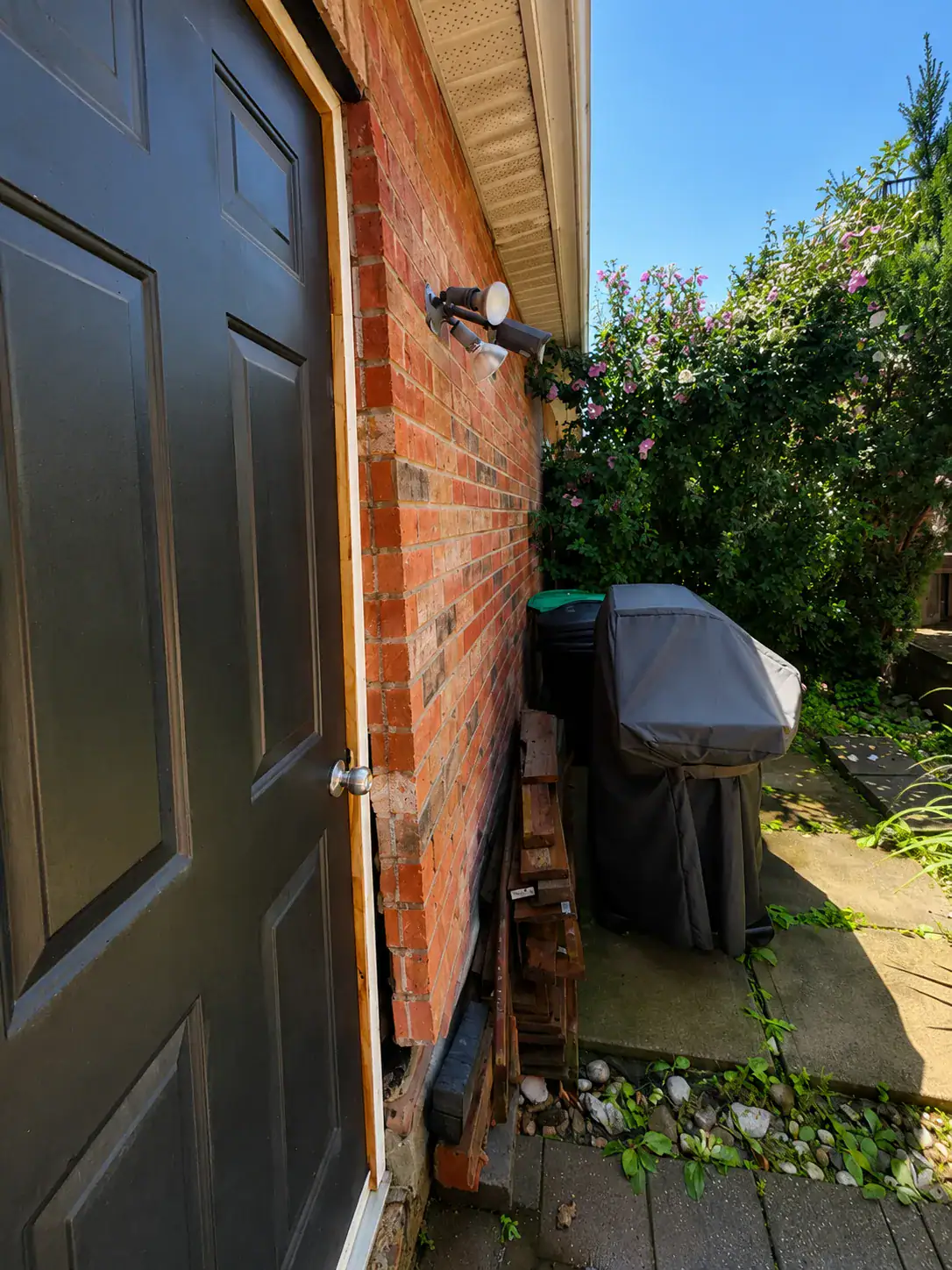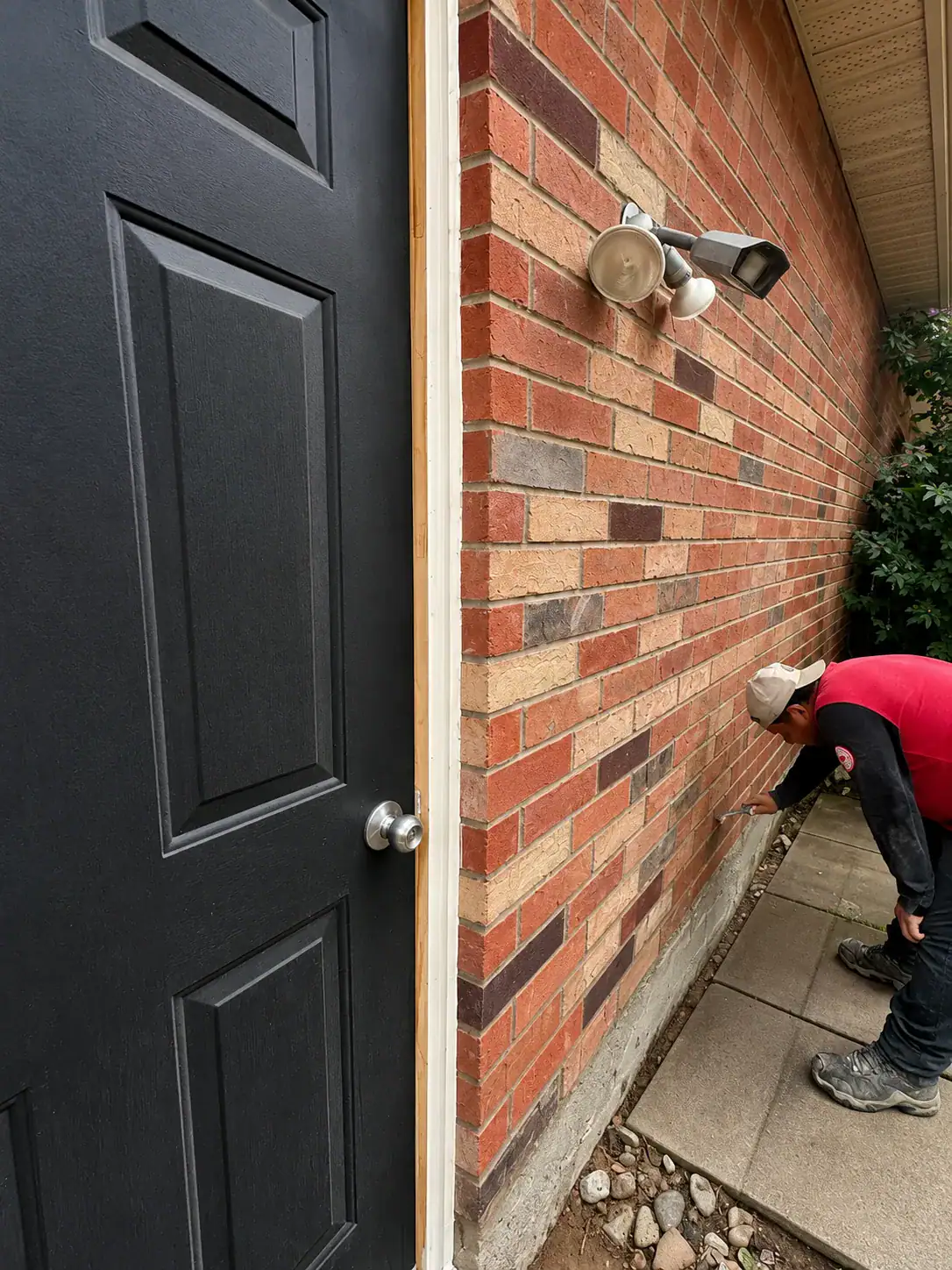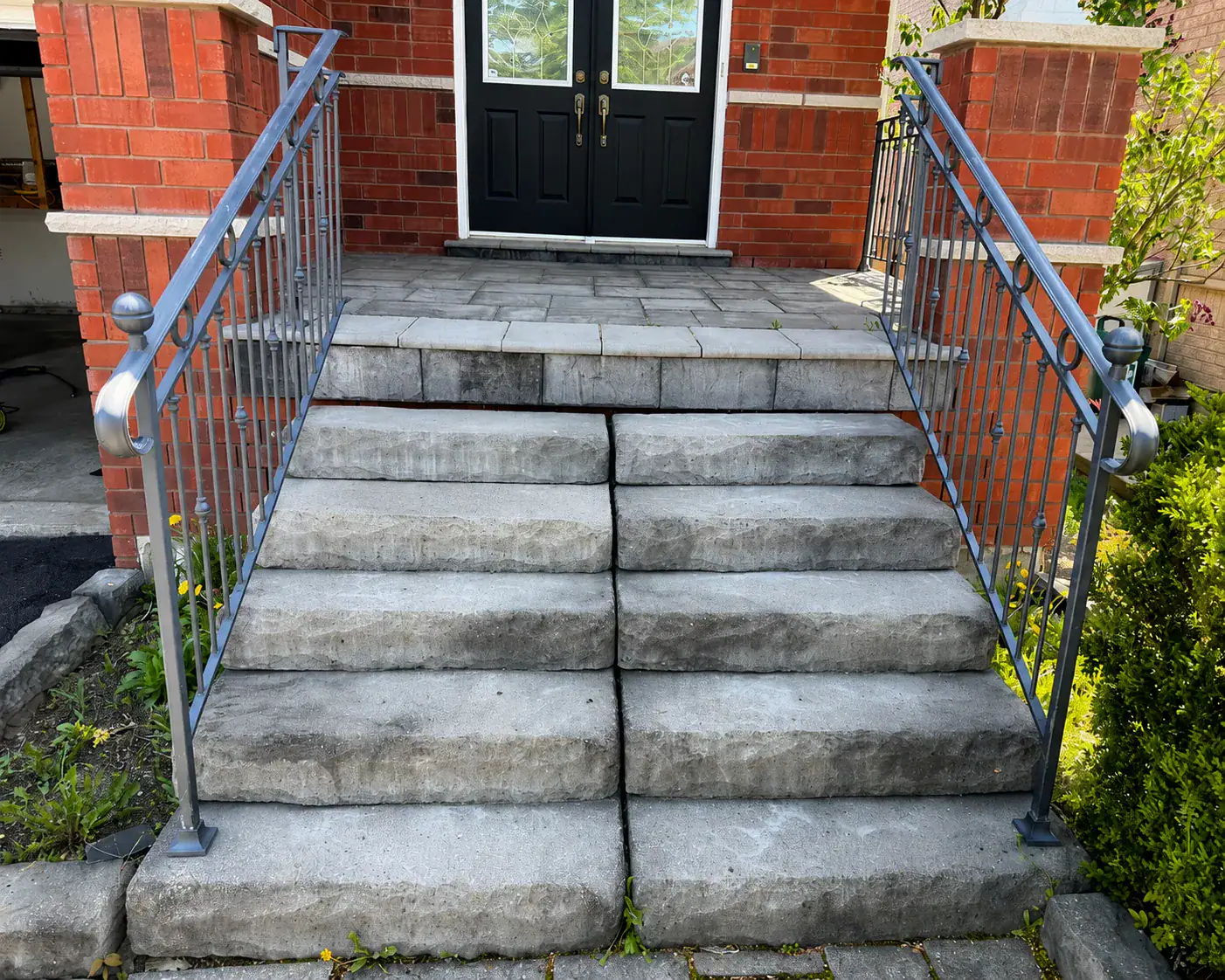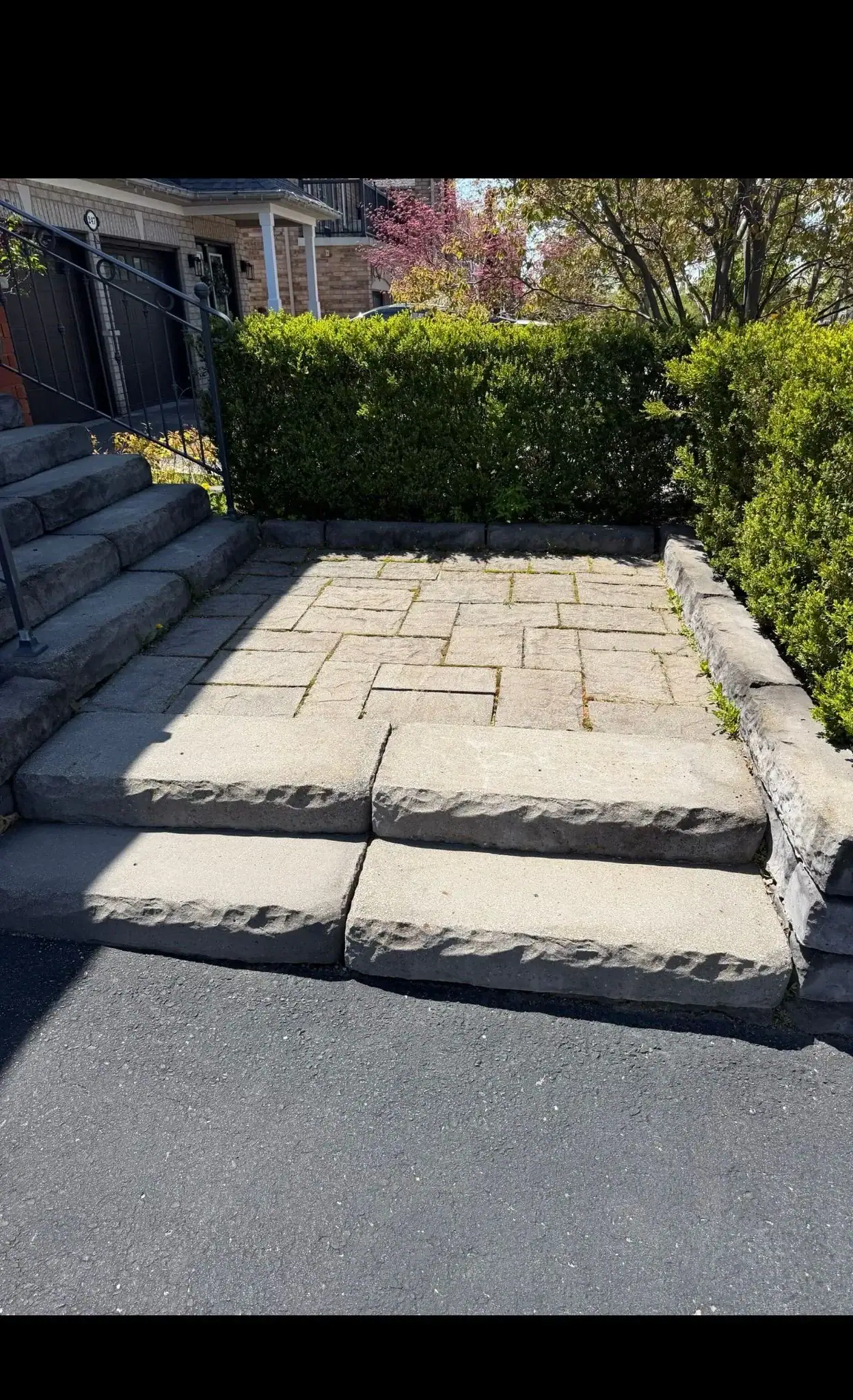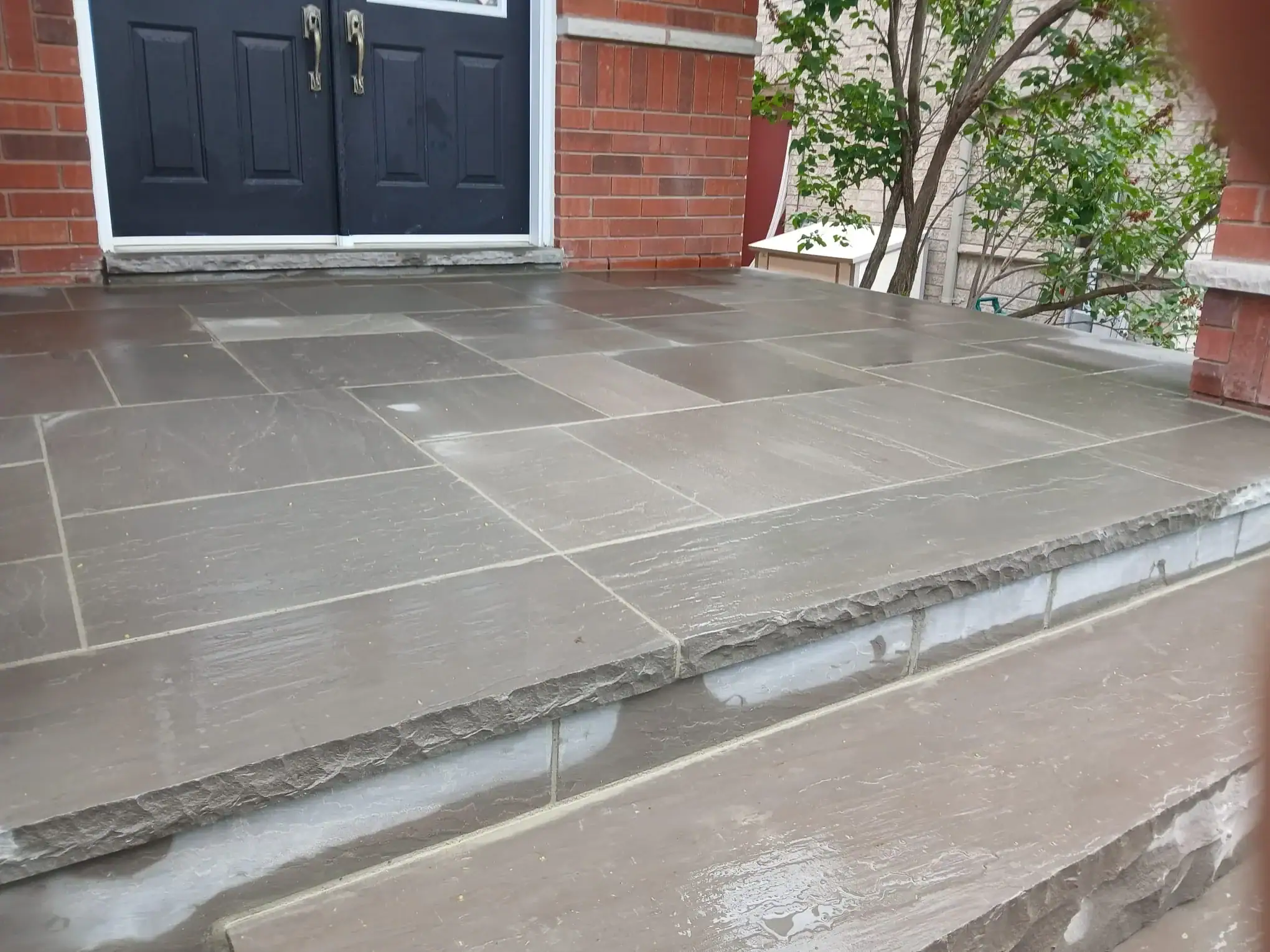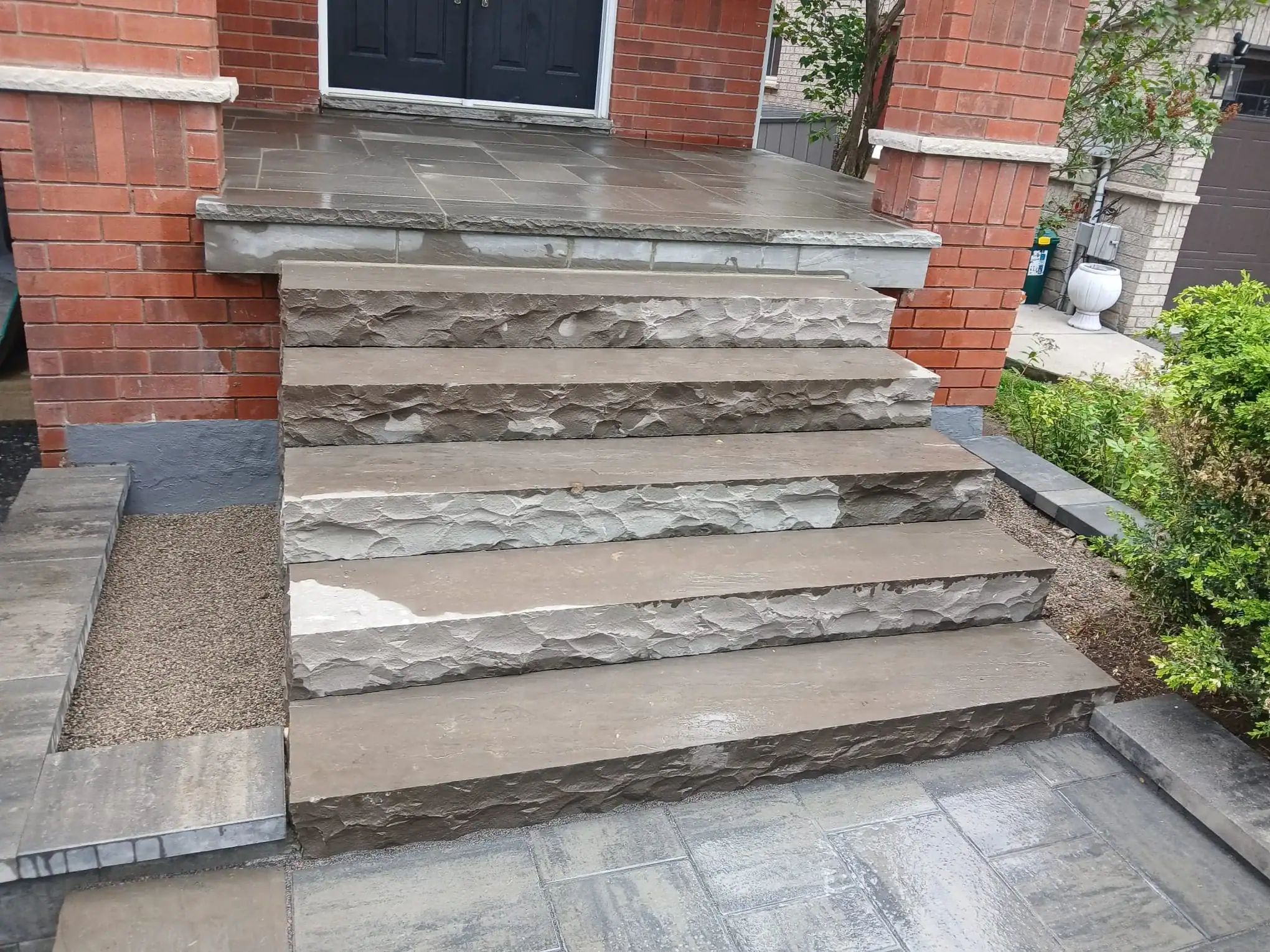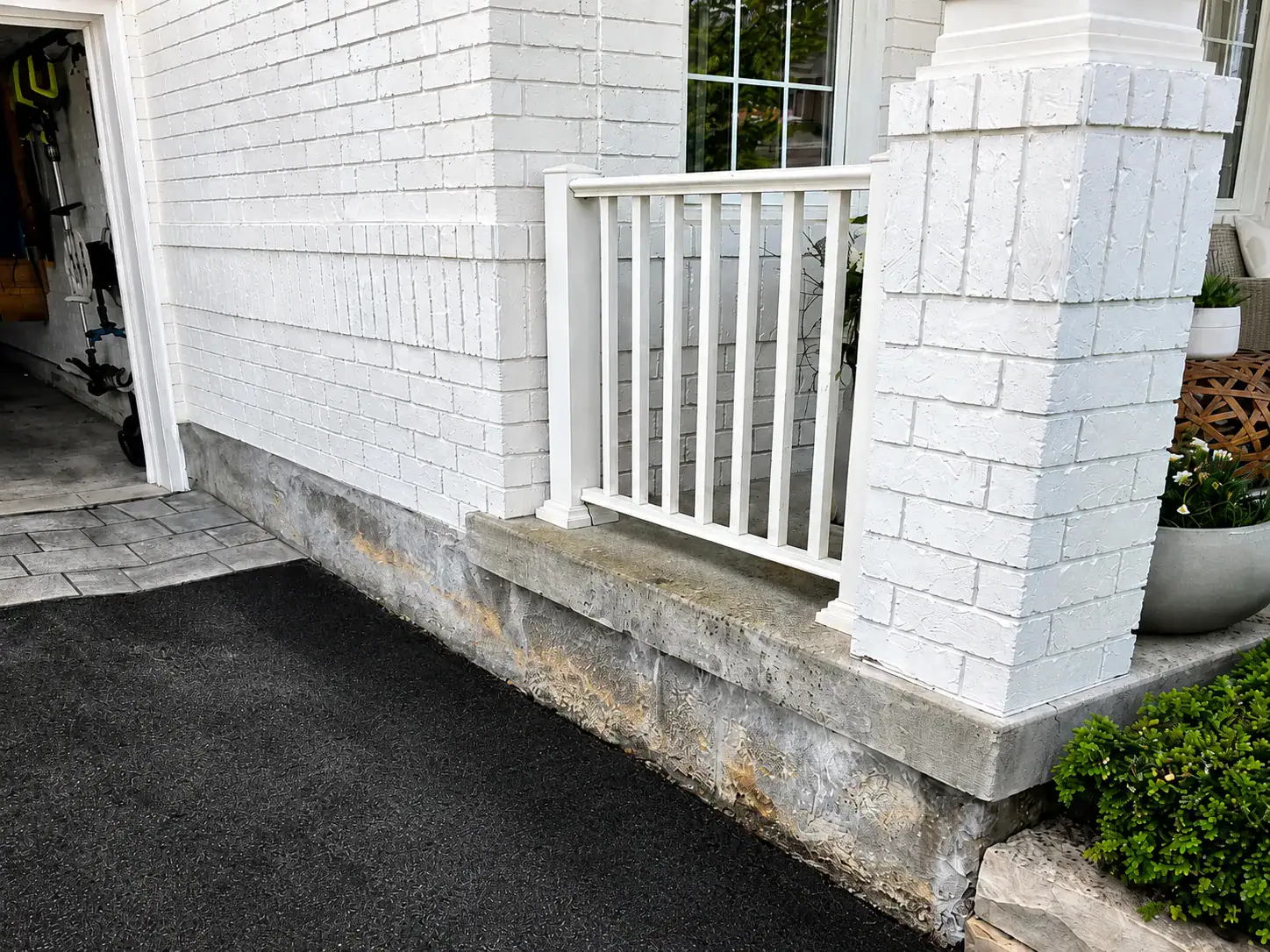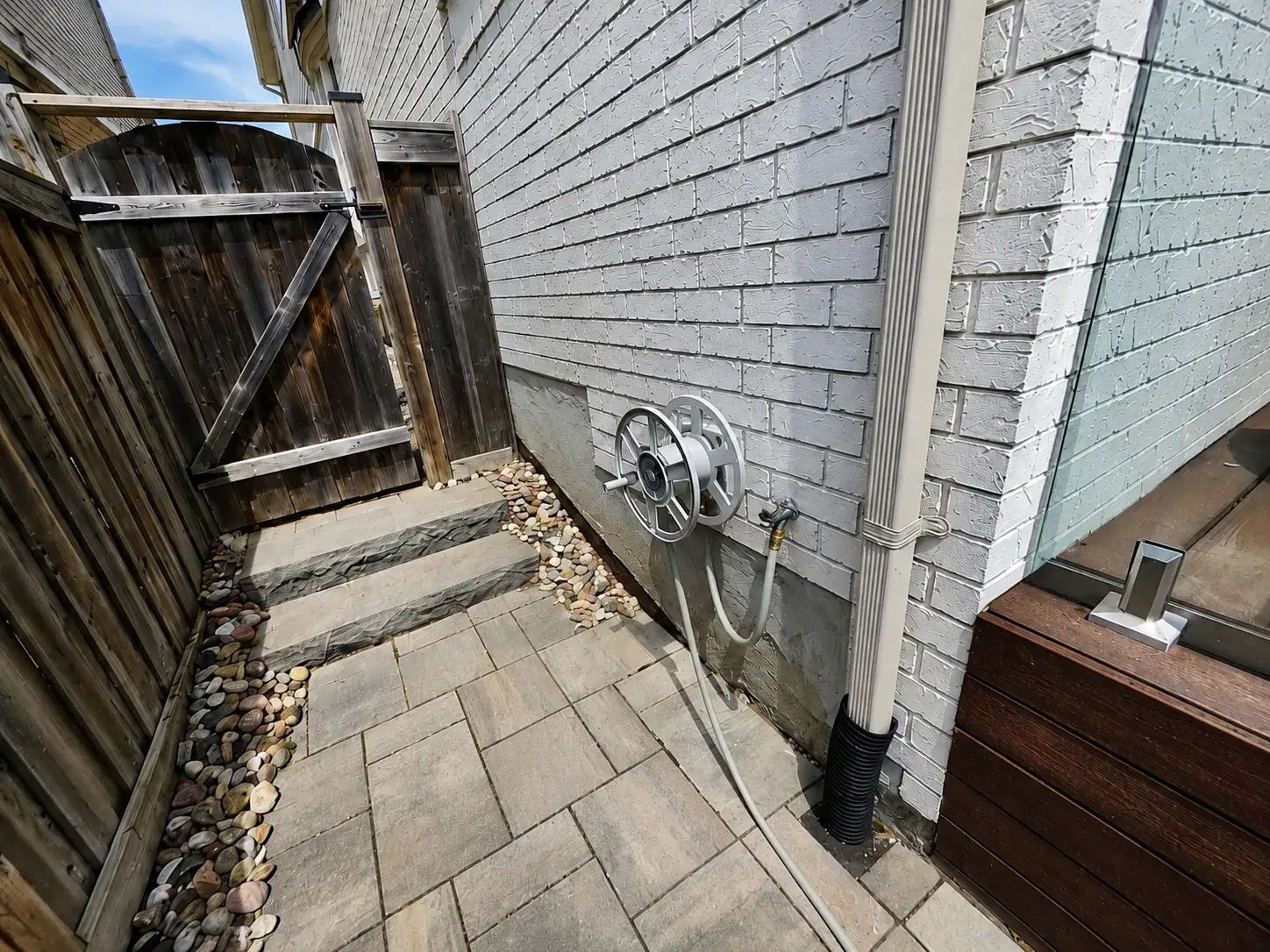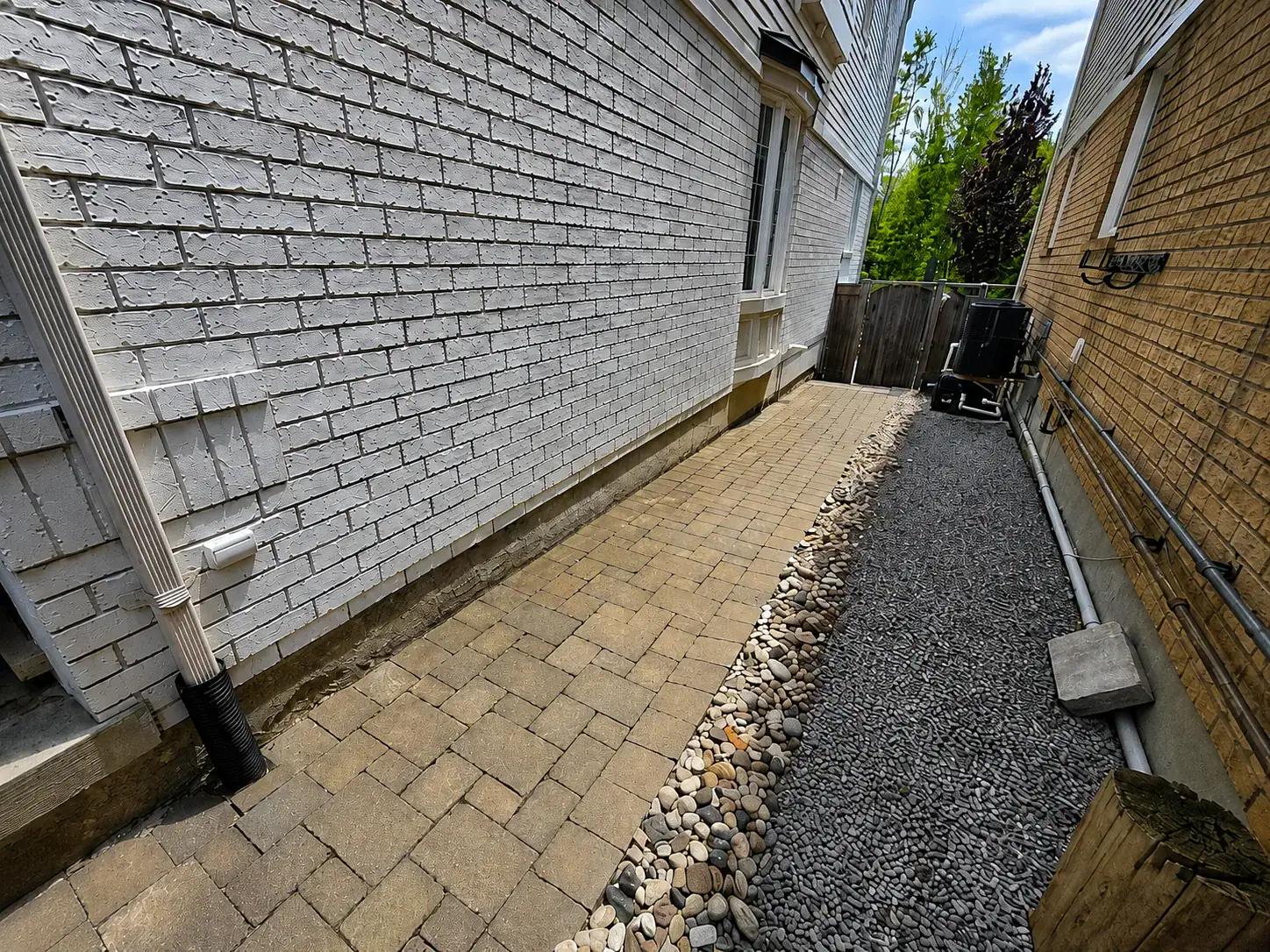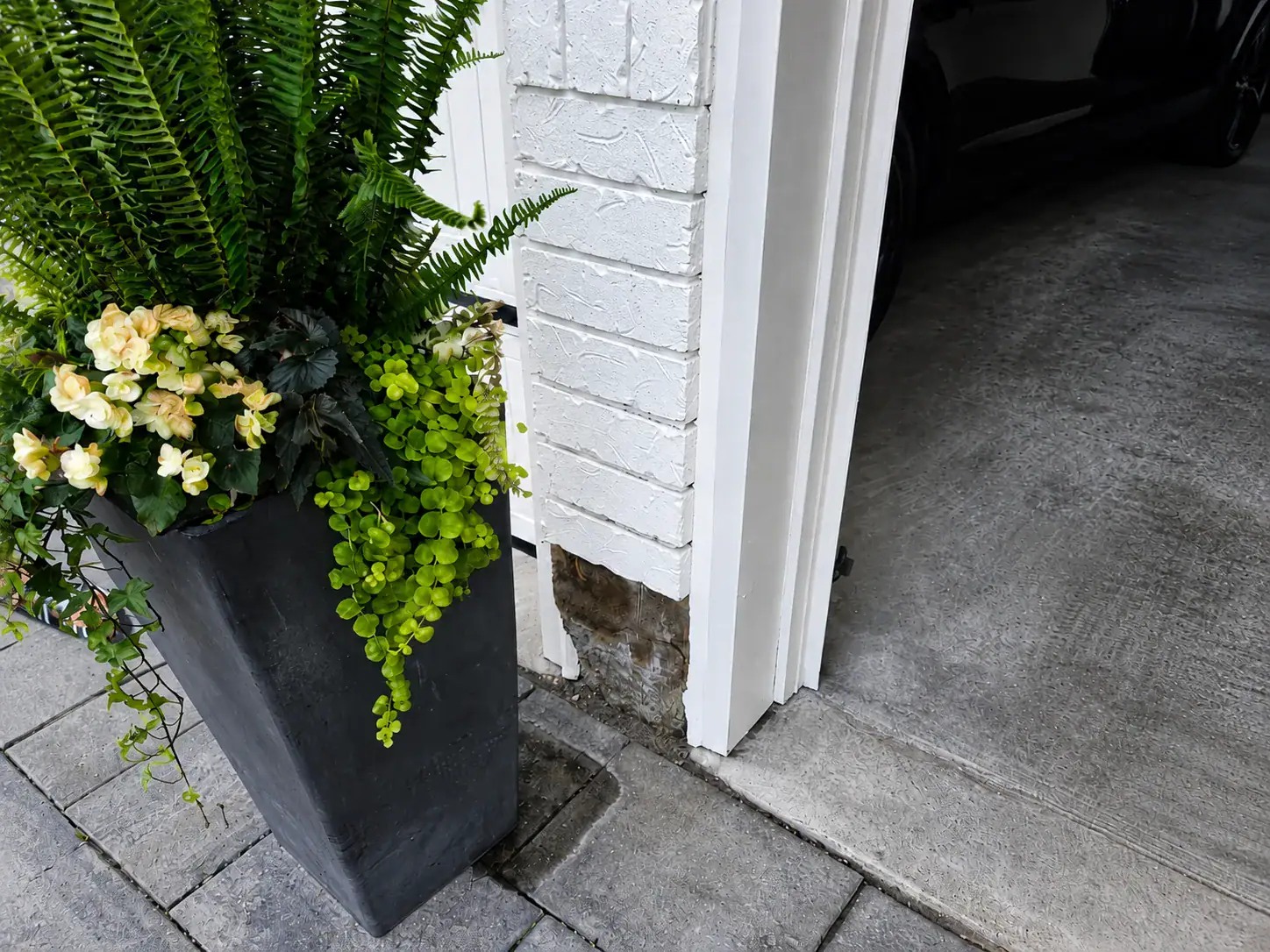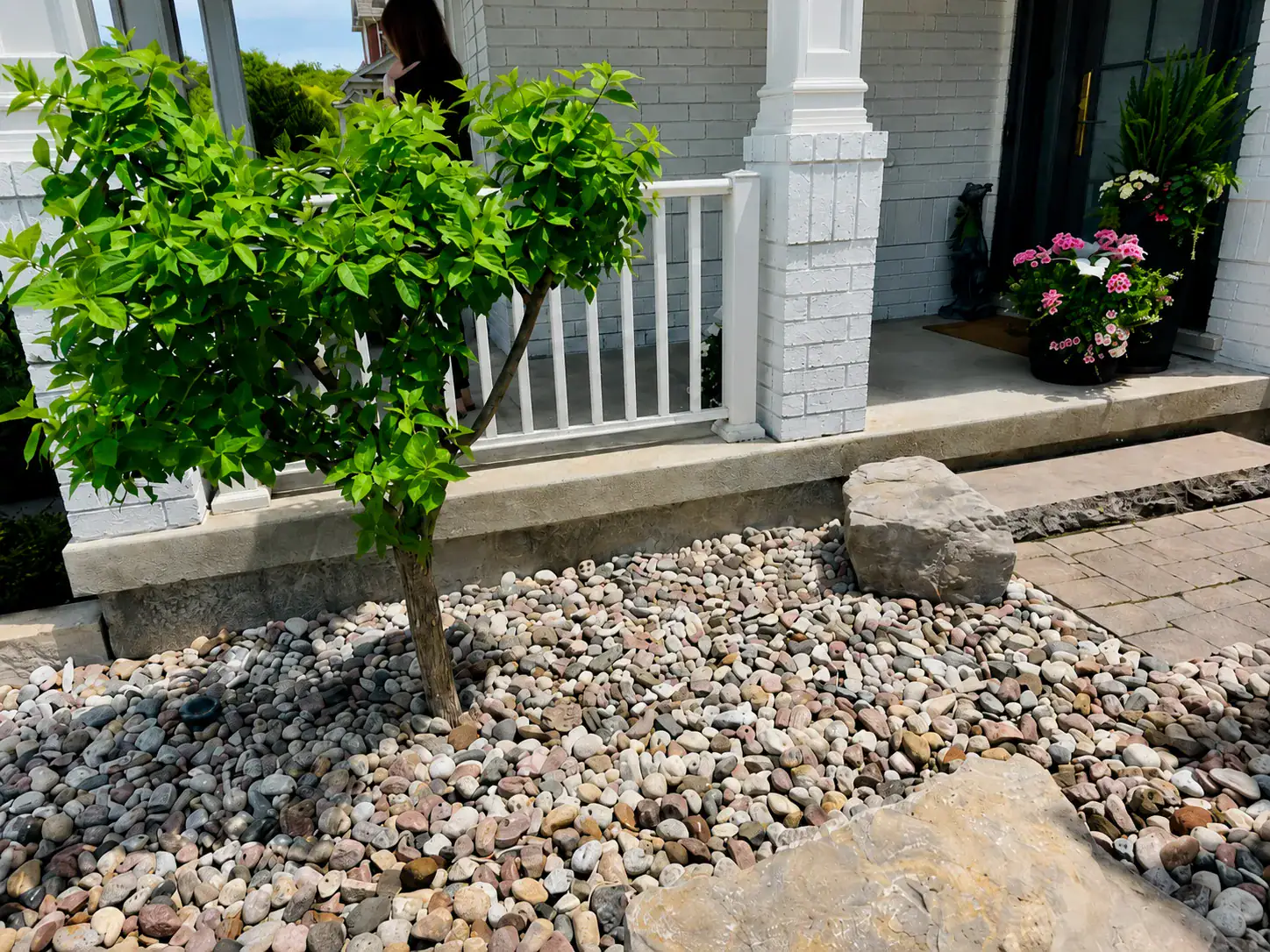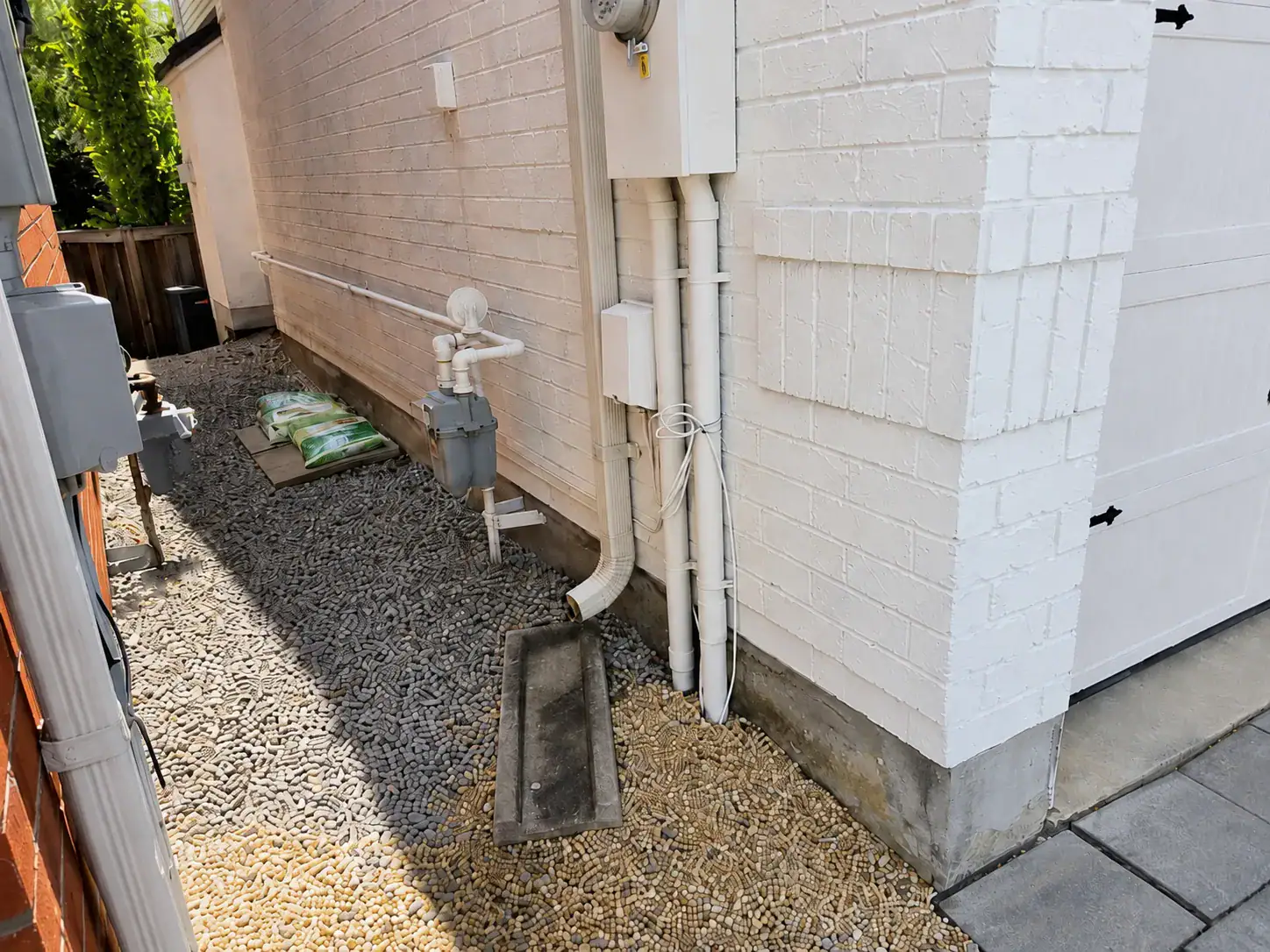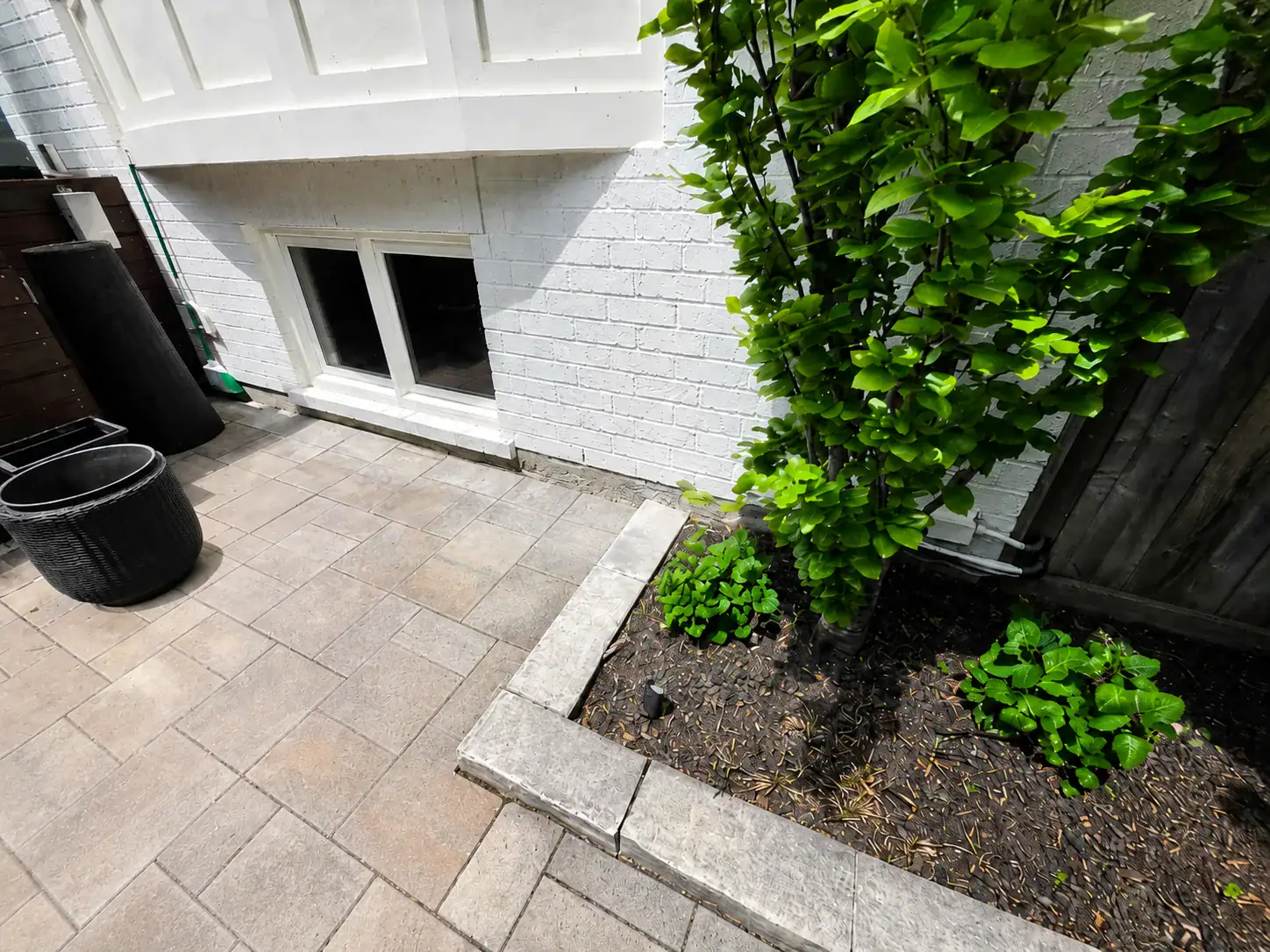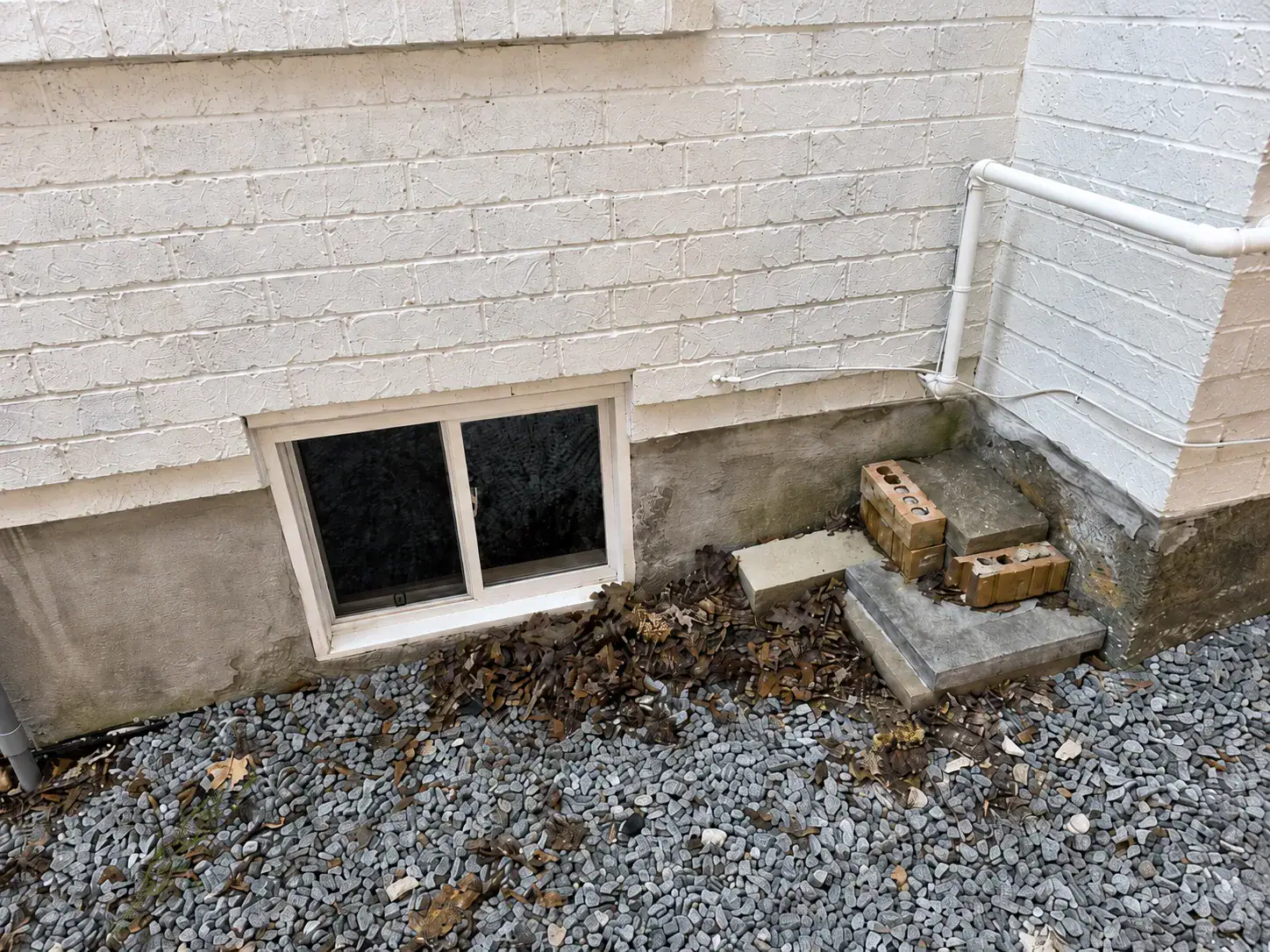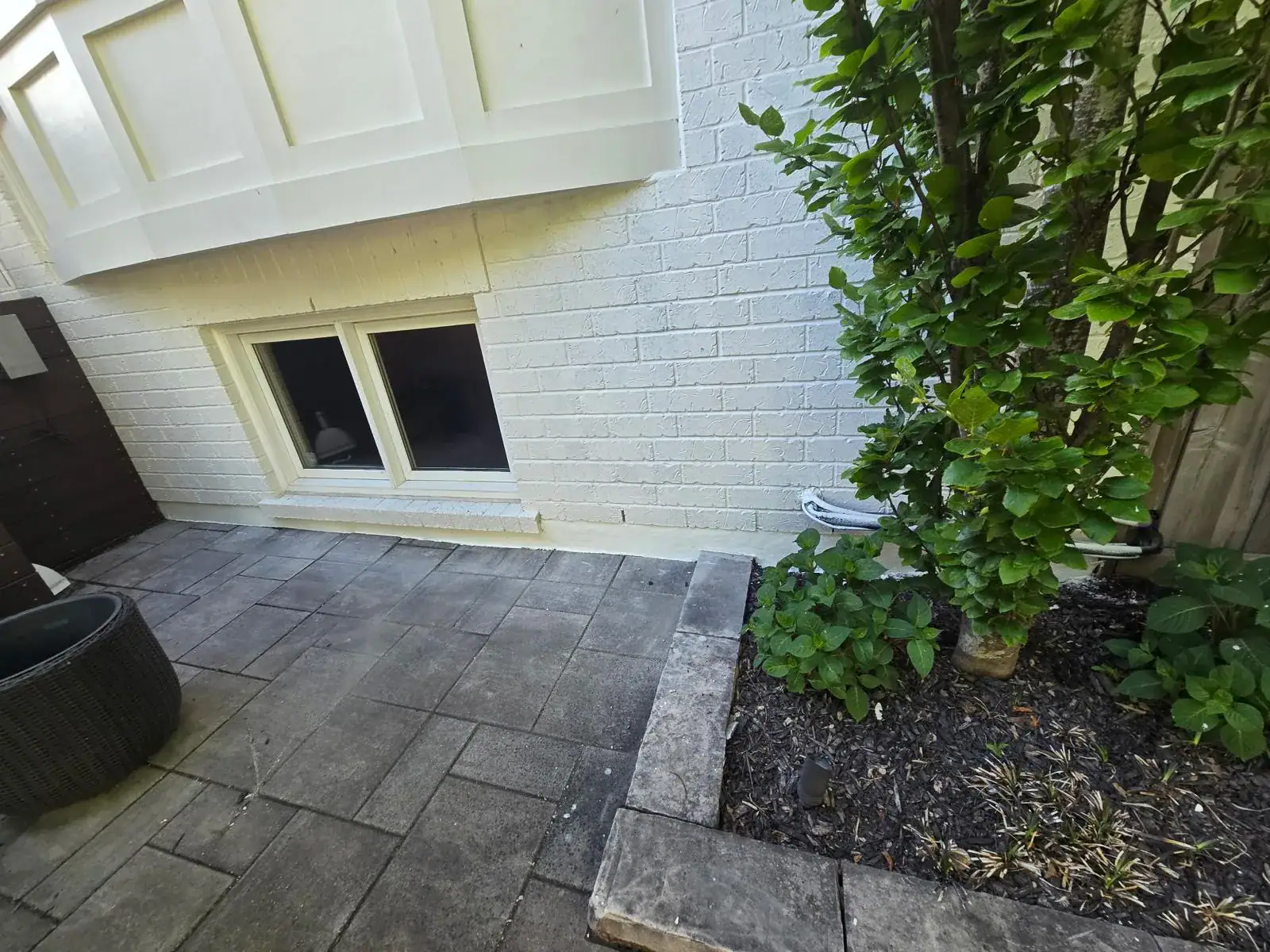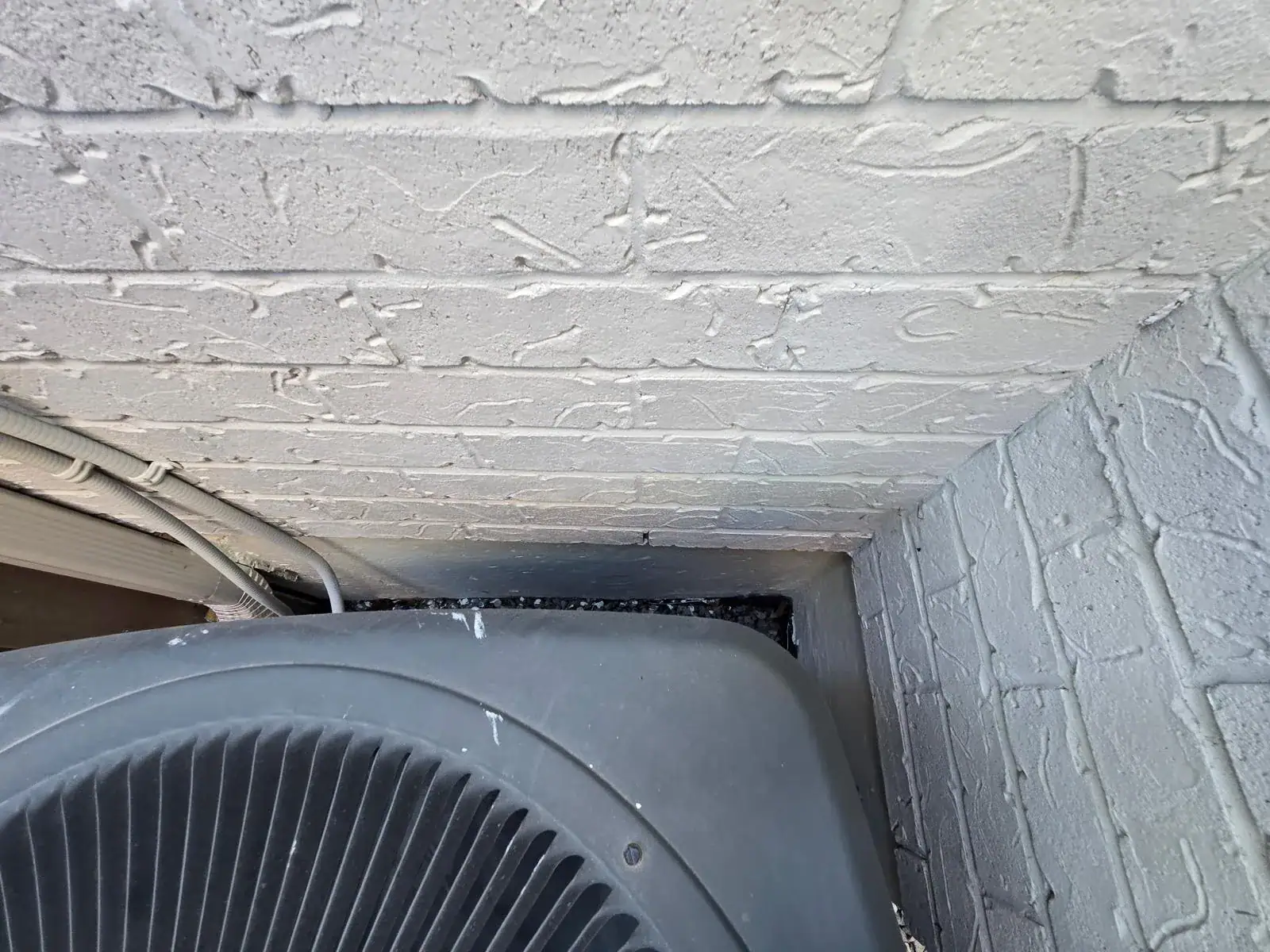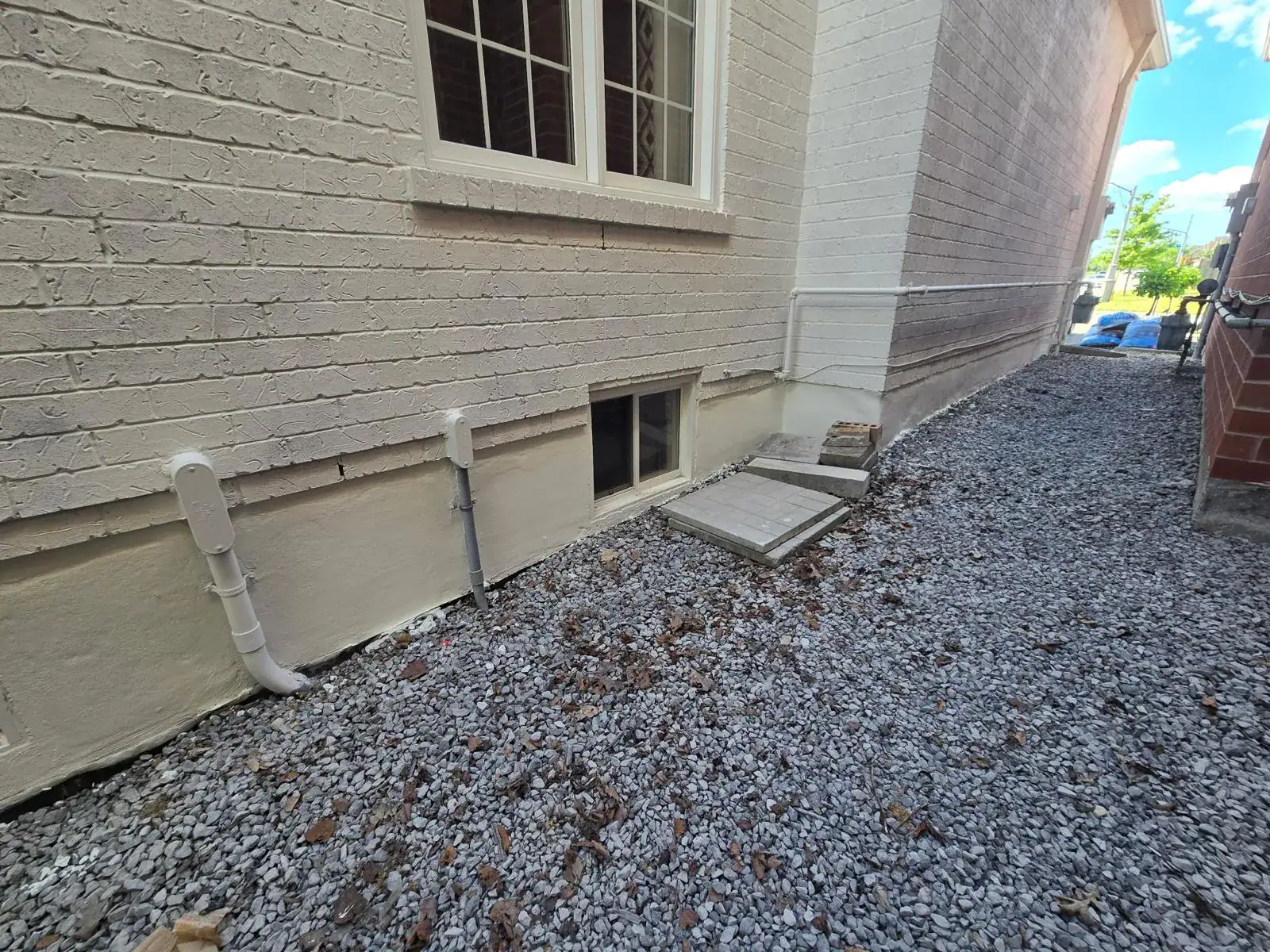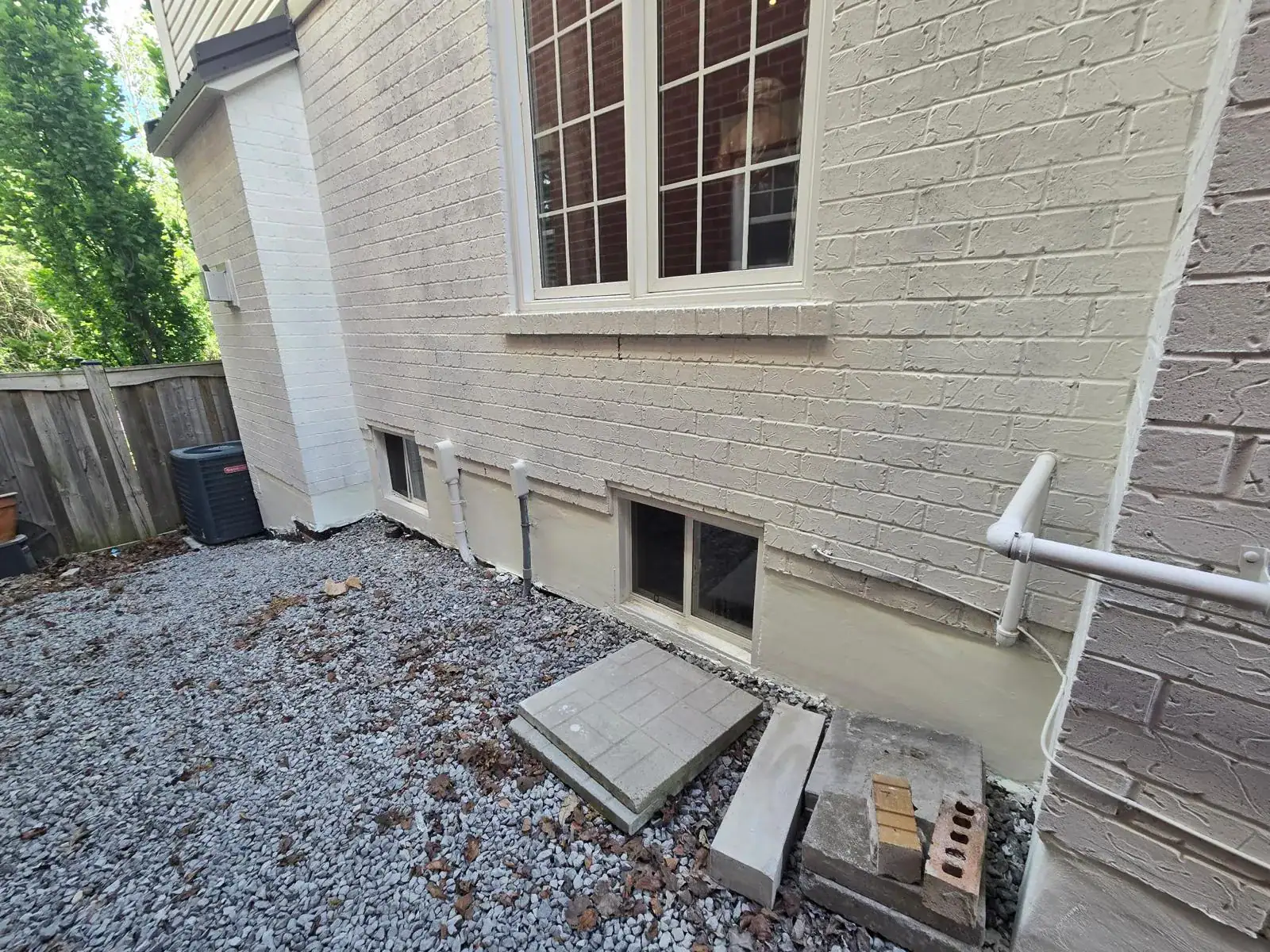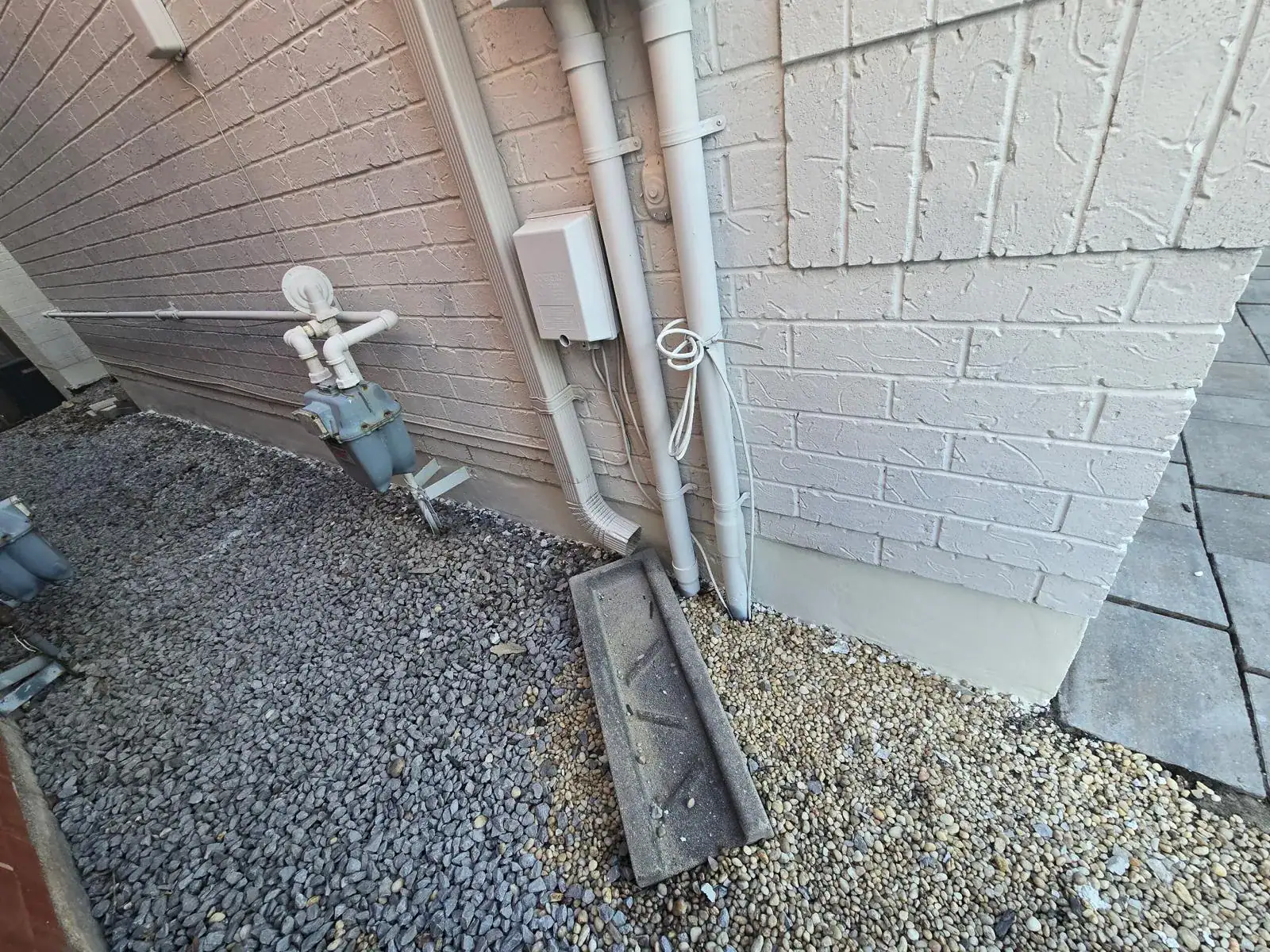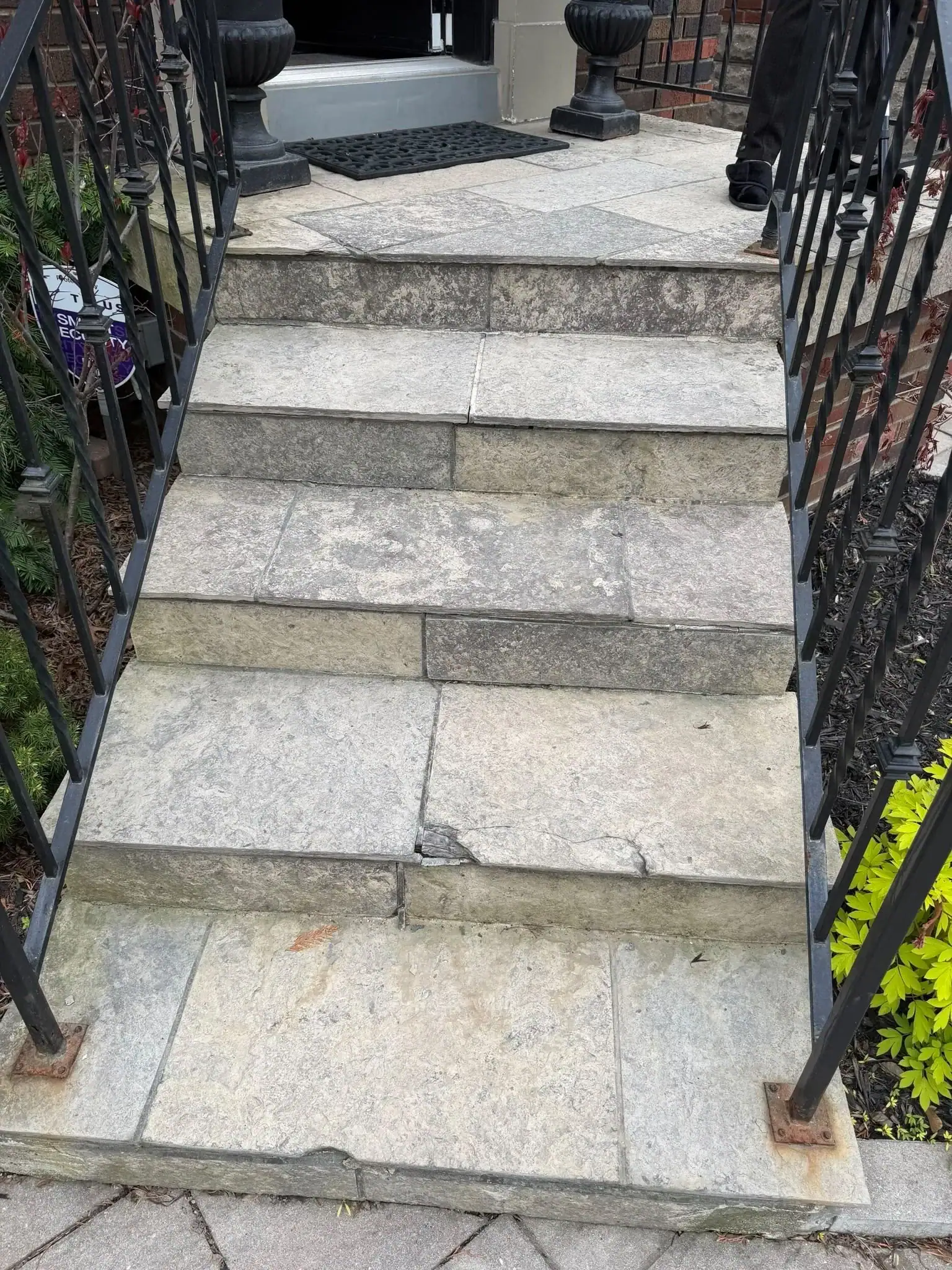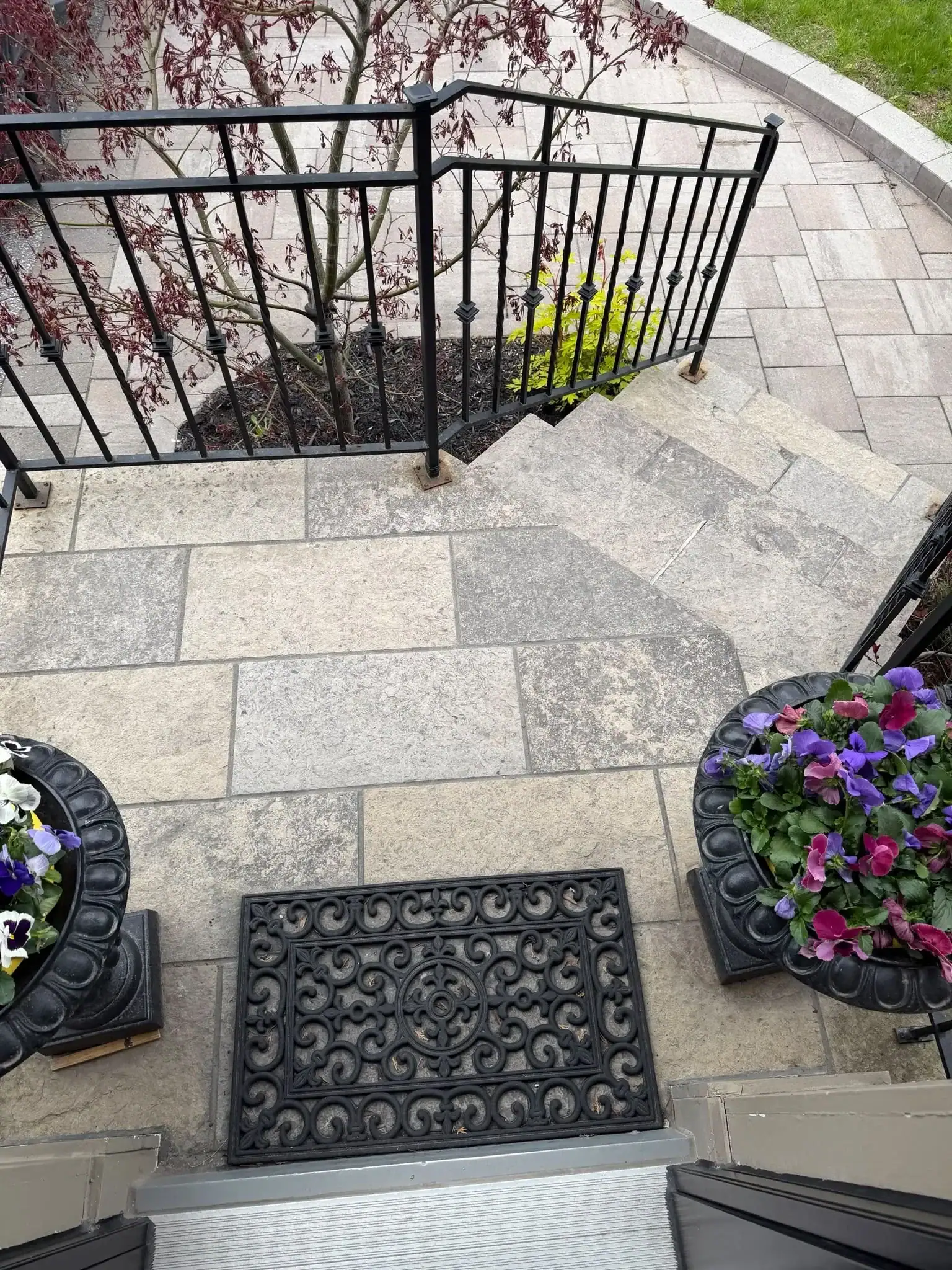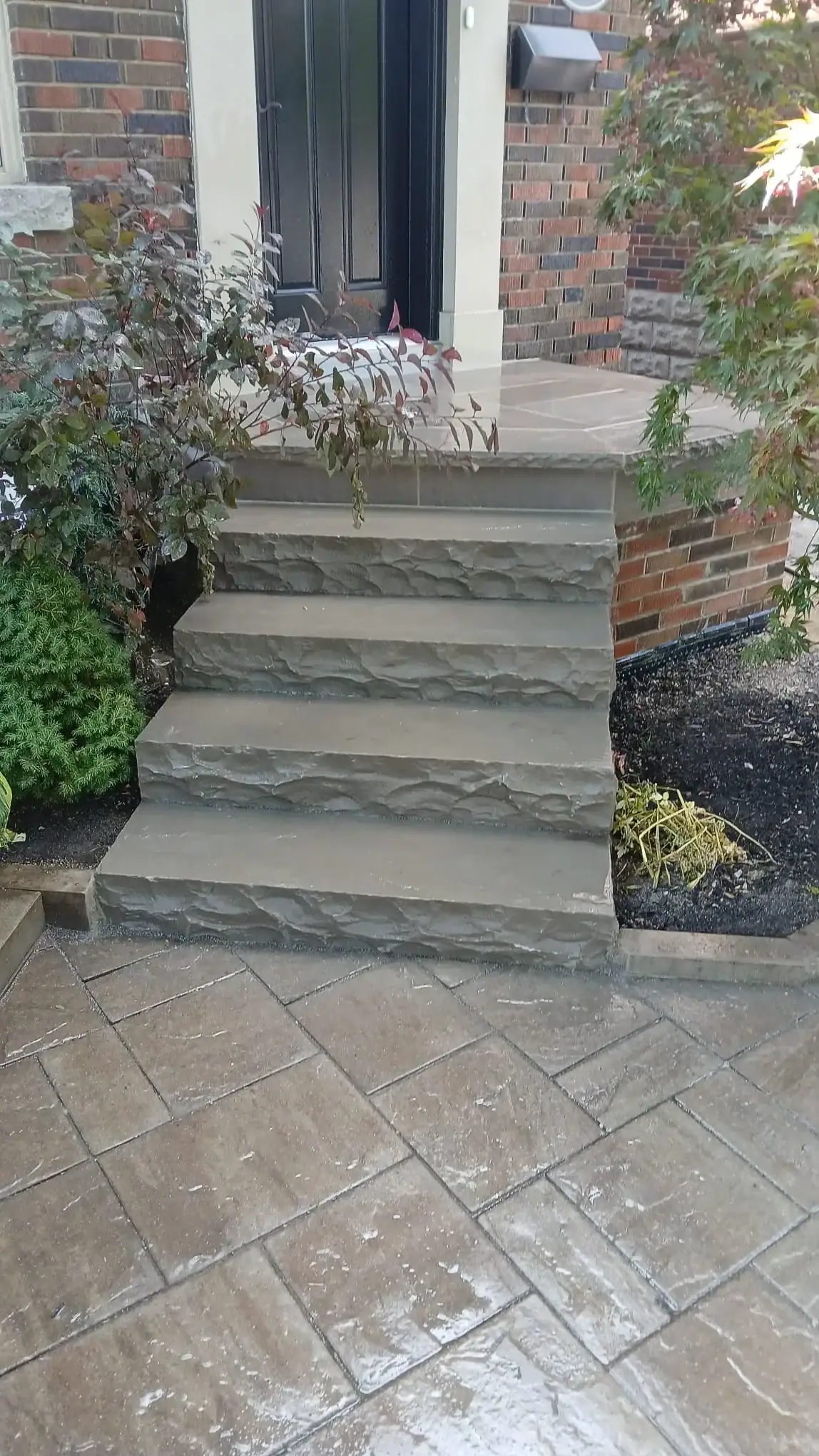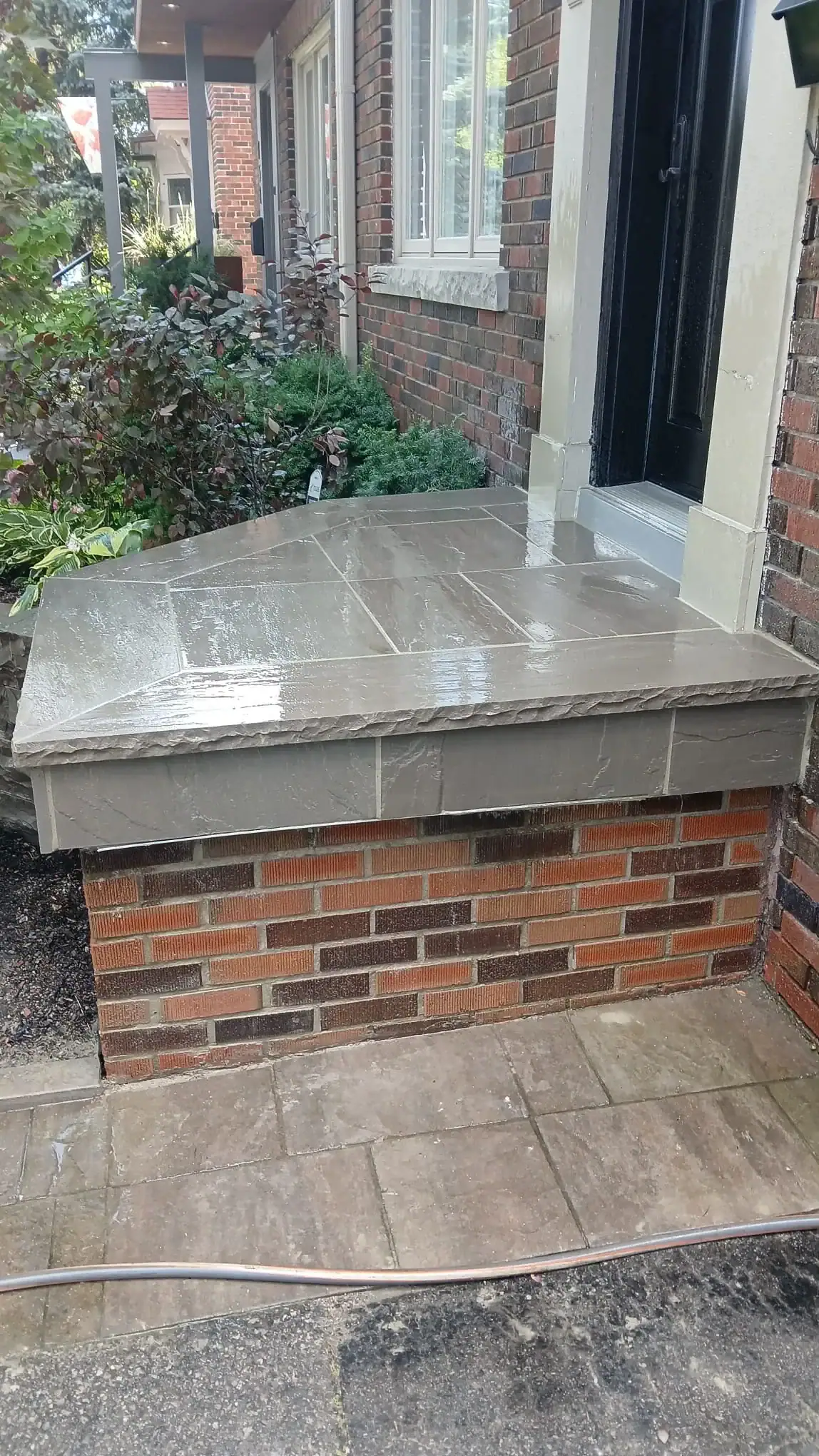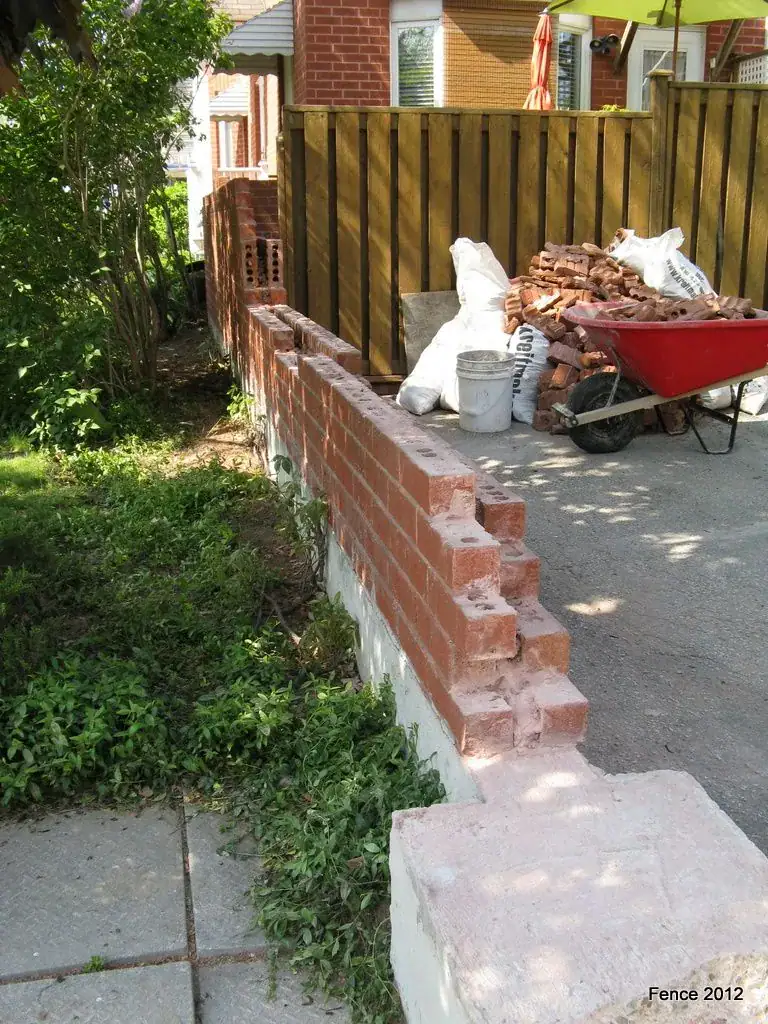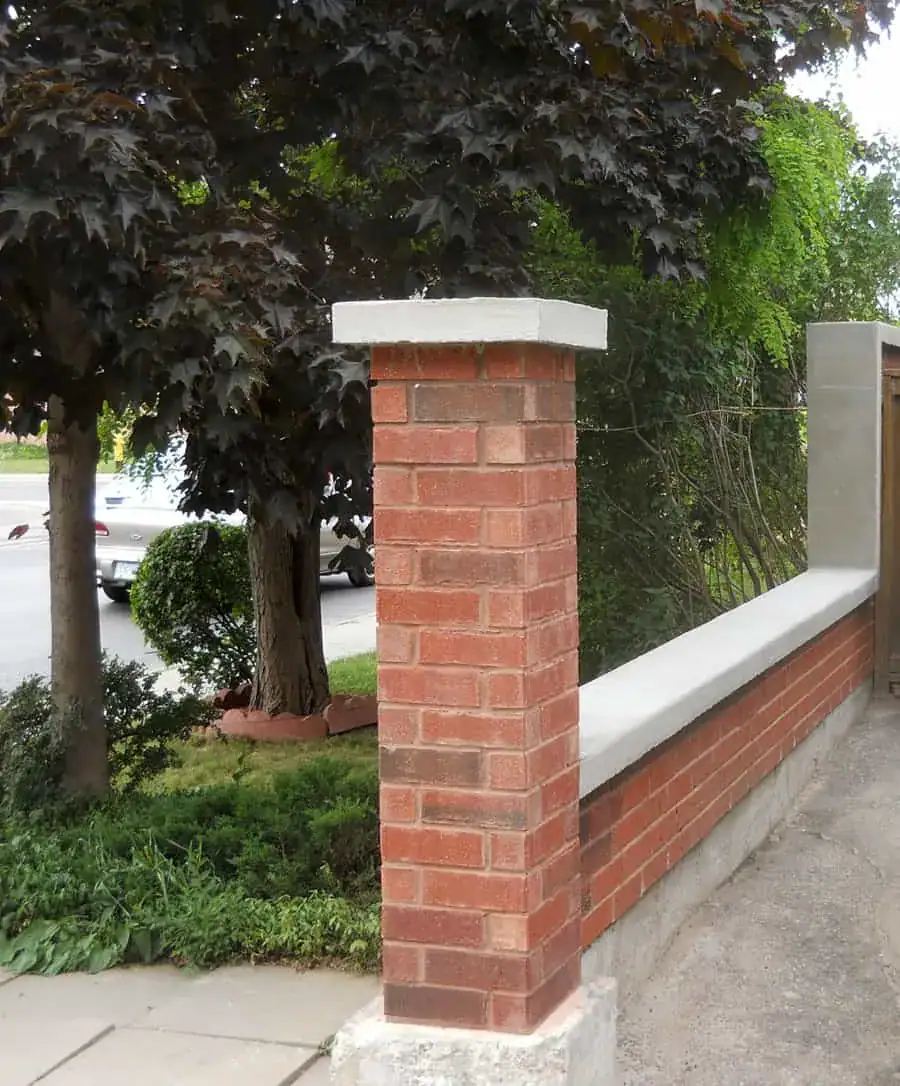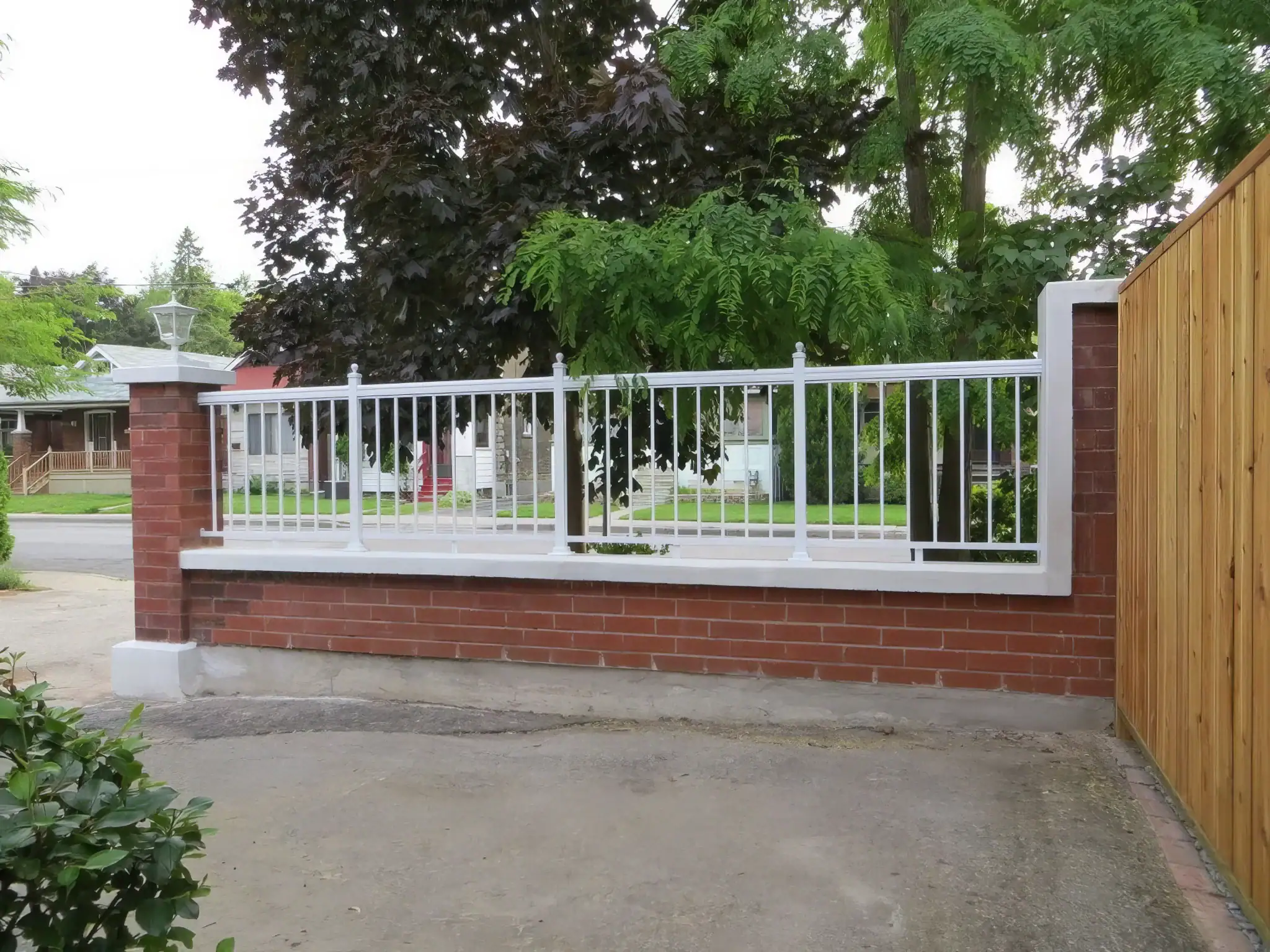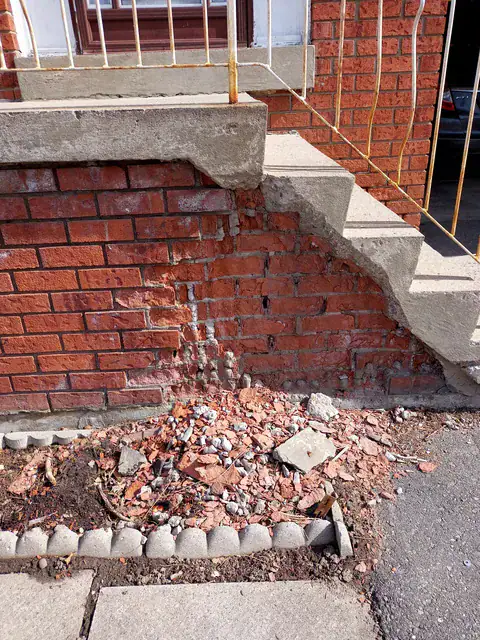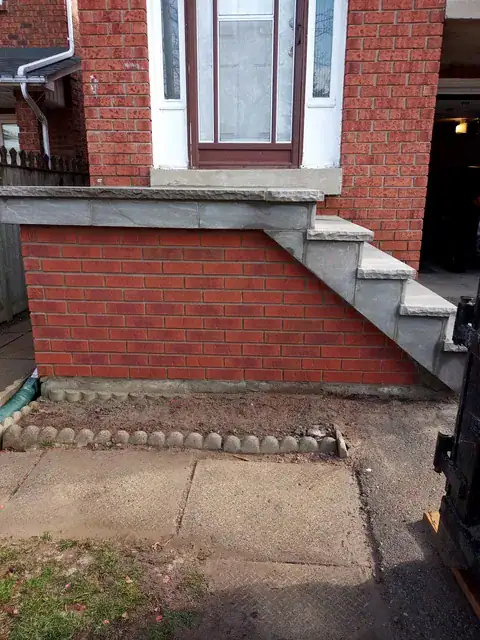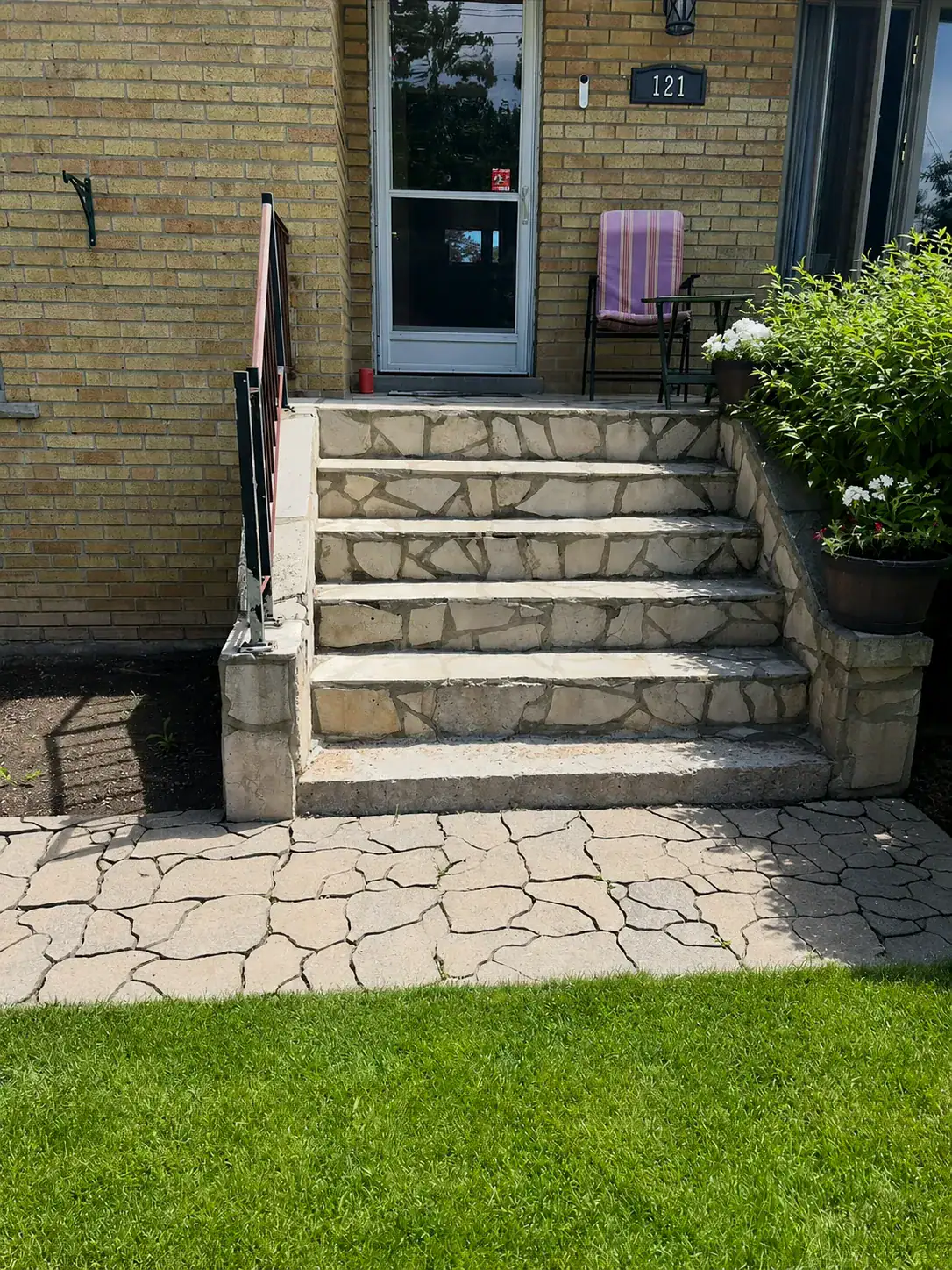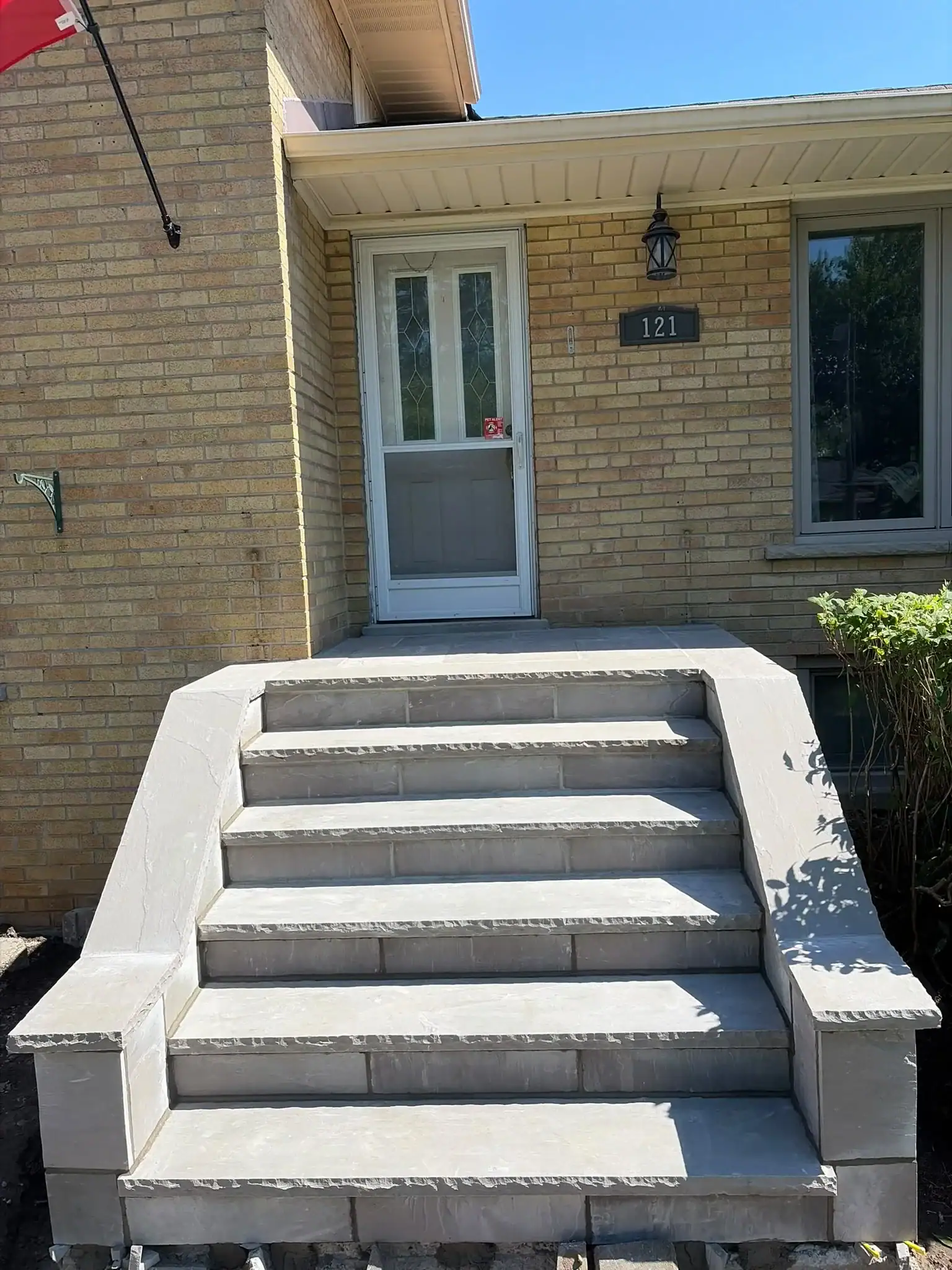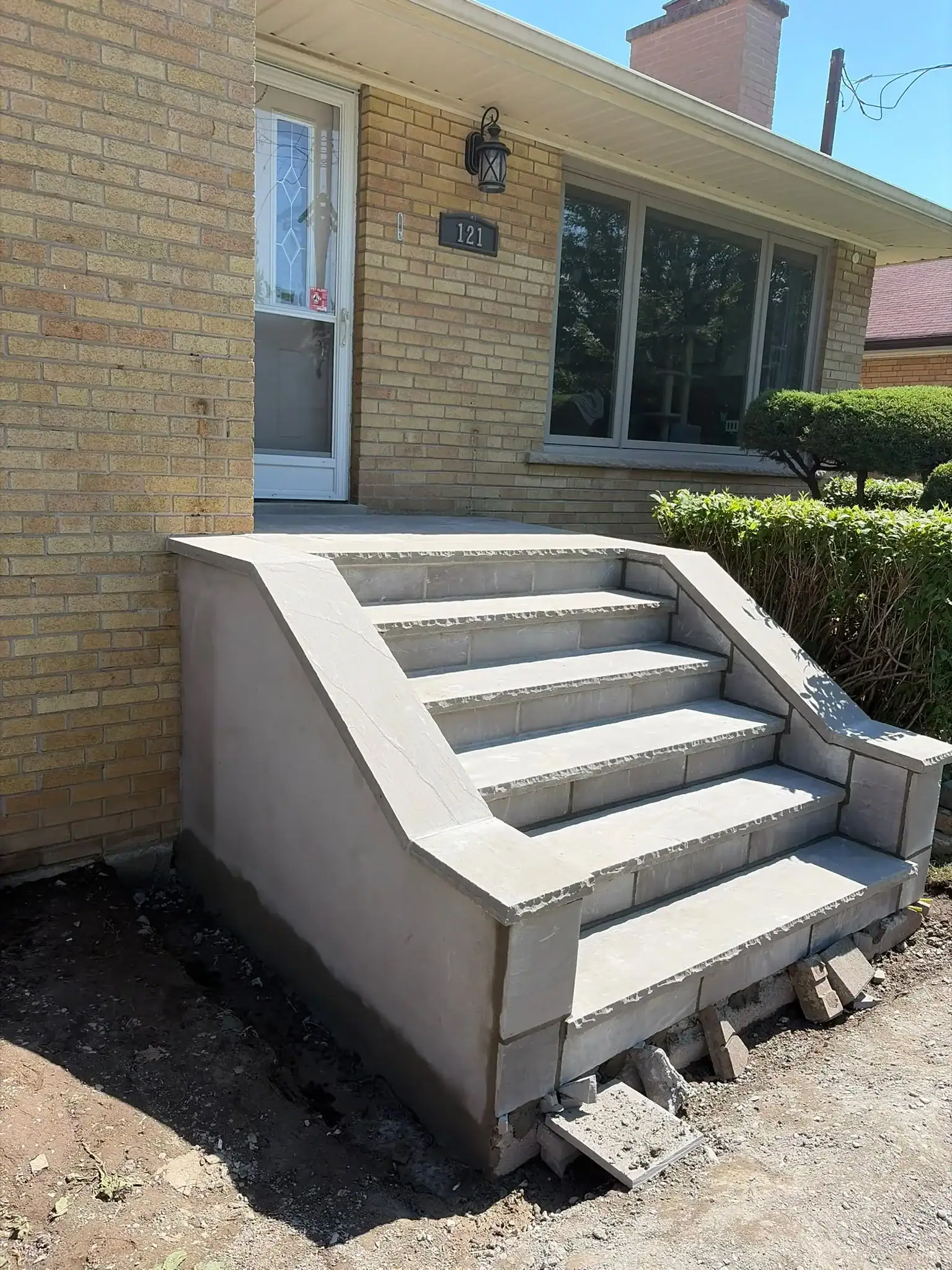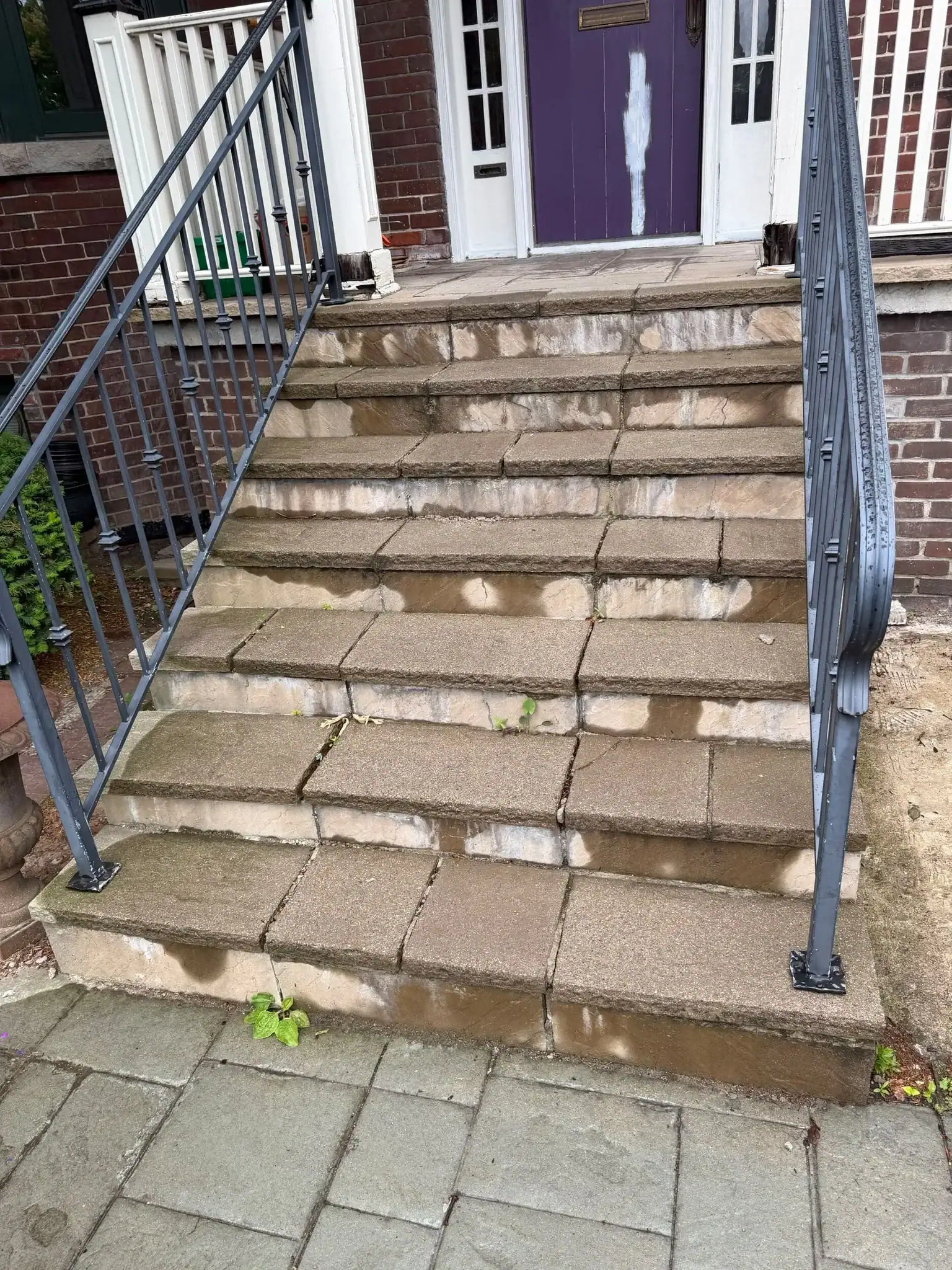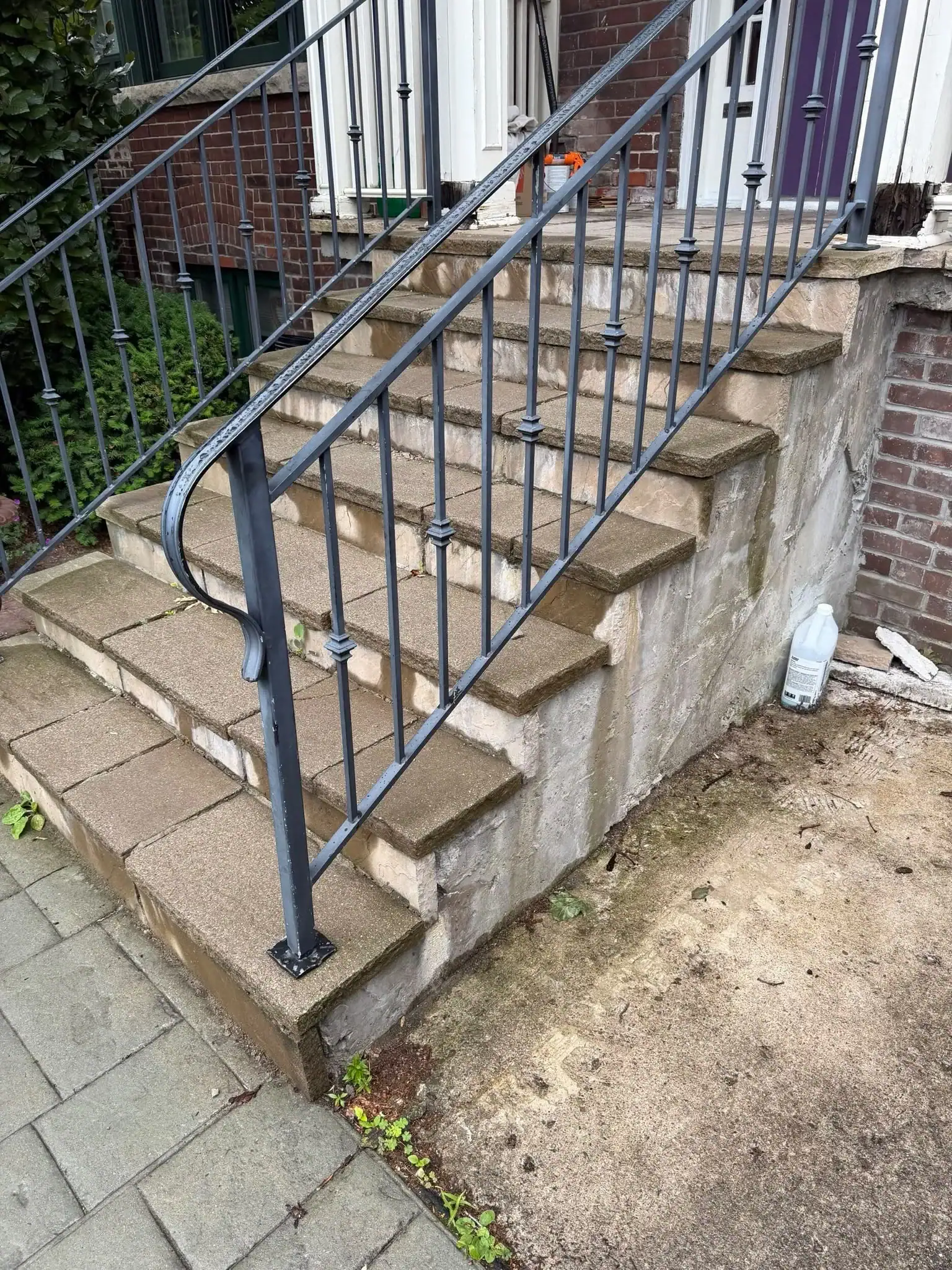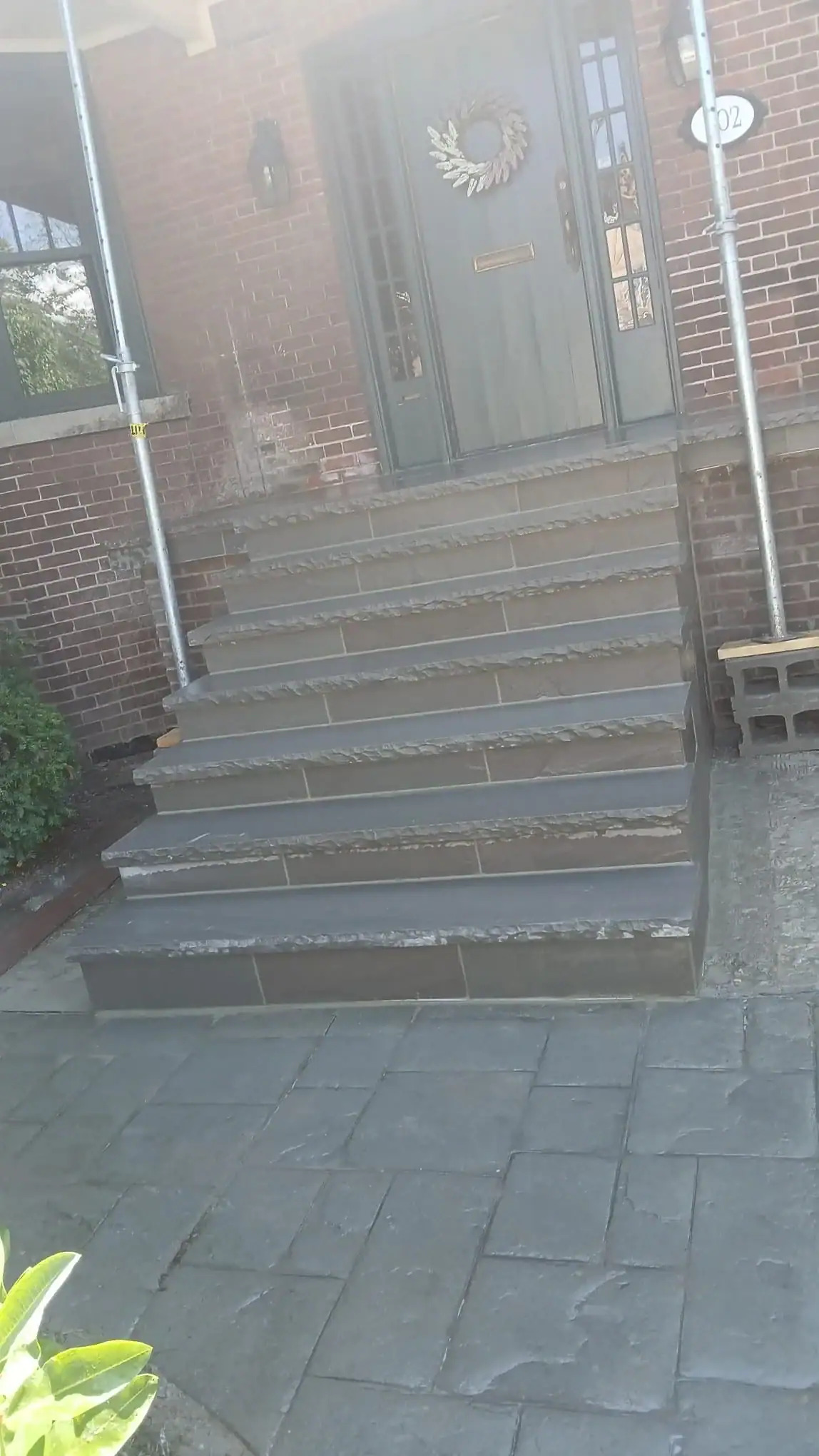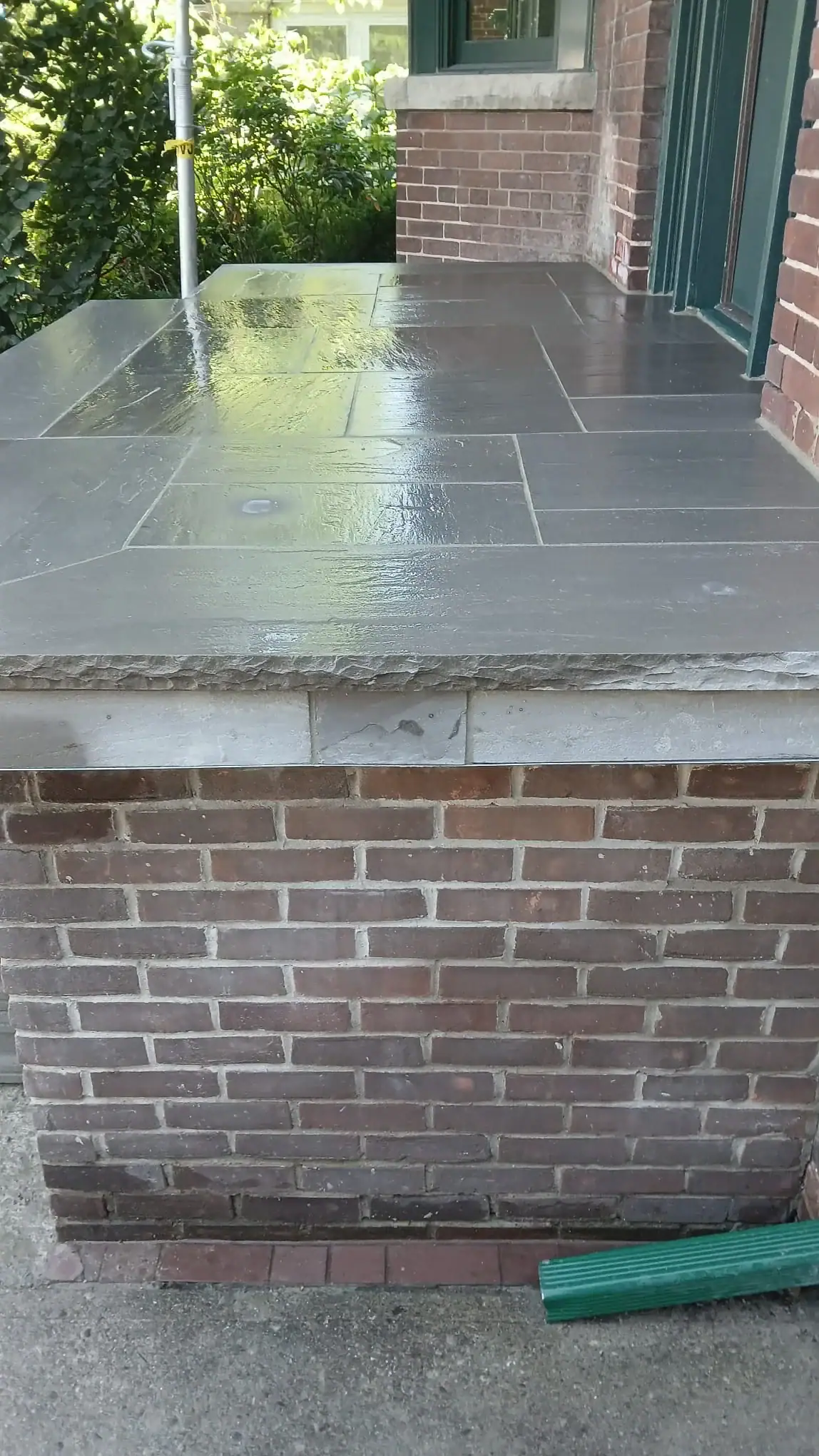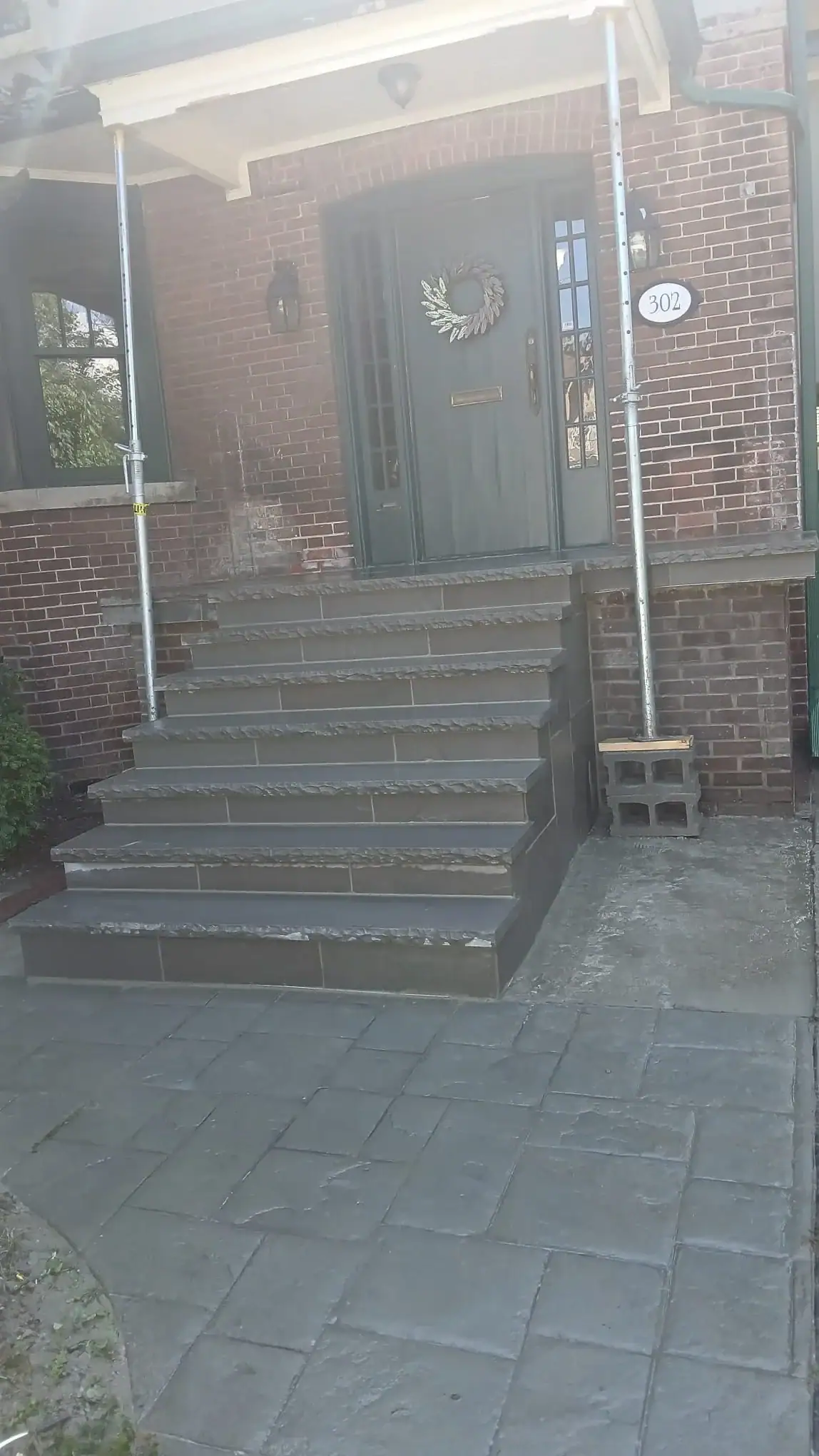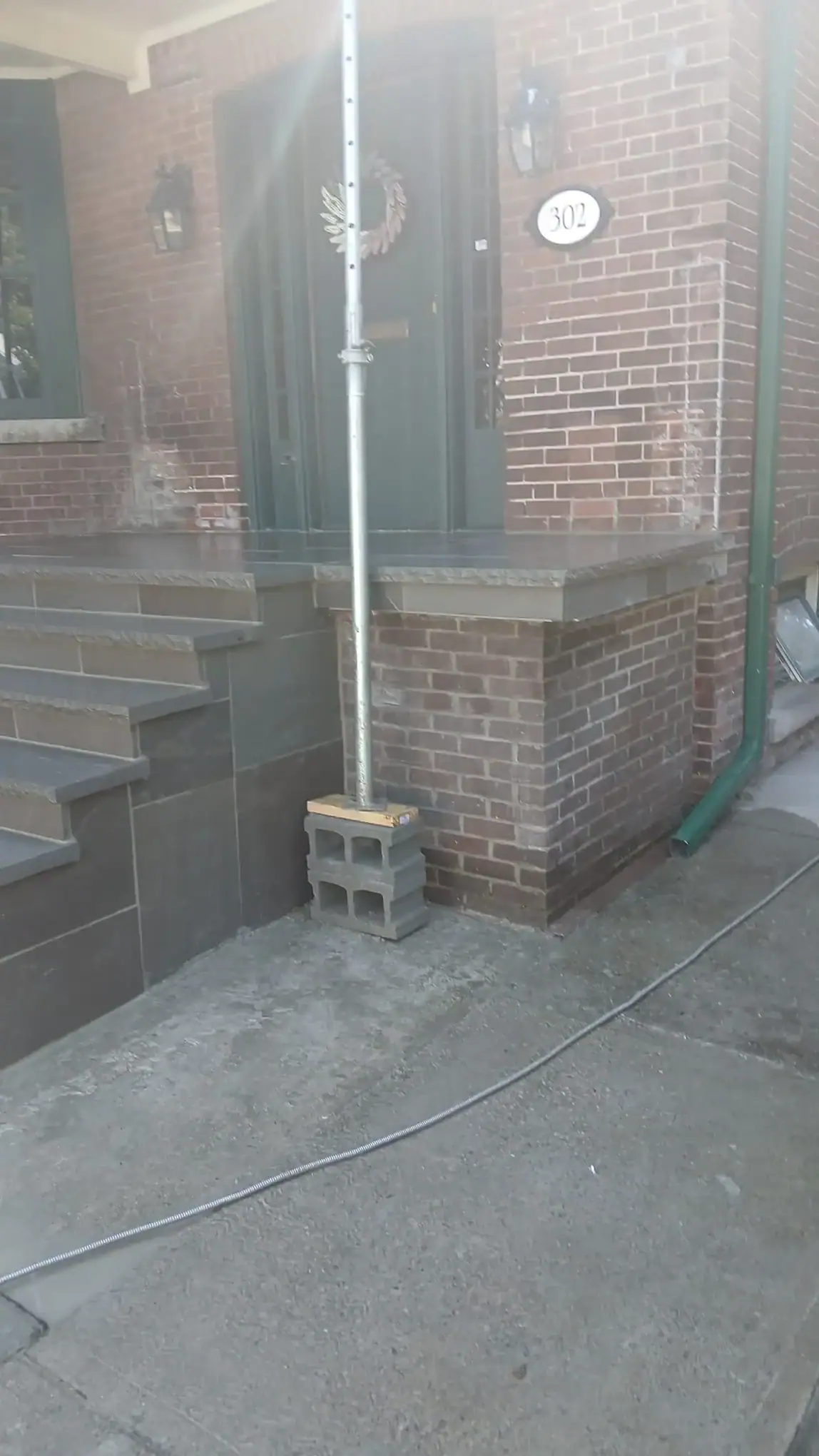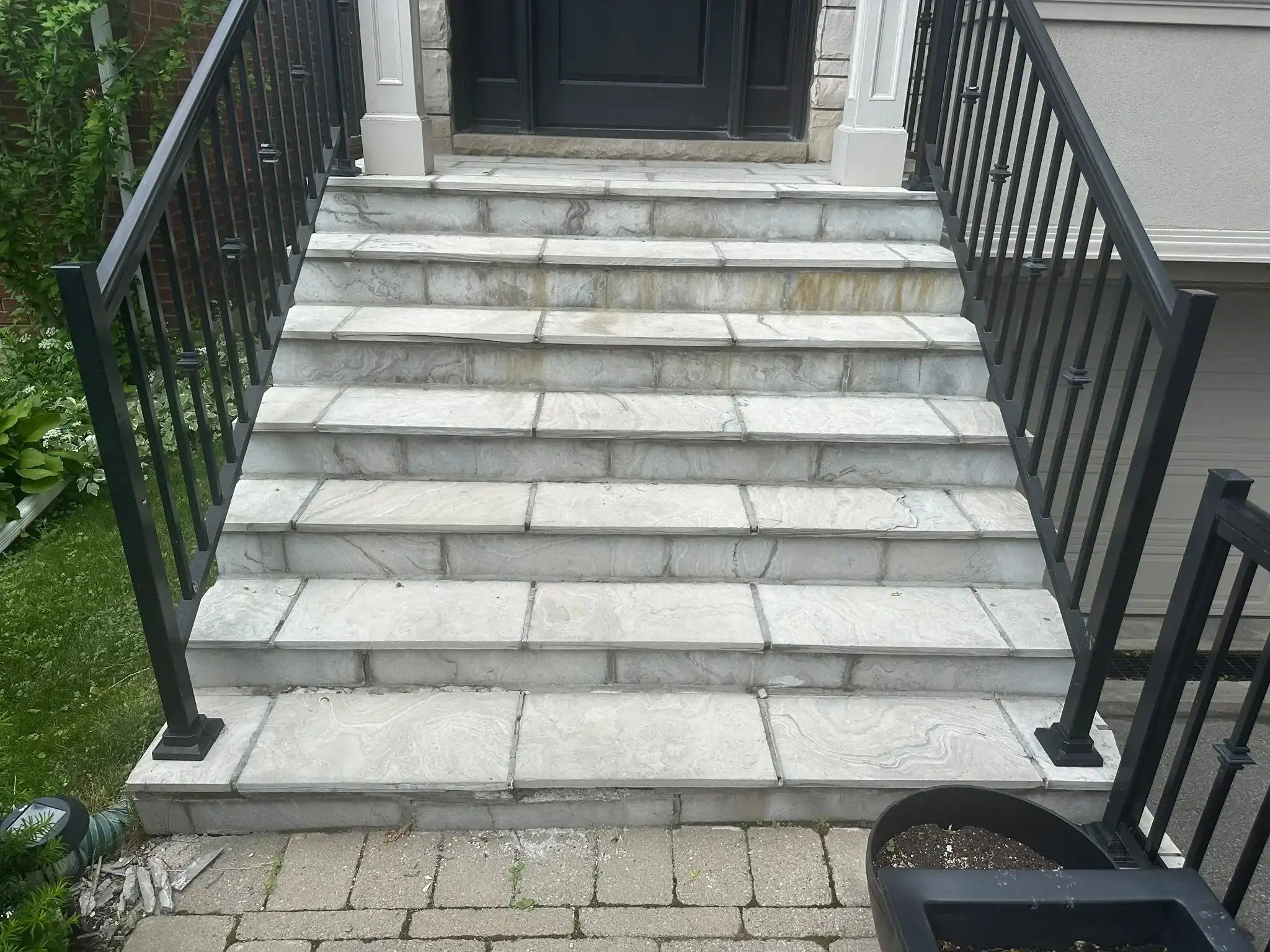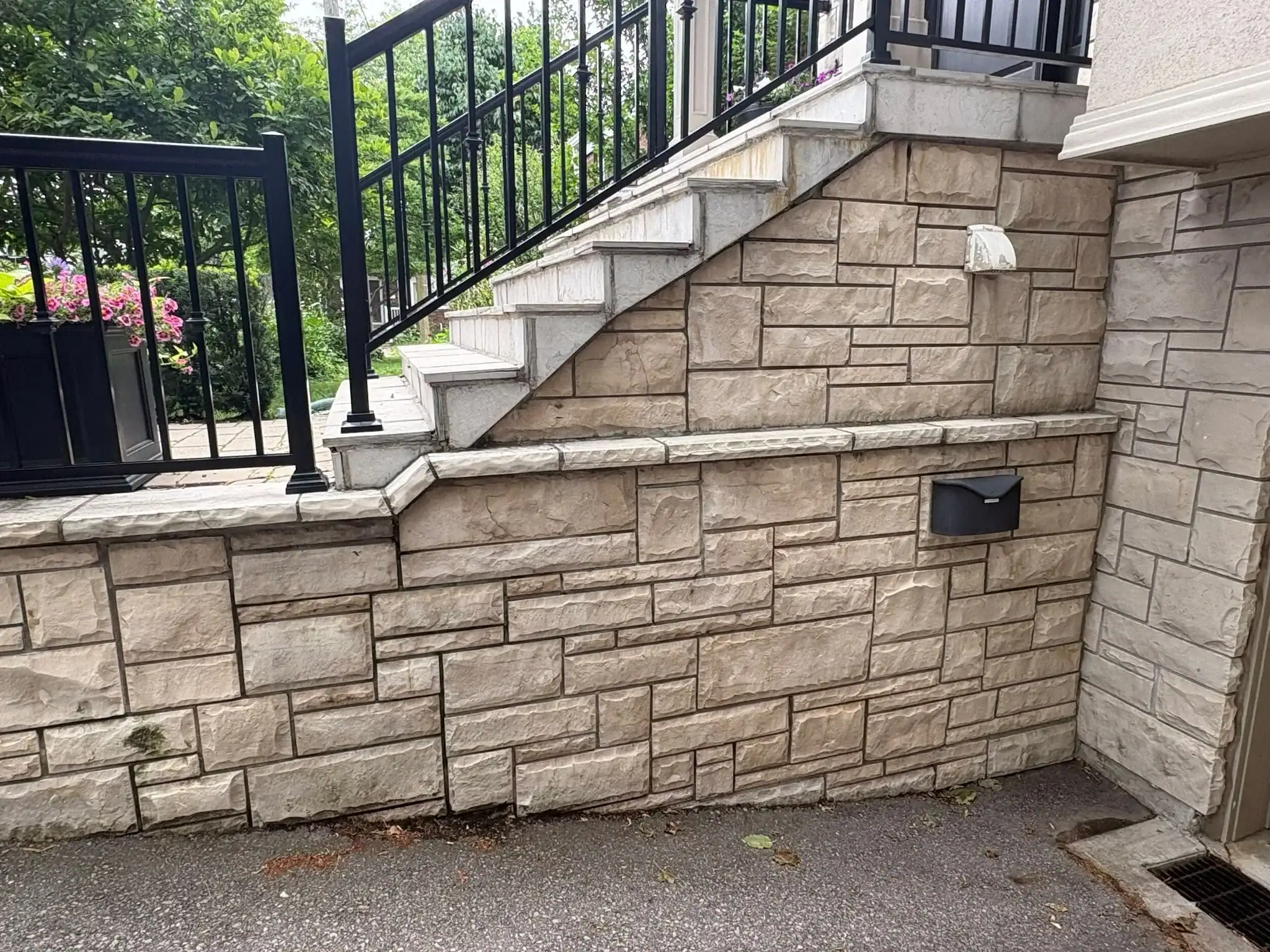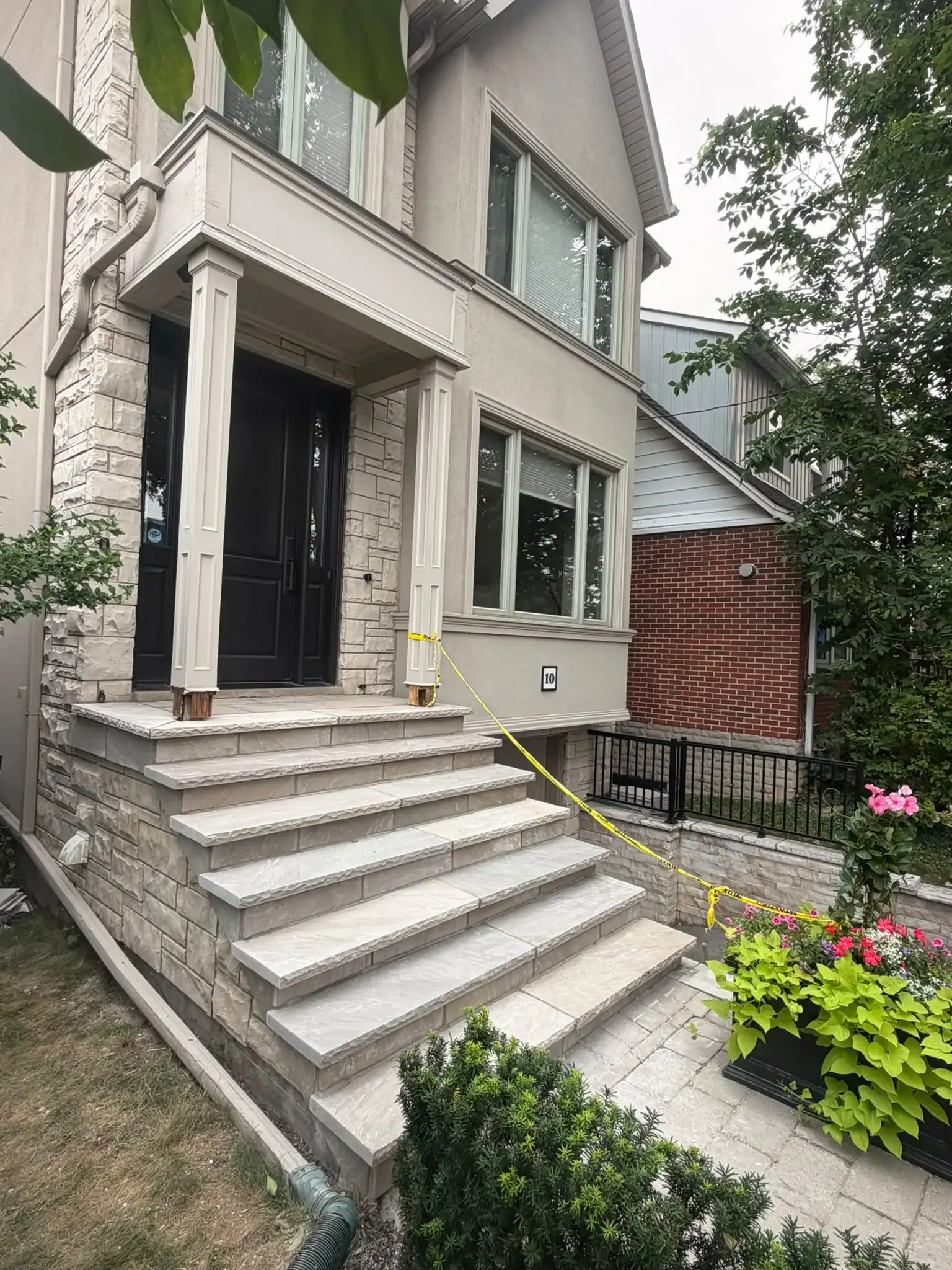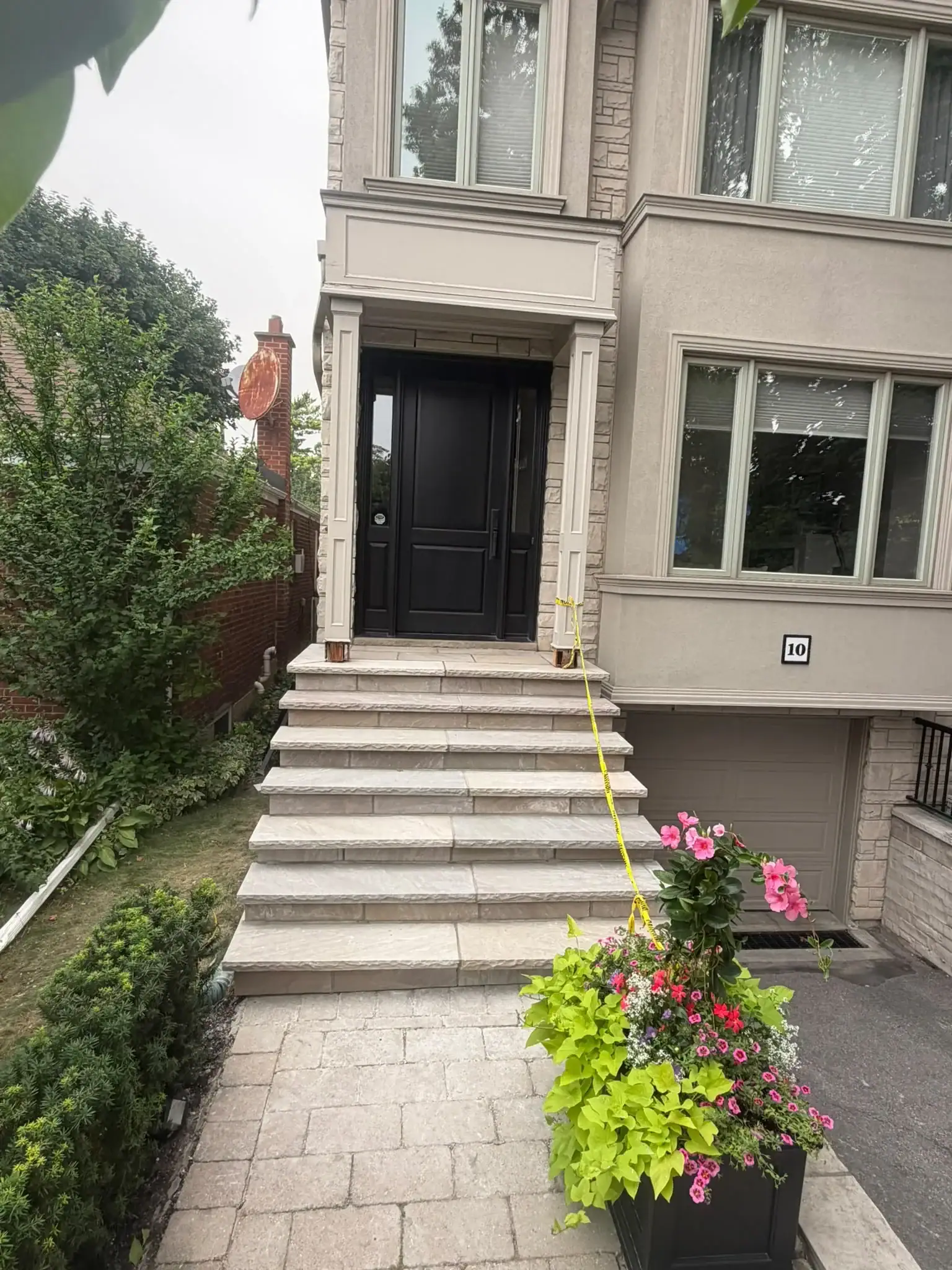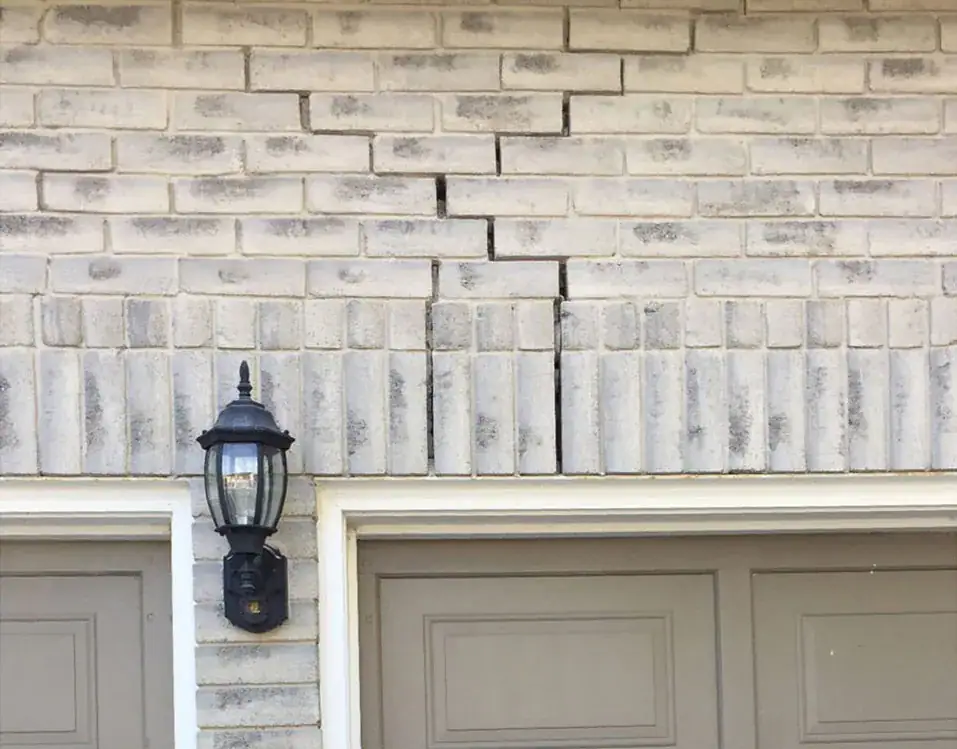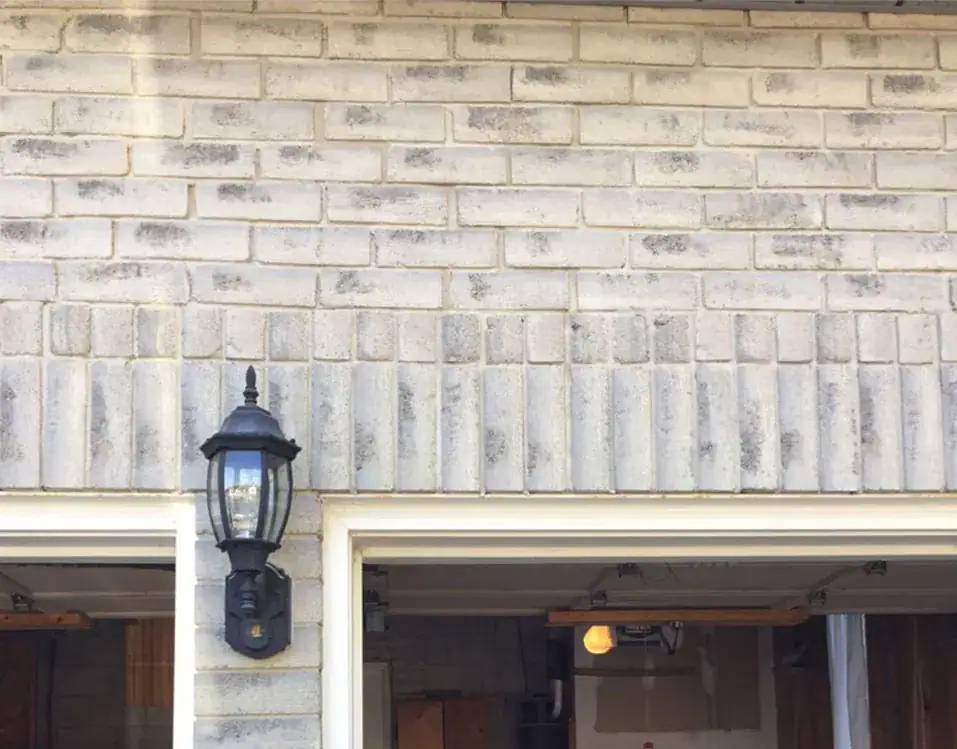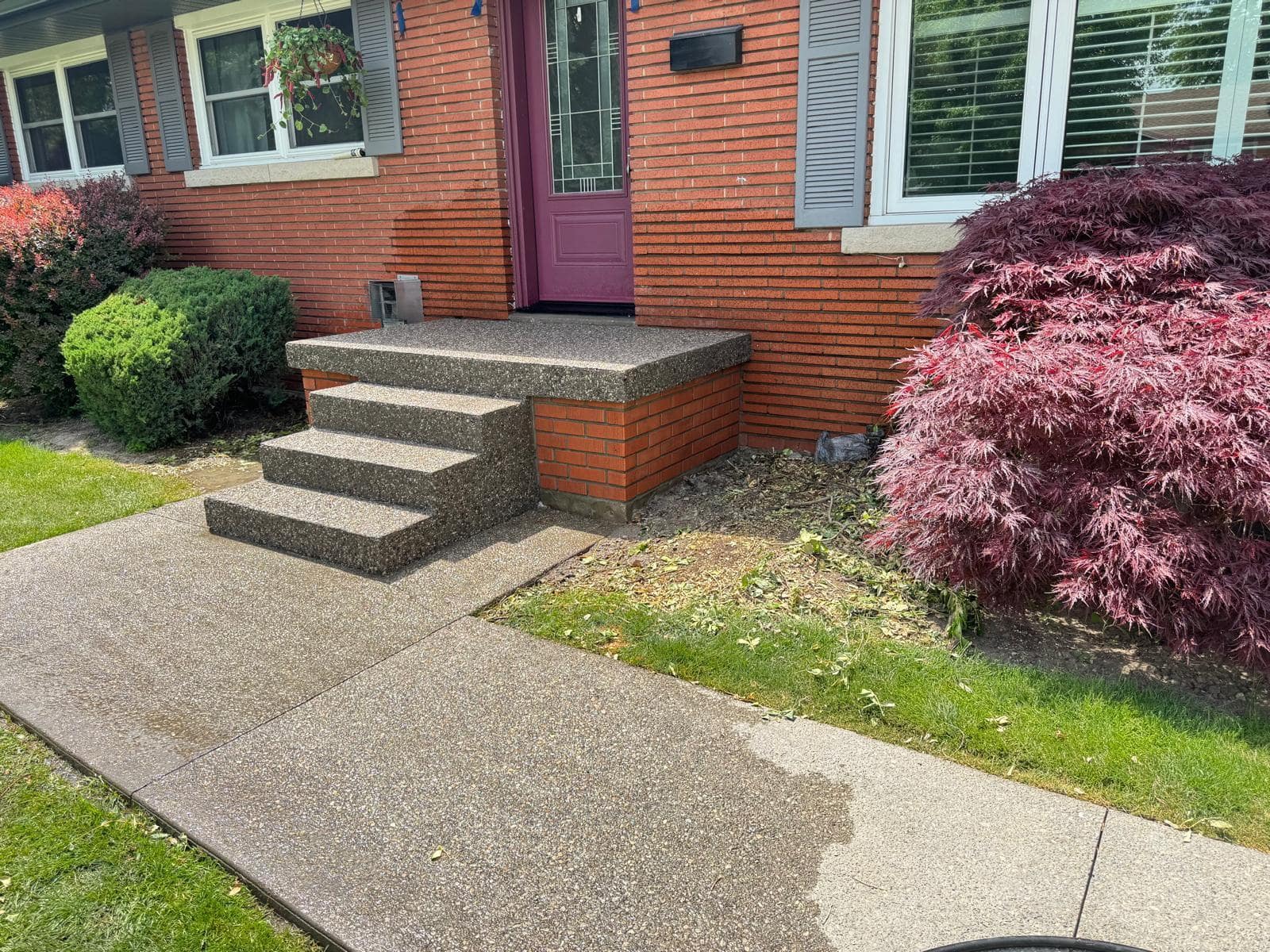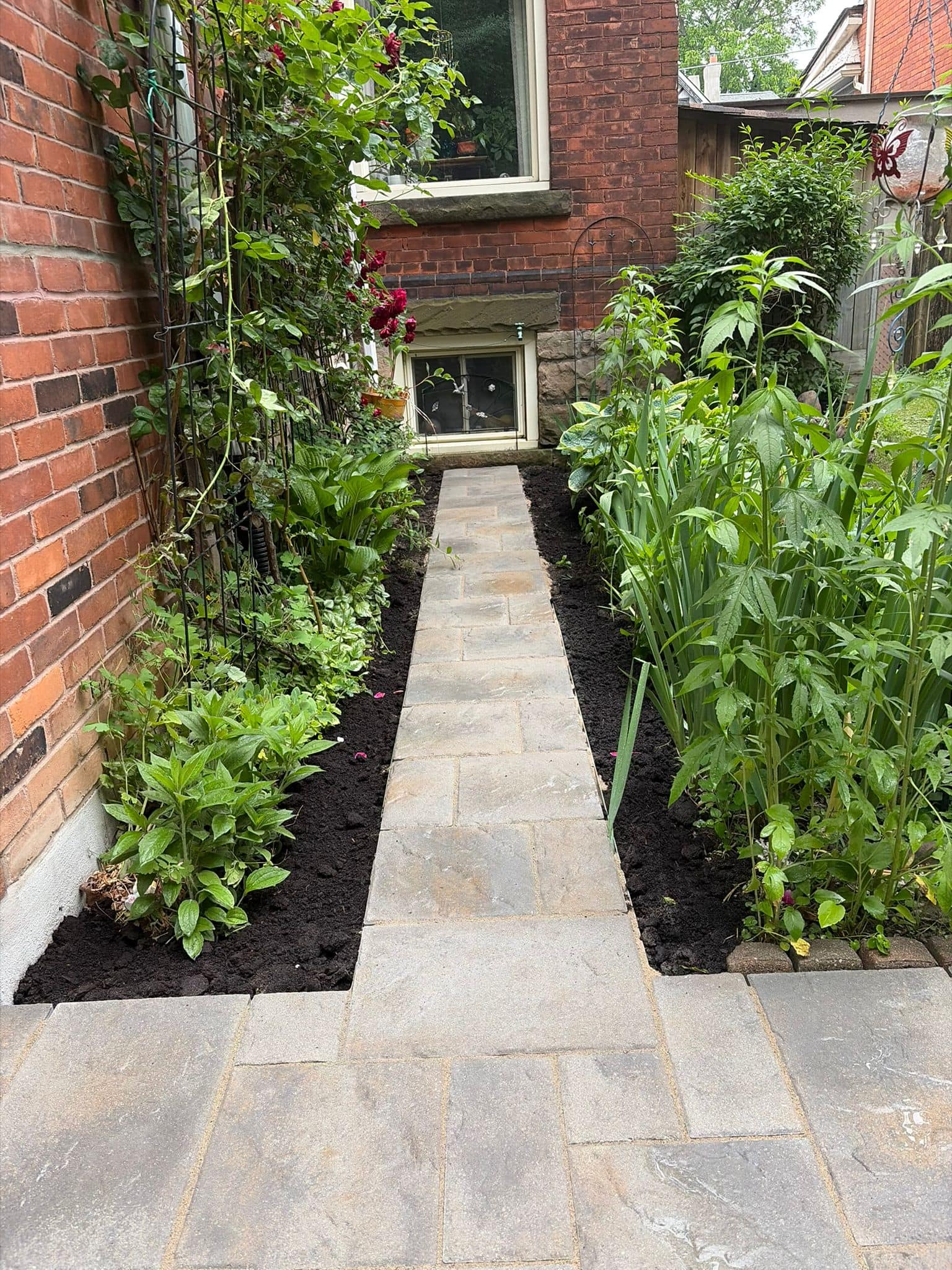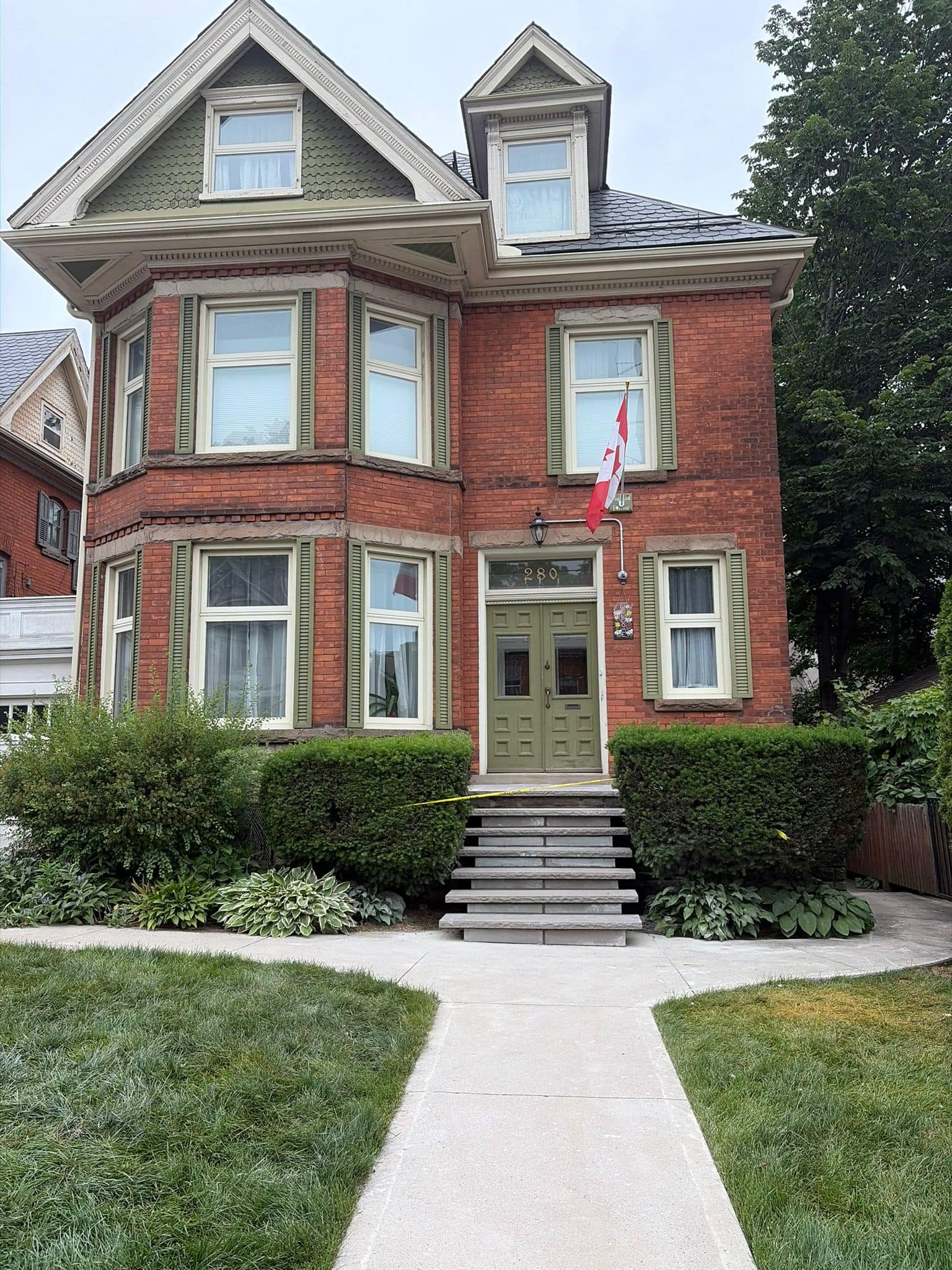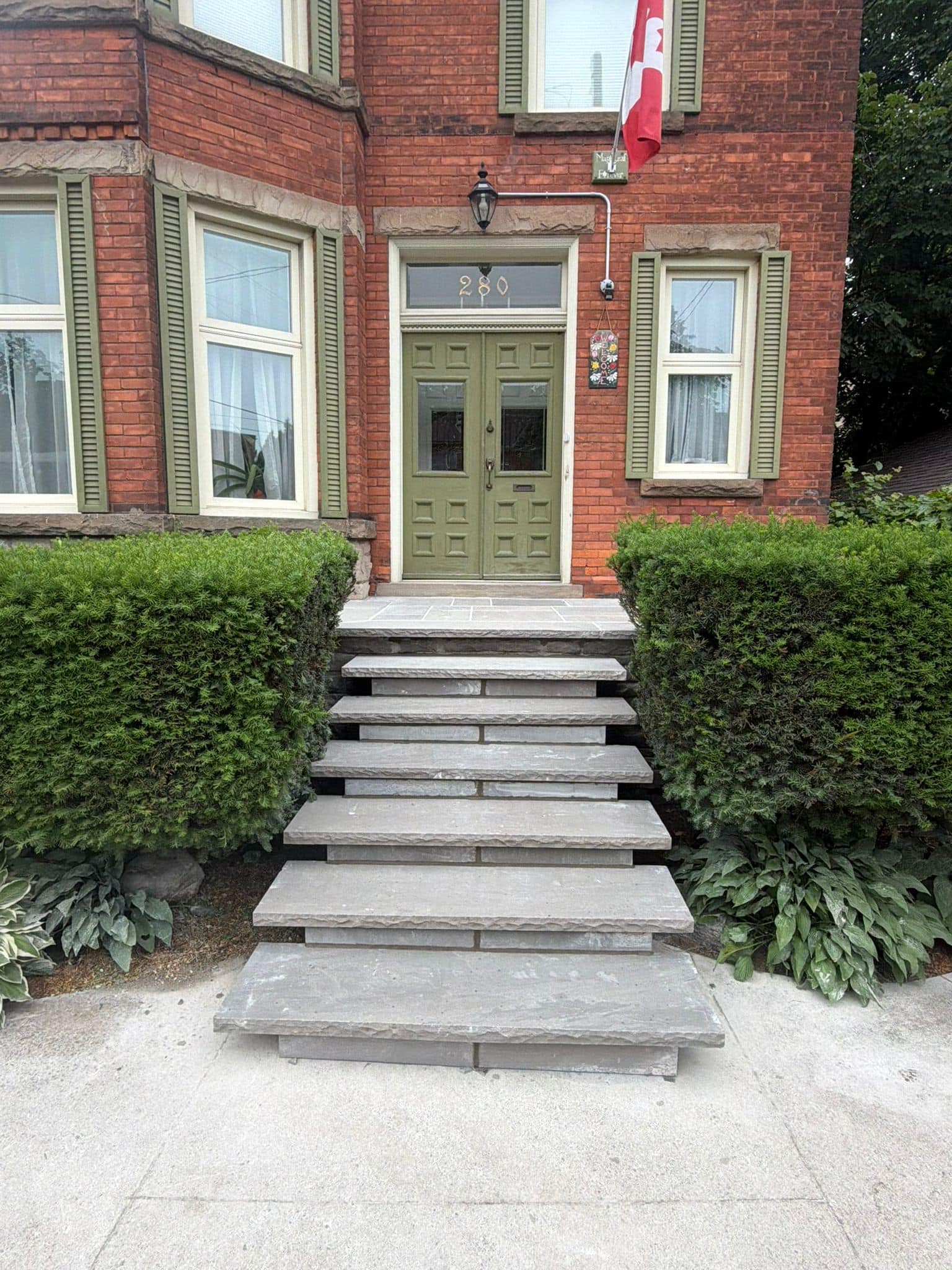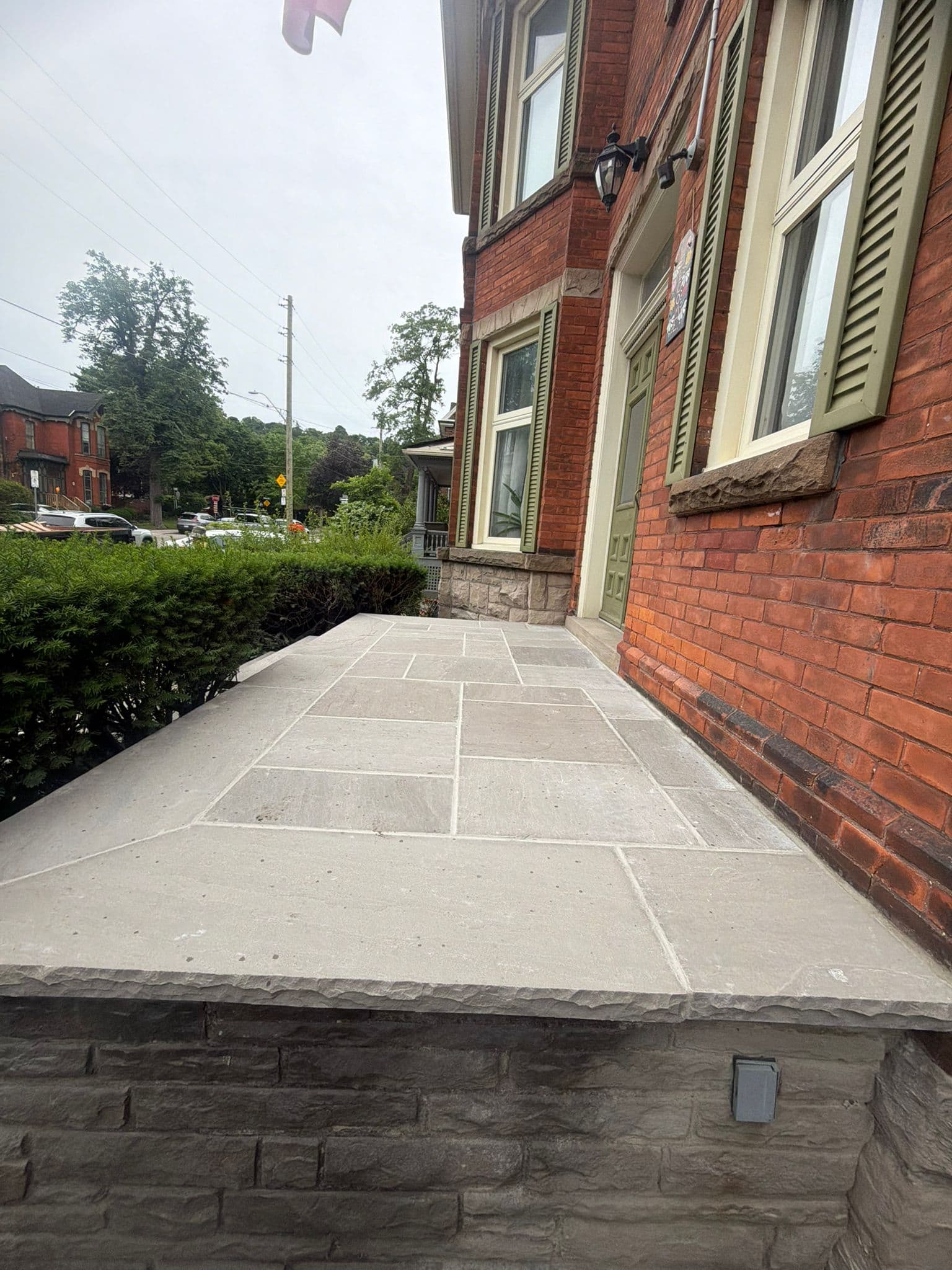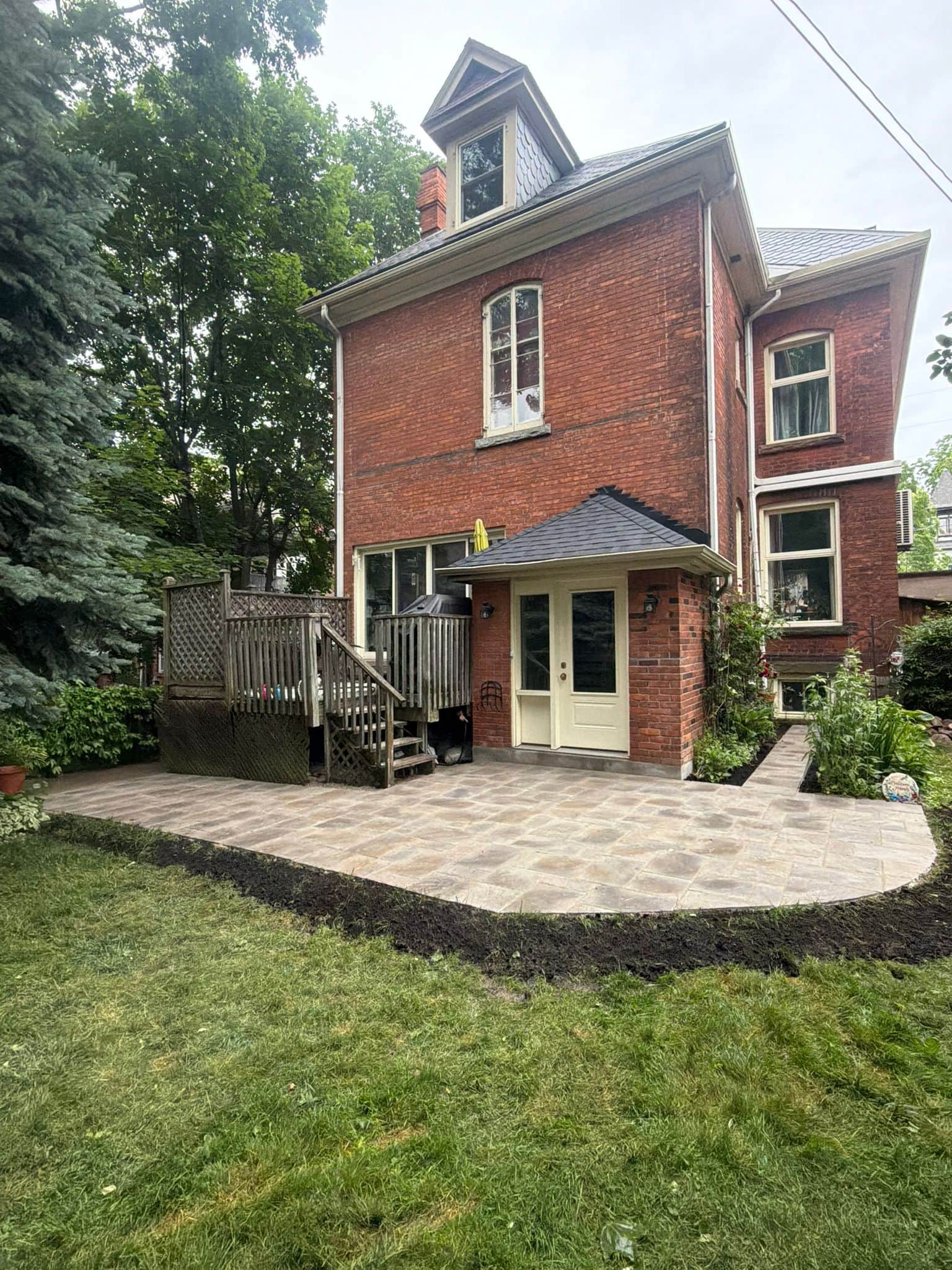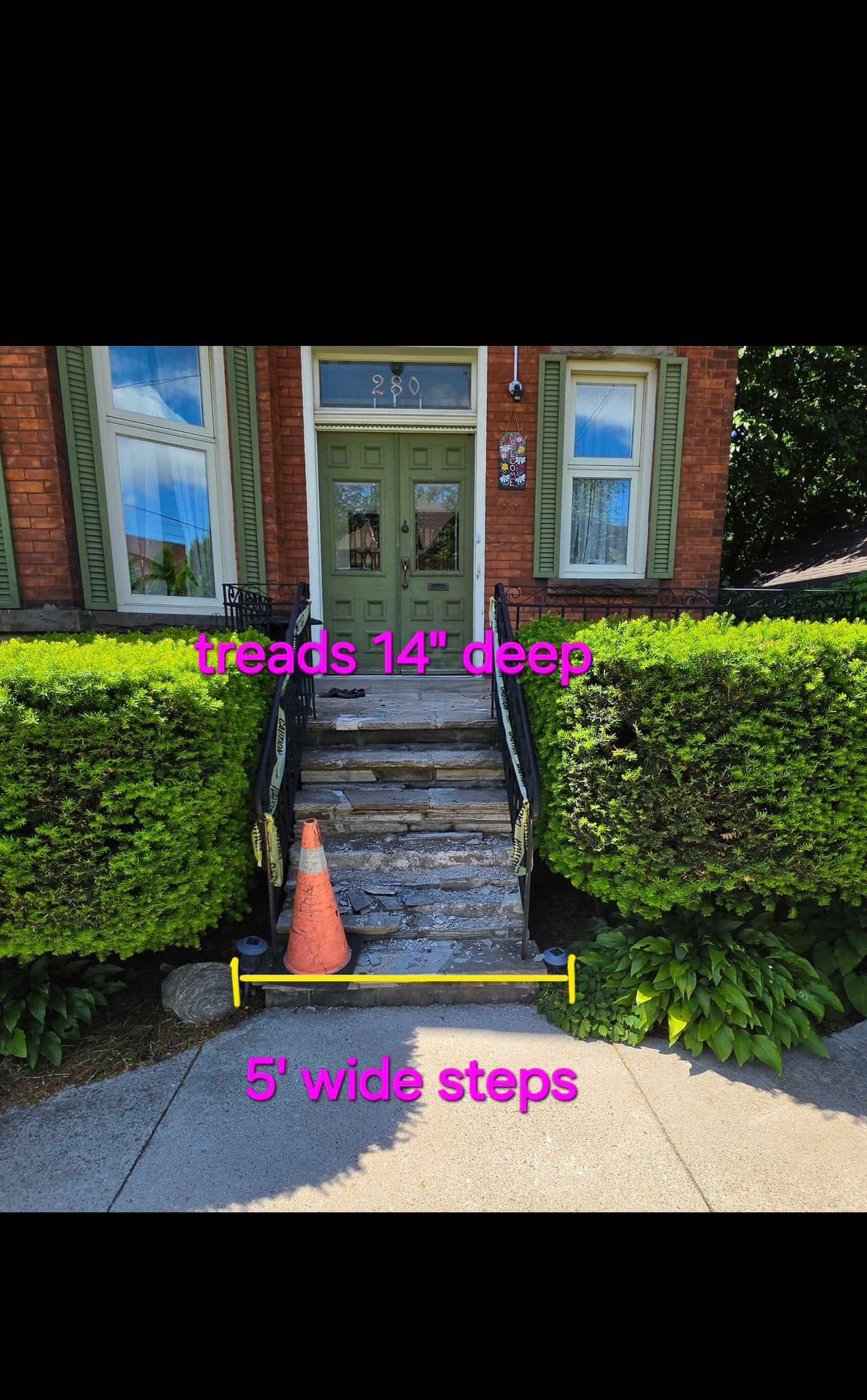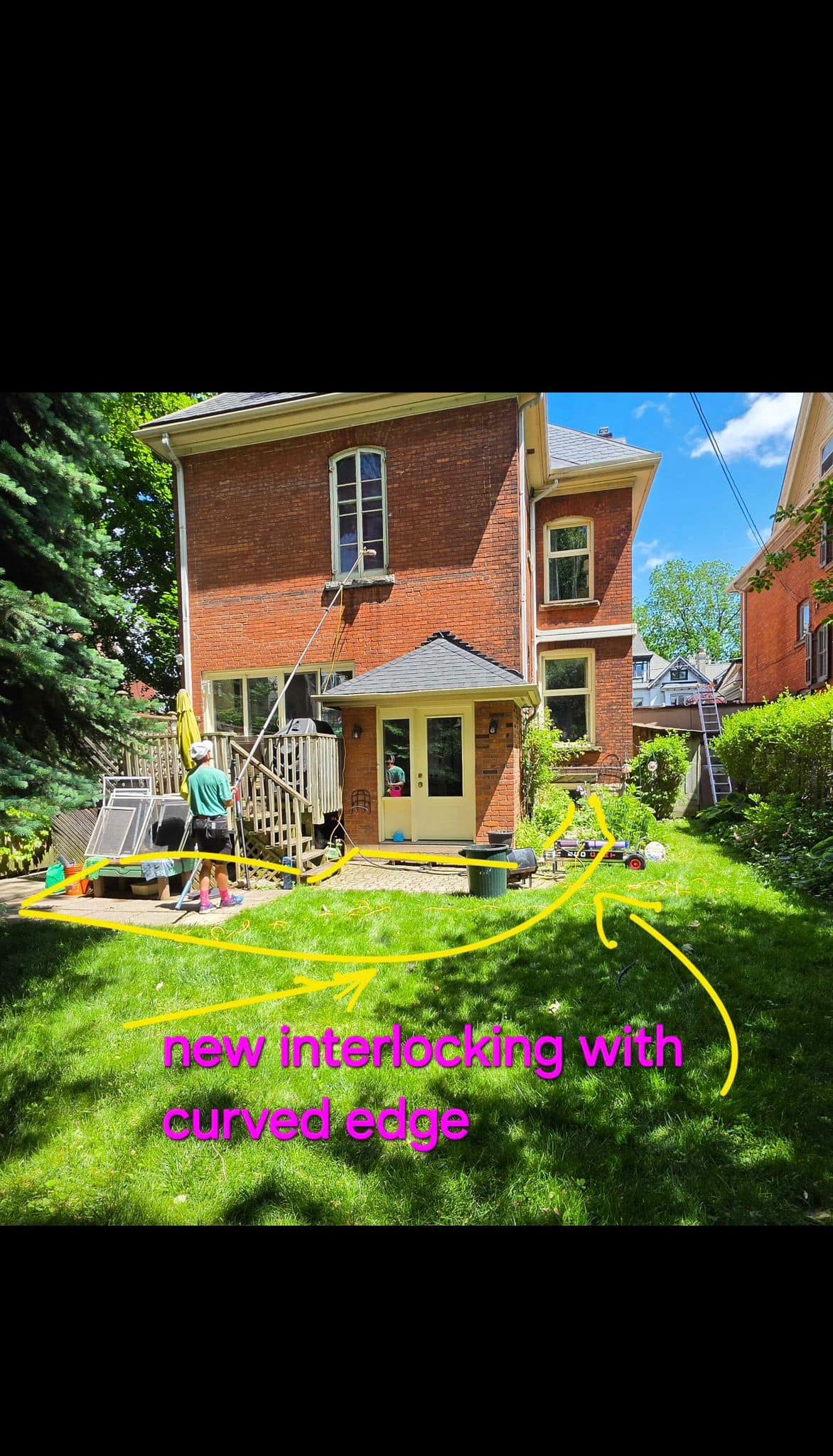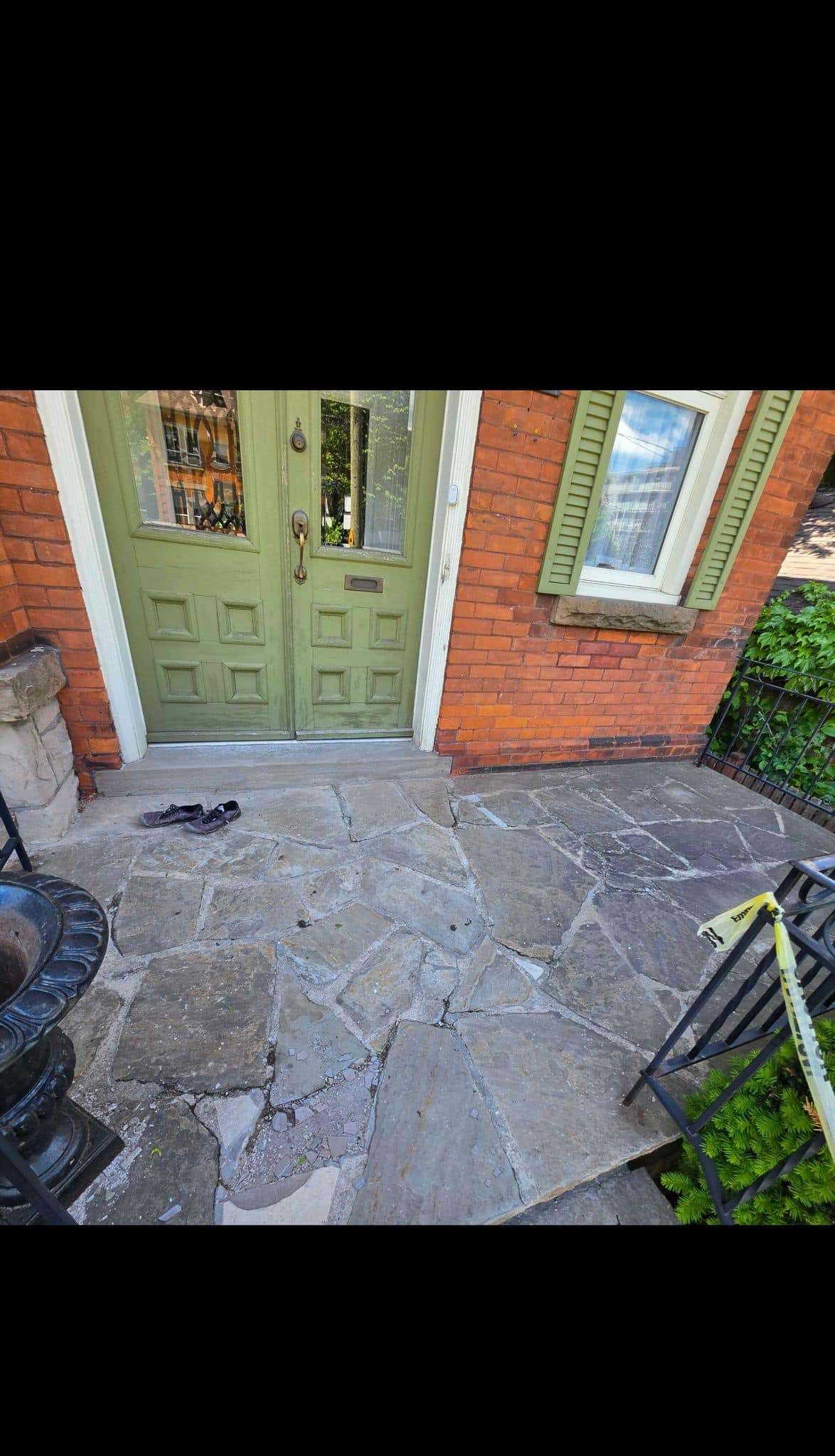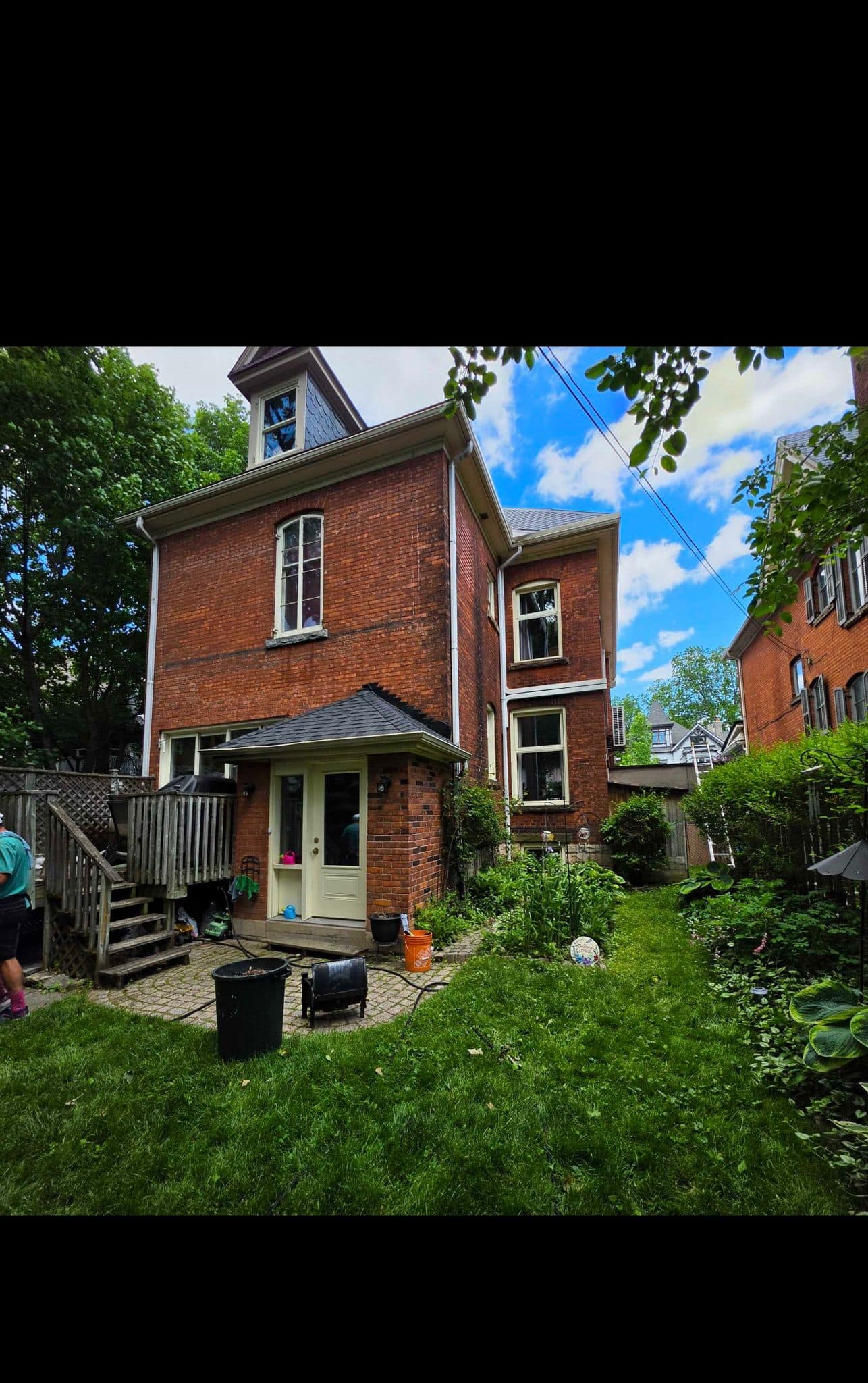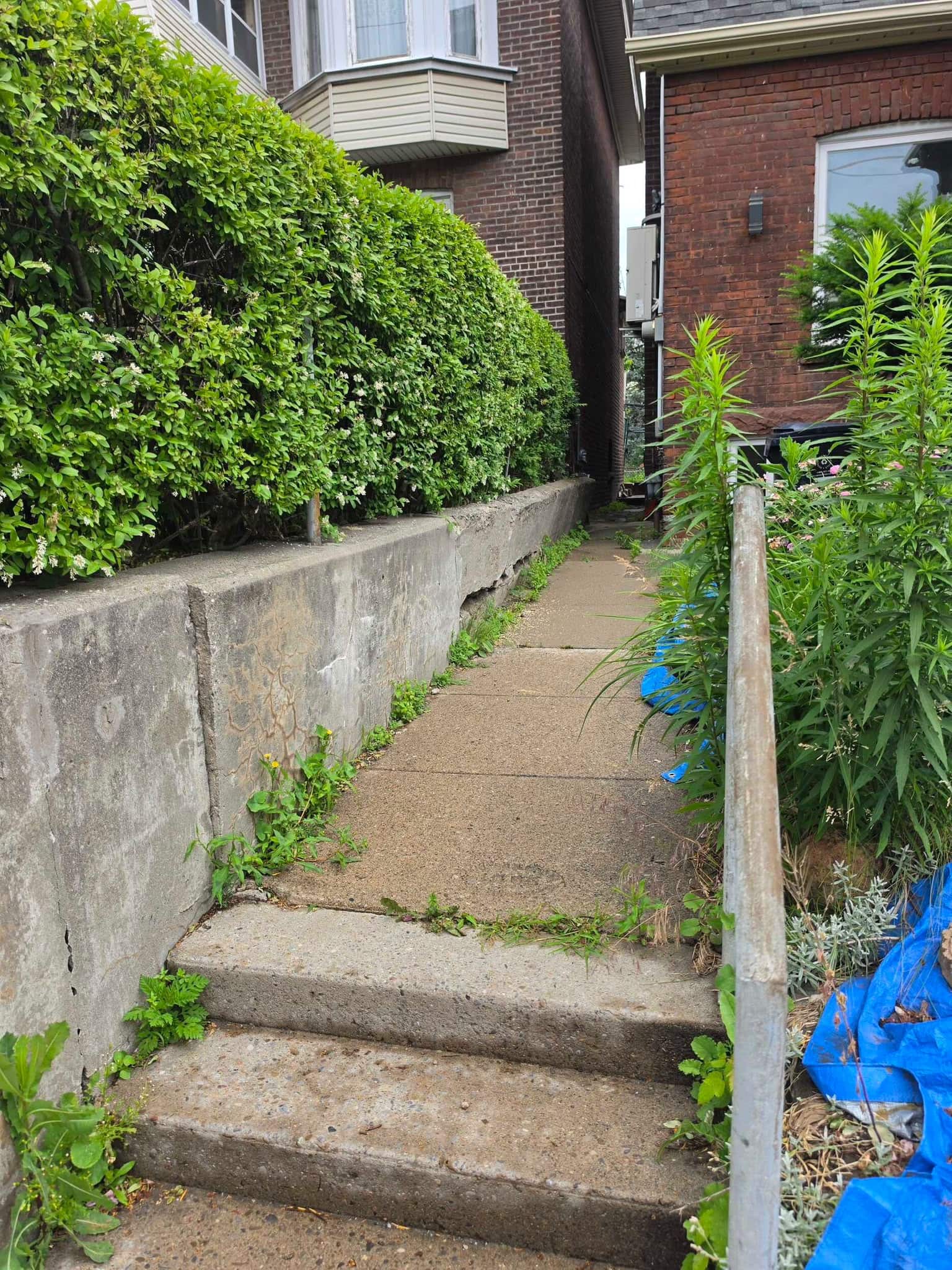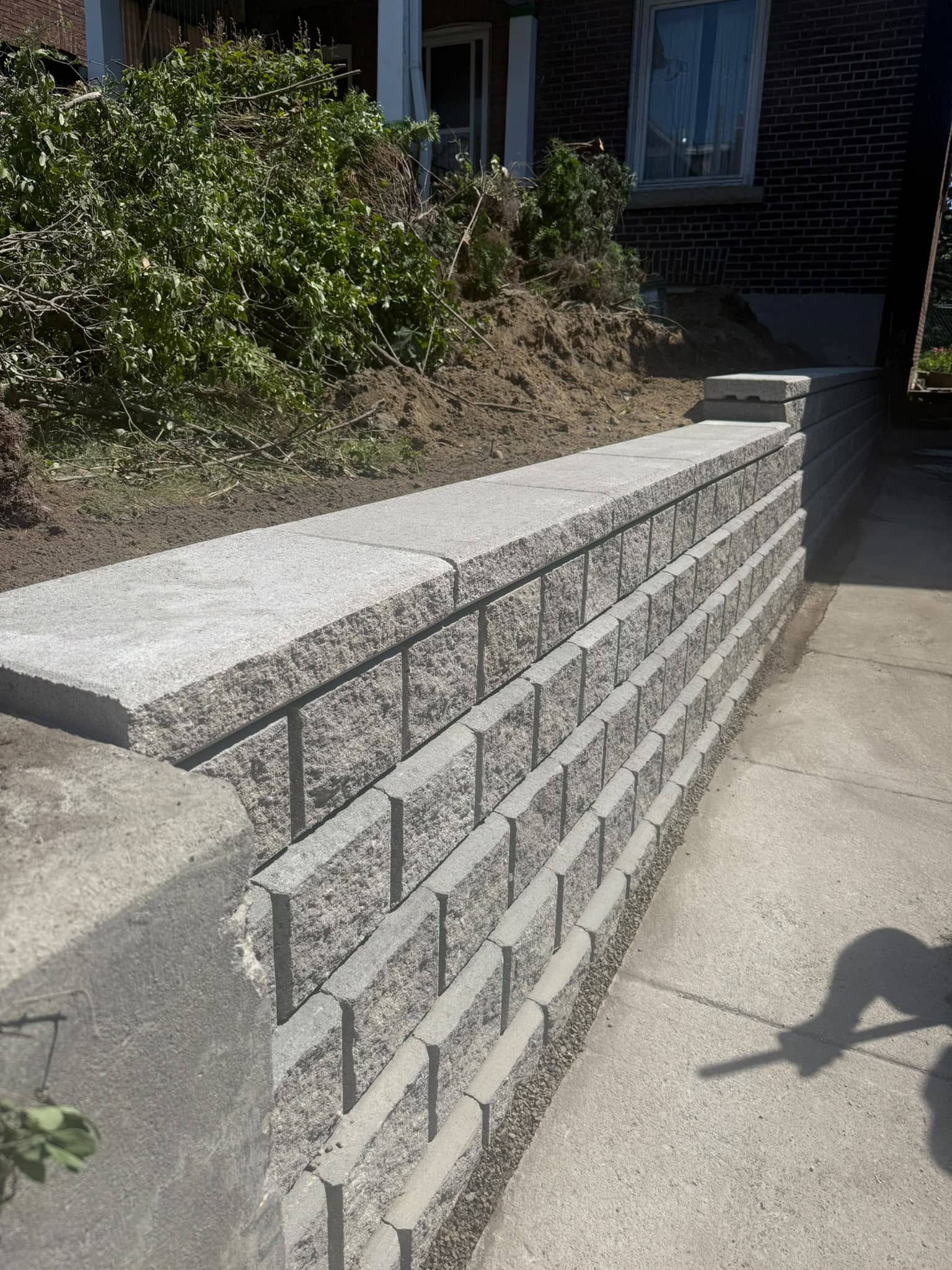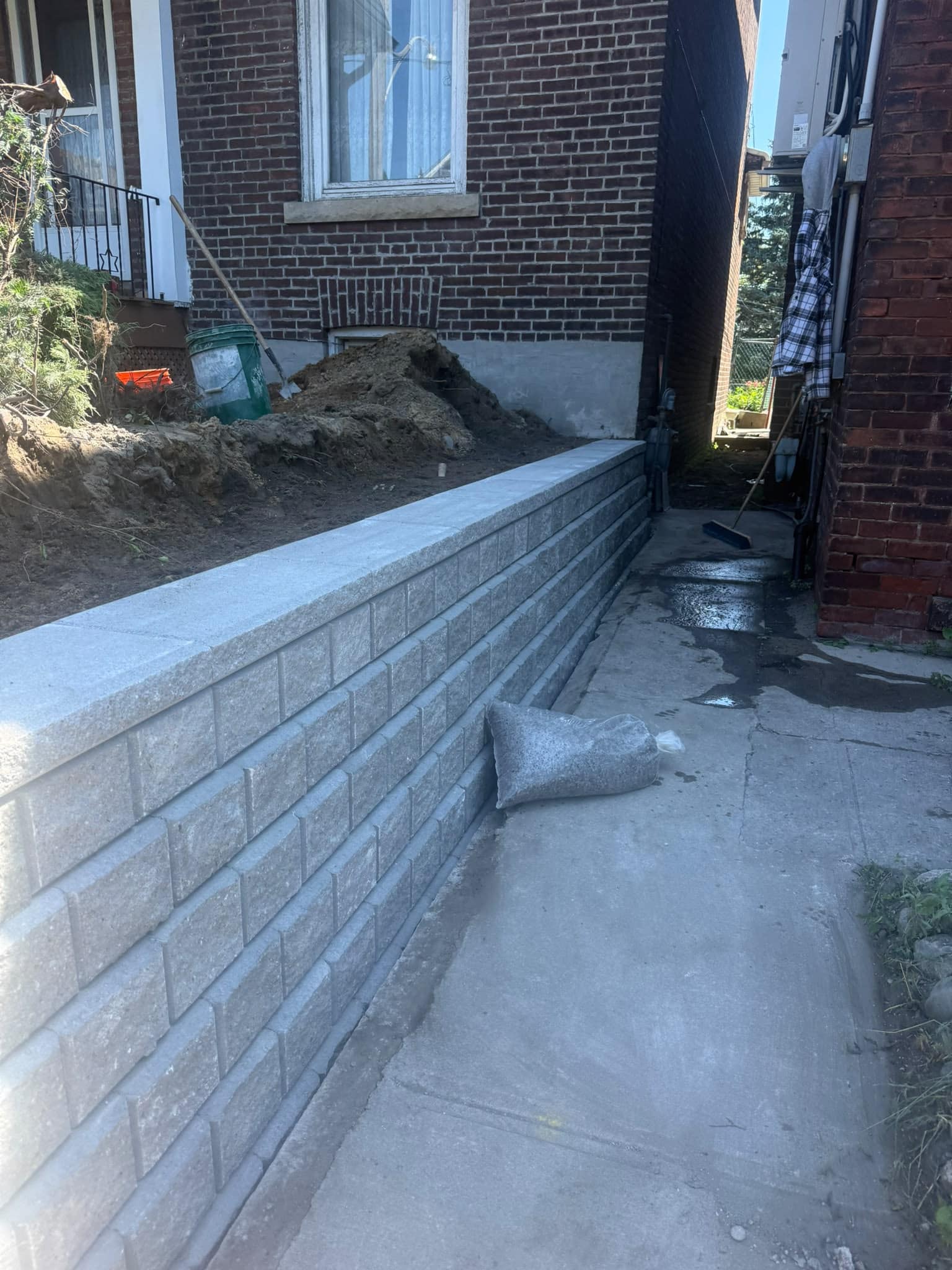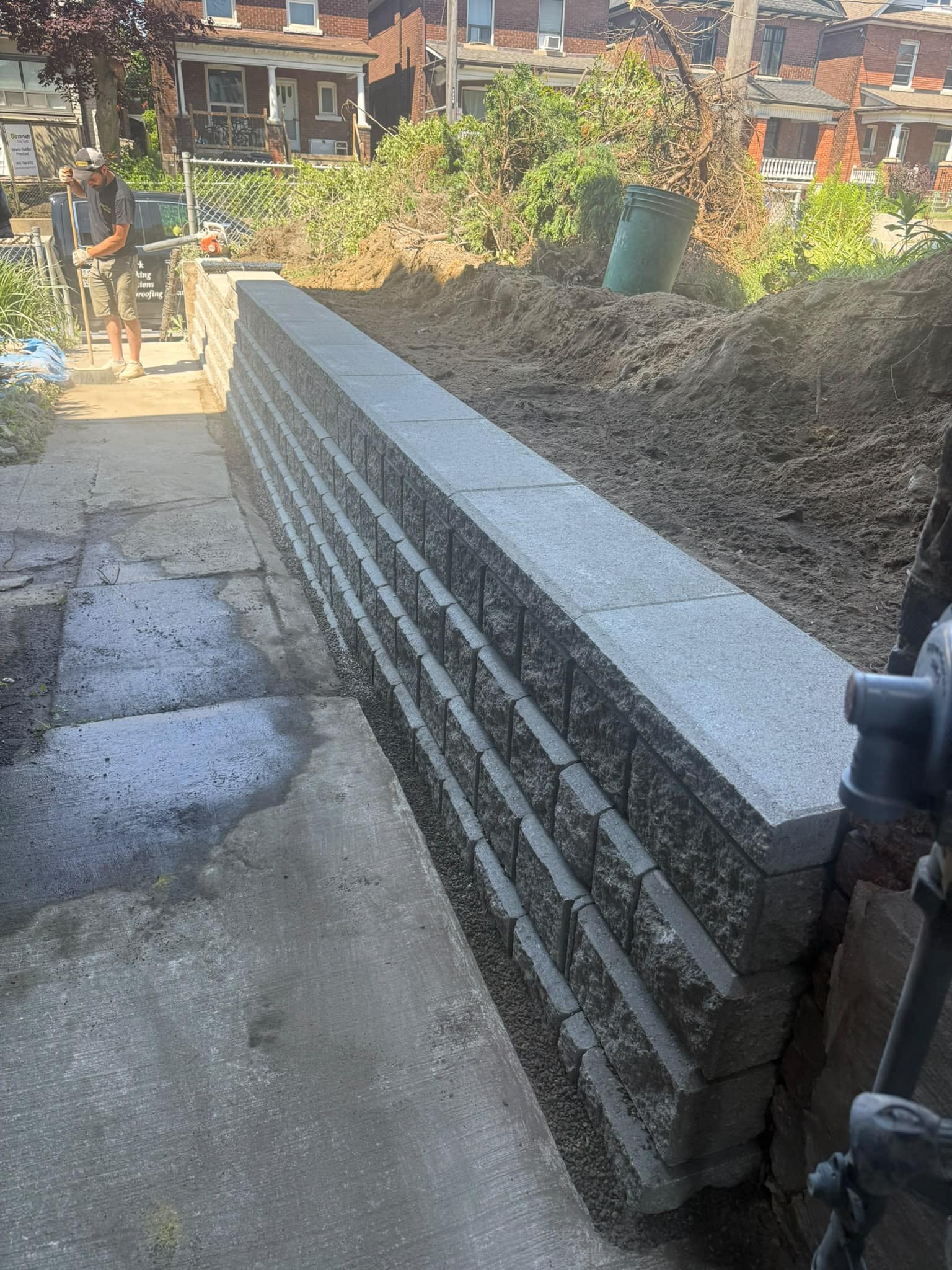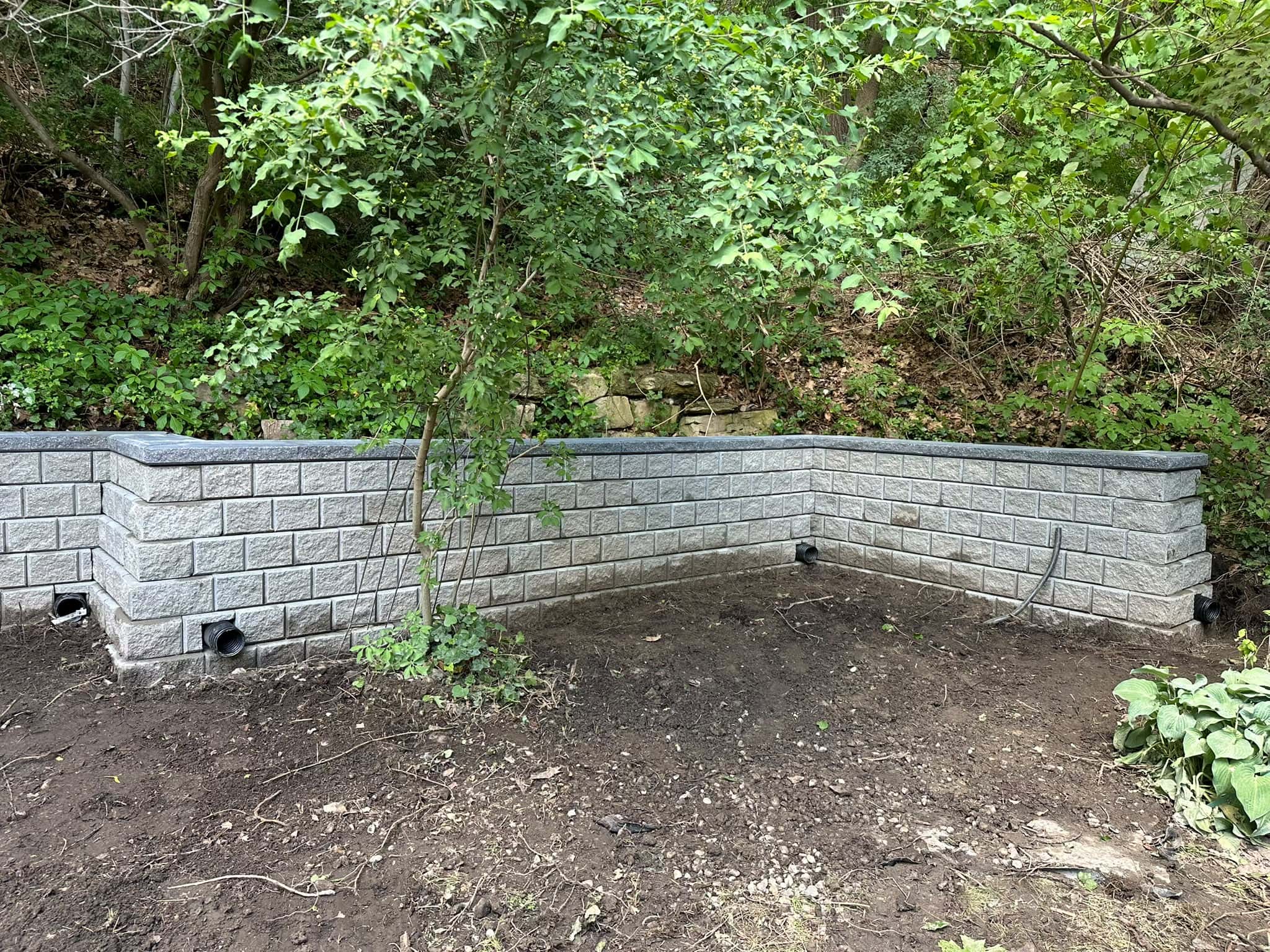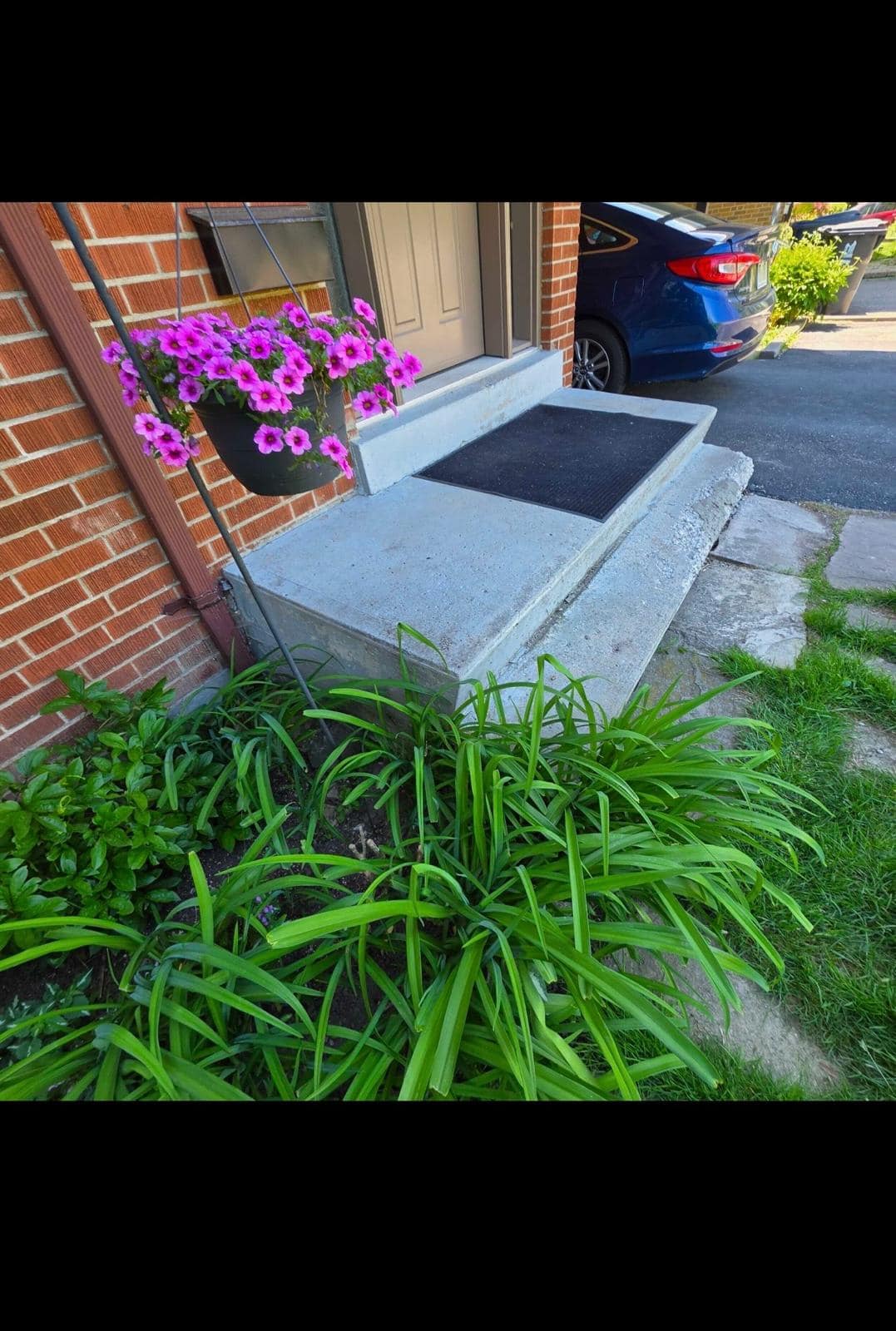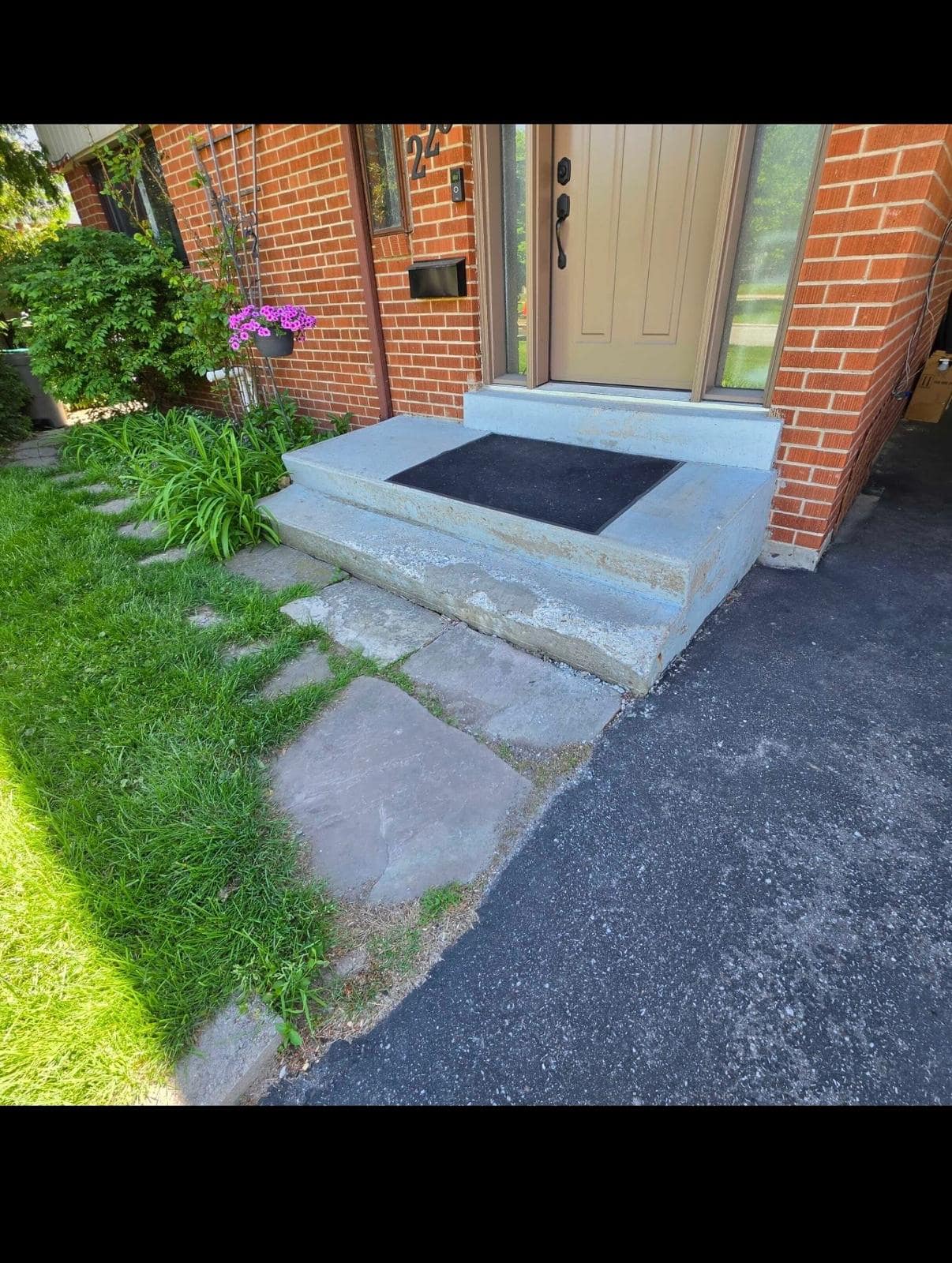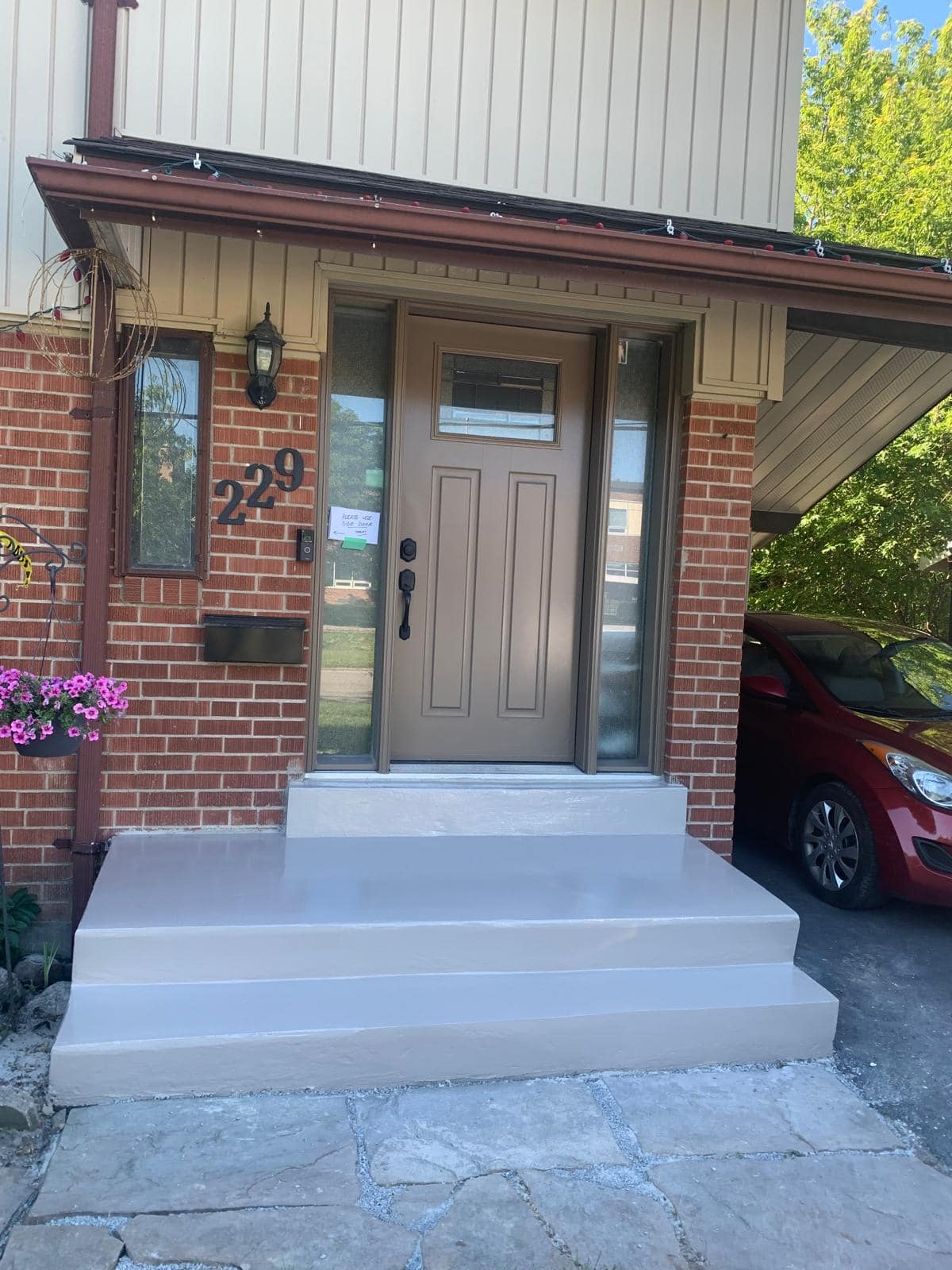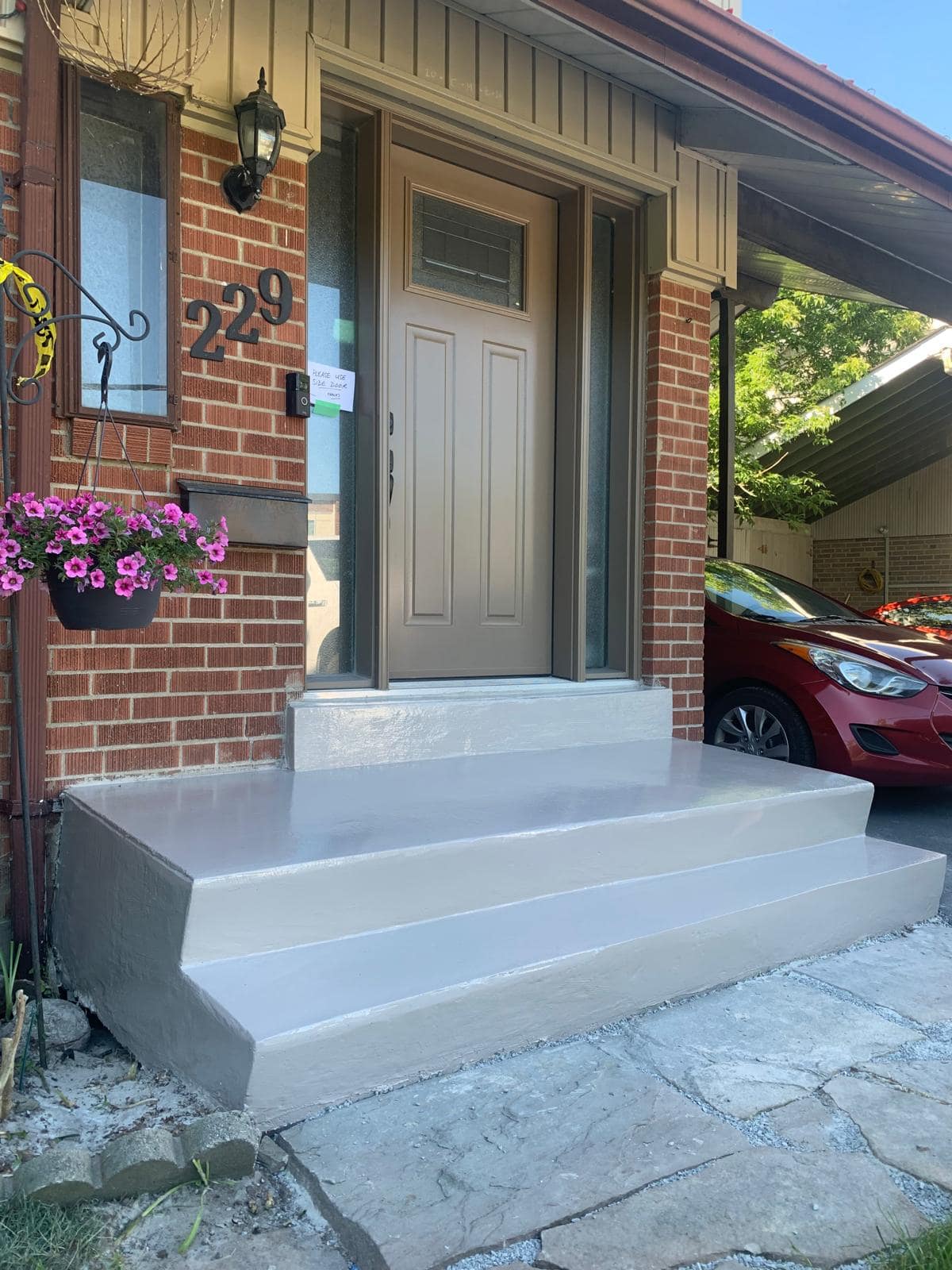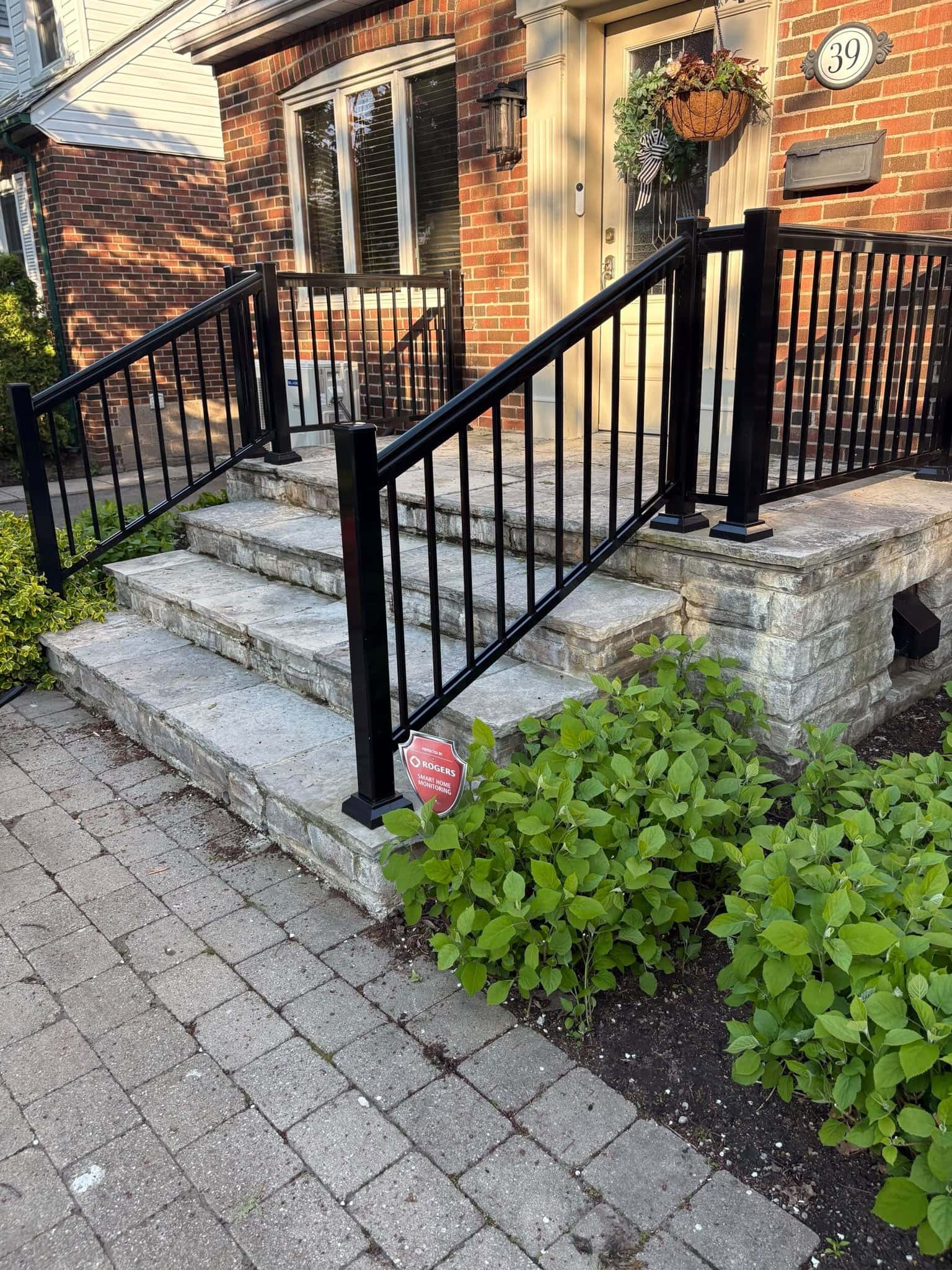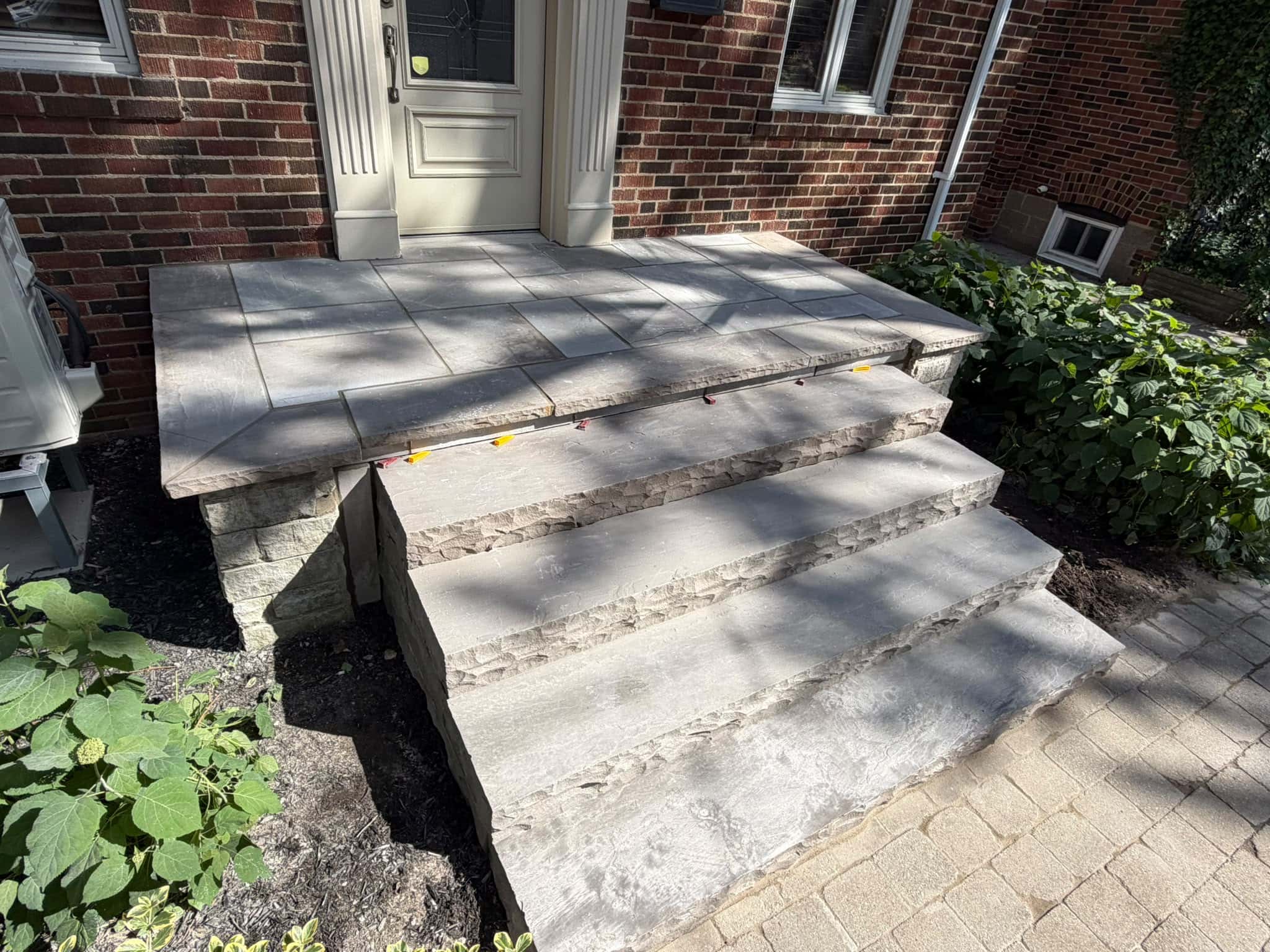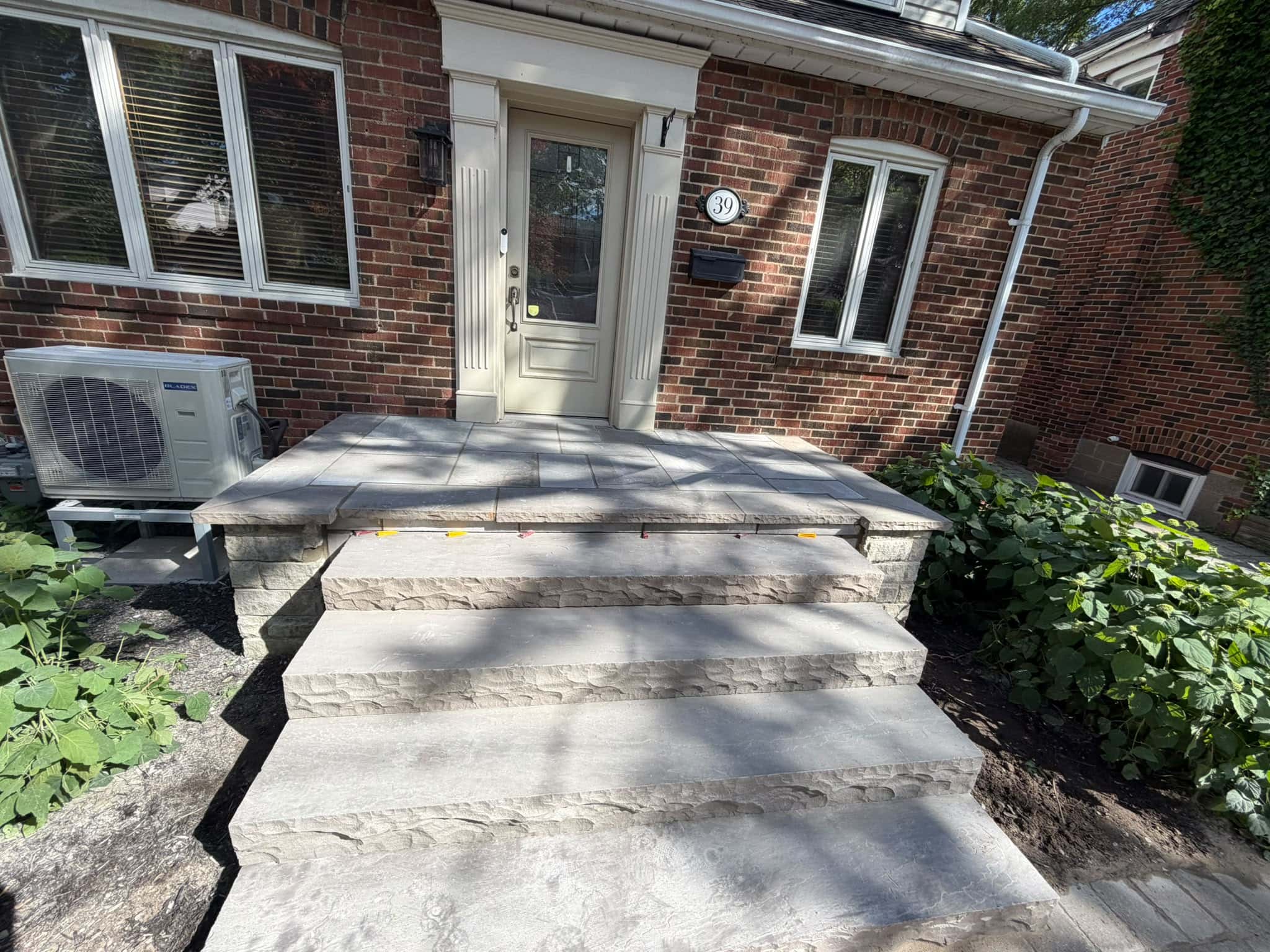
Brick repair for heritage homes should protect the property’s original character while fixing damage that lets water, movement, and freeze-thaw cycles worsen the masonry. For Toronto and GTA homeowners, this often means repairing older brick with compatible materials, careful mortar matching, gentle cleaning, selective brick replacement, and respect for the home’s original appearance.
Heritage brickwork is different from standard modern brick repair. Older brick can be softer, more porous, more varied in colour, and more sensitive to hard mortar, harsh cleaning, trapped moisture, and rushed replacement. A repair that looks acceptable on a newer wall can stand out badly on a historic facade or even damage the surrounding brick over time.
This guide explains what makes brick repair for heritage homes different, what warning signs homeowners should watch for, why mortar compatibility matters, when replacement is needed, and how Toronto homeowners can plan repairs without losing the character that makes an older home special.
What Makes Heritage Brick Repair Different?
Heritage brick repair is different because the goal is not only to fix damage. The goal is to repair the masonry in a way that respects the original materials, workmanship, colour, texture, joint profile, and the home’s architectural character.
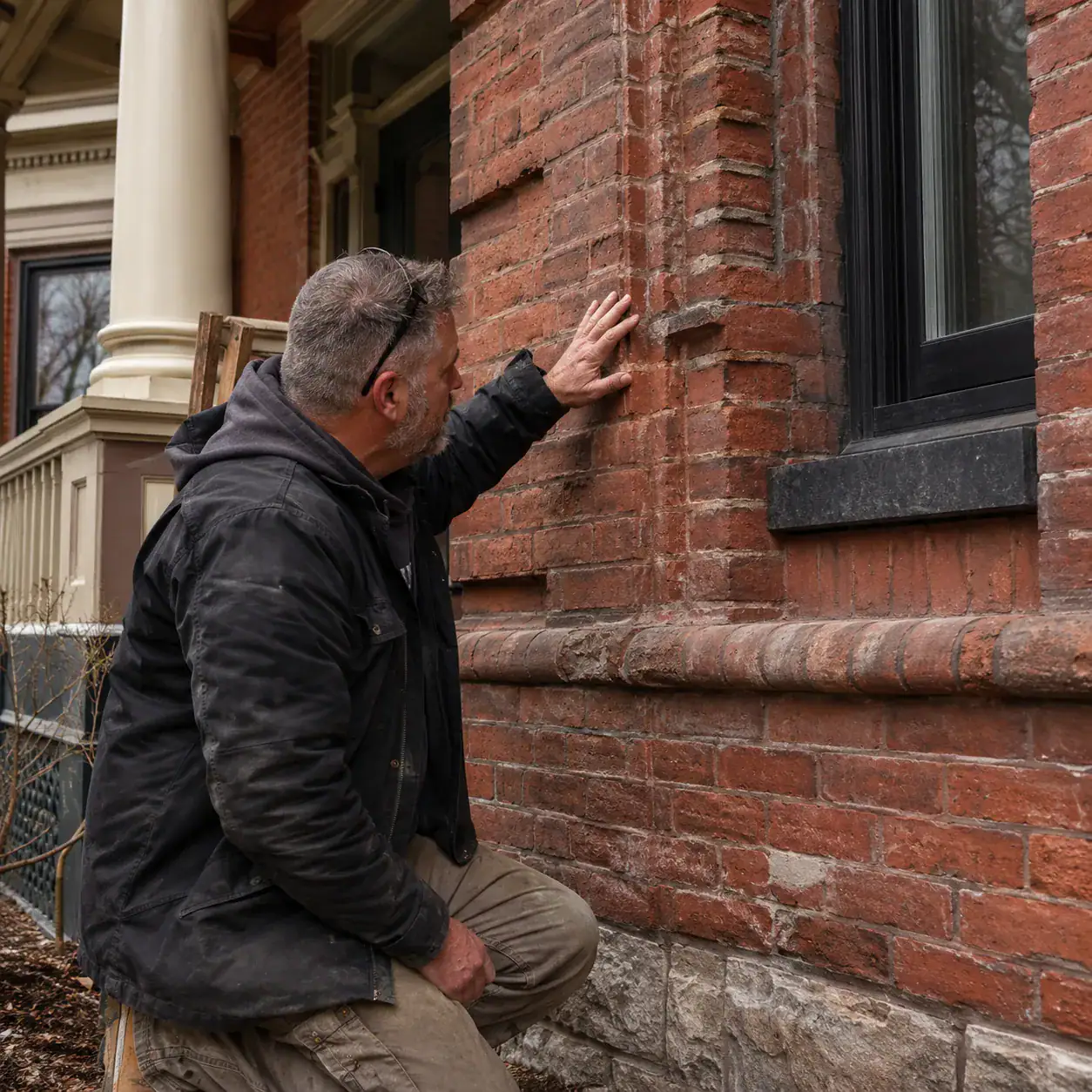
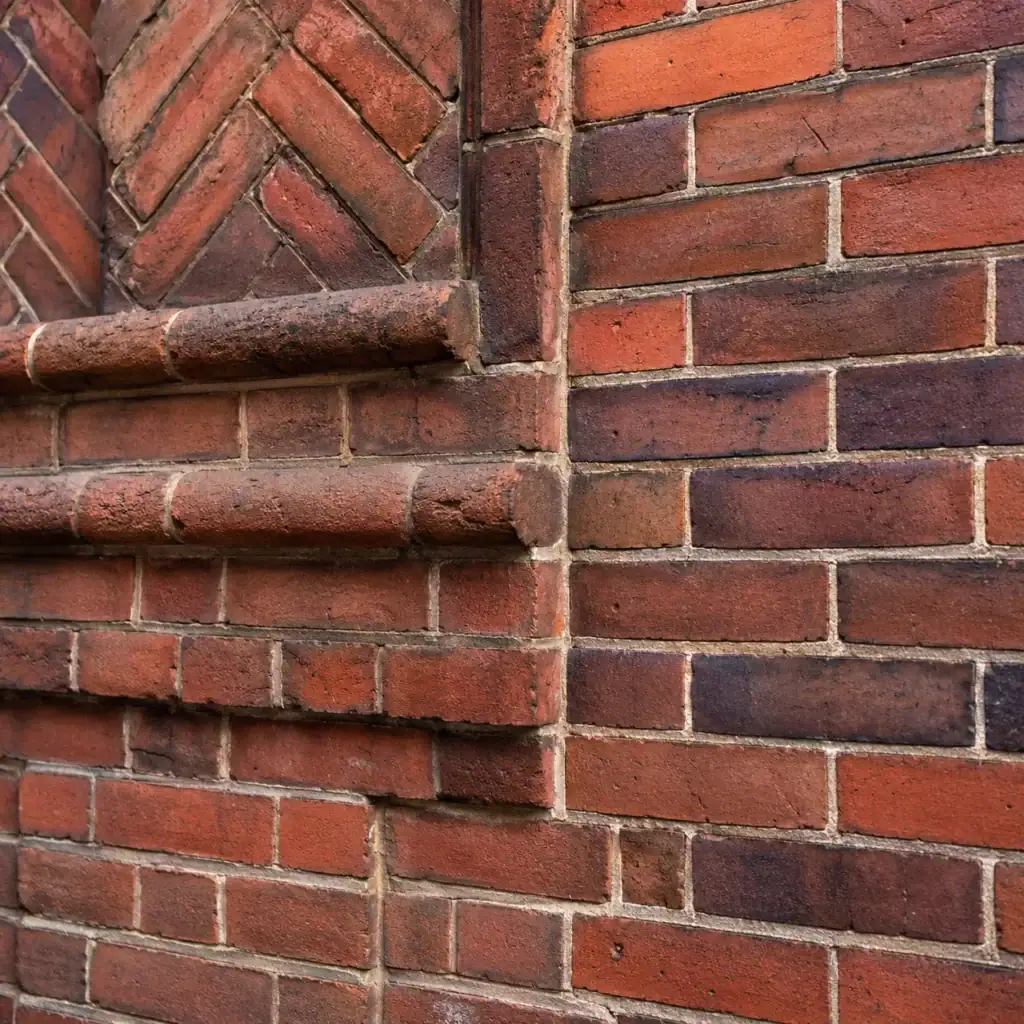
Many older Toronto homes have brickwork that has weathered naturally over decades. The bricks may not be perfectly uniform. Mortar joints may have a specific profile. The facade may include decorative brick details, arches, lintel areas, sills, chimneys, porch columns, and masonry patterns that define the home’s identity.
A good repair should blend with the existing wall. It should not erase age, cover original detail, or create a patch that looks too new. It should also protect the wall from future moisture damage.
If your older brickwork has widespread mortar deterioration, spalling, staining, or mismatched past repairs, A&A Masonry’s brick restoration services explain how repair, repointing, cleaning, and careful material matching can be combined for older Toronto homes.
Why Heritage Brick Homes Need Careful Planning in Toronto
Heritage brick homes in Toronto need careful planning because they face modern weather pressures while often relying on older materials and wall assemblies. Rain, snow, road salt, freeze-thaw cycles, changing drainage patterns, and past repairs can all affect older masonry.
Toronto also has many neighbourhoods where older brick homes contribute to street character. In some cases, a property may be listed, designated, or located within a Heritage Conservation District. The City of Toronto’s Heritage Permit Guide explains that certain alterations to heritage properties may require review or a heritage permit.
Even when a home is not formally designated, homeowners should still repair older brick with care. A rushed patch, mismatched brick, or hard cement mortar can reduce curb appeal and create long-term damage.
For homeowners, the safest approach is to identify the brick type, mortar condition, moisture source, and heritage status before repair begins.
Common Brick Problems in Heritage Homes
Common brick problems in heritage homes often start small but become larger when water enters the wall. Many issues are visible from the ground if homeowners know what to look for.
- Spalling brick: The brick face flakes, chips, or breaks away, often from moisture and freeze-thaw cycles.
- Cracked mortar joints: Open joints let water in and may widen over winter.
- Recessed mortar: Mortar wears back from the brick face, leaving the wall more exposed.
- Mismatched past repairs: Newer brick or mortar may look too hard, too smooth, too bright, or too uniform.
- Efflorescence: White powdery staining can suggest moisture moving through the masonry.
- Loose brick: Brick that moves or sounds hollow may need repair before it becomes a safety issue.
- Cracks near openings: Cracks around windows, doors, arches, or lintels may point to movement or water issues.
- Paint or coating failure: Peeling coatings can trap moisture and hide damaged brick underneath.
These signs do not always mean the wall needs rebuilding. Many heritage brick problems can be repaired early, with the right materials.
Moisture Is the Main Enemy of Older Brick
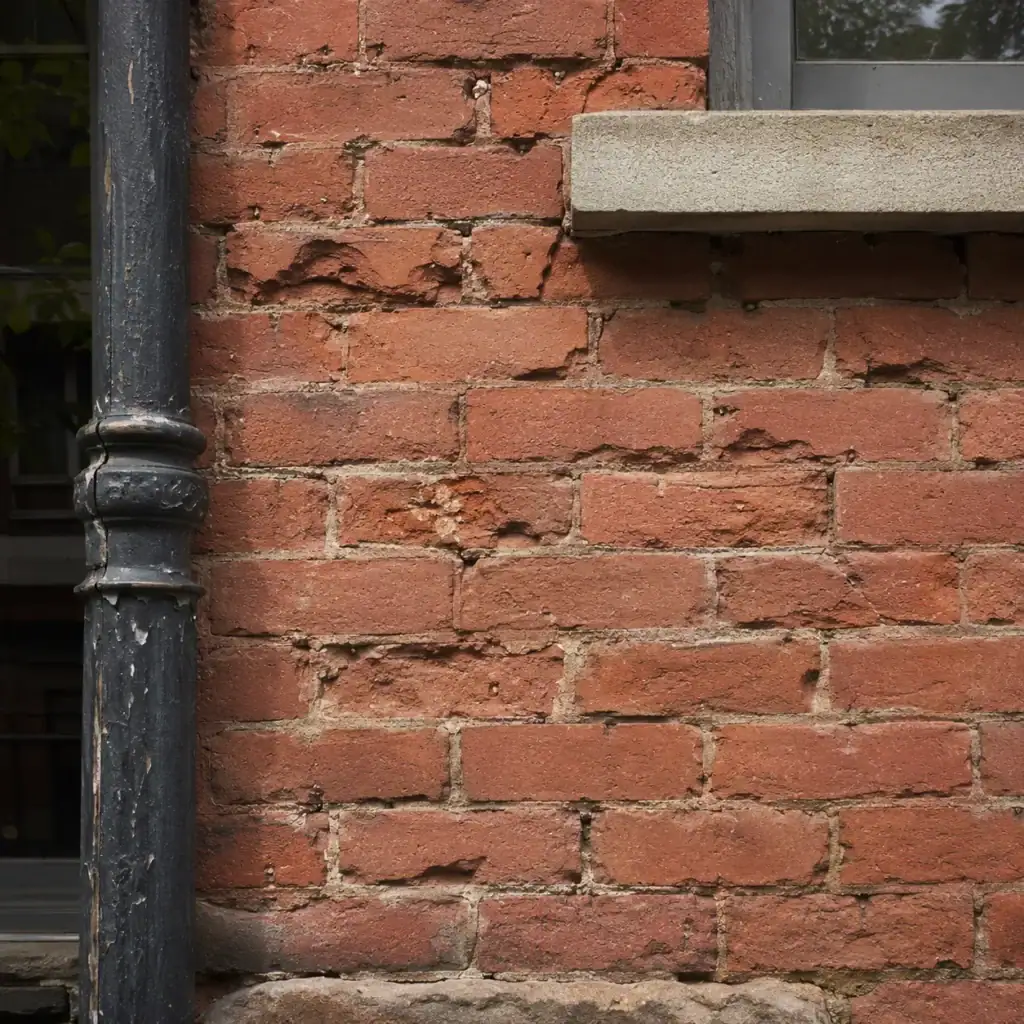
Moisture is one of the biggest causes of damage in older brick homes. Water can enter through open mortar joints, cracked sills, failed flashing, missing caps, poor grading, short downspouts, roof runoff, high soil, and damaged chimneys.
Once water enters older brick, it may dry more slowly than expected. In winter, trapped moisture can freeze and expand. This can cause spalling, cracked mortar, loose brick, and face damage.
The City of Toronto’s guidance on managing rain and melted snow is useful for homeowners because drainage and snowmelt affect lower brickwork, foundations, steps, walkways, and basement areas. Heritage brick repair should include water management, not only surface patching.
If the same area keeps failing after repair, look for the water source. The brick may be showing the symptom, while the real cause may be a downspout, grade issue, leaking sill, cracked chimney crown, or trapped moisture behind a coating.
Why Mortar Compatibility Matters
Mortar compatibility is one of the most important parts of brick repair for heritage homes. Older brick often needs mortar that is compatible in strength, permeability, texture, colour, and joint profile.
Using mortar that is too hard can damage older brick. If the mortar does not allow enough movement or moisture transfer, stress may shift into the brick units. Instead of the mortar joint wearing over time, the brick face may crack or spall.
Mortar that is too weak or poorly mixed can also fail early. It may crumble, wash out, or fail to bond properly. Colour also matters because mismatched mortar can make a repair stand out across the entire facade.
Good heritage tuckpointing involves carefully removing failed mortar, preserving the brick edges, choosing compatible mortar, matching the joint profile, and finishing the joint so it sheds water properly.
A&A Masonry’s tuckpointing services in Toronto page explains why proper joint repair matters for older brick walls, chimneys, and exterior masonry.
Repointing Is Not the Same as Surface Patching
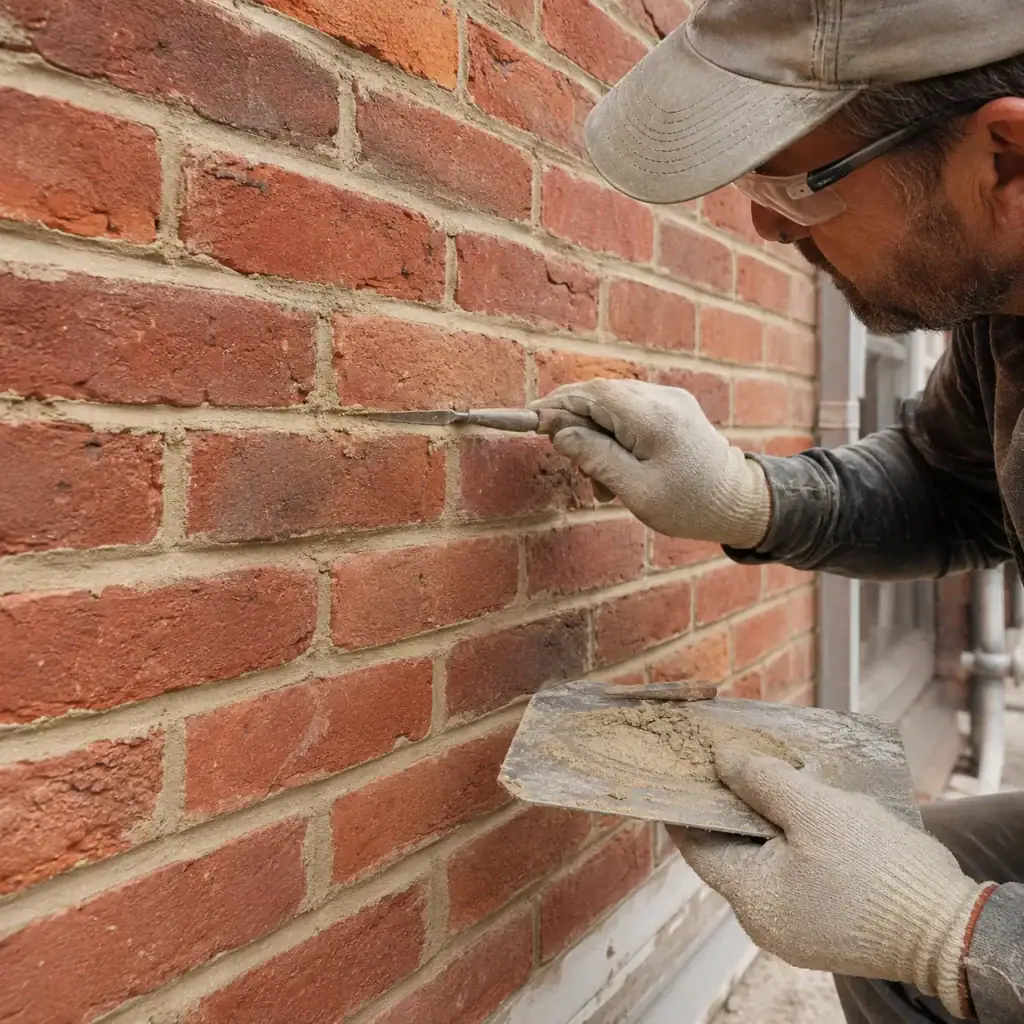
Repointing is not the same as surface patching. A proper mortar repair removes damaged mortar to a suitable depth and replaces it with compatible new mortar. Surface patching only covers the visible gap and often fails quickly.
Thin surface patches can trap moisture, break away after freeze-thaw cycles, or make the joint look smeared and uneven. On heritage homes, this can damage both appearance and performance.
Careful repointing protects the brick edges. Aggressive grinding can chip old brick, widen joints, and remove original detail. Hand tools or controlled methods may be needed depending on the brick condition and joint size.
A good joint repair should look quiet. It should support the wall, shed water, and blend with the original masonry instead of drawing attention to itself.
When Brick Replacement Is Needed
Brick replacement is needed when individual bricks are too damaged to remain in place. This may include severely spalled, cracked, or loose brick, frost-damaged units, or bricks damaged by past inappropriate repairs.
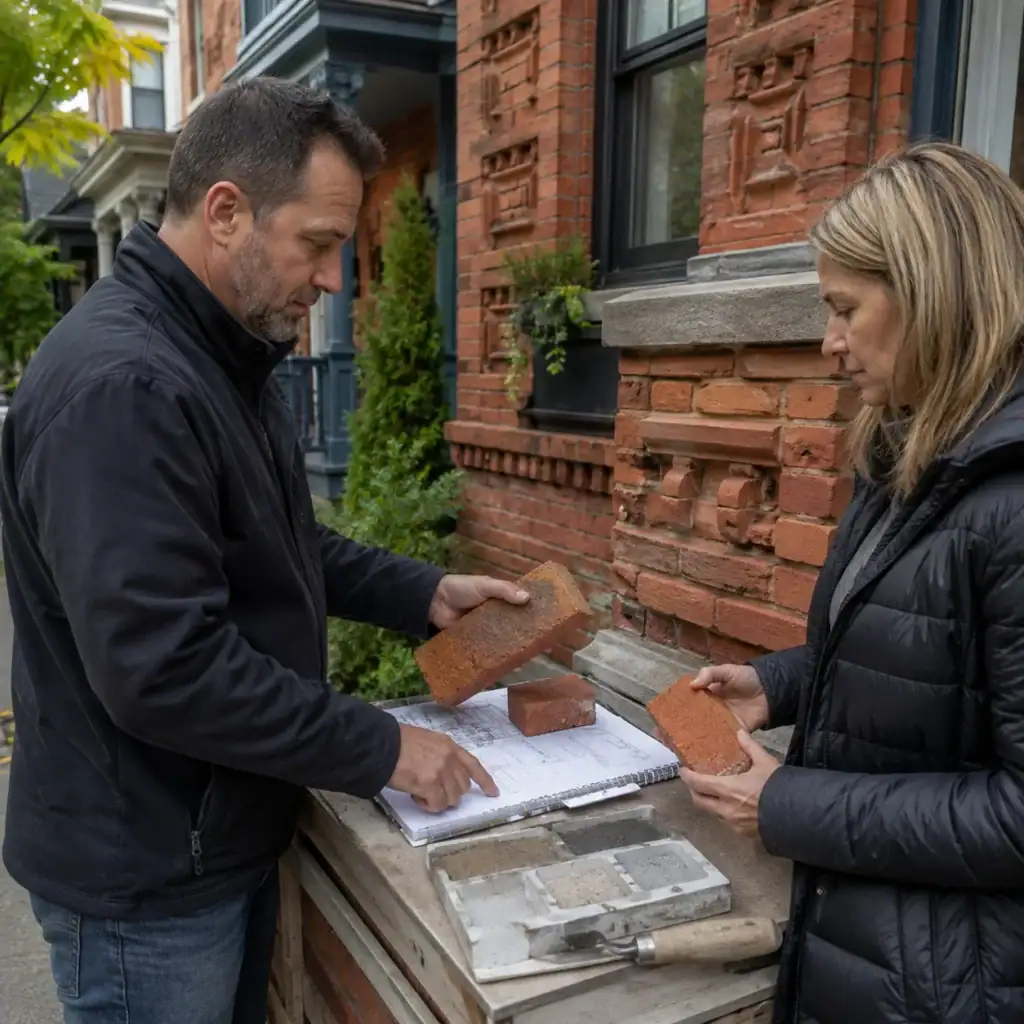
On heritage homes, replacement should be selective whenever possible. If most of the wall is sound, replacing only damaged units helps preserve original material. The replacement brick should match the size, colour, texture, hardness, and weathered appearance as closely as possible.
Perfect matching can be difficult because older brick may have natural variation and decades of weathering. In some cases, reclaimed brick may be considered if it suits exterior use and matches the wall. New brick may need careful selection so it does not look too smooth or modern.
A repair should not create a bright patch that distracts from the rest of the facade. The goal is durability and visual continuity.
Matching Brick Colour, Texture, and Size
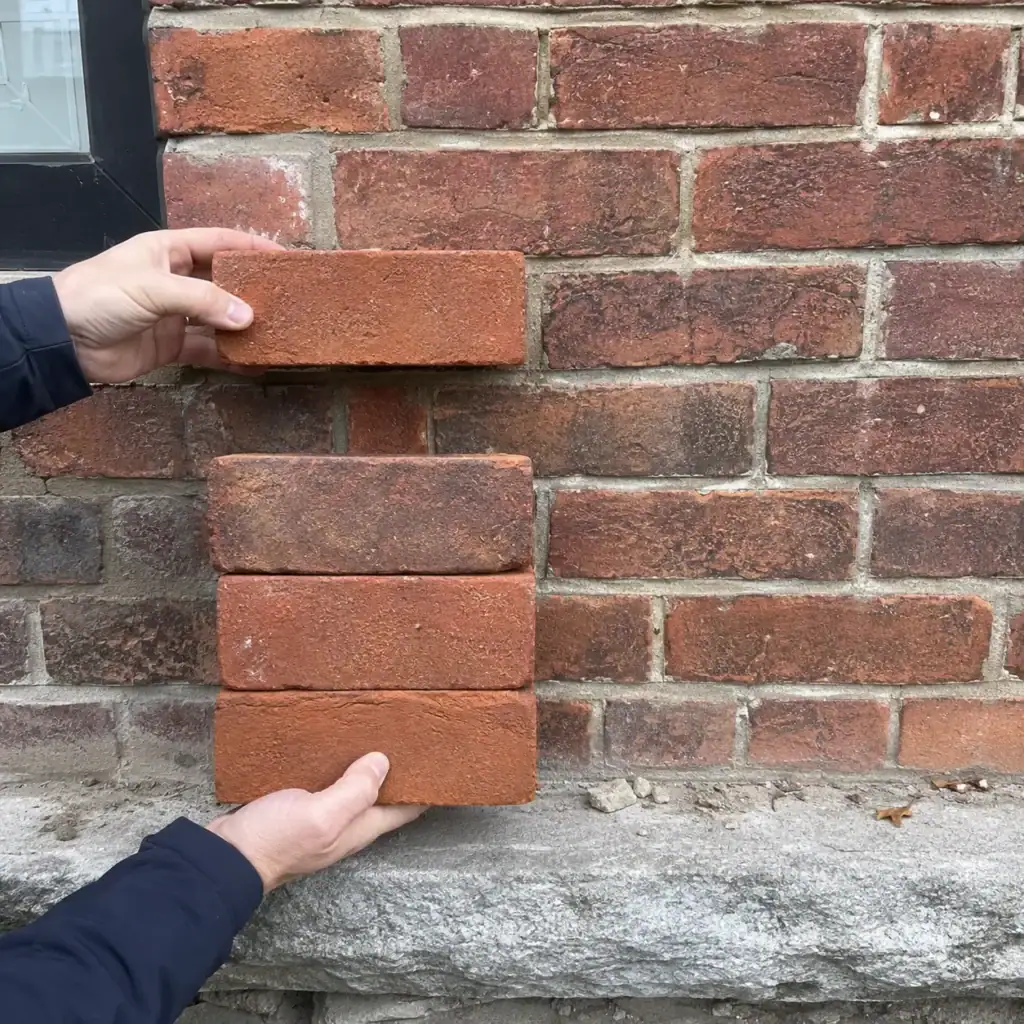
Matching brick colour, texture, and size is essential for heritage homes because even a small mismatch can stand out. Older Toronto brick may have subtle colour variation, softer edges, surface texture, and weathering that modern brick doesn’t always match.
Colour should be judged outdoors in natural light, not only from a sample indoors. Brick can look different in sun, shade, rain, and beside older mortar. Texture matters too. A smooth replacement brick may look wrong beside a rough or sand-faced heritage brick.
Size is just as important. If the replacement brick is slightly taller, longer, or thinner than the original, the joint spacing may change. That can make the repair visible even if the colour is close.
For front facades, porch walls, decorative details, and street-facing brick, careful matching is especially important.
Gentle Cleaning Is Better Than Aggressive Cleaning
Gentle cleaning is usually better for heritage brick than aggressive cleaning. High-pressure washing, harsh chemicals, sandblasting, or improper acid cleaning can damage older brick faces.
Cleaning should match the type of staining and the condition of the brick. Dirt, algae, efflorescence, paint residue, soot, and biological growth may need different approaches. A method that works on one wall may damage another.
Parks Canada’s Standards and Guidelines for the Conservation of Historic Places in Canada support conservation-minded decision-making and careful intervention for historic places. For homeowners, the practical lesson is simple: use the least aggressive method that works and avoid damaging original material.
If brick cleaning is needed before repair, test patches and gentle methods are safer than assuming strong cleaning will improve the wall.
Be Careful With Painted Heritage Brick
Painted heritage brick needs careful review because paint can hide damage and may trap moisture if the coating is not breathable. Some older homes have painted brick because of past design choices, while others were painted to cover mismatched repairs or surface damage.
Peeling paint, bubbling, damp patches, white staining, and spalling under paint can all suggest moisture problems. Removing paint from old brick can be difficult and may damage the surface if done aggressively.
Painting over damaged brick is rarely a good repair strategy. It may hide cracks or stains temporarily, but if water is still entering, the damage can continue behind the coating.
If a painted heritage home needs repair, assess the wall for moisture, mortar condition, brick condition, and coating type before deciding on cleaning, repainting, stripping, or masonry repair.
Chimneys on Heritage Homes Need Extra Attention
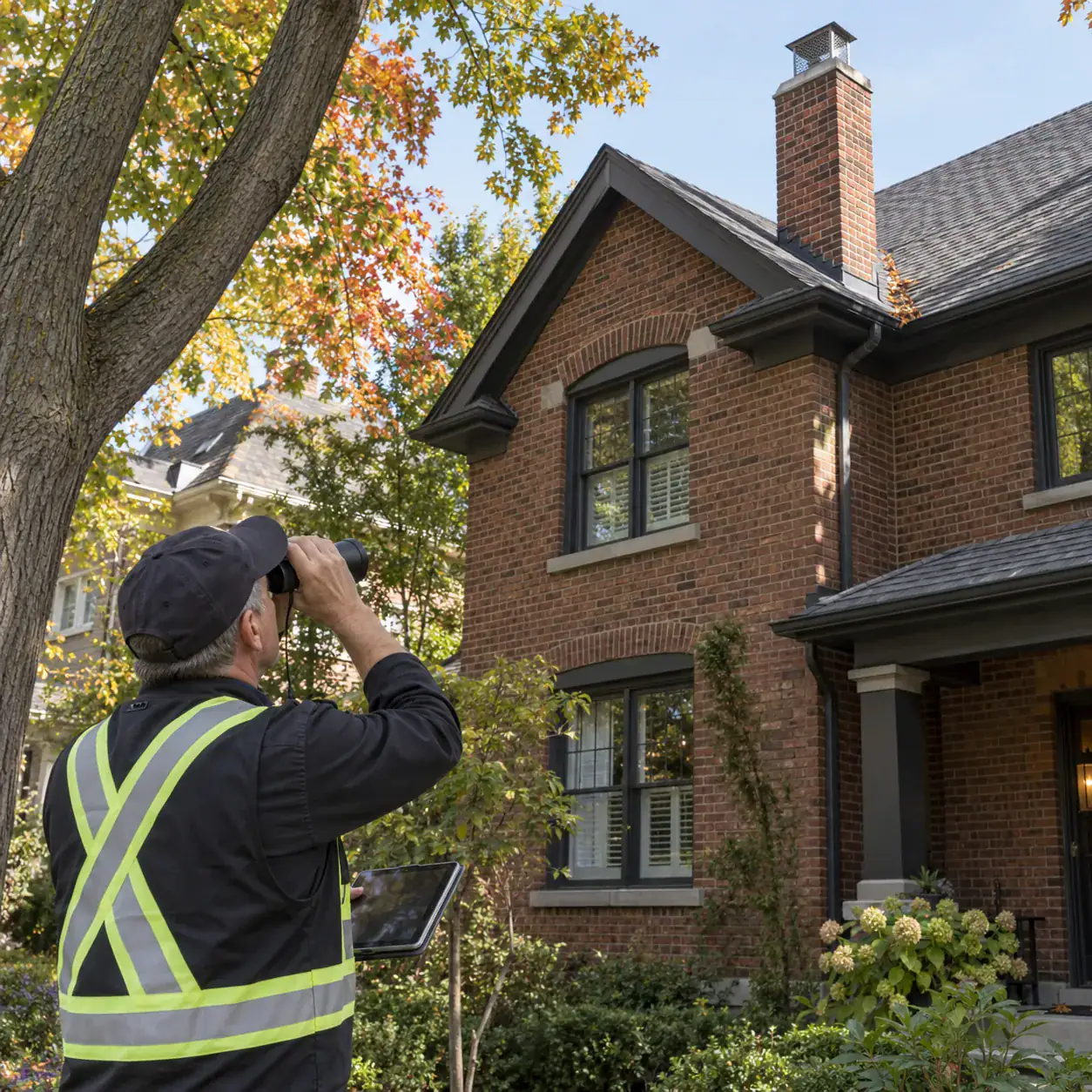
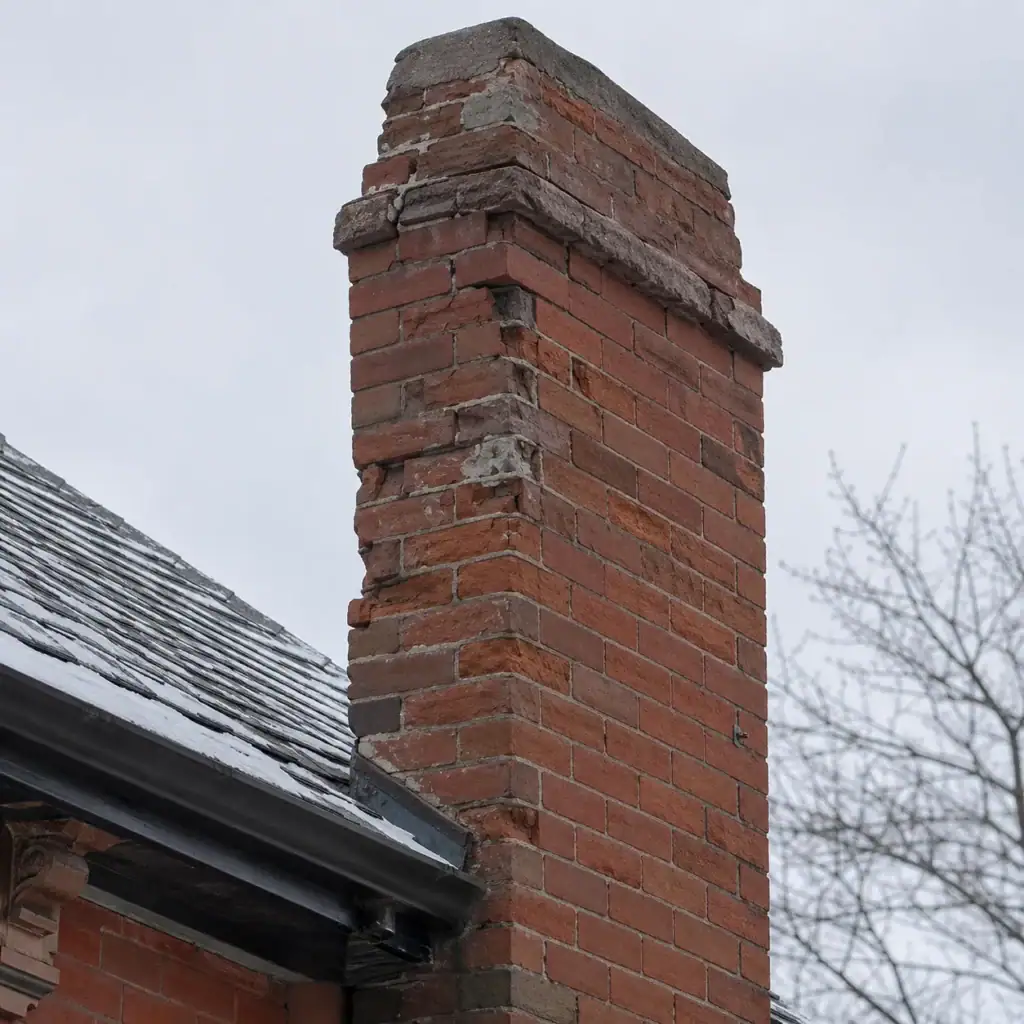
Chimneys on heritage homes need extra attention because they are exposed to weather from every side and often contain some of the most vulnerable older brickwork. A chimney may look decorative, but it is also a masonry structure that must shed water and remain stable.
Common heritage chimney problems include missing mortar, spalling brick, cracked crowns, missing caps, leaning sections, staining, and poor past repairs. Water entering from the top can travel through the chimney and damage brick below.
Chimney brick repair should consider the same heritage principles as wall repair: compatible mortar, careful brick matching, proper cap or crown details, and moisture control.
A&A Masonry’s chimney repair Toronto page explains common chimney masonry issues, including tuckpointing, brick replacement, crown repair, cap repair, water damage, and rebuild concerns.
Porches, Arches, Sills, and Decorative Brick Details
Repairs to porches, arches, sills, and decorative brick details should be done carefully because they often define the character of a heritage home. These areas may include shaped brick, special bond patterns, stone or concrete sills, decorative soldier courses, corbels, columns, and porch walls.
Damage in these areas can come from water, movement, rusting metal components, poor drainage, freeze-thaw cycles, or past alterations. Cracks around arches or windows may need closer review because they can point to movement or lintel-related issues.
Repair should preserve the original design whenever possible. Removing decorative details or replacing them with plain modern materials can change the home’s appearance. A good repair should stabilize the masonry while keeping the original character intact.
For older homes, the small details often matter as much as the main wall.
Foundation and Lower Wall Brickwork
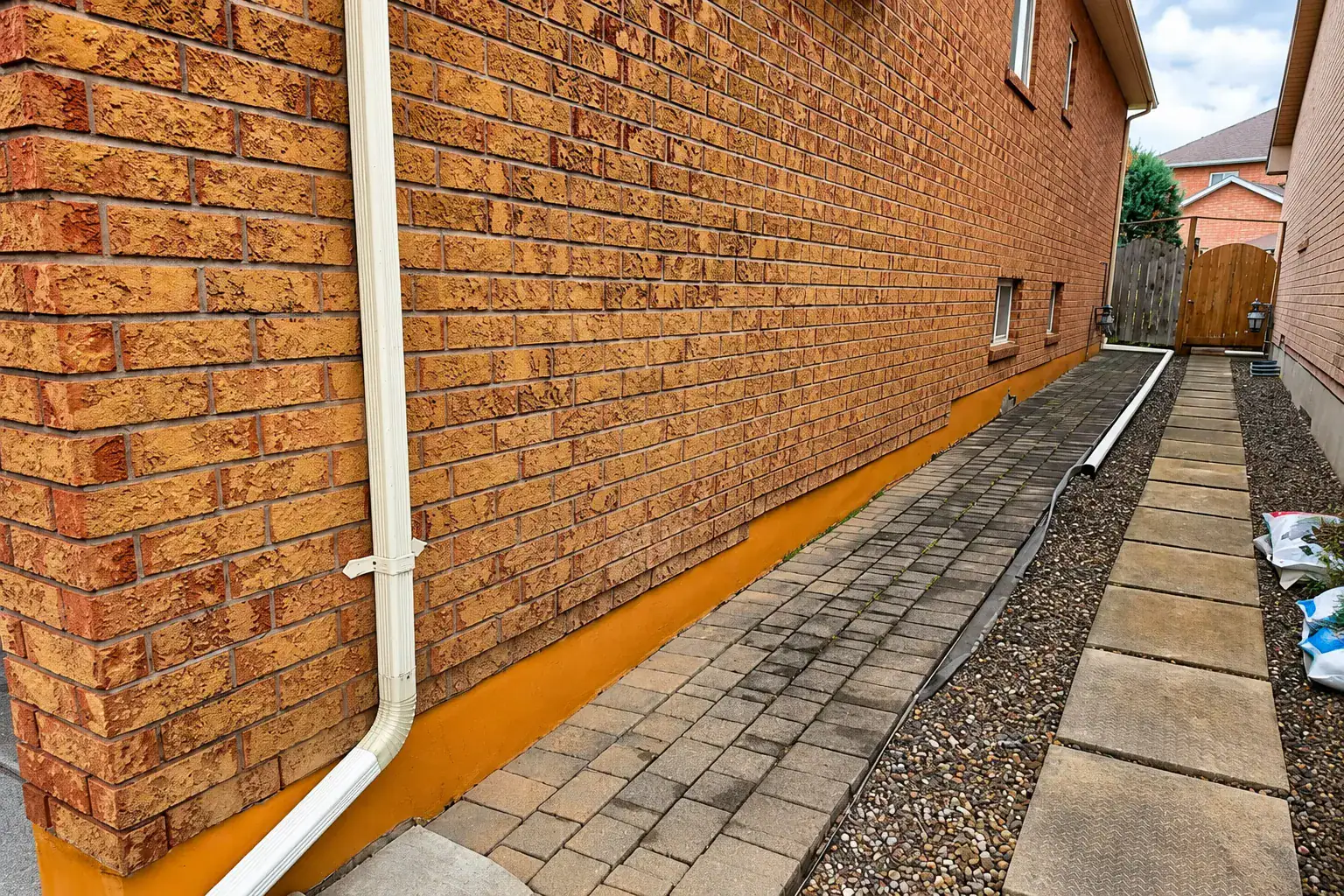
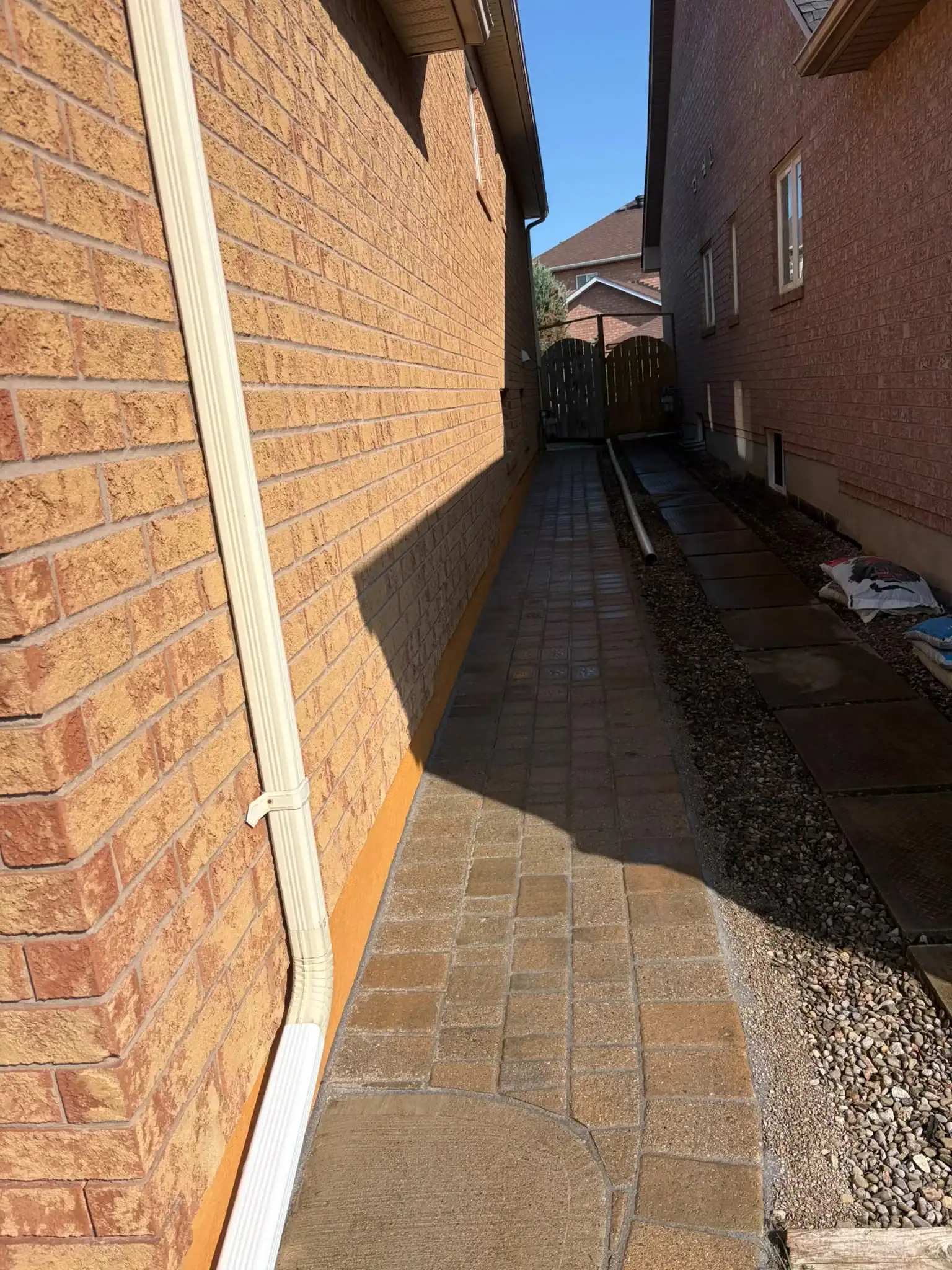
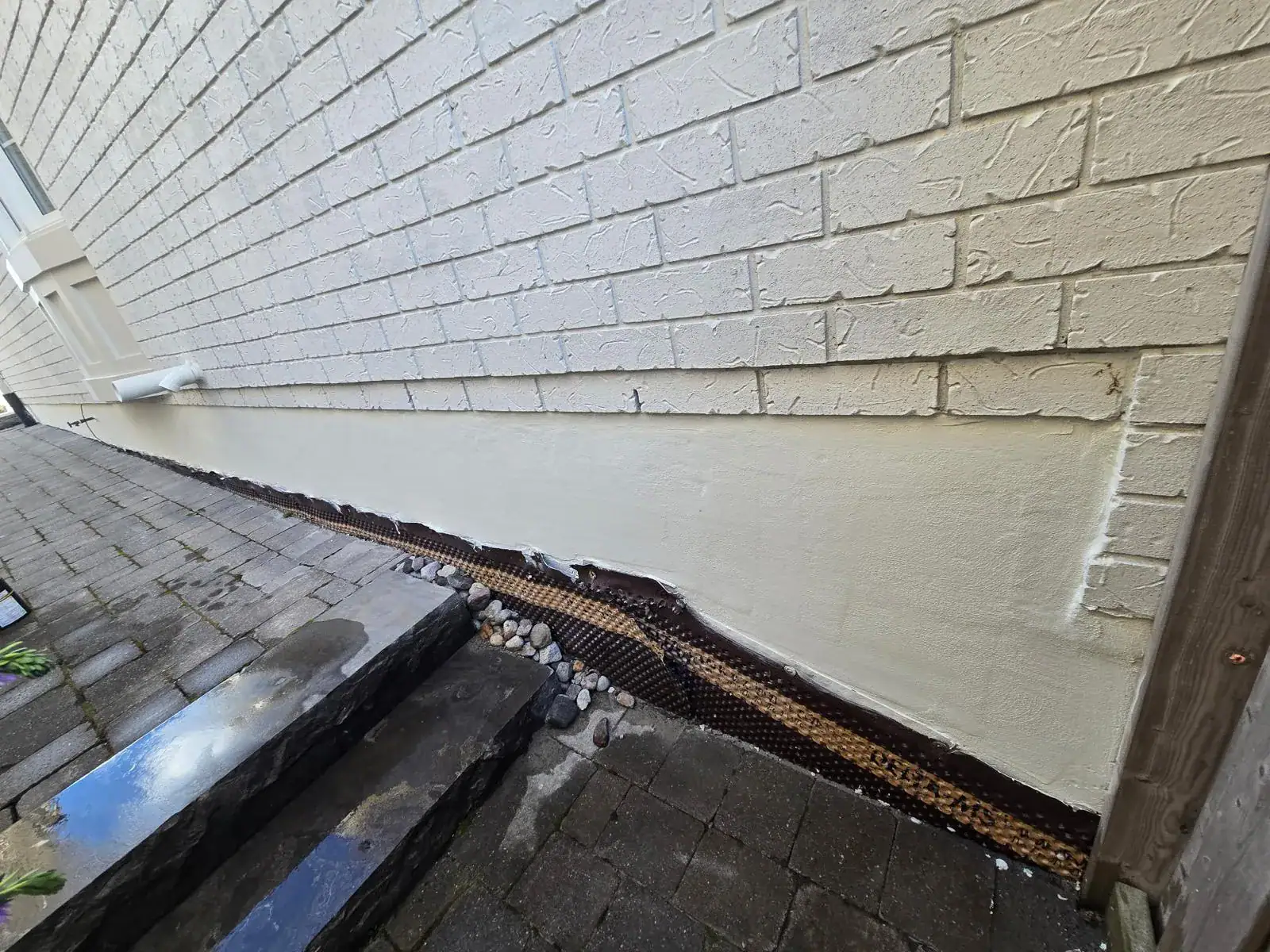
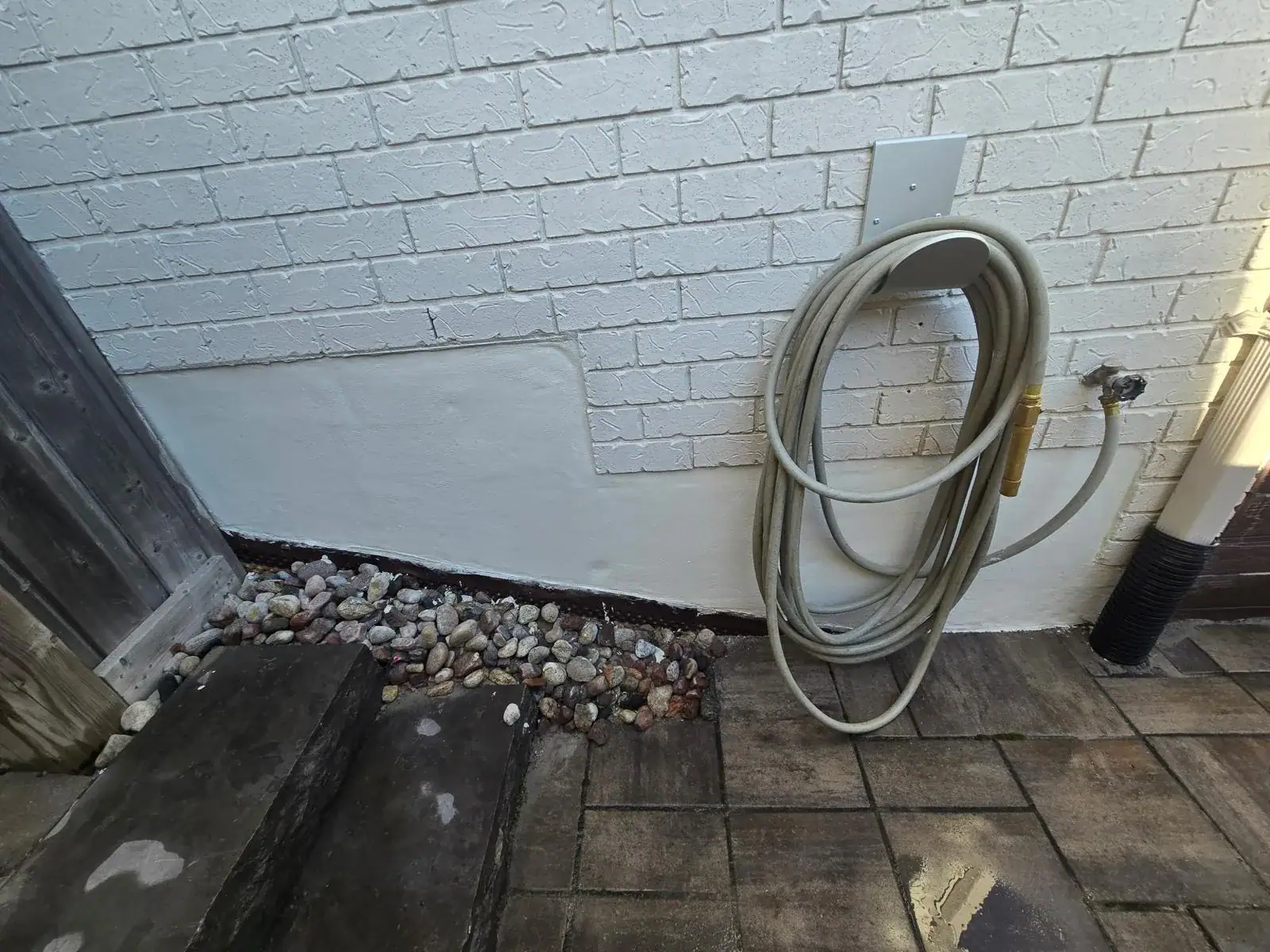
Foundation and lower wall brickwork often show damage first because these areas are close to soil, splashback, snow piles, and drainage problems. Lower brick may stay damp longer than upper wall areas.
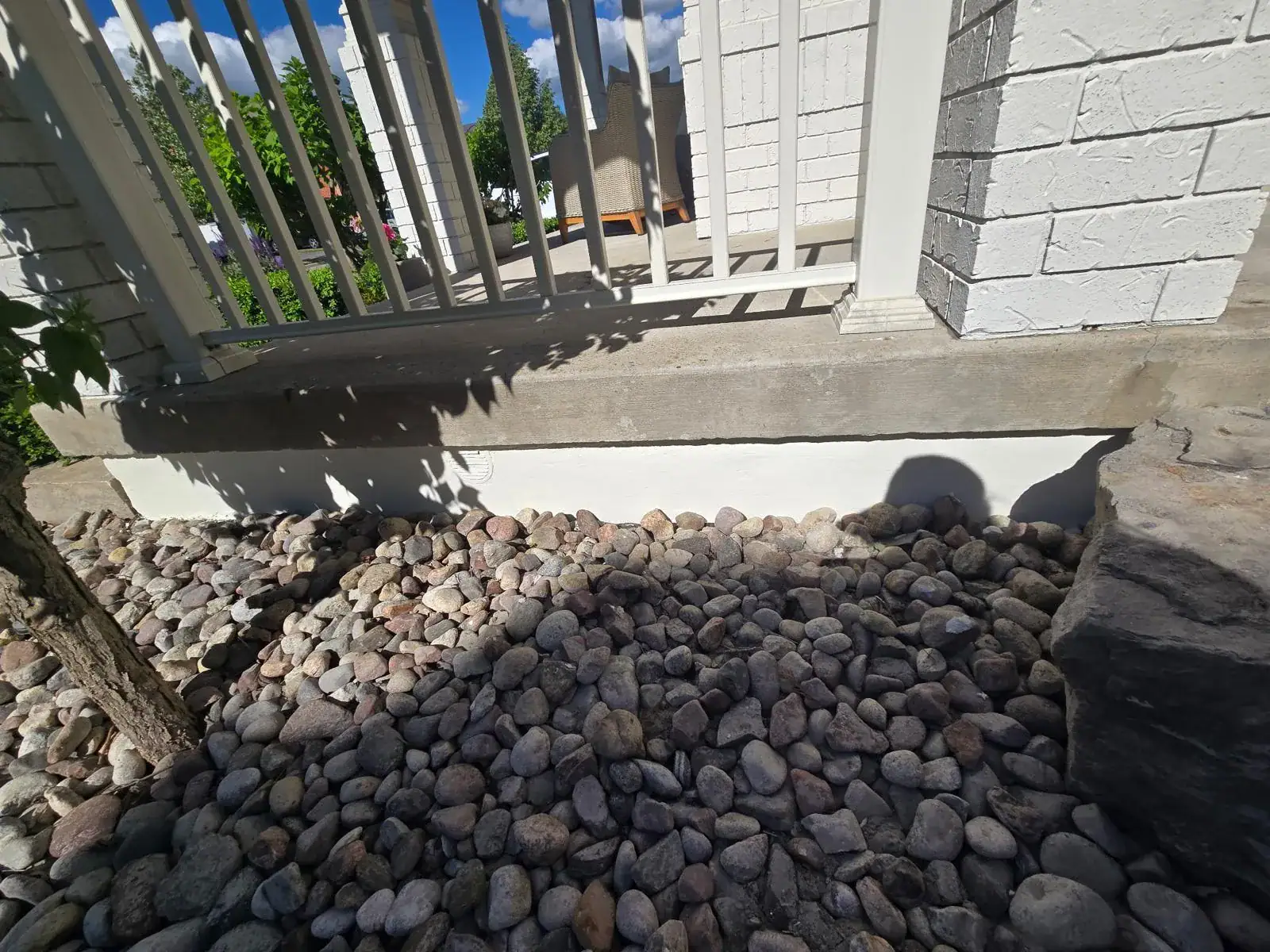
Common problems include spalling brick, failed mortar, salt staining, efflorescence, damp patches, and deterioration near steps, walkways, garden beds, or downspouts. If soil or mulch piles up against the wall, moisture may stay in contact with the brick for long periods.
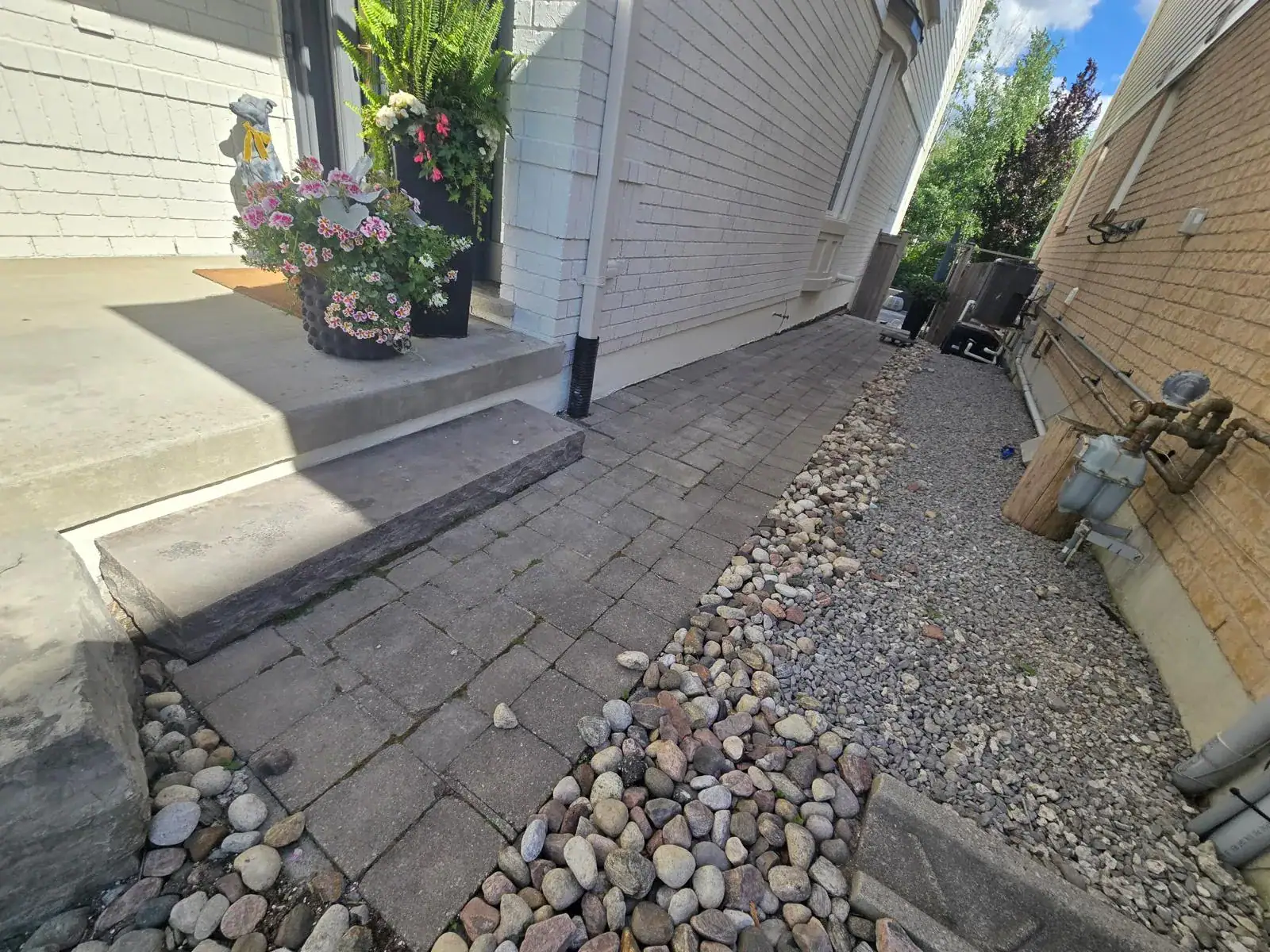
Repairing lower brickwork should include a drainage review. Downspouts, grading, patio slope, garden beds, and snow storage all affect how long the masonry stays wet.
If lower wall damage is connected to foundation moisture, A&A Masonry’s waterproofing Toronto page is a helpful resource for understanding exterior water-entry concerns.
Heritage Permits and Toronto Review
Heritage permits and Toronto review may matter if the home is designated, listed, or located within a Heritage Conservation District. Homeowners should check the property status before changing brick, mortar, facade details, openings, chimneys, porches, or visible exterior features.
The City of Toronto’s heritage preservation resources explain heritage planning and conservation in the city. The City’s Heritage Permit Guide also explains that alterations to designated heritage properties and properties in Heritage Conservation Districts may need review.
Even if the repair feels minor, confirm requirements before work starts. Depending on the property and scope, you may need documentation, photos, material details, drawings, and repair descriptions.
Checking early helps avoid delays, rejected work, or repairs that do not align with heritage expectations.
Ontario Building Code and Larger Brick Repairs
Ontario Building Code questions may matter when brick repair affects structure, openings, foundations, chimneys, major wall areas, additions, or safety. Small maintenance repointing is different from rebuilding a wall section or altering a building element.
Ontario’s official Building Code page is the preferred provincial reference for building requirements. The City of Toronto’s building permit information is also useful when repairs may involve permits, drawings, or inspection.
For homeowners, the practical rule is simple: if the work affects structure, openings, chimneys, foundations, major exterior changes, or a protected heritage feature, check official guidance before starting.
What Homeowners Can Check Themselves
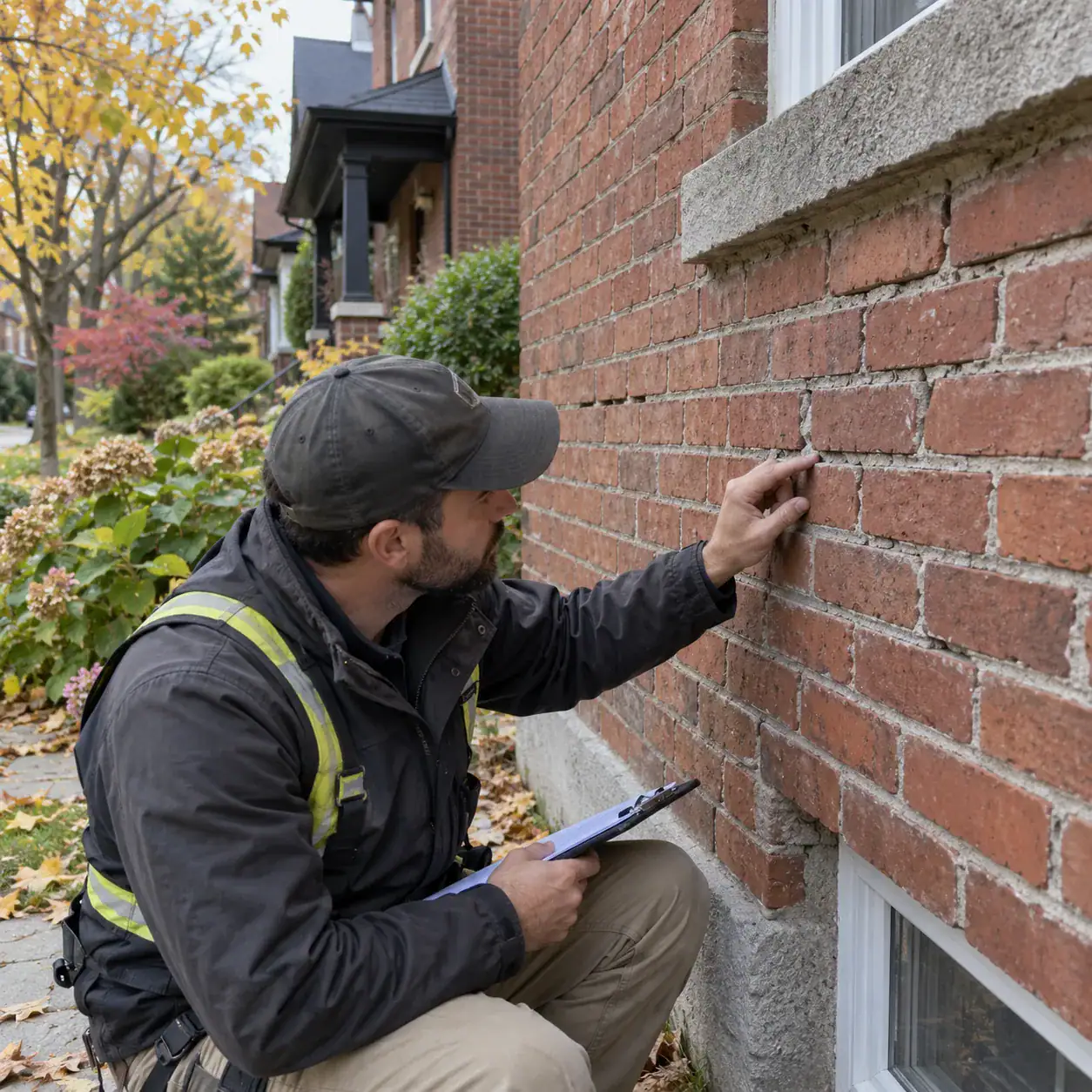
Homeowners can safely check heritage brick from ground level and document visible changes. This helps separate normal aging from repair issues that need attention.
- Look for missing, cracked, sandy, or recessed mortar joints.
- Check for spalling brick, especially near lower walls and chimneys.
- Look for white staining, damp patches, or peeling coatings.
- Check whether soil, mulch, or snow sits against lower brick.
- Photograph cracks around windows, doors, arches, and porch details.
- Look for mismatched past repairs that may trap moisture or damage brick.
- Watch where rainwater and snowmelt flow during storms and thaw periods.
- Check whether the home may be listed, designated, or in a Heritage Conservation District.
Do not aggressively clean, grind, seal, or remove old brick without understanding the wall. The wrong repair method can quickly damage heritage brick.
What to Avoid With Heritage Brick Repair
Some repair methods can cause long-term damage to heritage brick even if they look acceptable at first. Avoiding the wrong approach is just as important as choosing the right repair.
- Do not use hard mortar without review: It can damage softer older brick.
- Do not smear mortar over failed joints: Surface patches often fail quickly.
- Do not pressure wash fragile brick: Aggressive cleaning can remove the brick face.
- Do not seal wet masonry: Trapped moisture can worsen freeze-thaw damage.
- Do not replace more brick than needed: Preserve original material where possible.
- Do not ignore heritage status: Some exterior work may need review or permits.
- Do not hide damage with paint: Coatings may trap moisture and conceal problems.
- Do not overlook drainage: Correct water sources, or the damage may return.
Heritage masonry repair should be careful, restrained, and based on the wall’s condition.
Quick Guide: Brick Repair for Heritage Homes
A quick guide can help homeowners decide what type of repair may be needed.
- Choose tuckpointing when mortar joints are cracked, missing, sandy, or recessed.
- Choose selective brick replacement when individual bricks are badly spalled, loose, or cracked.
- Choose gentle cleaning when dirt, staining, or biological growth is present but the brick face is fragile.
- Choose moisture correction when the same wall section keeps failing after repair.
- Choose chimney repair when upper brickwork, caps, crowns, or mortar joints are damaged.
- Choose restoration-focused repair when the home’s character, age, and original materials matter.
- Choose permit review when the property is designated, listed, or in a Heritage Conservation District.
- Choose professional assessment when cracks, movement, water entry, or structural concerns appear.
The best heritage brick repair fixes the damage while keeping the home’s original character intact.
When Professional Help Makes More Sense
Professional help makes more sense when a heritage home has spalling brick, failed mortar, cracked arches, chimney damage, water entry, mismatched past repairs, painted brick problems, loose masonry, or possible permit requirements. These issues often need careful material selection and repair planning.
A professional mason can assess the brick condition, mortar type, moisture source, wall movement, joint profile, past repairs, and replacement matching. They can also help decide whether tuckpointing, brick replacement, gentle cleaning, chimney repair, waterproofing, or restoration-focused work is appropriate.
For homeowners planning careful older-home repairs, A&A Masonry’s brick restoration Toronto page explains restoration-focused masonry work, and the historic masonry restoration blog offers helpful background for older properties.
Final Thoughts on Brick Repair for Heritage Homes
Brick repair for heritage homes should protect the wall, respect the original materials, and preserve the character that makes the property valuable. Older brick needs careful attention to mortar compatibility, moisture movement, cleaning methods, brick matching, and repair details.
For Toronto and GTA homeowners, water and freeze-thaw cycles are major concerns. Open mortar joints, spalling brick, cracked chimneys, high soil, poor drainage, and trapped moisture can all accelerate heritage brick deterioration.
The best approach is to repair early, preserve original material where possible, match brick and mortar carefully, avoid harsh methods, check heritage requirements, and solve moisture problems before they keep returning. Done properly, heritage brick repair can help an older home remain durable, attractive, and true to its original character.
Need Help With Older or Heritage Brickwork?
If your home has deteriorating mortar, spalling brick, mismatched past repairs, or moisture-related damage, the right repair approach depends on the masonry’s condition and age. A&A Masonry can assess the brickwork and recommend a restoration plan that respects the home’s existing materials and character.