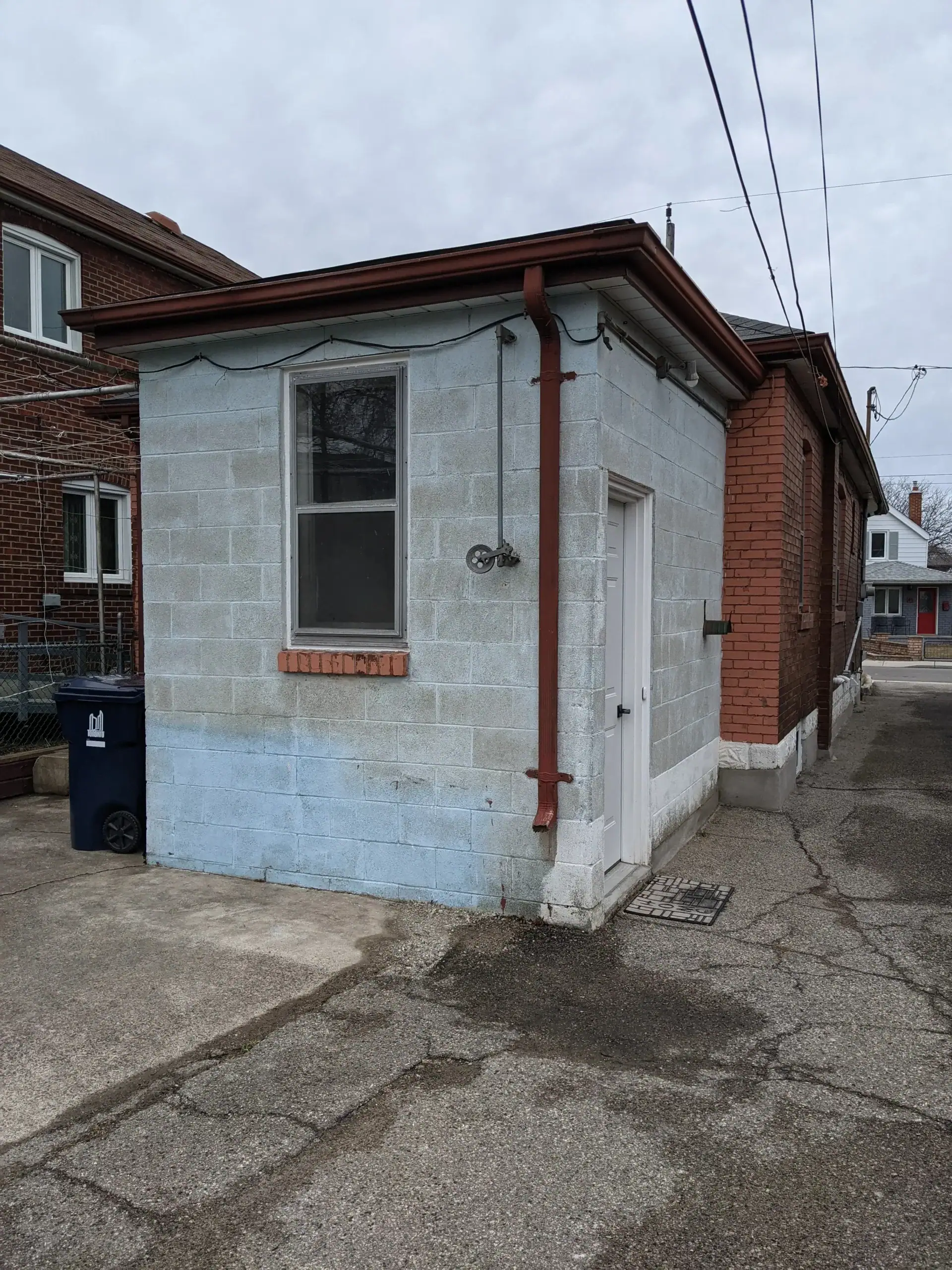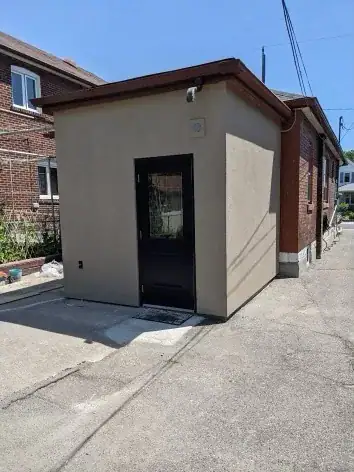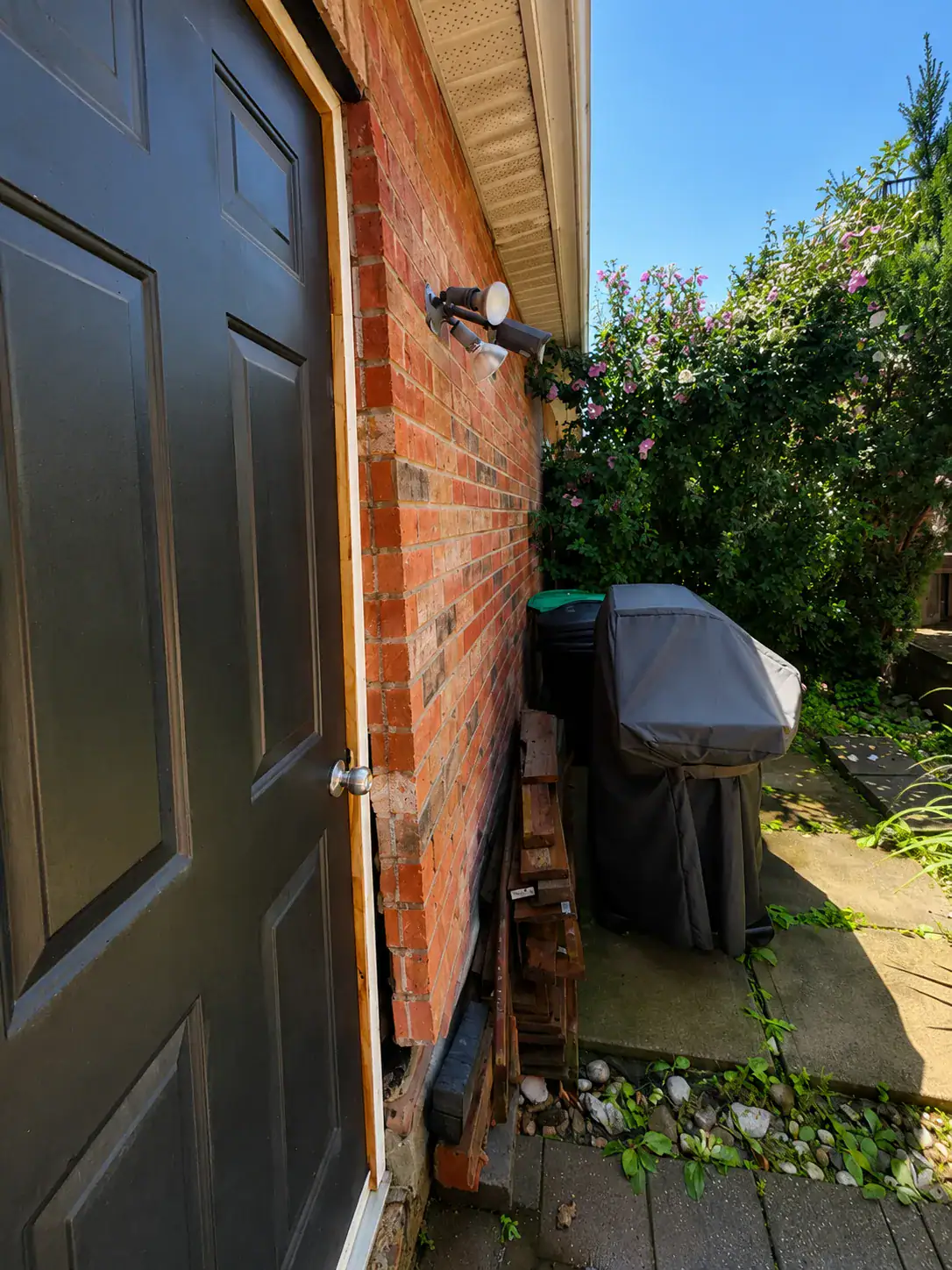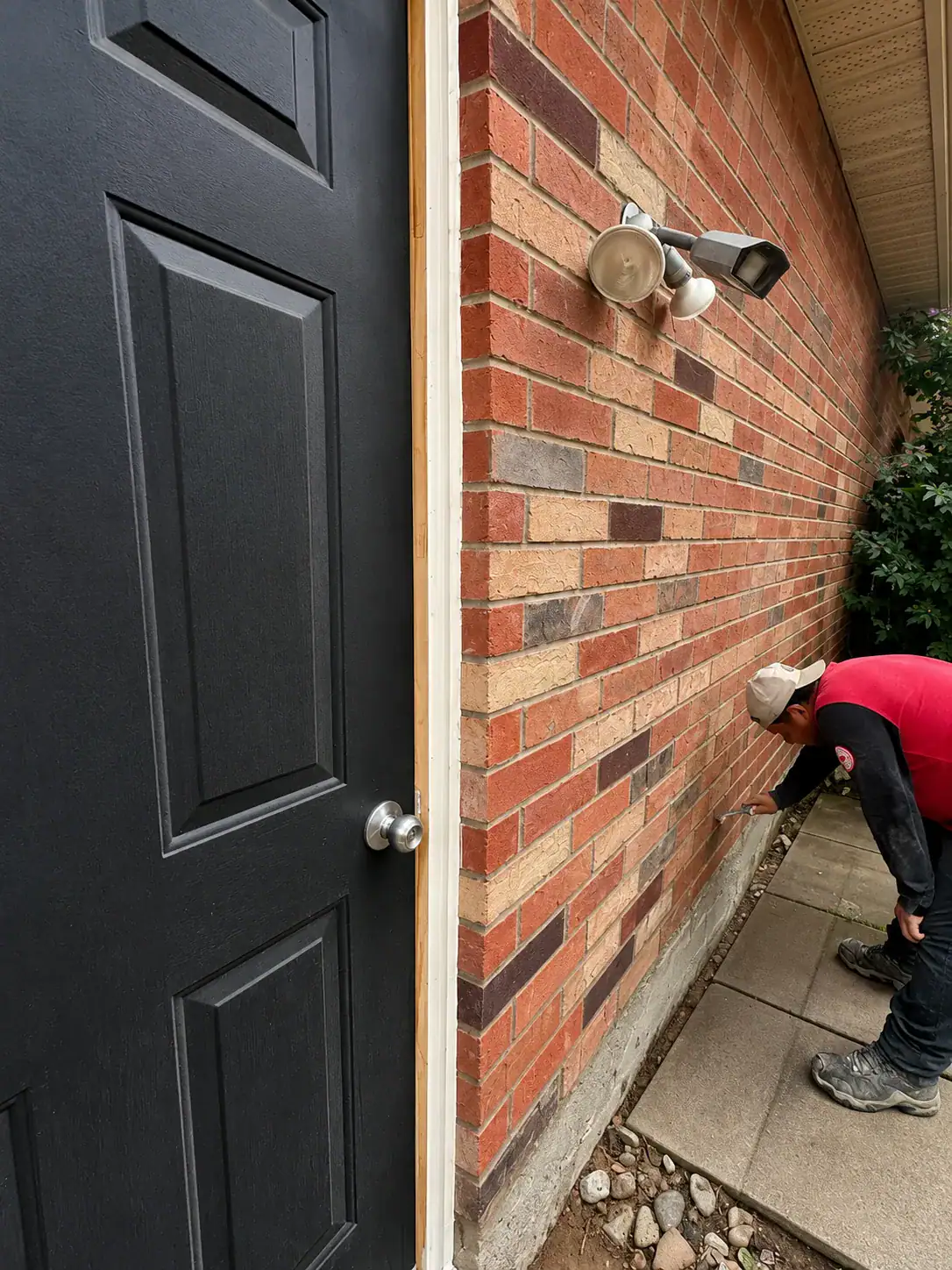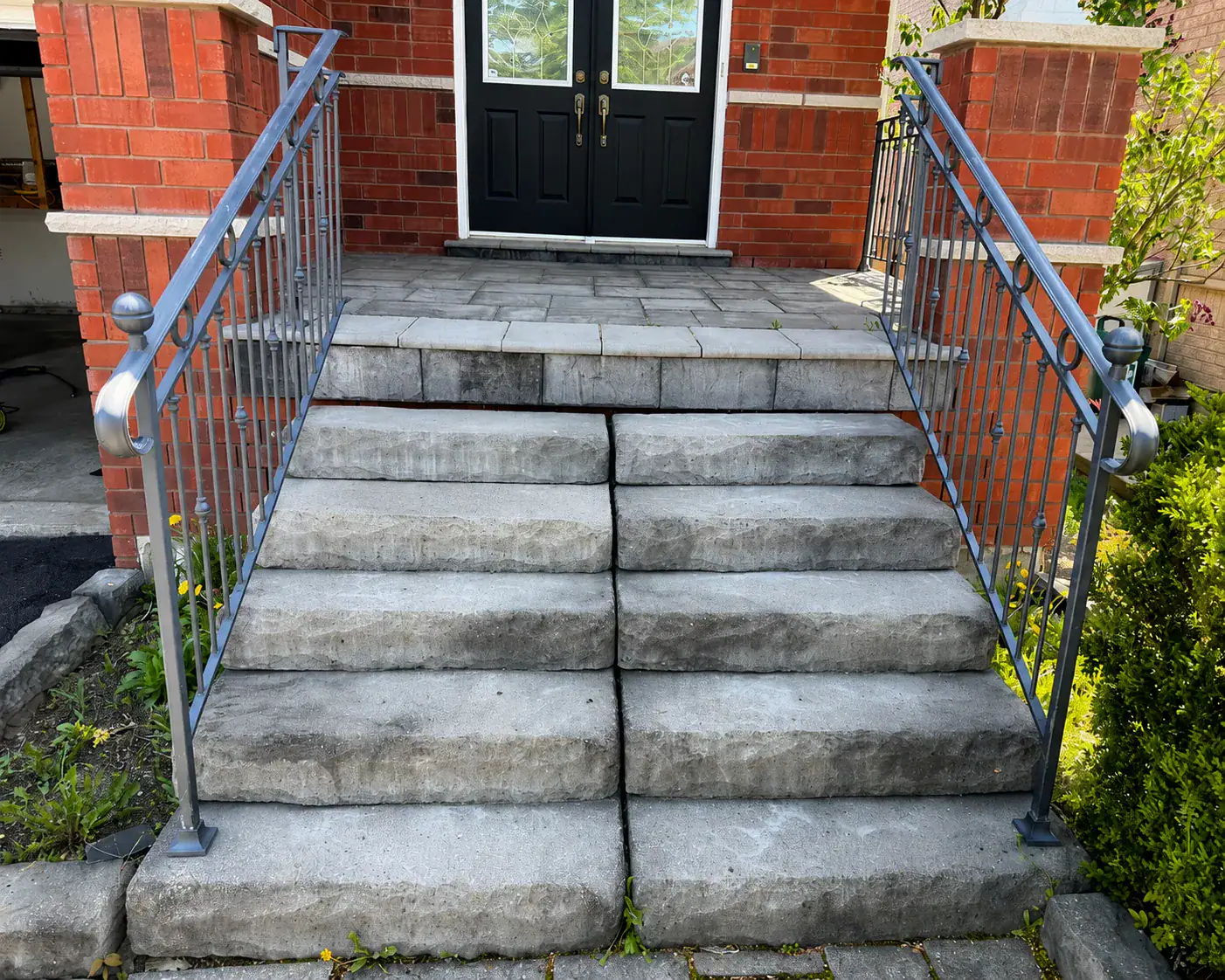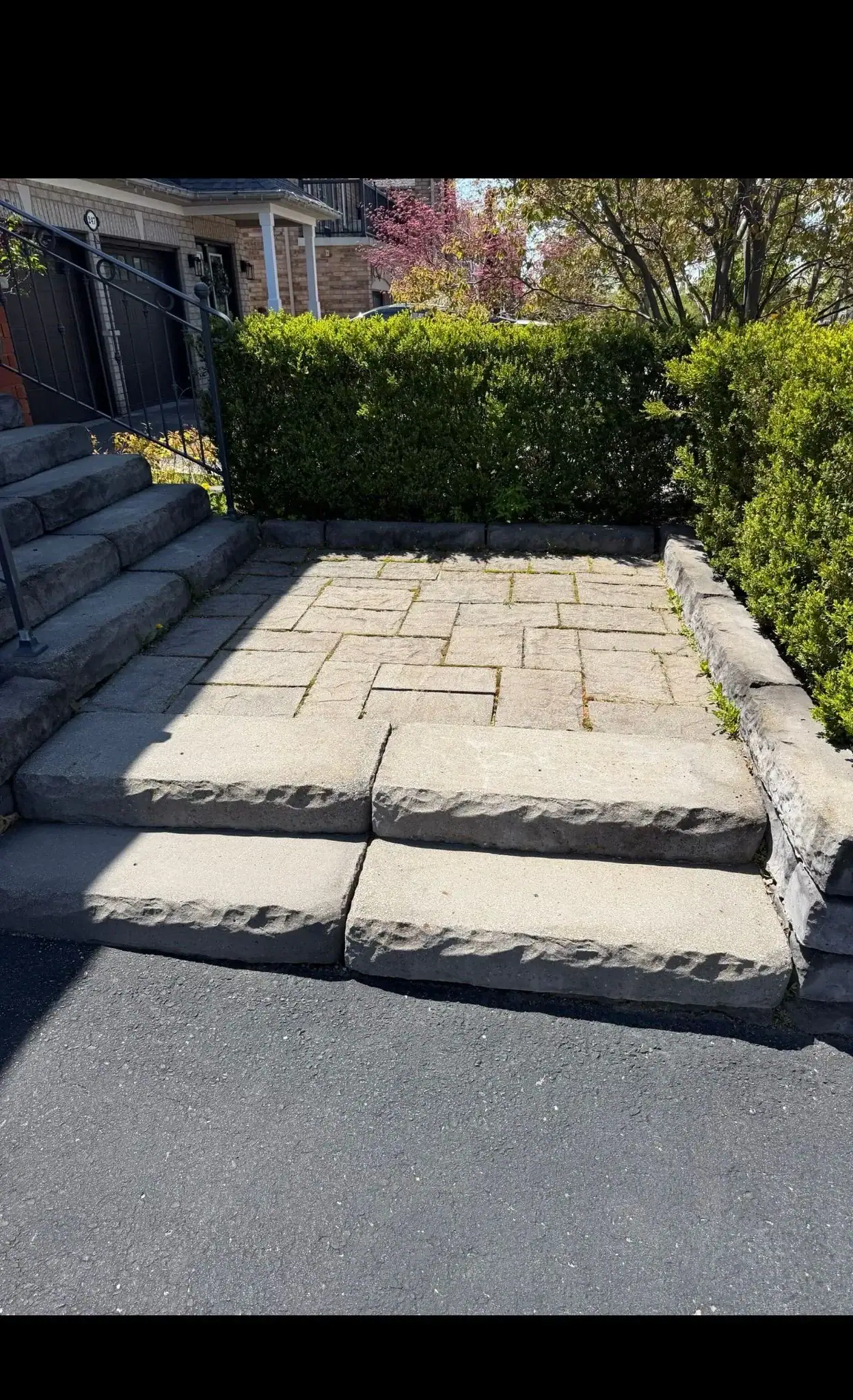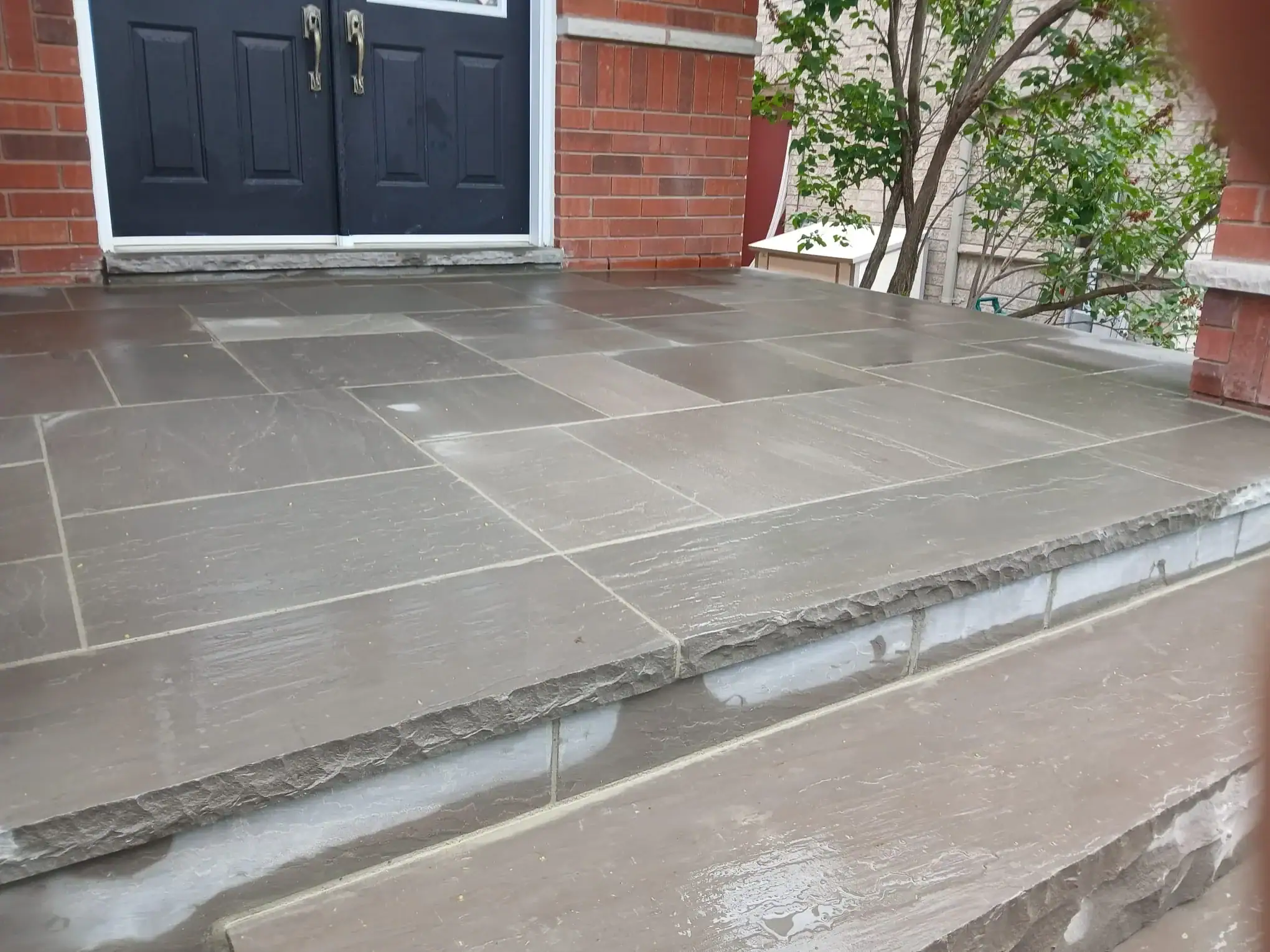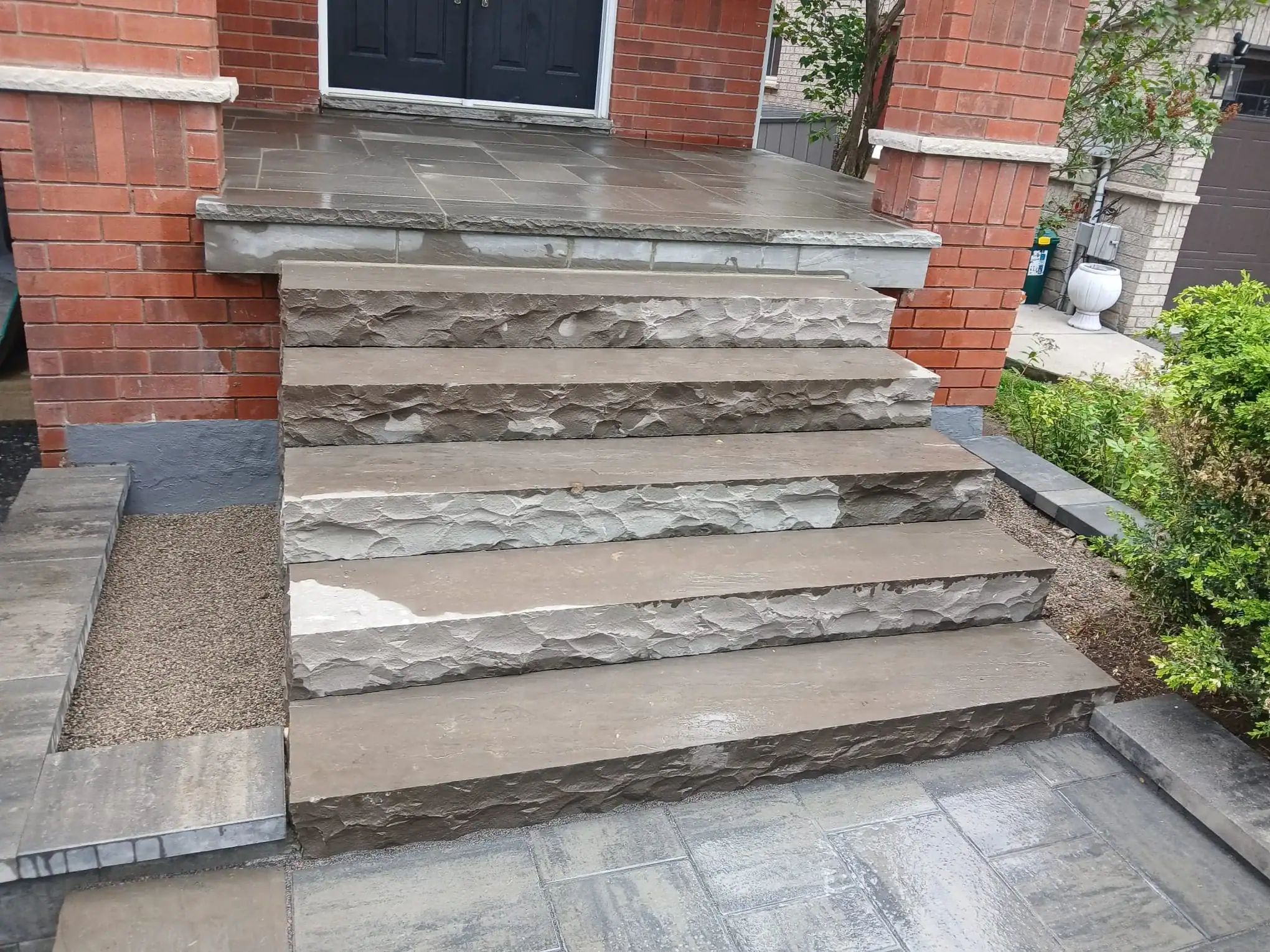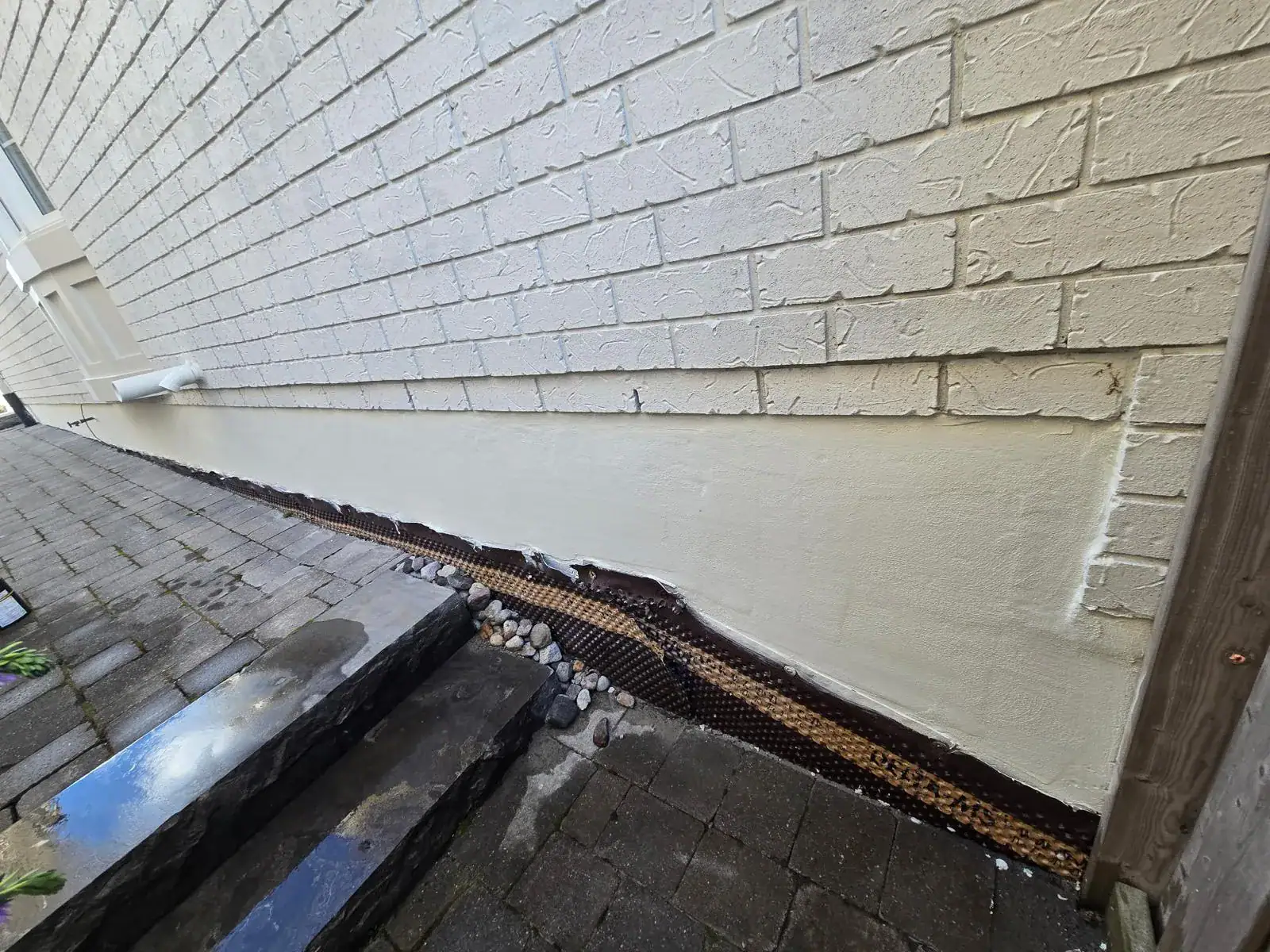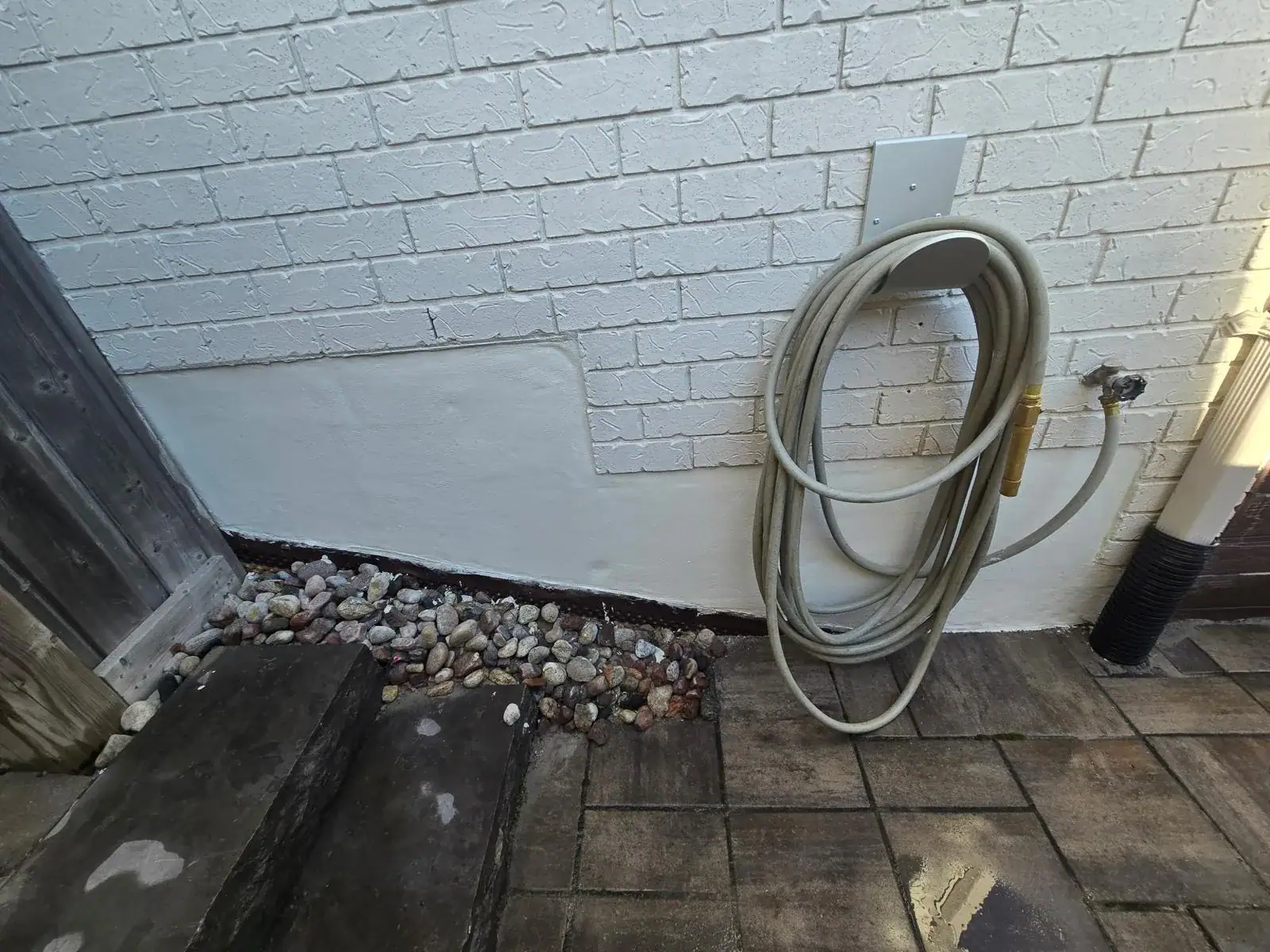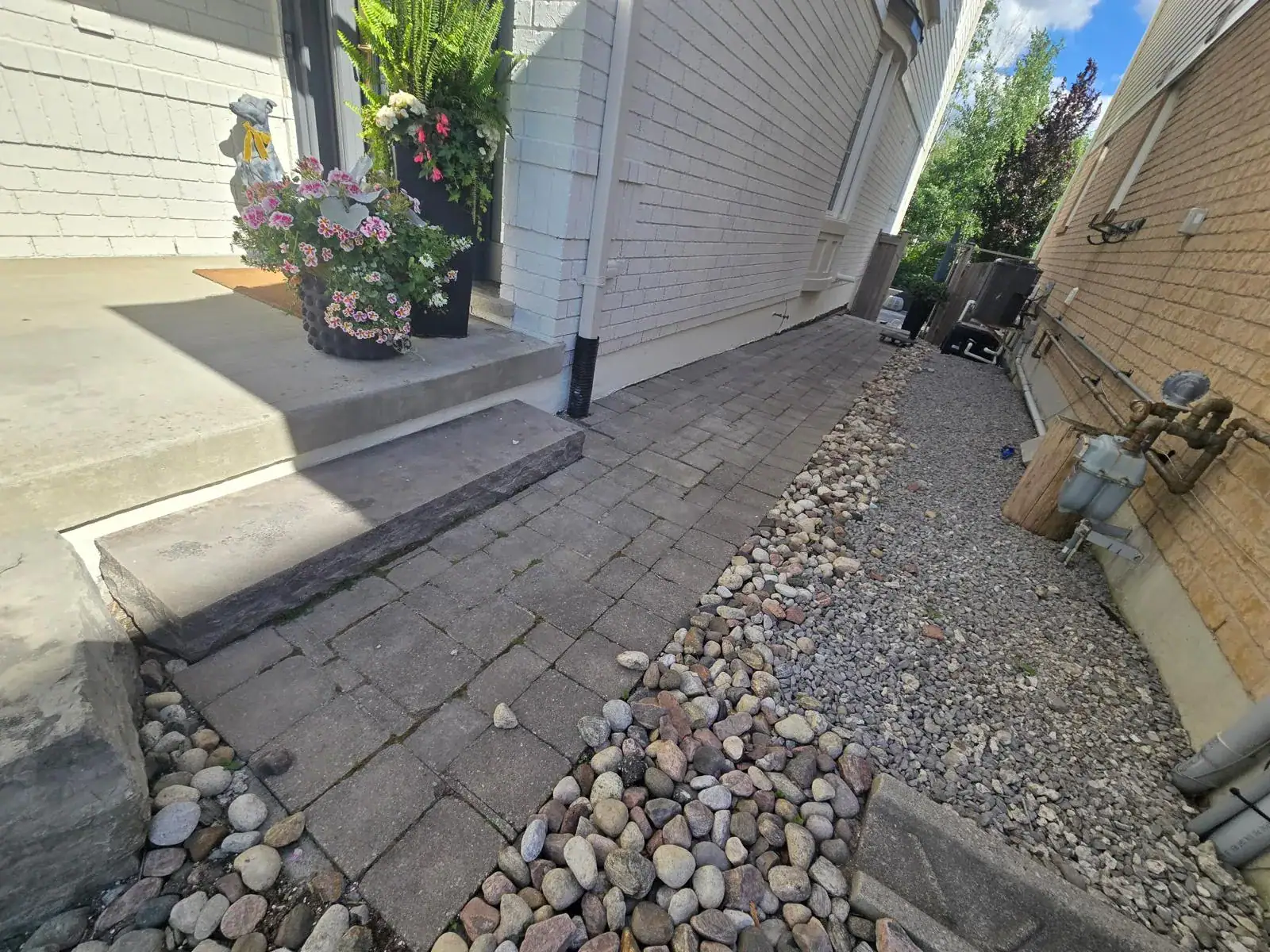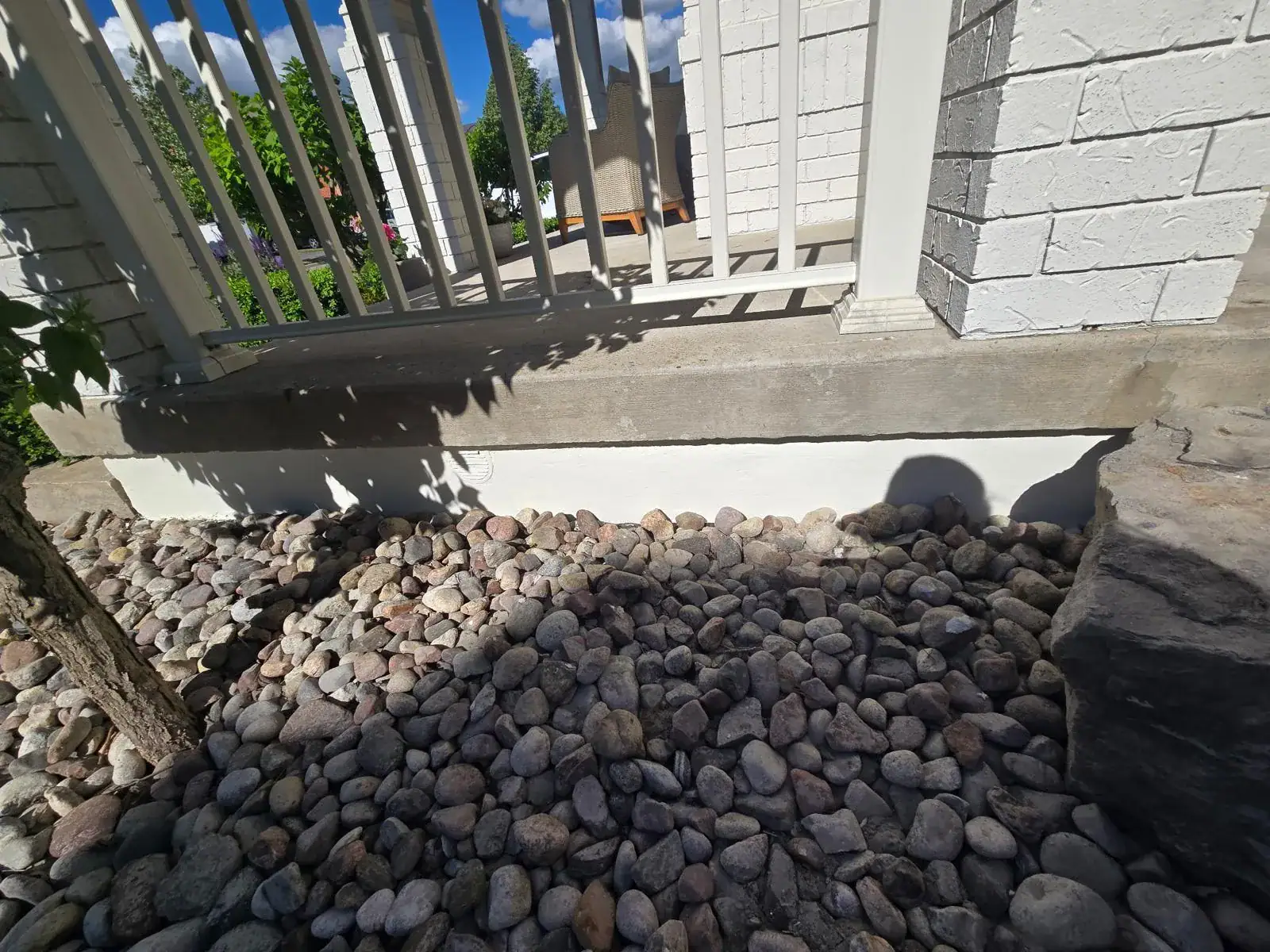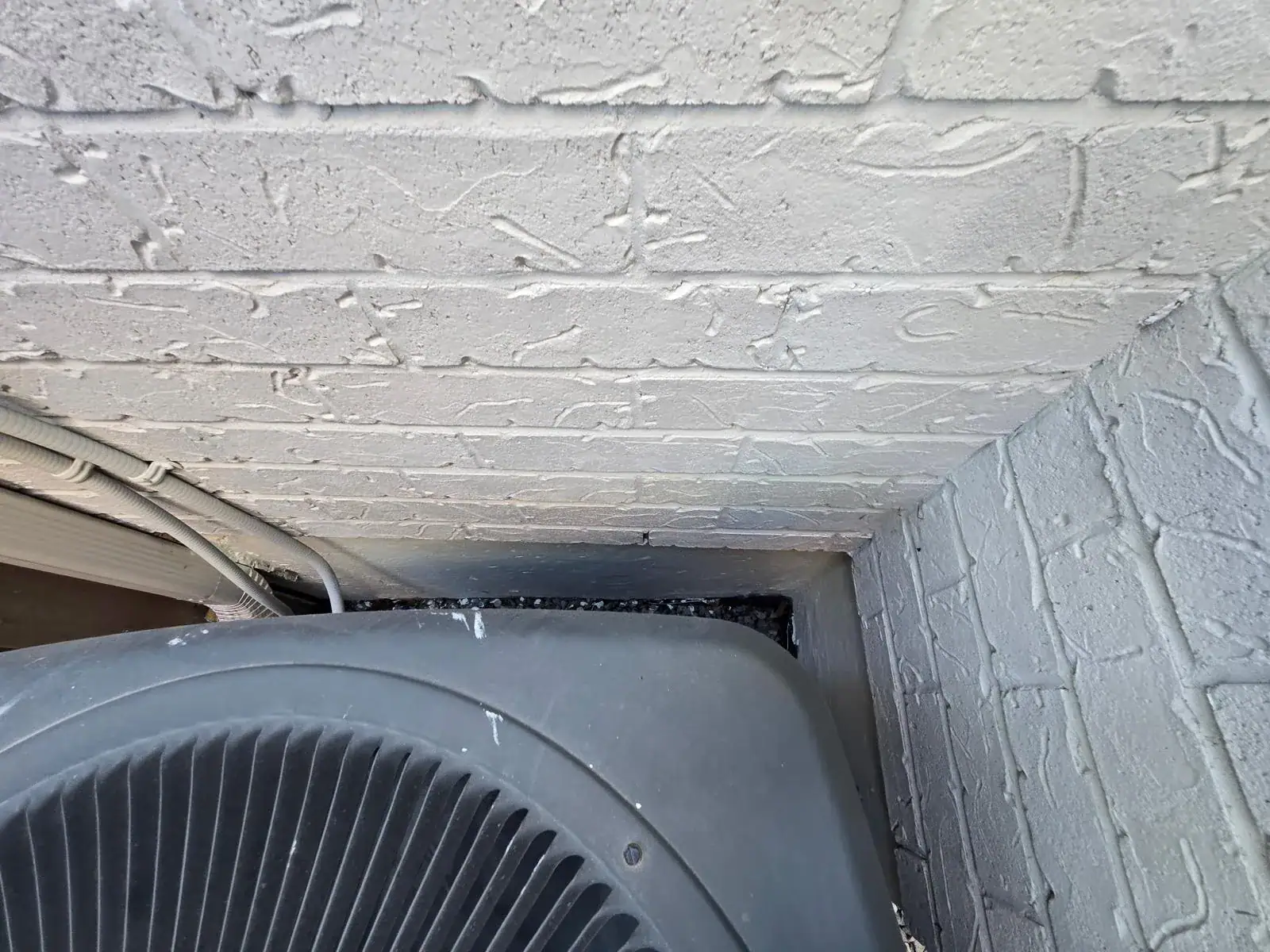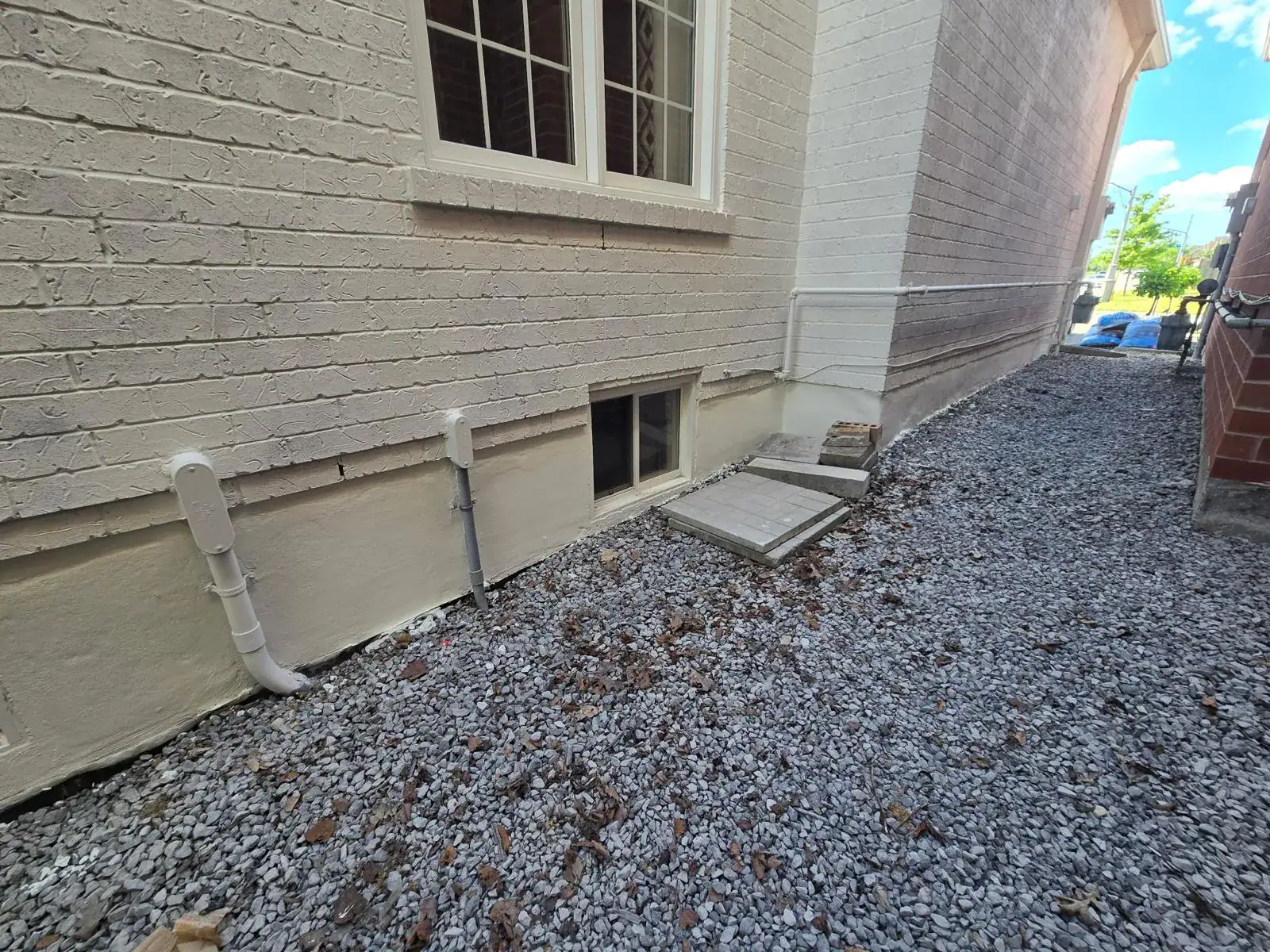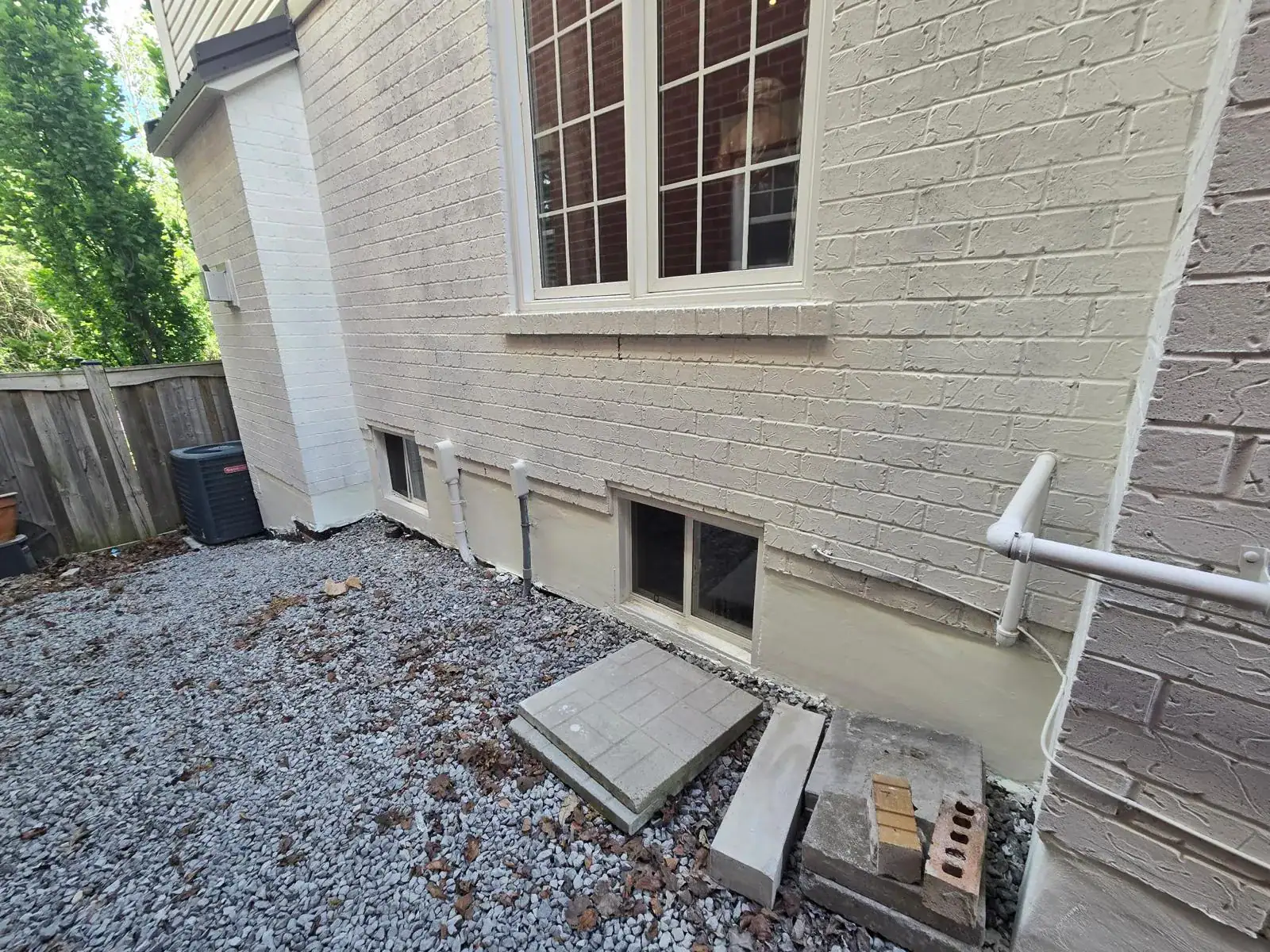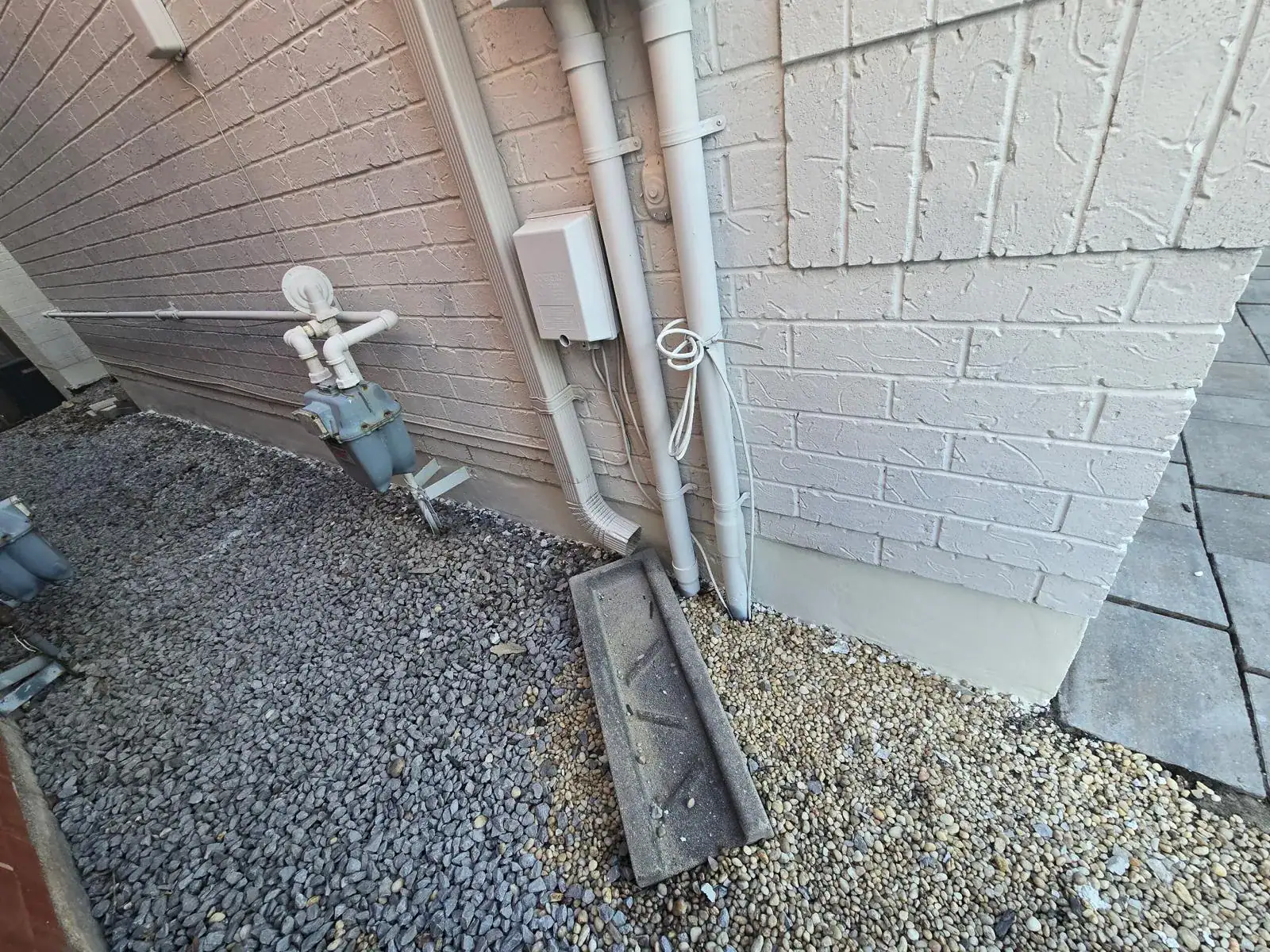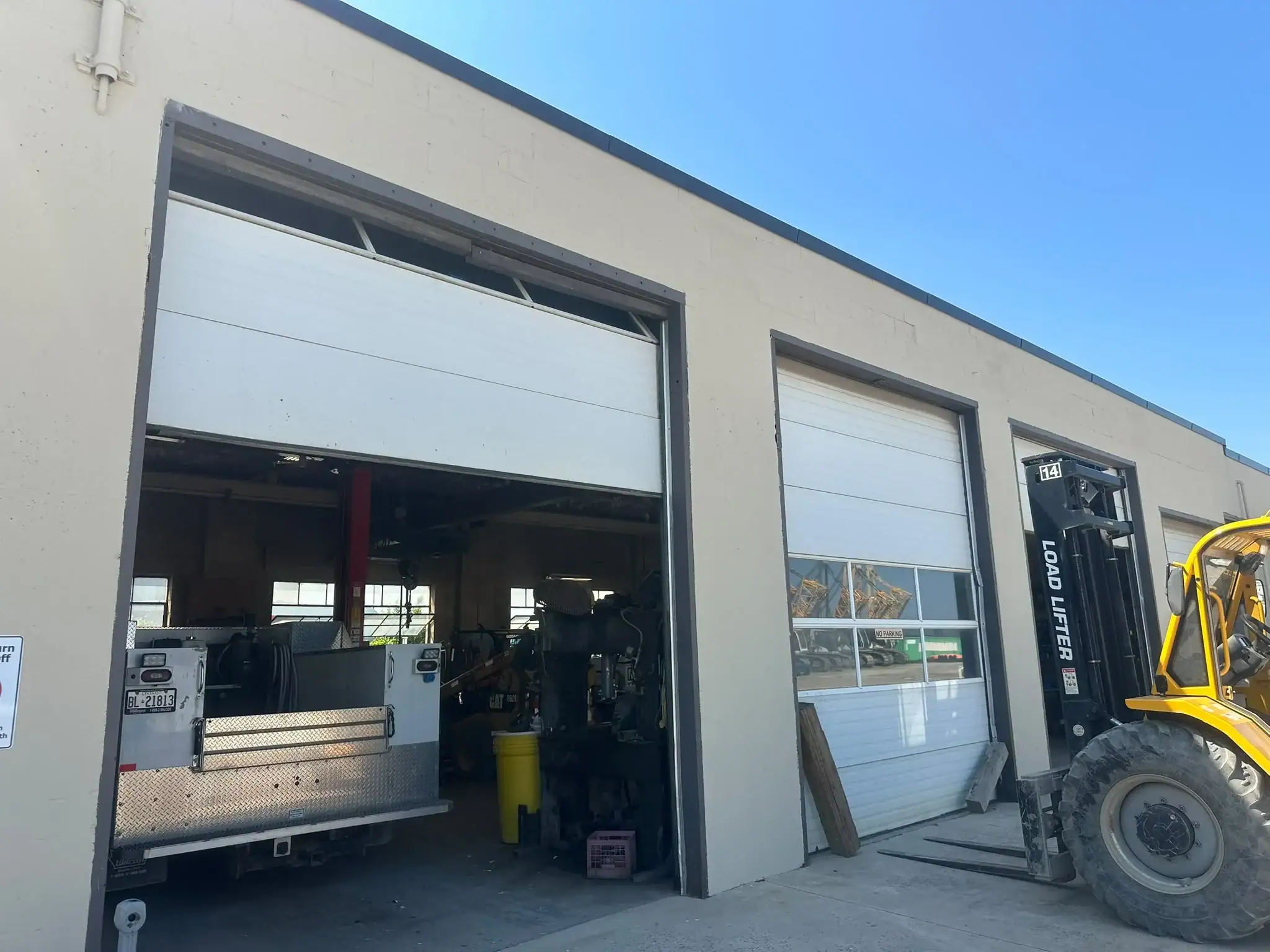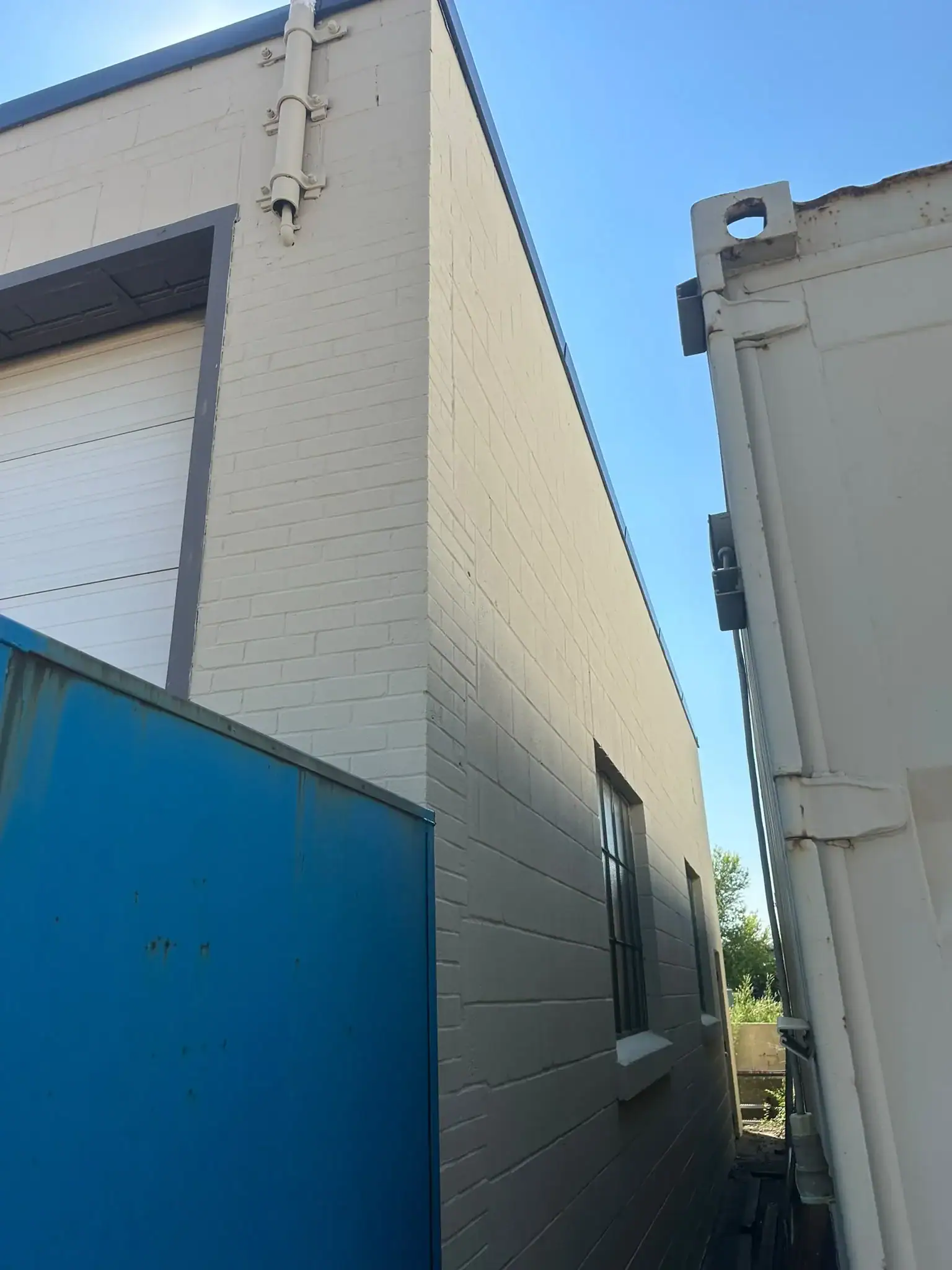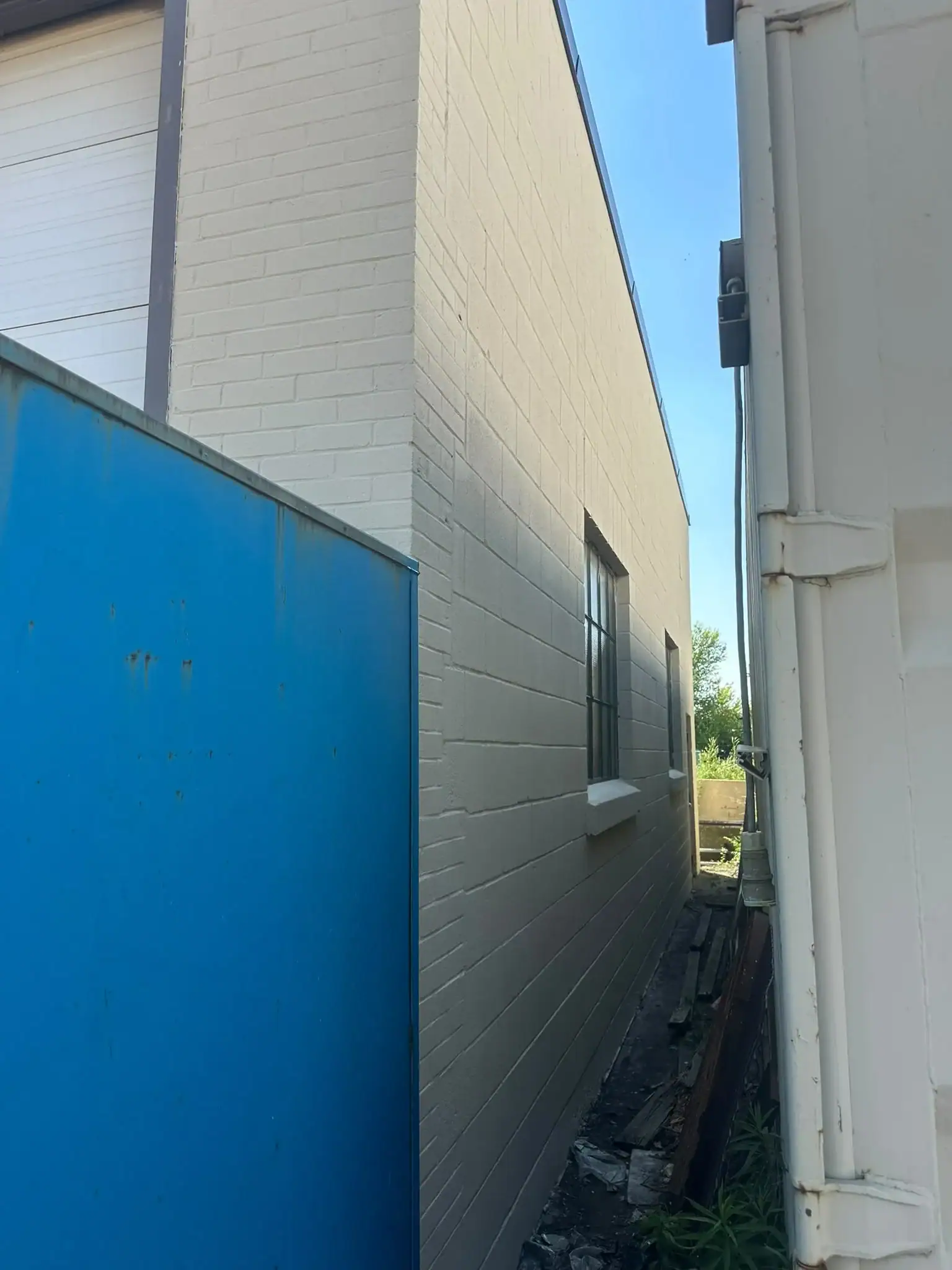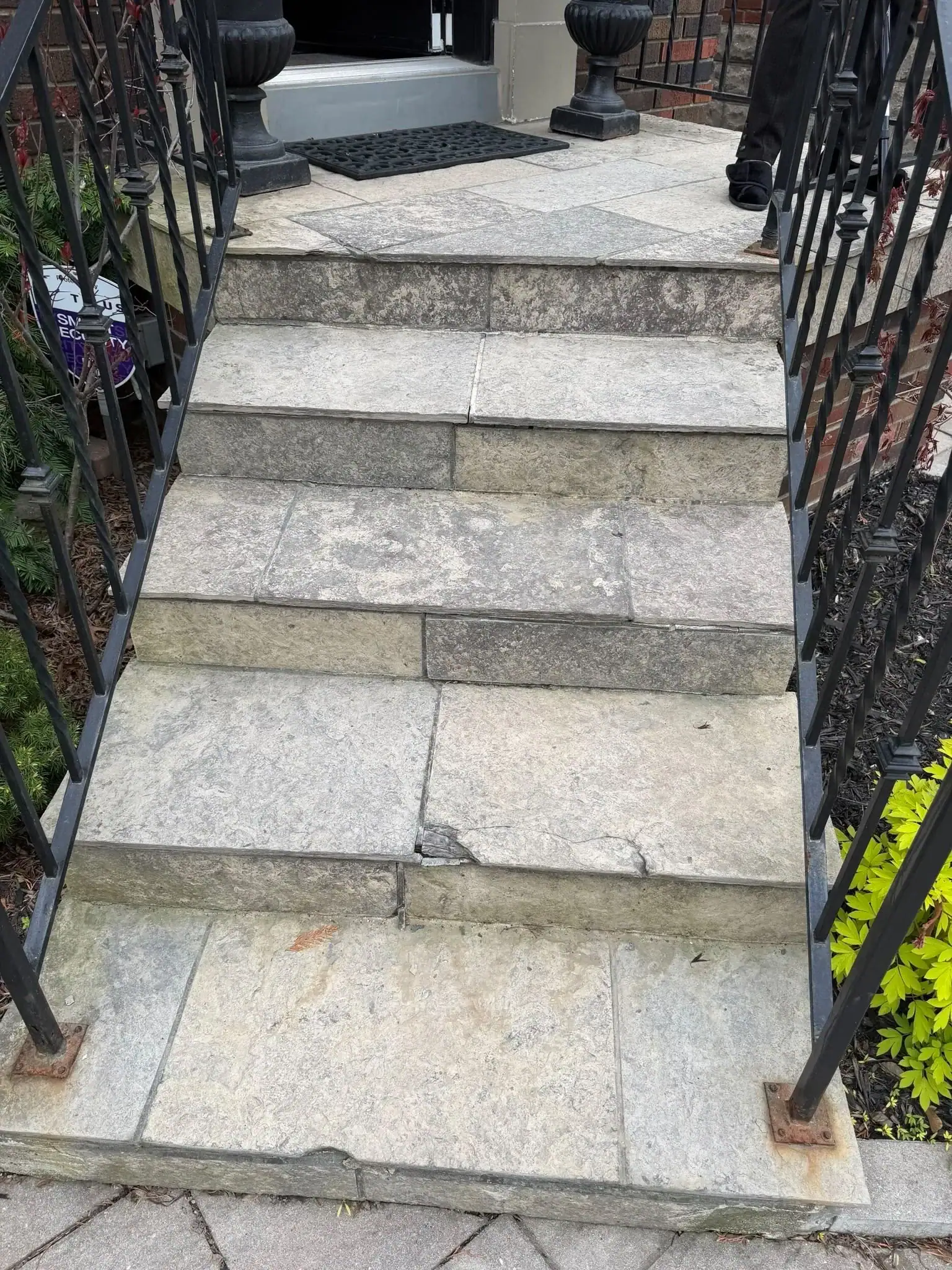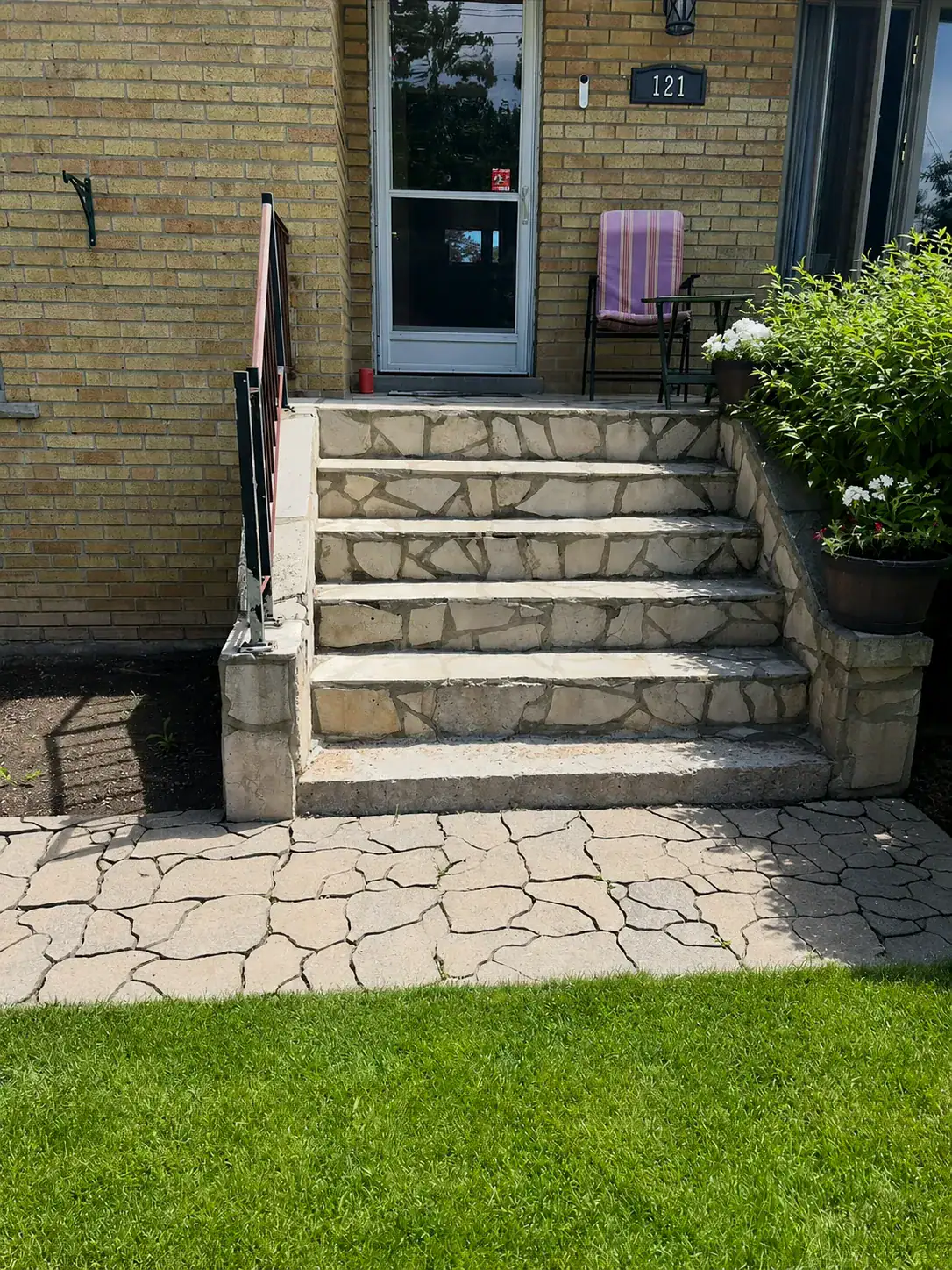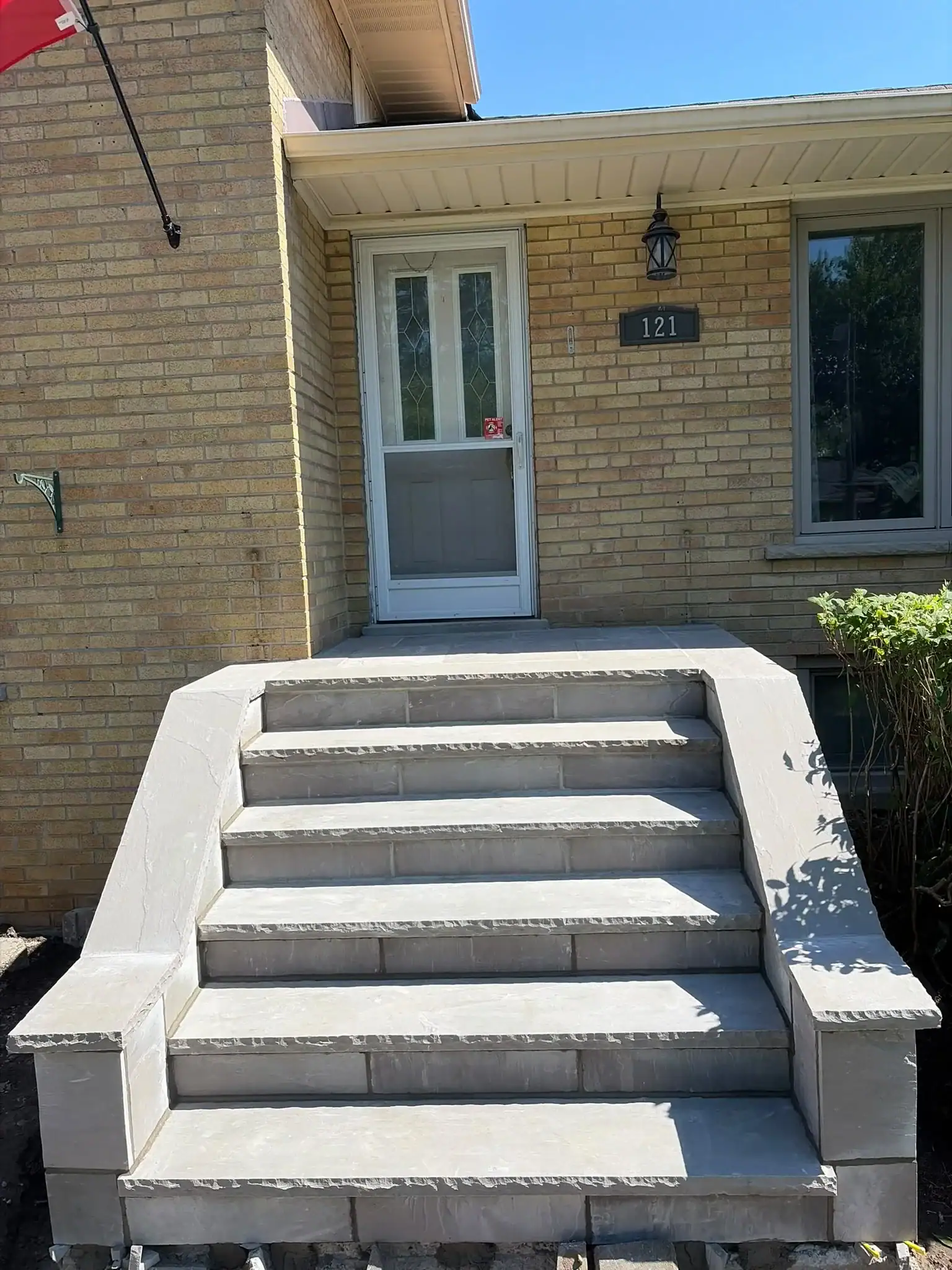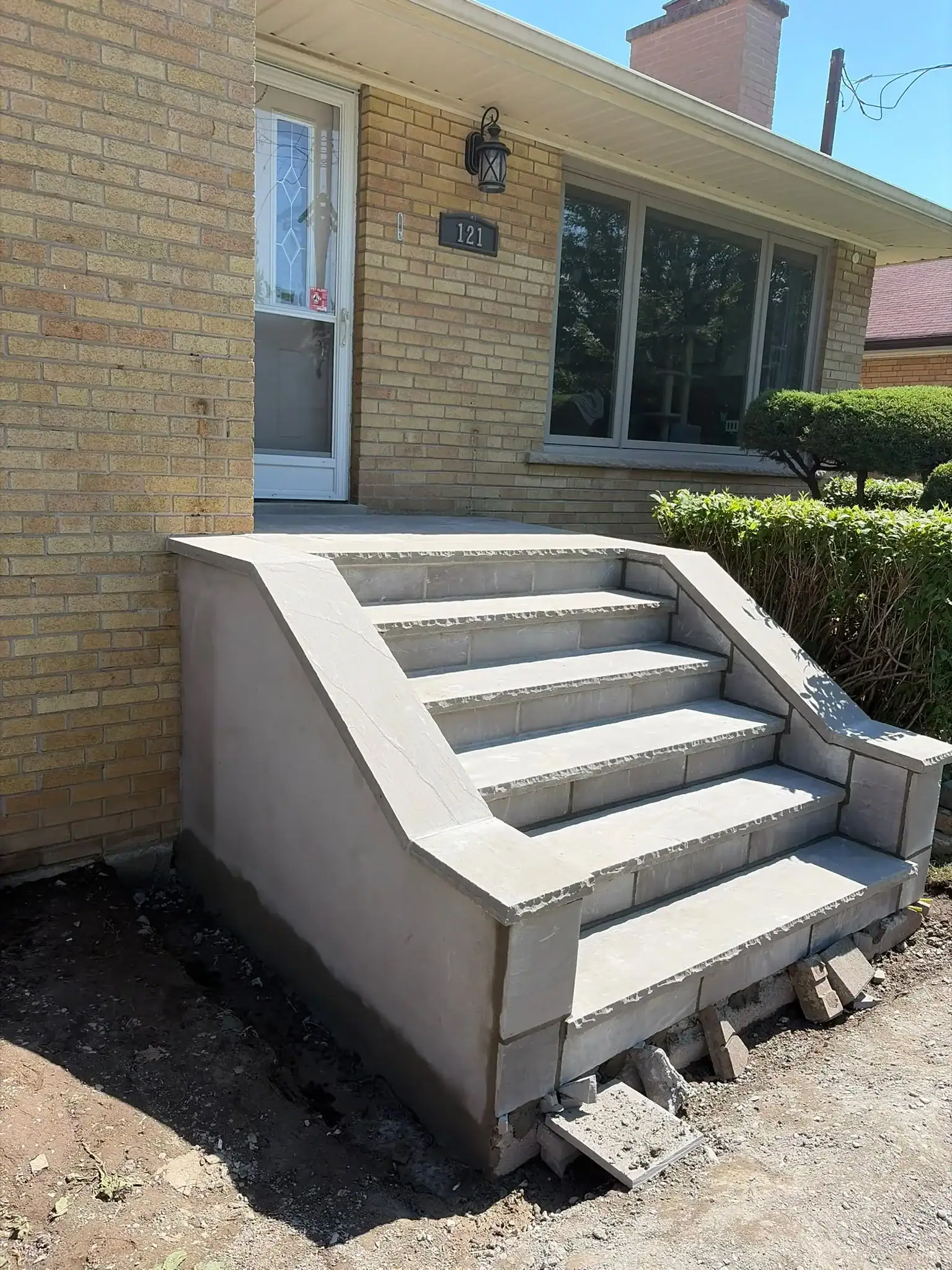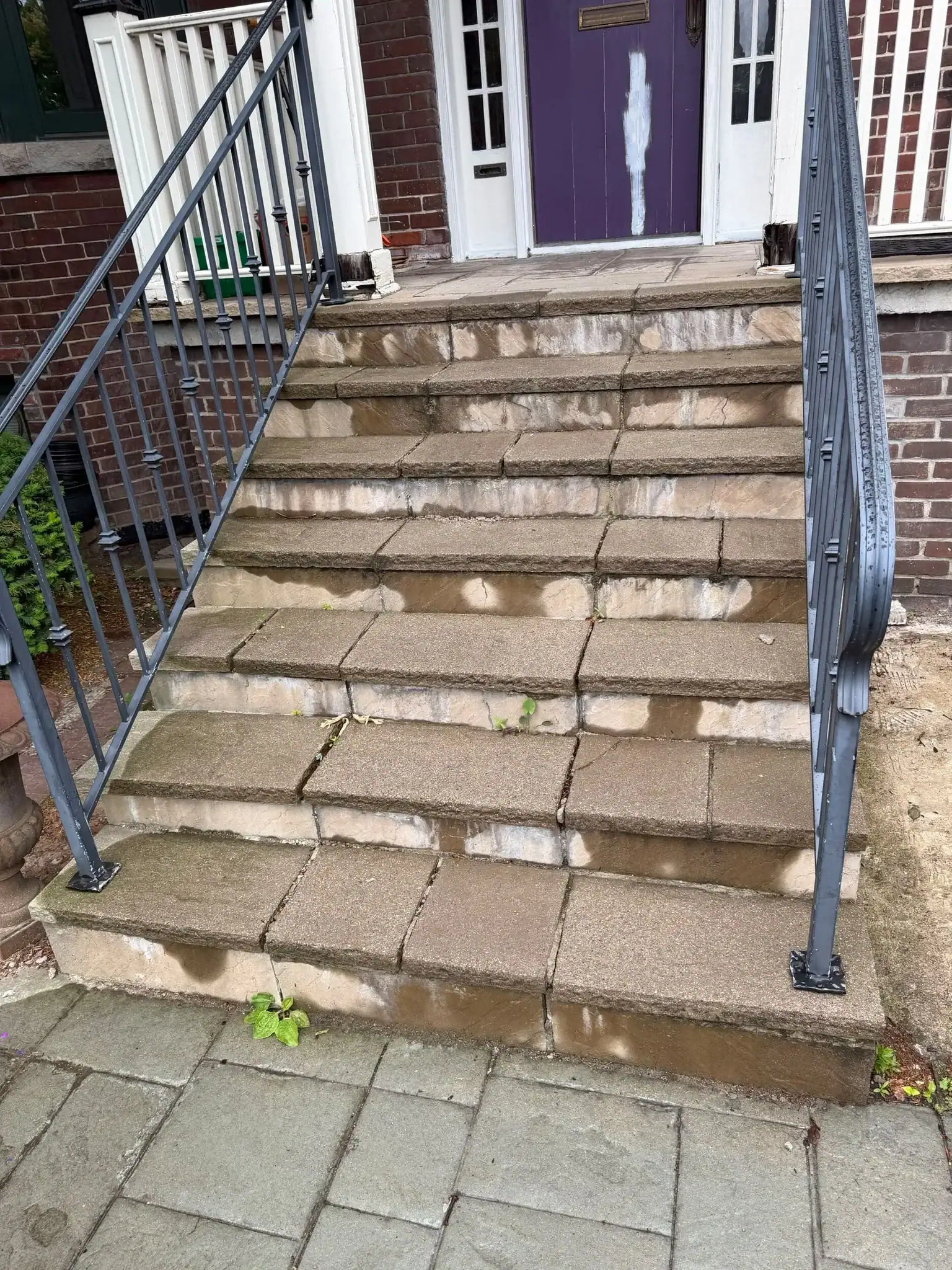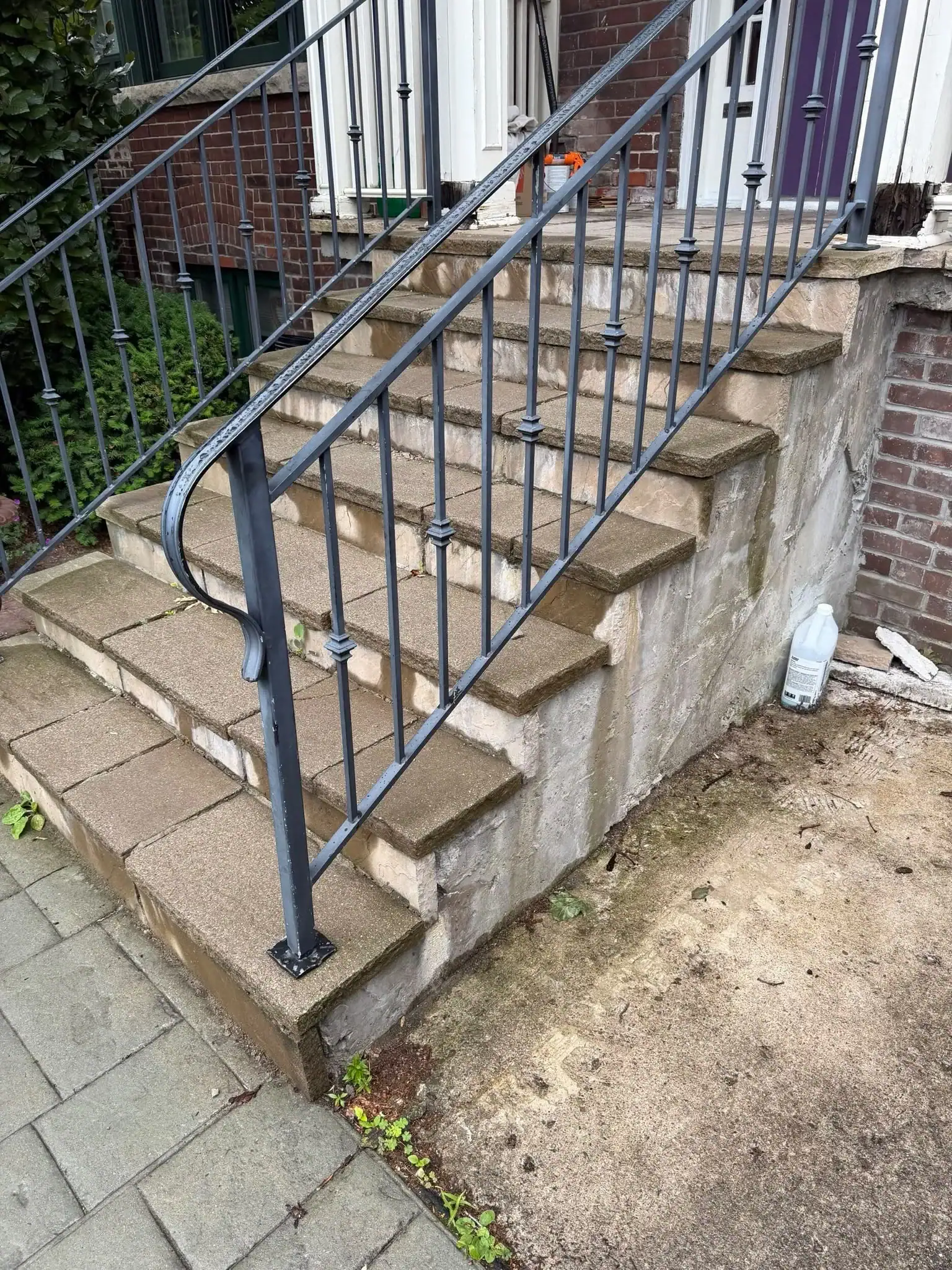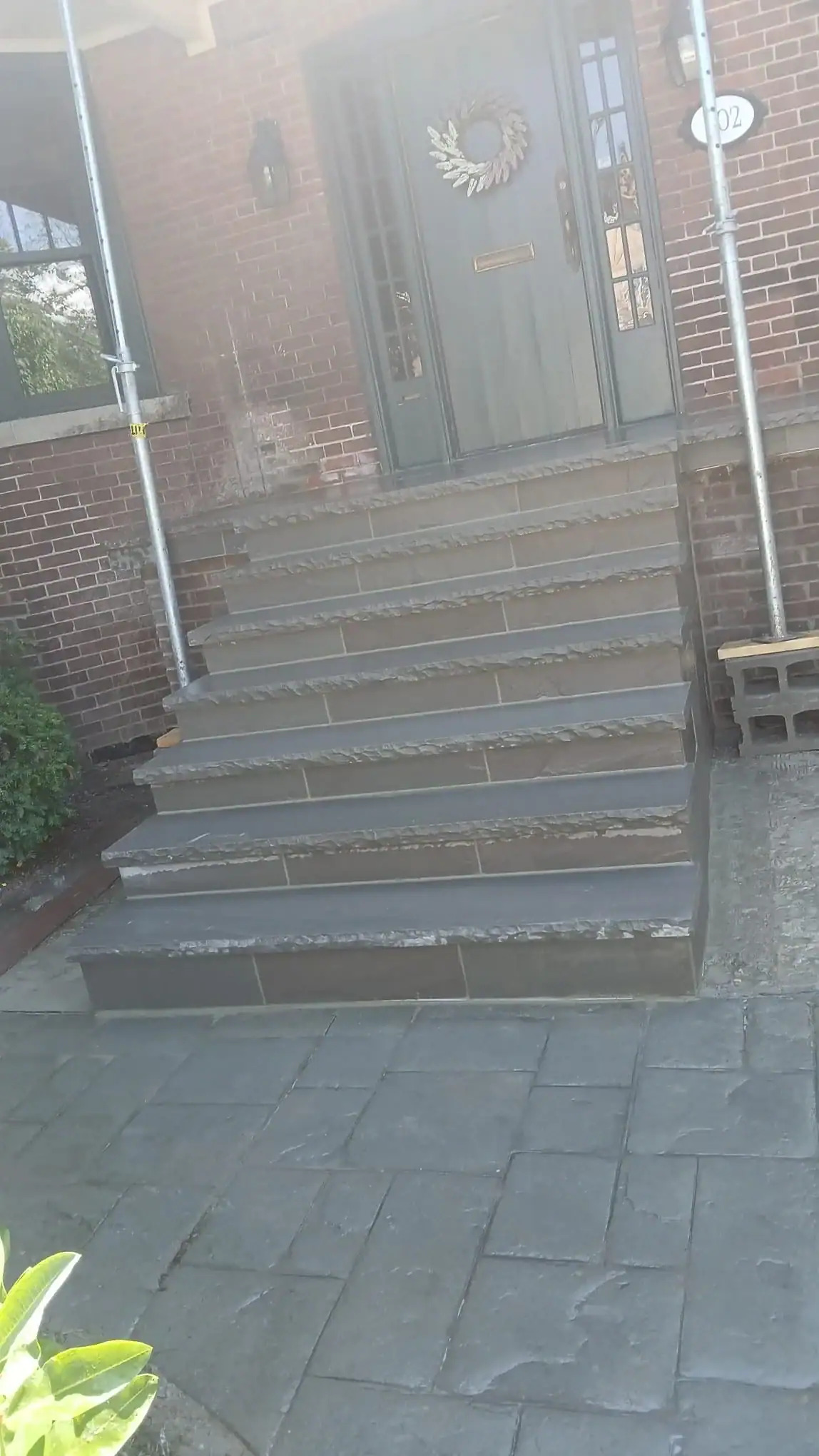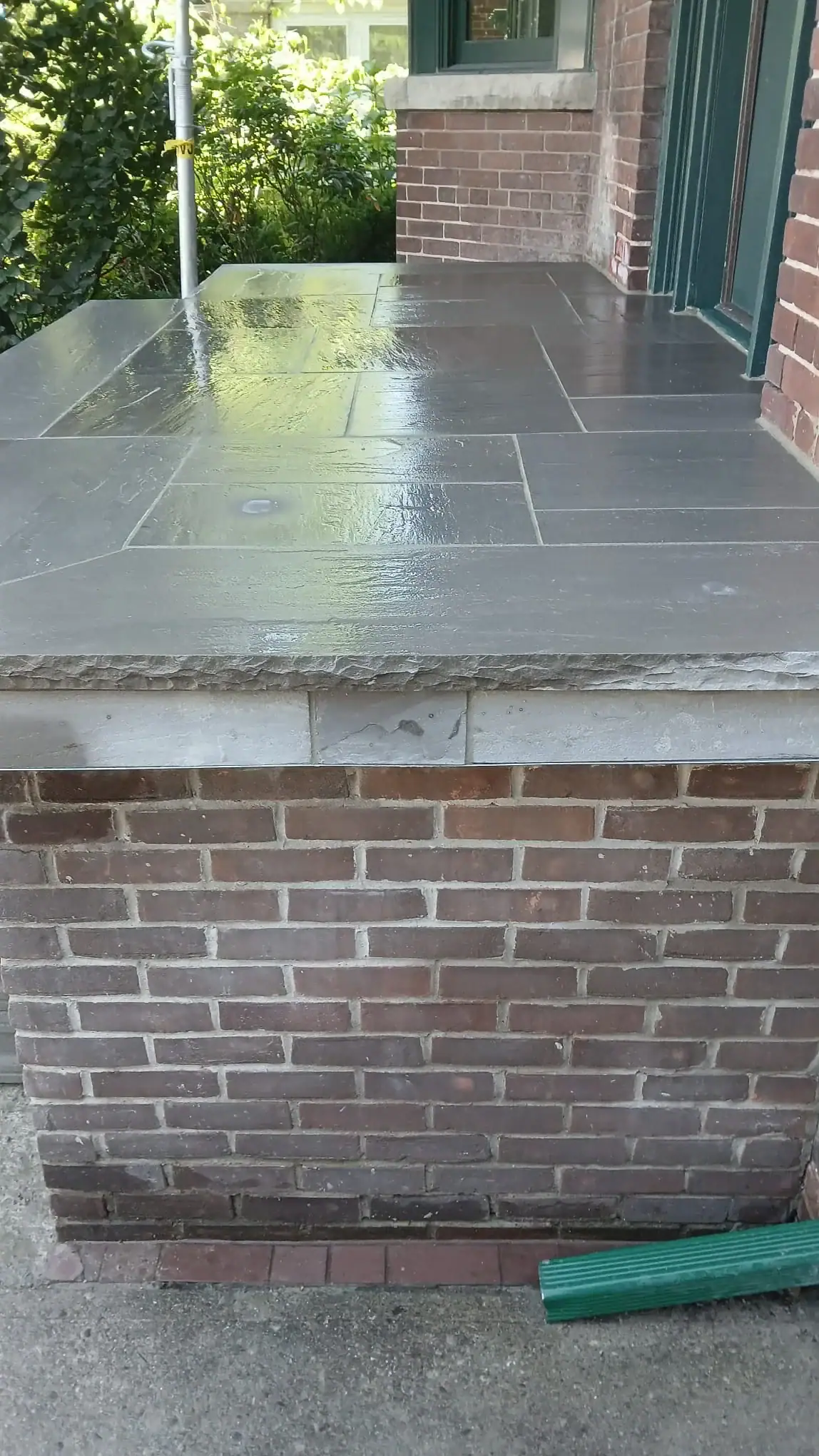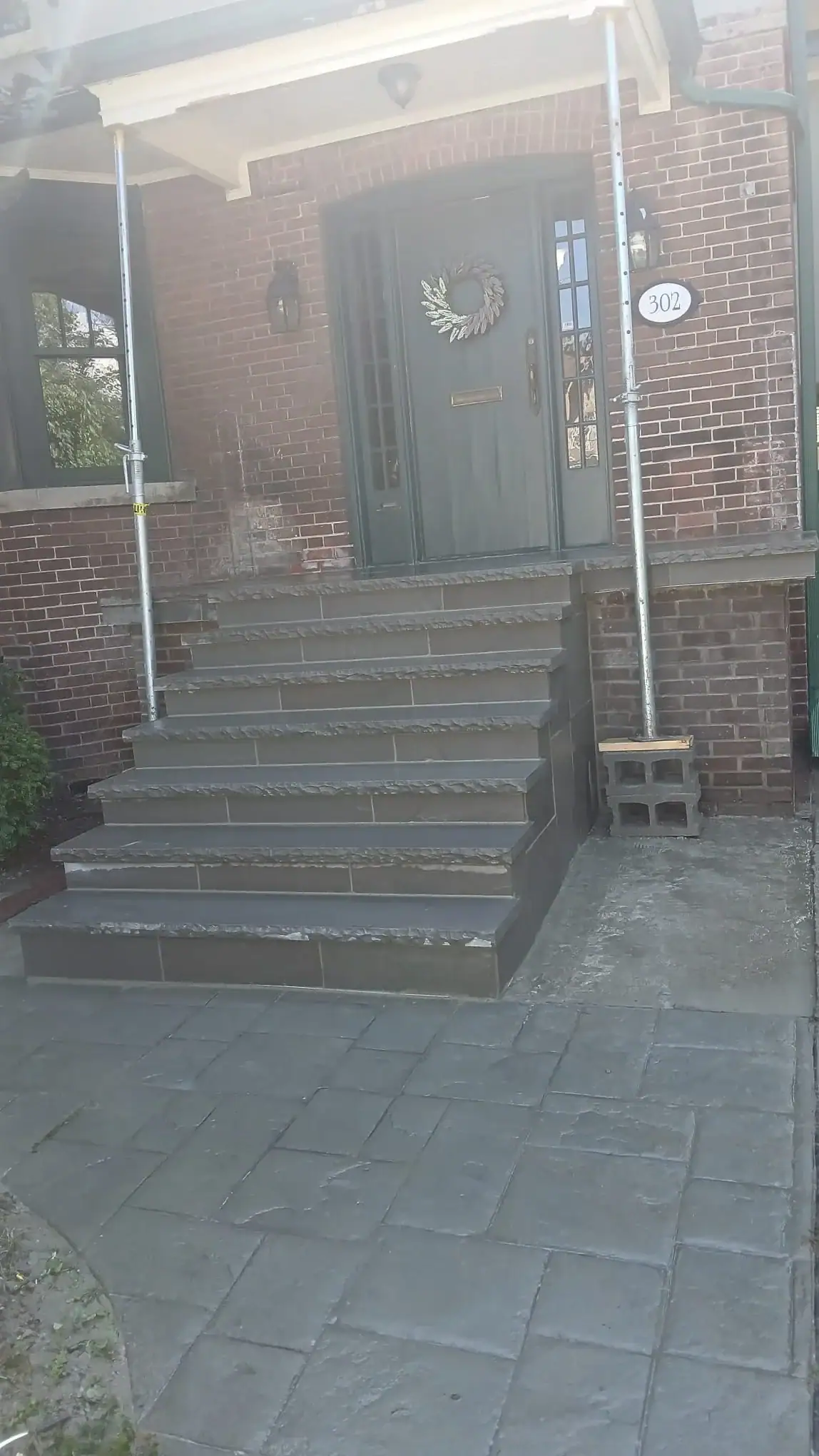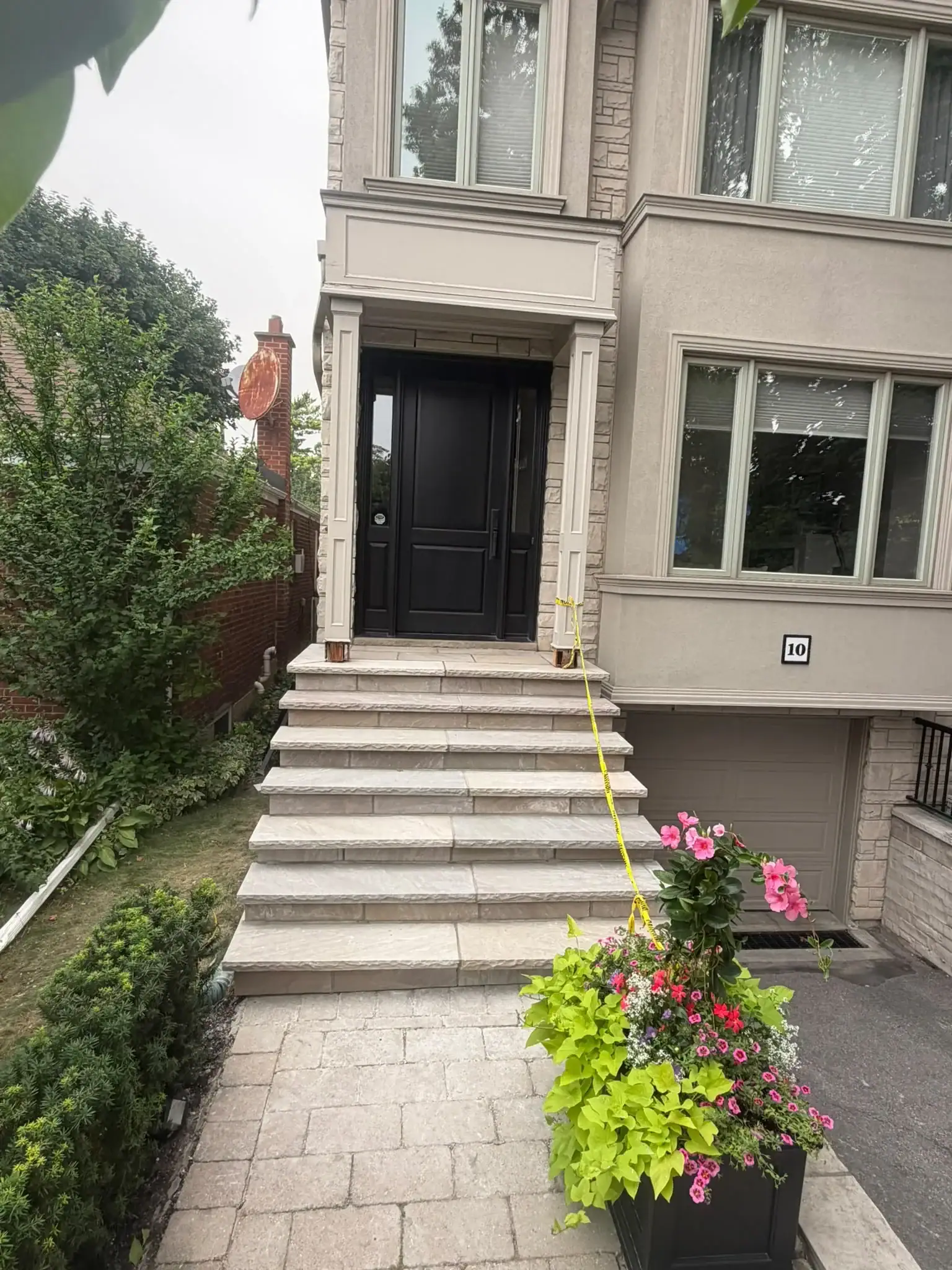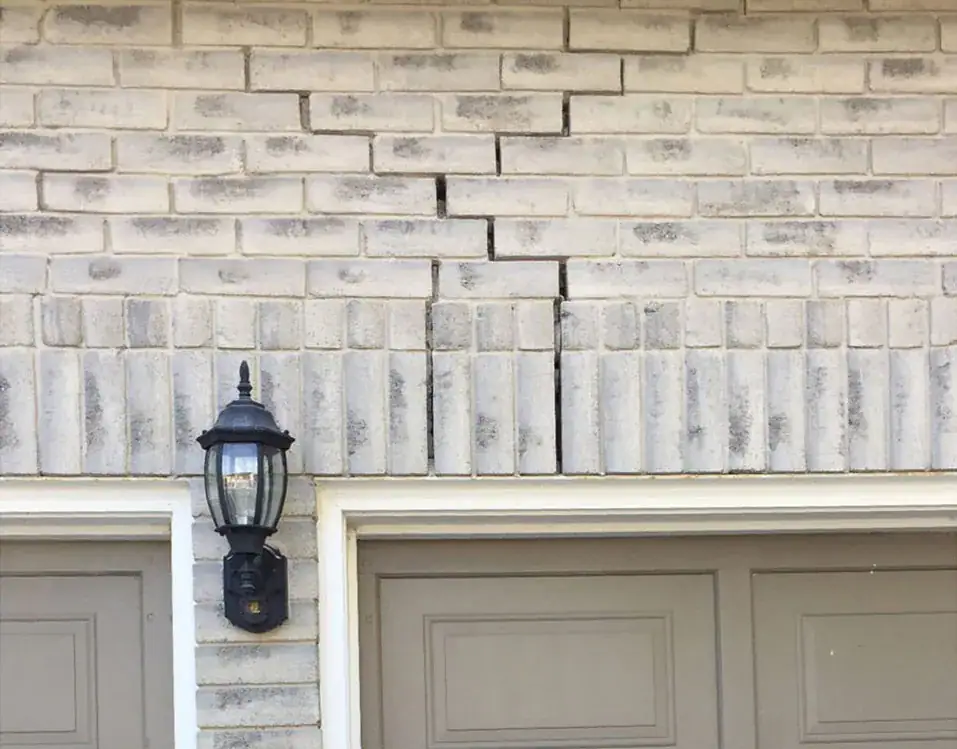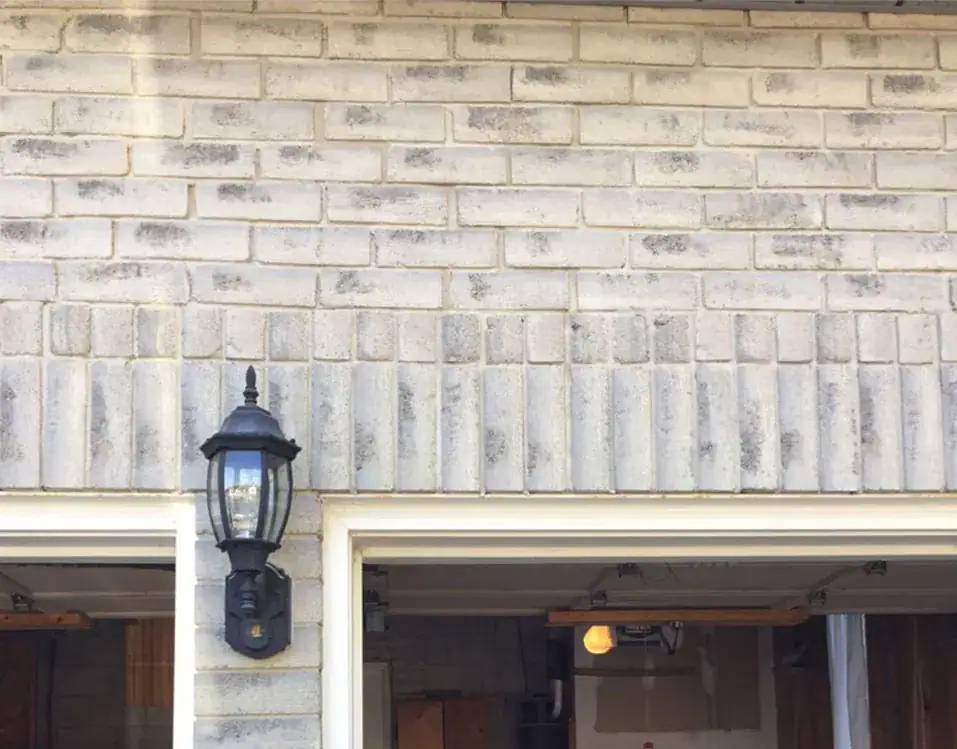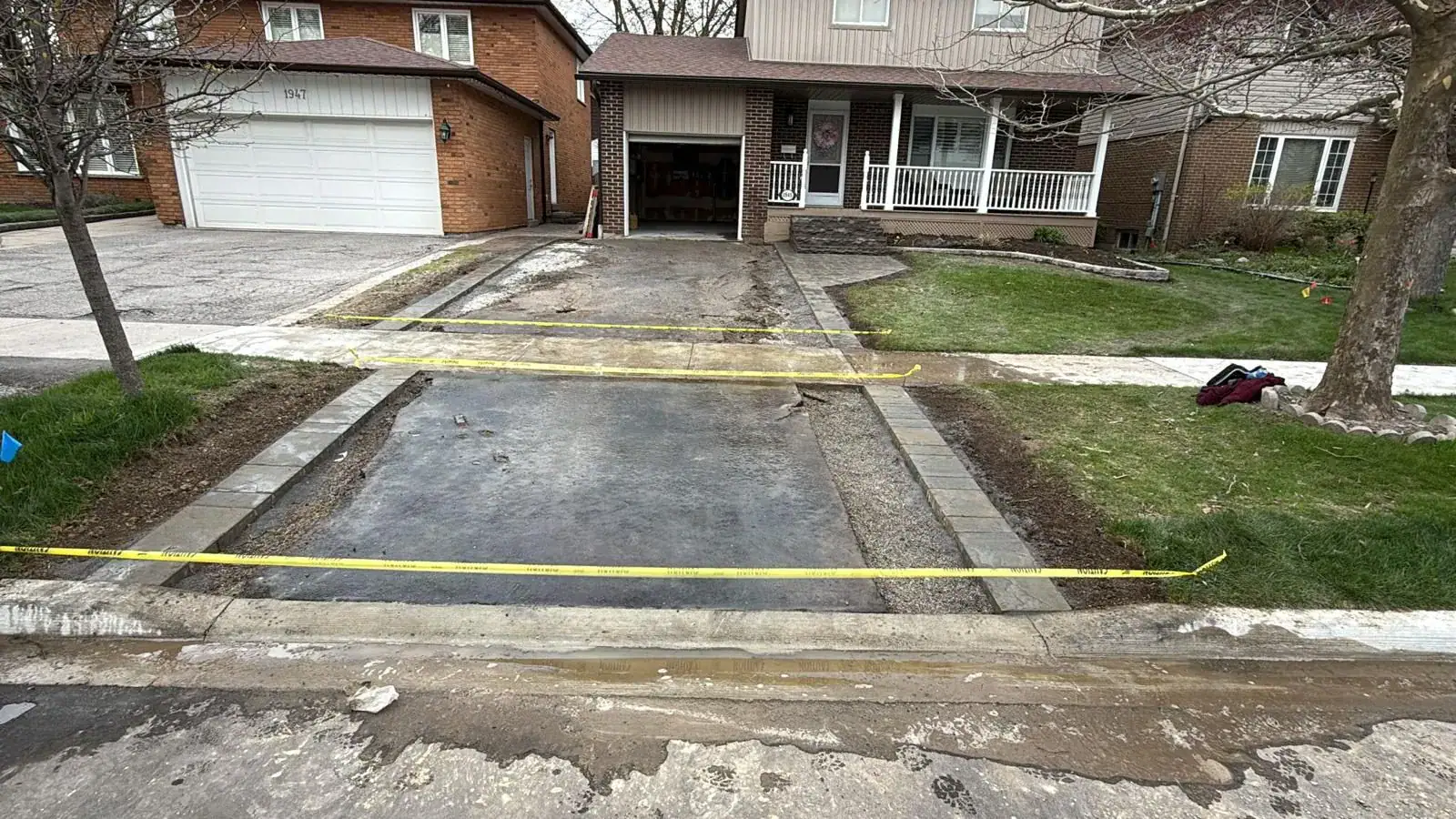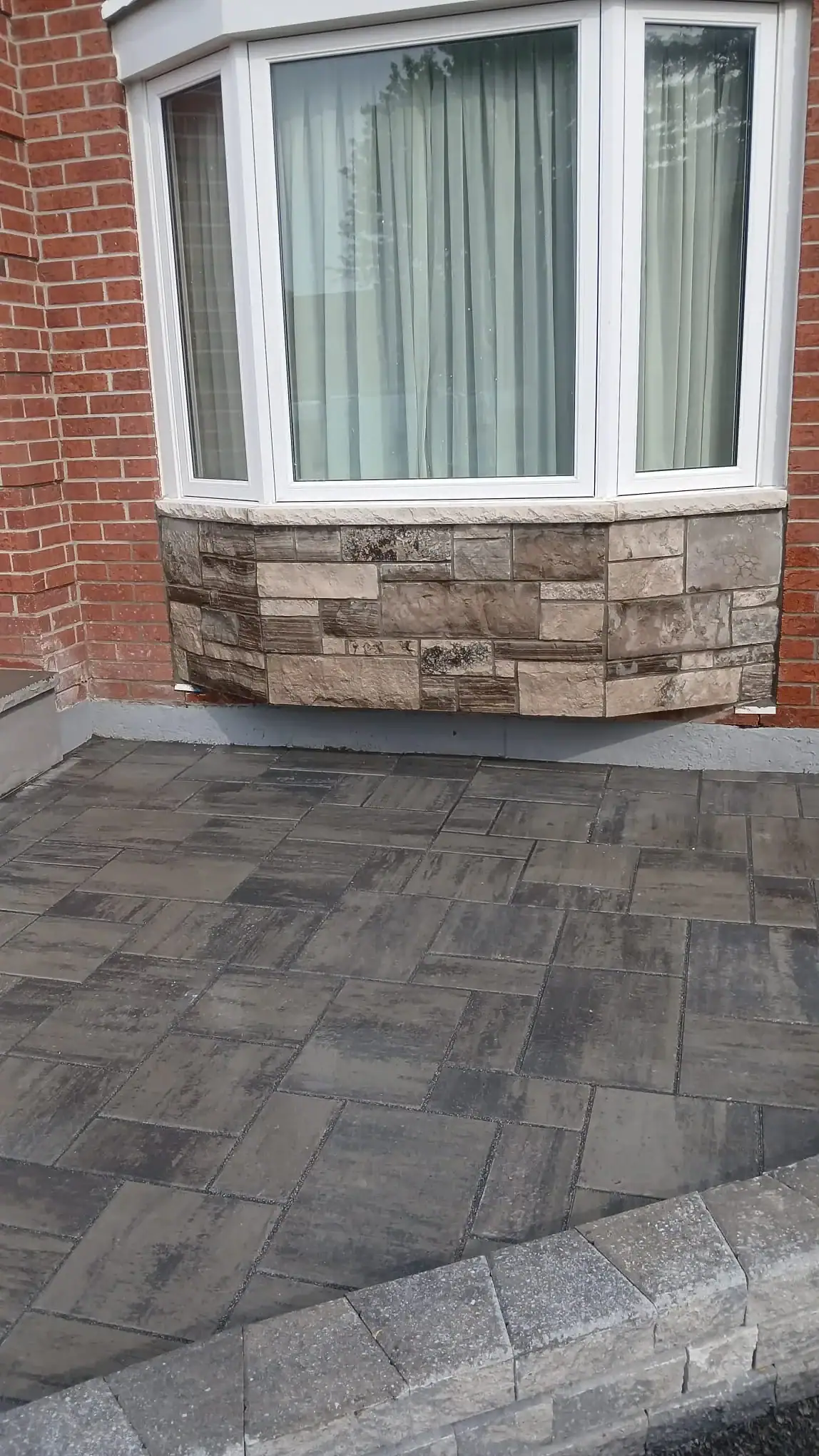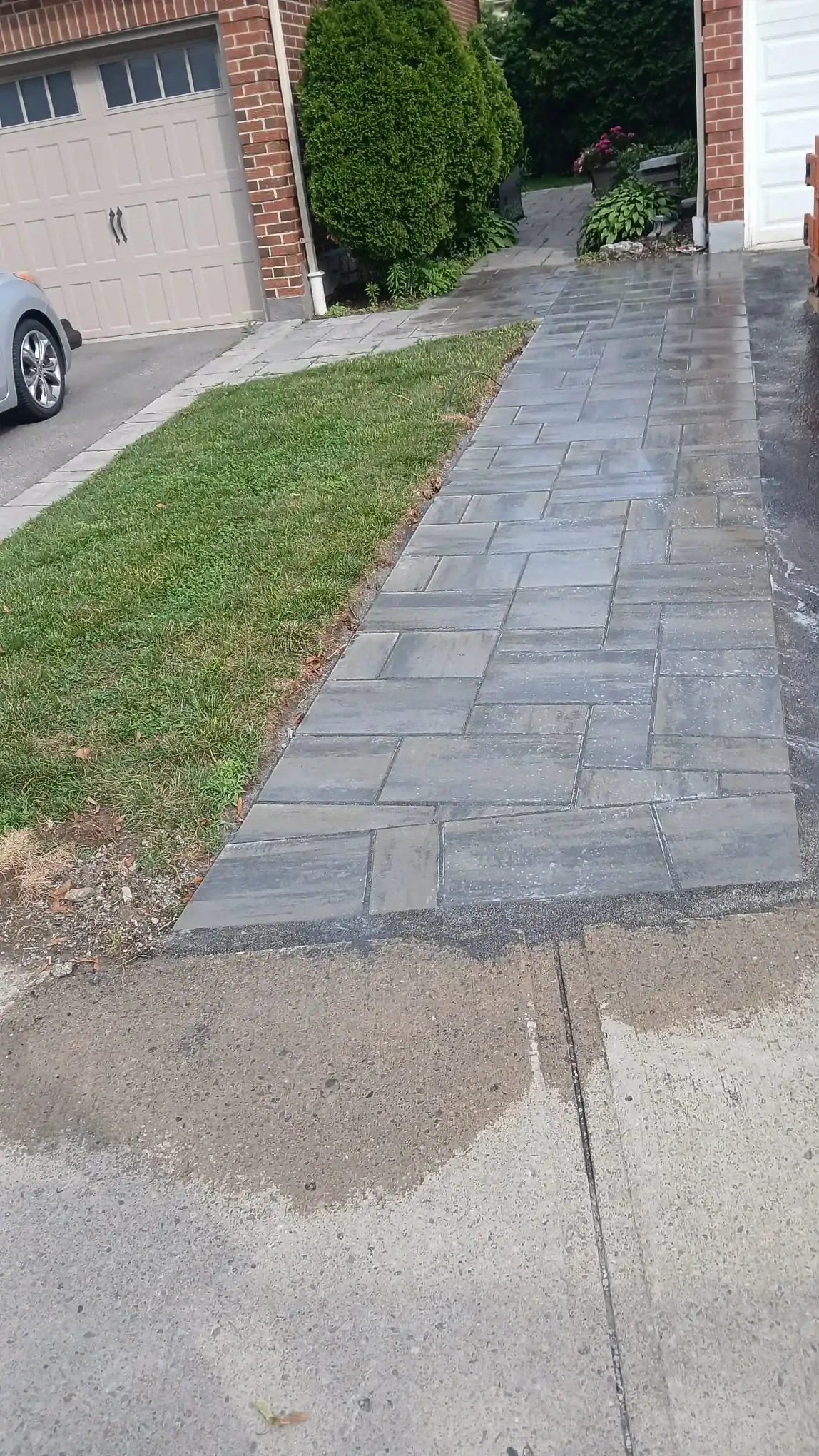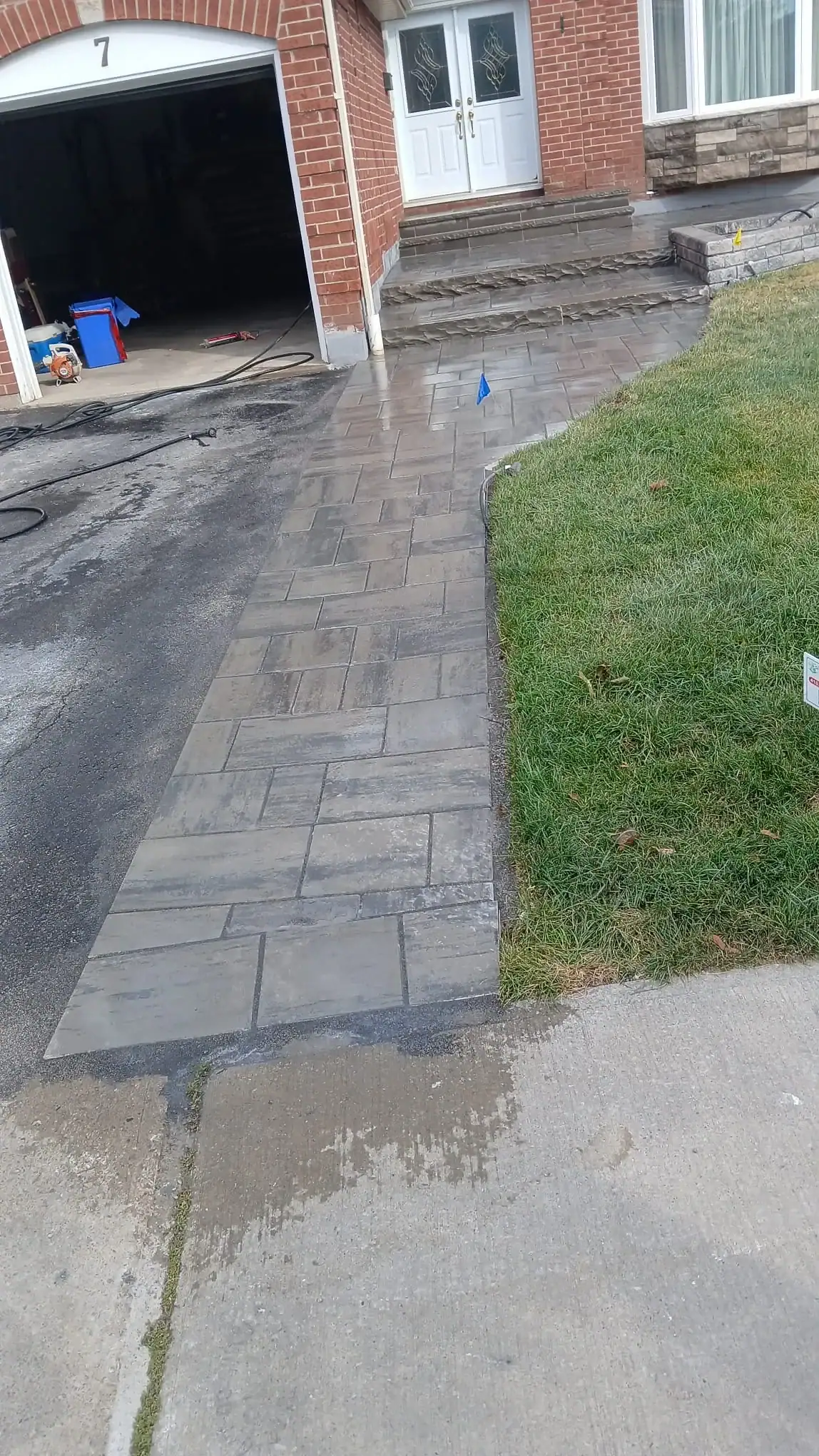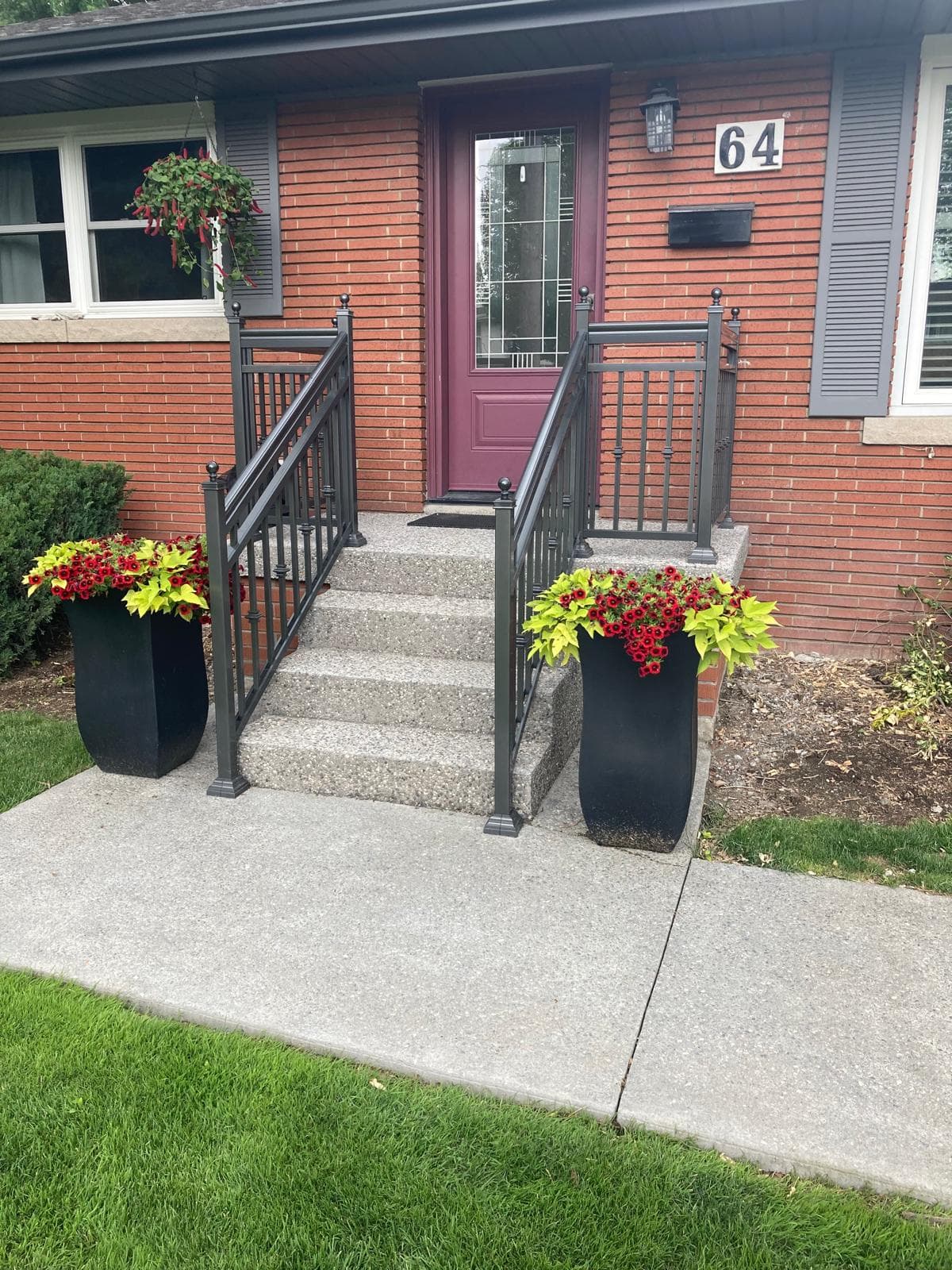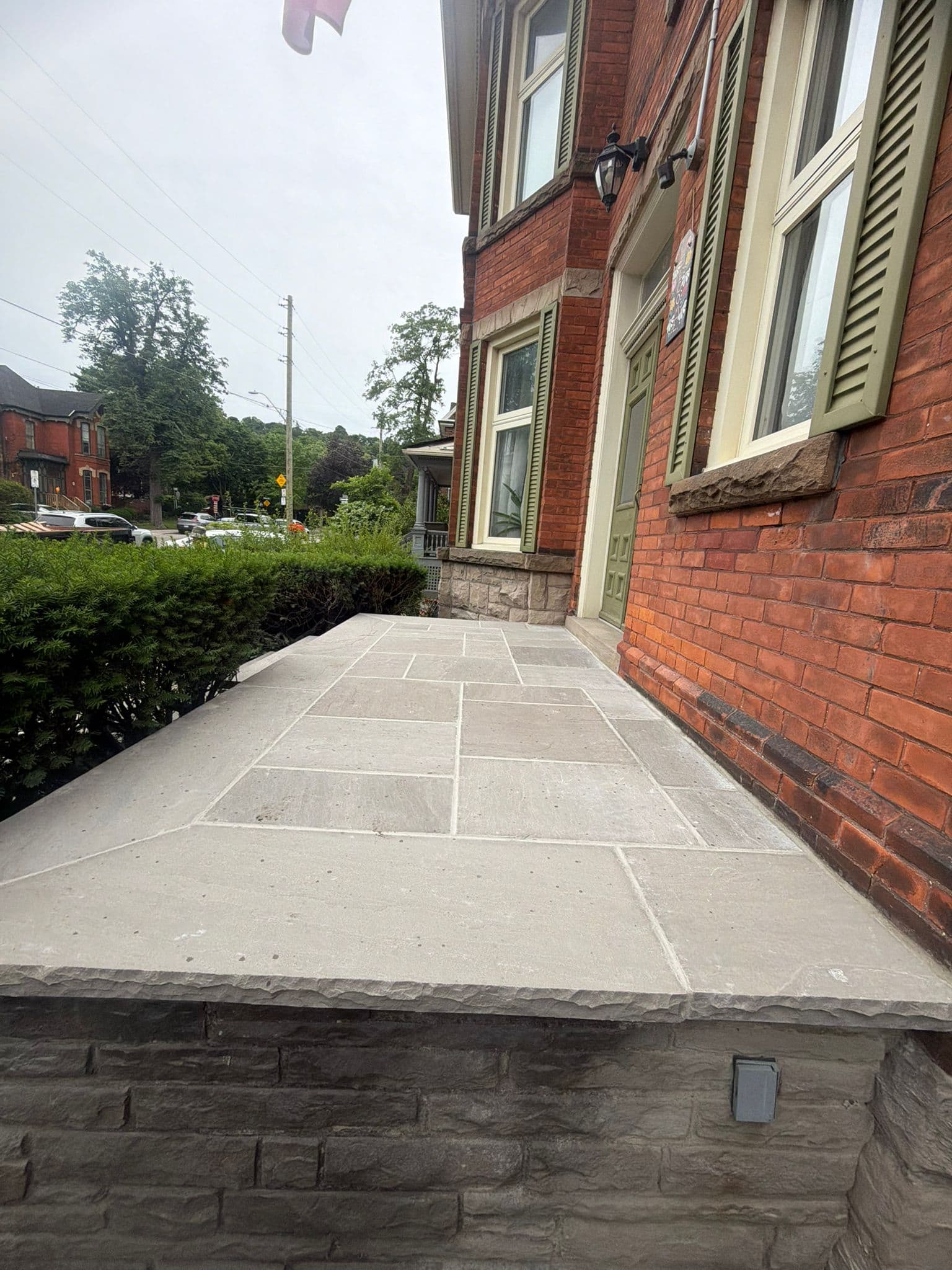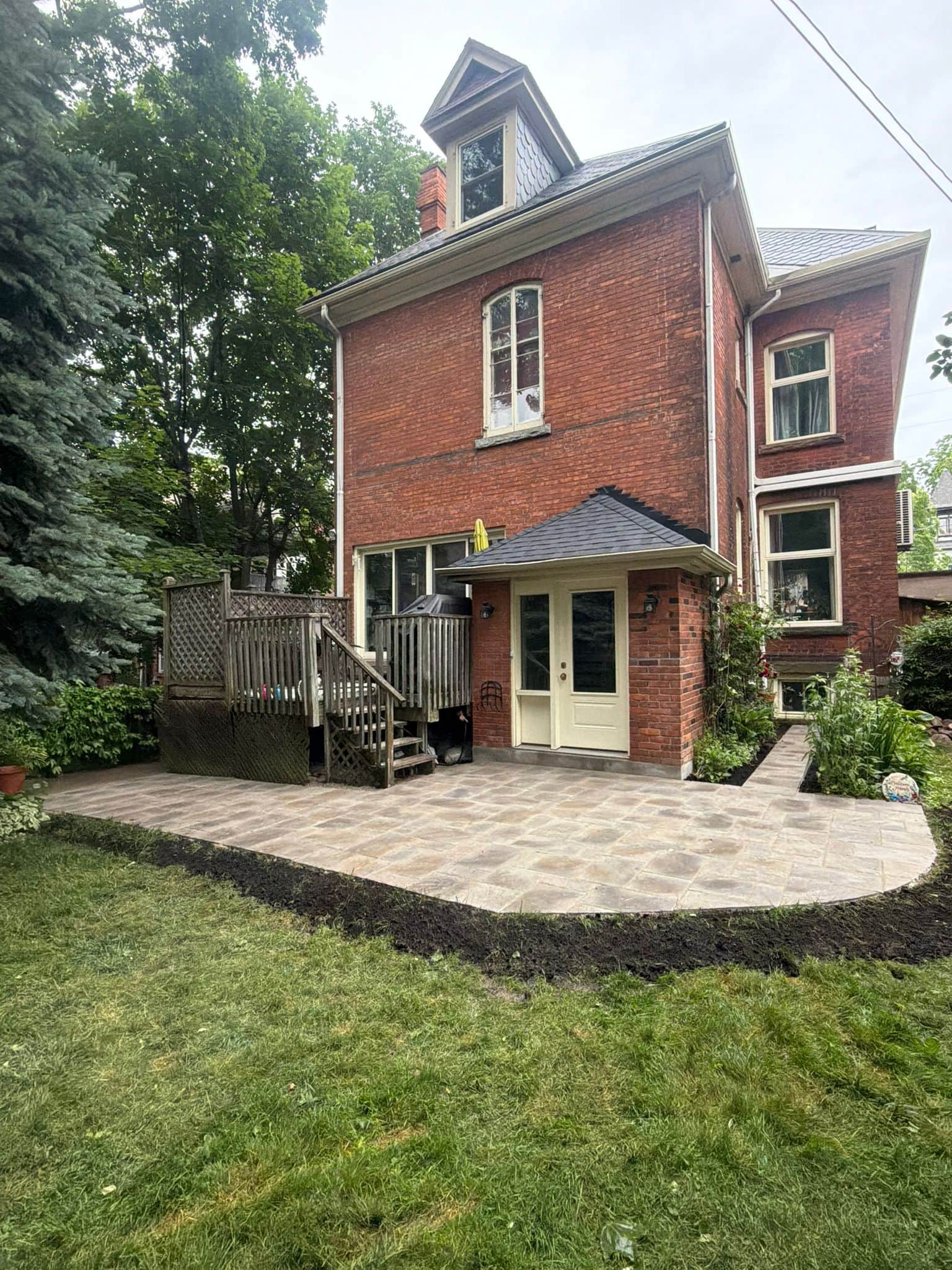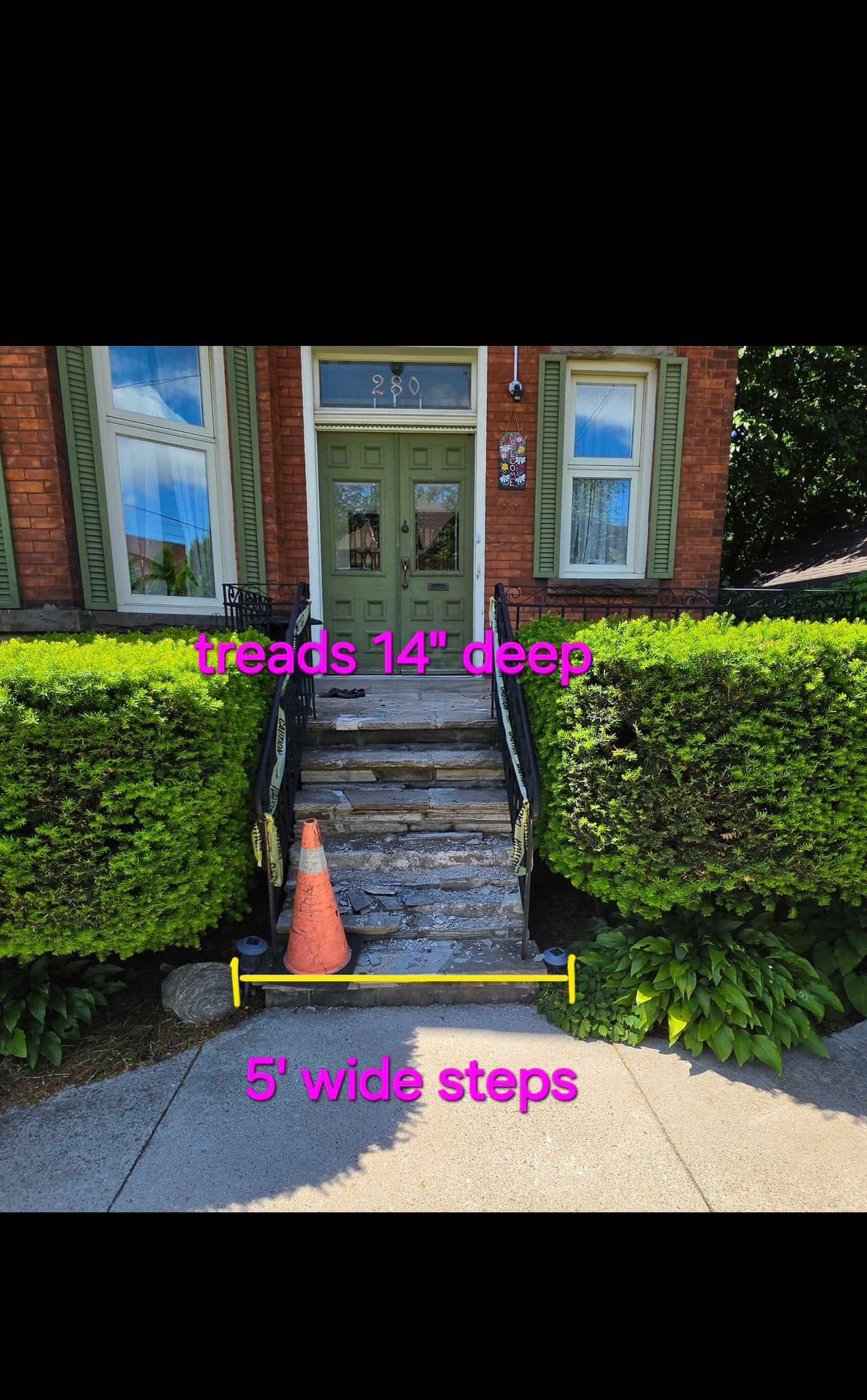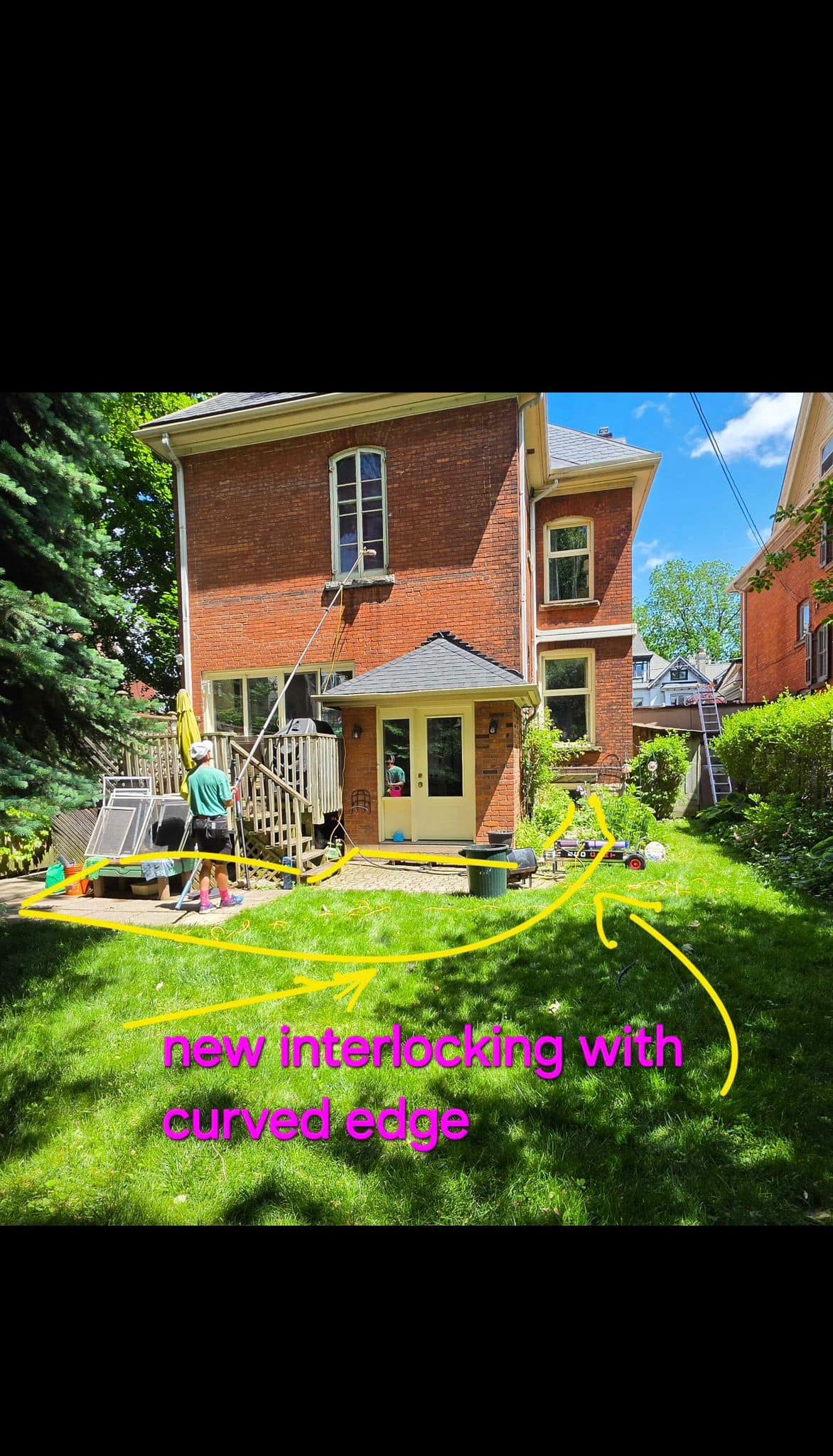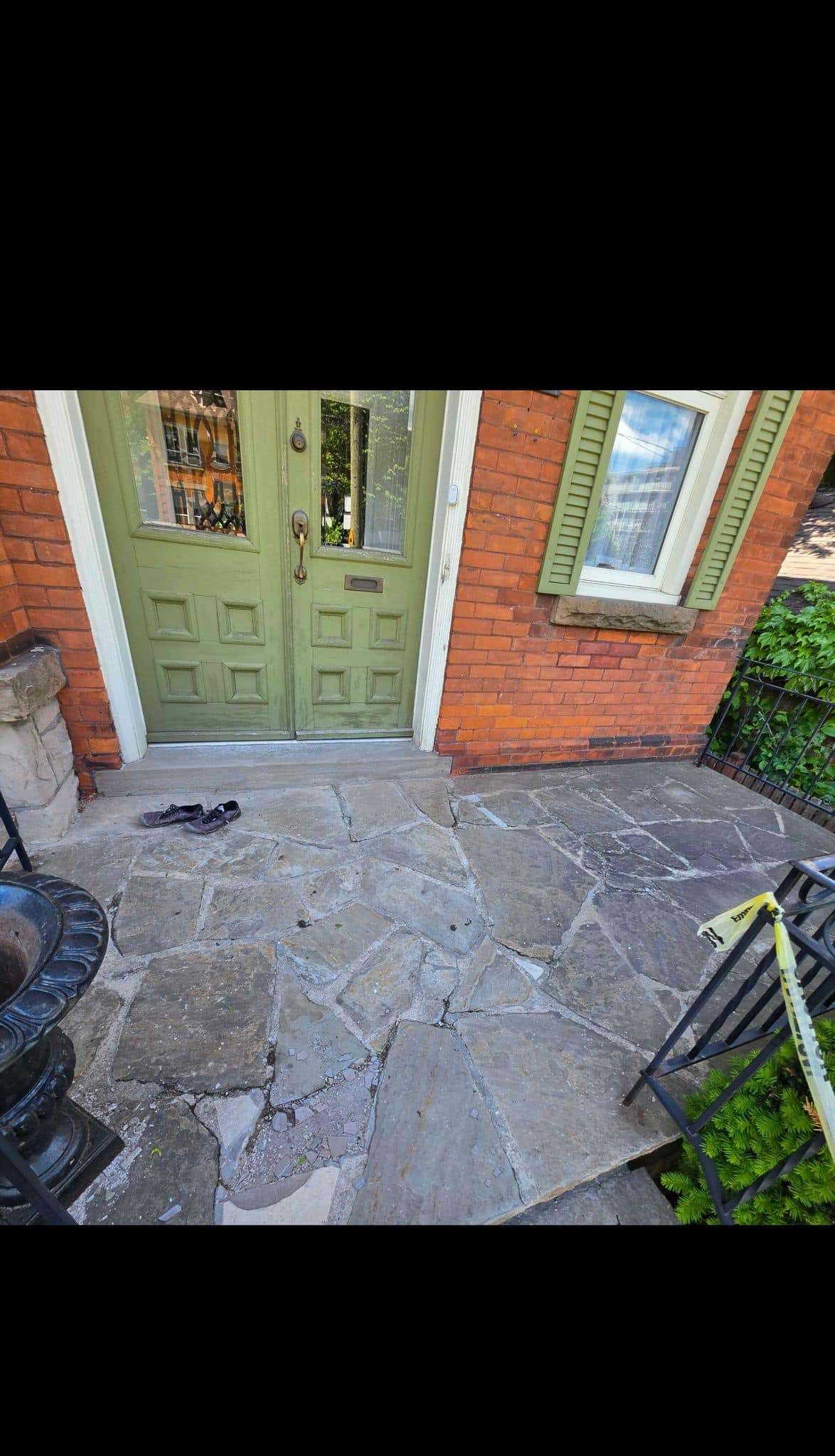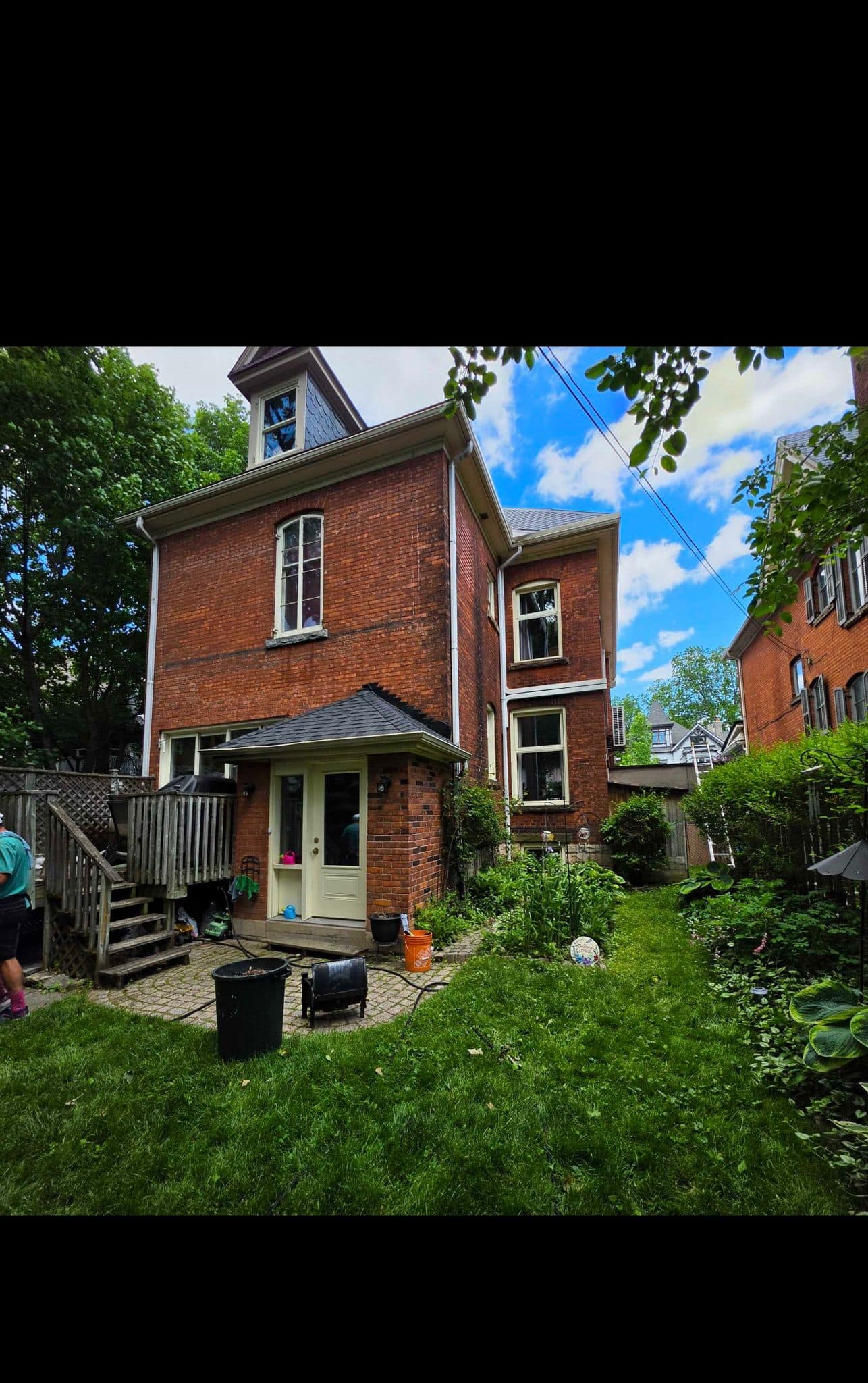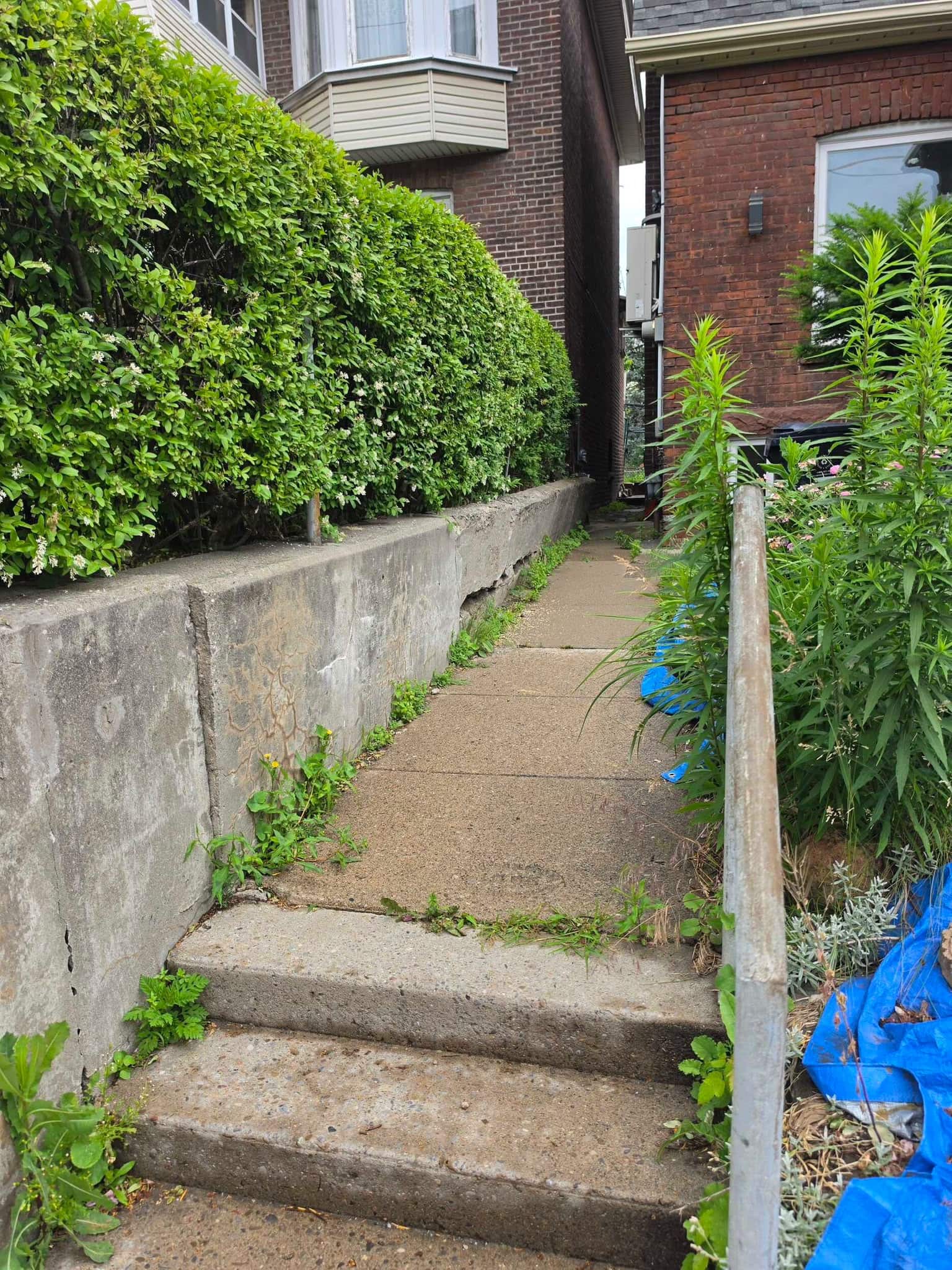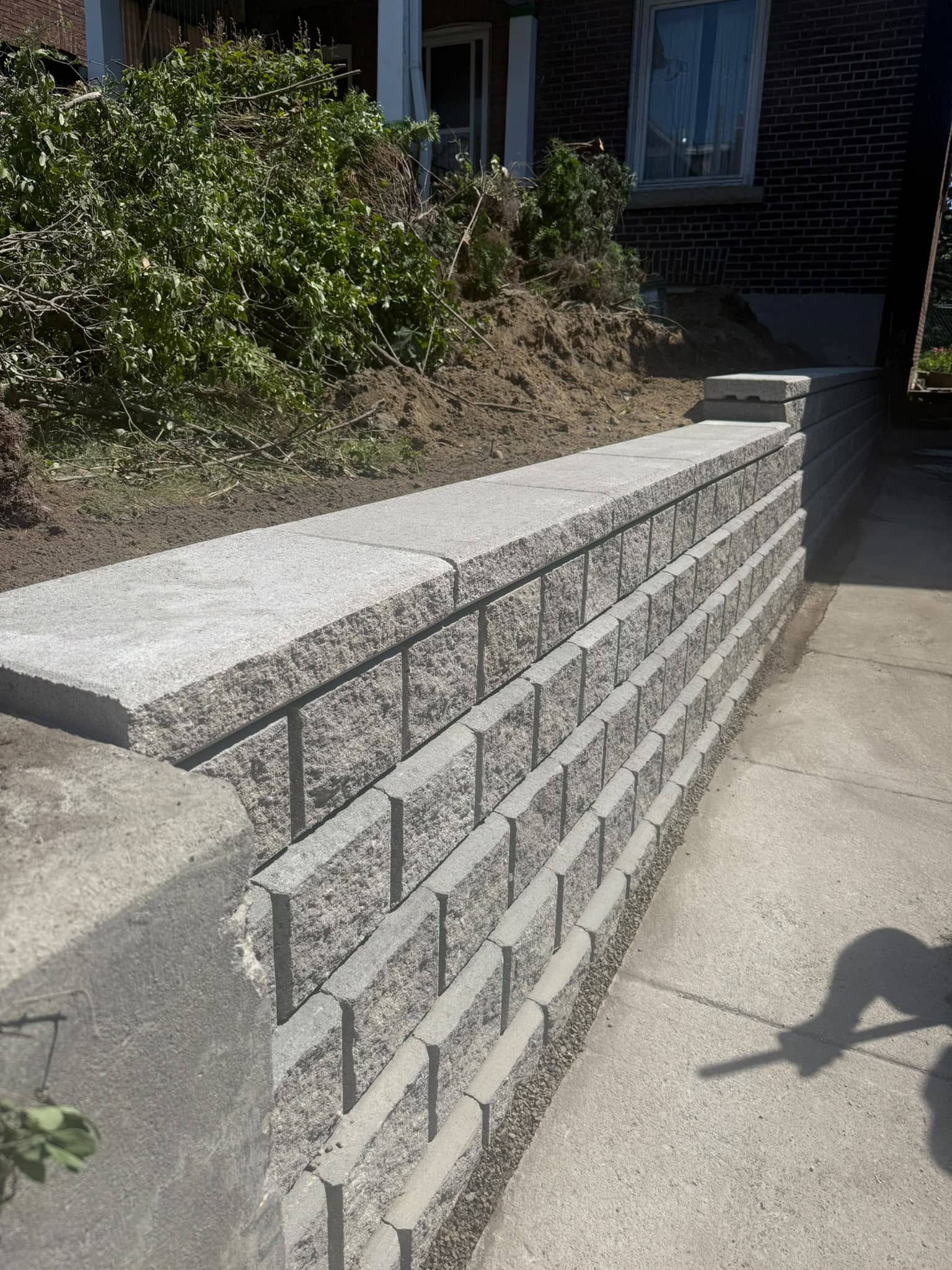

Historic masonry restoration is one of those topics that sounds straightforward until you own an older building and have to decide what to do. A wall starts cracking, mortar falls out, bricks begin to flake, or a chimney shows age, and the natural instinct is to fix it fast. But with older or heritage masonry, the right answer is not always the fastest answer. The wrong mortar, the wrong brick replacement, the wrong cleaning method, or the wrong assumption about what counts as “repair” can do more harm than good.
That is why owners of older Toronto properties need to think differently about restoration. Historic masonry is not just old masonry. It often uses softer brick, older mortar types, and construction methods that behave differently from modern materials. What looks like a simple repair may actually need a more careful conservation approach if the goal is to preserve the building’s character and avoid damaging the original fabric.
In this guide, you will learn what historic masonry restoration really means, how it differs from standard masonry repair, what warning signs owners should watch for, what kinds of work often require more caution or approvals, what homeowners can realistically inspect themselves, and when professional help is the smarter move.
What Historic Masonry Restoration Really Means
Historic masonry restoration is not simply about making an old wall look new again. In many cases, it is about keeping as much original material as possible, repairing what can be repaired, and replacing only what is truly beyond saving. That approach matters because older masonry often contributes directly to a building’s character, appearance, and historic value.
Parks Canada’s Standards and Guidelines for the Conservation of Historic Places in Canada emphasize a careful, minimal-intervention approach, including the maintenance and repair of character-defining materials rather than their unnecessary replacement. Parks Canada Standards and Guidelines
For owners, that usually means historic masonry restoration is less about aggressive replacement and more about judgment. The question is not only “How do I fix this?” It is also “What should be preserved, what should be repaired, and what truly needs replacement?”
Why Older Masonry Needs a Different Approach
Many older Toronto buildings were built with softer brick and more vapour-permeable mortar than what is common today. These materials can perform very well over long periods, but they also respond differently to moisture, movement, and repair materials. If modern hard mortar is used where a softer compatible mortar is needed, the repair may look neat at first, but can create long-term stress on the original masonry.
This is one reason older masonry should often not be treated the same as newer brickwork. Toronto’s own masonry repair guidance for heritage work stresses matching materials, compatible repairs, and careful estimates that account for preservation standards rather than just simple replacement logic. City of Toronto heritage masonry repair guidance
For homeowners, the practical takeaway is simple: historic masonry is not fragile in the sense that it cannot be repaired, but it is easy to damage with the wrong repair strategy.
How Historic Restoration Differs From Standard Masonry Repair
Standard masonry repair usually focuses on performance first: stop the problem, replace damaged material, and restore function. Historic masonry restoration still cares about performance, but it adds another layer. It also has to respect the property’s original appearance, material compatibility, and heritage character.
That usually changes the priorities:
- Standard repair: replace damaged material efficiently and restore performance
- Historic restoration: preserve original material where possible and repair with compatible methods
- Standard repair: match visually if practical
- Historic restoration: match visually and materially as closely as possible
- Standard repair: modern methods may be acceptable
- Historic restoration: methods should avoid damaging original fabric or changing historic character unnecessarily
This distinction matters because older brick-and-mortar can be harmed by repairs that seem strong on paper but are too hard, too aggressive, or too visually out of place in practice.
Signs a Historic Masonry Building May Need Restoration Work
Owners of older properties should pay close attention to changes that affect both condition and appearance. The most common warning signs include:
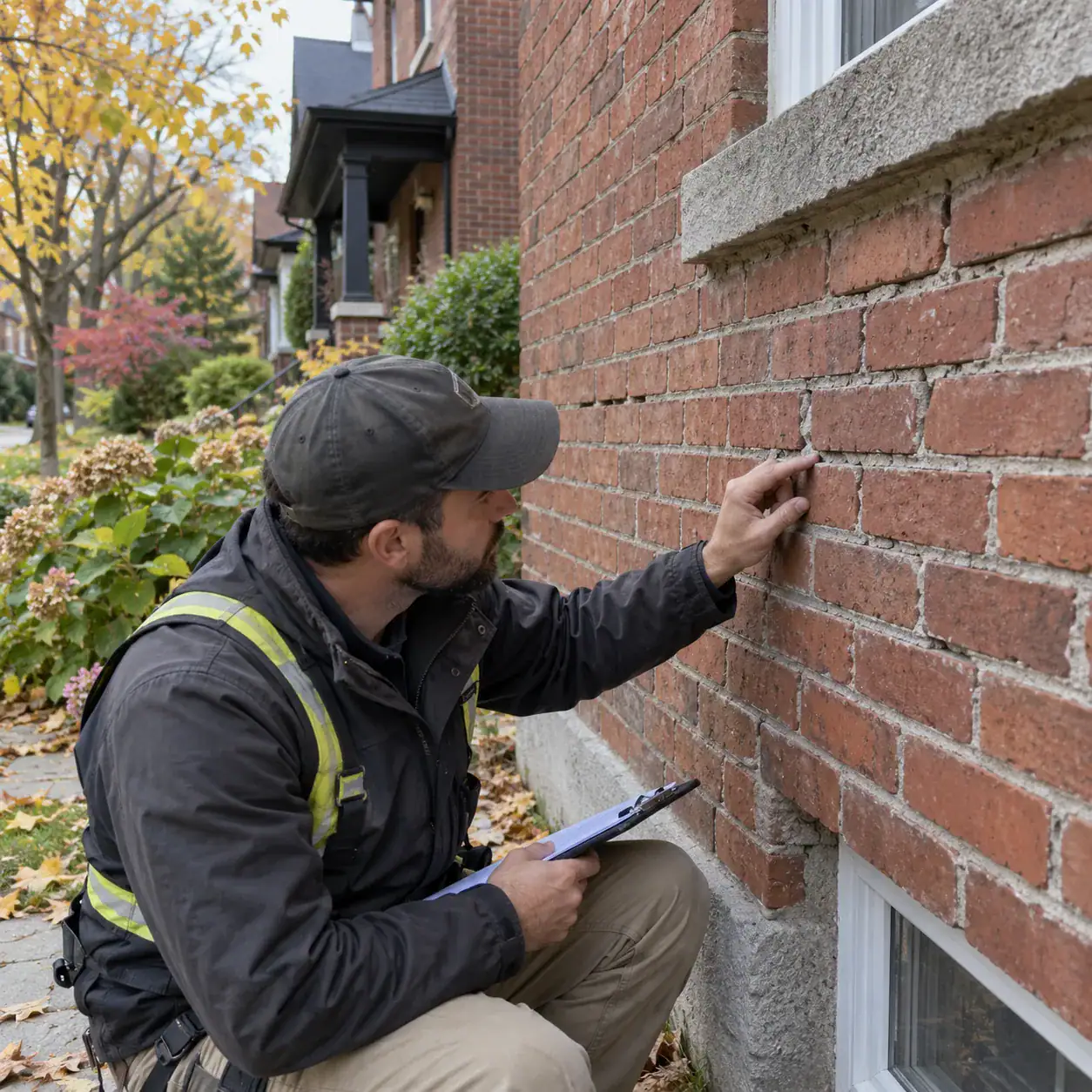
- mortar joints that are recessed, cracked, loose, or washing out
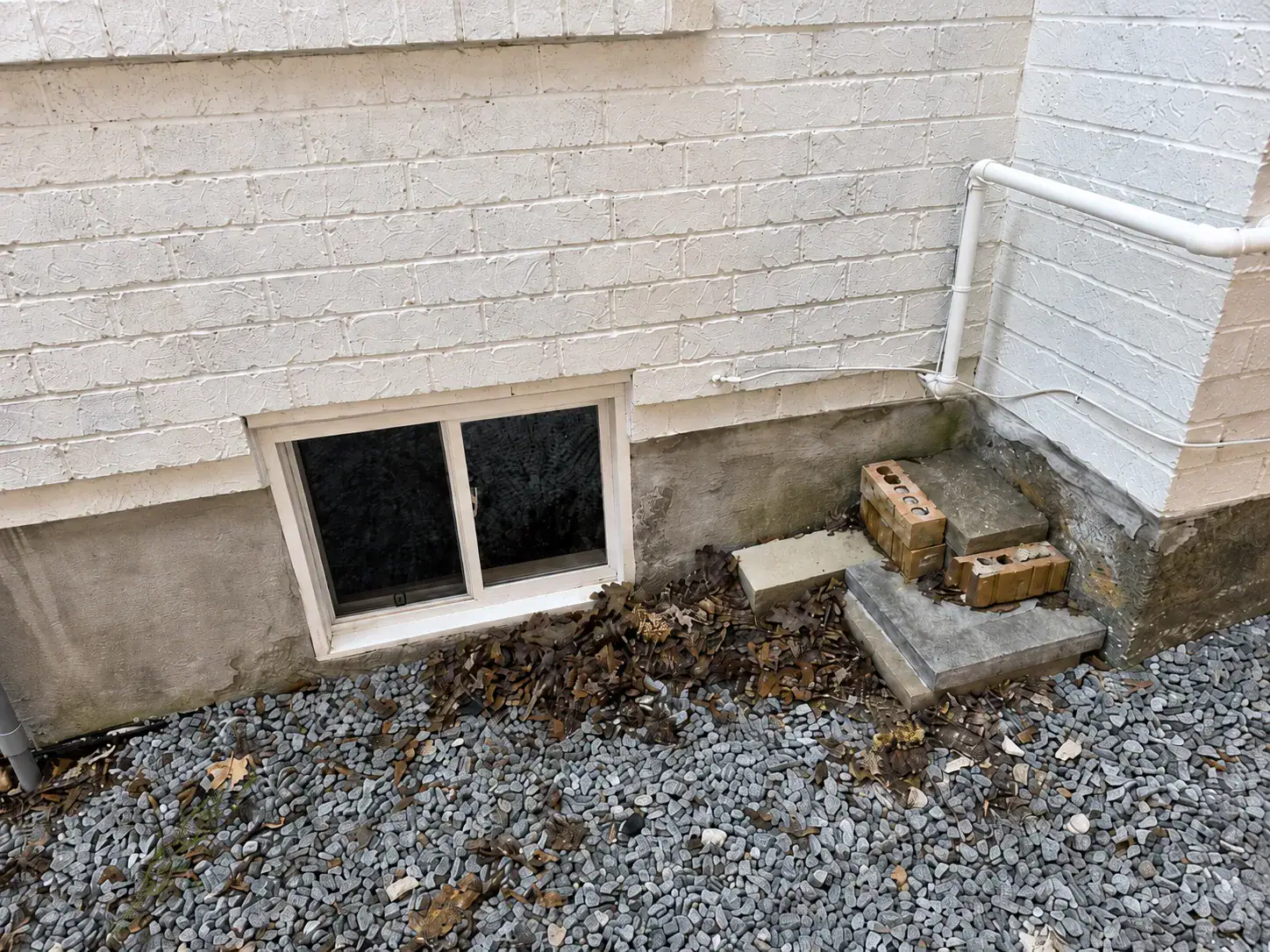
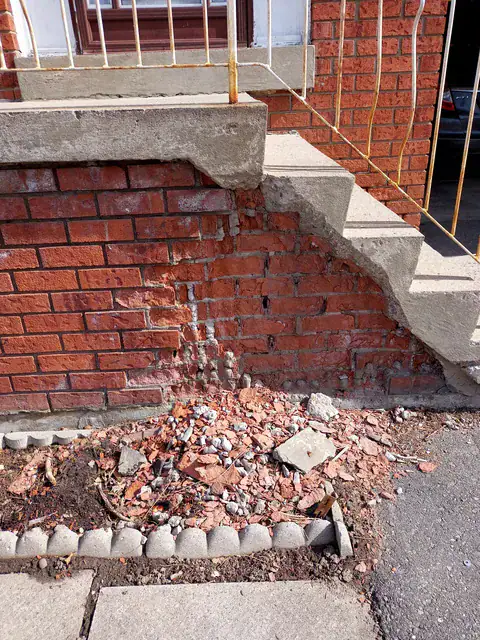
- brick faces that are flaking or spalling
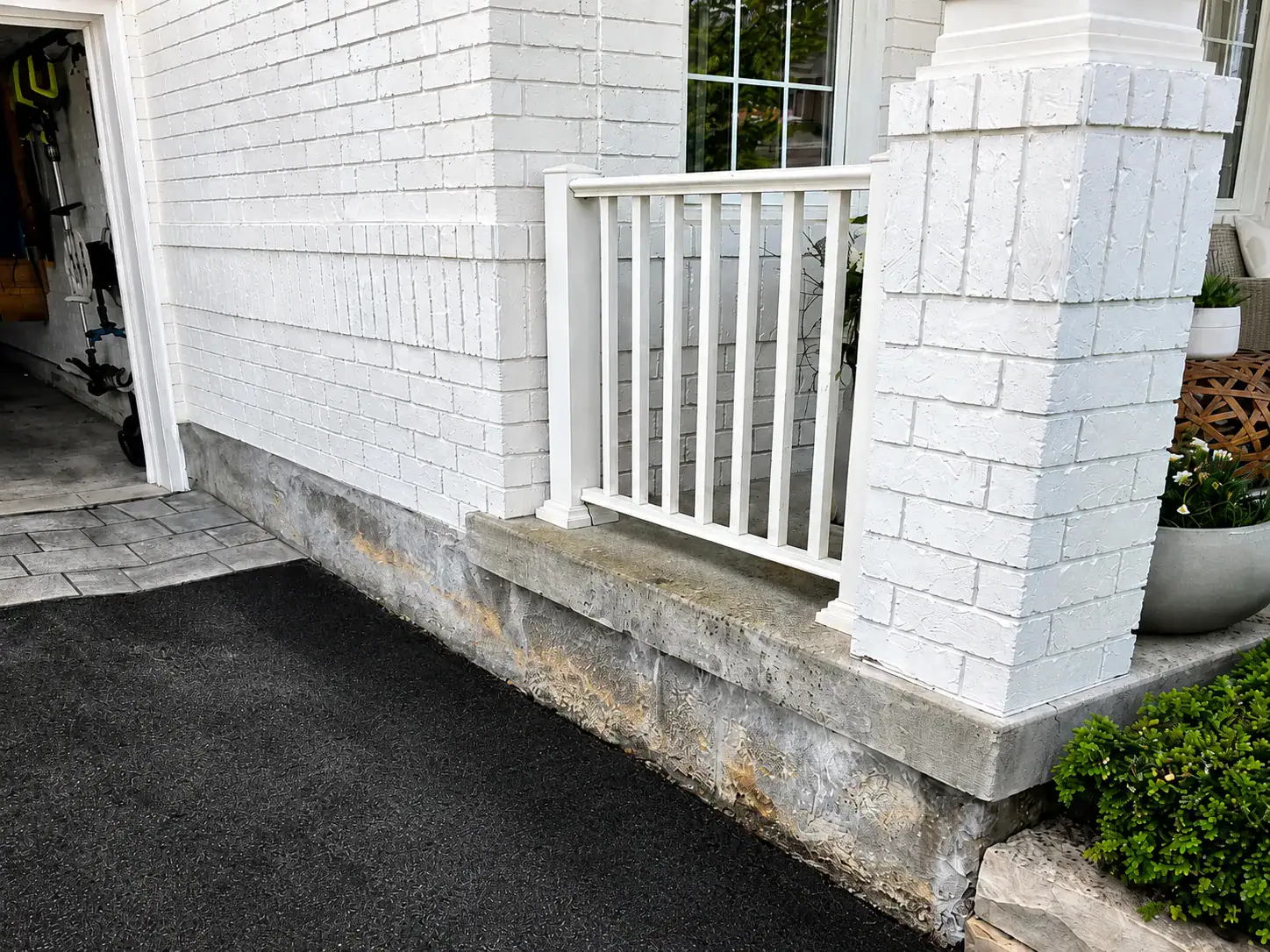
- white staining or persistent damp areas
- cracks around openings, chimneys, or wall transitions
- mismatched older patch repairs that are failing
- lintel-related cracking or brick displacement above windows and doors
- stone sills, coping, or trim pieces showing wear or separation
- sections of wall that were painted, sealed, or cleaned too aggressively in the past
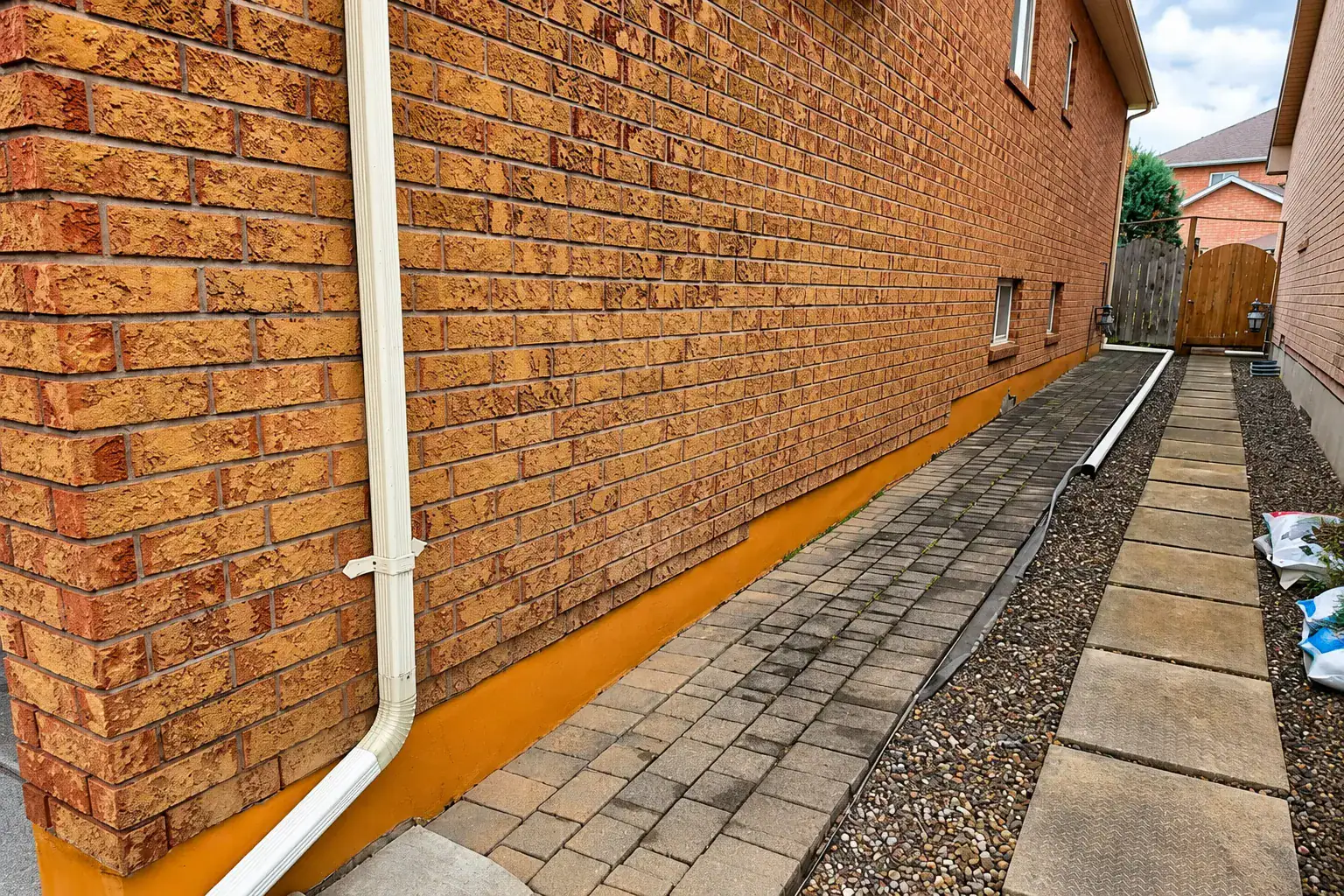
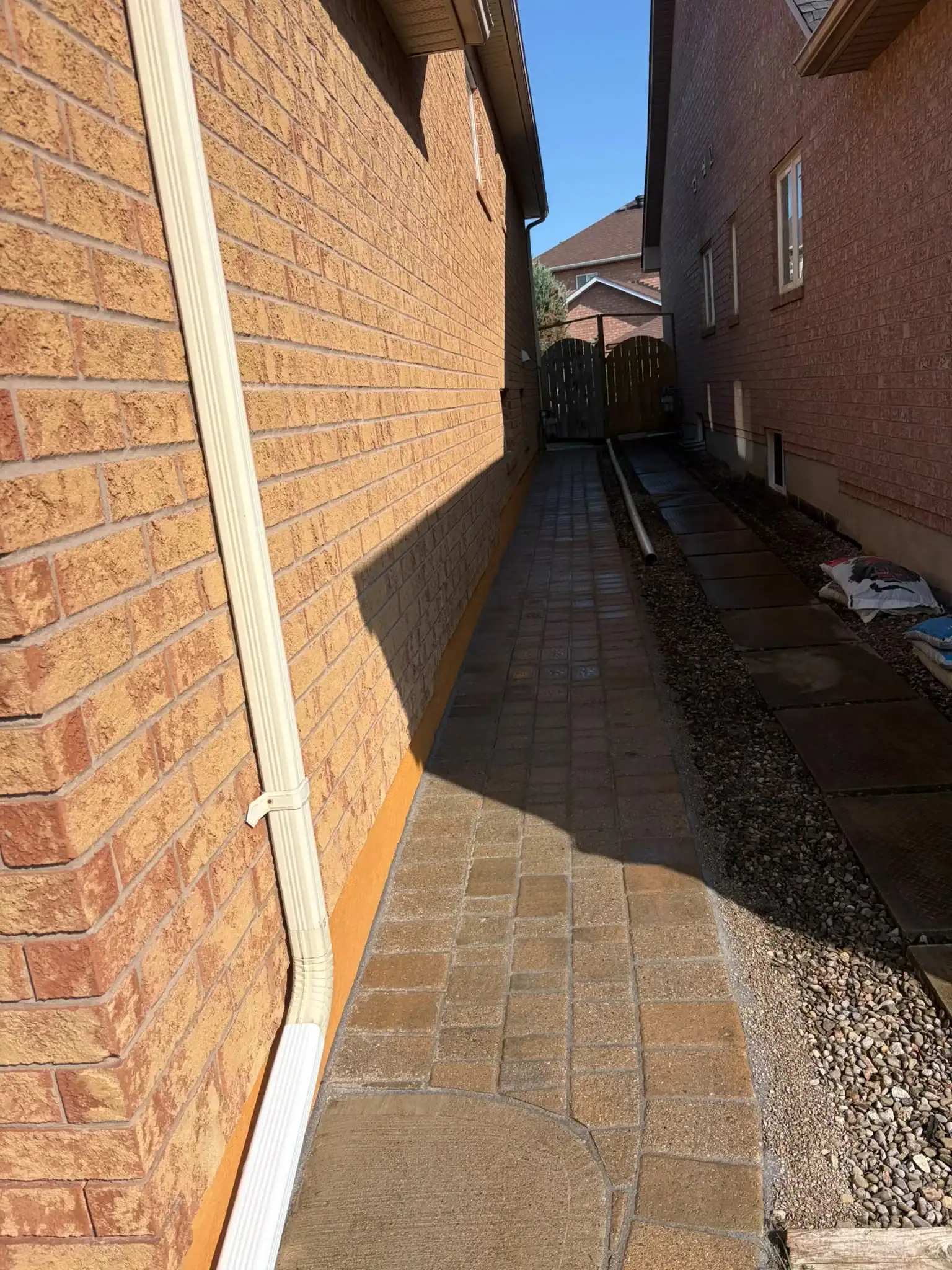
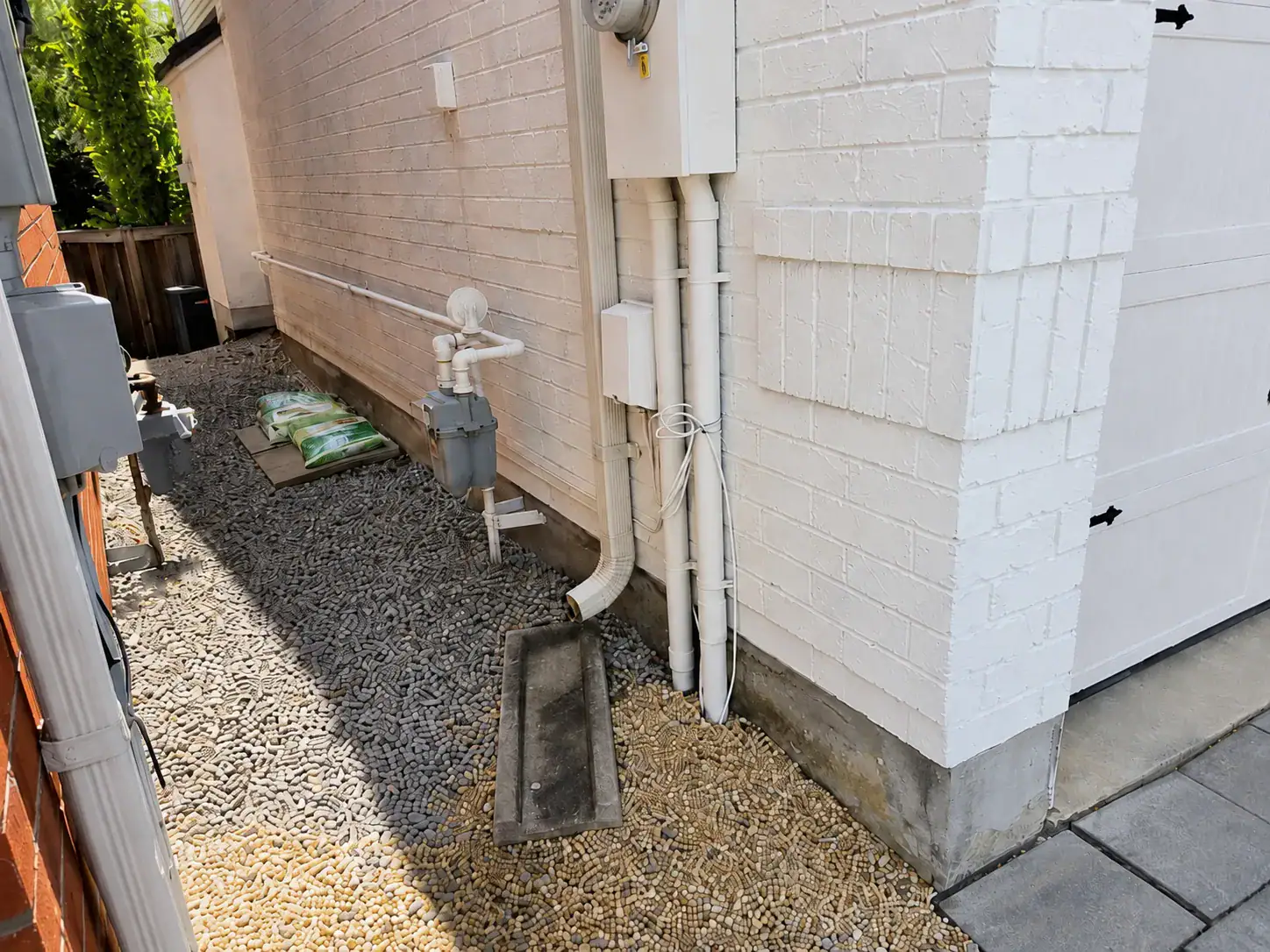
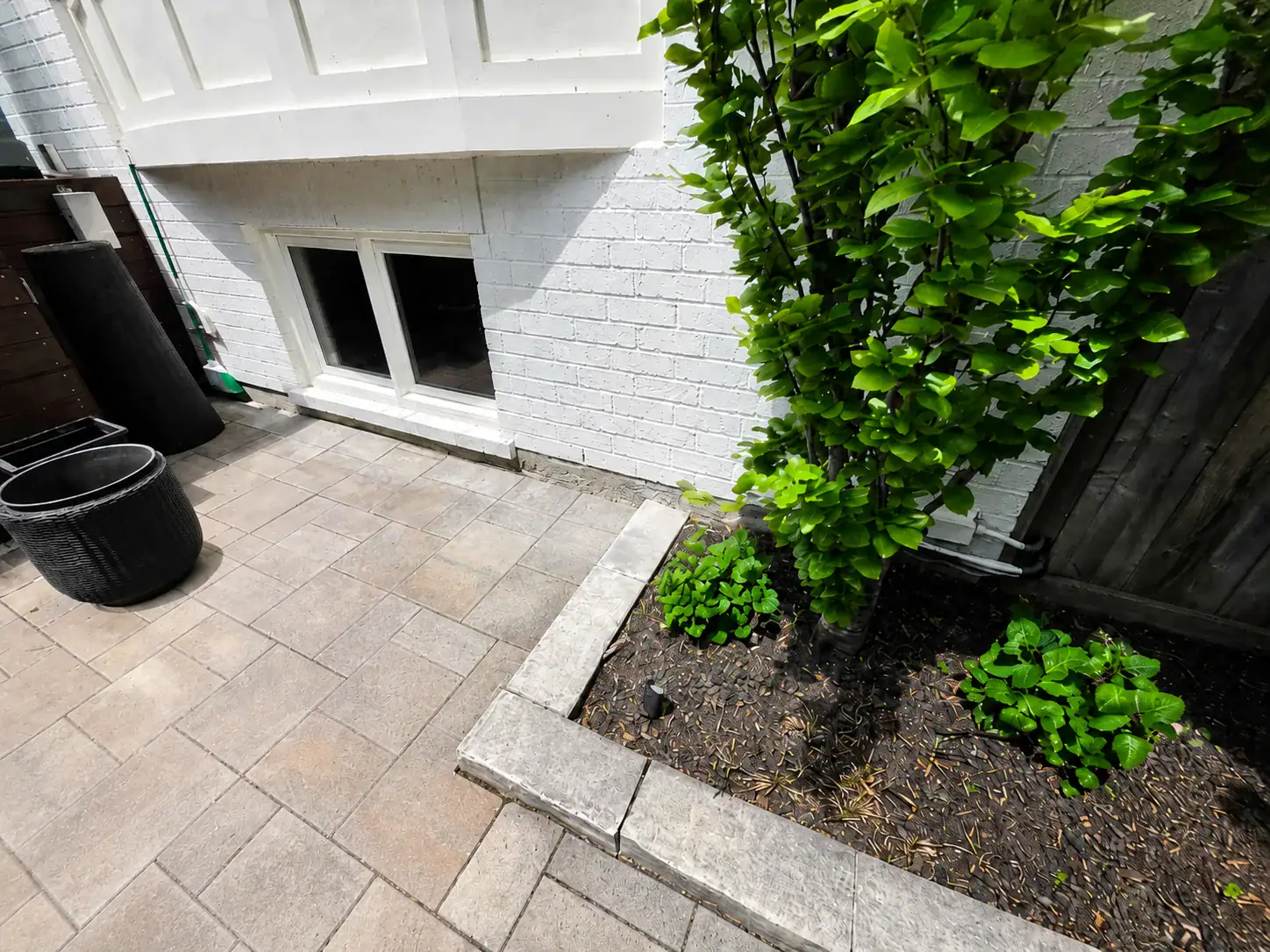
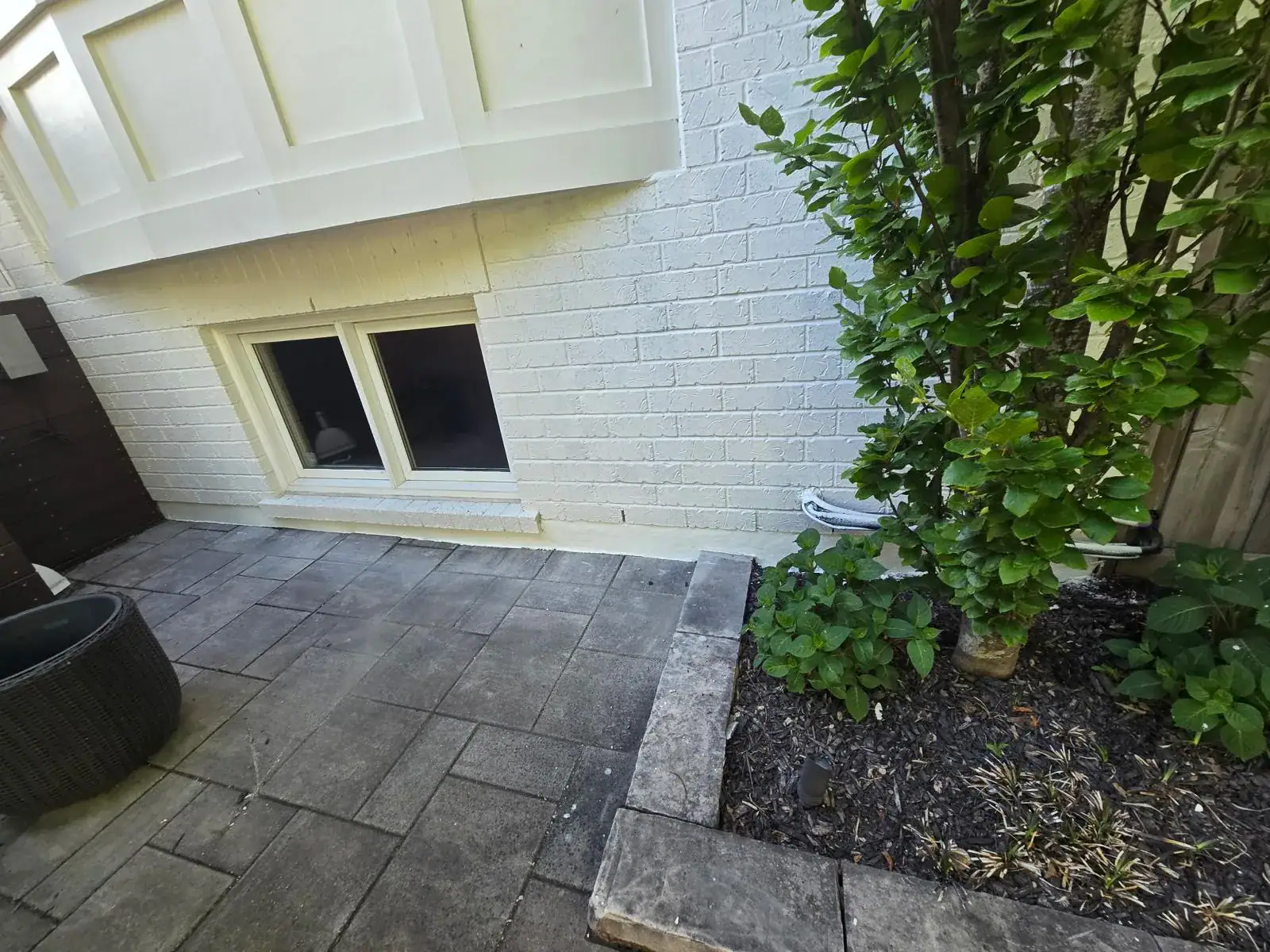
If the issue is recurring moisture staining or white deposits, it often overlaps with what we covered in handling efflorescence on brick or stone. If the lower wall stays damp or the grading around the property is poor, our blog on the importance of proper drainage around masonry is also relevant, as restoration work lasts longer when the water issue is addressed.
What Owners Should Check First Before Planning Repairs
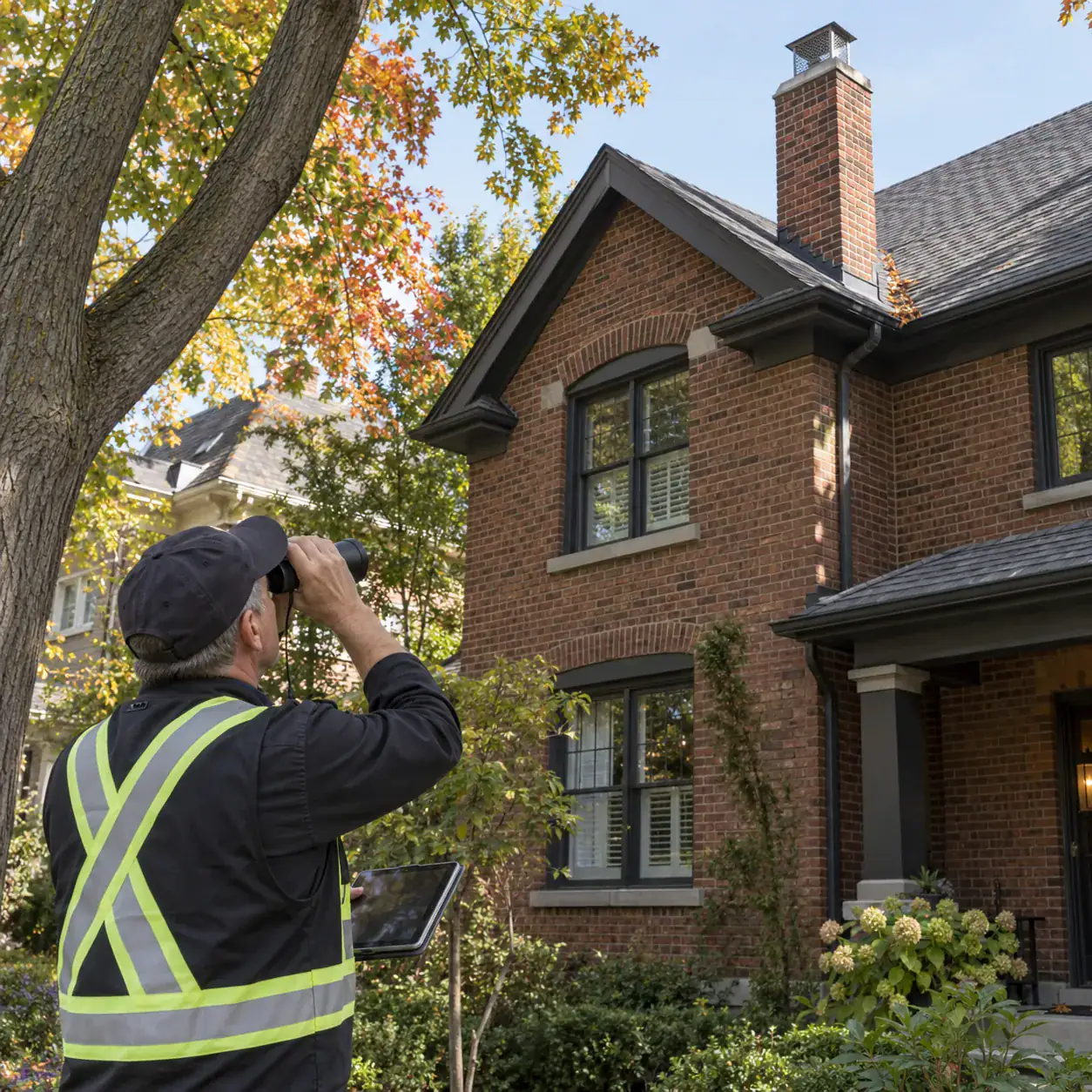
Before considering restoration methods, owners should first understand the actual condition patterns. That means looking at where the damage is, how widespread it is, and whether moisture is part of the cause.
Start by checking:
- lower wall areas where water and salt exposure are usually higher
- chimneys, parapets, and upper wall details that take direct weather
- window heads and door openings where cracks may suggest lintel or movement issues
- areas with past patching or obvious mismatched repairs
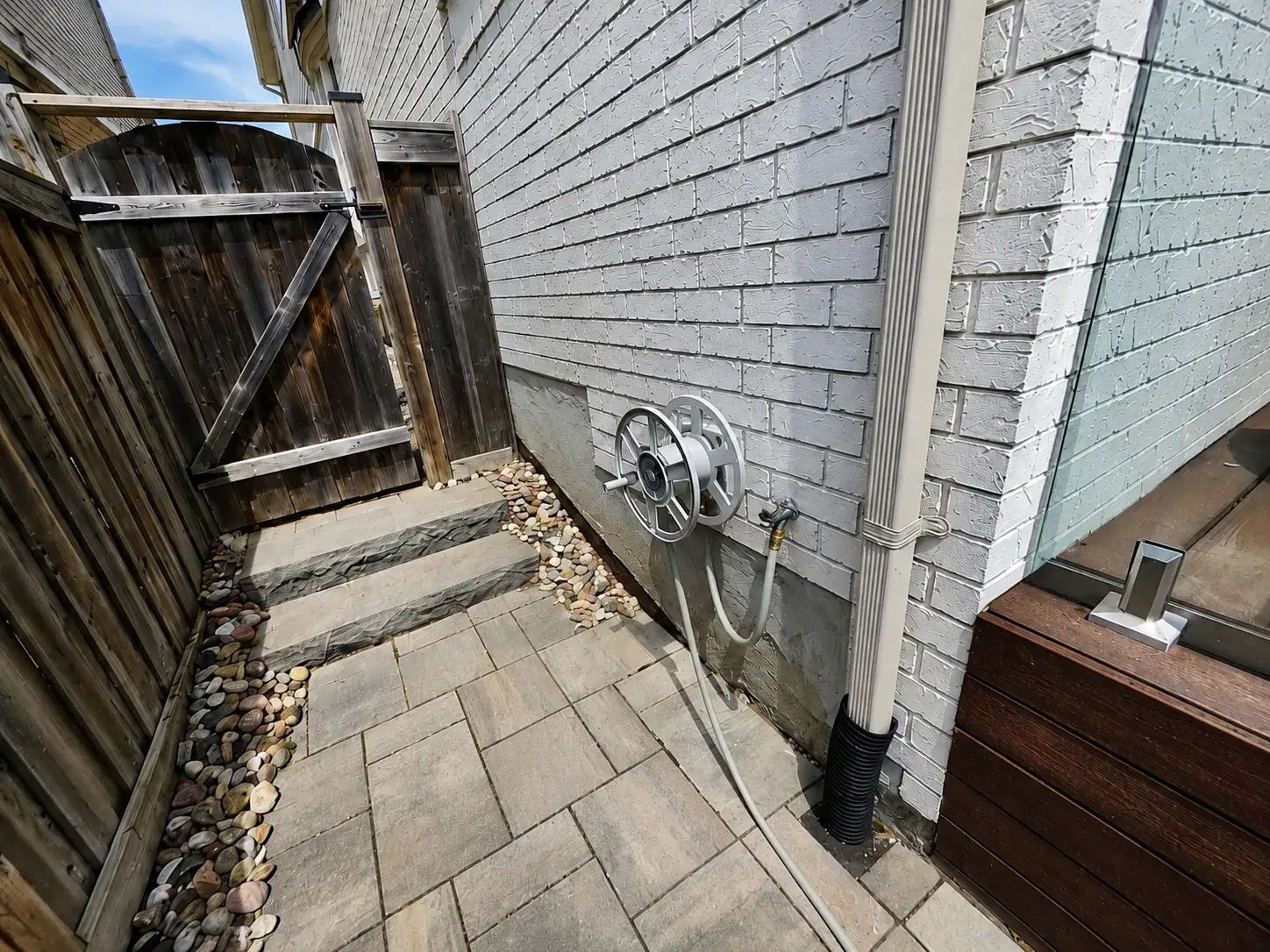
- places where drainage, downspouts, or grading may be pushing water toward the masonry
This does not require the owner to diagnose every technical issue. It does help them recognize whether they are looking at isolated maintenance or a broader restoration conversation.
Why Matching Matters in Historic Masonry
One of the biggest mistakes in historic masonry work is assuming that a close visual match is enough. In reality, good restoration often depends on both visual and material compatibility. A brick that looks close in colour but behaves differently in terms of hardness, porosity, or thermal movement may still be the wrong choice. The same is true for mortar.
Toronto’s heritage masonry guidance makes this point clear by emphasizing appropriate repair methods, matching standards, and the preservation of heritage character. Toronto masonry repair guidance for heritage work
For owners, the practical version is this: a repair that “looks about right” today may age poorly if the materials are wrong.
Cleaning Historic Masonry: Why Caution Matters
Many historic masonry problems become worse because the owner or a previous contractor cleaned the wall too aggressively. Sandblasting, harsh pressure washing, and strong chemical cleaning can damage older brick surfaces and weaken mortar joints.
Parks Canada’s conservation standards and local heritage guidance both support cautious, least-destructive treatment approaches. In practice, that means historic masonry cleaning should usually be conservative, tested, and tied to the actual condition of the material, not just the owner’s desire for a brighter-looking wall. Parks Canada Standards and Guidelines
If you are mainly dealing with seasonal surface changes rather than full restoration needs, our related post on spring cleaning and masonry touch-ups can help you think more clearly about what belongs in maintenance and what belongs in repair planning.
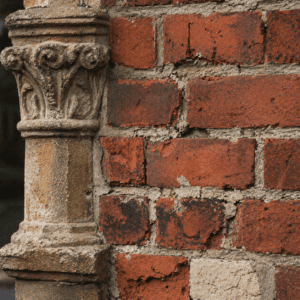
When Permits or Heritage Approval May Matter
This is one area owners should not guess about. If a property is designated or protected in a way that triggers heritage review, some work may require a Heritage Permit or other related approvals before it can begin.
The City of Toronto’s Heritage Permit Guide explains that permission may be required for work involving alteration, demolition, removal, or erection on properties designated under the Ontario Heritage Act, and that owners should consult Heritage Planning staff to determine what their proposal requires. City of Toronto Heritage Permit Guide
Ontario’s broader heritage framework also reinforces that alterations affecting heritage attributes should be approached carefully. Ontario heritage conservation guidance
For owners, the lesson is straightforward: do not assume that visible masonry work on a heritage property is “just maintenance” without first checking whether approvals are needed.
What Homeowners Can Usually Do Themselves
Owners can usually do the first level of observation and maintenance planning themselves, especially when the work is limited to inspection, documentation, and understanding the pattern of deterioration.
Homeowners can usually:
- inspect the property visually from safe ground-level areas
- take photos of cracks, staining, mortar wear, and moisture patterns
- note where past repairs look mismatched or are breaking down
- watch how water moves around the building after rain
- check whether chimney, sill, or ledge areas look more weathered than before
- gather information before speaking with a contractor or heritage planner
That kind of documentation is useful because it helps separate stable aging from active change. Historic properties often reward careful observation.
When Professional Help Makes More Sense
Professional help makes more sense once the work goes beyond simple observation or when the building’s age, status, or condition creates a higher risk of getting the repair wrong.
That usually includes cases where:
- mortar joints are failing across larger areas
- brick is spalling or deteriorating in multiple locations
- chimneys, lintels, or upper wall sections show movement or structural stress
- matching brick or mortar is important to the appearance and integrity of the building
- the property may require heritage approval
- previous repairs have already caused damage or a visual mismatch
If the issue is more routine but still clearly masonry-related, it may overlap with pages like brick repair Toronto, Toronto tuckpointing services, or chimney repair Toronto. But on a historic property, the method matters just as much as the service category.
Ontario also recognizes brick and stone masonry work as a regulated skilled trade, reinforcing that proper masonry restoration is skilled work, not just surface patching. Ontario Brick and Stone Mason trade information

Quick Decision Guide: Repair, Restore, or Replace?
Lean toward repair if:
- the original material is largely intact
- the deterioration is localized
- compatible repair can preserve the original fabric
Lean toward restoration if:
- the property’s historic character matters to the building’s value or designation
- the work needs visual and material matching
- multiple older repair issues need correction in a coordinated way
Lean toward replacement only when:
- the original material is too deteriorated to save
- replacement is necessary to maintain safety or stability
- the replacement can be done in a way that remains compatible with the original building
If you are unsure, use this rule: on a historic masonry property, replacement should usually be the last resort, not the first.
Final Thoughts
Historic masonry restoration is not only about fixing damage. It is about making smart decisions that protect the building’s original materials, appearance, and long-term performance. Older brick-and-mortar often requires more patience, more matching, and more restraint than standard modern masonry repairs.
For owners of older Toronto properties, the smartest first step is usually not rushing into replacement. It is understanding what the building is telling you, where the moisture or movement is coming from, and how to preserve as much of the original masonry as possible while still addressing real repair needs.
If there is one clear takeaway, it is this: with historic masonry, the best restoration work usually starts with respect for what is already there.