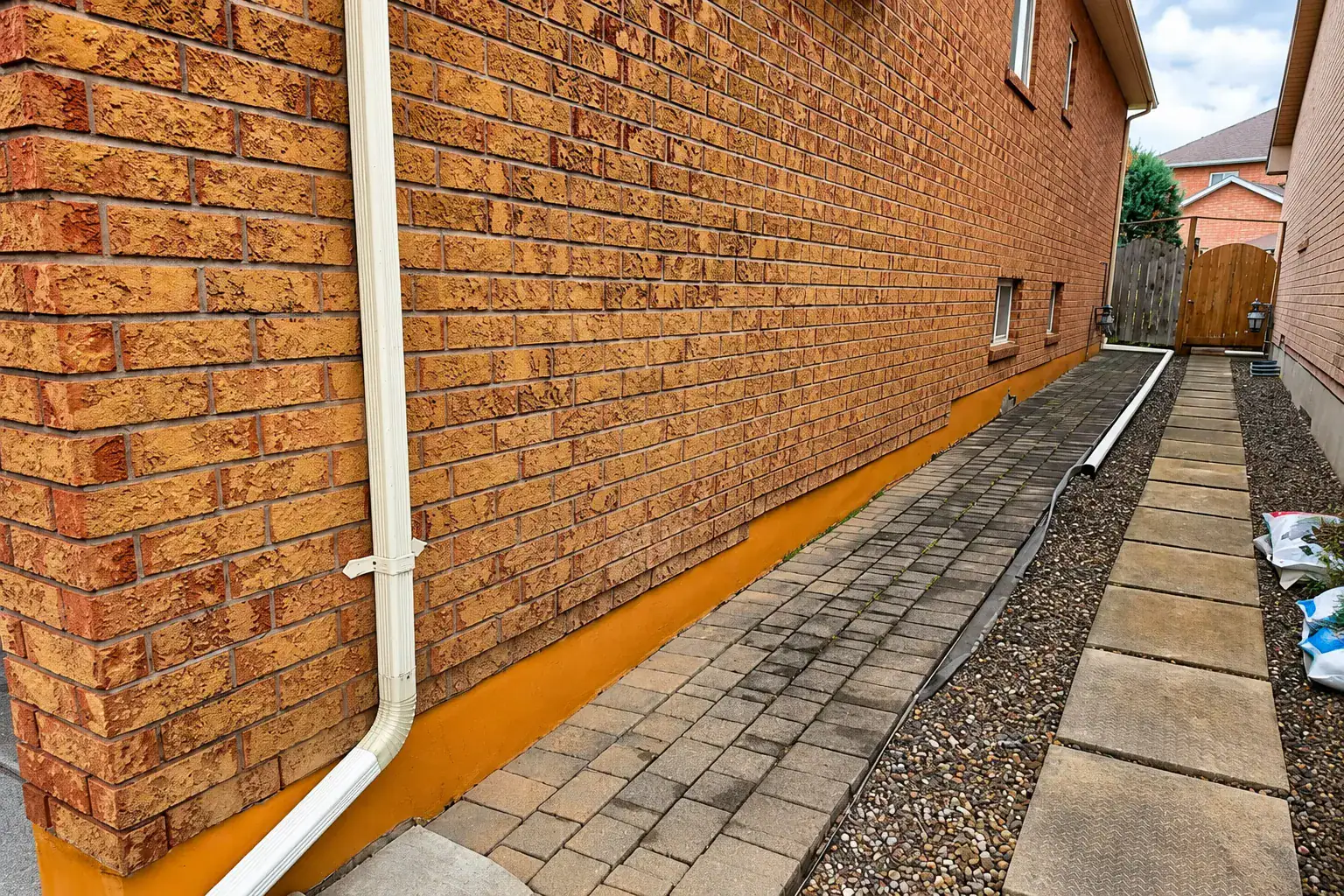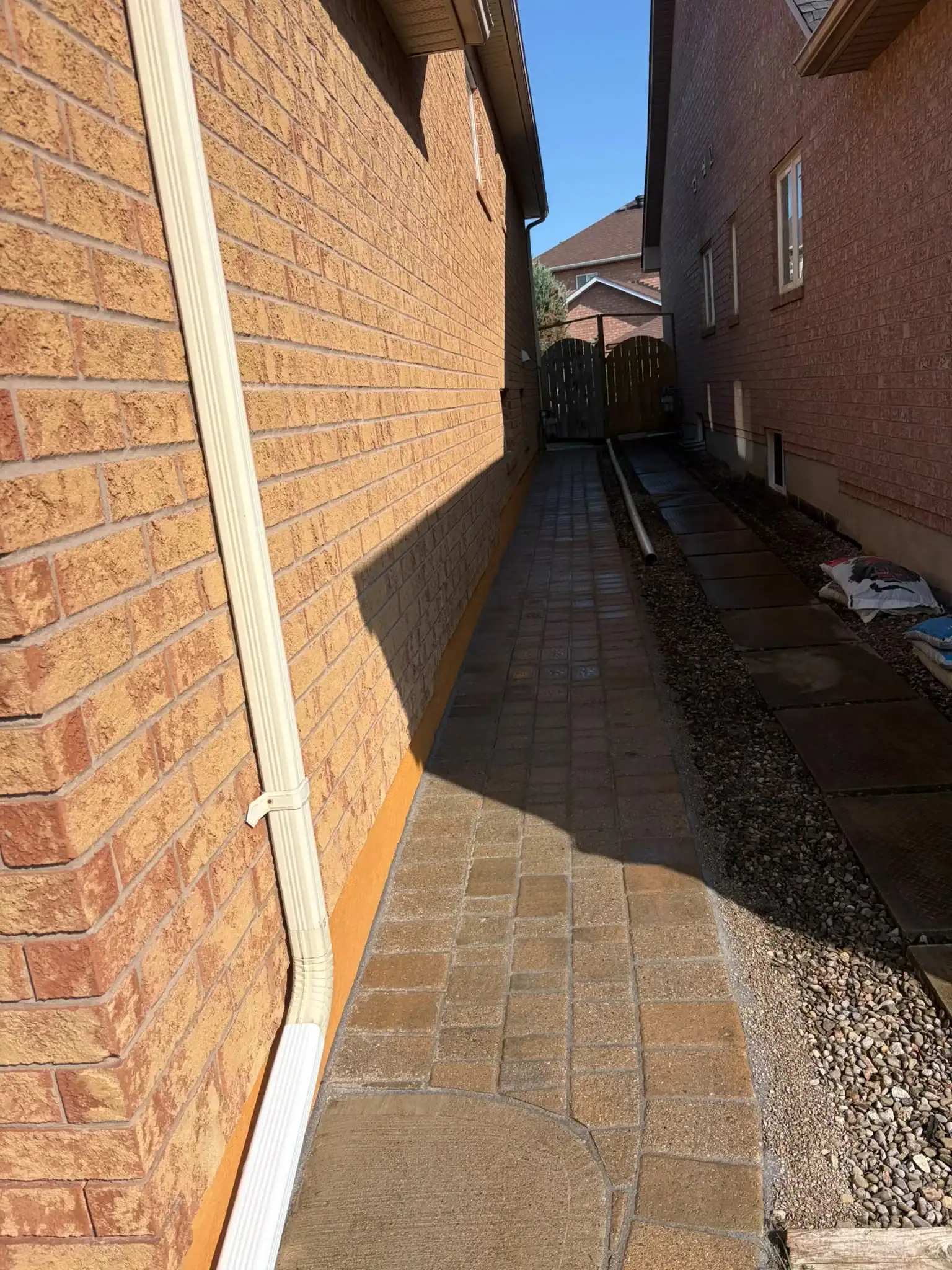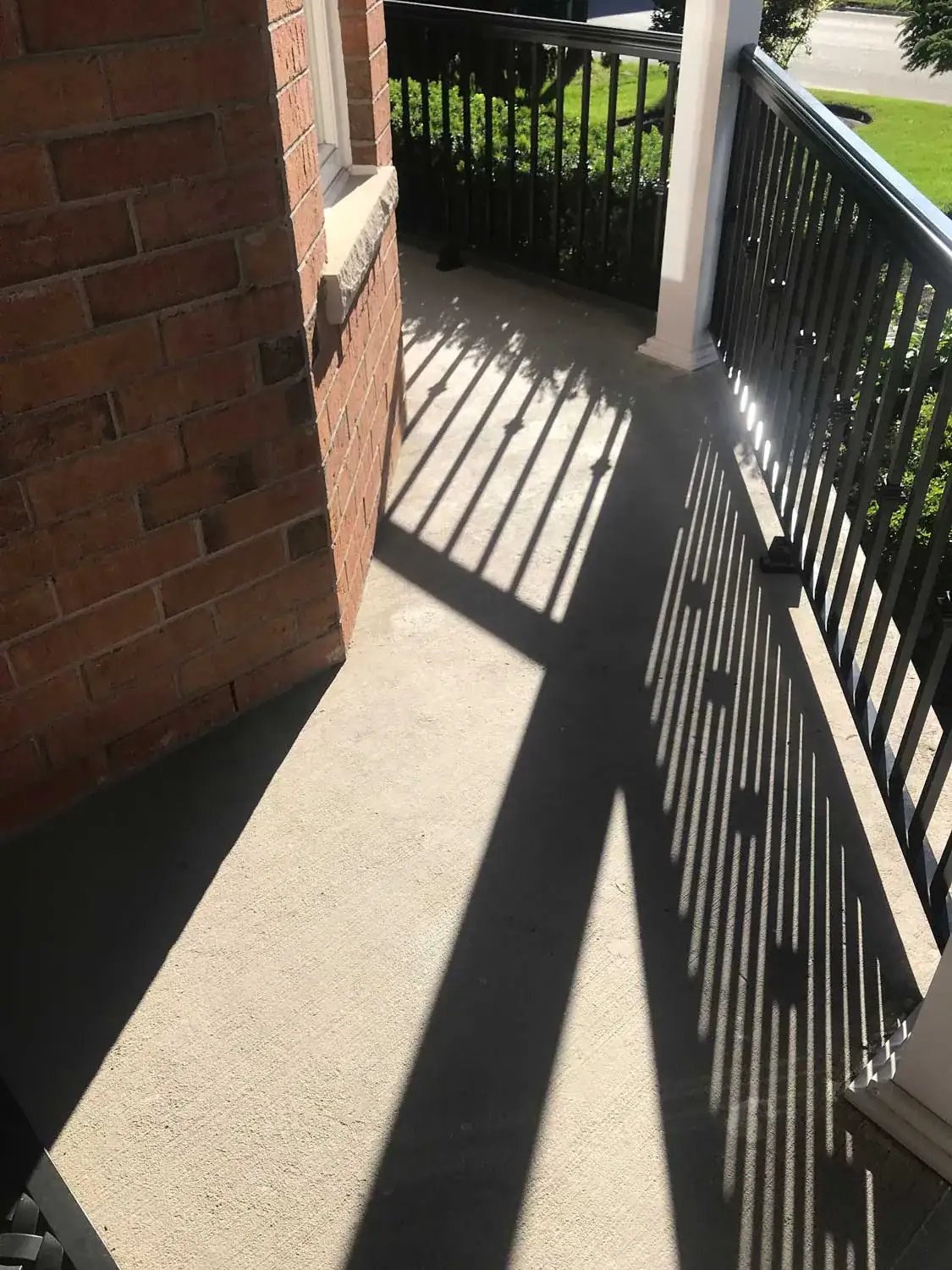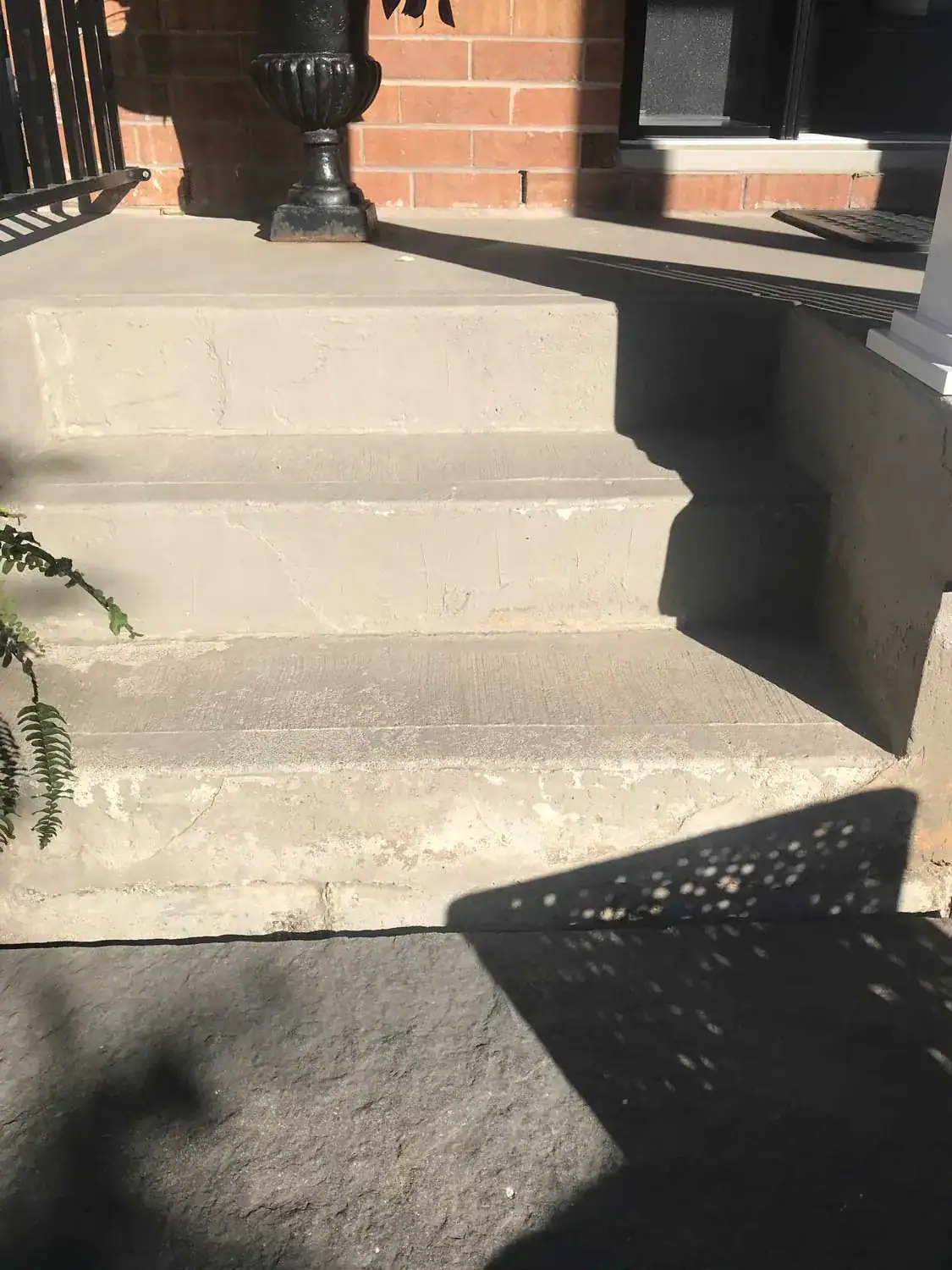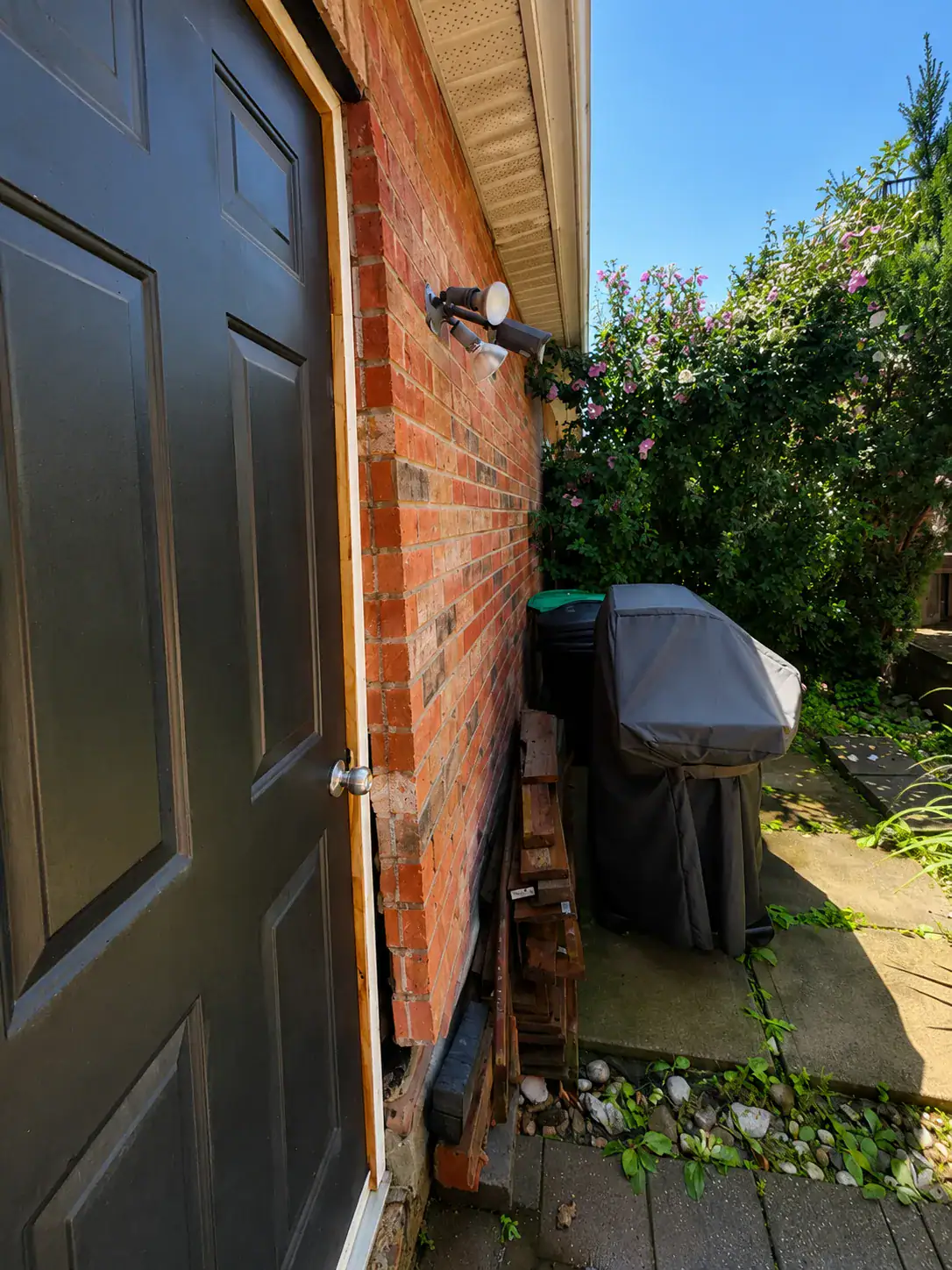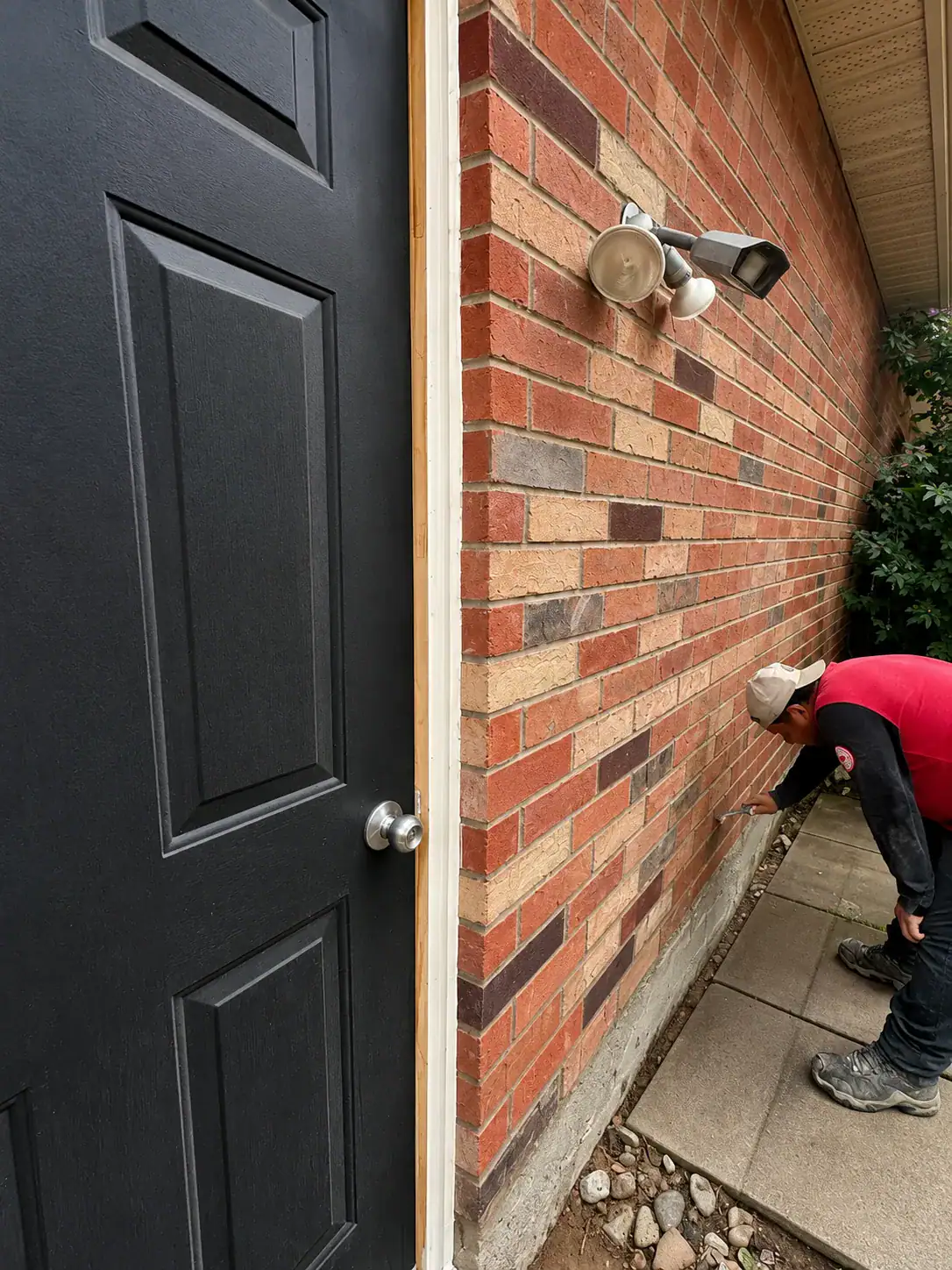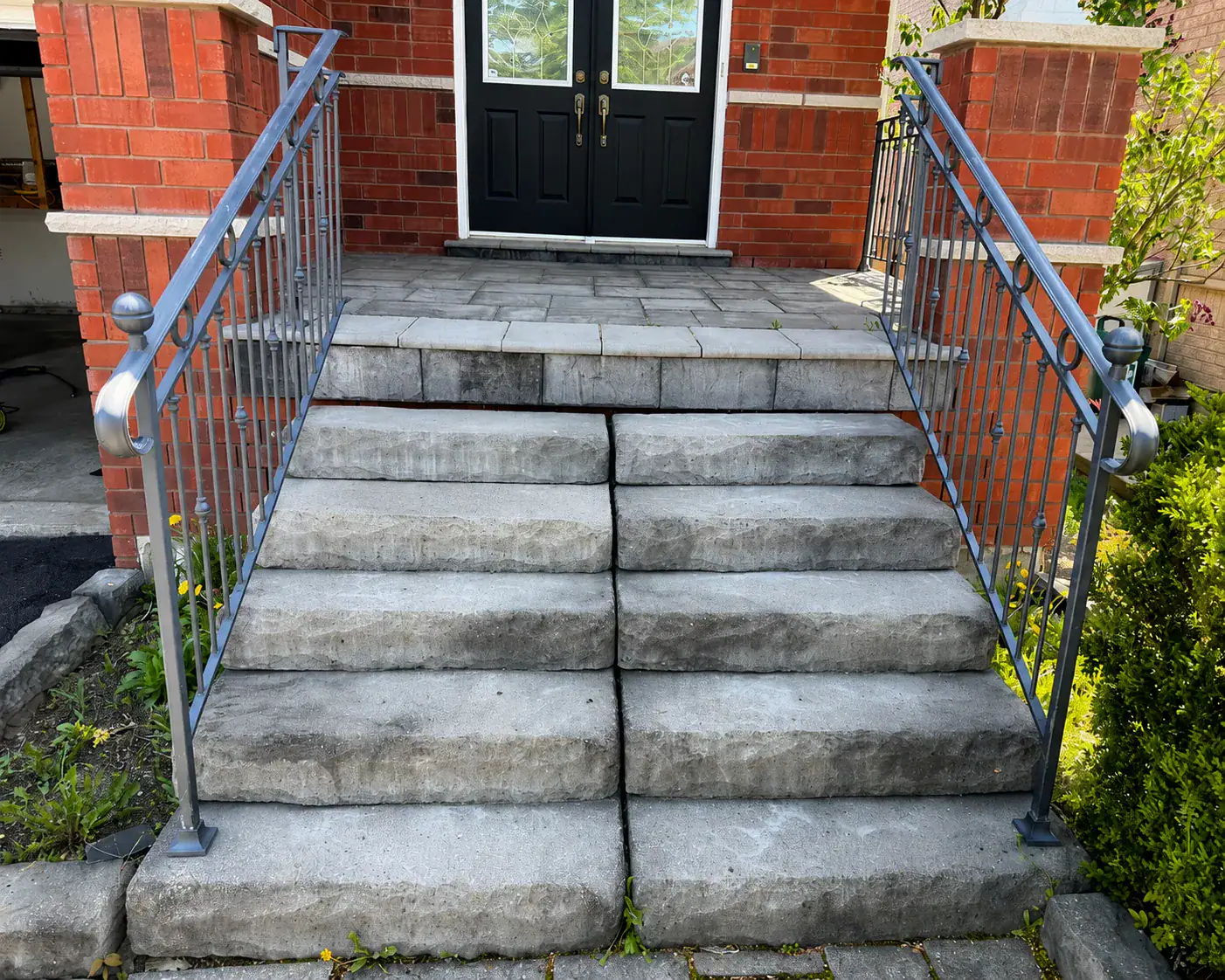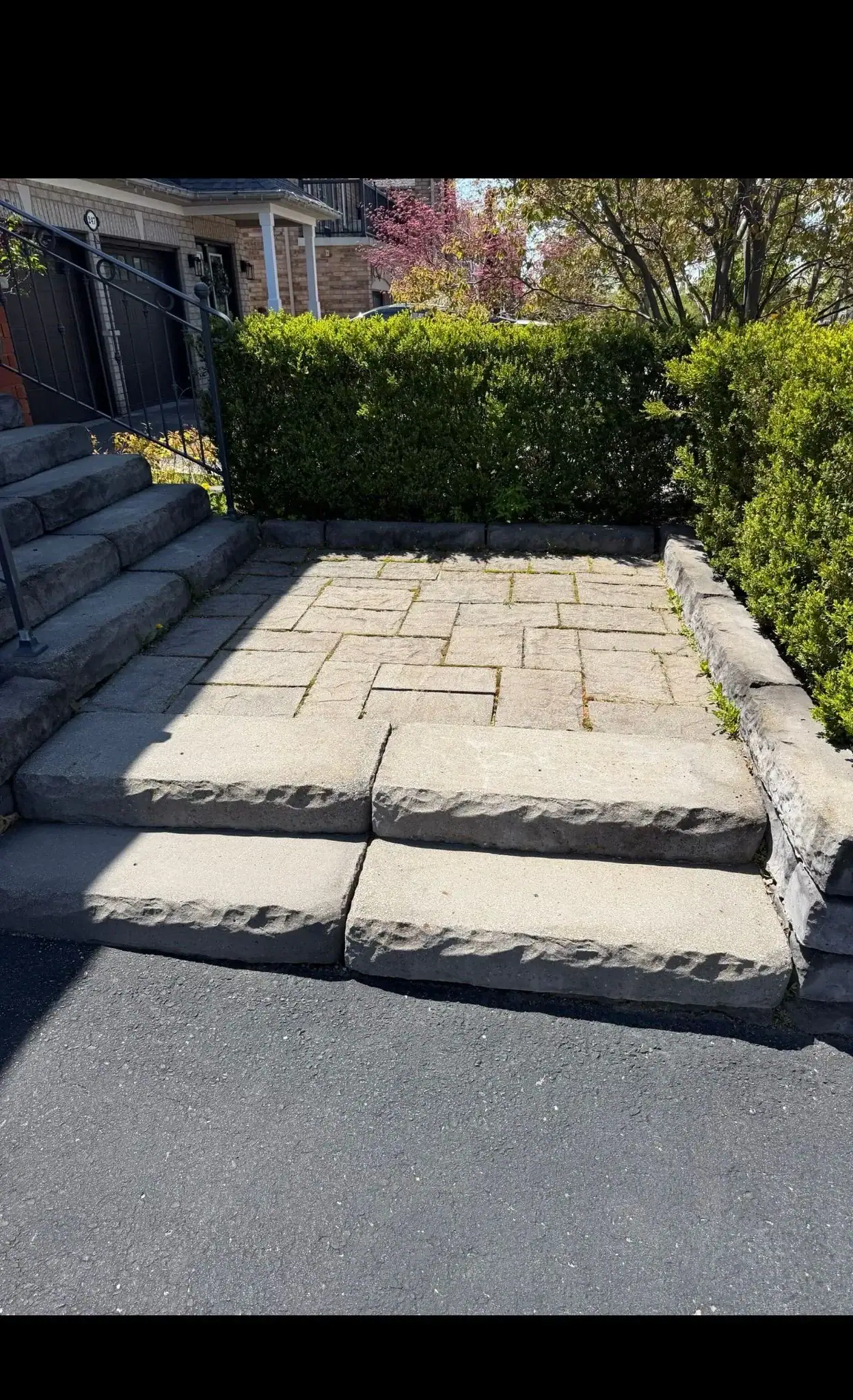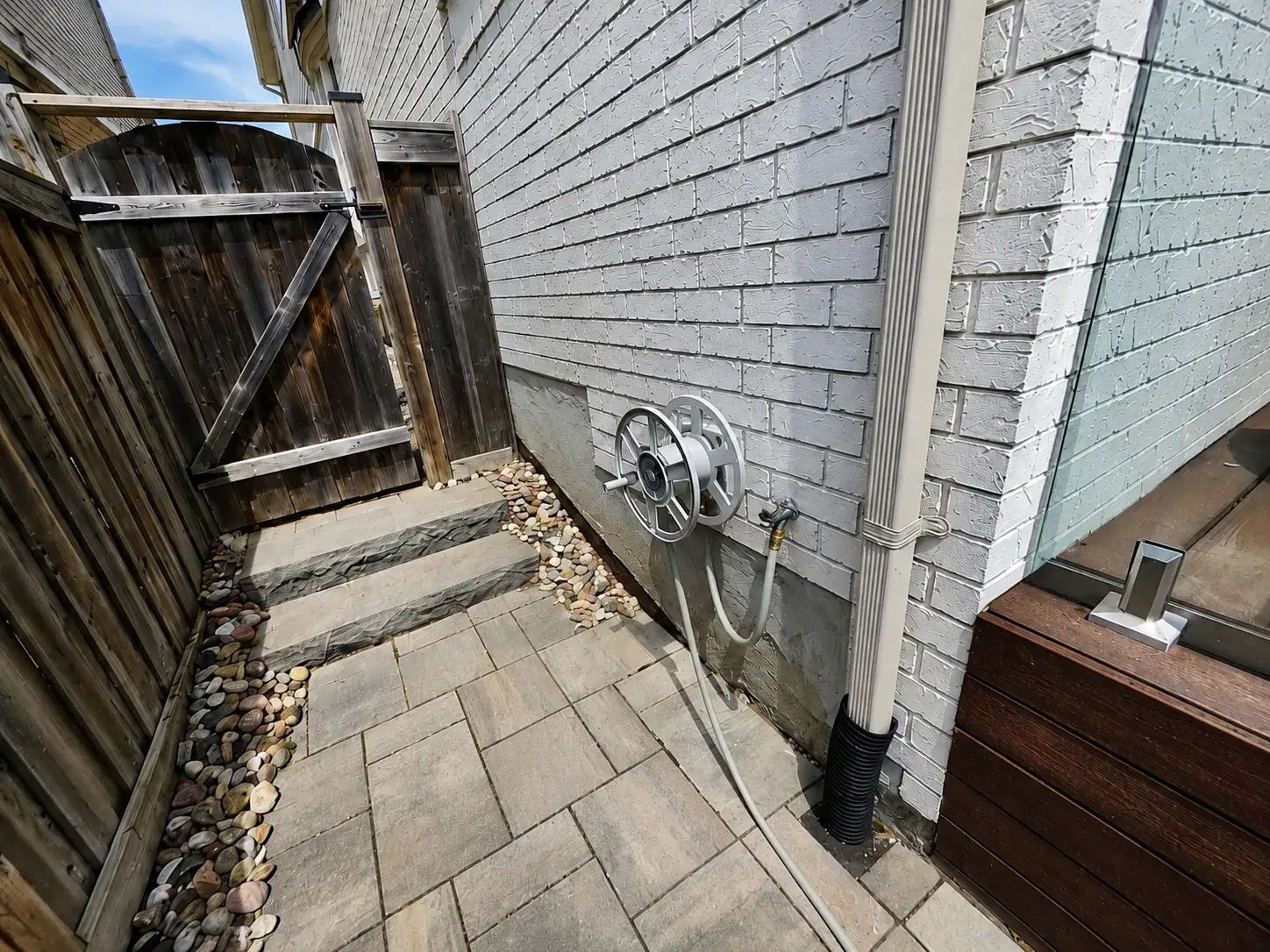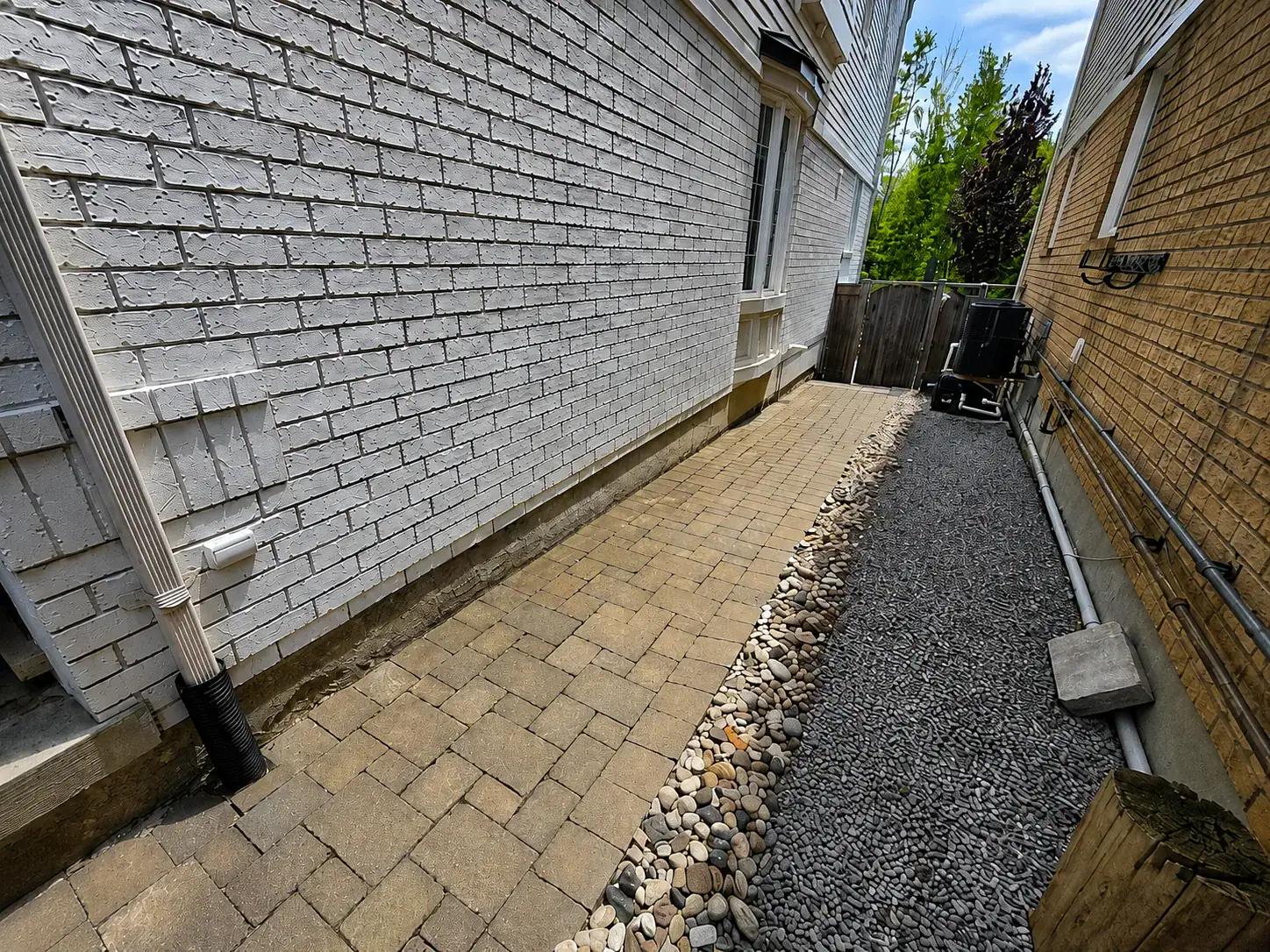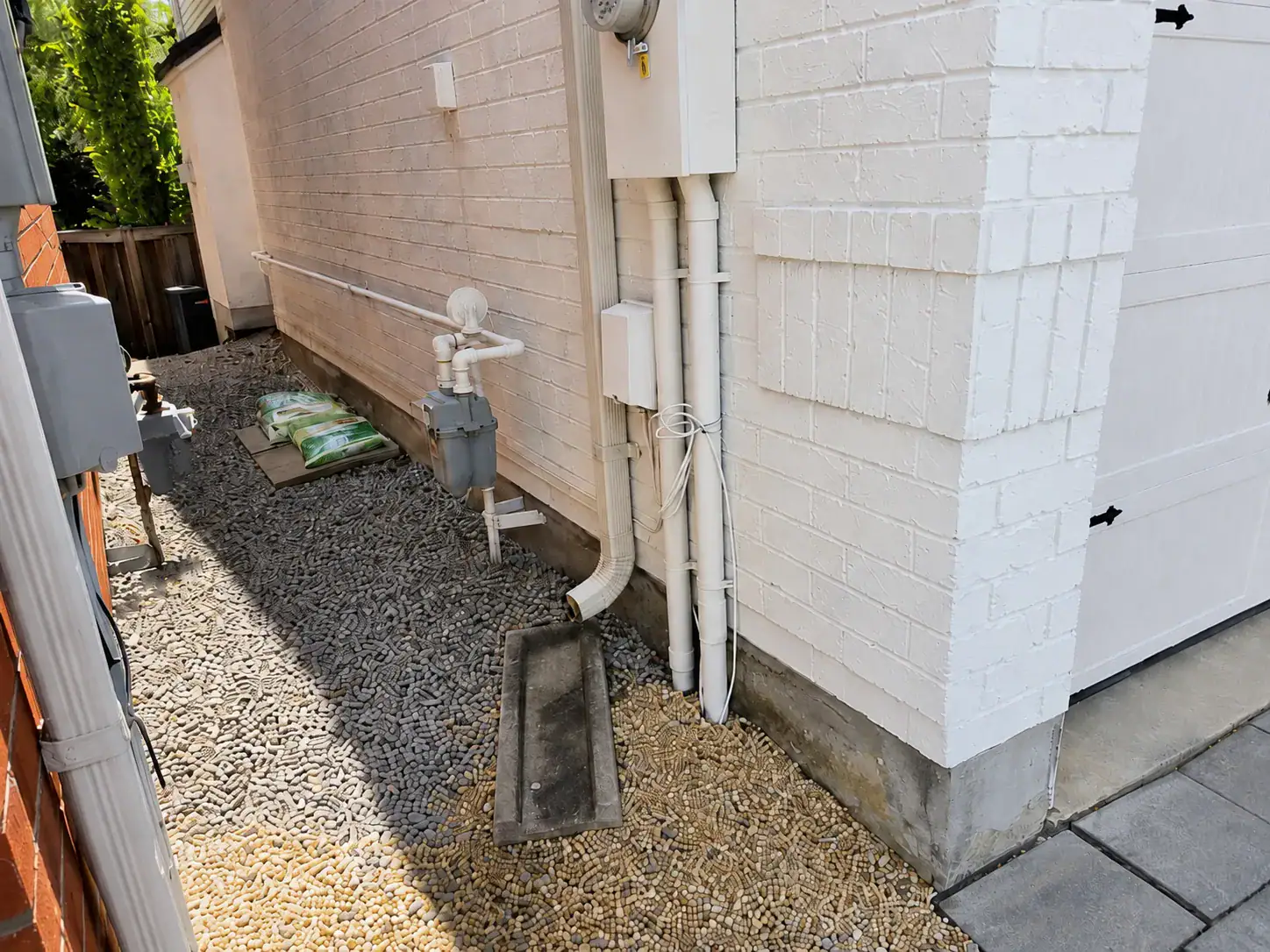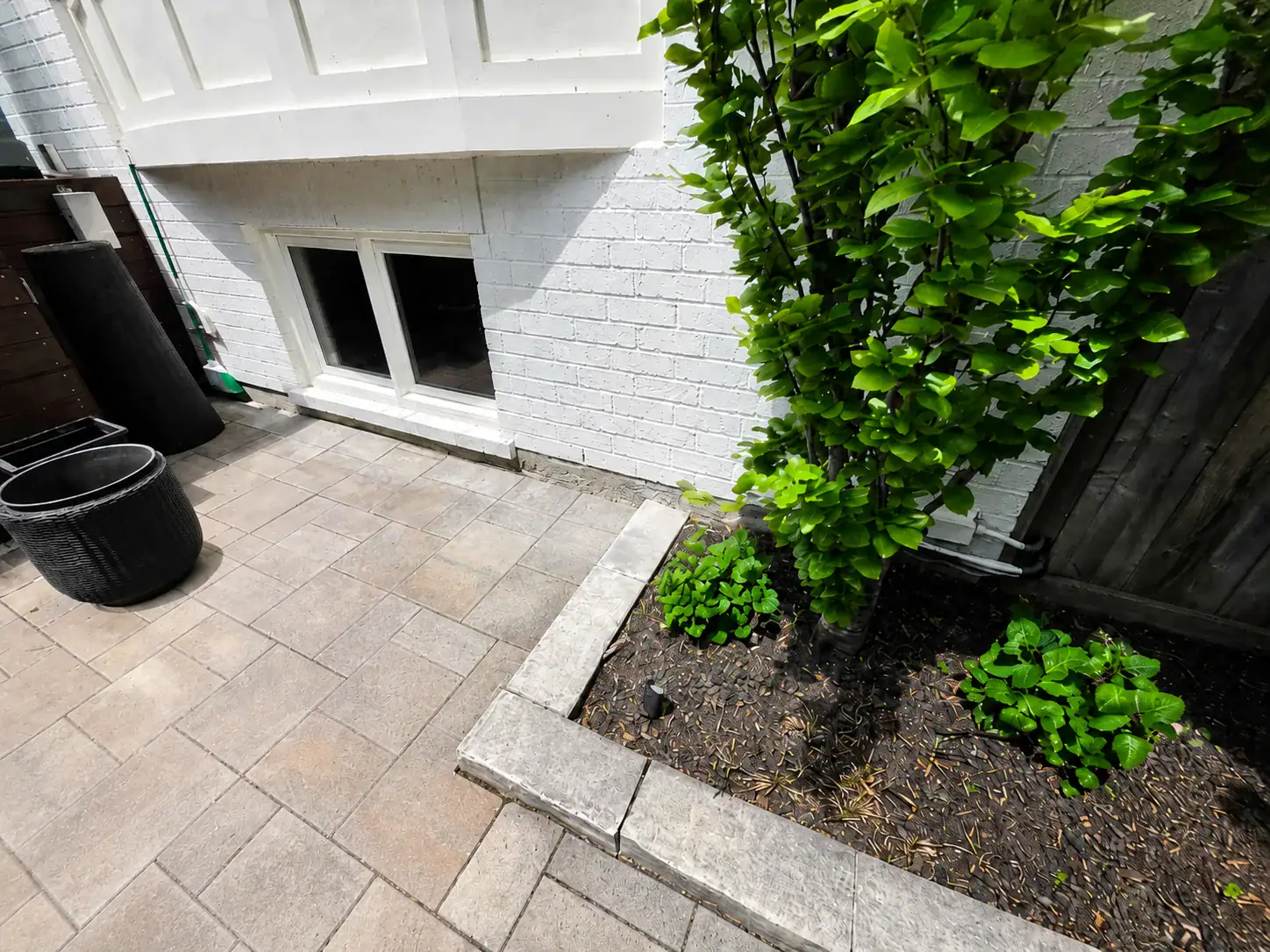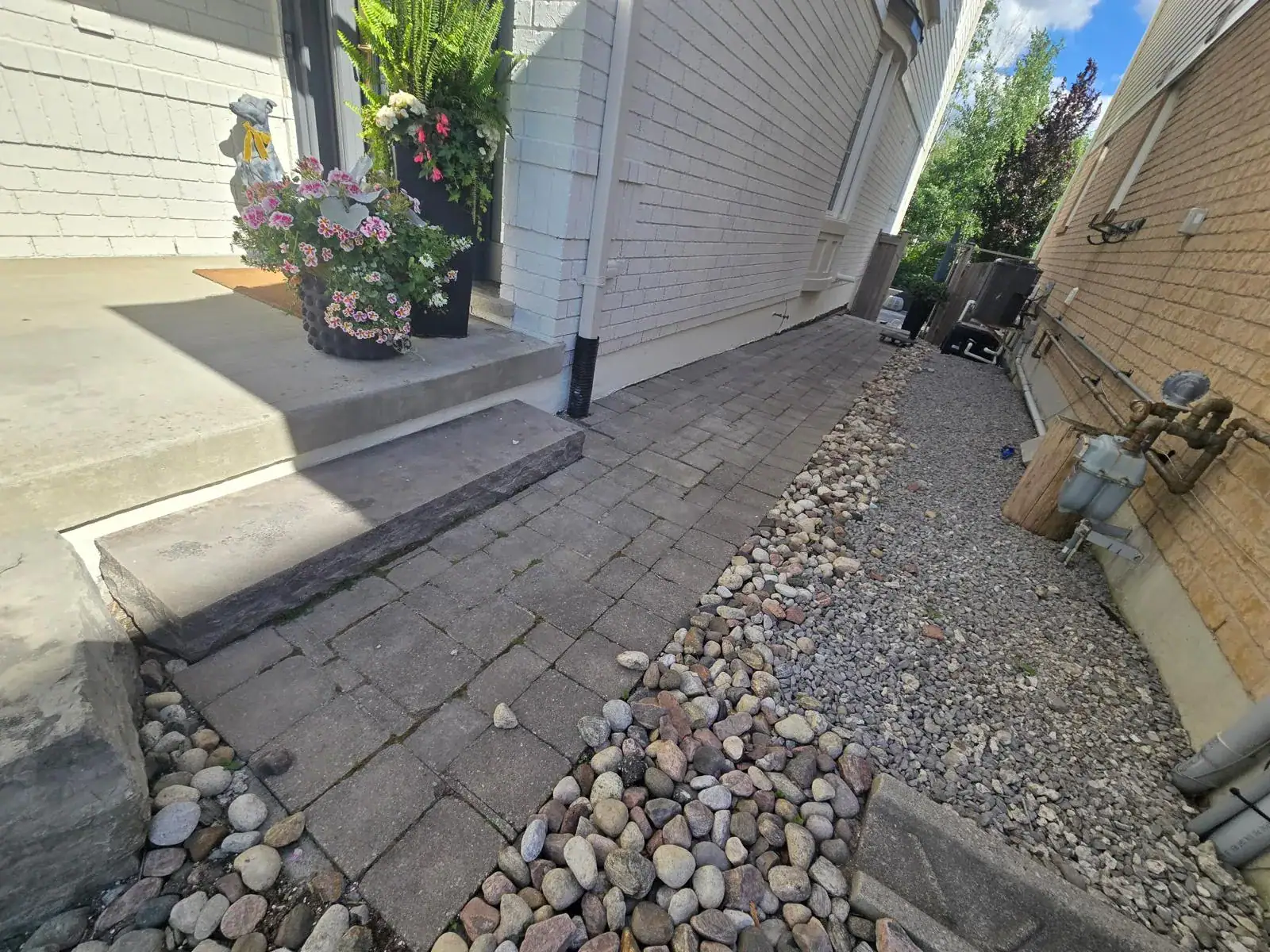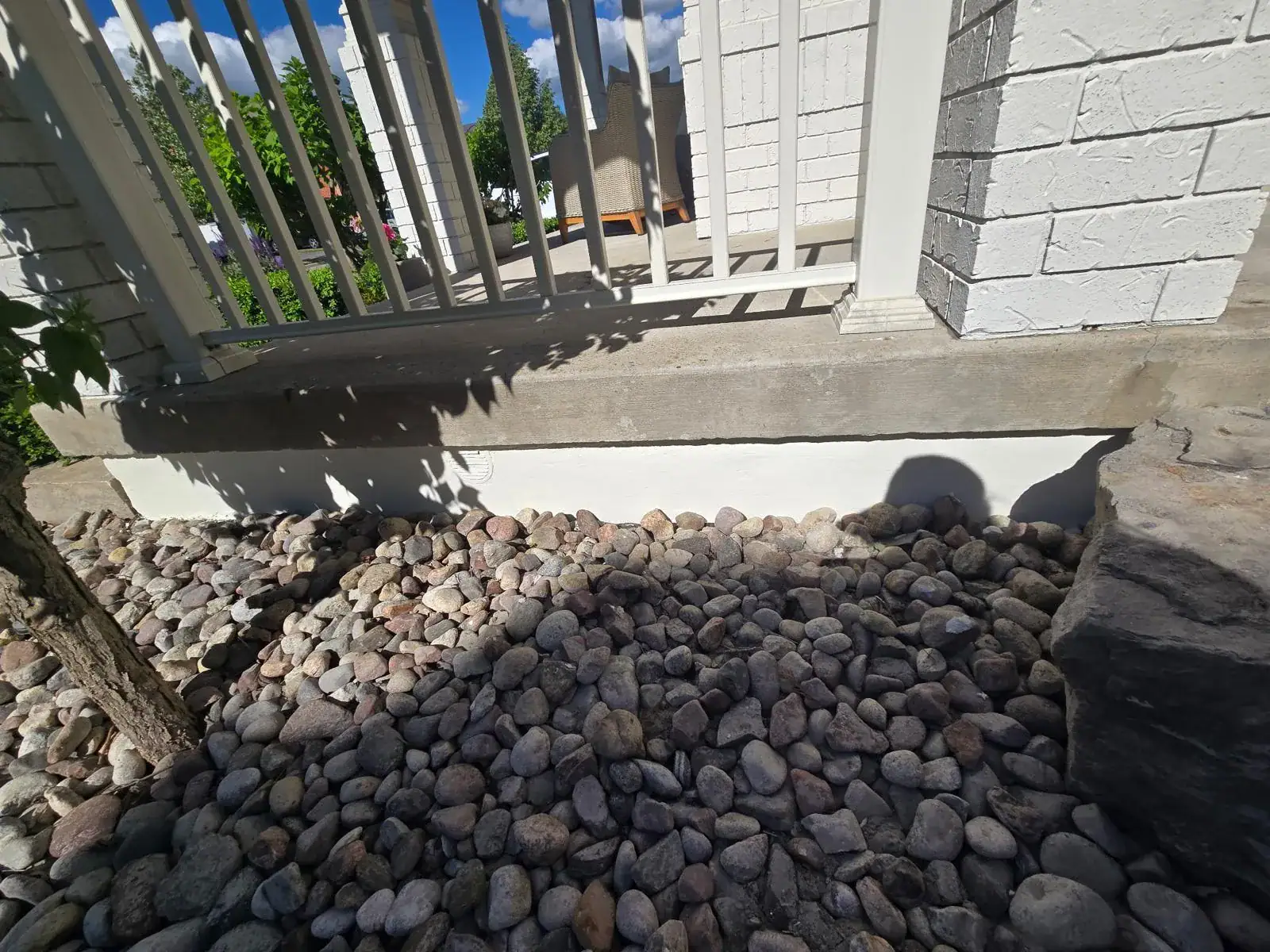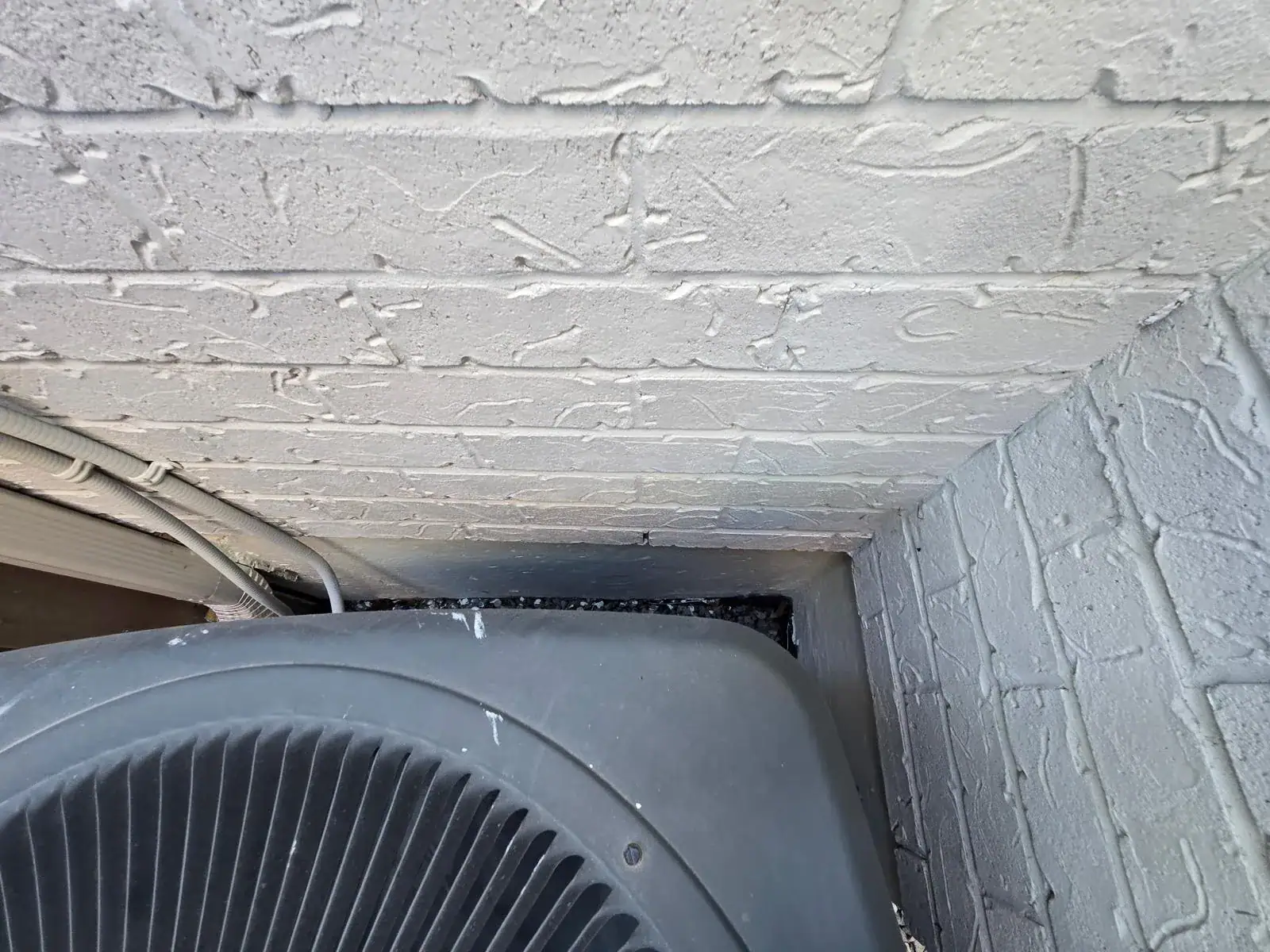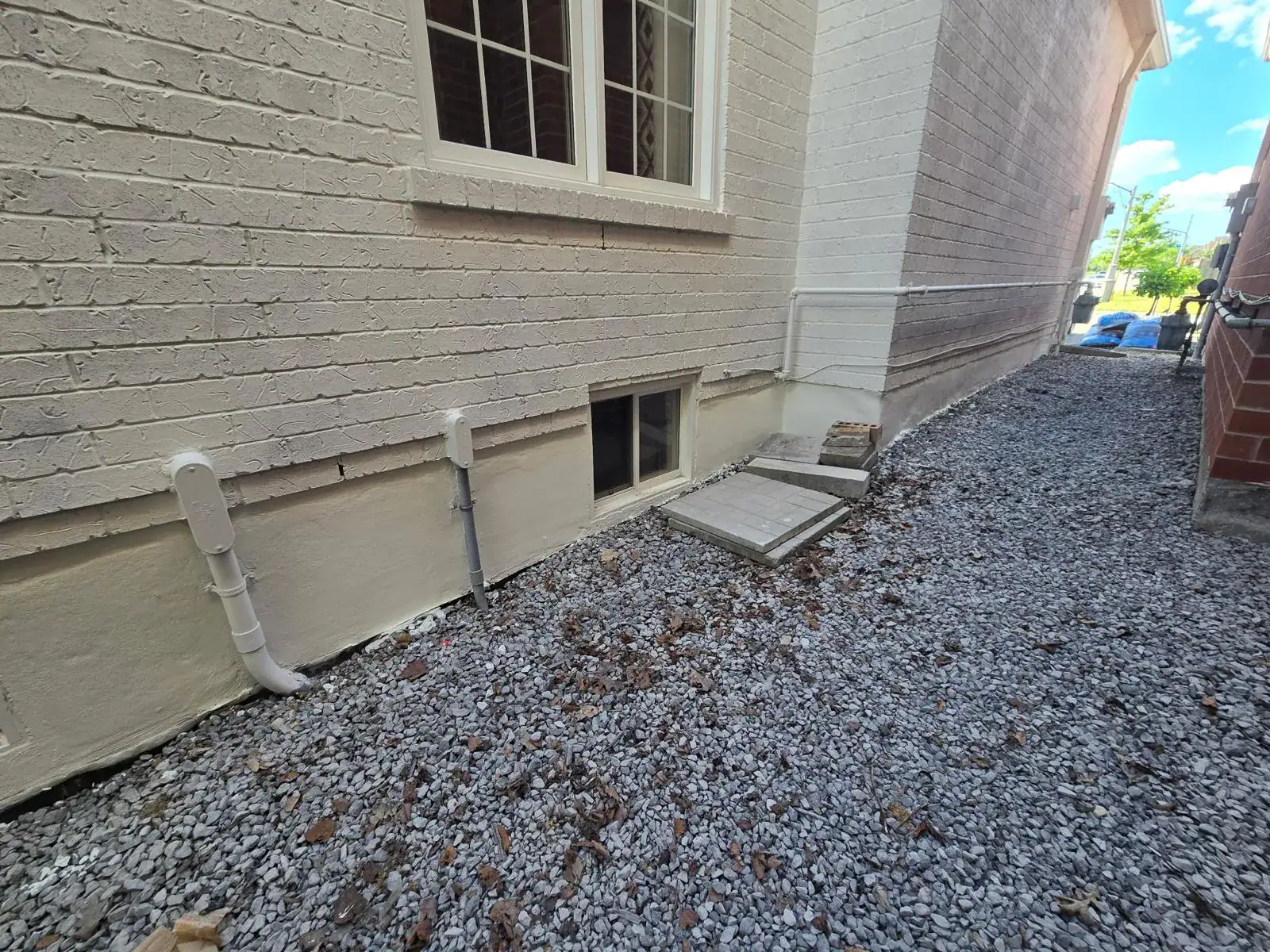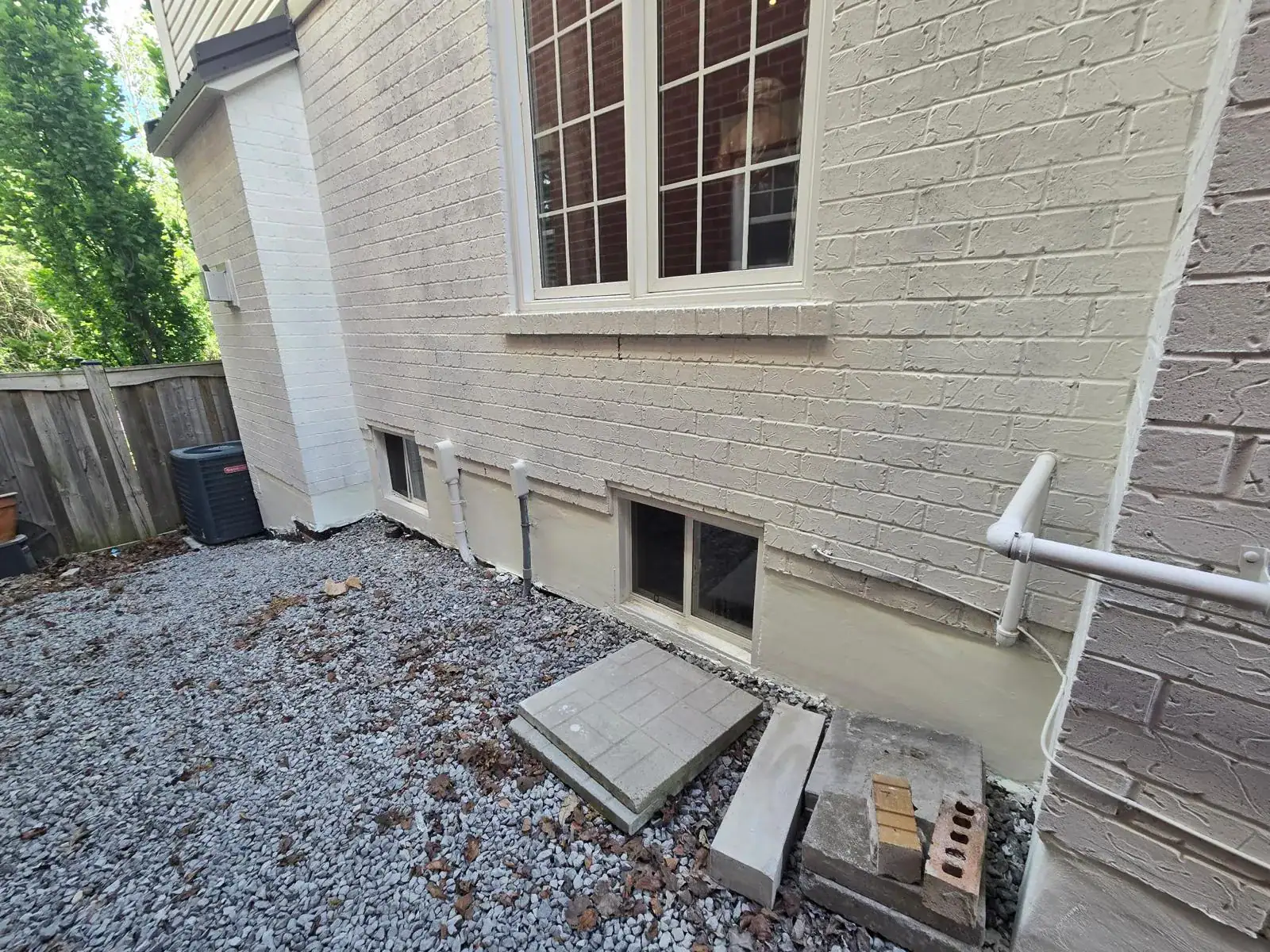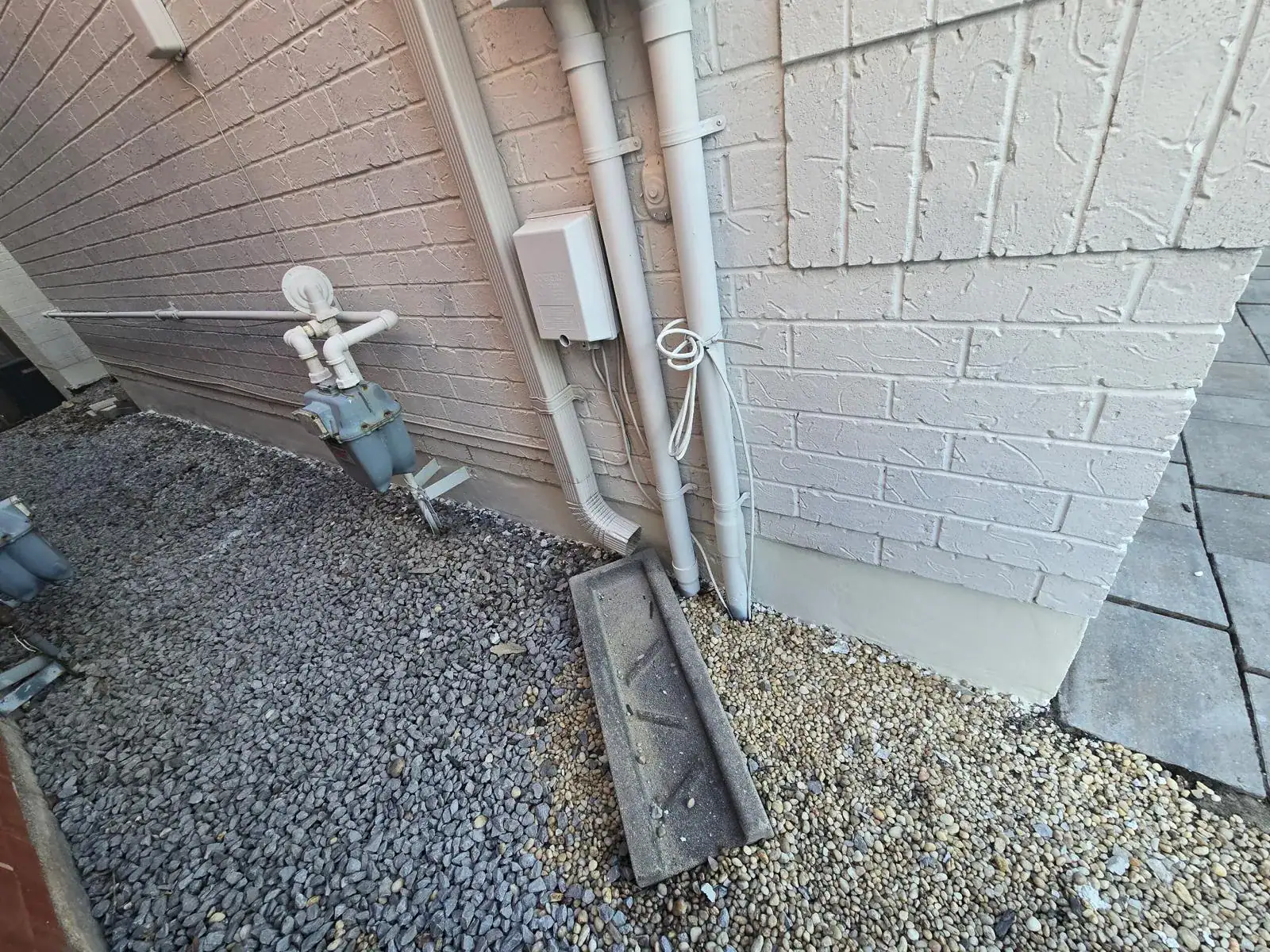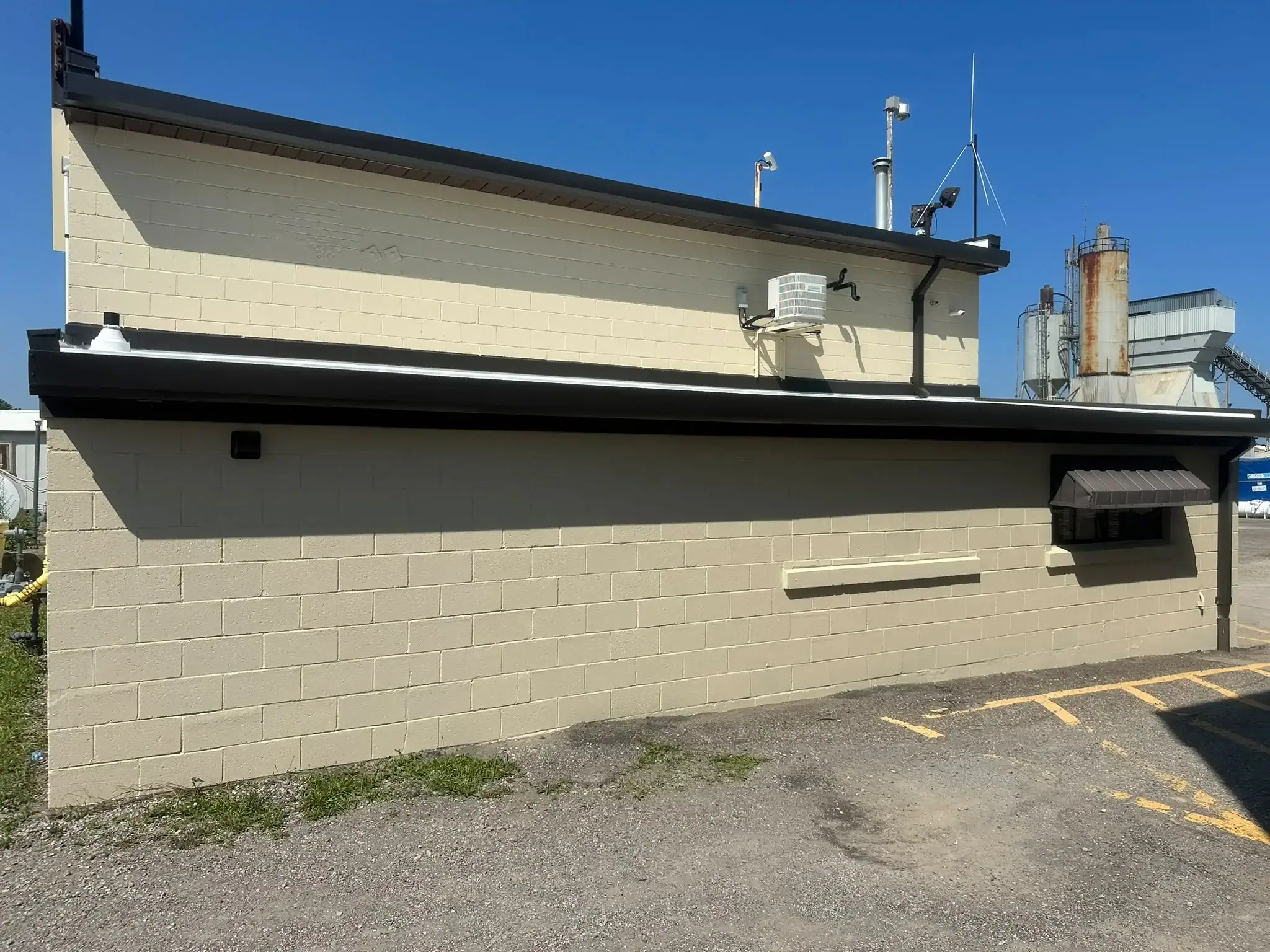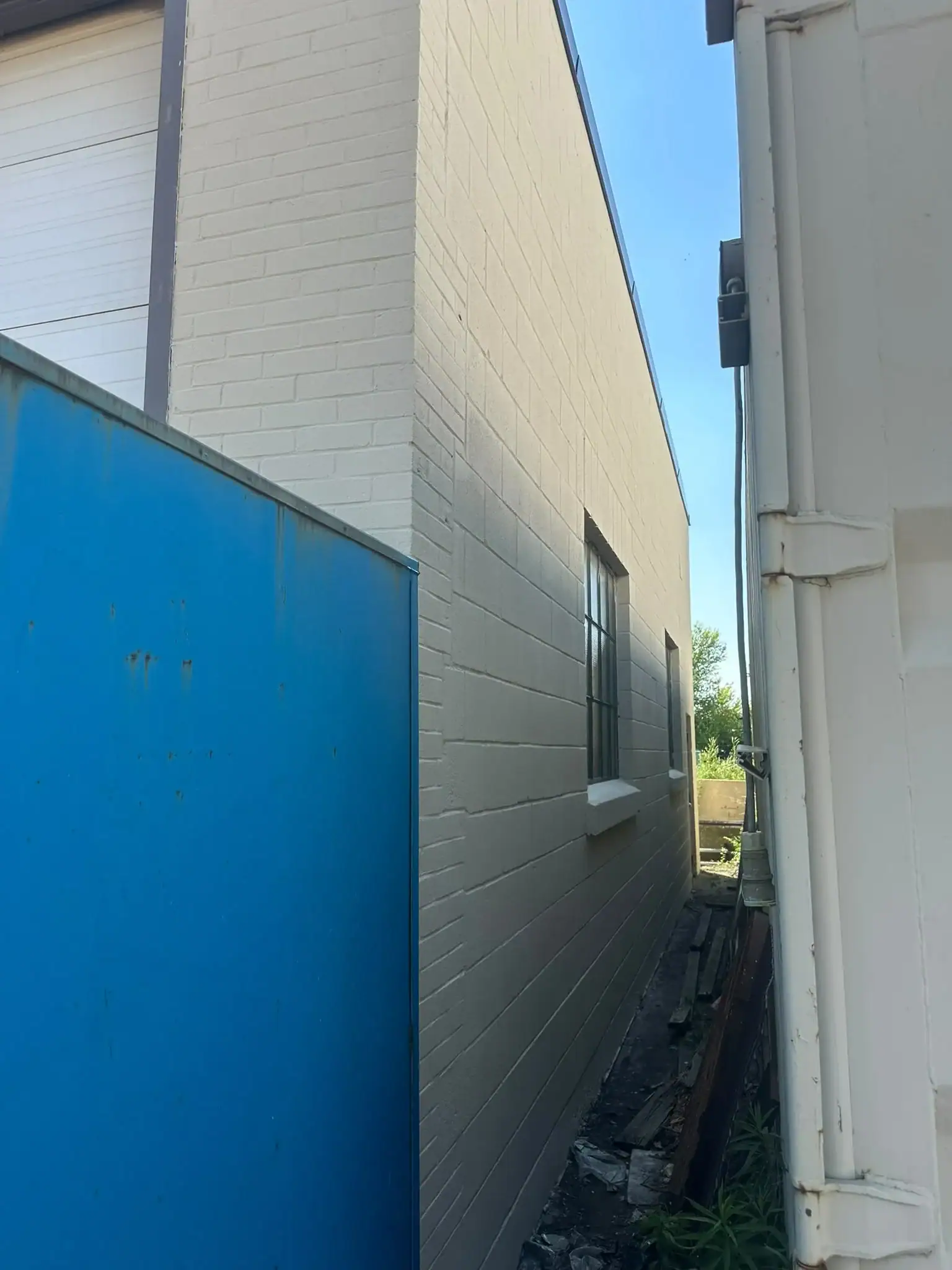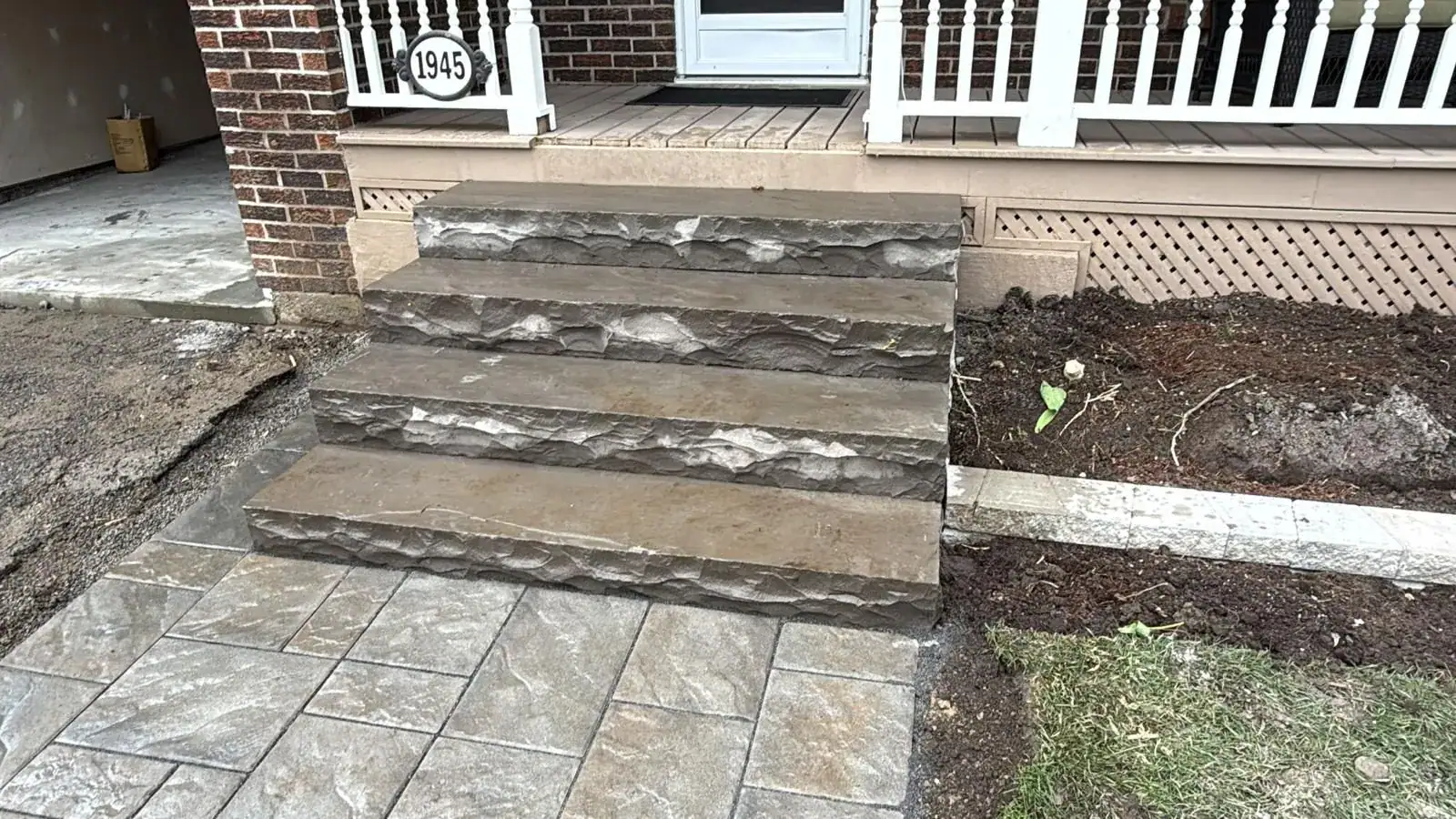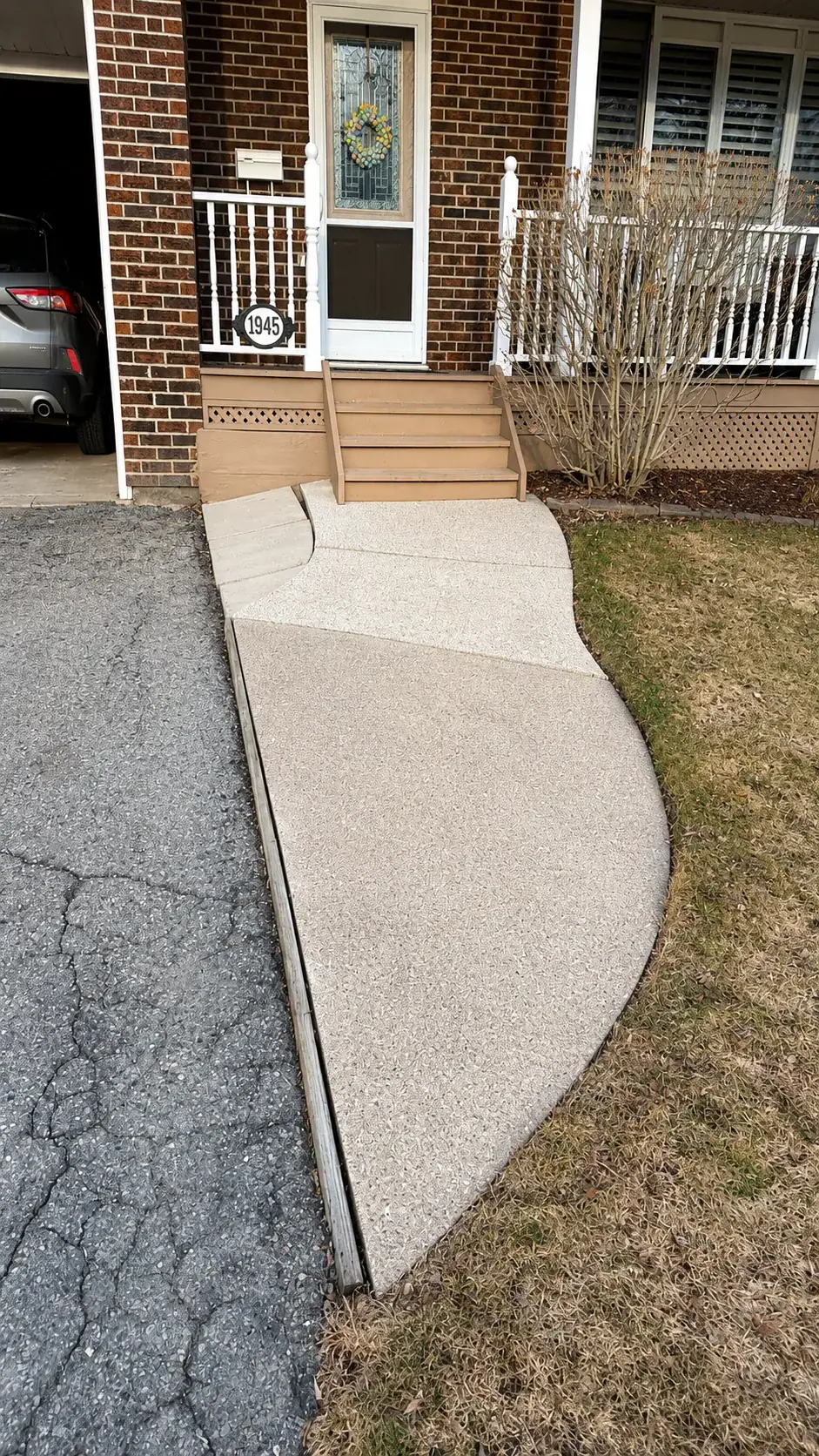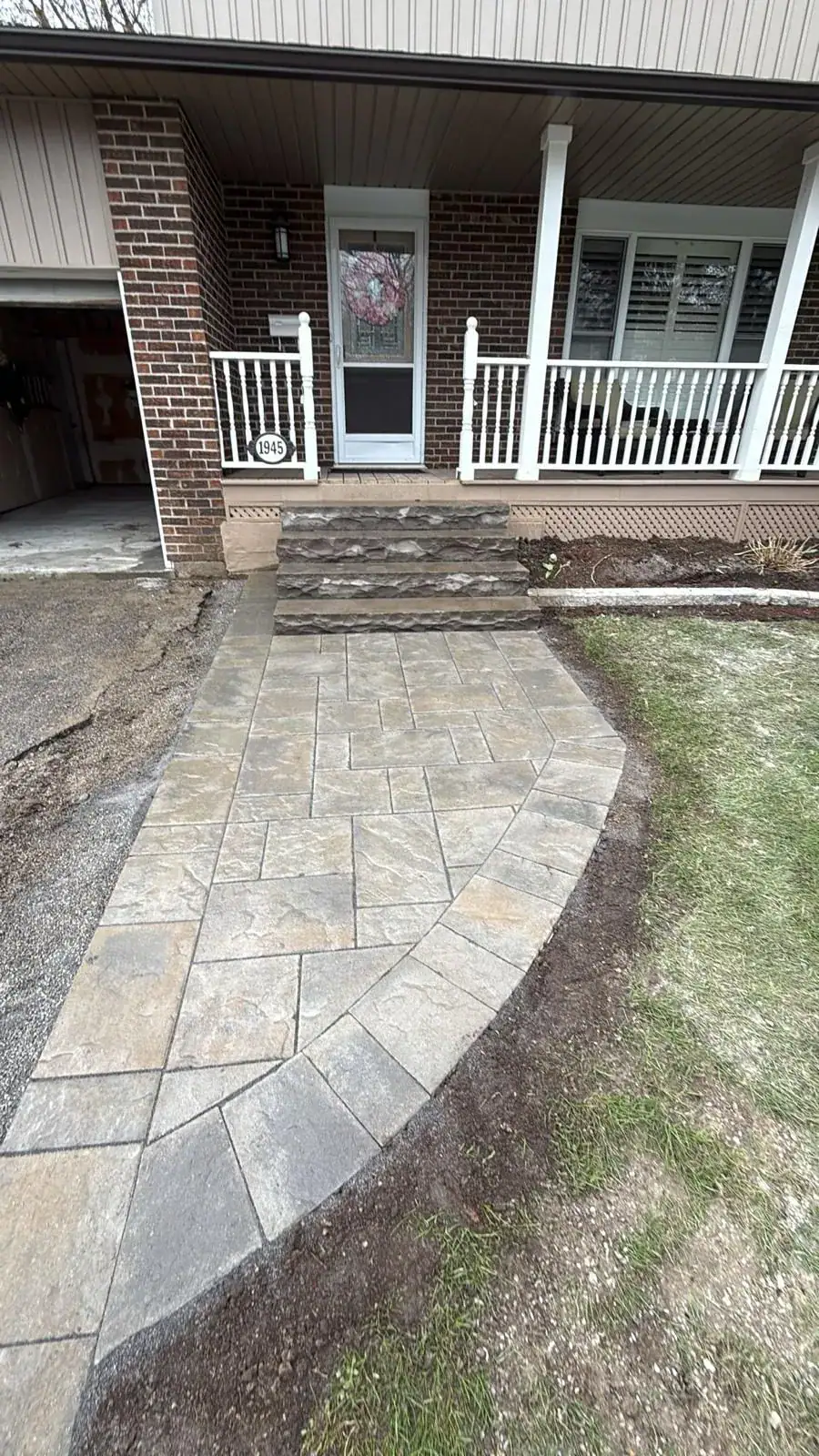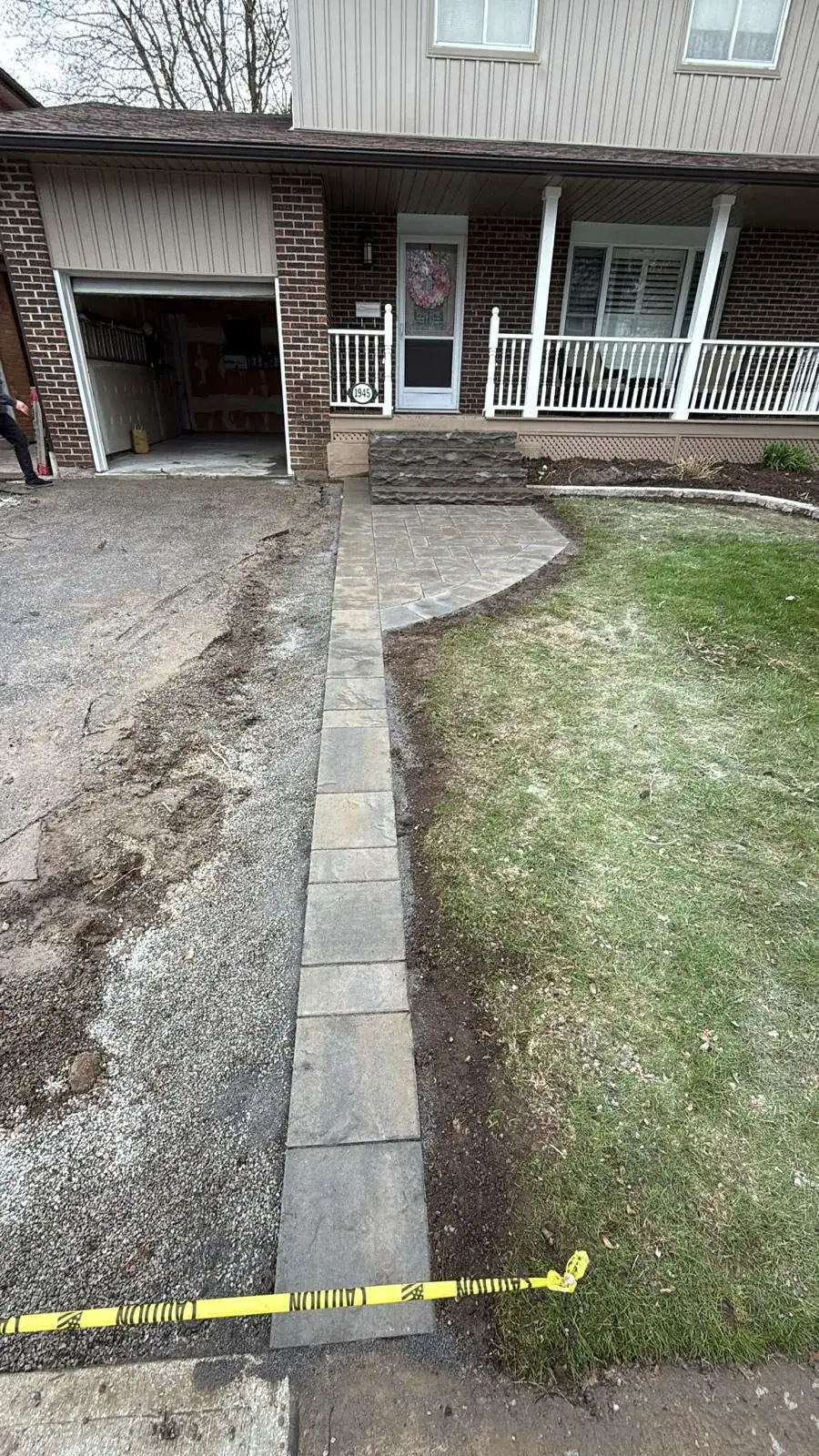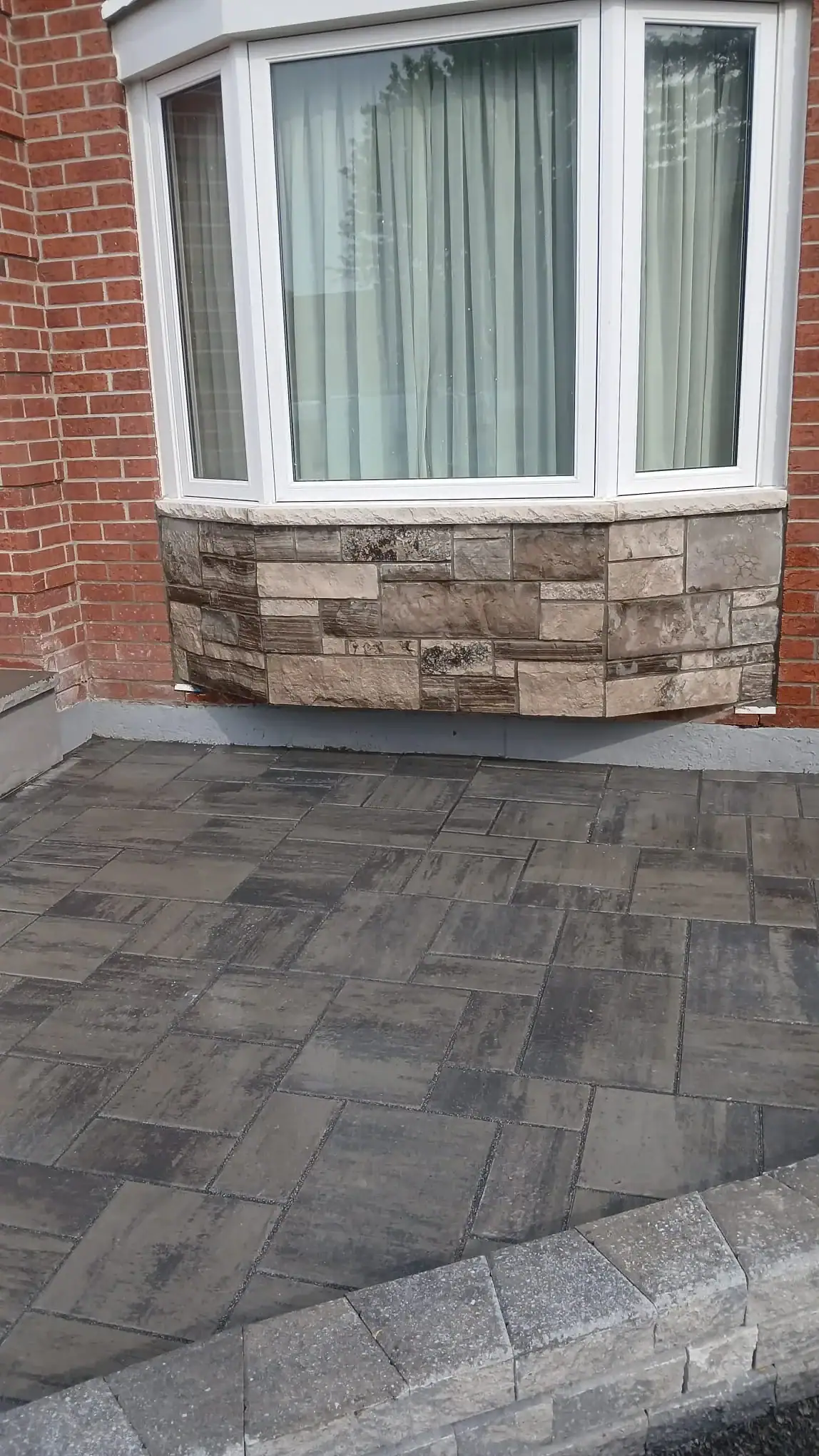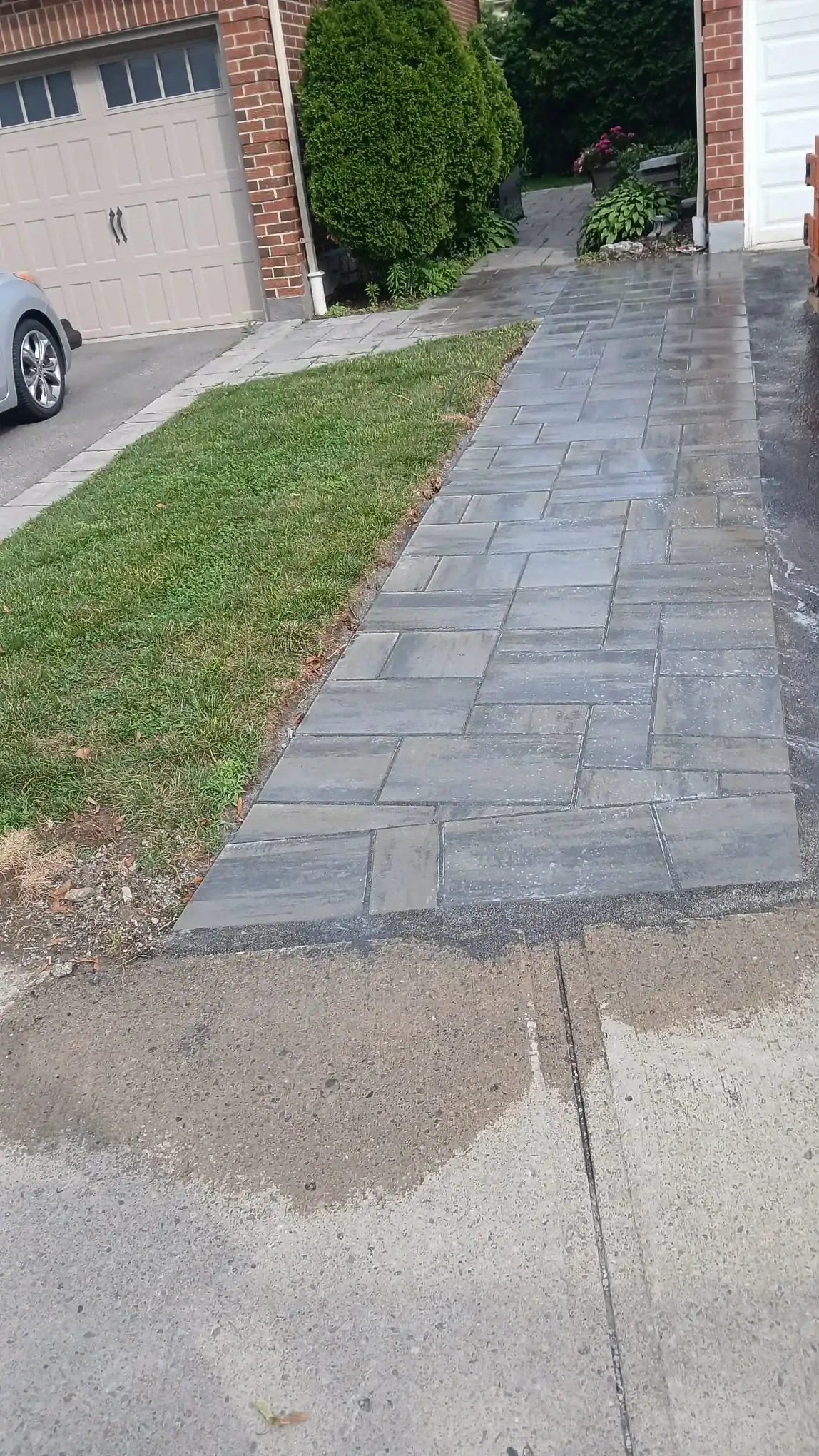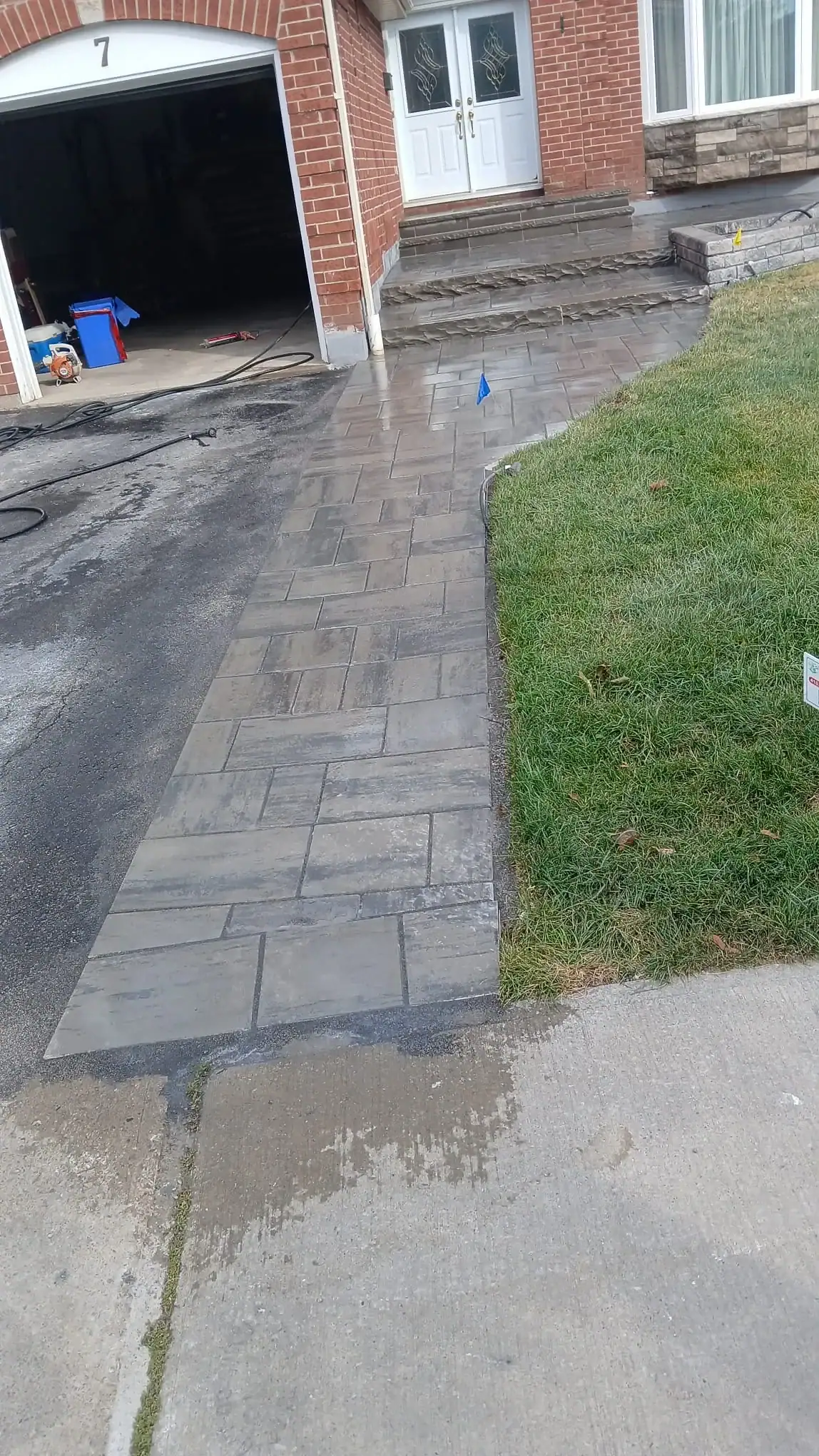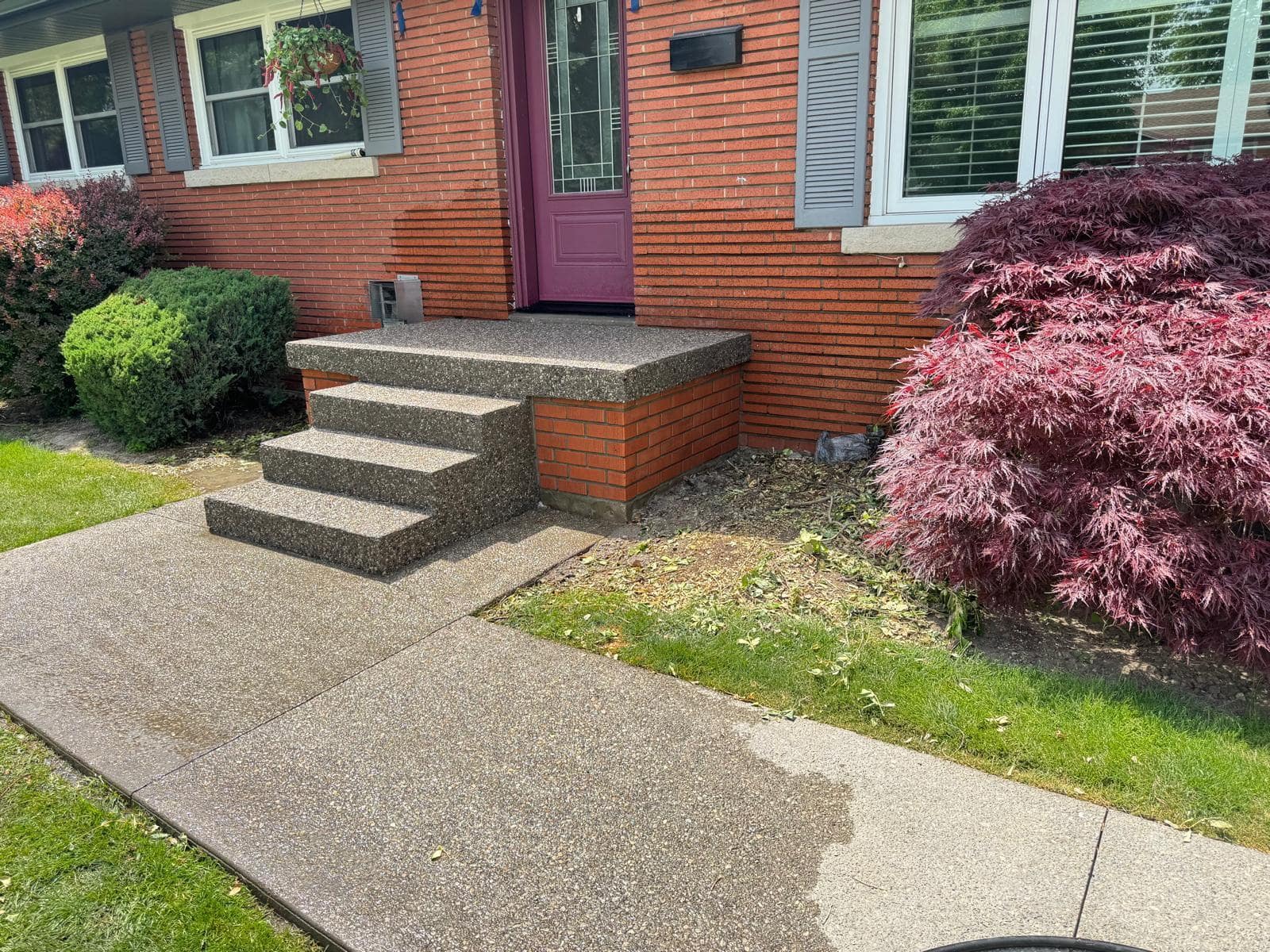

Spring is when many homeowners notice what winter did to the outside of the house. Snow is gone, the ground softens, sunlight hits the walls differently, and small masonry issues that were easy to miss in the colder months become more apparent. A little staining on brick, a few open mortar joints, a damp-looking lower wall, loose caulking around a transition, or a step that shifted slightly may not look urgent on its own, but spring is often the best time to catch these issues early.
That is what makes spring cleaning and masonry touch-ups so useful. This is not about turning routine maintenance into a full rebuild. It is about spotting early signs of wear, cleaning surfaces carefully, and addressing small trouble areas before moisture, heat, and other winter conditions worsen them. For Toronto and GTA homeowners, this matters because masonry goes through repeated freeze-thaw cycles, wet weather, snow buildup, and temperature swings. Small winter damage tends to become bigger summer and fall repair work if nobody addresses it.
In this guide, you will learn what spring masonry maintenance should include, which areas deserve the most attention, what homeowners can usually handle themselves, when a simple touch-up is enough, and when the issue already points to a more serious repair.
What Spring Cleaning and Masonry Touch-Ups Really Mean
For masonry, spring cleaning is not just about making brick or stone look fresher. It is also a seasonal inspection. It gives homeowners a chance to see how winter weather affected exposed surfaces and whether water, ice, or movement left behind early signs of trouble.
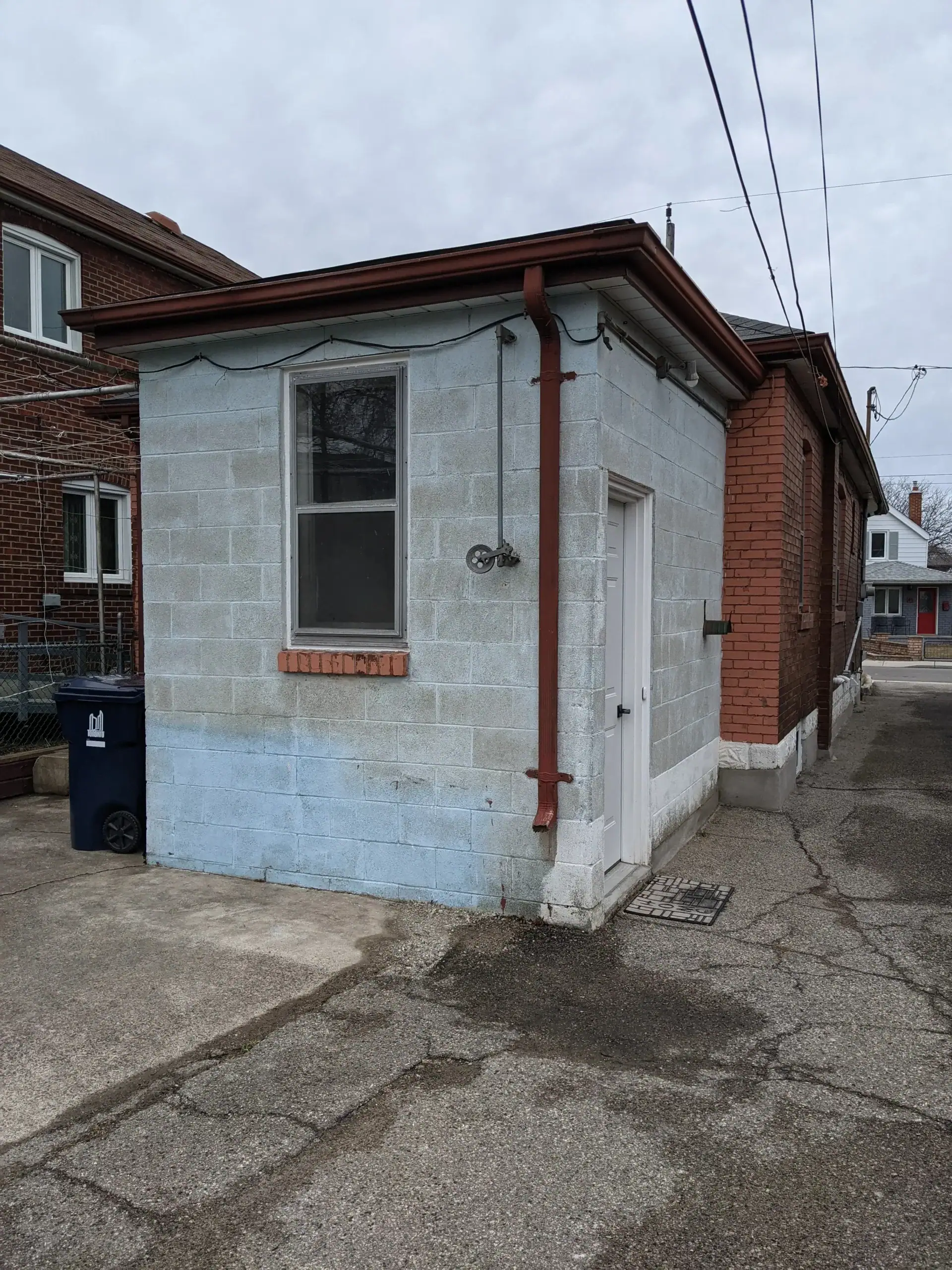
Masonry touch-ups usually mean minor, targeted corrections rather than major reconstruction. That may include carefully cleaning residue from the surface, noting small cracks, identifying worn mortar joints, checking for spalling brick, watching for moisture stains, and reviewing how water drains around the house after snowmelt and spring rain.
The goal is simple: find the small issues while they are still small. That matters because masonry problems often look cosmetic at first, even when they are really moisture-related maintenance signals.
Why Spring Is the Right Time to Check Masonry
Winter puts masonry under stress. Snow sits against the lower walls. Meltwater flows across steps, porches, and walkways. Moisture gets into small openings in brick, mortar, and concrete. Then freezing temperatures expand that trapped moisture. By the time spring arrives, the damage may not be dramatic, but the clues are usually easier to see.
Toronto’s climate is a big reason this timing matters. Spring inspection gives homeowners a chance to catch issues before long wet periods, summer heat, and another winter cycle make them worse. City guidance around managing water around the house also reinforces that grading, runoff, and moisture control matter because water should move away from foundation walls and not be allowed to pool beside the home. City of Toronto: Managing Water Around the House
That is one reason spring masonry care is not only about the wall surface itself. It is also about what happened around the wall over winter. Where did the snow sit? Where did meltwater go? Which spots dried slowly? Those answers often tell you more than the visible crack does.

Best Areas to Check First in Spring
Some parts of the property deserve attention first because they take more winter stress or stay wet longer than others.
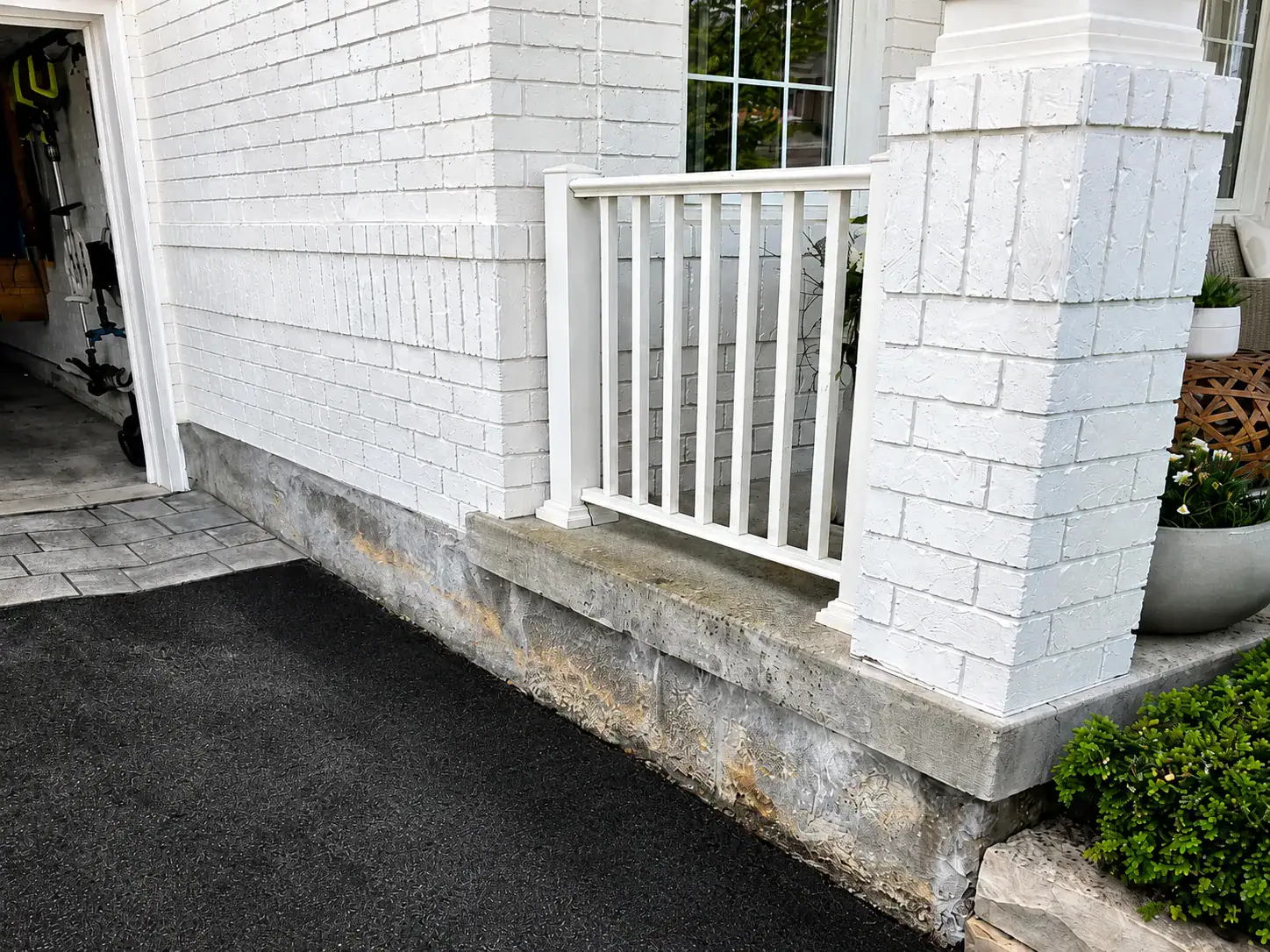
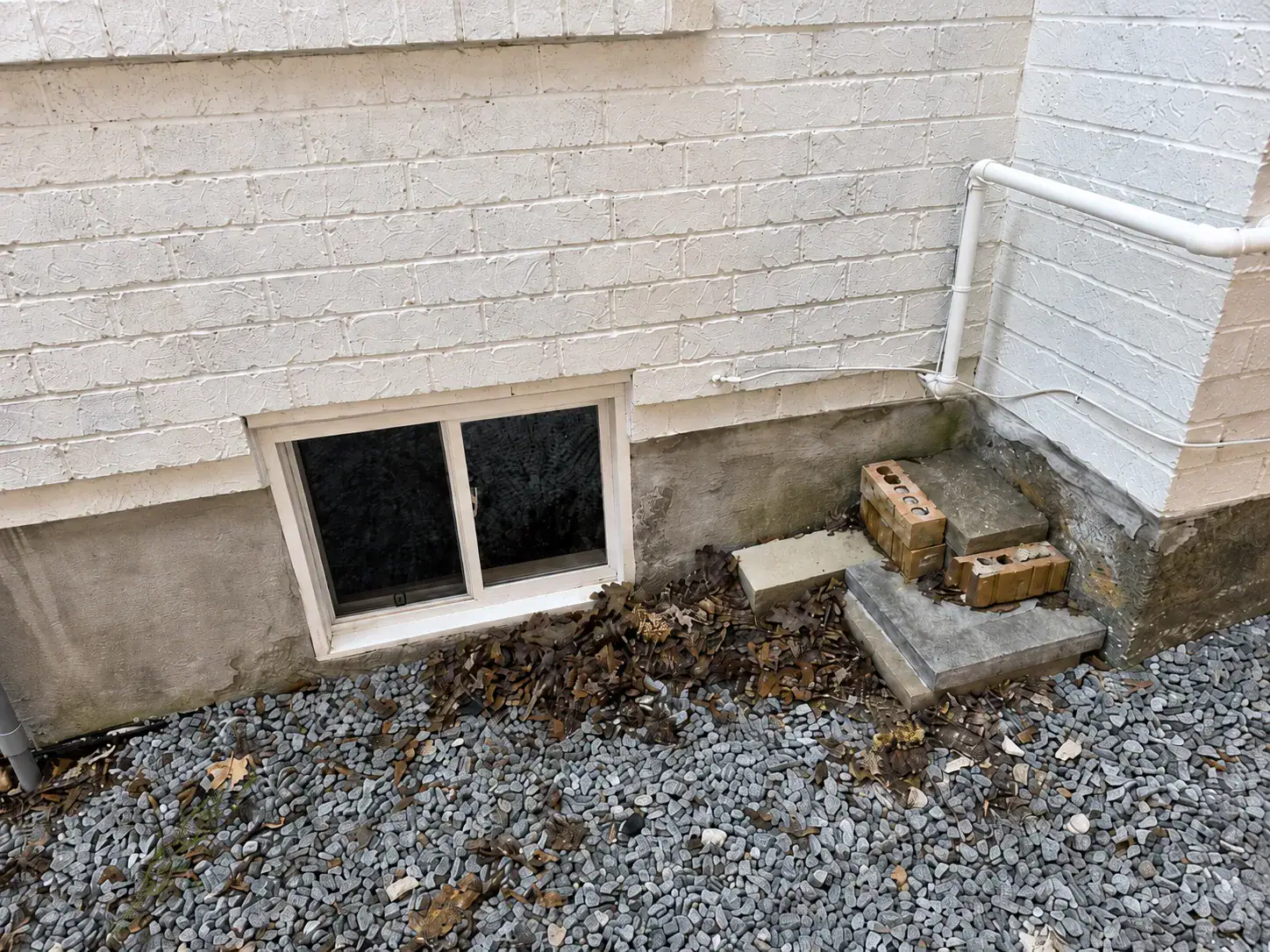
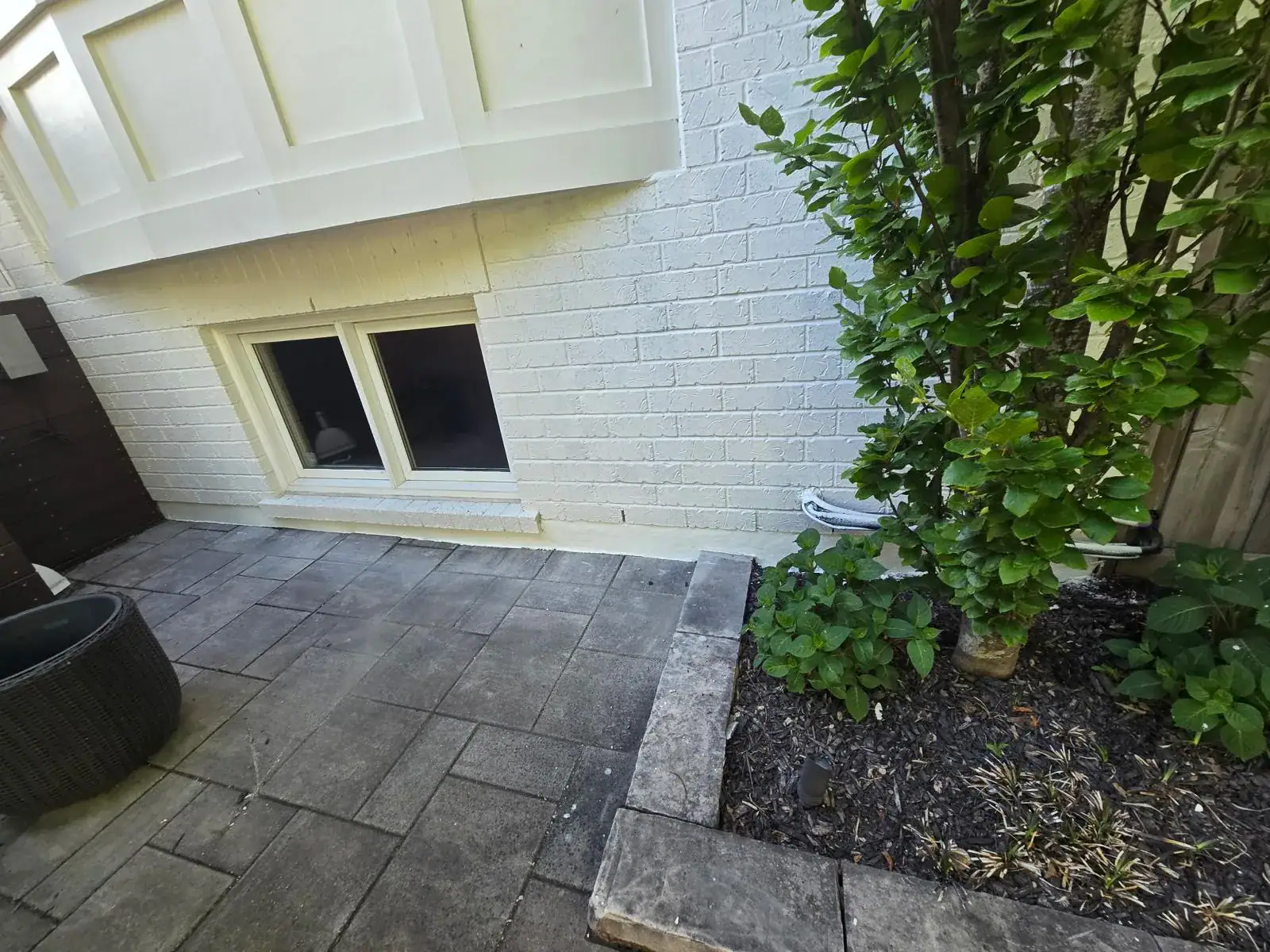
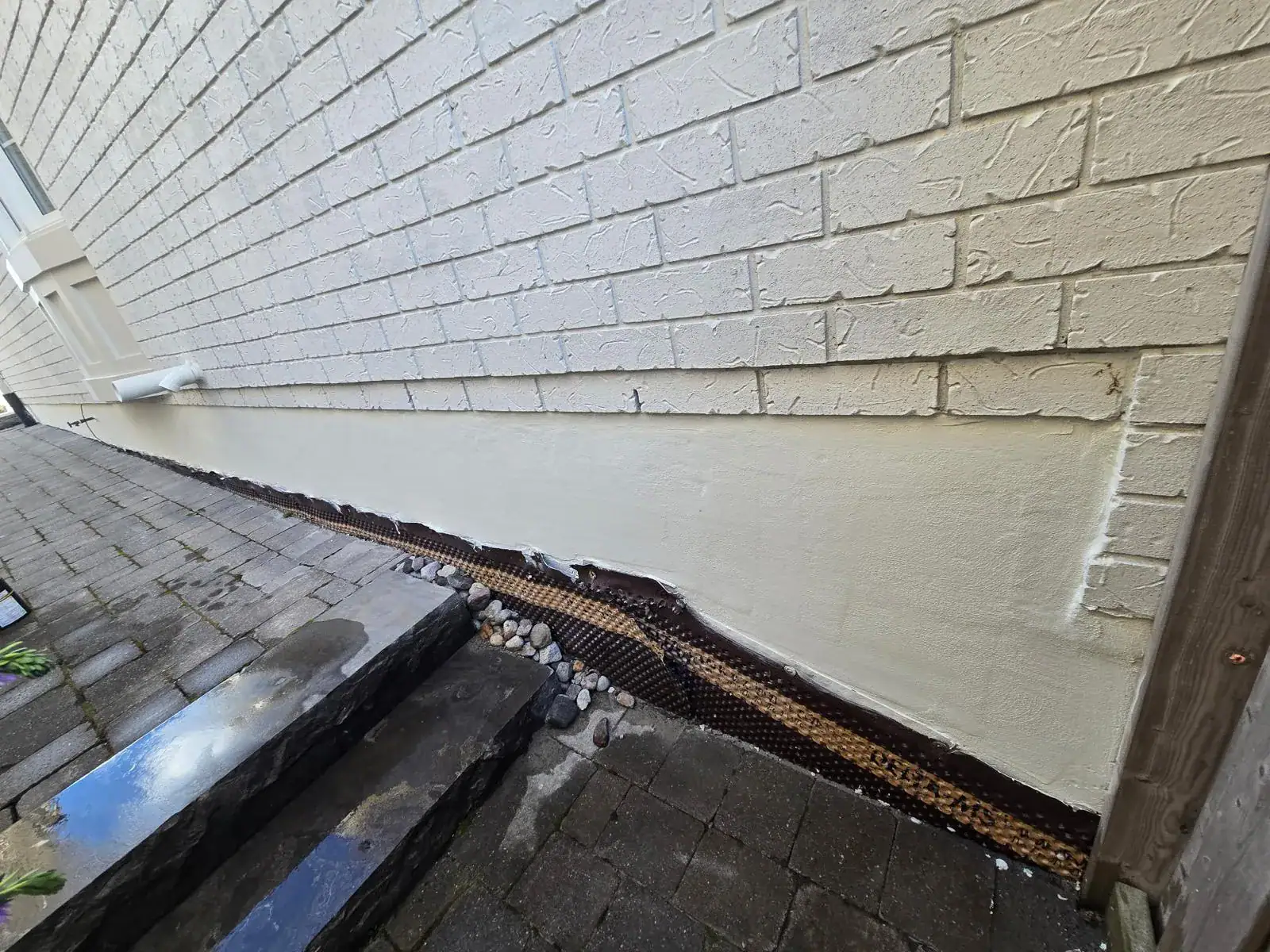
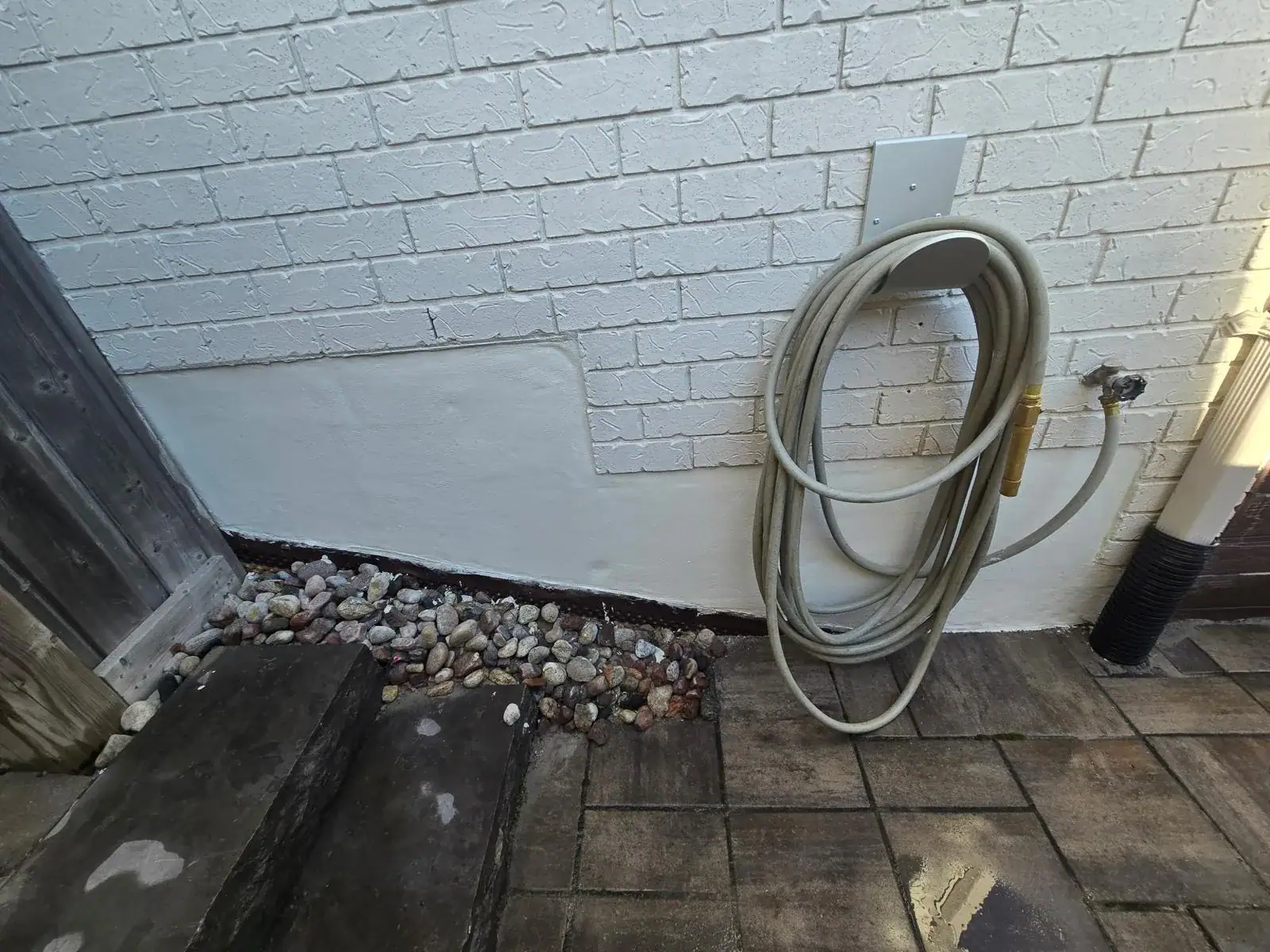
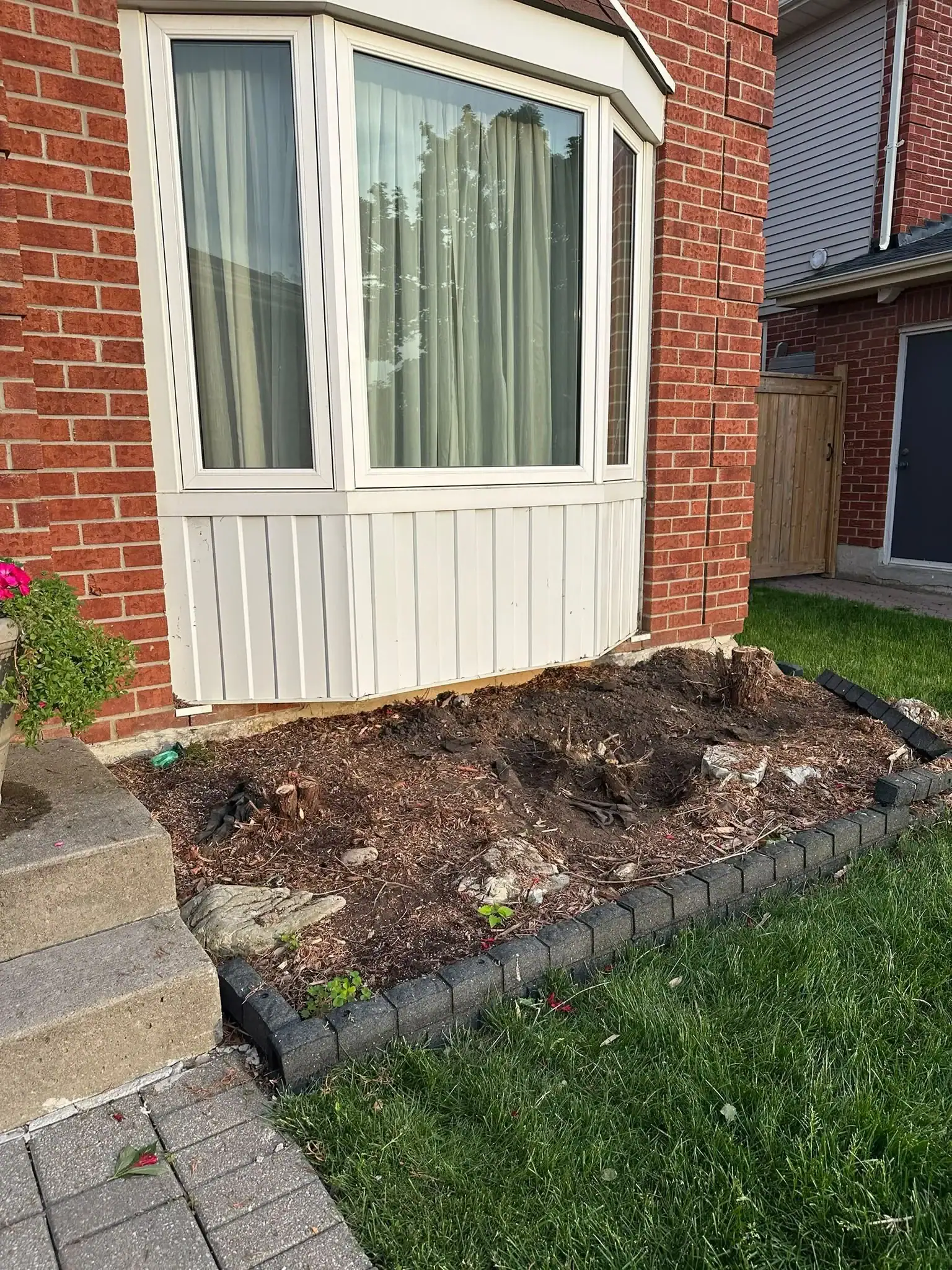
- Lower brick walls and foundation areas: check for damp staining, efflorescence, mortar wear, and slow-drying spots
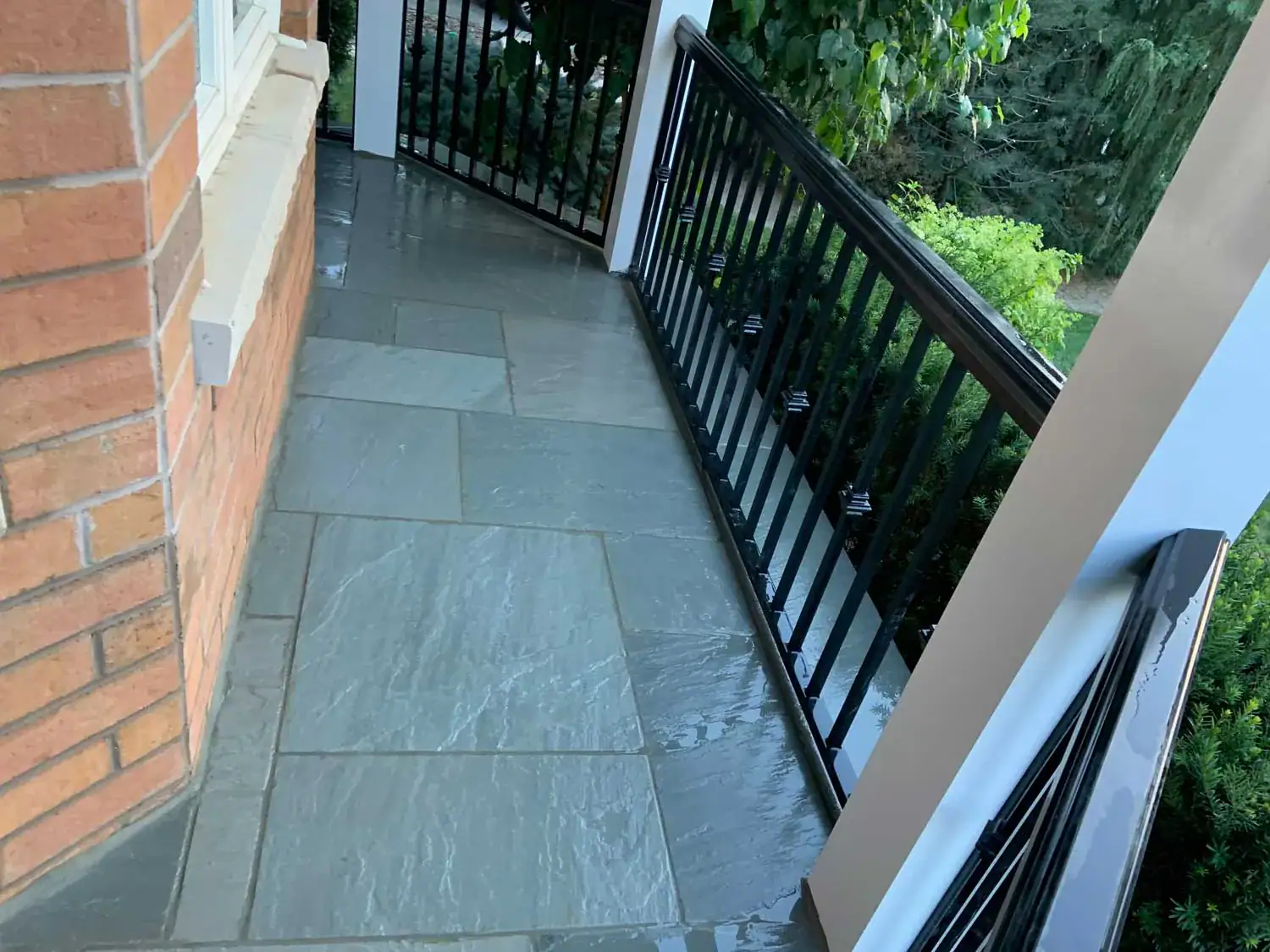
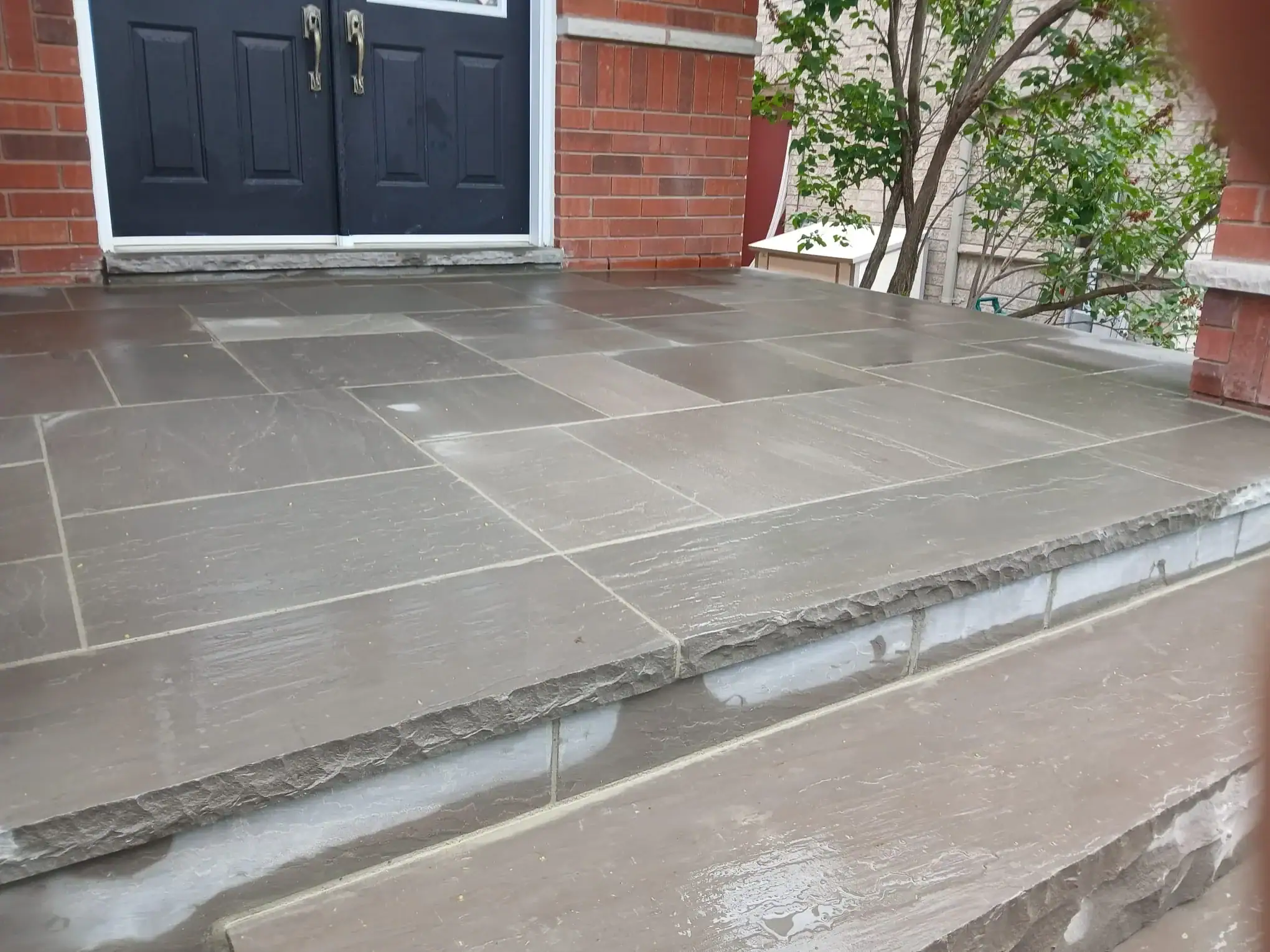
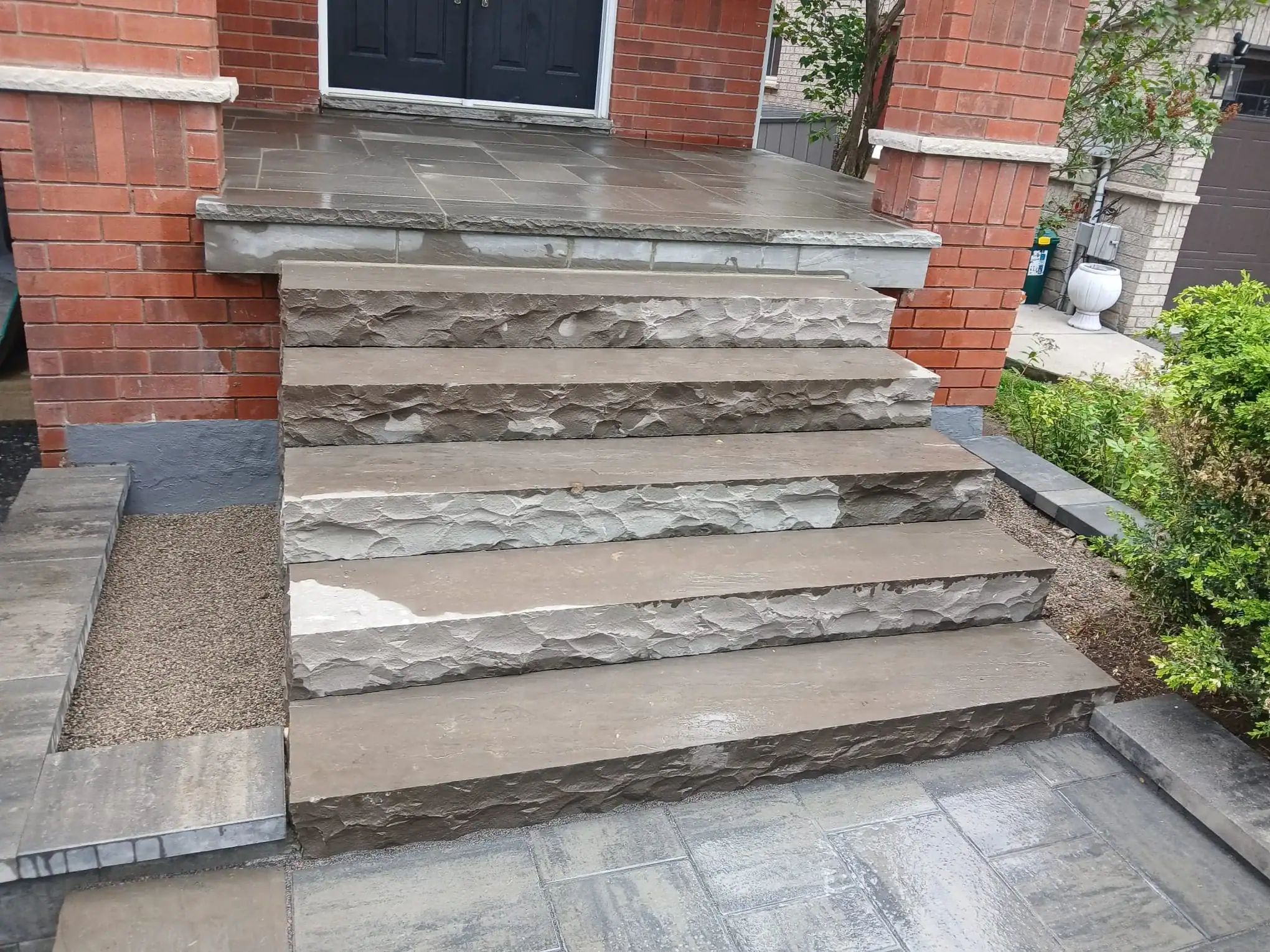
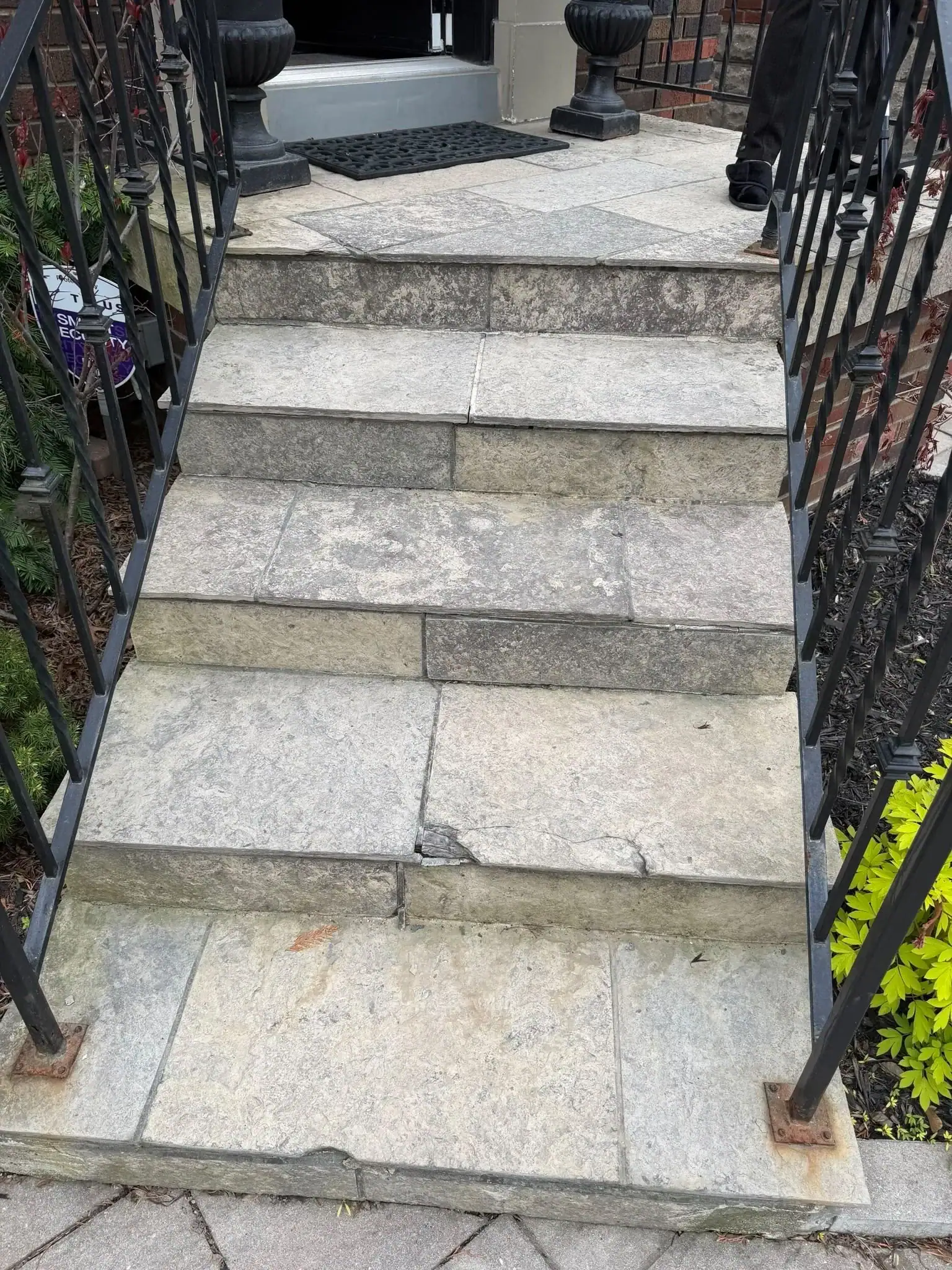
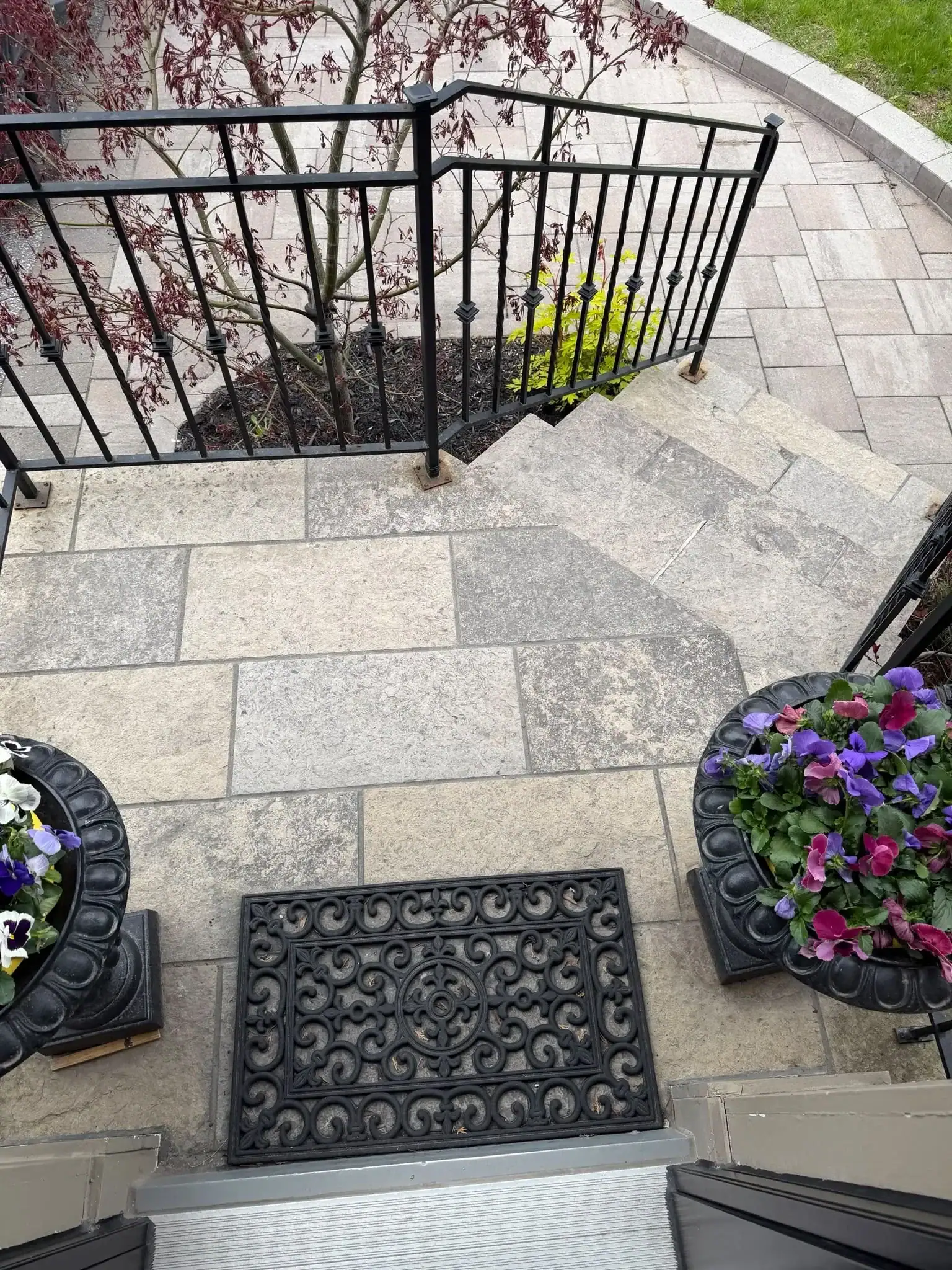
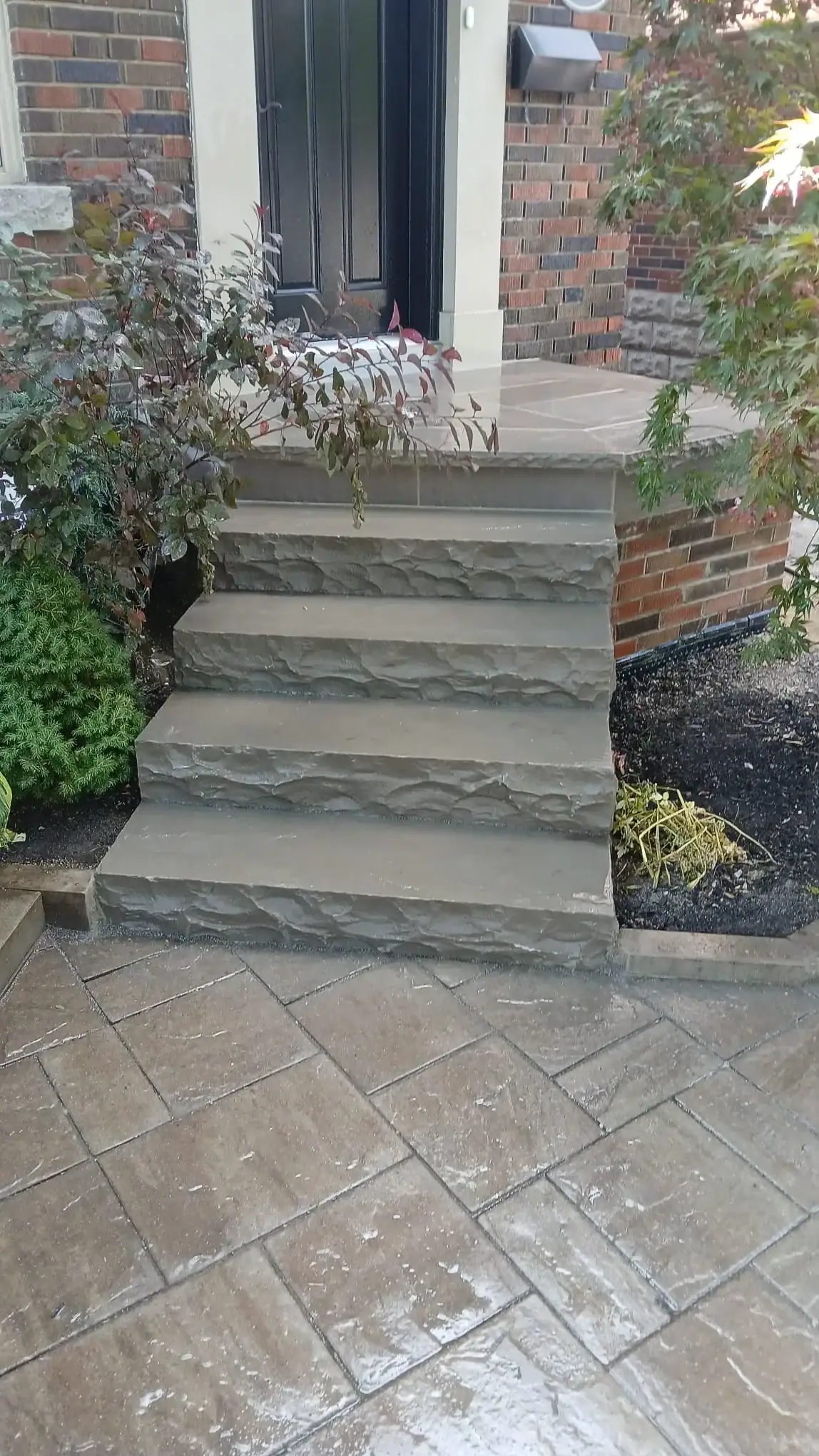
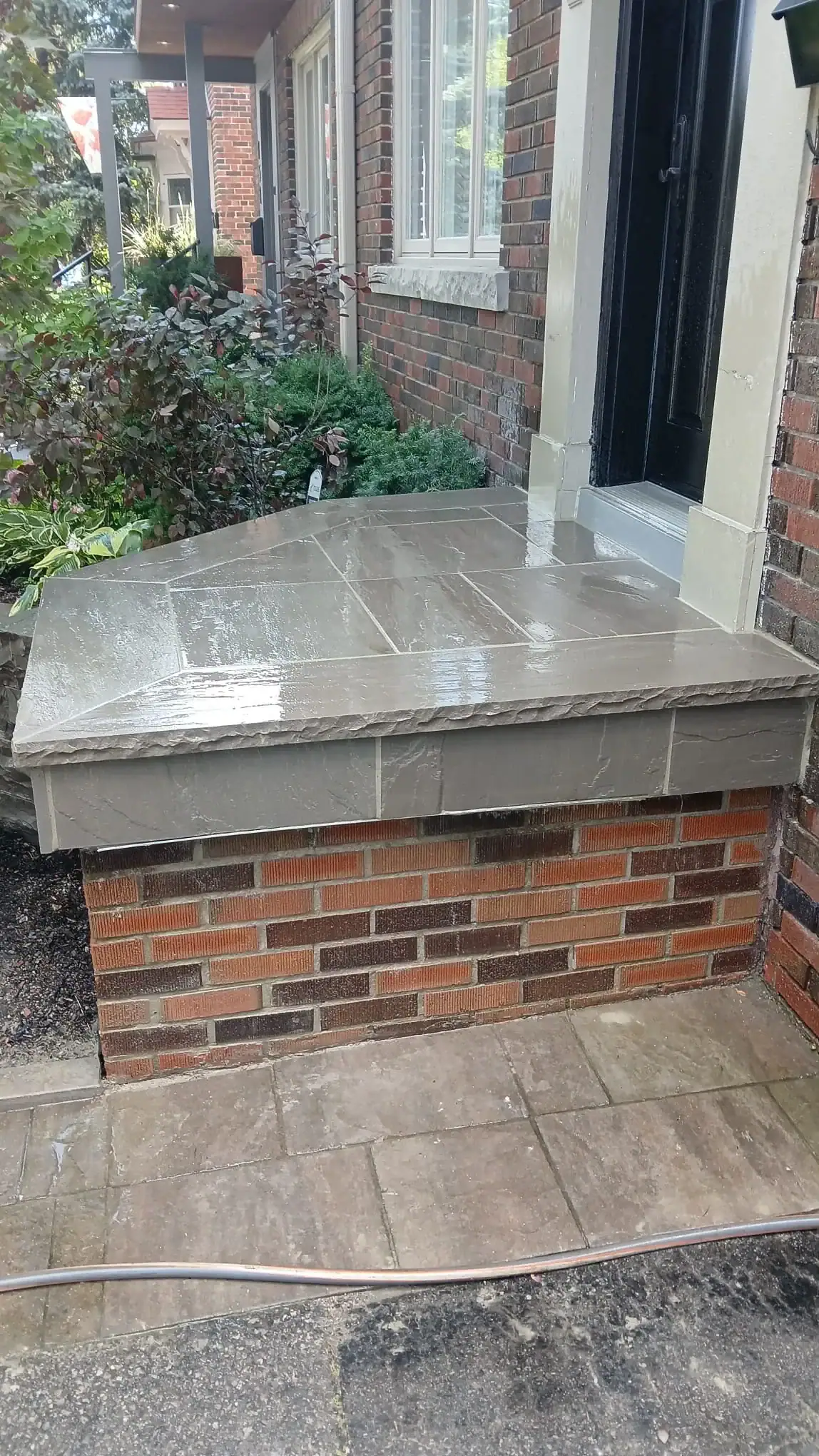
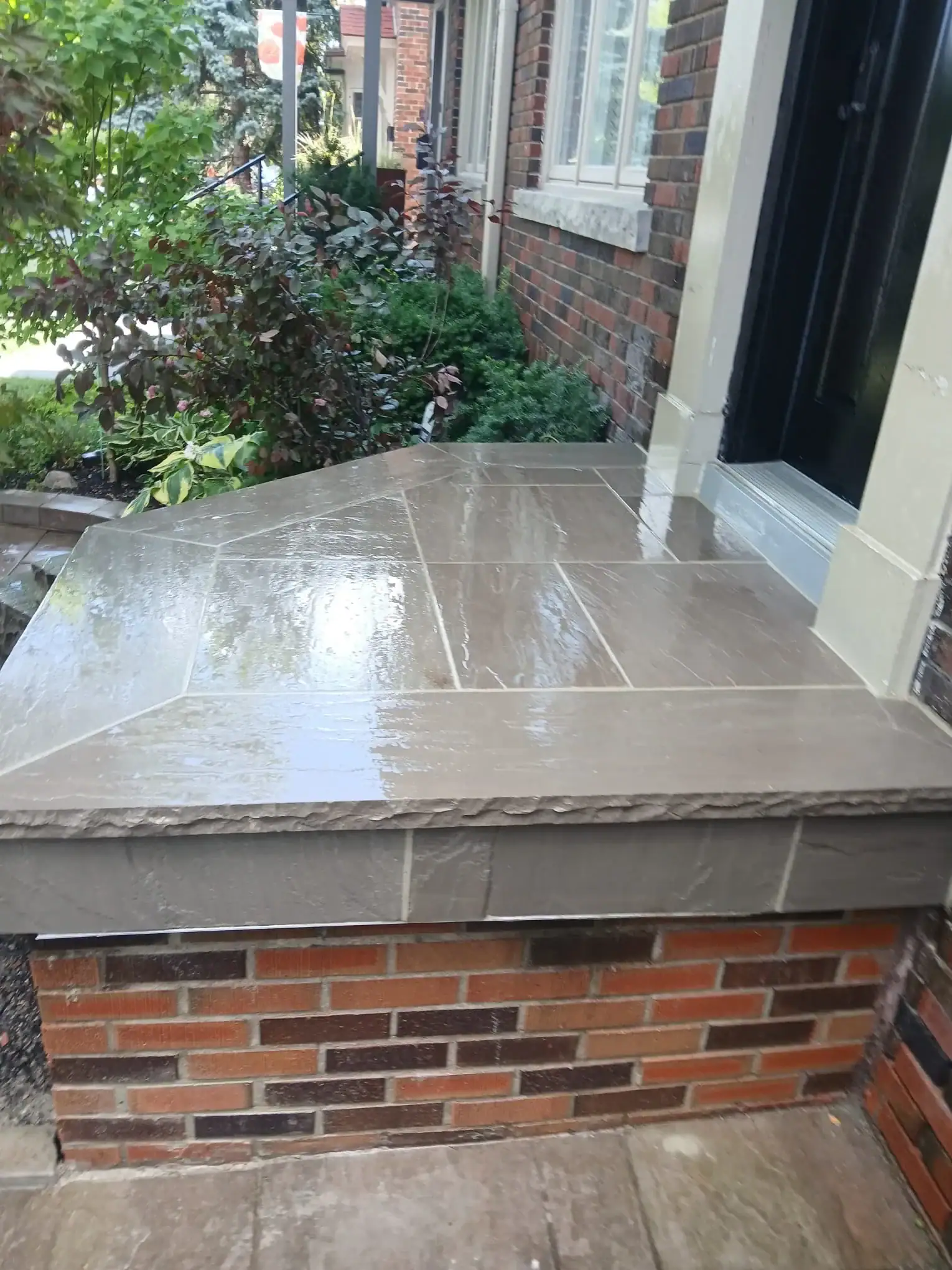
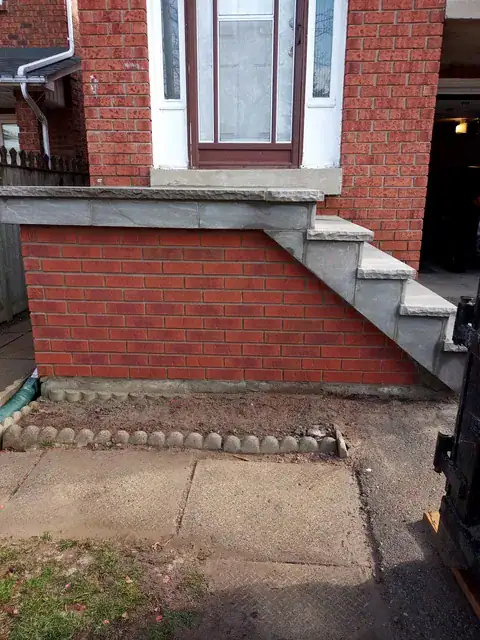
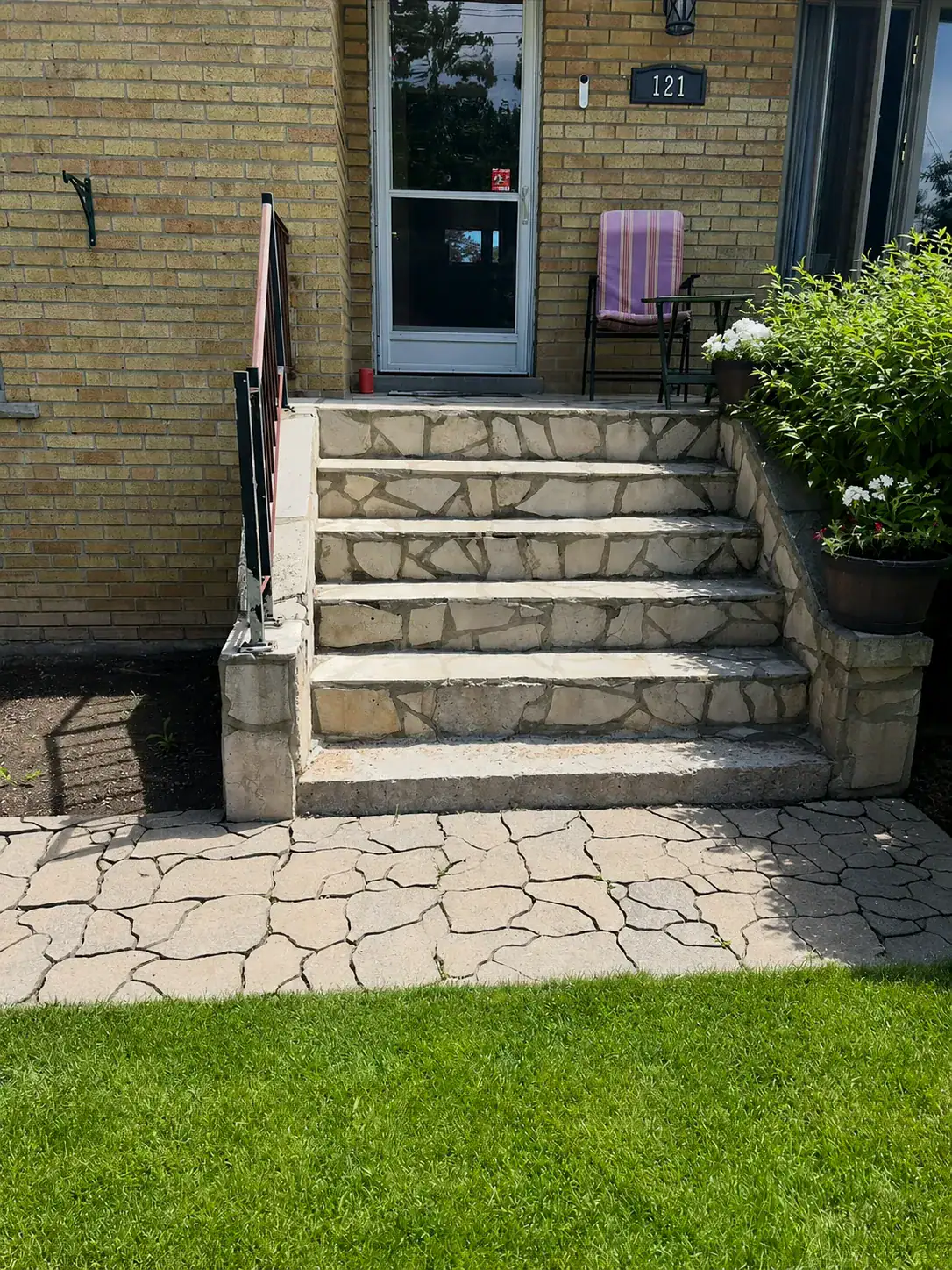
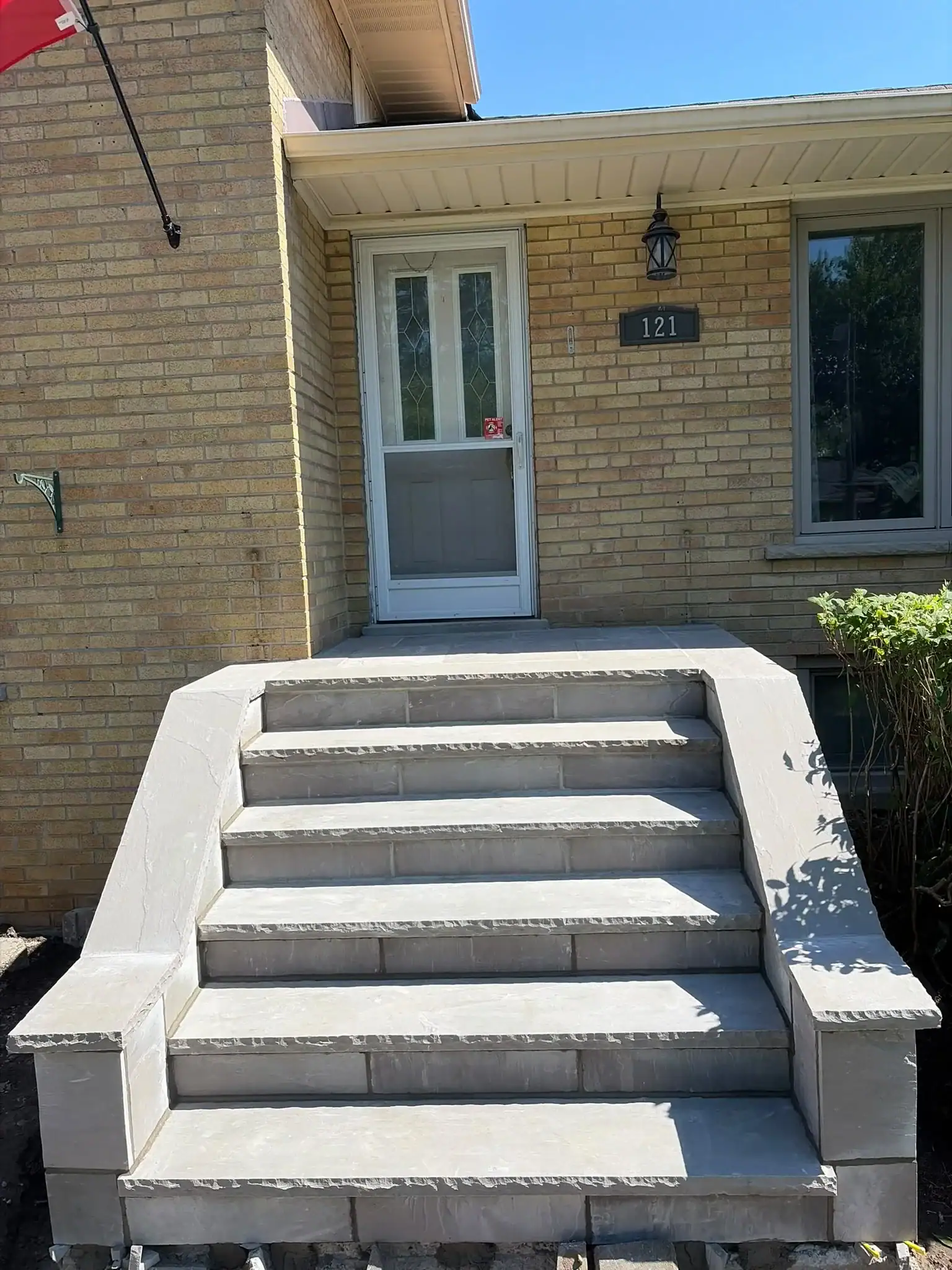
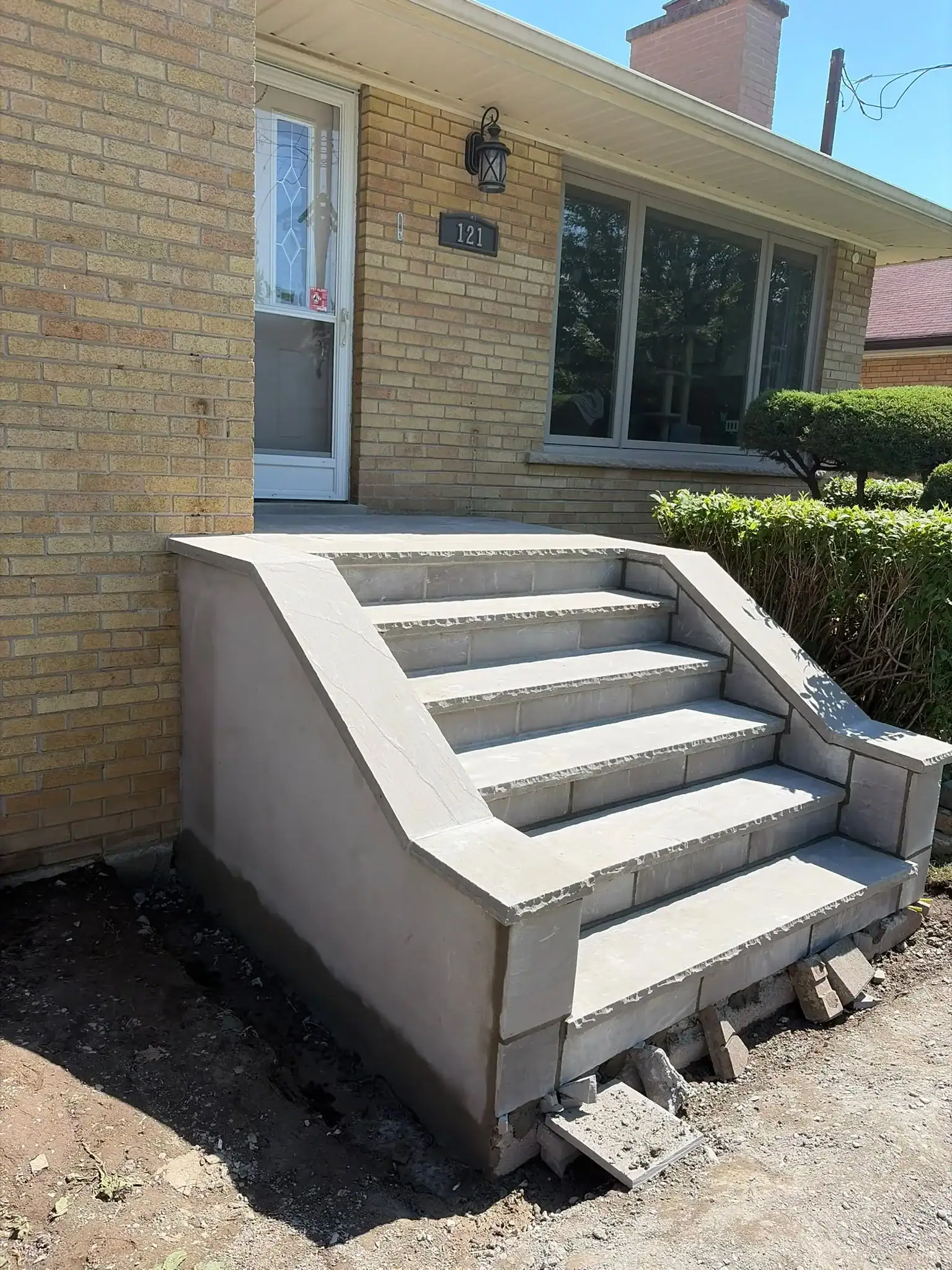
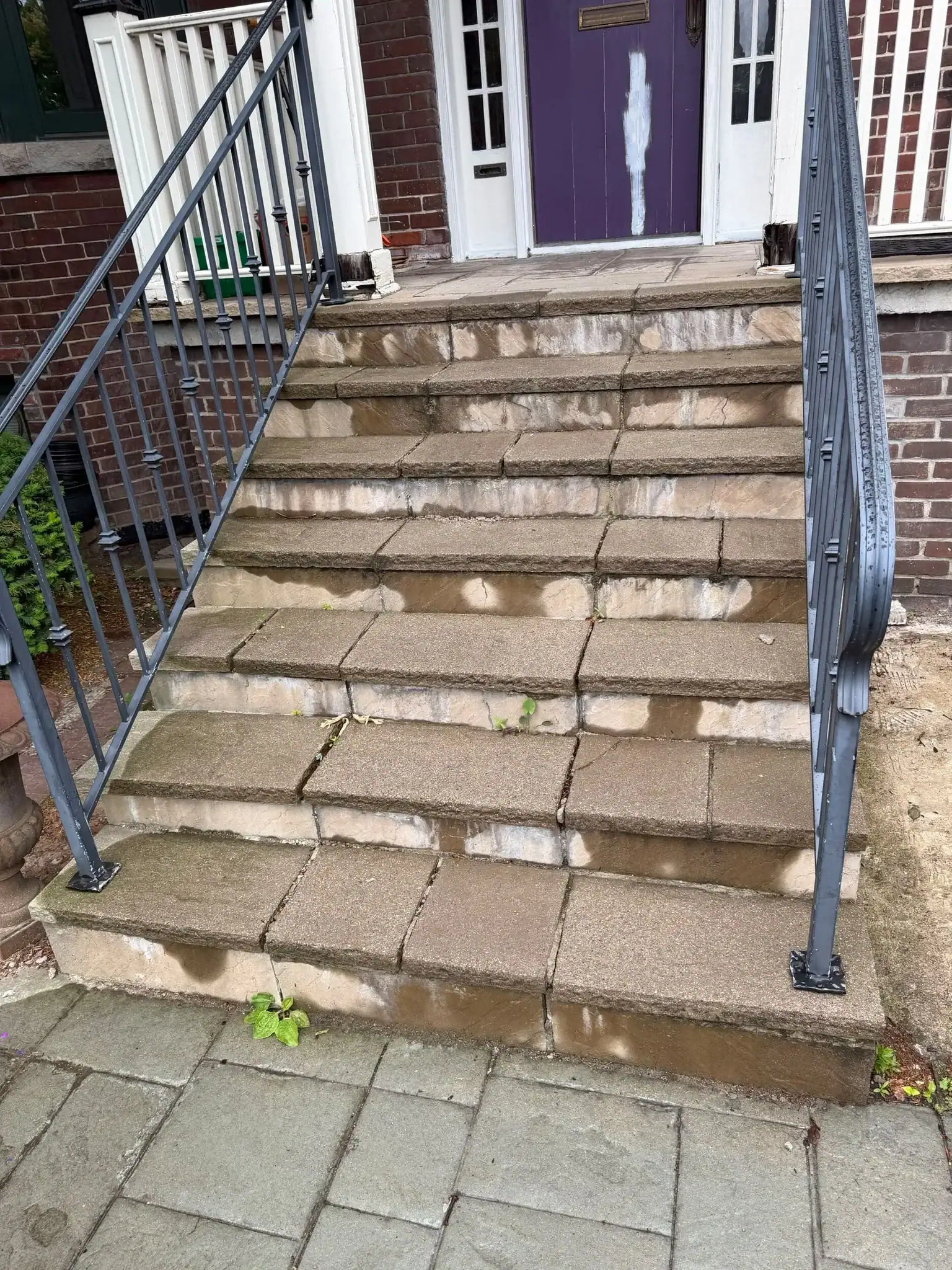
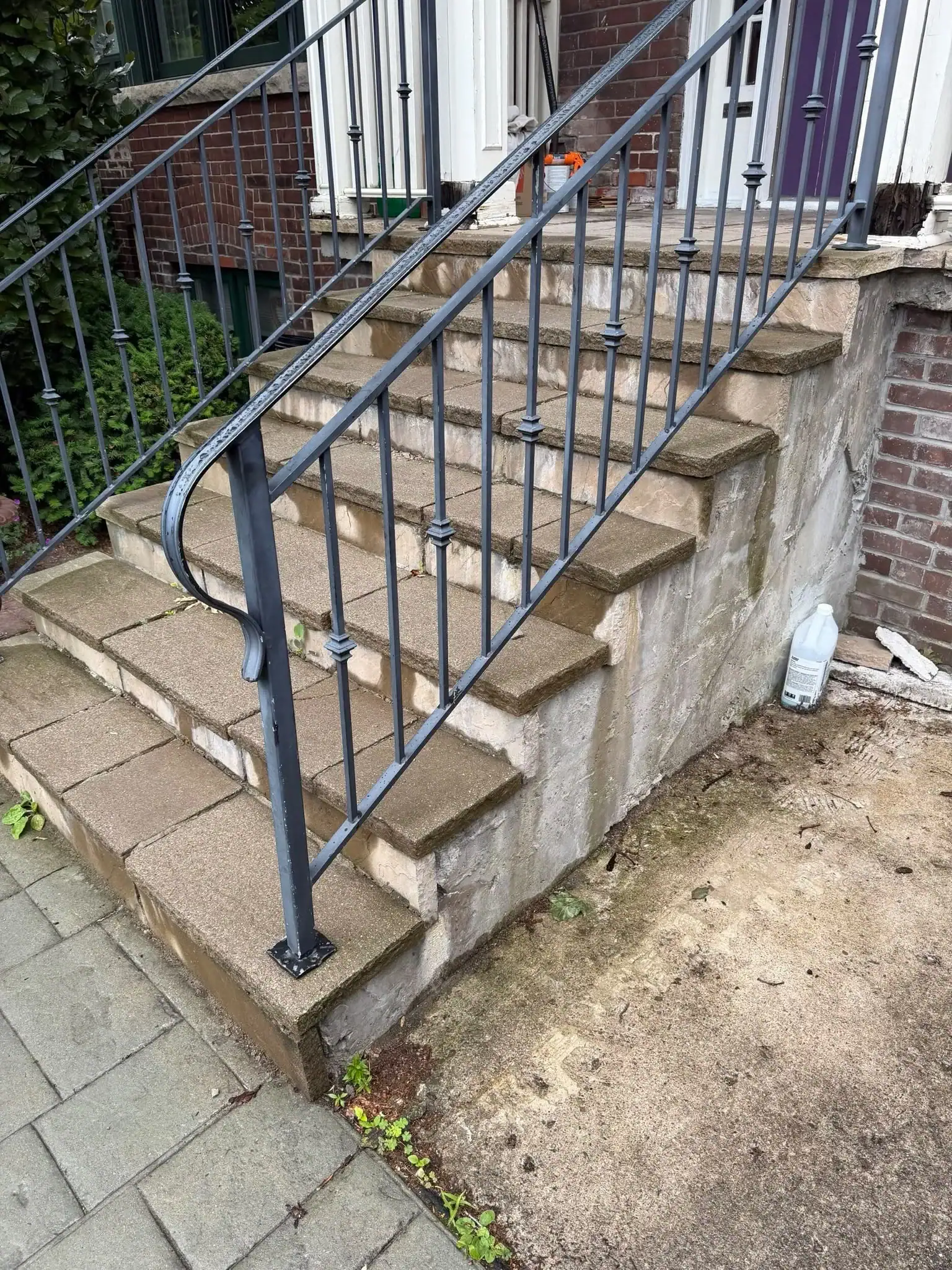
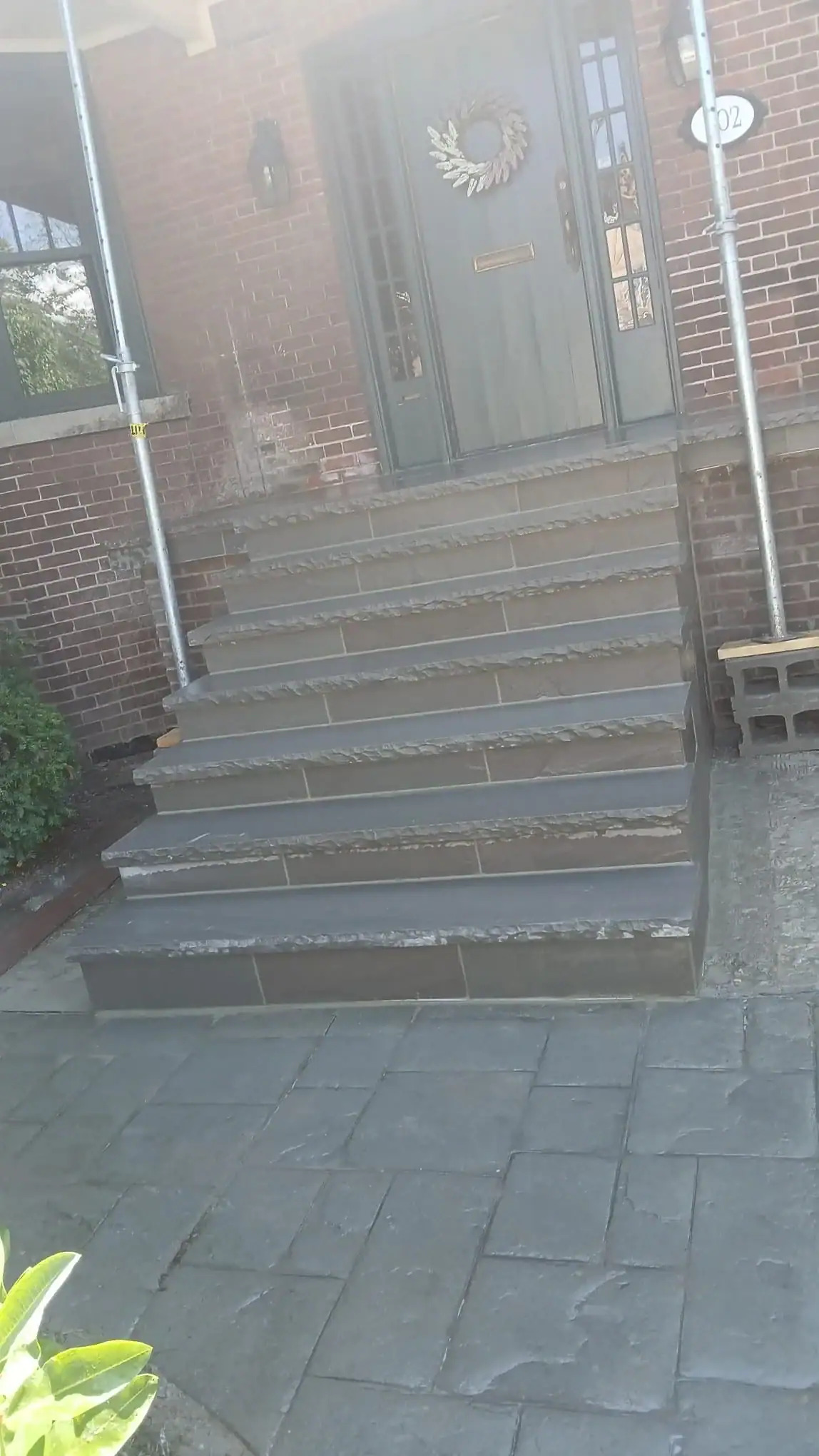
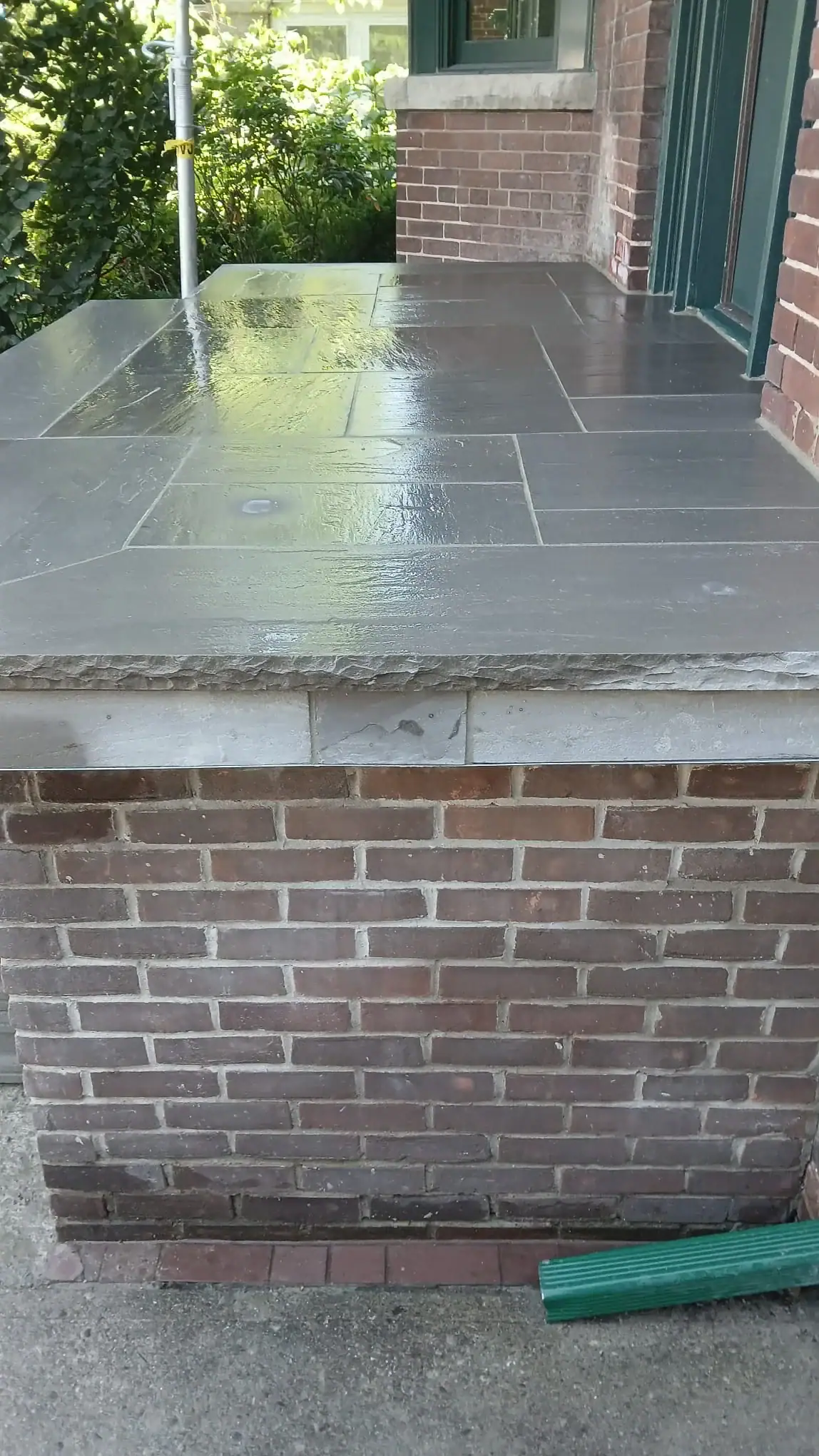
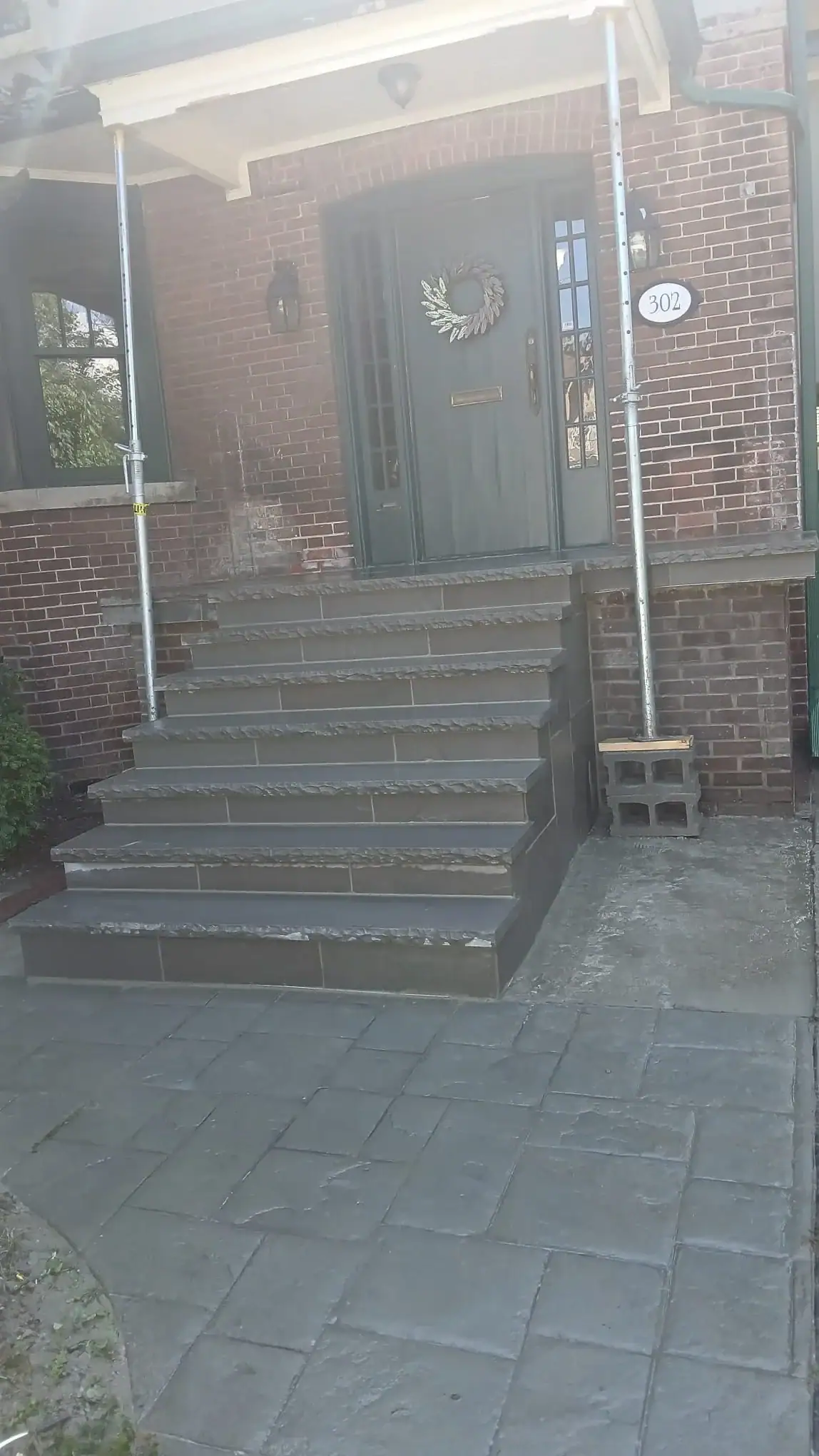
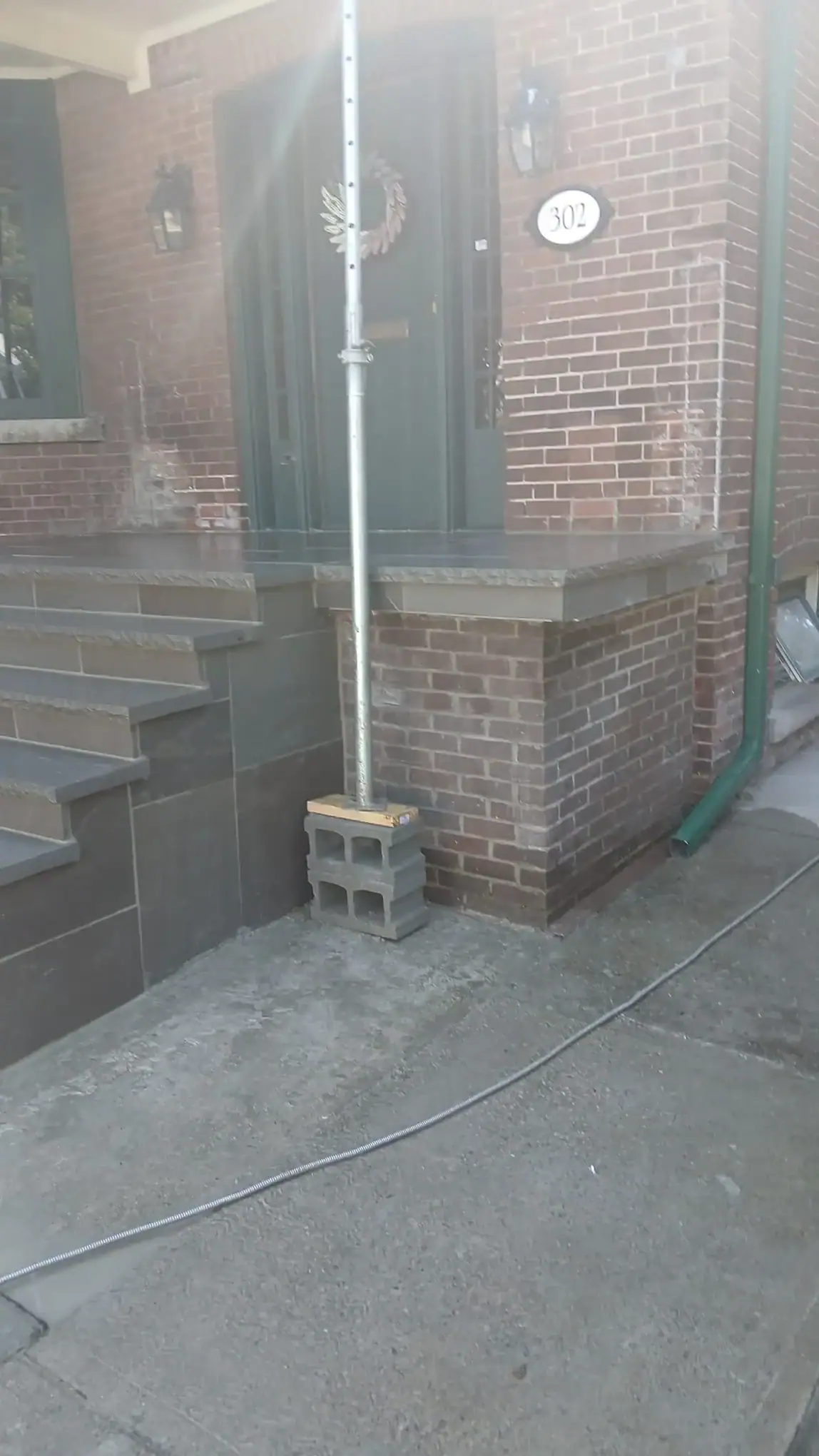
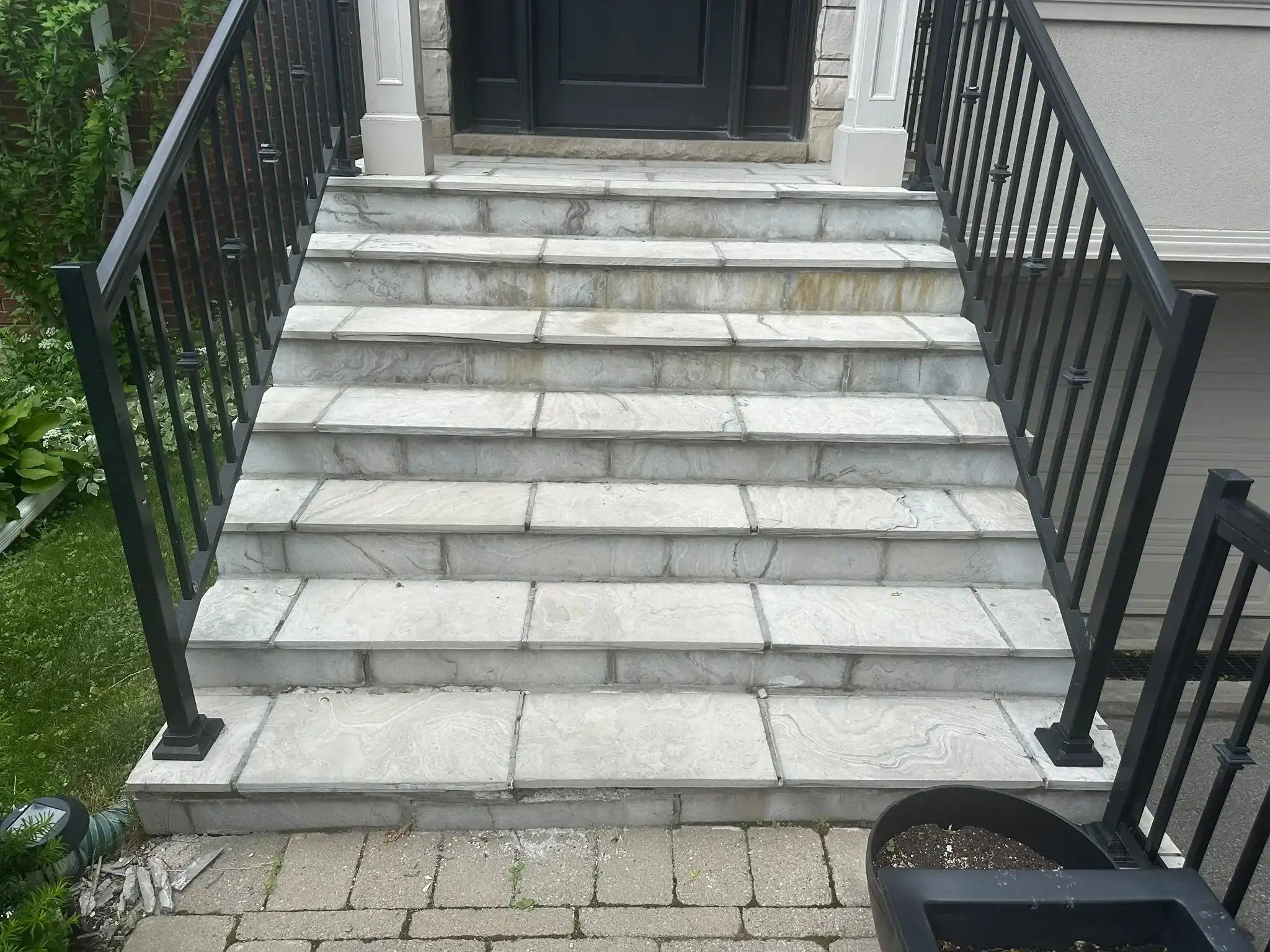
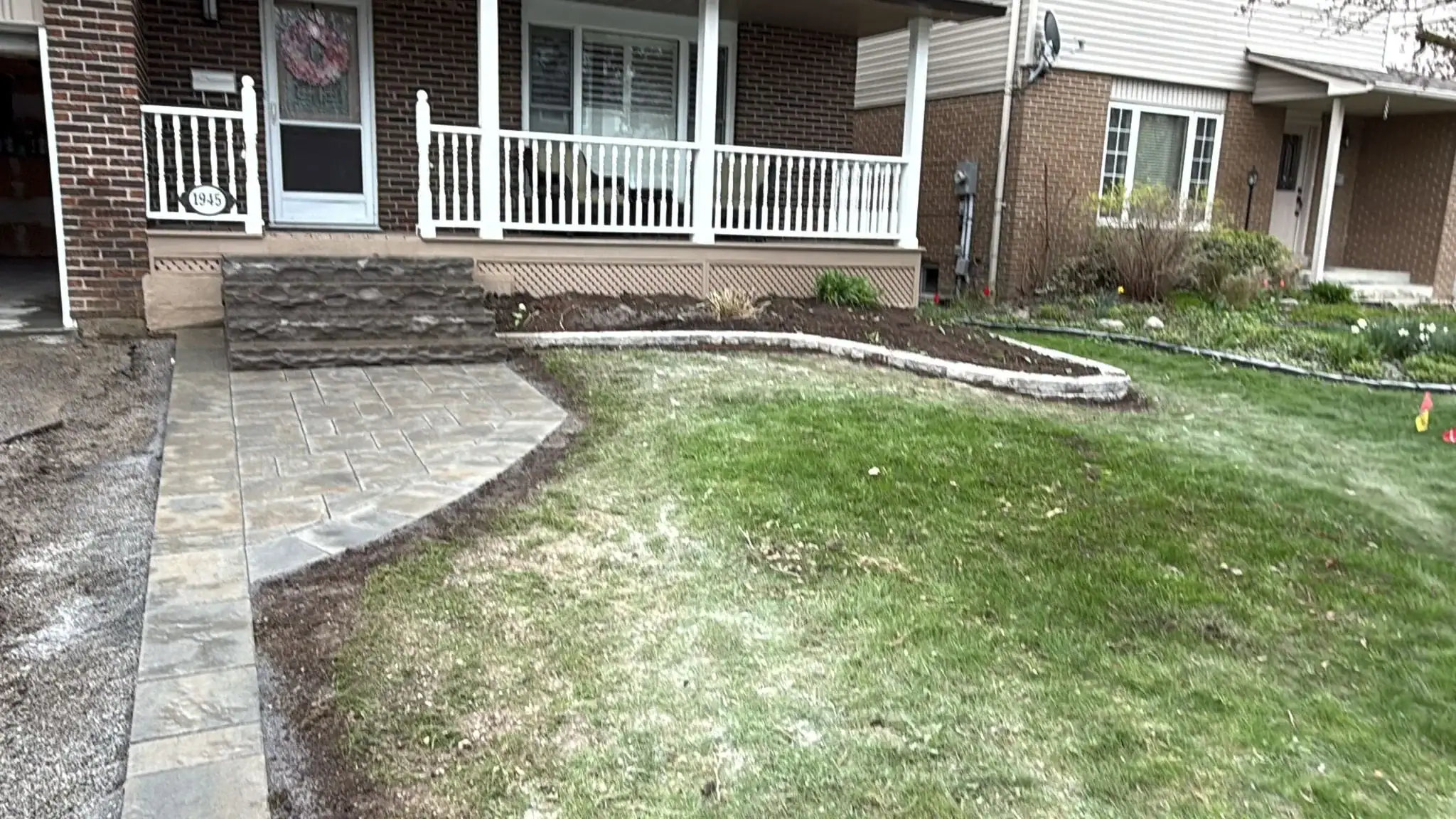
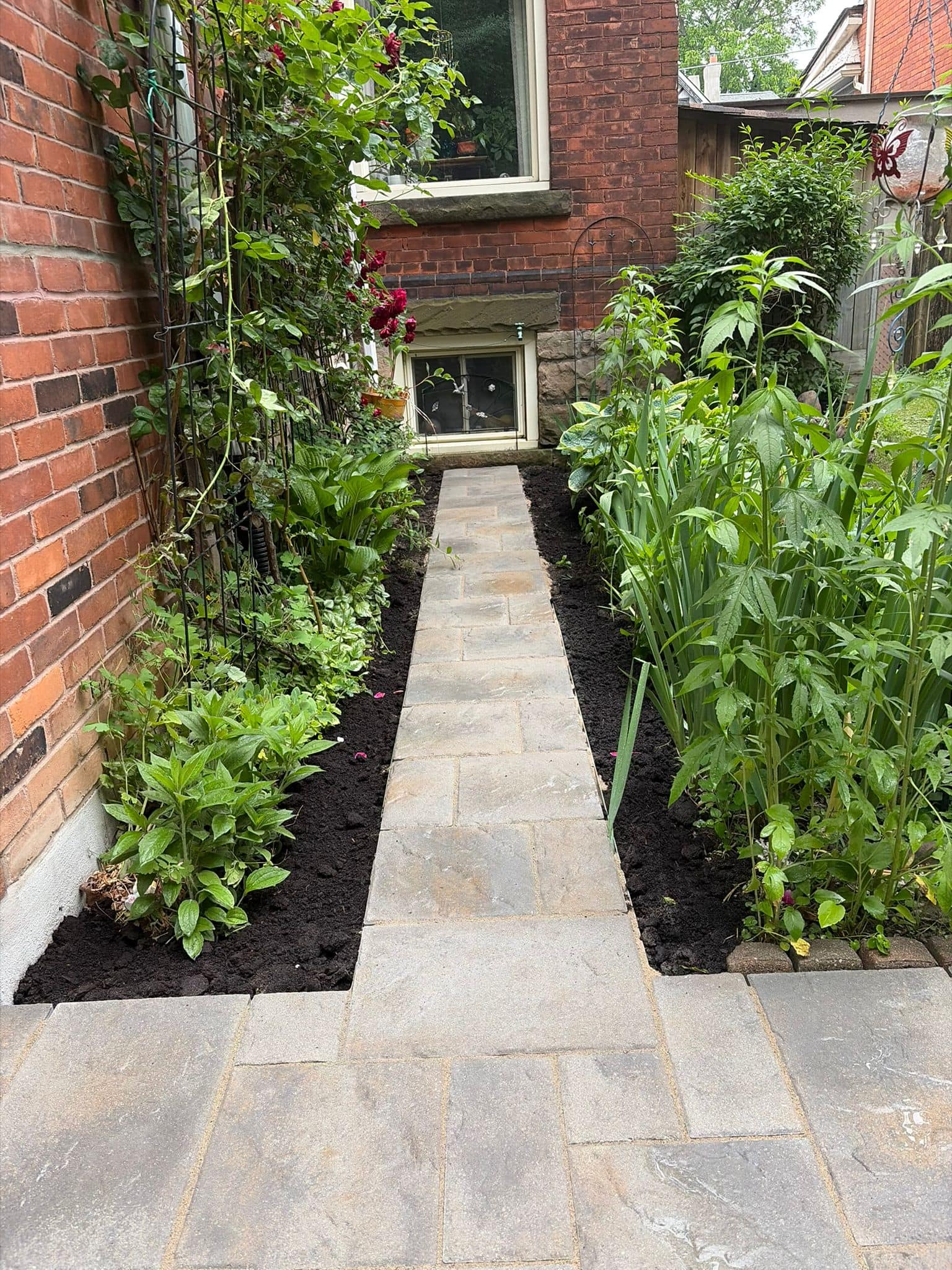
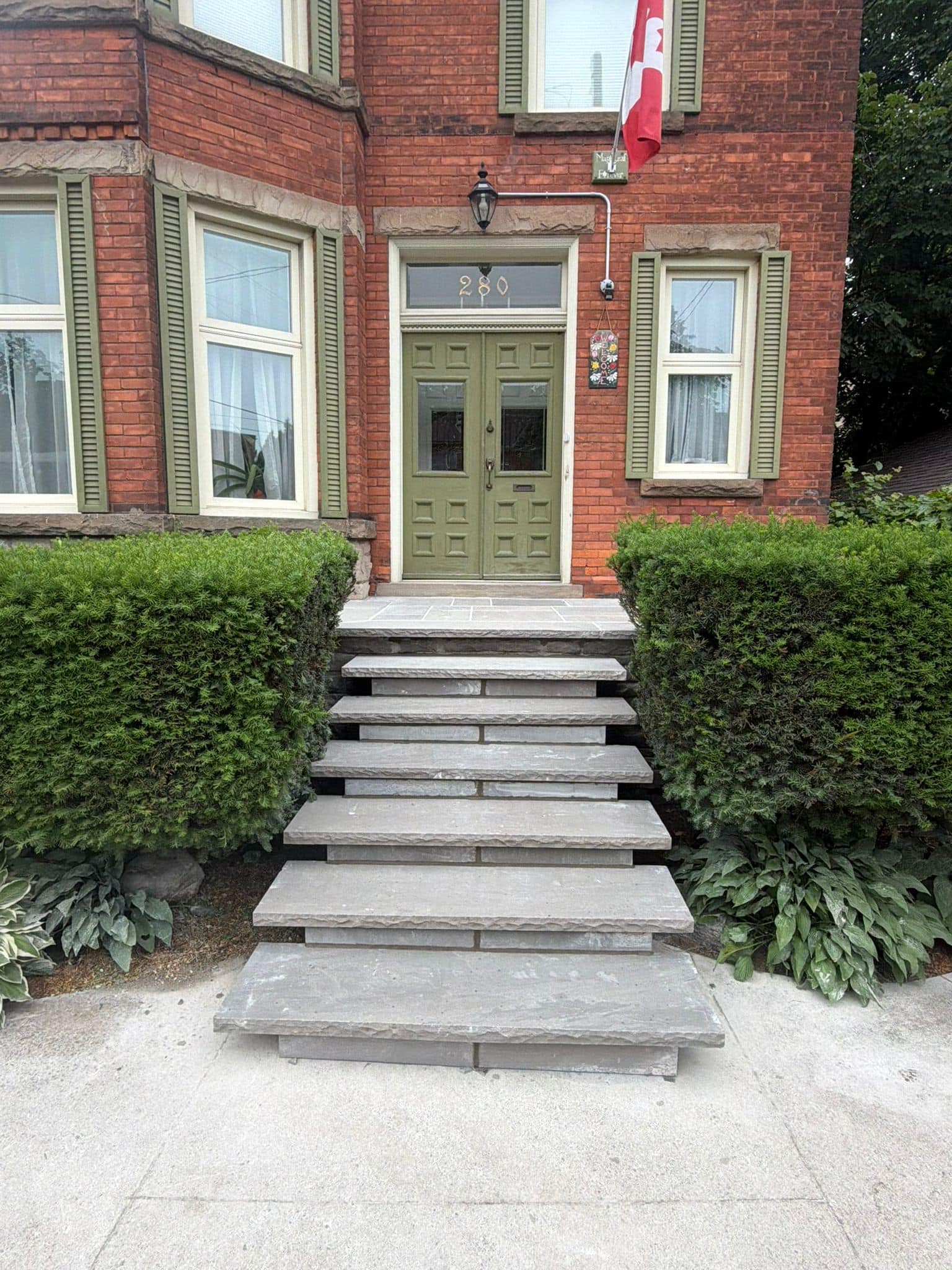
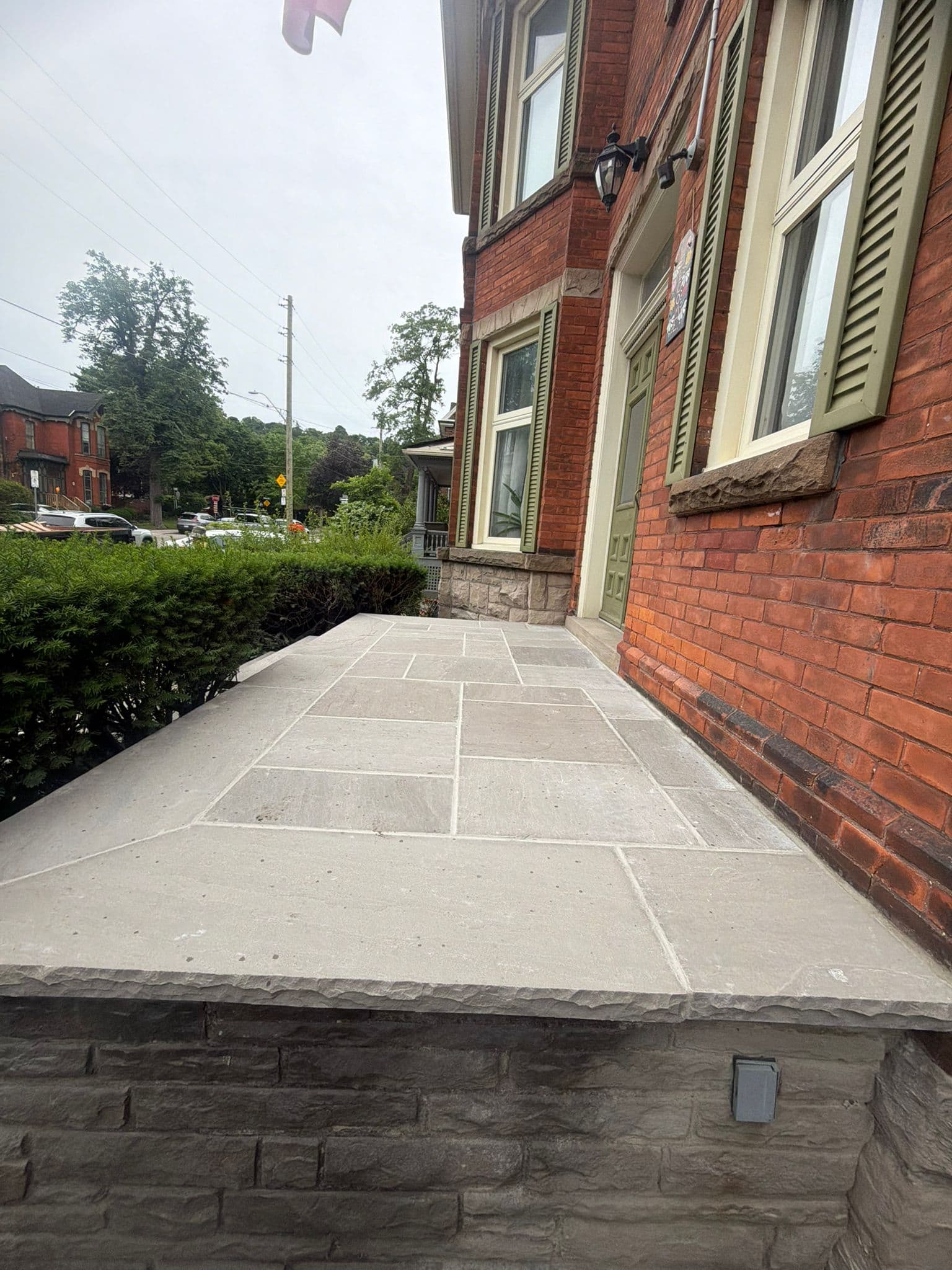
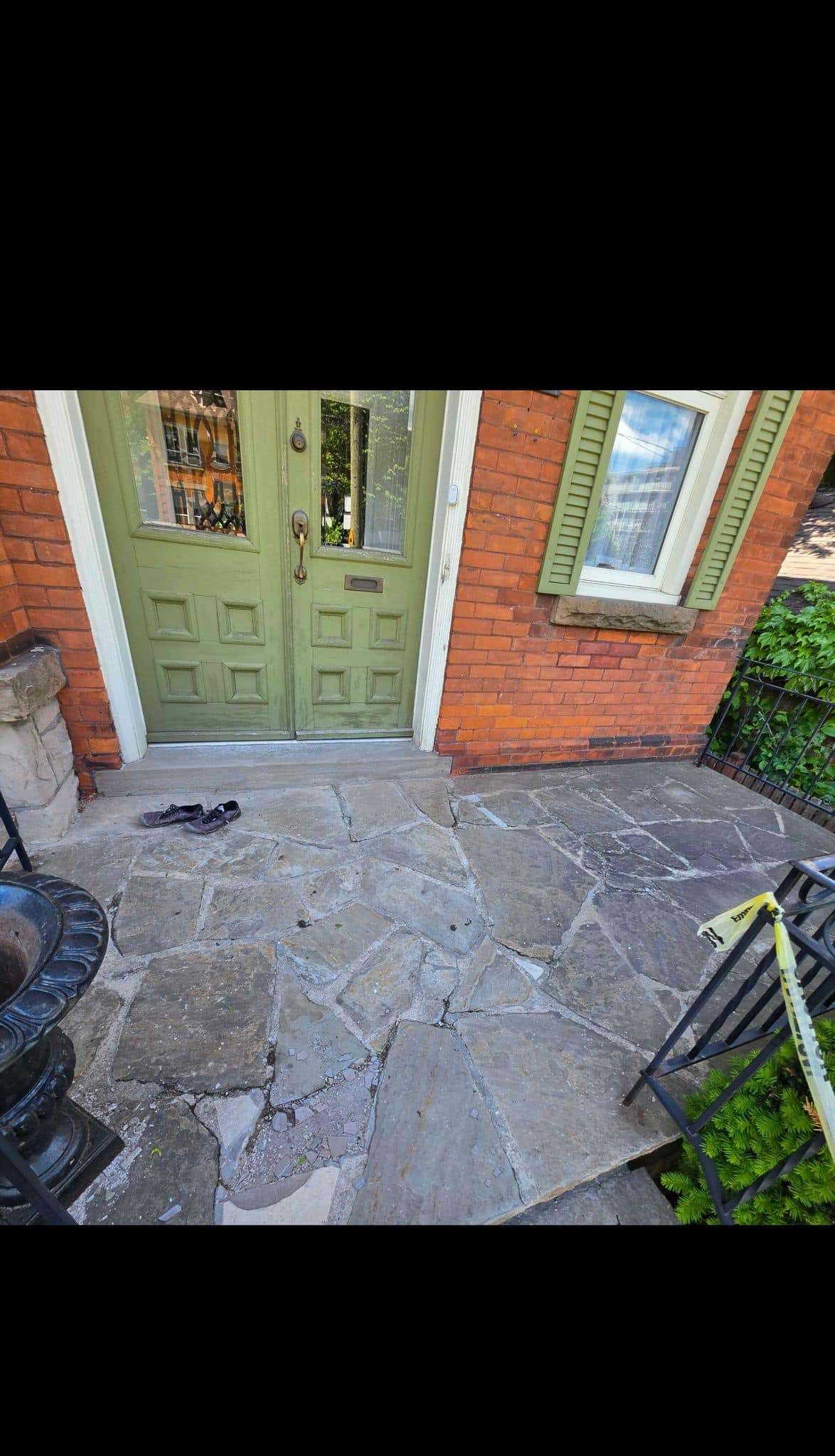
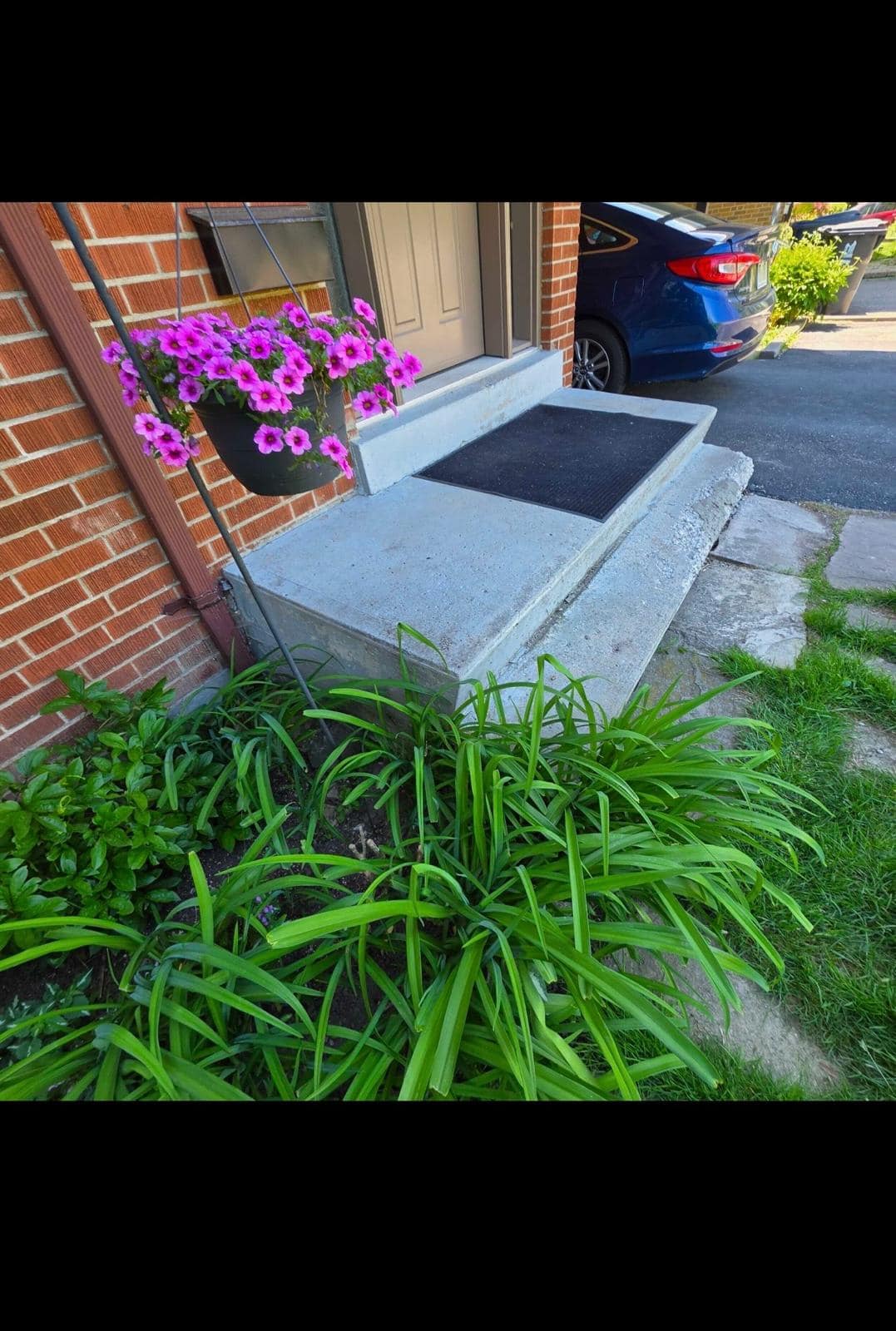
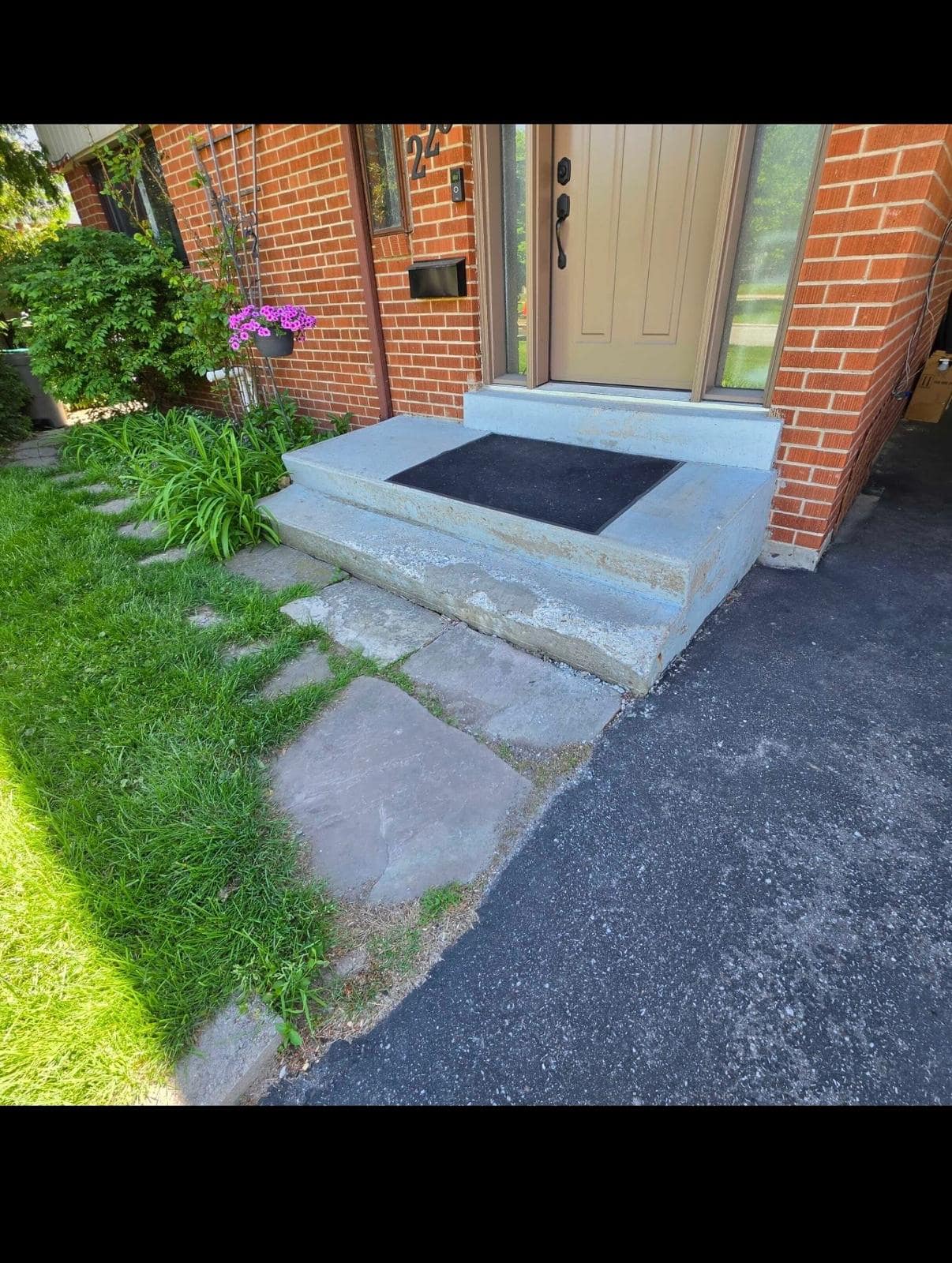
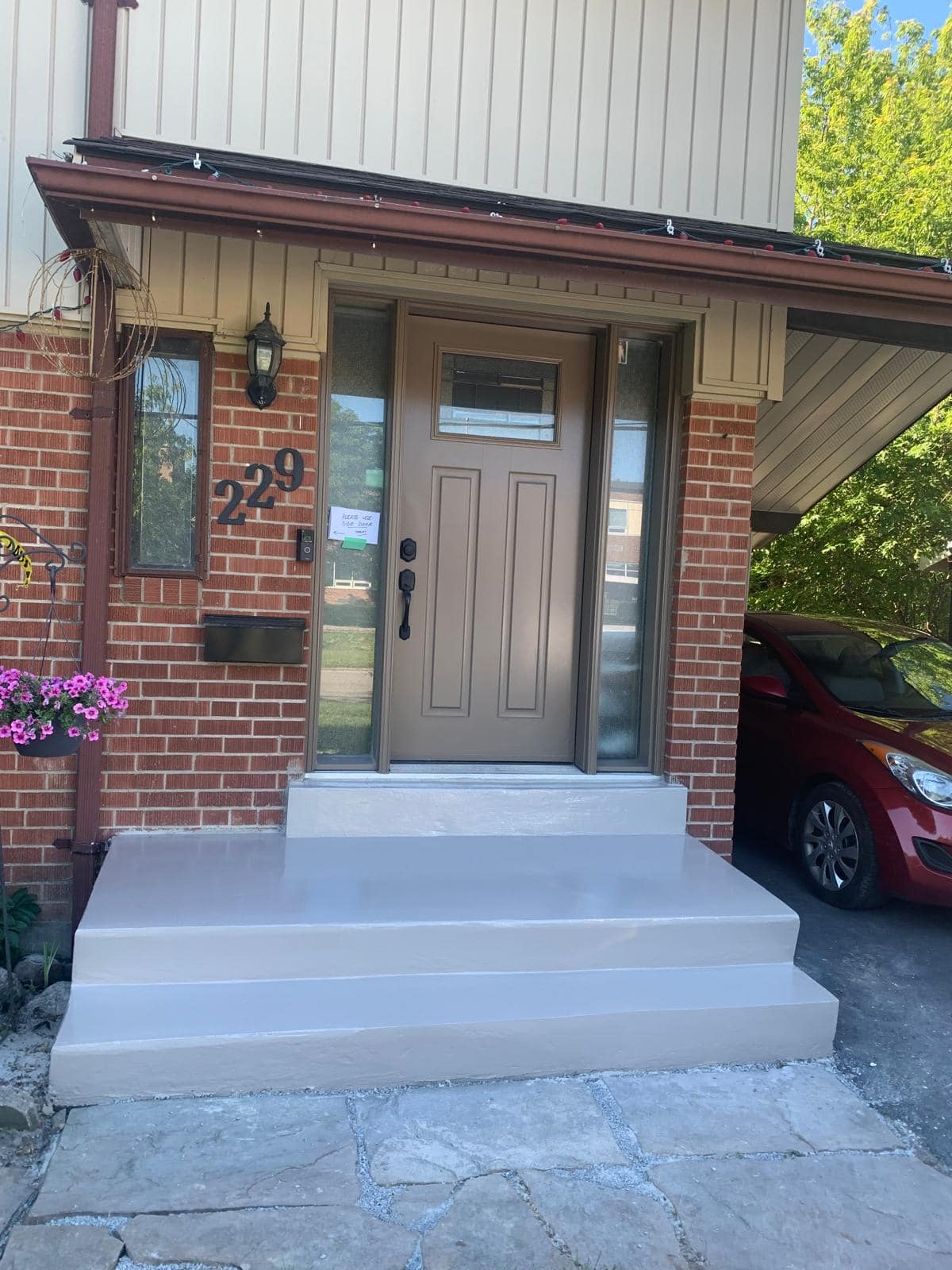
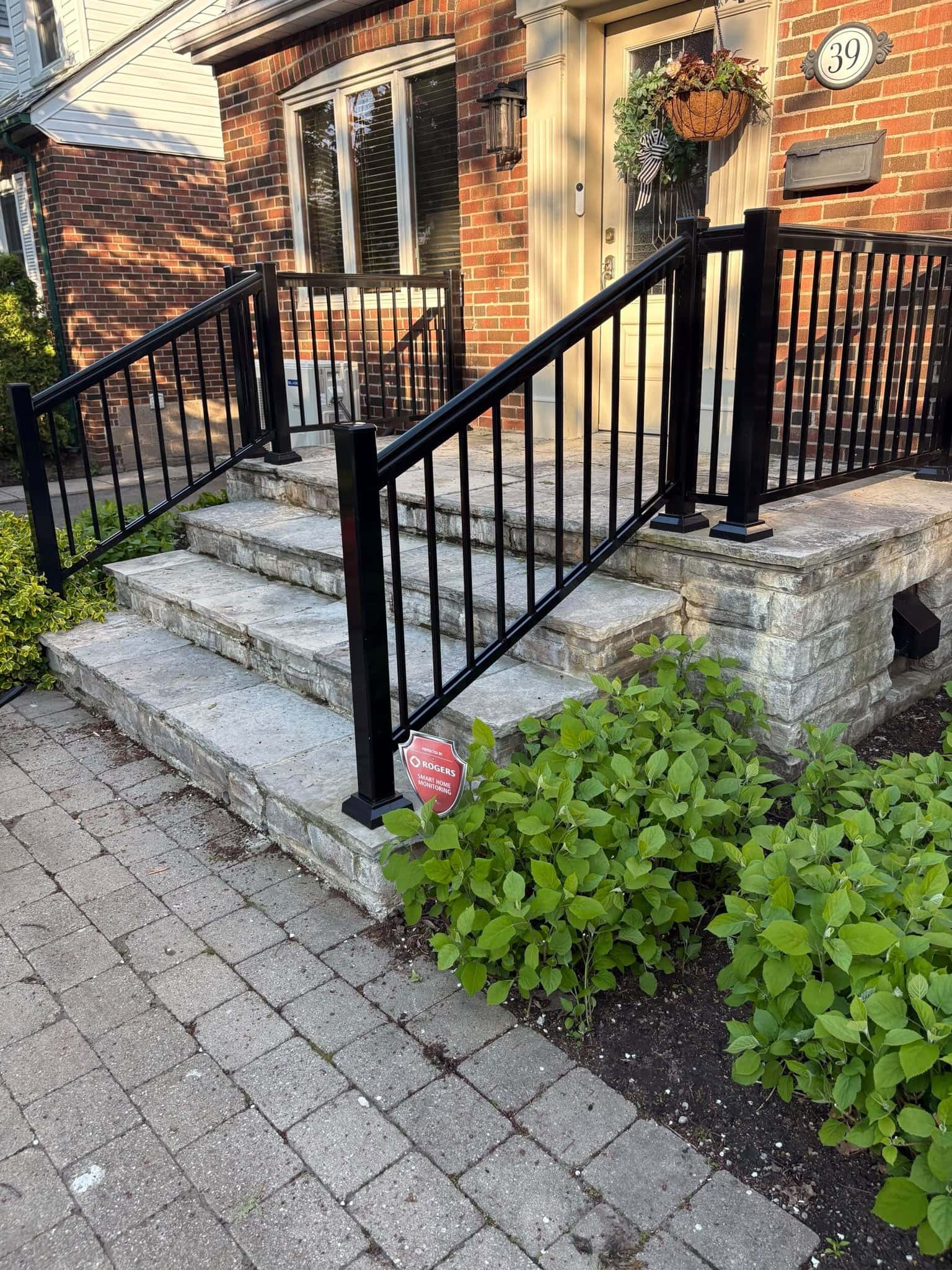
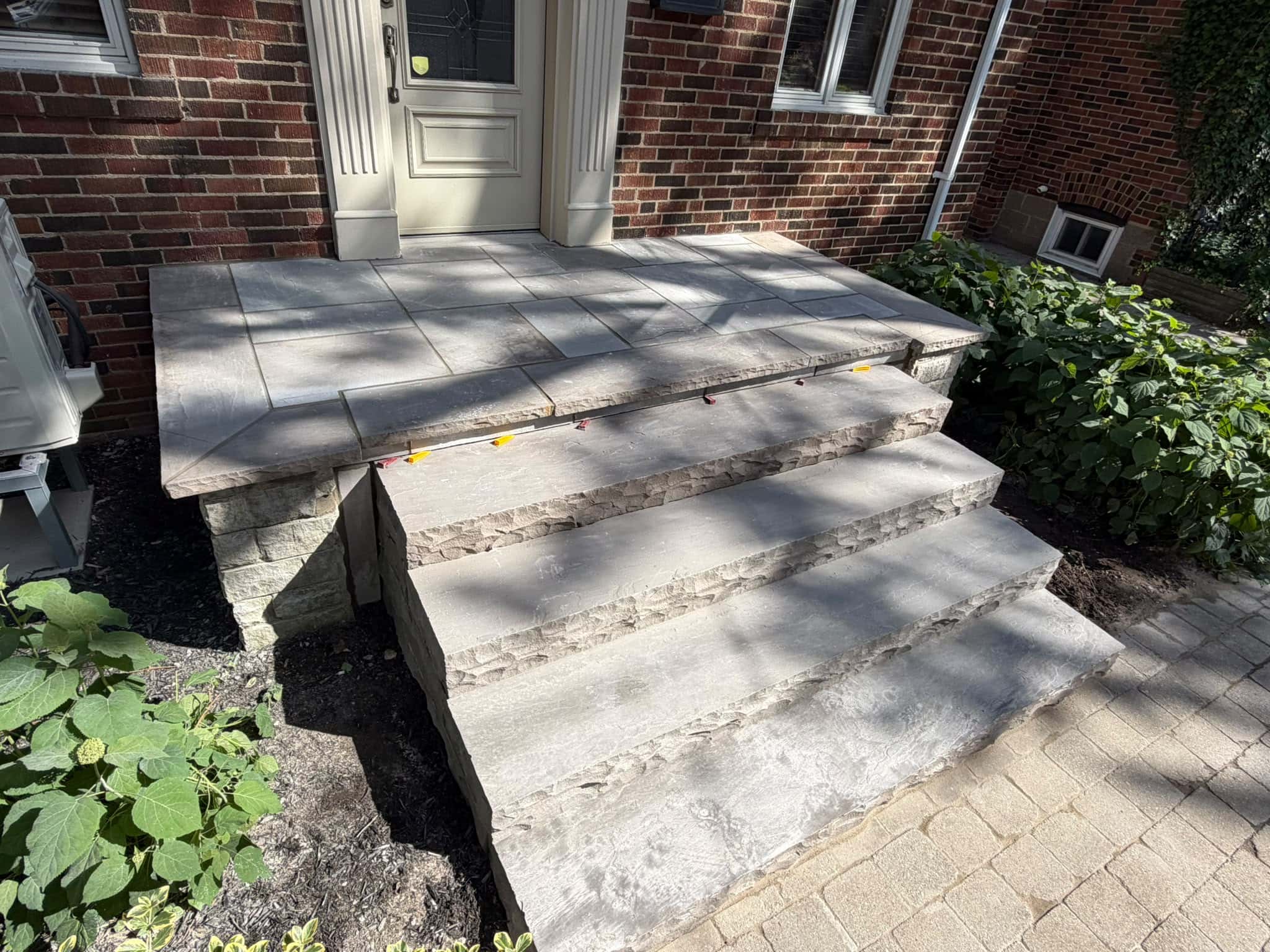
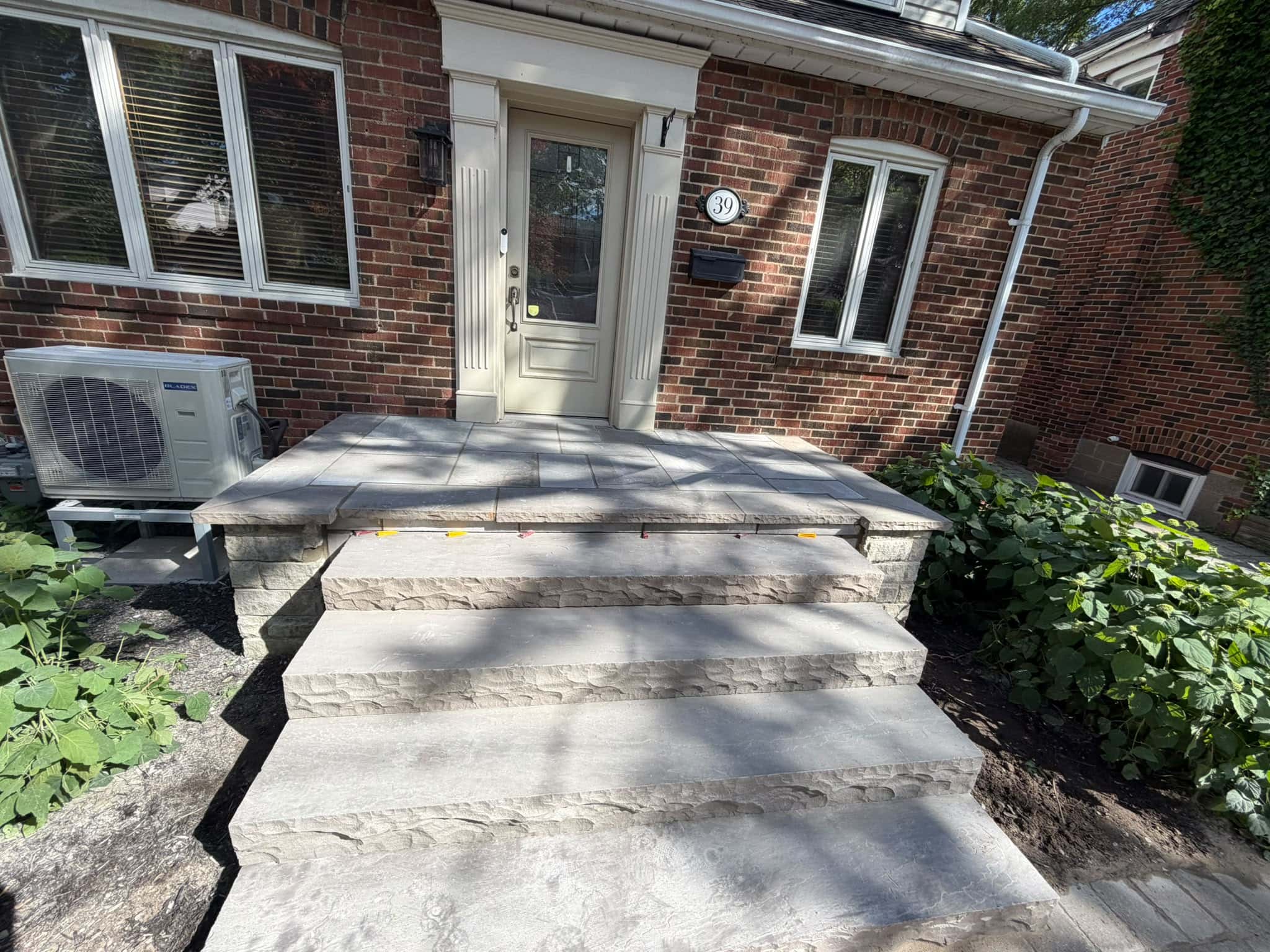
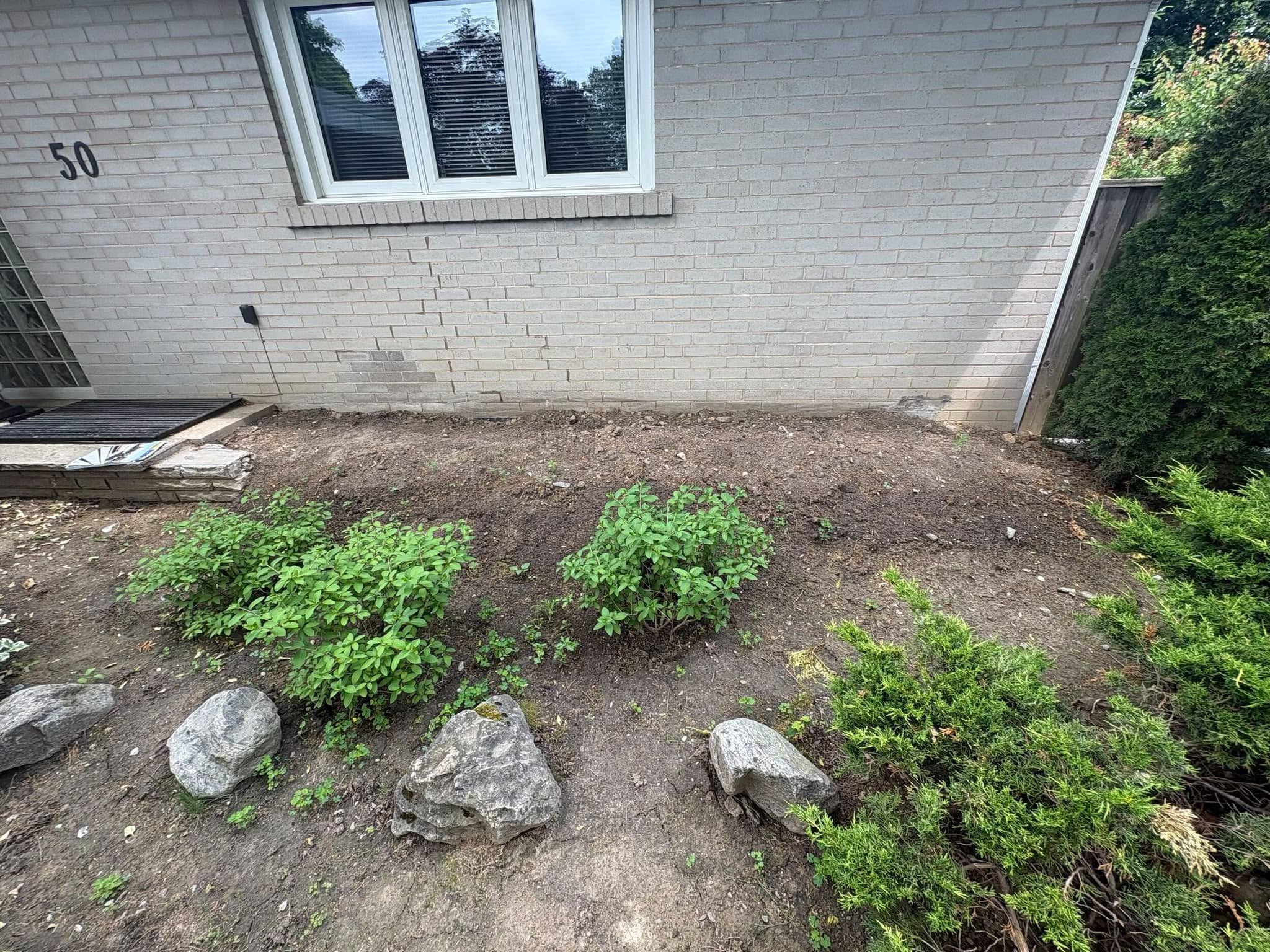
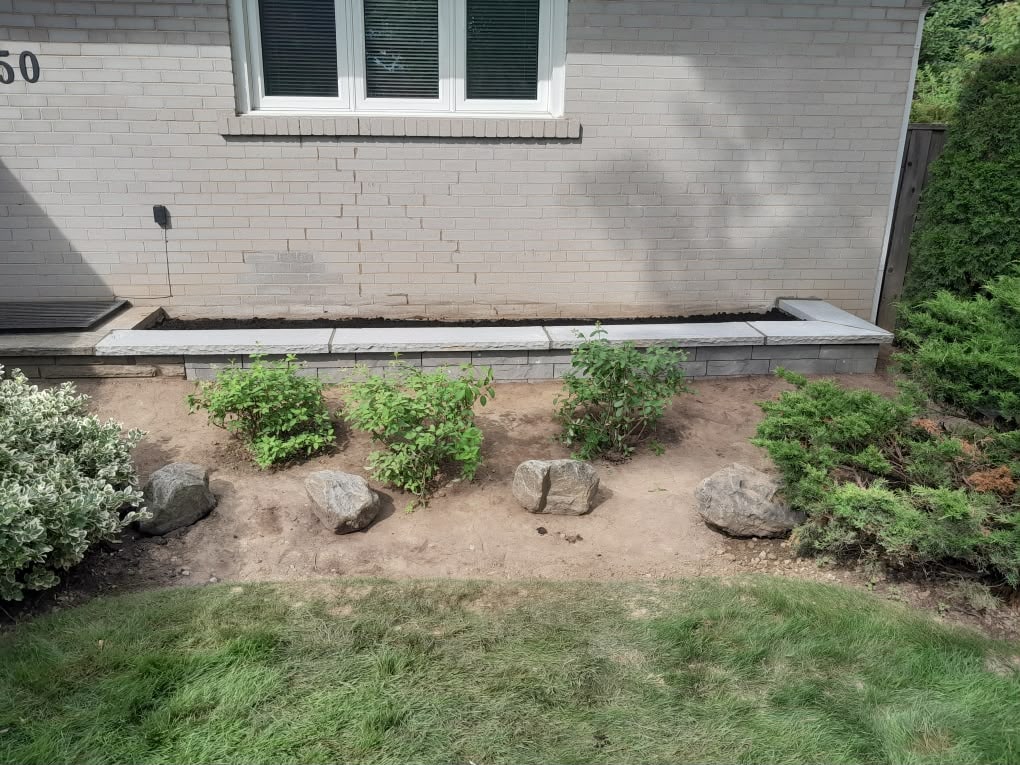
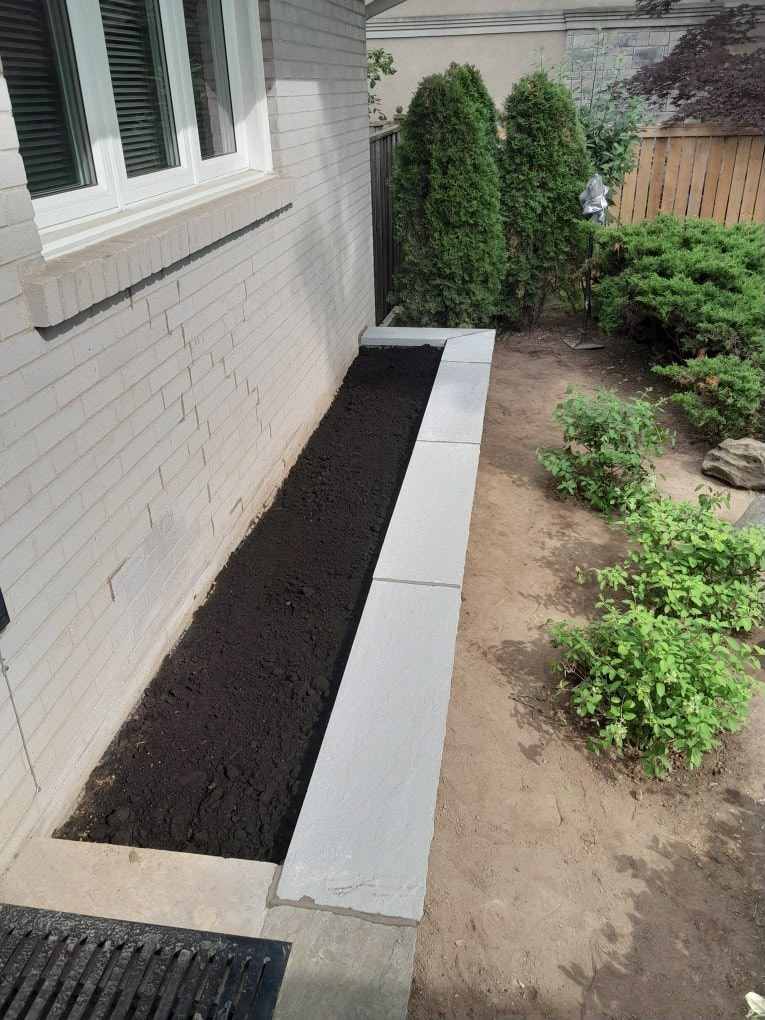
- Front steps and porches: look for open joints, pooling water, cracks, and shifting
- Chimneys: check for staining, loose mortar, cracked crowns, and visible top wear
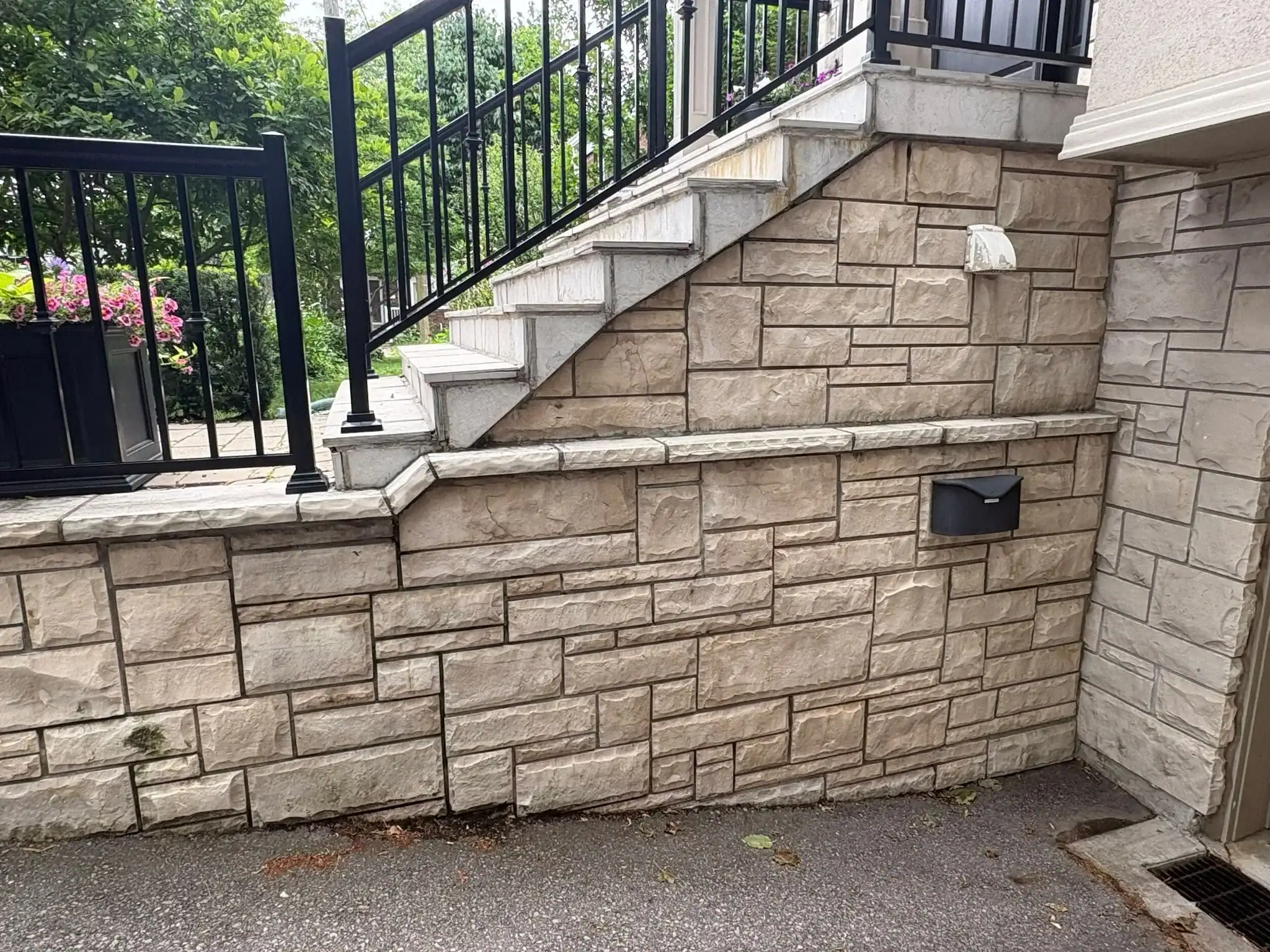
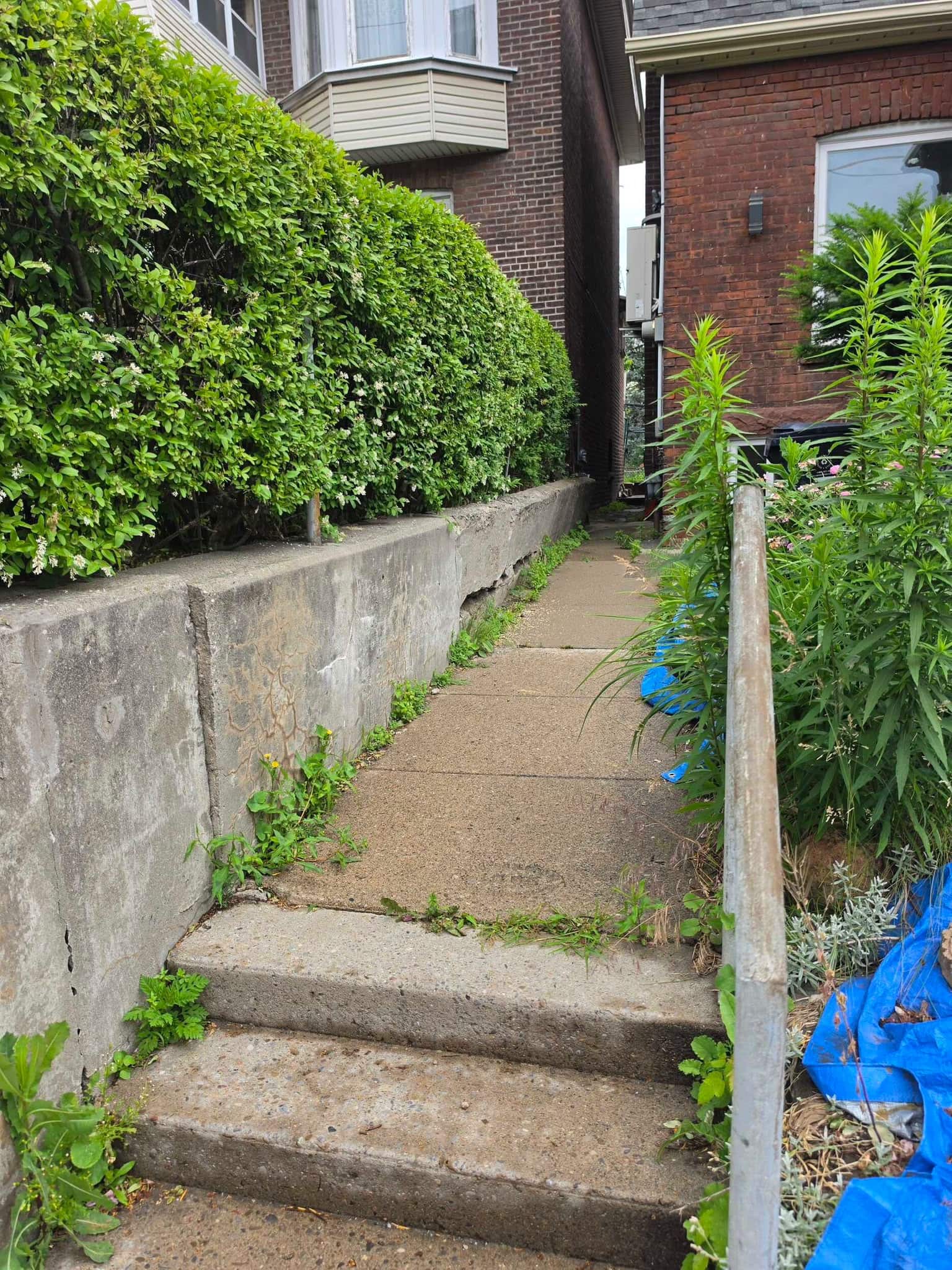
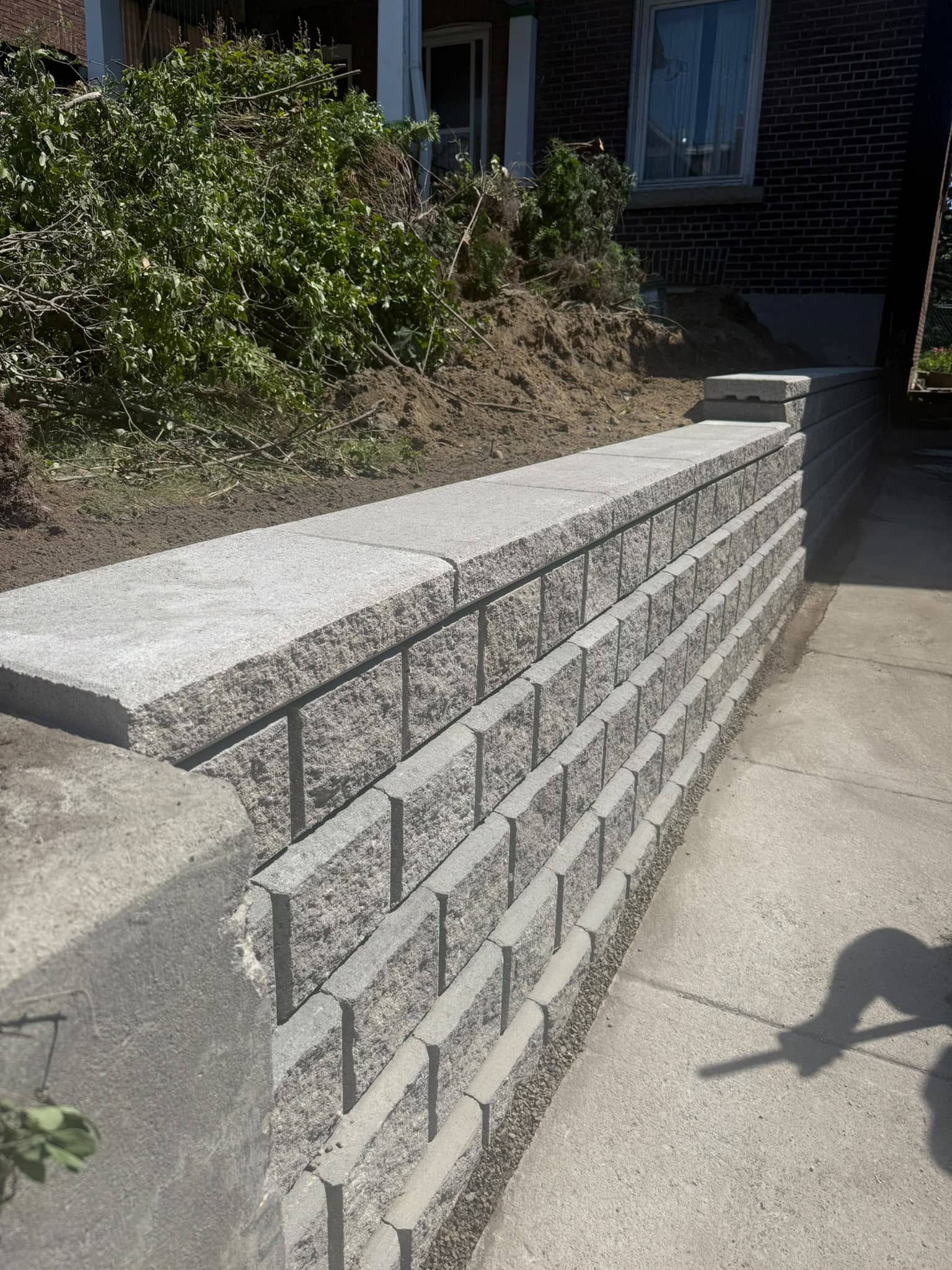
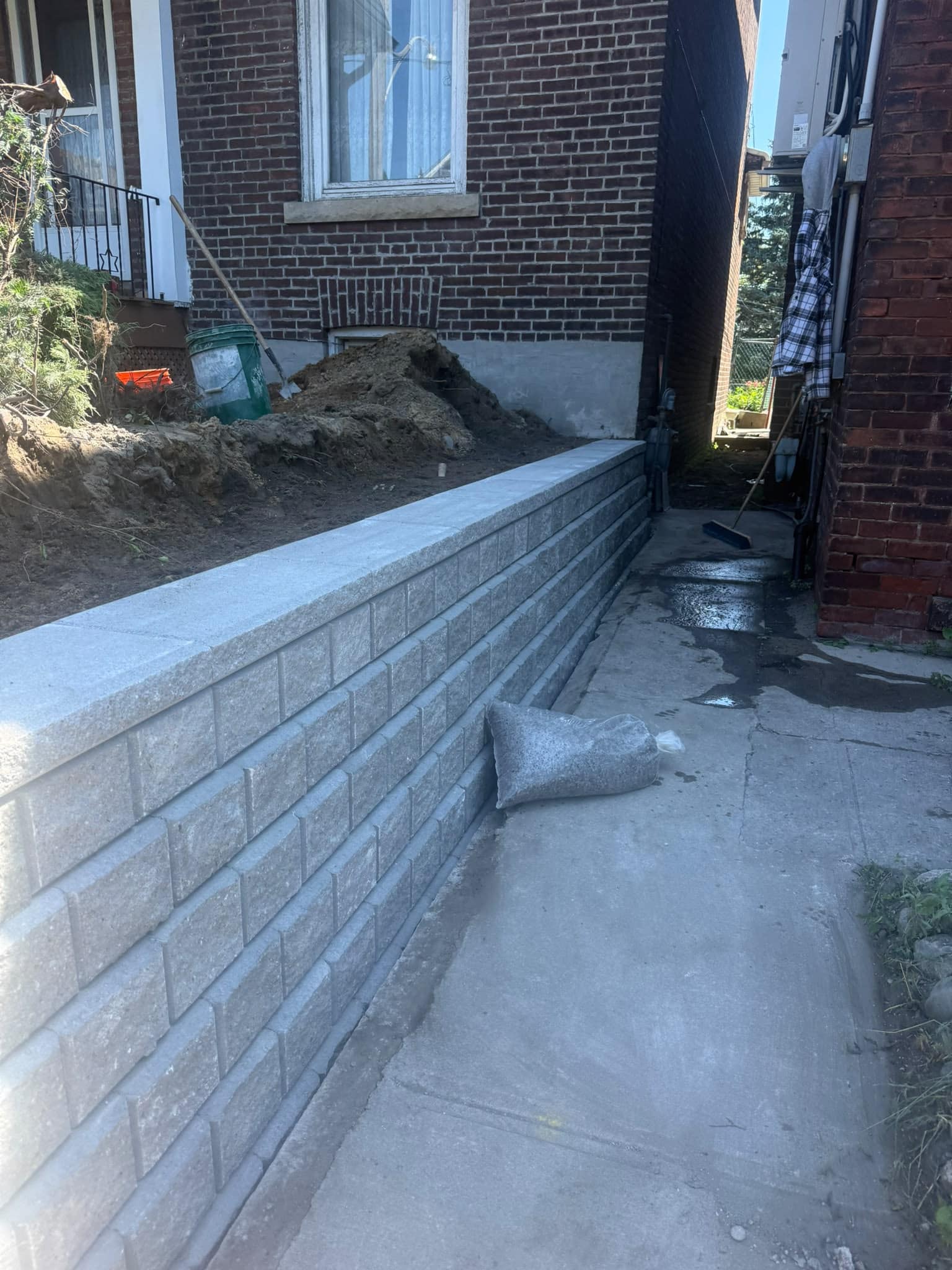
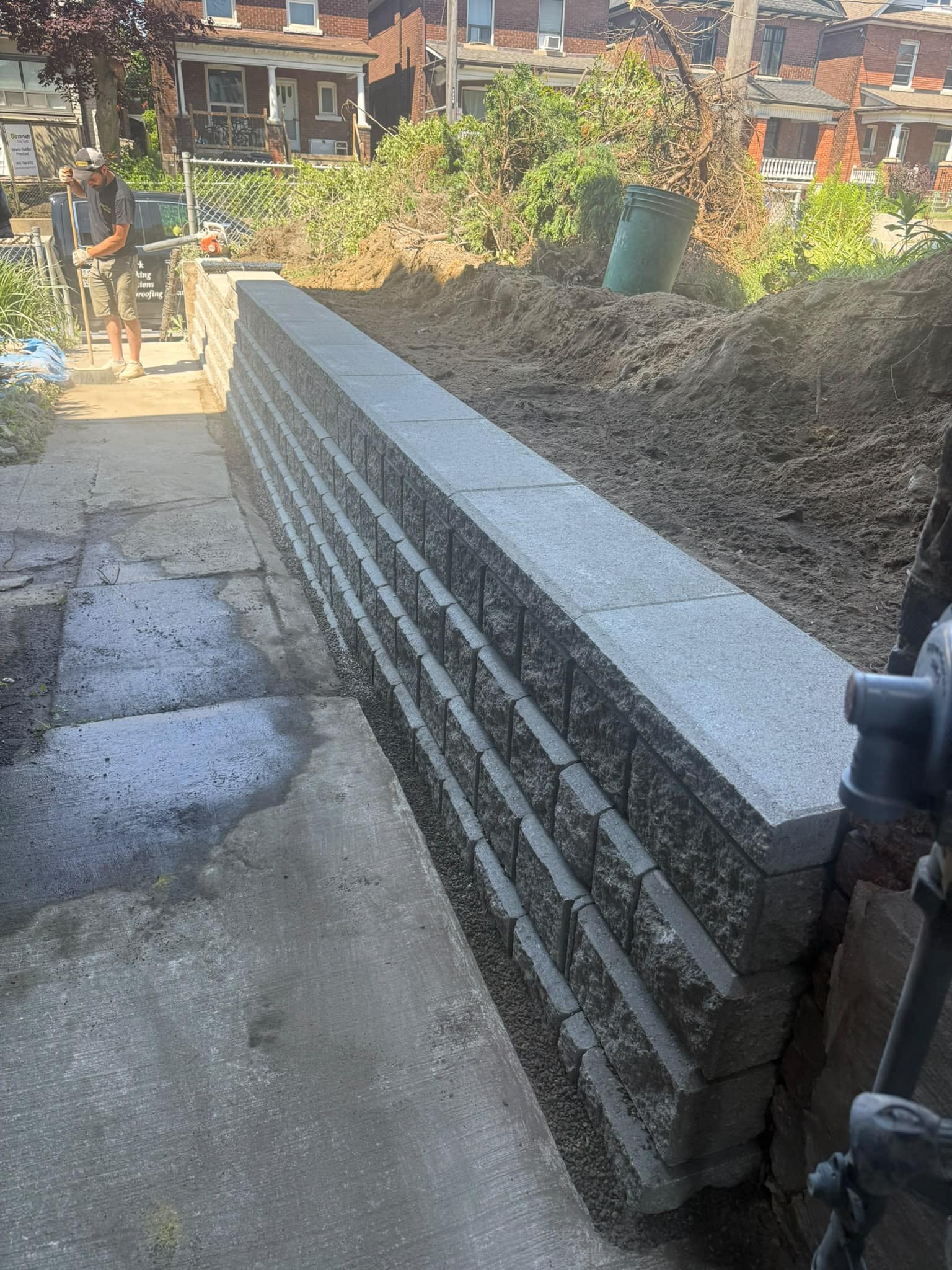
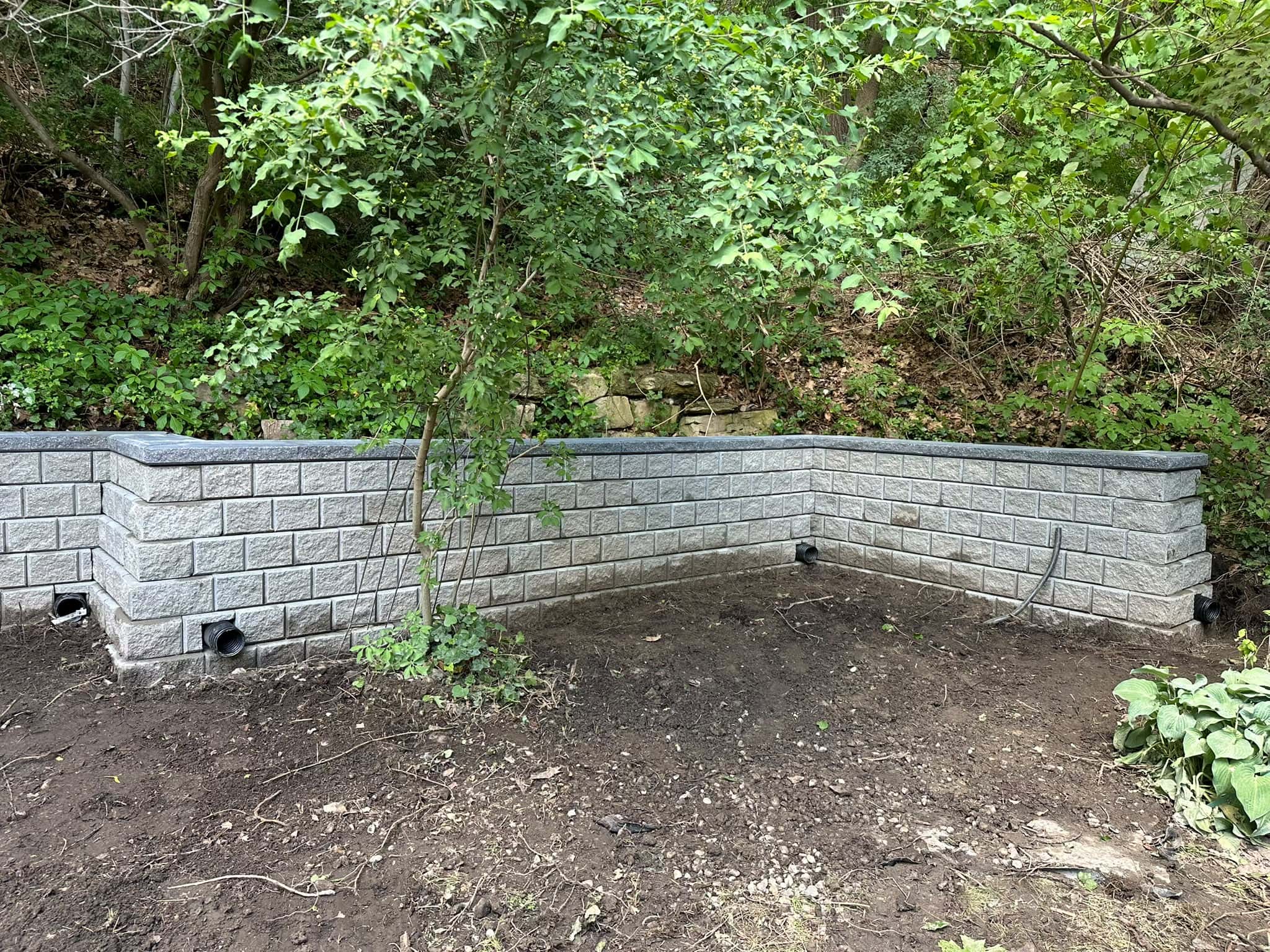
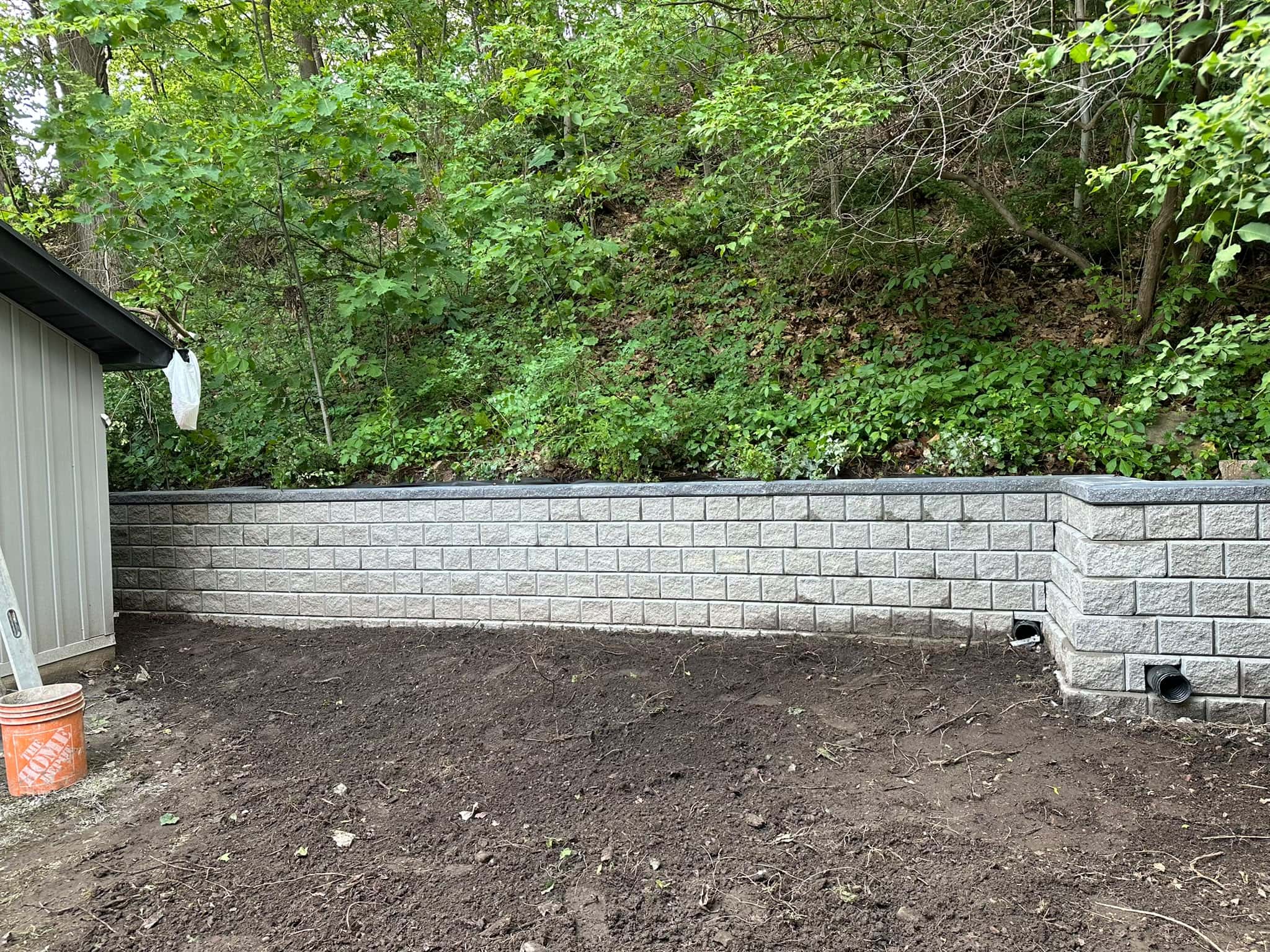
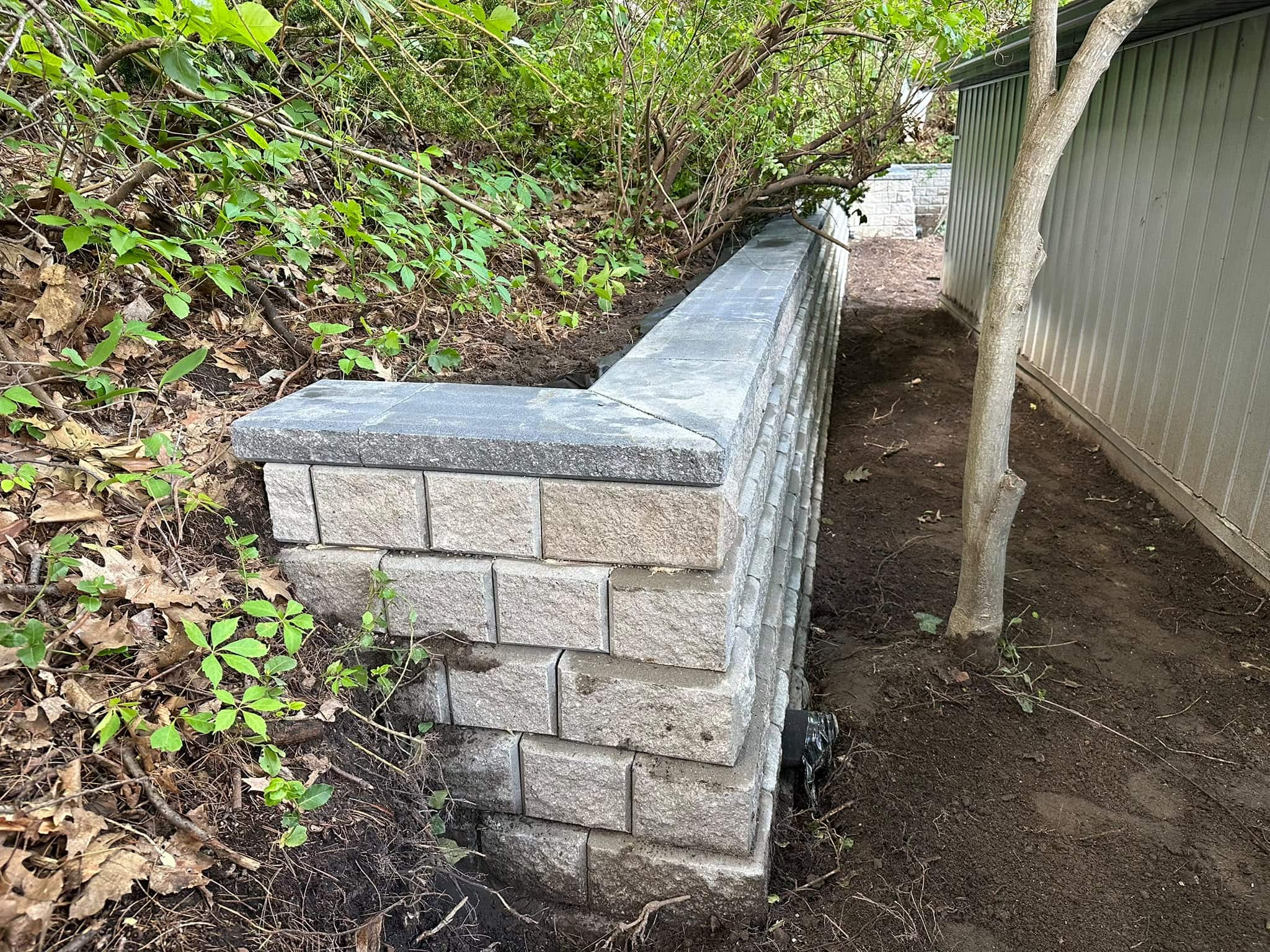
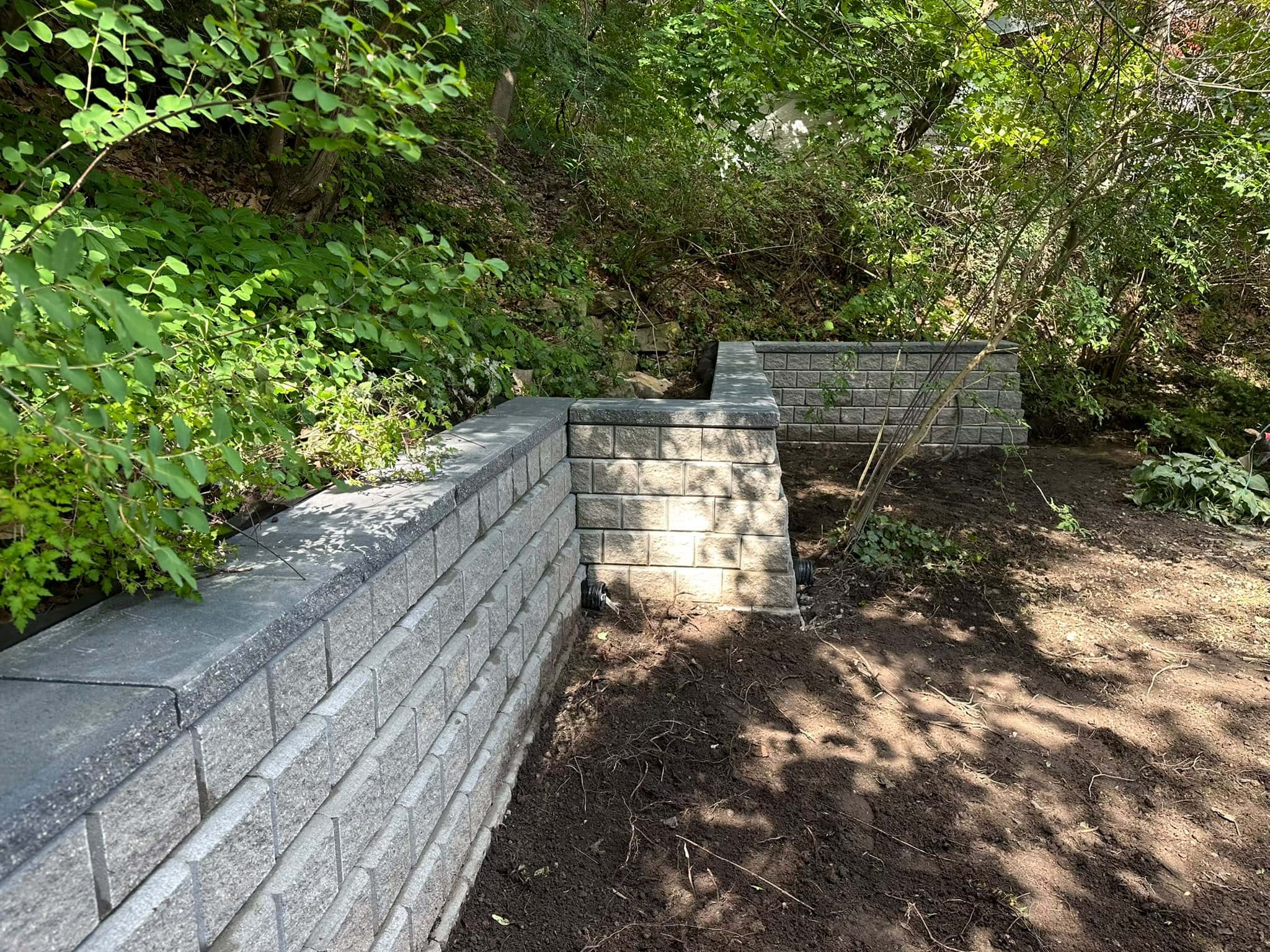
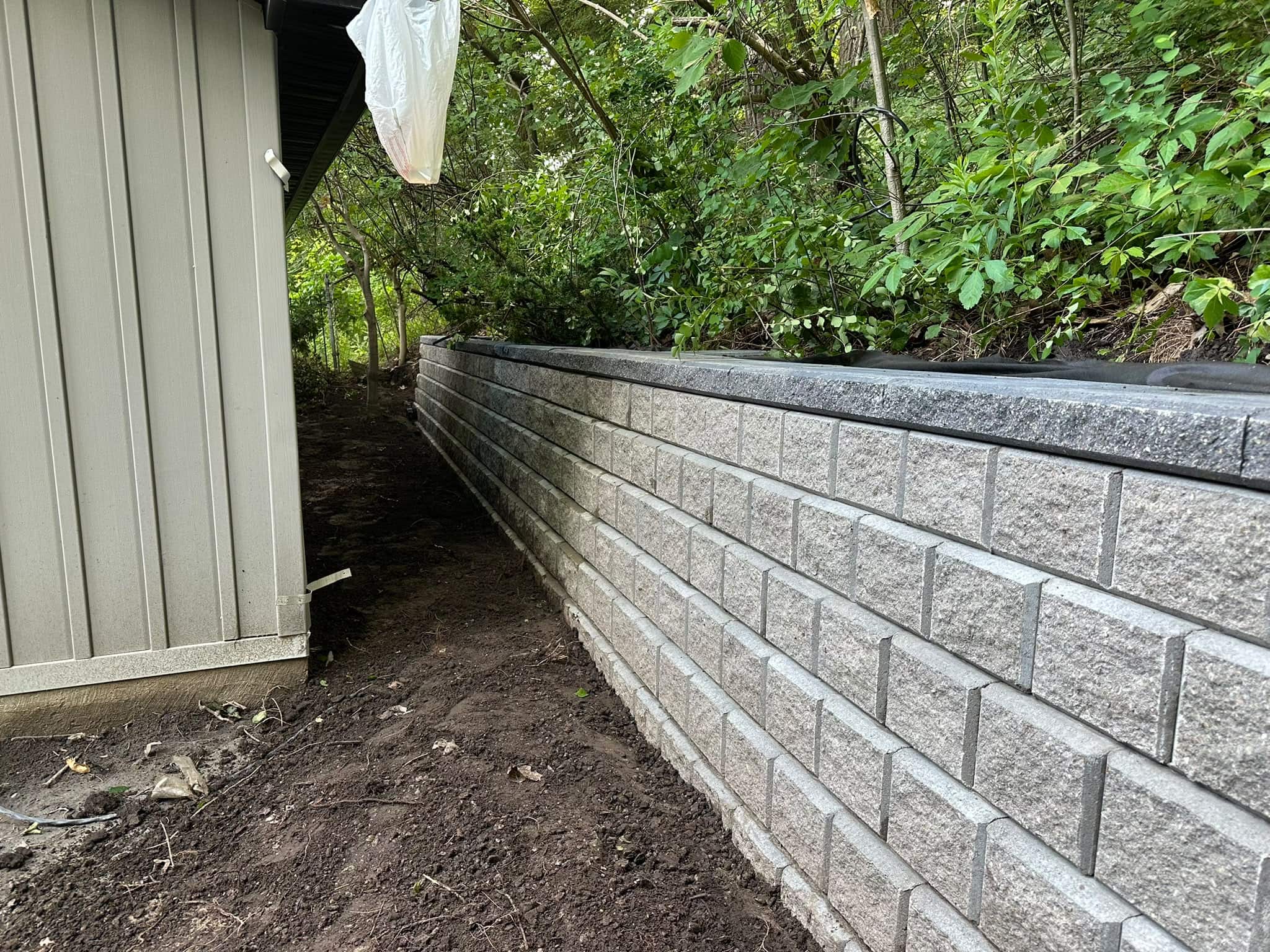
- Retaining walls: watch for movement, bulging, staining, and drainage-related stress
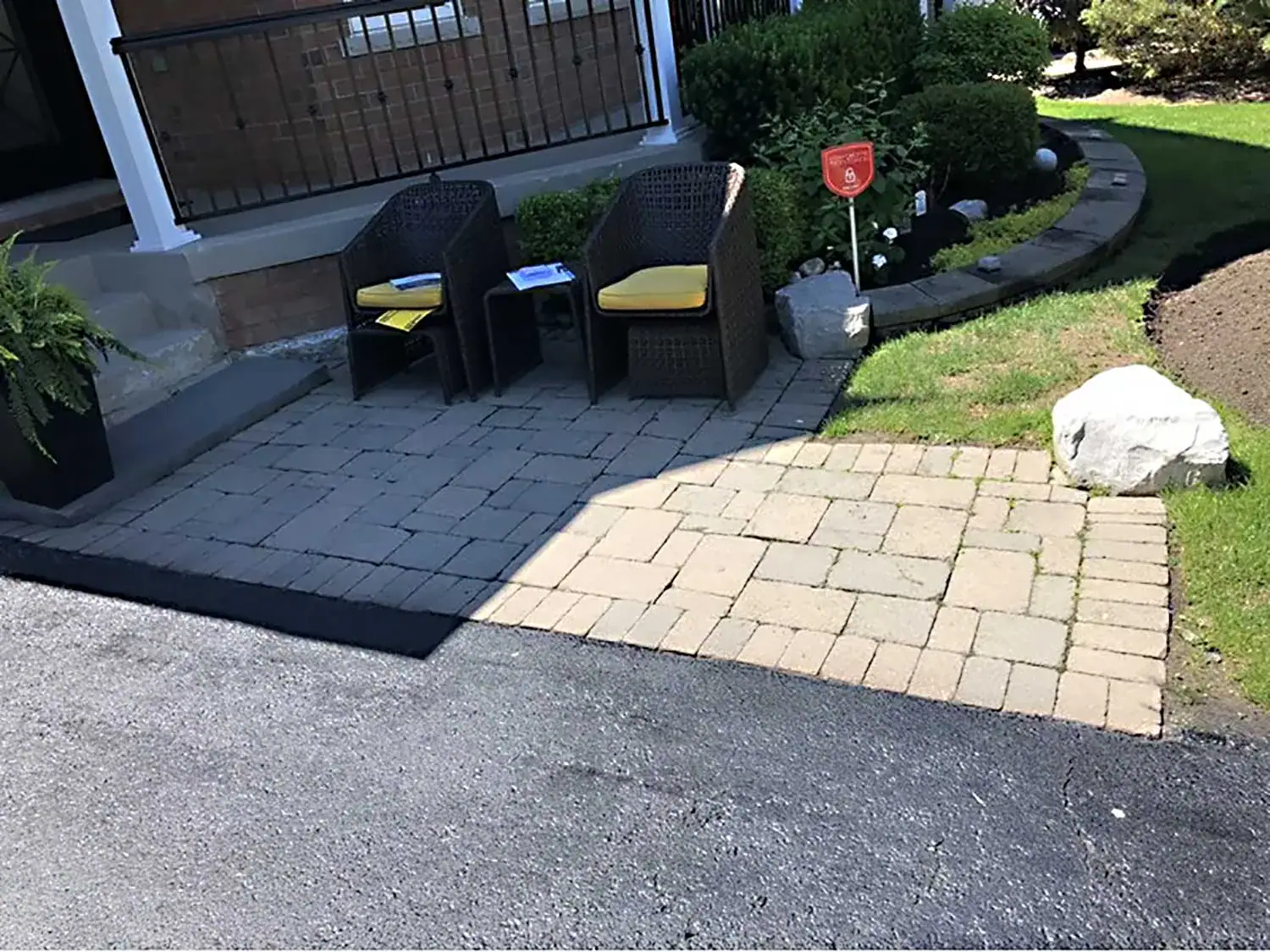
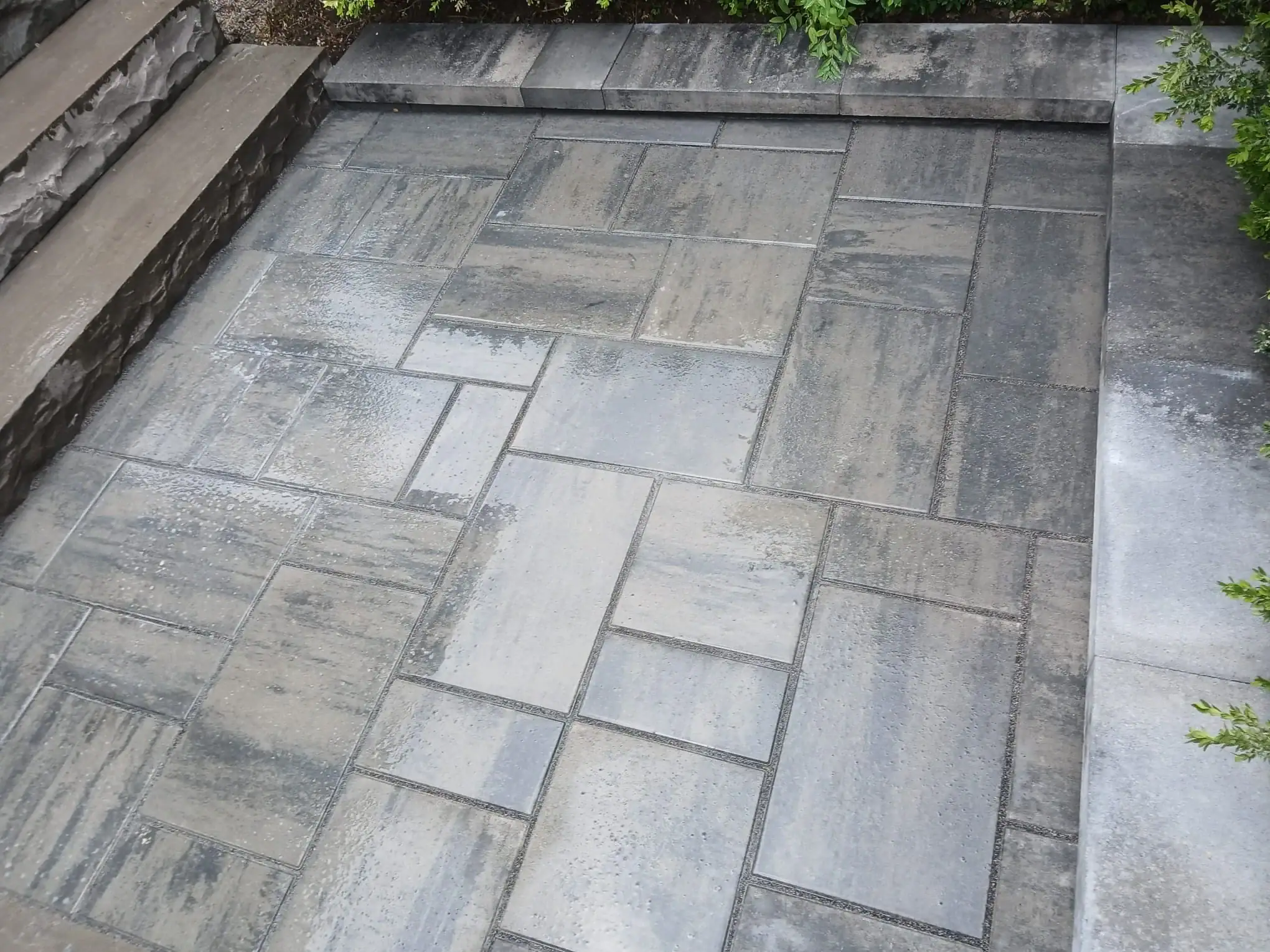
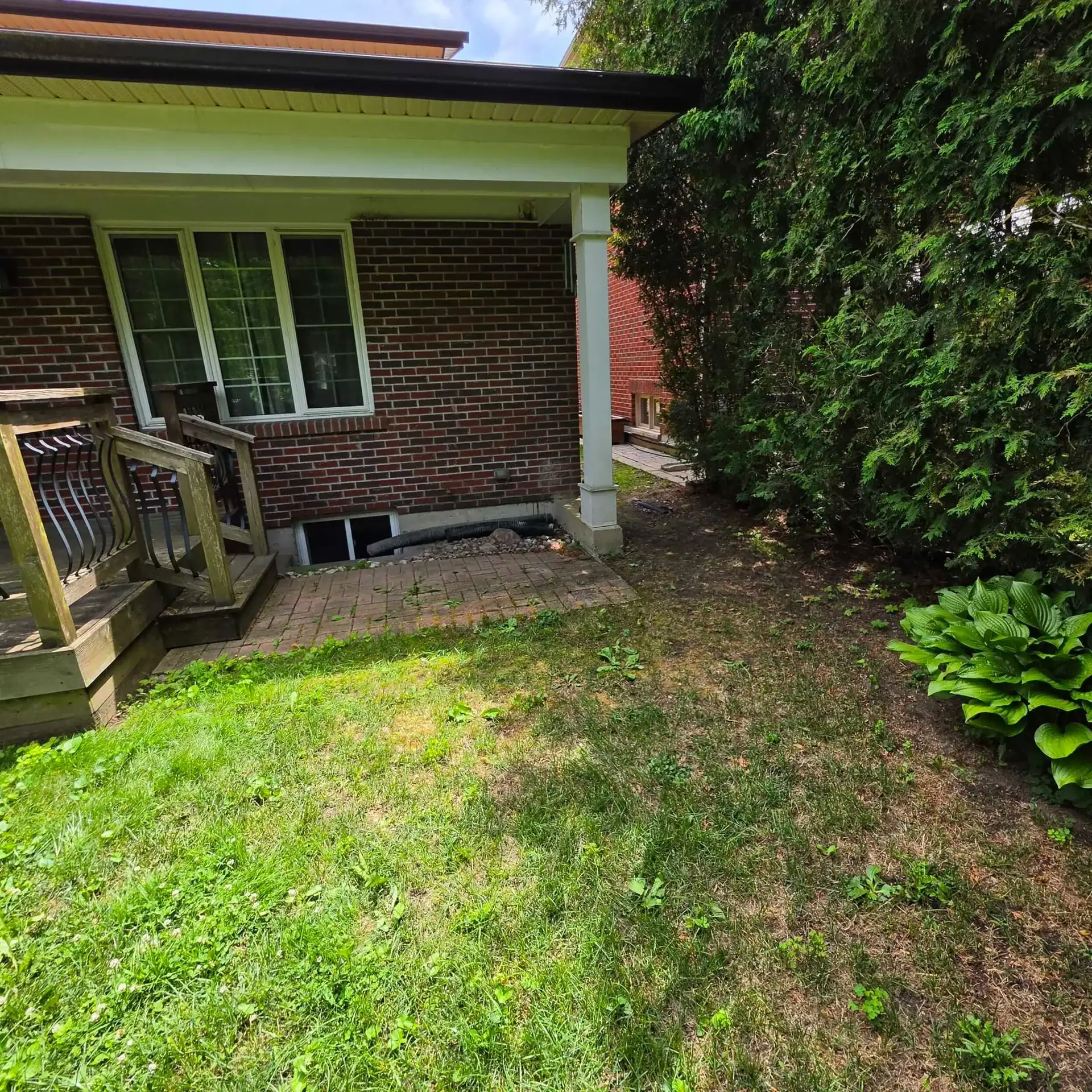
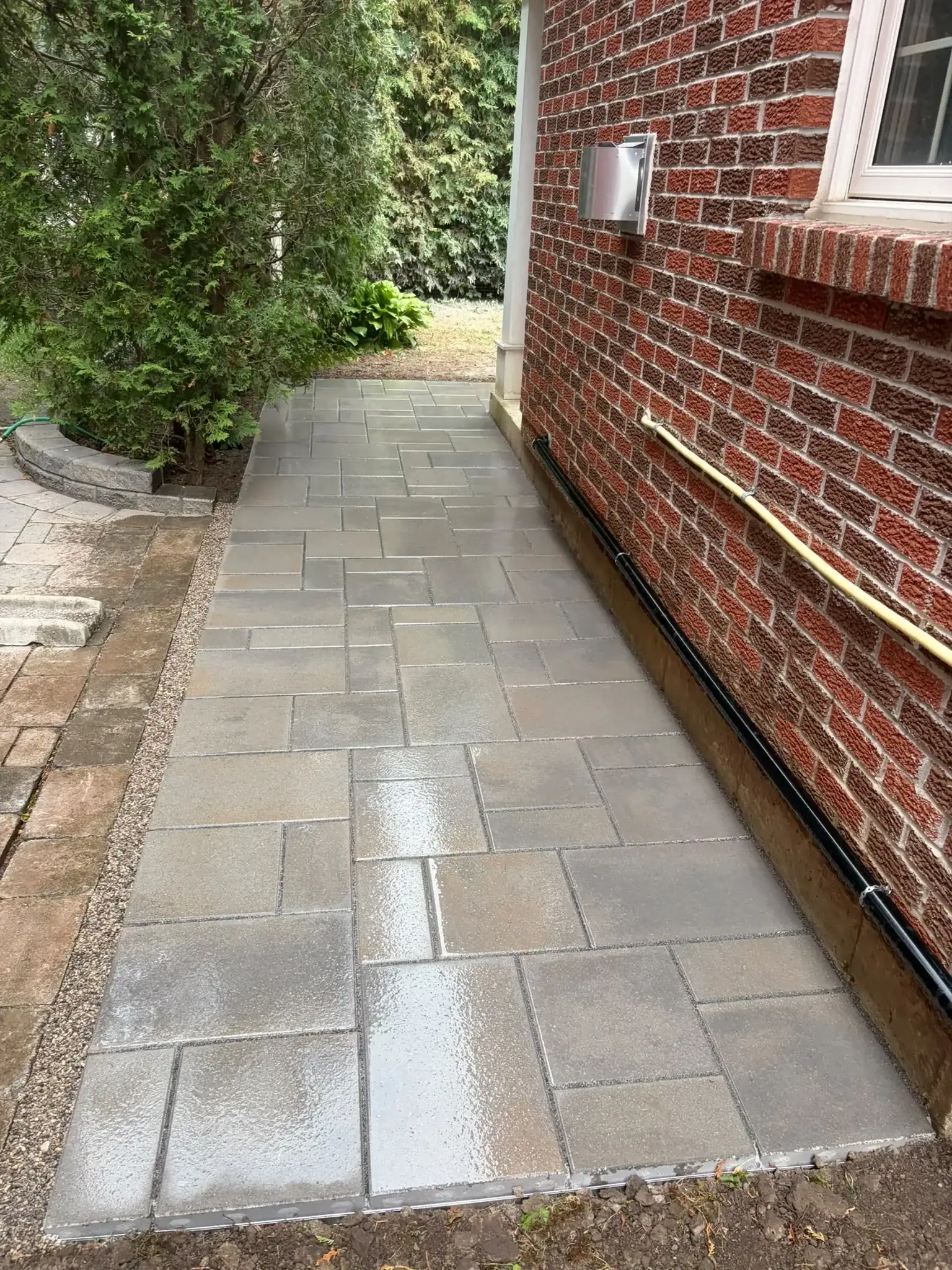
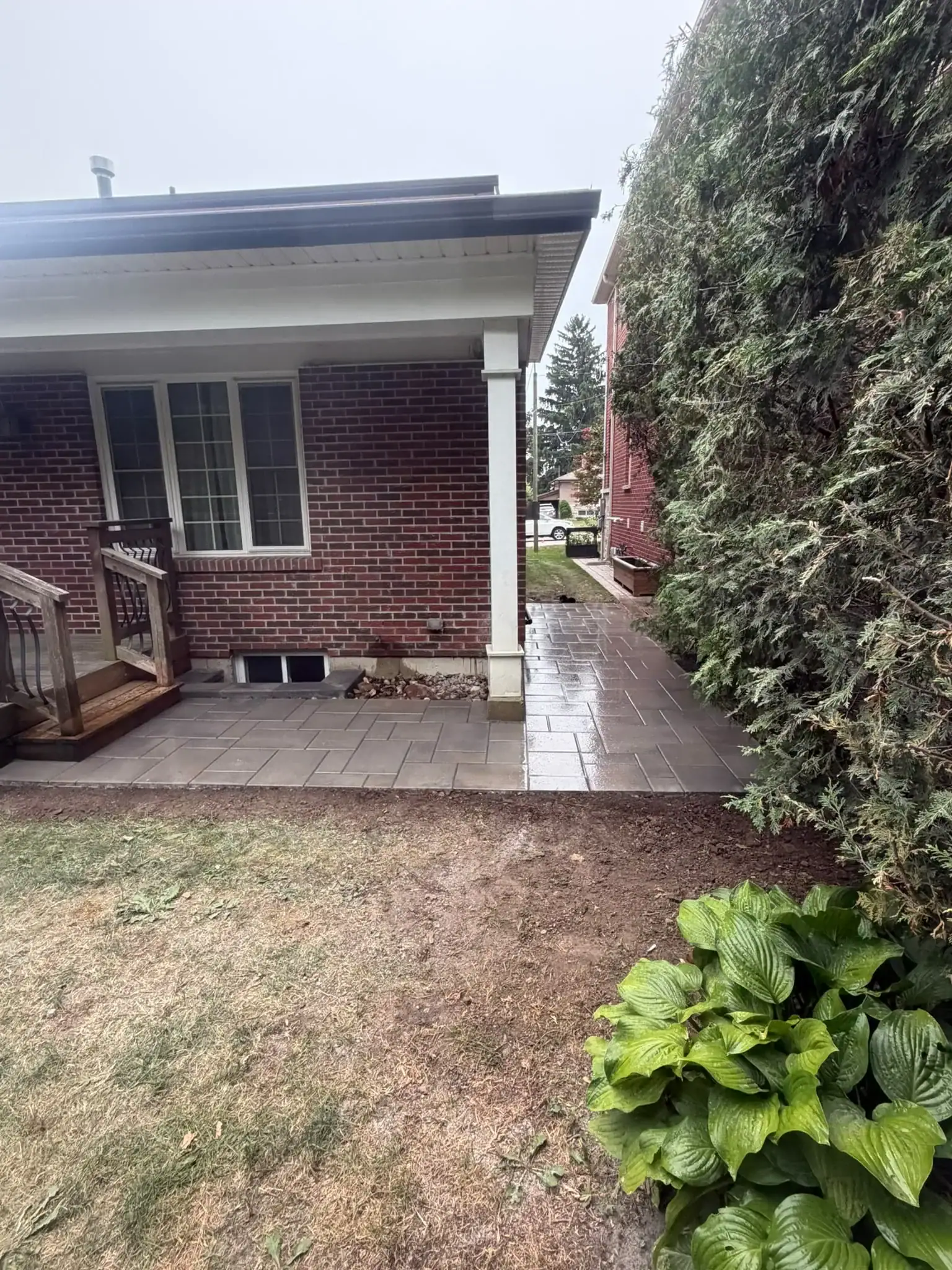
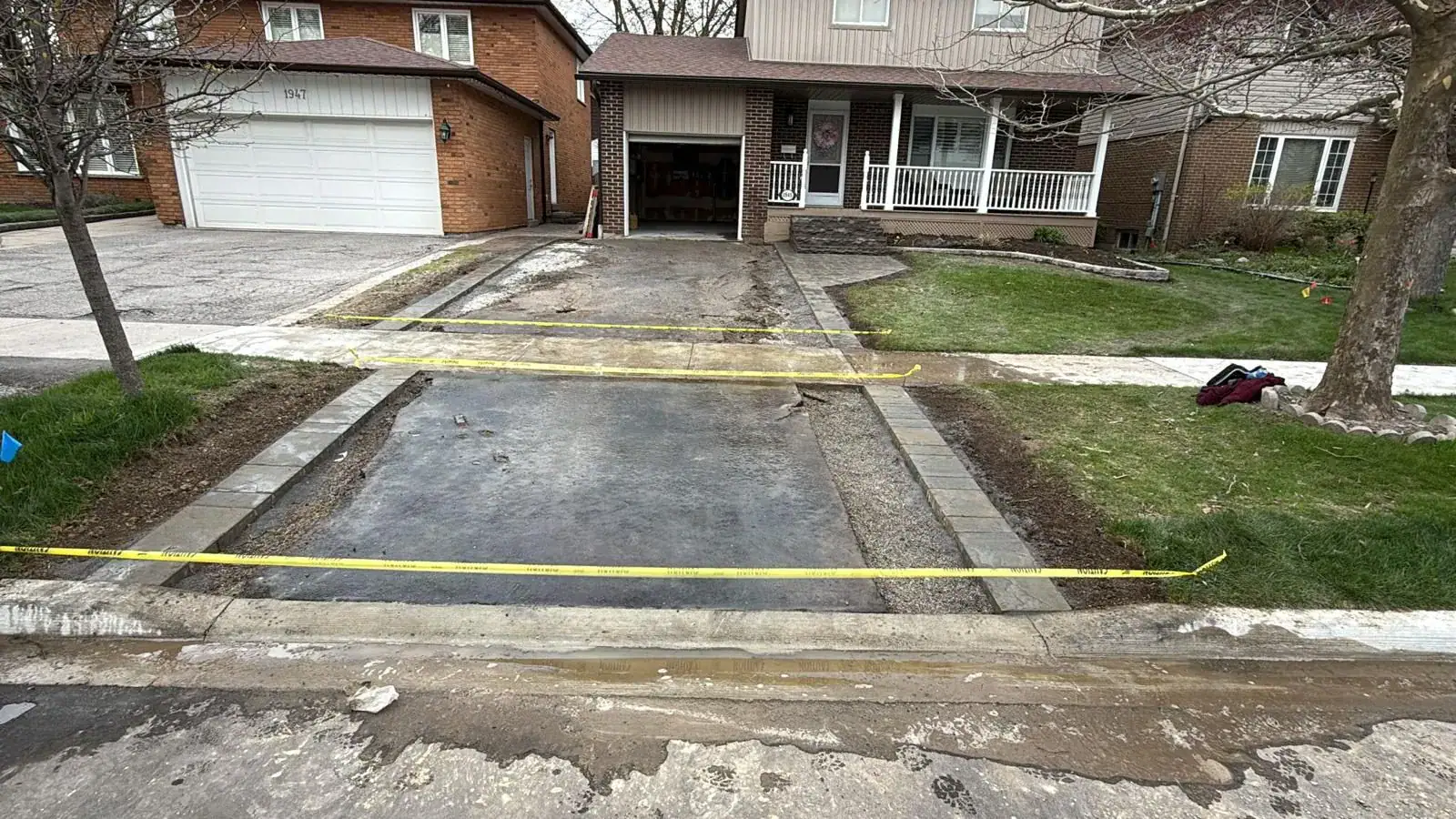
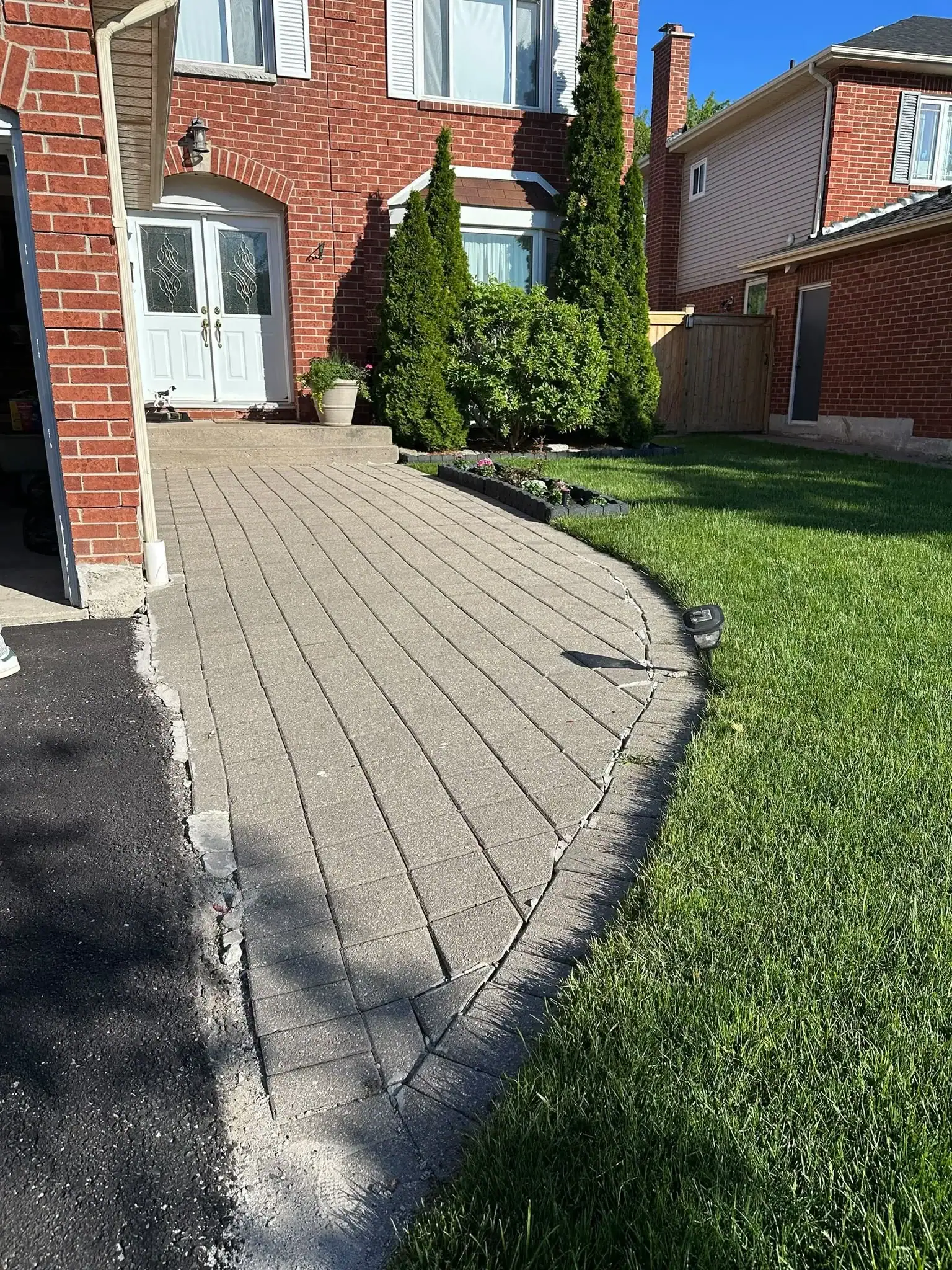
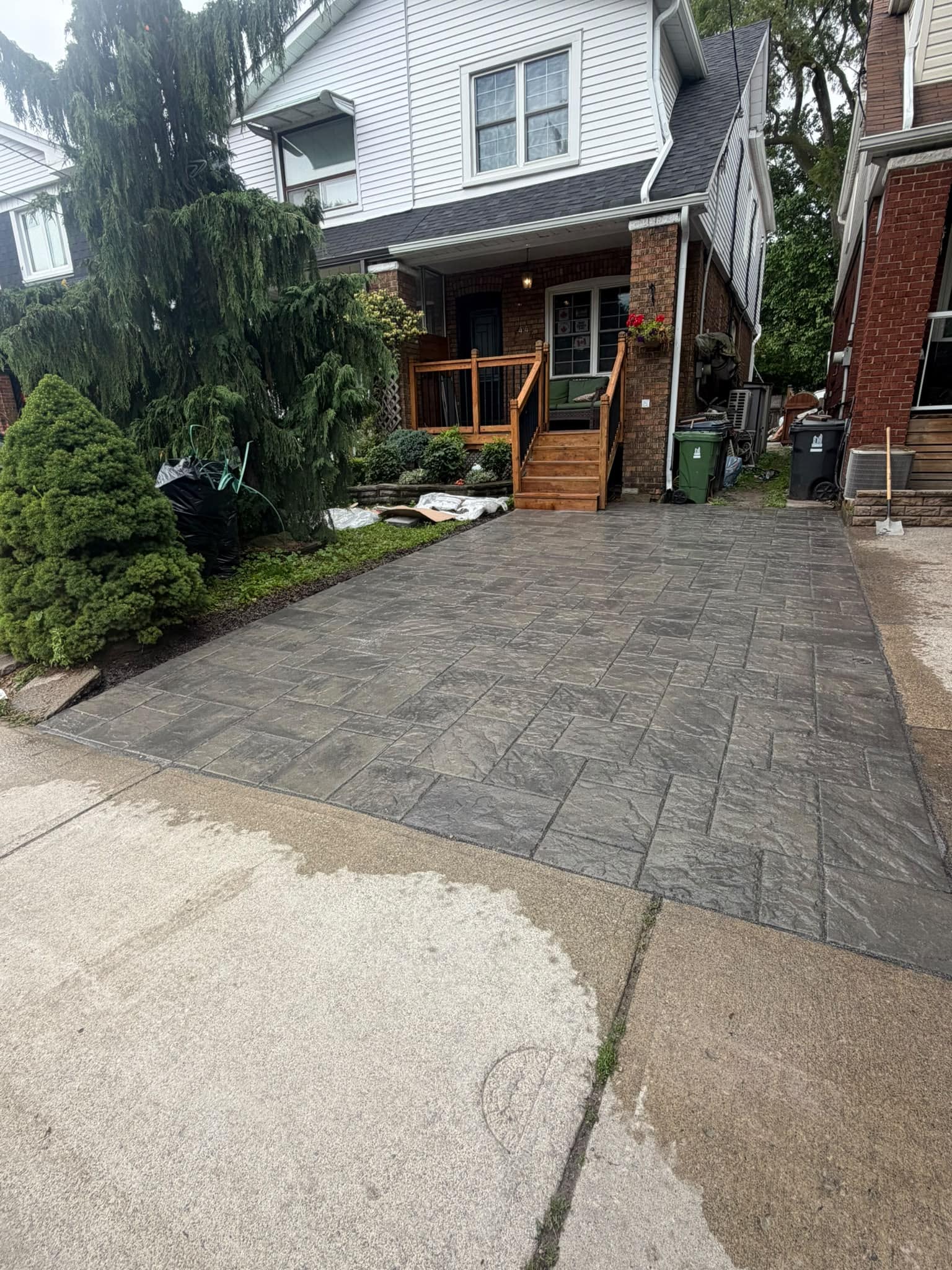
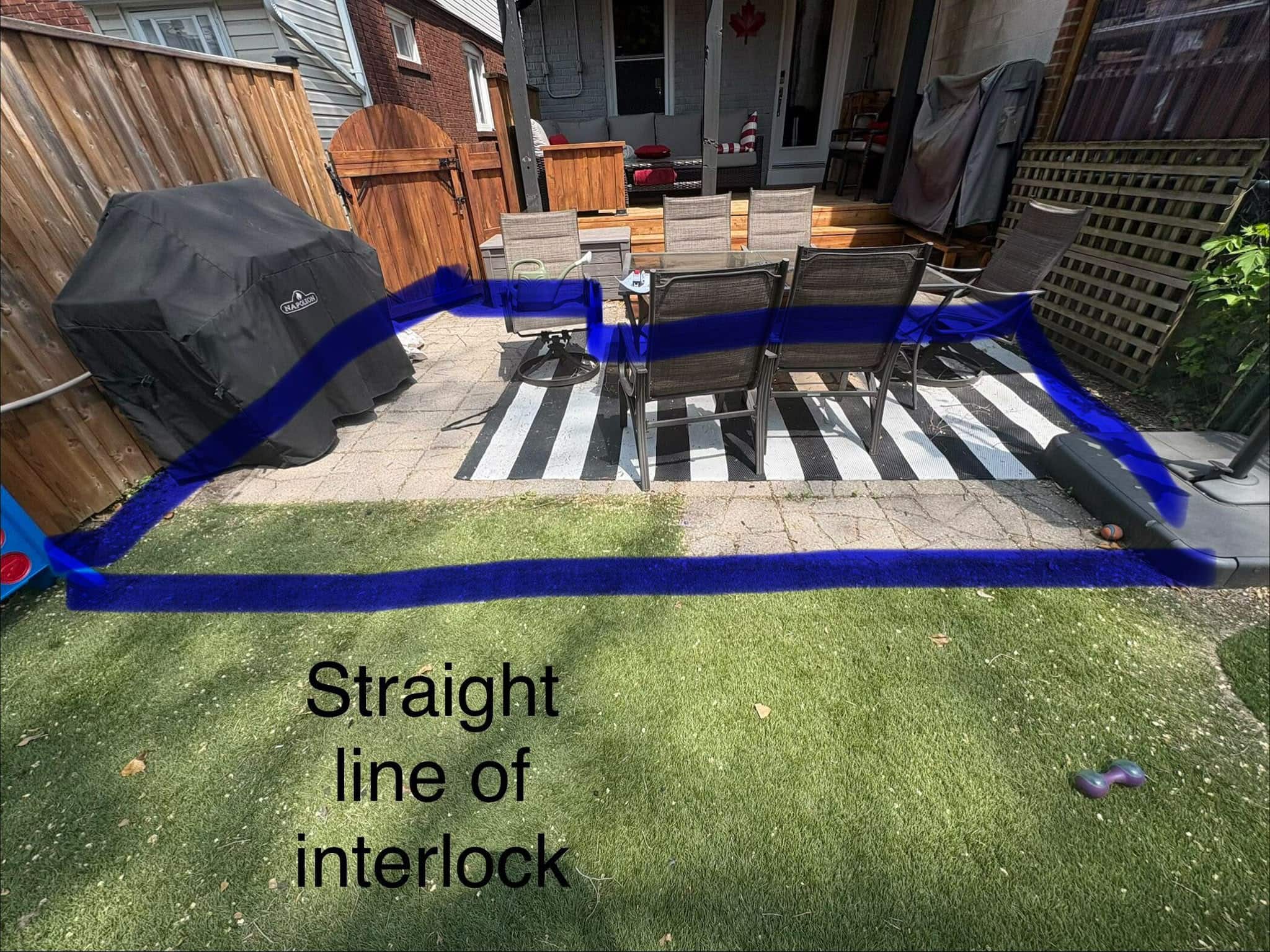
- Interlocking and walkways: look for settlement, heaving, and slope issues after winter movement
- Window sills, coping, and ledges: check areas where water collects or sheds repeatedly
For many homeowners, the smartest approach is to work from the ground up. Start with the lower walls, steps, porches, and drainage zones because those are often where winter moisture leaves the clearest evidence behind. Then move upward to chimneys, upper wall areas, and more exposed masonry details.
What to Look For During a Spring Masonry Check
You do not need to be a mason to spot early warning signs. The key is knowing what changes matter.
Common spring signs to watch for include:
- white staining or efflorescence on brick or stone
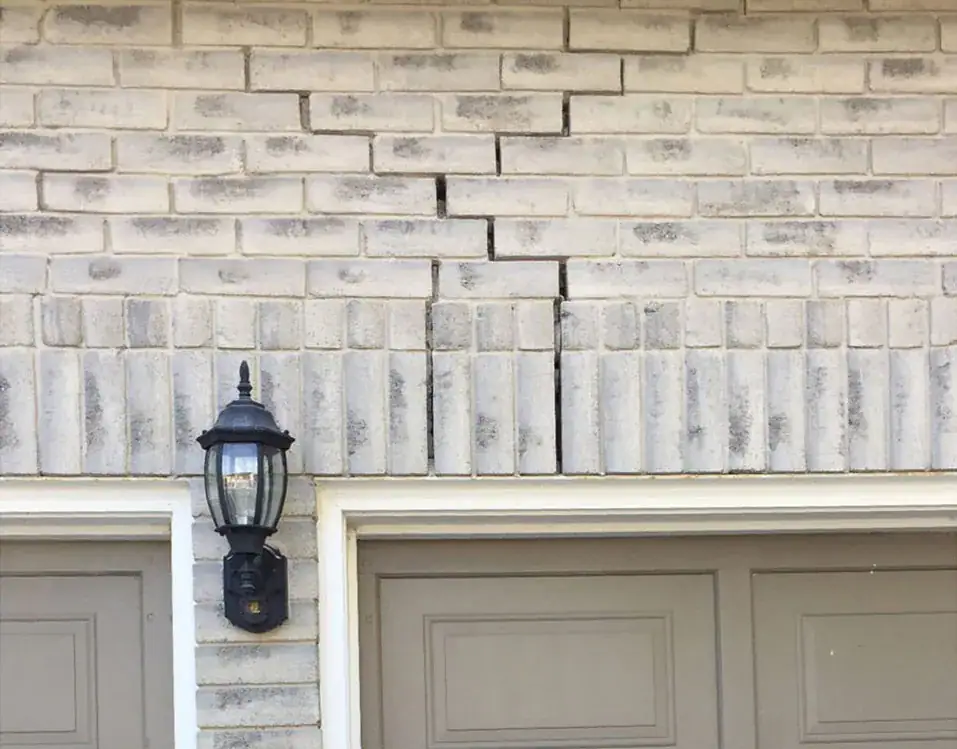
- cracked, loose, sandy, or missing mortar joints
- flaking brick faces or surface spalling
- dark moisture marks that linger after rain
- small gaps at masonry transitions
- movement in interlocking, walkways, or steps
- moss or algae that keeps returning in the same damp areas
- loose masonry pieces or small debris below walls or chimney areas
If the issue appears to be white surface residue, it may help to compare what you see with our related blog on handling efflorescence on brick or stone. That is useful because not every white mark means the same thing, and recurring salts often point to an underlying moisture issue rather than a cleaning problem alone.

What Homeowners Can Usually Do Themselves
Spring masonry care does include homeowner-friendly tasks, especially when the goal is observation, light cleaning, and basic maintenance rather than repair work that changes the wall itself.
Homeowners can usually:
- visually inspect walls, steps, chimneys, and walkways from safe ground-level positions
- gently brush off loose surface dirt or light residue with non-abrasive methods
- clear leaves and debris away from lower masonry and drainage points
- check whether downspouts are discharging too close to the house
- watch how water drains during a spring rain
- note which areas stay damp longer than they should
- take photos of problem spots to compare over time
That last step is more useful than many homeowners expect. Small masonry changes are easier to track when you can compare them from one season to the next. What feels minor today may look much more obvious three months later when you have a picture from spring to compare against.
What Not to Do During Spring Cleaning
This is where many well-meaning homeowners make the problem worse. Aggressively cleaning masonry can damage older brick, wear down mortar joints, and push water deeper into already vulnerable surfaces.
It is safer to avoid:
- sandblasting or abrasive cleaning methods
- high-pressure washing on older or already worn masonry
- strong chemical cleaning without knowing the masonry condition
- sealing over a moisture problem without fixing the source
- patching over recurring cracks without understanding why they formed
Toronto heritage guidance is especially clear that abrasive cleaning methods such as sandblasting, high-pressure water blasting, or harsh chemical cleaning can harm older masonry. City of Toronto heritage guidance on masonry cleaning and repair
Even if your home is not a heritage property, the principle still applies. Cleaning should help preserve the surface, not strip it down or weaken it.
When a Touch-Up Is Enough and When It Is Not
This is where homeowners often need the clearest line. A touch-up is useful when the issue is minor, isolated, and not clearly tied to deeper movement or moisture entry. A touch-up is not enough when the visible issue is just the surface sign of a bigger problem.
A touch-up may be enough when:
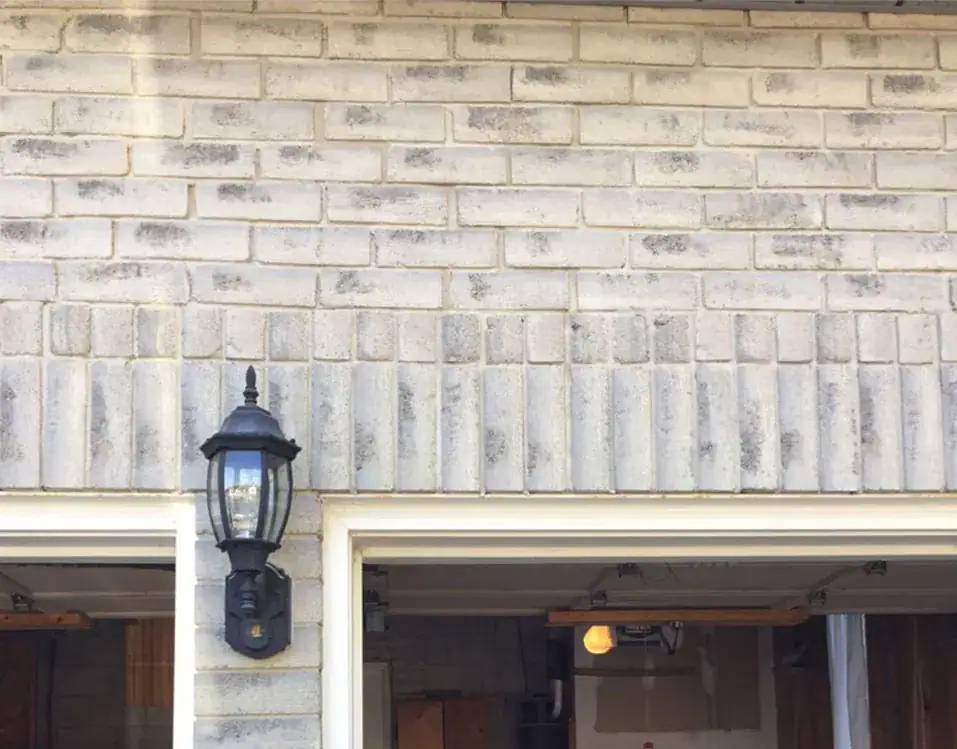
- the problem is light surface dirt or residue
- there is very minor cosmetic wear with no sign of recurring moisture
- a small caulking or seal transition needs maintenance
- the area has not changed over time and shows no structural or moisture pattern
A touch-up is usually not enough when:
- mortar joints are open, missing, or actively deteriorating
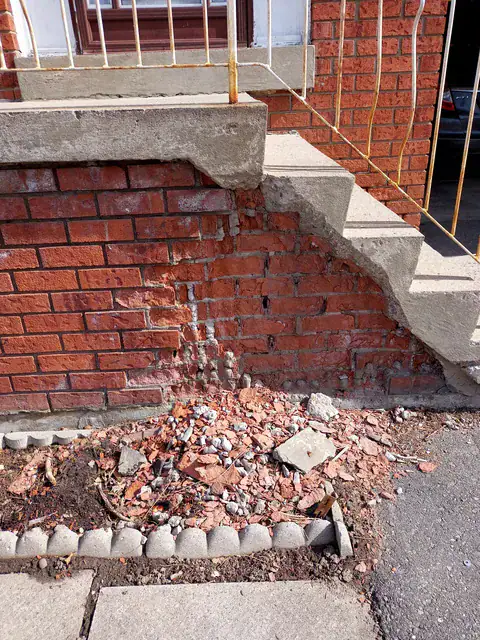
- brick faces are flaking or breaking apart
- the same damp or stained area keeps returning
- a step, wall, or paved surface has moved
- the problem clearly connects to water drainage or foundation moisture
- the chimney top is deteriorating
If the wall has worn or open mortar, this often points more toward tuckpointing services in Toronto than a simple cleanup. If bricks are loose, cracked, or spalling, it is usually more accurate to think in terms of brick repair than spring touch-up work.
Why Spring Cleaning Often Reveals Drainage Problems
One of the most useful aspects of spring masonry maintenance is that it often exposes water-management problems that were harder to spot in winter. Stains near the lower wall, saturated soil, pooled water, and repeated damp spots after rain are often clues that the real issue is not the masonry surface but the drainage pattern around it.
That is why spring touch-ups should not be treated as purely cosmetic. Sometimes the smartest thing a homeowner can do in spring is not clean harder, but investigate smarter. If the same area keeps showing moisture, it makes sense to look at our related post on the importance of proper drainage around masonry because the water path may be the real repair priority.
For lower wall moisture or persistent dampness near the foundation, waterproofing in Toronto may be more relevant than repeated surface cleaning.

Best Spring Touch-Ups by Area of the Property
Not every area needs the same kind of spring attention. A more useful way to think about it is in terms of location.
- Foundation walls: inspect for efflorescence, moisture stains, grading issues, and lower-wall mortar wear
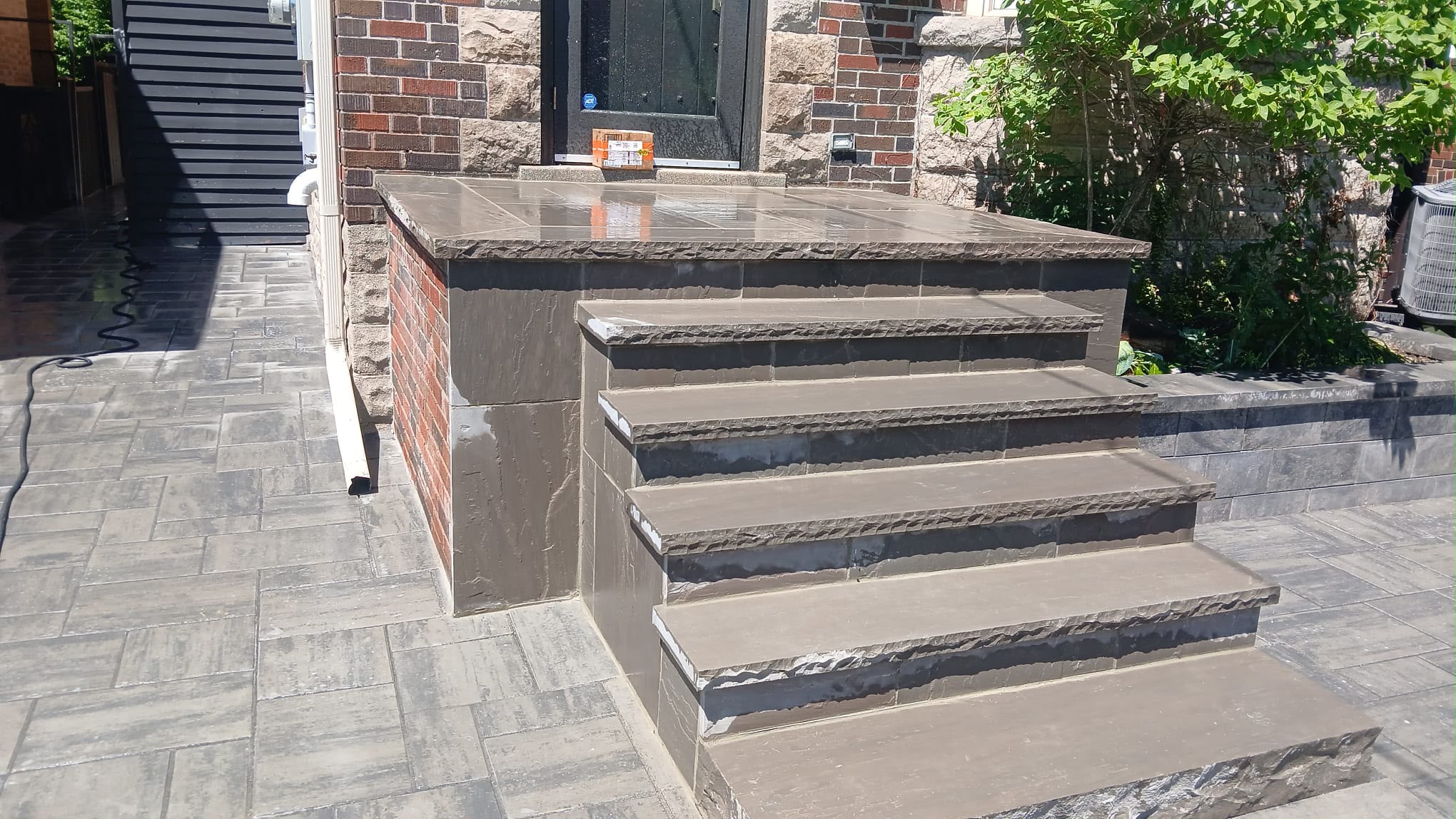
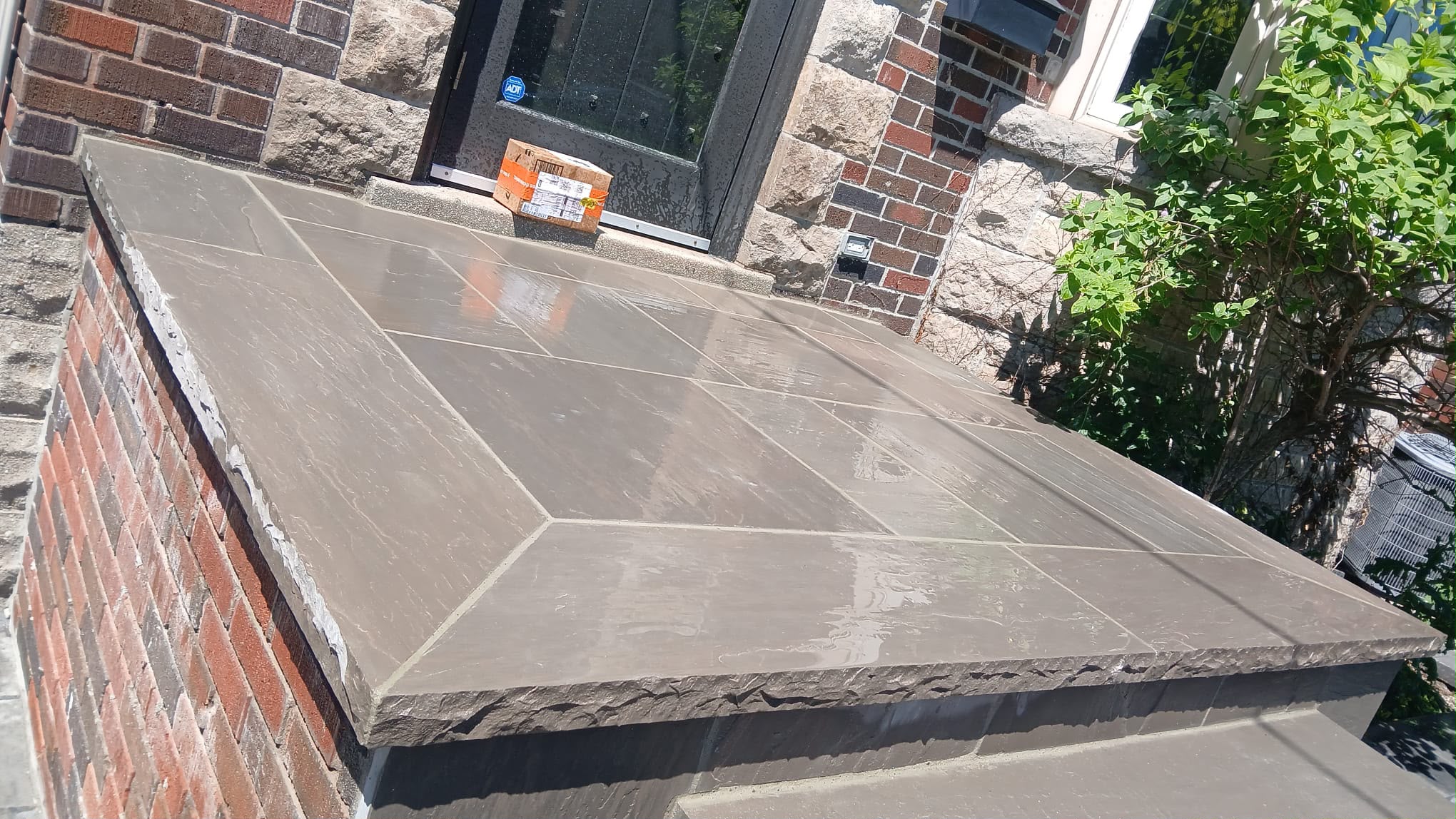
- Front steps and porches: check joint condition, movement, drainage, and any cracking after freeze-thaw exposure
- Chimneys: look for top wear, staining, missing mortar, and cap or crown concerns
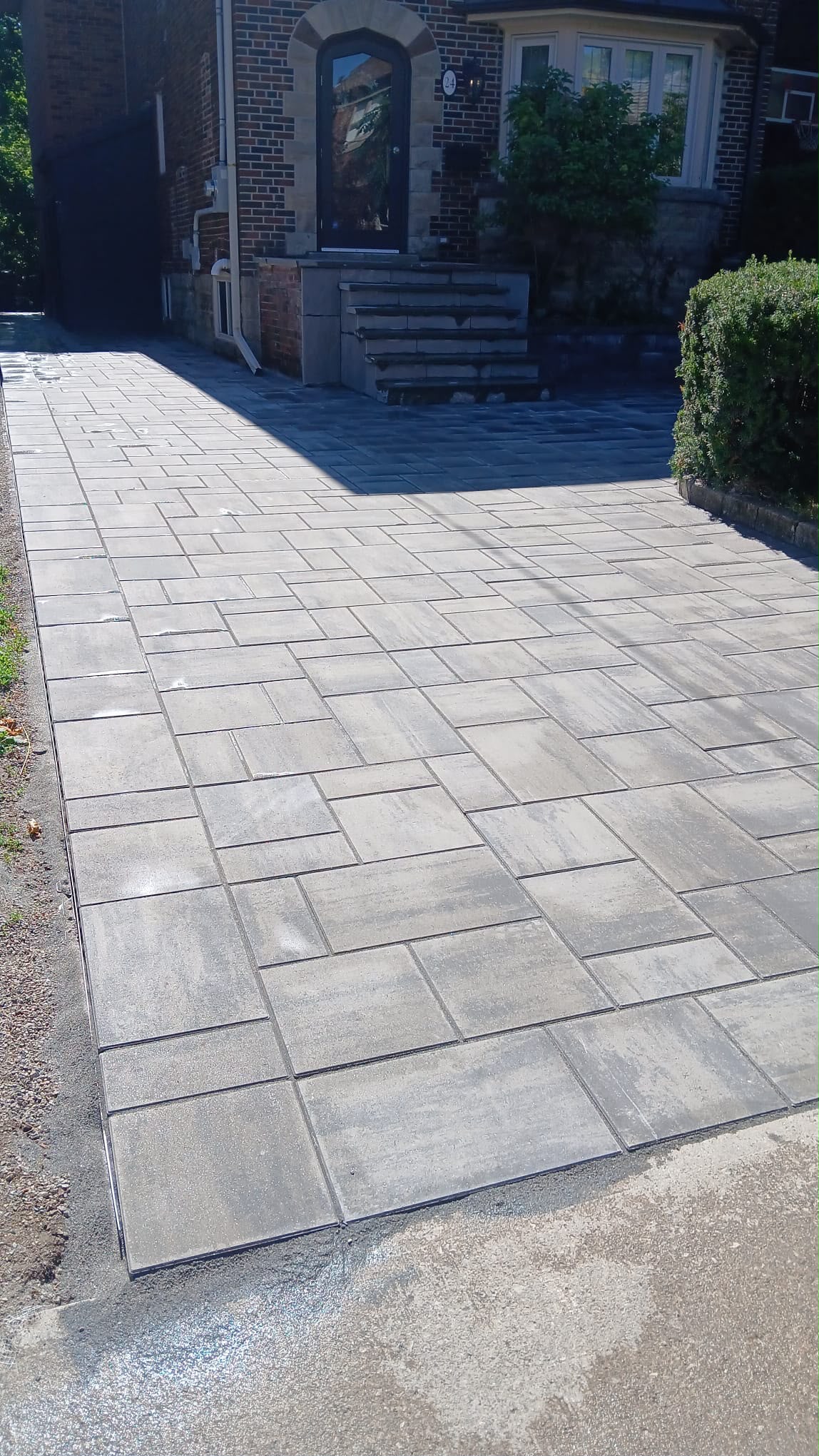
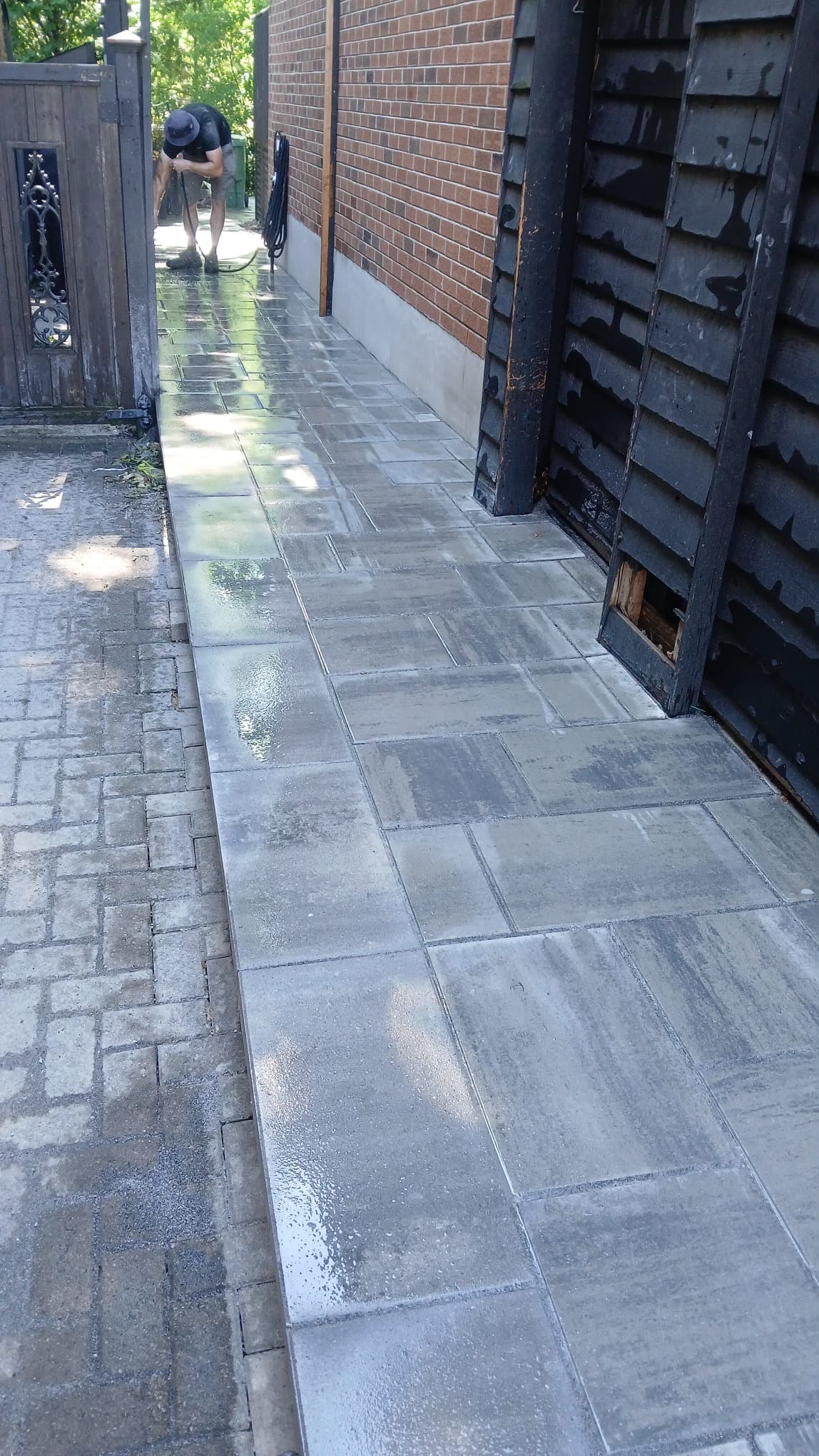
- Interlocking walkways and patios: check for settlement, unevenness, sand loss, and slope problems
- Retaining walls: inspect for bulging, staining, drainage stress, and movement
- Facade brickwork: look for recurring stains, worn joints, and isolated spalling or crack patterns
This area-by-area approach helps homeowners stop thinking in vague terms like “the outside looks rough” and start identifying which specific type of maintenance the property may need.
When Professional Help Makes More Sense
Professional help makes more sense when a spring inspection reveals more than a light cleanup issue. If the masonry has already changed, moved, cracked, or repeatedly absorbed moisture, the problem may require repair planning rather than seasonal touch-up work.
That usually includes cases where:
- mortar joints are visibly failing
- brick faces are spalling or flaking
- steps, walkways, or retaining walls have shifted
- the chimney top shows cracking or deterioration
- moisture patterns are recurring year after year
- cleaning alone is clearly not solving the issue
Ontario recognizes brick and stone mason work as a regulated skilled trade, which is a reminder that masonry repair is not just cosmetic detailing. Ontario Brick and Stone Mason trade information
For more involved repair or alteration work, Toronto’s building and property standards guidance may also be relevant, depending on the scope and condition. The point for homeowners is simple: once the issue is clearly beyond light maintenance, it makes more sense to inspect and properly repair it than to keep treating it as a seasonal cleanup. City of Toronto: When Do I Need a Building Permit?
Quick Decision Guide: Is It Cleaning, Touch-Up, or Repair?
It is probably just spring cleaning if:
- the issue is surface dirt, debris, or light residue
- the wall is otherwise dry, solid, and unchanged
- there is no repeating moisture pattern
It is probably a touch-up issue if:
- the area has small isolated cosmetic wear
- you are correcting minor seasonal maintenance items
- there is no obvious movement or moisture progression
It is probably a repair issue if:
- the masonry has changed shape, opened up, or started breaking down
- moisture keeps returning
- the same problem reappears after each winter
- the issue involves structure, drainage, or exposed top-of-wall components
If you are unsure, use this rule: if winter left behind more than dirt, you are probably looking at maintenance plus repair planning, not cleaning alone.
Final Thoughts
Spring cleaning and masonry touch-ups matter because they help homeowners catch problems when they are still manageable. Small signs like staining, loose mortar, damp lower walls, or shifted steps may seem minor in spring, but they often point to the exact issues that become more expensive to address when ignored.
For Toronto homeowners, the smartest approach in spring is not to scrub harder or patch everything on sight. It is to inspect carefully, clean gently, and separate true touch-ups from signs of real masonry wear. That helps protect the home’s appearance, but more importantly, it protects the masonry itself.
If there is one takeaway, it is this: spring is not just cleanup season for masonry. It is inspection season. The sooner you spot the real issue, the better your options usually are.