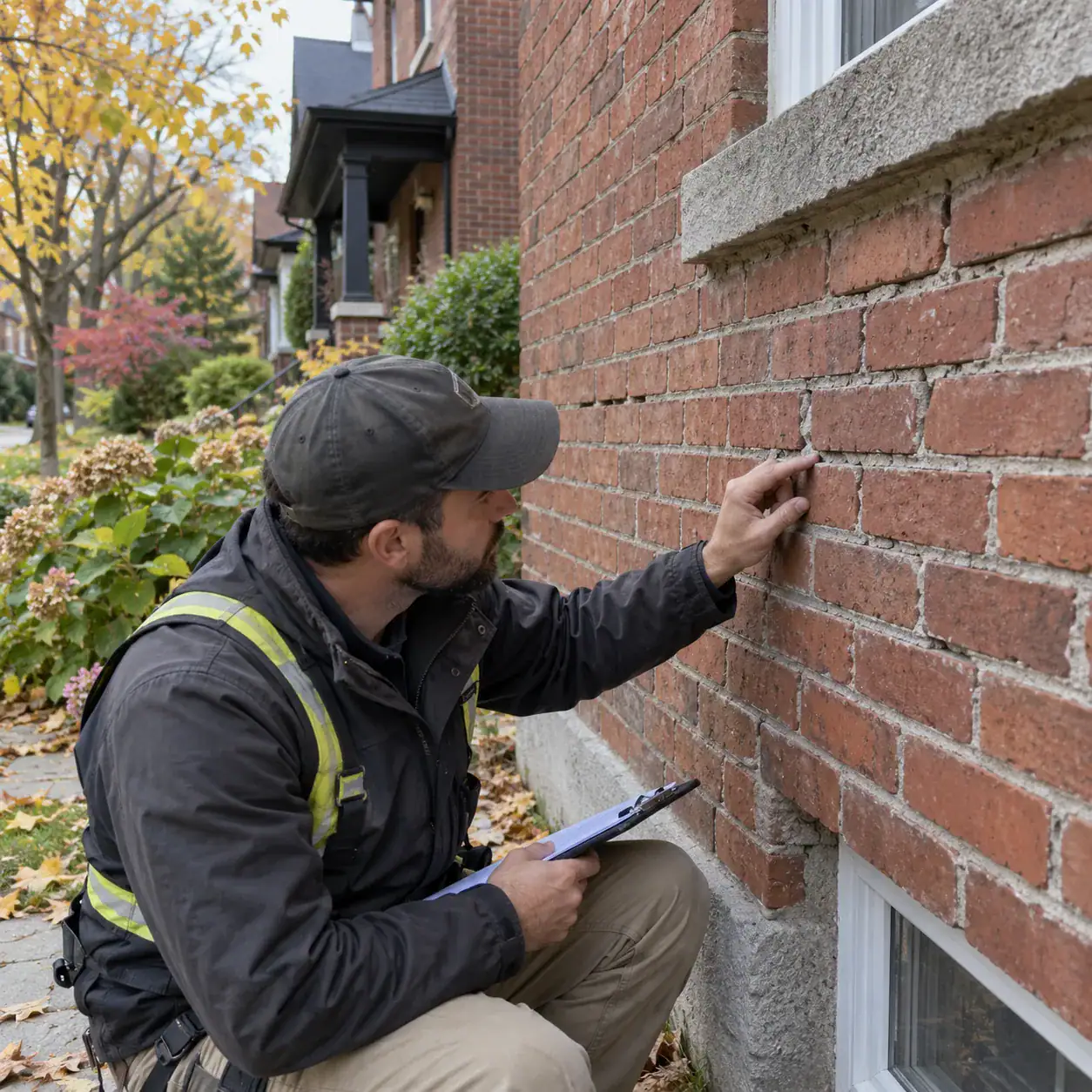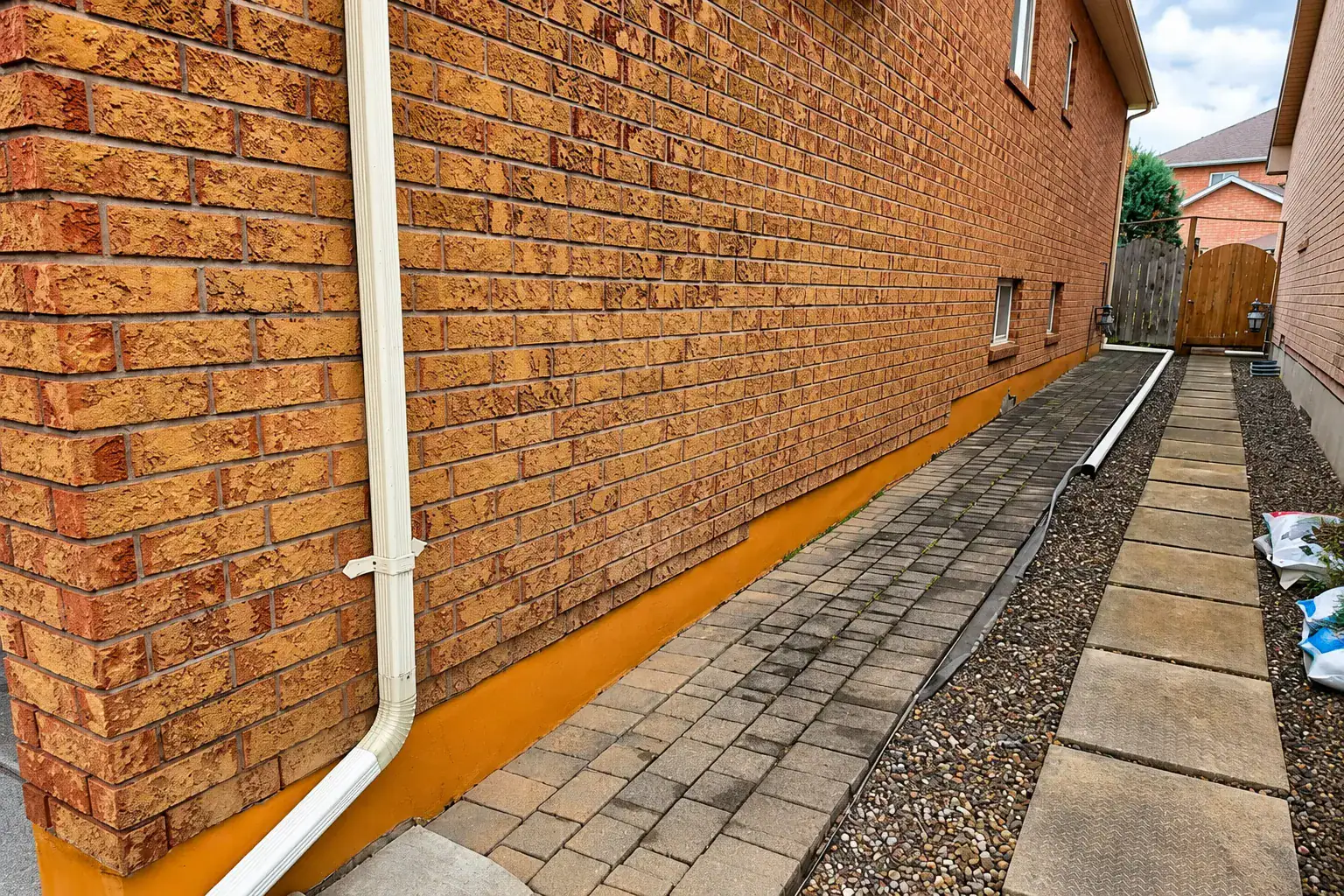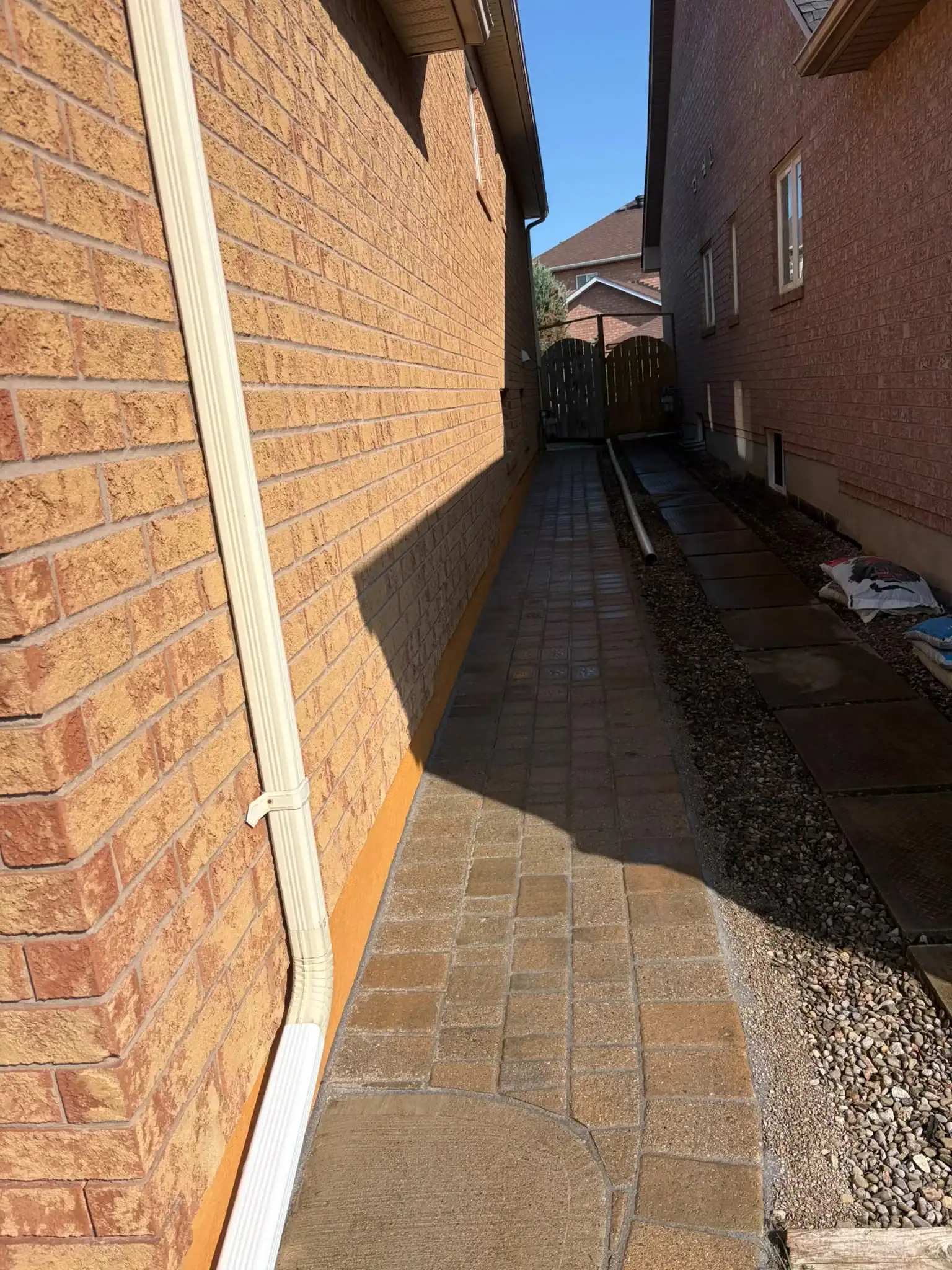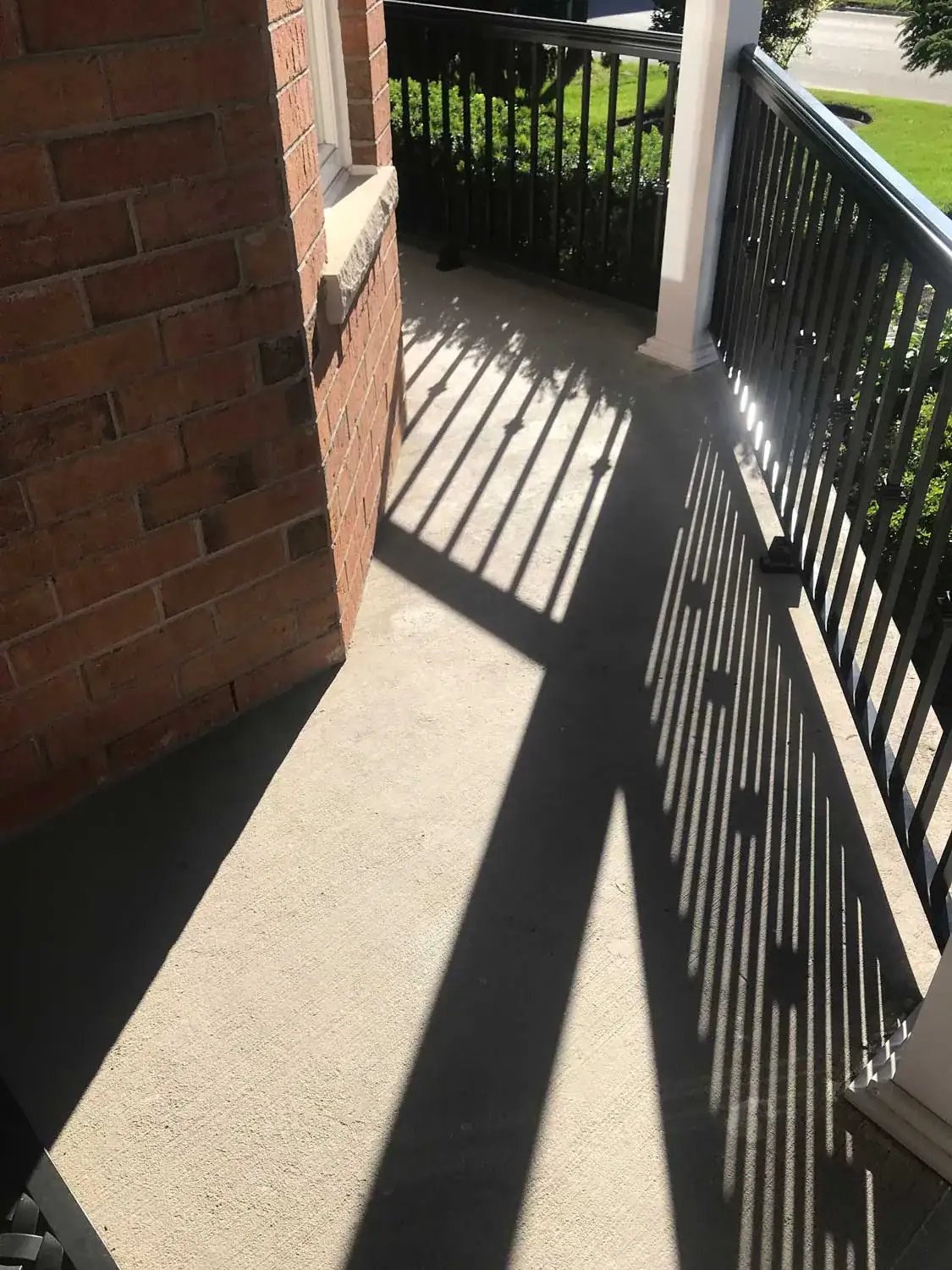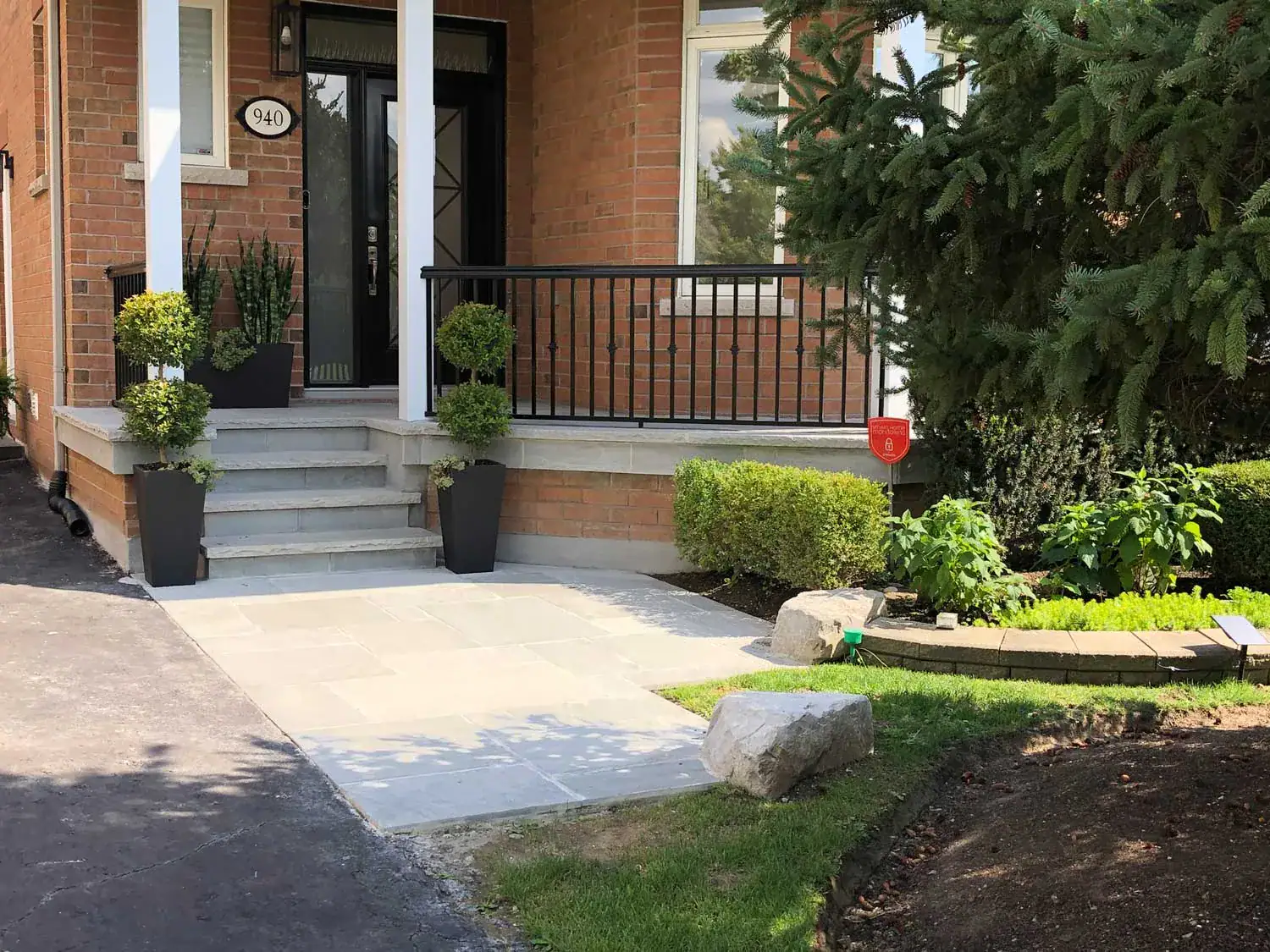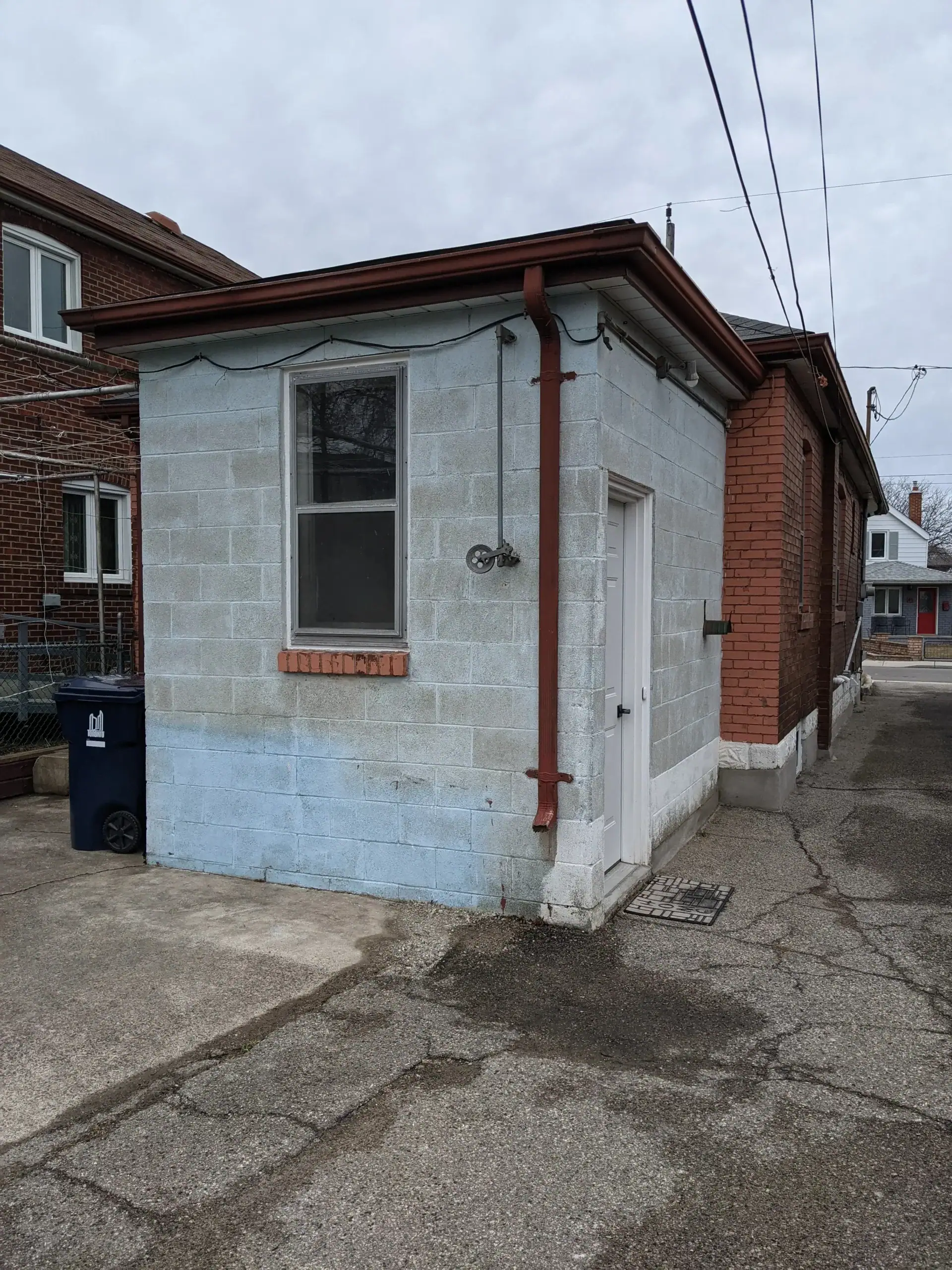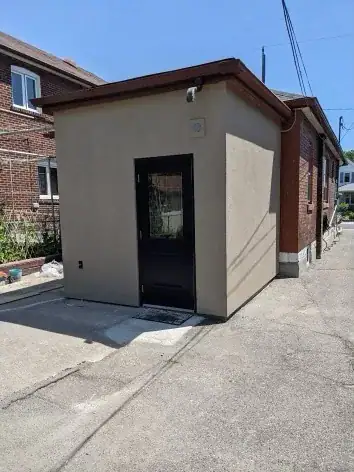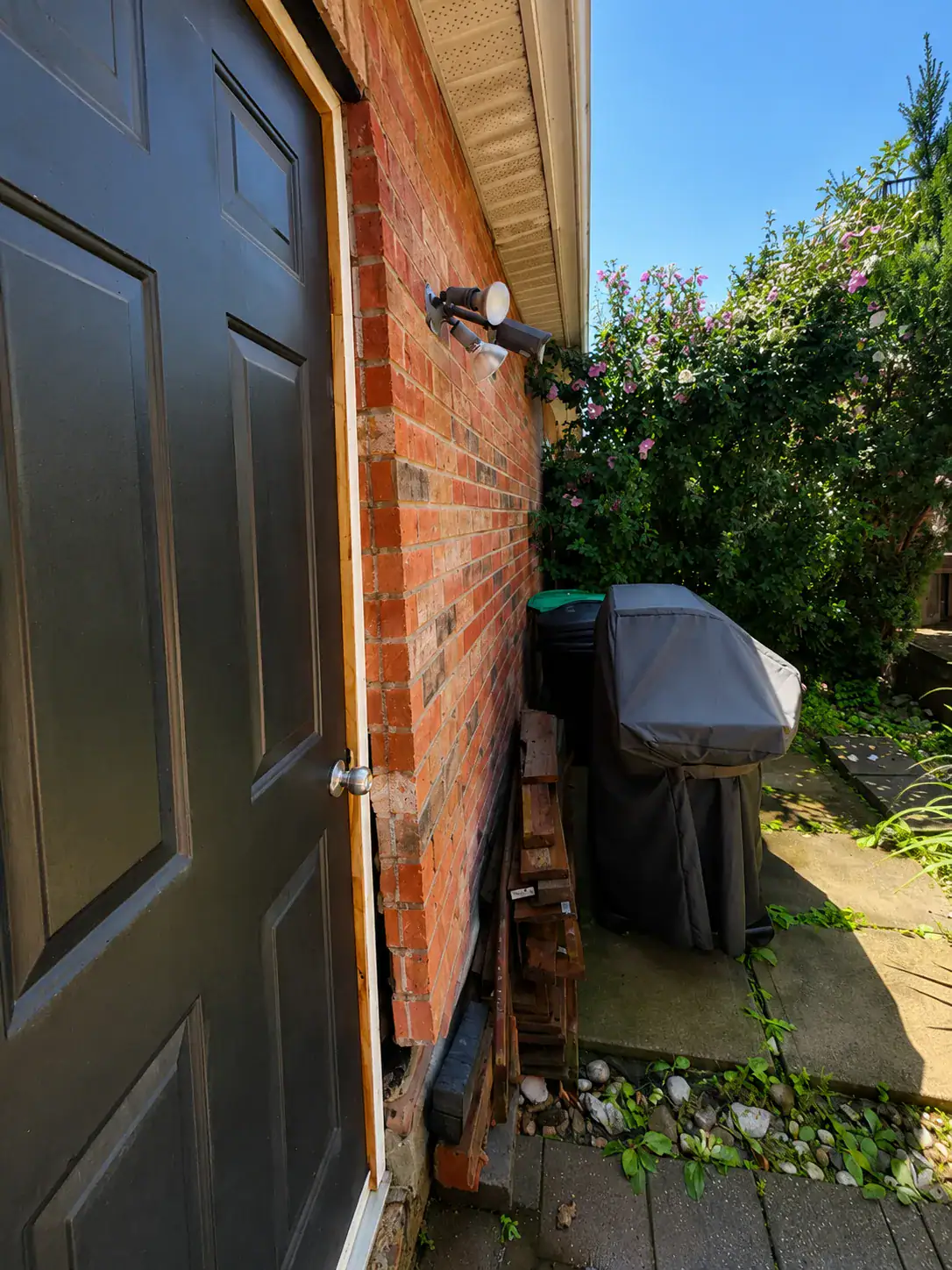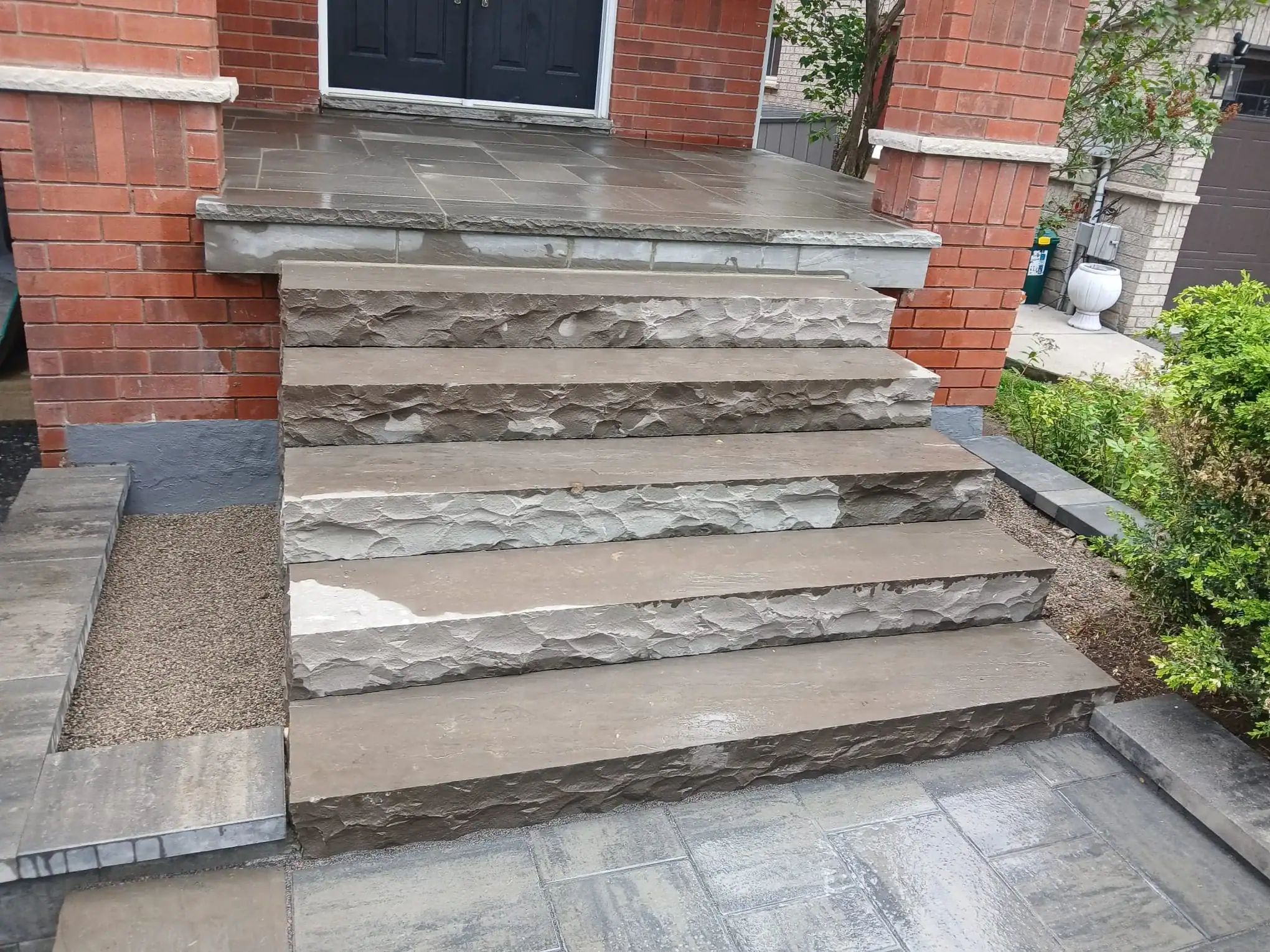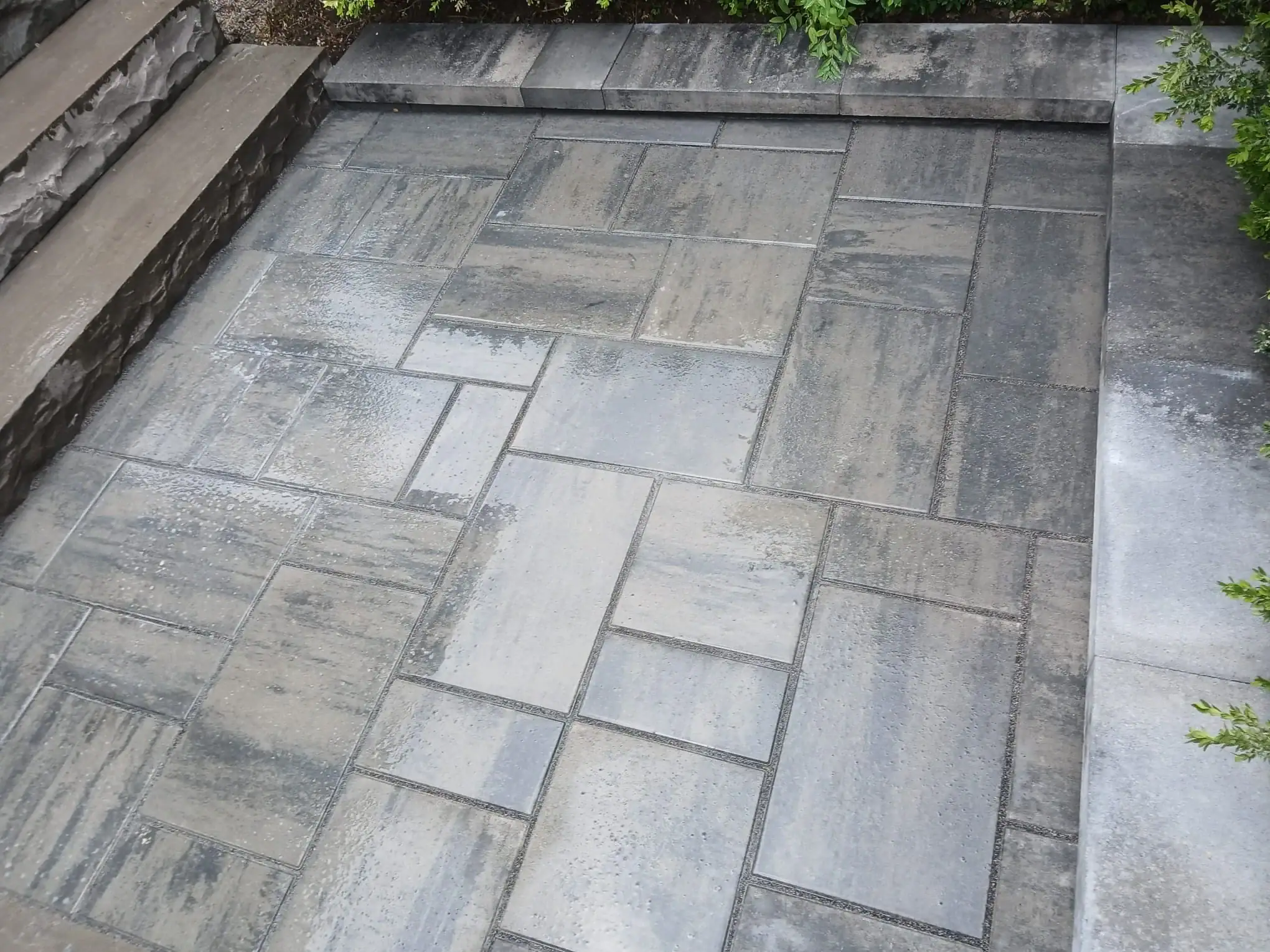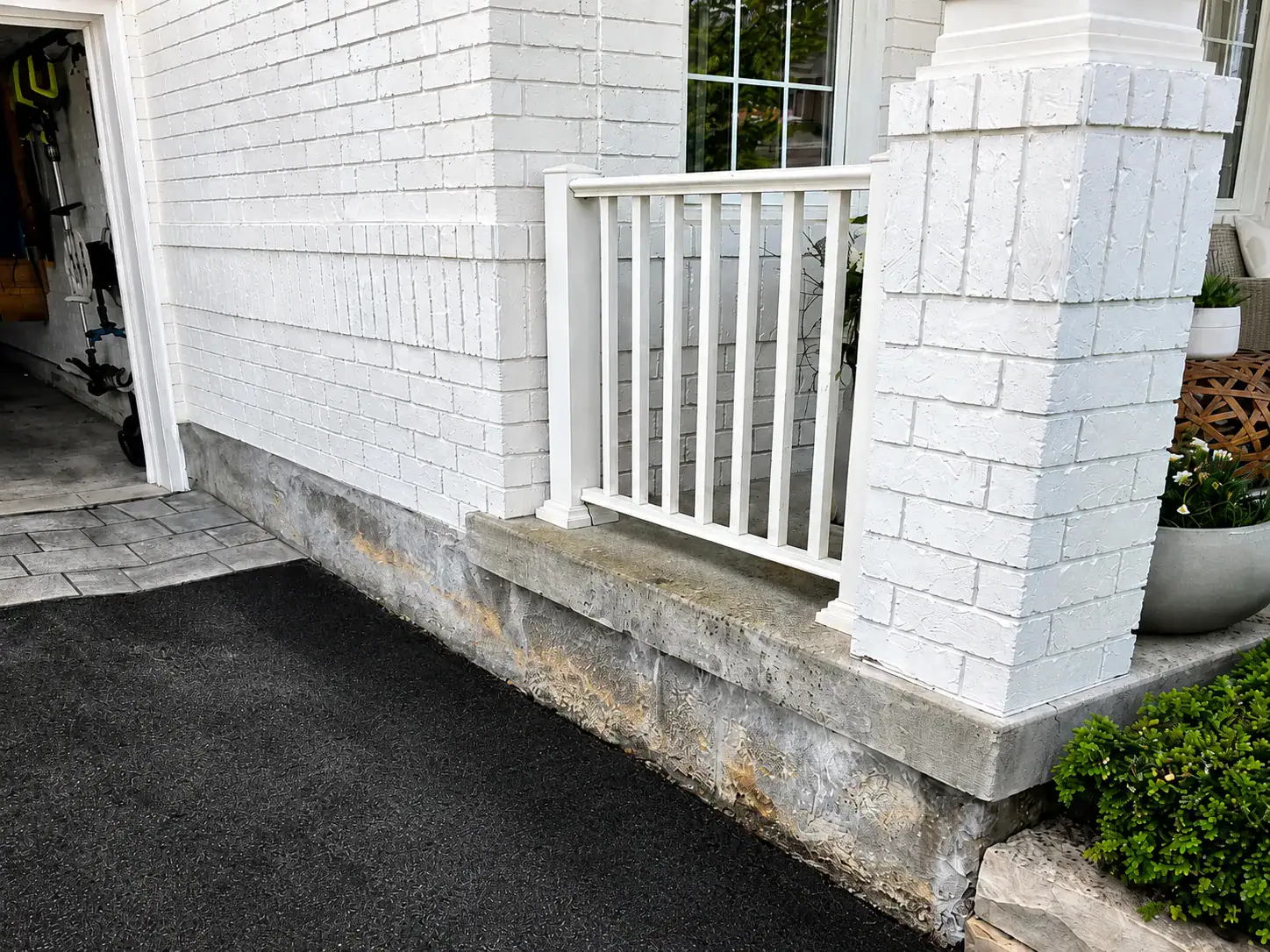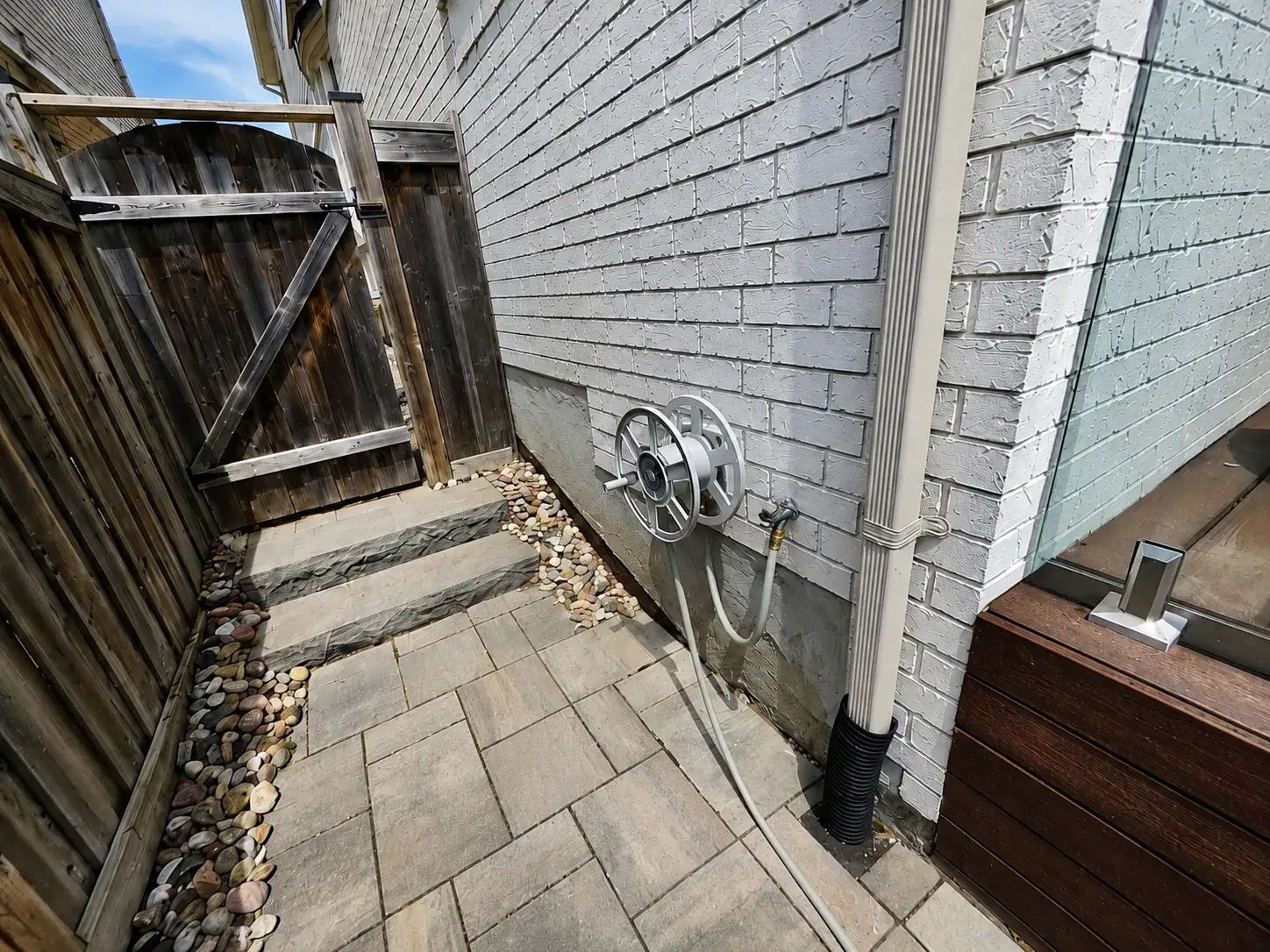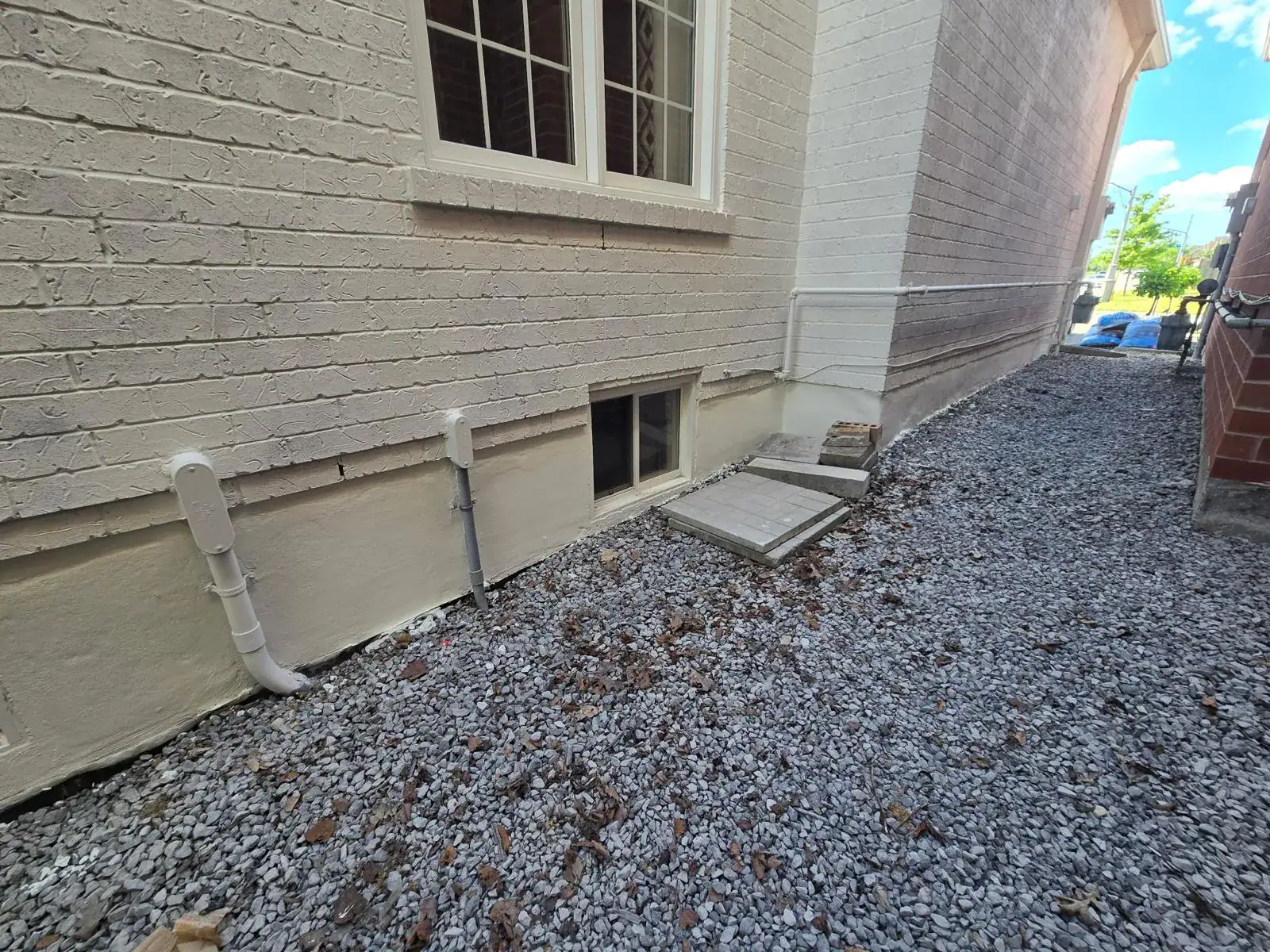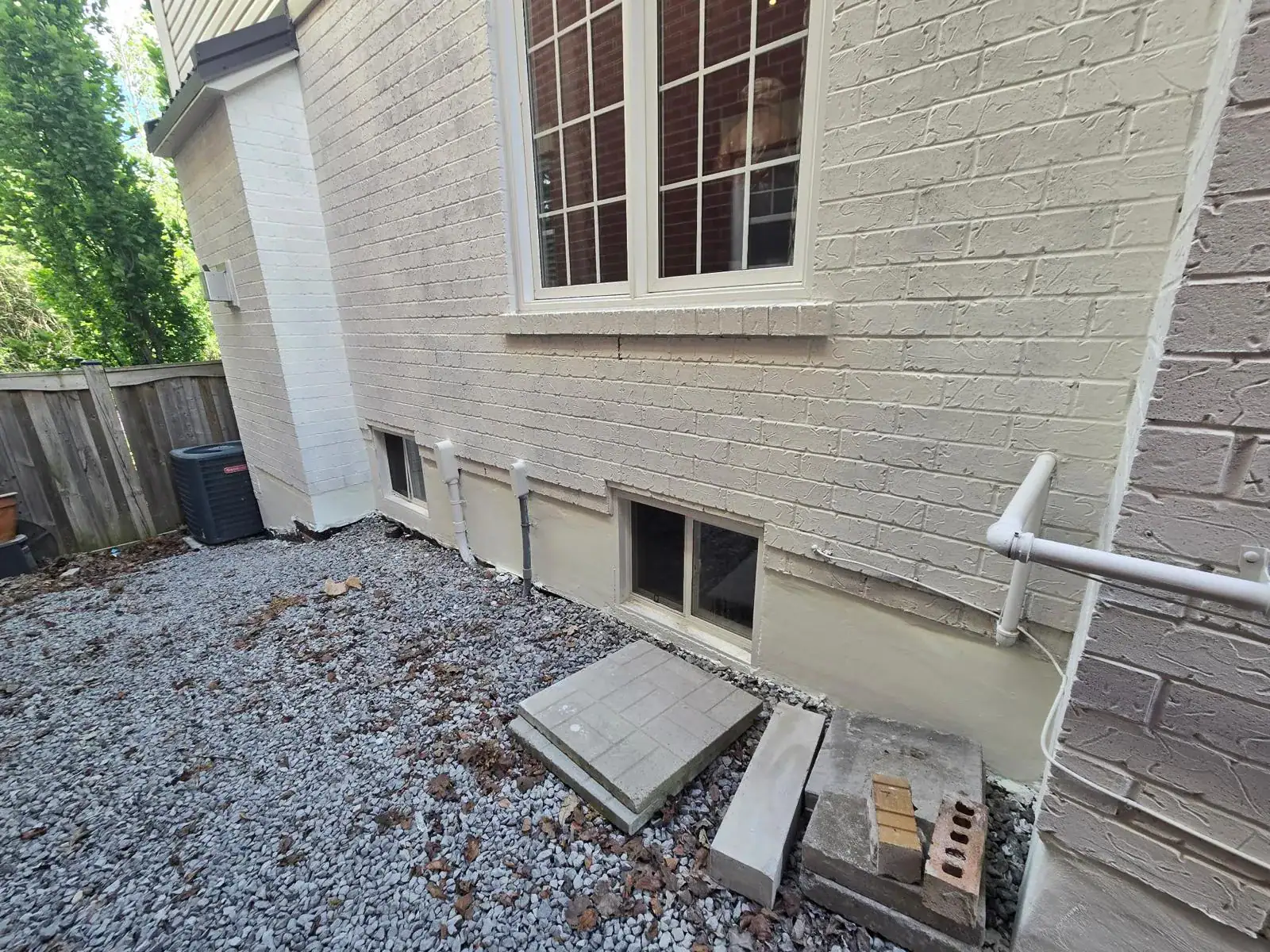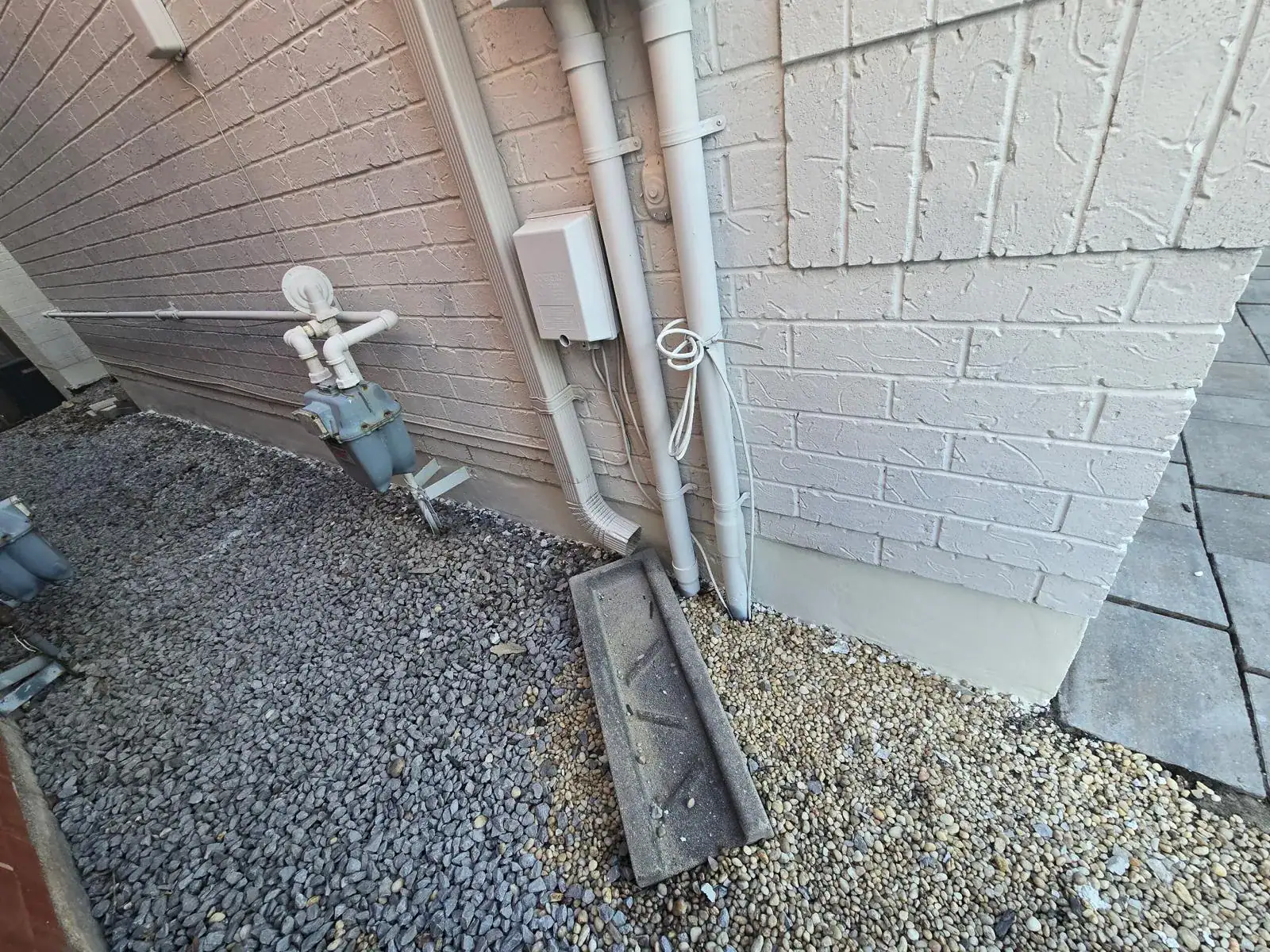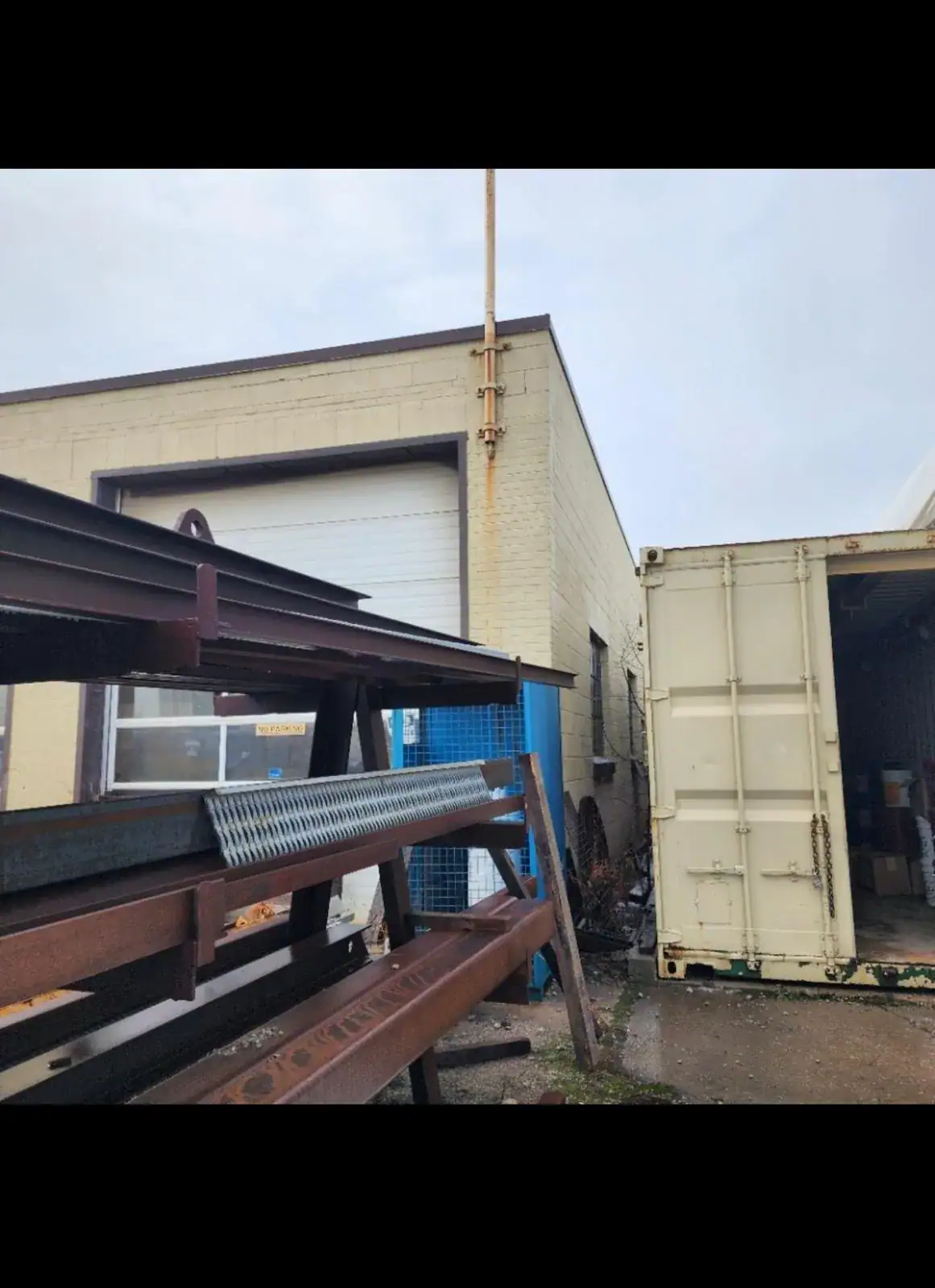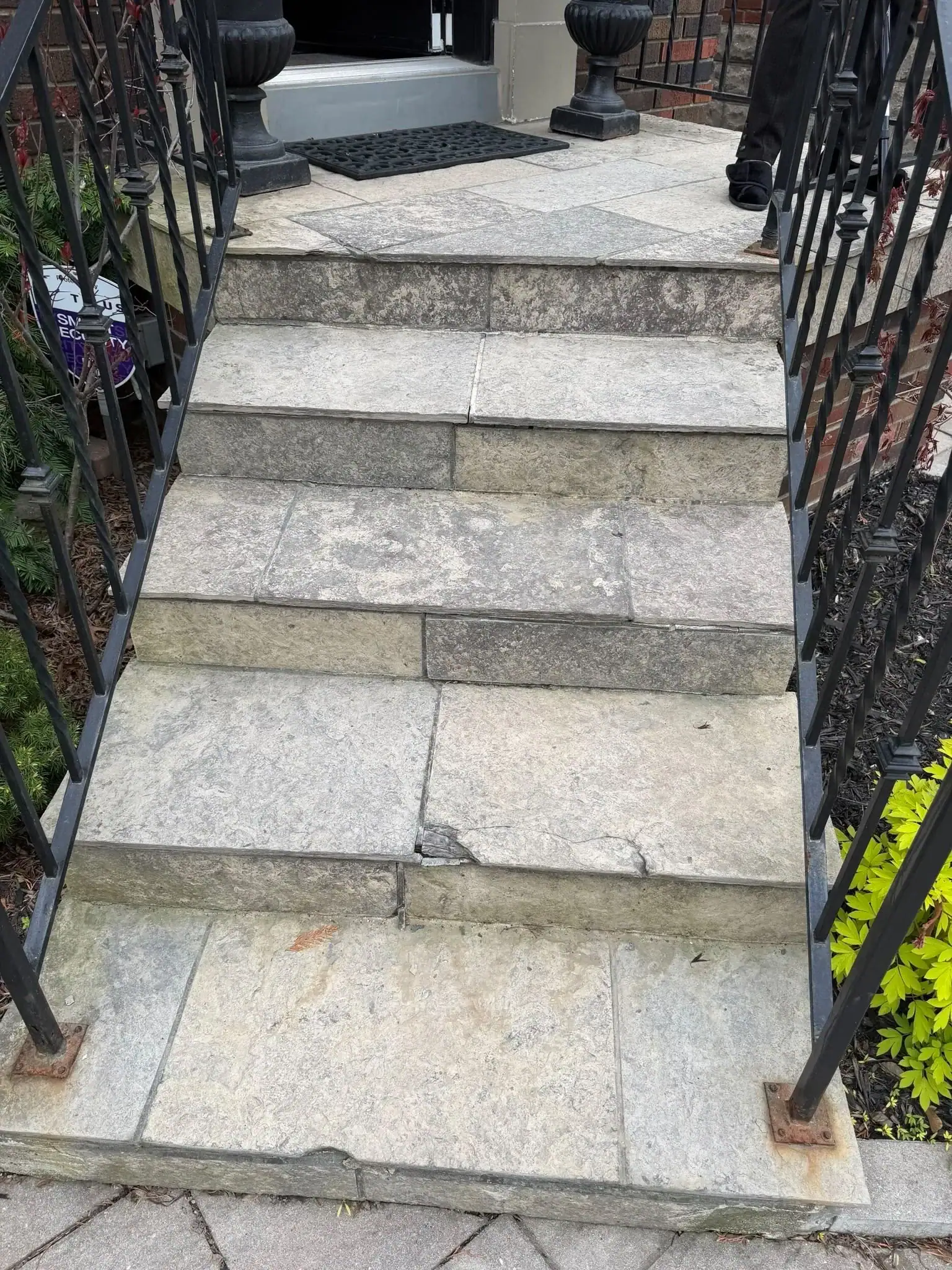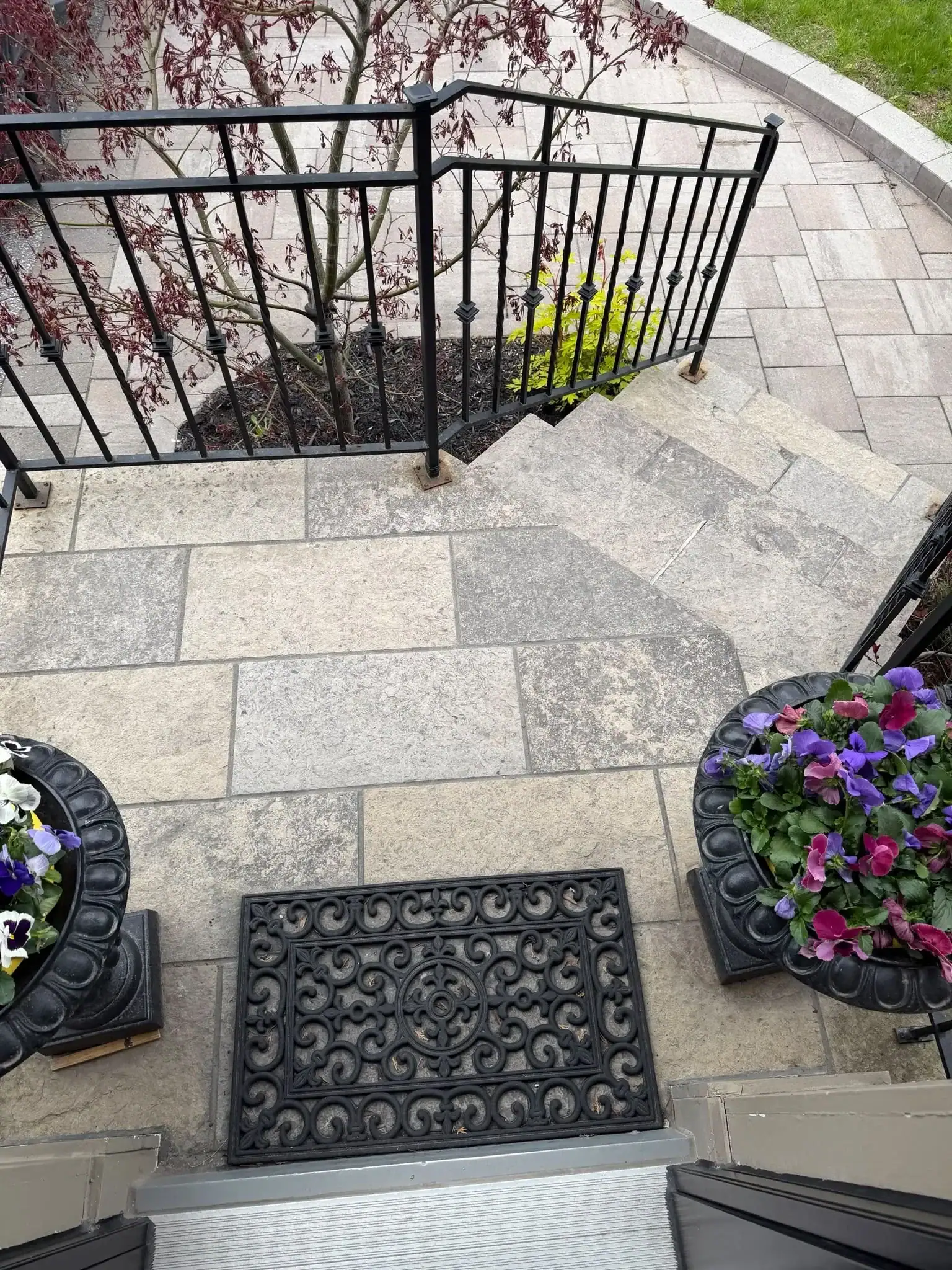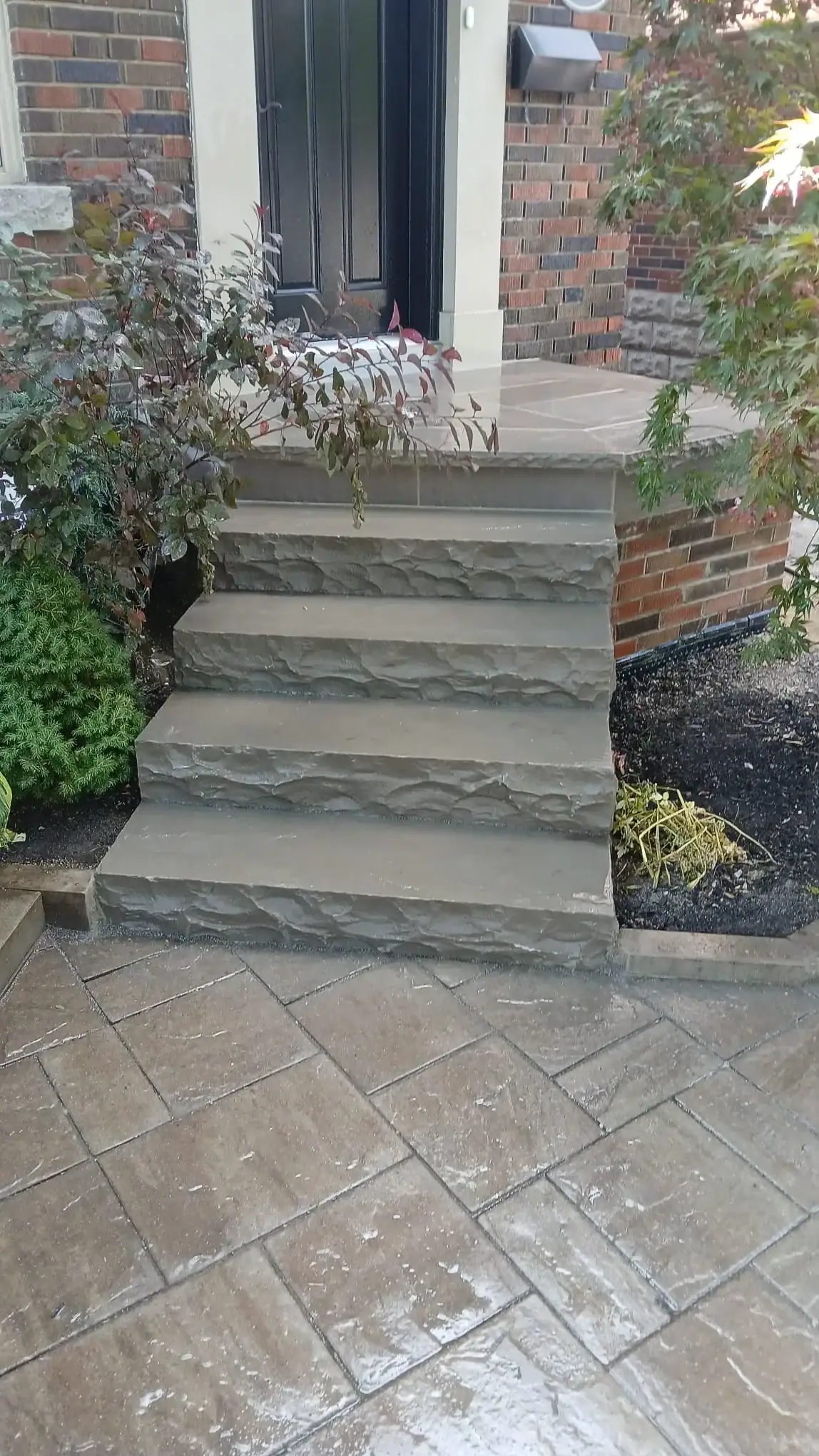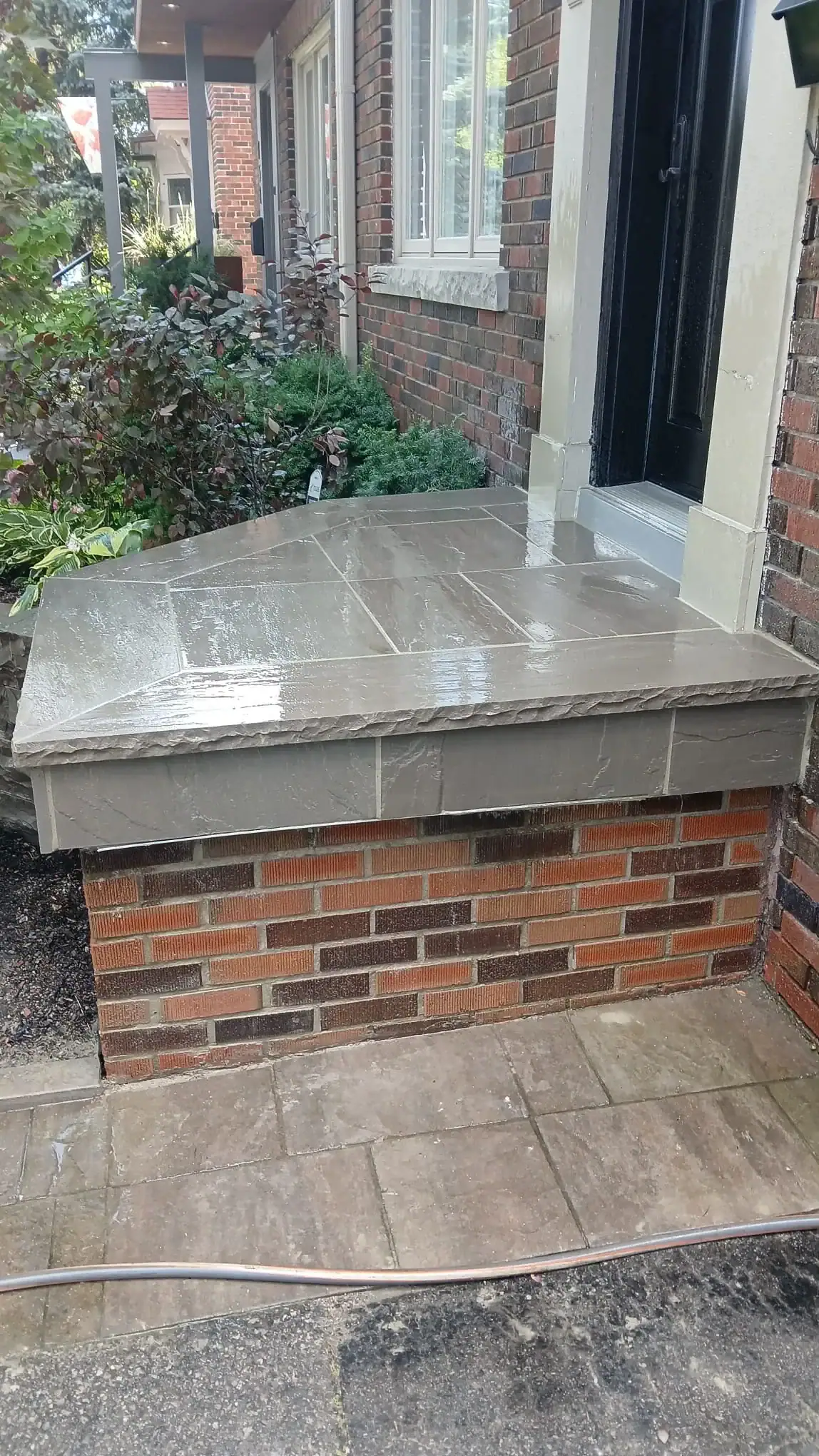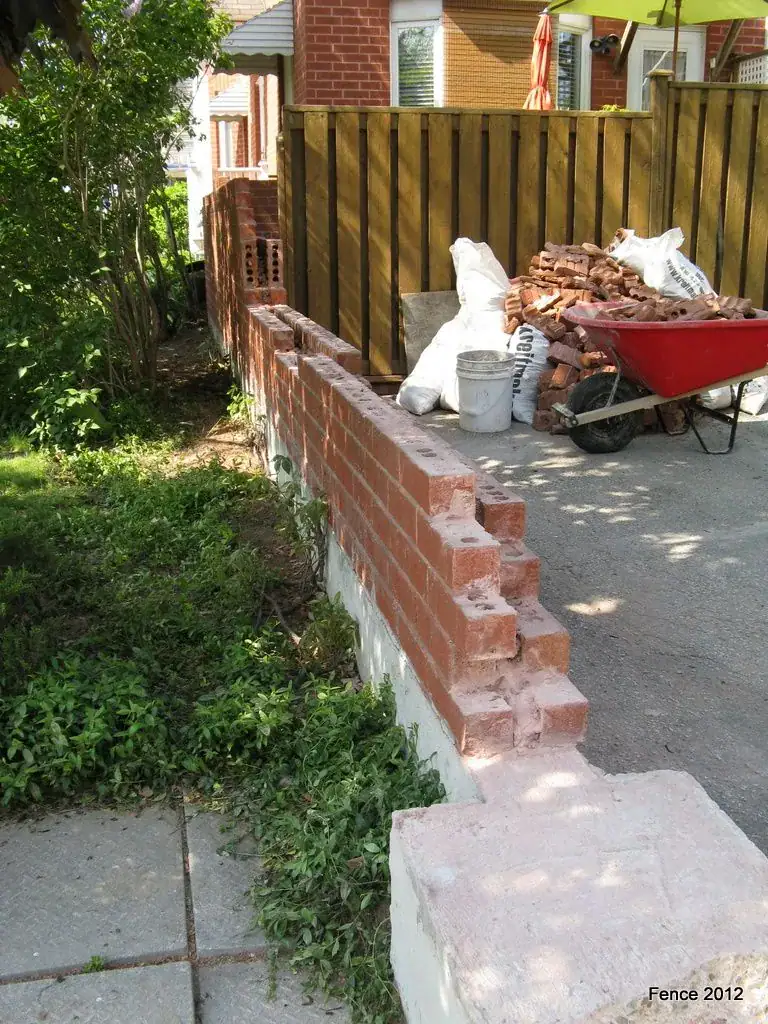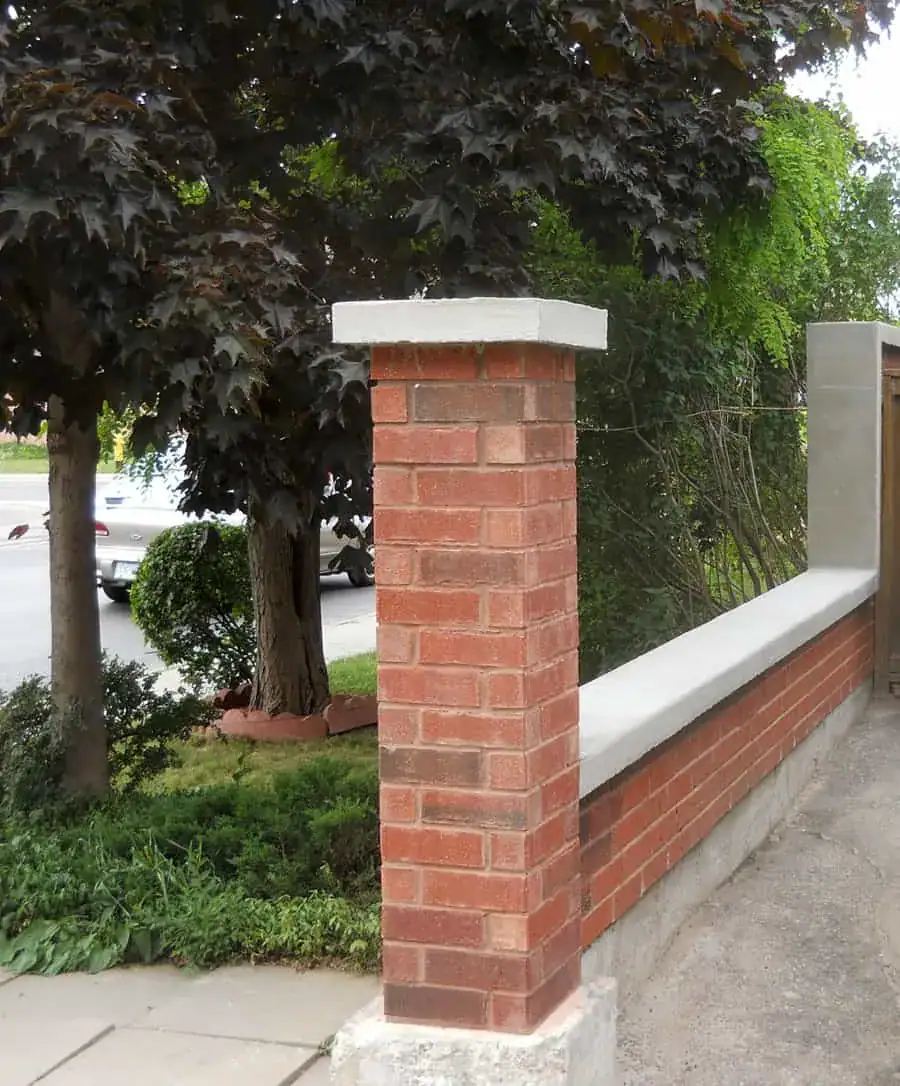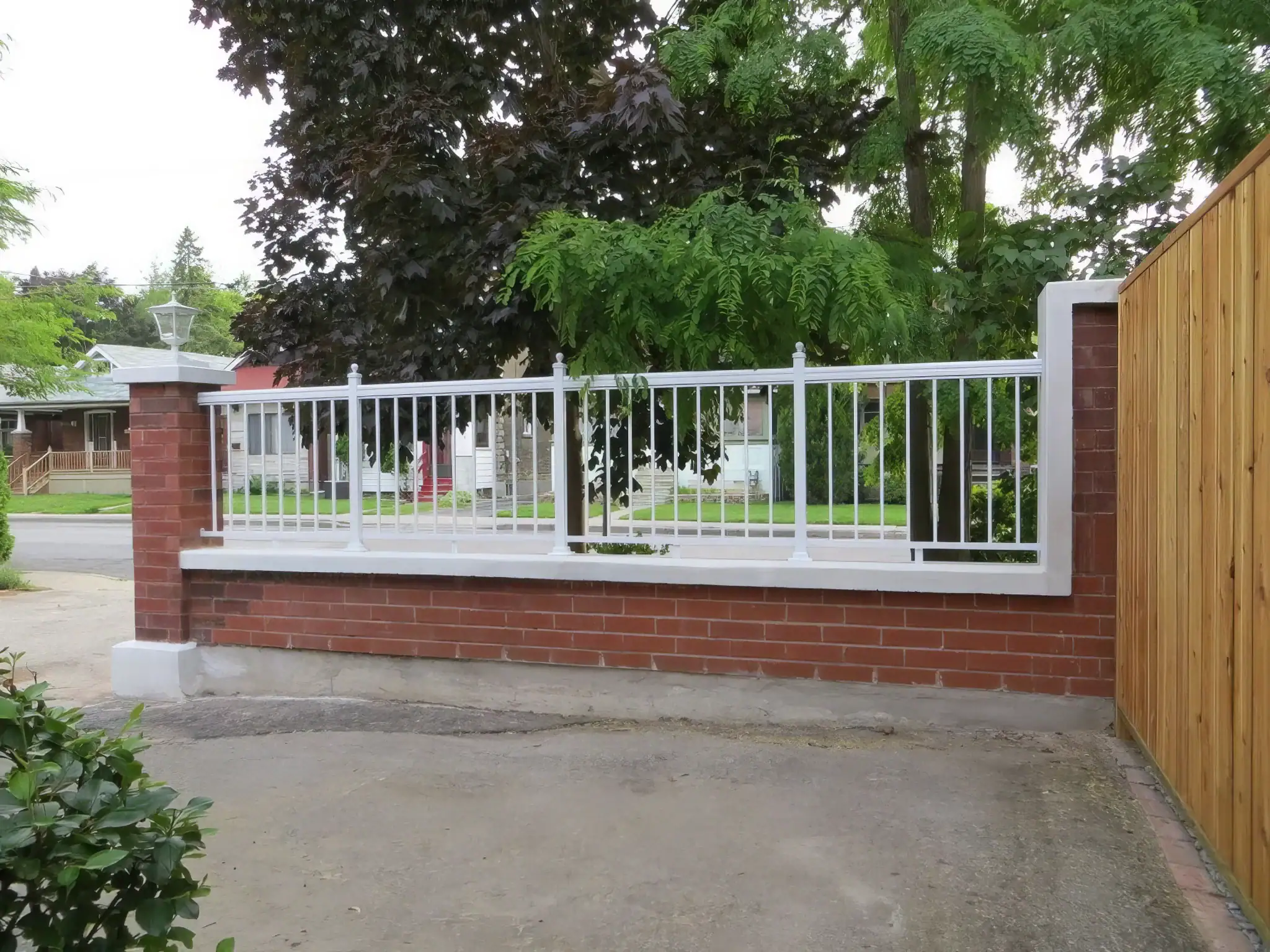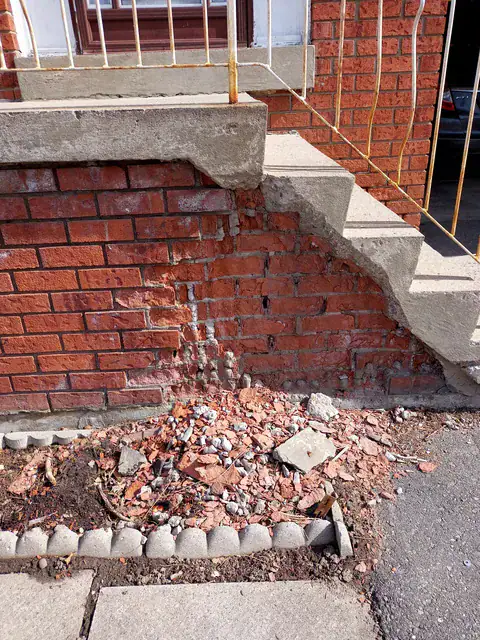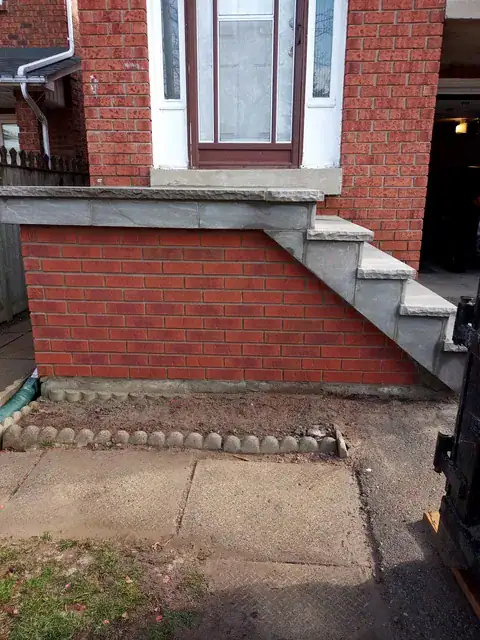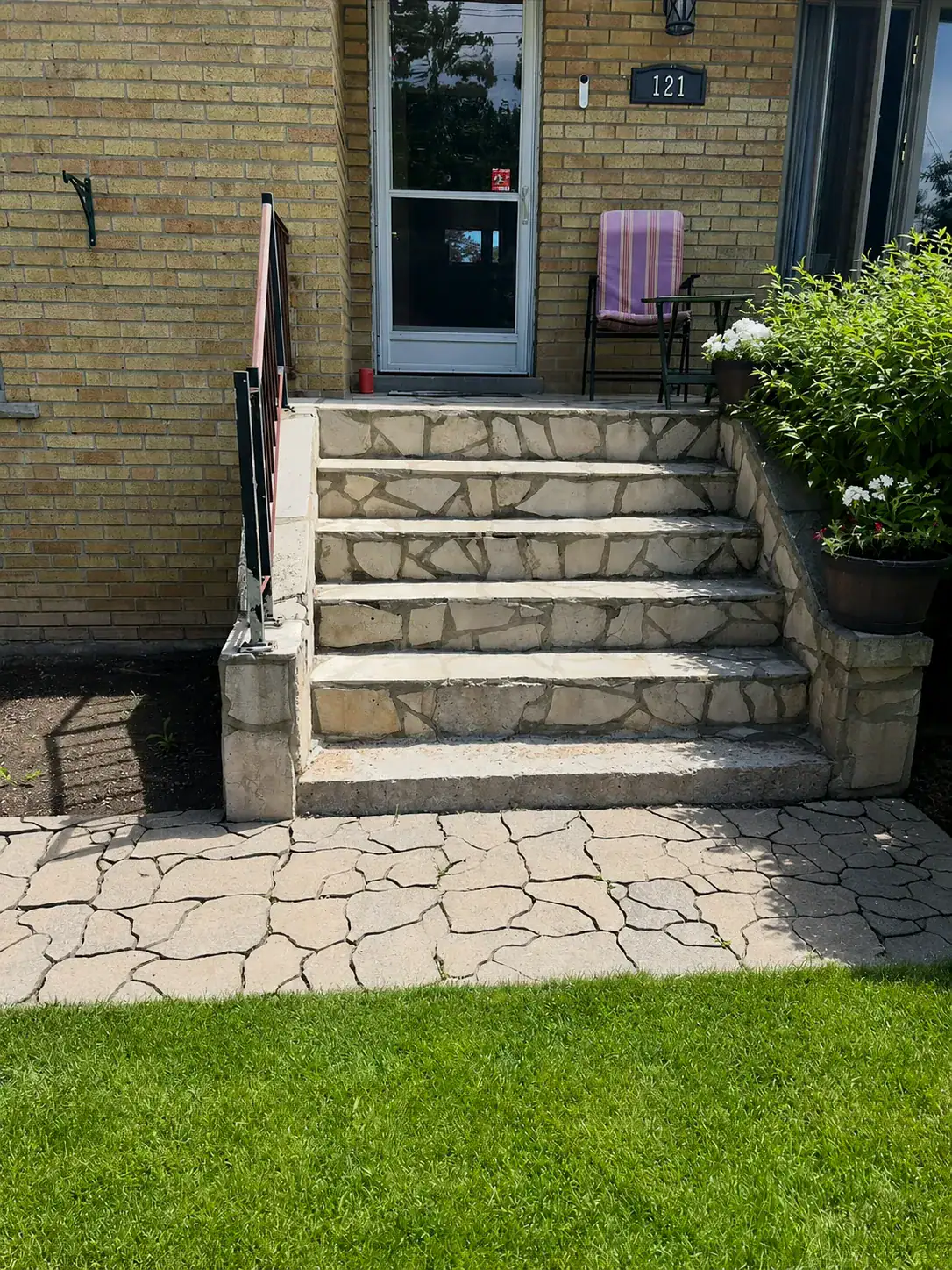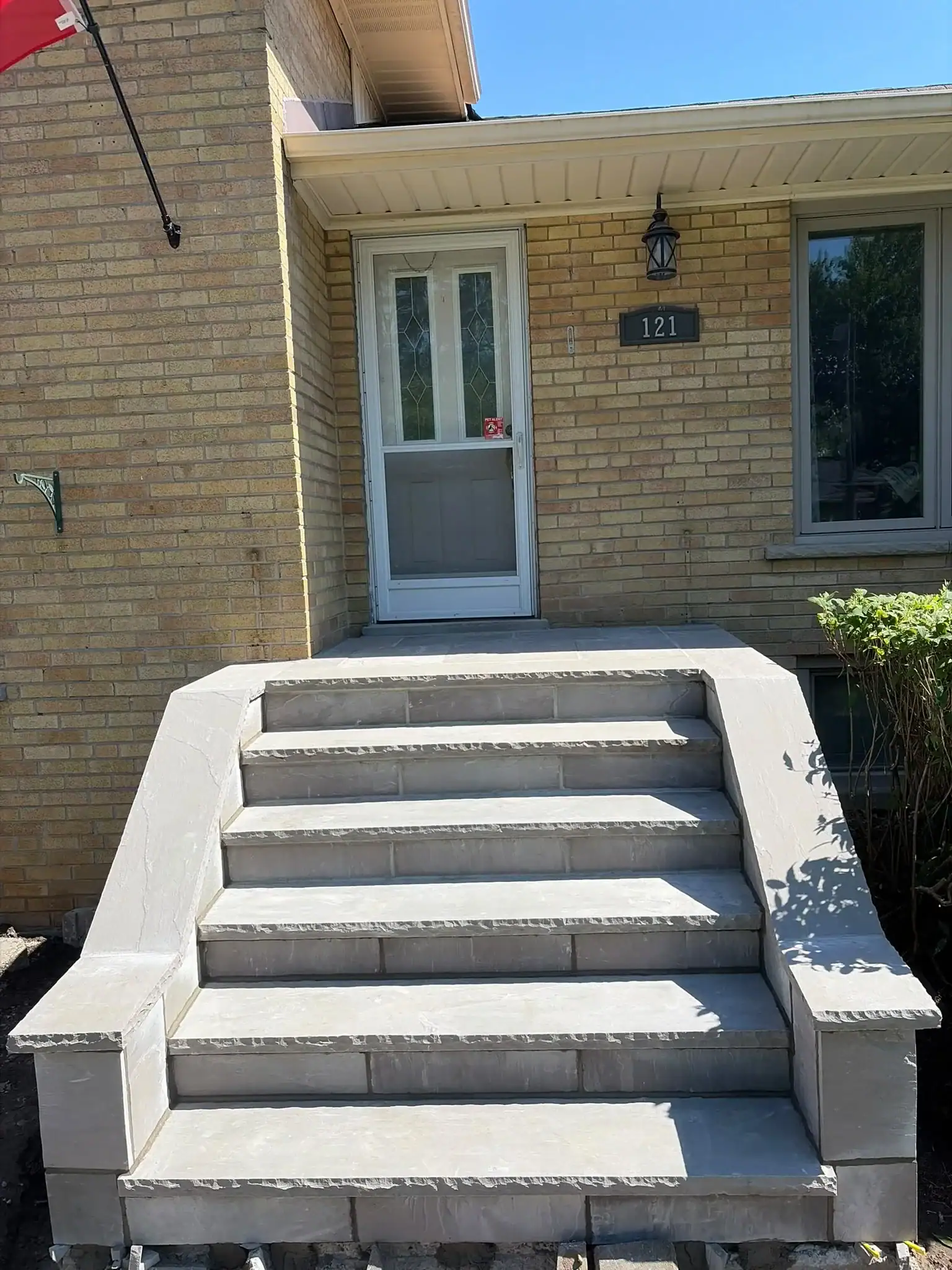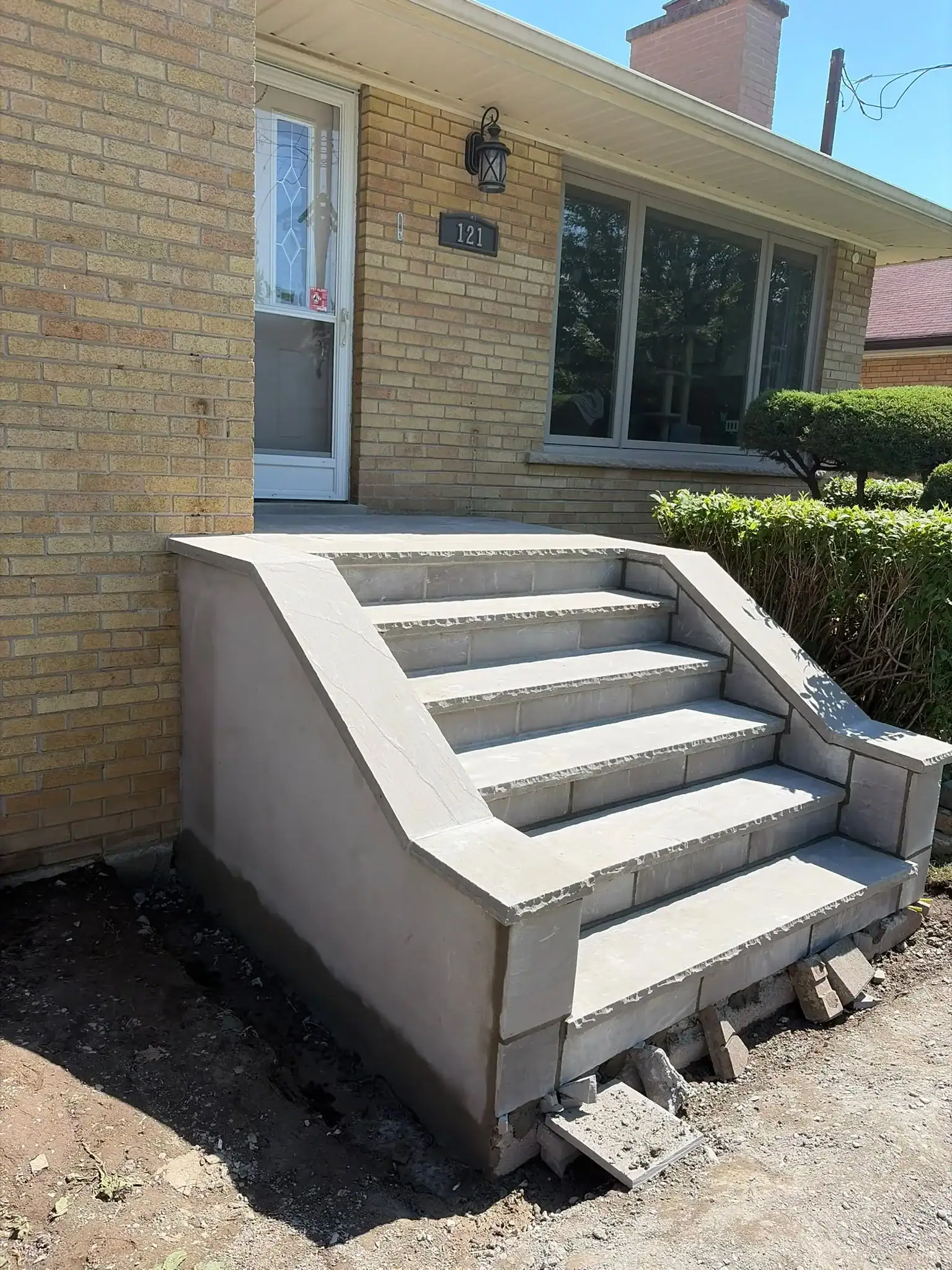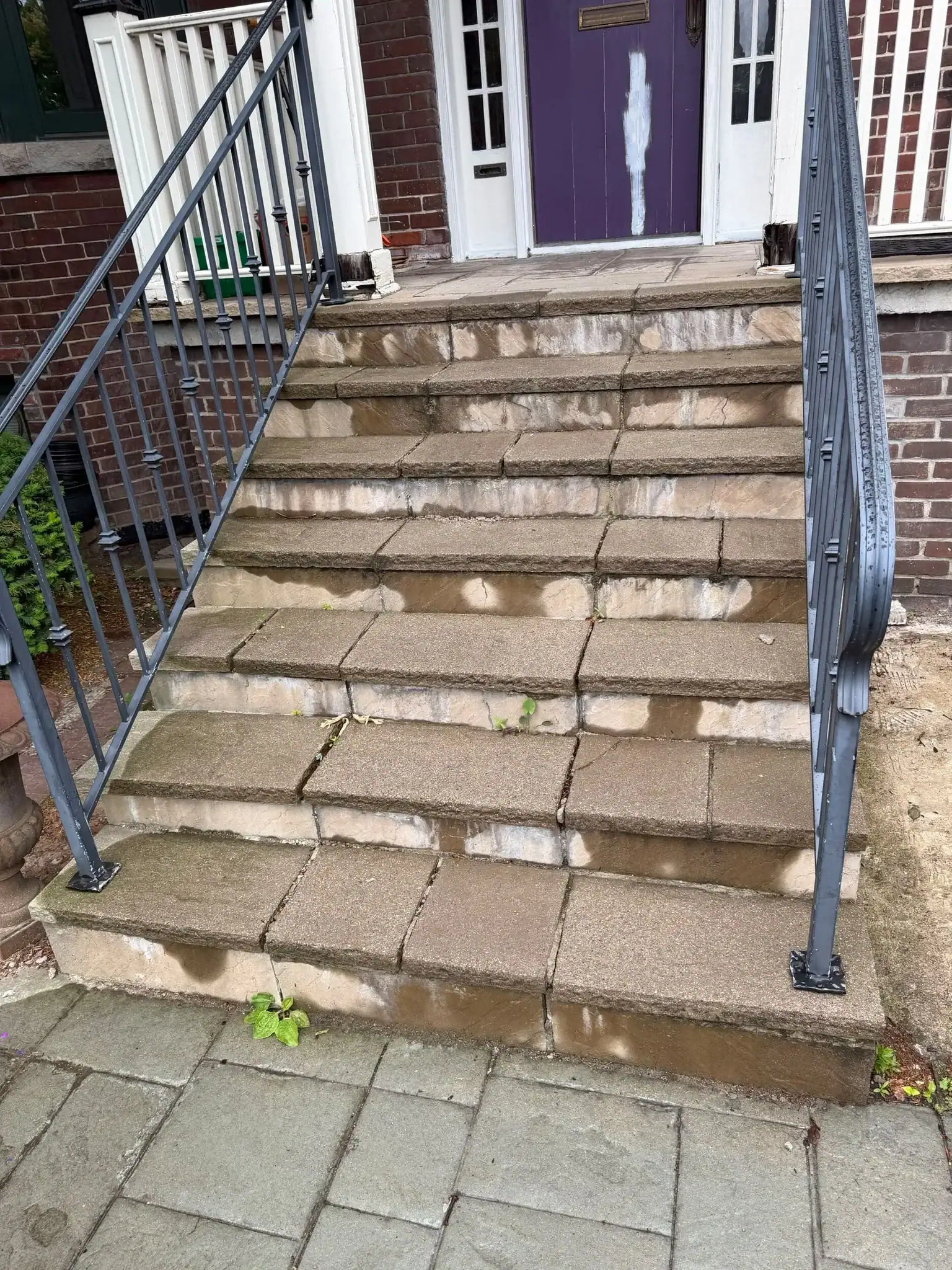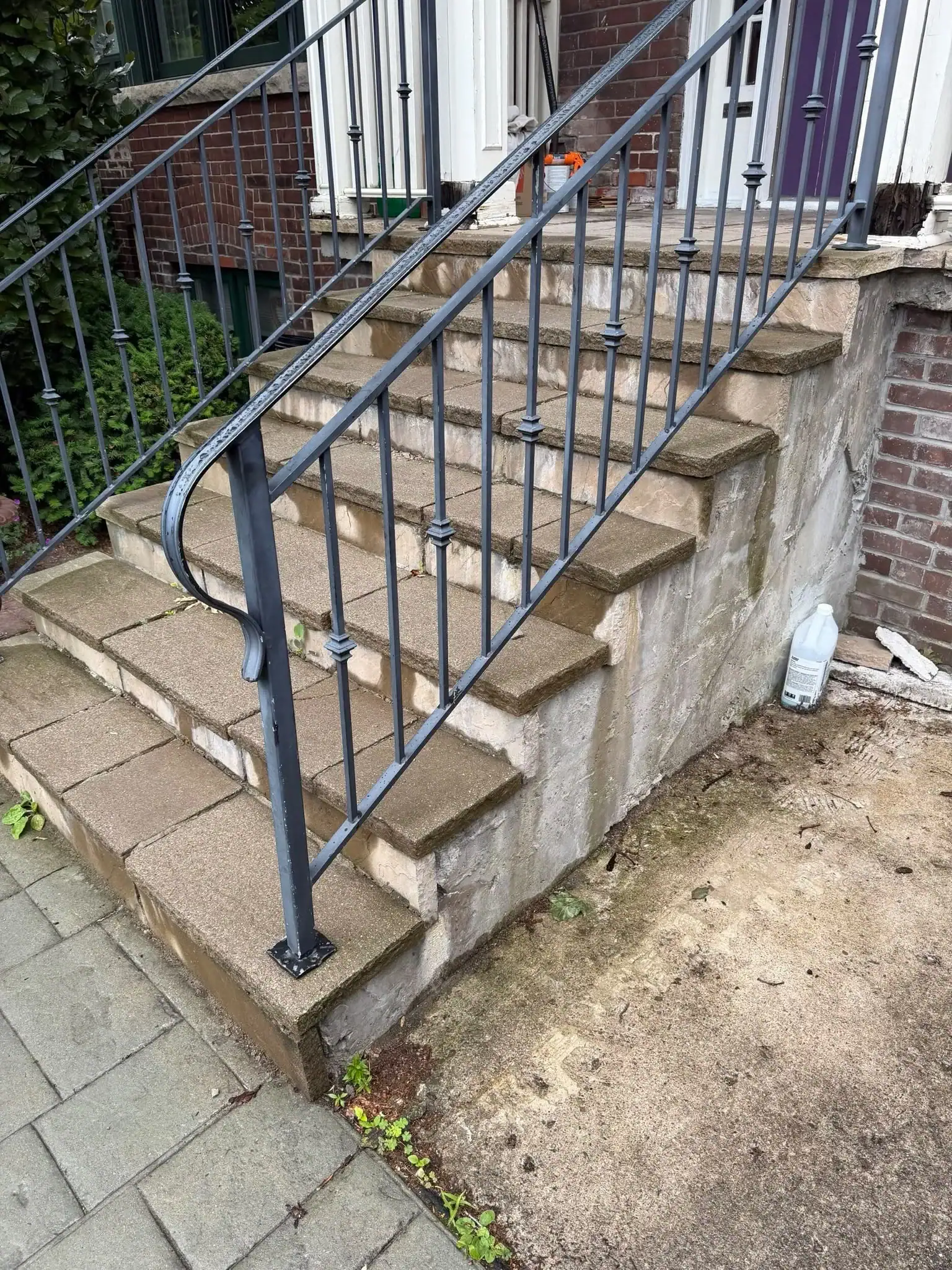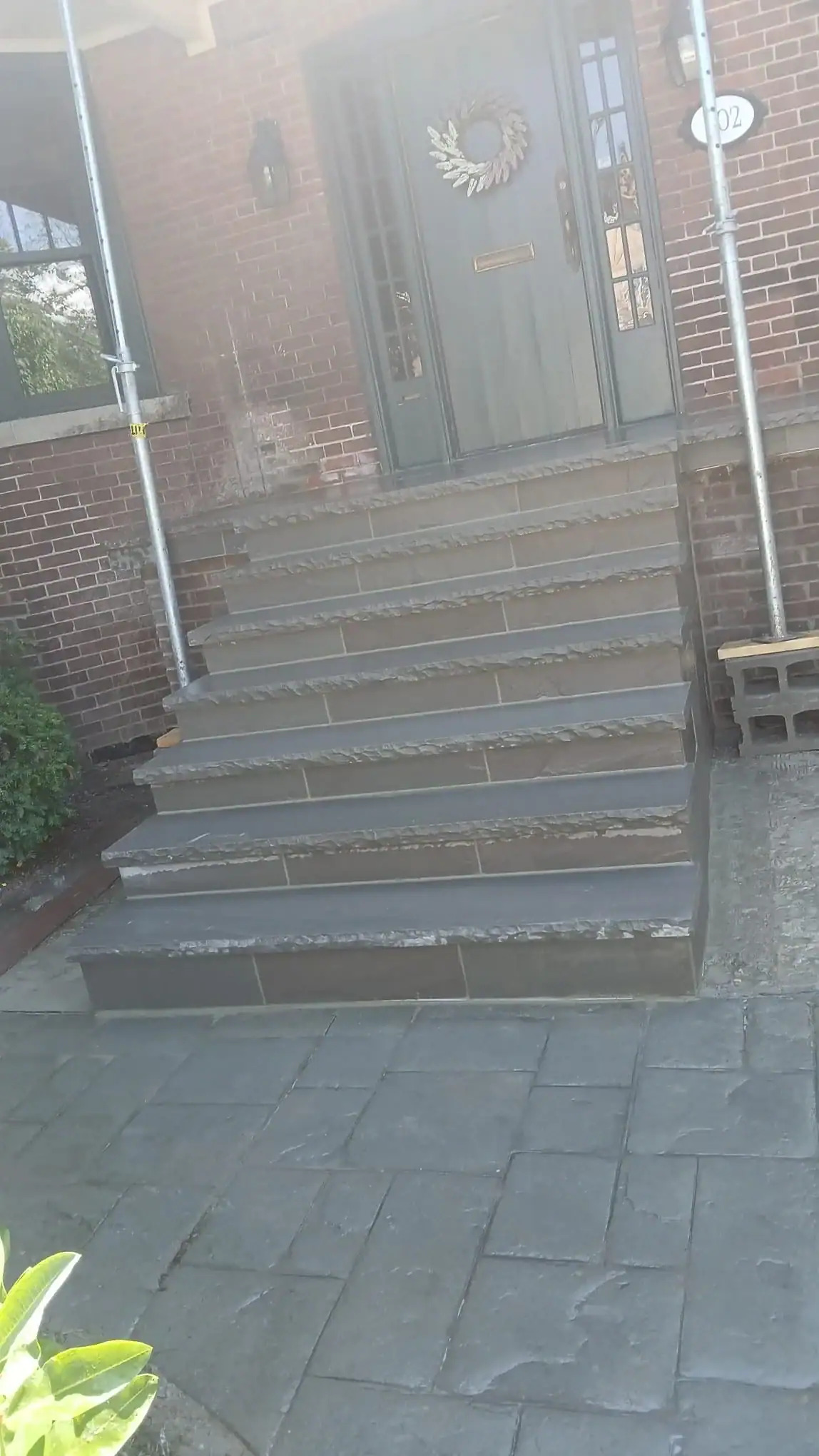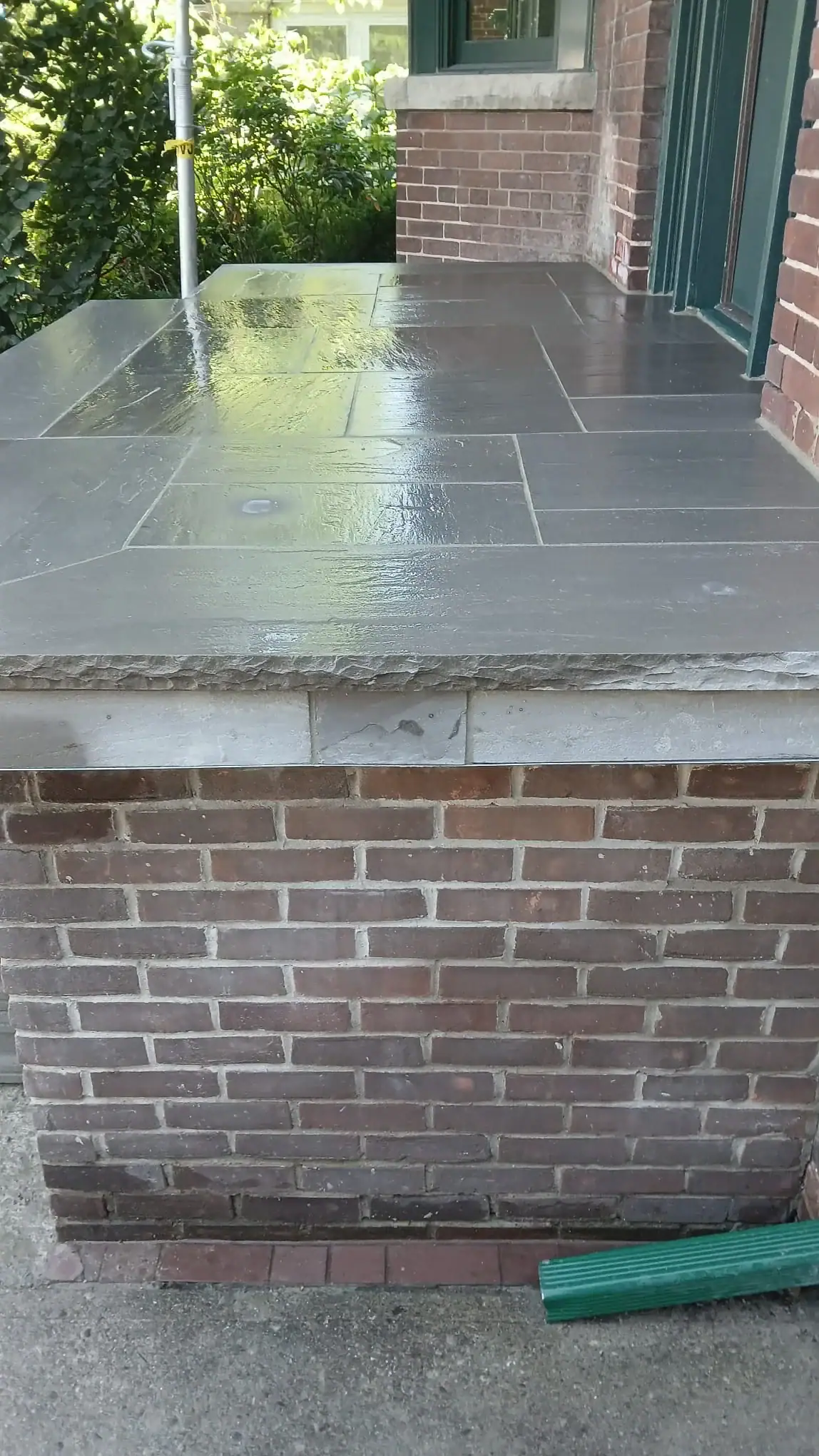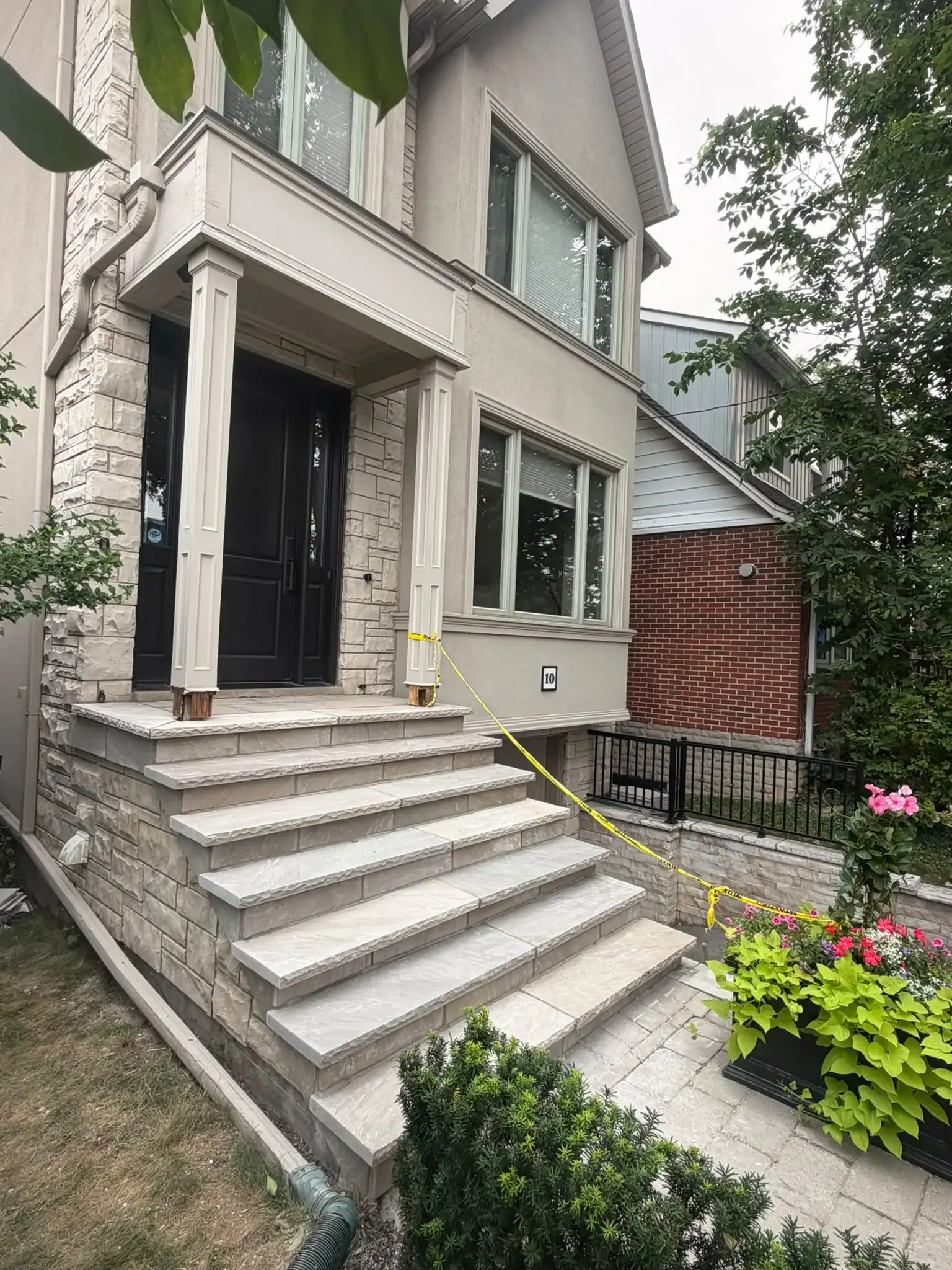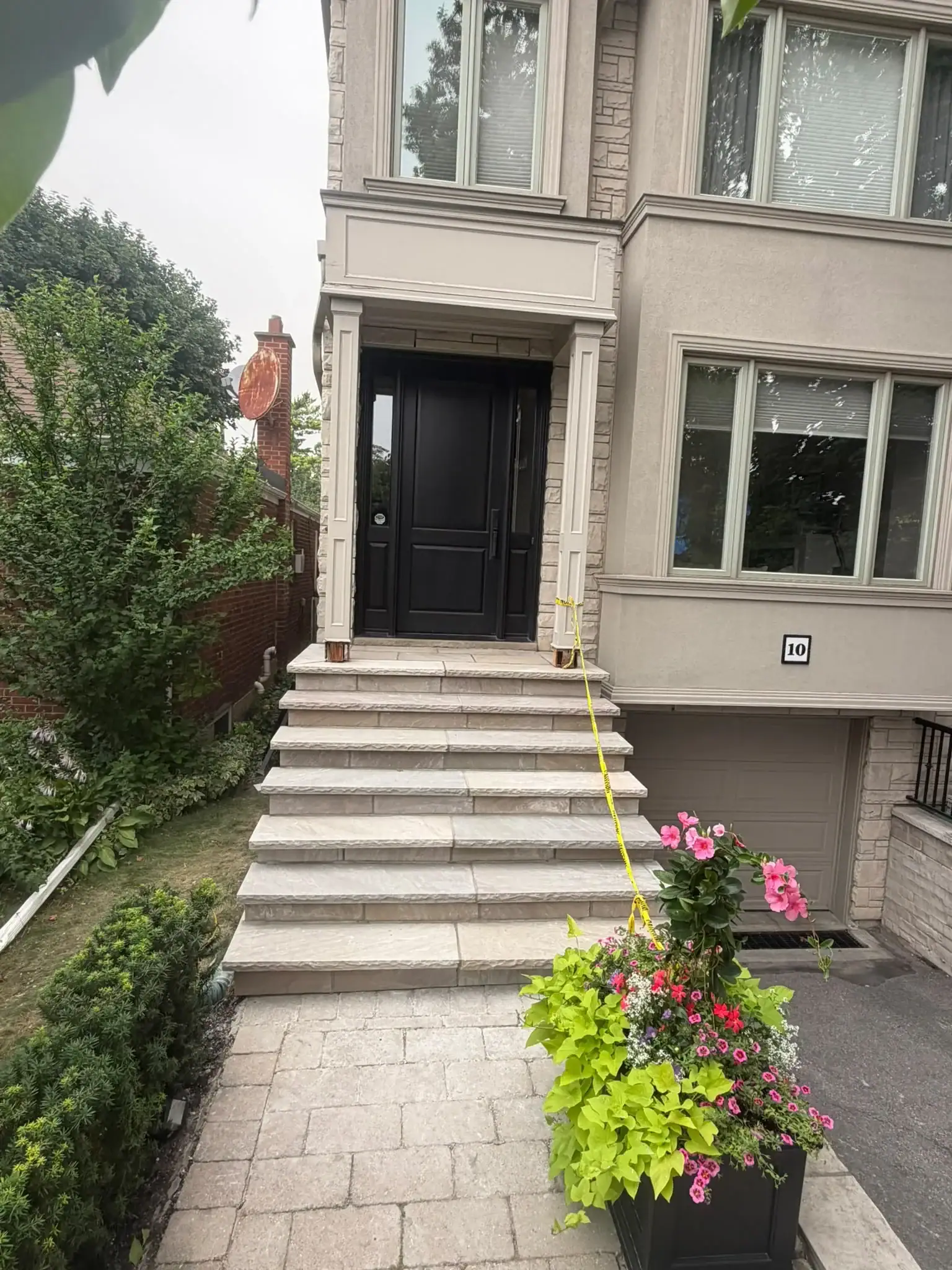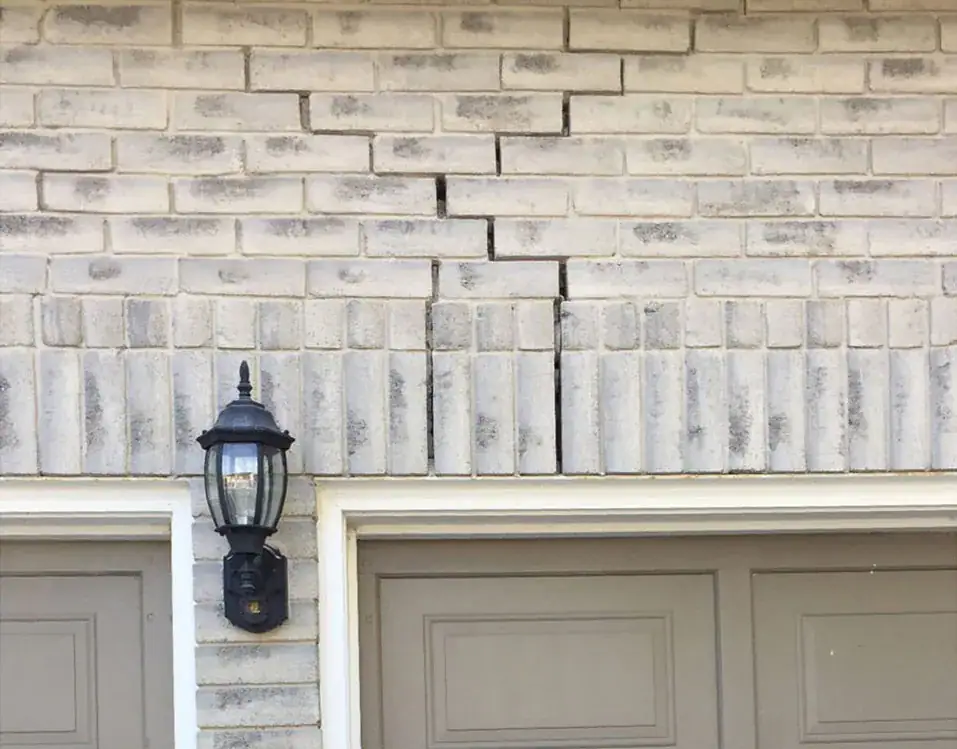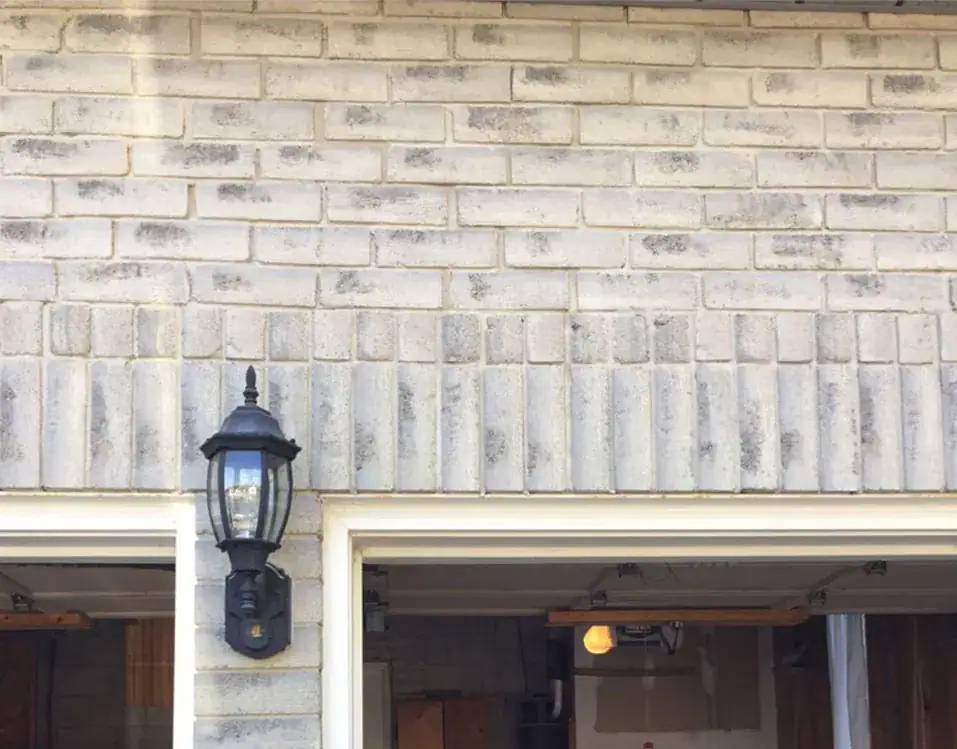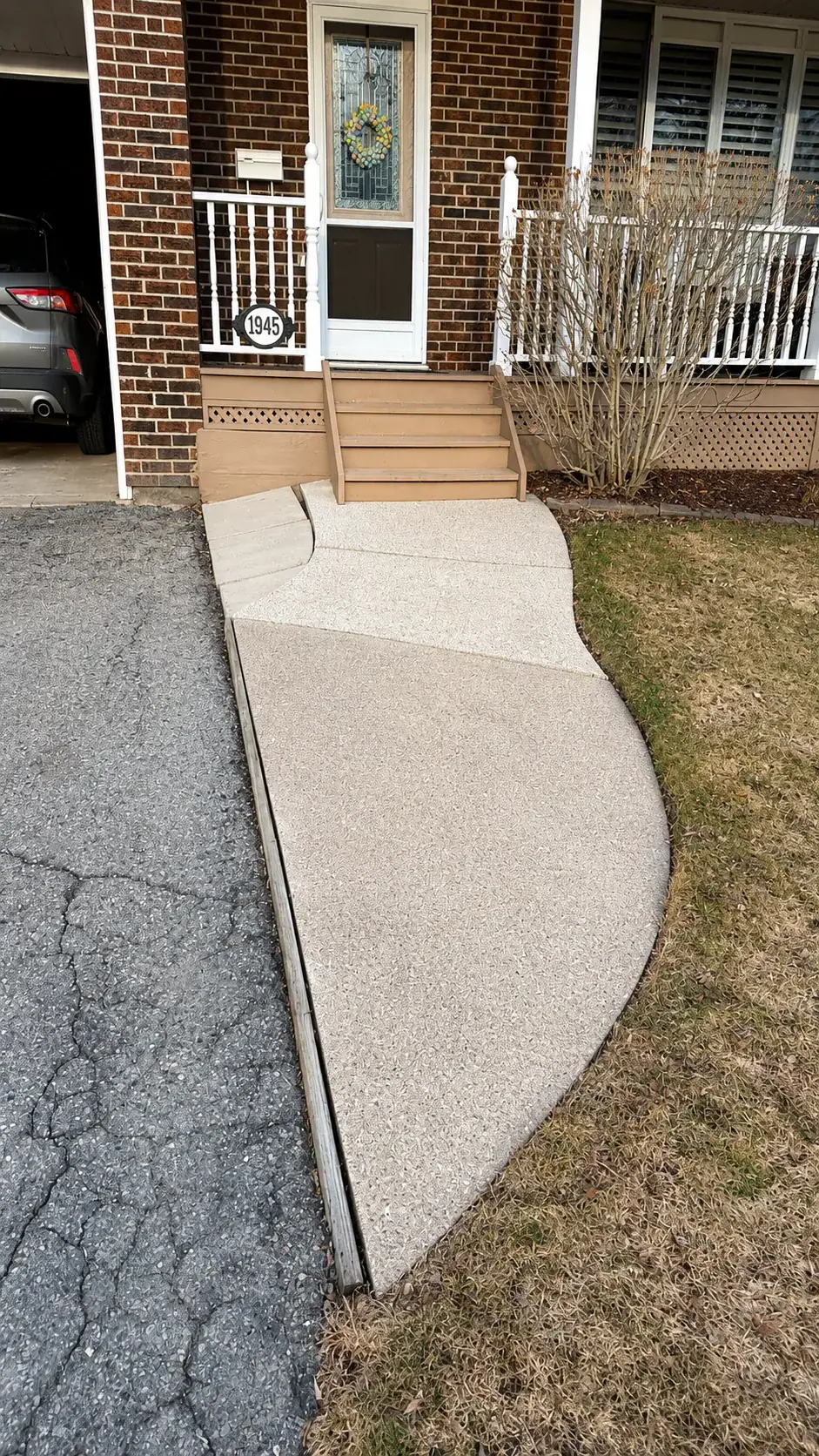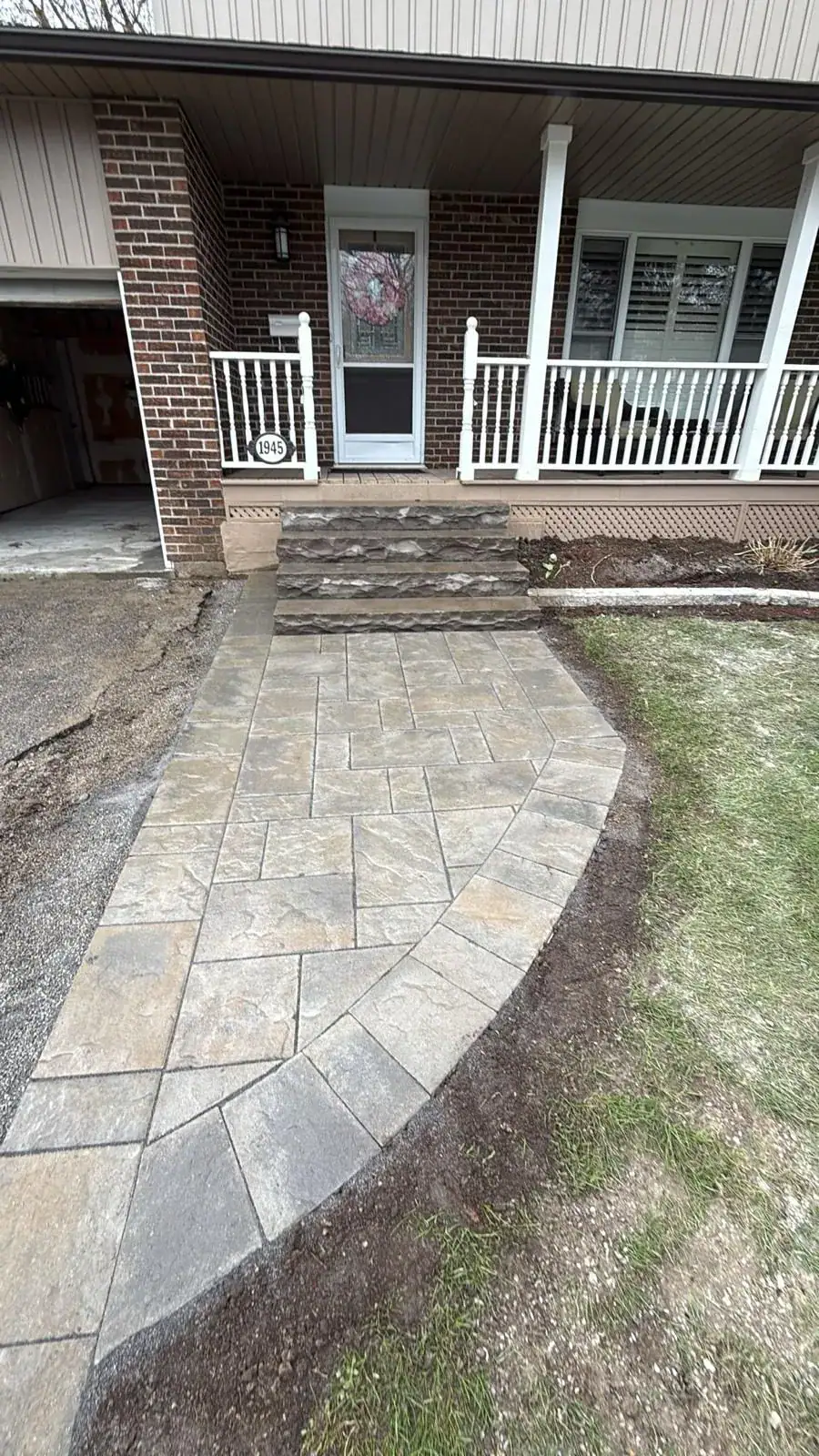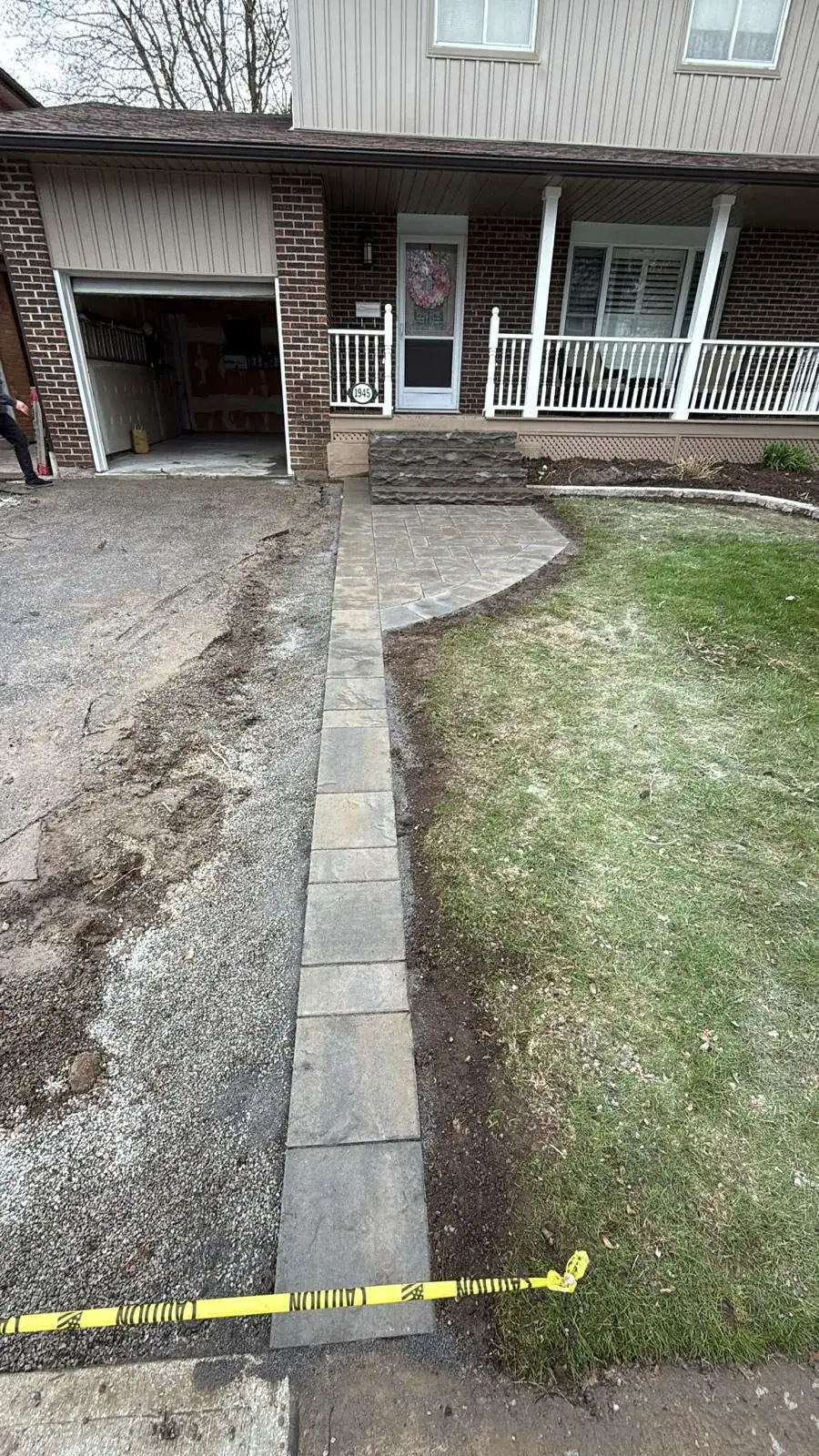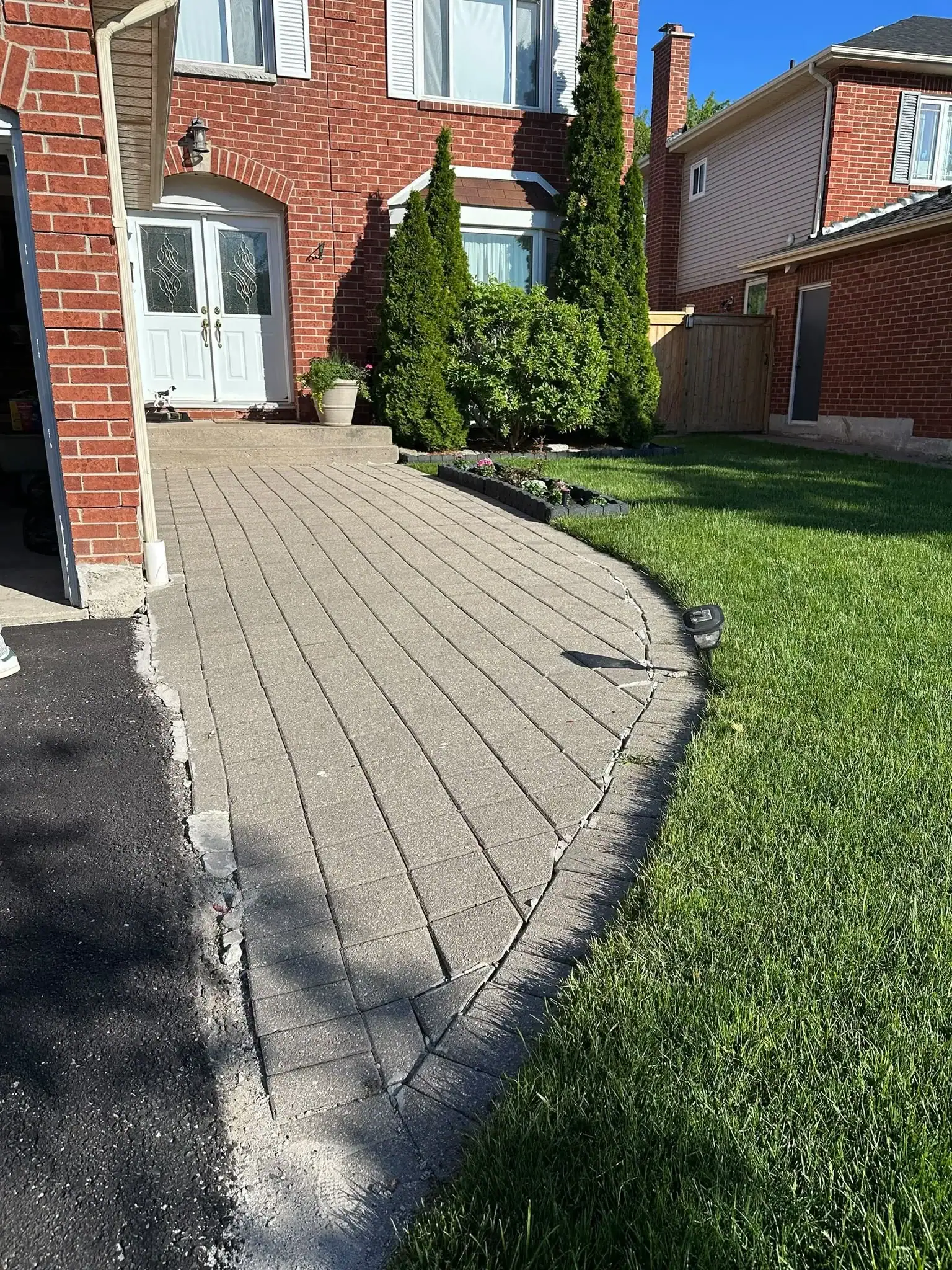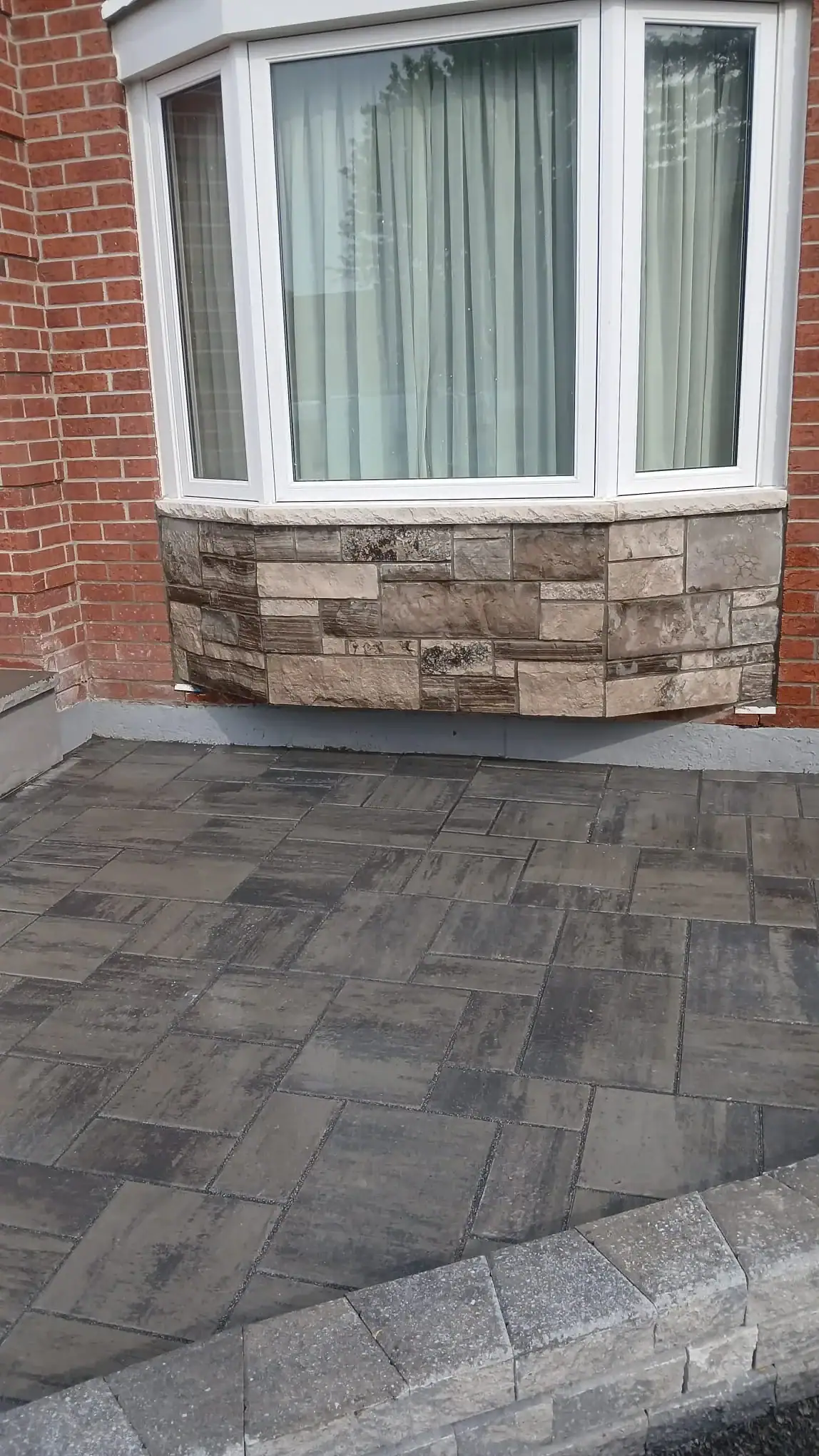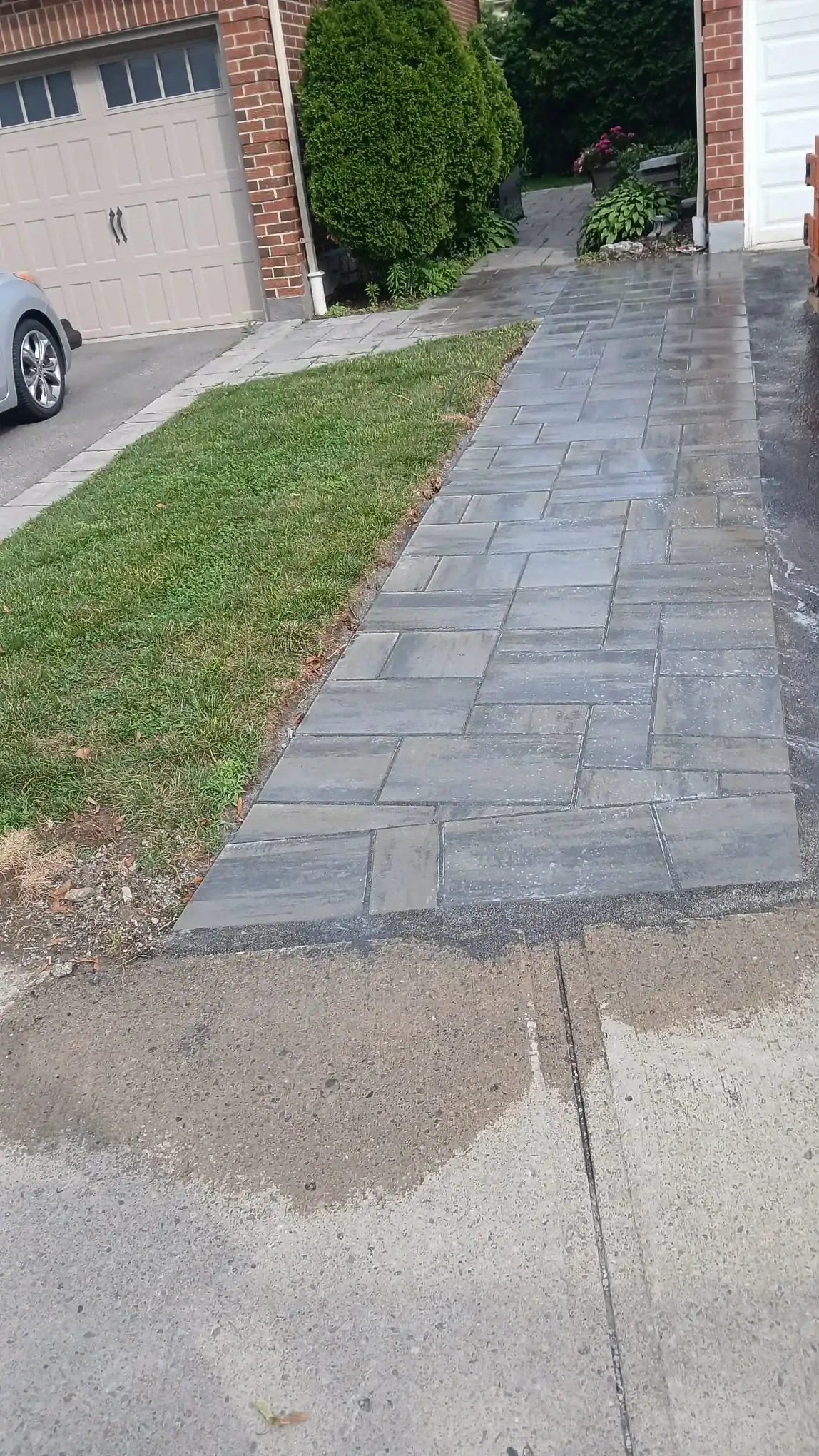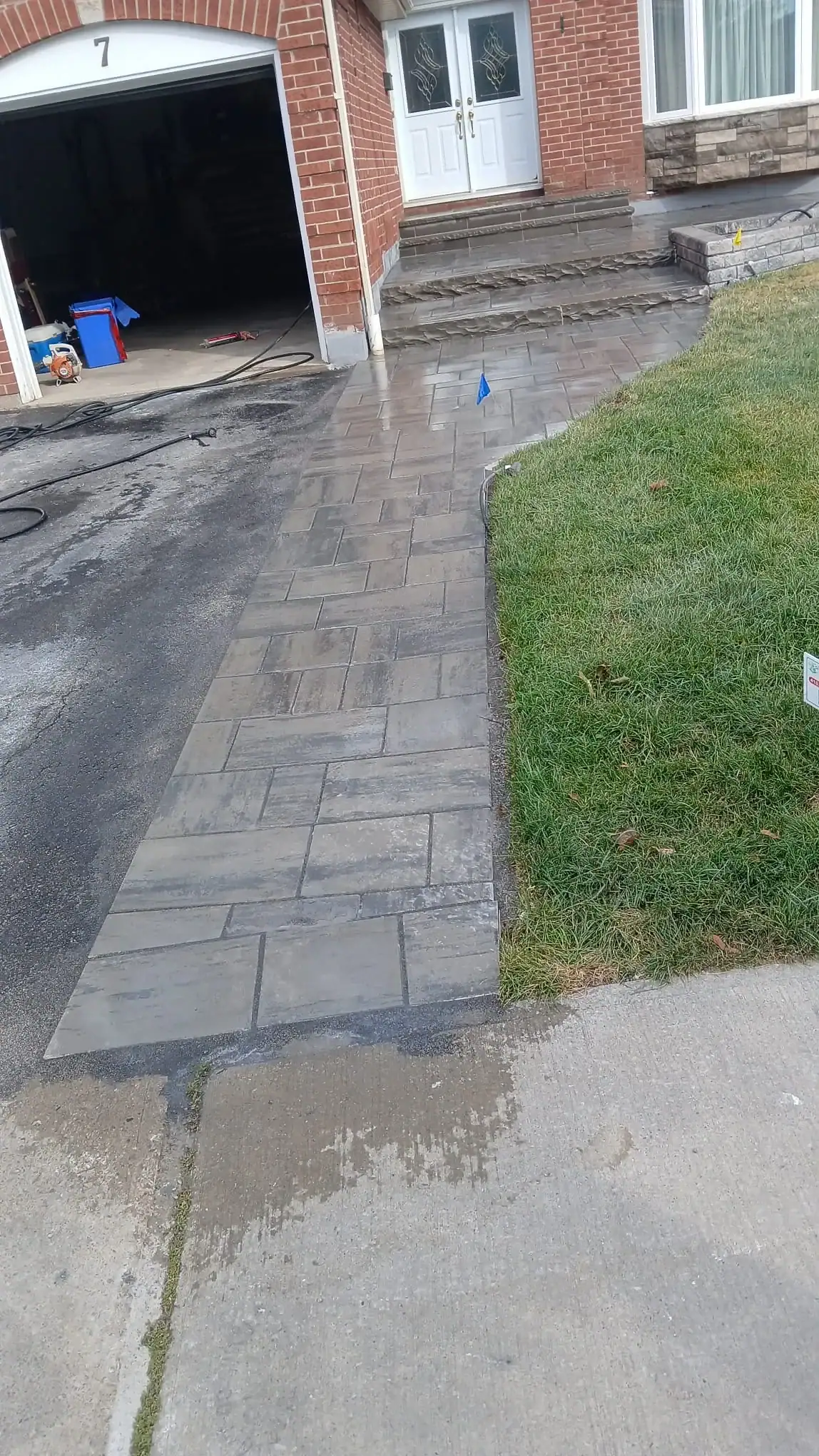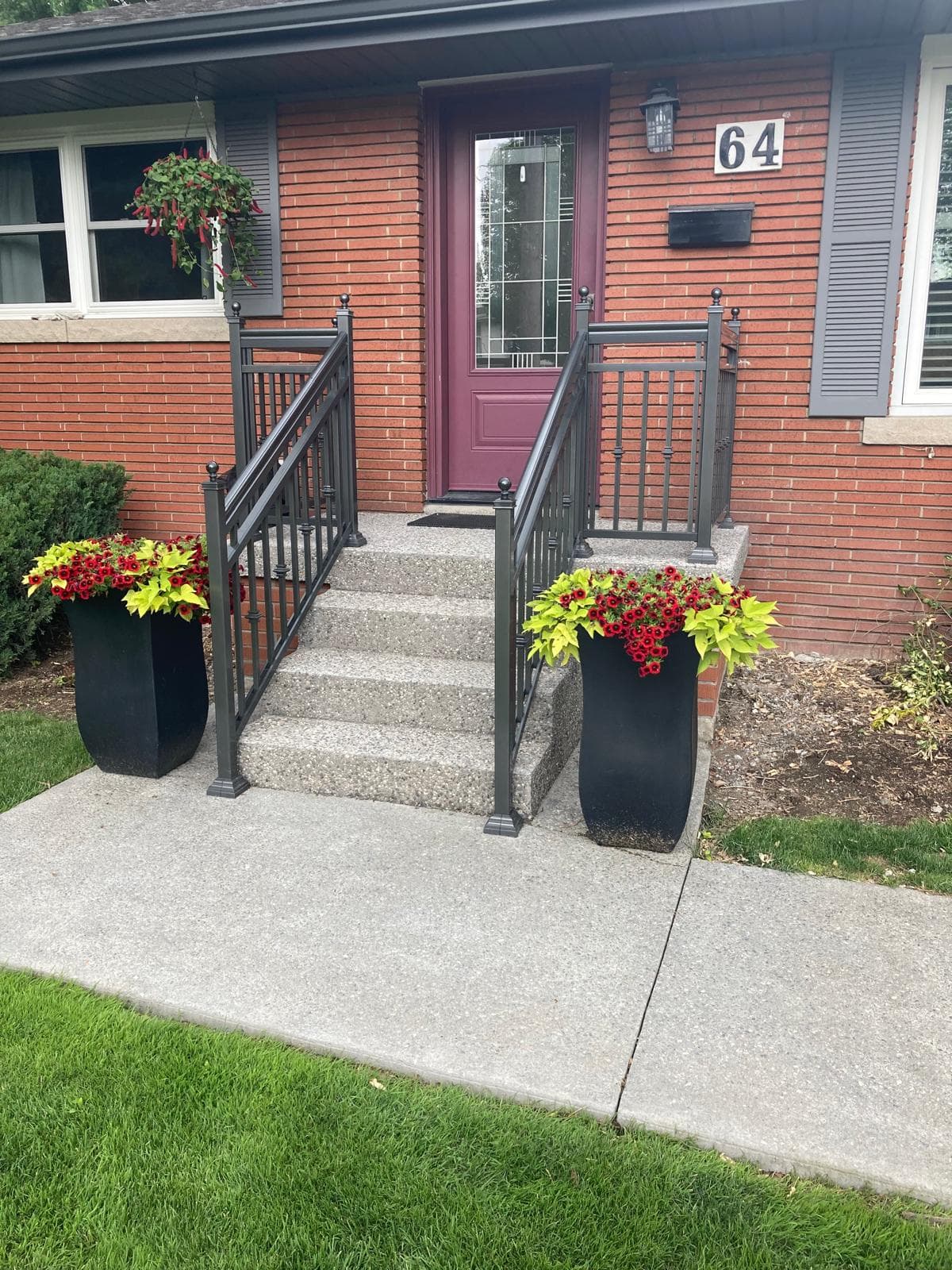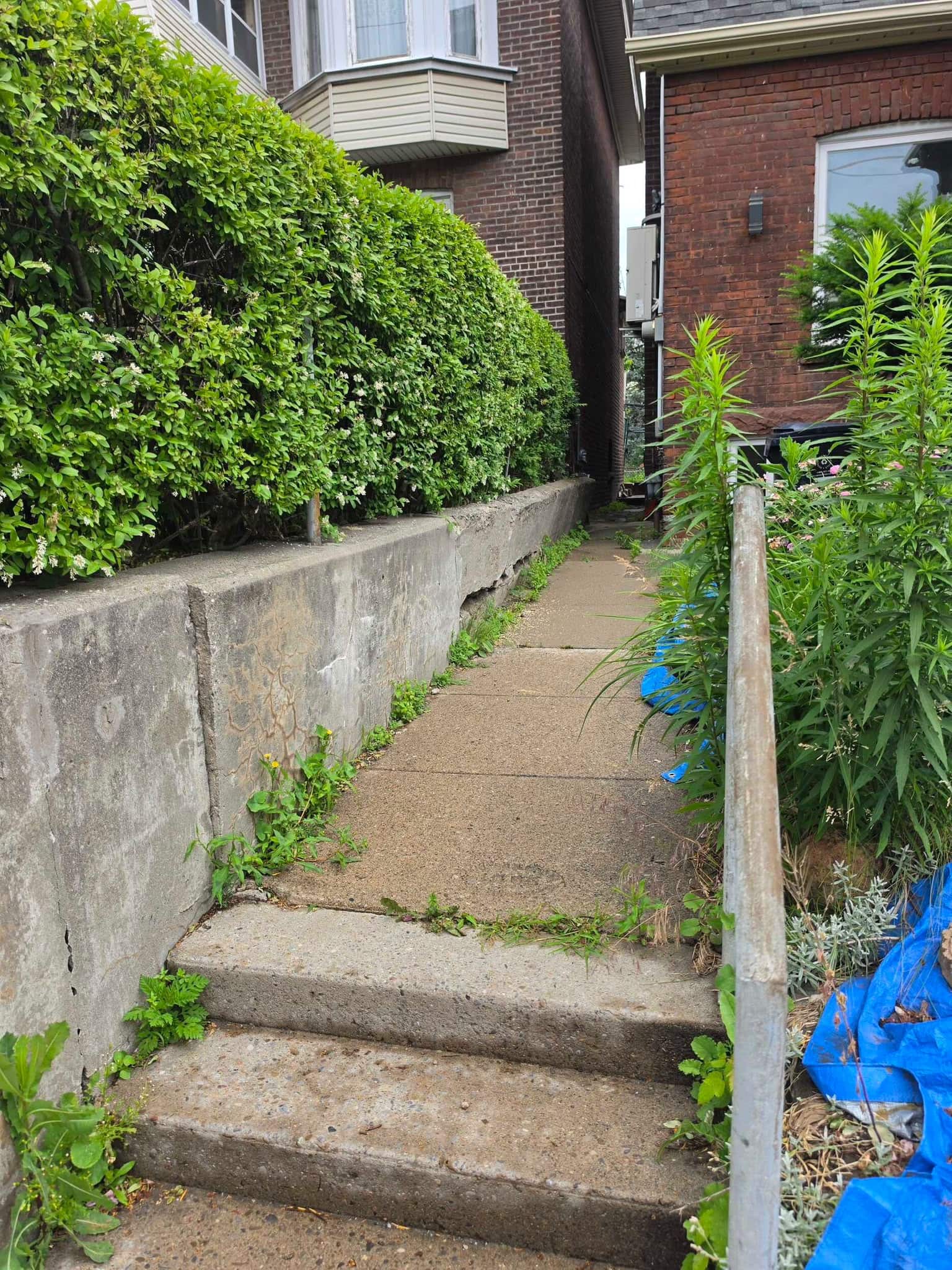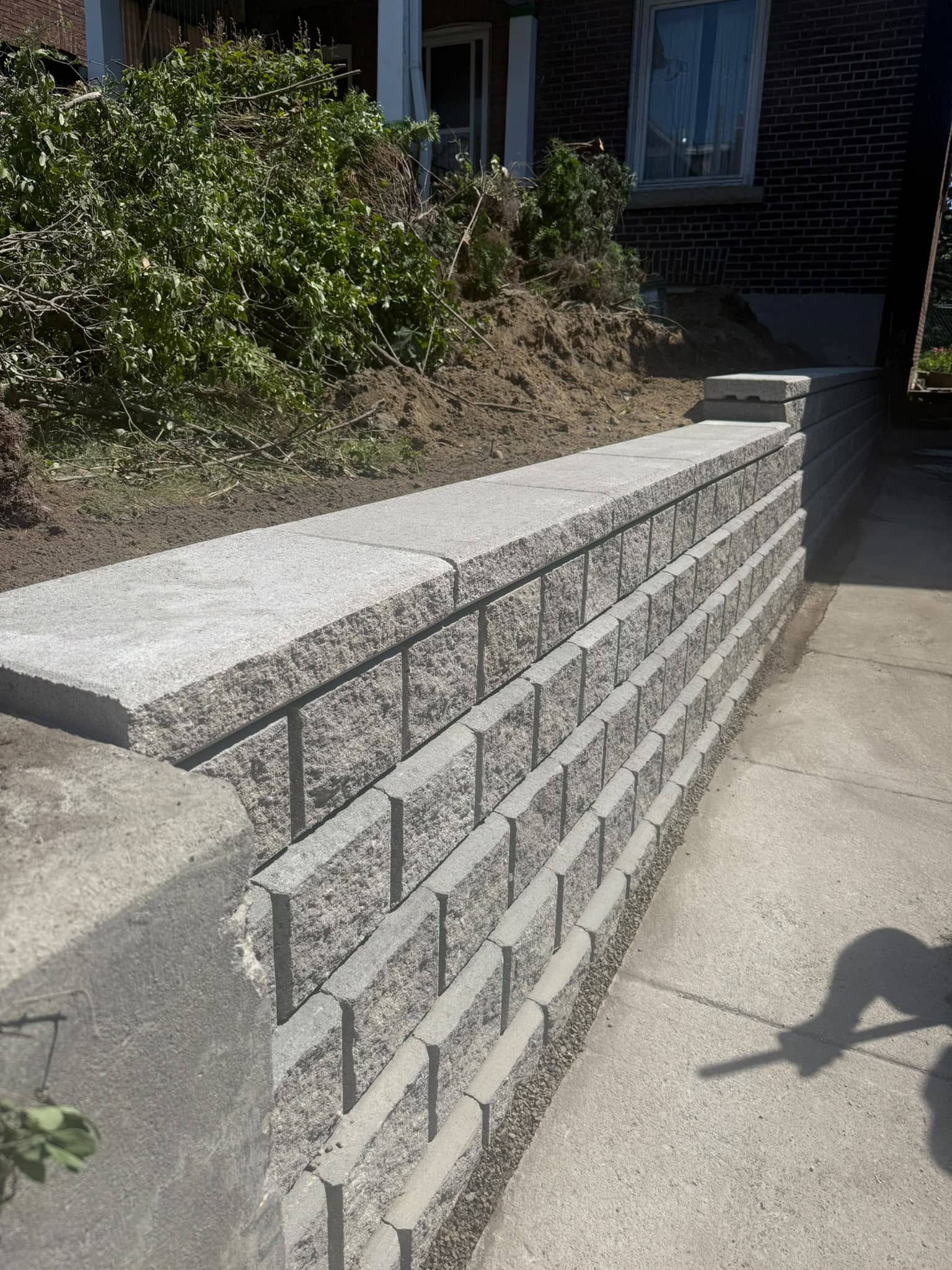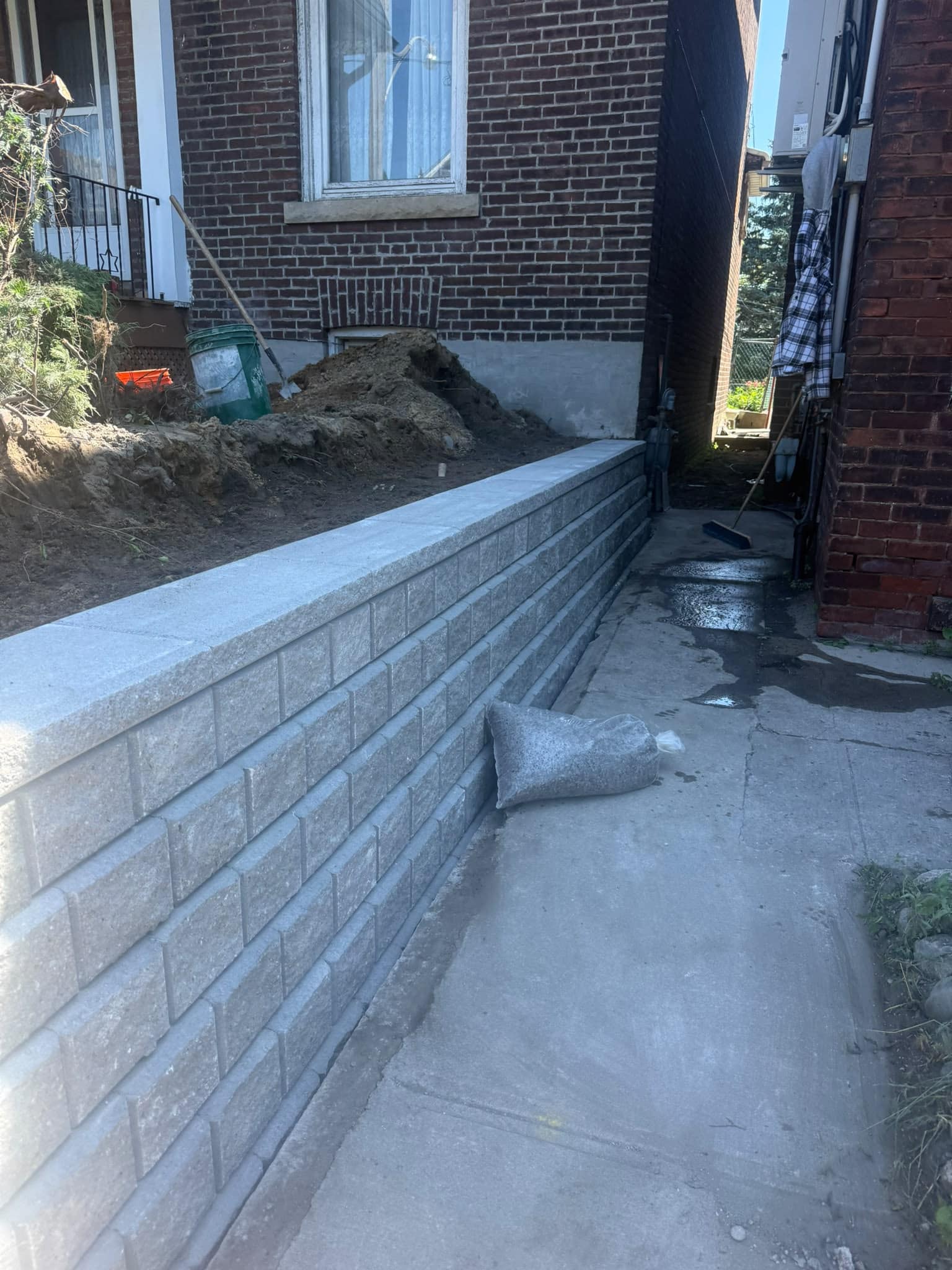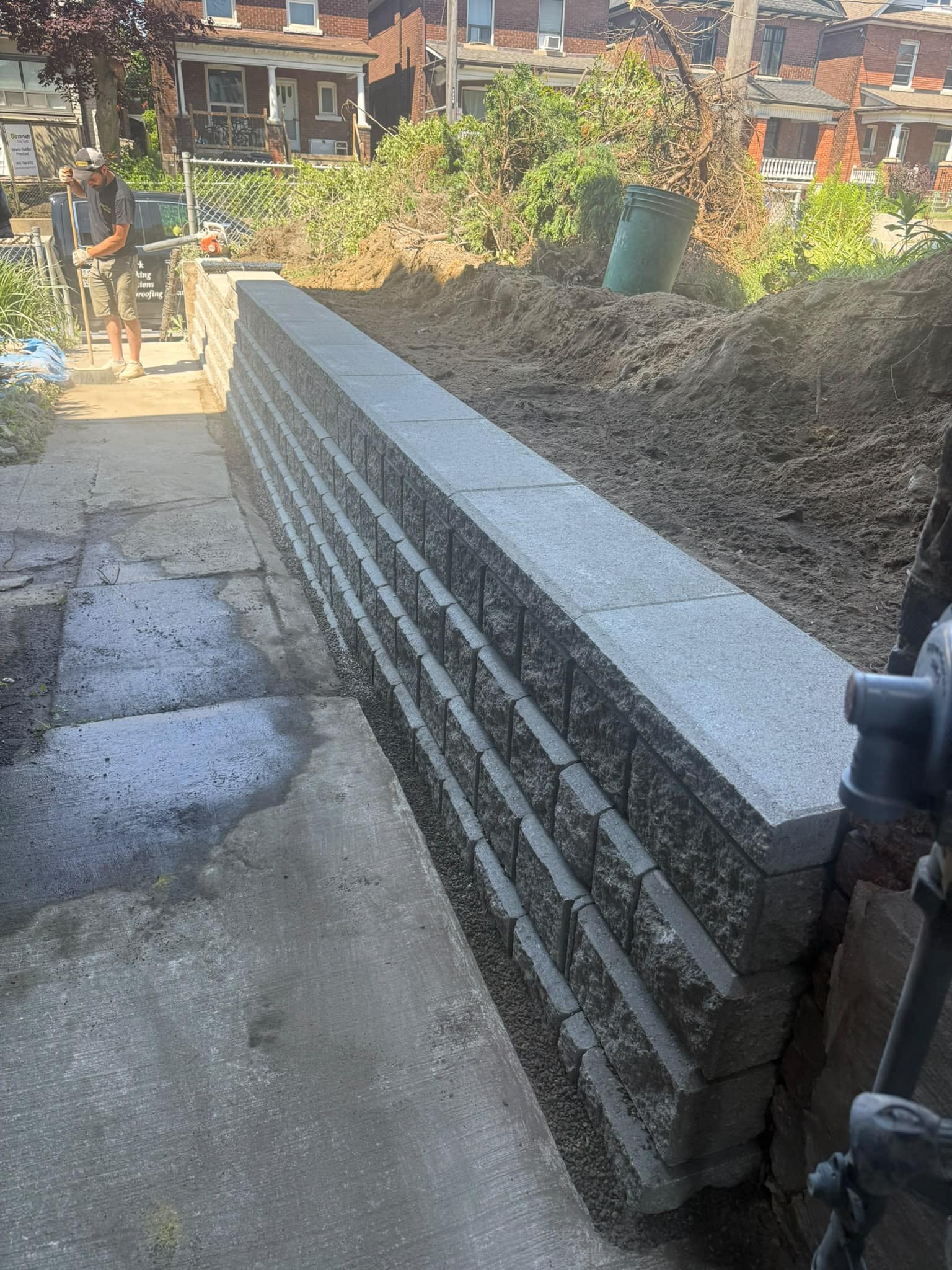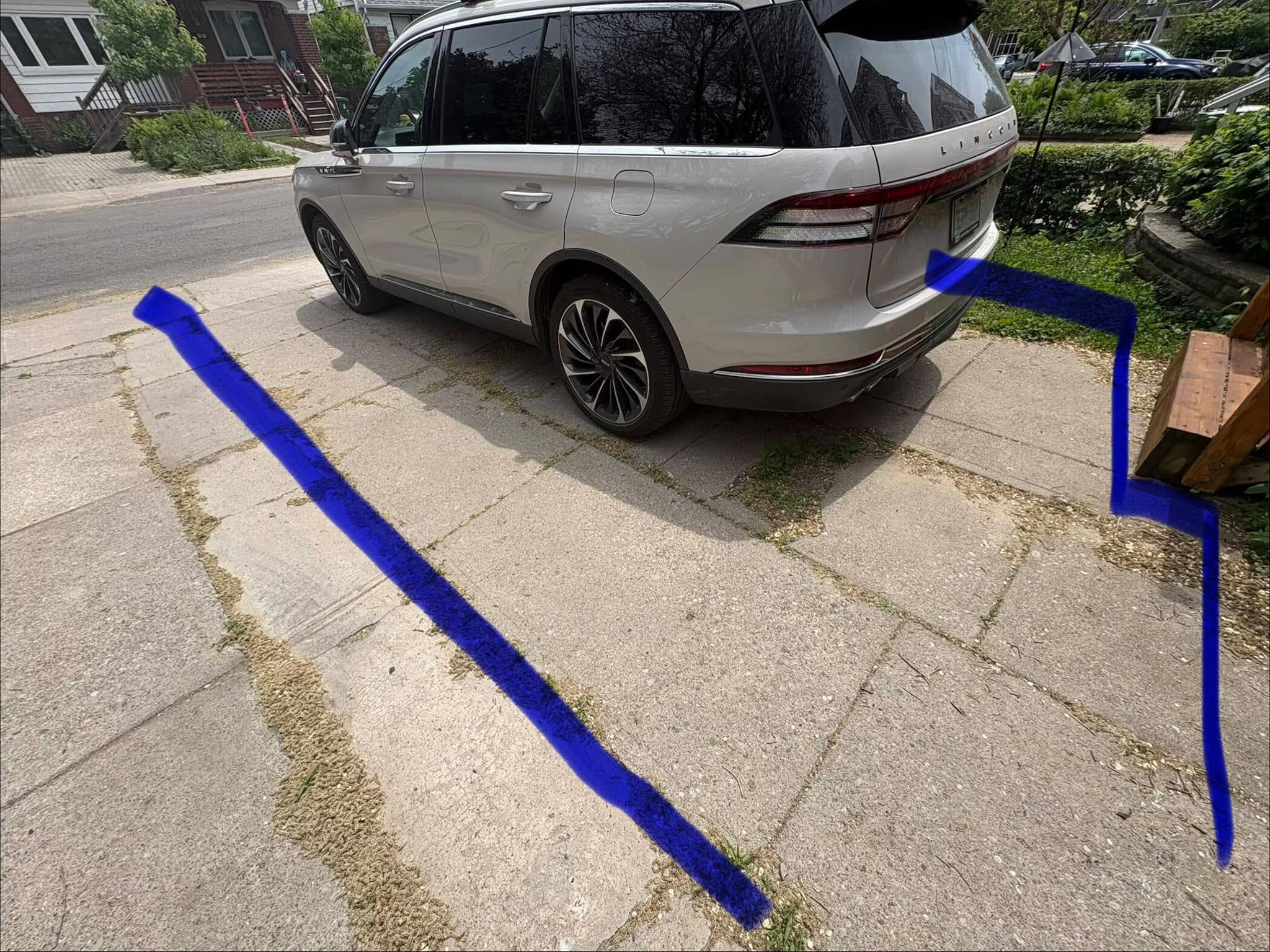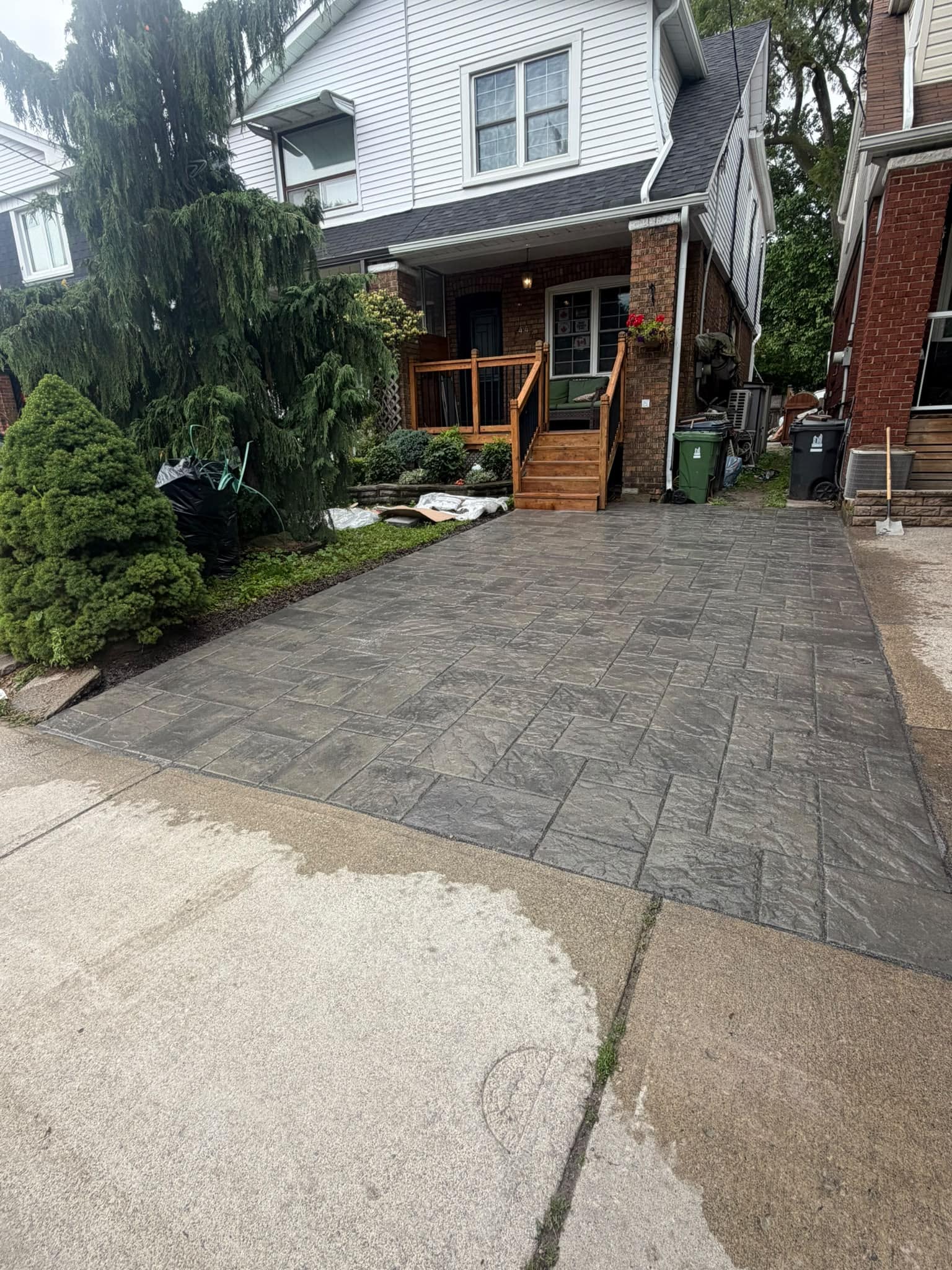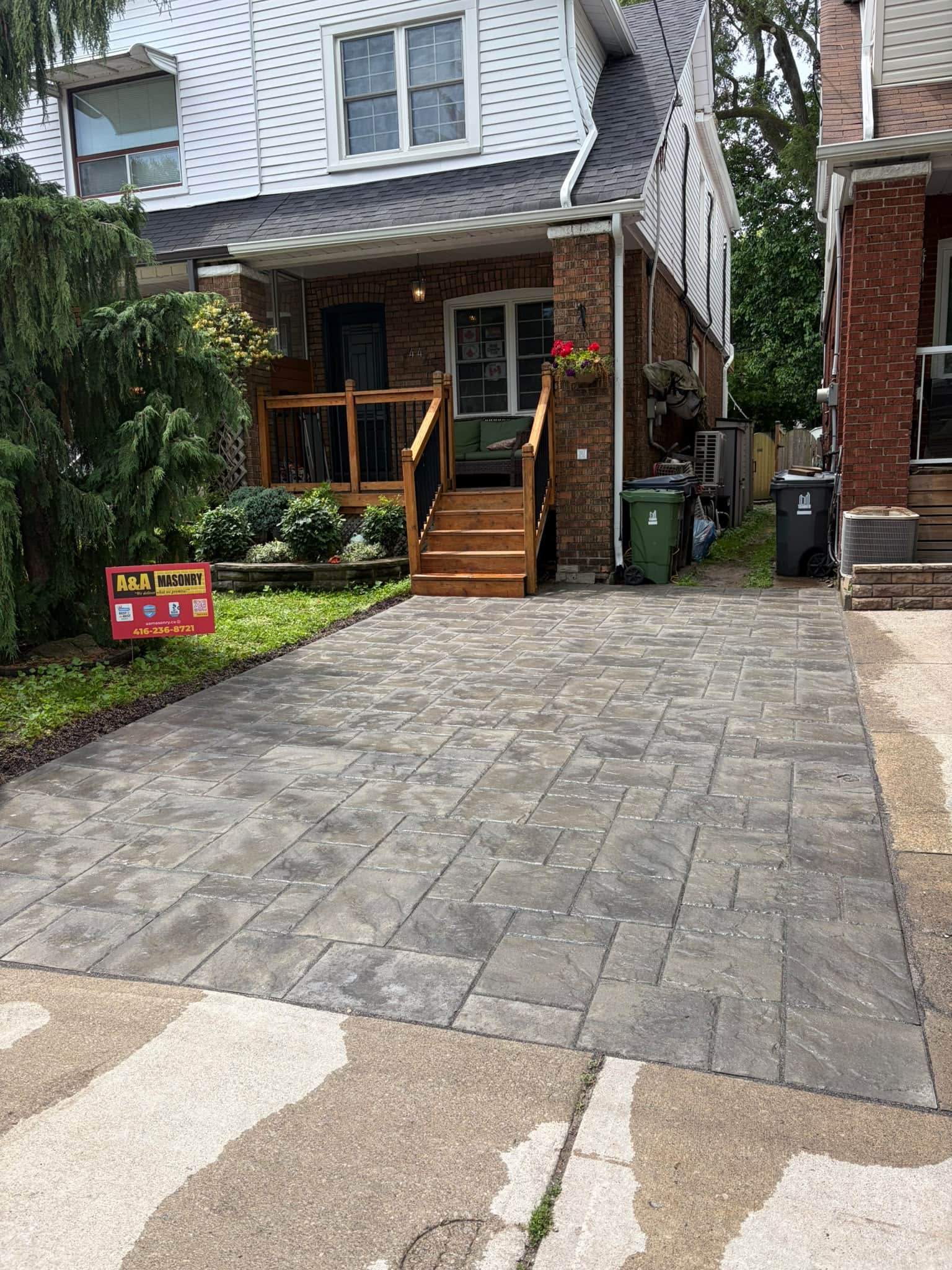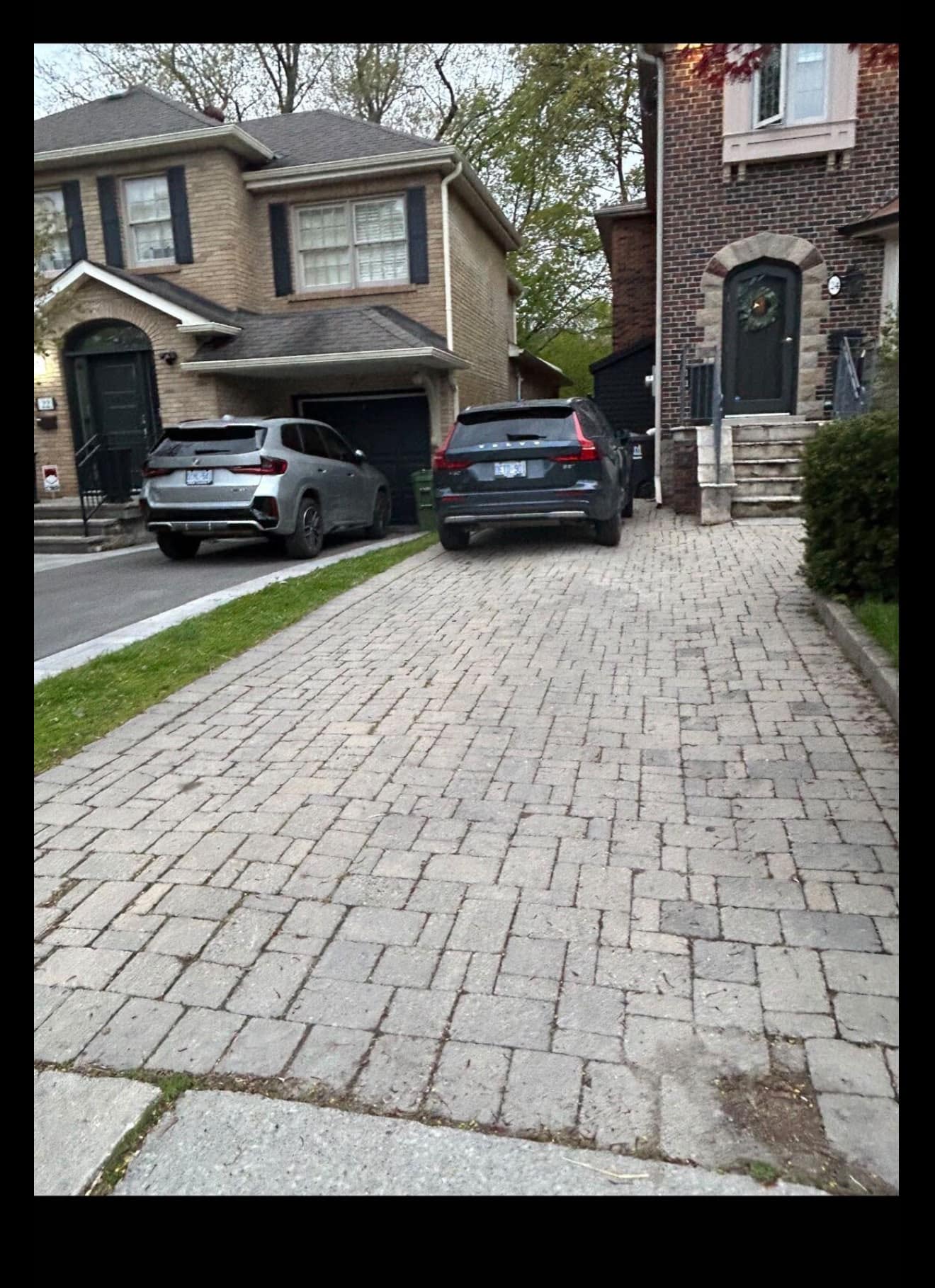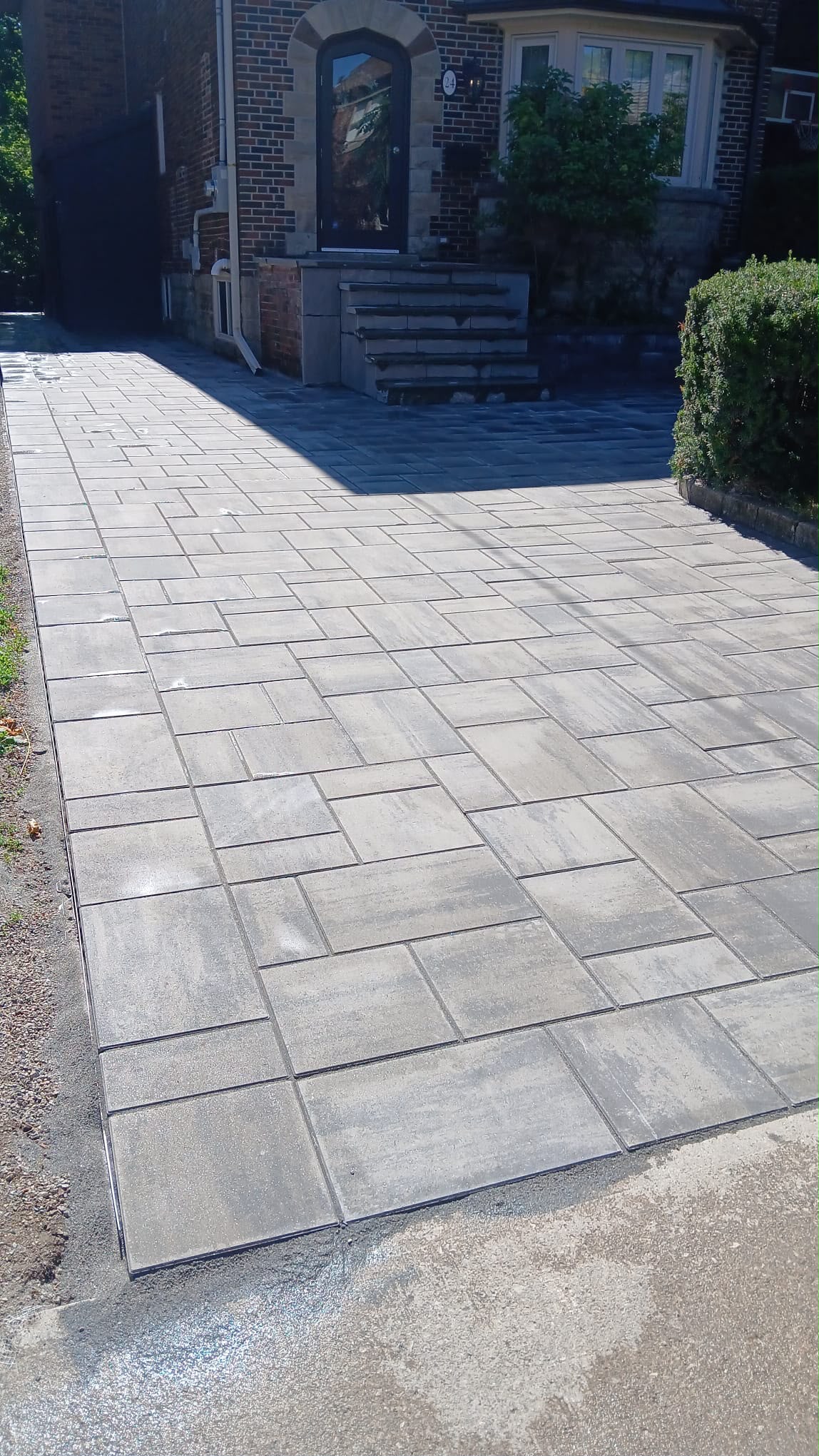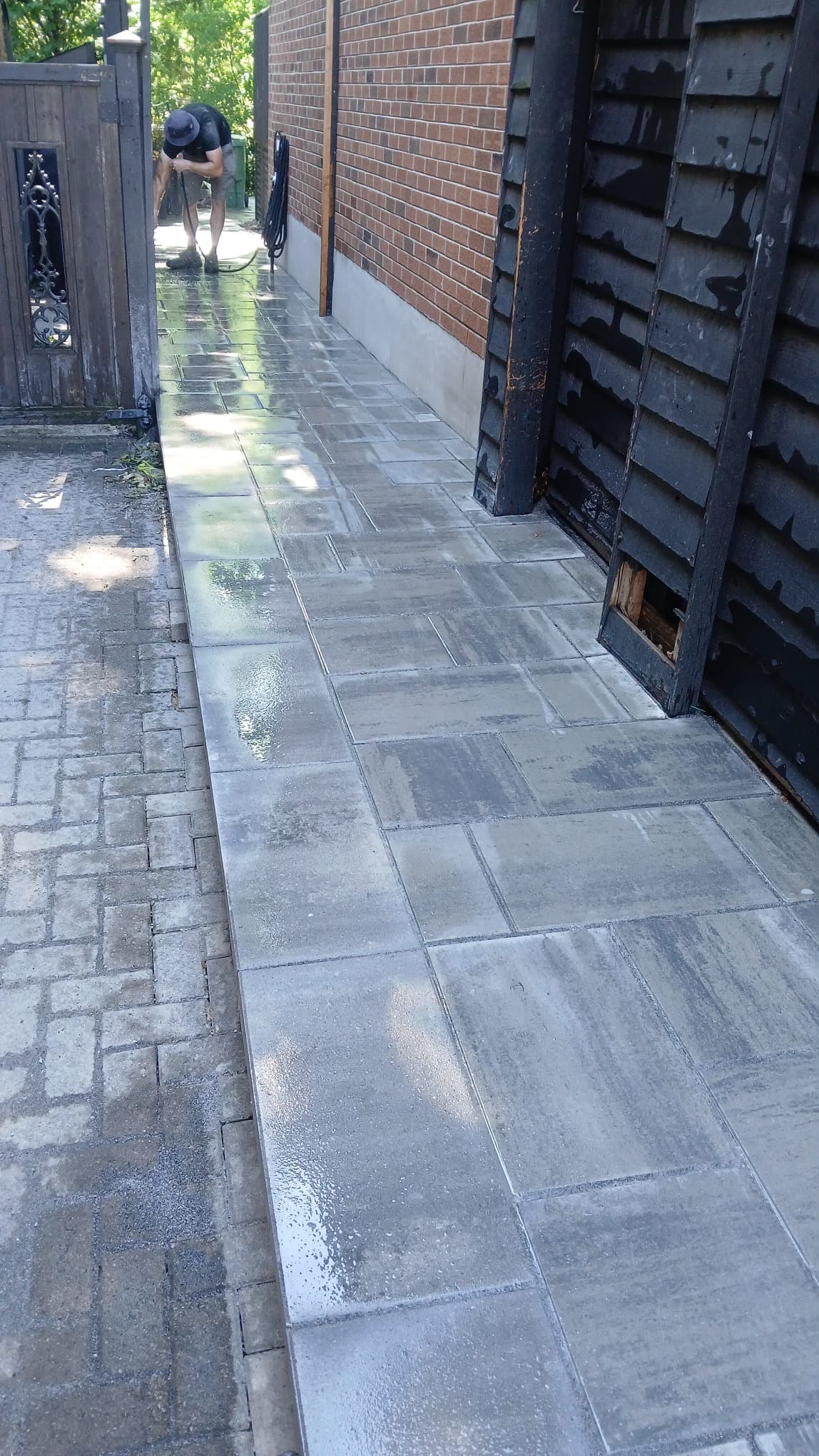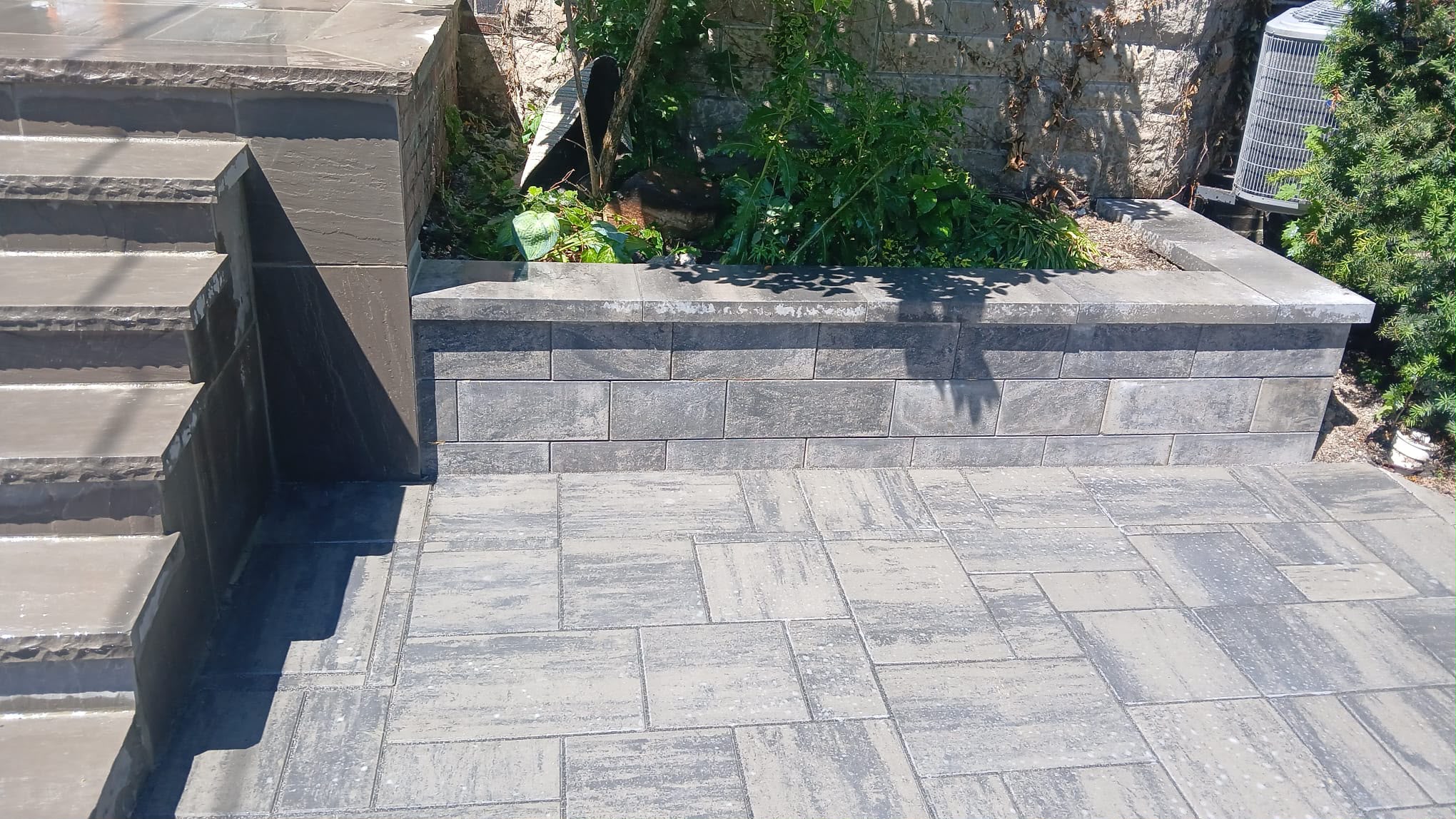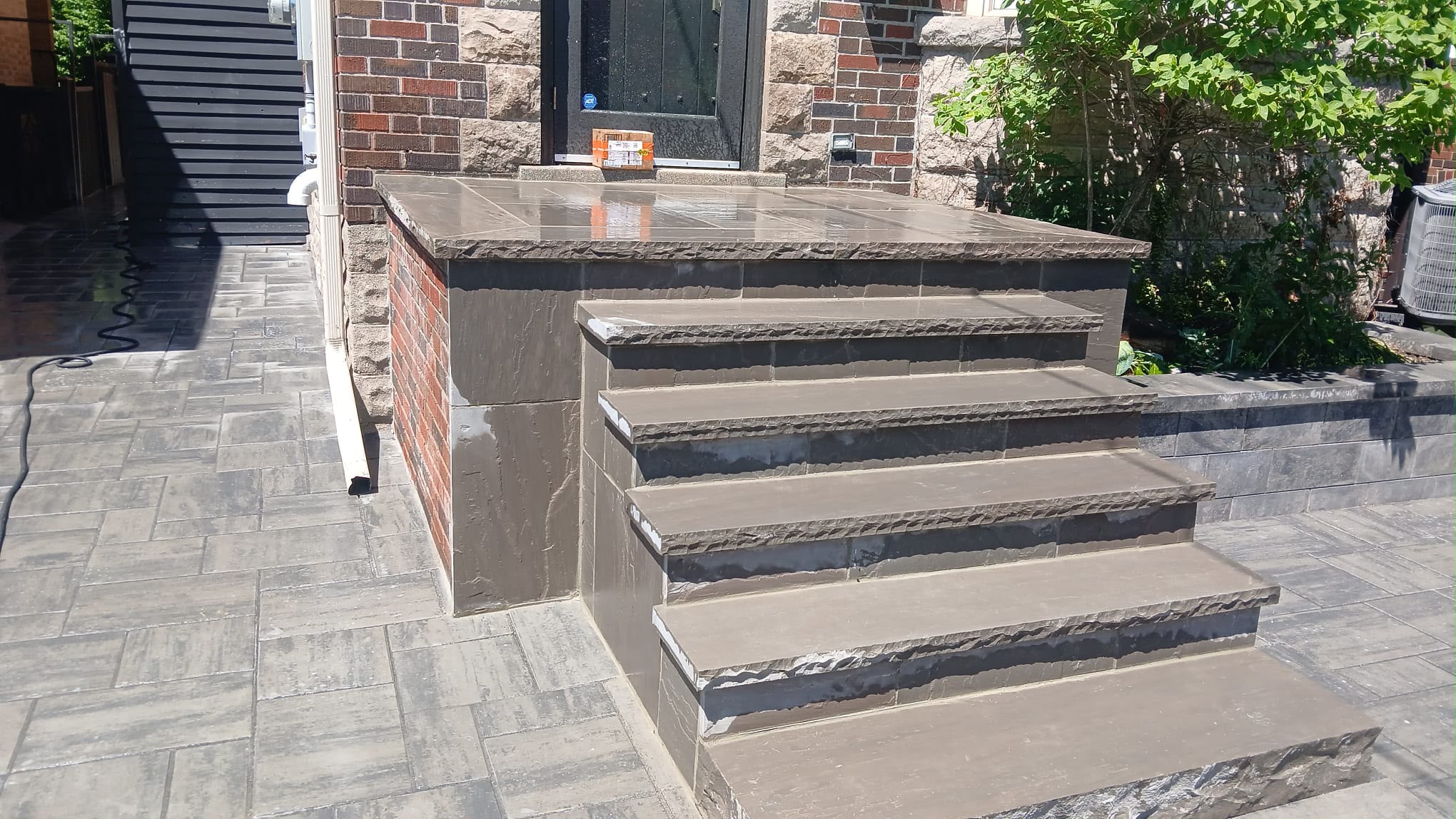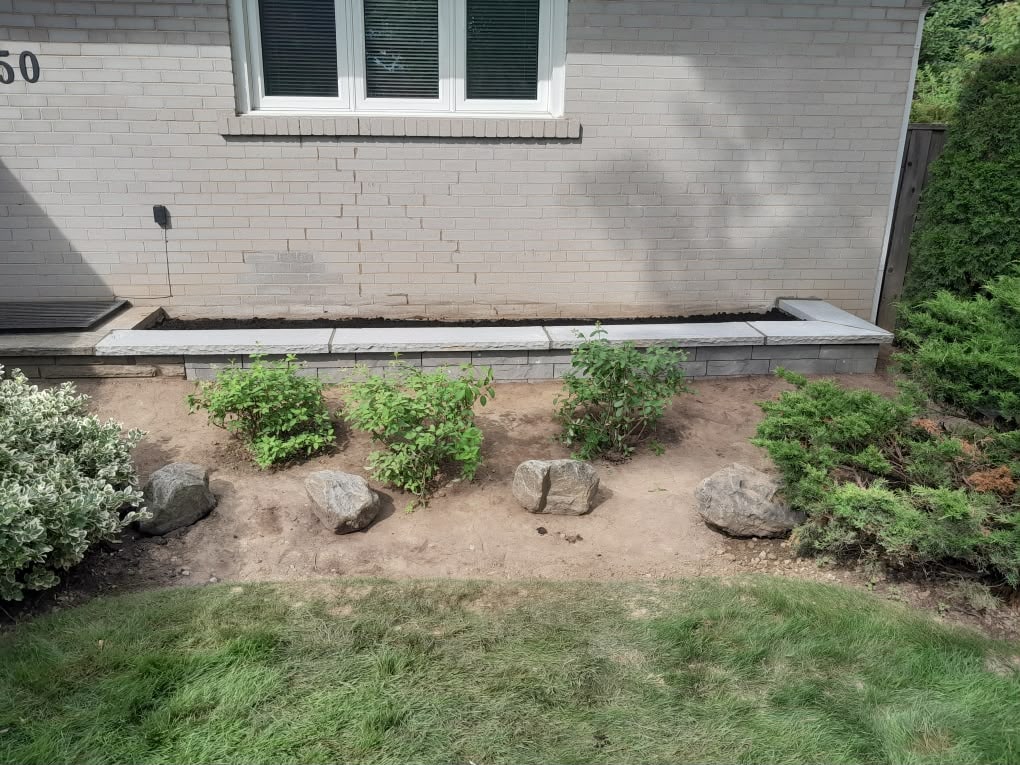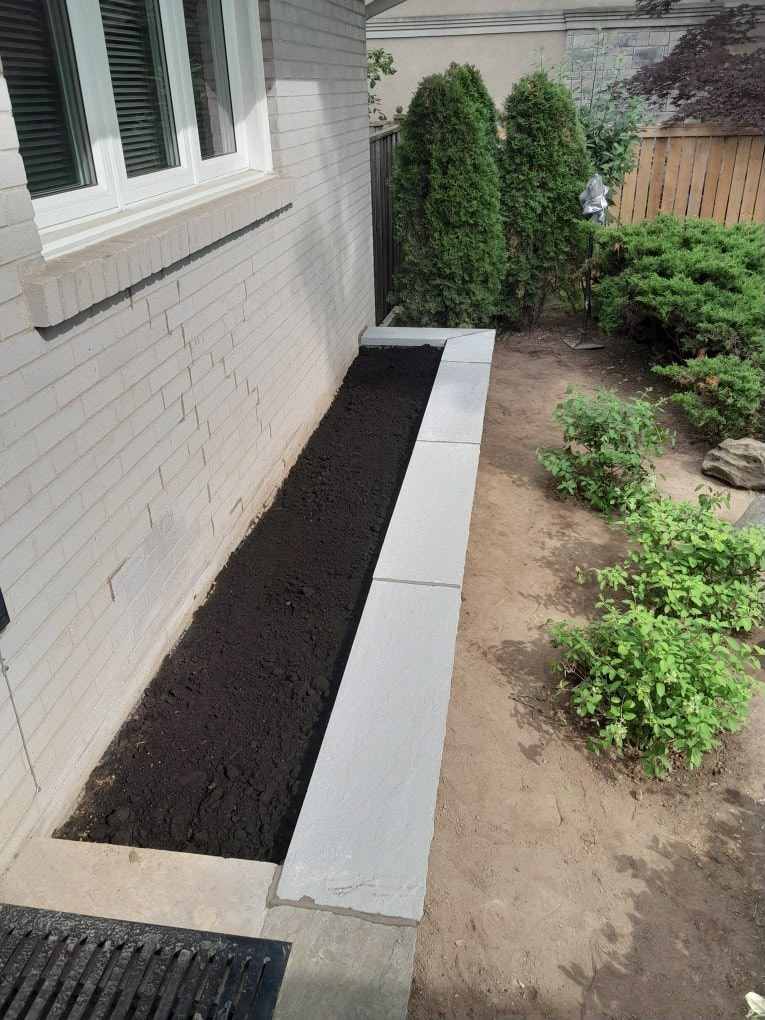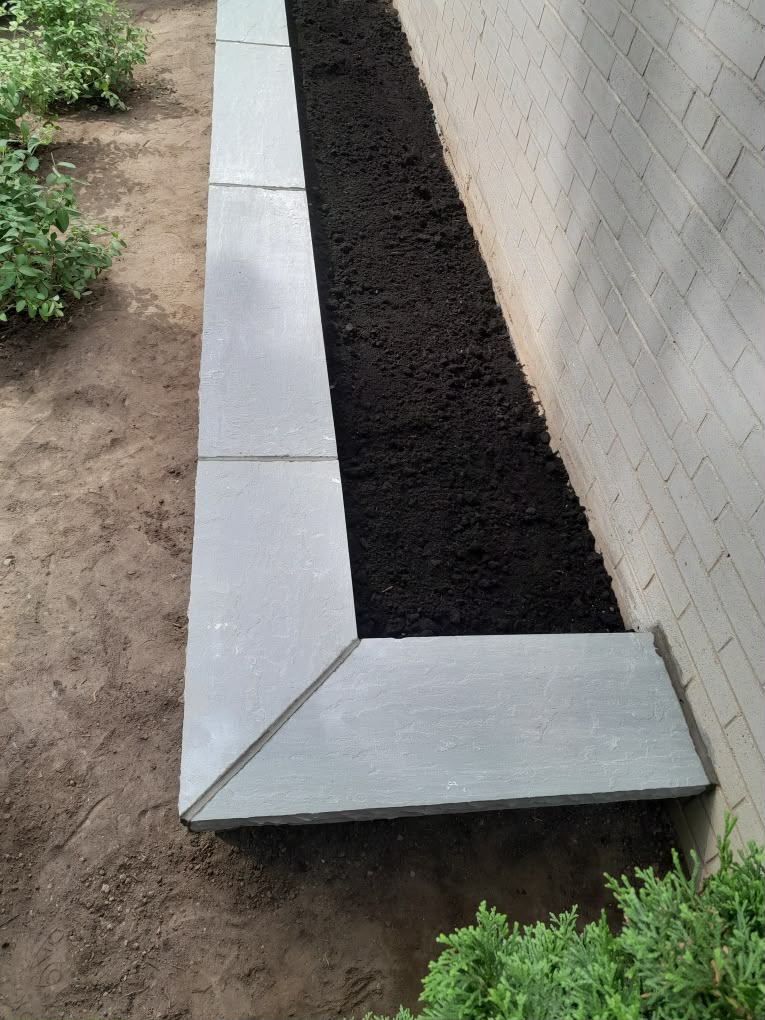

Storm damage is not always dramatic. After heavy rain, windstorms, ice events, or rapid thaws, masonry problems often show up in small ways first. A damp lower wall, new staining, loose mortar, shifted interlocking, a crack that looks wider than before, or brick debris below a chimney may not seem urgent at first glance. But these are often the exact clues that tell homeowners water, movement, or impact stress has already begun to affect the masonry.
That is why a post-storm inspection matters. It helps homeowners separate normal weathering from new storm-related issues before they become larger repair problems. In Toronto and the GTA, this matters even more because storms often interact with freeze-thaw conditions, snowmelt, saturated soil, and drainage problems that are already stressing masonry before the storm even starts.
This guide explains how to inspect masonry after a storm, where to check first, what warning signs actually matter, how different storm types can affect brick, stone, chimneys, foundations, retaining walls, and hardscape areas, what homeowners can usually observe themselves, and when the damage is already pointing to the need for proper repair work.
Why a Post-Storm Masonry Inspection Matters
Masonry is durable, but it is not immune to storm stress. Wind-driven rain can force moisture into weak joints and openings. Snow and ice can hold moisture against the wall longer than usual. Rapid thawing can send water toward lower masonry faster than the area can drain. Hail or falling branches can cause impact damage. Saturated ground can affect steps, walkways, retaining walls, and foundation-adjacent masonry.
What makes storm inspections important is not only the storm itself. It is what the storm reveals. A wall, chimney, step, or paved area that already had a weak point may show it more clearly after a heavy weather event. Health Canada guidance notes that it is good practice to inspect buildings after storms or heavy precipitation and to address early signs of moisture entry before they lead to more extensive problems. Health Canada guidance on inspecting after storms or heavy precipitation
For homeowners, the biggest benefit of inspecting early is simple: catching a minor issue while it is still minor usually gives you more options.
What Types of Storms Affect Masonry the Most
Not every storm affects masonry in the same way. Different weather events create different inspection priorities.
- Heavy rainstorms: increase the risk of moisture entry, staining, efflorescence, and runoff problems near foundations and lower walls
- Wind-driven storms: push water harder into exposed masonry, chimneys, and wall transitions
- Ice storms or freeze-thaw events: allow trapped moisture to expand inside mortar joints and brick faces
- Hail or impact events: may damage crowns, caps, coping, and more exposed masonry details
- Rapid spring melt after snow accumulation: can reveal drainage and saturation problems around foundations, steps, and retaining walls
That is why homeowners should not use one generic inspection checklist after every storm. A windstorm and a thaw event do not usually leave the same masonry clues behind. The smarter approach is to inspect based on the kind of stress the storm created.
Best Areas to Check First After a Storm
If you want to inspect the property efficiently, start with the areas most likely to show signs of fresh storm damage.
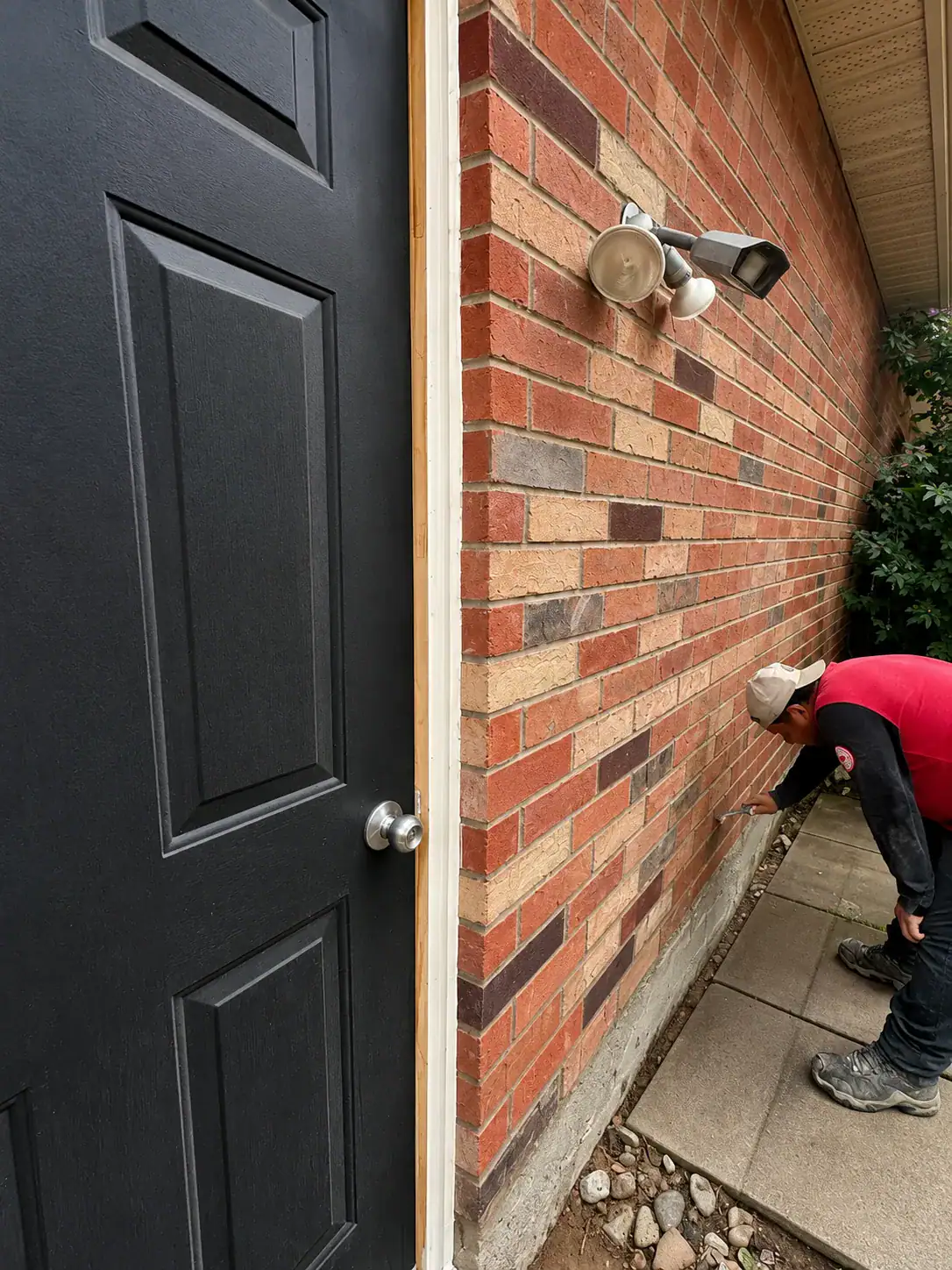
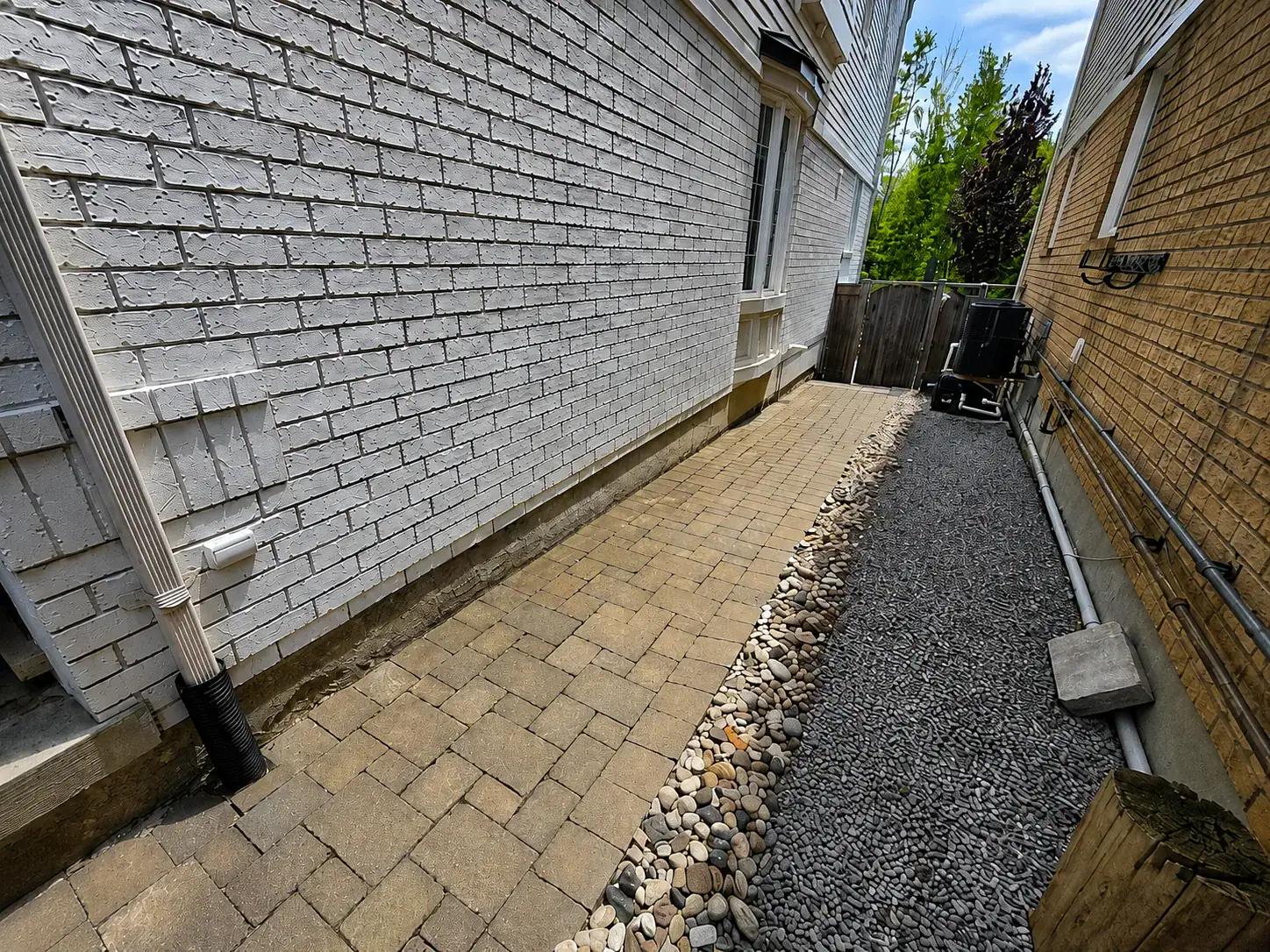
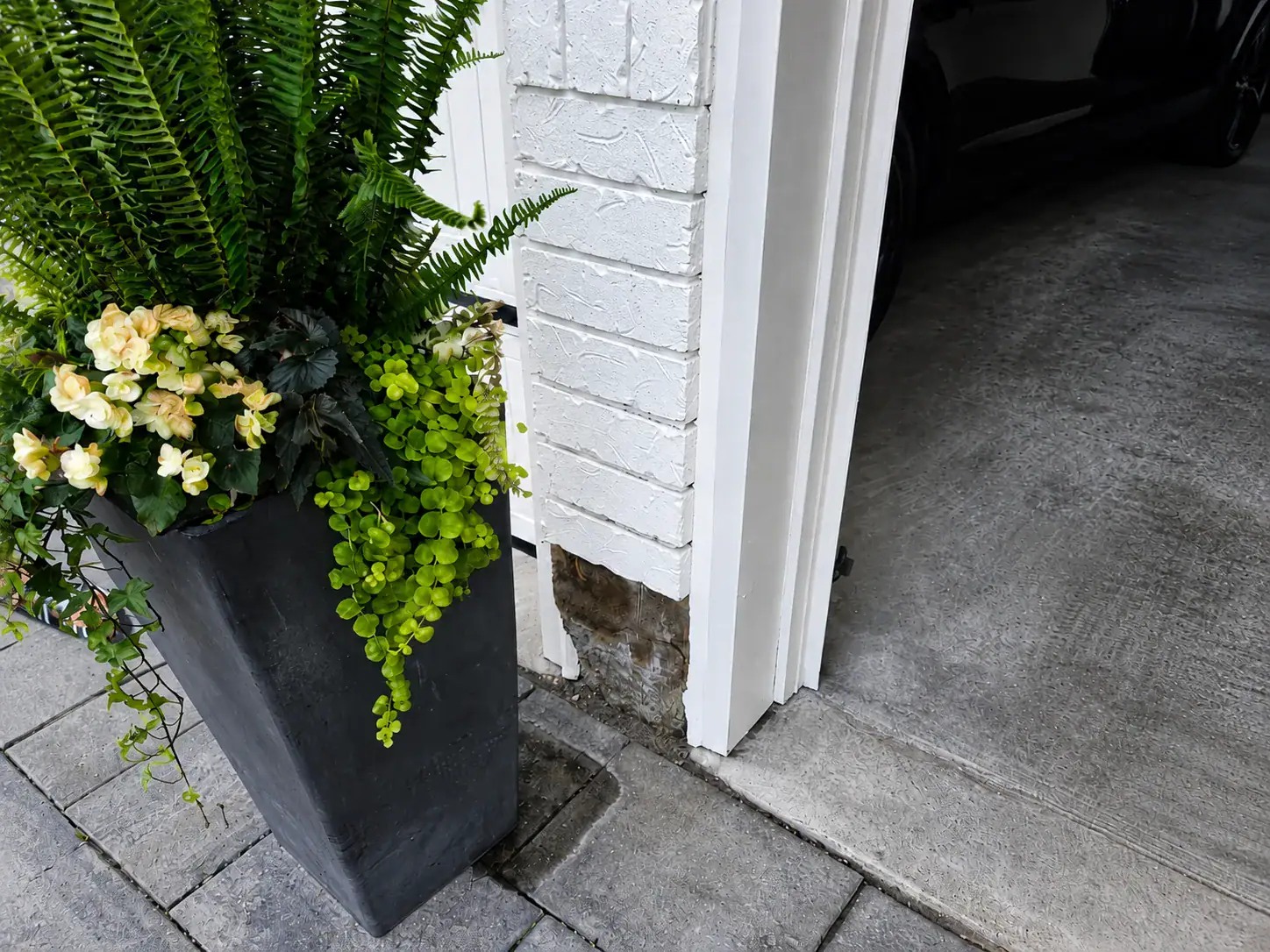
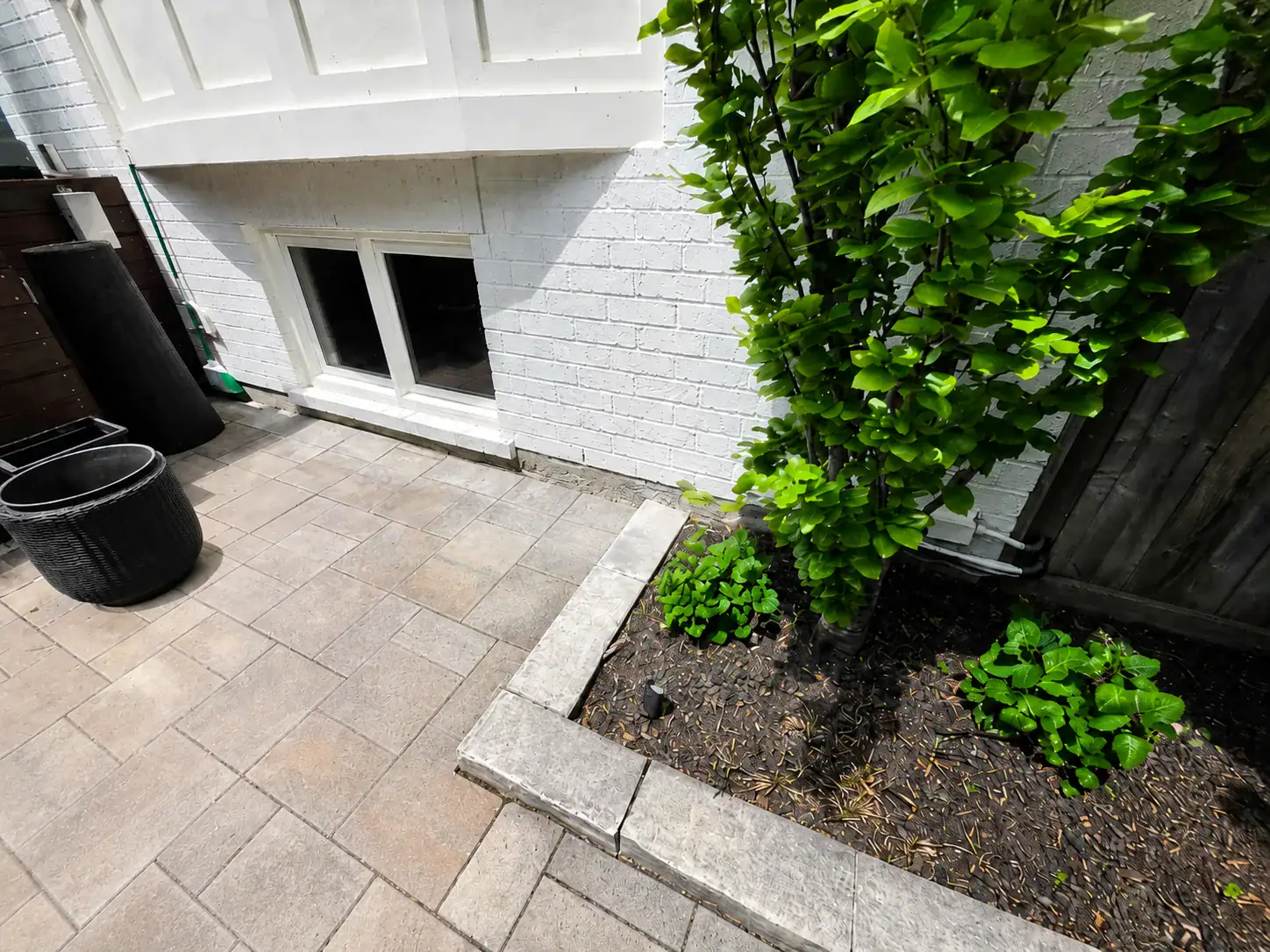
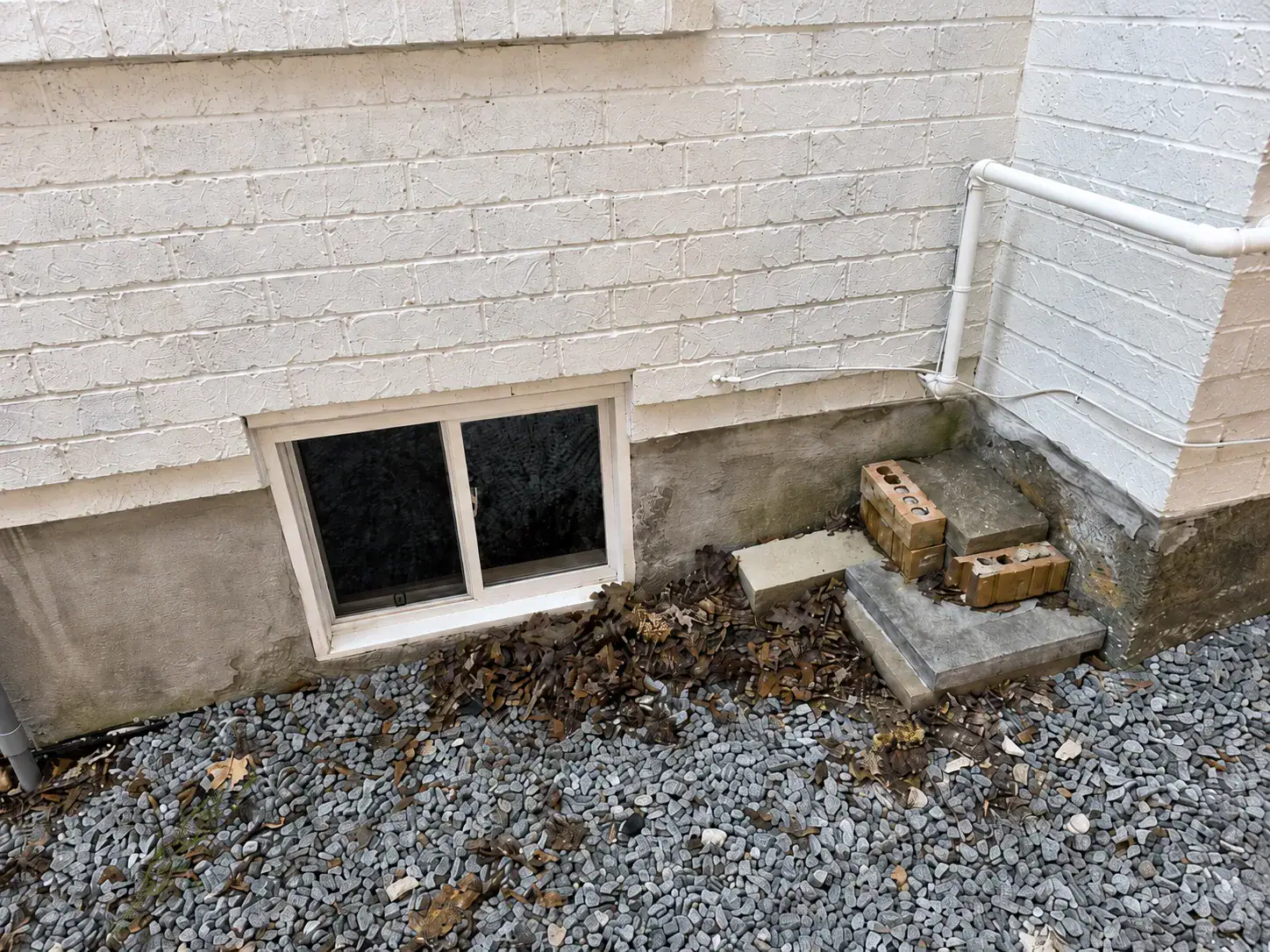
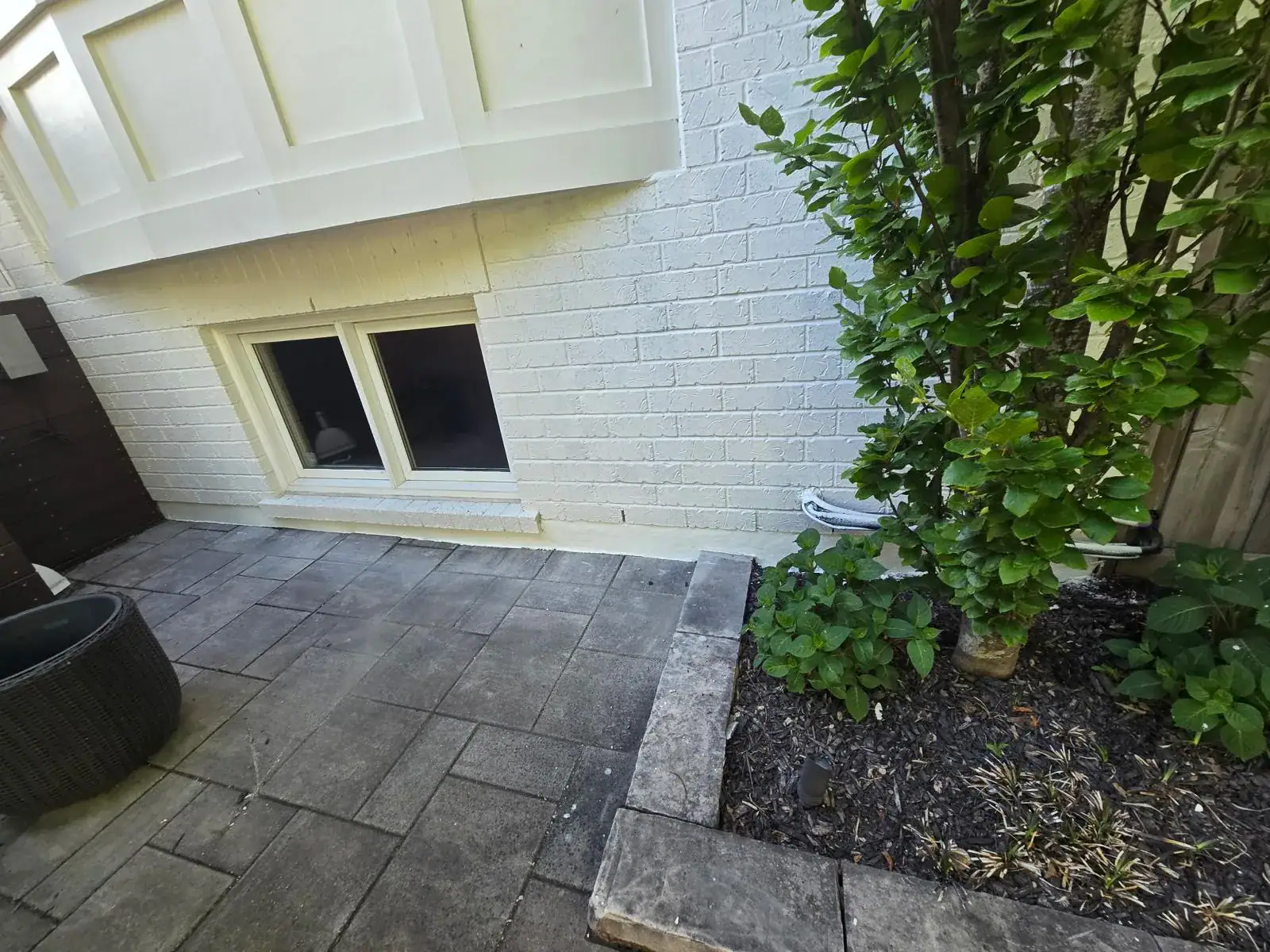
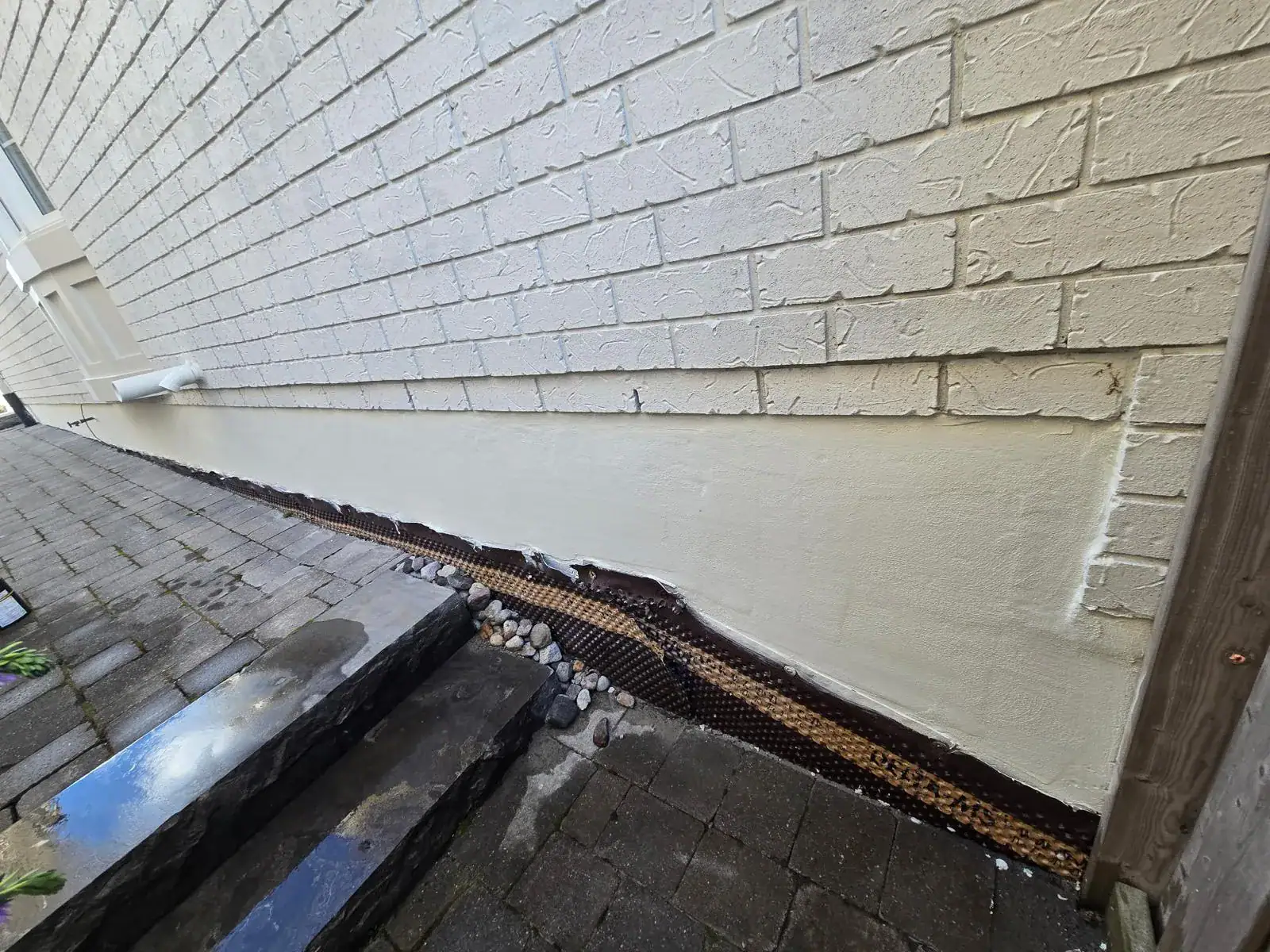
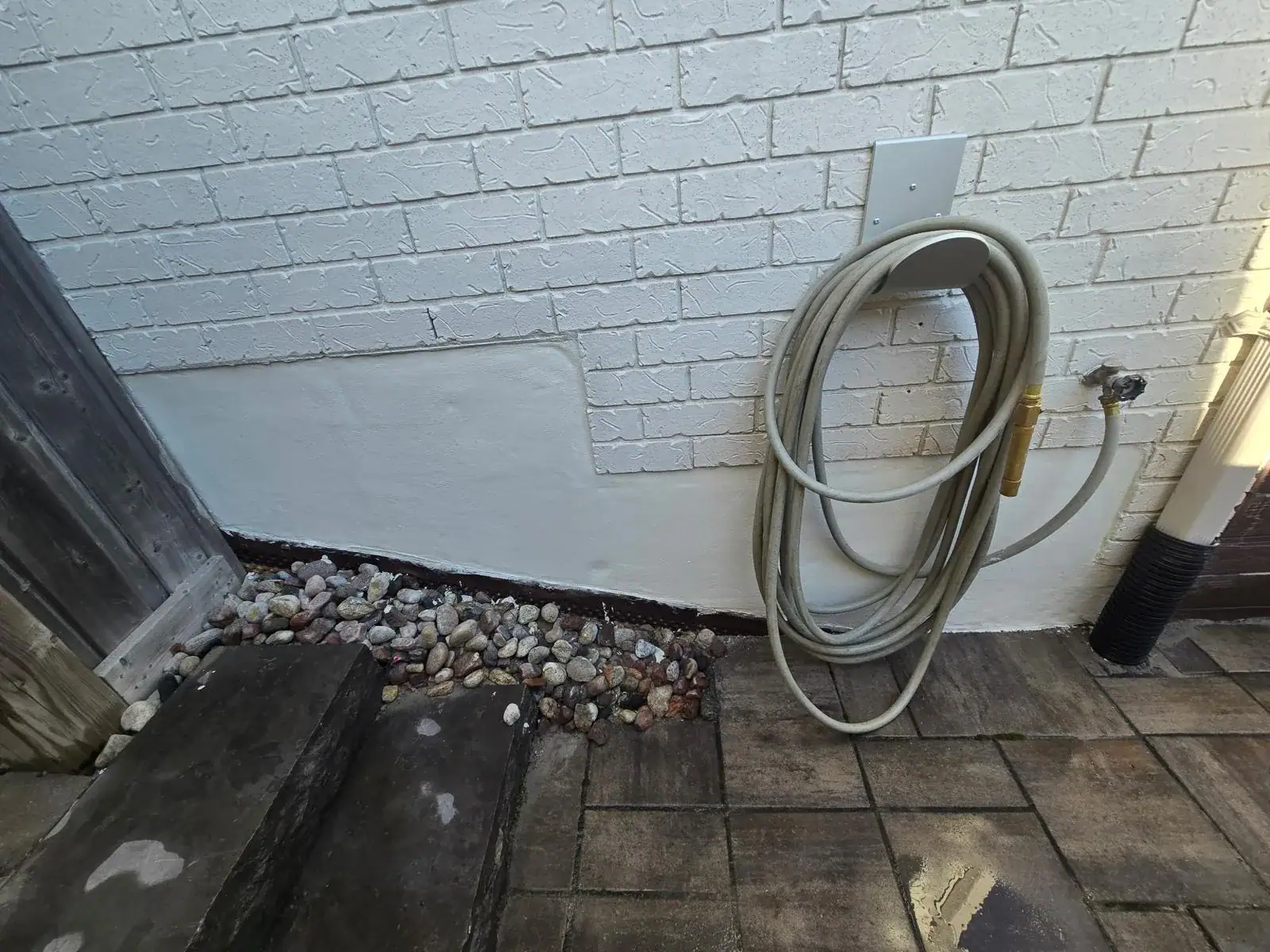
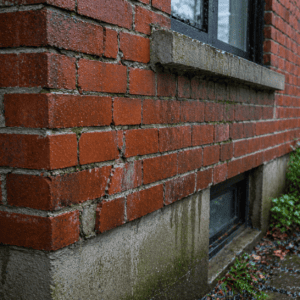
- Lower exterior walls: check for damp staining, efflorescence, splashing, or new moisture marks near the base
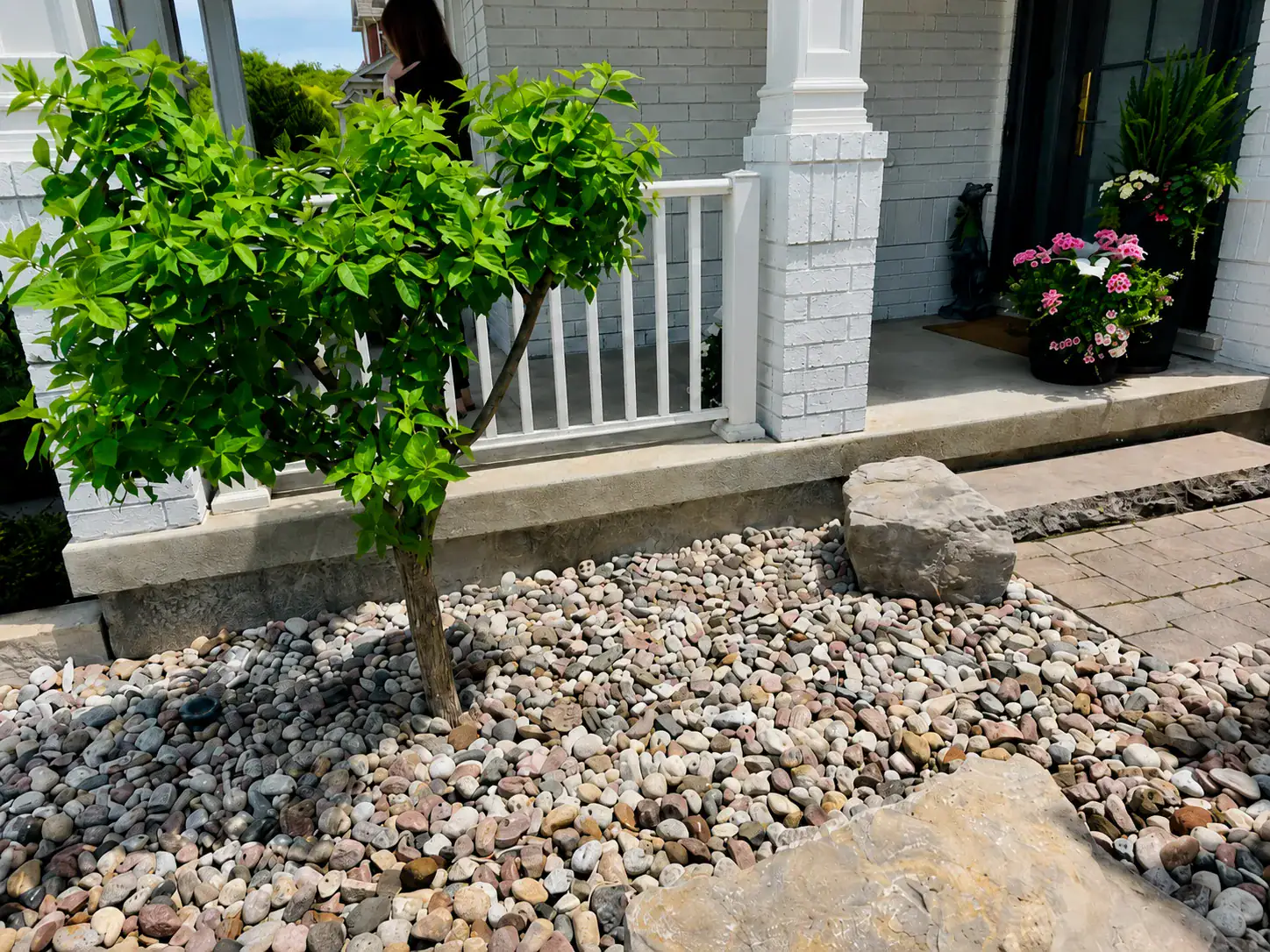
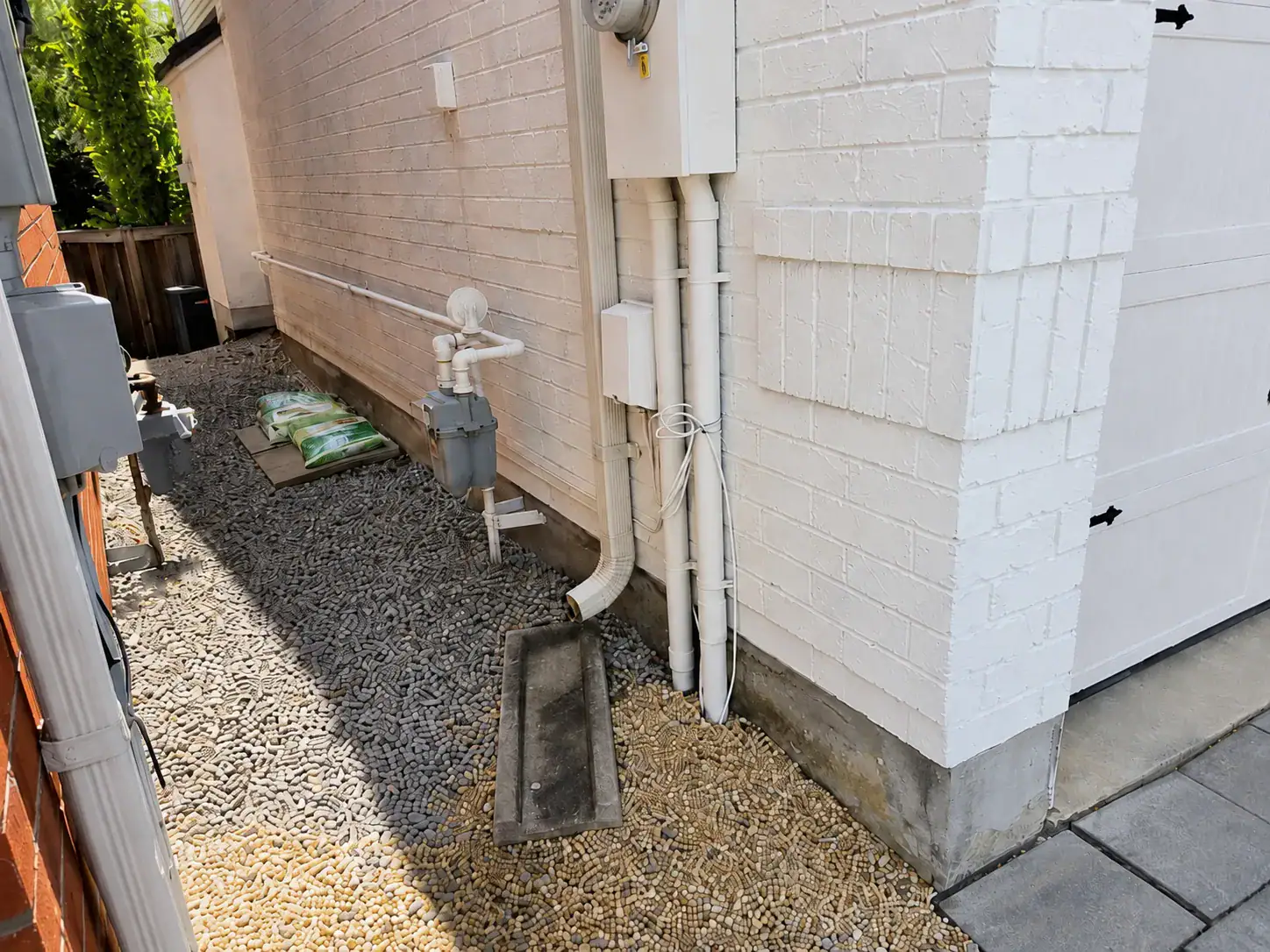
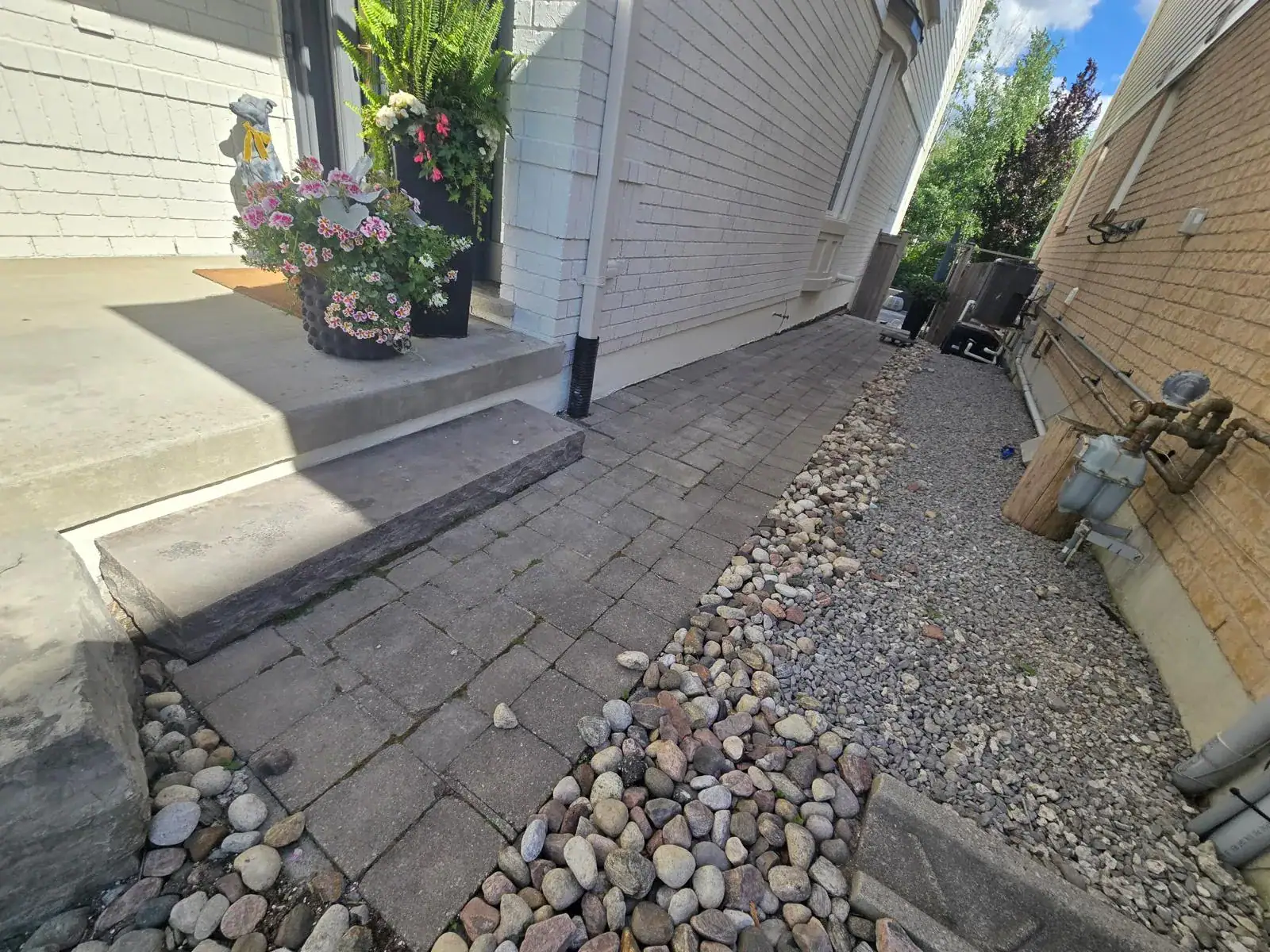
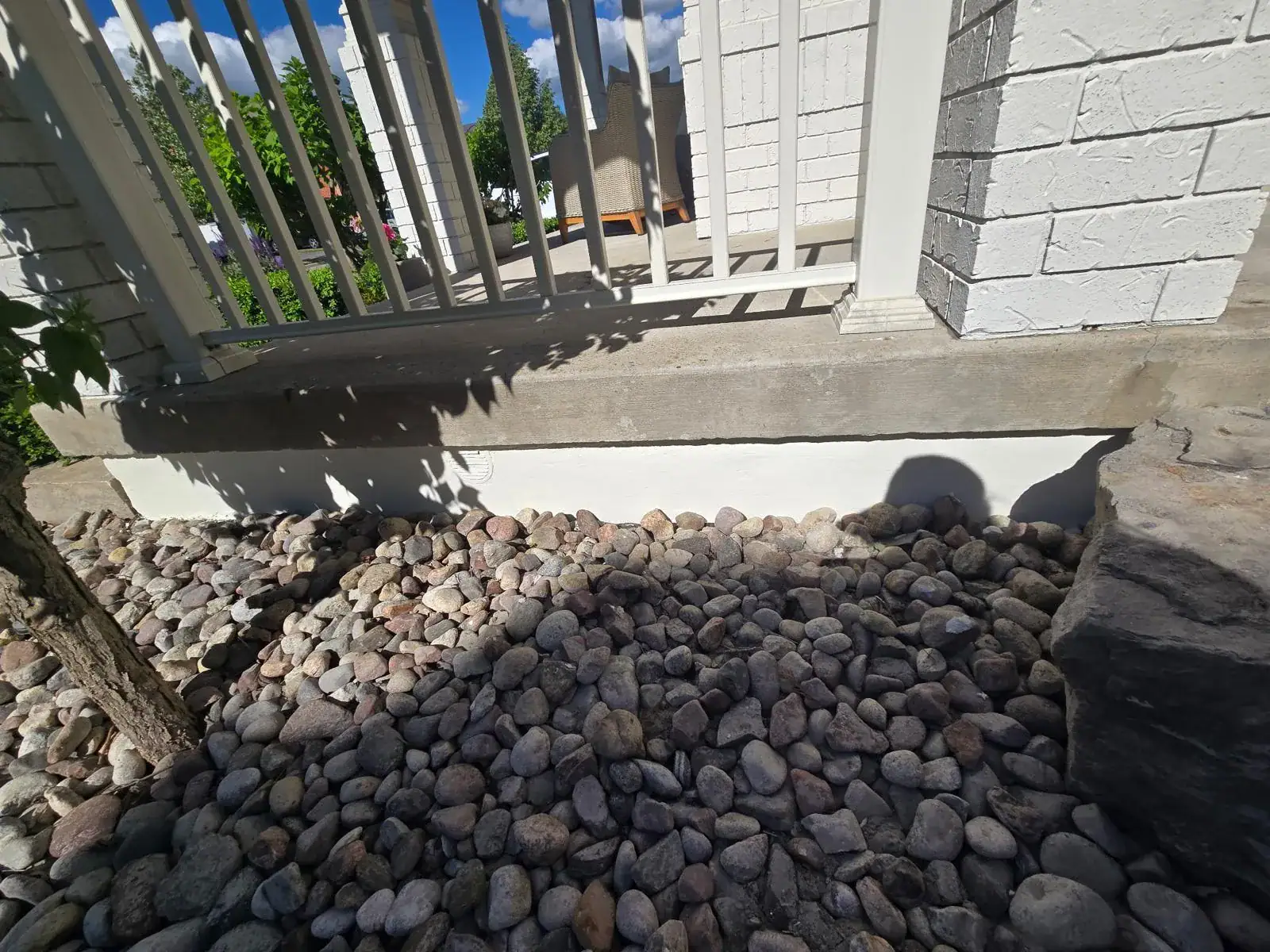
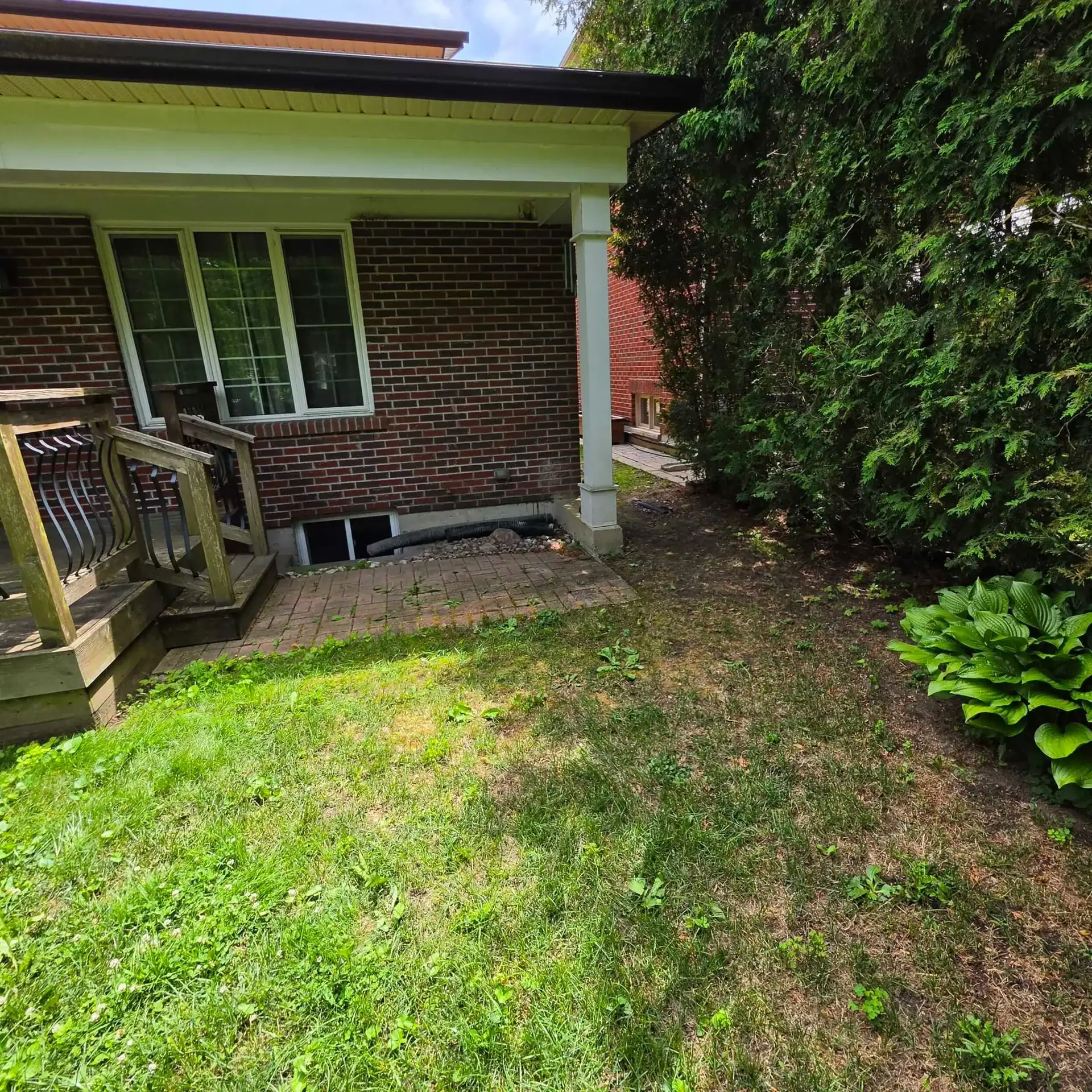
- Foundation perimeter: look for pooling water, oversaturated soil, erosion, or moisture against the wall
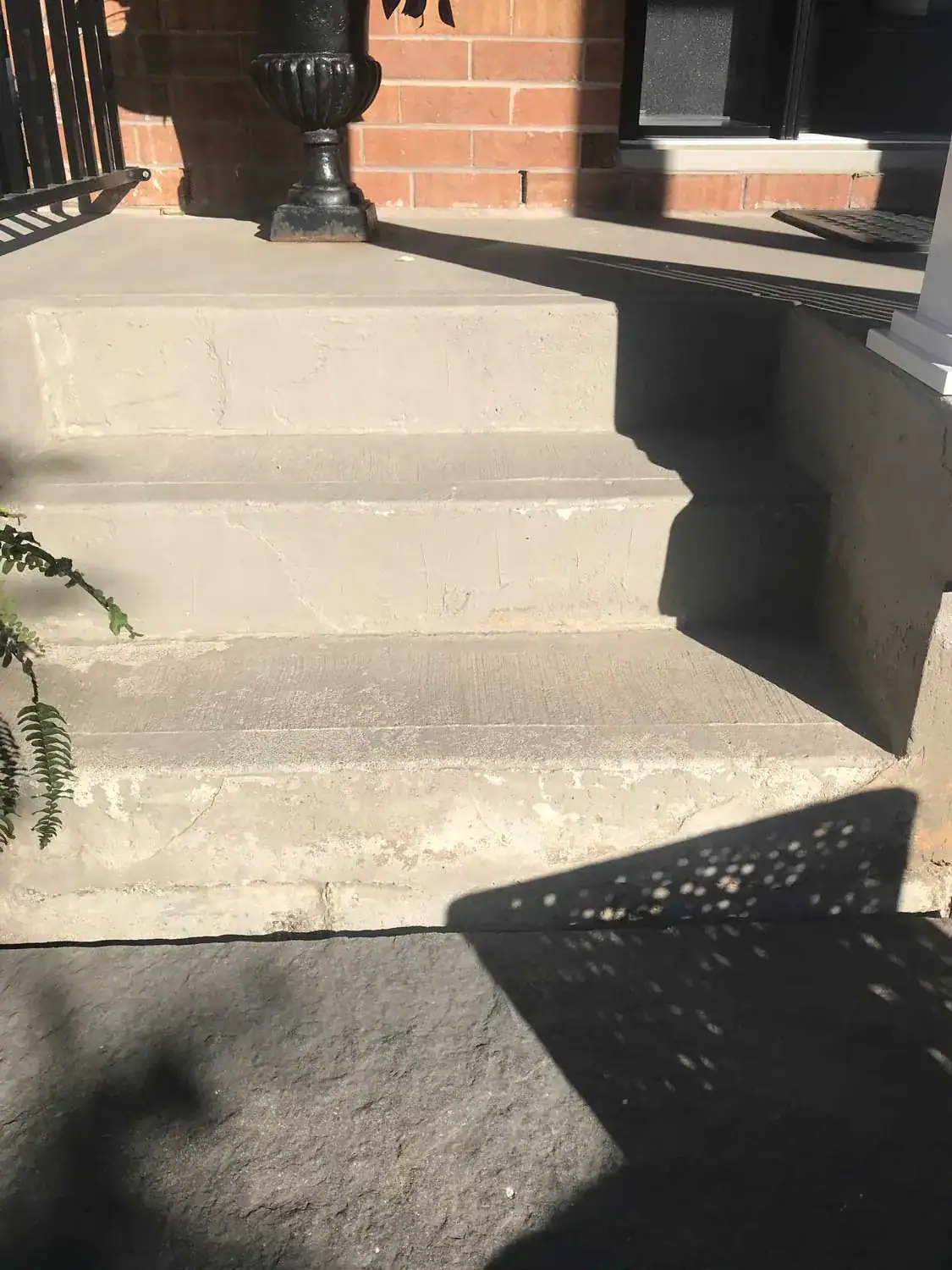
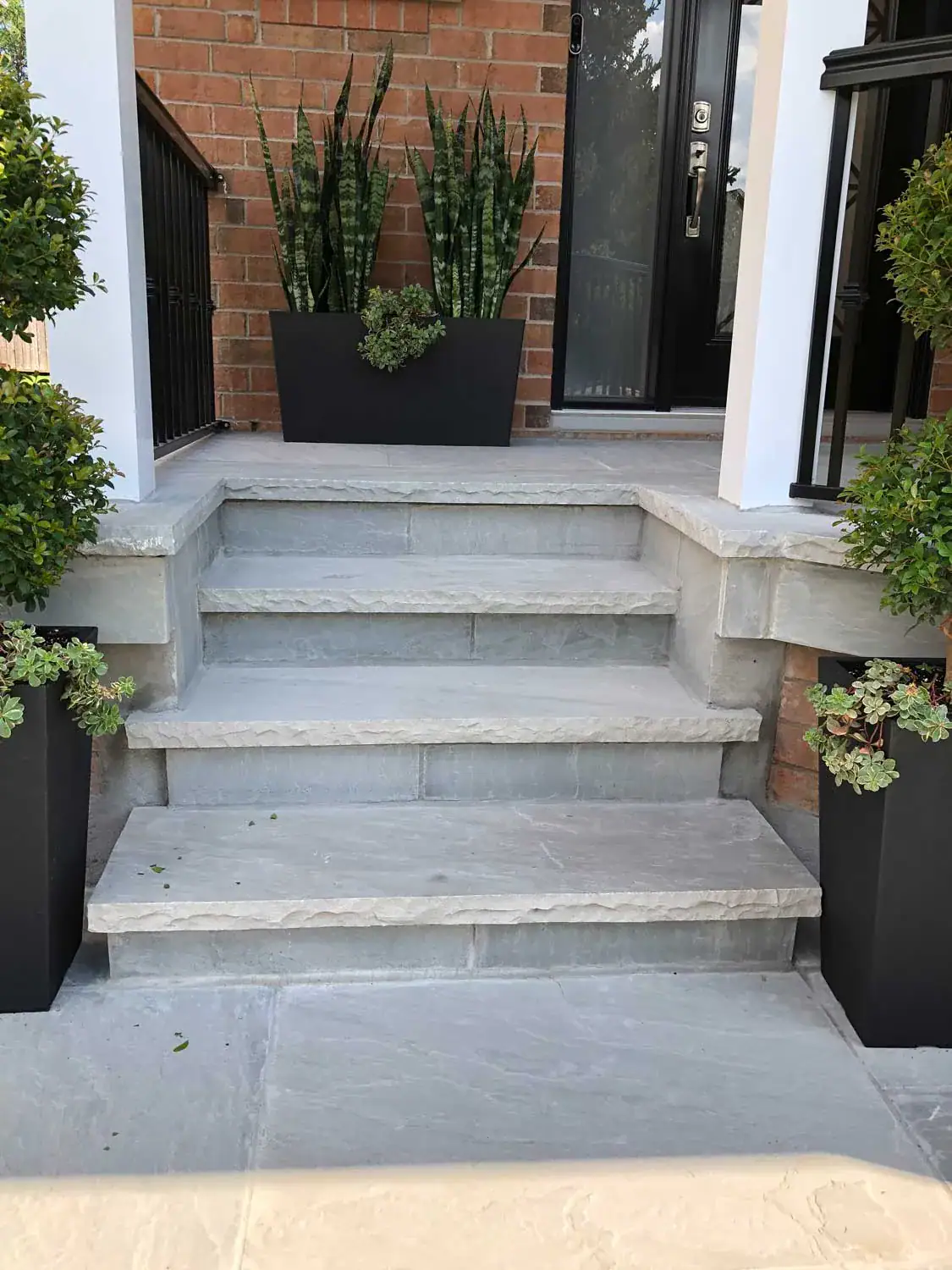
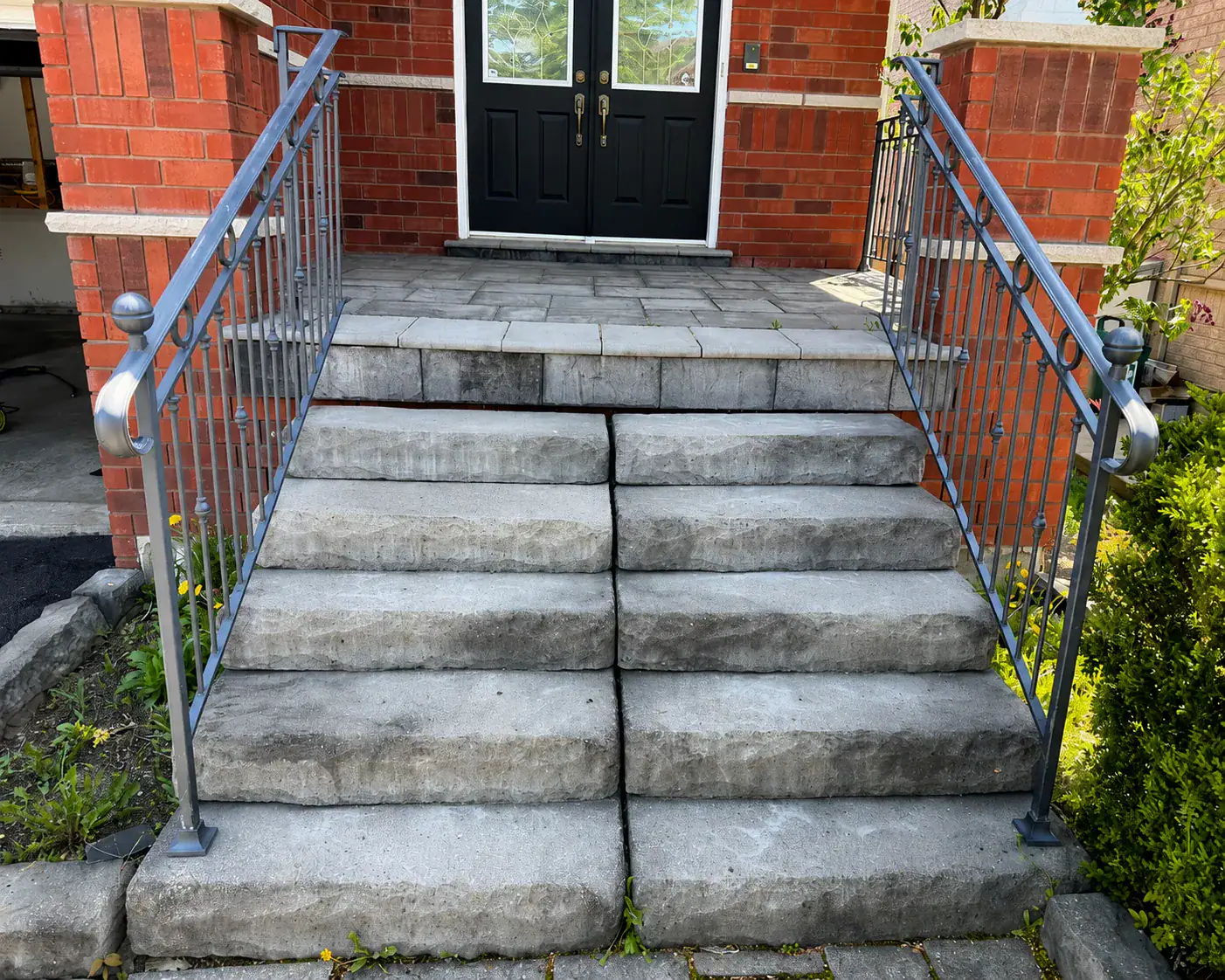
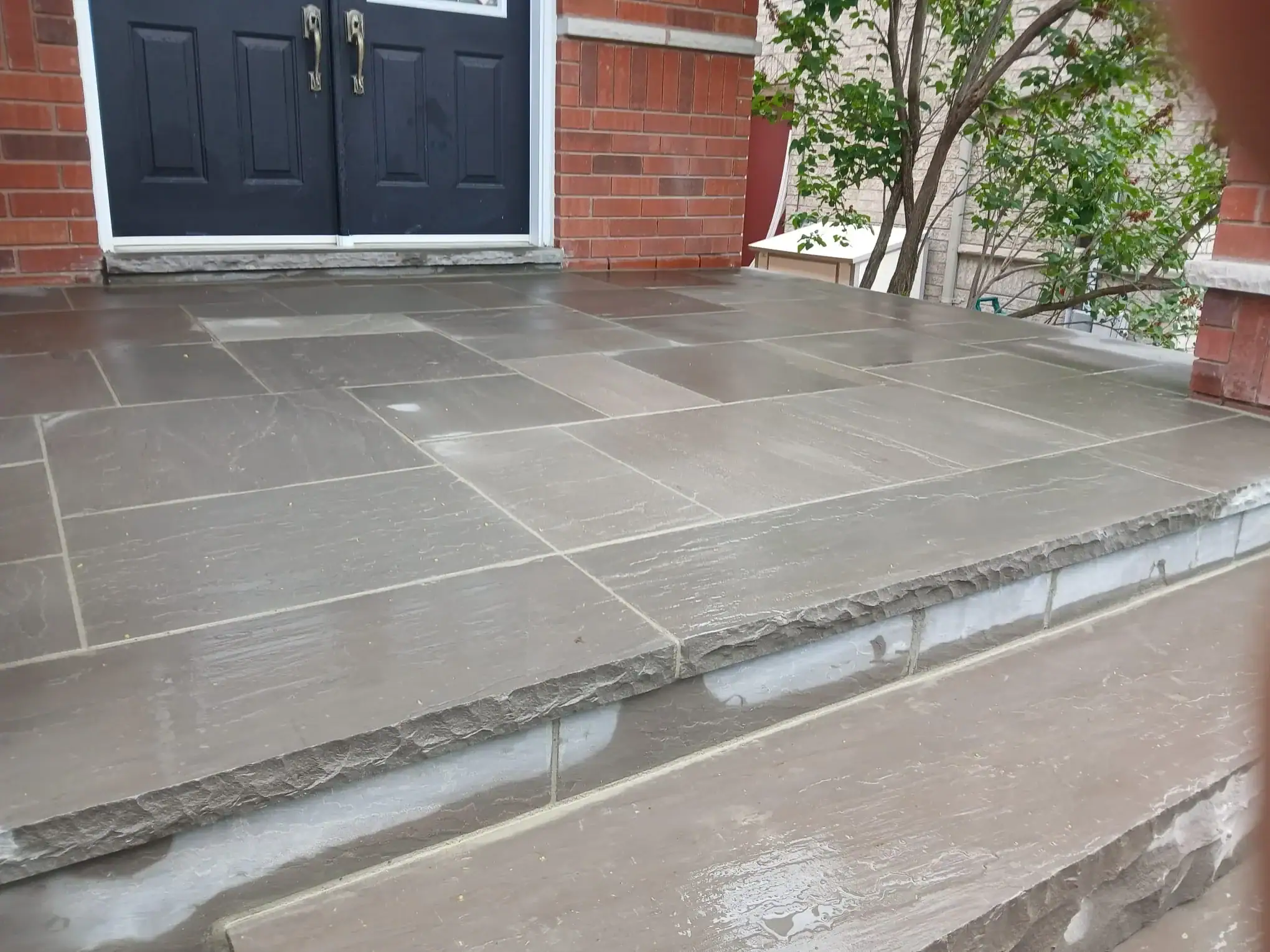
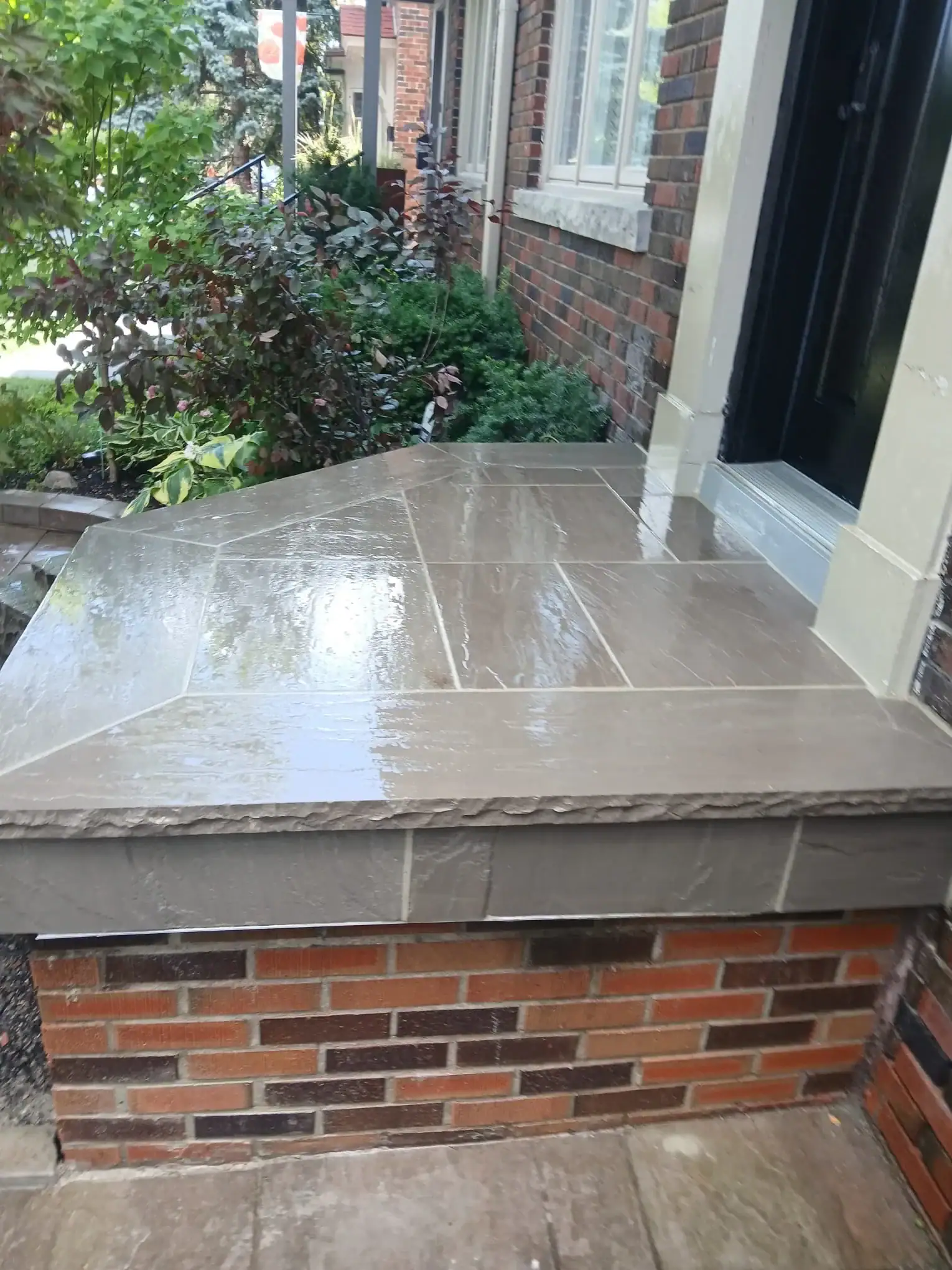
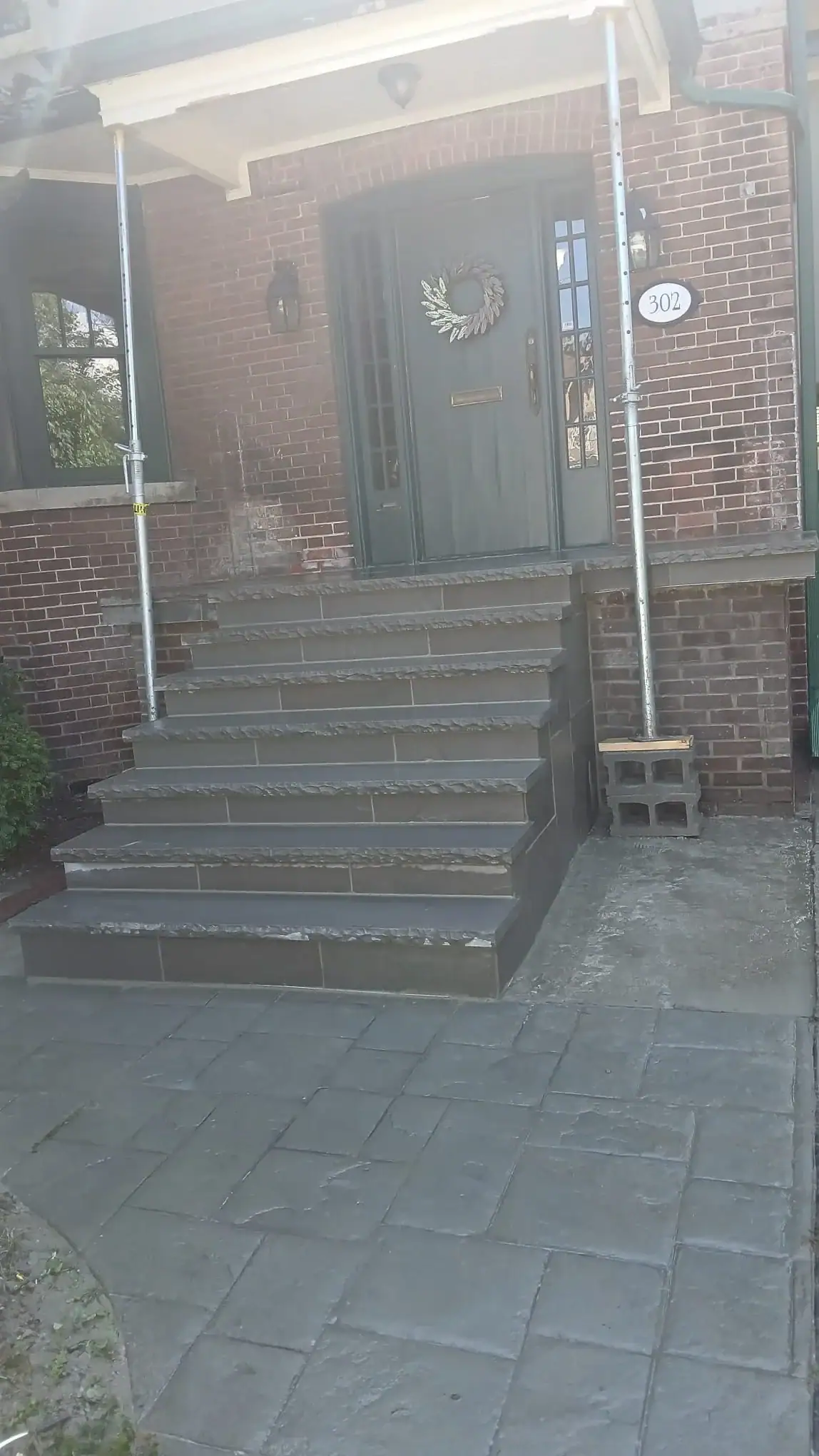
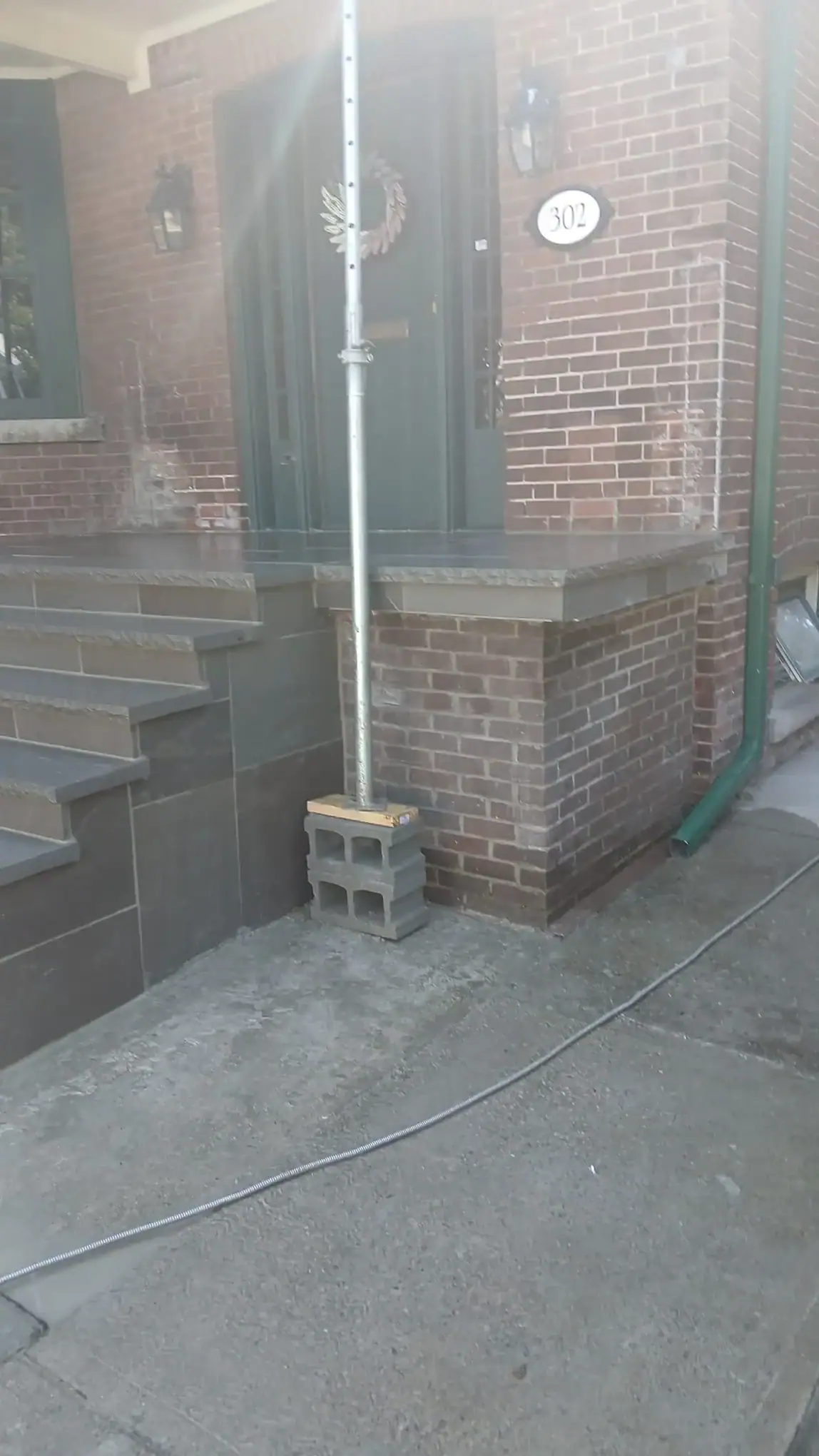
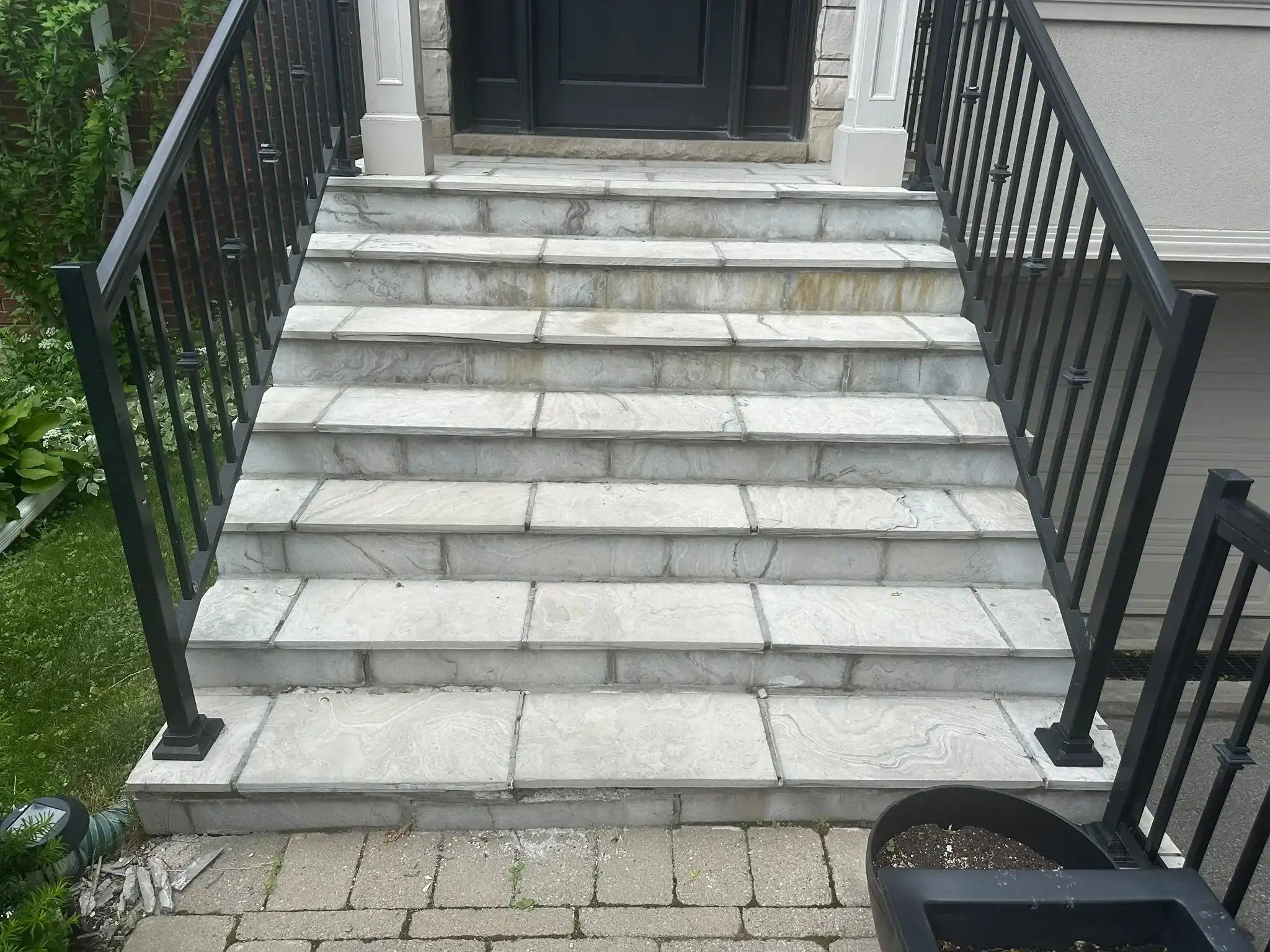
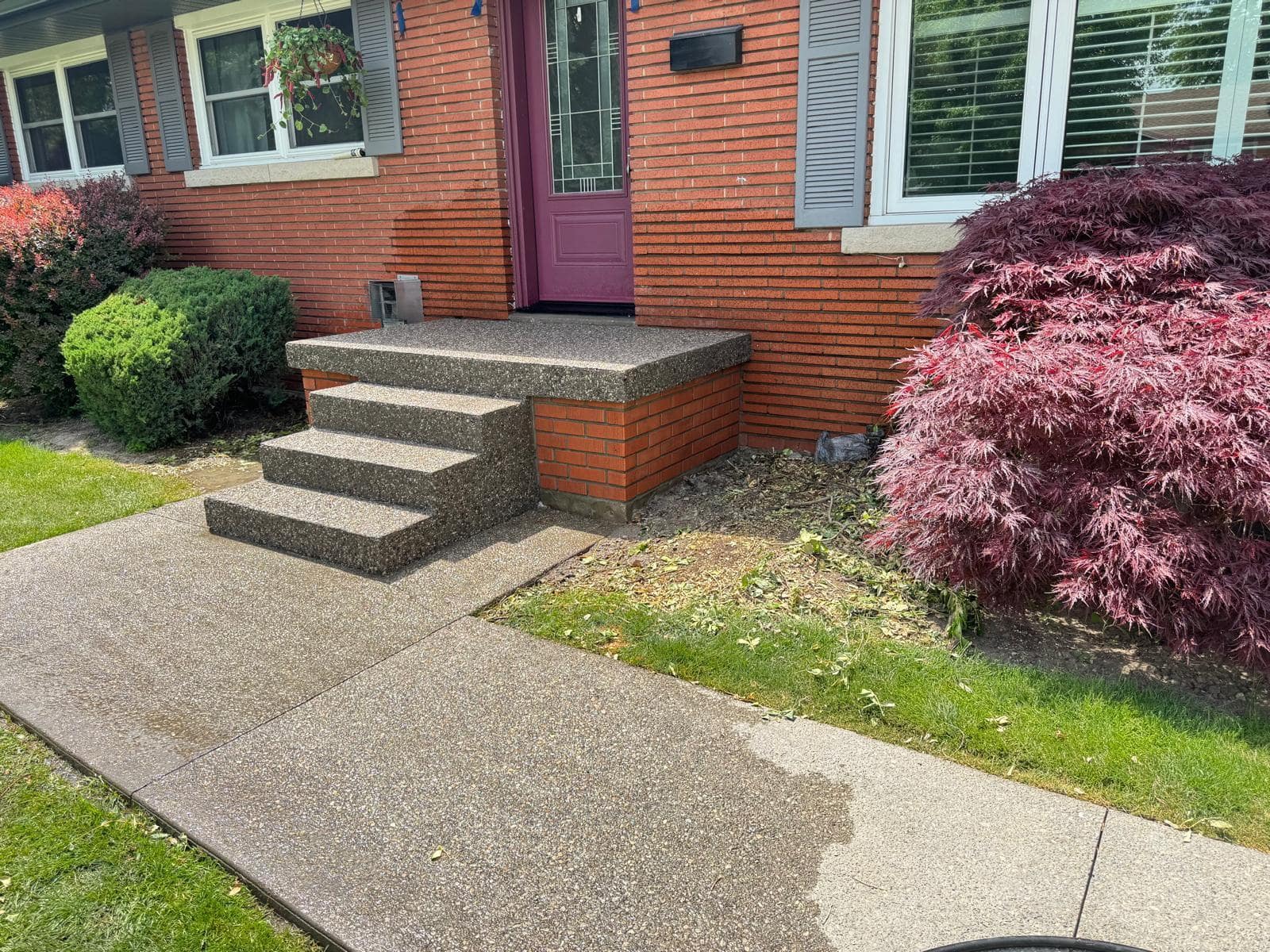
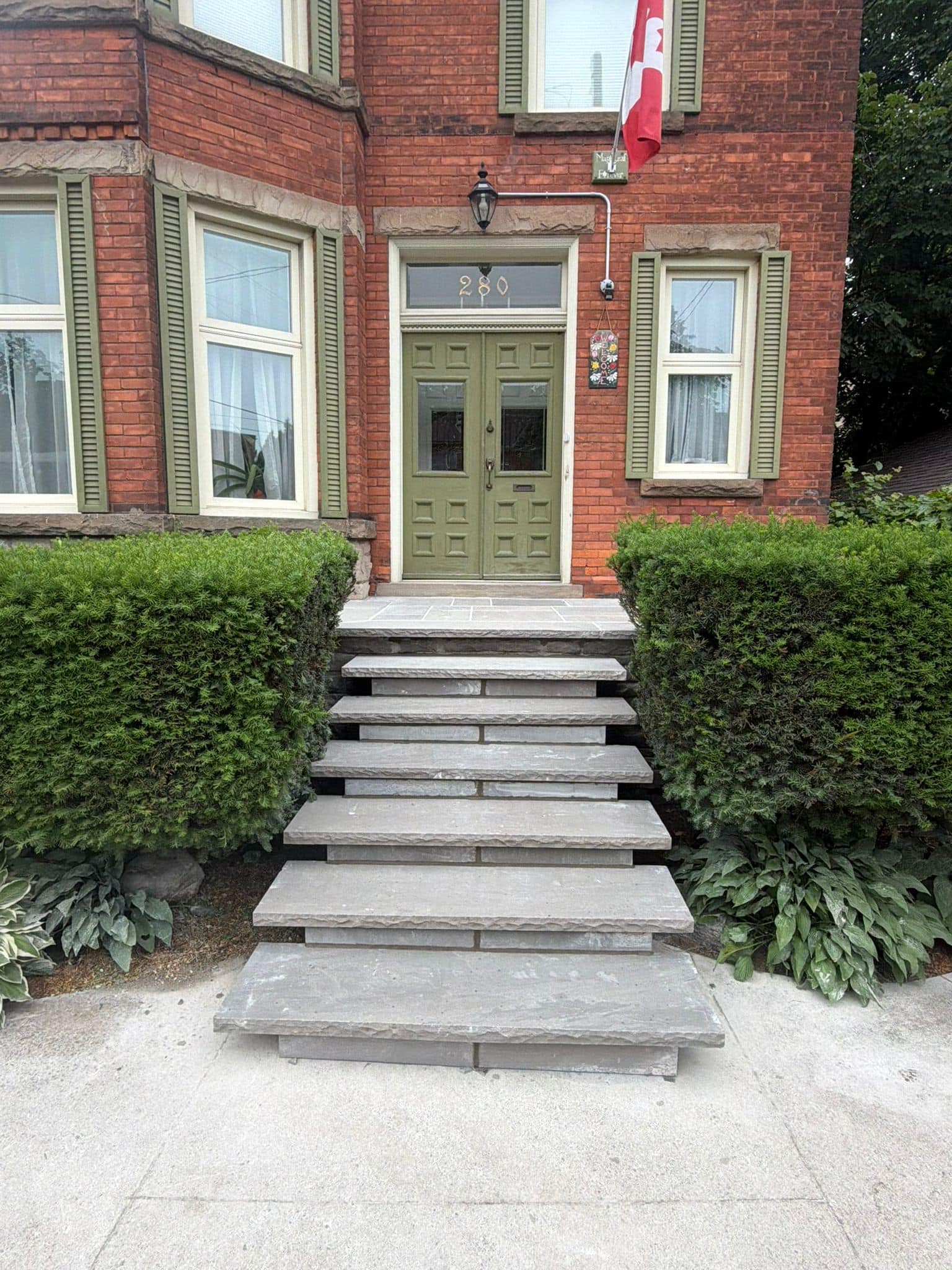
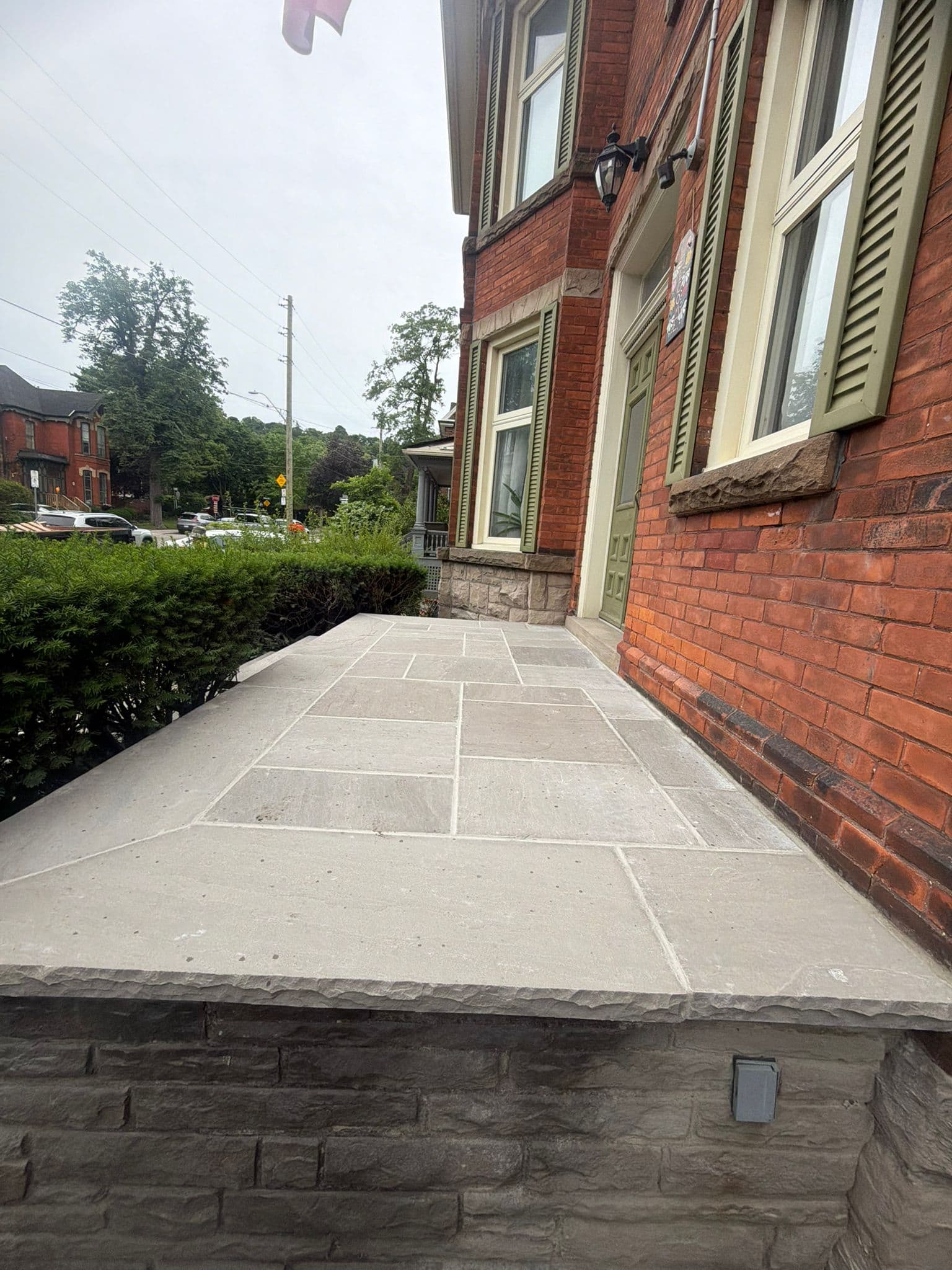
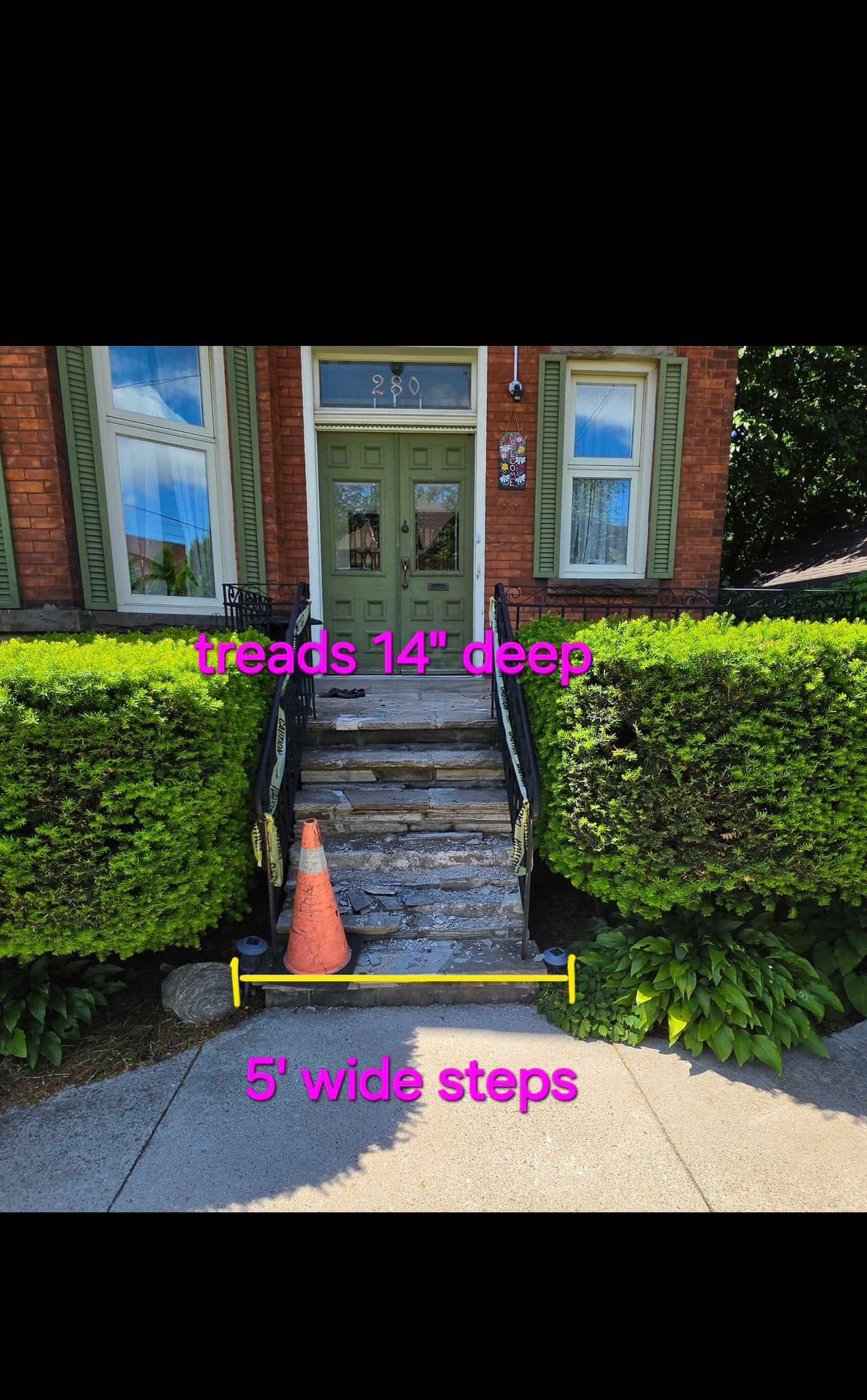
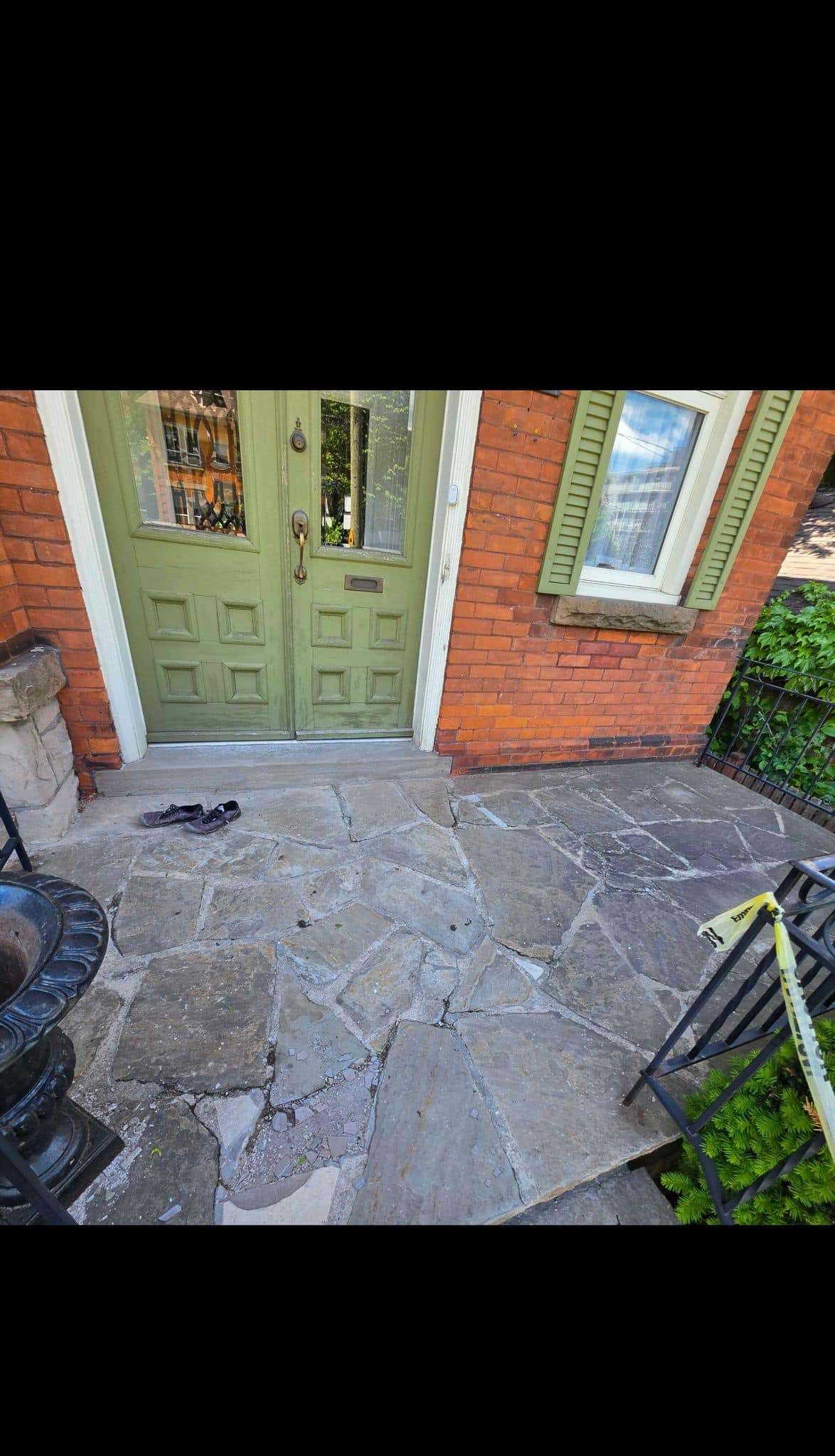
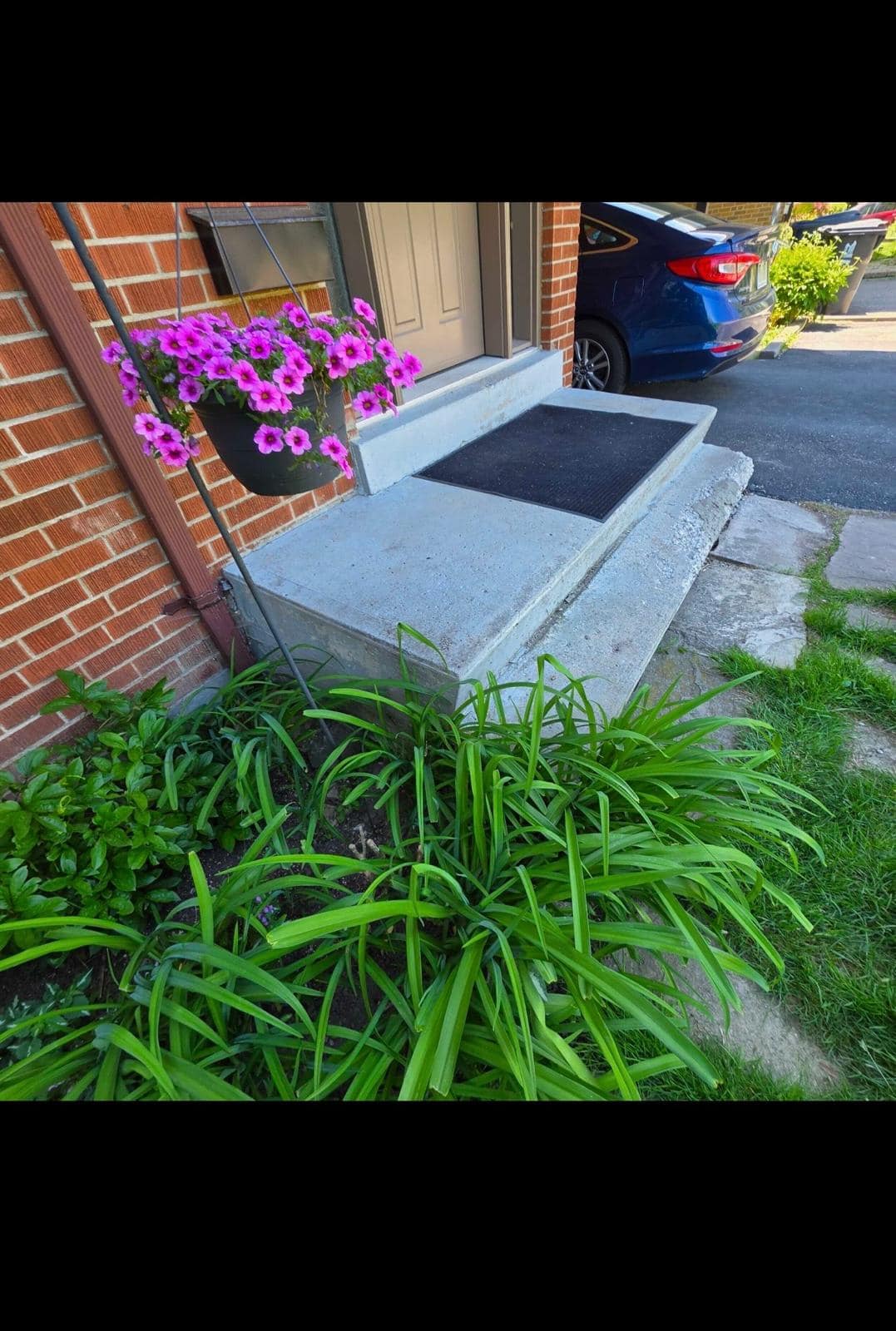
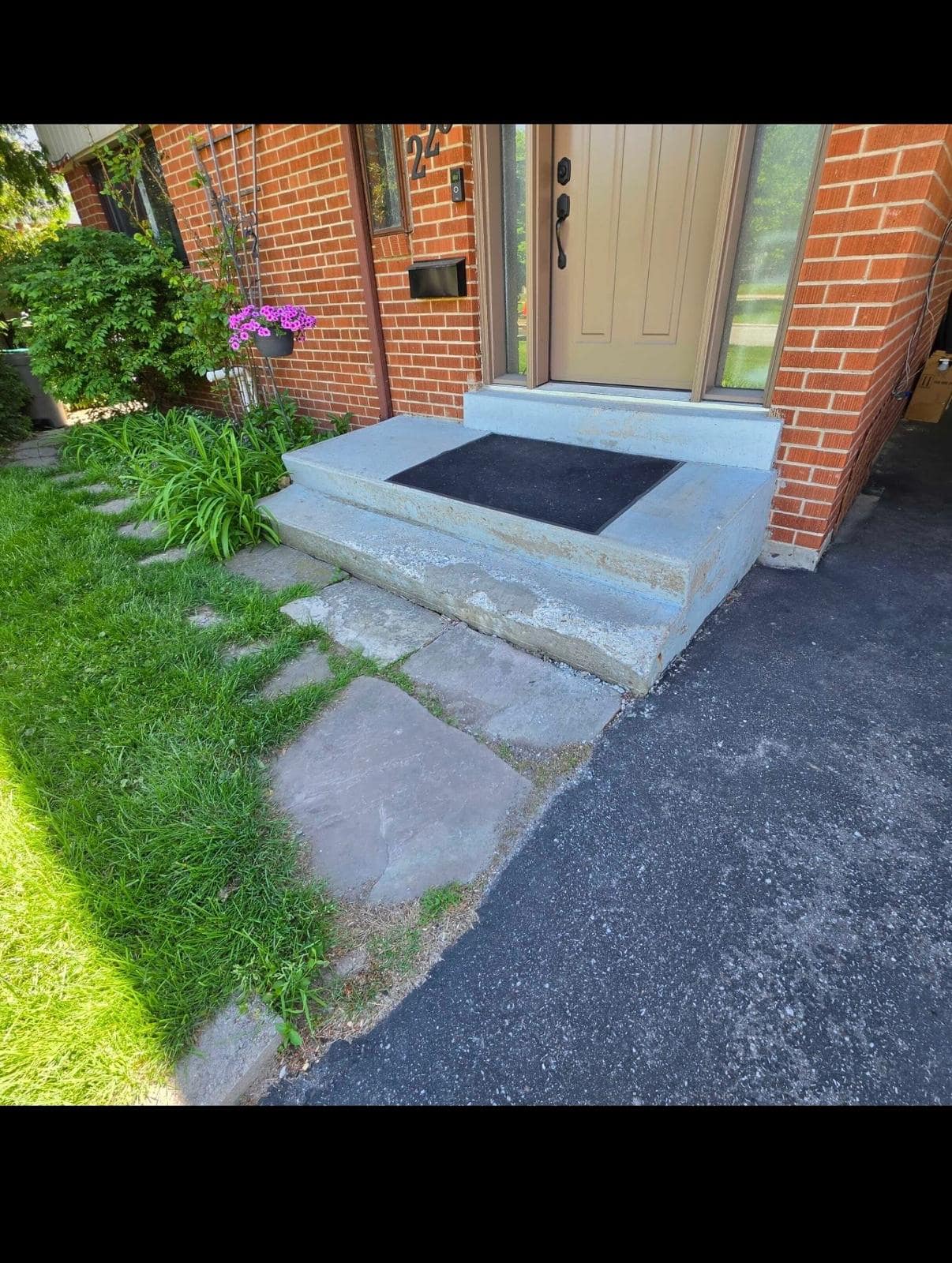
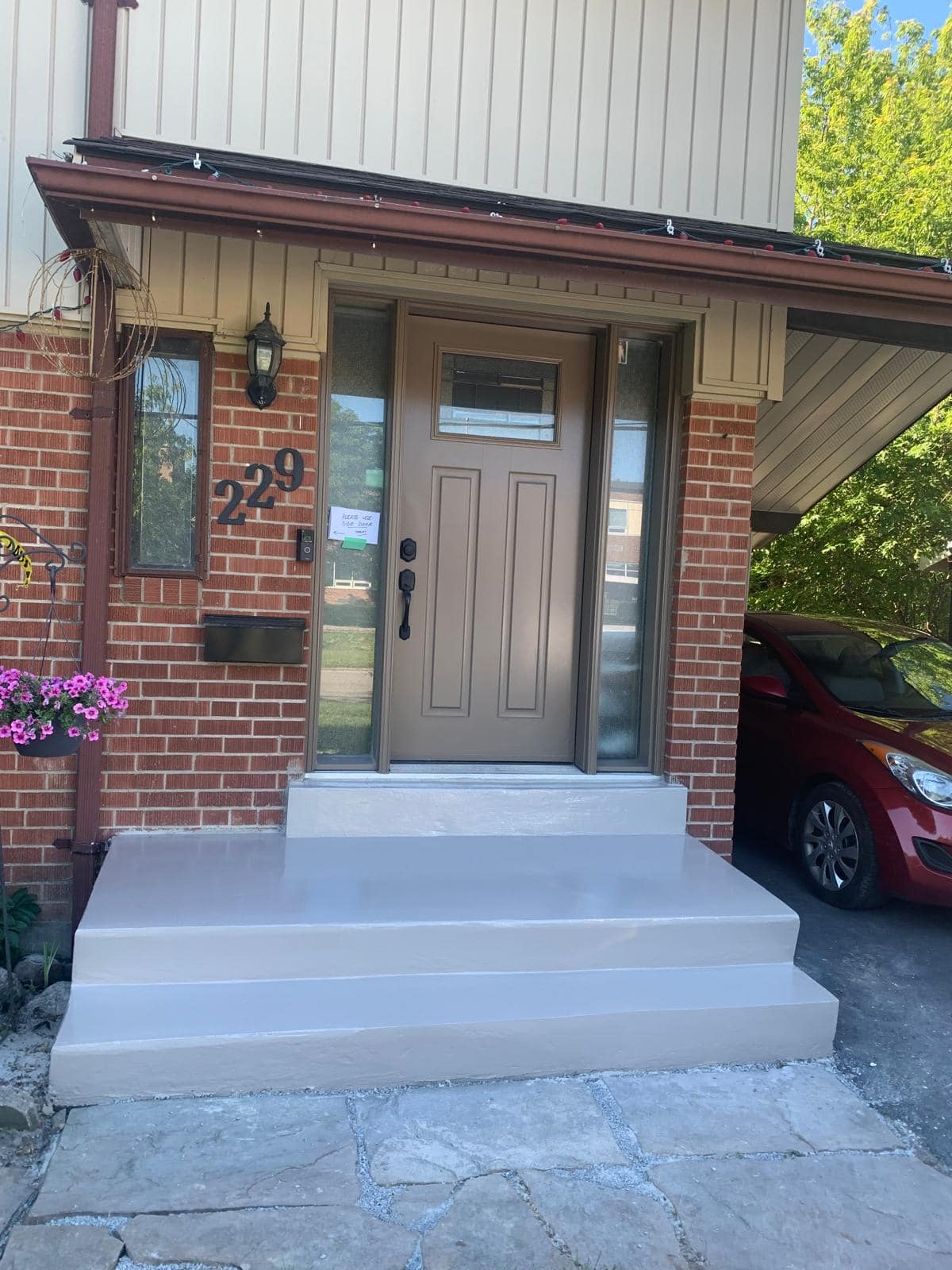
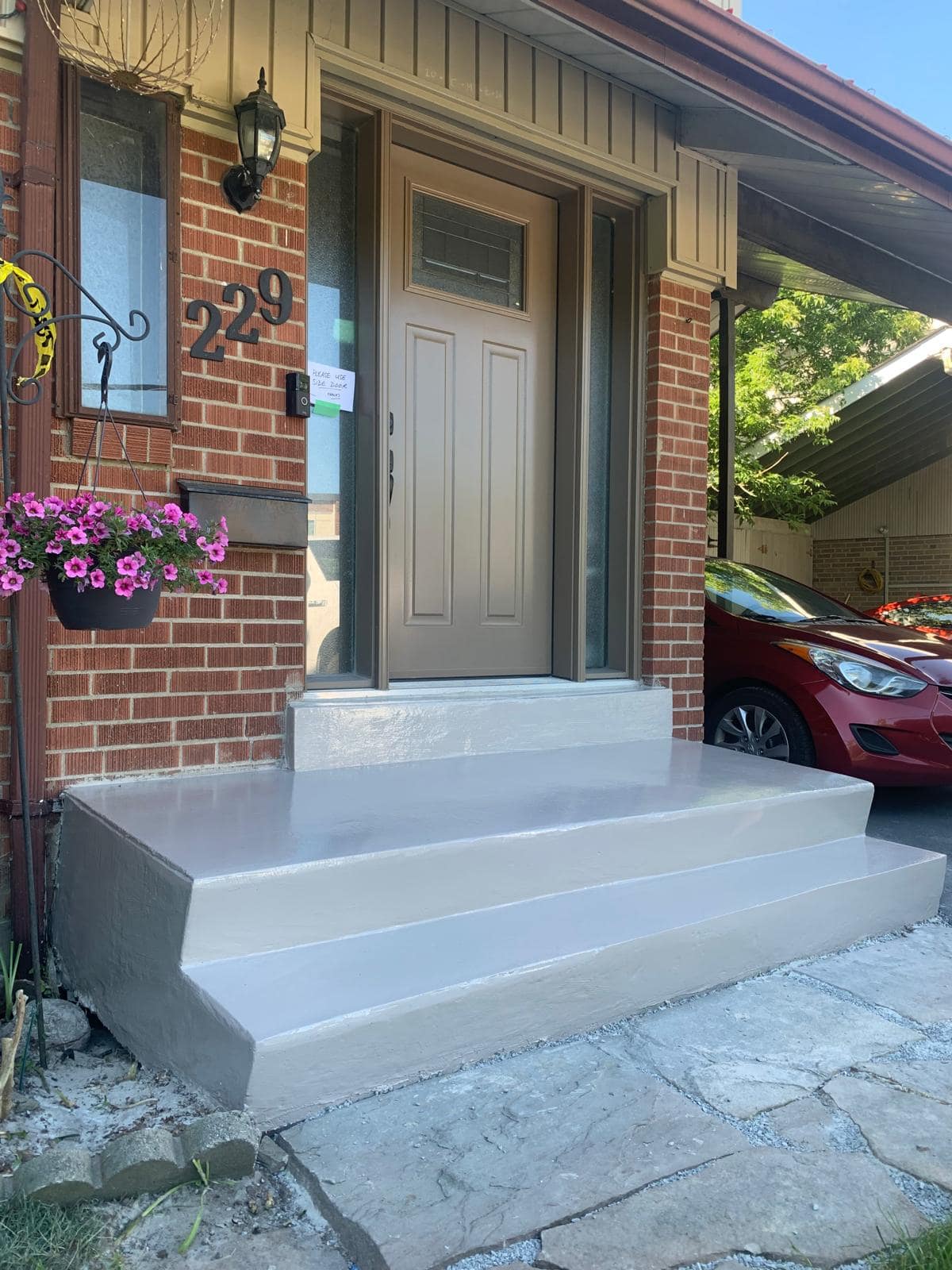
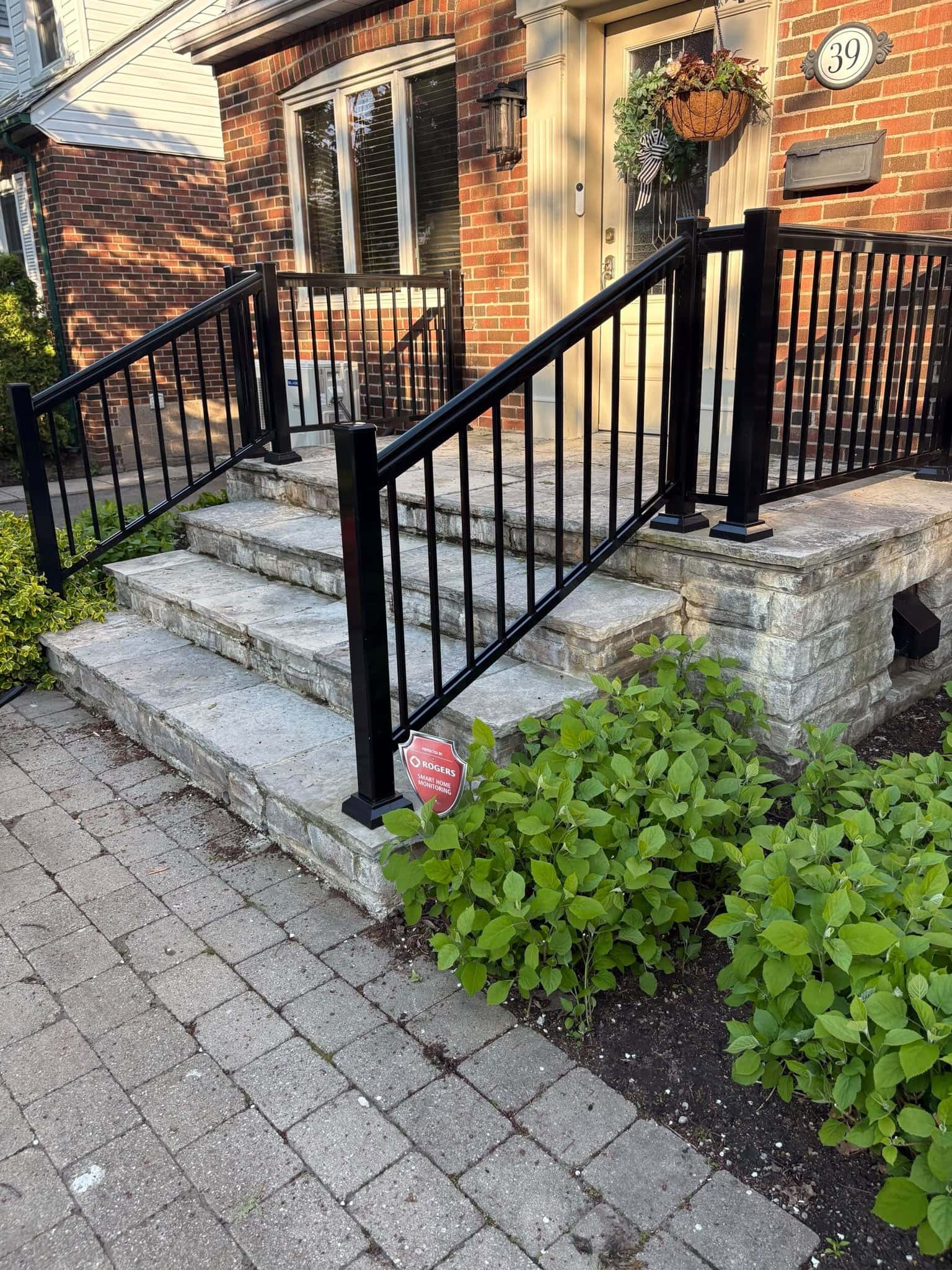
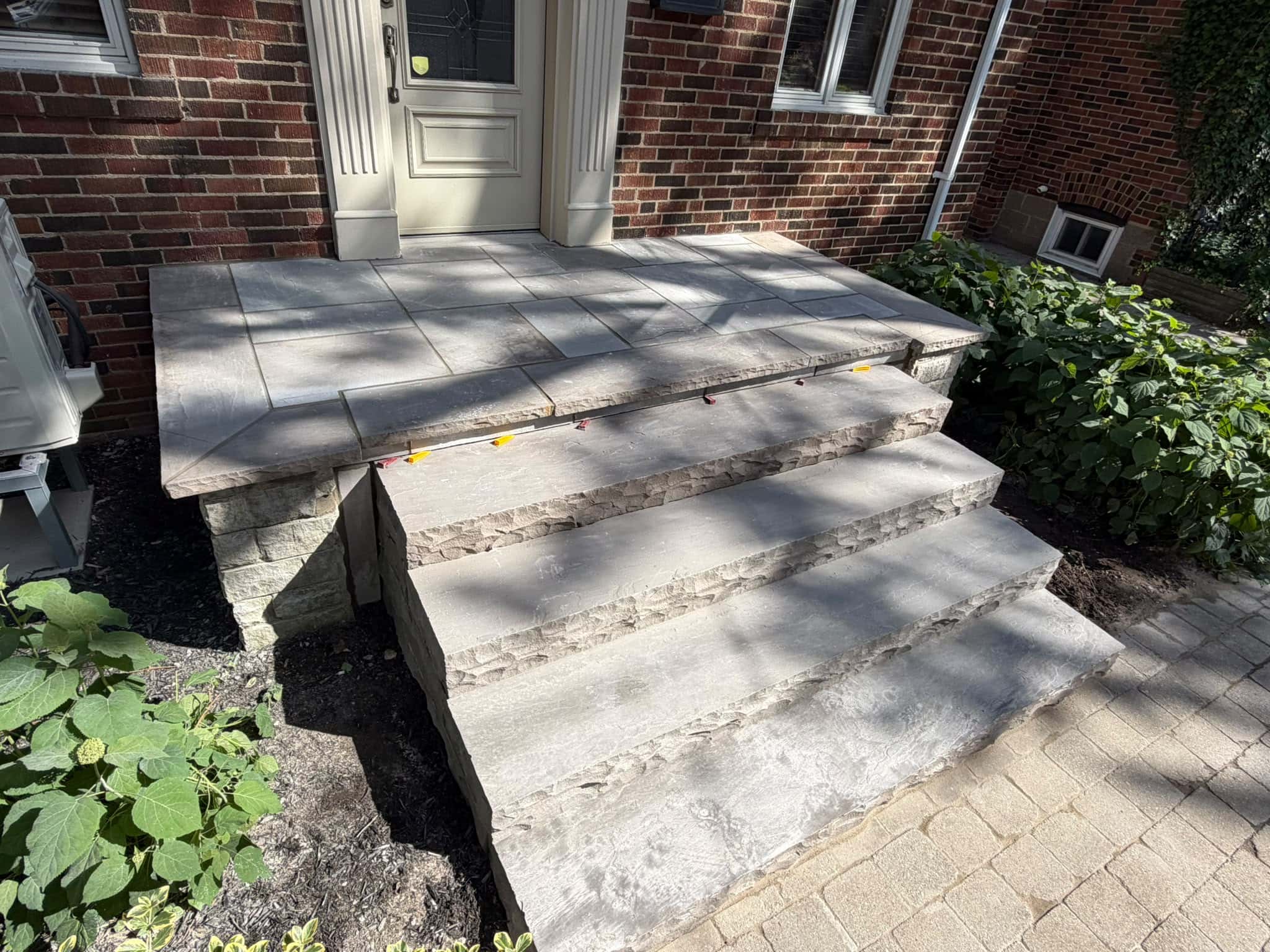
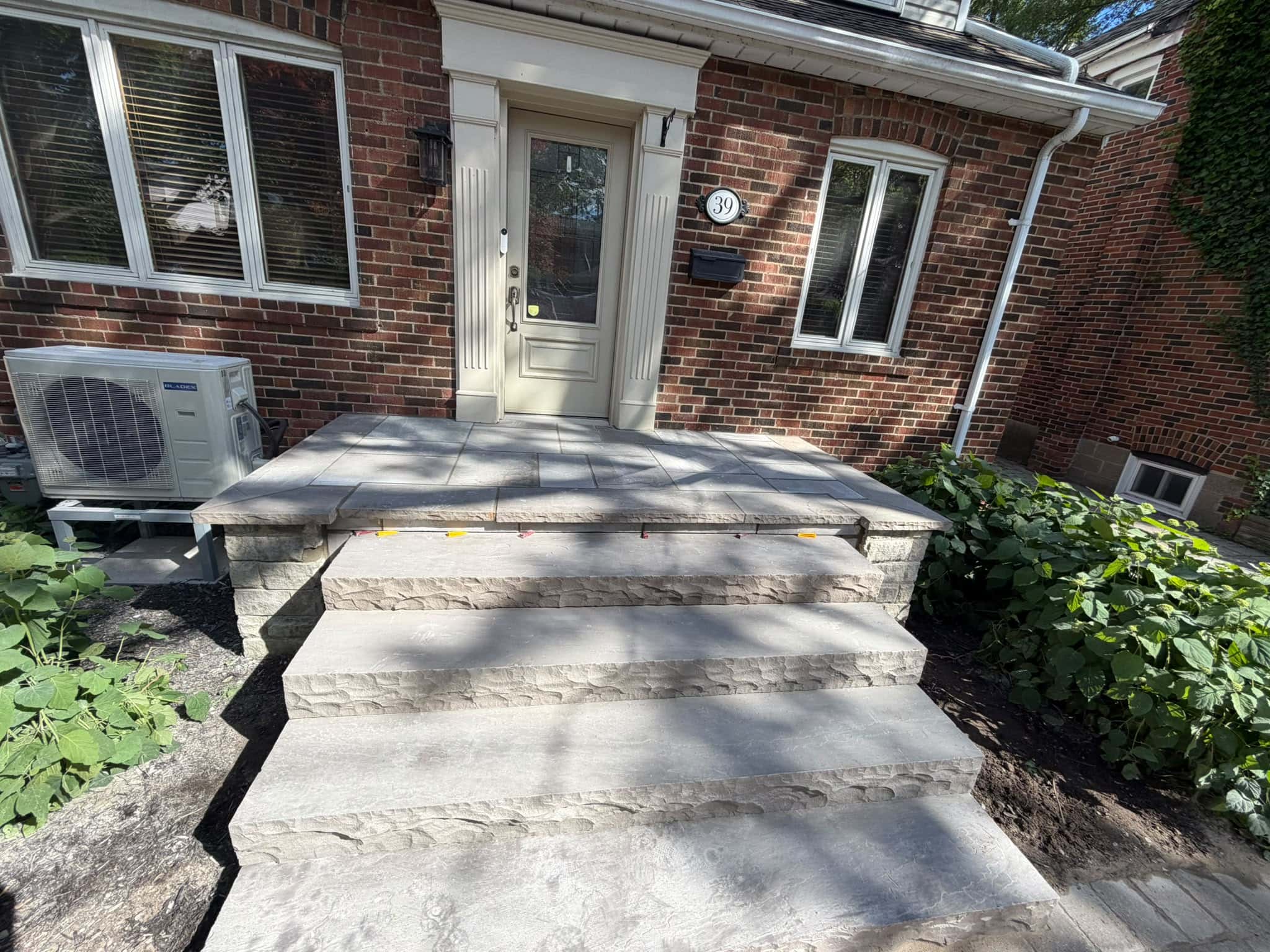
- Front steps and porches: check for new cracks, pooling, open joints, and movement
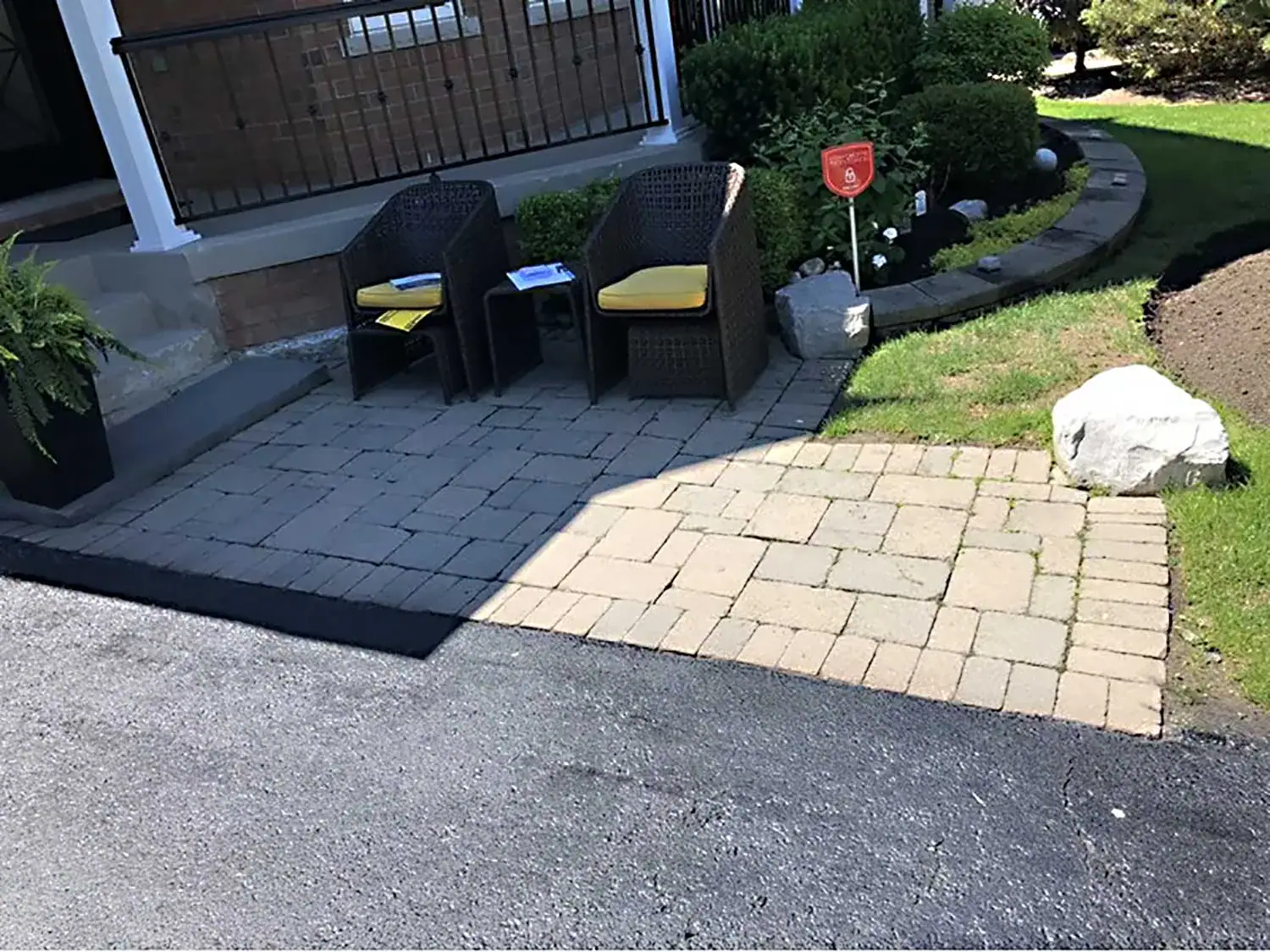
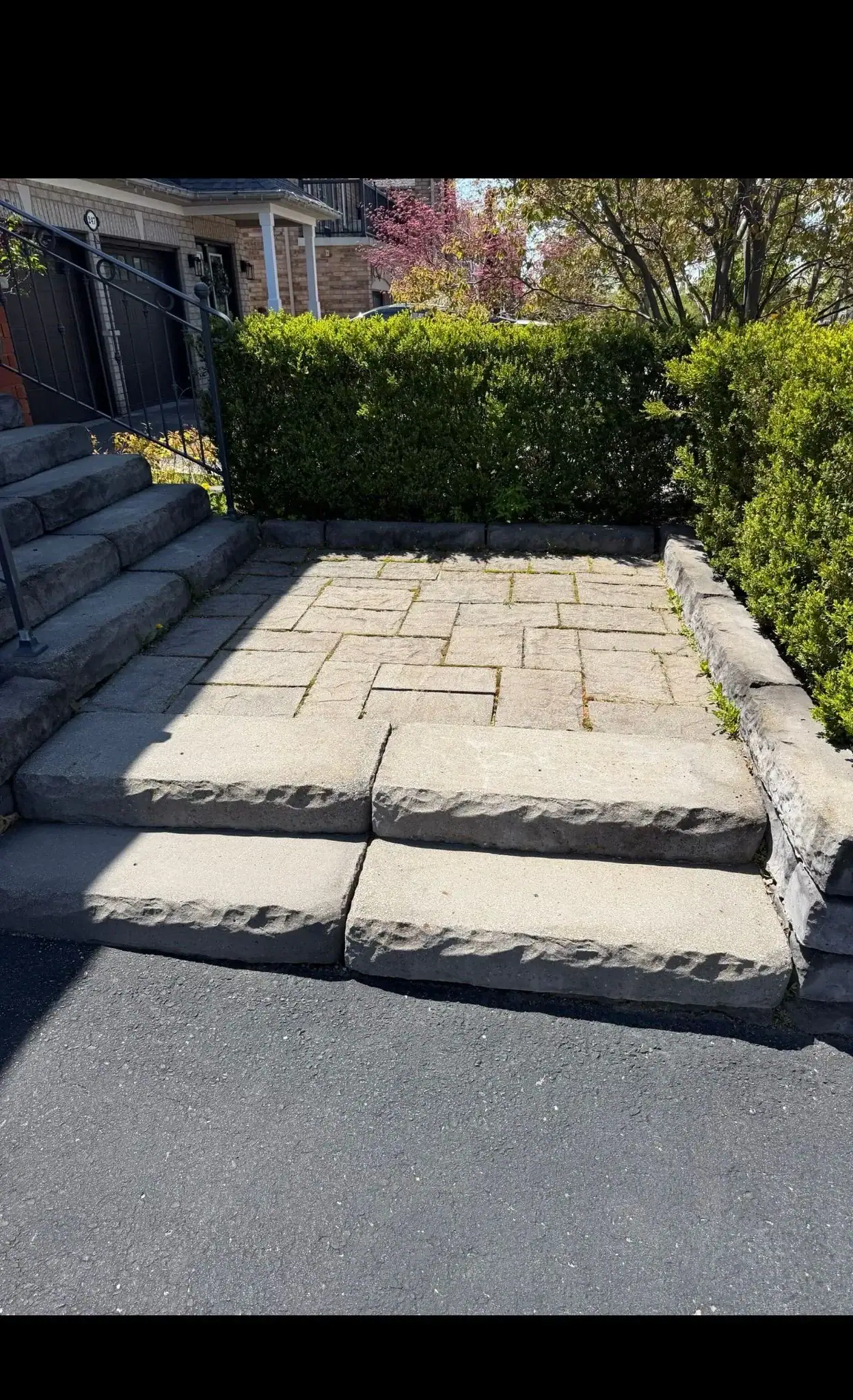
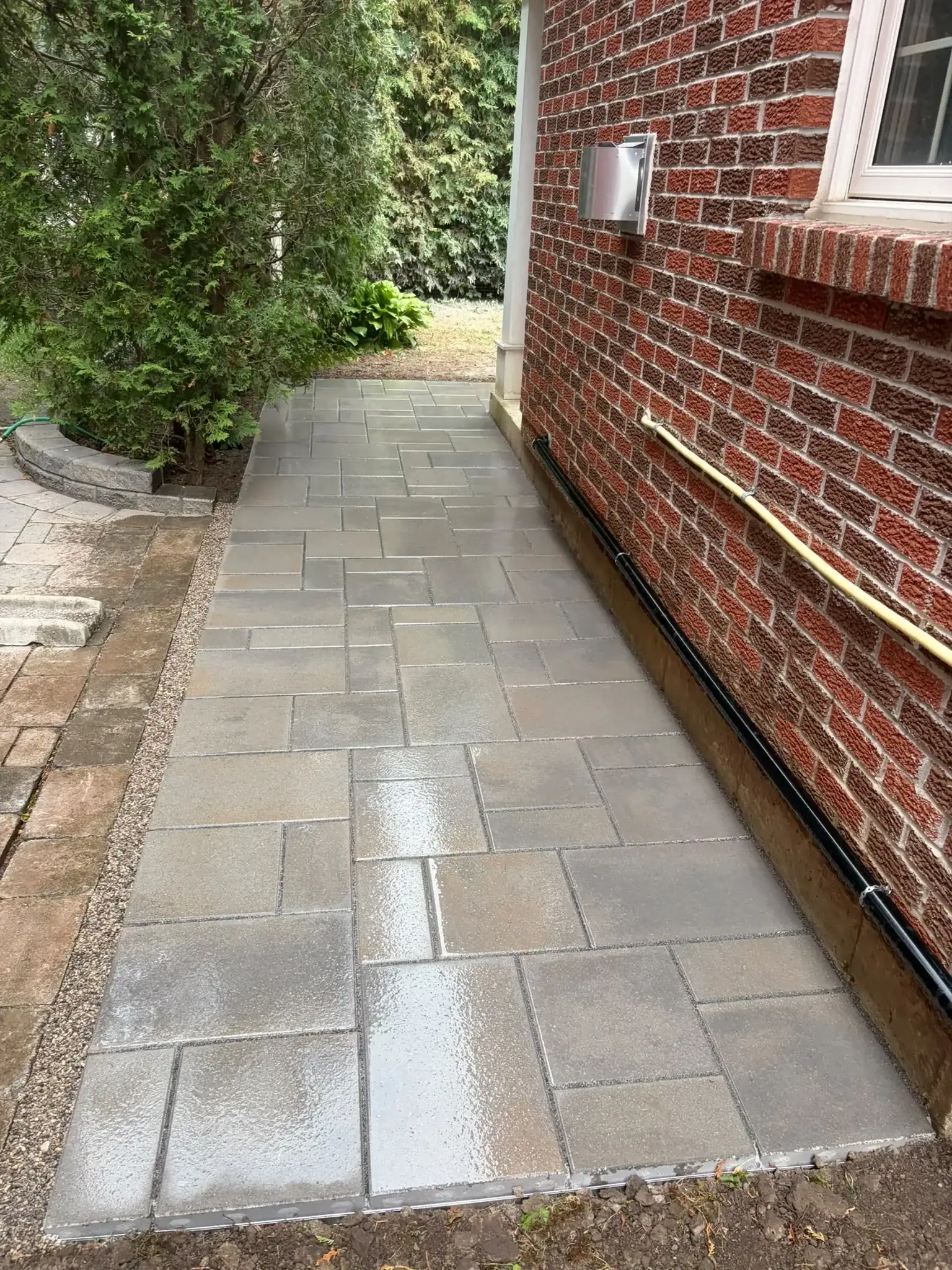
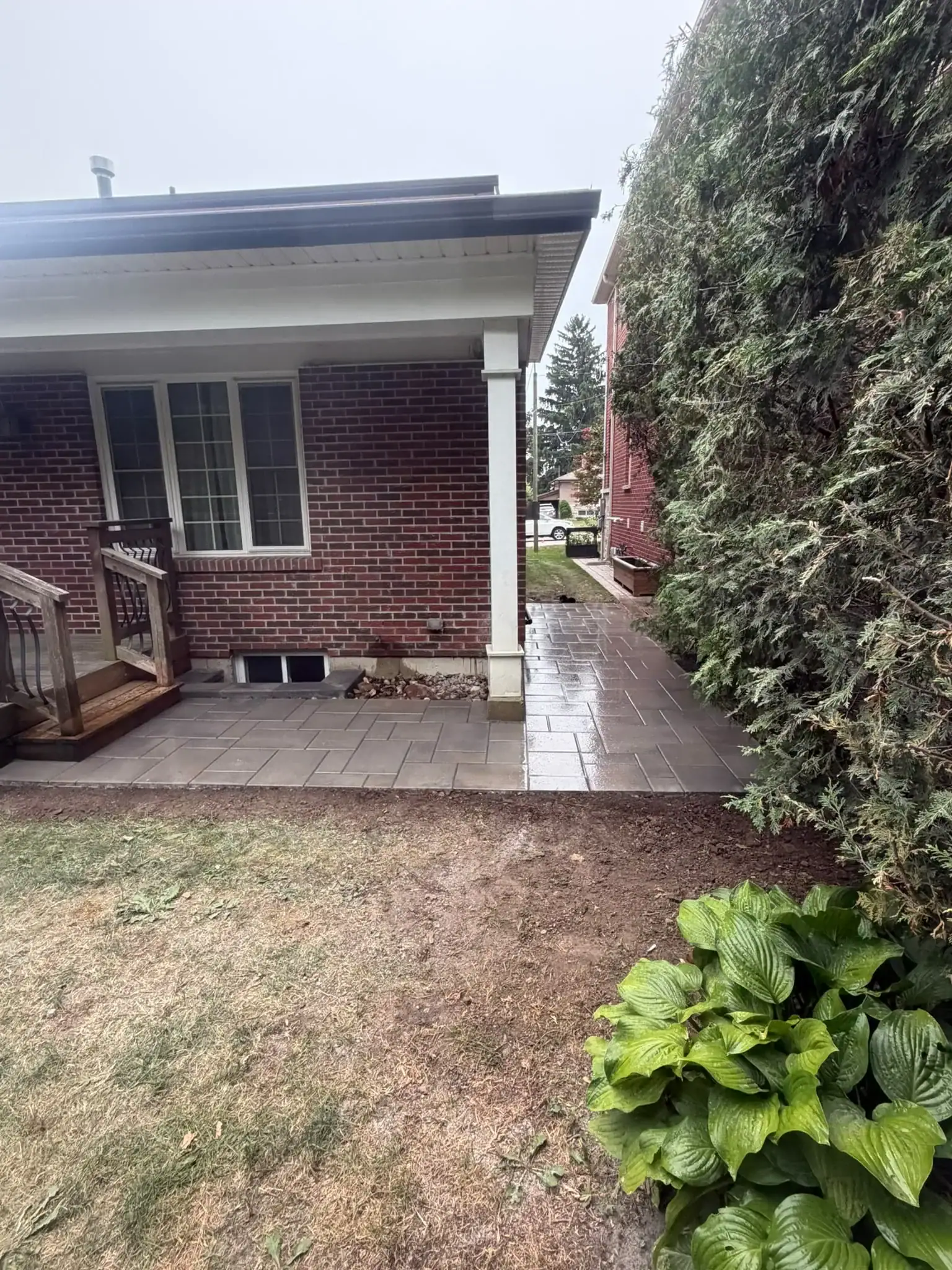
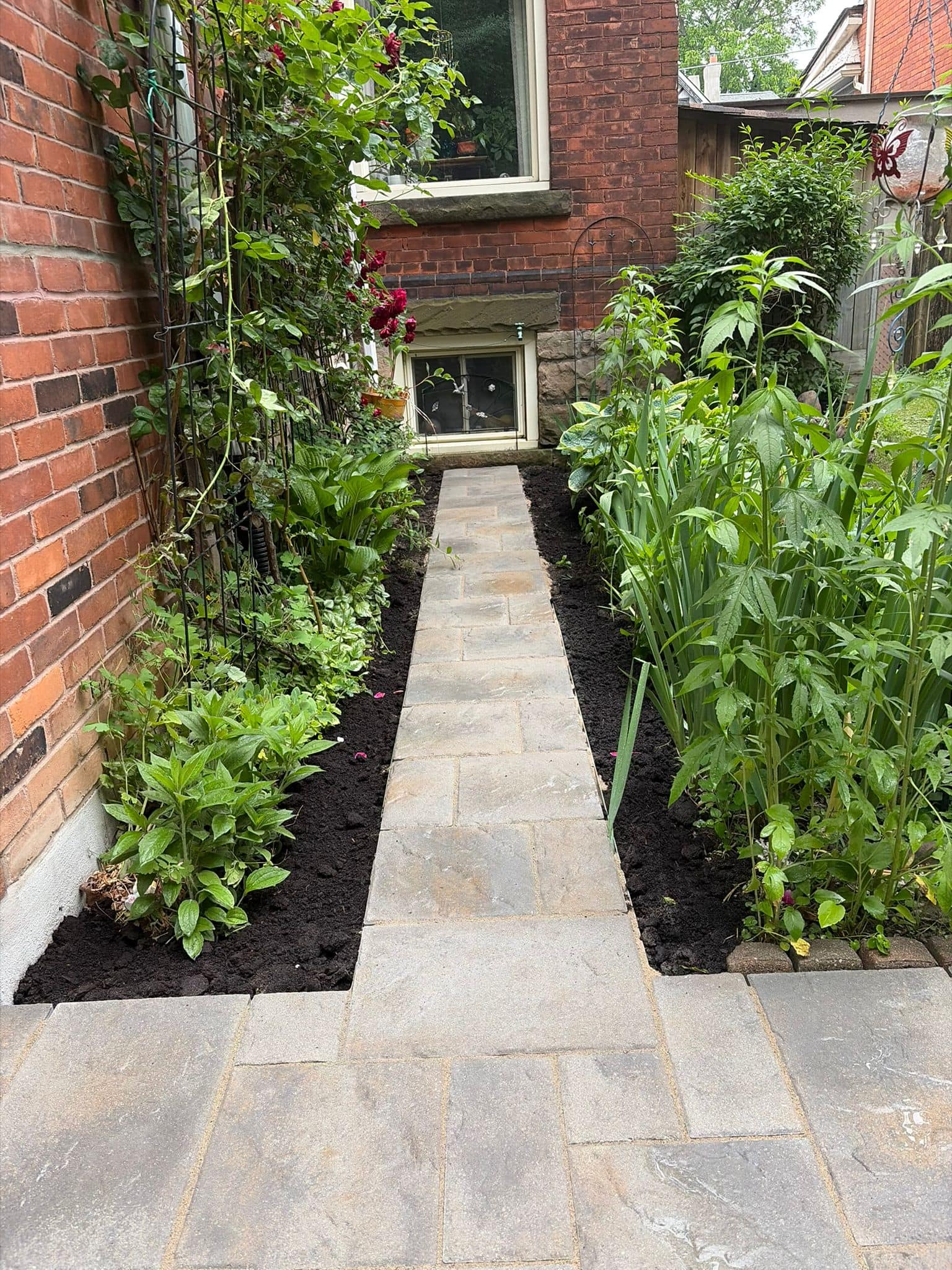
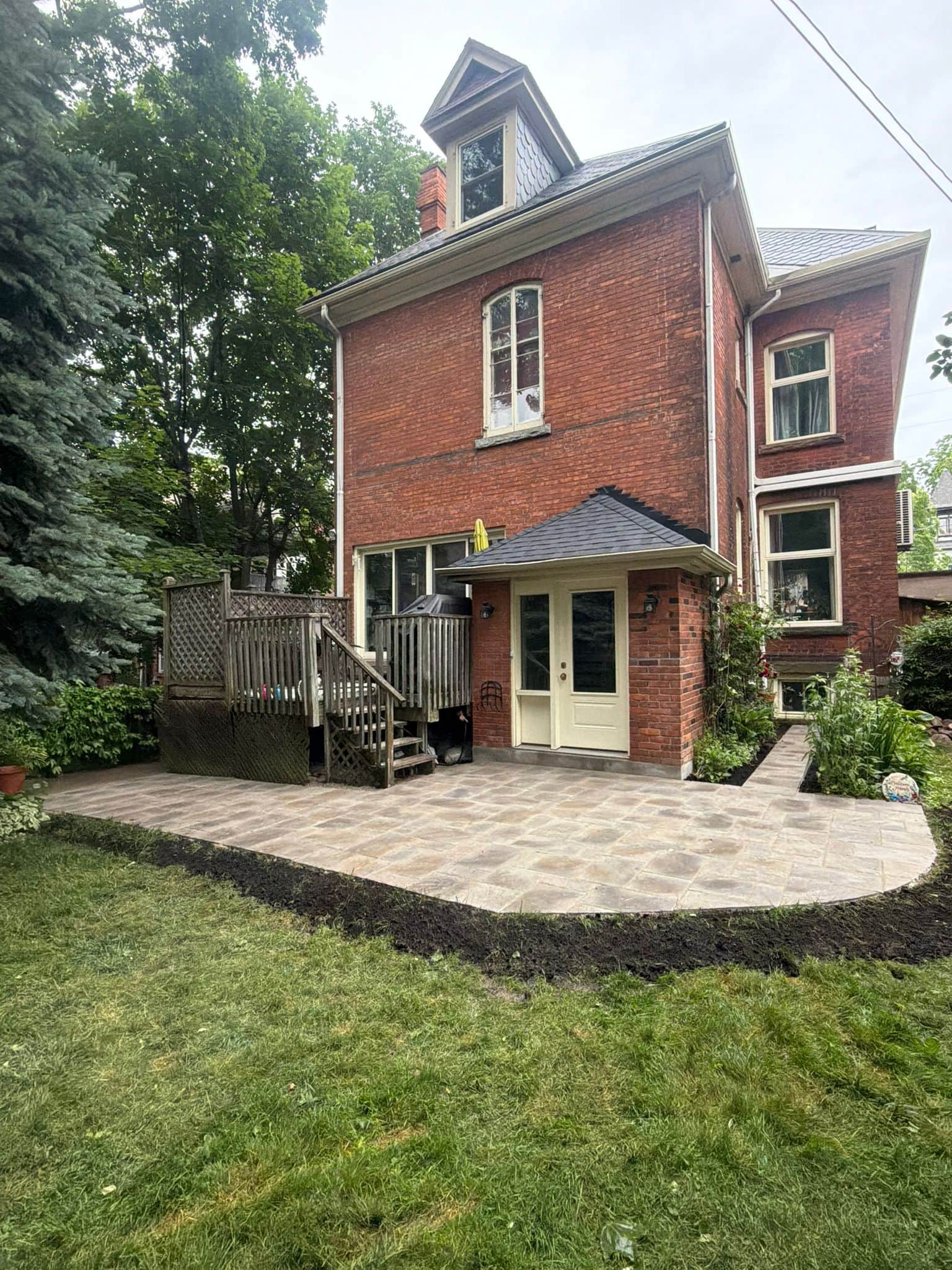
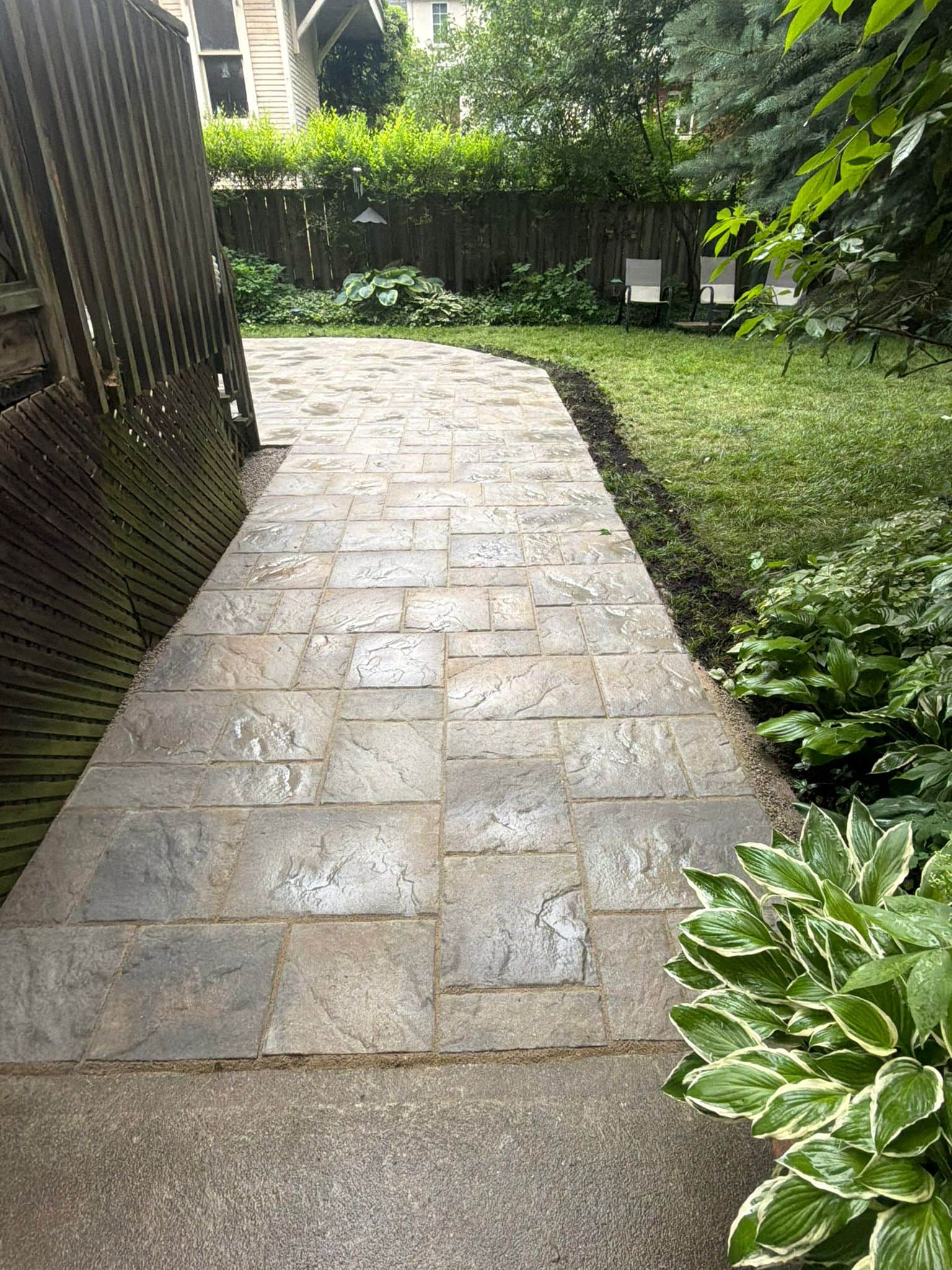
- Walkways and interlocking: look for heaving, settlement, misalignment, and changed slope after ground saturation
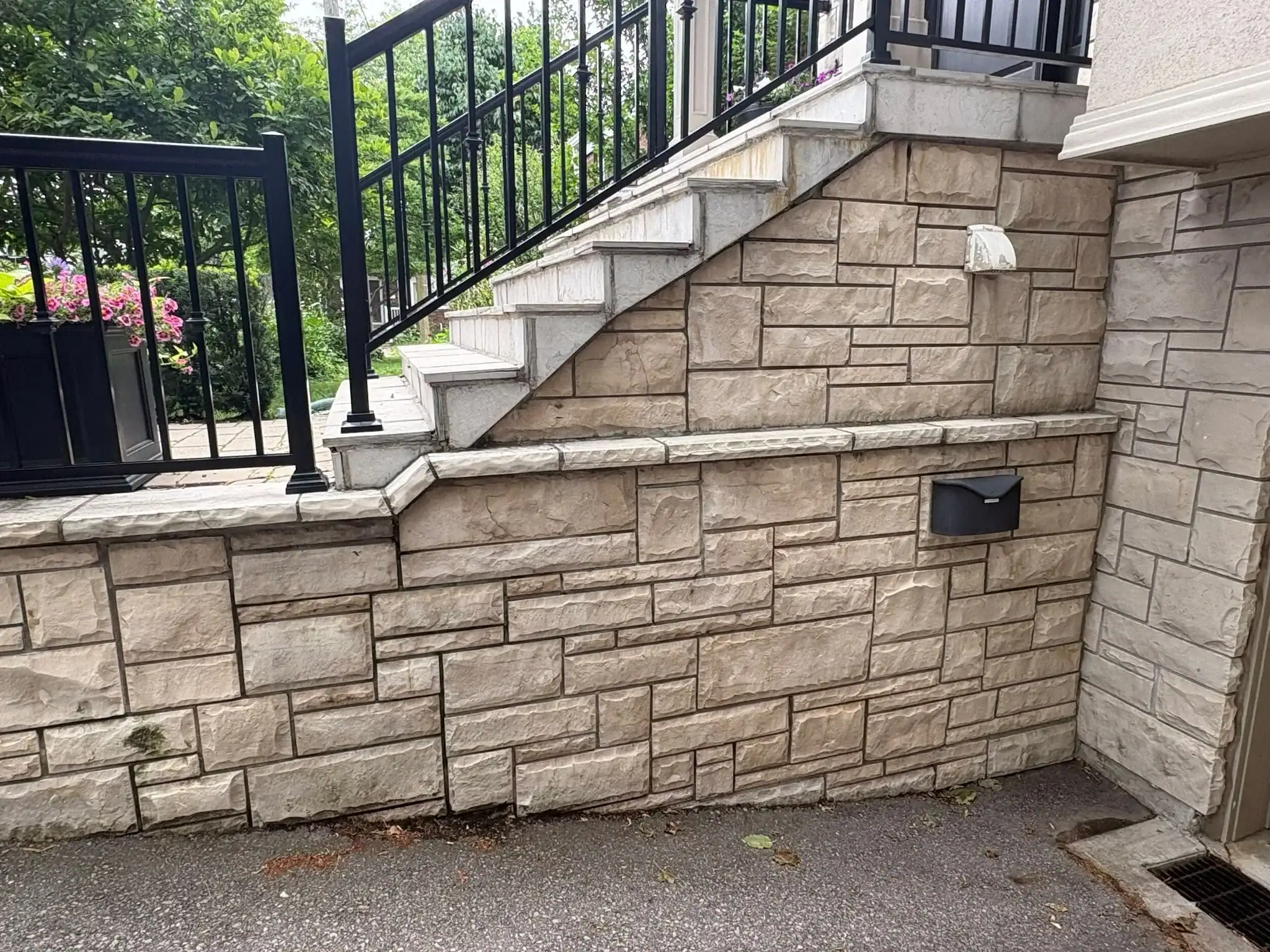
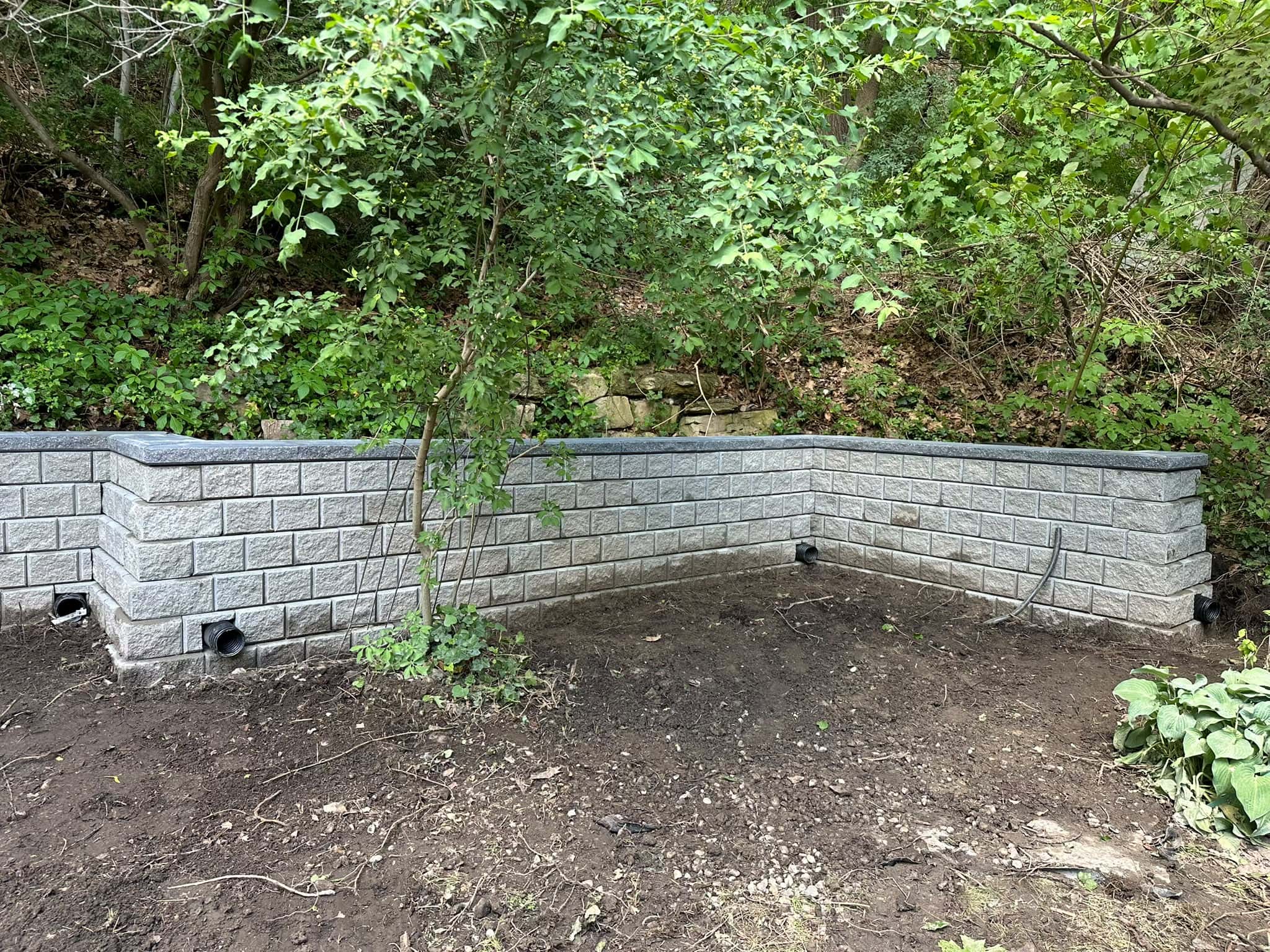
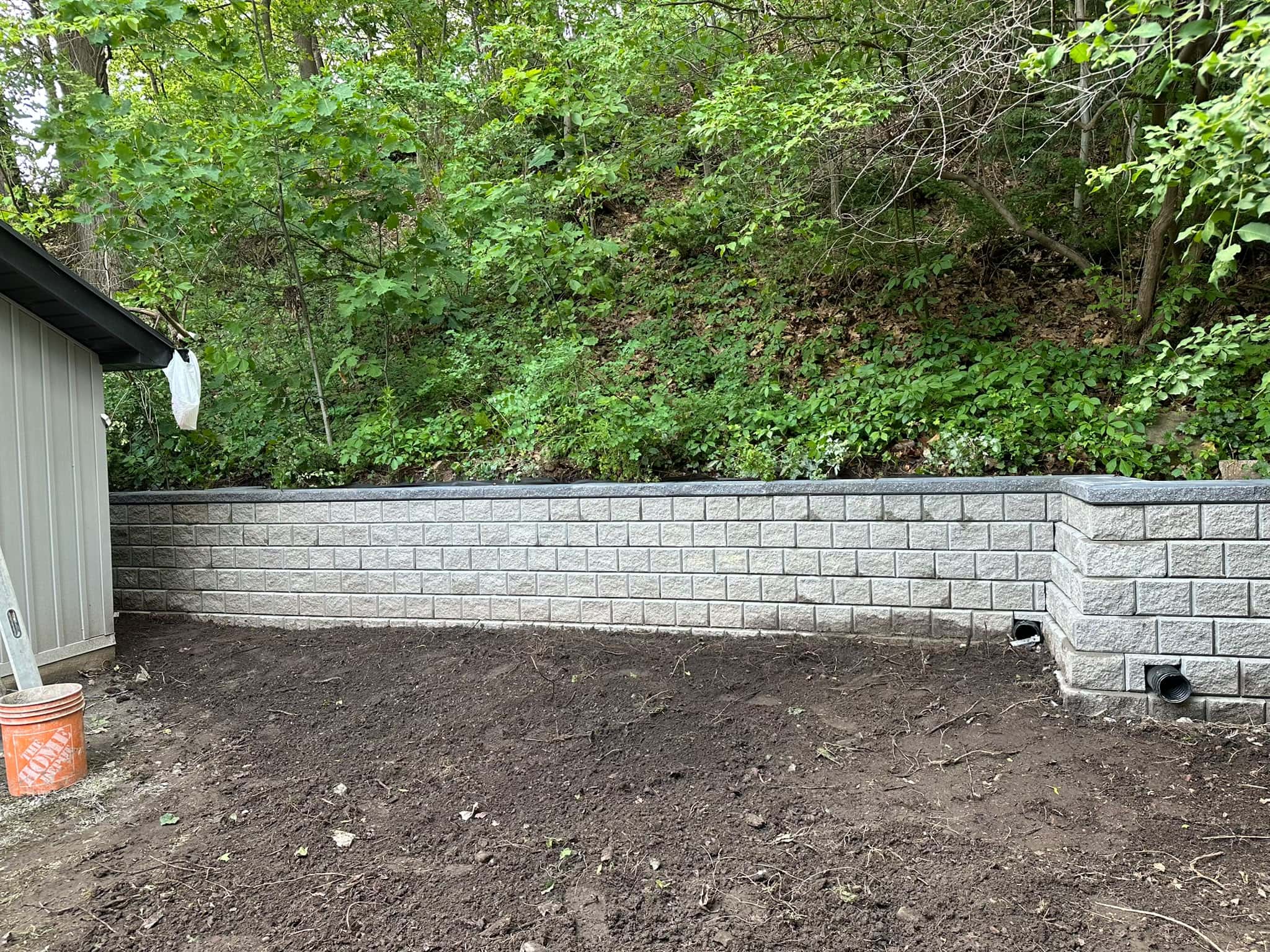
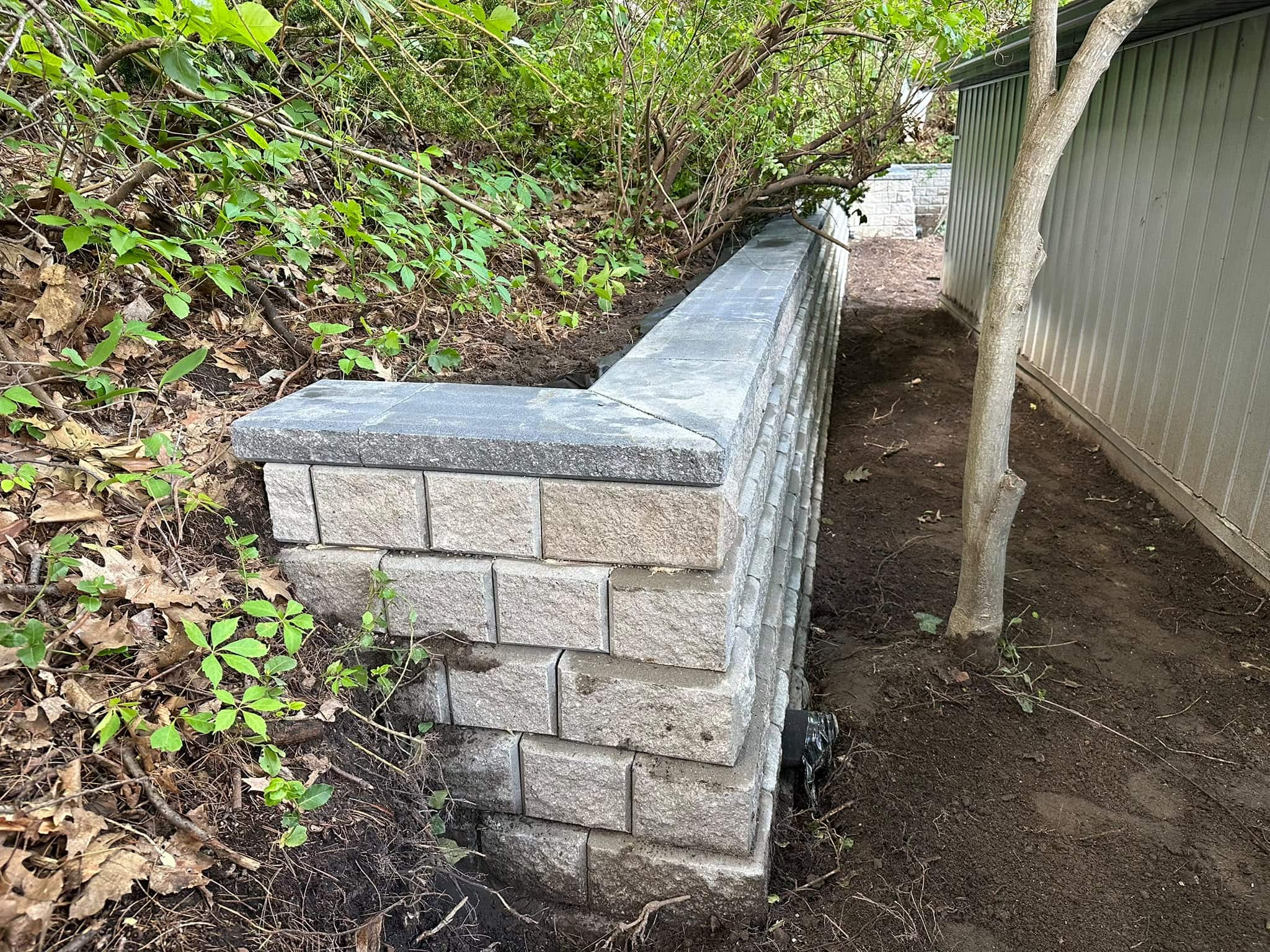
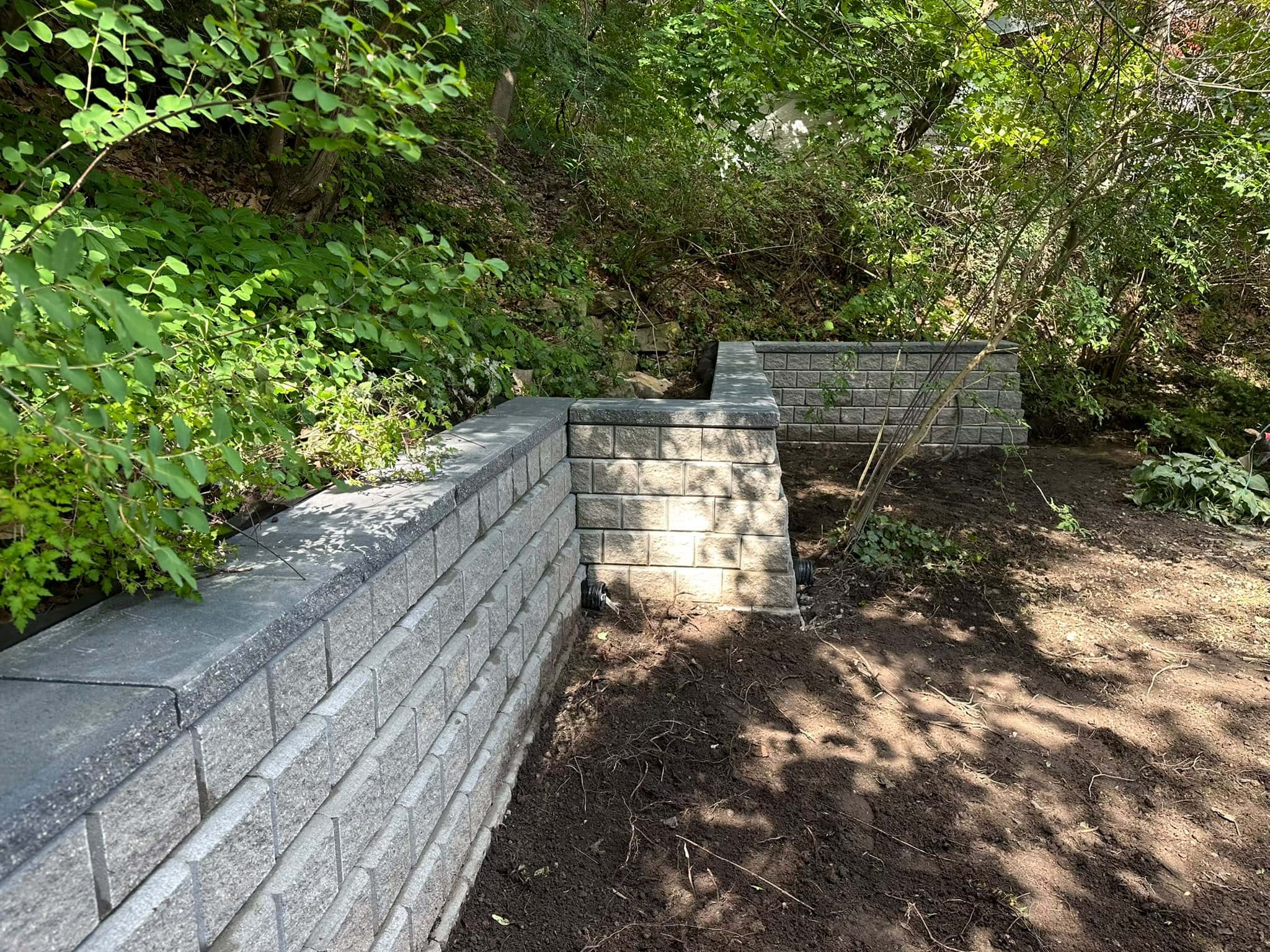
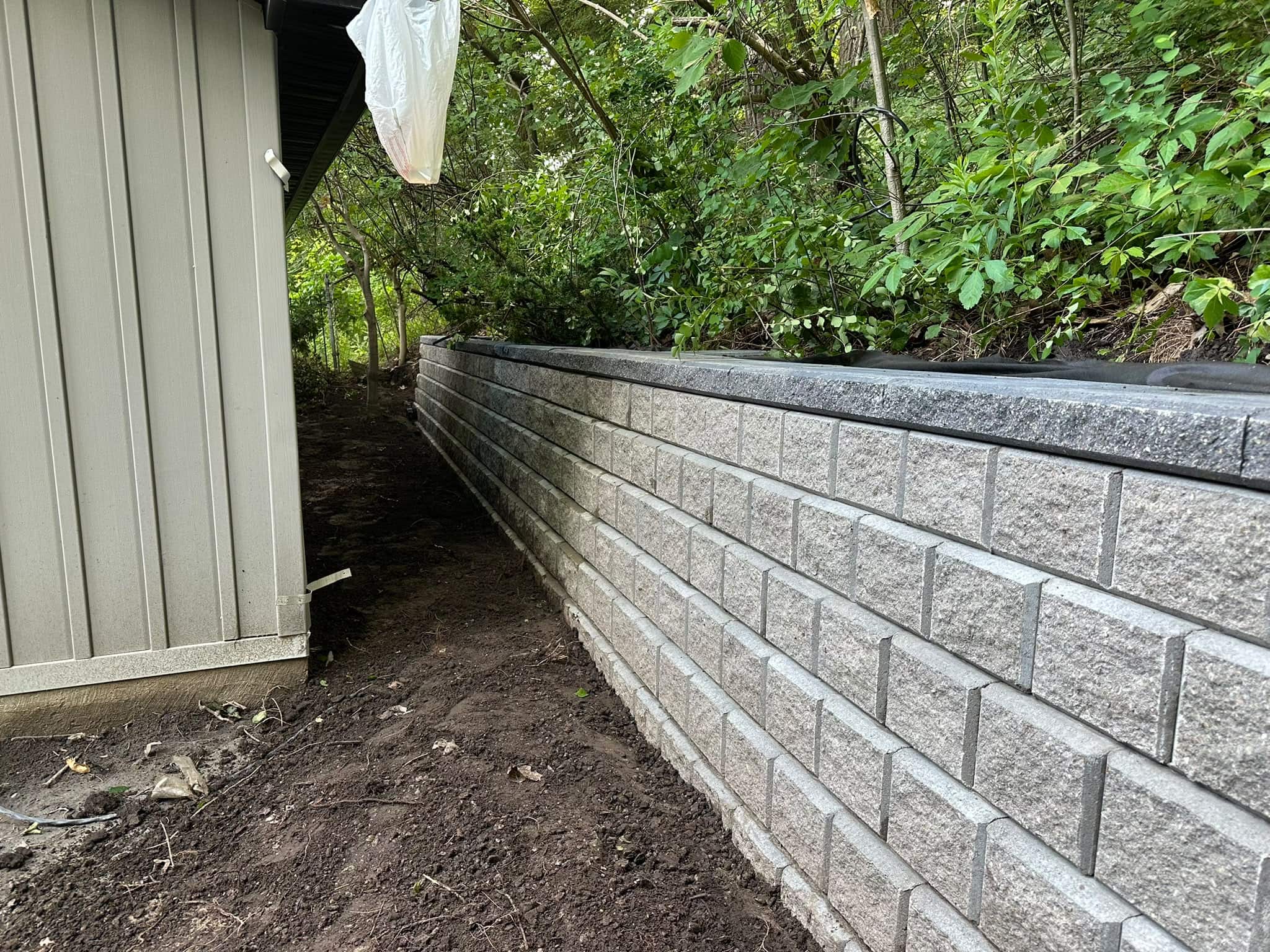
- Retaining walls: watch for bulging, tilting, staining, or water buildup behind the wall
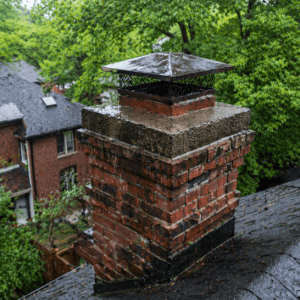
- Chimneys: inspect for loose brick, missing mortar, damaged caps, staining, or debris below the chimney line
- Window sills, coping, and ledges: check where water tends to collect or run off repeatedly
For many homes, the lower wall and chimney are the two most revealing places to start. Lower walls show how water moved across the property. Chimneys show how the most exposed masonry handled the storm overhead.
What to Look For in Brick and Mortar
Brick and mortar usually show storm-related problems through change. You are not only looking for obvious damage. You are looking for what looks new, worse, wetter, looser, or more open than before.
Warning signs to look for include:
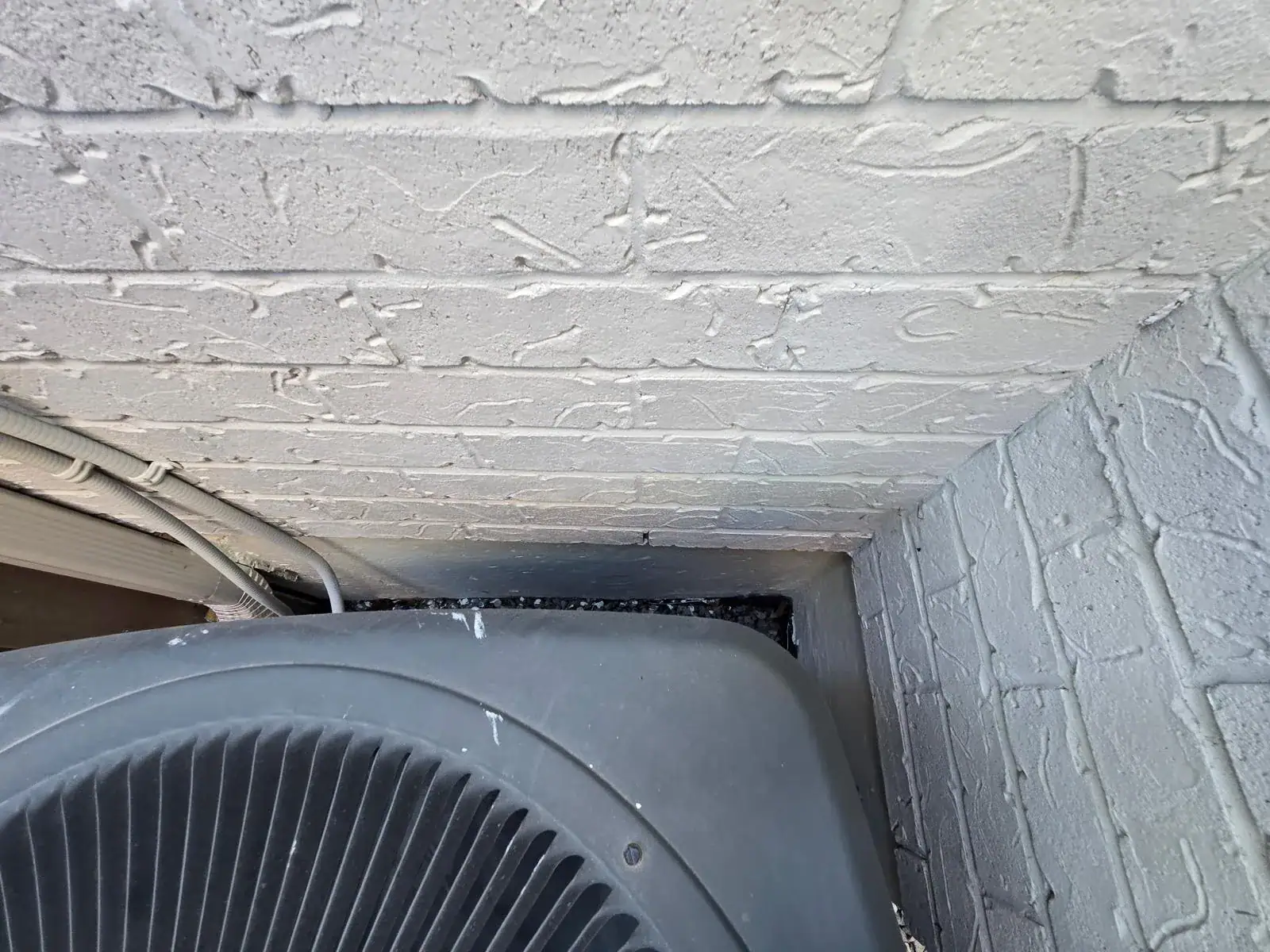
- new or darker moisture staining
- white salt deposits or efflorescence
- mortar joints that look freshly cracked, washed out, or loose
- brick faces that are beginning to flake or spall
- small pieces of brick or mortar on the ground
- isolated cracks that appear sharper or wider after the storm
- masonry areas that stay wet much longer than the surrounding surfaces
If white residue is one of the main clues you notice, compare it with our related guide on handling efflorescence on brick or stone. That can help you distinguish between a surface symptom and a deeper moisture pattern.
What to Look For on Chimneys After a Storm
Chimneys deserve special attention because they are among the most exposed masonry features of the house. Storms can reveal or worsen chimney problems faster than many other masonry elements.
After a storm, look for:
- loose or fallen brick fragments below the chimney
- staining on the chimney exterior that looks newly washed down or darker than before
- a chimney cap that looks bent, shifted, missing, or damaged
- visible cracking at the top of the chimney crown
- mortar loss or open joints near the upper sections
- water entry signs near the fireplace or flue area
If the cap is part of the concern, our blog on chimney cap options and why they matter is a useful supporting read. If the chimney masonry itself is already deteriorating, the issue is usually beyond observation alone and leans more toward chimney repair in Toronto.
What to Look For Around Foundations, Steps, and Hardscape Areas
Storms do not only affect vertical masonry. They also reveal drainage and movement problems in the property’s horizontal or lower-structure areas.
After a storm, check for:
- water pooling beside the foundation
- soil erosion that exposes or changes the grading around the lower wall
- steps that feel less stable or show fresh cracking
- interlocking that shifted, dipped, or now directs water toward the home
- retaining walls showing new wet spots, bulging, or movement
- damp areas that stay saturated long after the storm has passed
Toronto’s water management guidance stresses that water should be directed away from the foundation, that downspouts should discharge well away from foundation walls, and that ponding beside the home should not be ignored. City of Toronto: Managing Water Around the House
That connects directly to masonry inspection because what looks like a wall problem may actually be a water-path problem. If the storm revealed pooling, slow drainage, or chronic dampness, it also makes sense to review our published post on the importance of proper drainage around masonry.
What Homeowners Can Usually Do Themselves
Homeowners can often do the first level of inspection safely from the ground or from normally accessible areas. The goal is not to diagnose every structural detail. The goal is to spot warning signs early and avoid missing obvious clues.
Homeowners can usually:
- walk the perimeter and note visible changes
- take photos of suspicious areas
- check where water pooled or drained after the storm
- look for debris below chimneys and wall lines
- observe whether downspouts overflowed or discharged poorly
- check steps, porches, walkways, and retaining walls for movement
- watch whether lower masonry stays damp longer than expected
It also helps to compare what you see after the storm to what you noticed during seasonal maintenance. That is where our blog on spring cleaning and masonry touch-ups can work well as a companion piece, especially for homeowners trying to tell whether they are seeing fresh storm damage or an older maintenance issue that just became more obvious.
What Not to Do After a Storm
Post-storm urgency can make homeowners act too quickly. That often leads to poor decisions.
It is safer to avoid:
- climbing onto the roof to inspect a chimney yourself
- pressure washing wet masonry immediately after a storm
- sealing over damp or damaged areas without understanding the cause
- patching visible cracks while ignoring drainage or movement issues
- assuming the problem is minor just because the damage is small
The safest and smartest approach is to inspect, document, compare, and then decide whether the issue is cosmetic, moisture-related, or clearly repair-related.
When the Damage Is Probably More Than Cosmetic
This is often the hardest call for homeowners. Not every fresh stain or crack means major repair is needed, but some storm signs are more meaningful than others.
The issue is more likely beyond cosmetic when:
- mortar is actively loose, missing, or washed out
- brick faces are spalling or breaking apart
- steps or paved areas have shifted
- the same area repeatedly takes on moisture after storms
- the chimney top shows visible deterioration or fallen debris
- there is pooling near the foundation that was not there before
- the problem appears tied to drainage or structural movement
At that point, the storm may have revealed an issue that was already developing. If the wall surface shows real masonry deterioration, it often makes more sense to consider brick repair or tuckpointing services rather than cleanup alone. If the lower wall and foundation area are the main concern, foundation repair or waterproofing may be the more relevant next direction.
Quick Storm-by-Storm Inspection Guide
After heavy rain:
- check lower walls, foundation areas, and drainage paths first
- look for efflorescence, dark staining, and pooled water
After wind-driven rain:
- inspect exposed wall faces, chimneys, and wall transitions
- look for fresh staining and moisture entry patterns
After hail or impact-related storms:
- inspect chimney tops, caps, coping, and exposed edges
- look for chips, cracks, and fallen masonry fragments
After freeze-thaw or ice events:
- check mortar joints, brick faces, steps, and paved surfaces
- look for cracking, flaking, and movement
After rapid snowmelt:
- inspect grading, drainage, retaining walls, and lower masonry
- look for saturated soil, foundation dampness, and runoff problems
When Professional Help Makes More Sense
Professional help makes more sense when the storm inspection reveals masonry change, not just surface mess. Once a storm has clearly affected brick, mortar, chimneys, retaining walls, or foundation-adjacent areas, the issue is usually beyond basic homeowner maintenance.
That usually includes cases where:
- brick or stone is visibly breaking down
- mortar joints are failing
- the chimney top is damaged or unsafe to assess from the ground
- walkways, steps, or retaining walls have moved
- foundation moisture is recurring after storms
- you suspect the issue may involve material alteration rather than minor maintenance
Toronto’s building permit guidance makes clear that material alteration of a building or structure can require a permit depending on the scope. That matters because some “storm damage repairs” are actually more substantial than homeowners first assume. City of Toronto: When Do I Need a Building Permit?
Ontario also treats brick and stone masonry work as a regulated skilled trade, reinforcing that true masonry repair is not just cosmetic patchwork. Ontario Brick and Stone Mason trade information
Final Thoughts
Inspecting masonry after a storm is less about finding dramatic destruction and more about spotting meaningful change early. The most important clues are often small at first: fresh staining, loose mortar, damp lower walls, a bent chimney cap, pooled water, or a step that shifted slightly more than it should have.
For Toronto homeowners, a smart post-storm inspection means looking at both the masonry itself and the water movement around it. Brick, stone, chimneys, steps, retaining walls, and foundations all tell part of the story. The real value comes from connecting the clue to the cause before the next weather event pushes the damage further.
If there is one takeaway, it is this: after a storm, do not only ask whether the masonry looks dirty or wet. Ask whether it looks different. That is usually where the real answer starts.