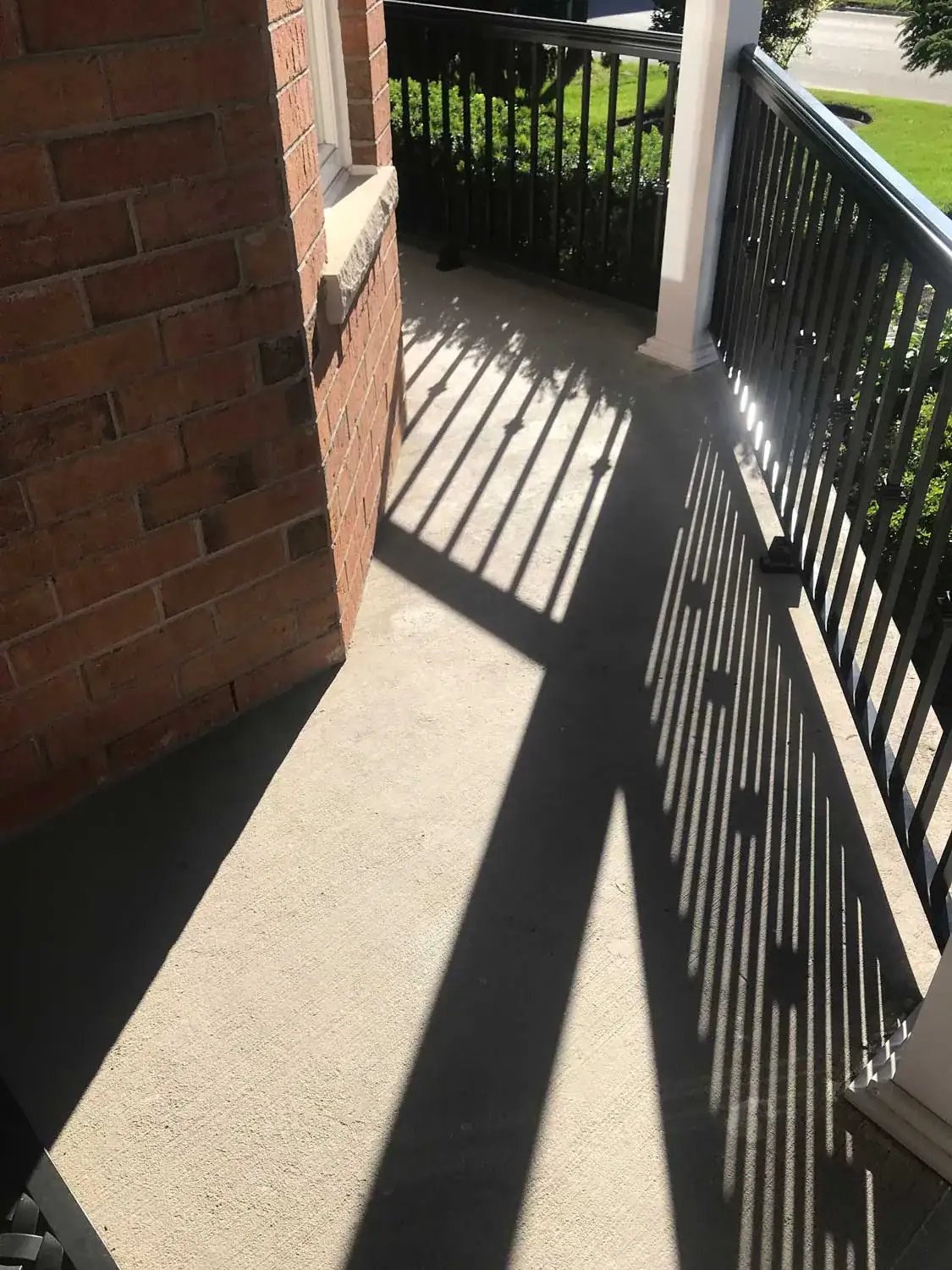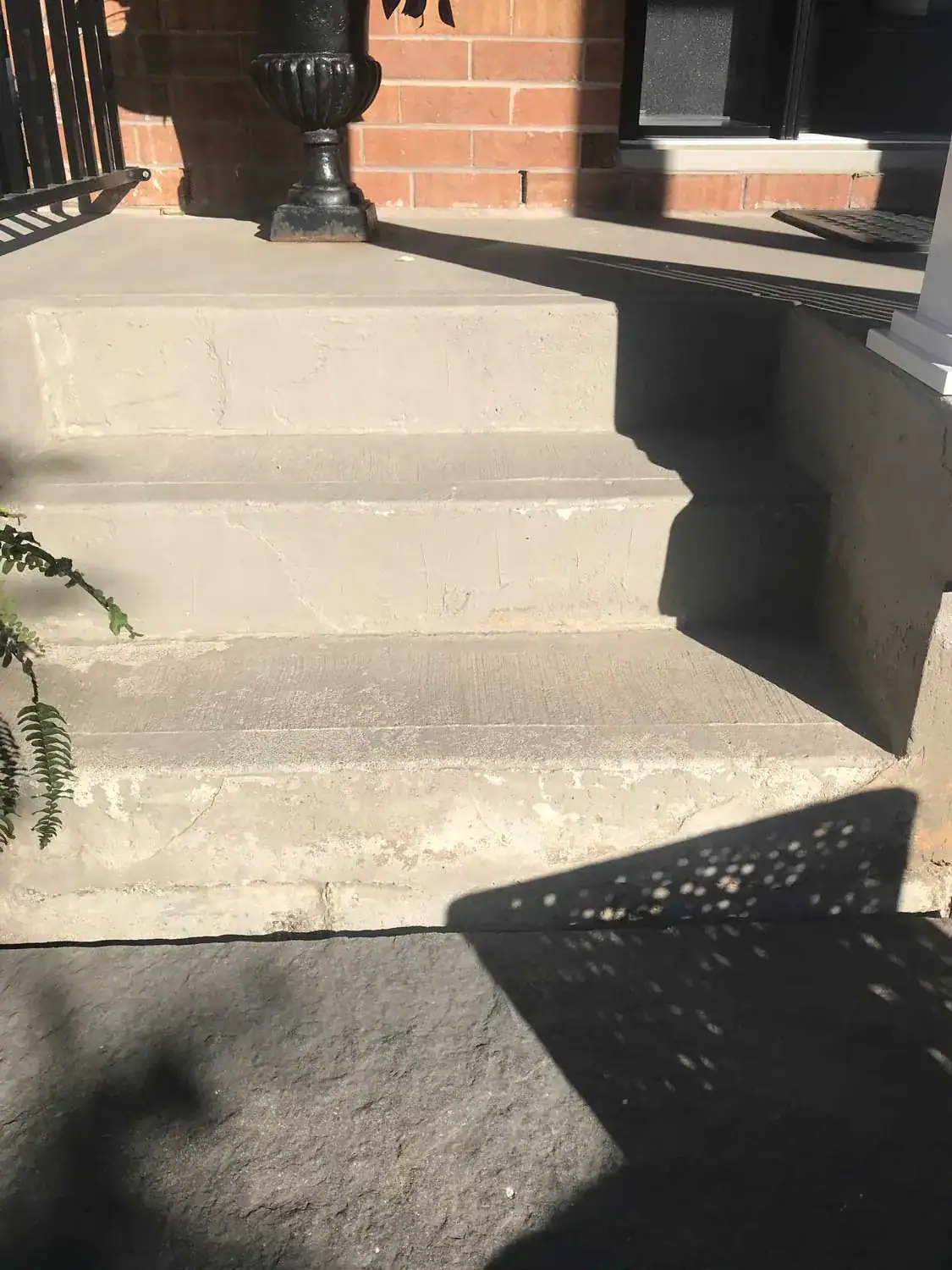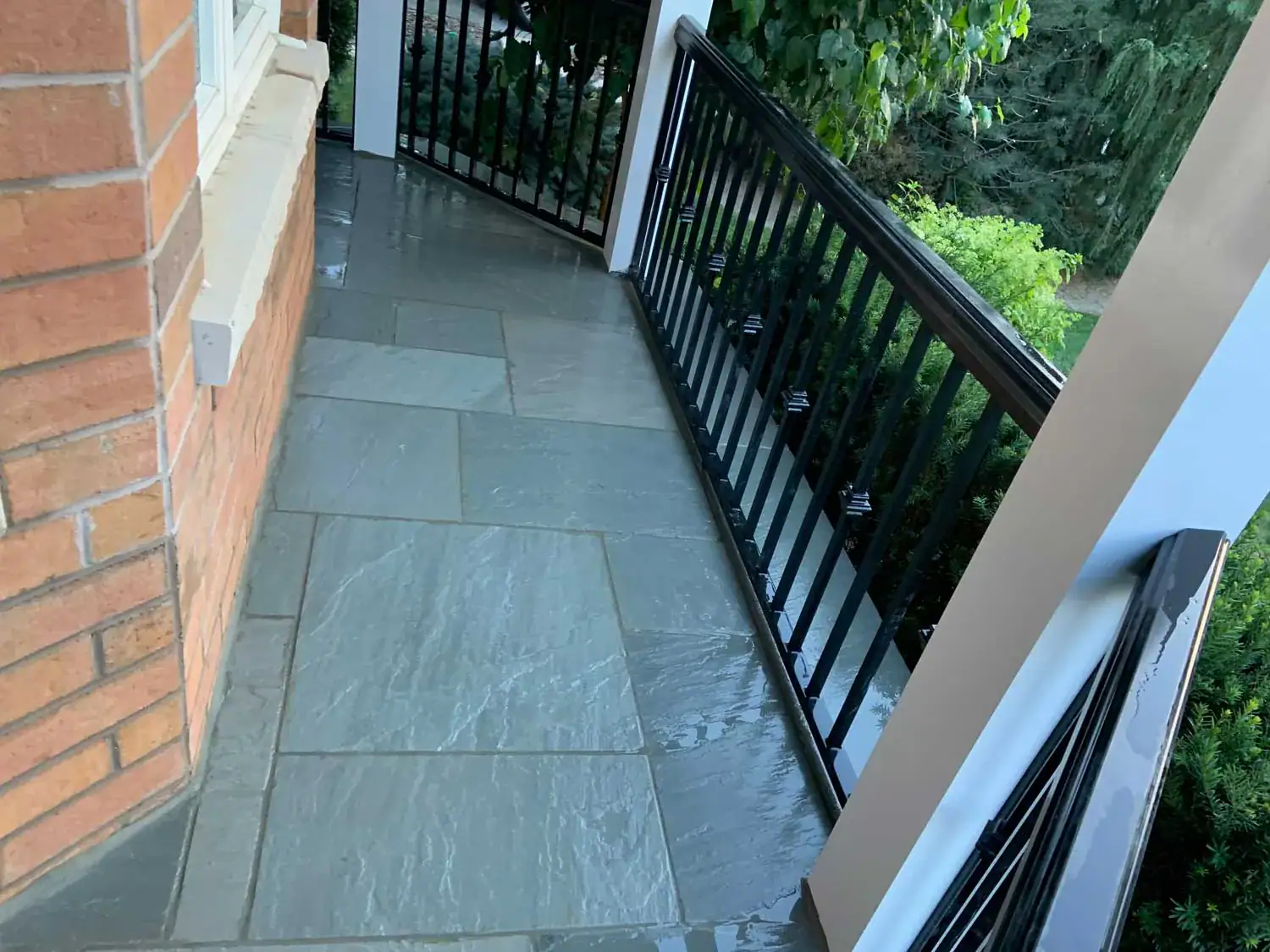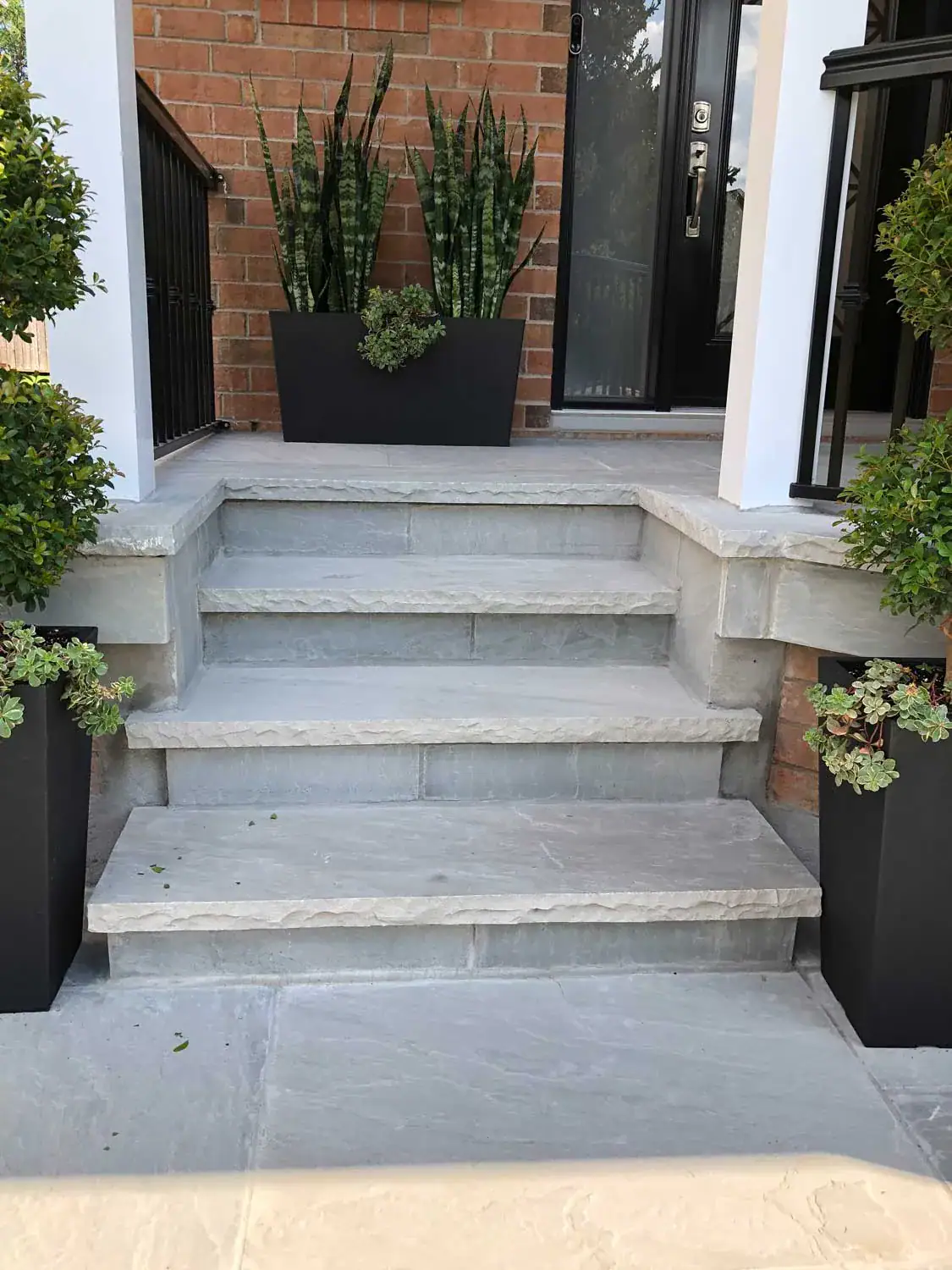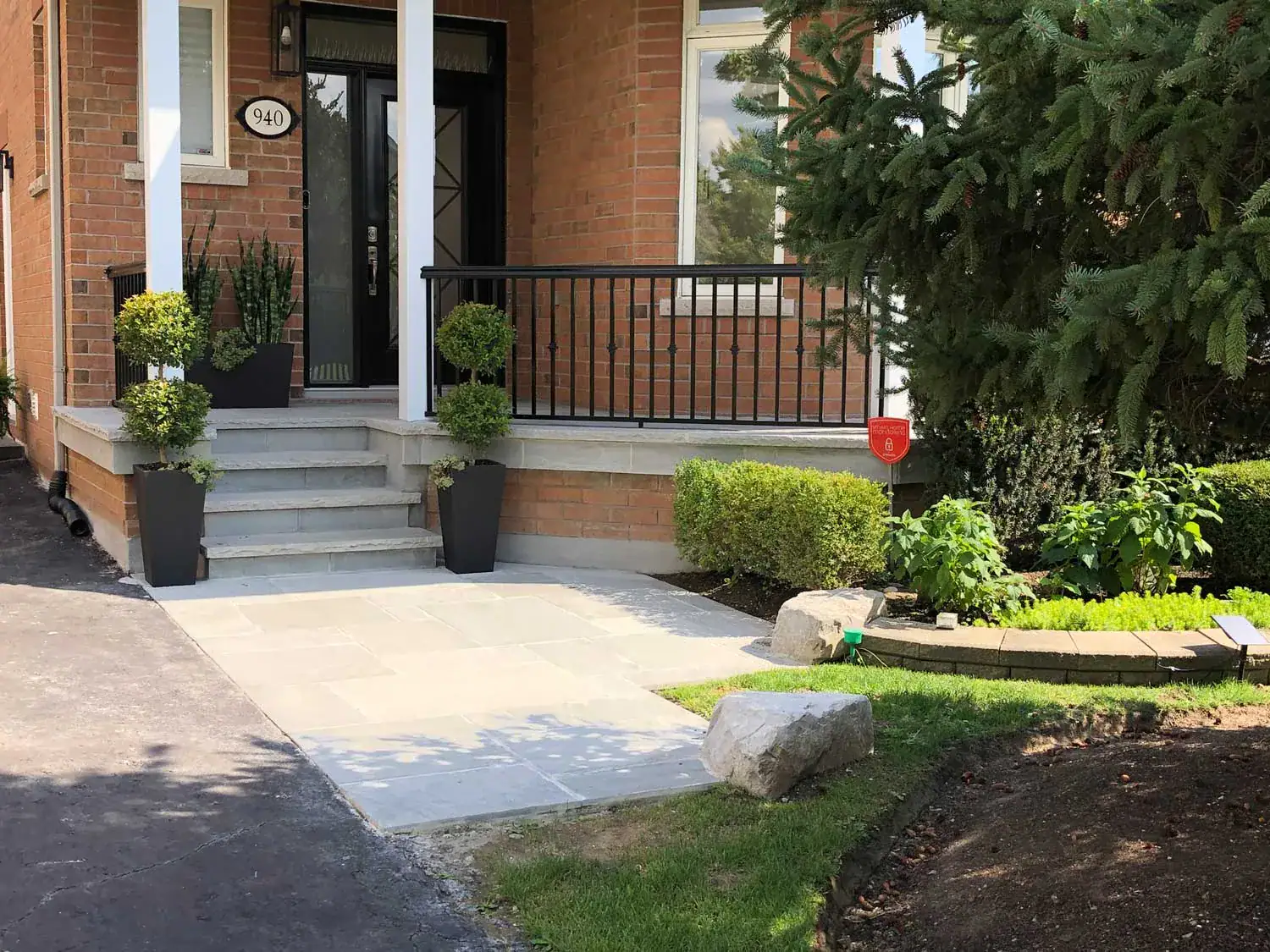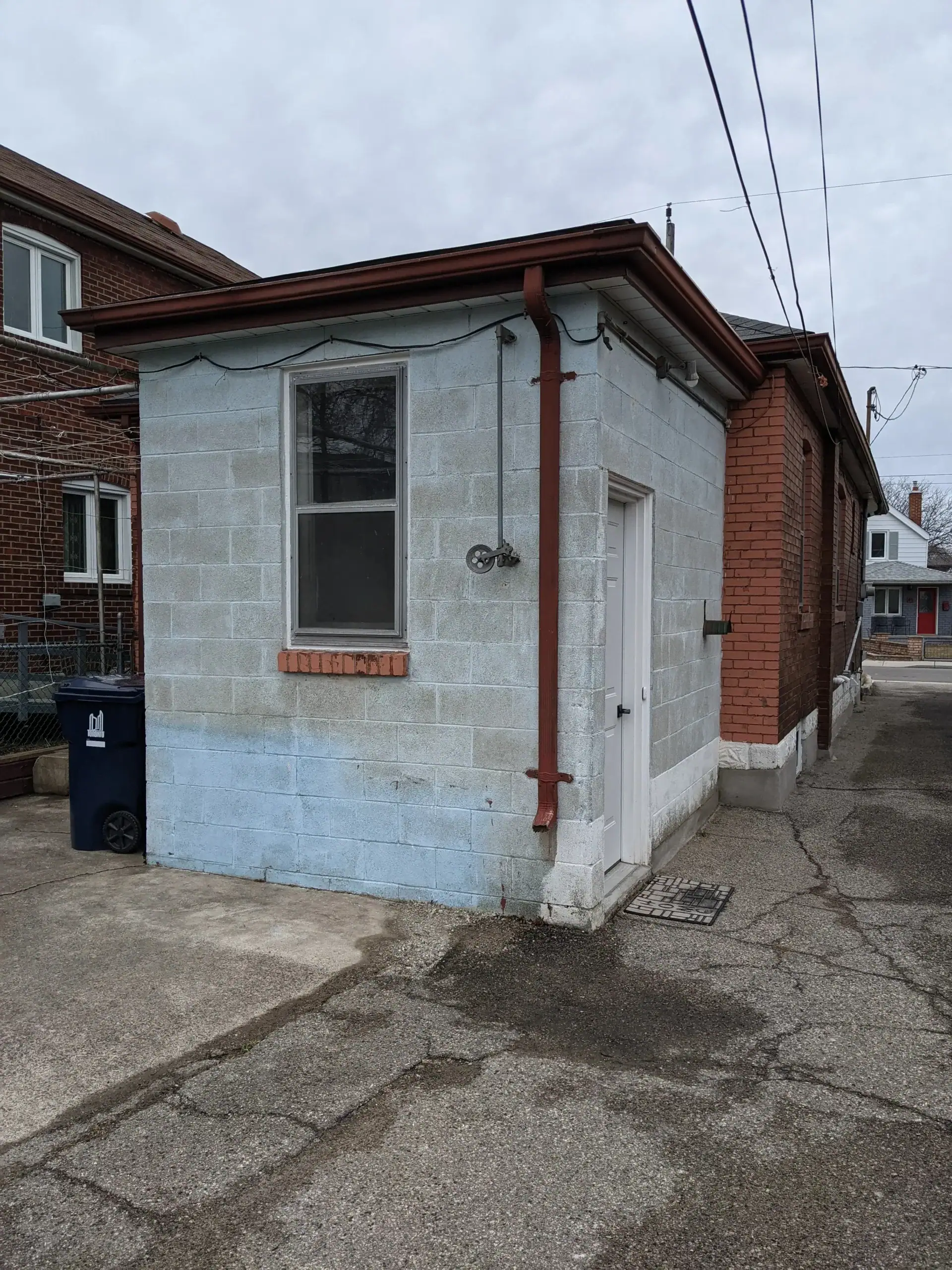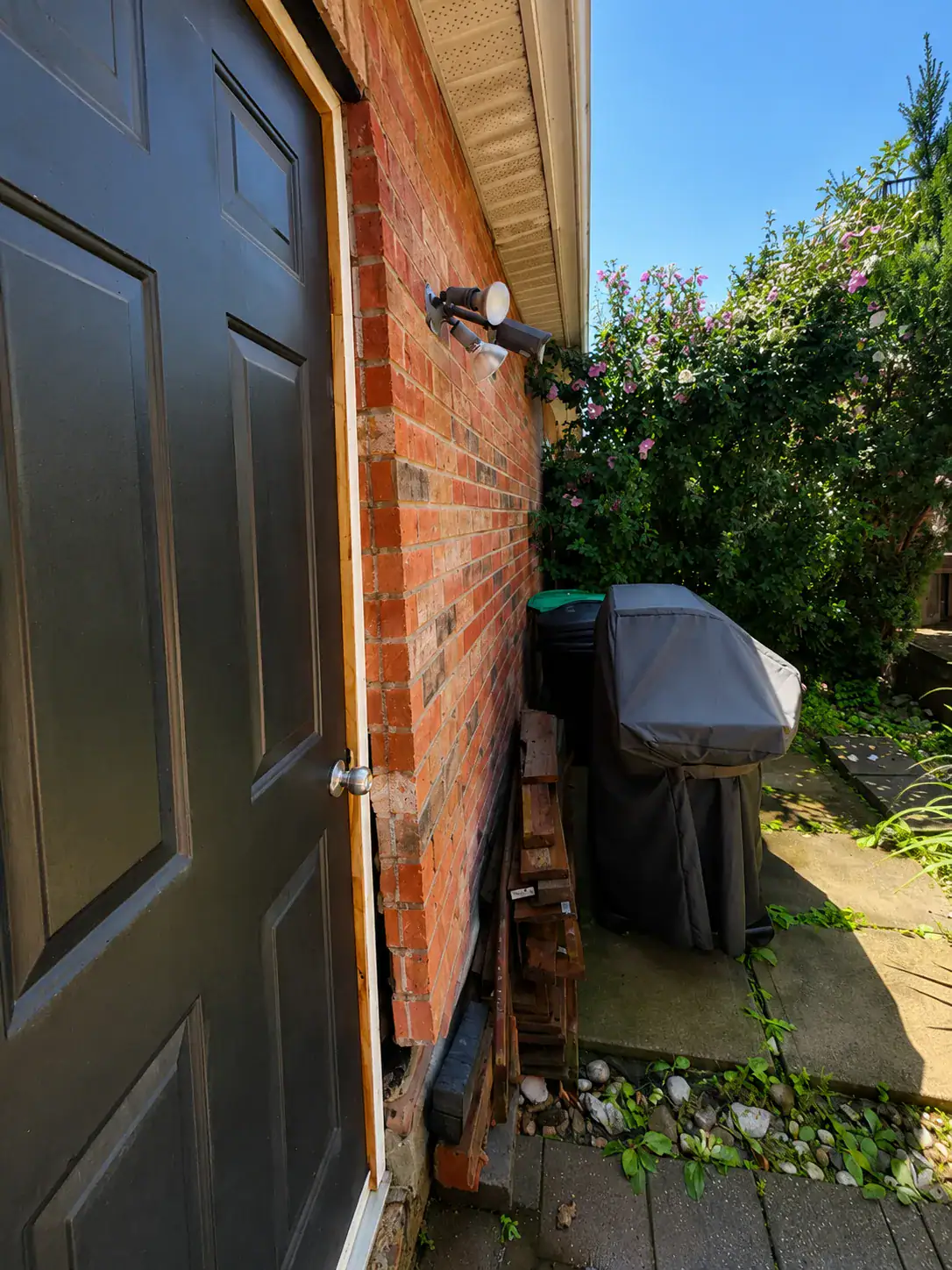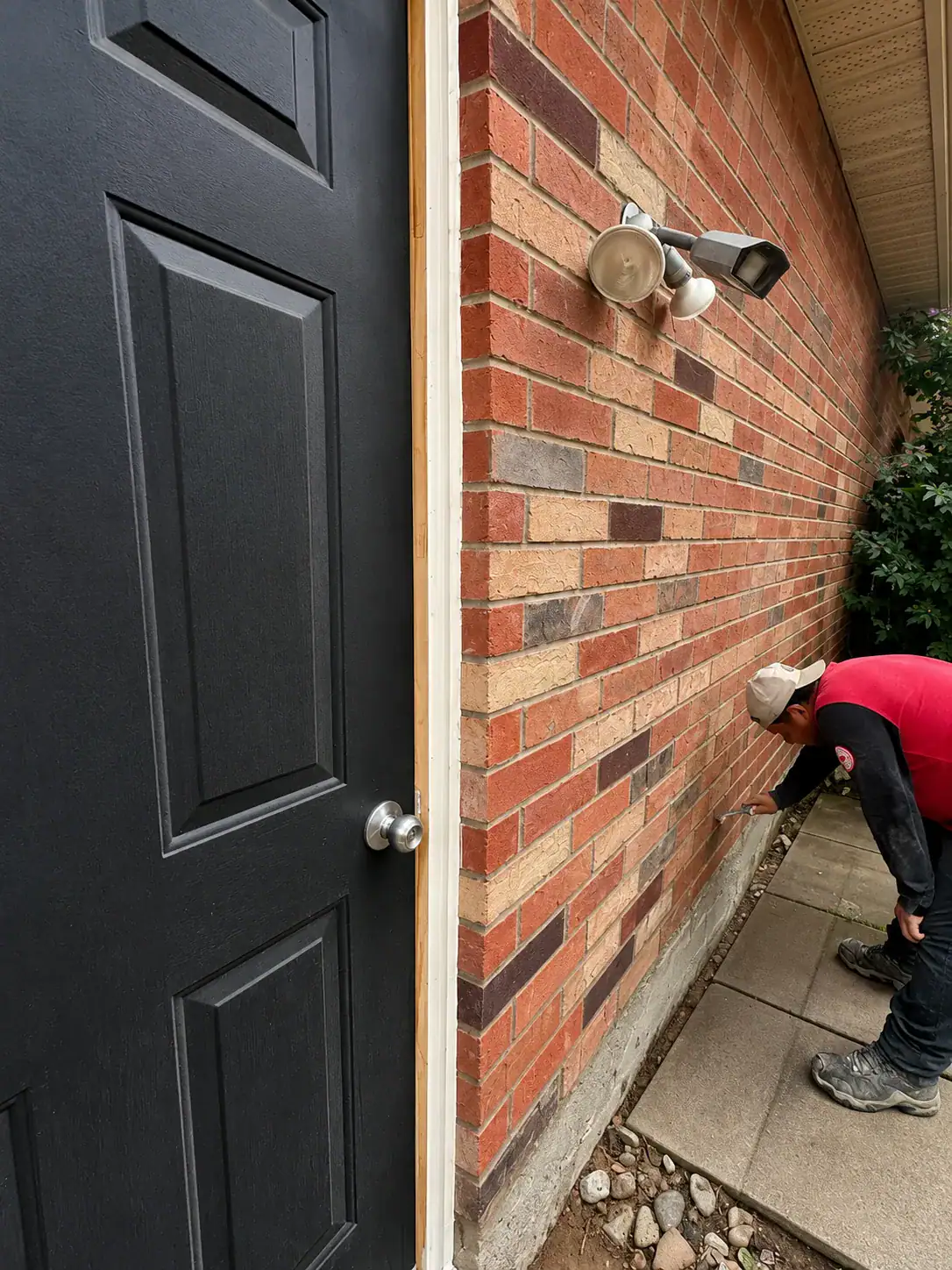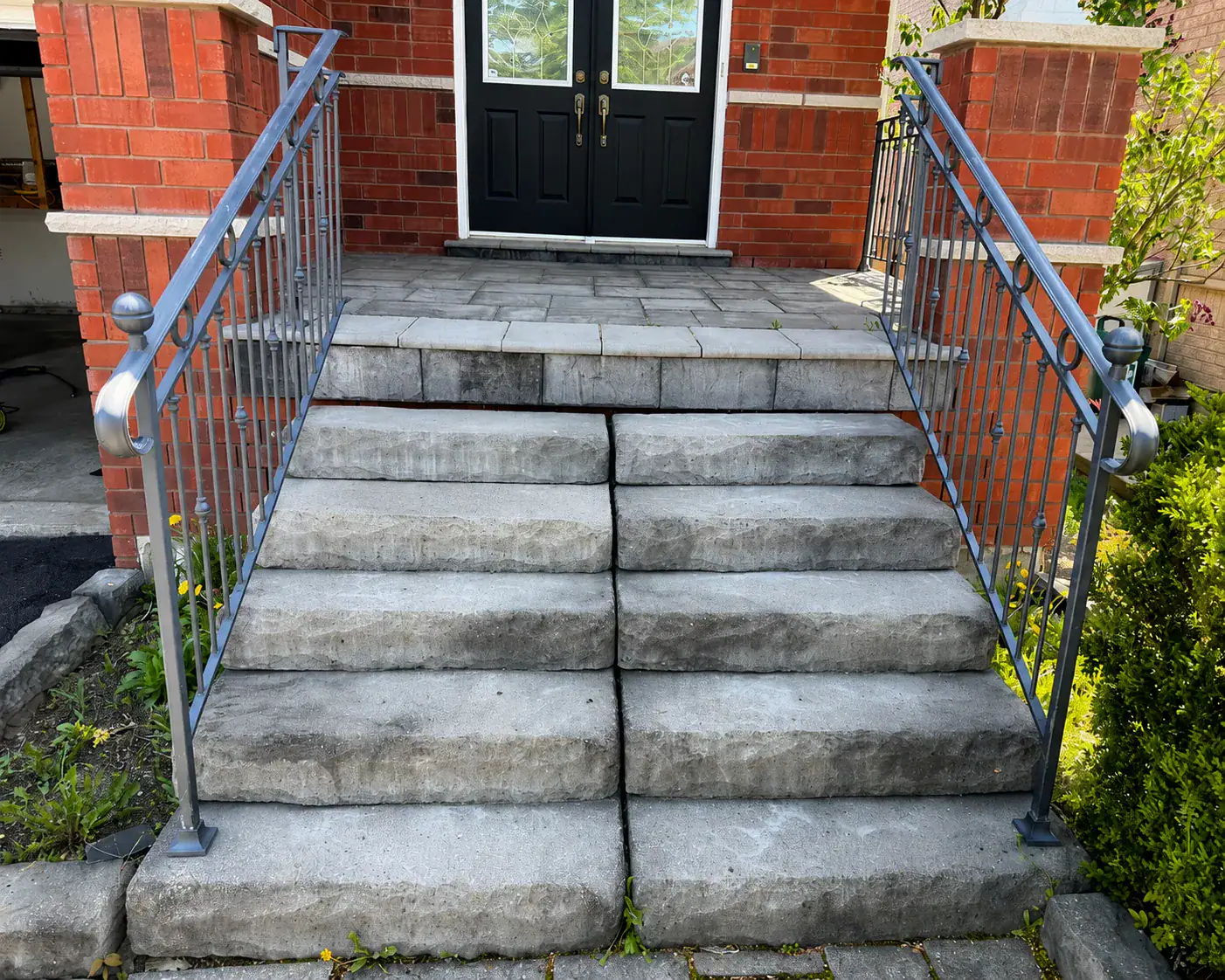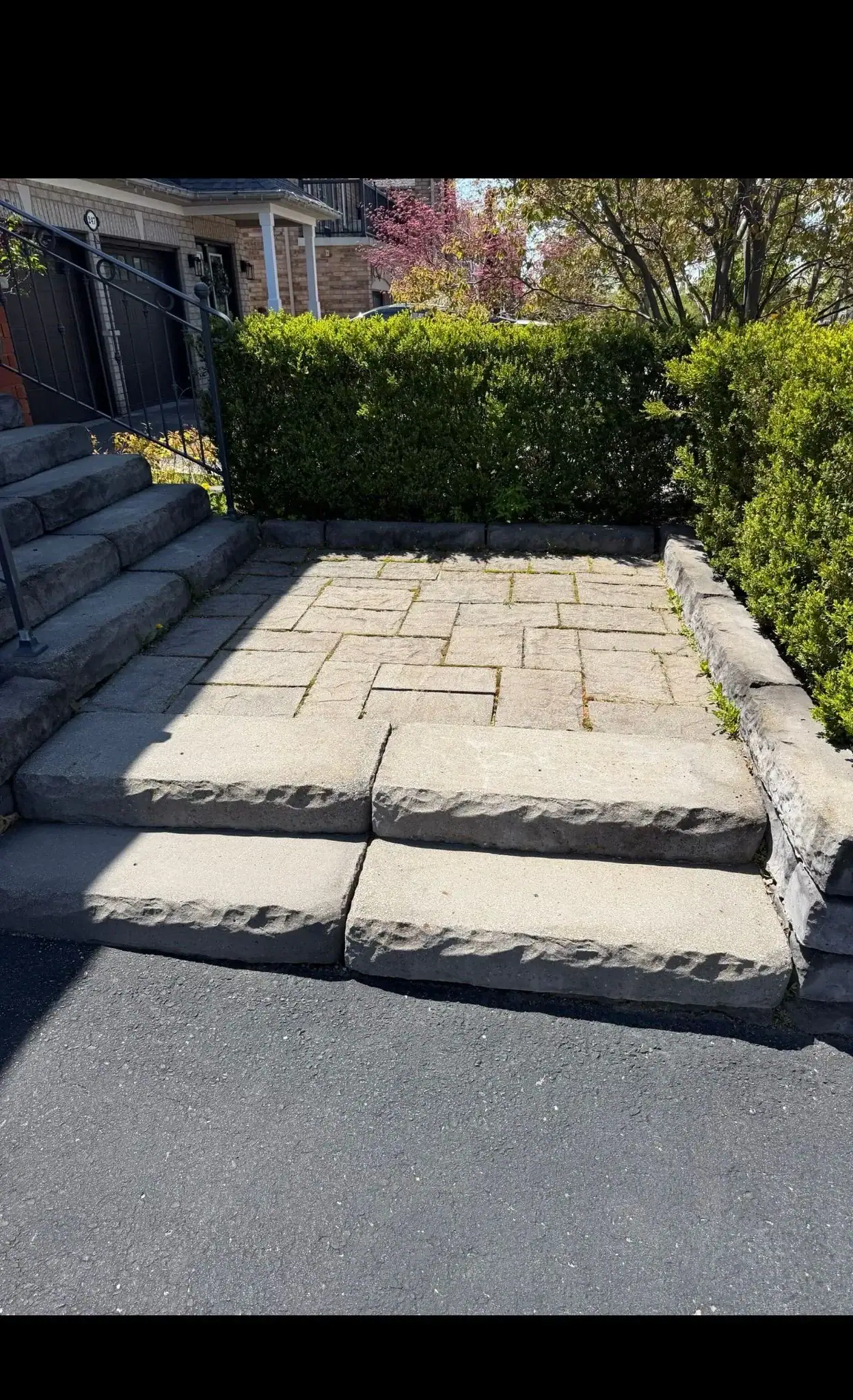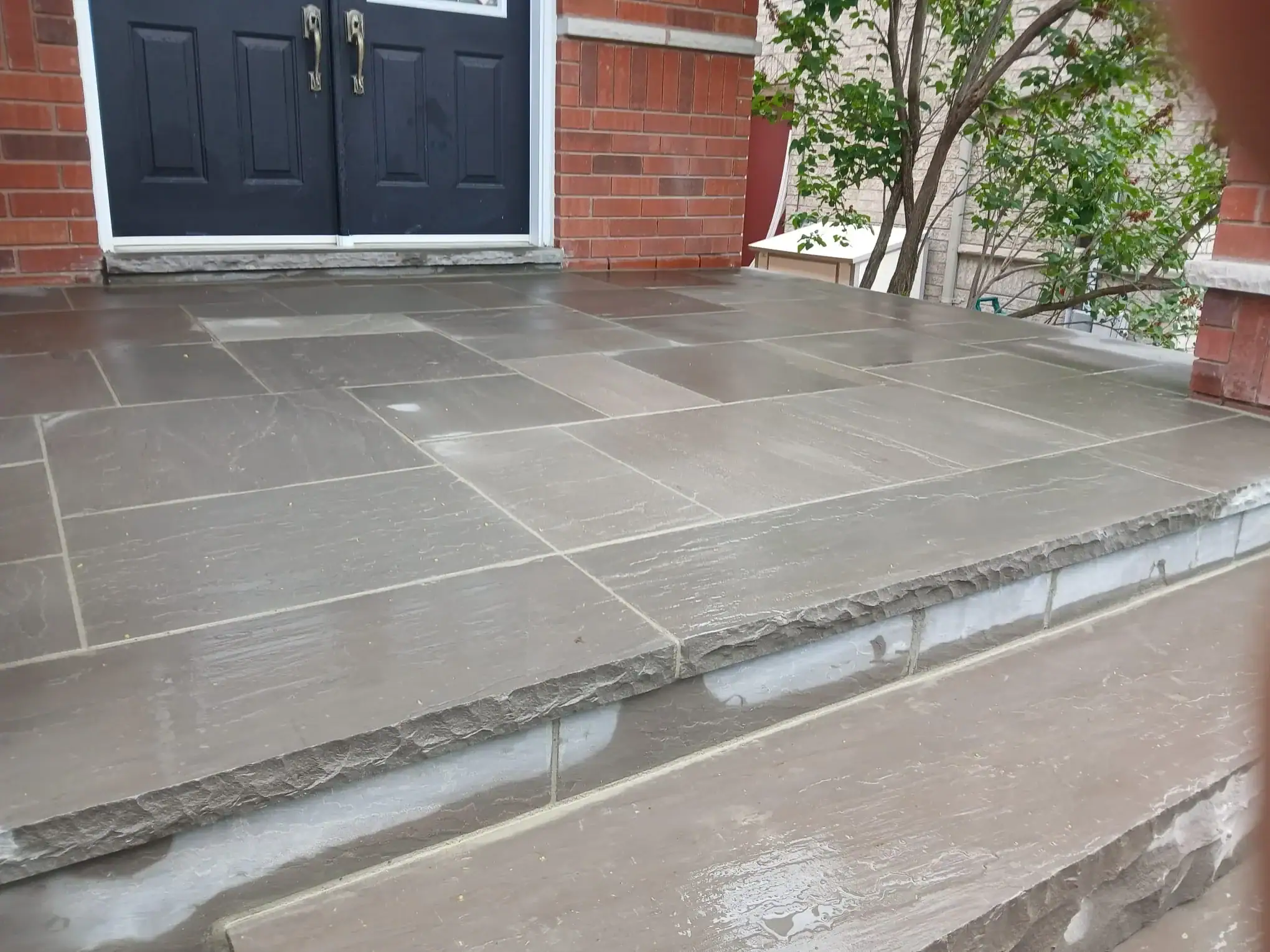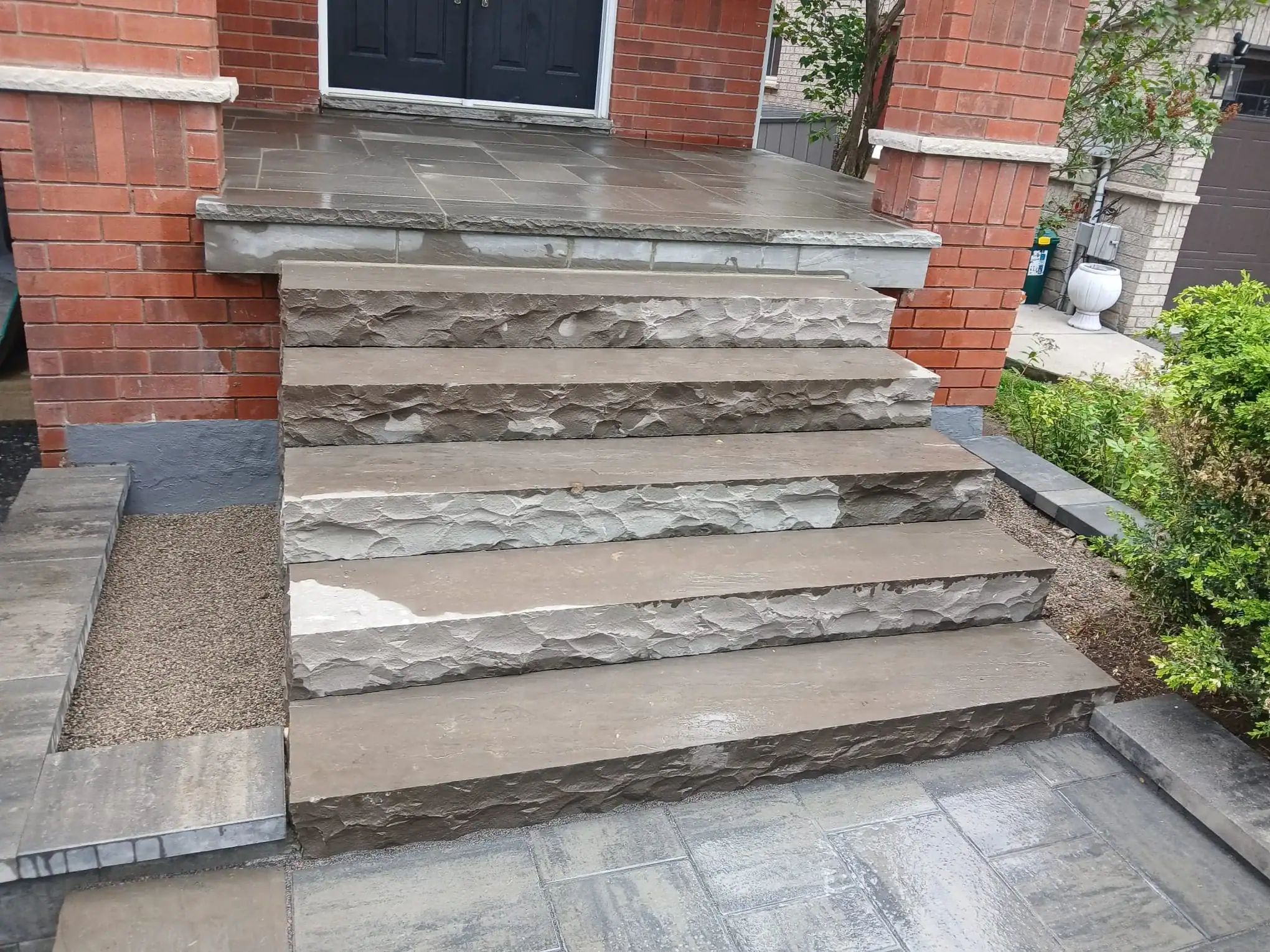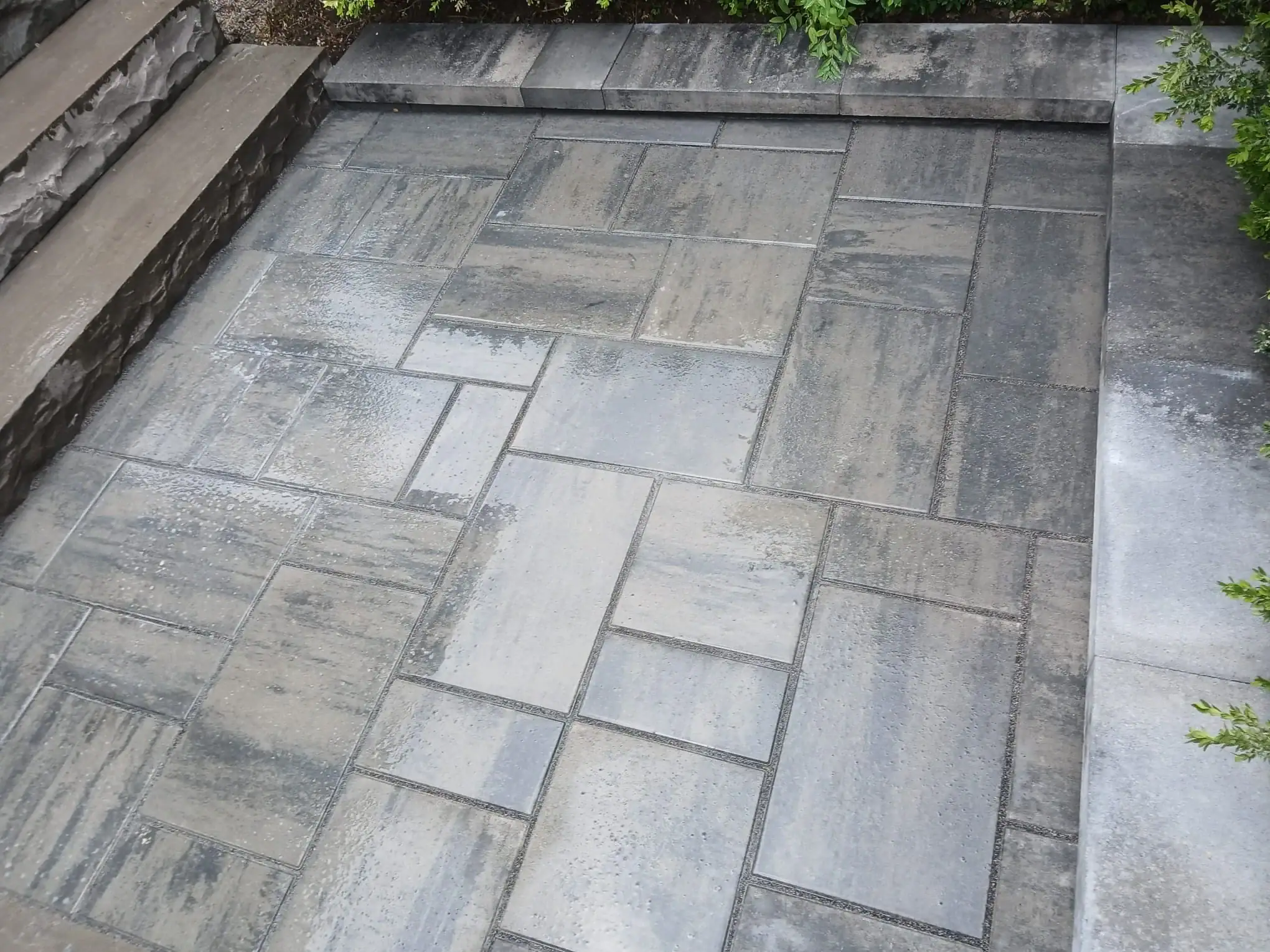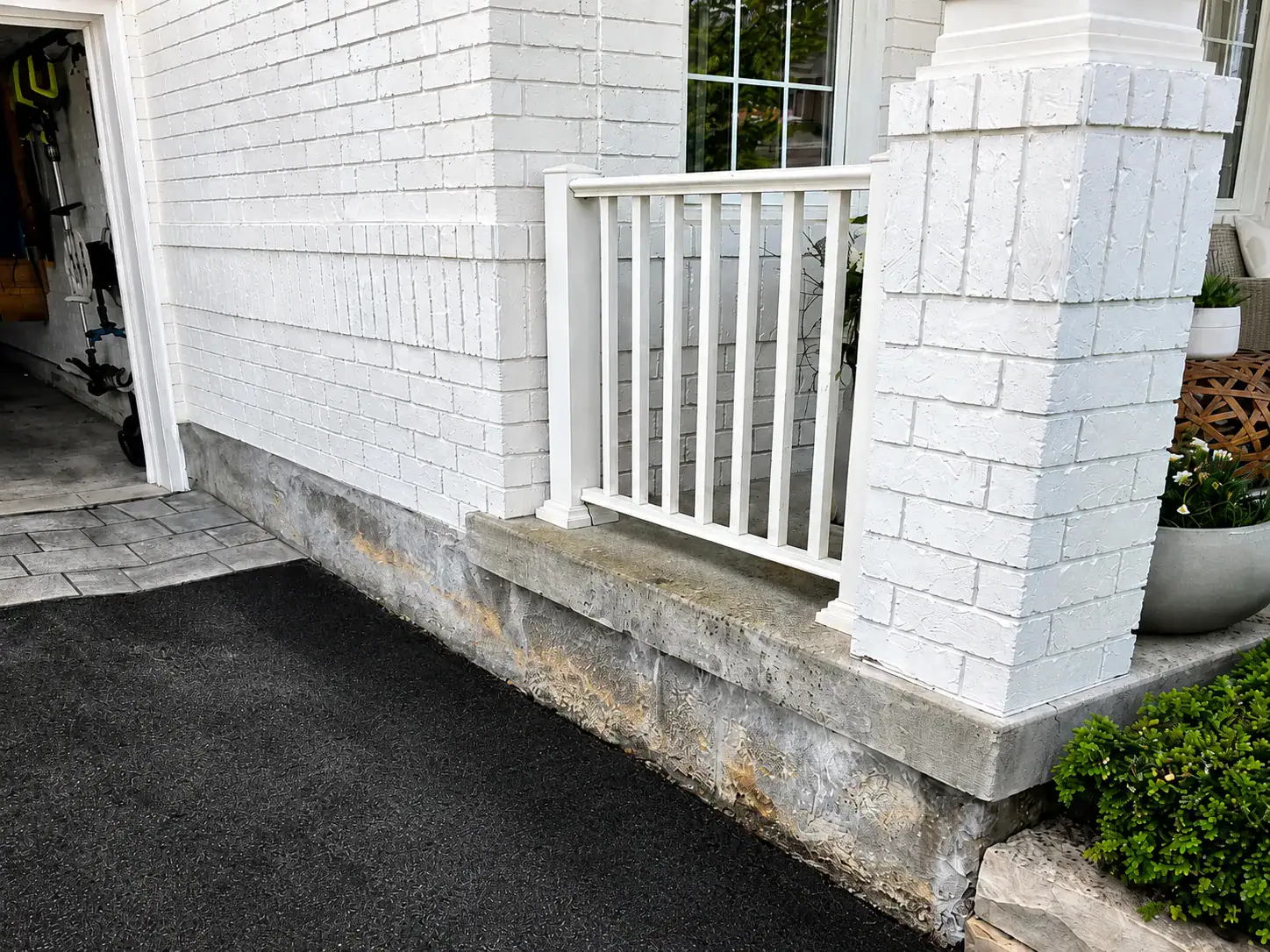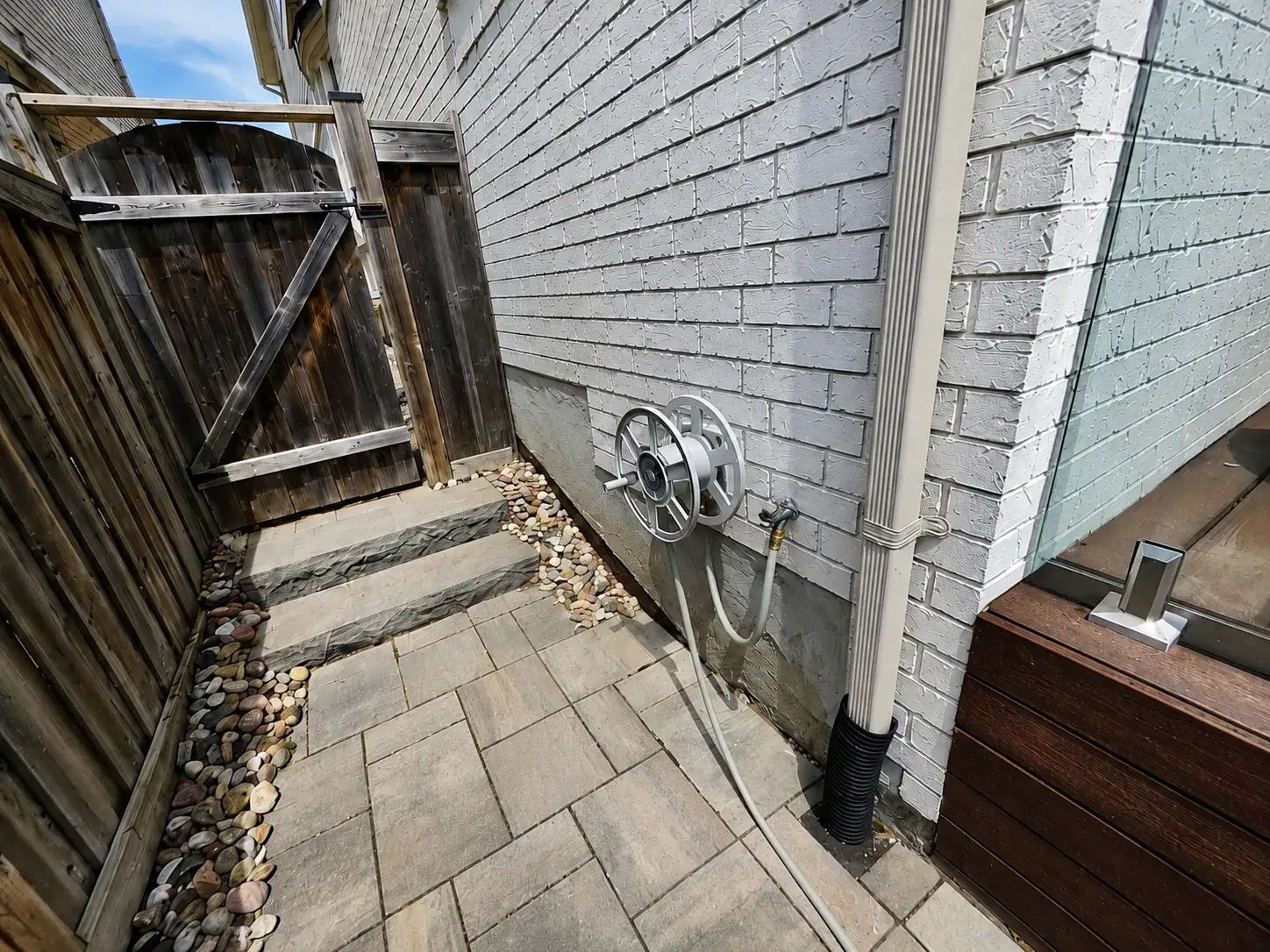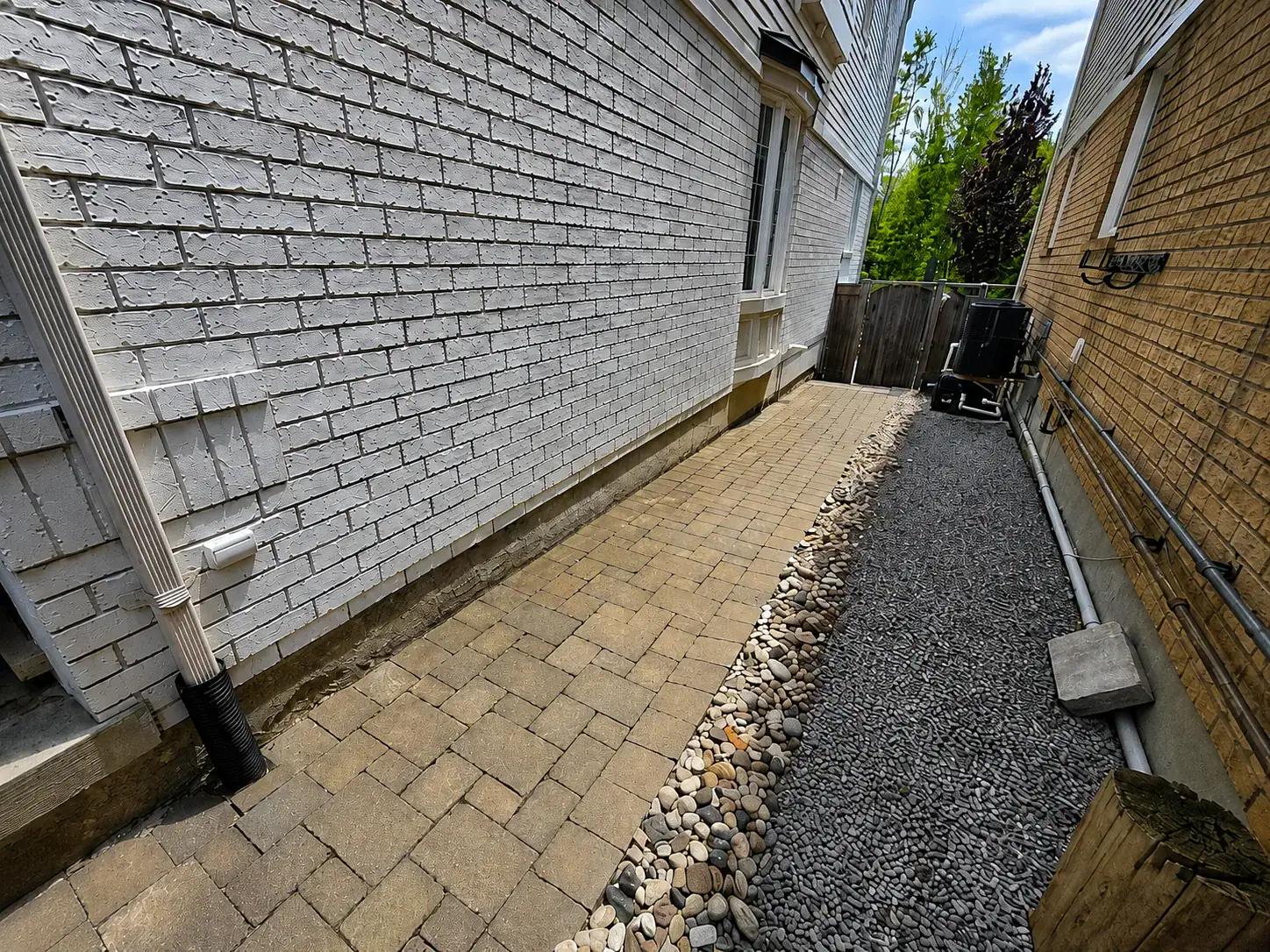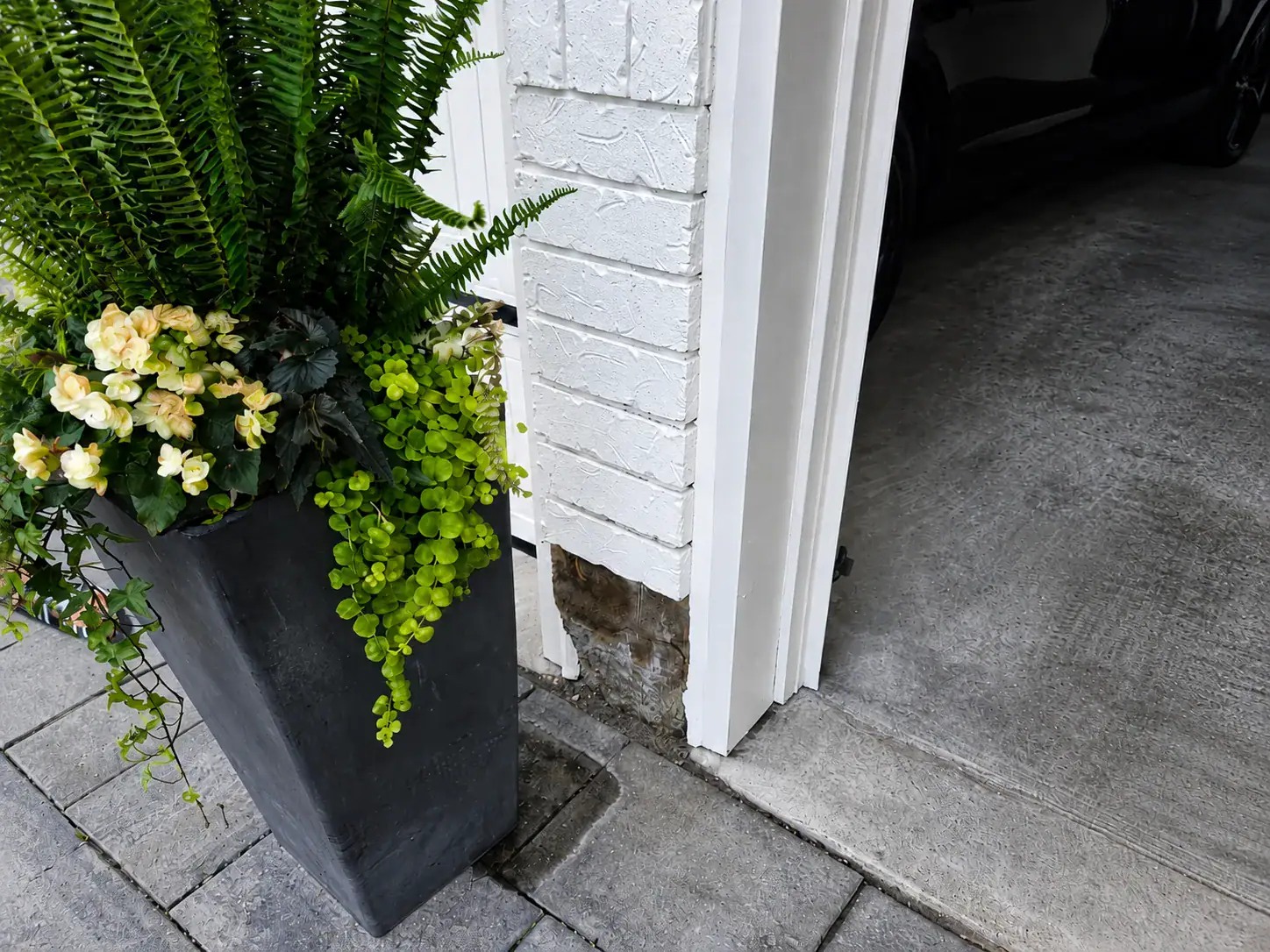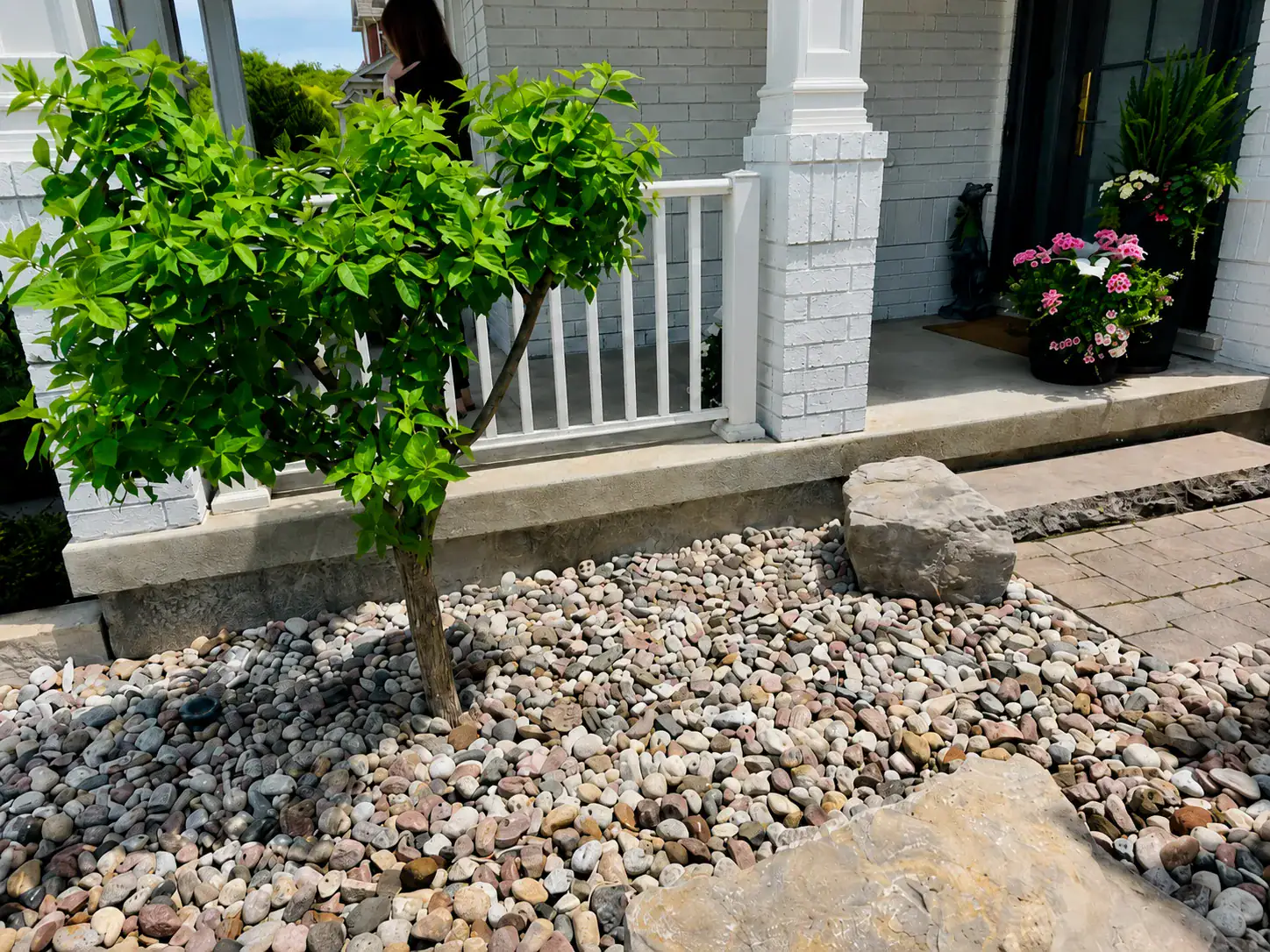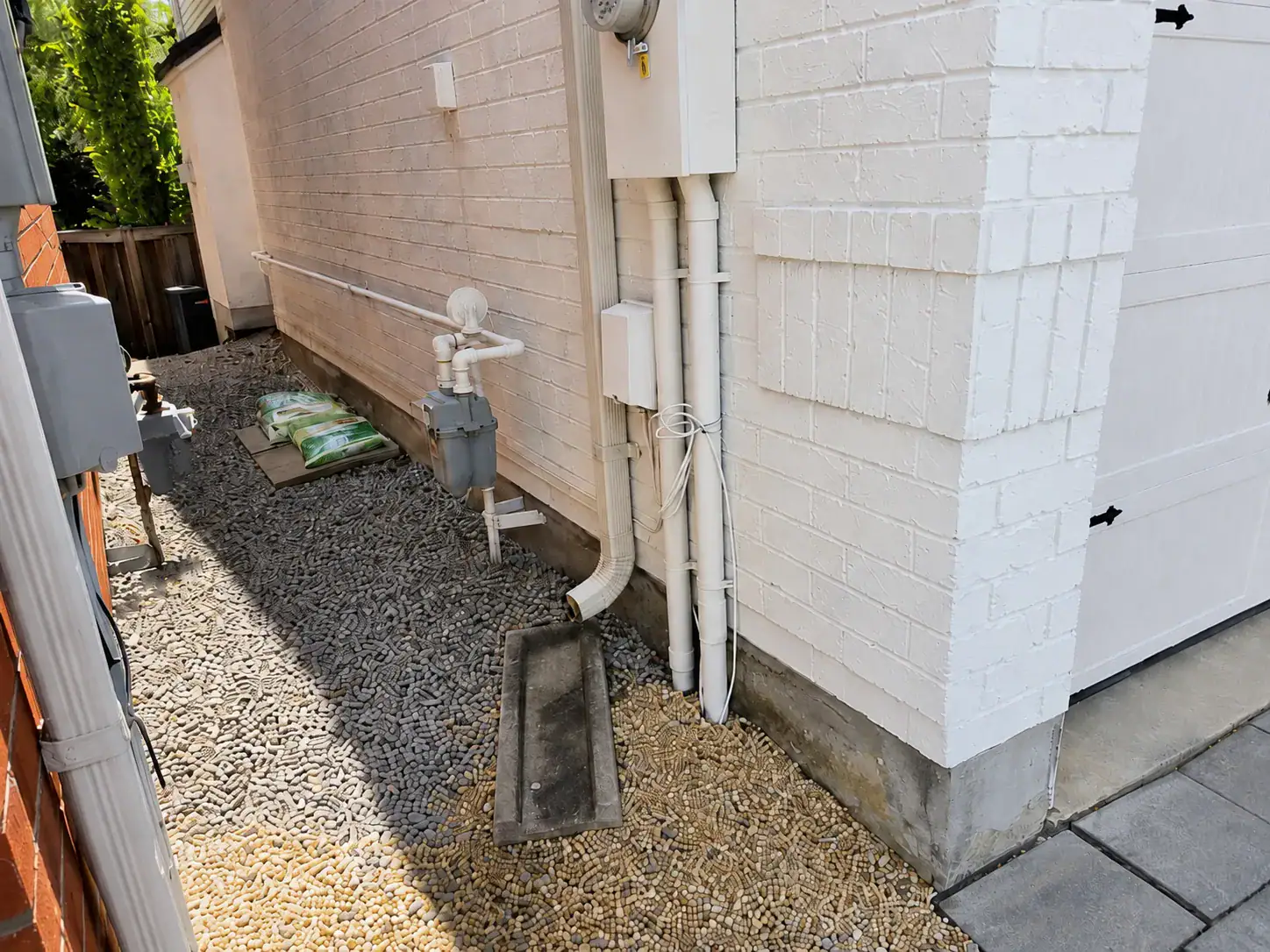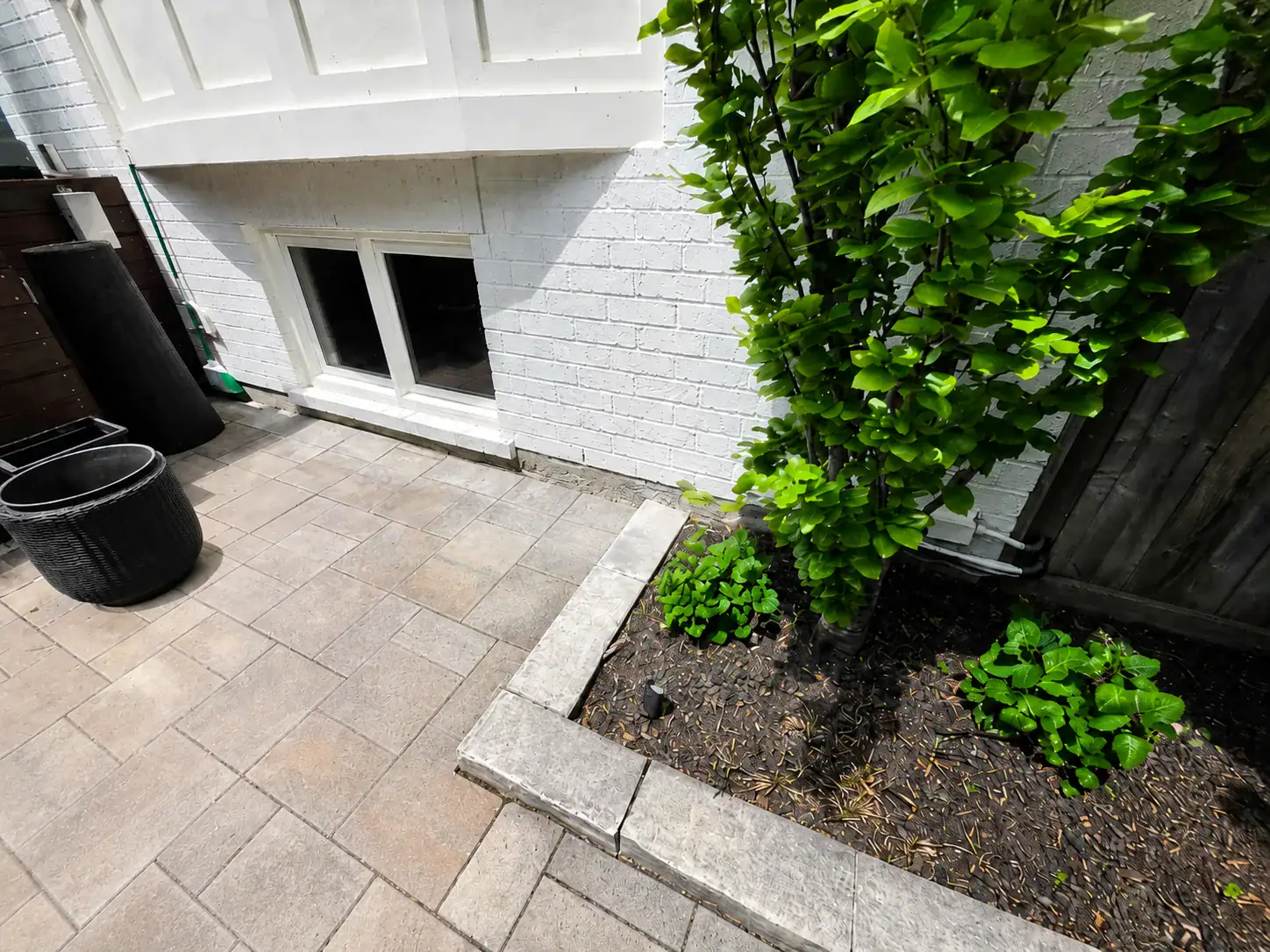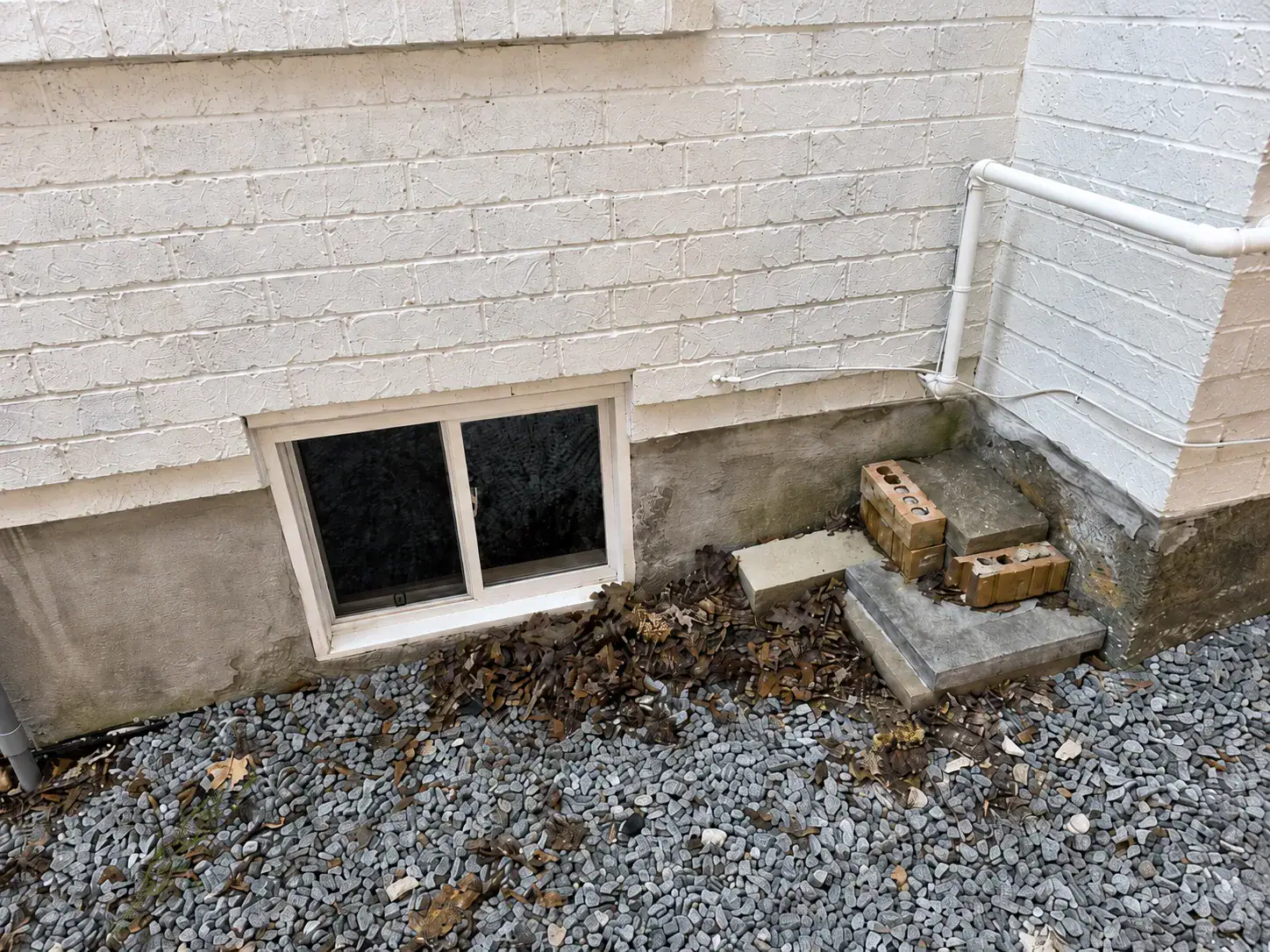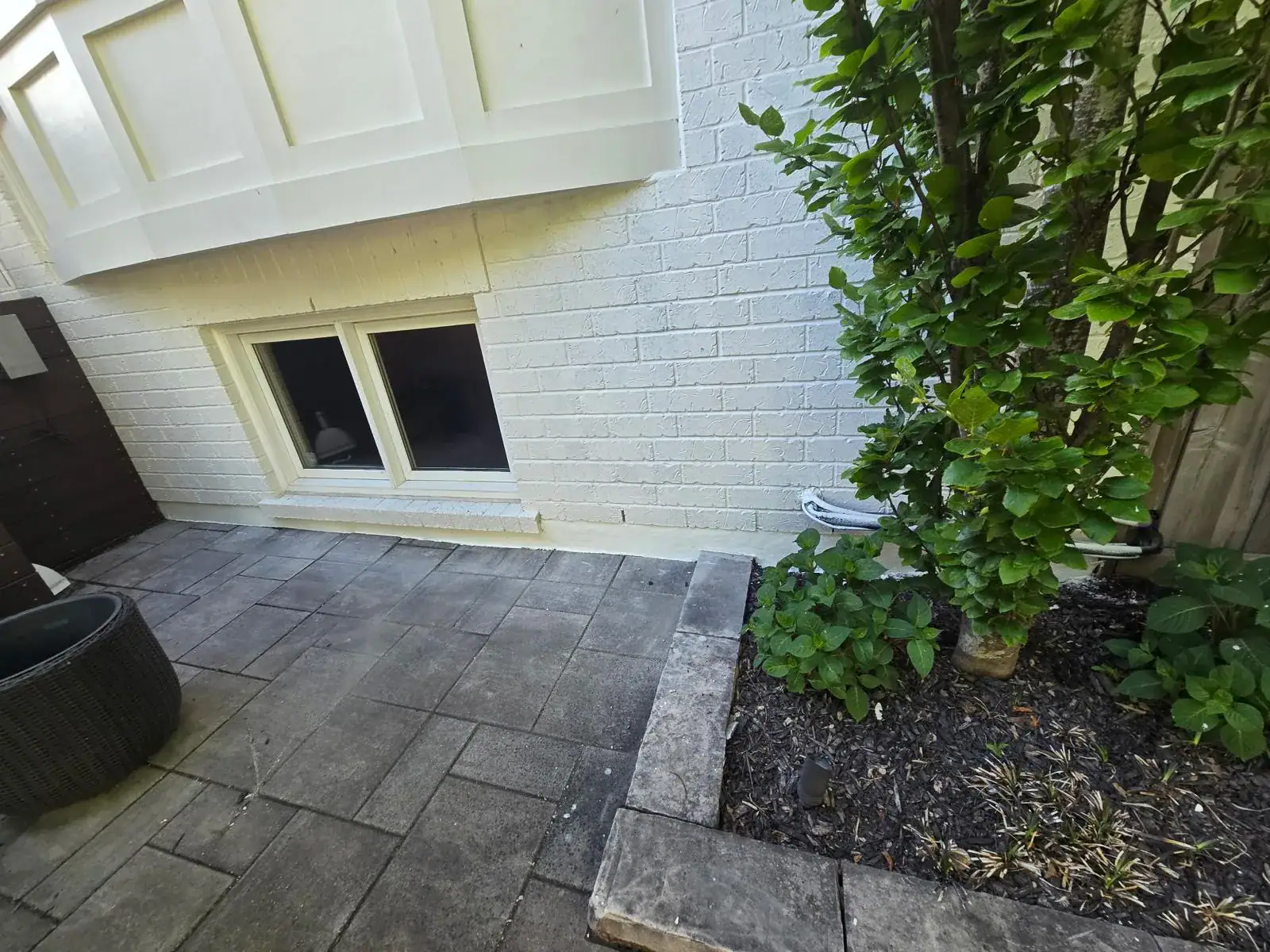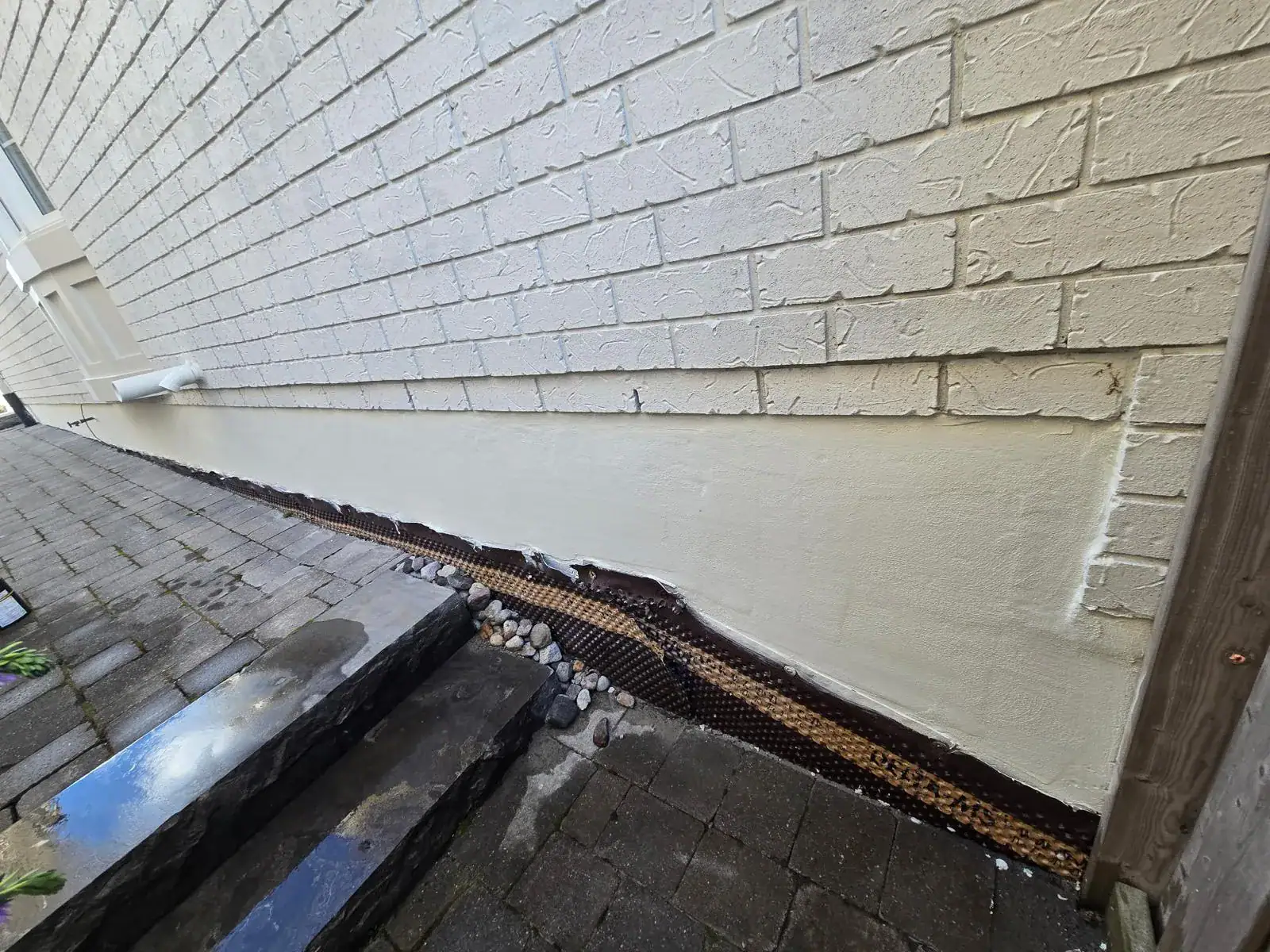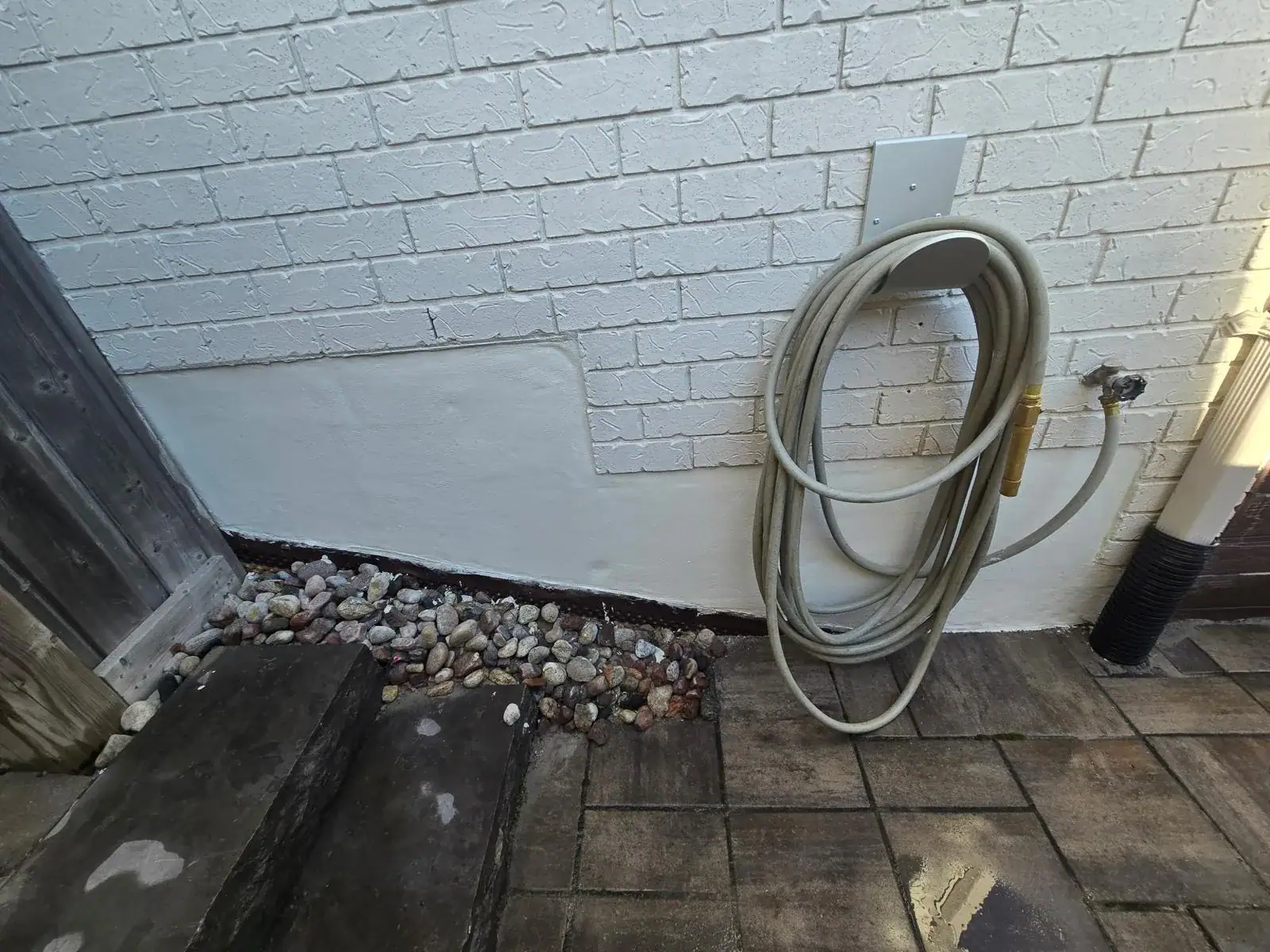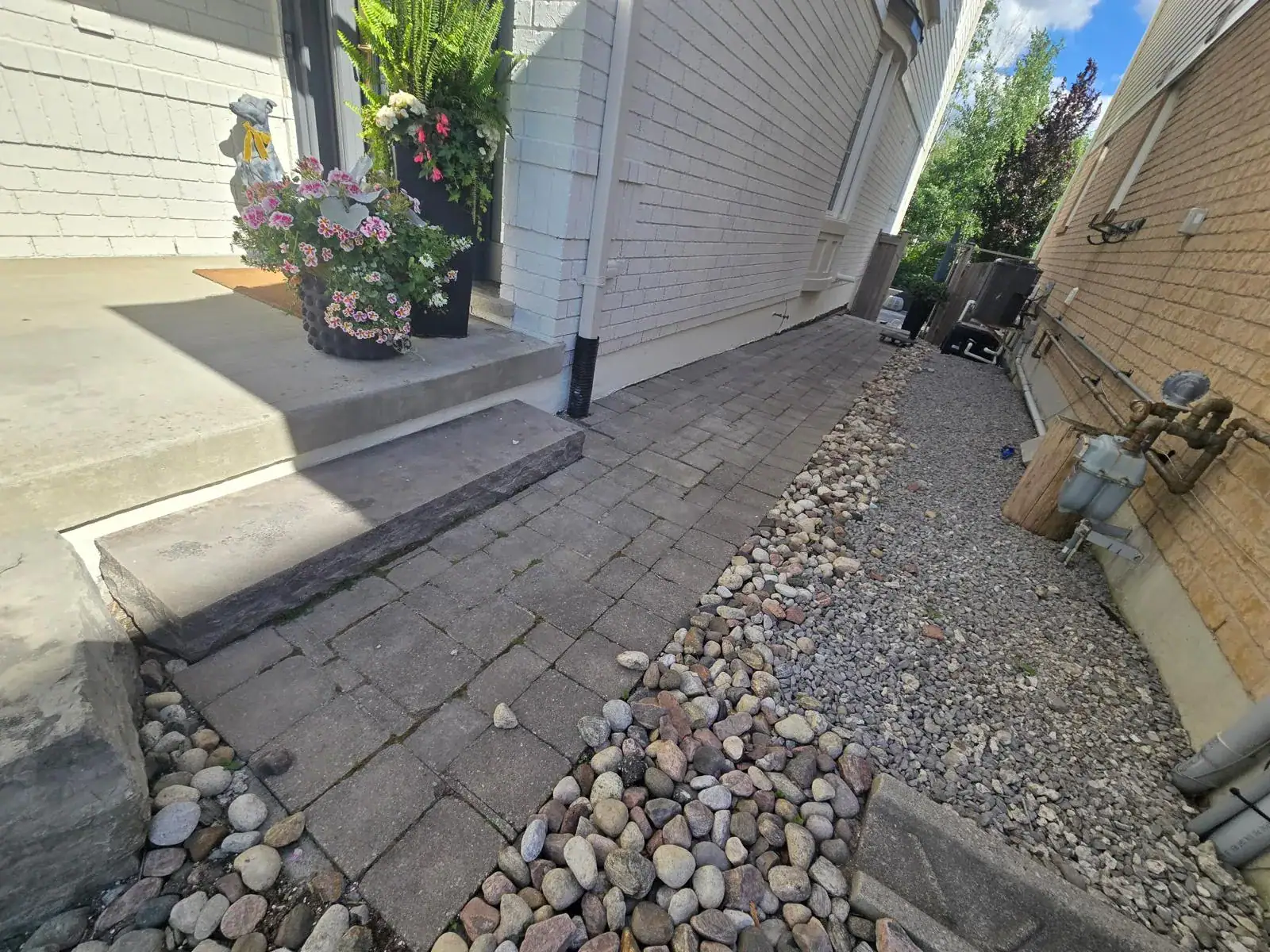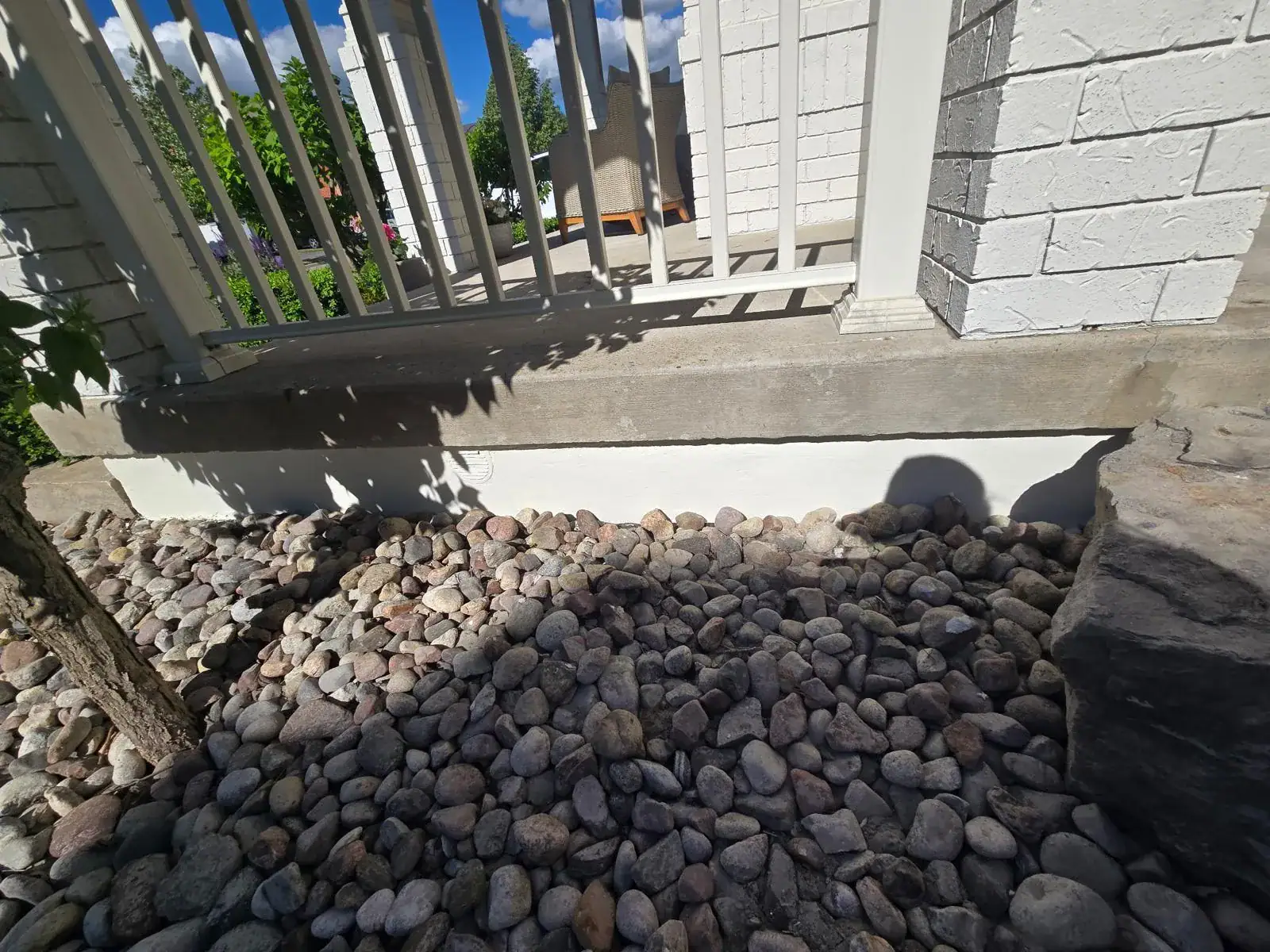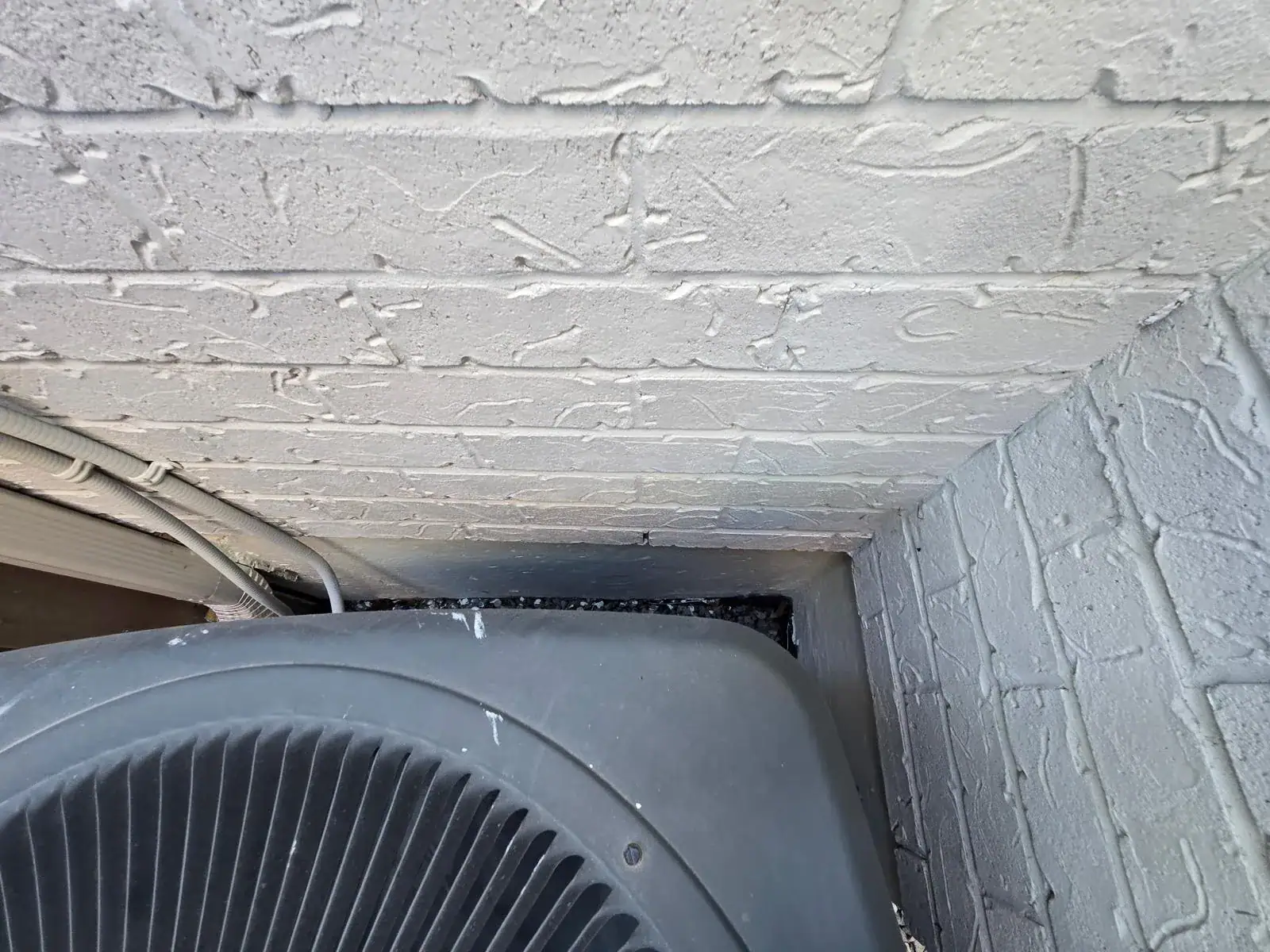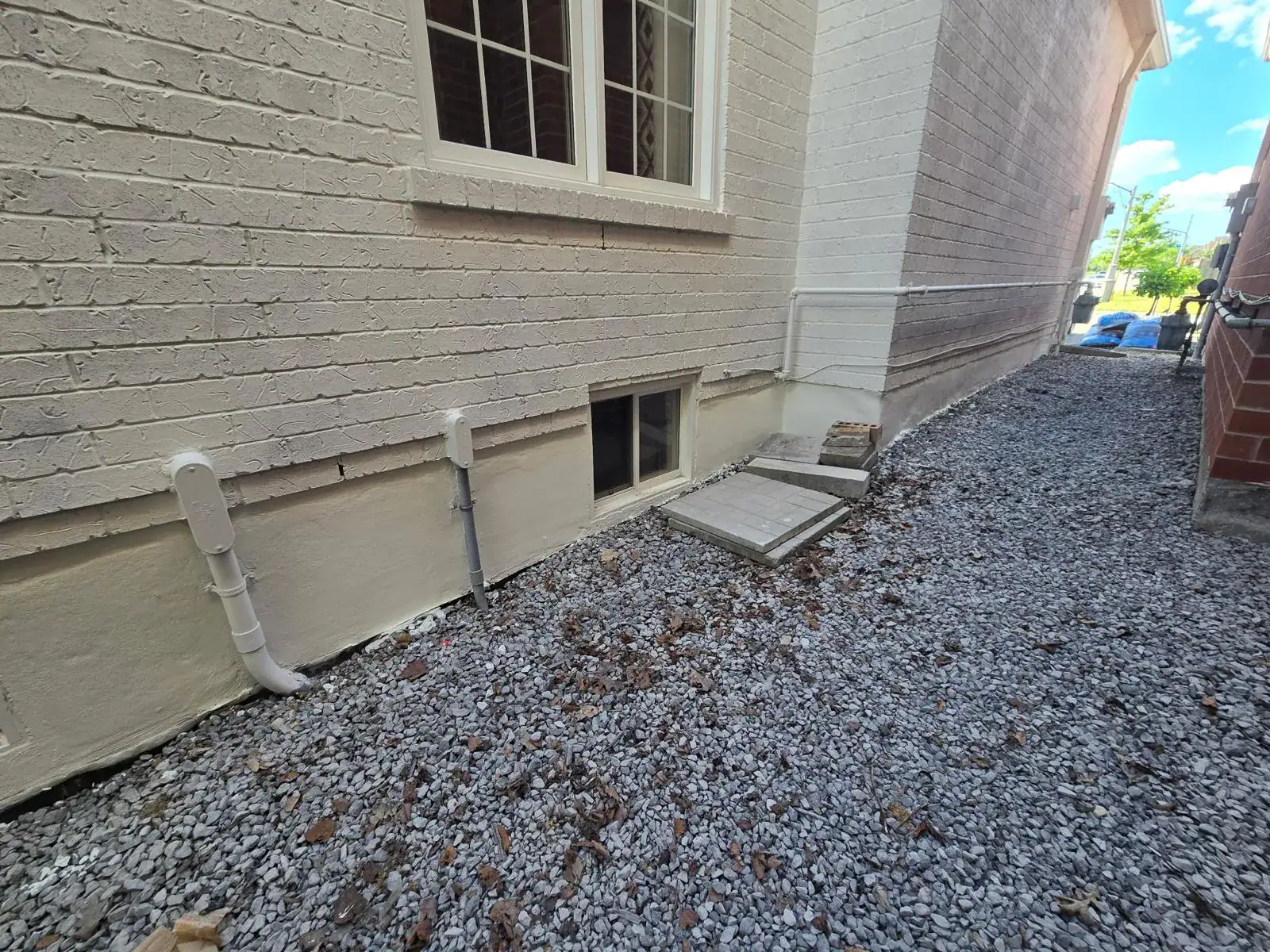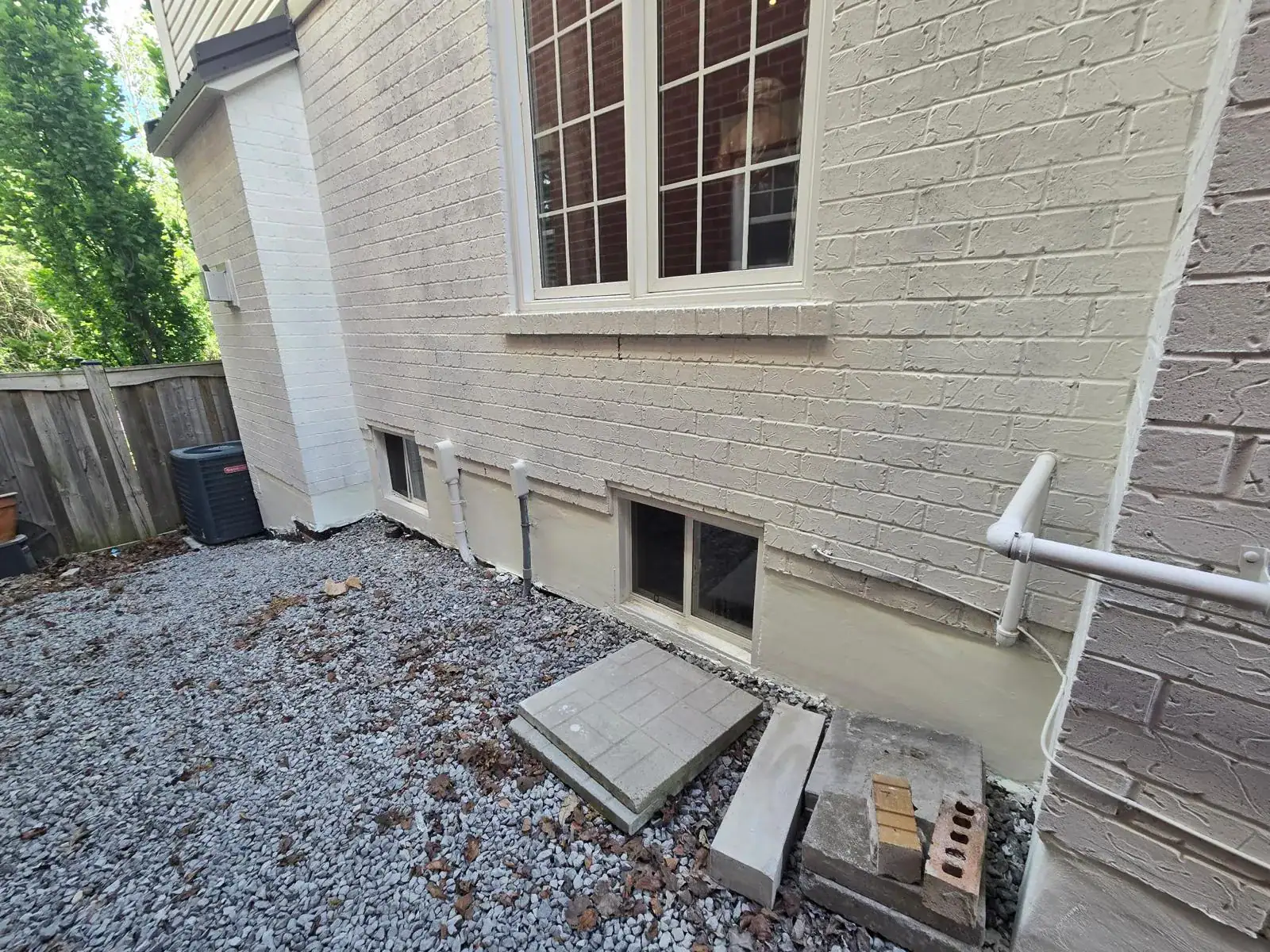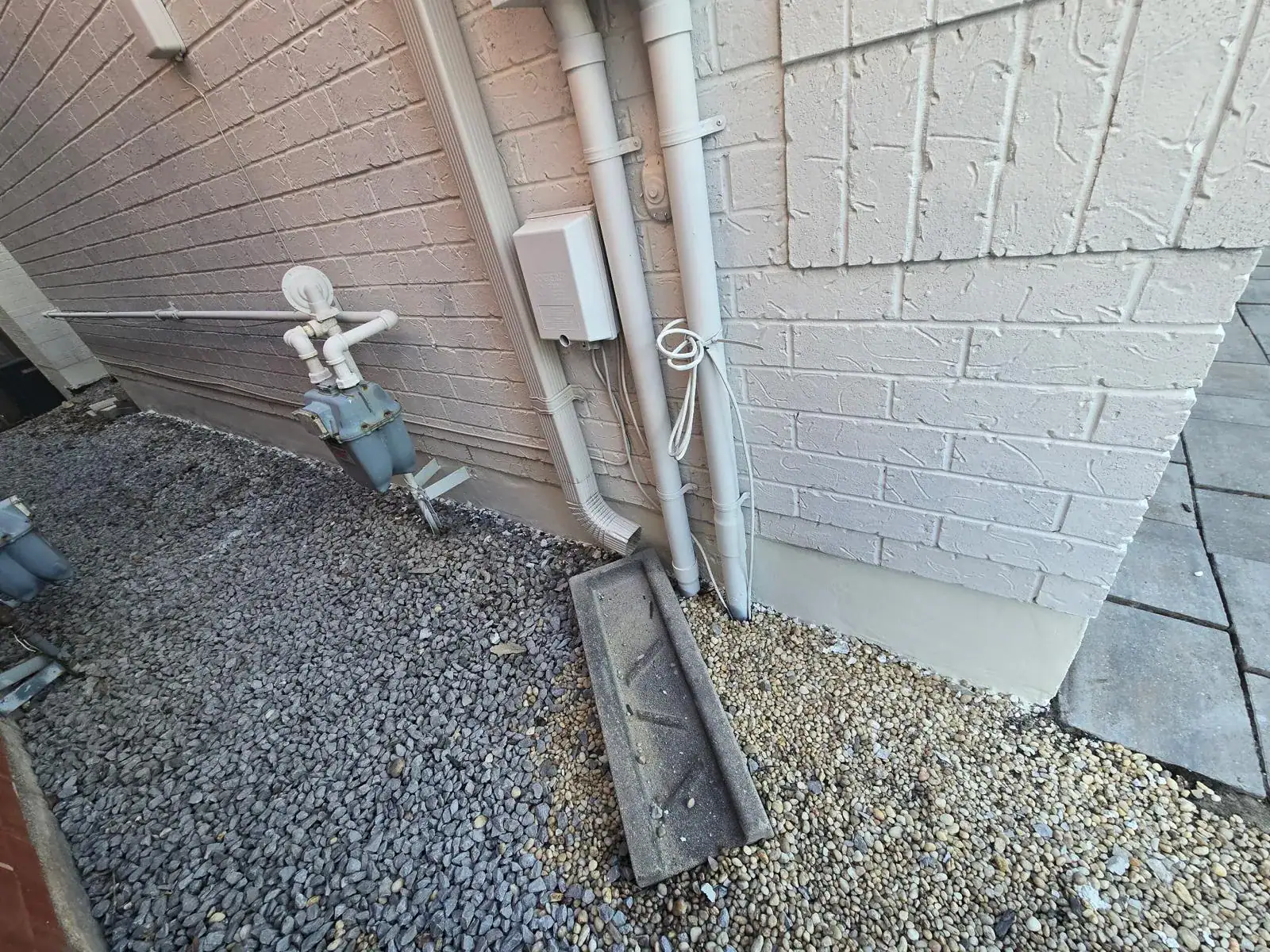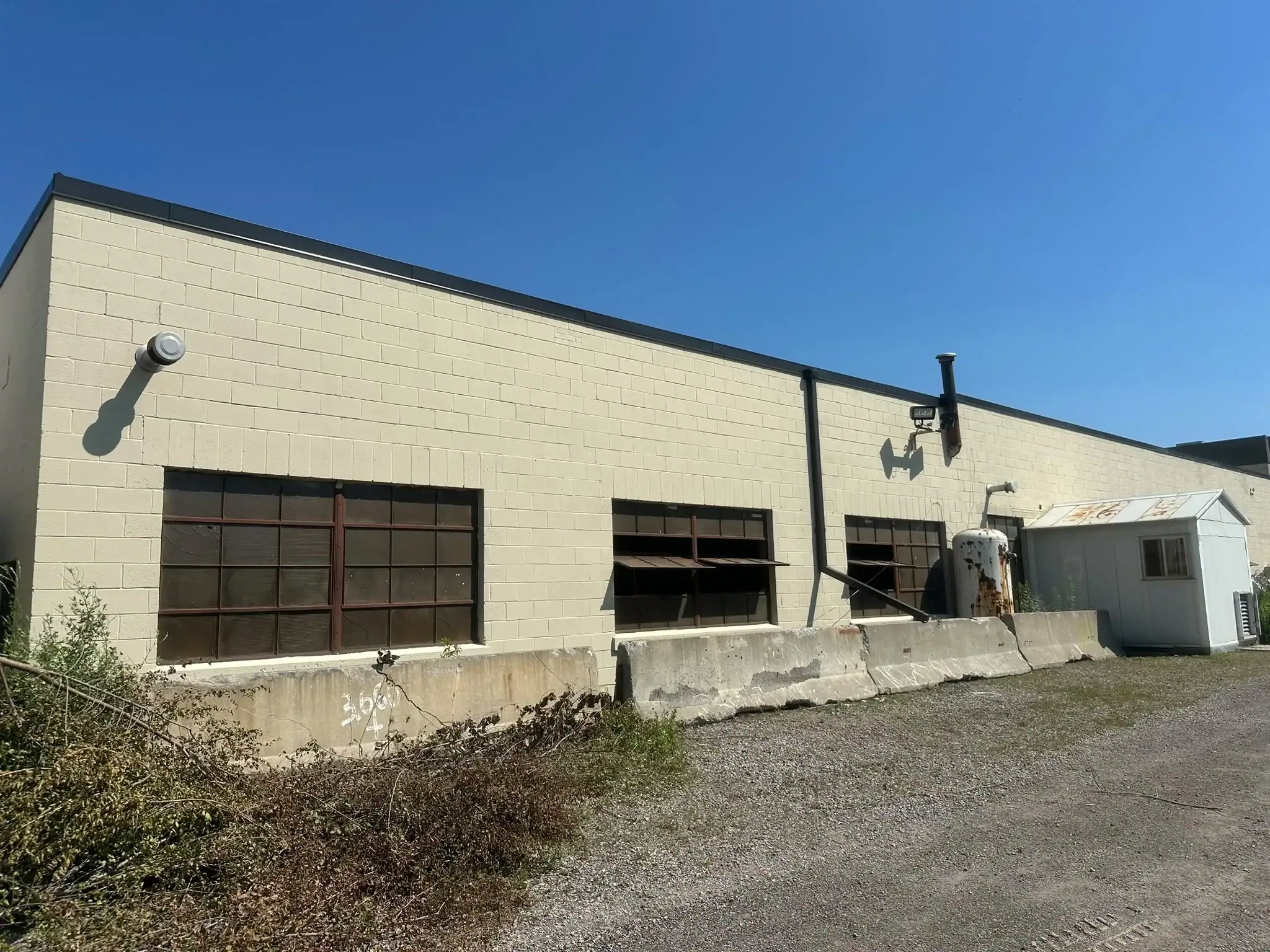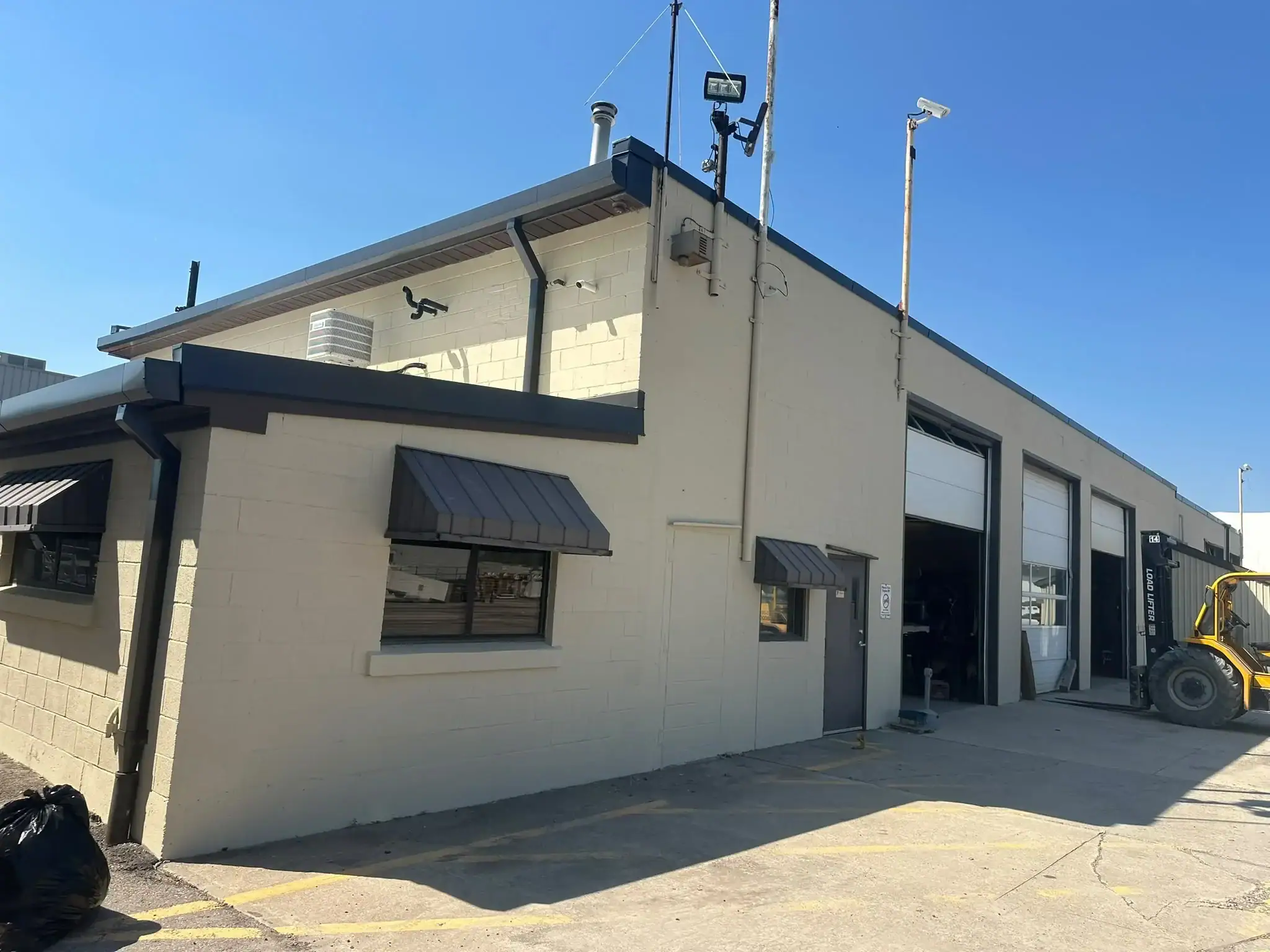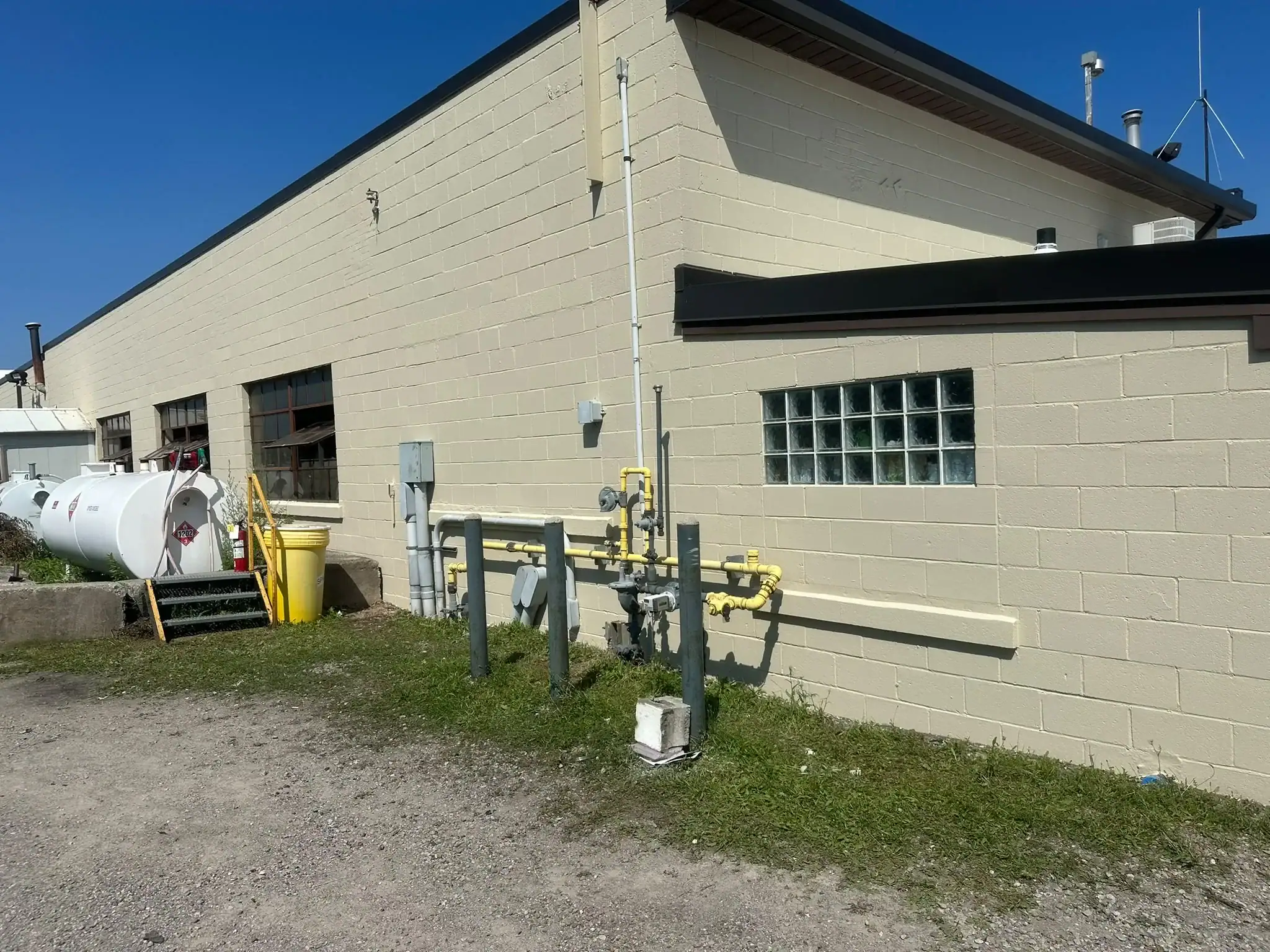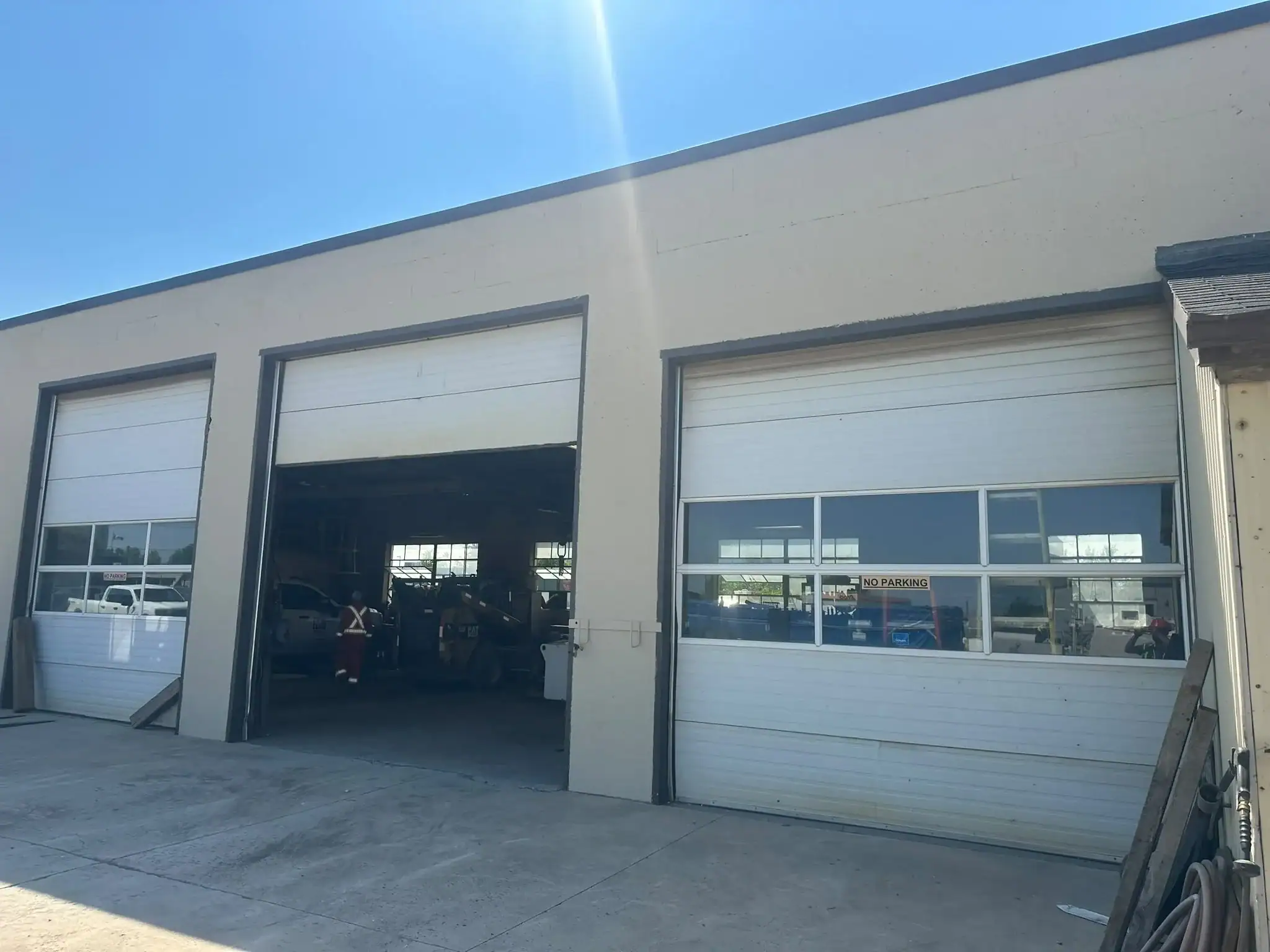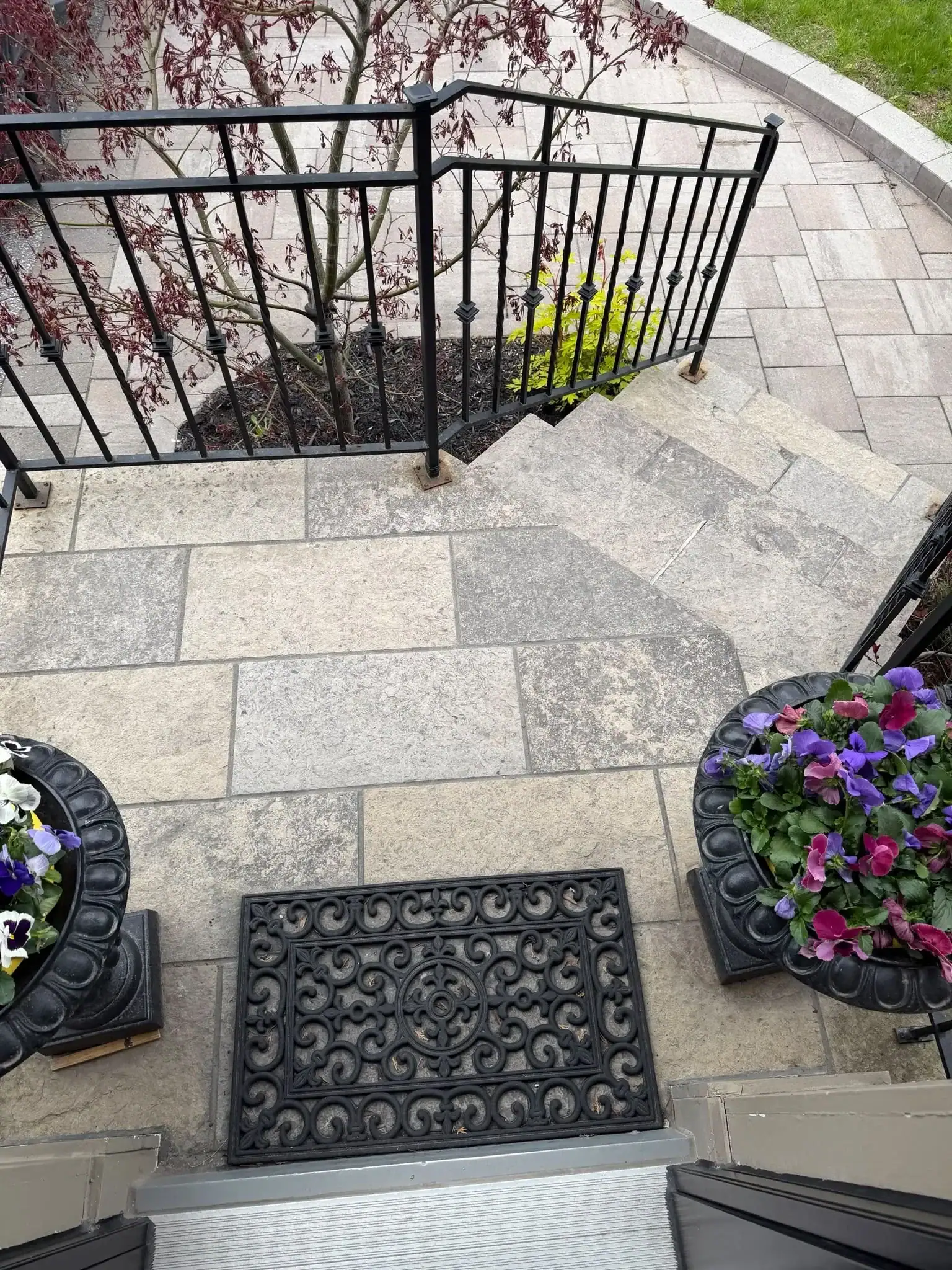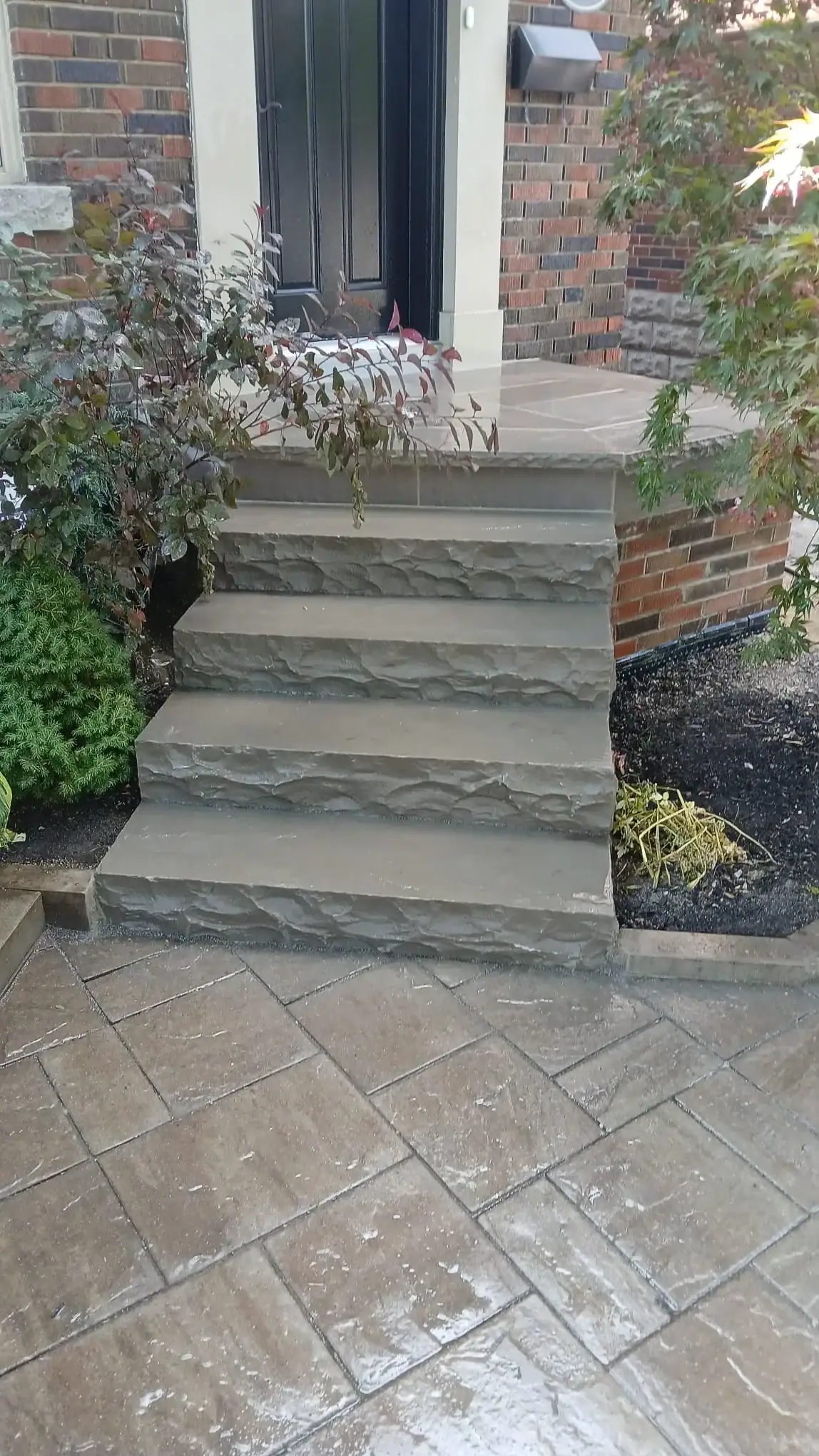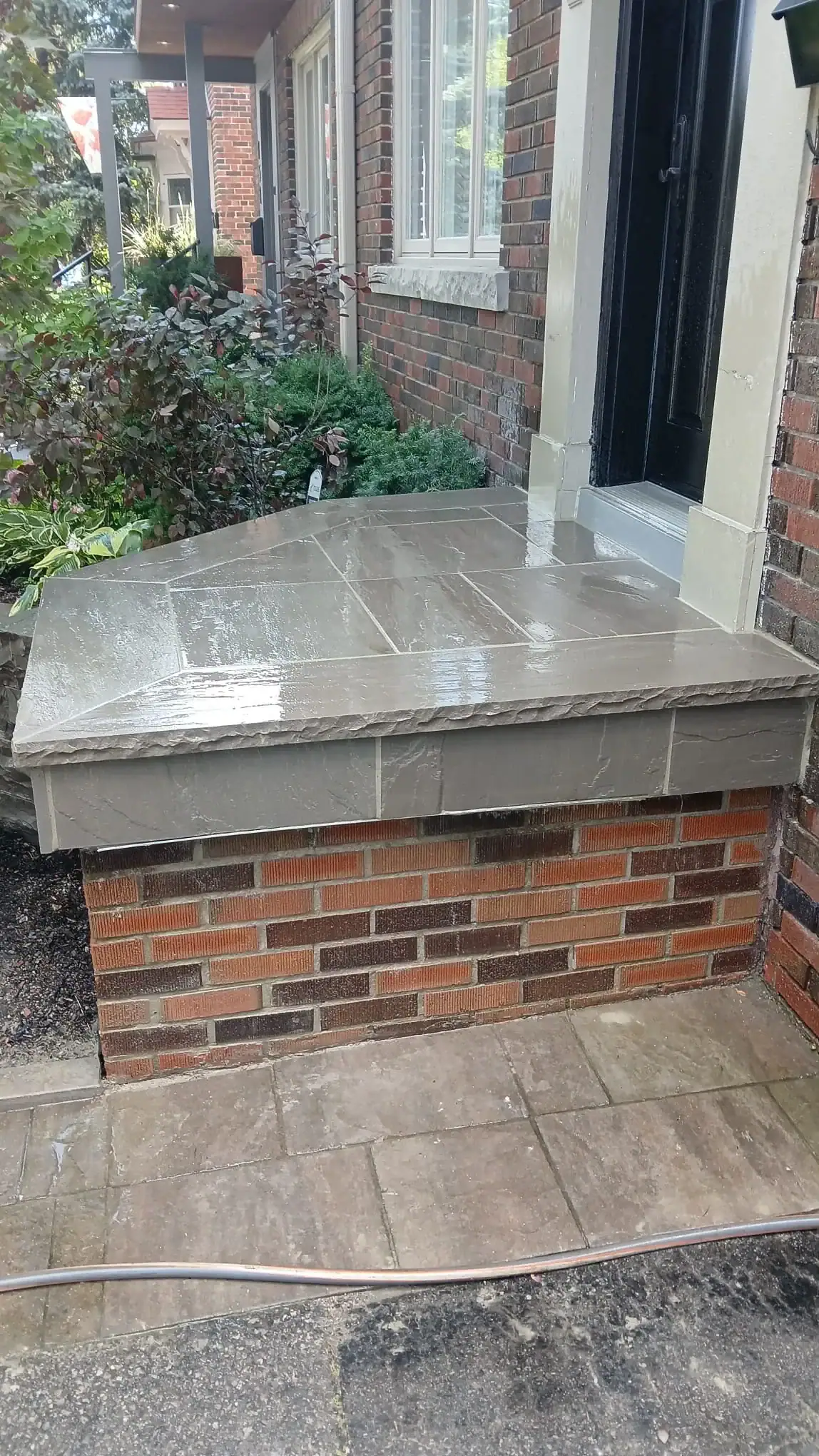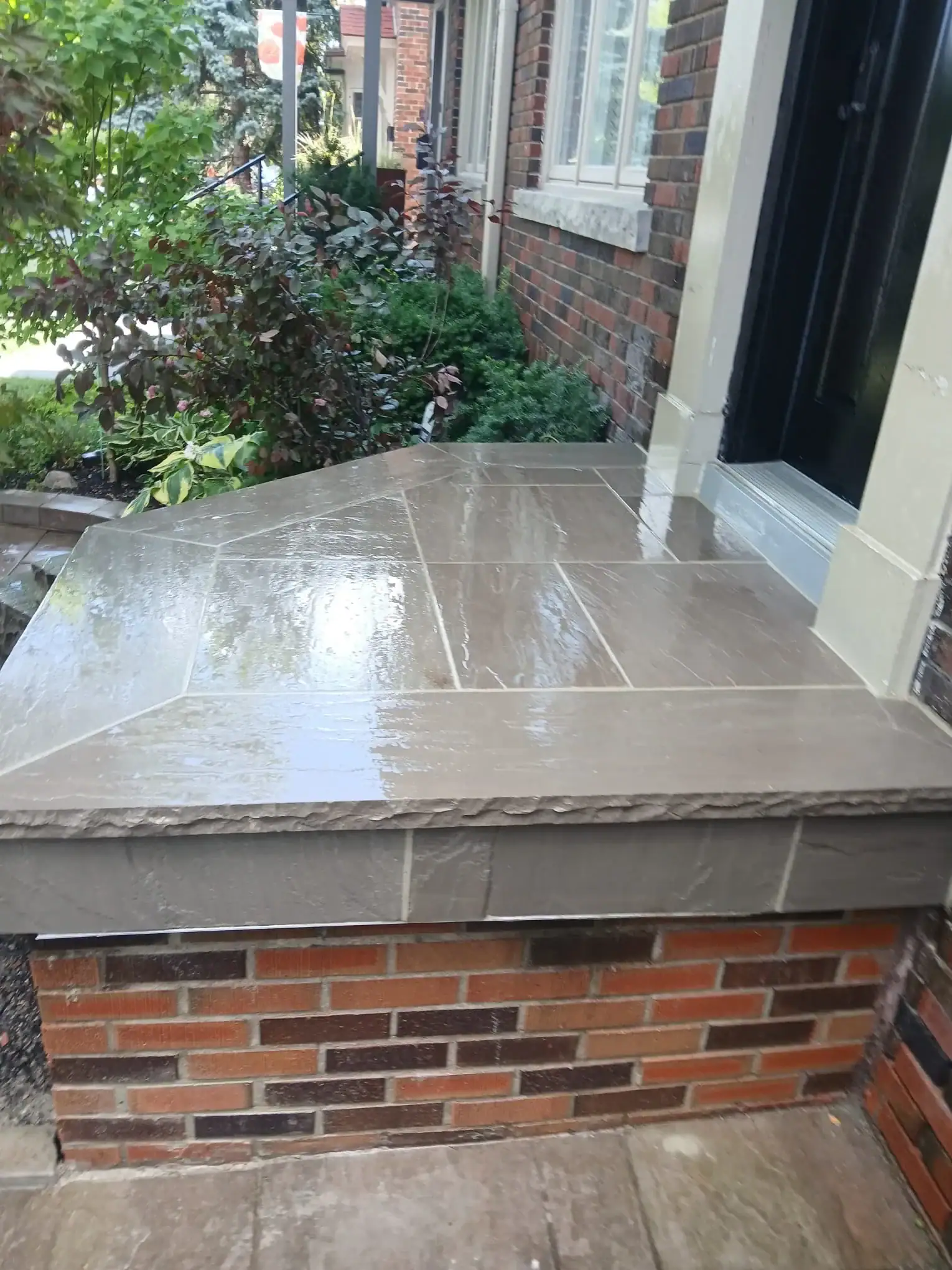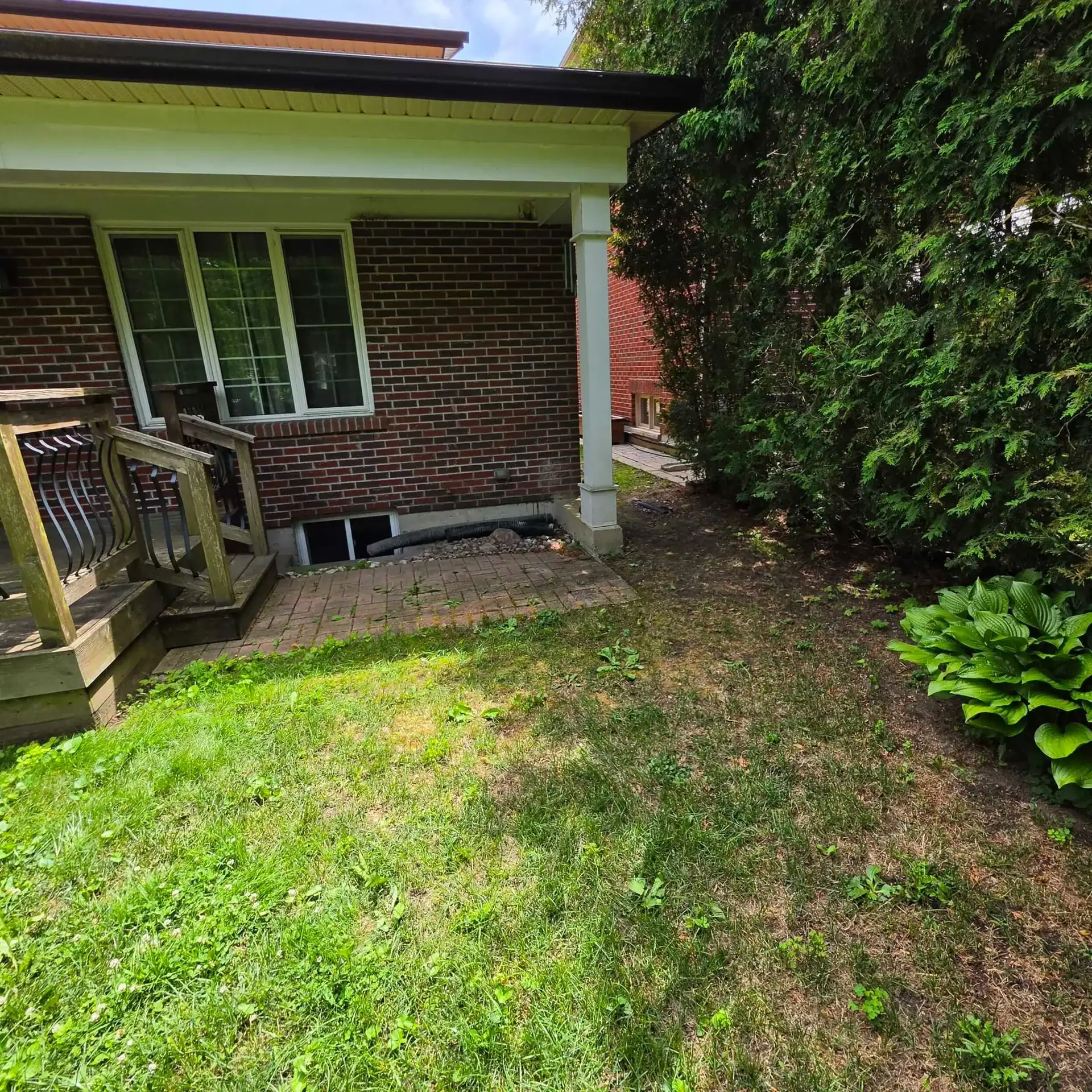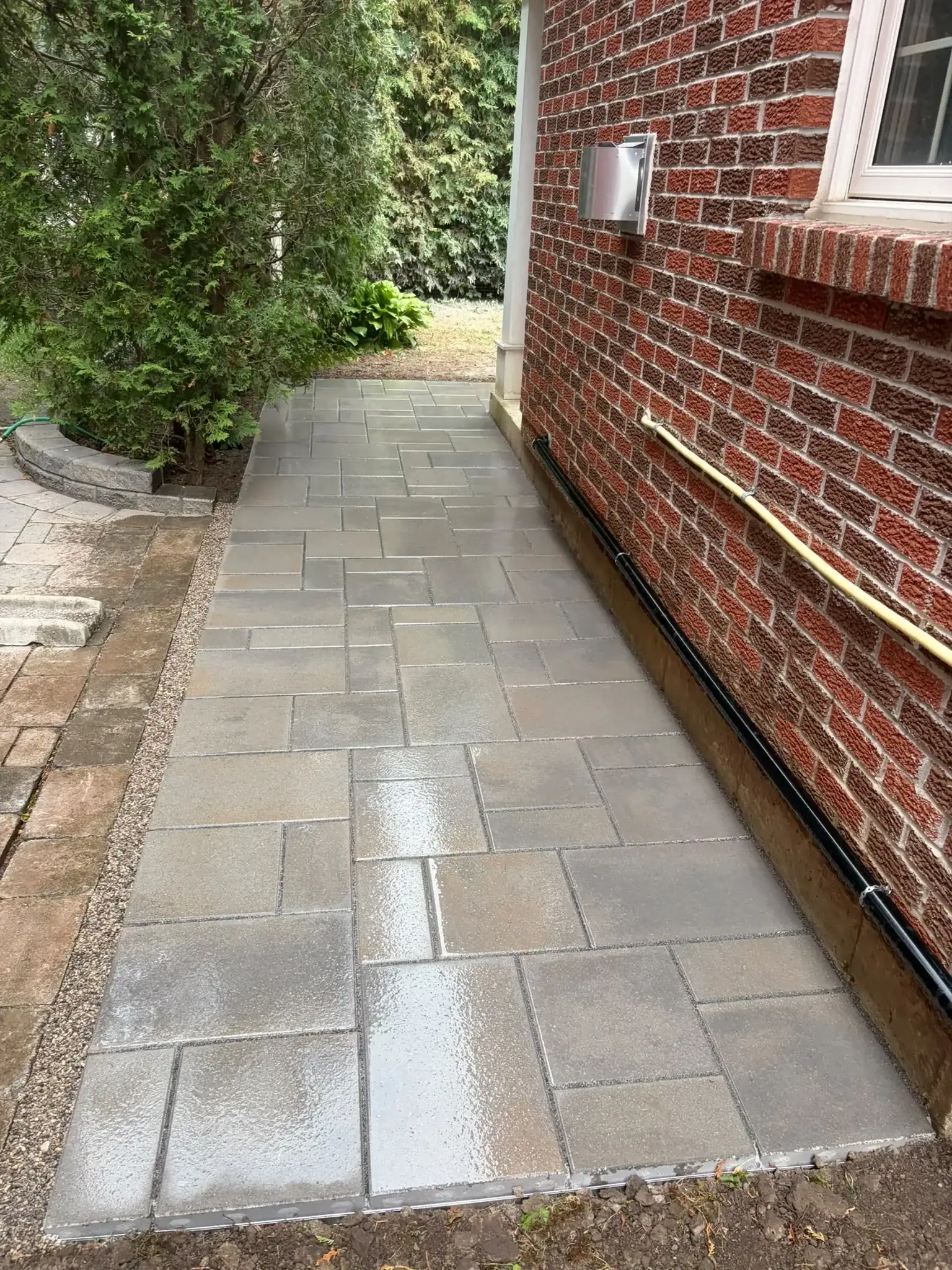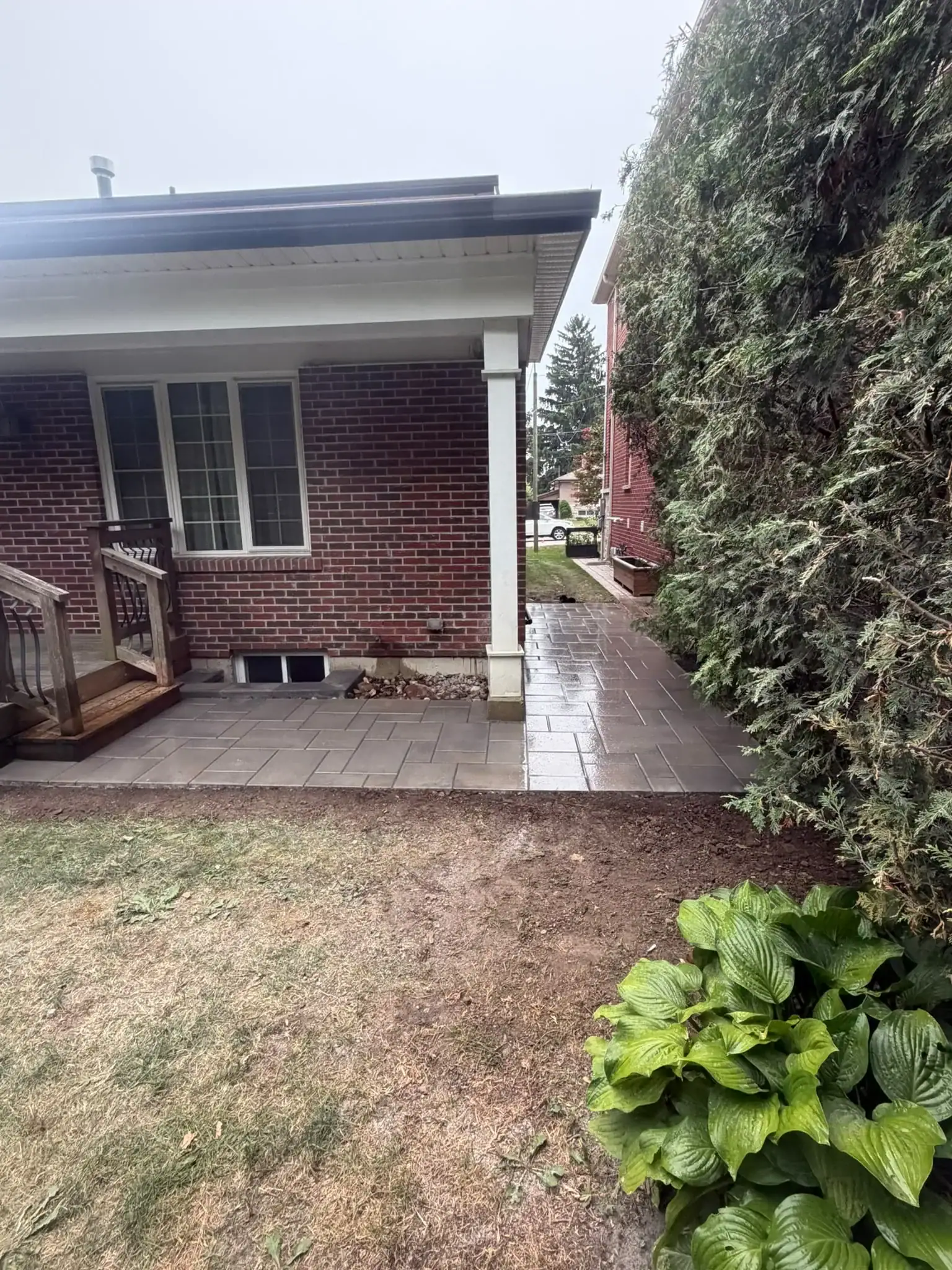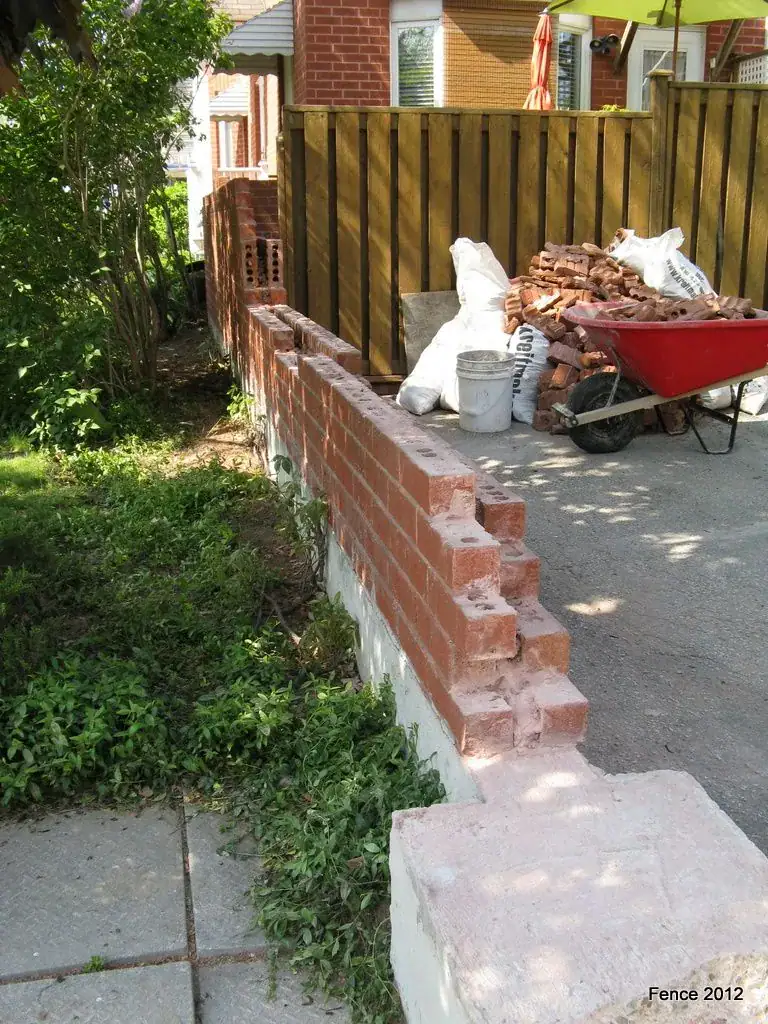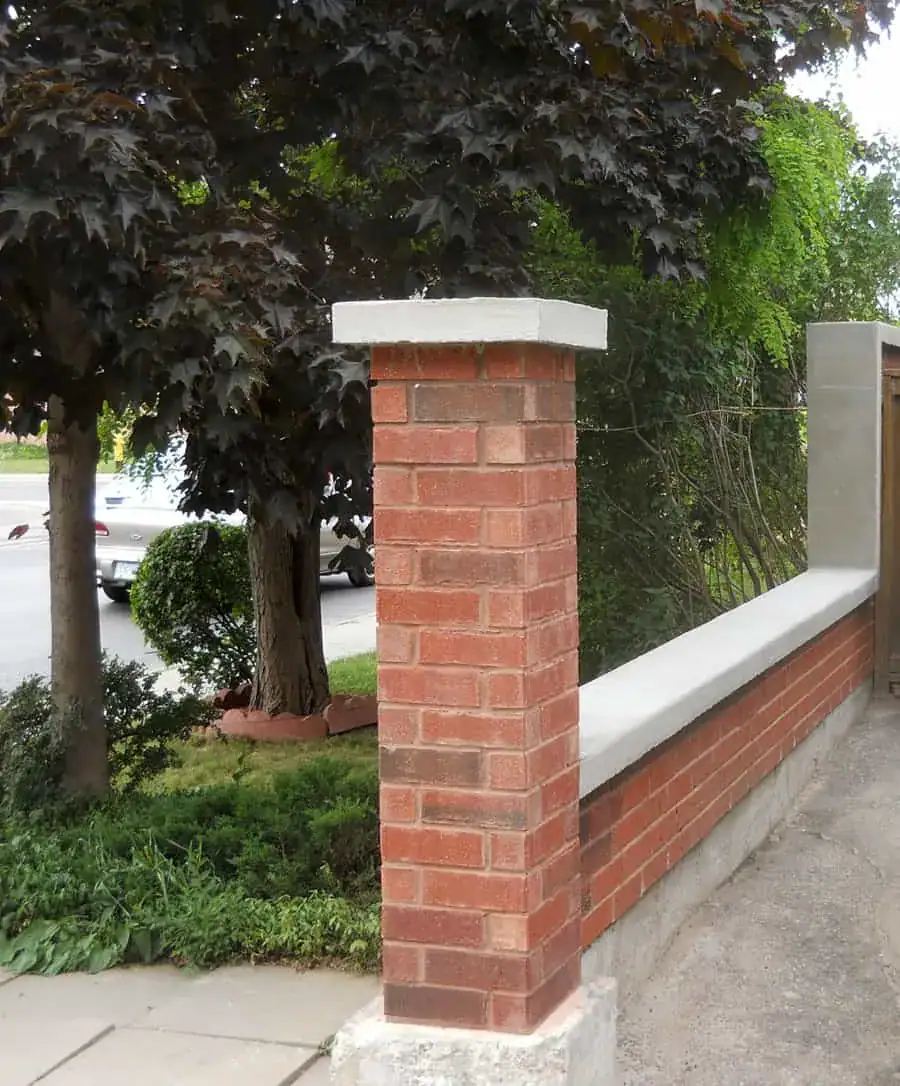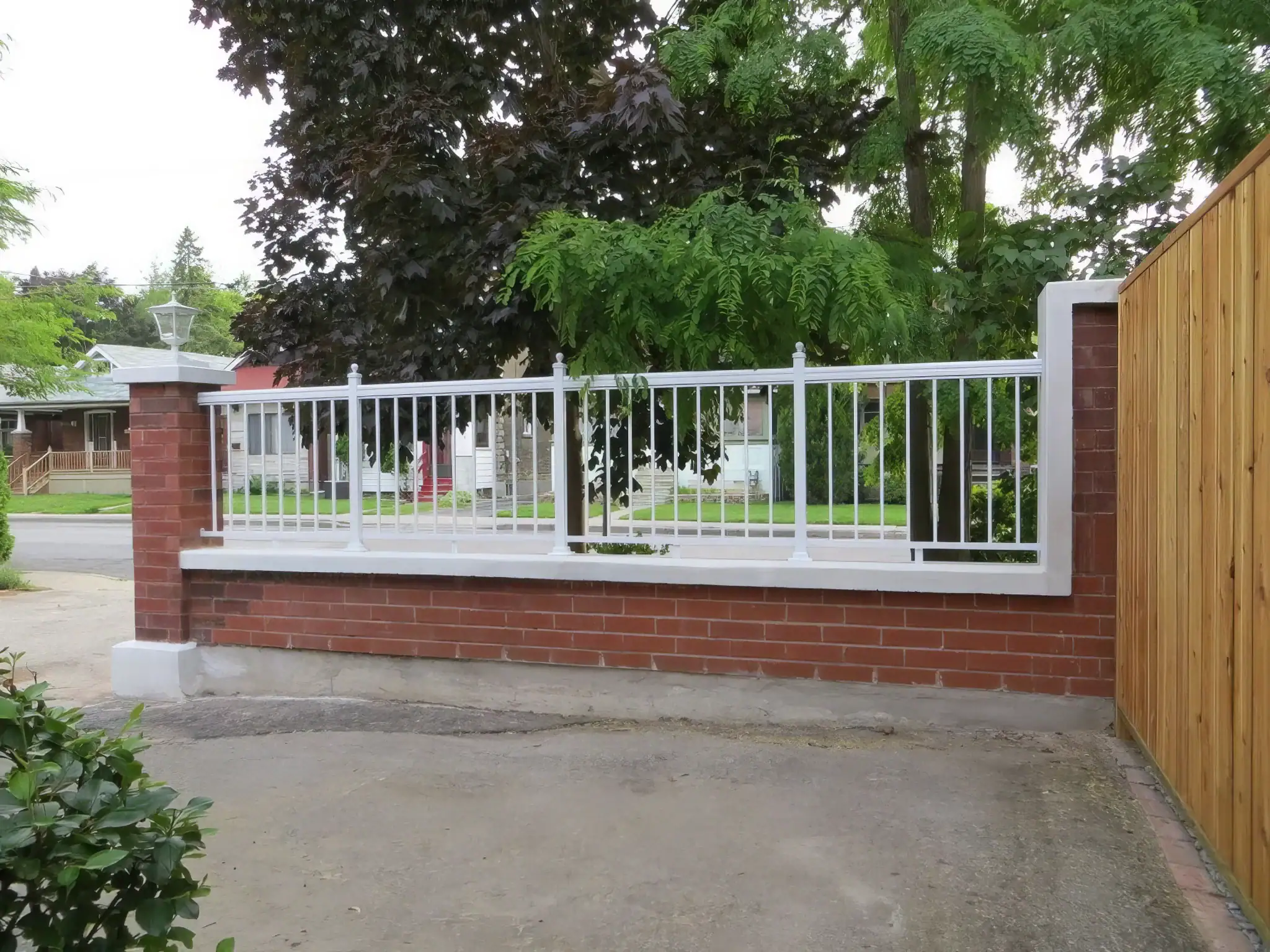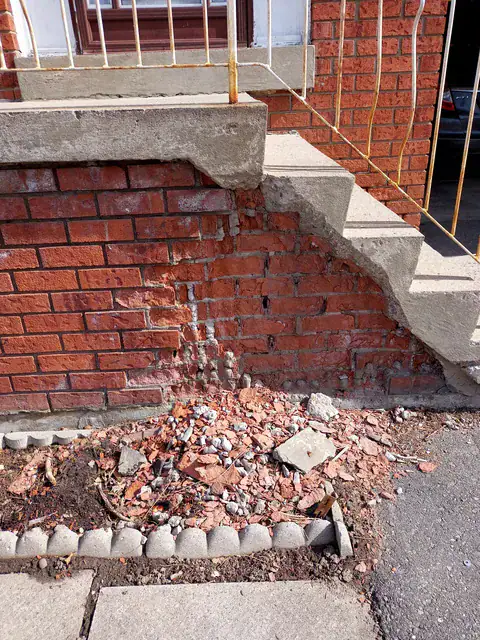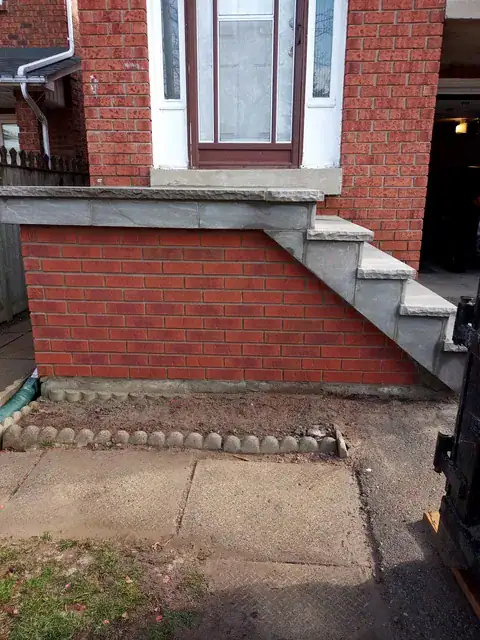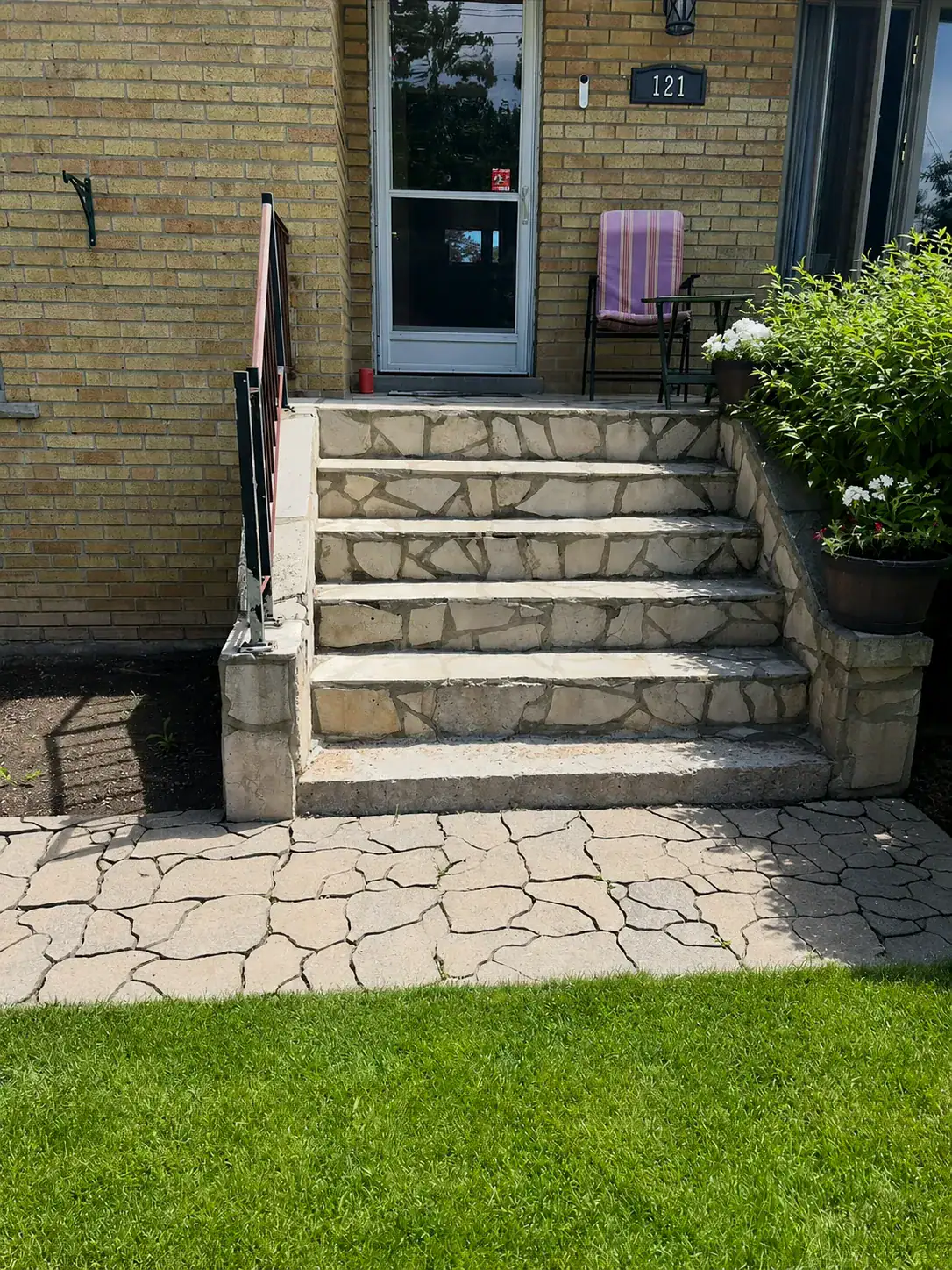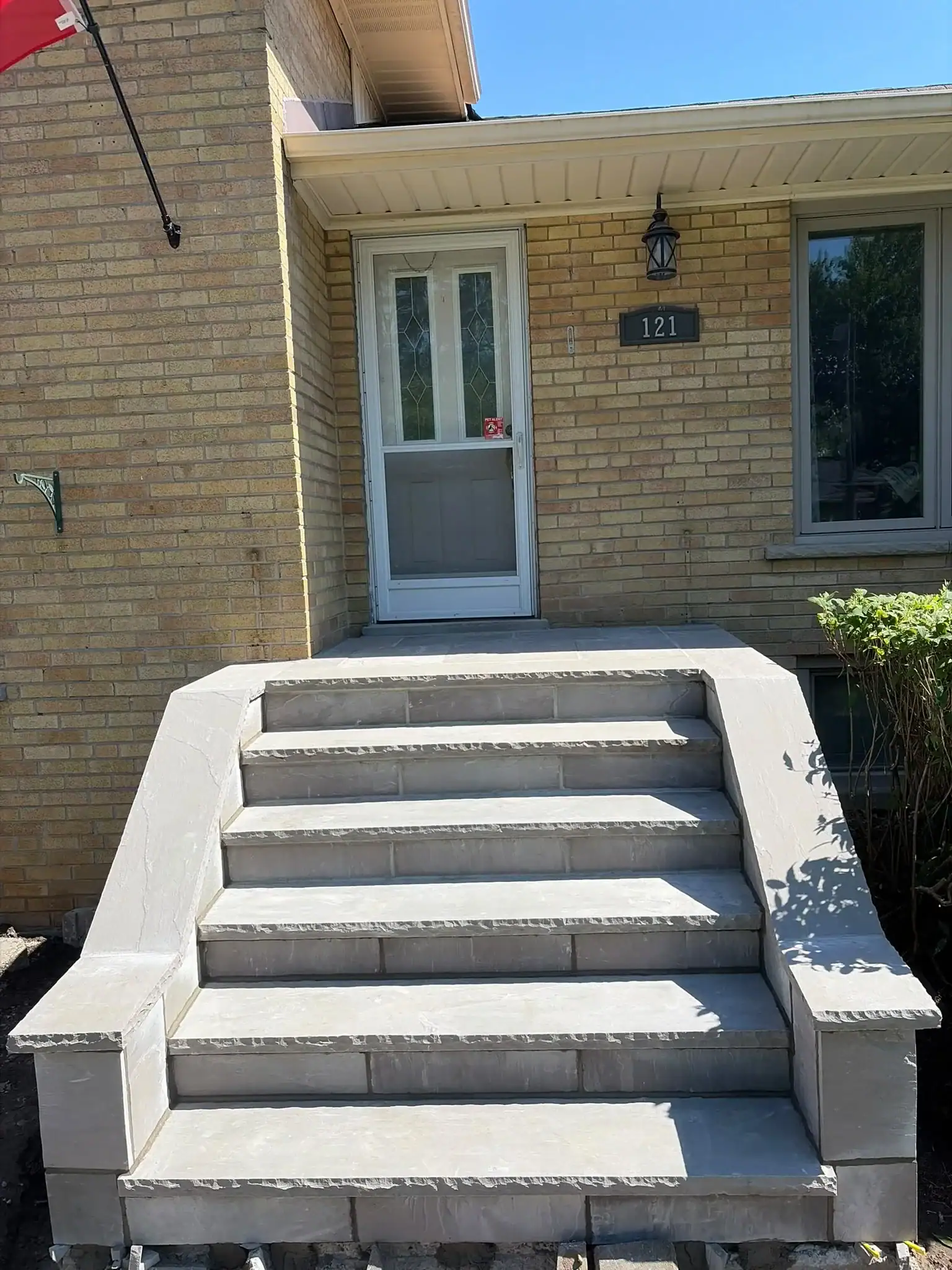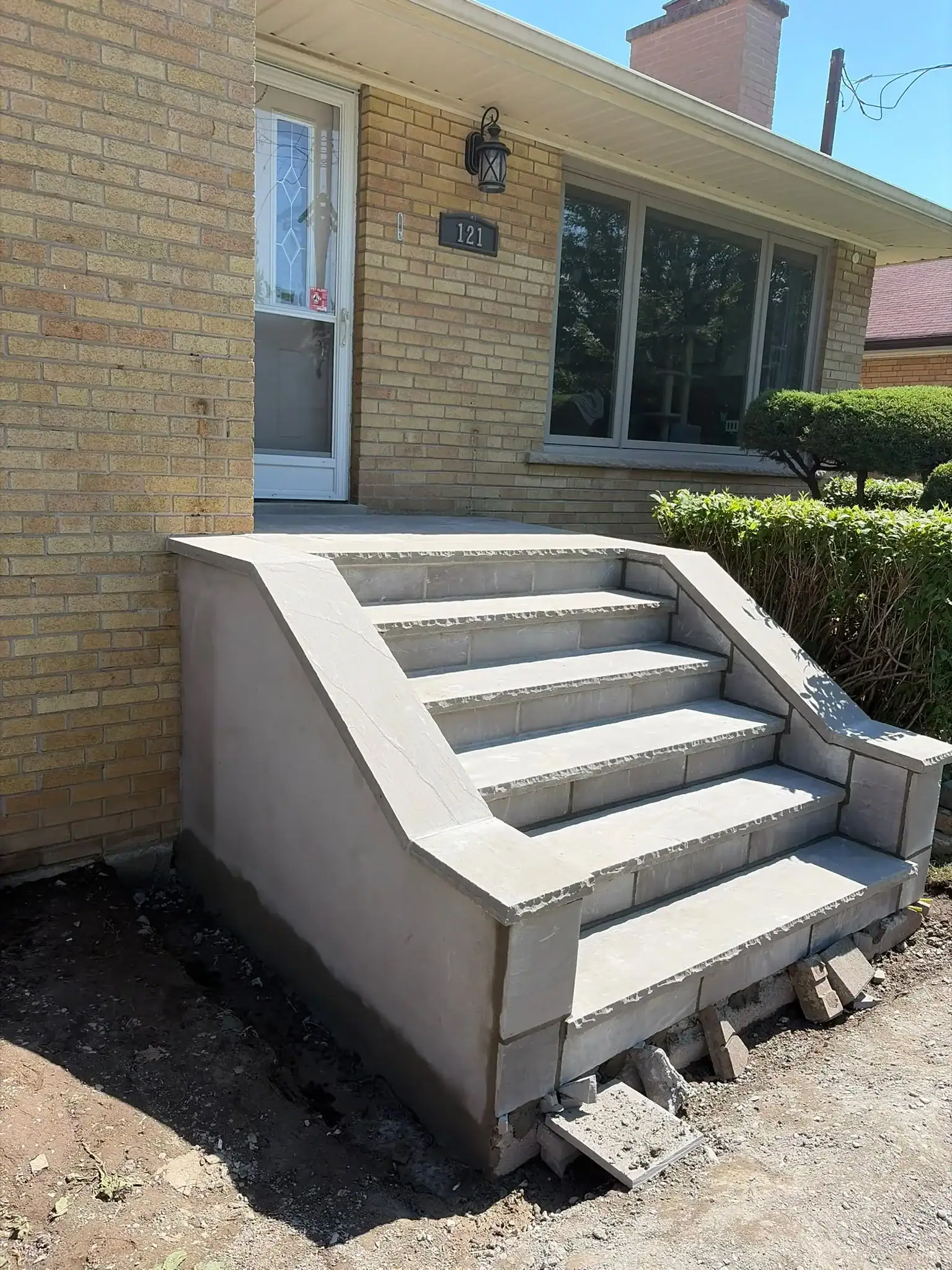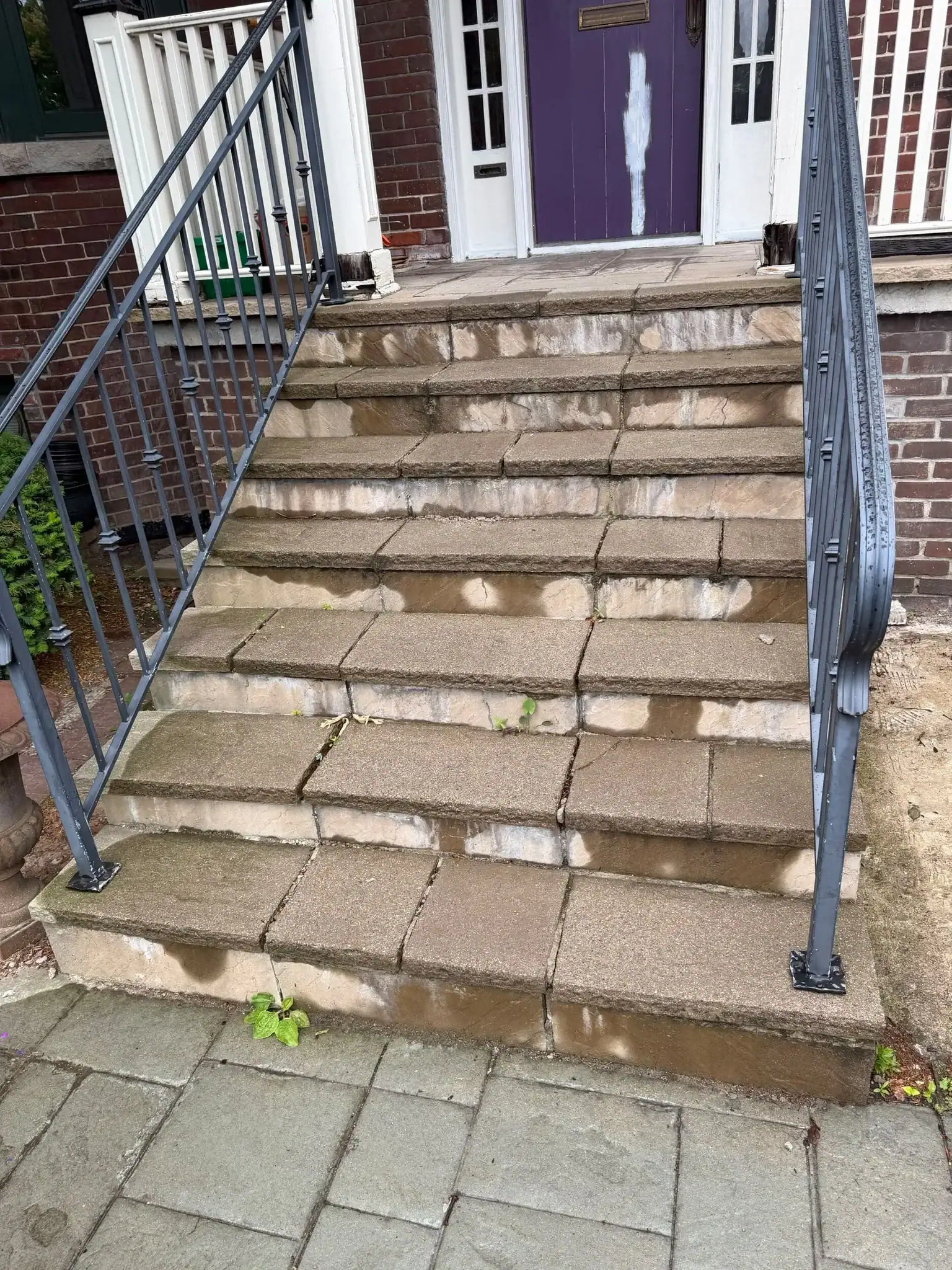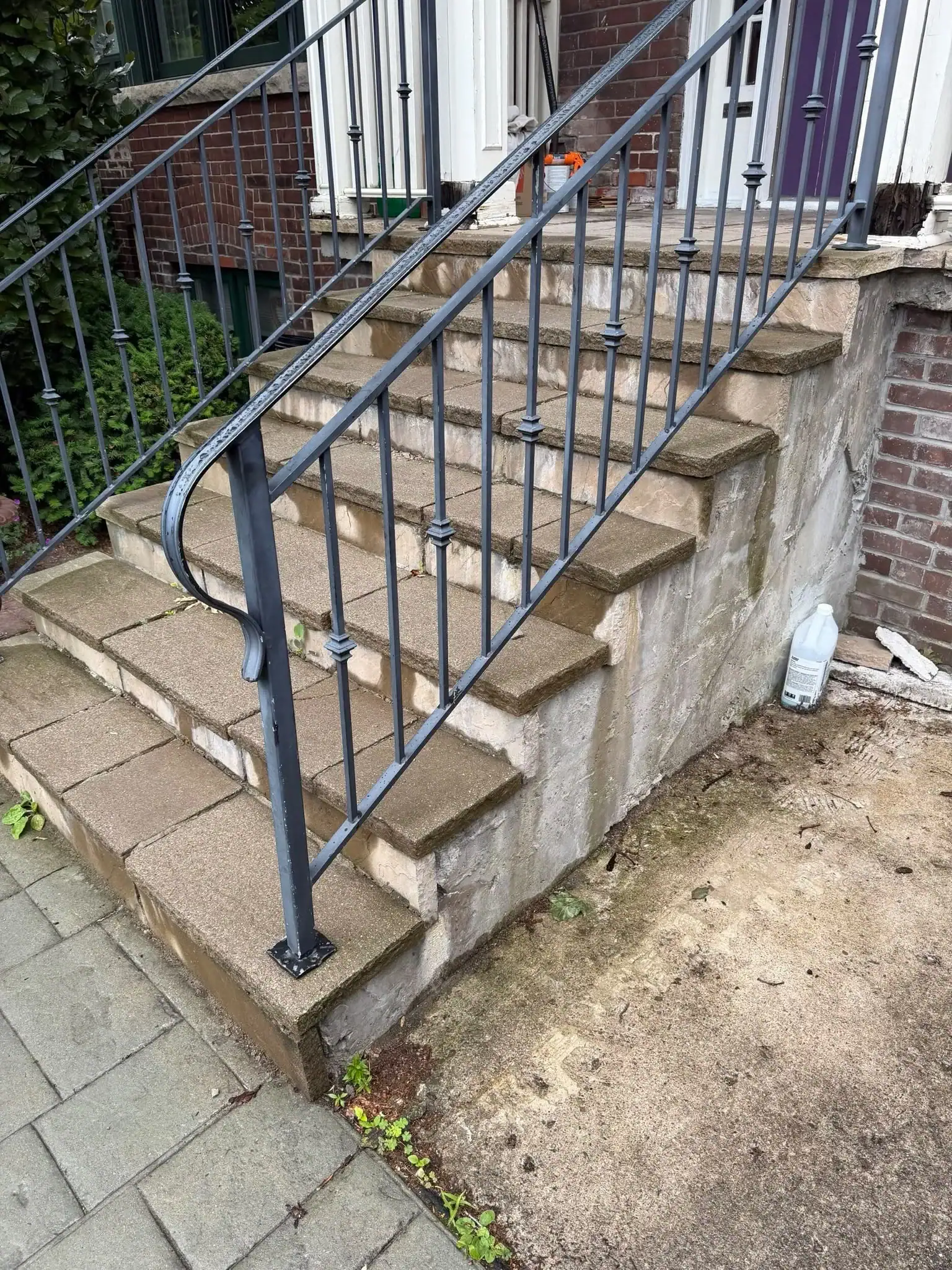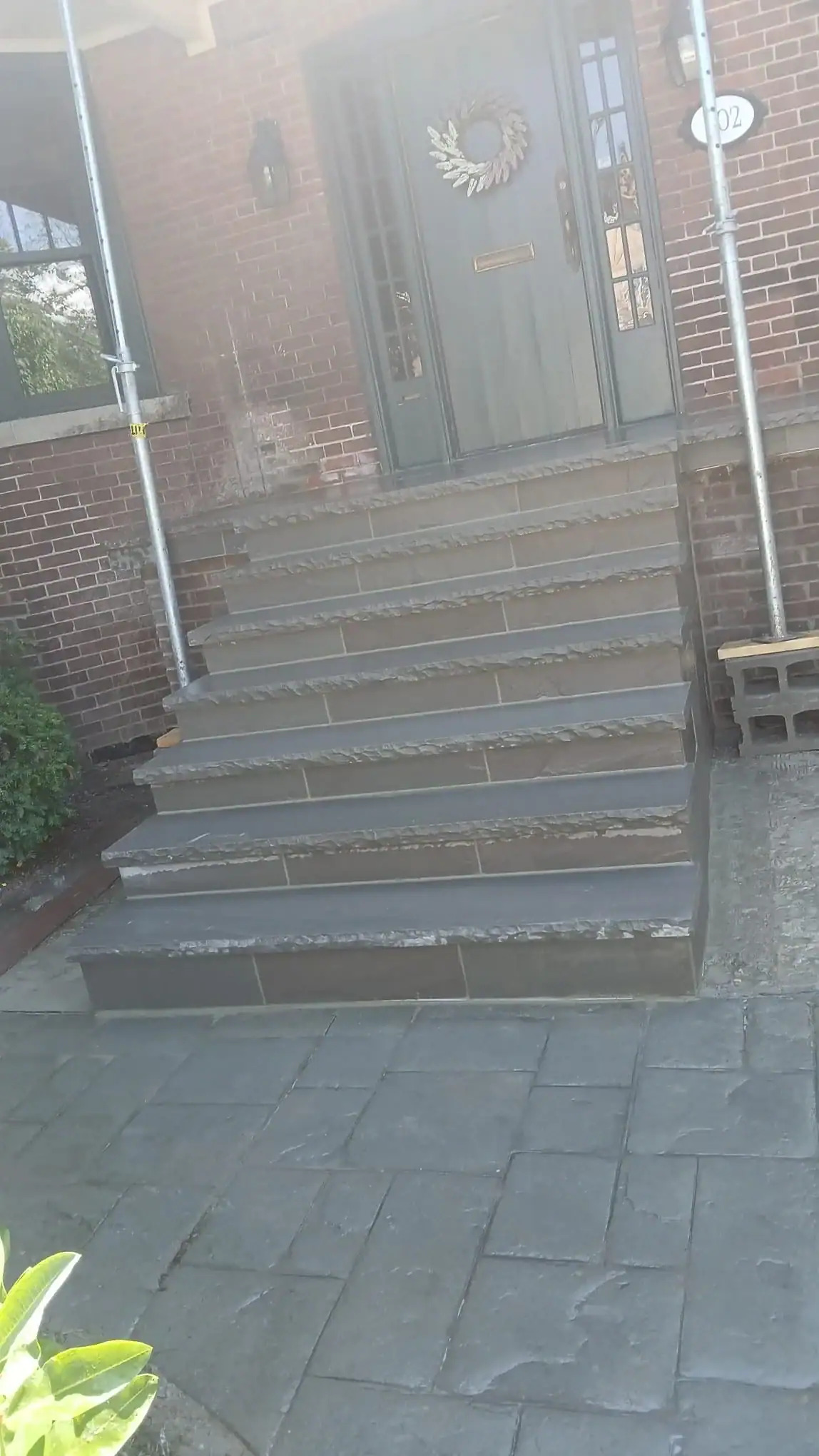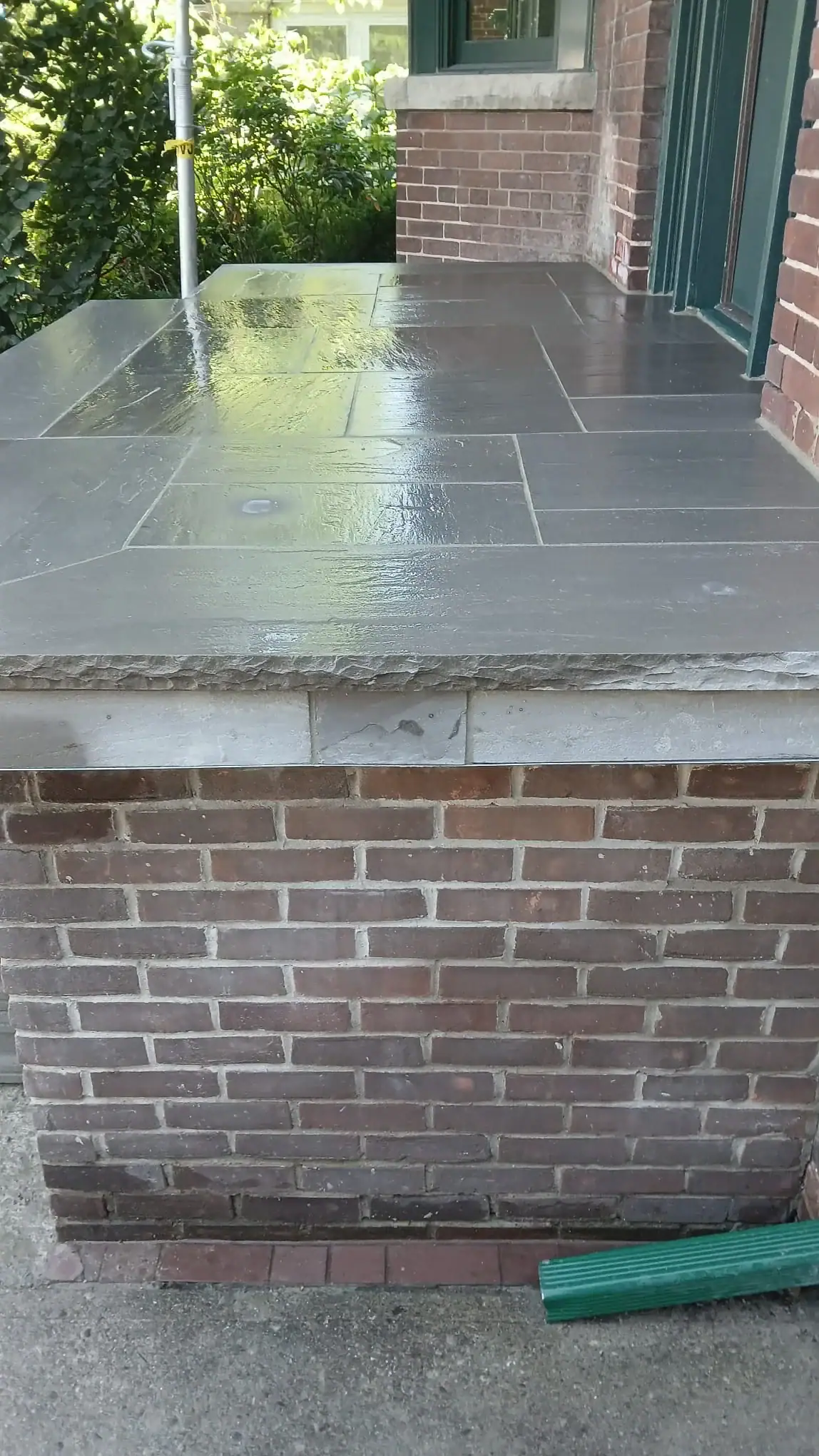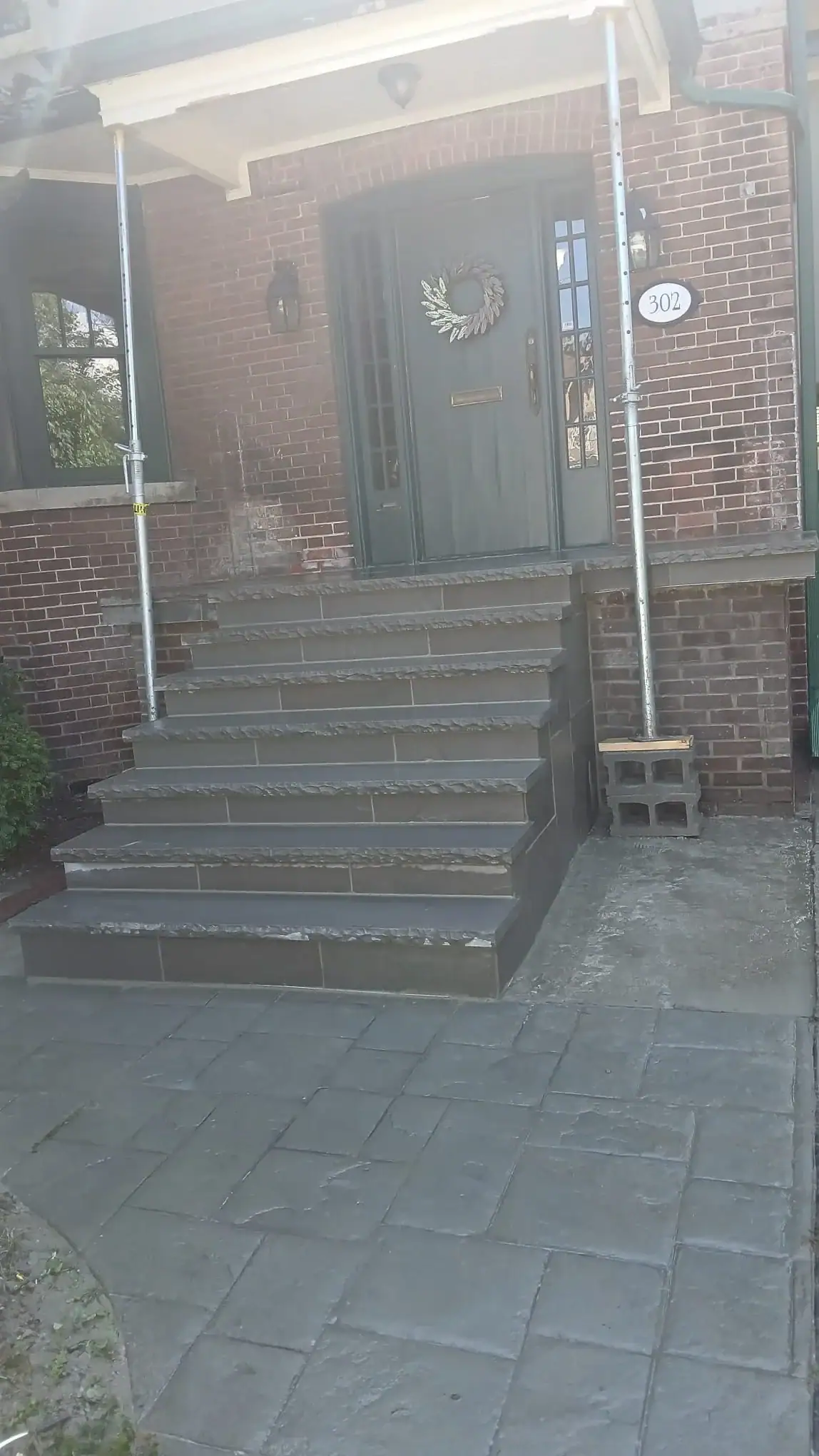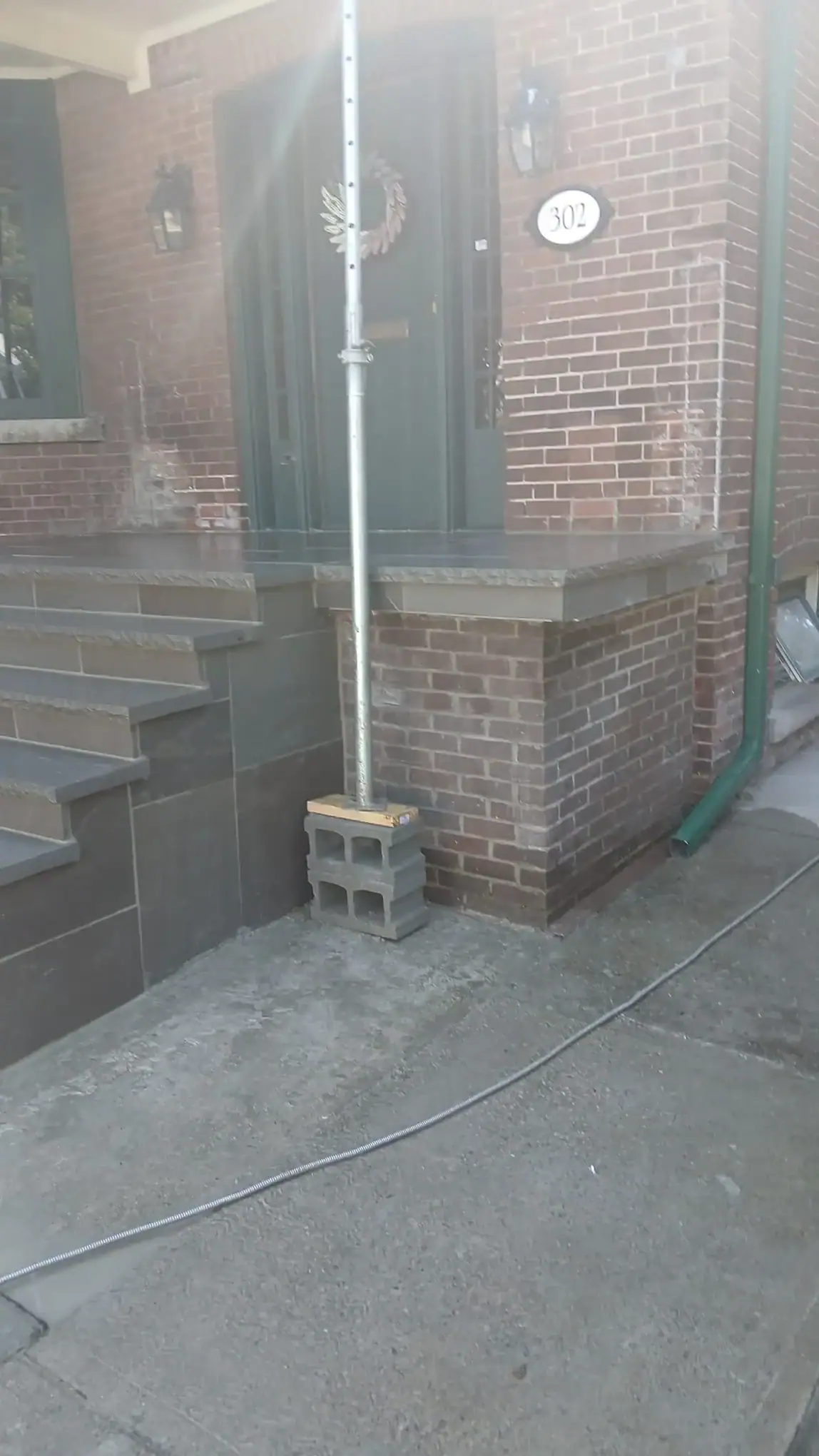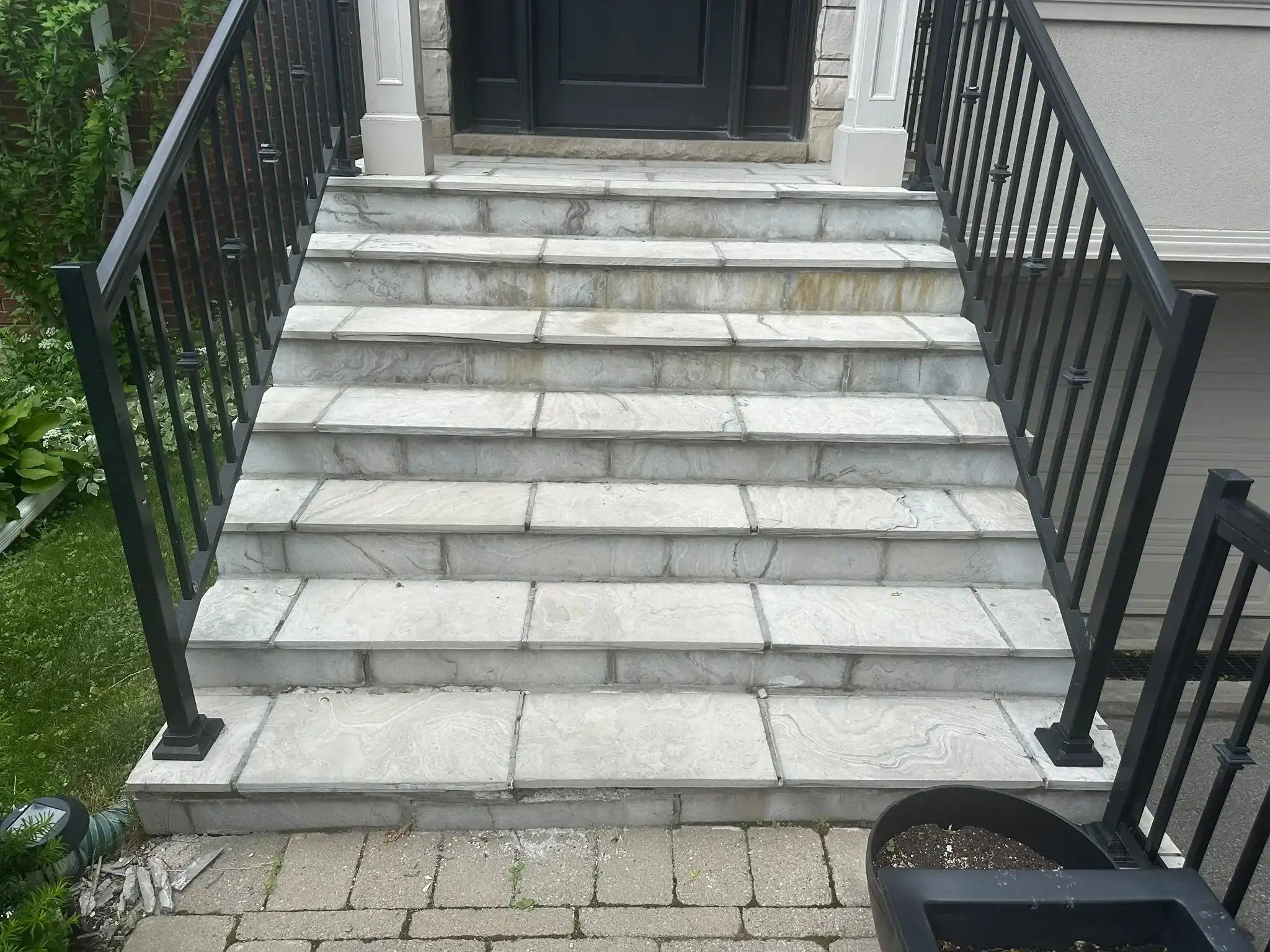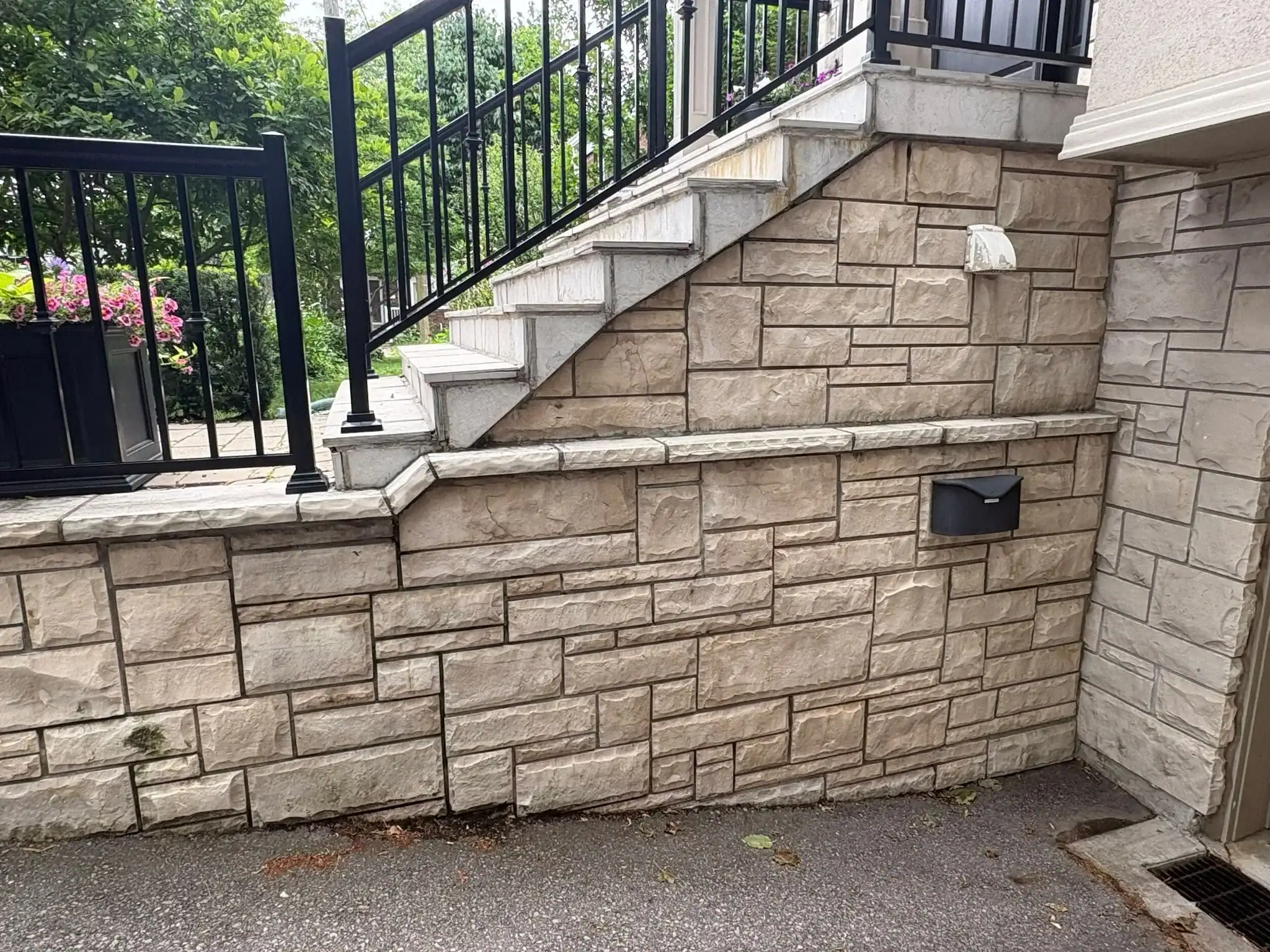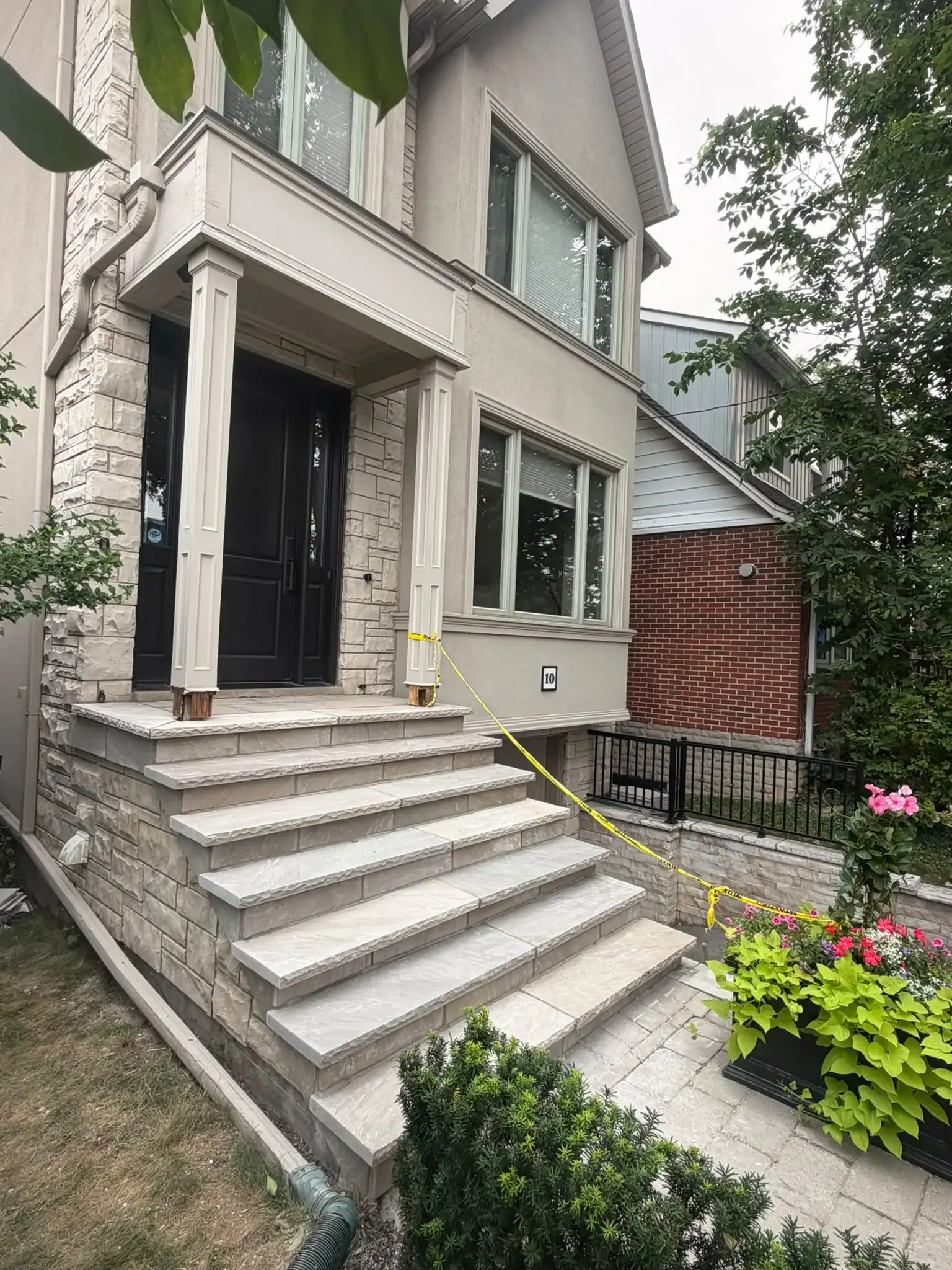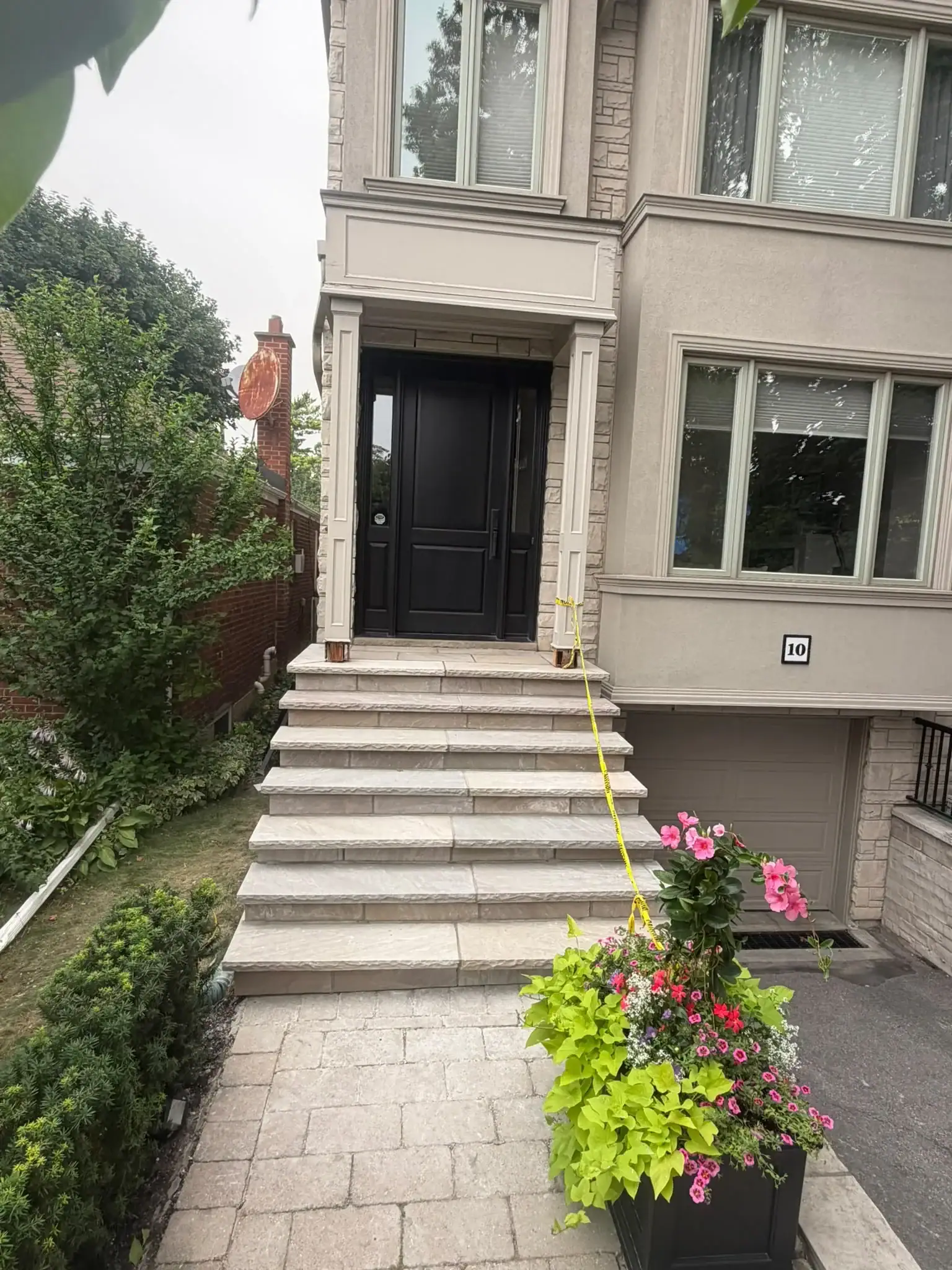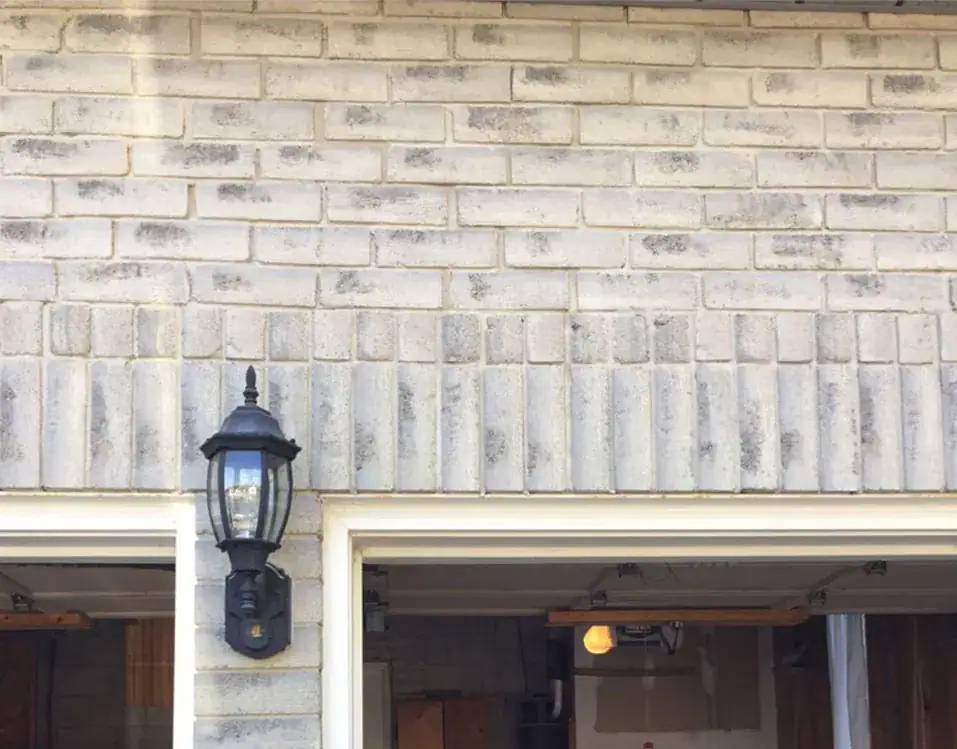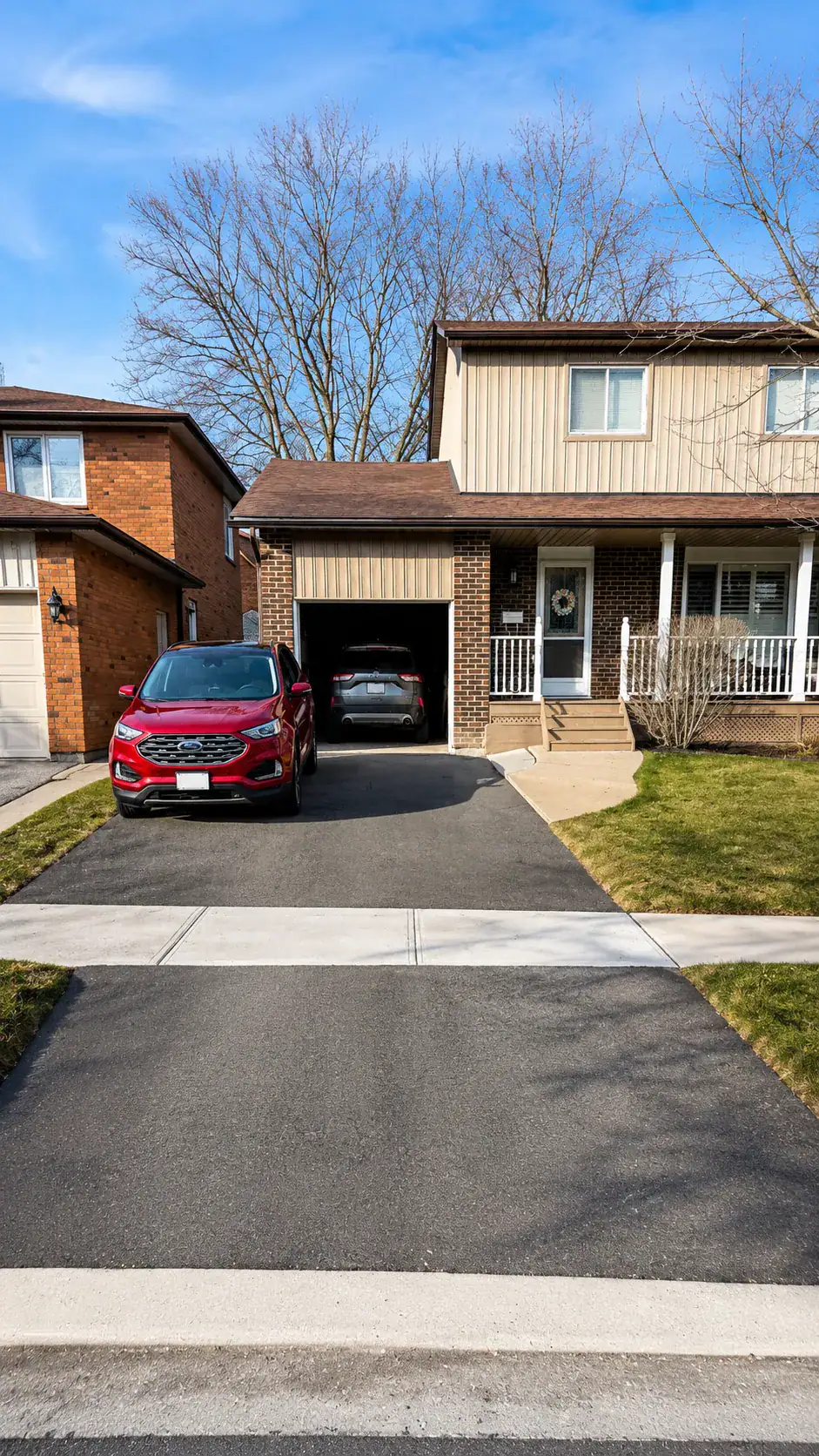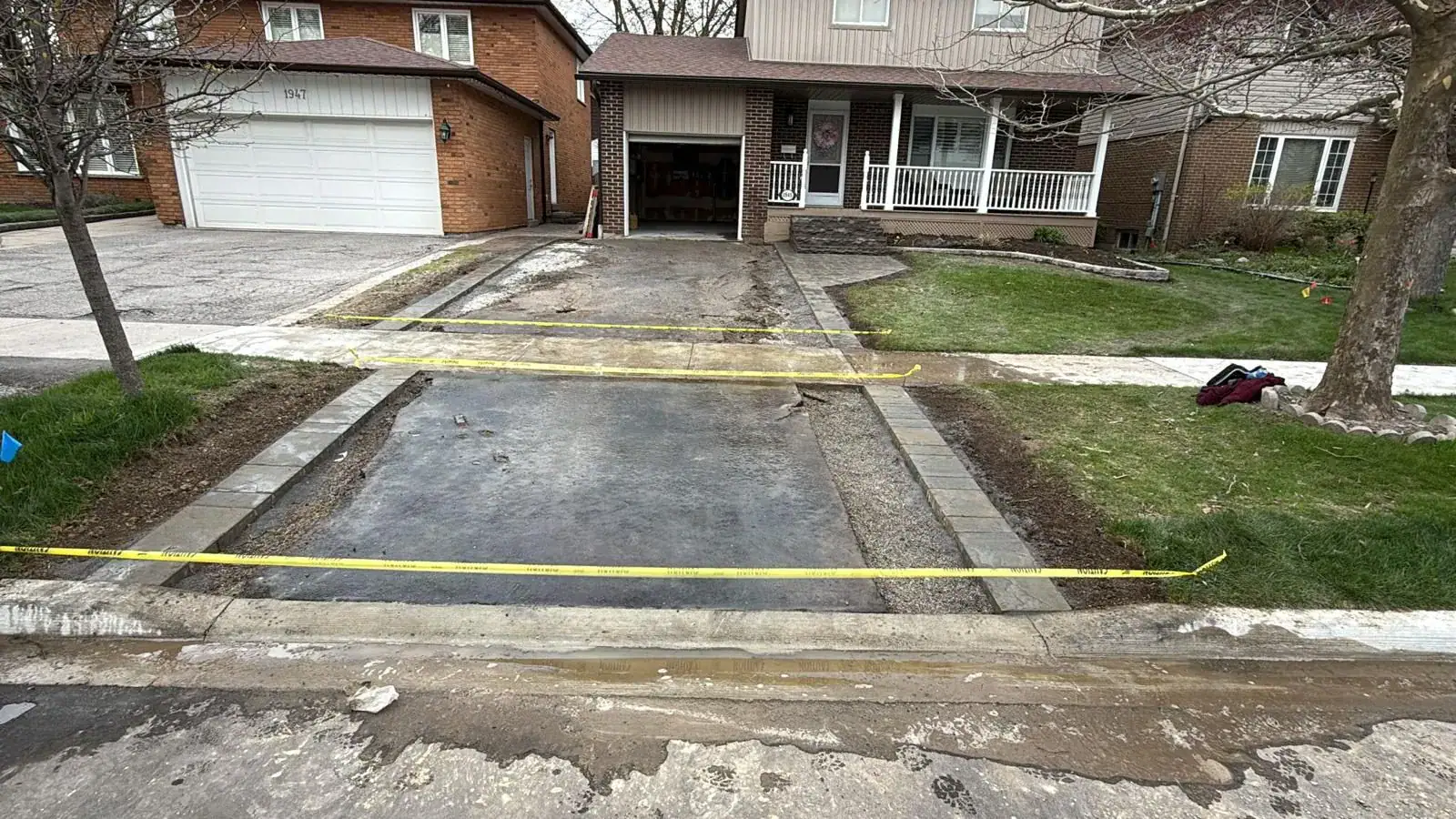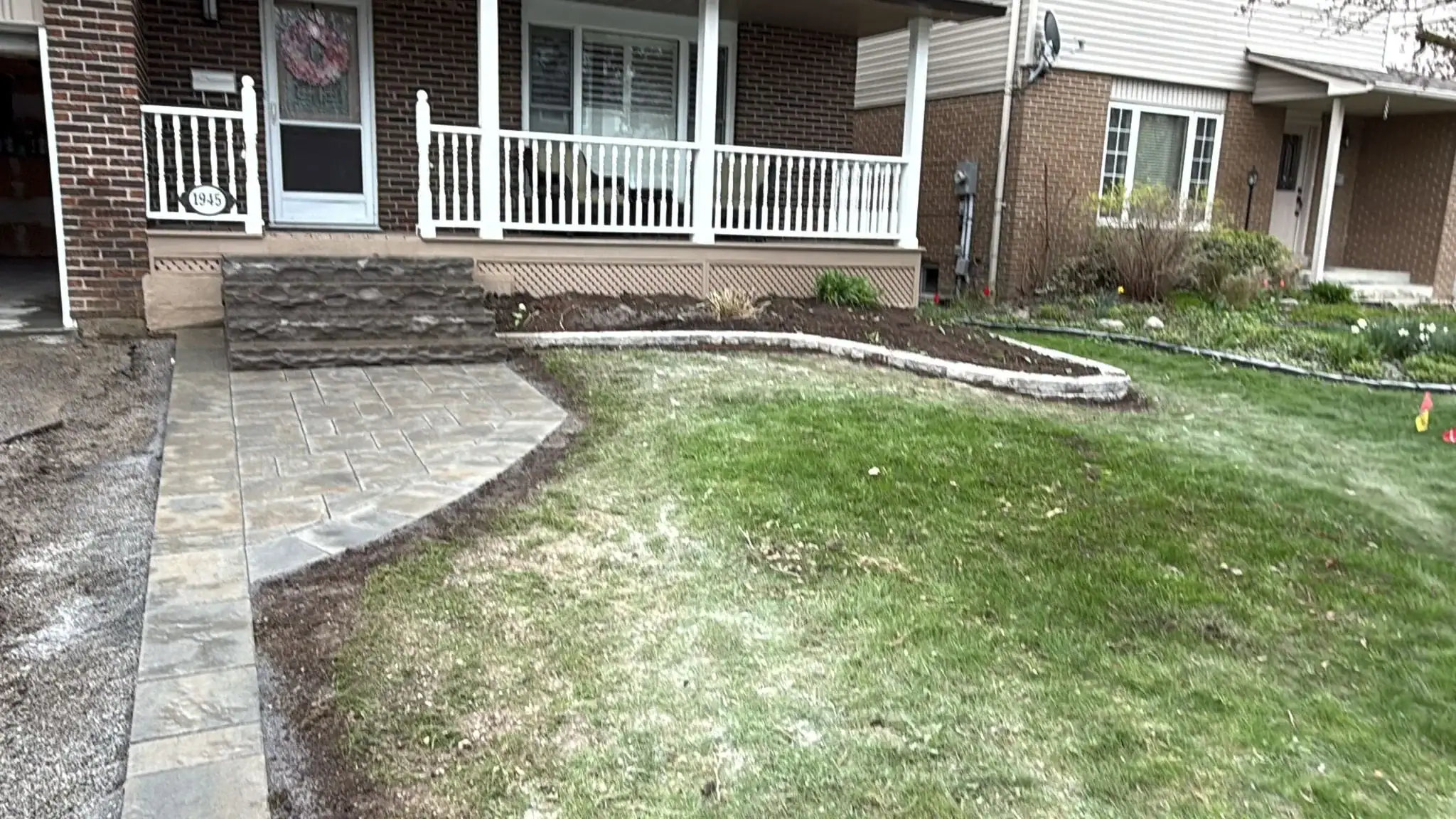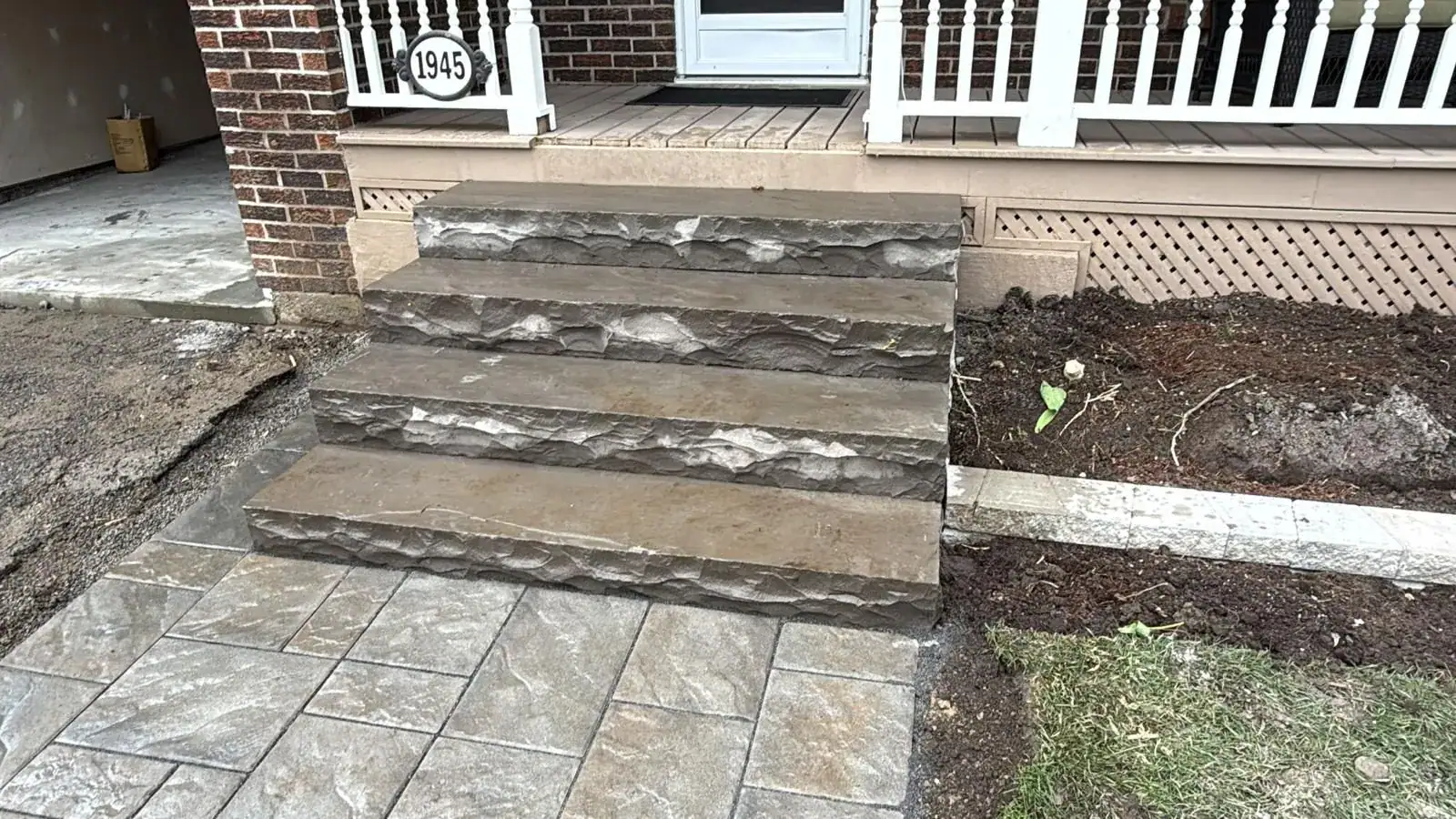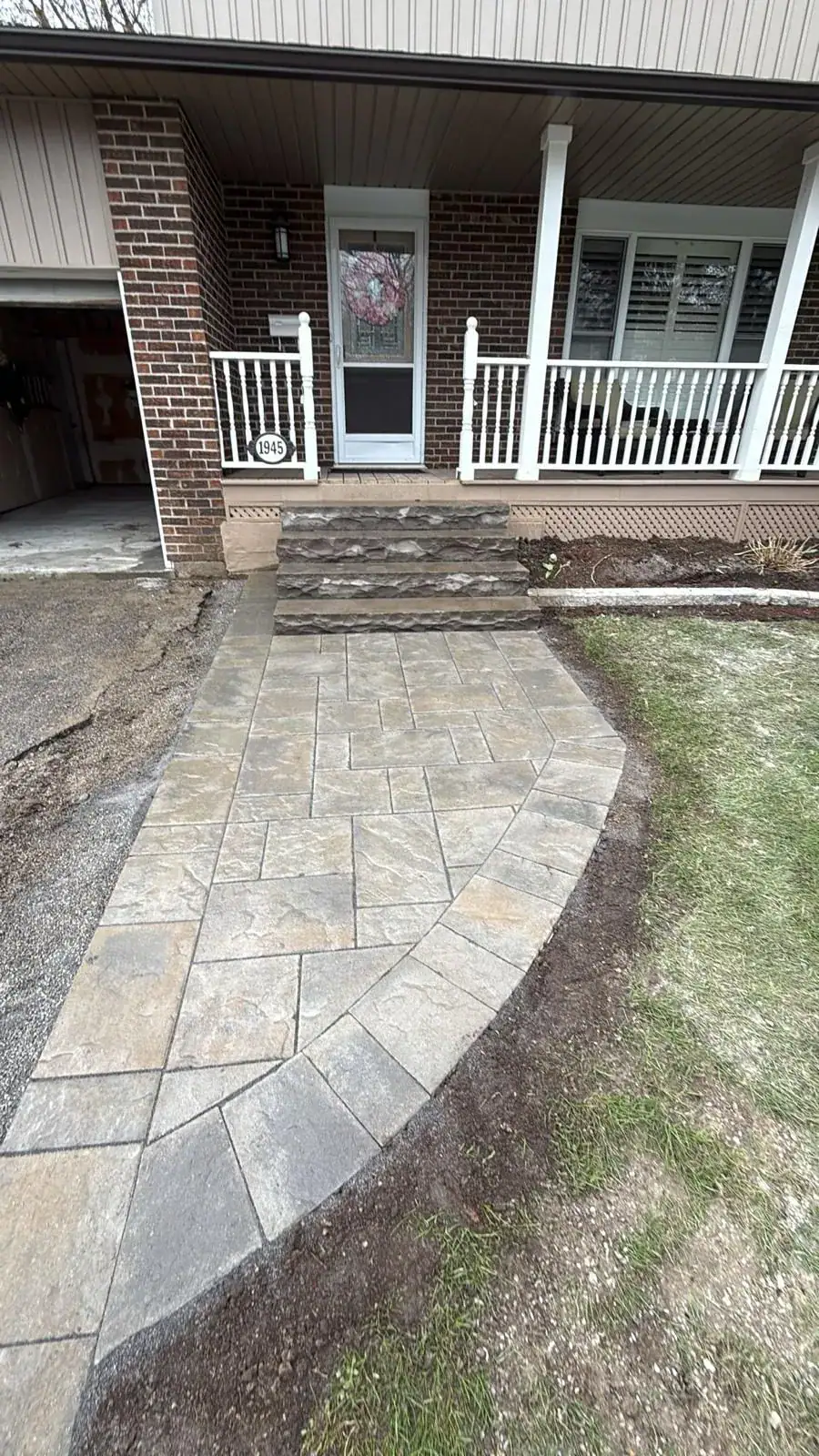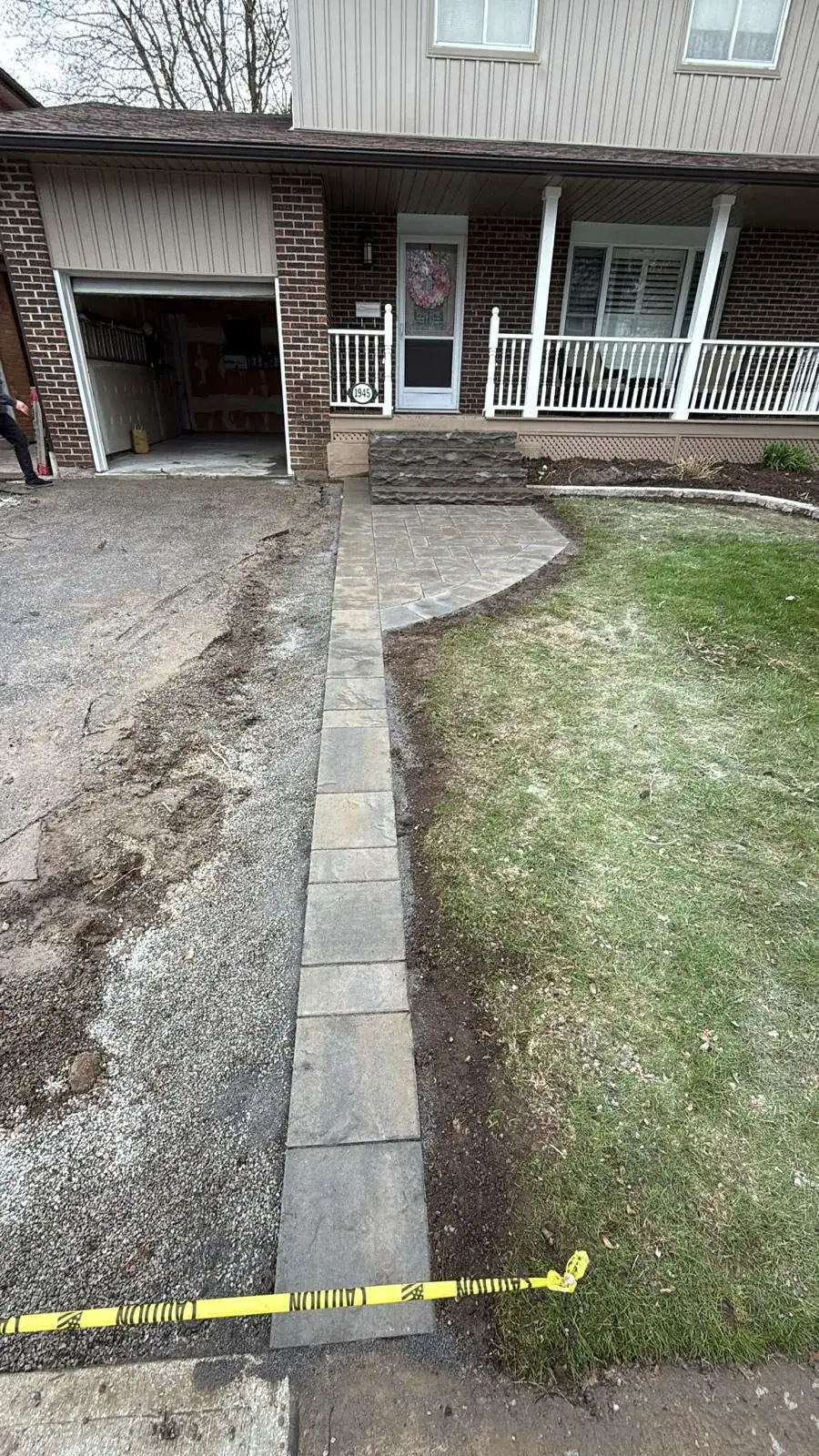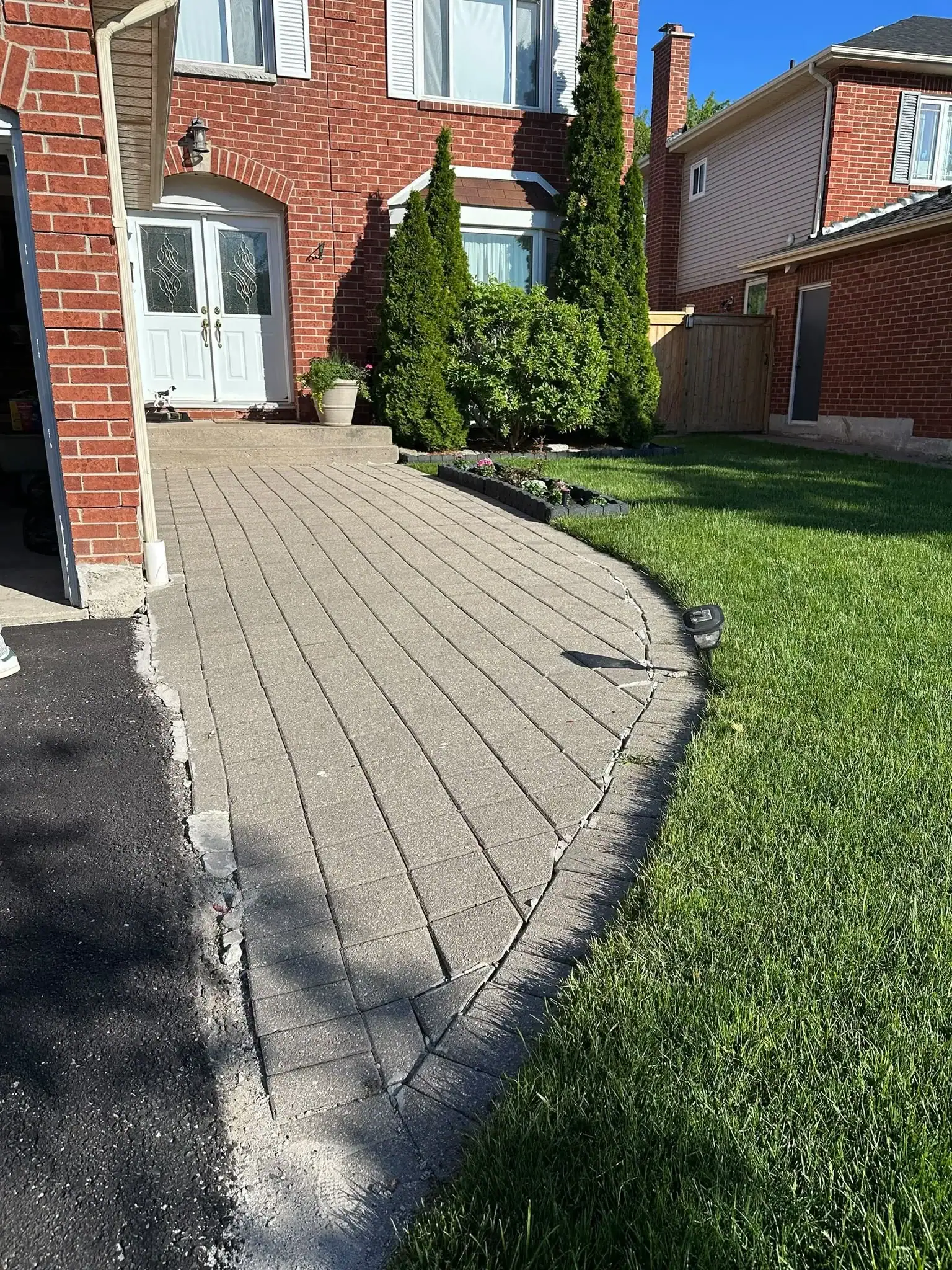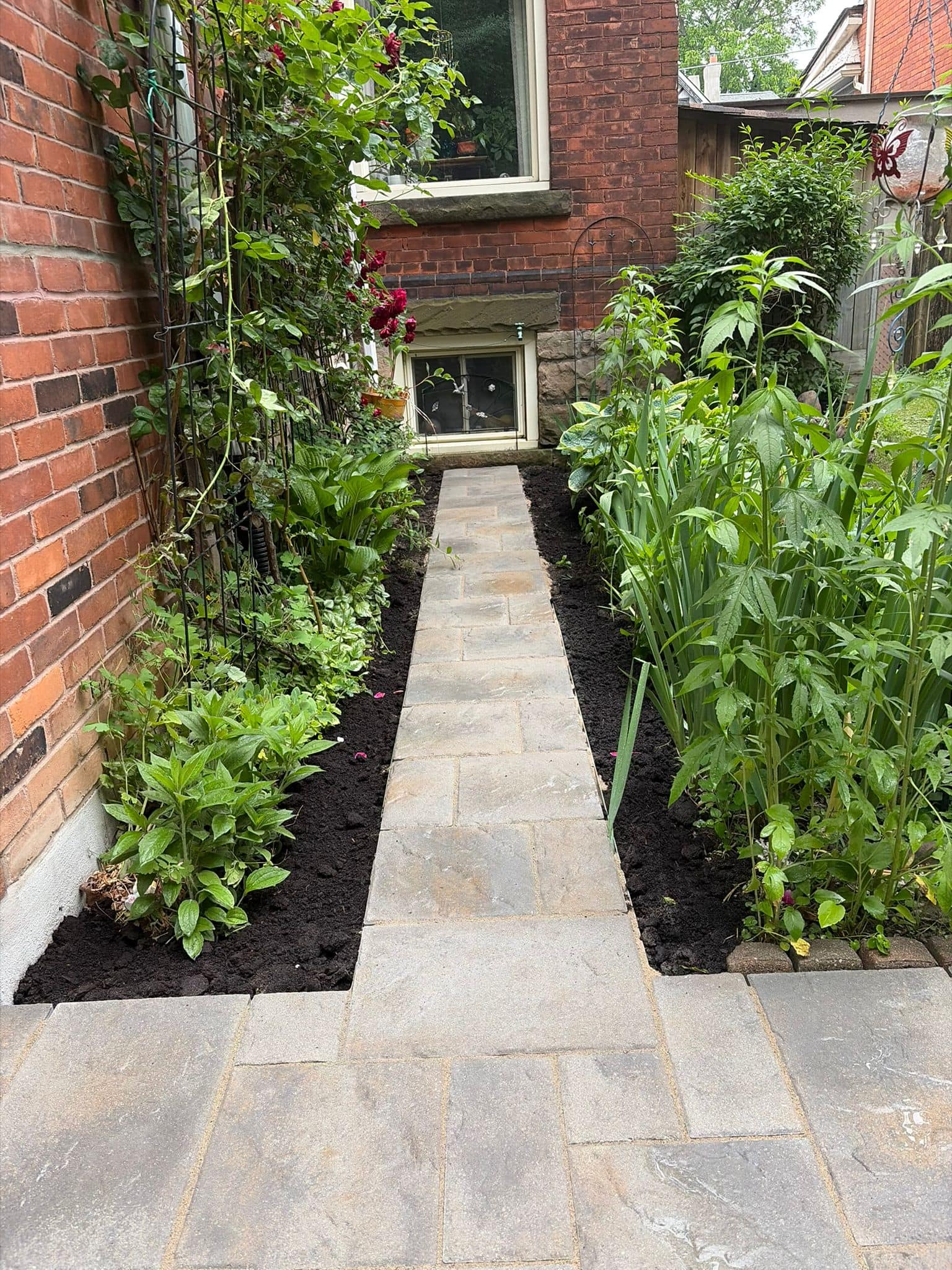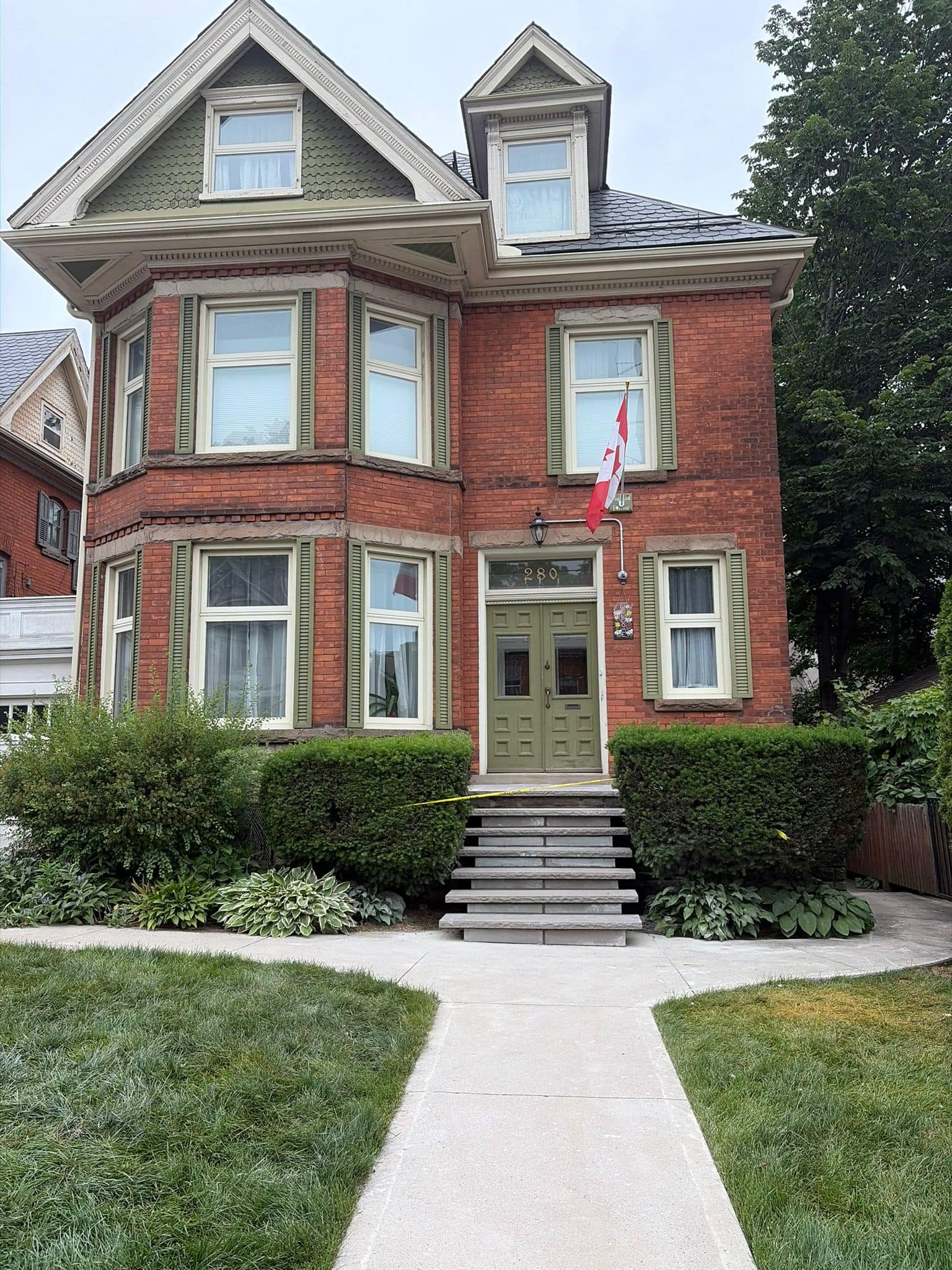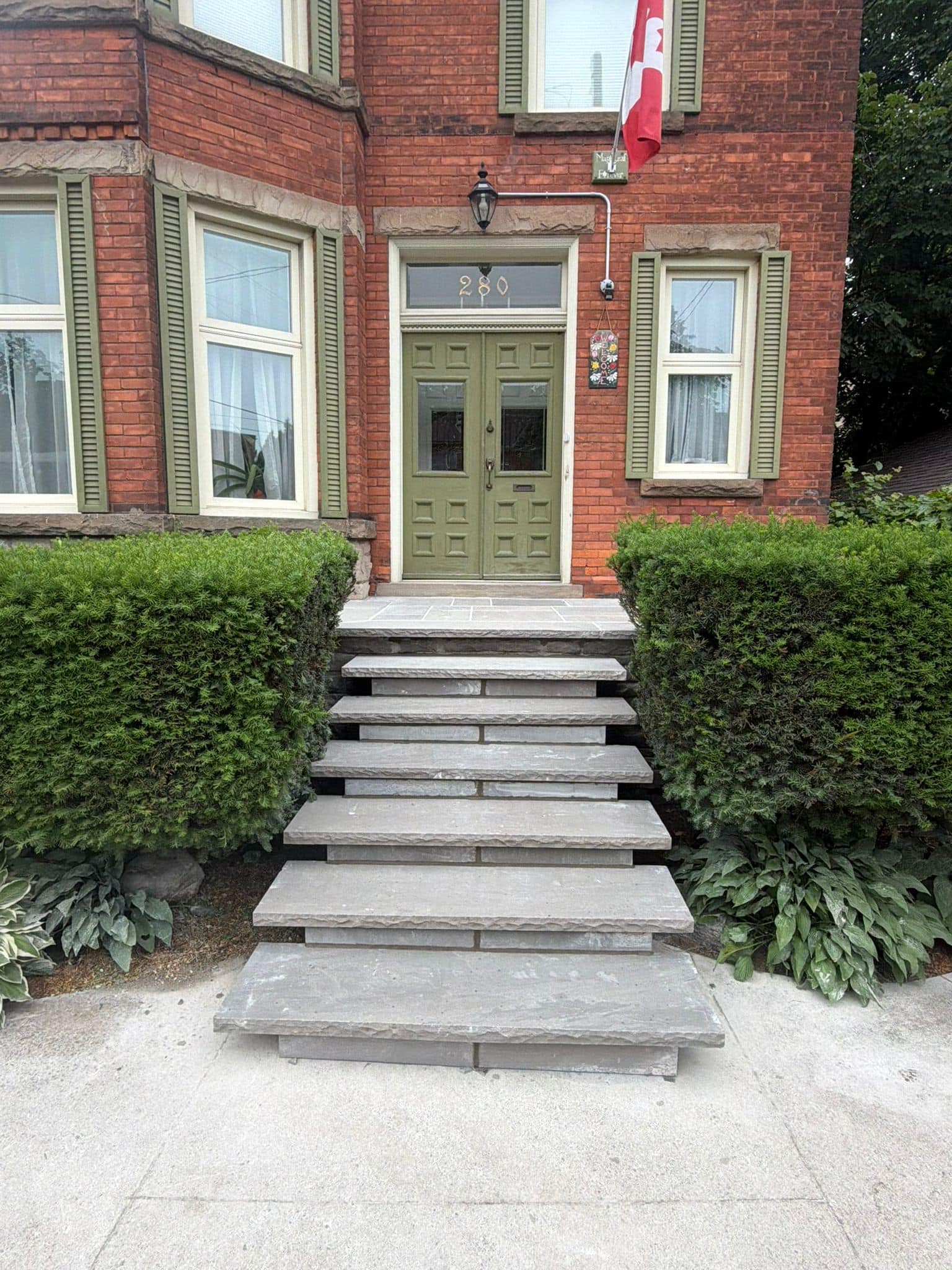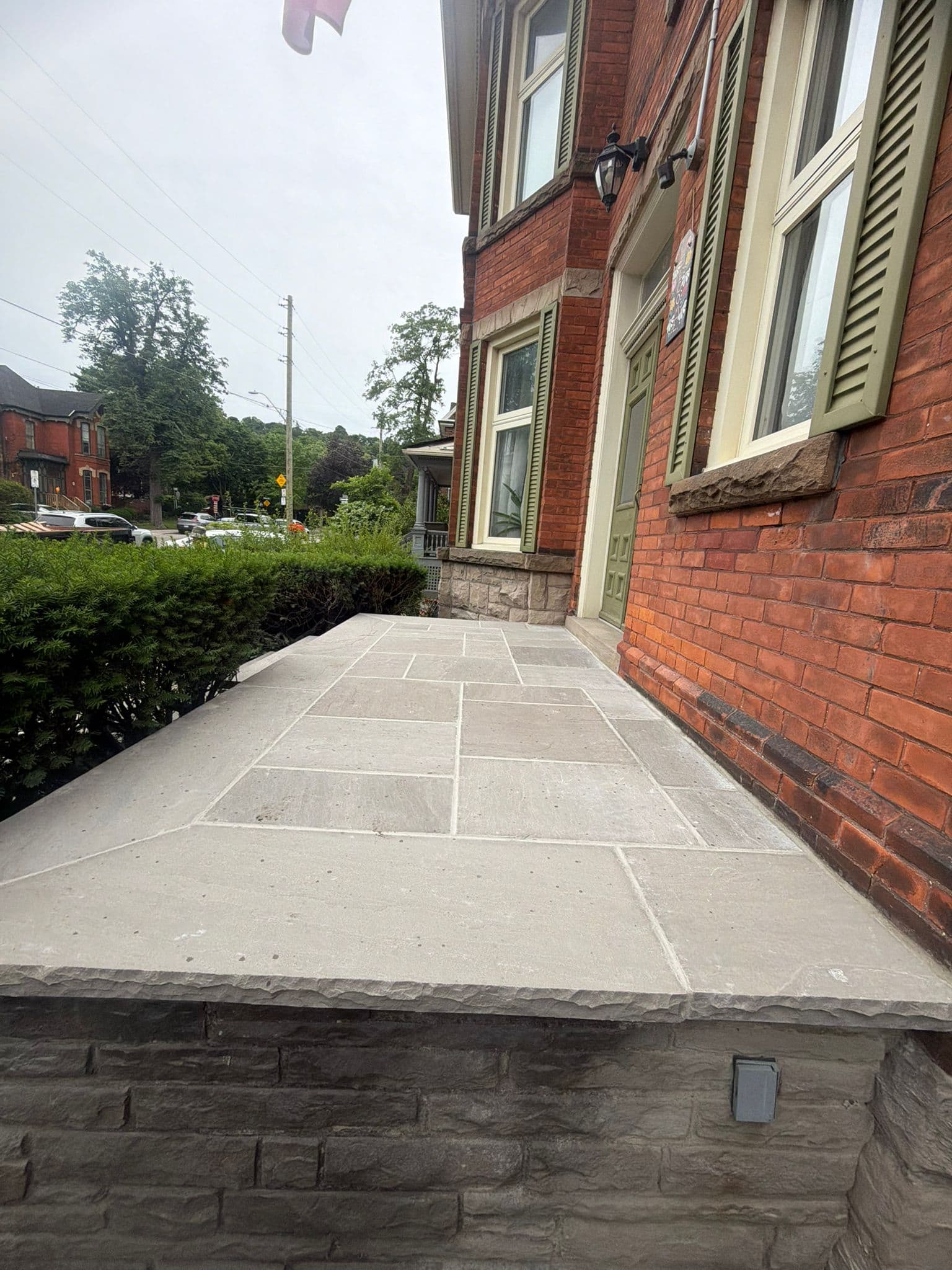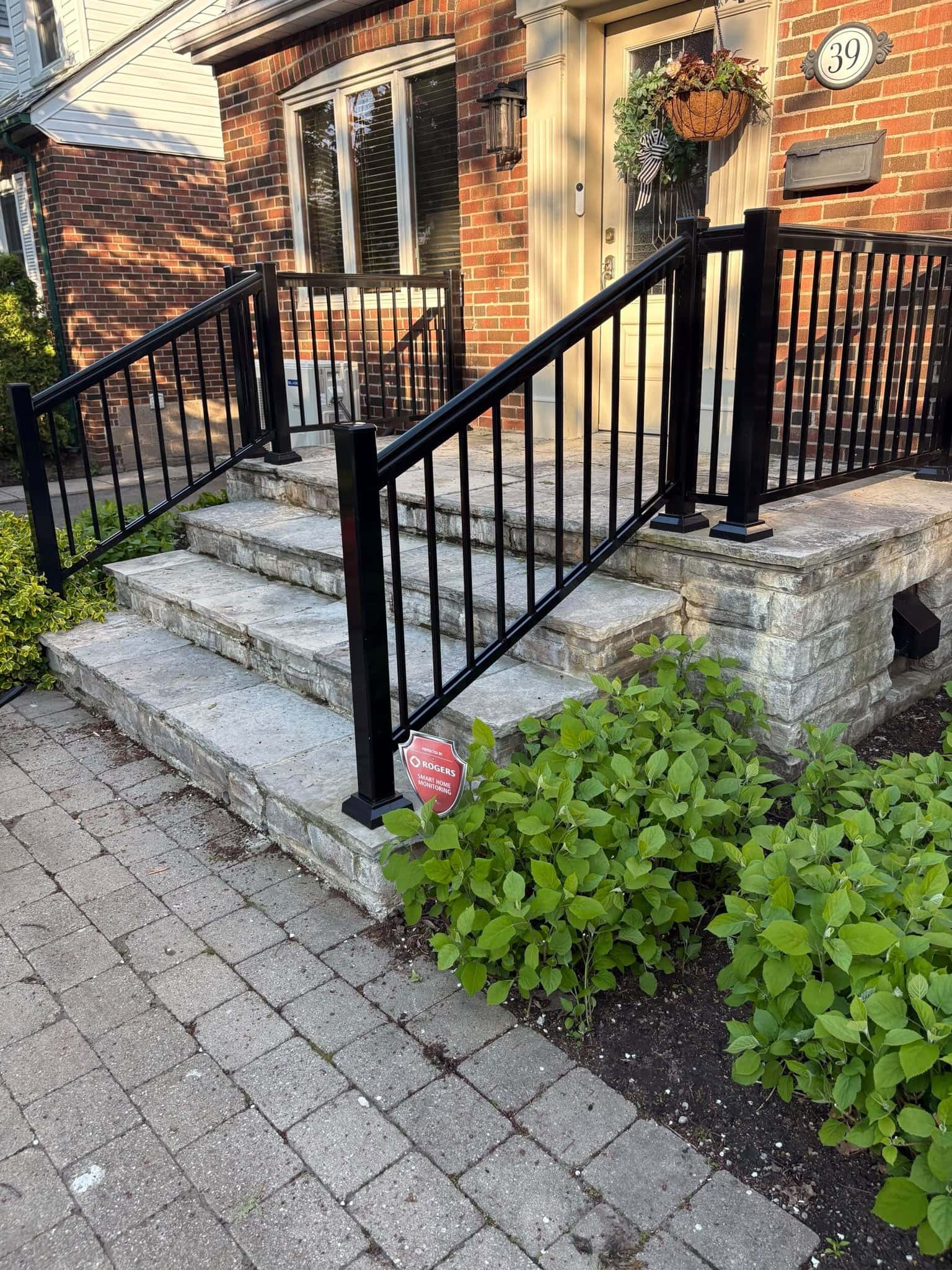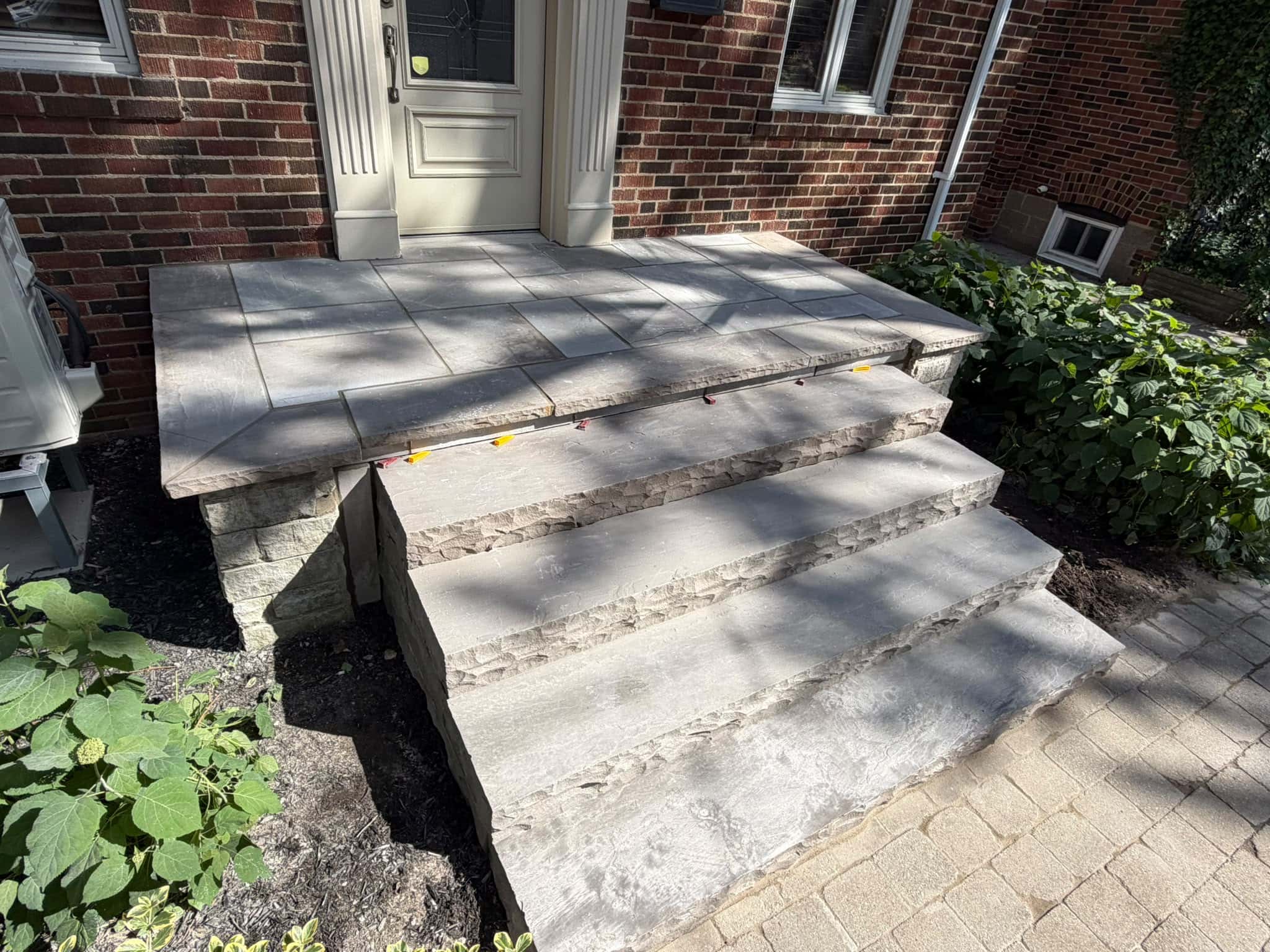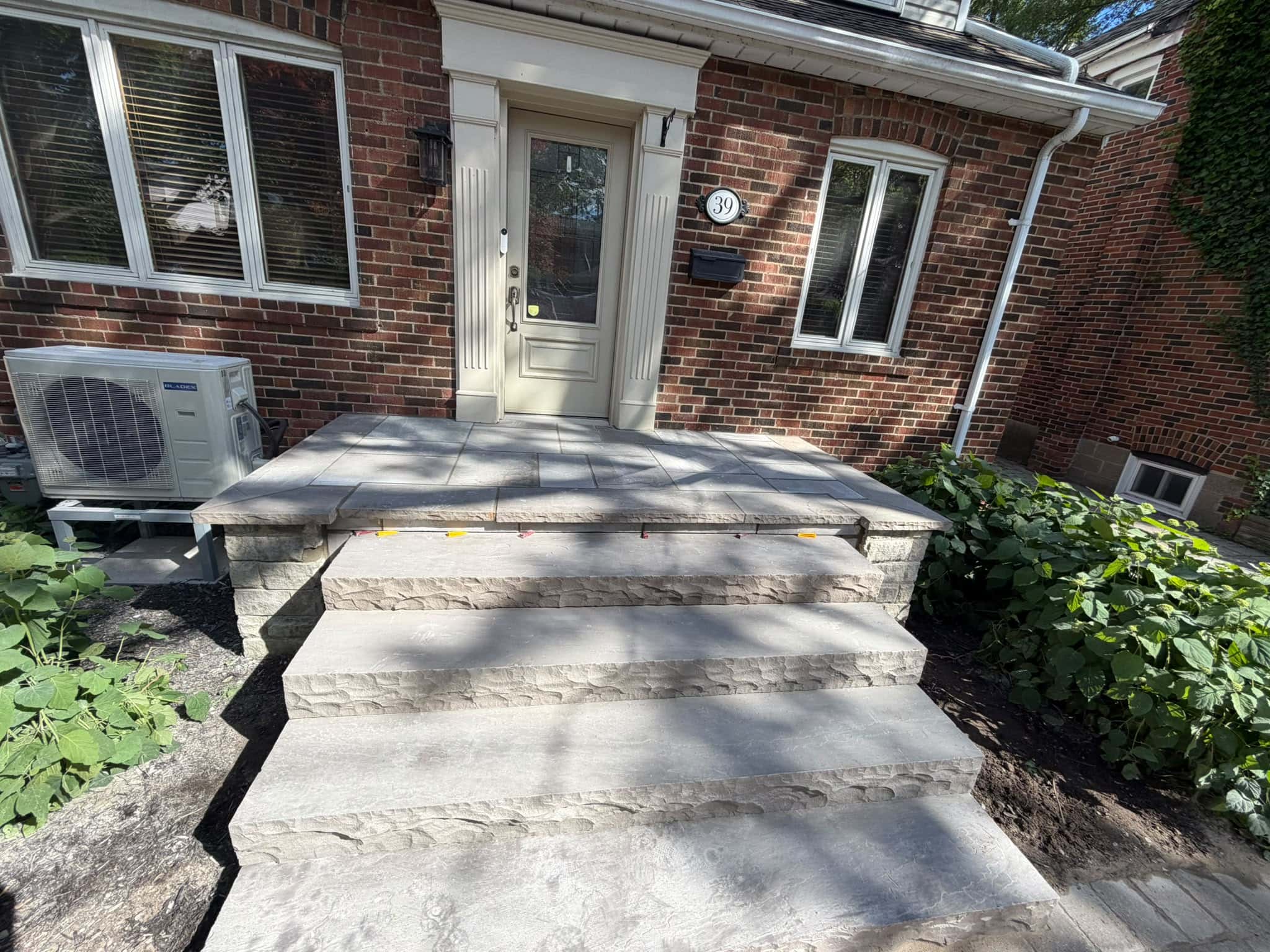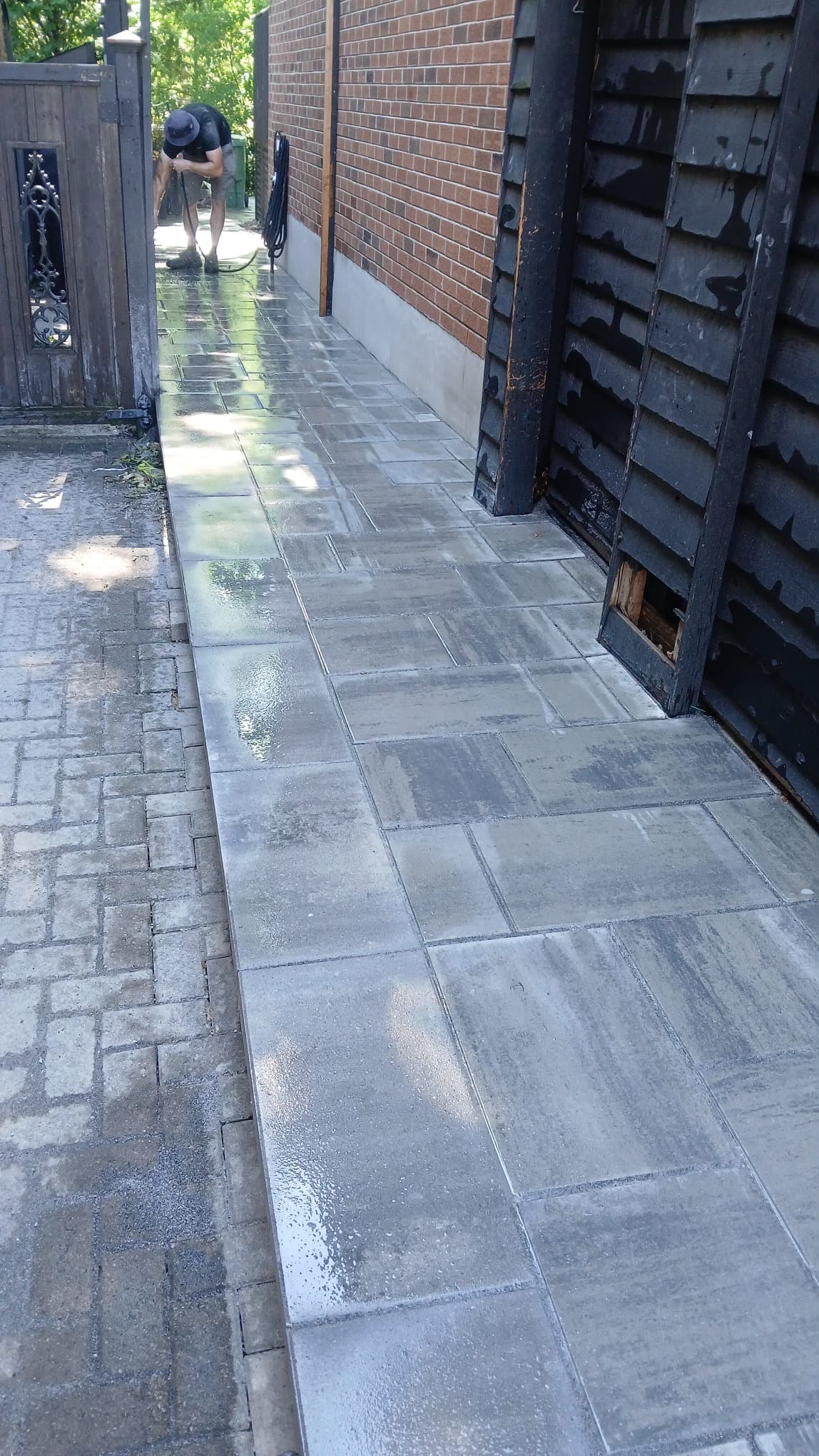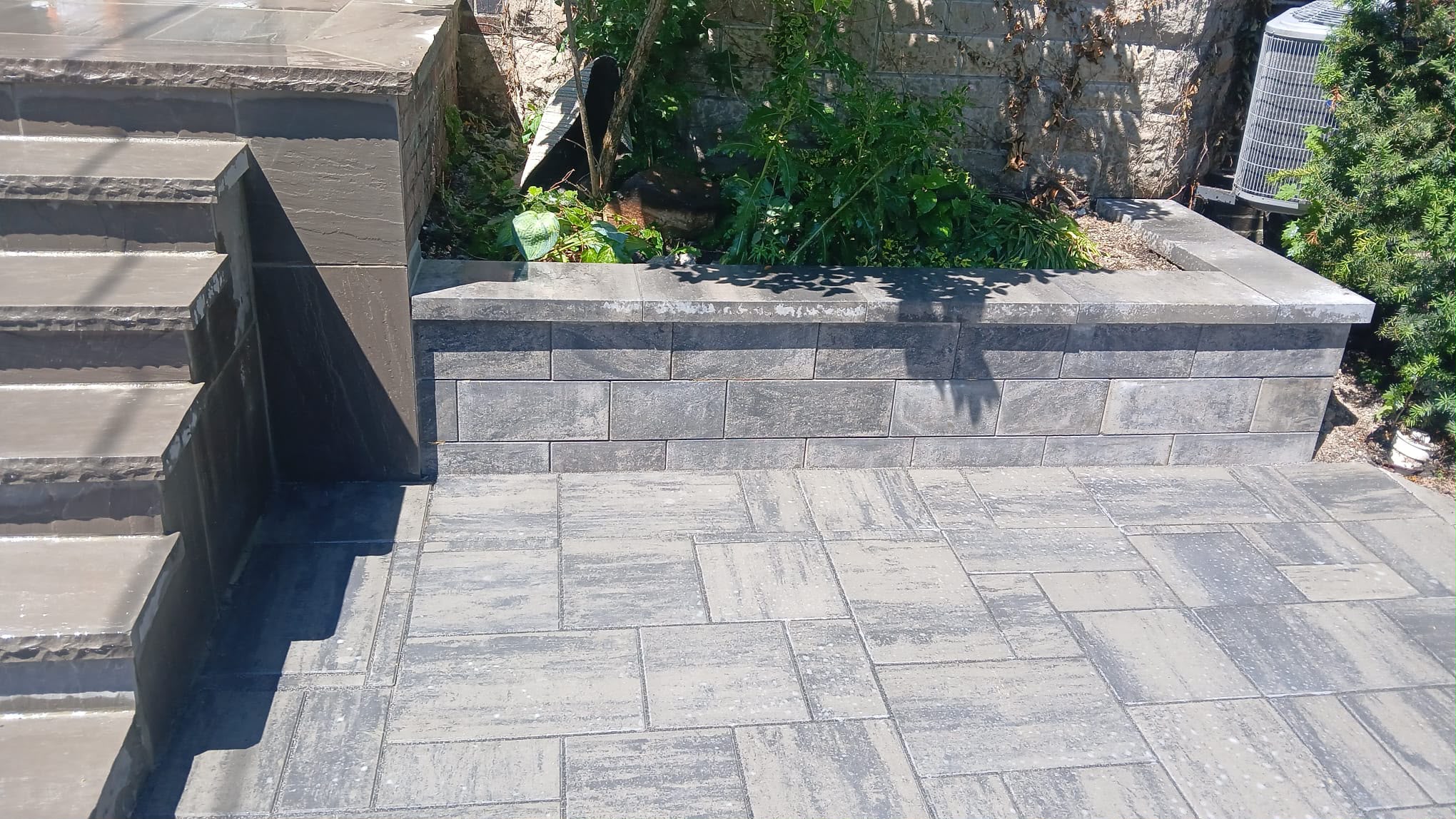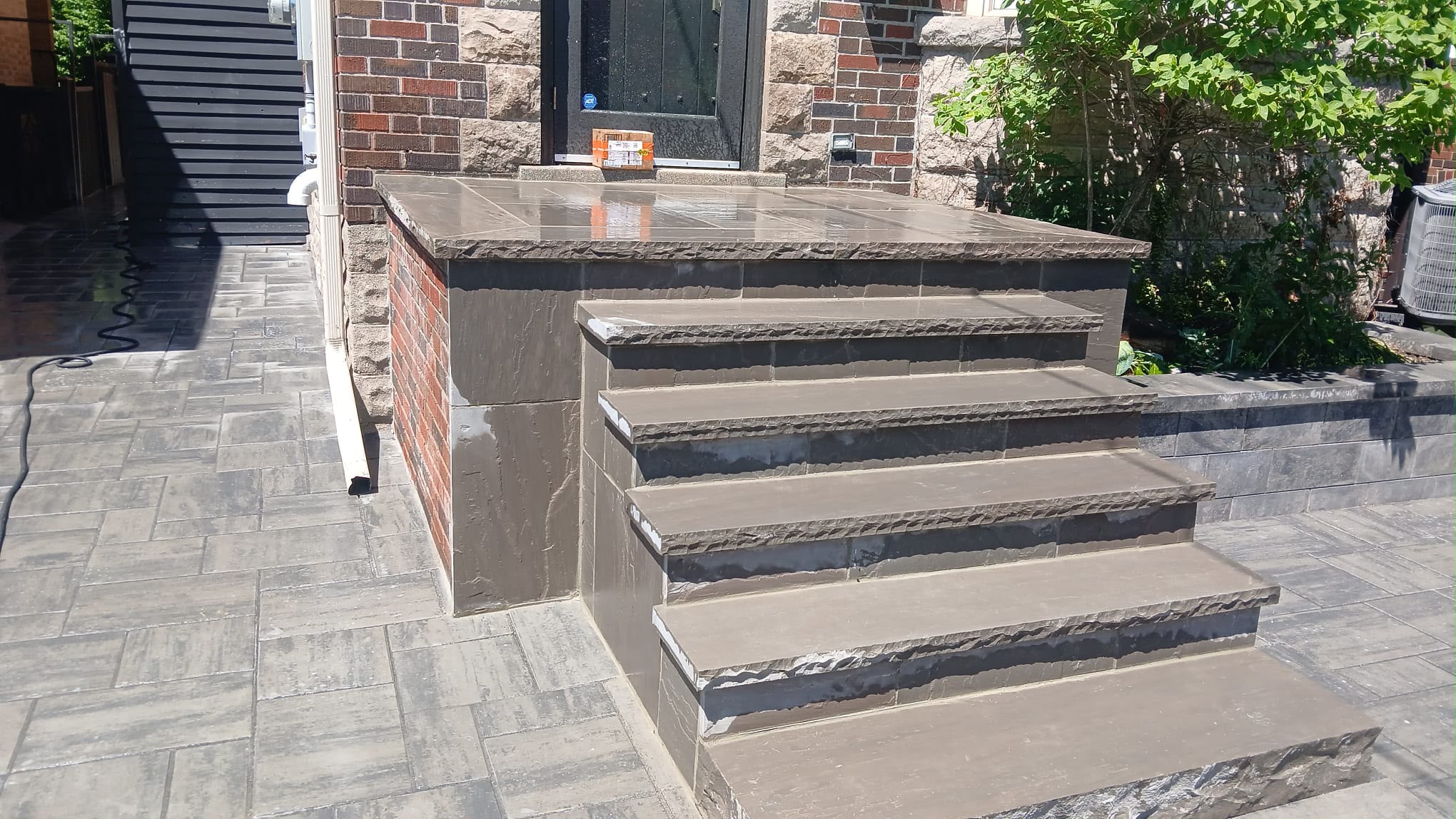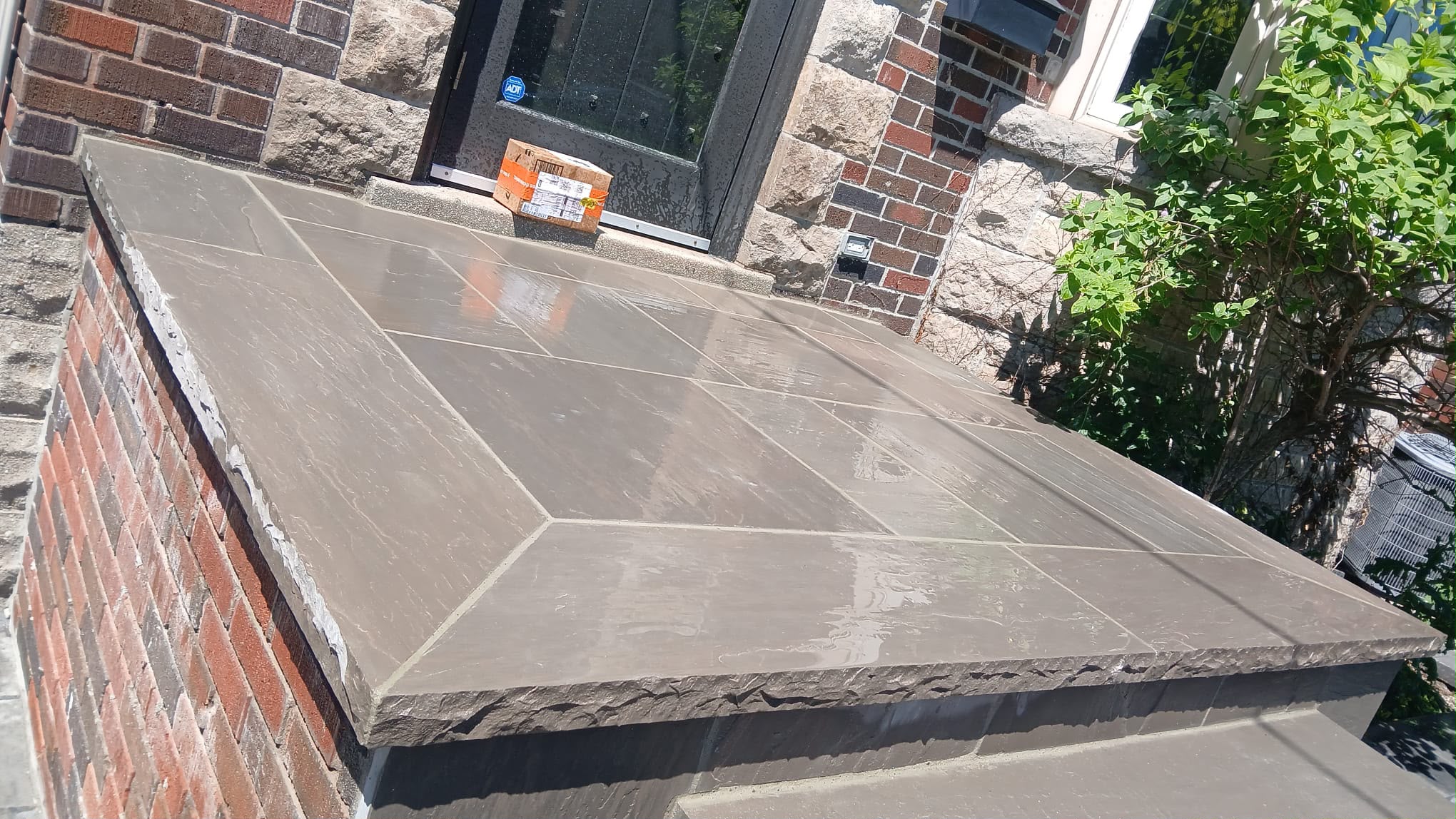

Choosing mortar types for different projects means selecting mortar that suits the masonry material, exposure, strength requirements, moisture conditions, and the building’s age. Mortar is not one-size-fits-all. The right mortar for a new concrete block wall may not suit an older Toronto brick home, a stone garden wall, a chimney or a heritage facade.
For Toronto and GTA homeowners, mortar choice matters because exterior masonry is exposed to rain, snow, moisture and repeated freeze-thaw cycles. De-icing salts can also affect masonry close to grade, including steps, low walls and entrances. Mortar that is too weak may deteriorate prematurely, while mortar that is too hard for softer masonry can damage brick or stone.
This guide explains how mortar types are selected, why compatibility matters, where homeowners commonly see mortar problems, and why a professional assessment can help before repointing, tuckpointing, brick repair, chimney repair, stone repair, or restoration work.
What Mortar Does in Masonry
Mortar fills the joints between brick, stone, concrete block and other masonry units. It contributes to bond, weather resistance, appearance and the way a masonry assembly accommodates normal movement and moisture.
A suitable mortar should work with the masonry around it rather than simply being selected for maximum strength. Strength, workability, moisture behaviour, durability, colour, texture and compatibility can all matter depending on the project.
In many traditional masonry systems, the mortar joint is intended to be the more repairable part of the wall. This is particularly important on older buildings where the brick or stone may be softer than many modern cement-rich mortars.
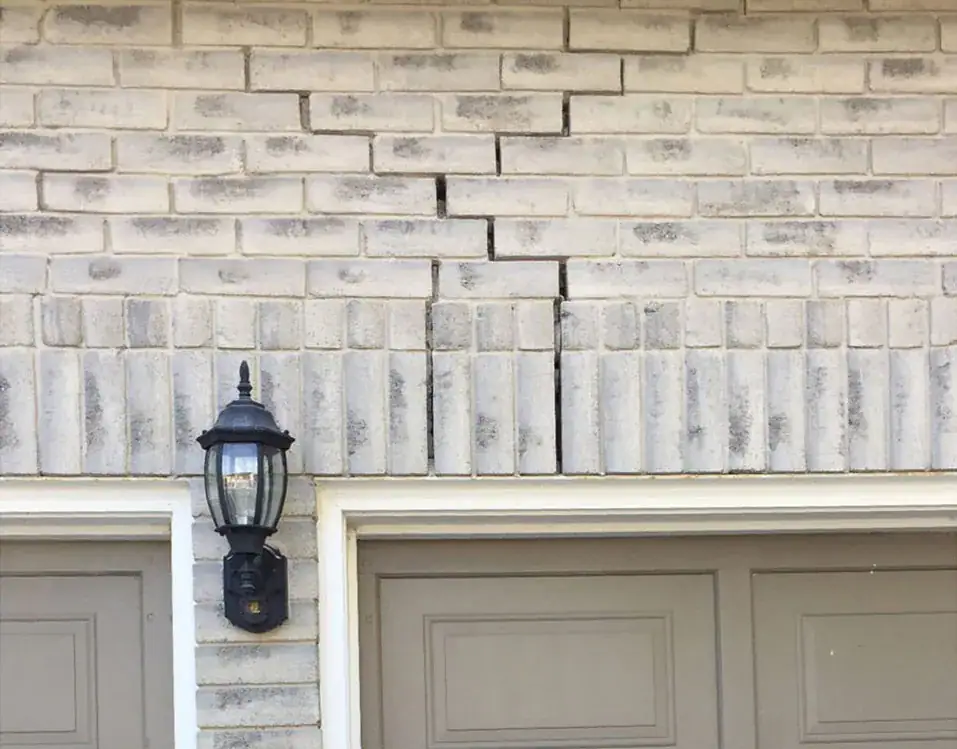
If your mortar is already cracked, missing, sandy or deeply recessed, A&A Masonry’s tuckpointing services in Toronto explain how deteriorated joints can be removed and replaced with compatible new mortar.
Why Choosing the Right Mortar Type Matters
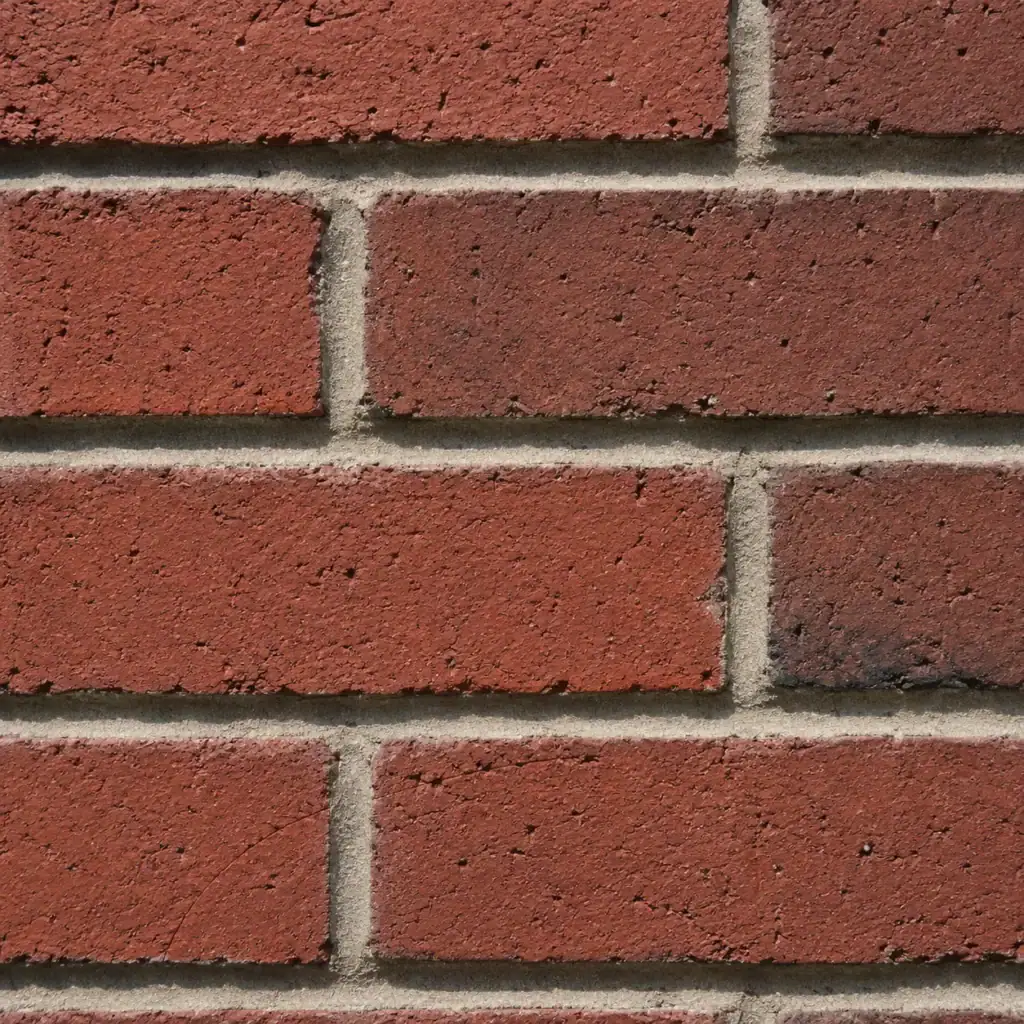
Mortar affects durability, moisture movement, appearance and the condition of the surrounding masonry. An incompatible mortar can fail prematurely or contribute to damage in the brick or stone around it.
Mortar that is too hard can be a problem on softer older brick. Instead of the joint absorbing some weathering and movement, stress can be transferred into the masonry unit, contributing to cracking or spalling.
Mortar that is too soft for a demanding application can also deteriorate prematurely.
Moisture behaviour matters as well. Masonry needs to shed water and dry after wetting. An incompatible repair can reduce drying or shift moisture and stress into the surrounding masonry, which can make freeze-thaw deterioration worse.
The goal is not automatically to choose the strongest mortar. The goal is to choose mortar that suits the masonry, exposure and function of the project.
Common Mortar Types Homeowners May Hear About
Homeowners may hear terms such as Type N, Type S, Type O, Type M, lime mortar, cement-lime mortar and masonry cement mortar.
These labels describe mortars with different performance characteristics, but the label alone does not tell you whether a mortar is suitable for a particular wall.
For modern masonry work in Canada, mortar selection should consider applicable codes, standards, project specifications, masonry units and exposure conditions. The Canada Masonry Design Centre provides useful technical information about masonry design and construction in Canada.
For homeowners, the practical lesson is simple: do not select mortar by name alone. Existing masonry, exposure, moisture, structural requirements and repair goals all matter.
Type N Mortar
Type N mortar is commonly associated with general above-grade masonry where moderate compressive strength, workability and weather resistance are appropriate.
Homeowners may hear Type N discussed for brick walls, certain stonework, chimneys and repointing applications. However, that does not mean it is automatically suitable for every exterior wall.
Older or softer brick may require a different mortar depending on the original construction, masonry strength, moisture conditions and joint characteristics.
Type N should be selected because it suits the particular masonry and project conditions, not simply because it is commonly used.
Type S Mortar
Type S mortar is generally associated with higher-strength applications and may be specified where greater load resistance or particular exposure conditions require it.
It may be encountered in some foundation, retaining, structural or exterior masonry applications, but greater strength is not automatically an advantage.
Using mortar that is too hard with softer older brick can shift deterioration from the joint into the masonry unit itself.
A structural or near-grade application may therefore need a very different mortar from an older residential facade. The project requirements should determine the mortar, not the assumption that stronger is always better.
Type O and Softer or Lime-Rich Mortars
Type O and other softer or lime-rich mortars may be considered in specific repair or restoration situations where lower strength and compatibility with softer masonry are important.
Older buildings may contain softer brick and original lime-rich mortar that behaves differently from modern cement-rich mixes.
That does not mean Type O or a particular lime mix should automatically be used on every old building. Existing mortar, brick hardness, exposure, moisture and the original wall system should be assessed first.
Type M Mortar
Type M mortar is at the high-strength end of commonly discussed mortar classifications. It may be specified for demanding load-bearing or engineered masonry conditions.
Its high compressive strength does not make it a general-purpose choice for repointing older brickwork.
Where Type M or another high-strength mortar is being considered, the masonry units, structural requirements and project specifications need to support that choice.
Lime Mortar and Heritage Brickwork
Lime-rich mortar can be important in older and heritage masonry because many historic walls were built with softer, more vapour-permeable mortar than modern cement-rich mixes.
Using very hard mortar with soft old brick can contribute to long-term deterioration by changing how the wall manages moisture and movement.
Heritage masonry repairs may need to consider:
- Original mortar composition
- Brick hardness and absorption
- Mortar colour and texture
- Joint profile
- Moisture movement
- Historic appearance
Parks Canada’s Standards and Guidelines for the Conservation of Historic Places in Canada provide useful conservation principles for historic properties.
For more context on older brickwork, A&A Masonry’s brick repair for heritage homes guide explains why compatible mortar, careful brick matching and appropriate repair methods matter.
Mortar for Brick Repair
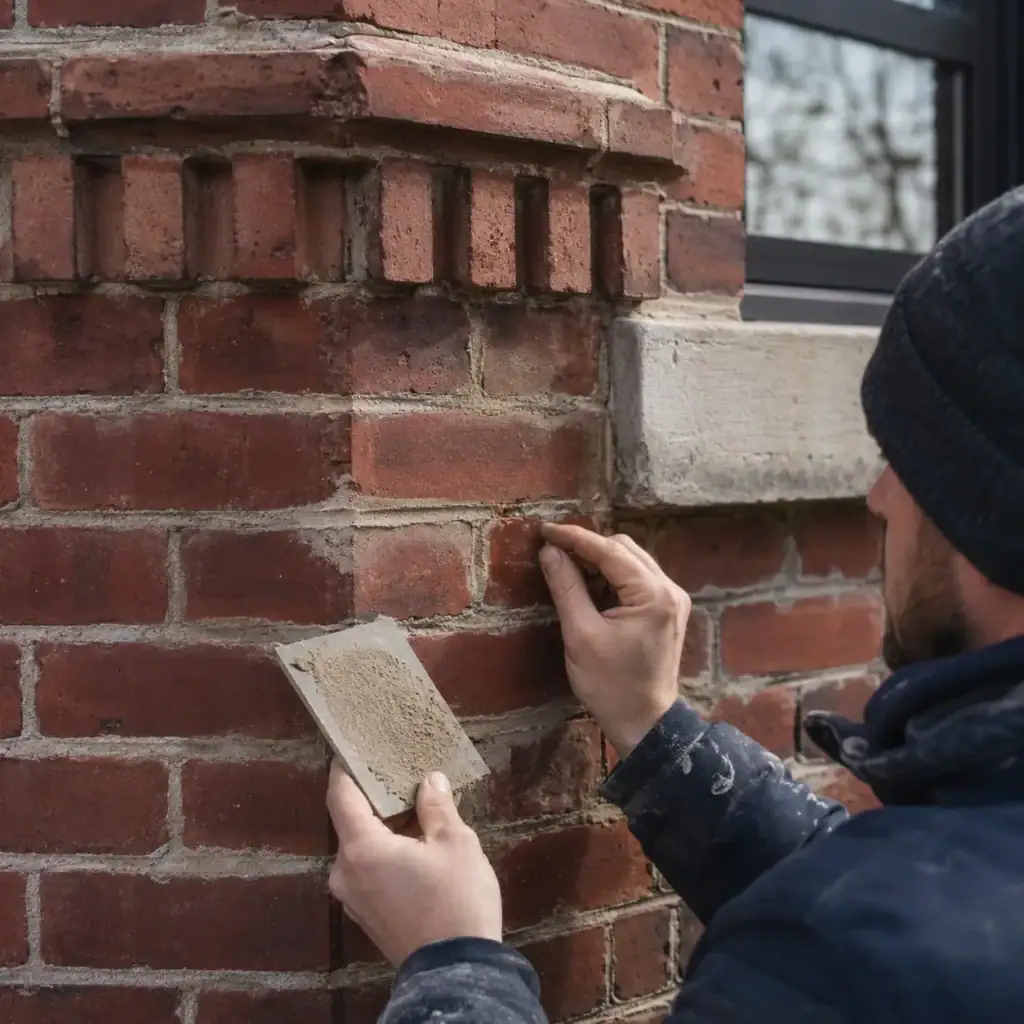
Mortar used during brick repair should be compatible with the brick’s strength, absorption, age and exposure.
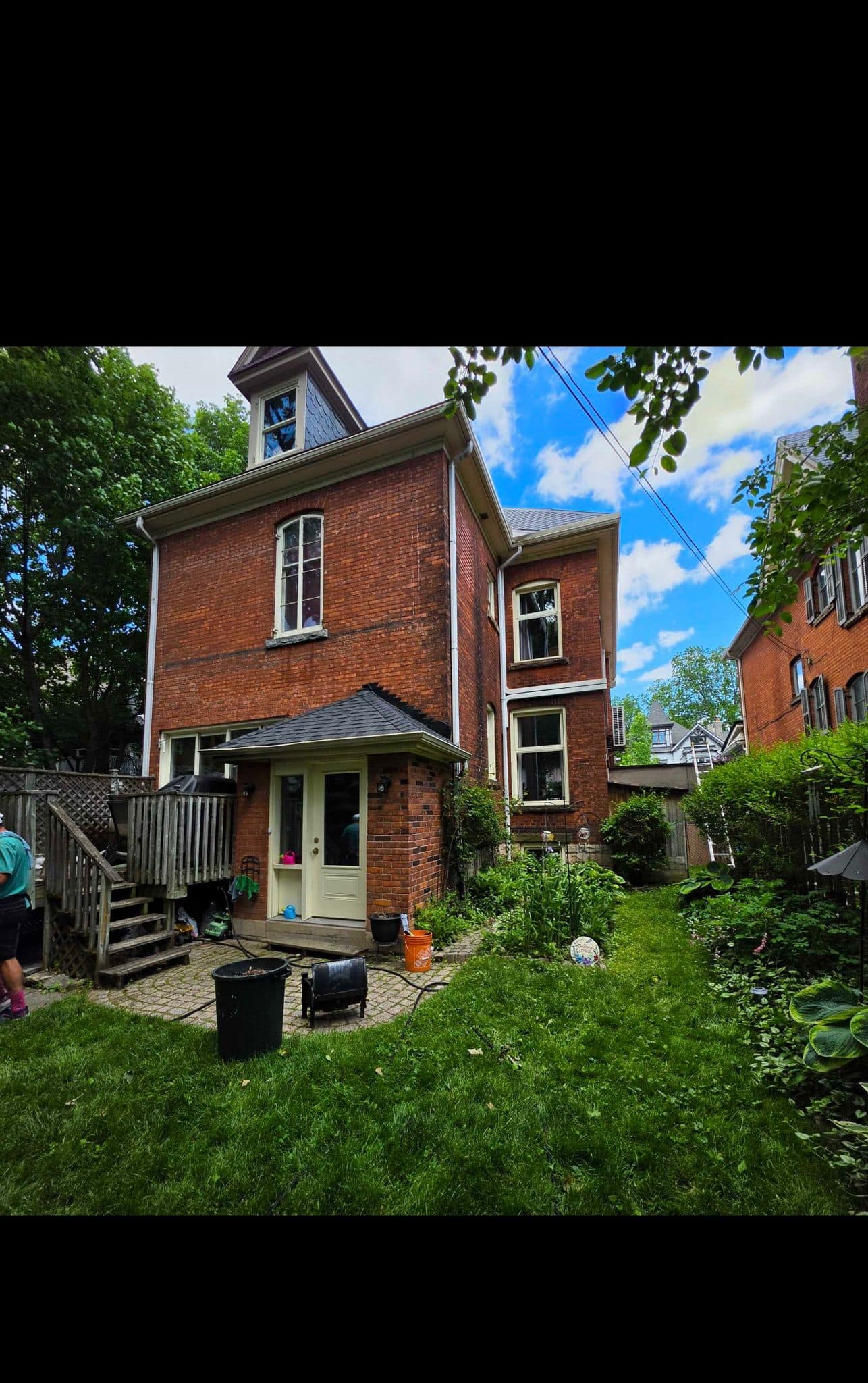
Newer brickwork may have different mortar requirements from an older Toronto wall built with softer masonry. The replacement mortar should support the existing wall rather than overpower it.
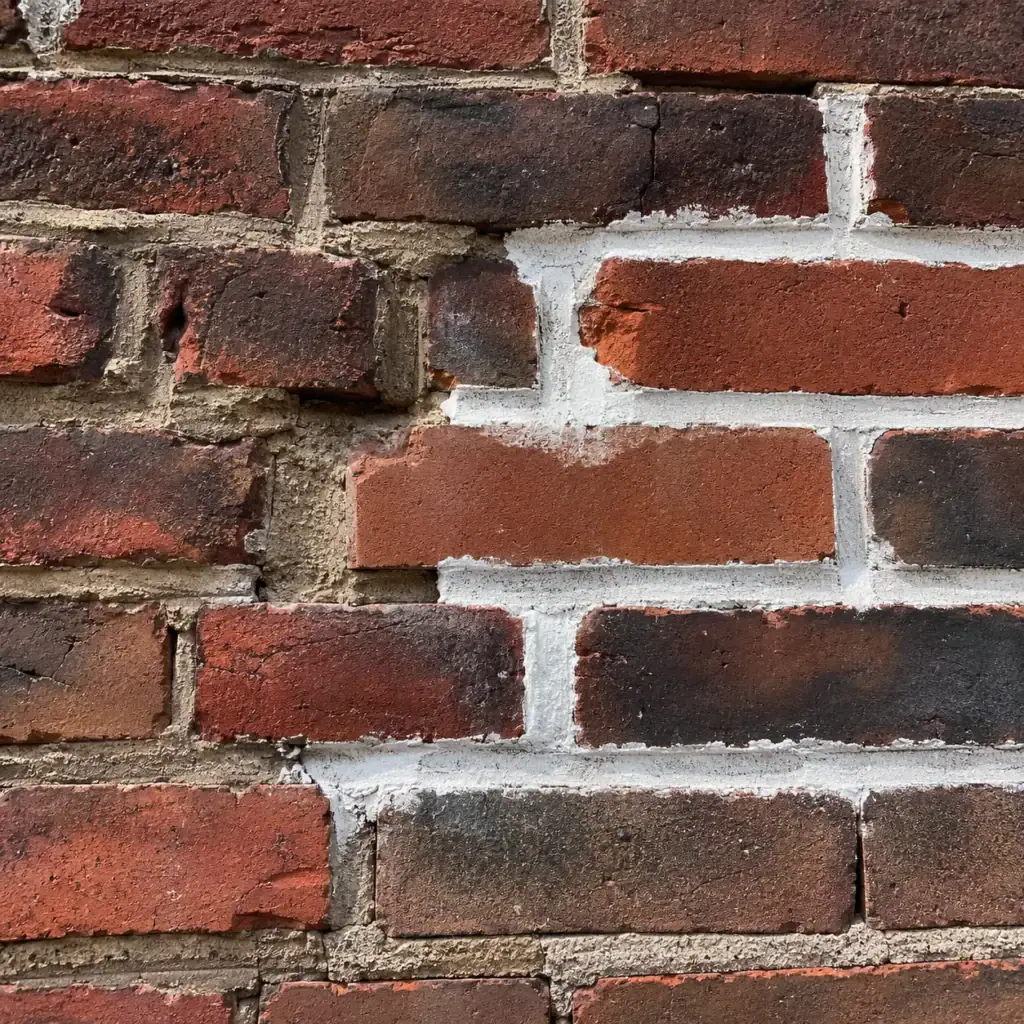
Brick repair may involve removing damaged masonry units, preparing the opening, installing matching replacement brick and repairing the surrounding joints. Mortar colour and texture also affect how well the repair blends with the wall.
If the brick itself is cracked, spalling, loose or badly deteriorated, A&A Masonry’s brick repair services page explains common exterior brick repair options.
Mortar for Tuckpointing and Repointing
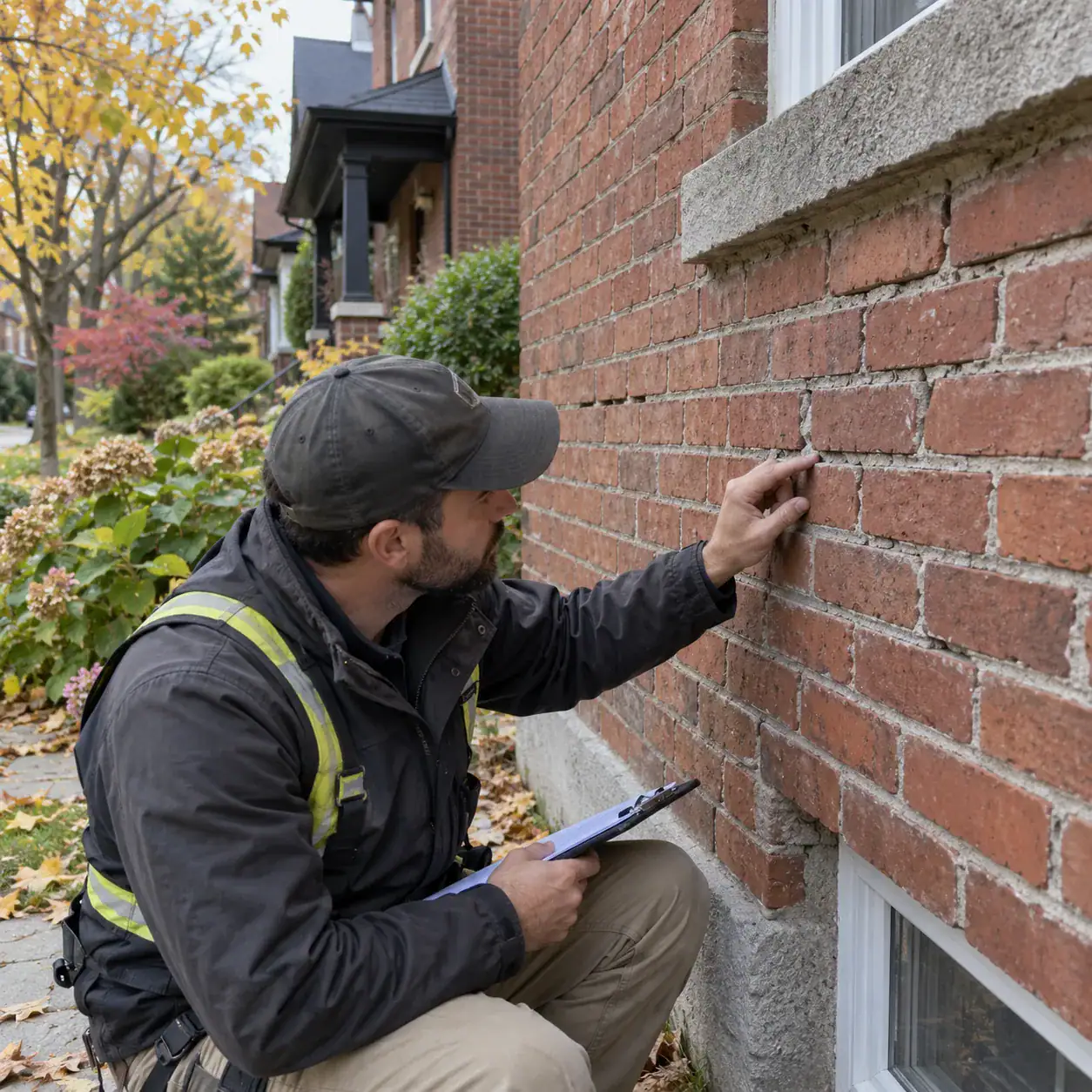
Mortar used for joint repair should be compatible with the existing masonry and installed after deteriorated material has been removed to an appropriate depth.
For the mortar-joint repair commonly called tuckpointing, deteriorated mortar is removed, the joint is cleaned and compatible new mortar is installed and finished. Technically, this removal-and-replacement process is repointing. Traditional tuckpointing refers to a more decorative joint-finishing technique, although “tuckpointing” is widely used today as a homeowner term for mortar-joint repair.
A thin surface smear over deteriorated mortar is not the same as properly prepared joint repair and may fail prematurely.
Colour matching matters, but performance matters more. Mortar that looks right but is too hard, too weak or incompatible with the masonry can create additional problems.
A&A Masonry’s guide to what causes mortar joint failure explains how moisture, weathering, poor previous repairs and movement can contribute to deteriorated joints.
Mortar for Stone Masonry
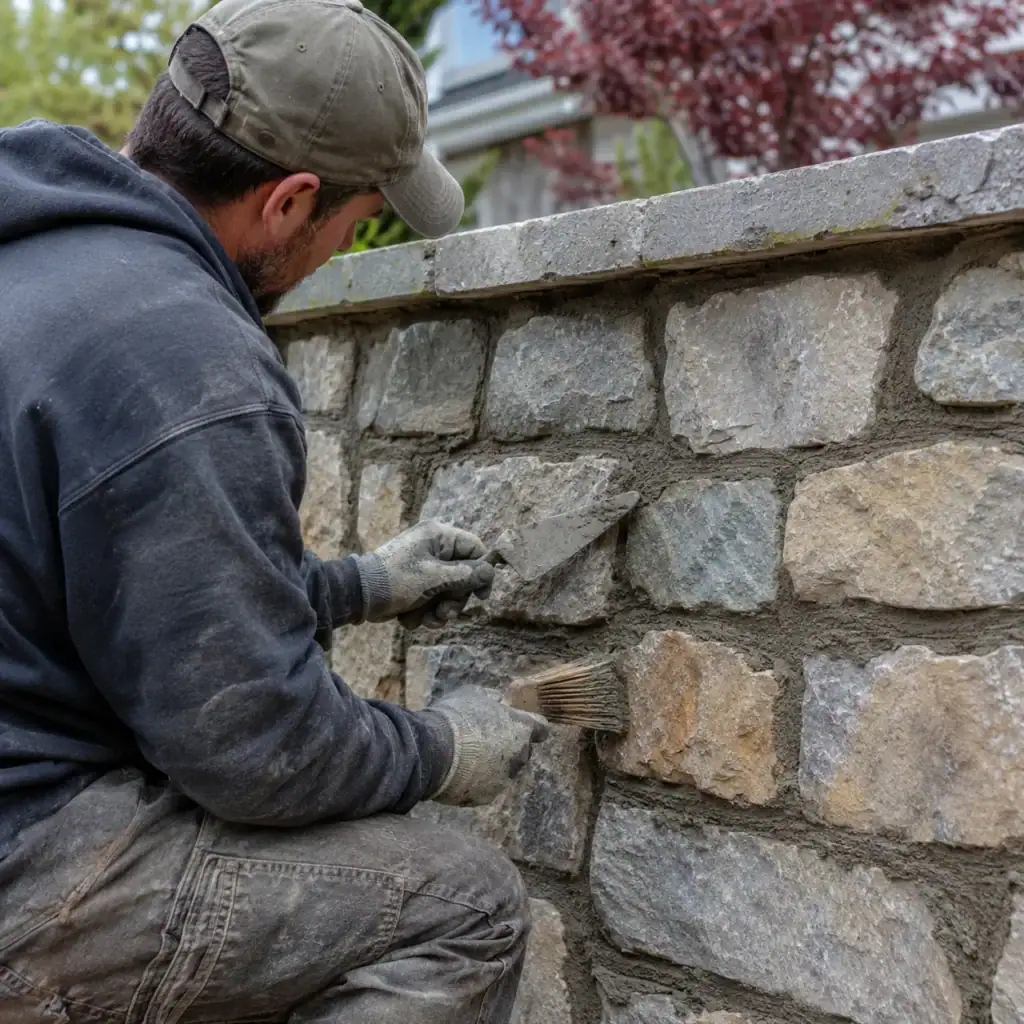
Mortar for stone masonry should be selected according to the stone type, wall use, exposure, joint width and construction method.
Natural stone varies widely in hardness, porosity, shape and moisture behaviour. A mortar that works well with one type of brick may not be appropriate for every stone assembly.
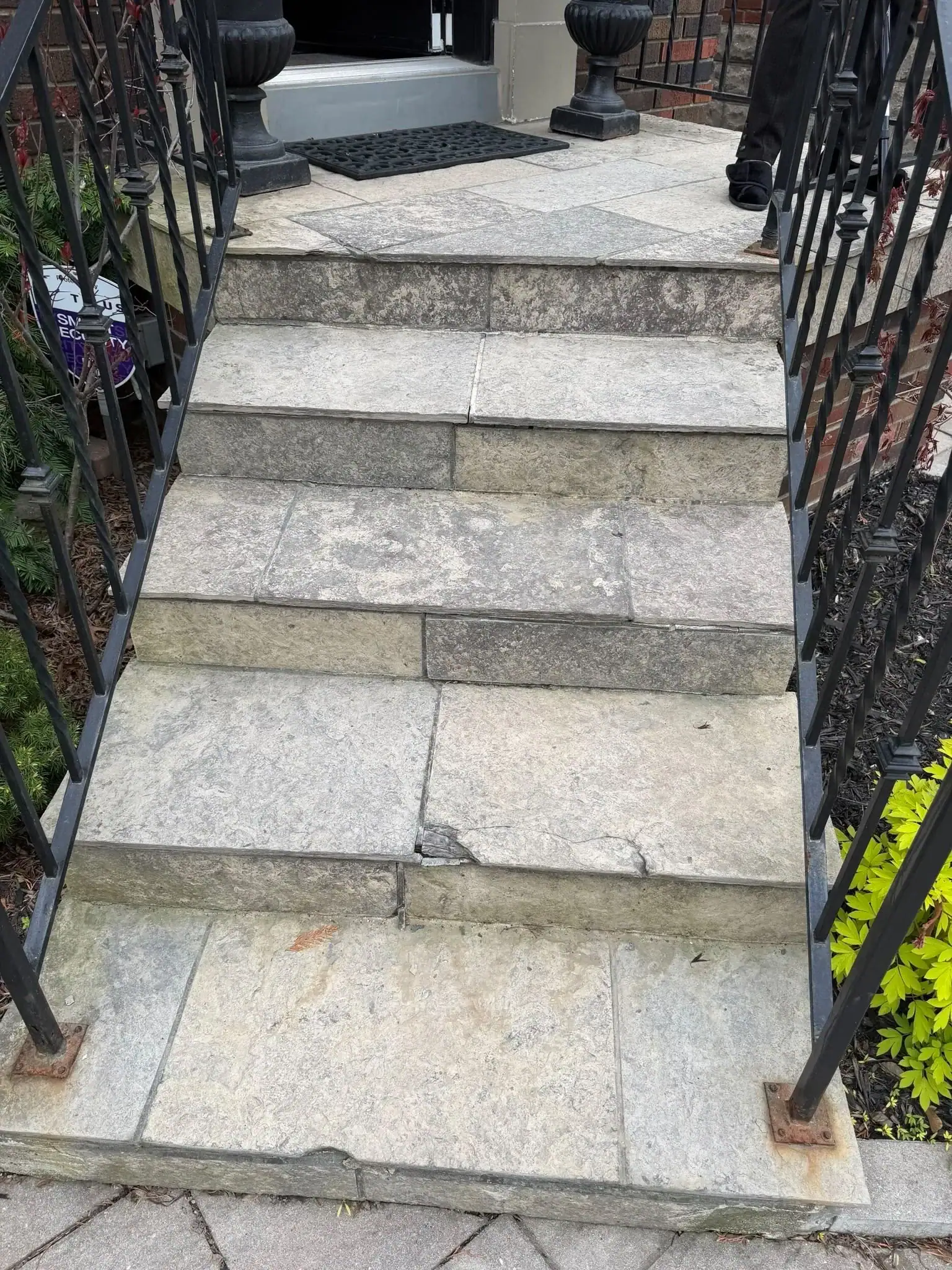
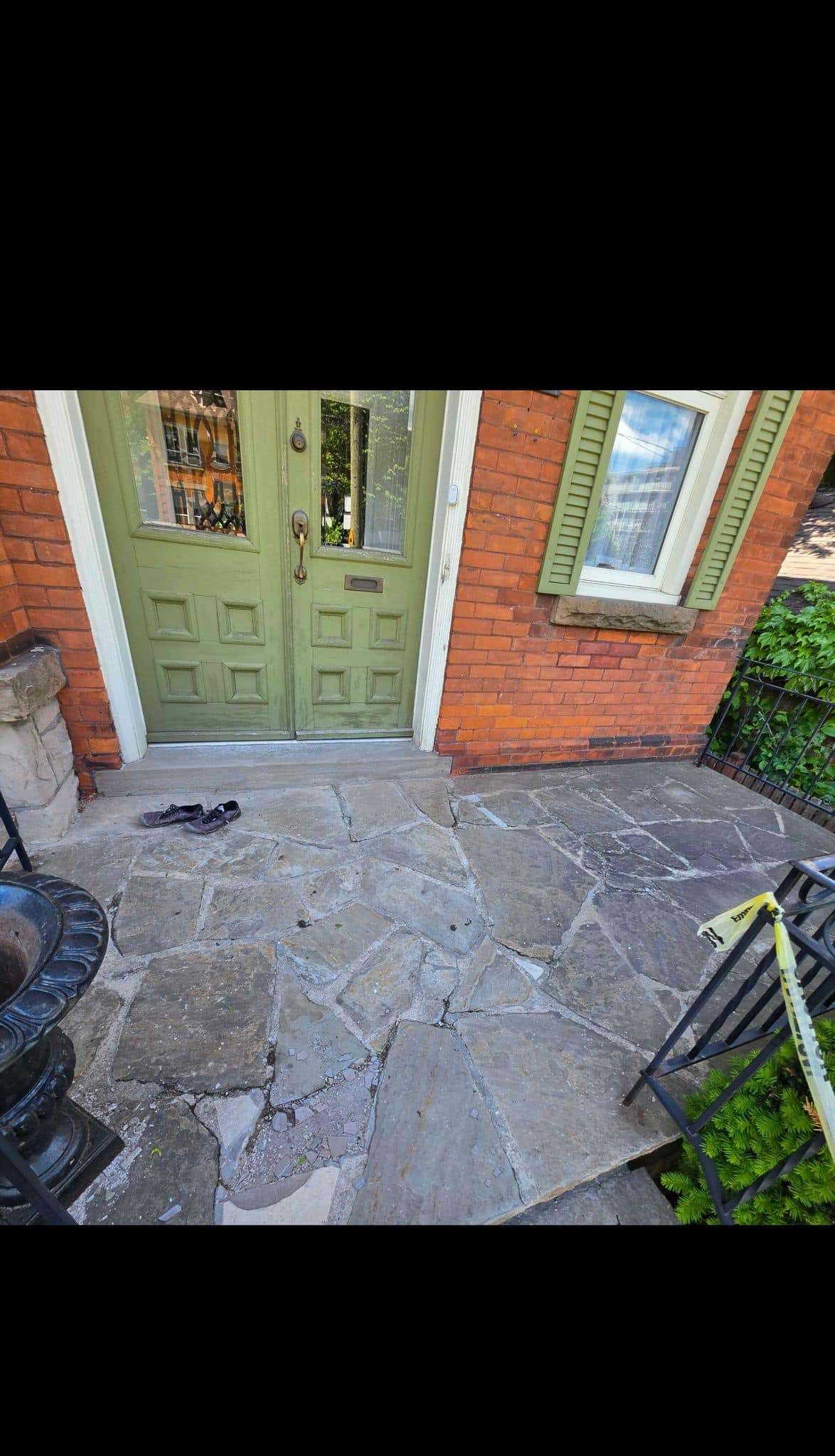
Garden walls, natural stone facades, steps, veneer installations and retaining walls can all require different approaches.
If your project involves exterior stone, A&A Masonry’s stone masonry services page provides examples of stone walls, steps, repairs, facades and custom masonry work.
Mortar for Chimneys
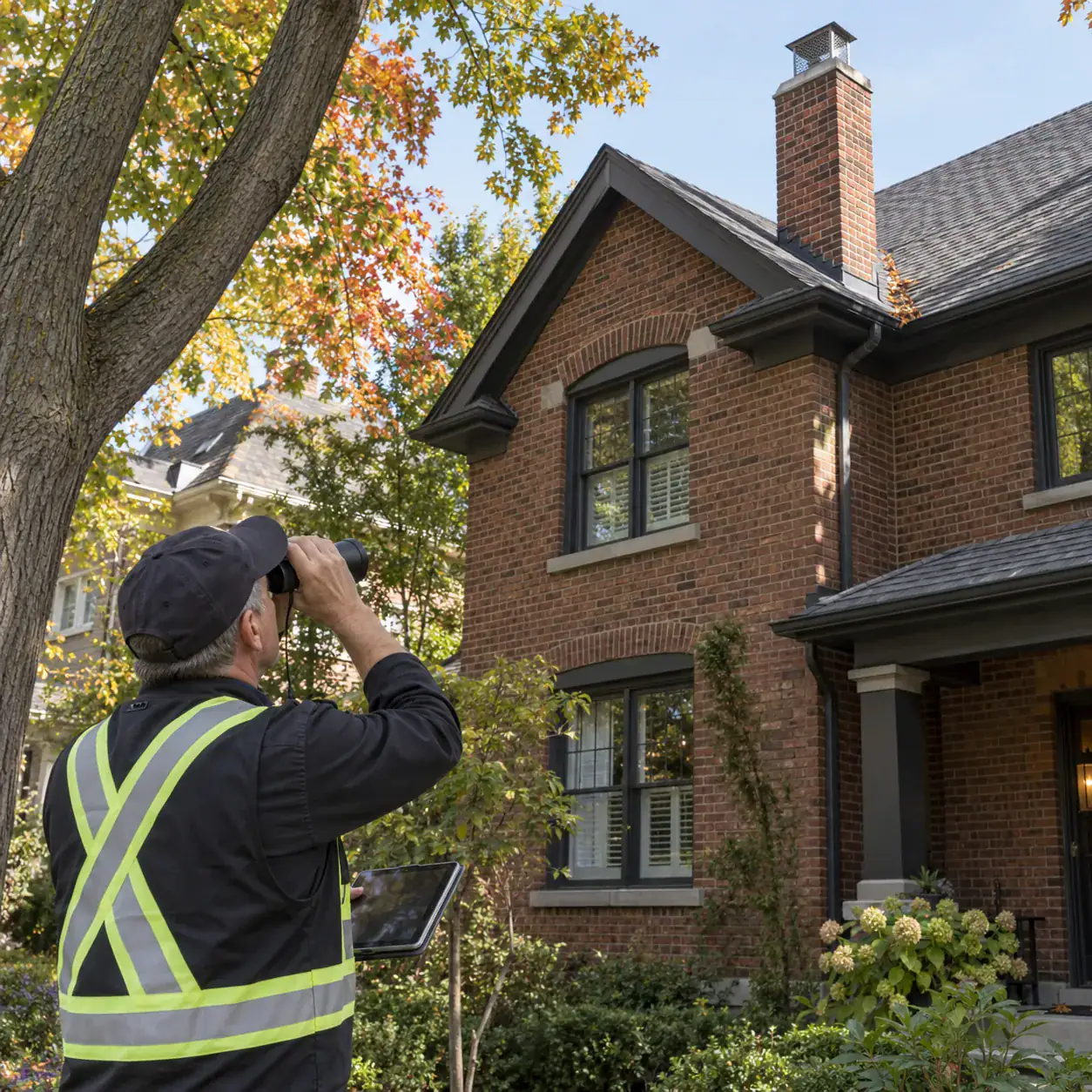
Chimney mortar is highly exposed to rain, snow, wind and repeated freeze-thaw cycles because chimneys extend above the roofline and are exposed from several sides.
The replacement mortar still needs to remain compatible with the existing brick. Exposure alone is not a reason to use an excessively hard mix.
Mortar deterioration may also be only one part of a chimney problem. Cracked crowns, damaged caps, failed flashing and deteriorated brick can all contribute to moisture entry.
If a chimney has missing mortar, cracked brick or other visible deterioration, A&A Masonry’s chimney repair services page explains the related masonry repair options.

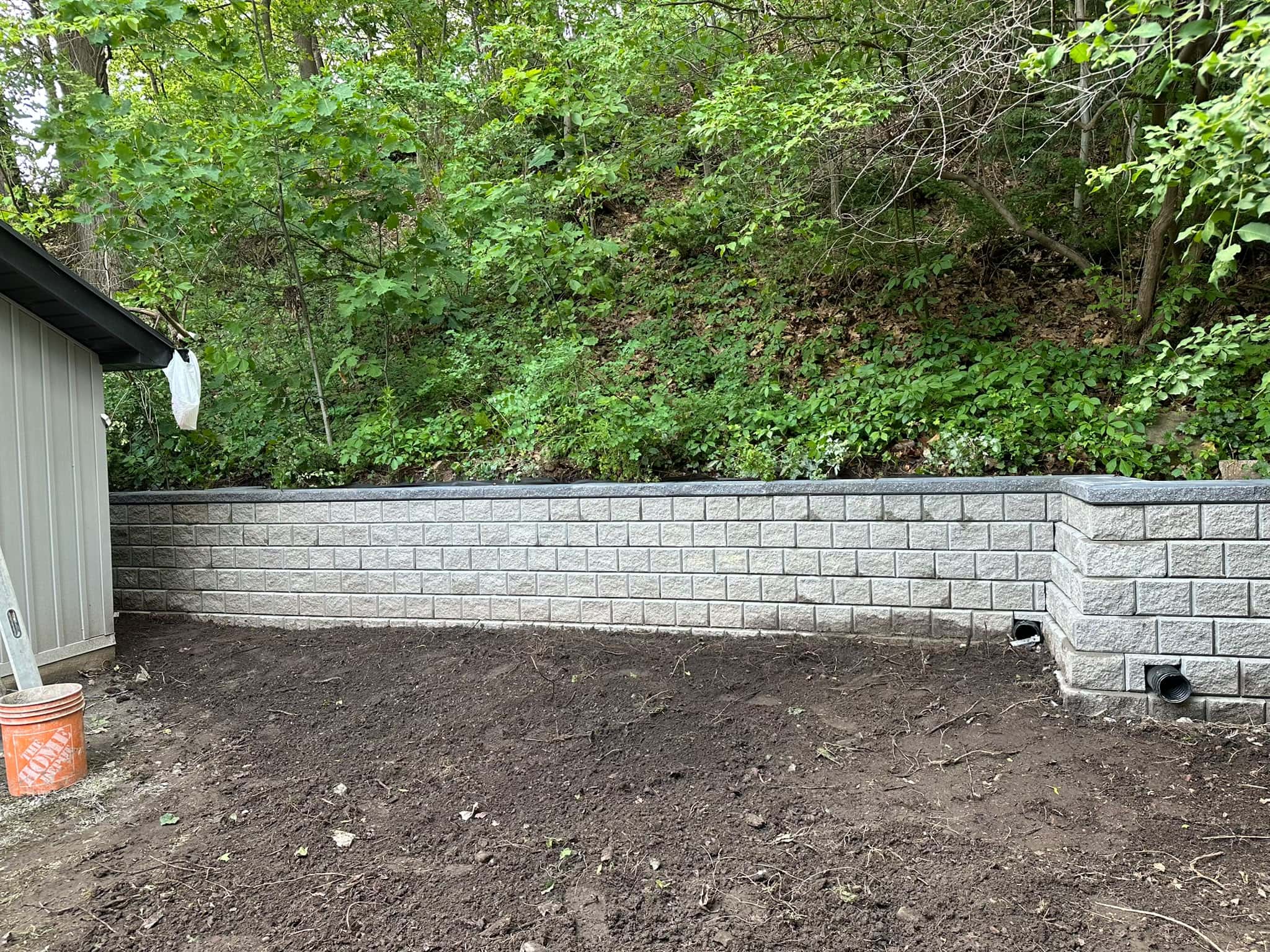
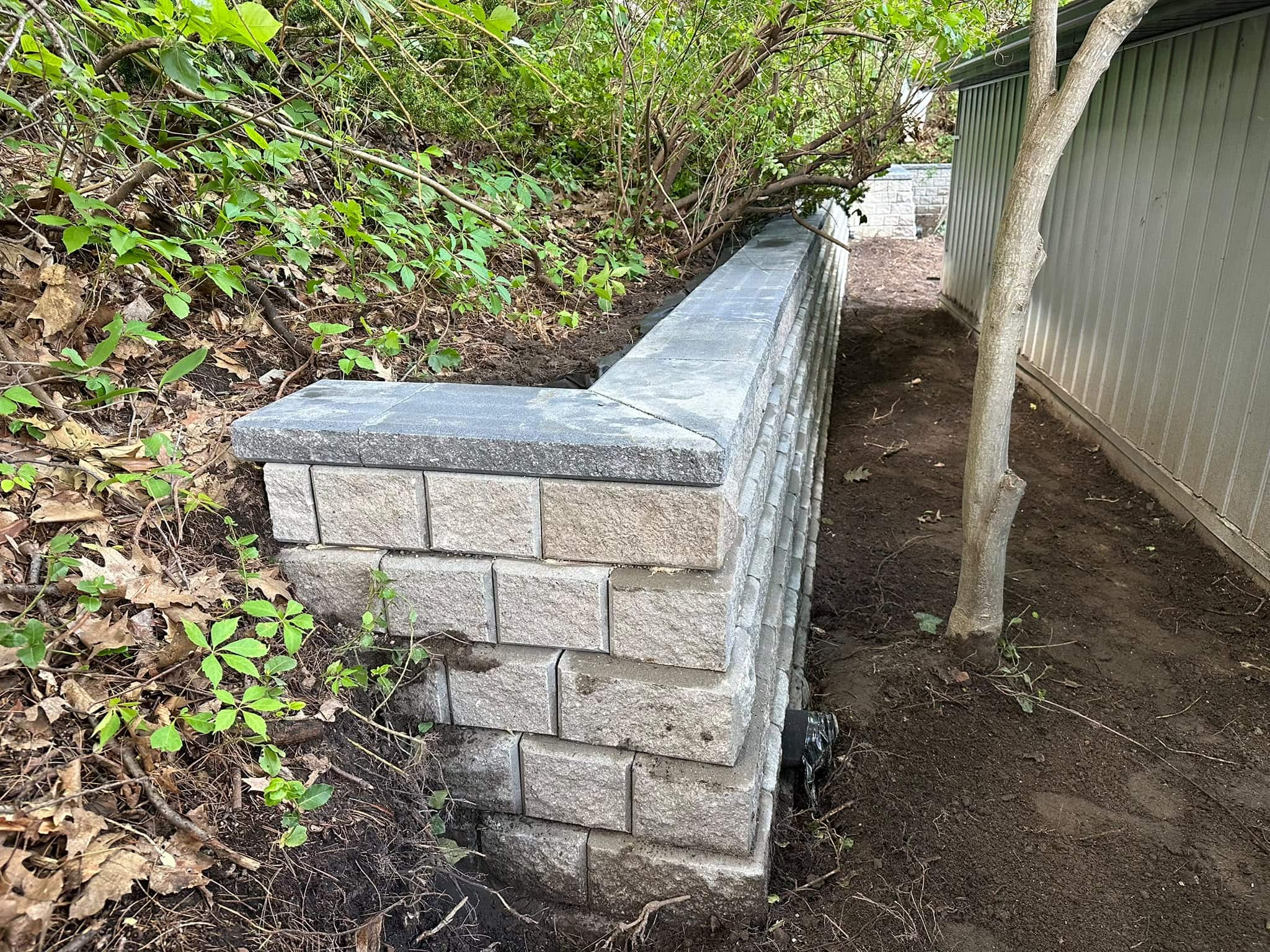
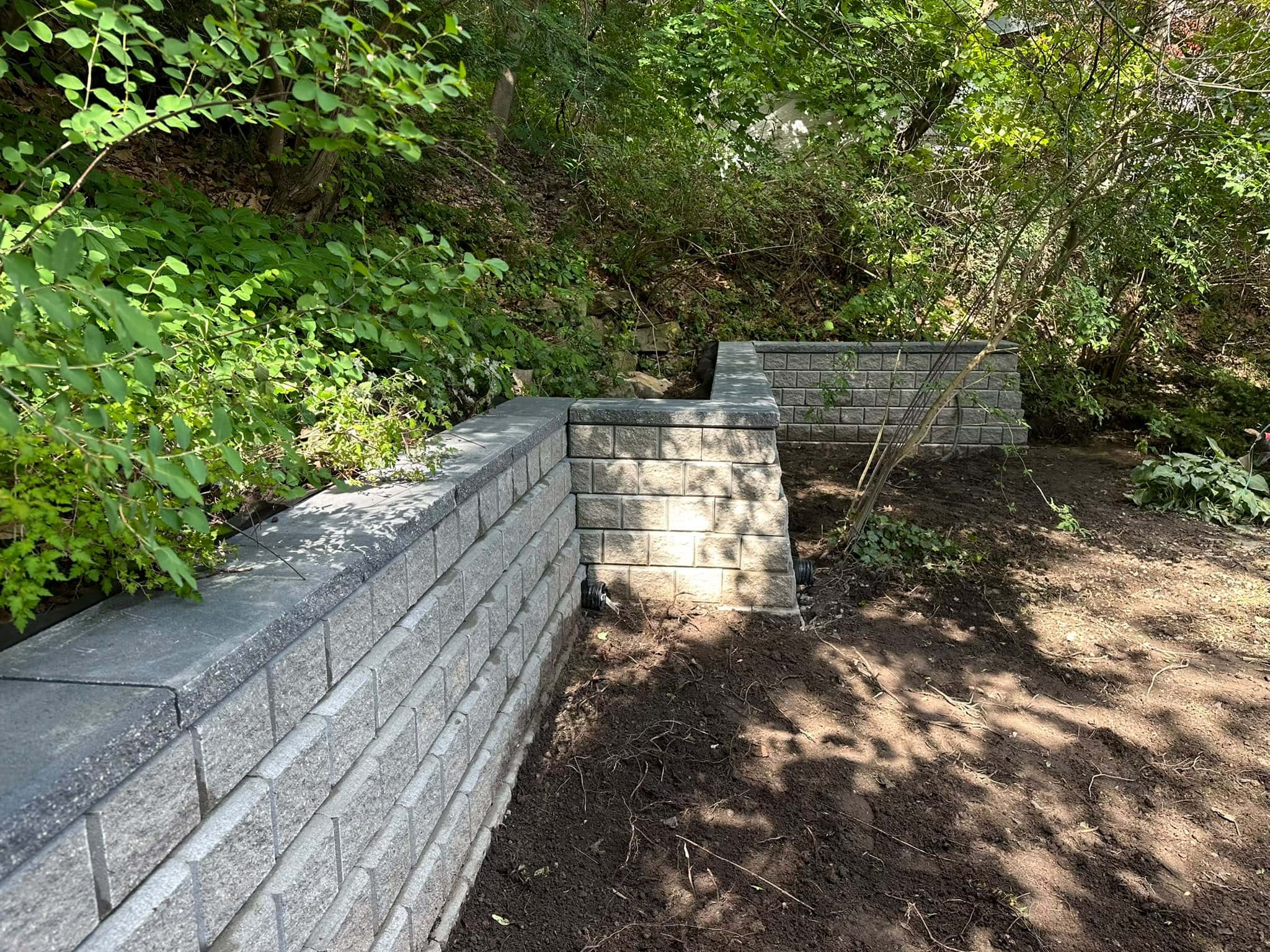
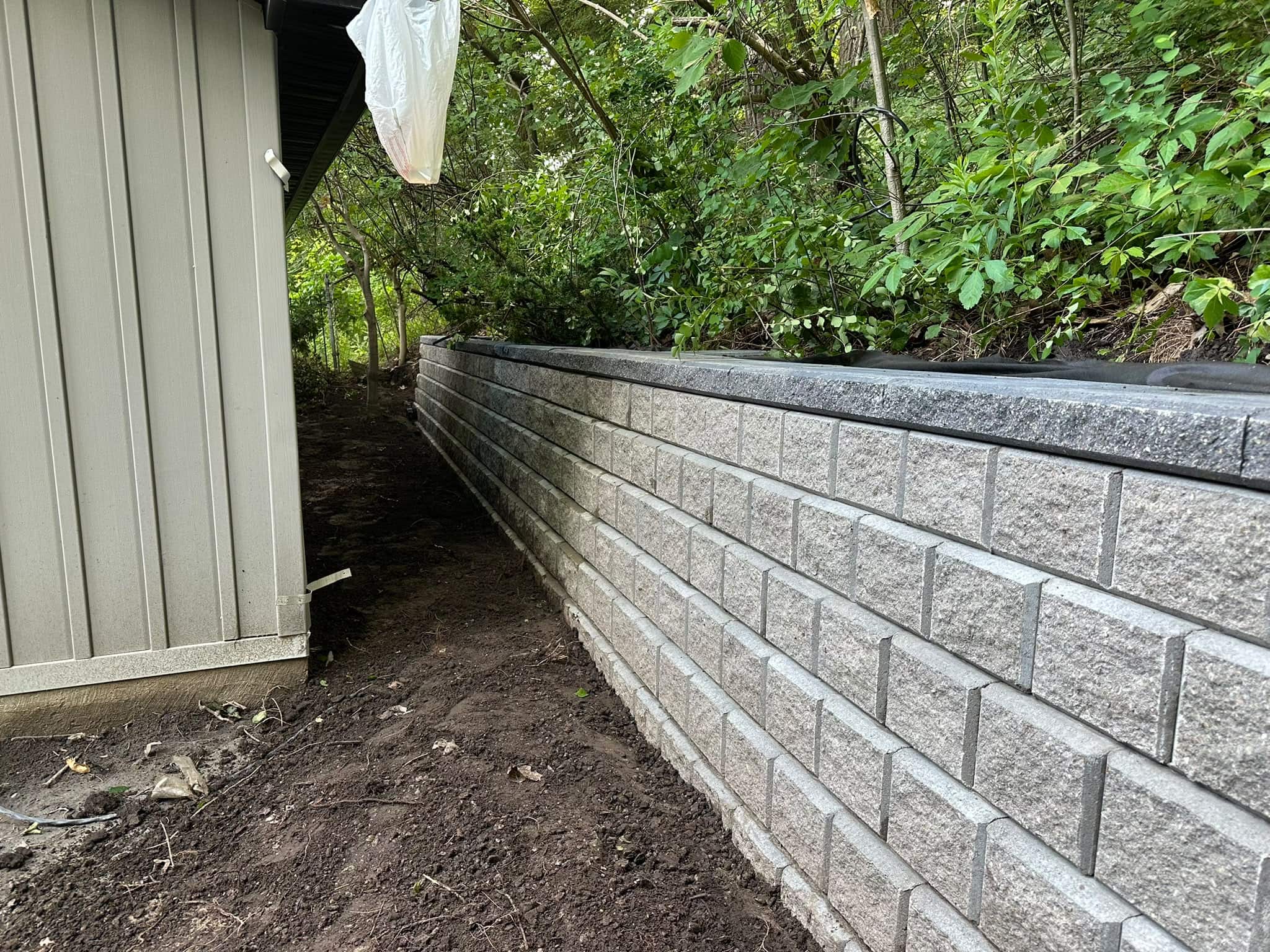
Mortar for Retaining Walls and Near-Grade Masonry
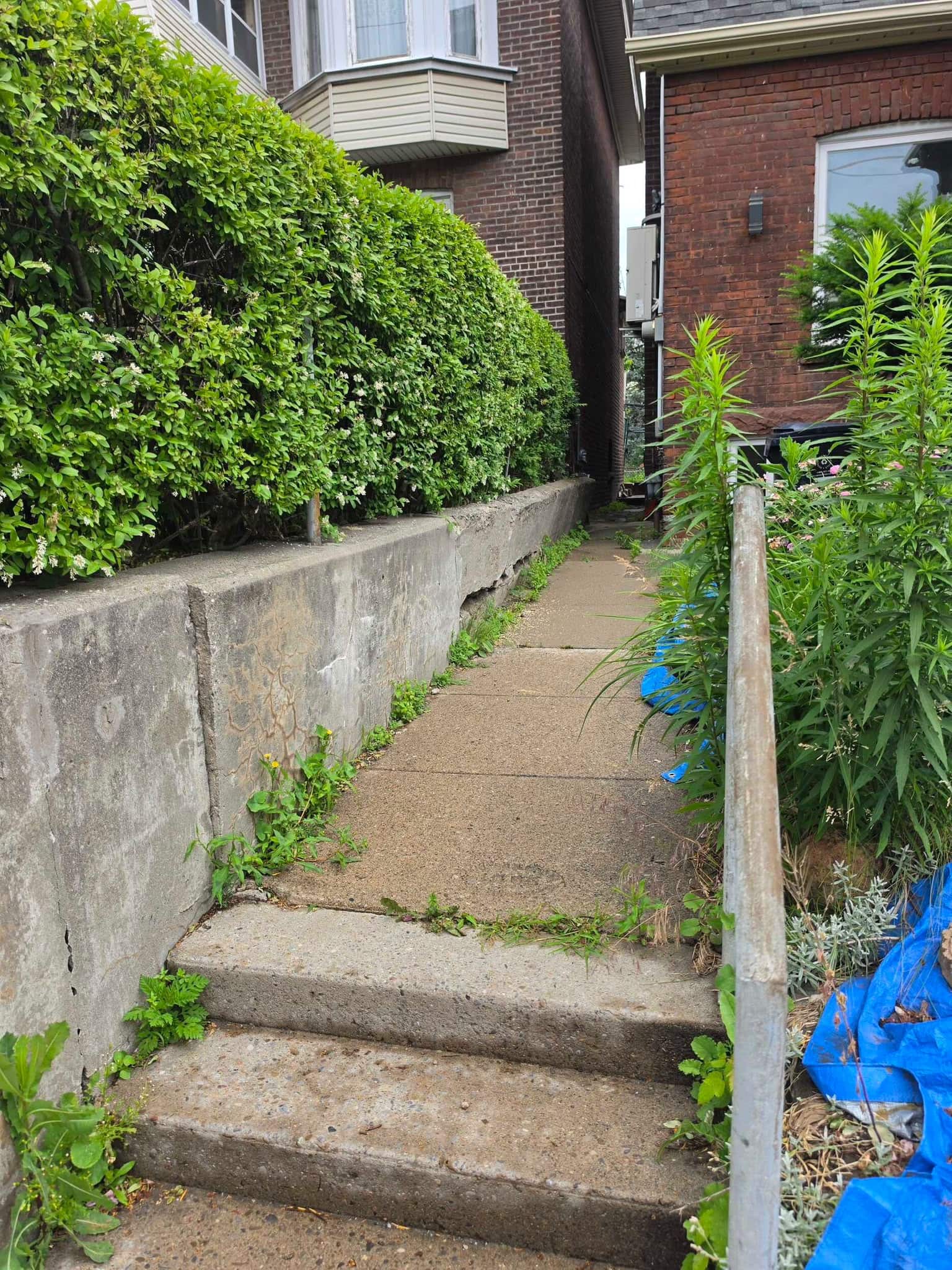
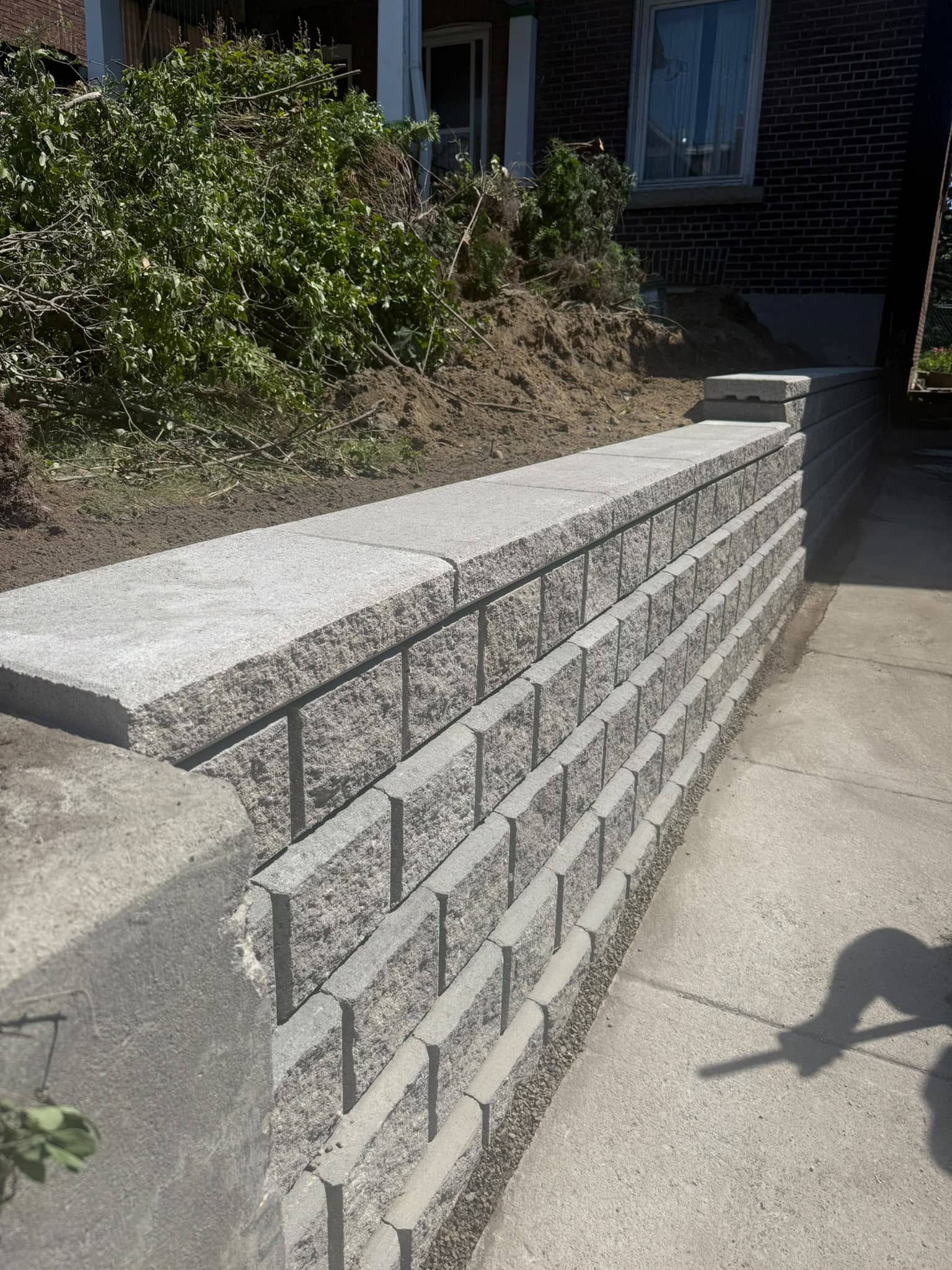
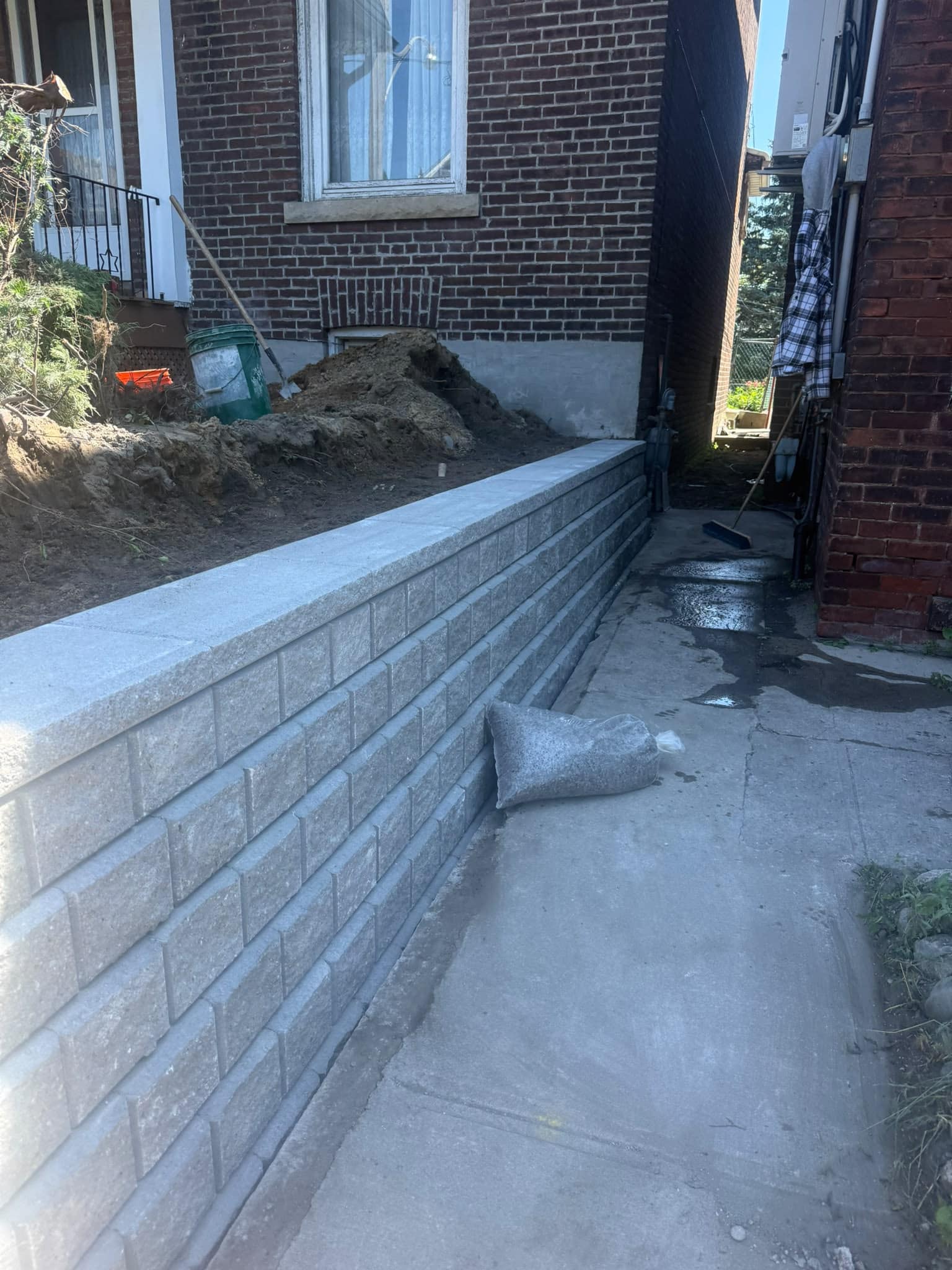
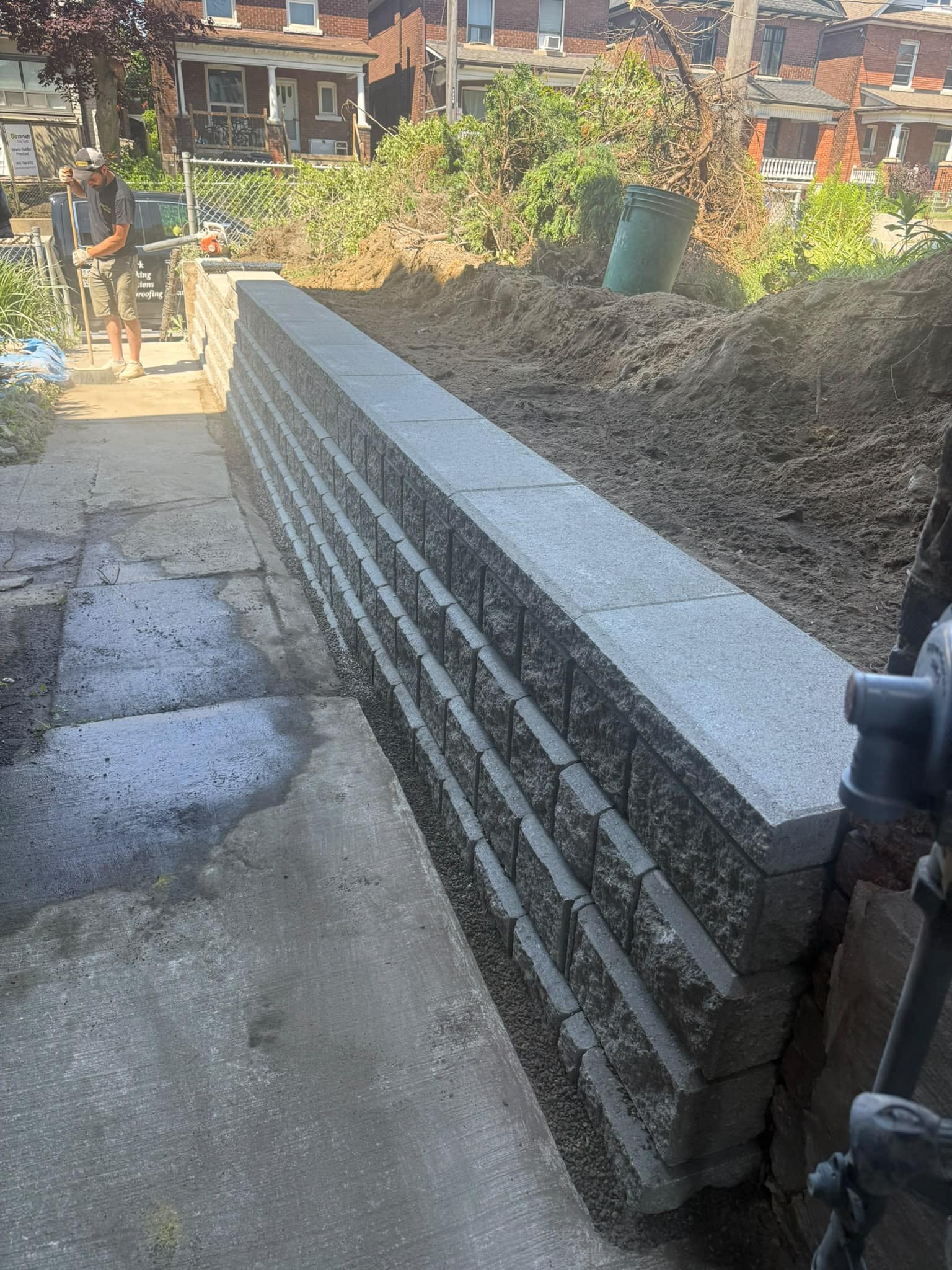
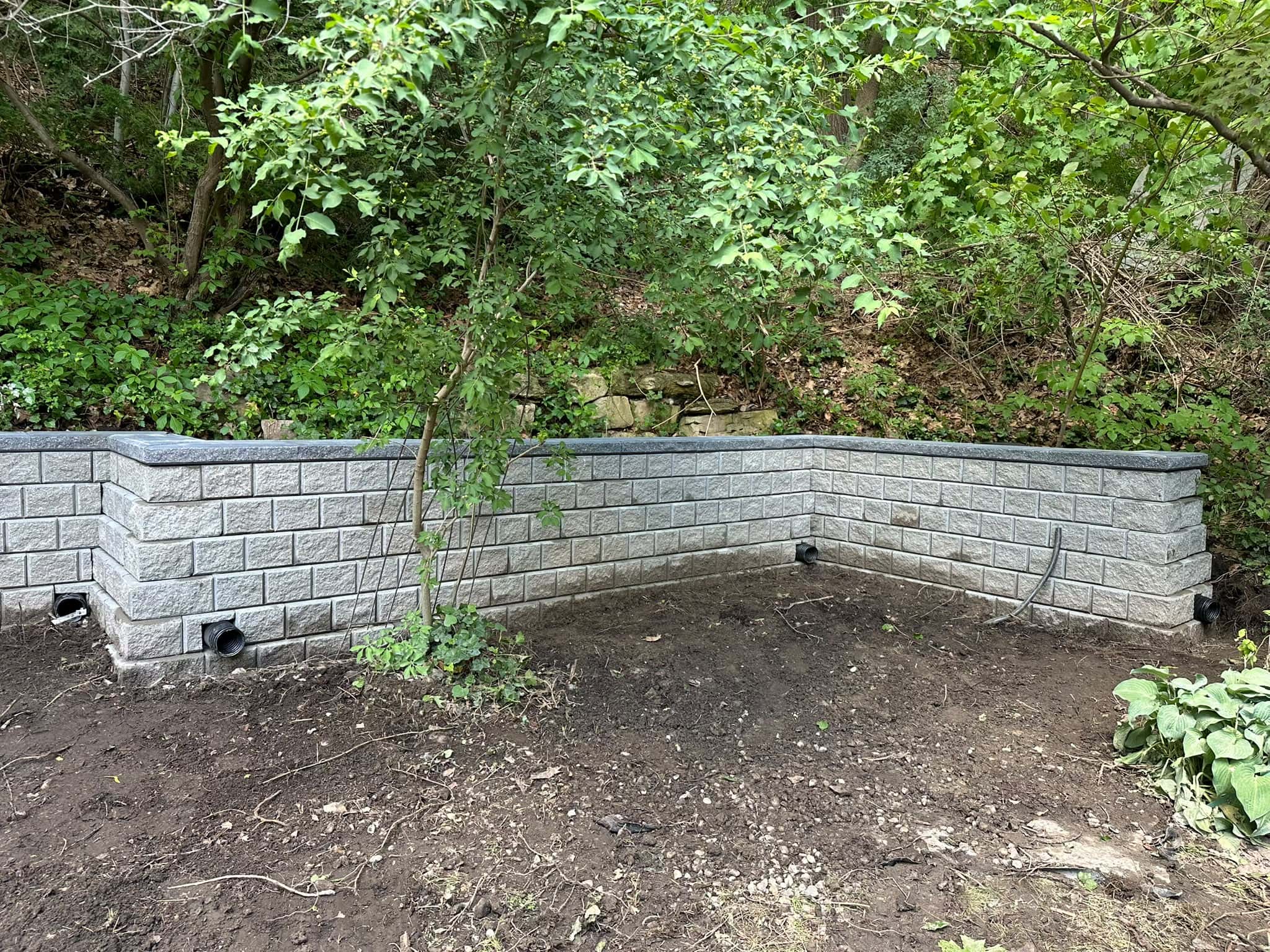
Retaining walls and masonry close to grade require special attention because moisture, soil pressure, drainage and freeze-thaw exposure can all affect performance.
Retaining walls may hold back soil, and water behind the wall can create additional pressure. Drainage, wall design, base conditions and the overall condition of the structure therefore matter just as much as the mortar.
If a retaining wall is leaning, bulging, separating or cracking significantly, replacing mortar alone may not solve the underlying problem.
Mortar for Concrete Block and CMU Work
Mortar for concrete masonry units should be selected according to the wall’s purpose, exposure and design requirements.
Concrete block may be used in foundations, garages, partitions, additions, retaining features and other masonry assemblies. Structural and non-structural walls can have different requirements.
For structural or code-related masonry, mortar selection should follow the applicable design and construction requirements rather than being chosen by guesswork.
Ontario’s official Building Code information is the preferred provincial starting point for current building requirements.
Mortar for Veneer Stone
Stone veneer systems need appropriate materials for bonding, joint finishing and moisture management.
The mortar or setting material used behind a veneer may have a different role from the mortar visible in the finished joints. The correct system depends on the veneer product, substrate, exposure, manufacturer requirements and installation method.
Exterior veneer also needs suitable water-management detailing so moisture can drain and the assembly can dry.
A&A Masonry’s veneer stone installation page explains common applications for natural and manufactured stone veneer.
How Toronto Weather Affects Mortar Choice
Toronto’s rain, snow and repeated freeze-thaw cycles place regular stress on exterior masonry.
Water entering cracks or deteriorated joints can freeze and expand, worsening existing deterioration. De-icing salts may also affect exposed masonry around steps, entrances and other near-grade surfaces.
Mortar repair should therefore consider both the replacement material and the reason moisture is reaching the wall.
The City of Toronto’s guidance on managing rain and melted snow provides useful homeowner information about drainage and water management.
Colour Matching and Joint Profile
Mortar affects the appearance of the entire masonry surface, so colour, texture and joint profile matter as well as technical compatibility.
Mortar colour can change as it cures and dries. Sand, binder composition, pigment, mixing, tooling and curing conditions can all affect the finished appearance.
Joint profiles also affect how a wall looks and sheds water. Concave, flush, weathered, raked and historic joint profiles each create a different appearance and surface geometry.
On visible facades, chimneys and heritage properties, appearance and performance should be planned together.
Why Stronger Mortar Is Not Always Better
Masonry needs compatibility, not maximum hardness.
A mortar that is significantly harder or less compatible than the surrounding brick or stone can shift weathering and stress into the masonry units.
On many older brick walls, it is preferable for the joint to remain the more maintainable component so deteriorated mortar can be repaired without sacrificing original brick.
This is why mortar should be chosen for the wall as a system rather than by compressive strength alone.
Common Mistakes When Choosing Mortar
- Using mortar that is too hard: This can contribute to deterioration of softer masonry.
- Using mortar that is too weak for the application: It may deteriorate prematurely under demanding exposure or load conditions.
- Smearing mortar over failed joints: Shallow surface patches may fail quickly when deteriorated mortar remains underneath.
- Ignoring moisture sources: Repaired joints can deteriorate again if water continues entering the masonry.
- Focusing only on colour: A visual match does not guarantee material compatibility.
- Using the wrong joint profile: The repair can look mismatched and may shed water differently from the original wall.
- Applying an unsuitable sealer or coating: Products that restrict drying can worsen moisture problems in some masonry systems.
- Aggressive mortar removal: Grinding or cutting can damage brick edges and historic masonry if not controlled carefully.
The best repair starts with understanding why the old mortar failed and what the existing wall requires.
Safety Considerations During Mortar Removal
Mortar removal can create dust, noise and debris. Grinding or cutting masonry materials can also generate respirable crystalline silica.
Ontario’s guidance on silica in construction projects outlines safety requirements and considerations for work involving silica-containing materials.
Professional masonry work may involve dust-control methods, respiratory protection, suitable tools, controlled removal and jobsite cleanup.
Homeowners should be particularly cautious about deep mortar removal, high walls, chimneys and large repointing projects.
Permits, Code and Larger Masonry Projects
Basic maintenance repointing is different from rebuilding or altering a masonry structure.
Permits or professional design may become relevant when work involves structural repair, major wall rebuilding, chimney reconstruction, foundations, retaining walls, new openings or significant alterations.
The City of Toronto’s building permit information is a useful starting point for Toronto projects, while Ontario’s Building Code provides the provincial regulatory framework.
If a project affects structural support, foundations, chimneys, retaining walls, entrances or other significant building components, confirm the applicable requirements before work begins.
What Homeowners Can Check Before Mortar Repair
Homeowners can document visible conditions before requesting masonry repair.
- Look for cracked, missing, sandy or deeply recessed mortar.
- Check whether nearby brick or stone is loose, cracked or spalling.
- Note areas that remain damp longer than surrounding masonry.
- Look for white deposits, staining or peeling coatings.
- Check nearby downspouts, grading, walkways and roof runoff.
- Photograph problem areas so changes can be compared over time.
- Look for older repairs that differ noticeably in hardness, colour or texture.
- Determine whether the property has heritage designation or is located in a heritage conservation district.
Avoid removing large areas of mortar or applying new coatings before the cause and extent of deterioration are understood.
Quick Guide: Choosing Mortar Types for Different Projects
- Older brick homes: Compatibility with the original brick and mortar is more important than maximum strength.
- Newer brick repair: Replacement mortar should suit the existing wall and exposure.
- Tuckpointing and repointing: Mortar should be compatible in strength and composition while also matching colour, texture and joint profile where practical.
- Chimneys: Mortar needs to handle high weather exposure while remaining compatible with the existing brick.
- Stone masonry: Mortar should suit the stone type, joint width, exposure and wall function.
- Retaining walls: Mortar selection must be considered alongside drainage, wall design and structural condition.
- Concrete block: Mortar should suit the wall’s design, structural role and applicable requirements.
- Veneer stone: Setting and joint materials must suit the veneer system, substrate and moisture-management details.
The right mortar fits the masonry system rather than simply having the strongest label.
When Professional Help Makes More Sense
Professional assessment becomes more important when mortar repair involves older brick, heritage masonry, chimneys, retaining walls, stonework, widespread joint failure, spalling brick, persistent moisture or previous repairs that have failed.
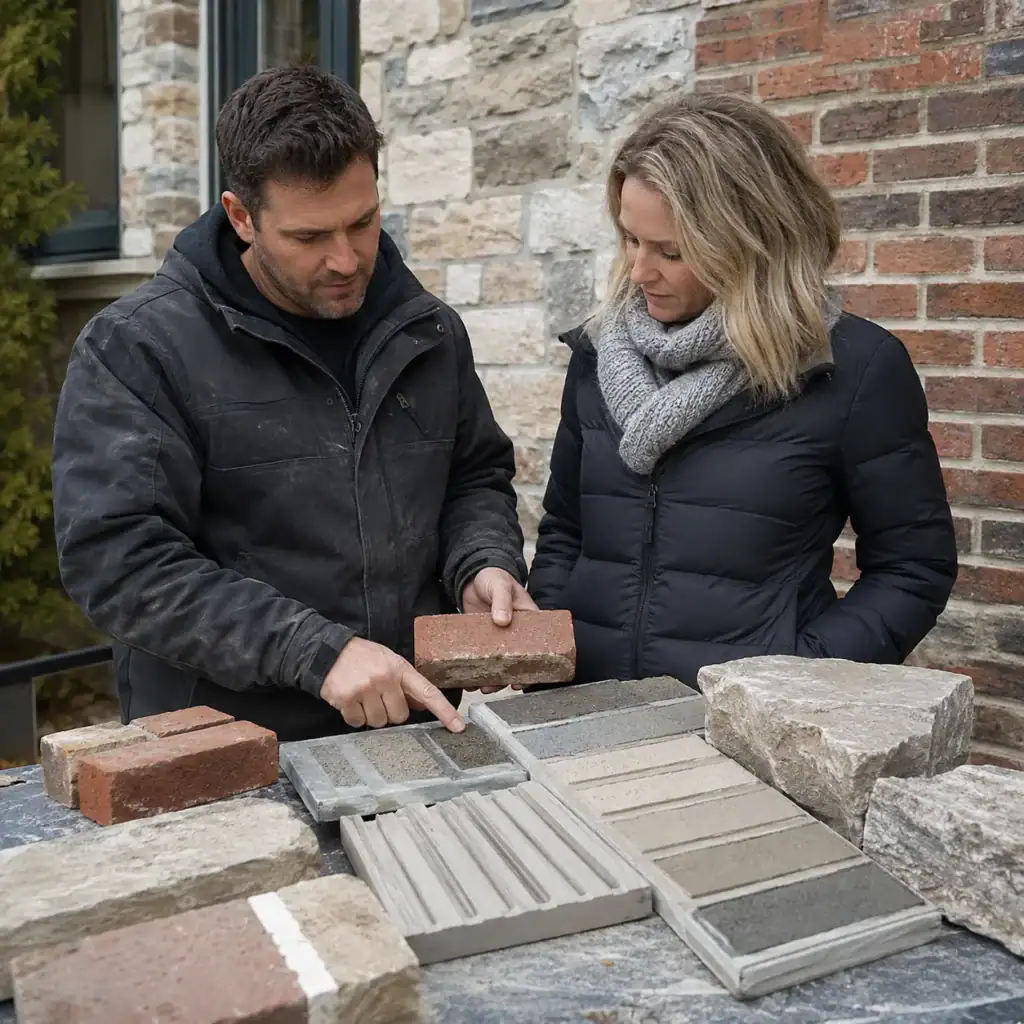
A mason can assess the masonry units, existing mortar, joint condition, wall exposure, moisture sources, compatibility, joint profile and whether brick or stone replacement is also required.
For broader repair planning, A&A Masonry’s Toronto masonry services page provides an overview of brick repair, tuckpointing, stone masonry, chimney repair, concrete repair, waterproofing, retaining walls and exterior restoration.
Final Thoughts on Choosing Mortar Types for Different Projects
Choosing mortar types for different projects is primarily about compatibility, exposure, moisture management and the role the mortar needs to perform.
The right mortar for a modern concrete block wall may not suit an older brick facade, heritage property, chimney, natural stone wall or retaining structure.
For Toronto and GTA properties, mortar also needs to perform under repeated wetting, freezing and thawing. The most appropriate approach is to identify the masonry material, understand why the existing mortar deteriorated, address relevant moisture conditions and select a replacement mortar that works with the surrounding masonry.
Dealing With Cracked or Deteriorating Mortar?
If mortar joints are crumbling, deeply recessed, mismatched from an older repair or allowing moisture into the masonry, the correct repair starts with identifying a compatible replacement mortar.
A&A Masonry can assess the brick or stone, joint condition, exposure and existing mortar before recommending the appropriate mortar-joint repair.