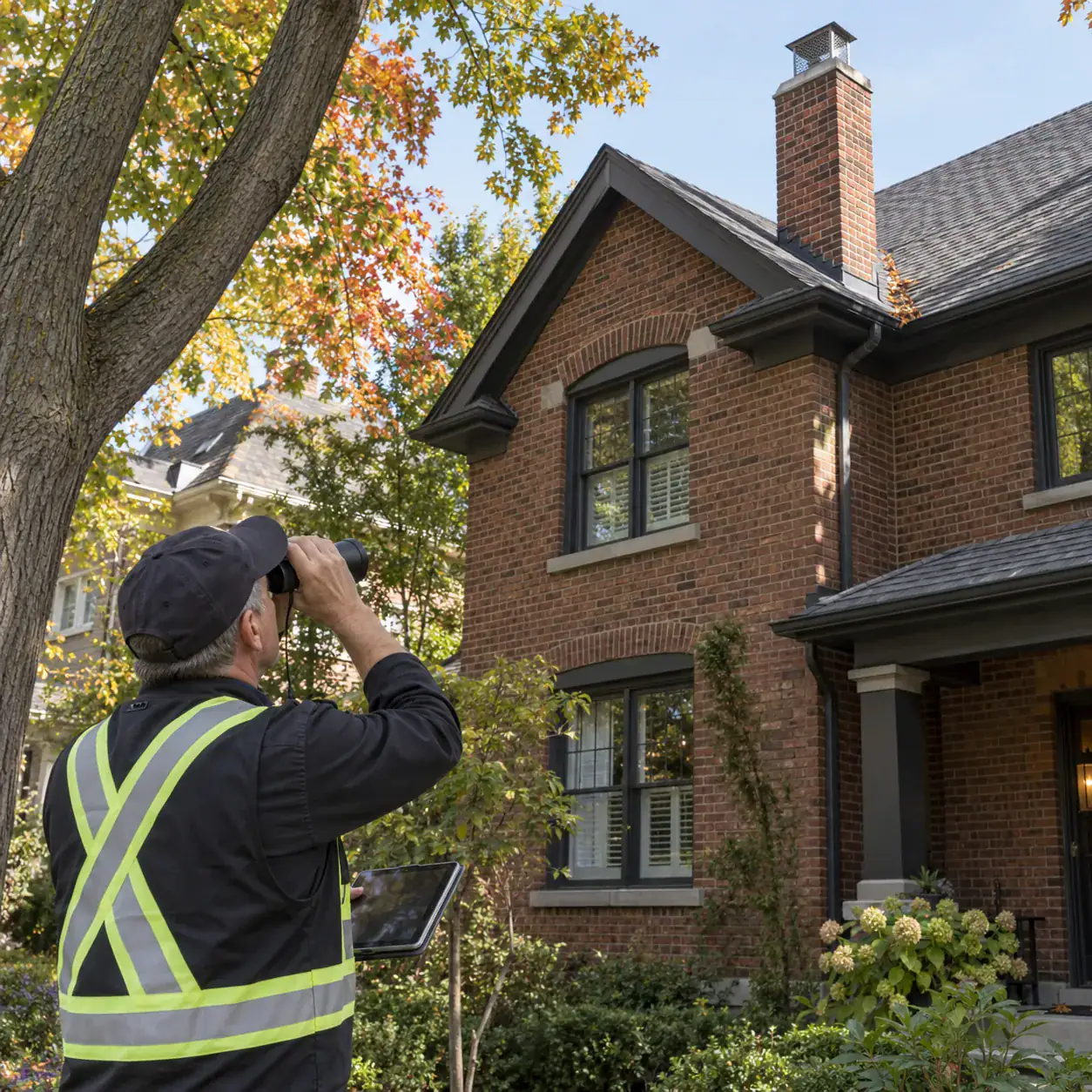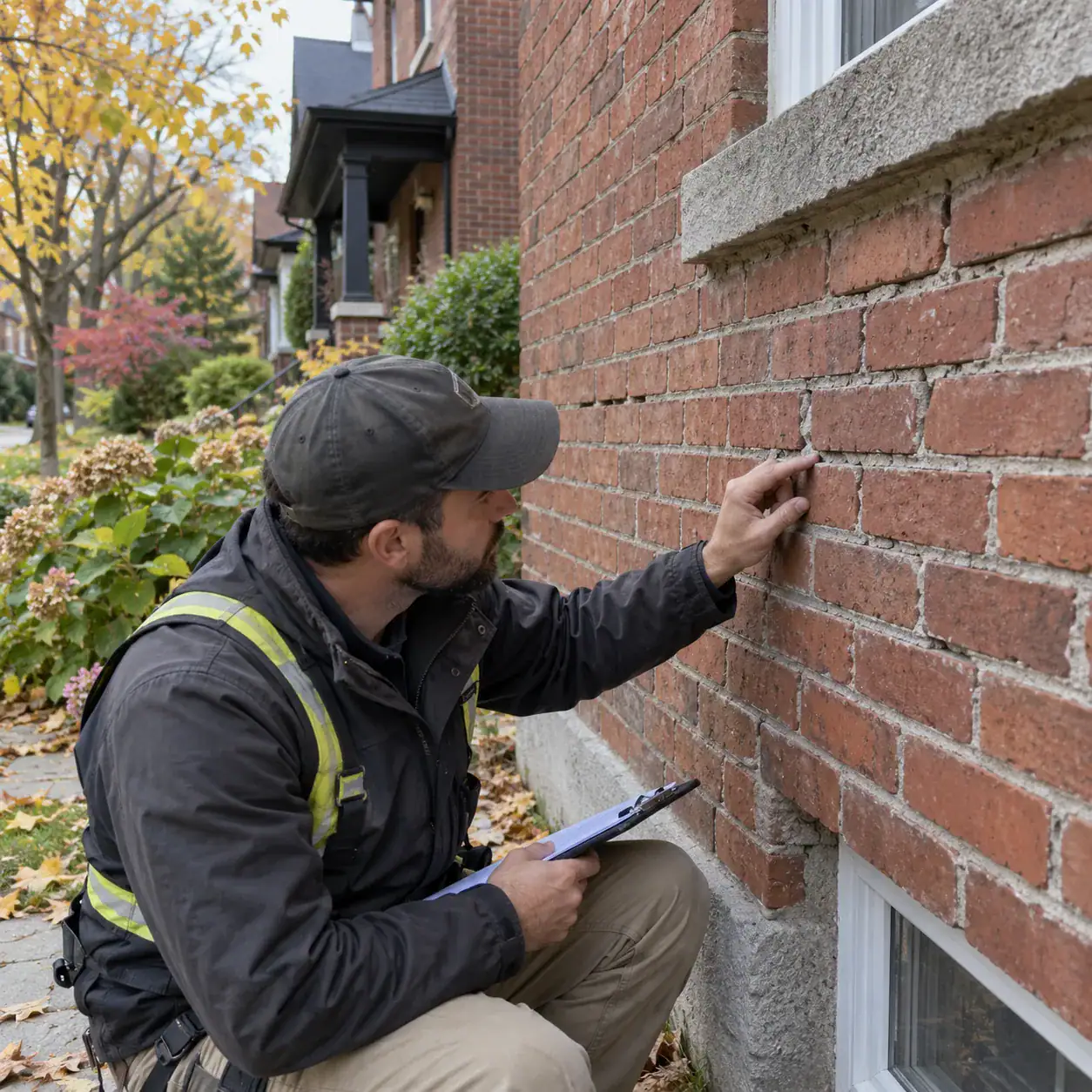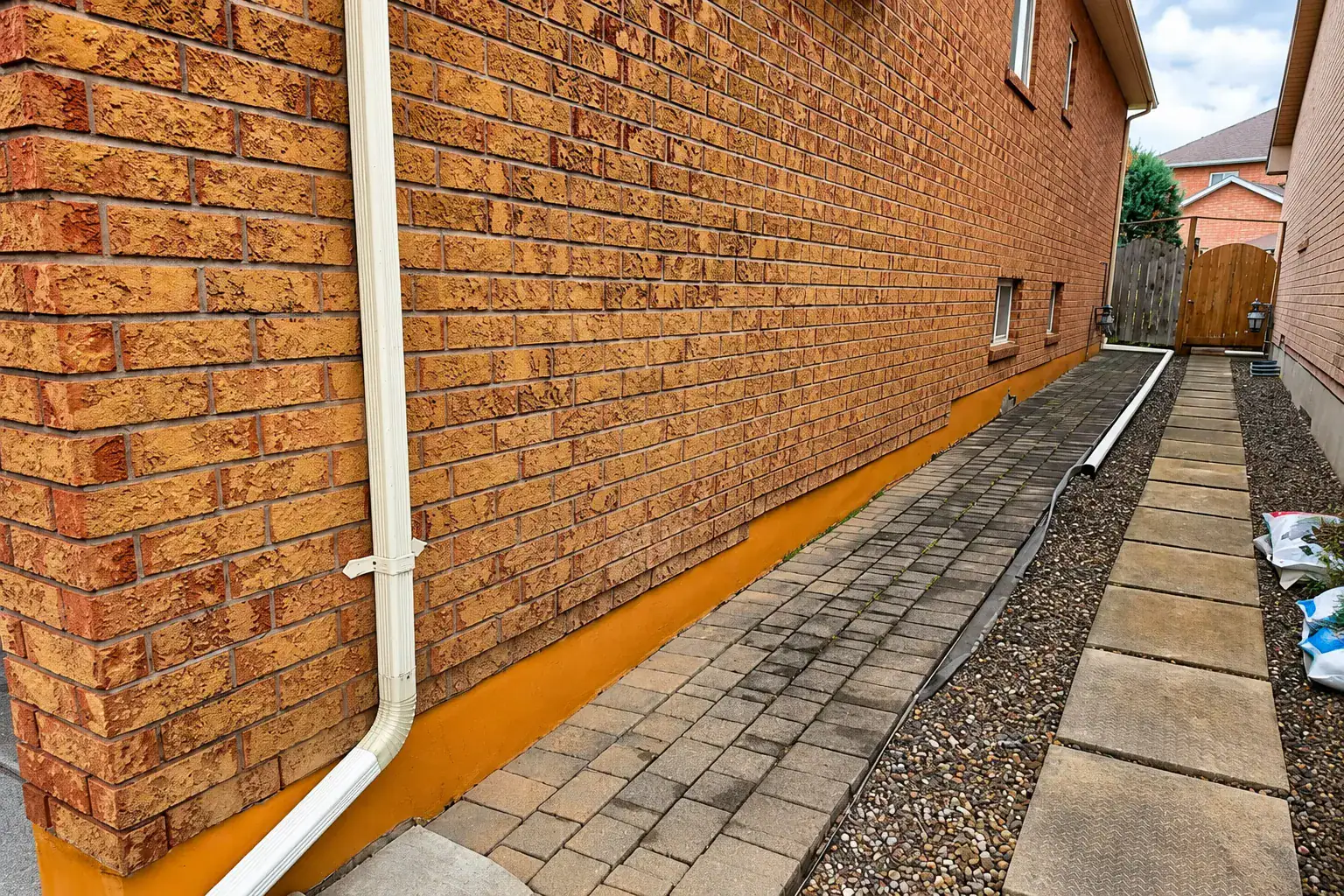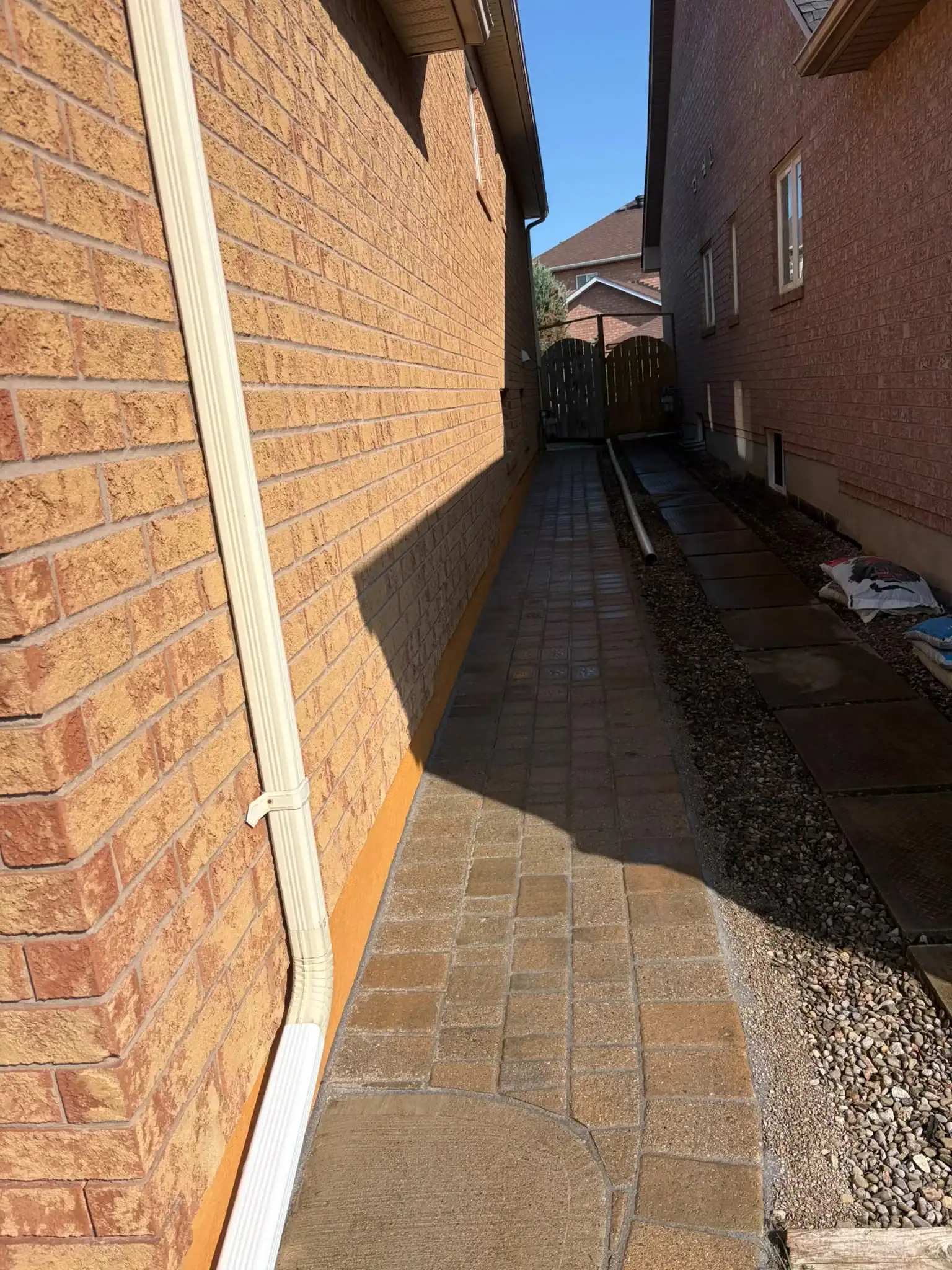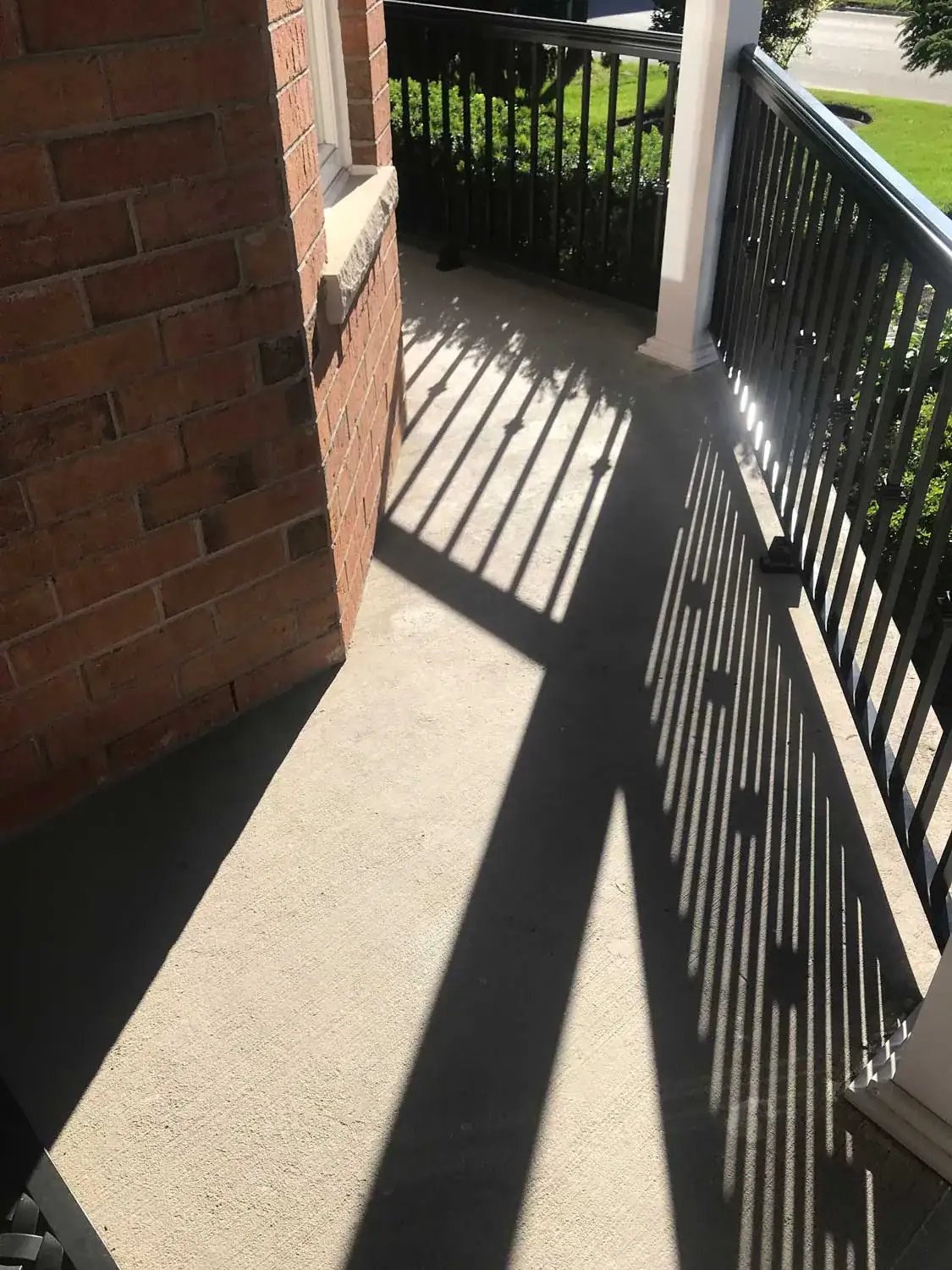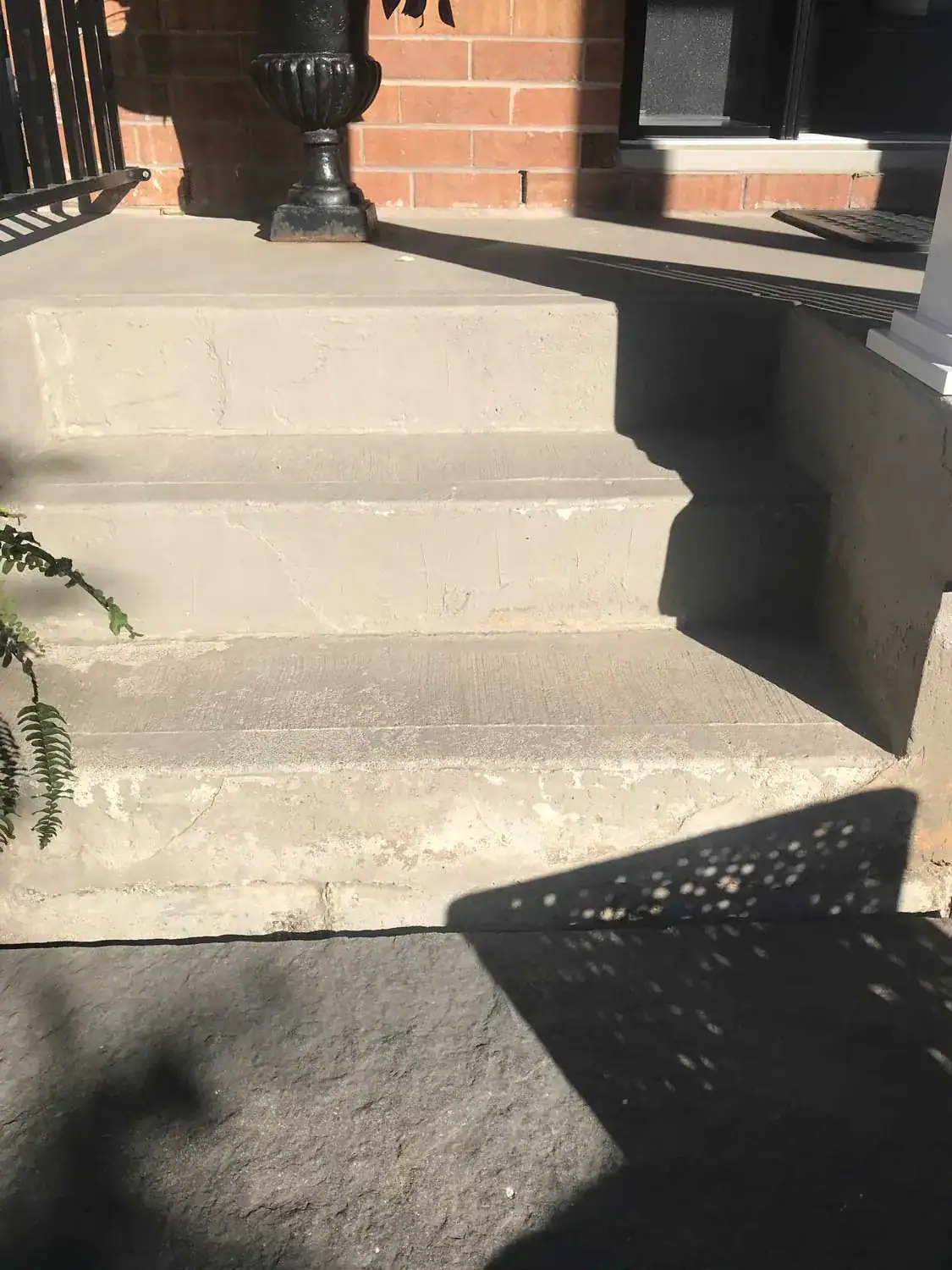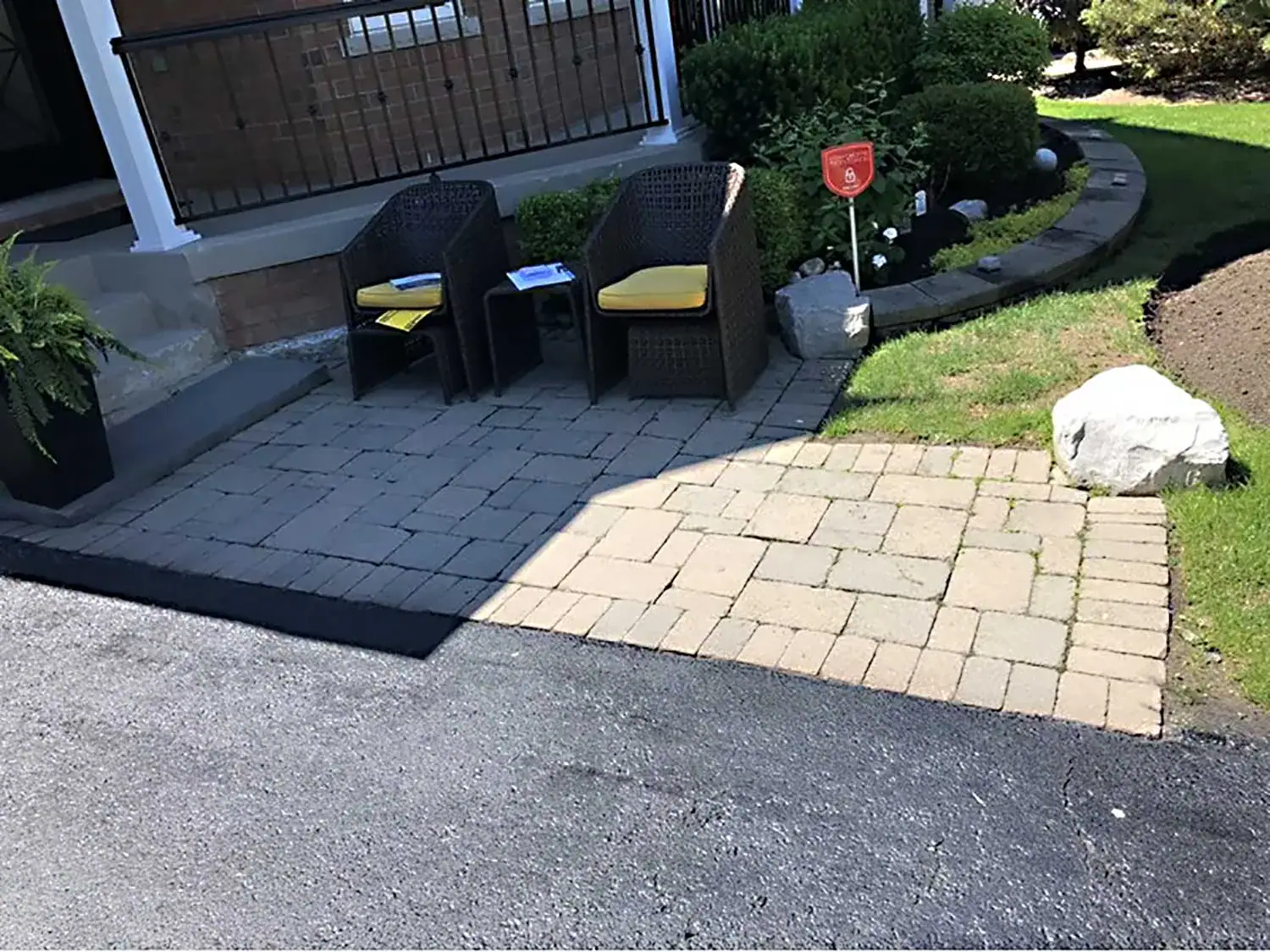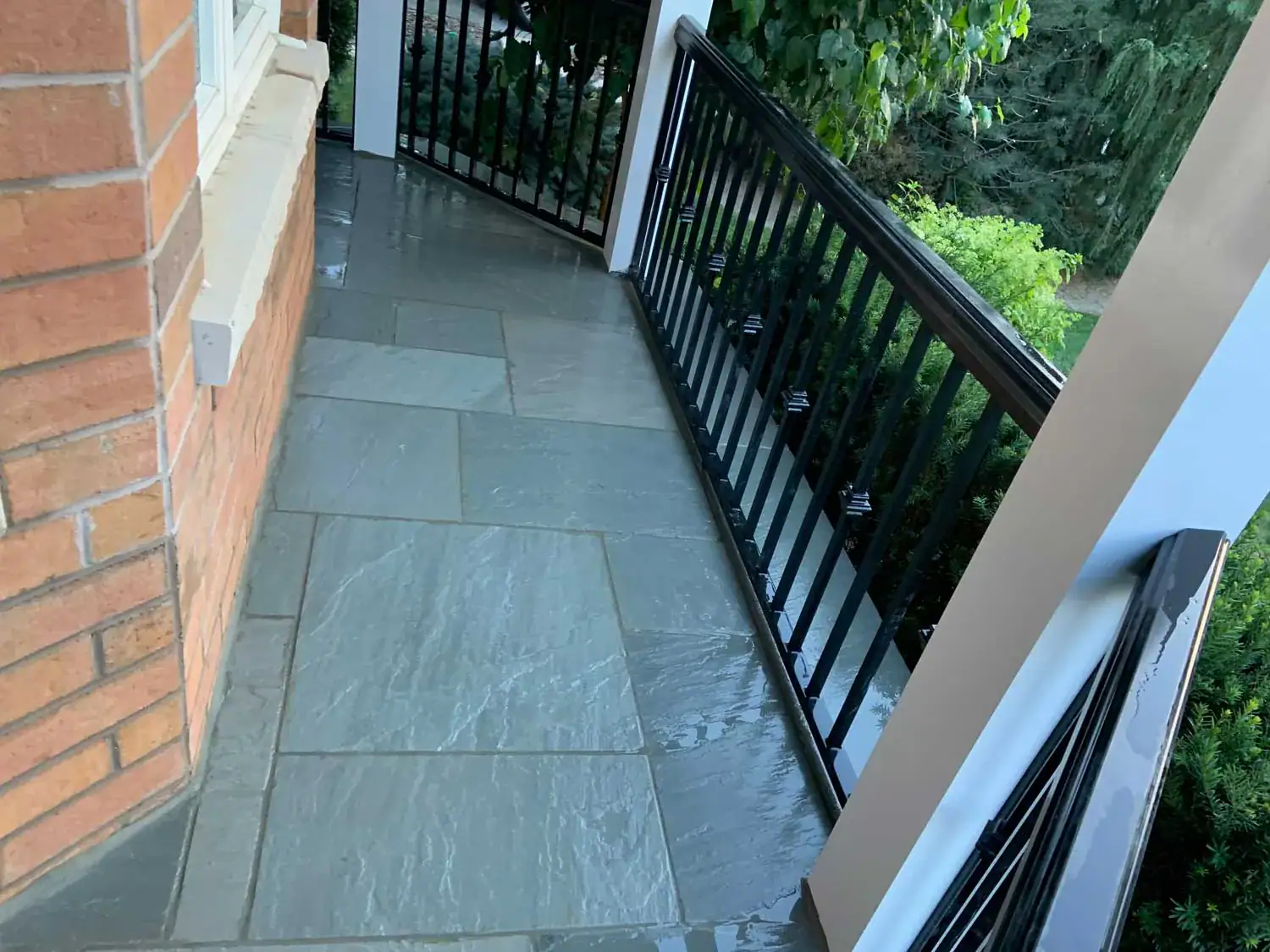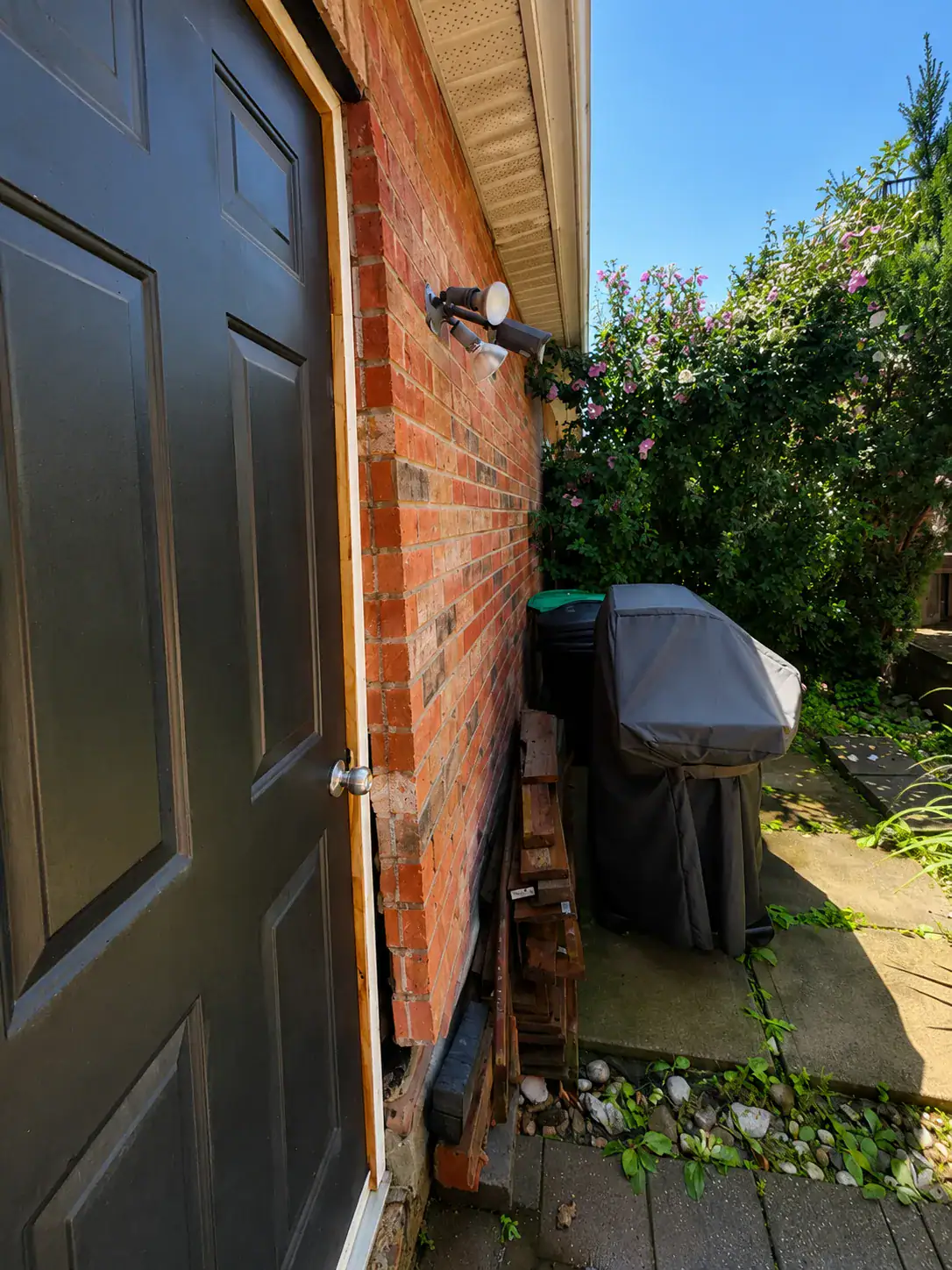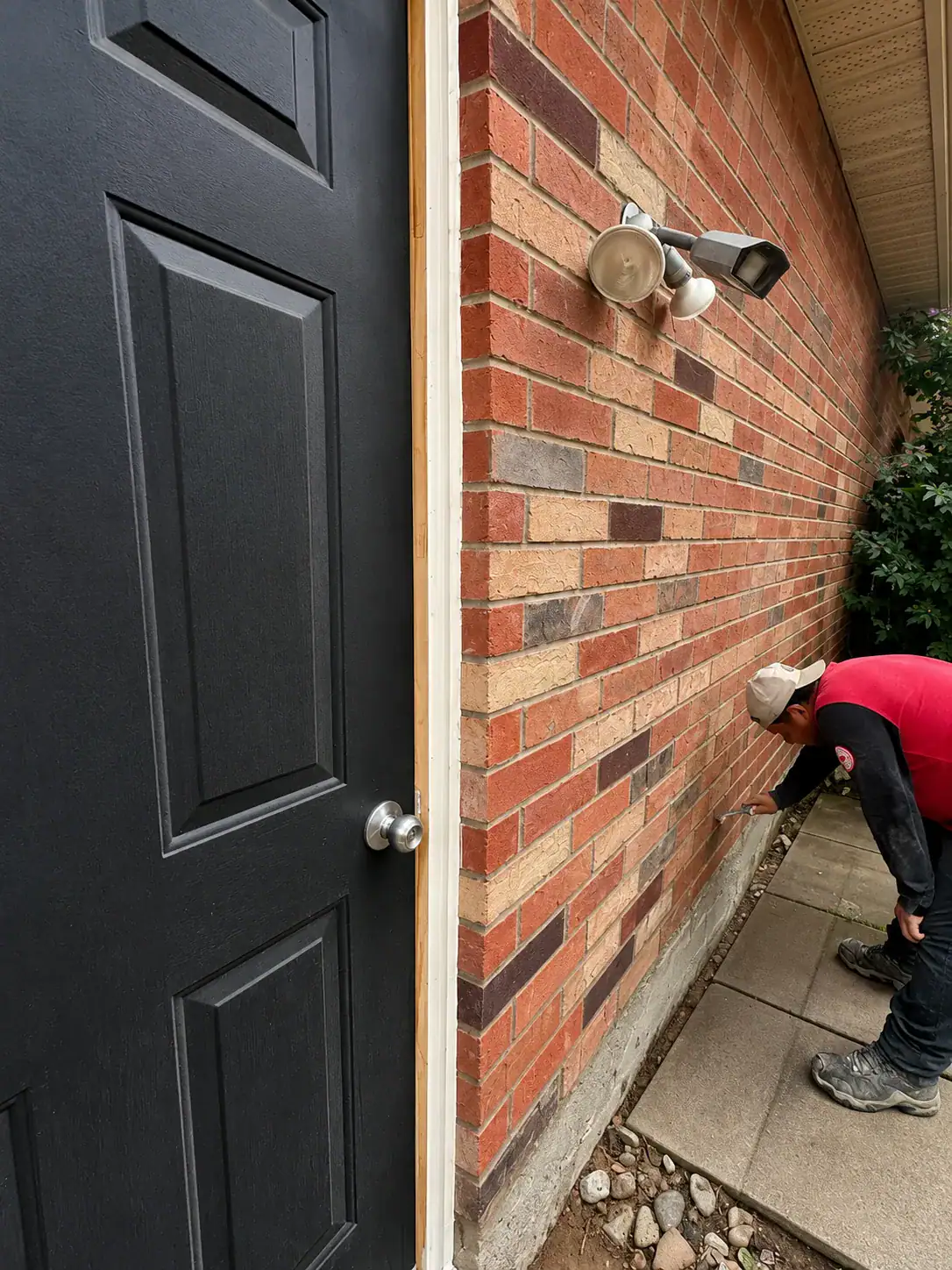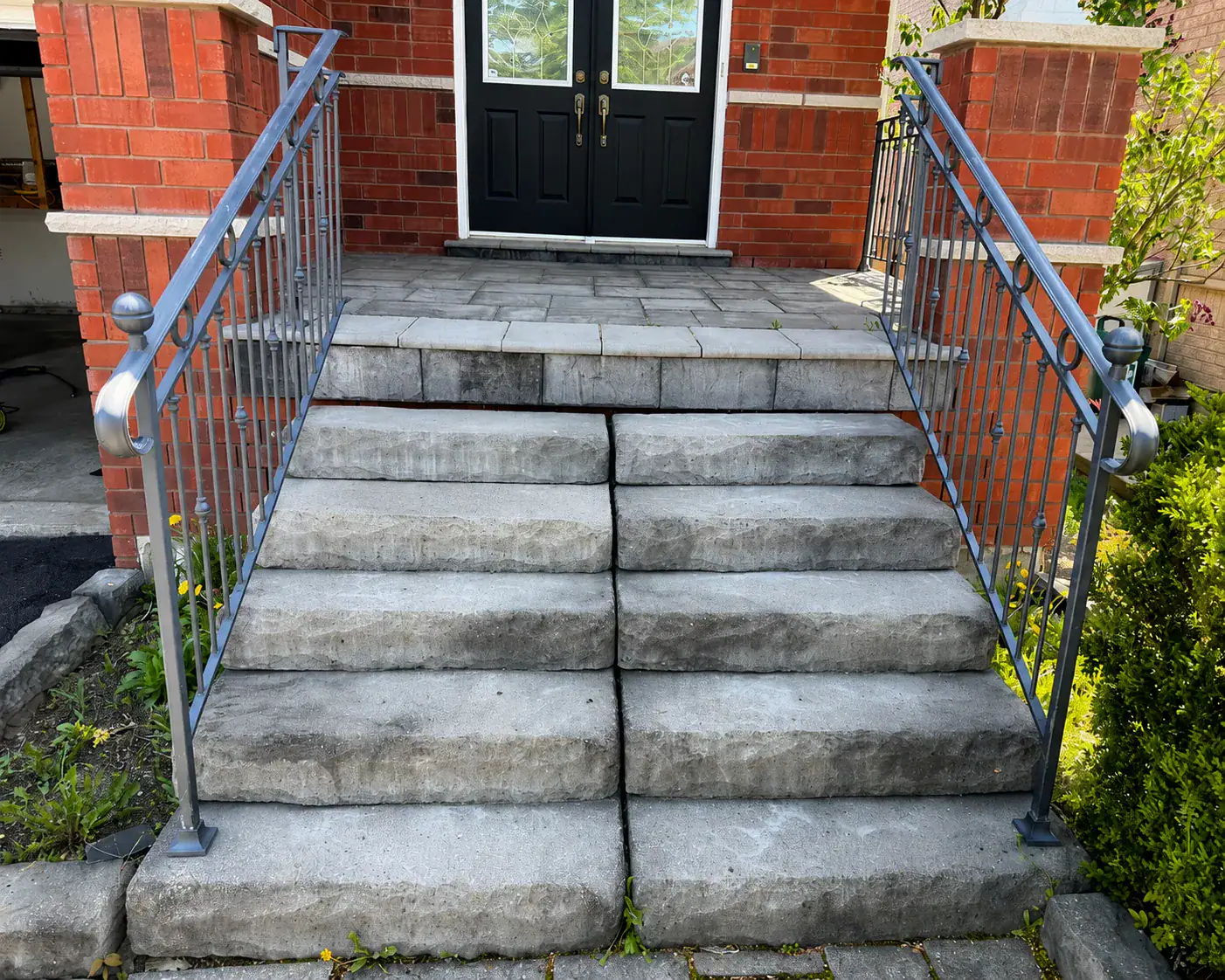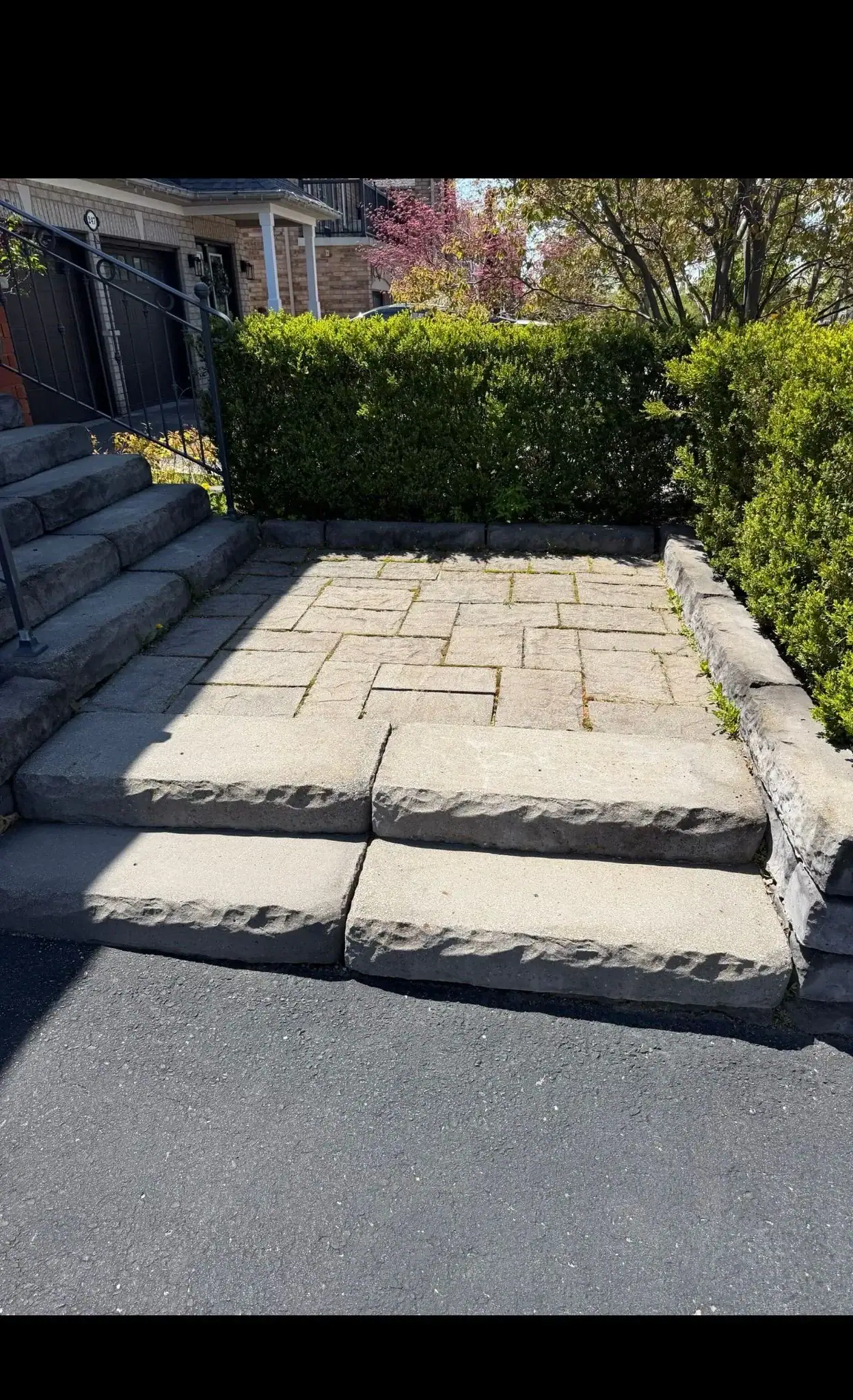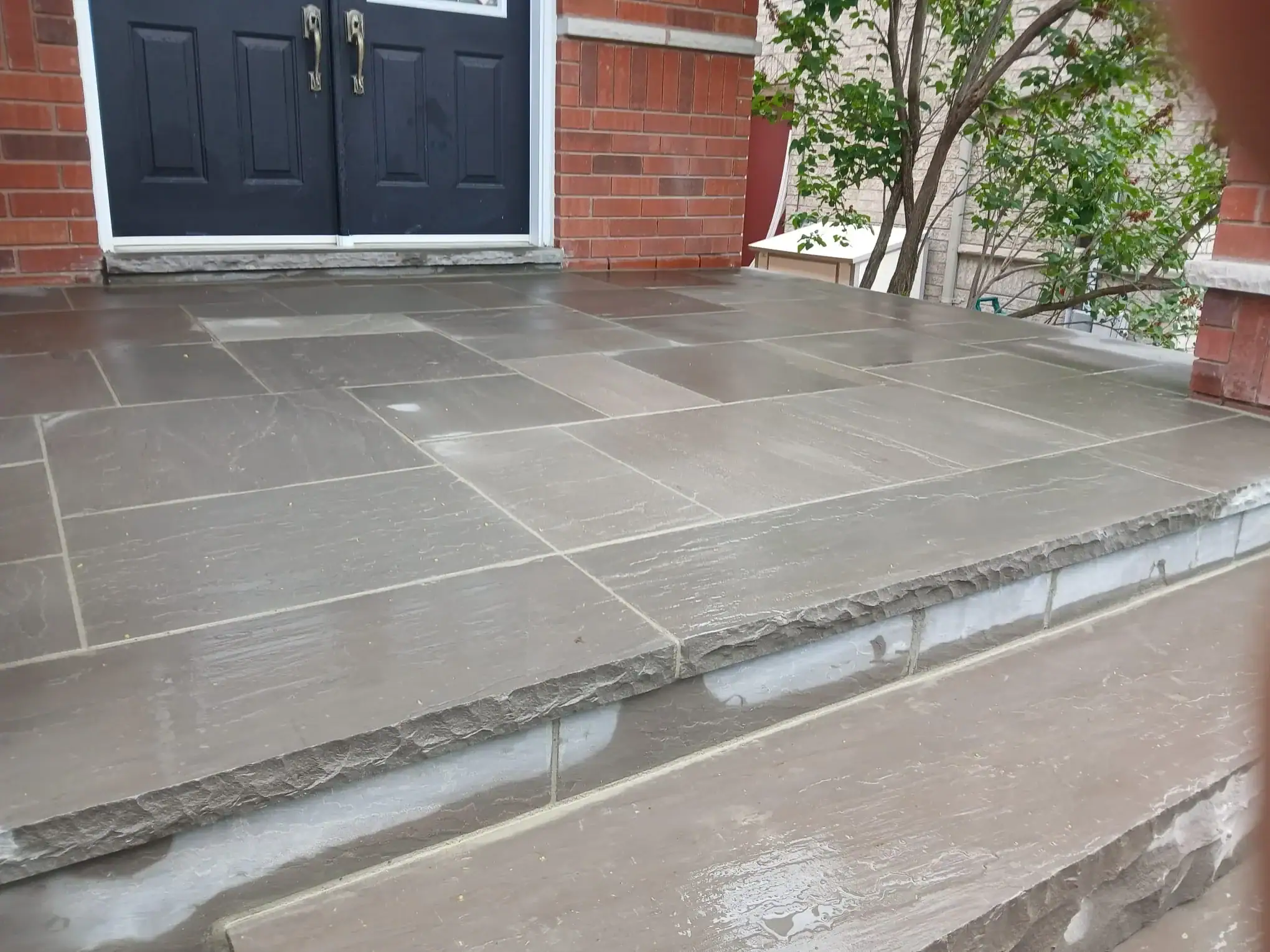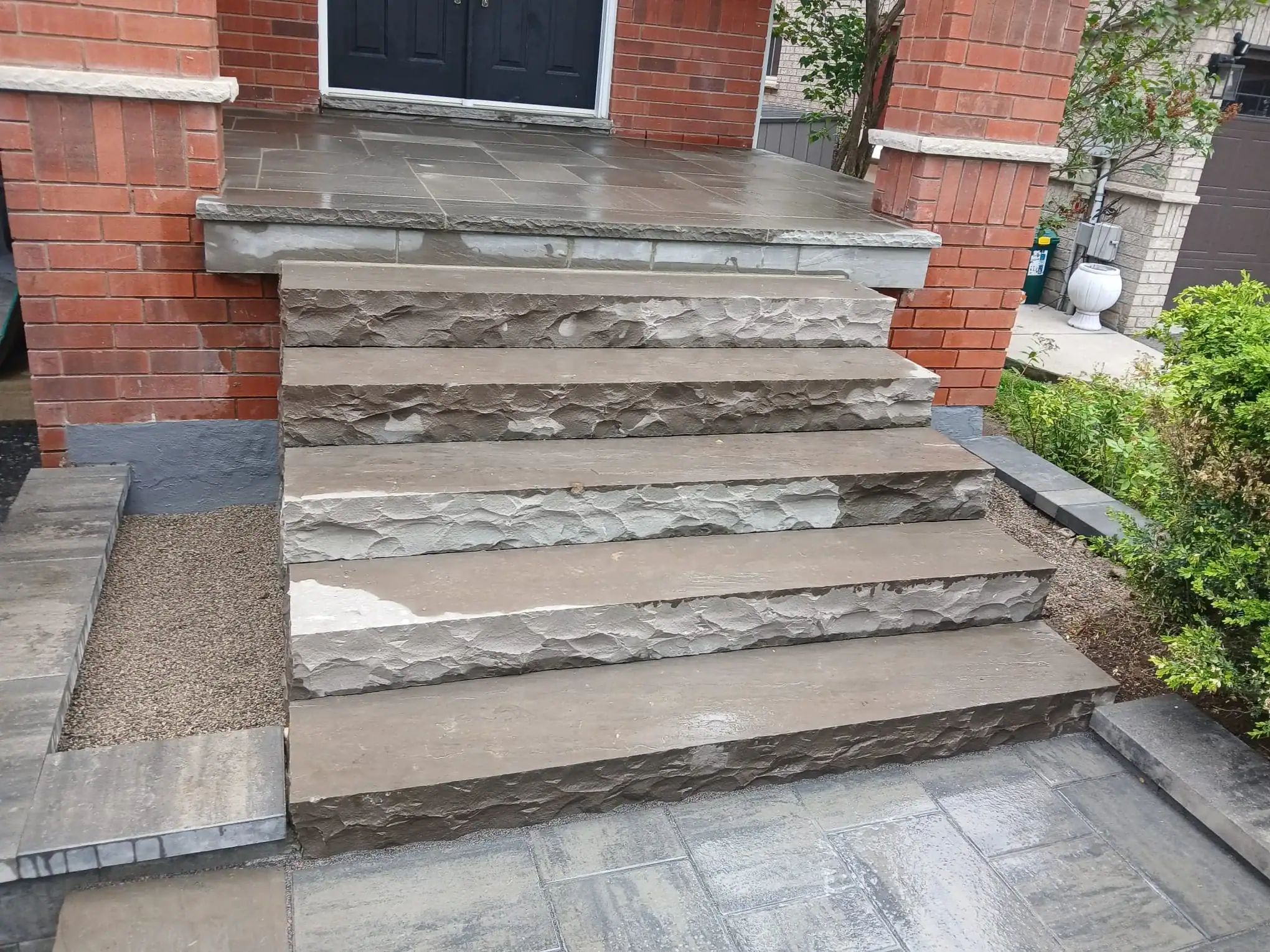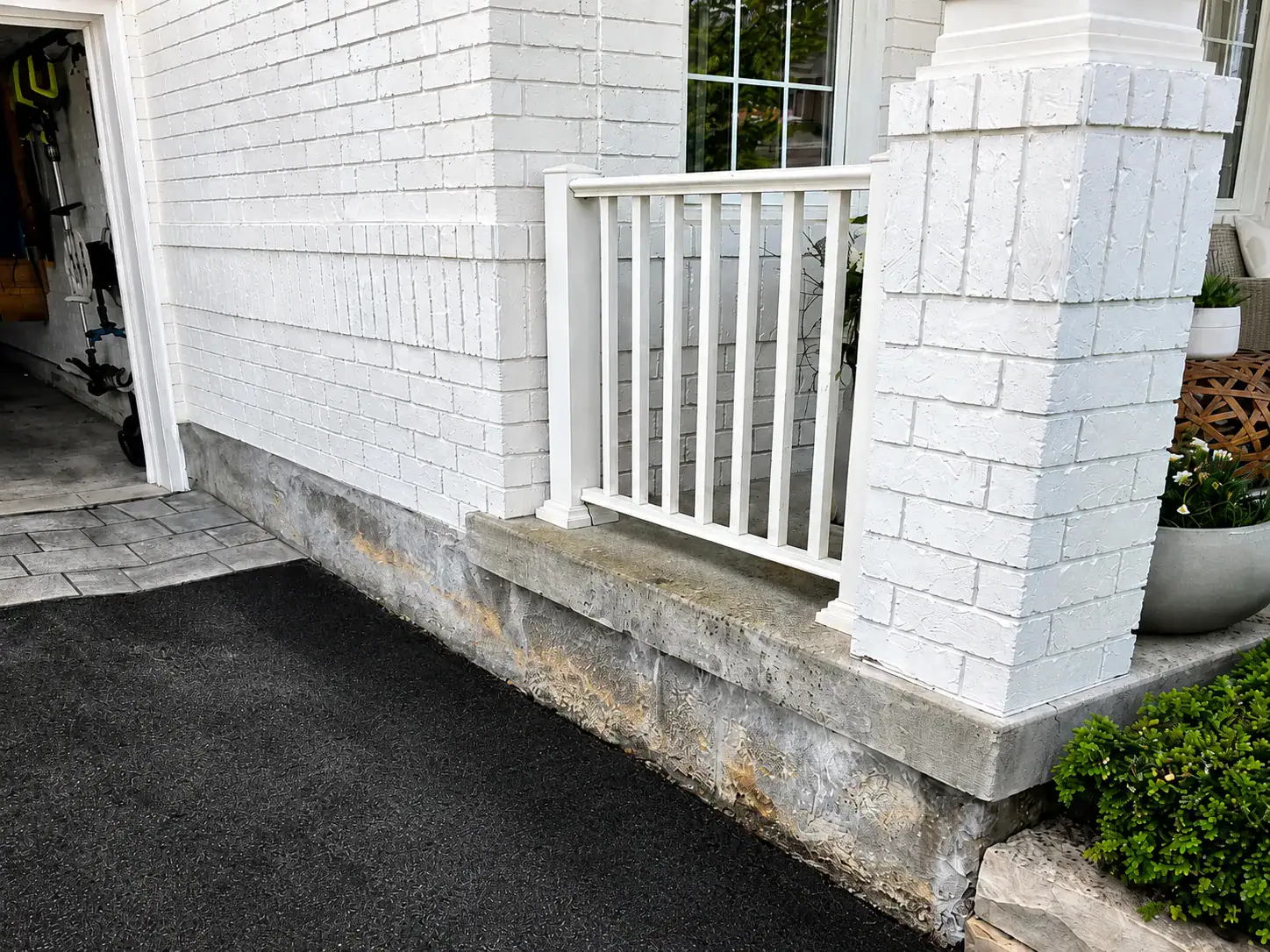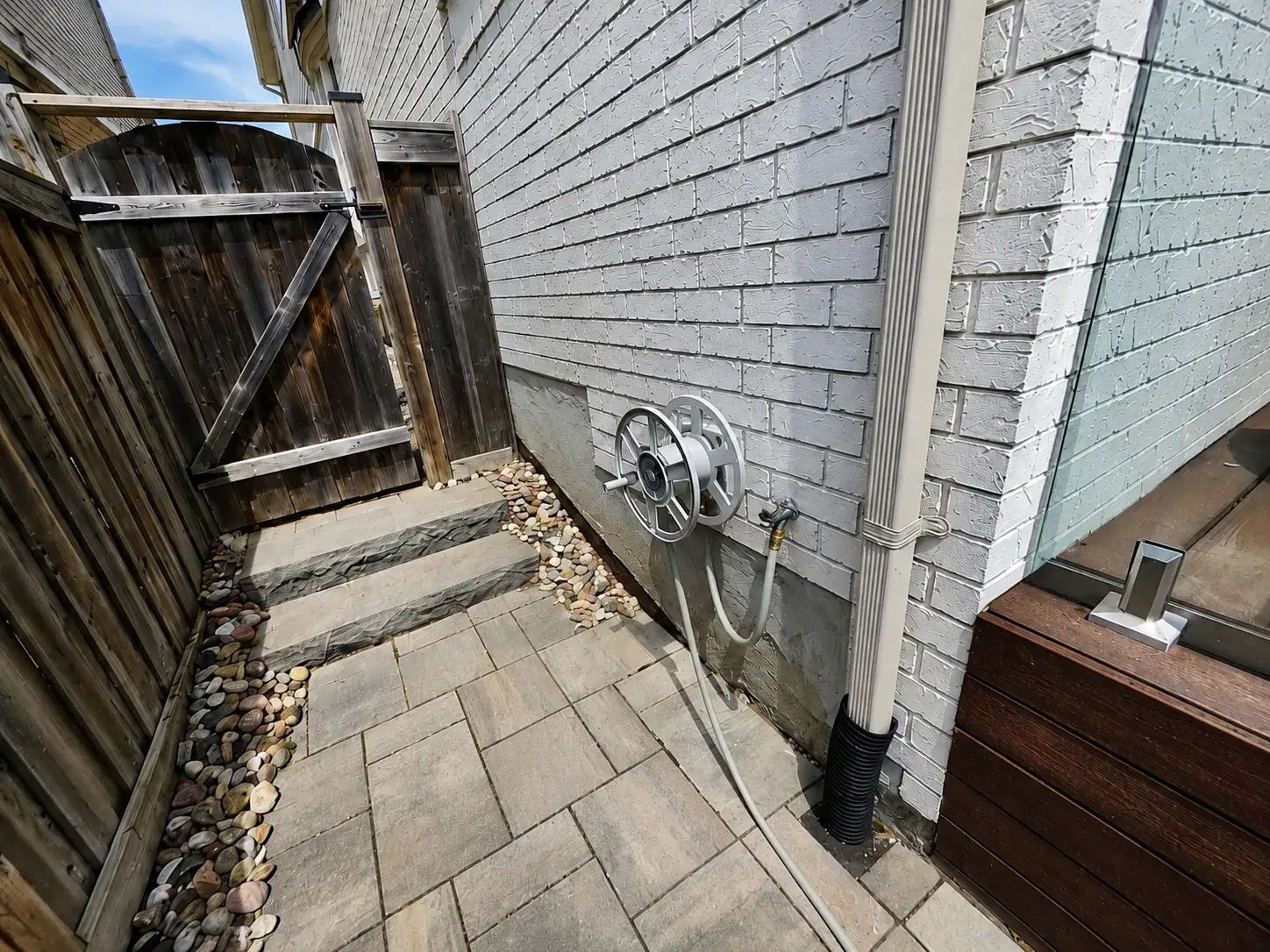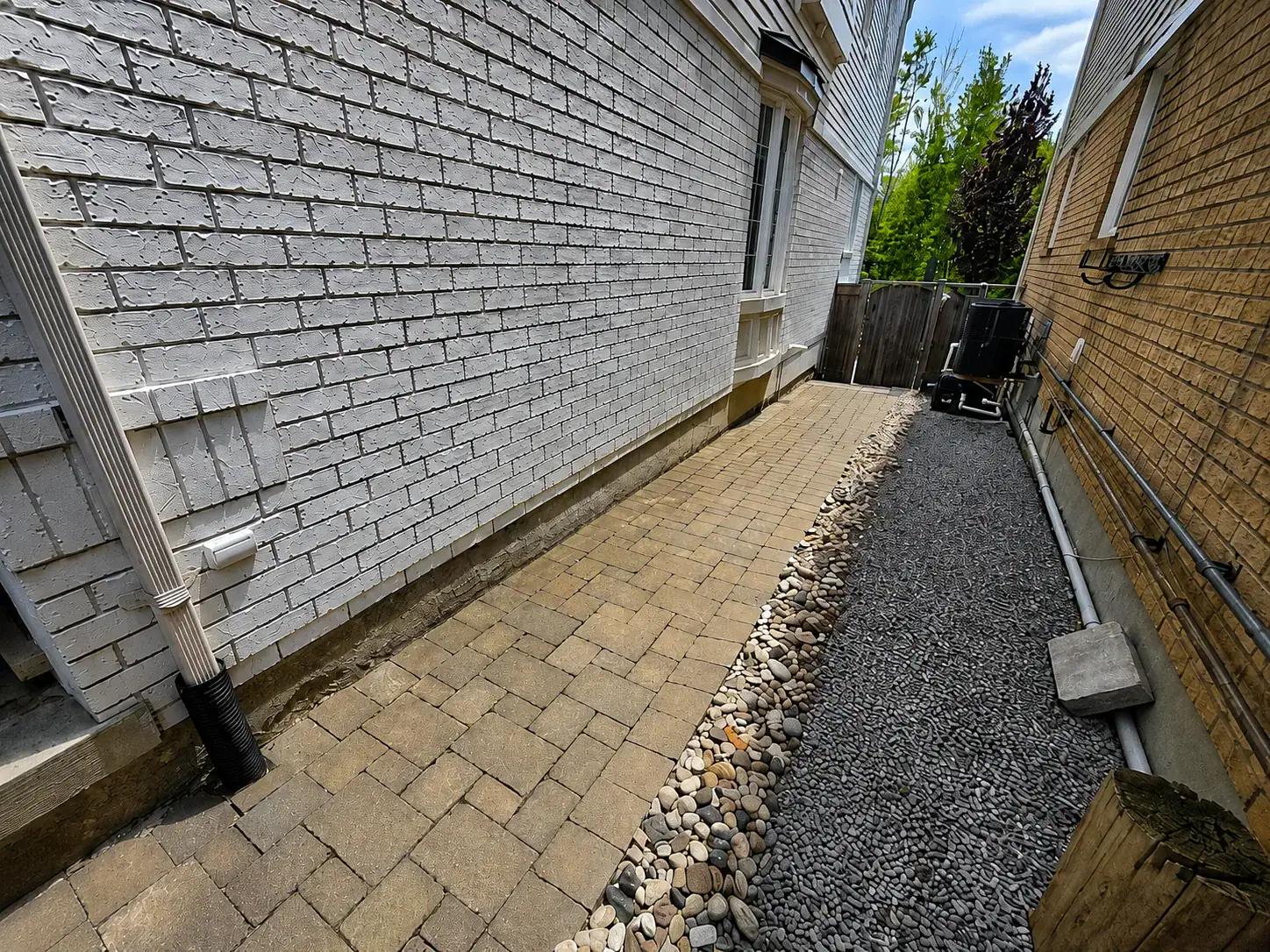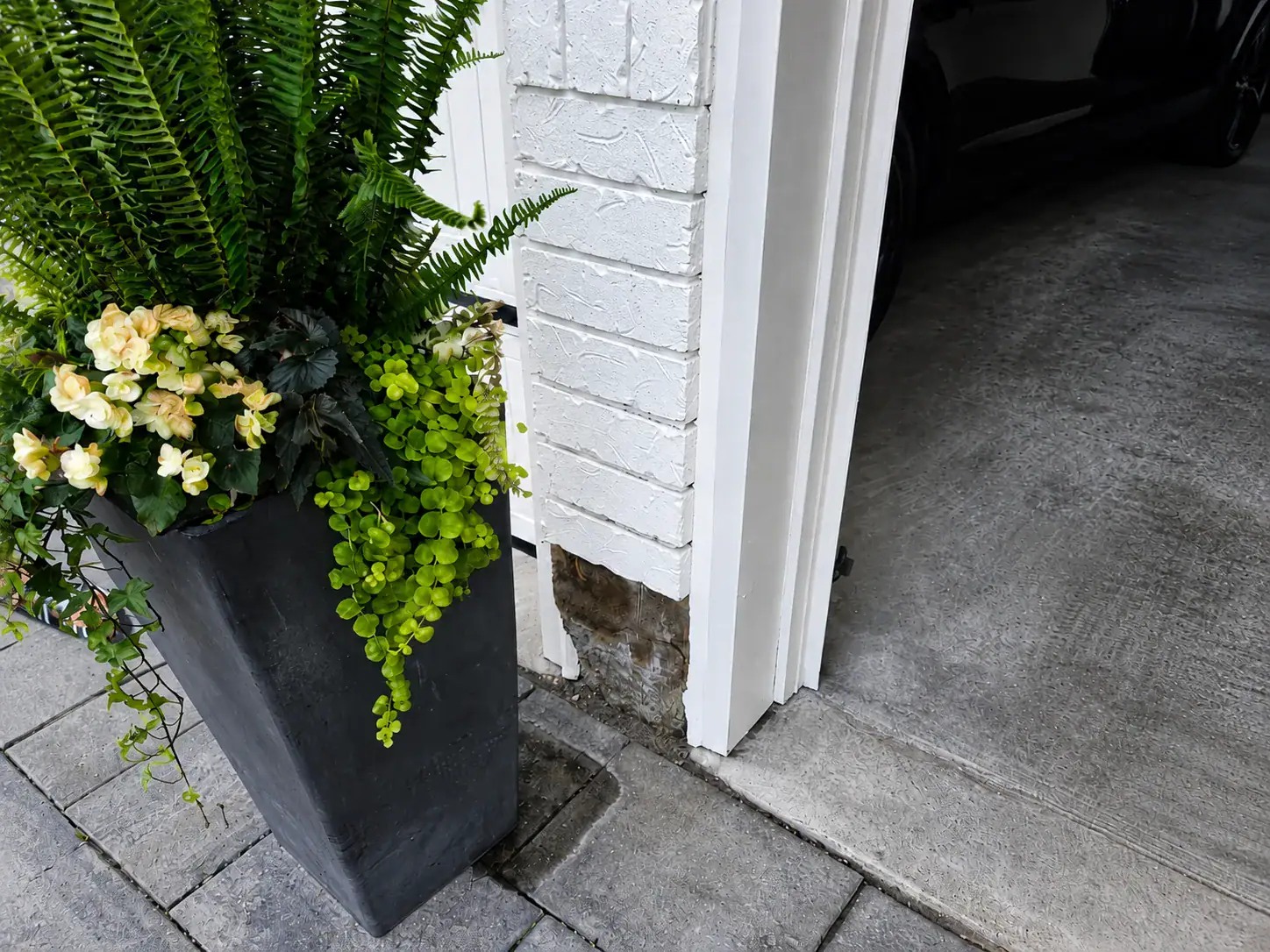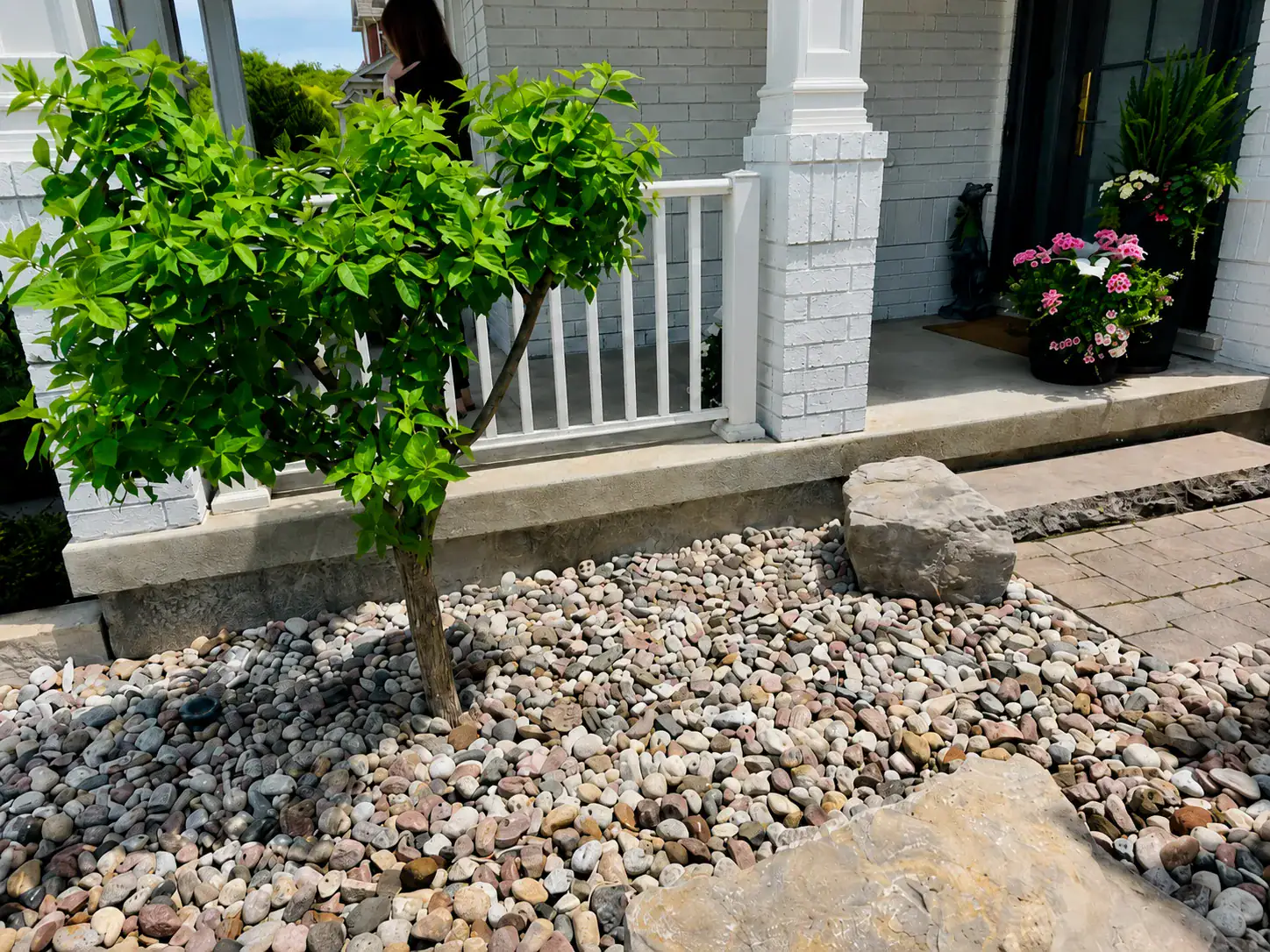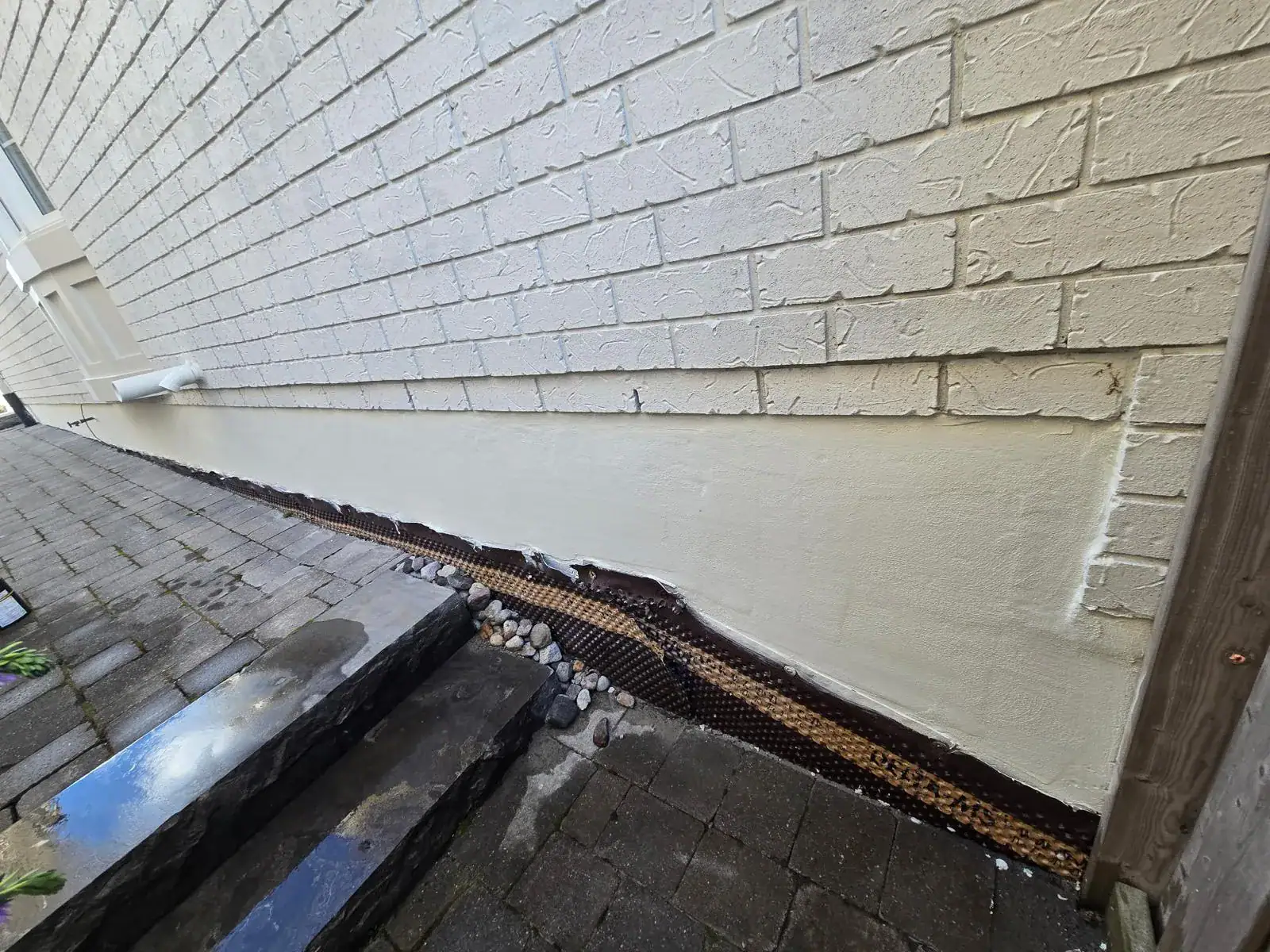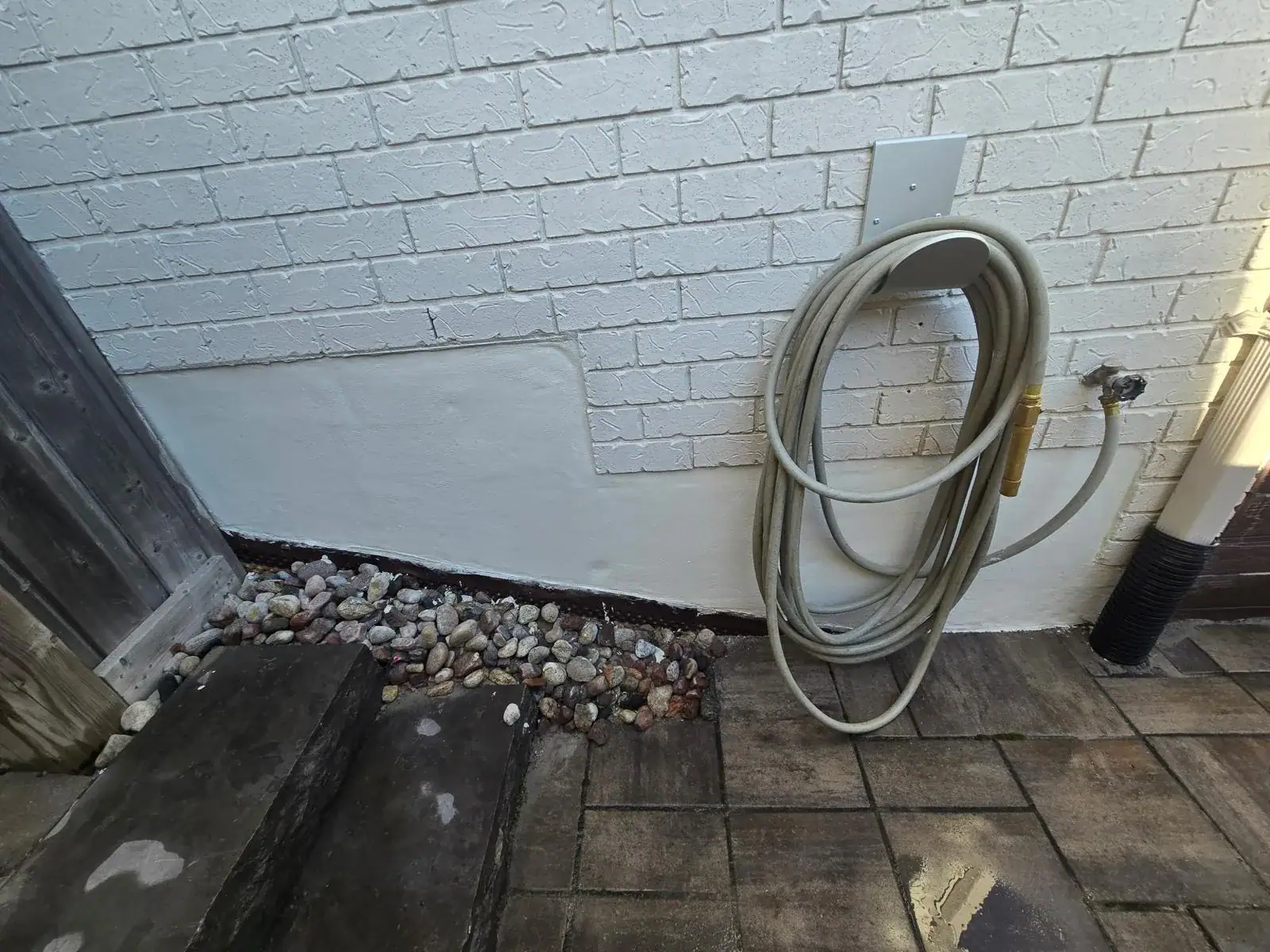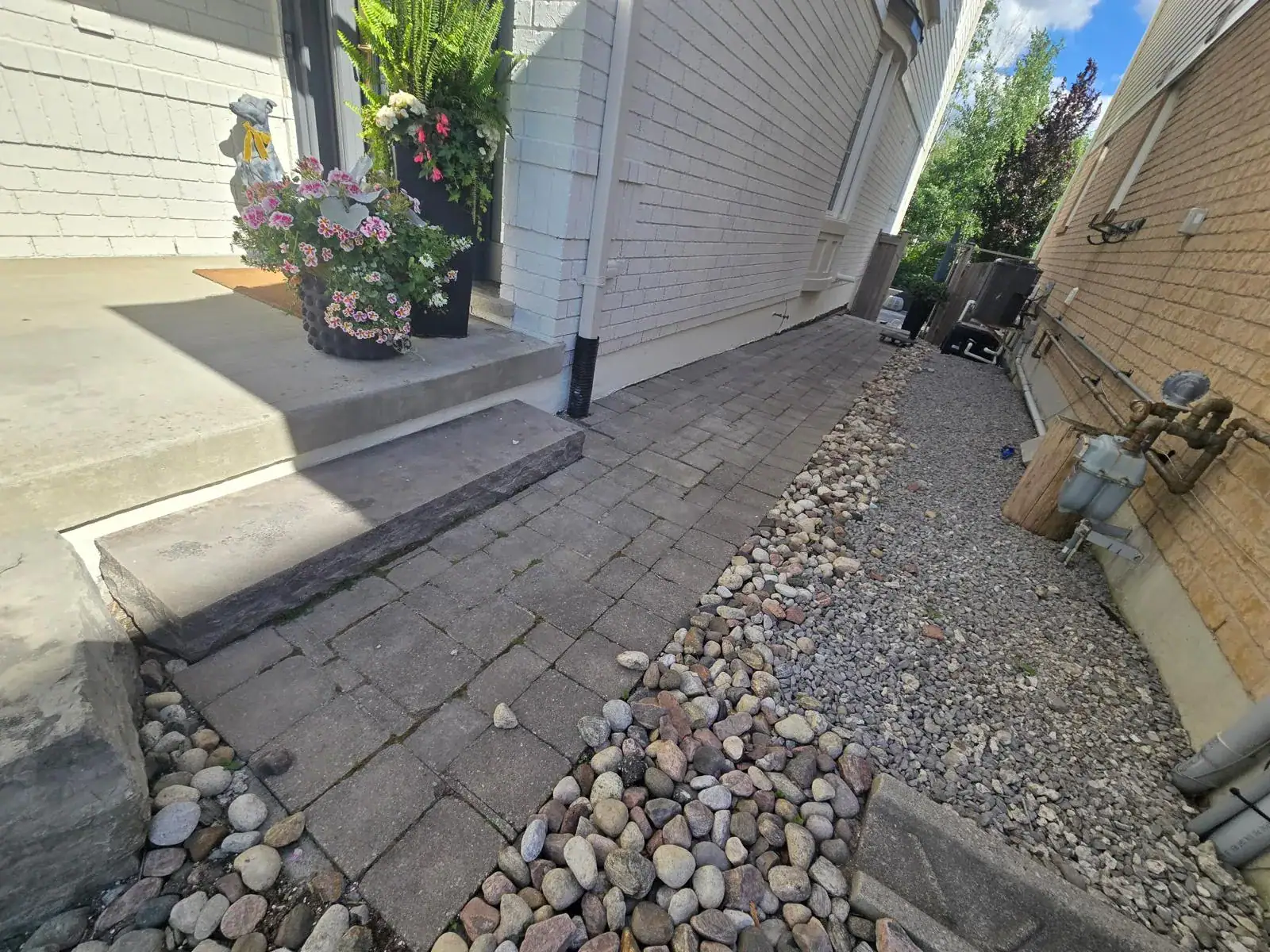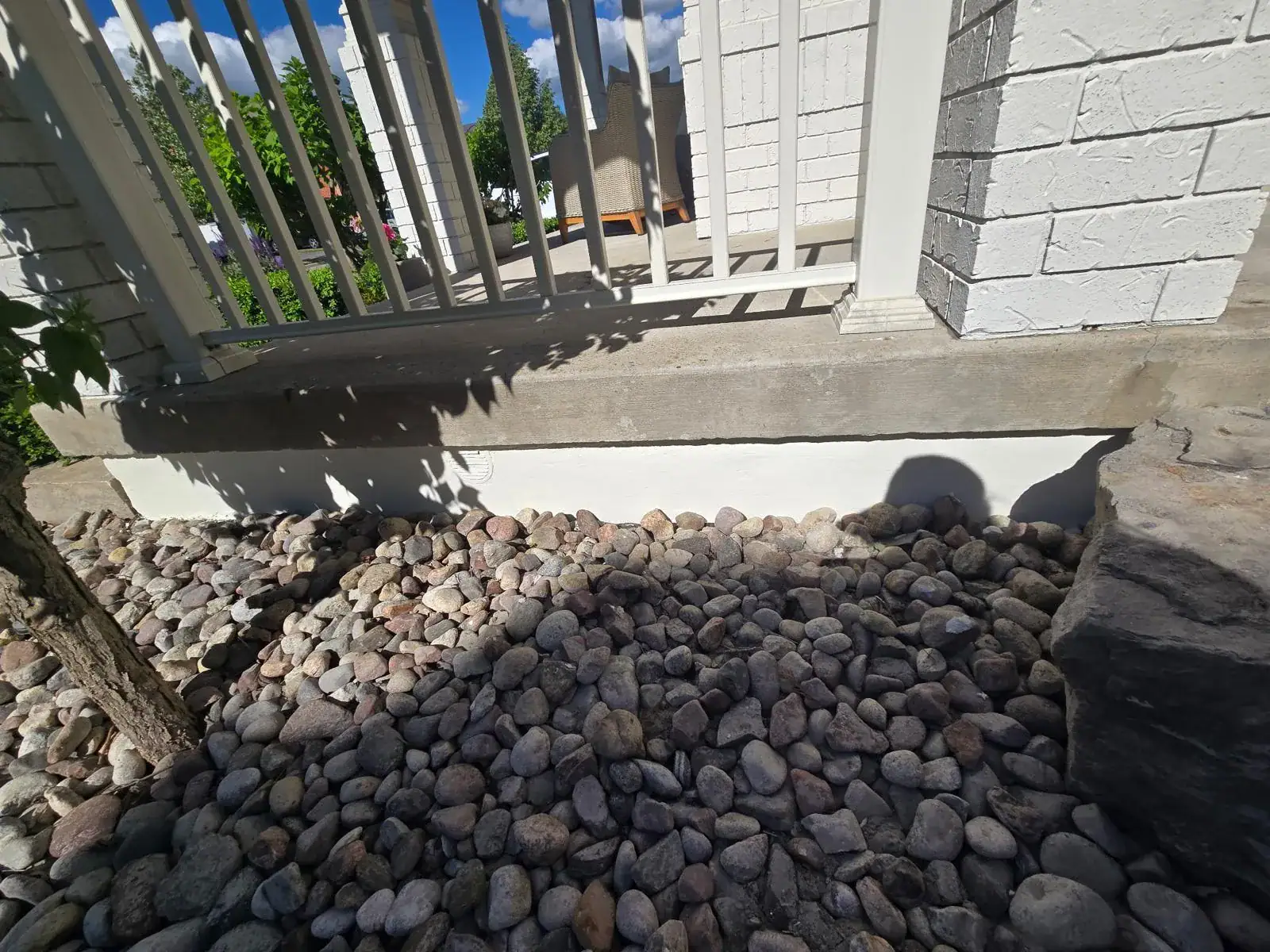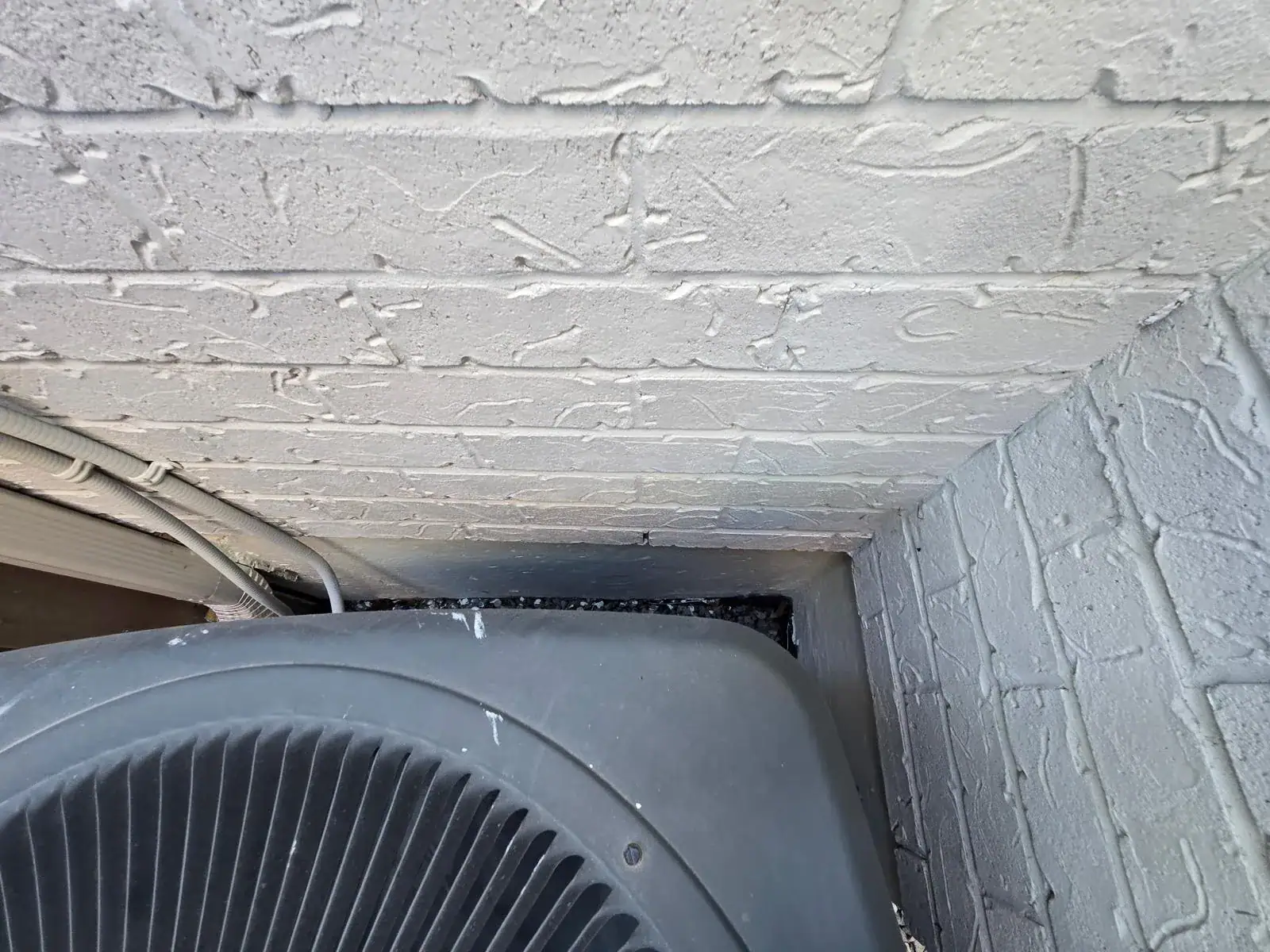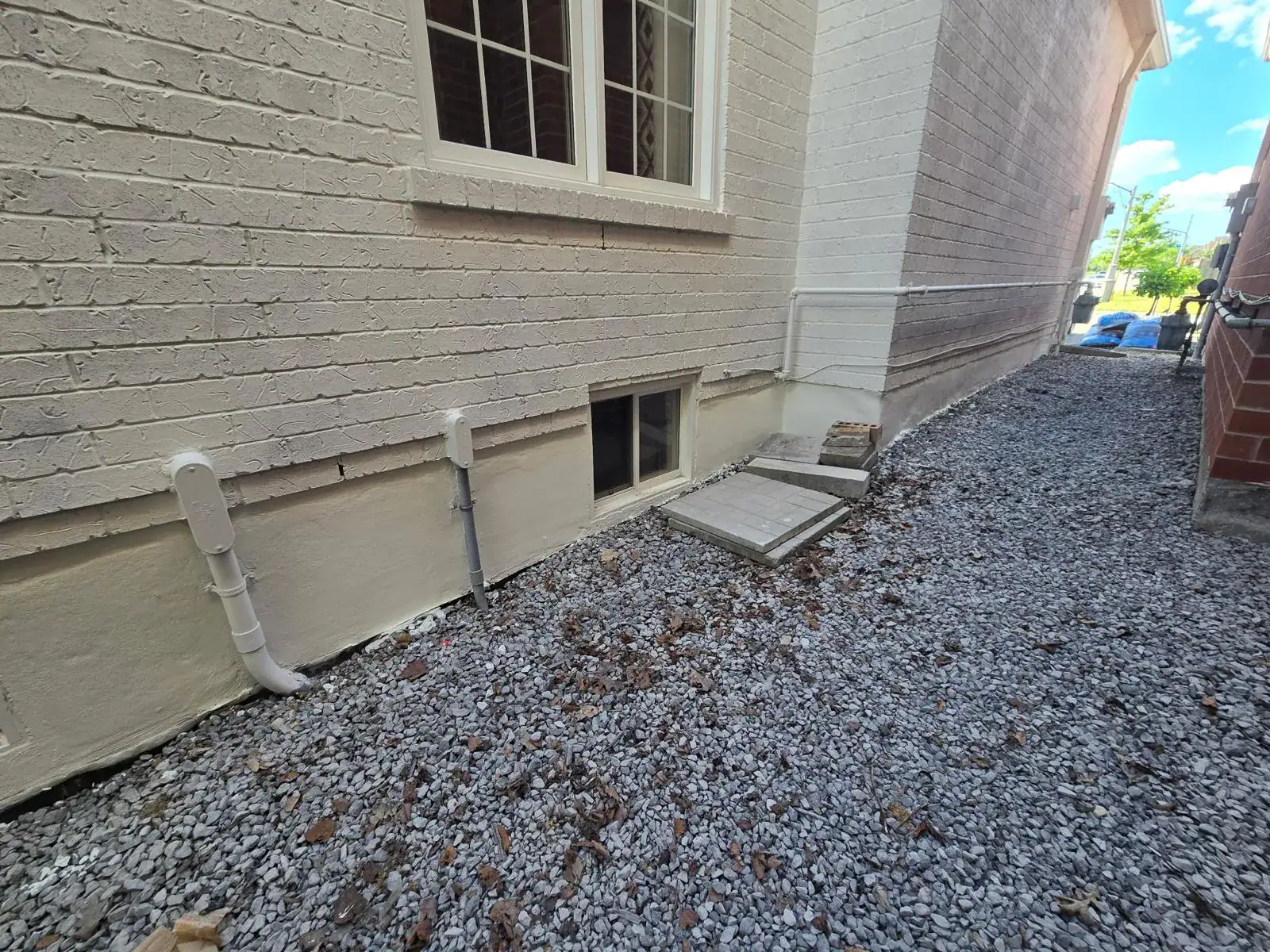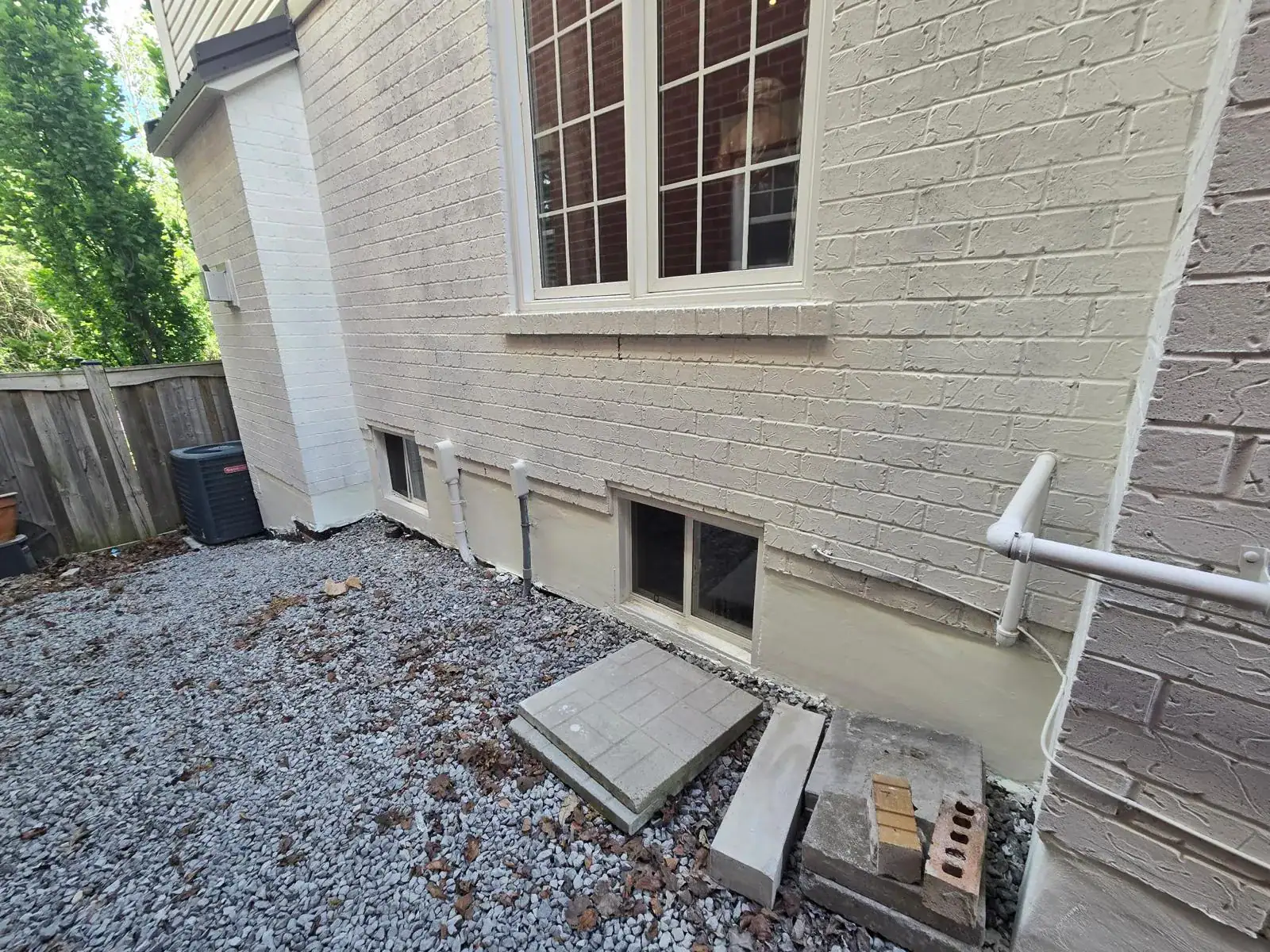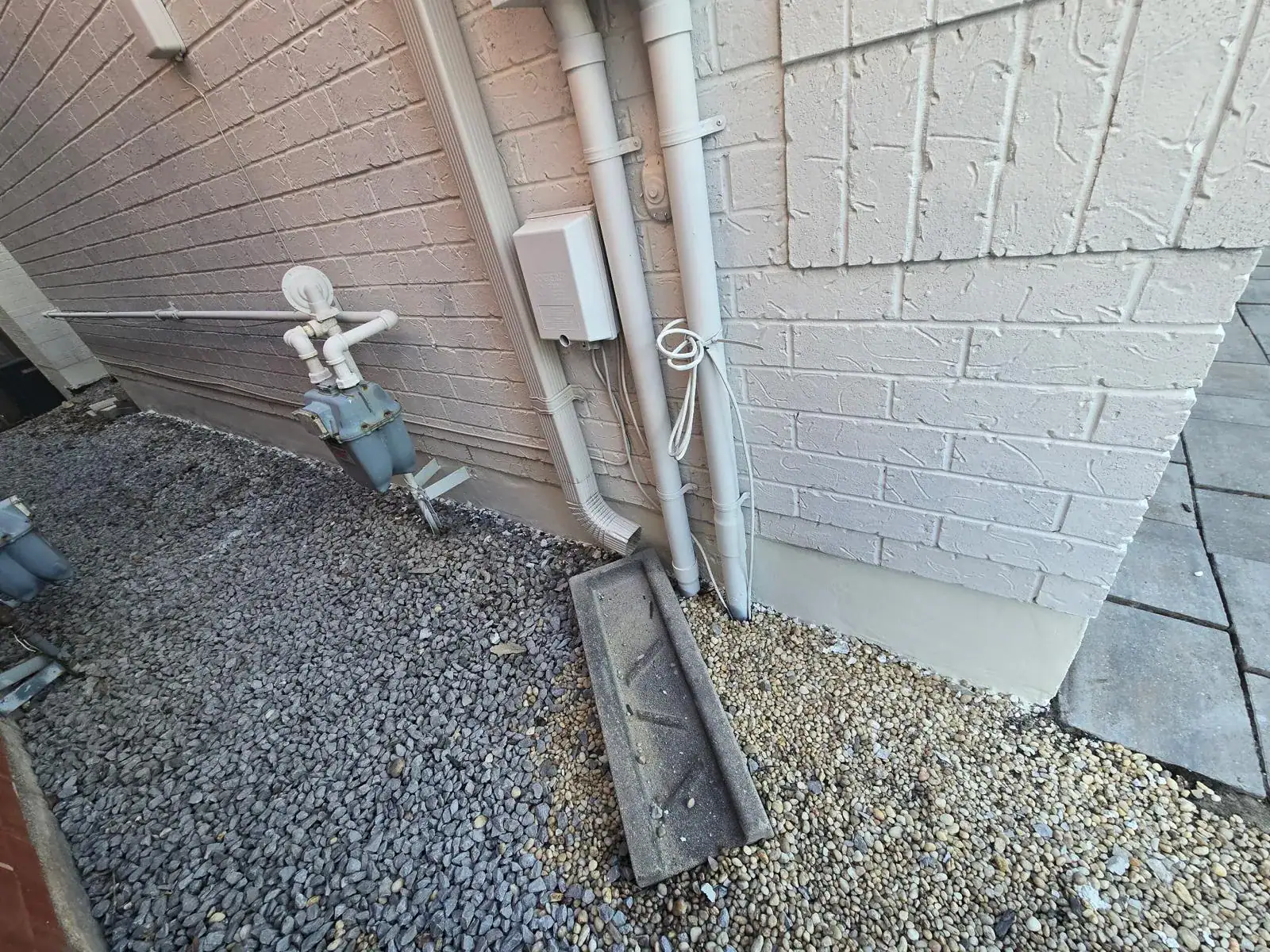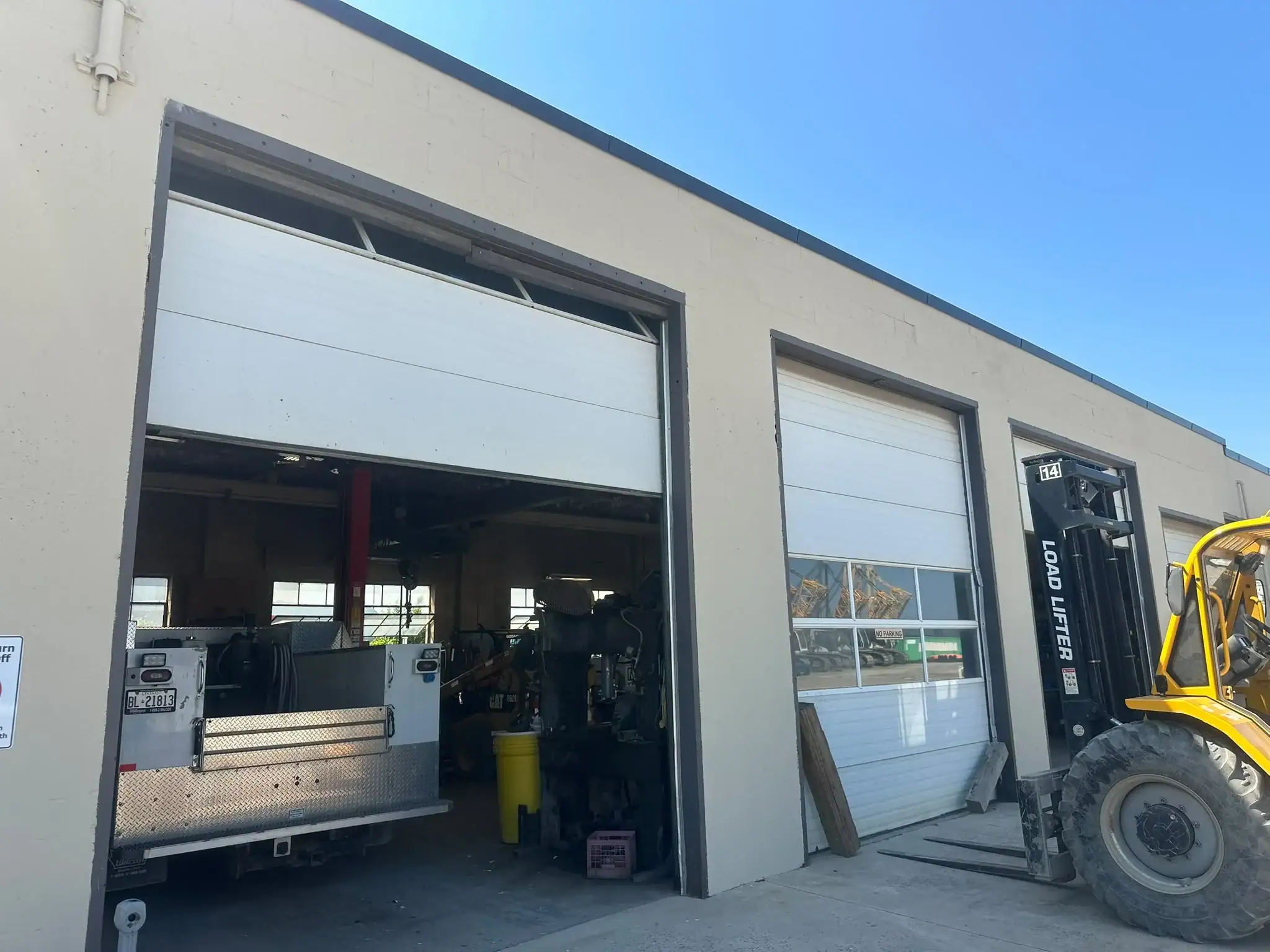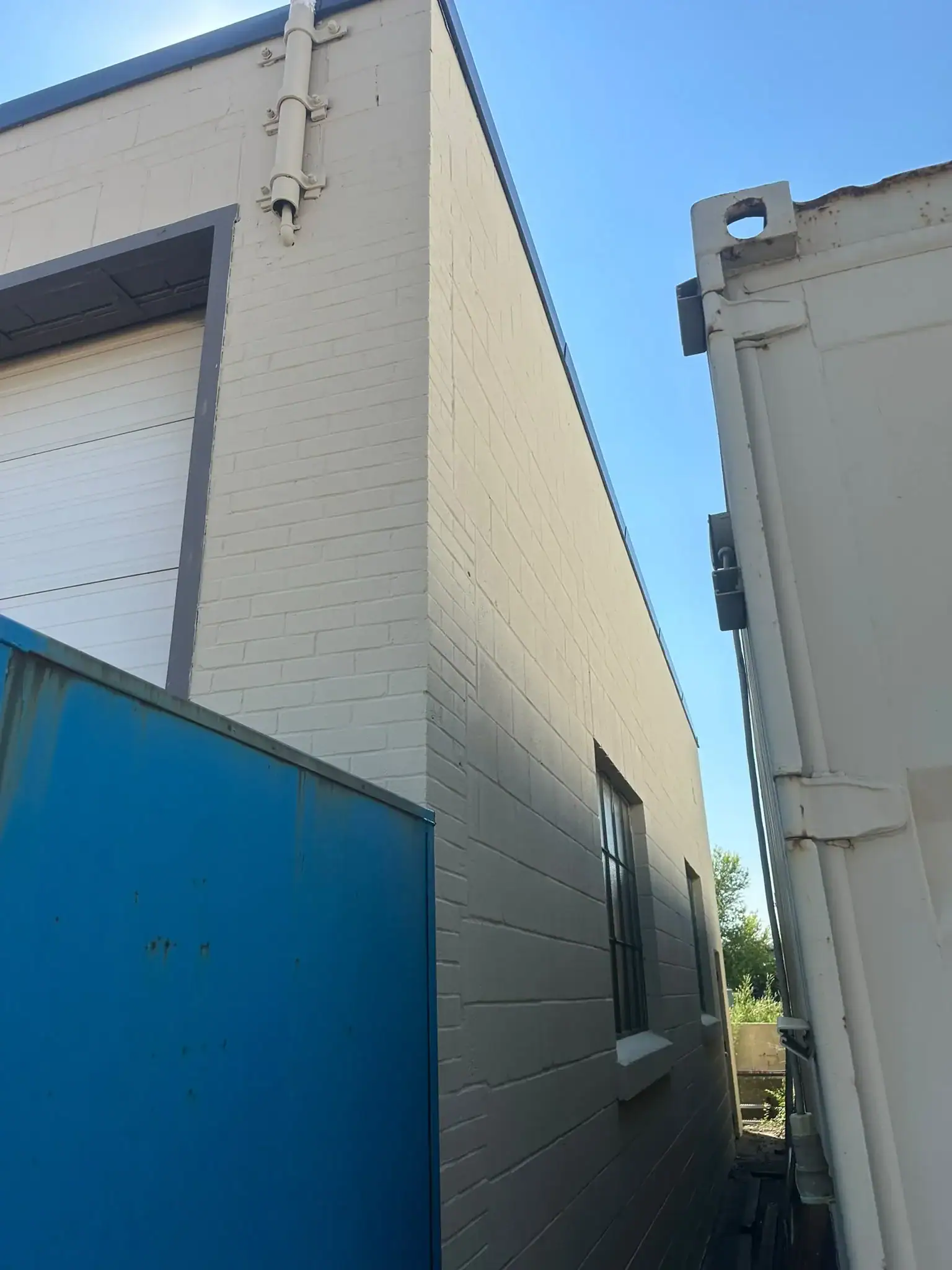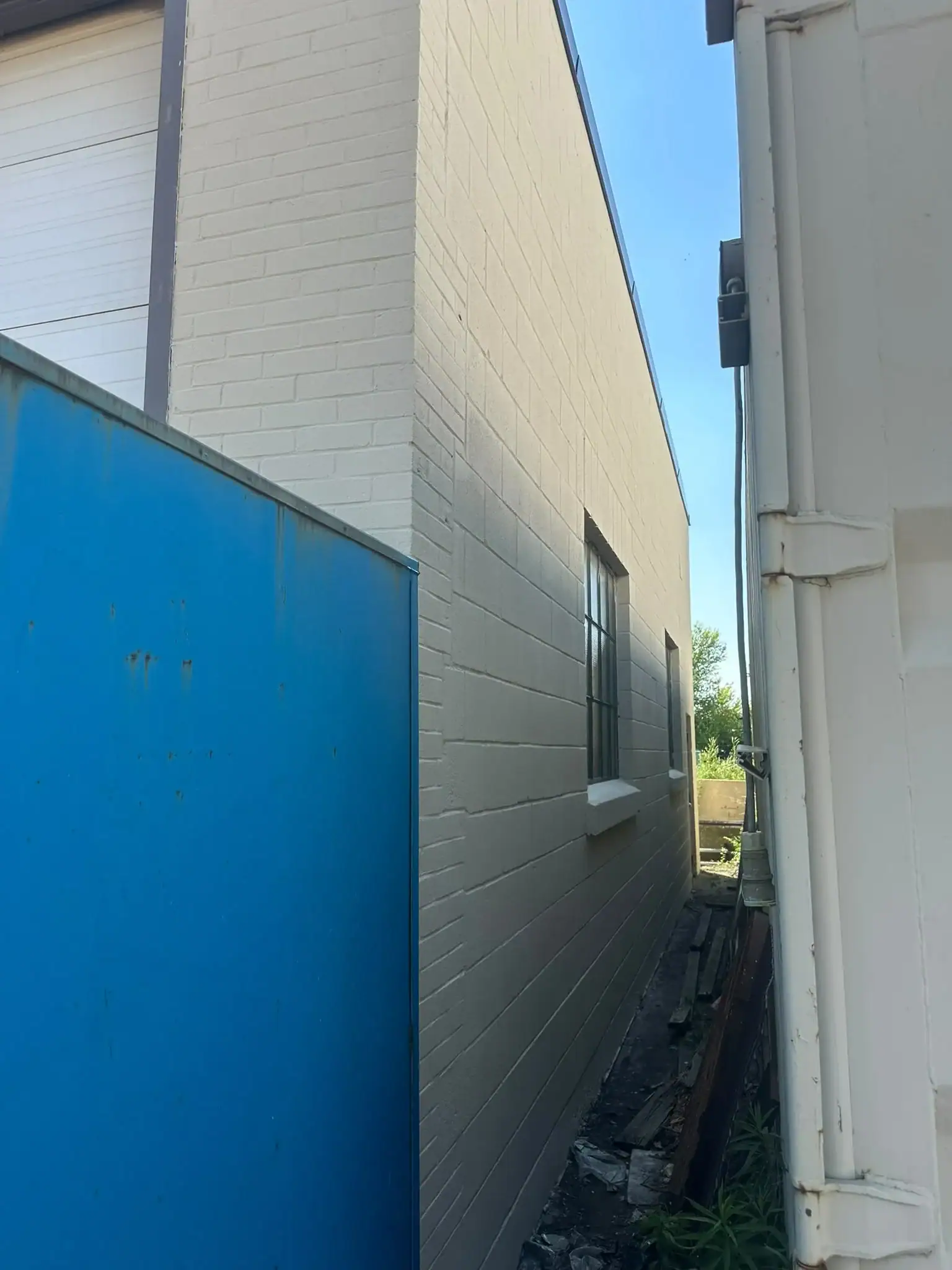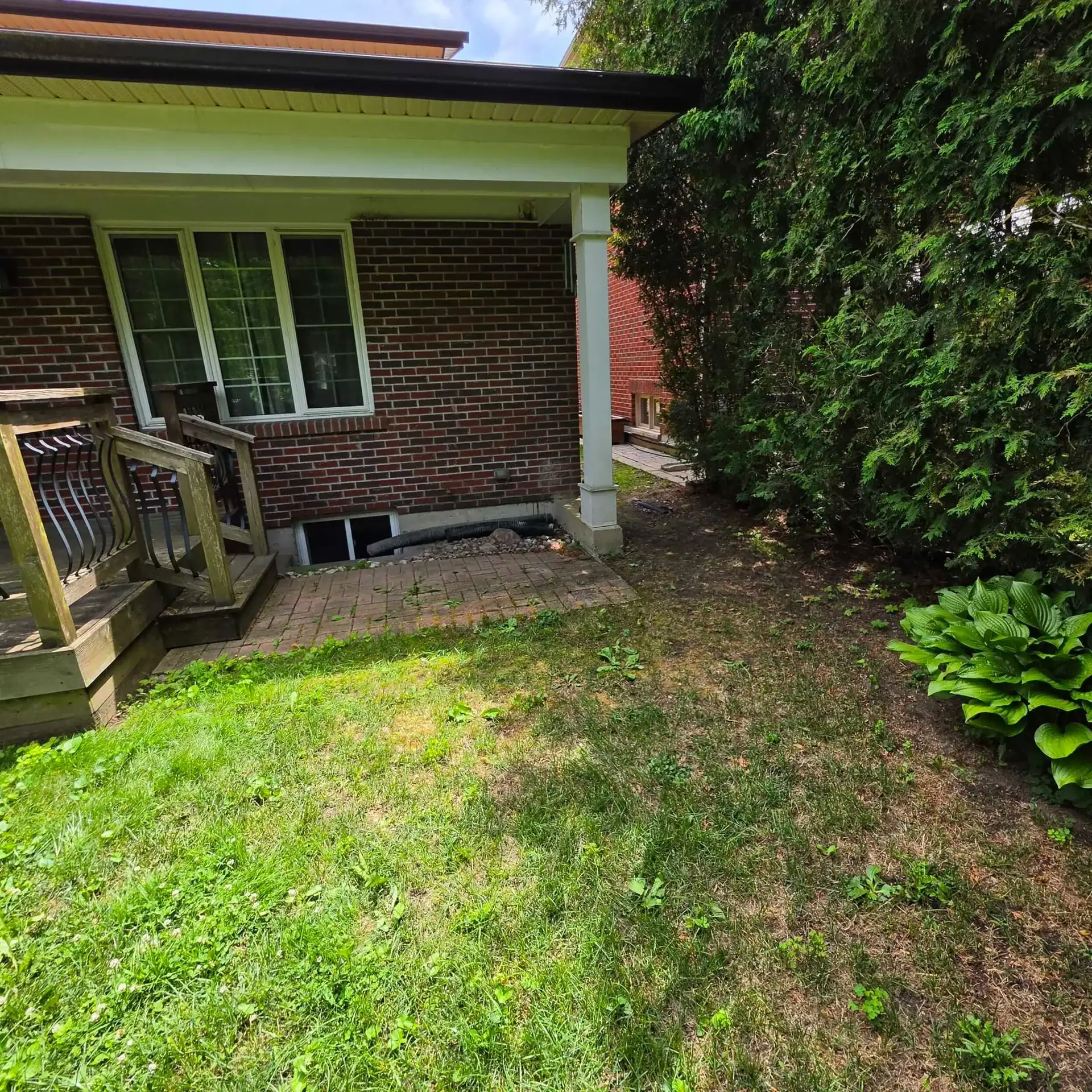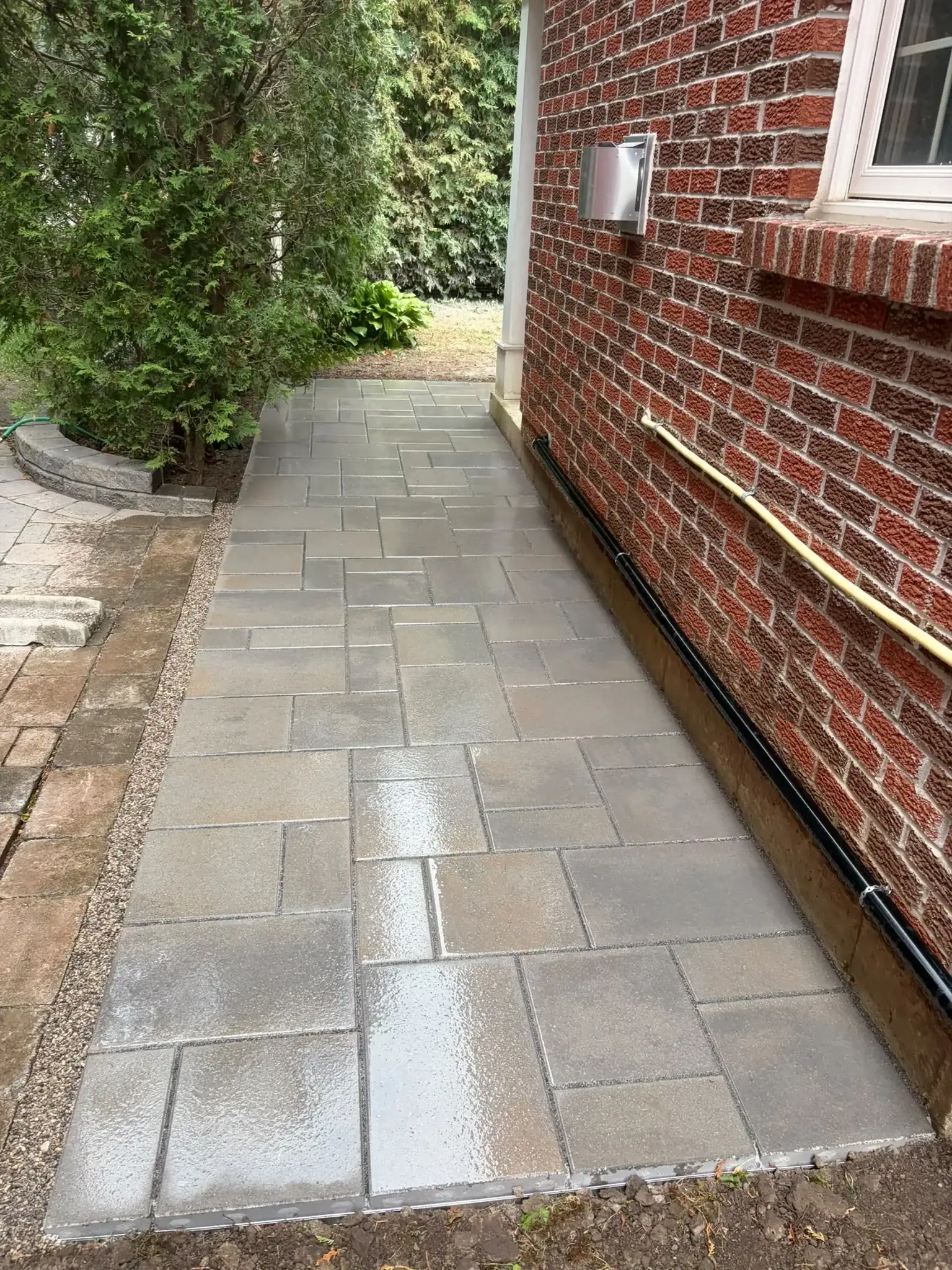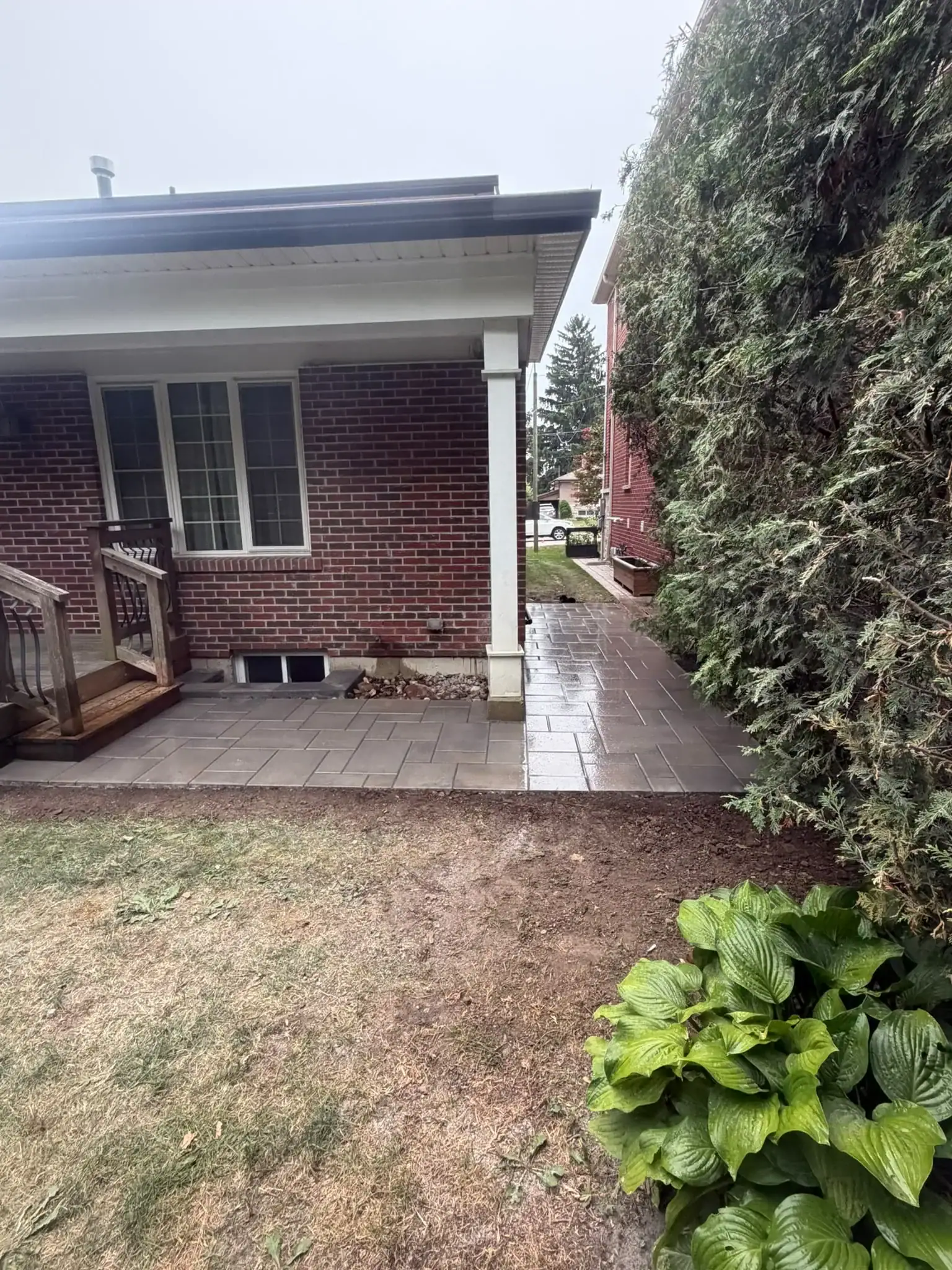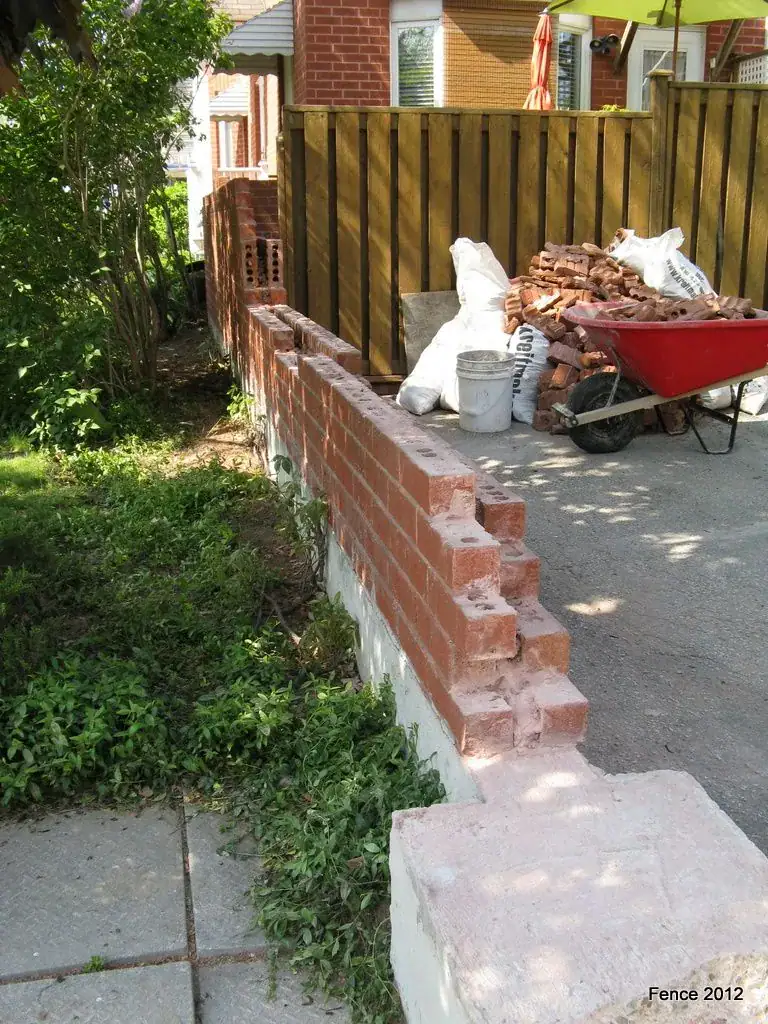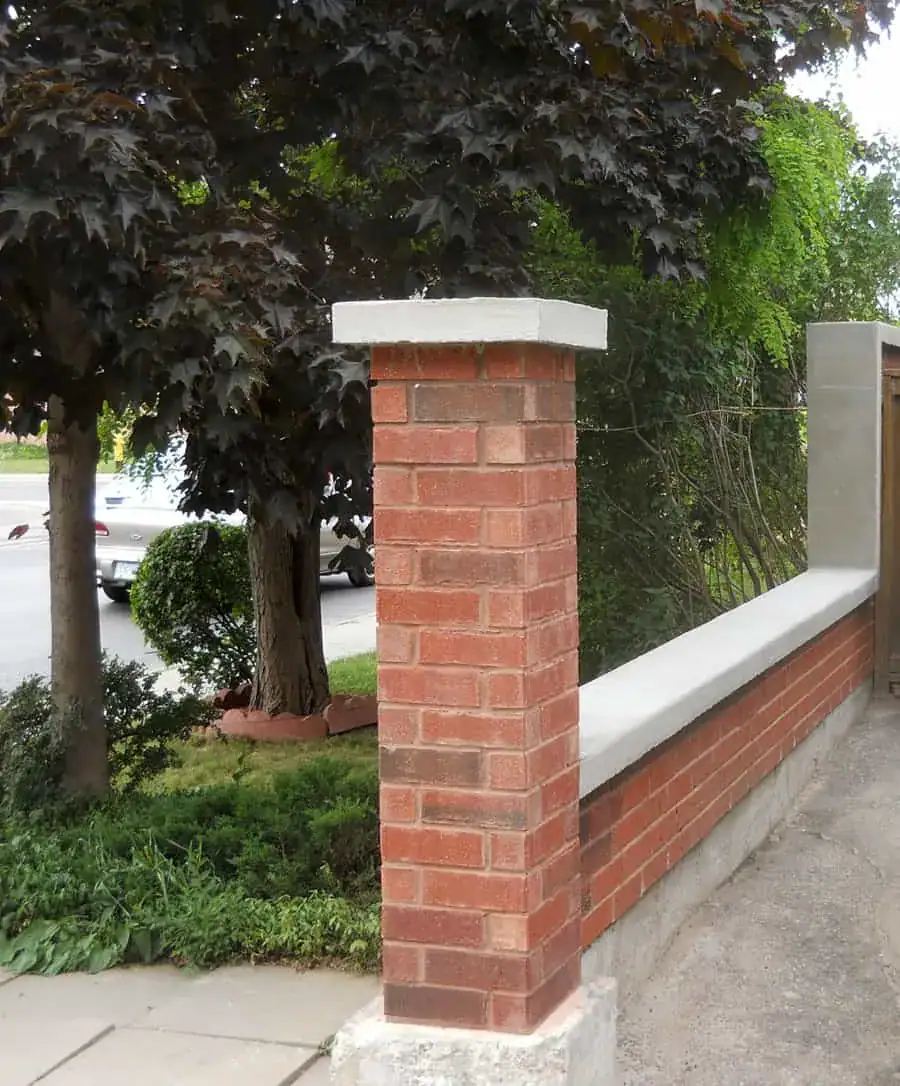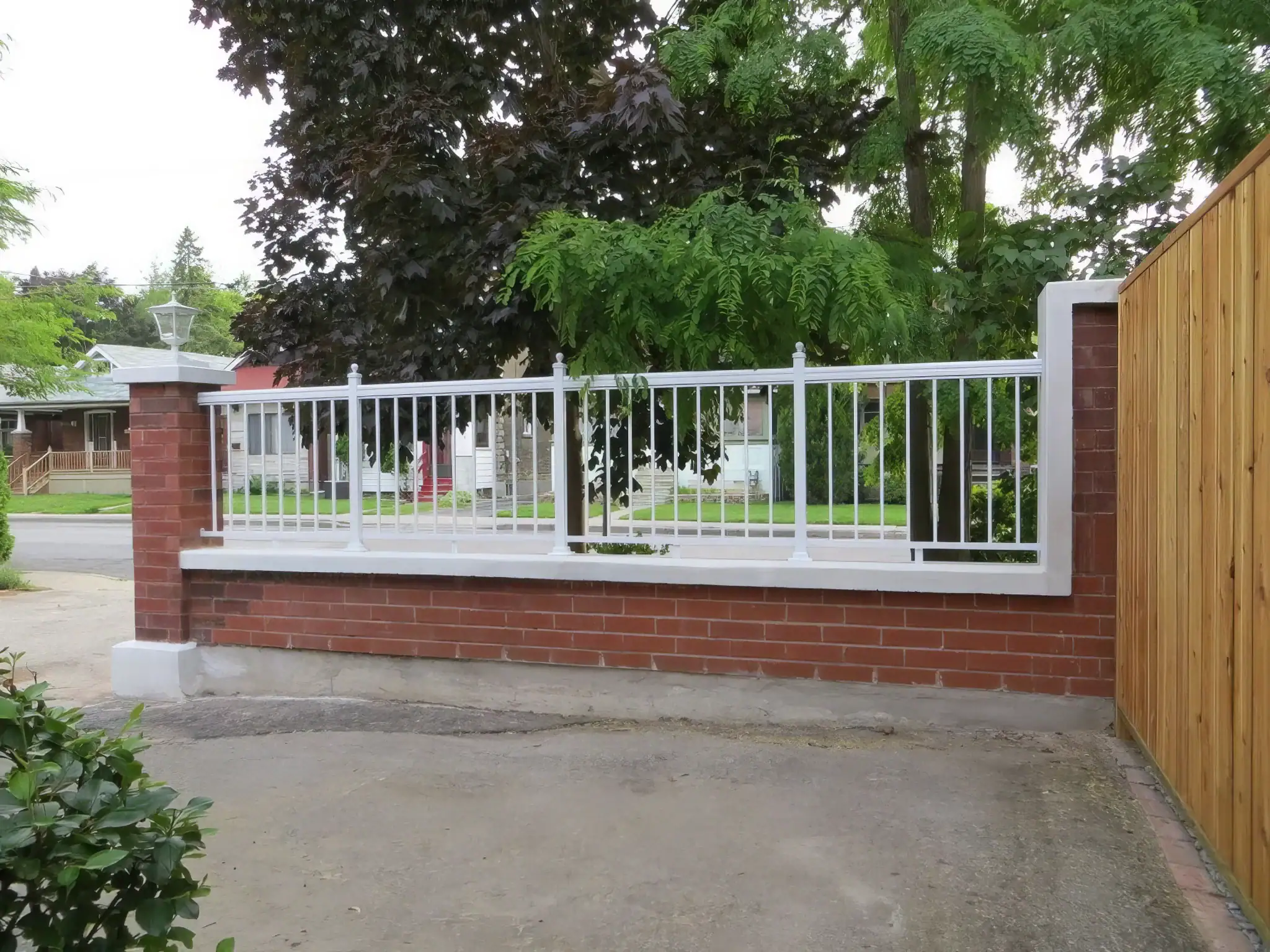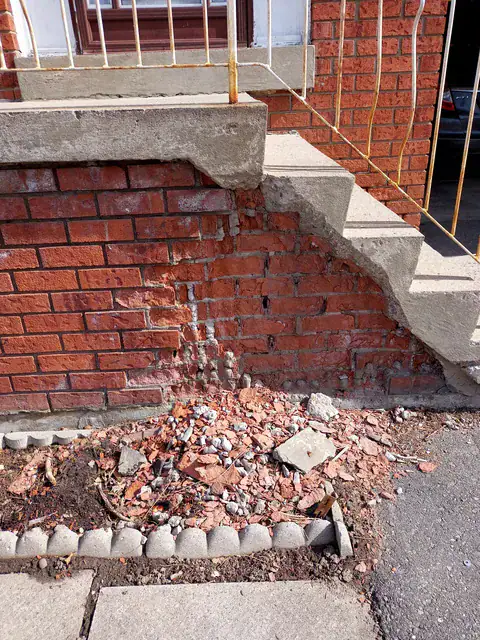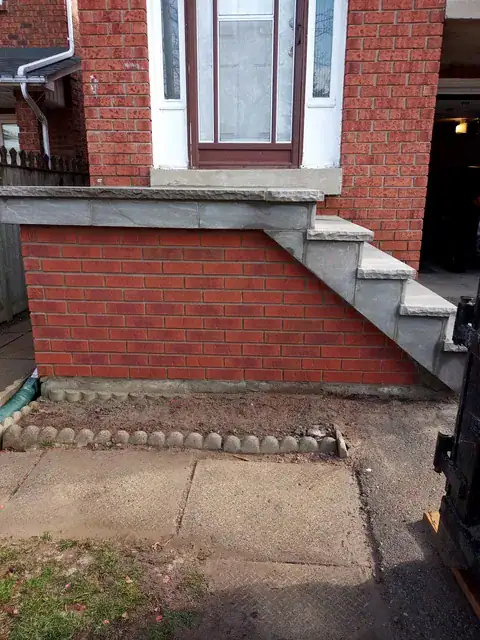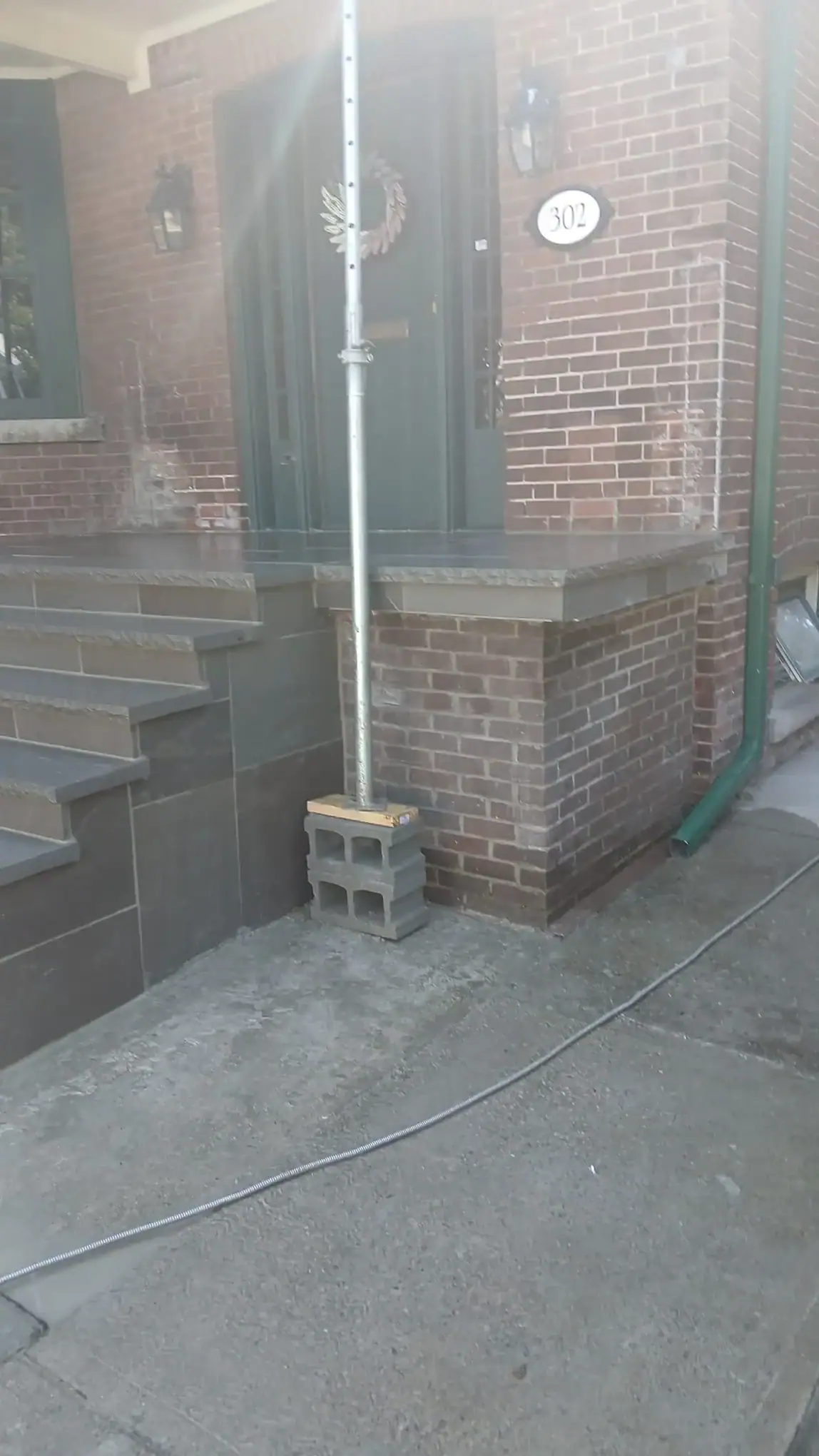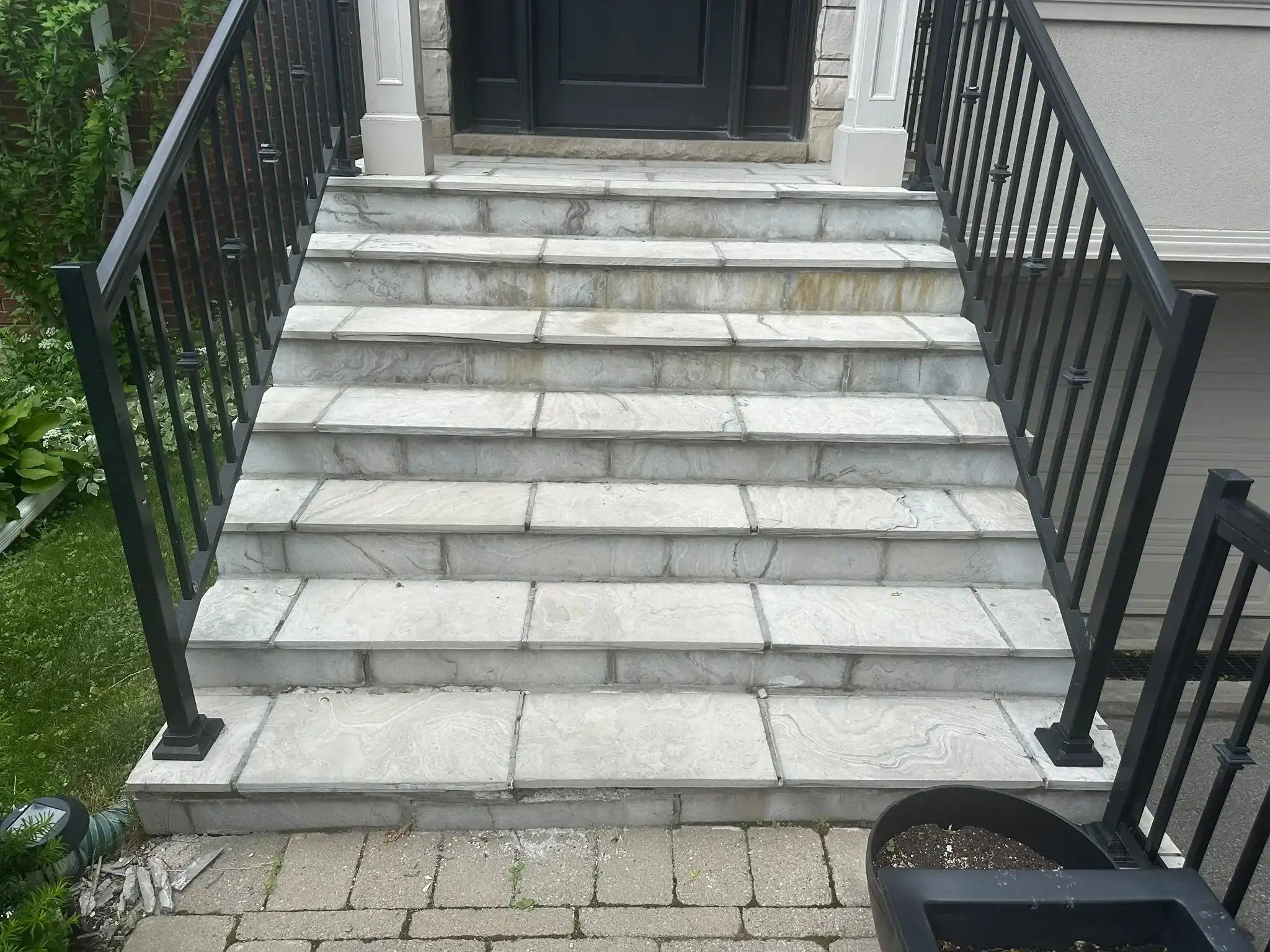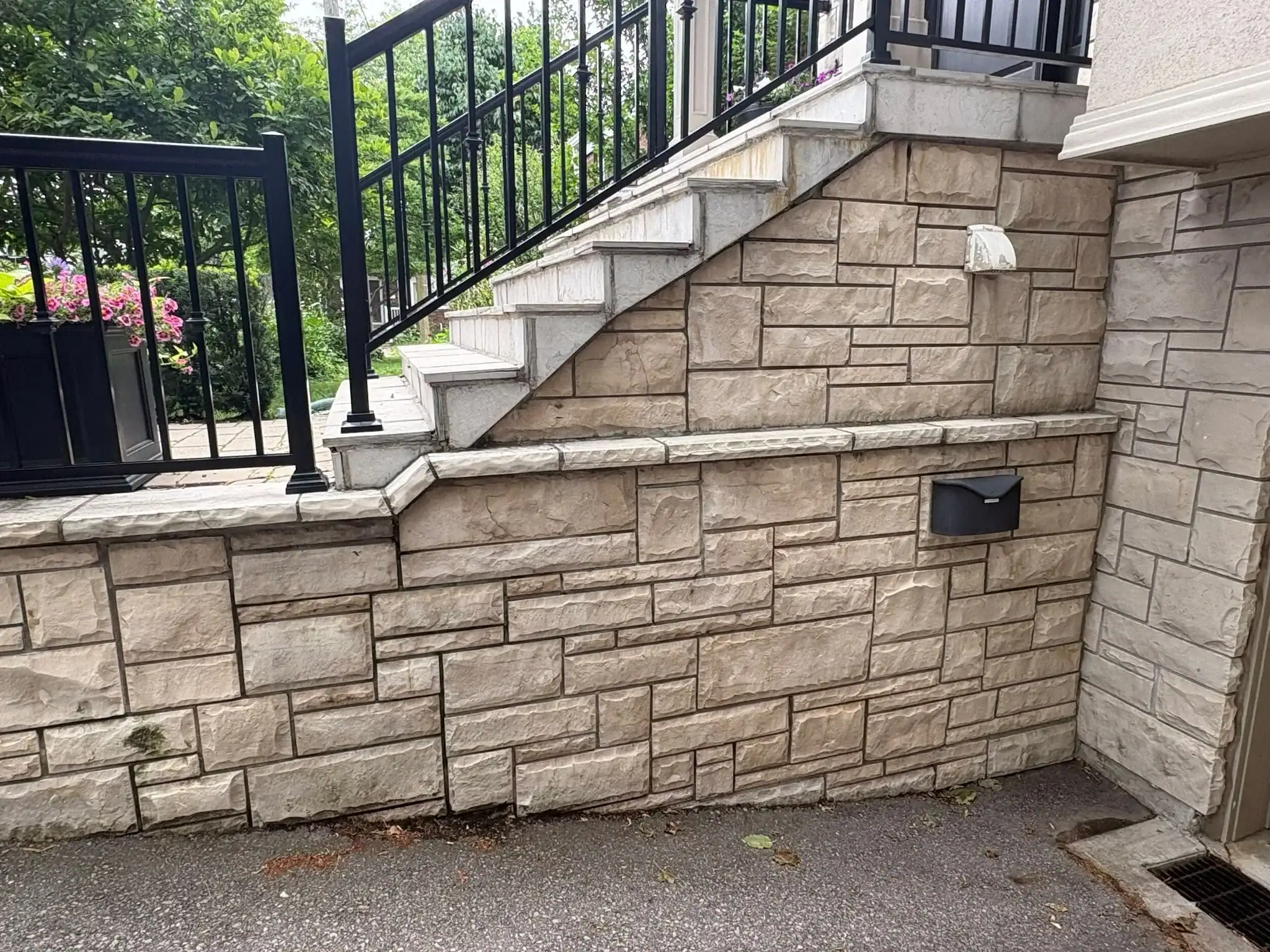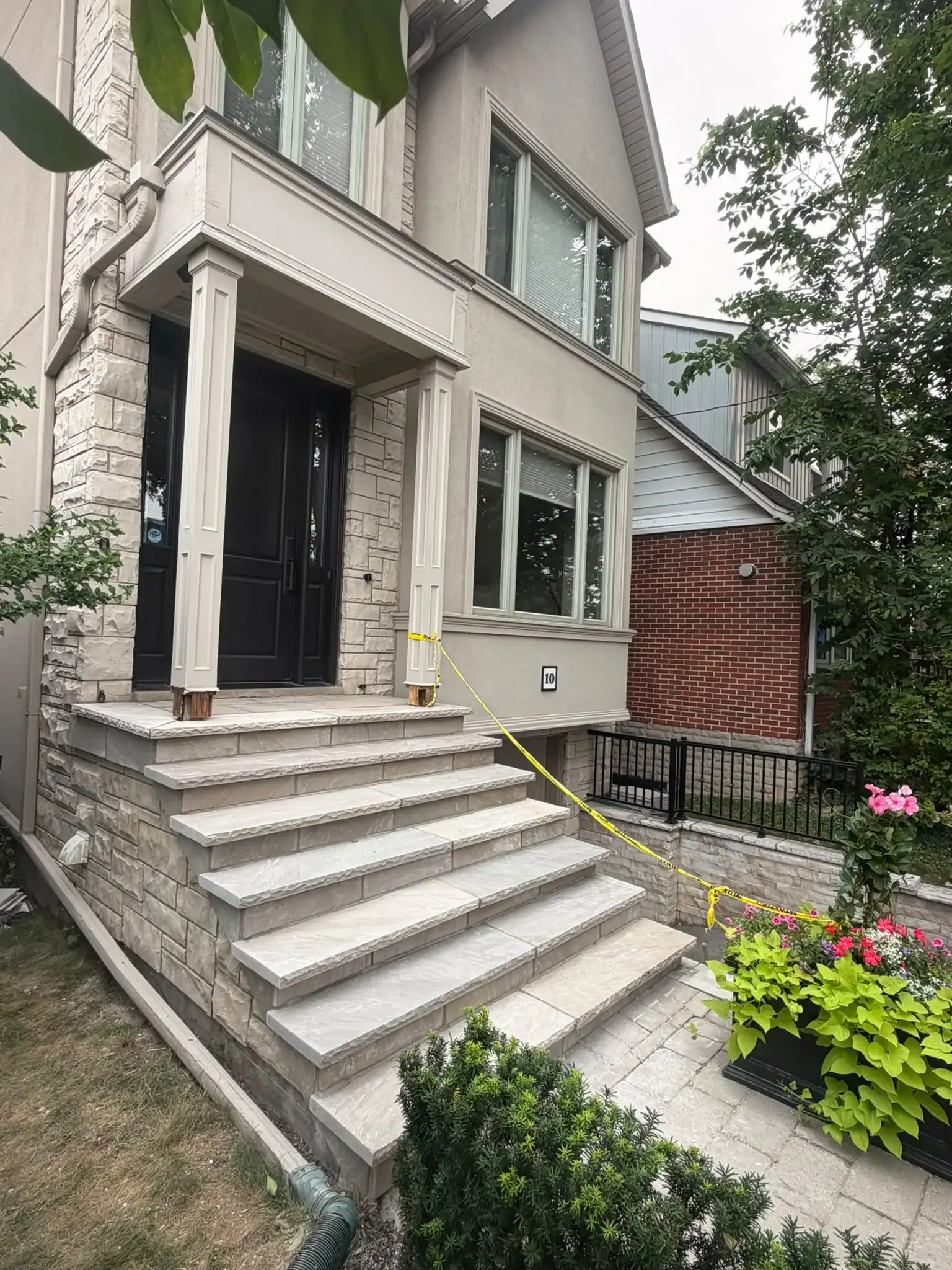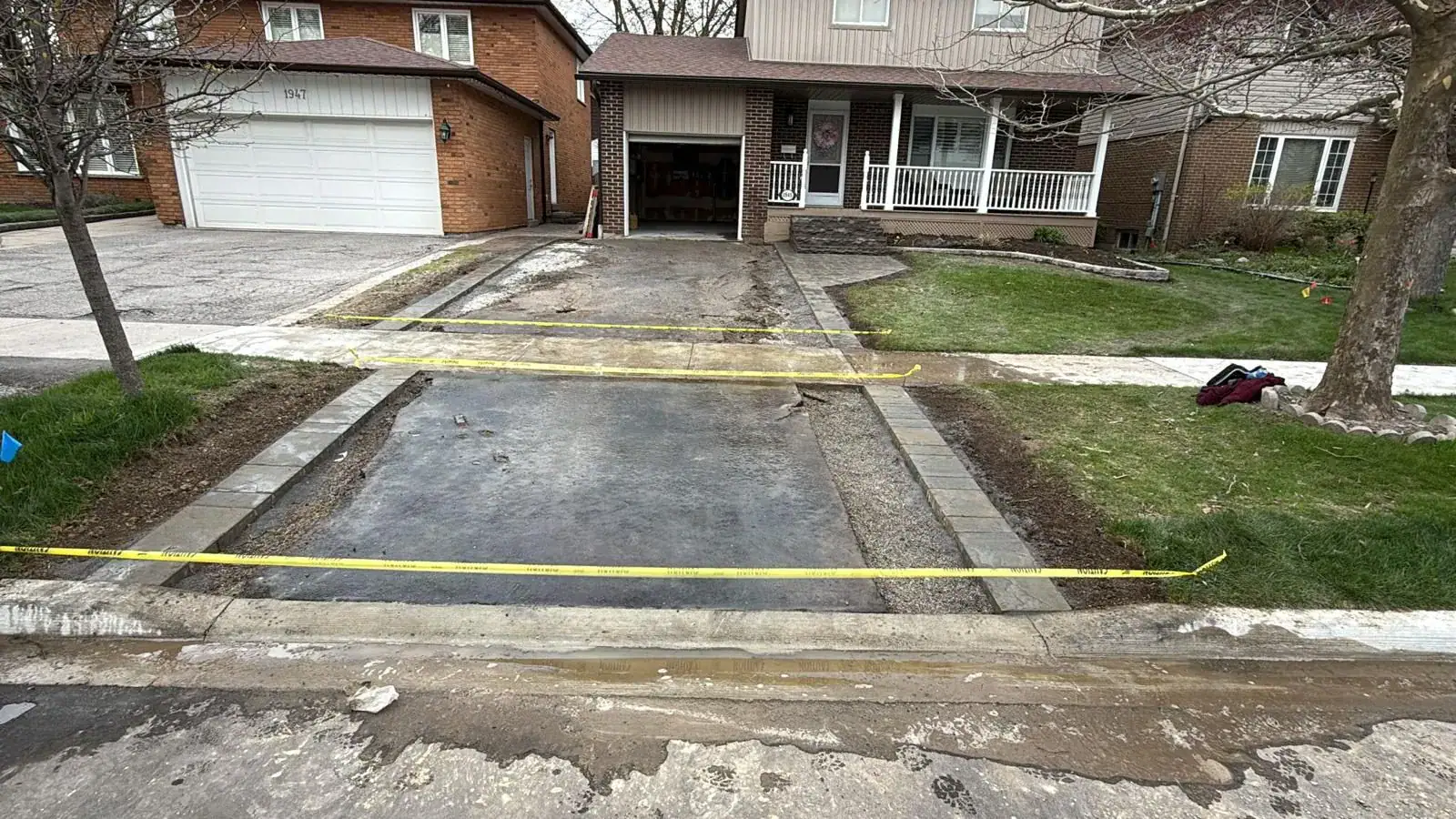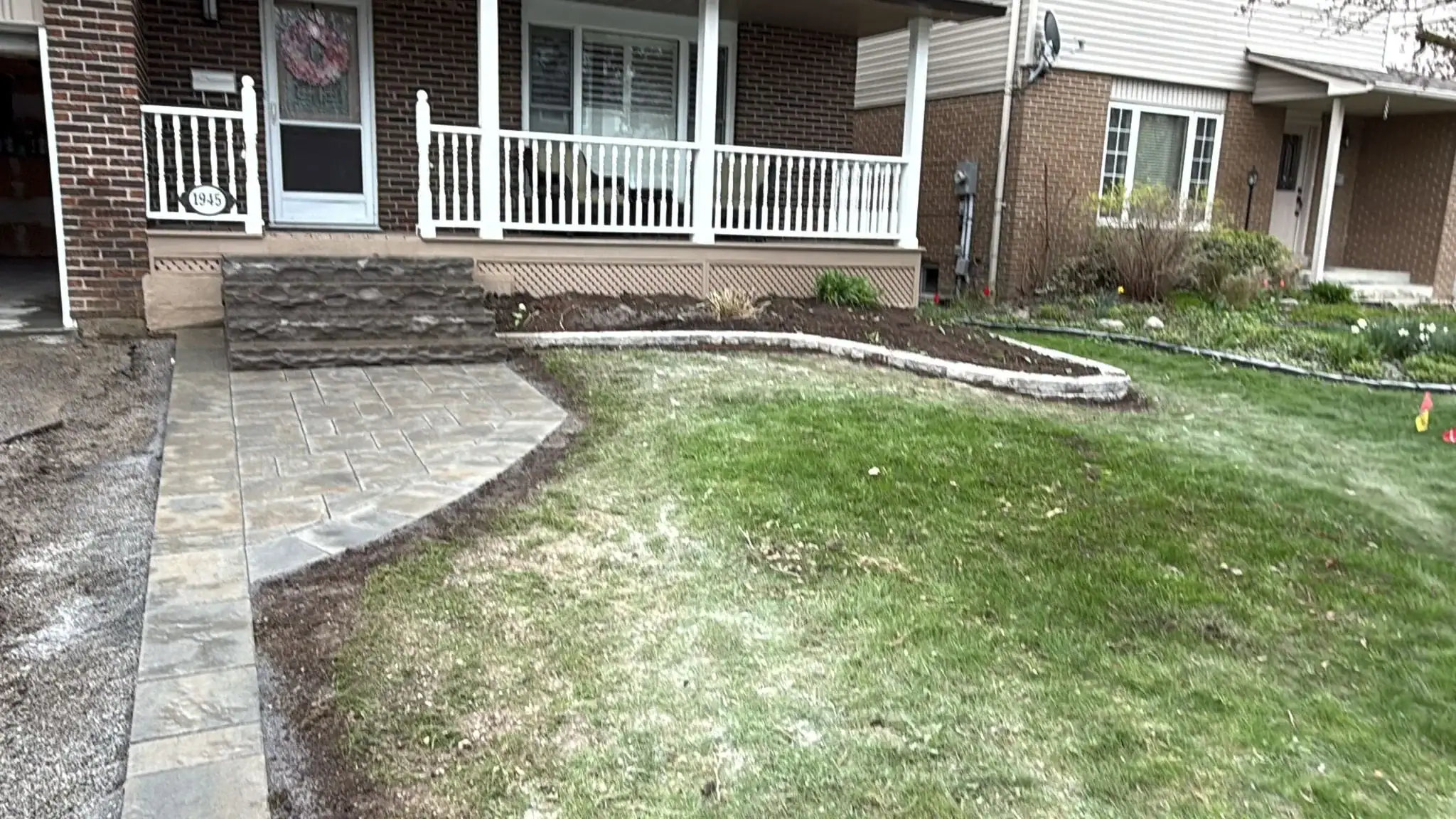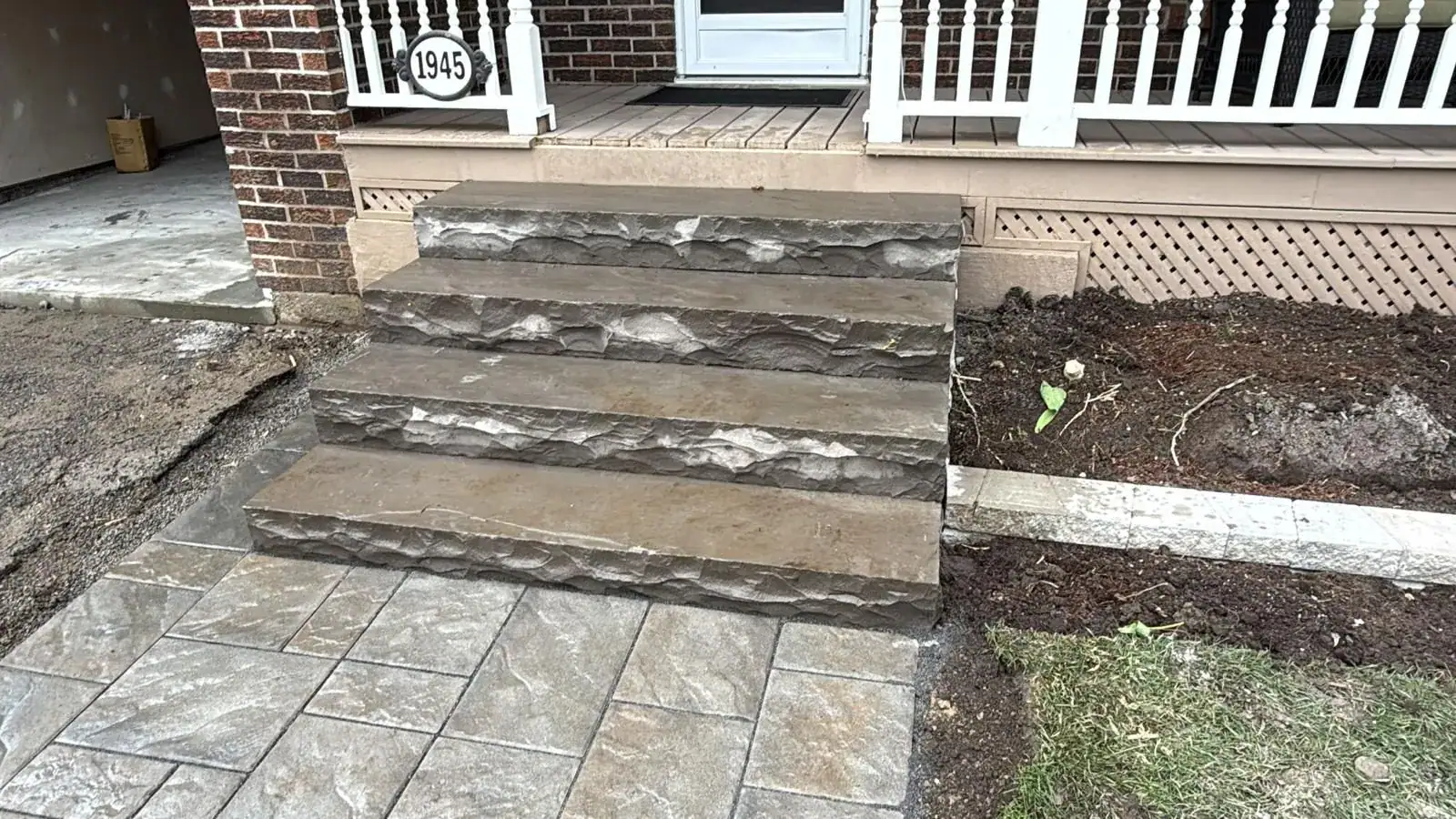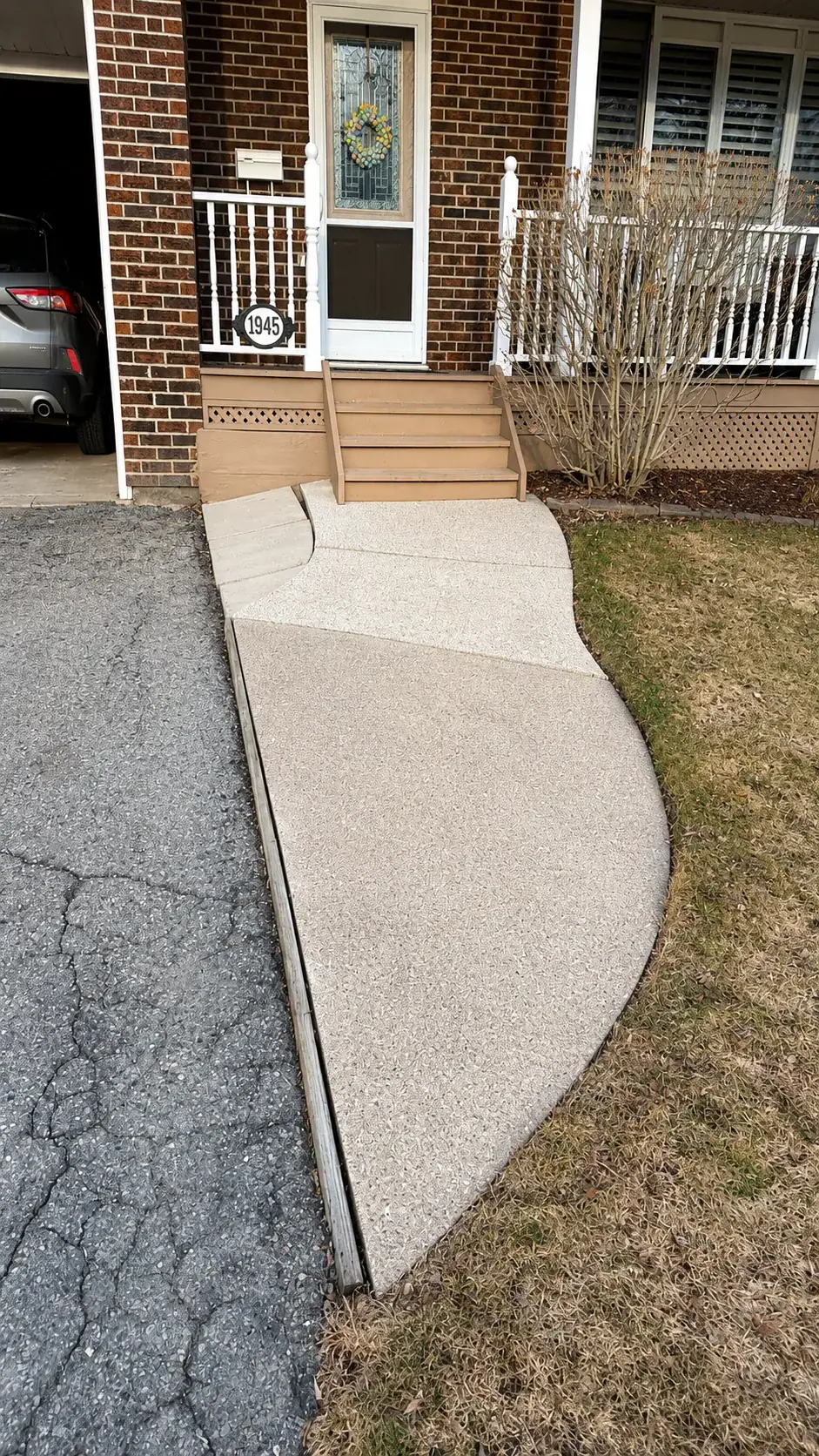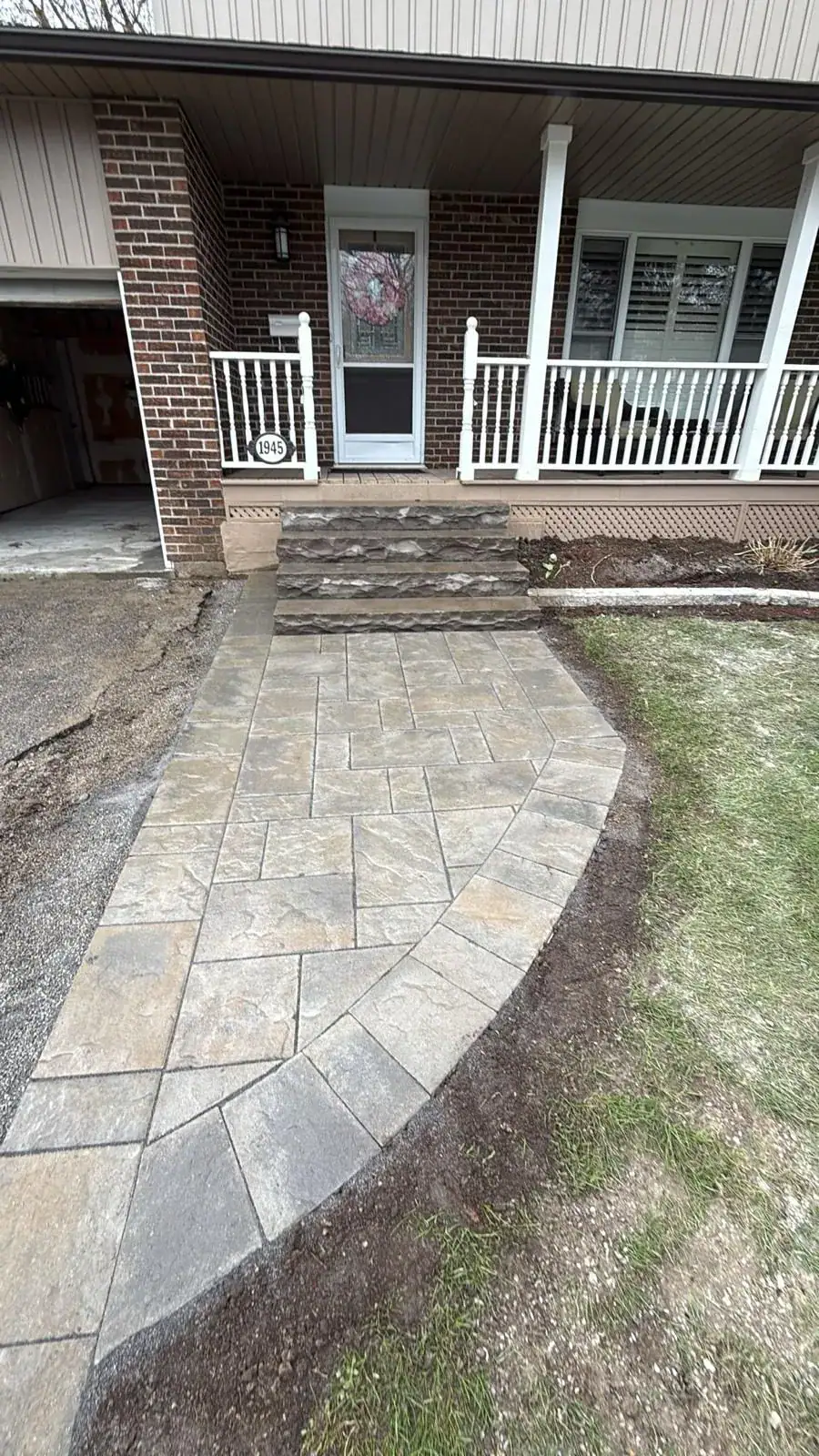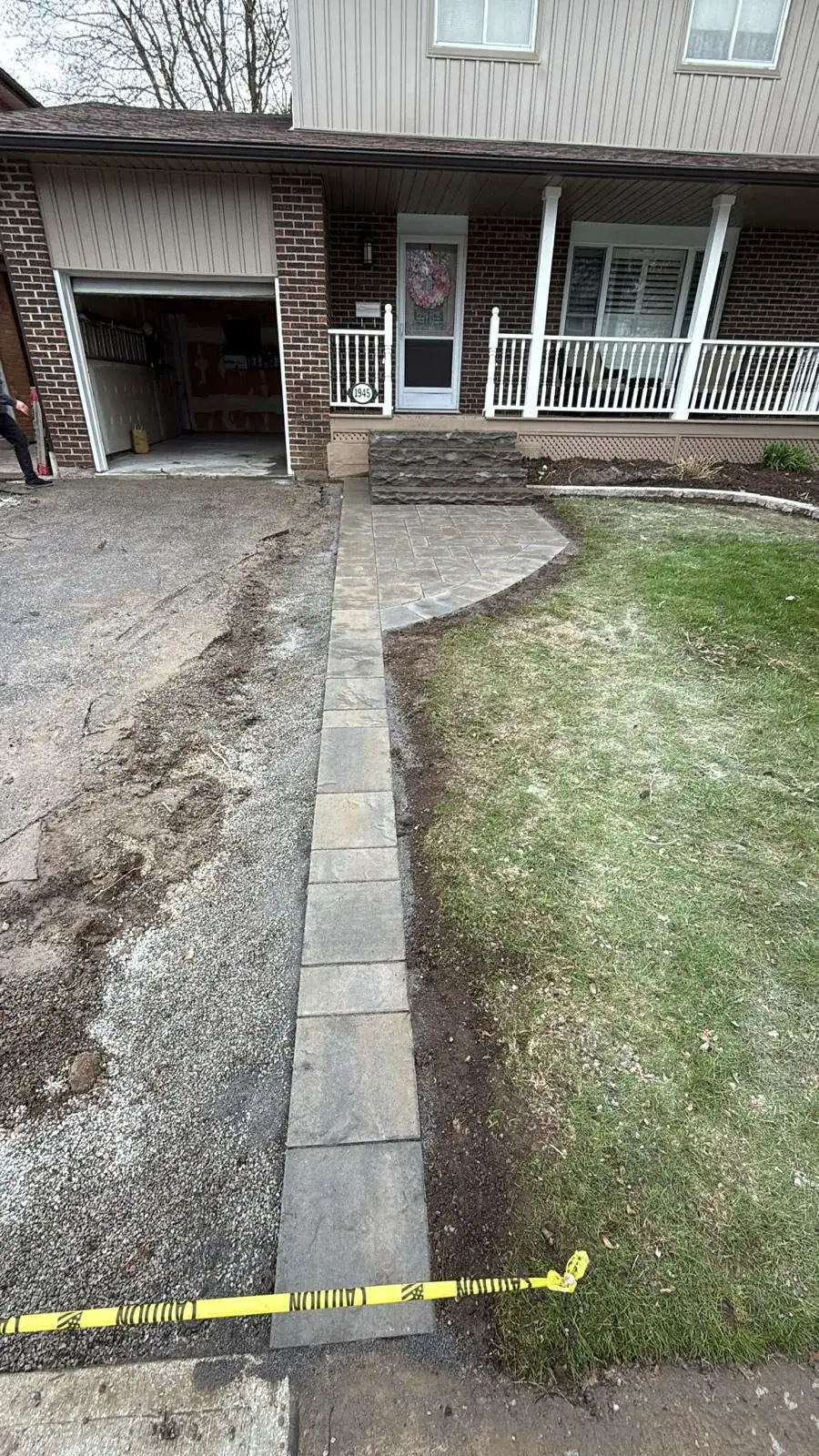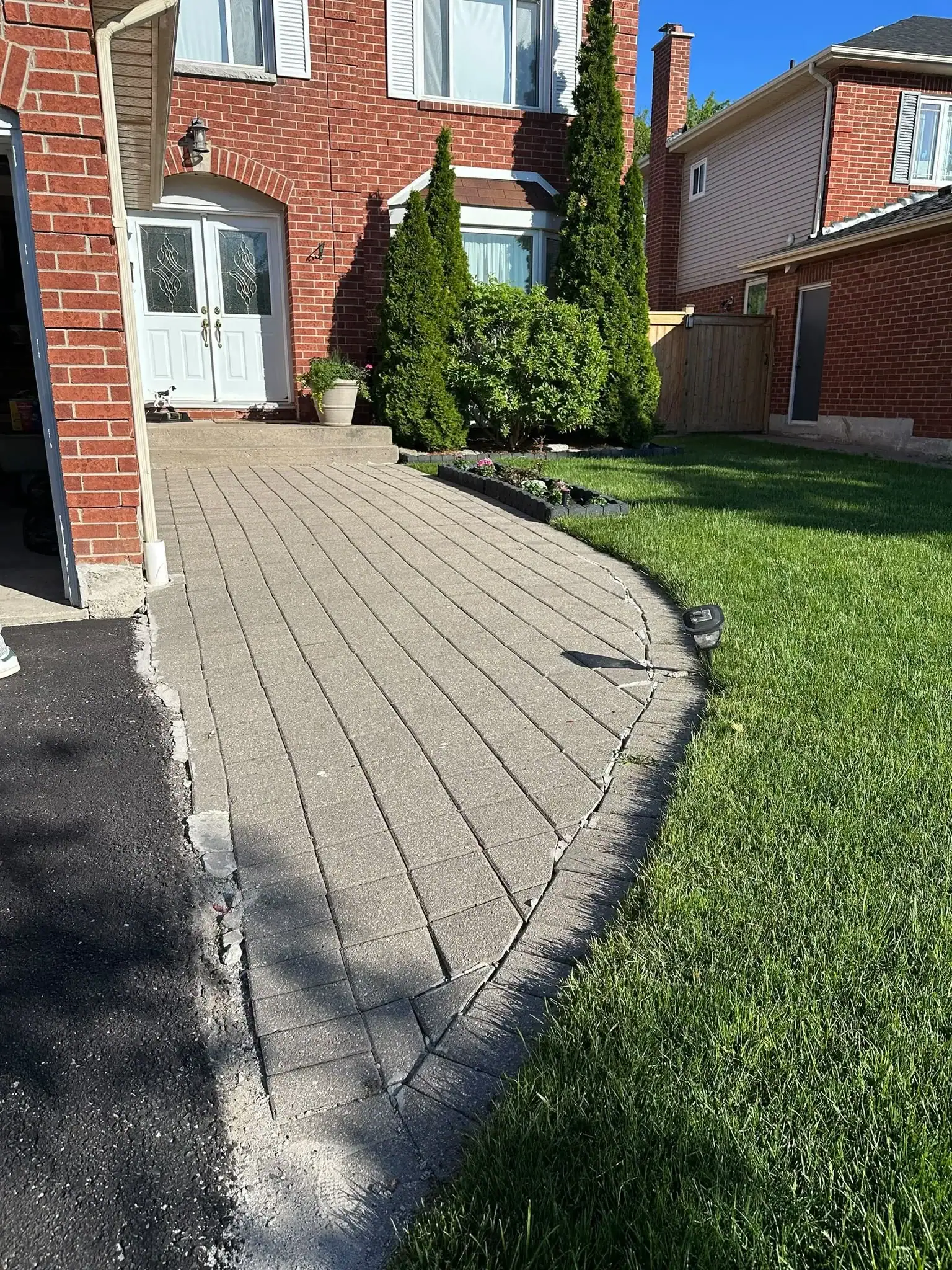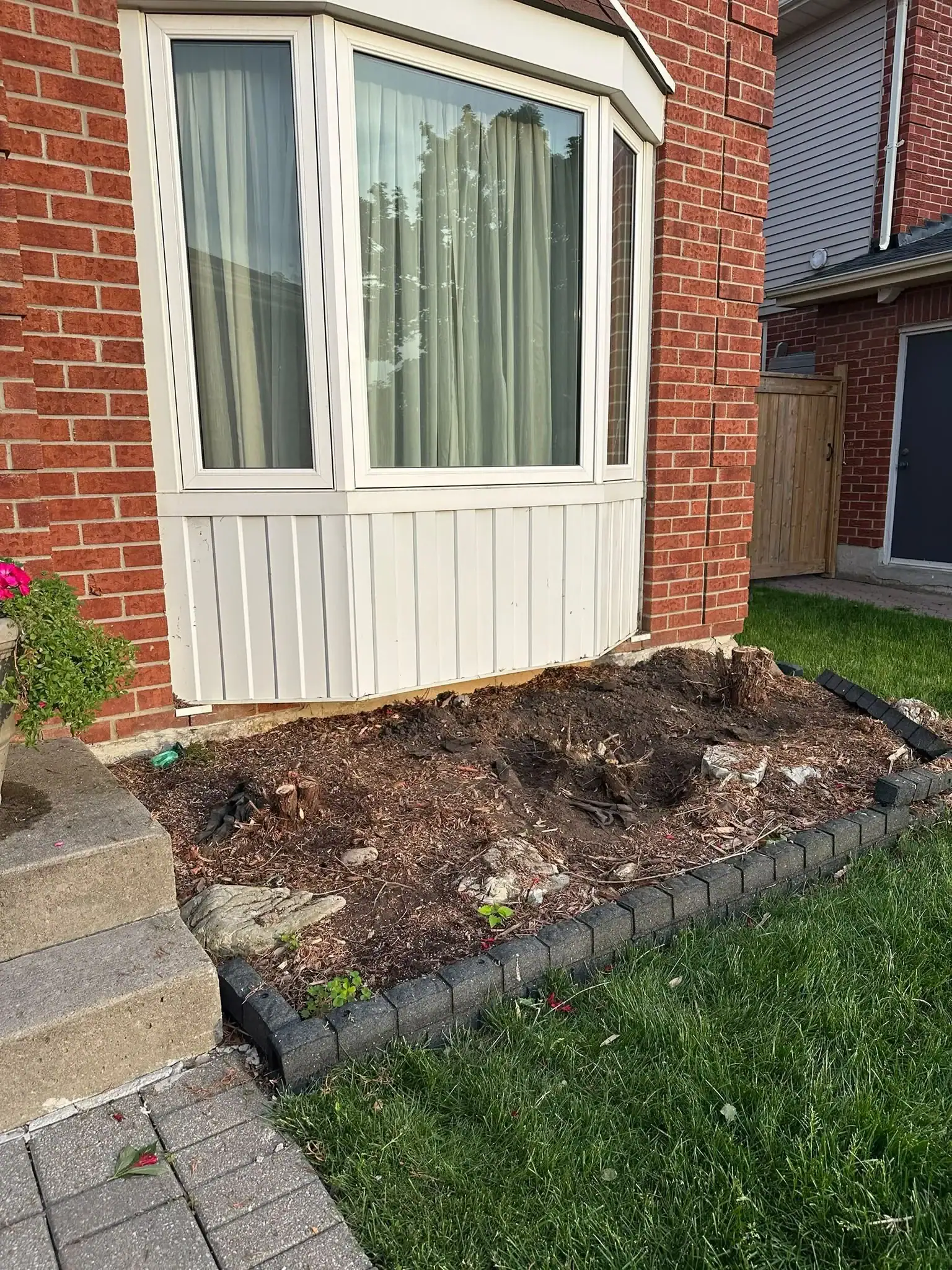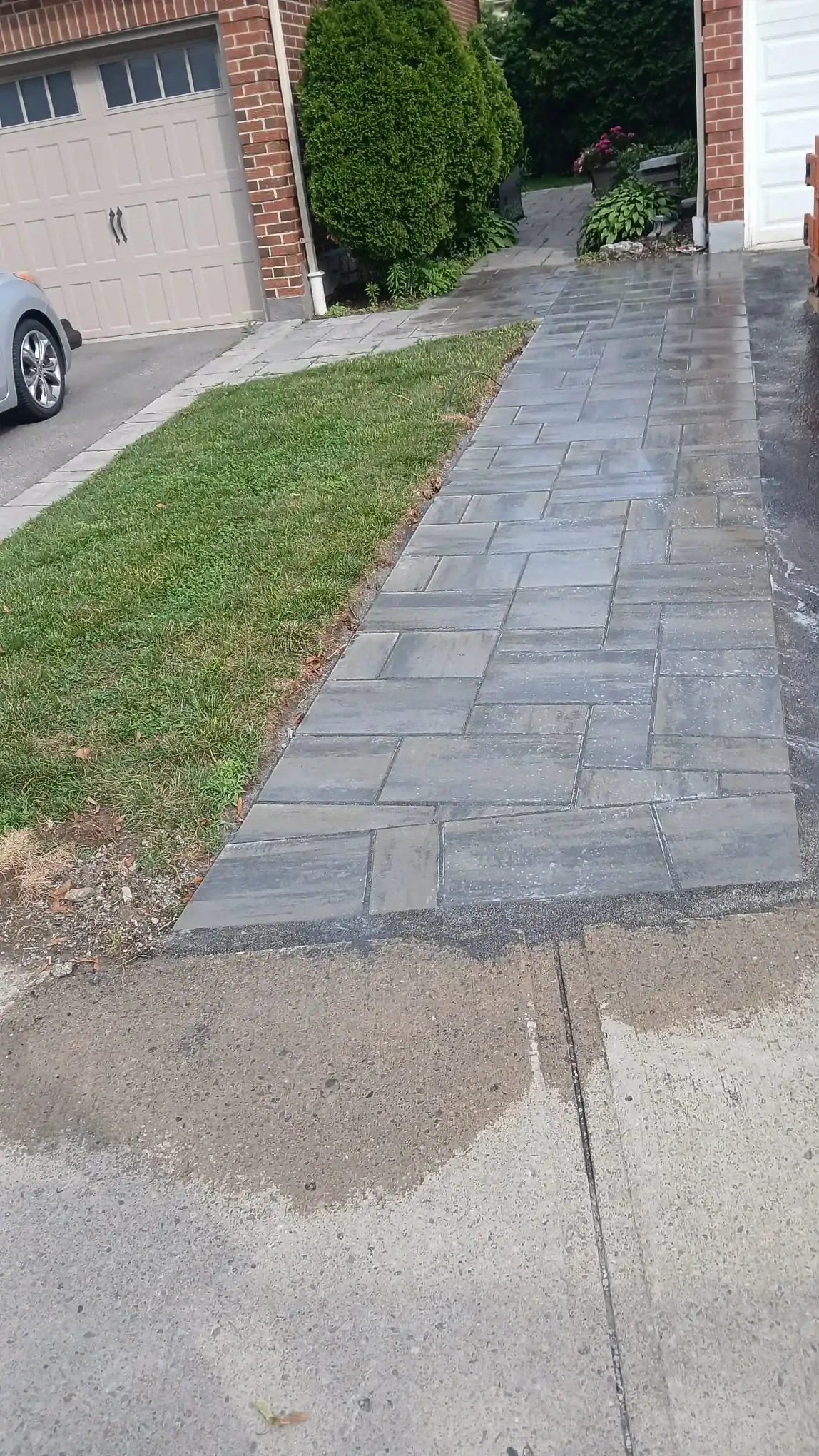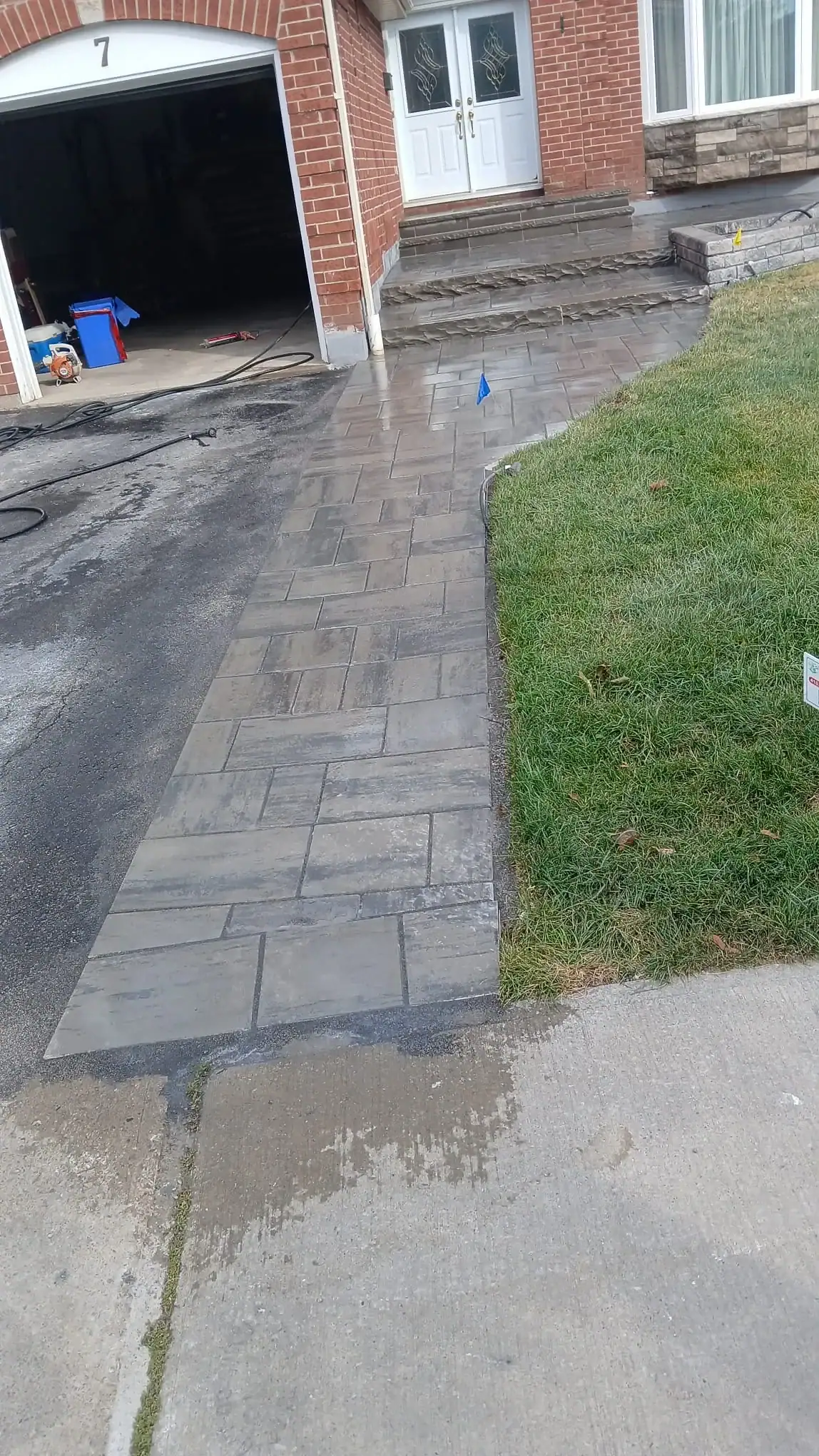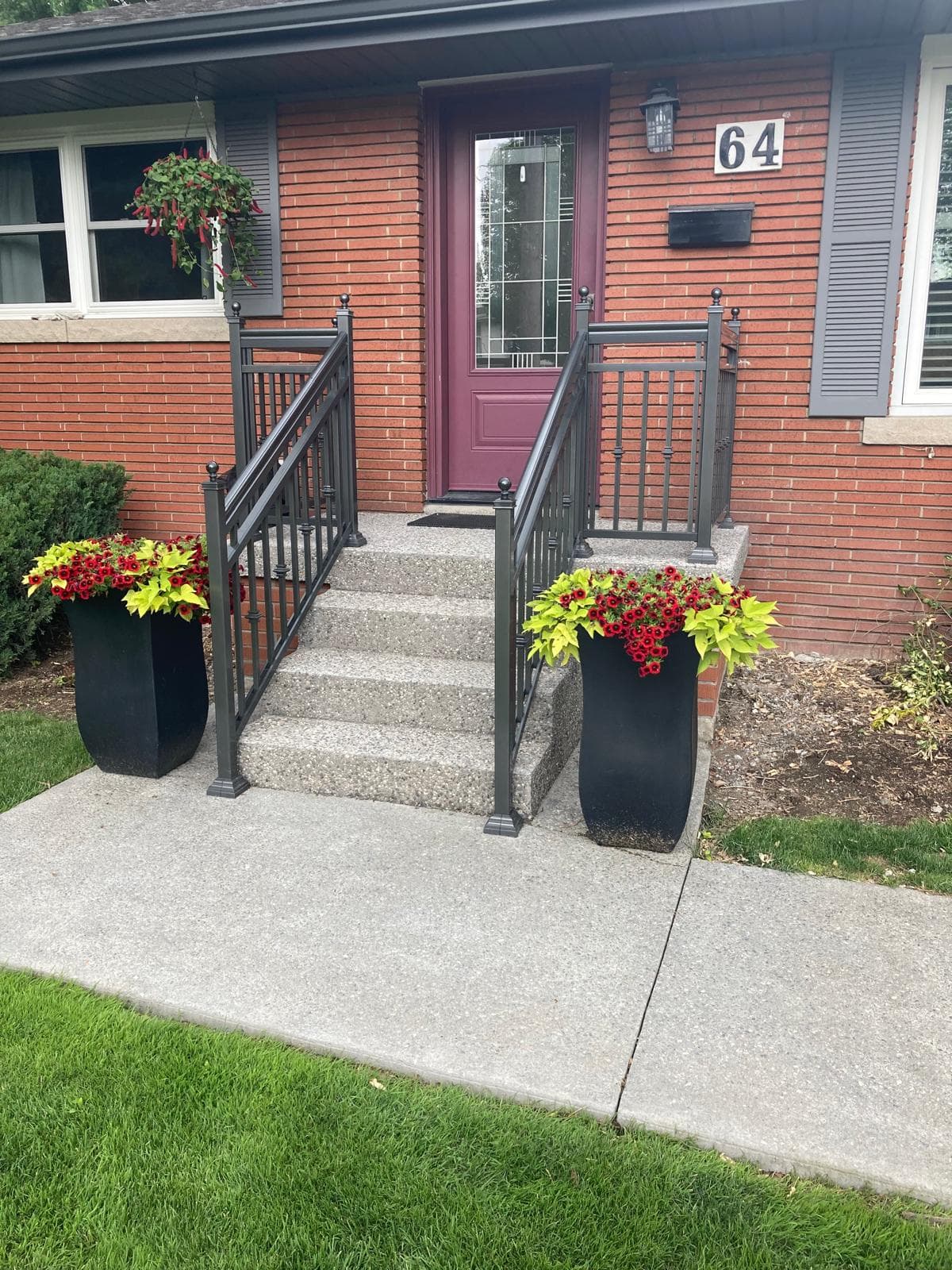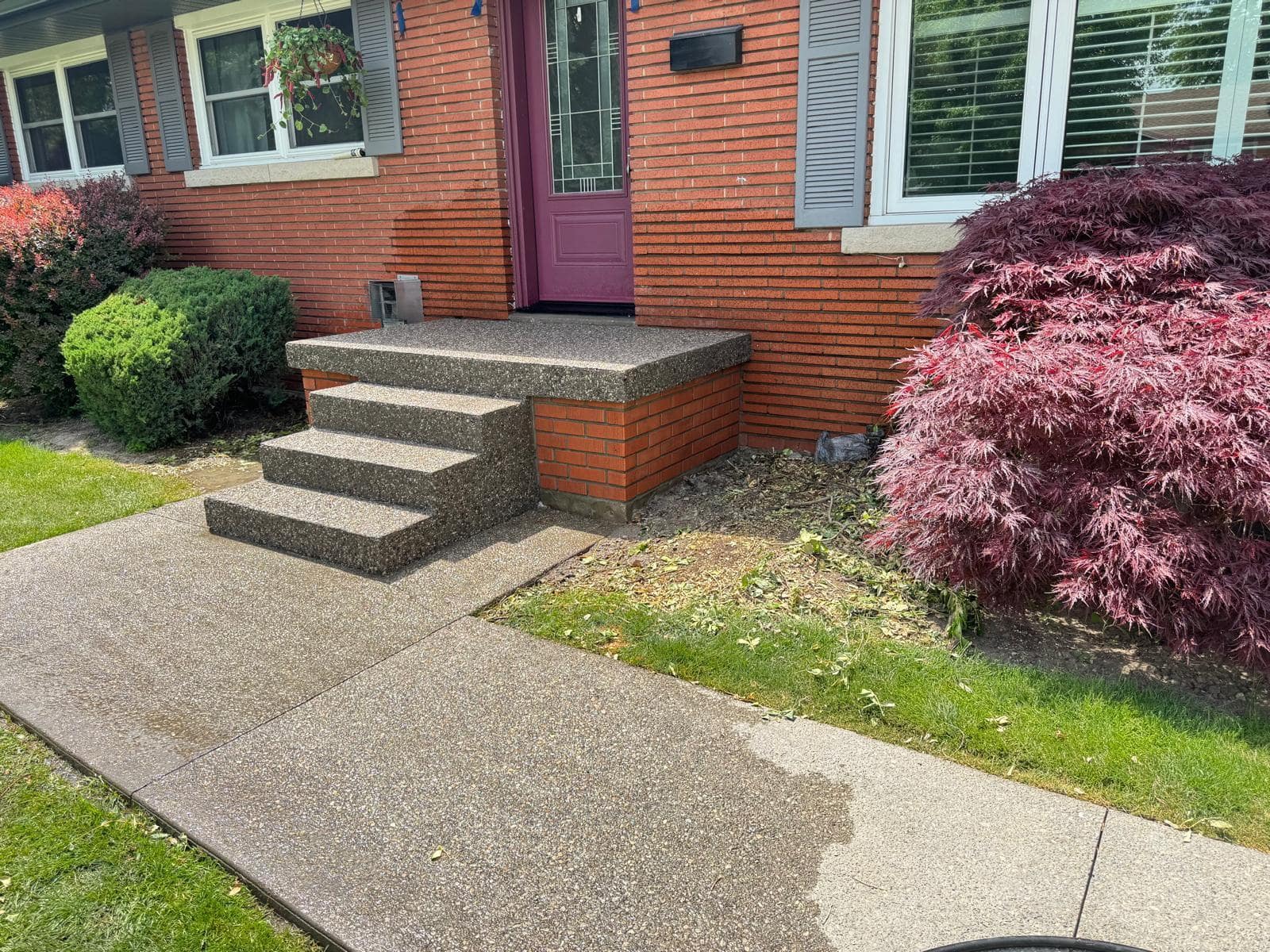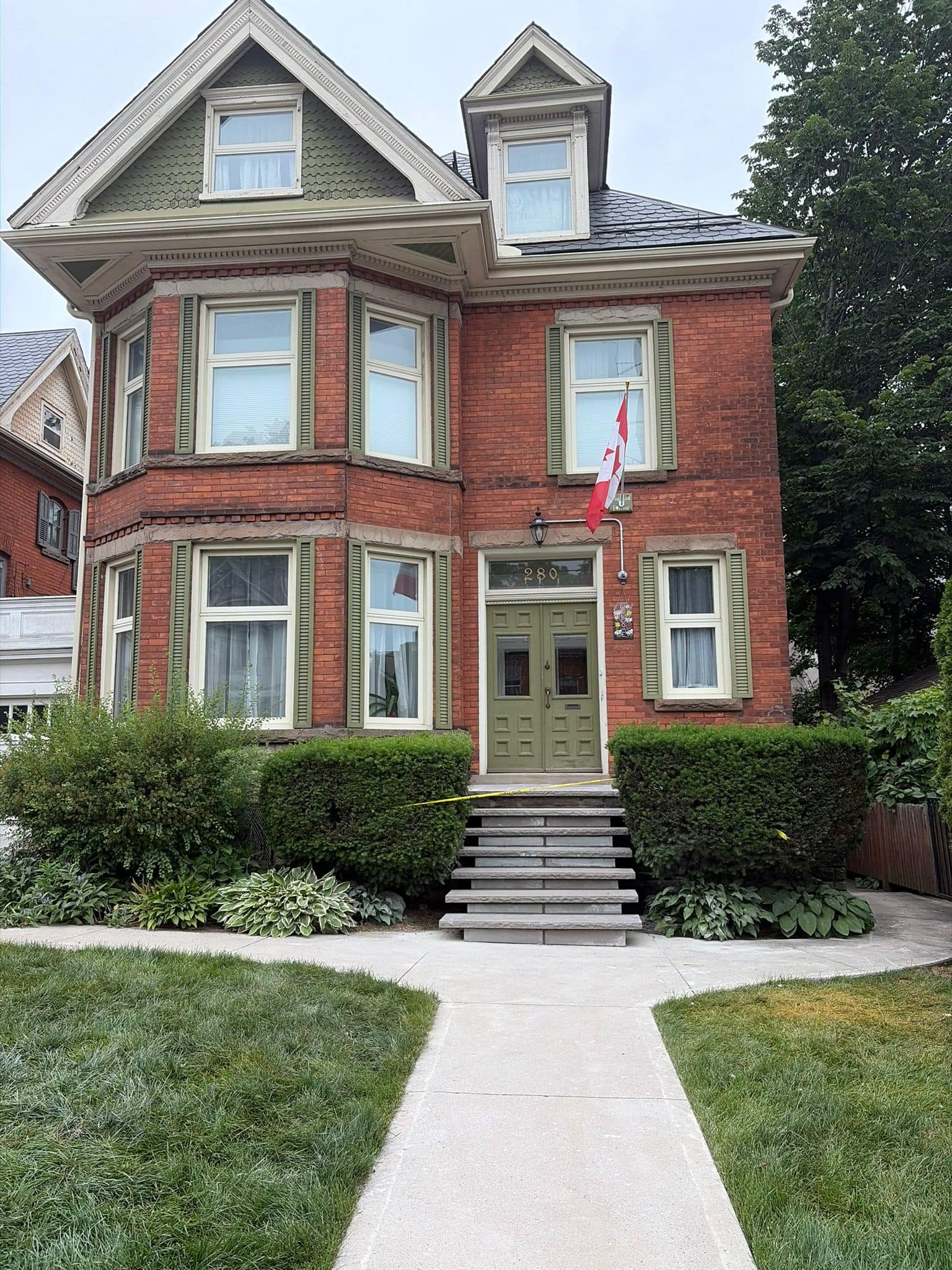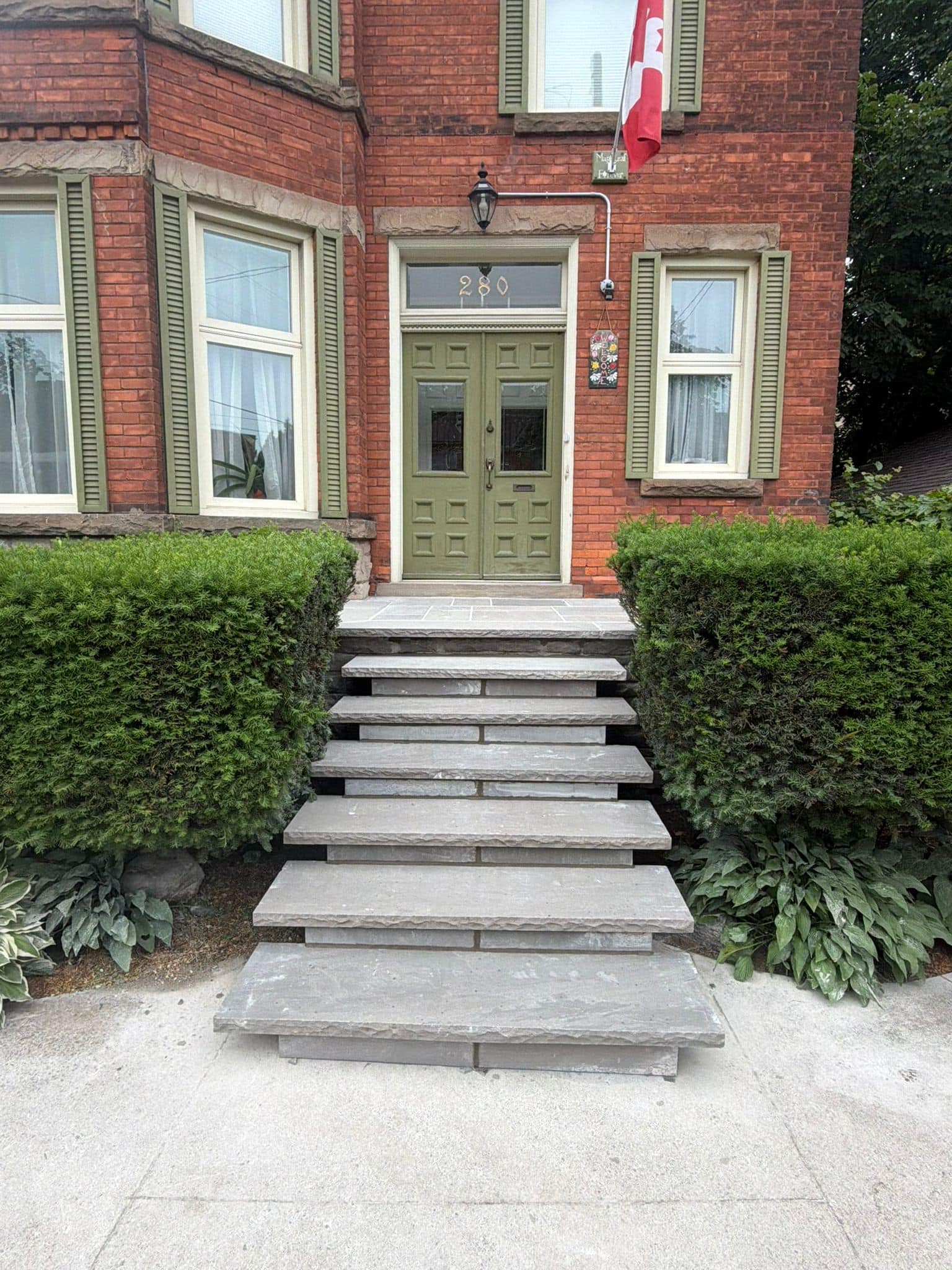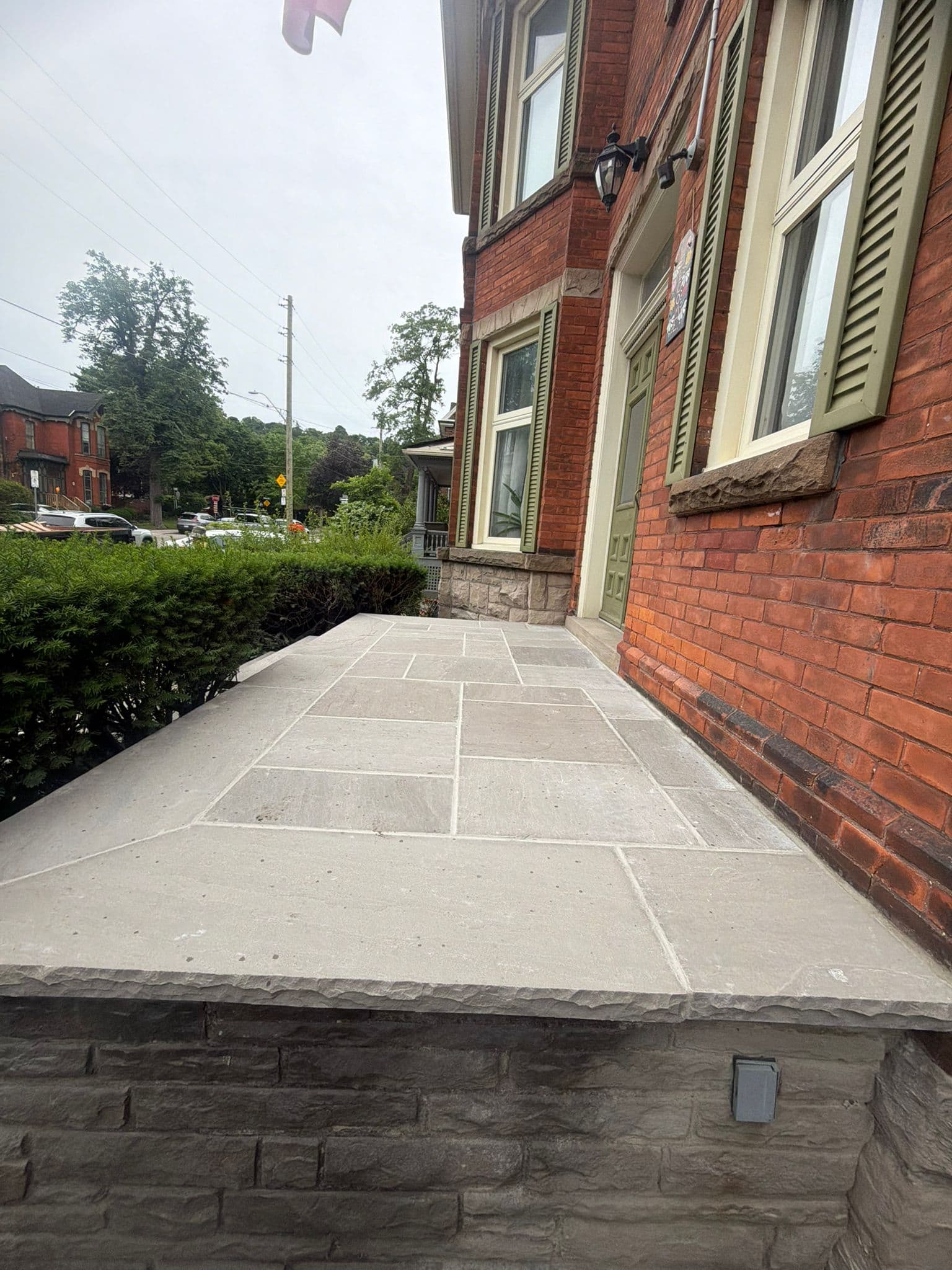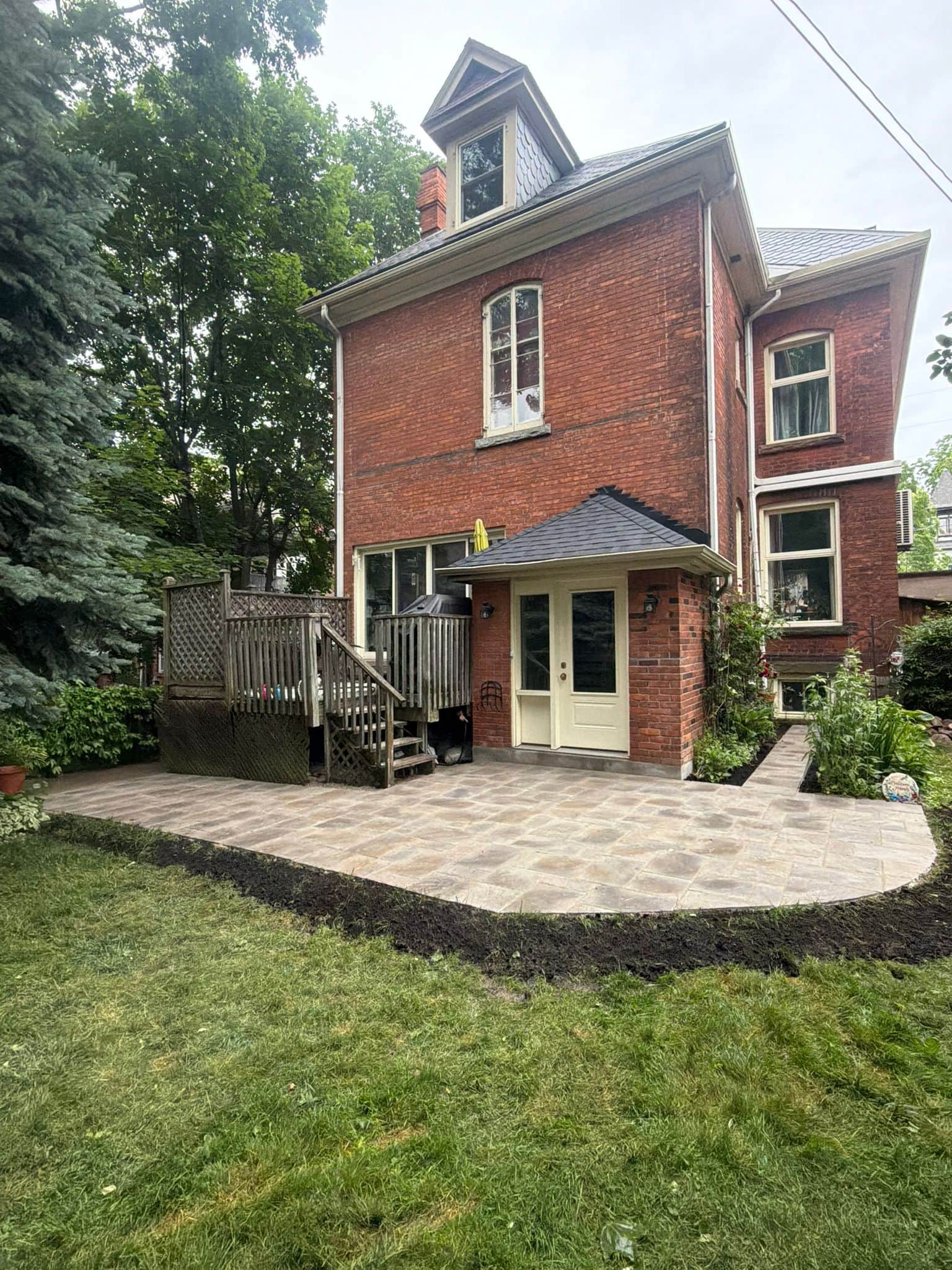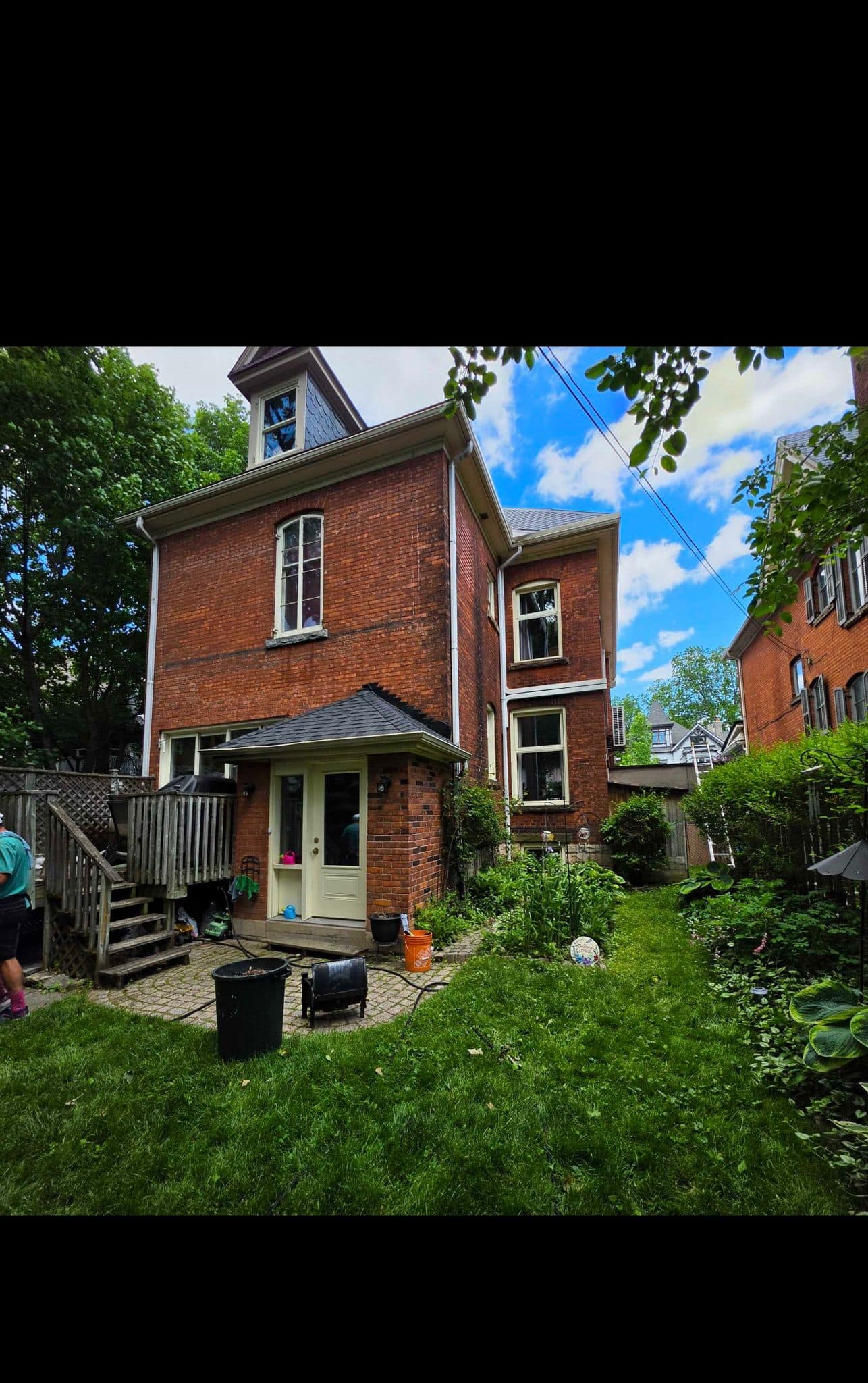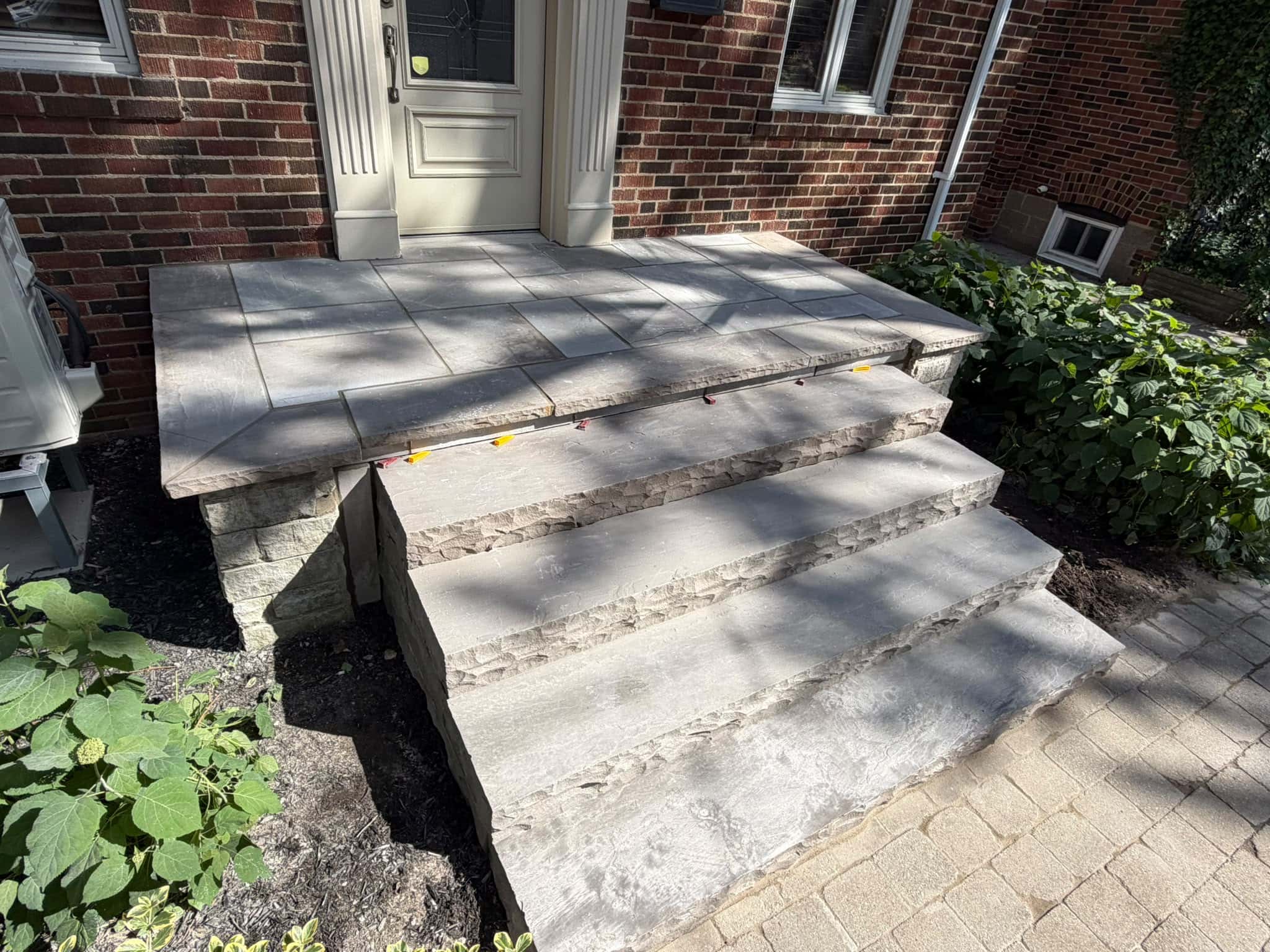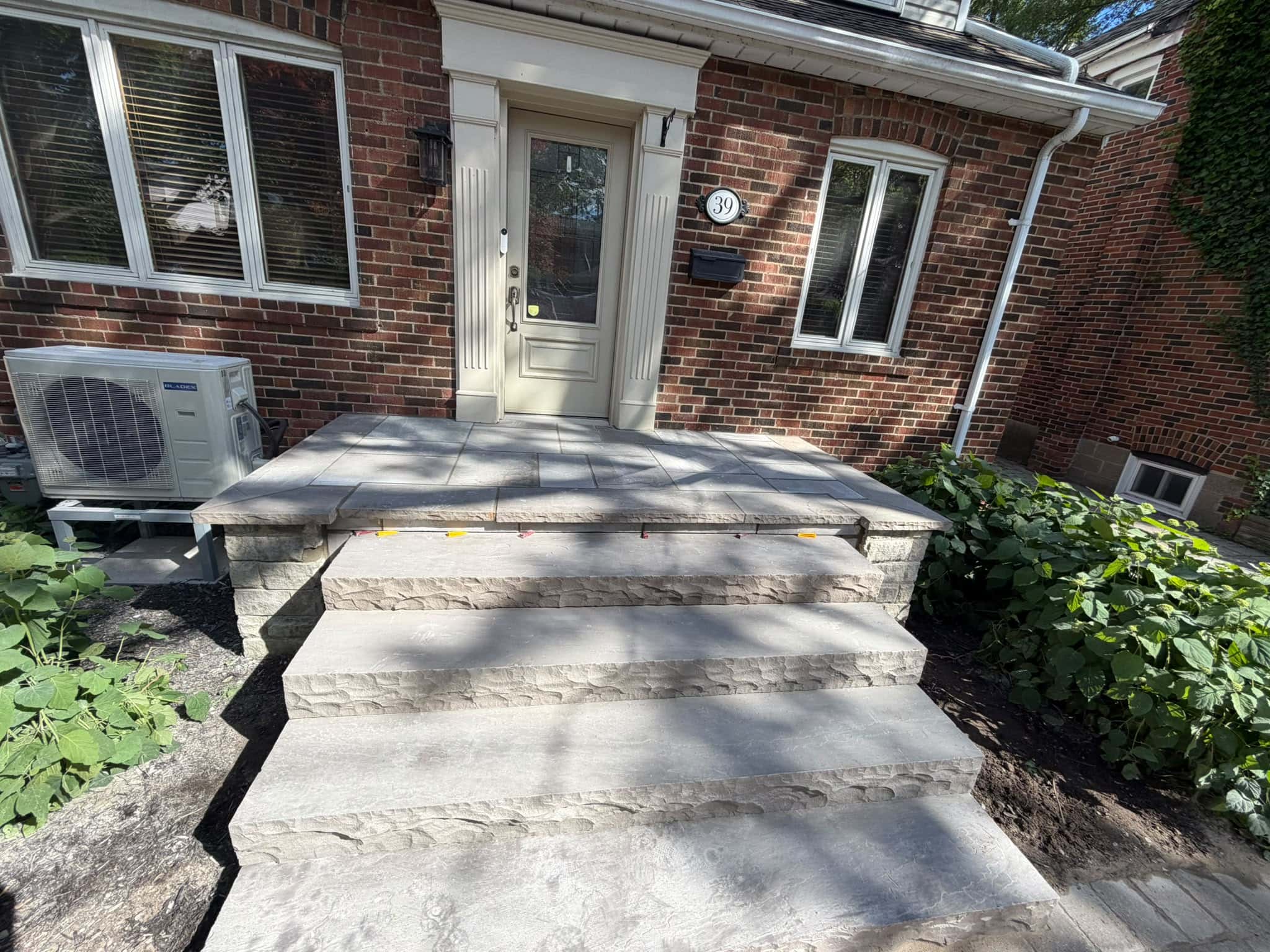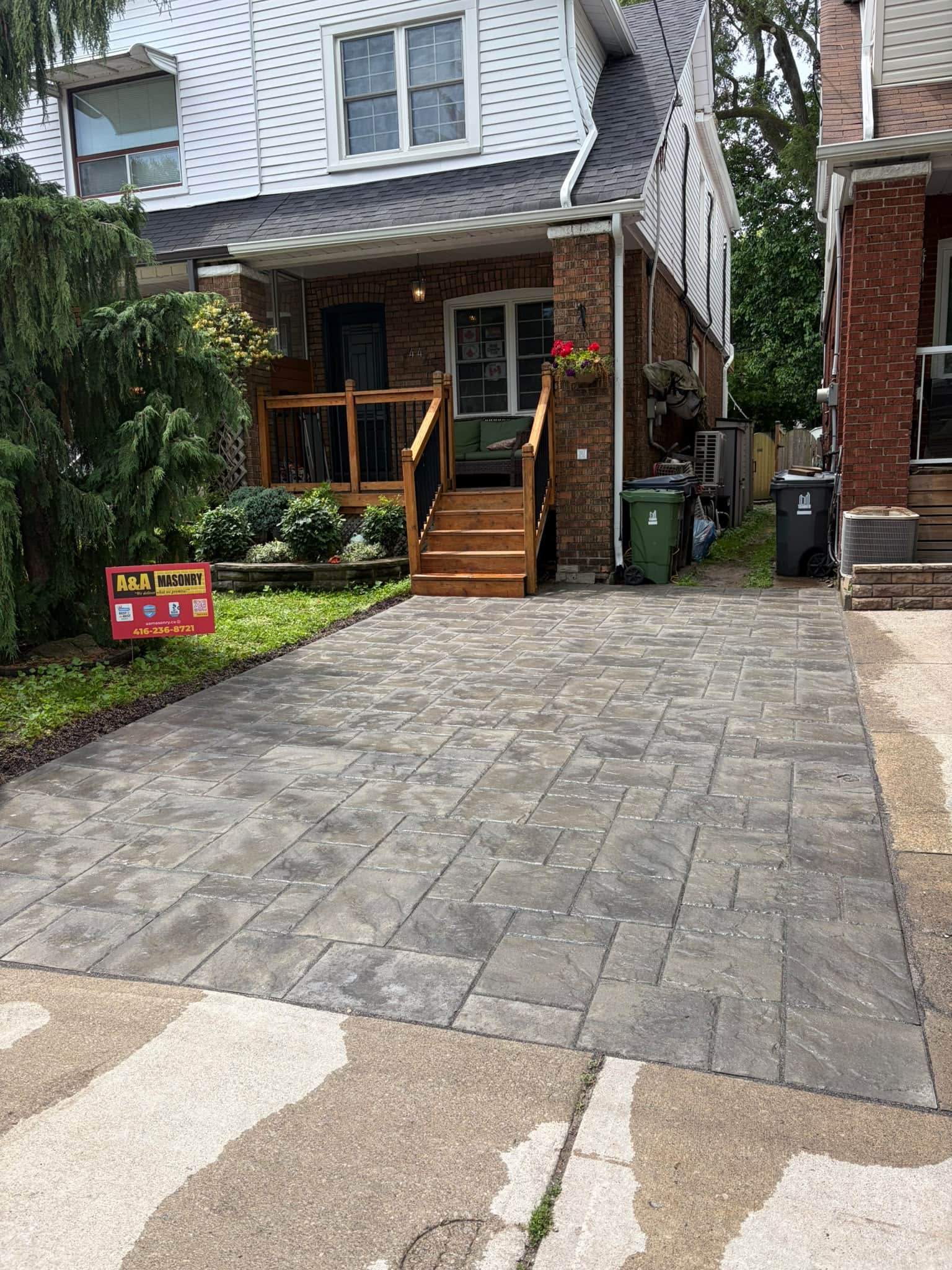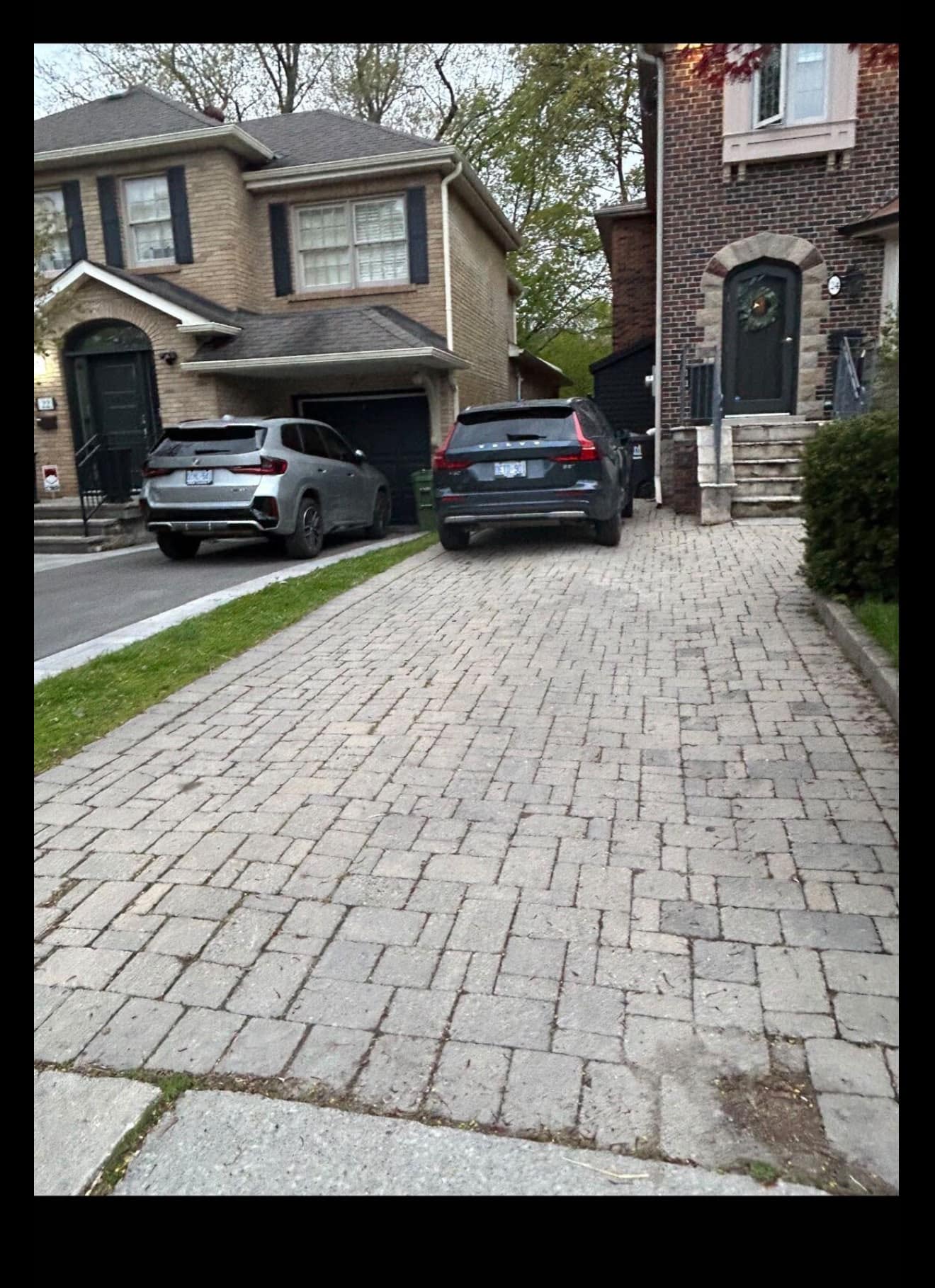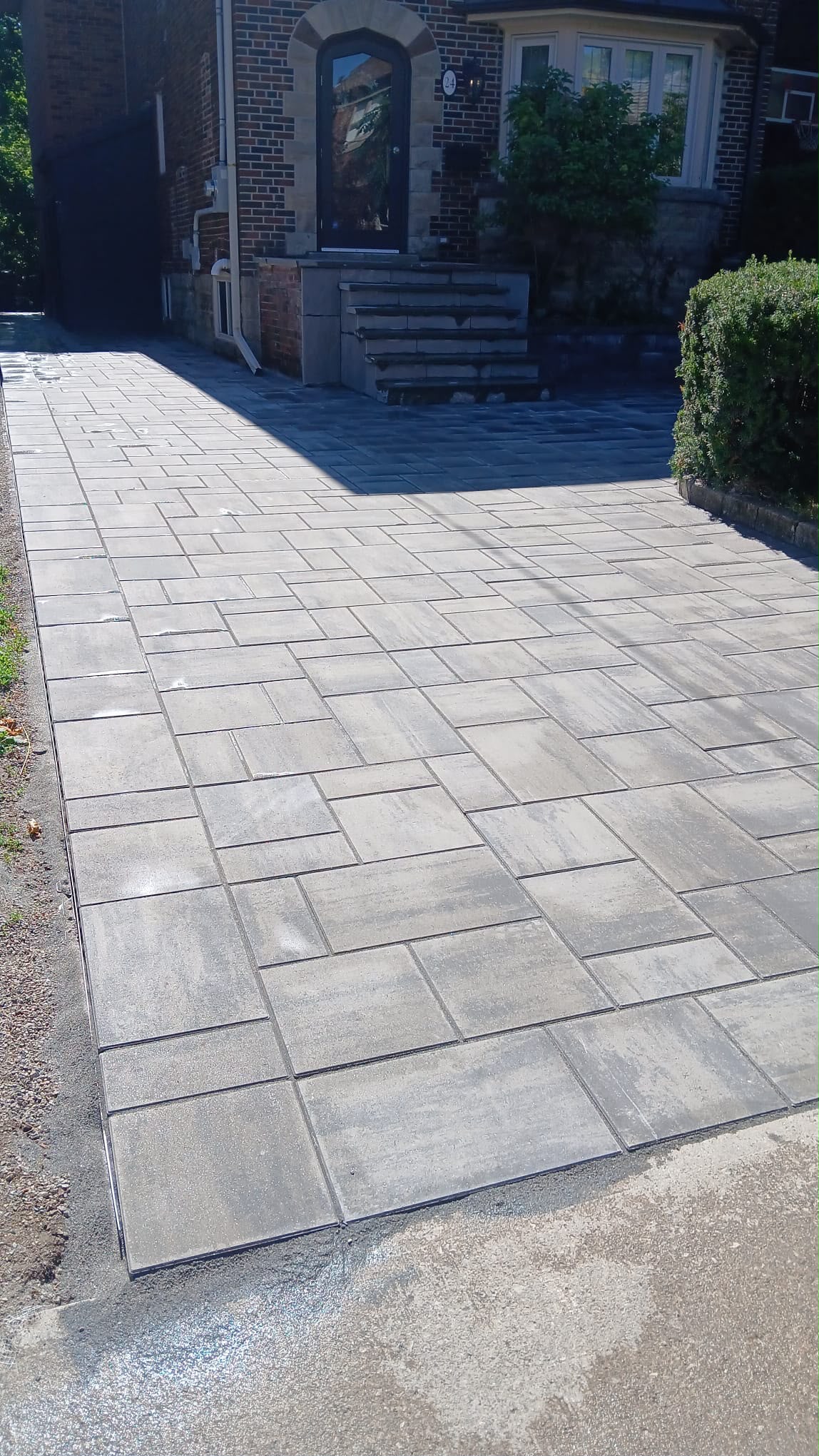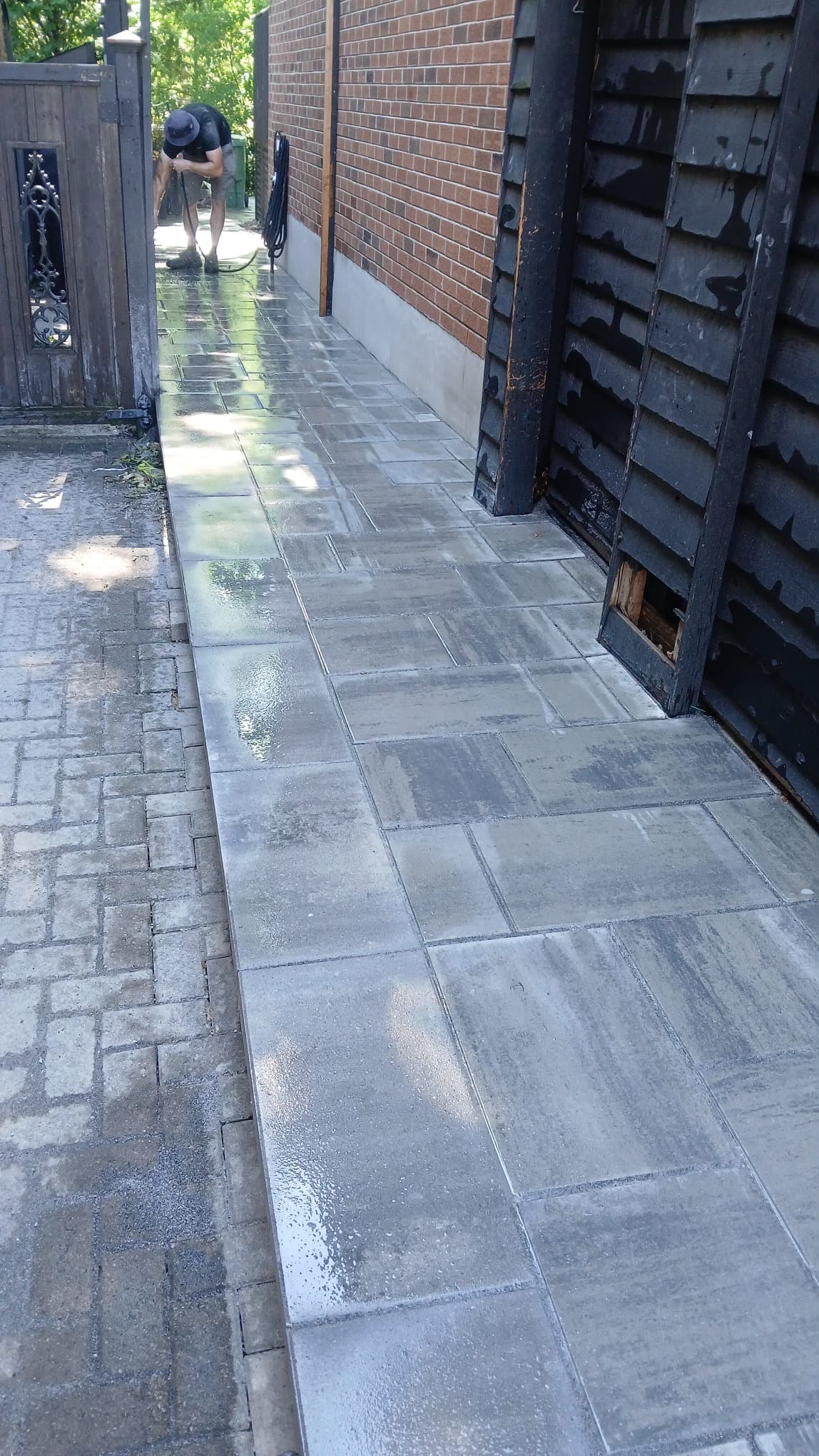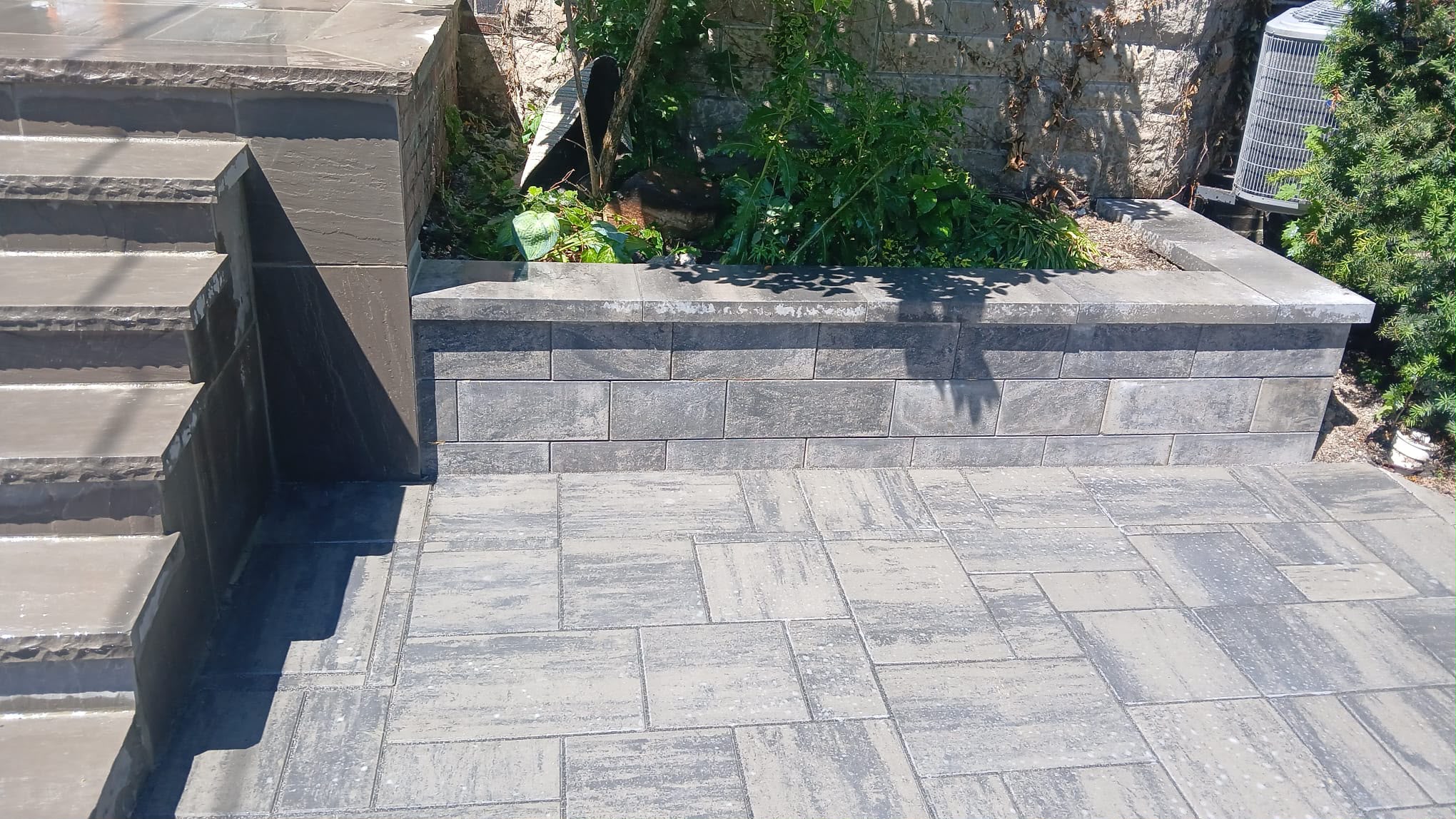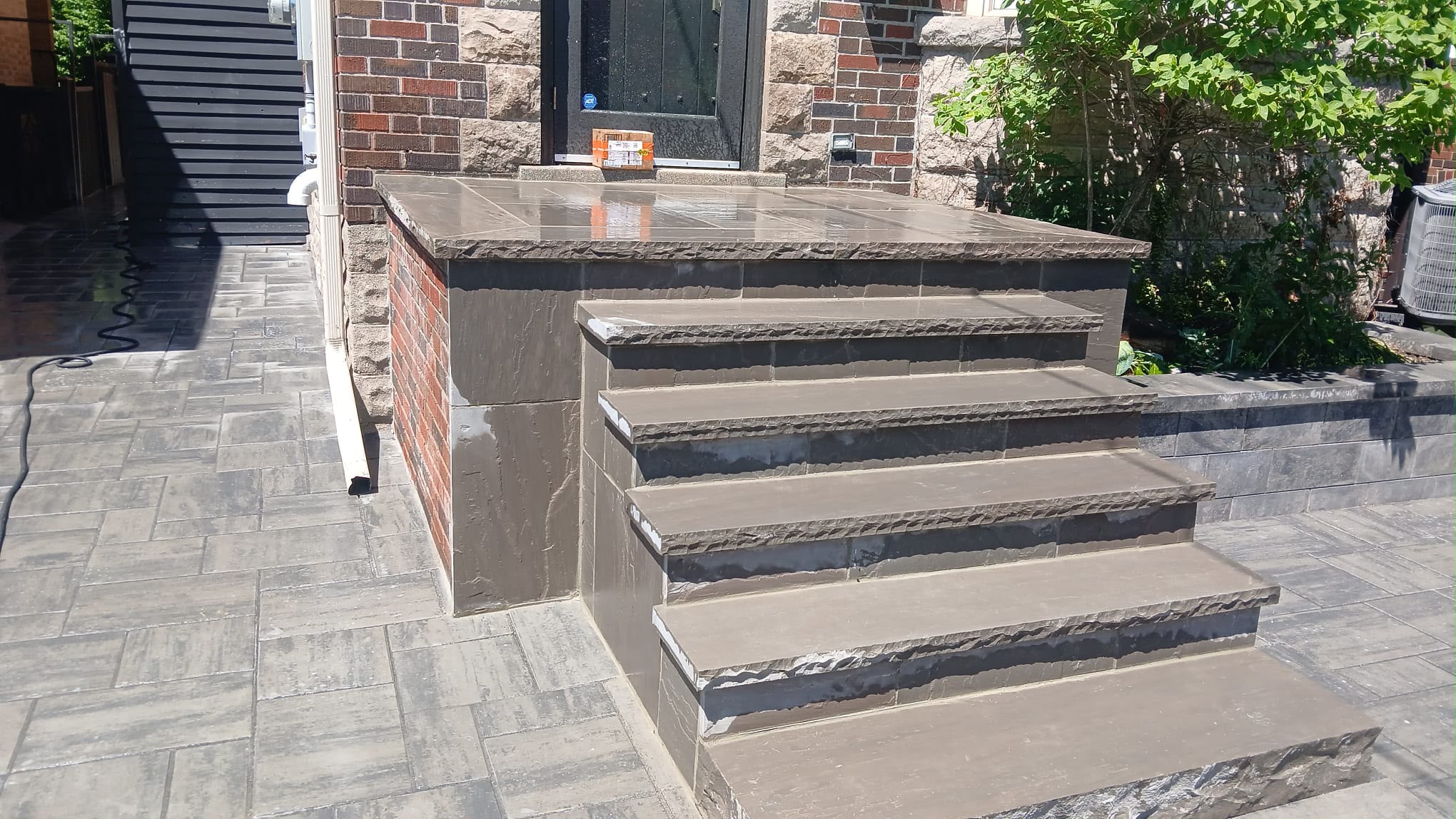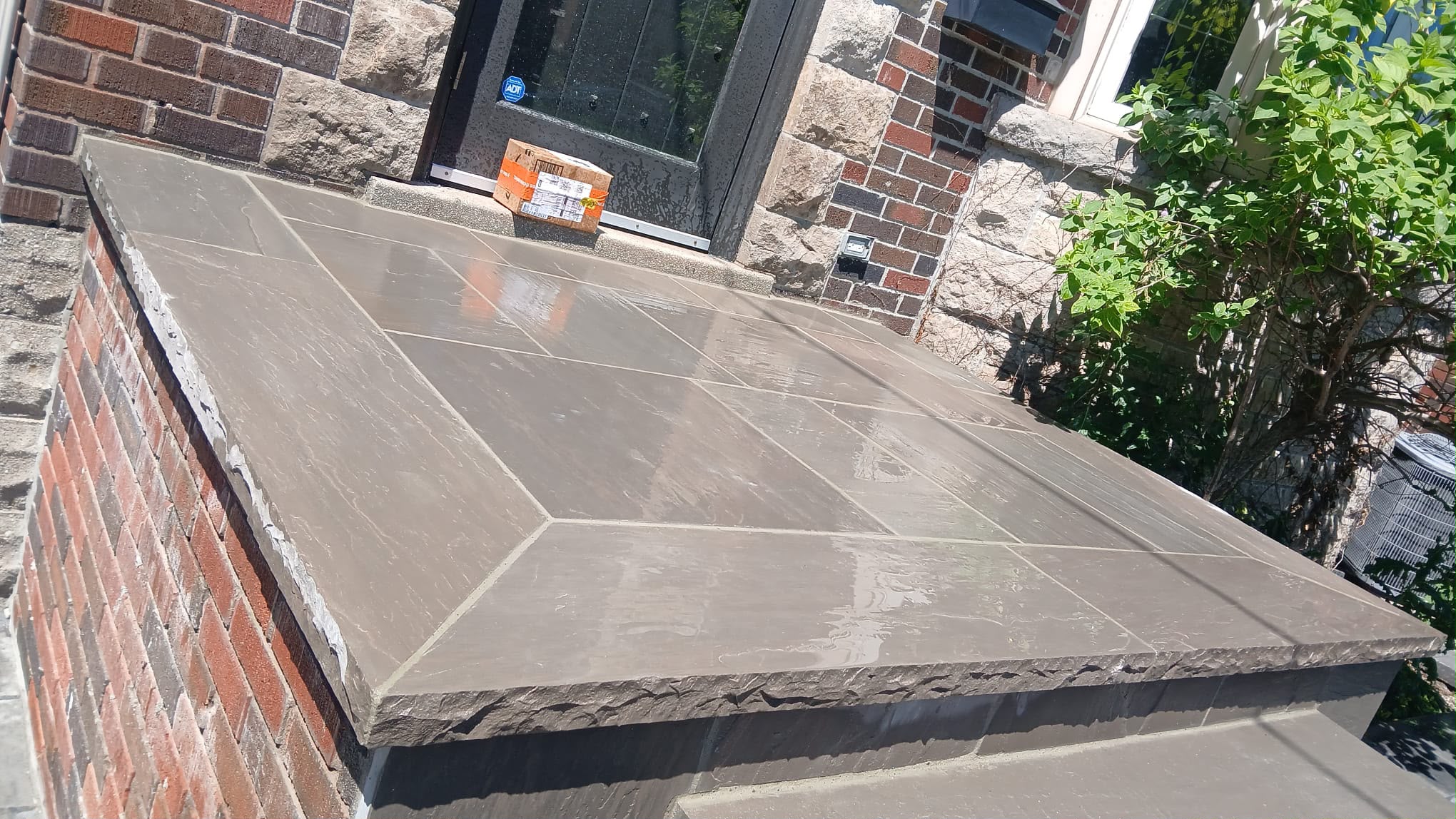
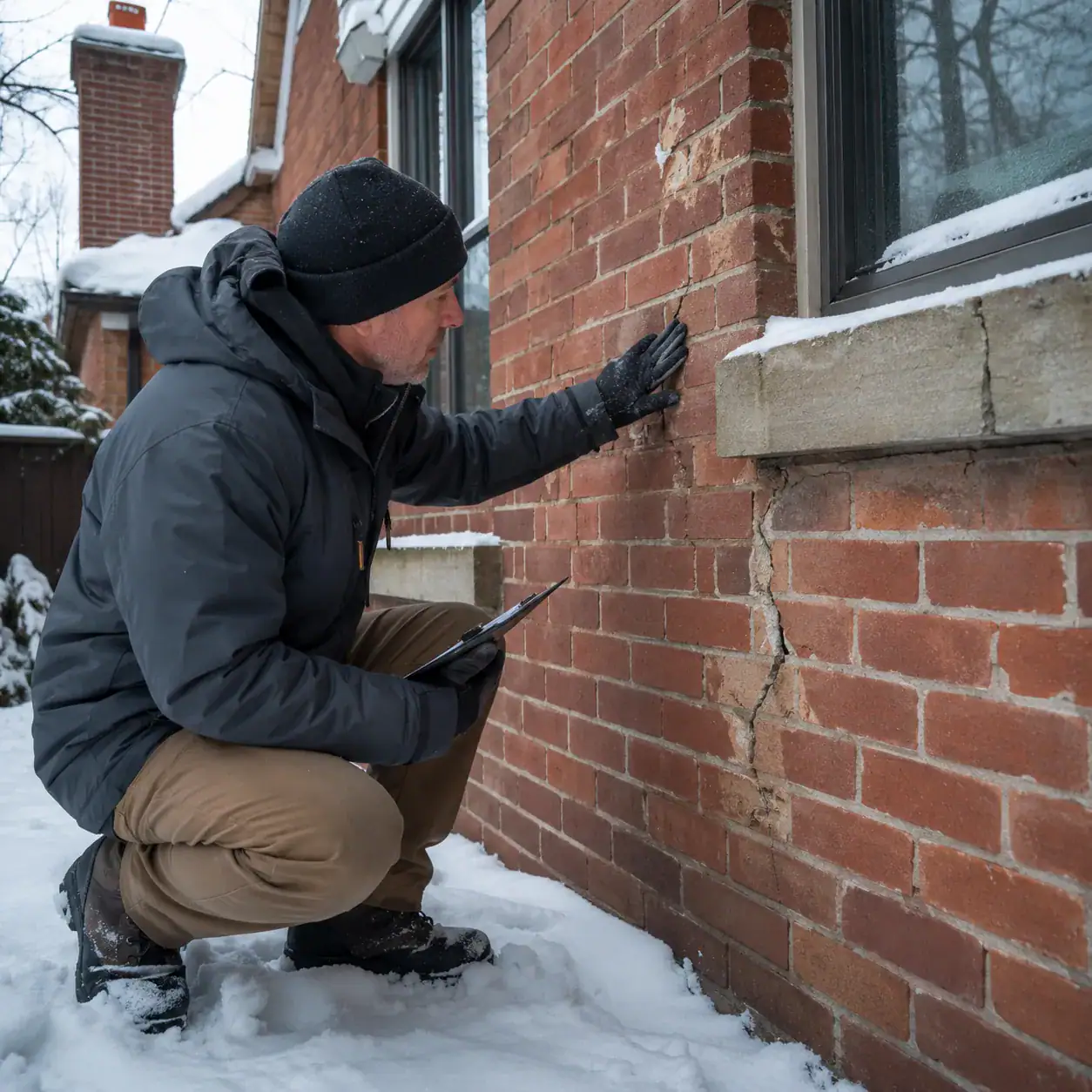
Winter masonry emergencies are urgent problems involving brick, stone, concrete, chimneys, steps, retaining walls, or exterior walls during cold weather. They may include loose brick, falling masonry, chimney damage, water entering through cracked joints, icy or broken steps, sudden spalling, leaning walls, blocked vents, or masonry damage caused by snow, ice, and freeze-thaw cycles.
For Toronto and GTA homeowners, winter masonry emergencies can happen quickly because moisture enters small cracks, freezes, expands, and worsens the damage. Snow buildup, ice dams, salt, blocked drainage, roof runoff, and sudden thaws can all expose weak masonry. A wall that looked manageable in fall may show missing mortar, broken brick, or water stains after a cold snap.
This guide explains the most common winter masonry emergencies, what homeowners should do first, what not to touch in unsafe conditions, and when professional help makes more sense.
What Counts as a Winter Masonry Emergency?
A winter masonry emergency is any masonry problem that creates an immediate safety concern, active water entry, a risk of falling material, blocked venting, unsafe access, or rapidly worsening damage during freezing weather.
Not every crack is an emergency. A small hairline crack in a stable brick wall may be monitored until proper repair conditions are available. But loose brick over a walkway, a chimney shedding pieces, a retaining wall leaning after a thaw, or broken icy steps near the main entrance should be handled more urgently.
Winter emergencies often involve both the masonry and the surrounding conditions. Ice may hide a cracked step. Snow may block a chimney or vent. Water may enter a wall during a thaw, then freeze again overnight. Salt may damage concrete and brick near walkways.
The first goal is safety. The second goal is stopping further water entry where possible. Permanent masonry repair may need to wait for suitable weather, but emergency stabilization and temporary protection may be needed right away.
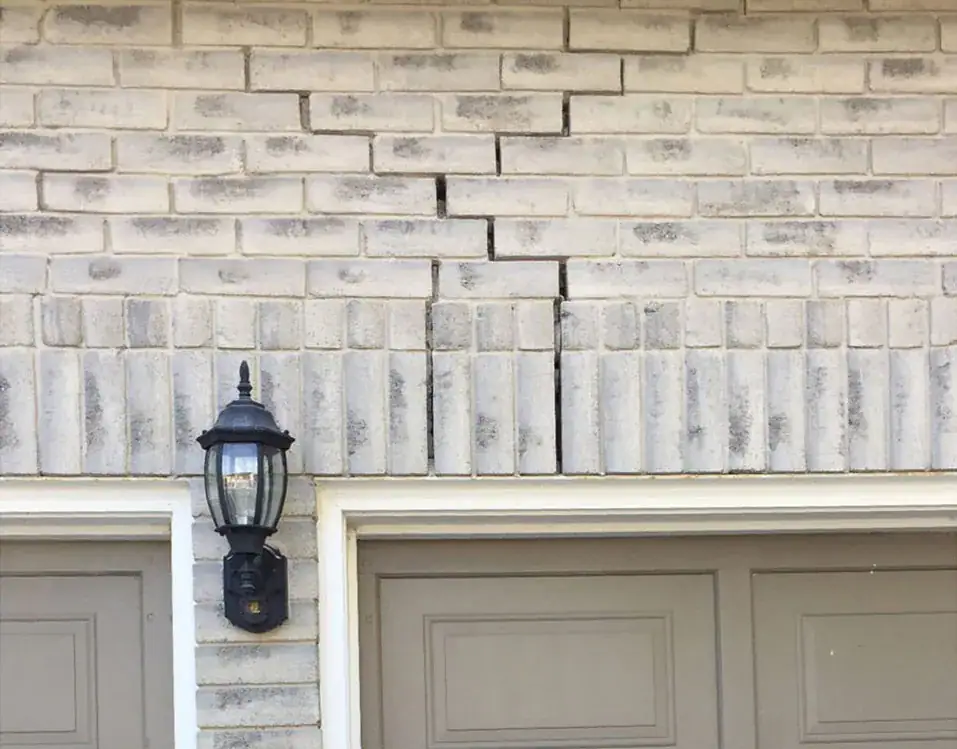
Emergency 1: Loose or Falling Brick
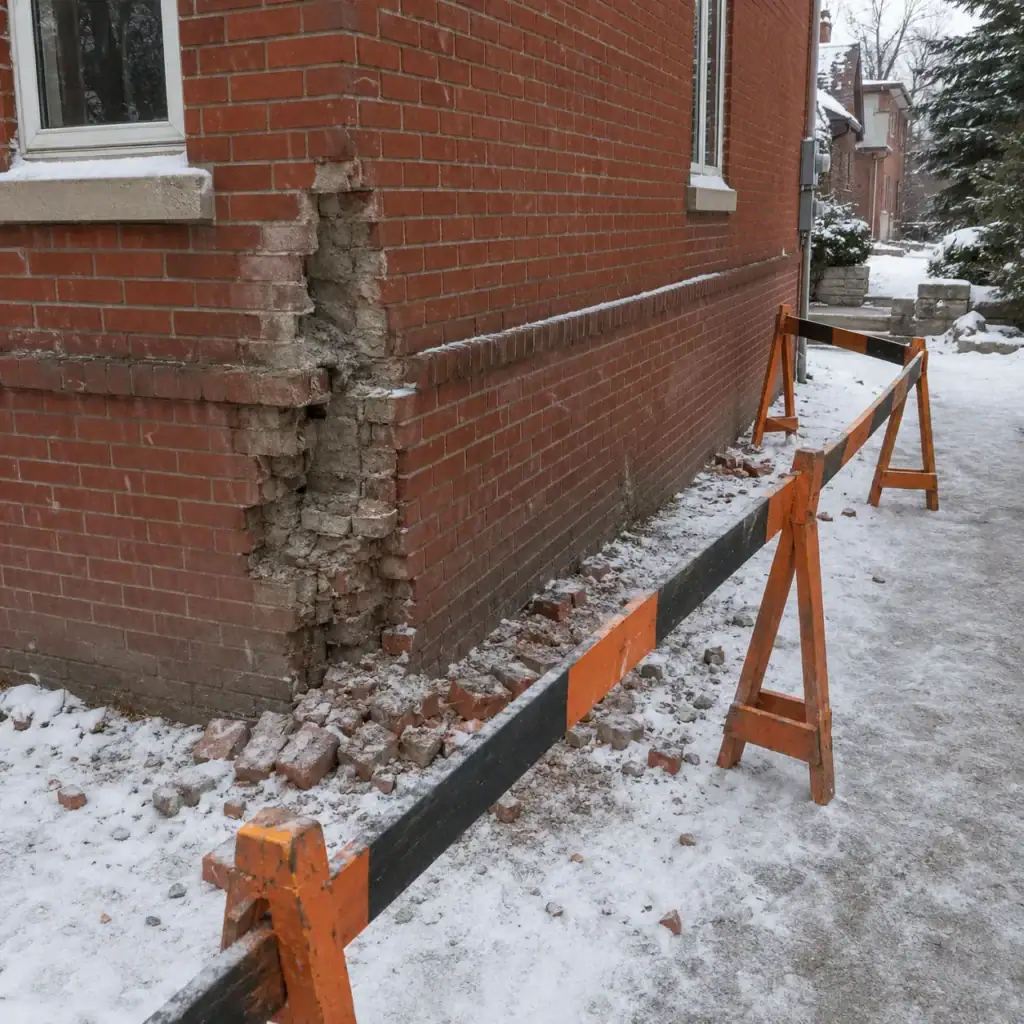
Loose or falling brick is a winter masonry emergency when it creates a risk to people, vehicles, walkways, entrances, neighbouring properties, or public areas. Brick can loosen when mortar fails, water freezes inside the wall, metal components rust, or previous repairs break apart.
Loose brick is especially serious near chimneys, parapets, upper walls, porch columns, front steps, garages, and storefront-style facades. If brick pieces are falling or appear ready to fall, do not stand below the area or try to pull pieces down yourself.
What to do first:
- Keep people, pets, and vehicles away from the area.
- Block off the walkway or entrance if you can do so safely from the ground.
- Take photos from a safe distance.
- Avoid touching loose brick, especially on upper walls or chimneys.
- Contact a masonry professional for urgent assessment.
If the loose brick is near a public sidewalk, shared walkway, or neighbouring property, safety becomes even more important. You may need a temporary barrier until you can arrange repairs or stabilization.
Emergency 2: Chimney Damage During Winter
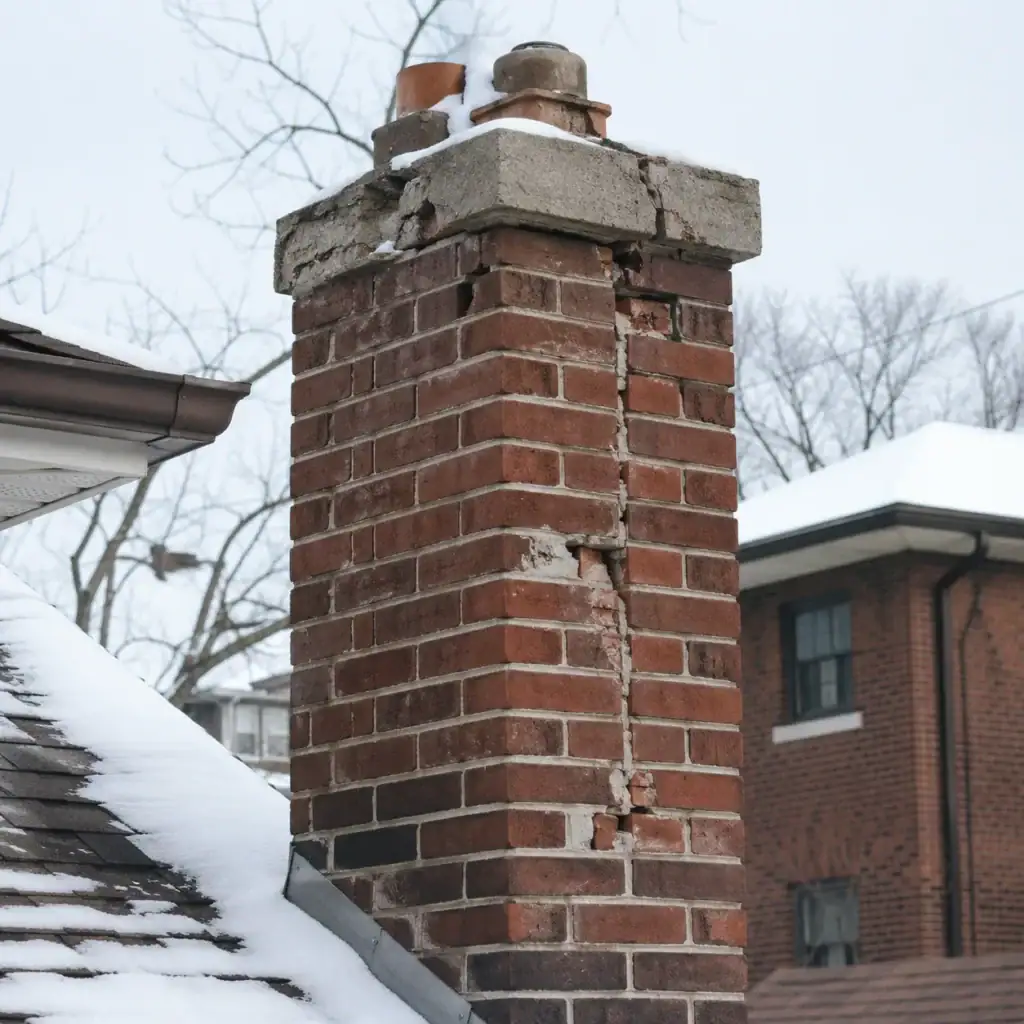
Take chimney damage in winter seriously because chimneys are exposed to weather from every side and may also connect to fireplaces or fuel-burning systems. Winter can reveal cracked crowns, missing caps, spalling brick, loose mortar, leaning sections, and falling pieces.
A damaged chimney may allow water to enter from the top, through open joints, or around flashing. If snow and ice collect around the chimney, moisture can stay against the brick longer and freeze inside cracks. This can make upper chimney damage spread quickly.
If the chimney serves a fireplace or fuel-burning appliance, safety comes first. Ontario’s carbon monoxide safety guidance explains that carbon monoxide can be produced when fuels do not burn completely in fuel-burning appliances and devices, including fireplaces, and notes that outside vents and chimneys should be kept clear of snow and debris.
Do not use a fireplace if the chimney may be blocked, damaged, or unsafe. A masonry contractor can assess and repair exterior chimney masonry, while chimney sweeping, flue review, appliance safety, or WETT-related inspection may require other qualified professionals.
If your chimney has damaged brick, missing mortar, or crown problems, A&A Masonry’s chimney repair Toronto page explains common masonry chimney repair concerns.
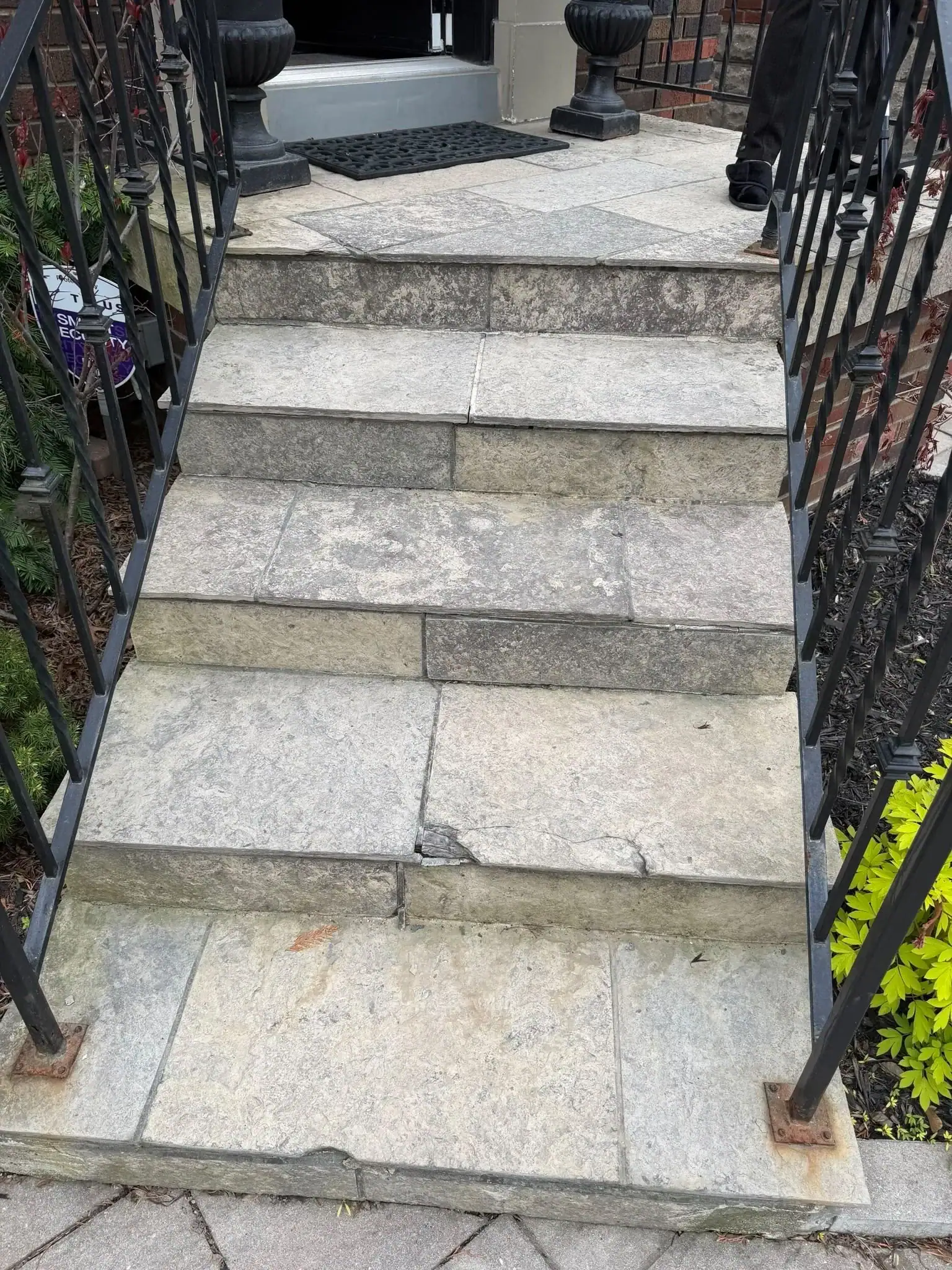
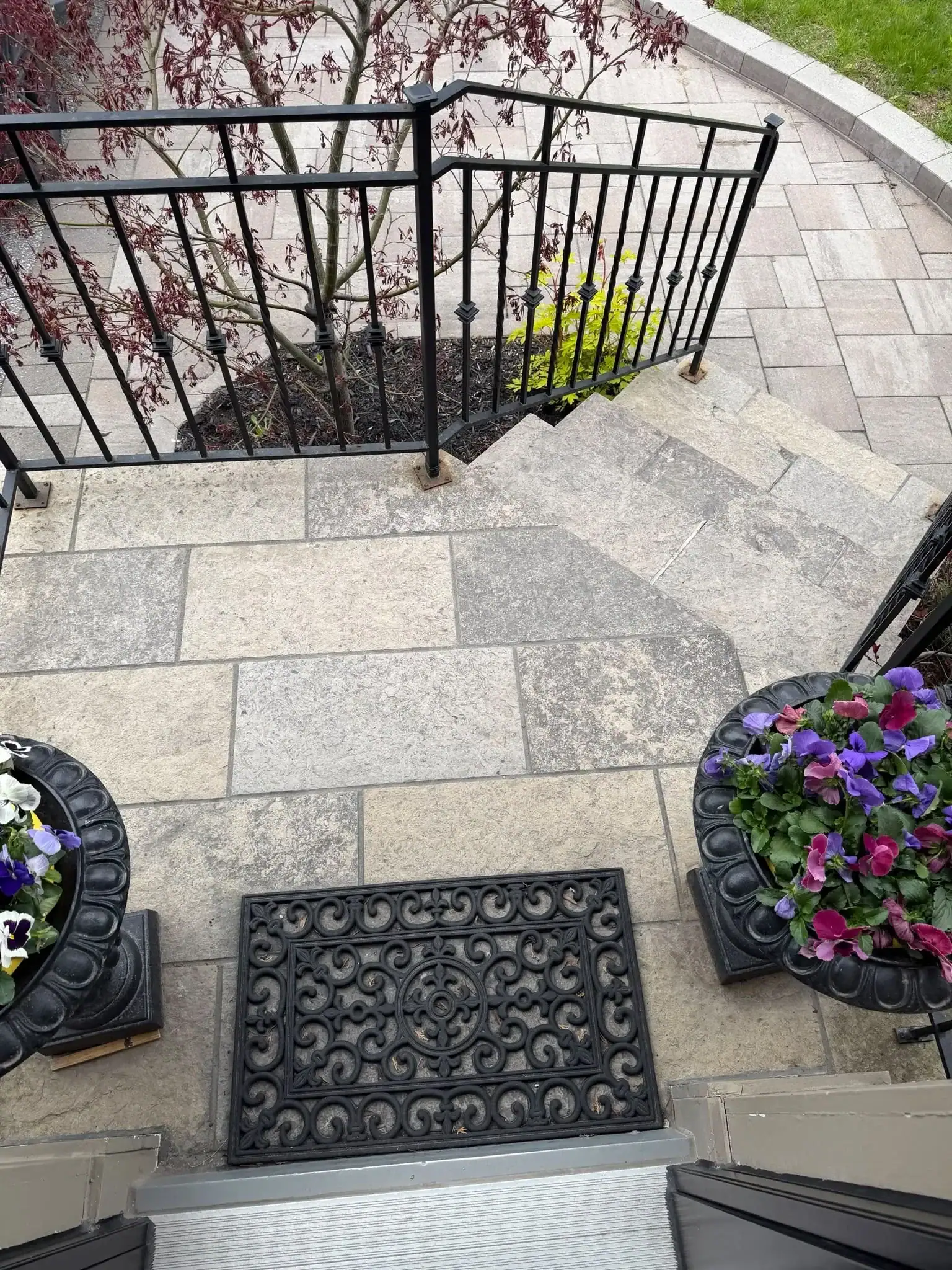
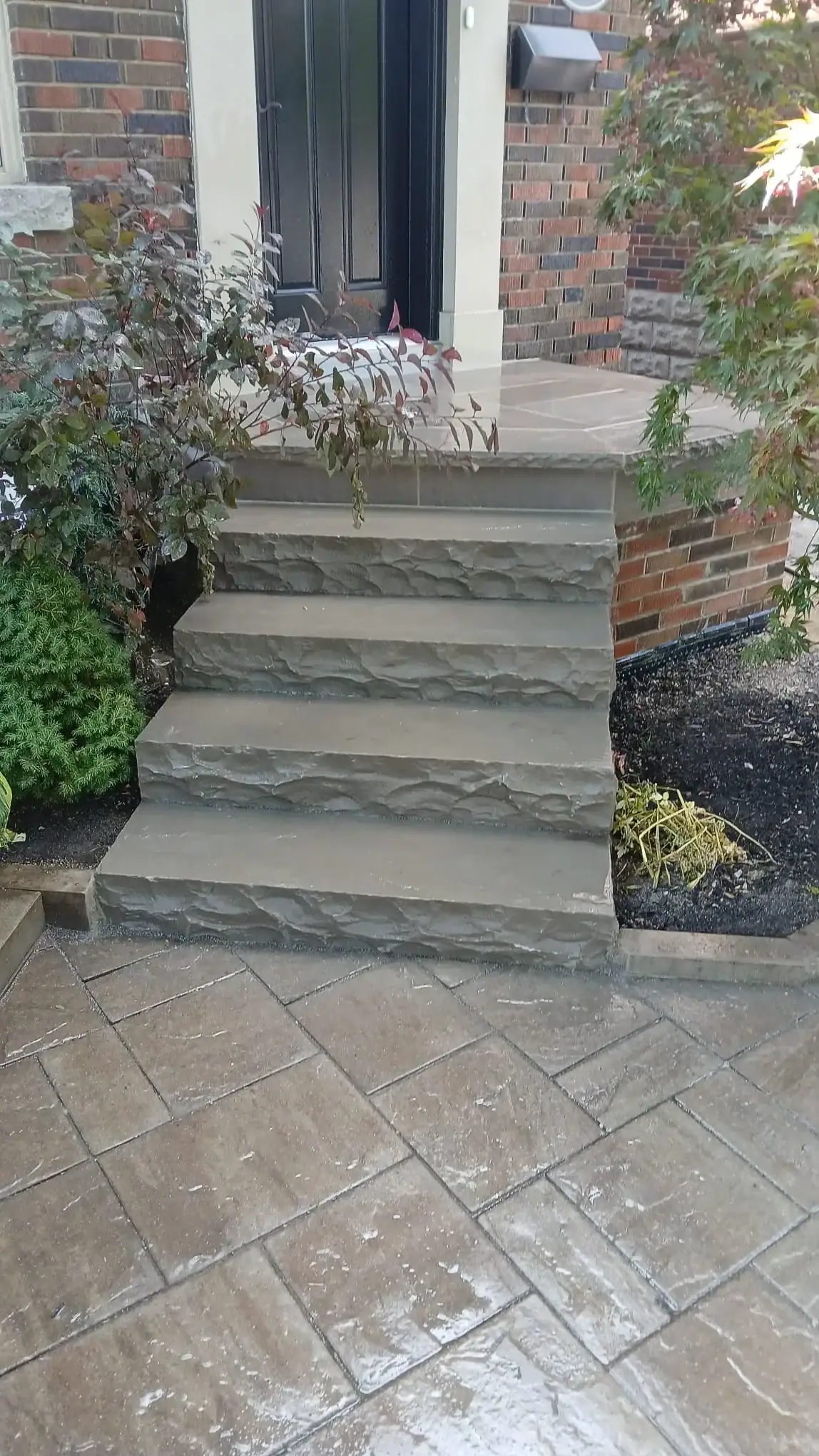
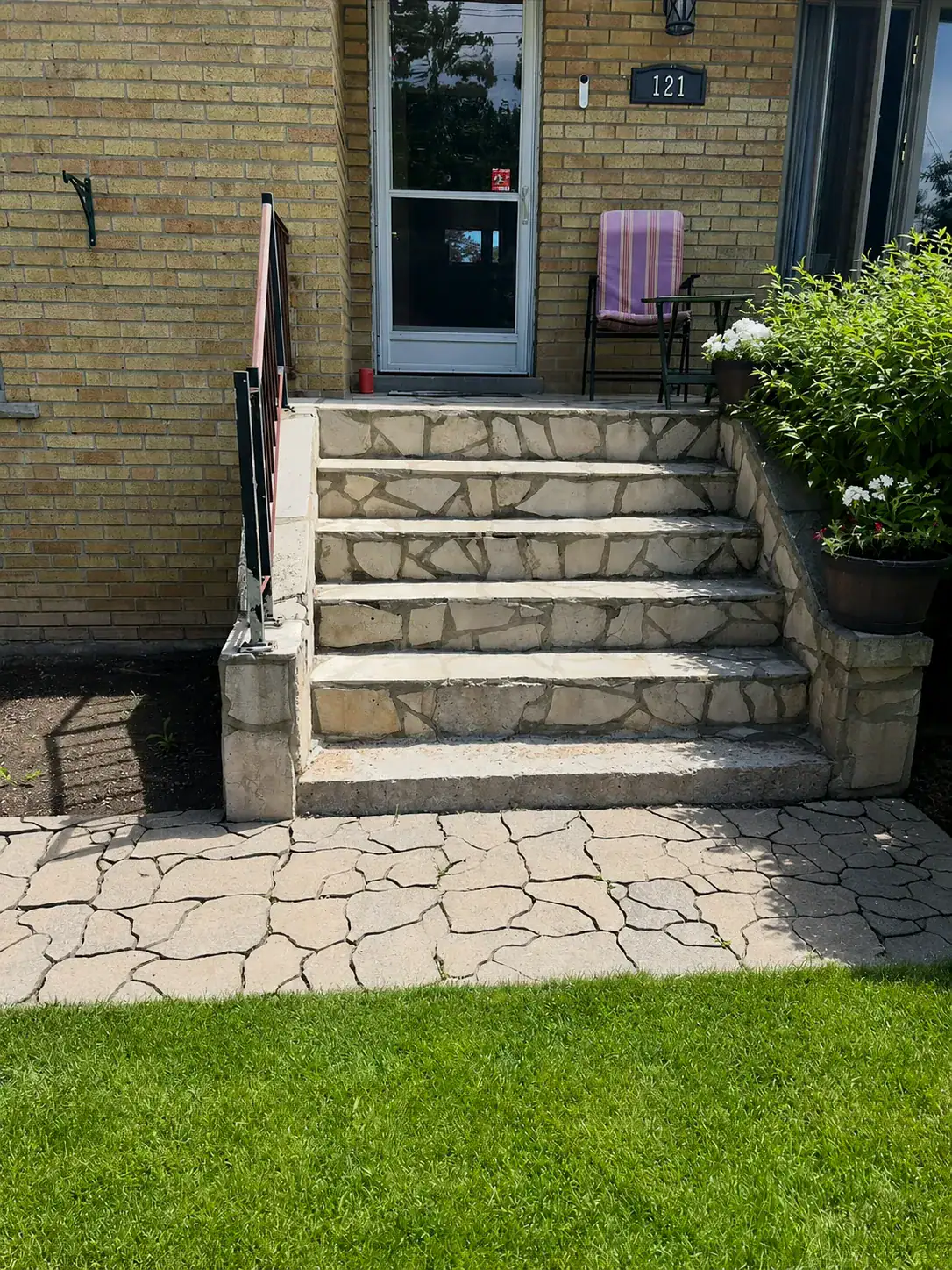
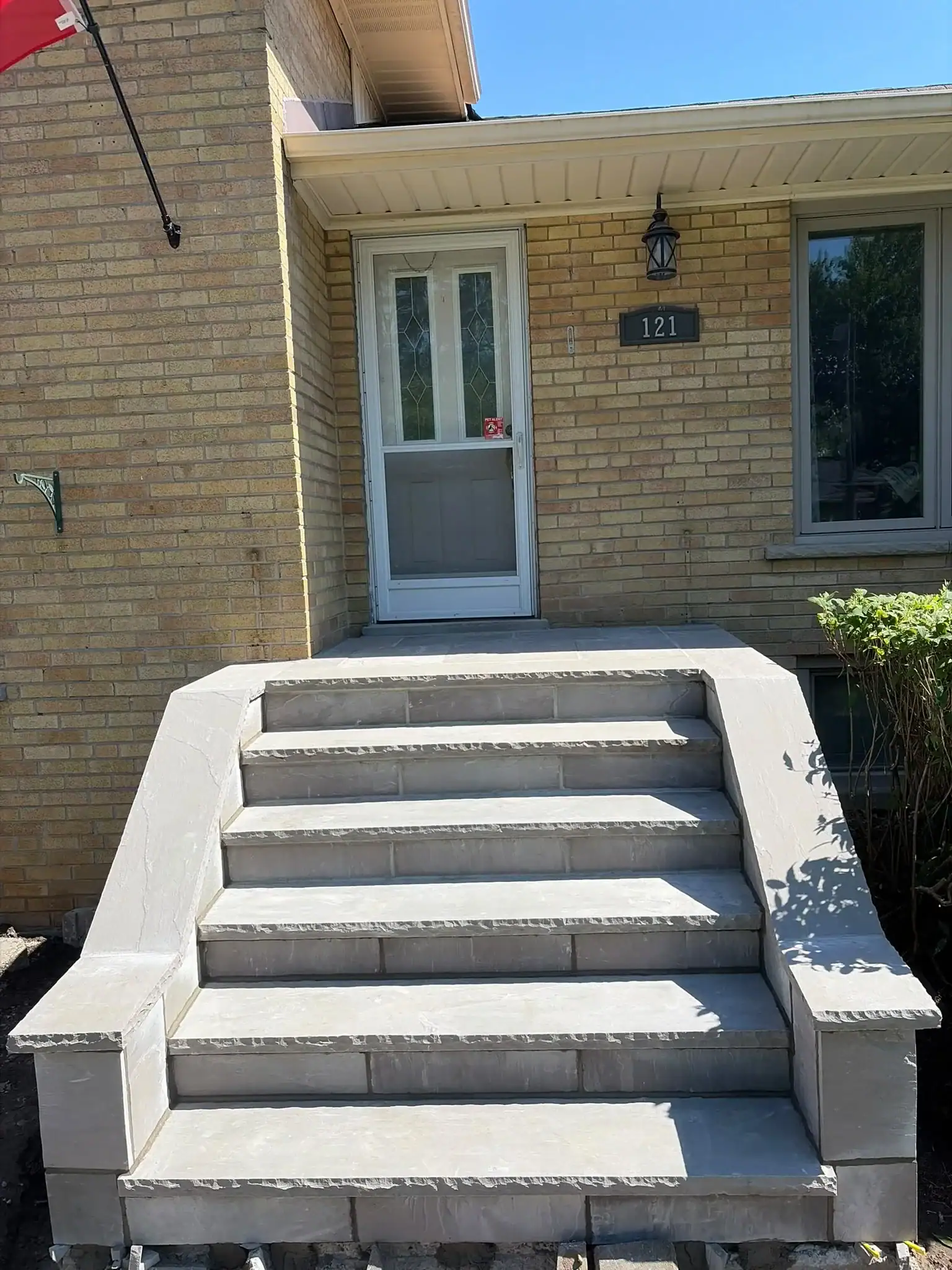
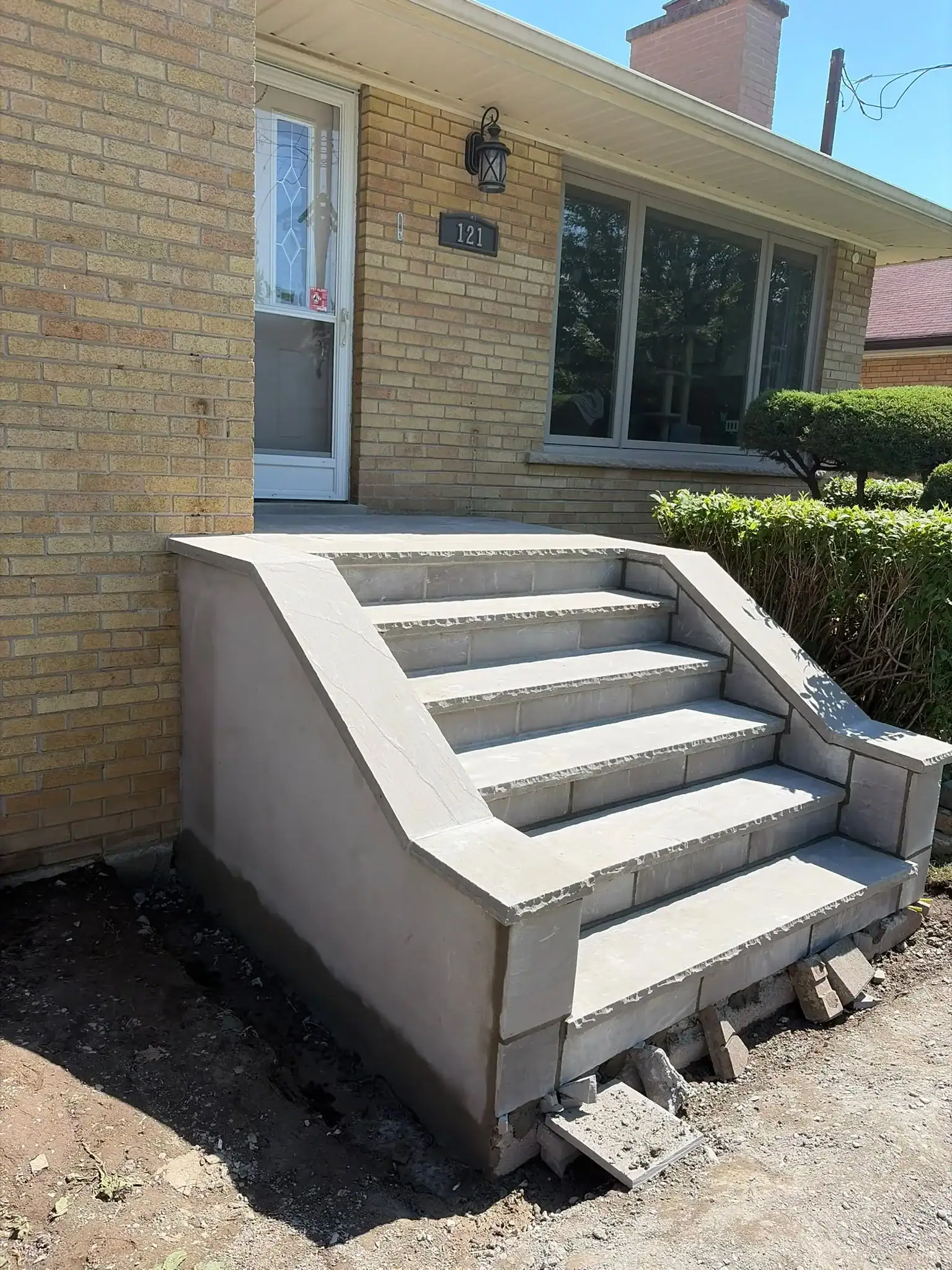
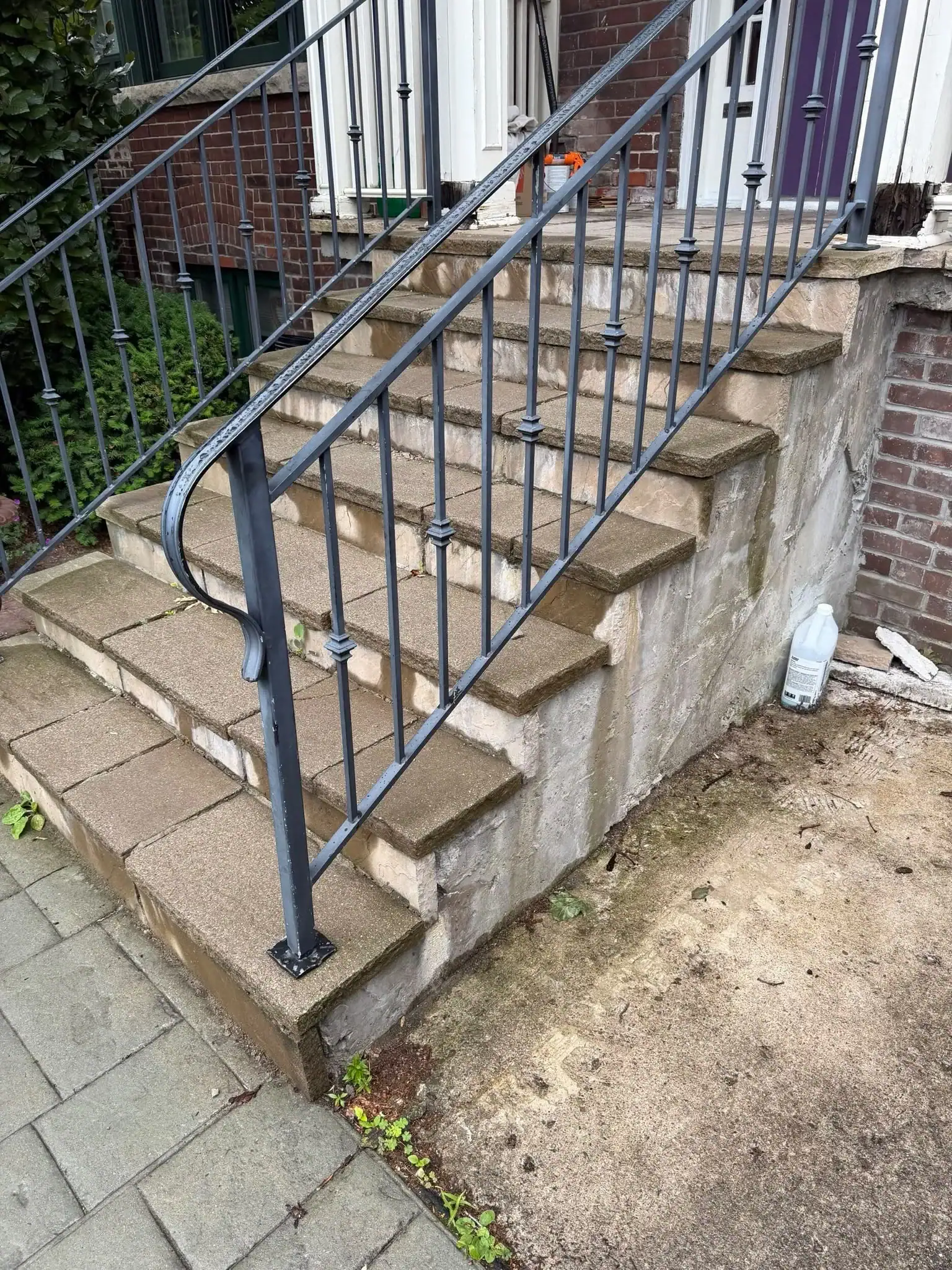
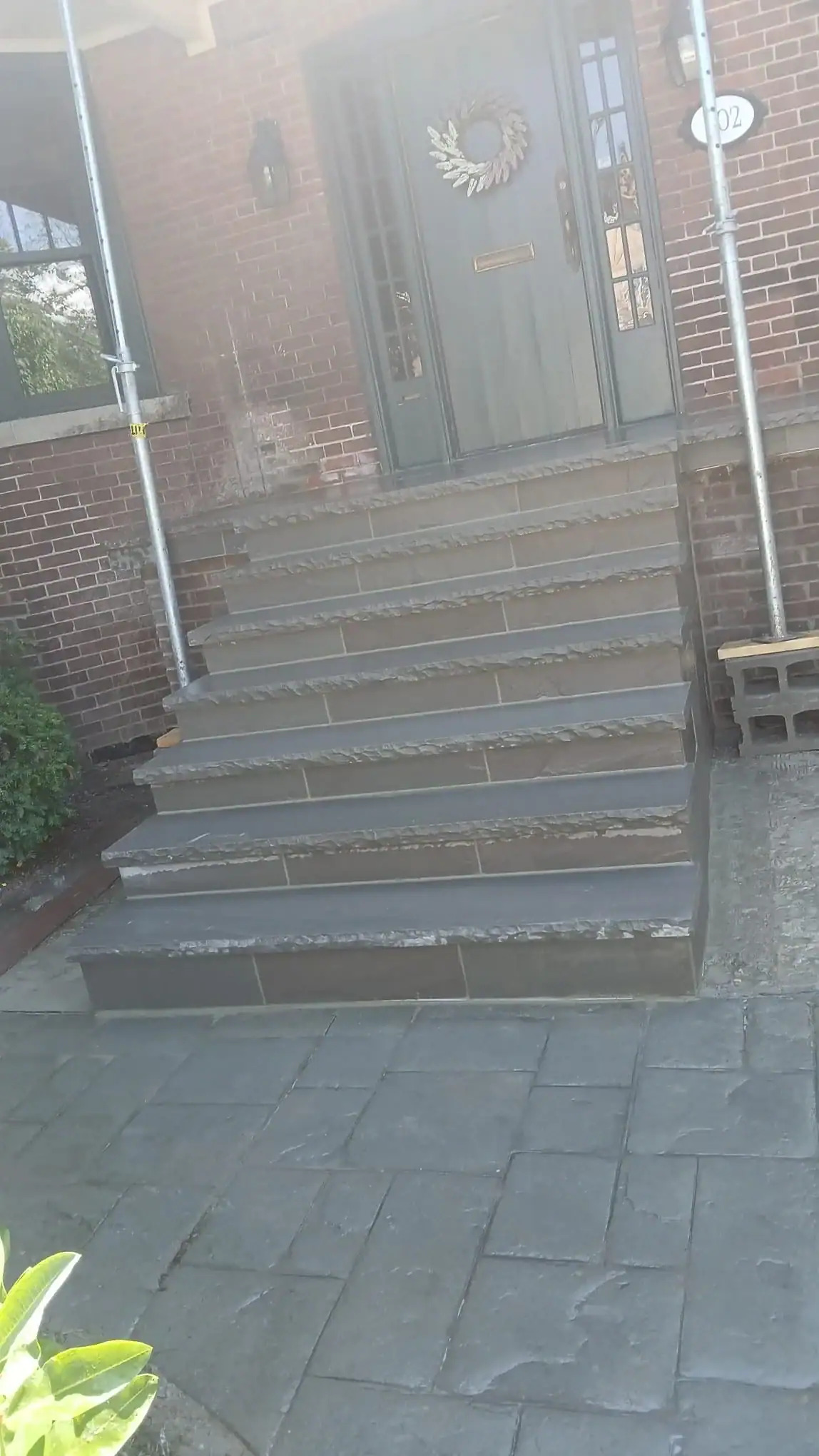
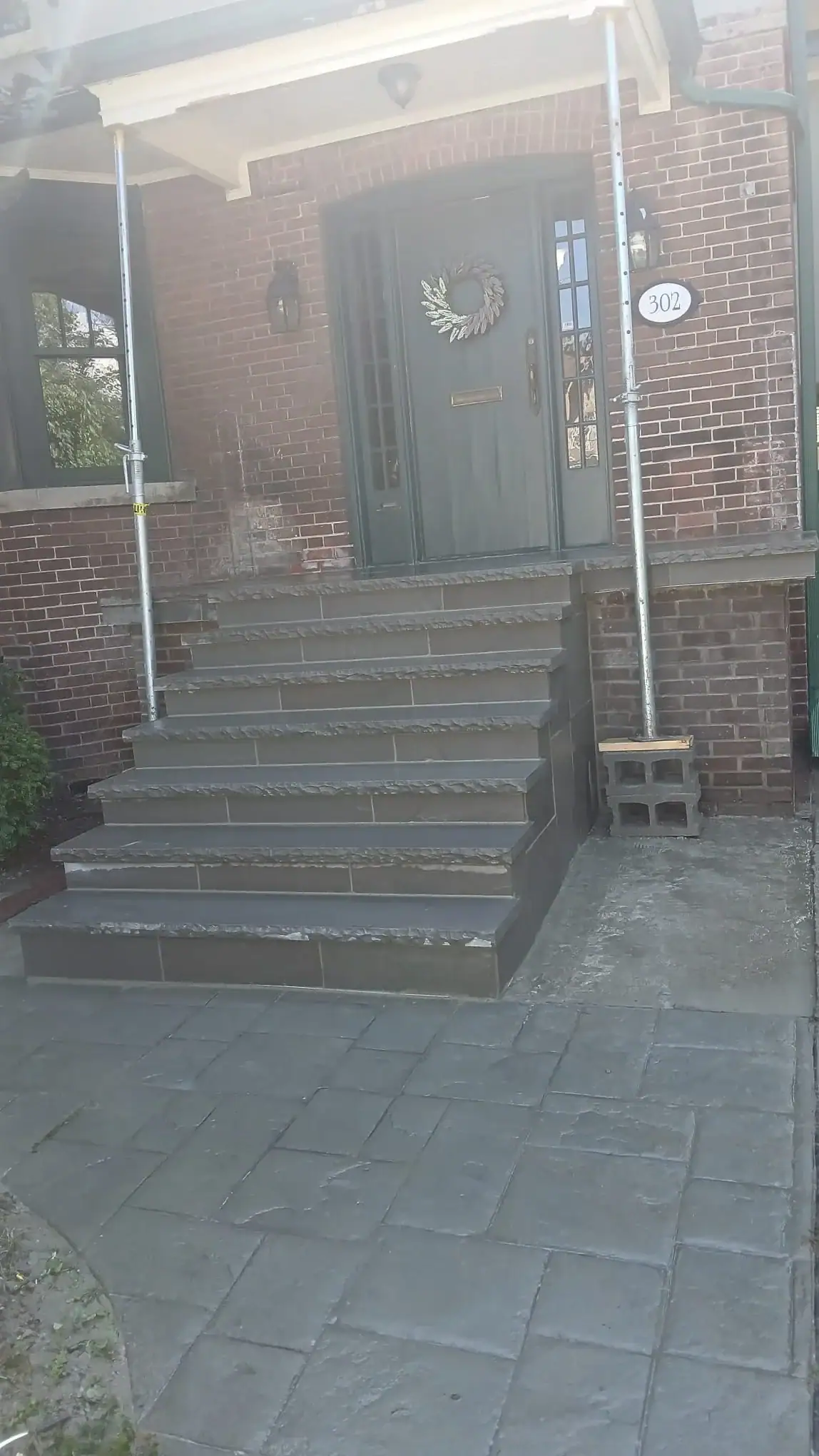
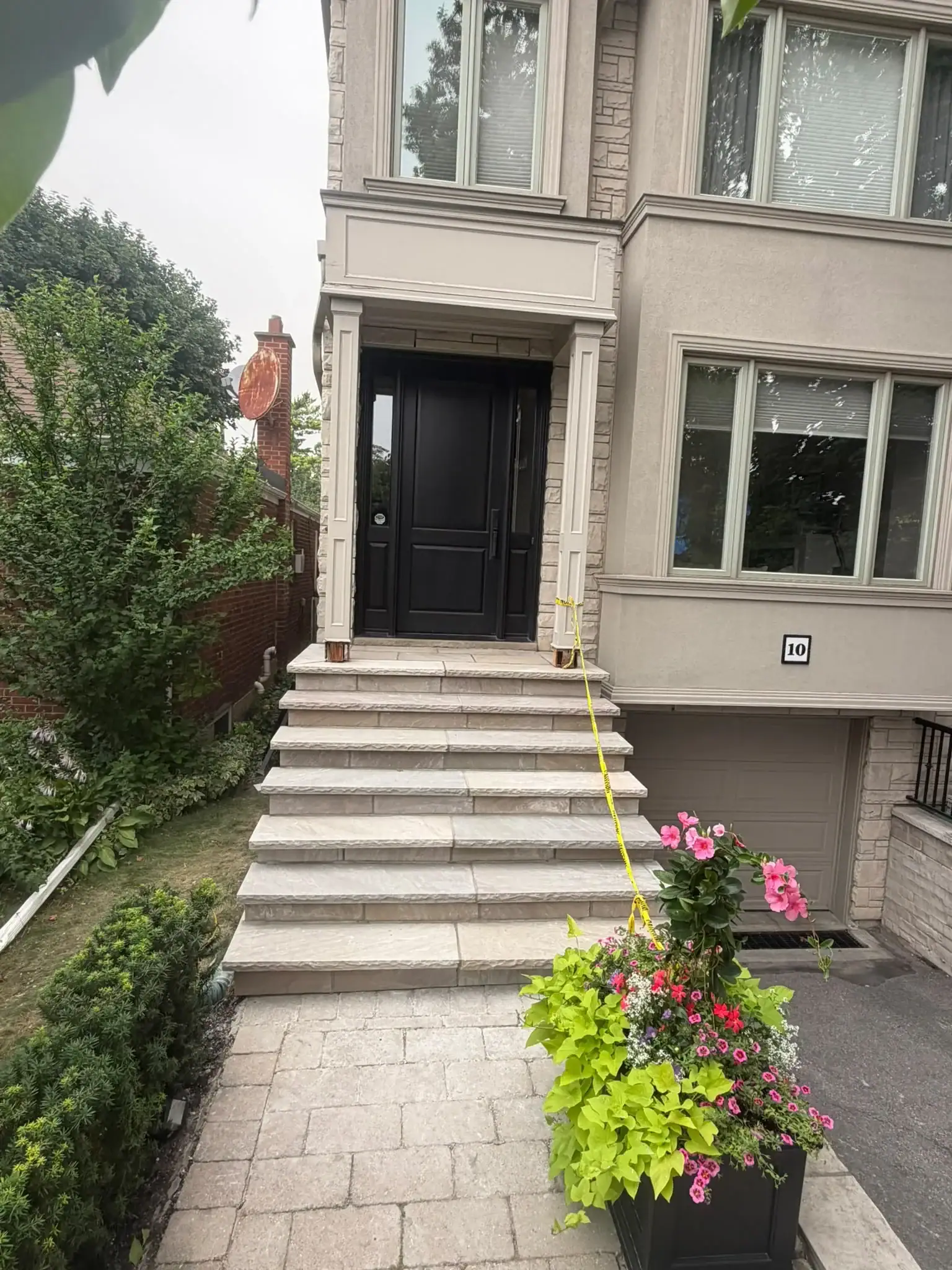
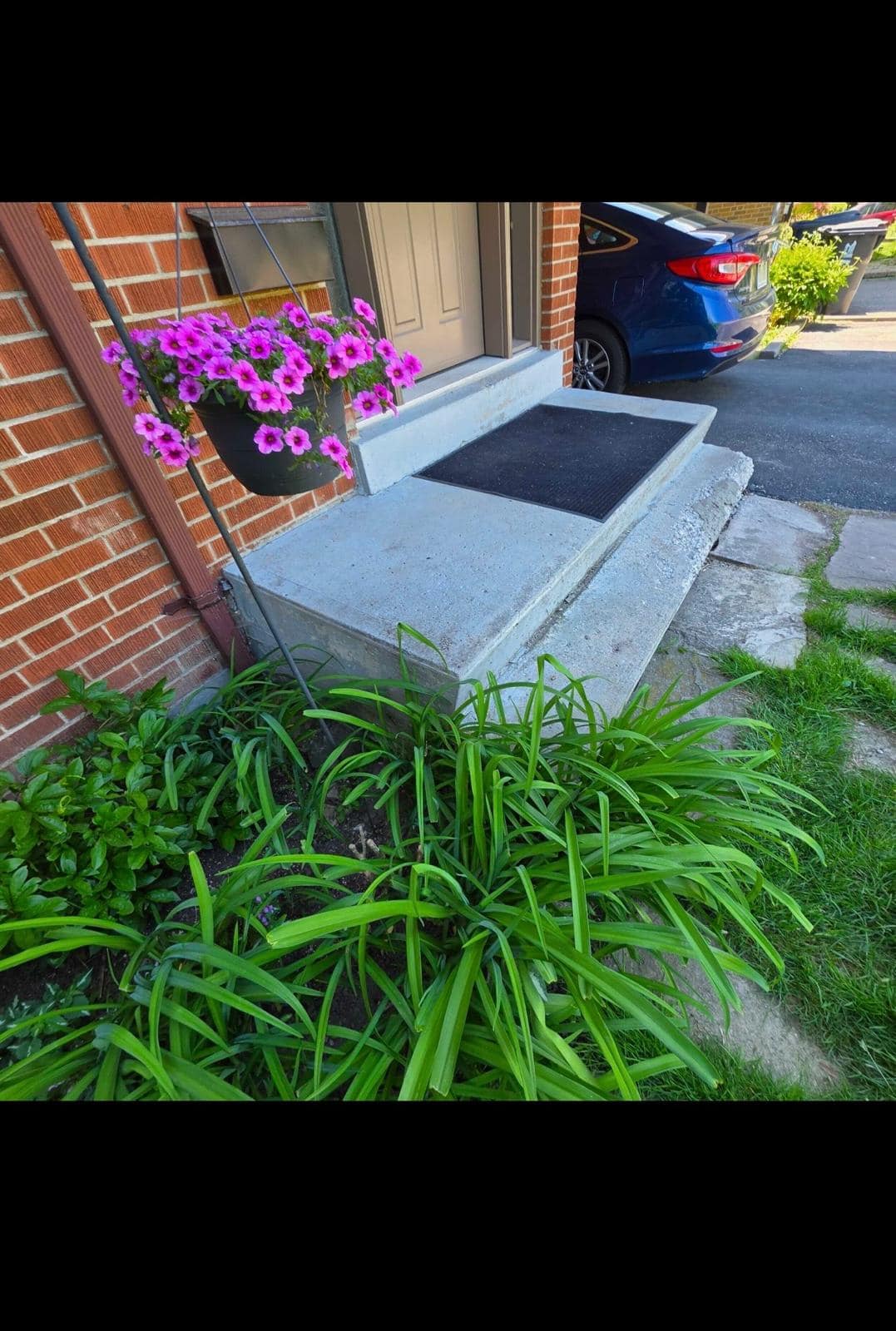
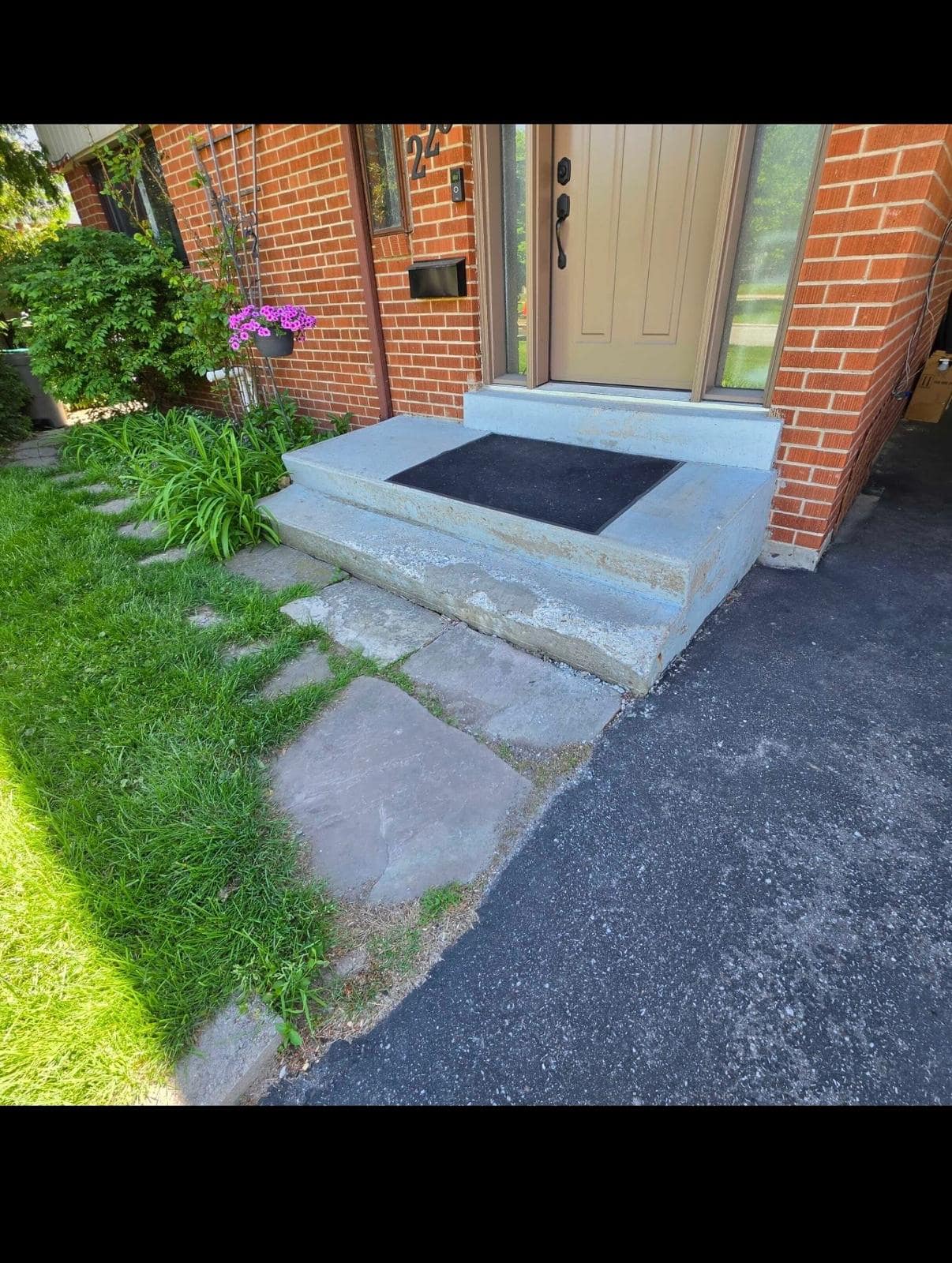
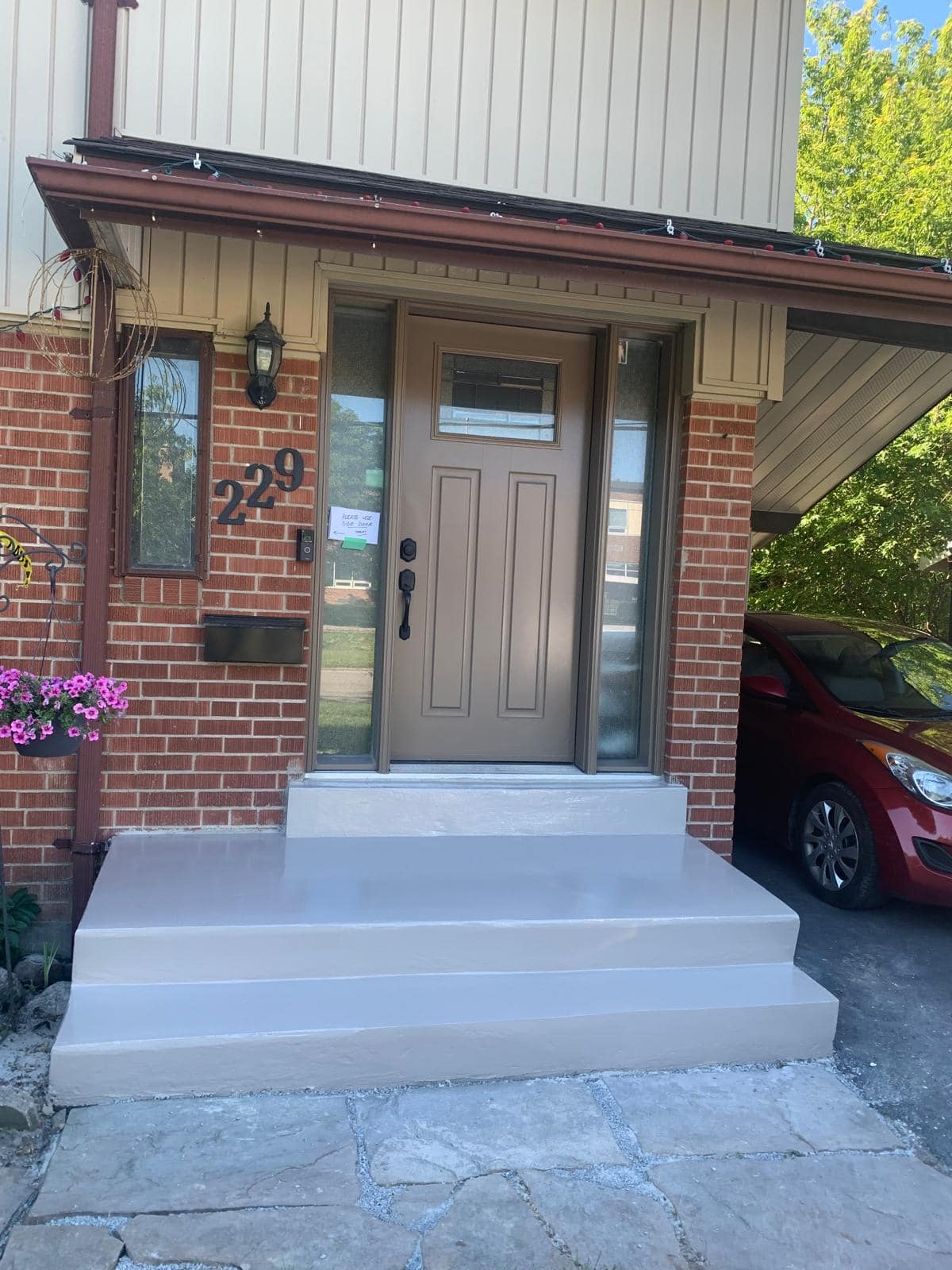
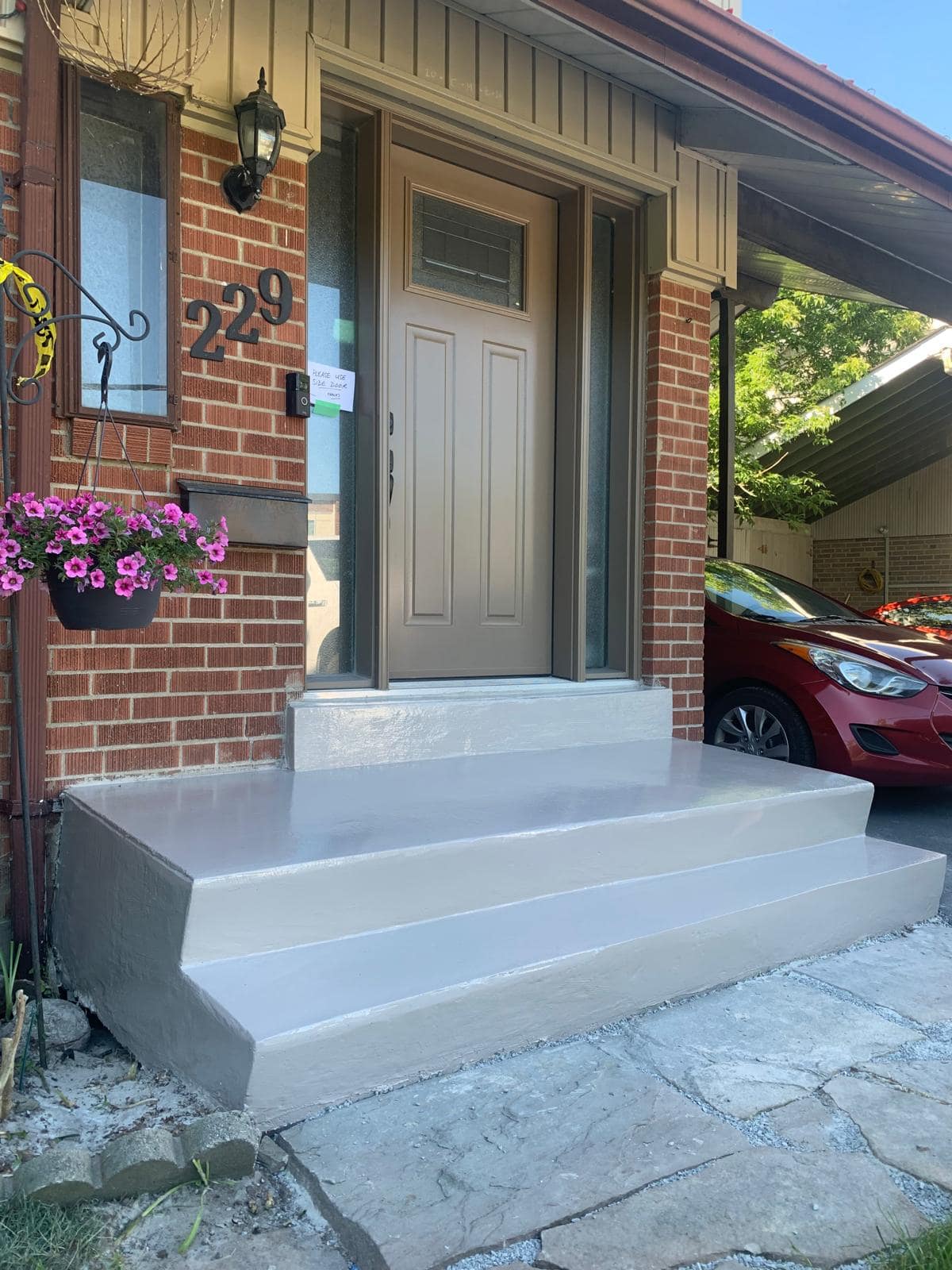
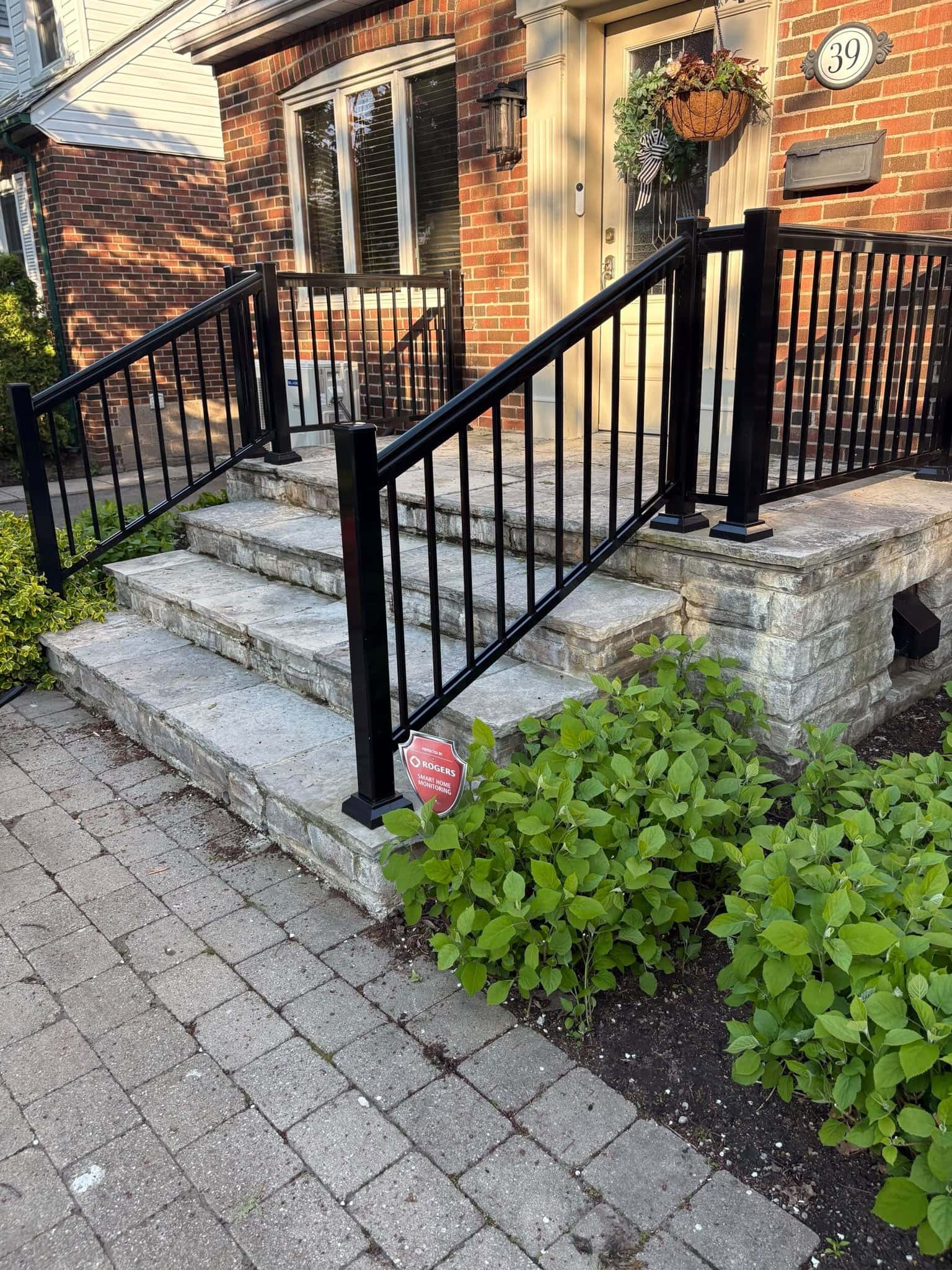
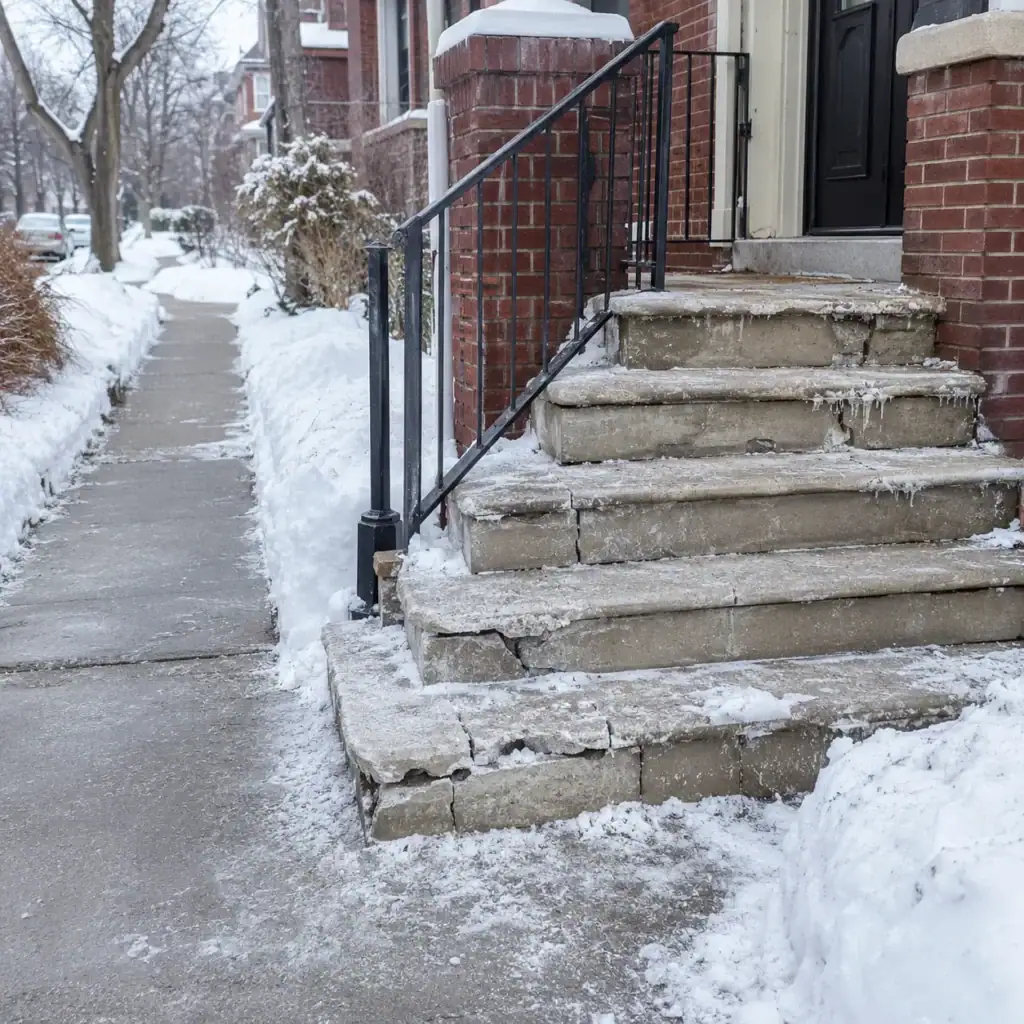
Emergency 3: Broken or Icy Masonry Steps
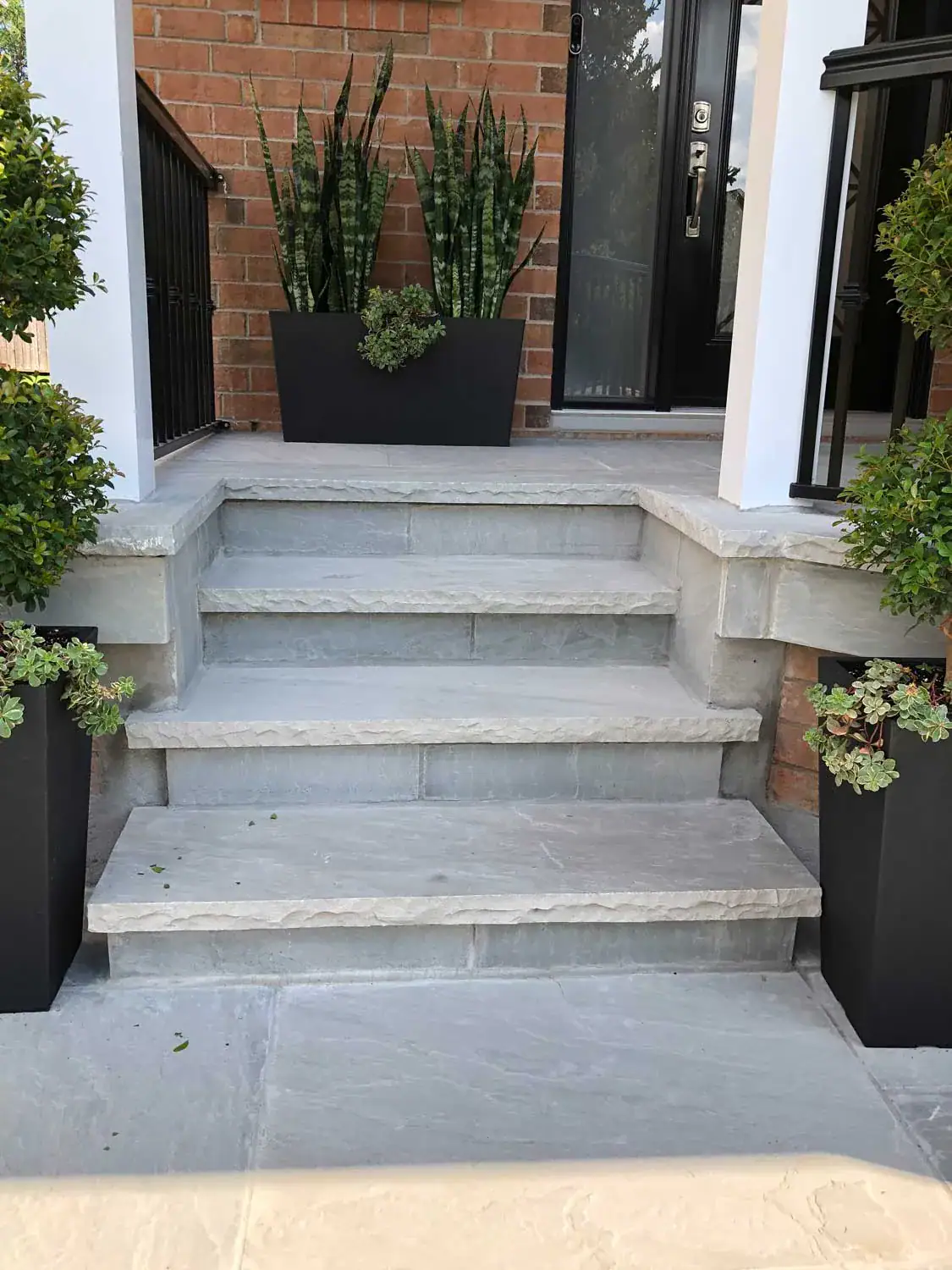
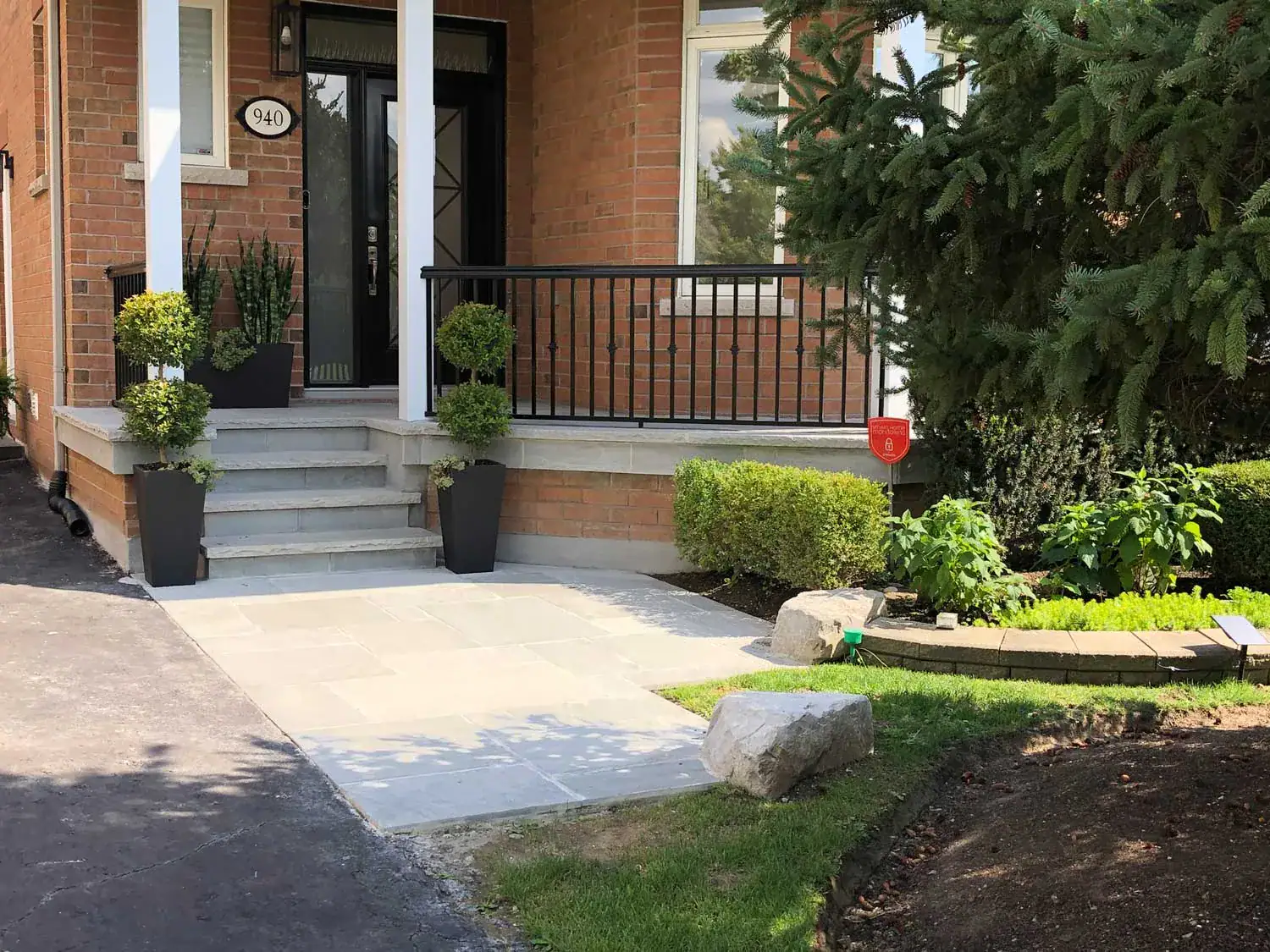
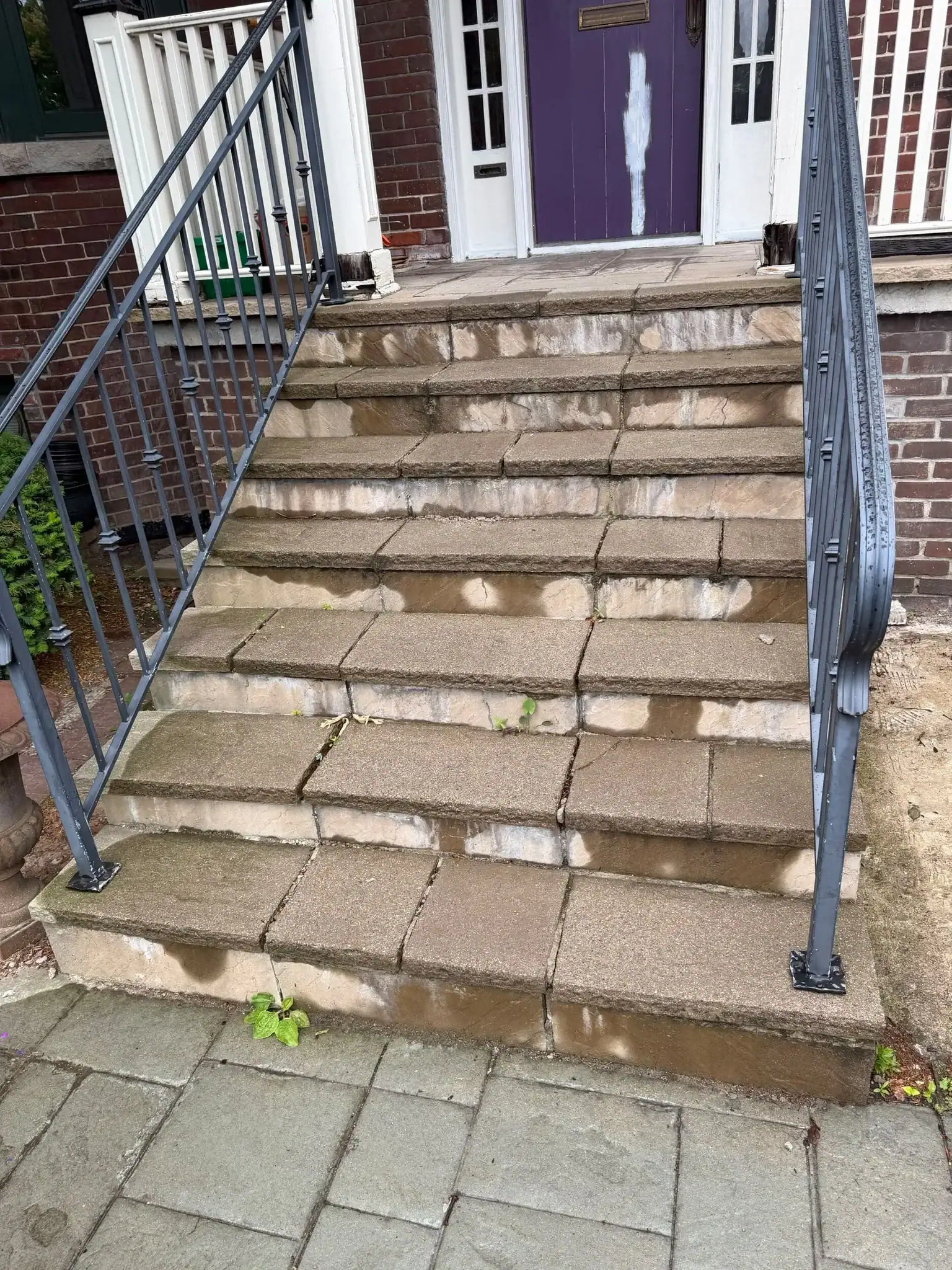
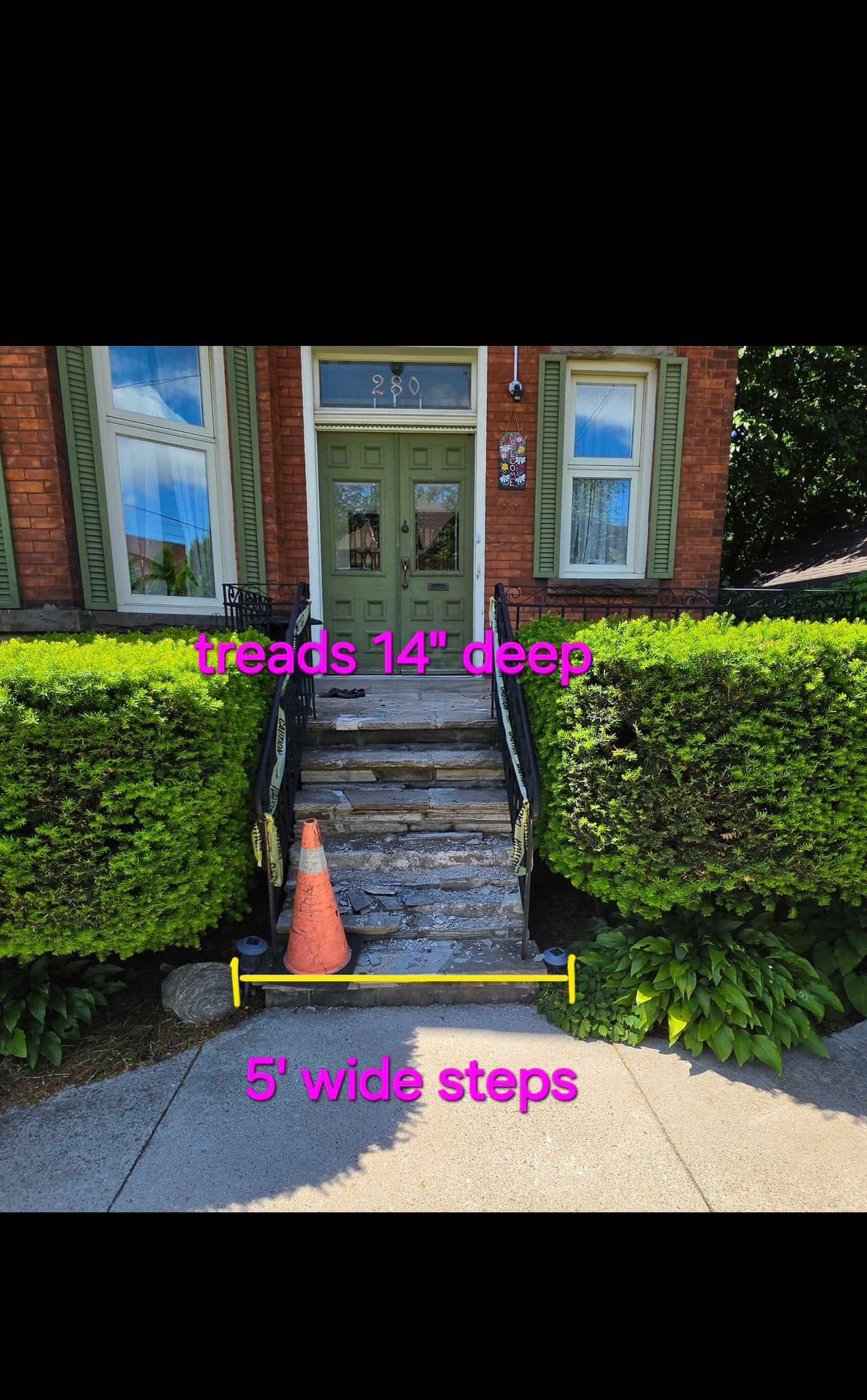
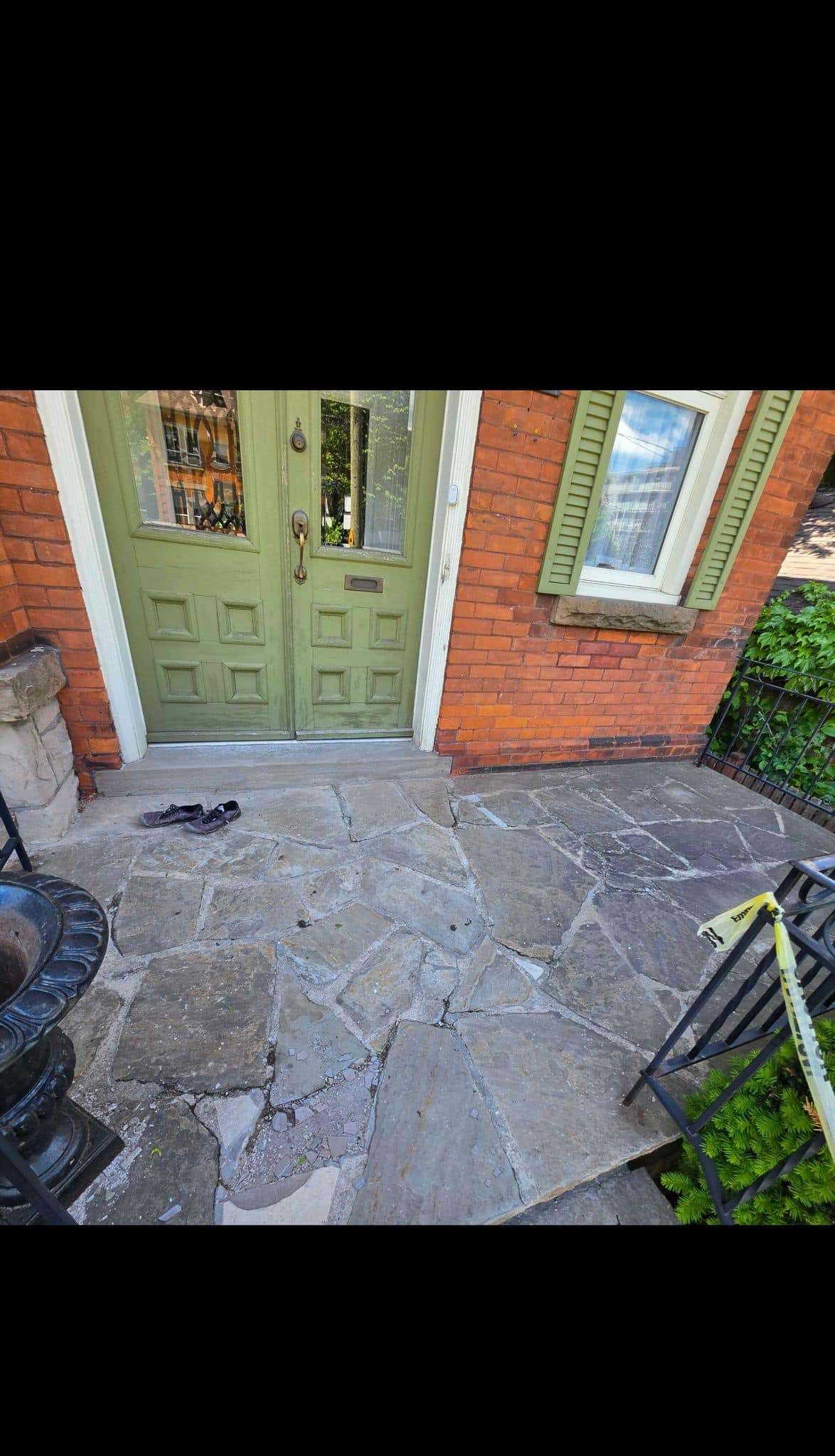
Broken or icy masonry steps are urgent when they affect safe access to the home. Concrete, brick, stone, and interlocking steps can become hazardous when cracks, movement, snow, ice, salt damage, or poor drainage create uneven surfaces.
Toronto’s winter conditions are hard on steps because they receive foot traffic, shovelling, salt, snow piles, and repeated freeze-thaw cycles. Water can enter cracks during a thaw, then freeze and expand overnight. A small crack can become a broken edge or loose step surface.
Toronto 311 guidance notes that private property owners must clear steps, landings, walks, driveways, ramps, and similar yard areas of snow and ice within 24 hours of snowfall to provide safe access and egress.
What to do first:
- Clear snow carefully using tools that do not chip the masonry surface.
- Use de-icing products carefully and avoid overuse around concrete, brick, and stone.
- Mark or block off broken edges if they create a trip hazard.
- Use an alternate entrance if the main steps are unsafe.
- Take photos of cracks, loose sections, and areas where water freezes.
If steps are cracked, sinking, rocking, or breaking apart, A&A Masonry’s concrete steps and walkways Toronto page gives useful context for exterior step and walkway repair.
Emergency 4: Water Entering Through Brick or Mortar
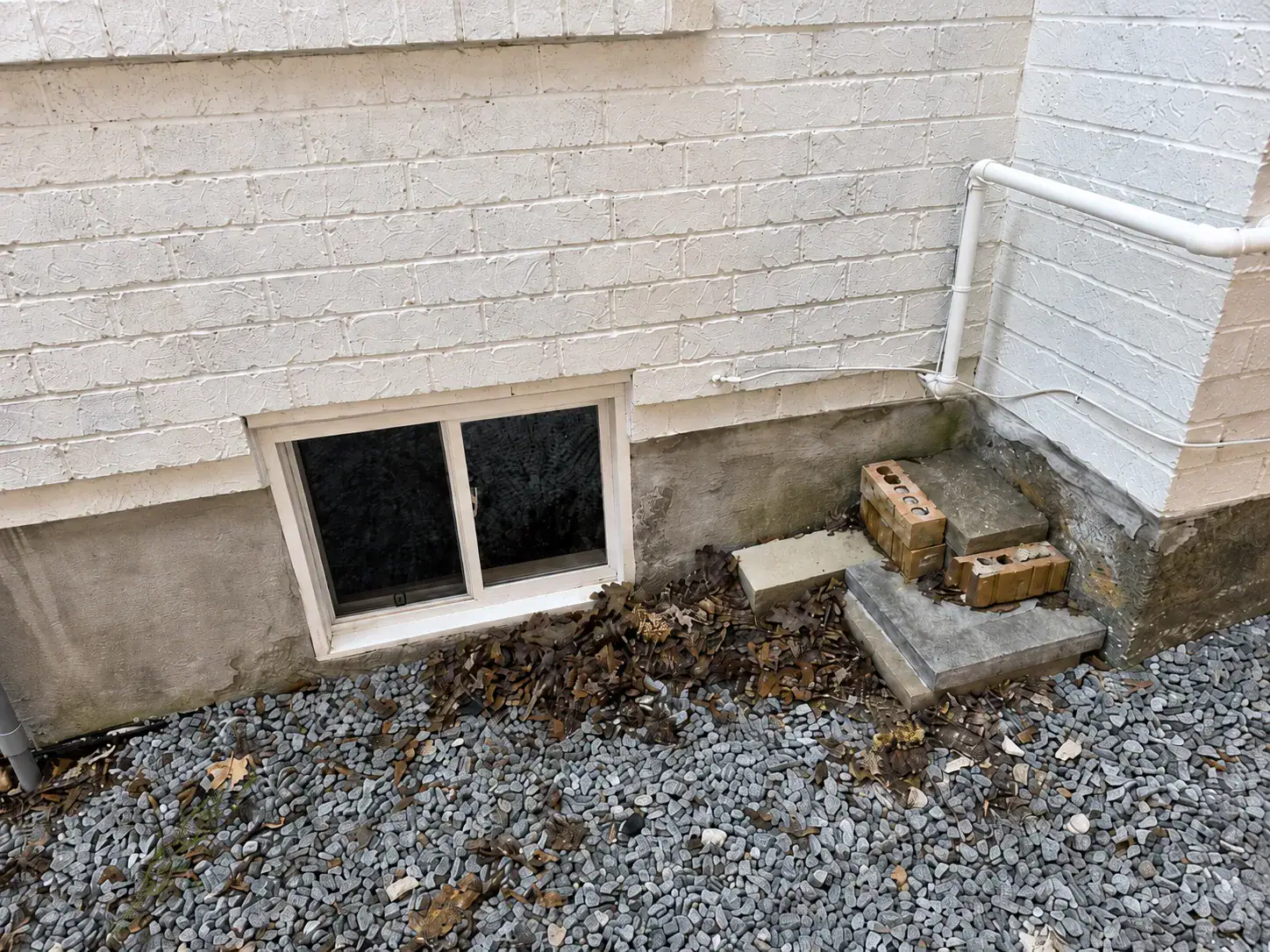
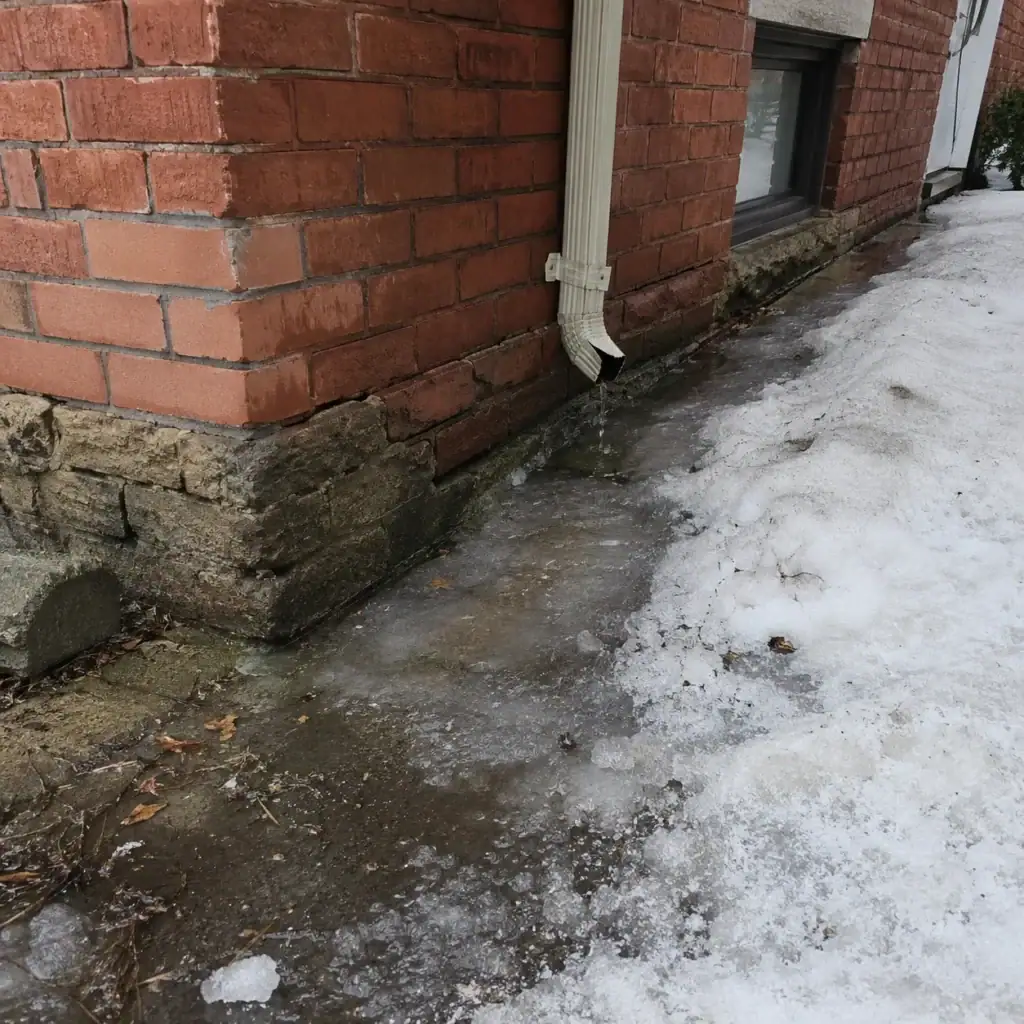
Water entering through brick or mortar during winter is urgent when it reaches interior walls, basements, ceilings, fireplaces, or finished spaces. Water may enter through open mortar joints, cracked brick, failed flashing, poor grading, roof runoff, ice dams, or foundation cracks.
Winter water entry often appears during a thaw. Snow melts, water finds cracks, and then temperatures drop again. If the same water freezes inside the masonry, the damage can expand.
The City of Toronto’s guidance on managing rain and melted snow is helpful because roof runoff and snowmelt affect foundations, walls, steps, and basements. During a winter emergency, look for where water is moving before assuming the visible crack is the only problem.
What to do first:
- Move belongings away from active water entry.
- Take photos of interior stains and exterior conditions.
- From a safe location, check downspouts, gutters, snow piles, and grading.
- Do not seal wet masonry from the outside in freezing weather.
- Arrange professional review if water is active, recurring, or near electrical or structural areas.
If water entry involves exterior masonry or foundation areas, A&A Masonry’s waterproofing Toronto page explains common water-entry and exterior moisture concerns.
Emergency 5: Sudden Spalling Brick After a Freeze
Sudden spalling brick after a freeze means the brick face has started to flake, chip, or break away. This usually happens when water inside the brick or mortar freezes and expands.
Spalling is common on chimneys, lower walls, parapets, porch columns, garden walls, and brick near steps or sidewalks. These areas face more water, salt, snow, and freeze-thaw stress. Once the brick face breaks off, the remaining brick can absorb more water and deteriorate faster.
What to do first:
- Remove loose pieces from walking areas if they are already on the ground.
- Do not chip at attached brick faces.
- Keep people away from walls or chimneys where pieces may fall.
- Photograph the damaged area from a safe distance.
- Check whether water is reaching the area from downspouts, snow piles, or roof runoff.
Do not paint or seal spalling brick as a quick fix. If moisture remains inside the masonry, coatings can trap water and worsen freeze-thaw damage. For damaged brick repair planning, A&A Masonry’s brick repair Toronto page explains common concerns with cracked, loose, and weather-damaged brick.
Emergency 6: Cracked or Failing Mortar Joints
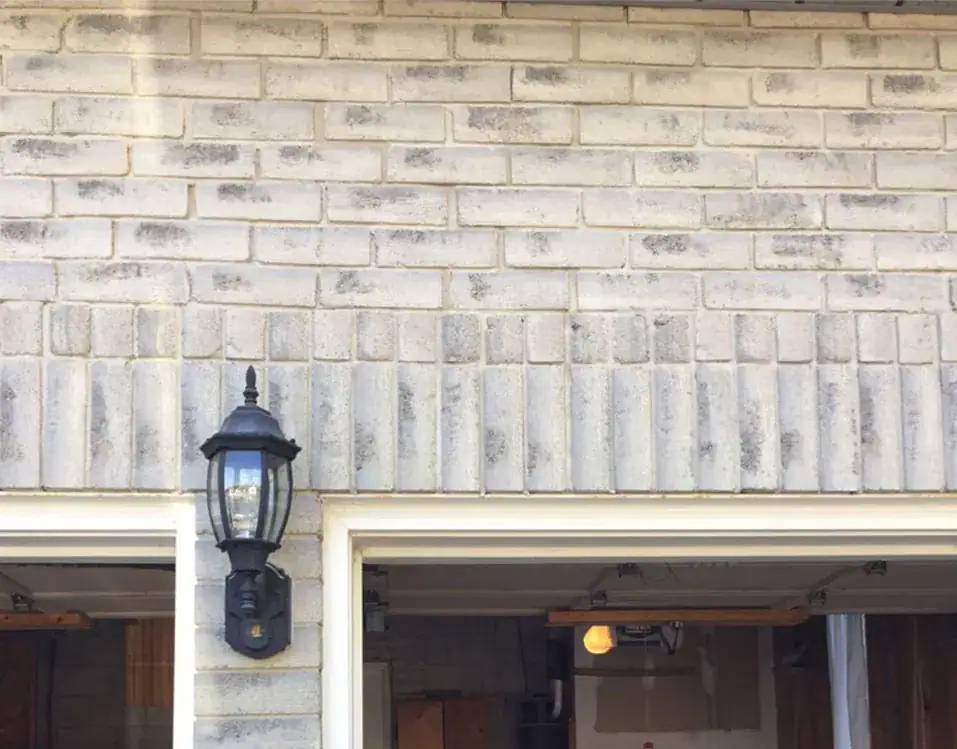
Cracked or failing mortar joints become urgent in winter when they are wide, widespread, near a chimney, near a roofline, or allowing water into the wall. Mortar joints are the lines between brick, stone, or block. When they fail, water can enter more easily.
You can monitor small mortar cracks, but review missing mortar, deep gaps, sandy joints, and joints that open after every freeze. Winter patching can be limited by temperature and moisture conditions, so you may need temporary protection until you can properly repoint.
What to do first:
- Take close-up and wide photos of the affected wall.
- Look for water sources above or beside the failed joints.
- Do not smear mortar over icy, wet, or dirty joints.
- Avoid sealing the wall before you understand the moisture source.
- Plan professional tuckpointing when conditions are suitable.
For more detail, A&A Masonry’s blog on what causes mortar joint failure explains age, water, freeze-thaw cycles, wrong mortar, poor patching, salt, and movement.
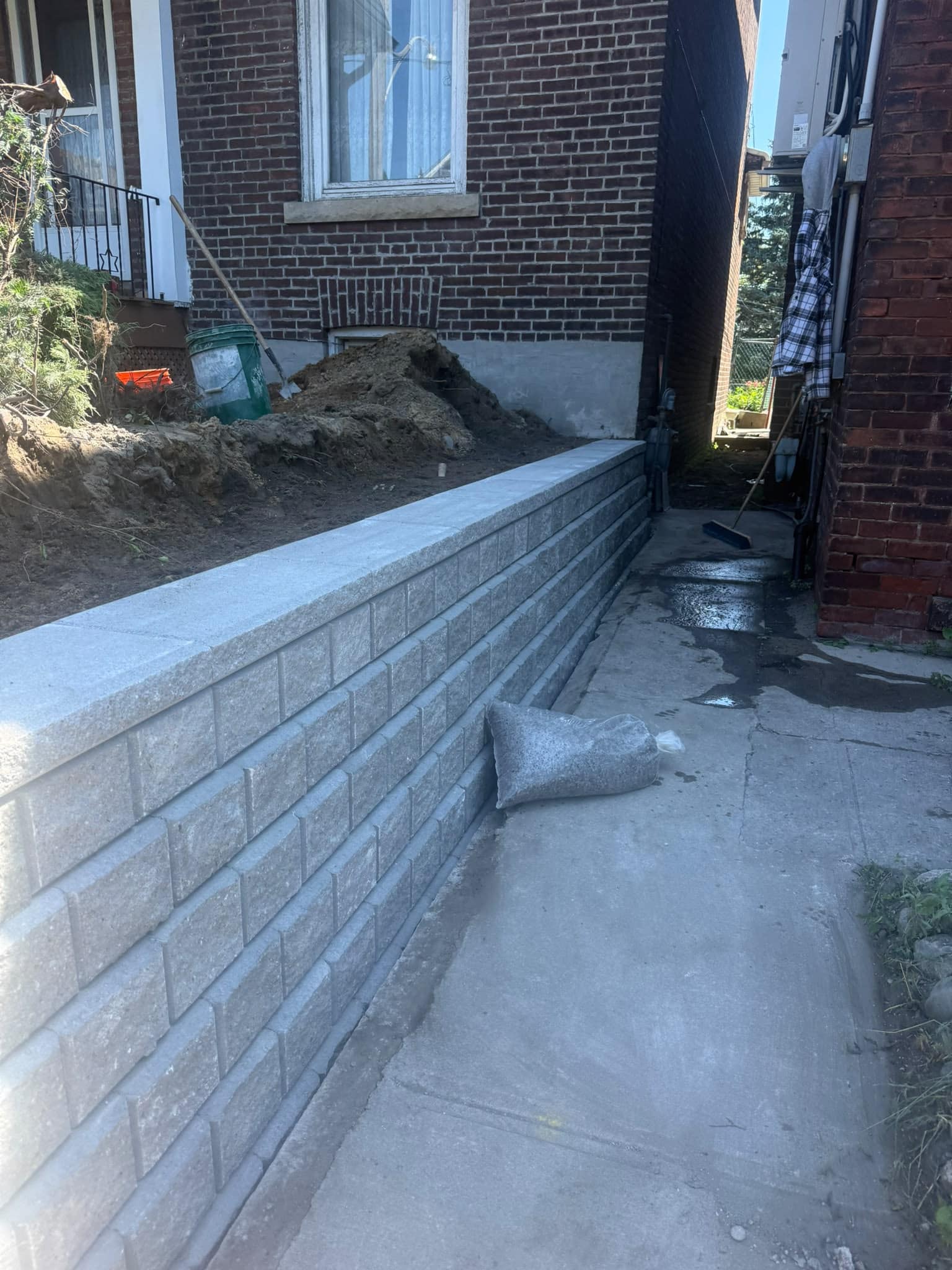
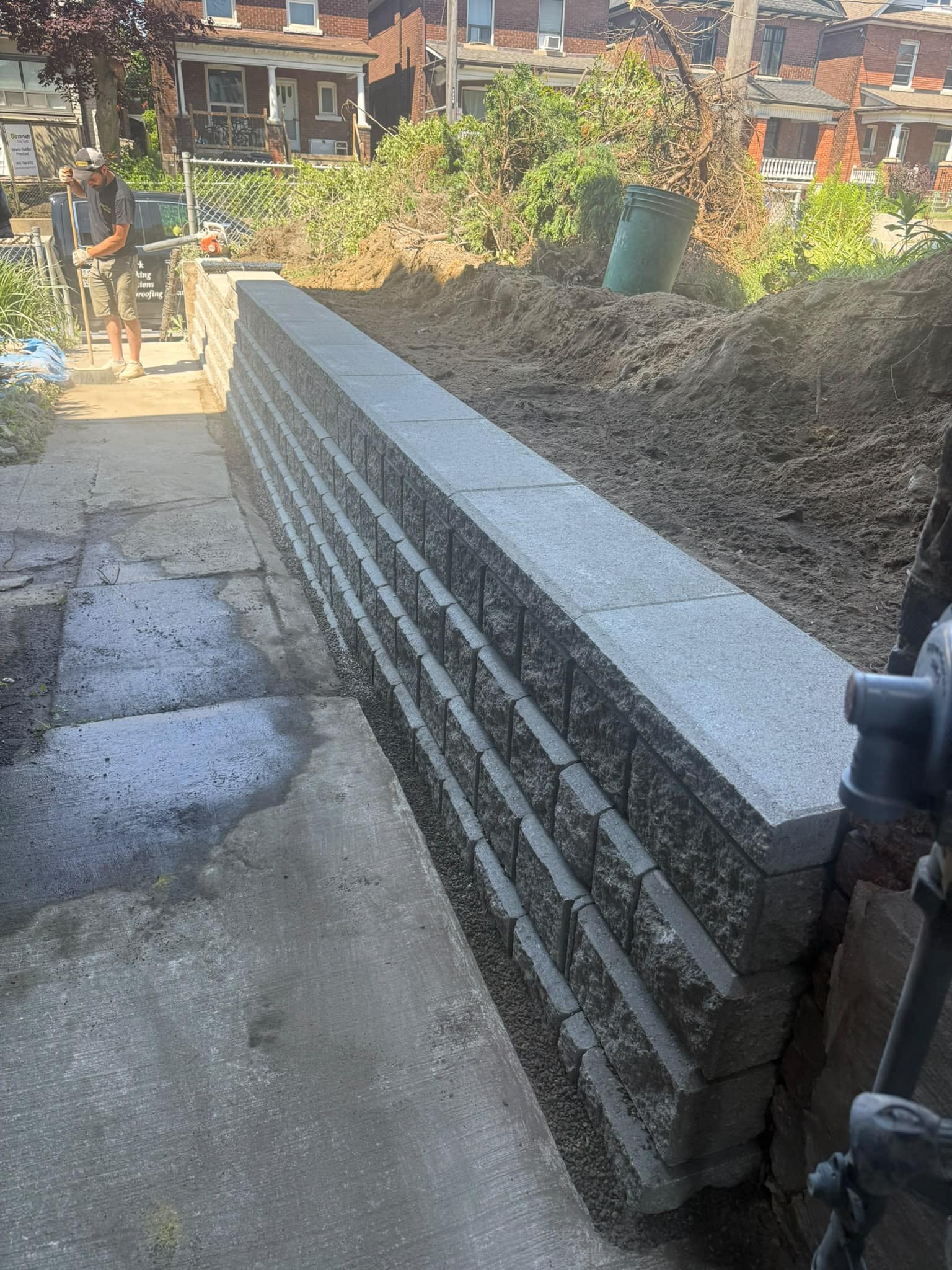
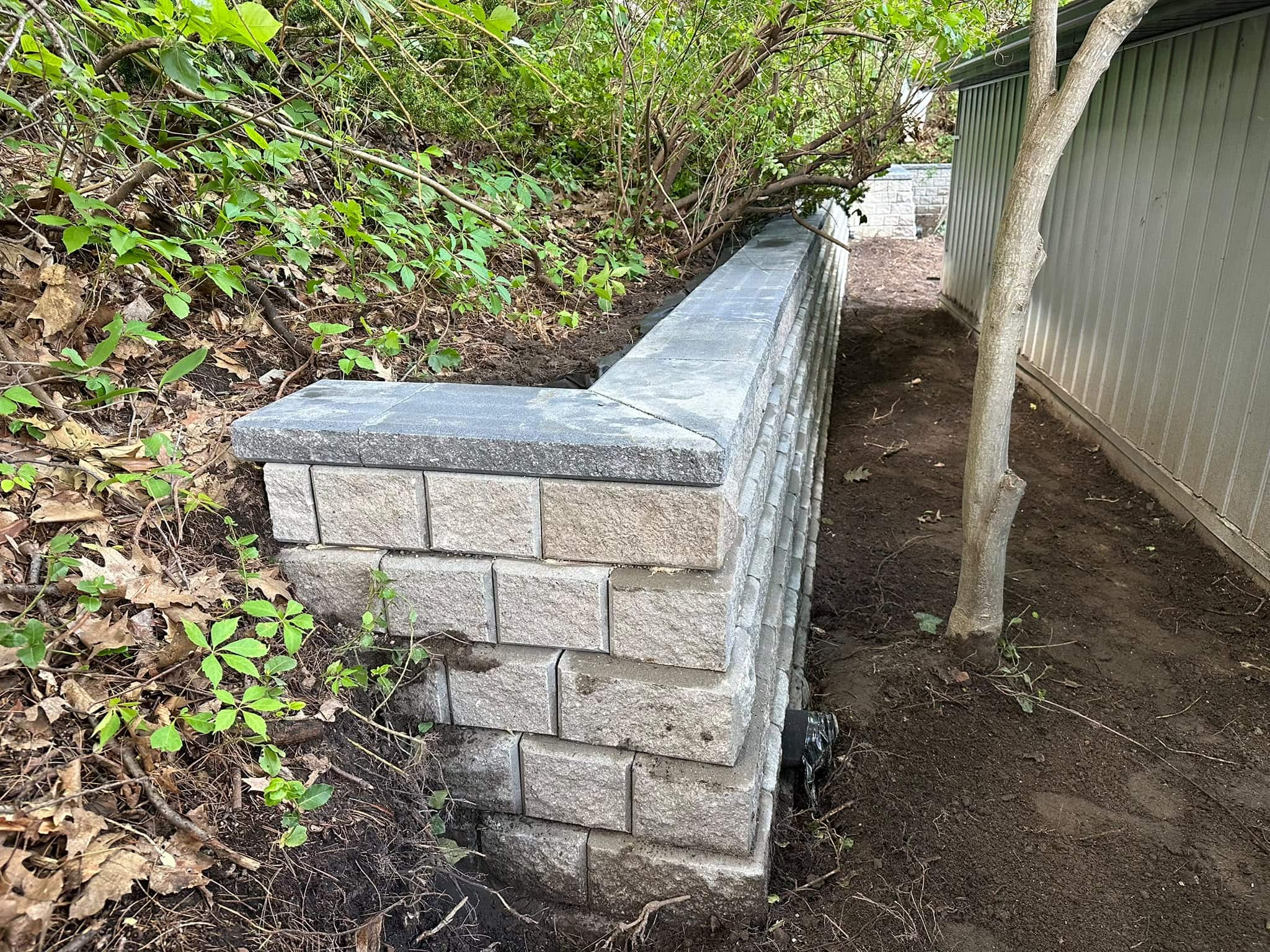
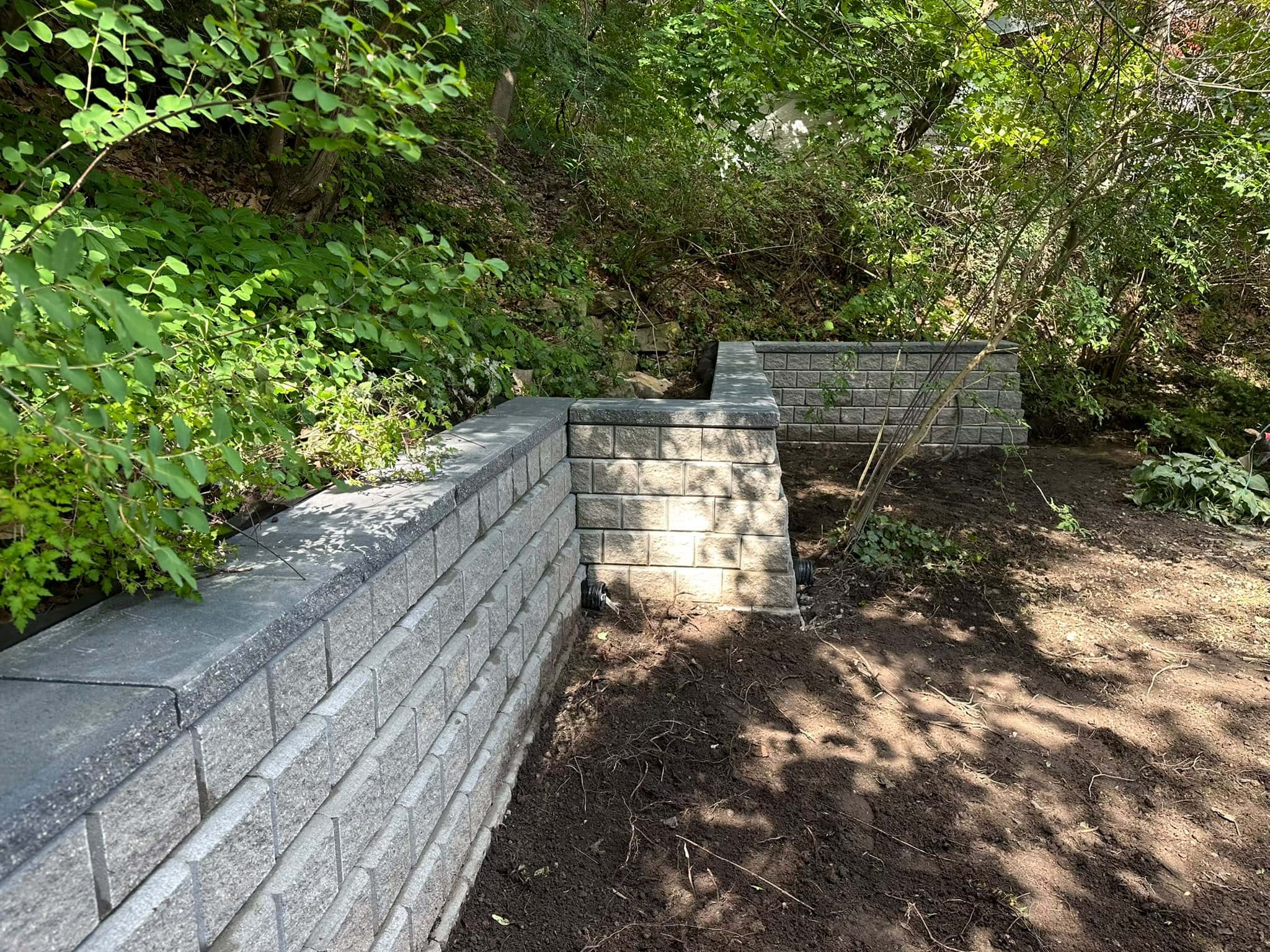
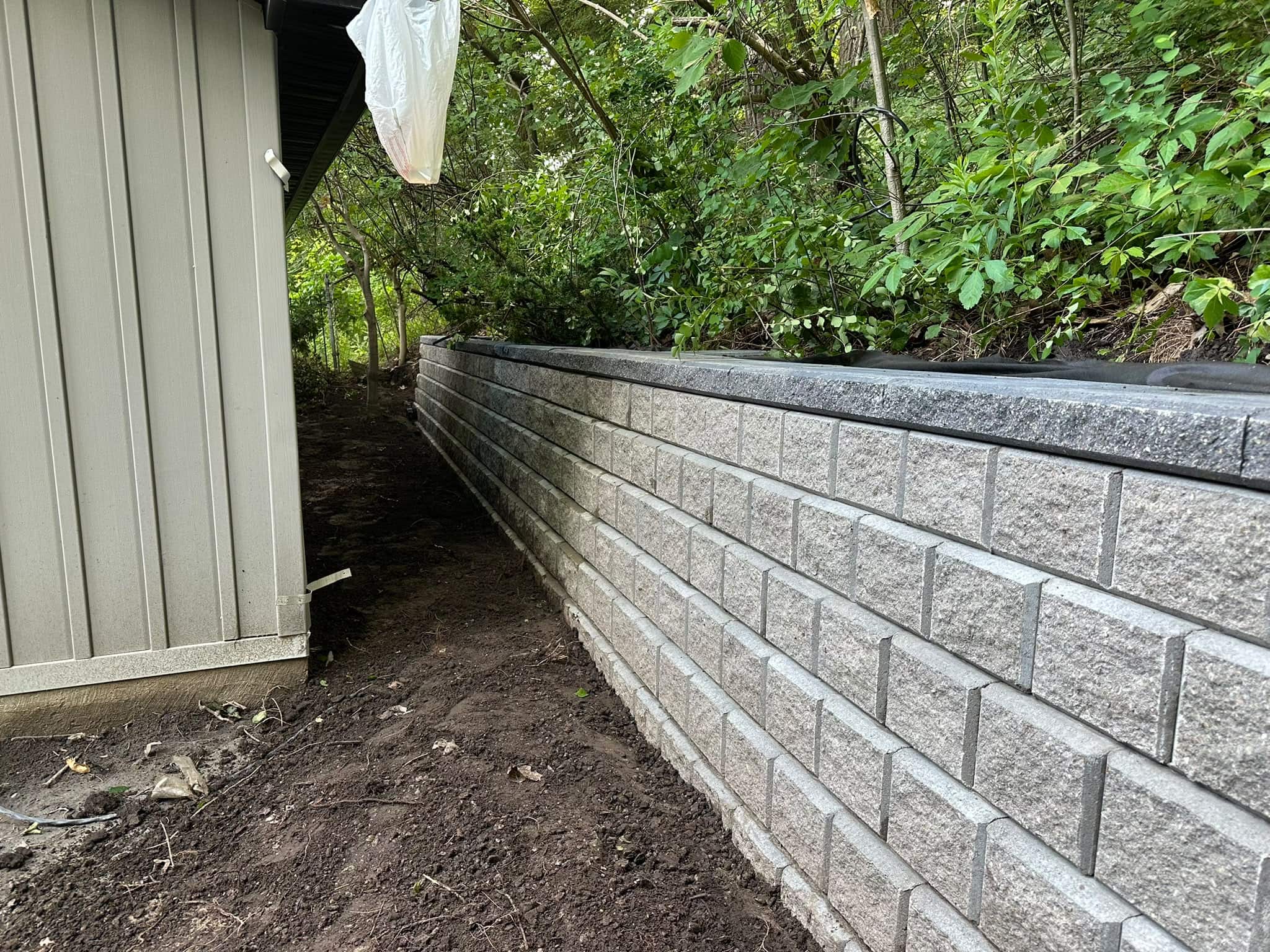
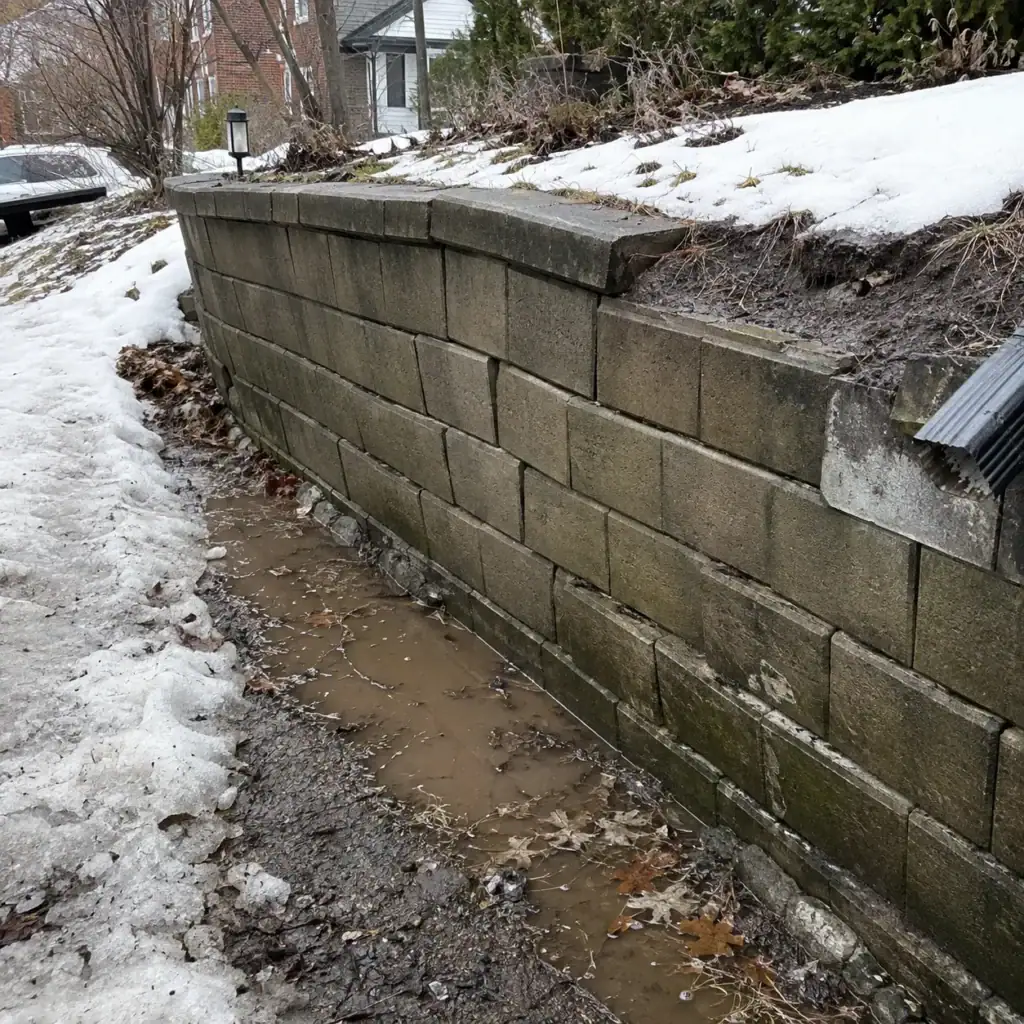
Emergency 7: Retaining Wall Movement
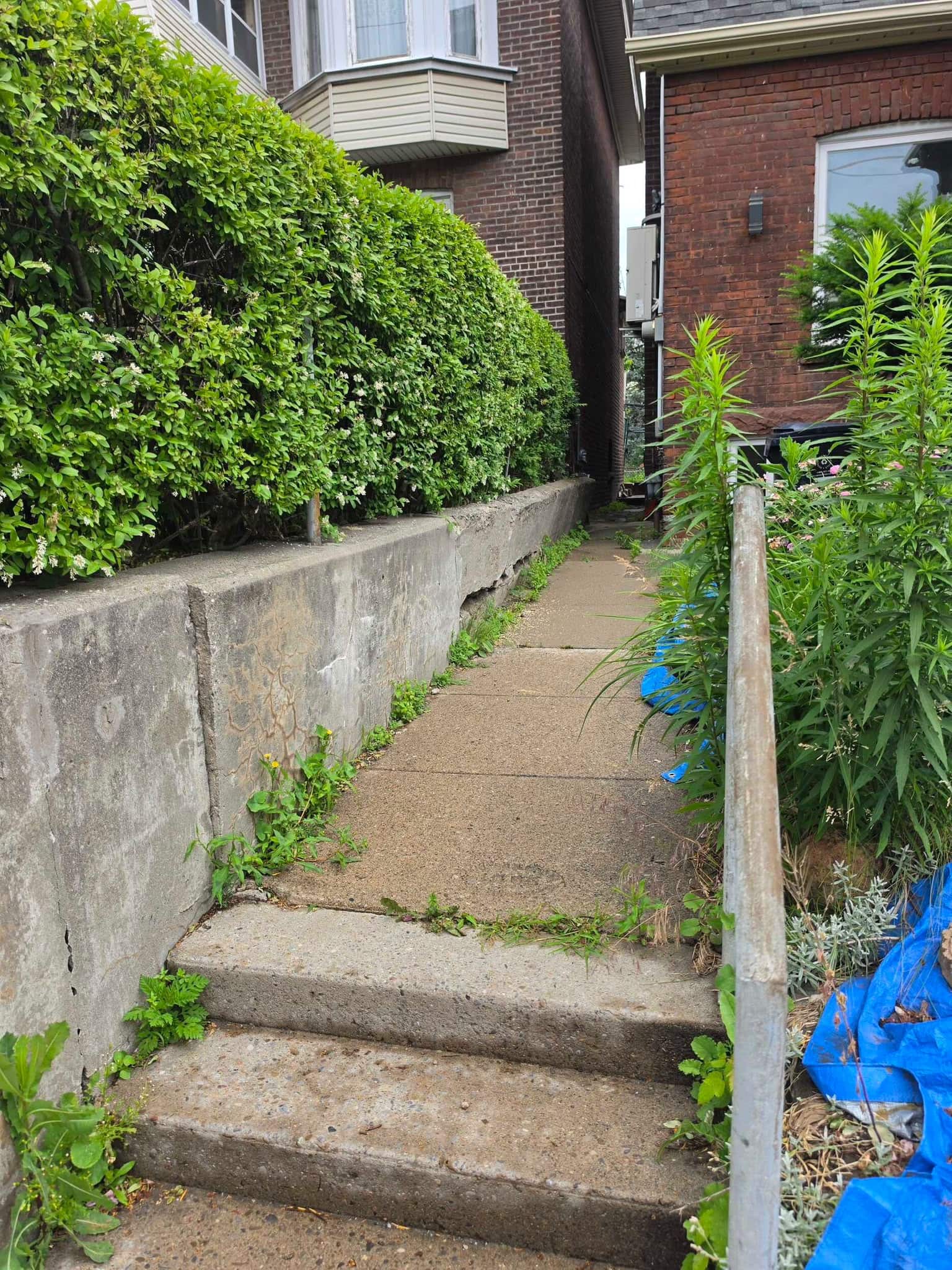
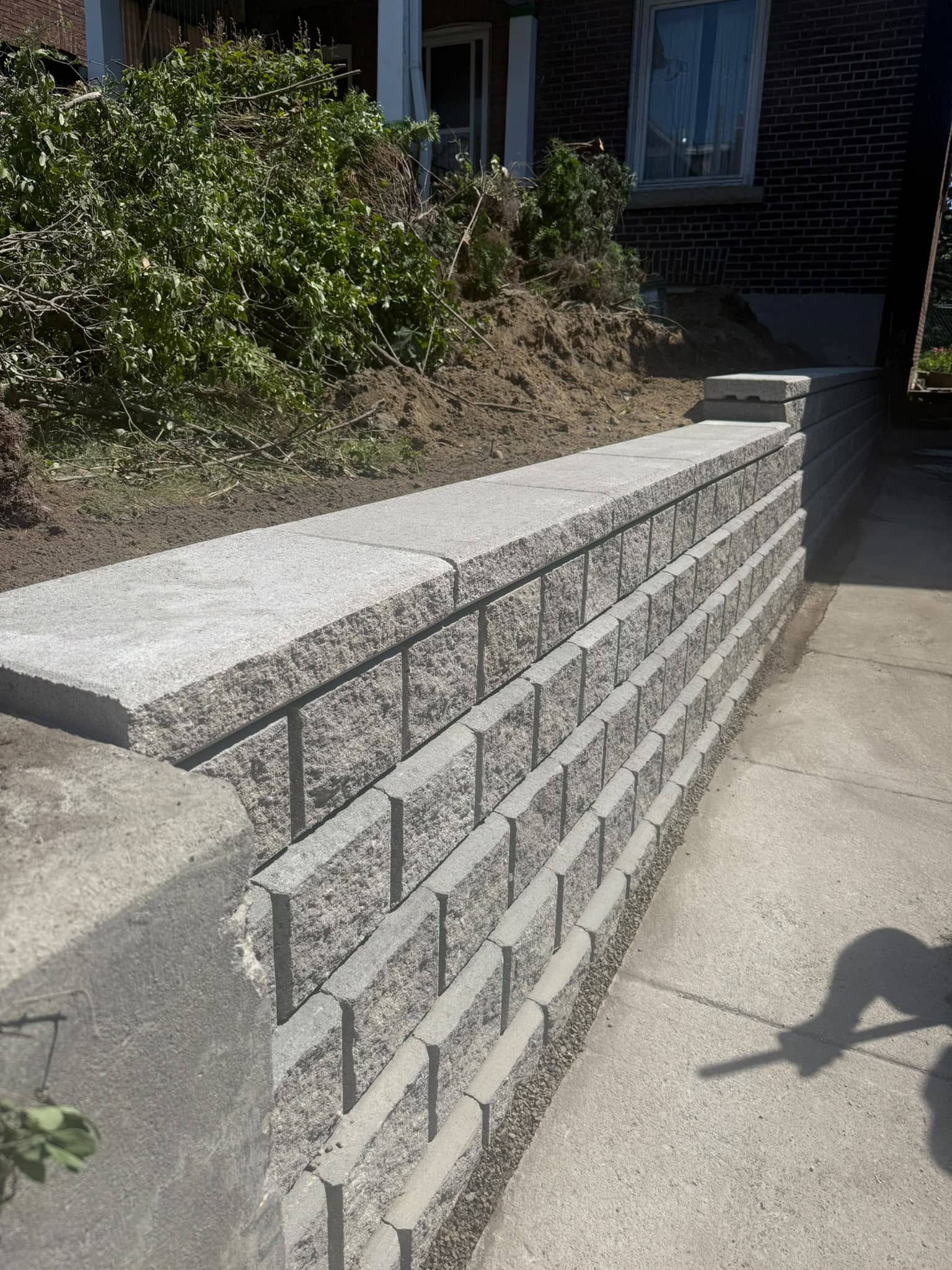
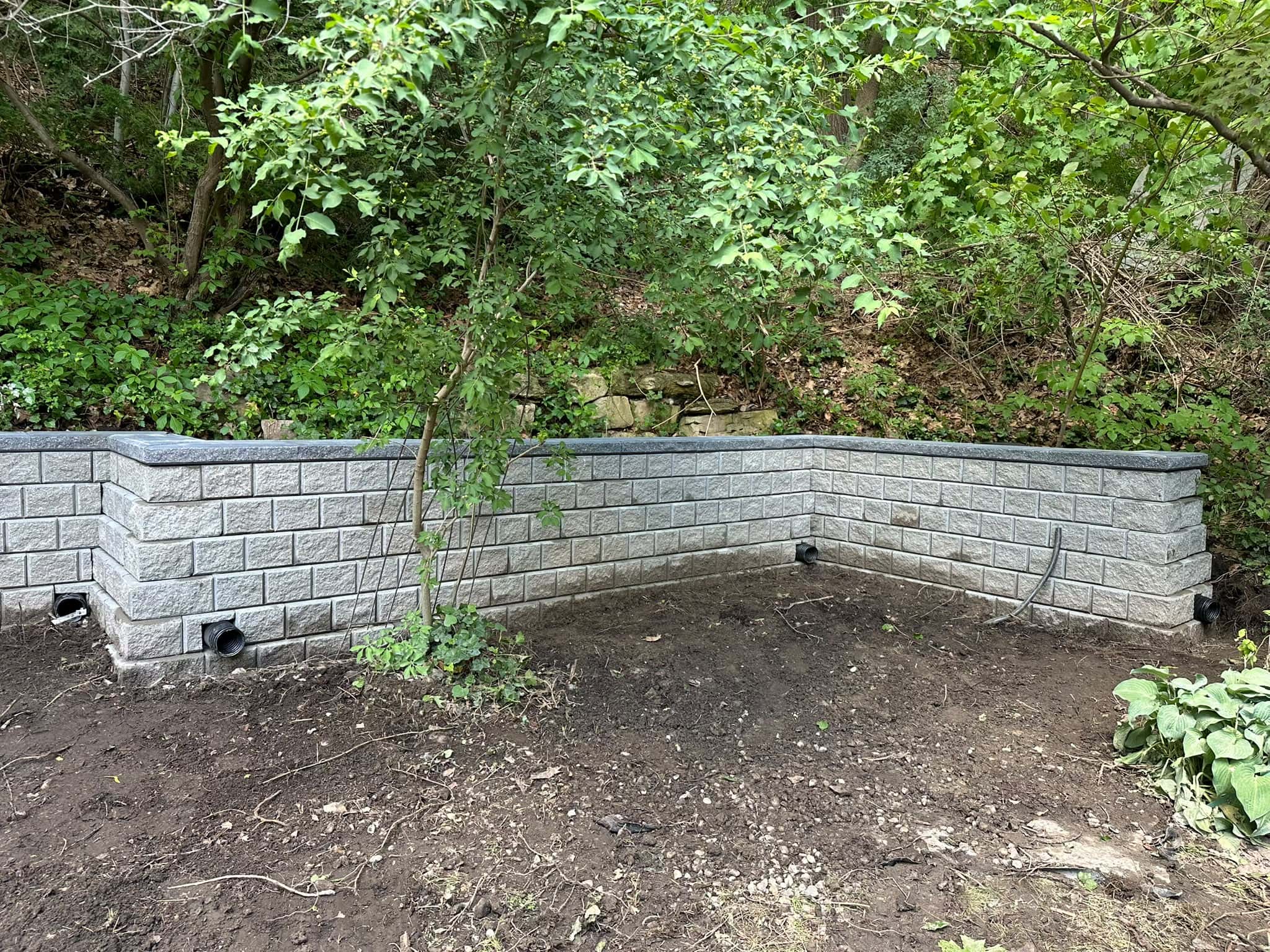
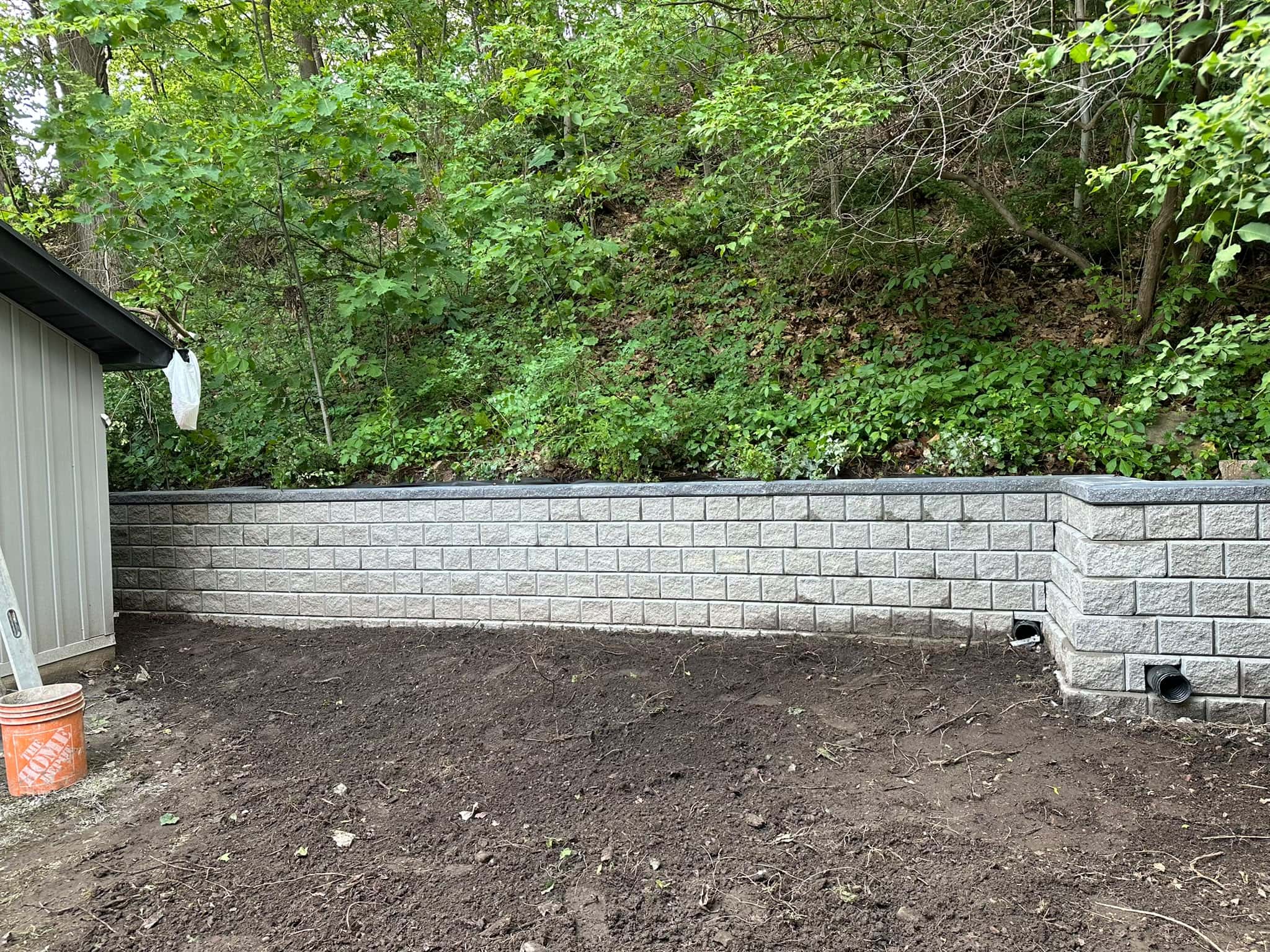
Retaining wall movement is urgent when the wall leans, bulges, cracks, or allows soil to shift. Winter and early spring can make retaining wall problems worse because wet soil becomes heavier and freezing water can increase pressure behind the wall.
A retaining wall is not just a decorative wall. It holds soil back and needs proper drainage. If water builds up behind the wall and freezes, pressure can push it outward. Snow piles, poor drainage, clogged weep holes, and freeze-thaw cycles can all increase stress.
What to do first:
- Keep people away from a wall that appears unstable.
- Do not remove soil or stones without professional direction.
- Check whether water or snow is collecting behind the wall.
- Take photos showing the wall from the front, side, and top if safe.
- Arrange professional review if the wall is leaning, bulging, or cracking.
If your retaining wall is showing movement or drainage problems, A&A Masonry’s retaining walls Toronto page explains common retaining wall planning and repair concerns.
Emergency 8: Ice Dams Affecting Chimneys and Brick Walls
Ice dams can create masonry emergencies when backed-up meltwater reaches chimneys, roof-to-wall junctions, parapets, or upper brick walls. Ice dams usually stem from roof heat loss, snowmelt, roof edges, and drainage issues, but masonry can be damaged when water finds open joints or cracked surfaces.
Water may sit against a chimney base, collect near flashing, enter open mortar joints, or soak into upper brickwork. During a freeze, that water expands and damages masonry.
What to do first:
- Do not climb onto an icy roof.
- Do not aggressively chip ice from brick, flashing, gutters, or shingles.
- Document where ice forms and where leaks appear indoors.
- Keep interior areas dry where water is entering.
- Arrange a roof, attic, flashing, and masonry review if the issue repeats.
A&A Masonry’s blog on preventing ice dams with proper masonry work explains how chimney crowns, caps, roof-to-wall junctions, tuckpointing, and drainage can help reduce winter water damage.
Emergency 9: Blocked Chimneys, Vents, or Exterior Openings
Blocked chimneys, vents, or exterior openings can become a safety concern in winter, especially when snow, ice, nesting debris, or fallen masonry blocks airflow. This is serious when the opening serves a fireplace, furnace, water heater, dryer, or other fuel-burning appliance.
Ontario’s carbon monoxide safety guidance notes that outside vents and chimneys for dryers, furnaces, stoves, fireplaces, and other fuel-burning appliances should always be kept clear of snow and debris. Carbon monoxide is dangerous because you cannot see or smell it.
What to do first:
- Do not use a fireplace or appliance if venting may be blocked.
- Leave the area and call emergency services if a carbon monoxide alarm sounds or symptoms appear.
- Clear snow from exterior vents only if it is safe to do so from the ground.
- Do not reach into damaged chimney openings or unstable masonry.
- Arrange a proper chimney, appliance, or venting review before reuse.
Exterior masonry repair and appliance or flue safety review are different tasks. Use the right professional for each concern.
Emergency 10: Masonry Damage Near Electrical or Gas Equipment
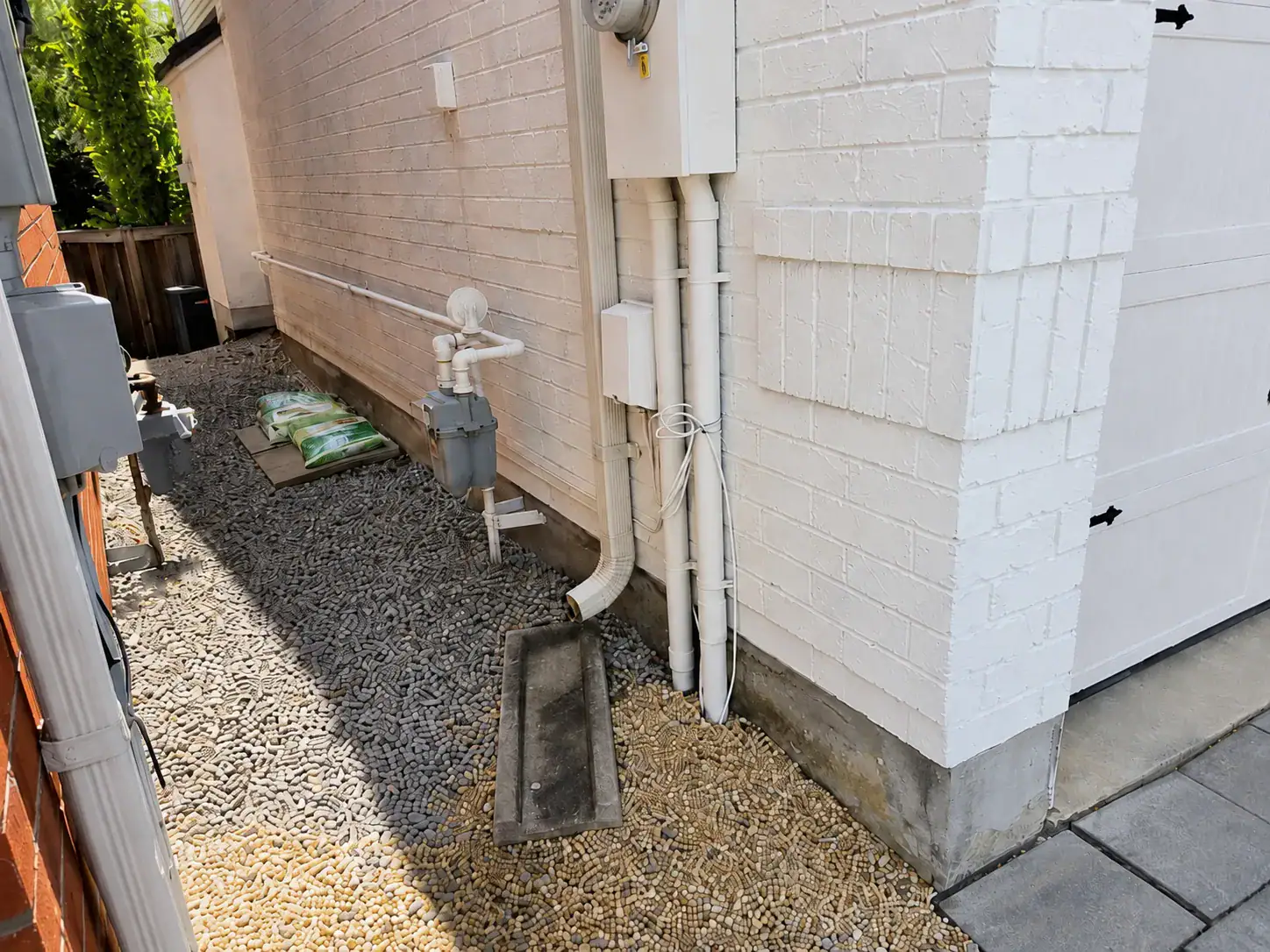
Treat masonry damage near electrical or gas equipment carefully because water, loose masonry, cracked walls, or blocked access can create additional safety concerns. This may include damage near gas meters, electrical meters, exterior outlets, furnace vents, utility penetrations, or exterior service areas.
Do not try to chip, drill, patch, or move damaged masonry near utility equipment without proper review. If water is entering near electrical components or if gas equipment appears affected, contact the appropriate utility or qualified professional.
You may need masonry repair around the wall, but licensed professionals should handle gas, electrical, and appliance systems. A masonry contractor can help repair the surrounding brick, stone, concrete, or wall surface once the utility concern is safe.
Safety comes before appearance or temporary patching.
What to Do First During a Winter Masonry Emergency
The first step during a winter masonry emergency is to protect people and reduce immediate risk. Permanent repair can wait if conditions are unsafe, but safety can’t.
- Keep people away: Block off areas below loose brick, chimneys, walls, and icy steps.
- Use a safe entrance: Avoid broken steps or areas with falling masonry.
- Stop using affected fireplaces: Do not use a fireplace if the chimney is damaged or blocked.
- Move belongings away from leaks: Protect interior finishes and stored items.
- Take photos safely: Document damage without climbing onto roofs or unstable surfaces.
- Check water paths: Look at downspouts, gutters, snow piles, and grading from safe ground level.
- Avoid rushed patching: Don’t seal or smear wet or frozen masonry with mortar.
- Call the right professional: Depending on the issue, you may need masonry, roofing, chimney, utility, or emergency services.
A winter masonry emergency should be handled in the right order: safety first, temporary protection second, proper repair when conditions allow.
What Not to Do in a Winter Masonry Emergency
Some quick fixes can make winter masonry damage worse. Cold weather, ice, moisture, and unstable materials make certain repairs unsafe or ineffective.
- Do not climb onto icy roofs: Inspect chimneys and rooflines safely.
- Do not chip ice aggressively: Tools can damage brick, mortar, flashing, shingles, and gutters.
- Do not seal wet masonry: Trapped moisture can freeze and cause more damage.
- Do not smear mortar over frozen joints: Poor winter patching often fails.
- Do not pull loose brick from upper walls: More material may fall unexpectedly.
- Do not use a blocked fireplace: Take smoke and carbon monoxide risks seriously.
- Do not ignore leaning walls: Soil pressure and freeze-thaw movement can worsen quickly.
- Do not rely only on caulking: Sealant cannot fix structural movement, failed mortar, or water paths.
Temporary protection may help, but it should not trap moisture or hide a serious safety issue.
Temporary Measures That May Help Safely
Temporary measures can help reduce risk until proper repair is possible, but they should be simple, safe, and reversible. The goal is to protect people and limit water entry without worsening the masonry.
- Use cones, tape, or barriers to keep people away from areas where material could fall.
- Use an alternate entrance if steps are broken or icy.
- Move snow piles away from brick, stone, concrete, and foundation walls where safe.
- Extend downspouts away from the home if they are discharging near damaged masonry.
- Remove loose pieces from the ground, but do not pull attached pieces from the wall.
- Protect interior areas from active leaks with containers, towels, or temporary coverings.
- Take photos and notes showing when the issue appears.
- Keep exterior vents clear of snow if you can reach them safely from the ground.
If you use a temporary cover outside, it should not trap water against the wall for long. Temporary protection is not a repair.
When Repairs Should Wait for Better Weather
Some masonry repairs should wait for better weather because mortar, concrete, sealers, and waterproofing materials need suitable conditions to perform properly. Cold, wet, icy, or freezing conditions can make permanent repair difficult.
Emergency stabilization may still be needed in winter. A dangerous area may need to be blocked off, loose hazards may need safe removal, and water entry may need temporary management. But final tuckpointing, brick replacement, concrete repair, waterproofing, or sealing may be better scheduled when temperature, moisture, and curing conditions are suitable.
Homeowners should ask whether the repair is an emergency safety repair, a temporary winter measure, or a permanent repair. These are different decisions.
A rushed repair done in poor conditions can fail quickly and create more work later.
Winter Damage That Should Be Rechecked in Spring
Winter damage should often be rechecked in spring because freeze-thaw cycles may hide or worsen masonry problems. Once snow and ice melt, it is easier to see the full condition of brick, stone, concrete, mortar, steps, patios, chimneys, and retaining walls.
Spring review is especially important for:
- Chimneys that showed winter staining or loose mortar.
- Brick walls with new spalling after freezing weather.
- Concrete steps that cracked or shifted during winter.
- Retaining walls that moved after thawing soil.
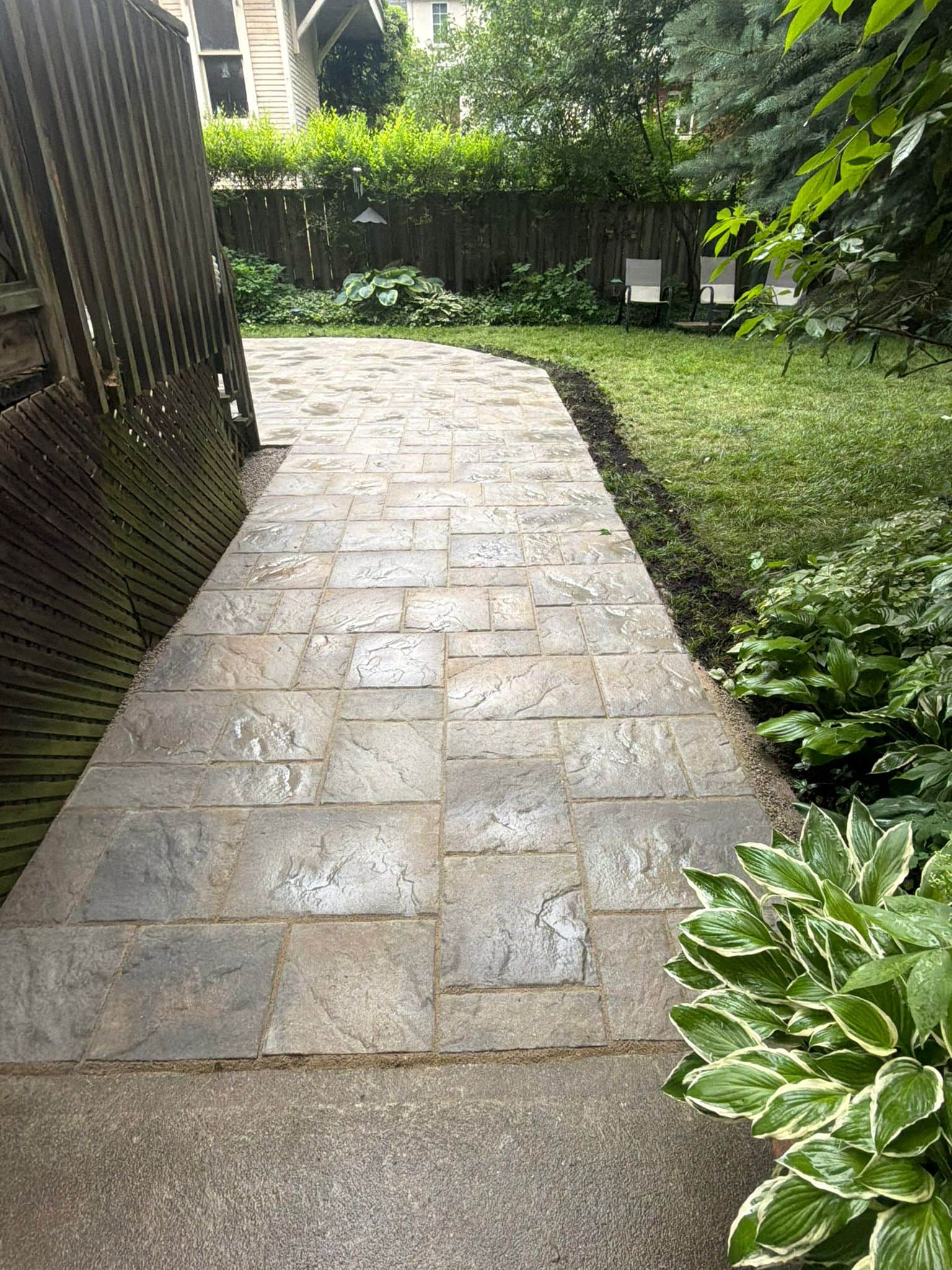
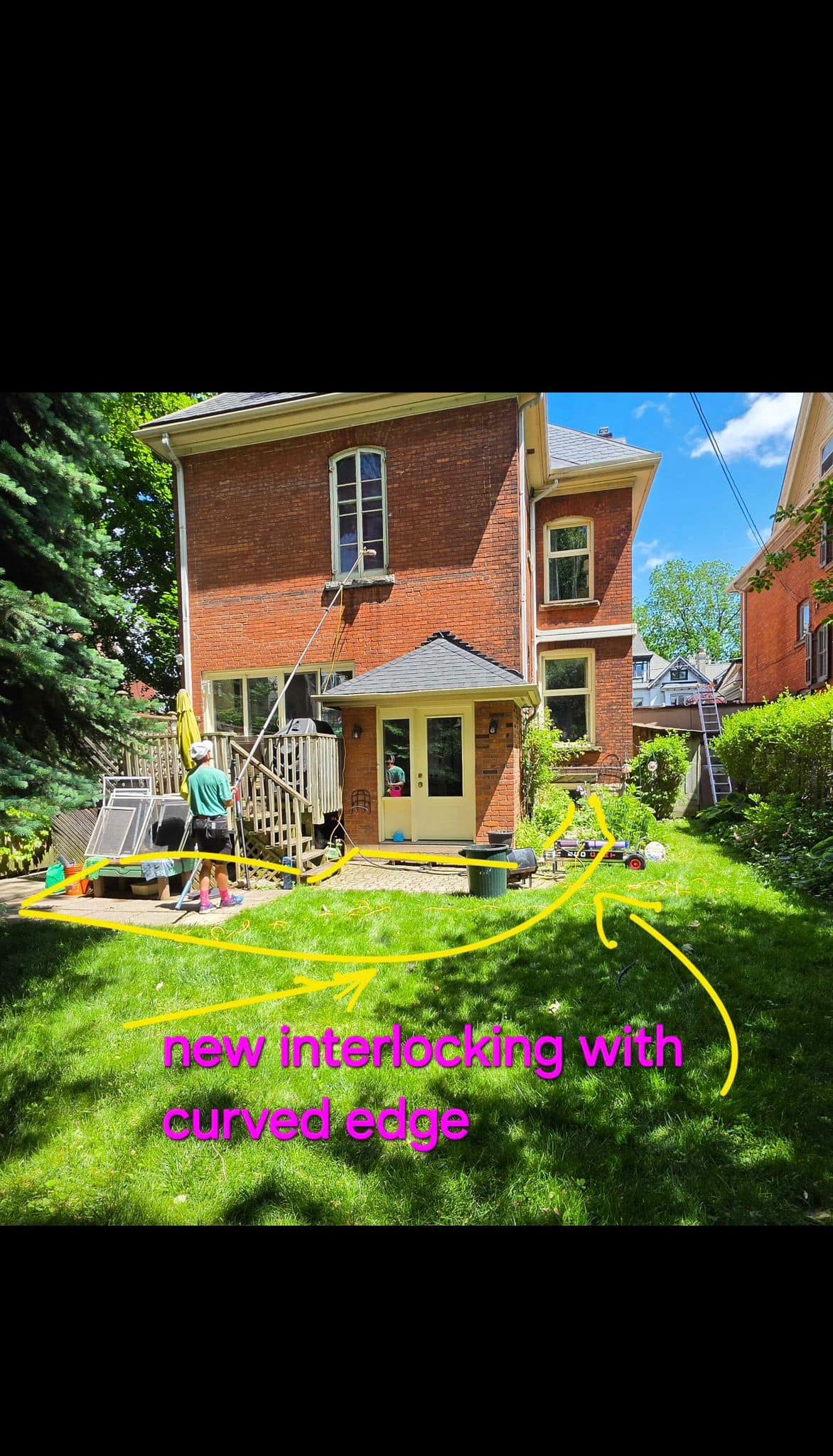
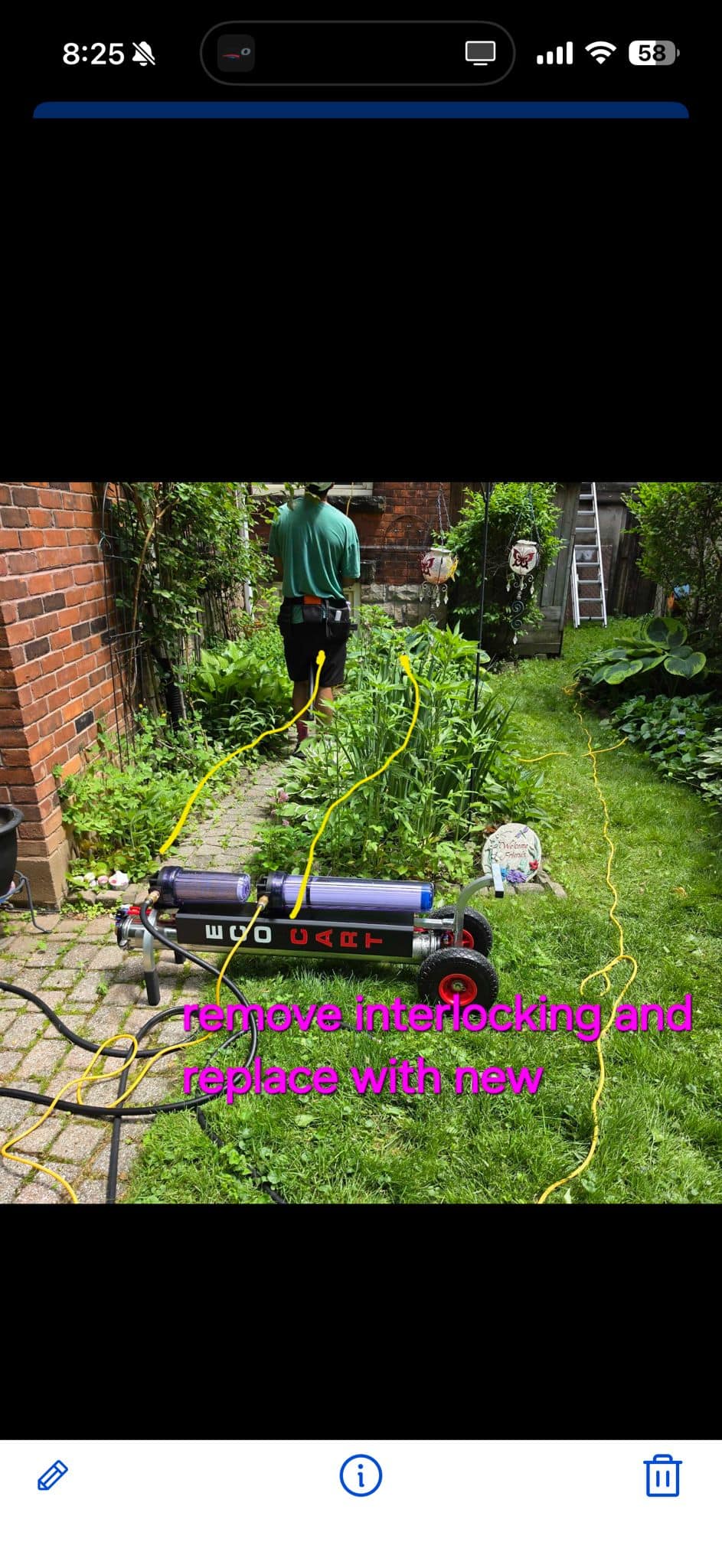
- Interlocking patios or walkways with low spots or heaving.
- Foundation areas where snowmelt collected.
- Roof-to-wall junctions where leaks appeared after ice buildup.
- Previous patches that failed after one winter.
Spring inspection helps turn emergency response into proper repair planning.
Permits, Code, and Larger Winter Repairs
Permits and code questions may matter when winter masonry damage leads to chimney rebuilding, structural wall repair, retaining wall reconstruction, foundation work, stair replacement, major exterior alterations, or repairs around openings and supports.
The City of Toronto’s when do I need a building permit guidance explains that permits are required for certain construction, demolition, additions, and material alterations. Ontario’s official Building Code page is also the preferred provincial reference for building requirements.
For homeowners, the practical rule is simple: if winter damage affects structure, support, chimneys, foundations, retaining walls, stairs, entrances, fire safety, or major exterior areas, check official guidance before starting permanent repairs.
Quick Guide: Winter Masonry Emergency Response
A quick guide can help homeowners decide what to do first when a winter masonry problem appears.
- Falling brick: Keep people away, block off the area, and request urgent masonry review.
- Damaged chimney: Don’t use the fireplace until you’ve checked the chimney and flue.
- Broken steps: Use another entrance, clear snow carefully, and mark trip hazards.
- Water entry: Move belongings, document stains, check water paths, and avoid sealing wet masonry.
- Spalling brick: Remove fallen pieces from walkways, but do not chip attached brick faces.
- Failing mortar: Photograph damage and plan proper tuckpointing when conditions allow.
- Leaning retaining wall: Keep people away and arrange professional assessment.
- Blocked vents: Keep vents and chimneys clear of snow and do not use affected systems if blockage is suspected.
The safest response is to reduce risk now and plan the permanent repair properly.
When Professional Help Makes More Sense
Professional help makes more sense when winter masonry damage involves falling brick, loose chimney masonry, active water entry, unsafe steps, leaning retaining walls, blocked venting concerns, structural cracks, or damage near roofs, utilities, or public walkways.
A masonry contractor can assess brick, stone, mortar joints, chimneys, concrete steps, retaining walls, waterproofing concerns, exterior water paths, and winter damage patterns. Depending on the issue, you may also need a roofer, chimney sweep, WETT-certified professional, utility provider, engineer, or emergency service.
For broader repair planning, A&A Masonry’s masonry services in Toronto page outlines related services, including brick repair, tuckpointing, chimney repair, concrete repair, waterproofing, stone masonry, retaining walls, and interlocking stone.
Final Thoughts on Winter Masonry Emergencies
Handle winter masonry emergencies calmly, safely, and in the right order. Loose brick, chimney damage, broken steps, water entry, spalling brick, failing mortar, retaining wall movement, ice dam-related leaks, and blocked vents can all become serious when snow, ice, and freezing temperatures are involved.
For Toronto and GTA homeowners, the biggest winter masonry risks usually come from water and freeze-thaw cycles. Small cracks become larger when moisture enters and freezes. Snow and ice can hide damage, block vents, or create unsafe entrances. Salt and repeated thawing can make concrete, brick, and stone deteriorate faster.
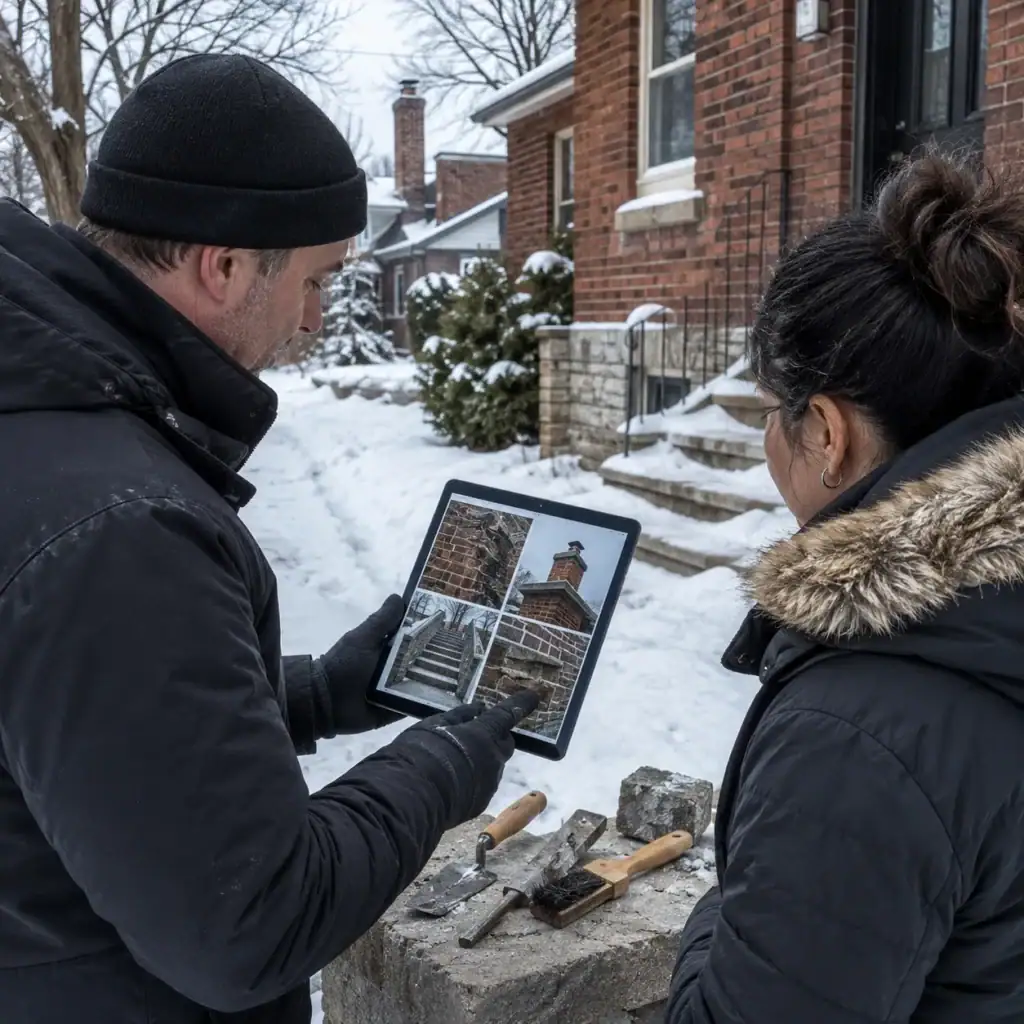
The best first step is to protect people, avoid unsafe DIY repairs, document the damage, manage water where it is safe to do so, and arrange the right professional review. Some repairs may need temporary winter protection first, with permanent masonry repair when conditions allow. When winter damage is handled properly, the home is safer and better prepared for long-term repair.