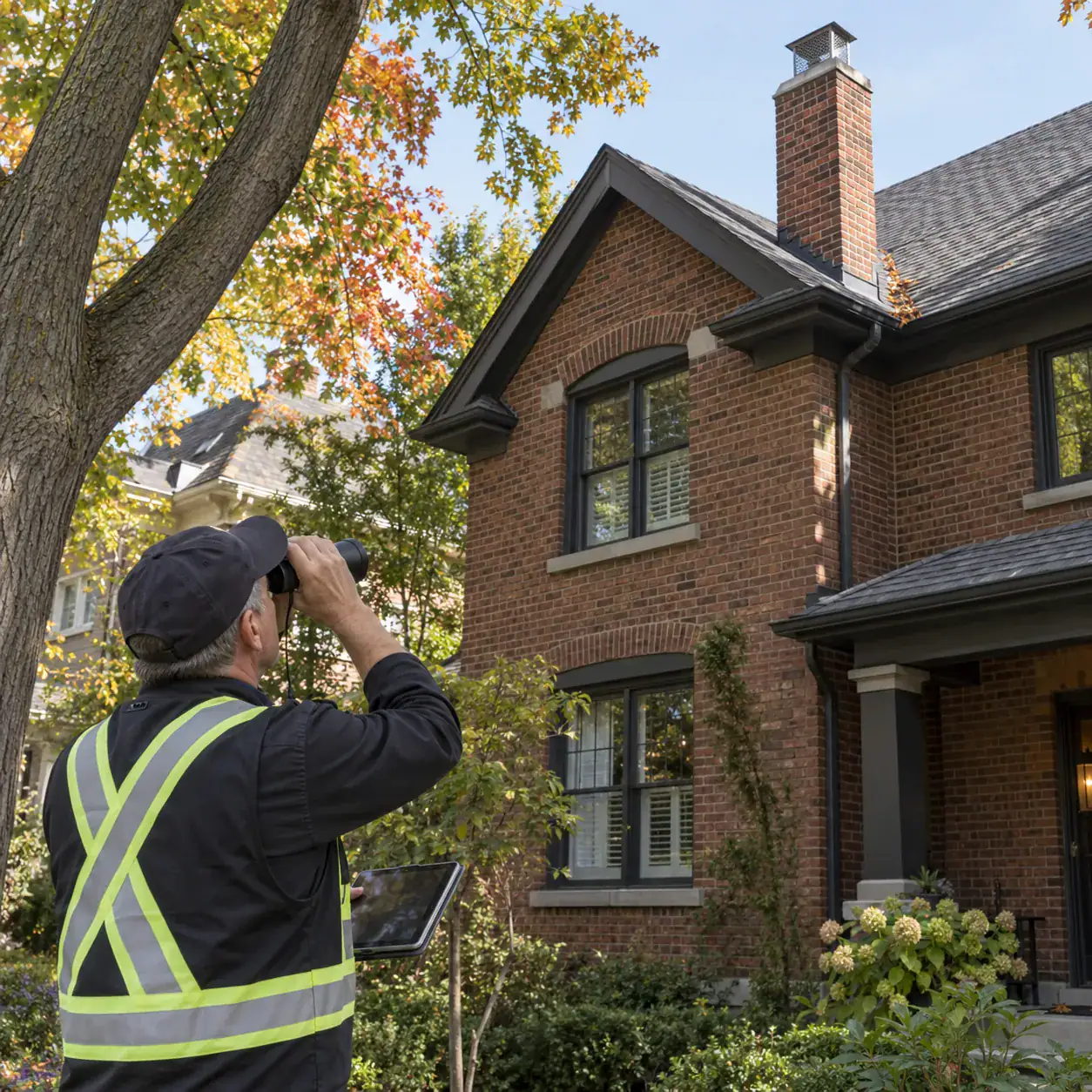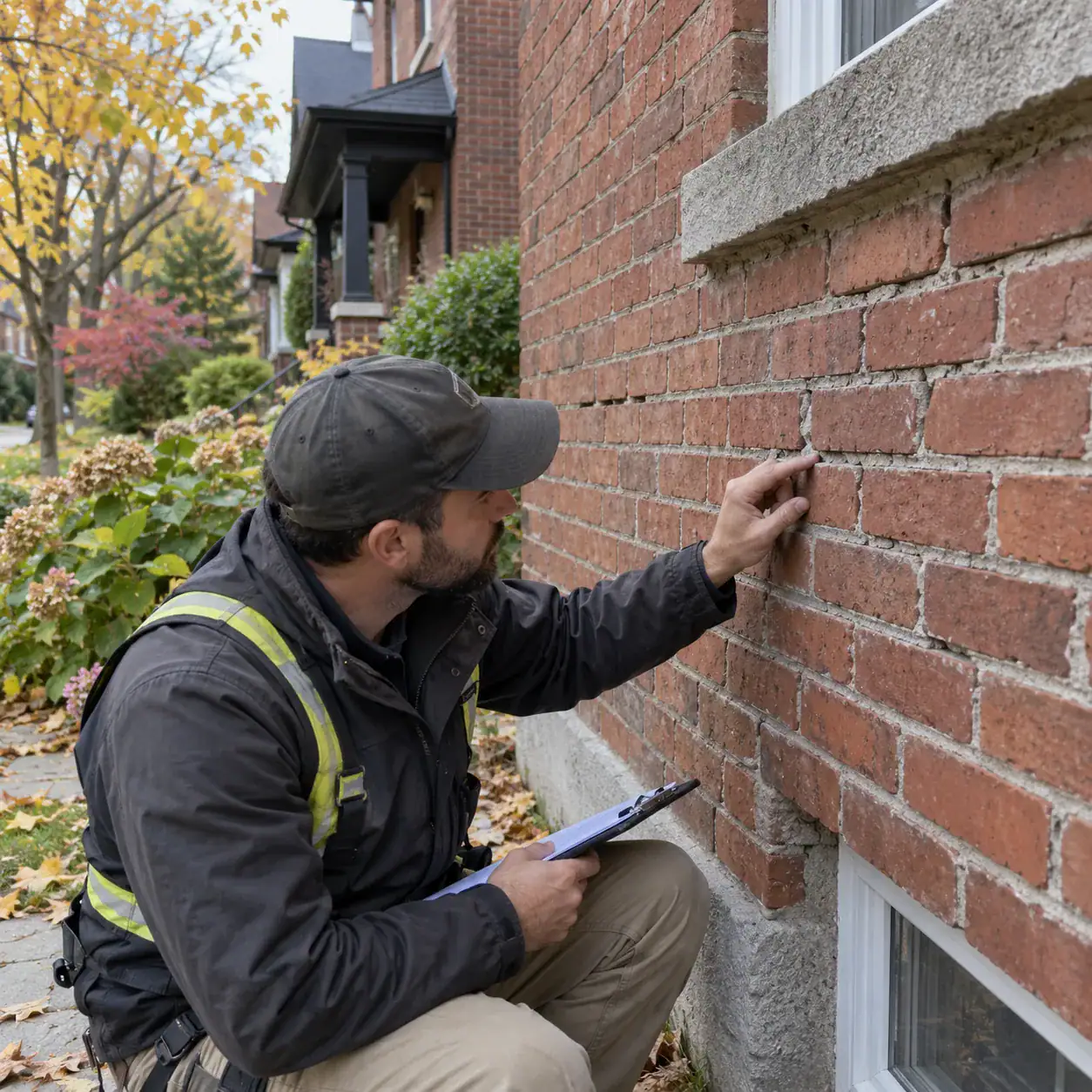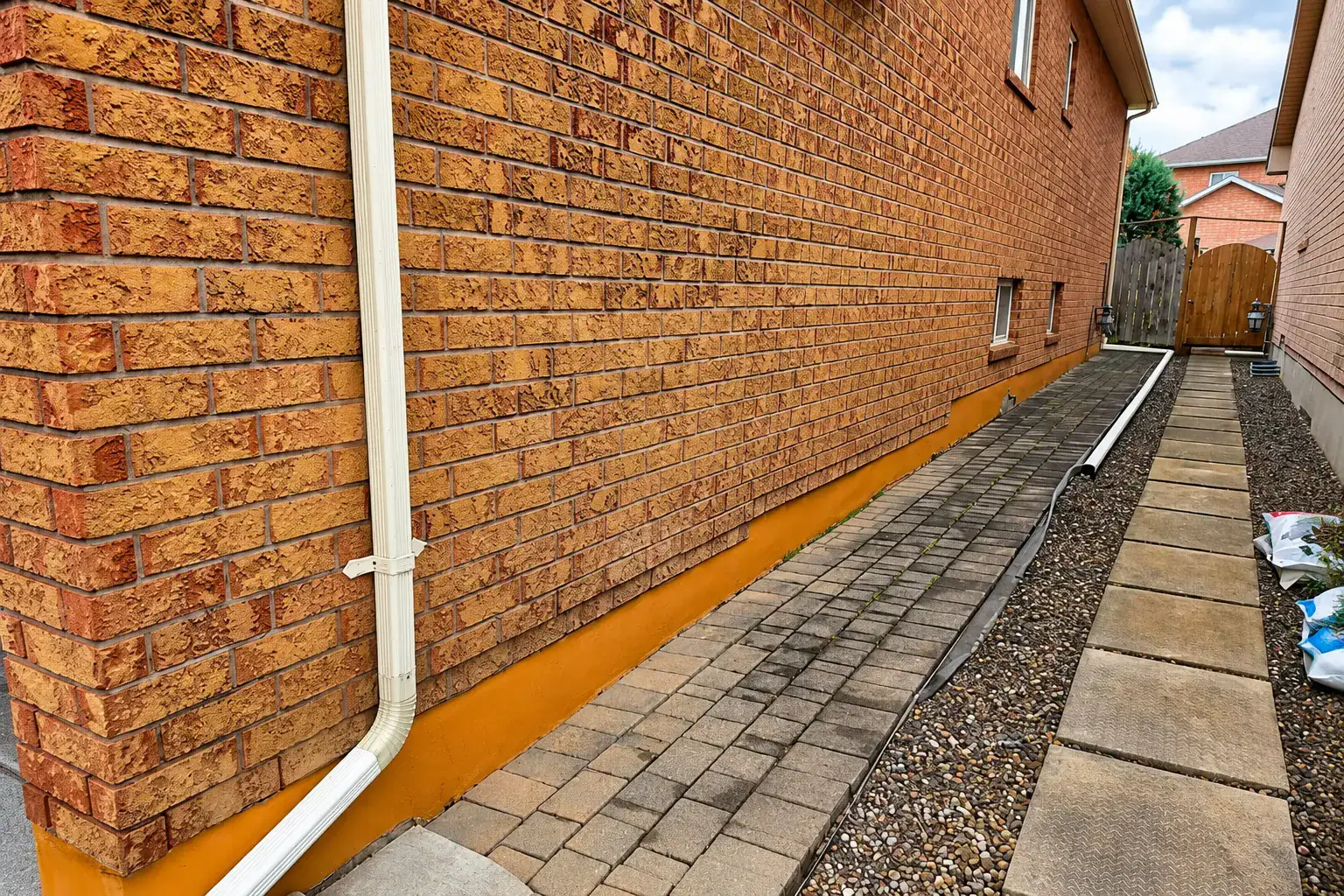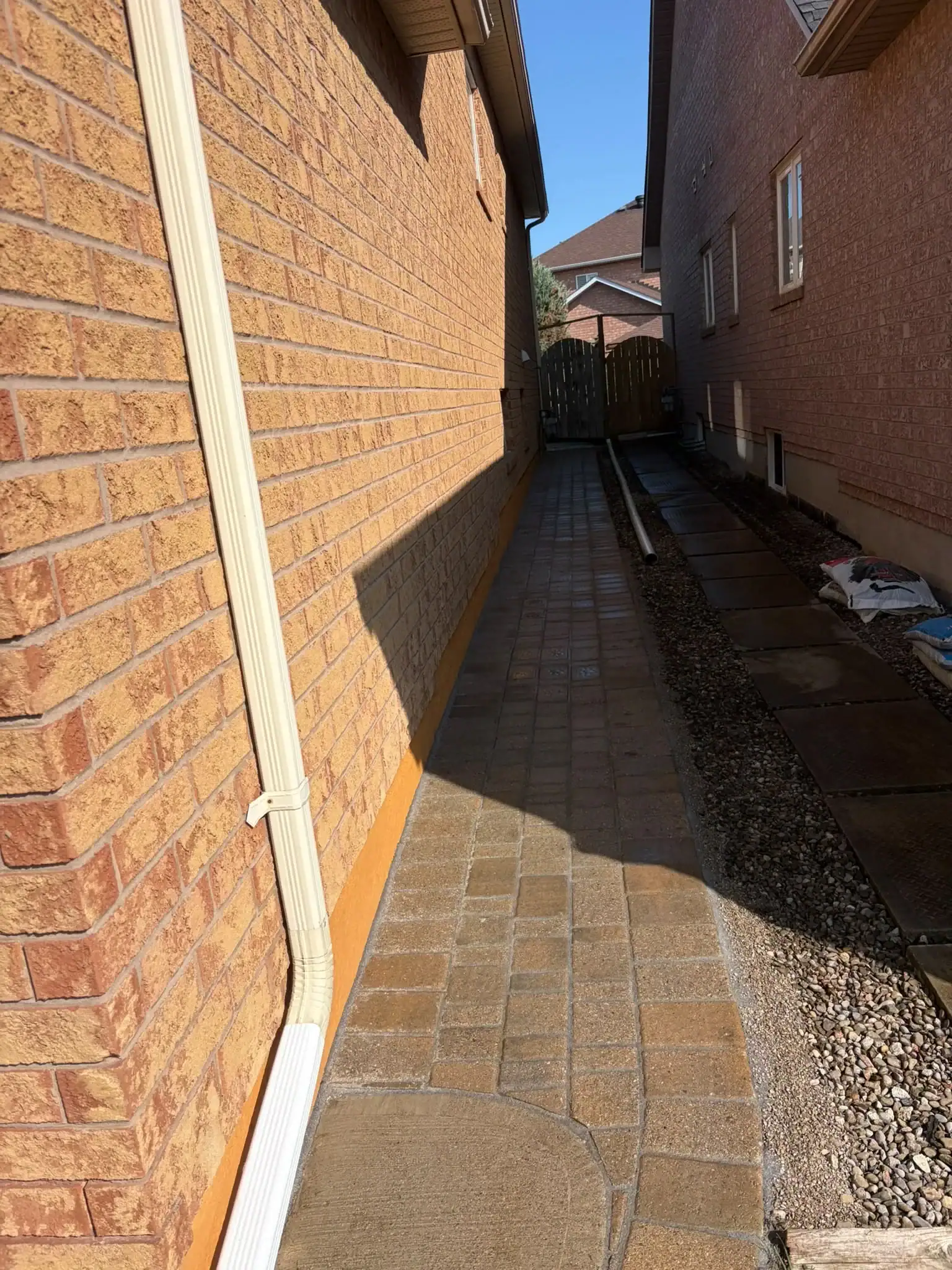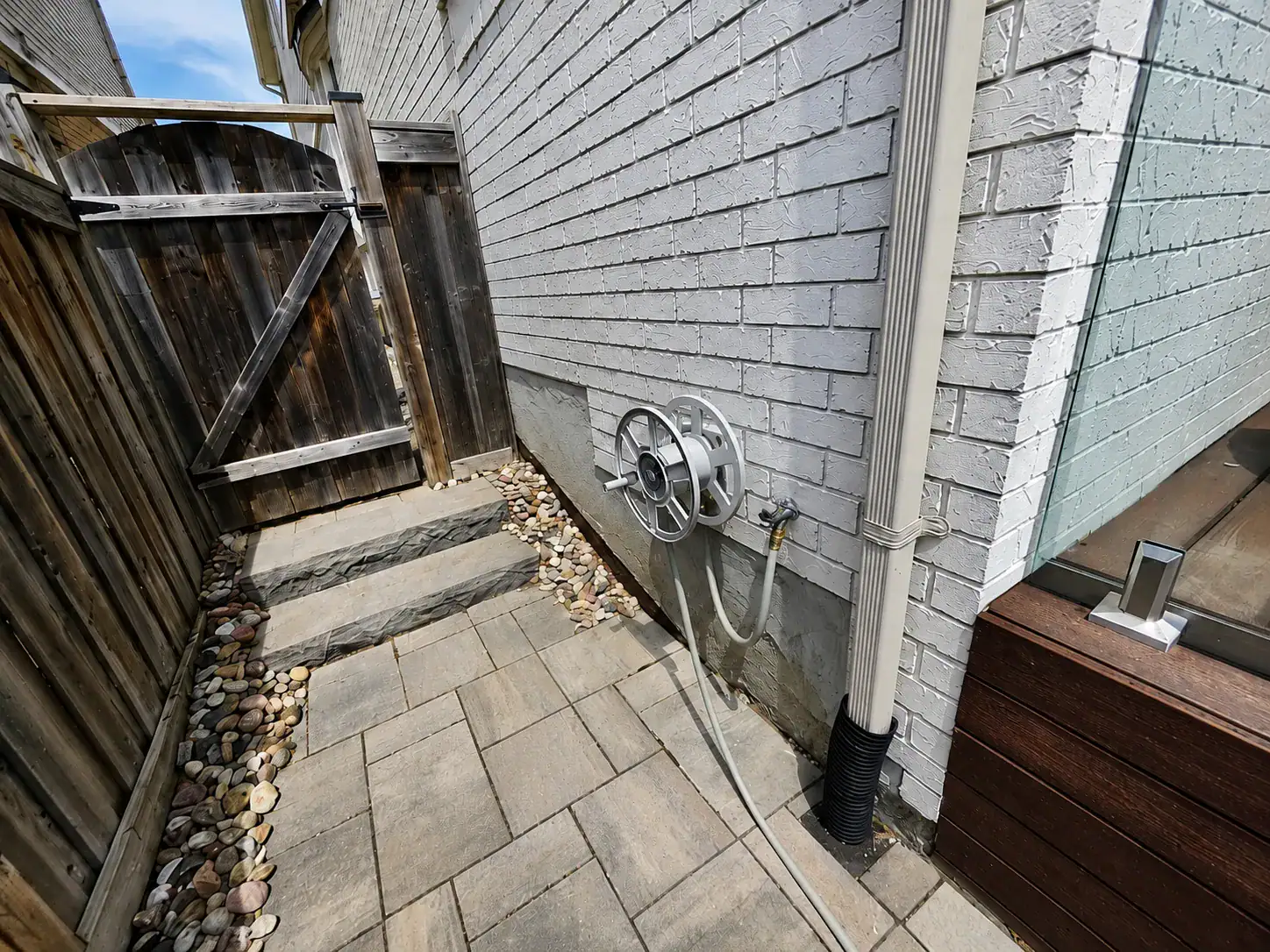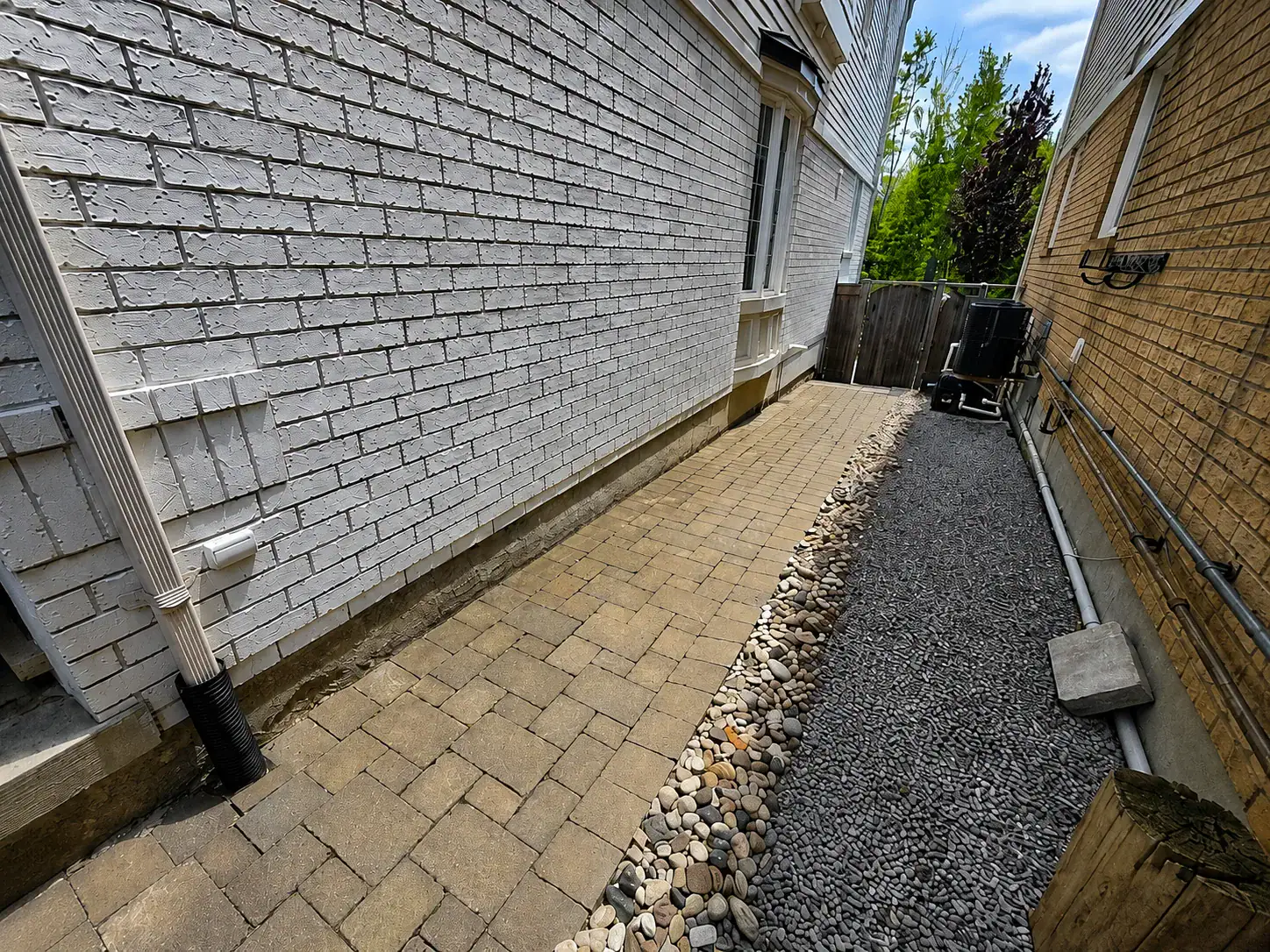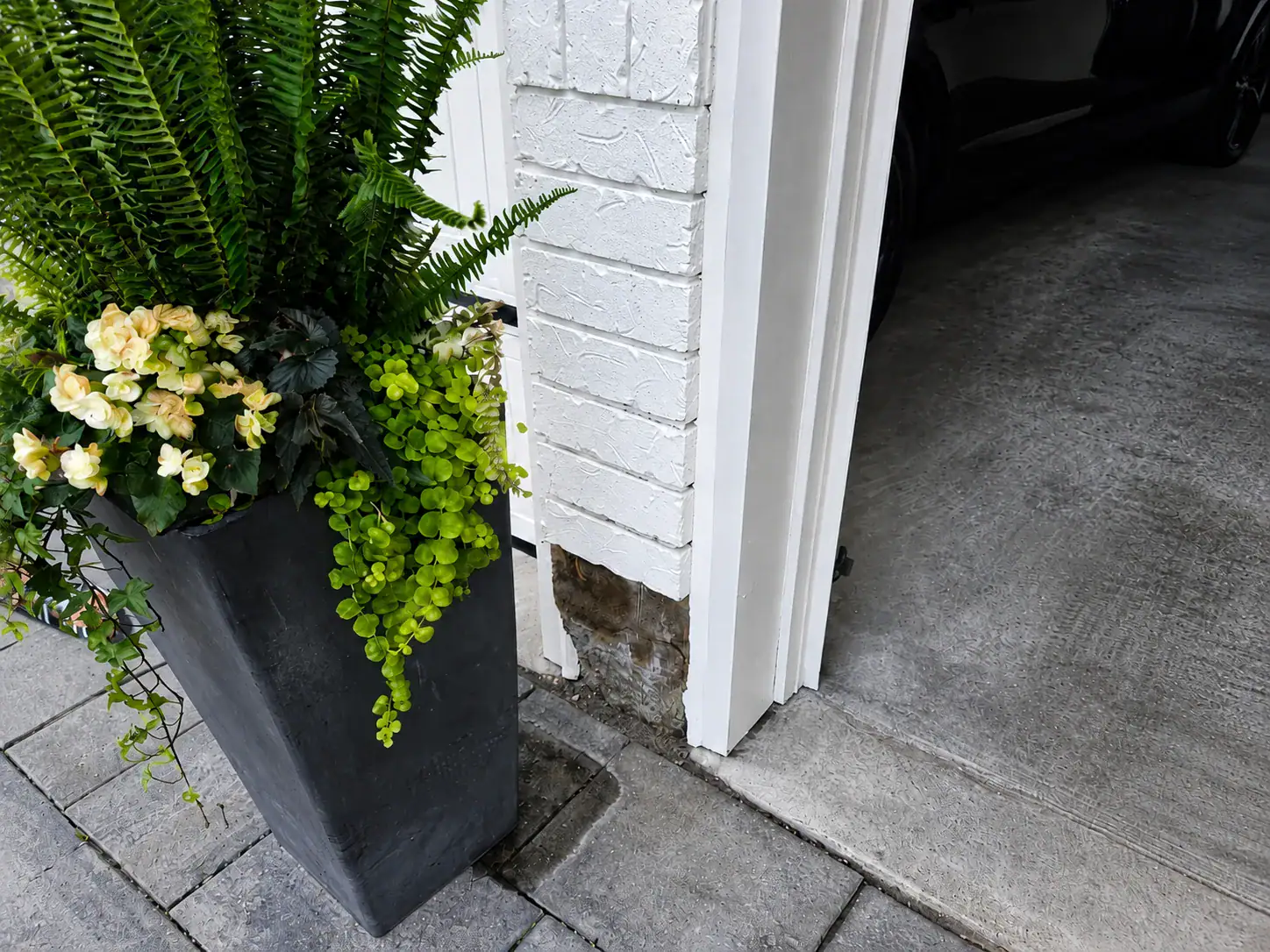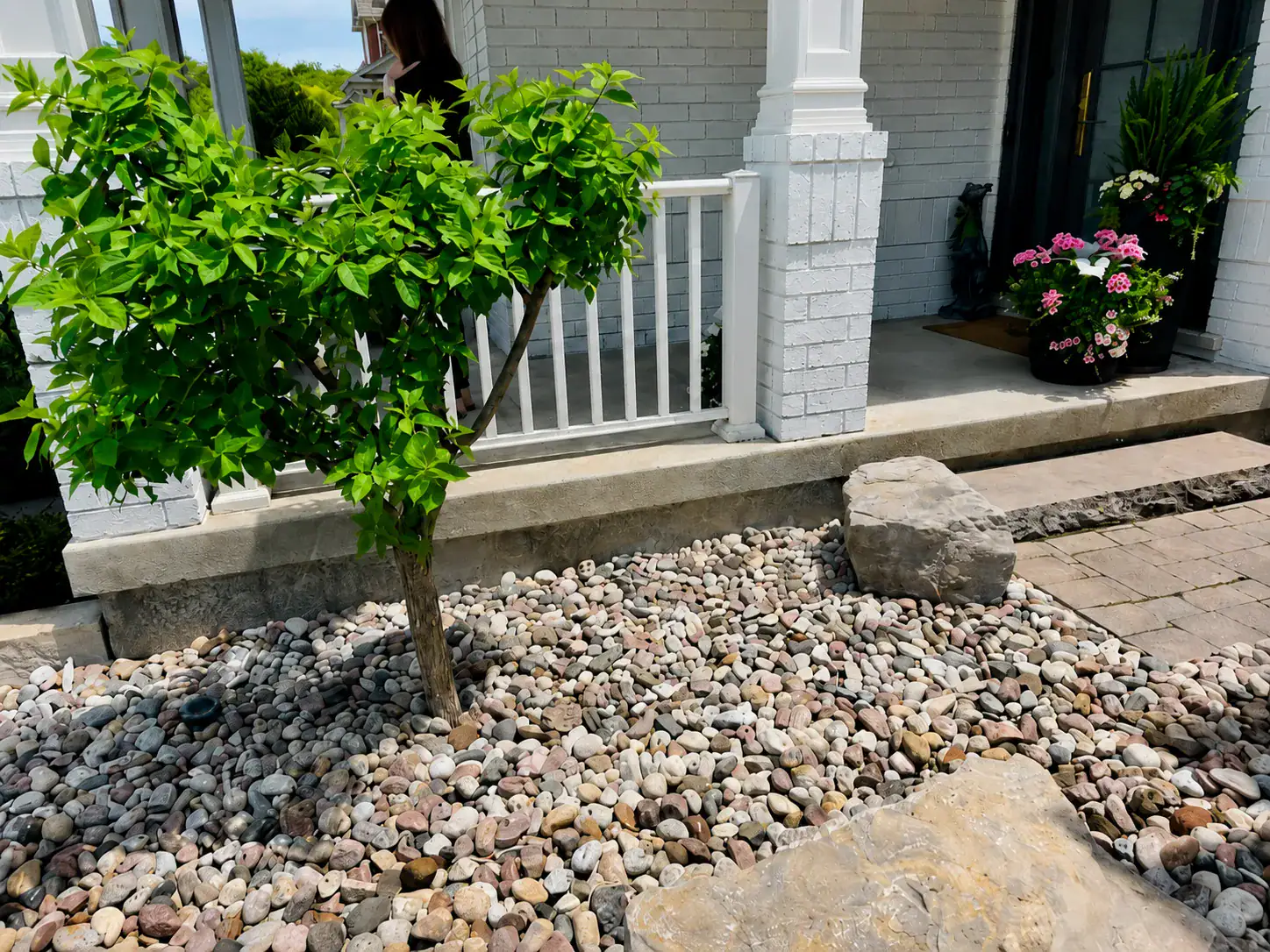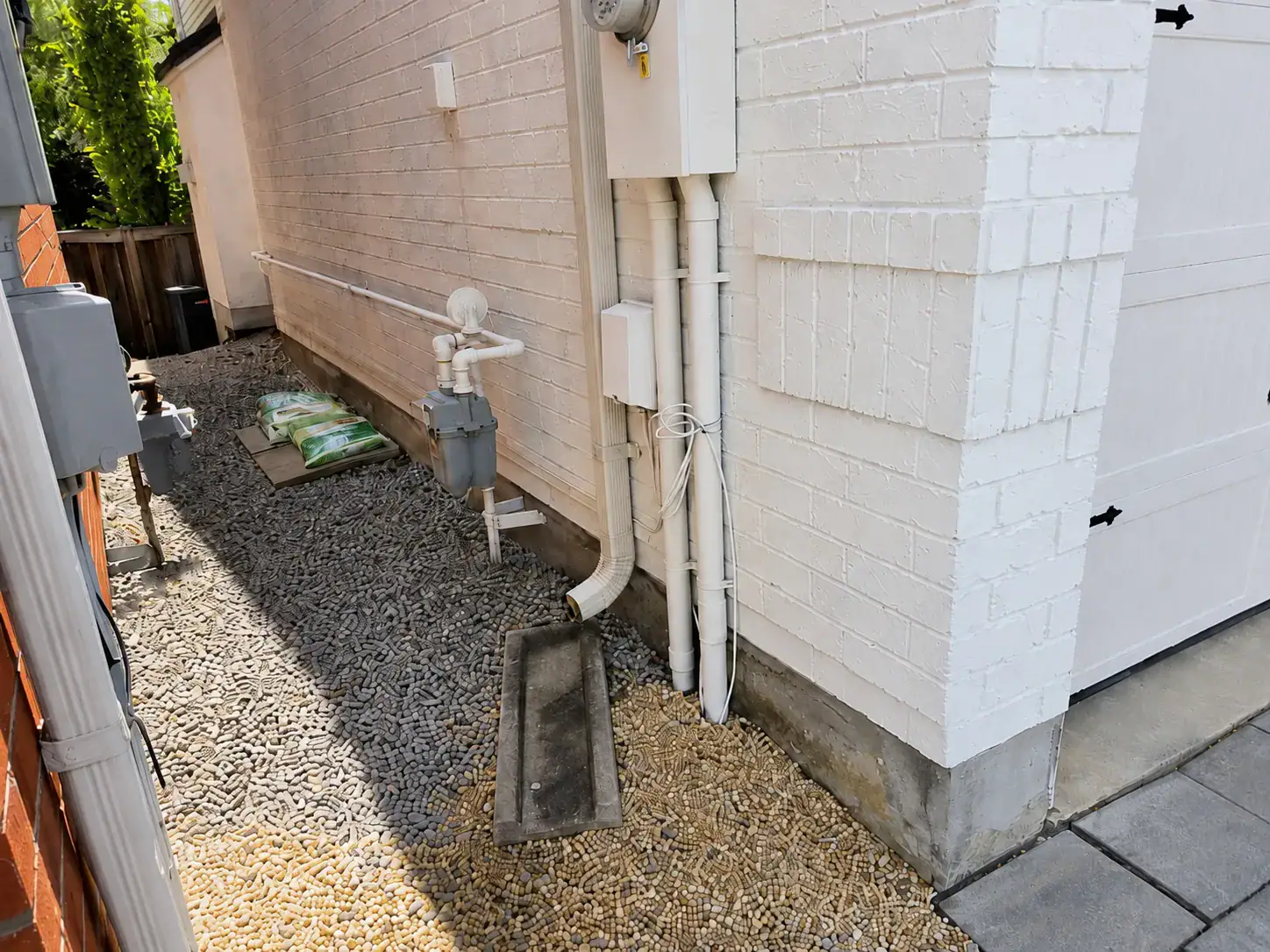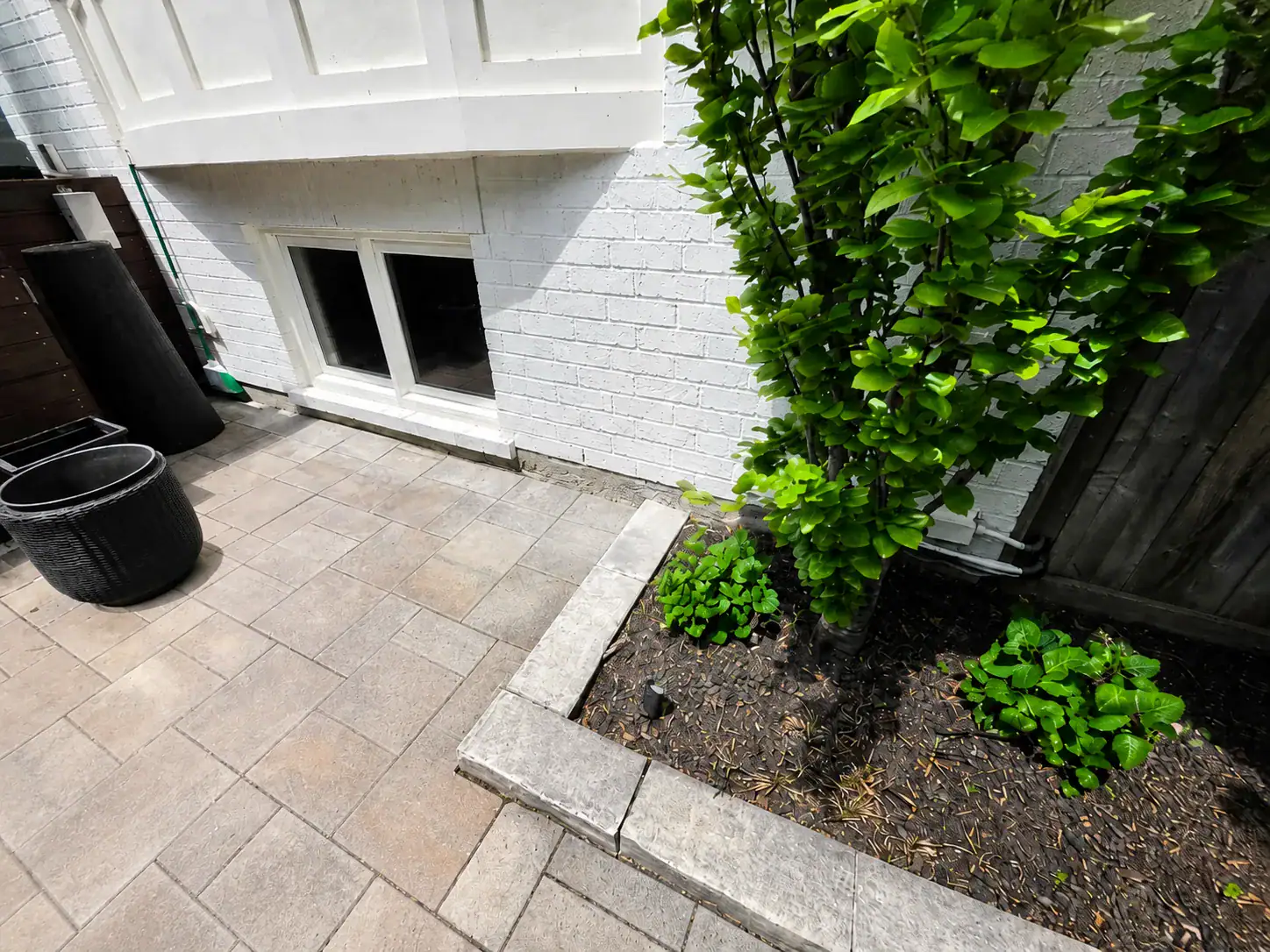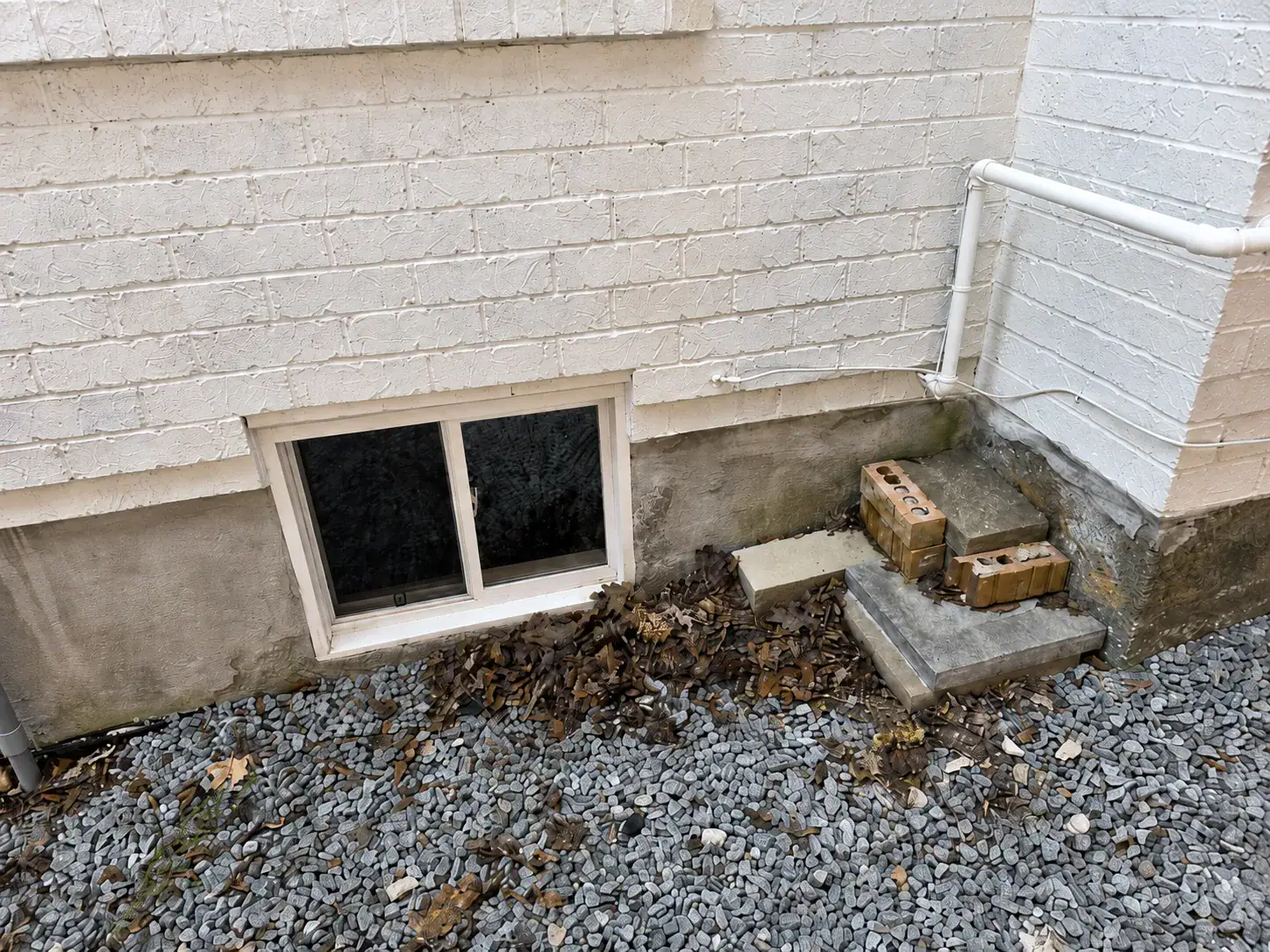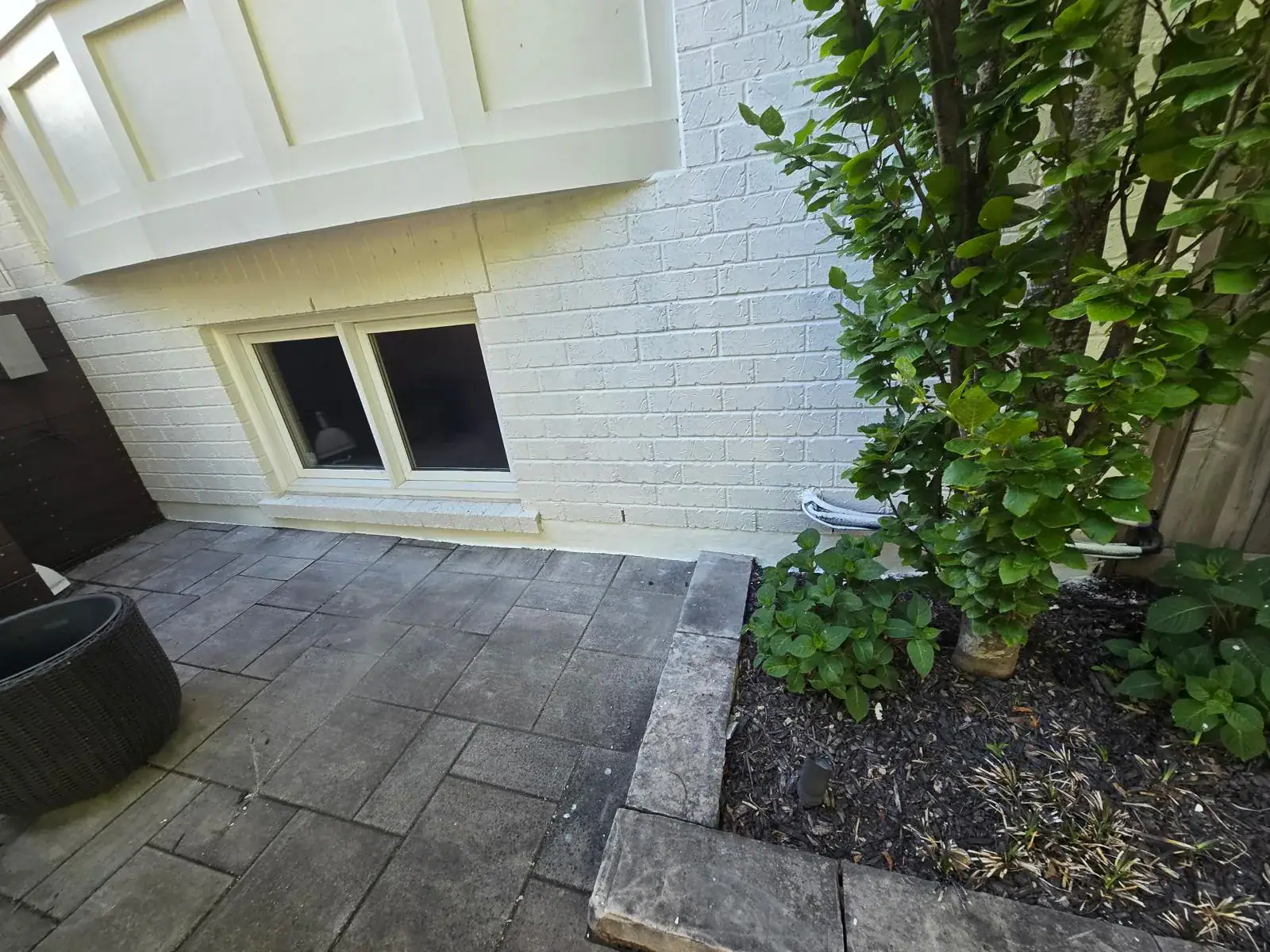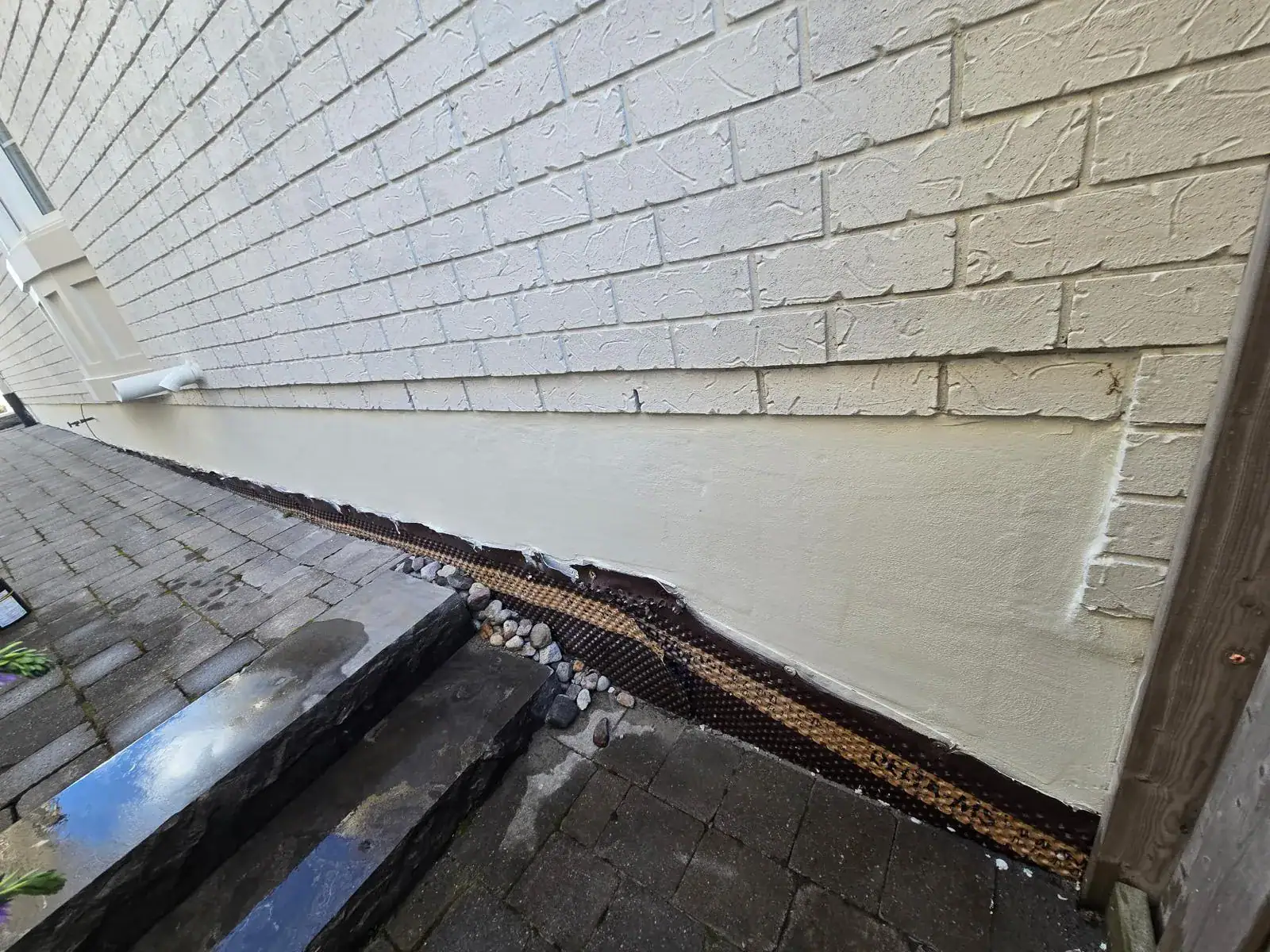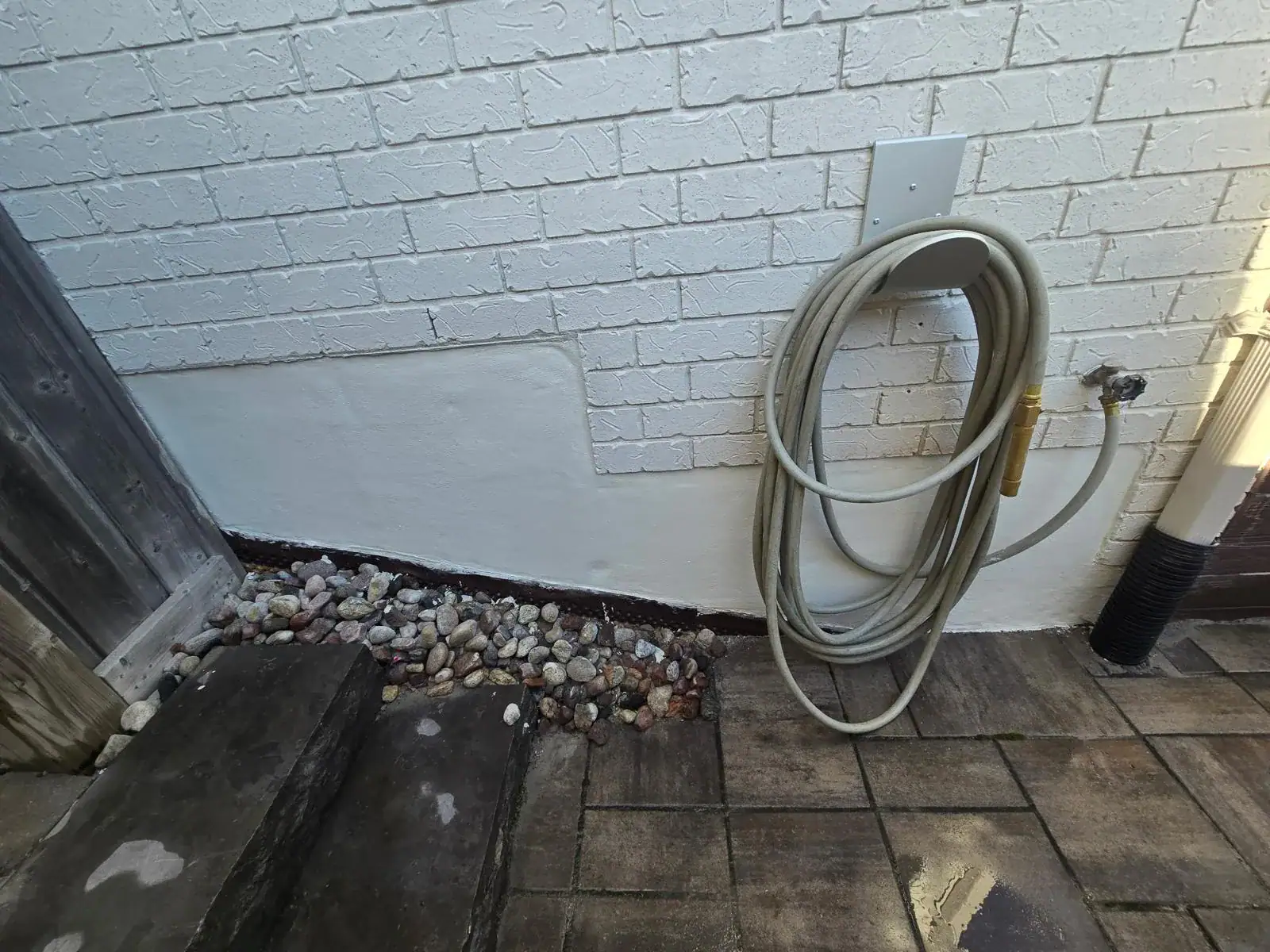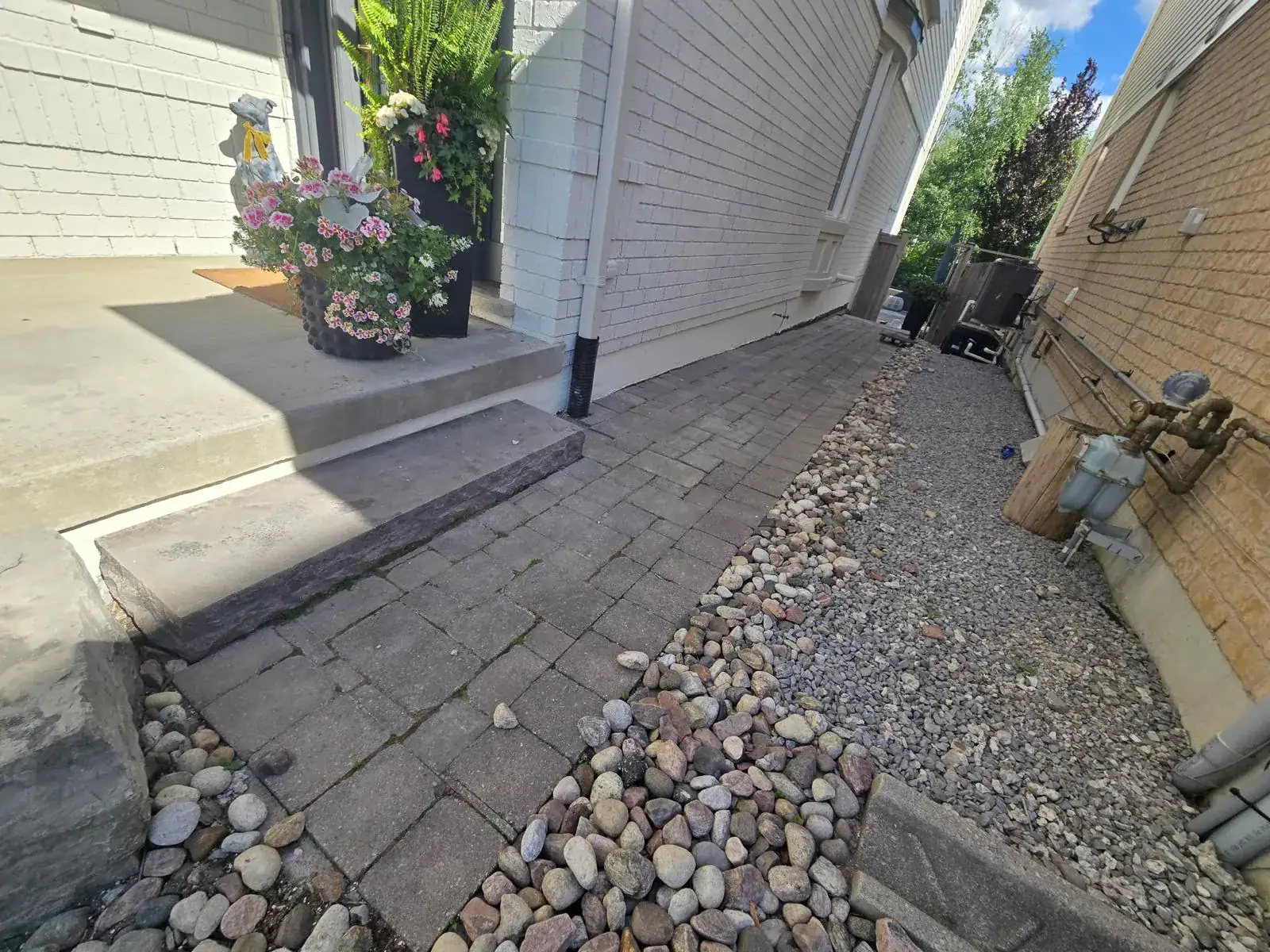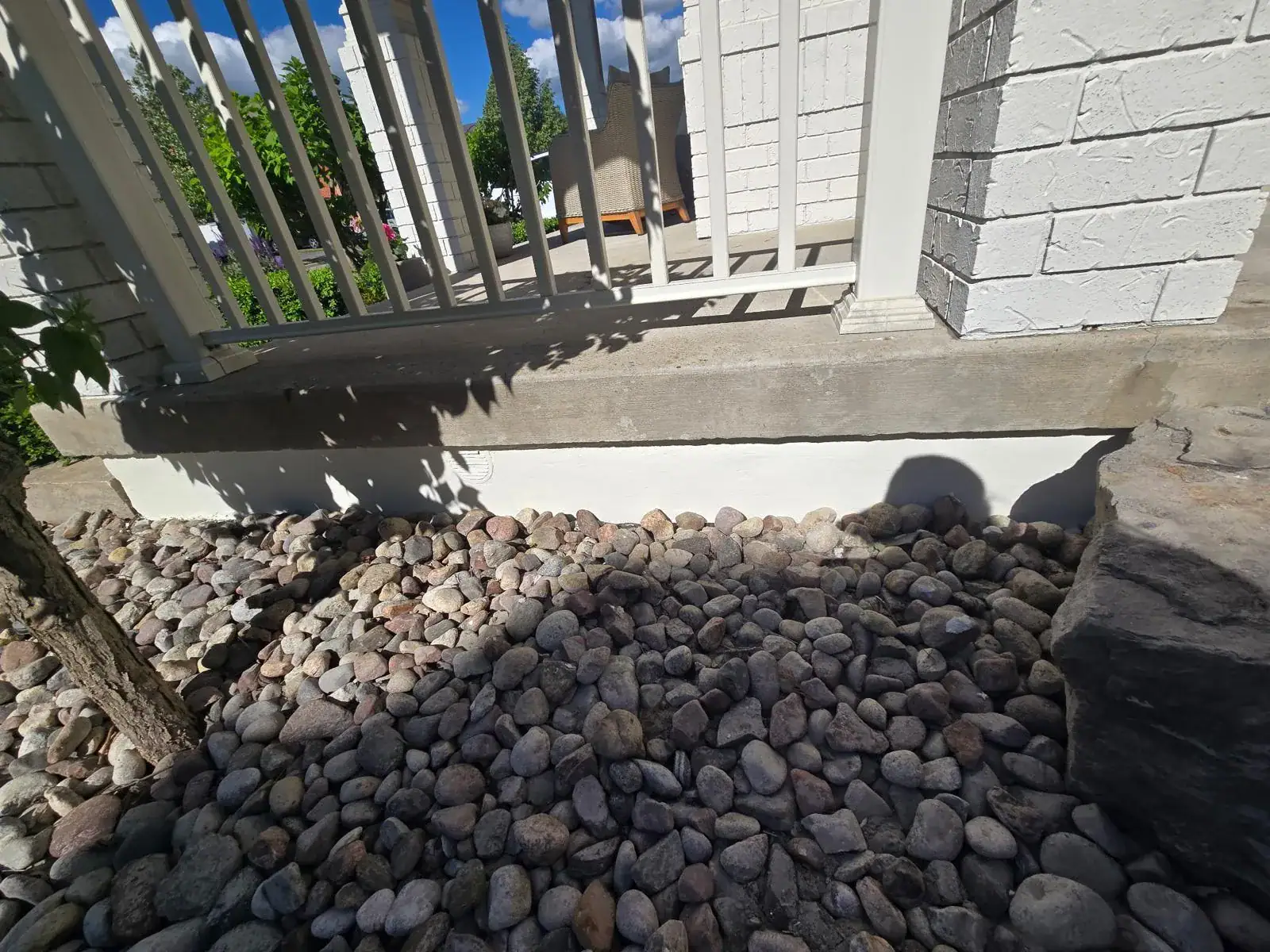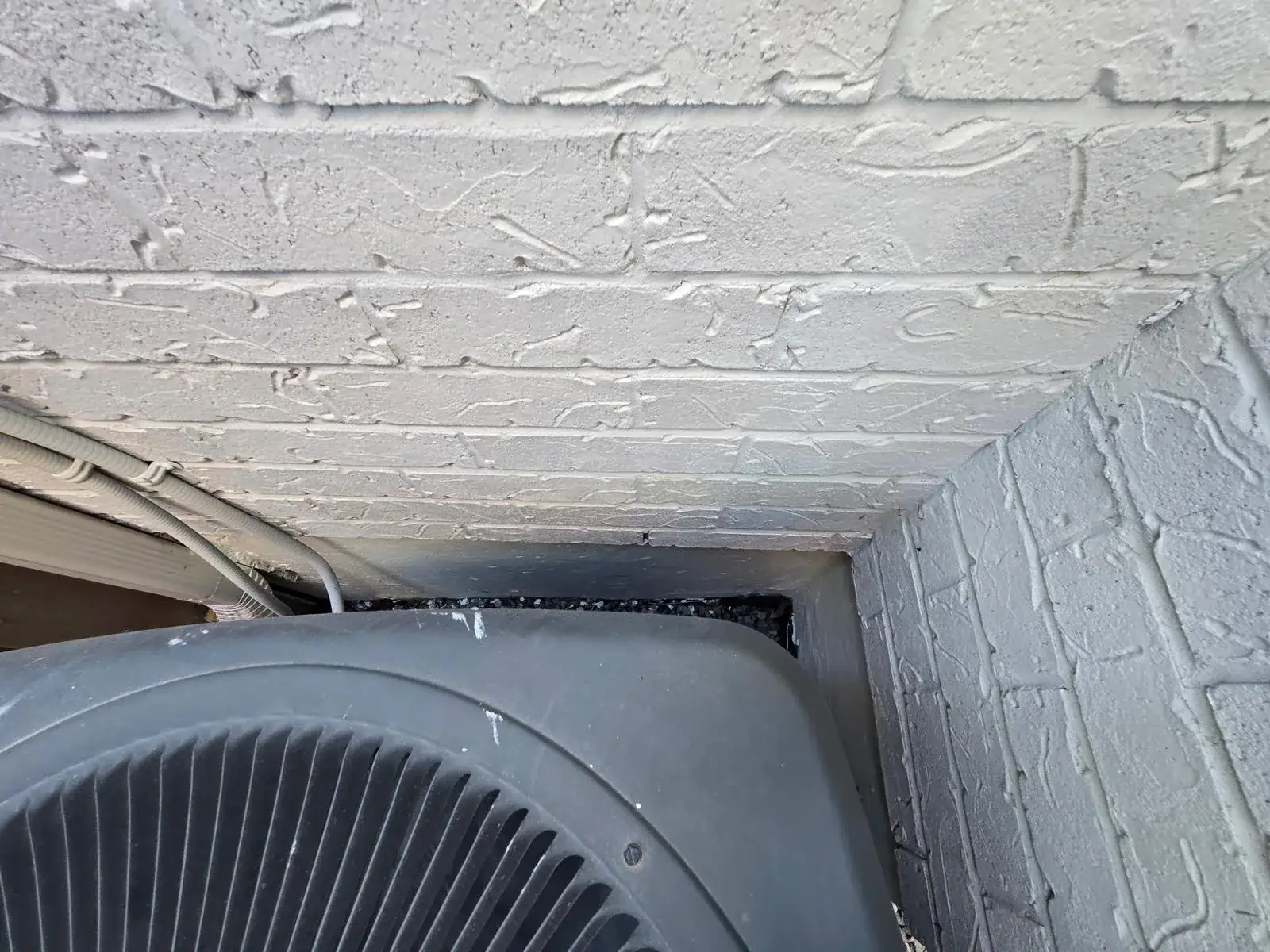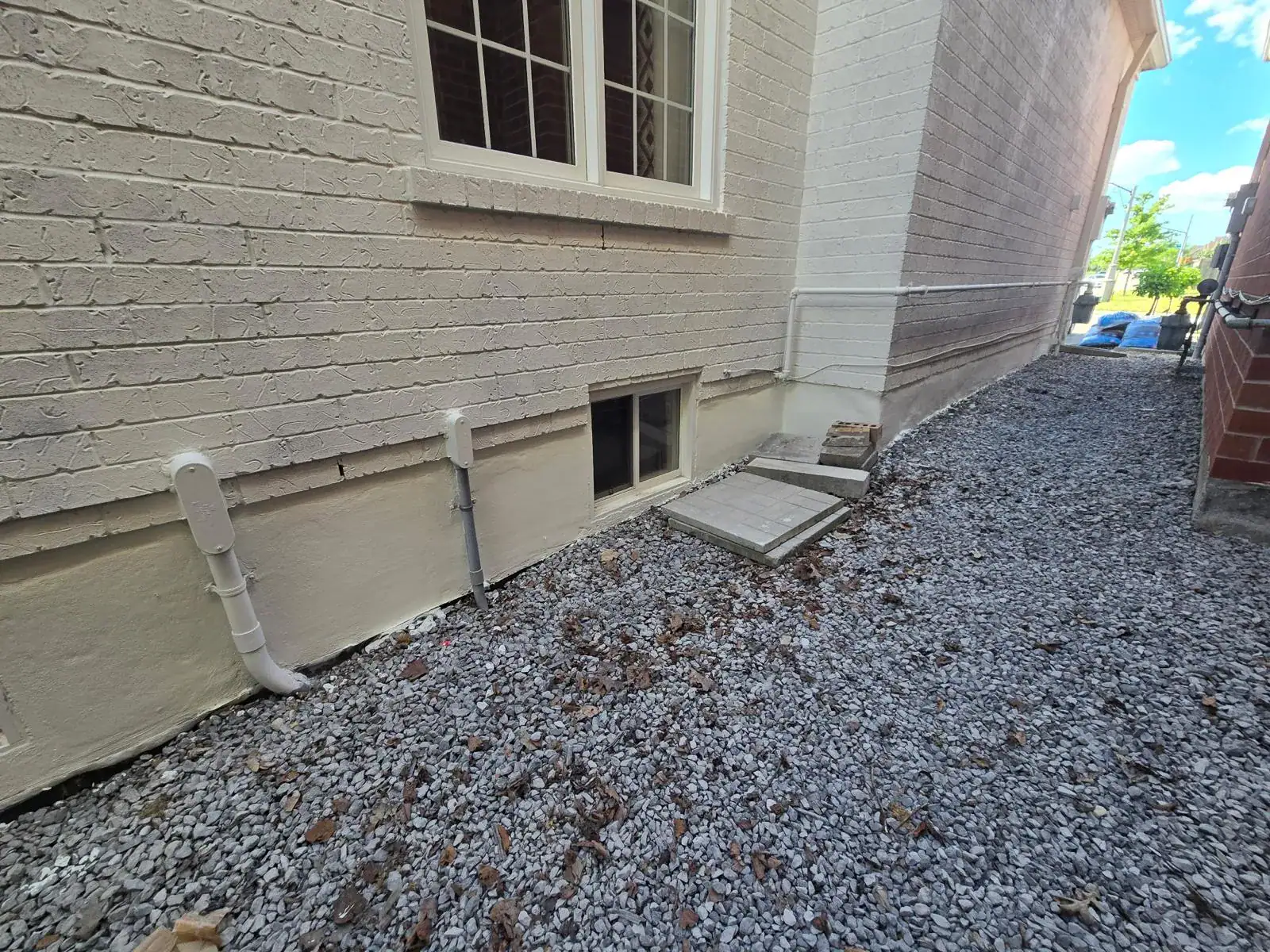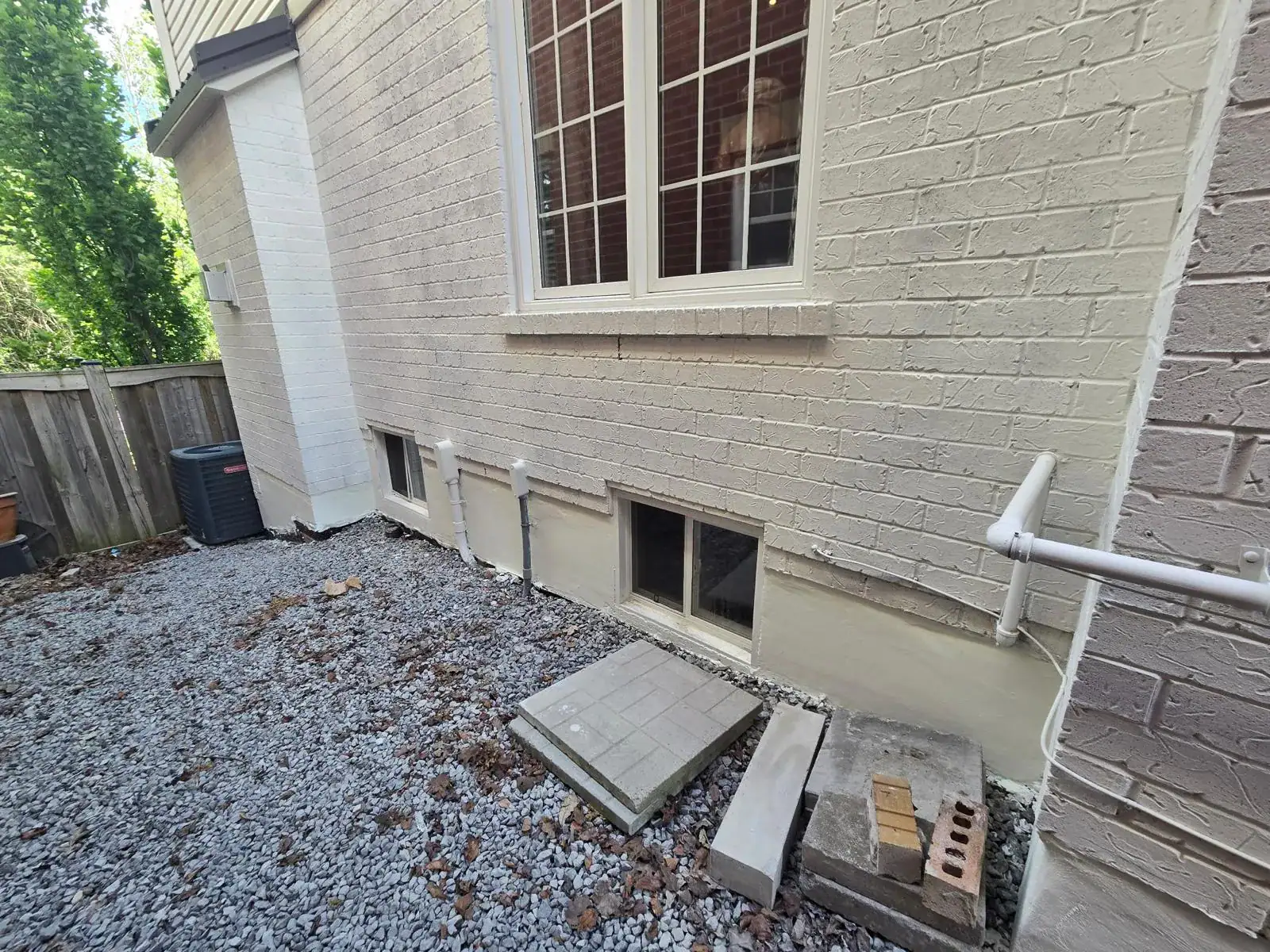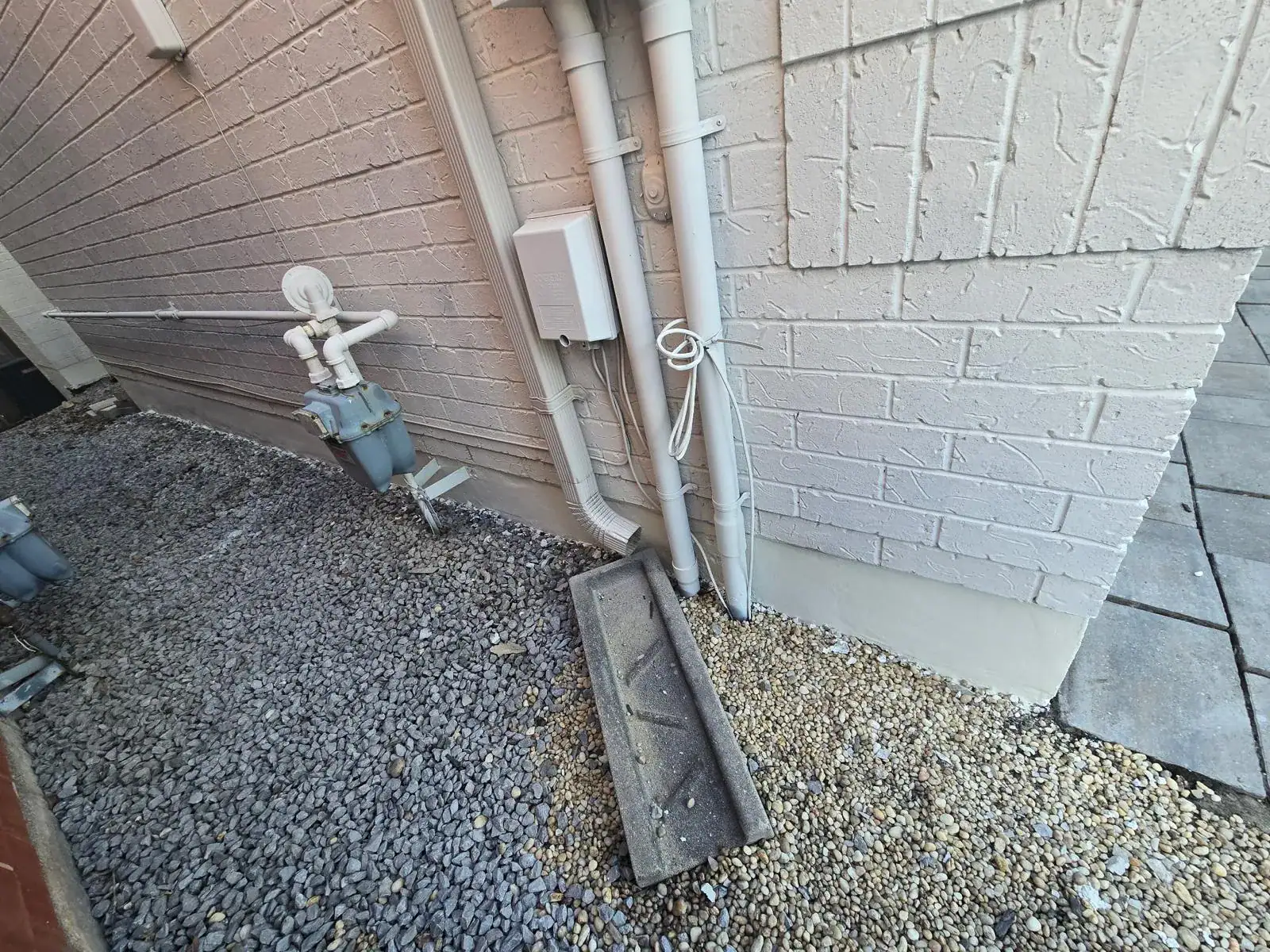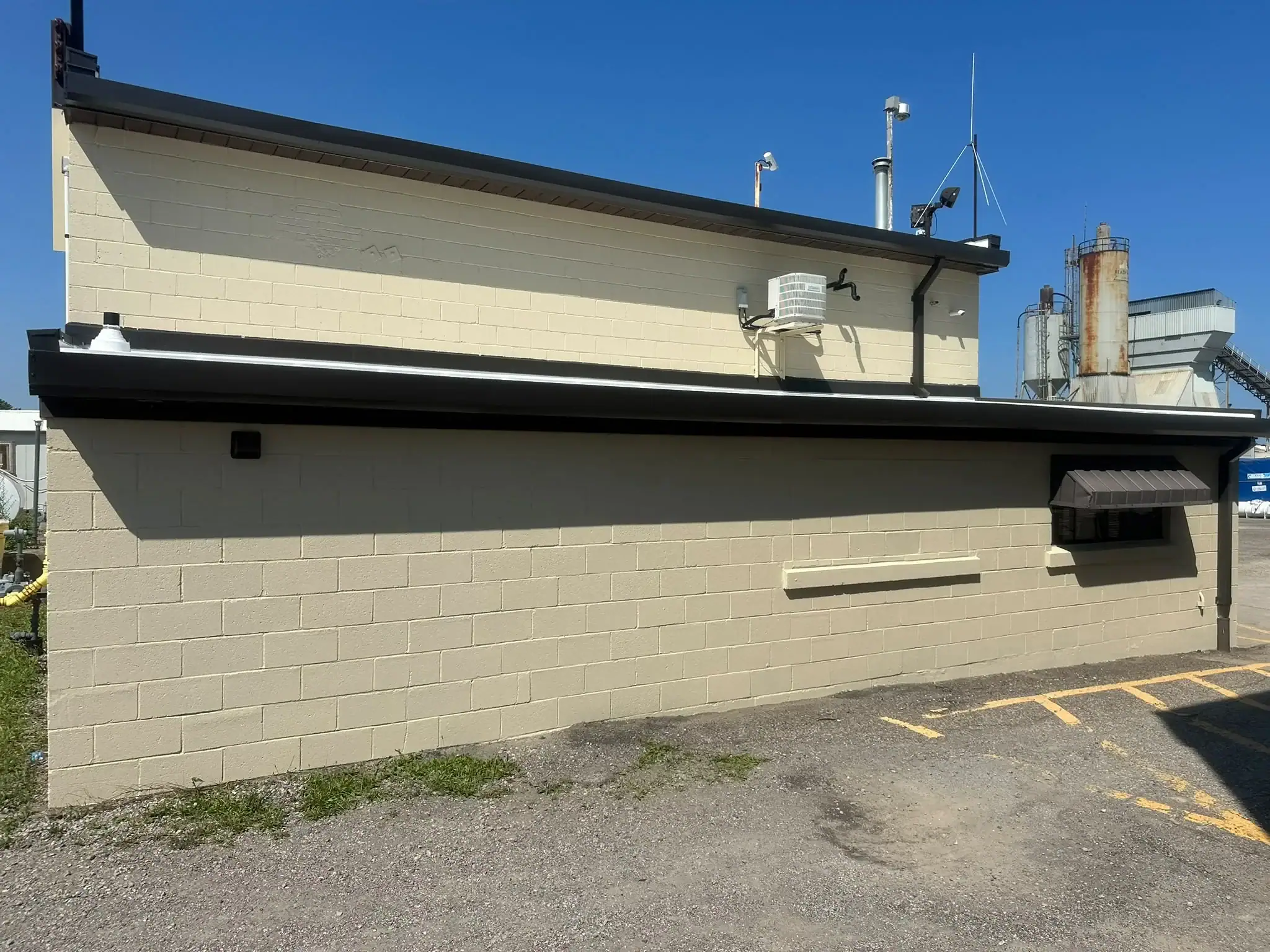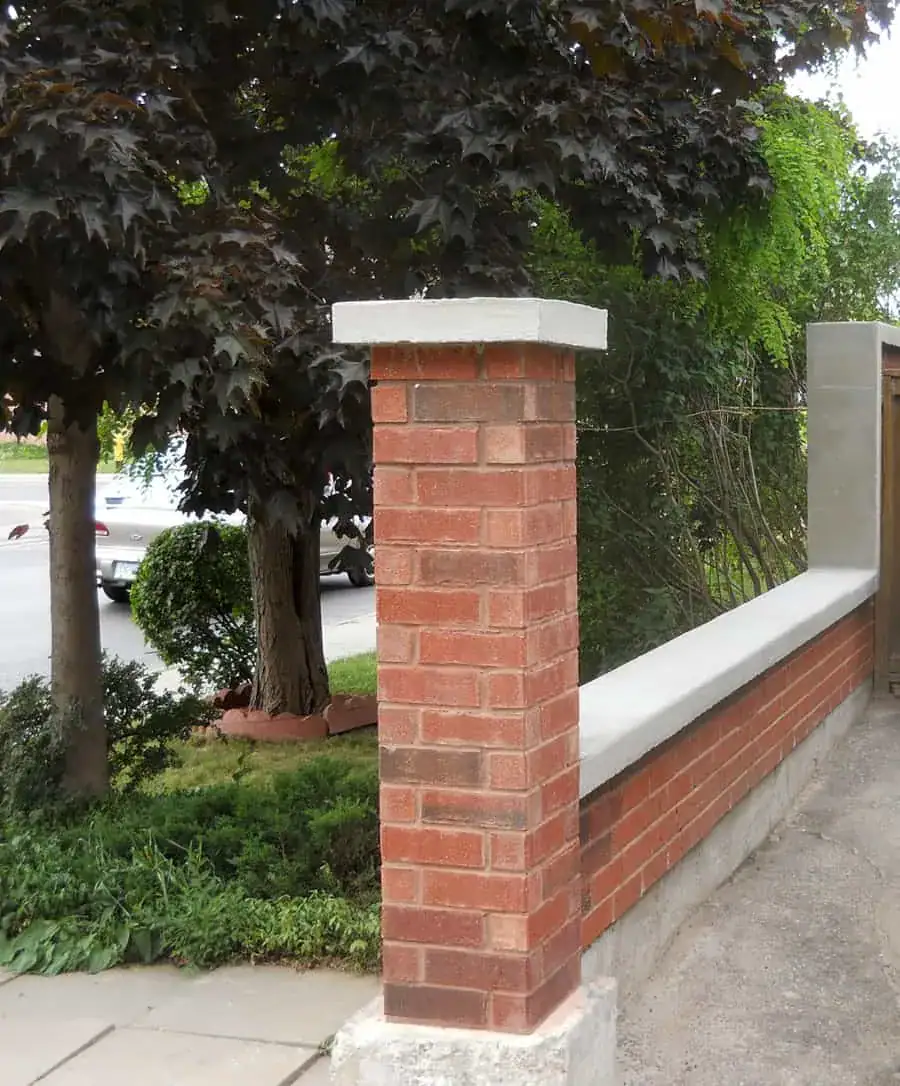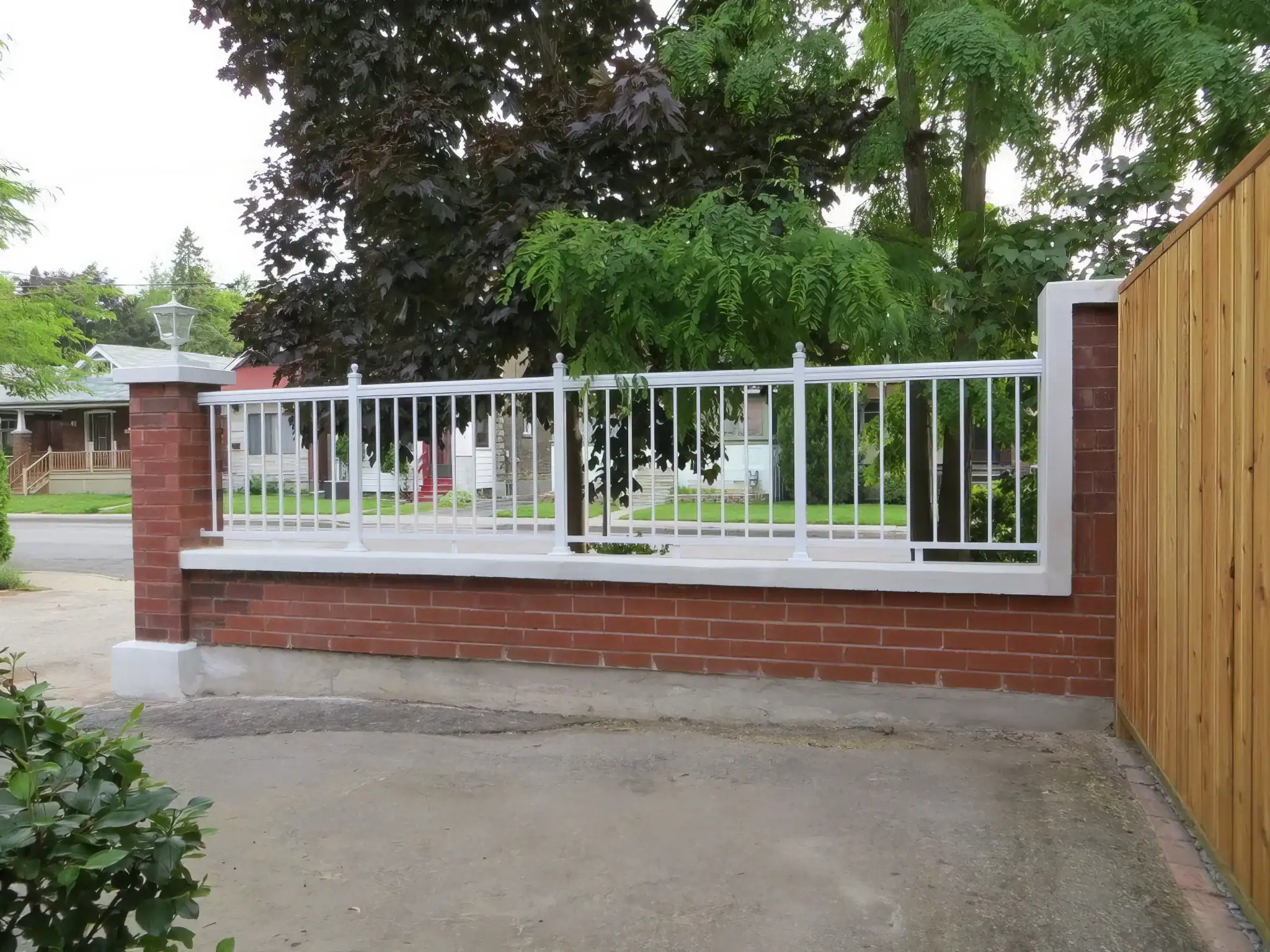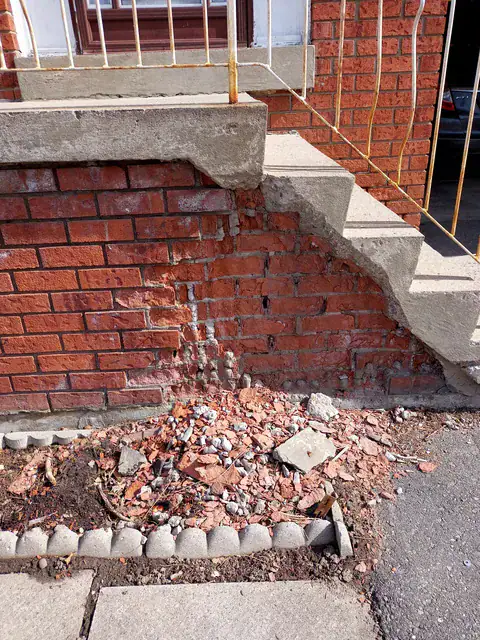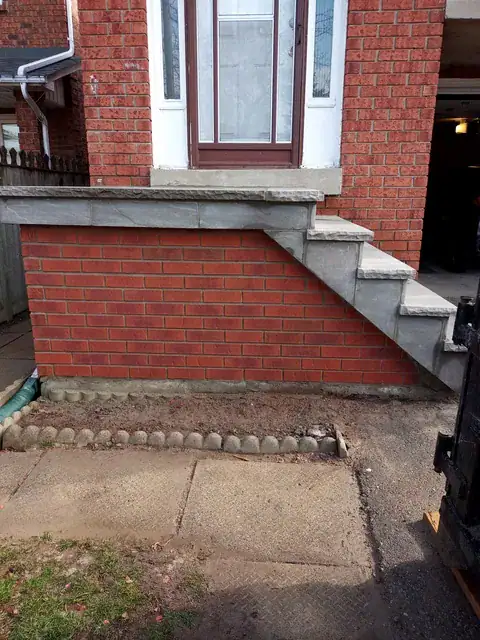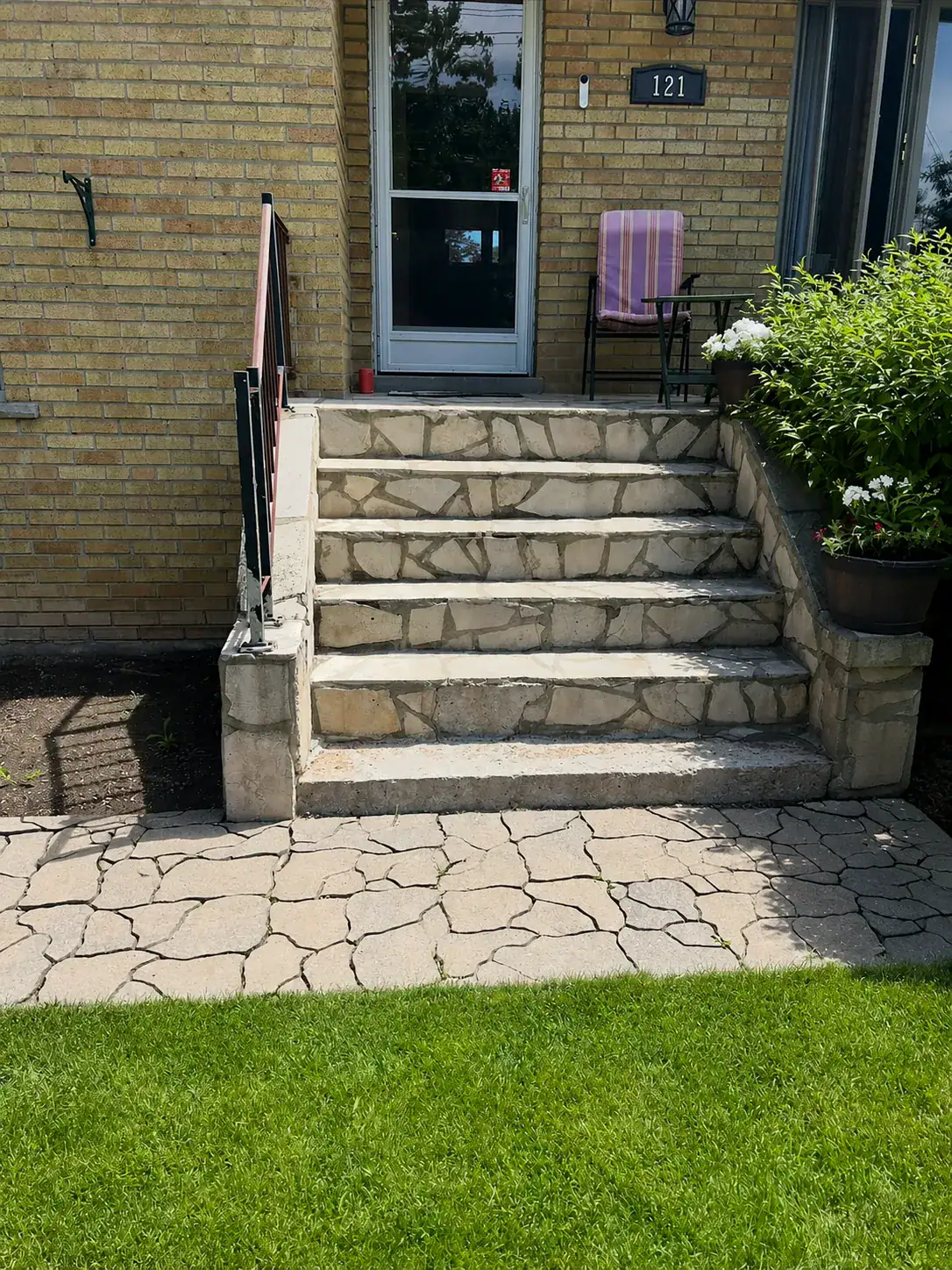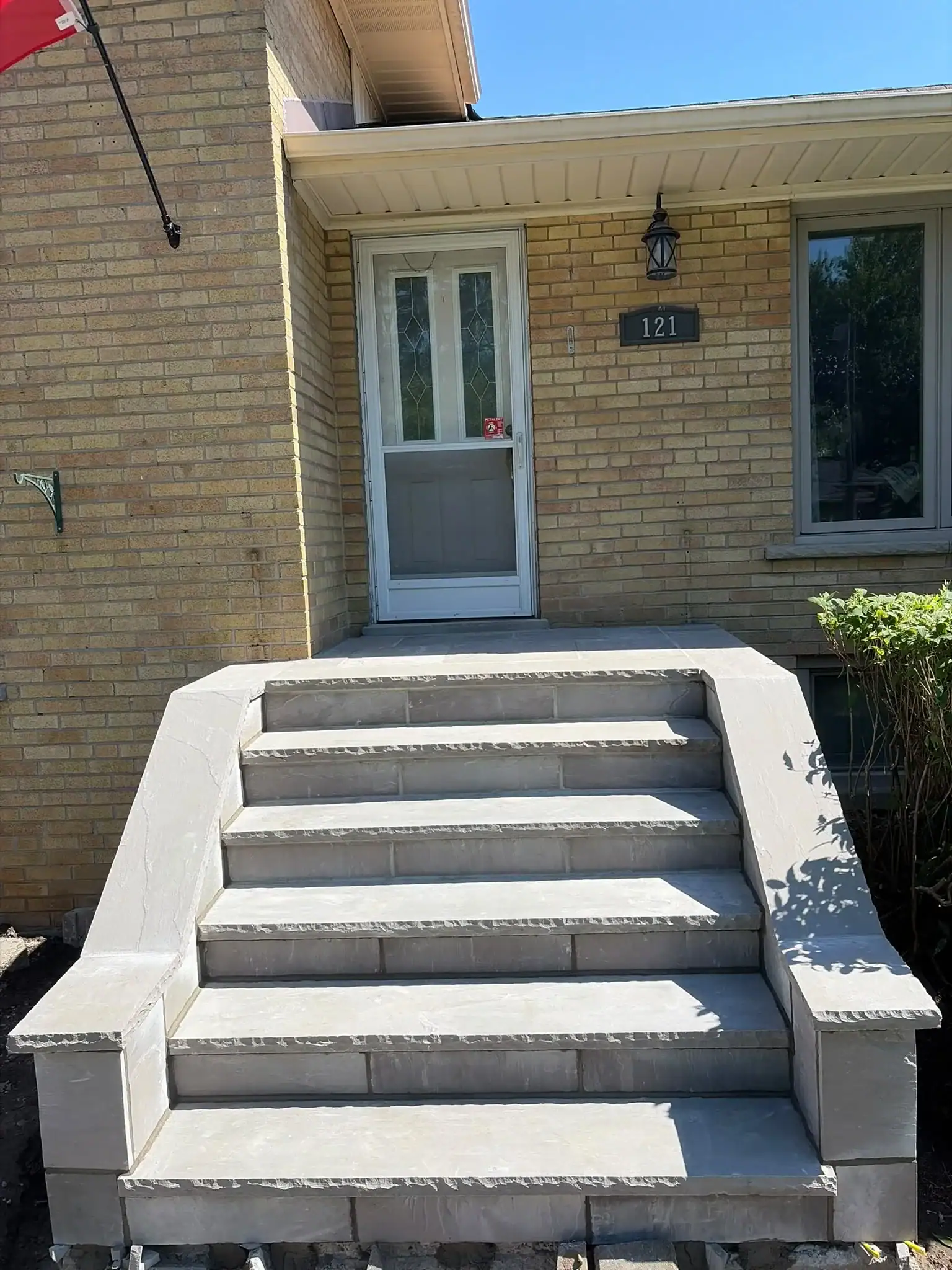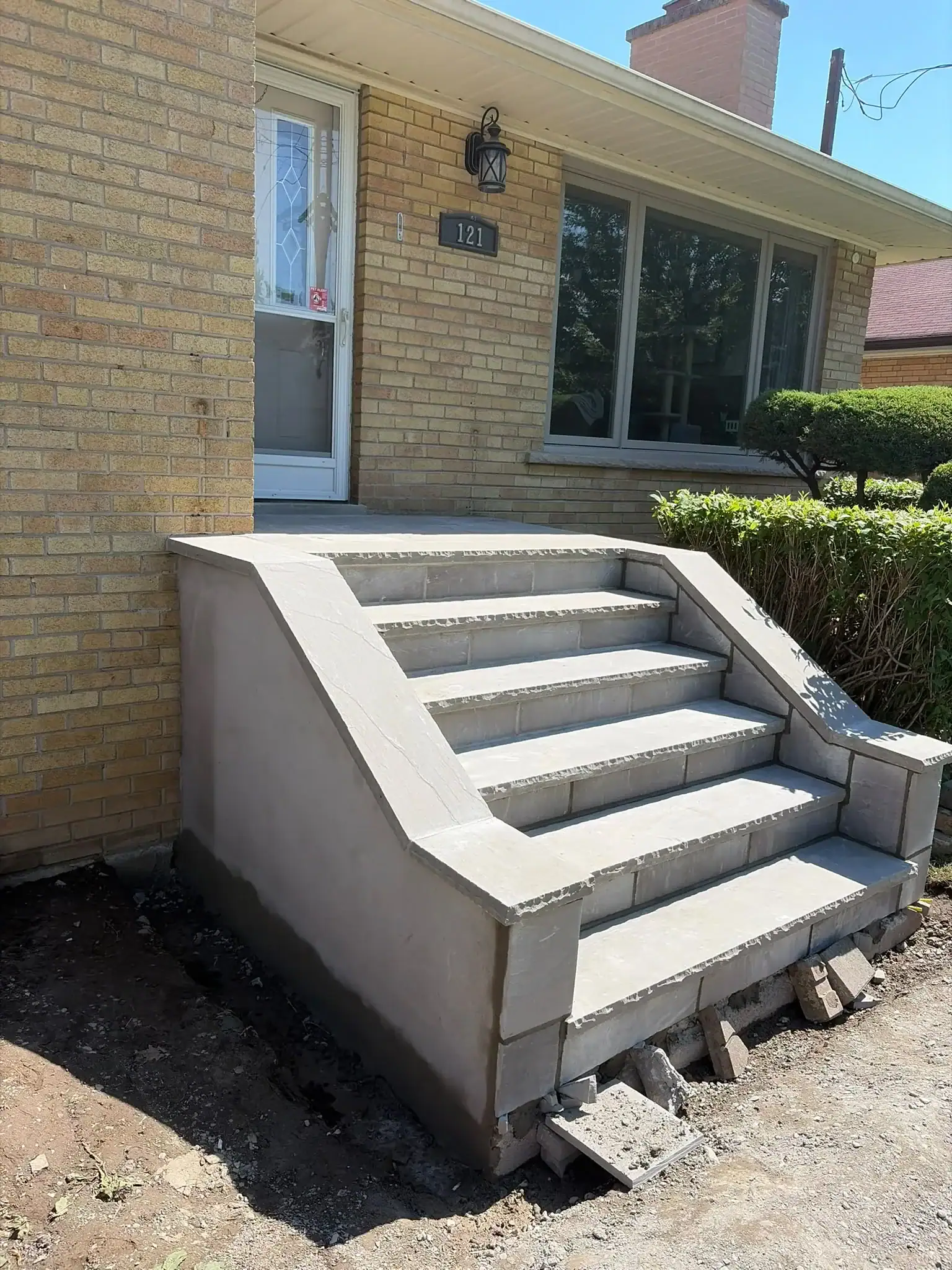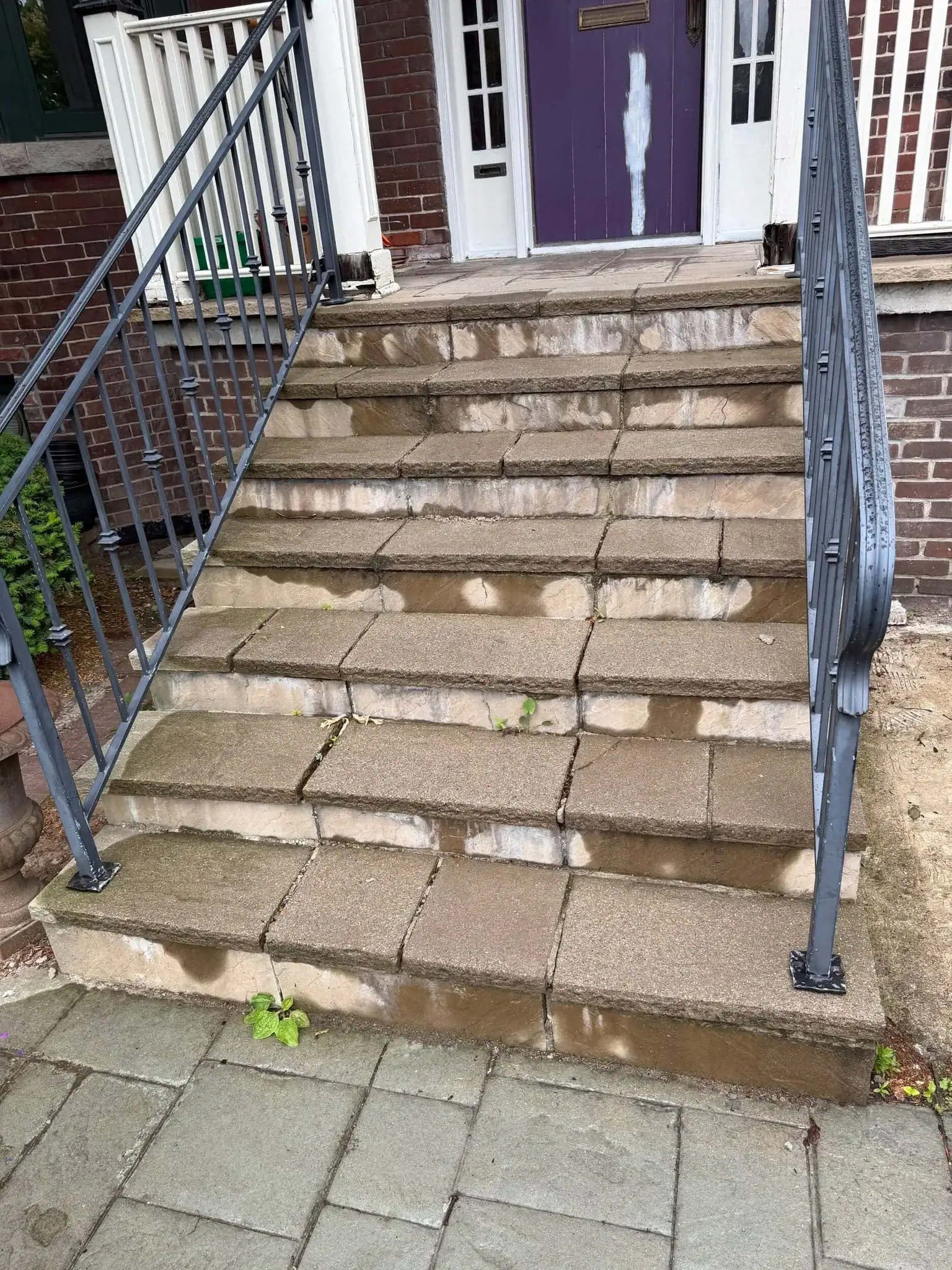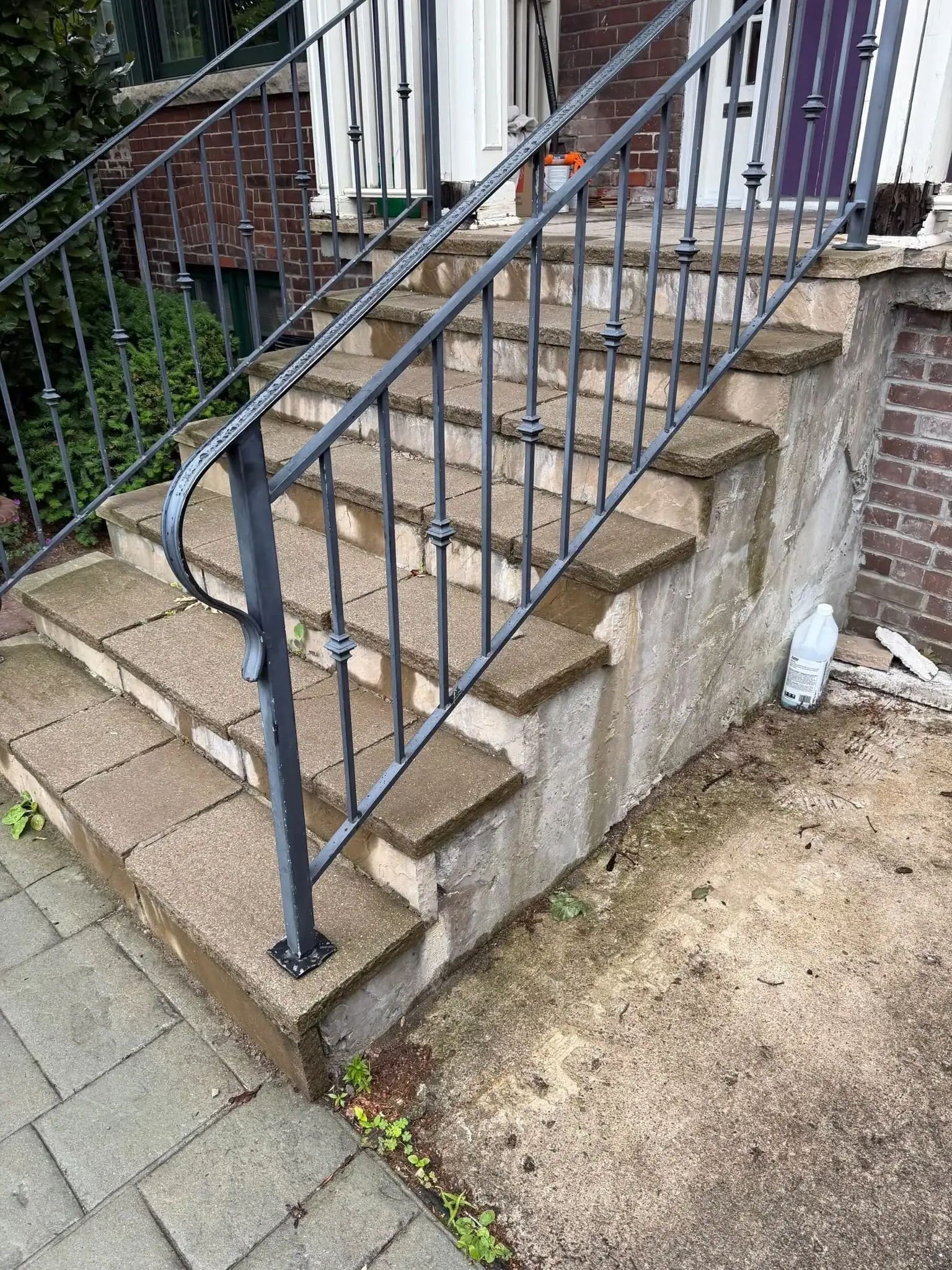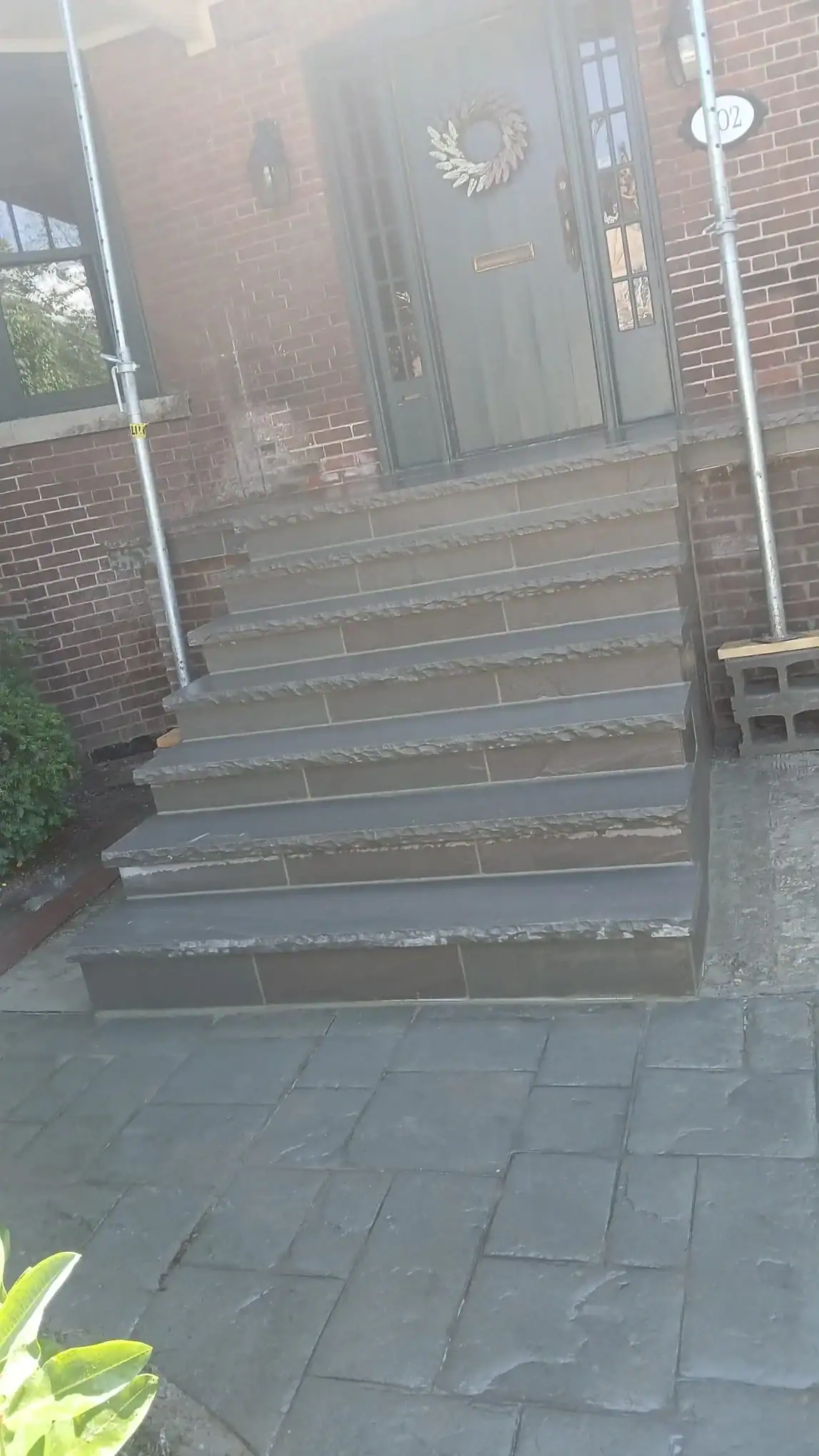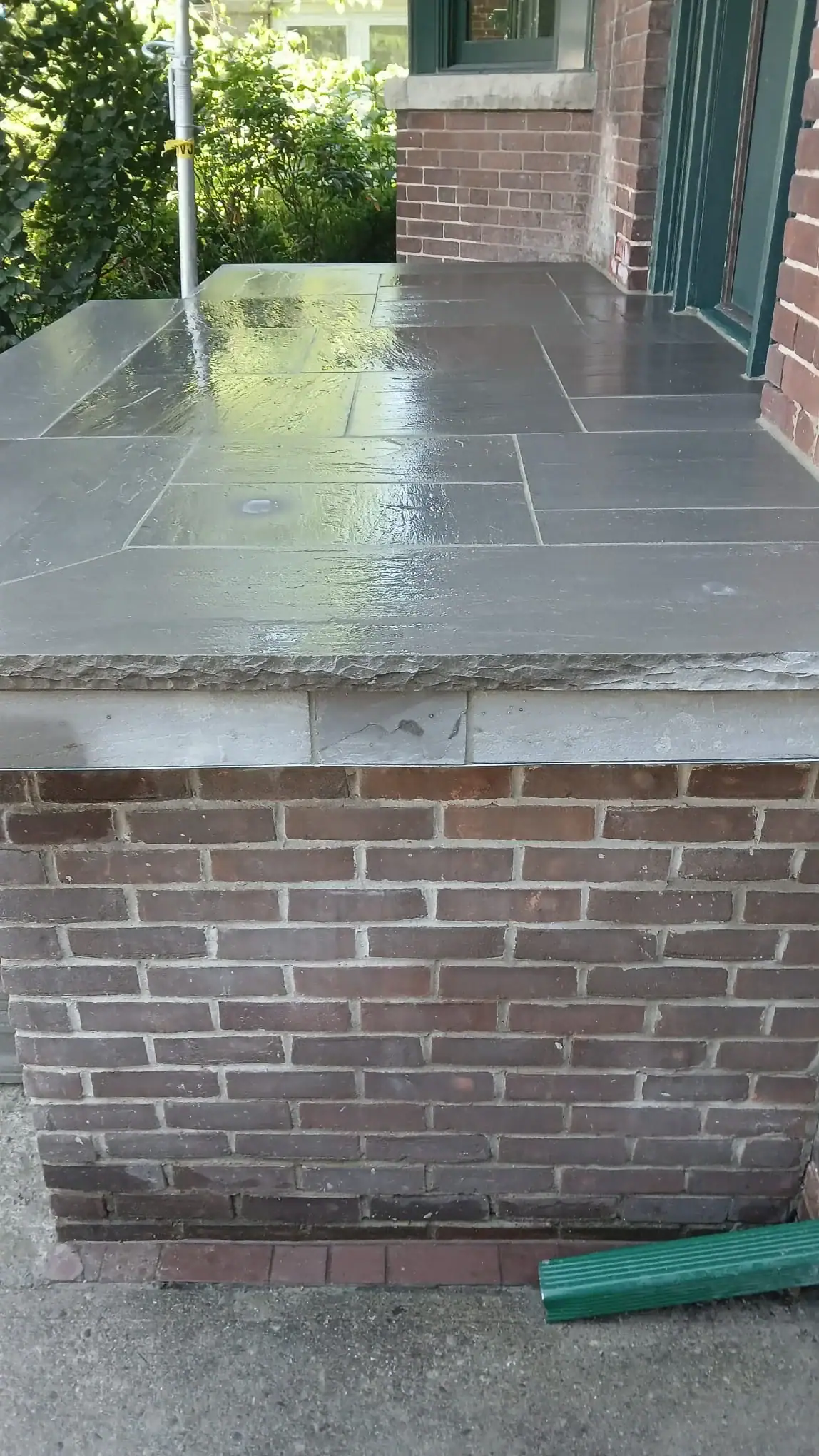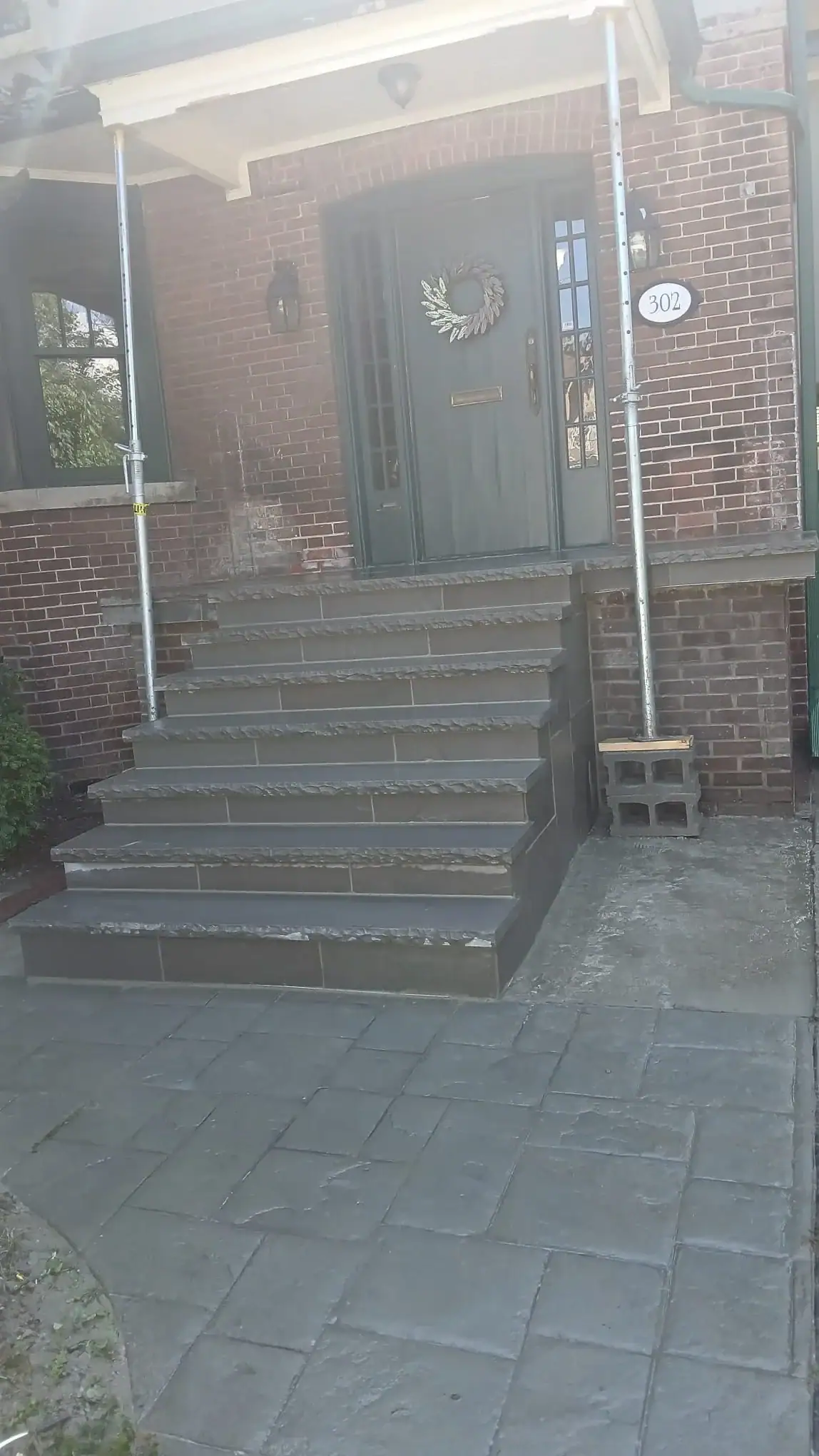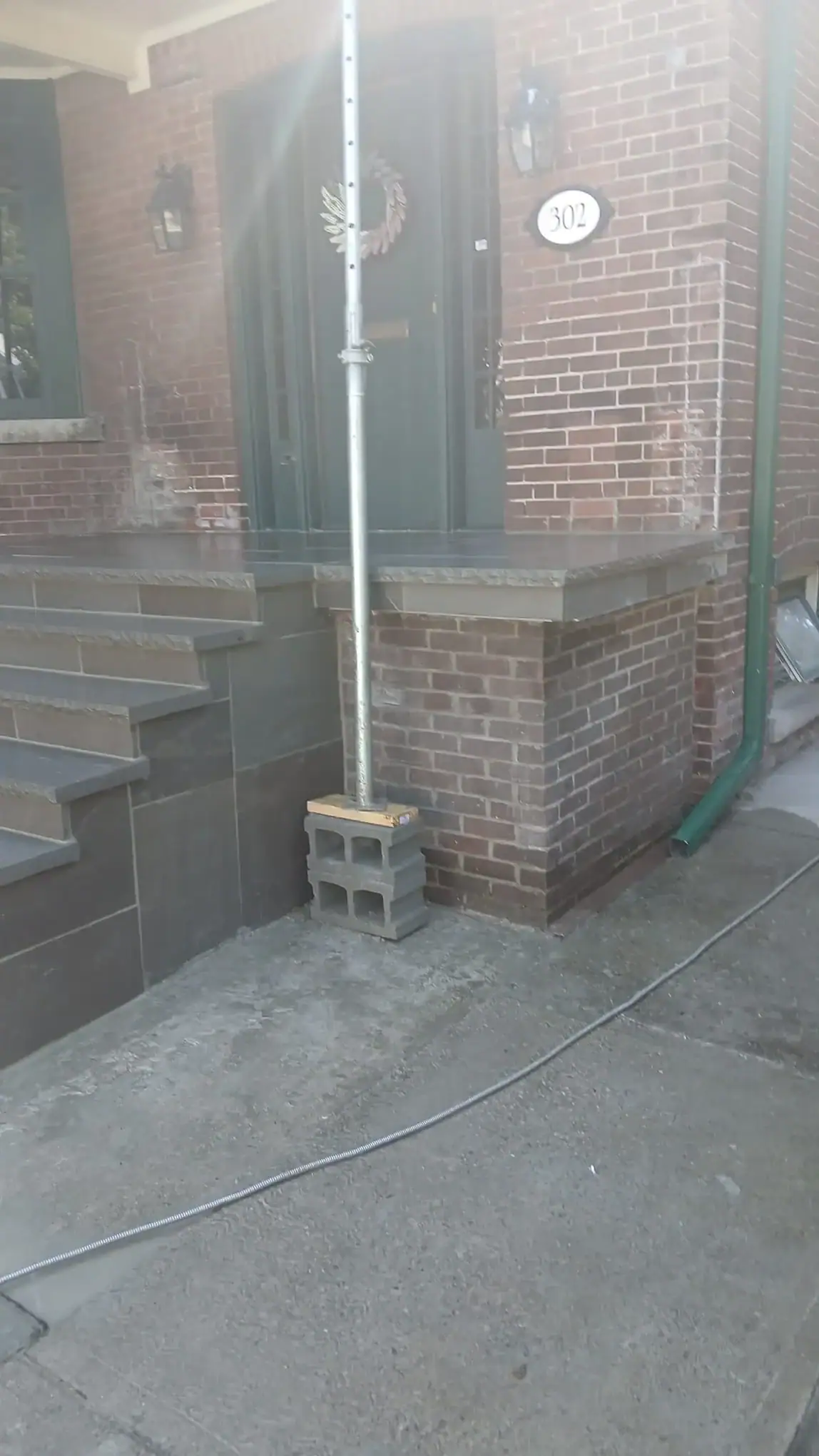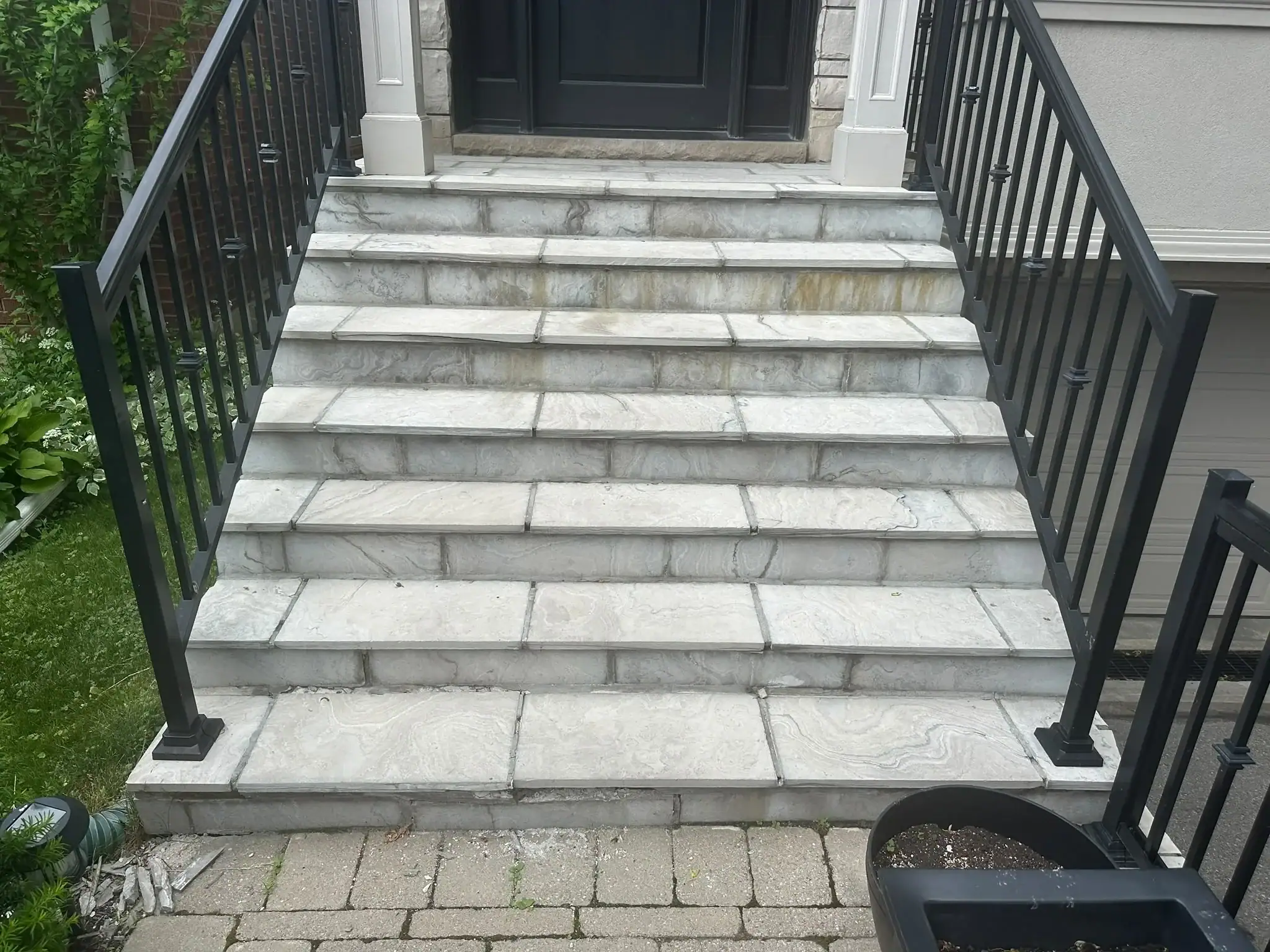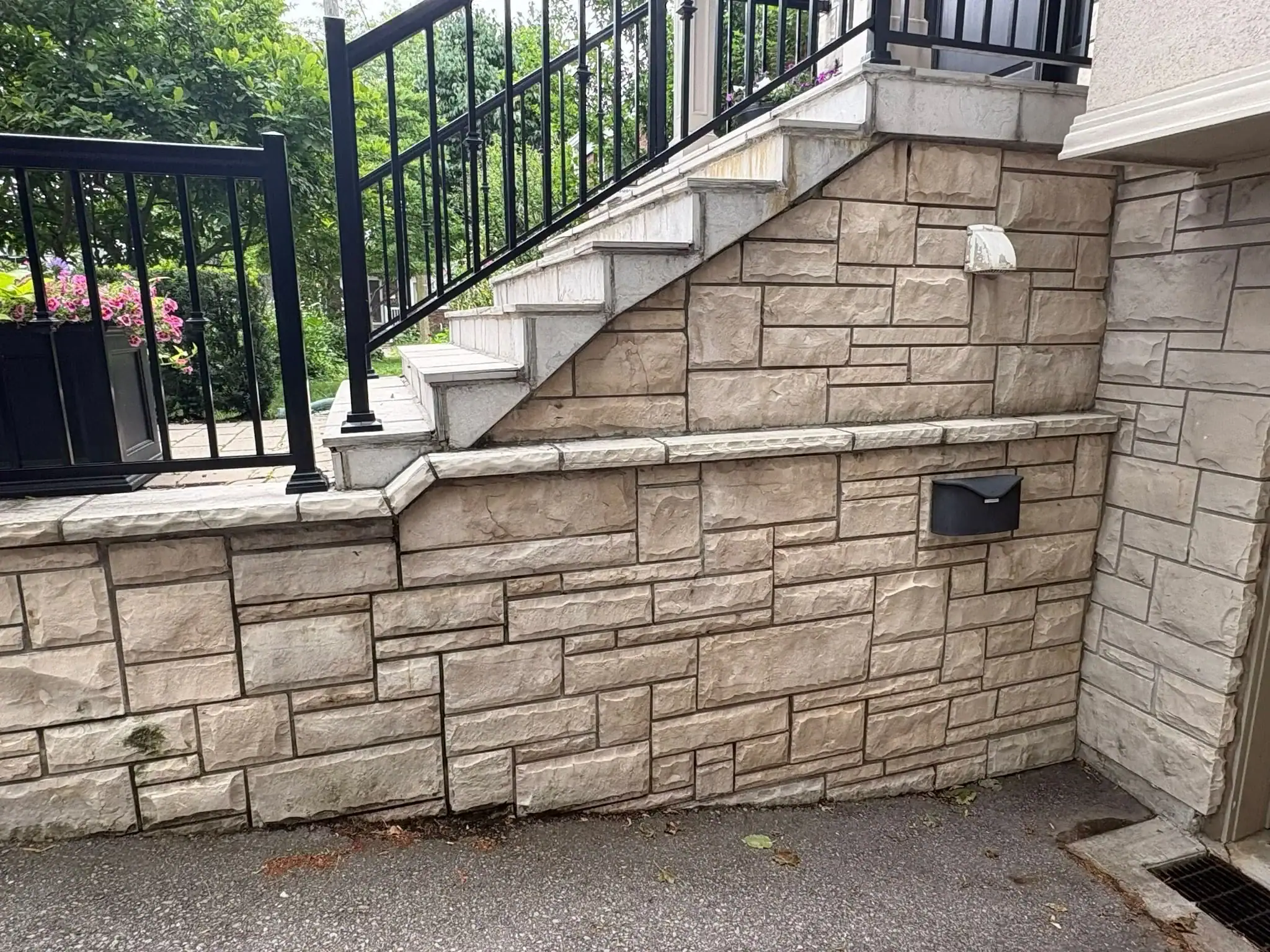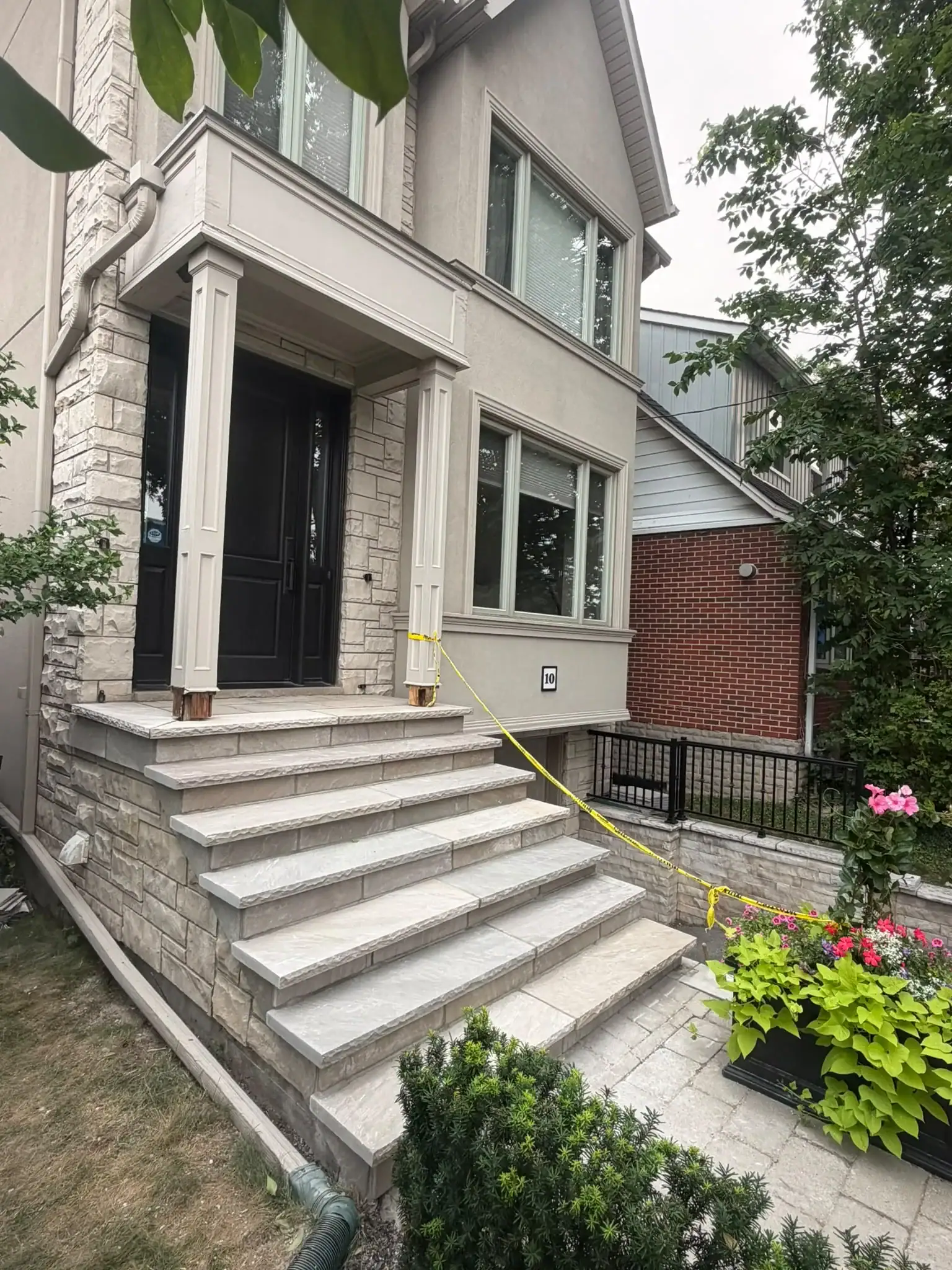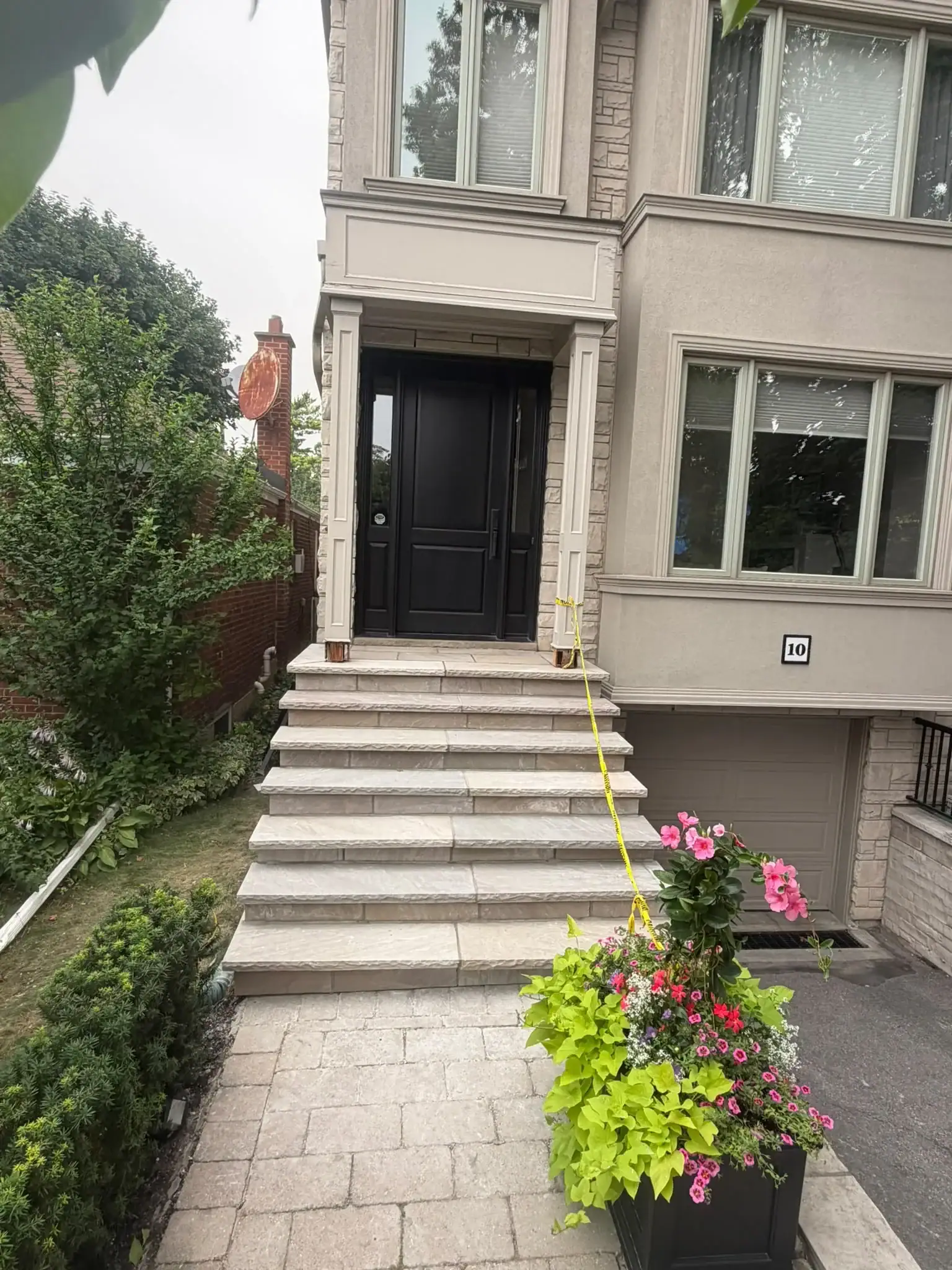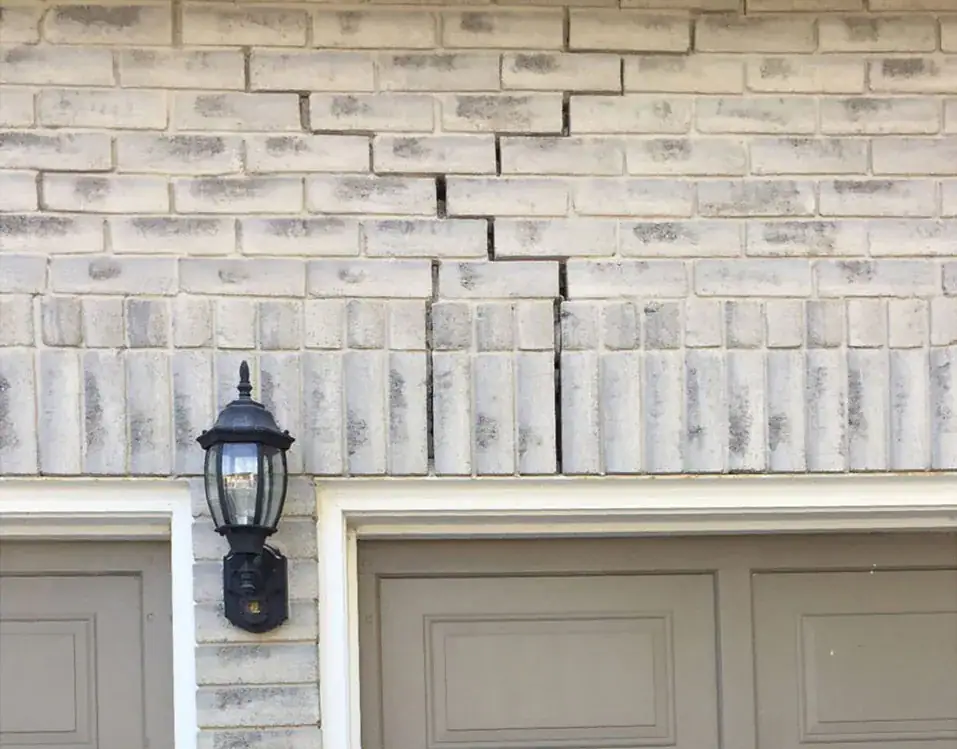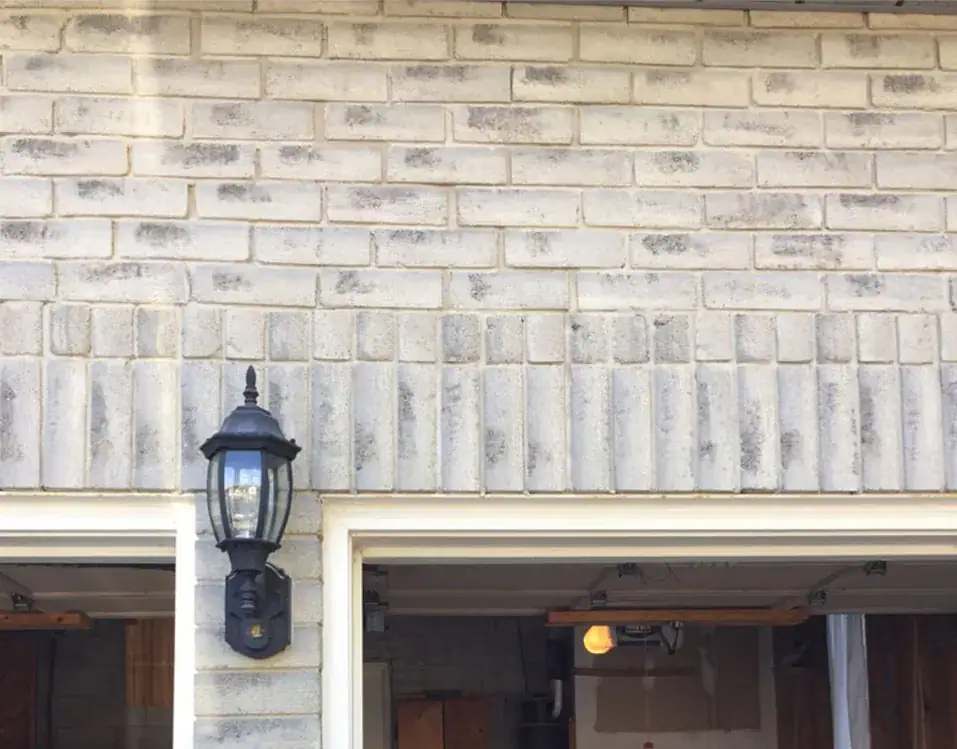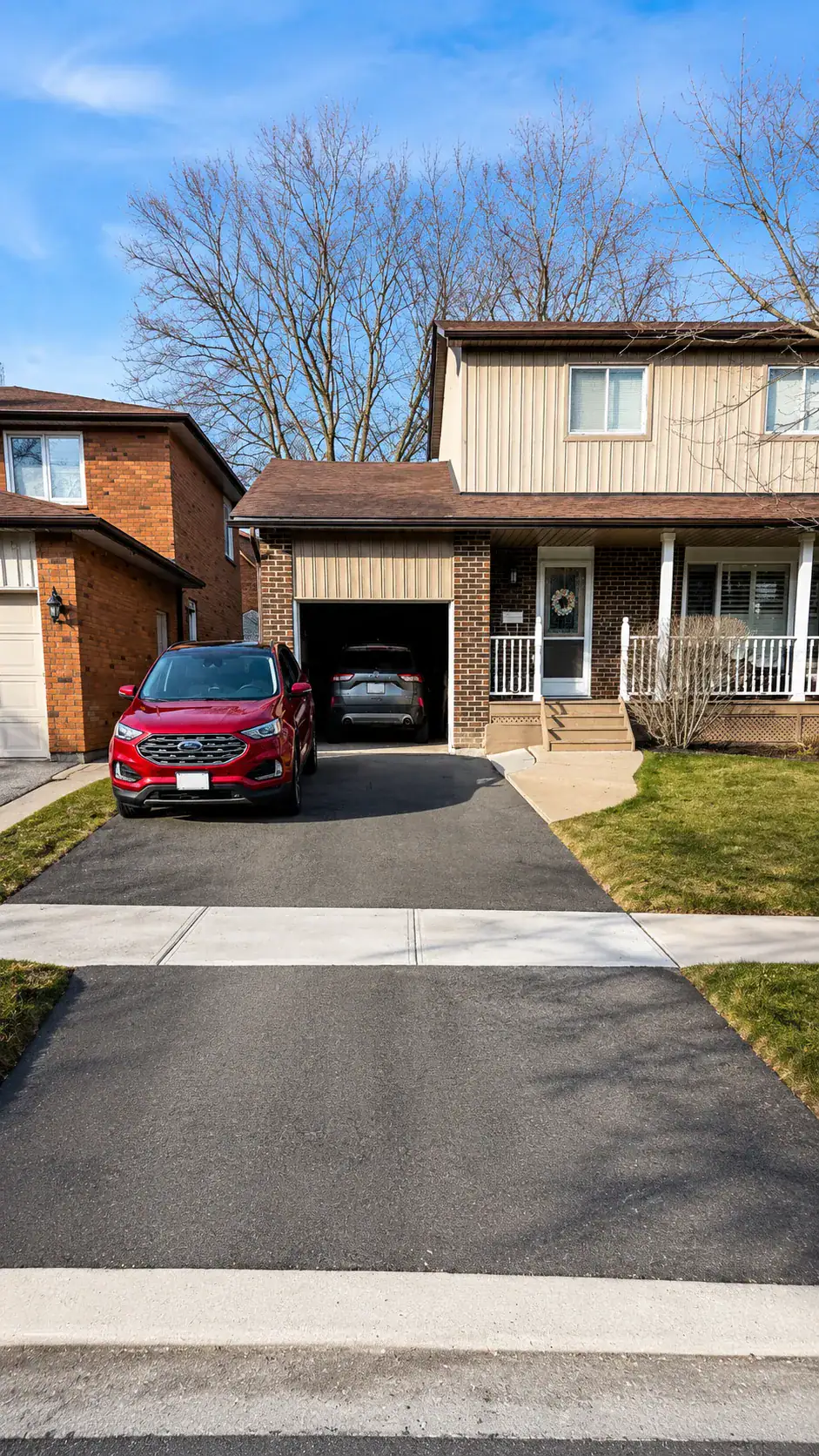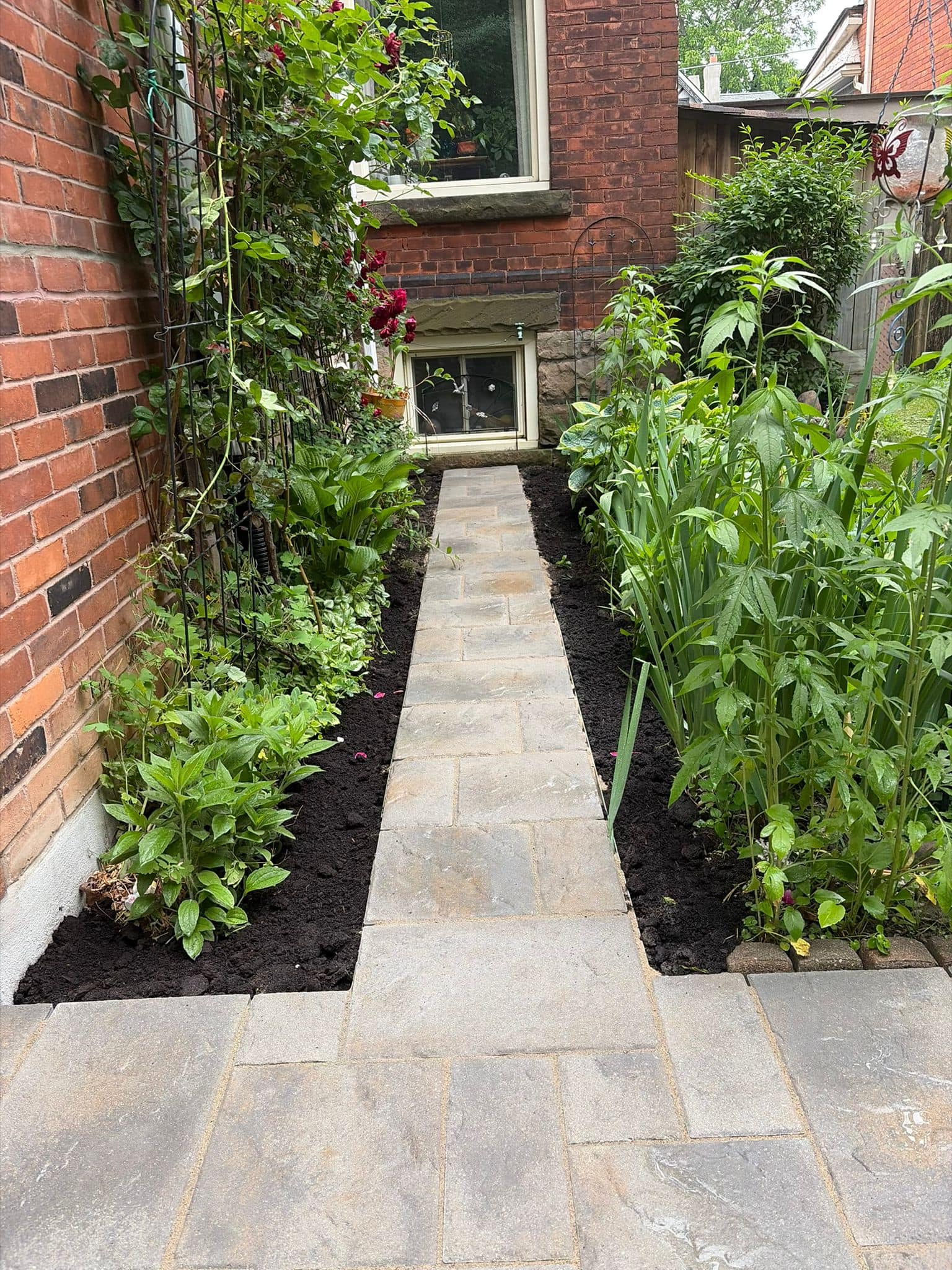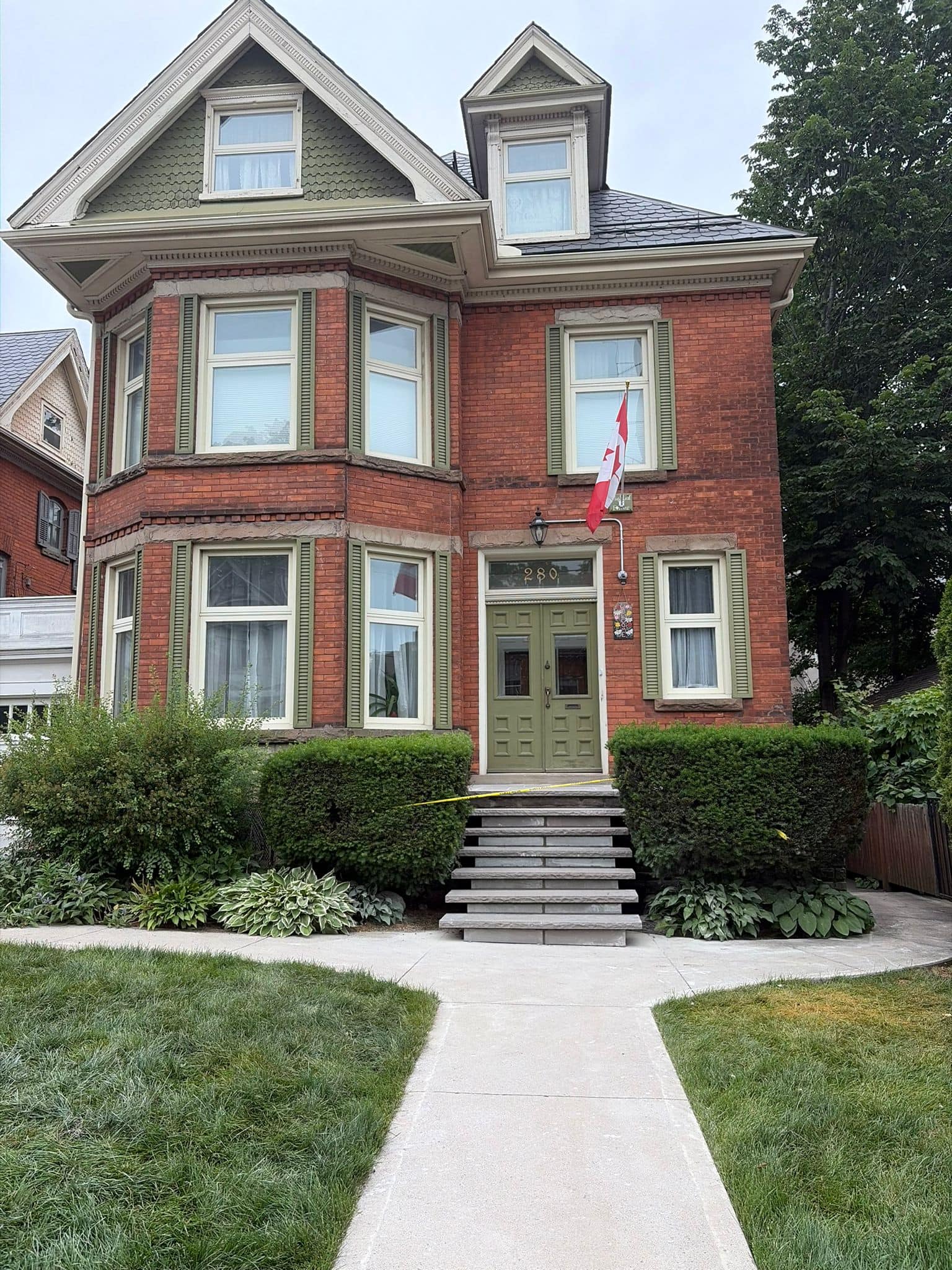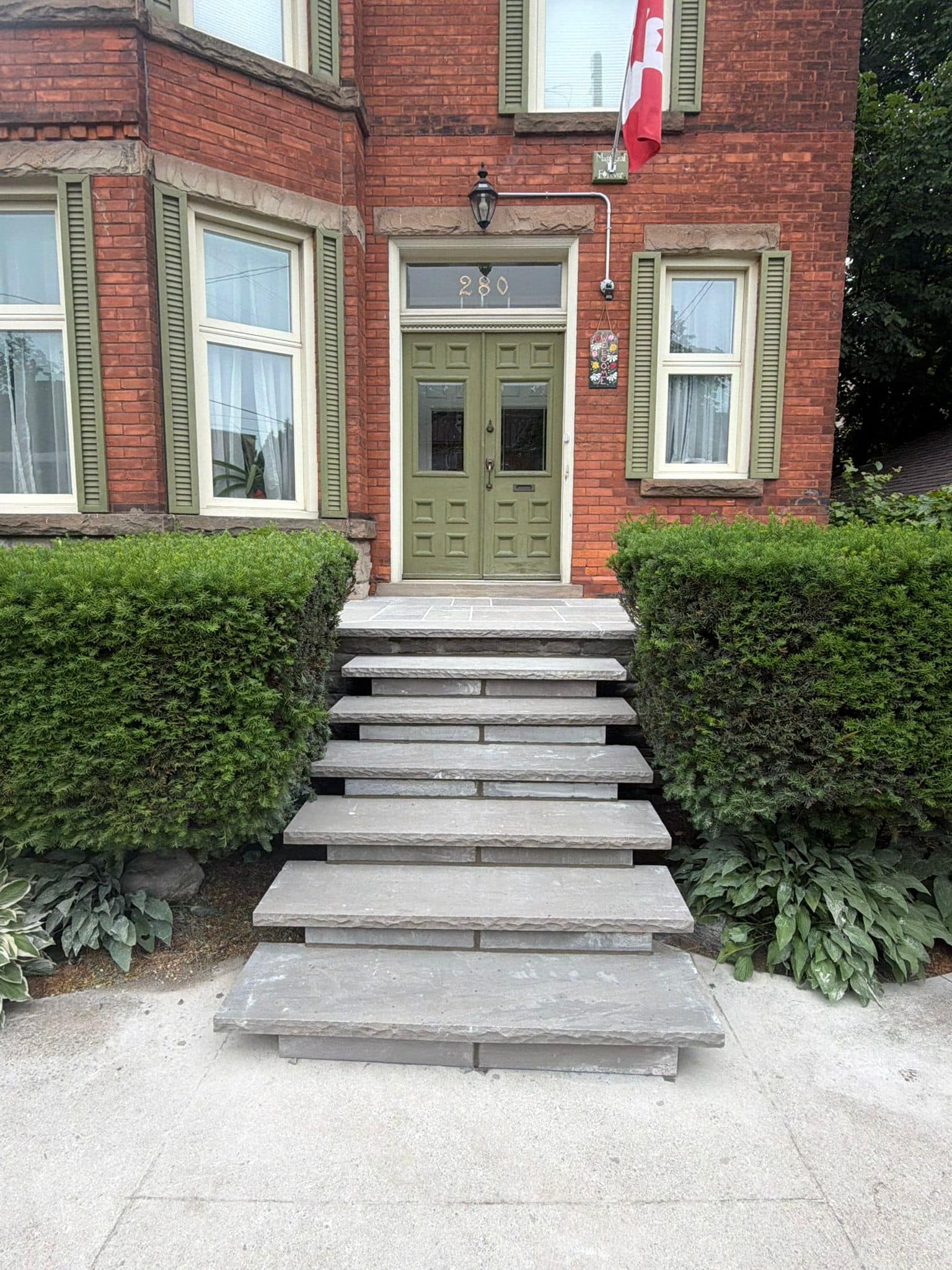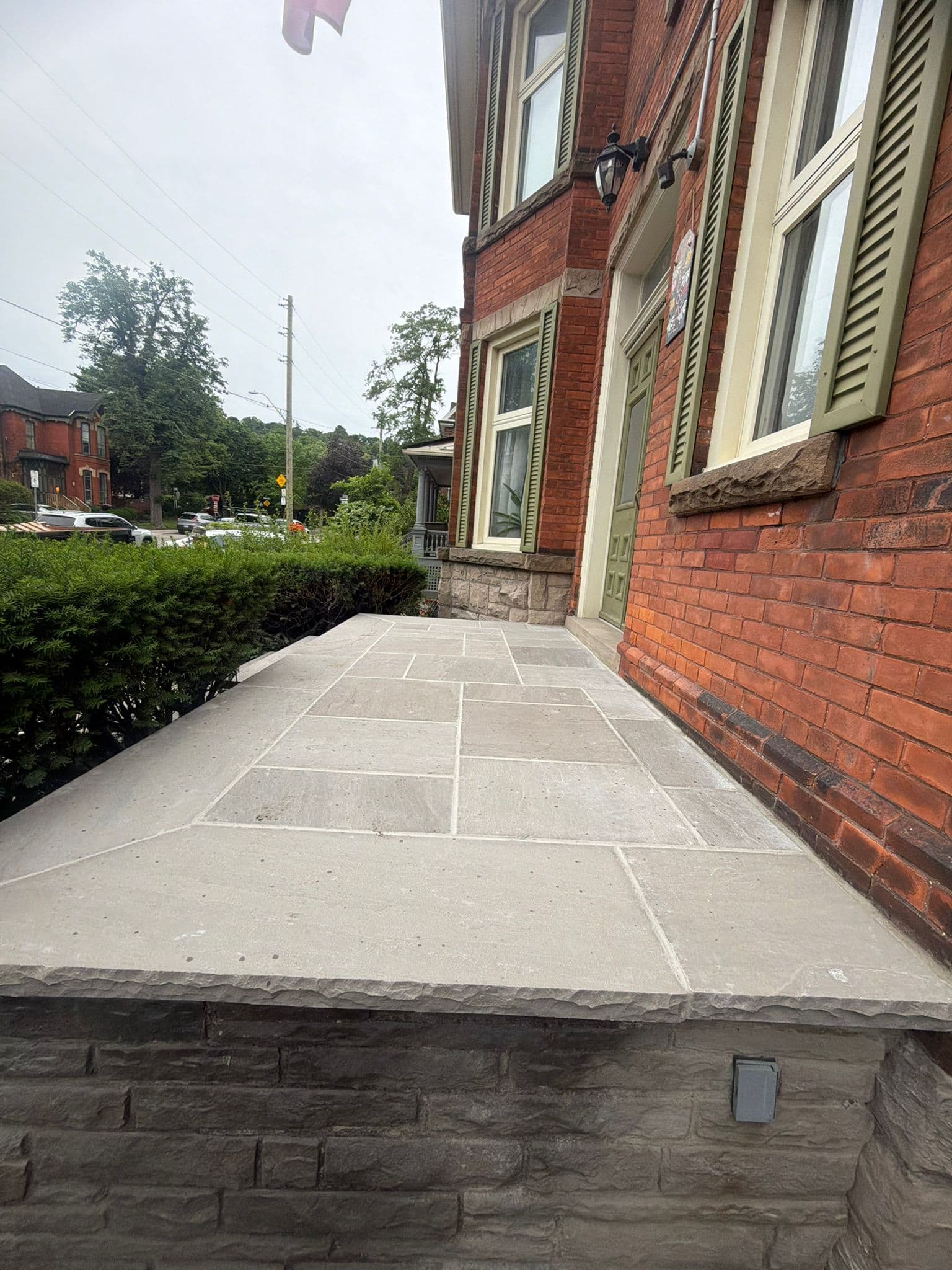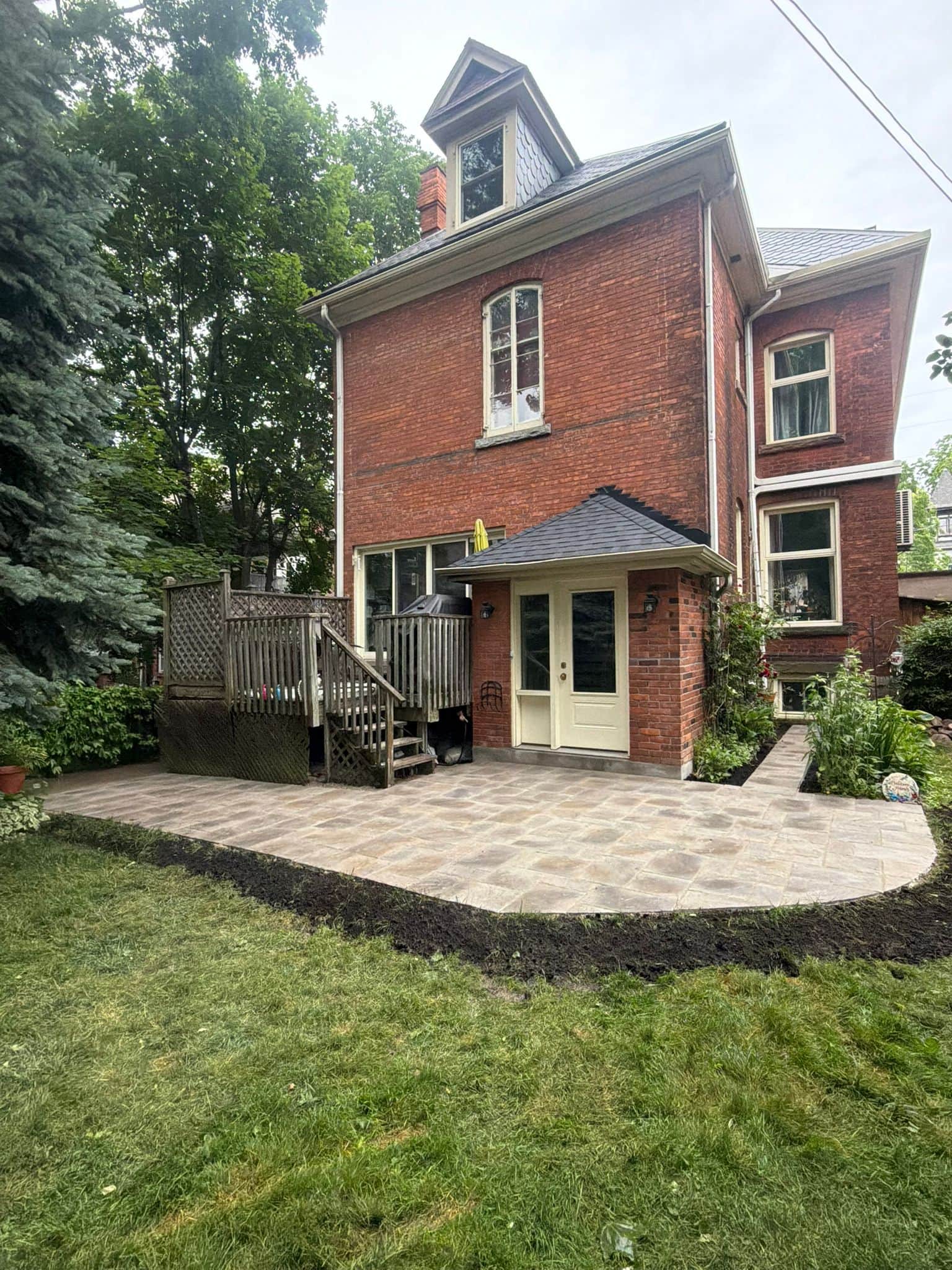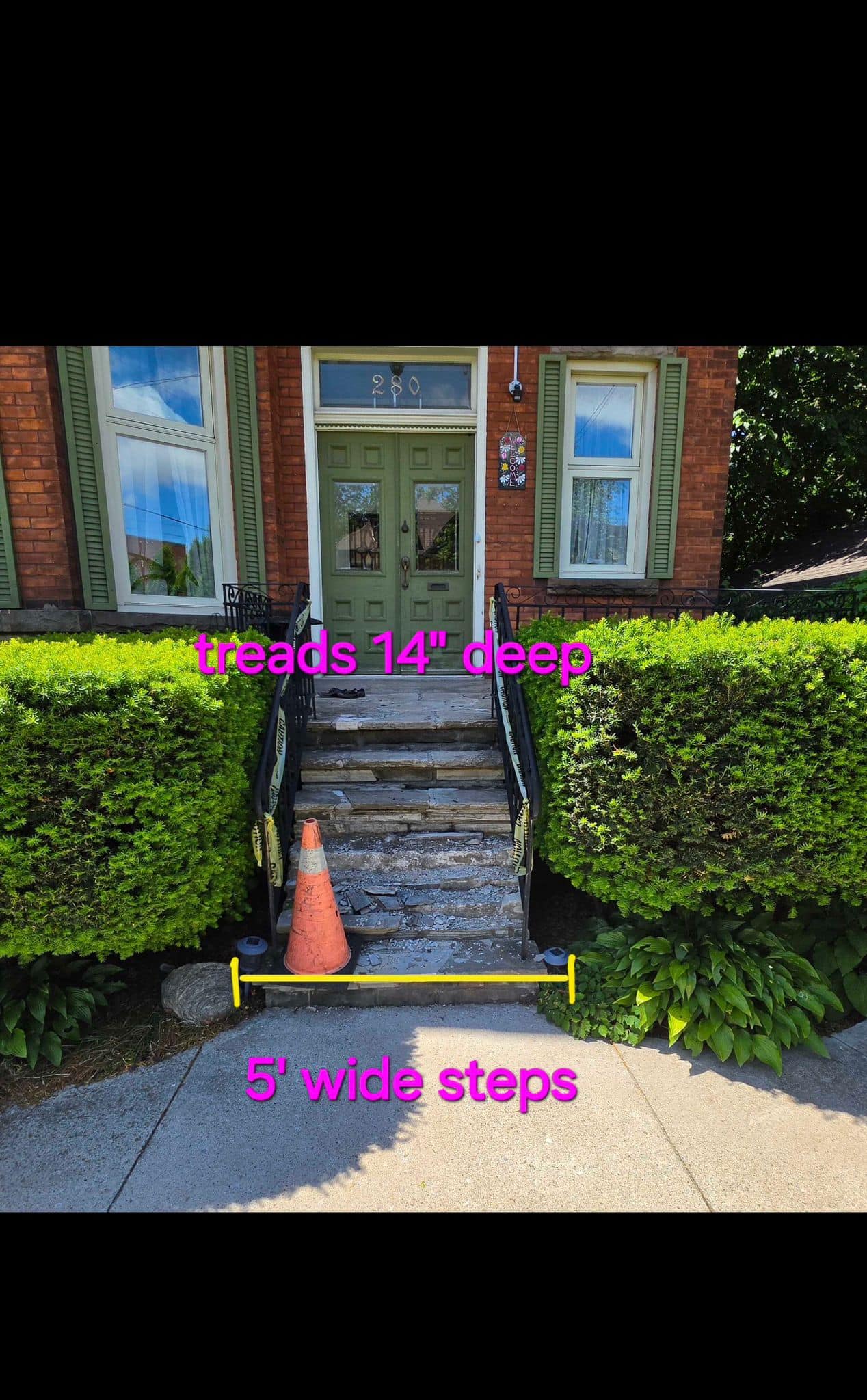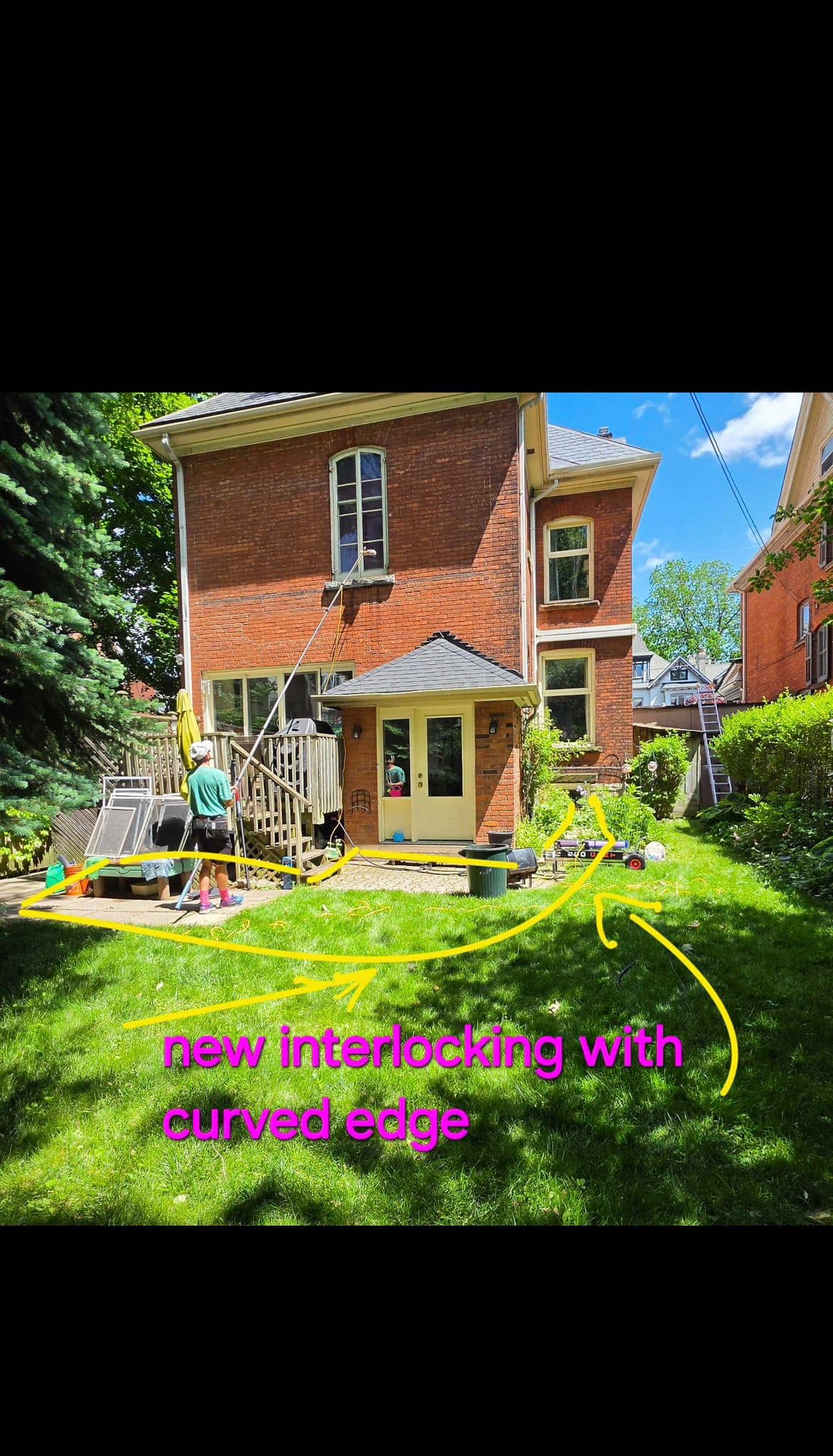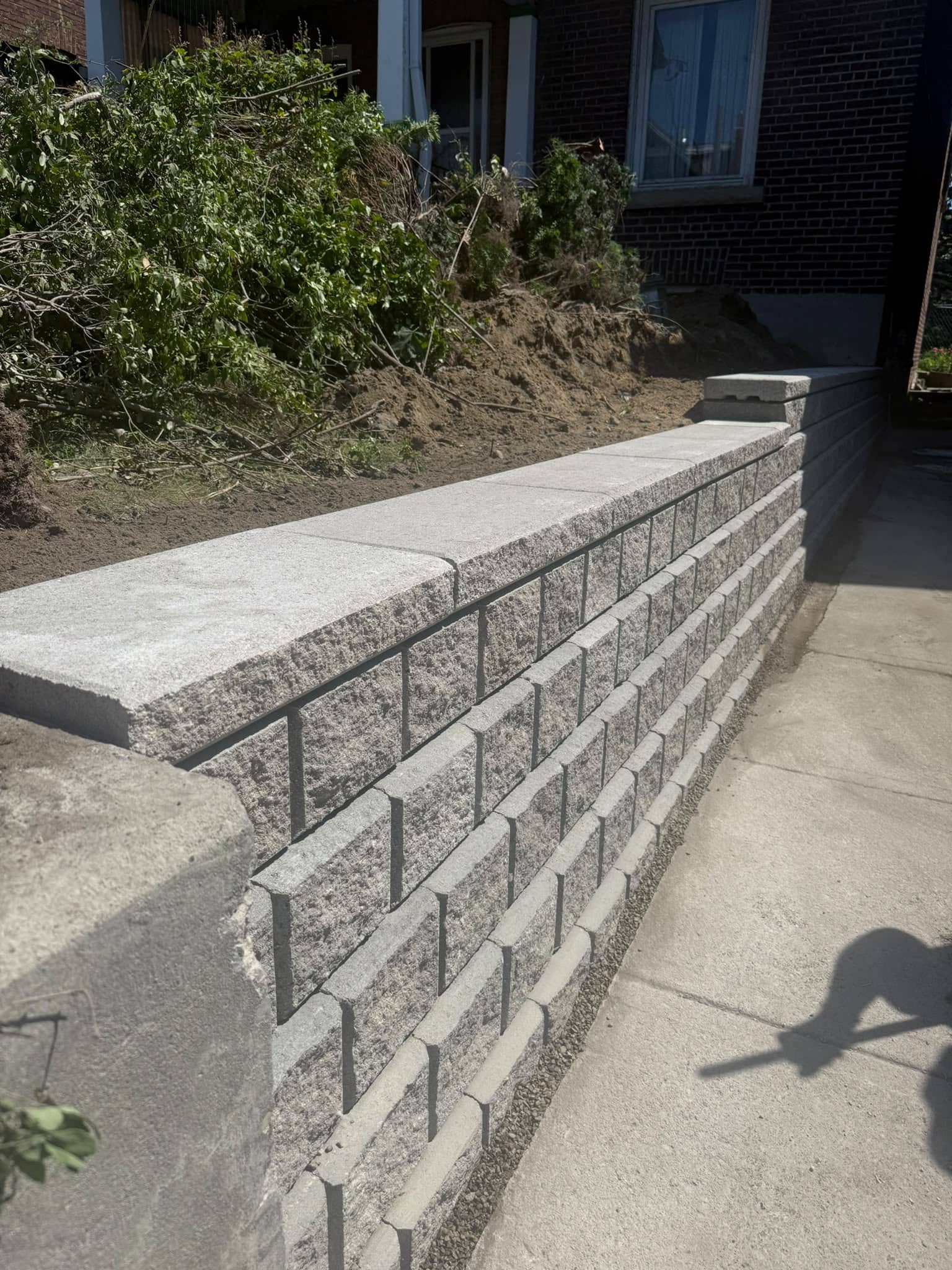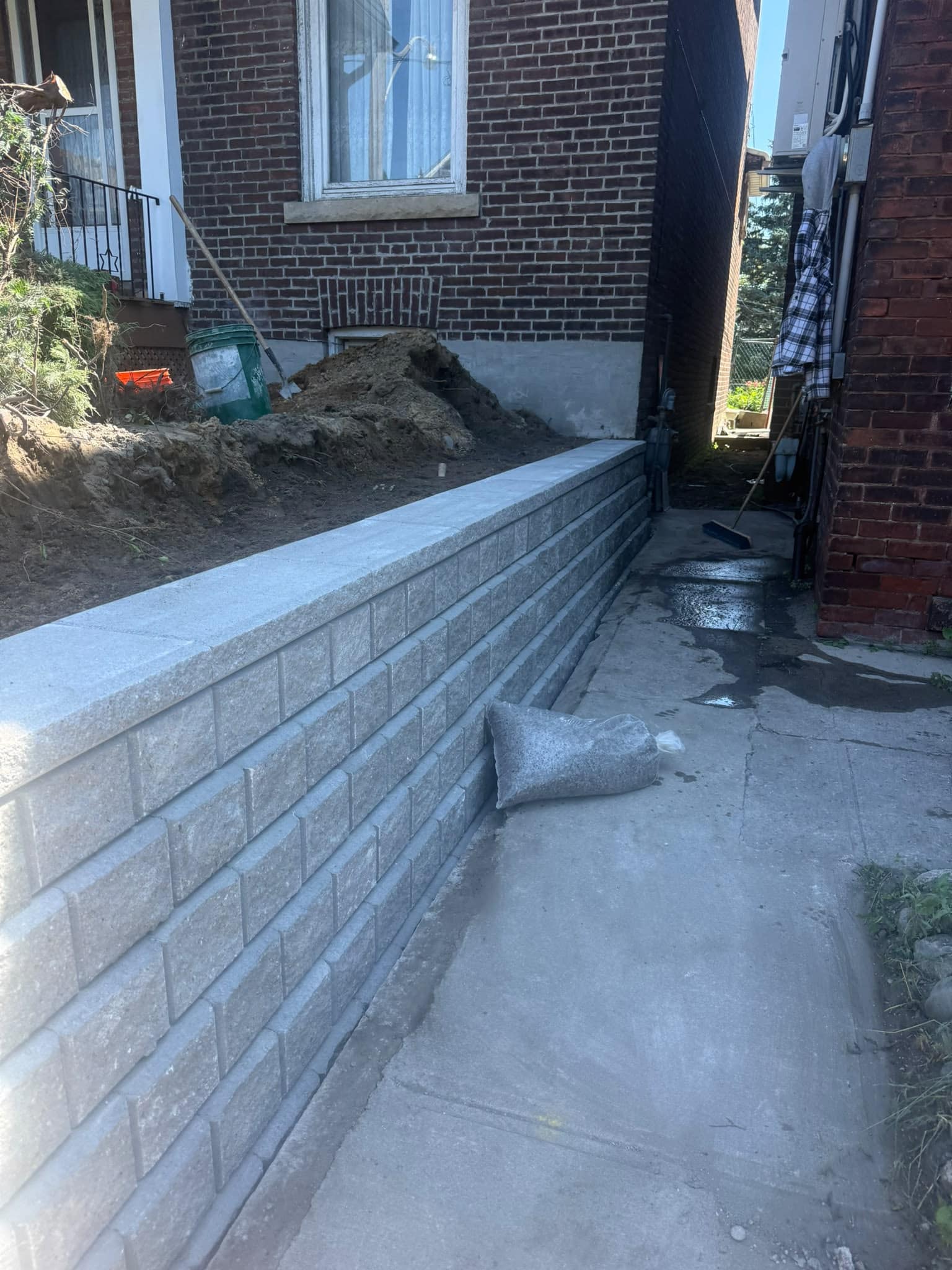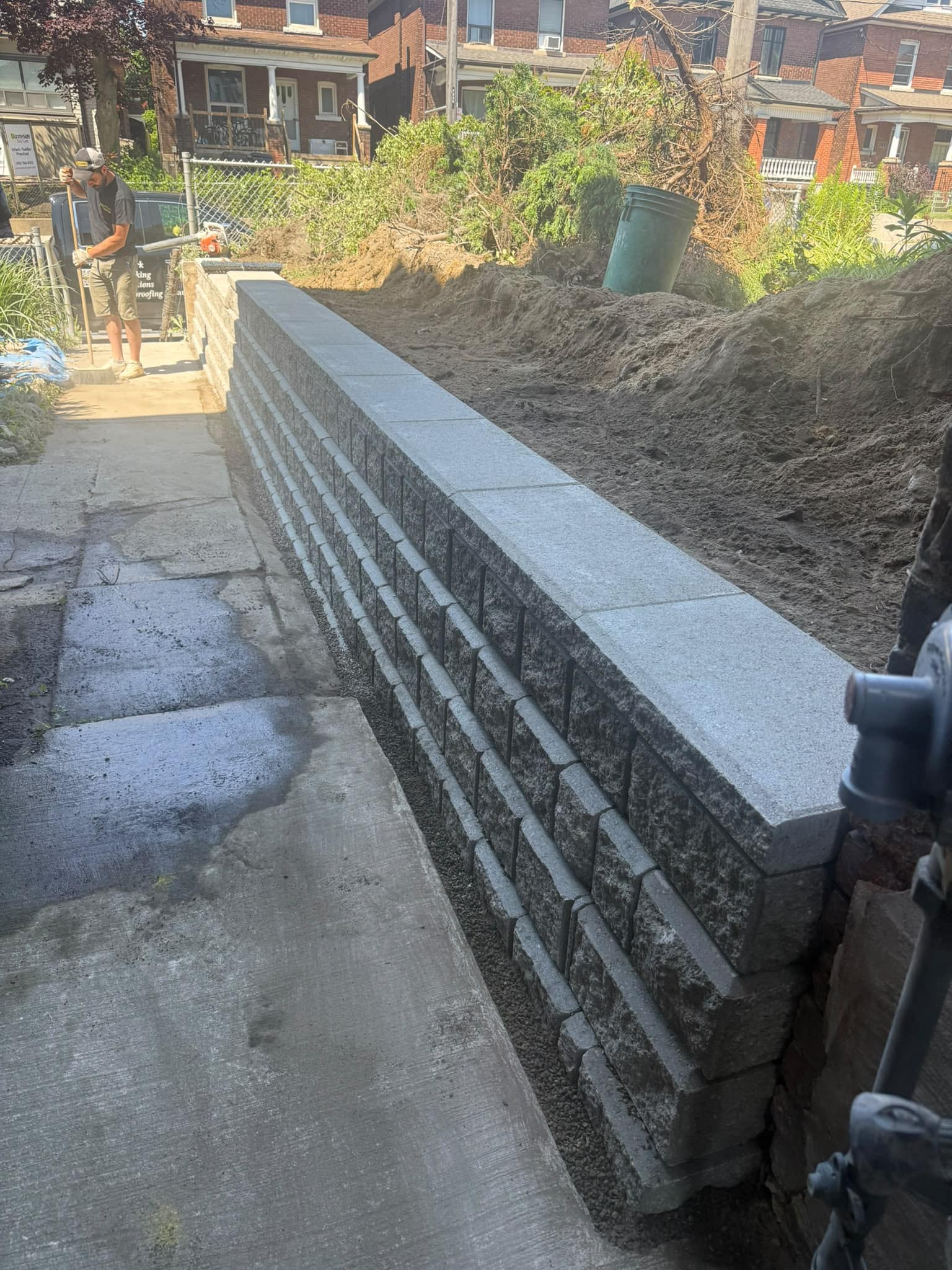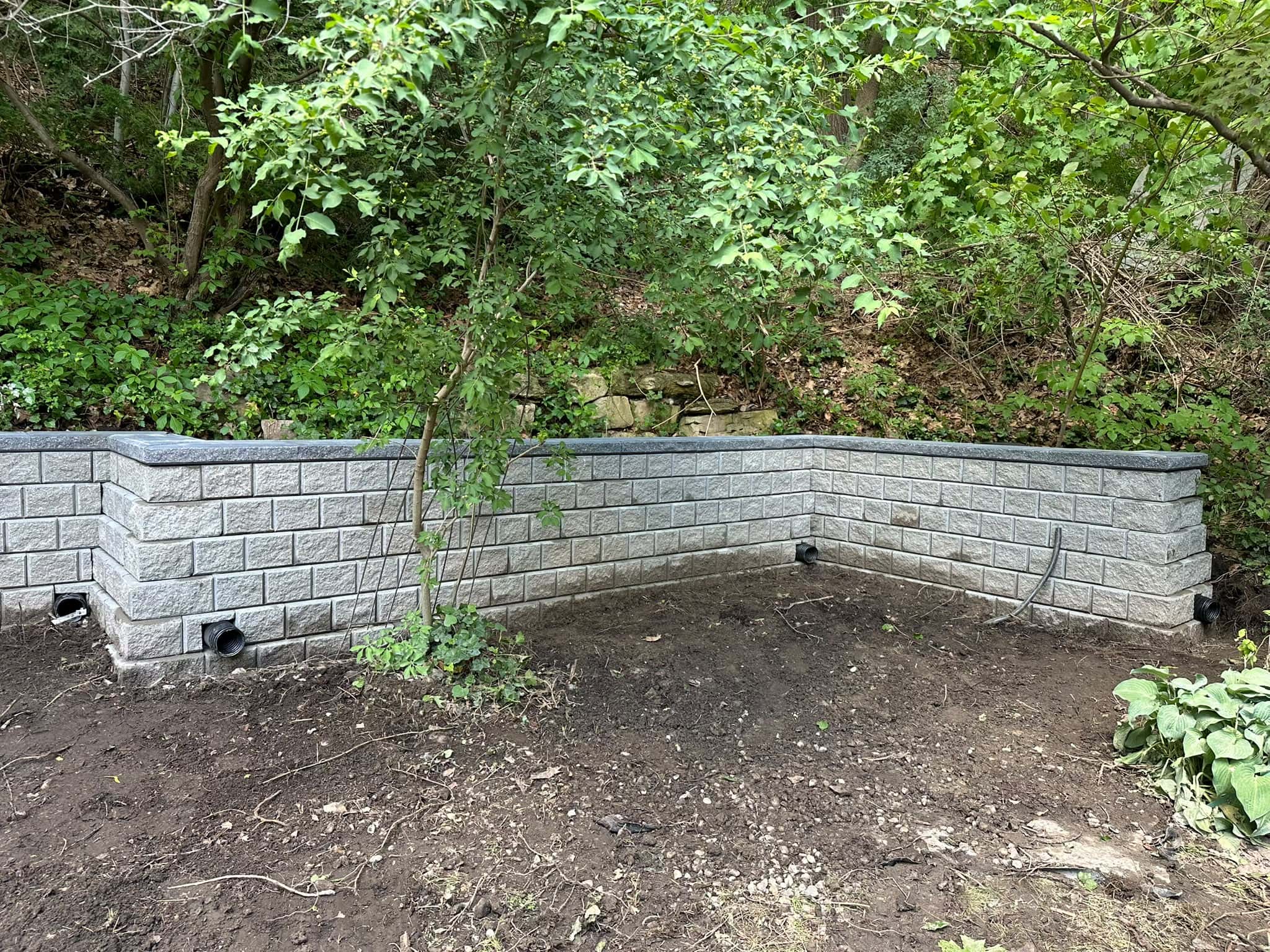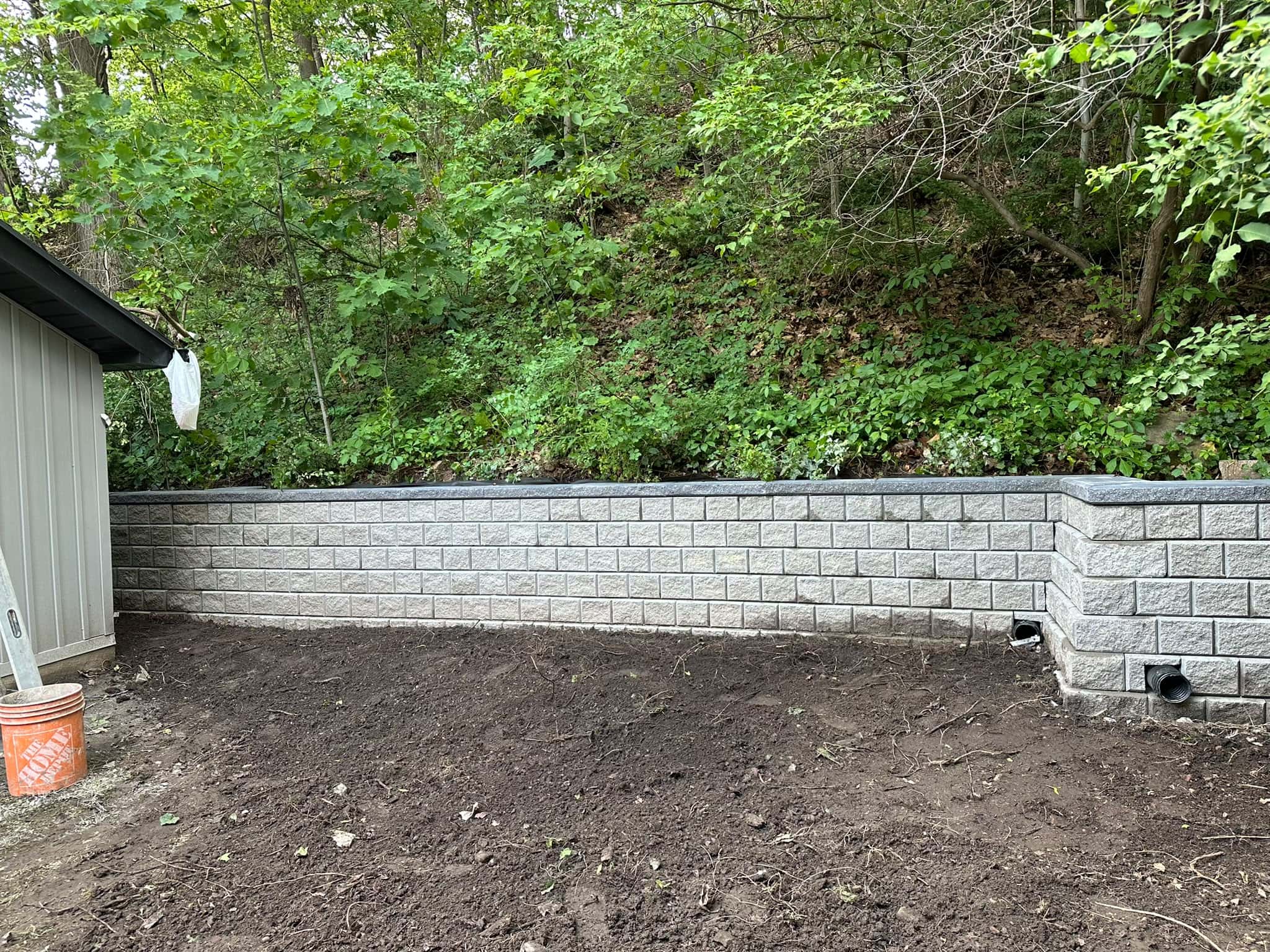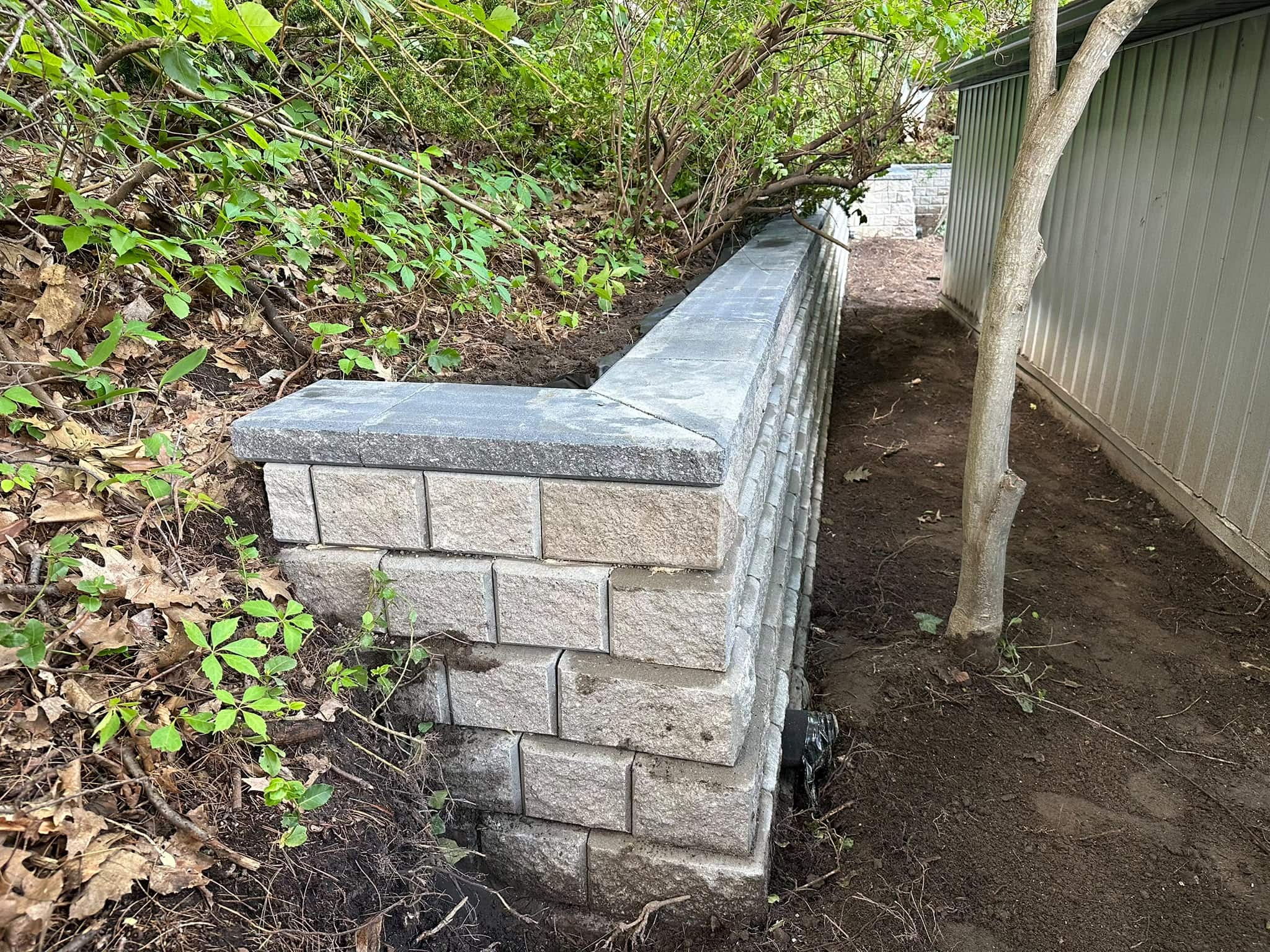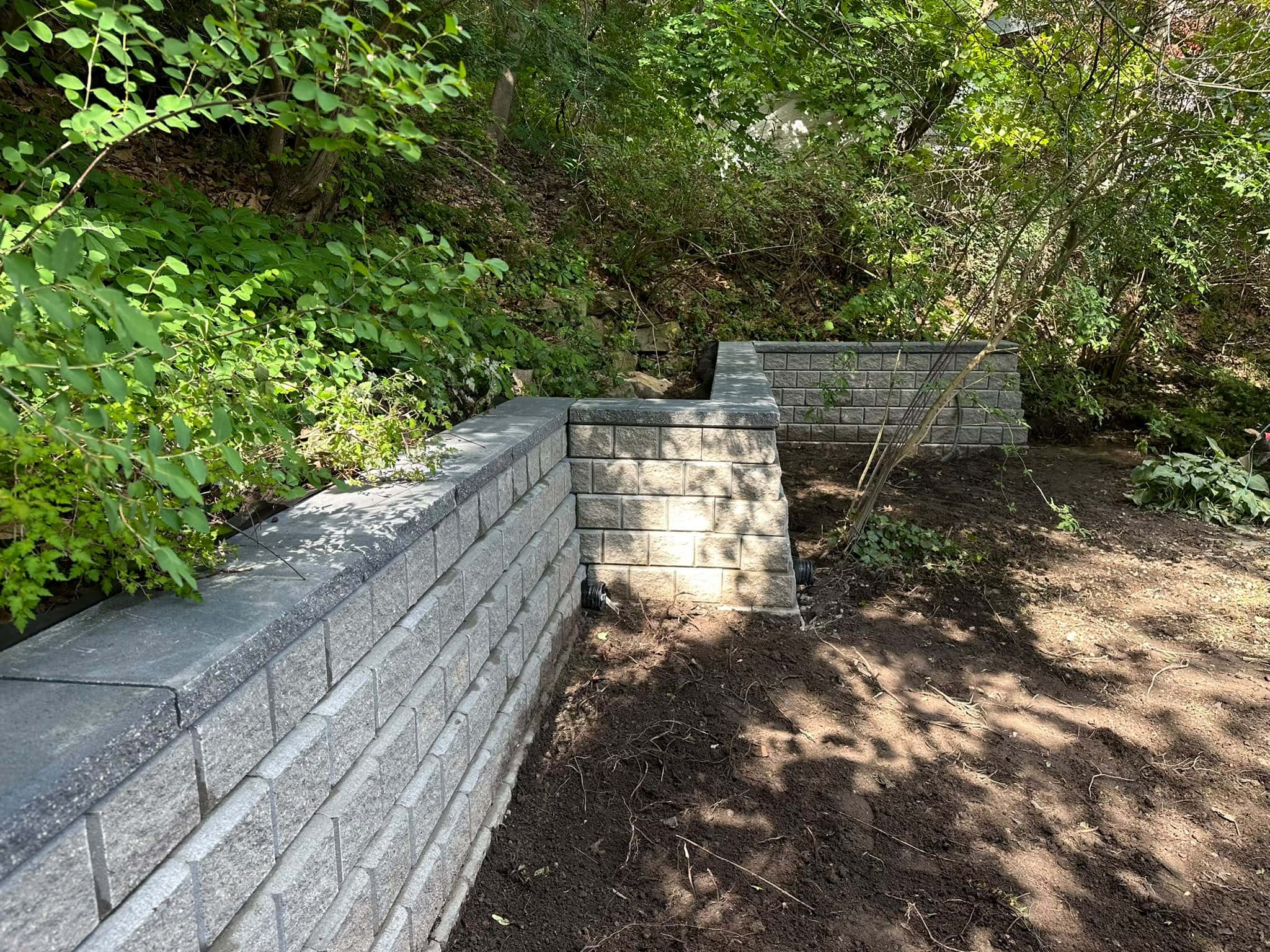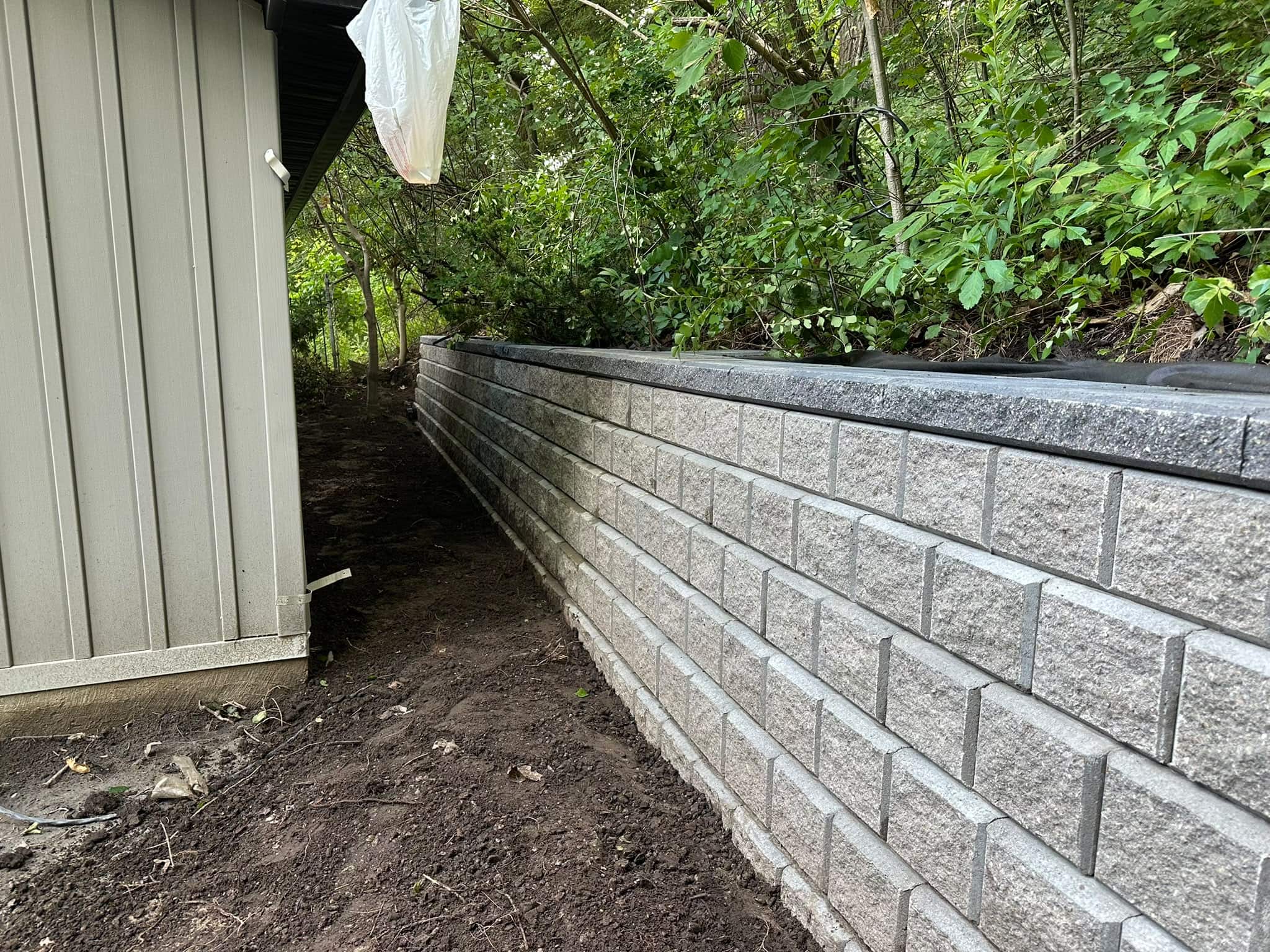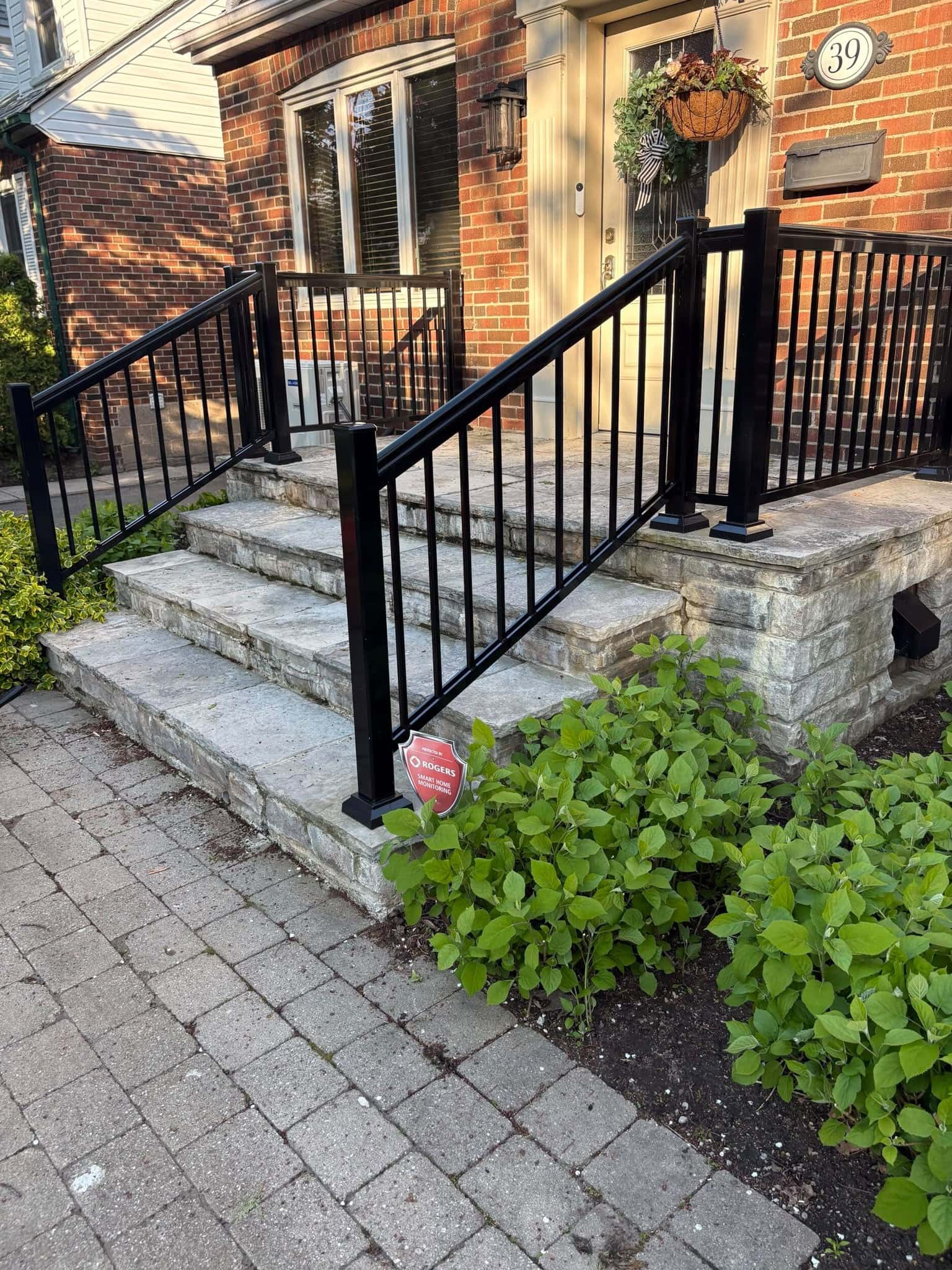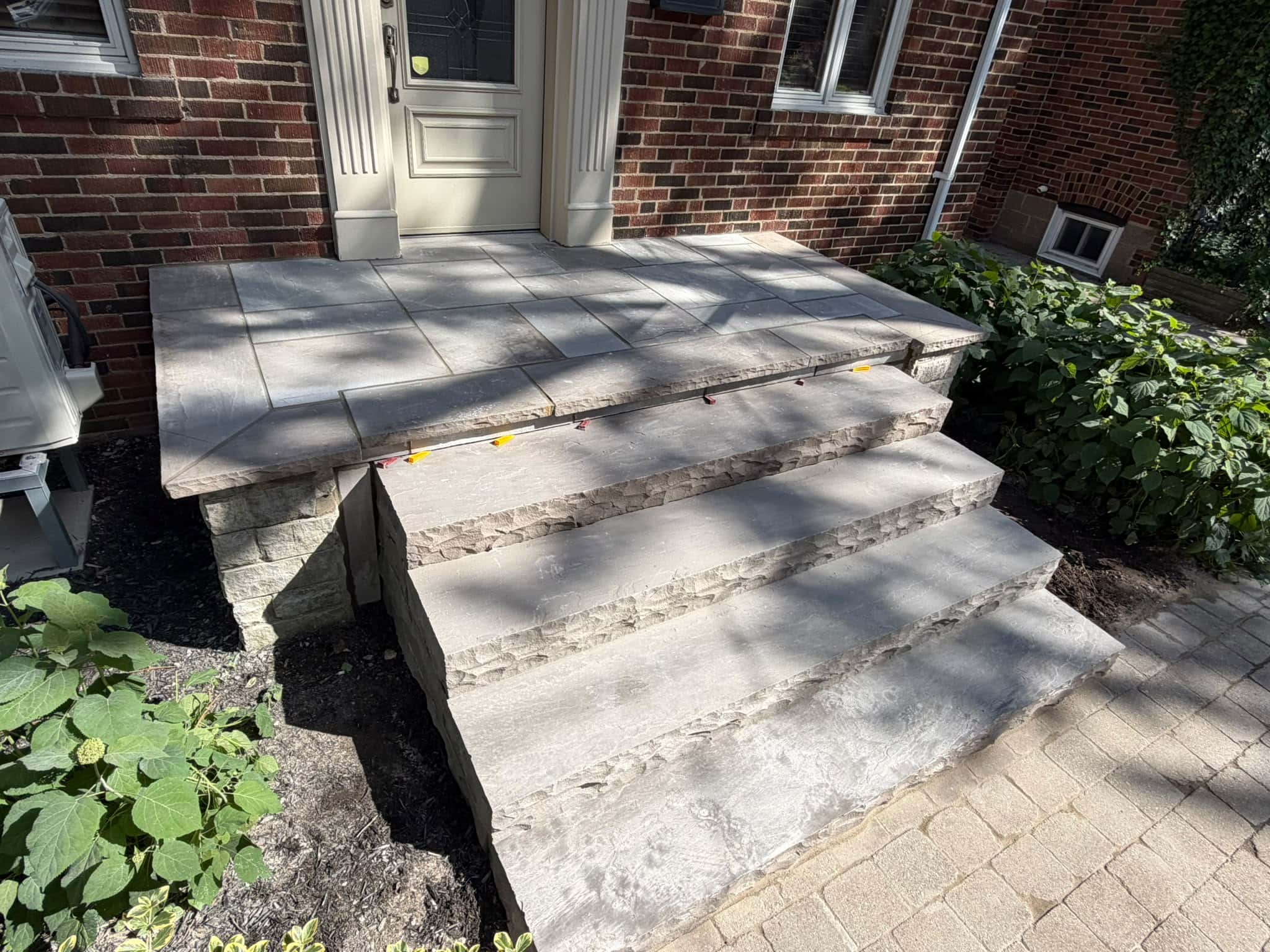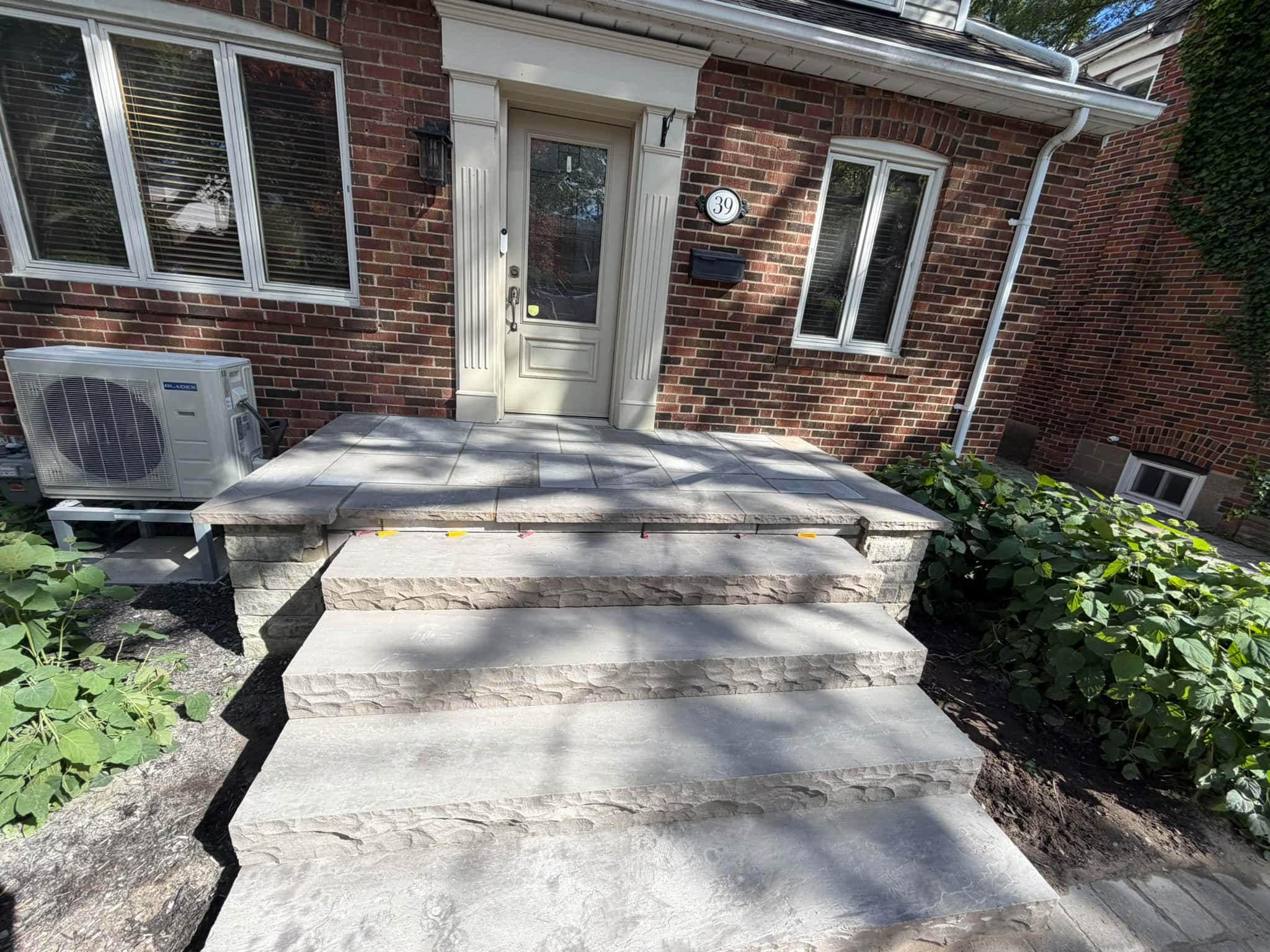
Masonry can affect home energy bills by influencing moisture, air movement, surface temperature and the condition of the exterior building envelope. Brick, stone, concrete, block, chimneys and foundations can all affect how comfortable a home feels, but masonry should not be treated as insulation on its own.
A brick wall may look solid while the home still loses heat through air leaks, uninsulated wall assemblies, rim joists, windows, doors, chimneys or foundation areas. Masonry problems can contribute to those conditions, but they are rarely the only reason for a high heating or cooling bill.
For Toronto and GTA homeowners, the most useful question is not whether masonry “saves energy.” It is whether damaged, wet or poorly detailed masonry is weakening the building envelope and making another comfort problem harder to solve.
If visible masonry damage is part of the problem, A&A Masonry’s Toronto masonry services cover brick, mortar, chimney, foundation, concrete, stone and moisture-related exterior repairs that may affect the condition of the building envelope.
Quick answer: Masonry can influence comfort and energy use through thermal mass, moisture and exterior air-leak paths, but it does not replace insulation or air sealing. Repairing deteriorated masonry can support a better-performing building envelope when the masonry itself is damaged or allowing water into the assembly.
Masonry Is Not the Same as Insulation
Brick, stone, concrete and block are durable building materials, but they are not substitutes for modern insulation.
Masonry has thermal mass, which means it can absorb heat and release it gradually. That can influence how quickly surfaces and rooms respond to outdoor temperature changes, but thermal mass is different from thermal resistance.
Insulation is designed to slow heat transfer through the building envelope. Air sealing reduces uncontrolled air movement. Masonry primarily provides structure, weather protection, durability and exterior enclosure depending on the wall system.
A home performs best when the wall assembly, insulation, air barrier, moisture control and exterior masonry all work together.
Thermal Mass Can Influence Comfort Without Guaranteeing Lower Bills
Brick, stone and concrete can absorb and release heat slowly.
This may help moderate some short-term temperature swings, but it does not automatically reduce heating or cooling costs.
The actual result depends on factors such as:
- Wall construction
- Insulation level
- Air leakage
- Sun exposure
- Window area
- Ventilation
- Heating and cooling equipment
- Occupant behaviour
A west-facing brick wall may absorb afternoon heat and release it later in the evening. A masonry wall in another part of the home may behave differently because of shade, insulation or wall design.
Thermal mass is therefore one part of a much larger energy-performance picture.
Air Leaks Around Masonry Can Affect Heating Costs
Air leakage can occur where different building materials and assemblies meet, even when the visible brick or stone appears intact.
Common areas include:
- Where wood framing meets a masonry foundation
- Rim joist and sill areas
- Window and door openings
- Service penetrations
- Older additions
- Fireplace and chimney areas
- Cracks or openings in mixed wall construction
An exterior masonry repair may close a damaged joint or crack, but a complete air-leak solution may also require work from an insulation, air-sealing or building-envelope professional.
The important step is identifying the actual air path rather than assuming the brick itself is the source of the draft.
Failed Mortar Joints Can Affect the Building Envelope
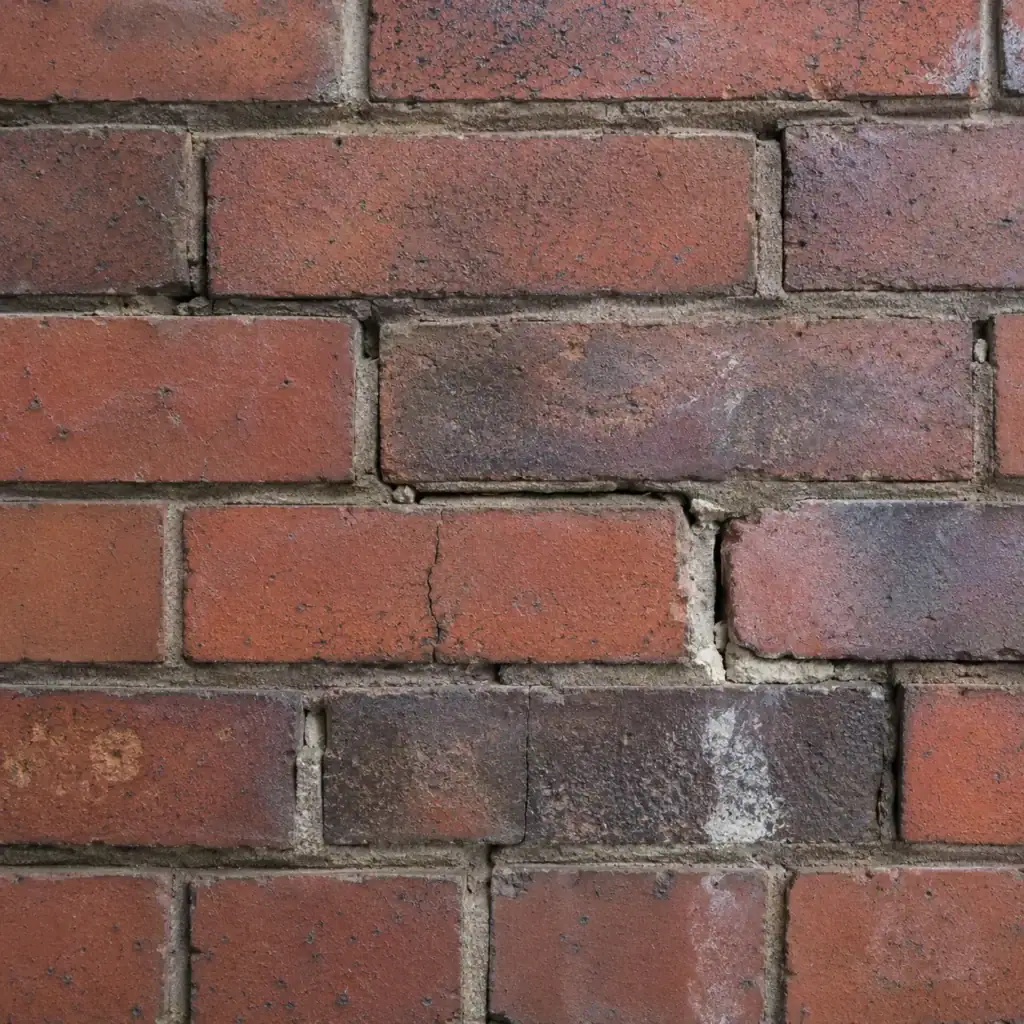
Mortar joints protect the spaces between brick, stone and masonry units. When joints become cracked, sandy, deeply recessed or missing, the wall becomes more vulnerable to water and weather exposure.
Open exterior joints do not automatically create a direct draft into the living space. However, they can allow water and wind to reach deeper parts of the wall assembly, especially where other layers are also deteriorated.
Repeated wetting can also contribute to freeze-thaw deterioration and damage to surrounding masonry.
If mortar joints are failing, A&A Masonry’s tuckpointing services explain how deteriorated joints can be removed and replaced with compatible new mortar.
Moisture Can Make Exterior Wall Problems Harder to Manage
Wet masonry and persistent exterior moisture can contribute to uncomfortable conditions, staining, deterioration and slower drying of wall assemblies.
Moisture may reach masonry through:
- Rain and snow
- Open mortar joints
- Cracked brick
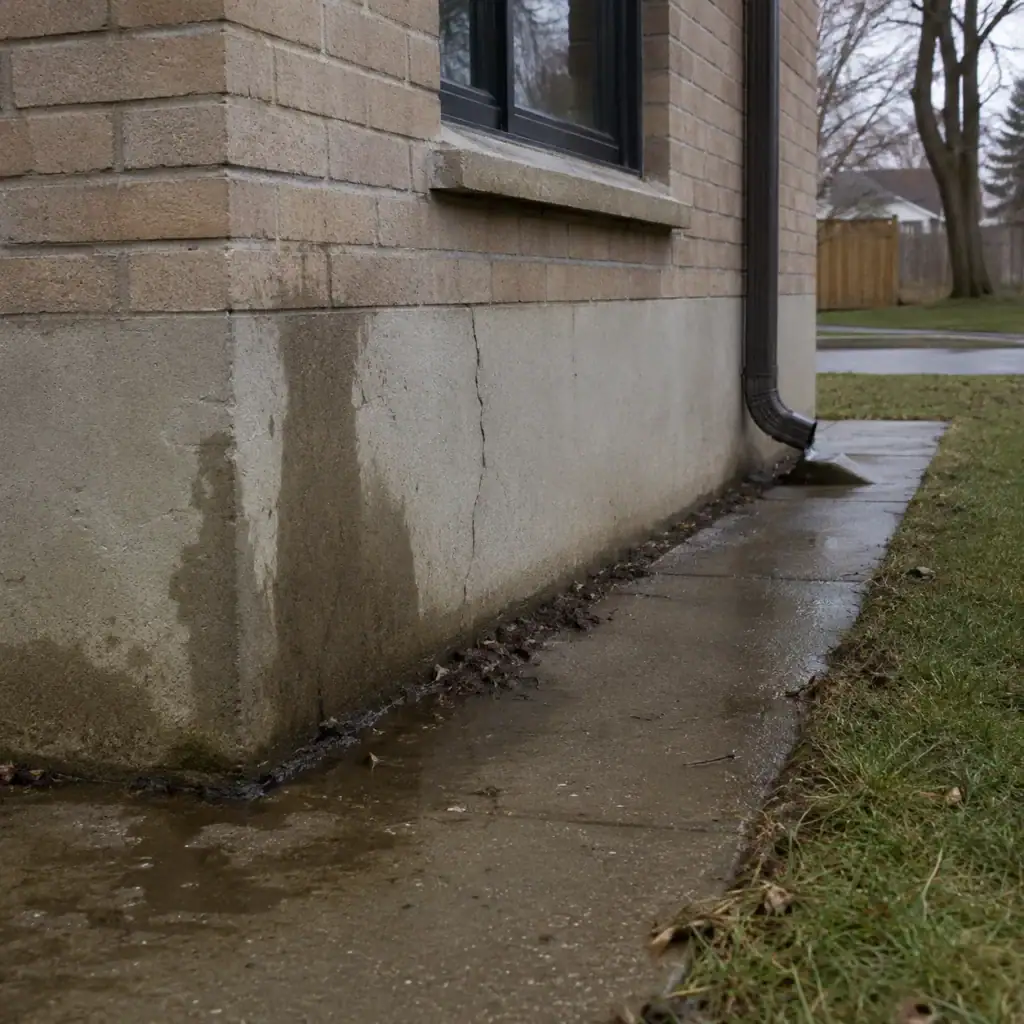
- Poor grading
- Short or poorly directed downspouts
- Foundation cracks
- Damaged chimney crowns or flashing
- High soil or mulch against walls
The energy concern is usually not that wet brick has suddenly become the home’s main insulation problem. The concern is that uncontrolled moisture can affect wall condition, insulation, air sealing and indoor comfort.
If water is repeatedly reaching basement or foundation areas, A&A Masonry’s foundation waterproofing page explains common exterior moisture concerns.
Older Brick Homes Need Careful Energy Retrofit Planning
Many older Toronto brick homes were built before modern insulation and air-sealing standards.
Some have solid masonry walls. Others combine brick with wood framing, air spaces, plaster, block or later renovations. Because these assemblies vary, there is no single insulation strategy that suits every older brick home.
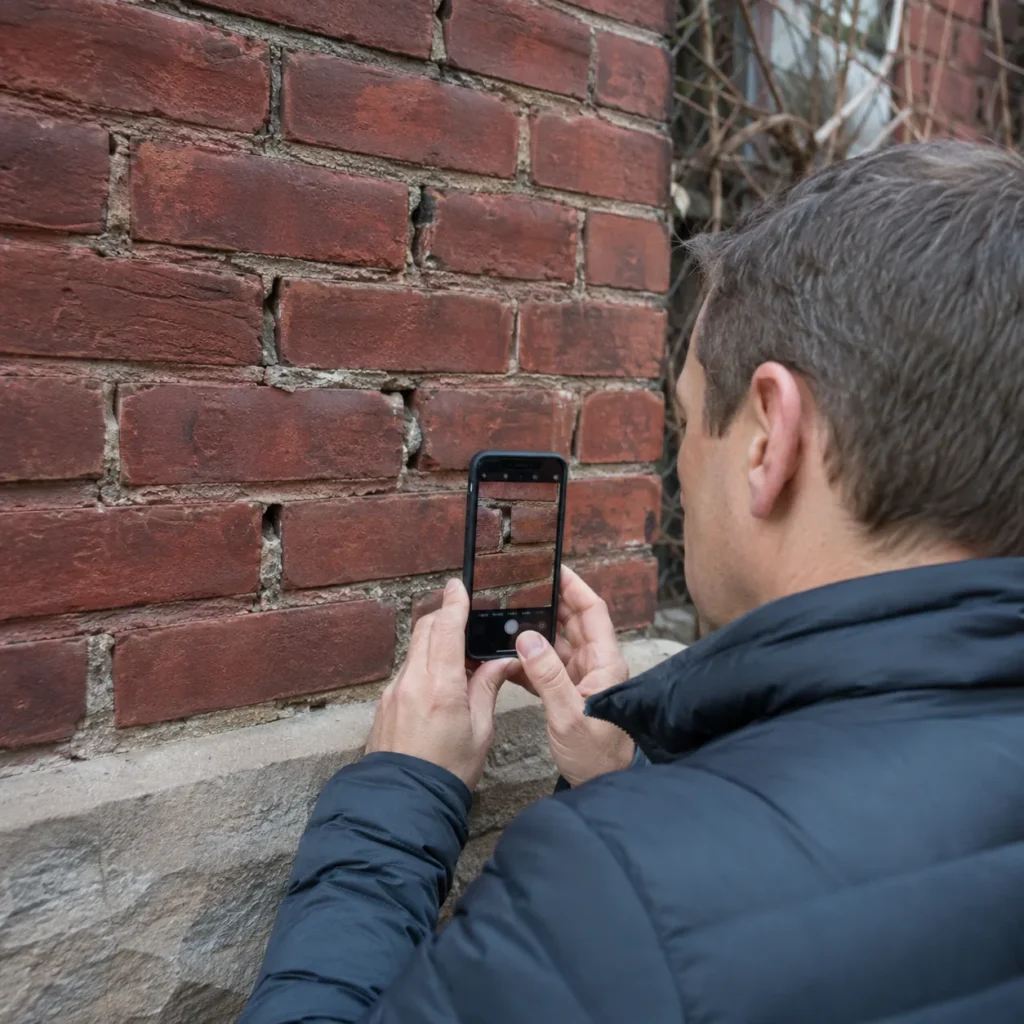
Before a major energy retrofit, check whether exterior masonry is already showing:
- Open mortar joints
- Spalling brick
- Moisture staining
- Recurring leaks
- Failed coatings
- Cracked masonry
Changing insulation or vapour-control layers can change how an older wall stores and dries moisture. Exterior masonry problems should therefore be understood before a retrofit changes the wall’s behaviour.
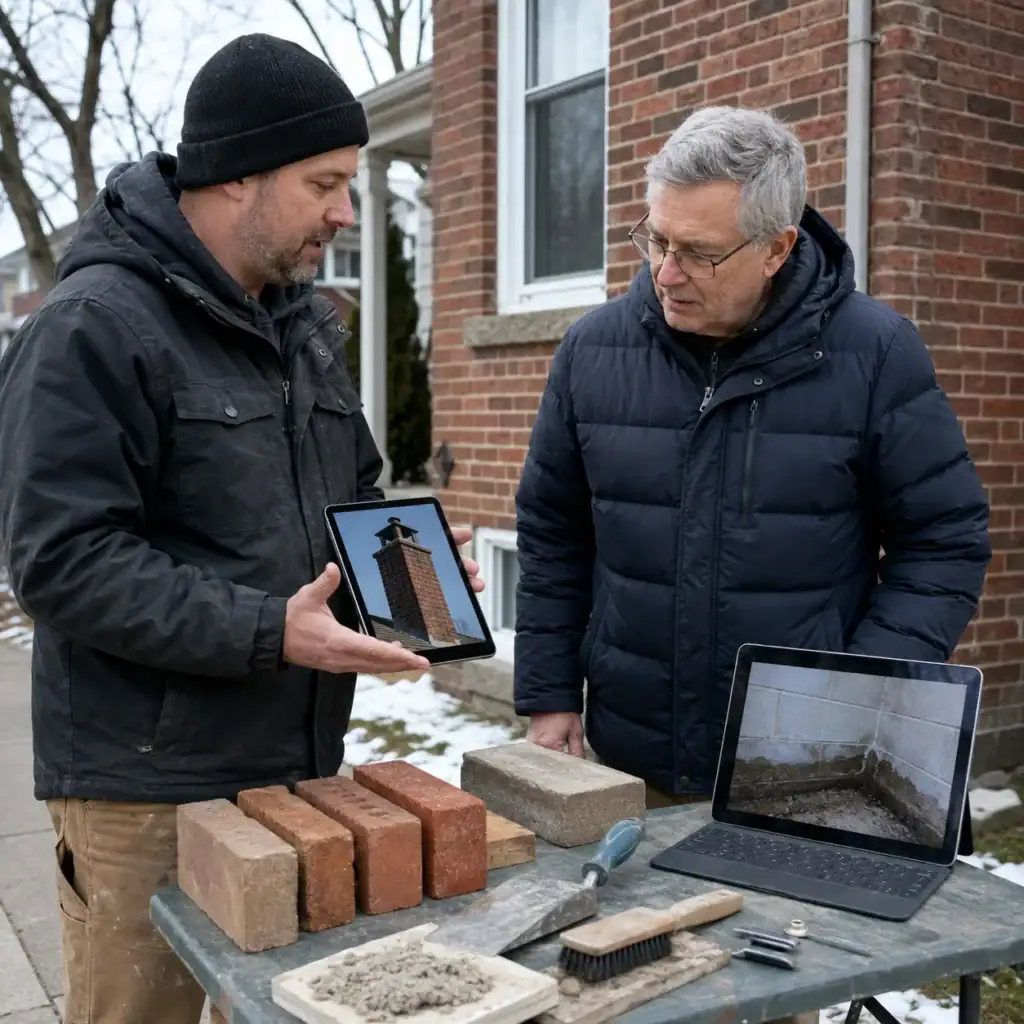
The masonry contractor should address masonry deterioration. An energy advisor or building-envelope professional should help determine the appropriate insulation and air-sealing strategy.
Chimneys Can Affect Drafts, Moisture and Comfort
A chimney can be a weak point in the building envelope when there are drafts, failed dampers, gaps, damaged masonry or water entry.
The exterior masonry itself may require repair when there are:
- Open mortar joints
- Spalling brick
- Cracked crowns
- Damaged caps
- Flashing problems
- Recurring moisture staining
A&A Masonry’s chimney repair services address exterior masonry concerns such as damaged brick, failing mortar, crowns, caps and water entry.
However, drafts around a fireplace may also involve a damper, flue, appliance, pressure imbalance or air-sealing issue. Those concerns may need an appropriate chimney, fireplace or energy professional rather than masonry repair alone.
Chimney Caps and Crowns Help Manage Moisture, Not Insulation
A cap and crown help protect the chimney from weather exposure, but neither functions as a home-insulation upgrade.
A damaged crown or missing cap can allow water into chimney masonry, contributing to deterioration and damp conditions around the fireplace or chimney structure.
If the concern is water rather than heat loss alone, A&A Masonry’s guide to chimney waterproofing options explains how caps, crowns, mortar repair, brick repair, flashing and water repellents can play different roles.
Foundations and Basements Can Affect Comfort
Basements and foundation areas are major parts of the building envelope.
Cold or uncomfortable basement conditions may involve:
- Foundation-wall heat loss
- Rim-joist air leakage
- Basement windows
- Cracks and penetrations
- Dampness
- Poor drainage
- Insulation gaps
If the basement is wet, moisture should be understood before insulation or finishing work hides the problem.
Masonry repair and waterproofing may address cracks, deteriorated exterior surfaces and water entry, while insulation and air-sealing work may require a different specialist.
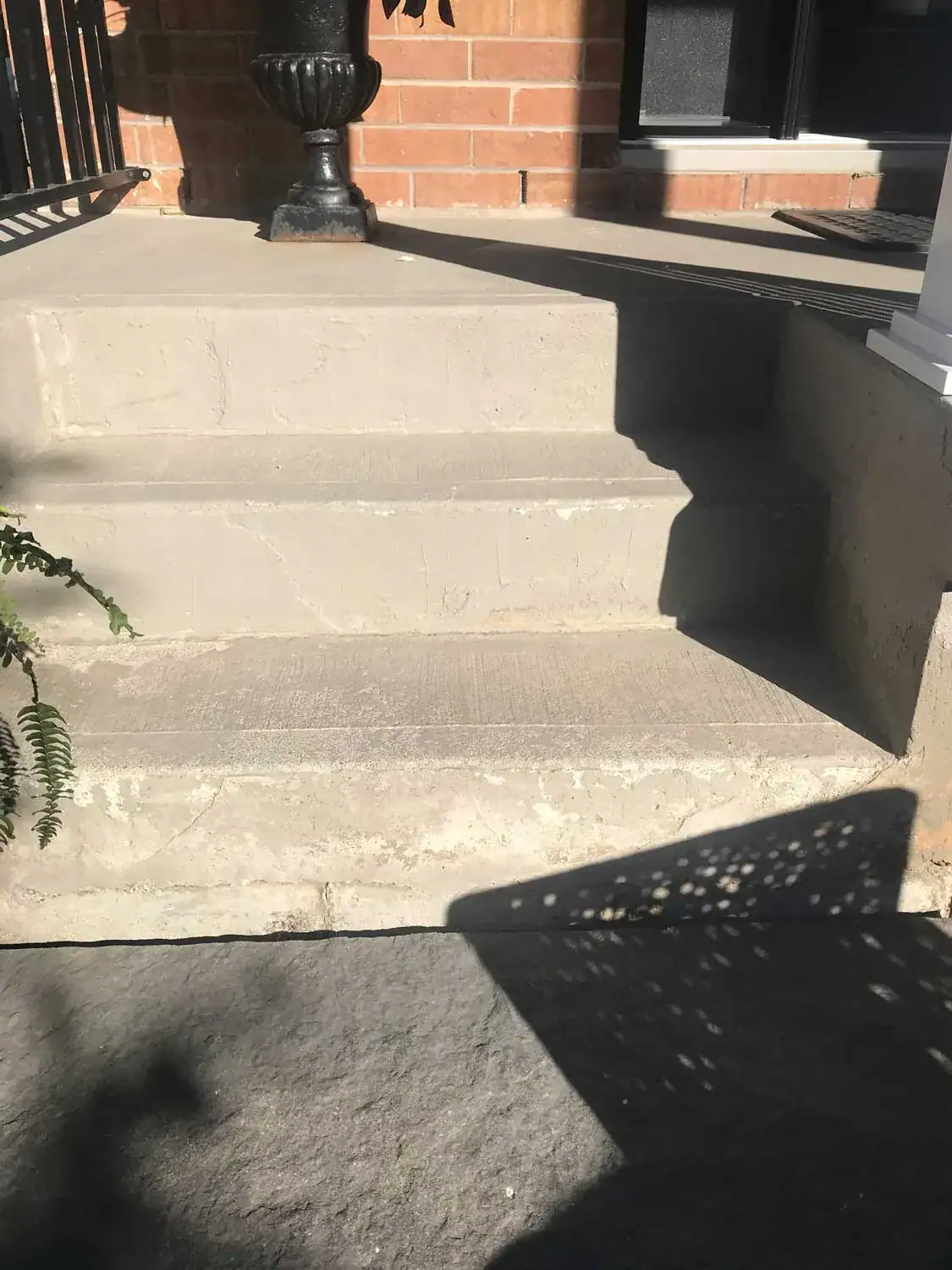
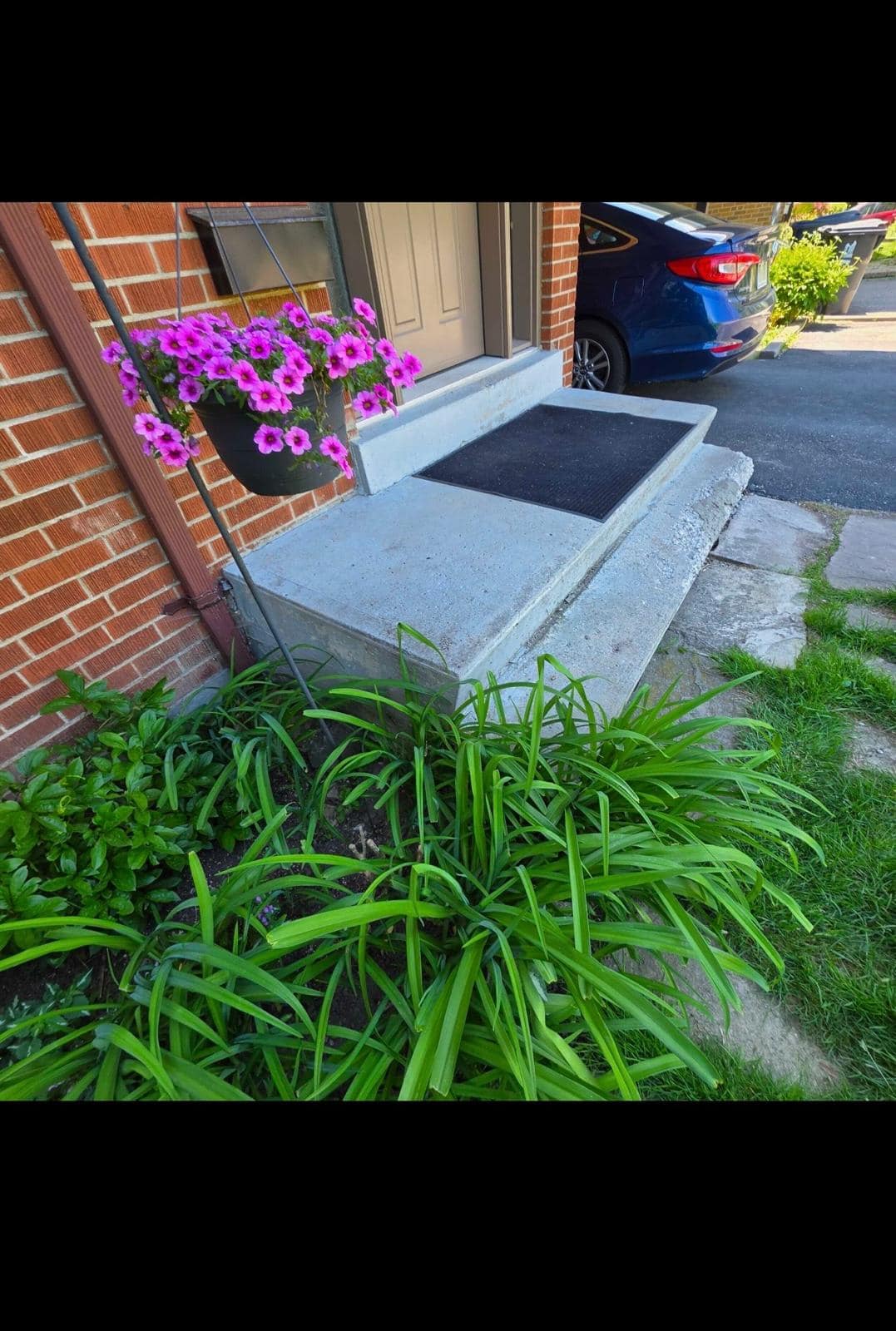
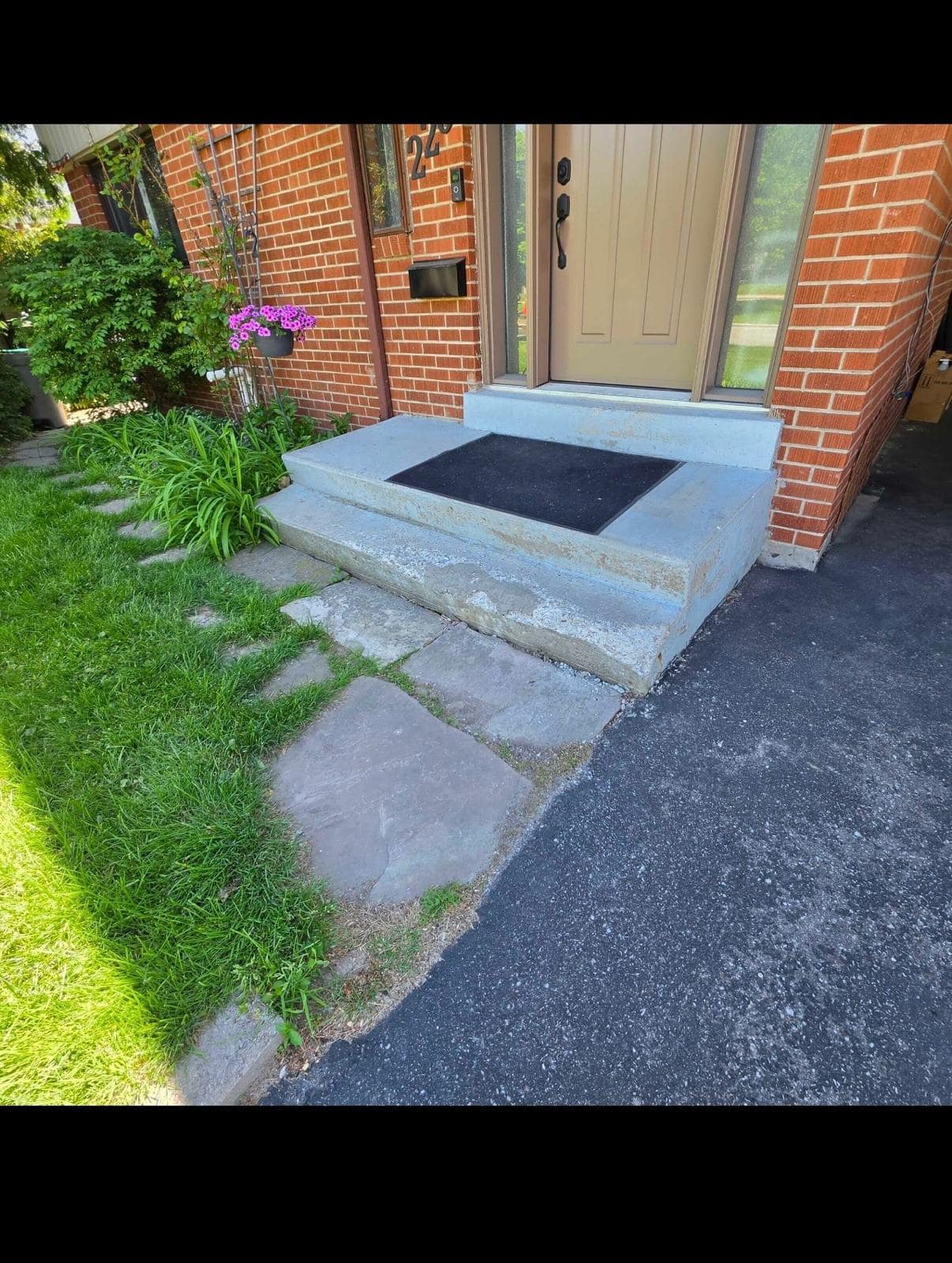
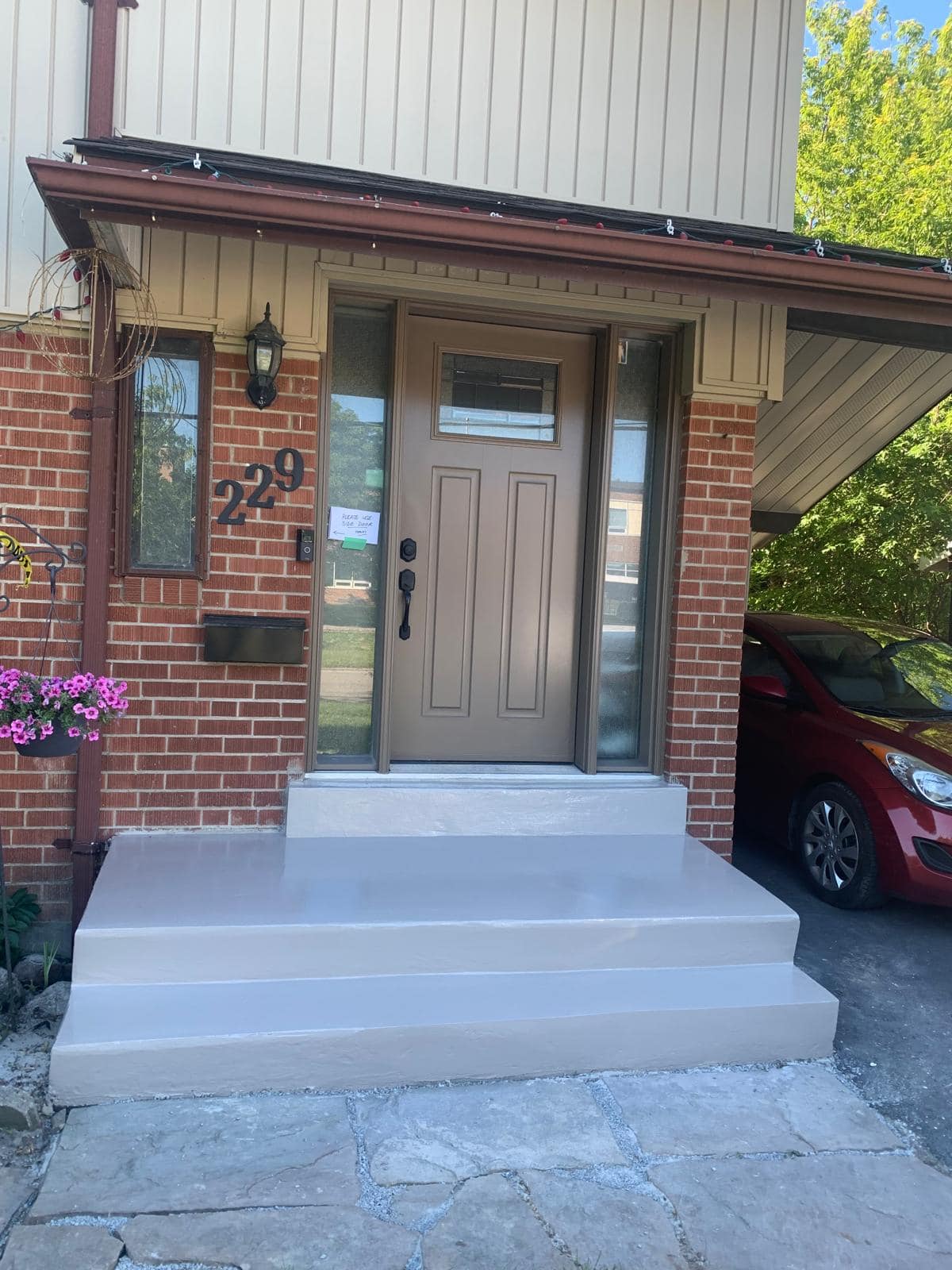
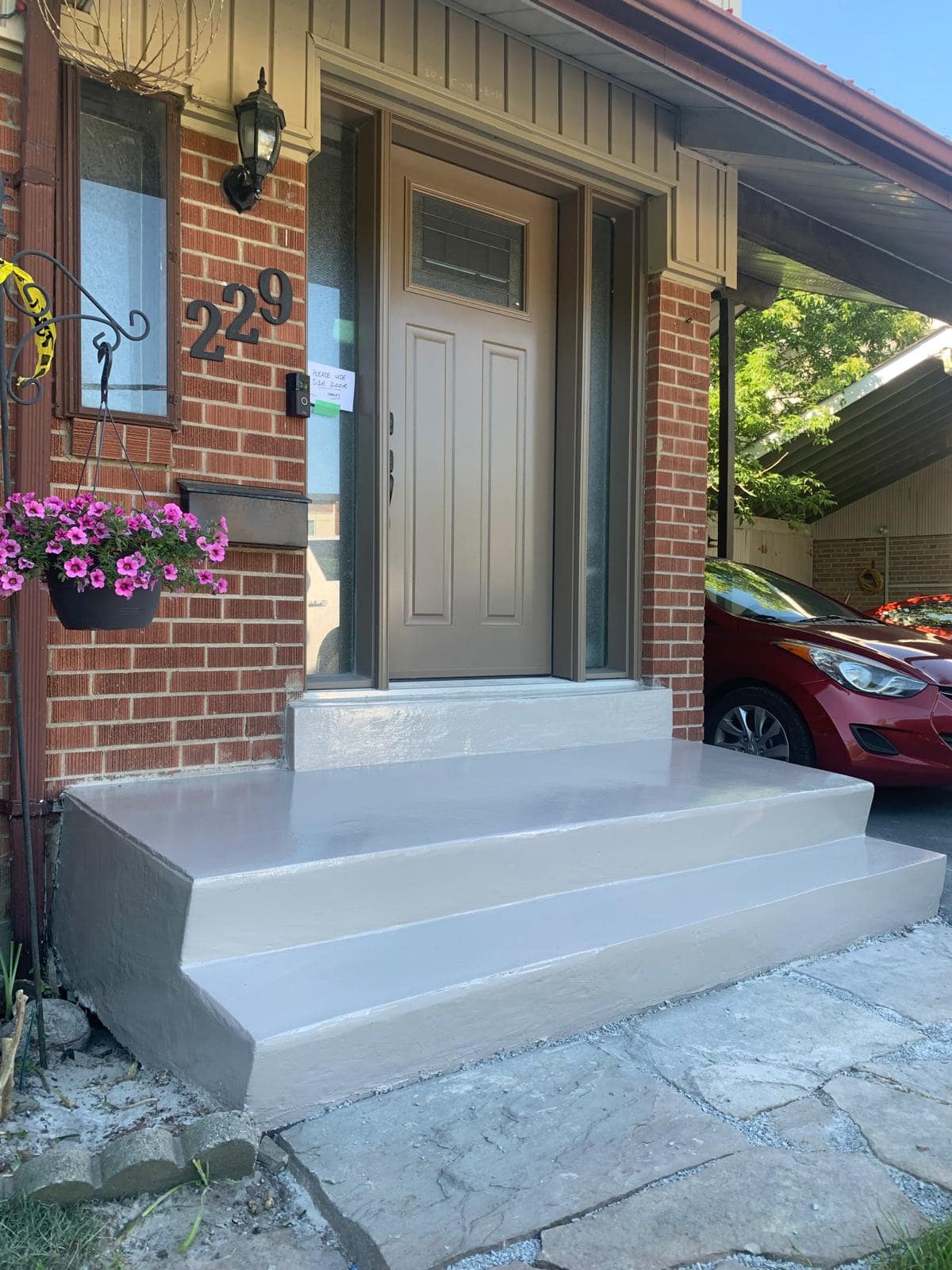
Concrete Steps and Entrances Usually Affect Energy Use Indirectly
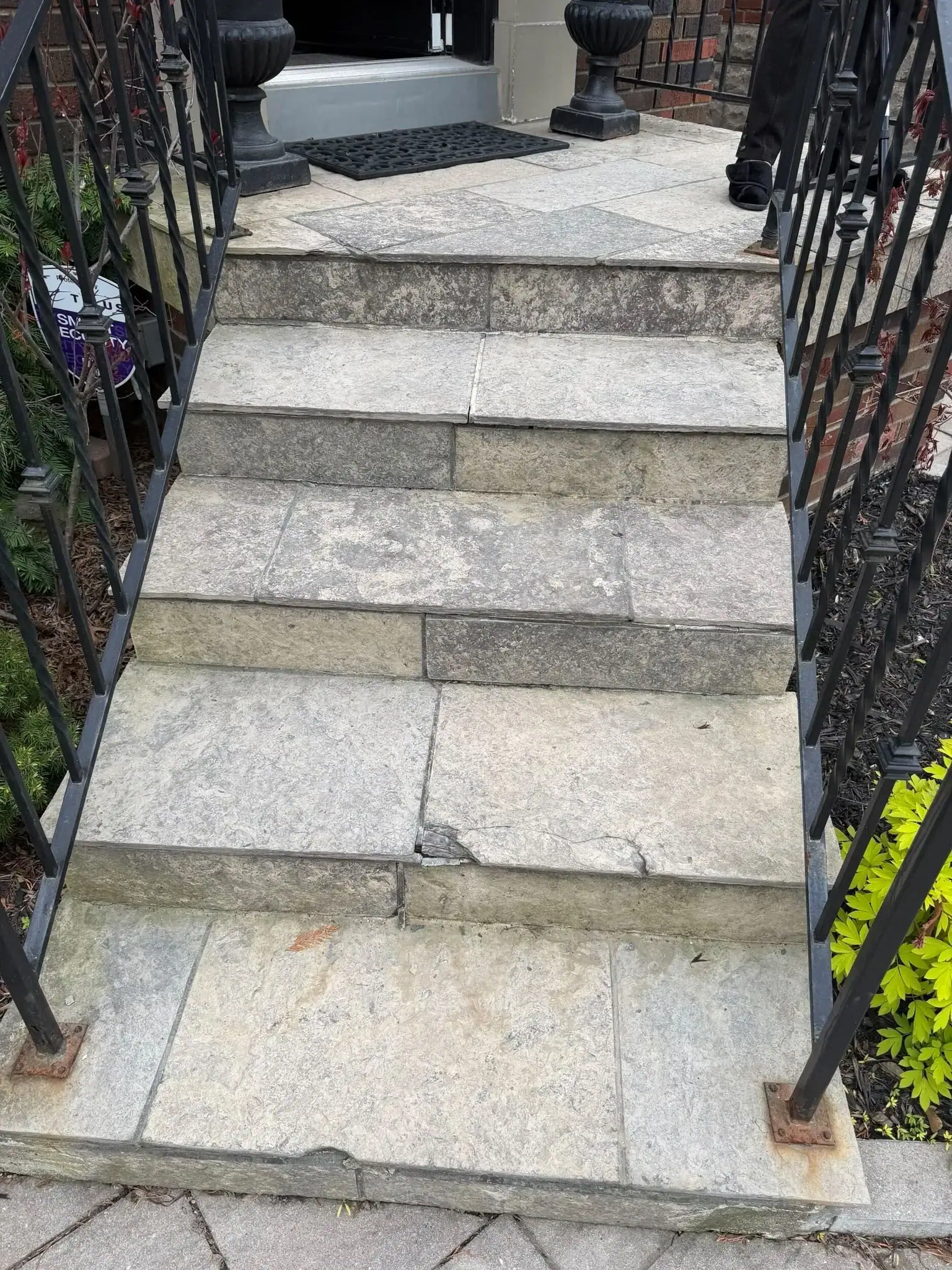
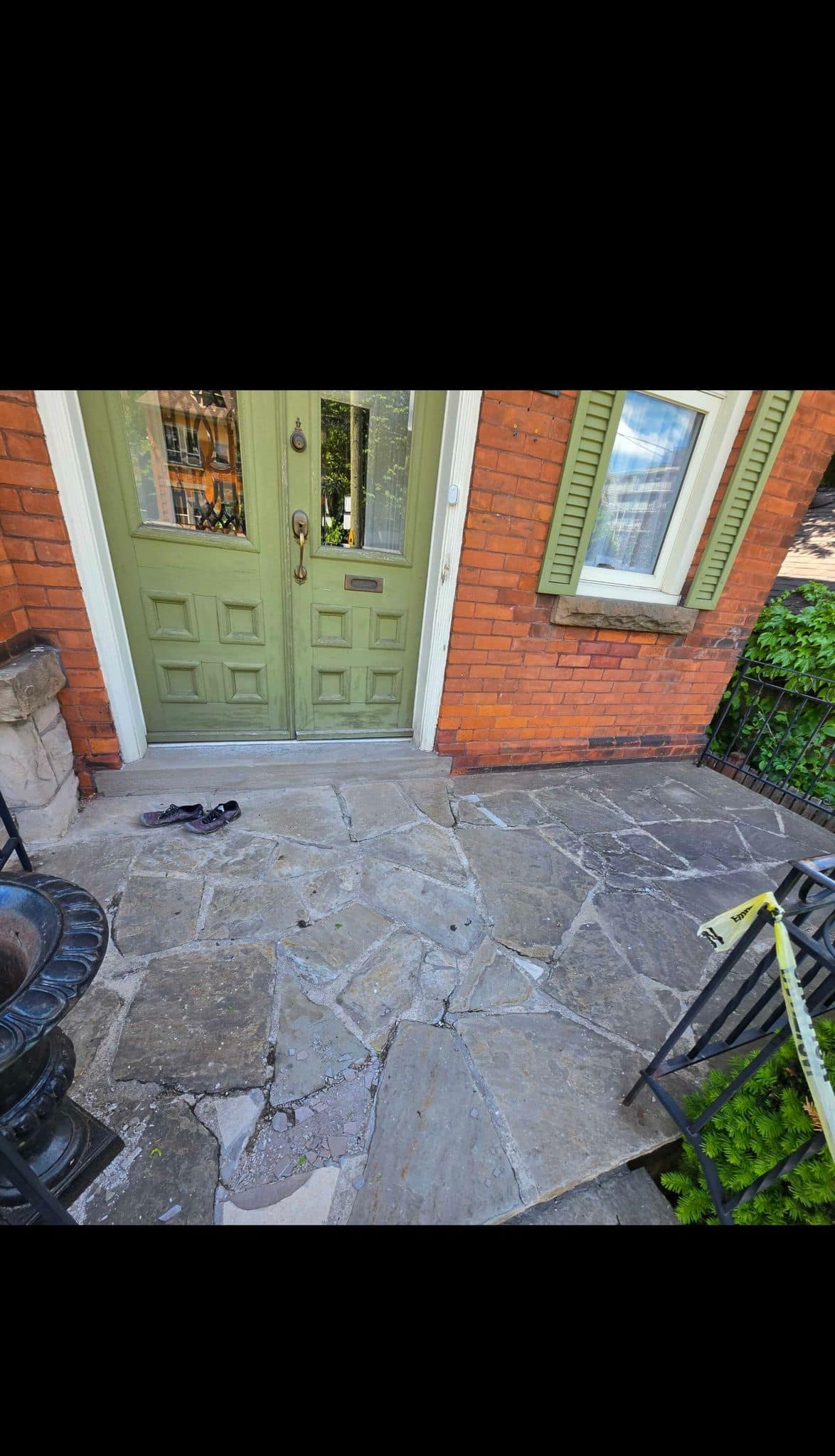
Repairing cracked concrete will not normally create a meaningful reduction in heating or cooling bills by itself.
The connection is usually drainage and moisture.
For example, steps or landings that slope toward the home may direct rain and snowmelt toward:
- Door thresholds
- Foundation walls
- Garage entrances
- Basement windows
That water can contribute to dampness, icing and deterioration around the entrance.
If exterior concrete is cracked, uneven or directing water toward the building, A&A Masonry’s concrete repair services page explains common repair considerations.
Summer Heat and Exterior Masonry
Masonry also affects how exterior walls respond to summer sun.
Brick and stone absorb solar heat and release it gradually. On heavily sun-exposed walls, that stored heat may continue affecting nearby rooms after outdoor temperatures begin to fall.
Summer comfort depends on much more than masonry, including:
- Wall insulation
- Shading
- Window orientation
- Roof and attic performance
- Ventilation
- Air conditioning
Masonry can influence the timing of heat movement, but it should not be treated as a substitute for those systems.
Stone Veneer Is Not an Insulation Upgrade by Itself
Stone veneer can form part of a well-detailed exterior wall, but its main role is cladding and weather protection rather than insulation.
Energy performance depends primarily on the wall assembly behind the veneer, including:
- Insulation
- Air barrier
- Drainage plane
- Flashing
- Moisture management
If water becomes trapped behind veneer, the wall may develop staining, loose units, moisture damage or deterioration.
A&A Masonry’s veneer stone installation page explains common exterior veneer applications.
How Masonry Repairs Can Support Better Energy Performance
Masonry repair can support energy performance when the existing masonry is allowing water into the wall, exposing deeper assemblies or contributing to uncontrolled air paths.
Relevant repairs may include:
- Tuckpointing: Replacing failed mortar joints.
- Brick repair: Repairing or replacing damaged masonry units.
- Chimney repair: Addressing crowns, caps, brick, mortar and water entry.
- Waterproofing: Managing foundation moisture and below-grade water entry.
- Concrete repair: Correcting deteriorated exterior surfaces and drainage-related entrance problems.
- Stone repair: Repairing open joints, loose units or weather-related deterioration.
- Drainage correction: Reducing water reaching walls and foundations.
The energy benefit is generally indirect. The goal of masonry repair is to restore the exterior assembly, control moisture and repair deterioration so the rest of the building envelope can perform as intended.
What Masonry Repair Cannot Fix
High energy bills can have many causes that masonry repair cannot solve.
Examples include:
- Poor attic insulation
- Unsealed ductwork
- Old or poorly fitted windows
- HVAC inefficiency
- Air leakage far from masonry areas
- Roof and attic problems
- Ventilation issues
- Thermostat settings and occupant habits
Tuckpointing will not turn an uninsulated wall into an insulated one. Chimney masonry repair will not replace a failed fireplace damper. Waterproofing will not correct an inefficient furnace.
The repair should match the actual problem.
What Homeowners Can Check
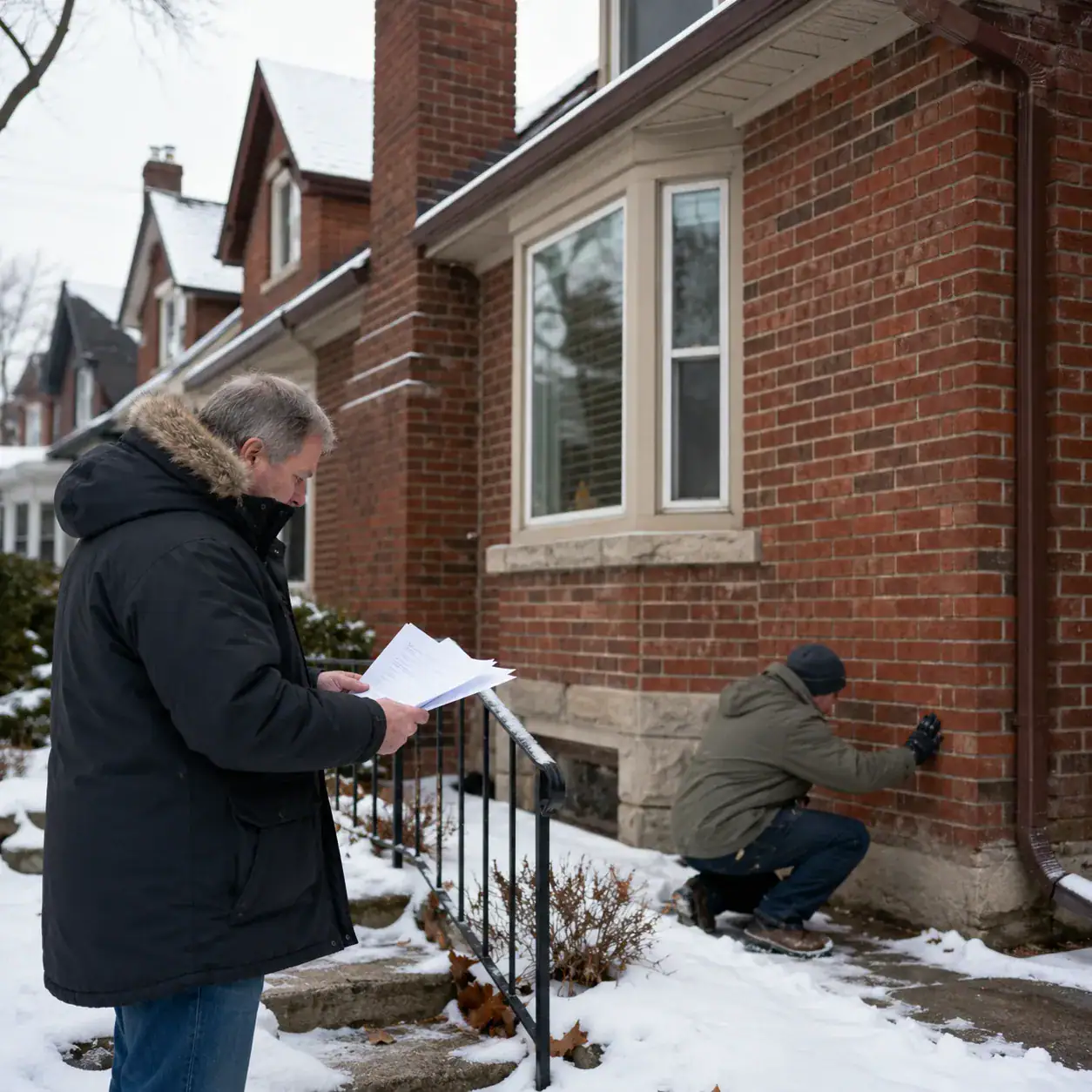
Homeowners can make a basic visual review before deciding which professional to call.
- Look for cracked, missing or sandy mortar joints.
- Check for spalling or loose brick.
- Look for damp patches, white deposits or peeling coatings.
- Notice whether cold areas correspond with exterior walls or foundation locations.
- Check downspouts and grading around the foundation.
- Look for water pooling near steps and entrances.
- Check fireplace areas for drafts or staining.
- Document visible changes with photographs.
Avoid assuming that every cold wall is a masonry defect. Interior air leakage or insulation gaps may be responsible even when the brick exterior is in good condition.
When an Energy Audit Makes More Sense
An energy audit is useful when the home has high energy bills or uncomfortable rooms but the cause is not obvious.
An energy advisor may identify:
- Air leakage
- Insulation gaps
- Attic problems
- Basement heat loss
- Ventilation issues
- Mechanical-system concerns
For older masonry homes, this can help separate an exterior masonry problem from a broader building-envelope or mechanical problem.
A masonry contractor can then address visible brick, mortar, chimney, stone, concrete or moisture-related repairs that fall within the exterior masonry scope.
When a Mason Should Be Involved
A masonry assessment makes more sense when energy or comfort concerns appear alongside visible exterior damage such as:
- Open mortar joints
- Spalling brick
- Loose masonry
- Chimney deterioration
- Foundation moisture
- Cracked exterior concrete
- Recurring water staining
- Failed exterior coatings
A mason can assess the exterior deterioration and determine whether masonry repair, tuckpointing, chimney repair, waterproofing, concrete repair or another exterior service is appropriate.
For a broader overview, A&A Masonry’s Toronto masonry services page outlines the related repair categories available for Toronto homes.
Final Thoughts on How Masonry Affects Home Energy Bills
Masonry affects home energy performance mainly as part of the exterior building envelope. Brick, stone, concrete, chimneys and foundations influence moisture, weather exposure, air-leak paths and surface temperatures, but they do not replace insulation, air sealing or efficient mechanical systems.
The most useful approach is to identify the actual cause of the comfort or energy problem before choosing a repair.
If the masonry is cracked, wet or deteriorating, repair may be part of the solution. If the masonry is sound but the home remains drafty or expensive to heat, an energy audit, insulation review or mechanical assessment may be more appropriate.
Seeing Masonry Damage Along With Drafts or Moisture?
High energy bills are not automatically a masonry problem, but cracked brick, open mortar joints, chimney deterioration, foundation moisture and recurring water entry can weaken the exterior building envelope.
A&A Masonry can assess the visible masonry and help determine whether exterior repair should be part of the solution.