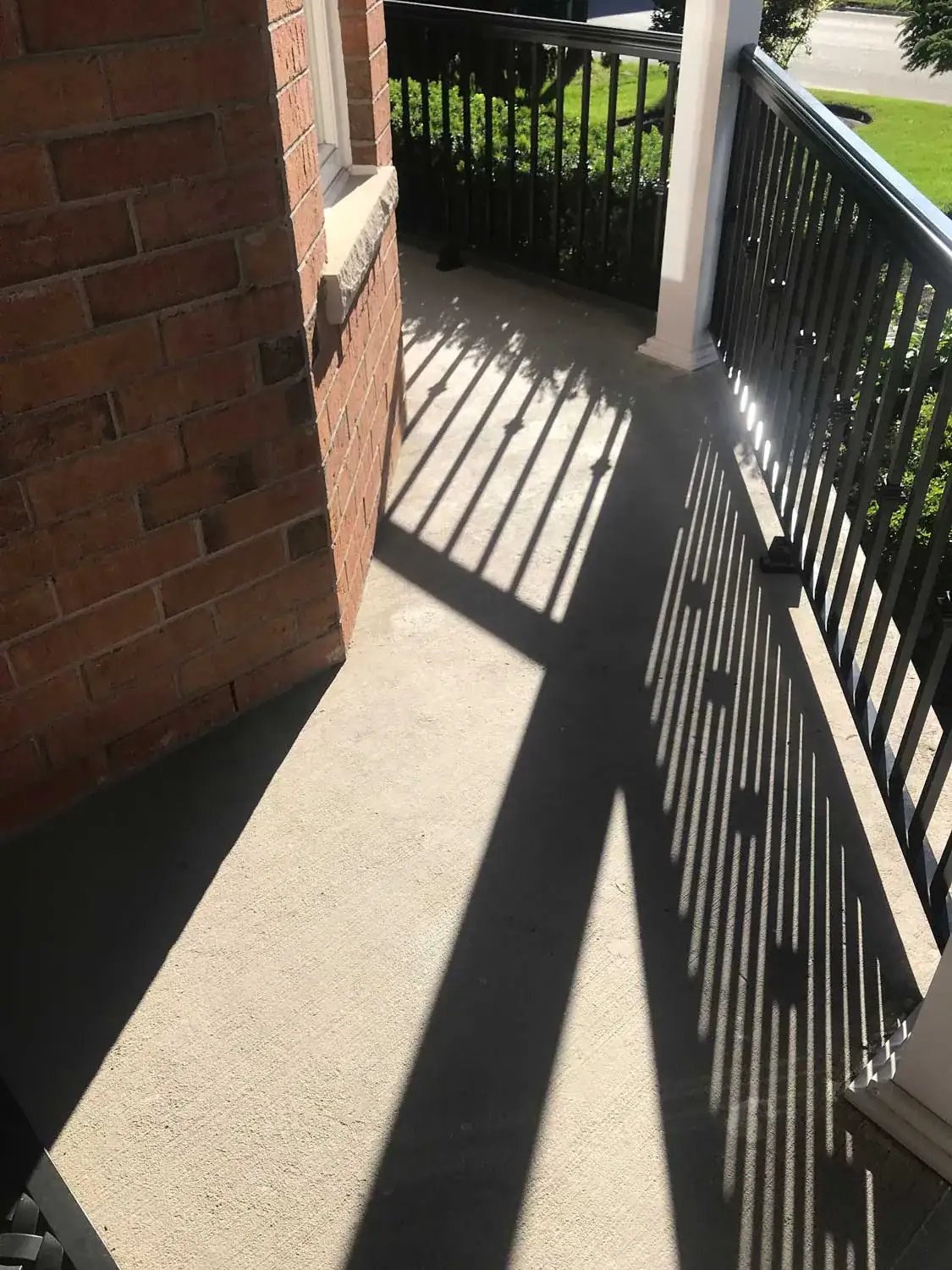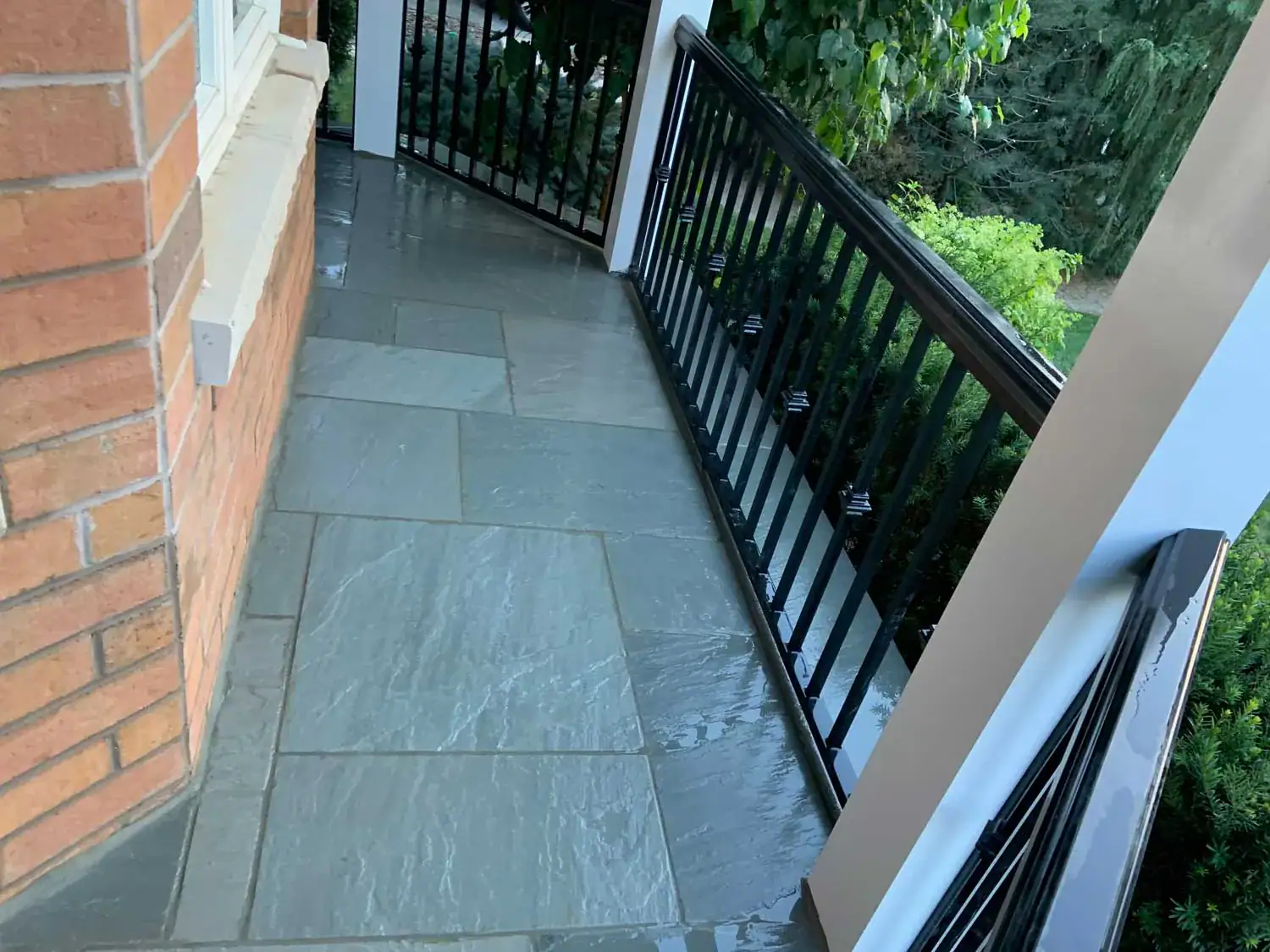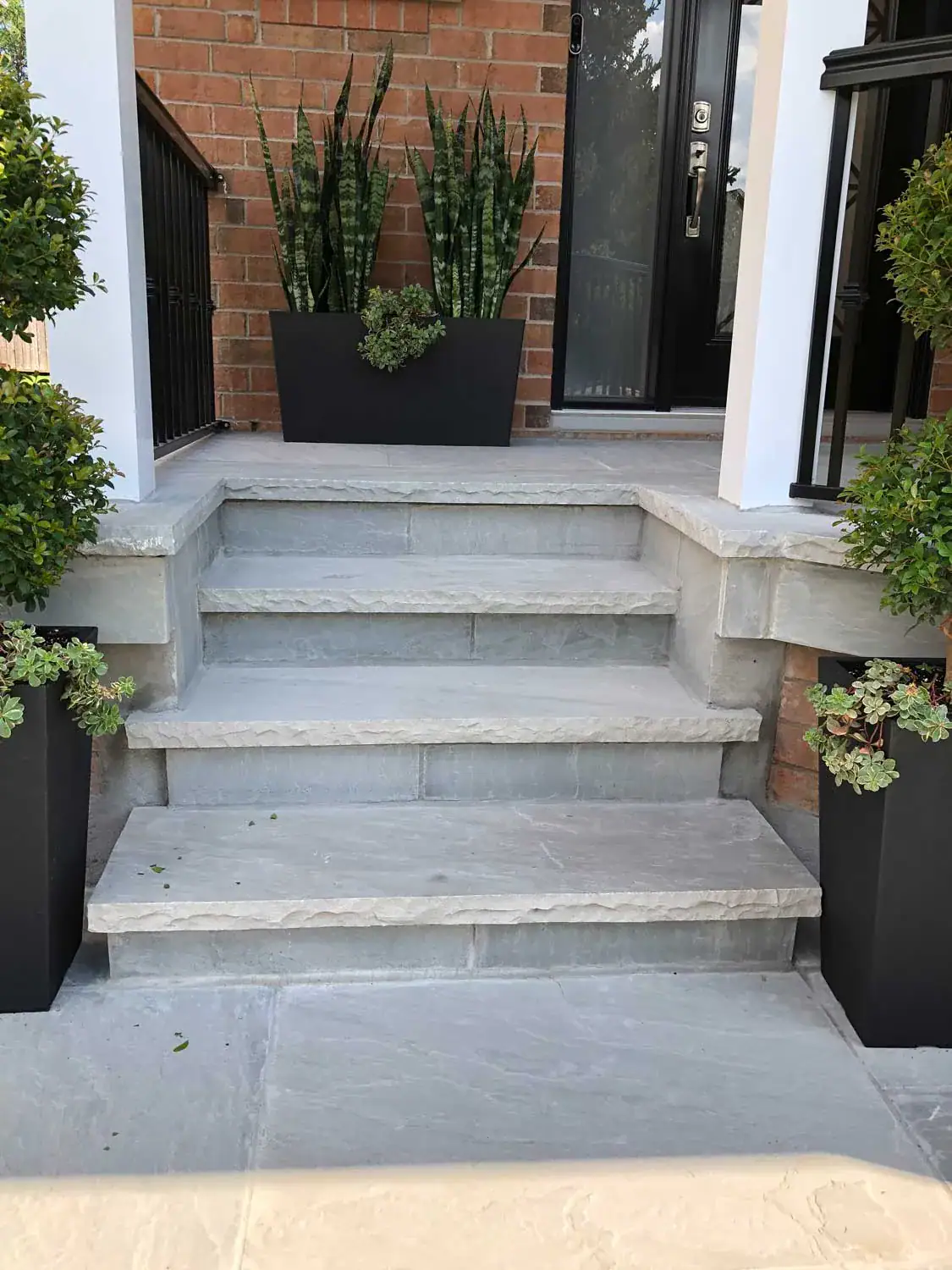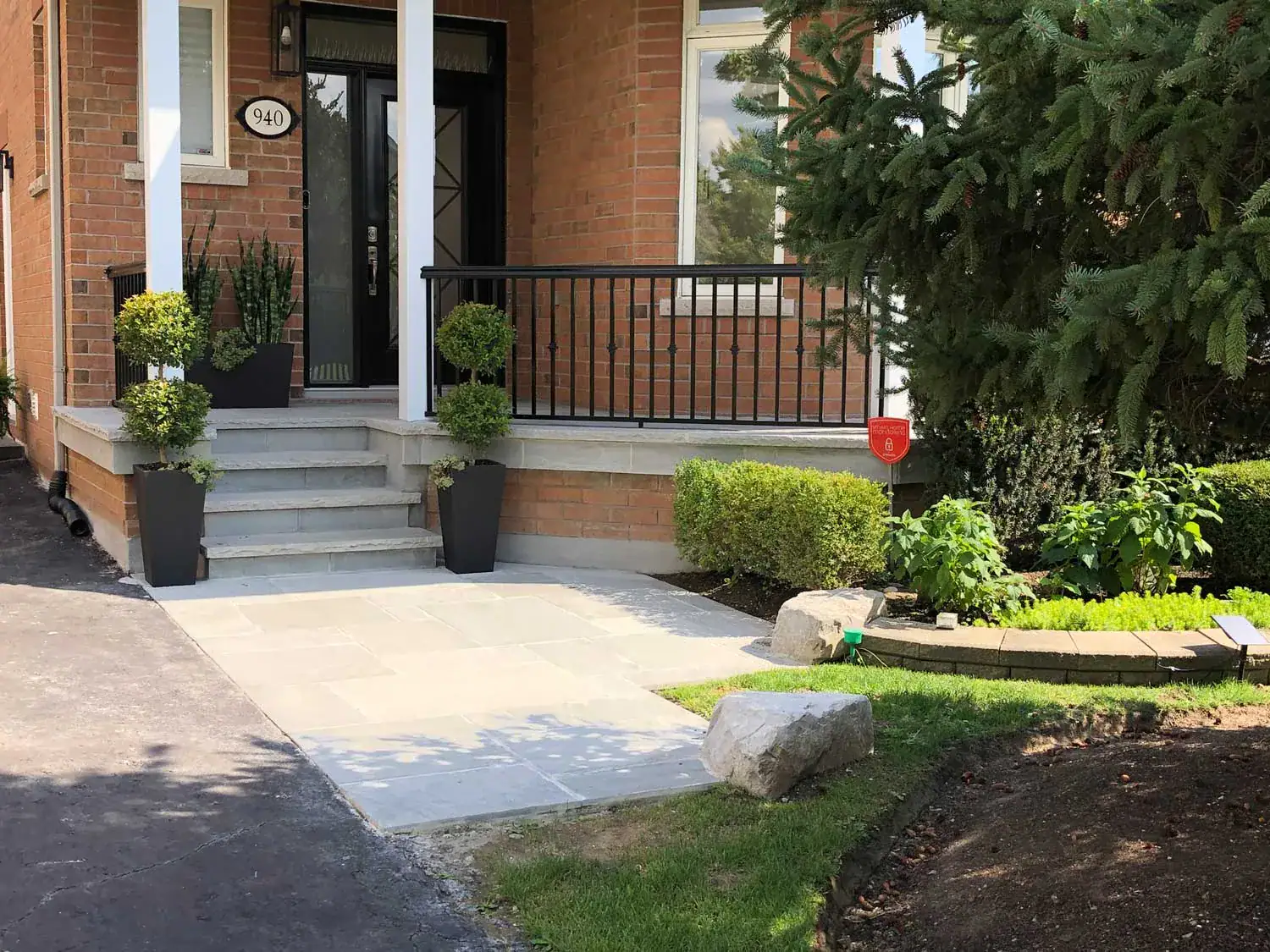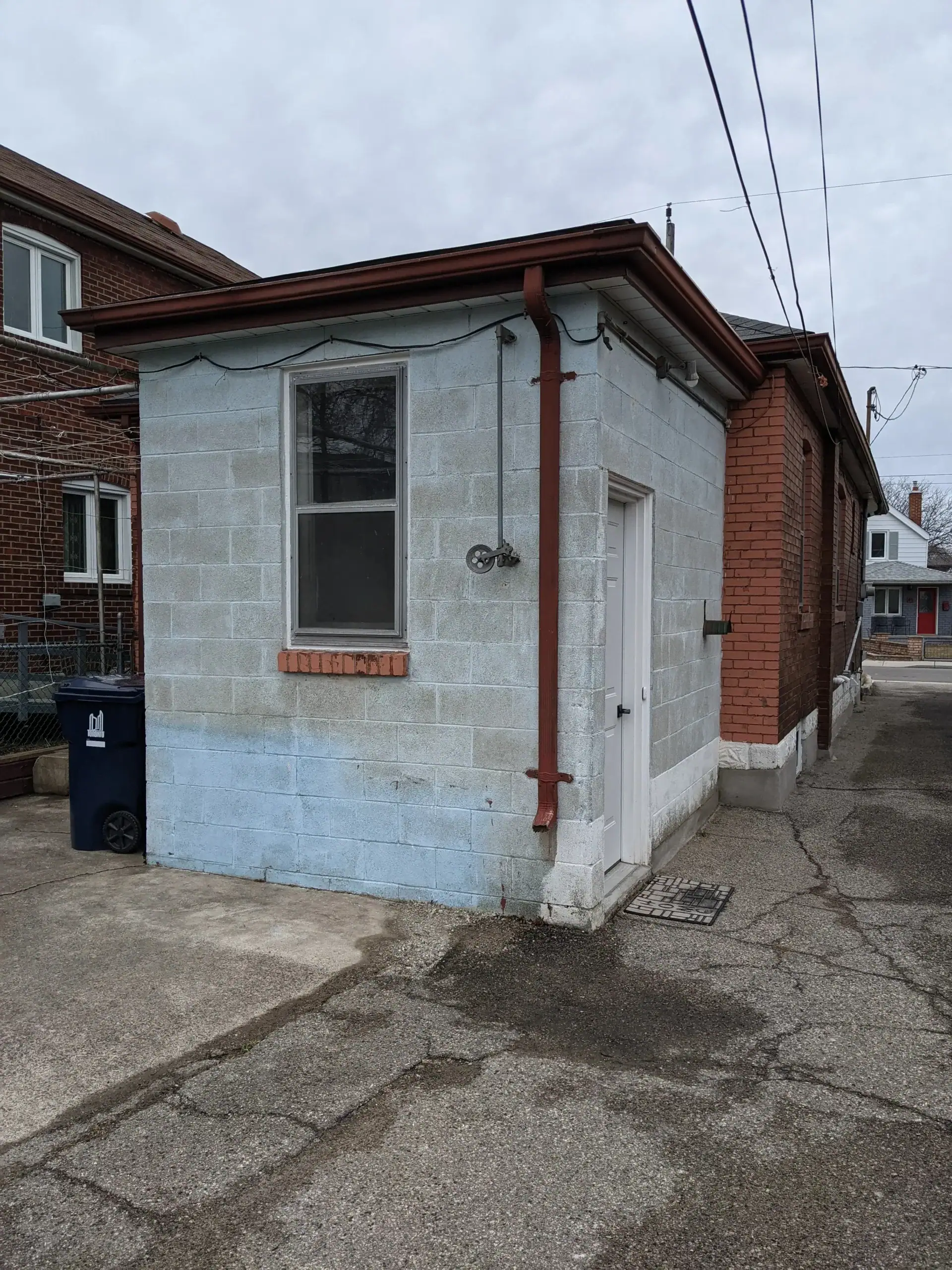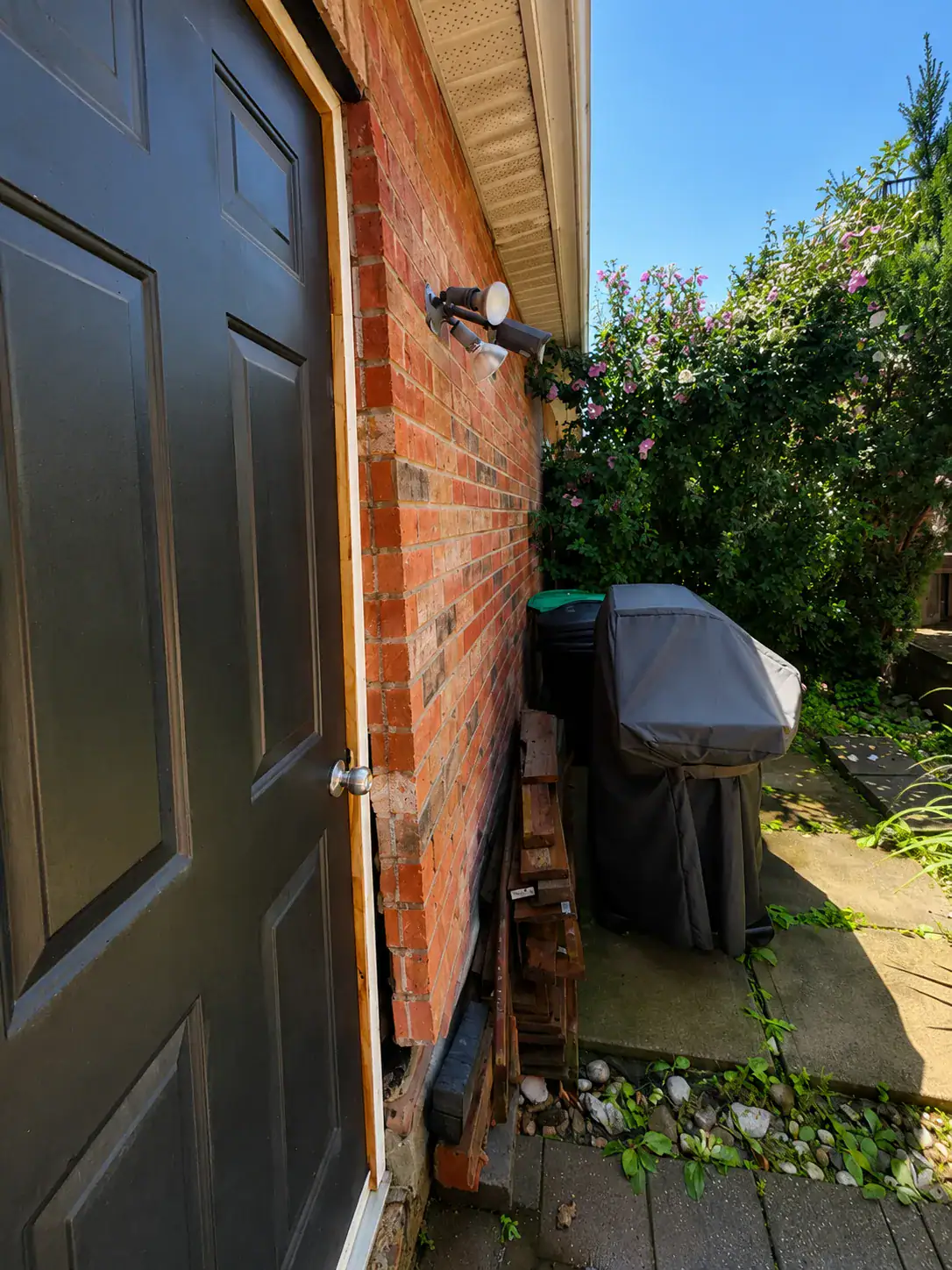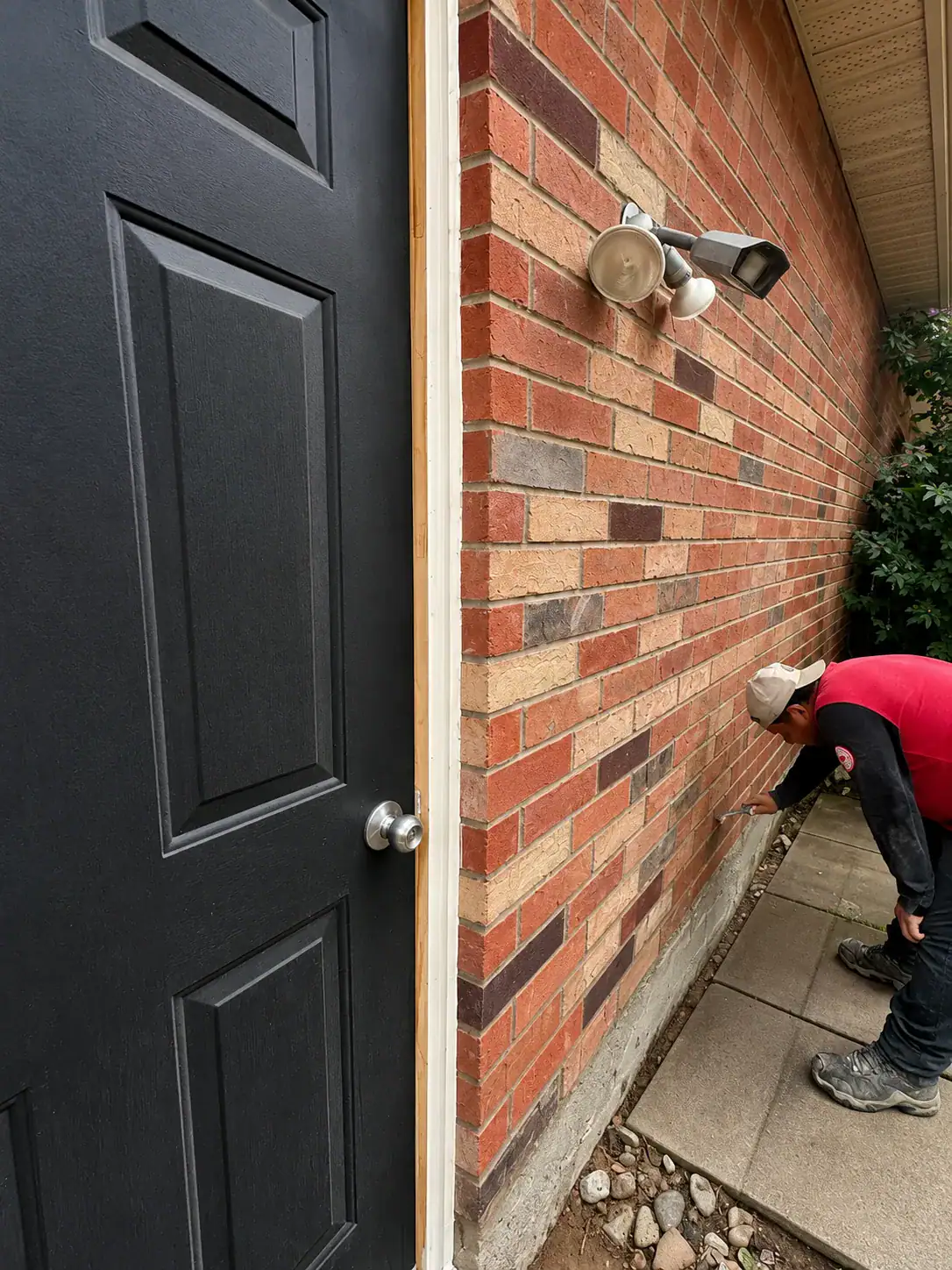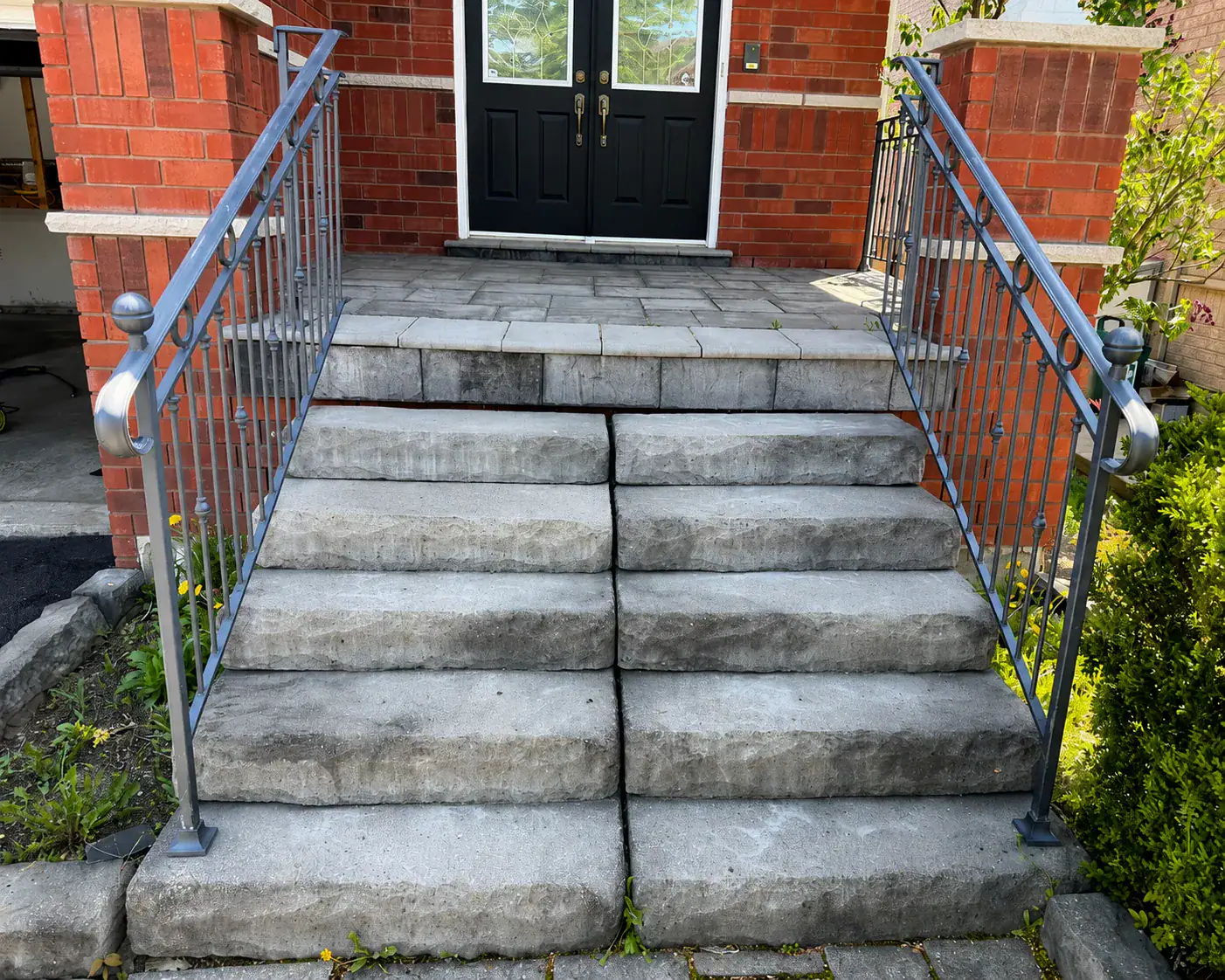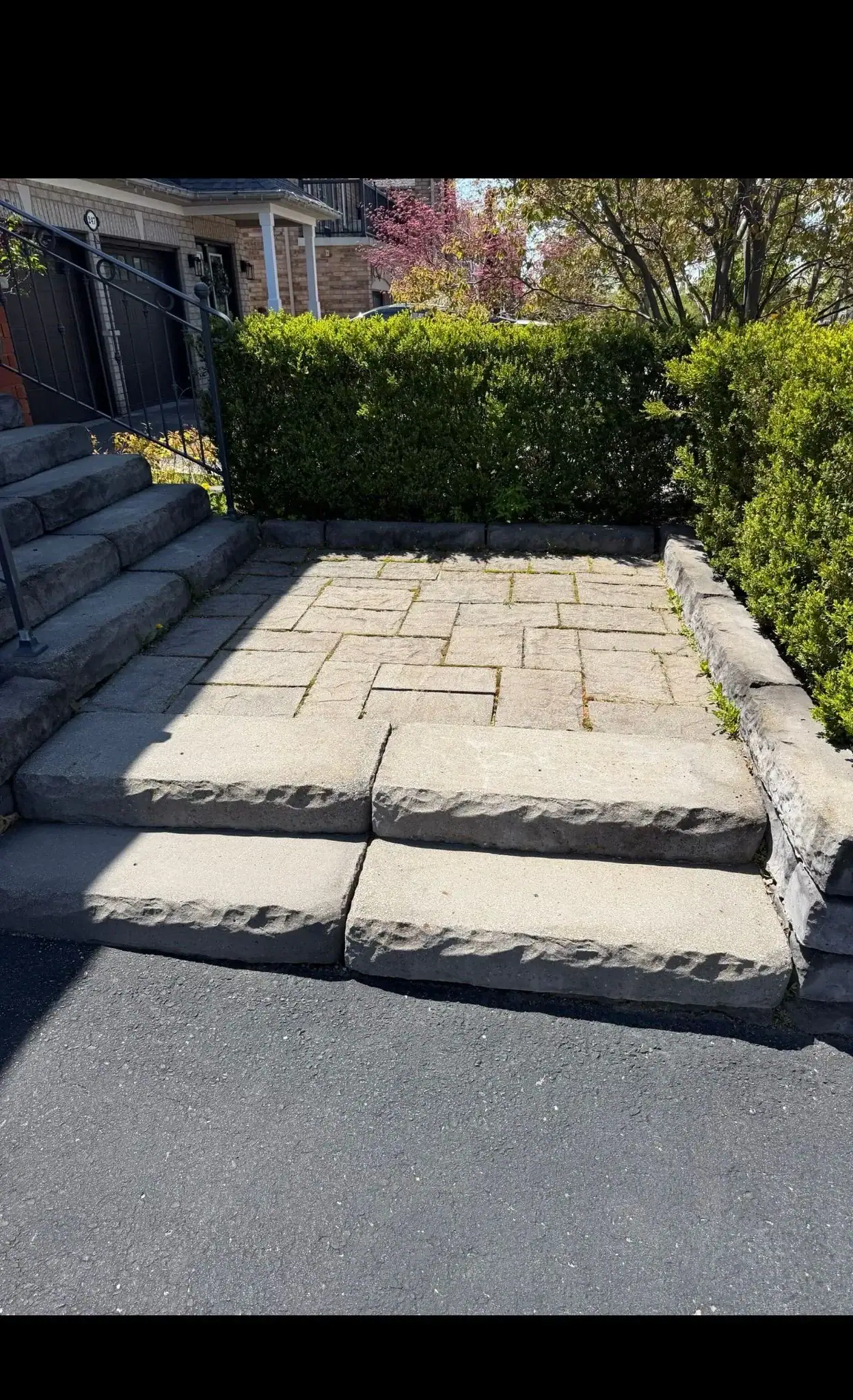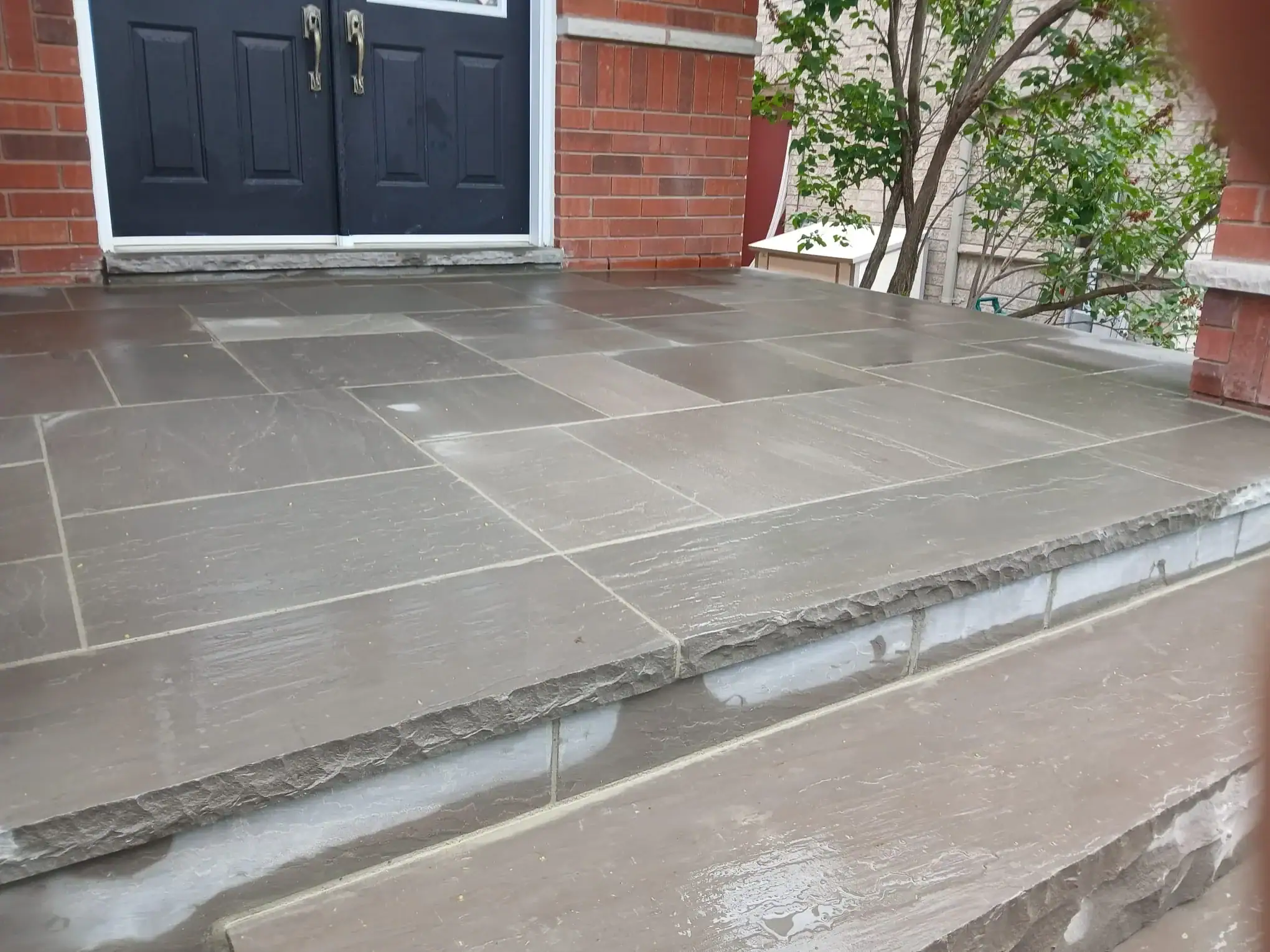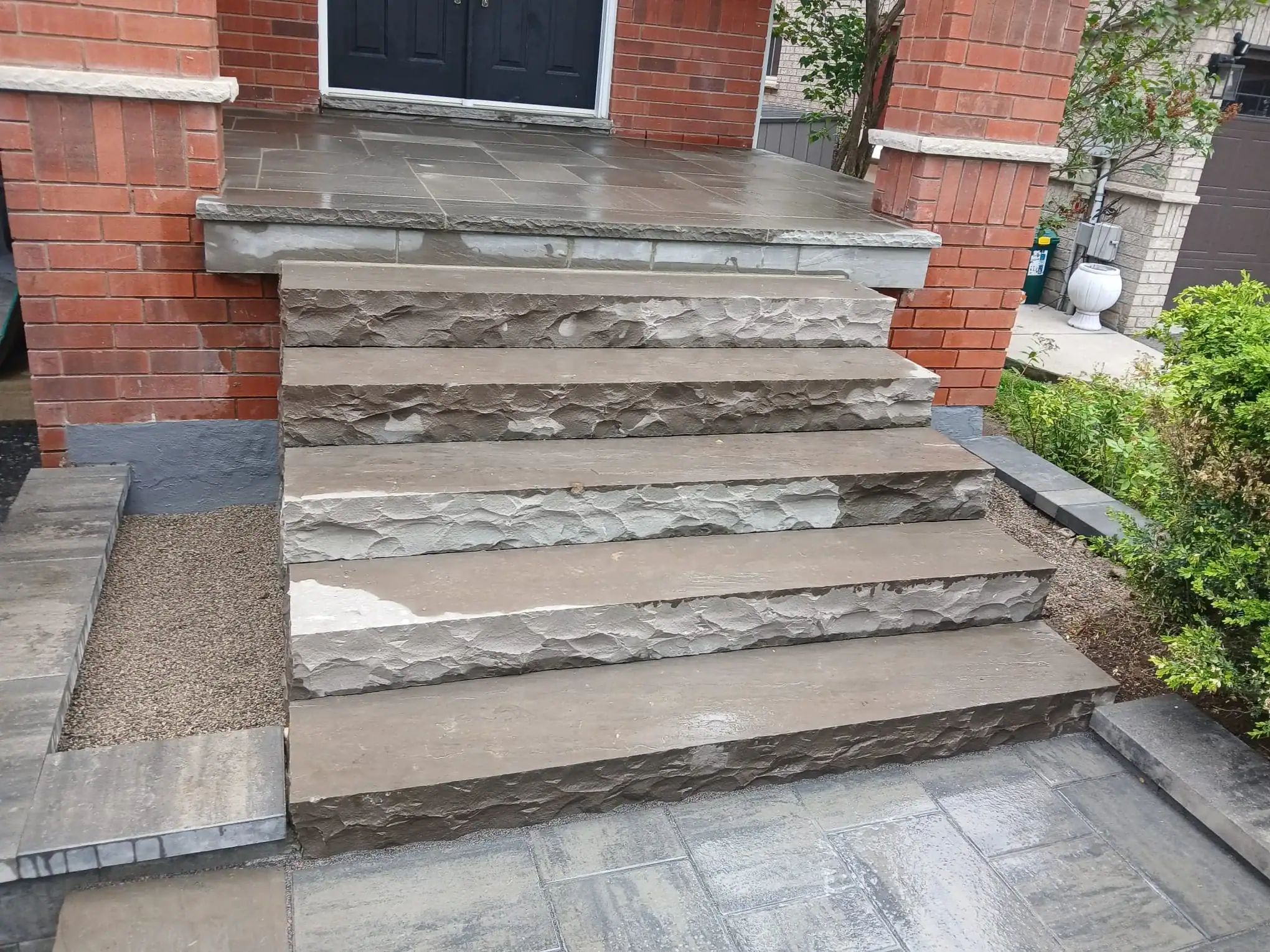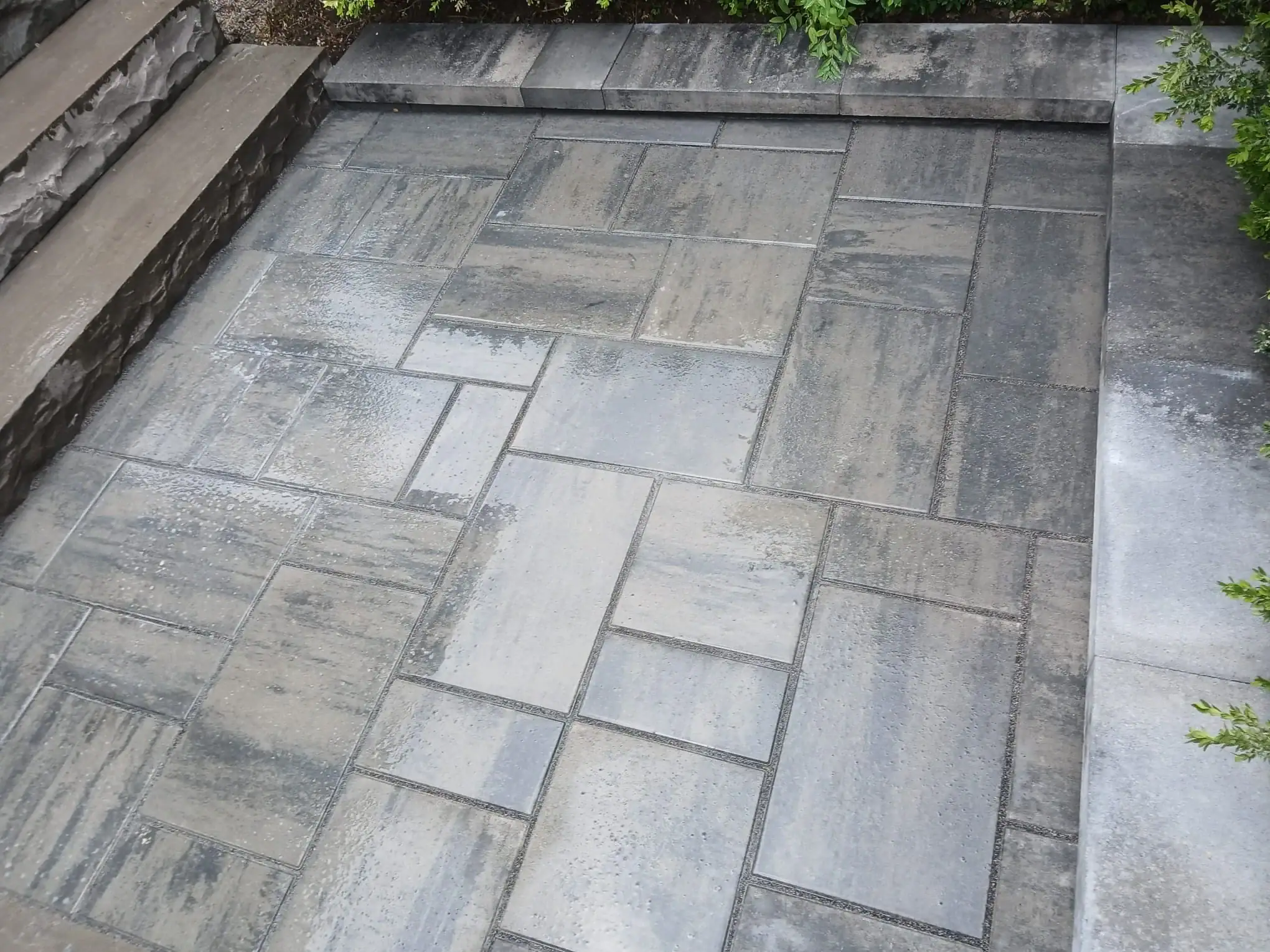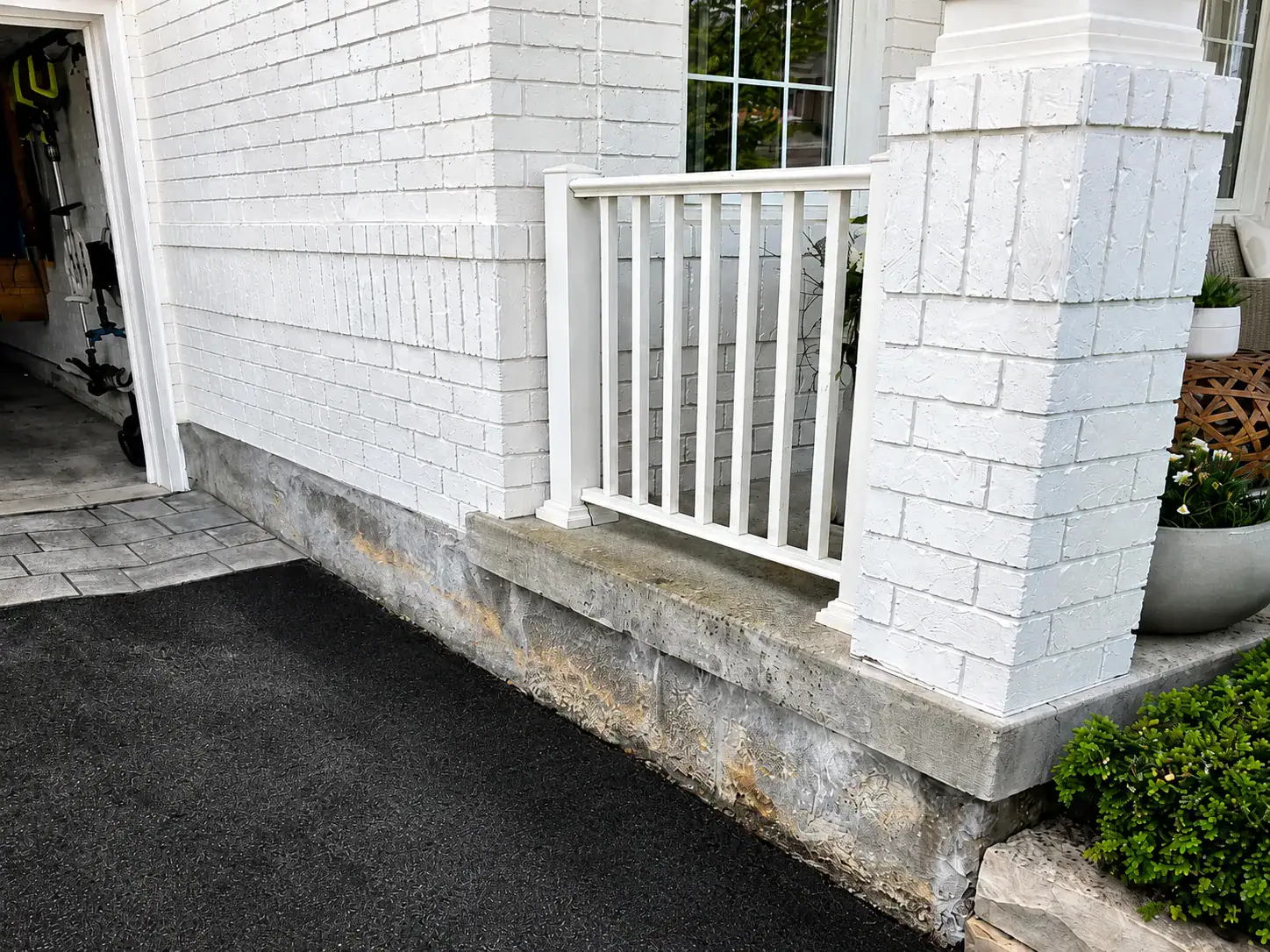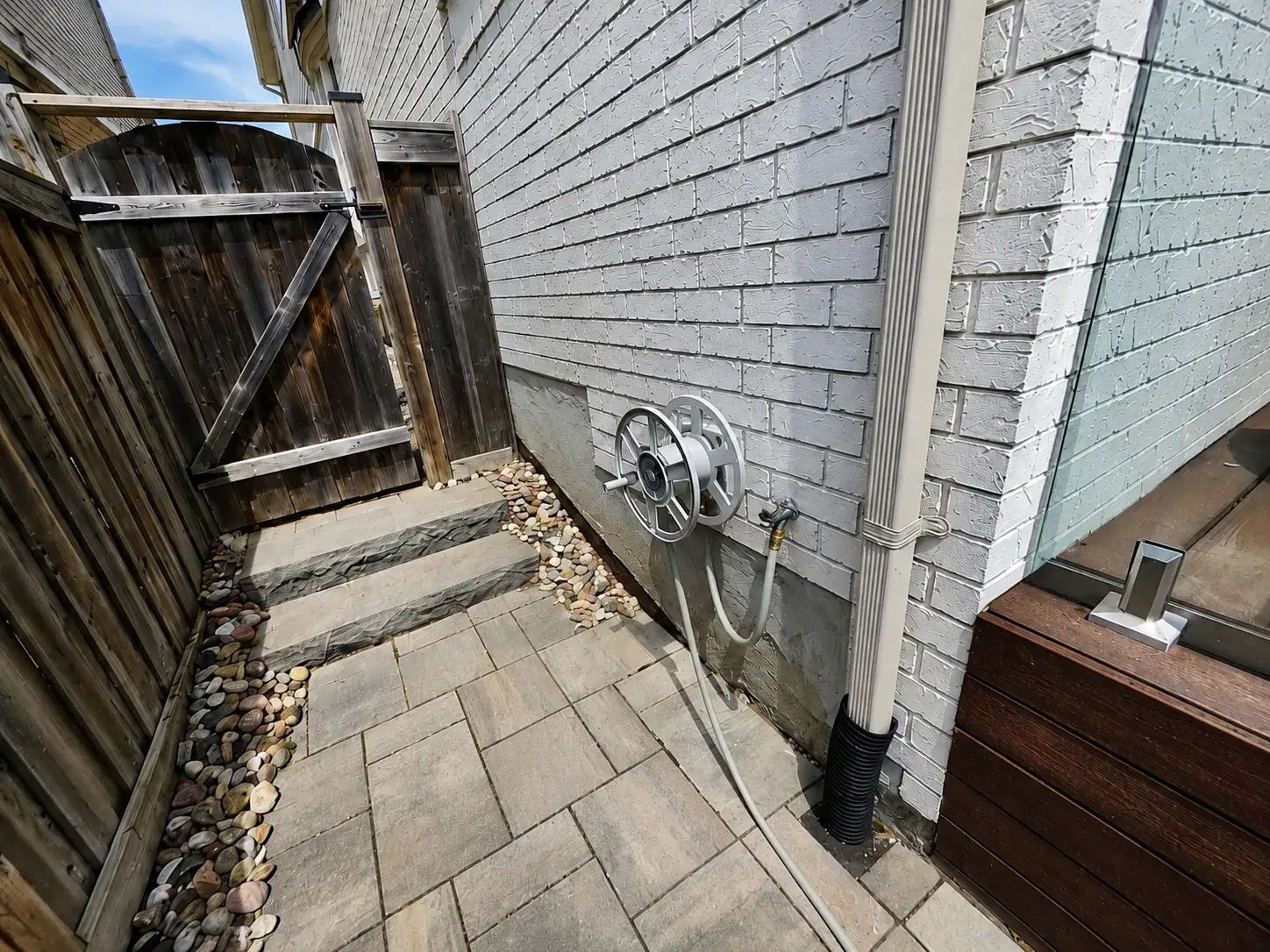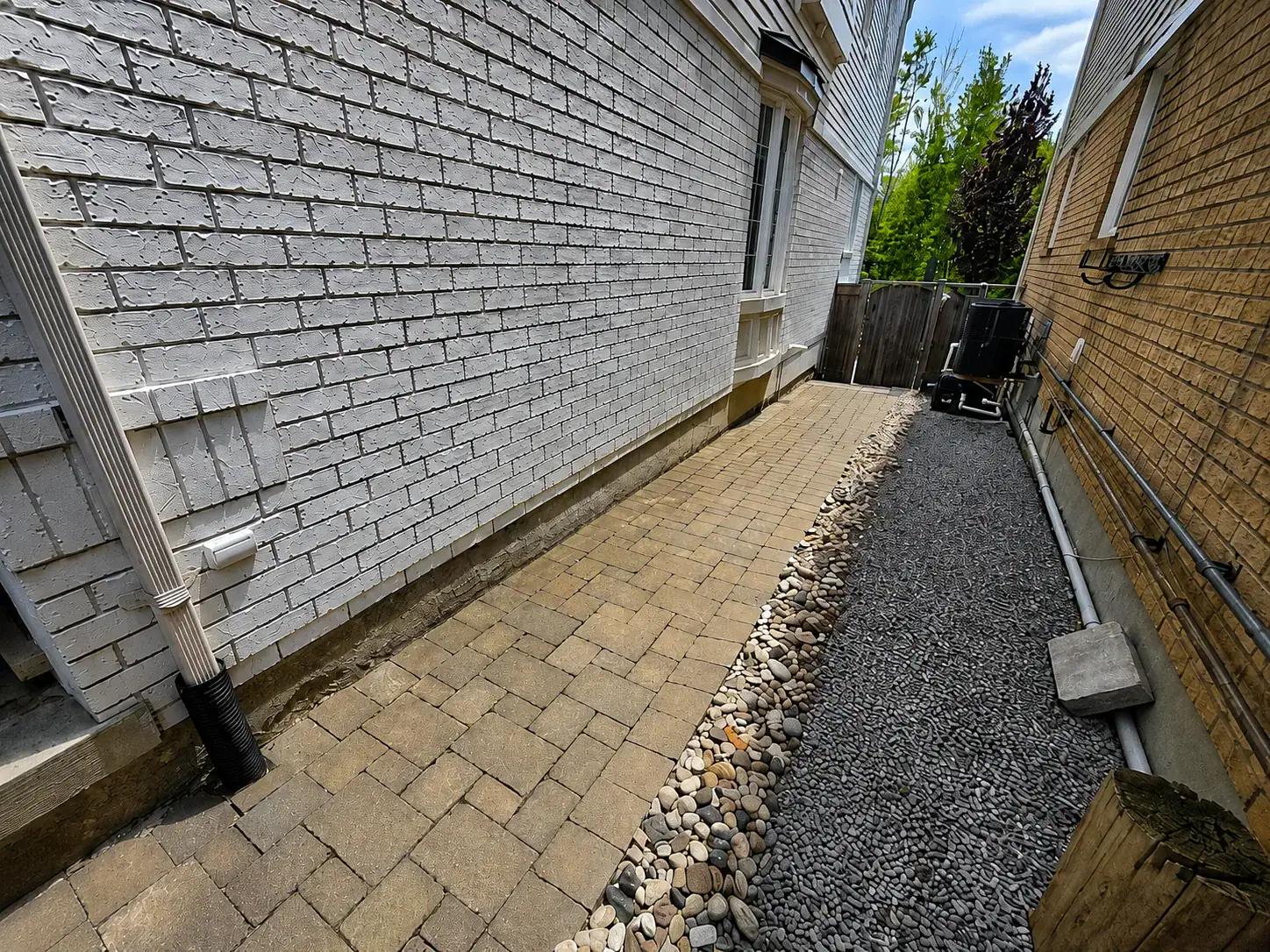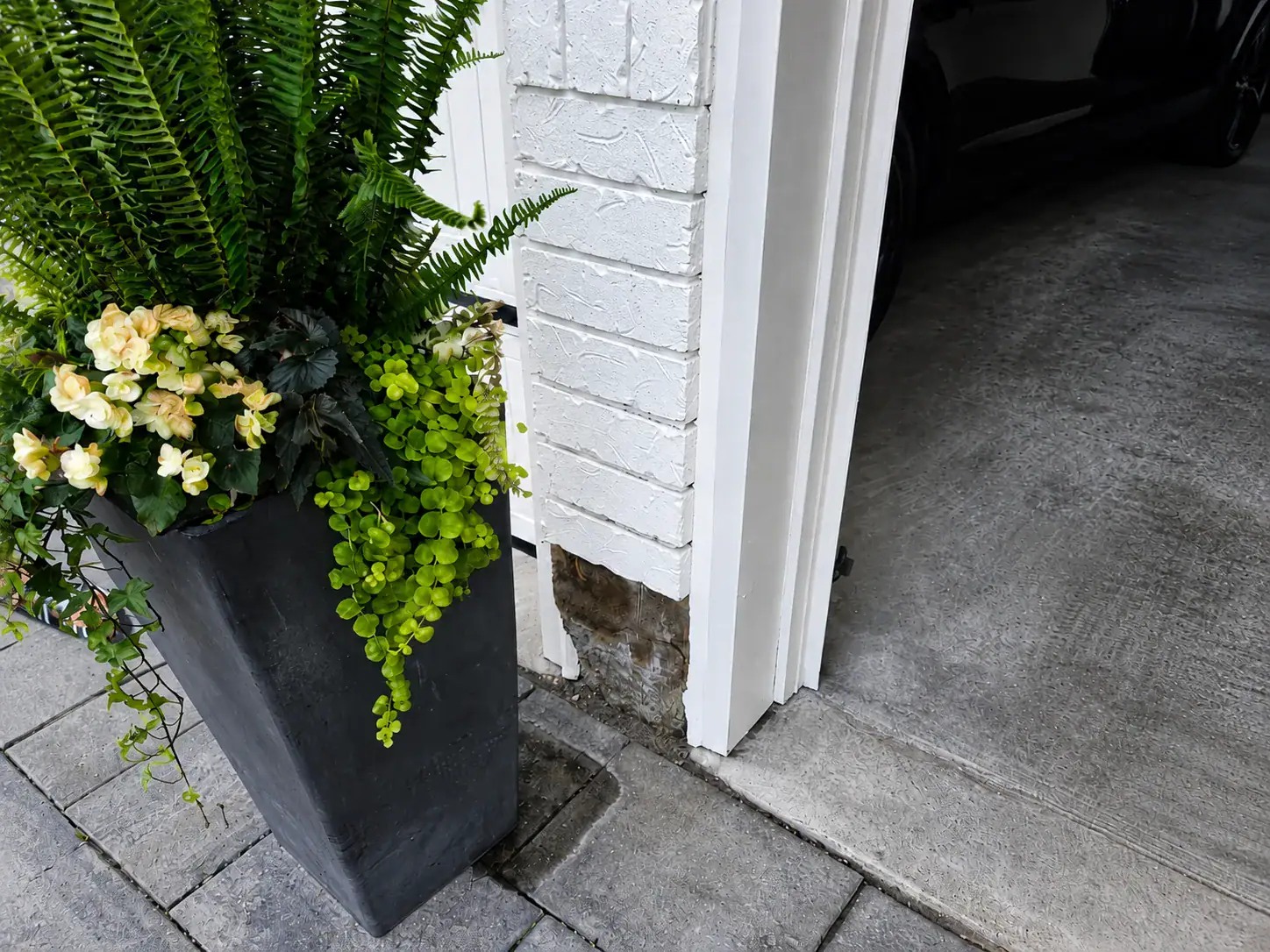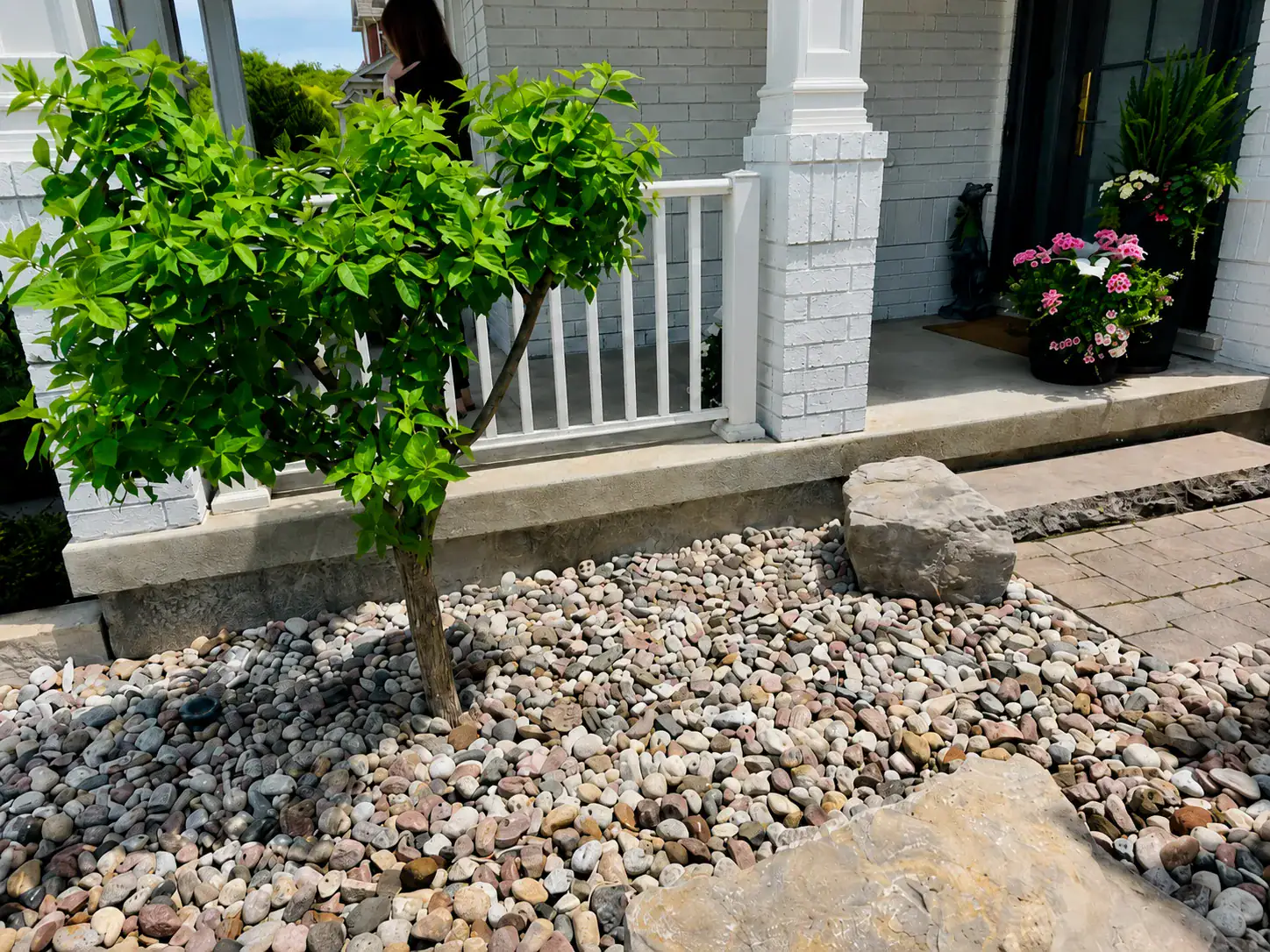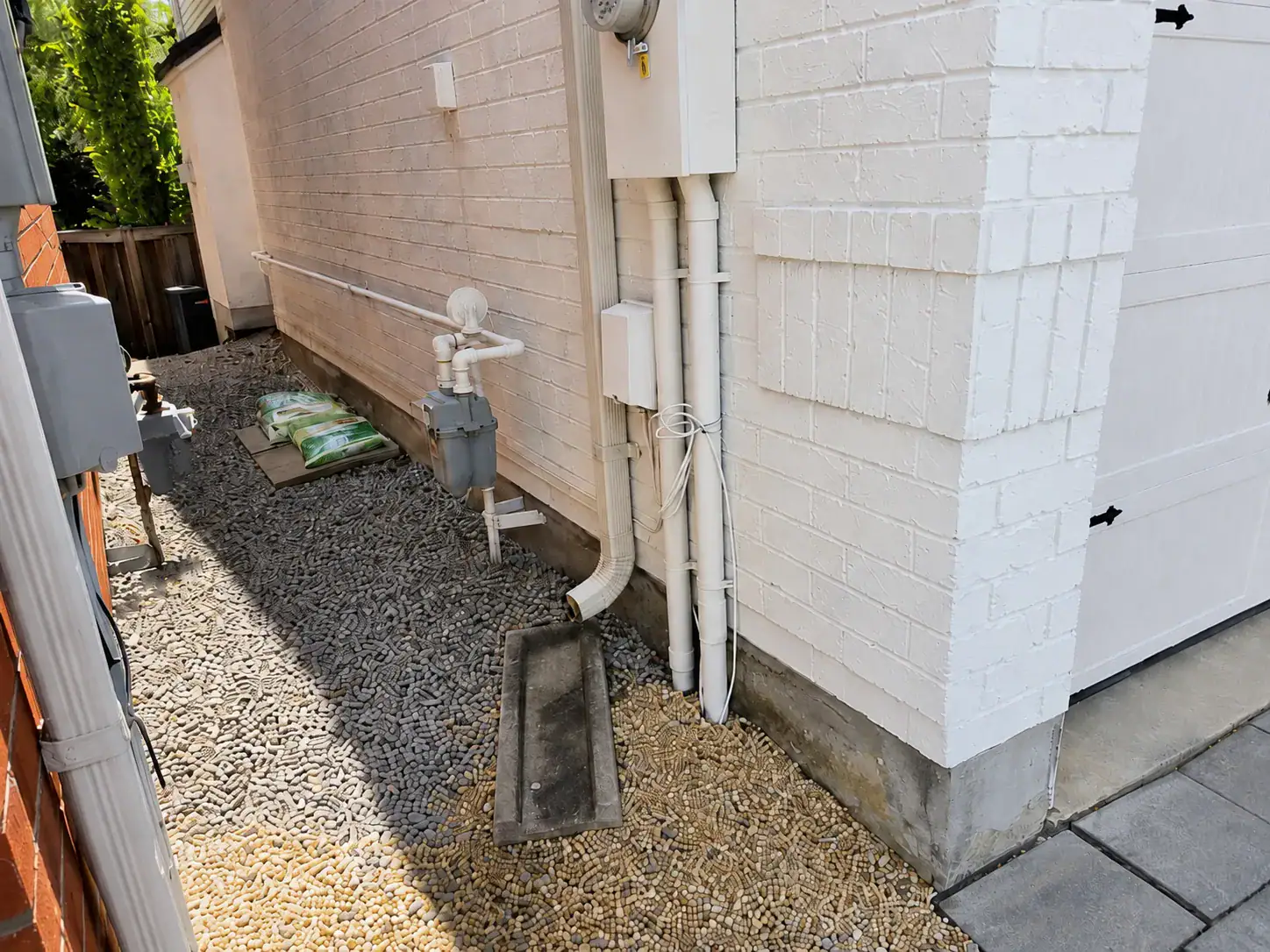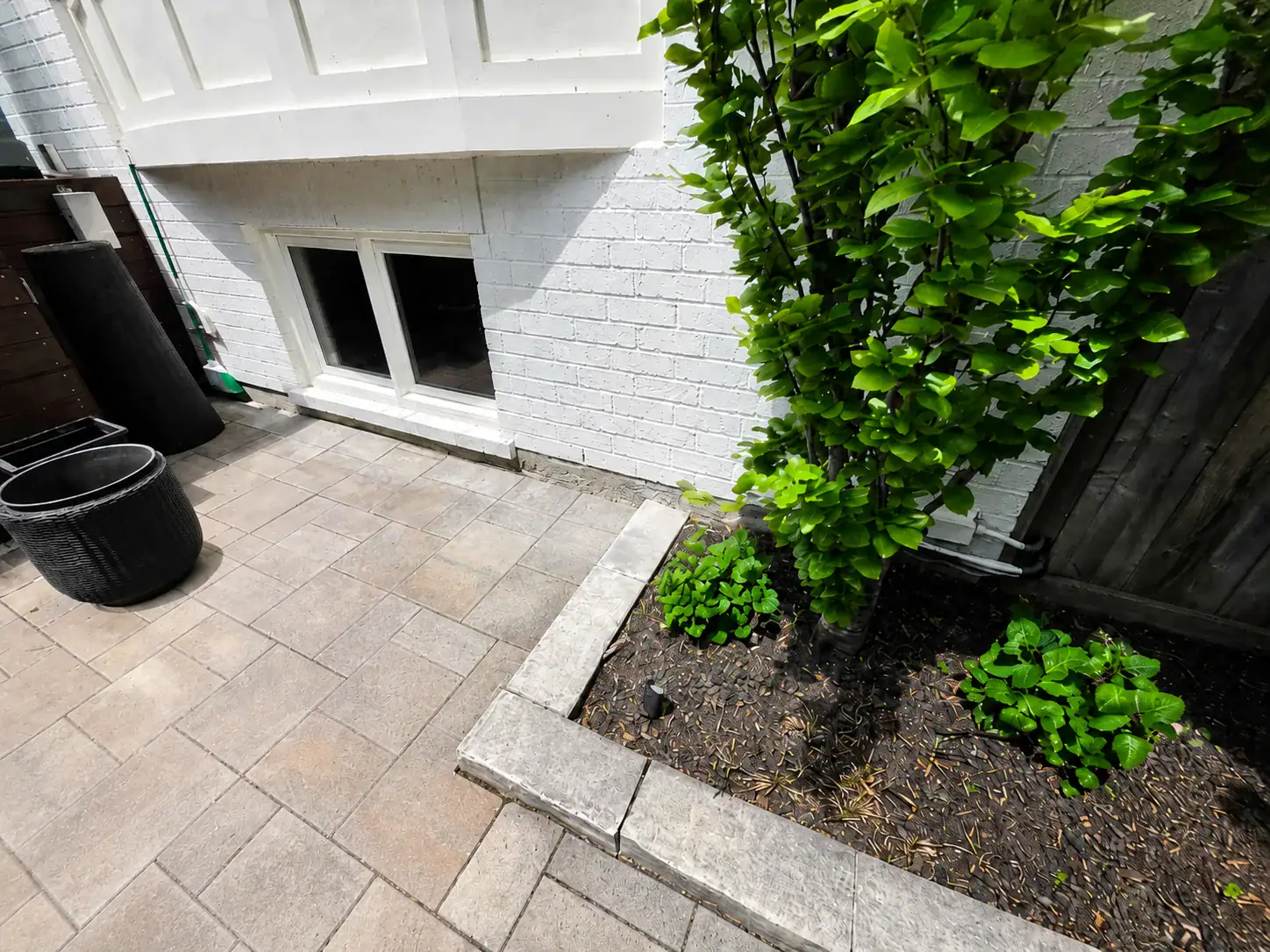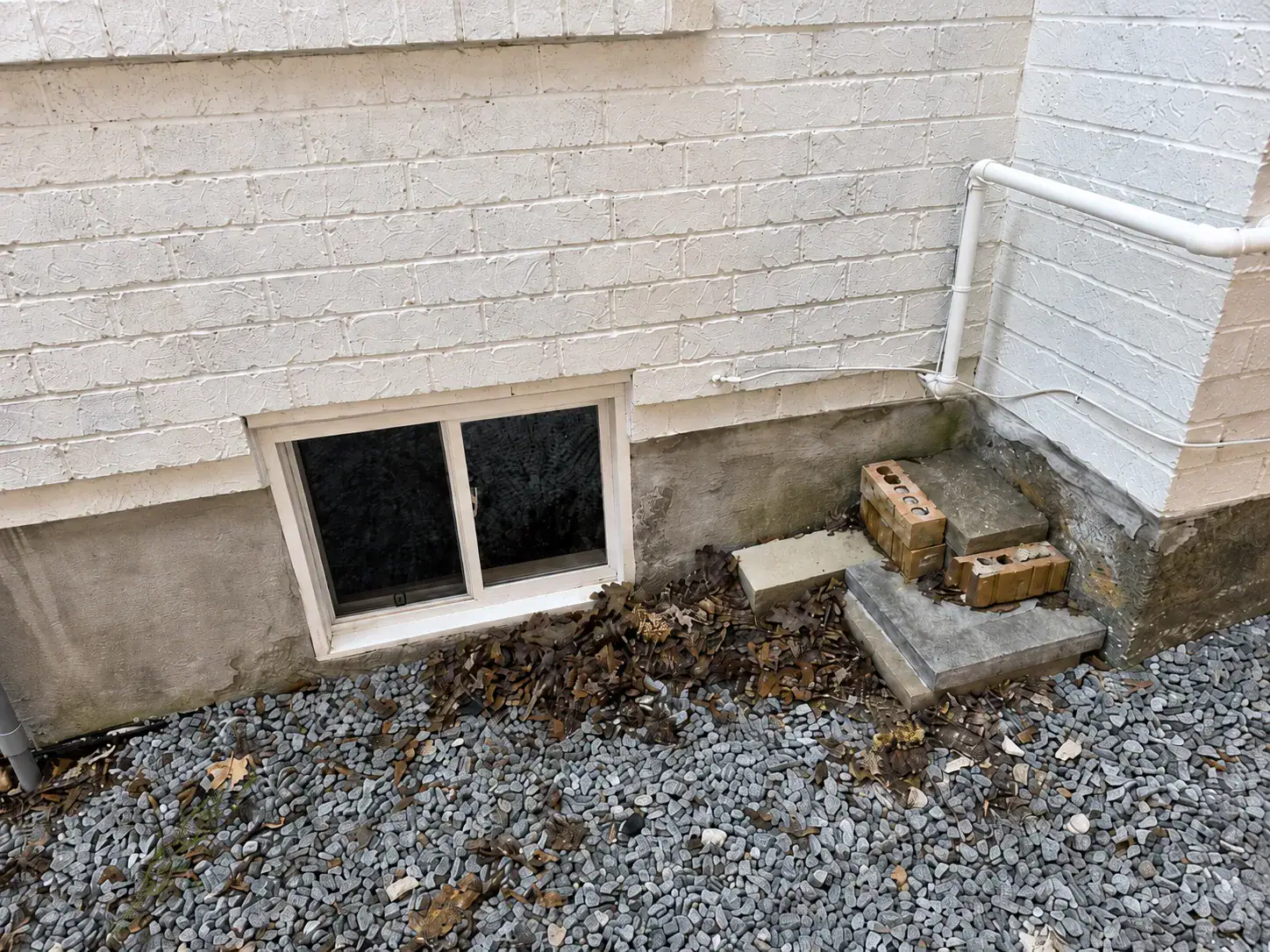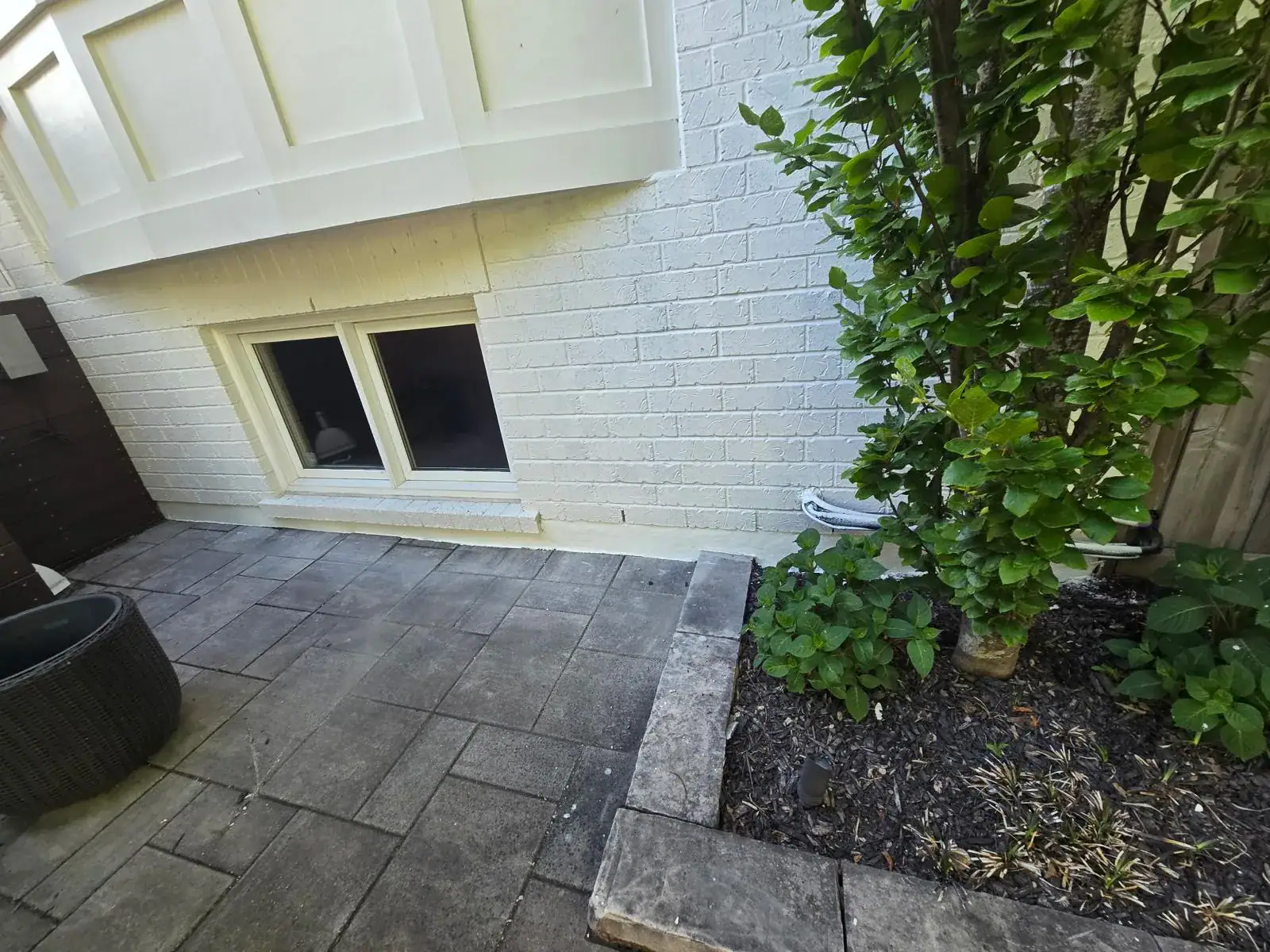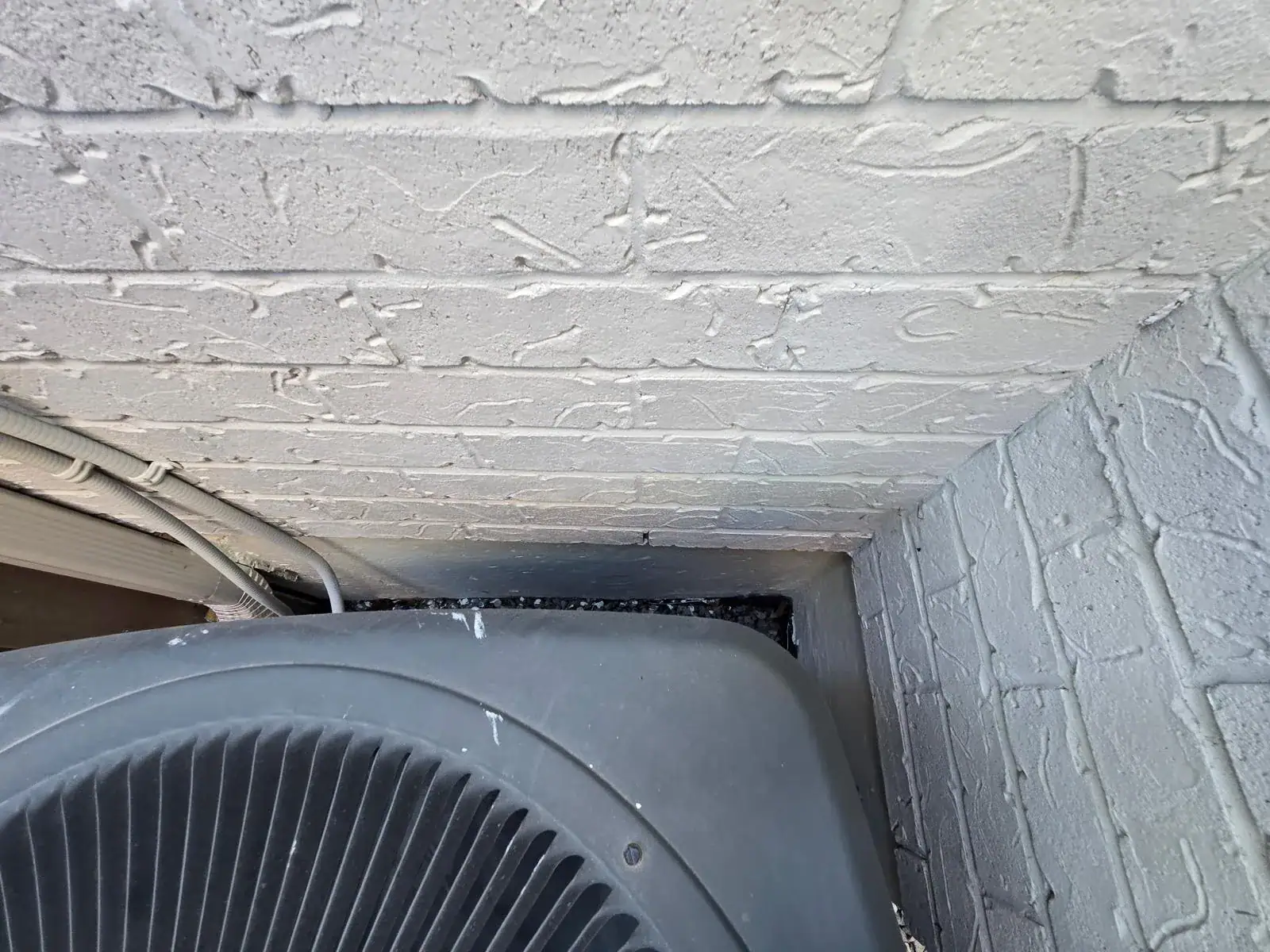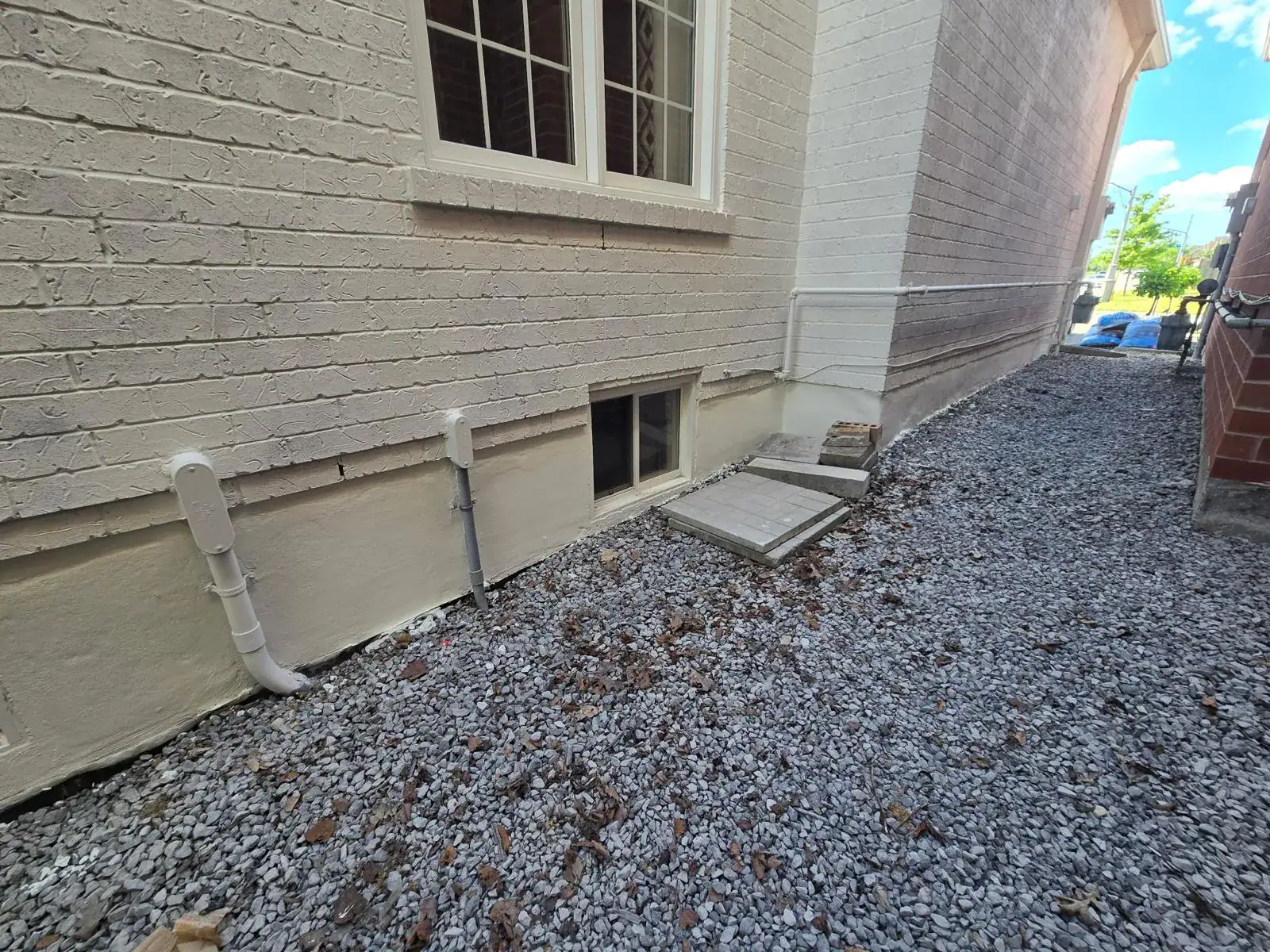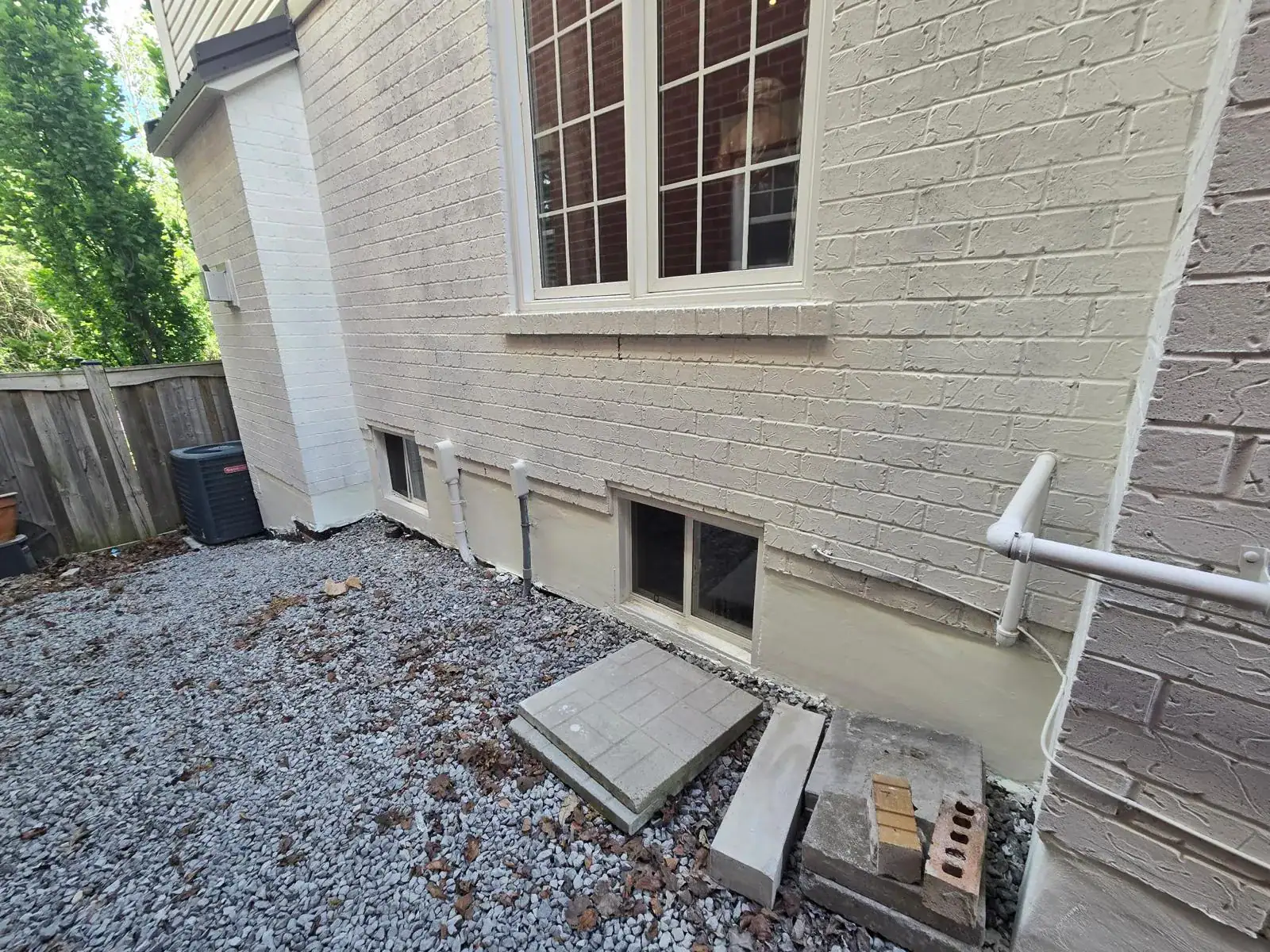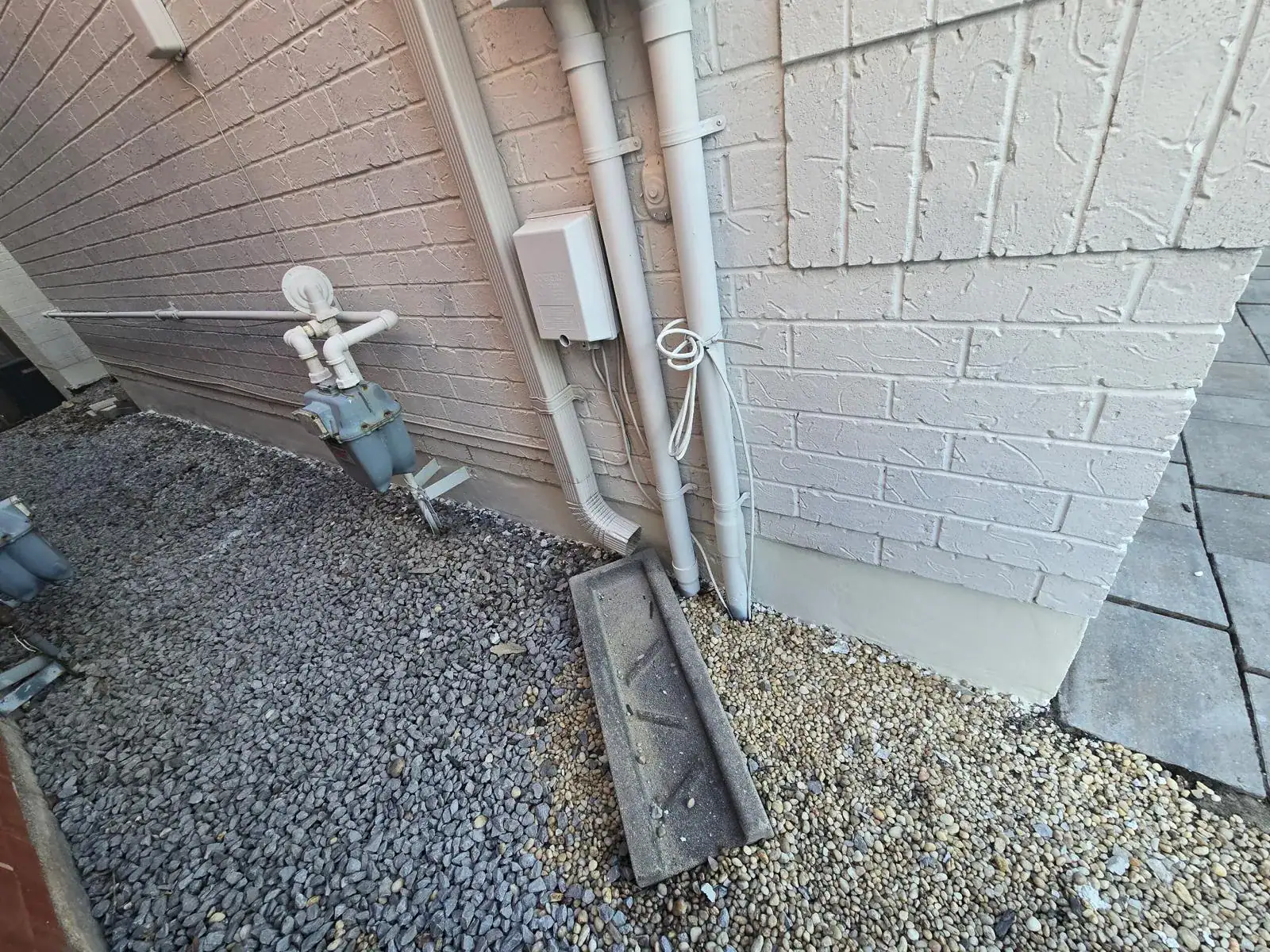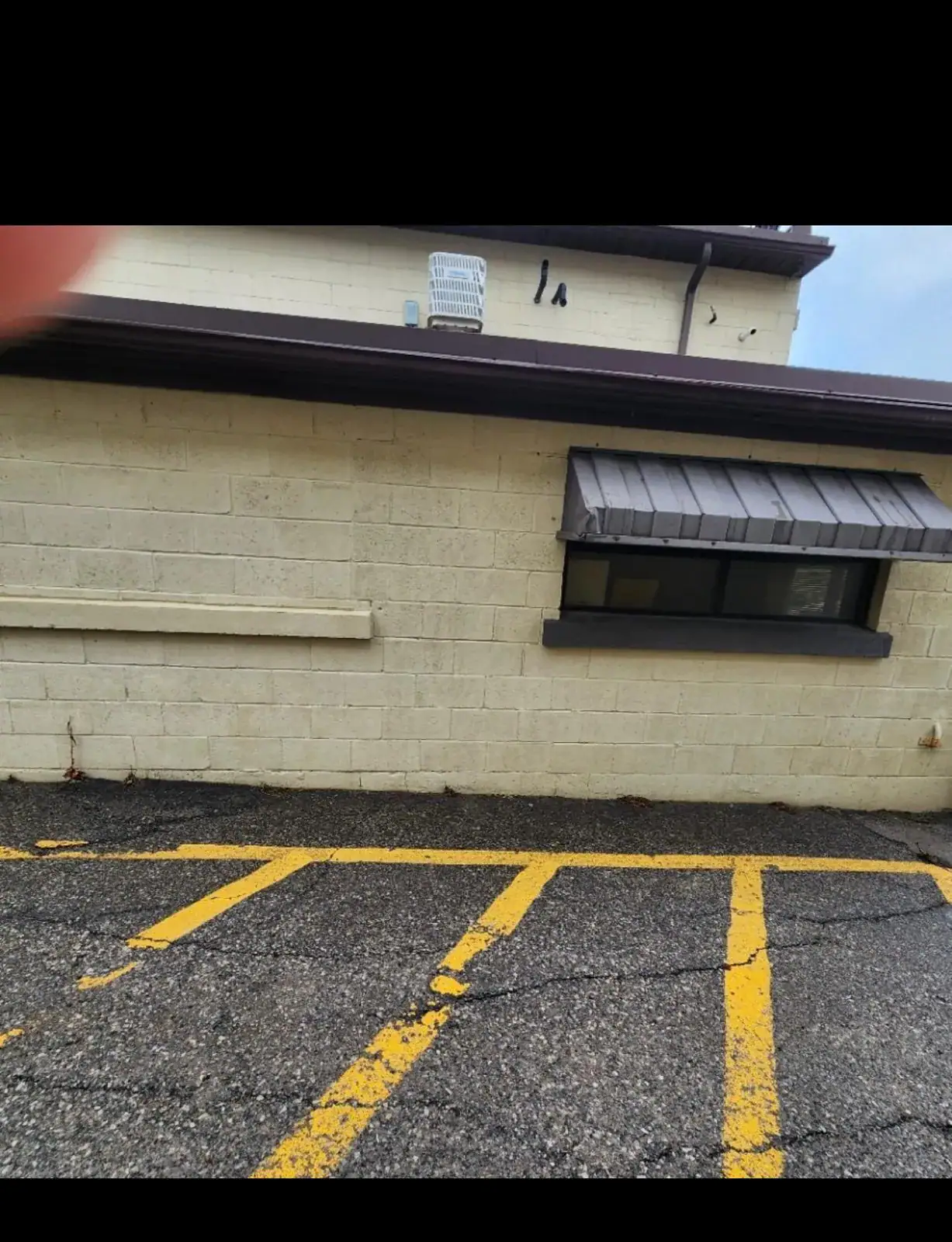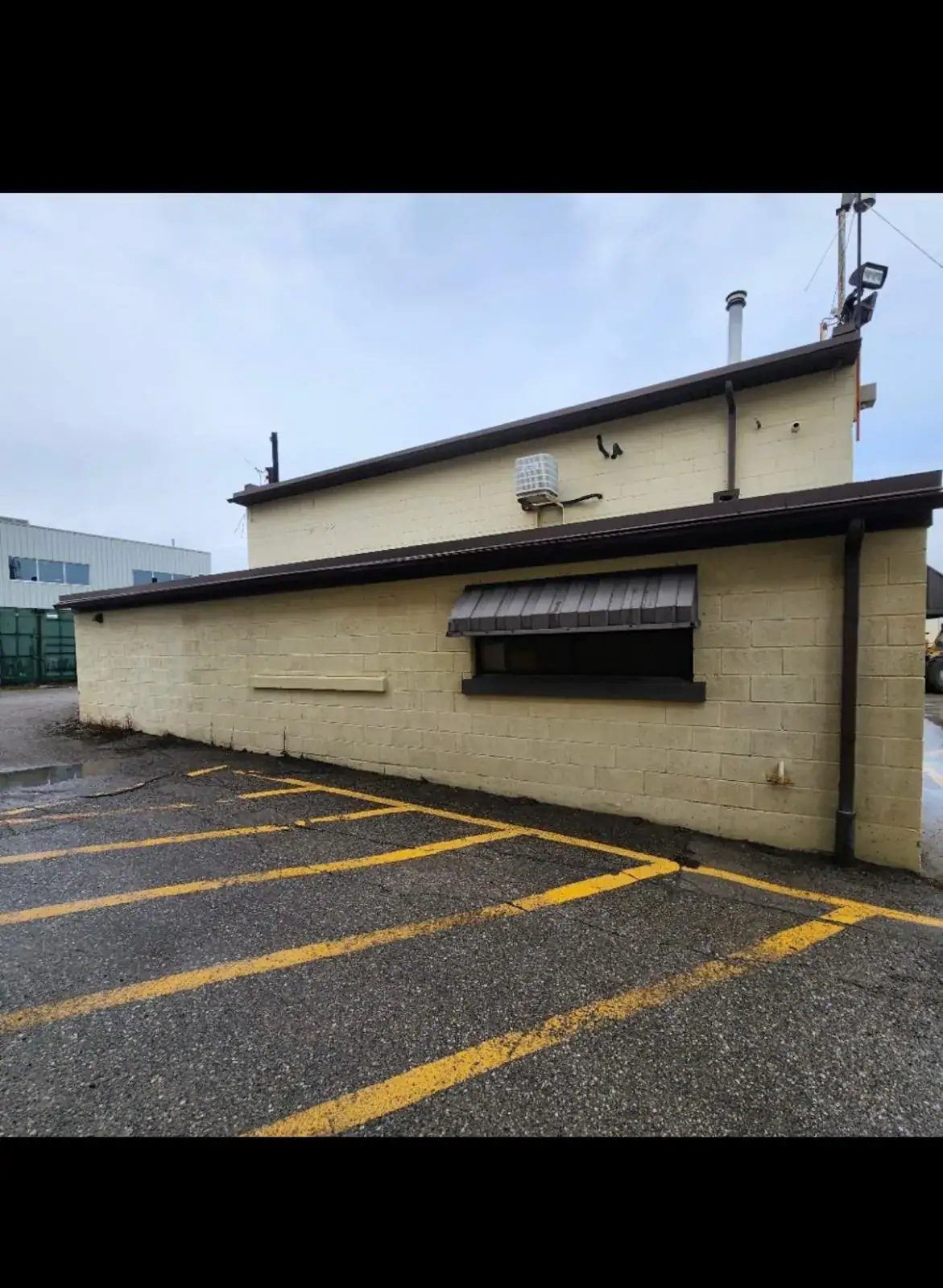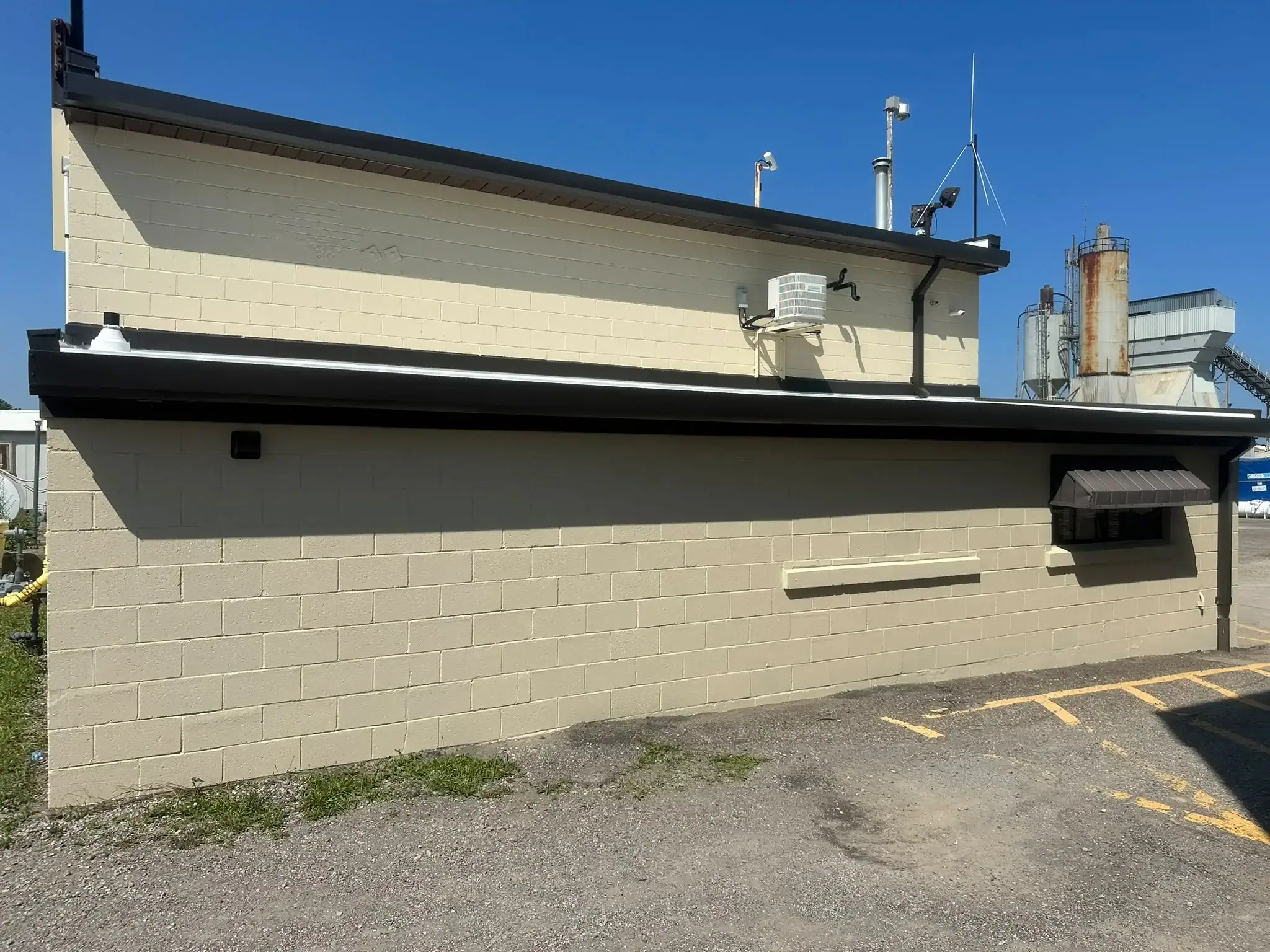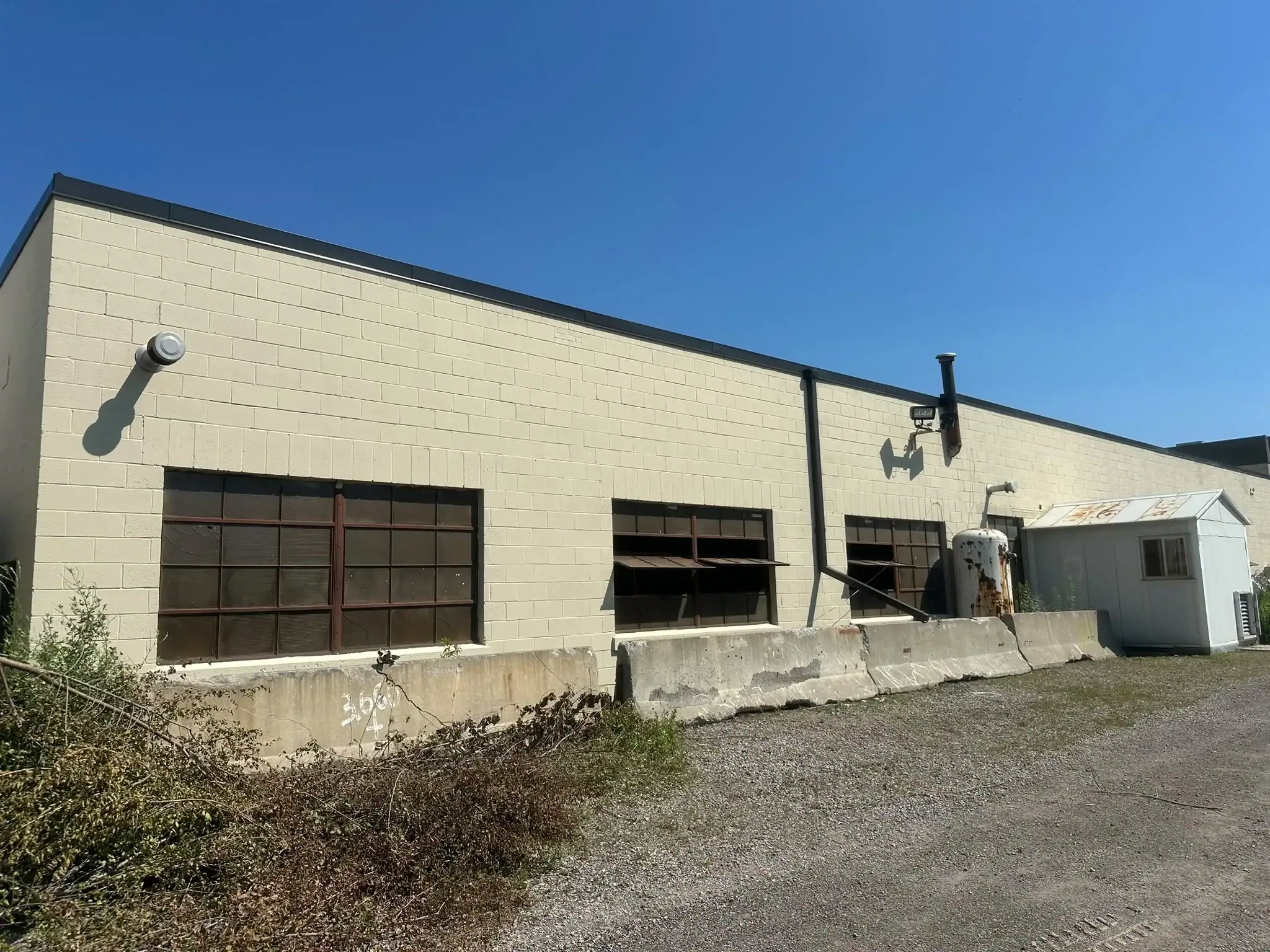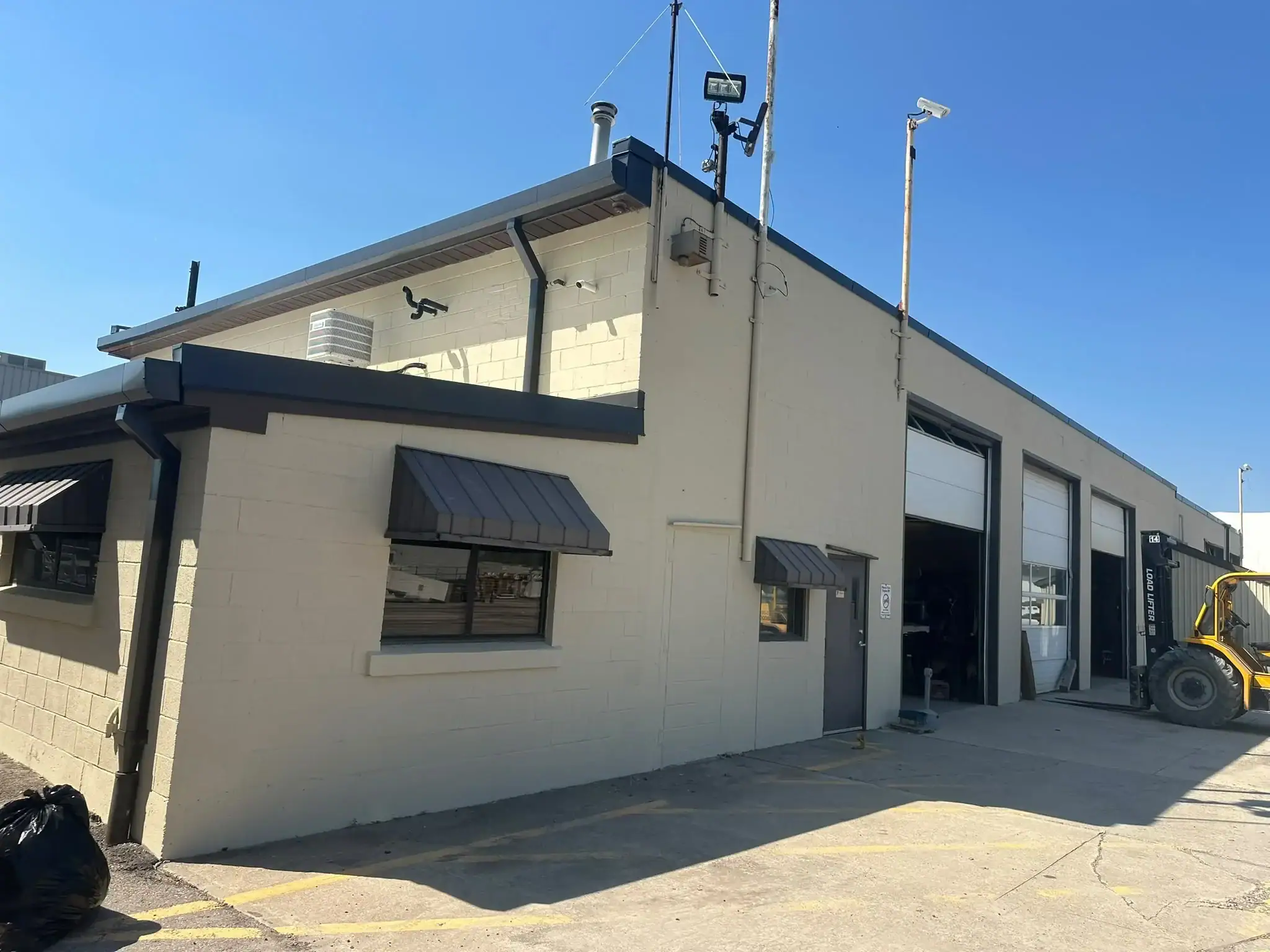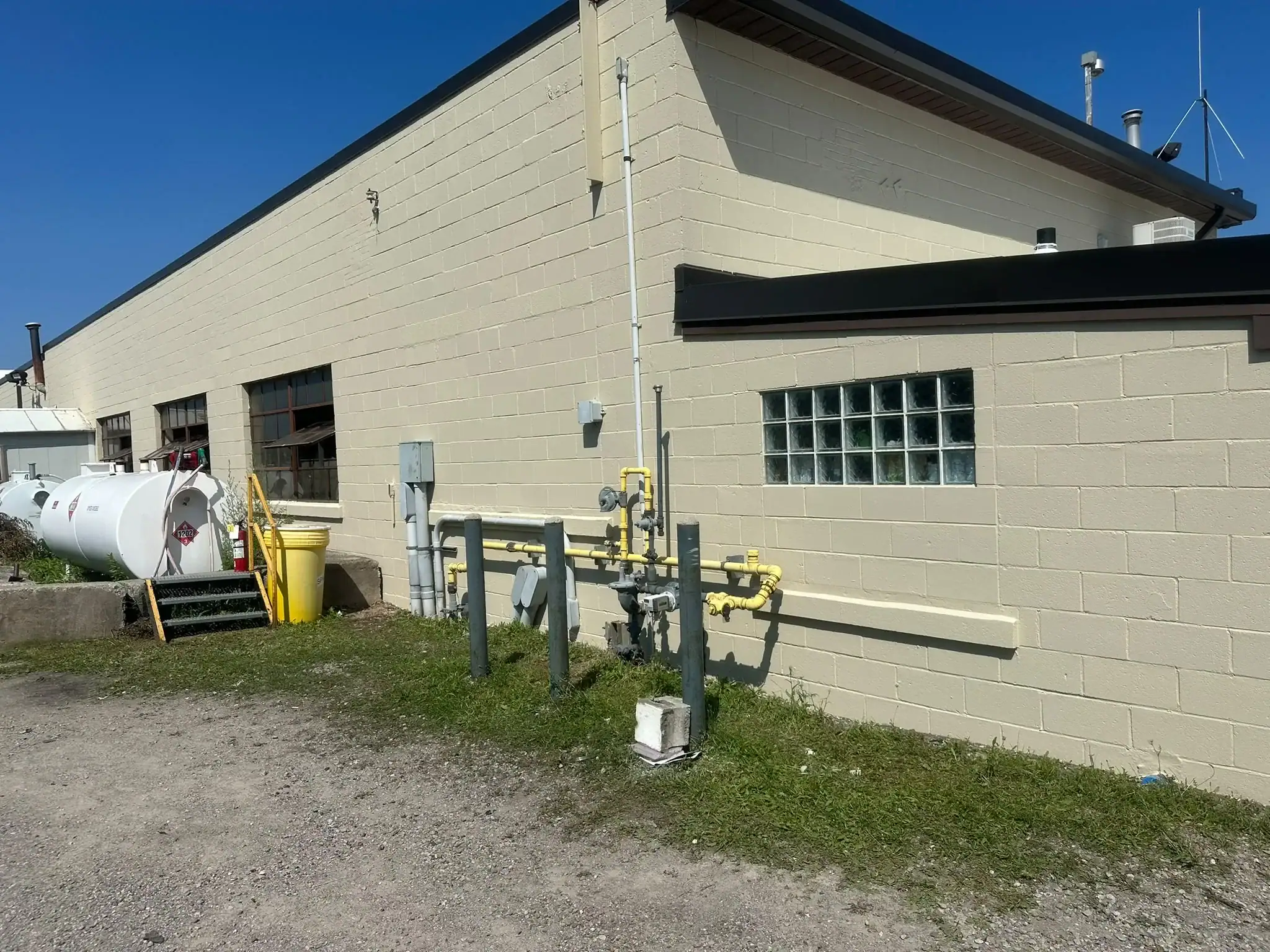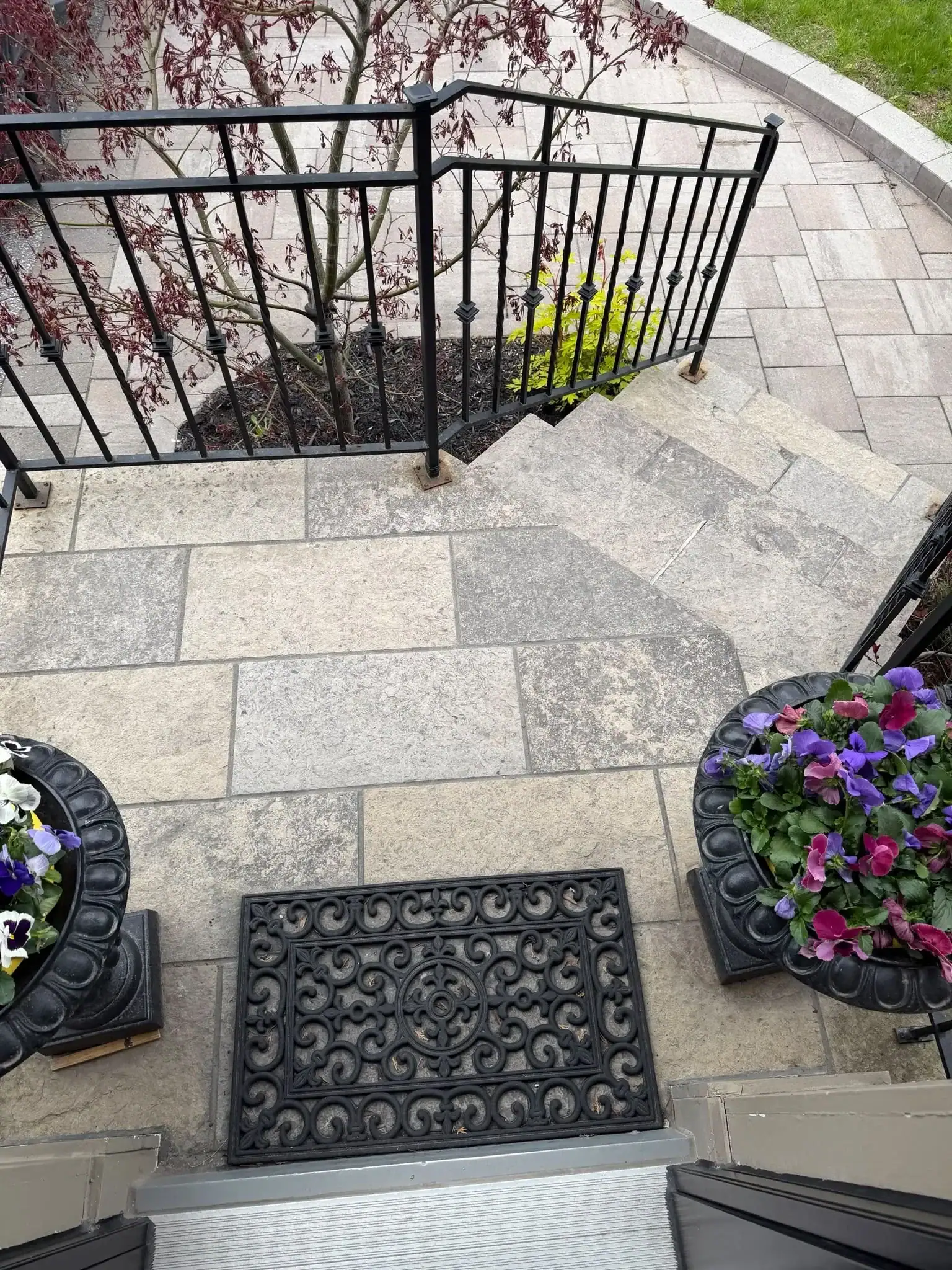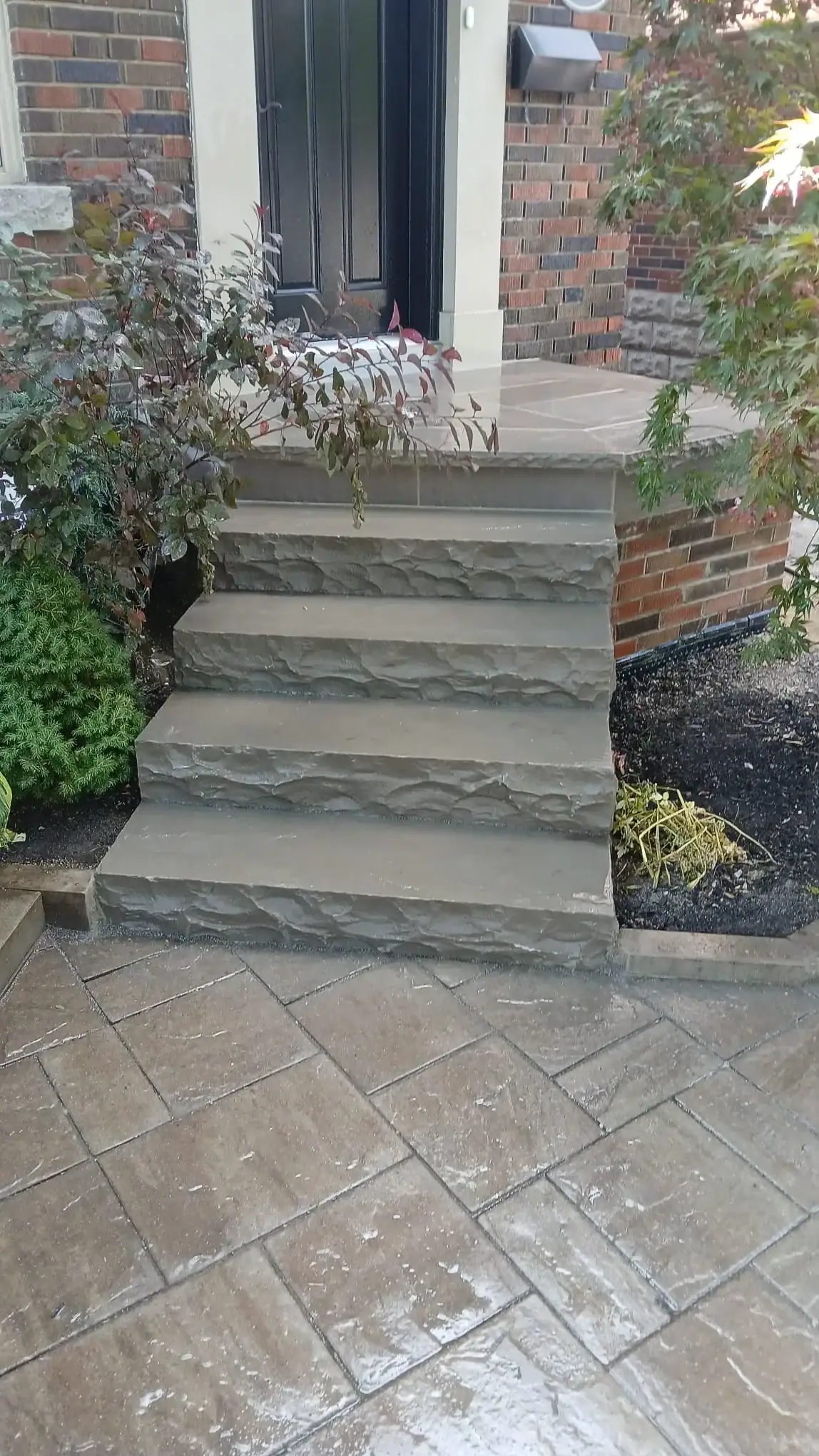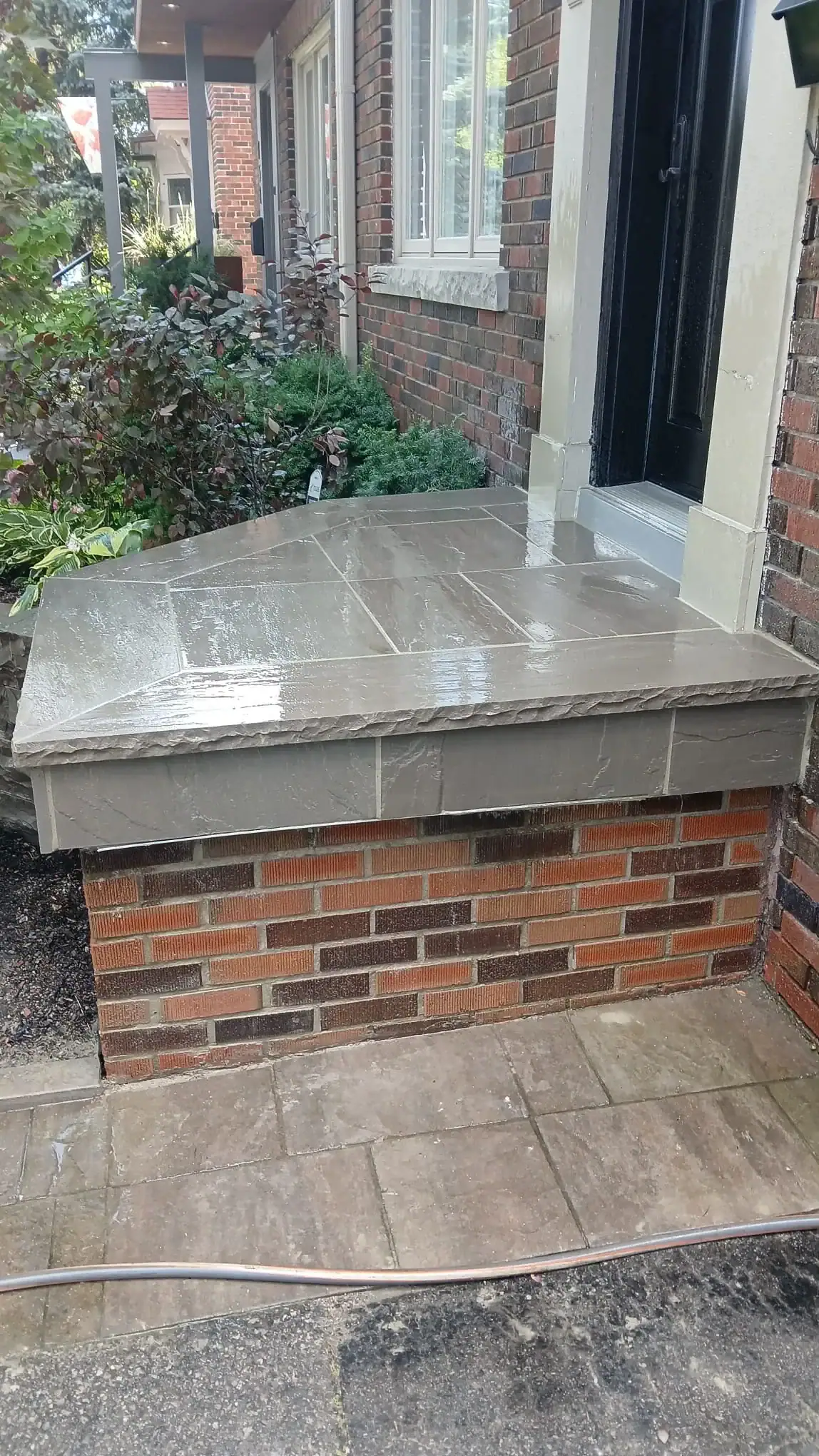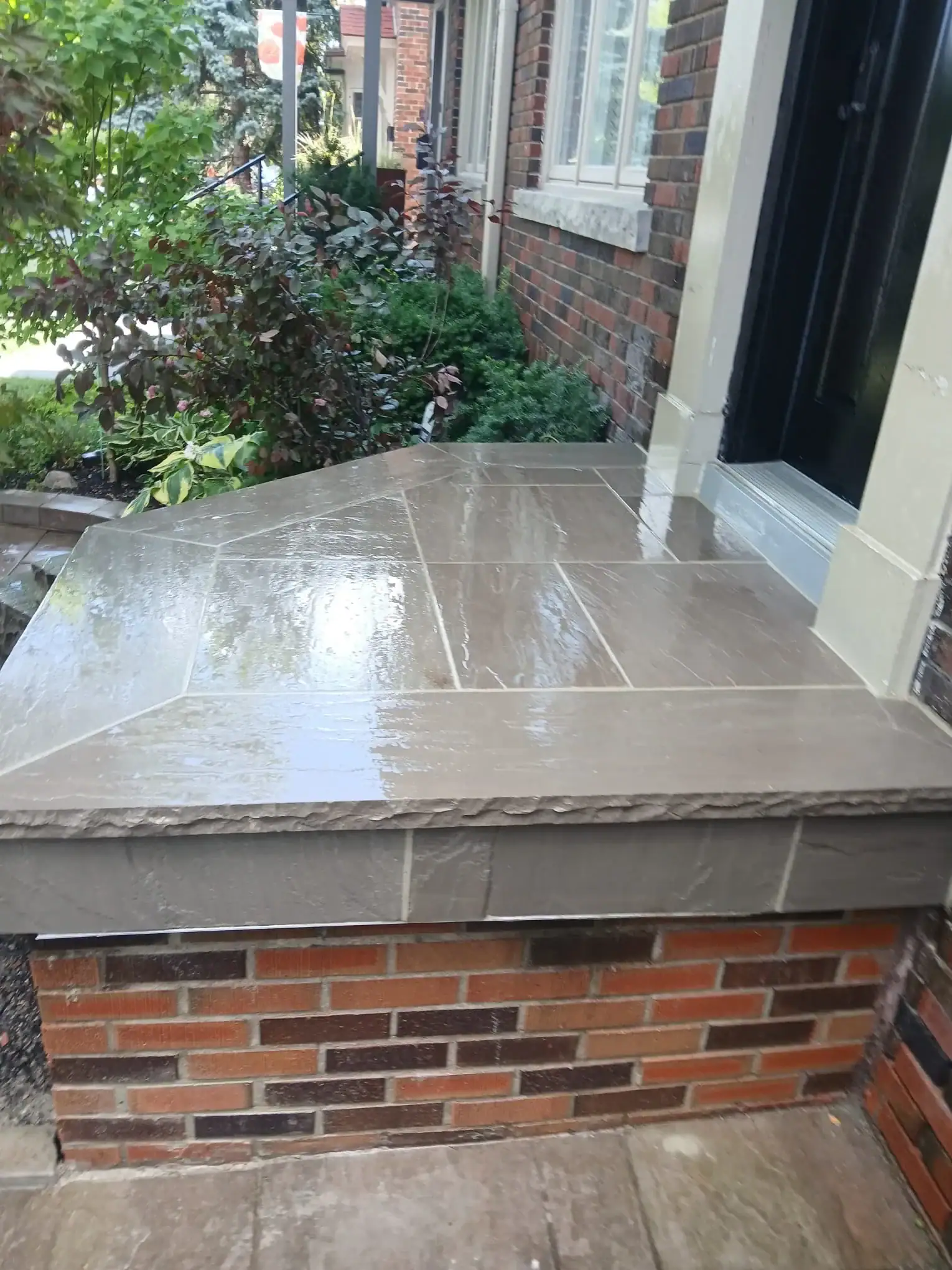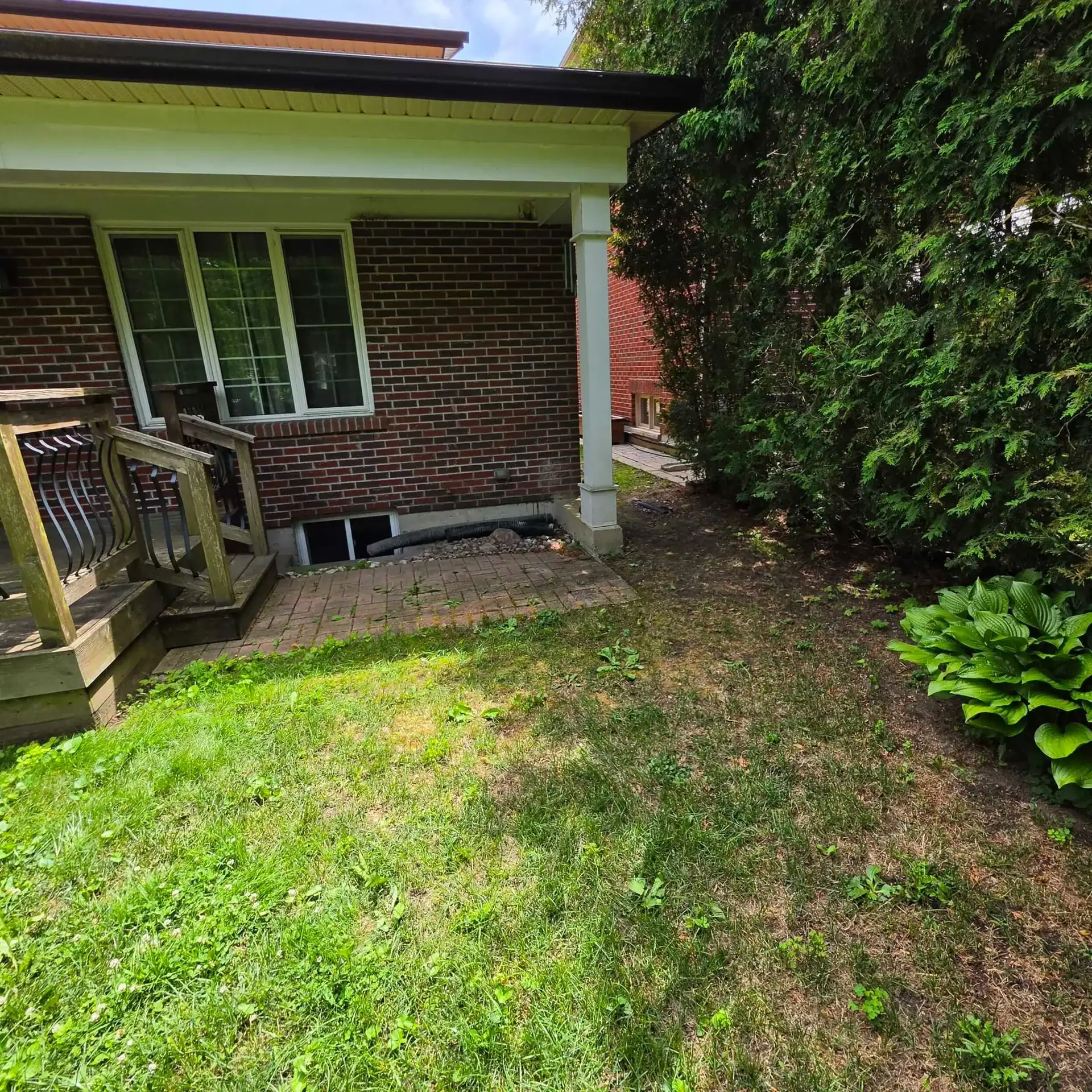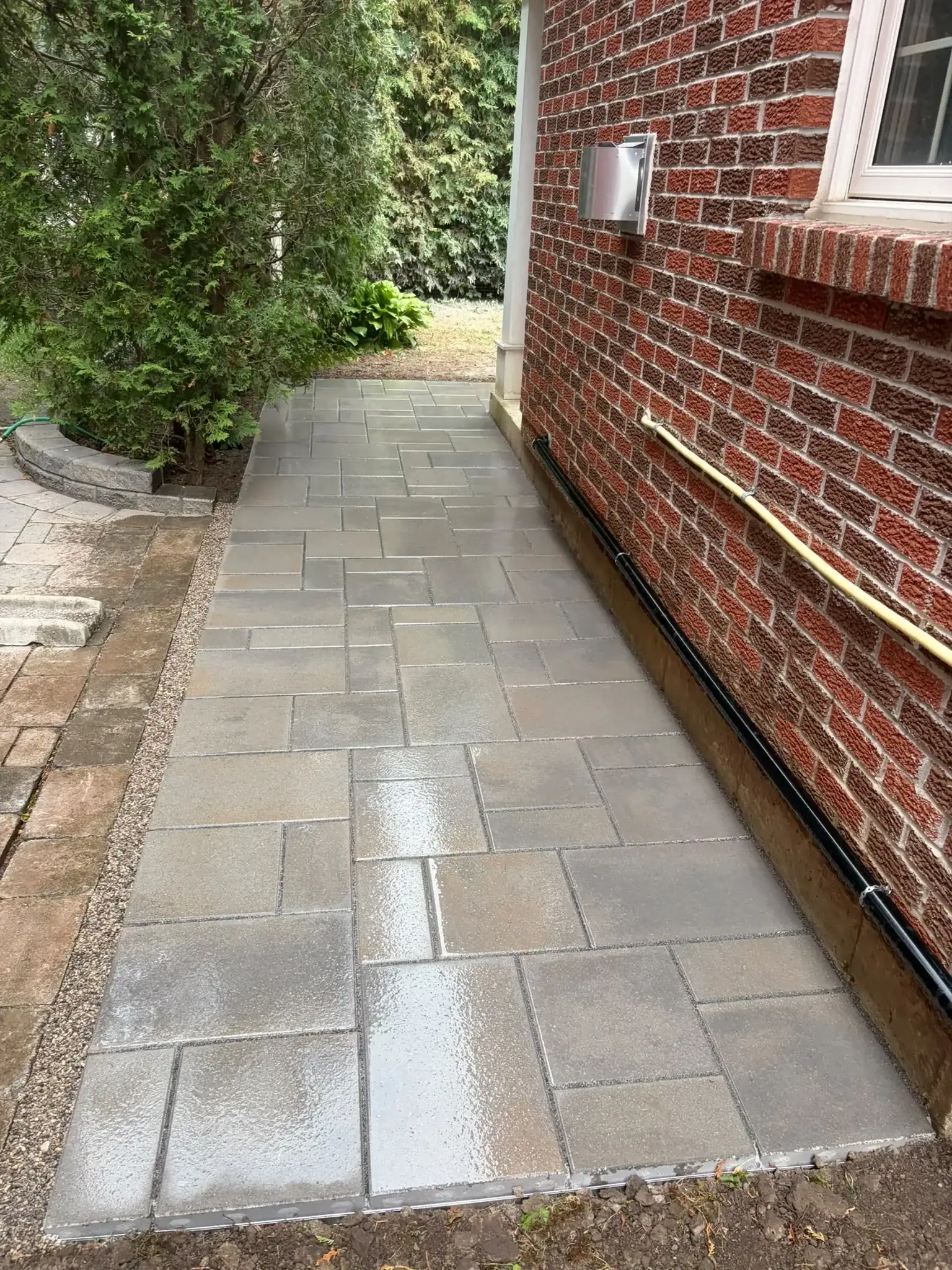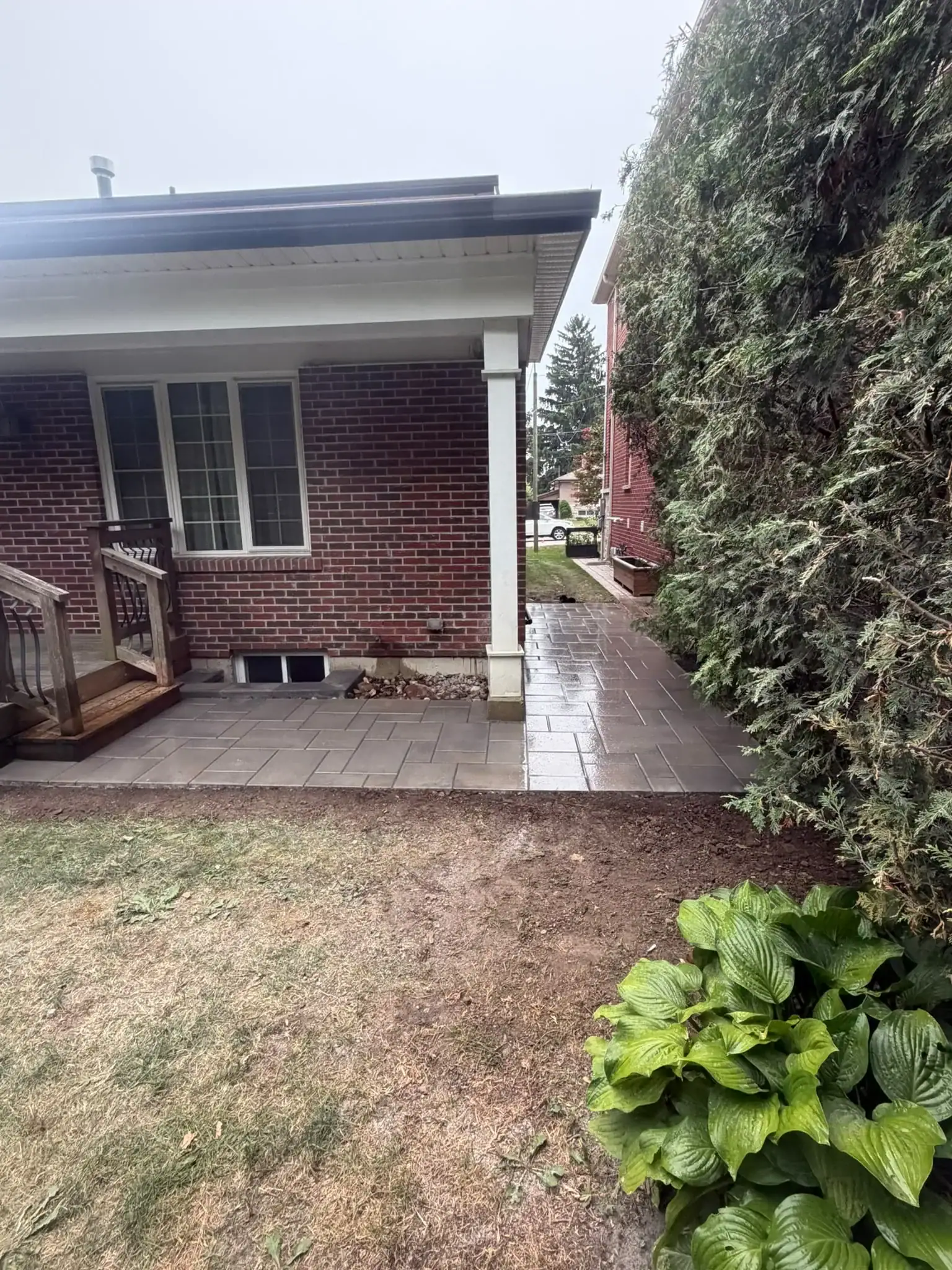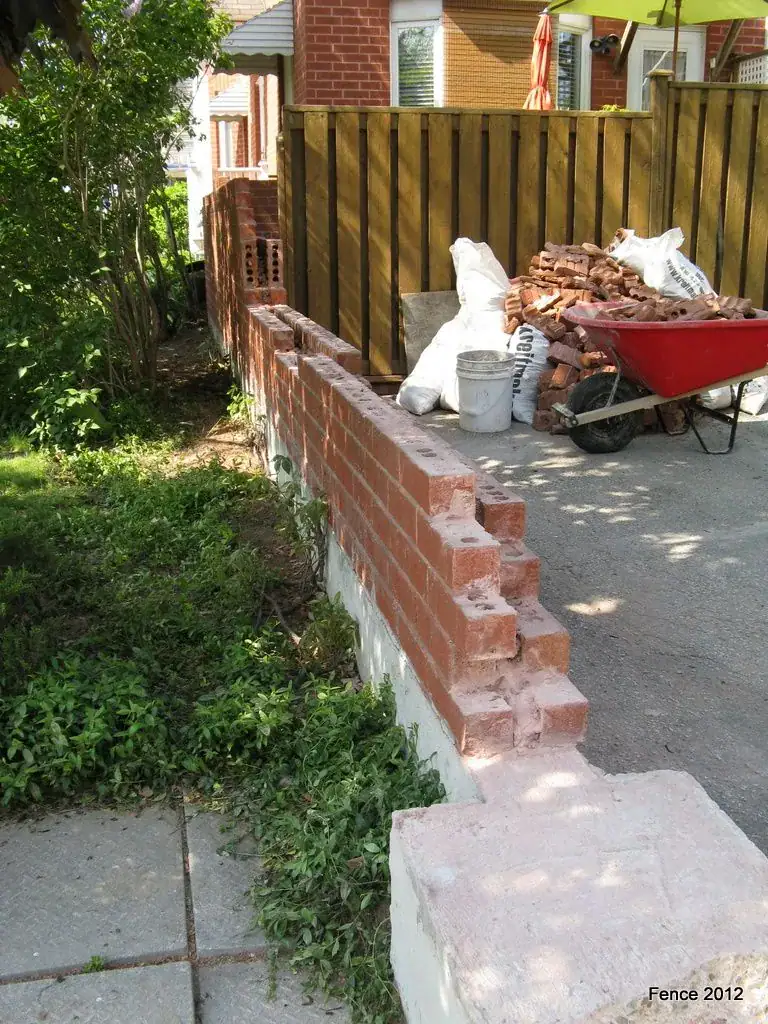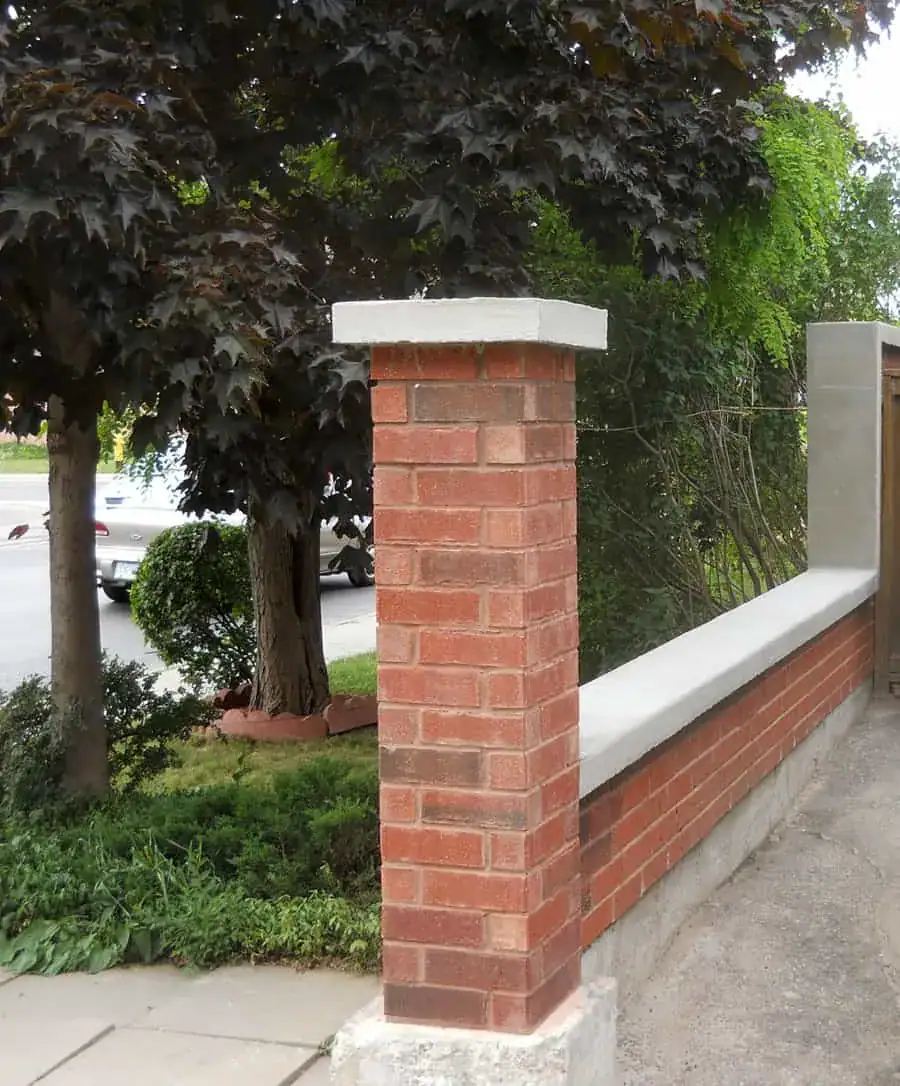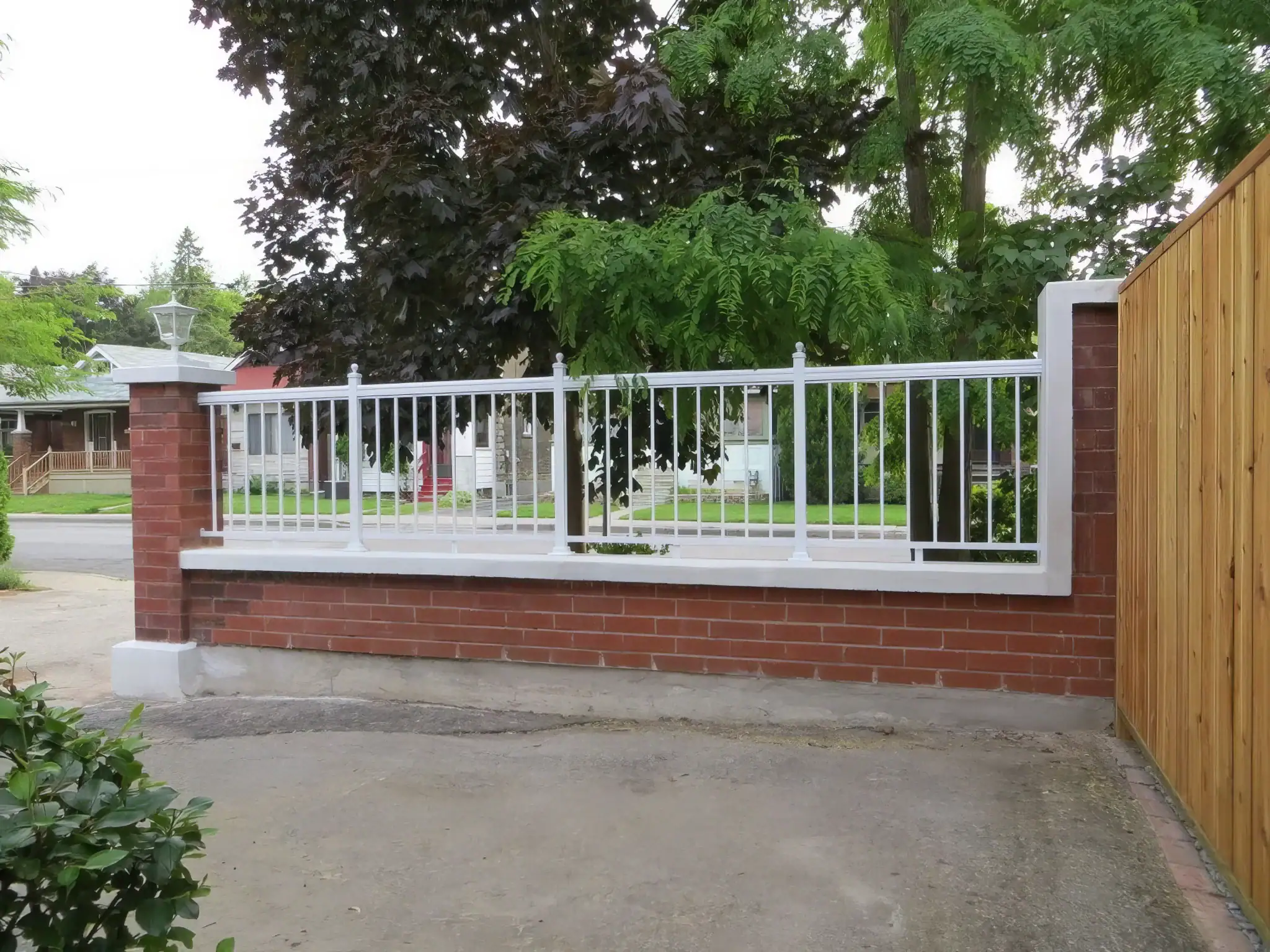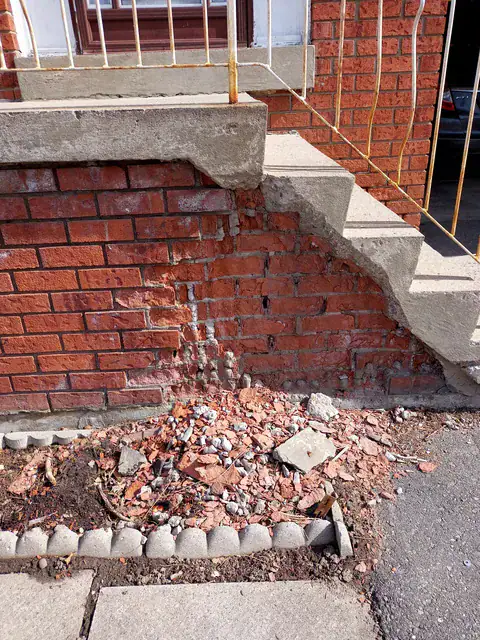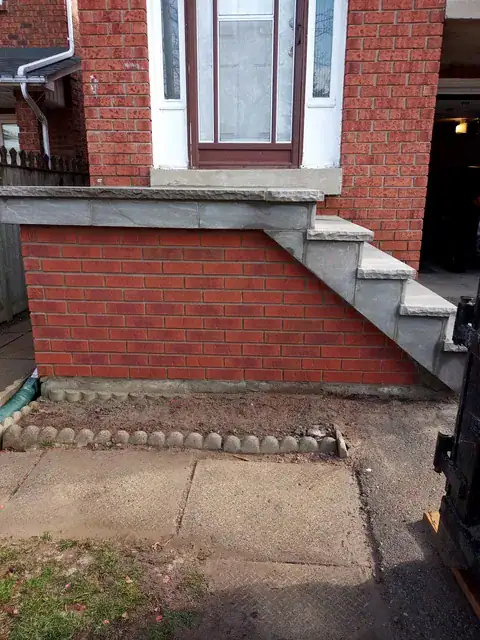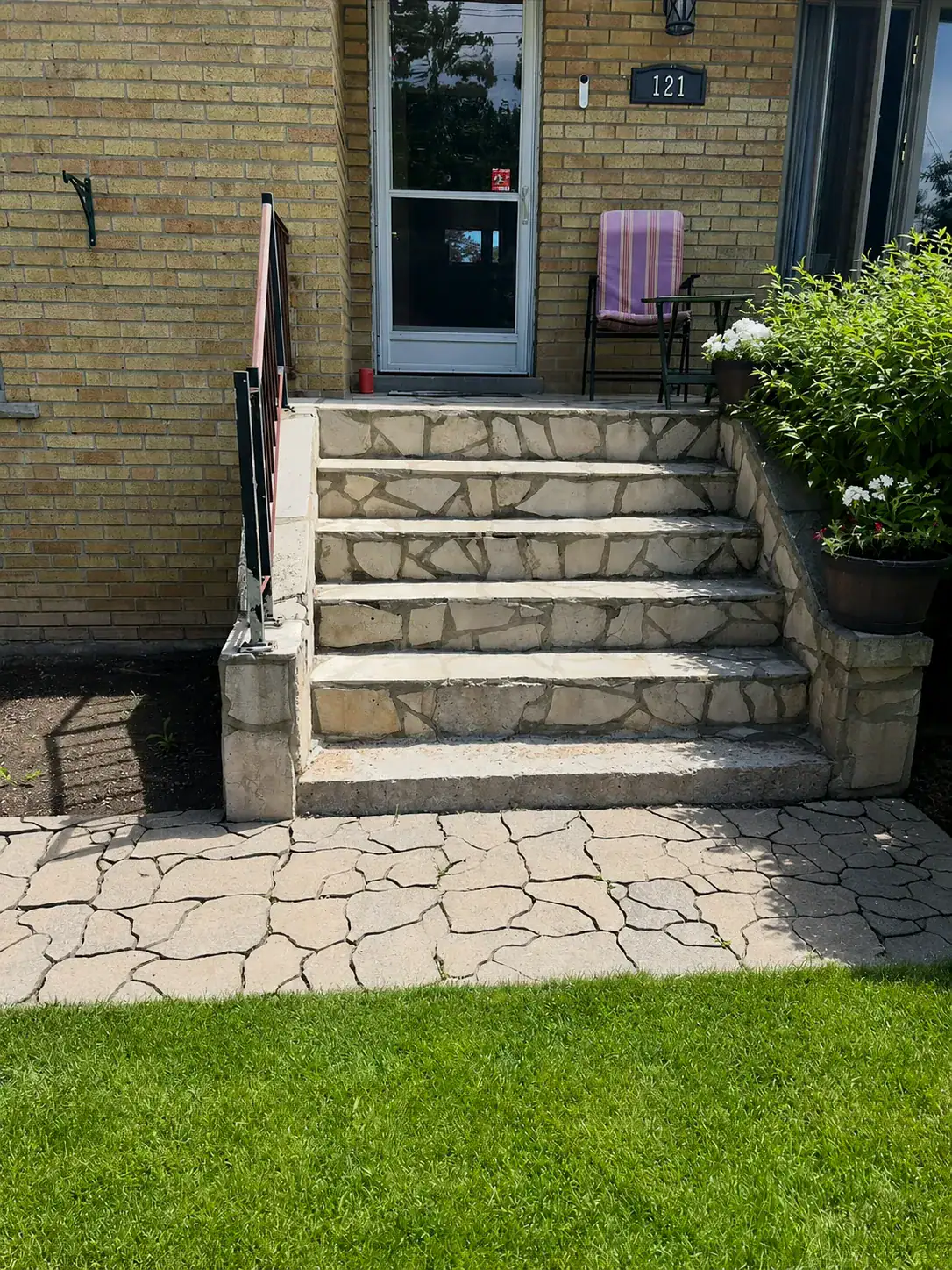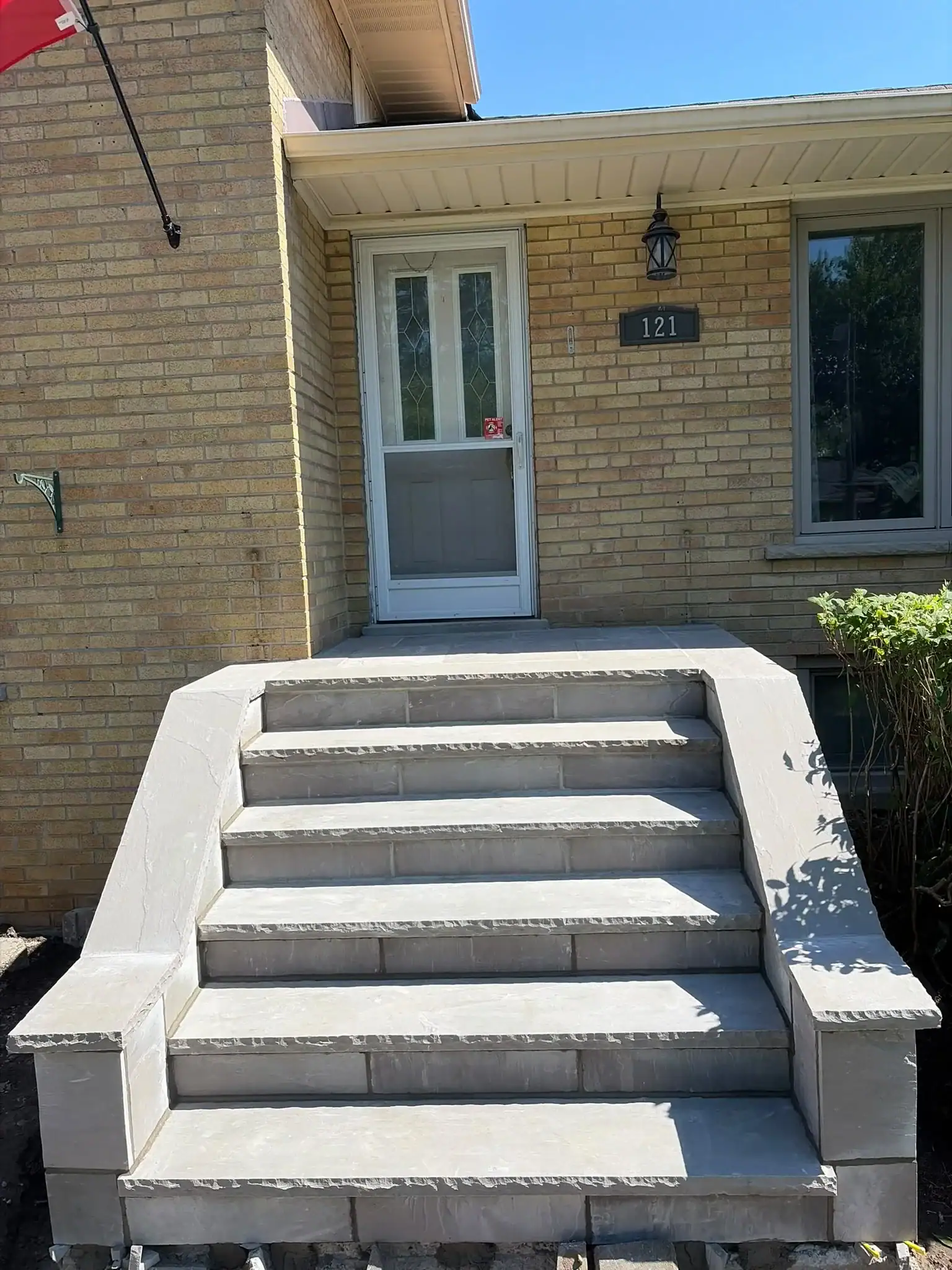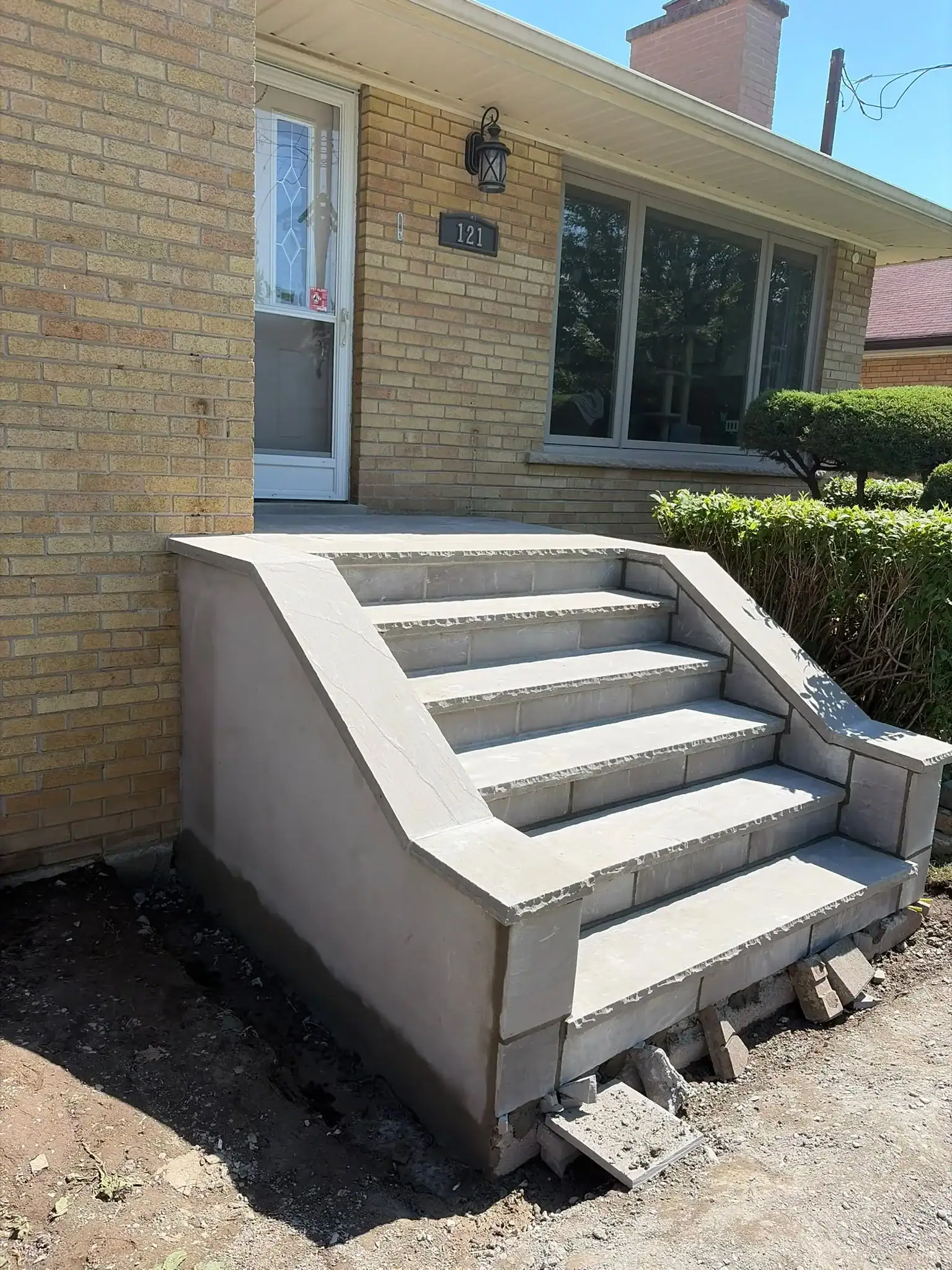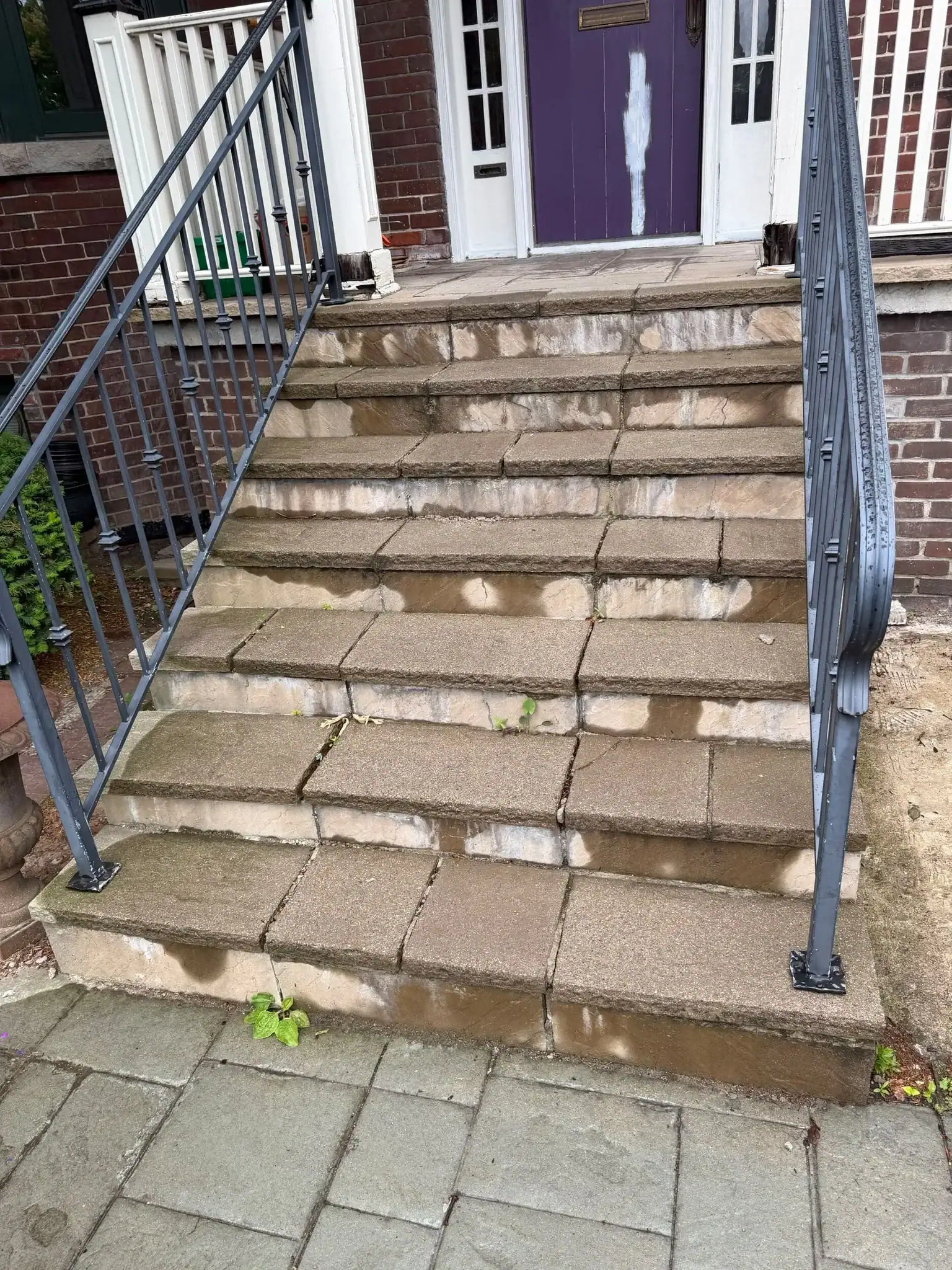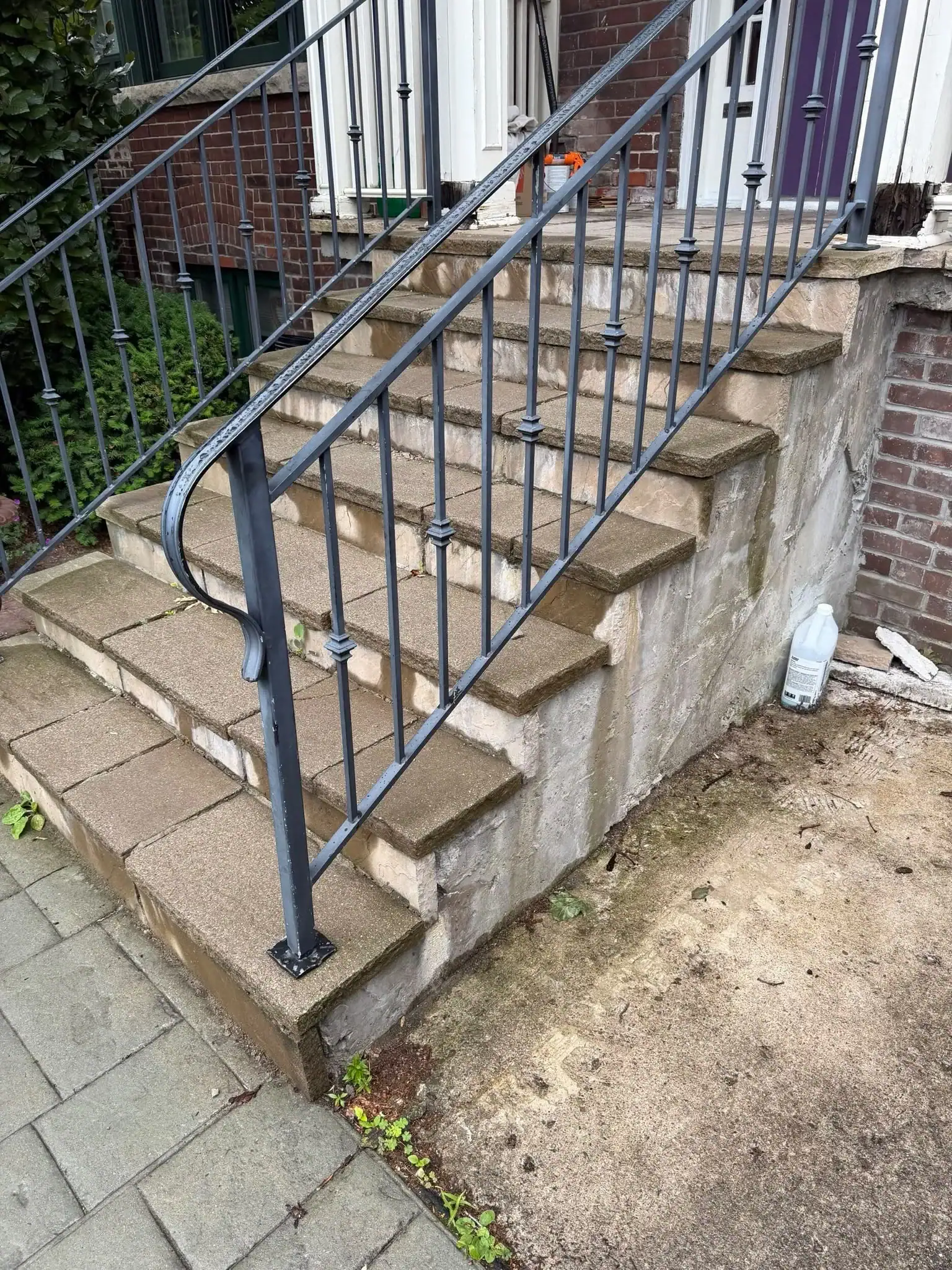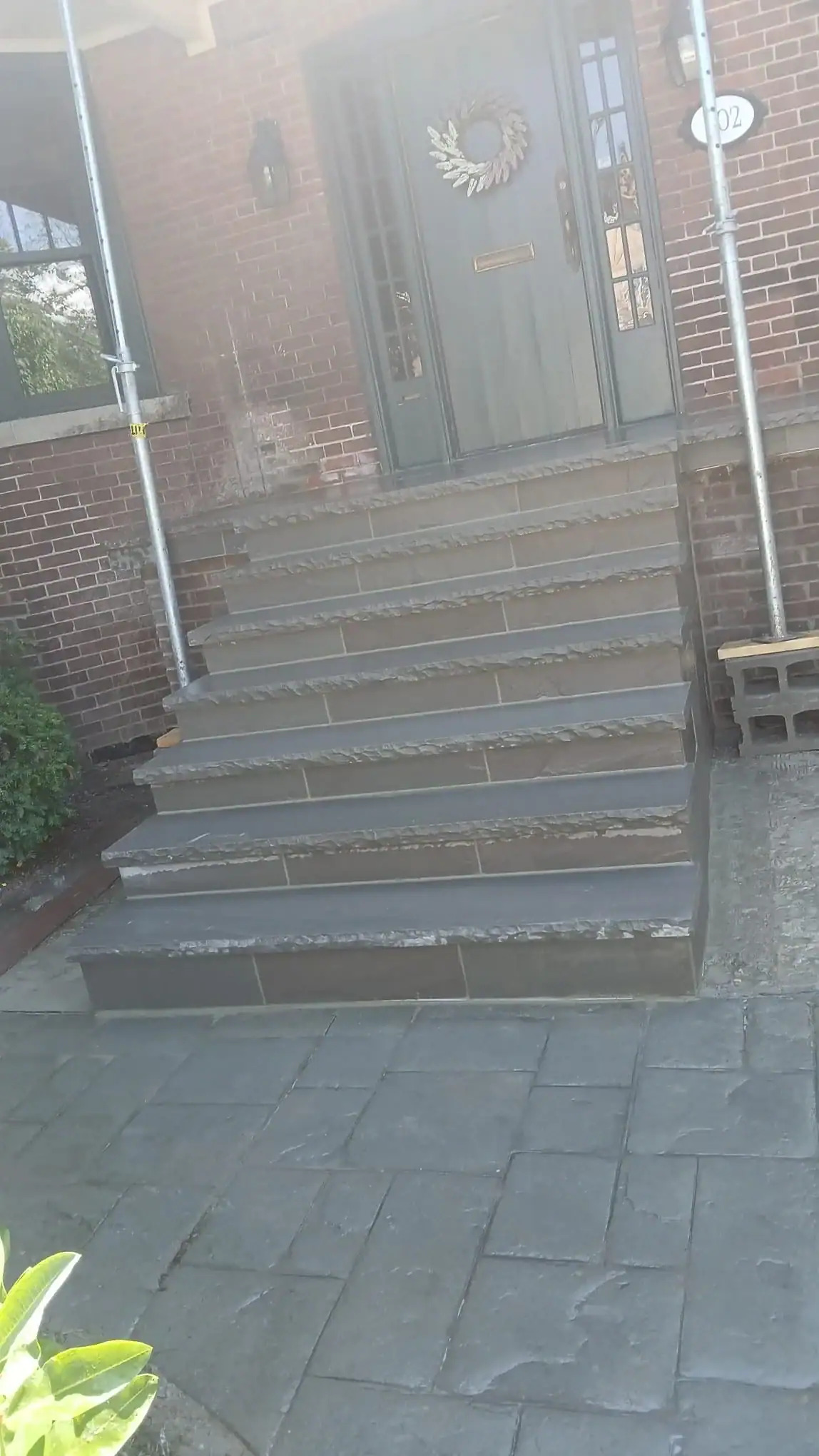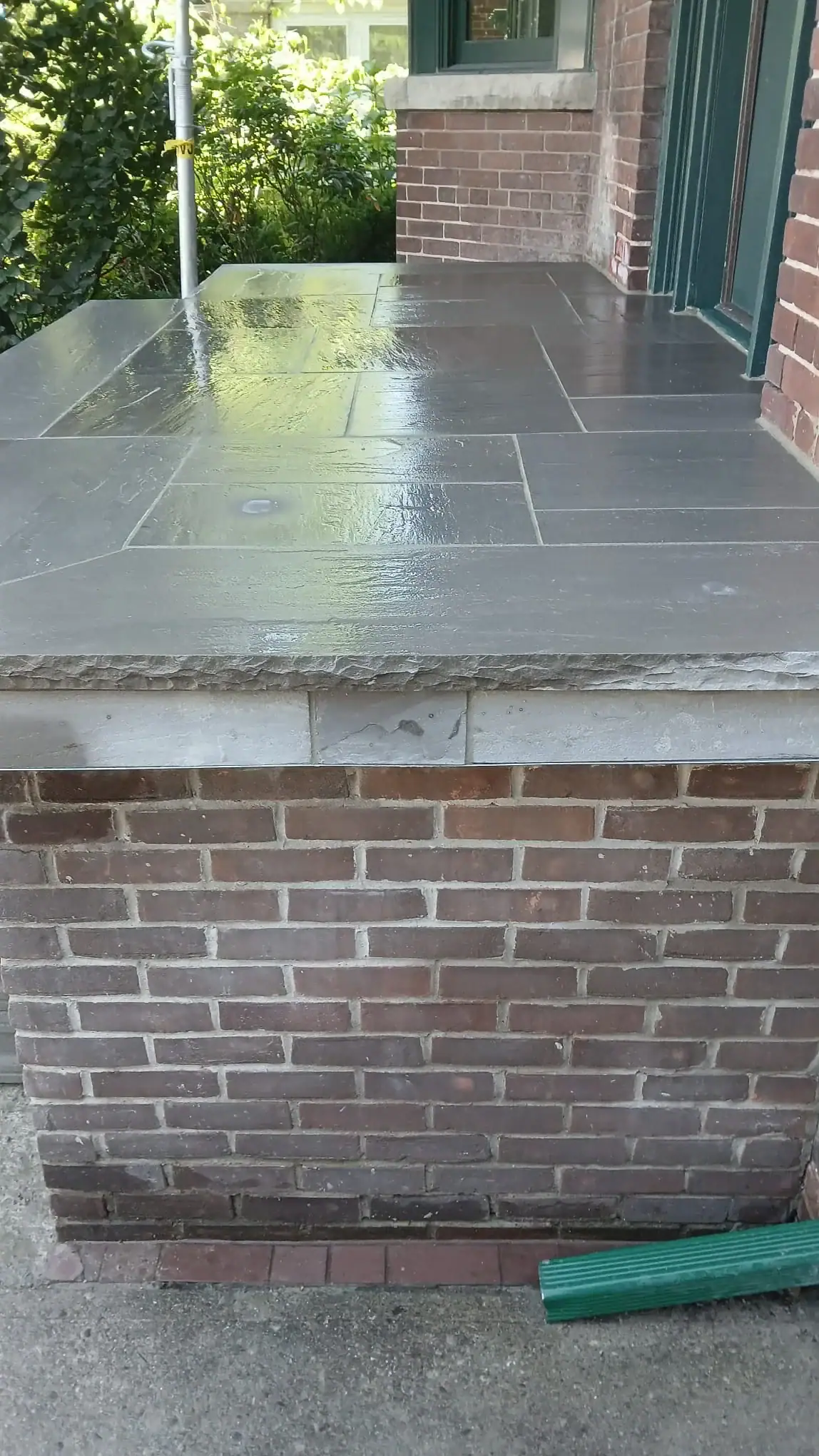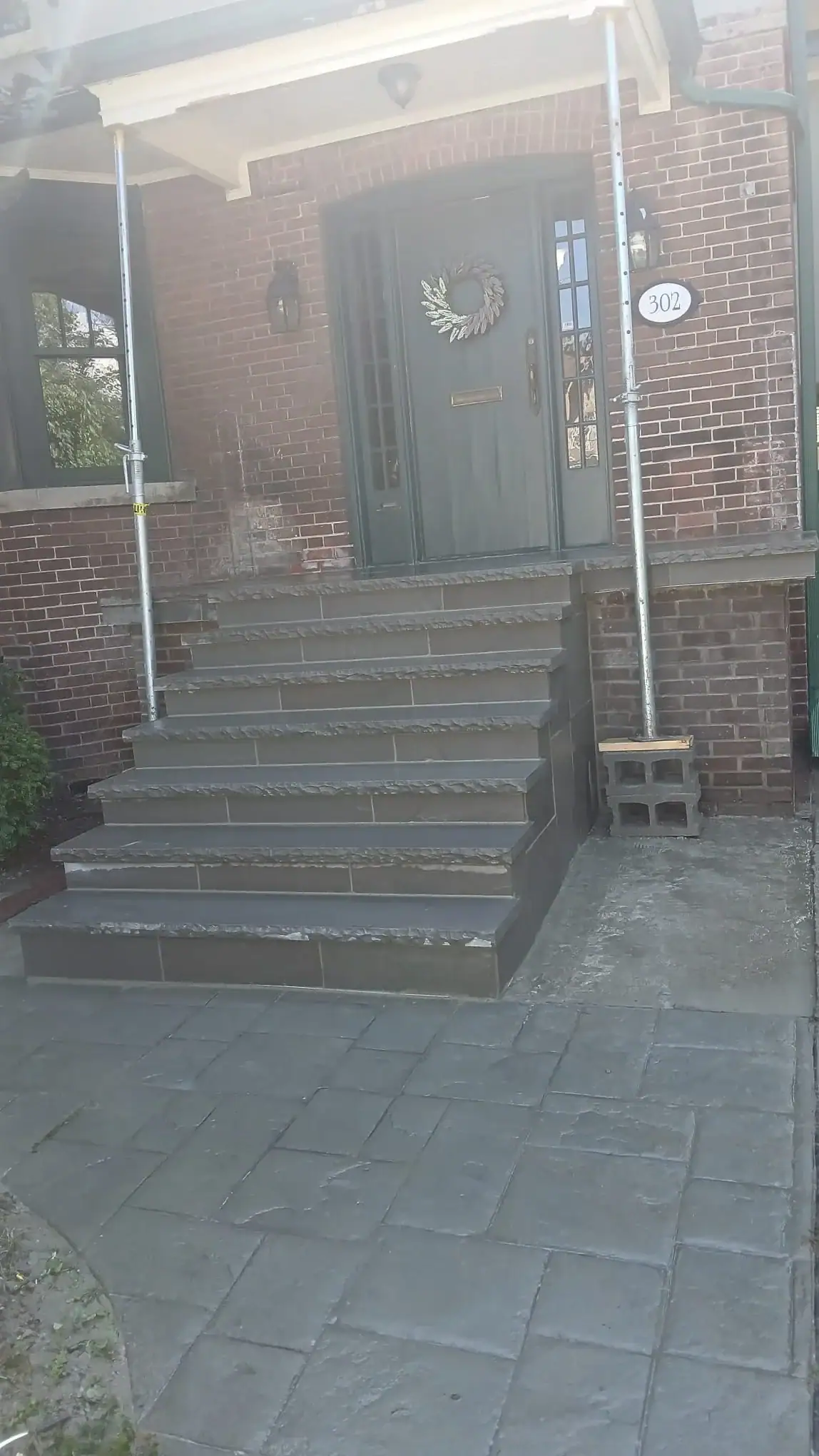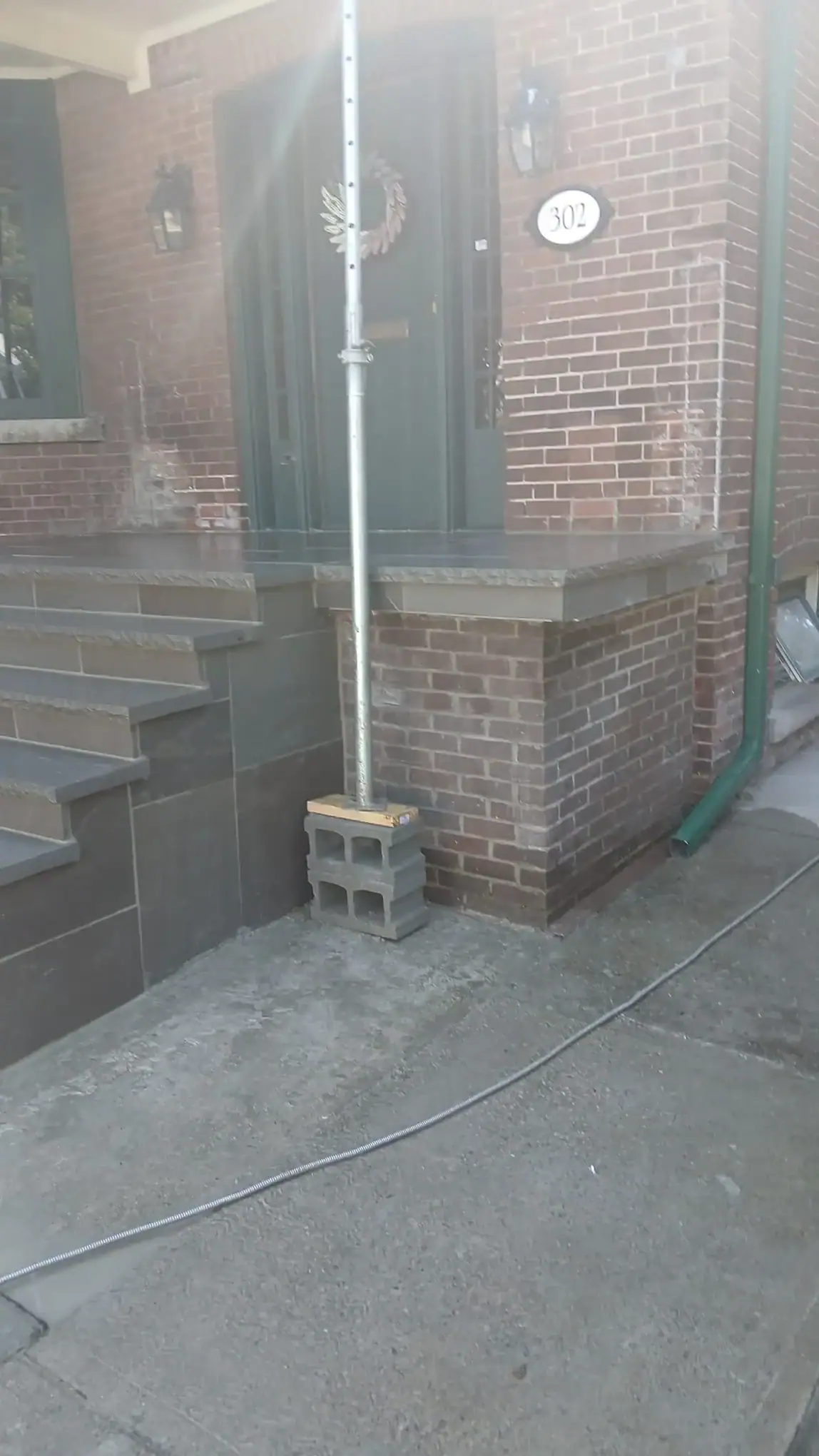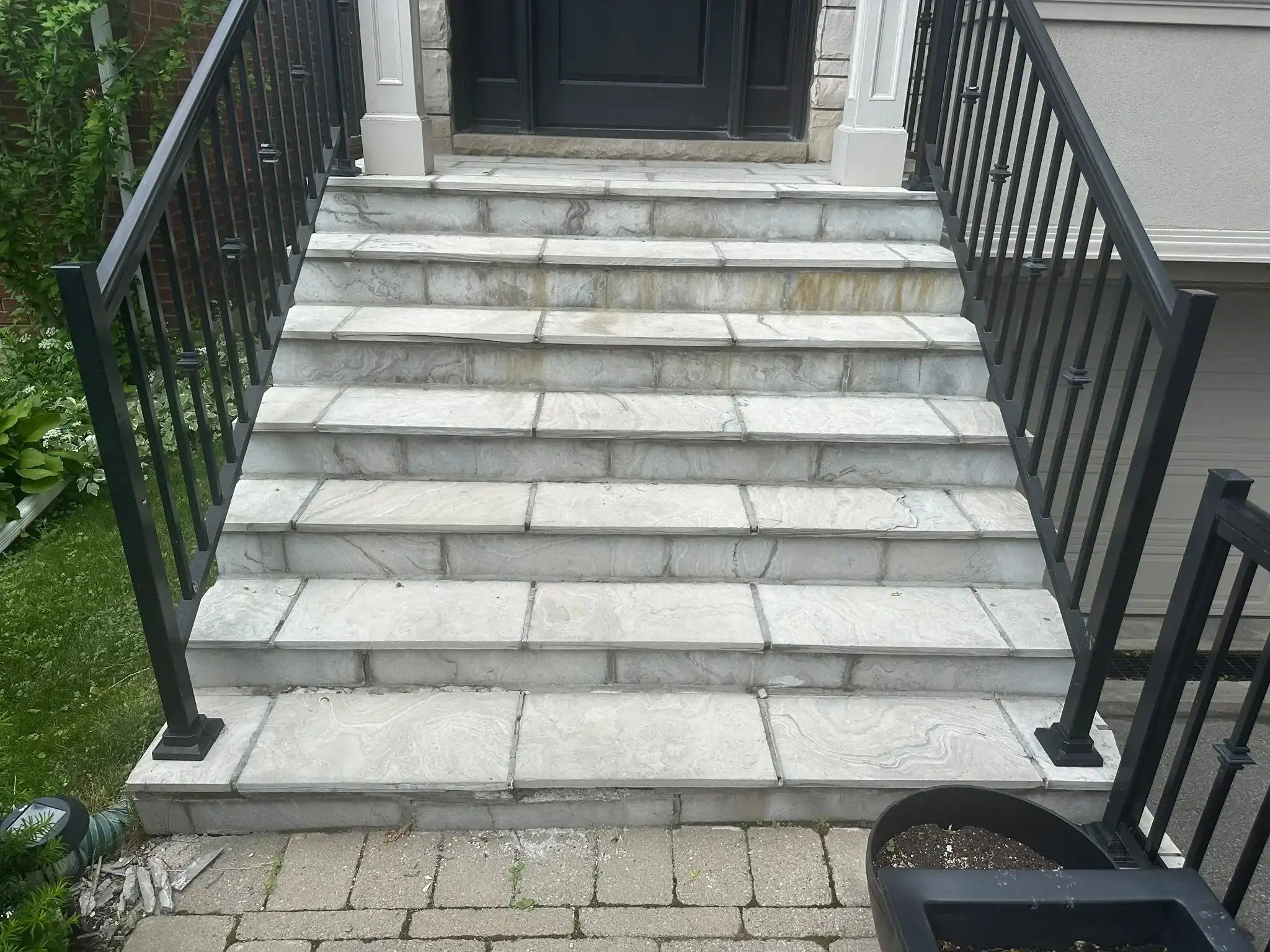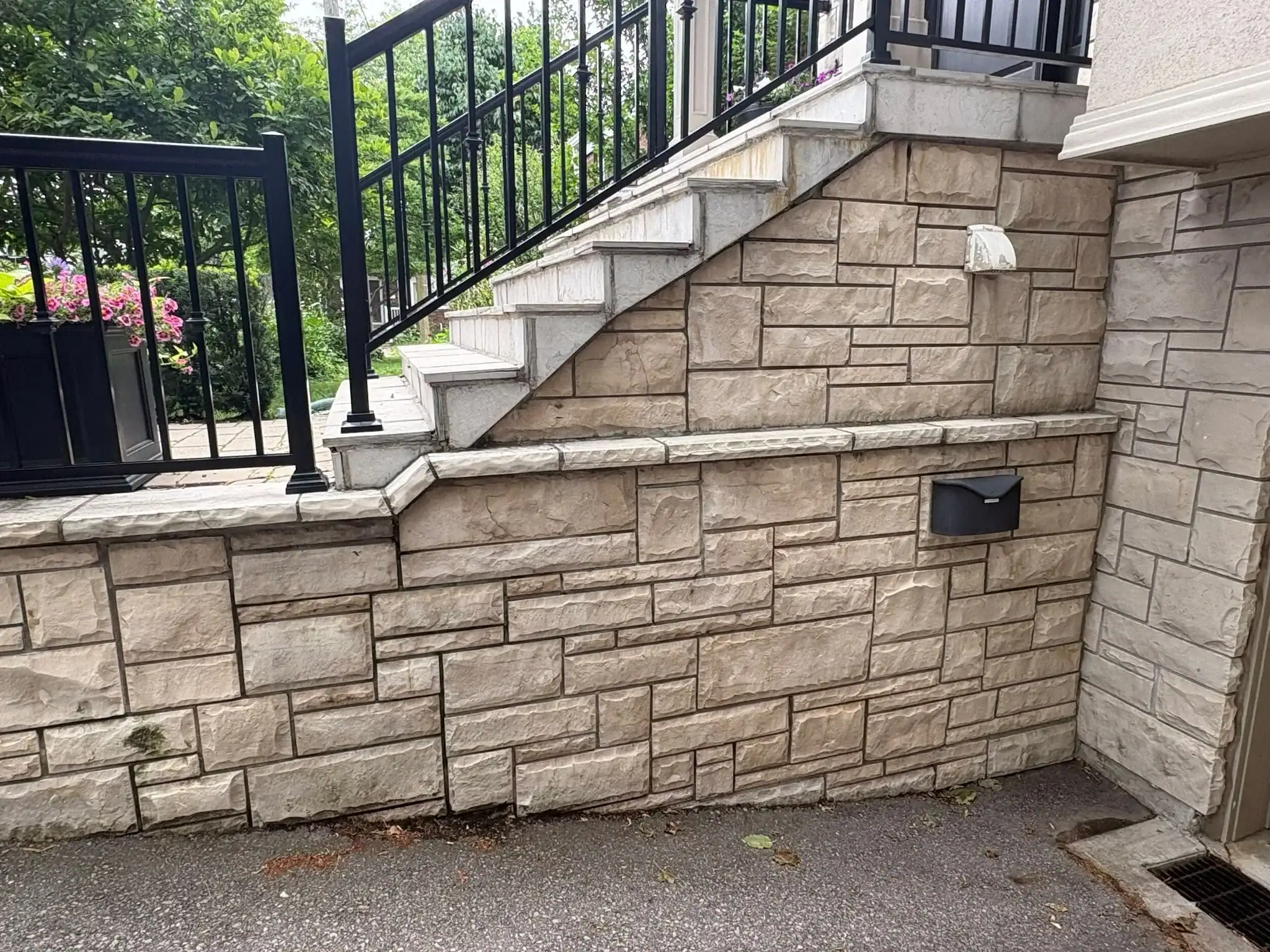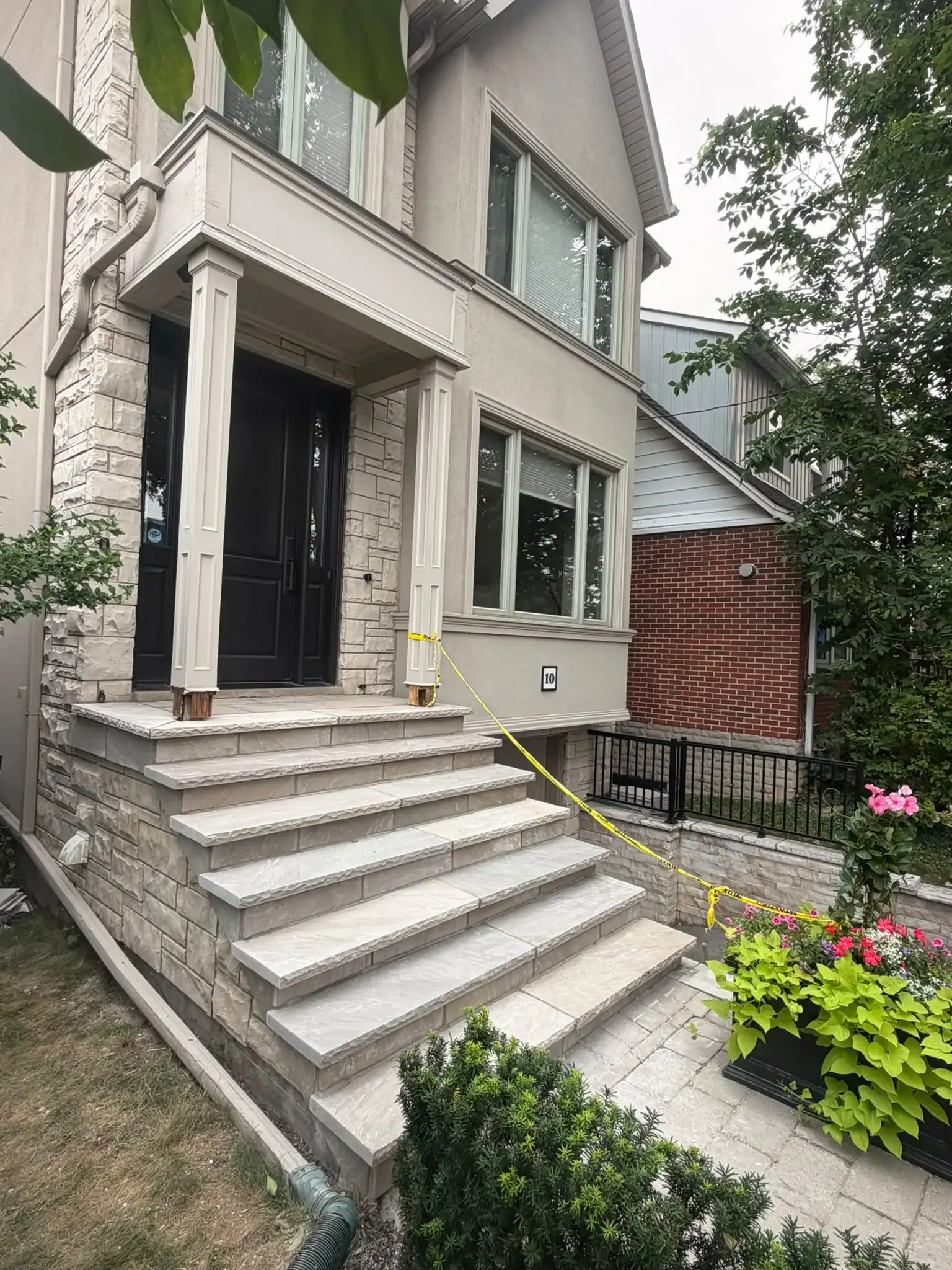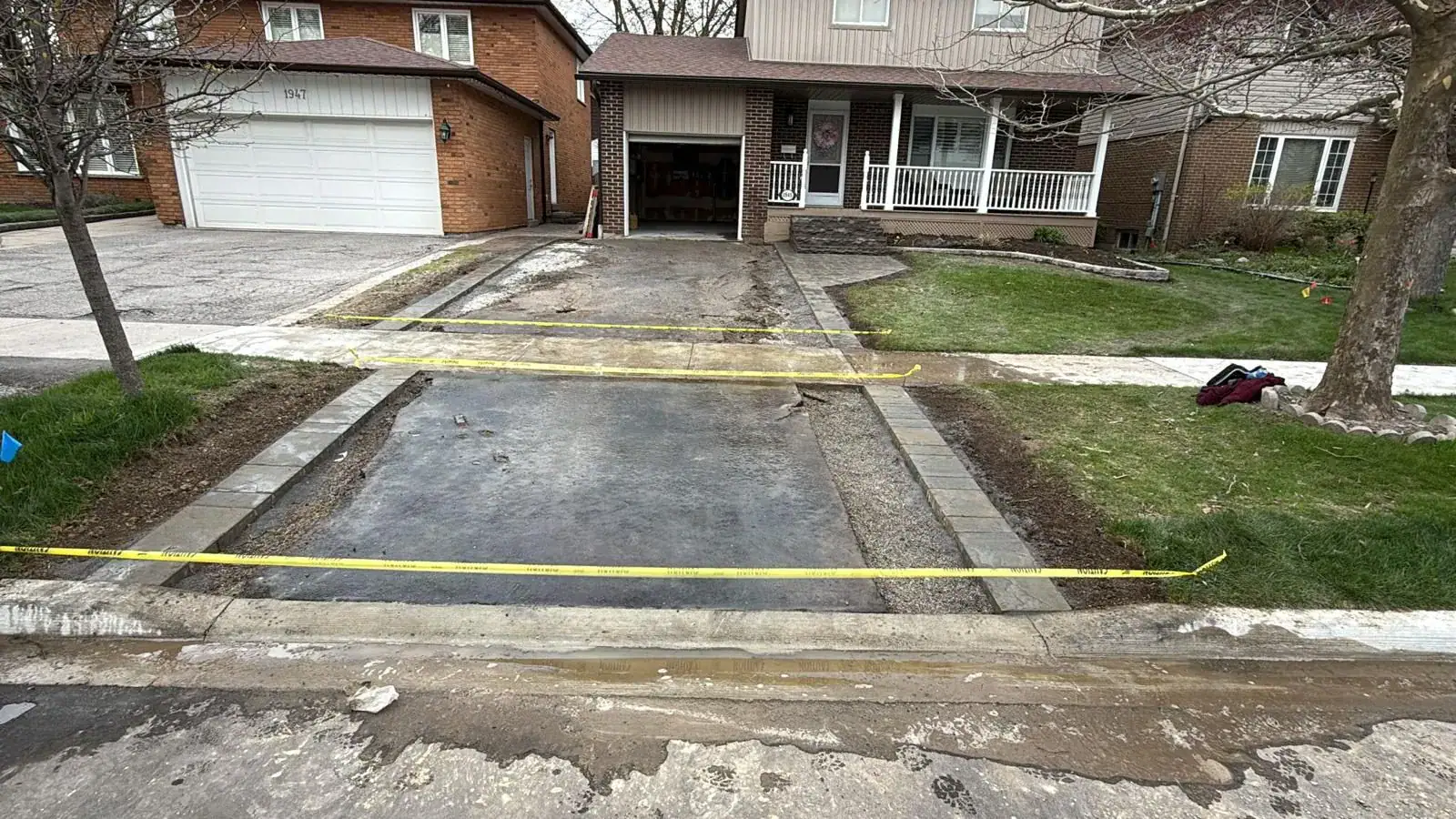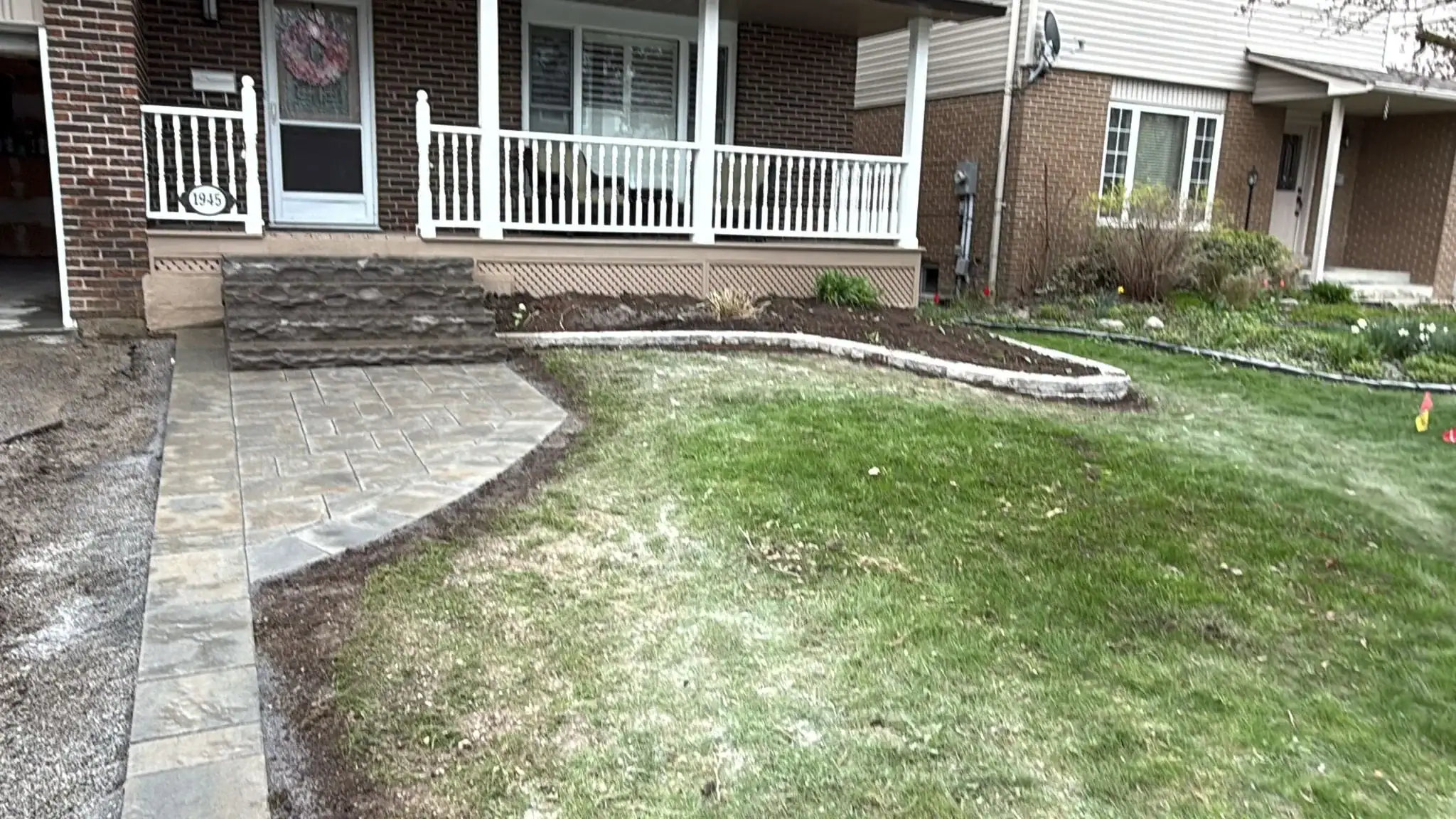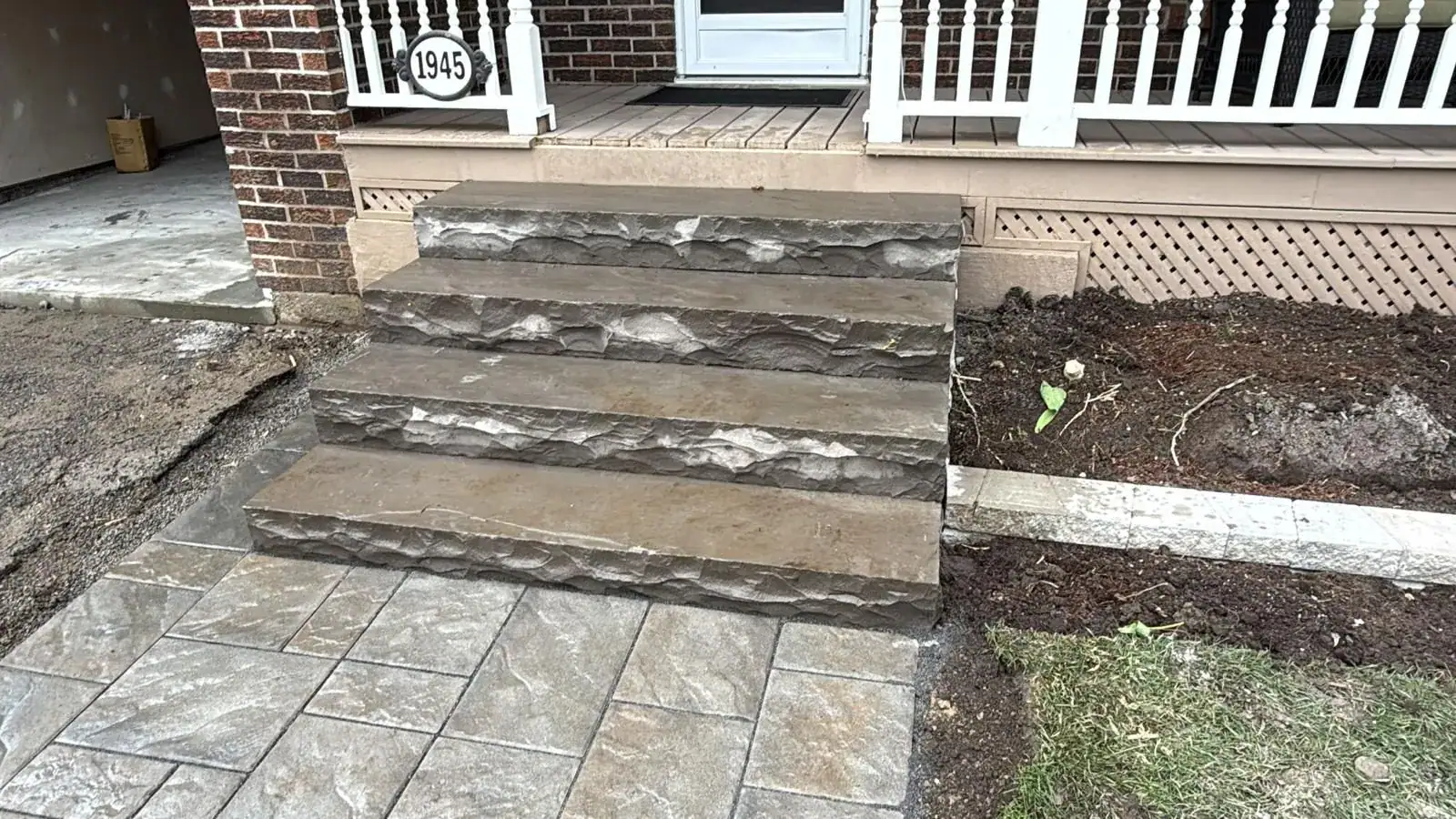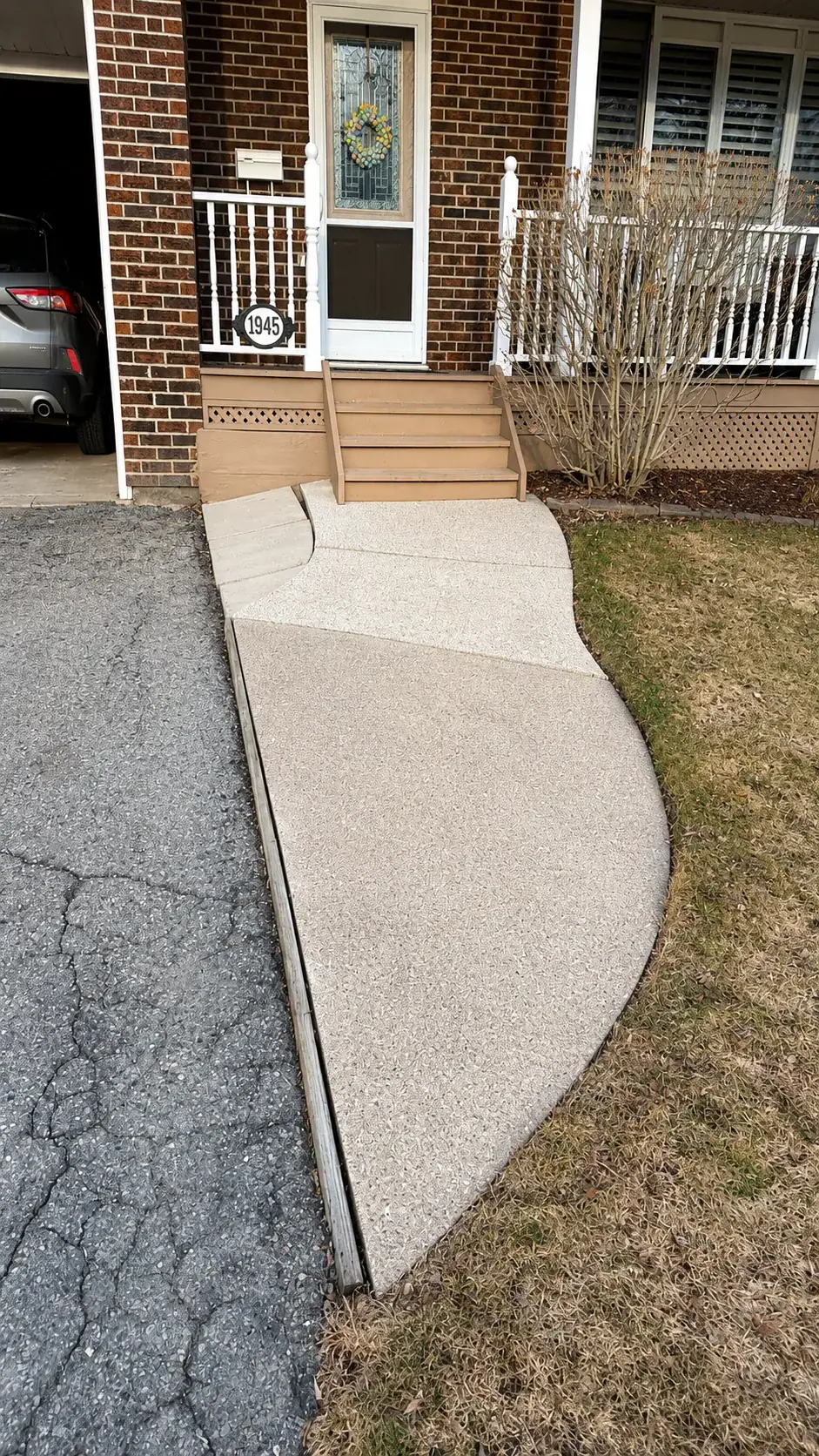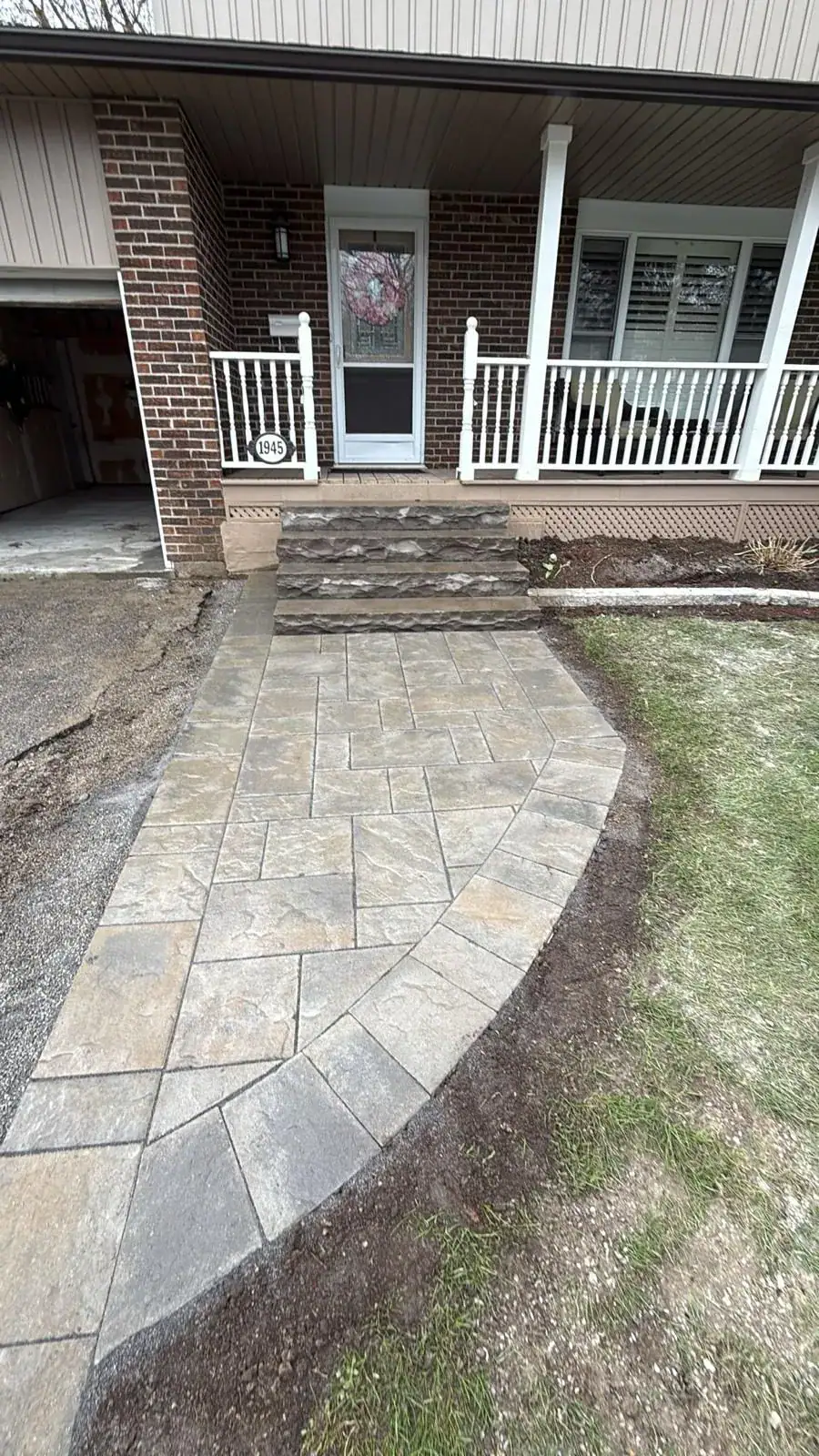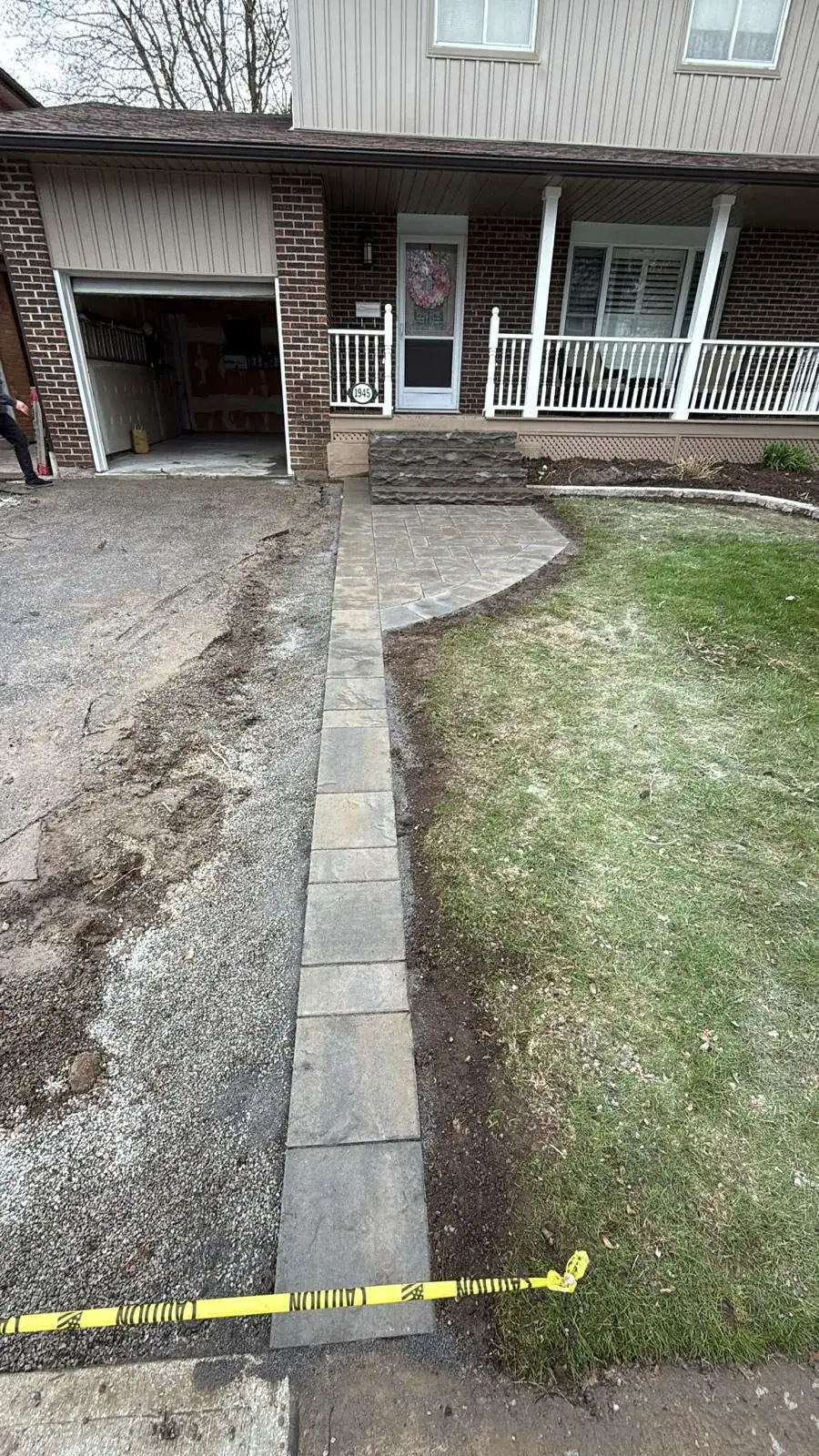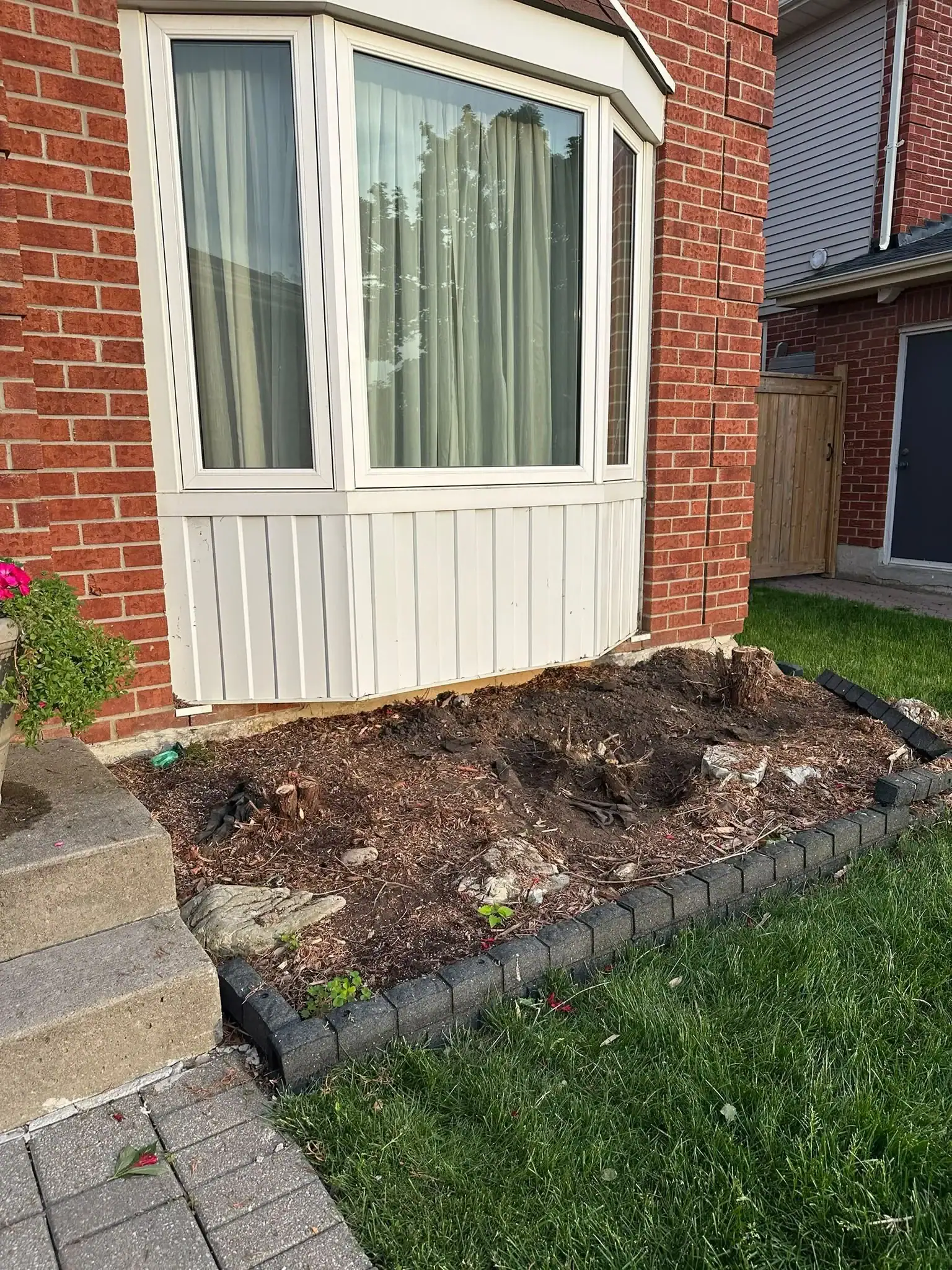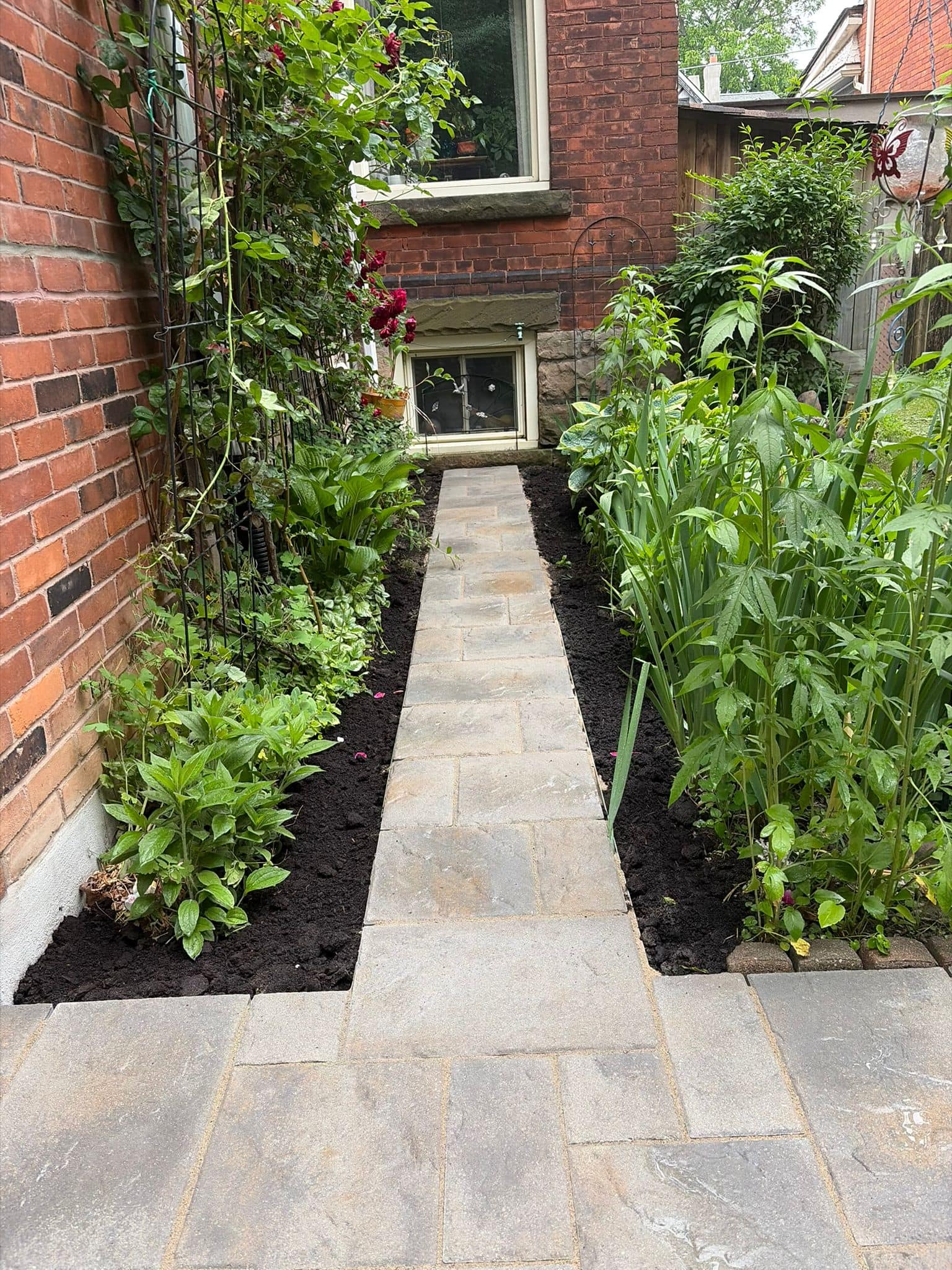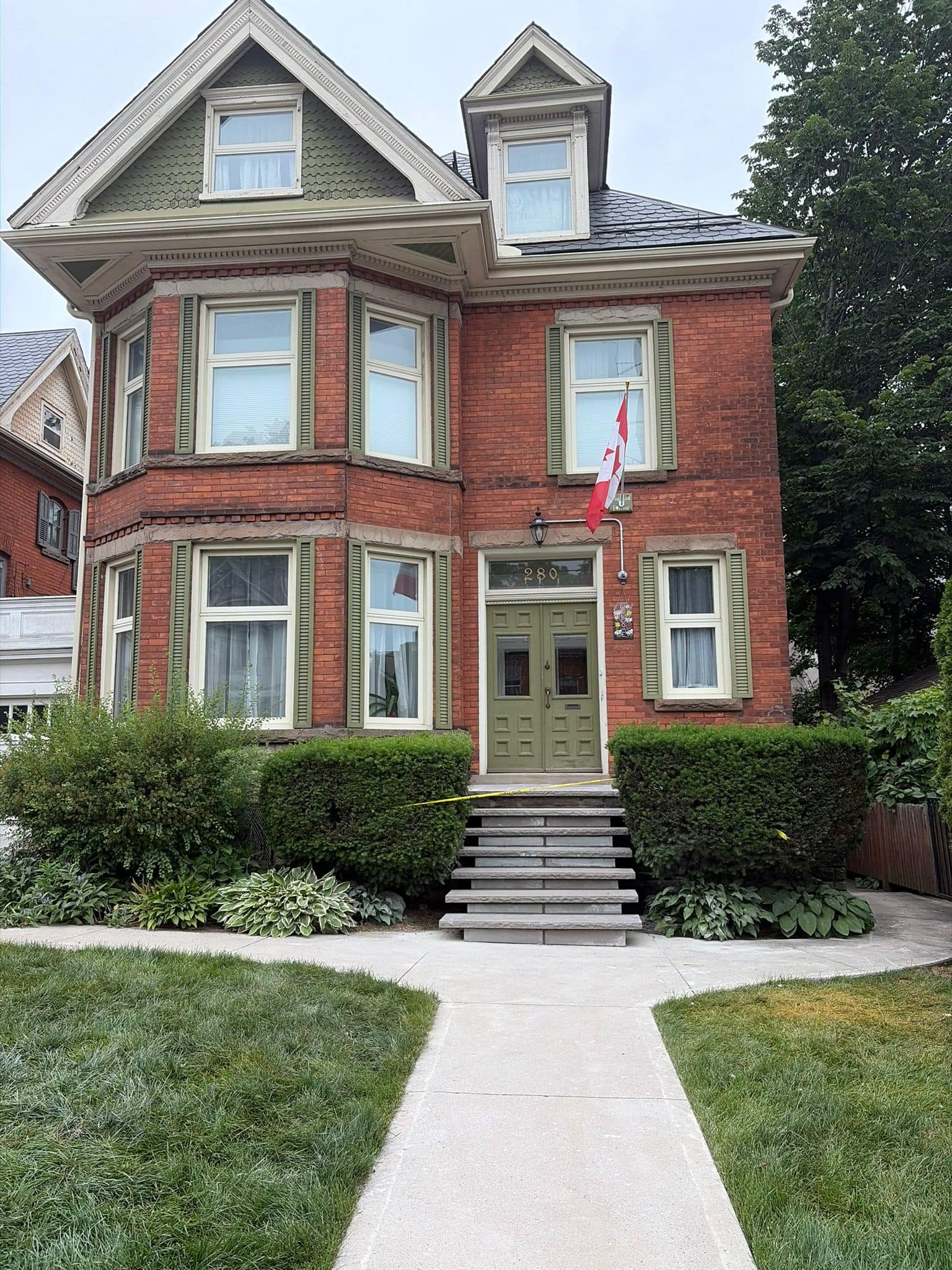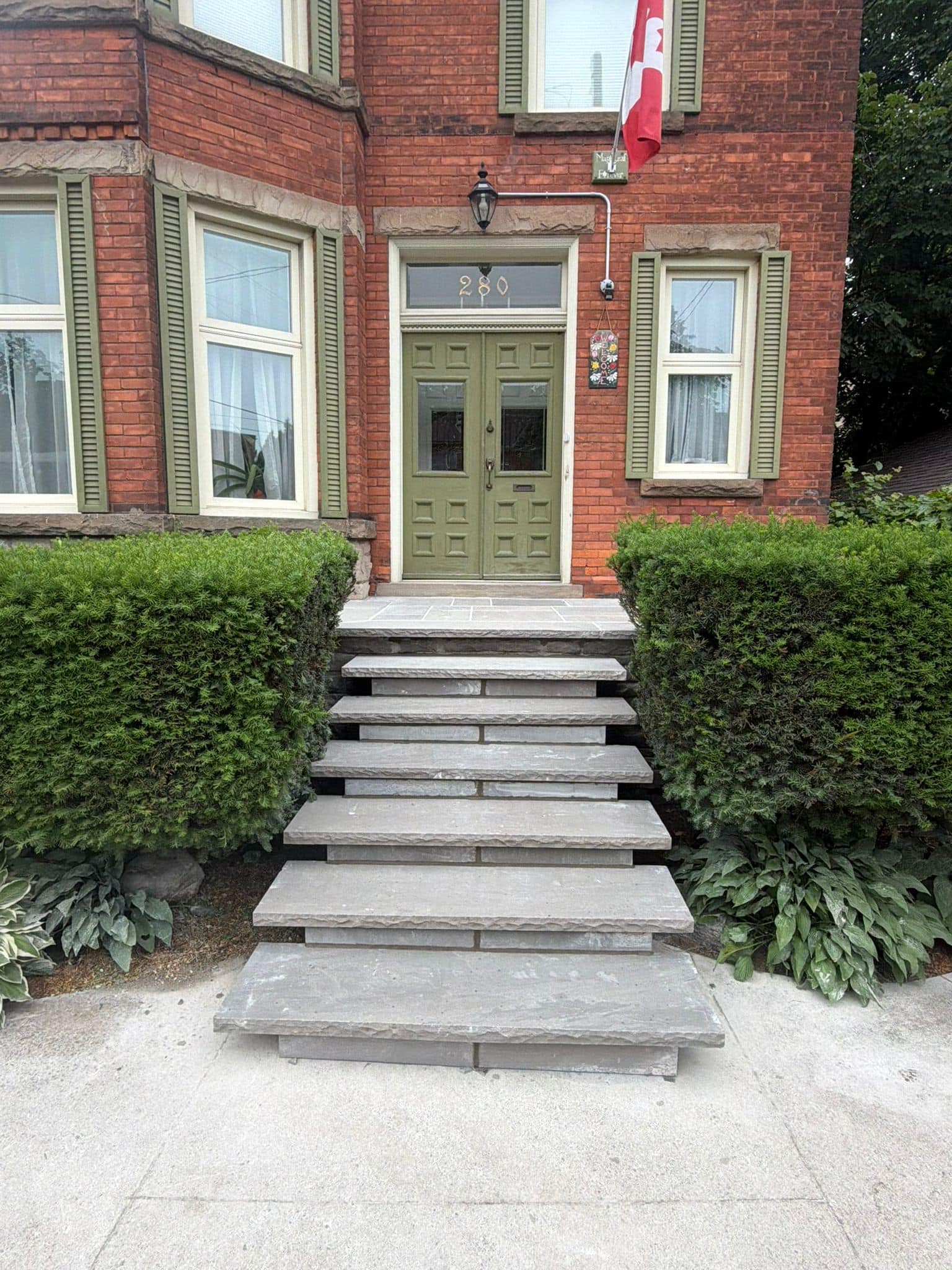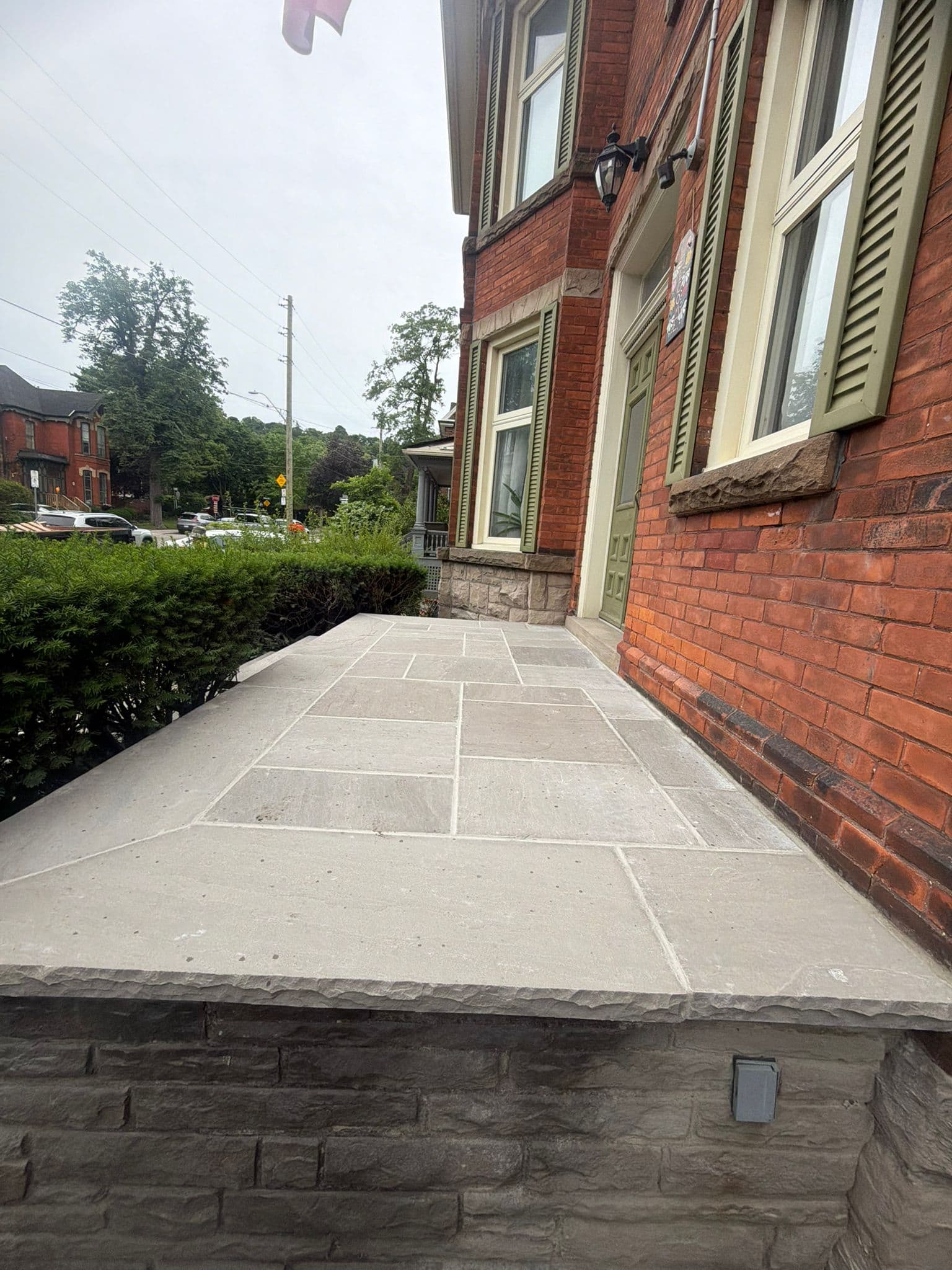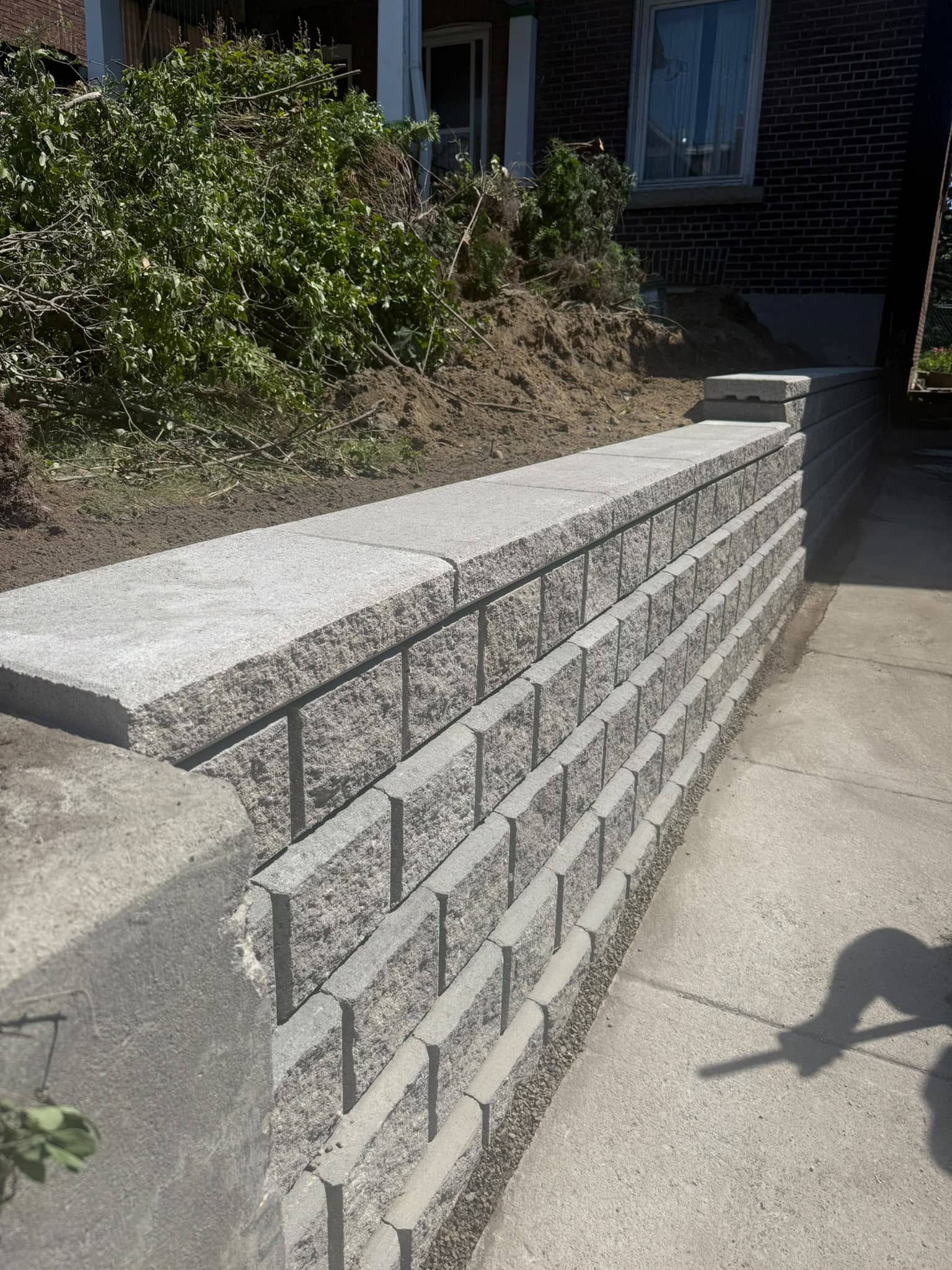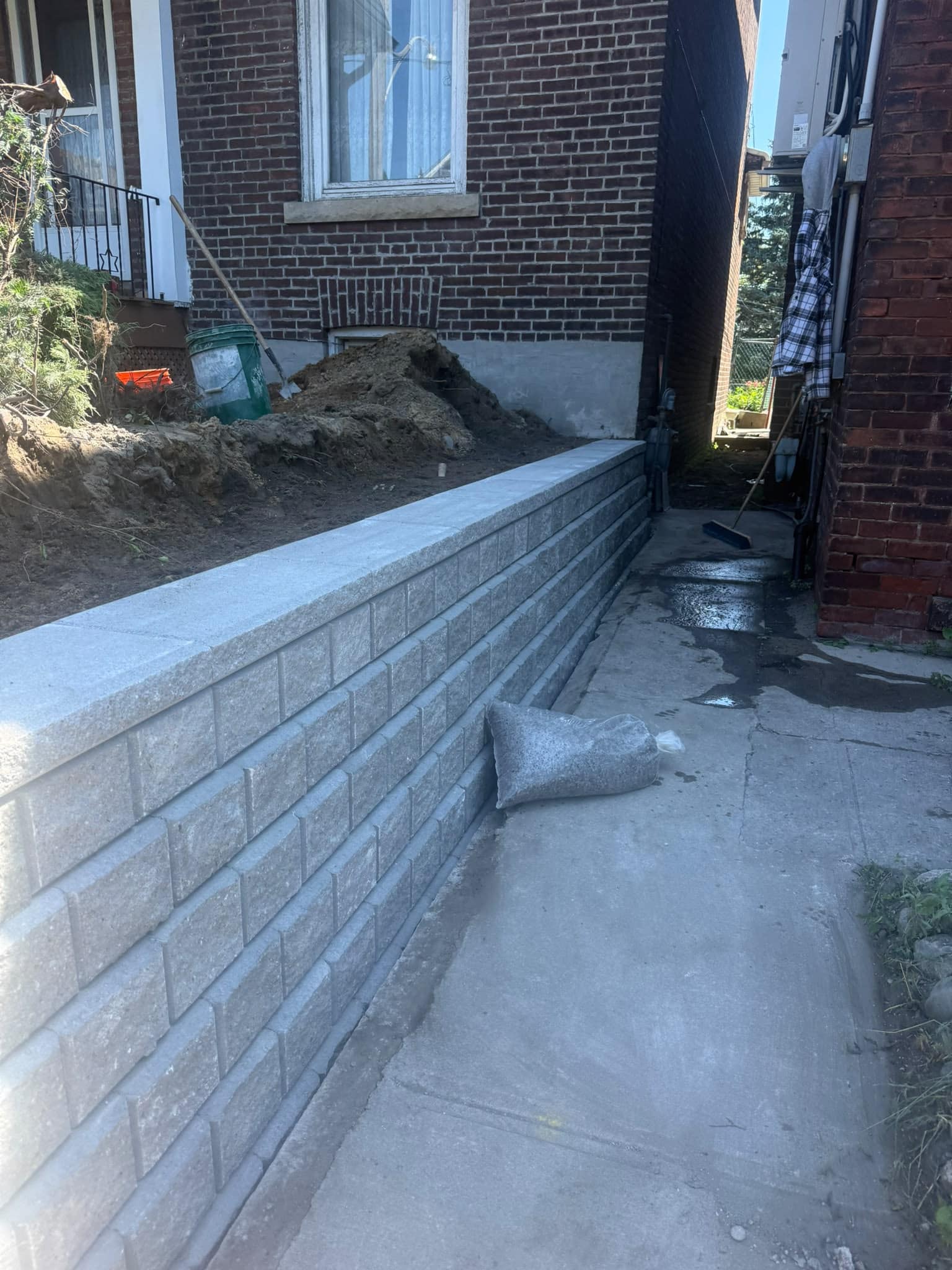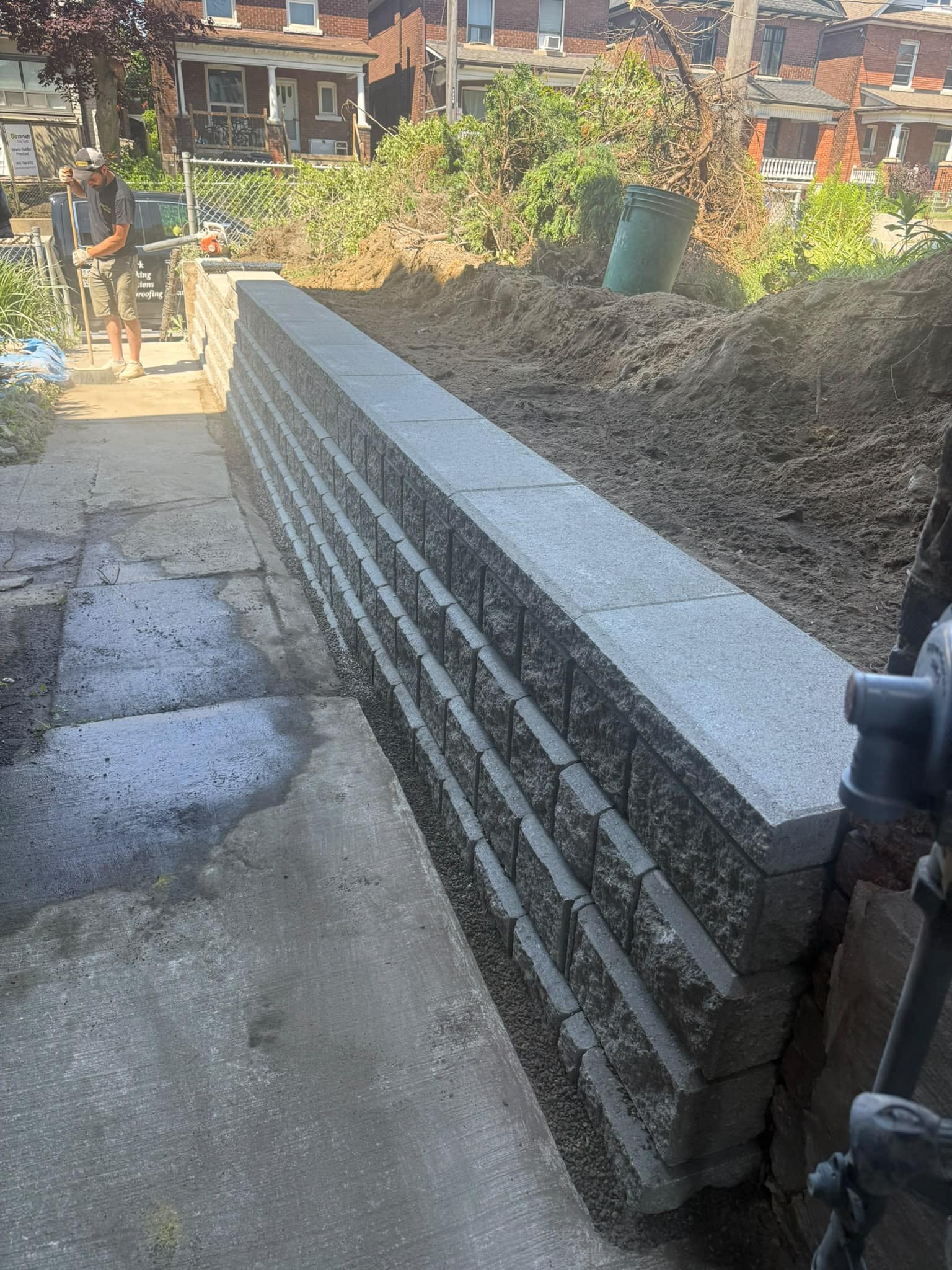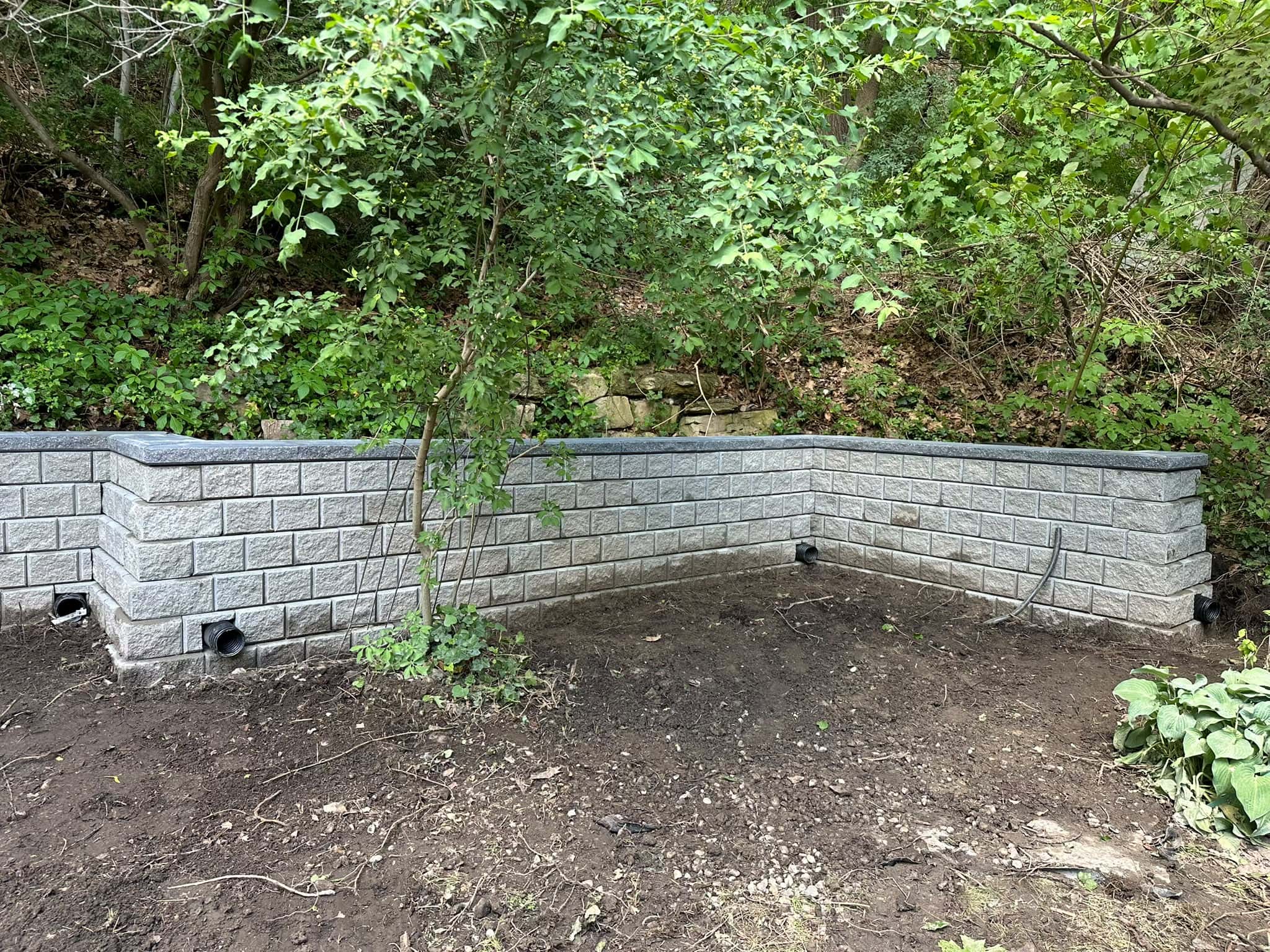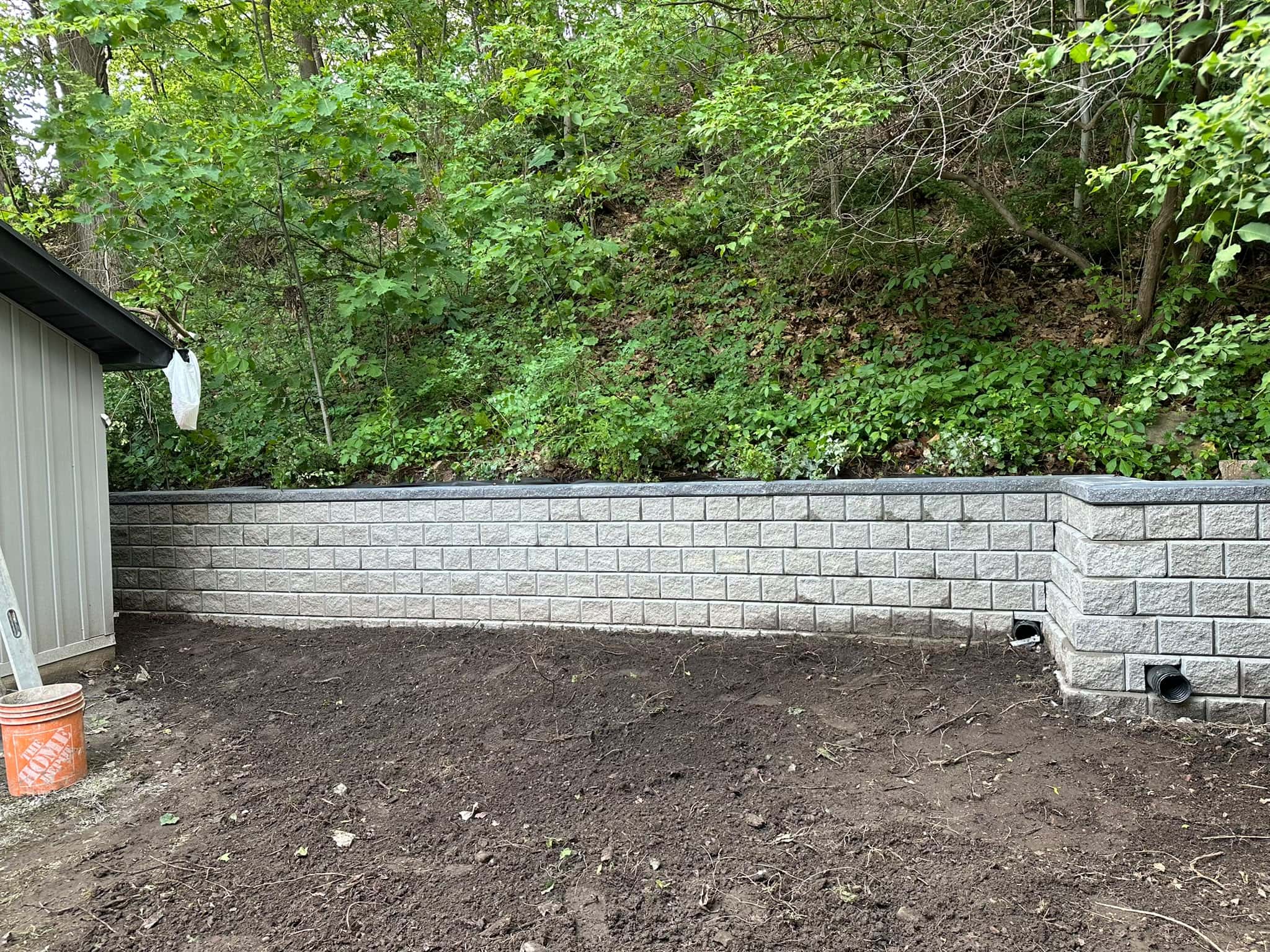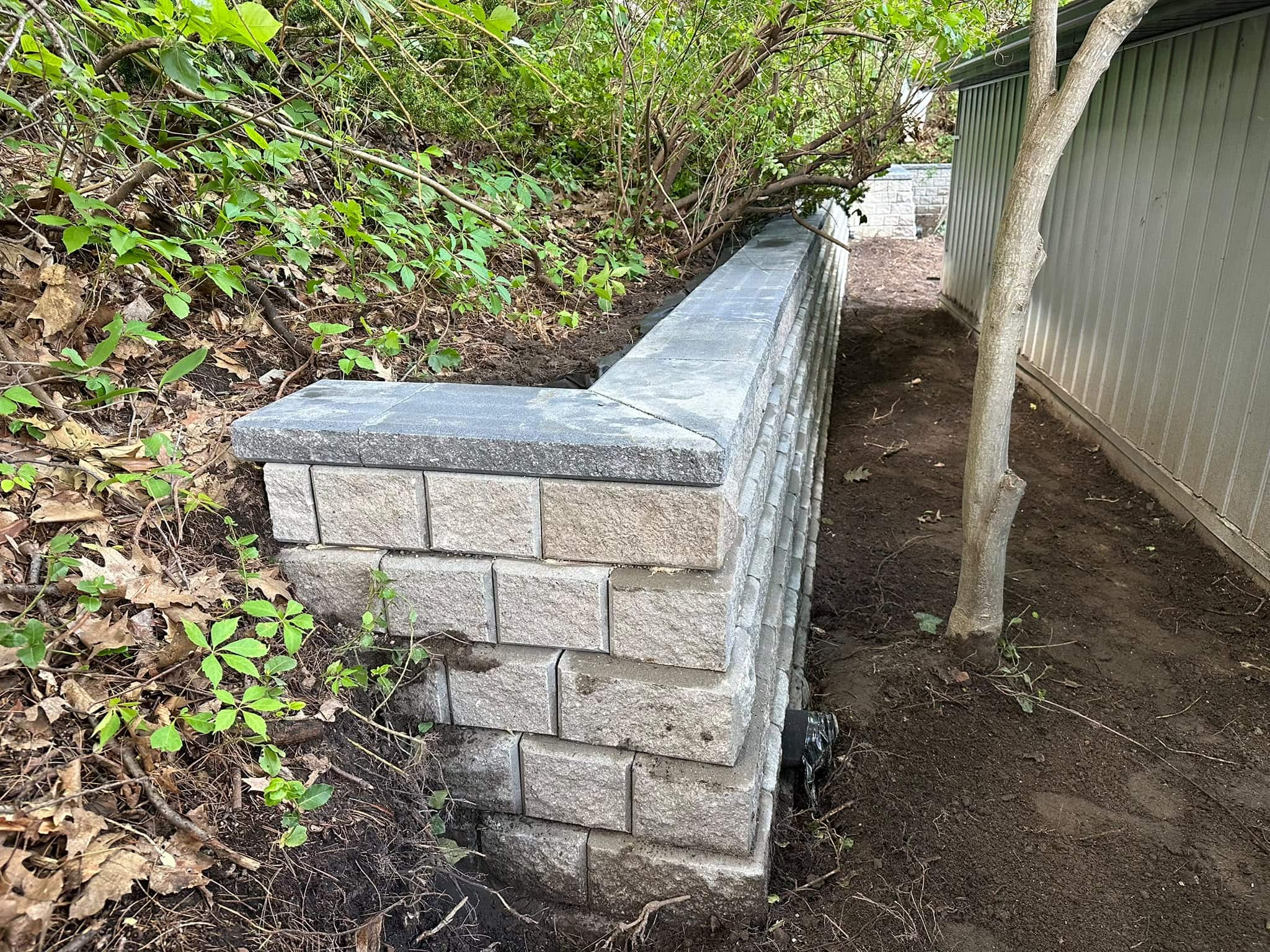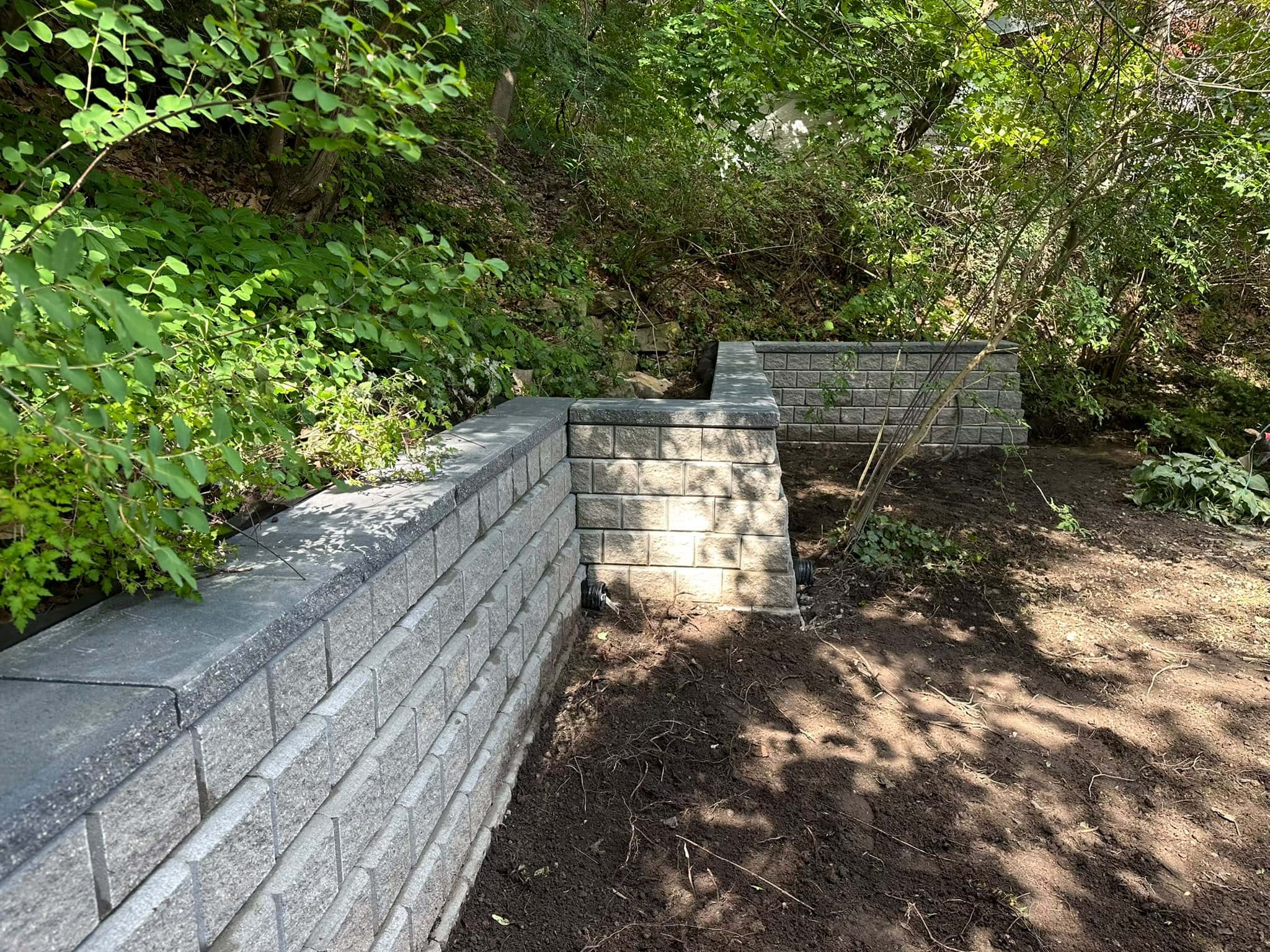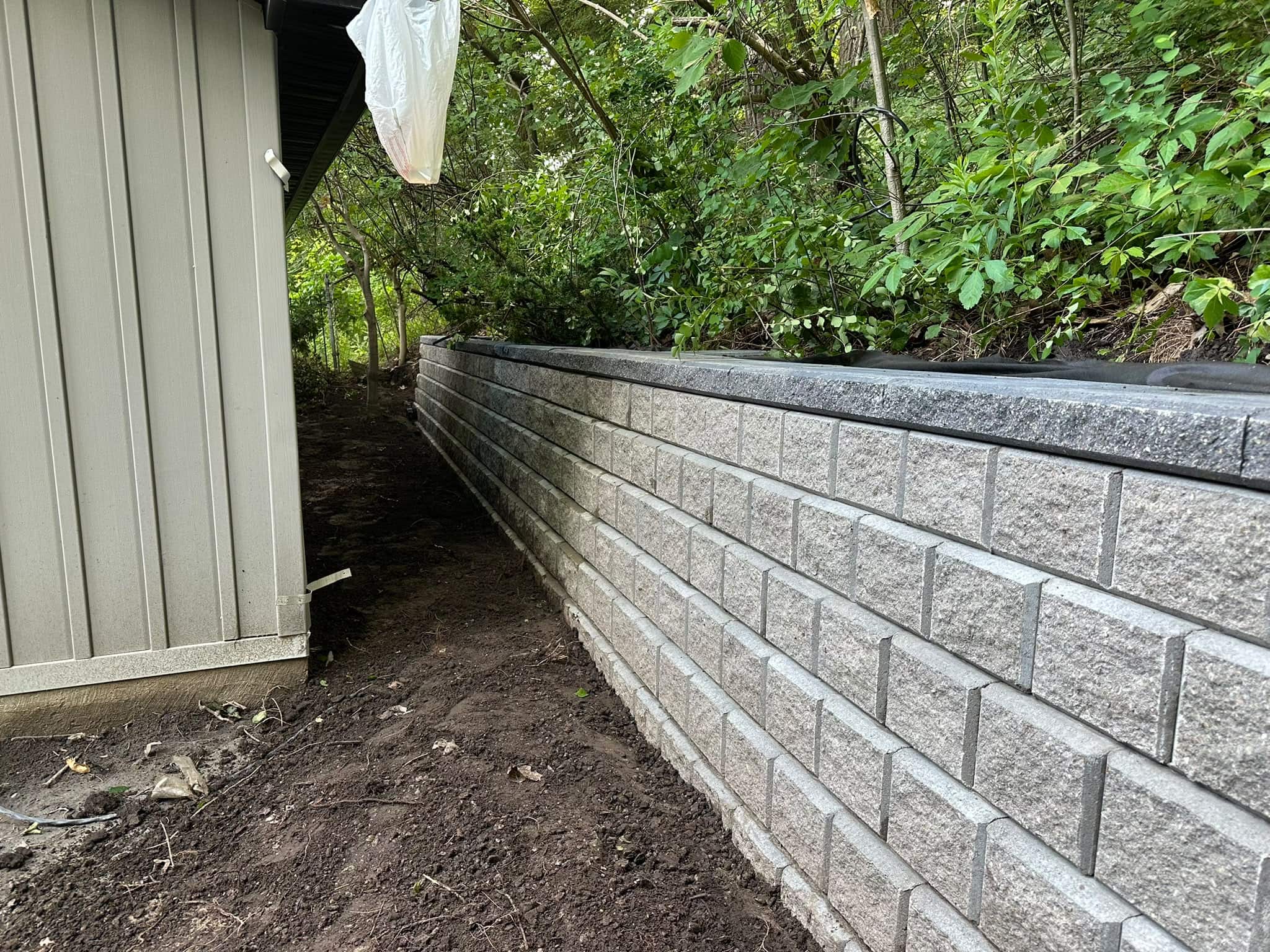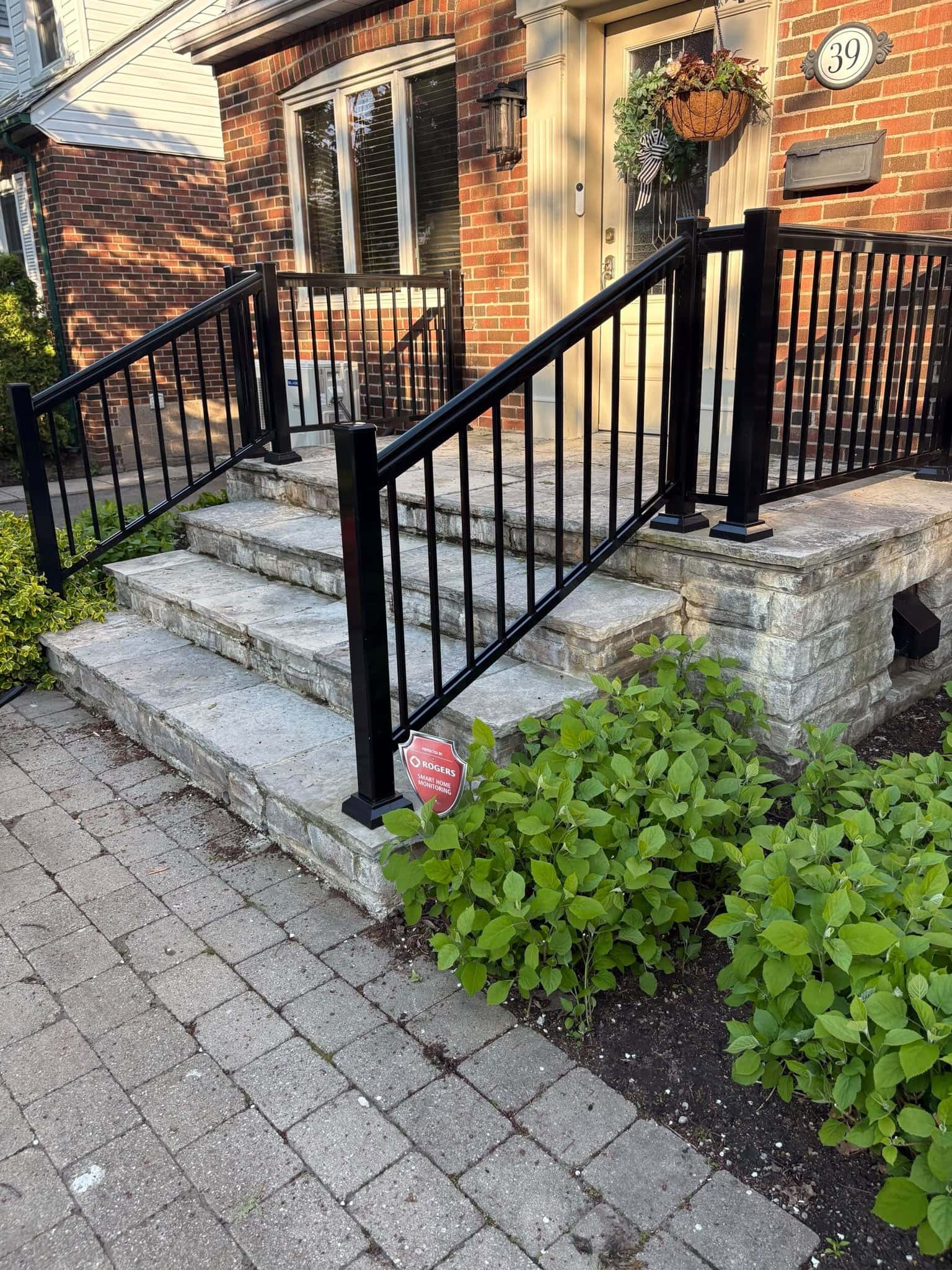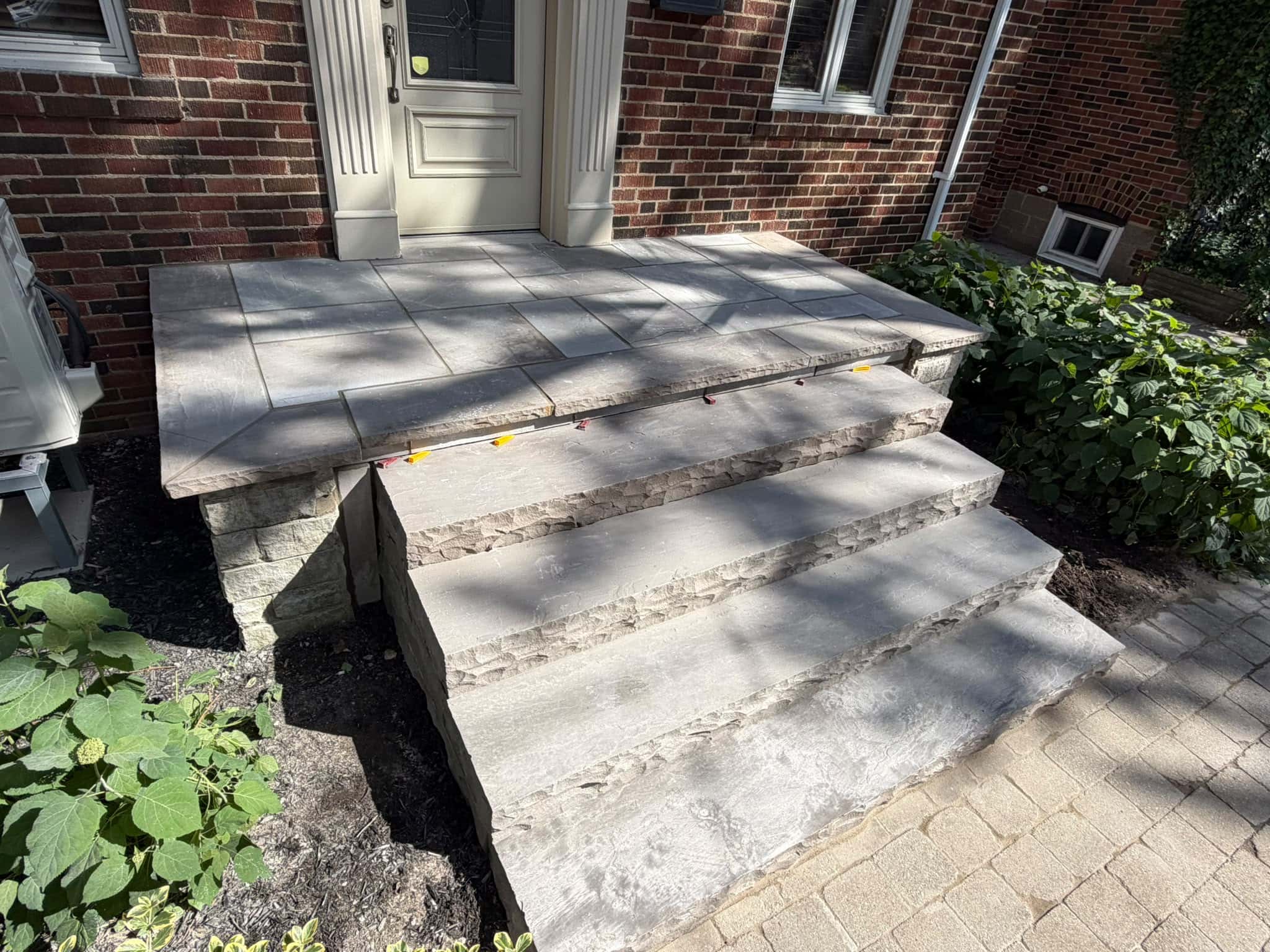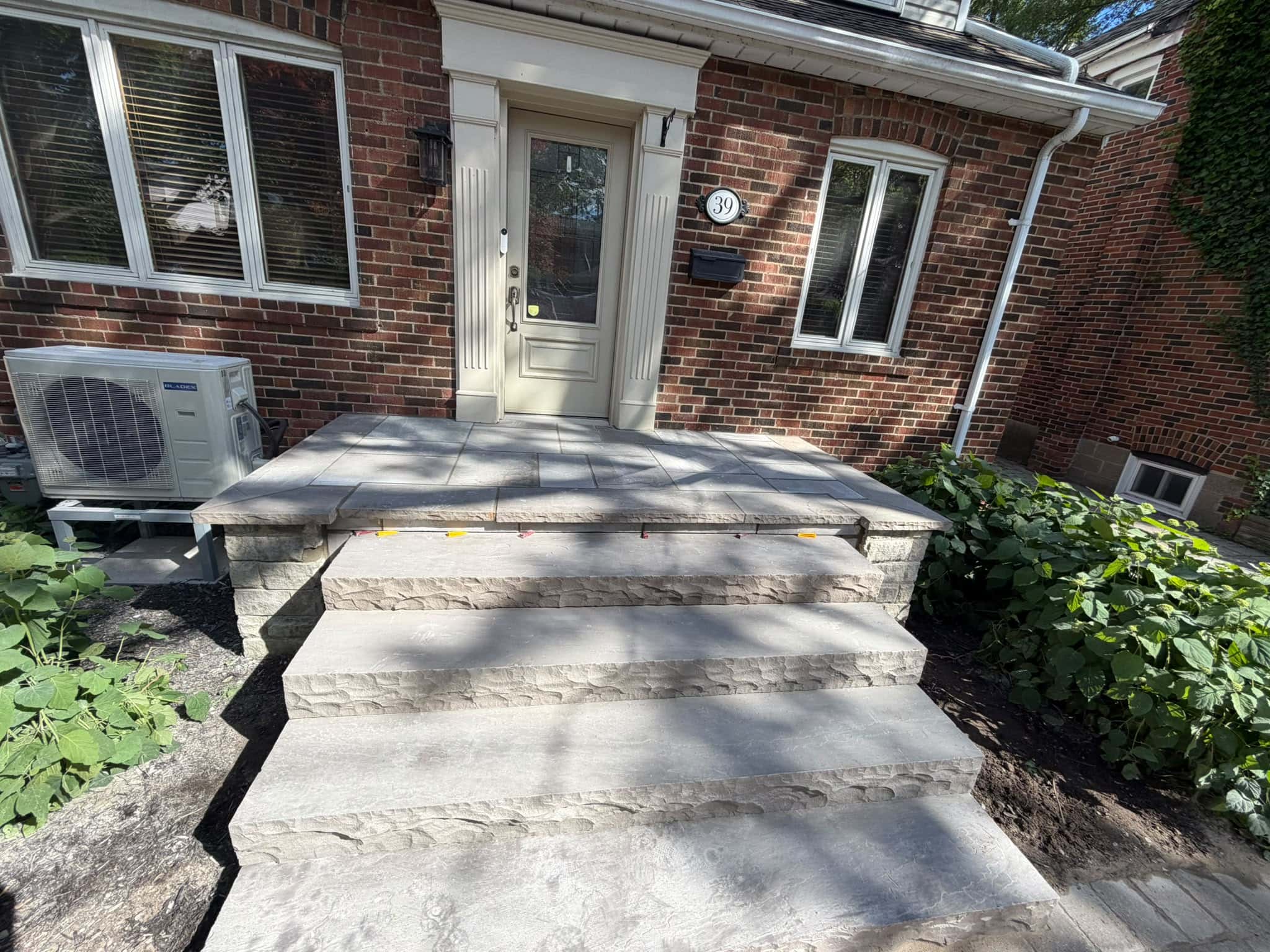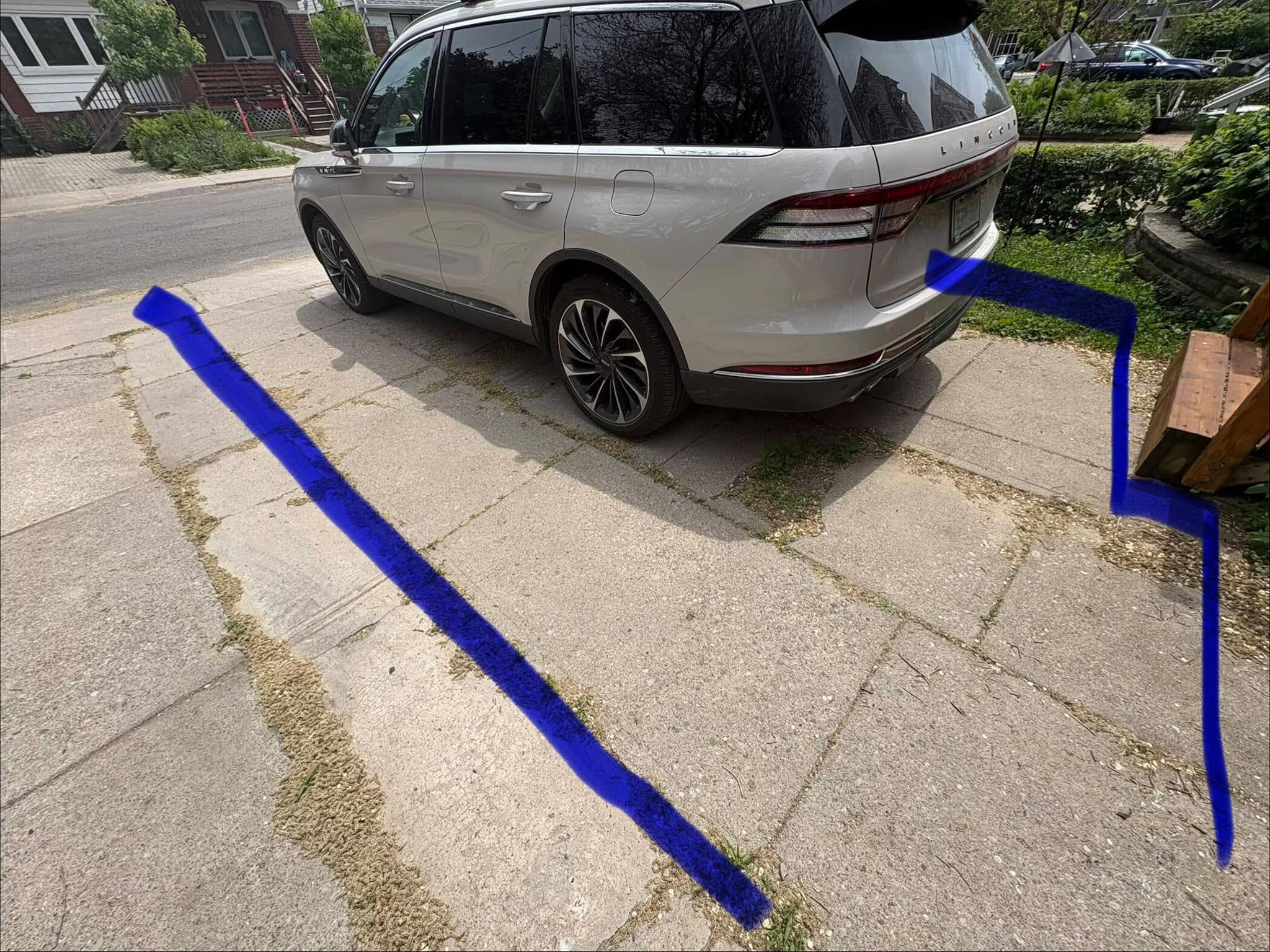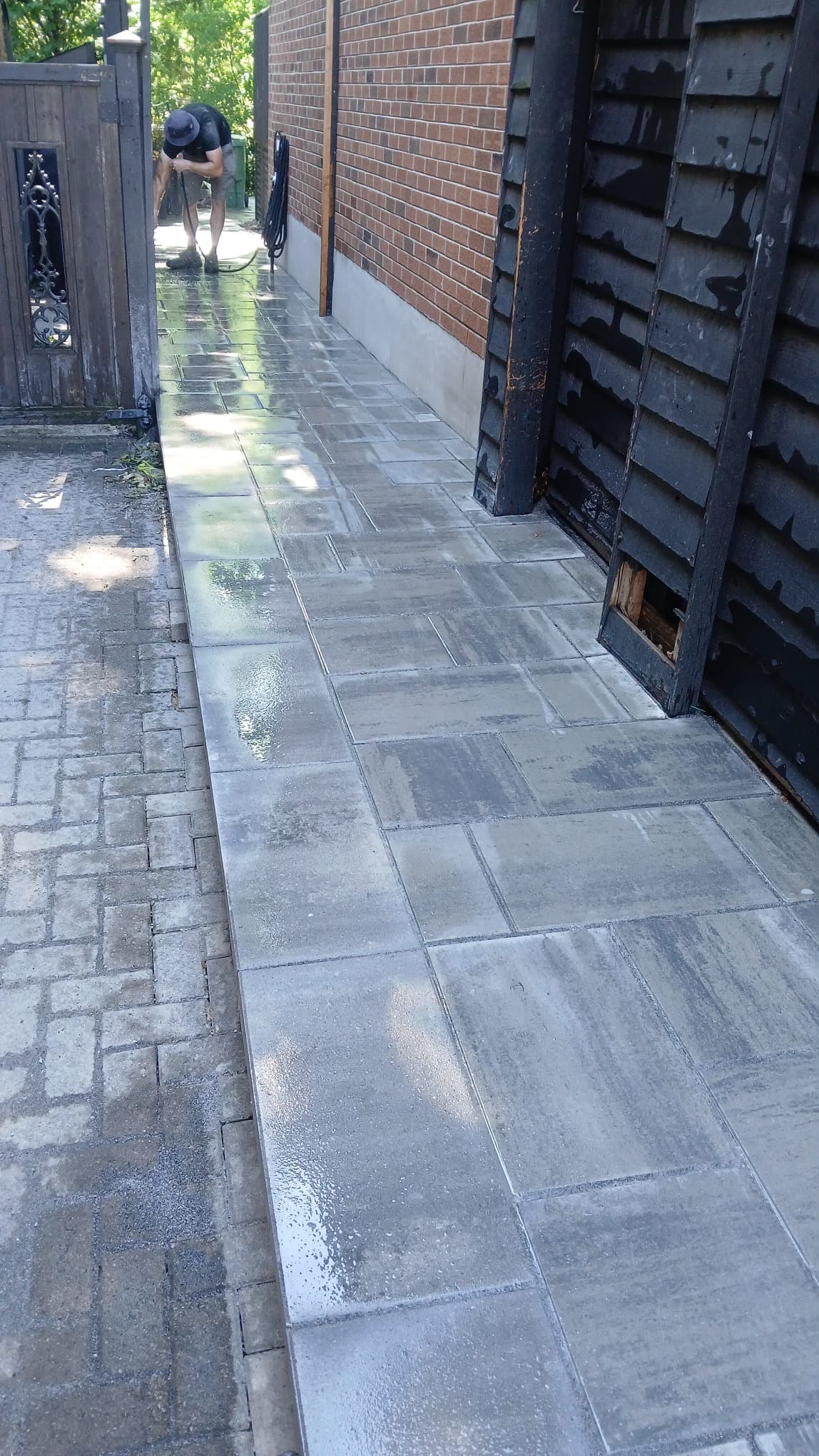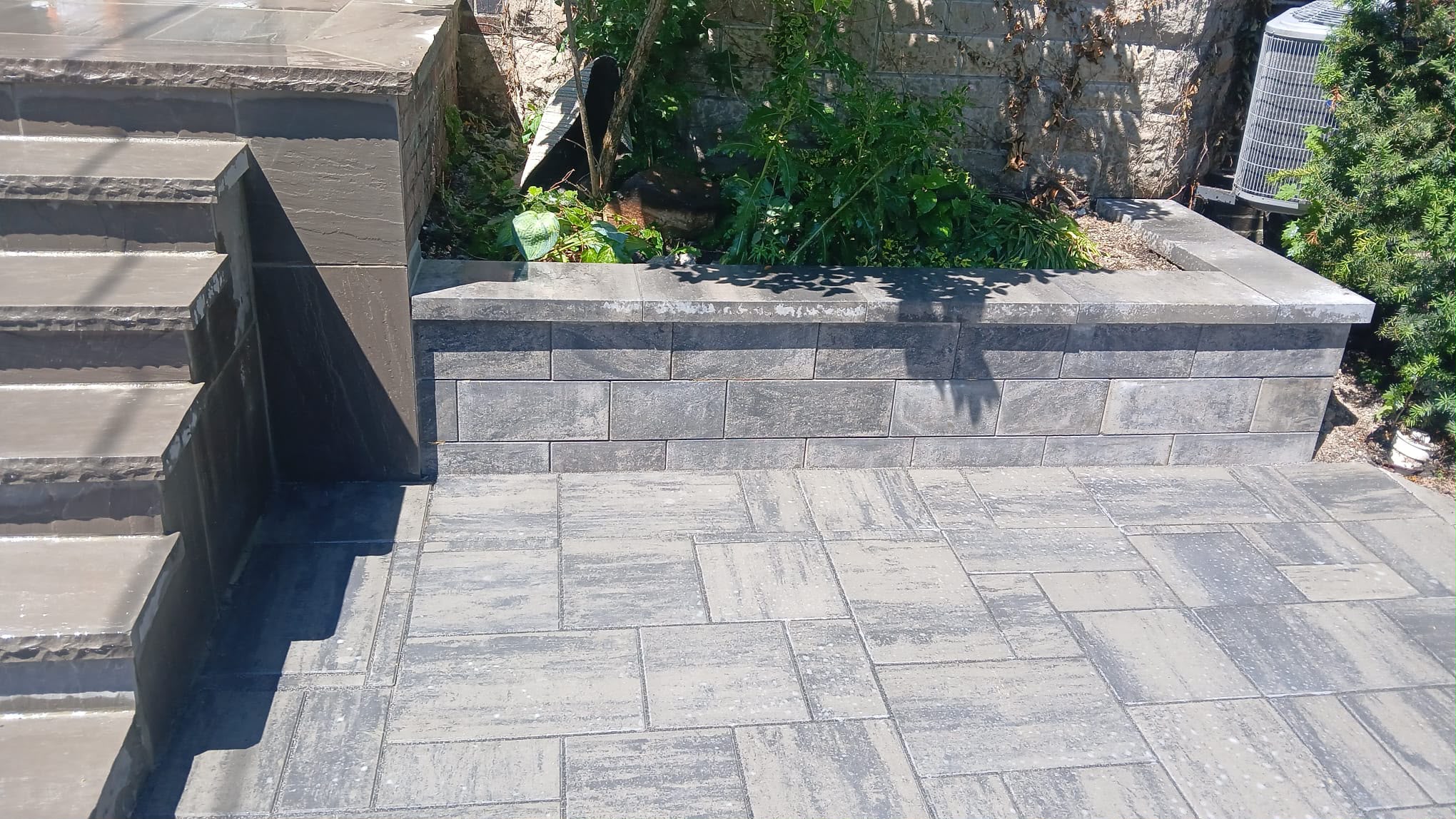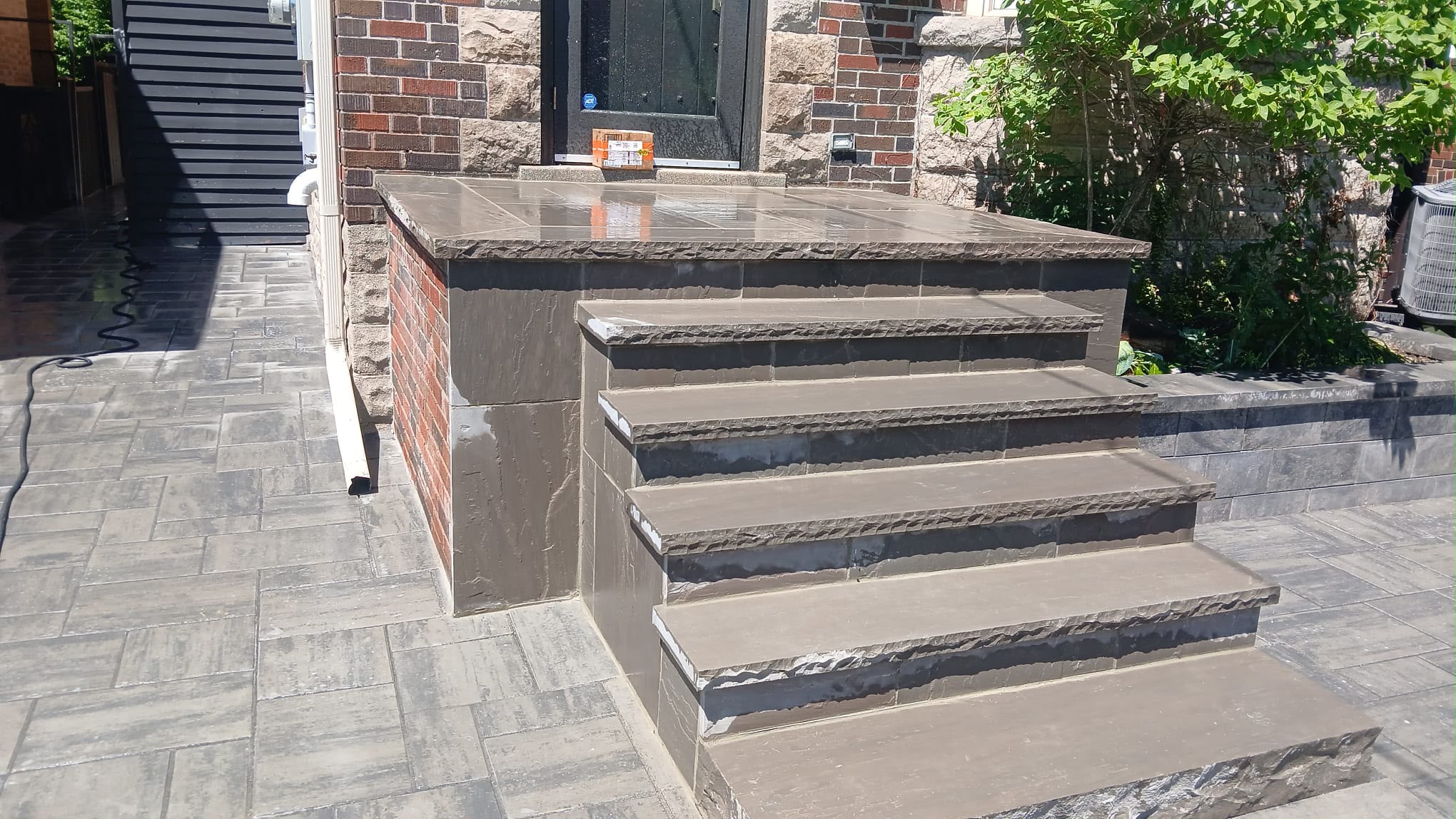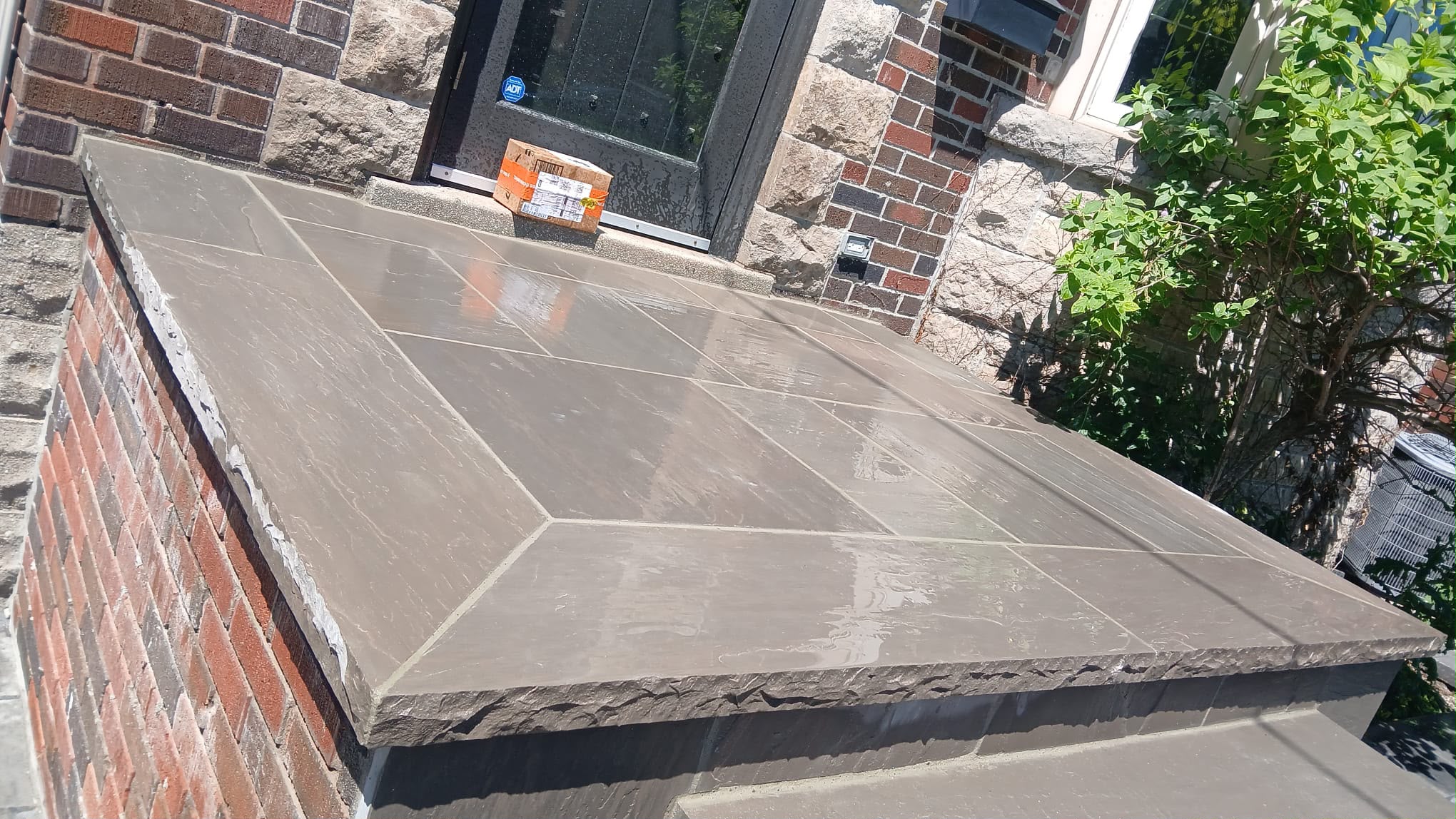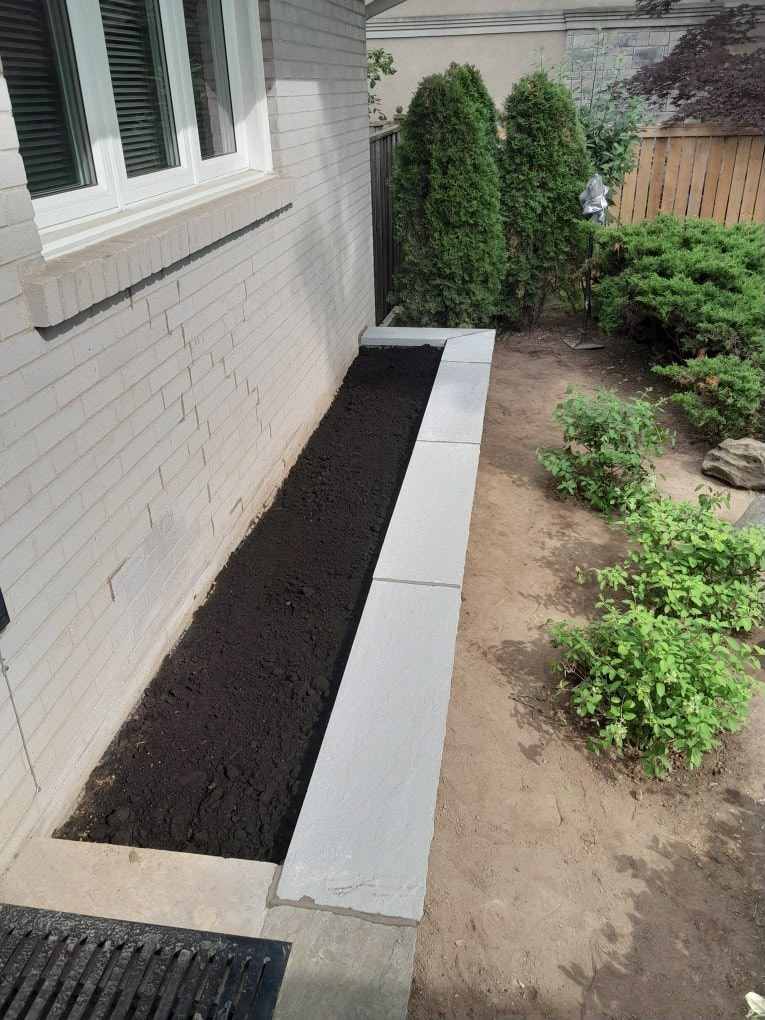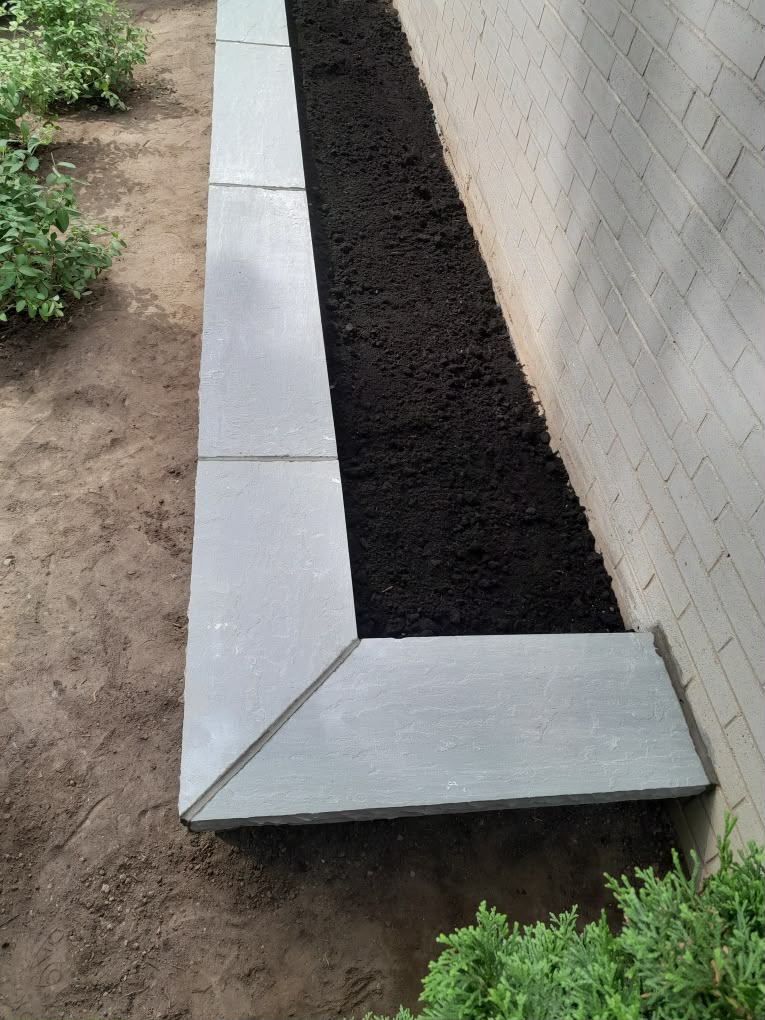

Masonry repair after winter freeze damage helps Toronto and GTA homeowners address brick, mortar, concrete, chimney, step, and foundation problems before they worsen through the next rainy season or freeze-thaw cycle. Winter can be hard on masonry because water enters small cracks, pores, open joints, and weak surfaces. When that water freezes, it expands. Over time, this can lead to spalling brick, cracked mortar, loose stones, broken concrete, chimney damage, and uneven walkways or steps.
Winter damage is not always obvious while the weather is cold. Many problems appear in late winter, spring, or early summer when snow melts, surfaces dry, and cracks become easier to see. A brick face that looked fine in January may start flaking in April. A minor mortar joint may open after a few freeze-thaw cycles. A concrete step may look more uneven once snow and ice are gone.
This guide explains how winter freeze damage affects masonry, what homeowners should check after winter, which repairs may be needed, and how to reduce the chance of repeat damage.
If your post-winter inspection reveals damage in several areas, A&A Masonry’s masonry repair and restoration services cover brick, mortar, chimneys, concrete, stone, waterproofing and other exterior masonry problems across Toronto.
What Winter Freeze Damage Does to Masonry
Winter freeze damage happens when moisture enters masonry and expands as it freezes. Brick, stone, concrete, mortar, and parging can all absorb or hold some moisture. If the material is already cracked, porous, poorly drained, or repeatedly wetted, winter can worsen the damage.
The freeze-thaw process is simple but powerful. Water enters a small opening. The temperature drops. The water freezes and expands. The material is pushed apart slightly. The temperature rises, the ice melts, and more water enters the wider opening. After enough cycles, the surface begins to crack, flake, loosen, or break apart.
This is why winter masonry damage often grows slowly at first. A tiny crack may not seem urgent, but it lets water in. Once the surface opens, the next winter can cause more serious deterioration.
Why Toronto Winters Are Tough on Masonry
Toronto winters are tough on masonry because the weather often alternates between freezing and thawing rather than staying consistently cold. This repeated temperature swing creates many opportunities for water to enter, freeze, expand, and melt again.
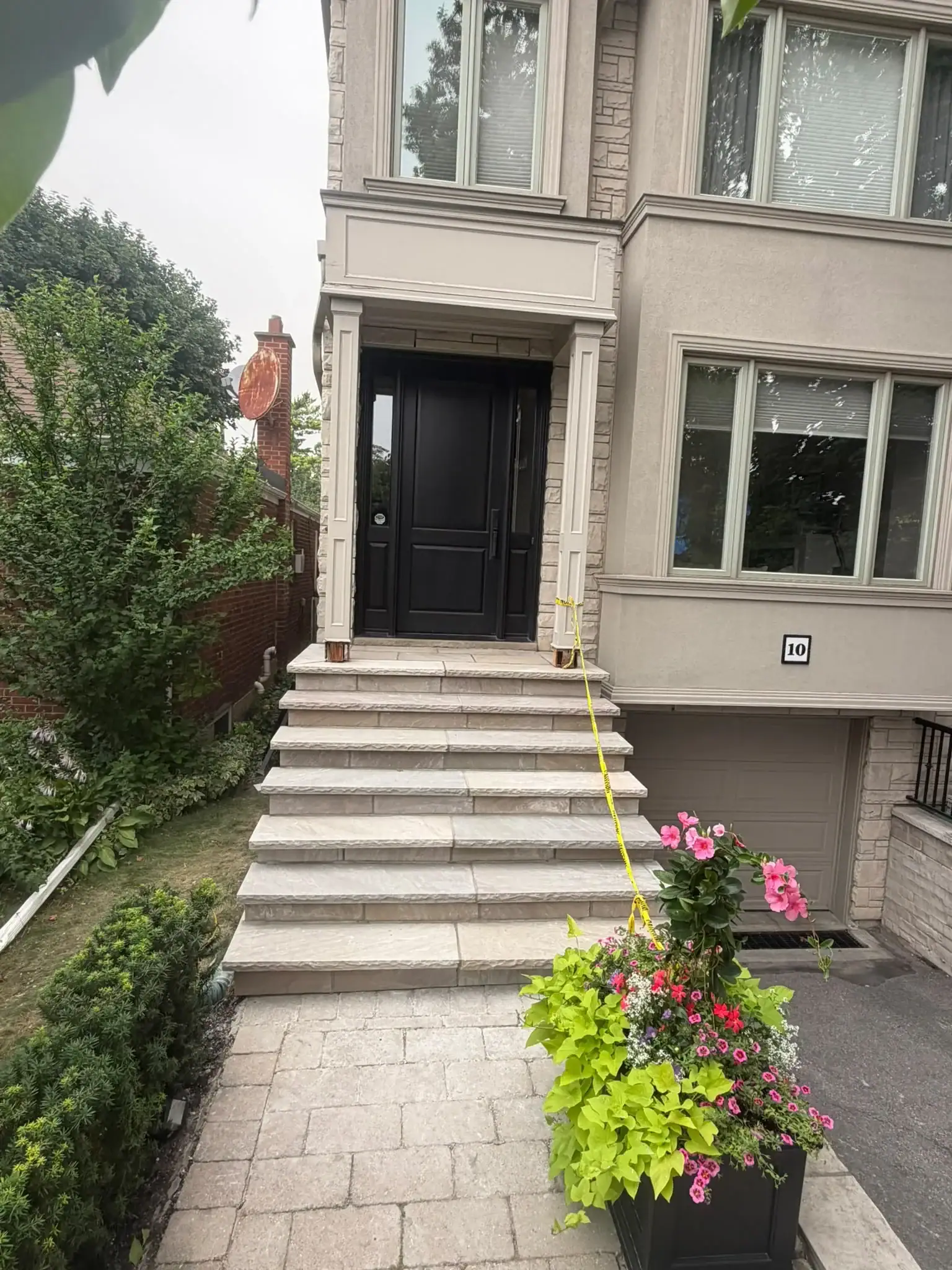
Masonry near the ground is especially vulnerable. Lower brick courses, concrete steps, walkways, porch edges, driveway borders, retaining walls, and foundation areas often deal with snow piles, salt, puddling, and poor drainage. Chimneys also take a lot of winter stress because they sit above the roofline, exposed to wind, ice, snow, and rain.
The City of Toronto provides guidance on managing rain and melted snow, which is useful for homeowners because water control is one of the best ways to reduce freeze damage. If water keeps collecting near masonry, repairs are more likely to fail or require repeated repairs.
Common Signs of Masonry Freeze Damage
Common signs of masonry freeze damage include flaking brick, cracked mortar, loose units, white staining, uneven steps, cracked concrete, and damp lower walls. These signs may appear in one area or across several parts of the home.
- Spalling brick: The brick’s face flakes, chips, pops off, or crumbles.
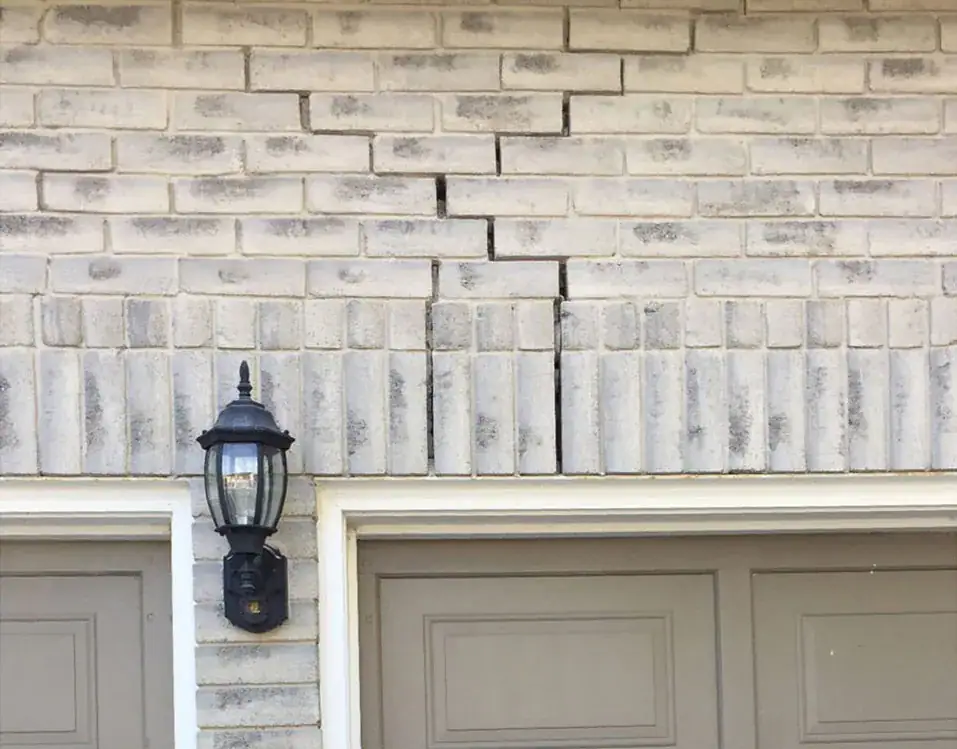
- Cracked mortar joints: Mortar opens, separates, or falls out between bricks or stones.
- Loose brick or stone: Units move when touched or show gaps around the edges.
- Efflorescence: White powdery stains appear when moisture moves through masonry and leaves salts behind.
- Cracked concrete: Steps, walkways, porches, or slabs show cracks or surface scaling.
- Uneven interlocking pavers: Pavers sink, lift, spread, or become wobbly after winter.
- Chimney deterioration: Brick, mortar, caps, crowns, or flashing show winter wear.
- Damaged parging: Foundation coating cracks, flakes, or separates from the wall.
If you are trying to identify whether the issue is minor or more serious, A&A Masonry’s blog on common masonry repair issues in Toronto is a helpful starting point.
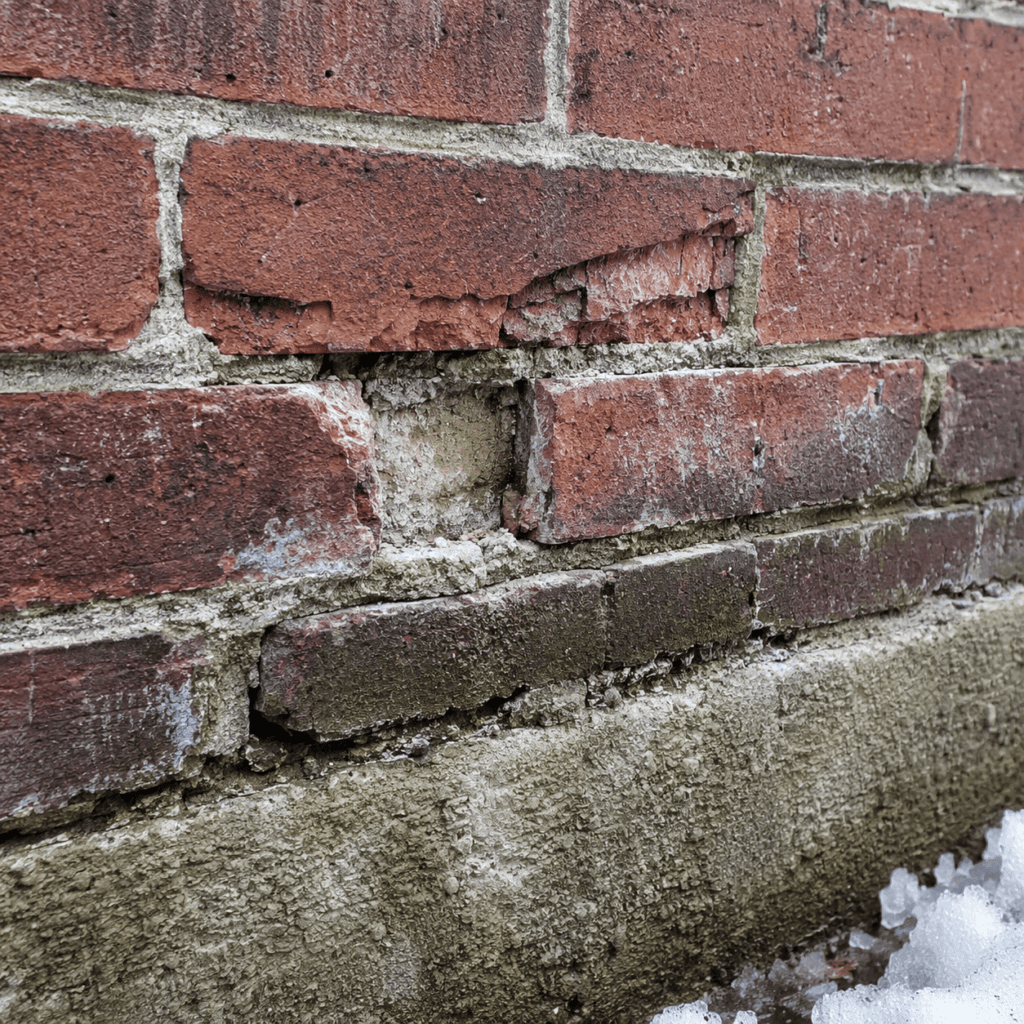
Spalling Brick After Winter
Spalling brick after winter usually means moisture has entered the brick and damaged the face. The surface may peel, flake, crumble, or break away in pieces. Once spalling begins, the exposed brick can absorb more moisture and deteriorate faster.
Spalling often appears on chimneys, lower walls, porch columns, window sills, garden walls, and areas near downspouts or snow piles. It may also appear where previous repairs used the wrong mortar, trapped moisture, or failed to correct water movement.
Small areas of spalling may be repairable with targeted brick replacement. Larger areas may need a broader assessment to understand the water source. If you replace only the damaged brick but water keeps collecting, the problem can return.
For visible cracked, crumbling, or spalling brick, A&A Masonry’s professional brick repair page explains common brick repair and replacement concerns for local homes.
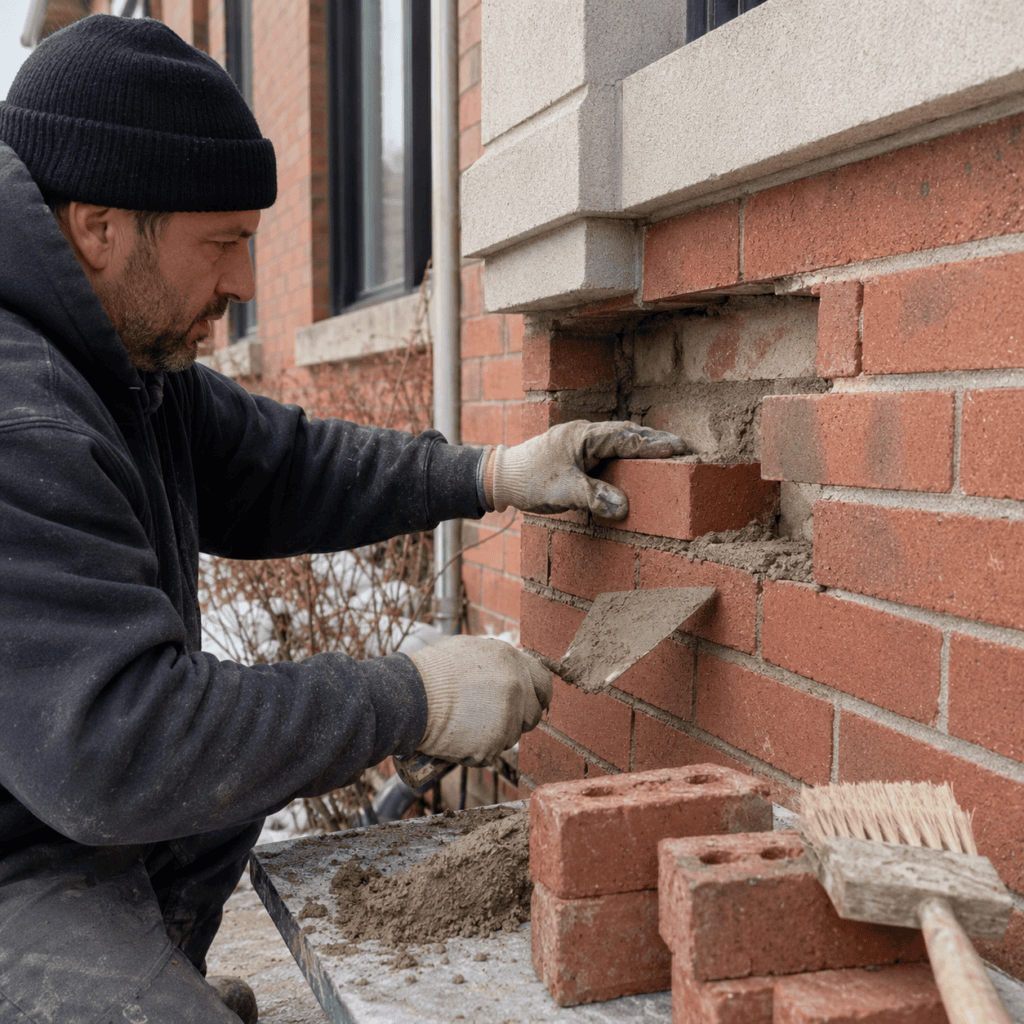
Mortar Joint Damage and Tuckpointing
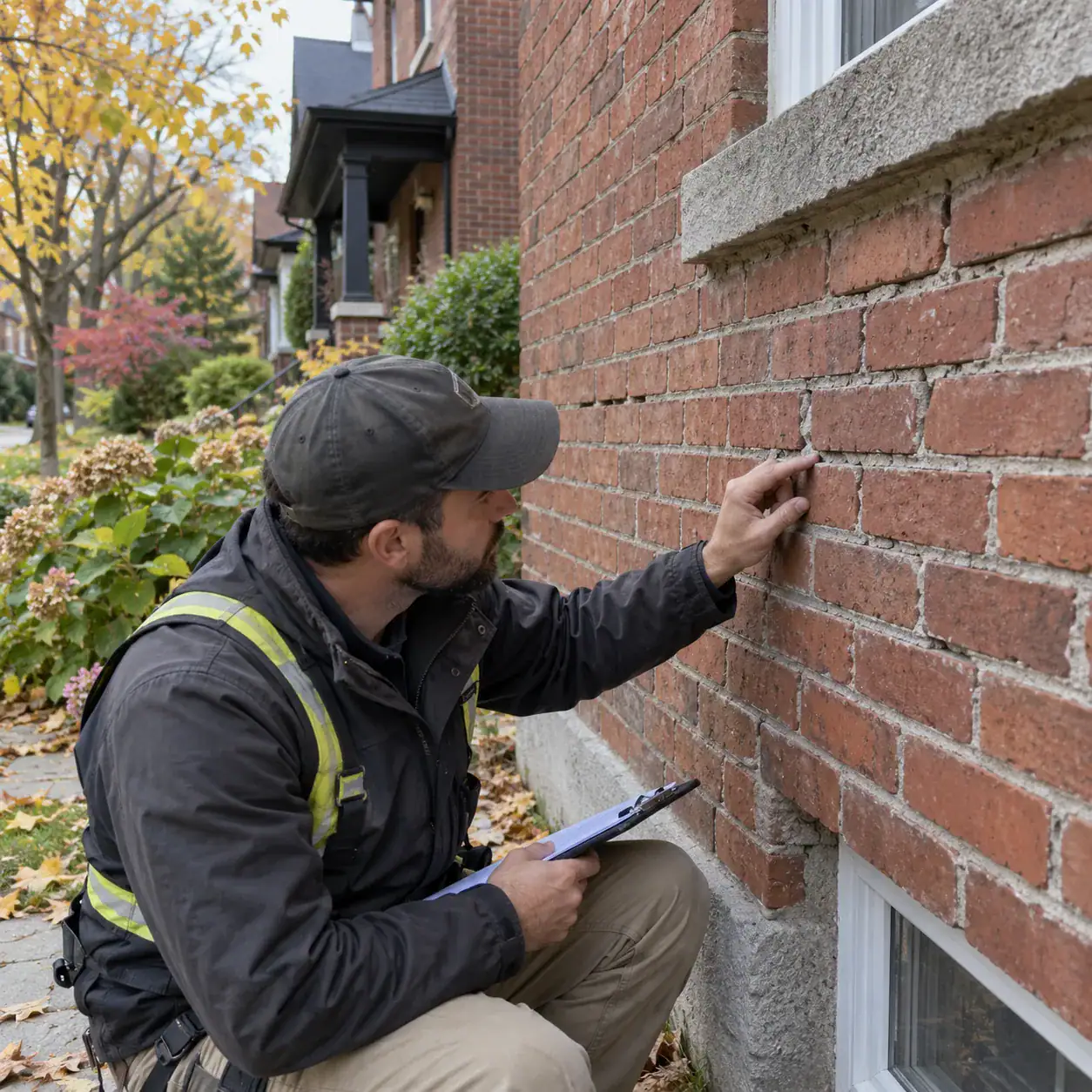
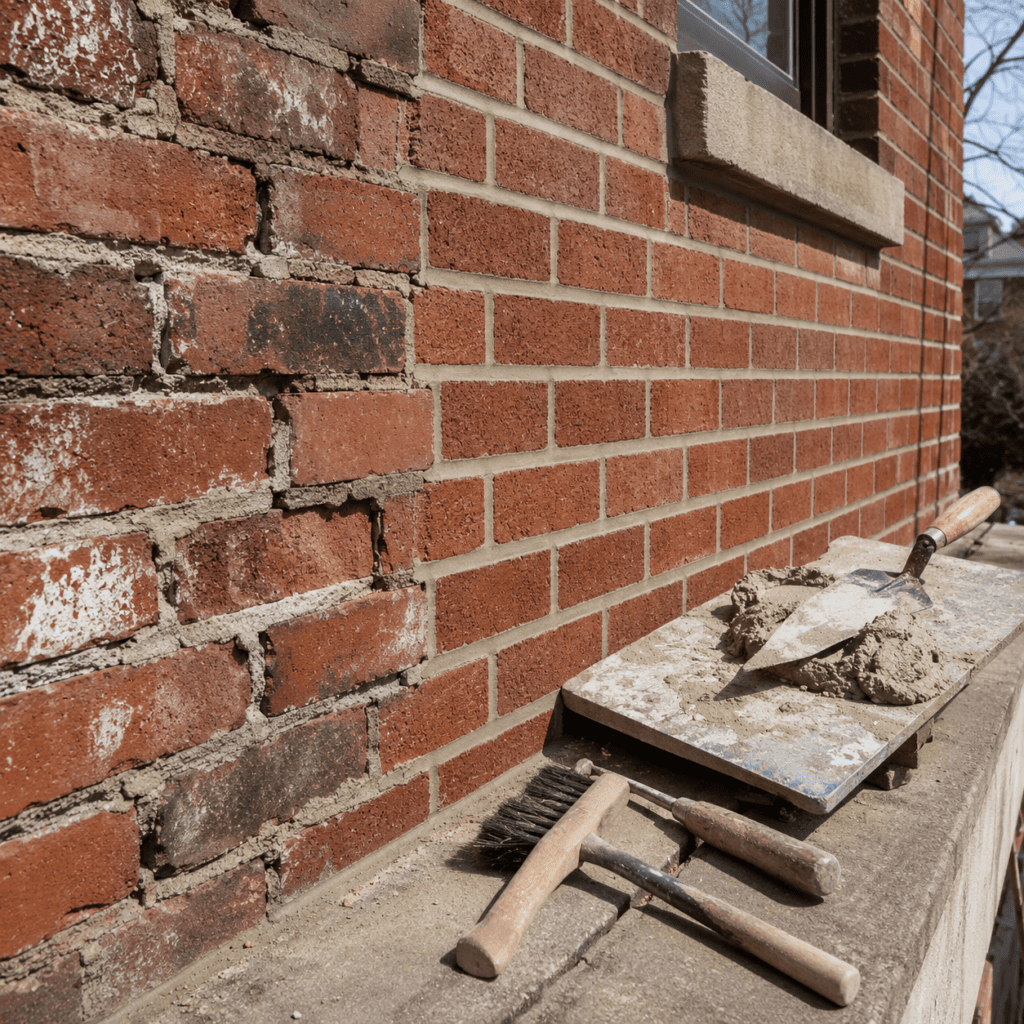
Address mortar joint damage after winter before water penetrates deeper into the wall. Mortar is the material between bricks or stones, and it plays an important role in shedding water and keeping the wall stable. When mortar cracks, crumbles, or falls out, moisture can get behind the surface.
Tuckpointing, or repointing, may be needed when the brick is still sound but the mortar has deteriorated. This process involves removing failed mortar and replacing it with compatible new mortar. Compatibility matters, especially on older Toronto brick homes. Mortar that is too hard can damage softer, older brick.
Homeowners should be careful with quick mortar patches. Pressing fresh mortar over loose, sandy, or shallow joints may not bond properly. If the joint is not cleaned and prepared, the repair can fail quickly. Using the wrong mortar can also damage the surrounding brick.
A&A Masonry’s page on tuckpointing services in Toronto explains why proper mortar joint repair helps protect brickwork from water and freeze-thaw damage.
Chimney Freeze Damage
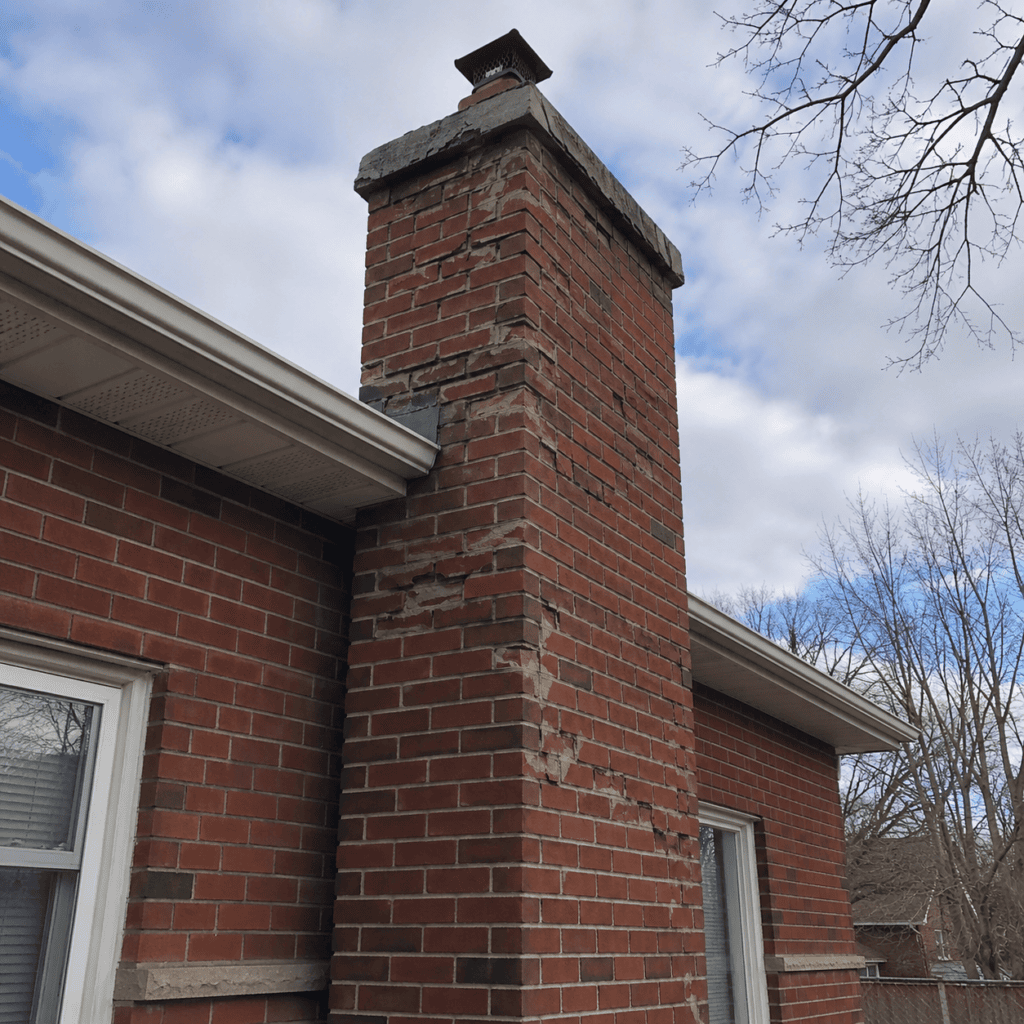
Chimney freeze damage is common because chimneys are fully exposed to winter weather above the roofline. Rain, snow, ice, wind, and temperature changes can damage chimney brick, mortar, crowns, caps, and flashing. If water enters the top or sides of the chimney, freeze-thaw damage can spread quickly.
Common warning signs include spalling brick, missing mortar, cracked chimney crowns, loose caps, rust staining, leaning, and water stains near the fireplace or ceiling. A chimney may also look fine from one side while damage is hidden on another side, especially near the roofline.
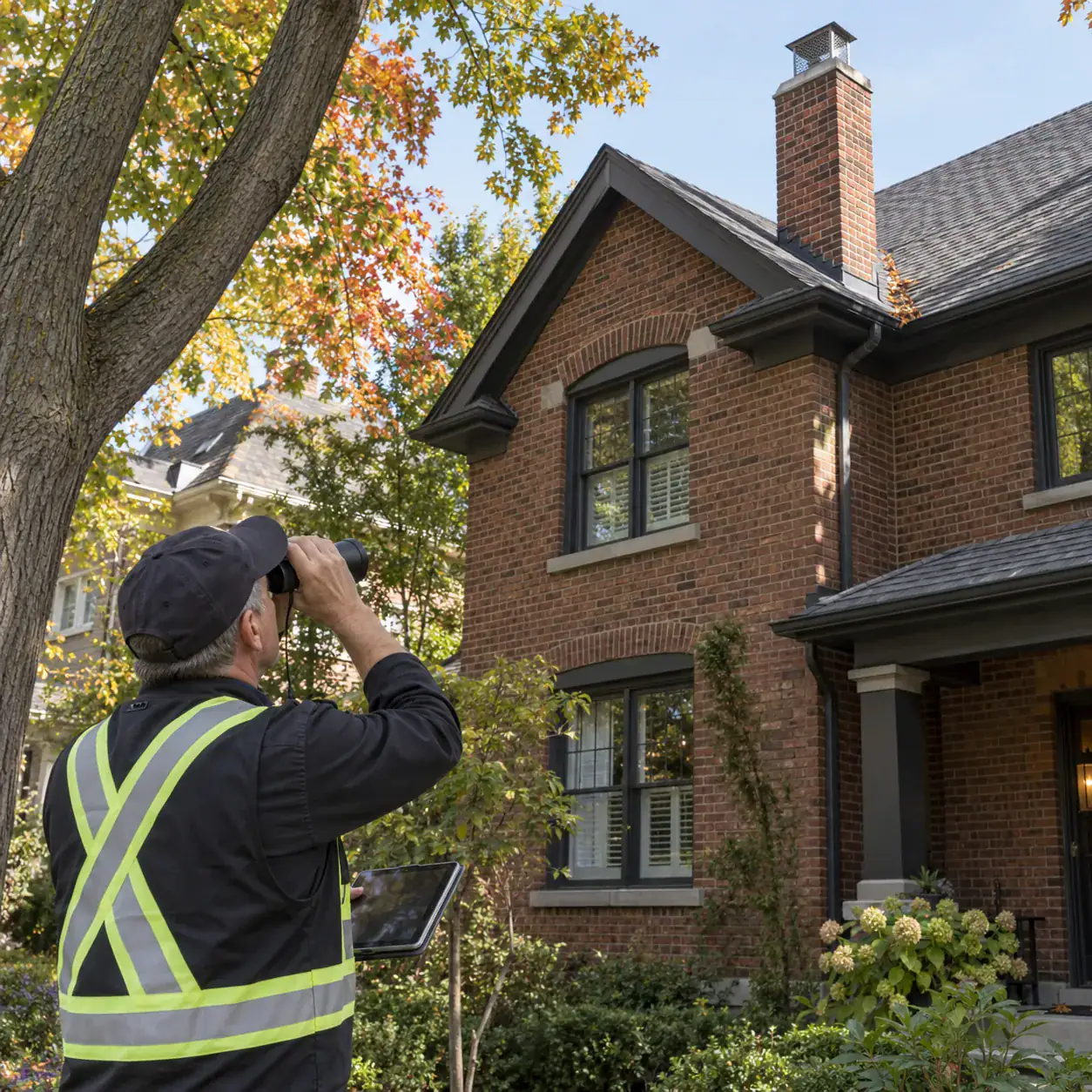
Homeowners should inspect chimneys safely from the ground and avoid climbing onto the roof unless properly trained. Chimney damage can involve height, unstable brick, and roof safety risks. If you see loose masonry, cracks, or signs of water entry, professional inspection is the safer choice.
For roofline masonry concerns, A&A Masonry’s chimney repair services page explains common chimney repair needs, including brick replacement, tuckpointing, crown repair, cap repair, waterproofing, and rebuilds.
Concrete Steps, Walkways, and Porches After Winter
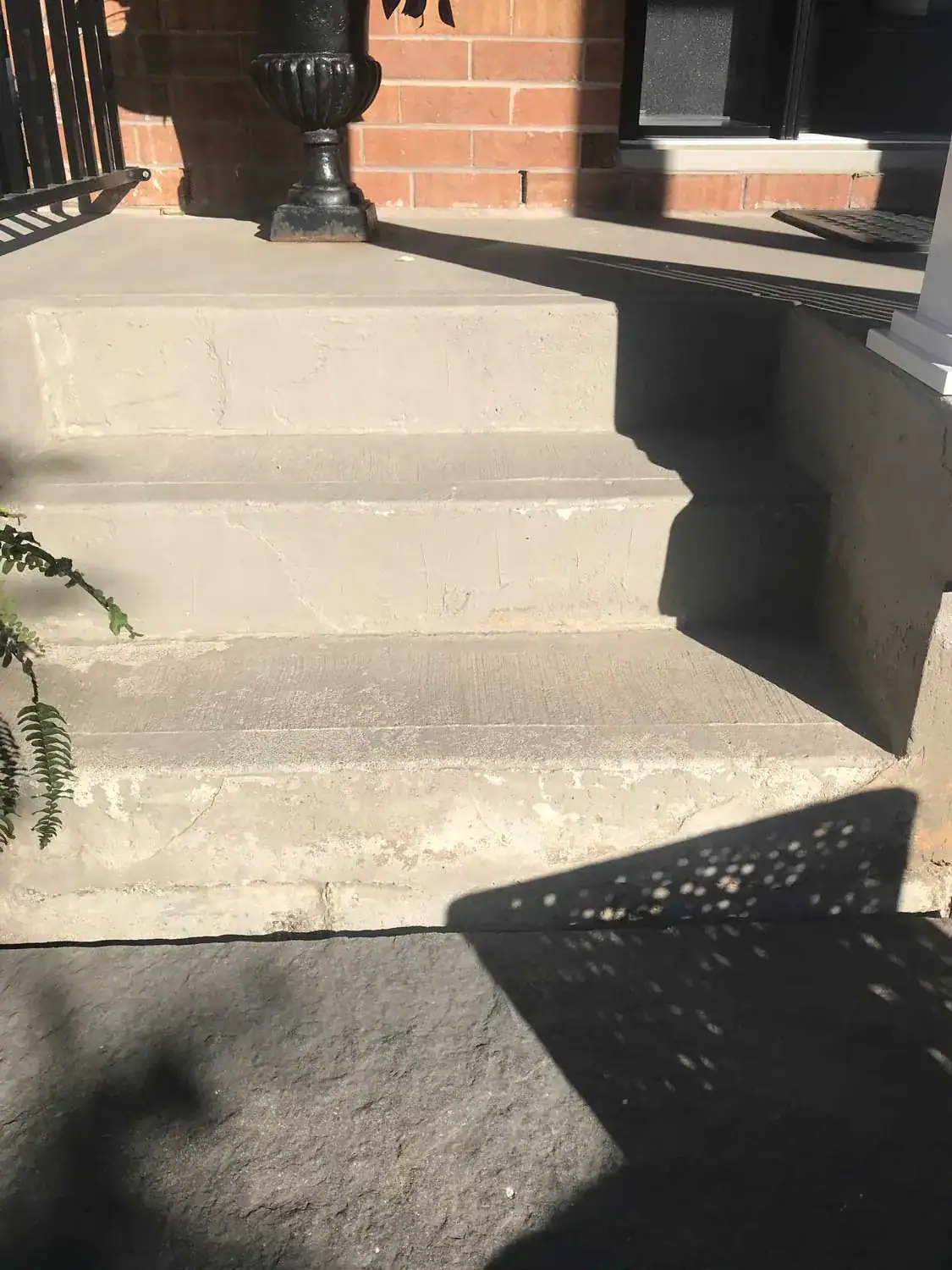
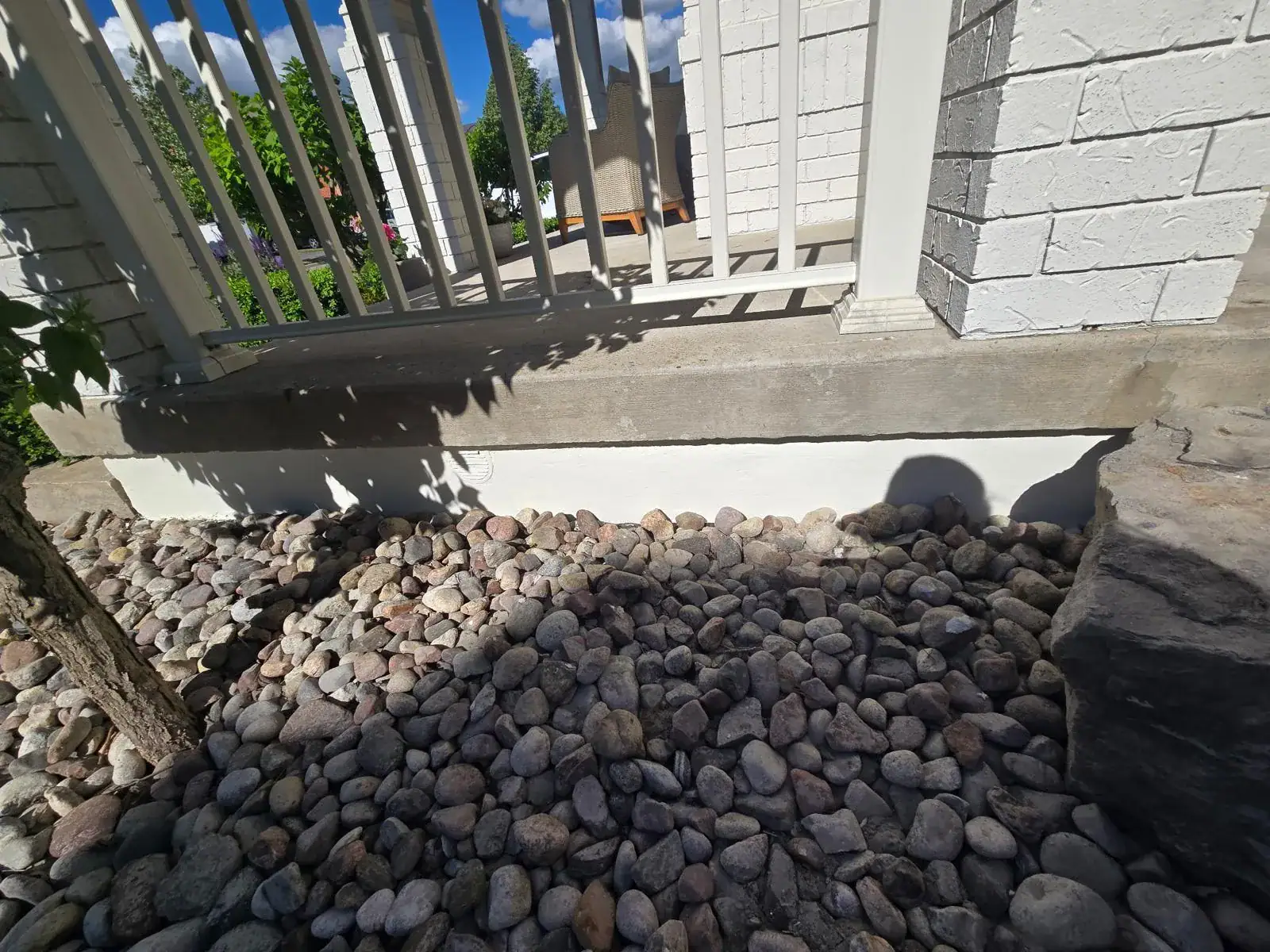
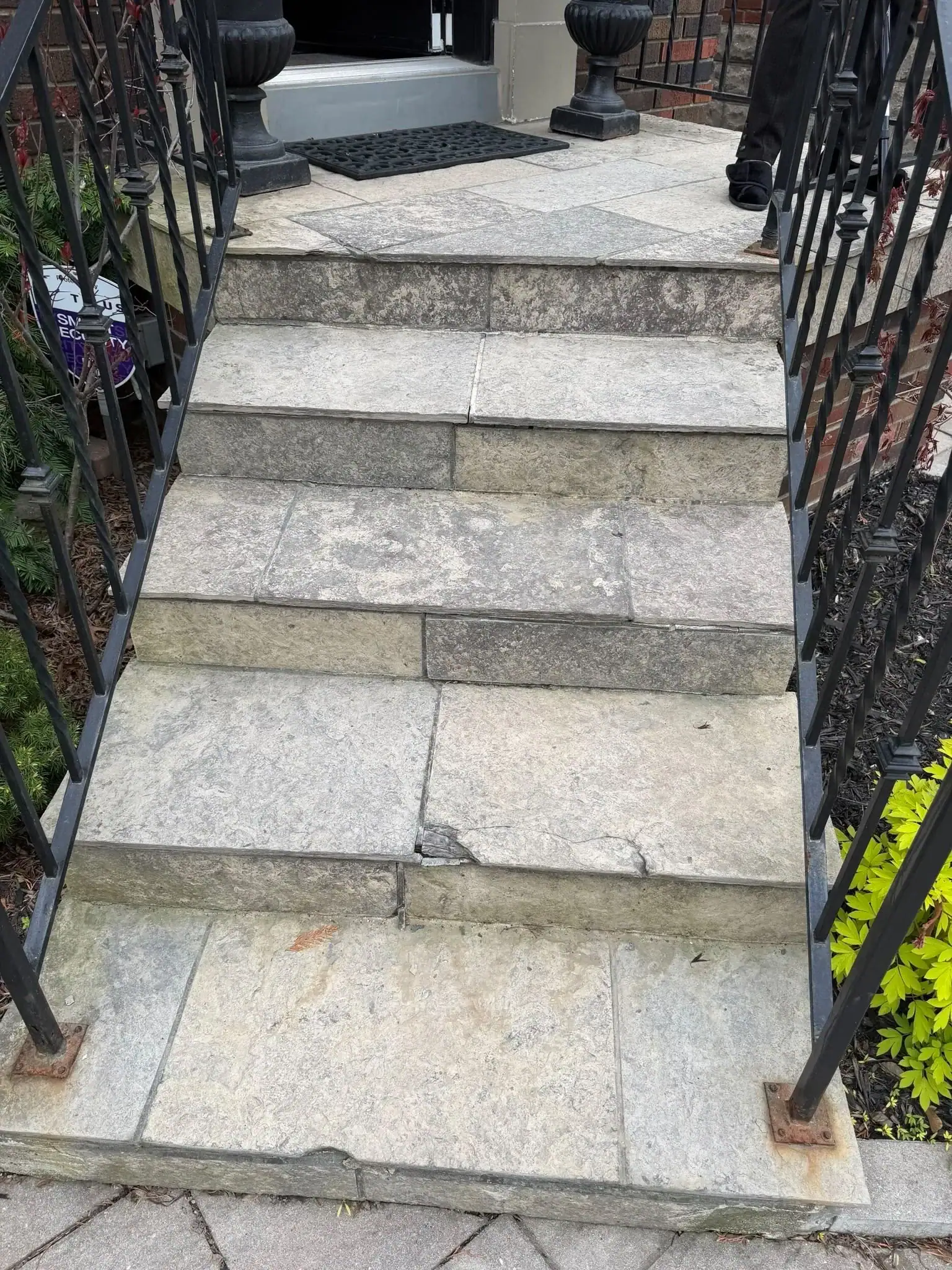
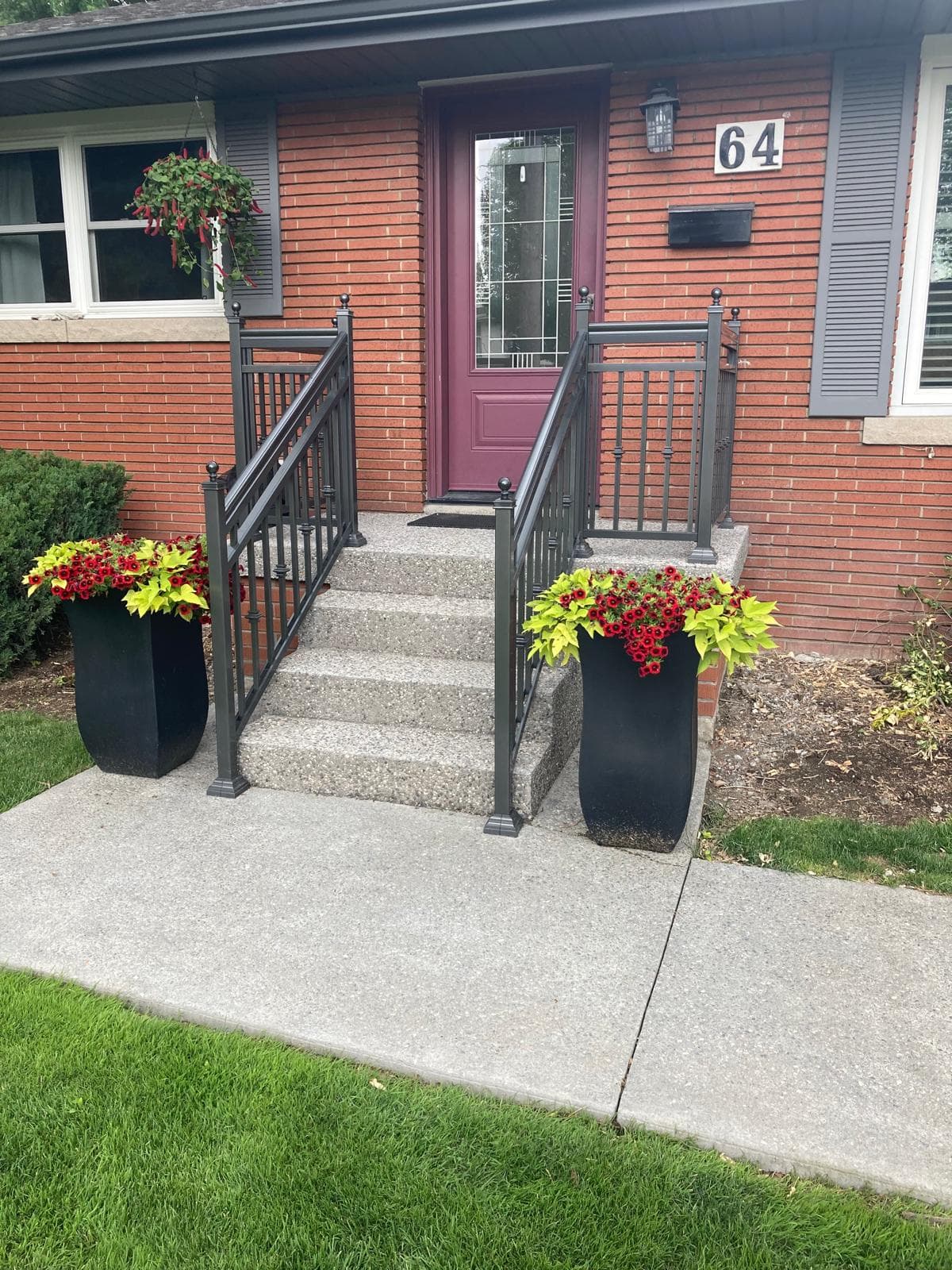
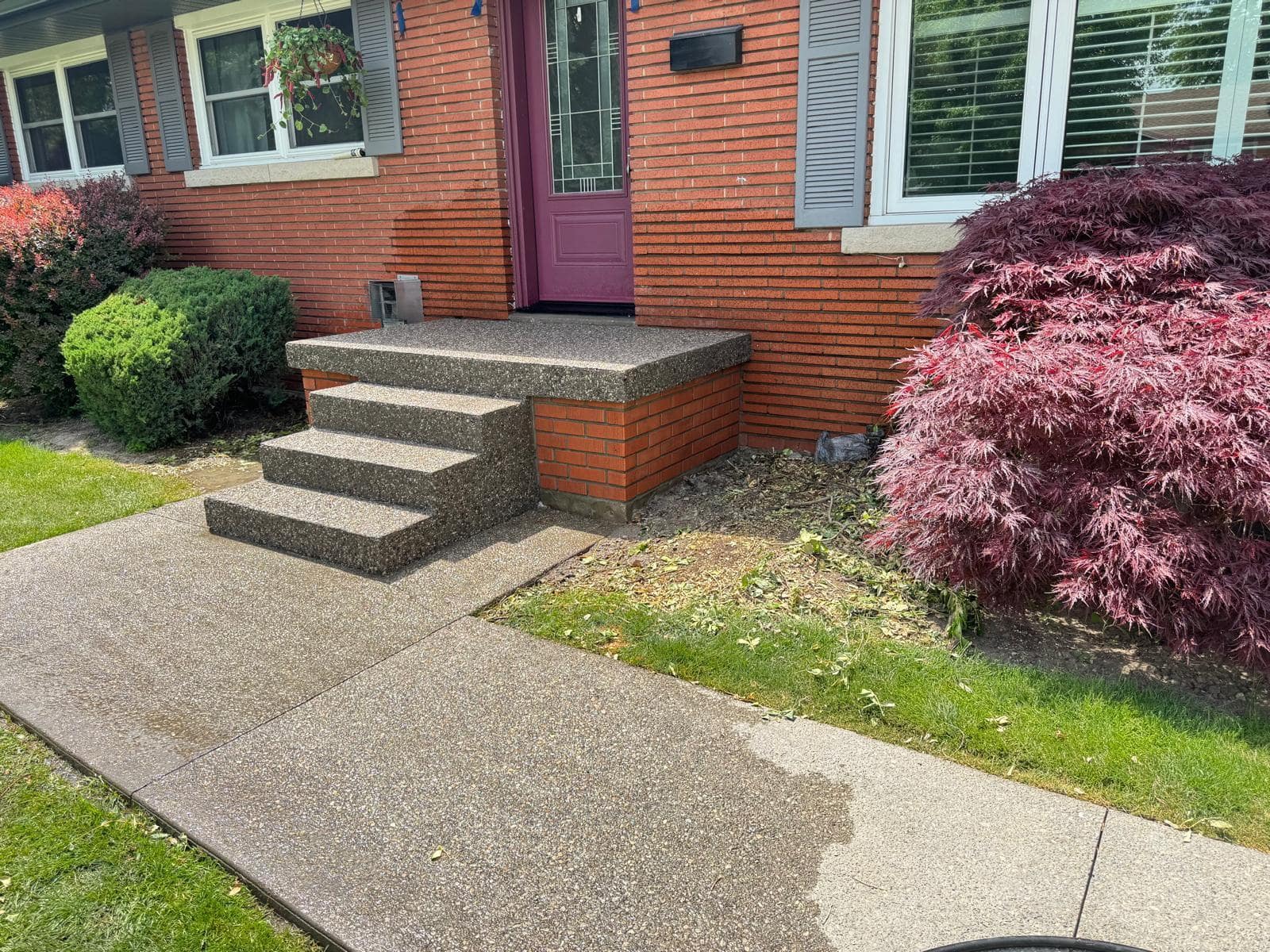
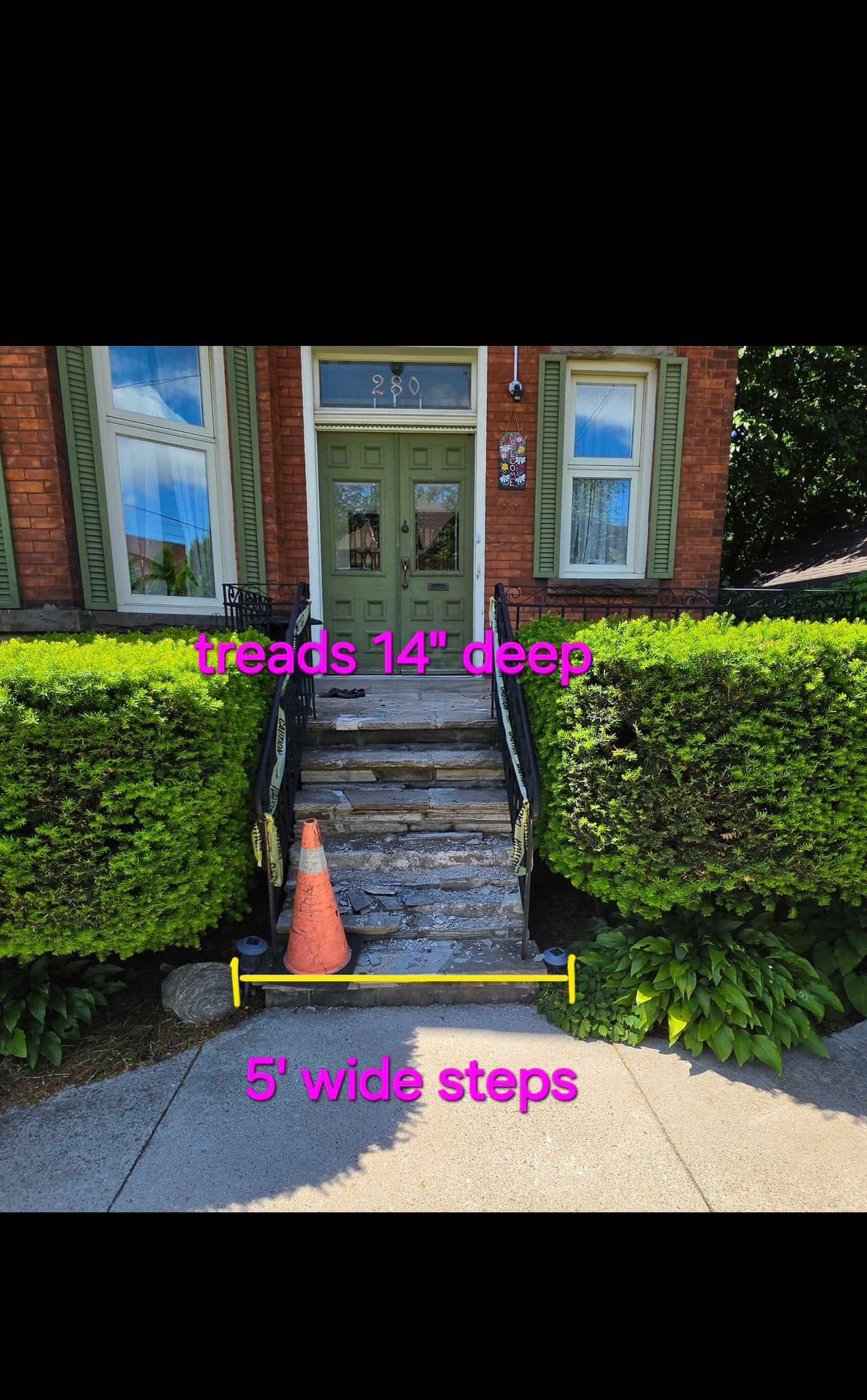
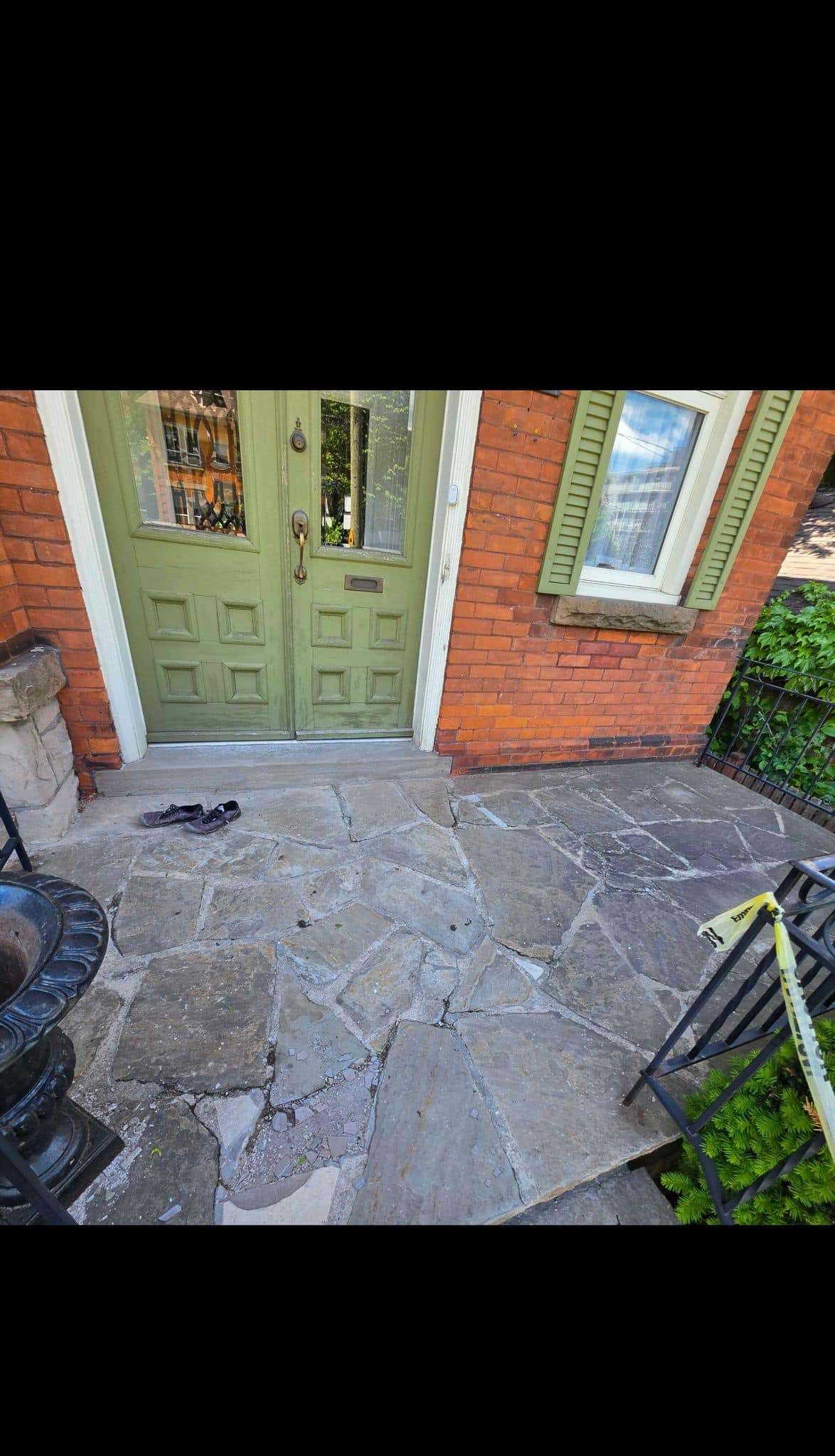
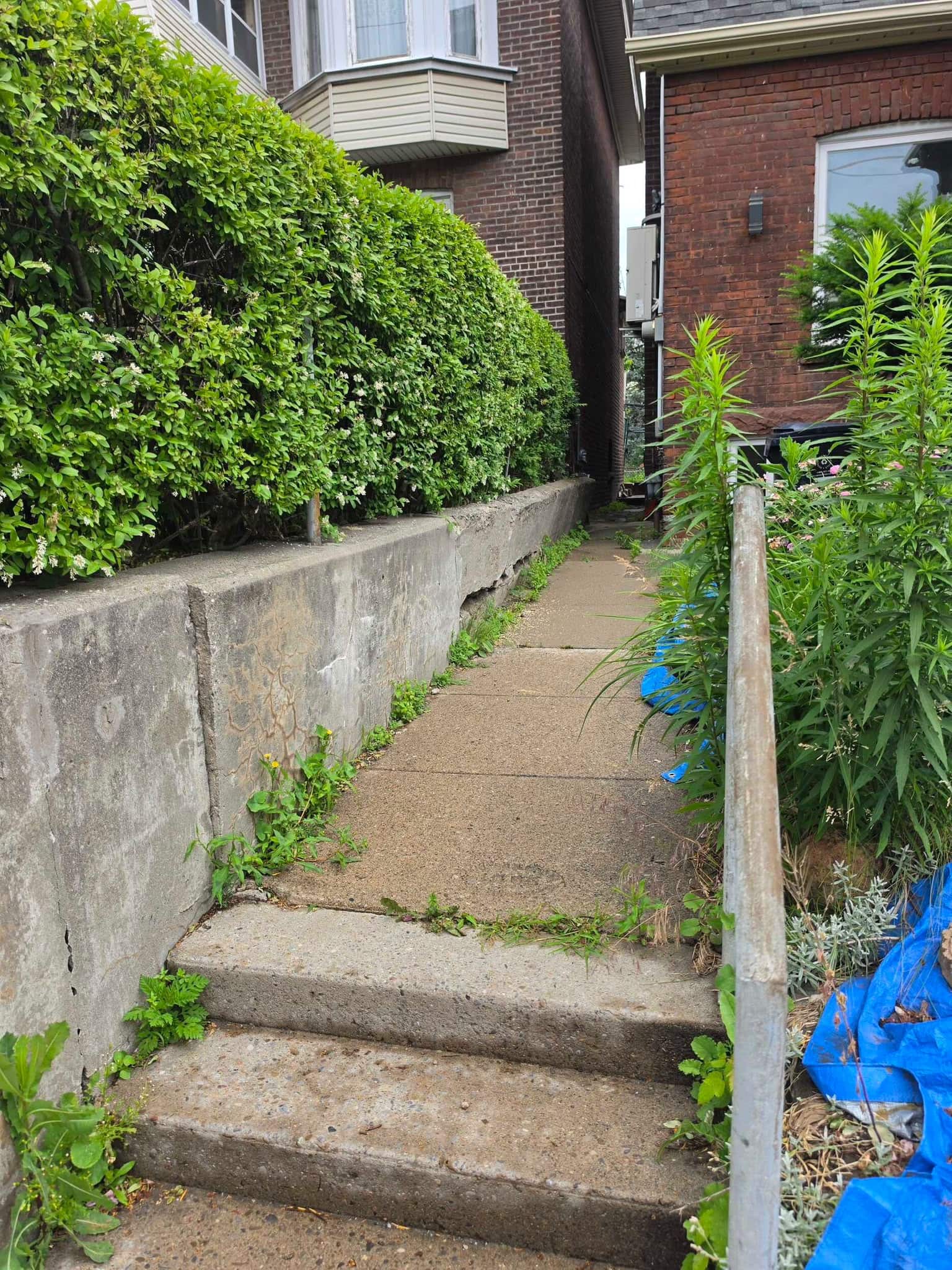
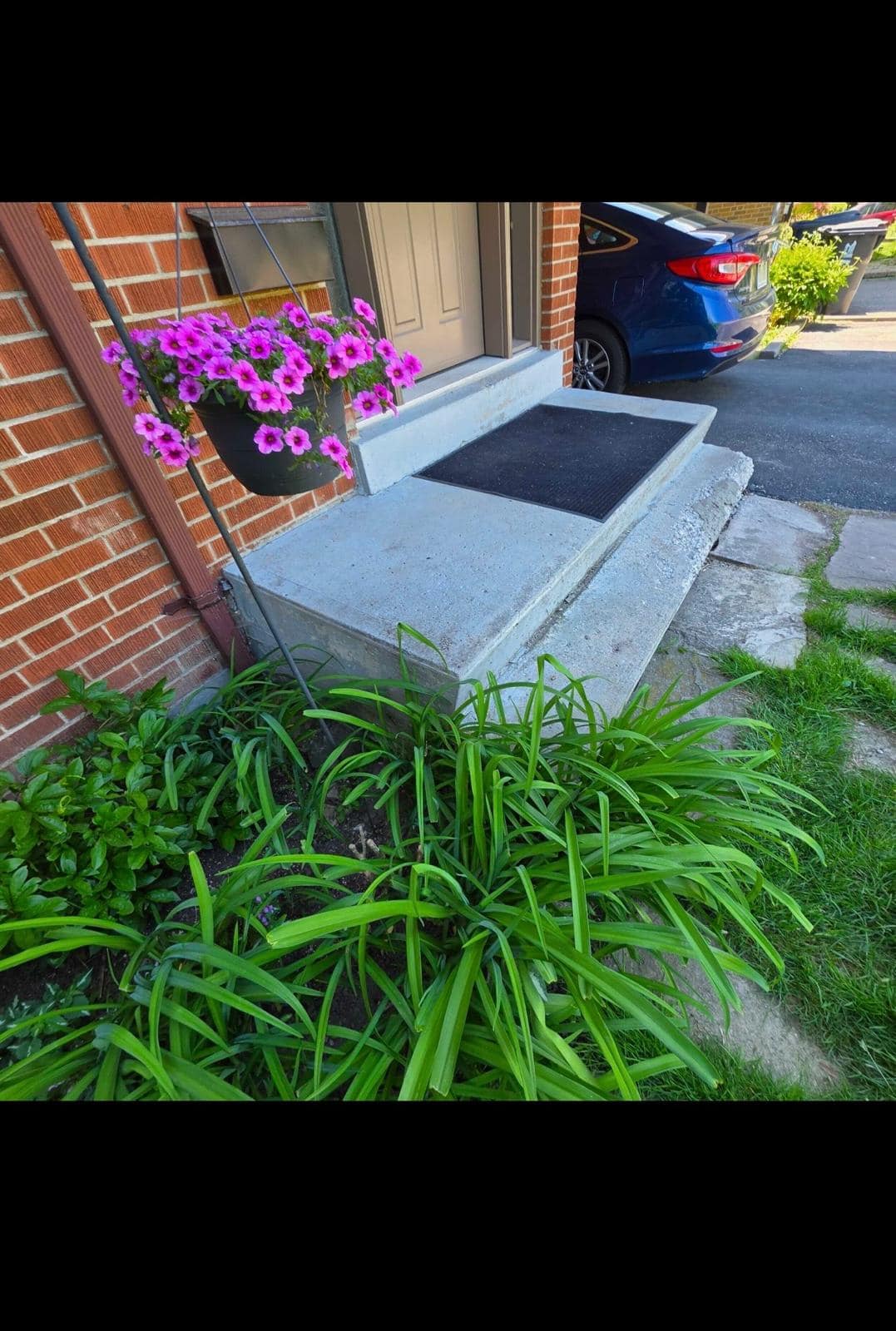
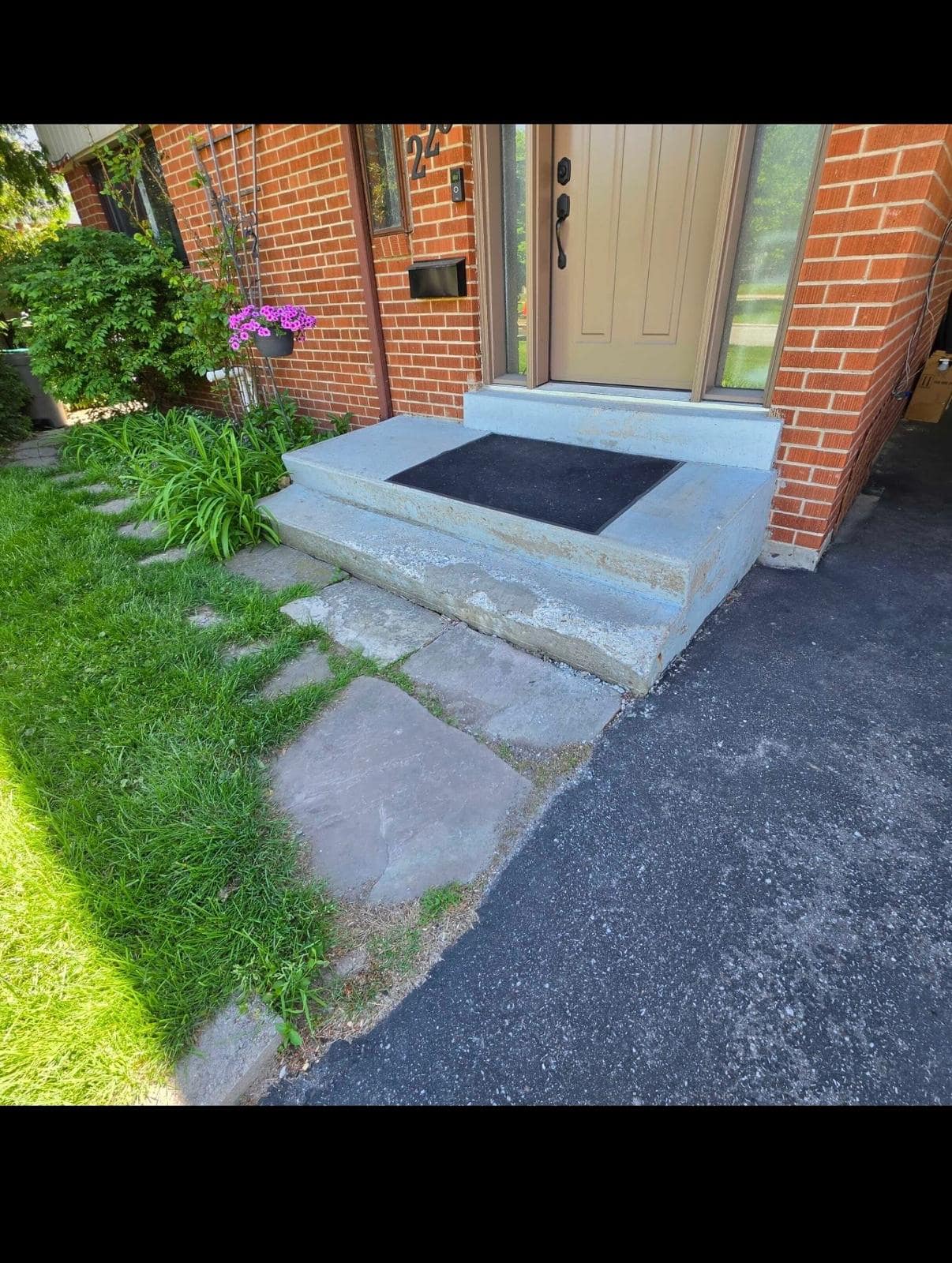
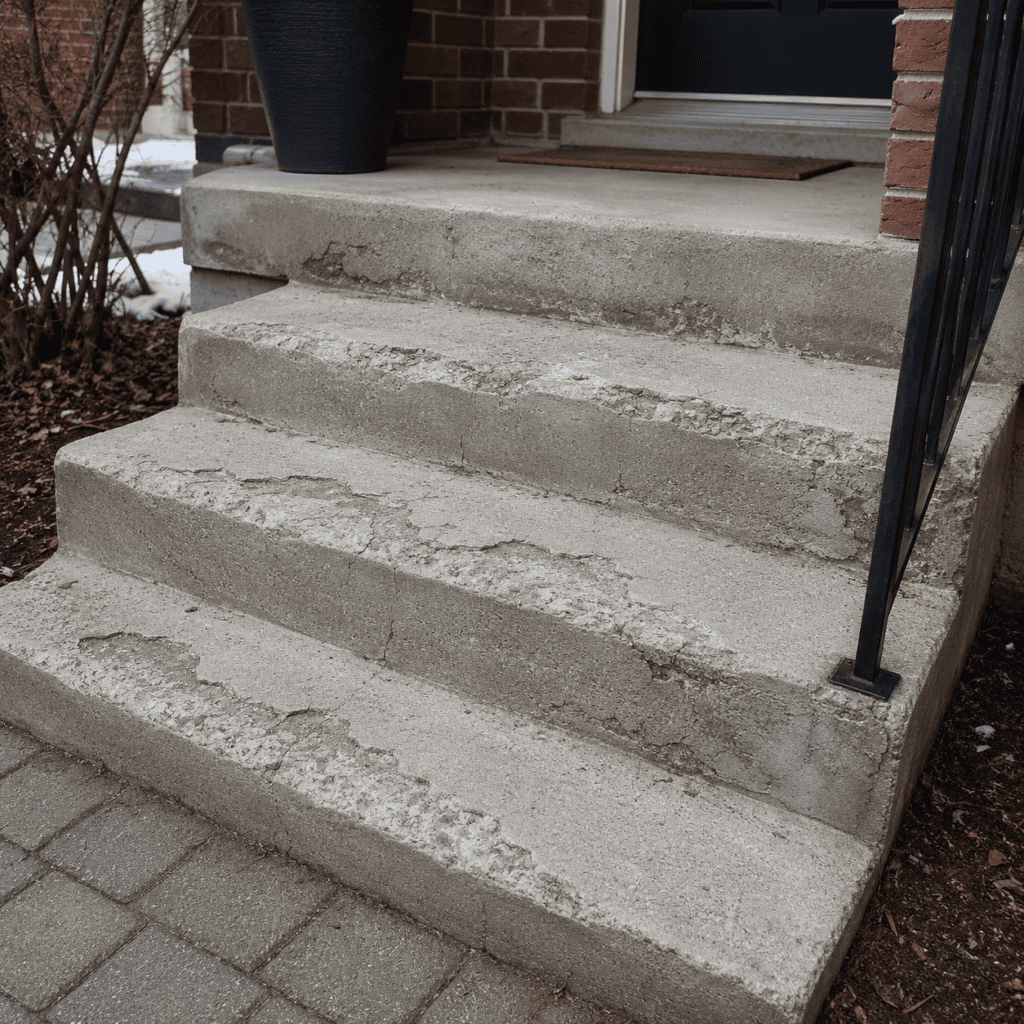
Concrete steps, walkways, and porches often show winter damage in the form of cracking, scaling, spalling, uneven settlement, or surface flaking. Salt, moisture, poor drainage, weak base support, and freeze-thaw movement can all contribute to damage.
Concrete surfaces are especially exposed because they are horizontal. Snow sits on them. Salt is often applied to them. Water can pool on them. If the surface has small cracks, water can enter, freeze, and widen the damage.
Some concrete damage is mostly surface wear. Other damage points to deeper issues, such as a weak base, poor drainage, or movement near the foundation. If steps are uneven, loose, or separating from the porch, the concern isn’t just appearance. It may also affect safety.
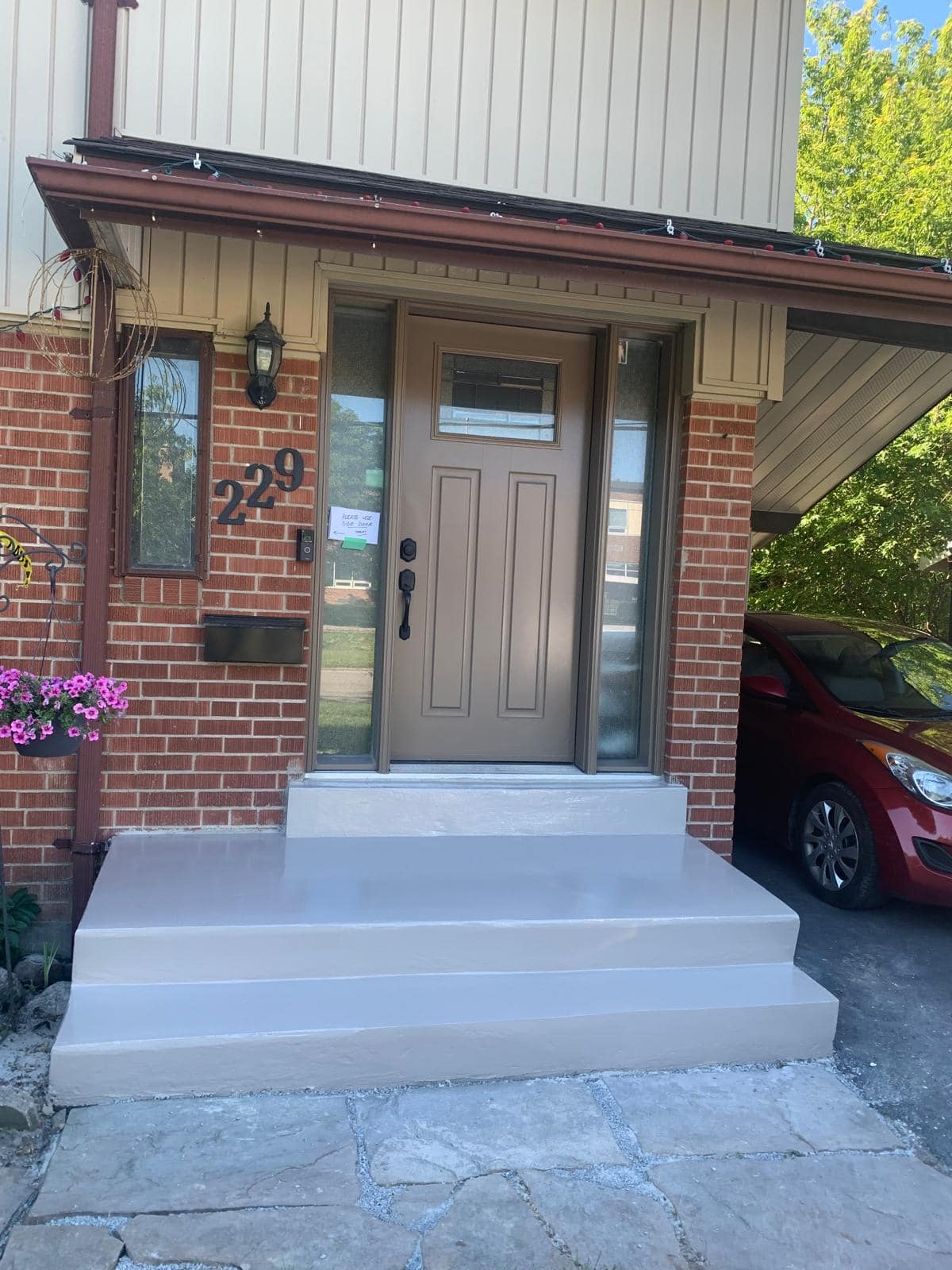
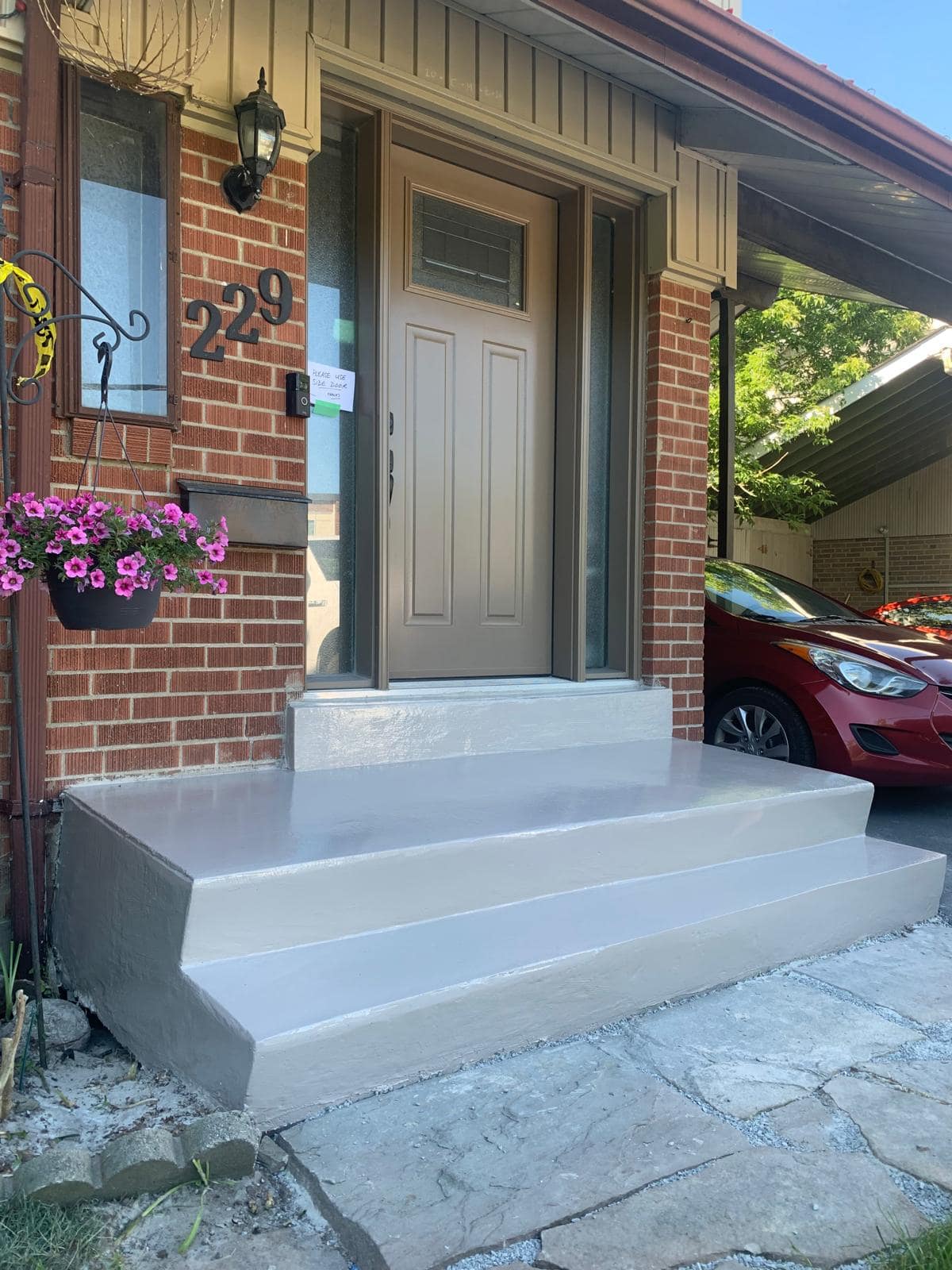
If your concrete steps, porch, or walkway has cracking or winter wear, A&A Masonry’s concrete repair services page explains when repair or rebuilding may be needed.
Interlocking Stone and Paver Movement After Winter
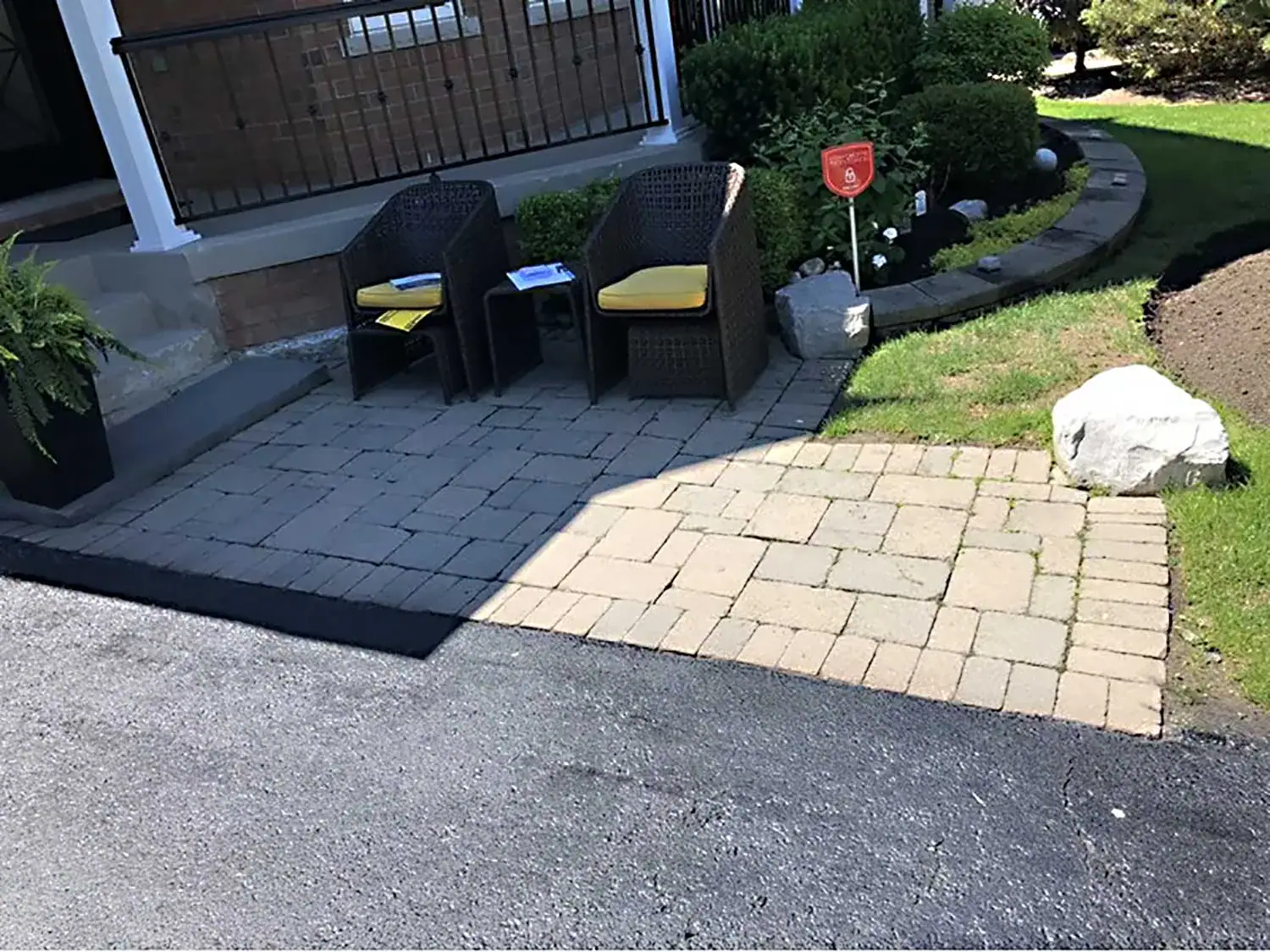
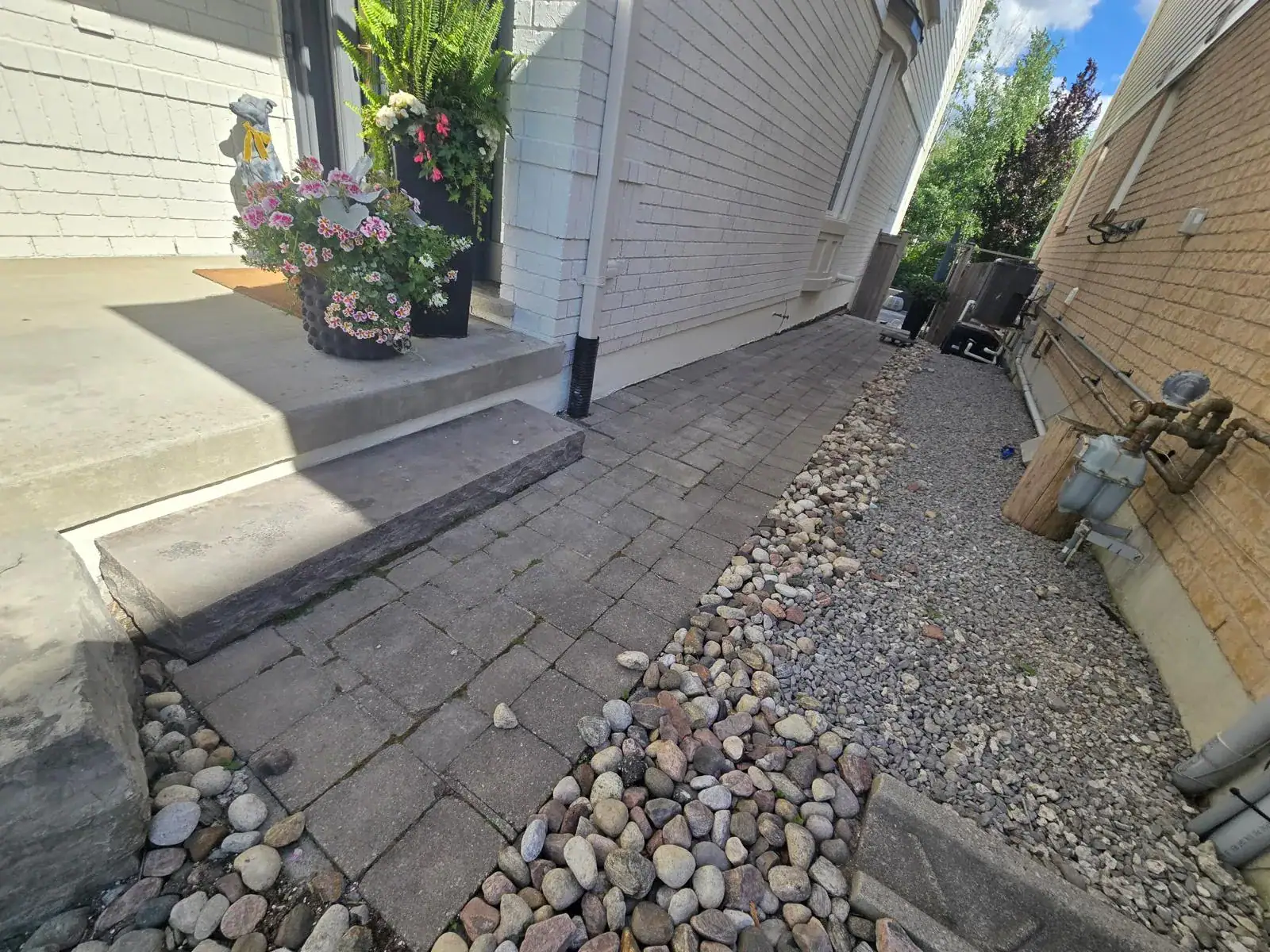
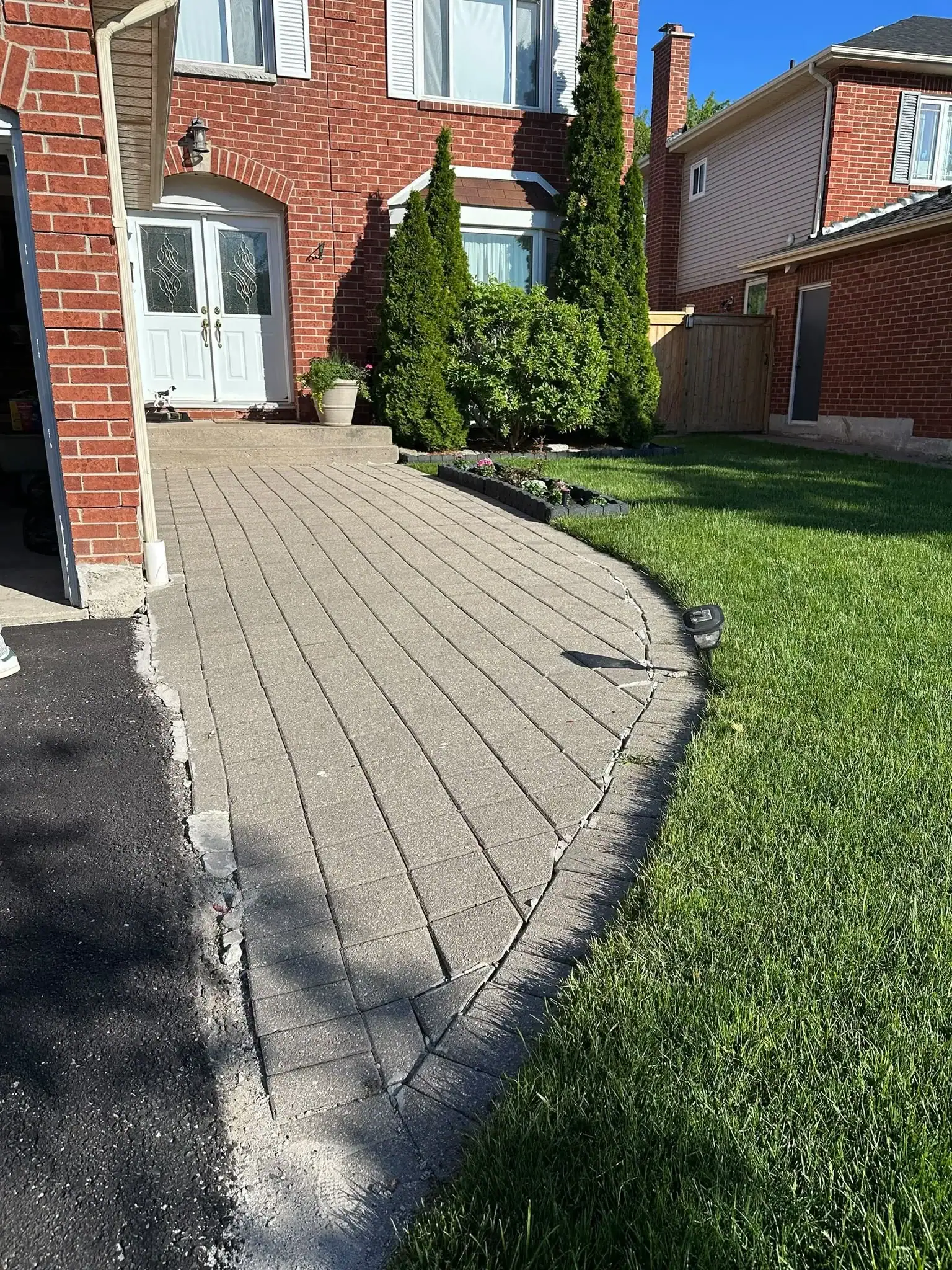
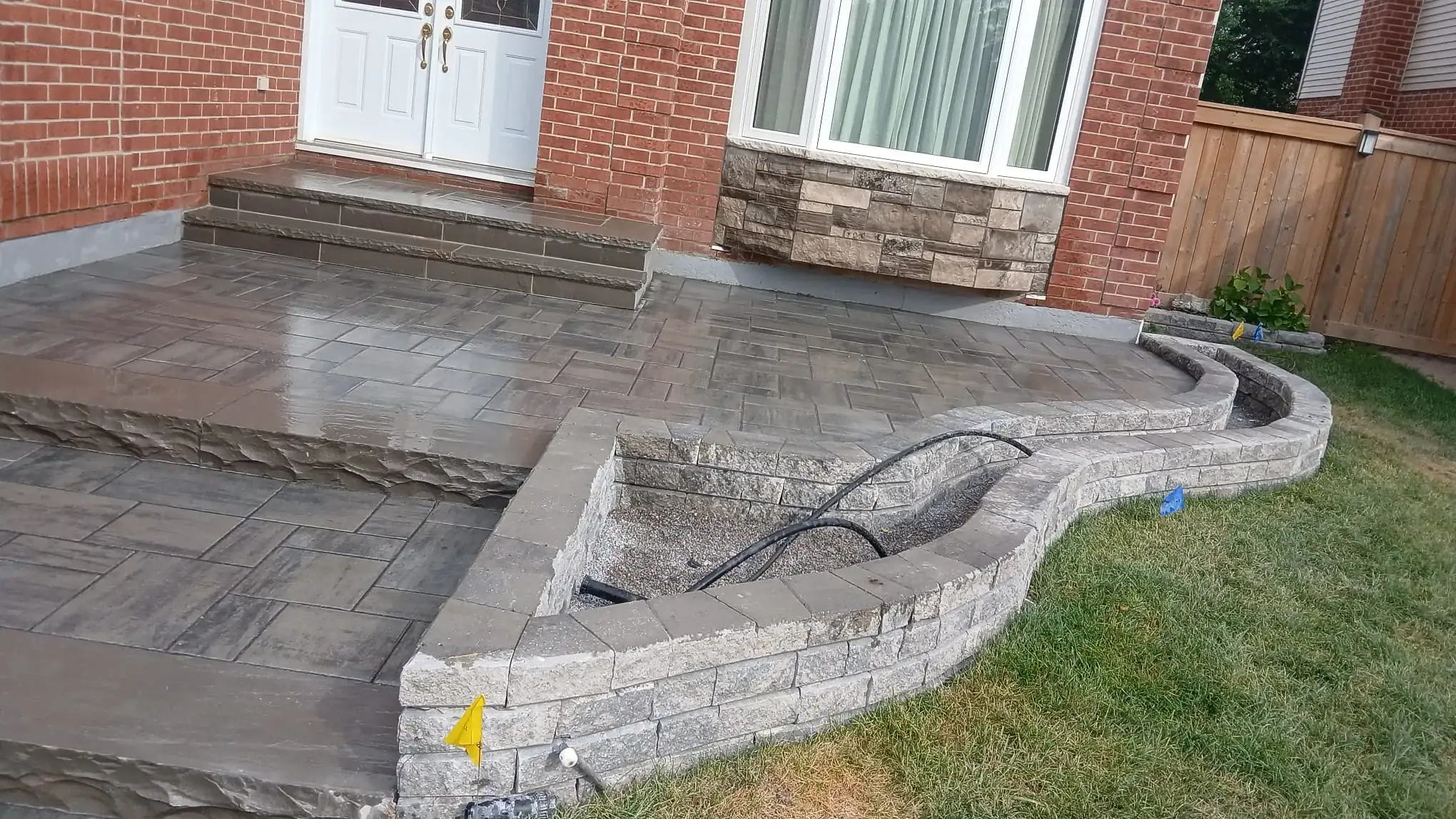
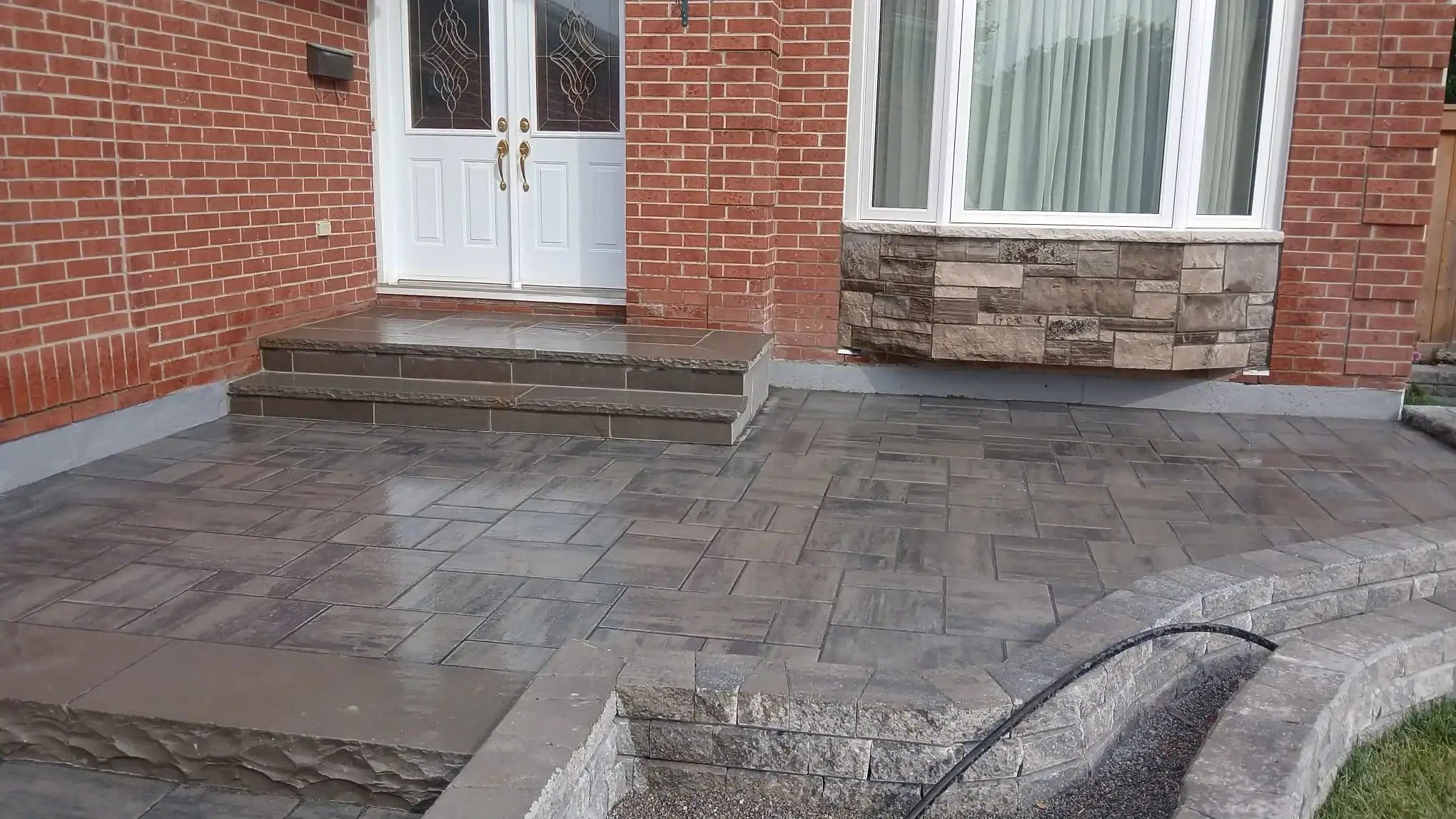
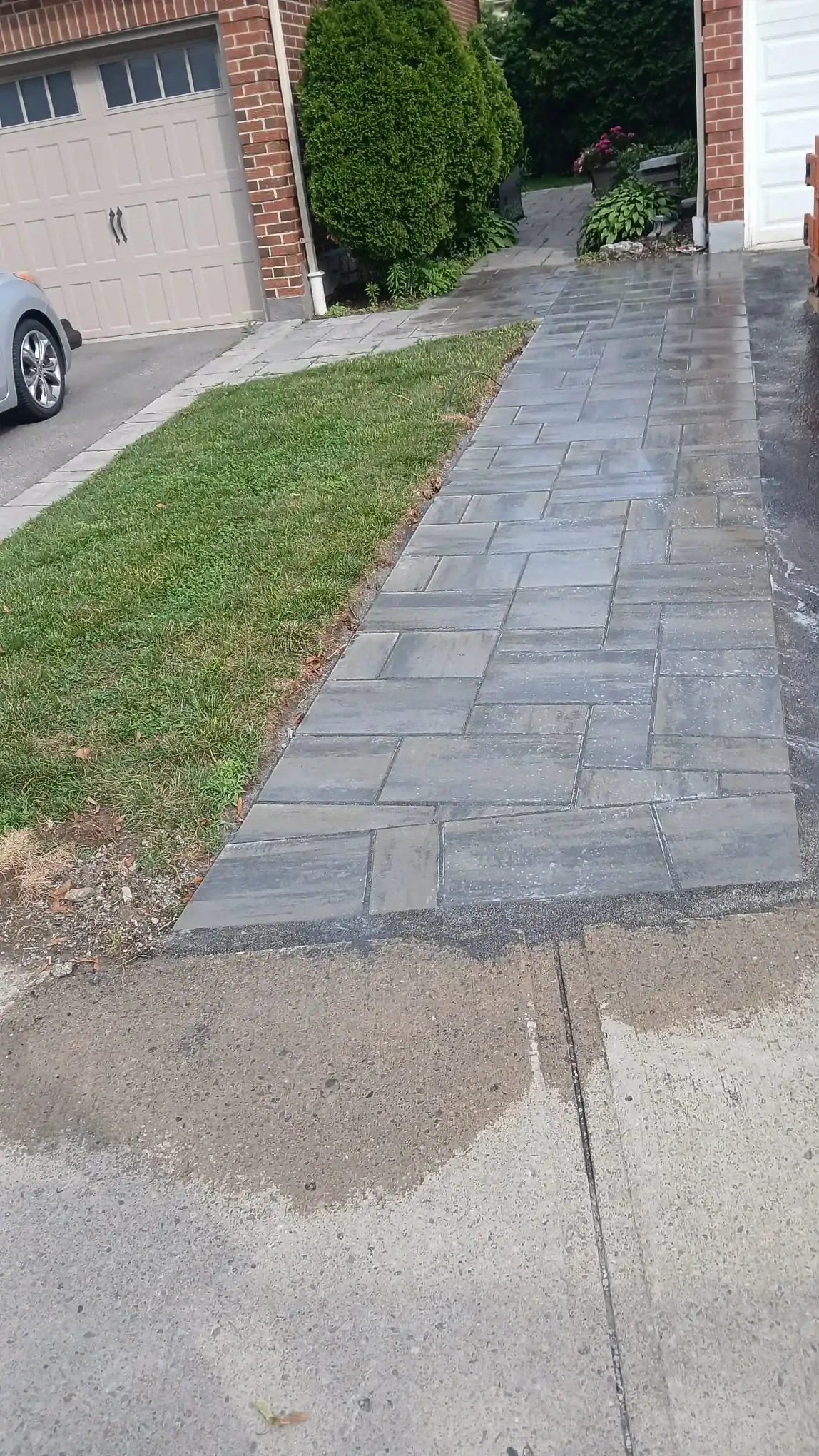
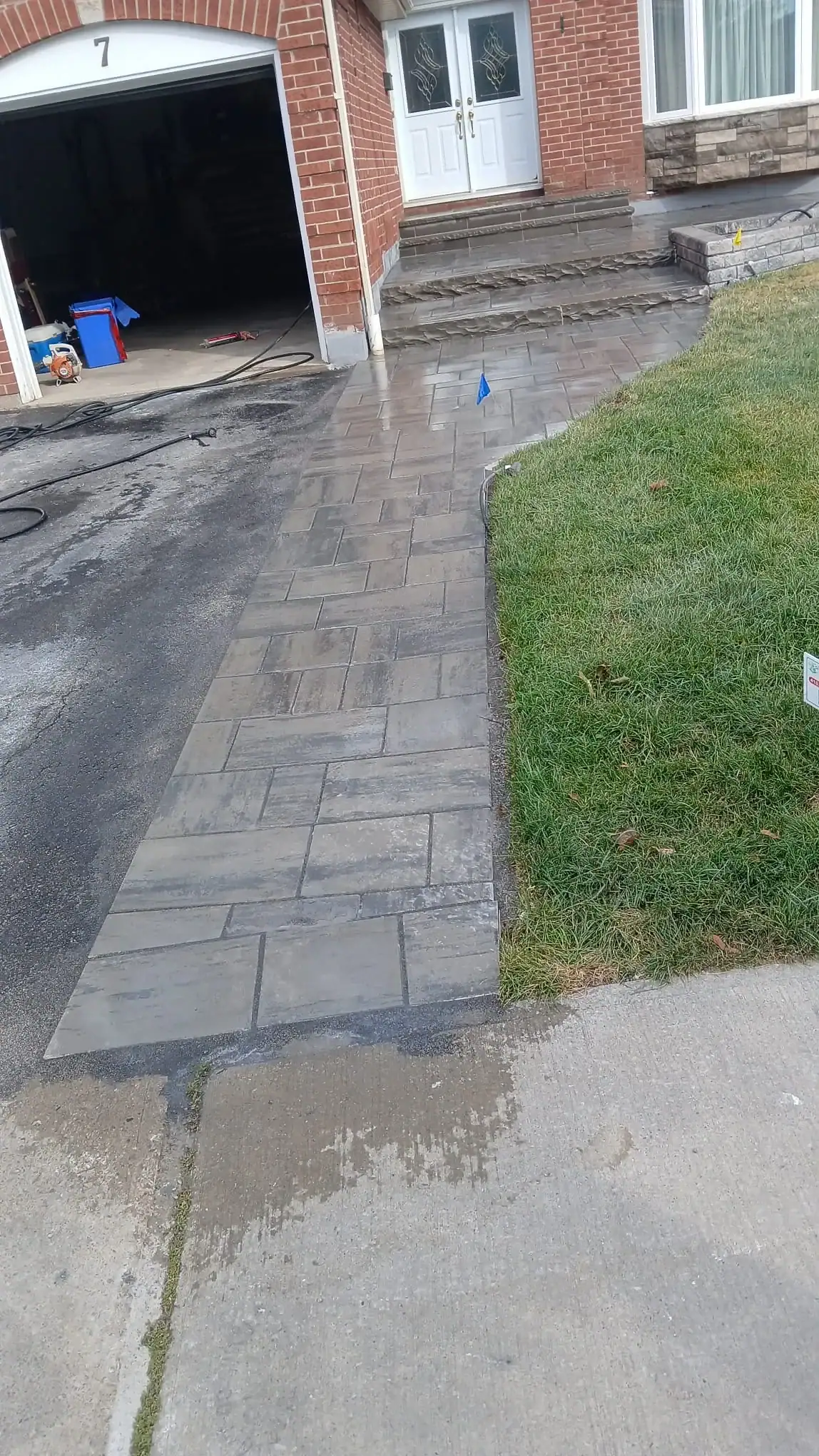
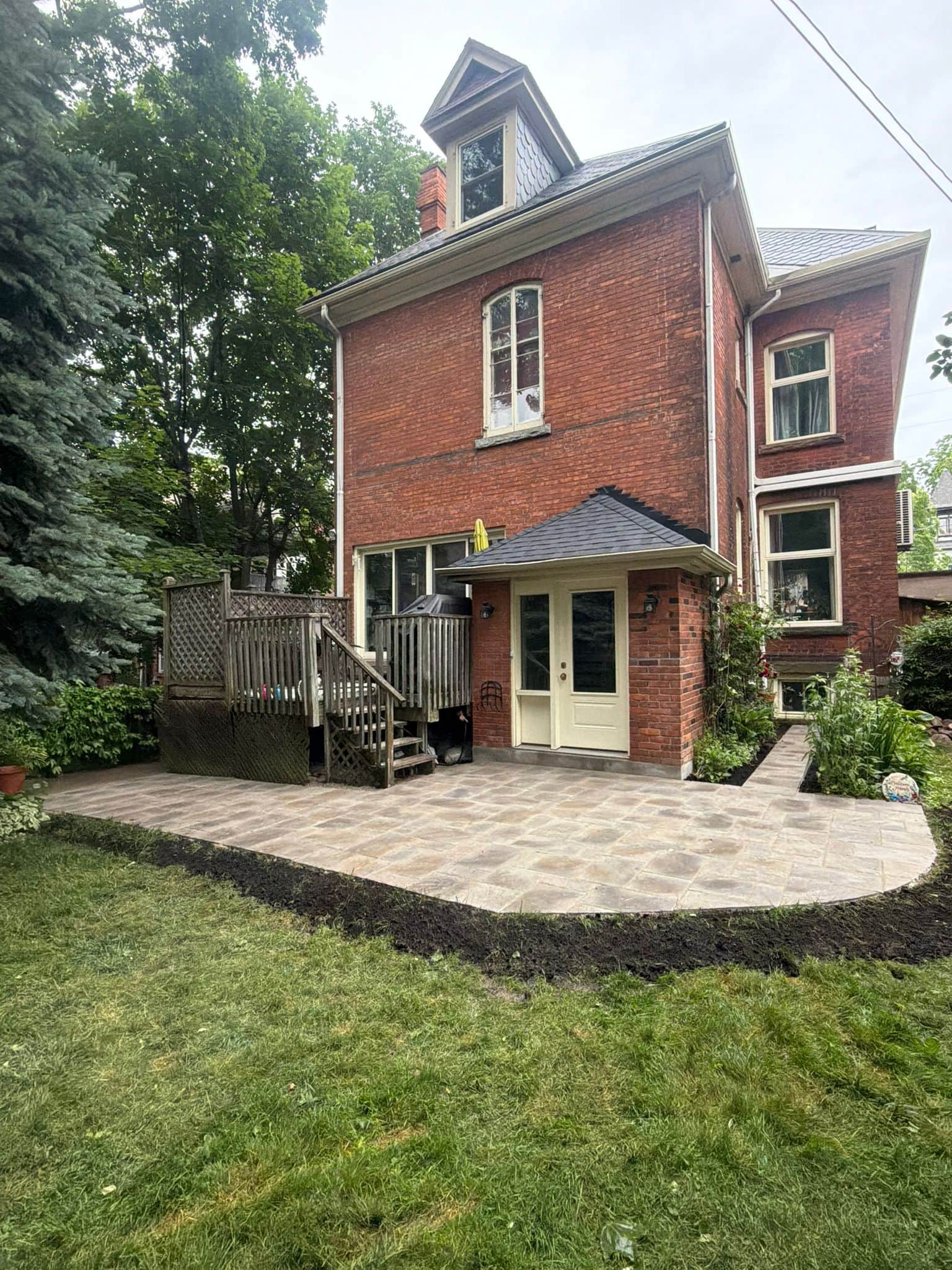
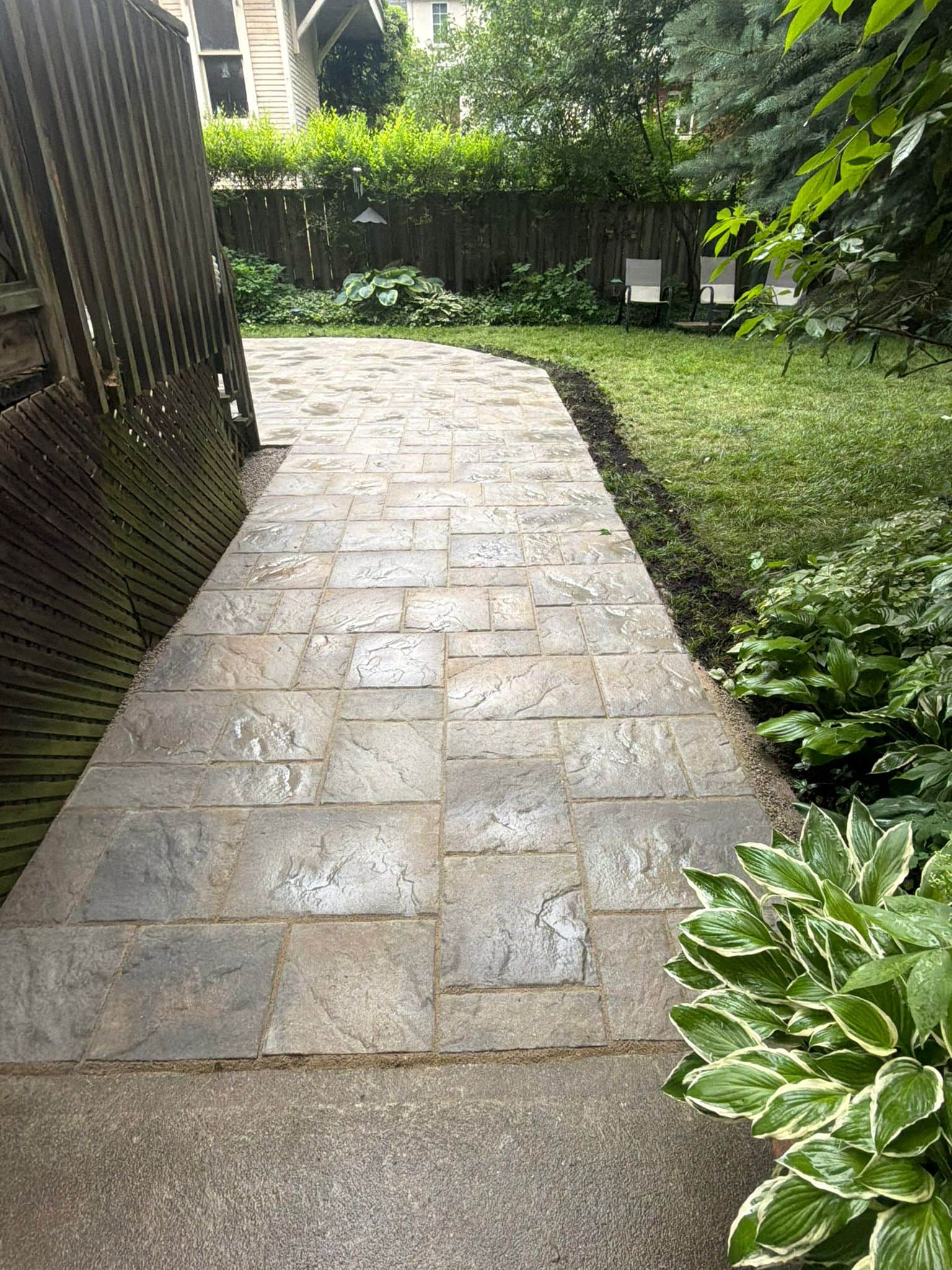
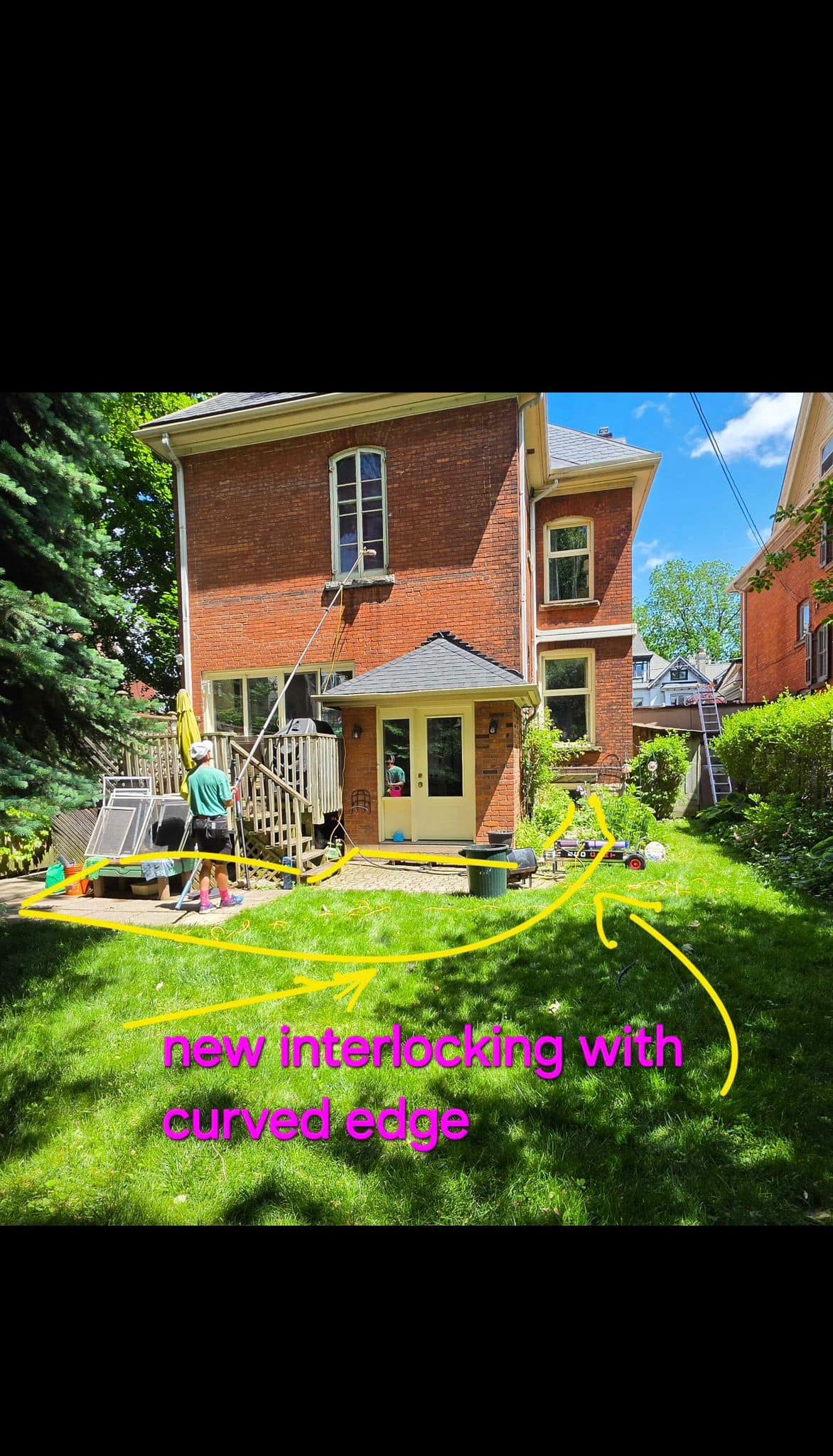
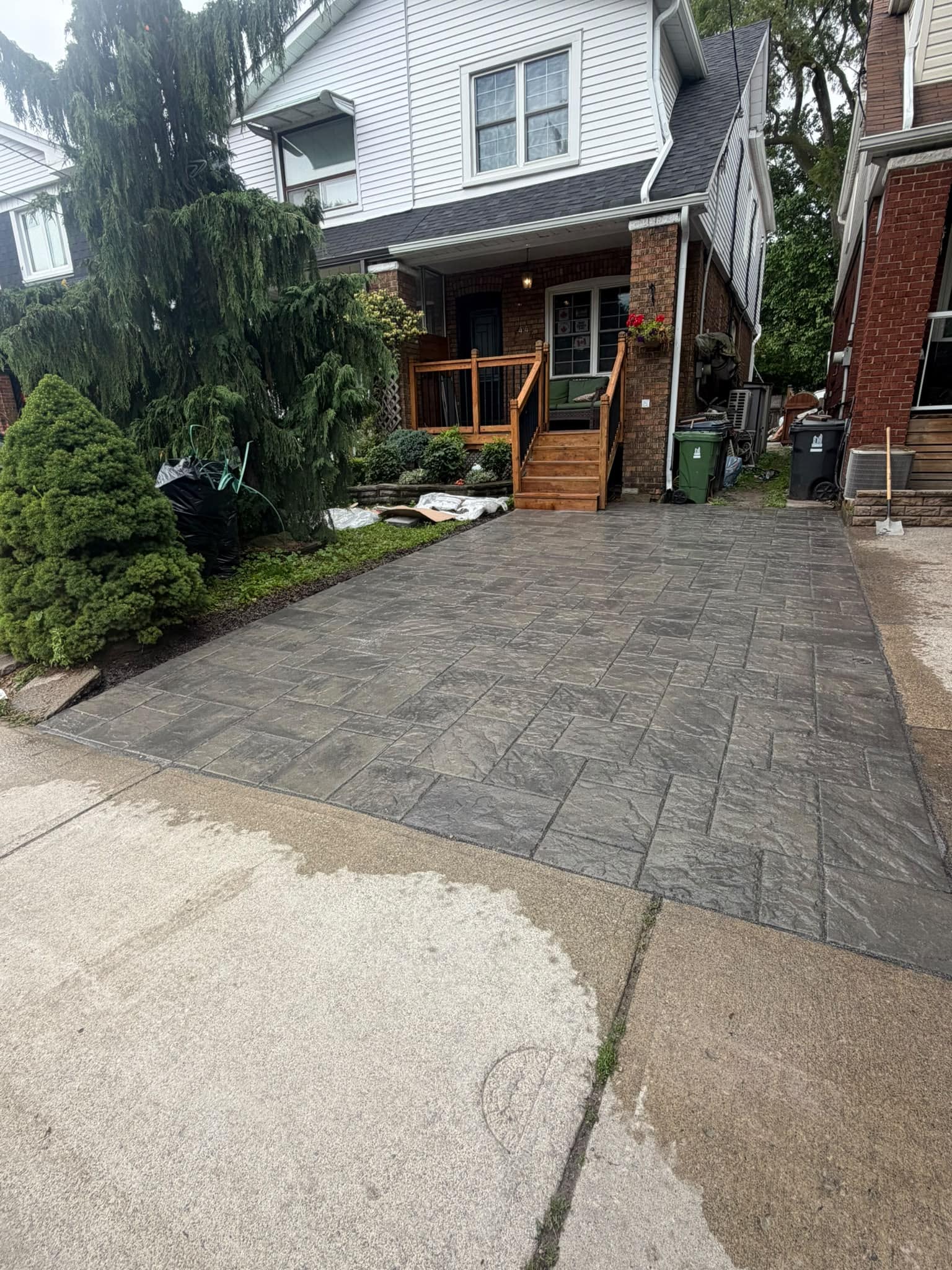
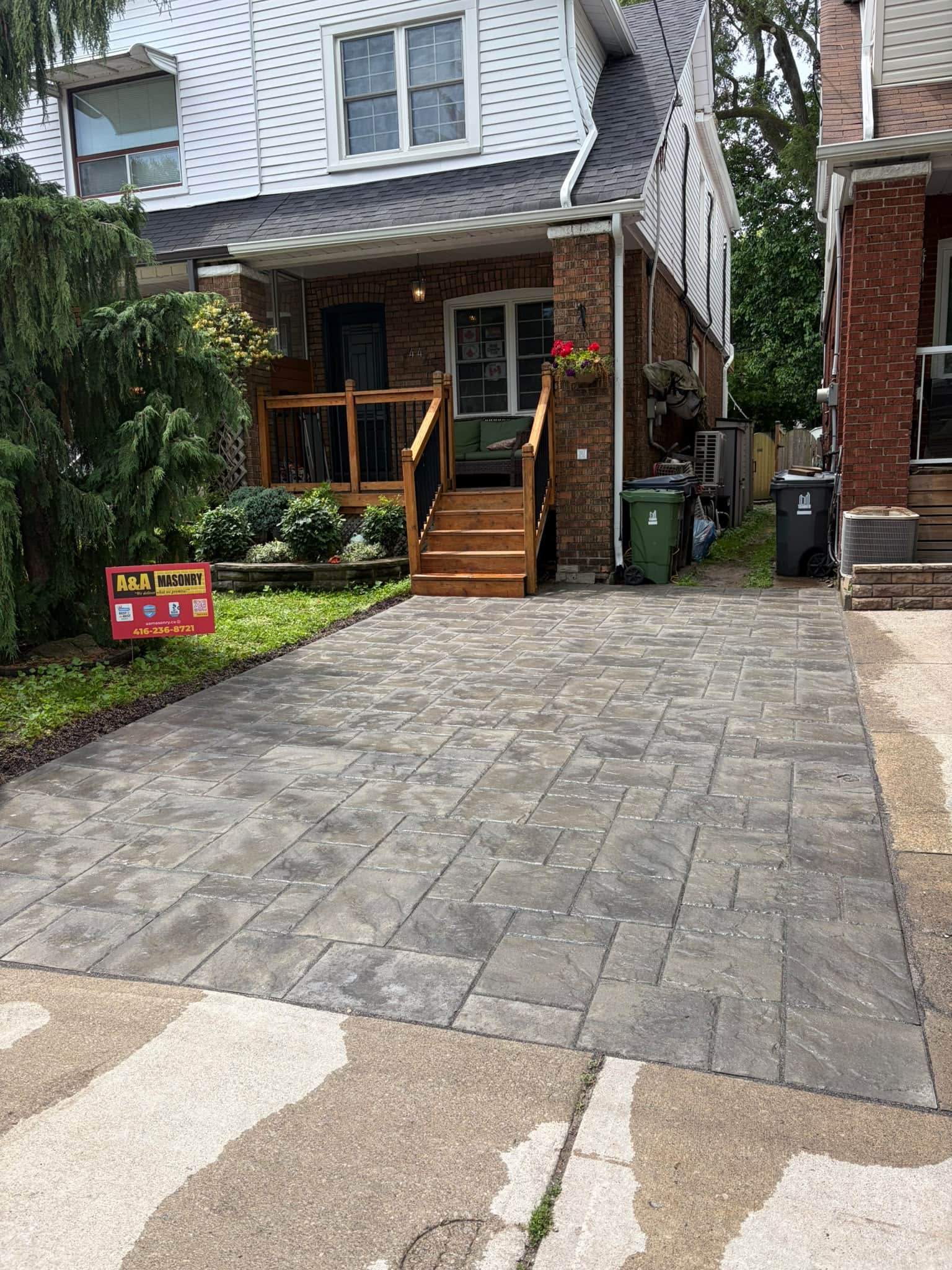
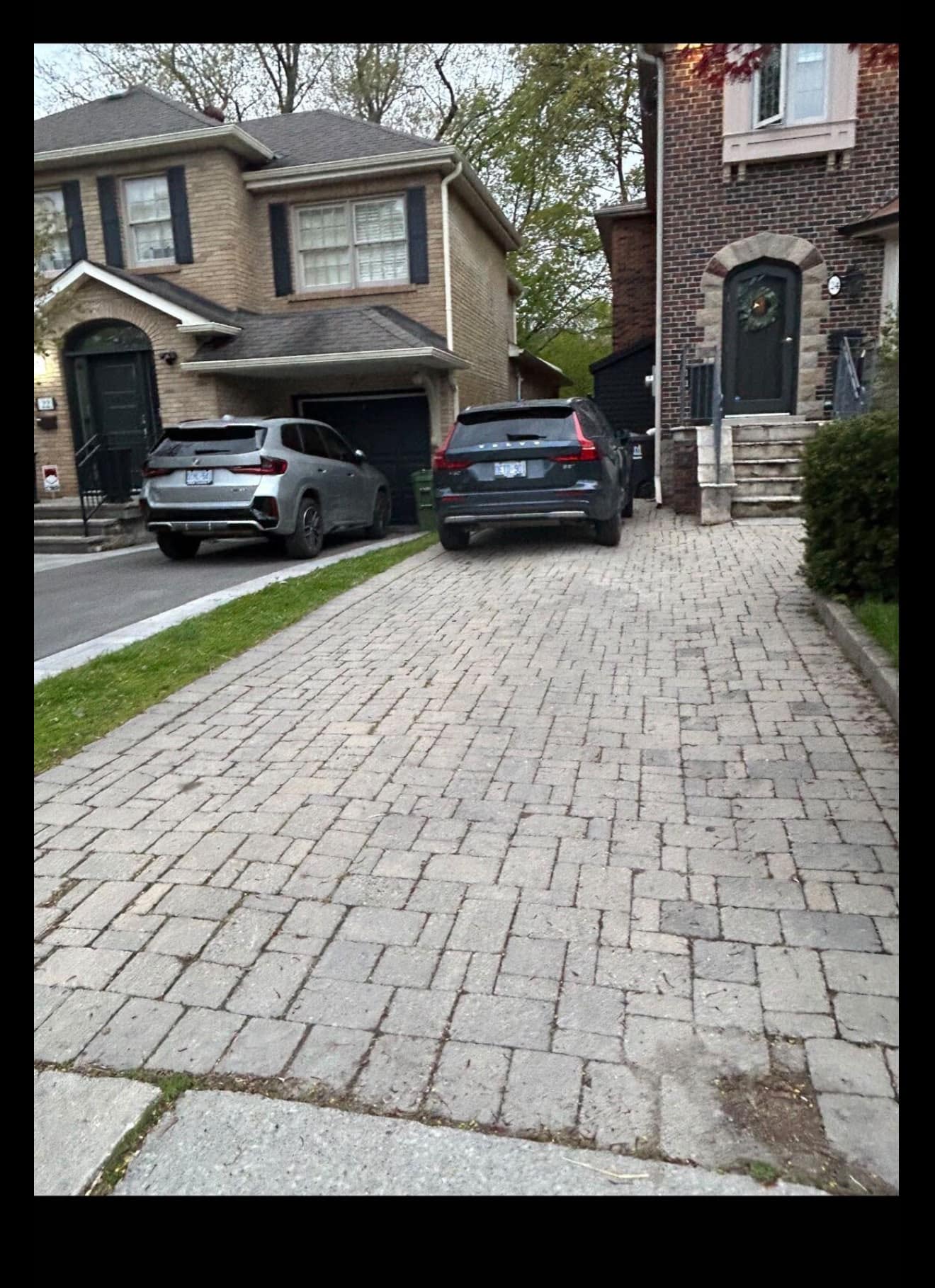
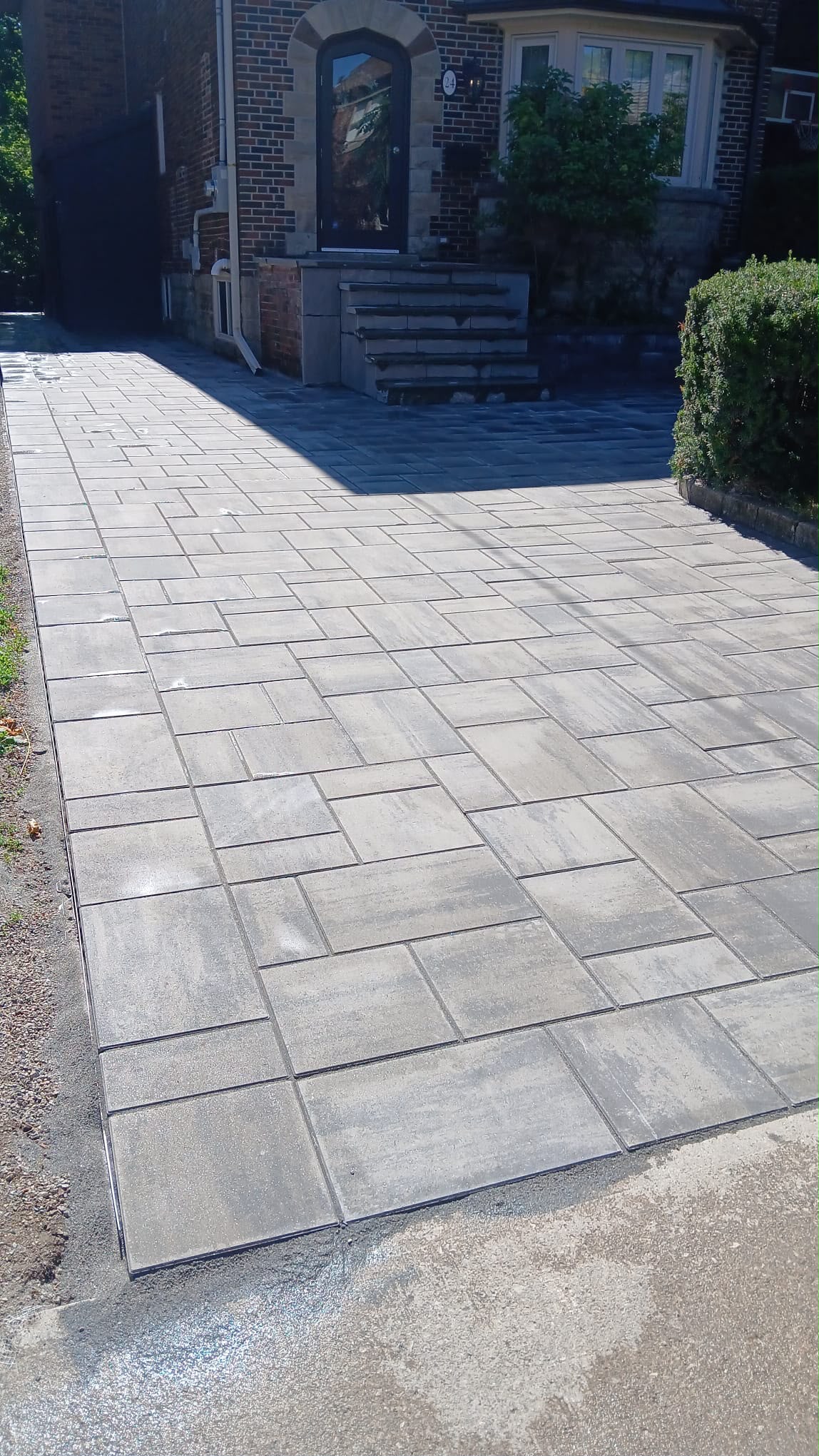
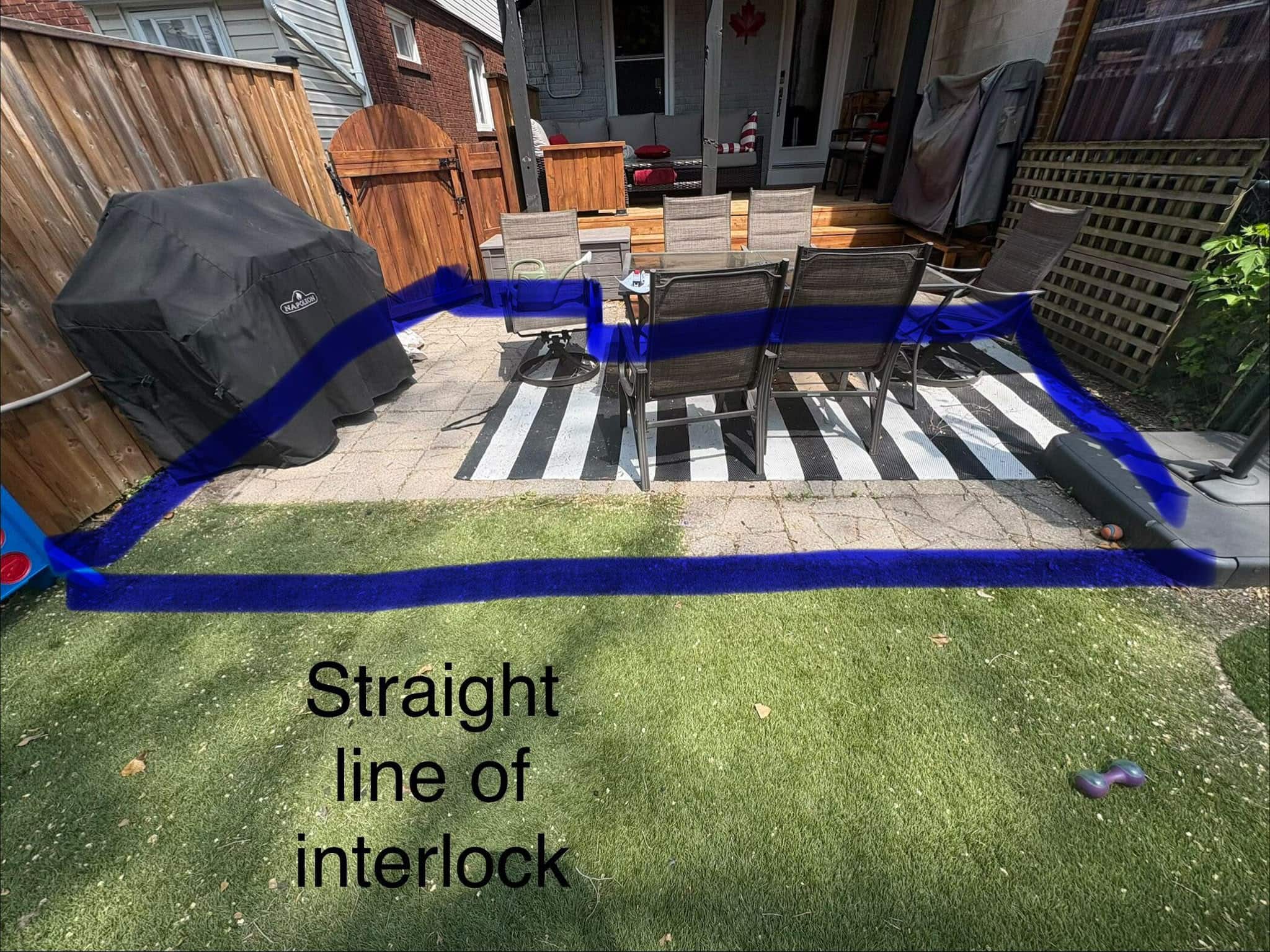
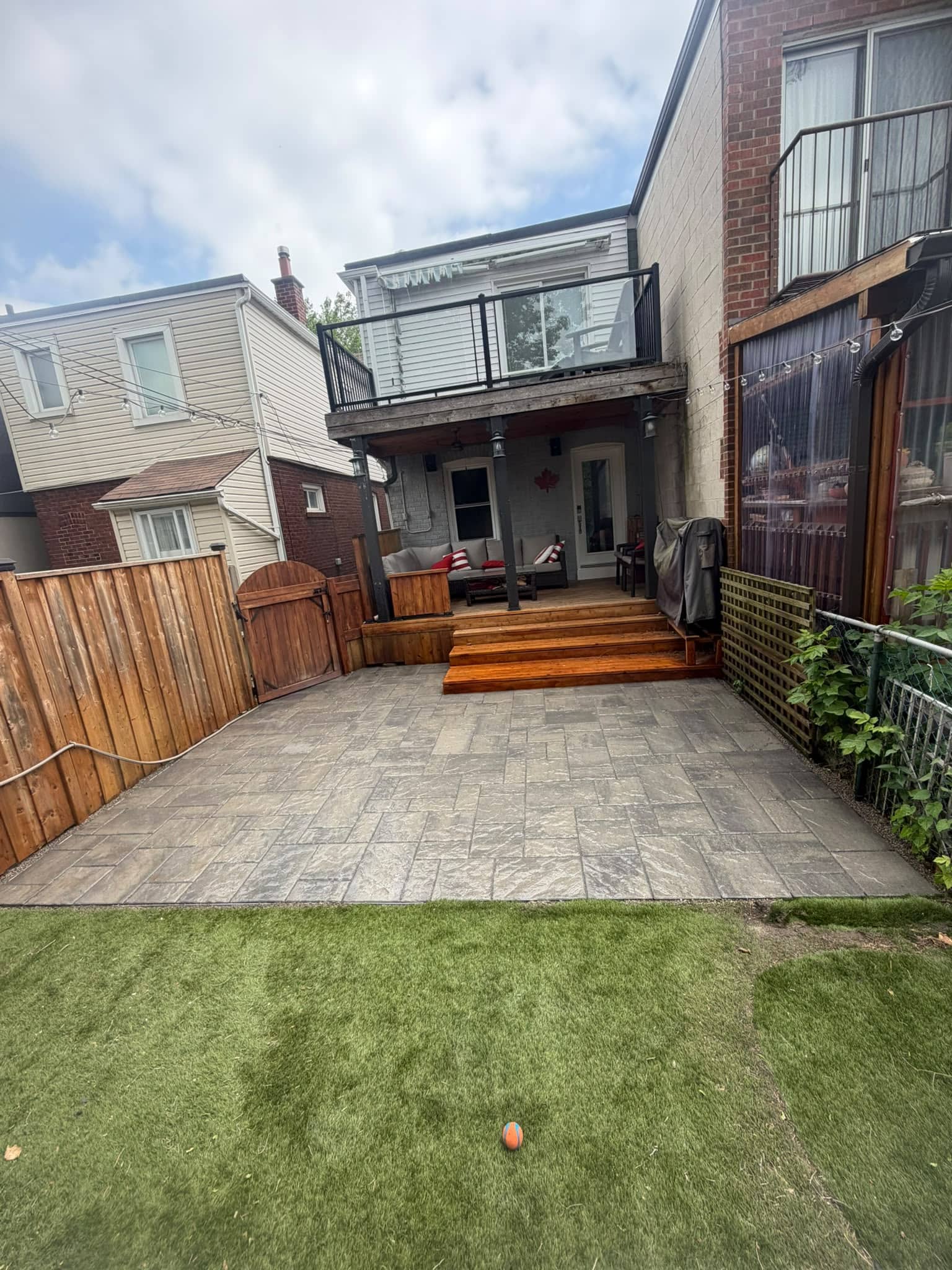
Interlocking stone can shift after winter when water moves through the base, freezes, or washes away support material. Pavers may sink, lift, spread at the edges, or become uneven. This does not always mean the pavers themselves are bad. Often, the issue is below the surface.
Winter movement is more likely when the base was not properly compacted, drainage was poor, edge restraints were weak, or water was allowed to collect beneath the surface. Snow piles and salt can also affect nearby joints and surrounding masonry.
One advantage of interlocking stone is repairability. If the base problem is local, pavers can often be lifted, the base corrected, and the surface reset. However, simply adding sand to low spots without correcting the base may only create a short-term fix.
Interlocking surfaces near steps, patios, and driveways should be checked after winter for trip hazards, low spots, and water pooling.
Foundation, Parging, and Lower Wall Damage
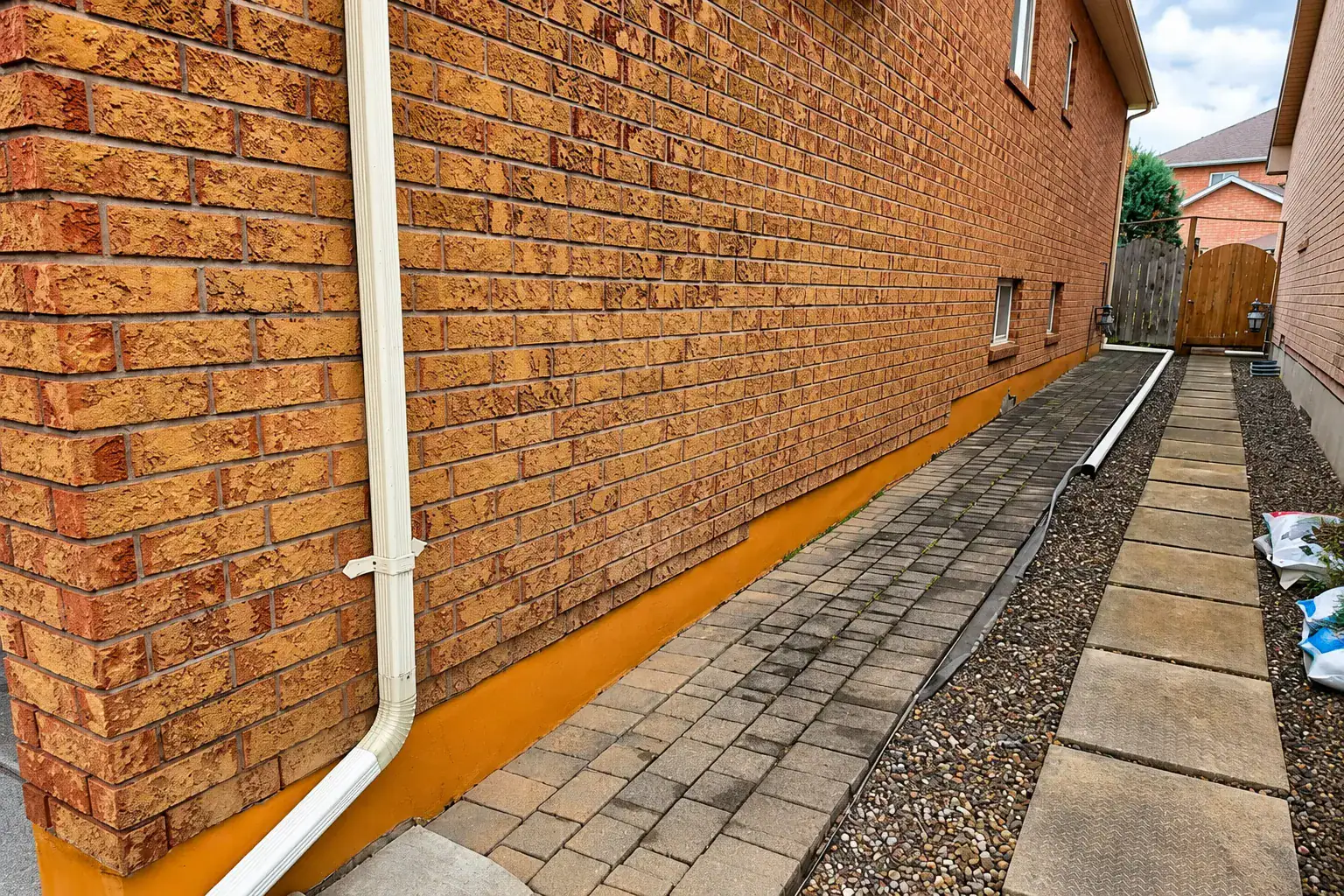
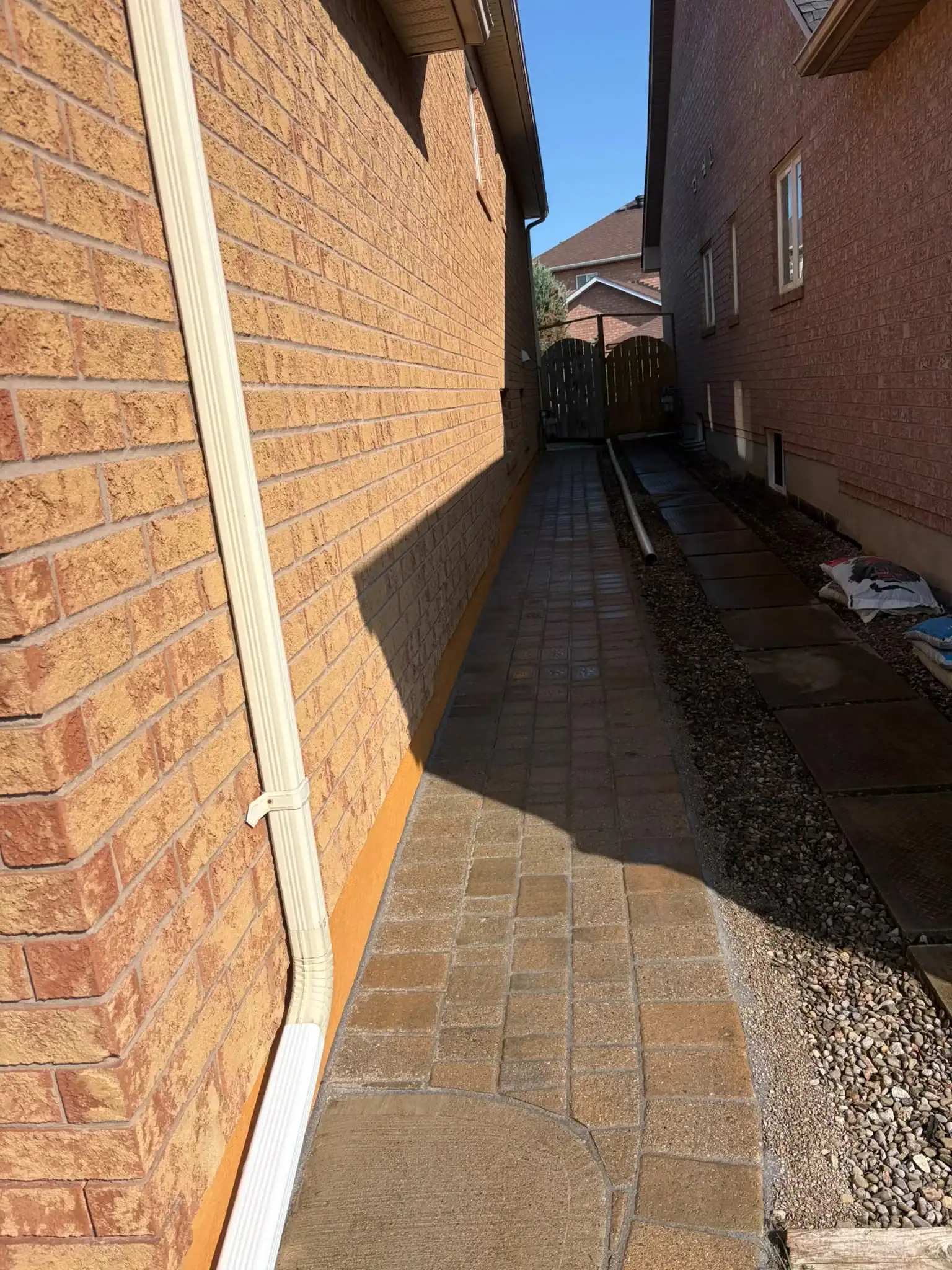
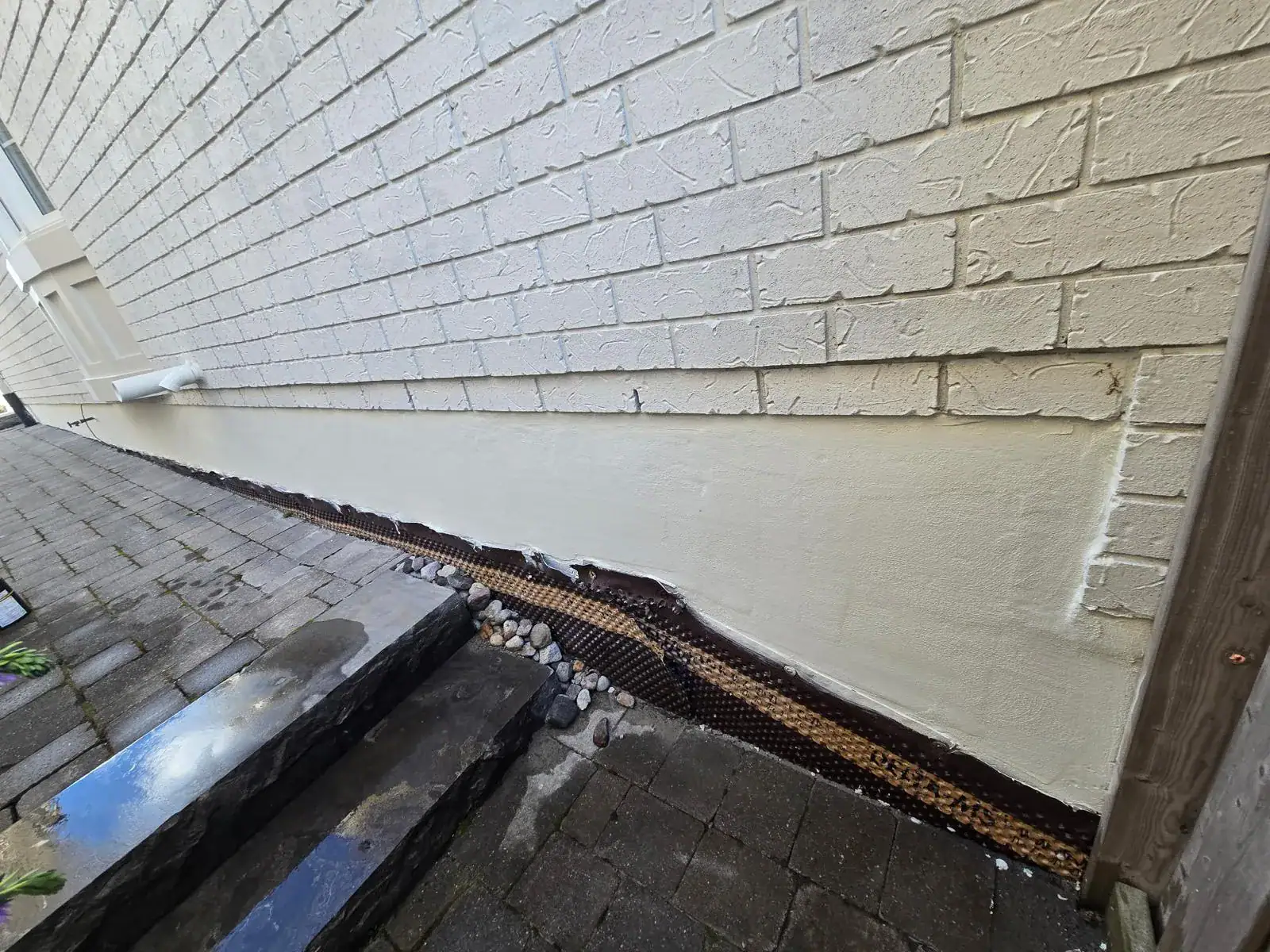
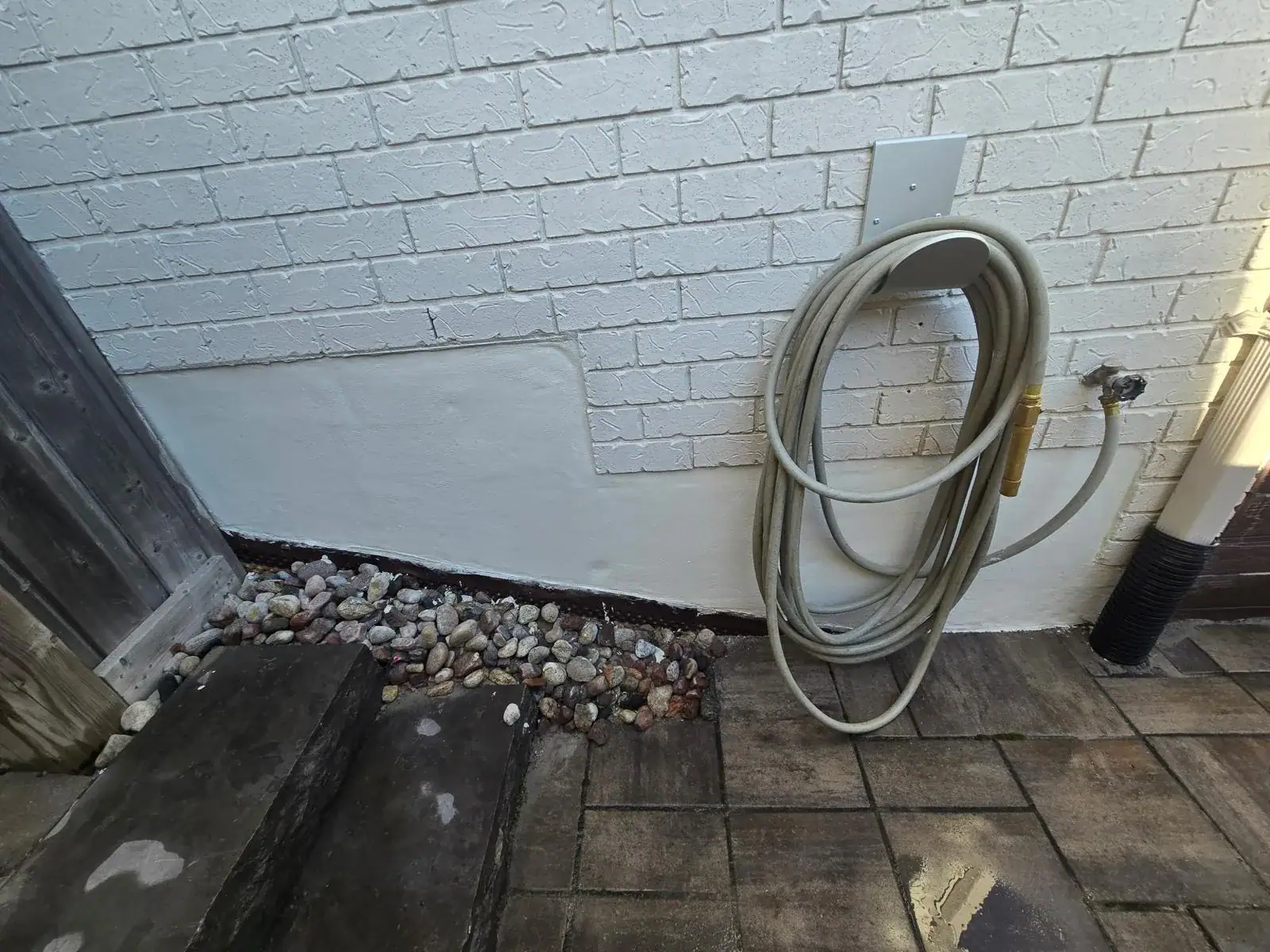
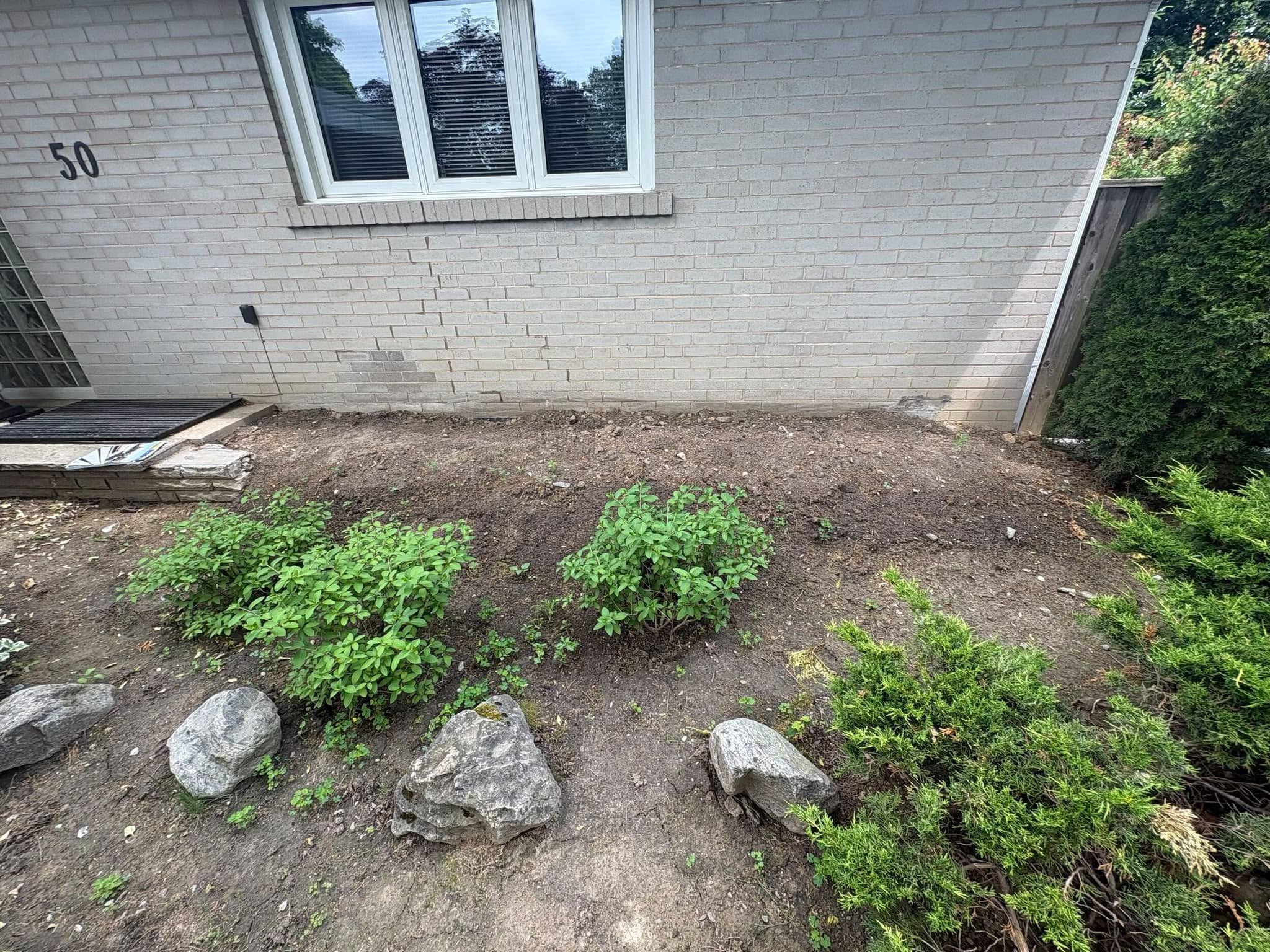
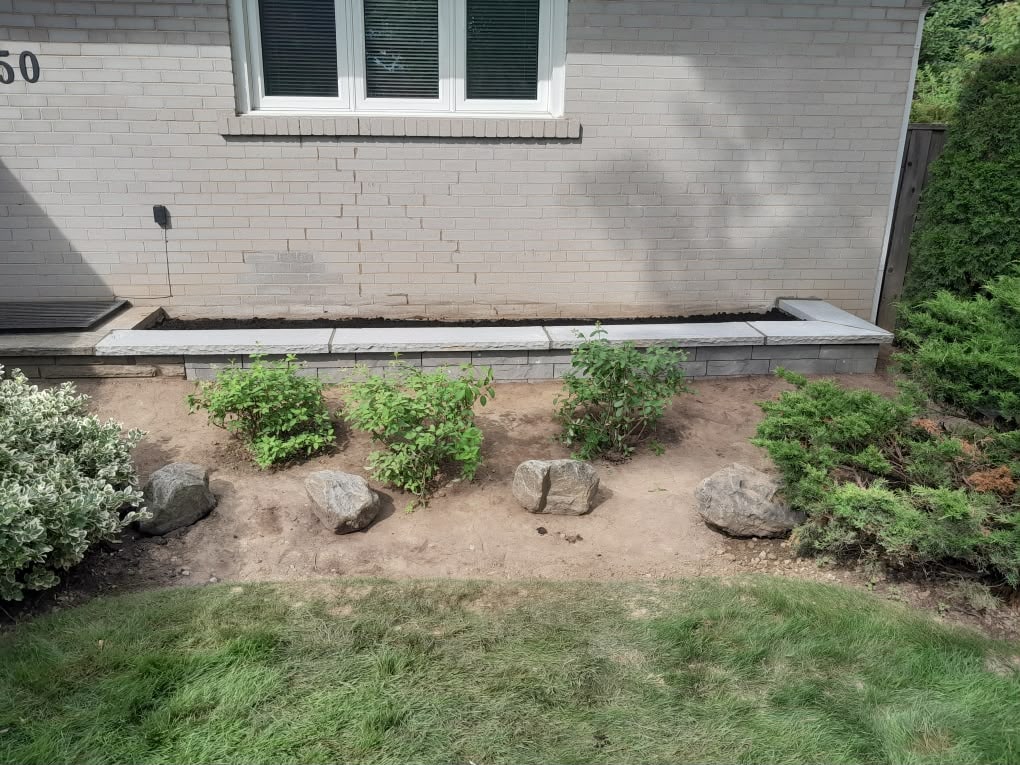
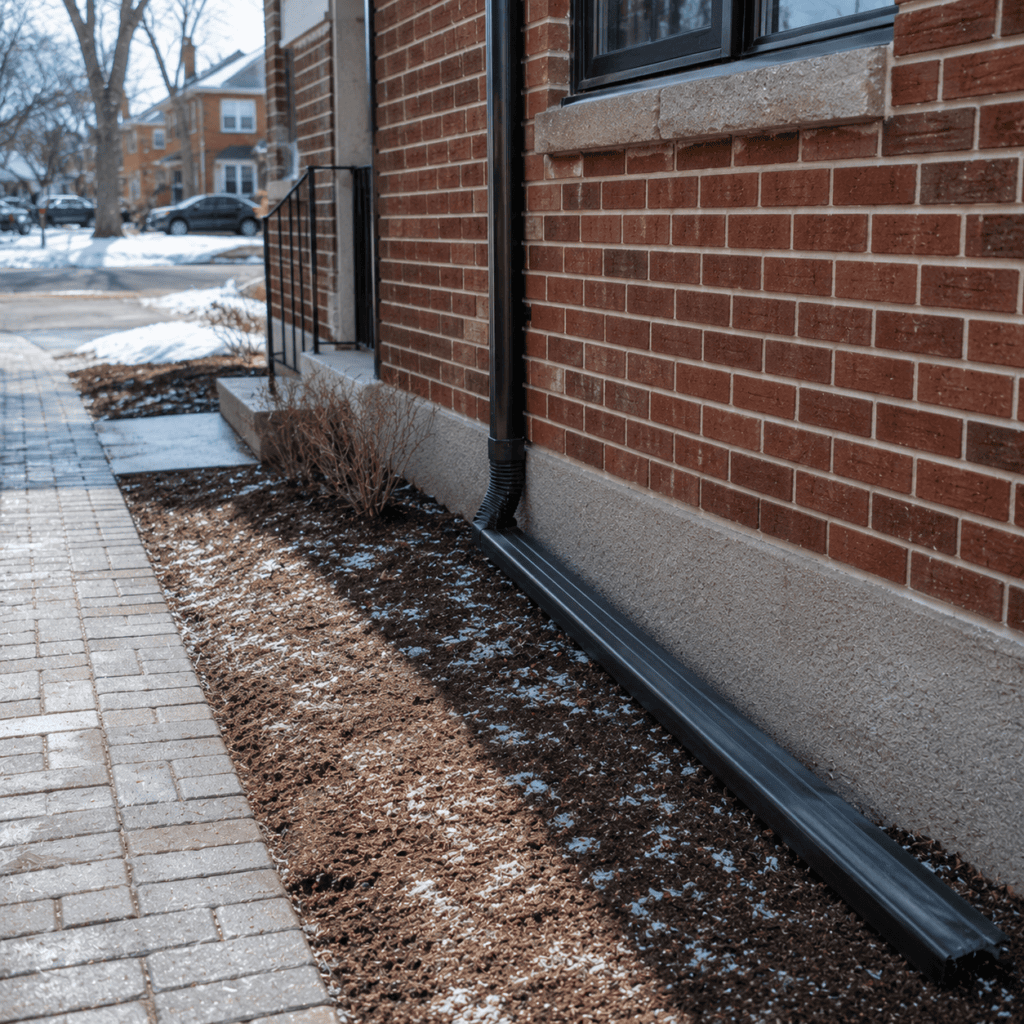
Foundation and lower wall damage after winter often comes from water collecting near the base of the home. Snow piles, poor grading, short downspouts, clogged gutters, and saturated soil can keep masonry damp. When that moisture freezes, it can damage parging, lower brickwork, concrete, and foundation surfaces.
Damaged parging may crack, flake, or separate from the wall. Lower brick may show efflorescence, spalling, or crumbling mortar. Basement walls may feel damp after snowmelt or spring rain. These issues are often connected to drainage and waterproofing, not only surface wear.
If the problem keeps returning in the same area, the repair should include water management. Reapplying parging or replacing bricks without correcting the water source may lead to repeated damage.
For water-related concerns, A&A Masonry’s waterproofing services page explains common issues with foundation moisture and basement water entry.
What Homeowners Can Check Safely After Winter
Homeowners can safely check many masonry areas from ground level after winter. The goal is to identify visible damage, track changes, and avoid disturbing unstable materials.
- Walk around the home: Look at brick walls, chimneys from the ground, steps, walkways, foundation areas, and retaining walls.
- Take clear photos: Capture close-ups and wider shots so changes can be tracked over time.
- Check mortar joints: Look for missing, cracked, sandy, or recessed mortar.
- Look for spalling: Check for flaking brick, broken concrete surfaces, and crumbling stone.
- Watch drainage after rain: Note where water pools or runs toward the home.
- Check steps and walkways: Look for uneven surfaces, loose units, cracks, or trip hazards.
- Clear debris: Remove leaves, soil, and salt buildup where safe and practical.
- Avoid unsafe work: Do not climb onto roofs, remove loose chimney brick, grind mortar, or patch structural cracks without proper guidance.
These checks help homeowners explain the issue clearly when requesting repair advice. They also help distinguish minor maintenance issues from problems that require professional repair.
When to Repair Masonry After Winter
The best time to repair masonry after winter is usually once freezing conditions have passed and the surface has dried properly. Many masonry repairs need suitable temperatures, dry conditions, proper curing time, and stable access. Spring and early summer are often practical times to inspect and plan work before the next winter.
Timing matters because rushed repairs in poor conditions may not last. Mortar, concrete, waterproofing products, and sealers all have application requirements. If the surface is too wet, too cold, dirty, or unstable, the repair can fail early.
Homeowners should not wait too long if the damage is active. Loose brick, widening cracks, leaking walls, unstable steps, or a deteriorating chimney should be addressed before more rain and another winter make the problem worse. The right timing balances weather conditions with urgency.
Repair First, Seal Later
Repair should usually come before sealing. Sealers can help protect certain sound masonry surfaces, but they should not be applied over cracked mortar joints, spalling brick, damp walls, loose concrete, or active water problems.
After winter damage, some homeowners want to seal everything quickly. The risk is that a sealer can trap moisture or hide a problem that needs repair. If the brick face is broken, the mortar is missing, or water is entering behind the surface, sealing is not enough.
A better approach is to repair damaged materials, correct drainage, allow the surface to dry, and then consider whether a breathable sealer or water repellent is appropriate for that specific material. Not every wall or surface should be sealed.
If sealing is being considered after repairs, A&A Masonry’s blog on masonry sealers explains when sealers help, when they can hurt, and why breathability matters.
What Happens If Freeze Damage Is Ignored?
If freeze damage is ignored, small openings can widen into larger cracks, surface flaking can spread, and water can penetrate deeper into the masonry. The next freeze-thaw season can worsen the damage.
On brick walls, ignored spalling can lead to more brick replacement later. In mortar joints, open gaps can allow water to get behind the wall. On chimneys, water entry can affect the crown, cap, flashing, liner, and interior finishes. On steps and walkways, uneven surfaces can become trip hazards. On foundations, repeated dampness can lead to parging failure and basement moisture concerns.
Early repair is often simpler because the damage is still local. Once water has spread behind the surface or several materials are affected, the project may become more involved.
How to Reduce Repeat Freeze Damage
Reducing repeat freeze damage starts with water control. Masonry can handle harsh weather better when water does not sit, enter, or stay trapped in vulnerable areas.
- Keep gutters clear: Overflowing gutters can soak walls and foundations.
- Direct downspouts away: Water should not discharge beside brick, steps, or foundations.
- Improve grading: Soil should slope away from the home where practical.
- Repair mortar early: Open joints allow water into the wall.
- Fix damaged caps and crowns: Chimney and wall caps help keep water out.
- Correct pooling: Steps, patios, and walkways should shed water properly.
- Use salt carefully: De-icing products can contribute to surface wear on certain masonry and concrete surfaces.
- Choose suitable materials: Exterior repairs should use materials suited to Toronto’s weather and the existing masonry.
The Canada Masonry Design Centre’s codes and standards resources note that masonry standards address quality, safety, performance, and construction methods. For homeowners, the practical takeaway is that durable masonry depends on proper materials, design, installation, and maintenance, not quick surface fixes.
Permits, Code, and Bigger Repair Projects
Permits and code questions may be relevant when winter damage affects structures, openings, retaining walls, foundations, porches, chimneys, or major exterior work. Not every repair requires a permit, but homeowners should avoid guessing when the project goes beyond basic maintenance.
The City of Toronto provides information about building permits. Ontario’s official Building Code page is the preferred provincial reference for building requirements. If repair work changes the structure, support, entrances, openings, or major exterior features, check what applies before starting.
For many small masonry repairs, the bigger question is not paperwork. It is whether the repair method matches the damage. A patch is not a structural repair. A sealer is not waterproofing. A mortar smear is not tuckpointing. Matching the repair to the cause is what helps the work last.
When Professional Help Makes More Sense
Professional help makes more sense when damage is widespread, structural, water-related, high up, or repeatedly returning. Freeze damage can involve hidden moisture paths, unsuitable past repairs, failing mortar, weak base support, or unsafe masonry.
A mason can determine whether the issue needs brick replacement, tuckpointing, chimney repair, concrete repair, waterproofing, parging, interlocking reset, or a larger restoration plan. They can also help identify why the damage happened, so the repair does not simply repeat the same failure.
For a broader look at repair options, A&A Masonry’s masonry services in Toronto page outlines services such as brick repair, tuckpointing, chimney repair, concrete repairs, parging, waterproofing, stone masonry, and exterior restoration.
Quick Post-Winter Masonry Repair Guide
A simple post-winter repair guide can help homeowners decide what to do next.
- Spalling brick: Check the water source and consider replacing the brick before damage spreads.
- Cracked mortar: Tuckpointing may be needed if joints are open, sandy, or recessed.
- Chimney damage: Inspect safely from the ground and arrange a professional review if brick, mortar, crown, or cap damage is visible.
- Concrete cracks: Determine whether the issue is surface wear, settlement, drainage, or structural movement.
- Uneven pavers: Check the base, drainage, and edge restraint before resetting the surface.
- Parging damage: Look for moisture problems before applying new parging.
- Basement dampness: Review drainage, foundation cracks, and waterproofing needs.
- Recurring damage: Find the cause before repeating the same repair.
The best post-winter masonry repair is not just the one that makes the surface look better. It is the one that stops water from creating the same problem again.
Final Thoughts on Masonry Repair After Winter Freeze Damage
Masonry repair after winter freeze damage is an important part of protecting homes in Toronto and the GTA. Winter can reveal weak points in brick, mortar, concrete, chimneys, steps, foundations, and interlocking surfaces. Small cracks and surface wear may seem minor, but they can become larger problems when water keeps entering and freezing.
The safest approach is to inspect after winter, document damage, watch drainage, repair open joints or broken materials early, and avoid sealing or patching before the cause is understood. Many freeze-damage problems are moisture problems first, so water control should be part of the repair plan.
When repairs are done with the right materials, proper preparation, and a clear understanding of why the damage happened, masonry is better prepared for the next season of rain, snow, ice, and freeze-thaw weather.
Seeing Masonry Damage After Winter?
If you are noticing spalling brick, open mortar joints, cracked concrete, chimney deterioration, uneven pavers, damaged parging or recurring moisture after winter, the right repair depends on what caused the damage and how far it has progressed. A&A Masonry can assess the affected areas and help determine which repairs should be prioritised before another freeze-thaw season.