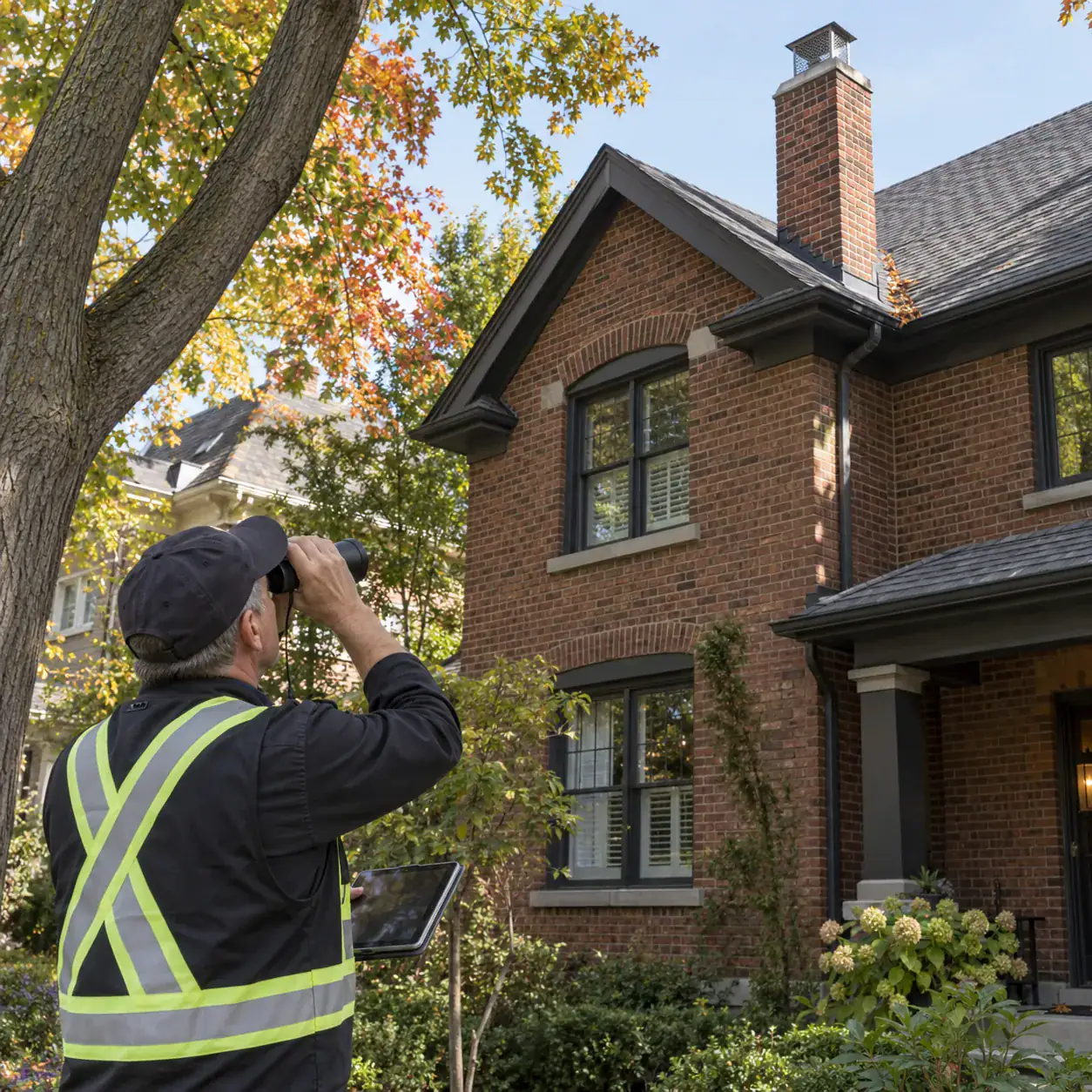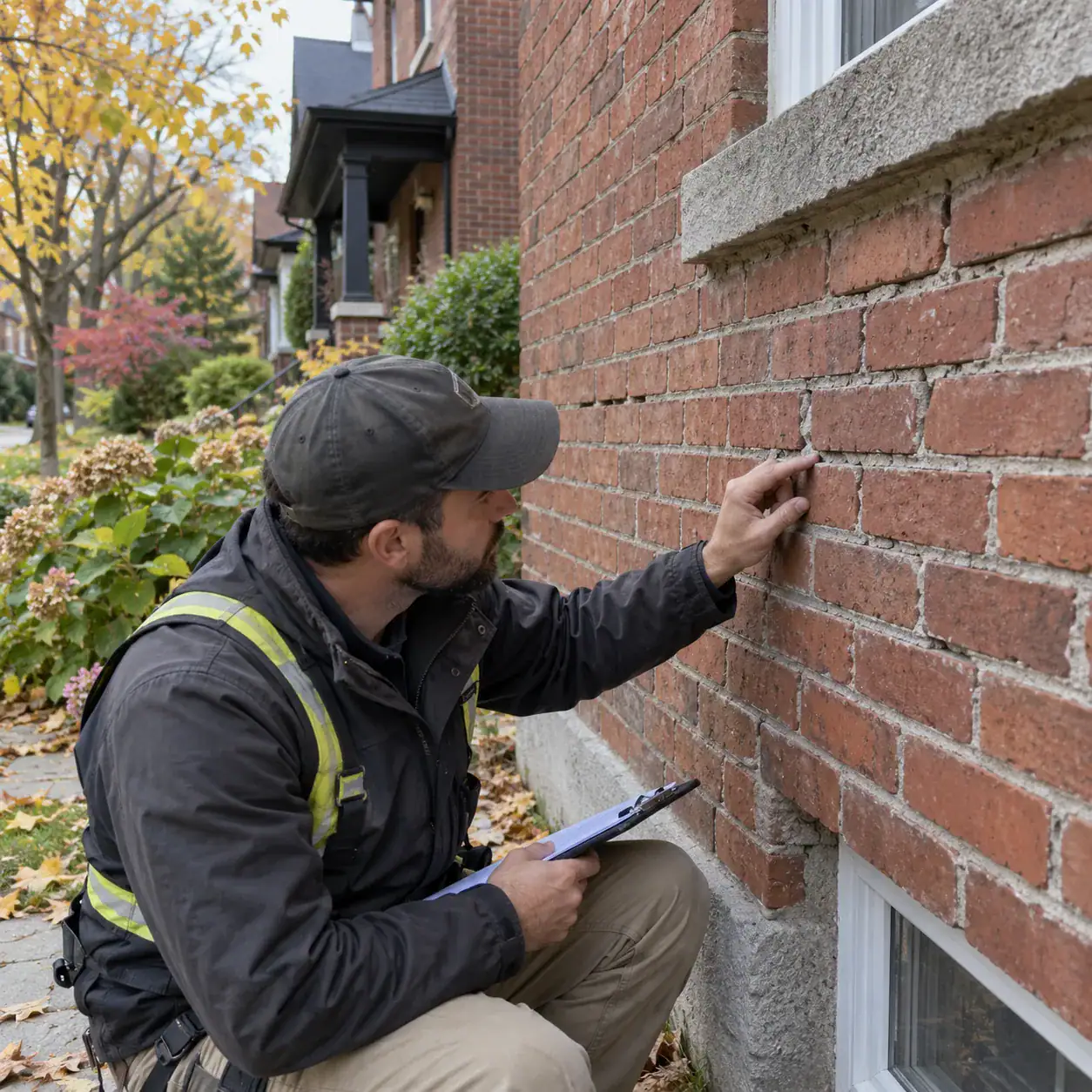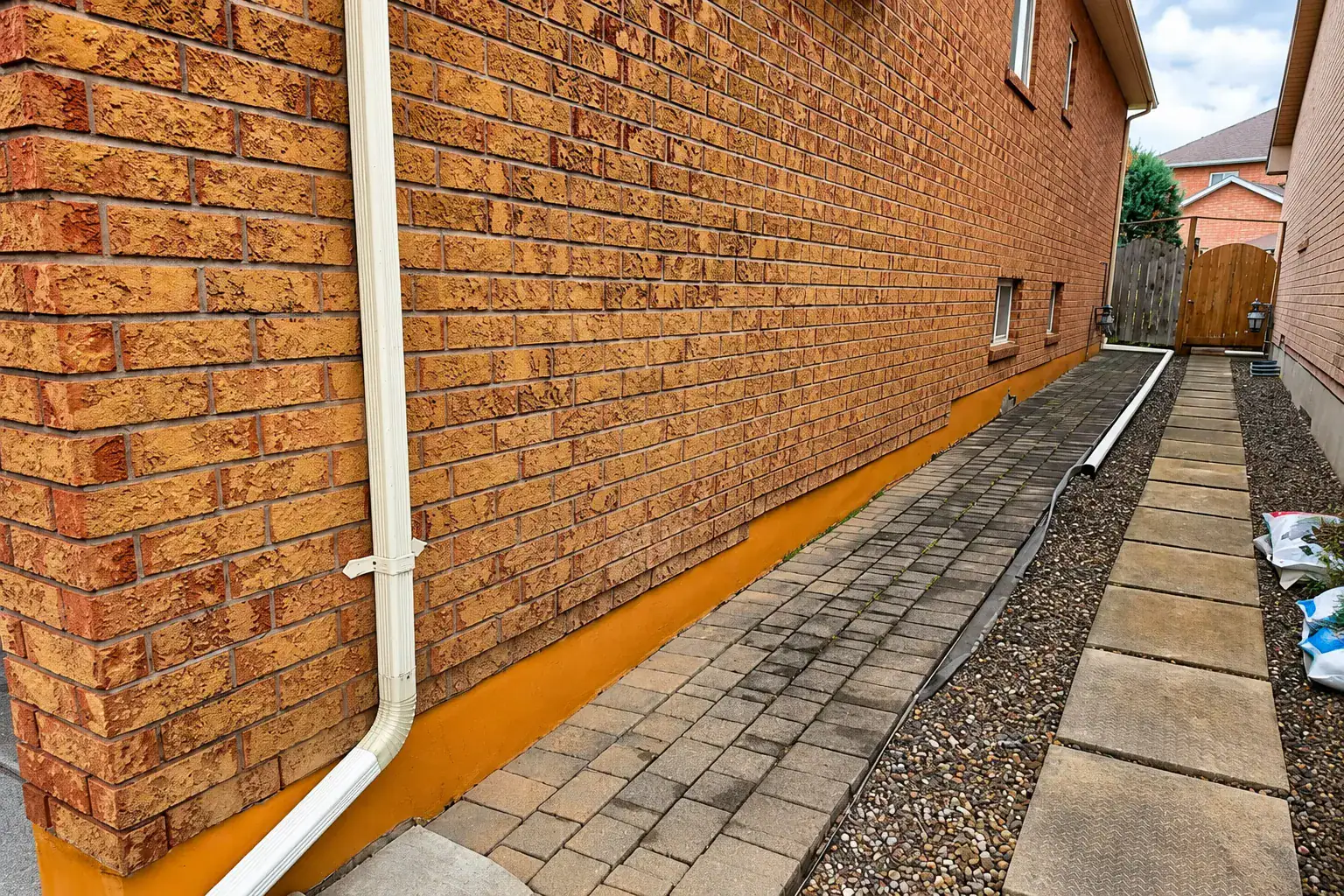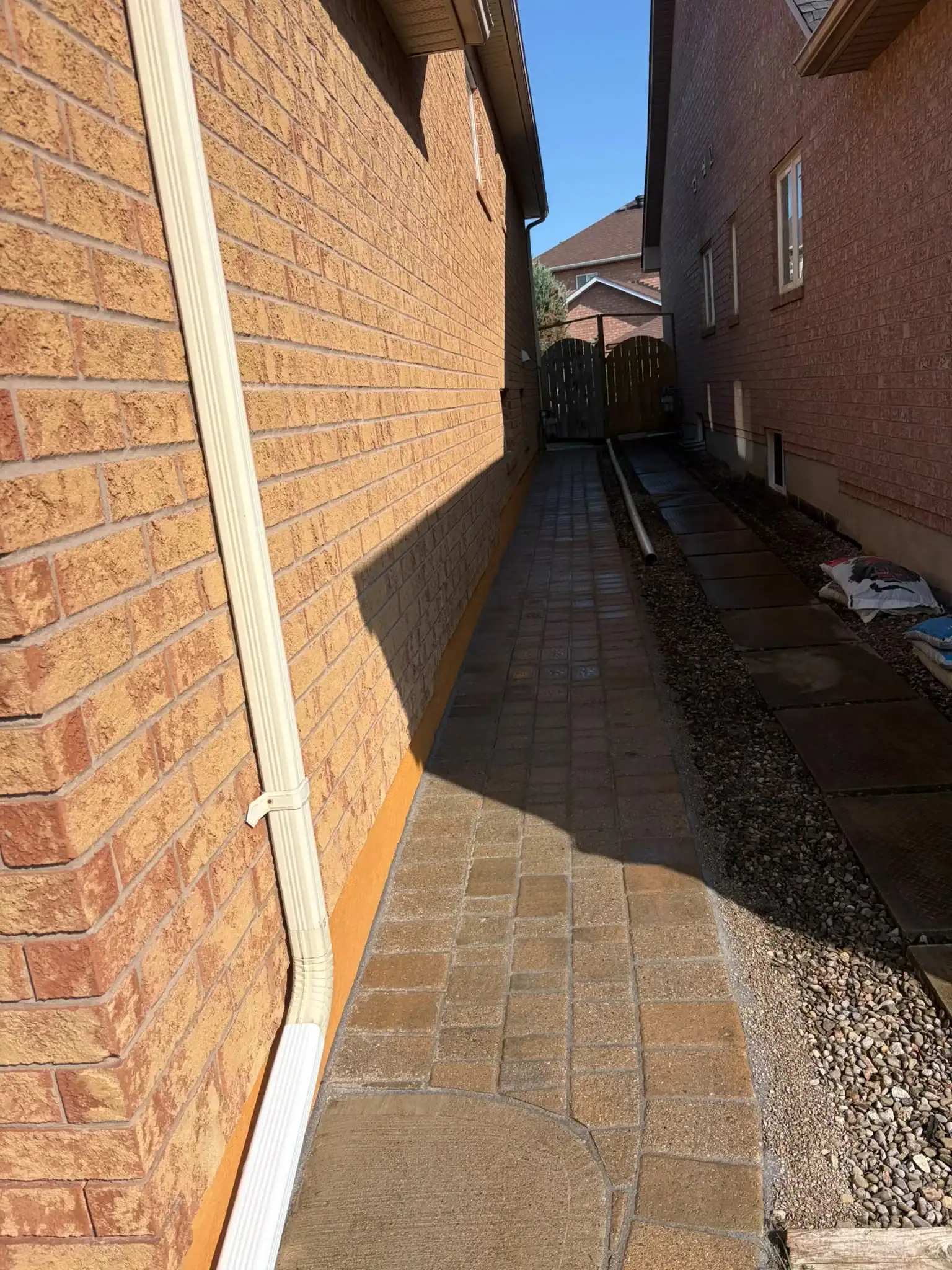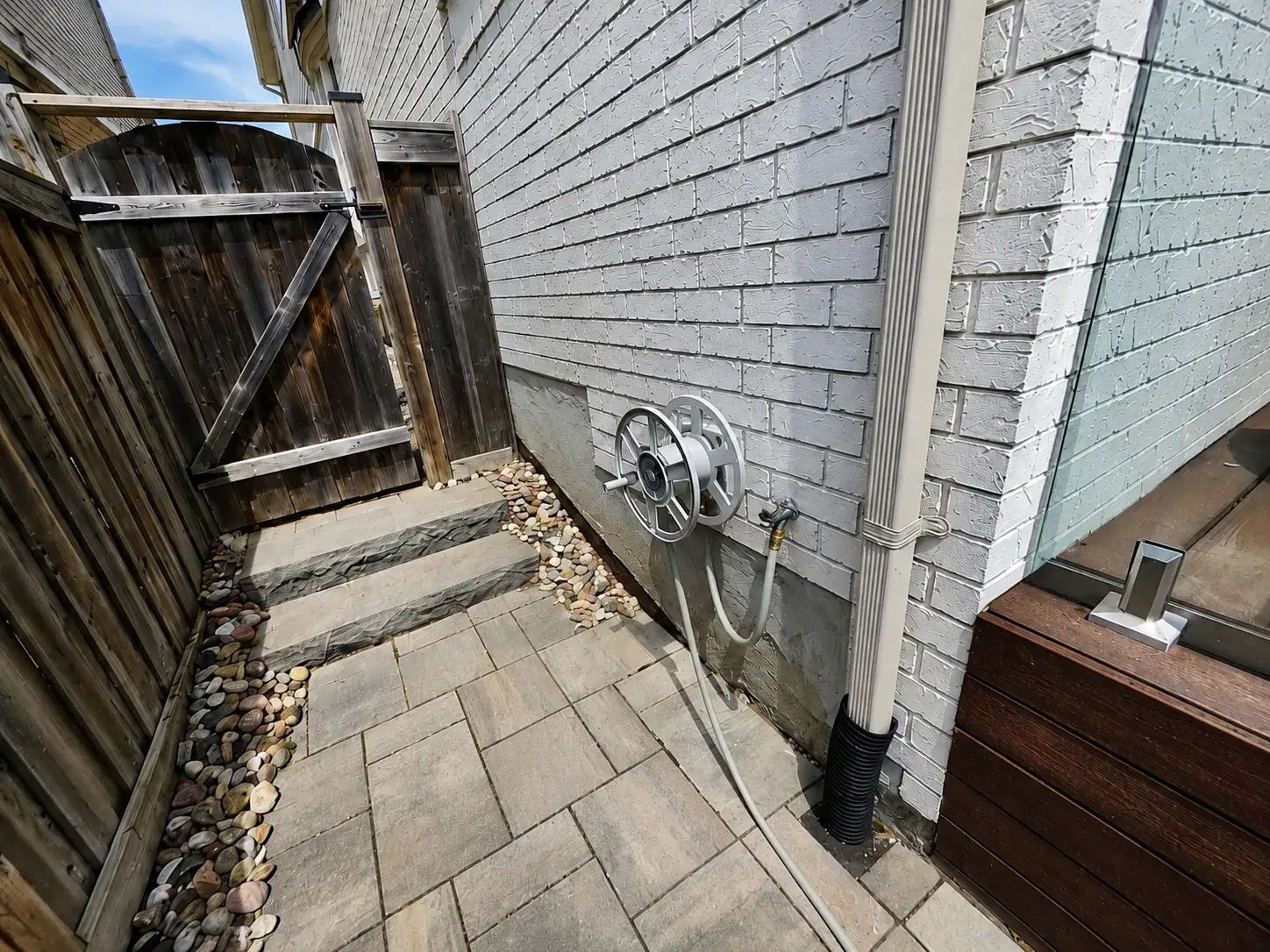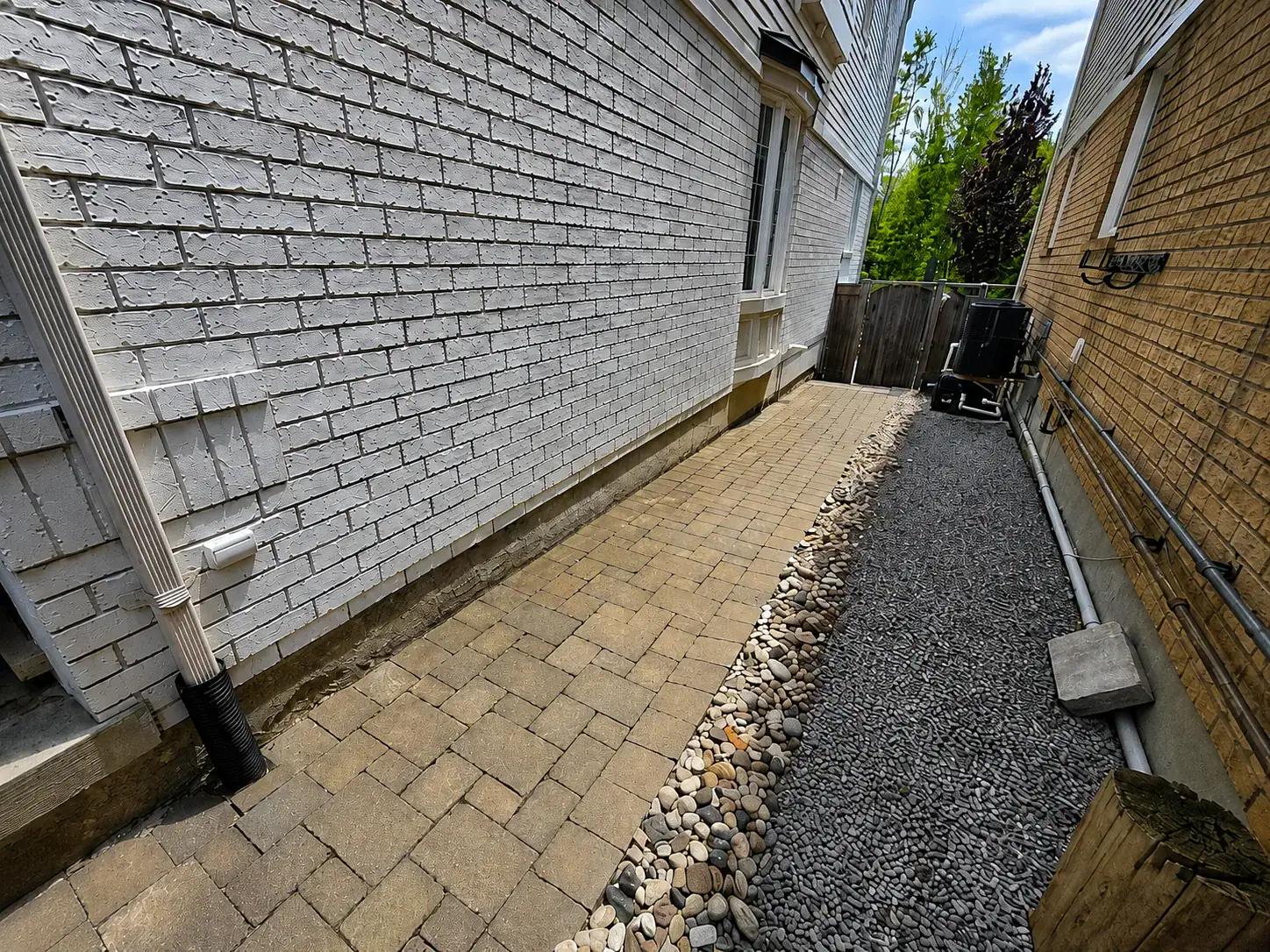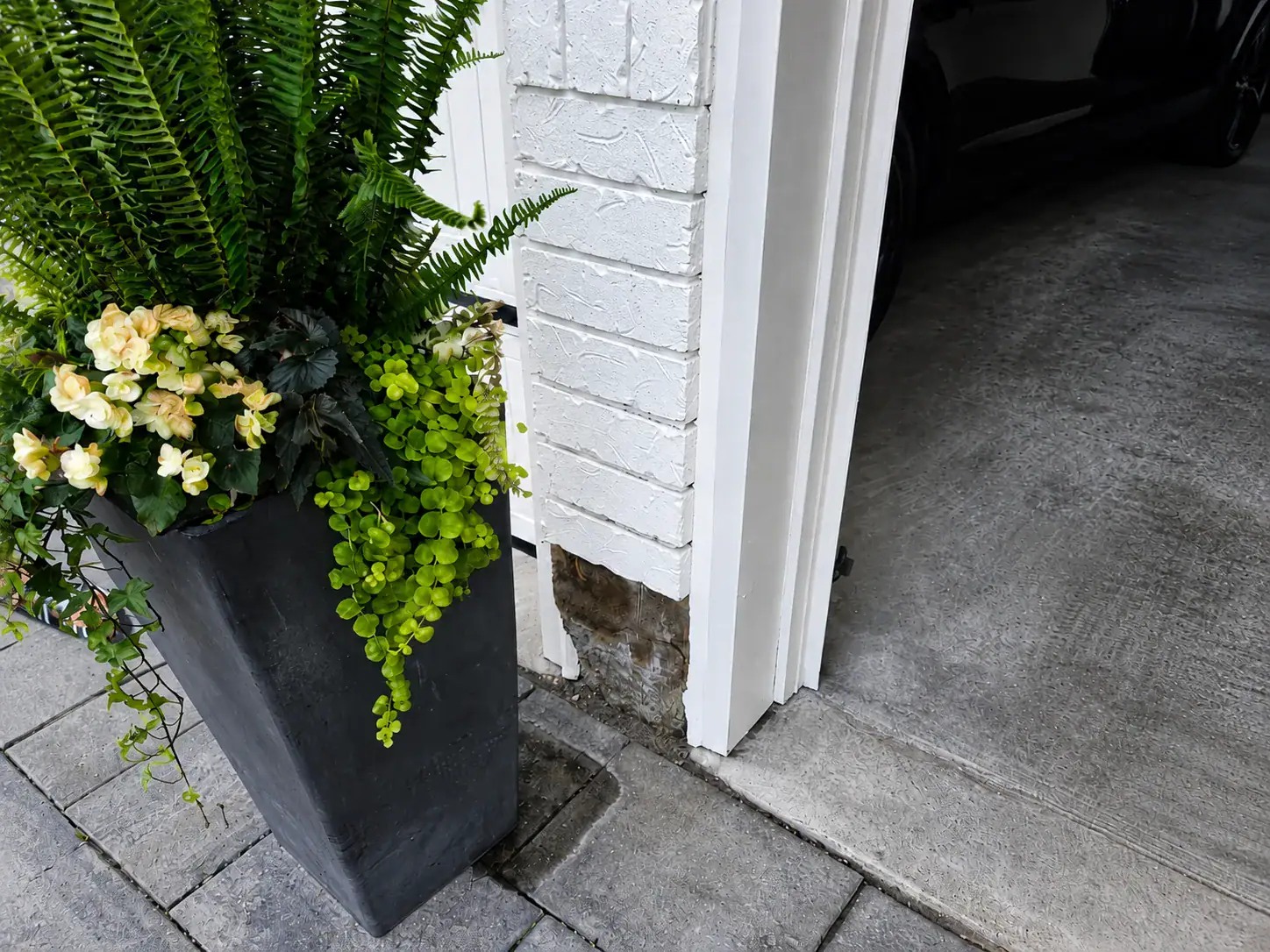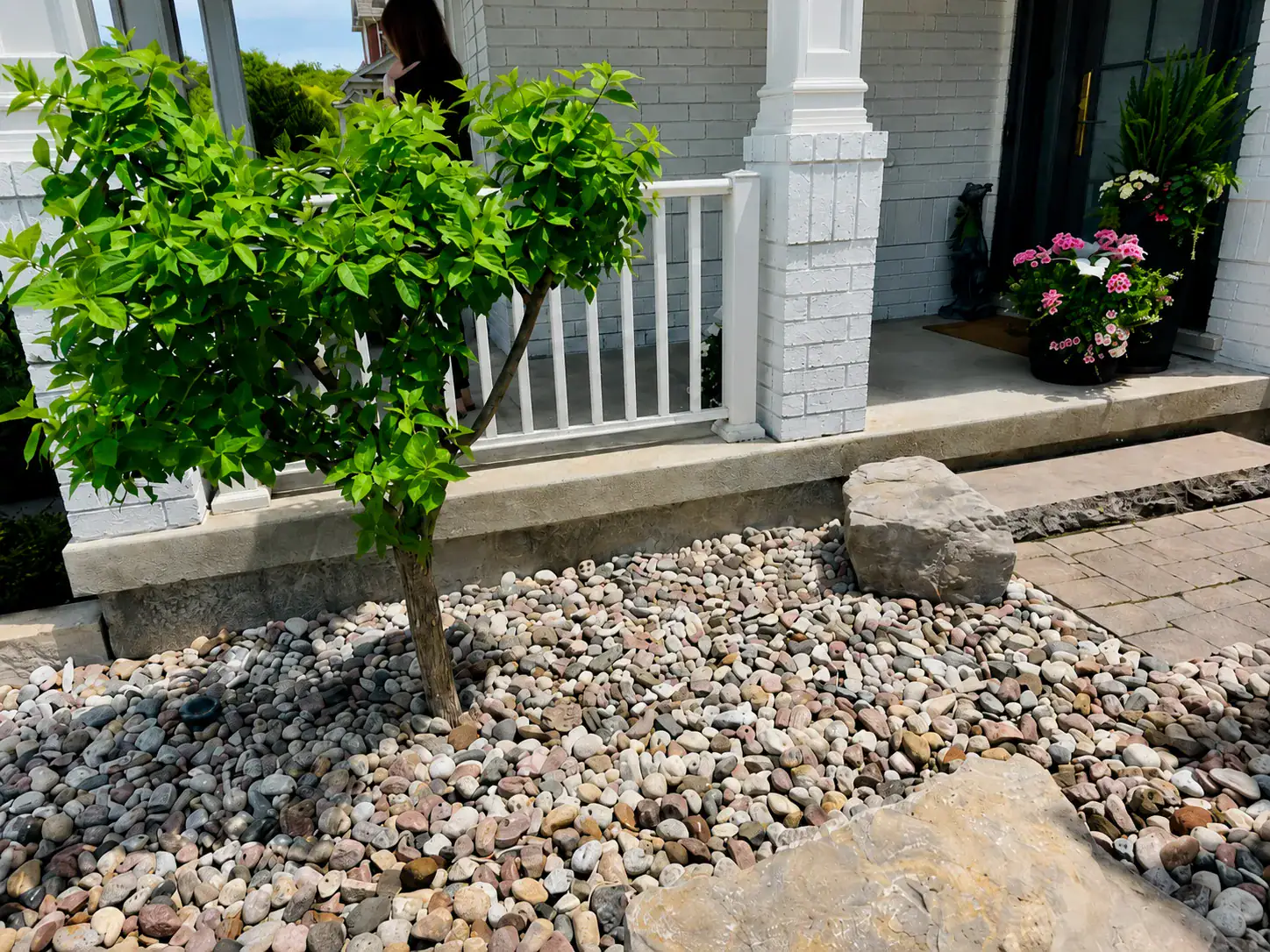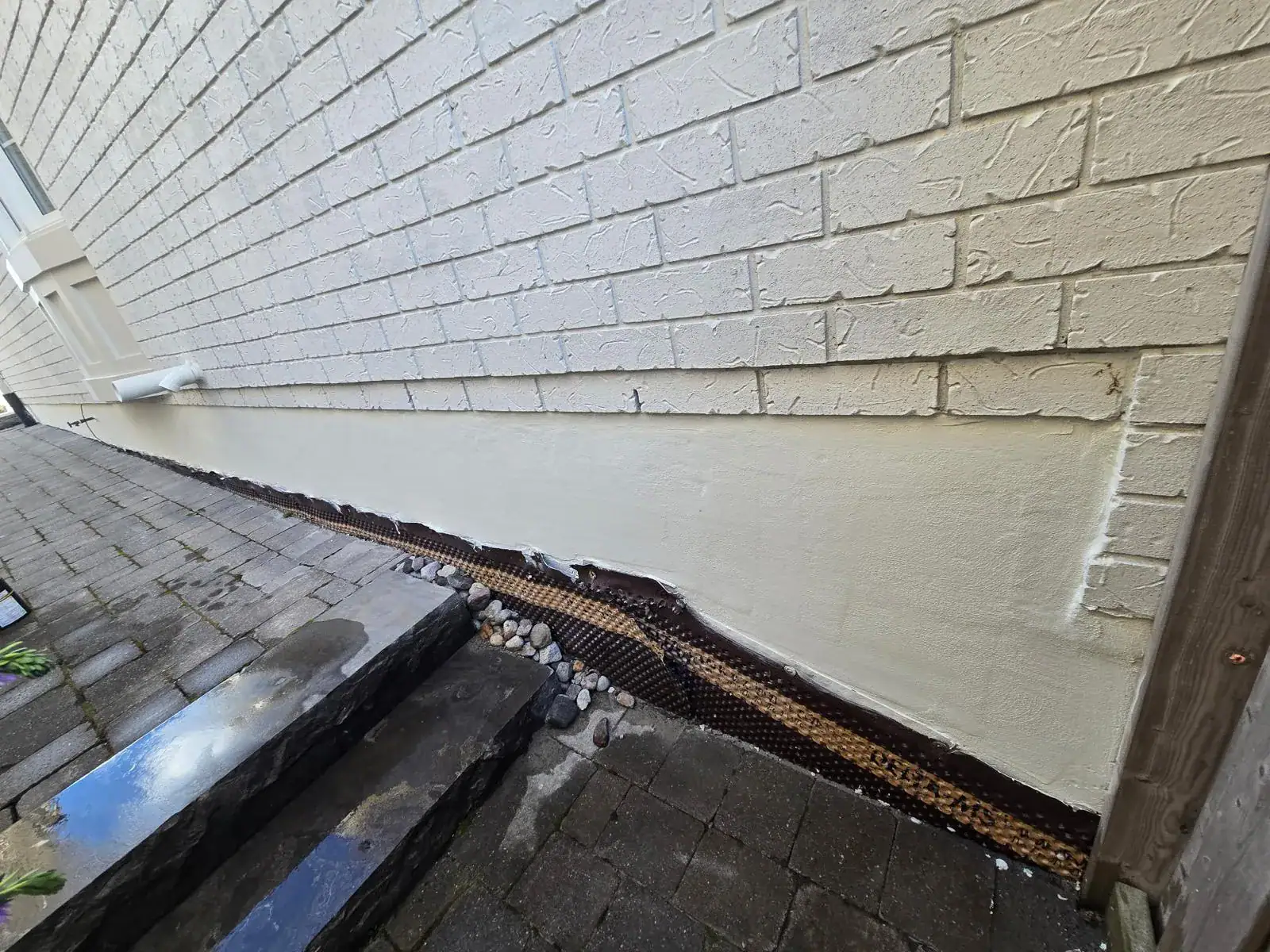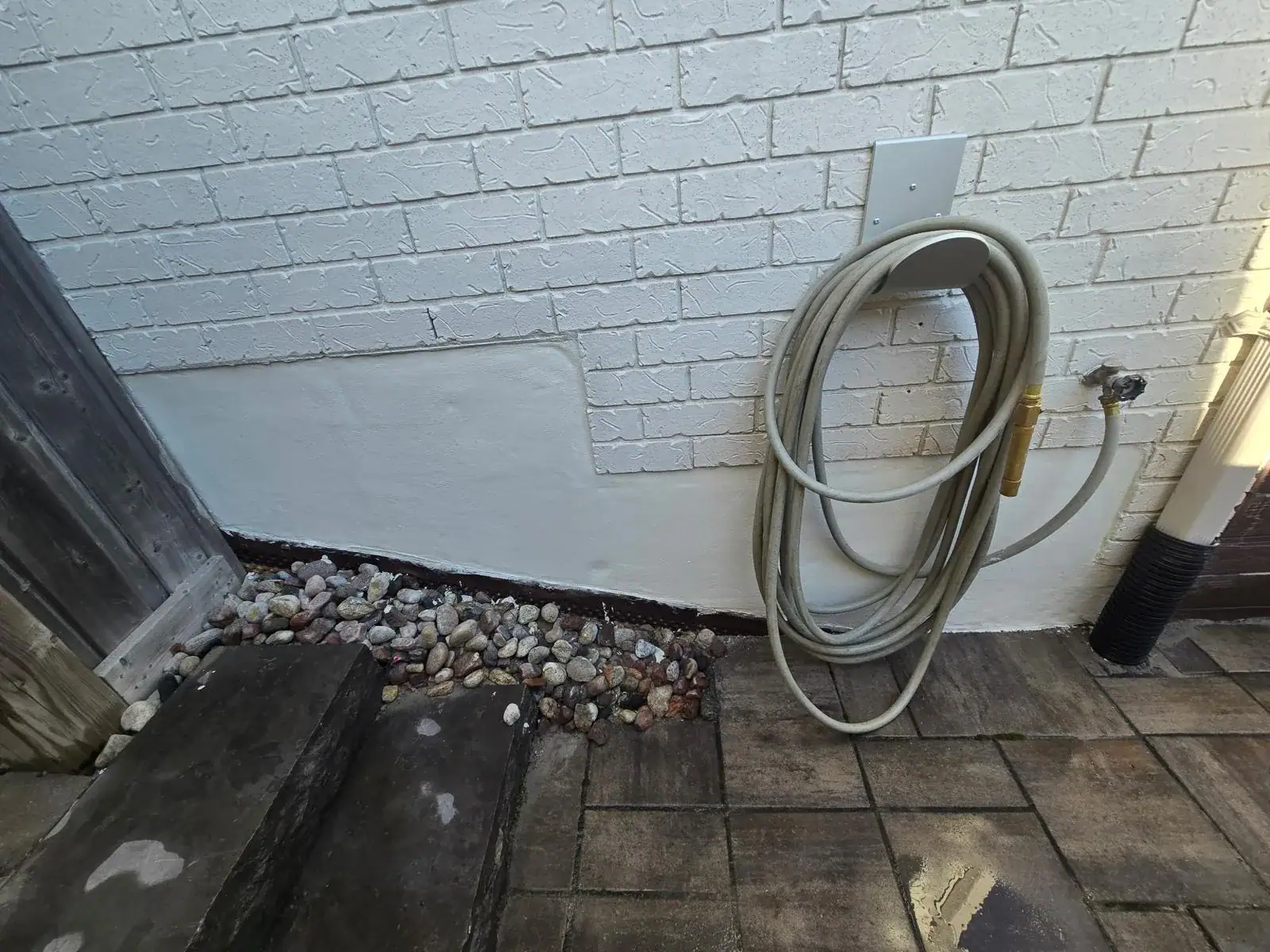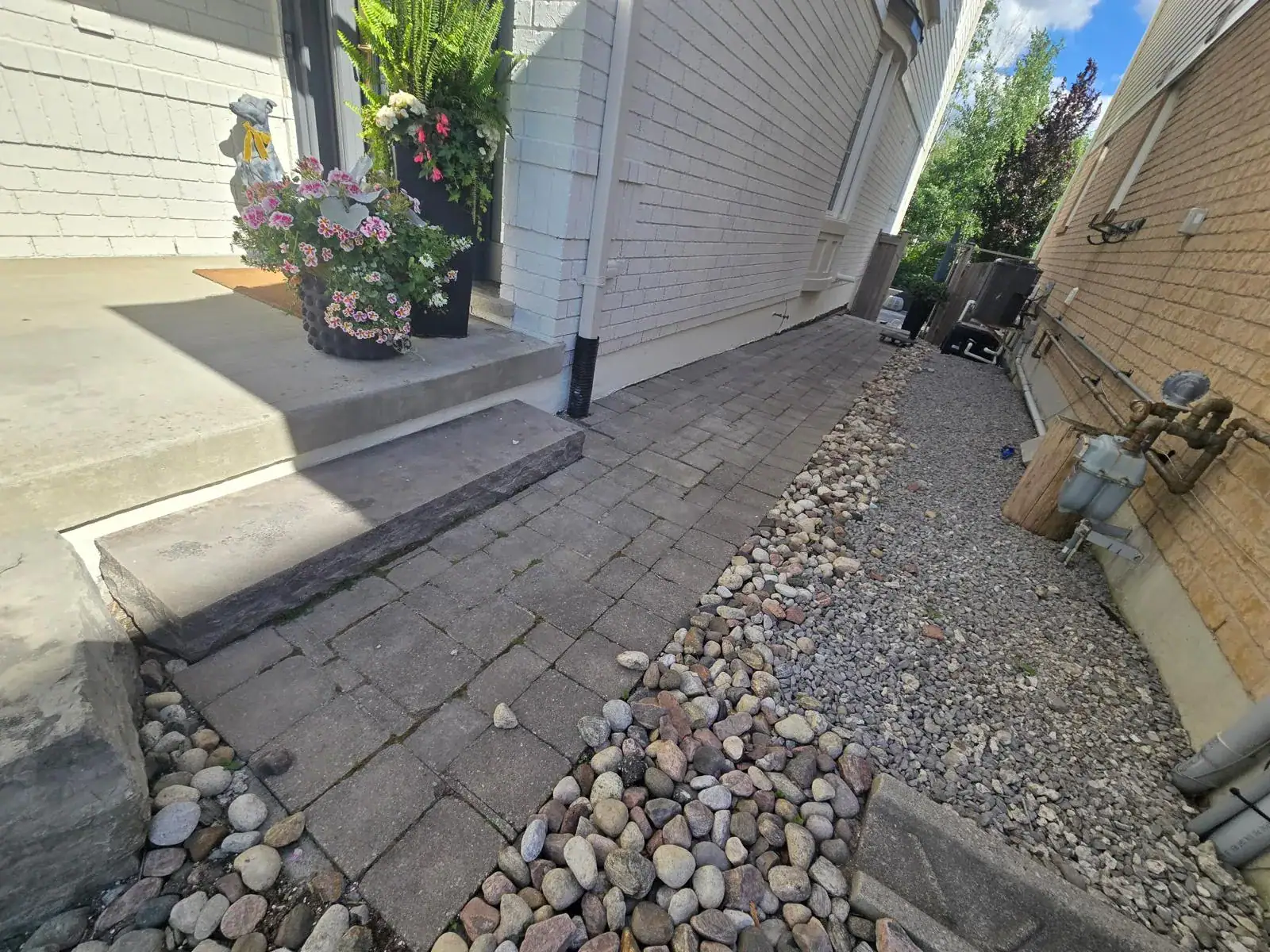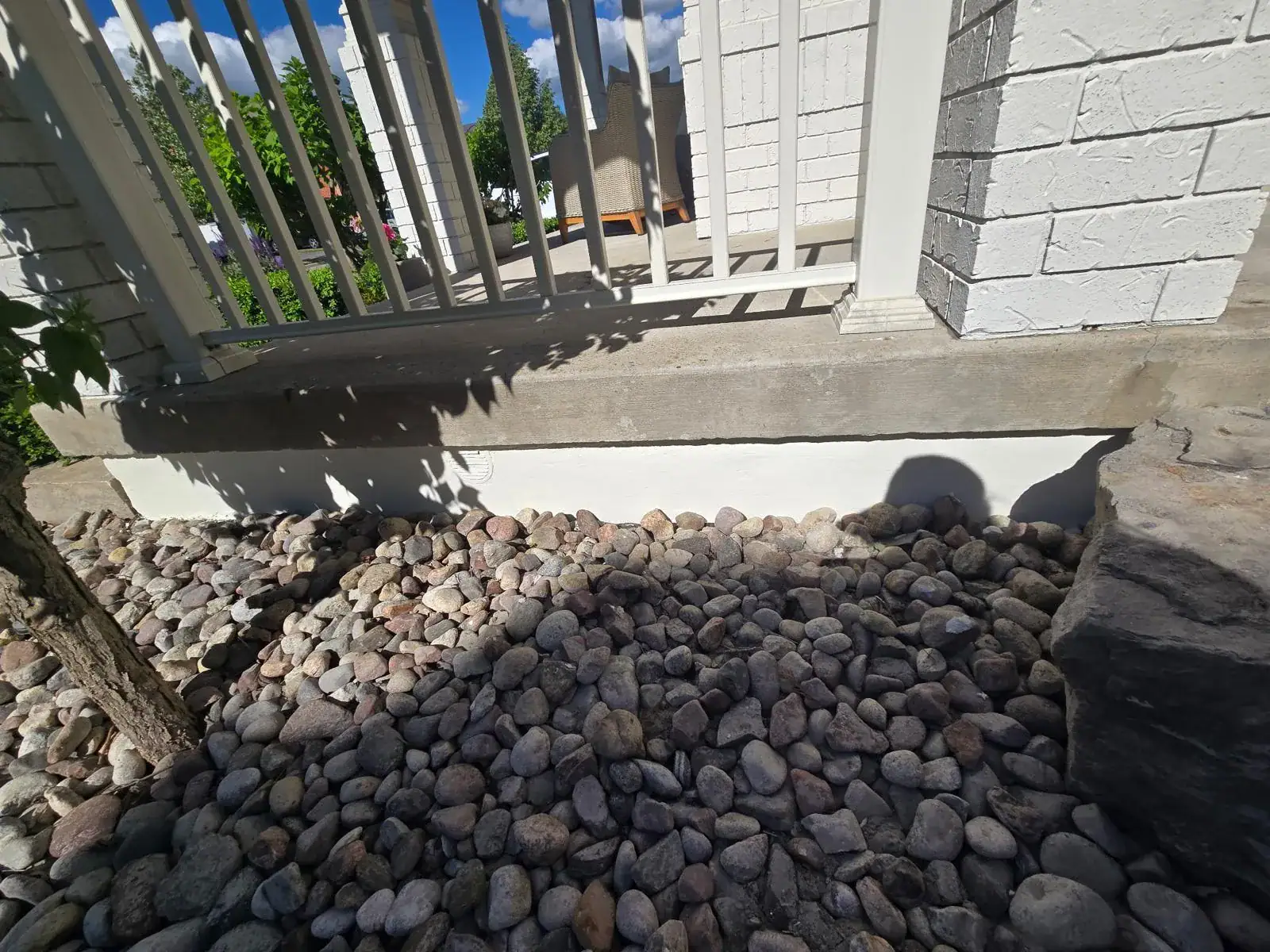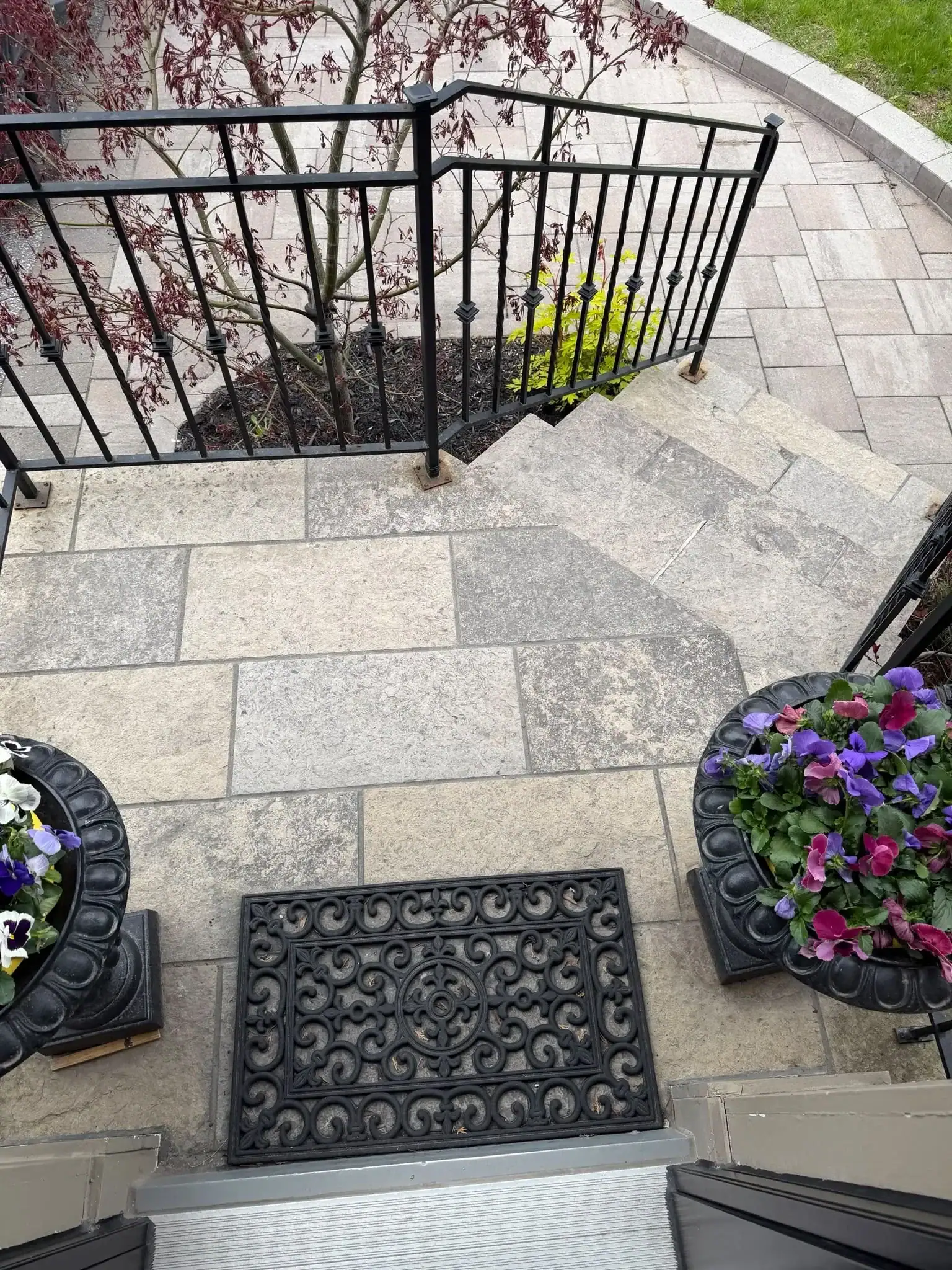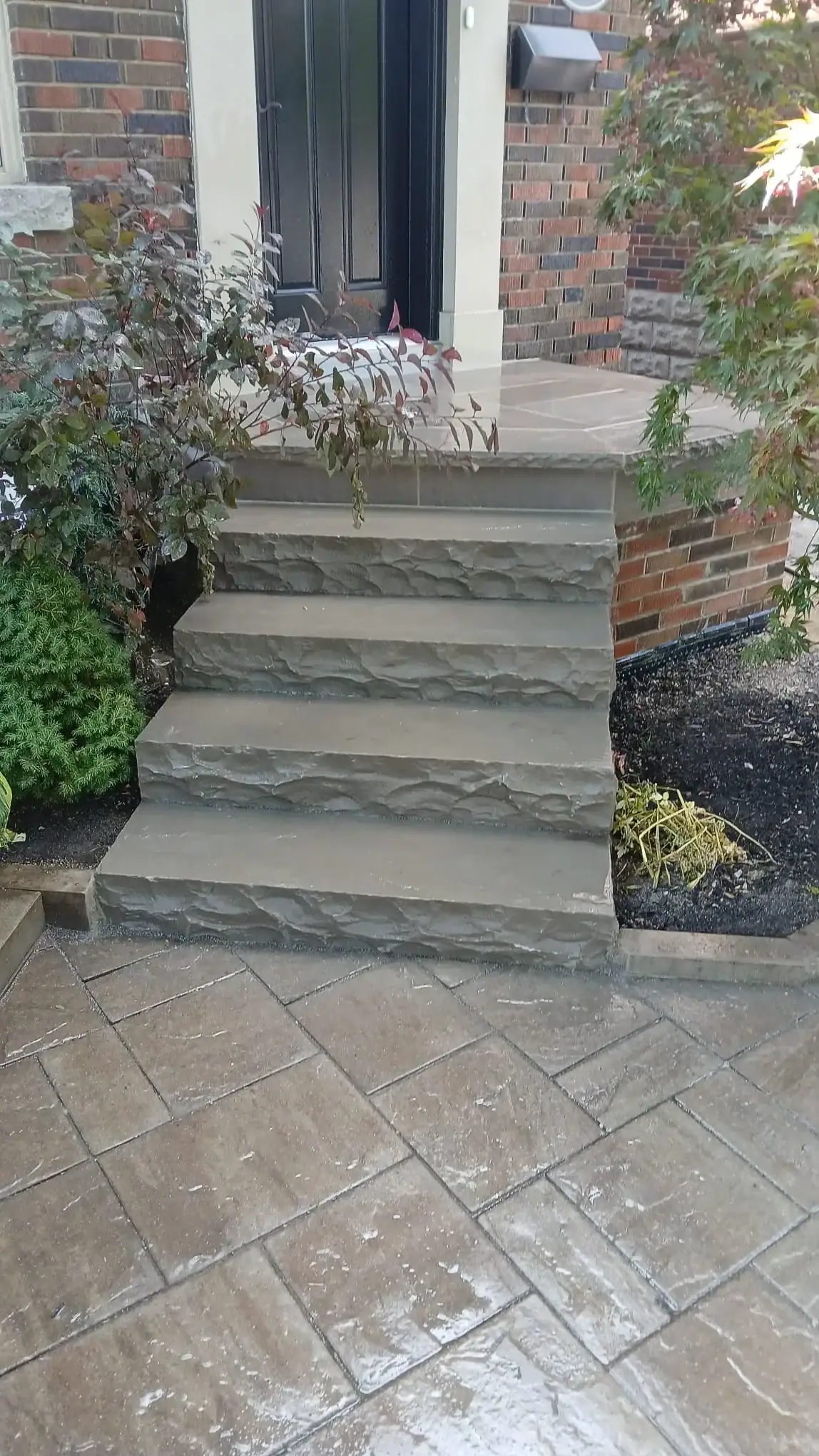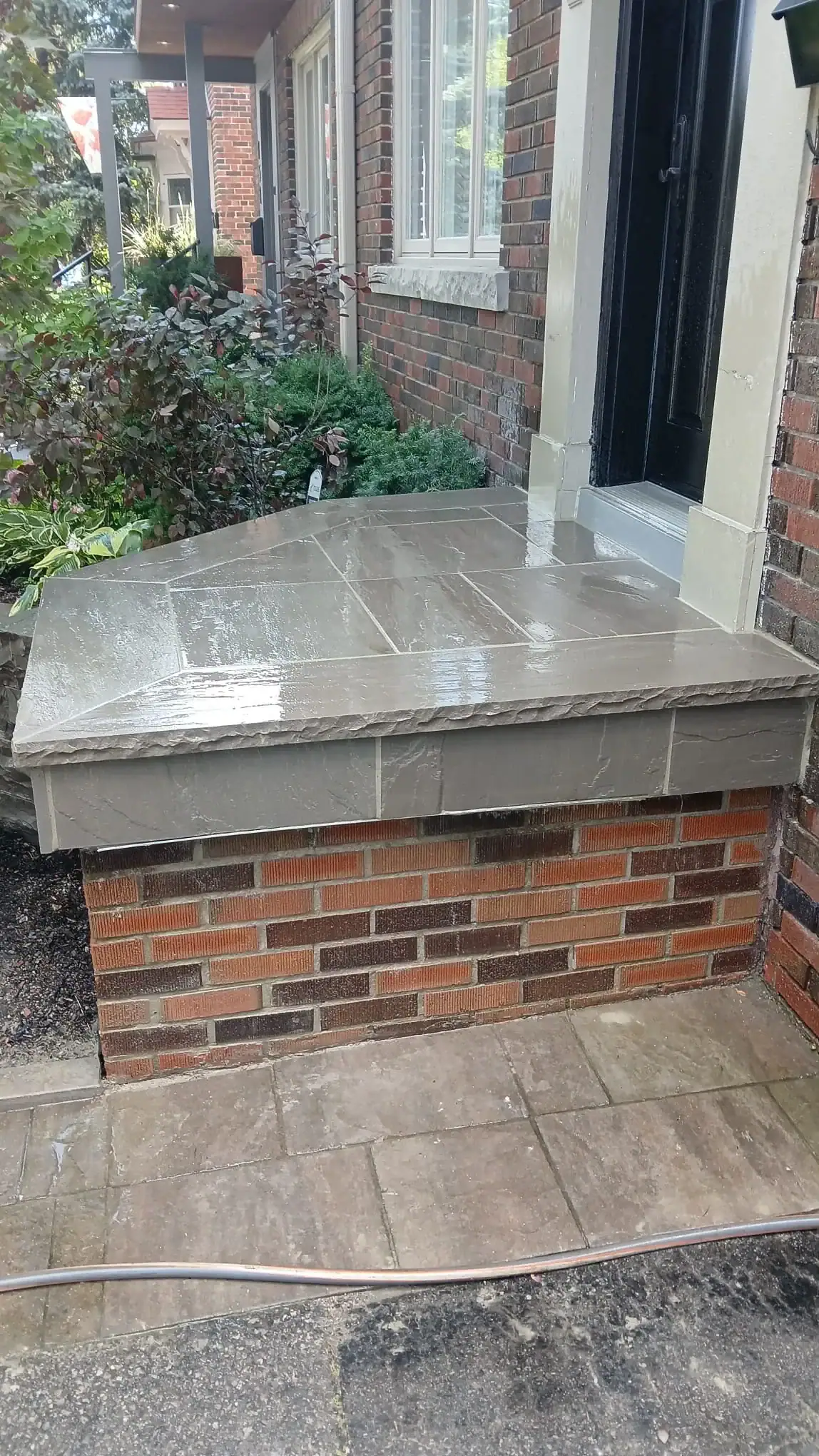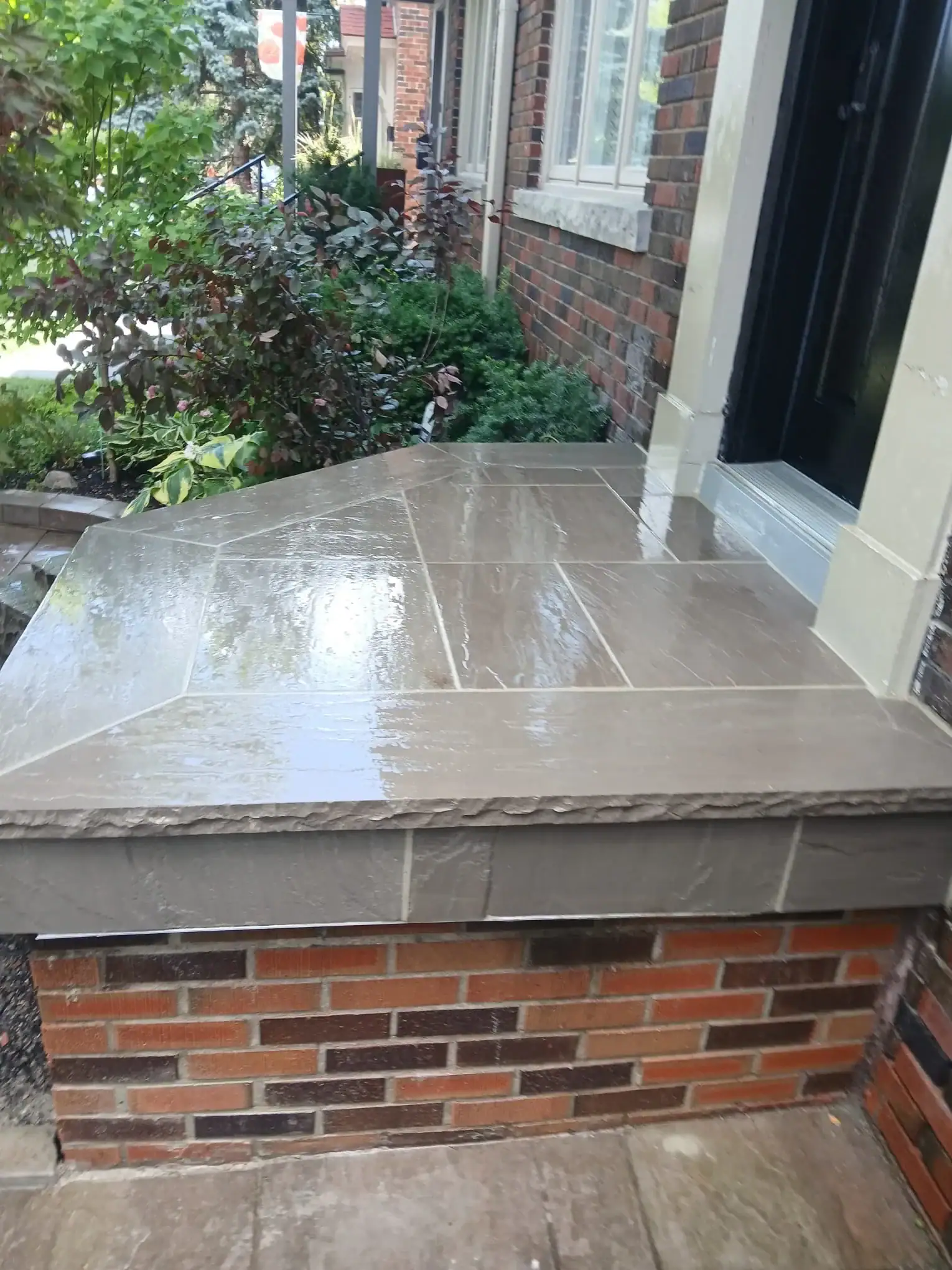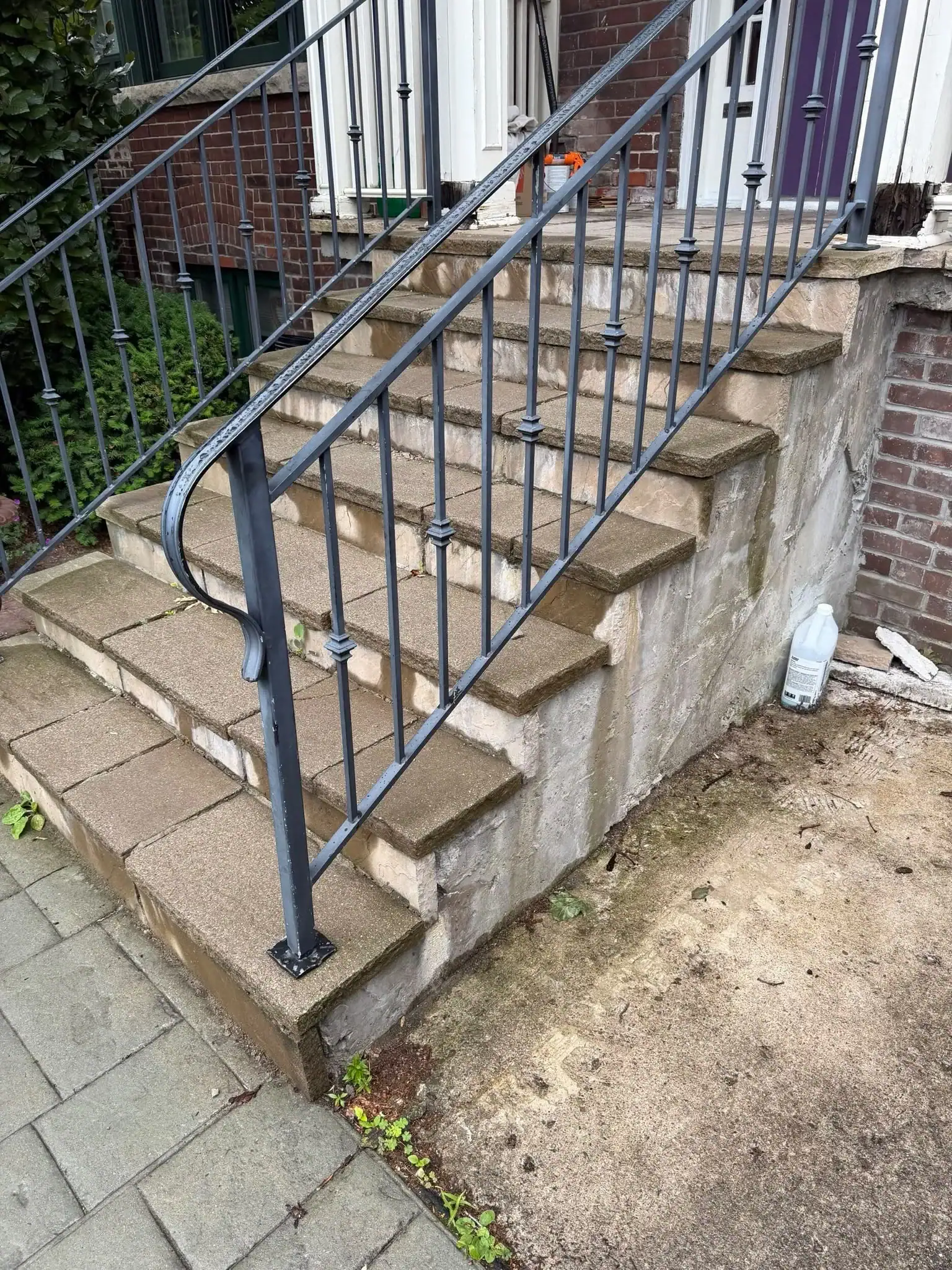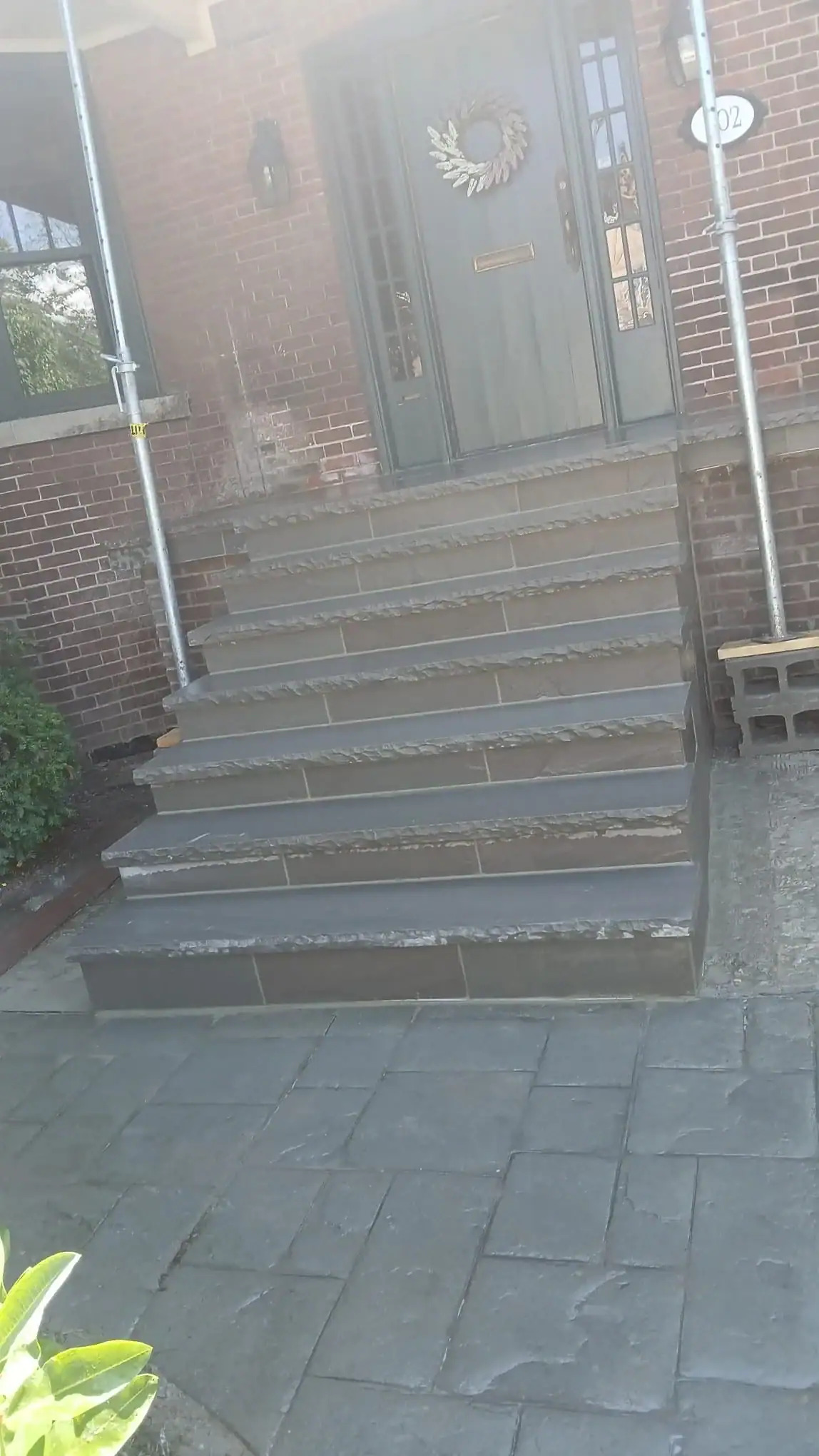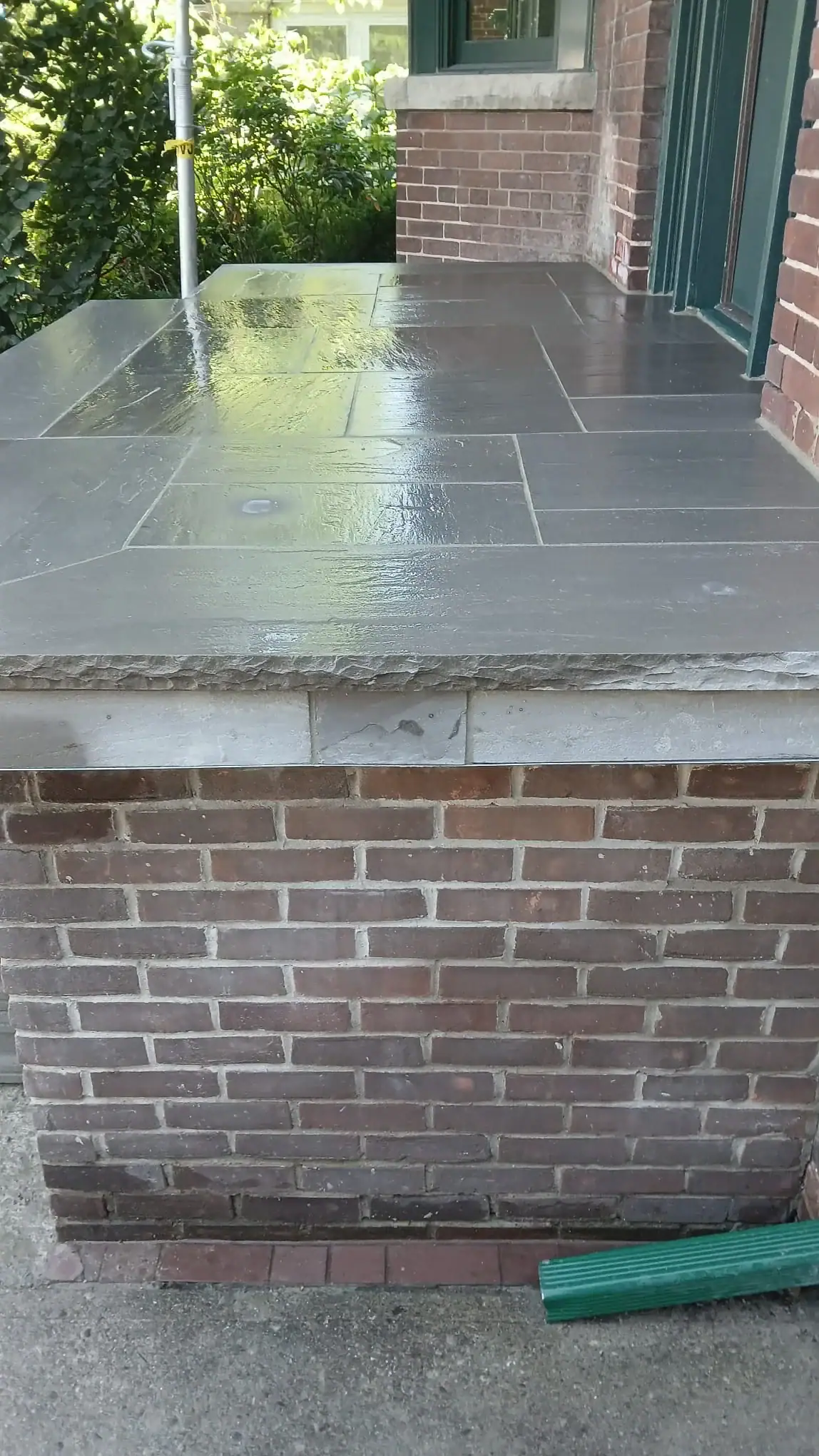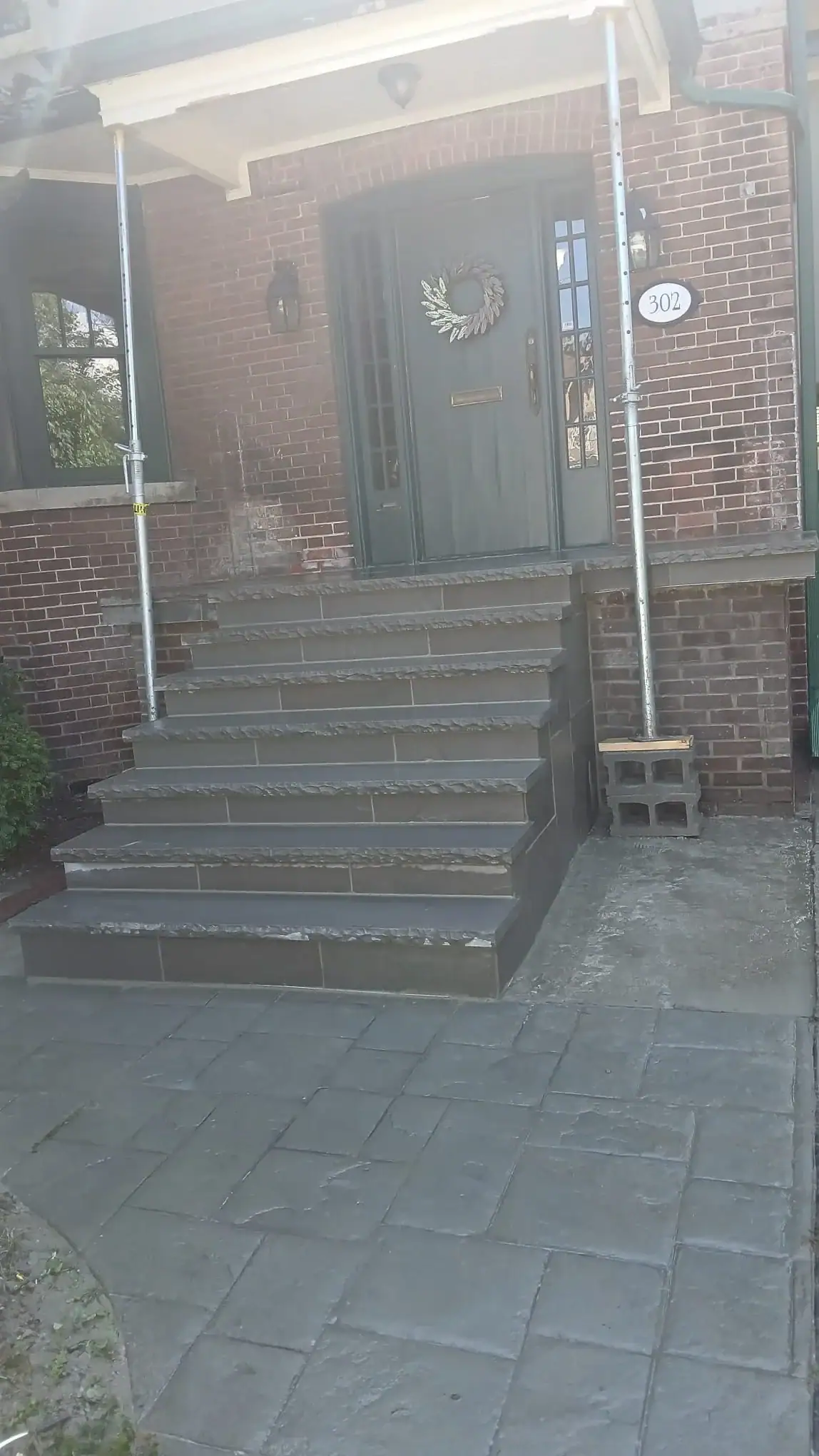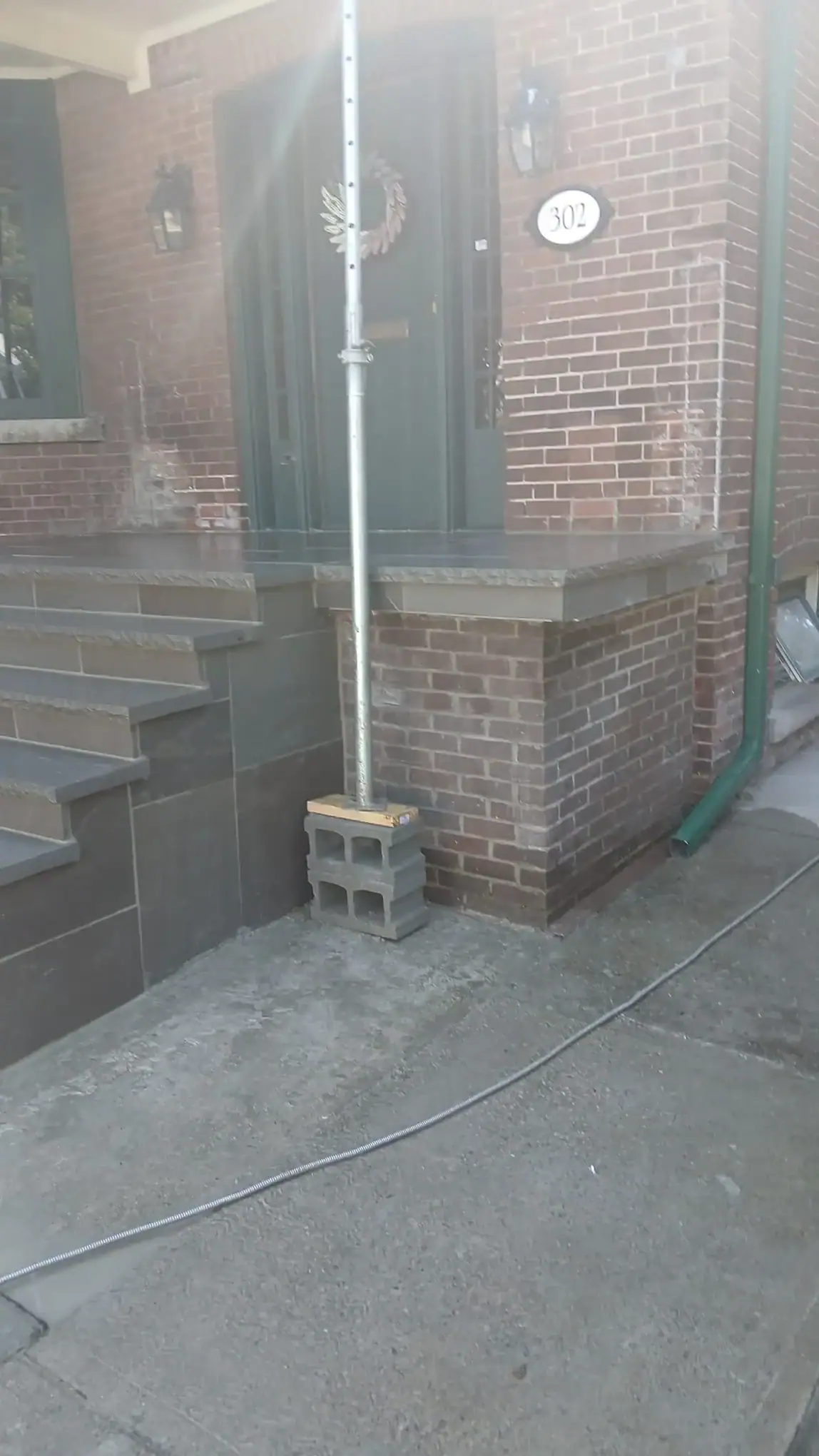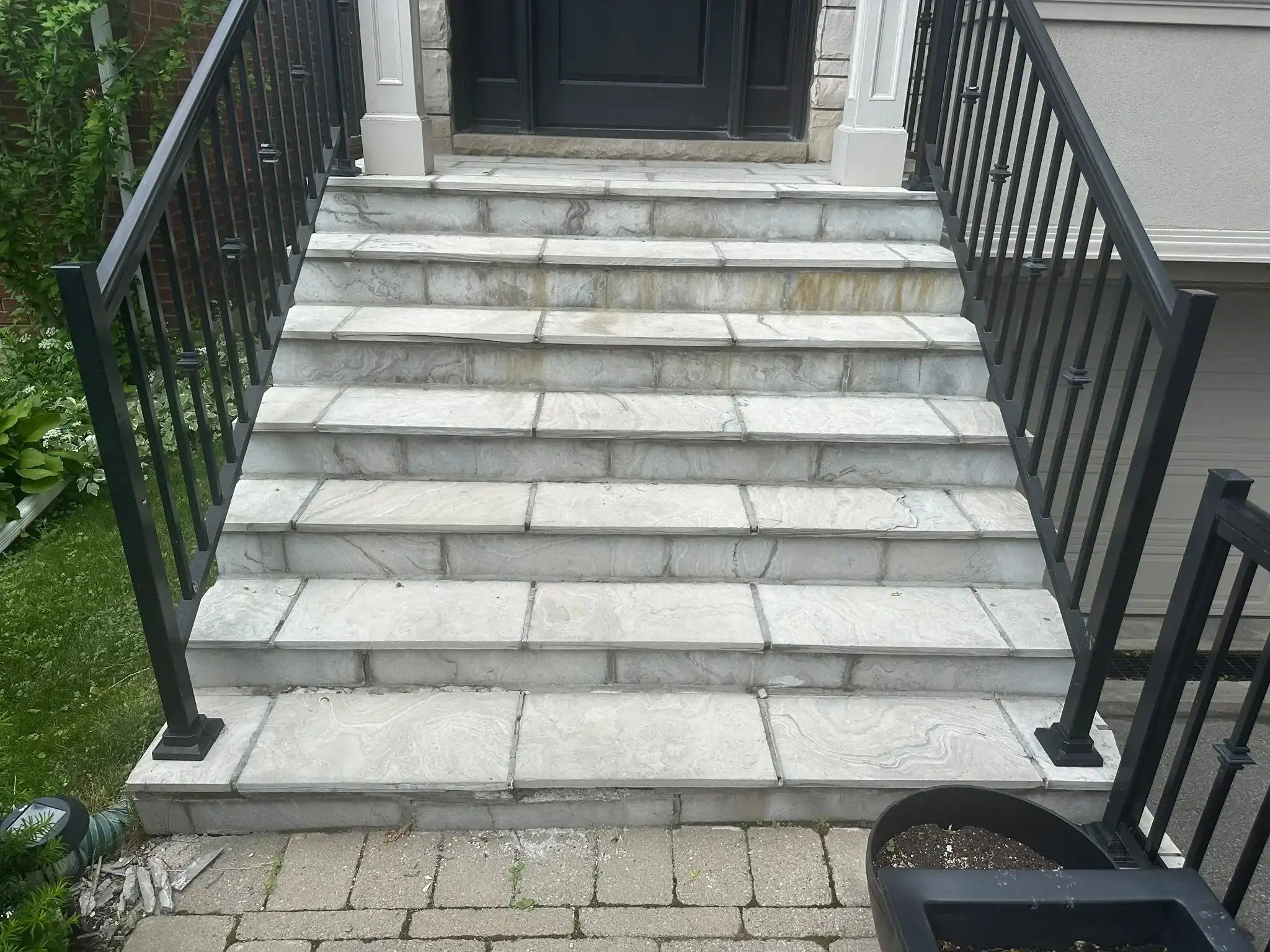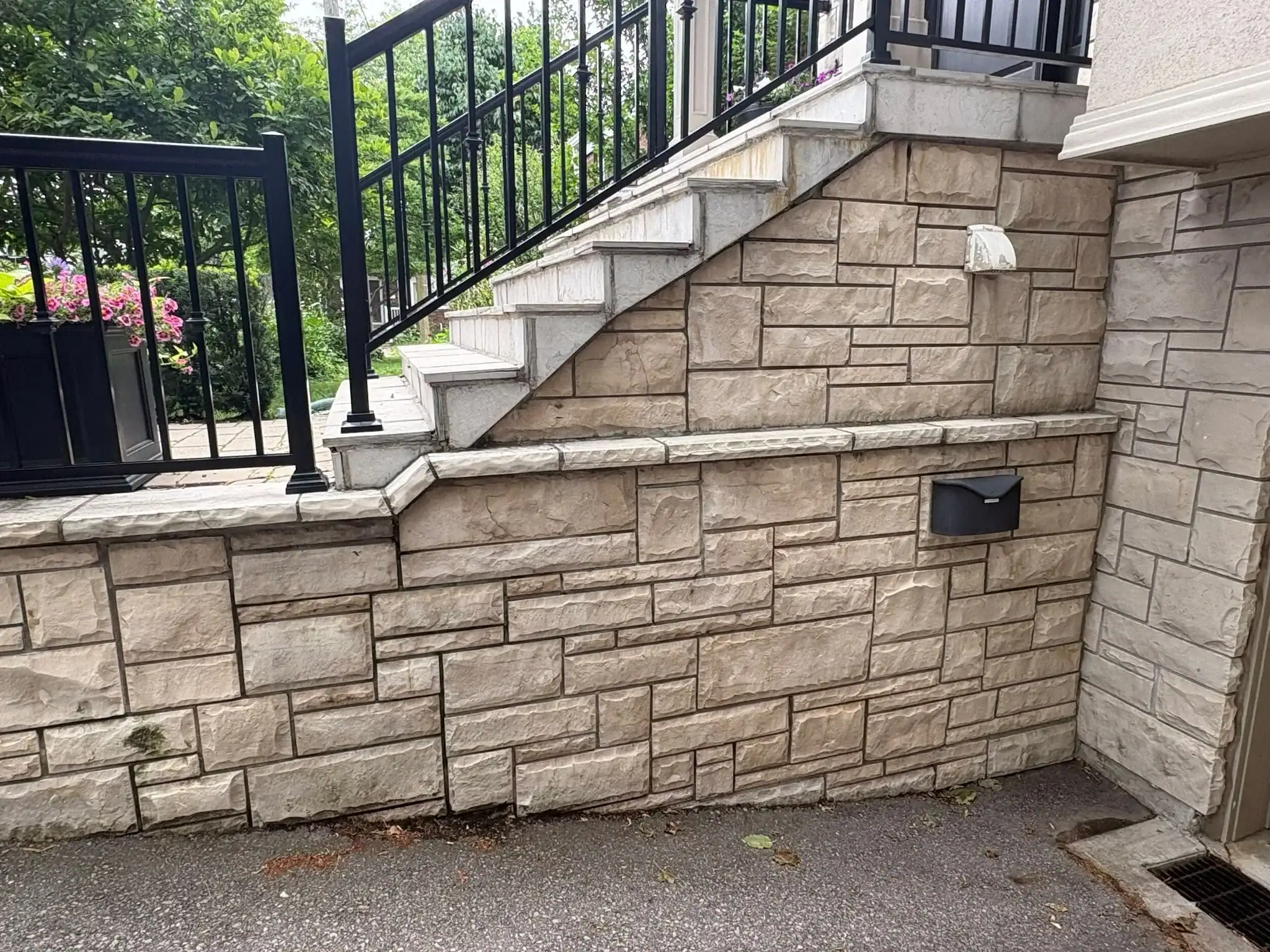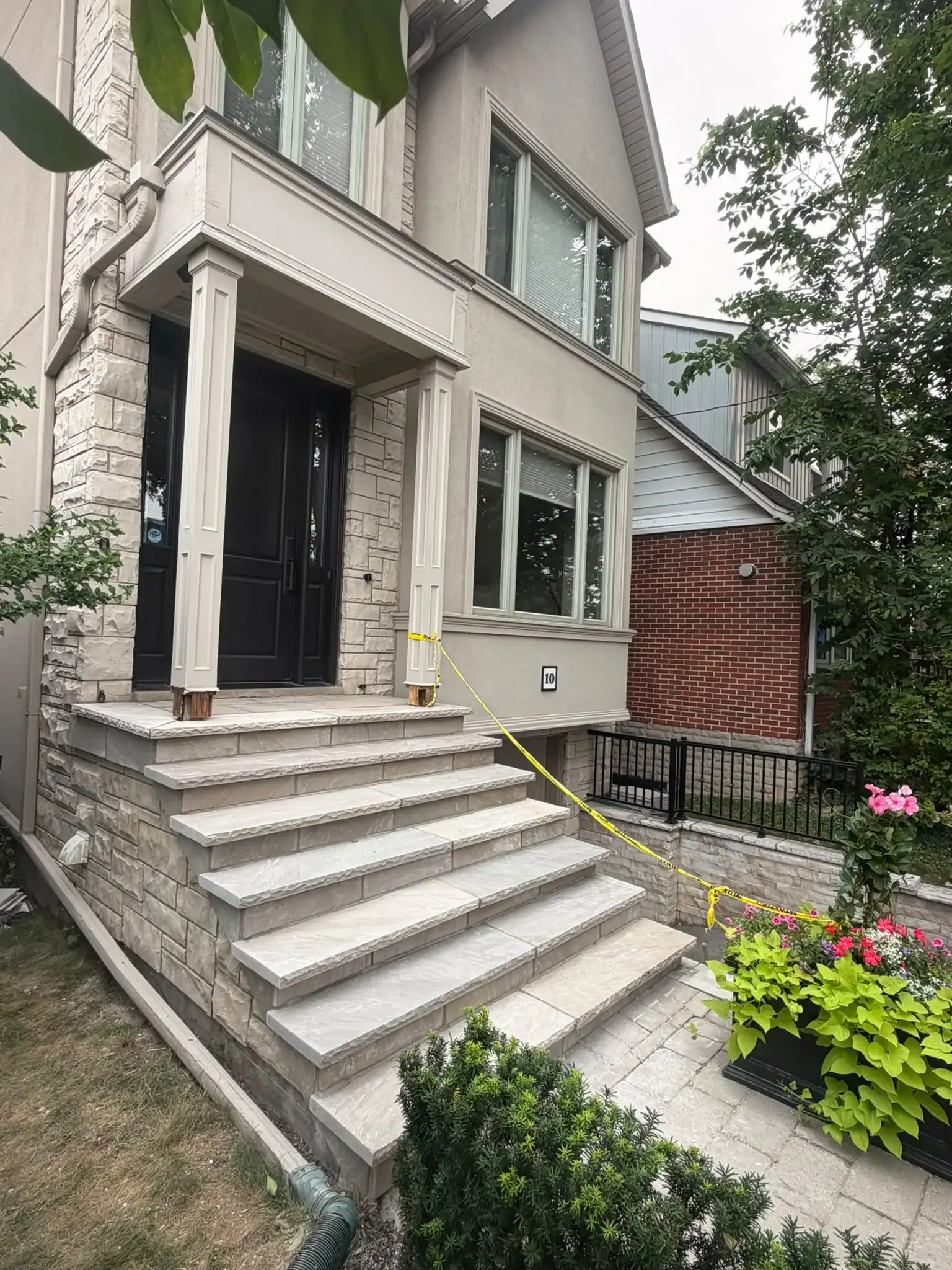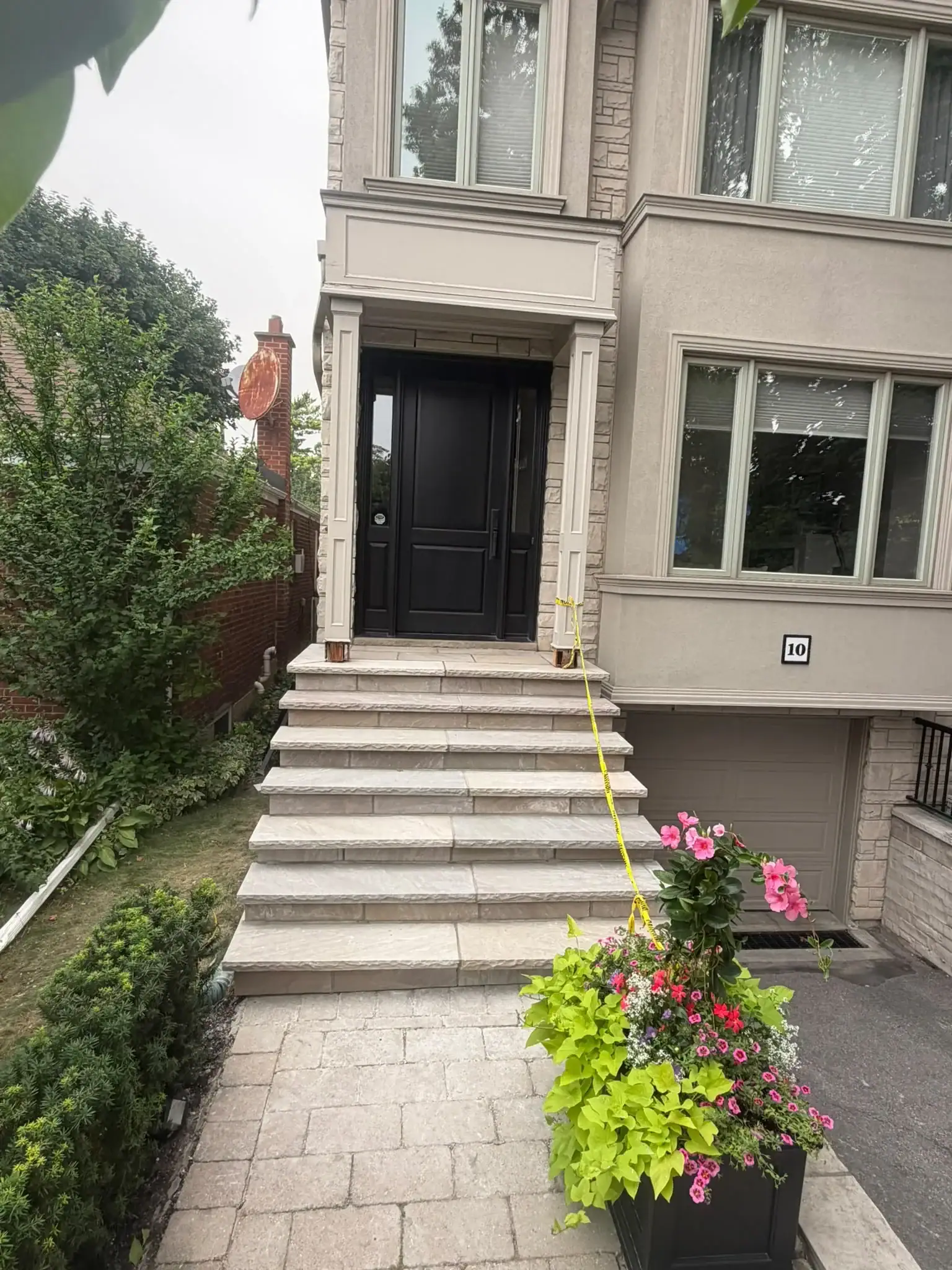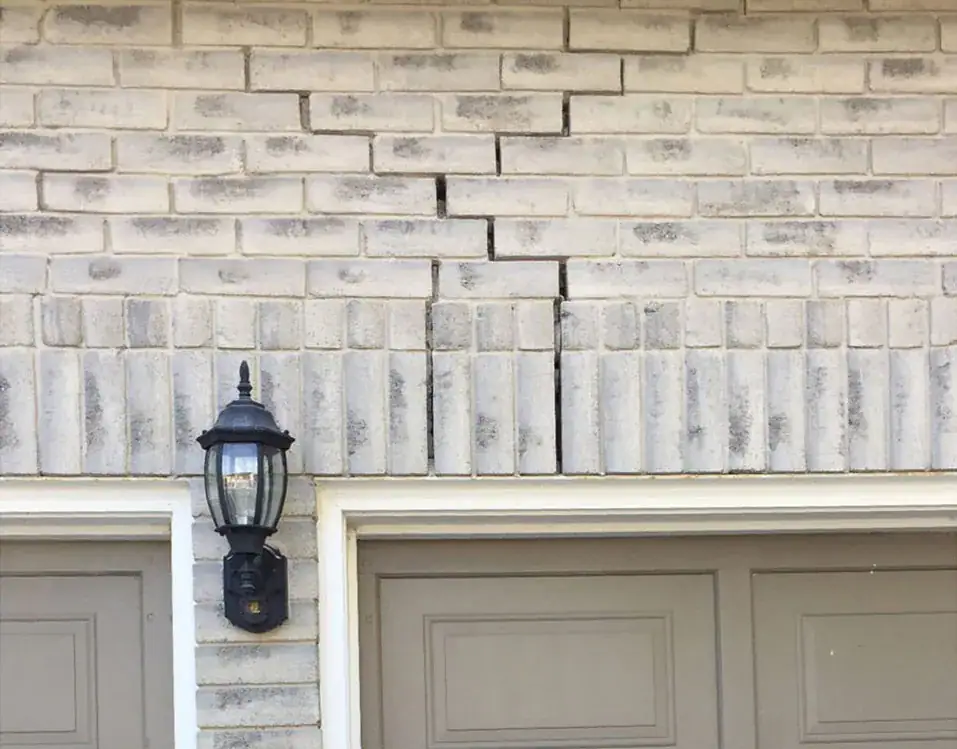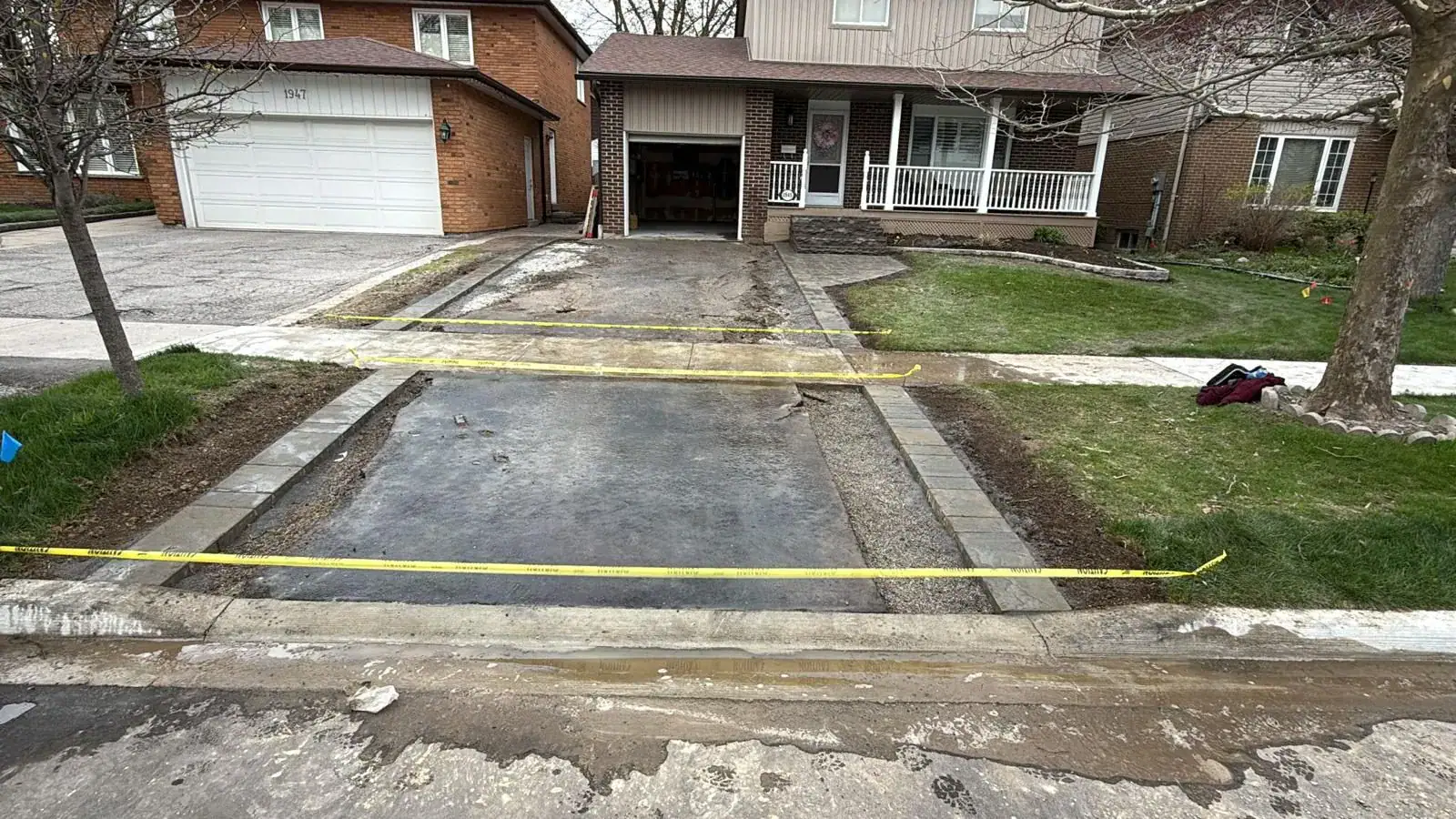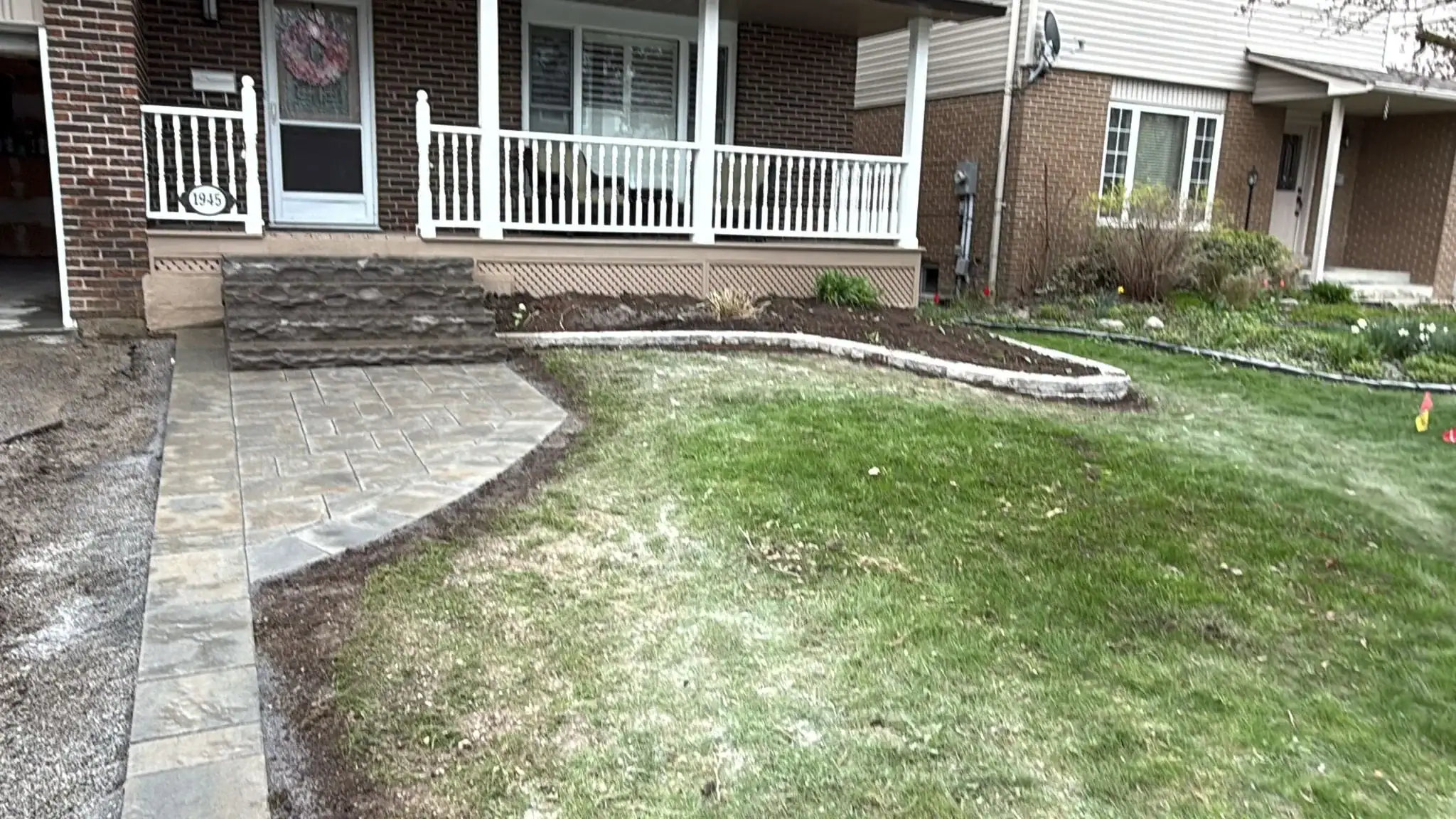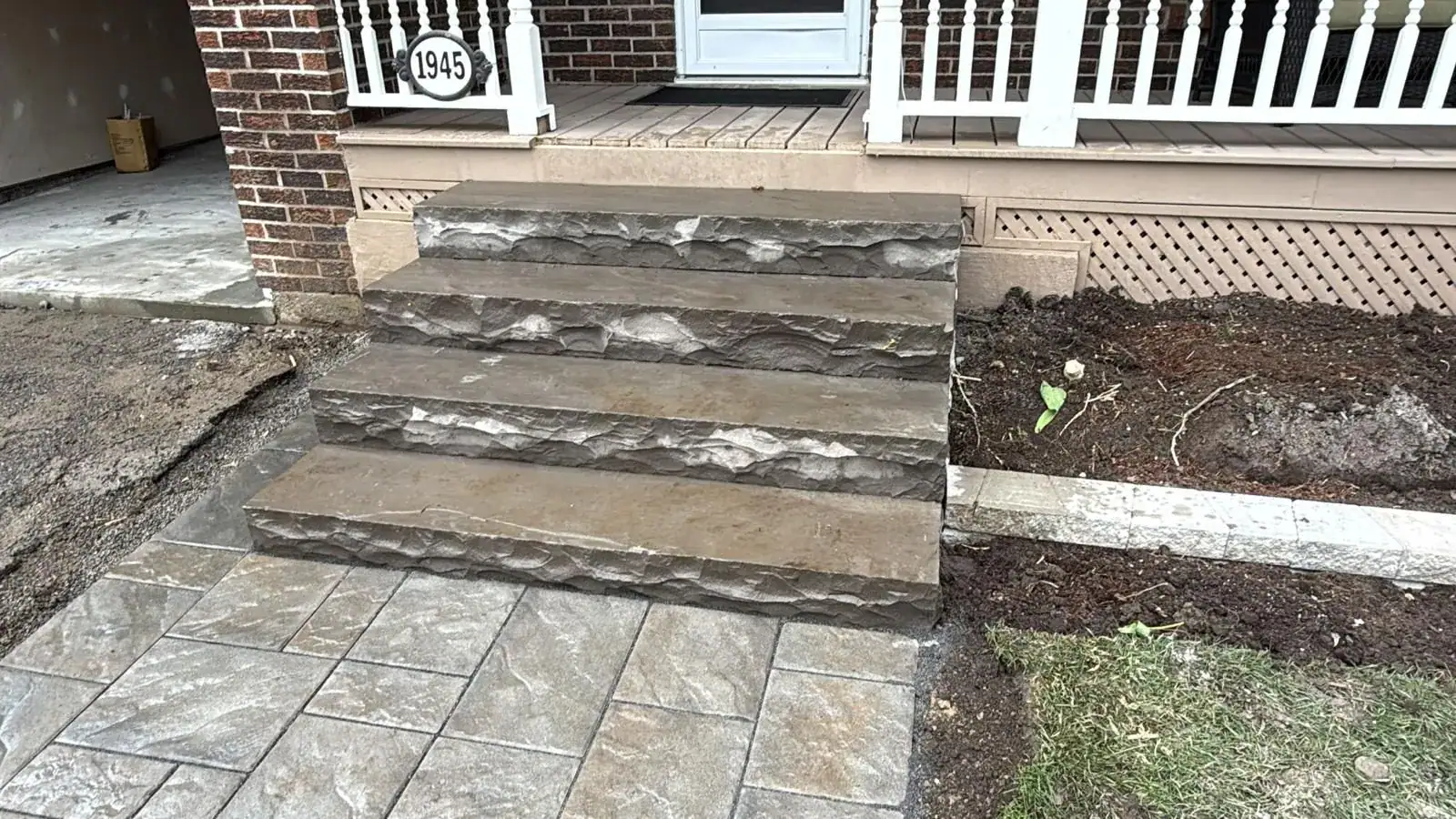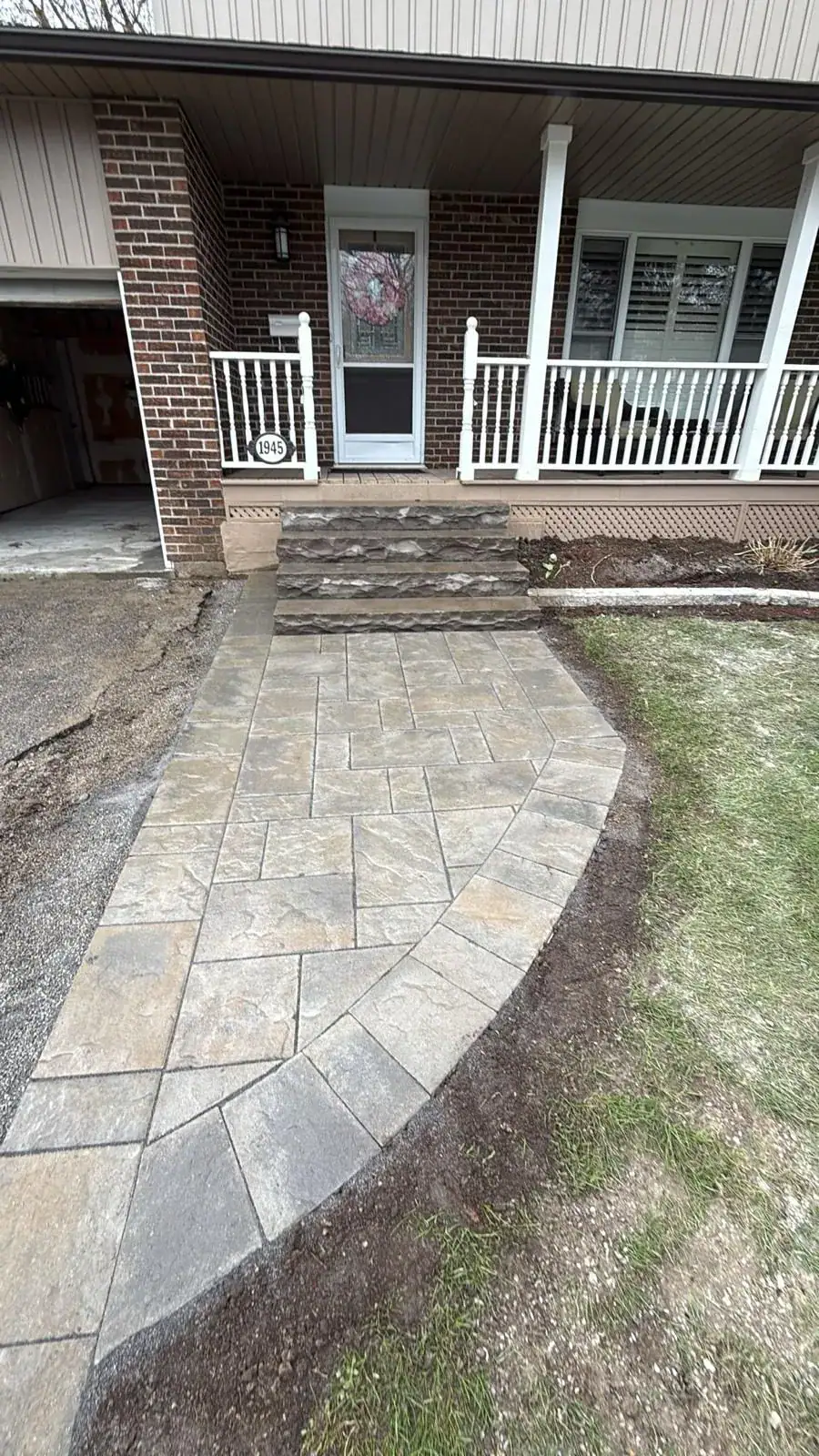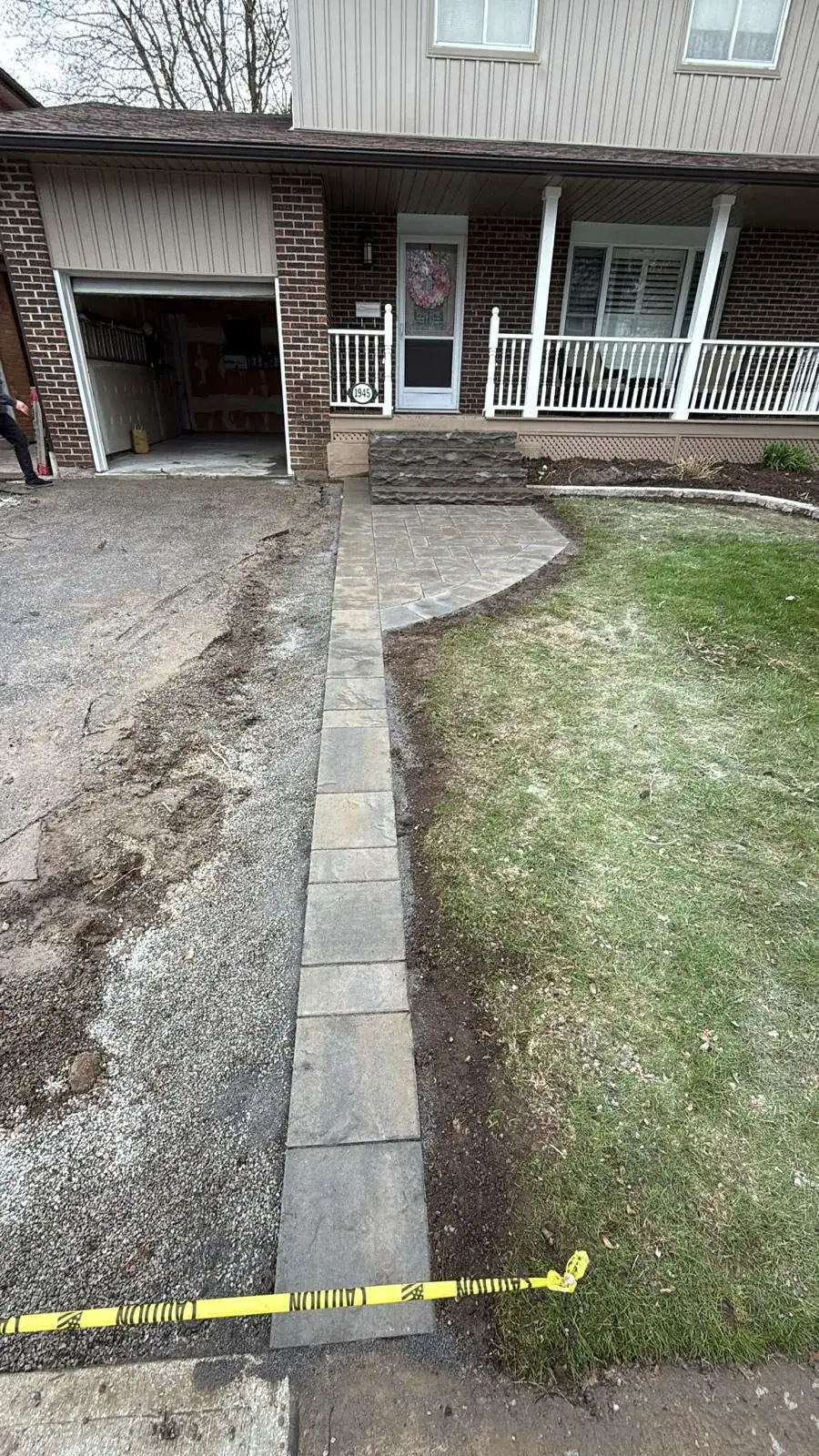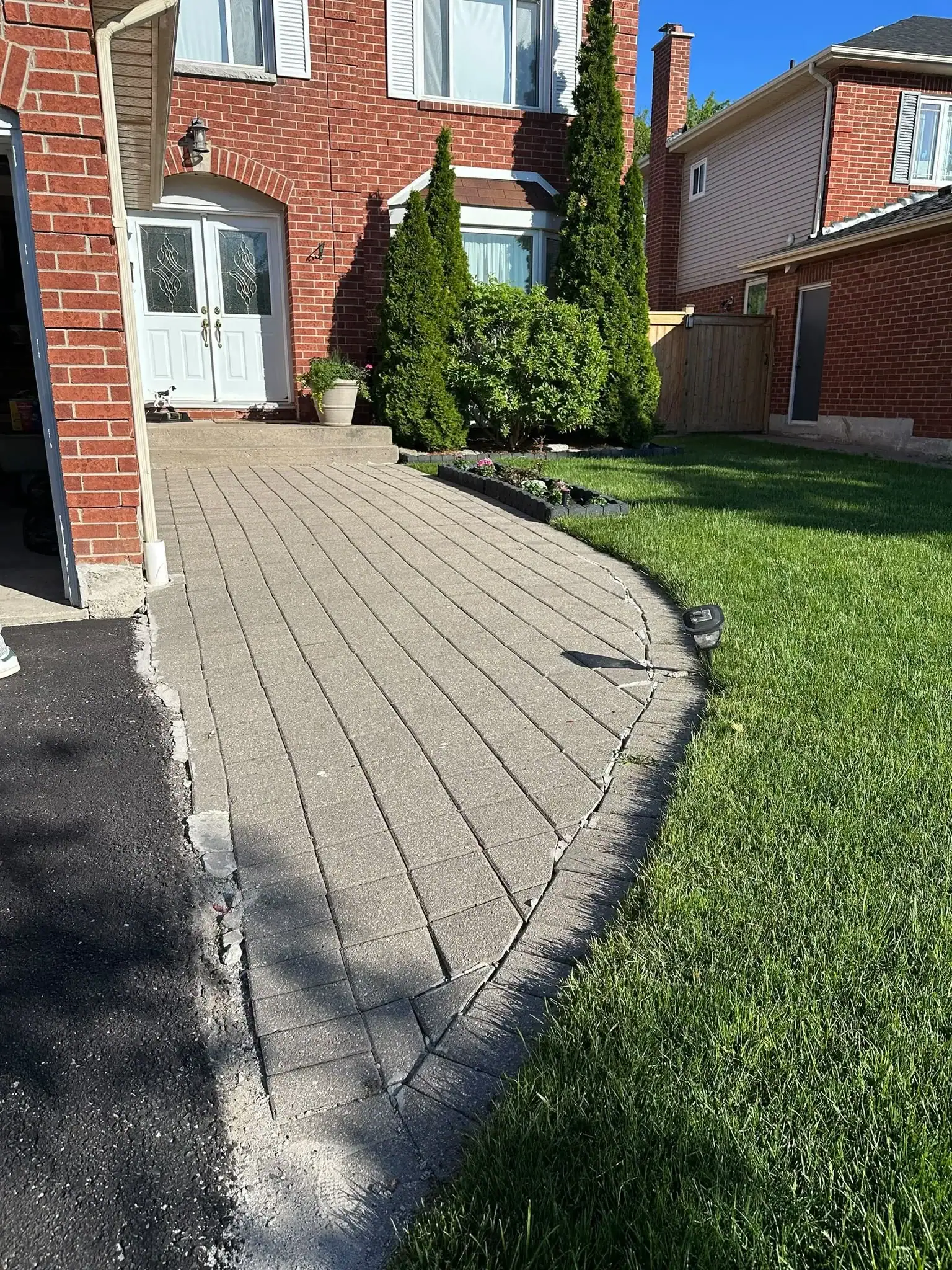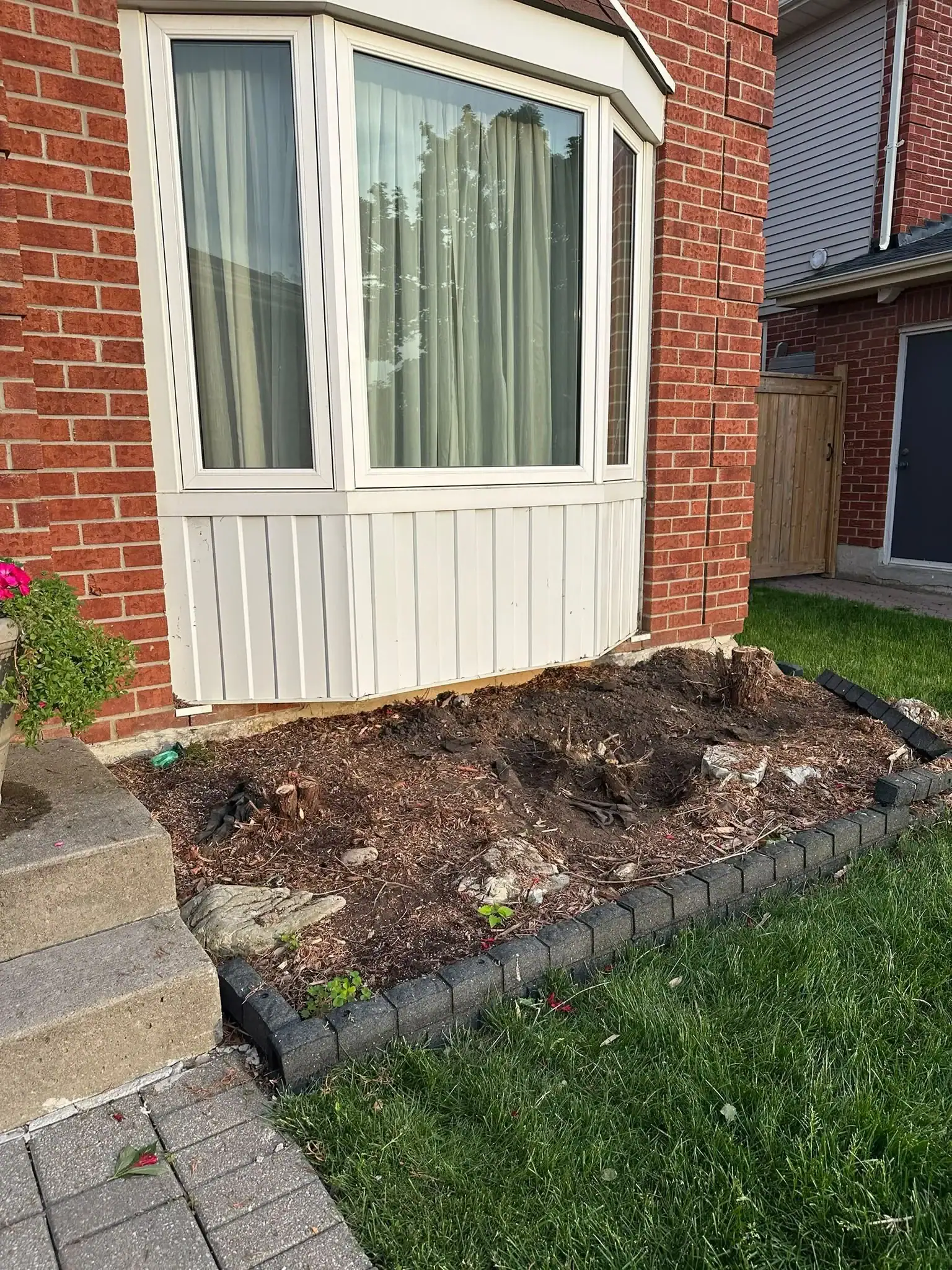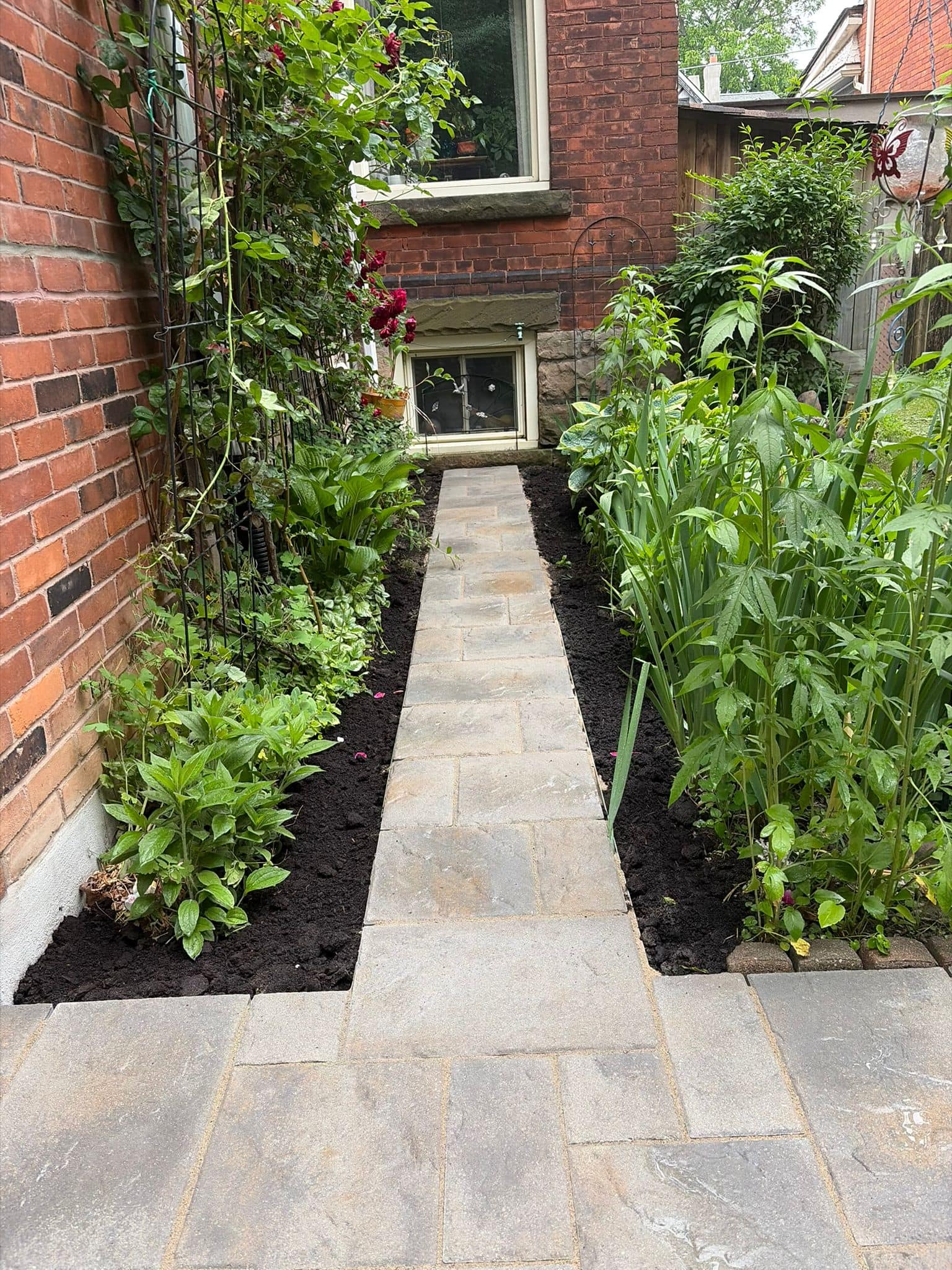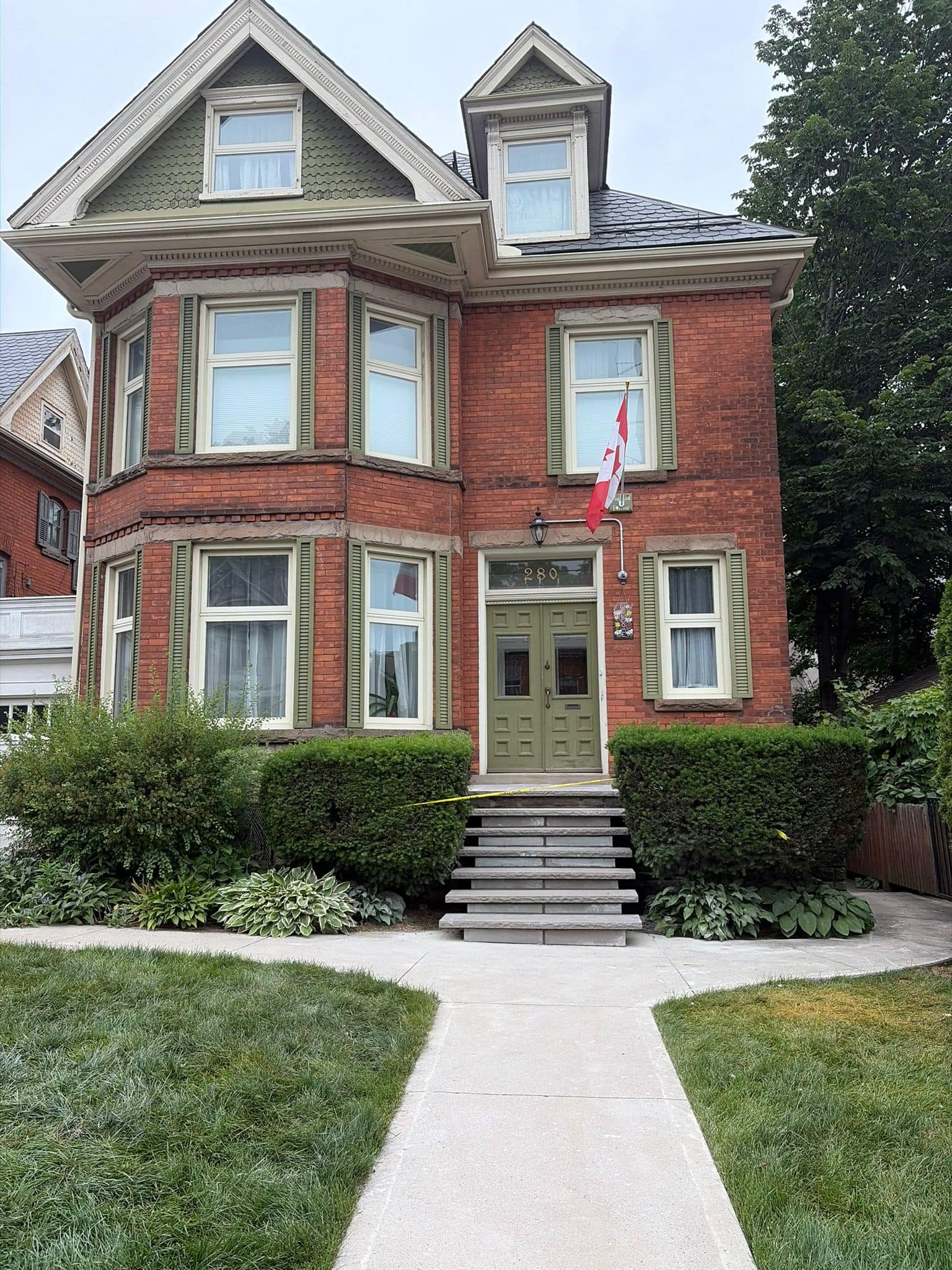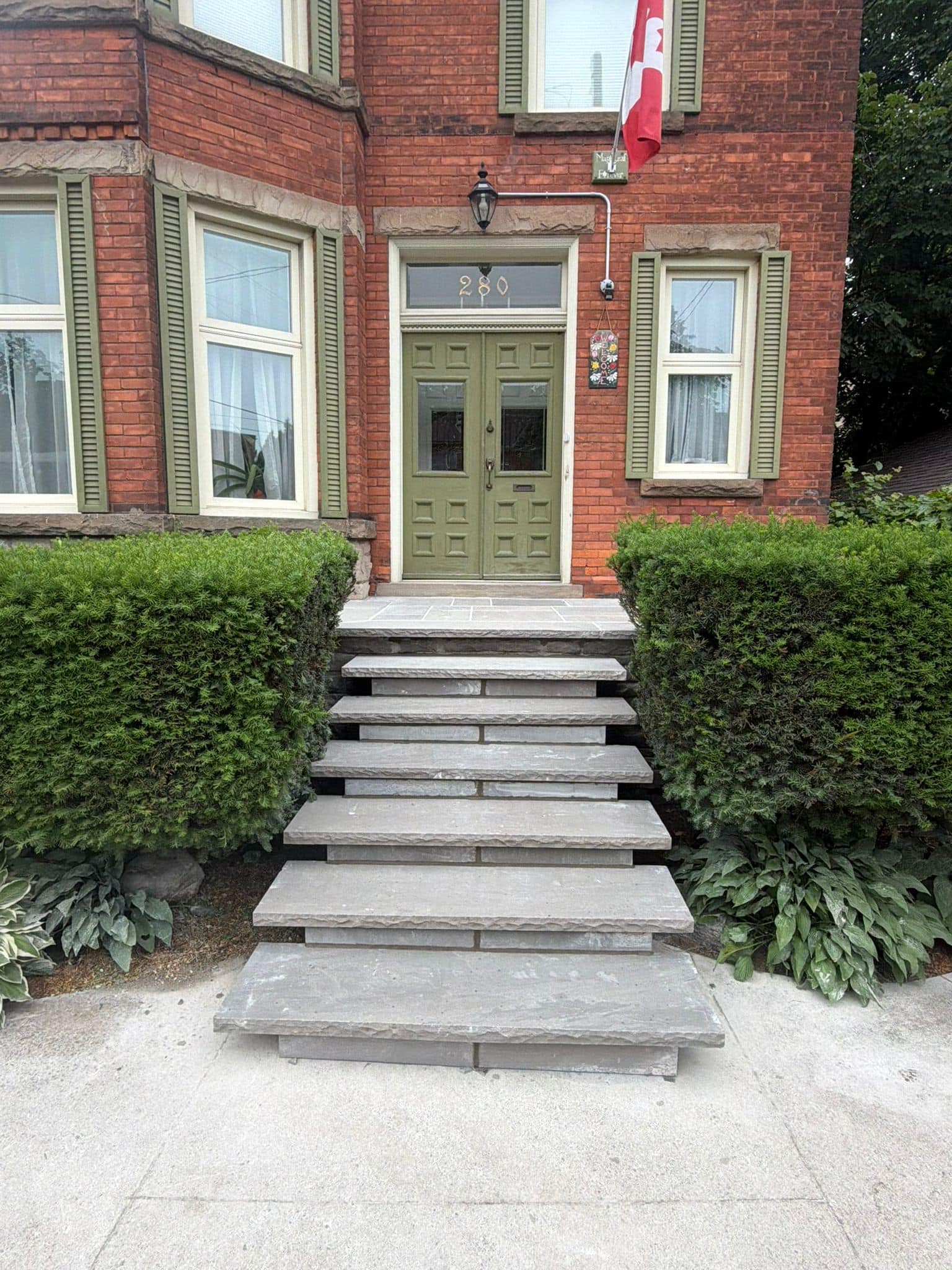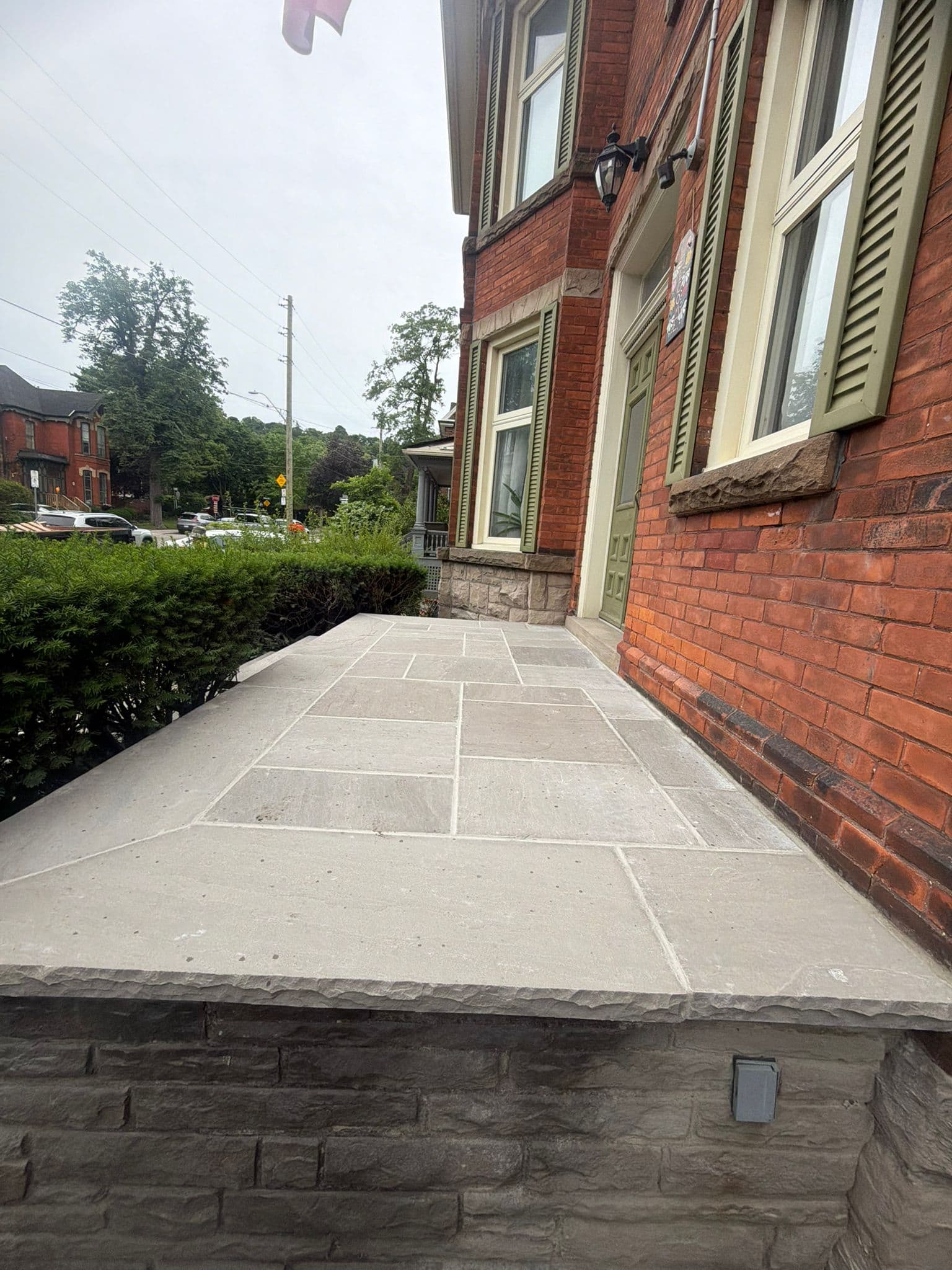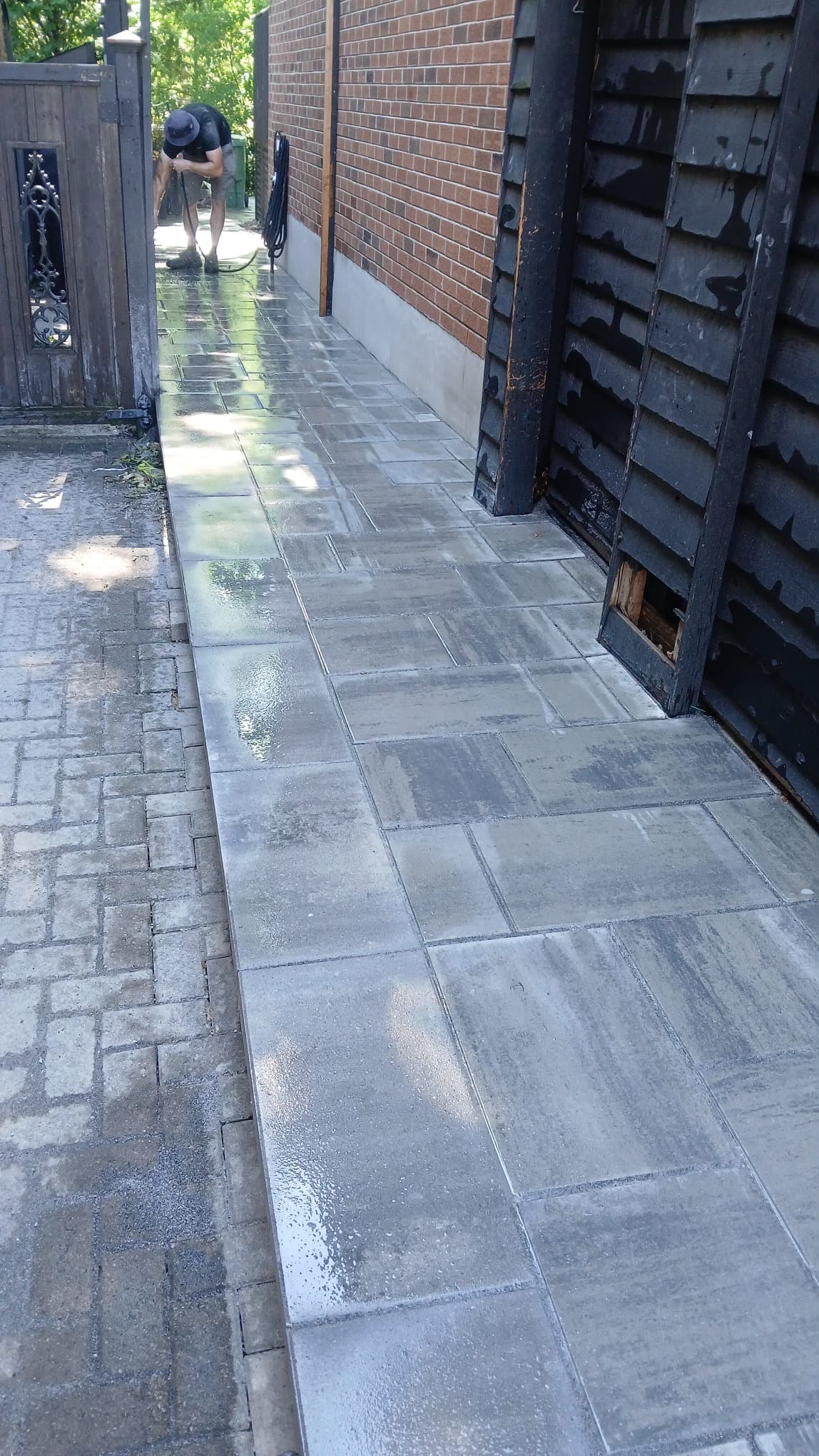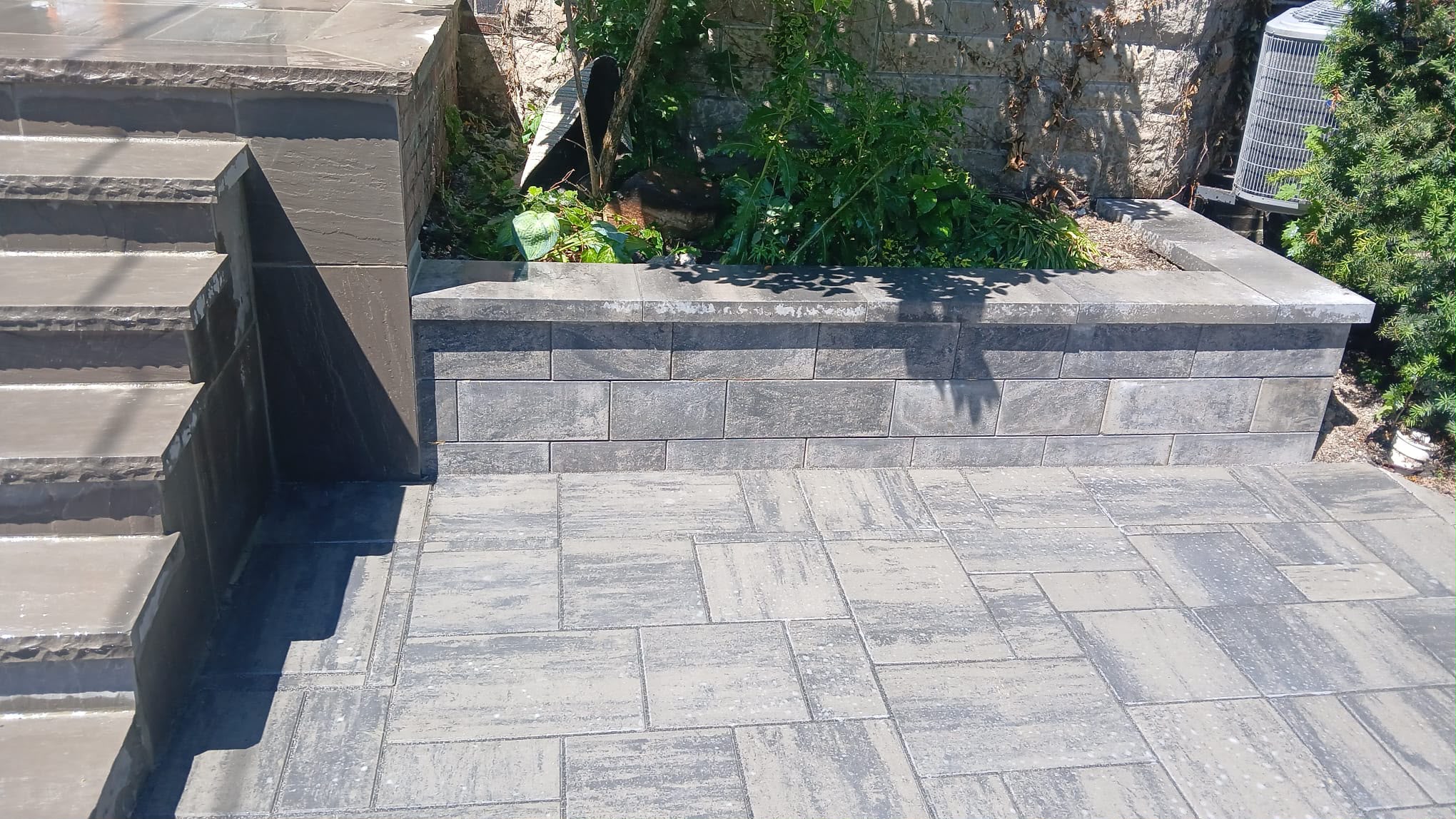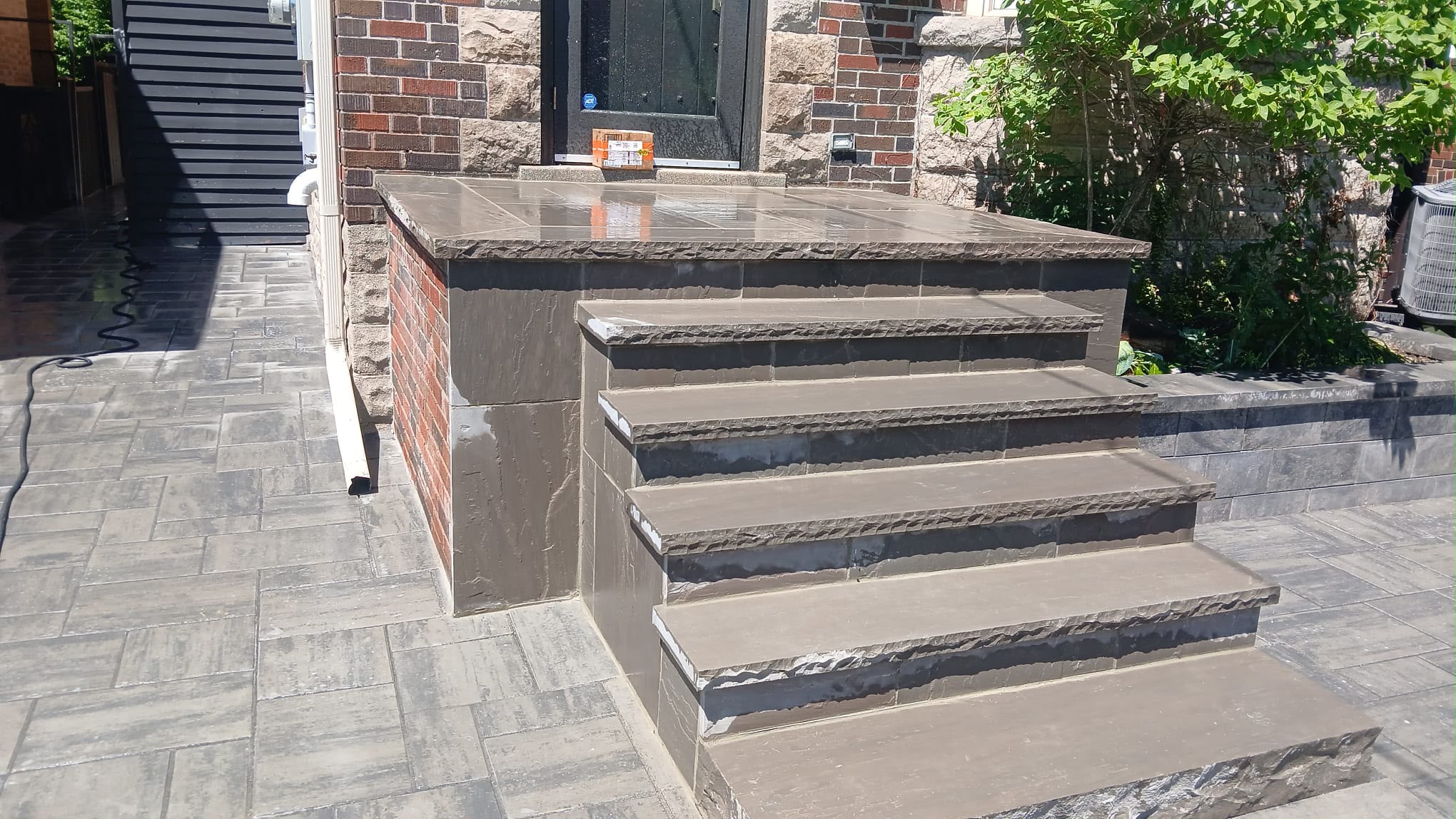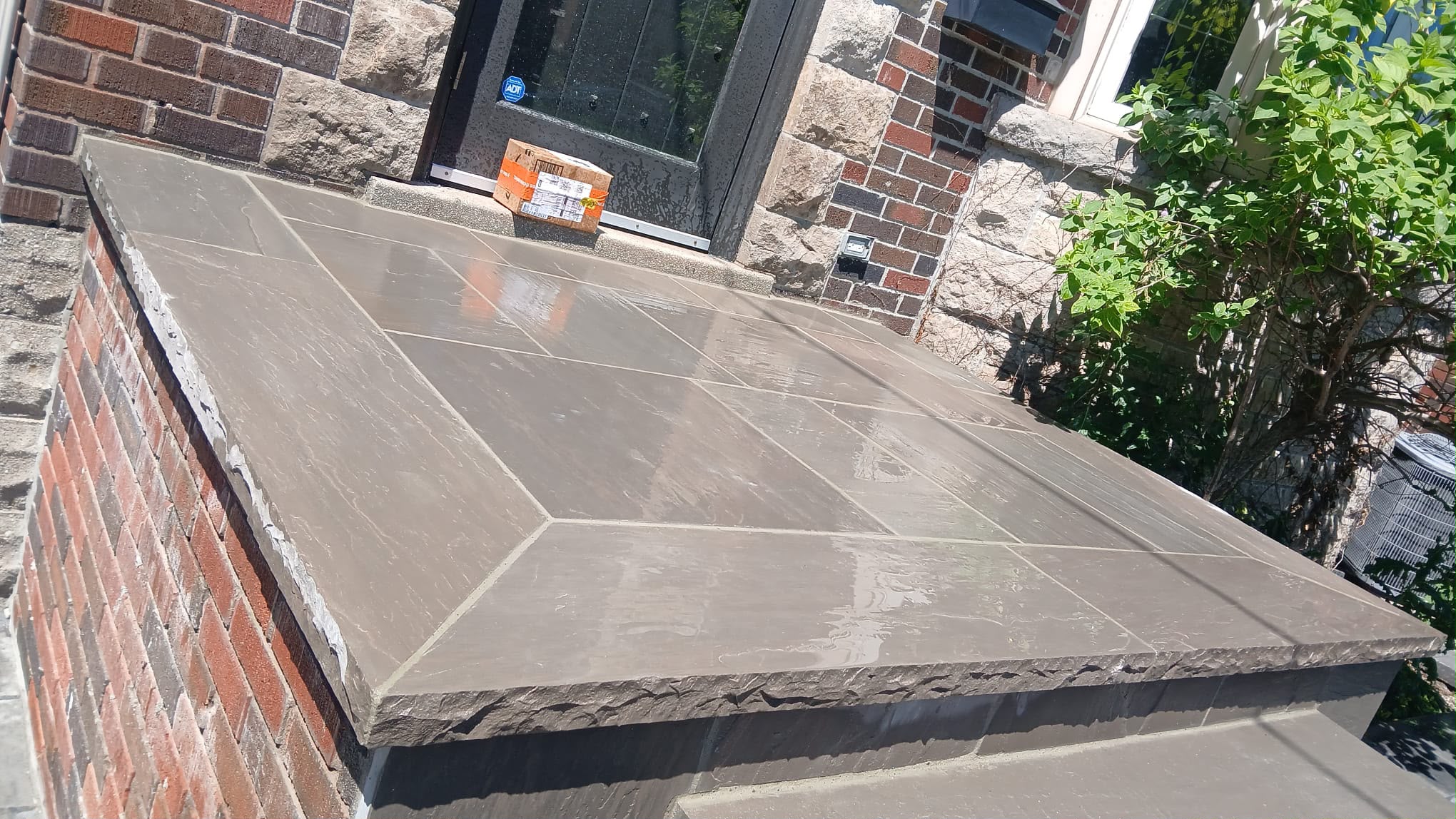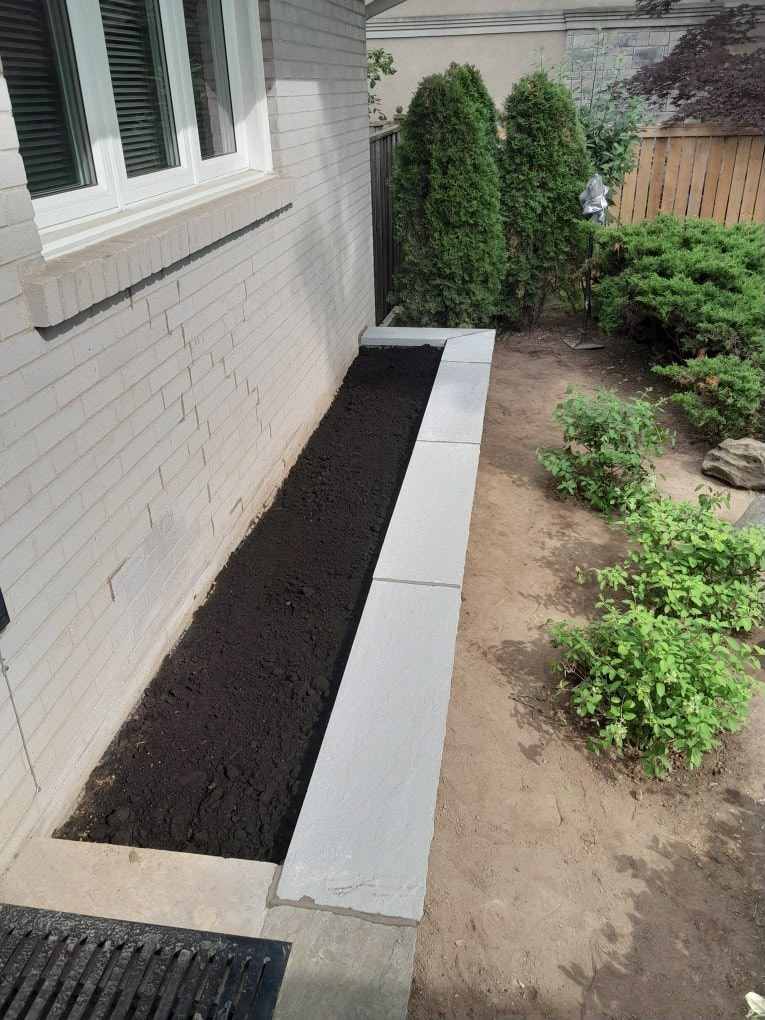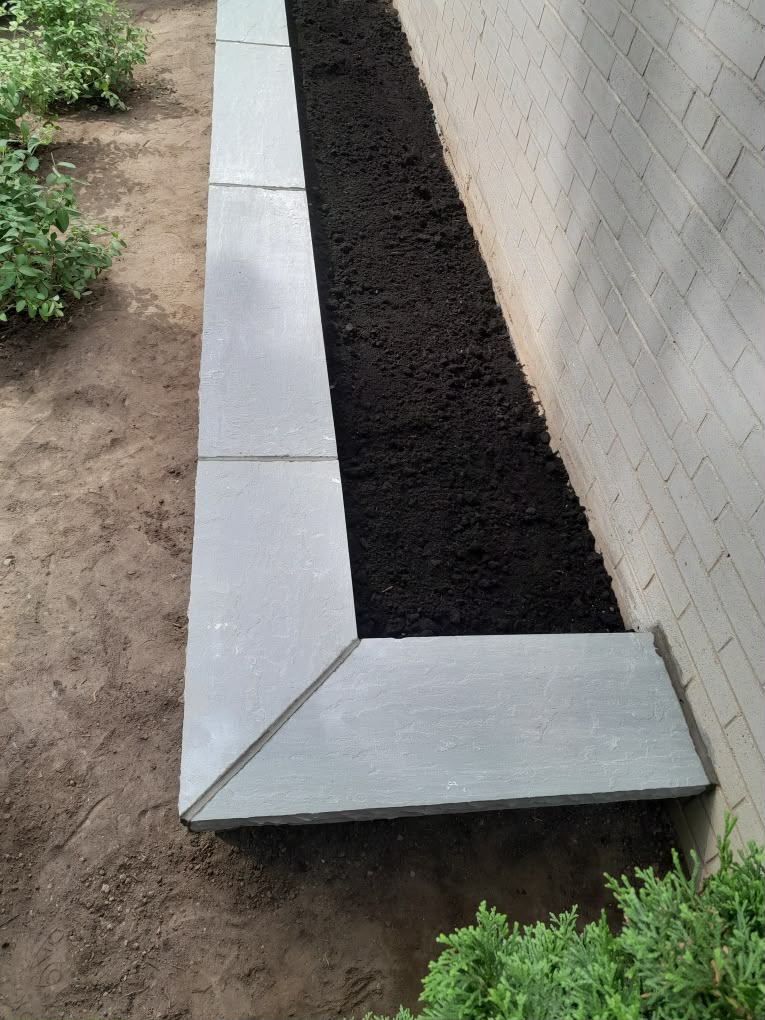

Stone veneer vs. full stone construction is a common comparison for homeowners who want the look of stone but are unsure how much structural support, cost, weight, and long-term planning they need. Both options can create a beautiful masonry finish, but they are not the same. Stone veneer is usually a thinner facing material applied to a prepared wall system, while full stone construction uses thicker stone units as part of a heavier masonry build.
For Toronto and GTA homeowners, the right choice depends on the project. A front façade accent, fireplace surround, porch column, garden wall, retaining wall, exterior cladding update, and full masonry wall can all have different needs. Weather also matters. Rain, snow, freeze-thaw cycles, wind exposure, and drainage details can affect how either option performs over time.
This guide explains the main differences between stone veneer and full stone construction, the pros and cons of each, where each option makes sense, and what homeowners should check before choosing a stone masonry project.
What Stone Veneer Means
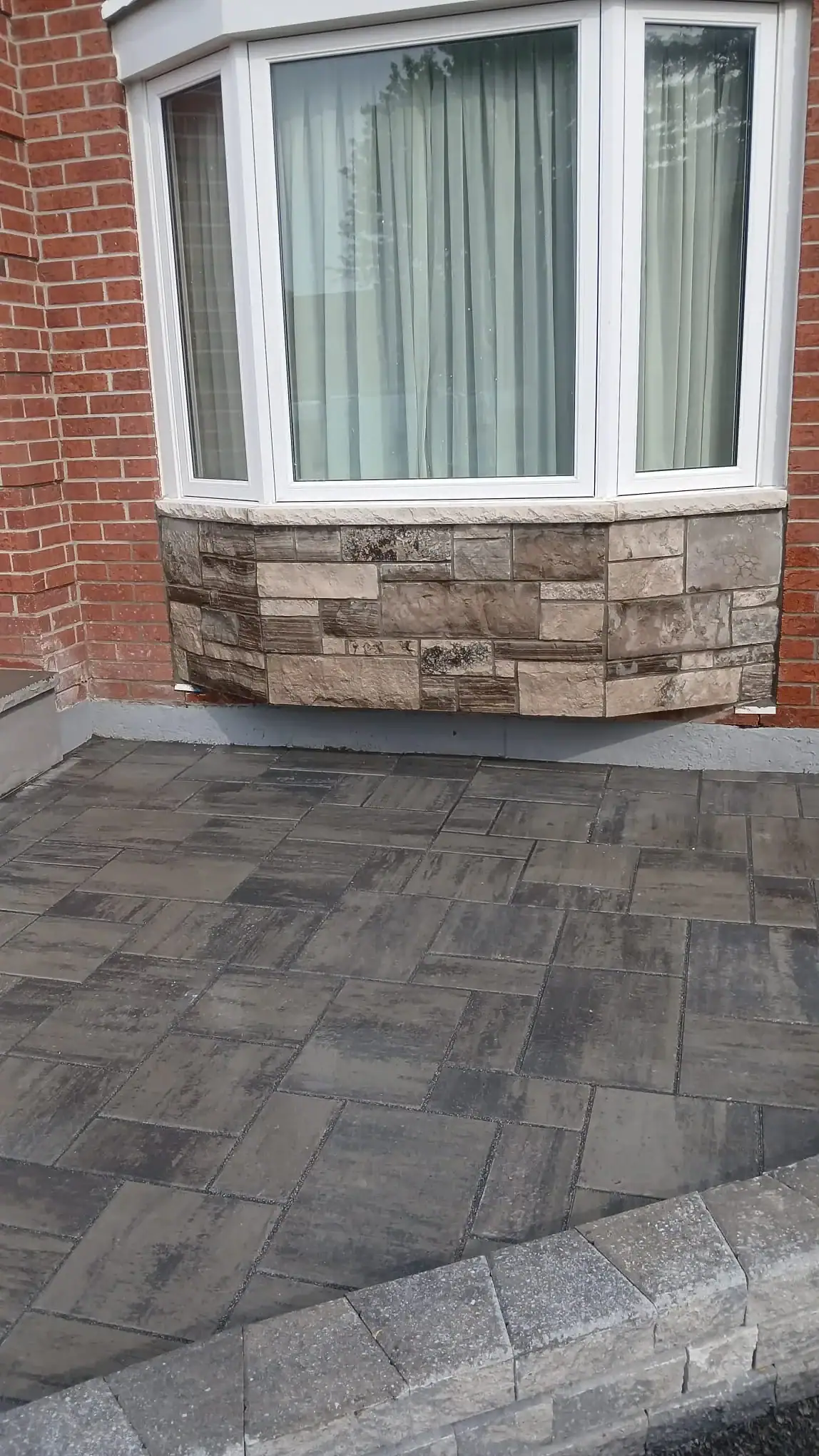
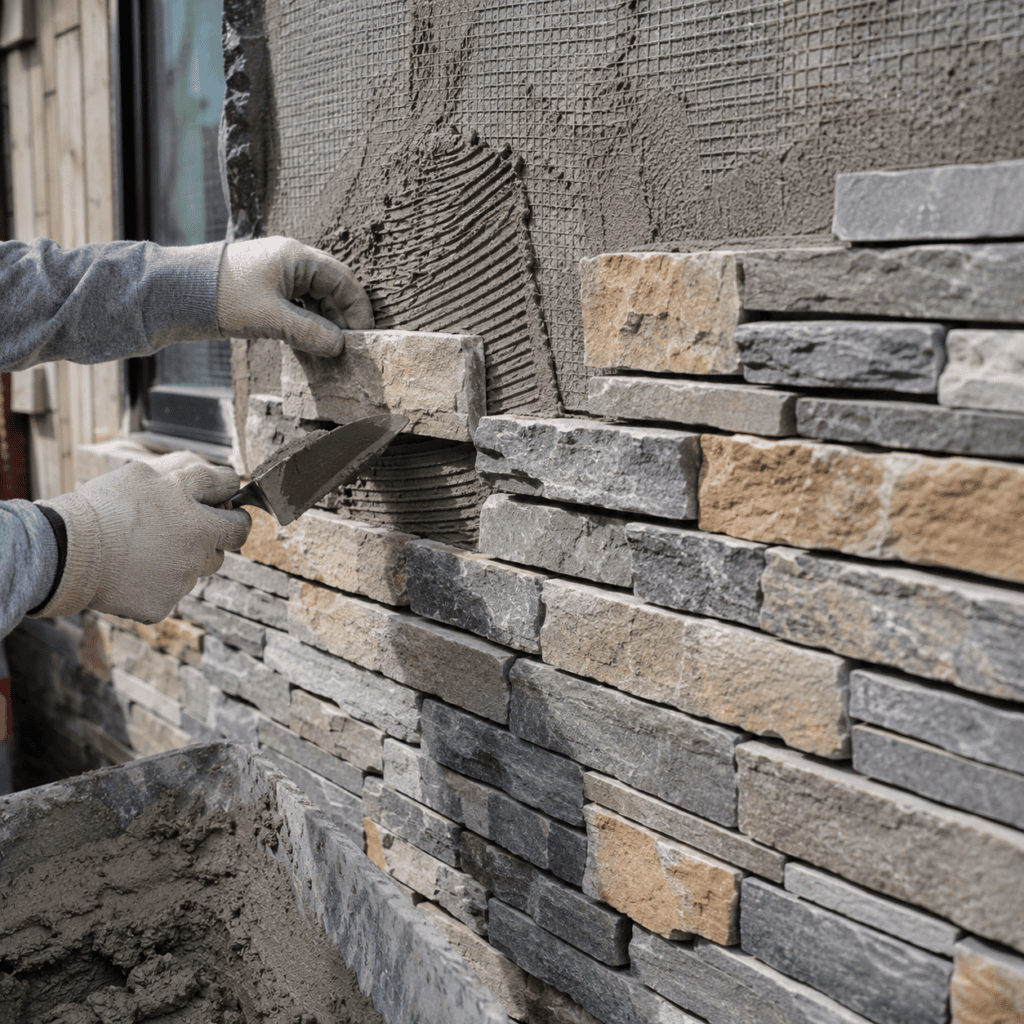
Stone veneer is a thinner stone-facing material used to create the appearance of stone without building a full-thickness stone wall. It may be made from natural stone, cut thin, or manufactured stone made to resemble natural stone. The veneer is attached to a properly prepared backing system, which may include water-resistant layers, lath, mortar, anchors, drainage details, and suitable substrate preparation depending on the product and application.
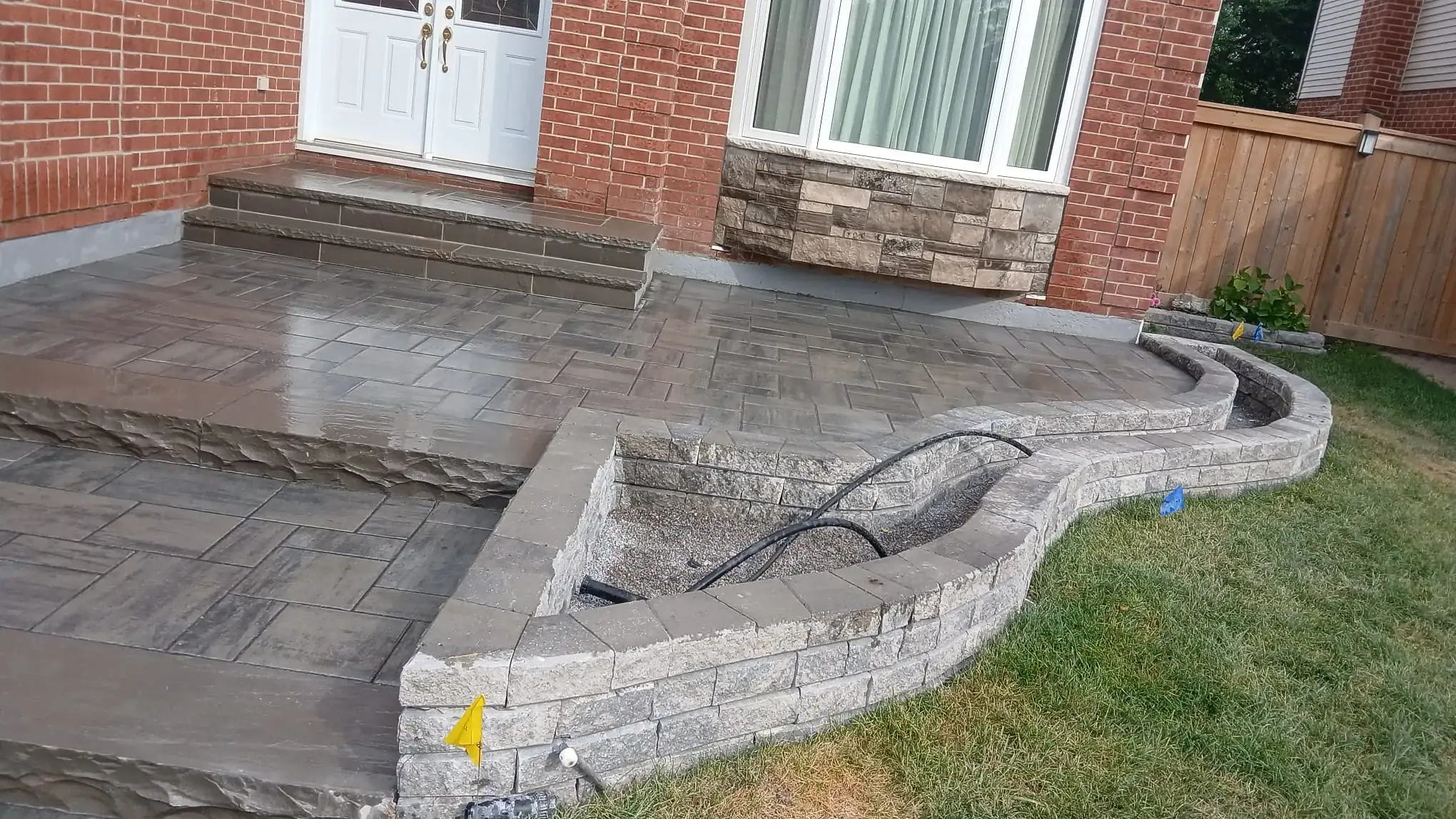
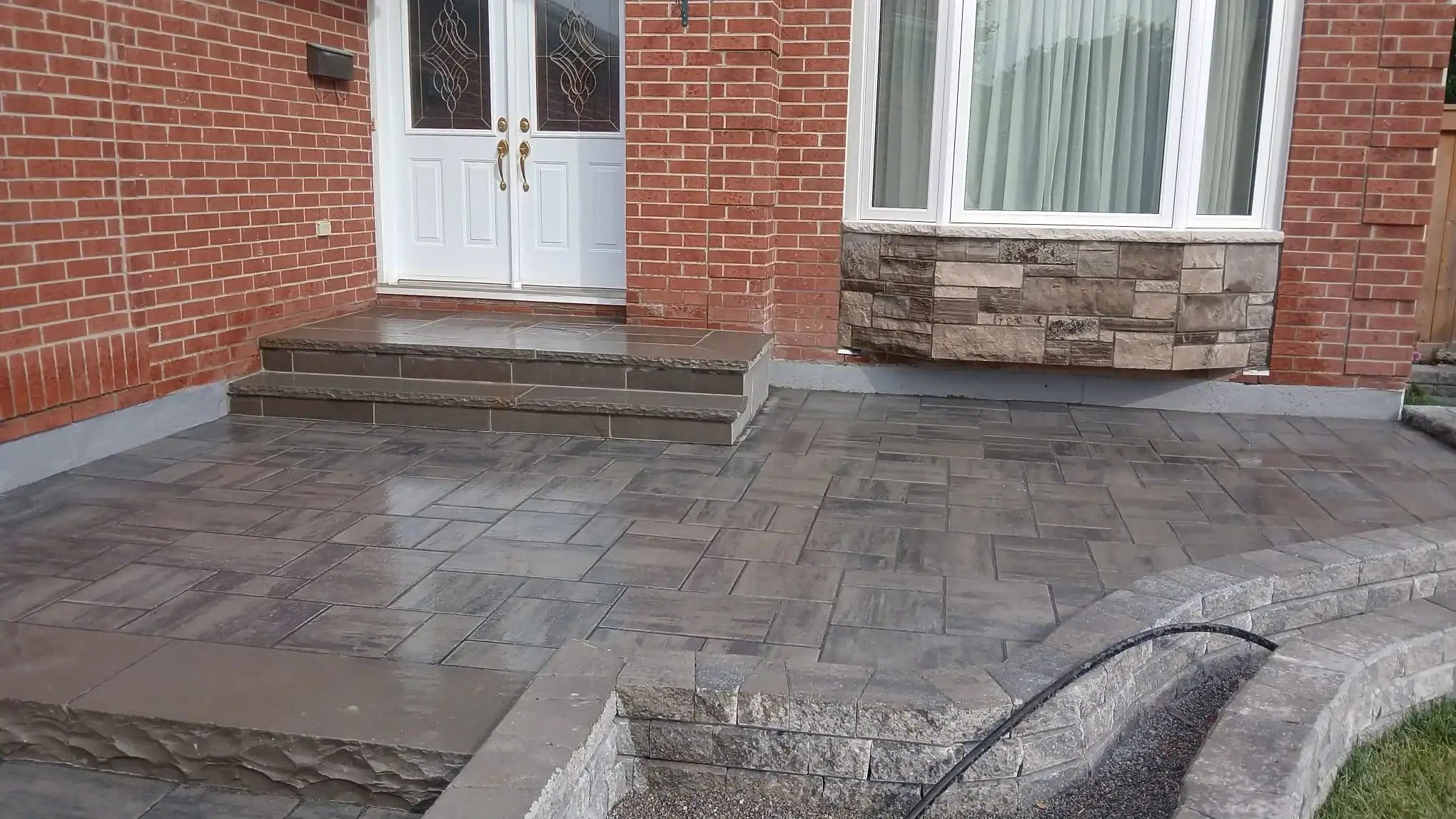
Architecturally, stone veneer is often used for appearance and curb appeal. It can add texture to a front entrance, cover foundation areas, update porch columns, frame an outdoor fireplace, or create an accent wall. Because it is thinner than full stone, it can often be used where full stone would be too heavy, too costly, or too difficult to fit into the existing structure.
Stone veneer is not just “stone glued to a wall.” Good veneer work depends on surface preparation, moisture control, proper bonding, flashing, drainage, and suitable materials. If water gets behind the veneer and cannot drain or dry properly, the system can fail. This is especially important in Toronto, where freeze-thaw cycles can make trapped moisture more damaging.
A&A Masonry’s blog on types of stone veneer is a useful supporting resource if you want a closer look at natural and manufactured veneer options.
What Full Stone Construction Means
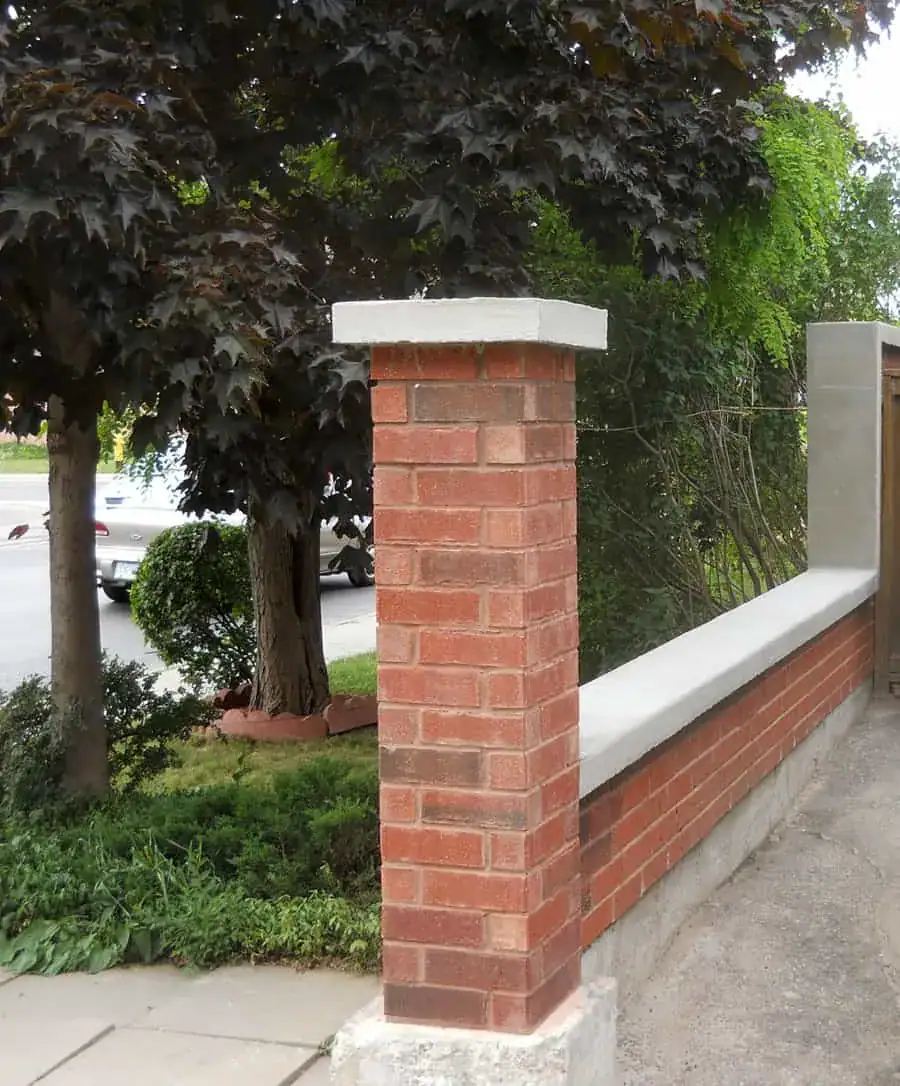
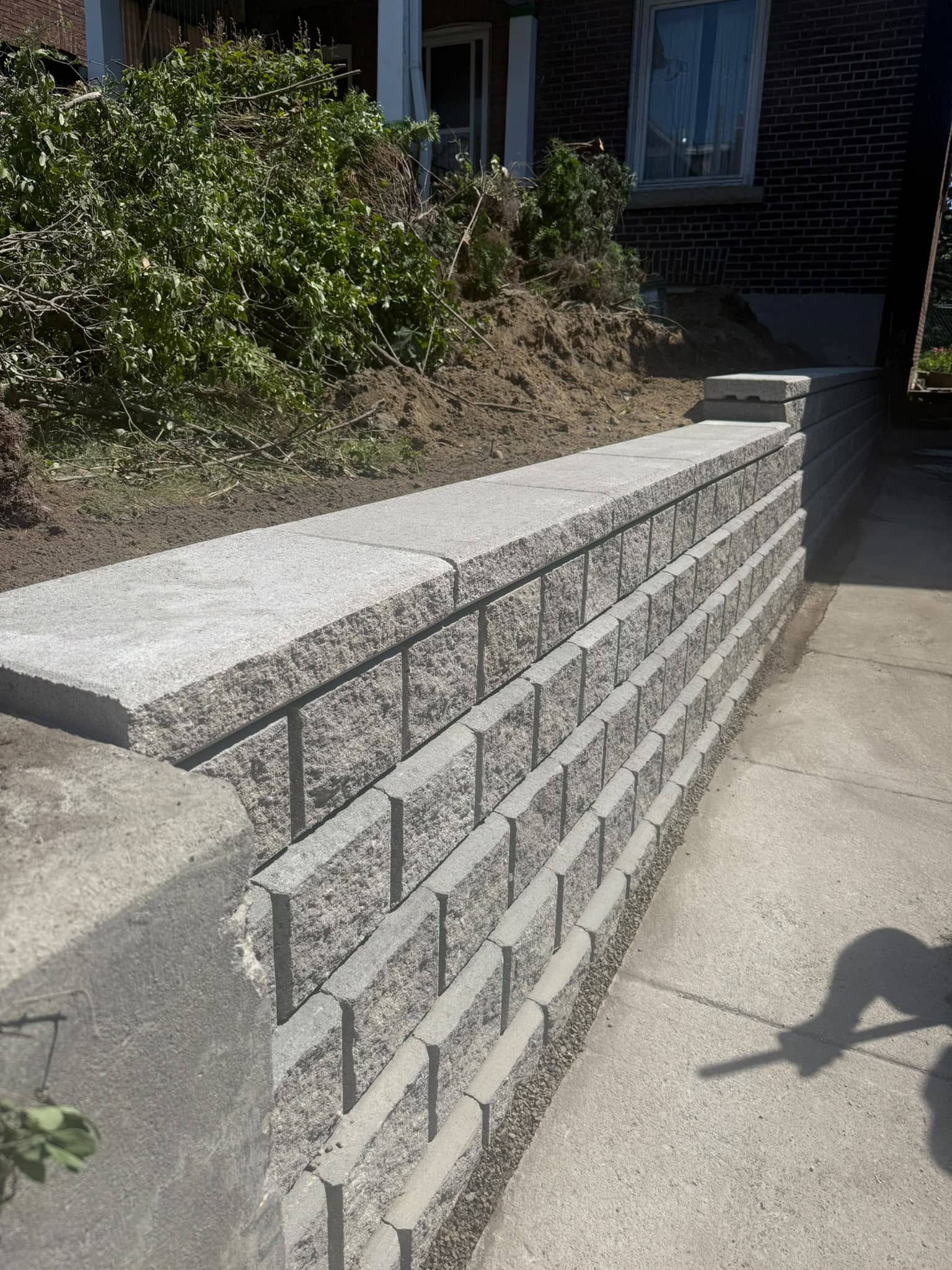
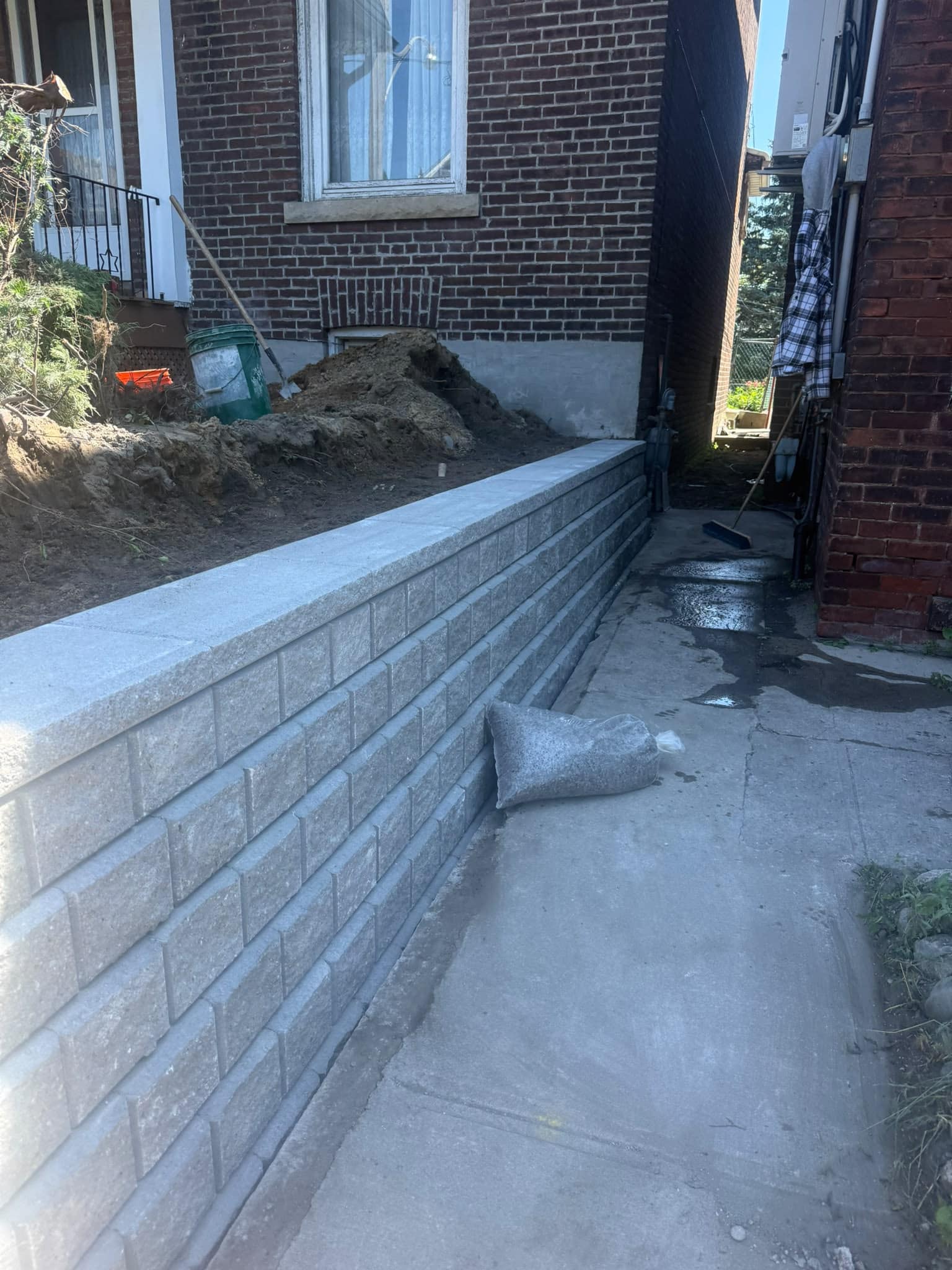
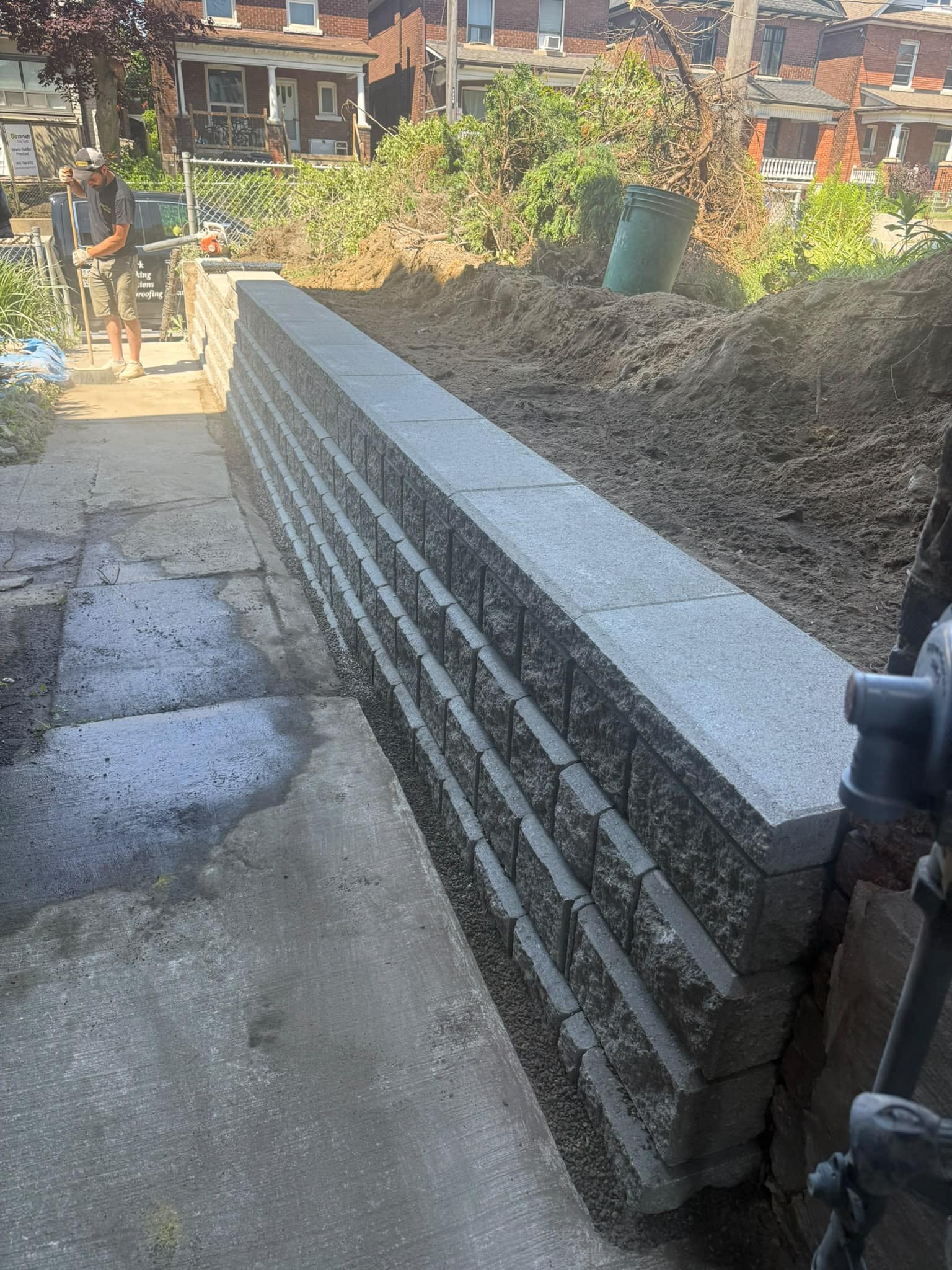
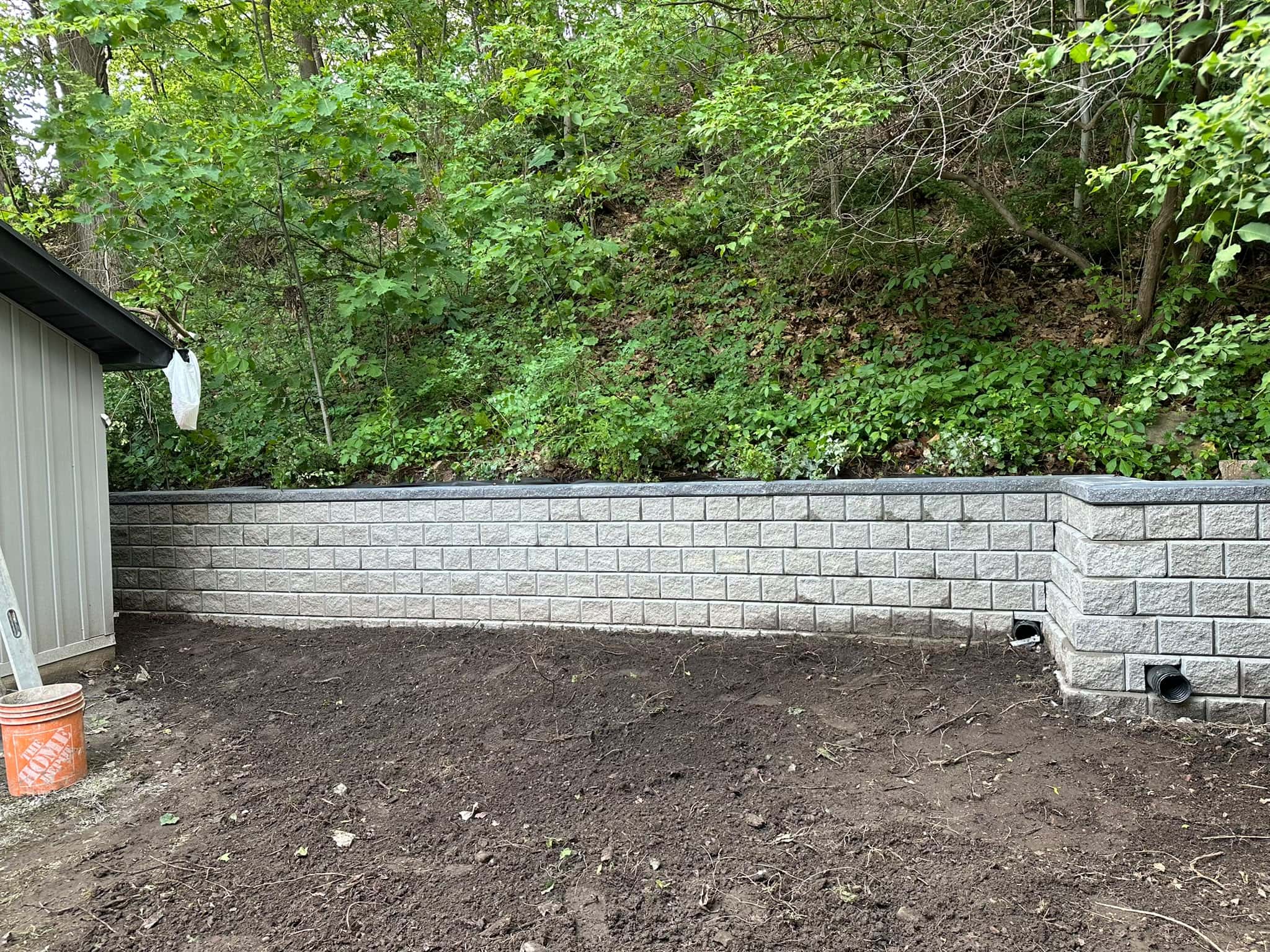
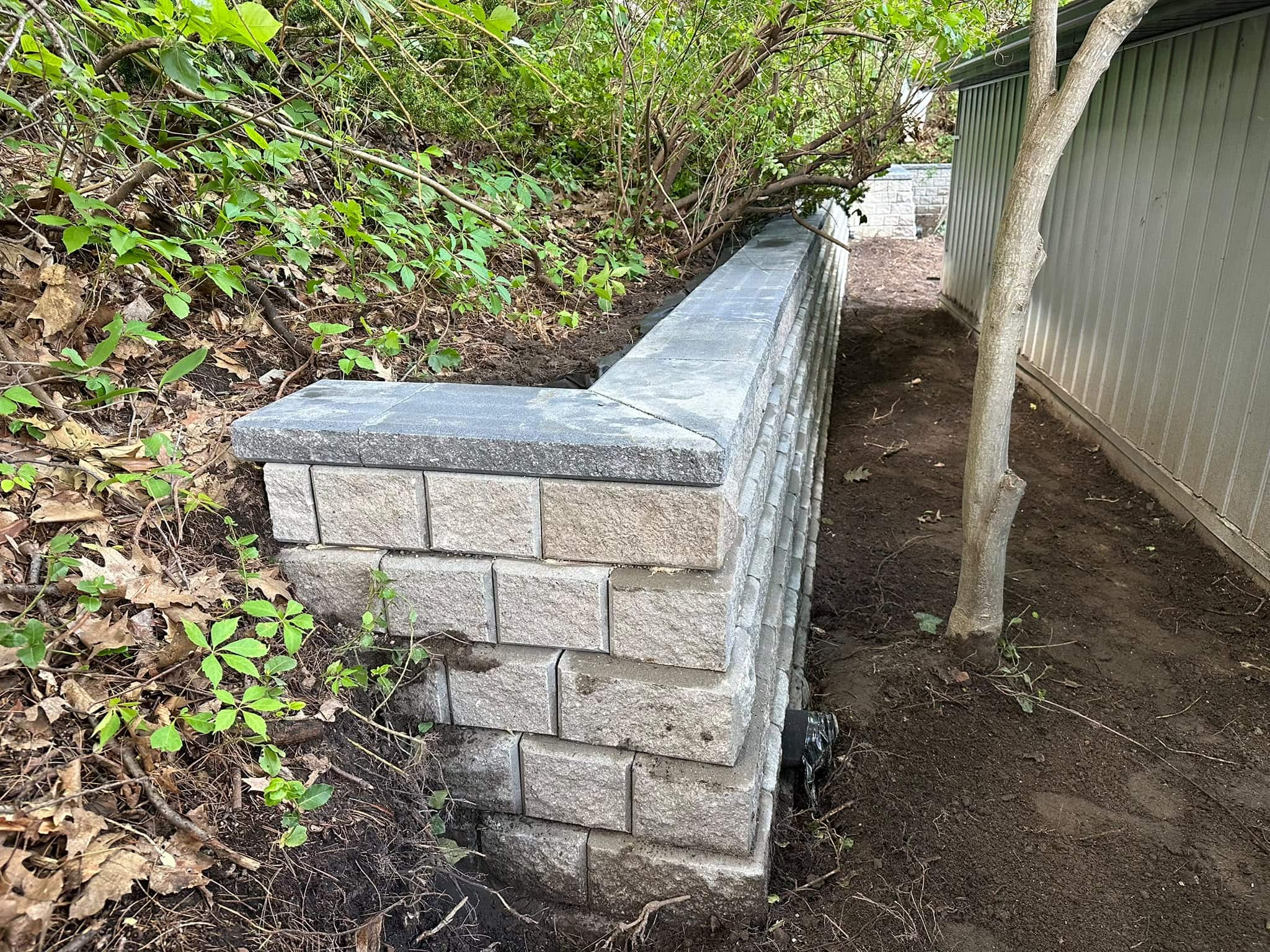
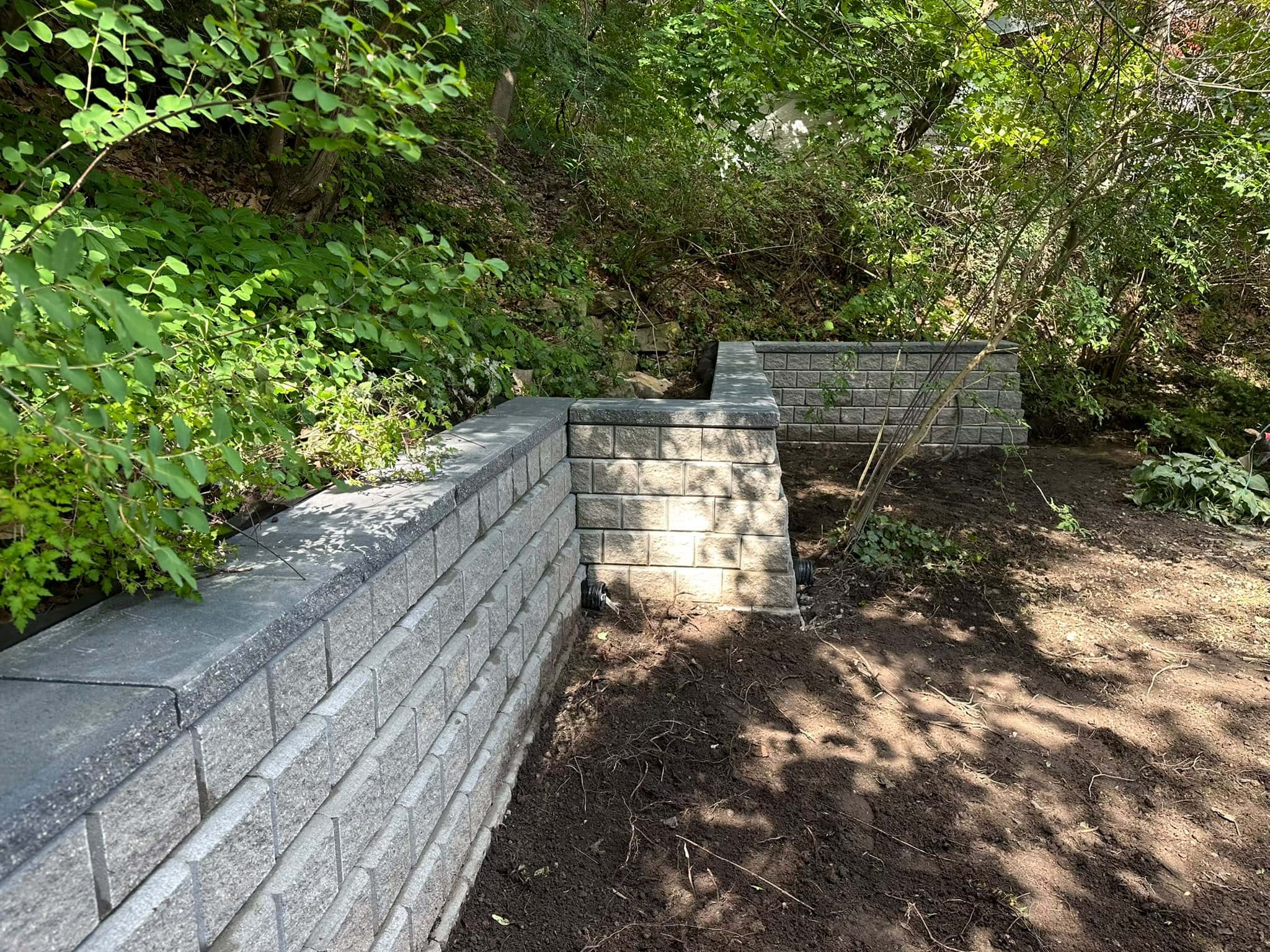
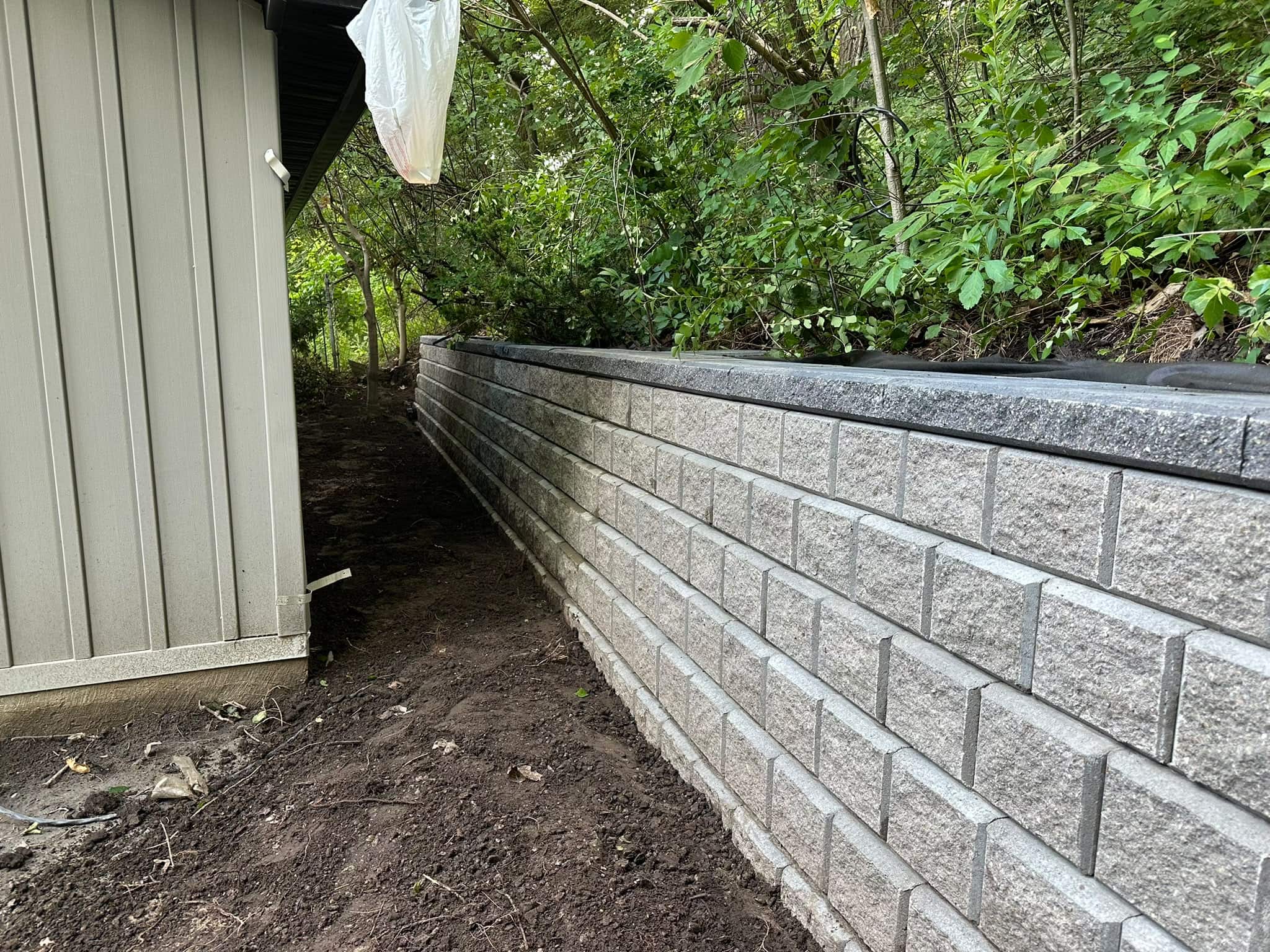
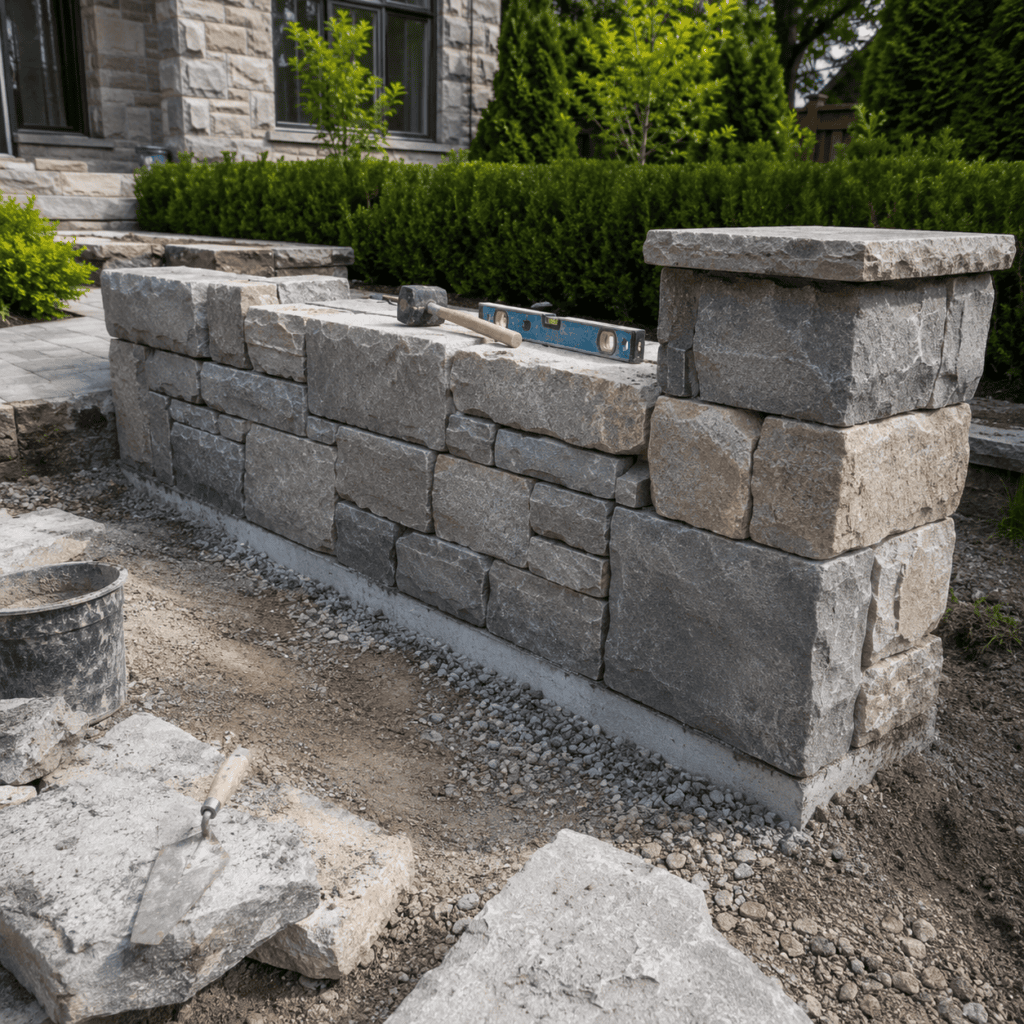
Full stone construction uses thicker stone units in a more substantial masonry build. Depending on the project, the stone may form a wall, a feature, a retaining structure, a fireplace, a pillar, or an exterior masonry element. Full stone construction is heavier, more labour-intensive, and more dependent on proper support than veneer.
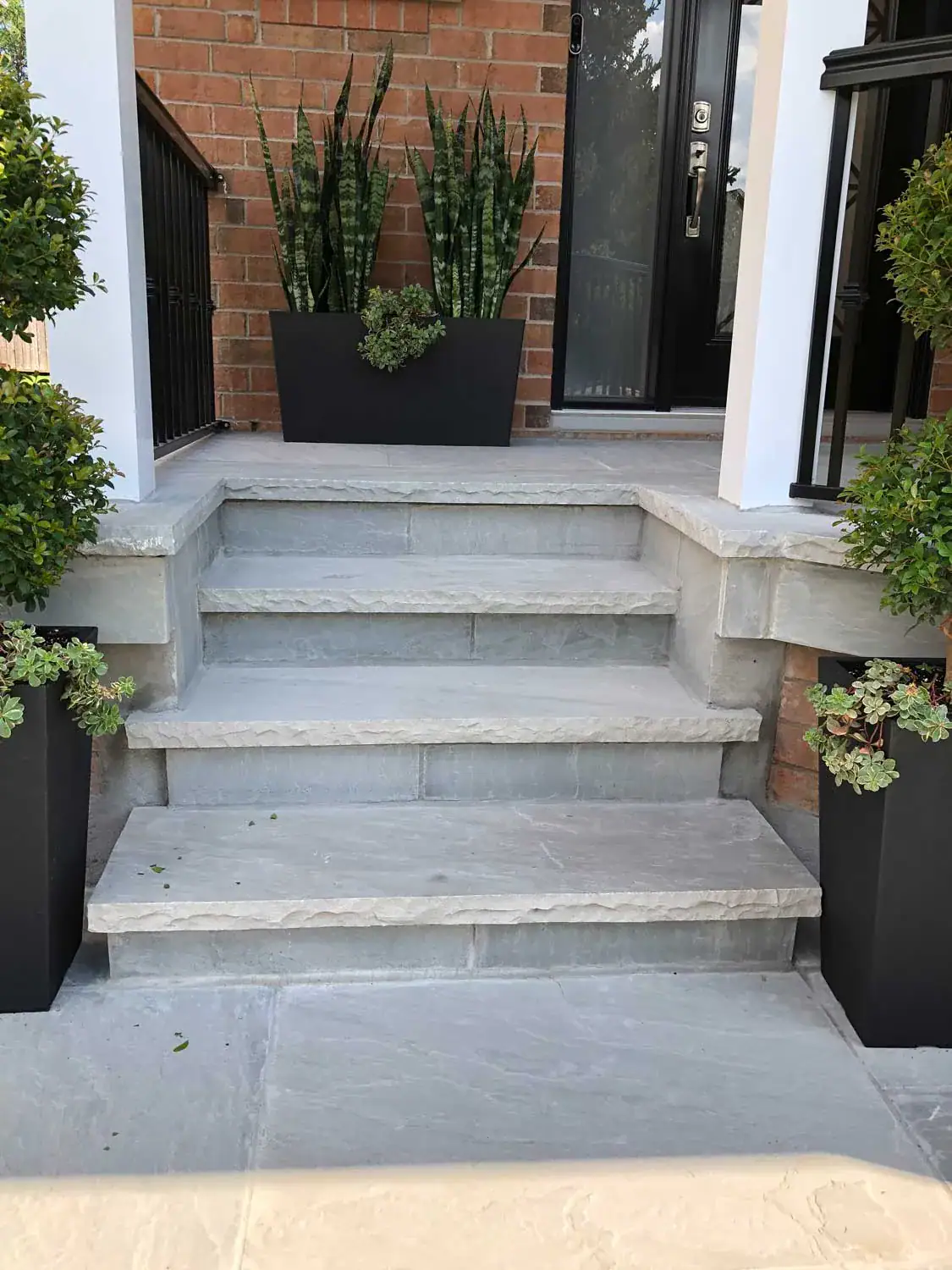
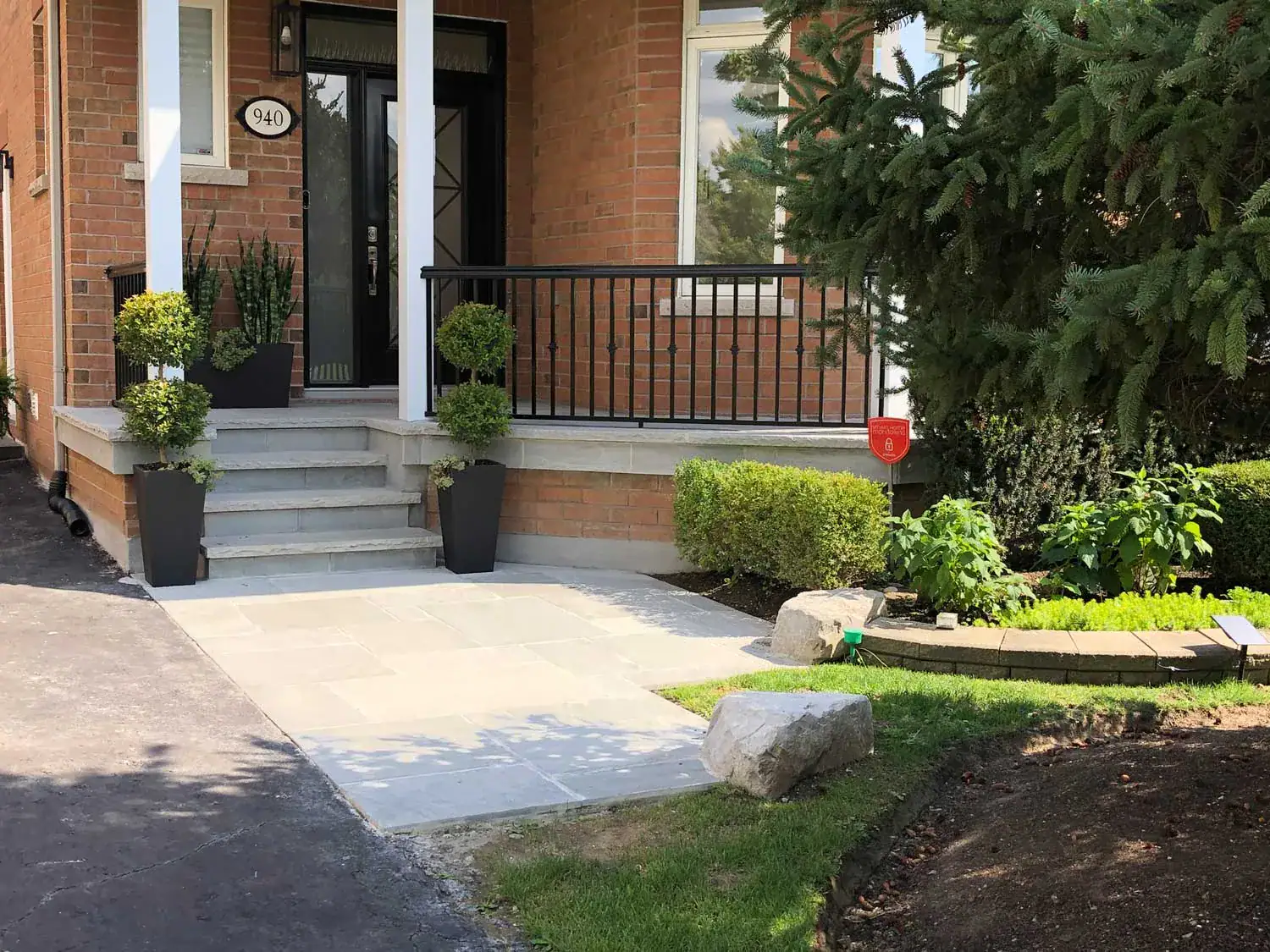
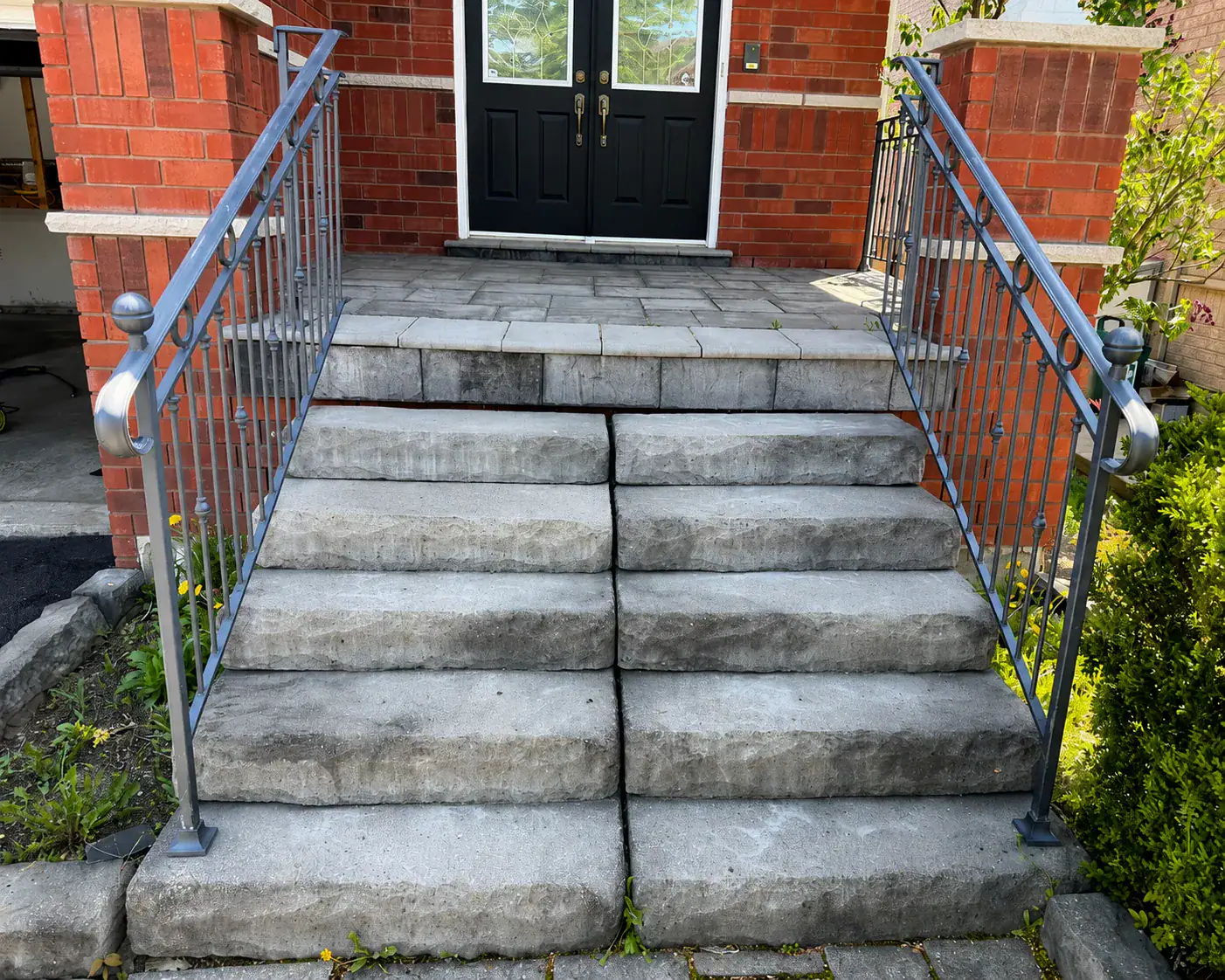
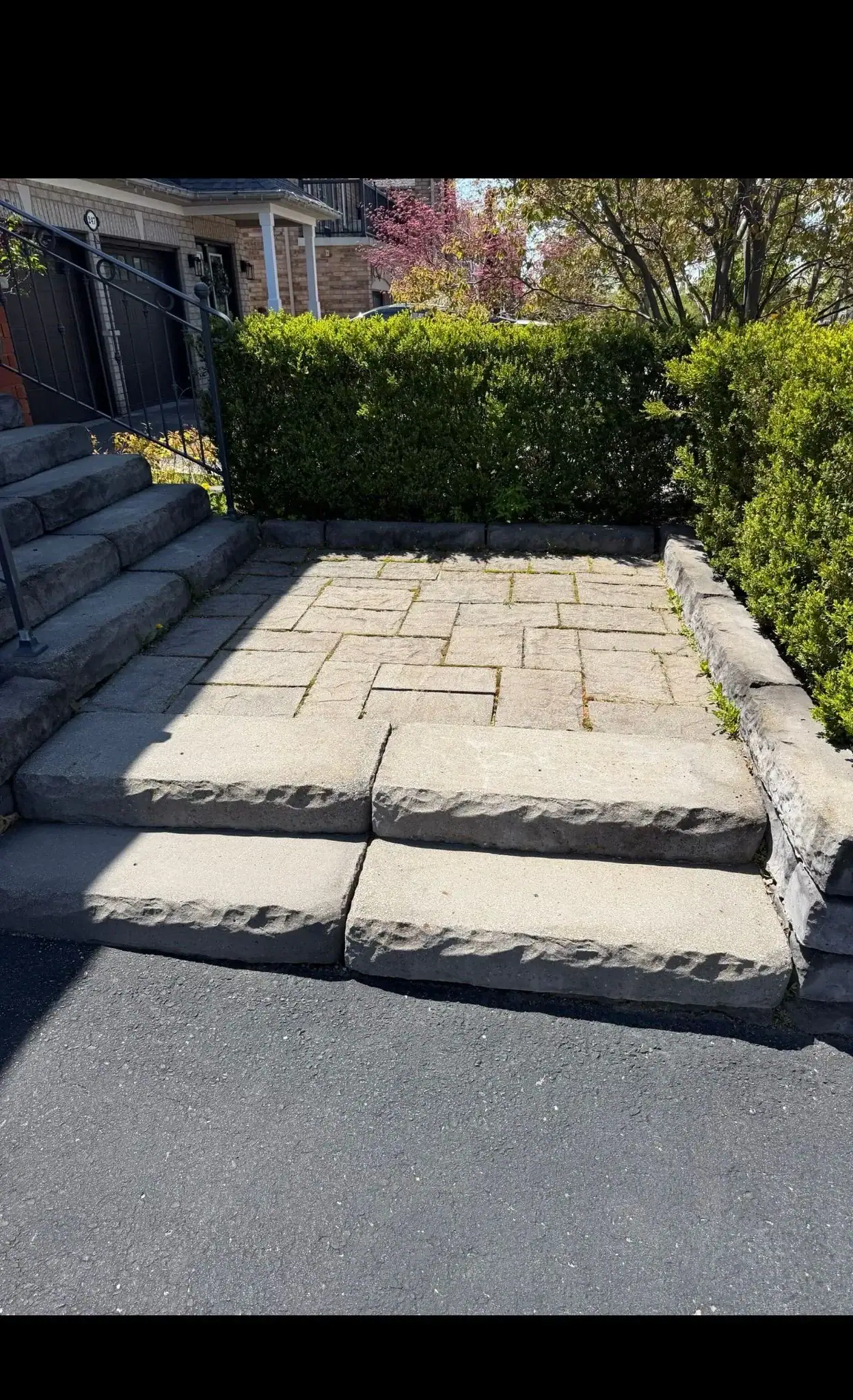
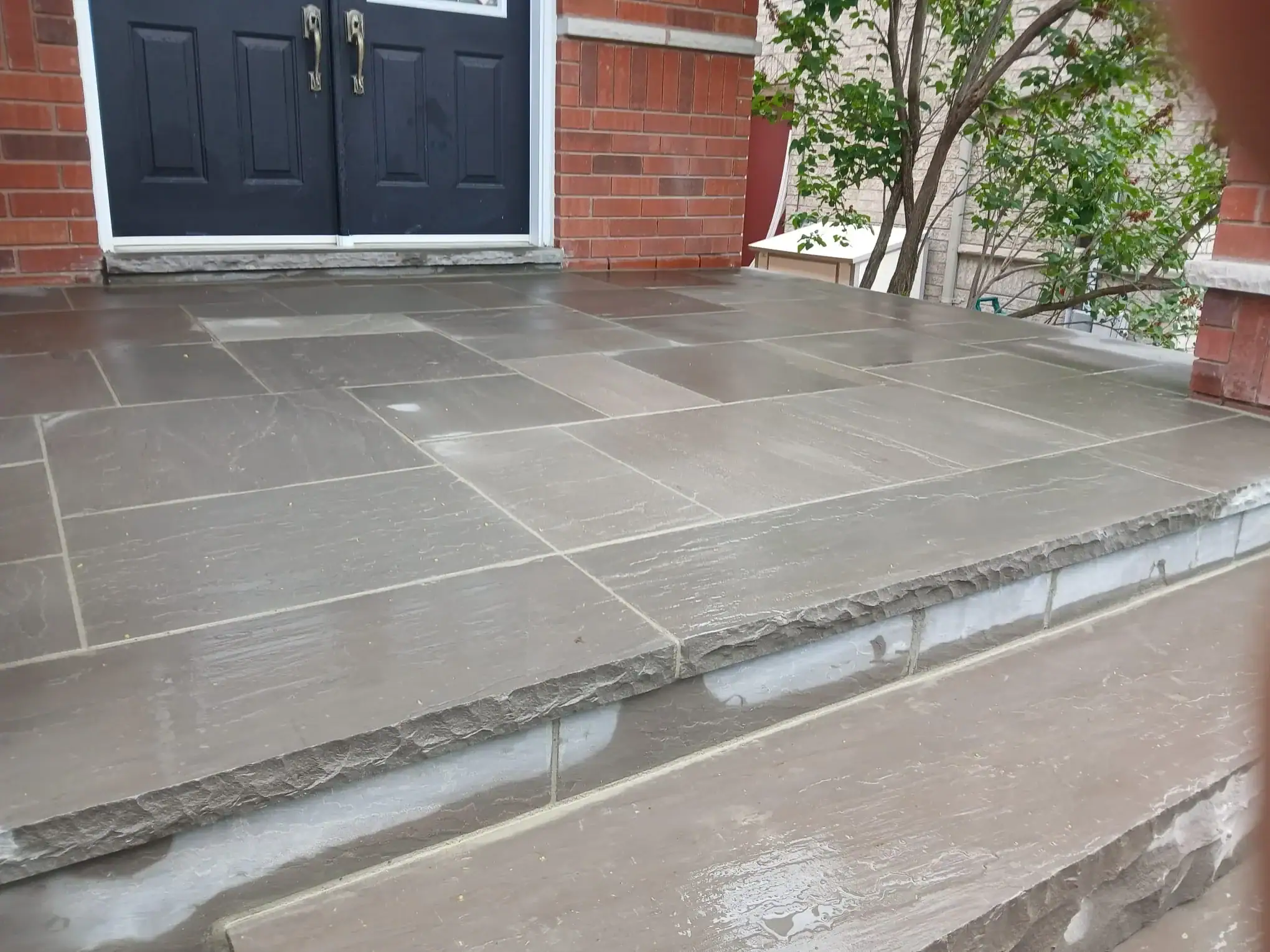
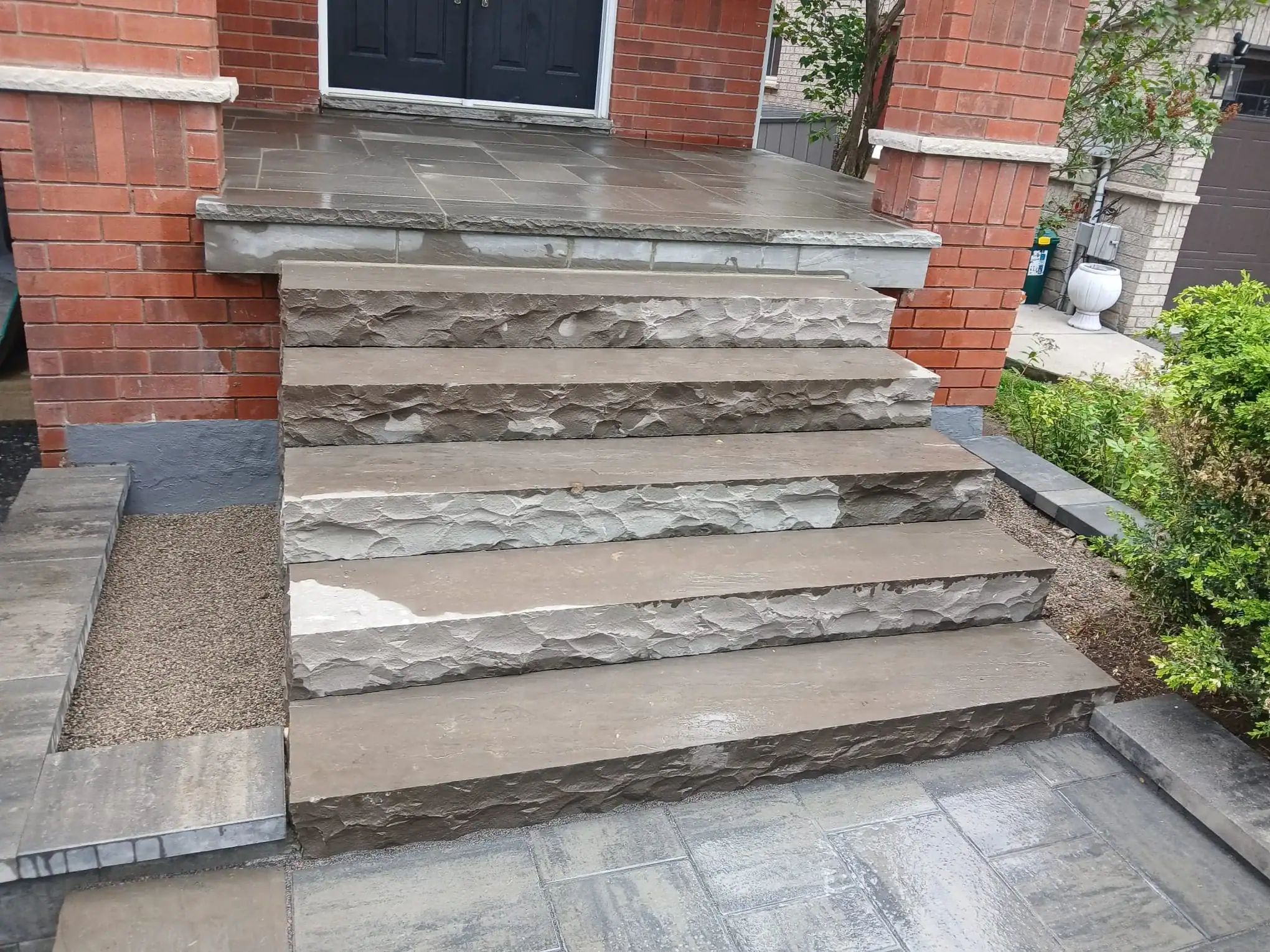
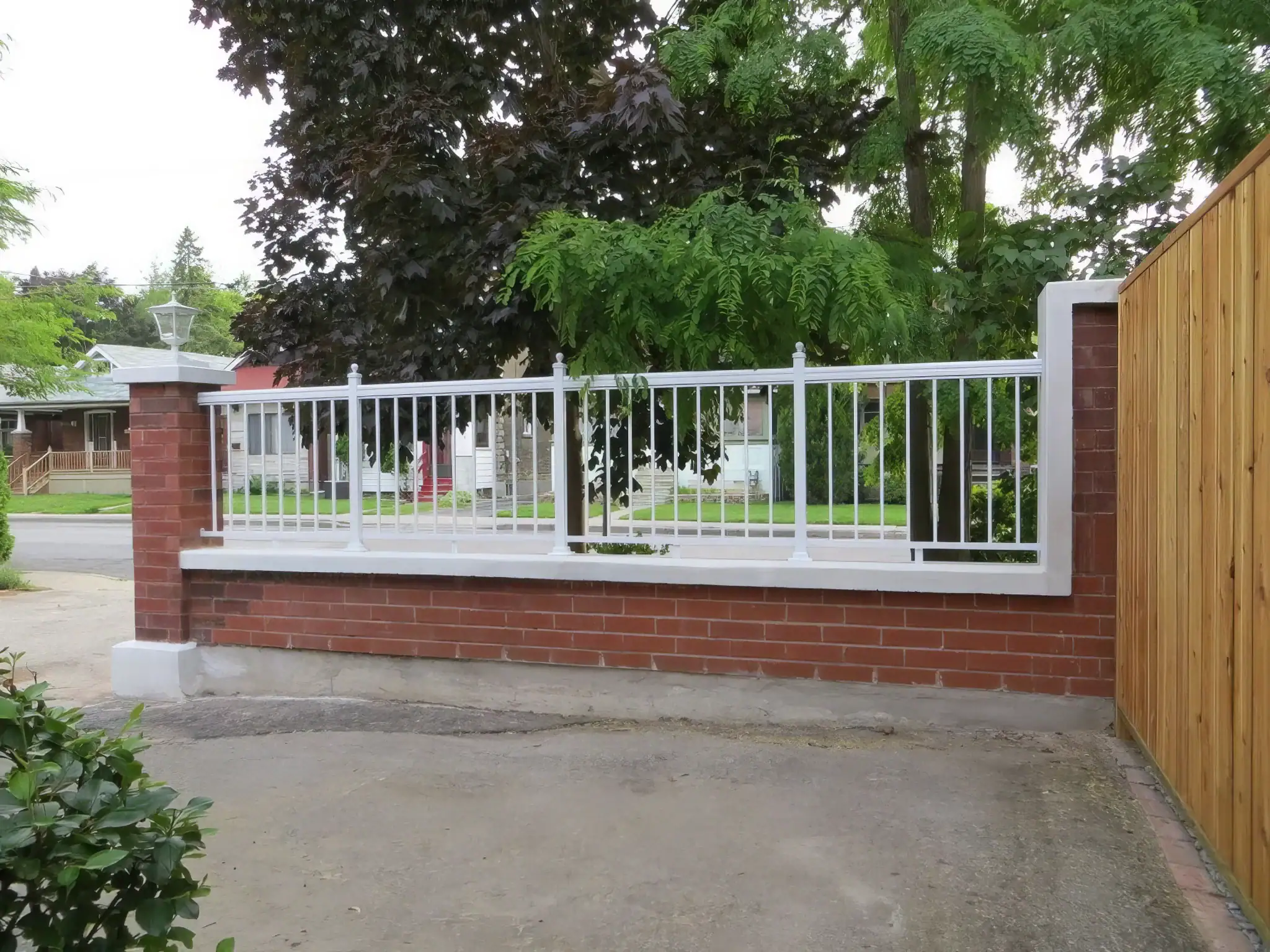
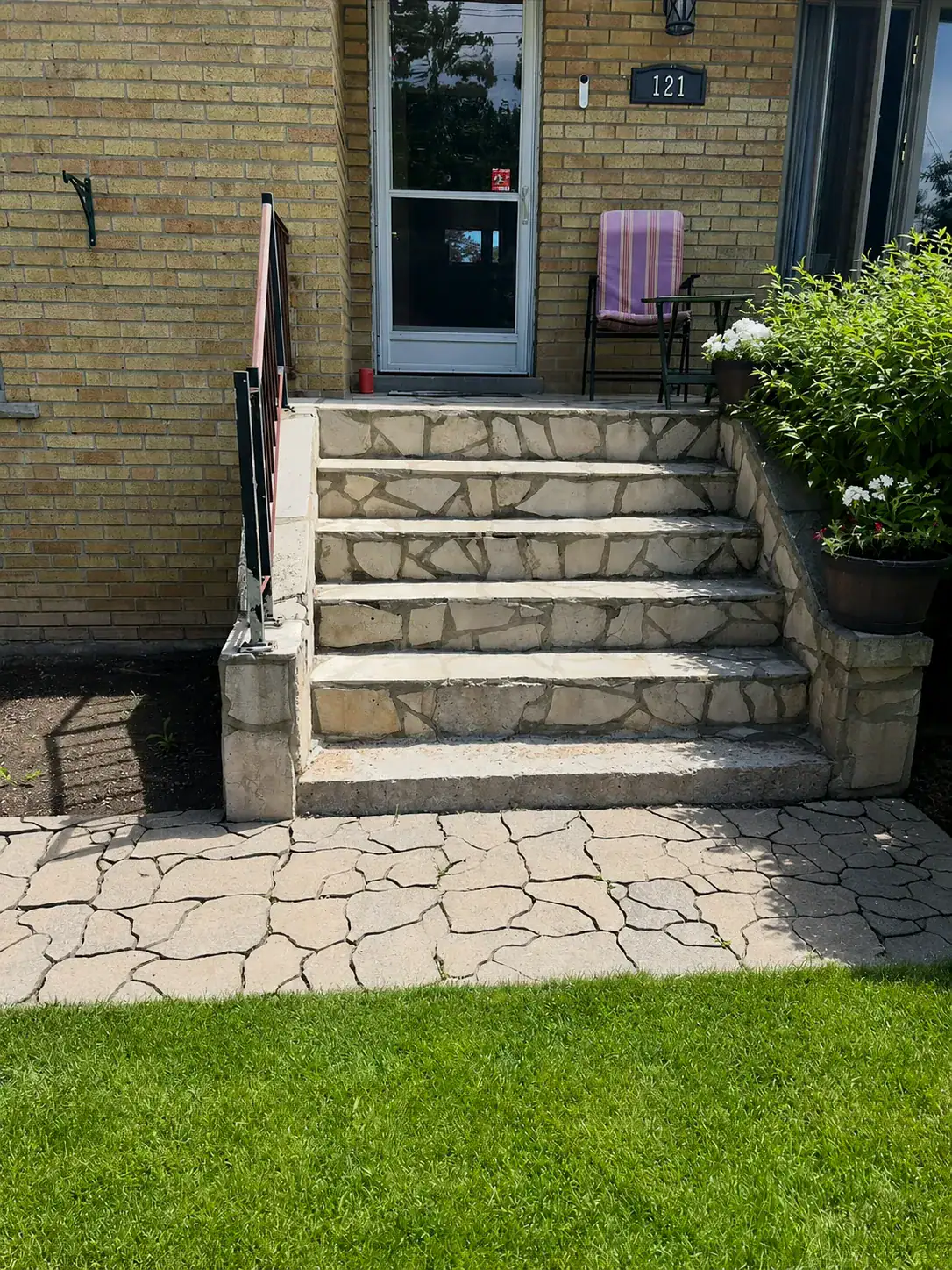
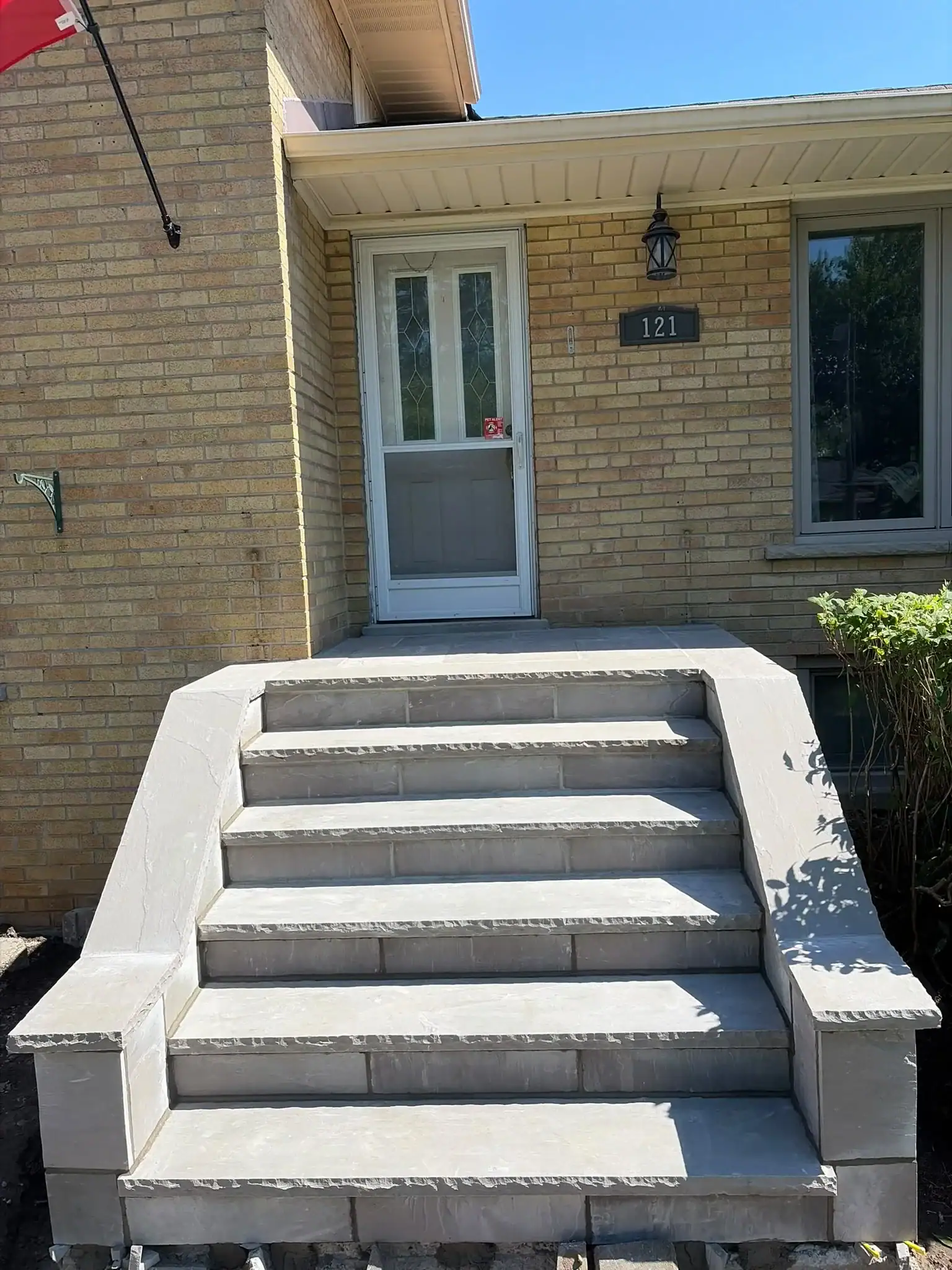
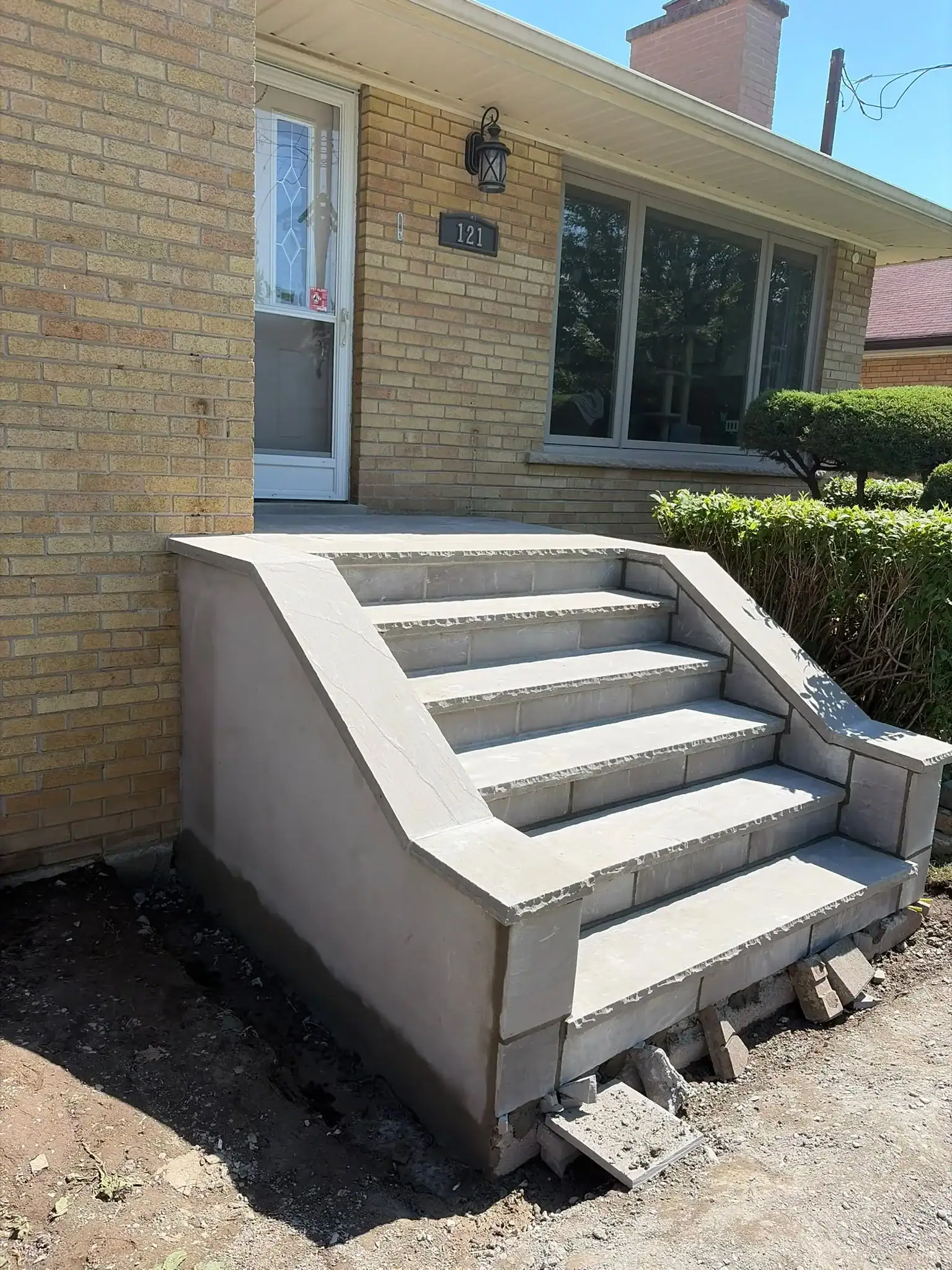
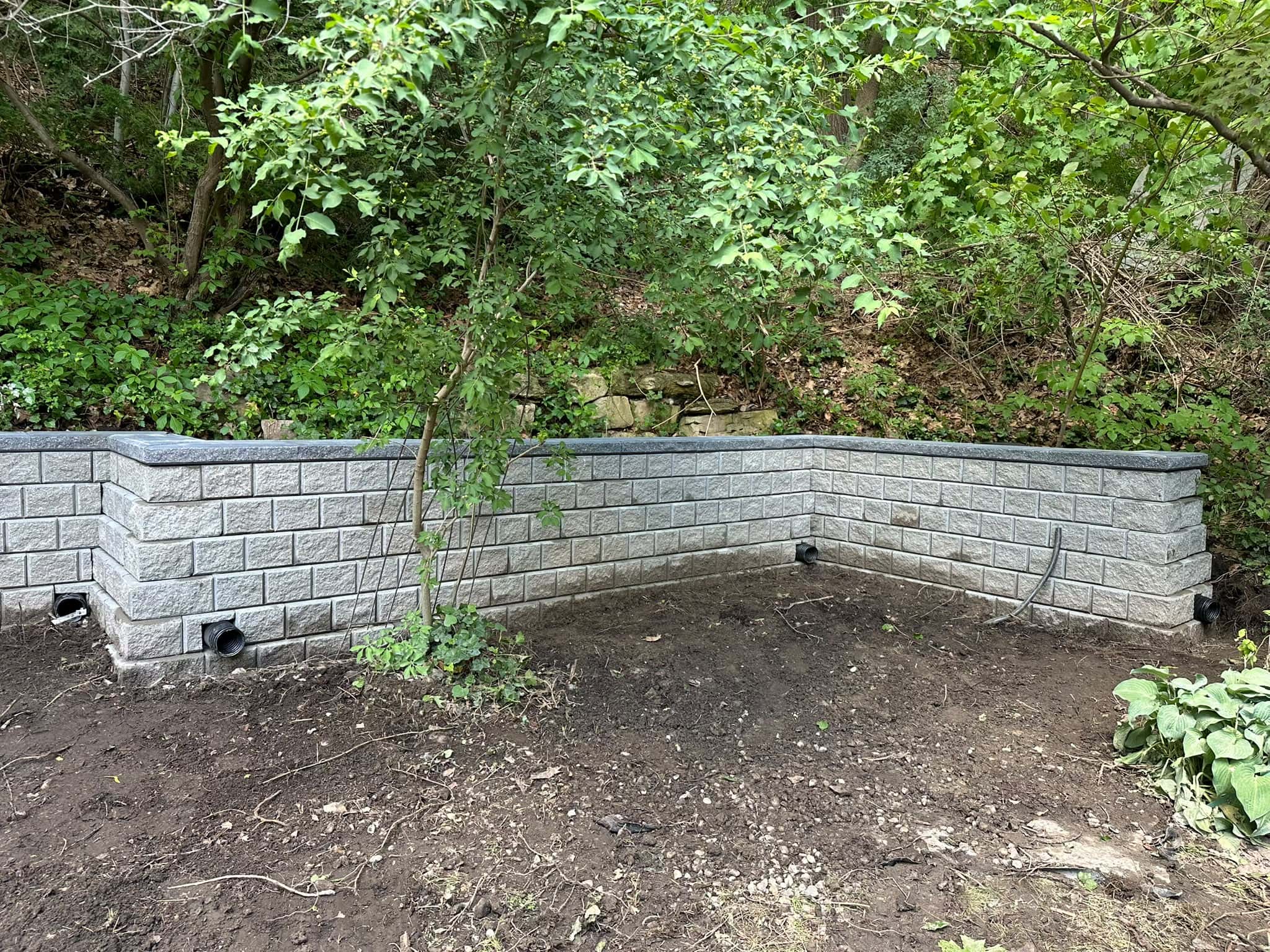
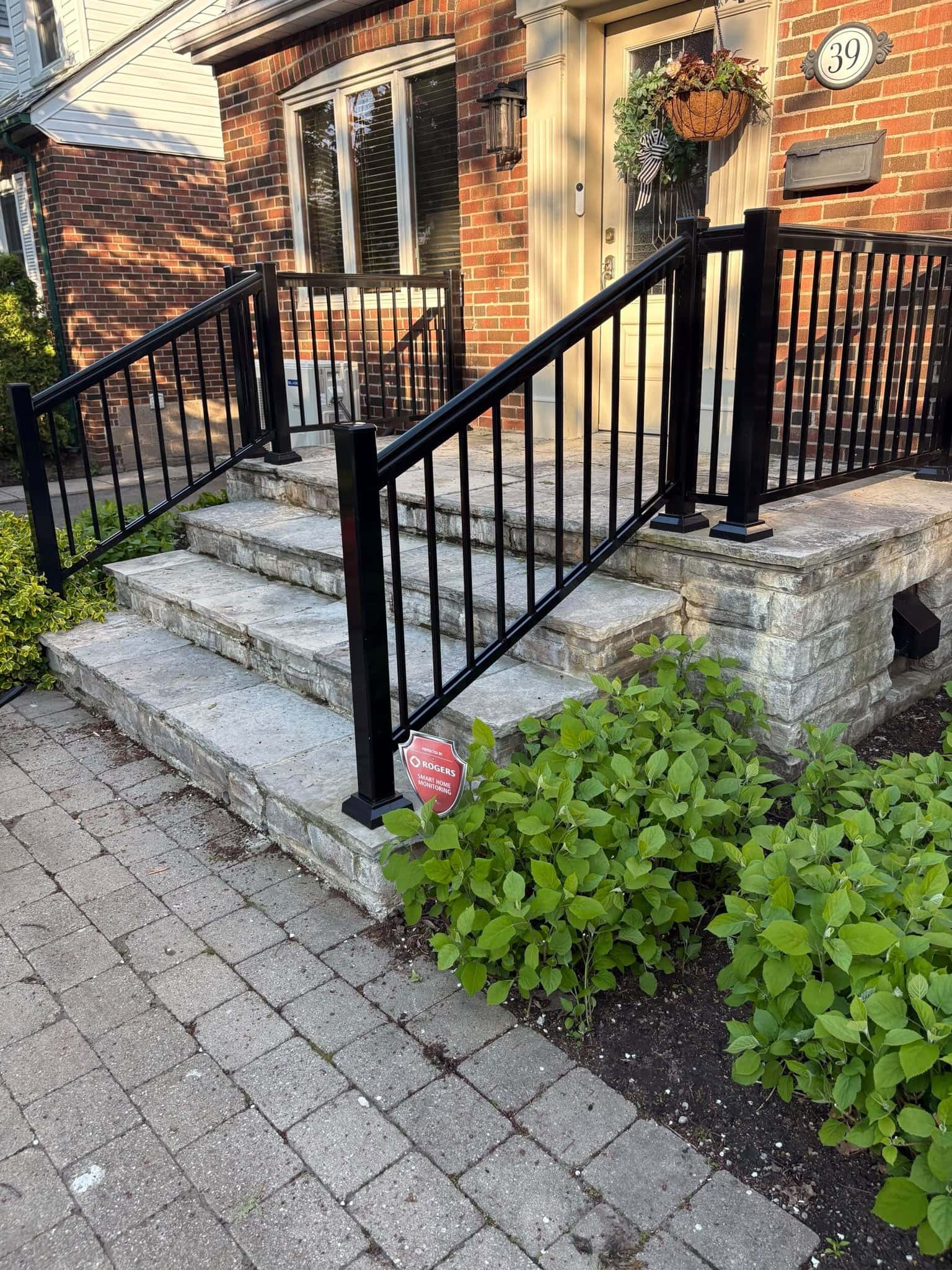
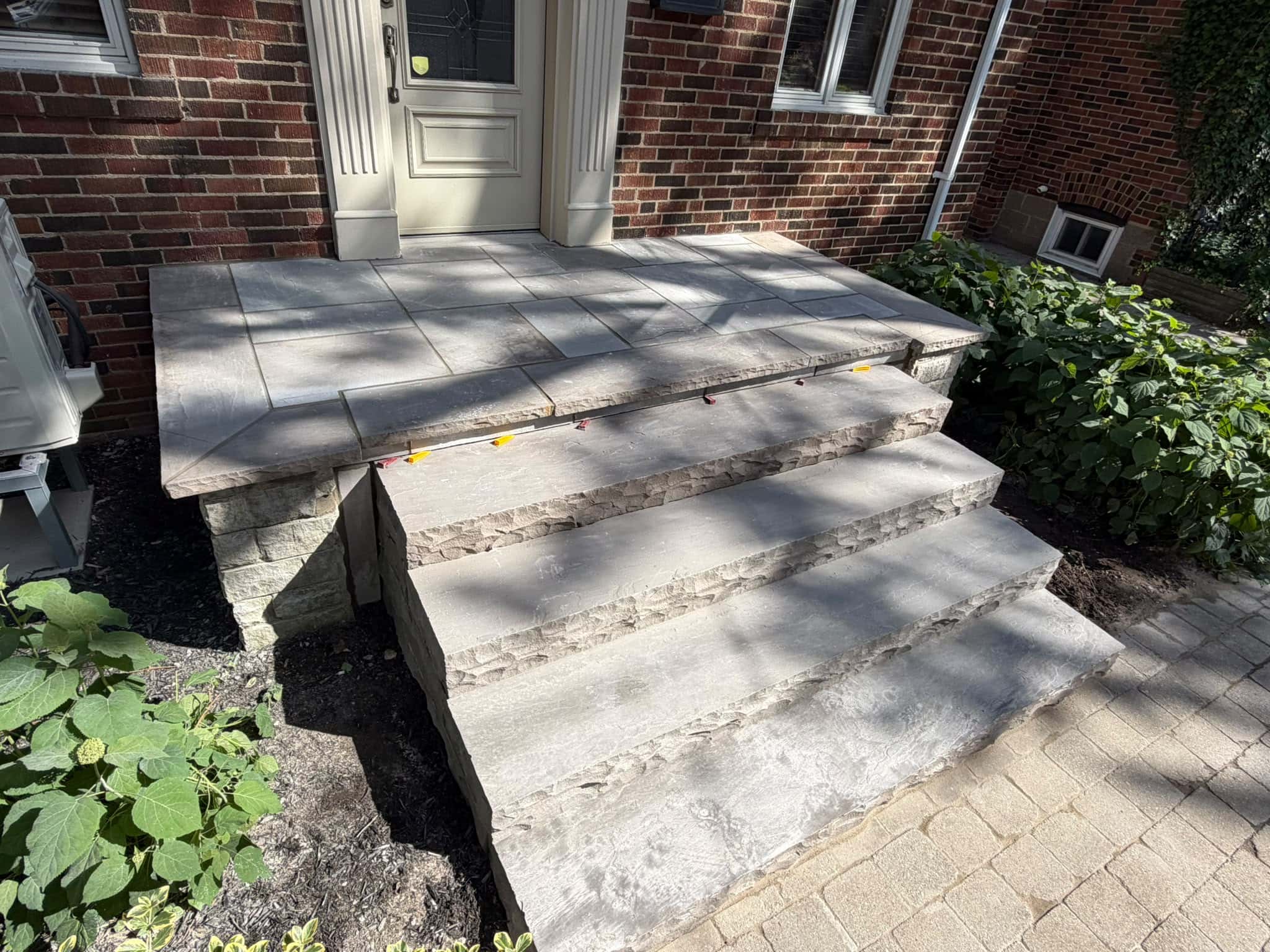
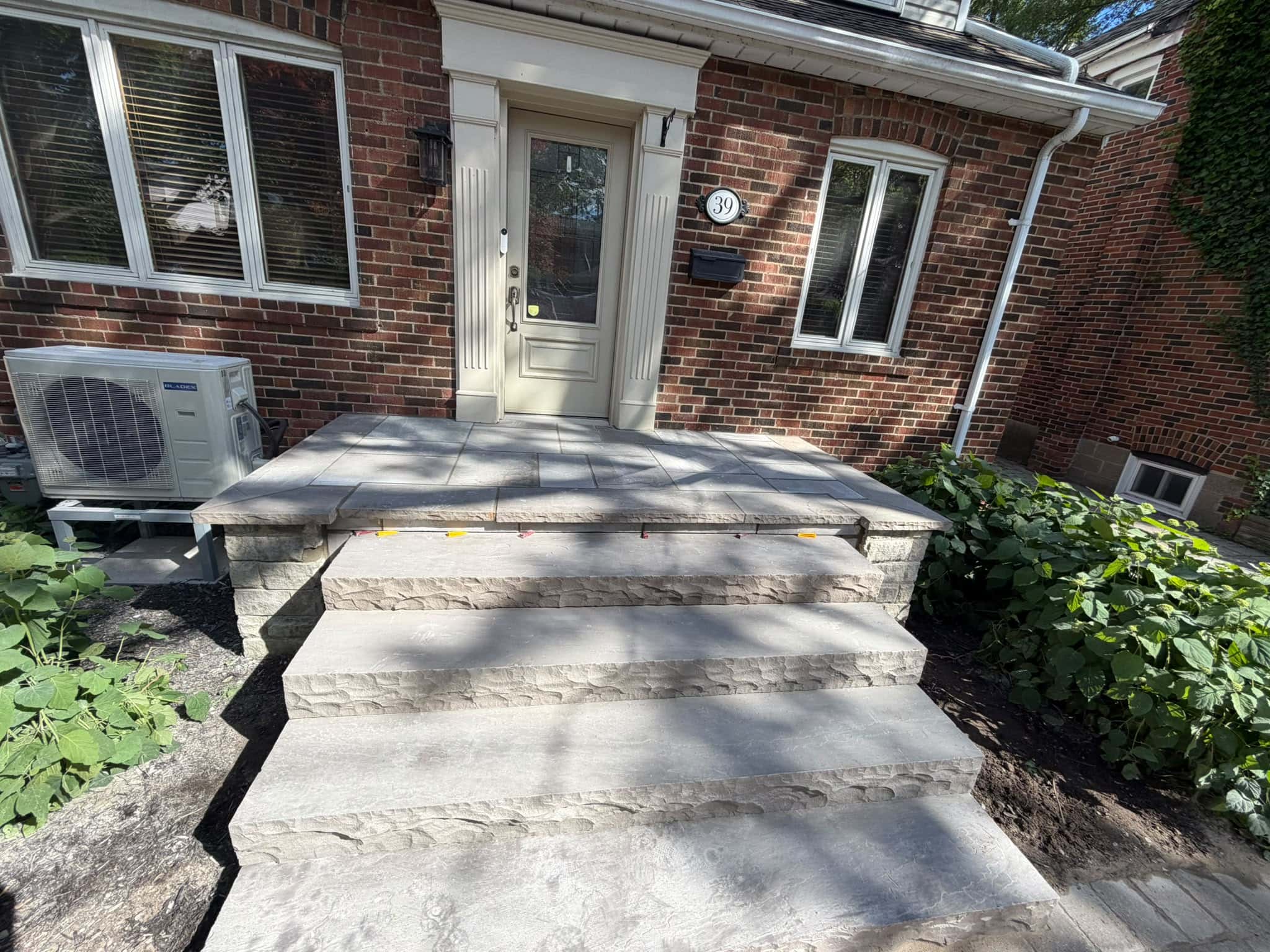
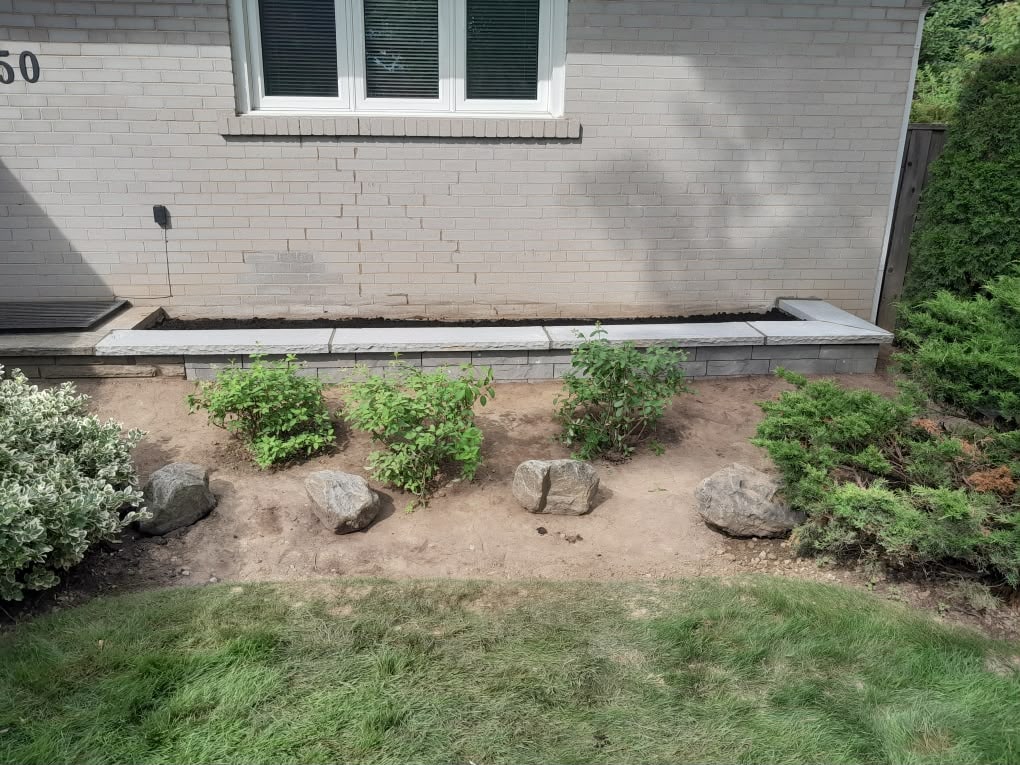
Full stone can feel more traditional, permanent, and substantial because the material has real depth. It may be used for retaining walls, garden walls, structural-looking exterior features, stone steps, freestanding walls, pillars, and custom masonry work where thickness and mass are part of the design.
The key difference is that full stone construction must be planned as a heavy masonry system. It usually needs stronger support, suitable footings, careful layout, proper drainage, and skilled installation. If the base is weak or water collects behind the wall, the stone’s weight will not save the project. In fact, heavier masonry can create greater problems when support and drainage are not properly addressed.
For homeowners considering heavier stonework, A&A Masonry’s stone masonry Toronto page provides a helpful overview of stone walls, veneer, steps, outdoor features, and custom masonry applications.
The Main Difference: Facing vs Mass
The main difference between stone veneer and full stone construction is that veneer is mainly a facing system, while full stone construction has greater depth and mass. Veneer gives the appearance of stone while being lighter. Full stone gives a deeper, heavier masonry build.
This difference affects almost everything else: cost, support, installation time, design flexibility, drainage, repair, and where each option makes sense. Stone veneer may be ideal for a decorative façade or accent area. Full stone may be better for a substantial wall, a natural garden feature, or a project where the thickness of the stone is part of the design.
Homeowners should avoid choosing based only on appearance. A thin stone veneer and full-depth stone may look similar from a distance, but they behave differently behind the surface. If the project involves structure, grade changes, heavy soil pressure, or load-bearing conditions, full stone or another engineered masonry solution may be more appropriate. If the goal is curb appeal on an existing wall, veneer may be enough when installed correctly.
Pros of Stone Veneer
Stone veneer is popular because it offers the look of stone with lighter weight, lower material volume, and greater design flexibility than full stone construction. It can be a good option for homeowners who want texture and curb appeal without building a heavy stone wall.
- Lighter than full stone: Veneer usually places less demand on the existing structure than full-depth stone.
- Flexible for accents: It works well for façades, columns, foundation faces, fireplaces, garden features, and entry details.
- Often more cost-flexible: Less material depth and faster installation may reduce costs compared with full stone, depending on the project.
- Many style options: Homeowners can choose from natural stone veneer, manufactured veneer, ledgestone looks, fieldstone styles, and modern profiles.
- Good for updates: Veneer can refresh an exterior when the existing structure is suitable and properly prepared.
Stone veneer is often a strong choice when the project is mainly visual, the wall already exists, and the homeowner wants a stone finish without the weight and complexity of full stone construction.
Cons of Stone Veneer
Stone veneer can fail when it is treated as a simple surface covering instead of a proper masonry system. Its performance depends heavily on preparation and water management.
- Moisture sensitivity: Water behind veneer can cause staining, bond failure, freeze-thaw damage, or hidden wall problems.
- Not a structural wall: Veneer should not be confused with full stone construction or load-bearing masonry.
- Requires proper backing: The substrate, lath, mortar, flashing, and drainage details must be suited to the product and location.
- Can look artificial if poorly chosen: Some manufactured products may not suit older brick homes or traditional architecture.
- Repair matching can be tricky: If a veneer product is discontinued, matching future repairs may be difficult.
The biggest risk with stone veneer is trapped water. Toronto’s rain, snow, and freeze-thaw cycles make drainage and installation details especially important. A veneer project should be planned so that water can be managed behind and around the stone, rather than trapped in the wall.
Pros of Full Stone Construction
Full stone construction offers depth, strength, and a natural masonry presence that veneer cannot fully duplicate. It can be a strong choice when the project calls for mass, durability, and a more traditional stone build.
- Substantial appearance: Full stone has real depth and weight, making walls and features feel permanent.
- Durable material presence: Properly built stonework can handle long-term exterior exposure when drainage and support are correct.
- Good for freestanding features: Garden walls, pillars, steps, and some retaining walls may benefit from full-depth stone.
- Natural variation: Full stone can create rich texture, colour variation, and character.
- Repairable by skilled masons: Damaged stones or mortar can often be addressed while preserving the original look.
Full stone is often the better option when the project needs more than a decorative skin. It can be appropriate for heavier outdoor masonry features, traditional stone walls, and designs where material thickness is part of the appeal.
Cons of Full Stone Construction
Full stone construction is heavier, more involved, and usually more demanding than veneer. That does not make it a bad choice, but it does mean homeowners need to plan carefully.
- Higher weight: A full stone needs proper support, footings, and structural planning.
- Often higher cost: More material, labour, handling, and installation time can increase the project budget.
- More site disruption: Heavy stone work may require excavation, staging, access planning, and careful sequencing.
- Drainage still matters: Heavy stone walls can fail if water pressure builds behind them.
- Not always practical for existing walls: Some homes lack the support or space required for full-depth stone.
Full stone construction should never be chosen just because it sounds more durable. It is durable when properly designed and built. If the base, drainage, or support is wrong, full stone can still crack, shift, lean, or settle.
Which Option Looks Better?
The better-looking option depends on the home, the project location, and the quality of installation. Full stone often has a deeper, more natural appearance, but high-quality stone veneer can also look excellent when the colour, profile, and layout fit the home.
For older brick homes in Toronto, stone should feel connected to the existing architecture. A veneer that is too modern, too flat, or too uniform may clash with older brick. A full stone feature that is too heavy-looking may overwhelm a narrow façade. The best choice respects the scale of the home.
For modern homes, clean stone veneer can create a sharp, finished look. Full stone can add warmth and texture, but it must be balanced with the rest of the exterior. Around gardens and patios, natural stone can look more relaxed and organic, while manufactured veneer can provide more consistent sizing and colour.
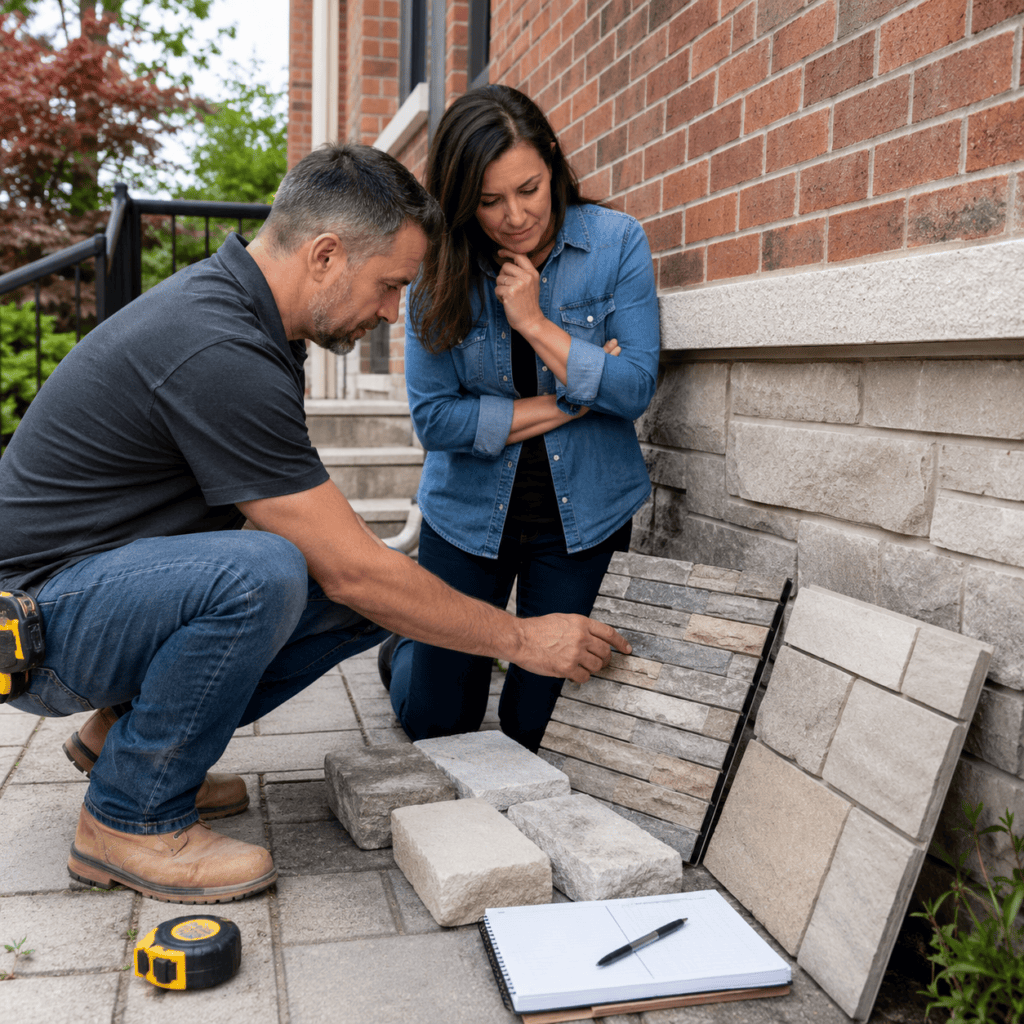
A good test is to look at the whole property, not just a sample board. Consider the brick, roof colour, window trim, front steps, garden walls, driveway, and neighbouring homes. Stone should improve the exterior, not look pasted on.
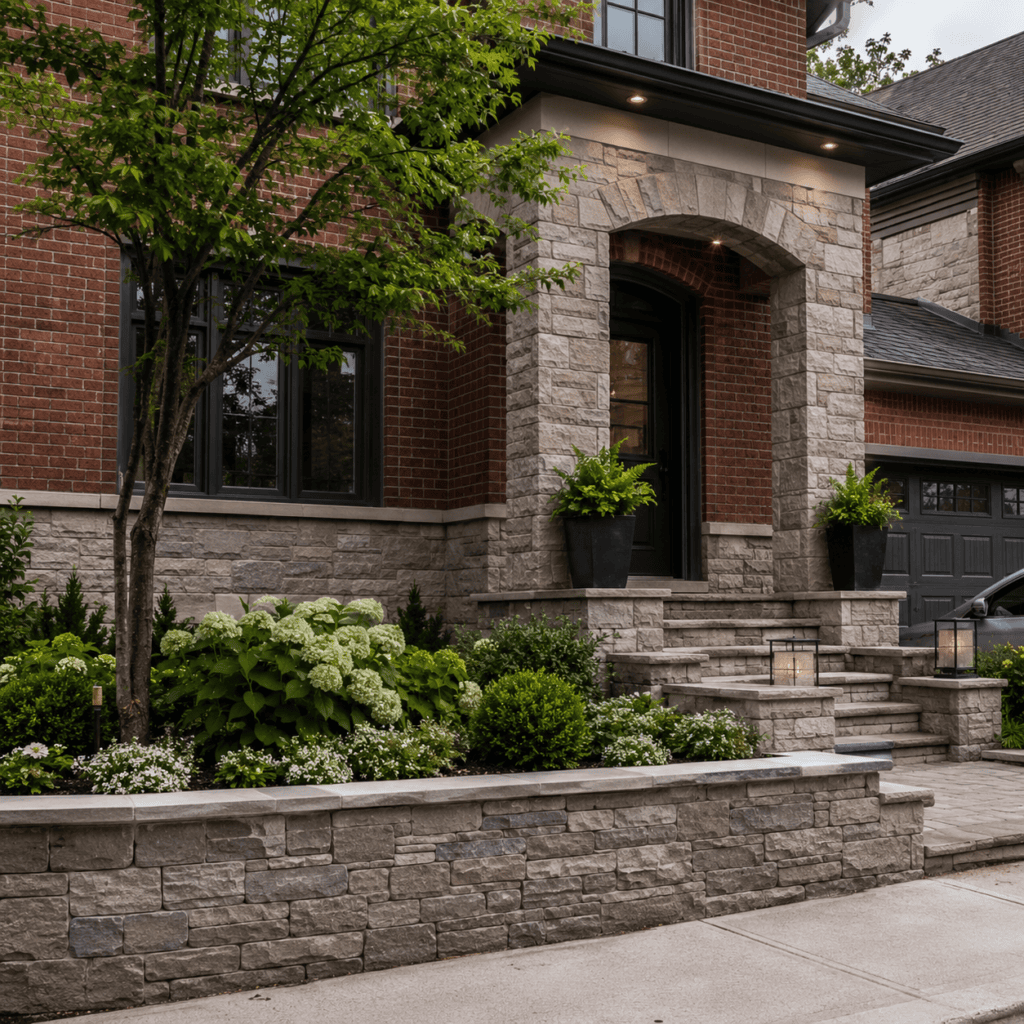
Durability in Toronto Weather
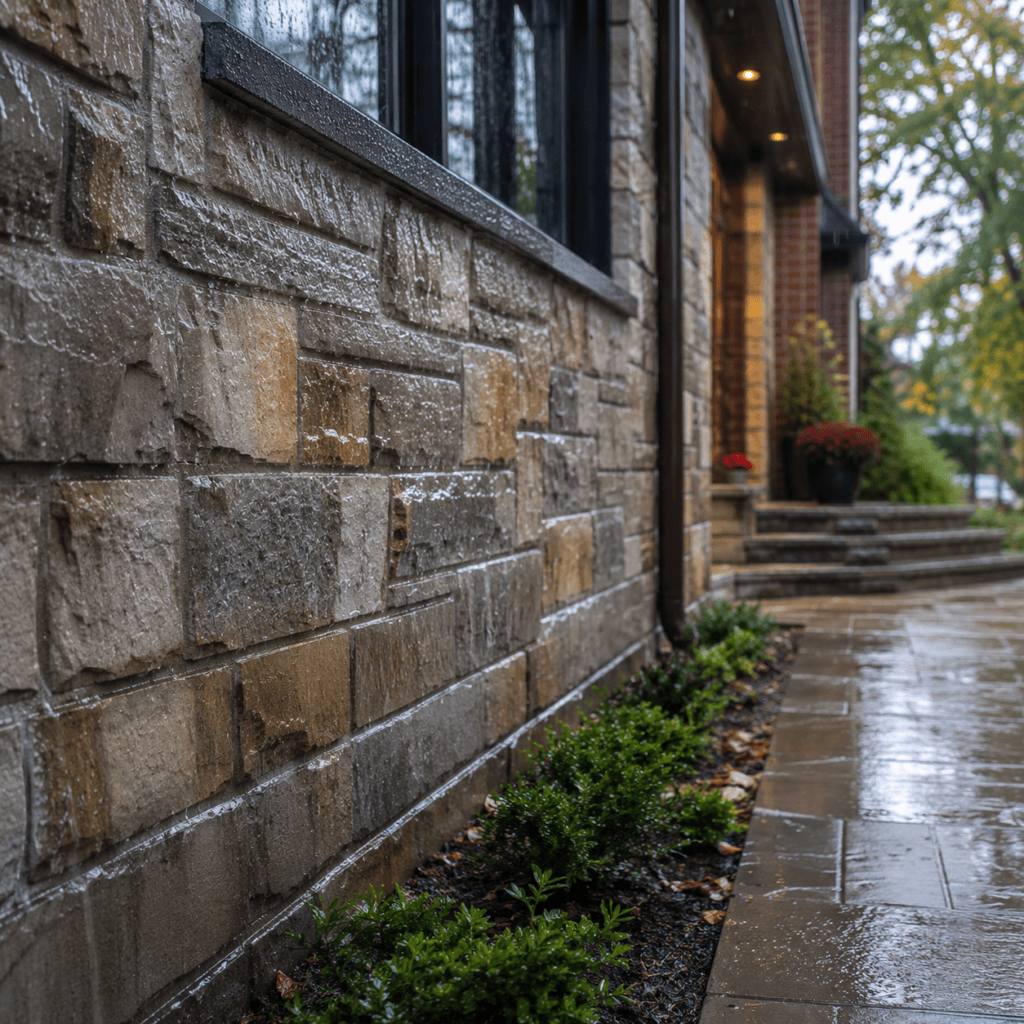
Durability in Toronto weather depends more on installation and water control than on the label “veneer” or “full stone.” Both can perform well when built correctly, and both can fail when moisture is trapped or support is weak.
Freeze-thaw cycles are a key concern. Water that gets behind the stone veneer can freeze and push the veneer away from the backing. Water behind a full stone wall can create pressure, movement, and mortar damage. Snow piles, poor grading, clogged gutters, and splashback from walkways can also keep stonework wet.
The City of Toronto provides homeowner guidance on managing rain and melted snow. This is relevant for stone projects because drainage around walls, foundations, patios, and steps can affect how long masonry work lasts.
For moisture-prone areas, the design should include proper slope, flashing where needed, breathable materials, drainage paths, and careful detailing at caps, edges, corners, and transitions.
Where Stone Veneer Makes More Sense
Stone veneer makes more sense when the goal is a visual upgrade, reduced weight, and design flexibility on a suitable existing surface. It is often a practical choice when the homeowner wants the appearance of stone without building a full stone structure.
- Front façade accents
- Porch column cladding
- Foundation-facing updates
- Outdoor fireplace surrounds
- Interior fireplace surrounds
- Garden feature walls
- Entryway upgrades
- Accent walls beside patios or walkways
Choose veneer if the project is primarily decorative and the wall system can be properly prepared. Do not choose veneer if the area needs to hold back soil, carry structural load, or hide serious moisture damage without repair.
Where Full Stone Construction Makes More Sense
Full stone construction makes more sense when the project needs depth, weight, and a more substantial masonry build. It may be better for freestanding features, garden walls, traditional stonework, or areas where the mass of stone is part of the design.
- Freestanding garden walls
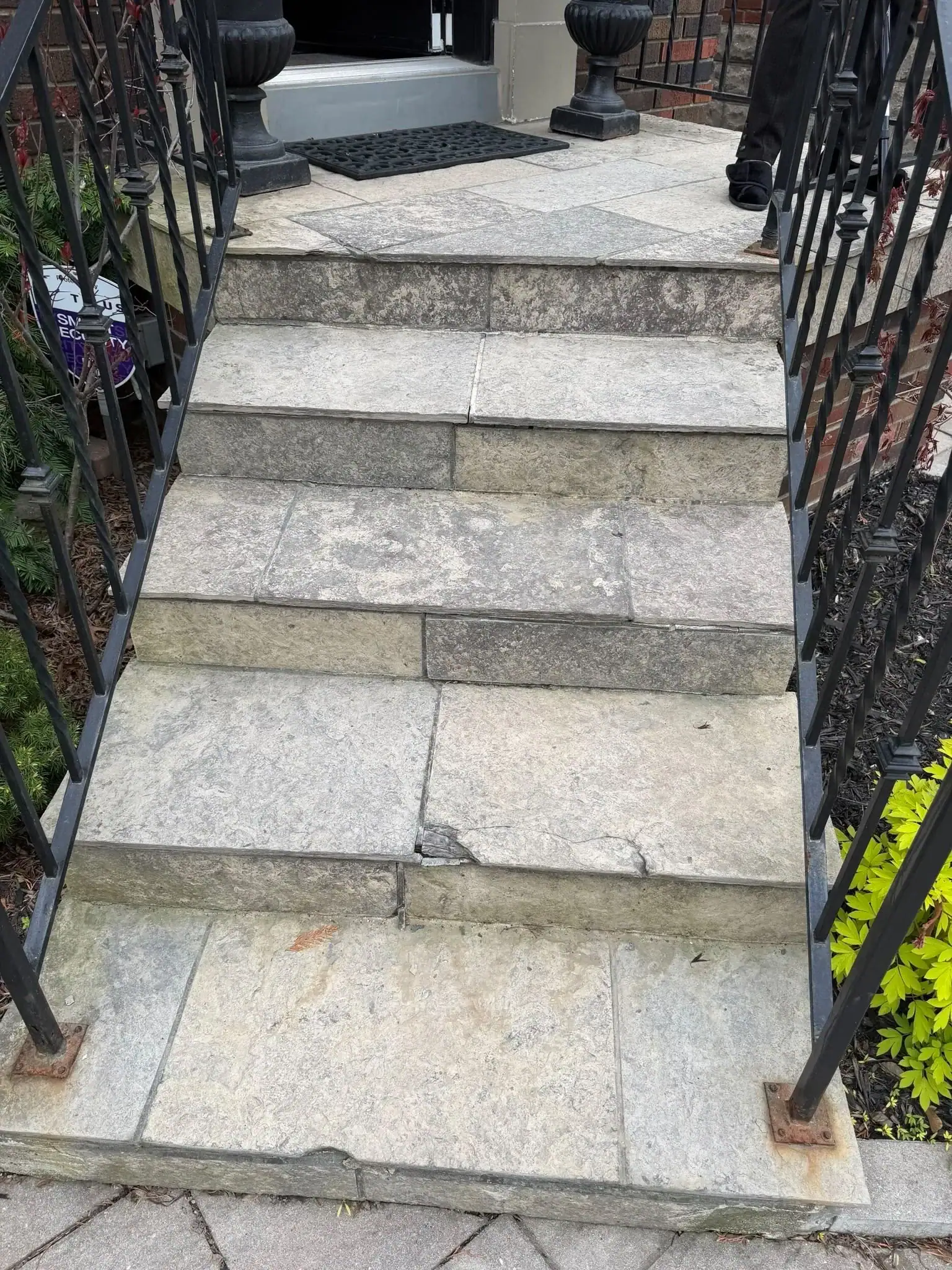
- Stone steps and landings
- Substantial porch features
- Pillars or entry features
- Some retaining walls, when properly designed
- Outdoor masonry features that need visible depth
- Traditional restoration-style stonework
Choose full stone when the design calls for real depth, and the site can support the weight. Do not choose full stone without confirming base, footing, drainage, and support requirements.
Water Management Is Critical for Both
Water management is critical for both stone veneer and full stone construction. Stone can look solid and permanent, but the wall system still needs to shed, drain, and dry properly.
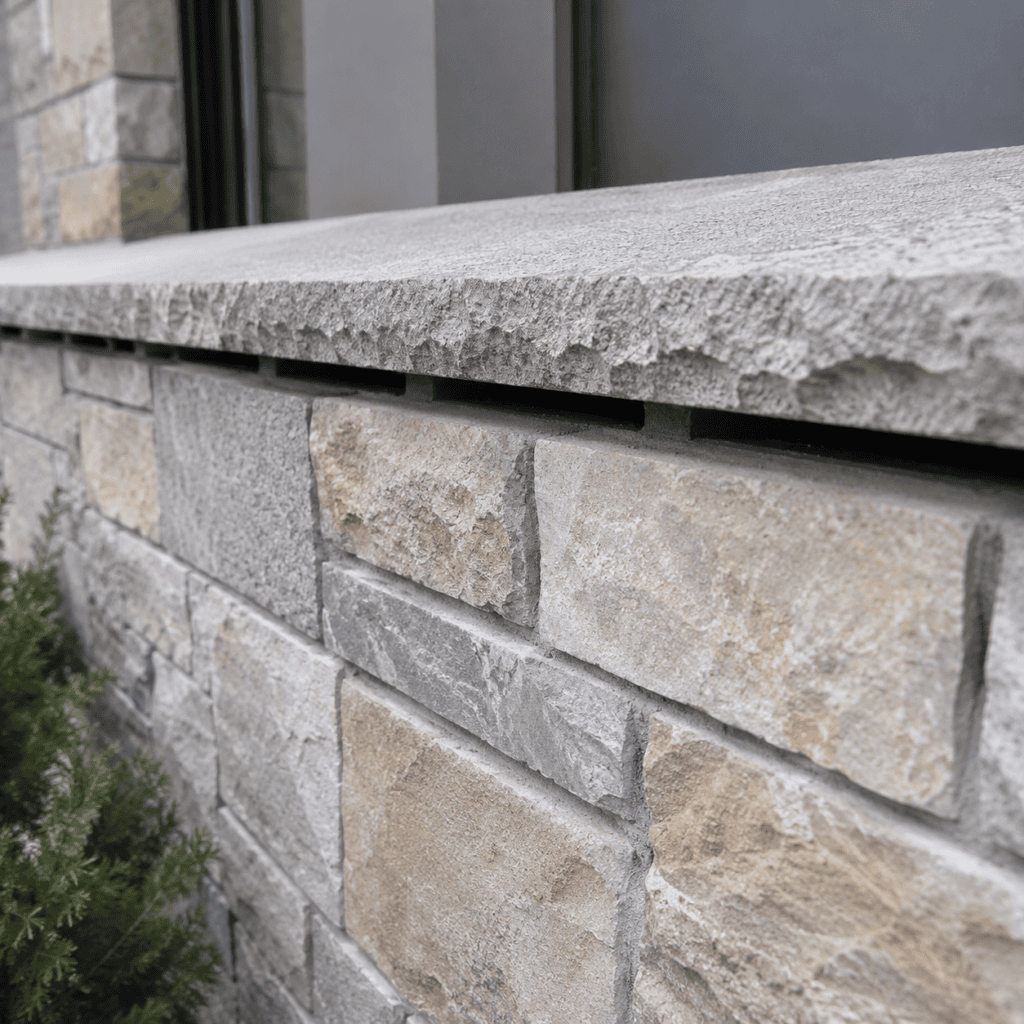
For stone veneer, water management may include proper backing, drainage plane, flashing, weep details, suitable mortar, and careful transitions around windows, doors, caps, and grade. For full stone construction, water management may include proper wall caps, sloped surfaces, drainage behind walls, weep openings where appropriate, and base conditions that keep water from sitting against the stone.
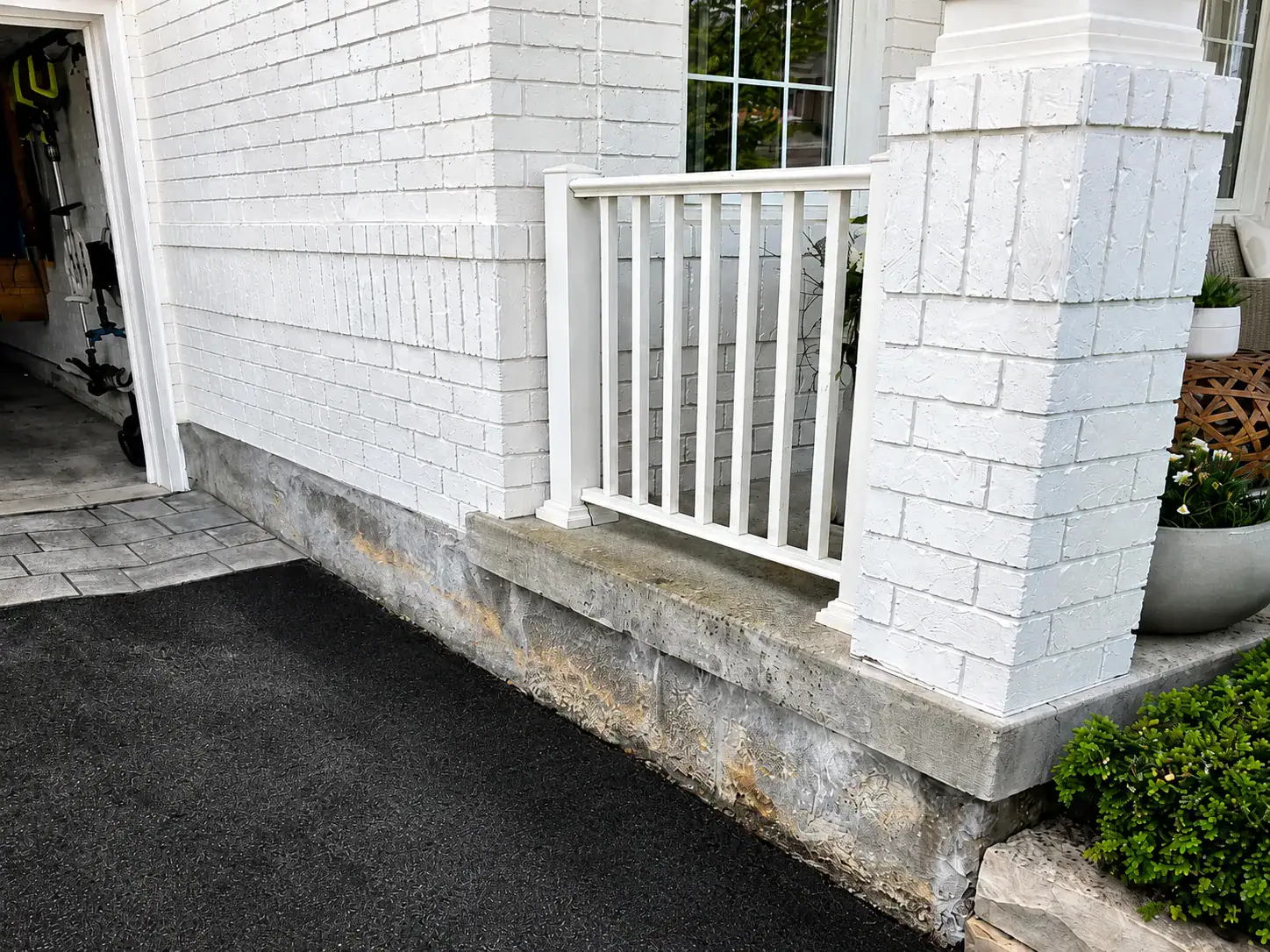
Many stone problems are not caused by the stone itself. They are caused by trapped moisture, poor grading, missing caps, open joints, or water entering from above. This is why stonework near foundations, lower walls, retaining walls, and steps needs careful planning.
If the stone project is connected to foundation moisture or lower-wall dampness, A&A Masonry’s waterproofing Toronto page can help homeowners understand when water control should be part of the masonry plan.
Cost Differences Between Stone Veneer and Full Stone
Stone veneer is often more cost-flexible than full stone construction, but the final price depends on materials, access, preparation, wall condition, drainage needs, and project detail. Thin veneer may use less material and require less structural support than full stone, but good installation still requires skilled labour.
Full stone construction often costs more because the material is heavier, the labour is more involved, and the support requirements are greater. Excavation, footings, wall thickness, drainage, and careful stone fitting can all add to the project scope.
Homeowners should avoid comparing only the price per square foot of the visible stone. The hidden work matters. Surface preparation, waterproofing details, flashing, base work, access, disposal, and repair of existing damage can affect the real cost.
A&A Masonry’s blog on how to estimate masonry project costs explains why masonry pricing depends on labour, materials, access, repairs, weather exposure, and project complexity.
Repair and Maintenance Differences
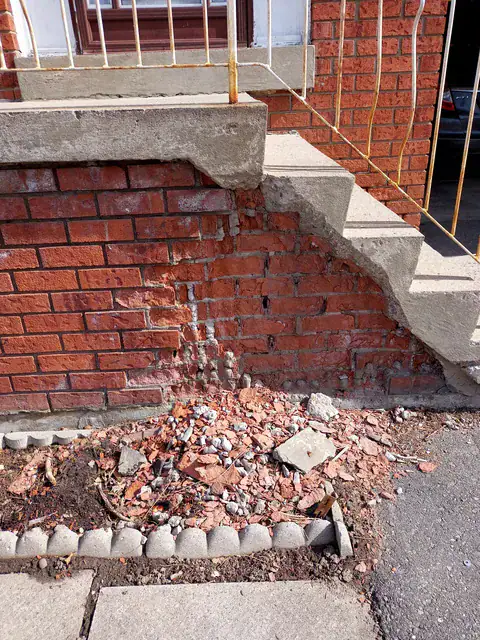
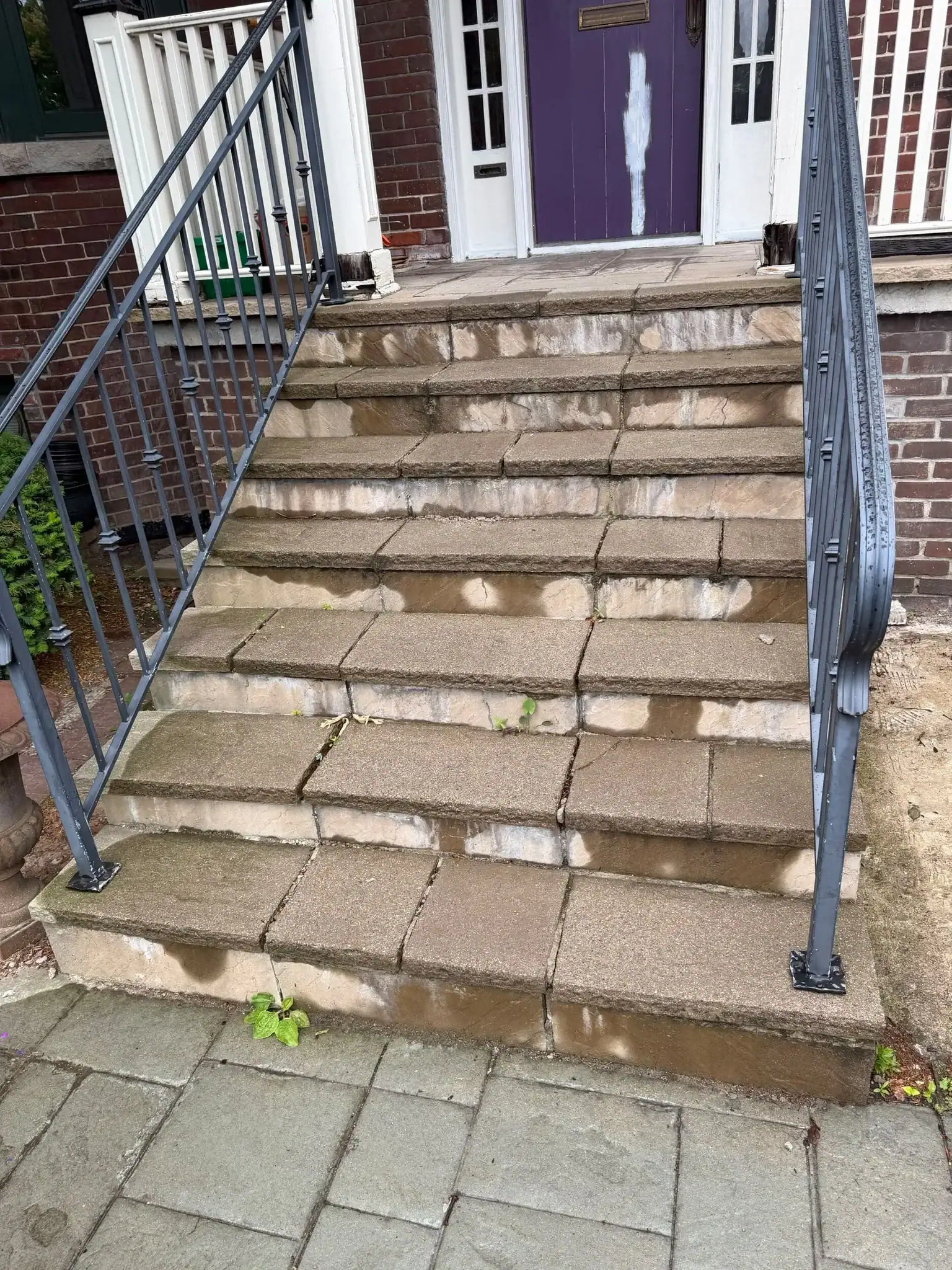
Repair and maintenance differ because veneer and full stone fail in different ways. Stone veneer may loosen, crack, separate, stain, or show moisture-related failure behind the surface. Full stone may show mortar deterioration, movement, settlement, cap failure, or drainage-related pressure.
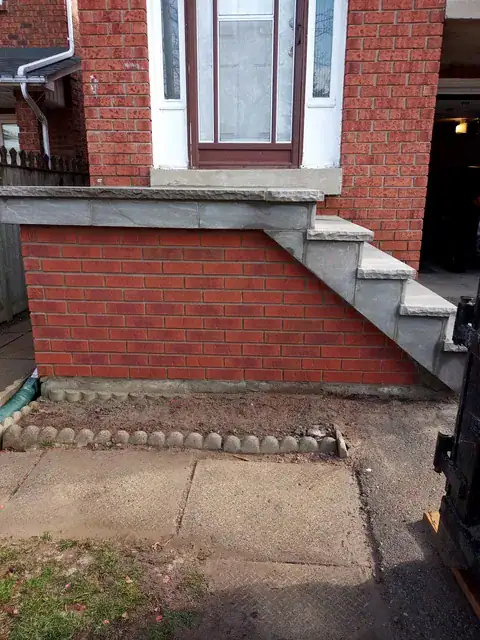
For veneer, repair may involve removing loose sections, correcting the backing or moisture issue, and reinstalling compatible stone. Matching the original veneer product can sometimes be difficult if the style is discontinued. For a full stone repair, this may involve repointing mortar joints, resetting stones, rebuilding sections, correcting drainage, or repairing caps and foundations.
Maintenance for both options includes checking joints, caps, flashing, drainage, staining, cracks, and loose units. Homeowners should also keep soil, mulch, and snow from trapping moisture against the stone.
Permits and Code Questions
Permits and code questions may matter when stone veneer or full stone construction changes exterior cladding, structure, support, fire separation, openings, foundations, retaining walls, or other regulated building elements. A small decorative interior accent is different from exterior recladding or a structural stone wall.
The City of Toronto’s guidance on when a building permit is needed notes that certain recladding, structural, and exterior changes may require review. Ontario’s official Building Code page is the preferred provincial reference for building requirements.
For homeowners, the practical rule is simple: if the project changes the exterior wall system, adds significant weight, affects structural support, changes openings, involves retaining walls, or connects to a larger renovation, check permit requirements before starting.
What Homeowners Should Check Before Choosing
Homeowners should assess the existing wall, water conditions, home style, and project purpose before choosing stone veneer or full stone construction. A stone project should solve the right problem and fit the property.
- Purpose: Is the project decorative, structural-looking, functional, or part of a repair?
- Support: Can the existing wall or base support the chosen stone system?
- Moisture: Are there leaks, damp walls, poor grading, or drainage problems nearby?
- Exposure: Will the stone face heavy rain, snow piles, salt, splashback, or shade?
- Style: Does the stone fit the home’s brick, roof, windows, steps, and landscape?
- Maintenance: Can the material be repaired or matched later if needed?
- Budget: Does the estimate include preparation, drainage, flashing, support, and cleanup?
- Rules: Could permits or code requirements apply to the scope?
These questions help homeowners avoid choosing stone based only on a showroom sample or online photo.
Quick Decision Guide: Stone Veneer vs Full Stone
A quick decision guide can help narrow the choice.
- Choose stone veneer for a lighter decorative finish on a suitable wall, column, fireplace, or façade accent.
- Choose stone veneer if full stone would add too much weight or require major structural changes.
- Choose full stone if the project needs depth, mass, freestanding presence, or traditional stonework character.
- Choose full stone if the design includes substantial garden walls, pillars, steps, or properly designed retaining features.
- Fix water problems first if the area has dampness, staining, efflorescence, leaks, or poor drainage.
- Check permits first if the project changes exterior cladding, structure, openings, retaining walls, or foundation areas.
- Match the home first if the property has older brickwork, heritage character, or a strong existing masonry style.
The better choice is the one that fits the home, withstands the weather, manages water properly, and supports the project’s real purpose.
When Professional Help Makes More Sense
Professional help makes more sense when the project affects exterior cladding, water management, structural support, heavy stone, retaining walls, foundations, or older masonry. Stonework is visible, heavy, and weather-exposed, so shortcuts tend to show over time.
A professional mason can assess whether stone veneer or full stone construction makes more sense for the surface, support, drainage, and design. They can also help identify issues that should be repaired first, such as cracked brick, failing mortar, dampness in the foundation, or poor grading.
For broader project planning, A&A Masonry’s masonry services in Toronto page outlines stone masonry, brick repair, concrete repair, tuckpointing, waterproofing, chimney repair, interlocking stone, and exterior restoration services.
Final Thoughts on Stone Veneer vs Full Stone Construction
Stone veneer vs full stone construction is not only a question of appearance. It is a question of weight, support, drainage, cost, repairability, and how the stone will perform in Toronto’s weather. Stone veneer can be a smart option for decorative updates, façade accents, fireplaces, columns, and lighter exterior features. Full stone construction can be a better choice for deeper, heavier, more traditional masonry features when the site is designed to support it.
Both options can look good and last when installed properly. Both can fail when water is trapped, support is weak, or the project is chosen only for looks. Before deciding, consider the existing structure, how water moves in the area, what the stone needs to do, and whether the design fits the home.
The strongest stone masonry projects are the ones that look natural, manage moisture, respect the building, and use the right method for the job.