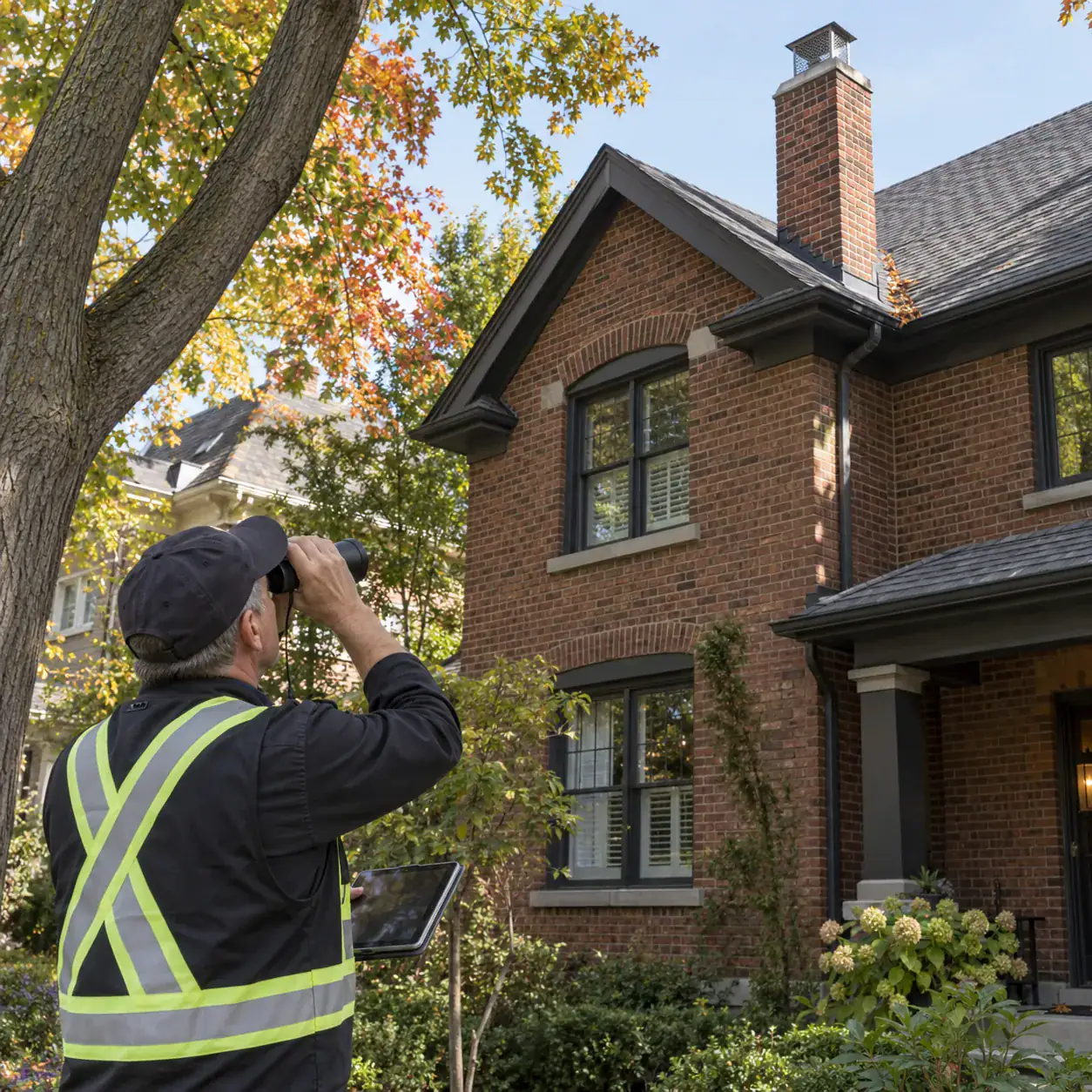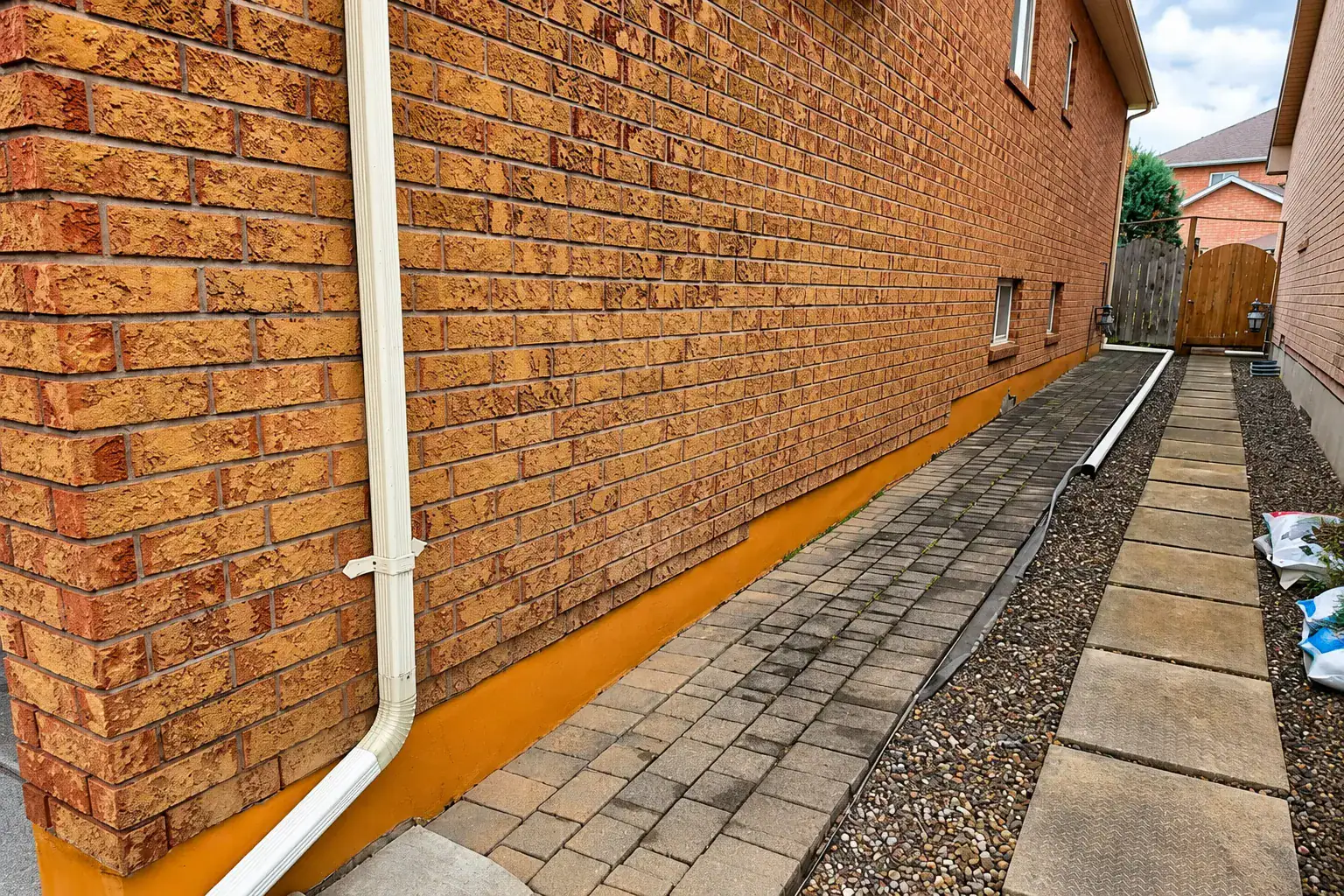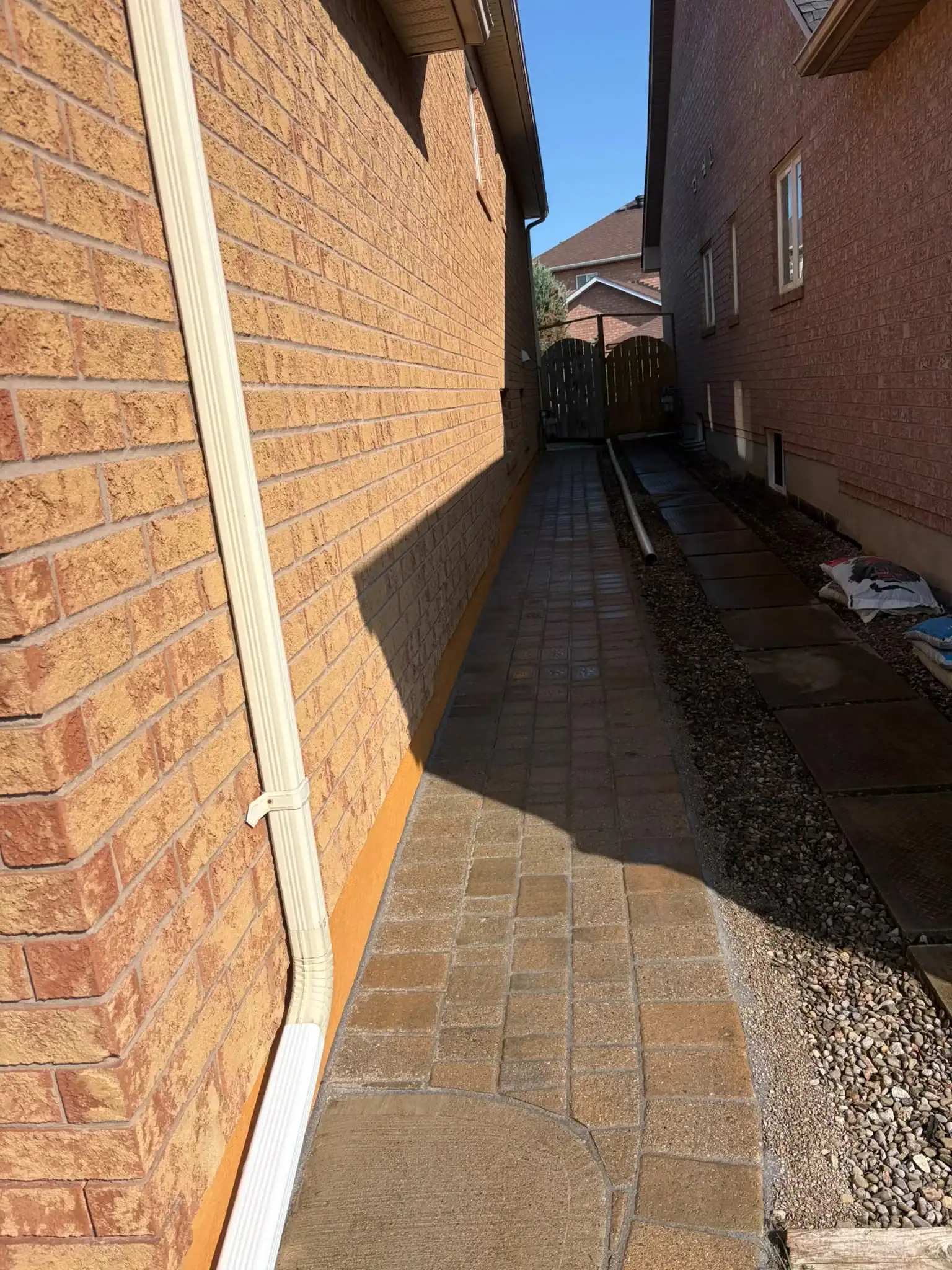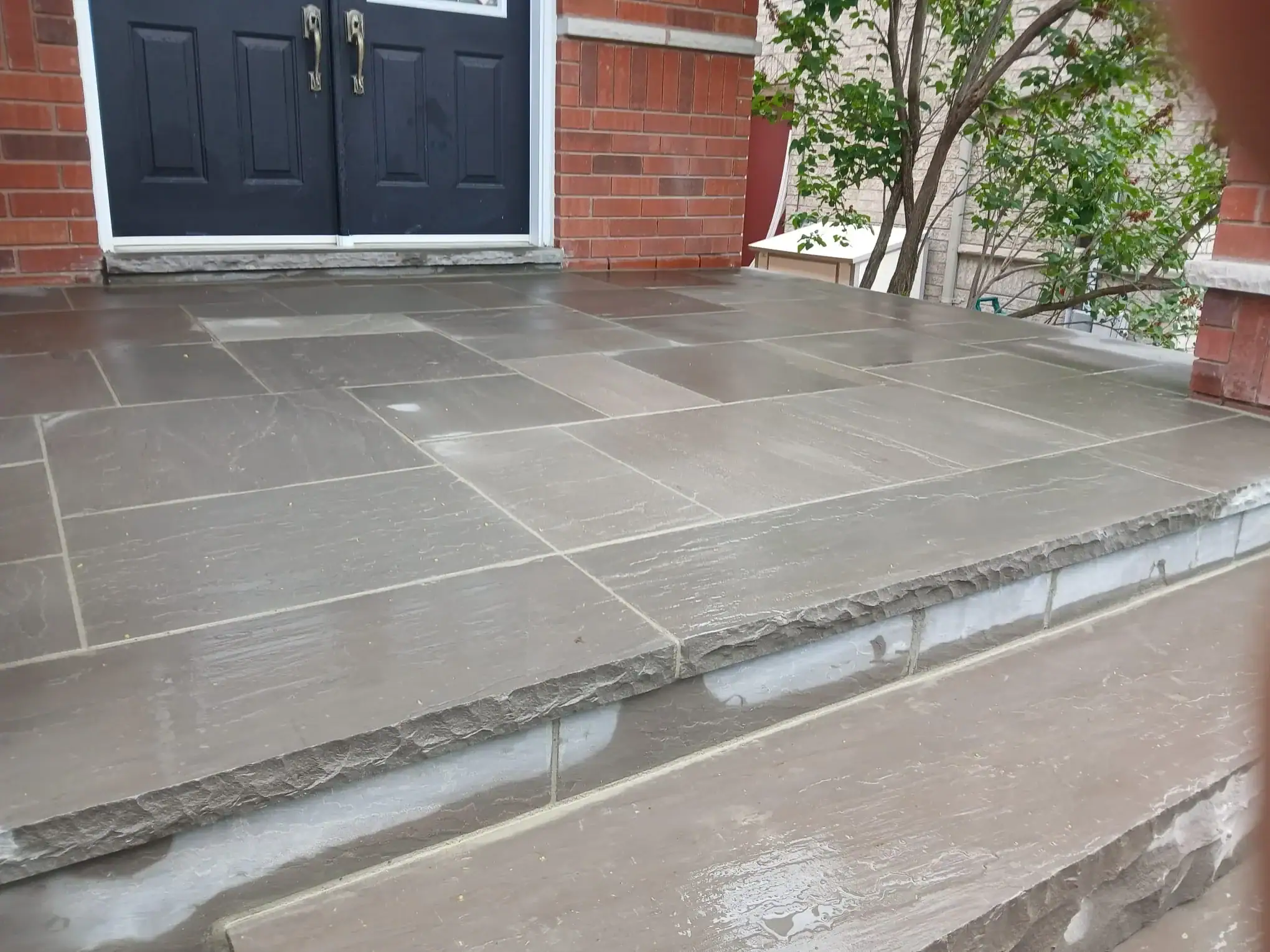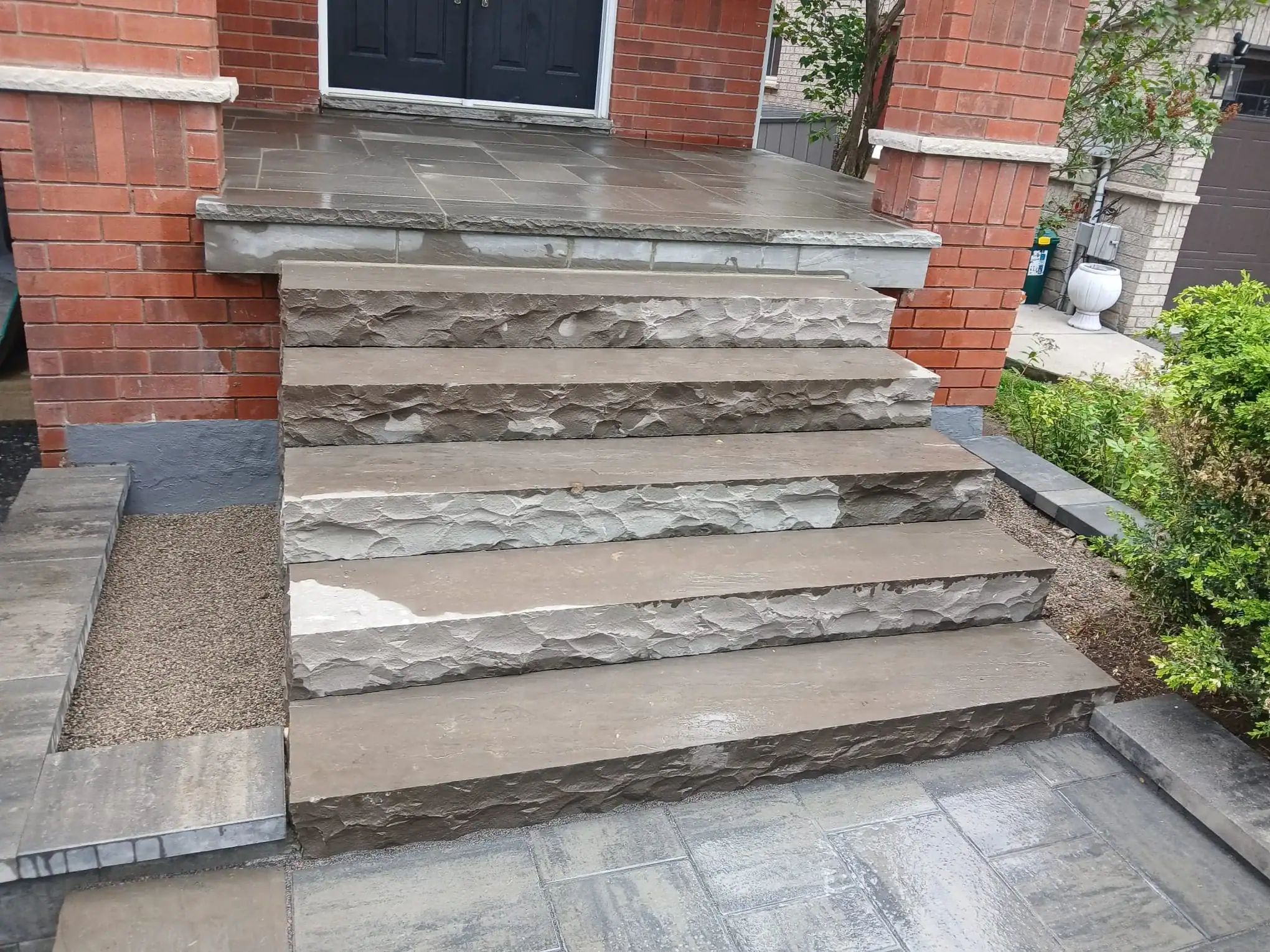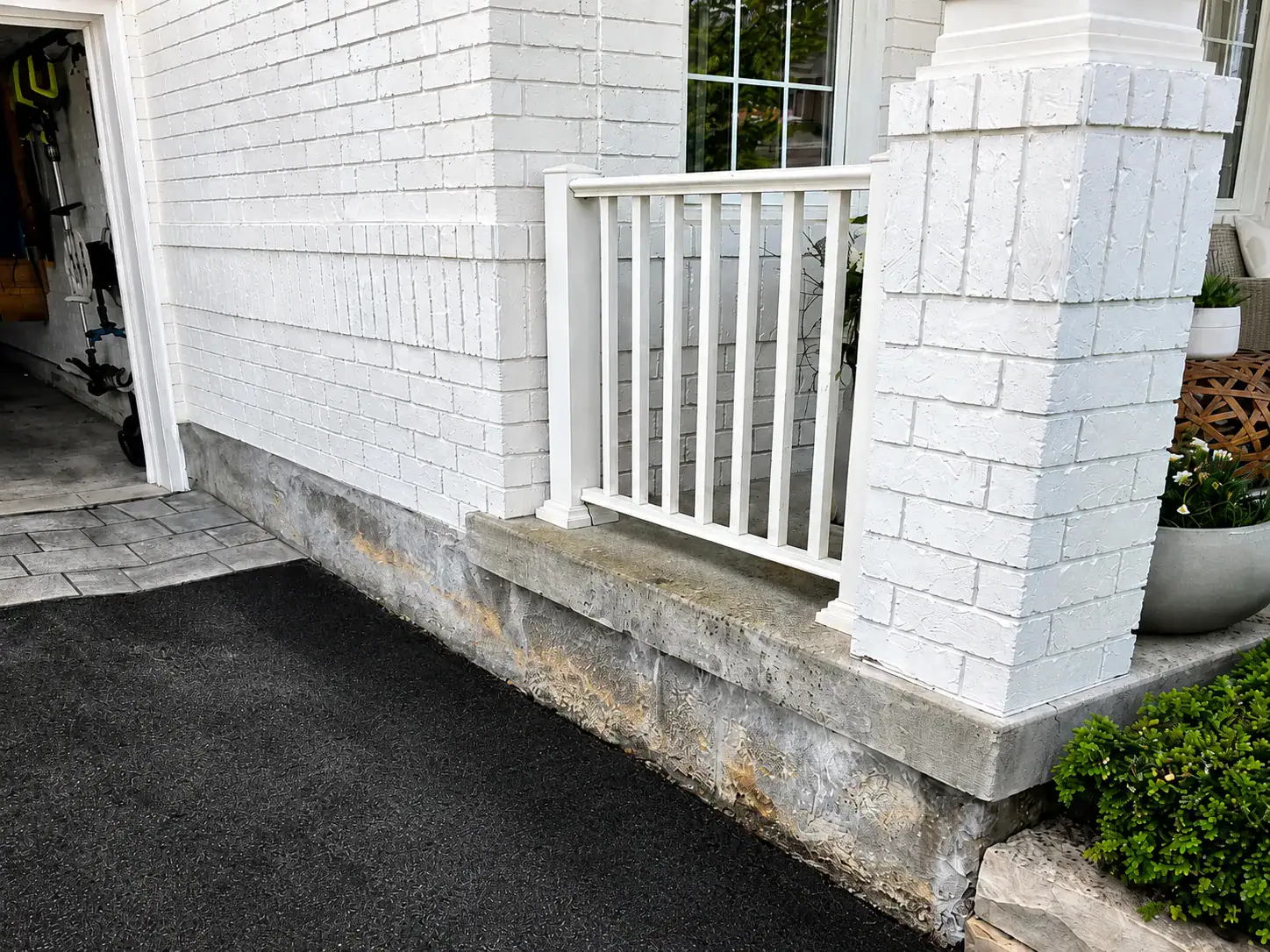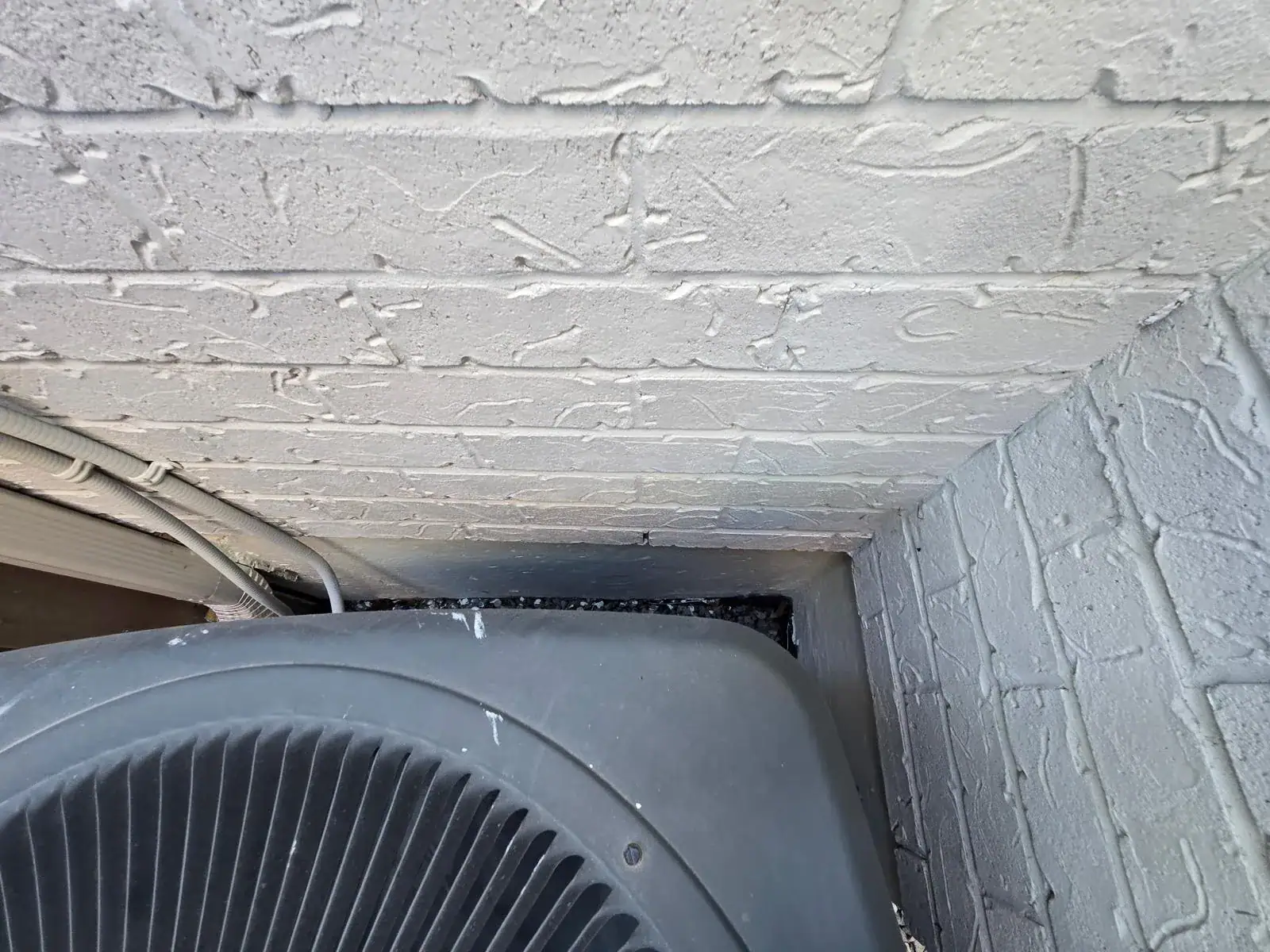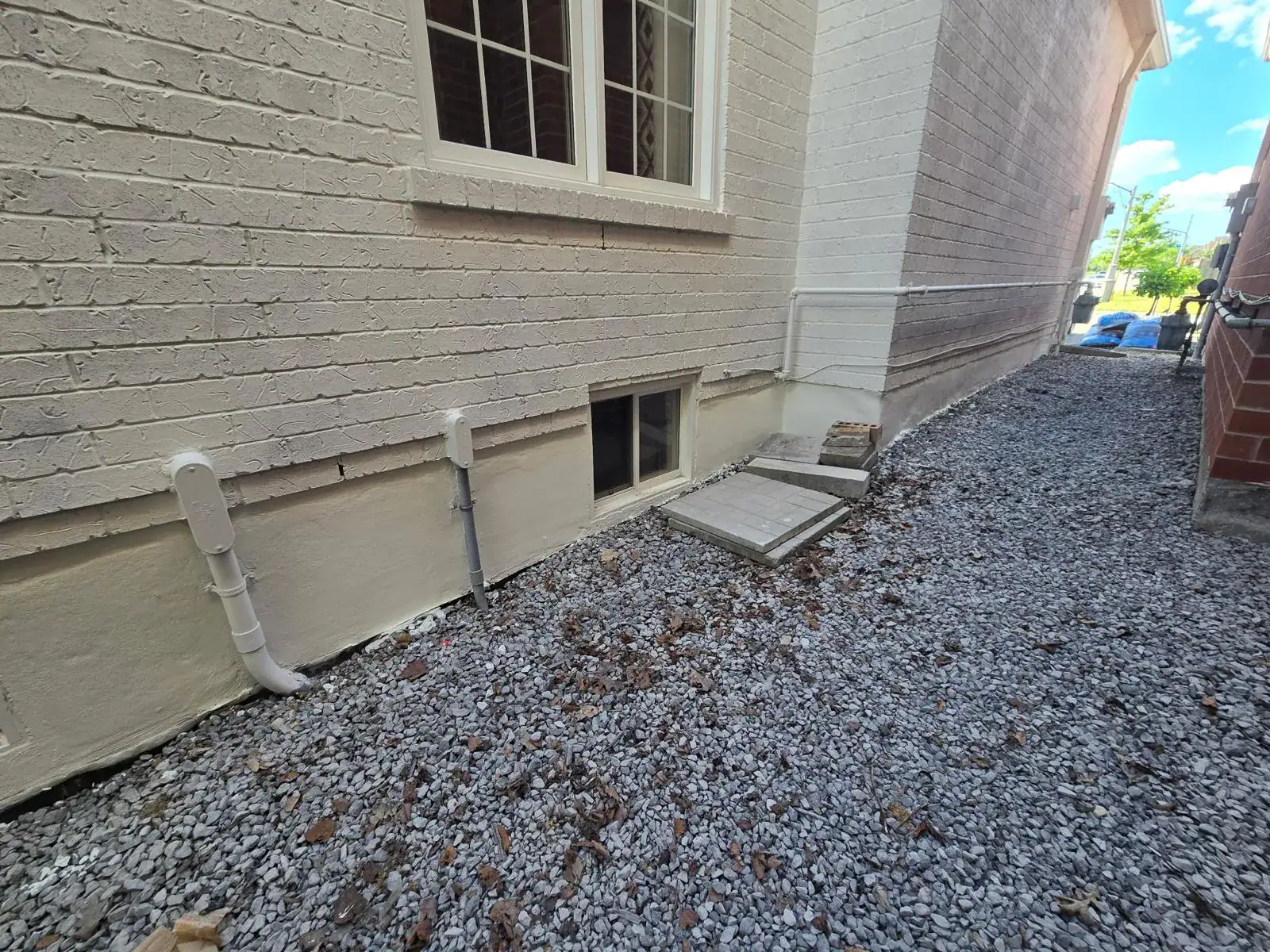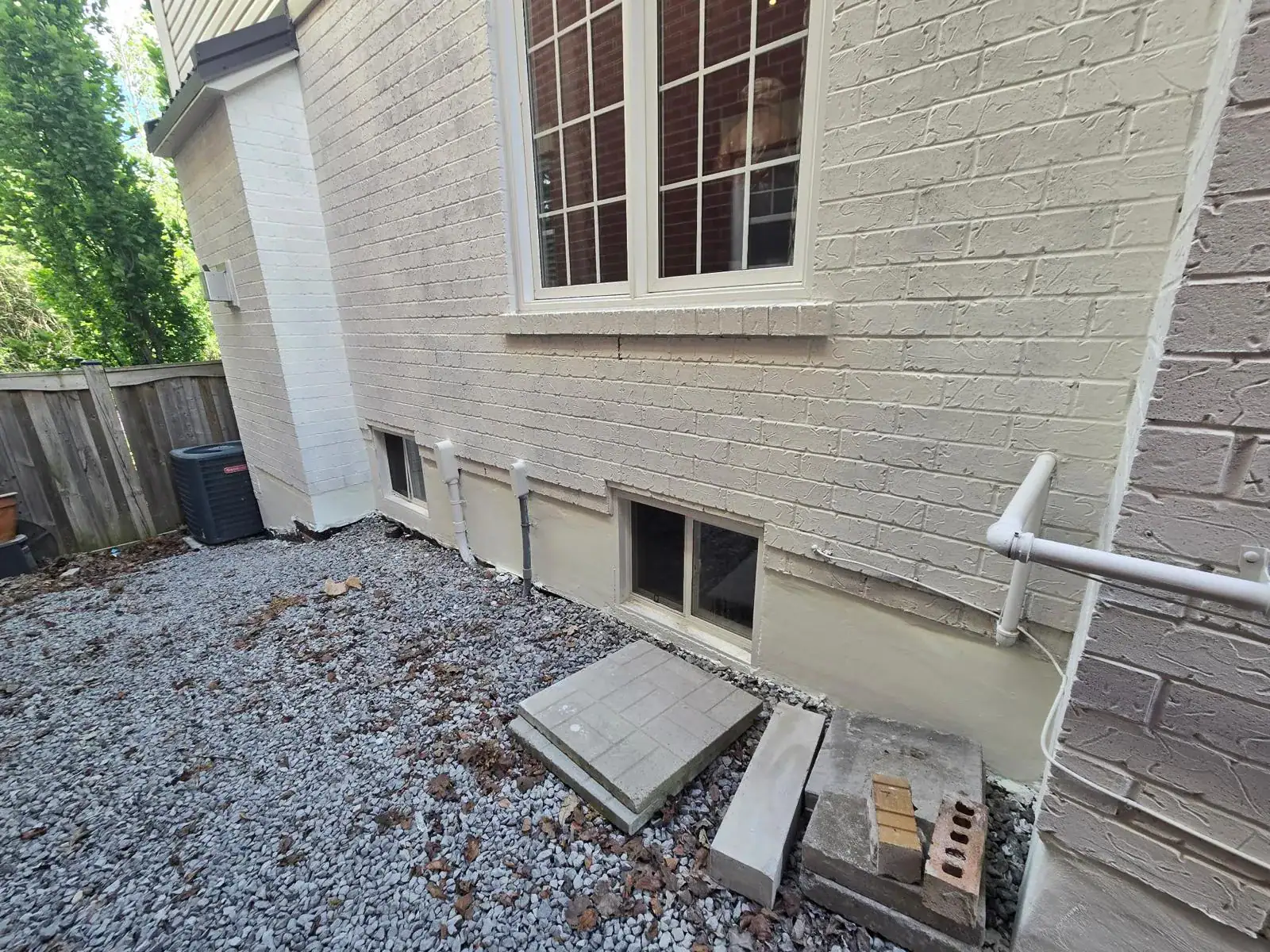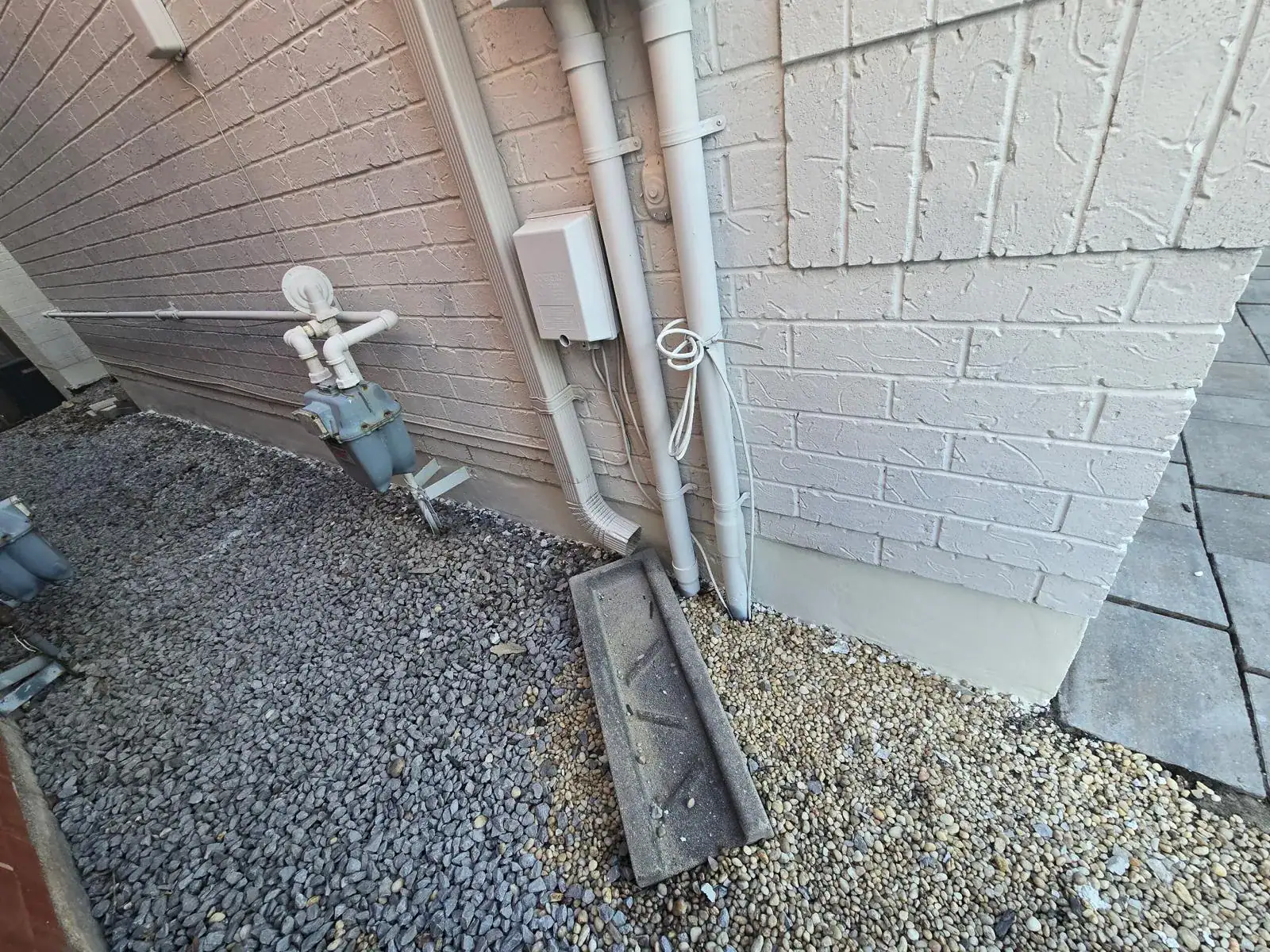

Chimney damage is one of the most common masonry problems in Toronto and the GTA, yet it is often ignored until serious structural issues appear. Because chimneys are fully exposed to wind, rain, snow, and freeze-thaw cycles, chimney damage develops faster than most other parts of a home.
Understanding early signs of chimney damage allows homeowners to act before minor deterioration becomes major structural failure. This guide explains the most common types of chimney damage, what causes them, and how to identify warning signs early.
Why chimney damage happens so often in Canada
Chimney damage is accelerated by constant weather exposure. Unlike exterior walls, chimneys are exposed on all sides and often above the roofline, where wind-driven rain and snow hit hardest.
Toronto’s freeze-thaw climate is especially harsh on chimneys. Moisture enters small cracks, freezes, expands, and slowly forces mortar joints and bricks apart. Over time, this repeated pressure creates progressive chimney damage that weakens the entire structure.
This process mirrors broader patterns of masonry weather deterioration explained in our climate guide: how weather affects masonry over time.
Most common types of chimney damage
Mortar joint deterioration
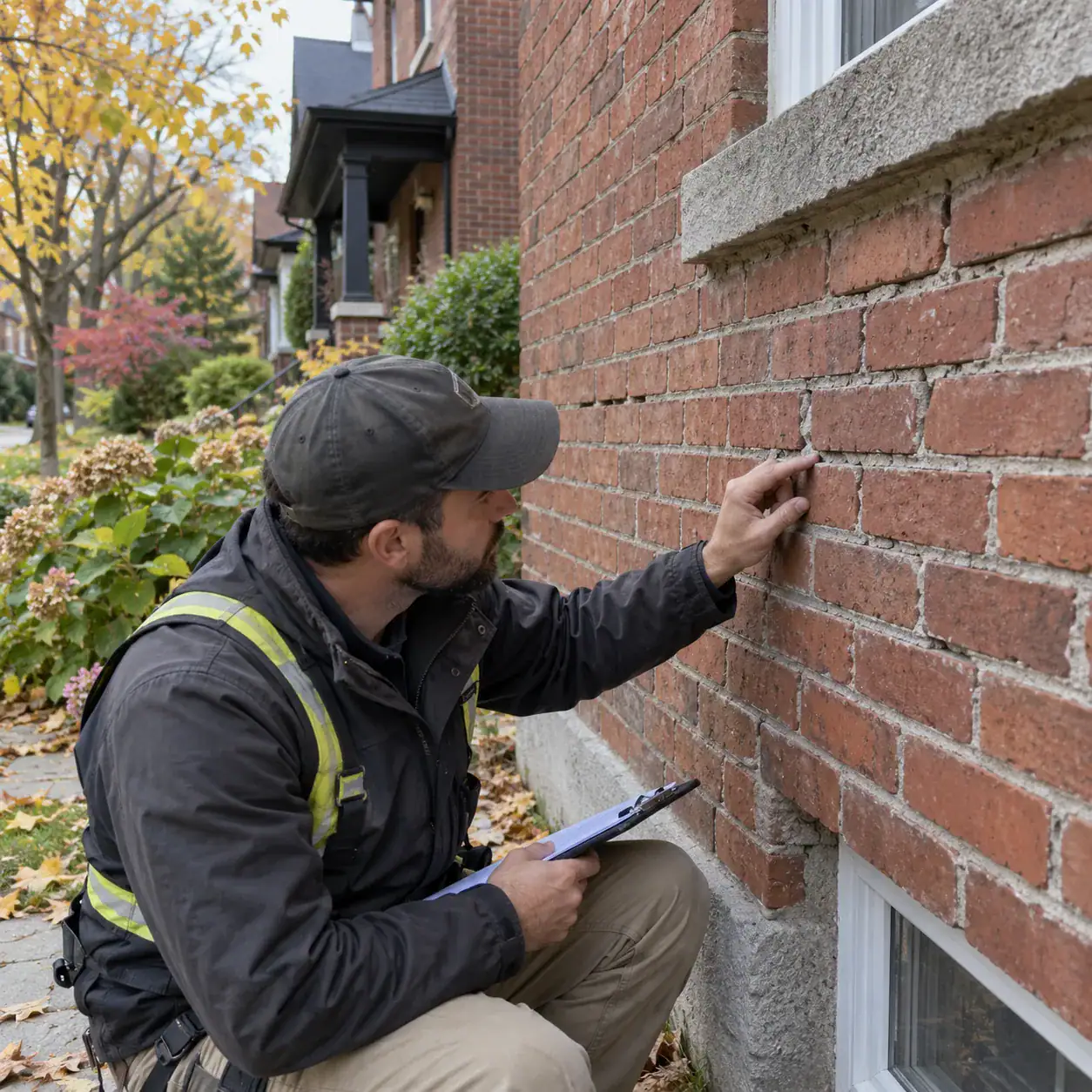
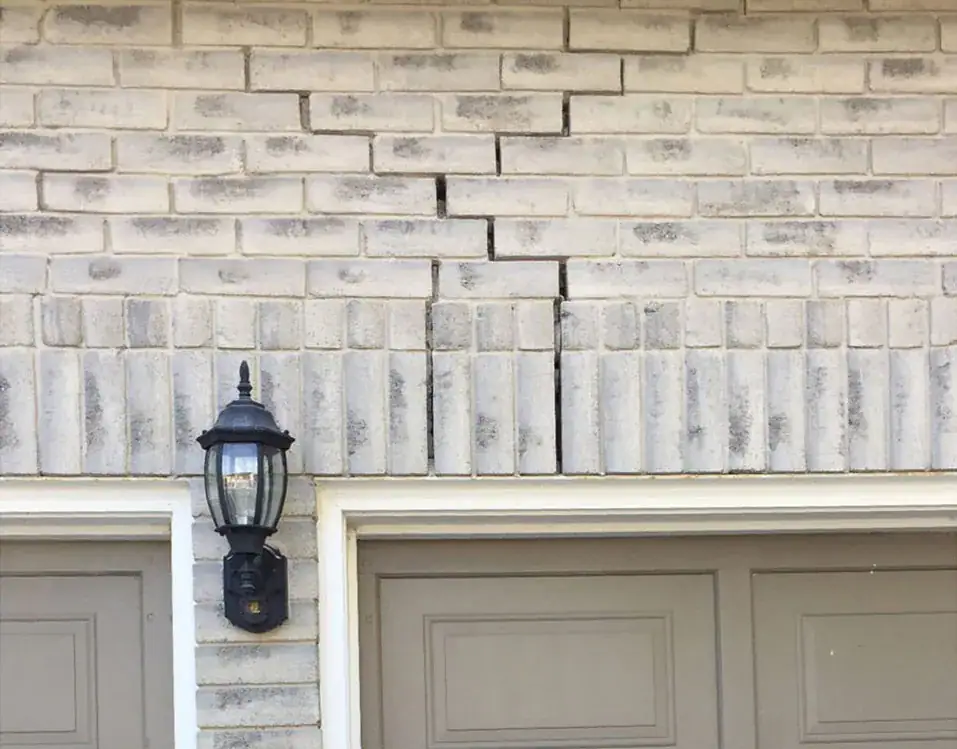
One of the earliest forms of chimney damage is failing mortar joints. Crumbling, cracked, or recessed joints allow water to penetrate deeper into the chimney structure.
This type of chimney damage is often addressed through professional tuckpointing, which restores joint integrity before bricks begin to fail. In areas like York Region, localized services such as Concord tuckpointing services are commonly required due to older masonry stock.
Brick cracking and spalling
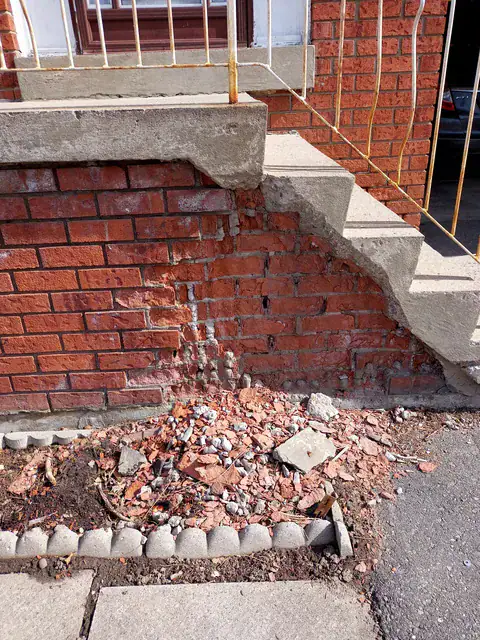
When moisture becomes trapped behind brick faces, freeze-thaw pressure causes surface layers to flake off. This form of chimney damage is called spalling and often leads to brick replacement.
Once brick deterioration begins, chimney damage usually spreads quickly, requiring professional brick repair rather than simple patching.
Structural leaning or separation
Advanced chimney damage can cause the chimney to shift or lean away from the structure. This is a serious safety concern and requires immediate professional assessment.
Chimney cap and crown failure
Cracked crowns and missing caps allow direct water entry, accelerating chimney damage internally. These small components play a large role in long-term chimney protection.
Early warning signs of chimney damage
- Cracks forming in chimney mortar joints
- Loose or missing bricks
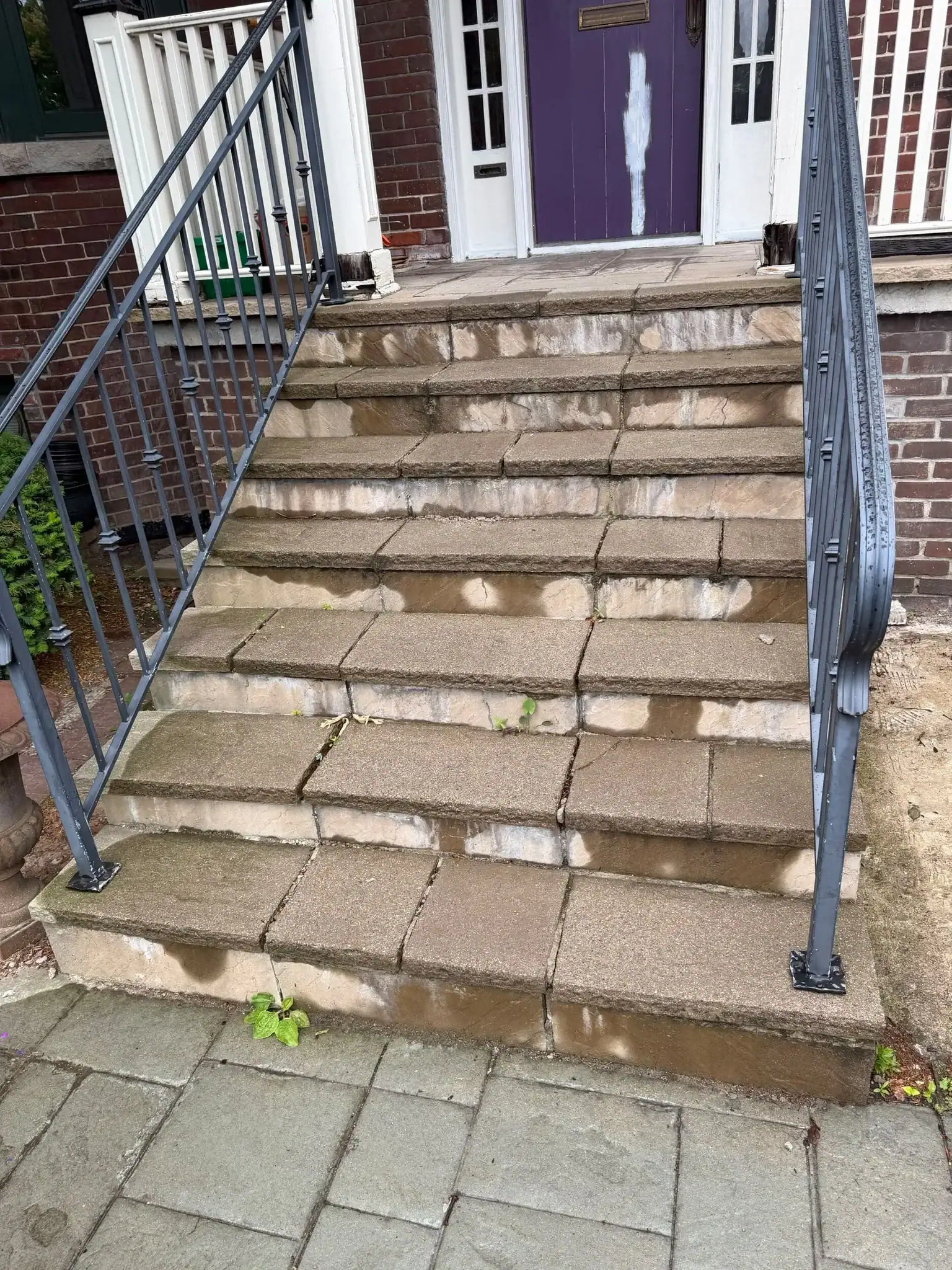
- White staining on chimney surfaces
- Water leaks near fireplaces
- Rust stains from internal metal components
- Chimney leaning or visible separation from the house
If multiple signs appear at once, chimney damage is likely progressing beyond cosmetic wear.
How chimney damage affects interior systems
Chimney damage does not only affect the exterior. Moisture intrusion can impact fireplaces, flues, and interior masonry systems. Homes with interior hearths often require coordinated repairs involving both chimney structure and fireplace installation systems.
Local risk areas in Toronto and the GTA
In neighbourhoods with older housing stock, chimney damage appears more frequently due to aging materials and outdated construction methods. Areas such as Scarborough often see higher brick deterioration rates, which is why localized services like Scarborough brick repair and restoration are critical for long-term structural protection.
When chimney damage becomes a safety issue
At a certain stage, chimney damage becomes more than a maintenance concern. Structural instability, falling masonry, and internal moisture damage create safety risks for occupants and neighbouring properties.
In Toronto, deteriorating exterior masonry and structural components fall under building safety oversight provided by the City of Toronto Building Division, which provides guidance and inspections related to exterior wall and structural safety.
How chimney damage is properly addressed
Effective chimney damage repair starts with identifying moisture sources and structural weaknesses. Solutions may include:
- Tuckpointing failing mortar joints
- Replacing damaged bricks
- Installing proper chimney caps and crowns
- Improving waterproofing systems
Professional chimney repair and targeted waterproofing protect chimneys from recurring damage cycles. Check out our chimney repair Toronto page for more details and how to avail of our services
Final thoughts for Toronto homeowners
Chimney damage rarely appears overnight. It develops gradually, driven by moisture and exposure to climate. The earlier chimney damage is identified, the simpler and less expensive the repair process becomes.
For Toronto and GTA homeowners, treating chimney damage as preventative maintenance rather than emergency repair protects both property value and long-term safety.