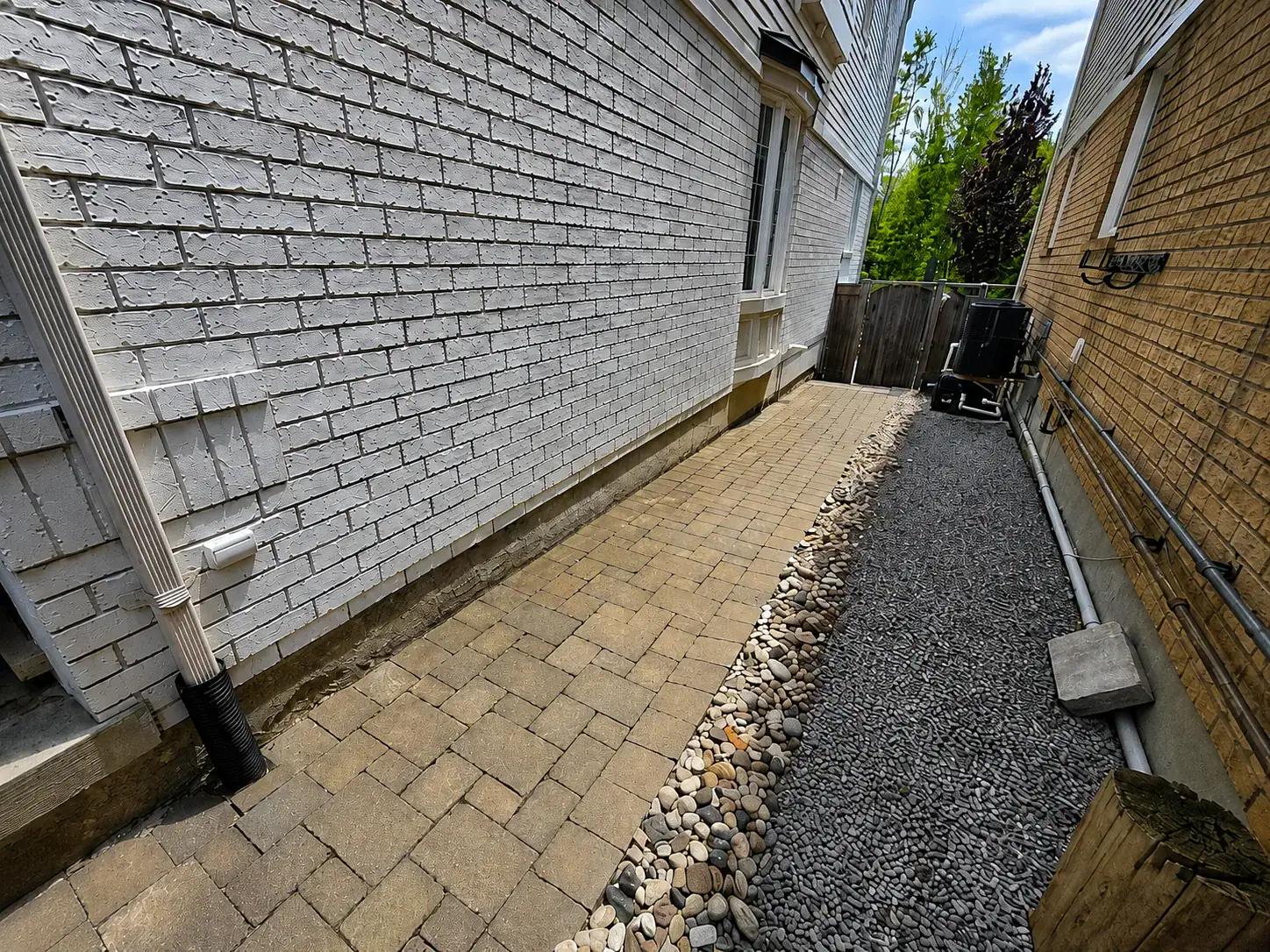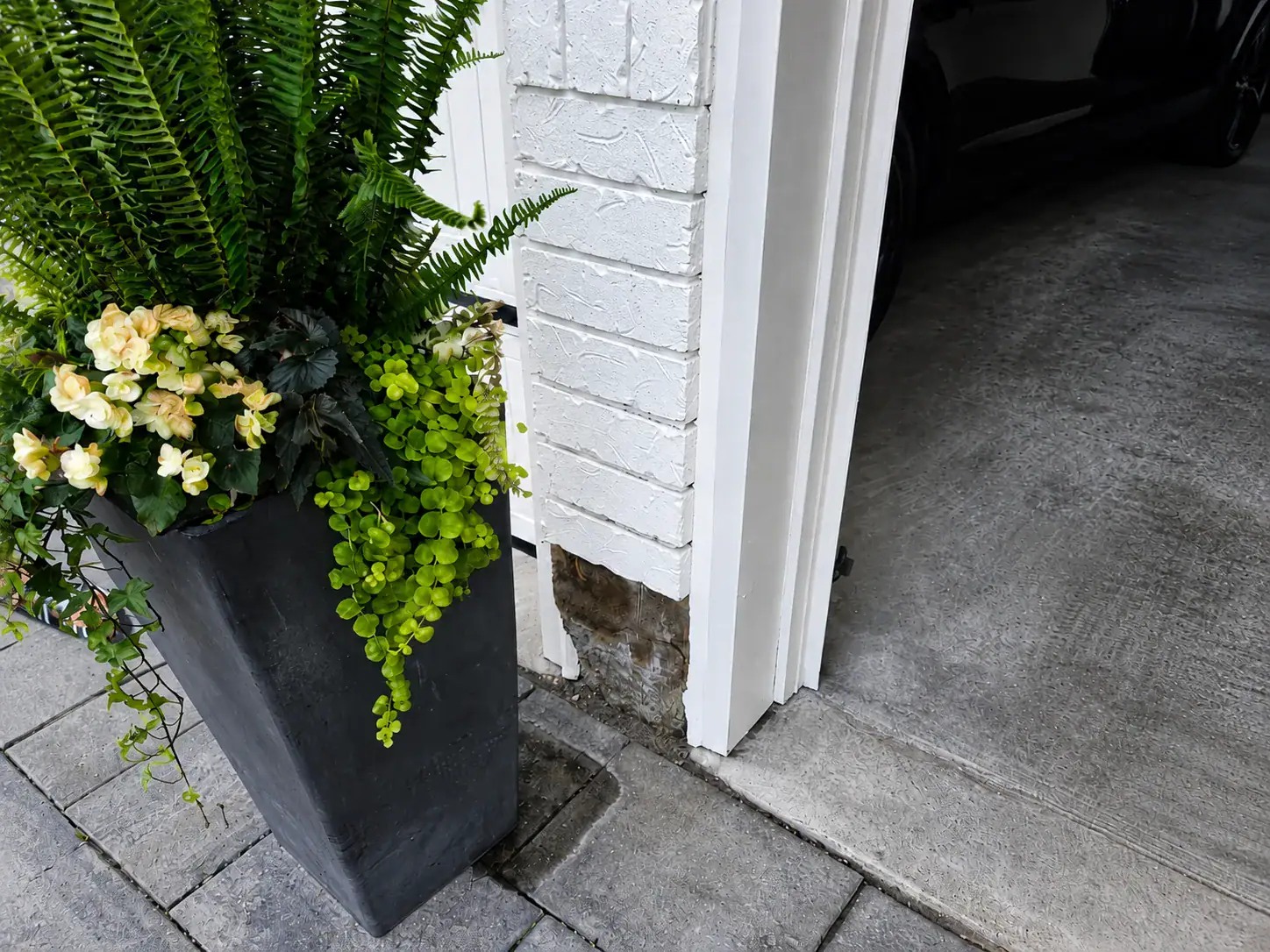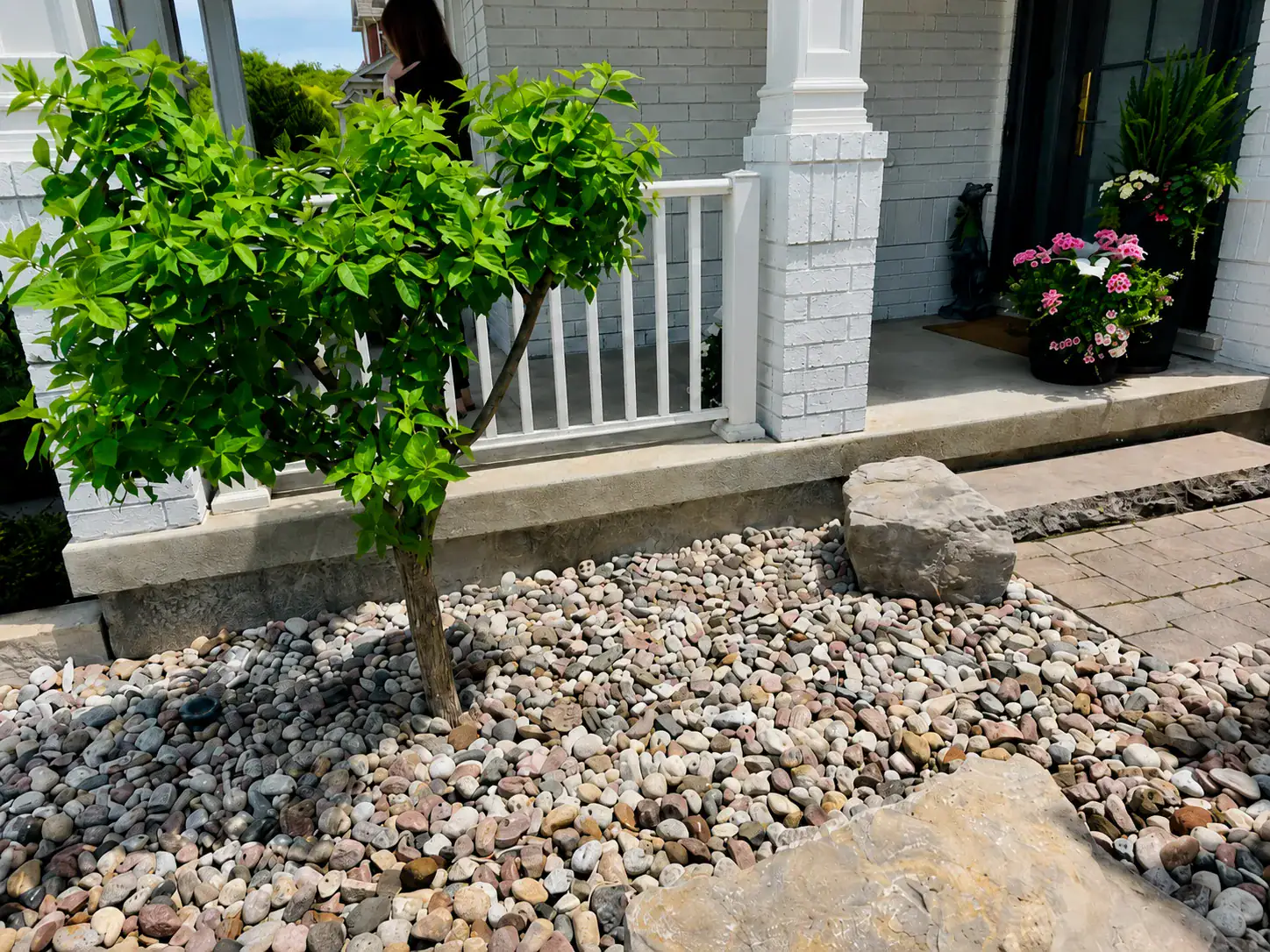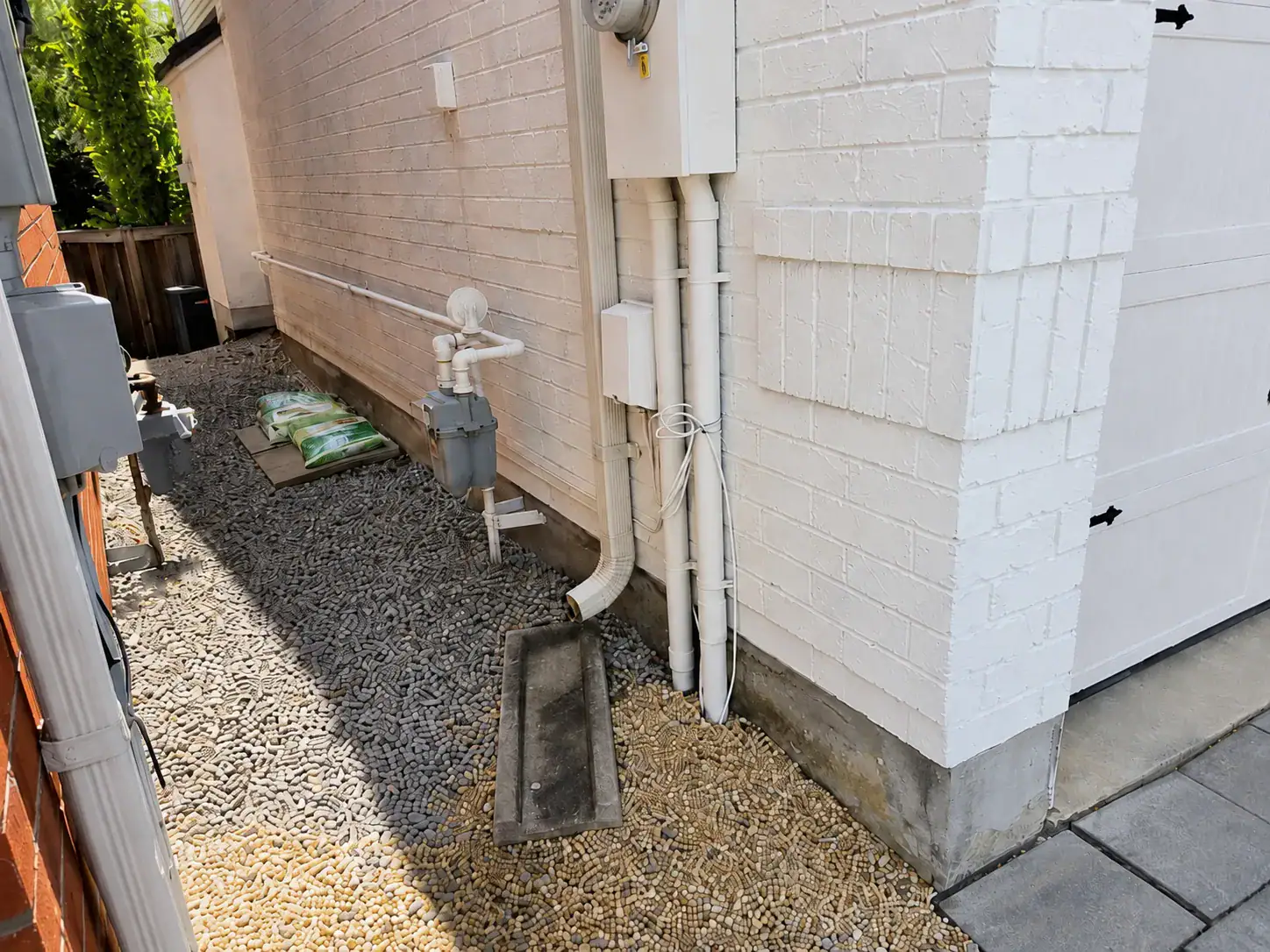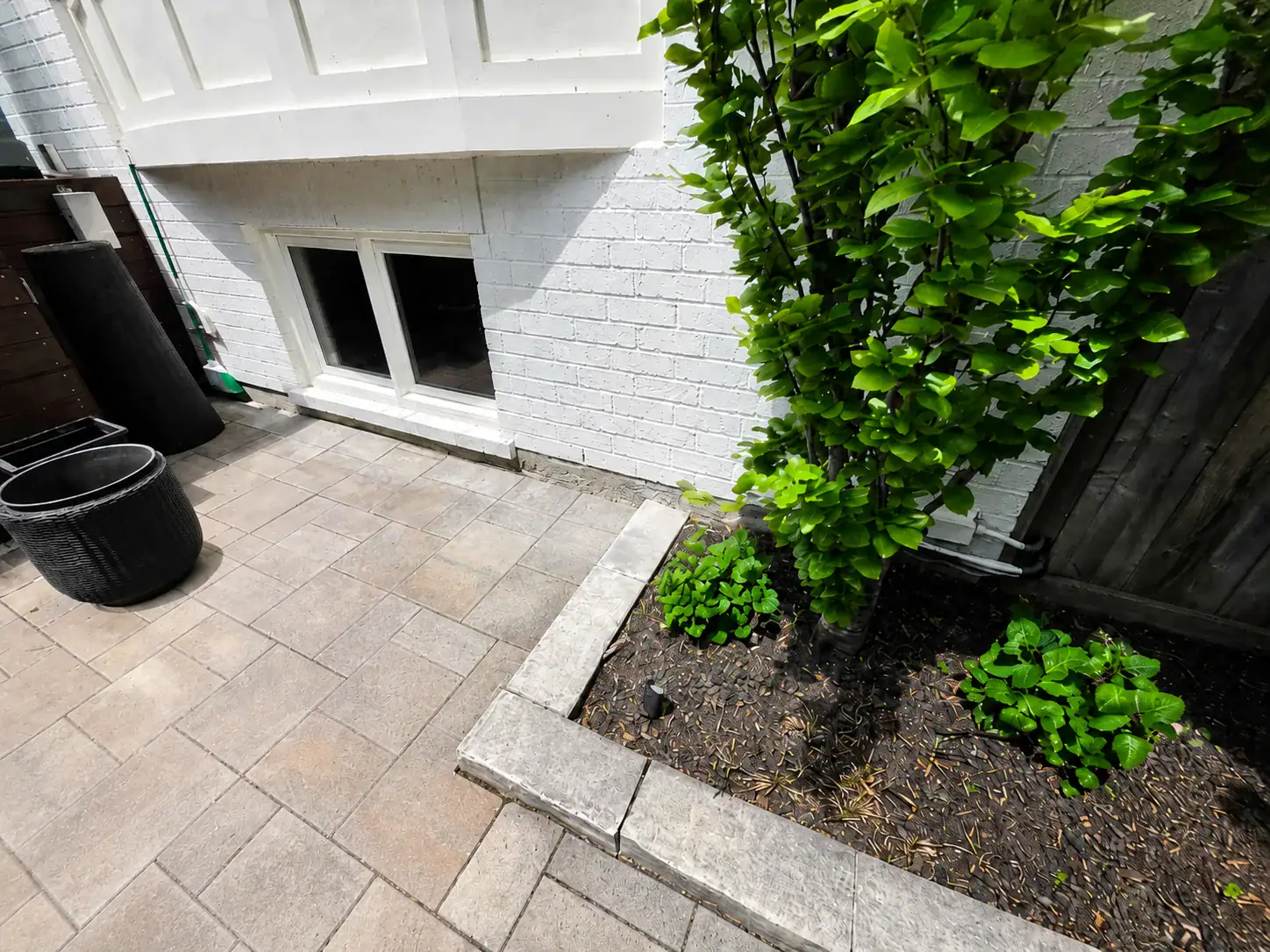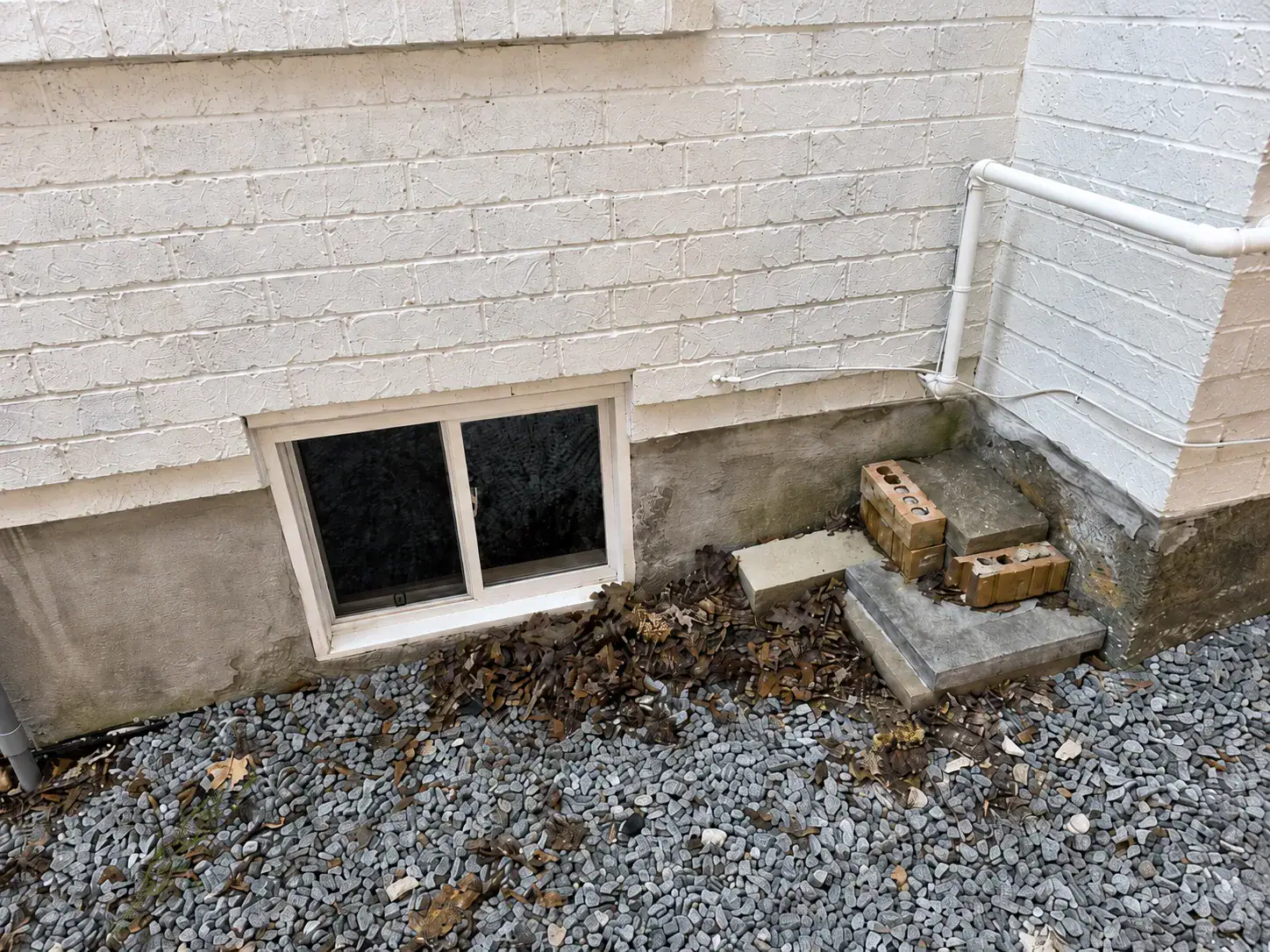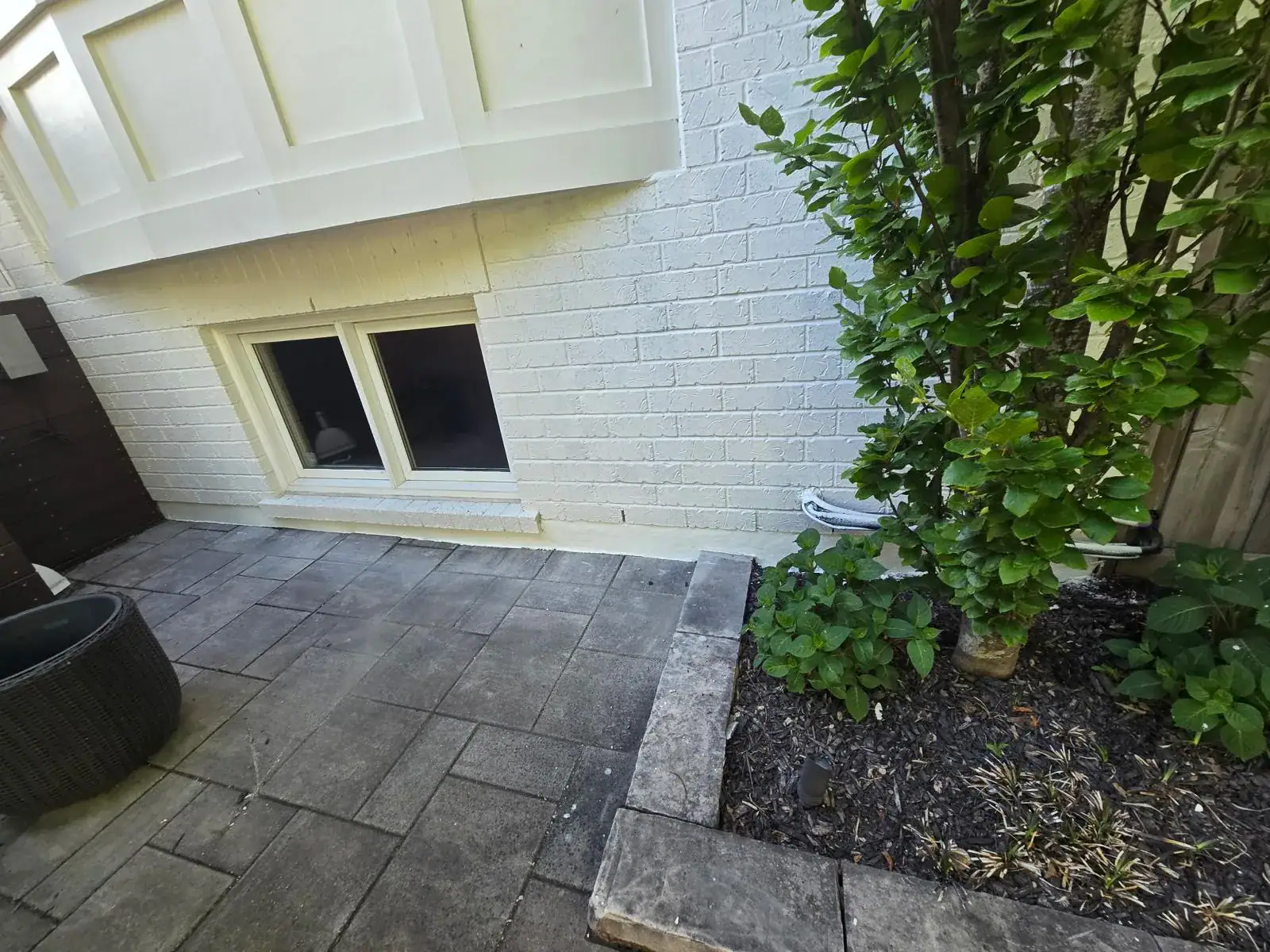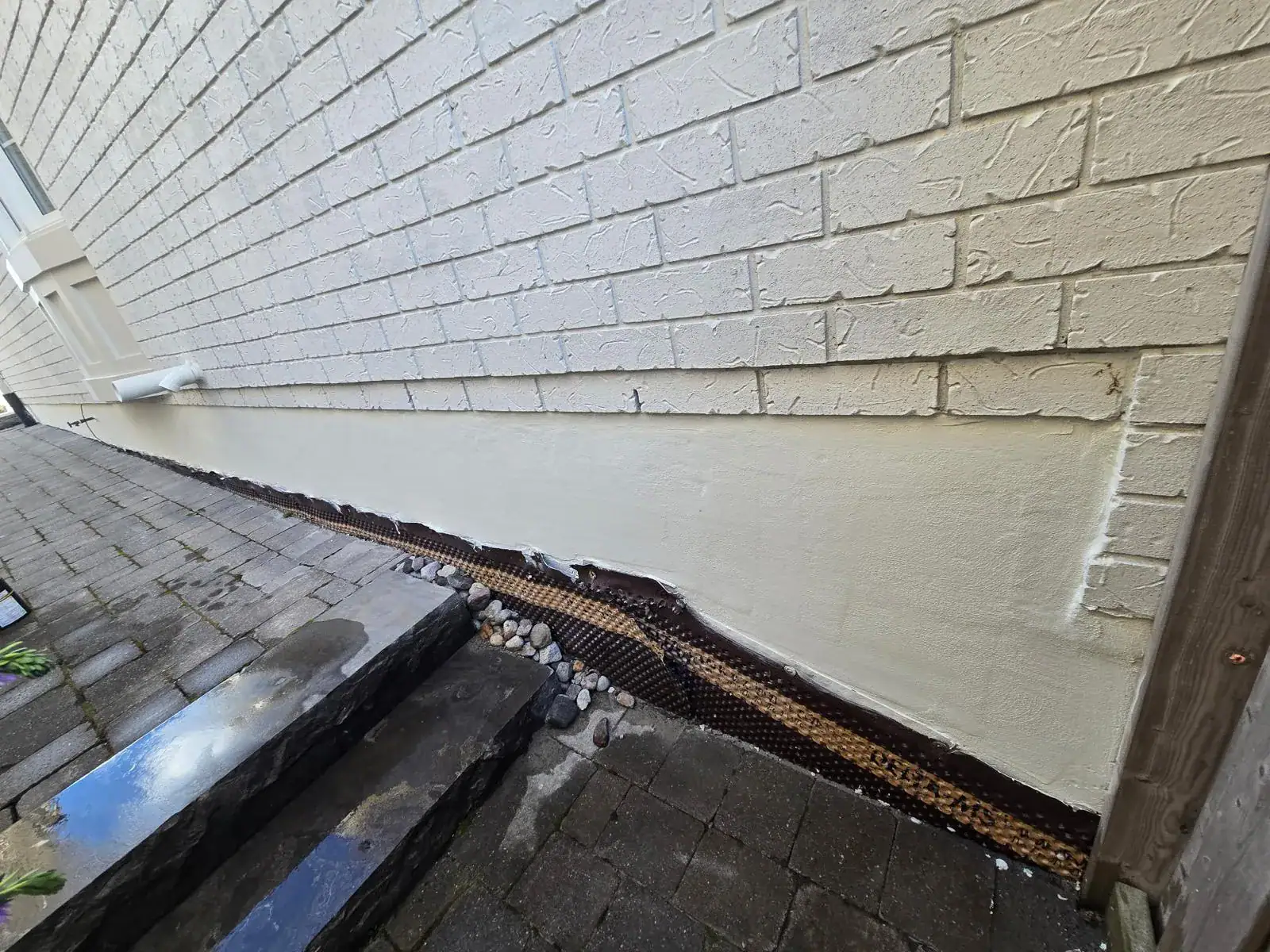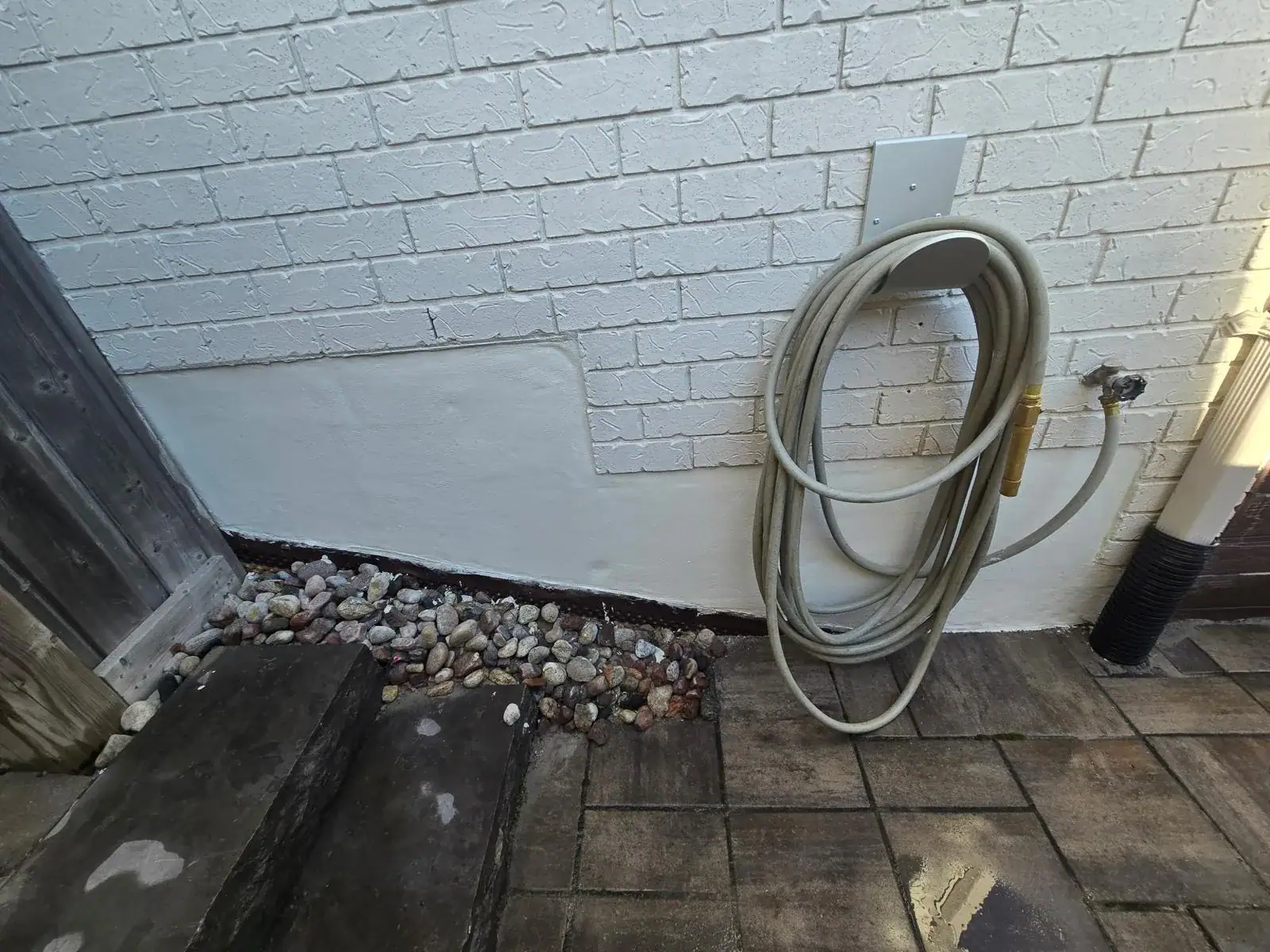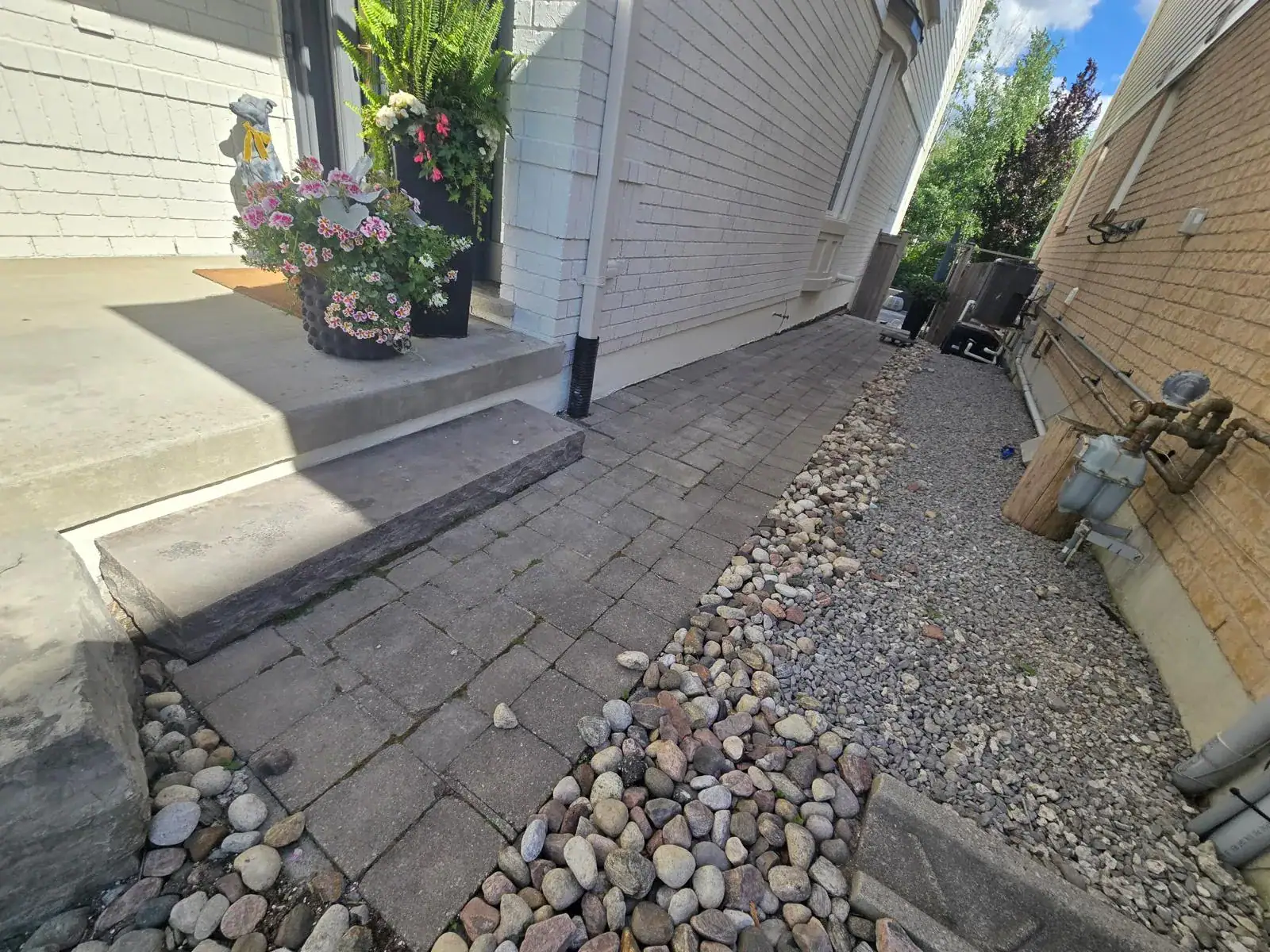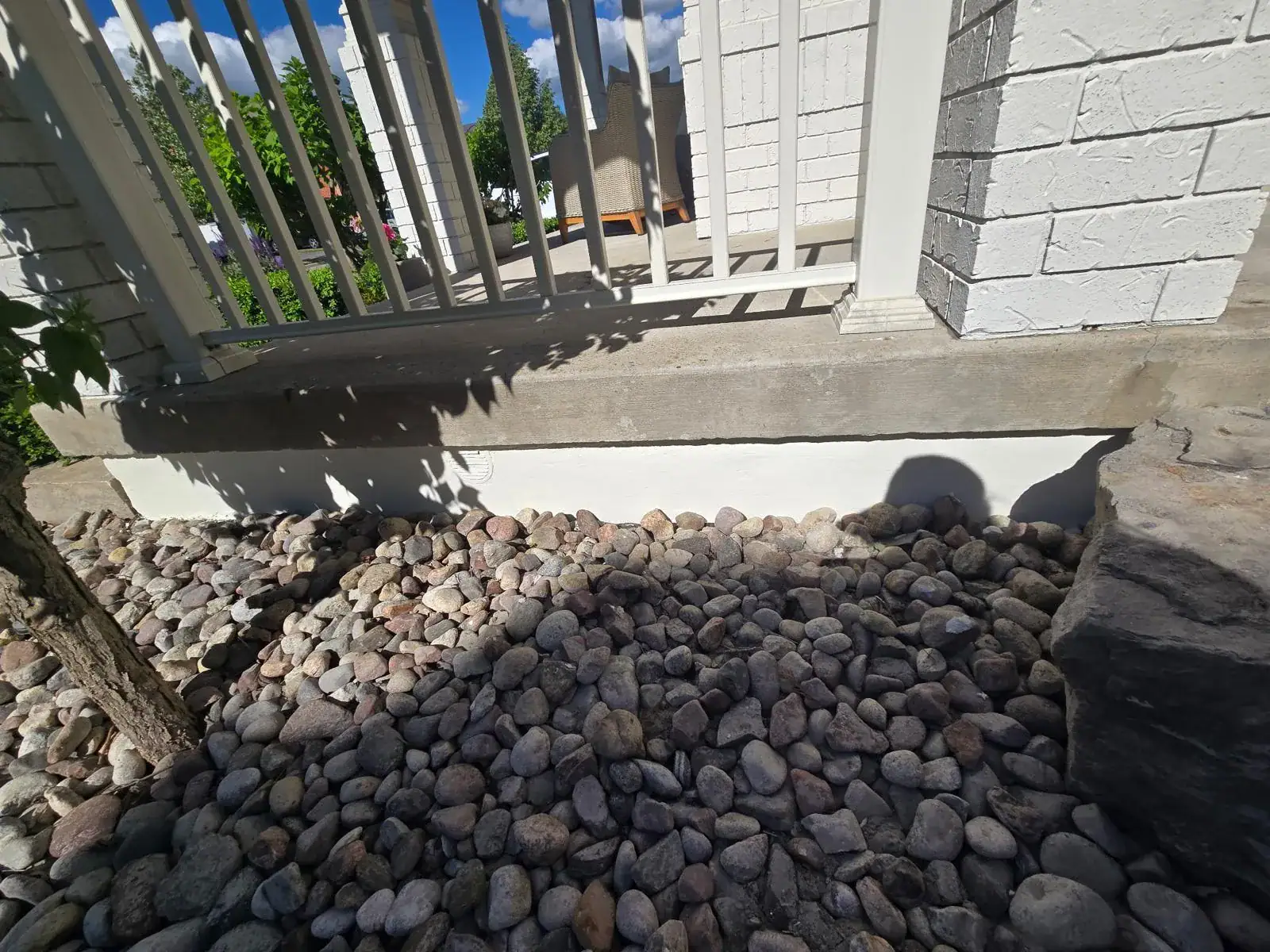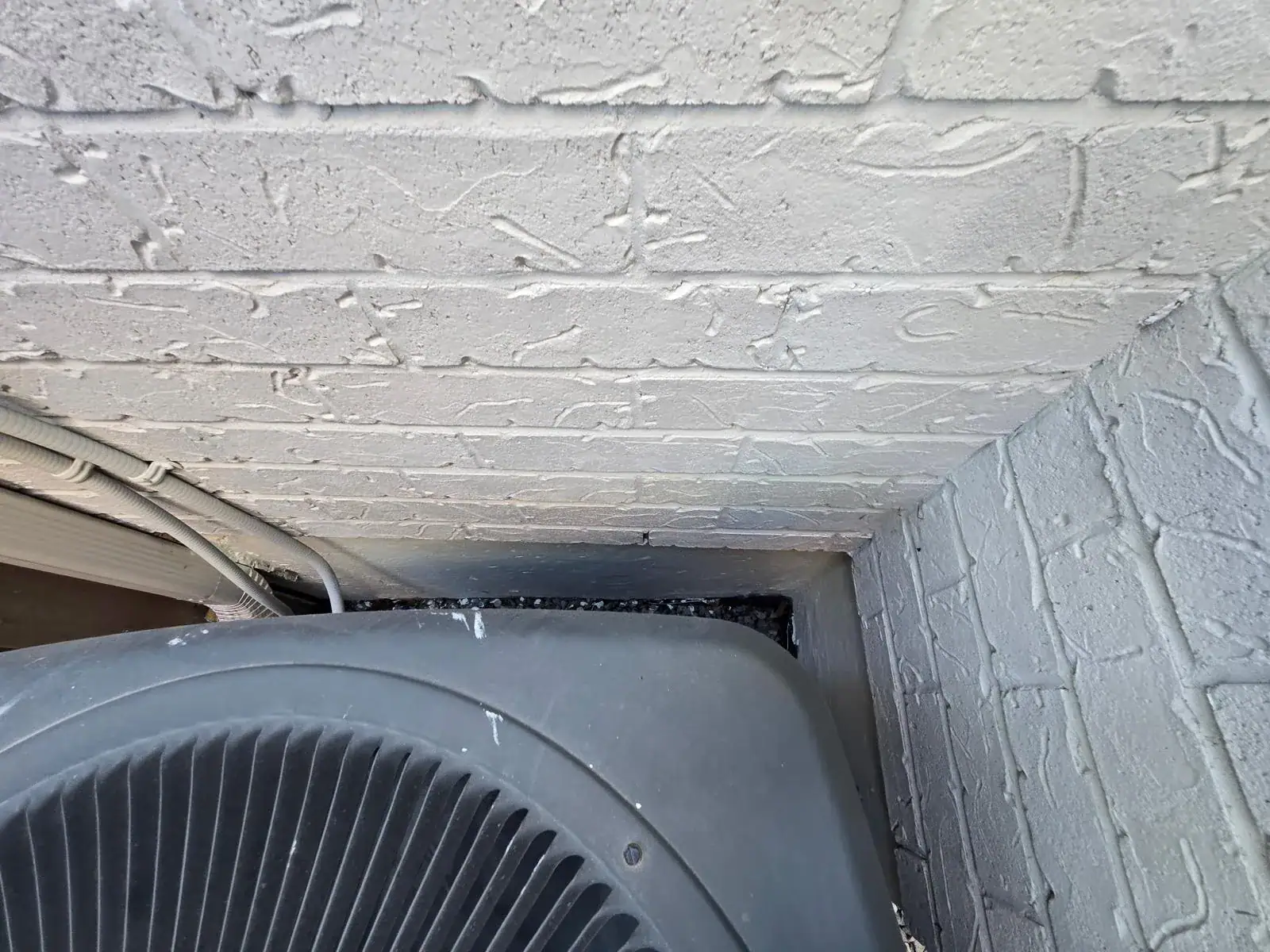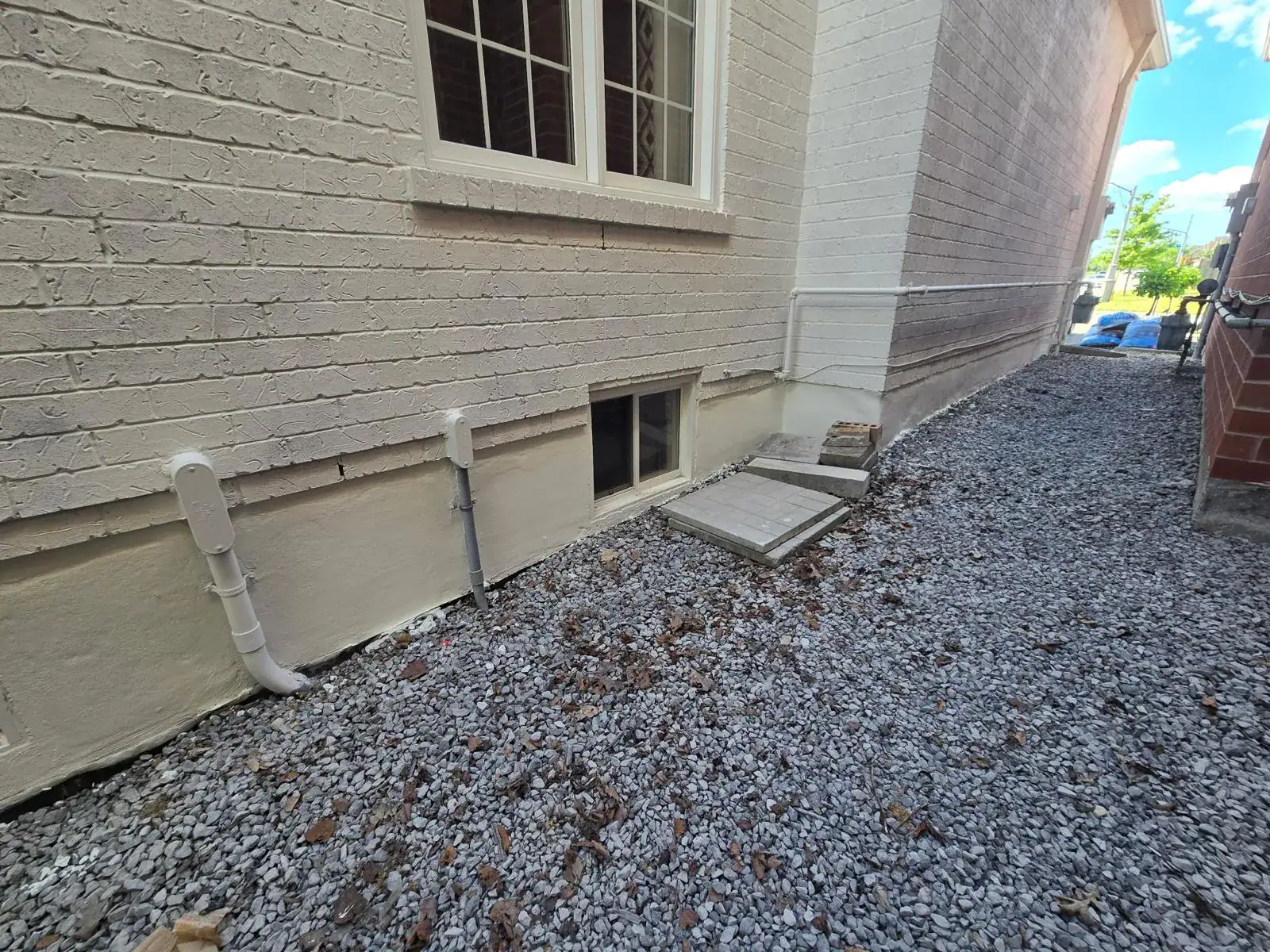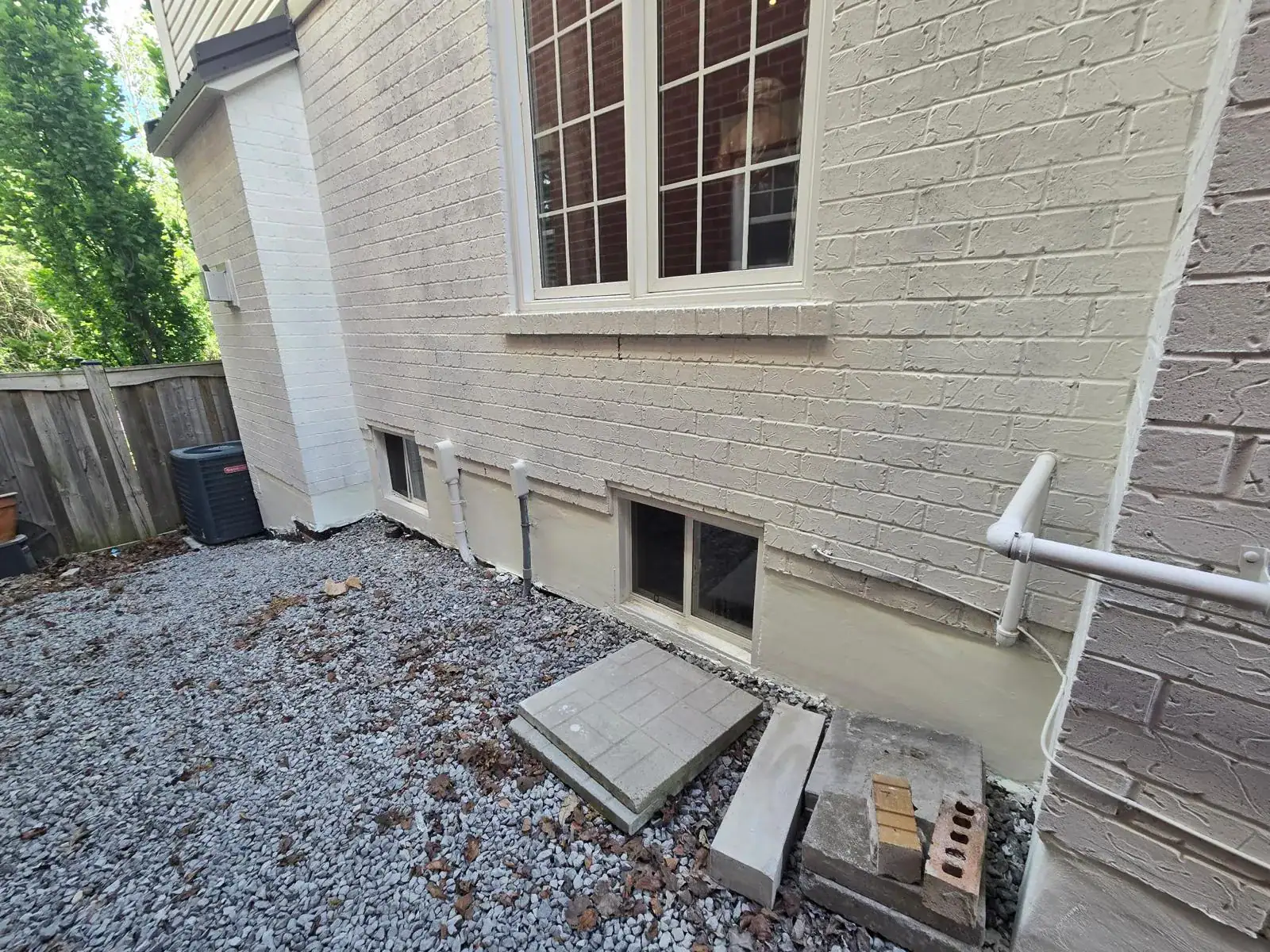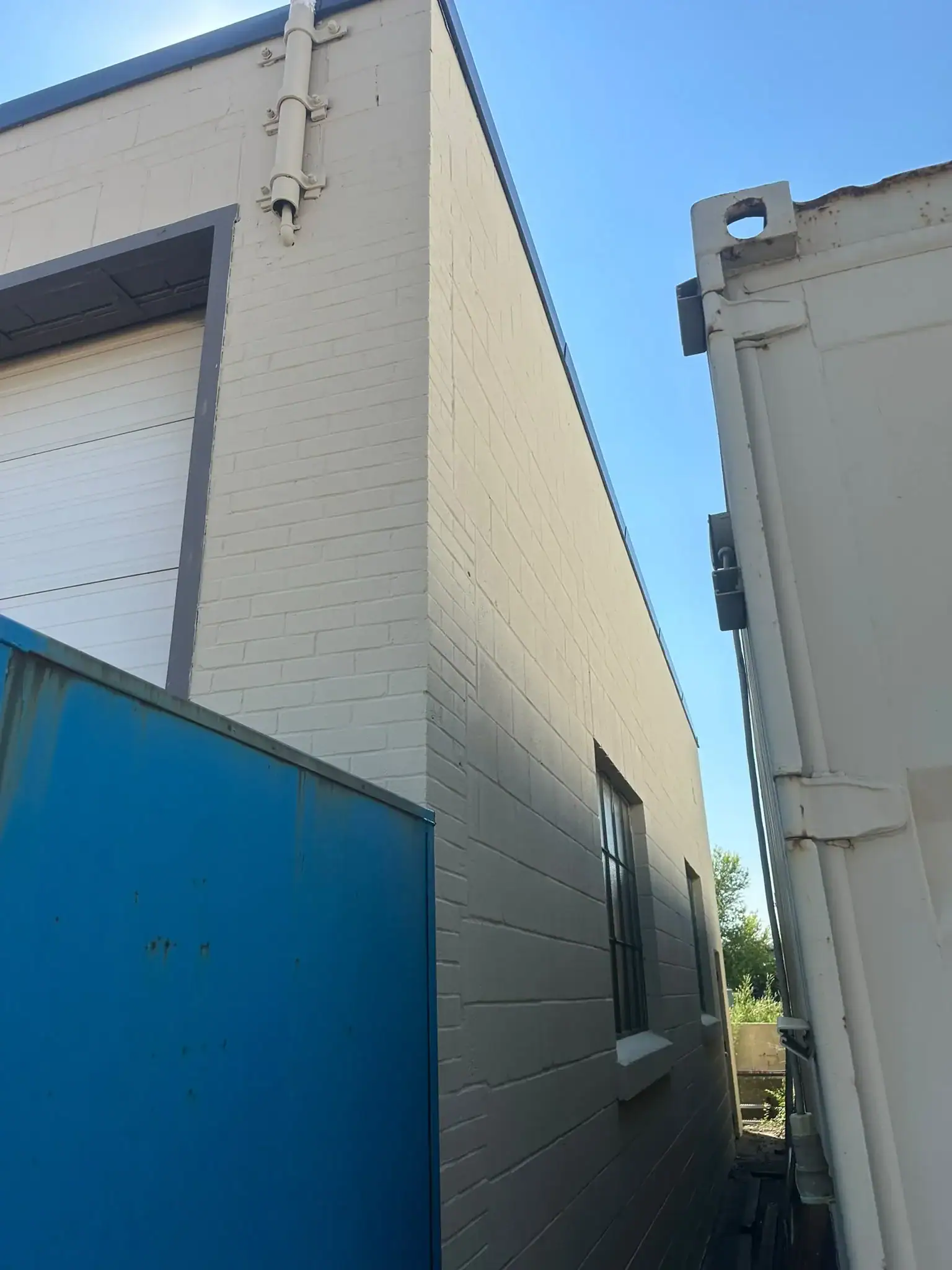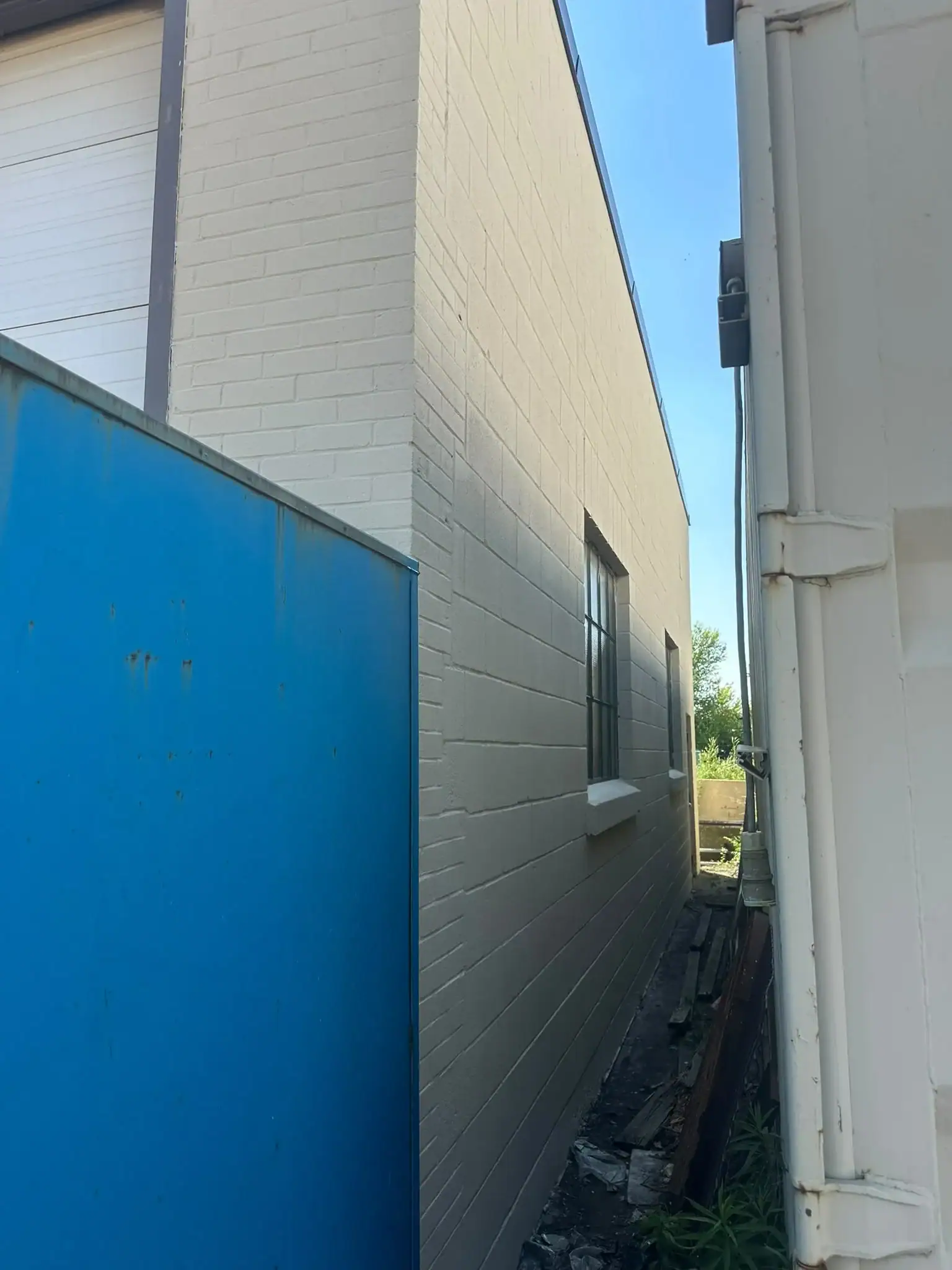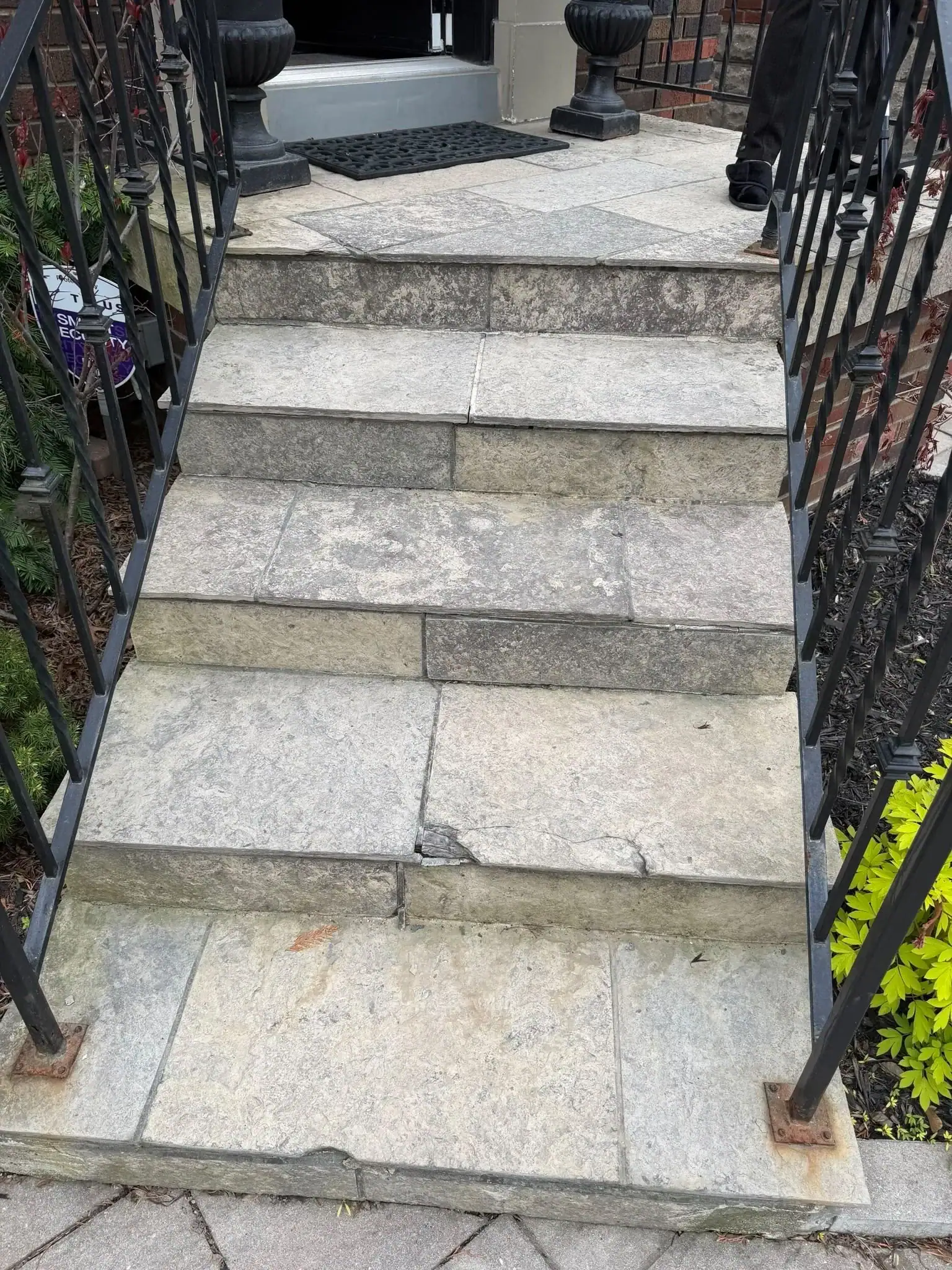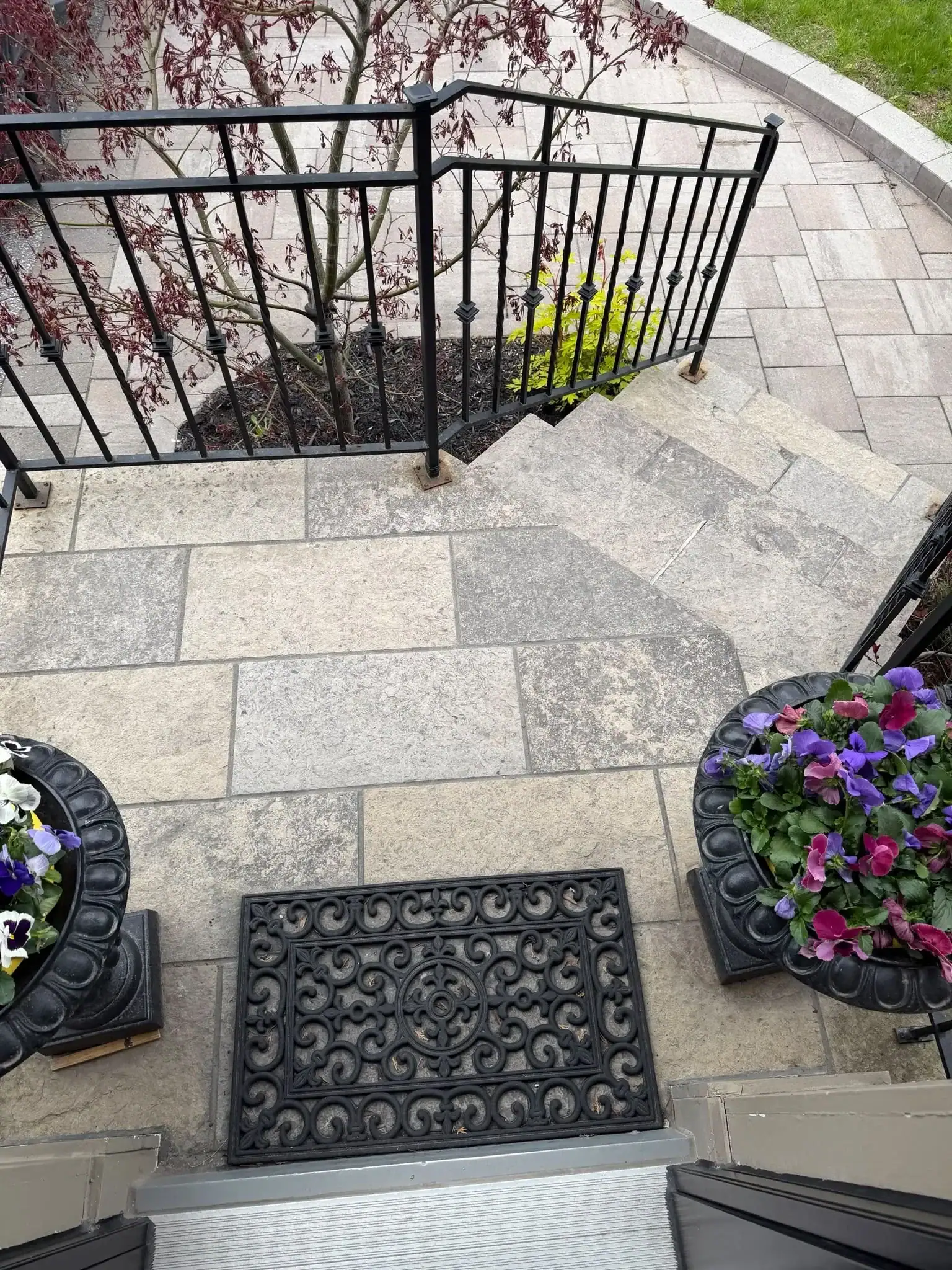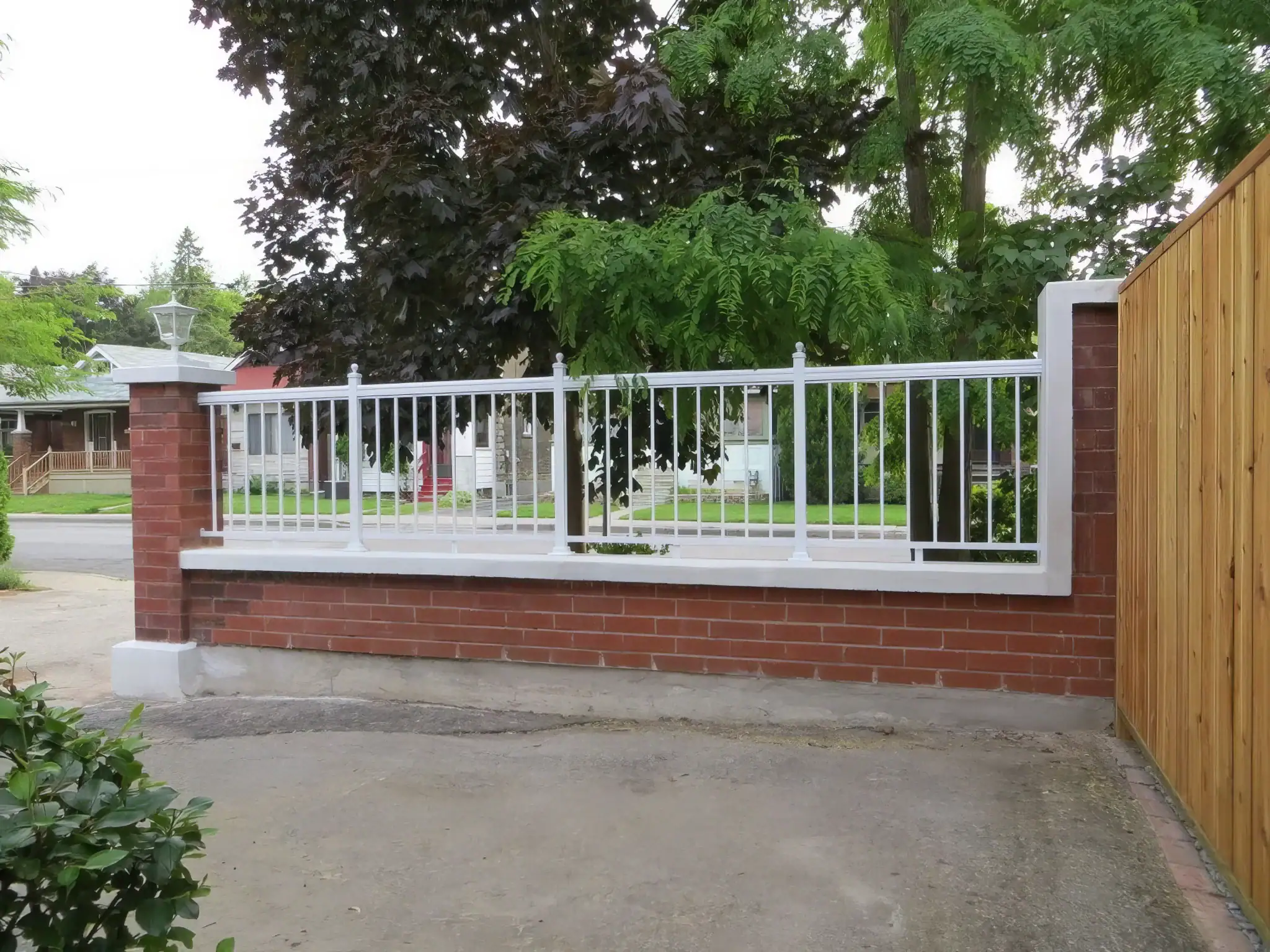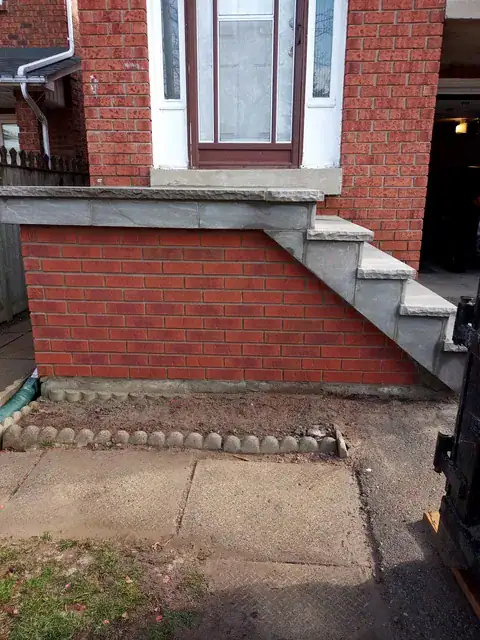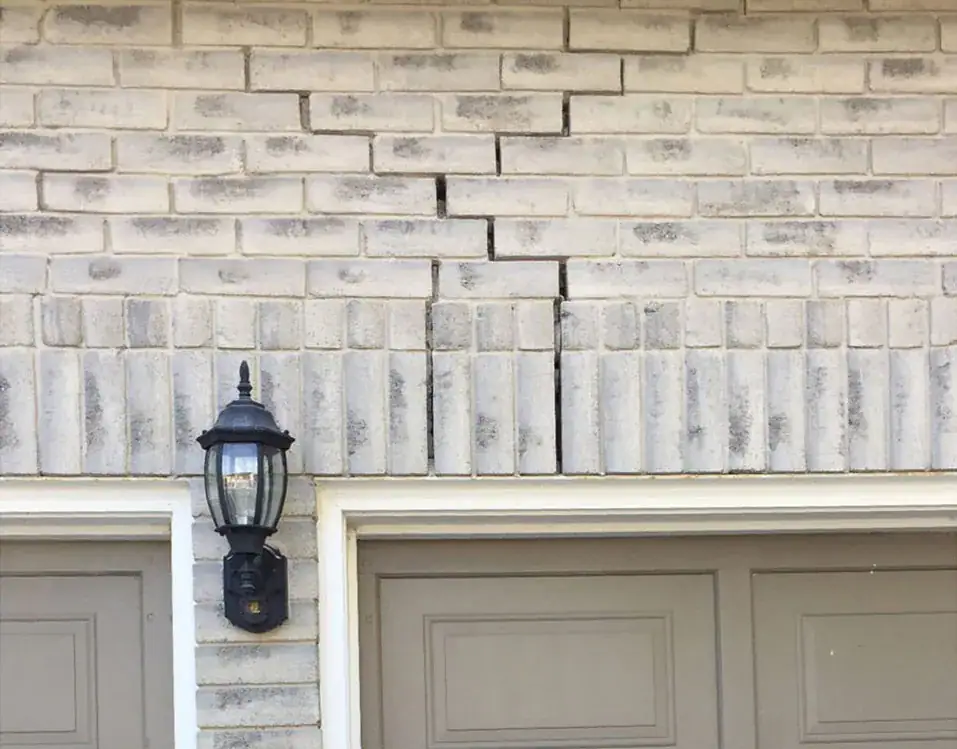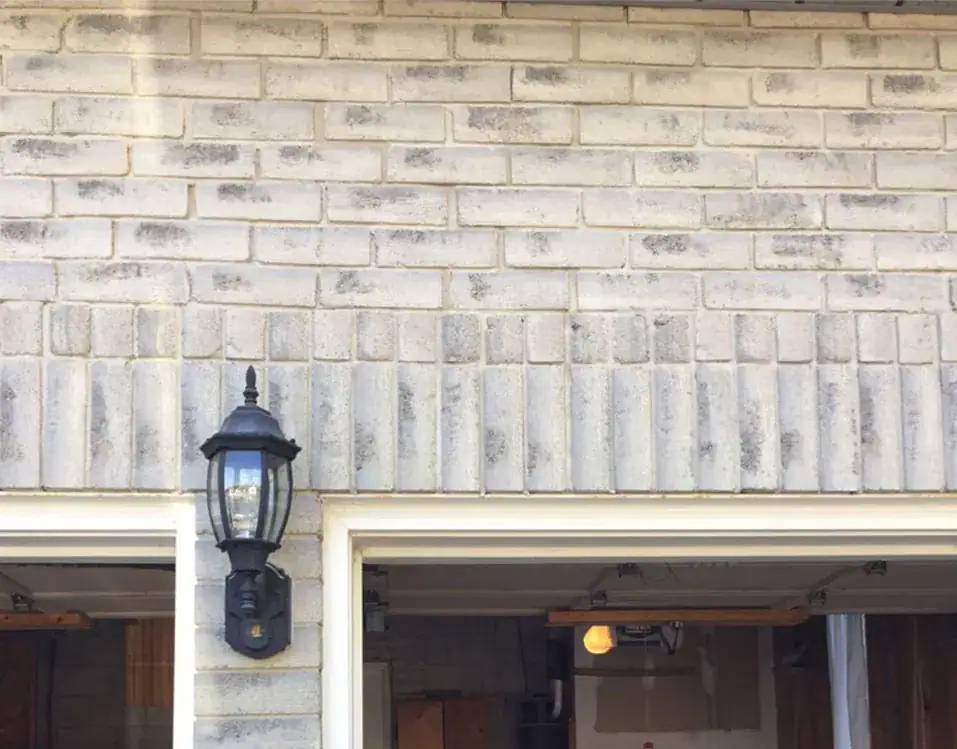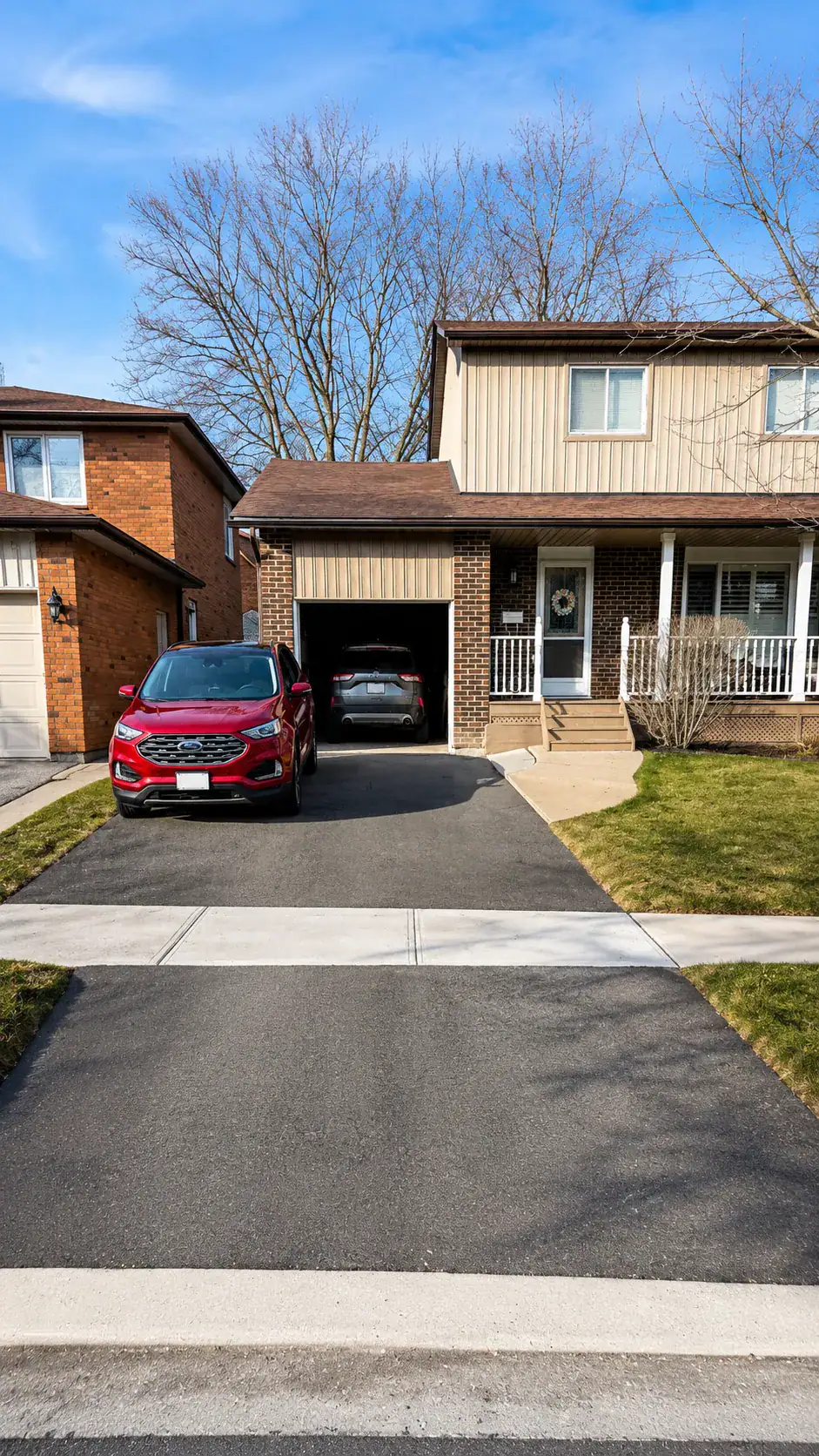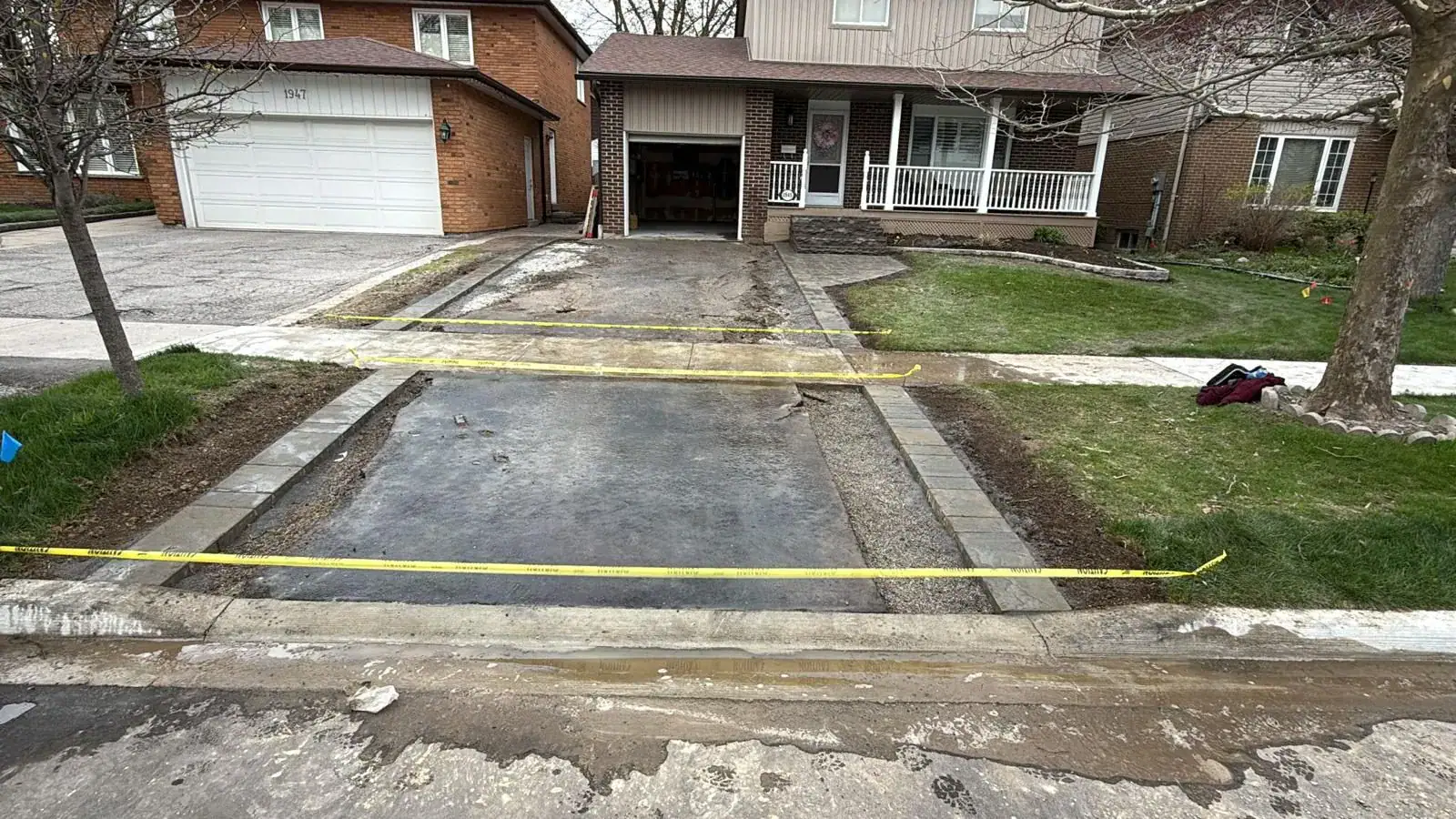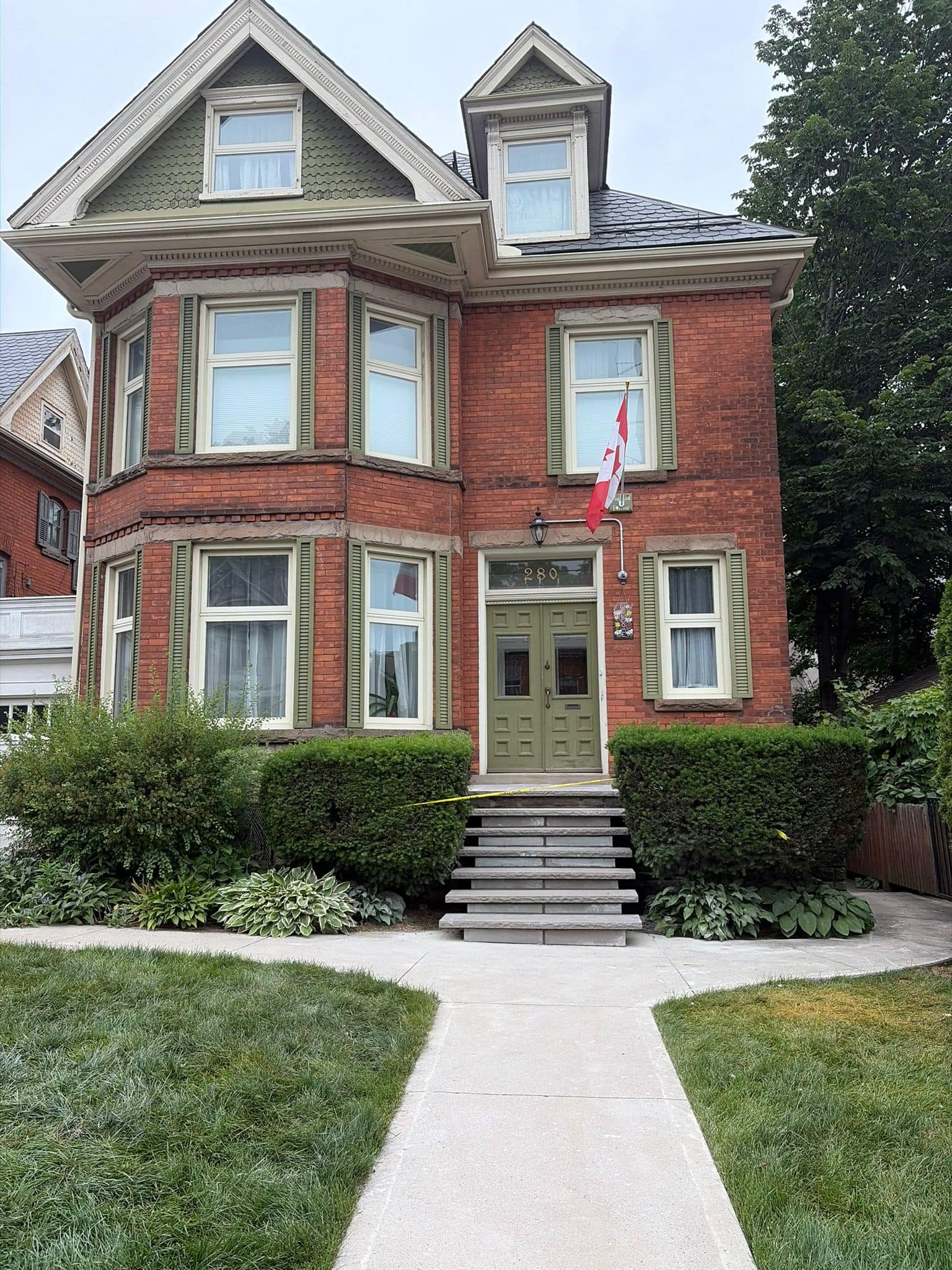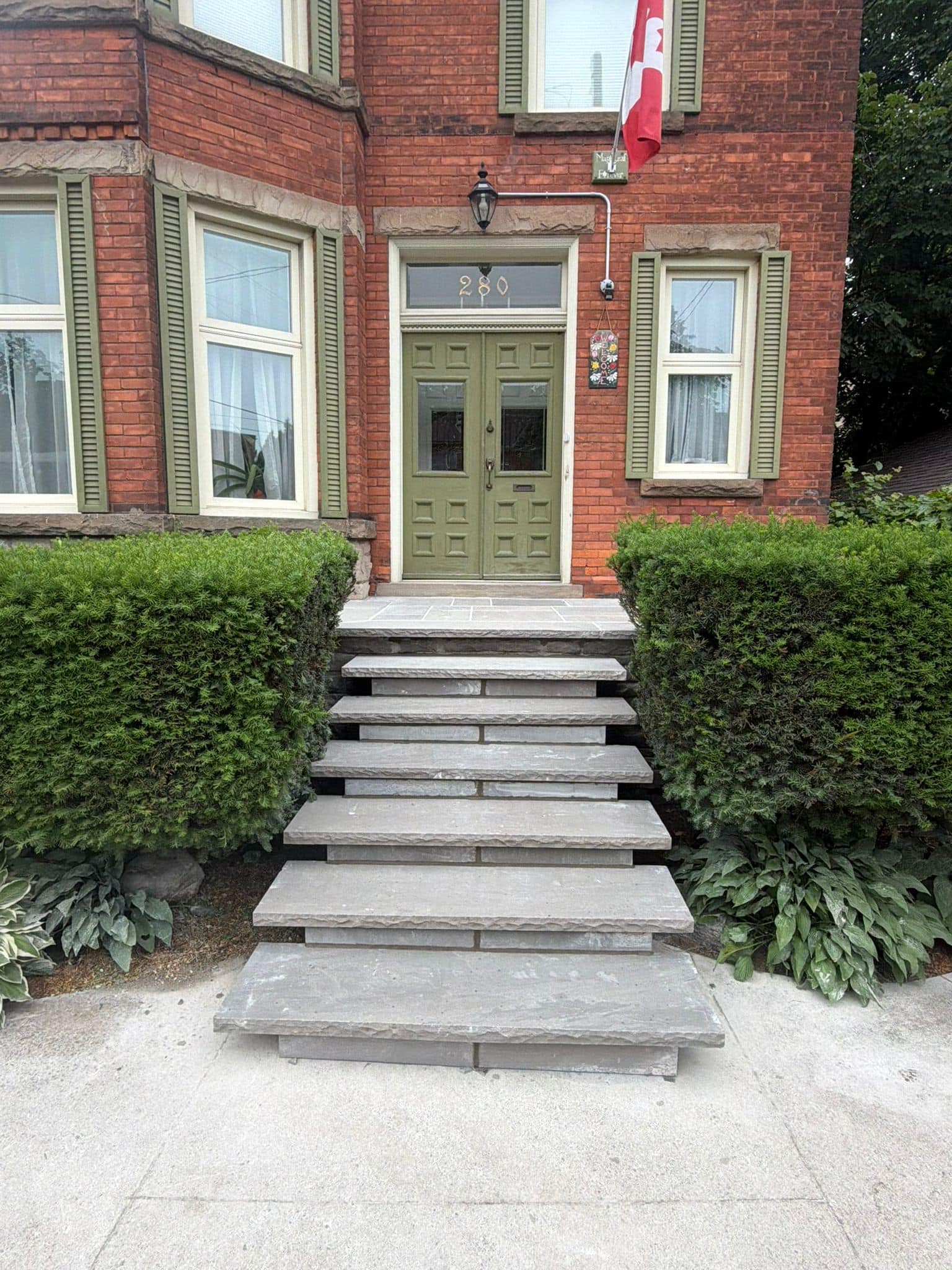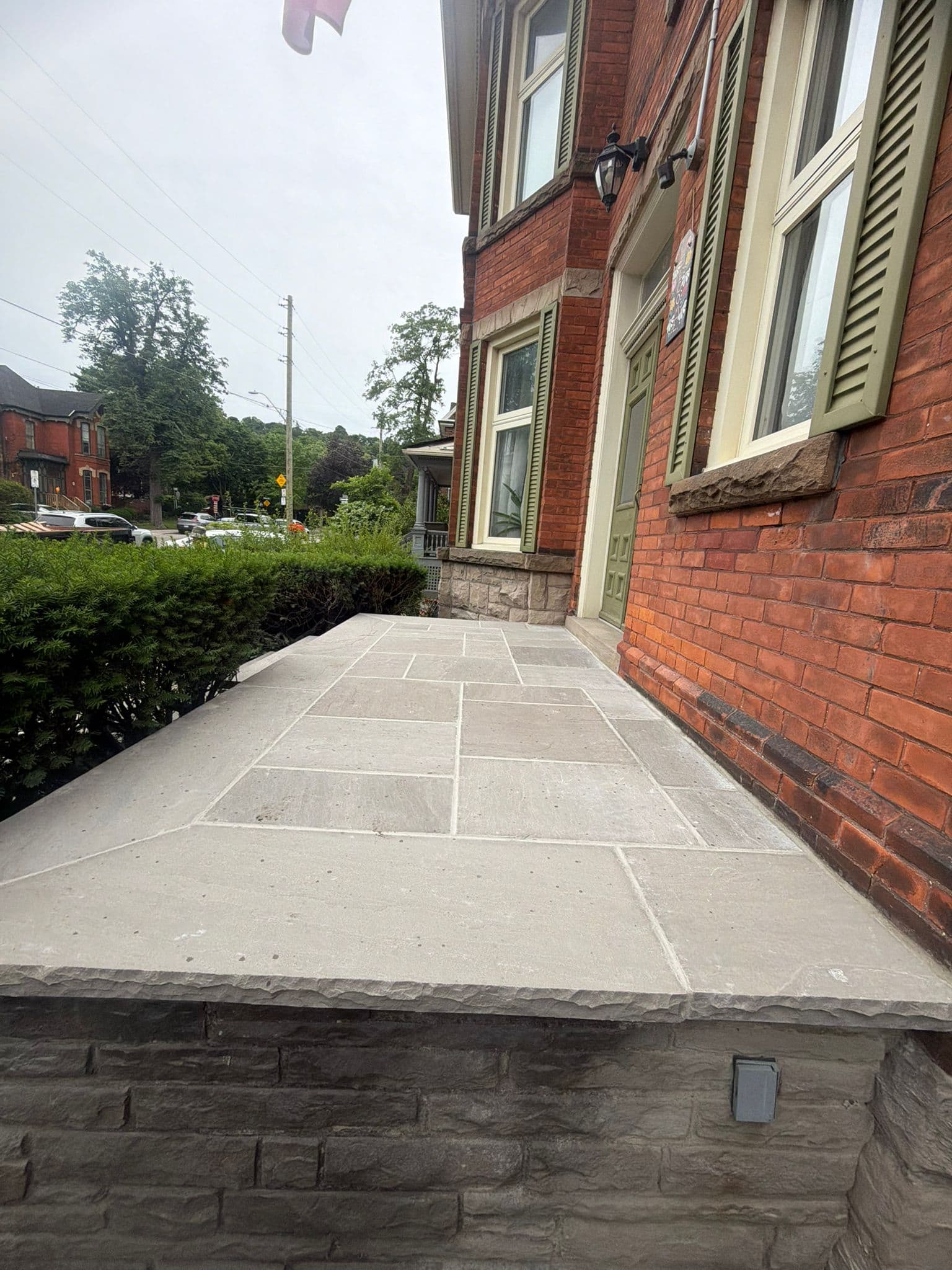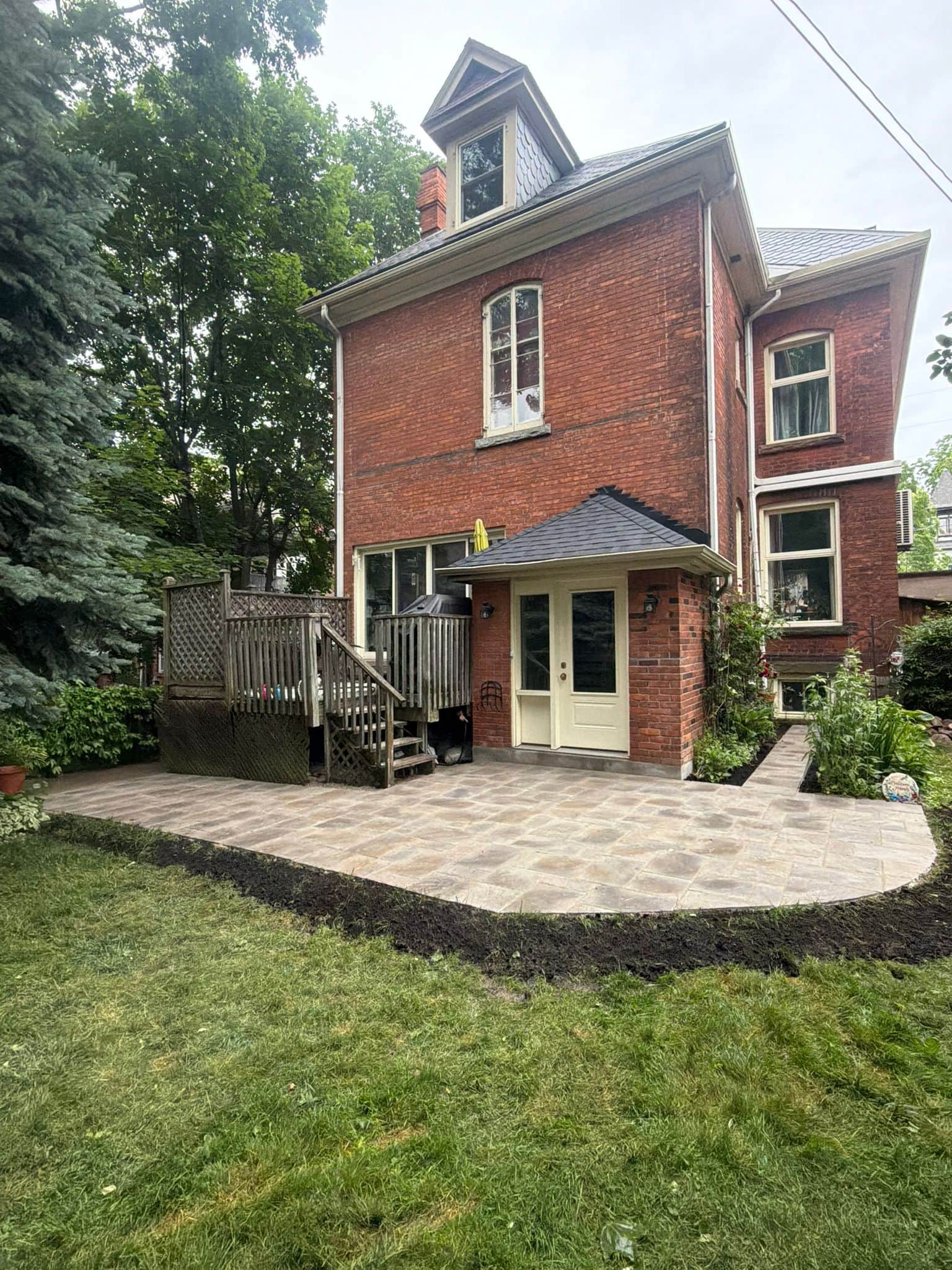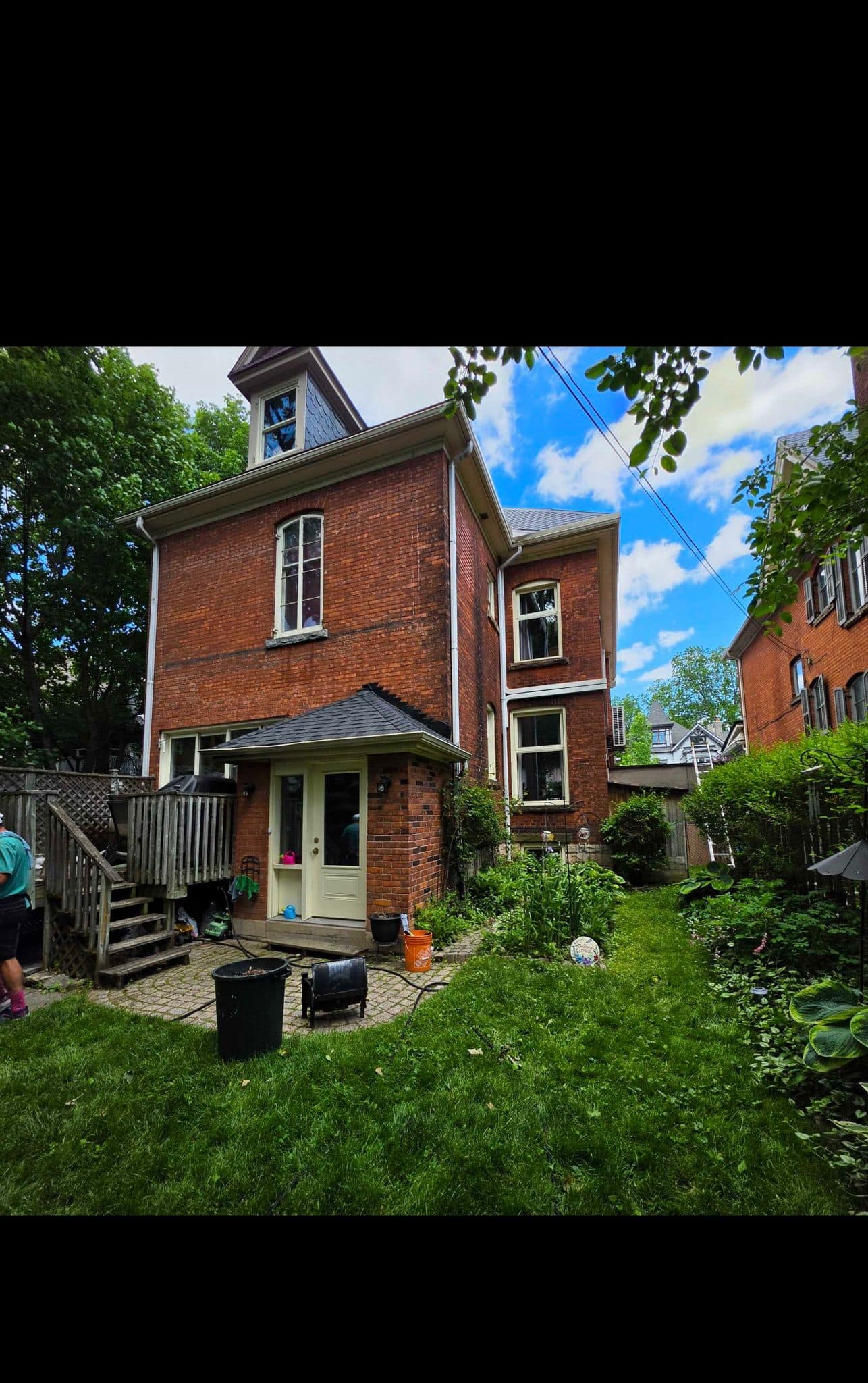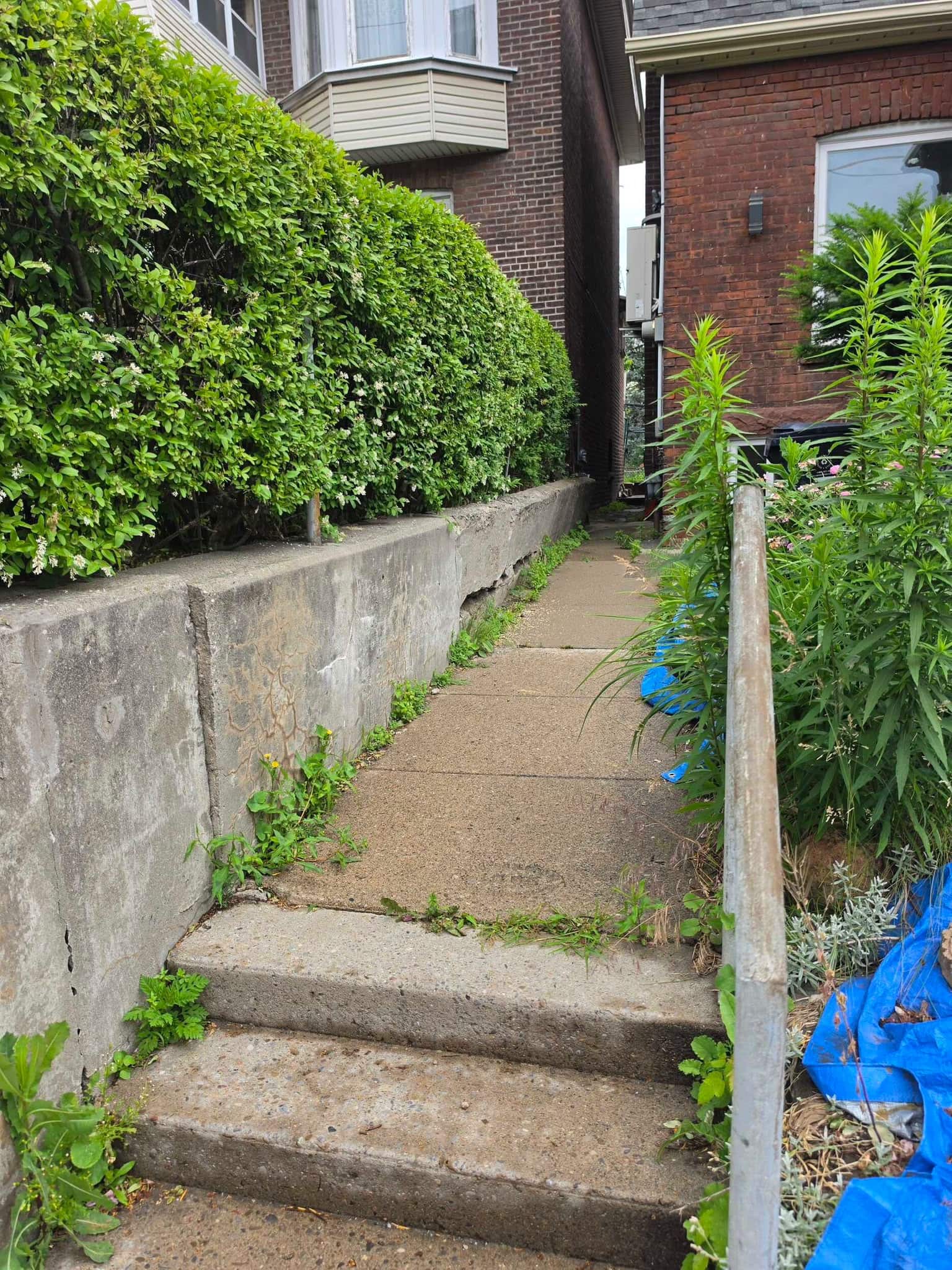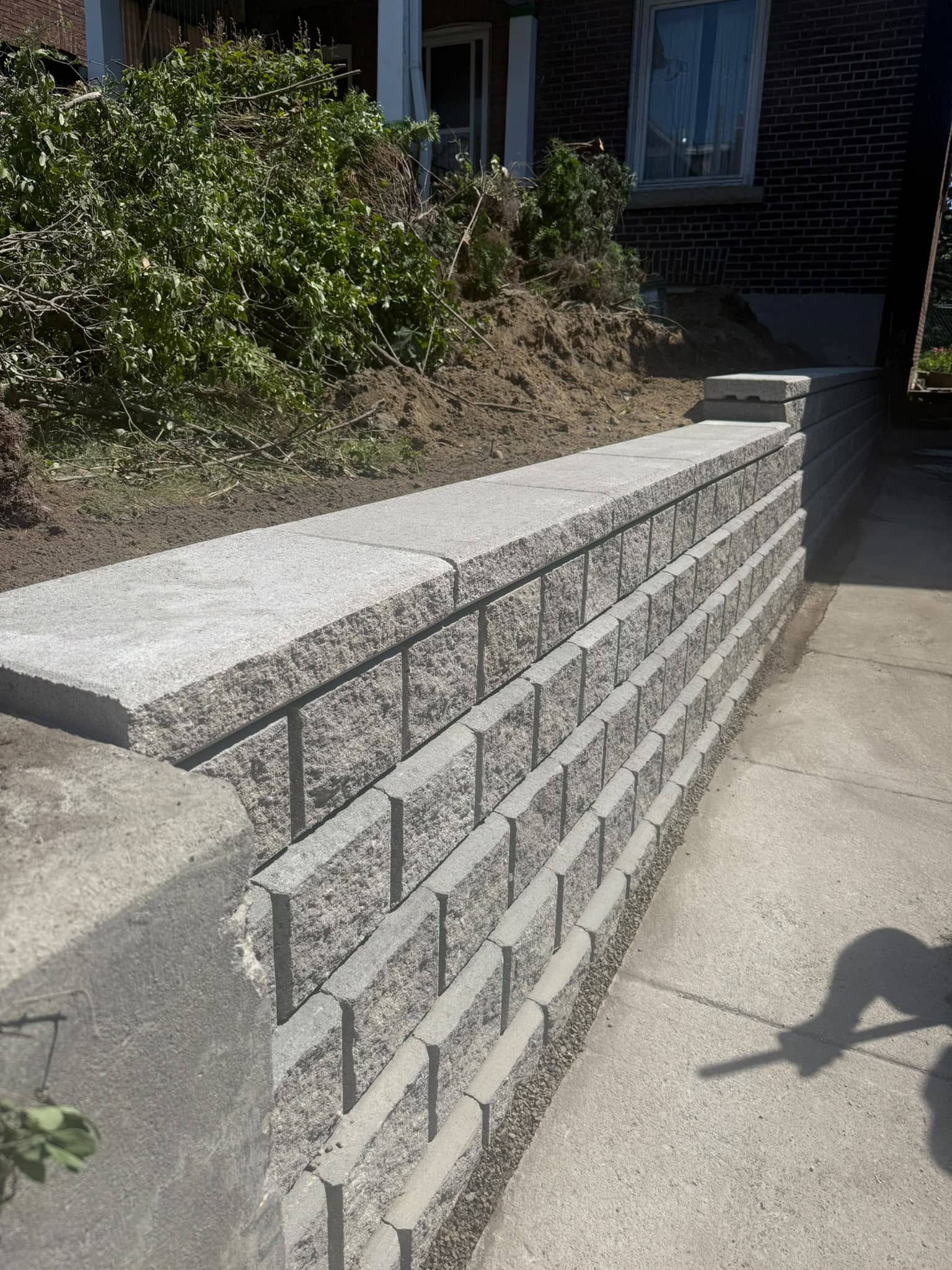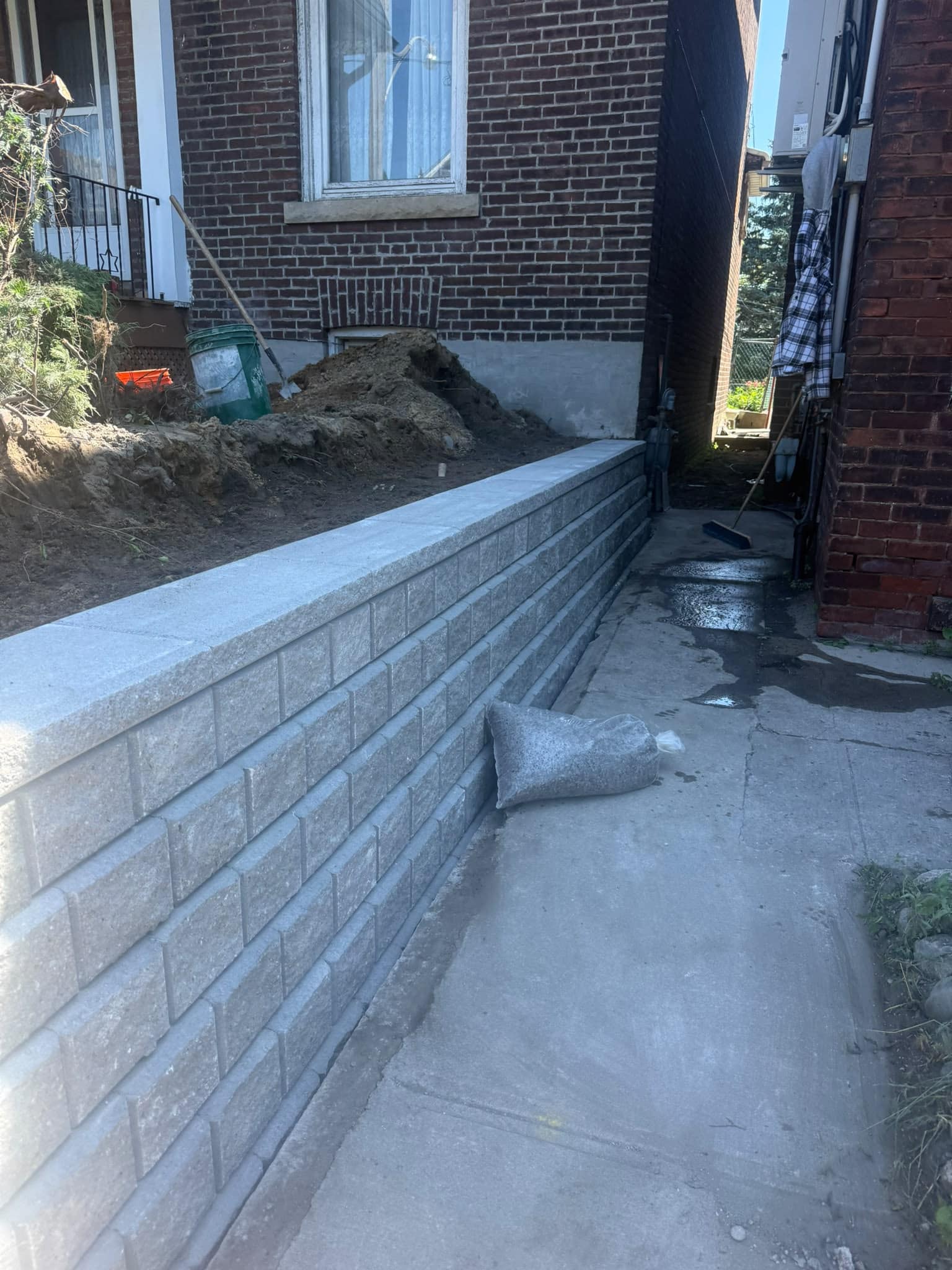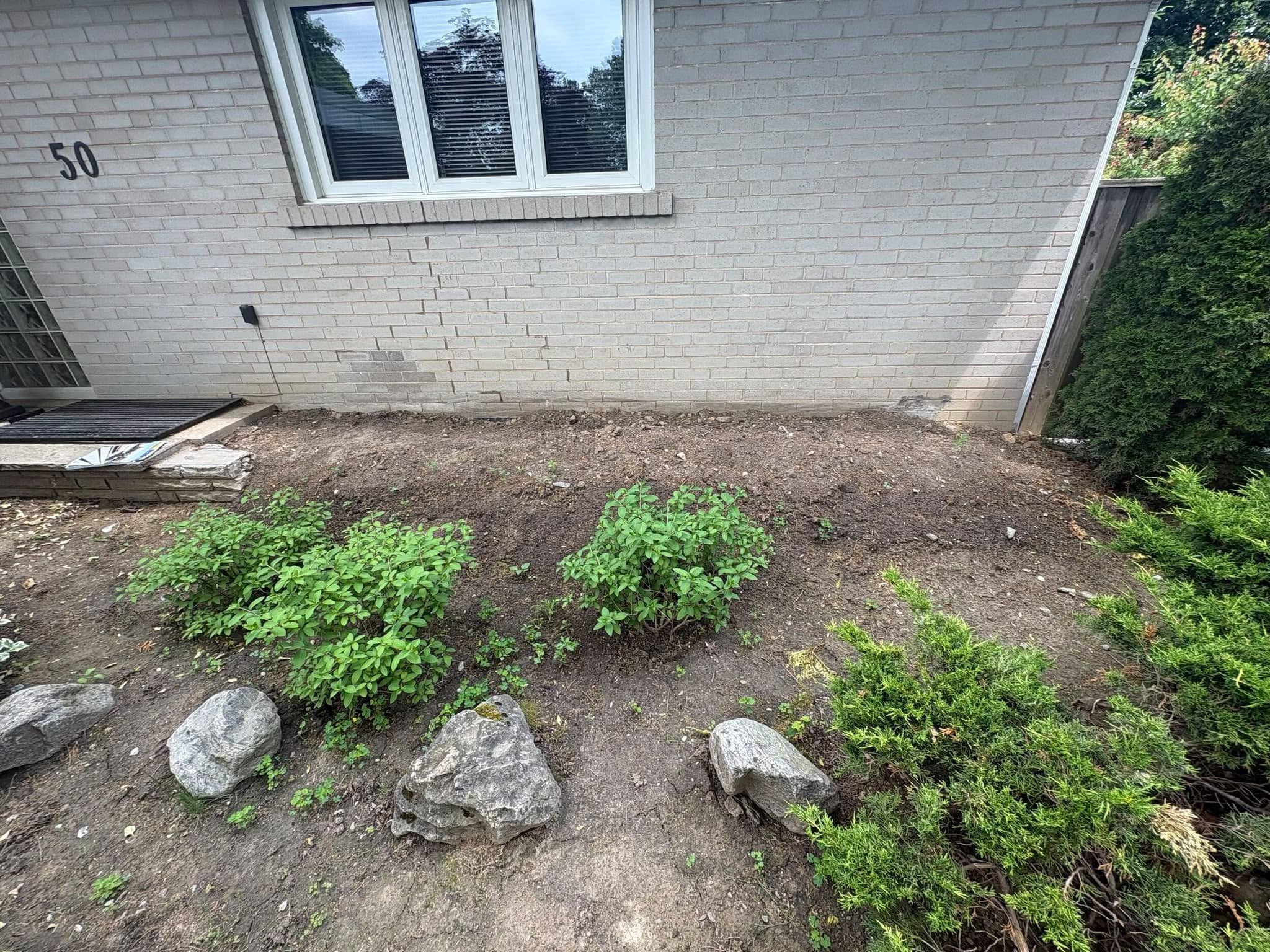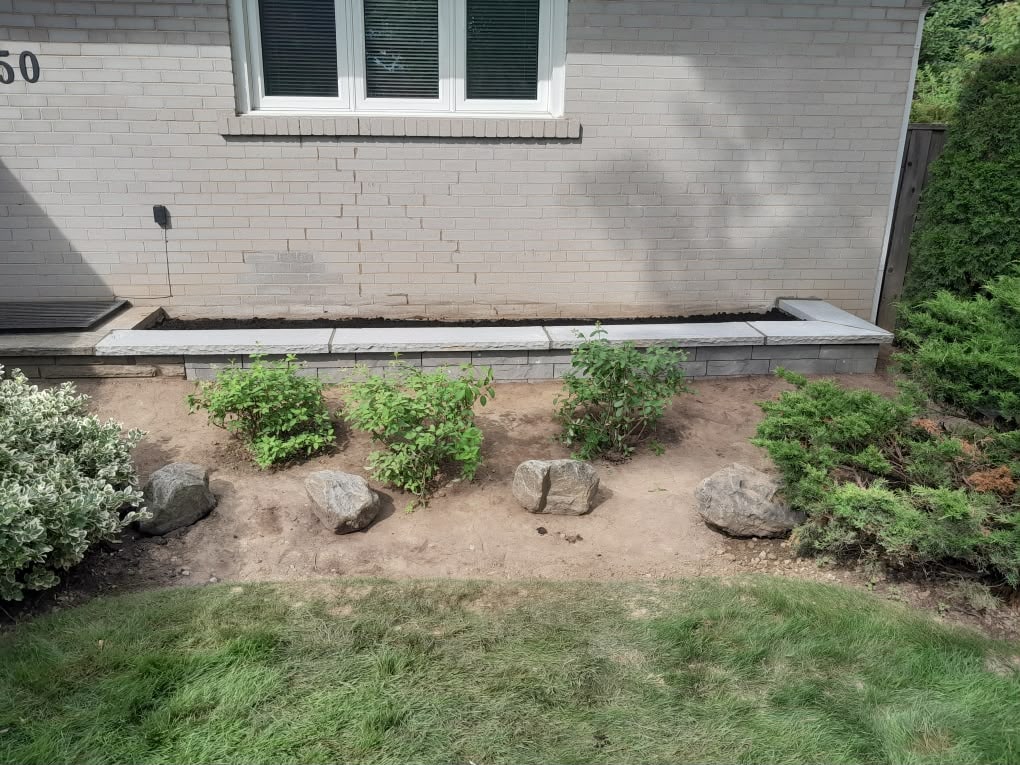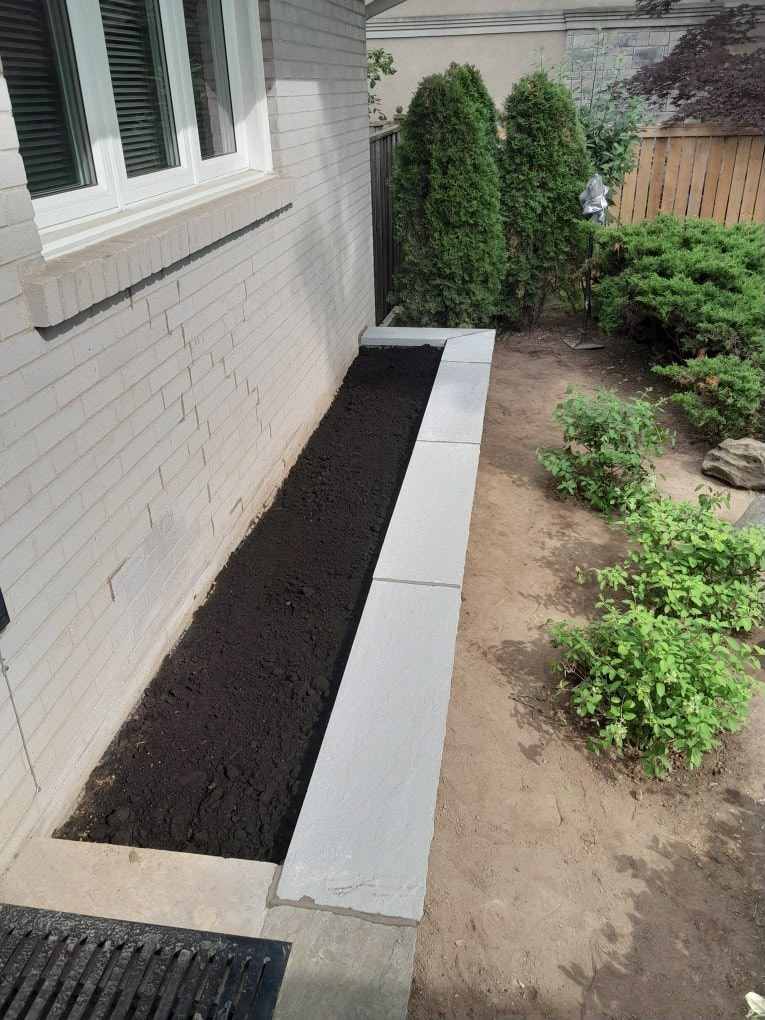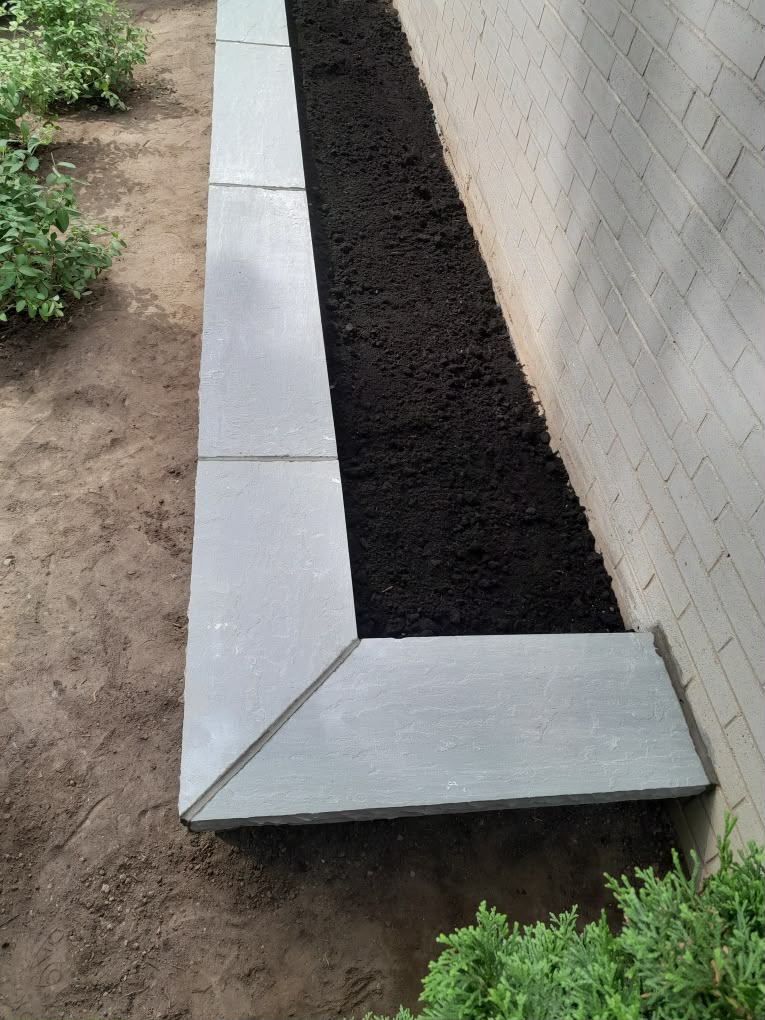

Masonry problems do not always begin with a dramatic collapse or a wall that suddenly looks unsafe. In many Toronto homes, the first signs are easier to dismiss. A few cracks in the mortar. A white stain on the brick. A loose step. A chimney that looks slightly rougher than it did last year. A retaining wall that seems a little more bowed after heavy rain. These small changes are often the point where homeowners decide whether the problem stays manageable or grows into something more expensive.
That is why knowing when masonry needs professional attention matters. Not every small flaw requires a major repair, but some signs should not be treated as cosmetic or left for another season. Masonry is durable, but when moisture, movement, age, and weather begin to affect brick, stone, mortar, foundations, steps, or chimneys, surface symptoms can be an early warning of a deeper issue.
For Toronto and GTA homeowners, this matters even more because masonry is exposed to rain, snow, freeze-thaw cycles, runoff, and seasonal shifts. In this guide, you will learn which masonry warning signs deserve closer attention, which problems tend to move beyond homeowner-level maintenance, what areas of the property are most likely to reveal early trouble, and when professional help is the smarter next step.
Why Small Masonry Problems Should Not Be Ignored
Masonry usually gives warnings before it fails. That is one of the reasons good inspection matters so much. Cracked joints, recurring moisture, shifting steps, loose bricks, and repeated staining are often the first signs that a wall or surface is under stress.
The issue is not that every crack is serious. The issue is that homeowners often wait until the sign is obvious enough to feel urgent. By then, the repair may be more involved than it needed to be. What begins as maintenance can gradually become restoration, rebuilding, or a drainage-correction project if the original cause continues to operate in the background.
Toronto Property Standards requires that exterior walls and their components be maintained in good repair and free from conditions that cause deterioration or unsafe performance. That is a practical reminder that visible masonry wear is not always just an appearance issue. Toronto Property Standards, Chapter 629
The Most Common Signs Your Masonry Needs Professional Attention
Some warning signs are more meaningful than others. The following issues often warrant closer review, especially when they are recurring, spreading, or accompanied by moisture problems.
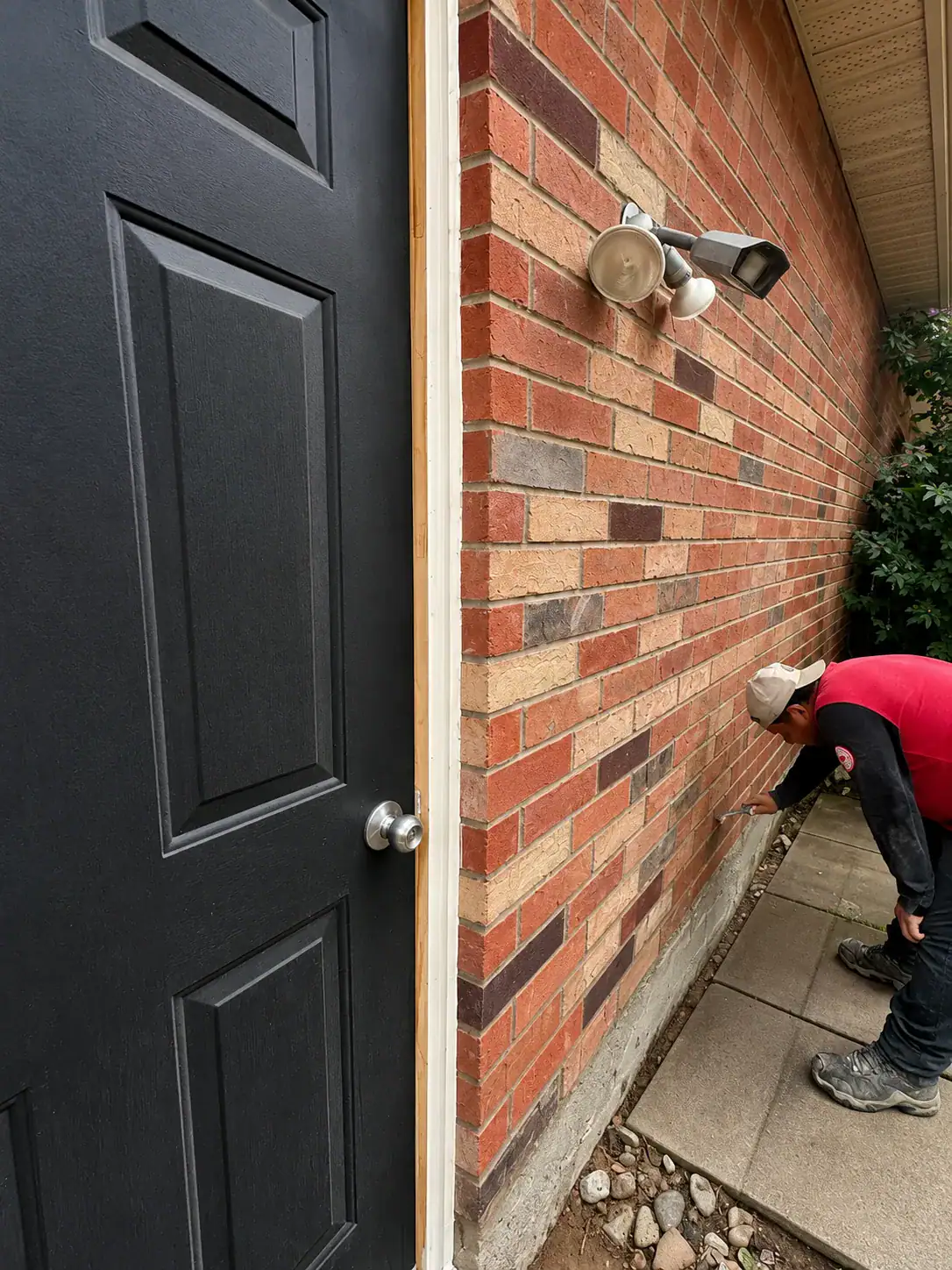
- mortar joints that are cracked, recessed, sandy, loose, or missing
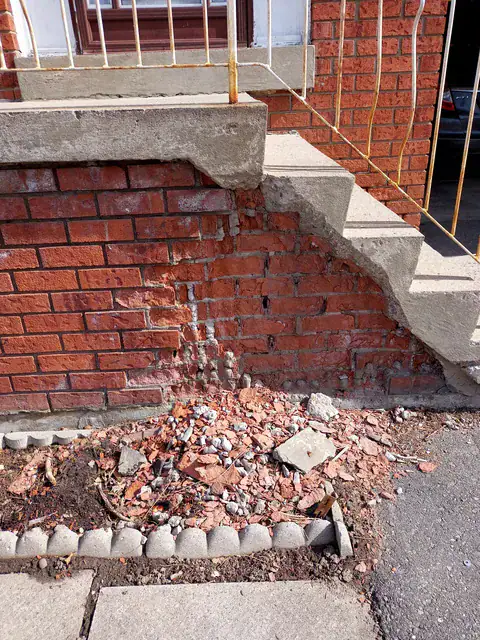
- brick faces that are flaking, spalling, or breaking apart
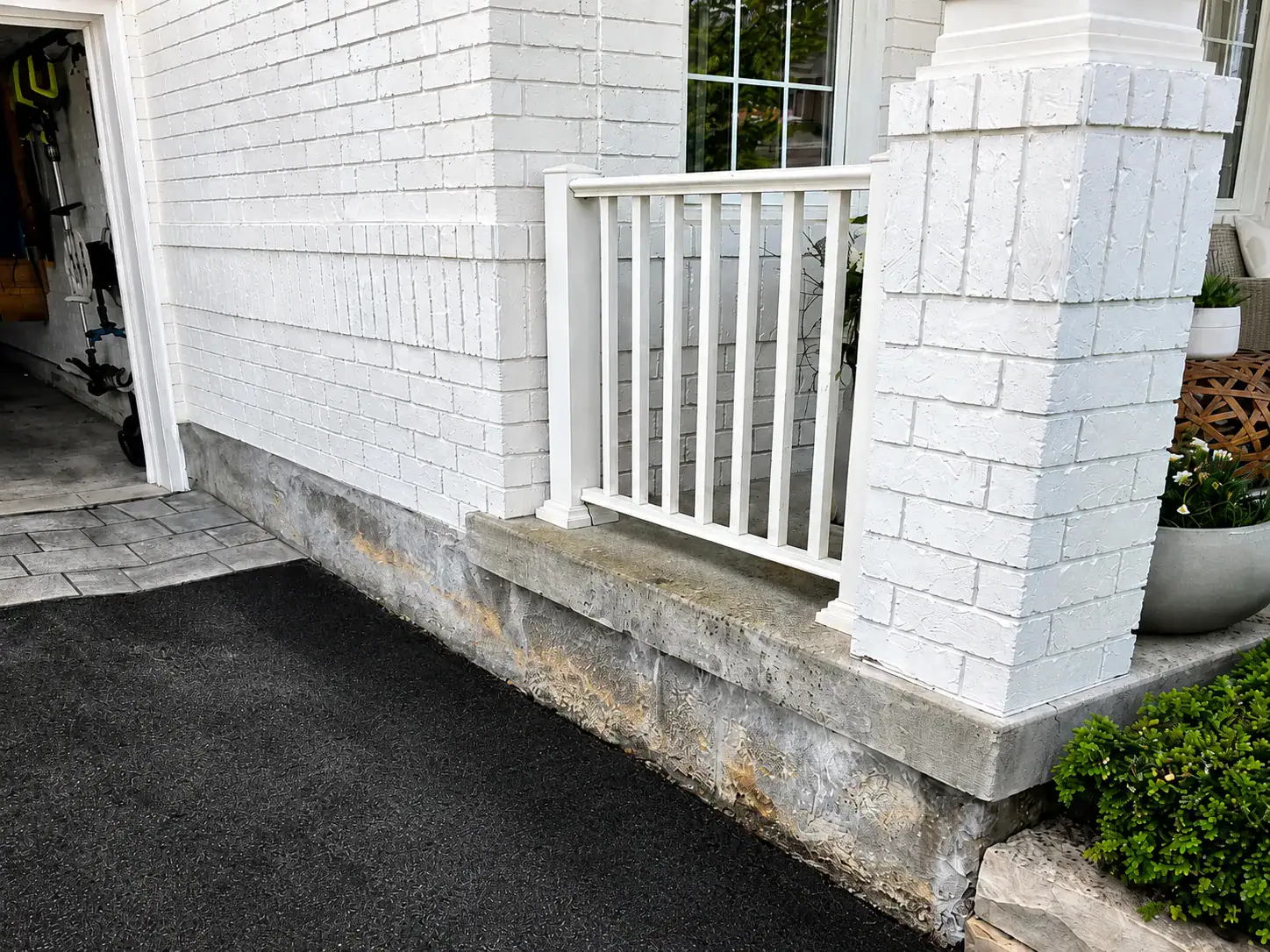
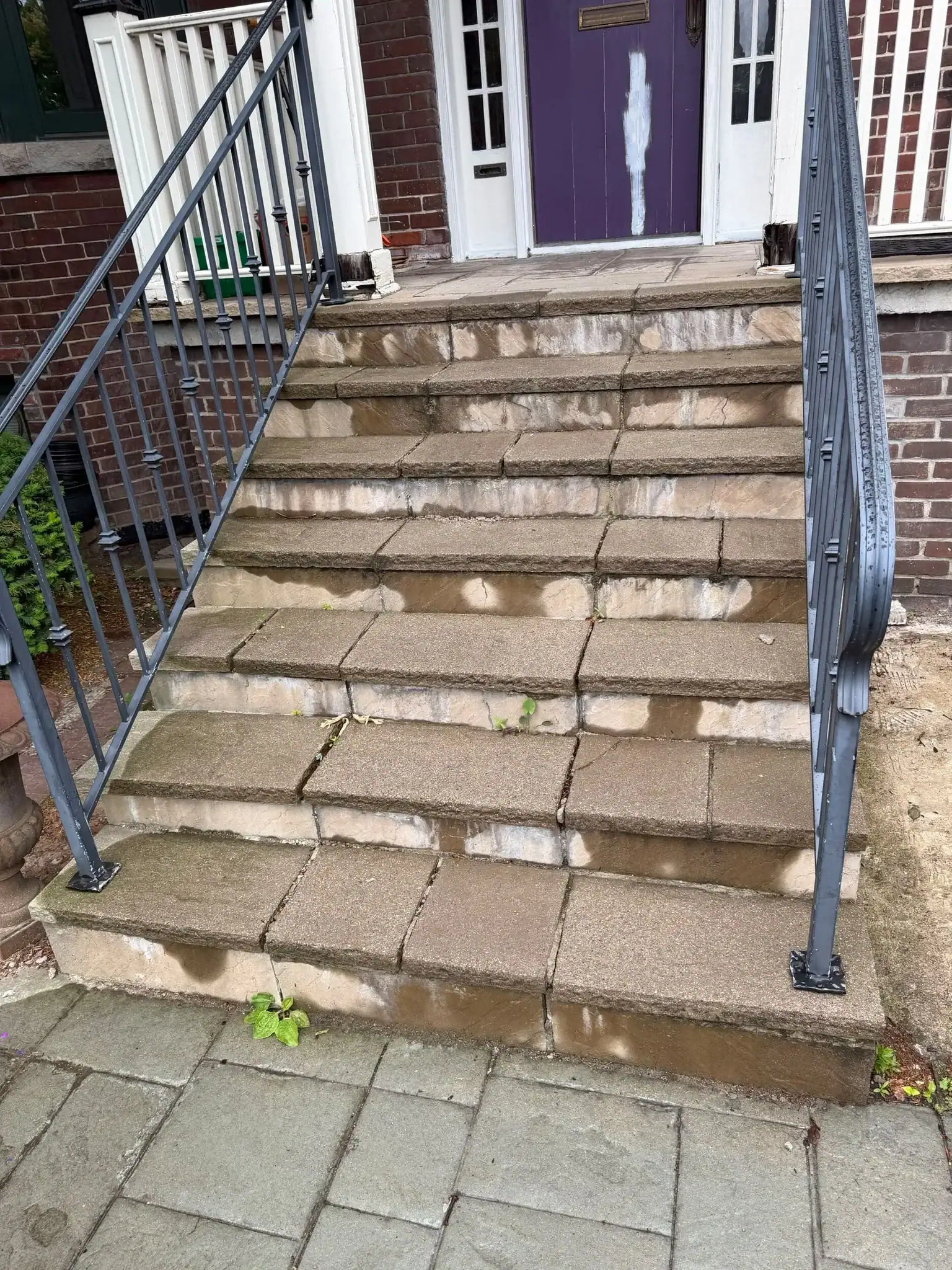
- white staining or efflorescence that keeps returning
- dark damp areas that dry slowly after rain
- chimney tops with visible wear, loose brick, or a damaged cap
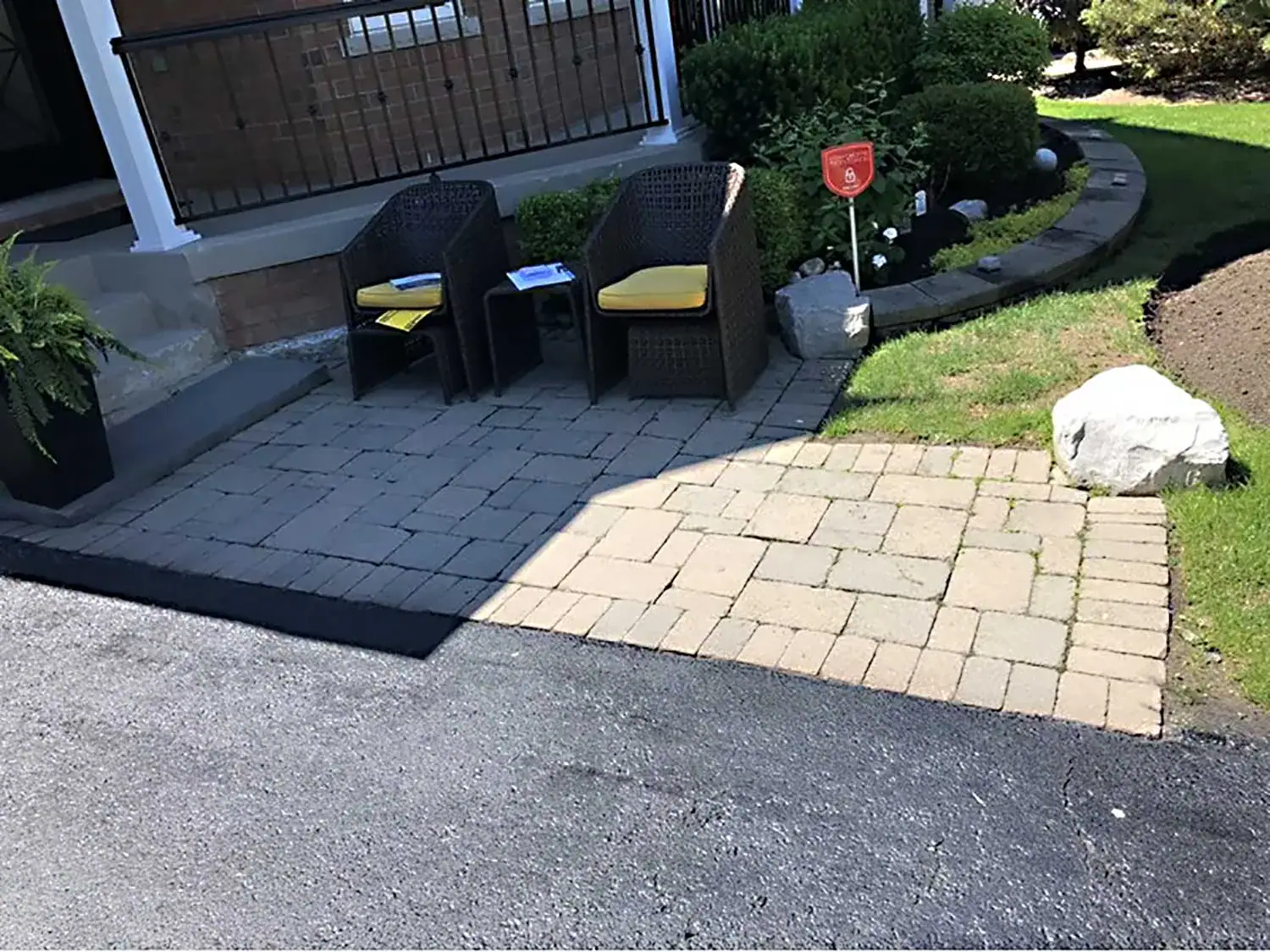
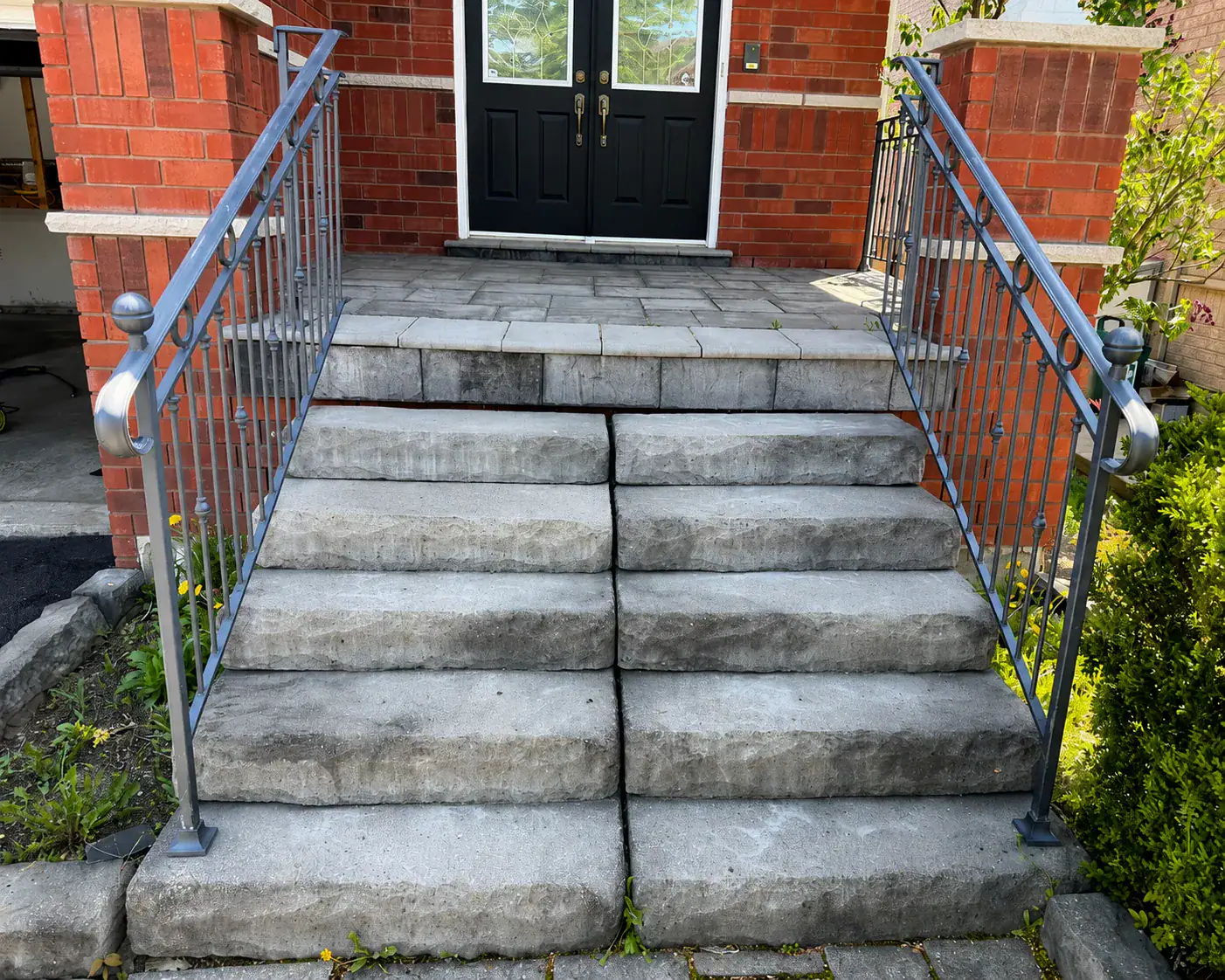
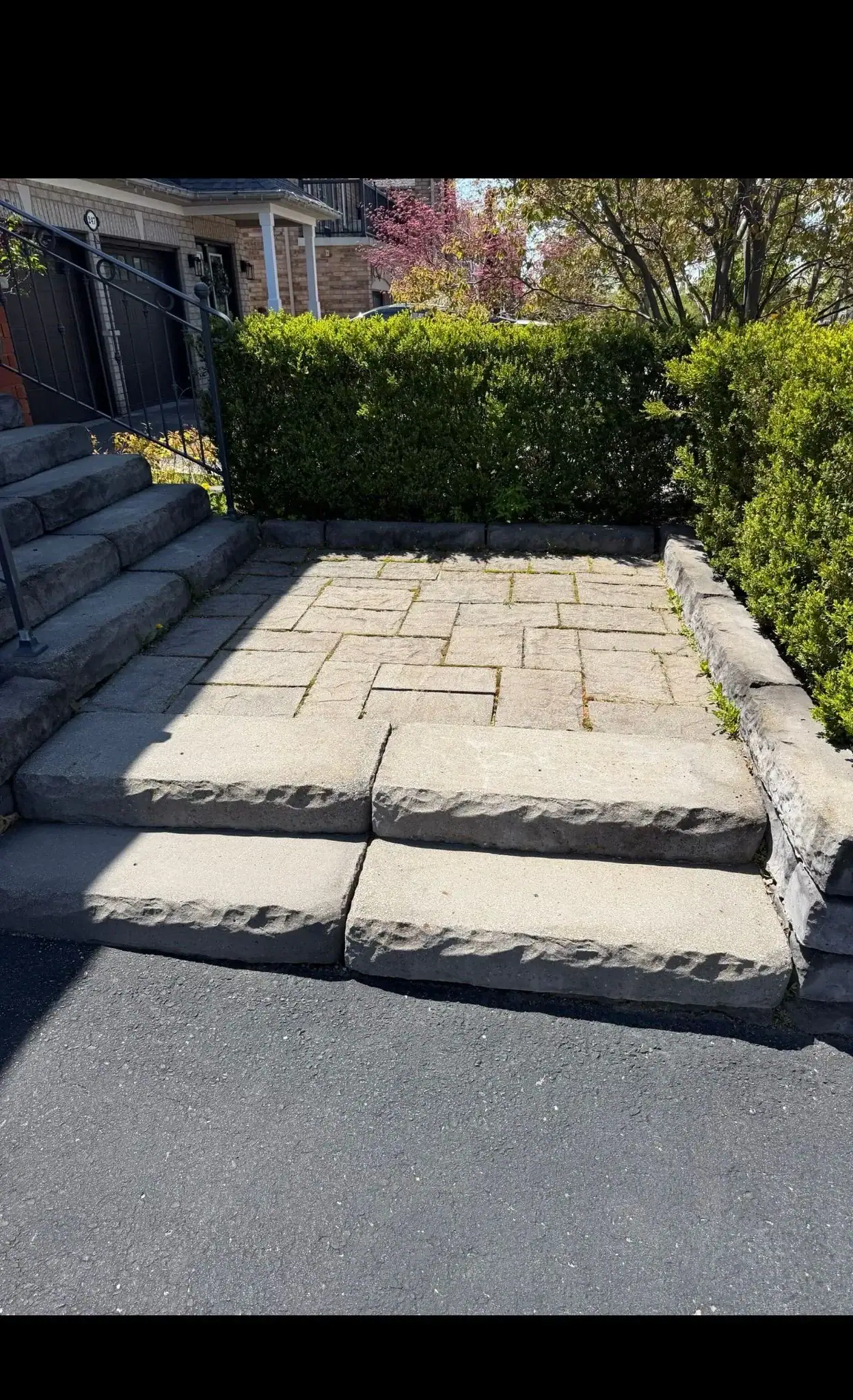
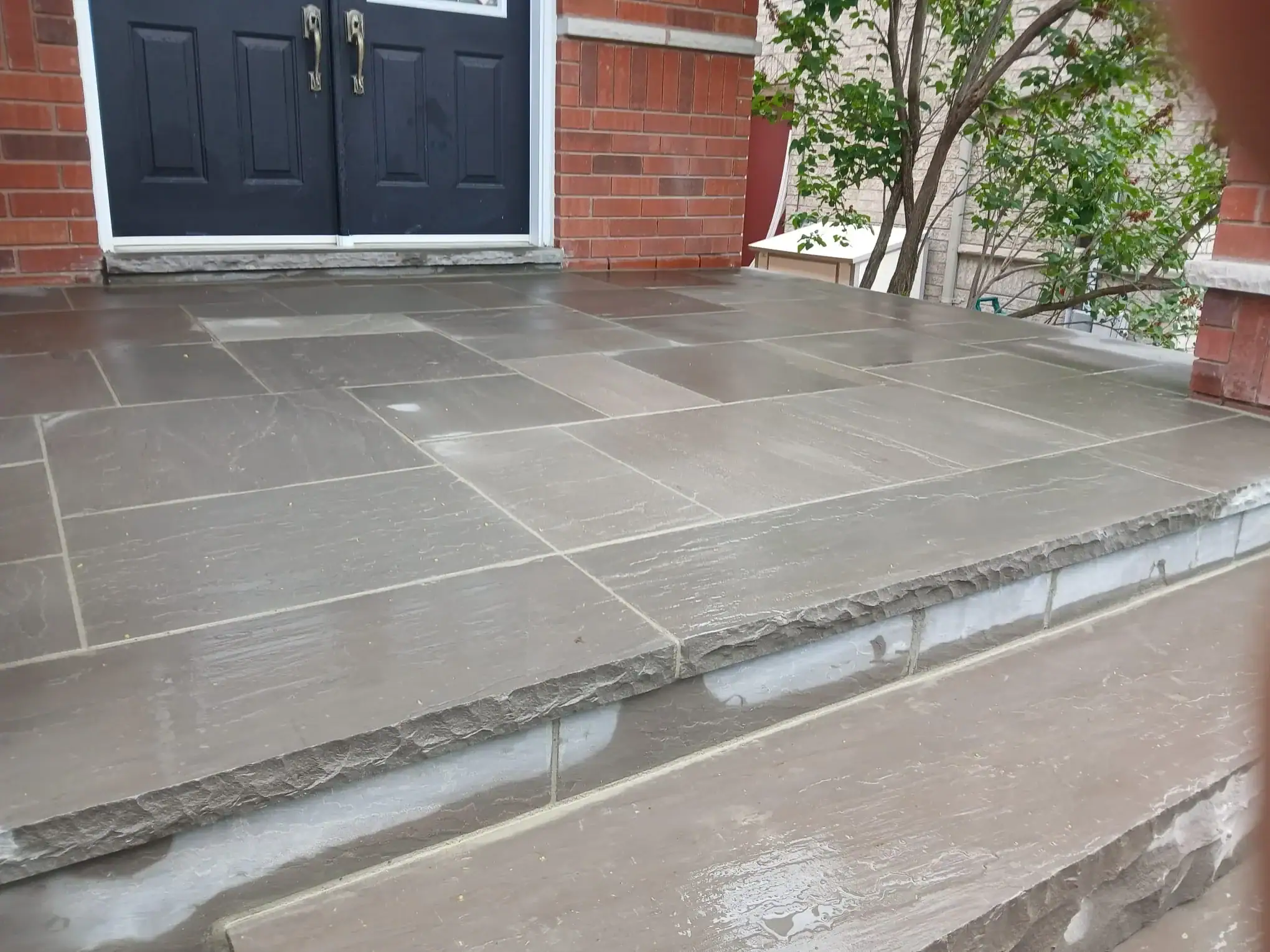
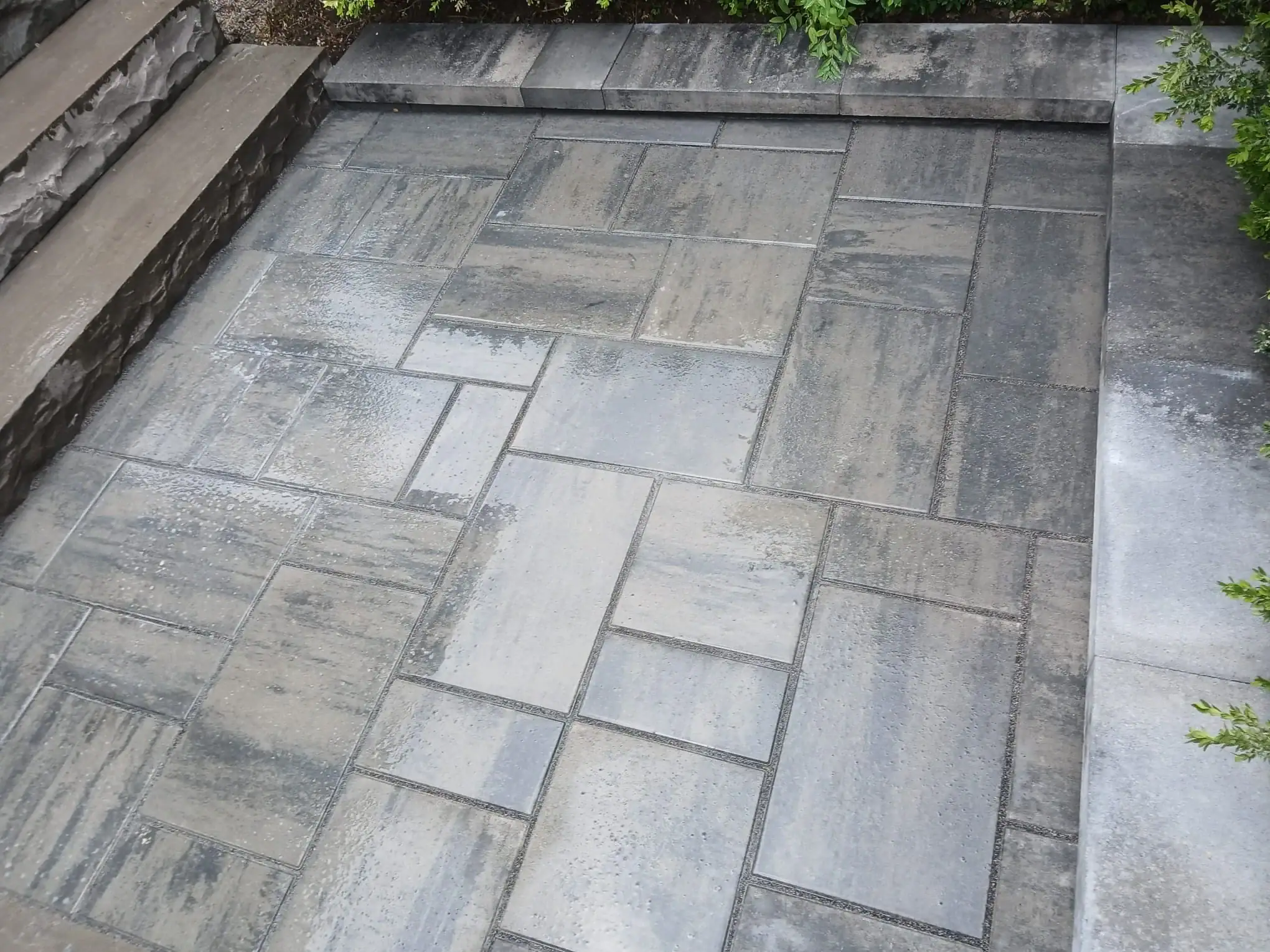
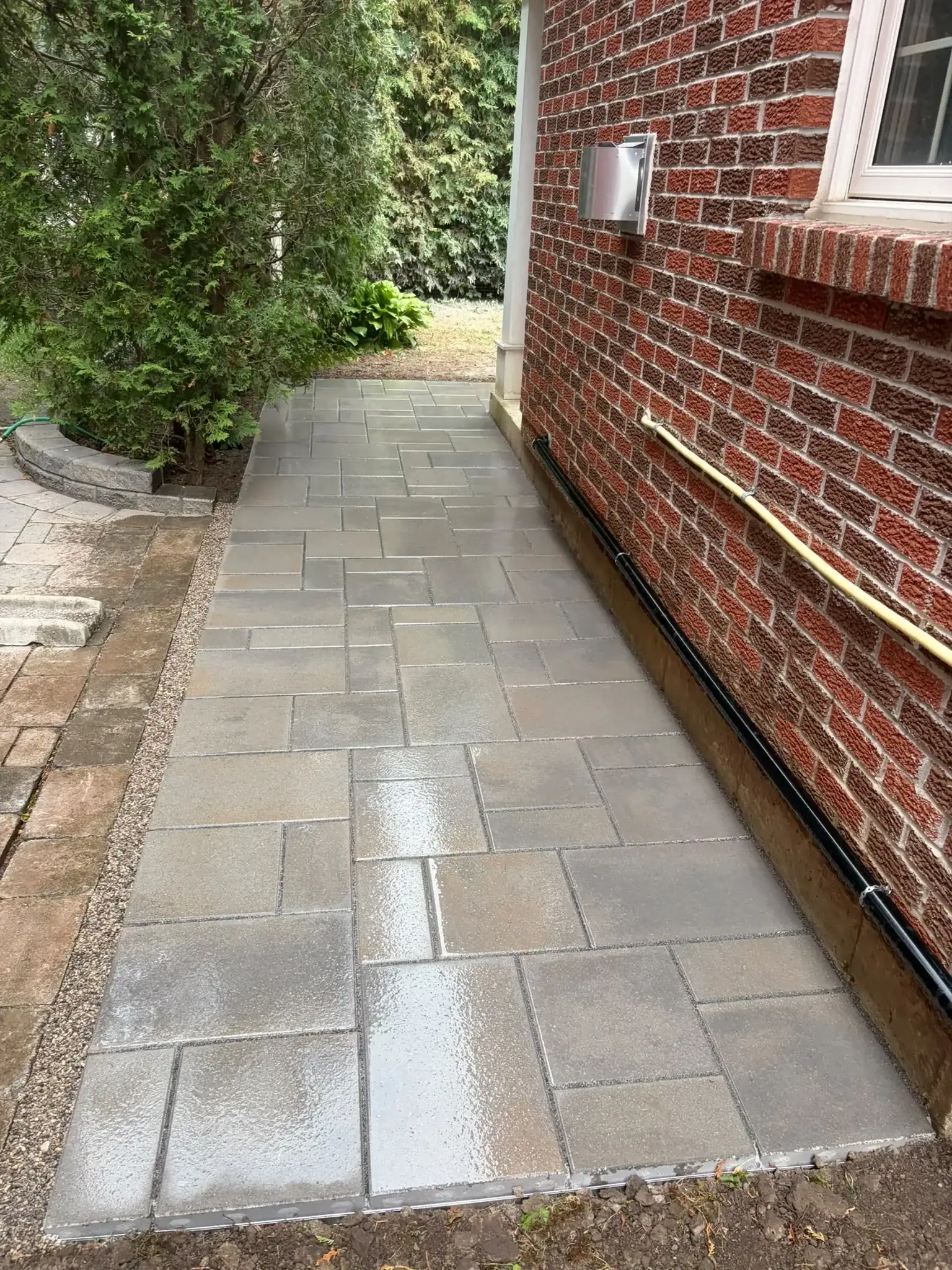
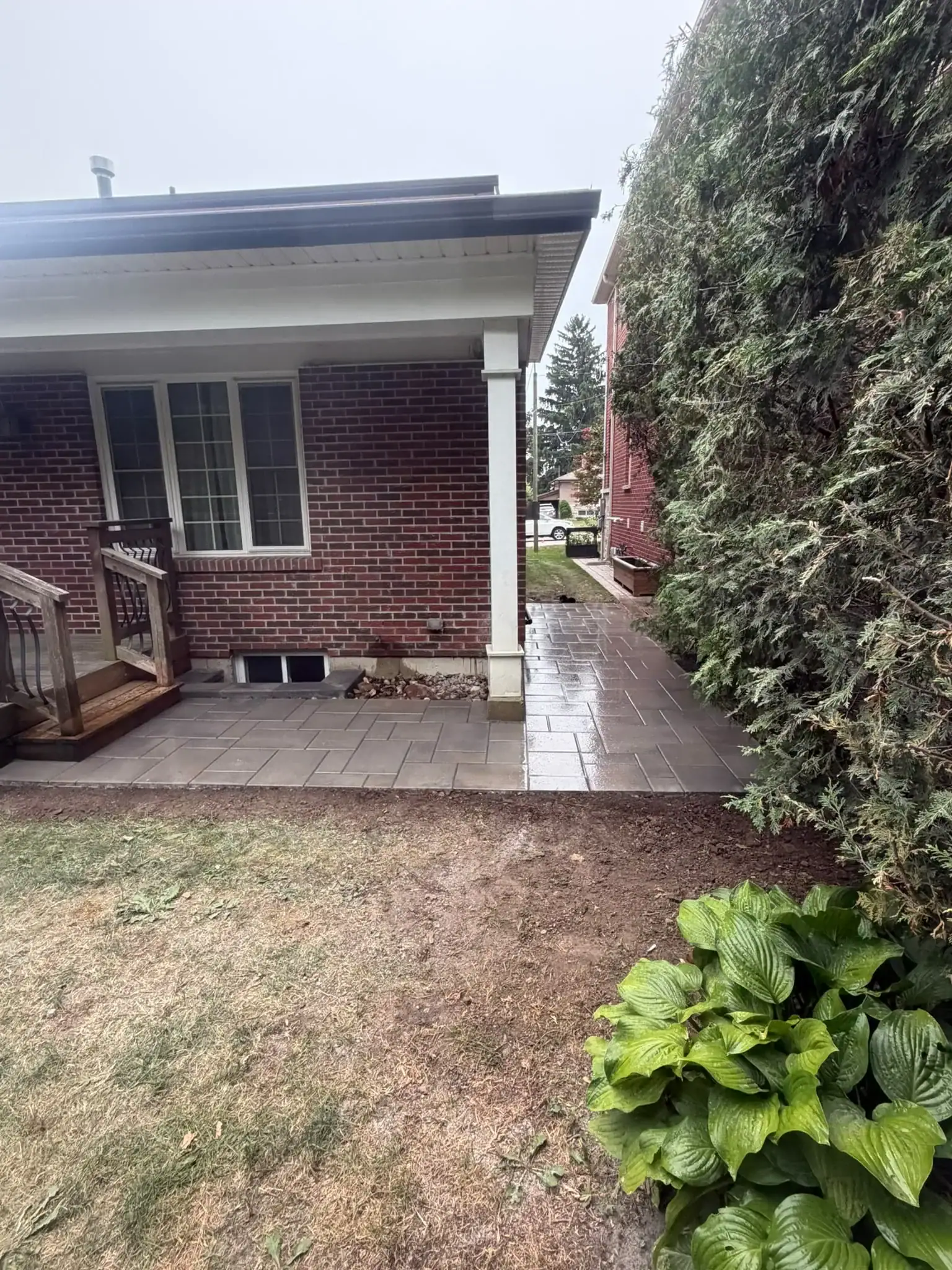
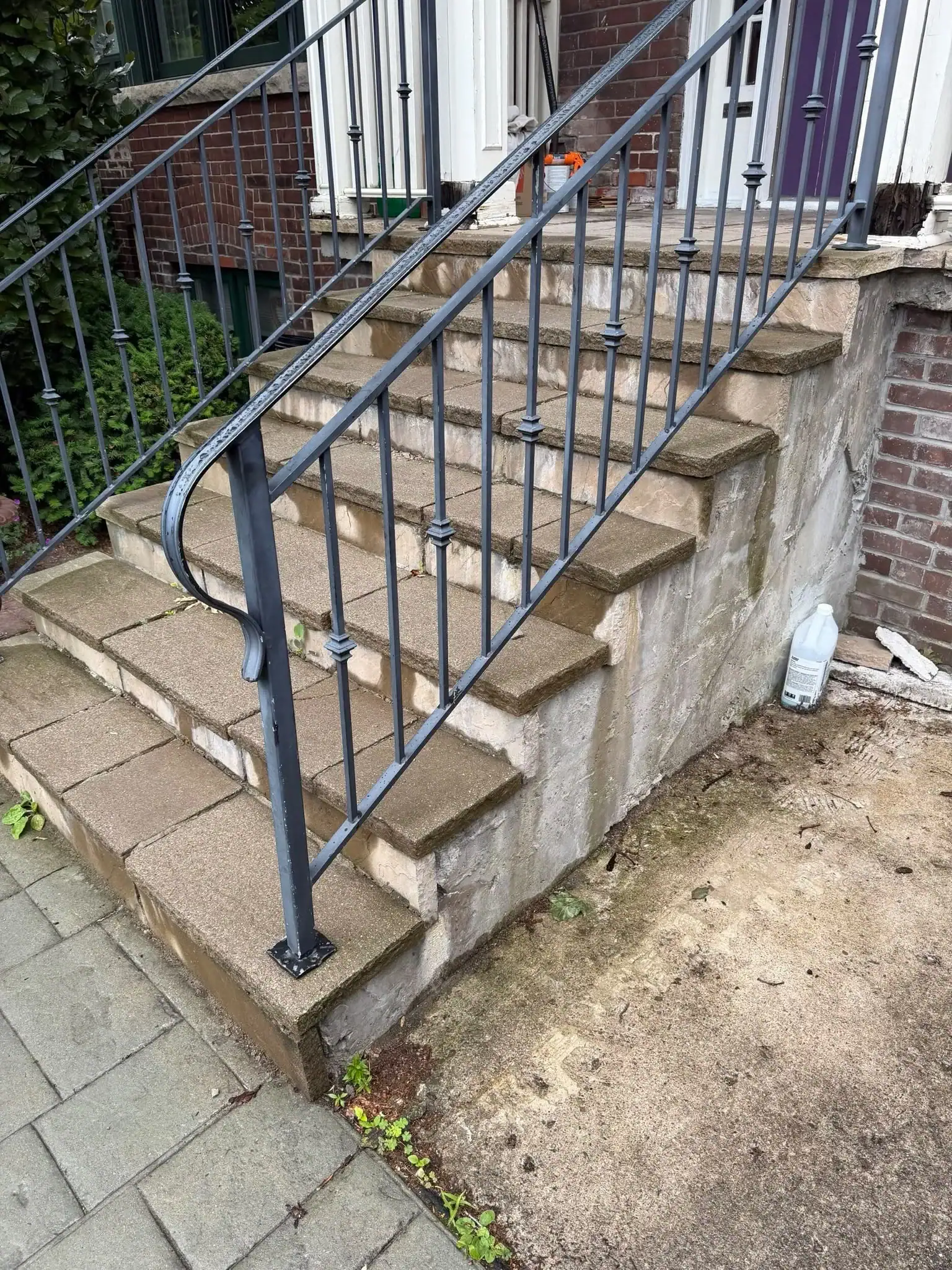
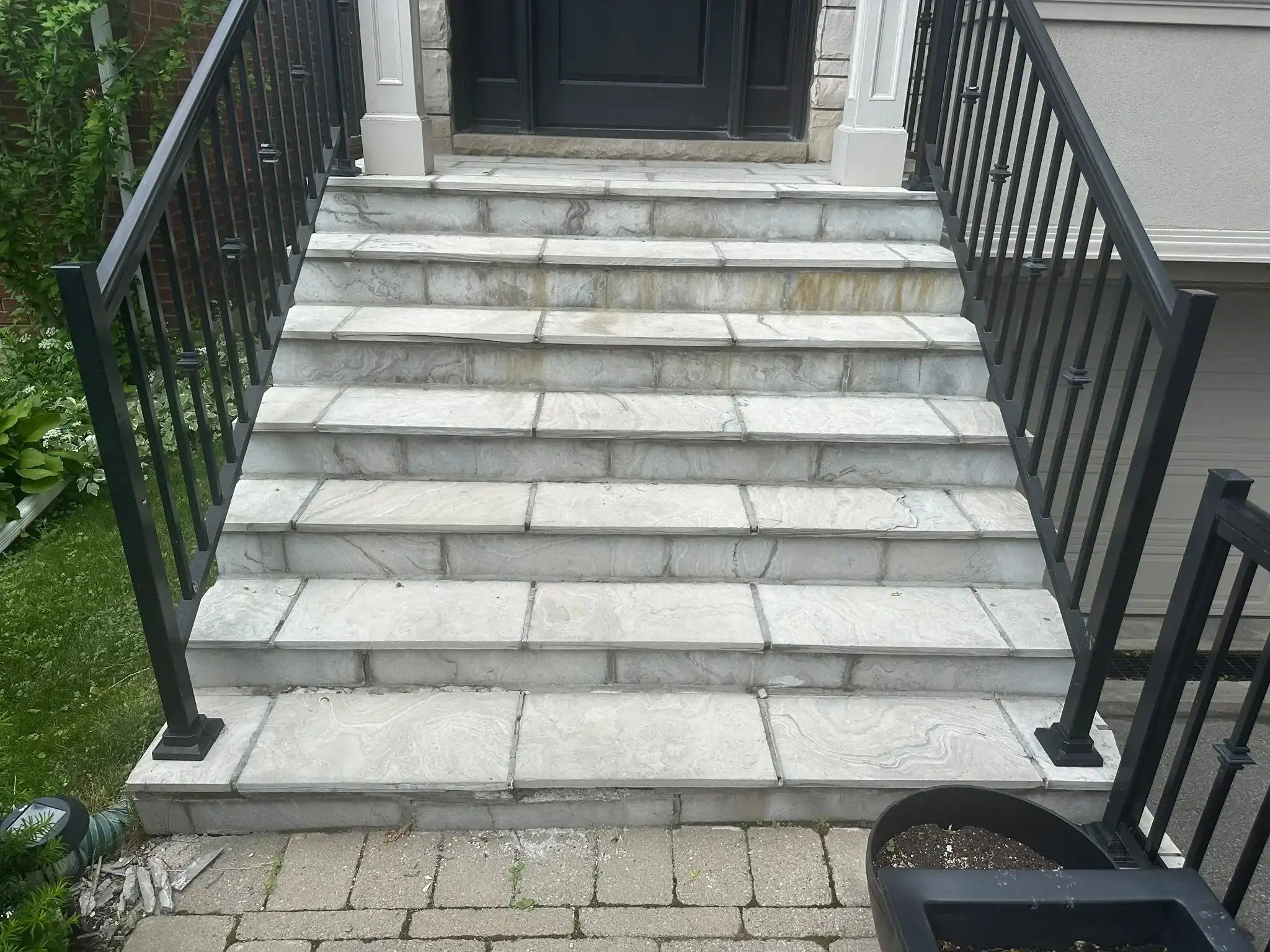
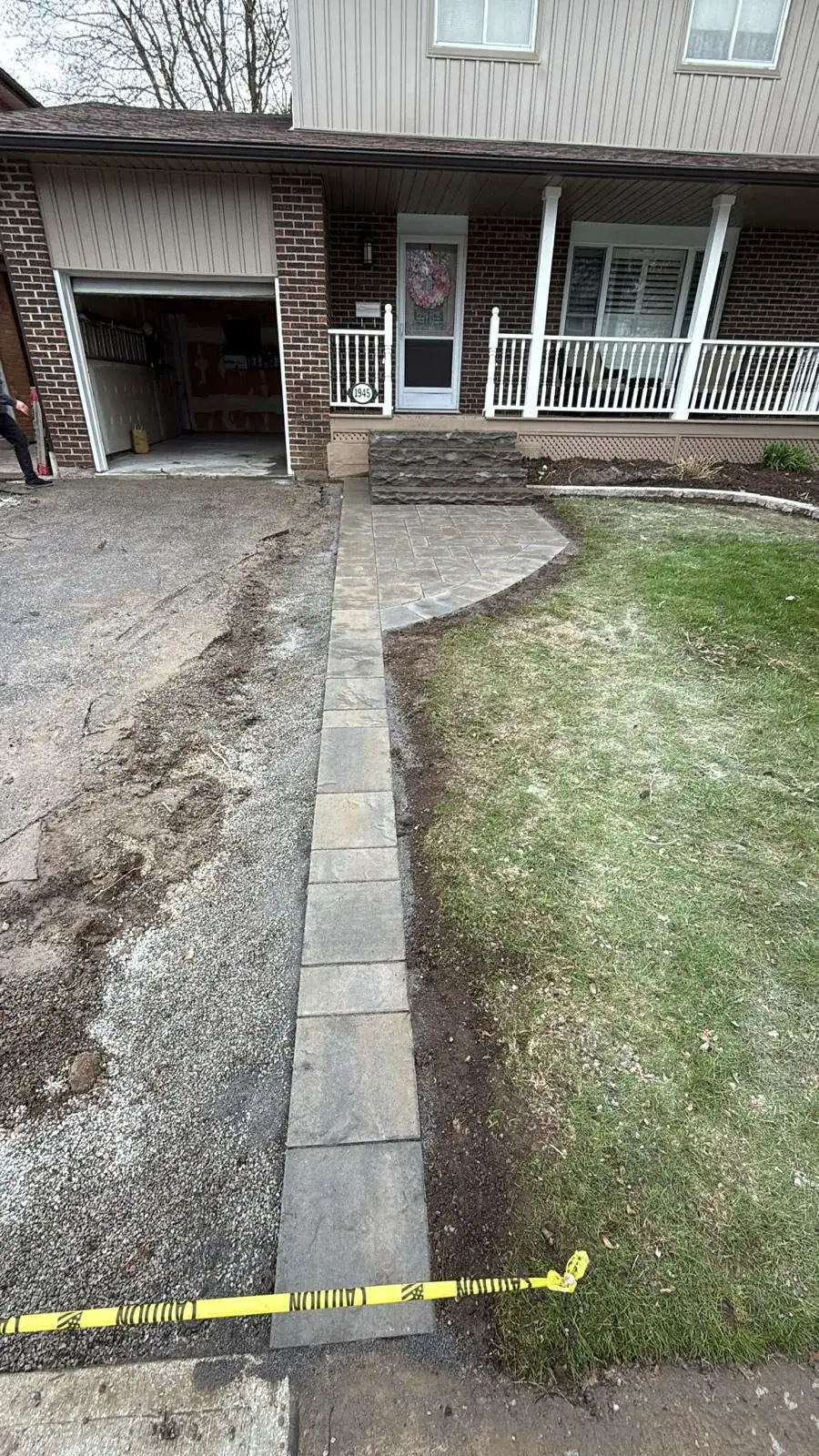
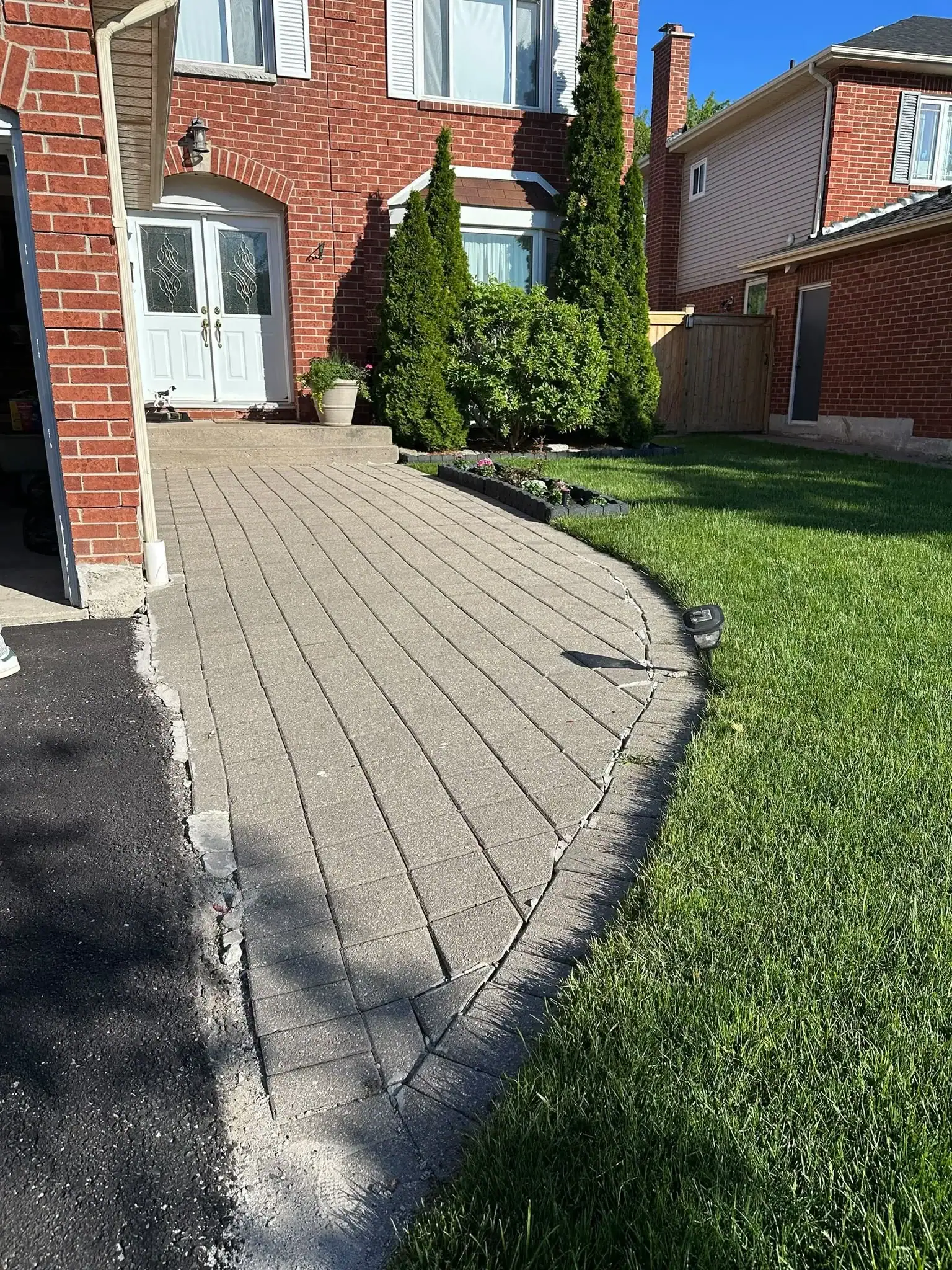
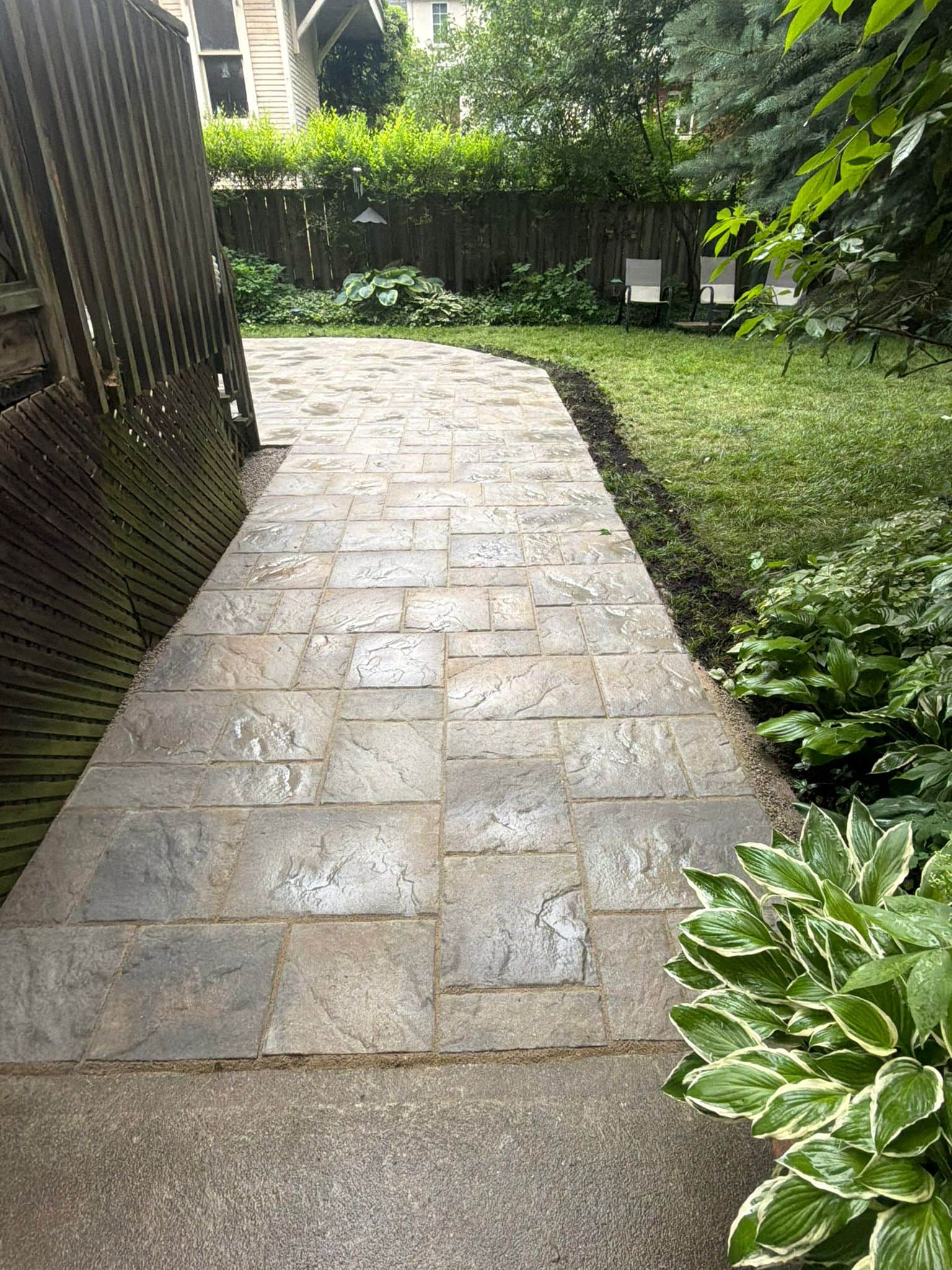
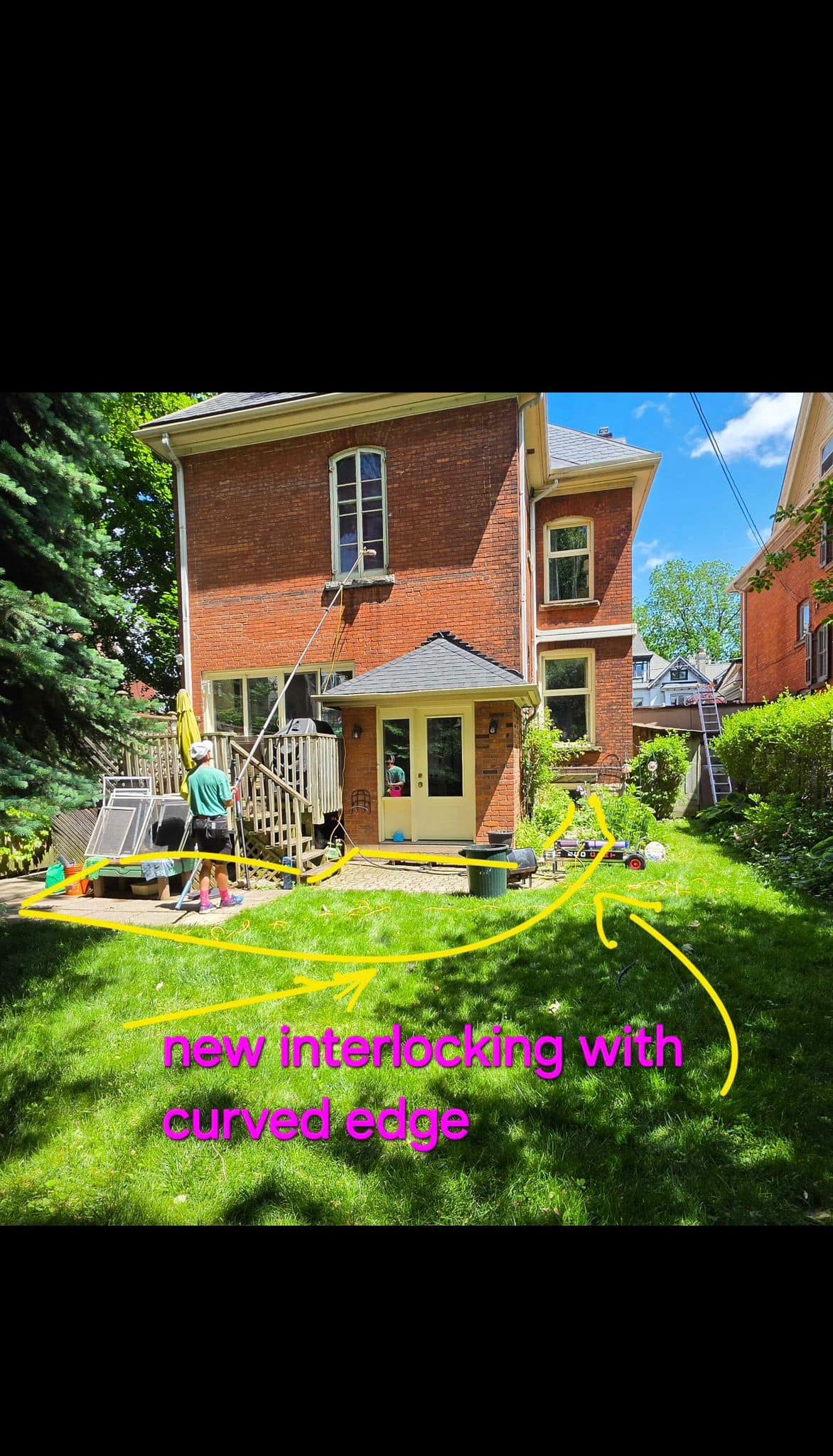
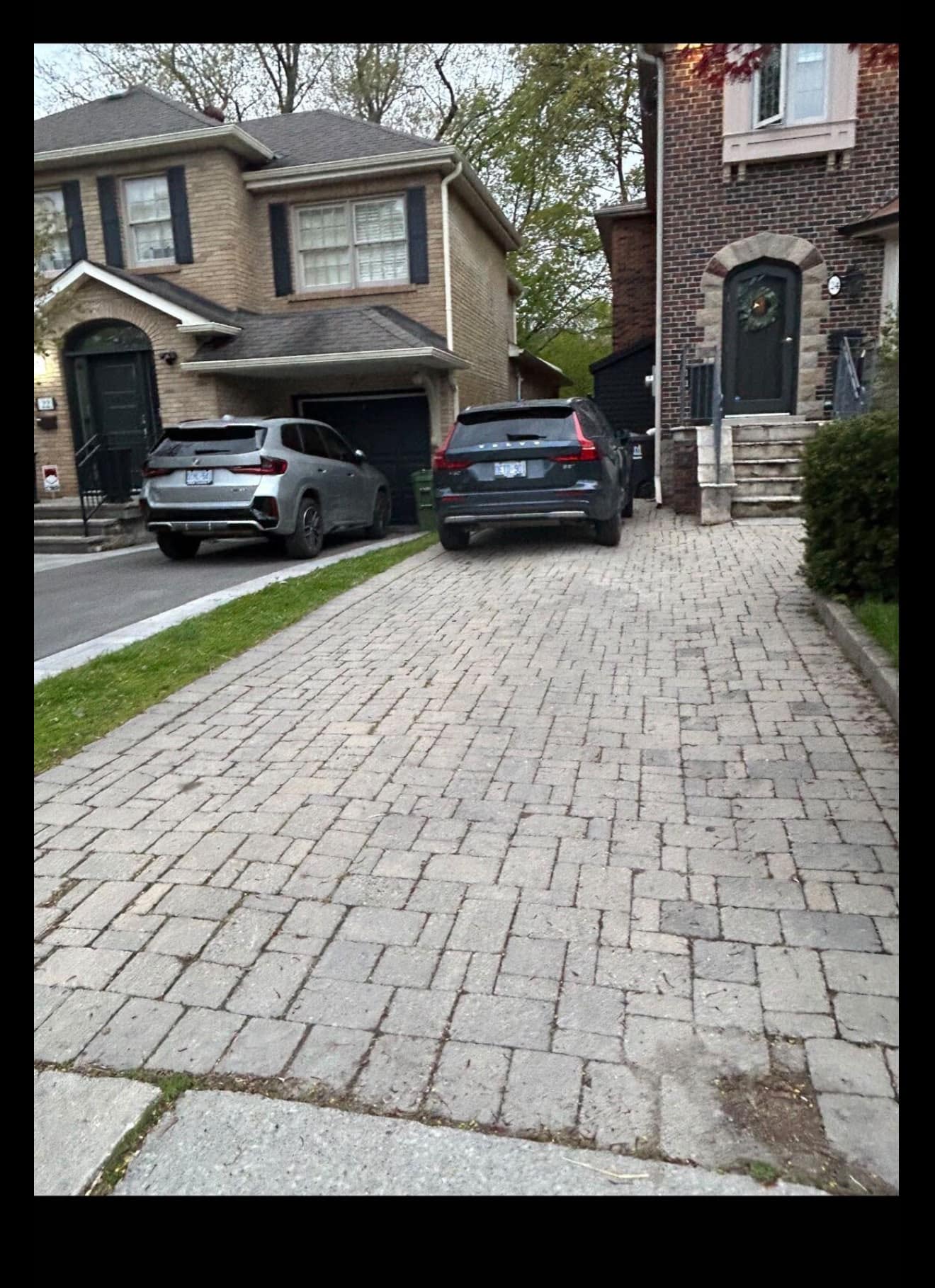
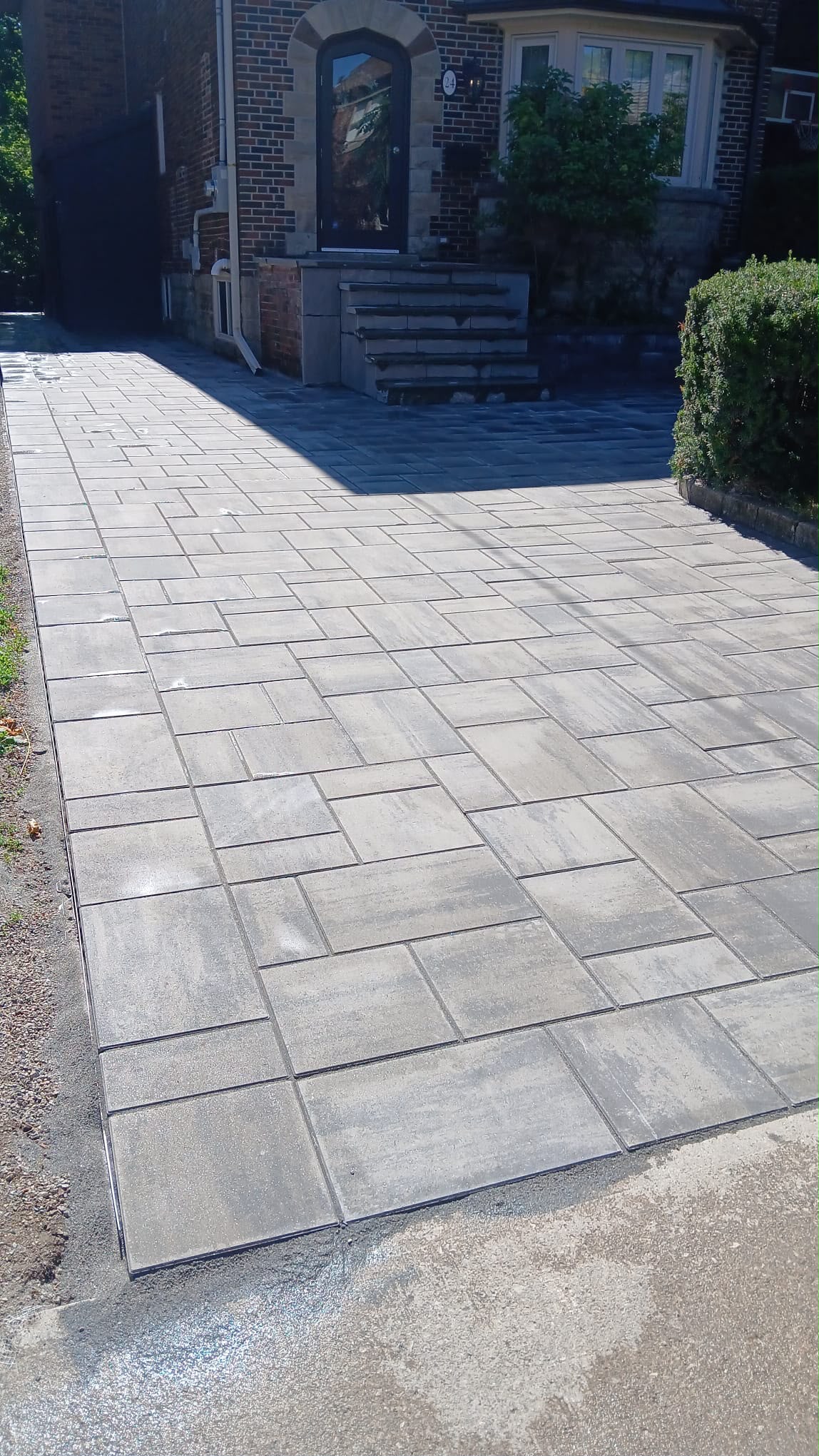
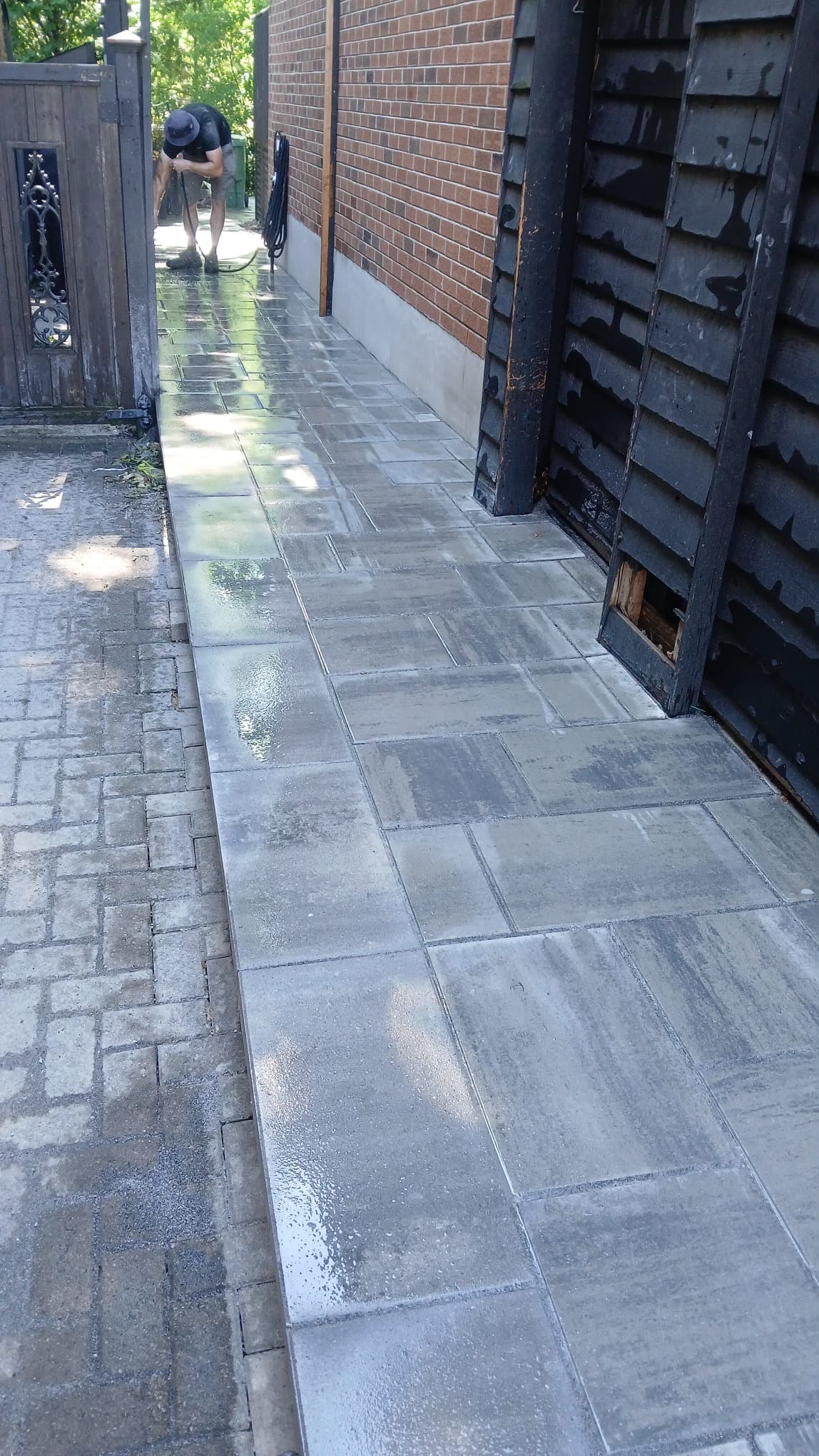
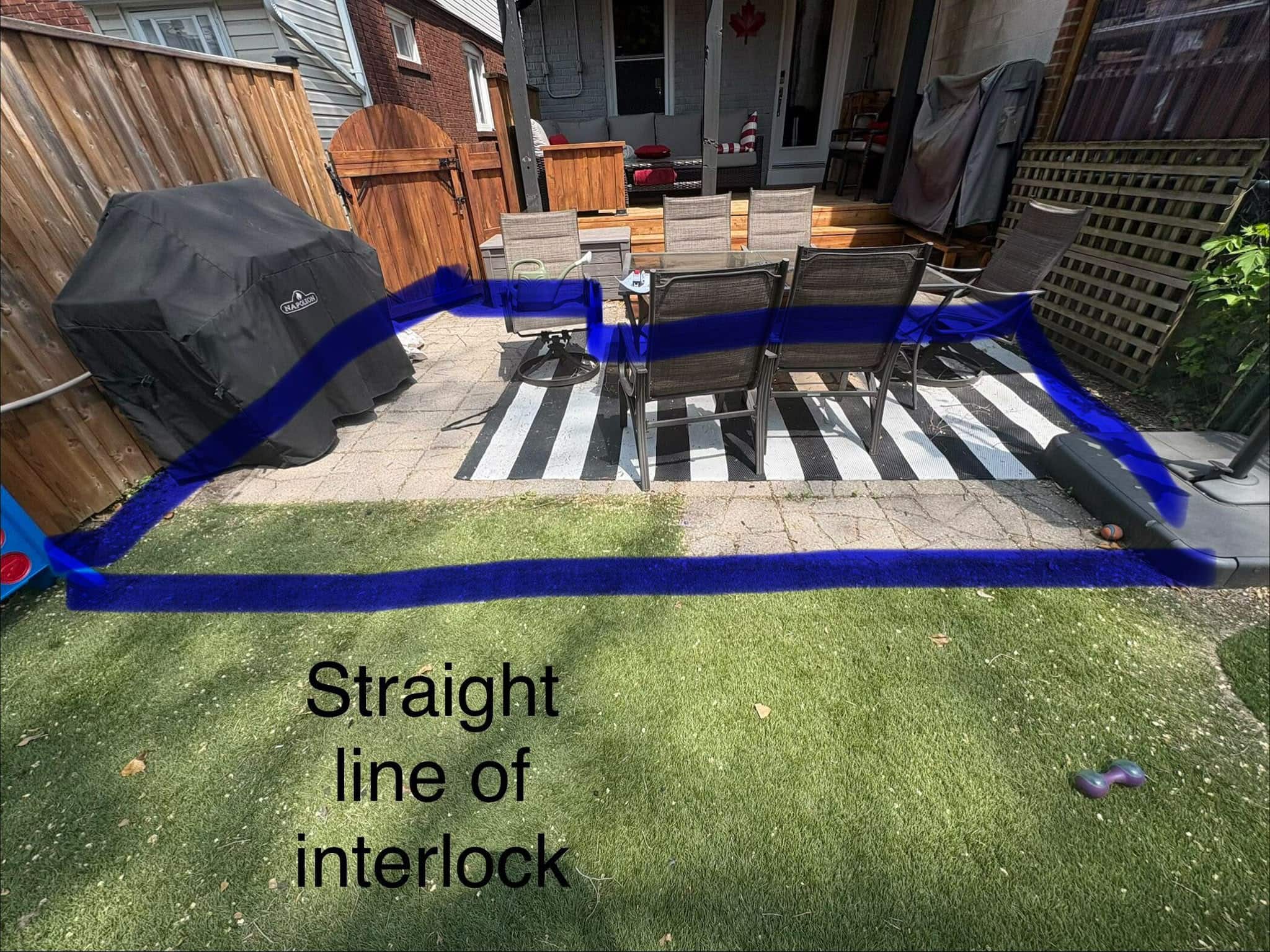
- steps, porches, or interlocking that have shifted or become uneven
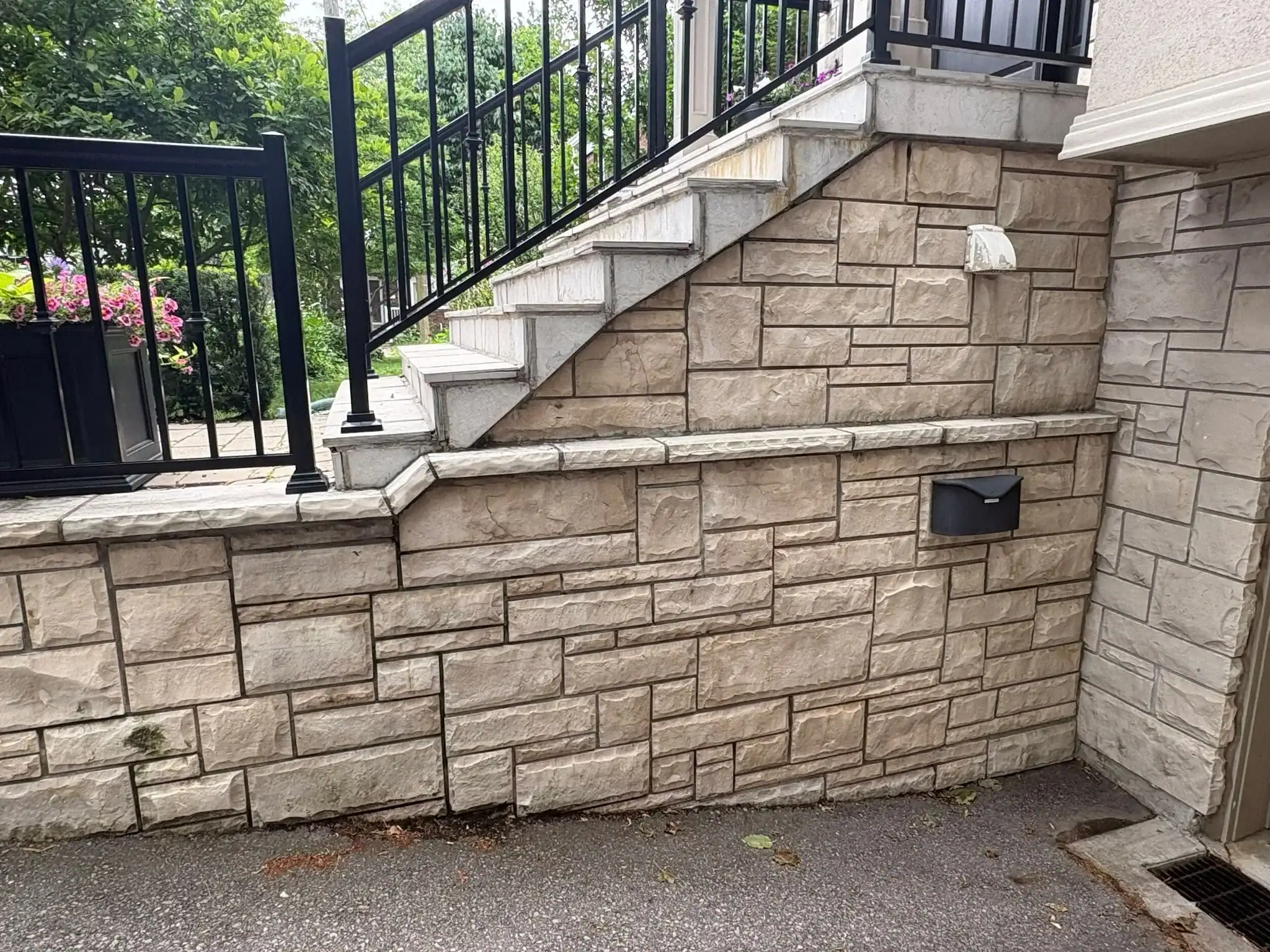
- retaining walls that lean, bulge, or show drainage-related staining
- cracks that keep widening or reappearing after patching
- small masonry debris collecting below a wall or chimney
Any one of these may still be manageable. The bigger concern is the pattern. If the same area keeps changing, remains wet, or shows repeated deterioration, the problem usually warrants more than observation alone.
When Cracked Mortar Is More Than a Minor Surface Issue
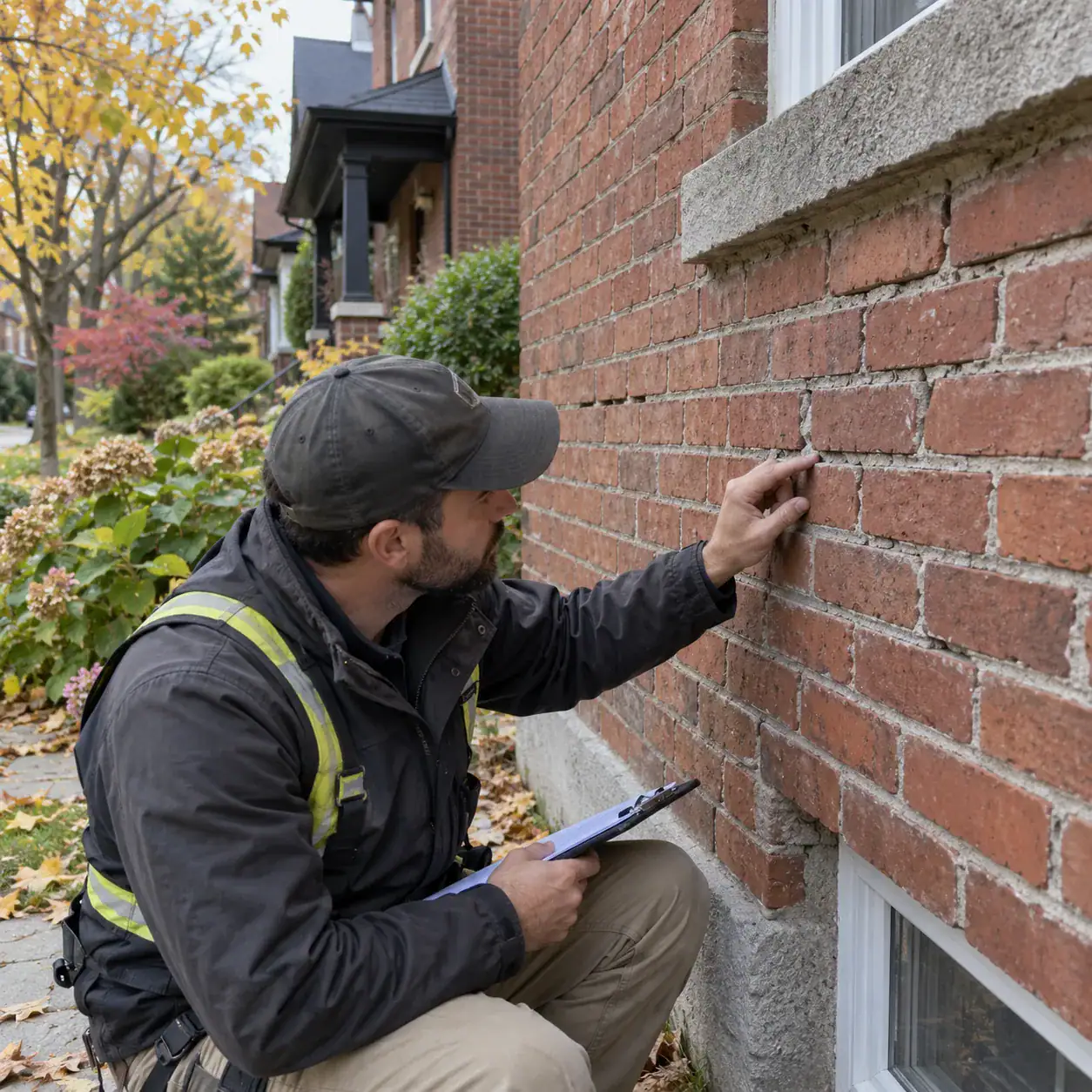
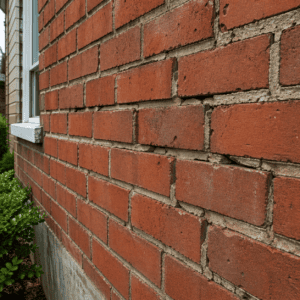
Cracked mortar is one of the most common masonry complaints homeowners notice first. That is partly because mortar joints make movement easier to spot. But not every cracked joint means the wall is failing. The key question is whether the mortar is only showing signs of age or is opening enough to allow water in and reduce the wall’s stability over time.
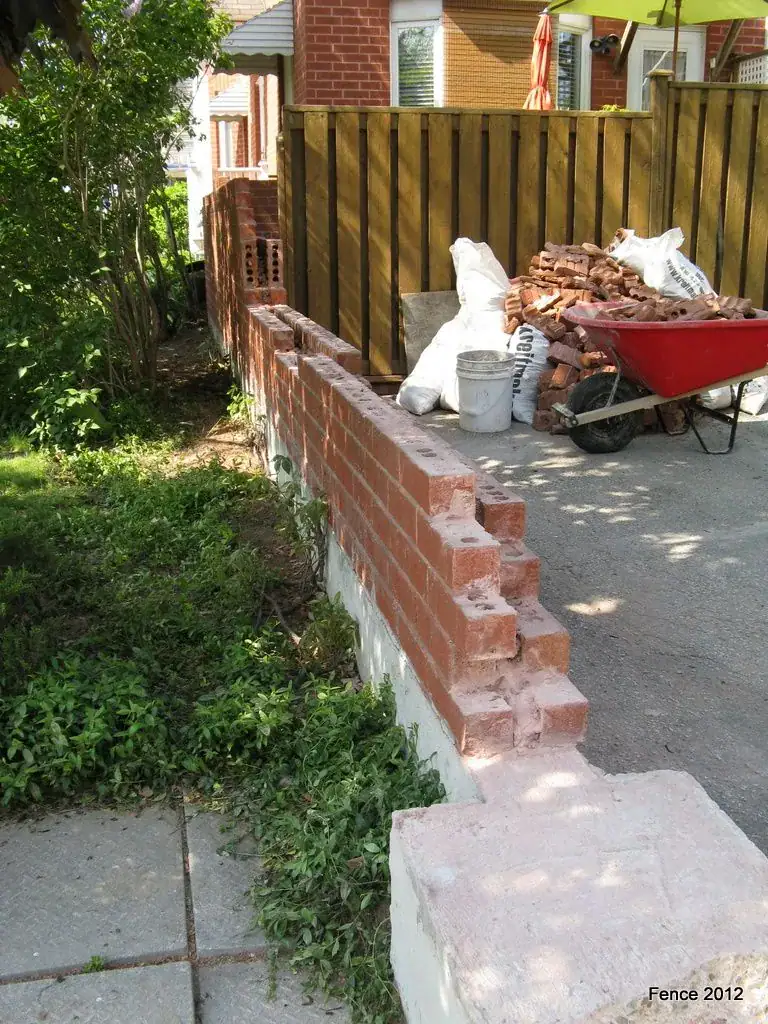
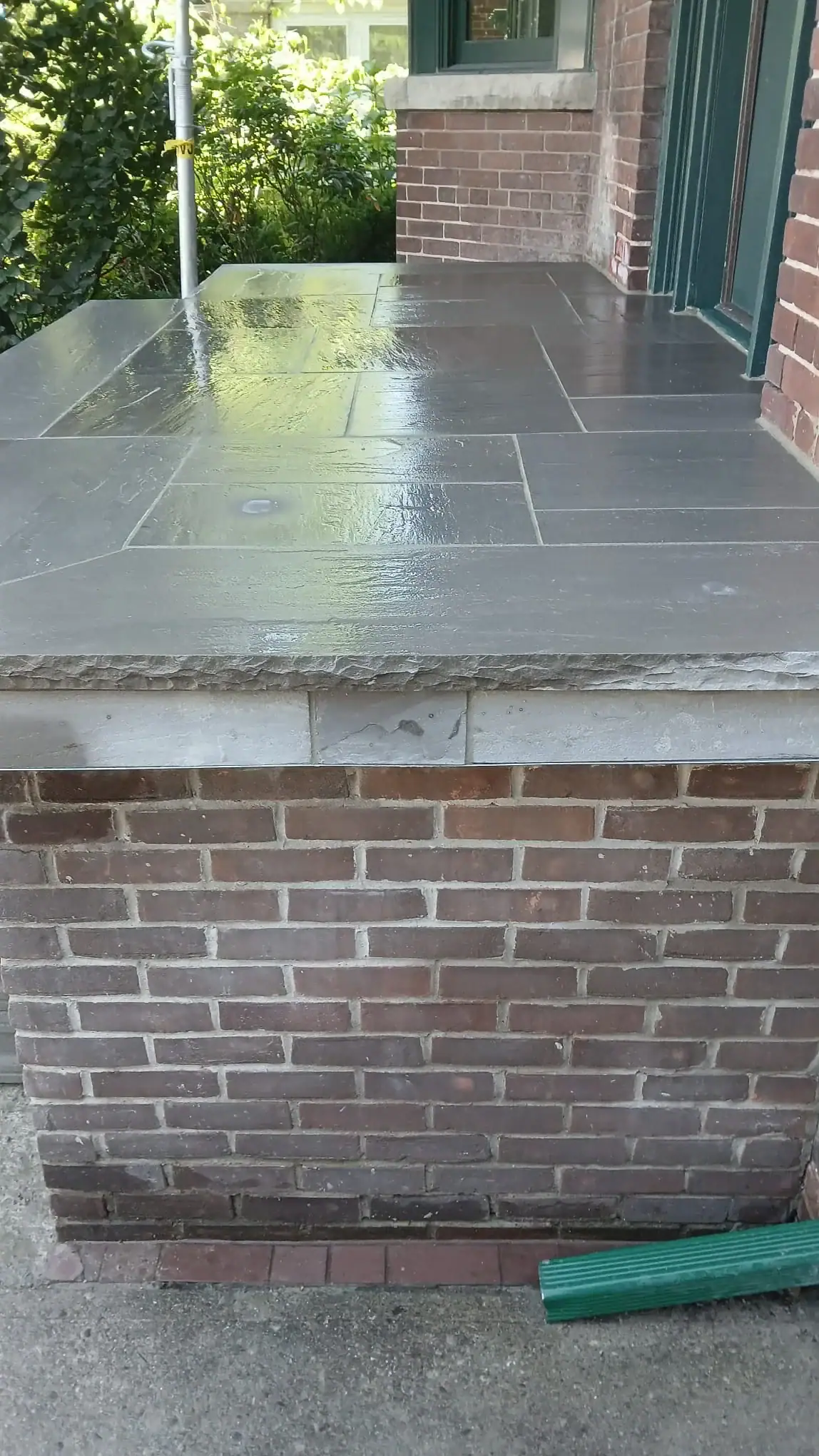
If the joints are isolated, shallow, and not changing, the issue may still be limited. If the joints are receding, loose, missing, or widespread, the wall is probably moving beyond basic wear. In that case, the issue usually fits better under Toronto tuckpointing services than simple cosmetic touch-up work.
This is also where our blog on spring cleaning and masonry touch-ups can help. It explains the difference between minor surface maintenance and the conditions that indicate real repair needs.
When Brick or Stone Surface Damage Should Be Taken Seriously
Brick and stone surfaces can age naturally, but flaking, scaling, and spalling usually warrant attention because they often indicate moisture entering the material and stressing it over time. Once the face of the masonry starts to break down, the issue is not just about appearance. It is a sign that the outer layer of protection is being lost.
This is especially relevant after winter. Freeze-thaw conditions can make surface deterioration more obvious because moisture that entered small openings expands when frozen. If brick faces are breaking down in isolated or repeated areas, it often makes more sense to think in terms of brick repair than surface cleanup alone.
If the damage appears to be related to moisture staining or salts, compare it with our published guide on handling efflorescence on brick or stone. That is useful because surface deposits are often part of the same moisture story that leads to mortar and brick deterioration.
Moisture Signs That Usually Point to a Bigger Problem
Moisture is one of the biggest reasons masonry begins needing professional attention. Brick and stone can handle weather, but they are not meant to stay saturated or repeatedly absorb water from the same weak points.
Moisture warning signs include:
- efflorescence that returns after cleaning
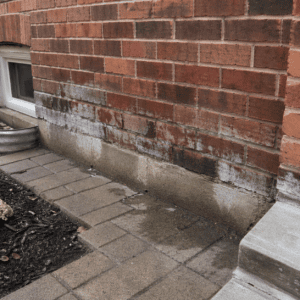
- persistent damp marks on lower walls
- staining below sills, coping, or chimney lines
- moss or algae growth that stays in the same masonry zones
- interior damp clues tied to foundation-adjacent walls
- masonry that seems to get wetter or drier more slowly than the surrounding areas
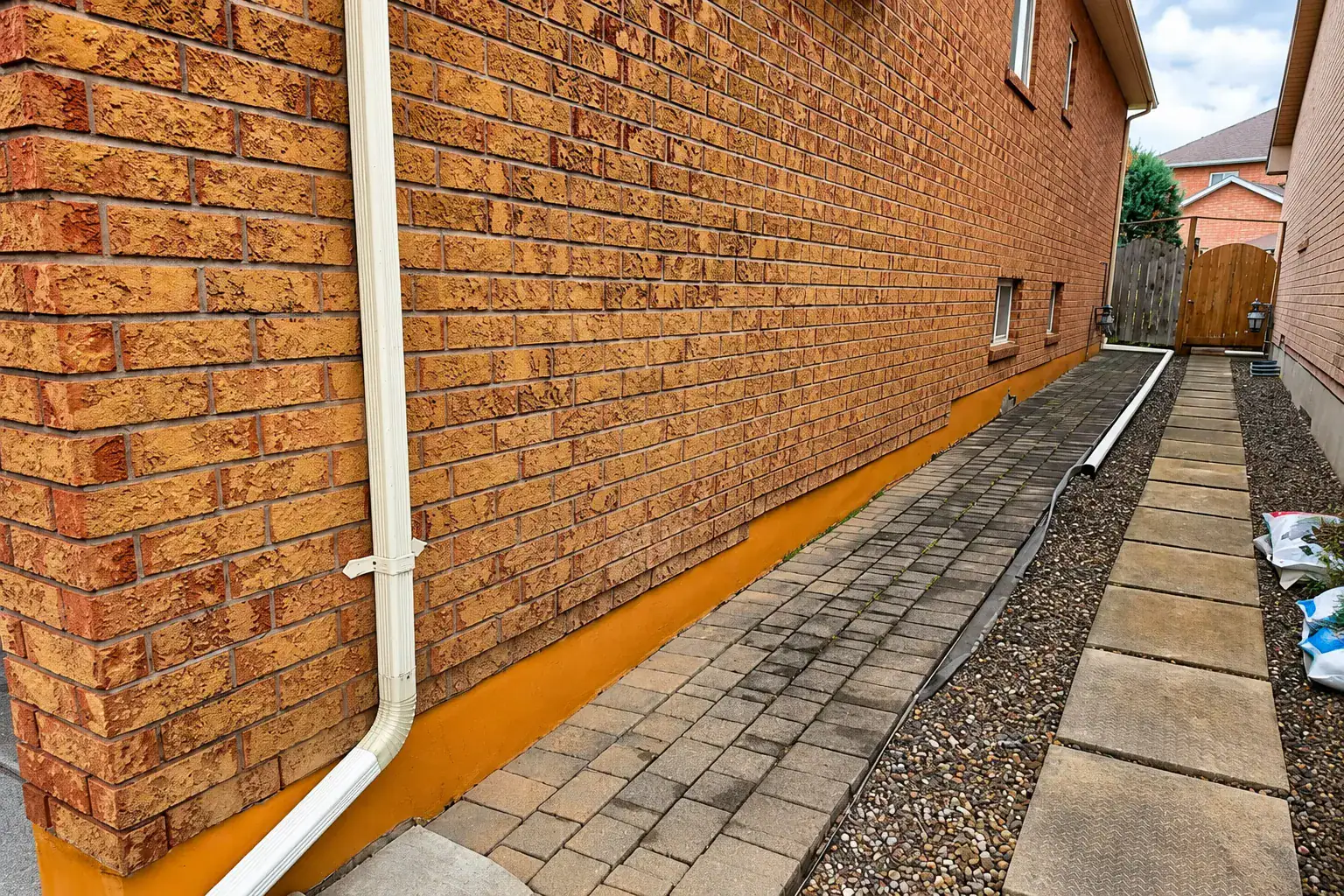
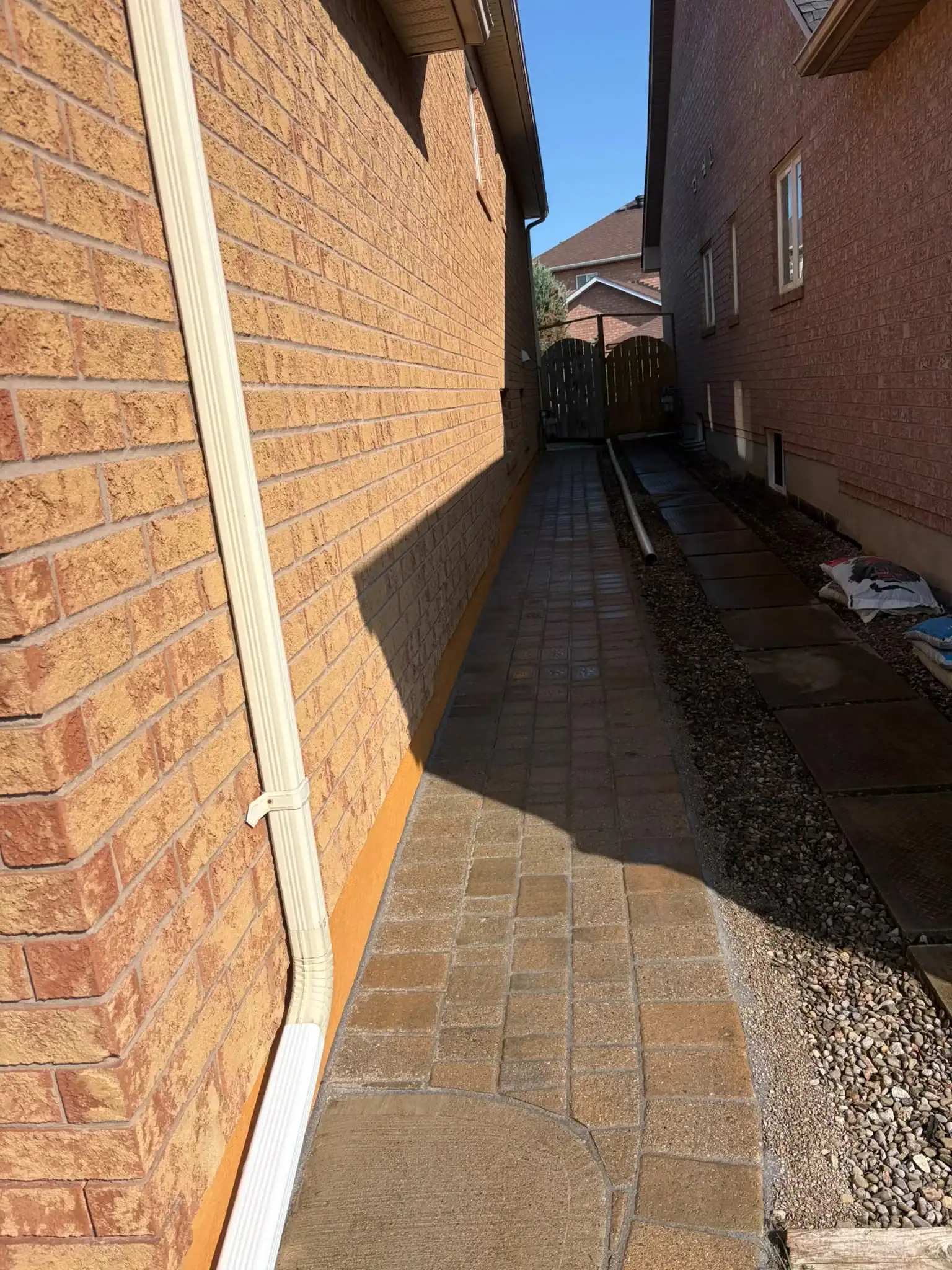
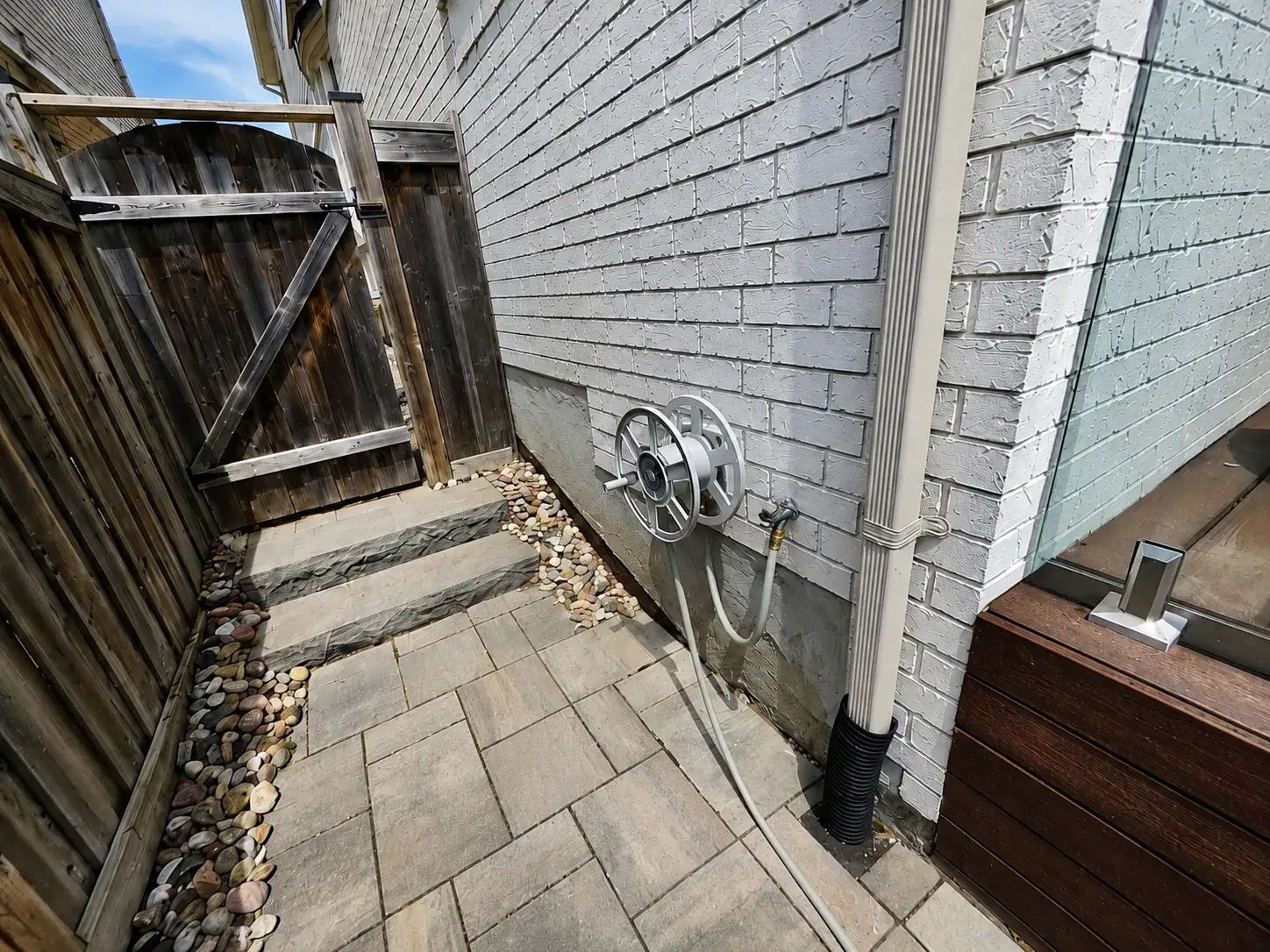
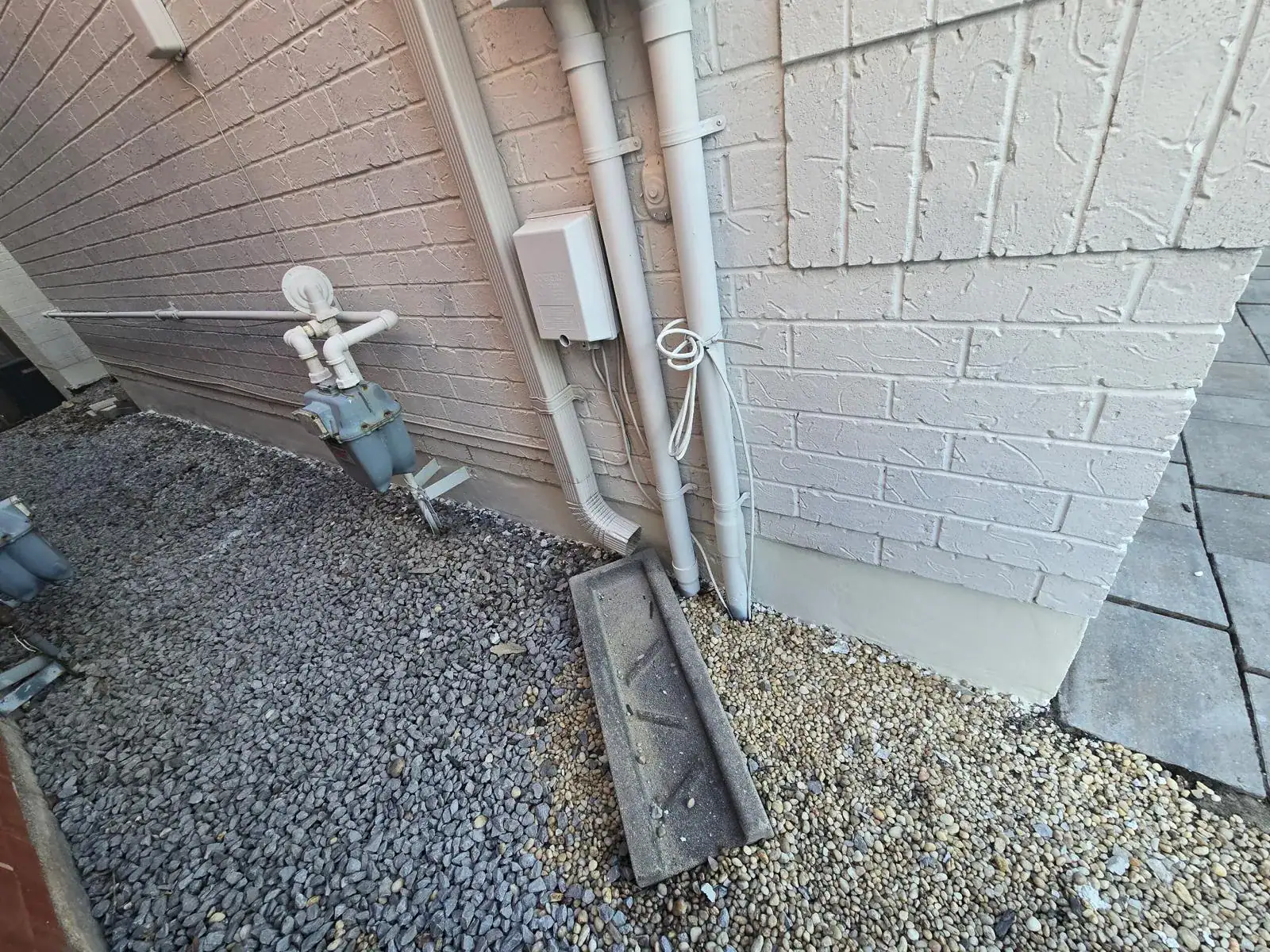
If these signs keep appearing, the real issue may be water movement rather than the wall surface itself. That is why our post on the importance of proper drainage around masonry is highly relevant. Many masonry problems become repair problems because the water path was never corrected.
The City of Toronto also advises homeowners to keep grading sloped away from the house, properly manage downspout discharge, and avoid allowing water to collect near foundation walls. City of Toronto: Managing Water Around the House
Signs Around Chimneys, Steps, and Retaining Walls
Some masonry areas tend to show trouble sooner because they are exposed, elevated, or under more stress than a standard wall surface.
Chimneys: look for open joints, flaking brick, damaged caps, cracked crowns, and loose pieces below the chimney line. If the issue is chimney-specific, our blogs on chimney cap options and why they matter and how to inspect masonry after a storm are useful companion reads.
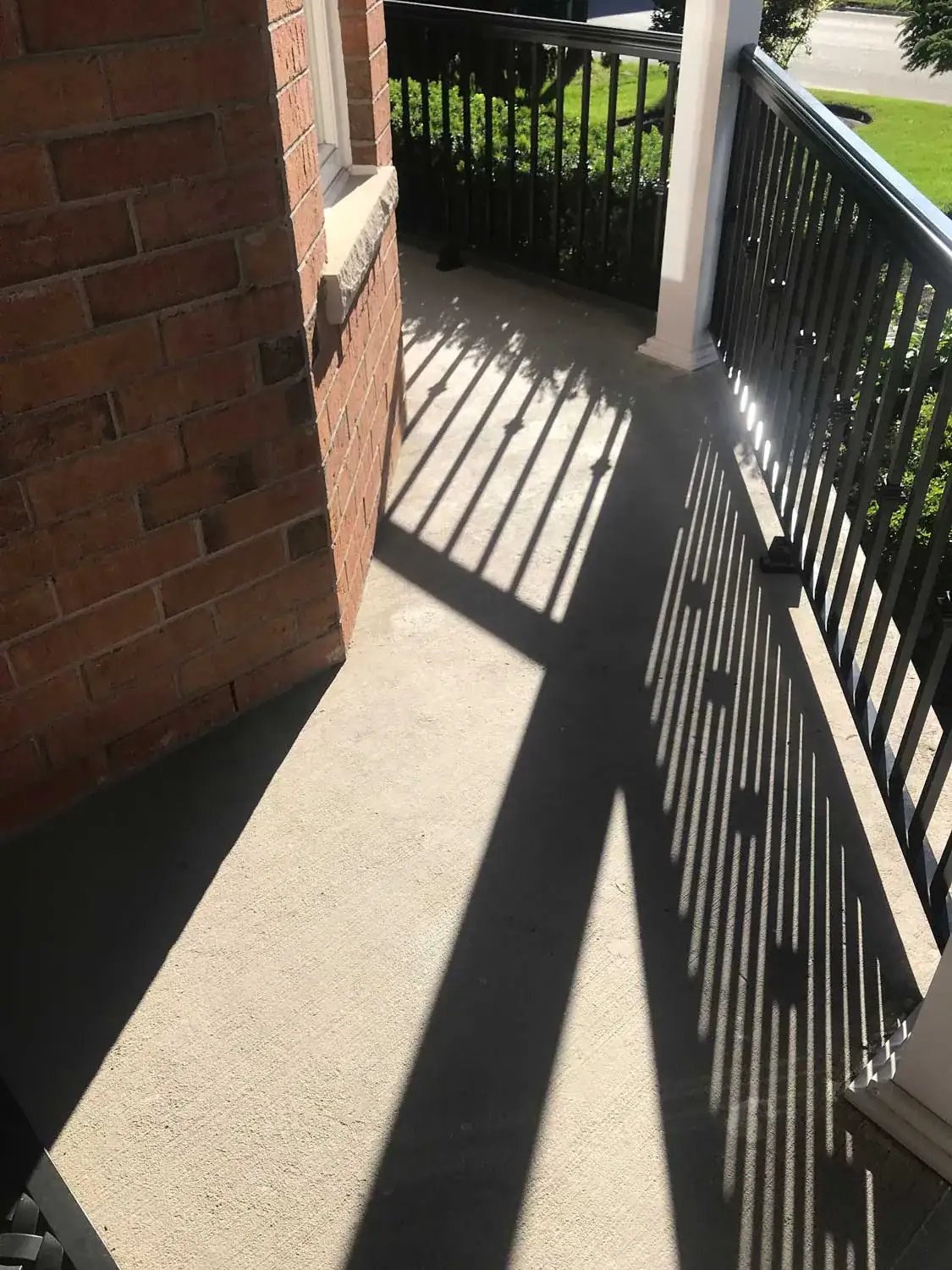
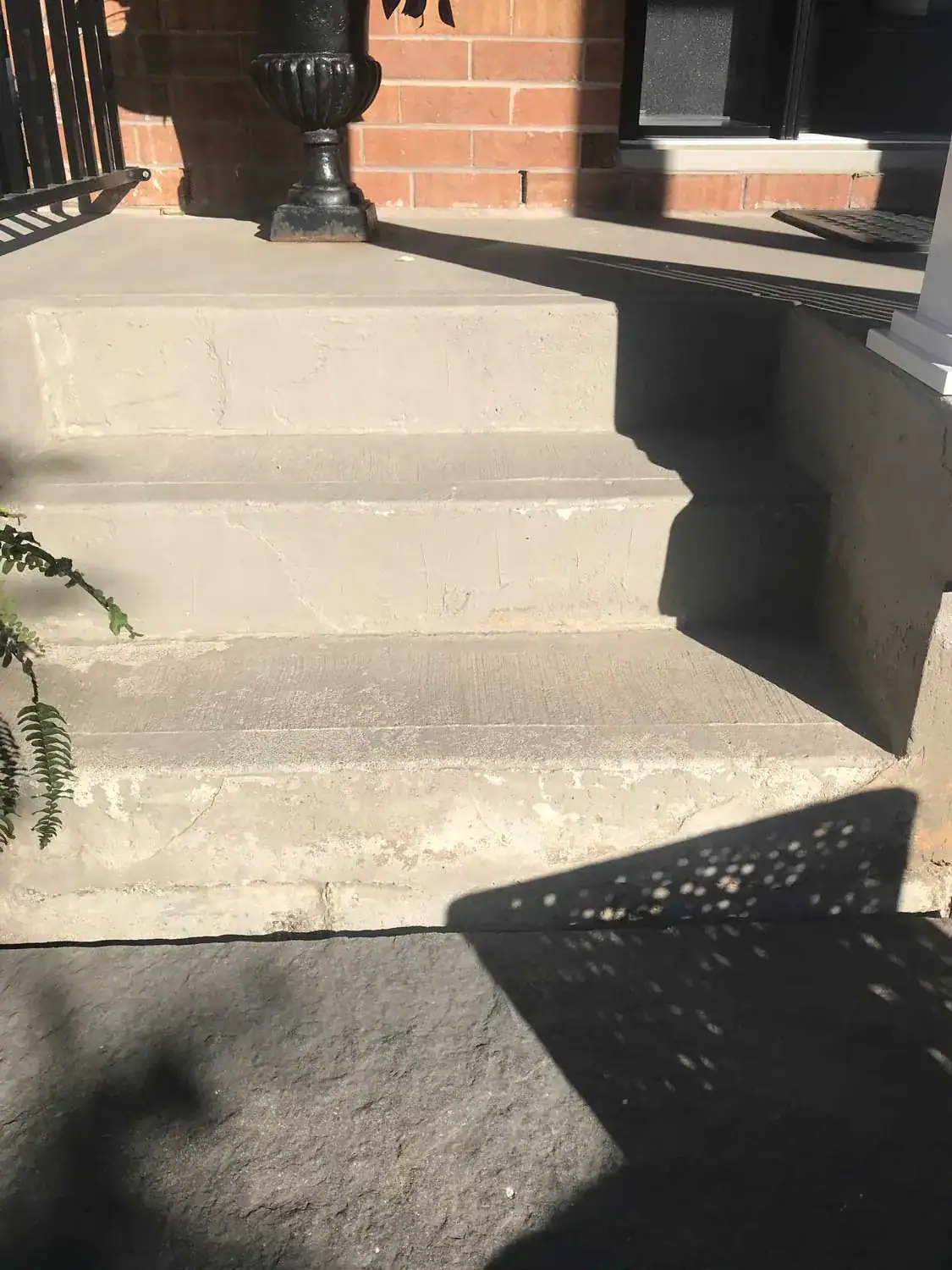
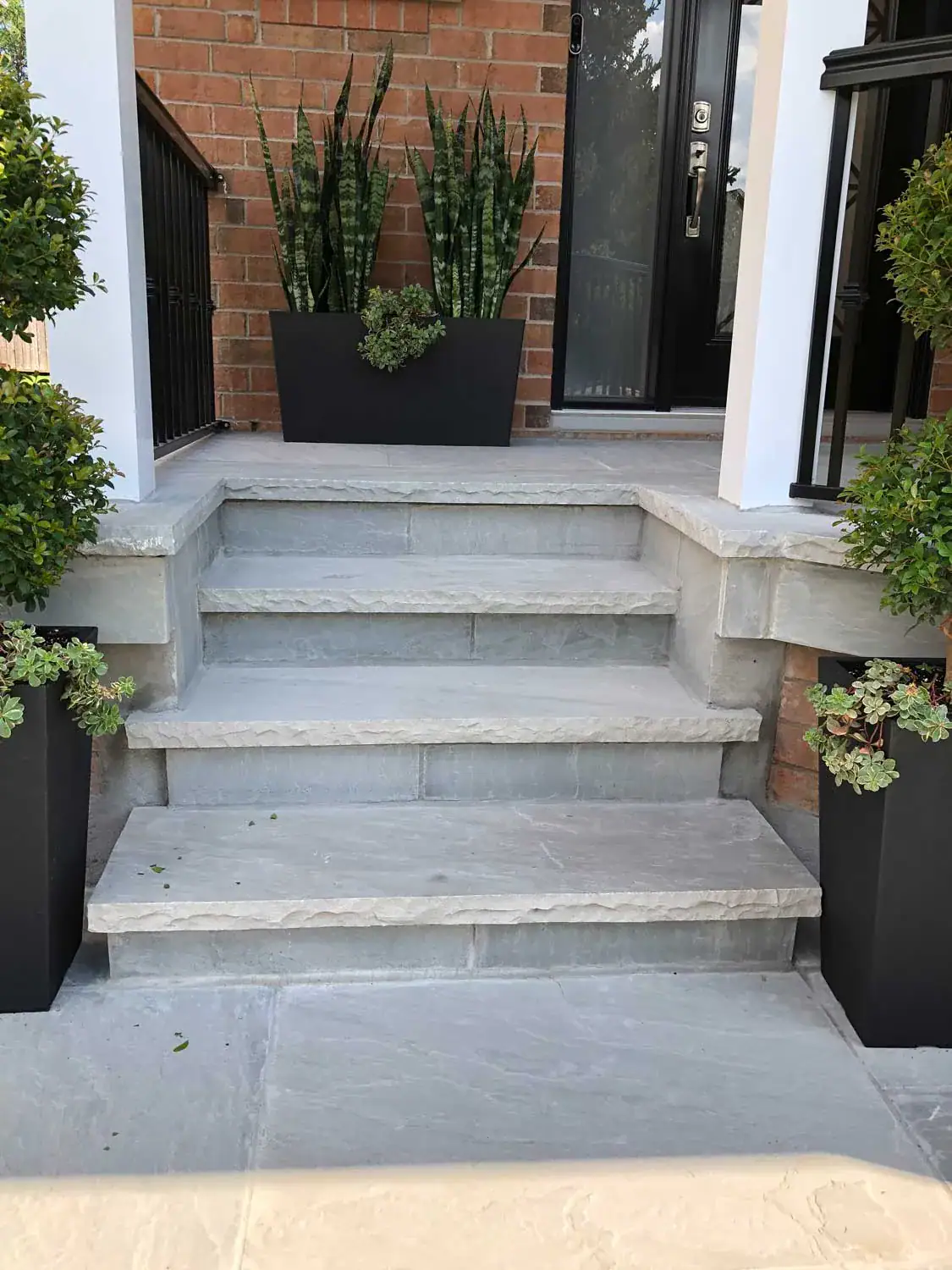
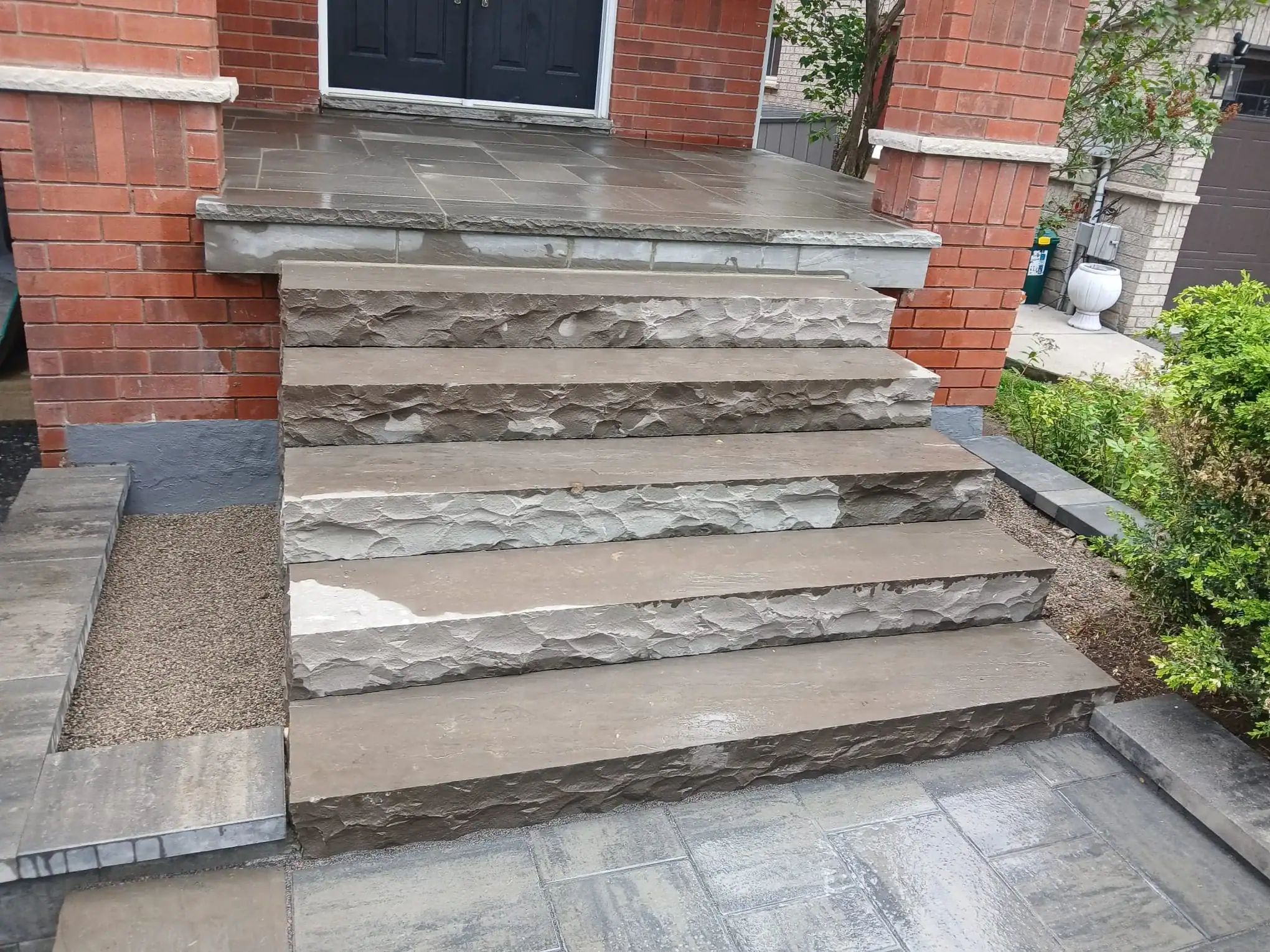
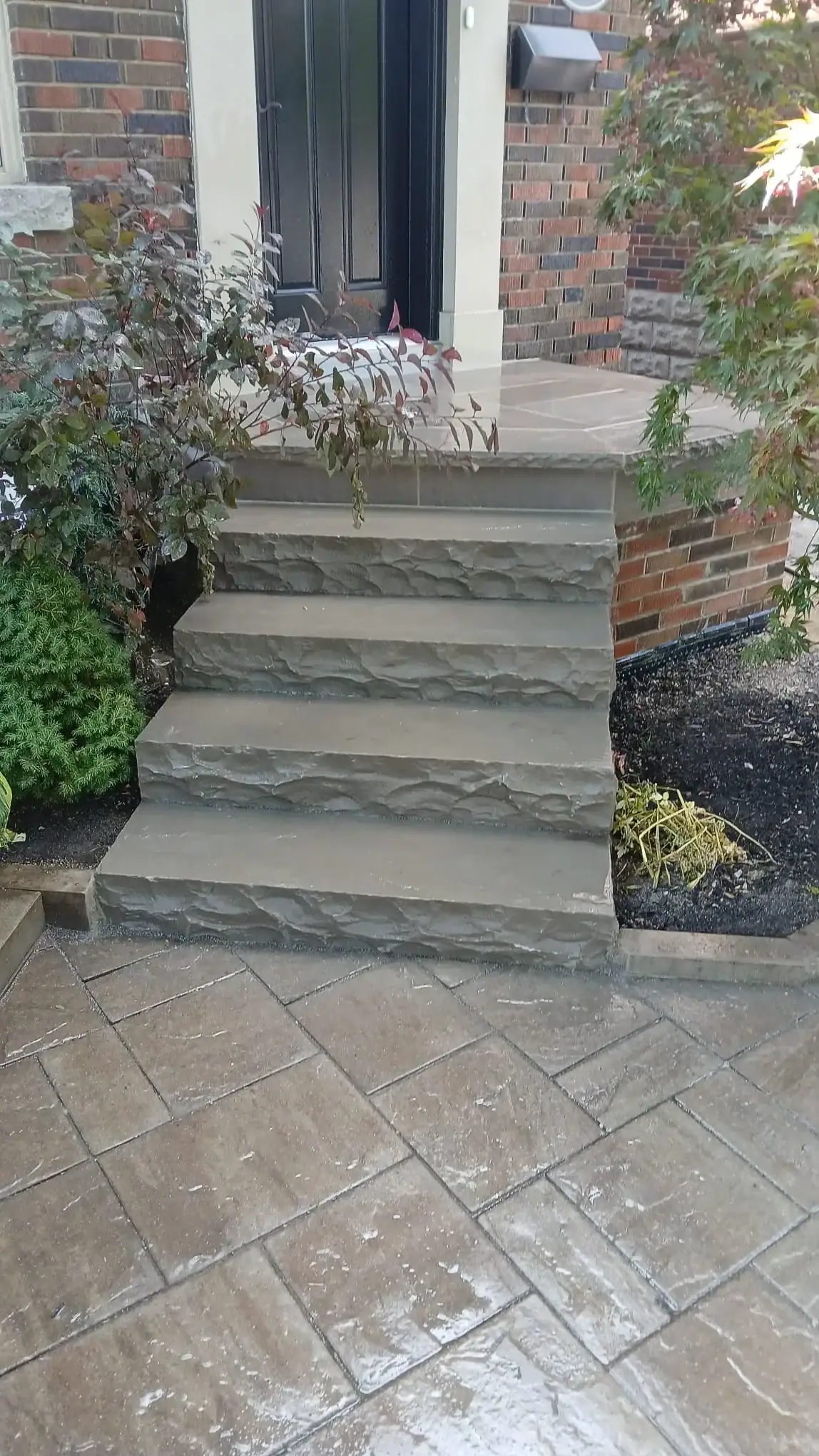
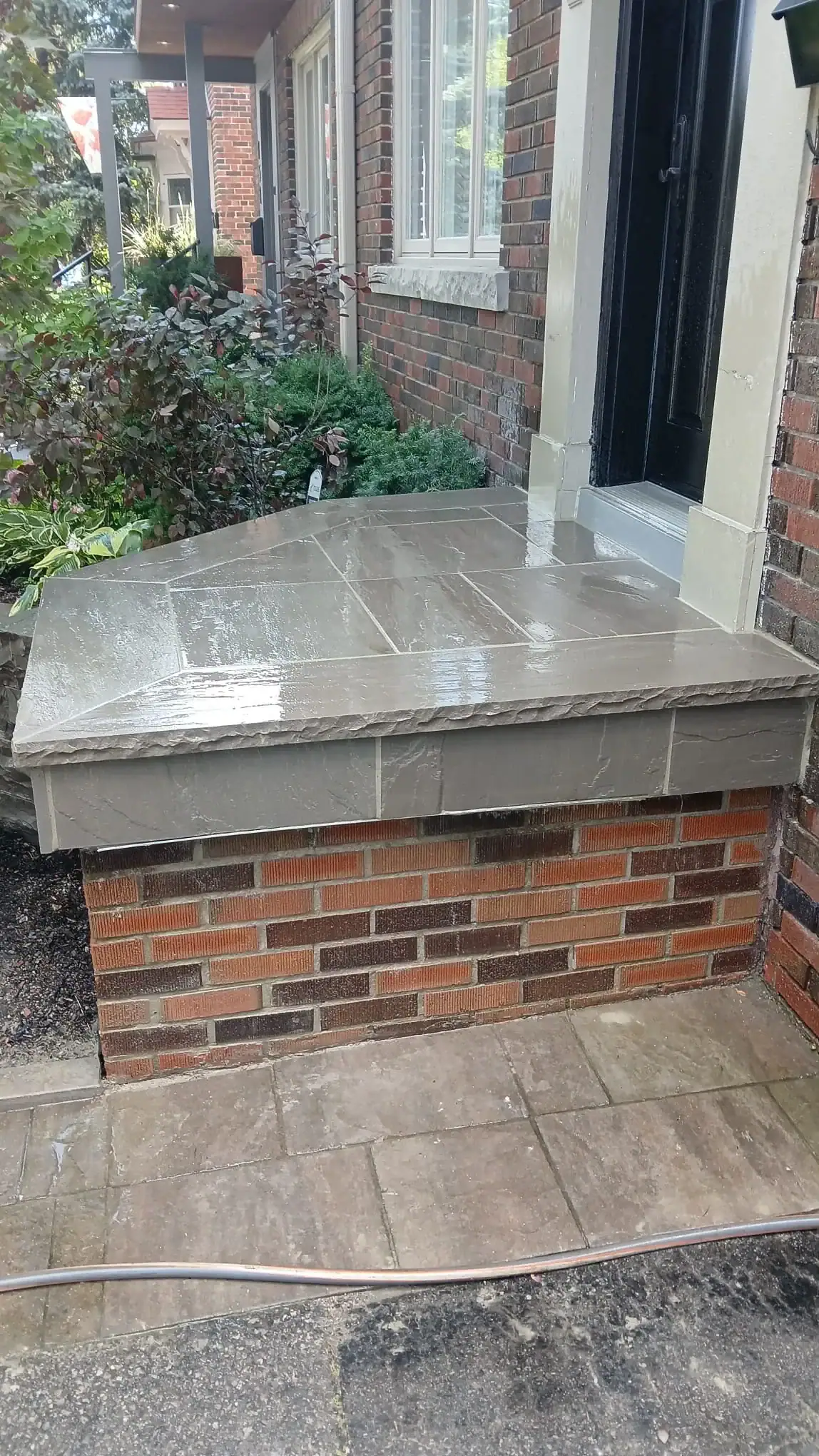
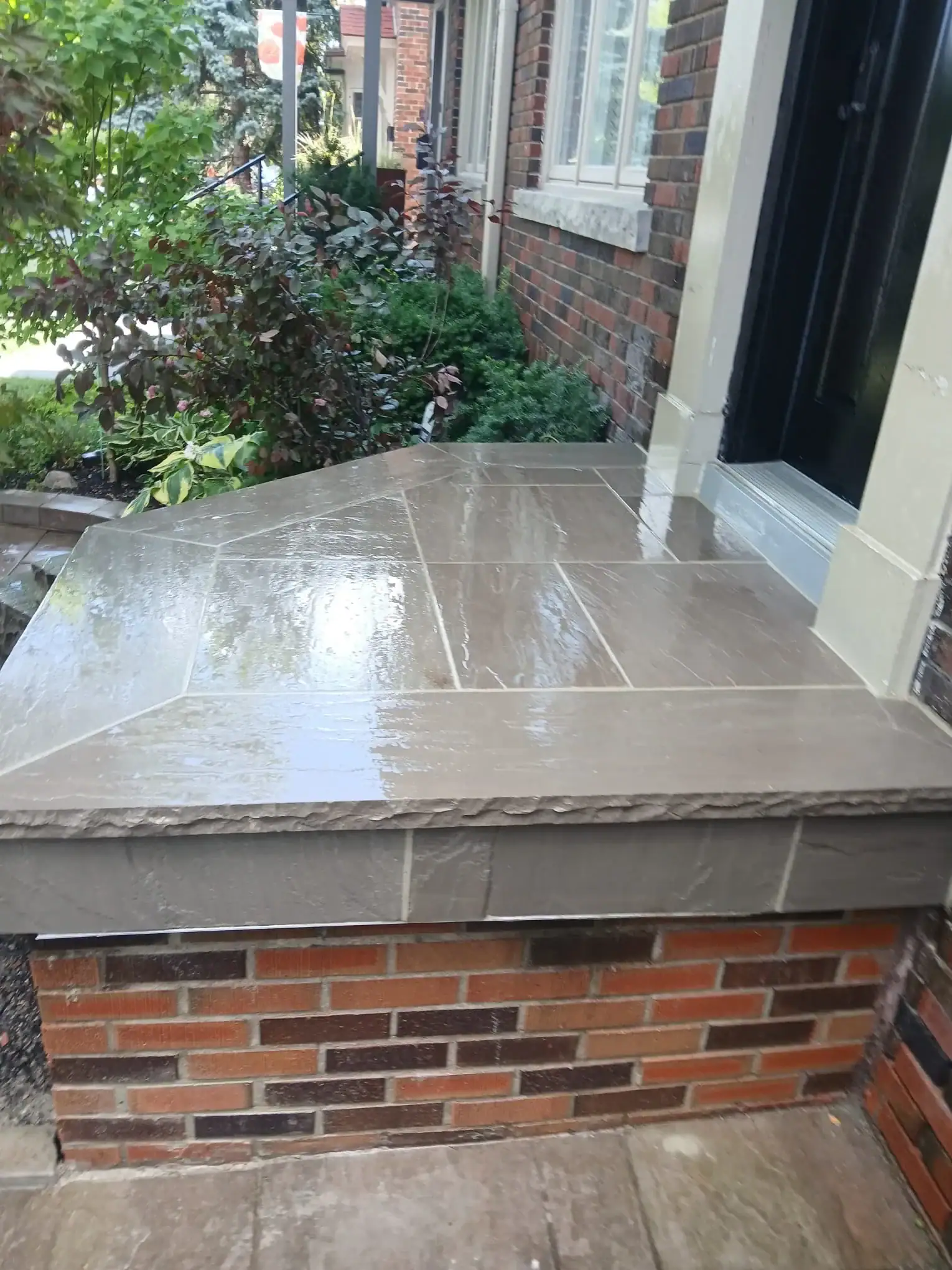
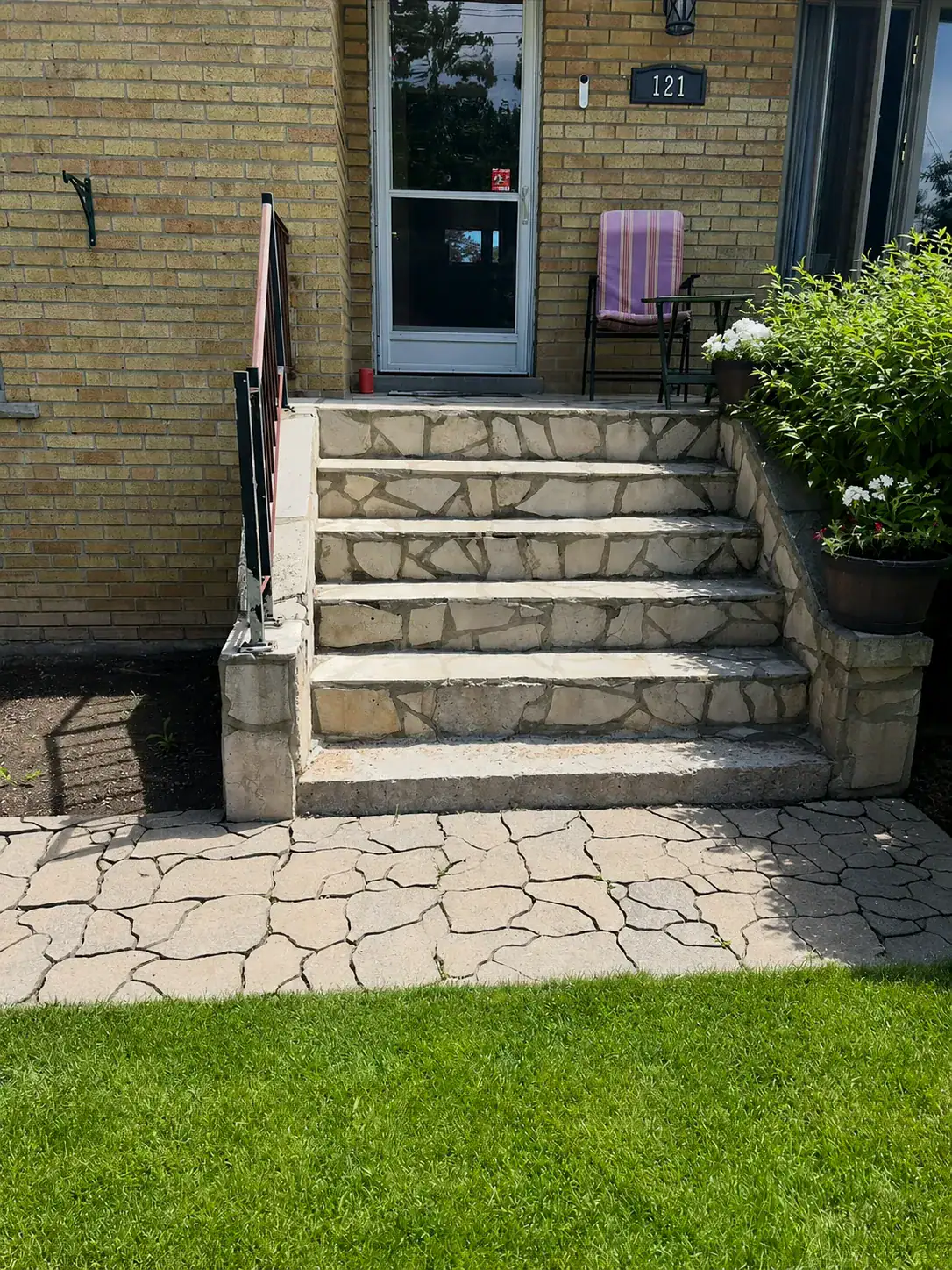
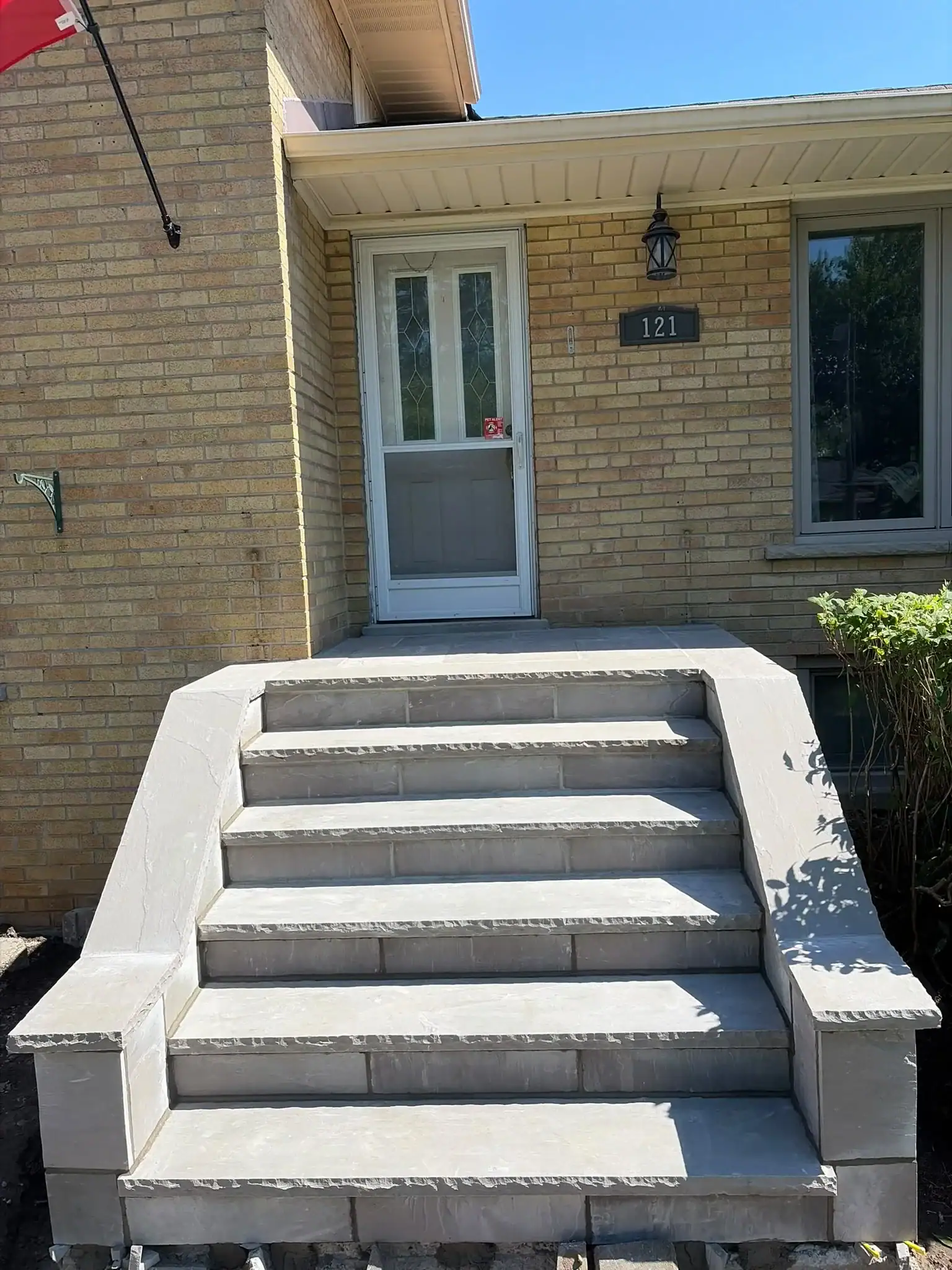
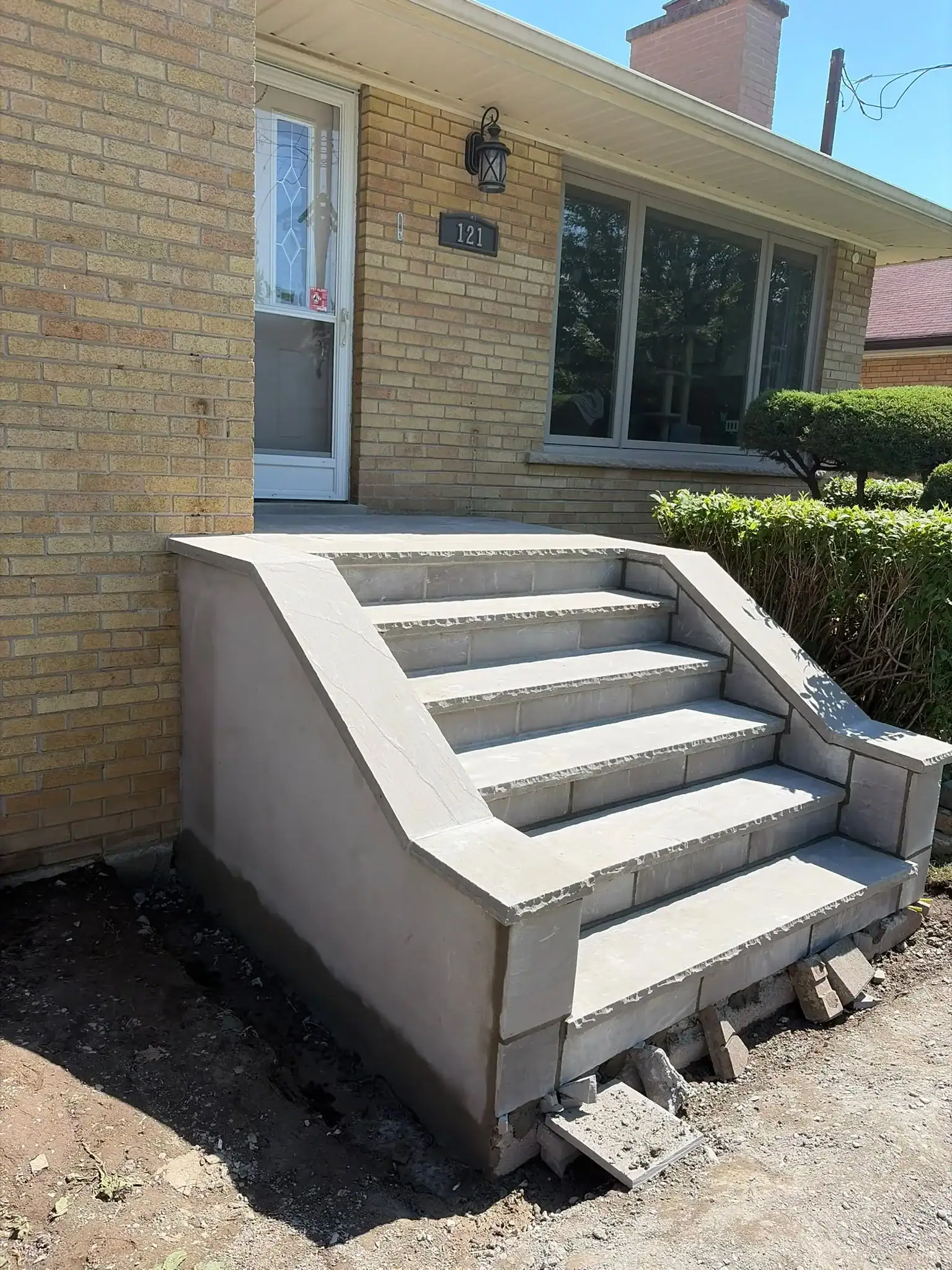
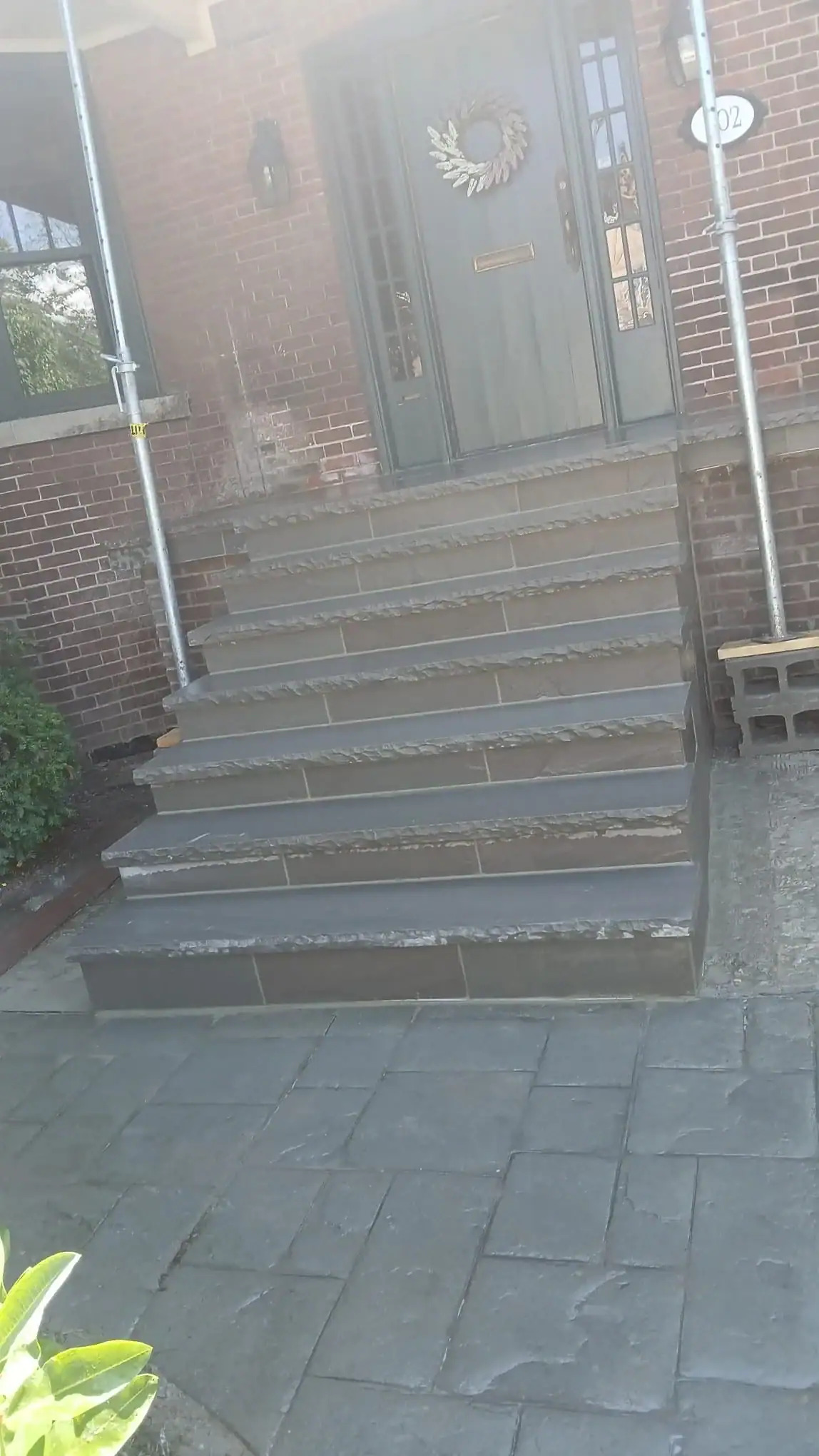
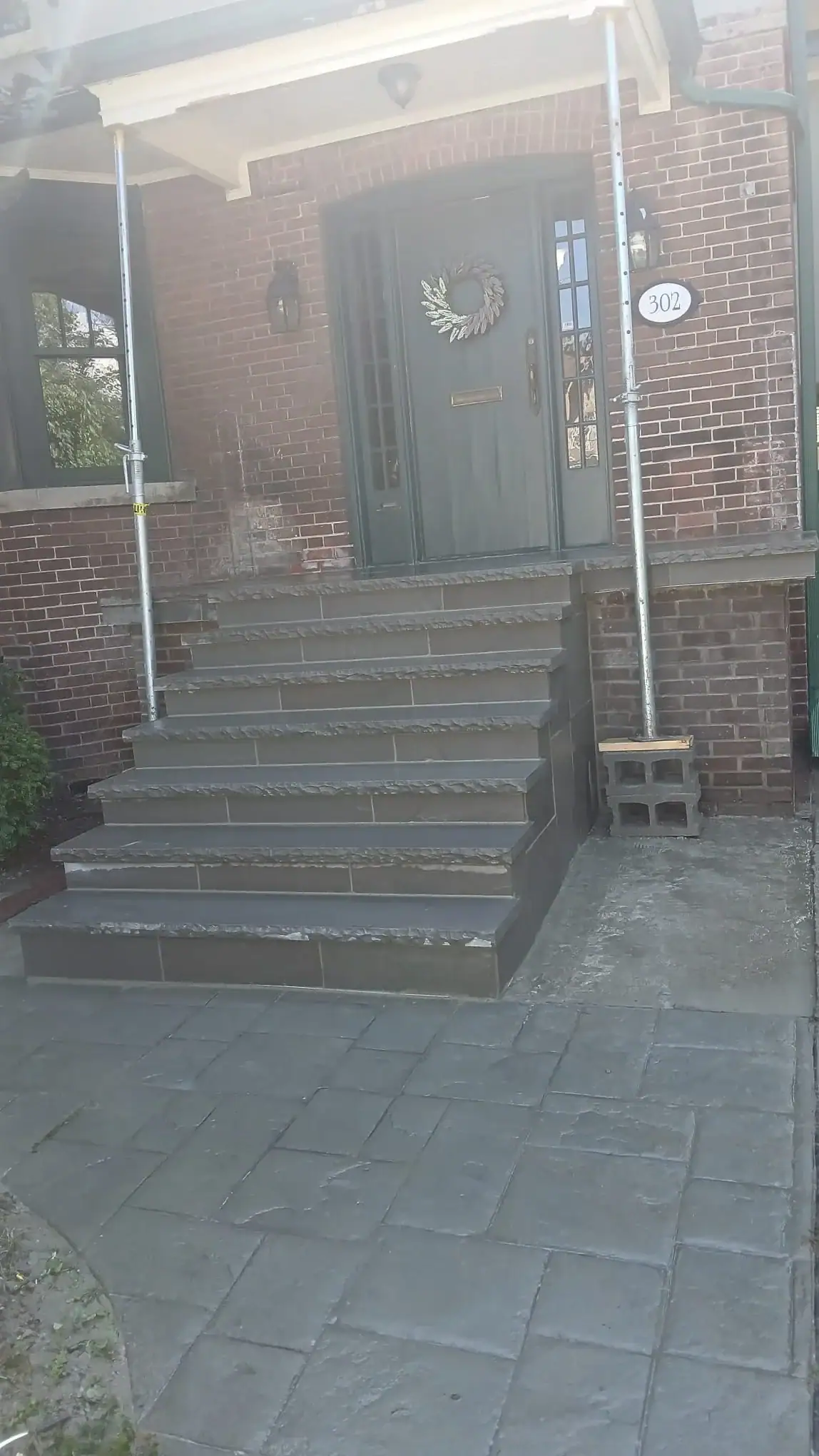
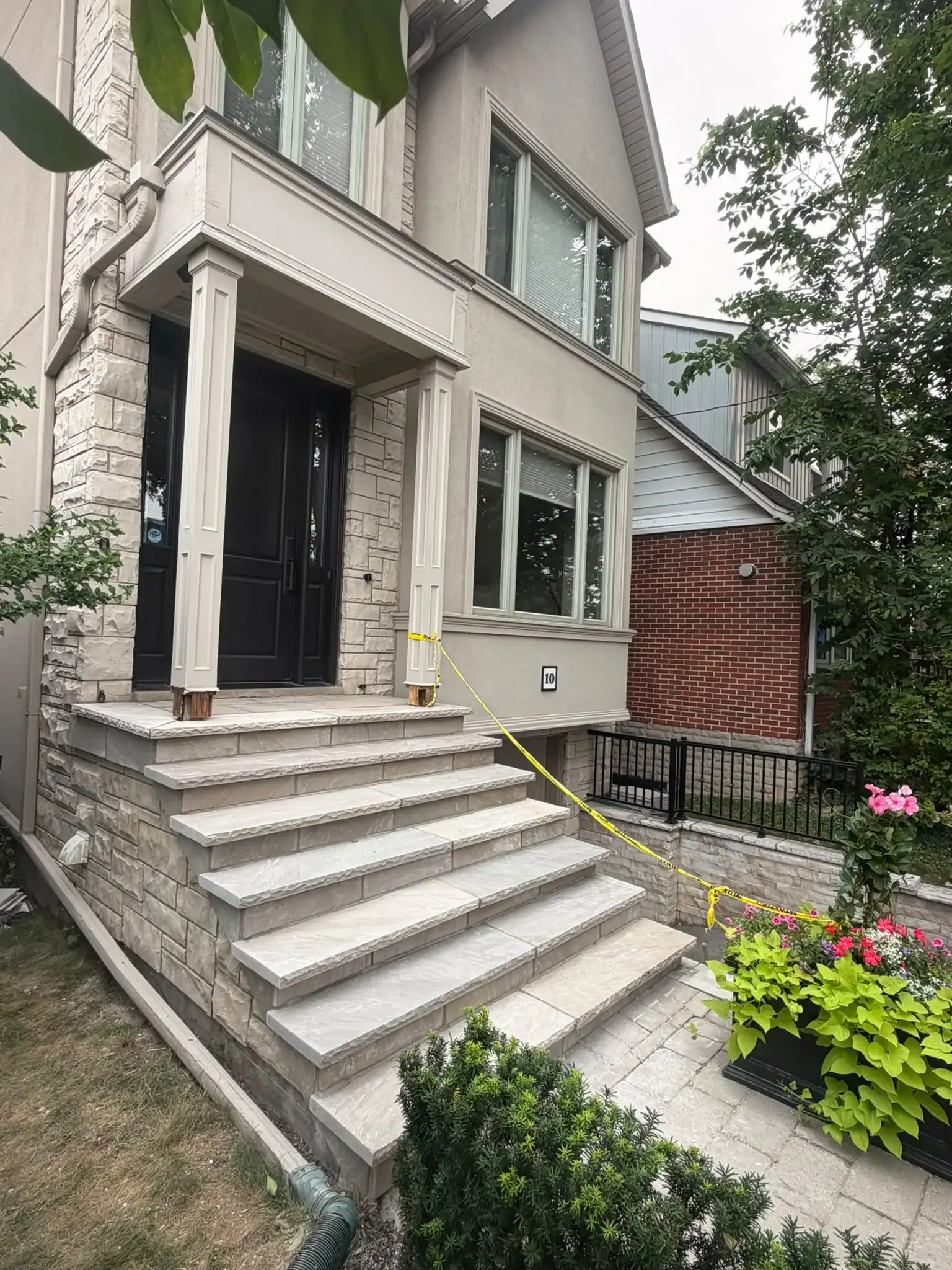
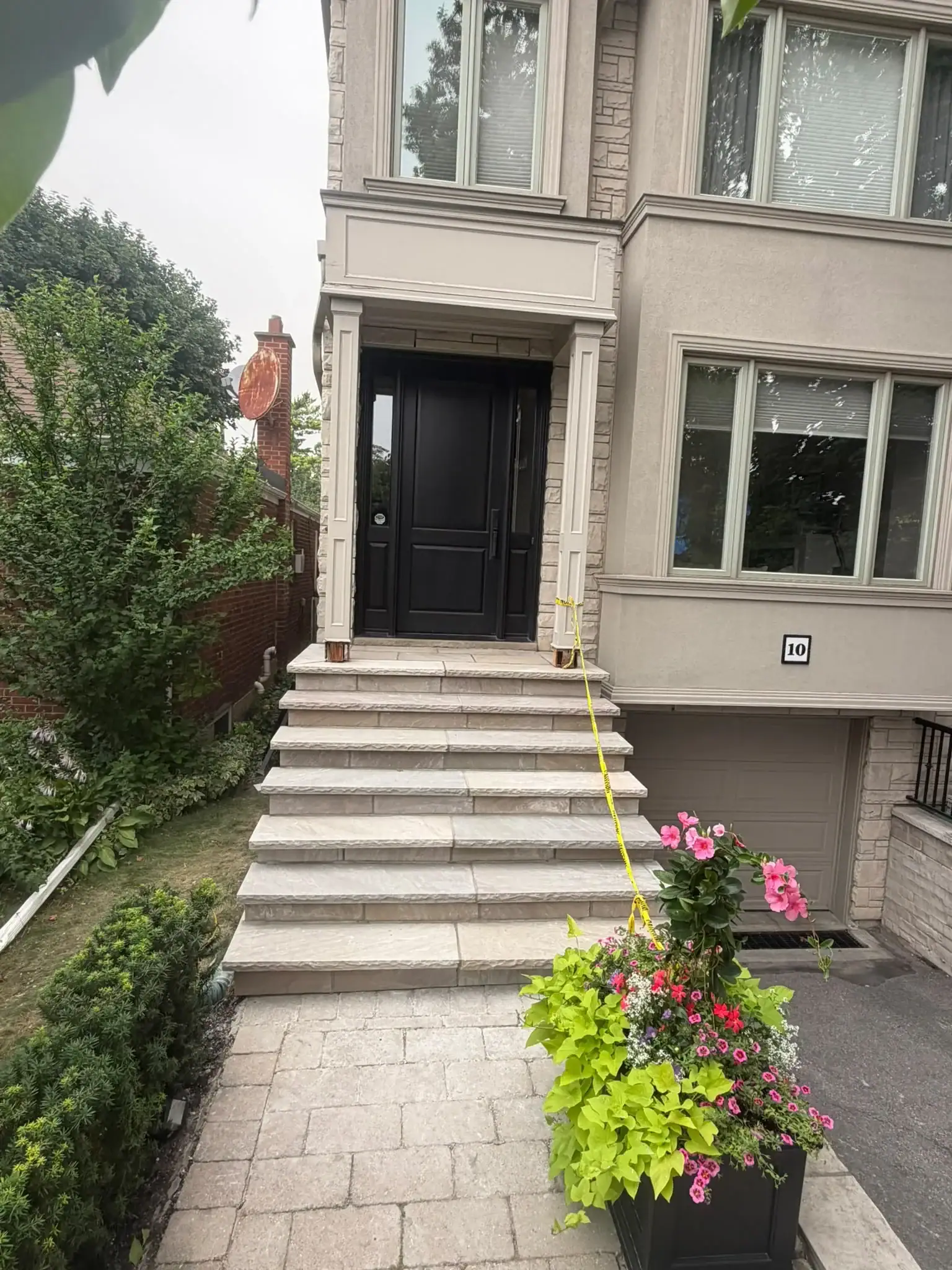
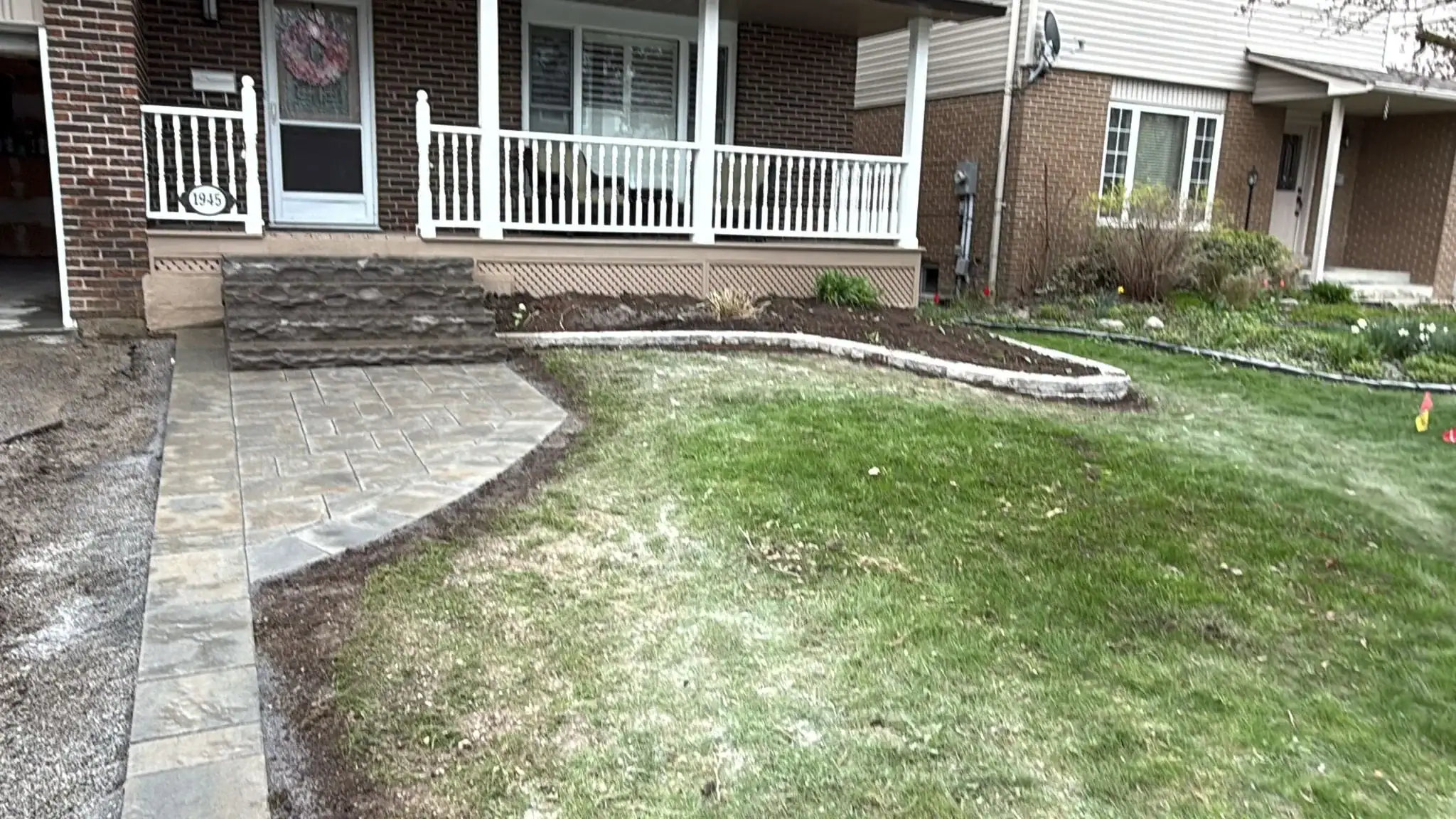
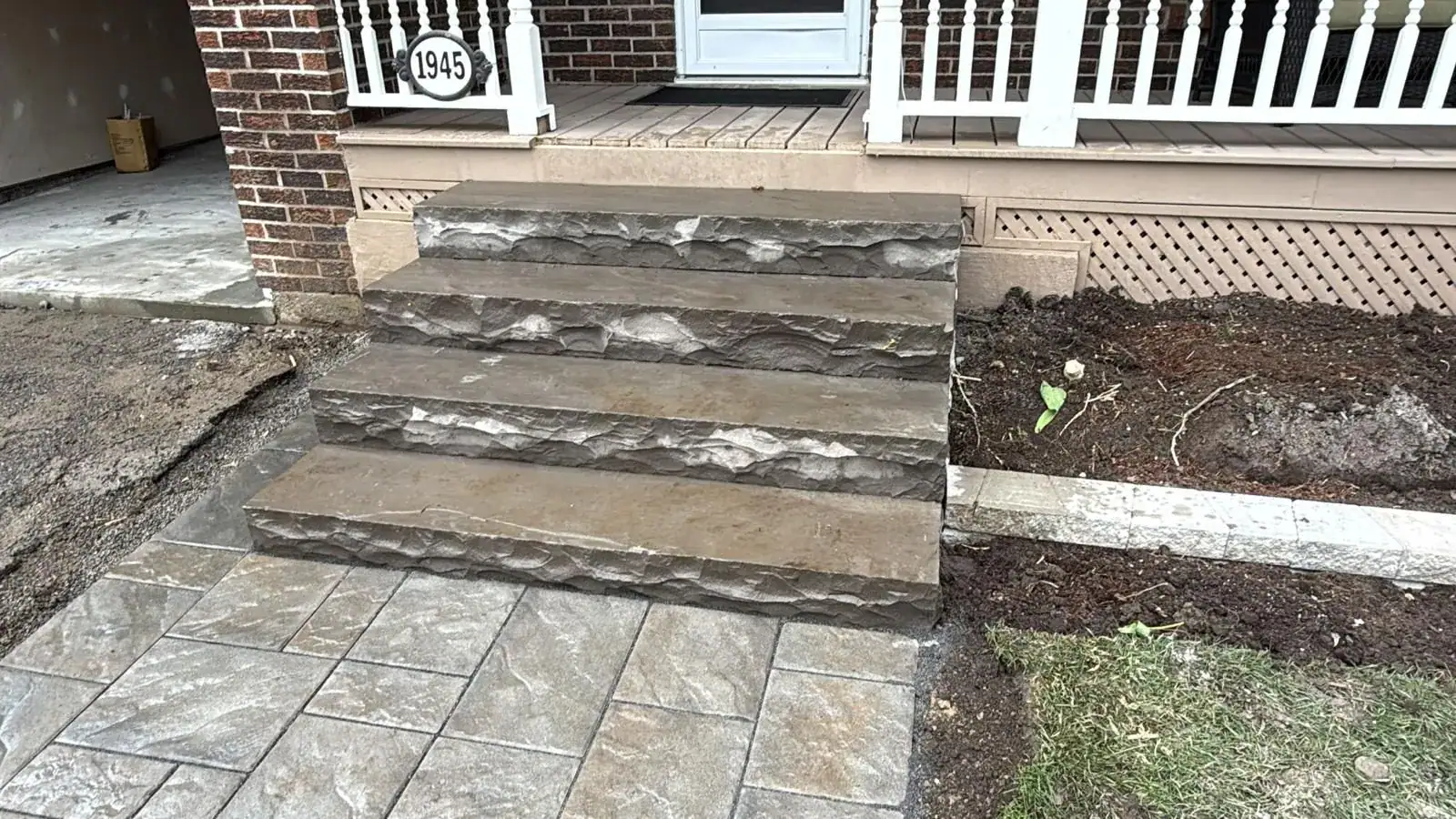
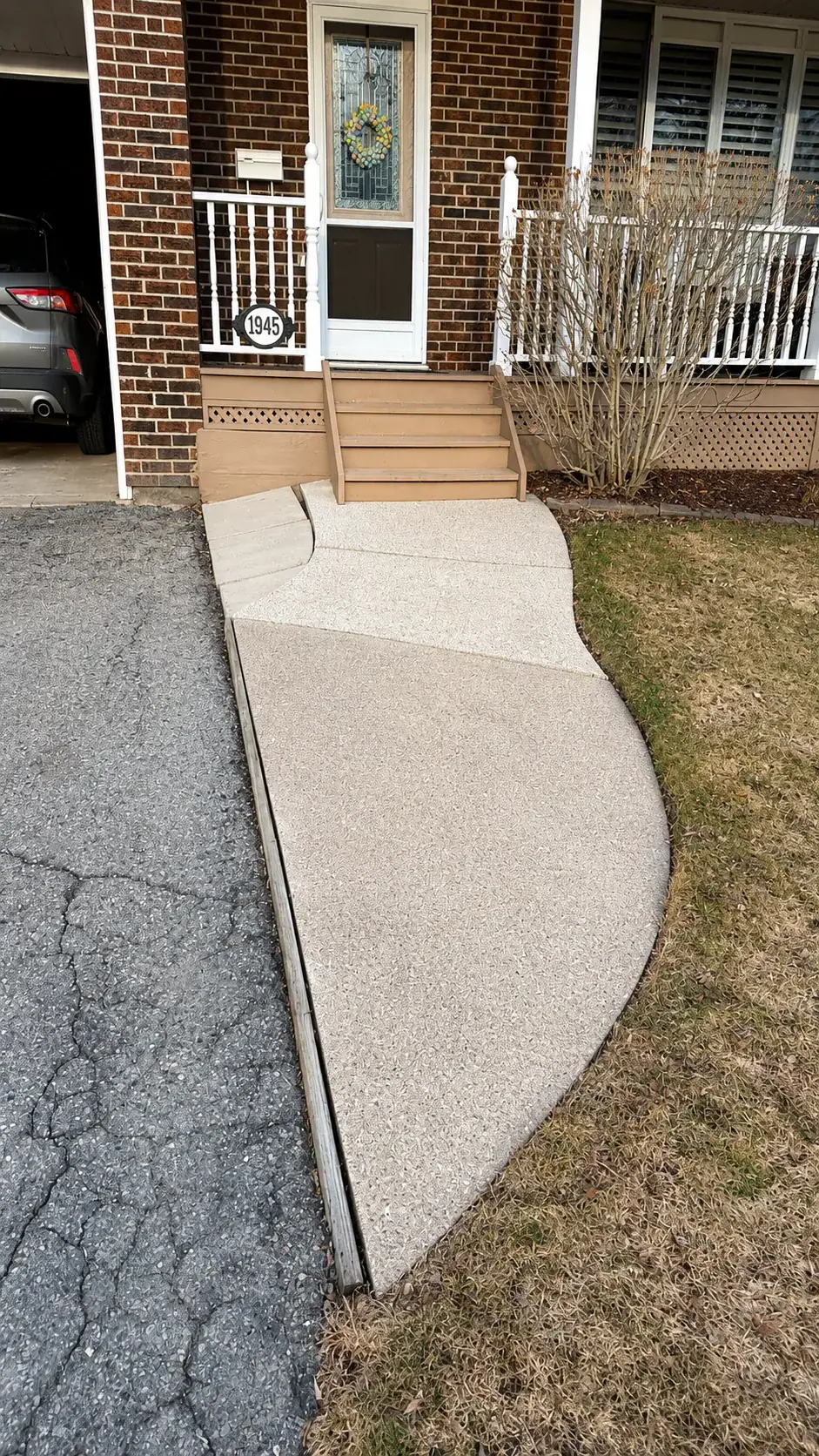
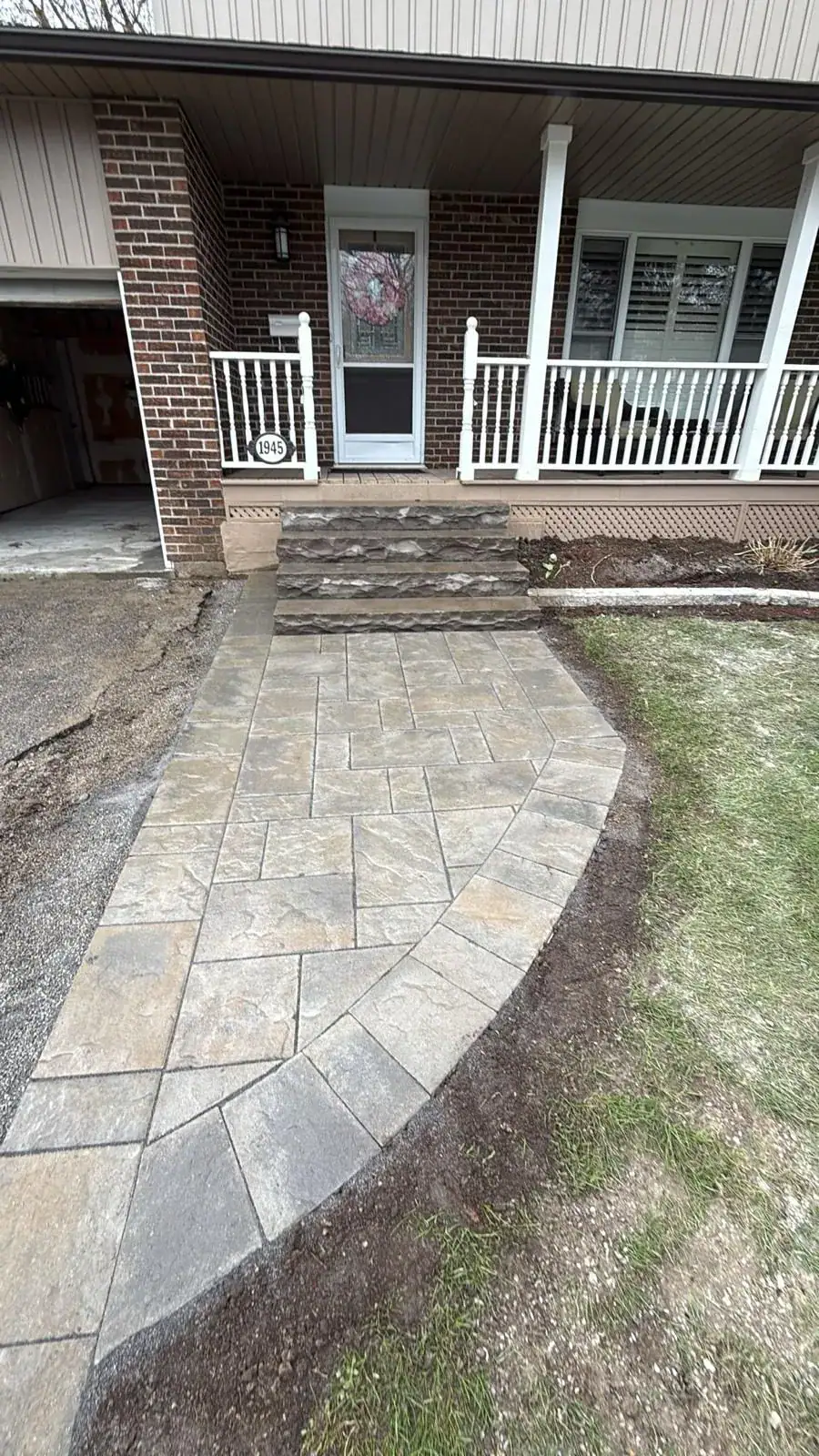
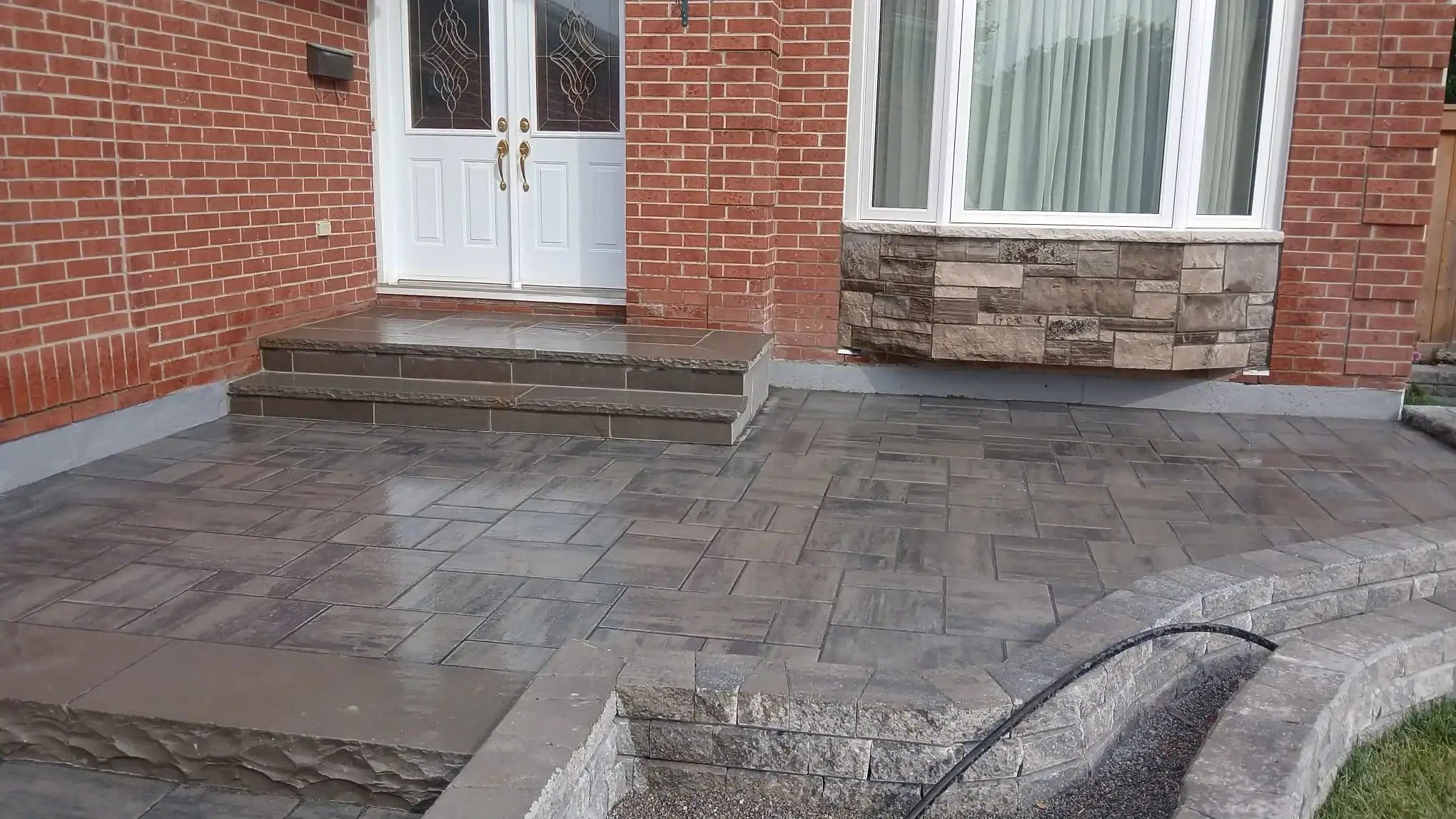
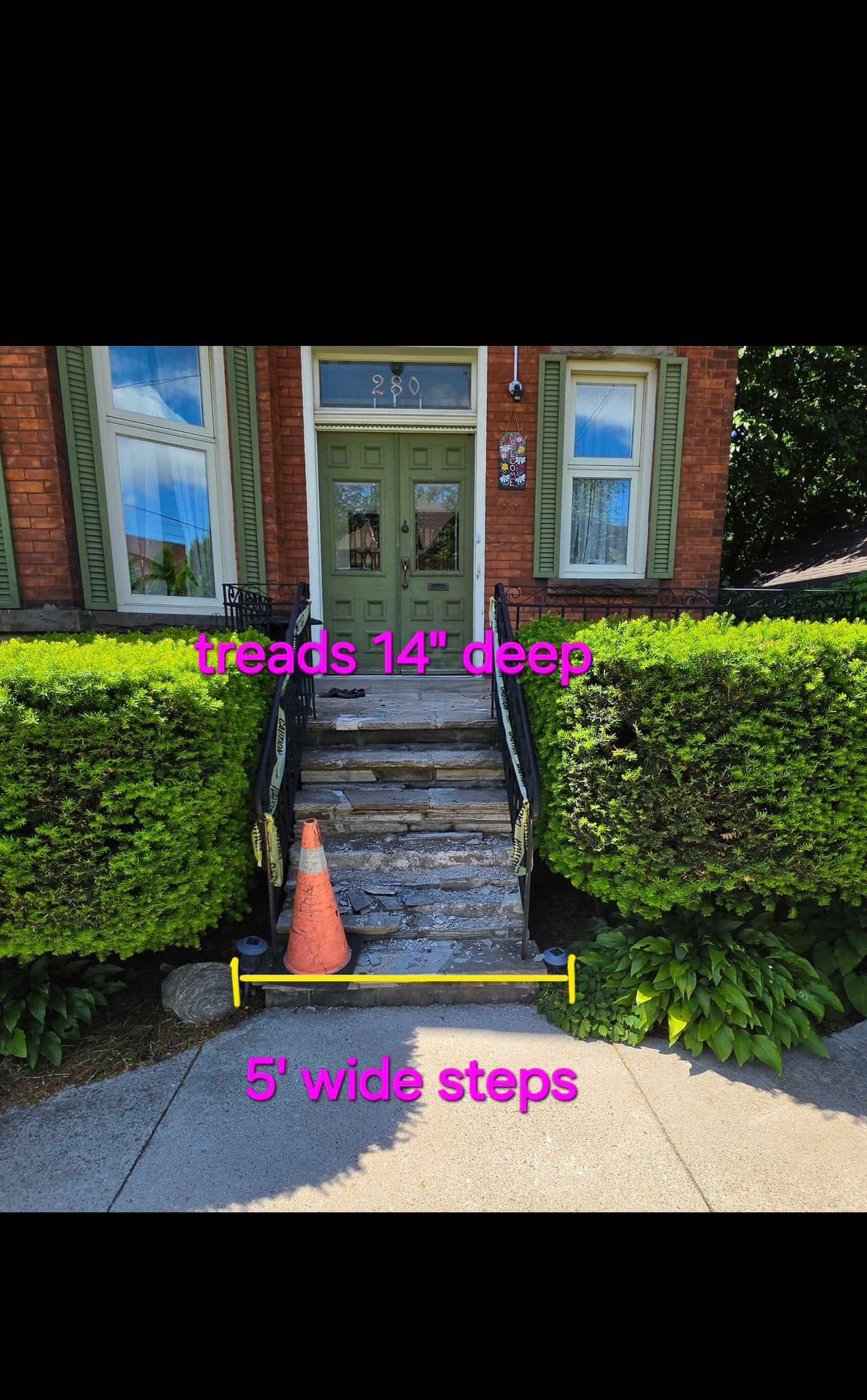
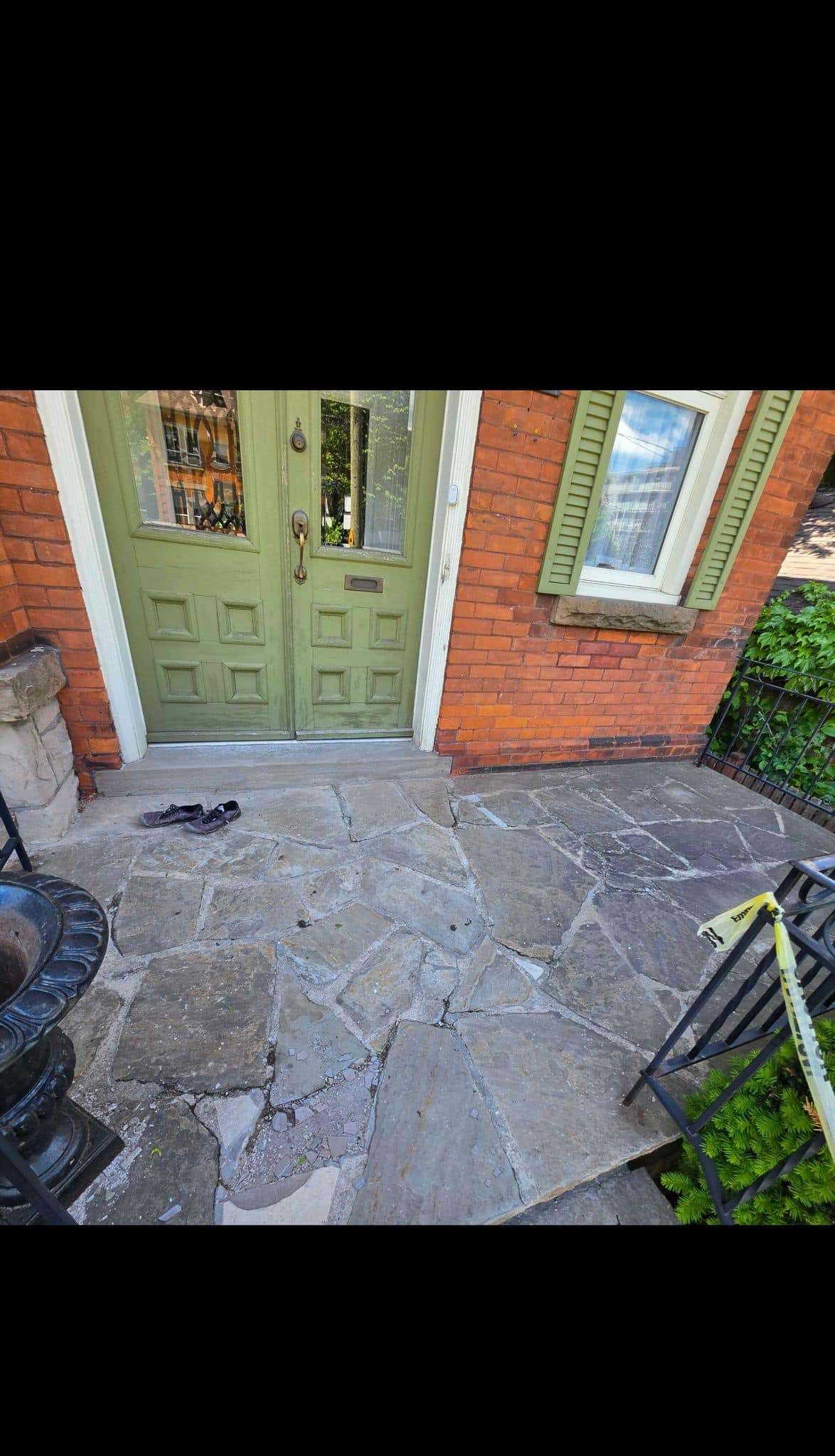
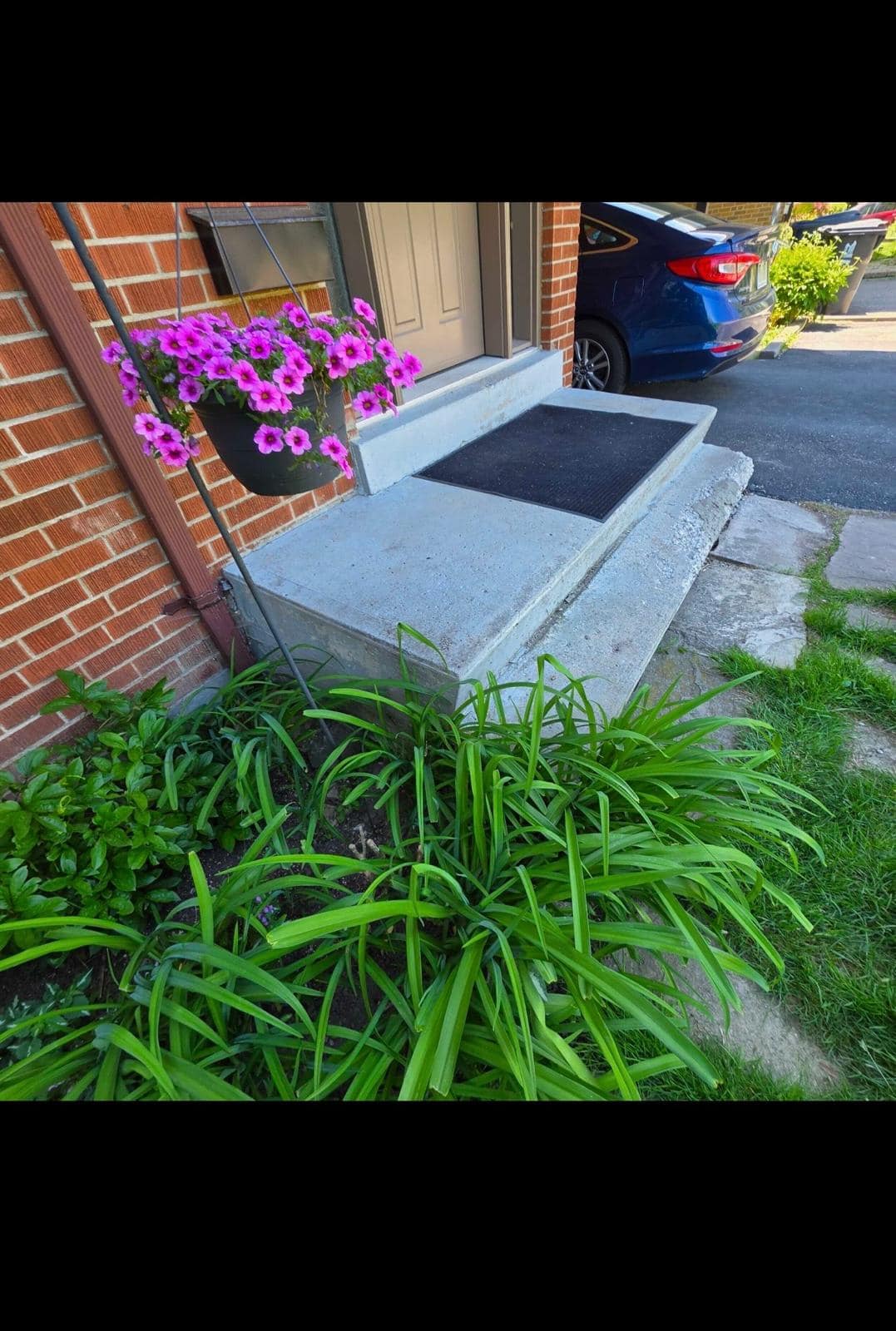
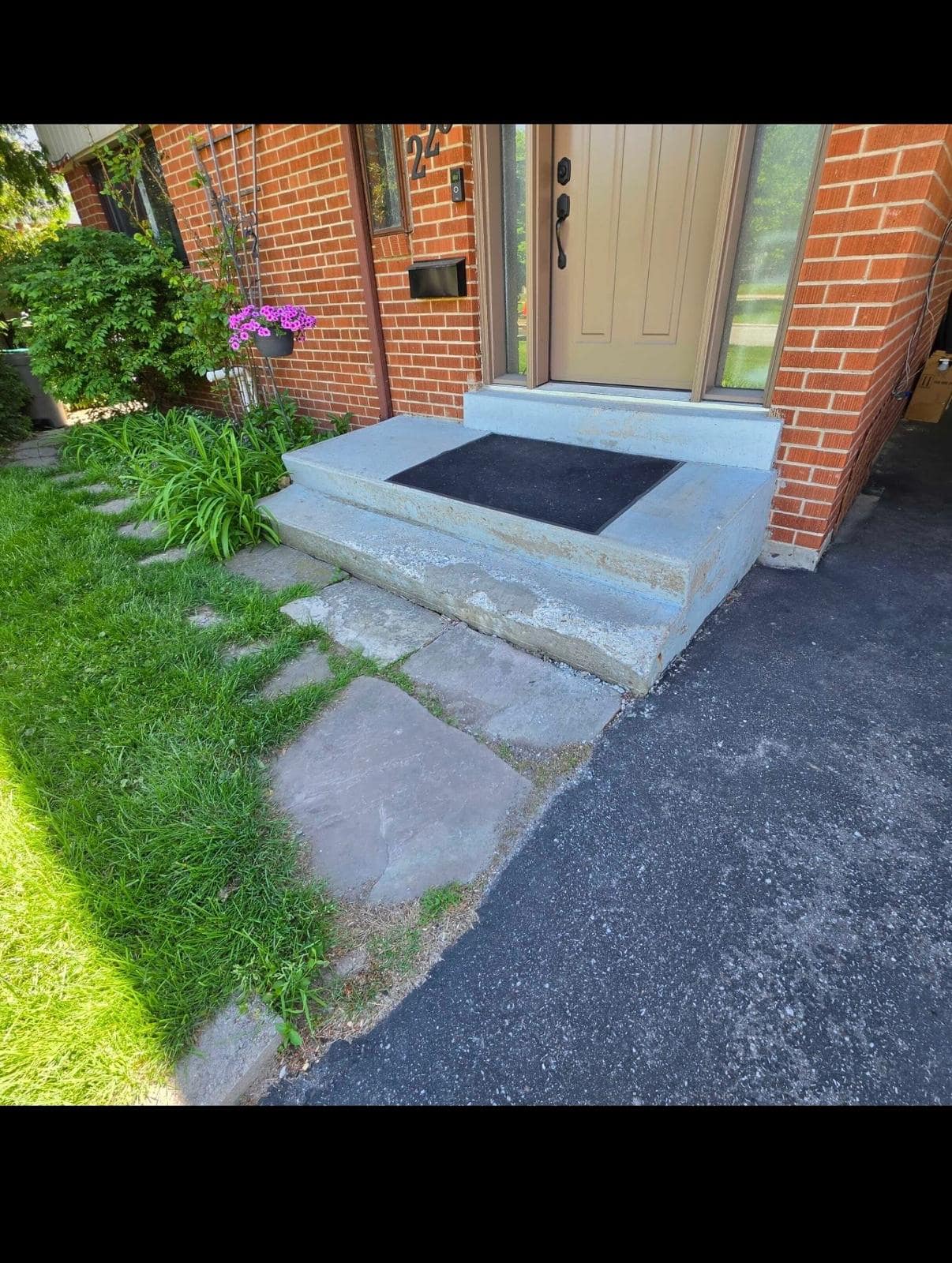
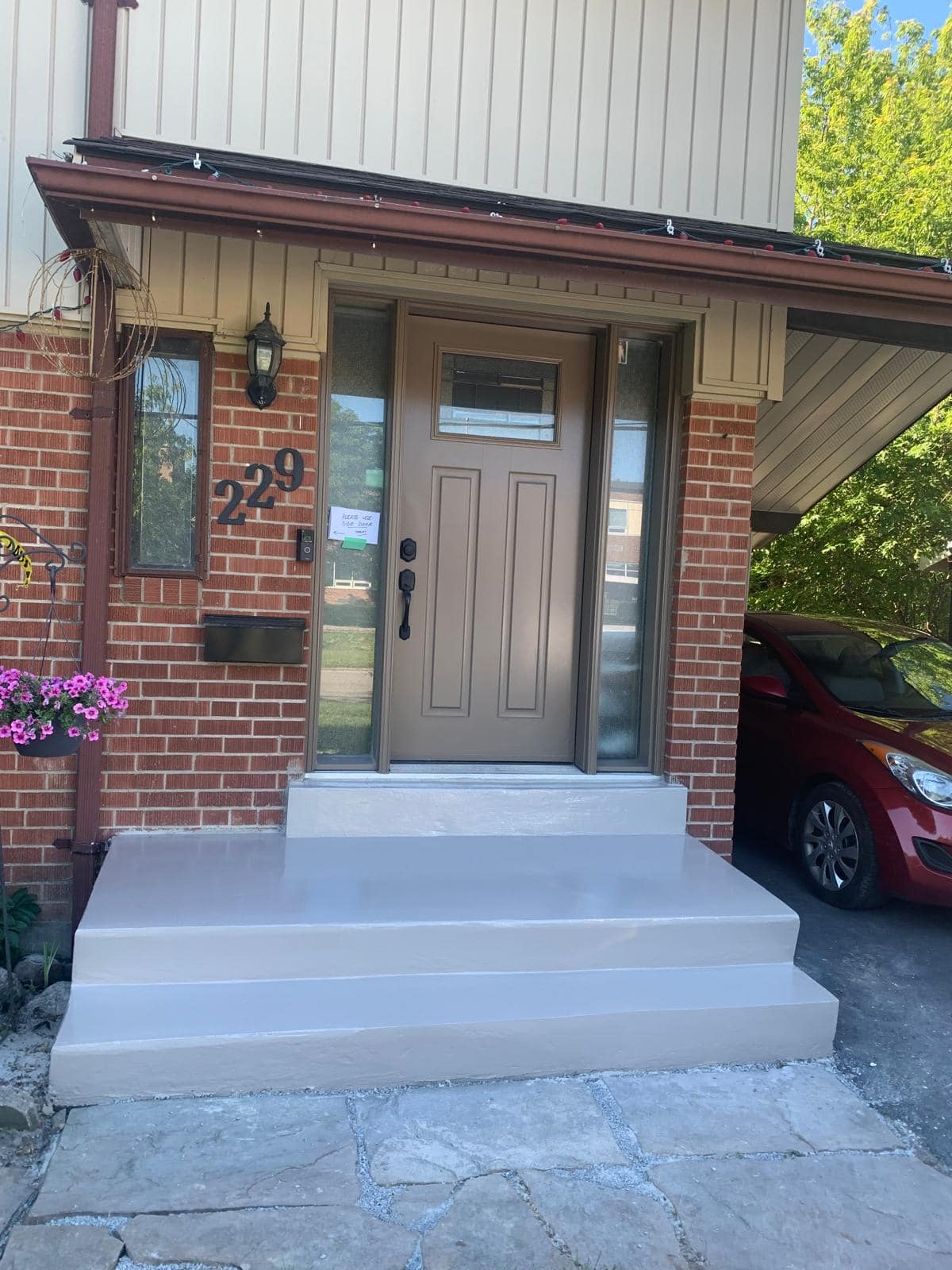
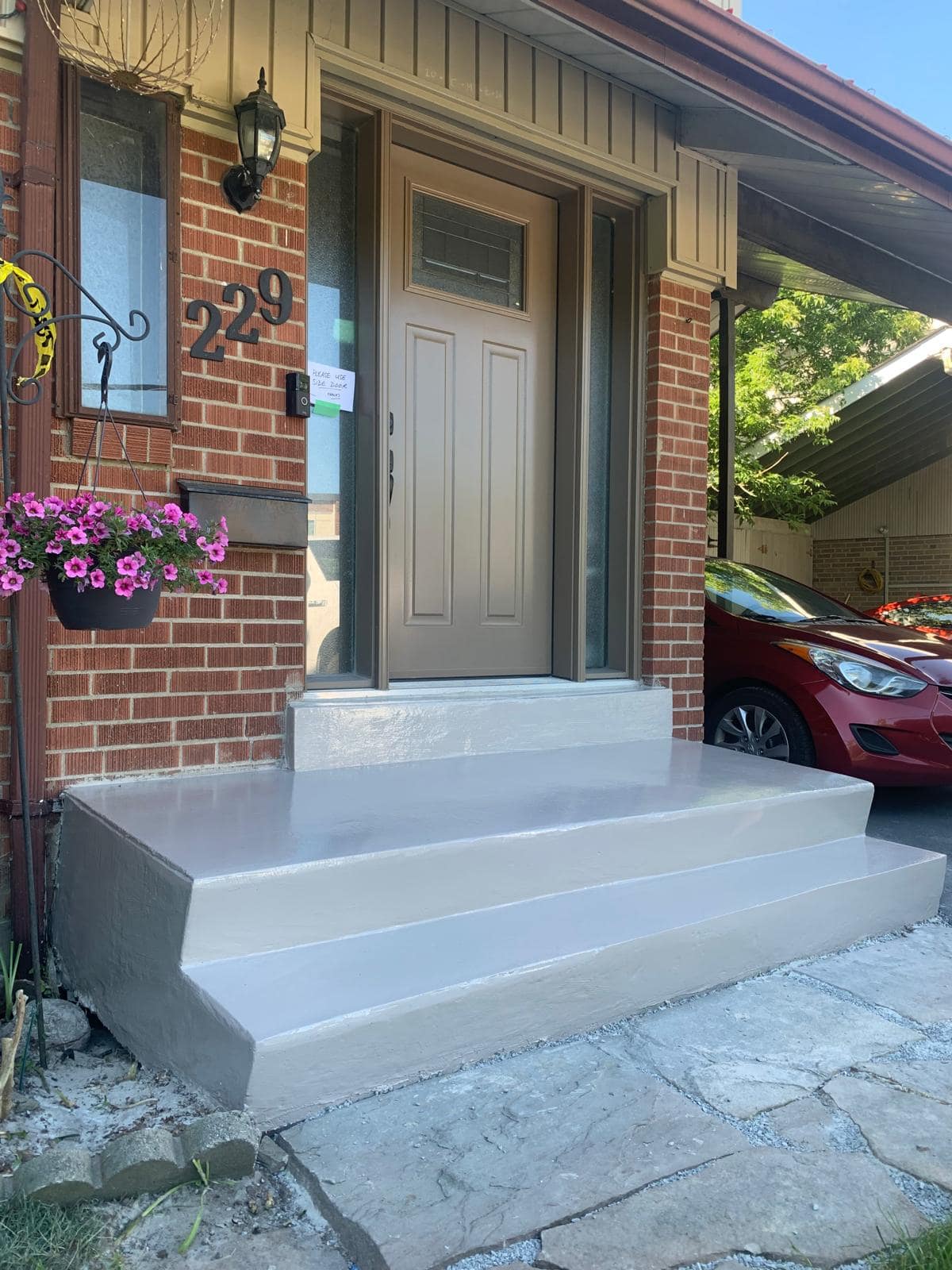
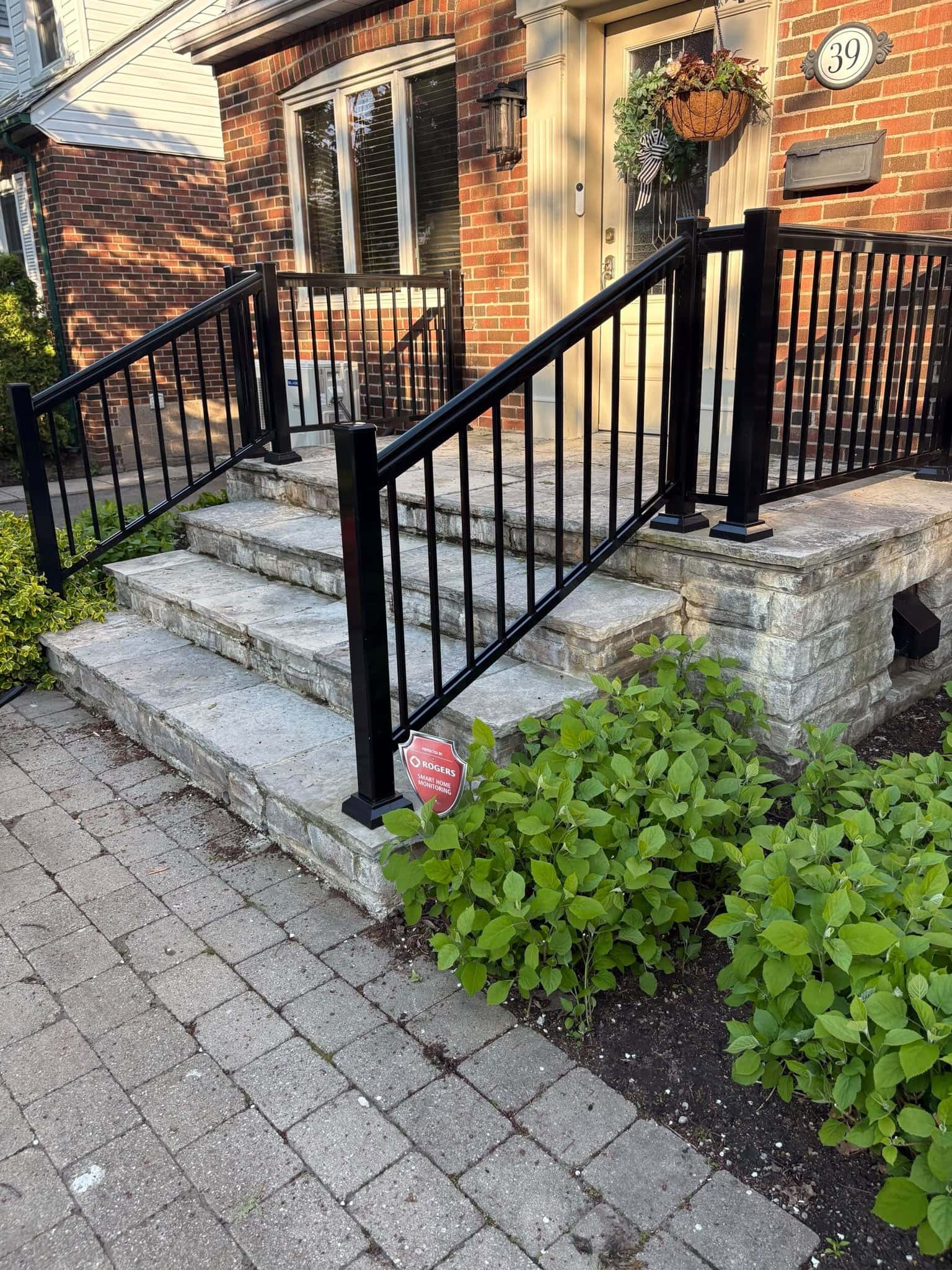
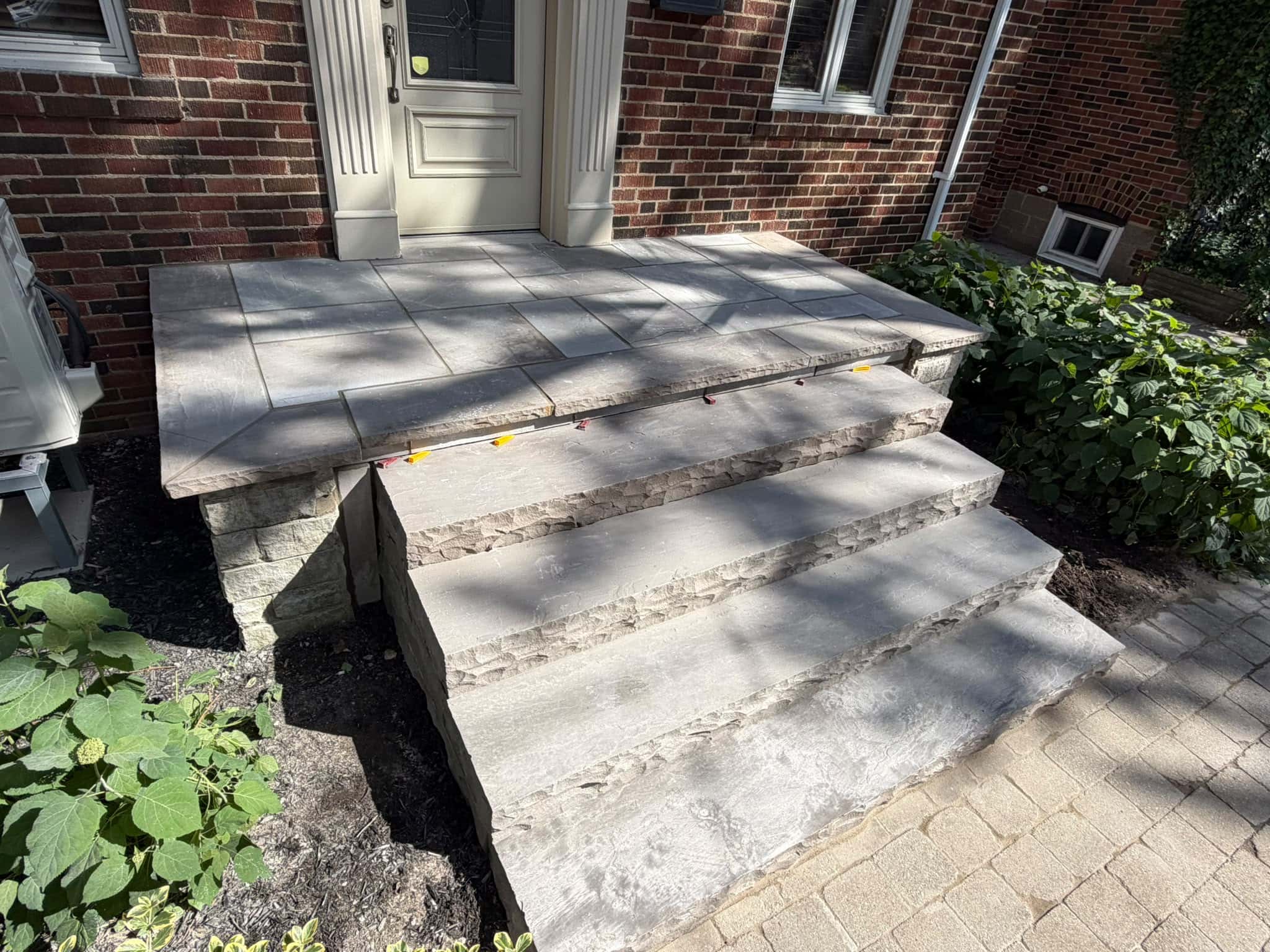
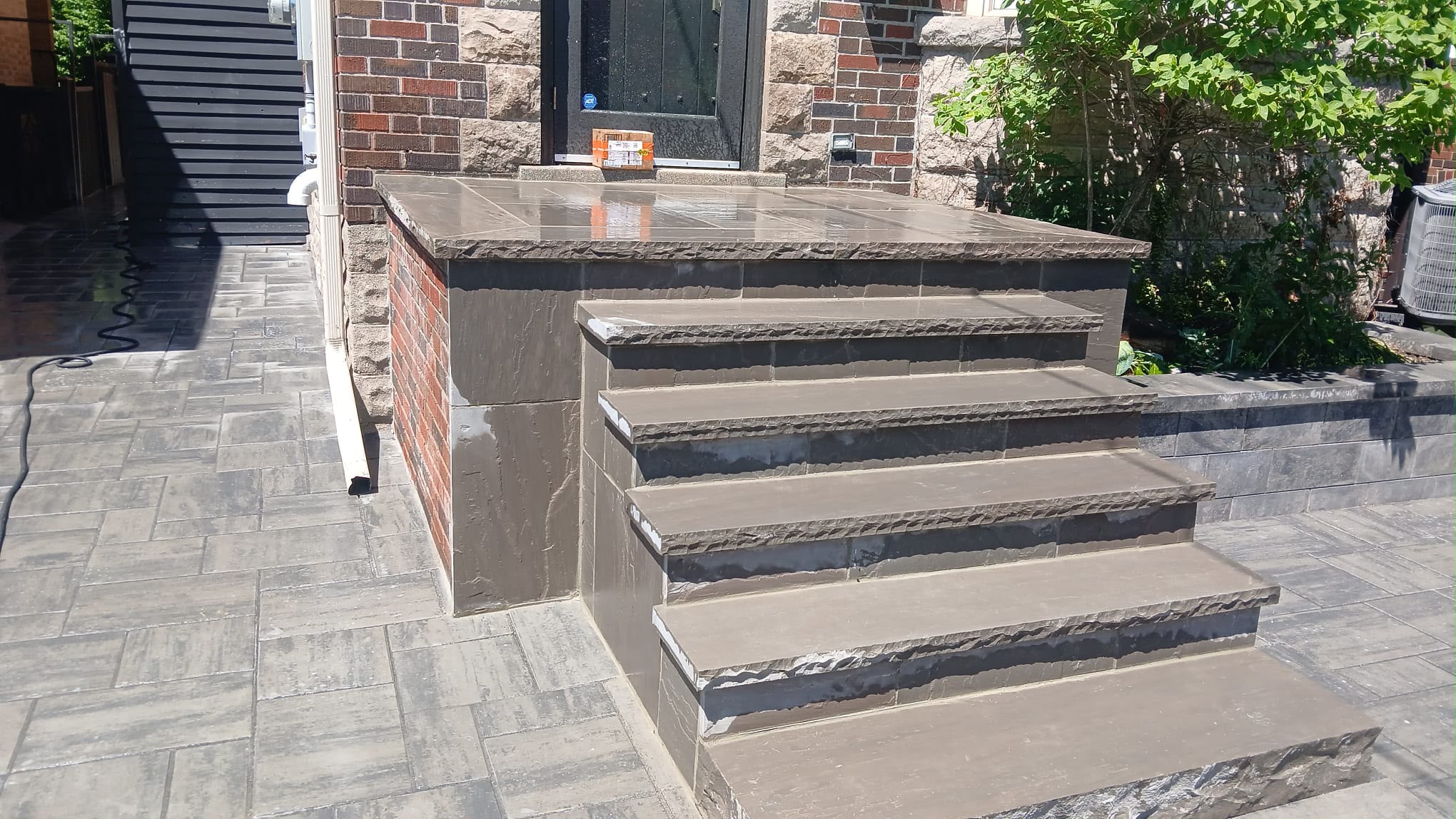
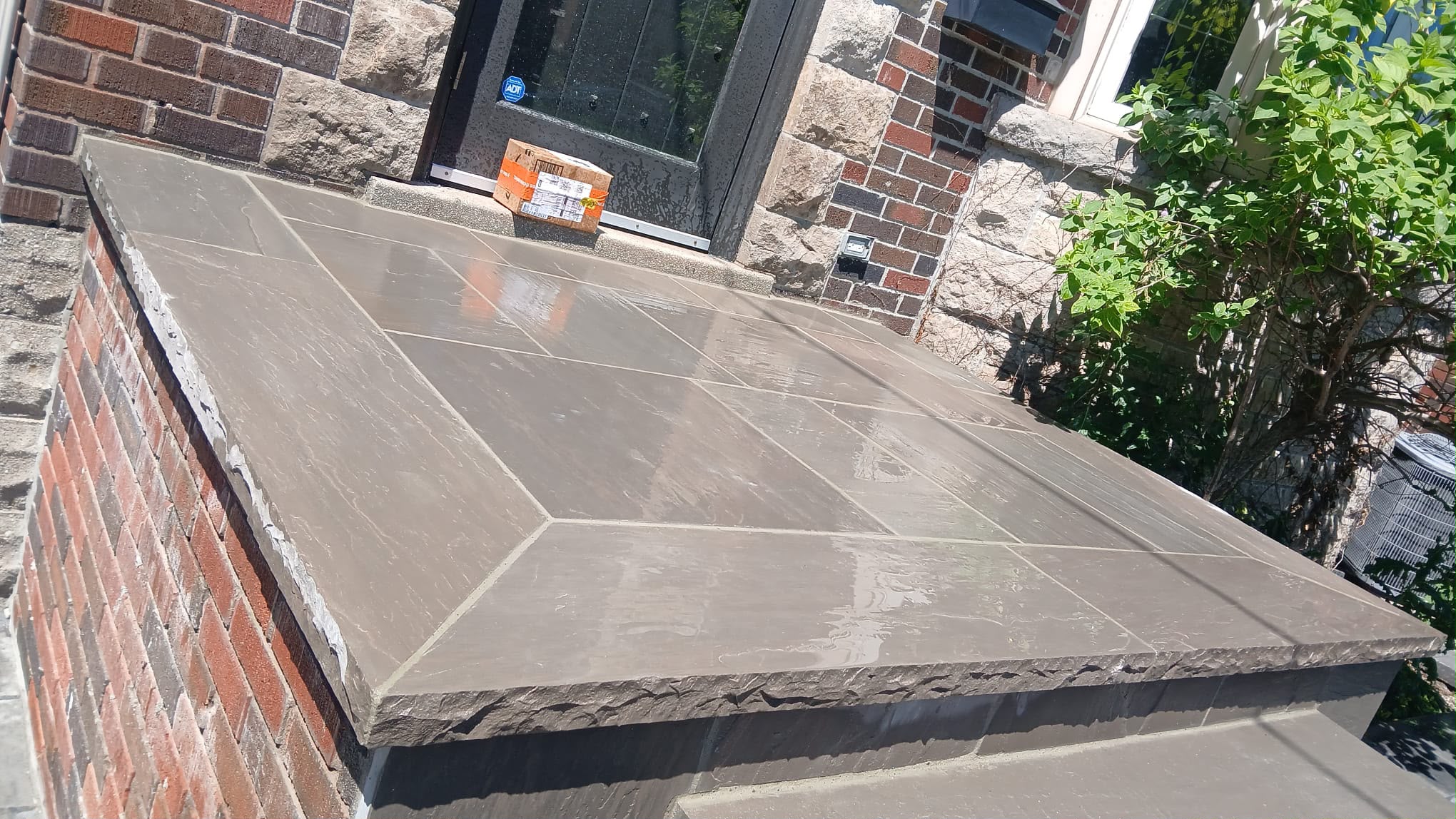
Steps and porches: movement, cracking, pooling water, and unstable edges are usually more important than minor surface wear, as these issues affect both structure and footing safety.
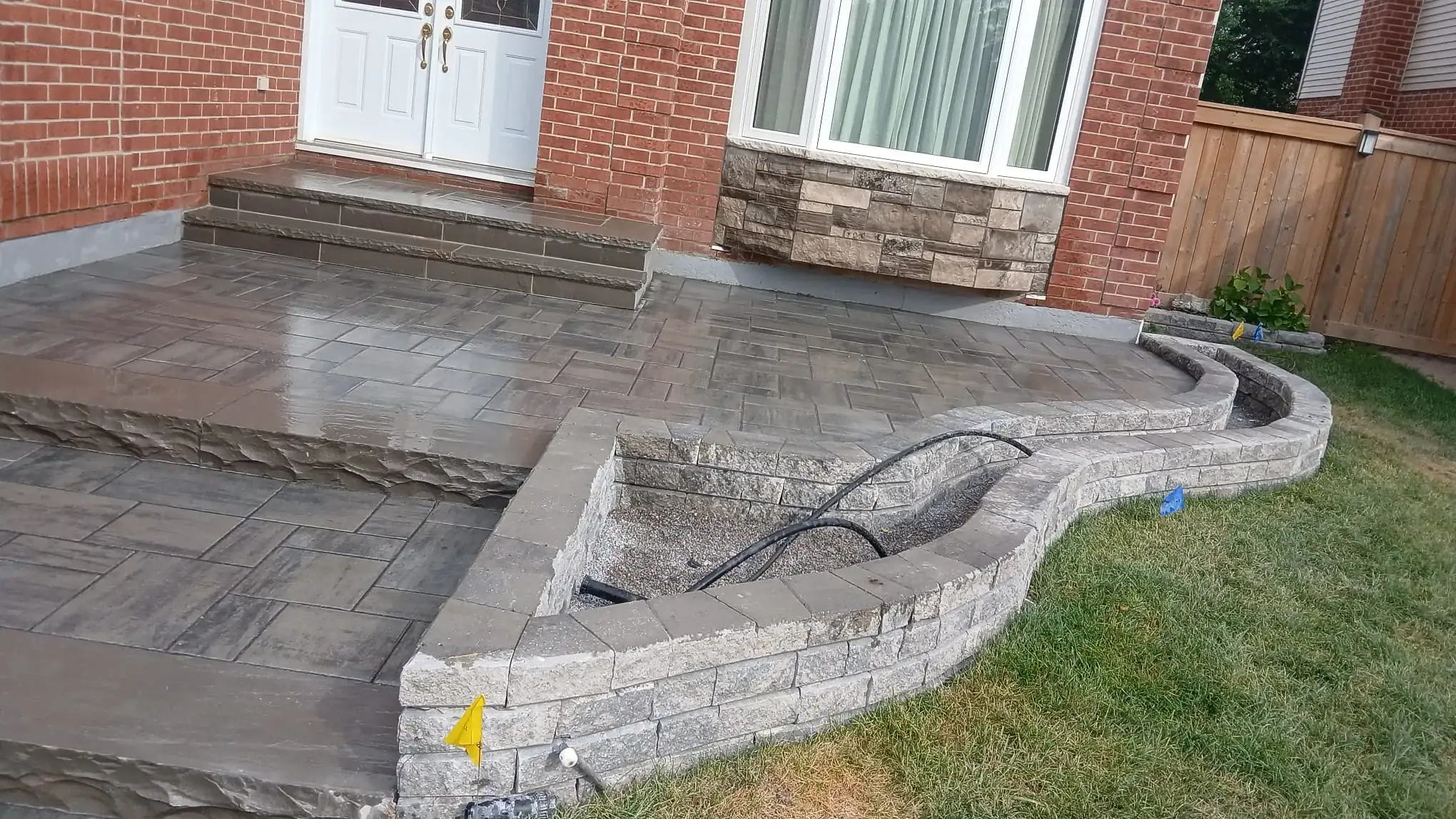
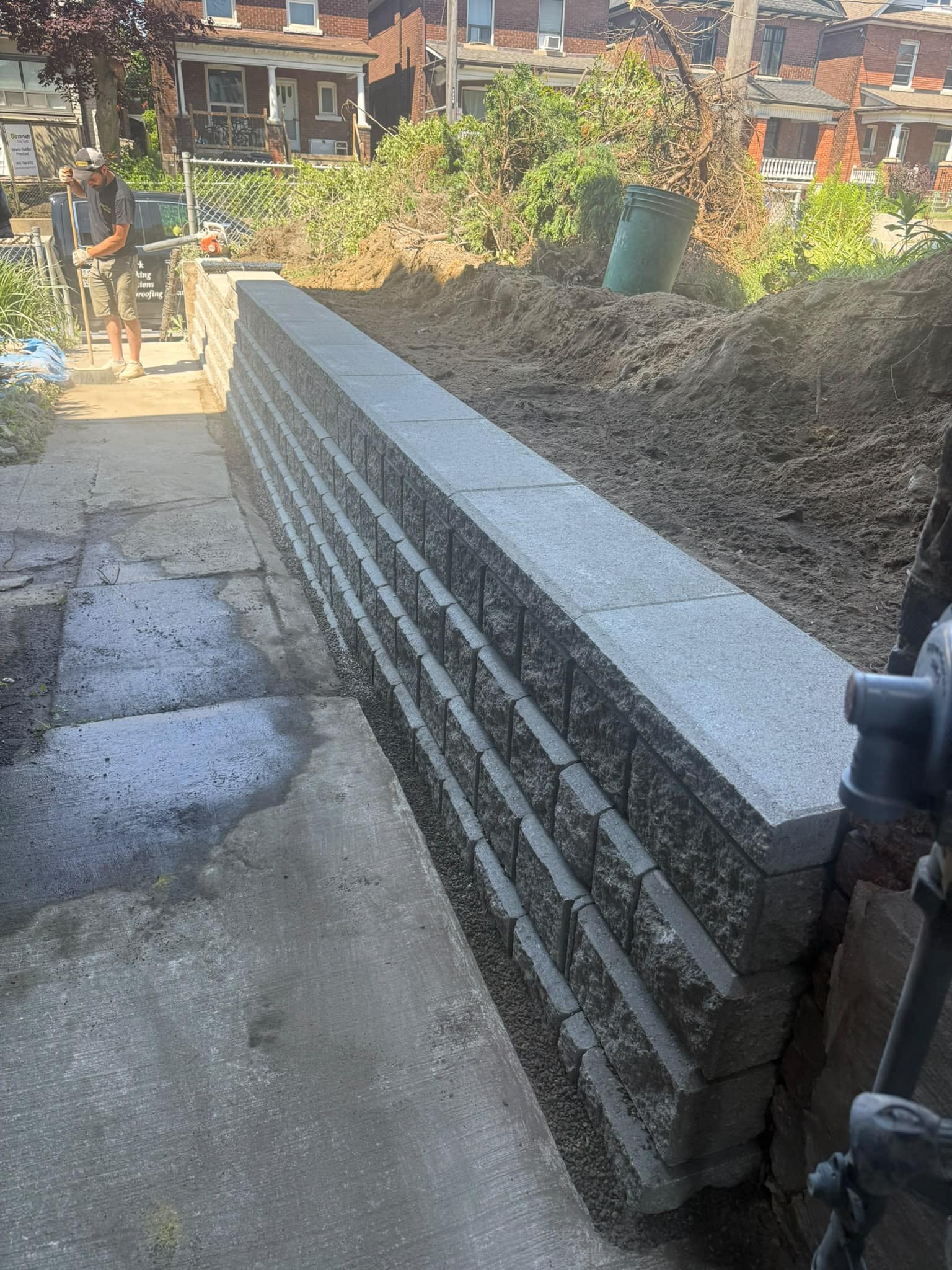
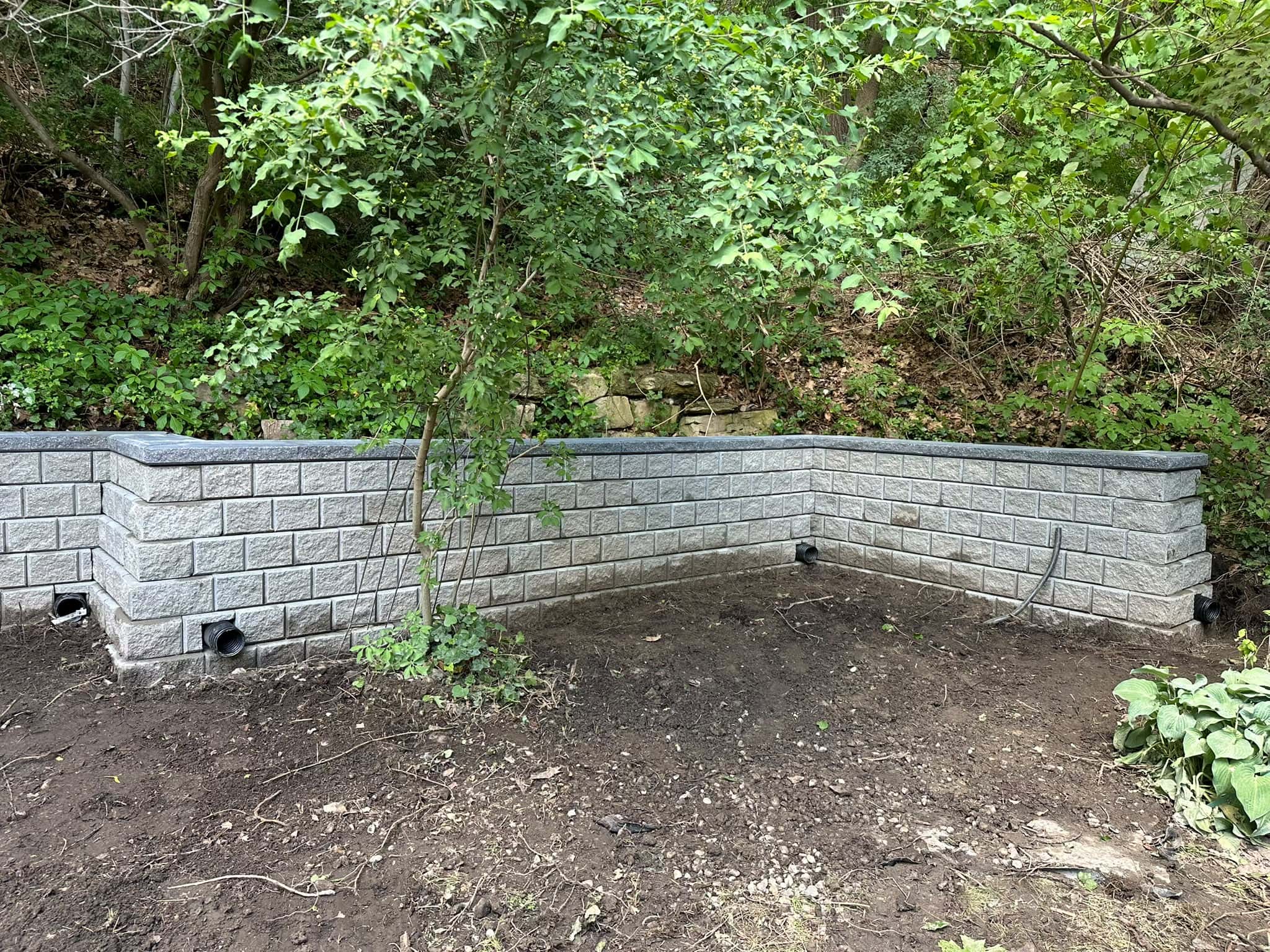
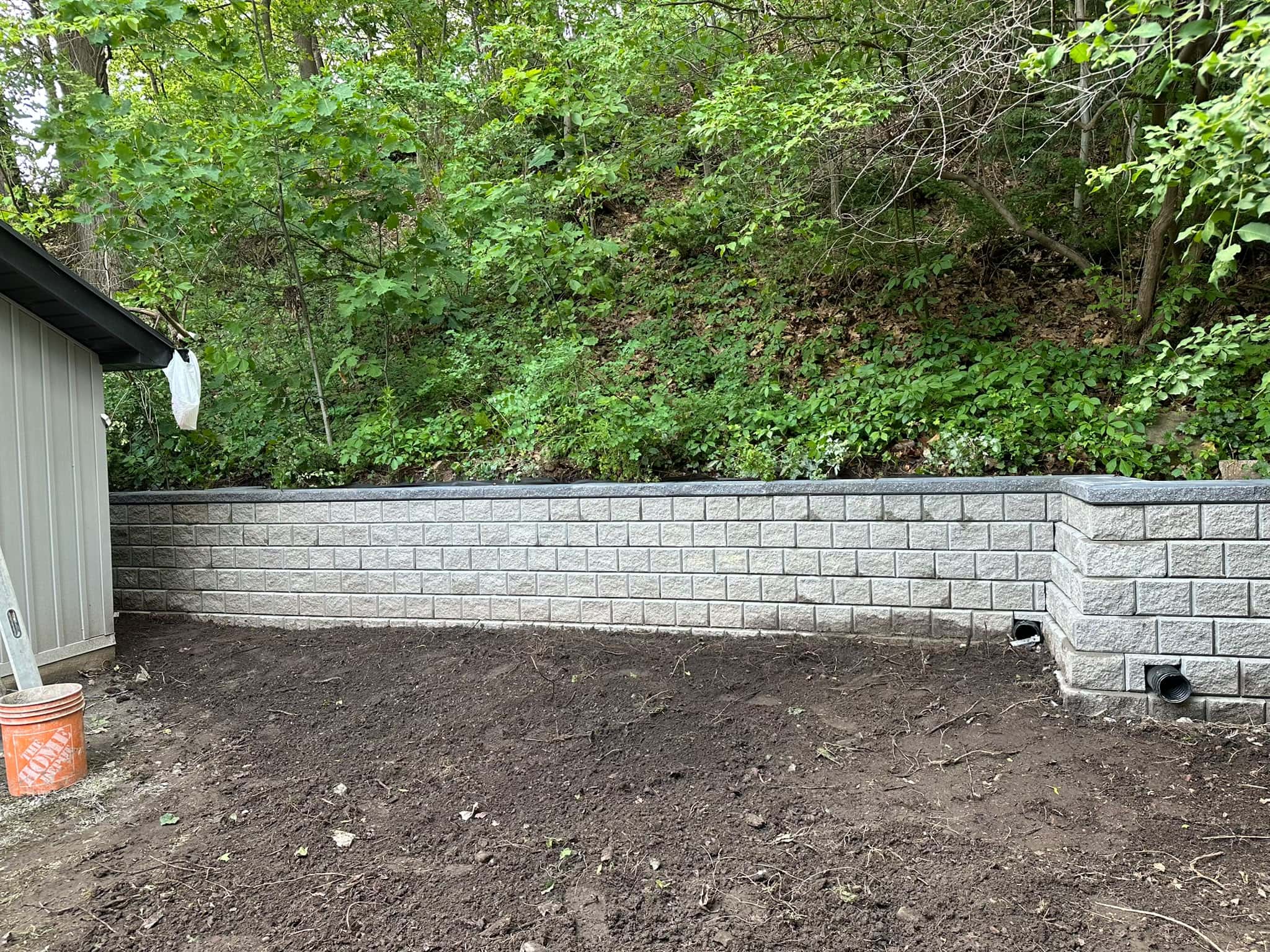
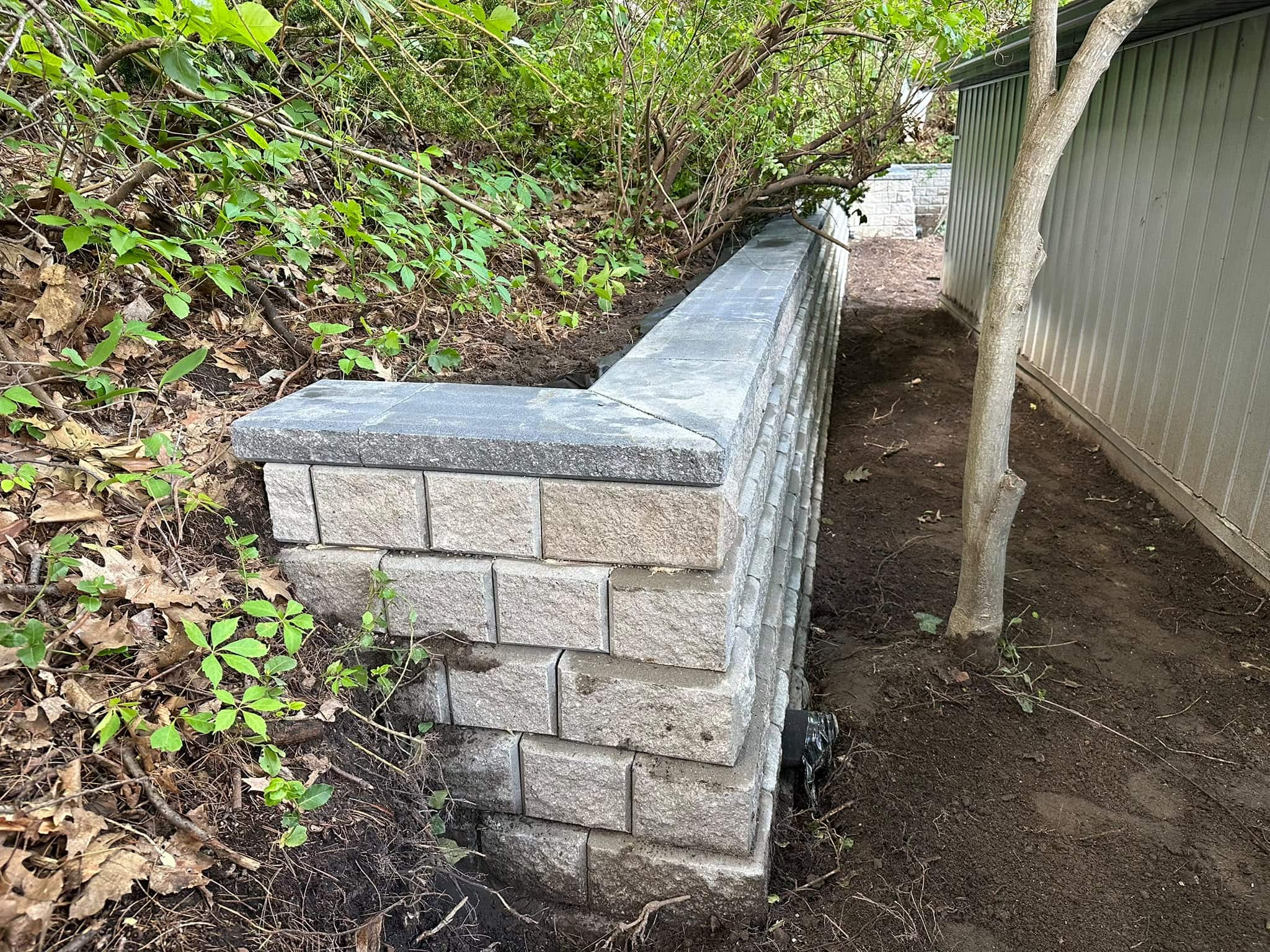
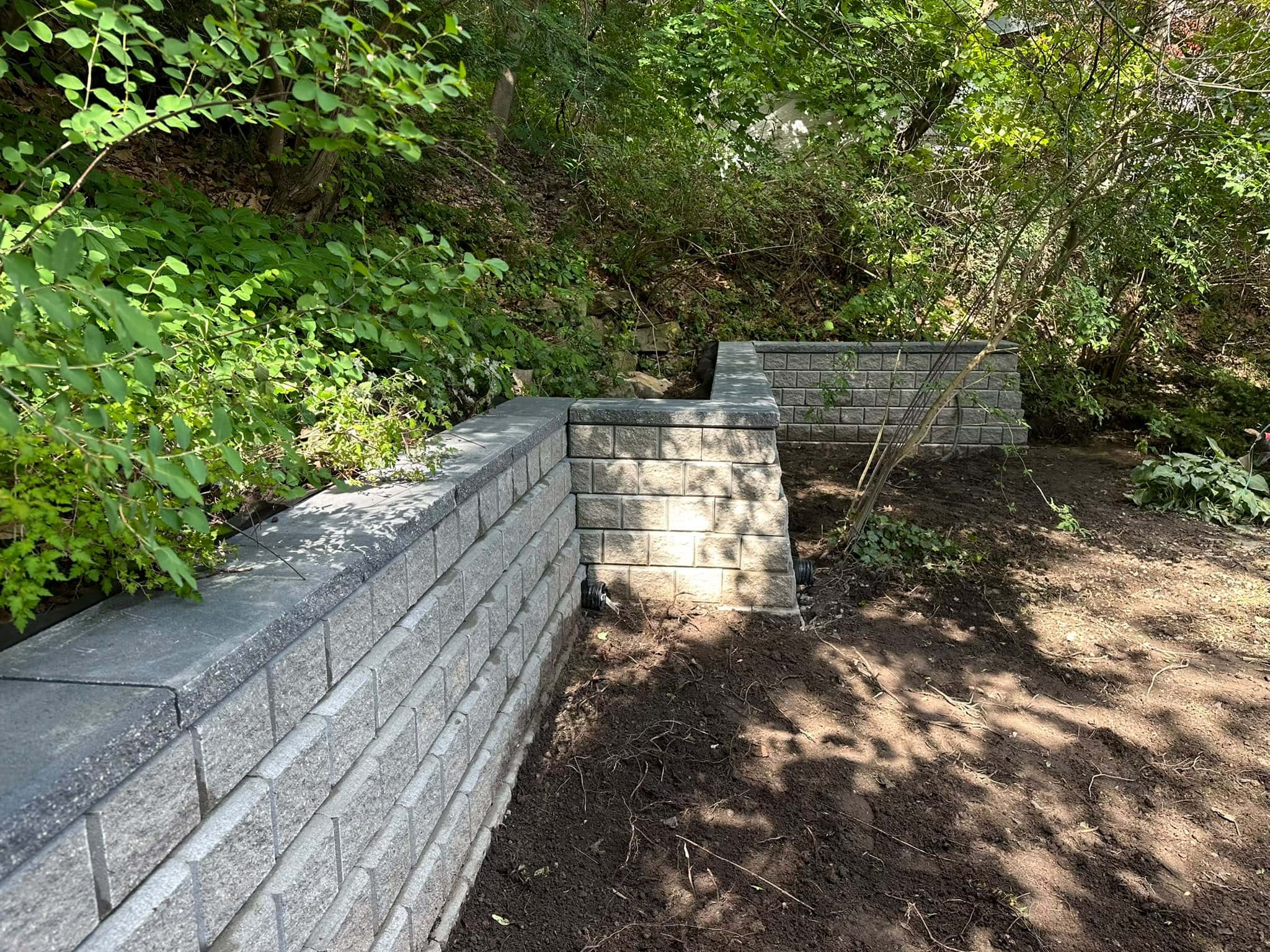
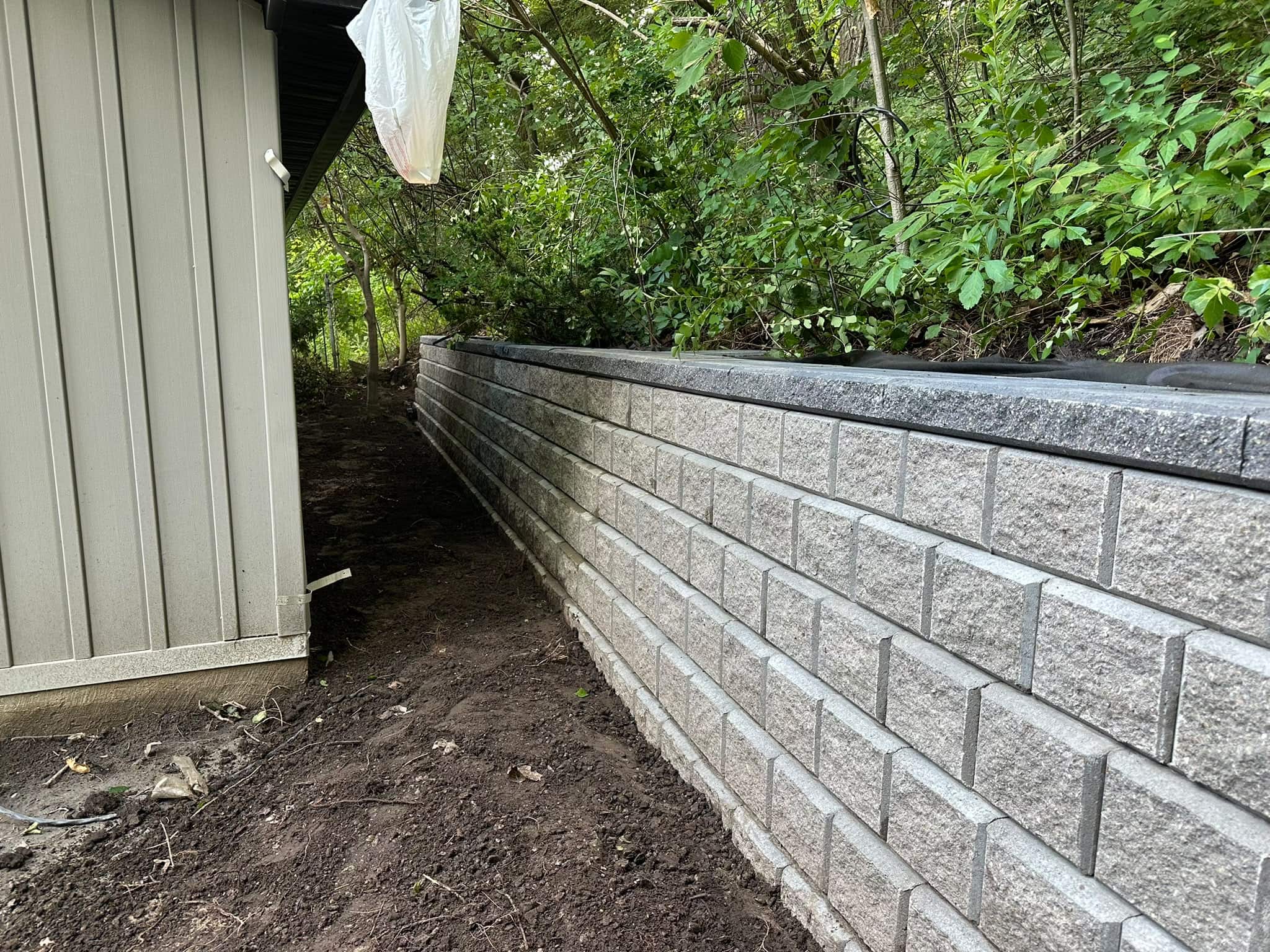
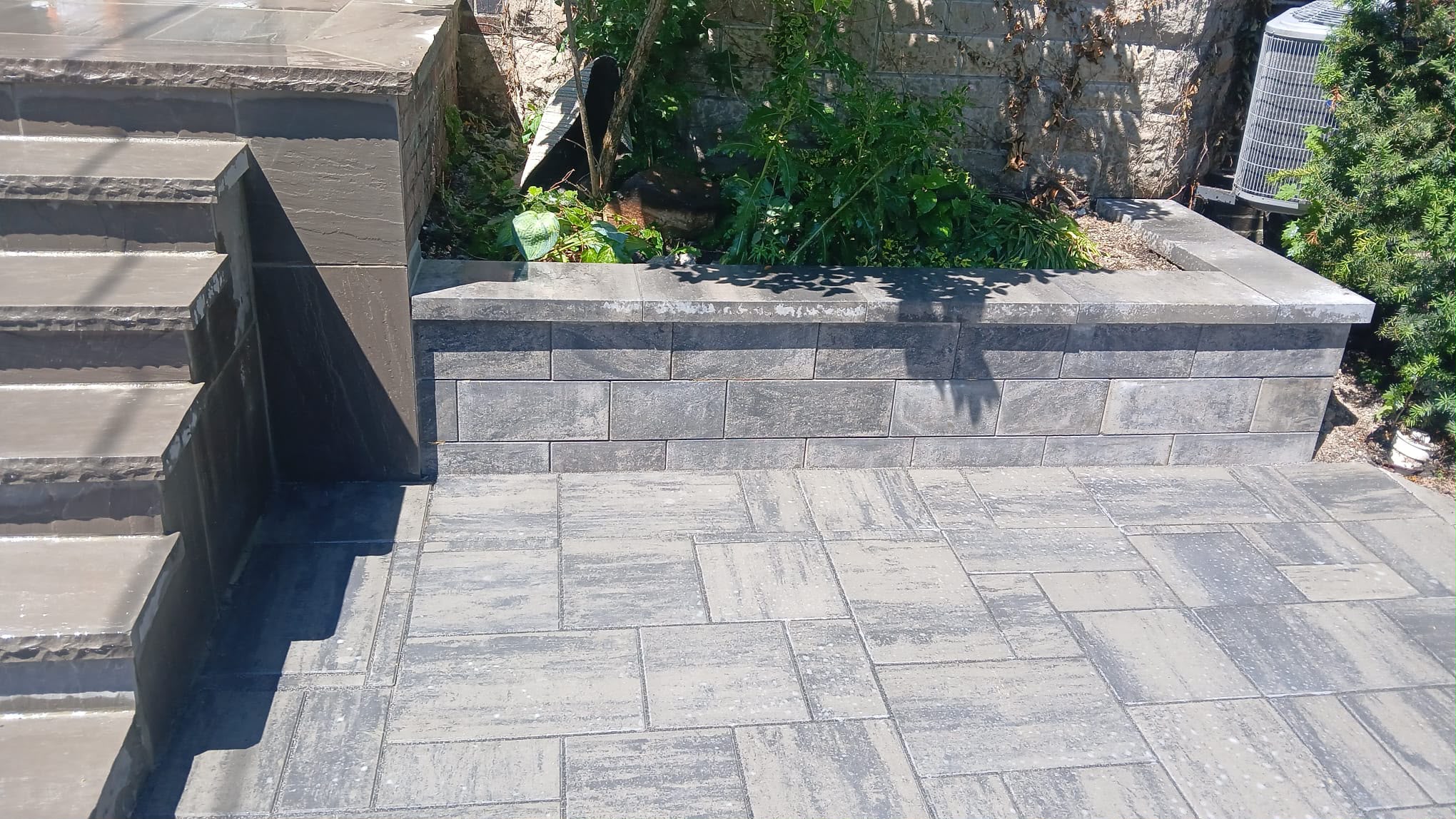
Retaining walls: bulging, leaning, staining, or persistent wetness behind the wall often mean the issue is tied to pressure and drainage, not just aging. Our service page on retaining wall design in Toronto is especially relevant when the problem appears to be tied to the wall system itself.
How to Tell the Difference Between a Touch-Up and a Real Repair Need
This is often the hardest distinction for homeowners. A wall can look slightly rough and still be manageable. Another wall may only look a little worse, but the changes may already be telling you the repair should not wait.
It may still be a touch-up-level issue if:
- the wear is superficial and stable
- there is no recurring moisture pattern
- the area is not changing over time
- the issue is mostly cosmetic and localized
It is more likely a professional repair issue if:
- the same area keeps worsening
- the problem includes moisture, movement, or material loss
- multiple symptoms are appearing together
- the masonry is affecting safety, drainage, or structural performance
If you find yourself checking the same problem every season and it is still there, or clearly worse, that is usually the point where professional attention becomes the more sensible move.
What Homeowners Can Usually Check Themselves
Homeowners can often do the first level of inspection safely and usefully from the ground. That includes:
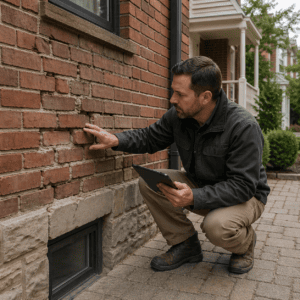
- walking the property perimeter and taking photos of suspicious areas
- checking lower walls after rain
- looking for new cracks, staining, or debris below masonry features
- watching where water pools near patios, steps, and foundations
- noting whether interlocking or steps feel uneven underfoot
- checking chimneys visually from the ground for obvious wear
This kind of observation is helpful because it gives homeowners a better sense of whether the issue is isolated or part of a broader pattern. It also makes it easier to explain the problem clearly if a professional inspection becomes necessary.
When Permits or Broader Construction Review May Matter
Homeowners should also know that some masonry work can move beyond simple maintenance. Toronto’s building permit guidance states that a permit may be required for material alteration of a building or structure, depending on the work being done. City of Toronto: When Do I Need a Building Permit?
This does not mean every masonry repair needs a permit. It does mean homeowners should be cautious about assuming all visible masonry work is just minor patching, especially when steps, chimneys, structural walls, or larger replacement scopes are involved.
Ontario also recognizes brick and stone masonry work as a regulated trade, reinforcing that real masonry repair is skilled work rather than a simple cosmetic patch job. Ontario Brick and Stone Mason trade information
Quick Decision Guide: Watch It, Maintain It, or Call a Pro?
Watch it if:
- the issue is small, isolated, and stable
- there is no sign of moisture or progression
- the change looks cosmetic and has not spread
Maintain it if:
- the problem is tied to drainage, debris, downspouts, or general seasonal upkeep
- the masonry is still sound, but needs supportive maintenance
- you are dealing with early signs rather than material failure
Call a professional if:
- mortar is failing
- brick or stone is deteriorating
- the same moisture pattern keeps returning
- steps, walls, or retaining features have moved
- chimney wear is visible
- the problem is clearly getting worse
If you are unsure, use this rule: once the sign points to performance rather than appearance, it is usually time for professional attention.
Final Thoughts
Signs your masonry needs professional attention are often easy to miss because they usually start small. A cracked joint, a white stain, a damp section of wall, or a loose step does not always feel urgent. But these are often the exact warnings that tell homeowners whether the issue is staying manageable or moving toward real repair work.
For Toronto homeowners, the smartest approach is to look for patterns rather than isolated flaws. Moisture, movement, repeated staining, failing mortar, surface loss, and shifting hardscape often tell a bigger story when they appear together. Catching that story early is usually what keeps the repair simpler and more affordable.
If there is one clear takeaway, it is this: masonry usually gives you signs before it demands major work. The value is in recognizing those signs early enough to act.