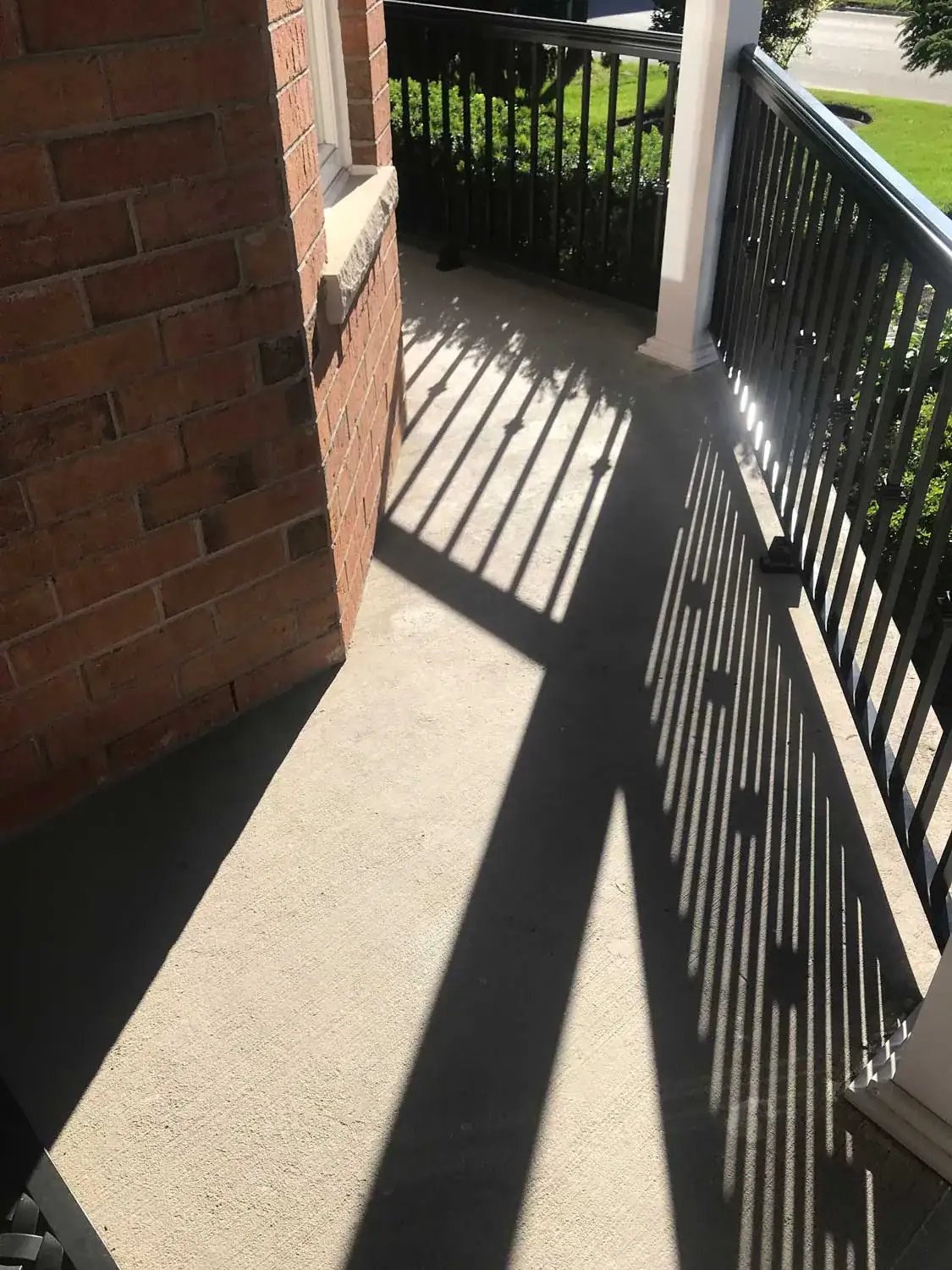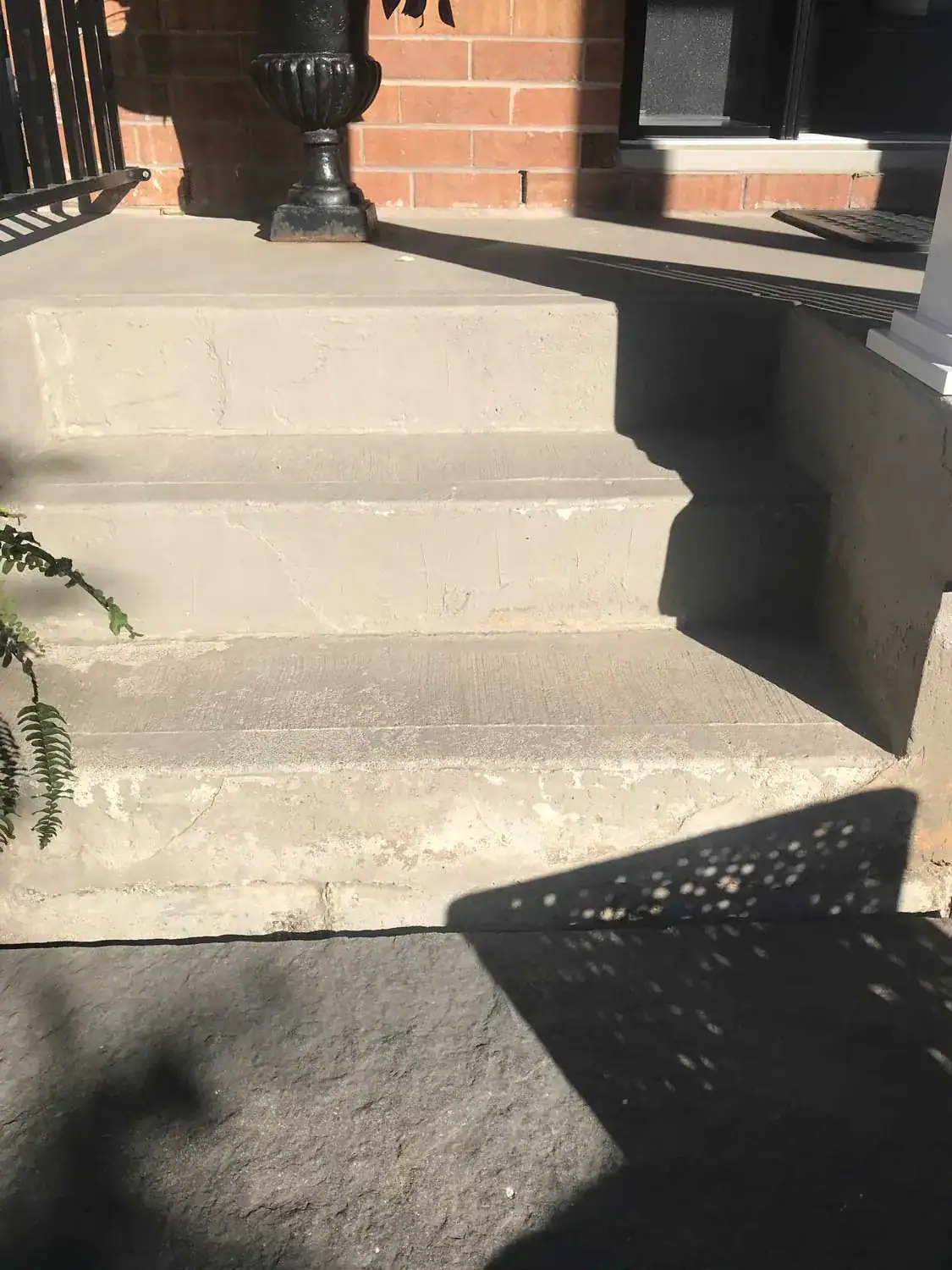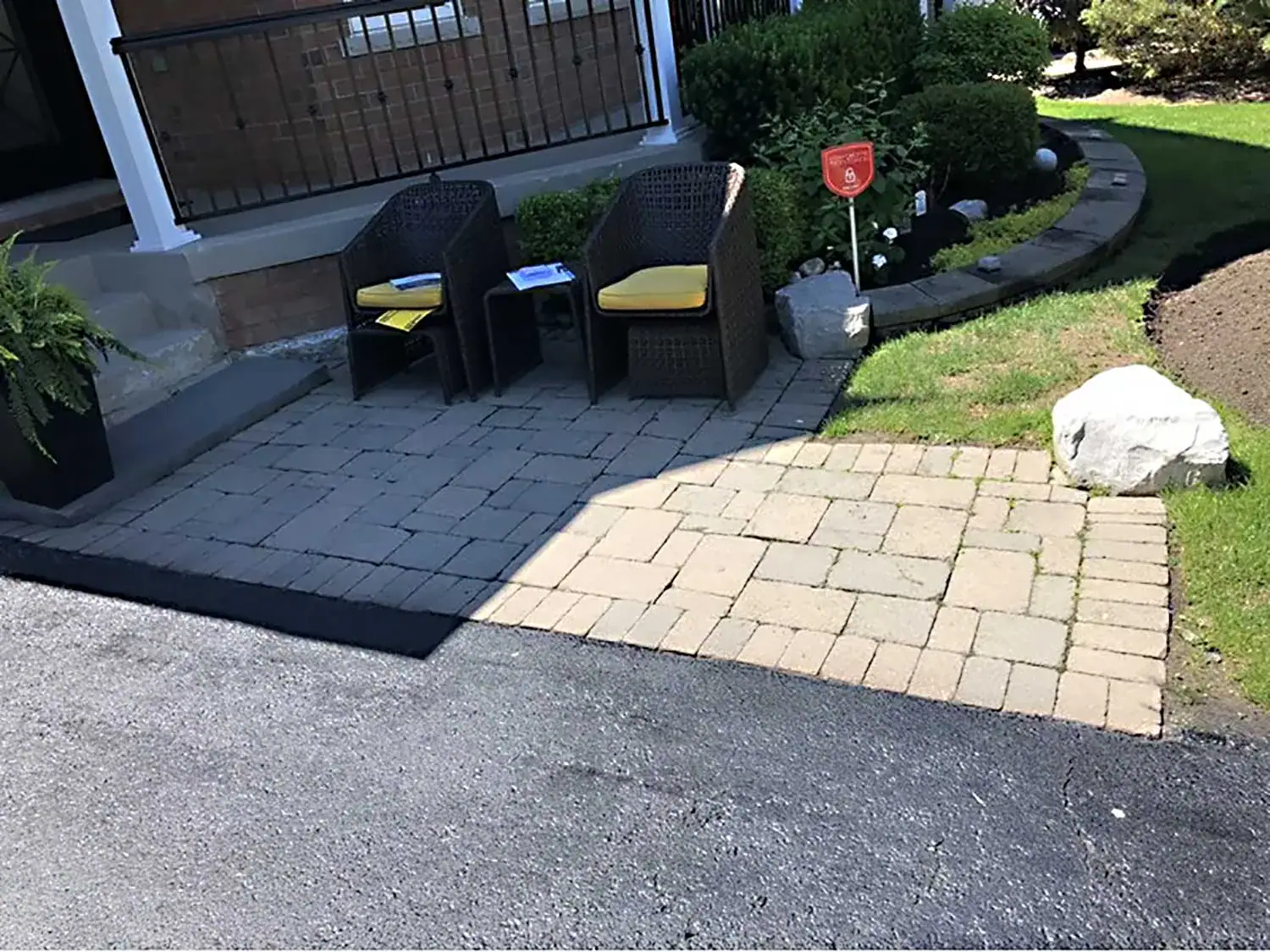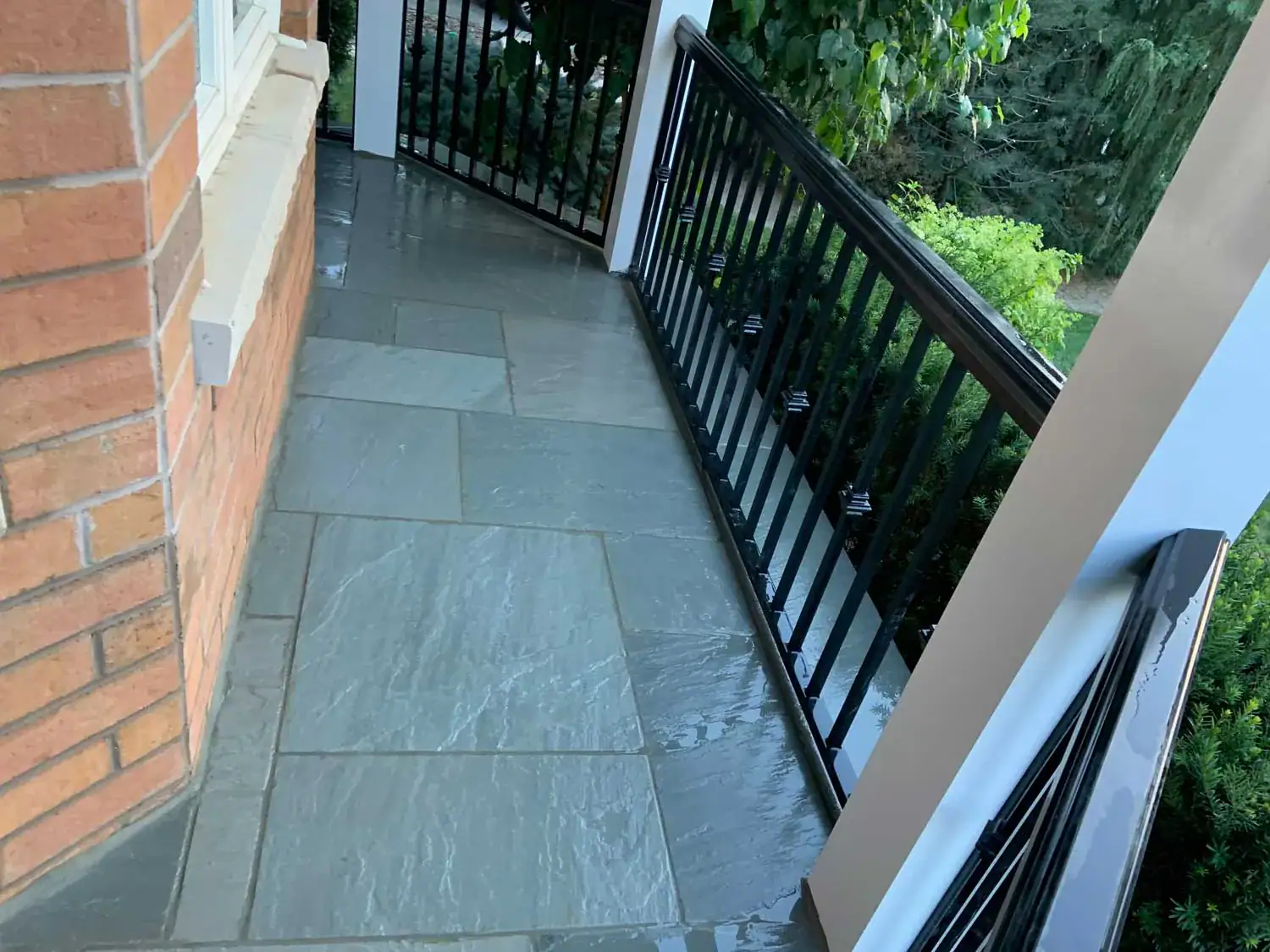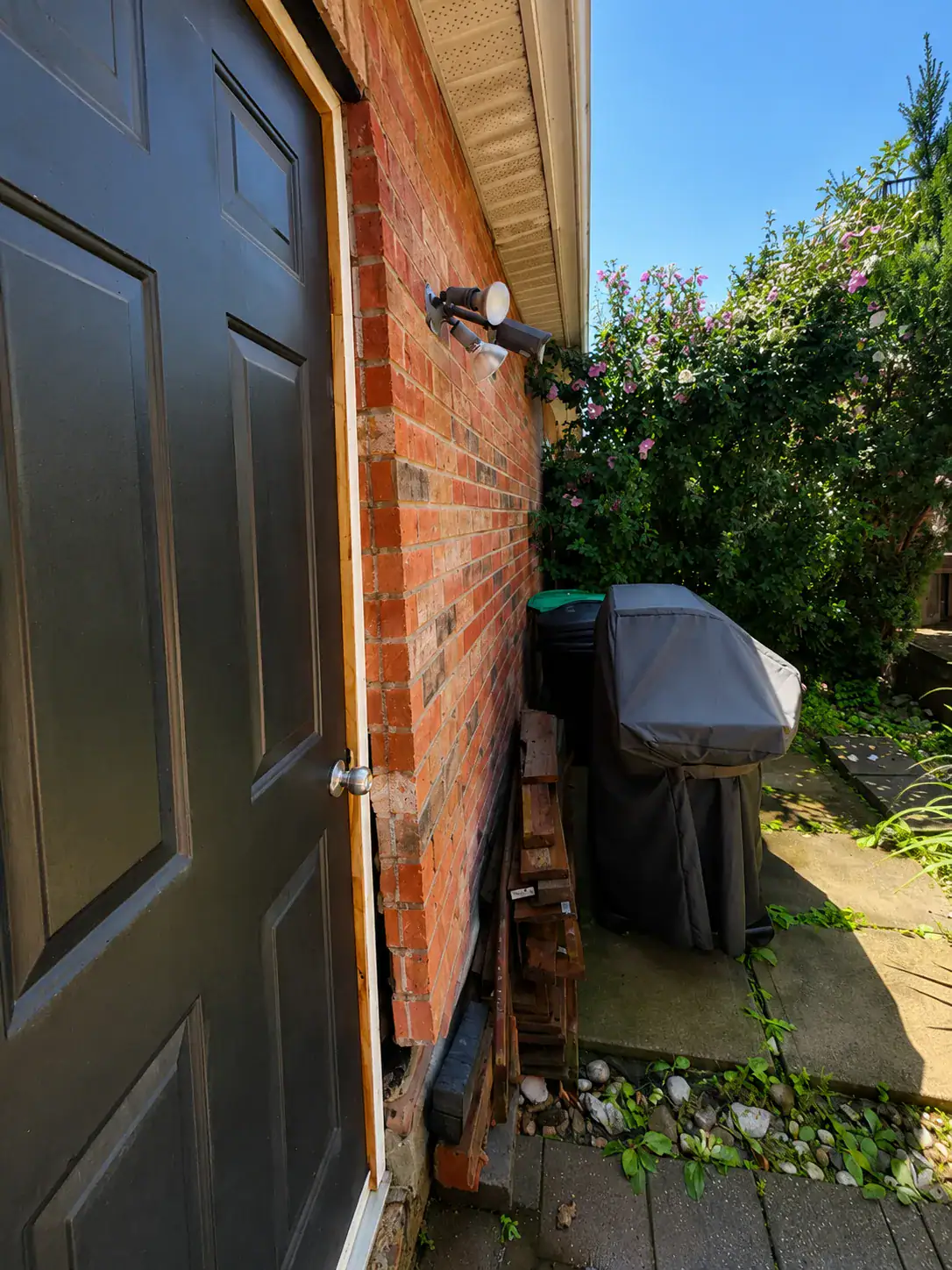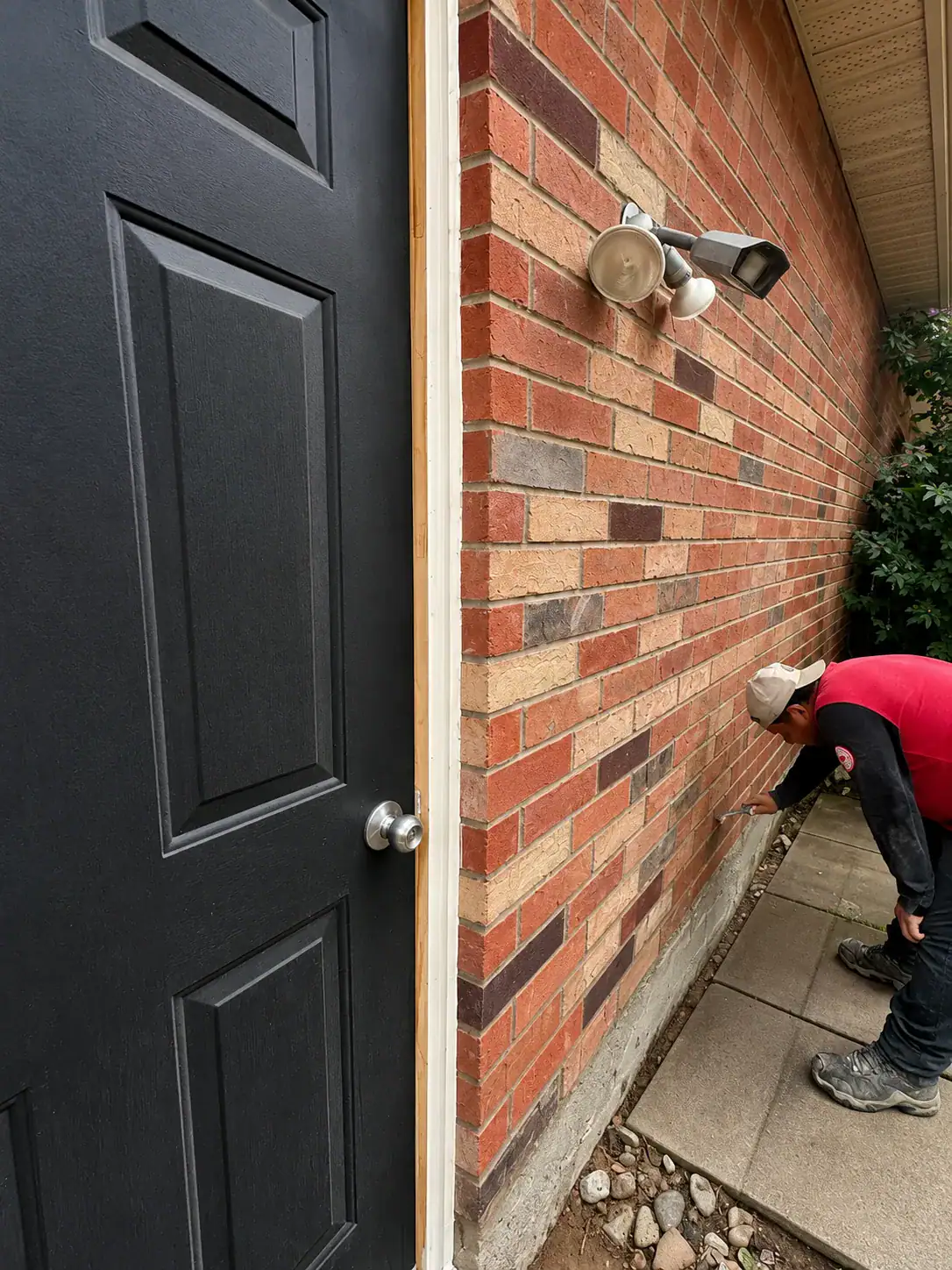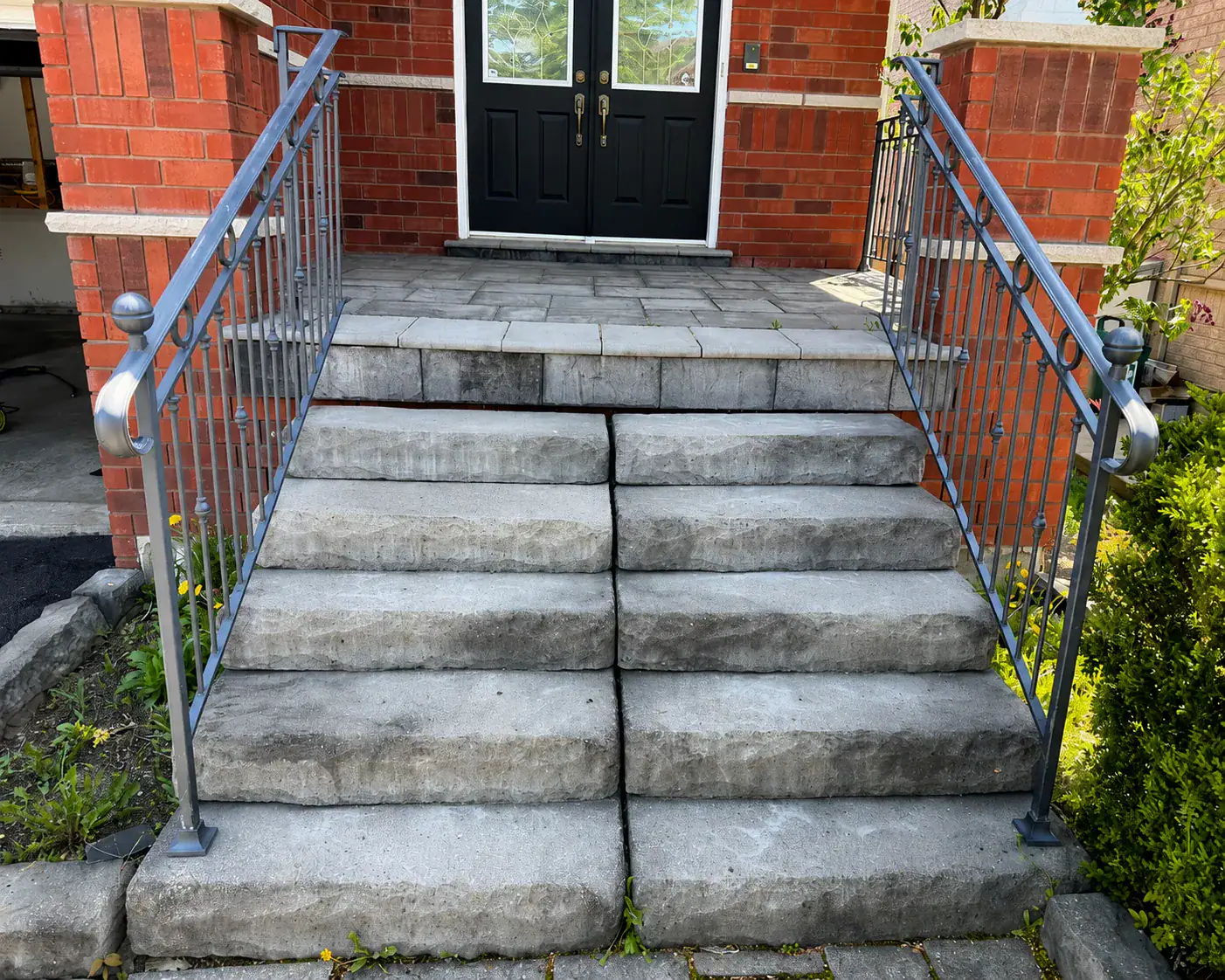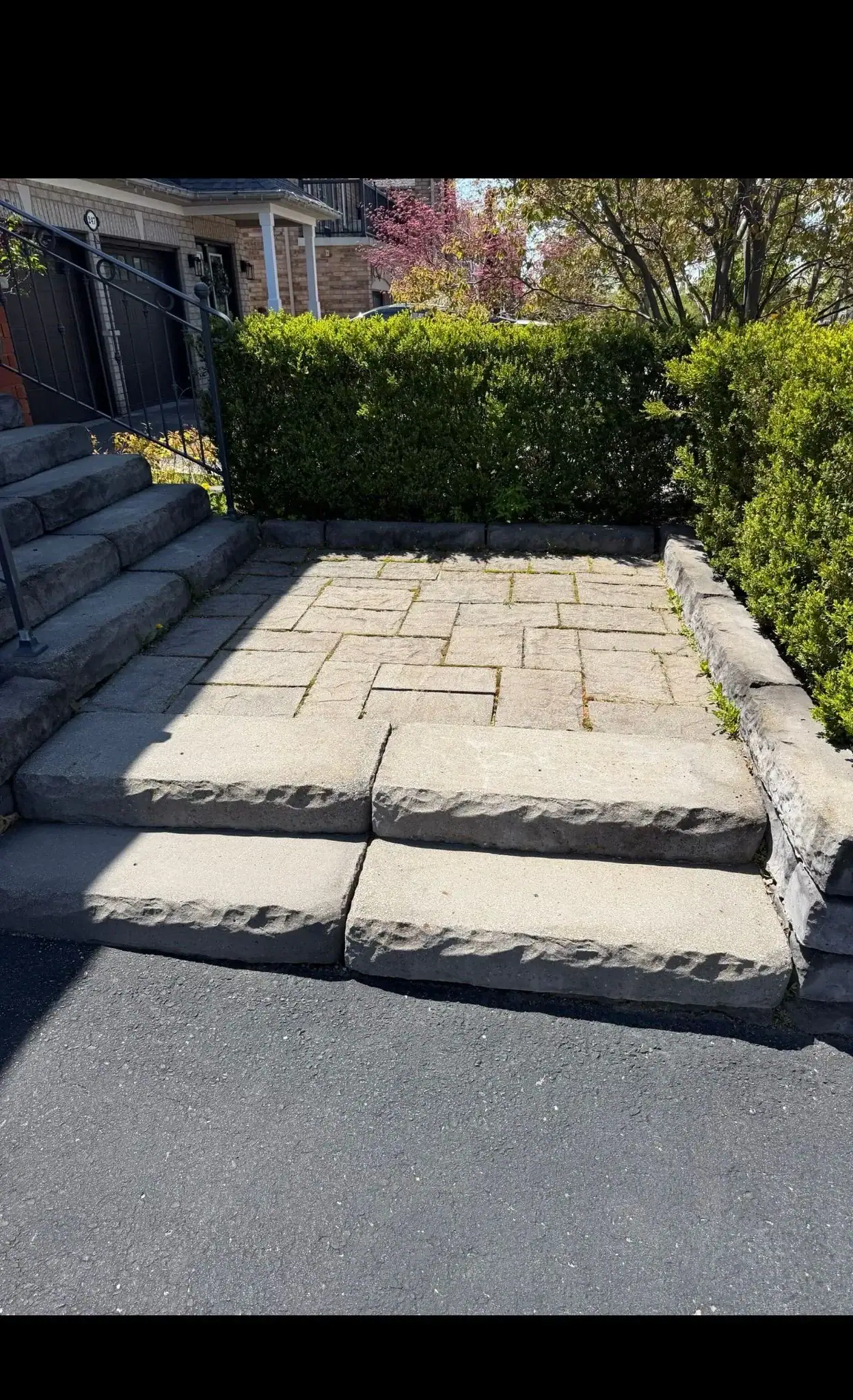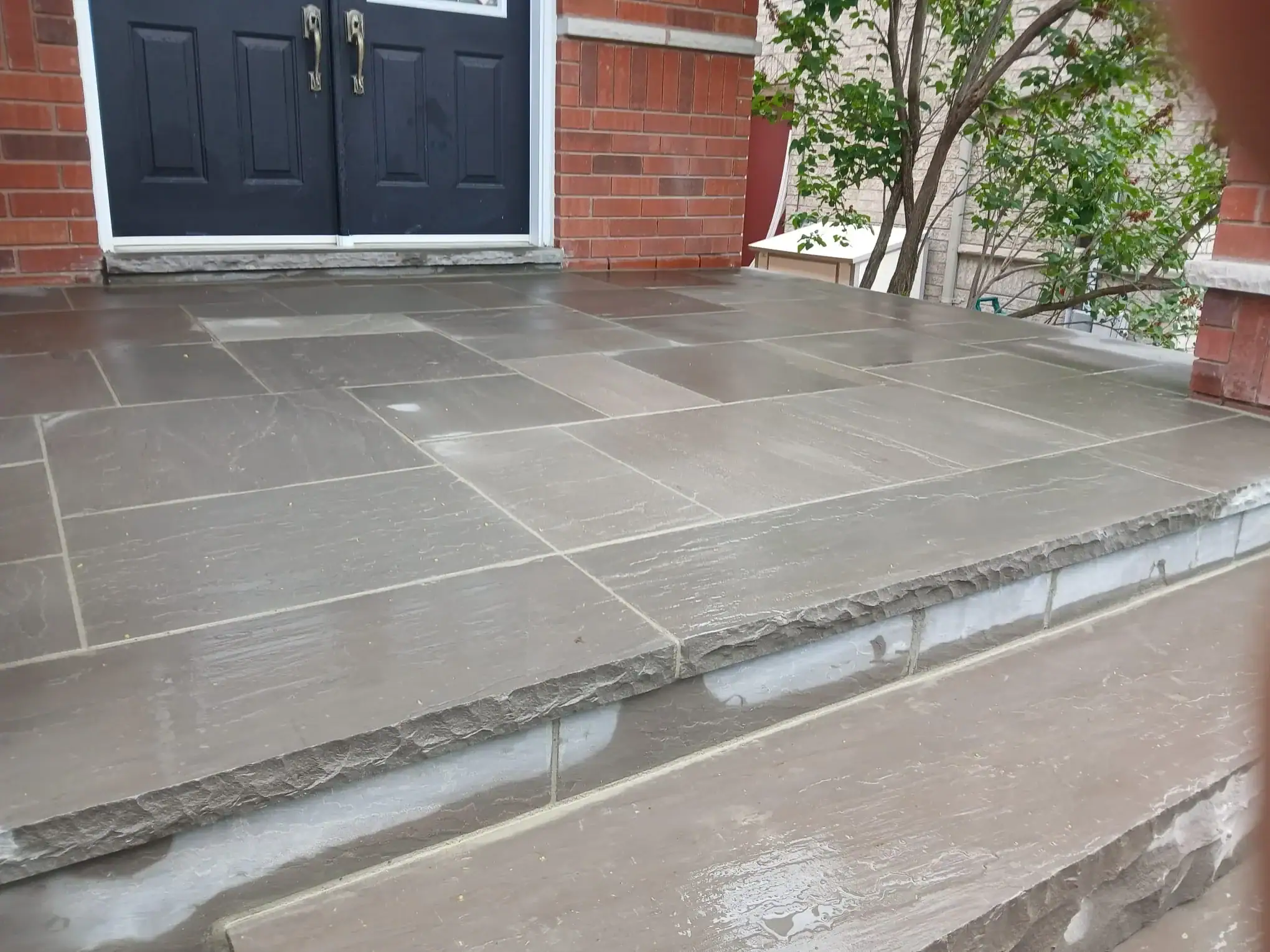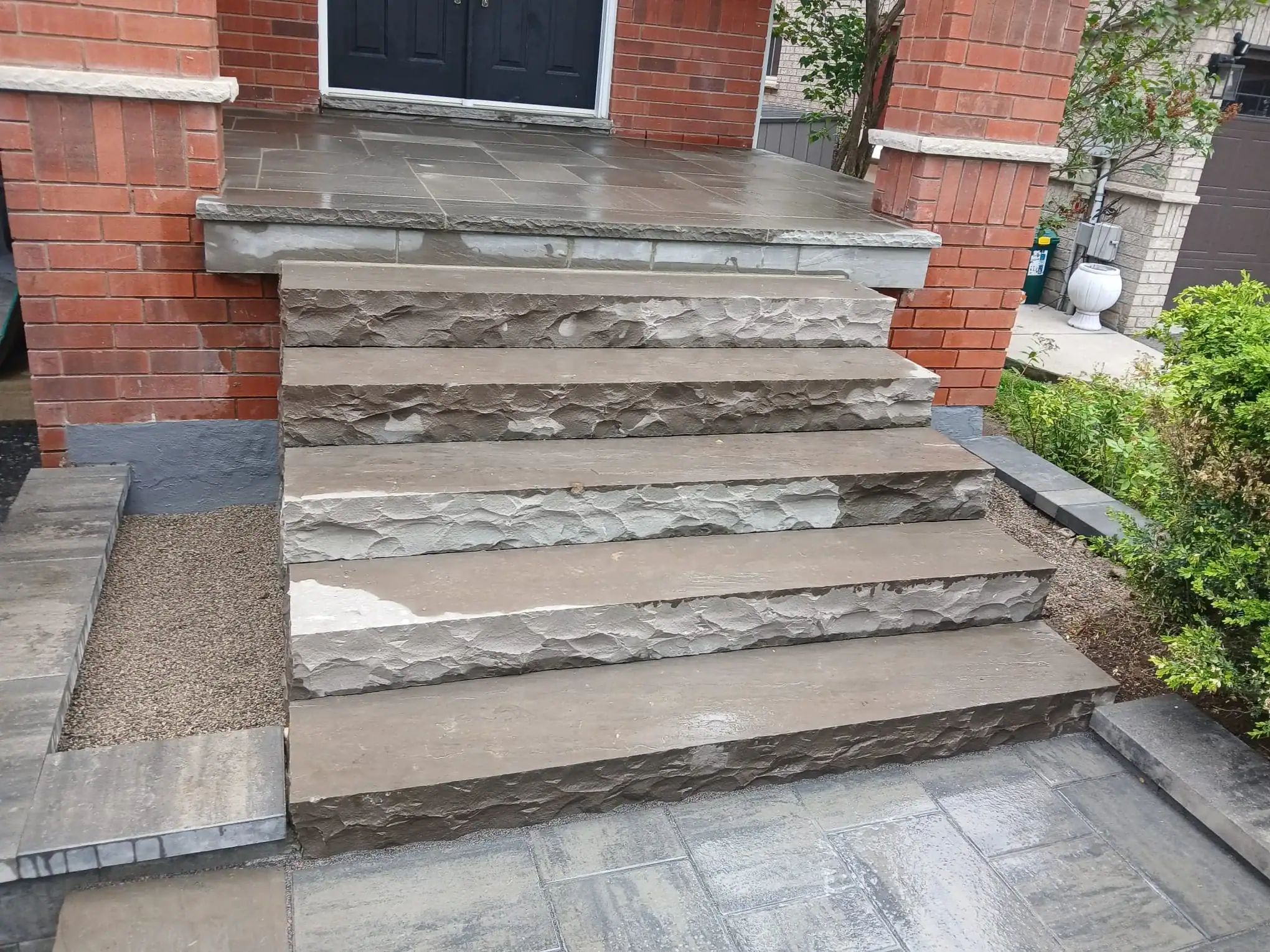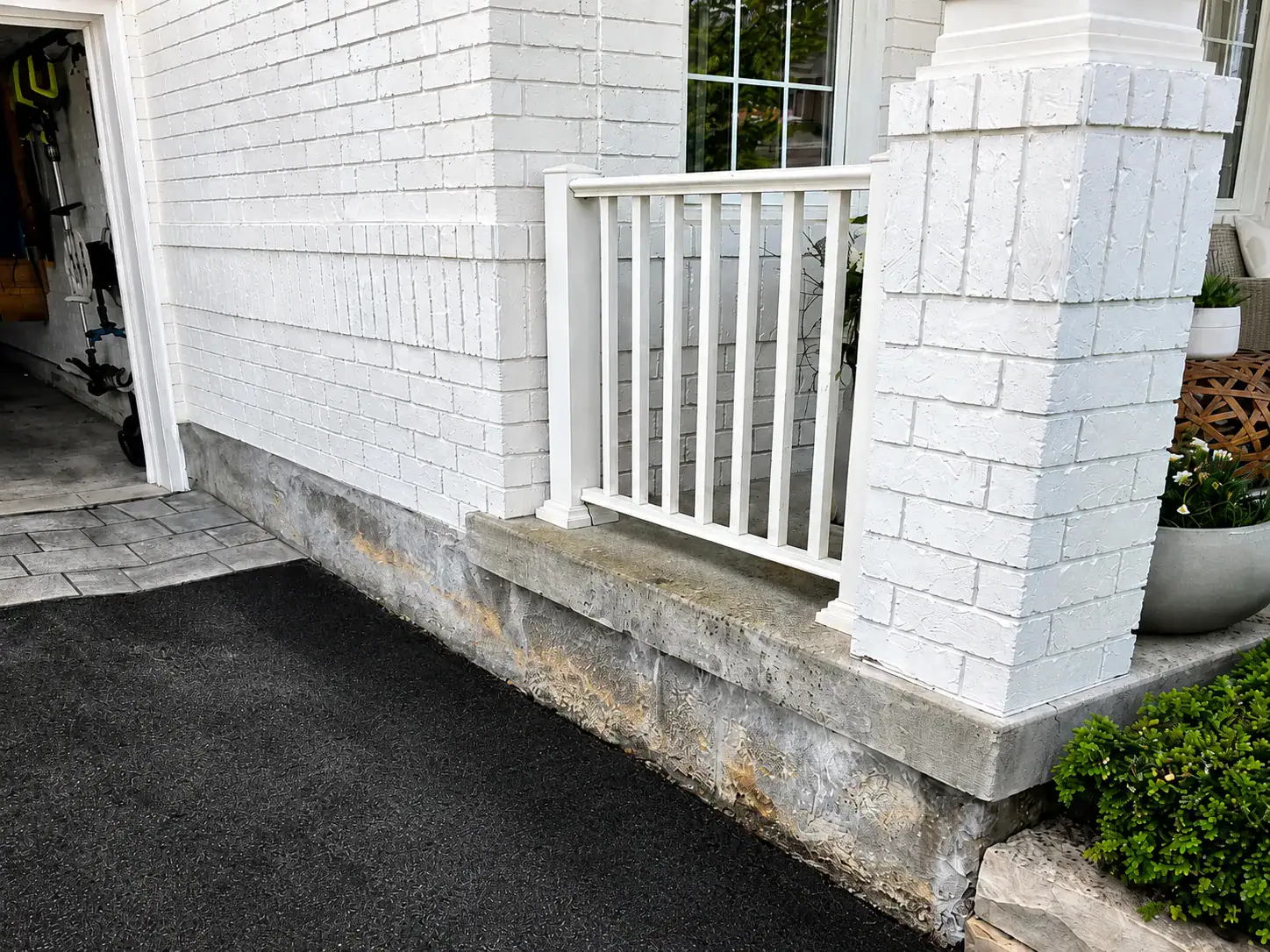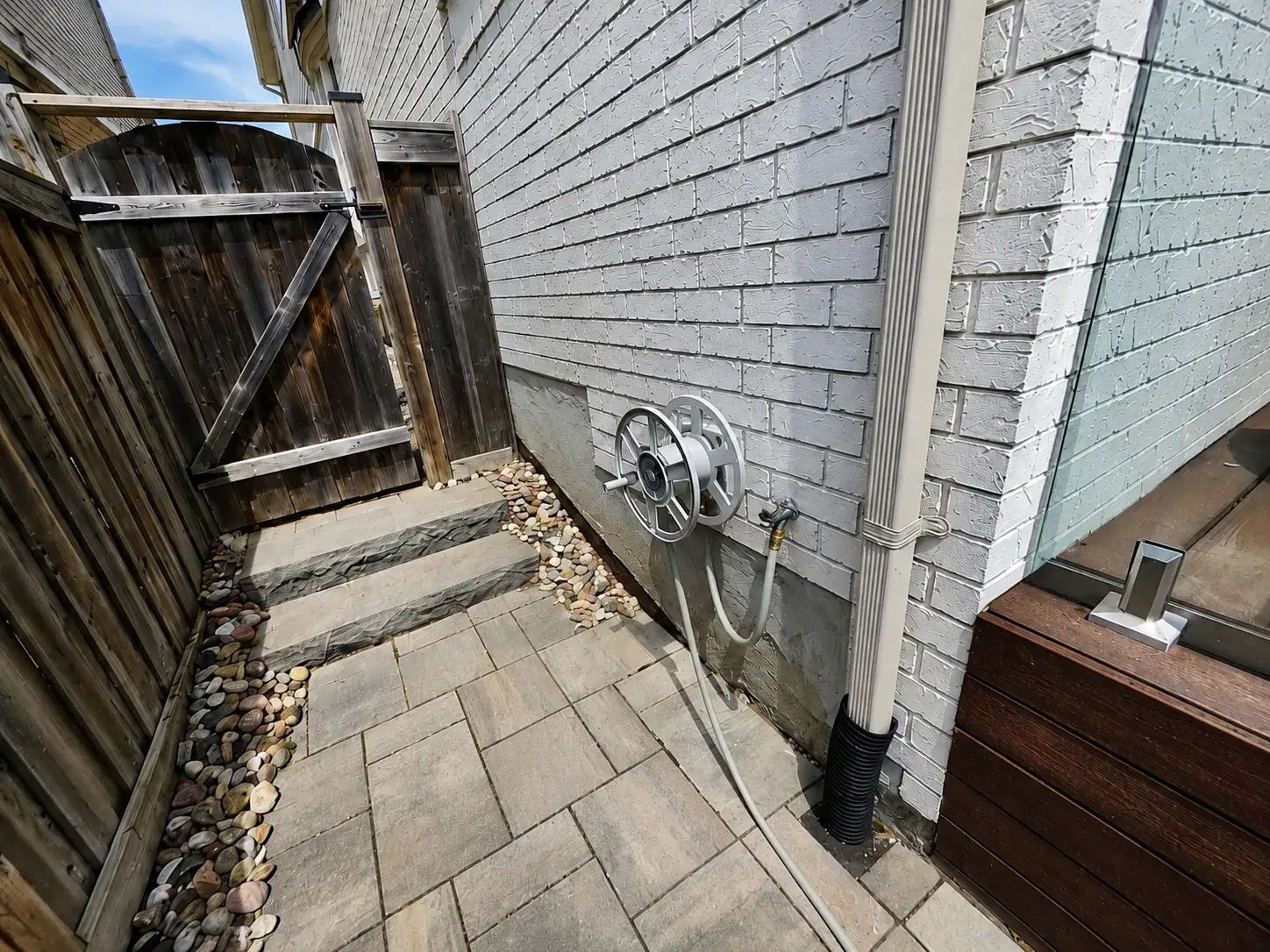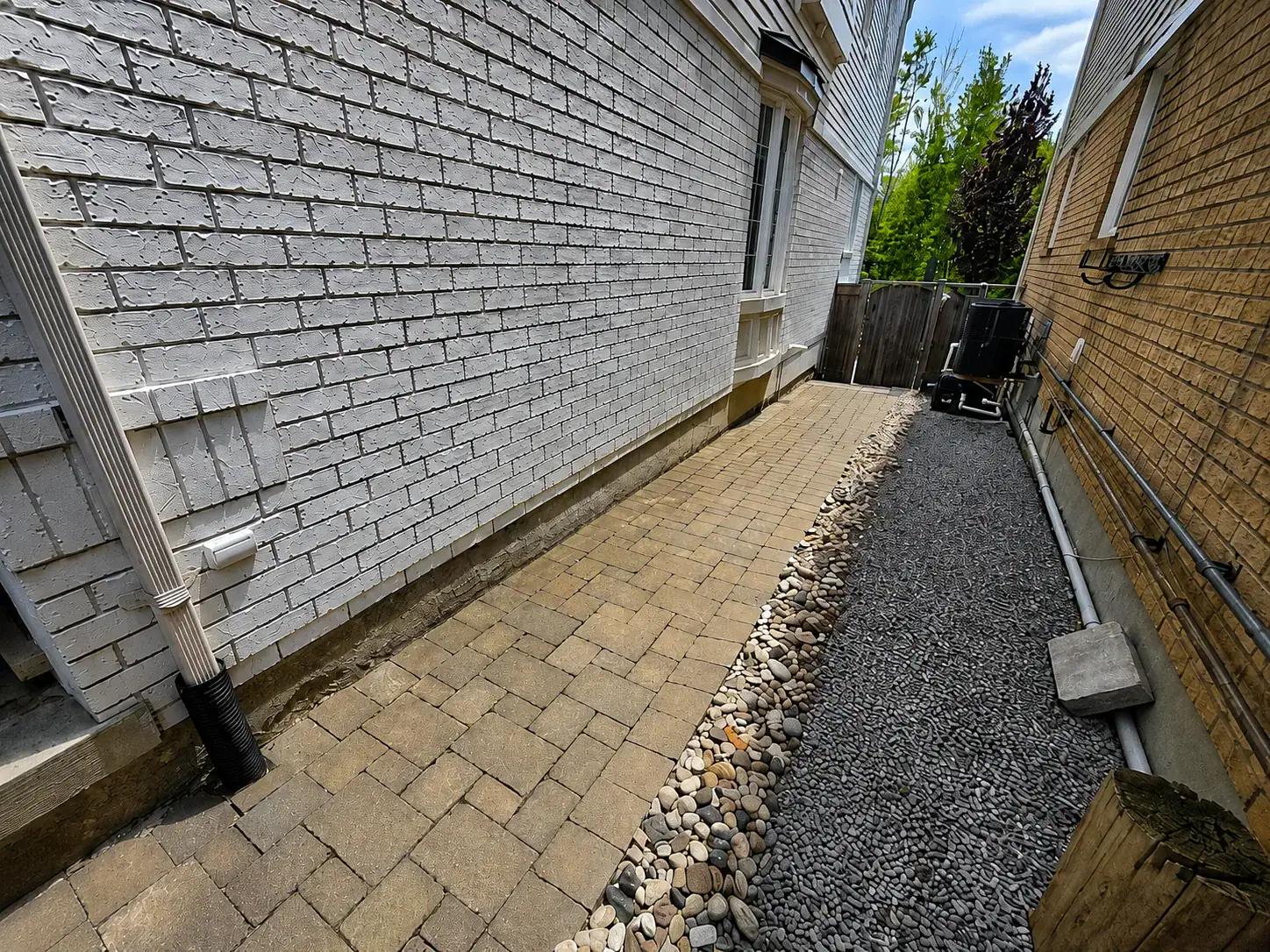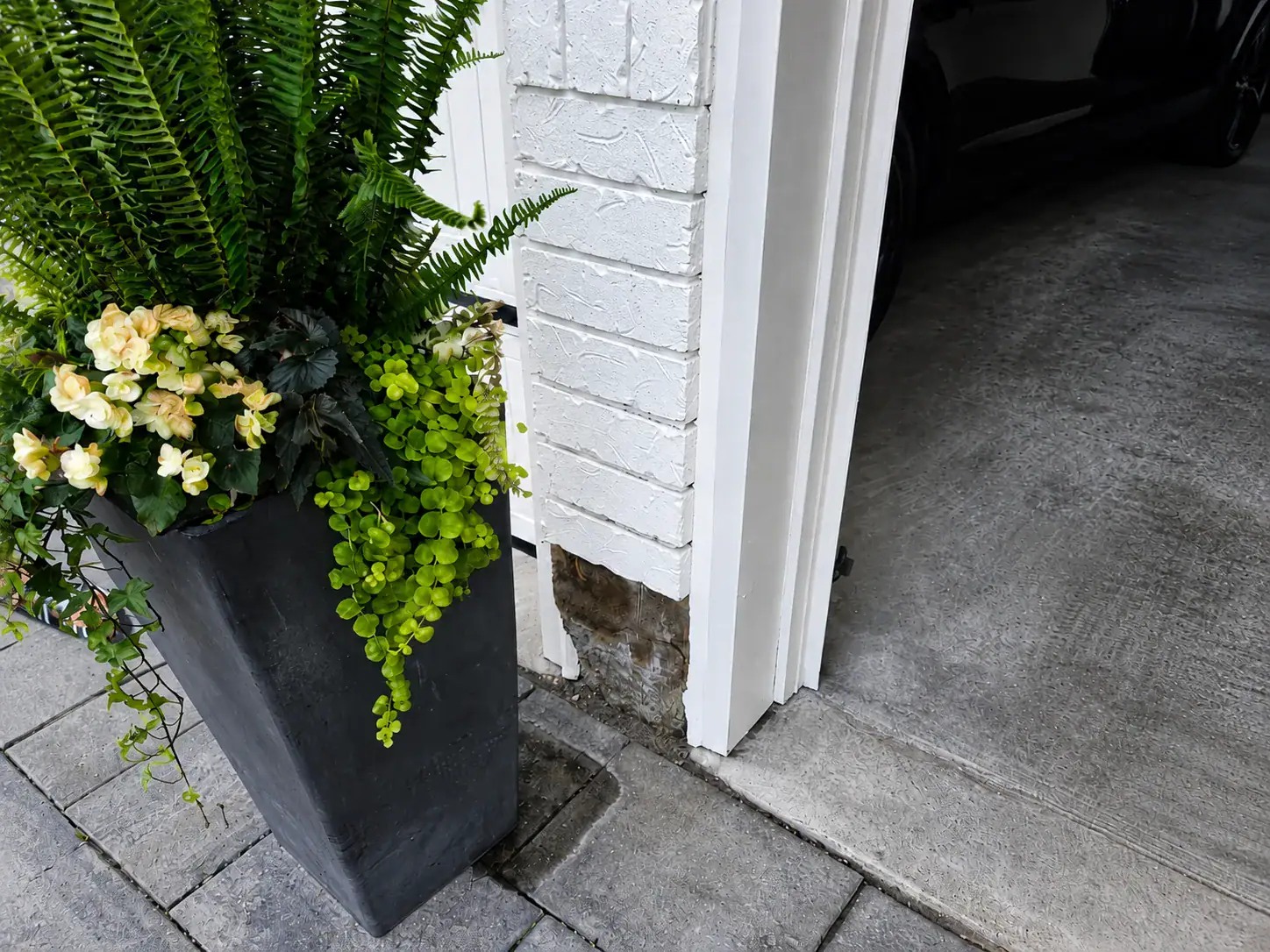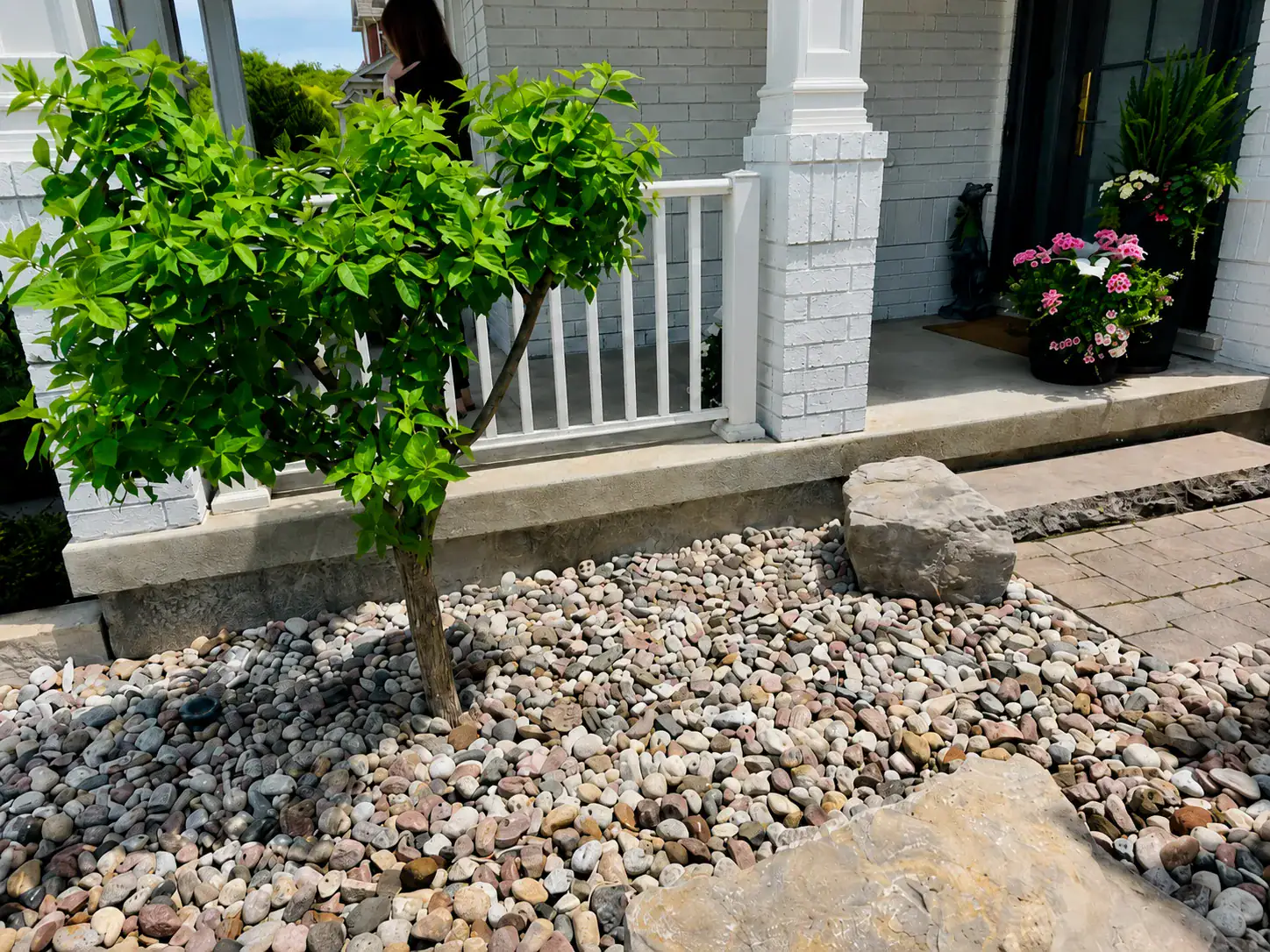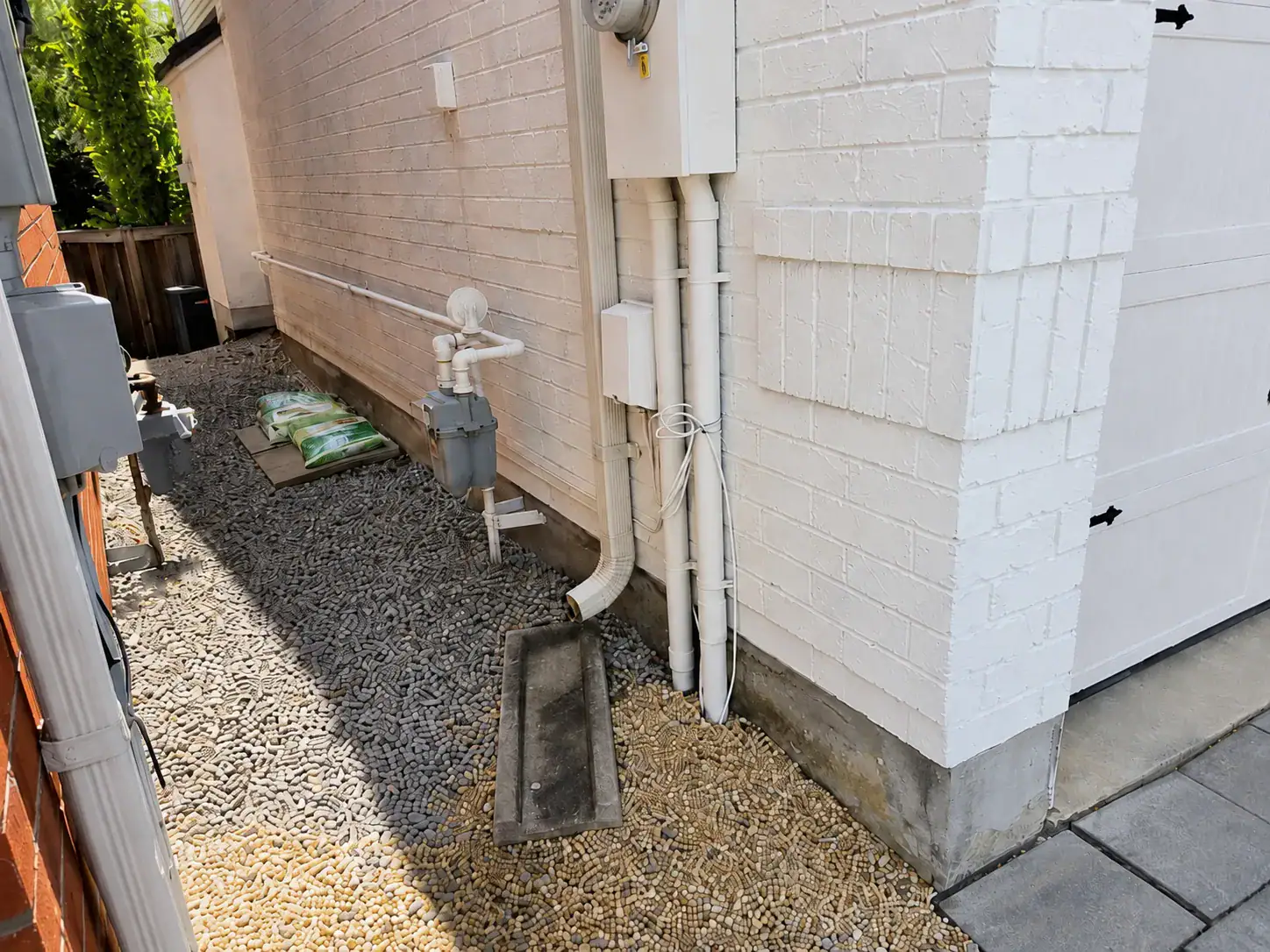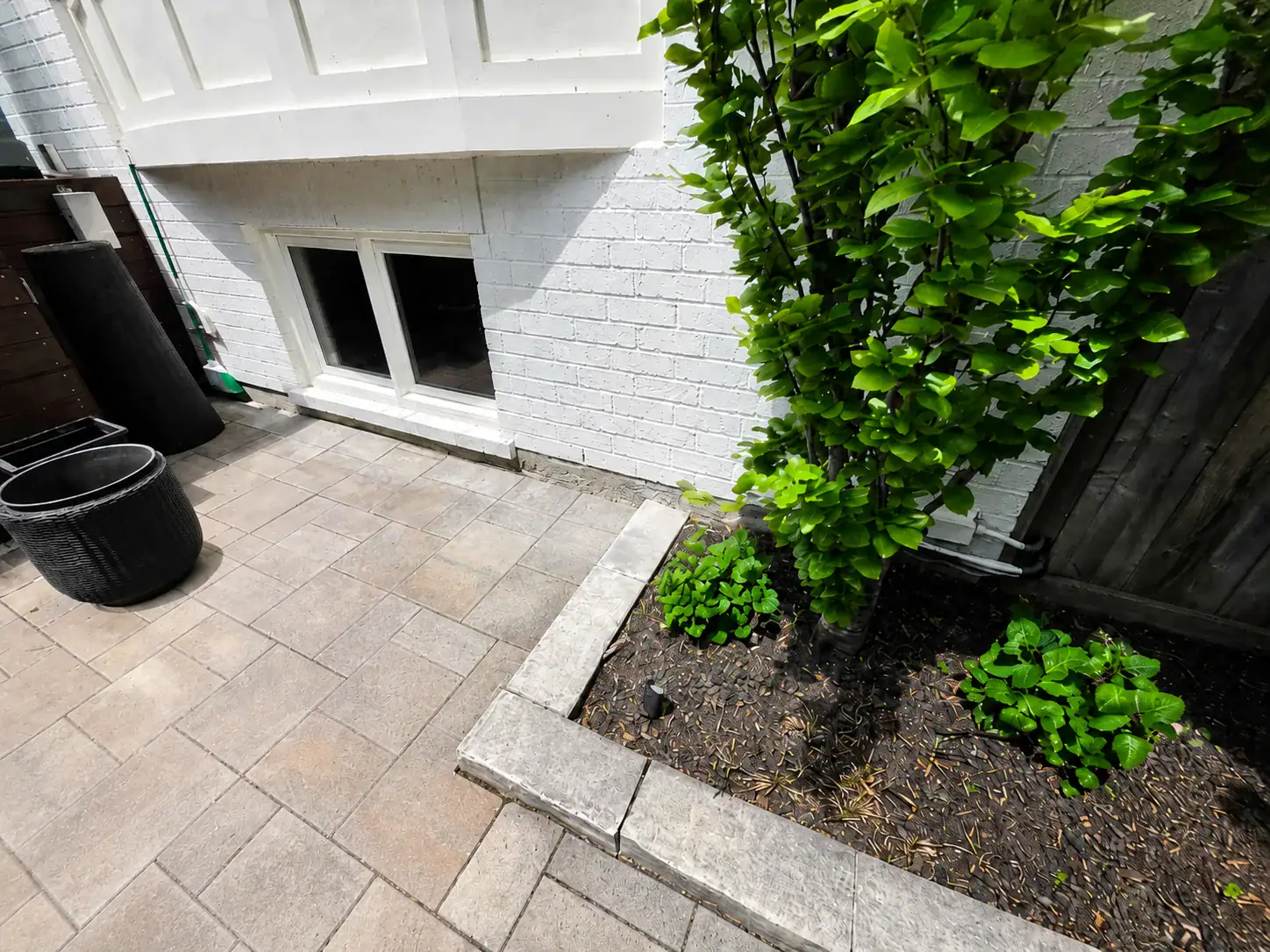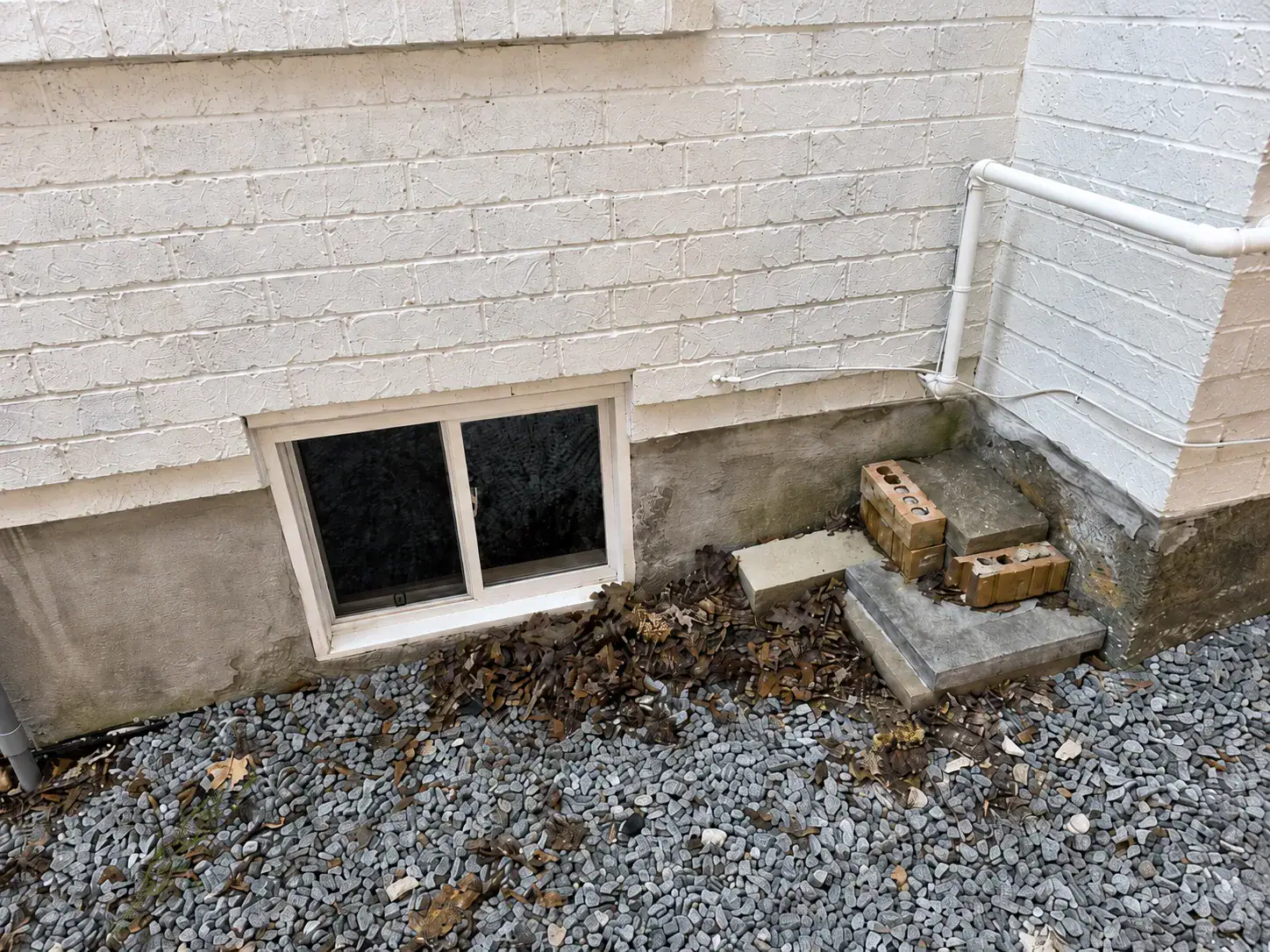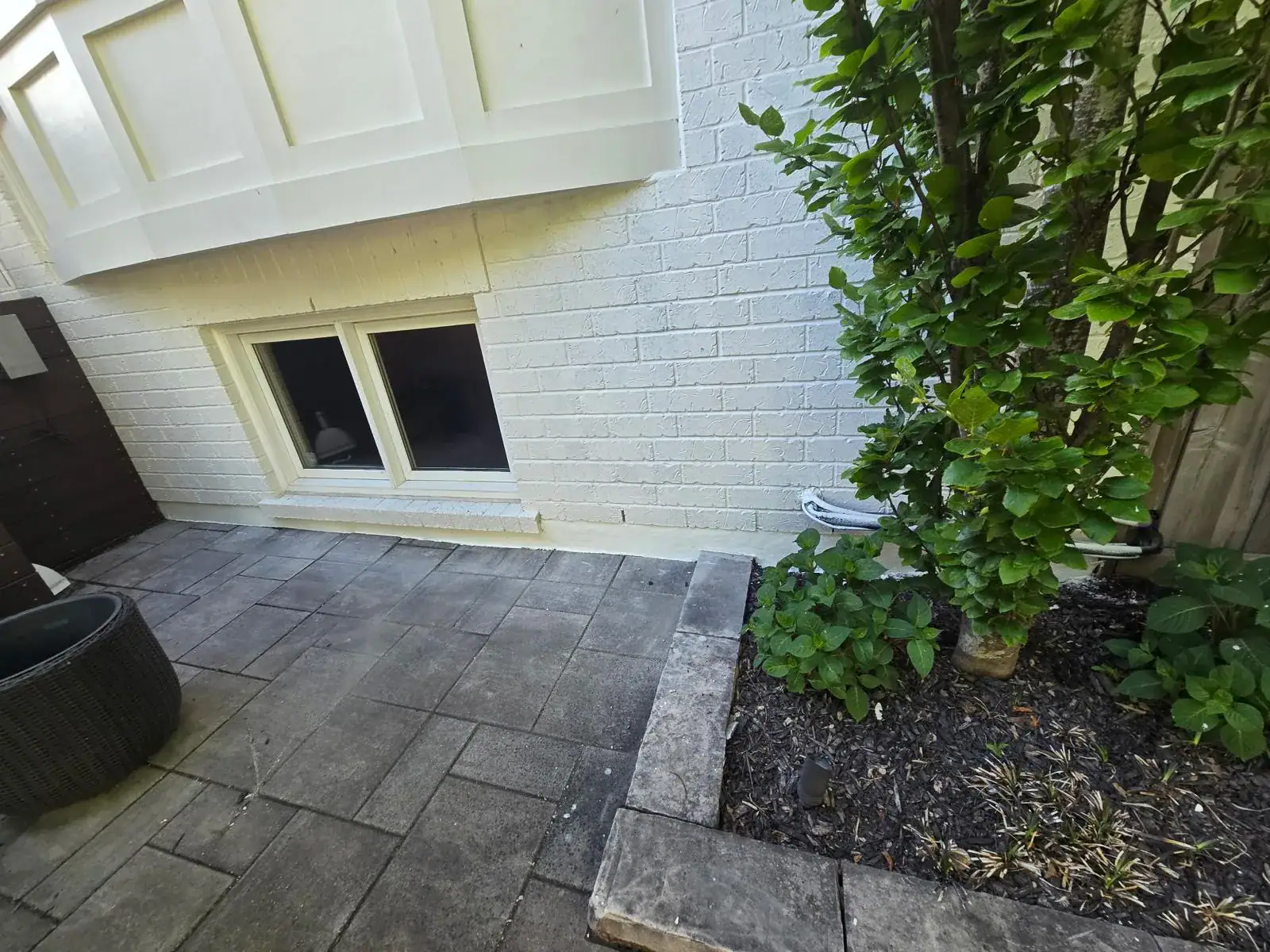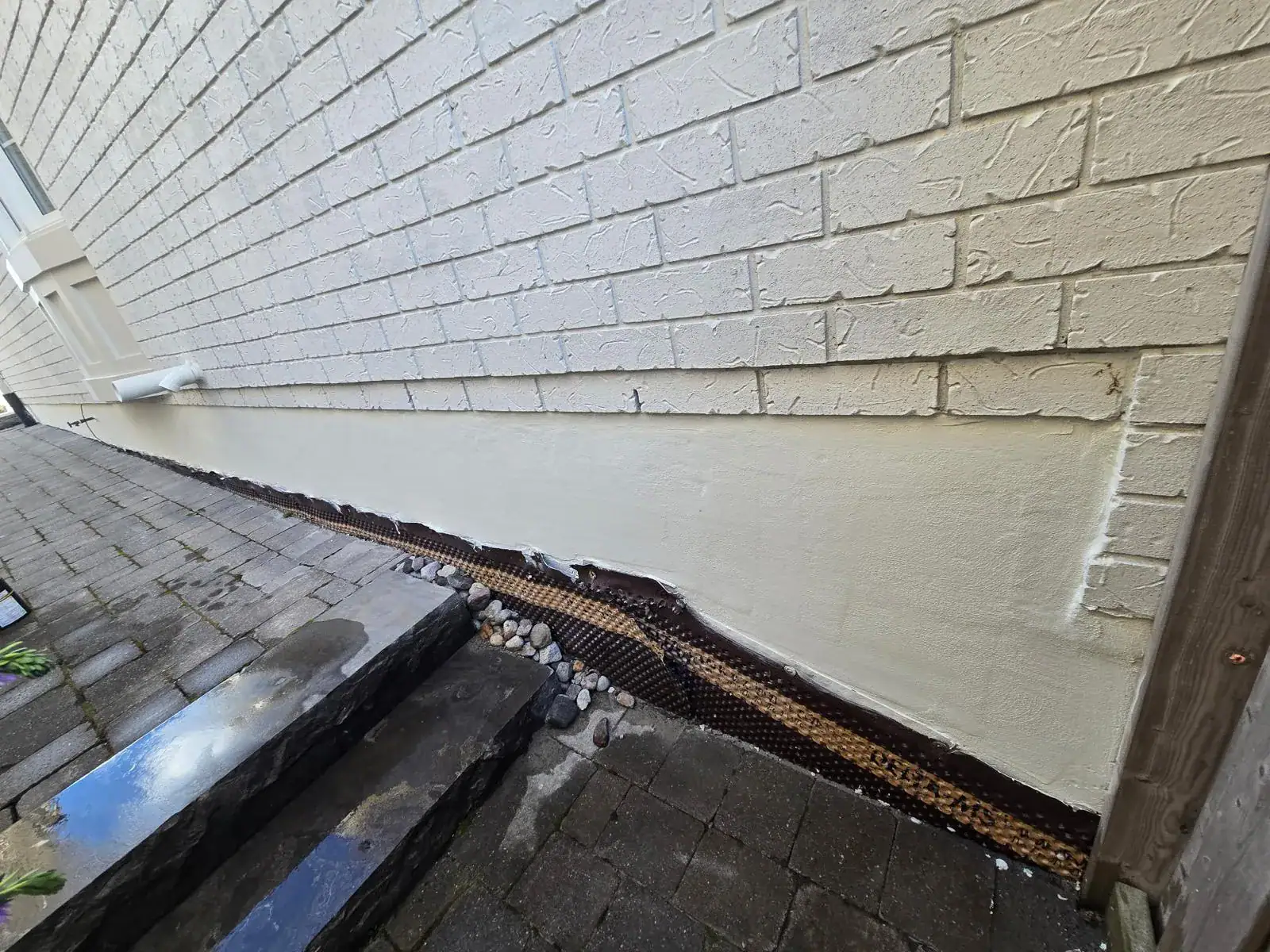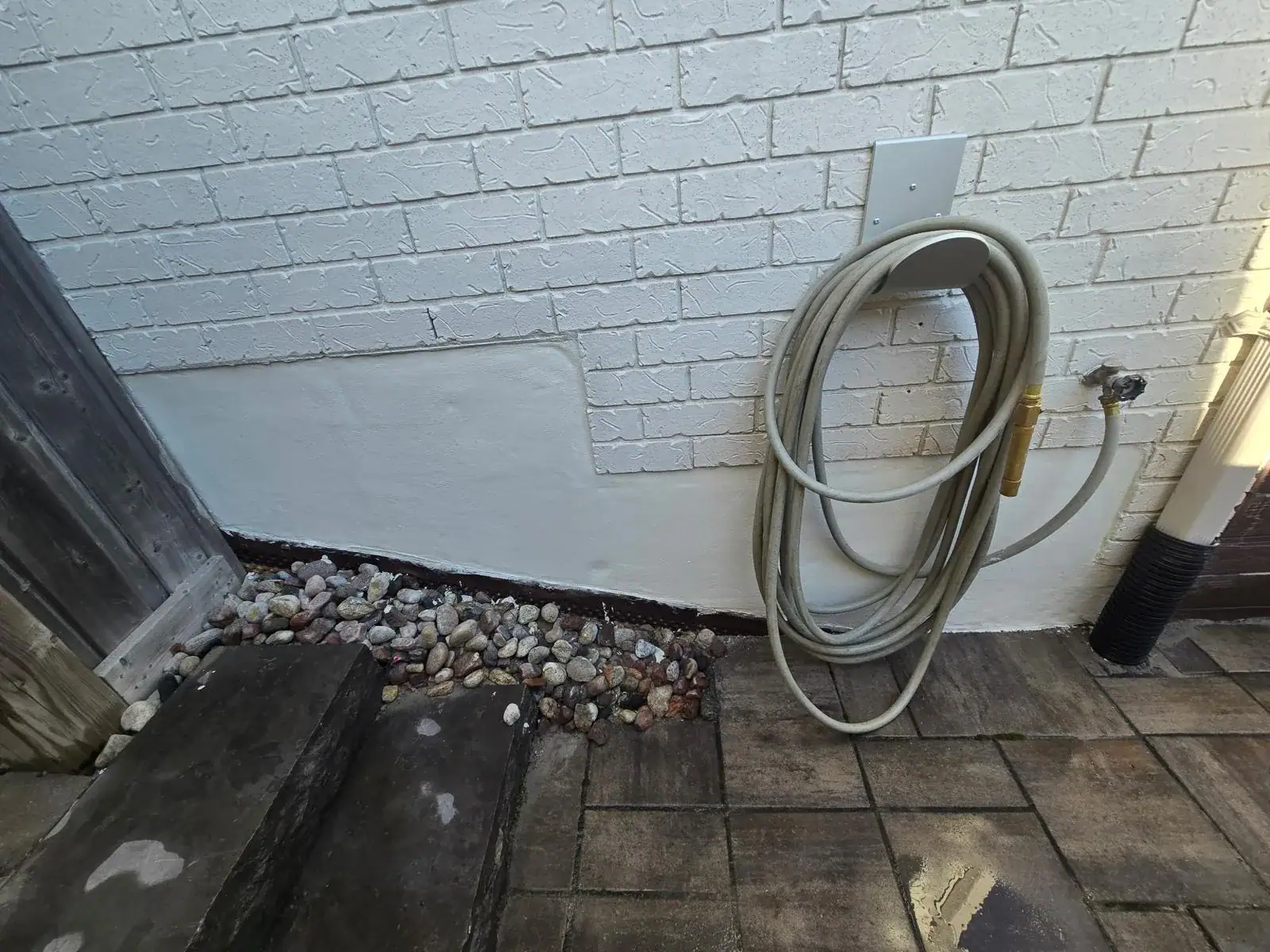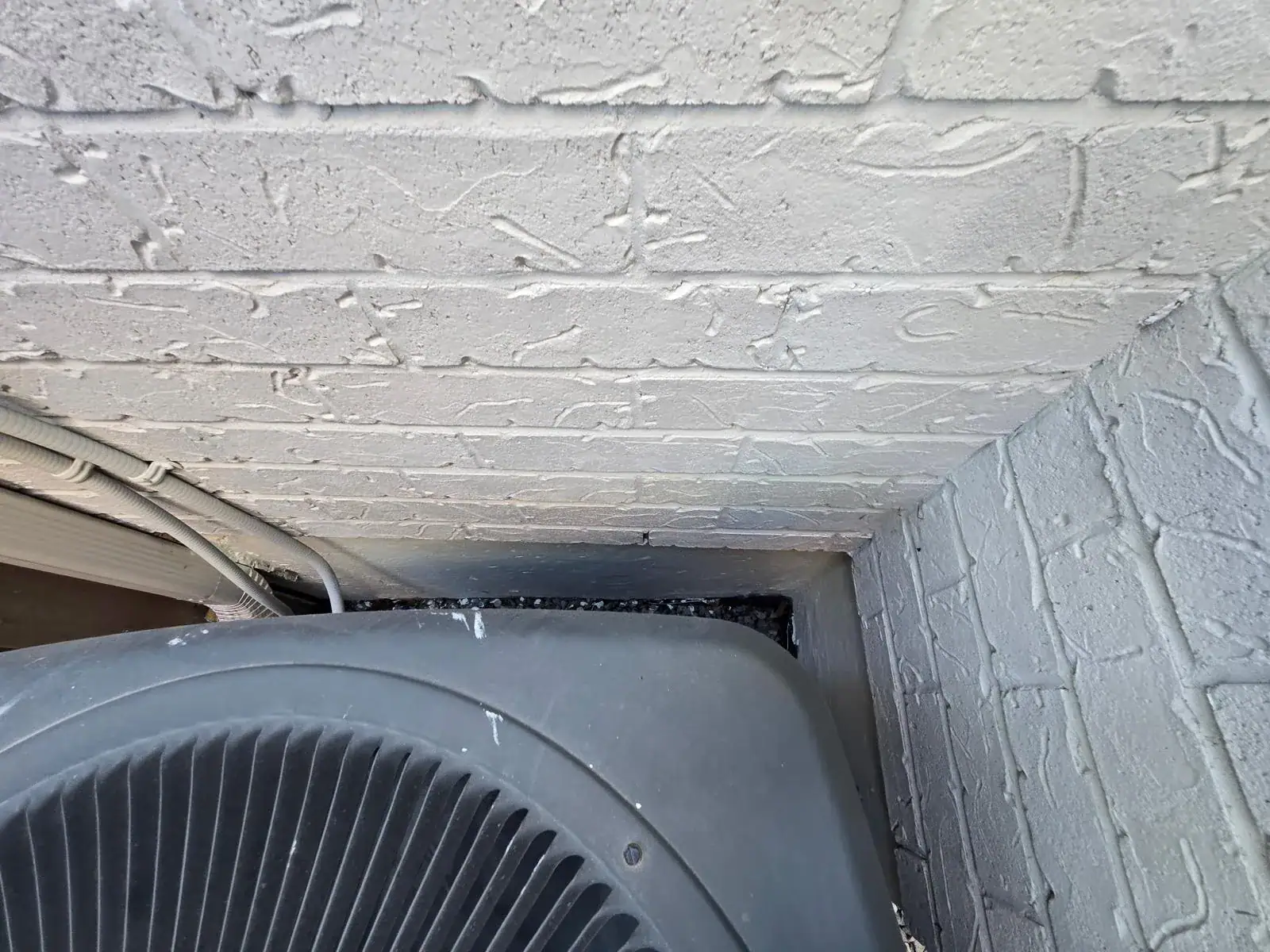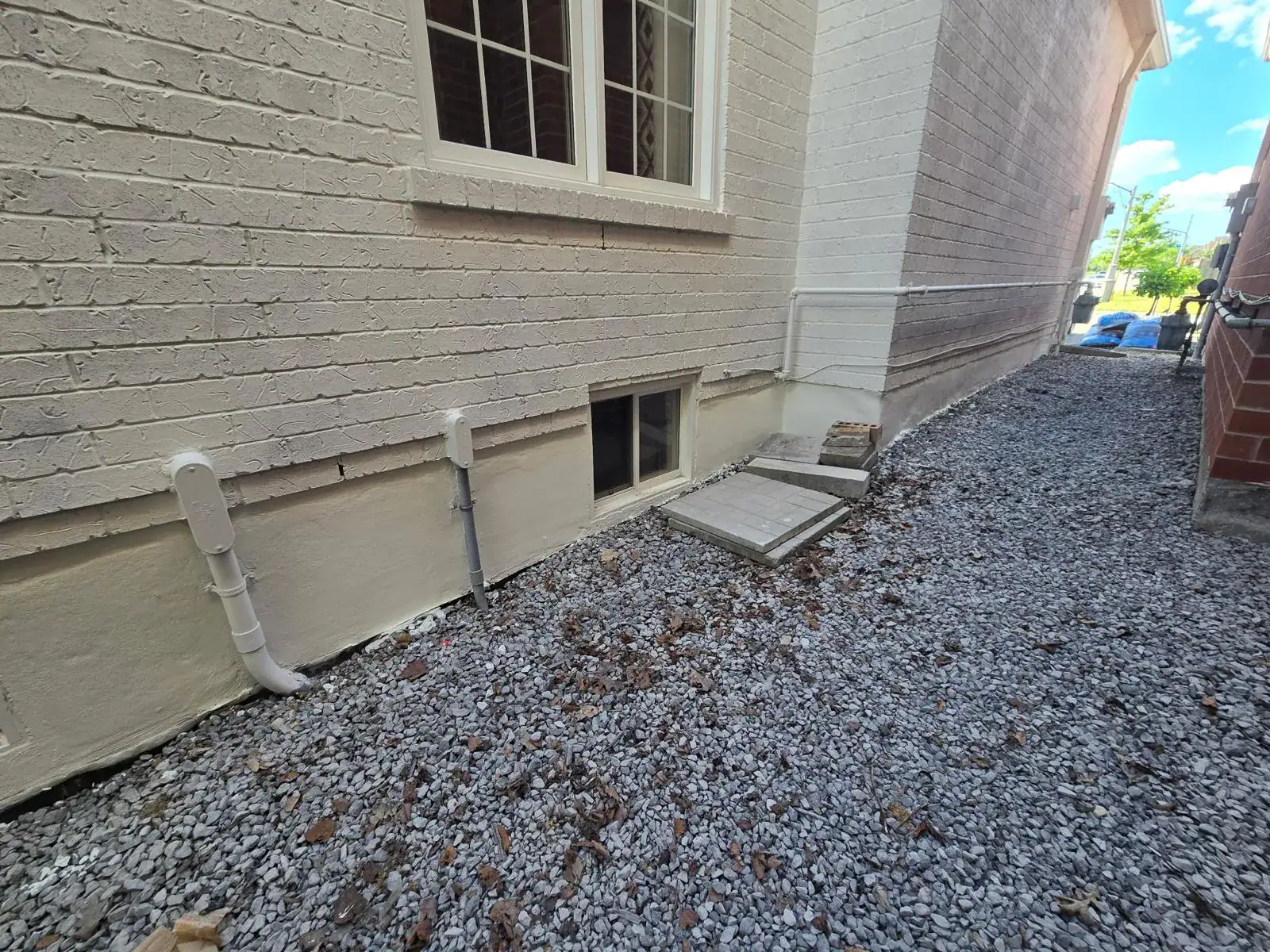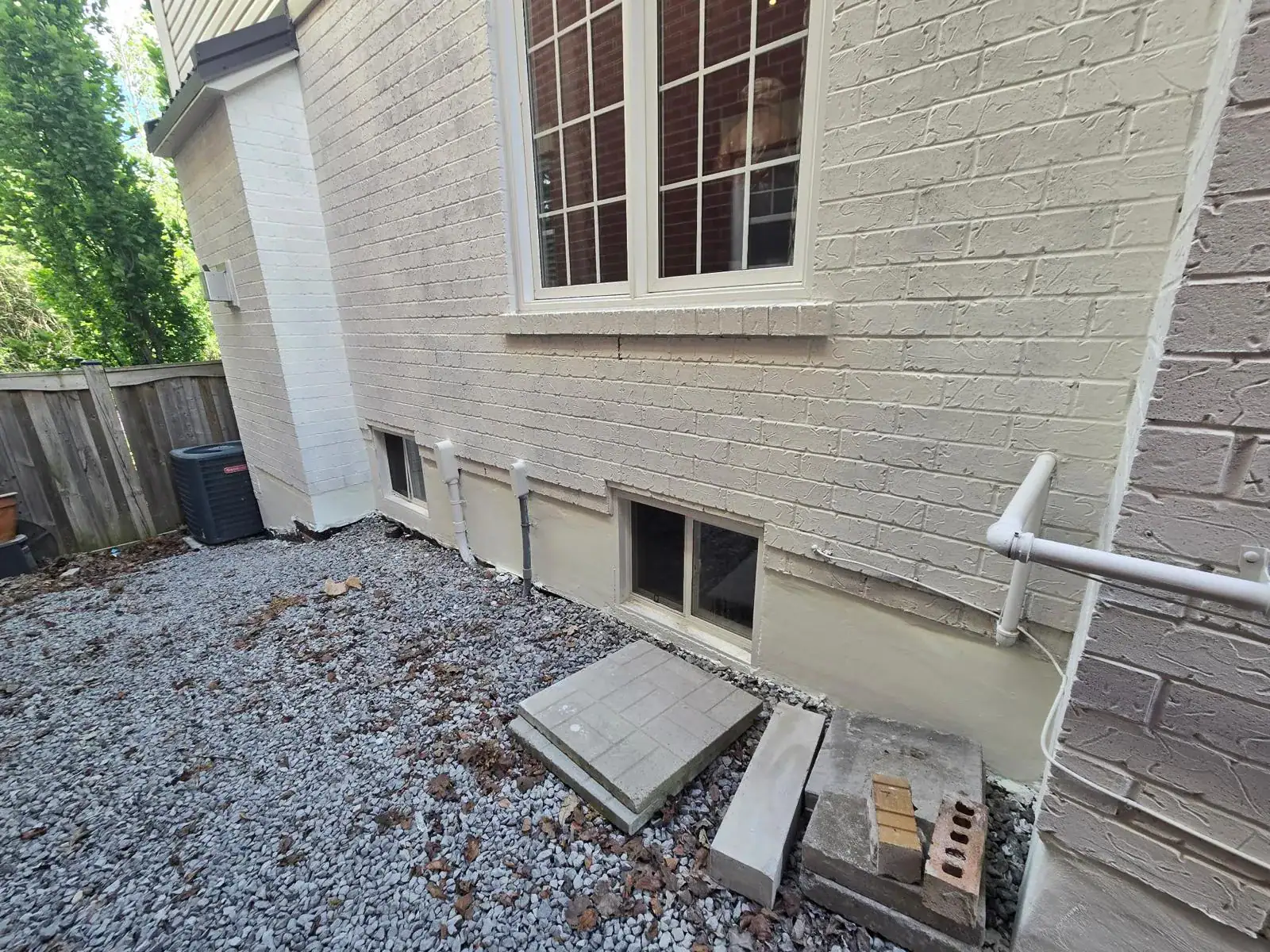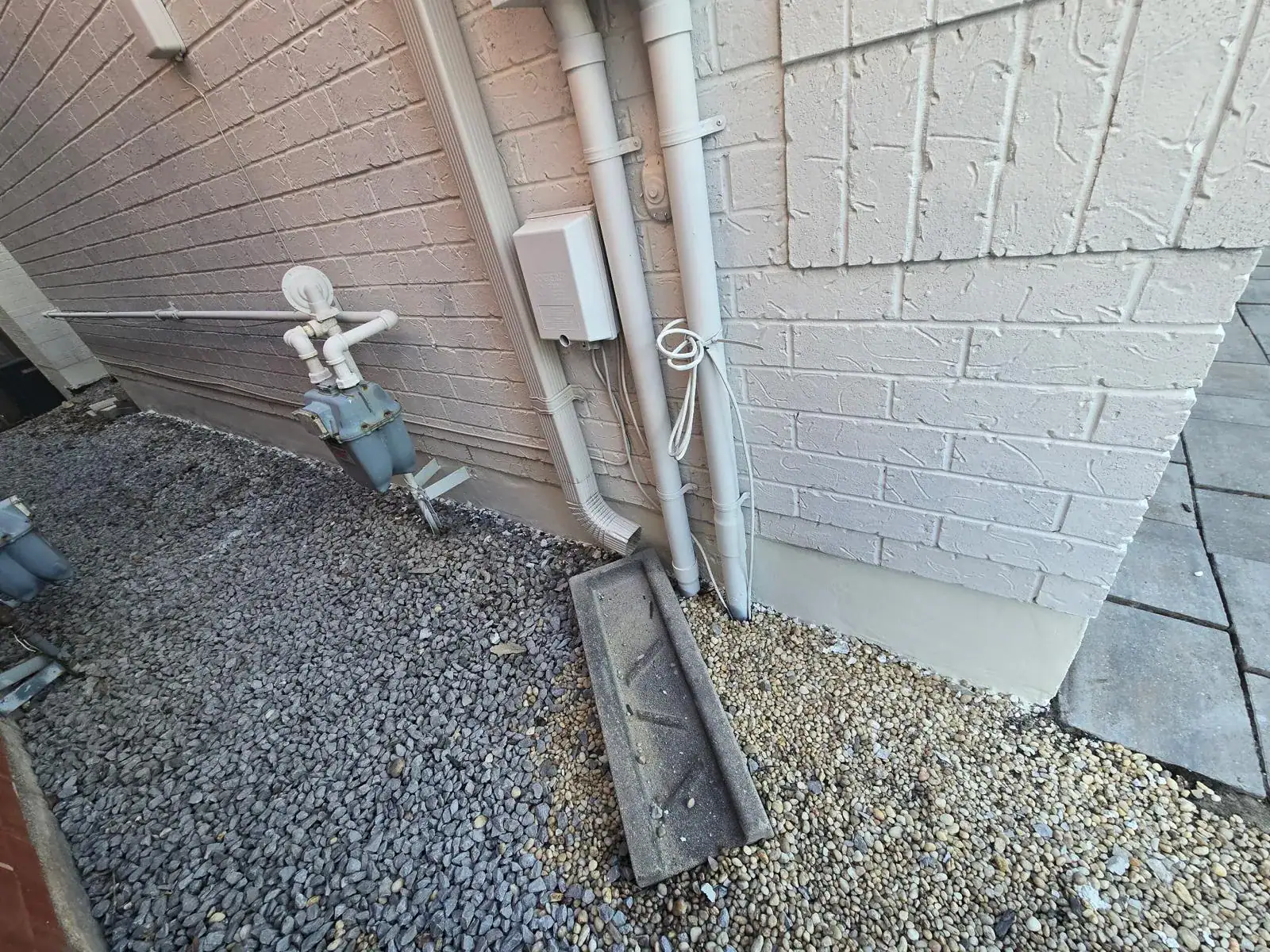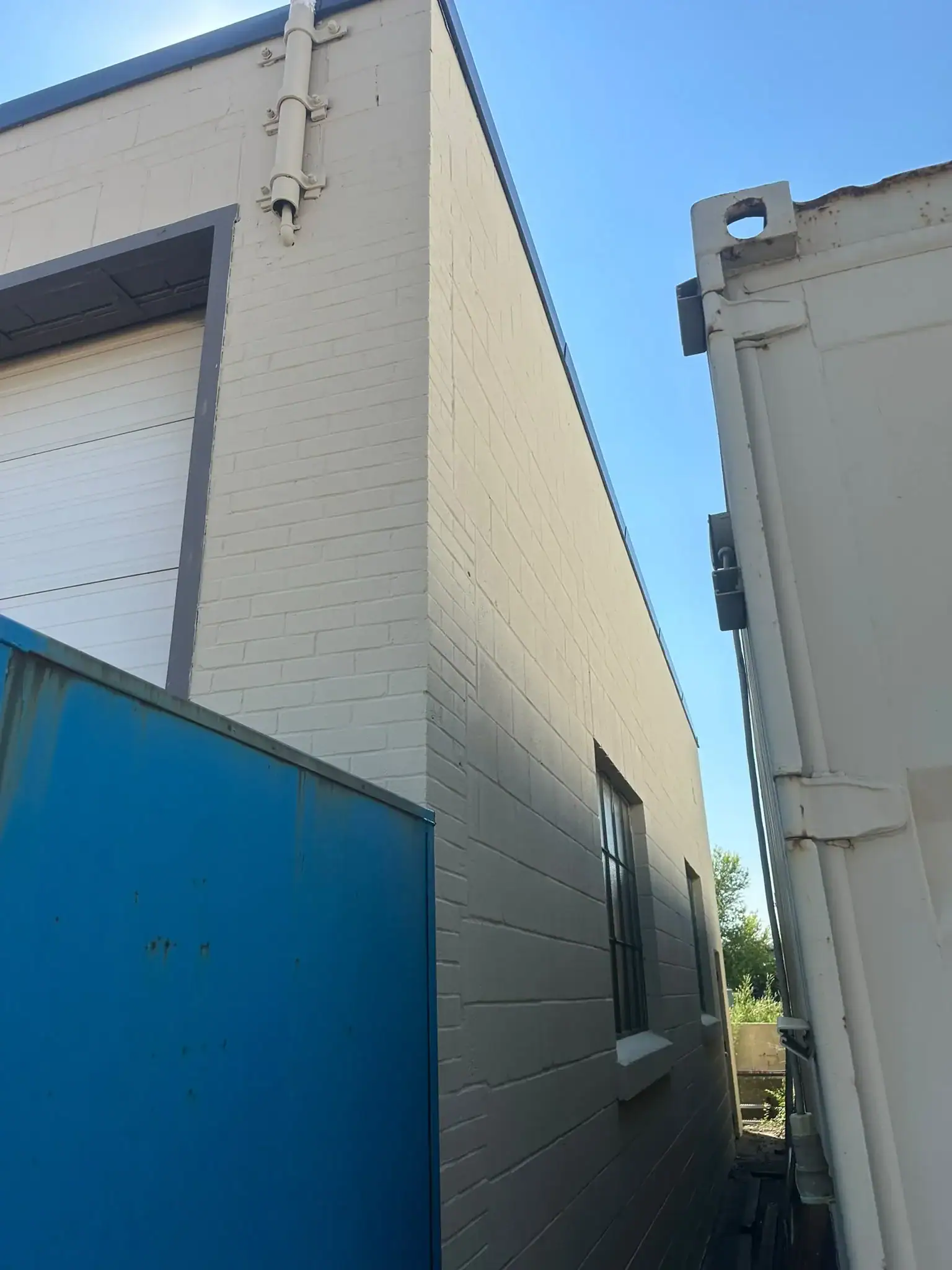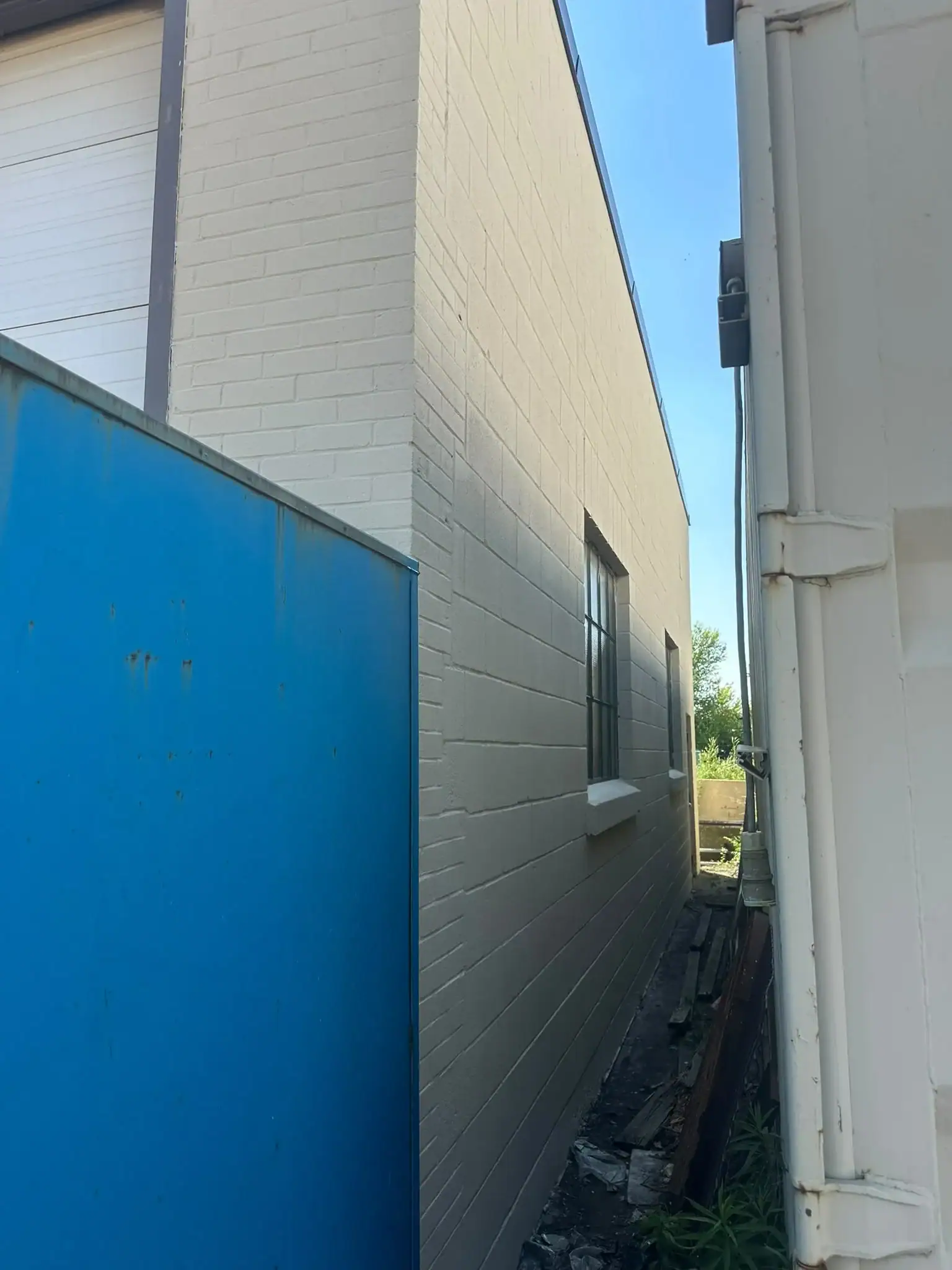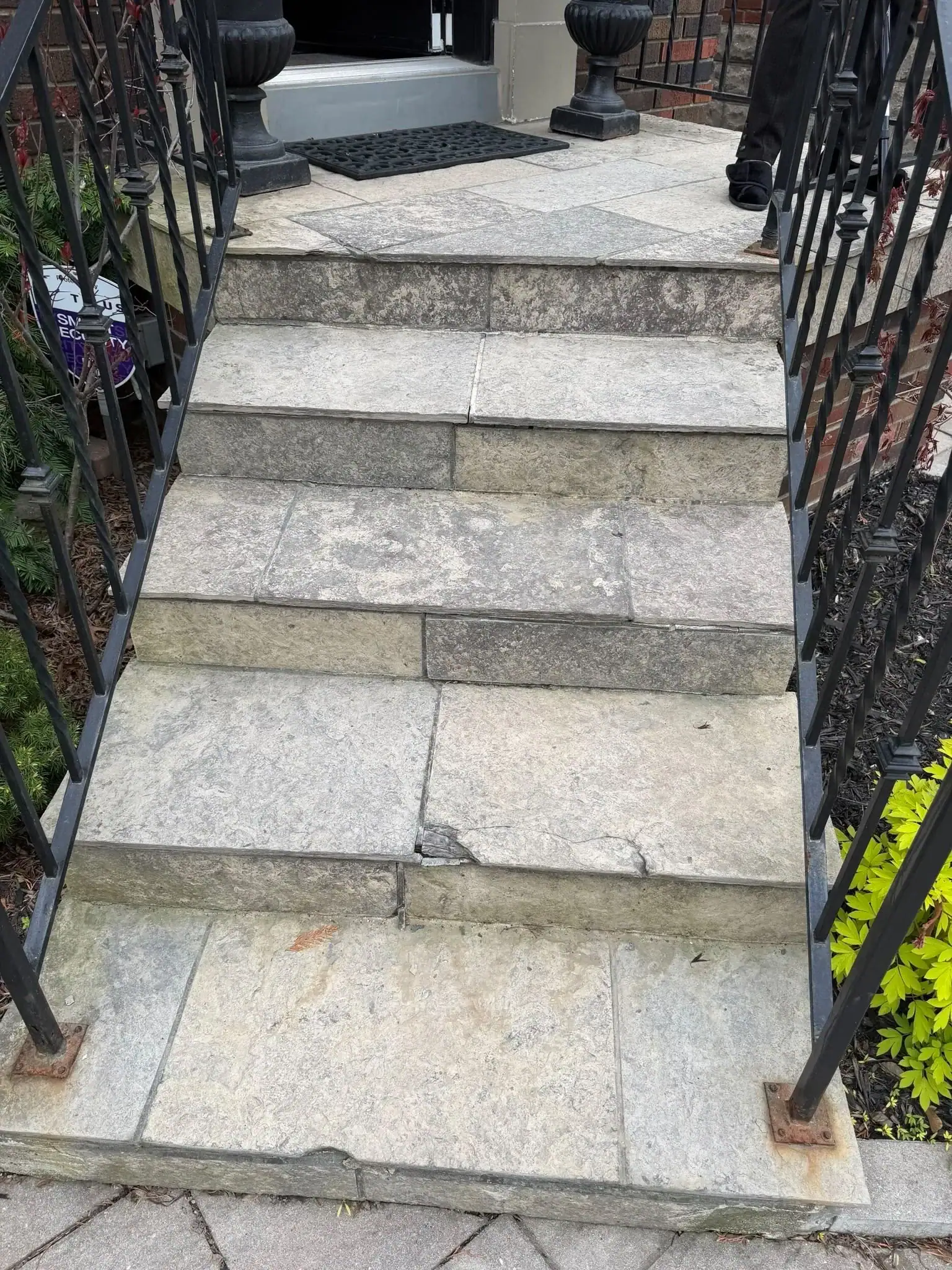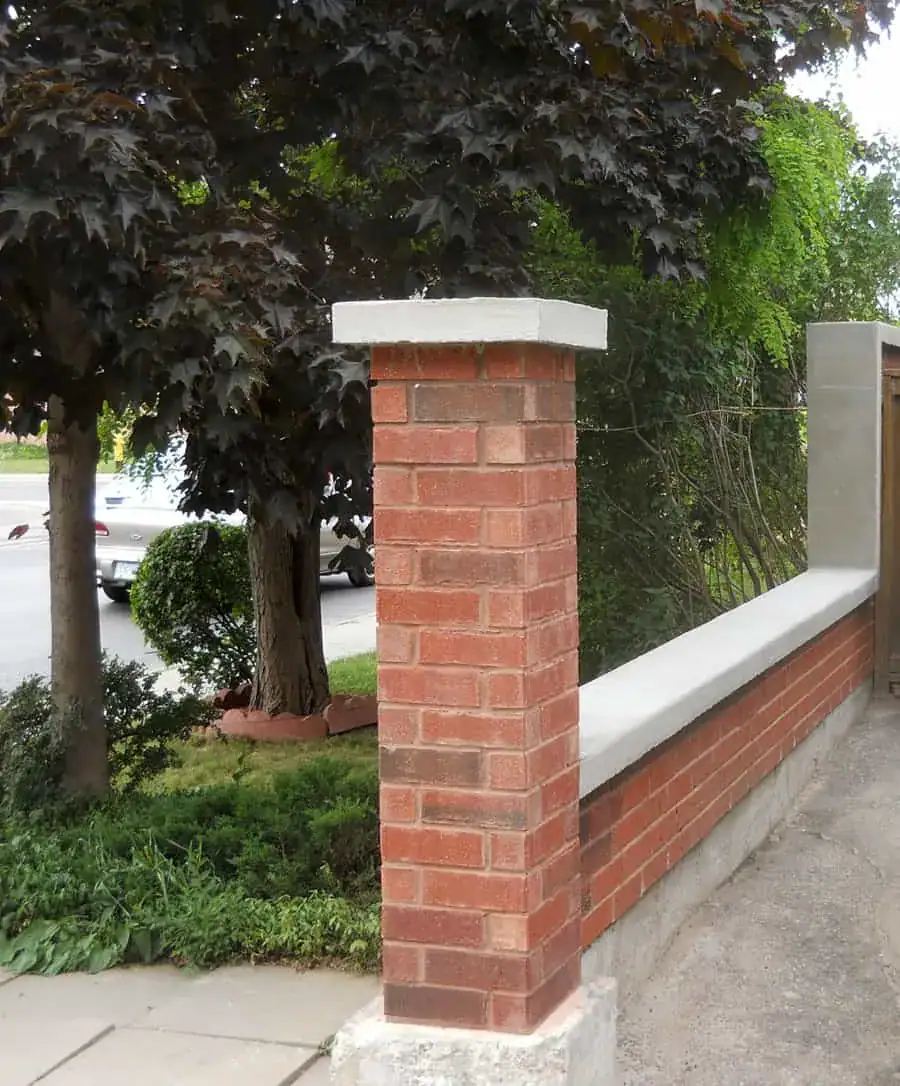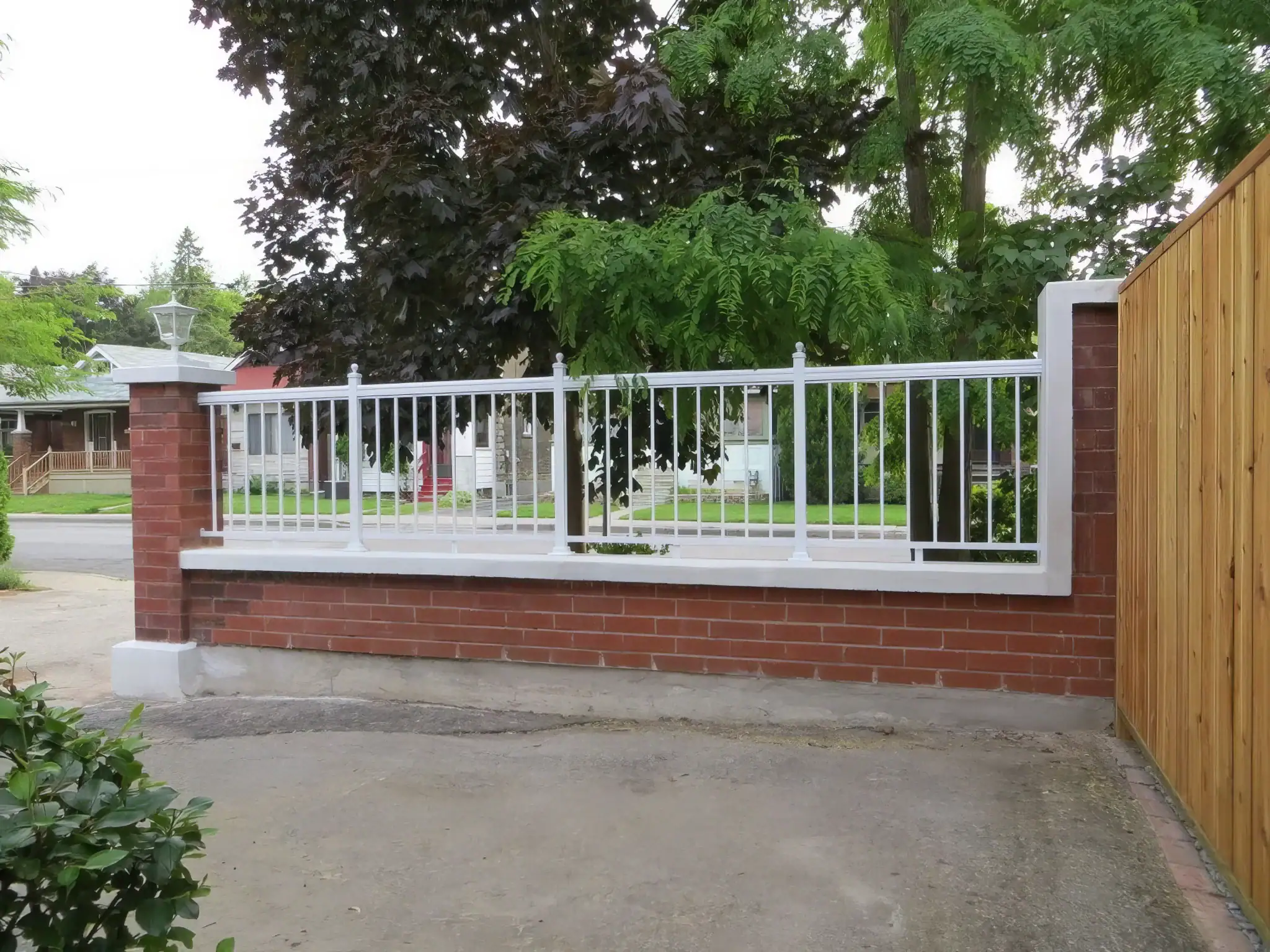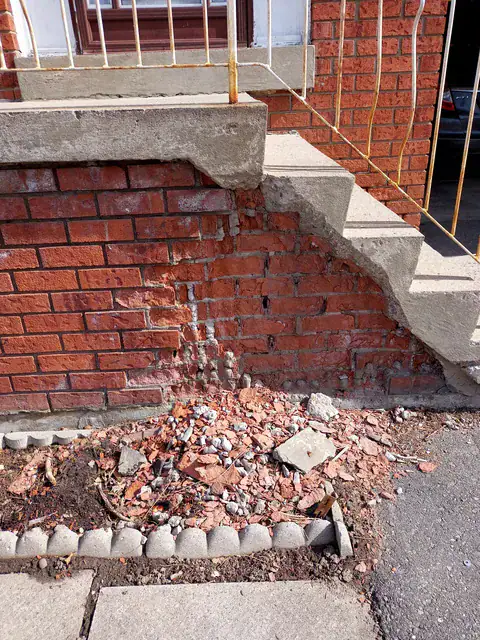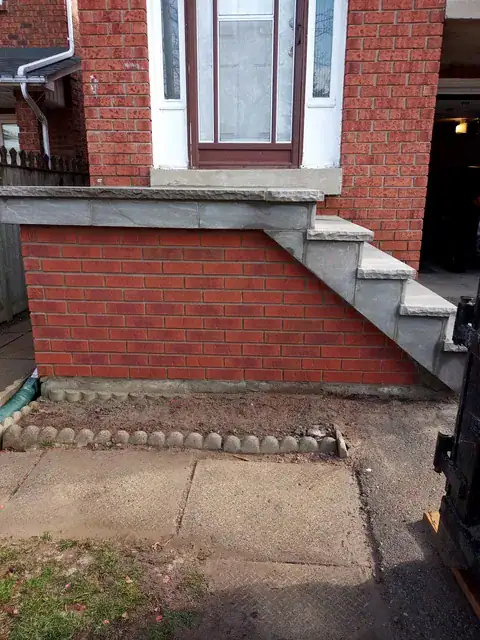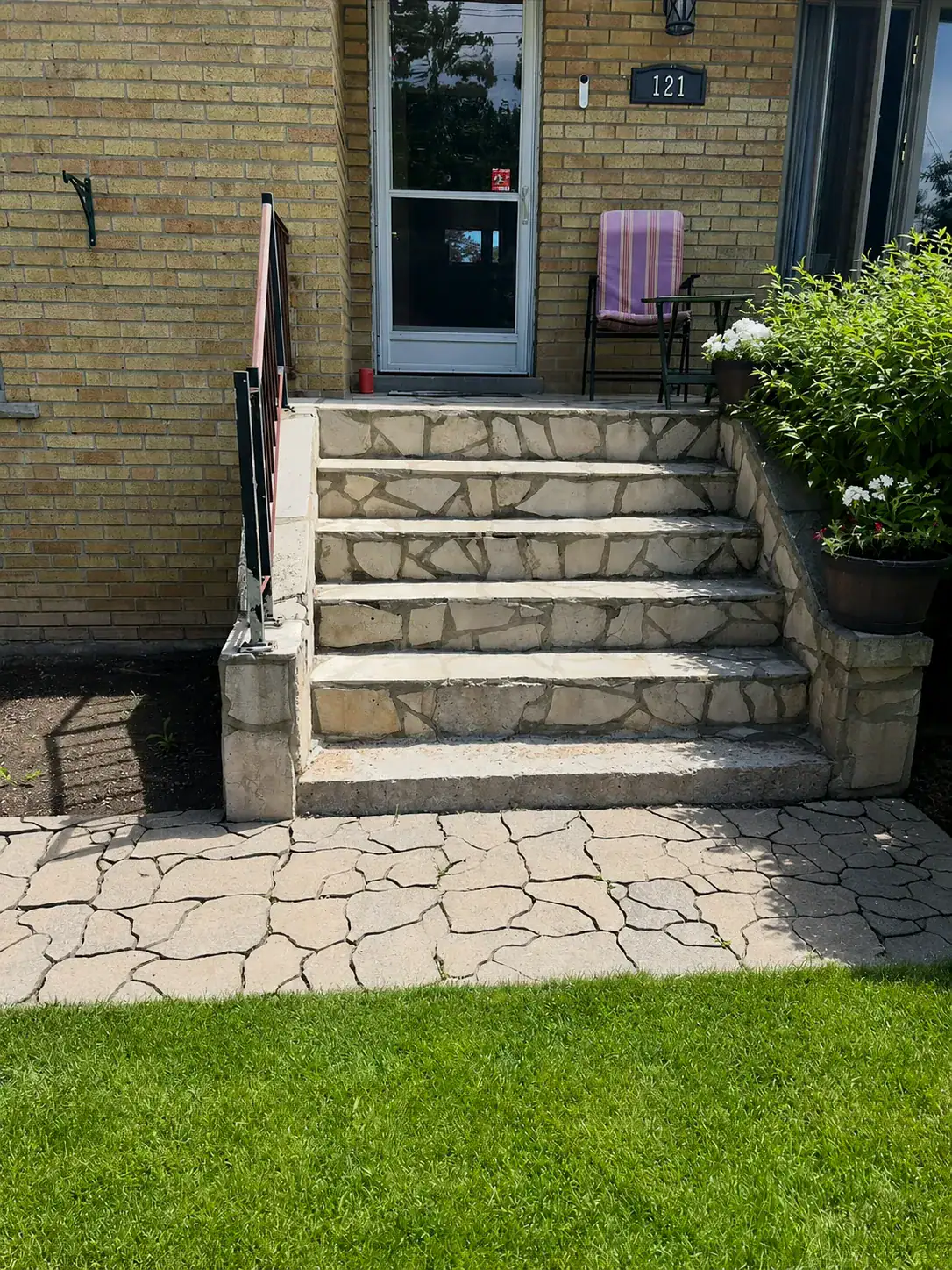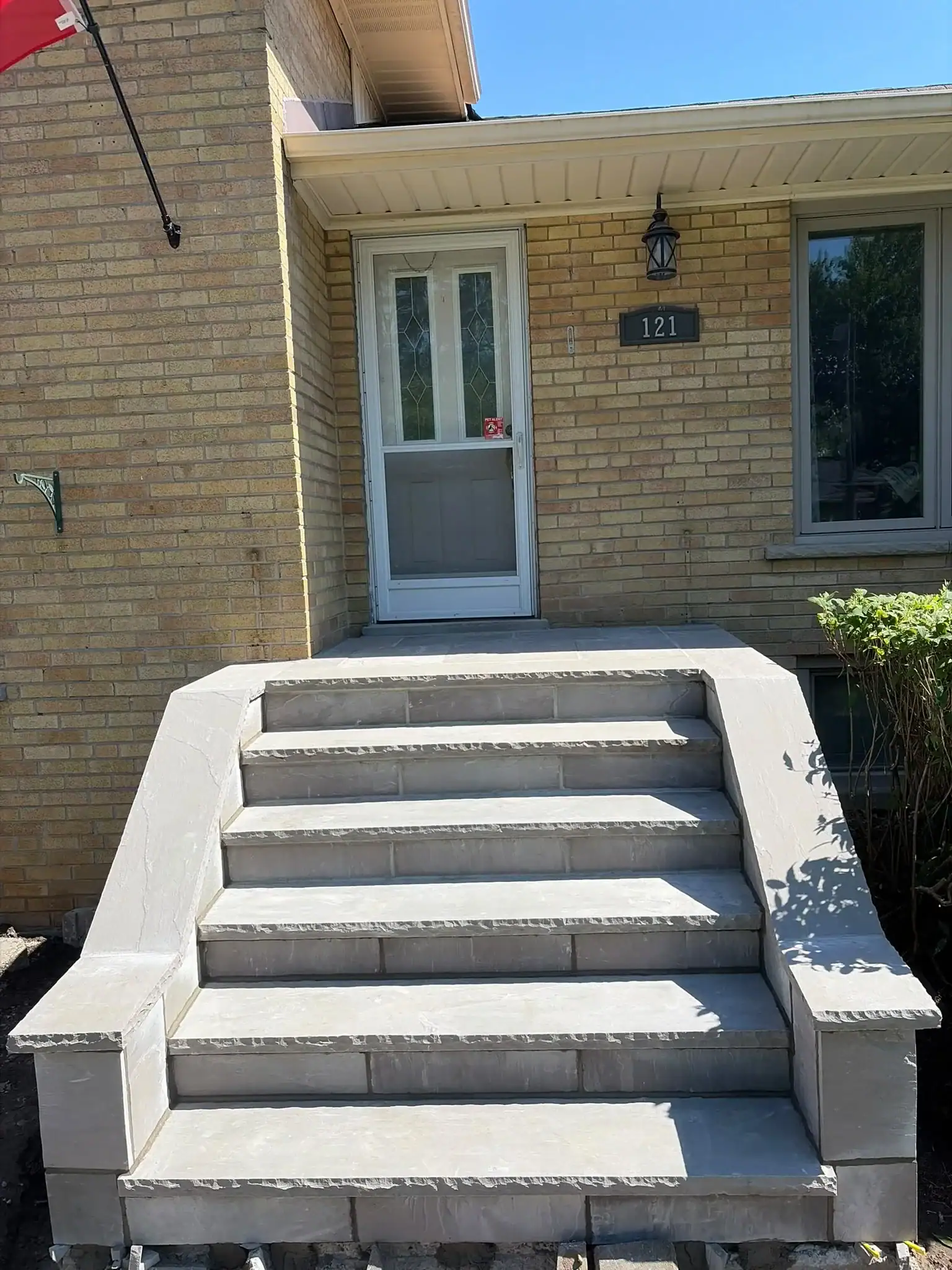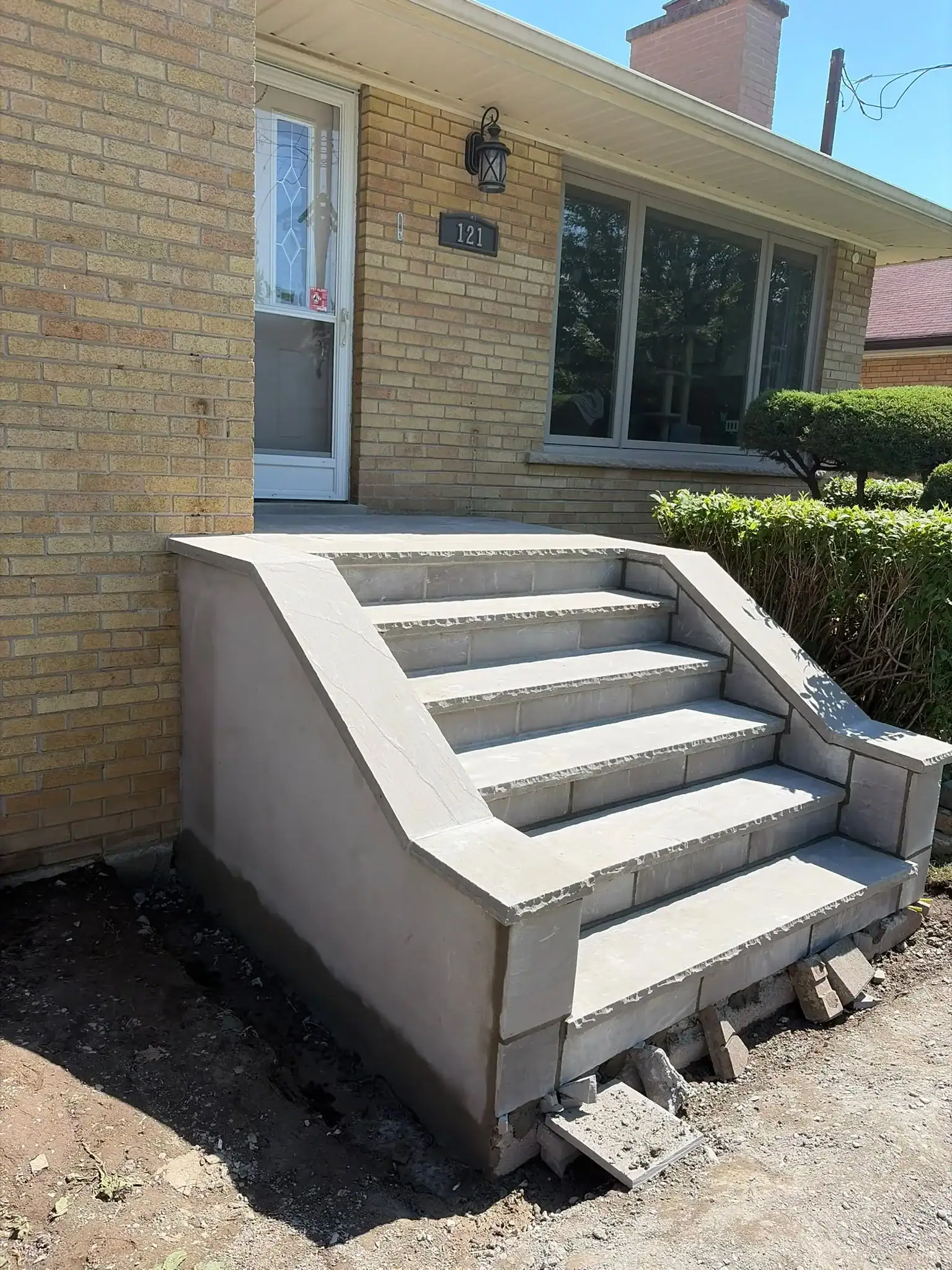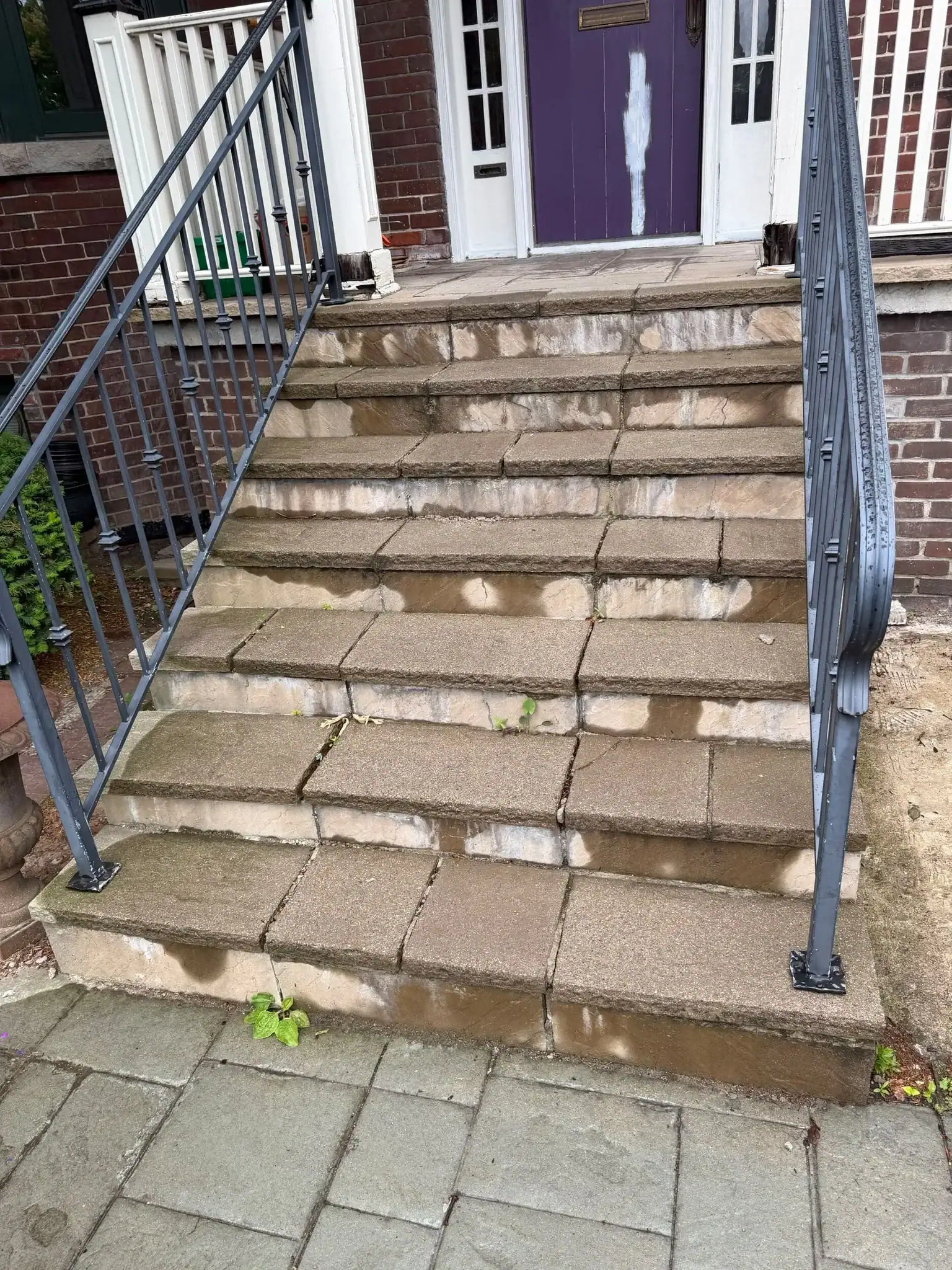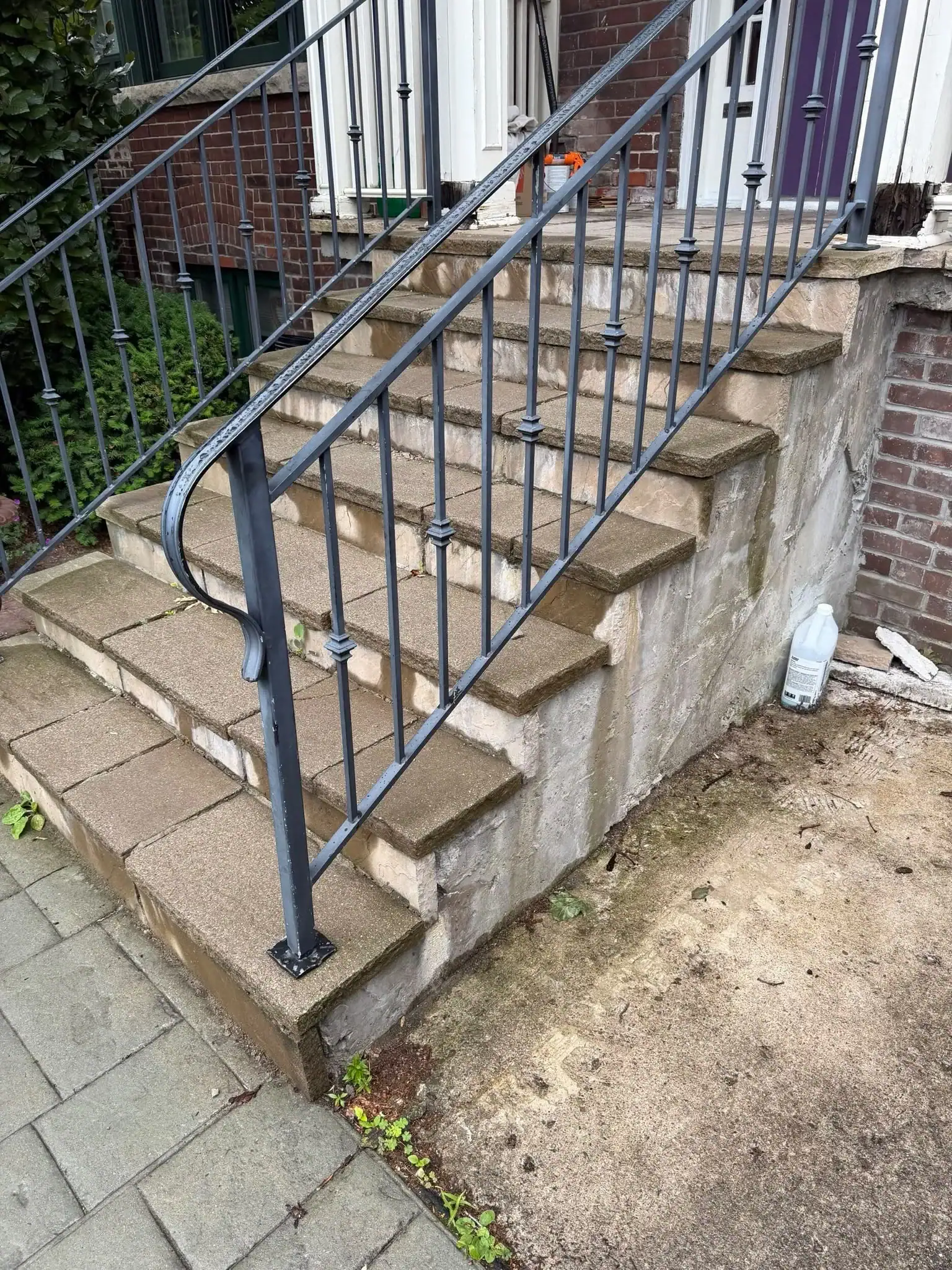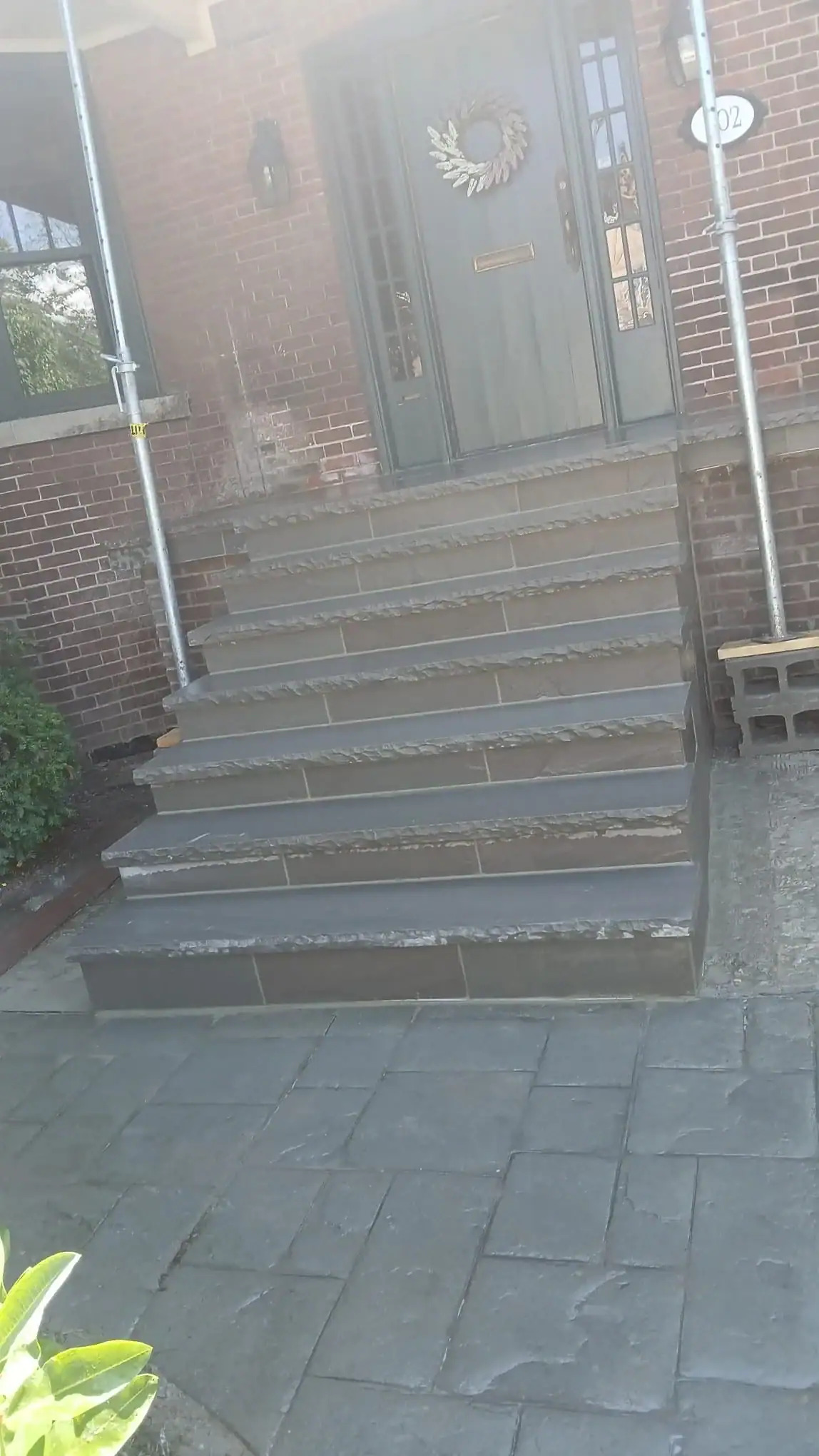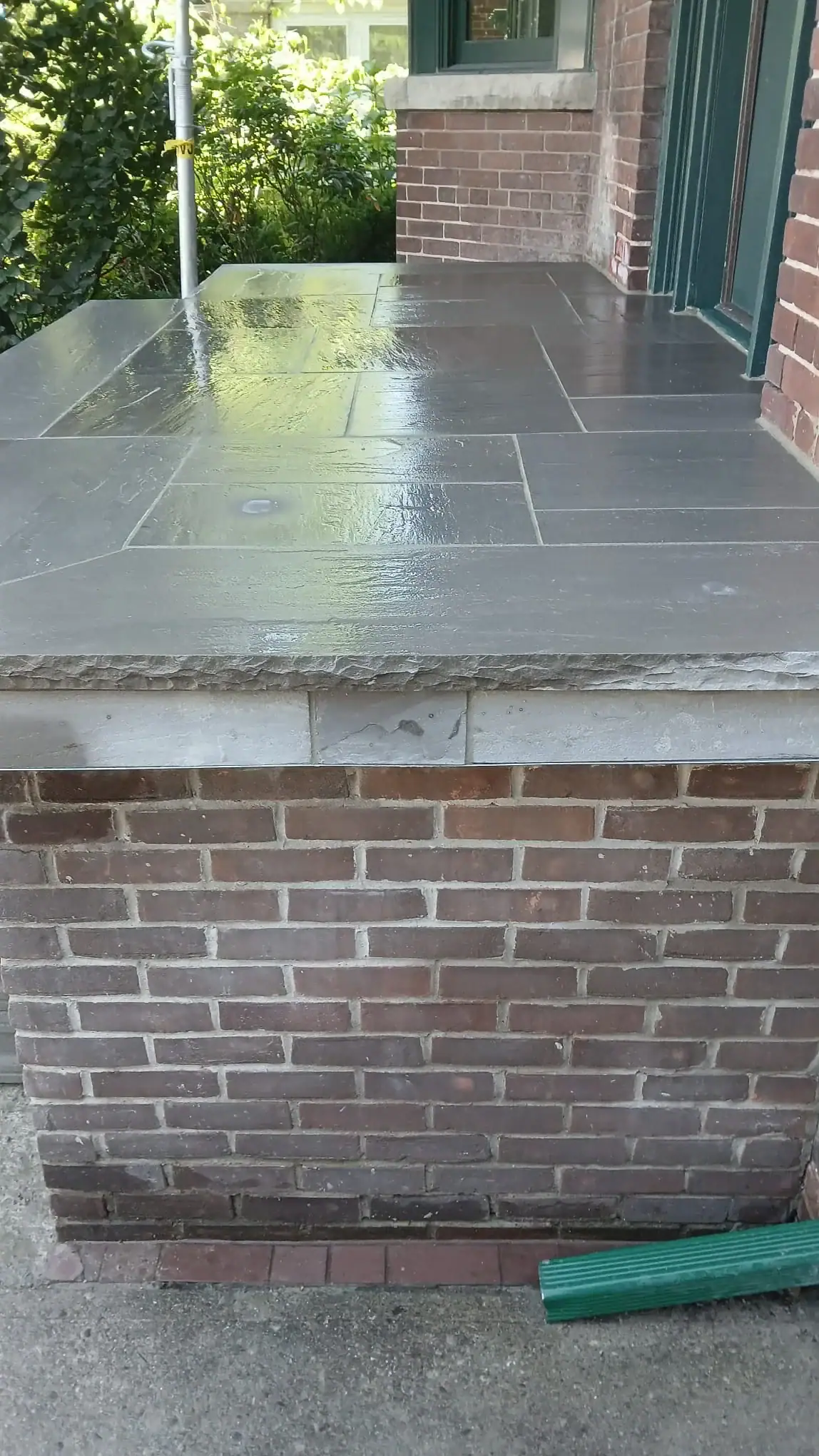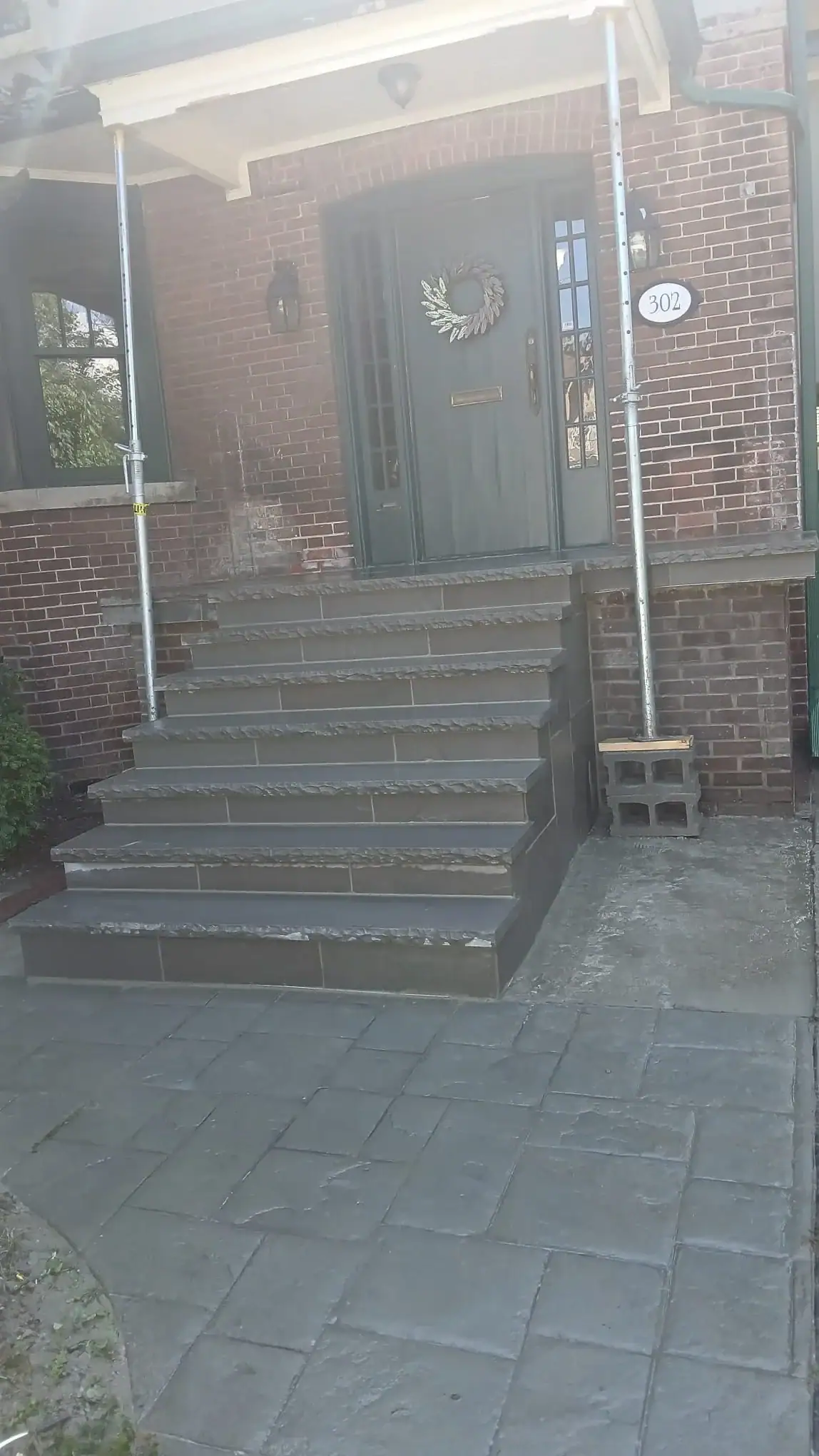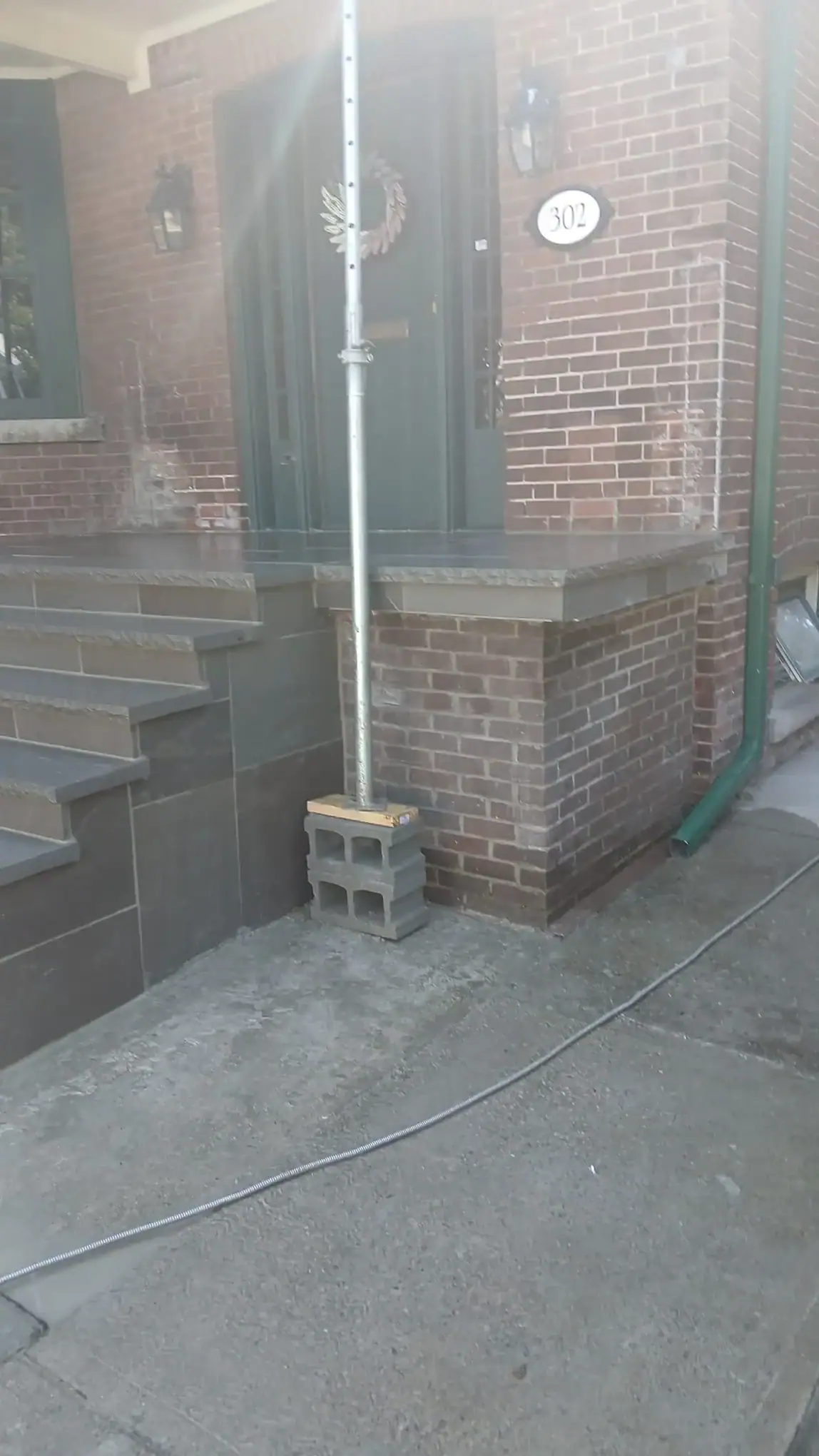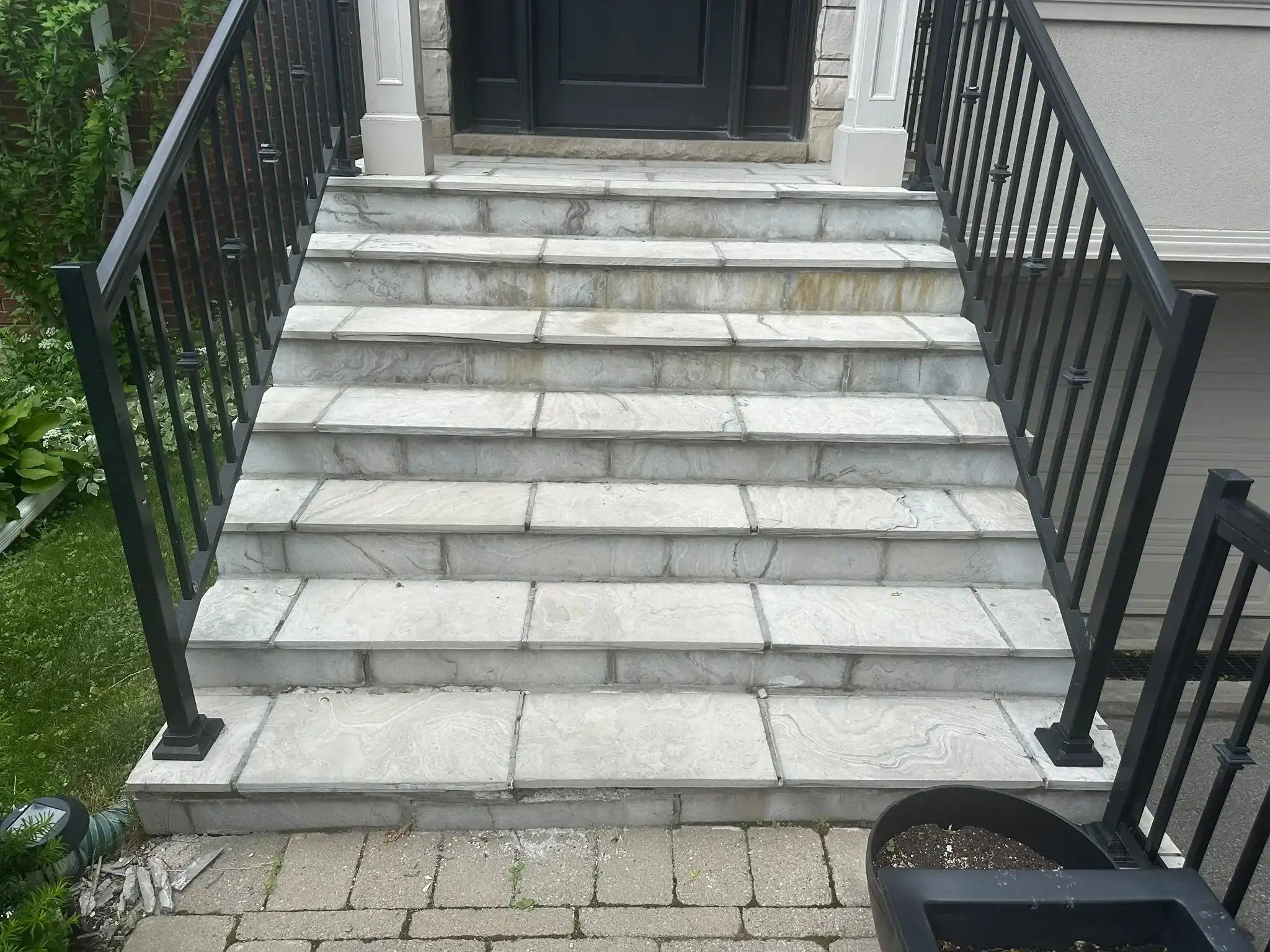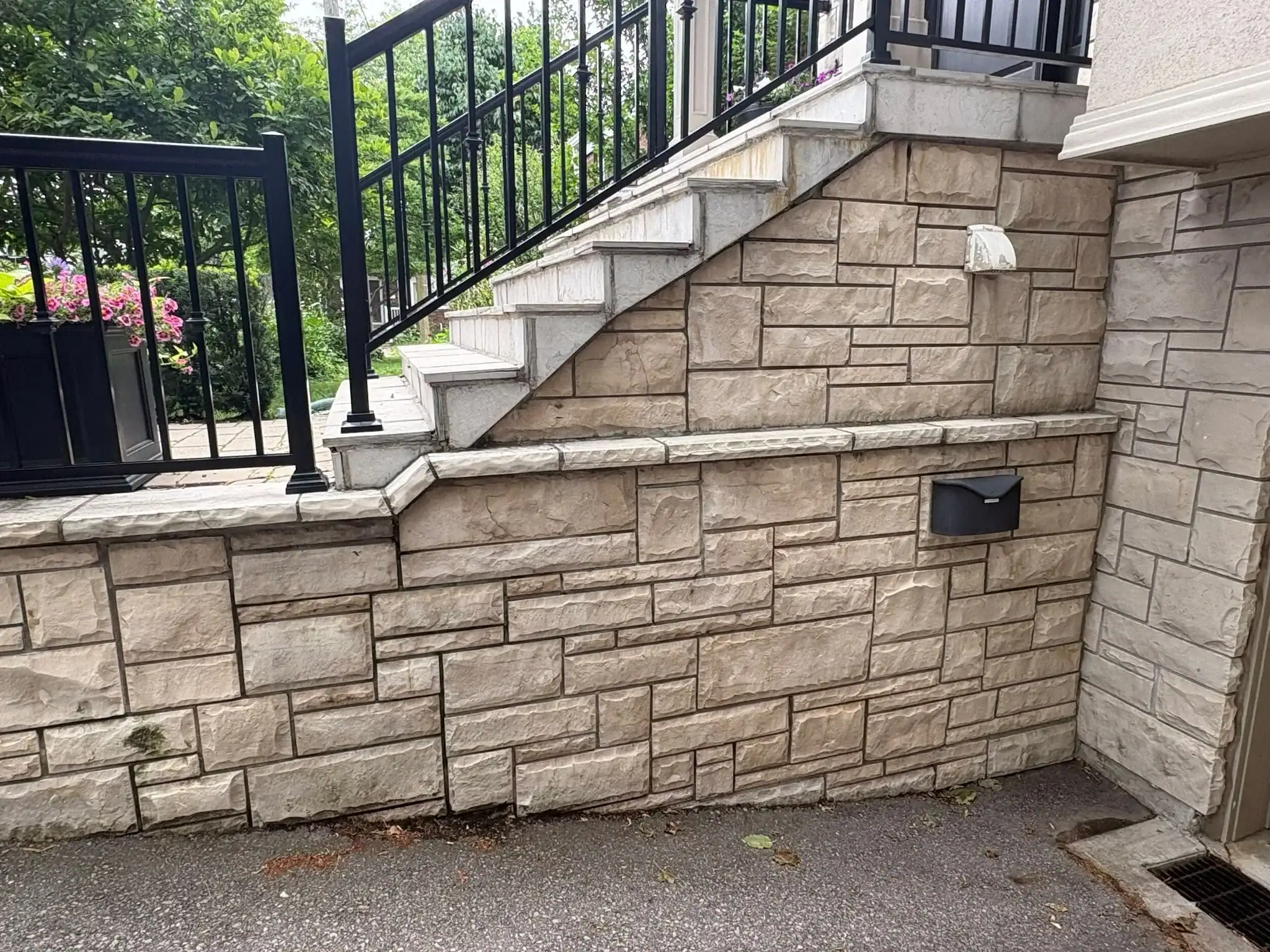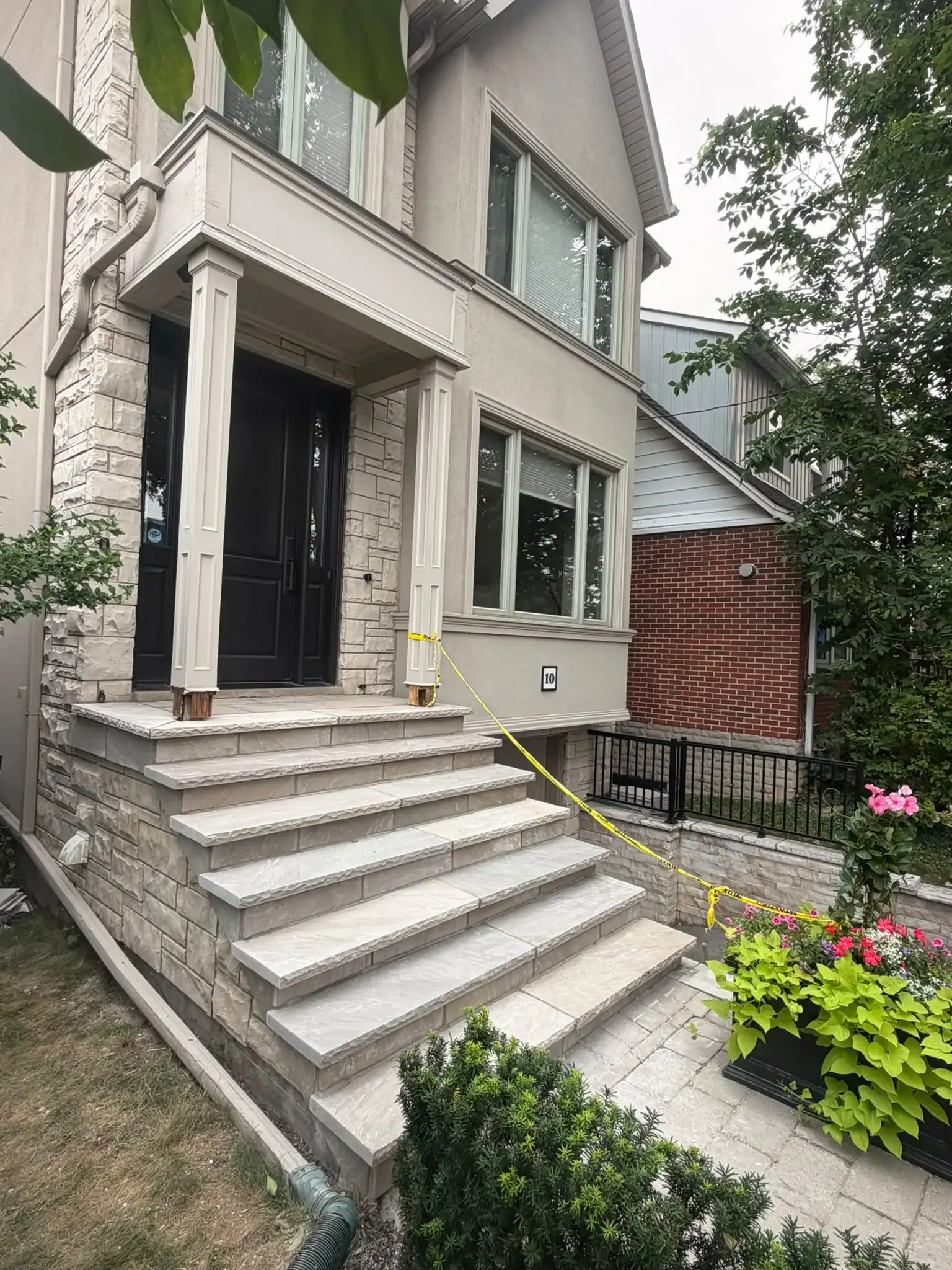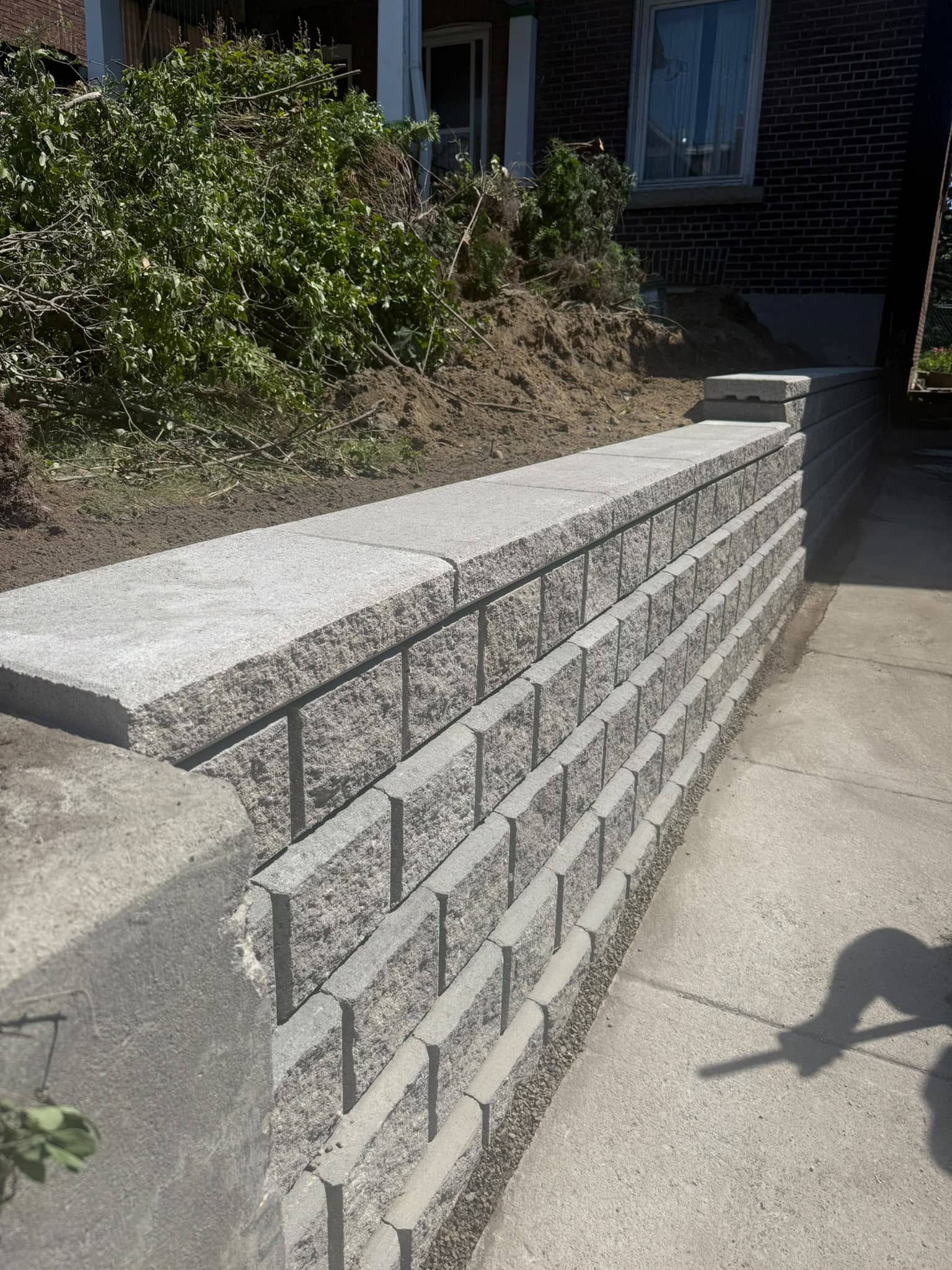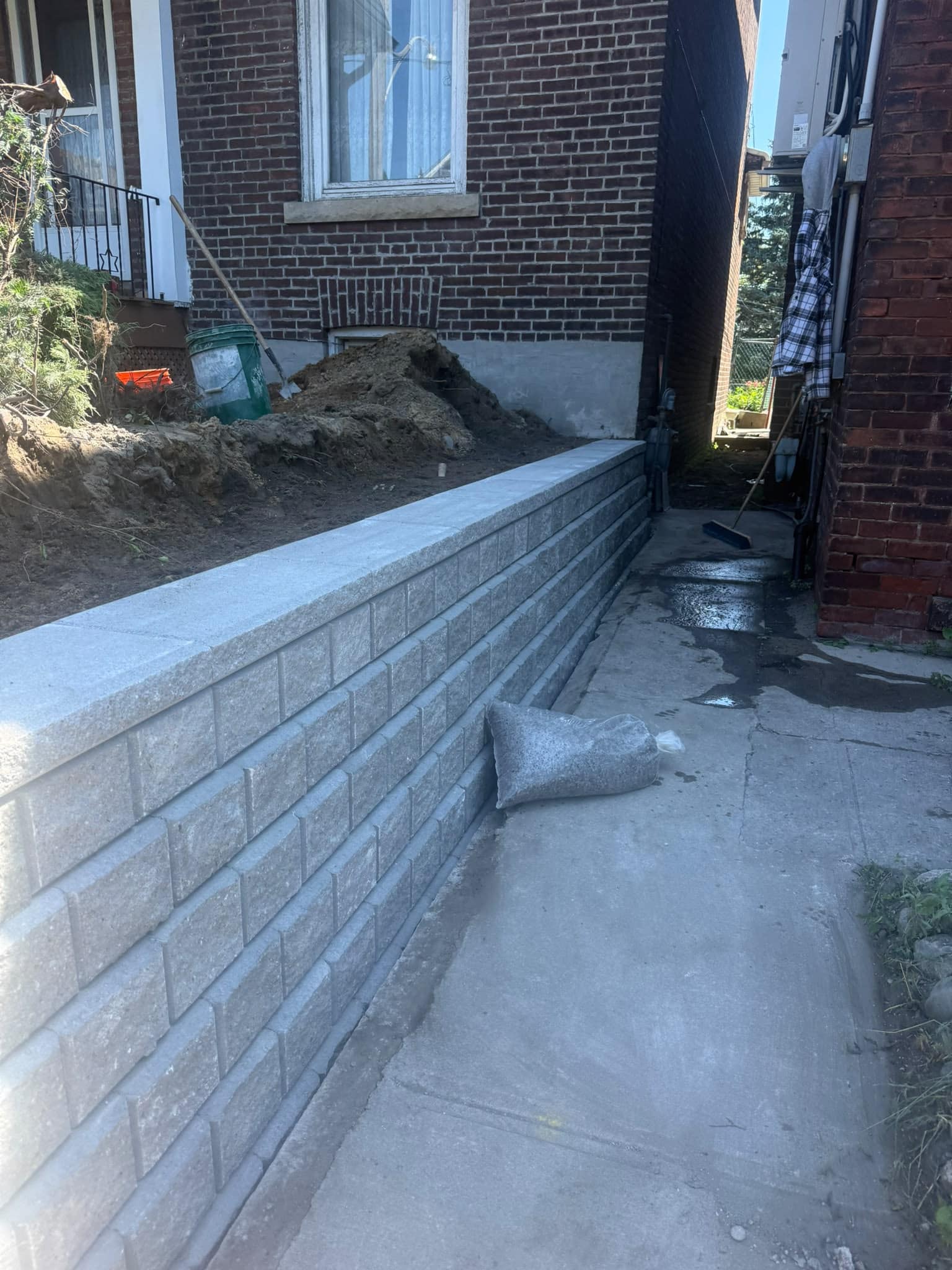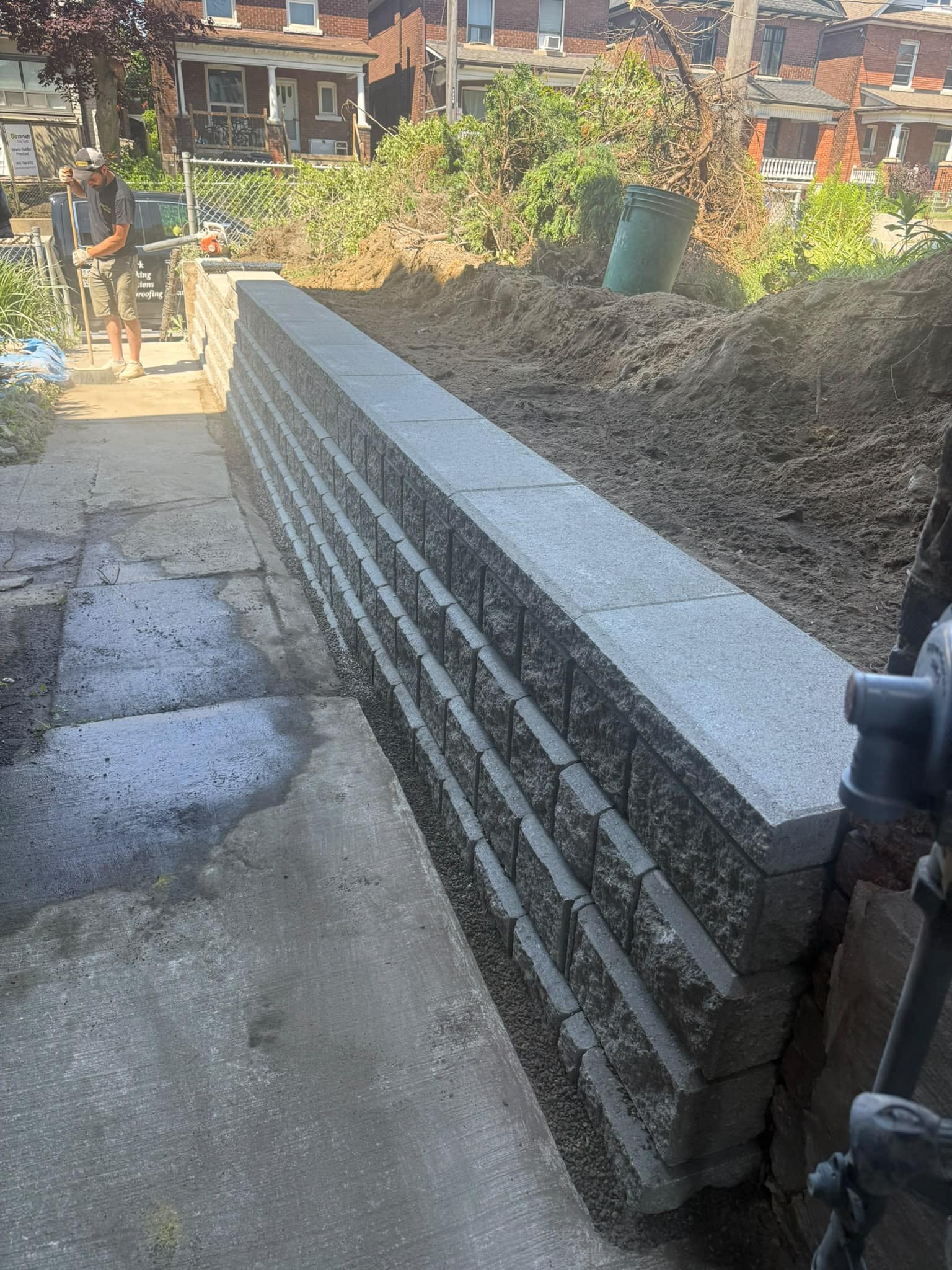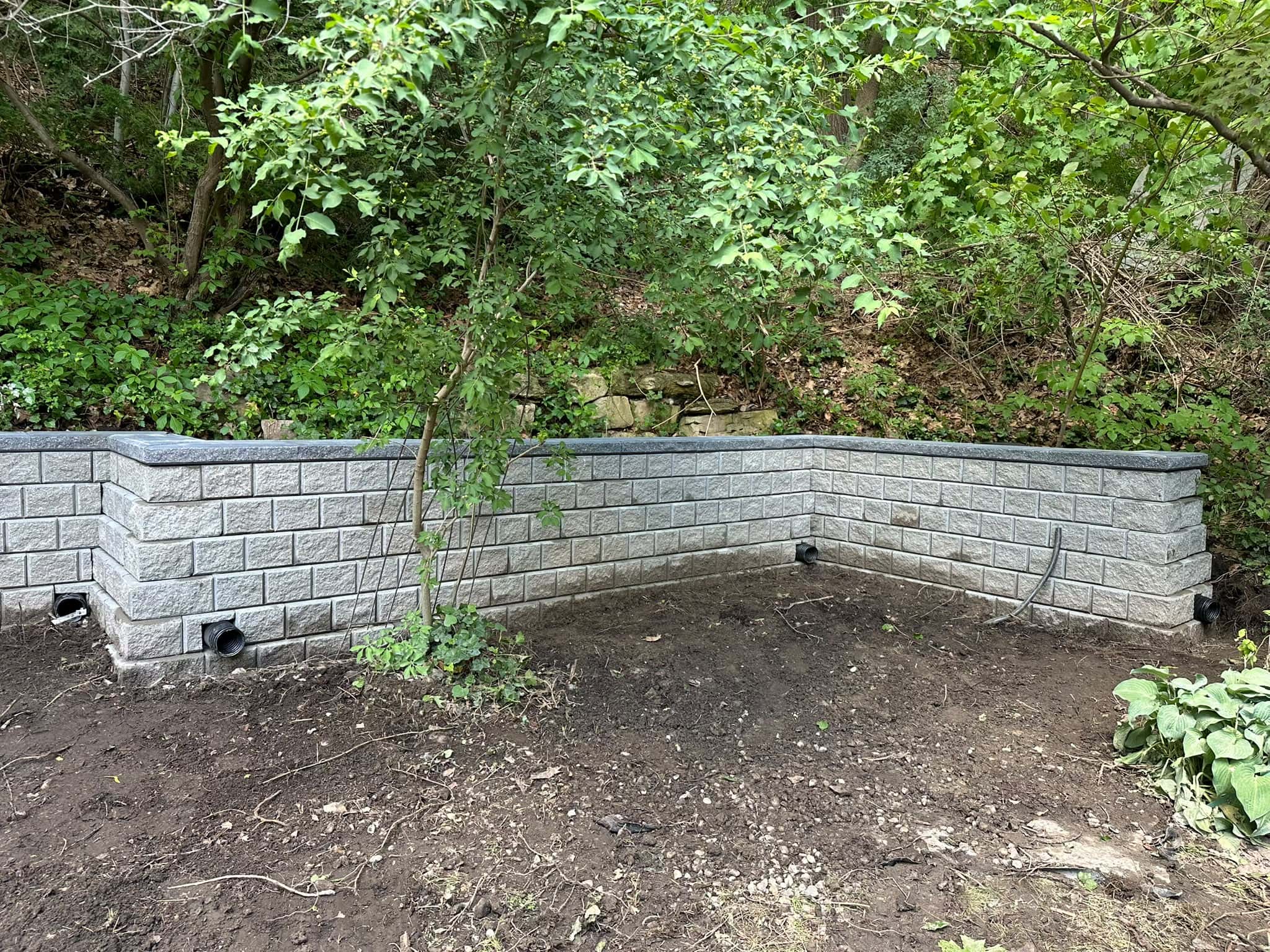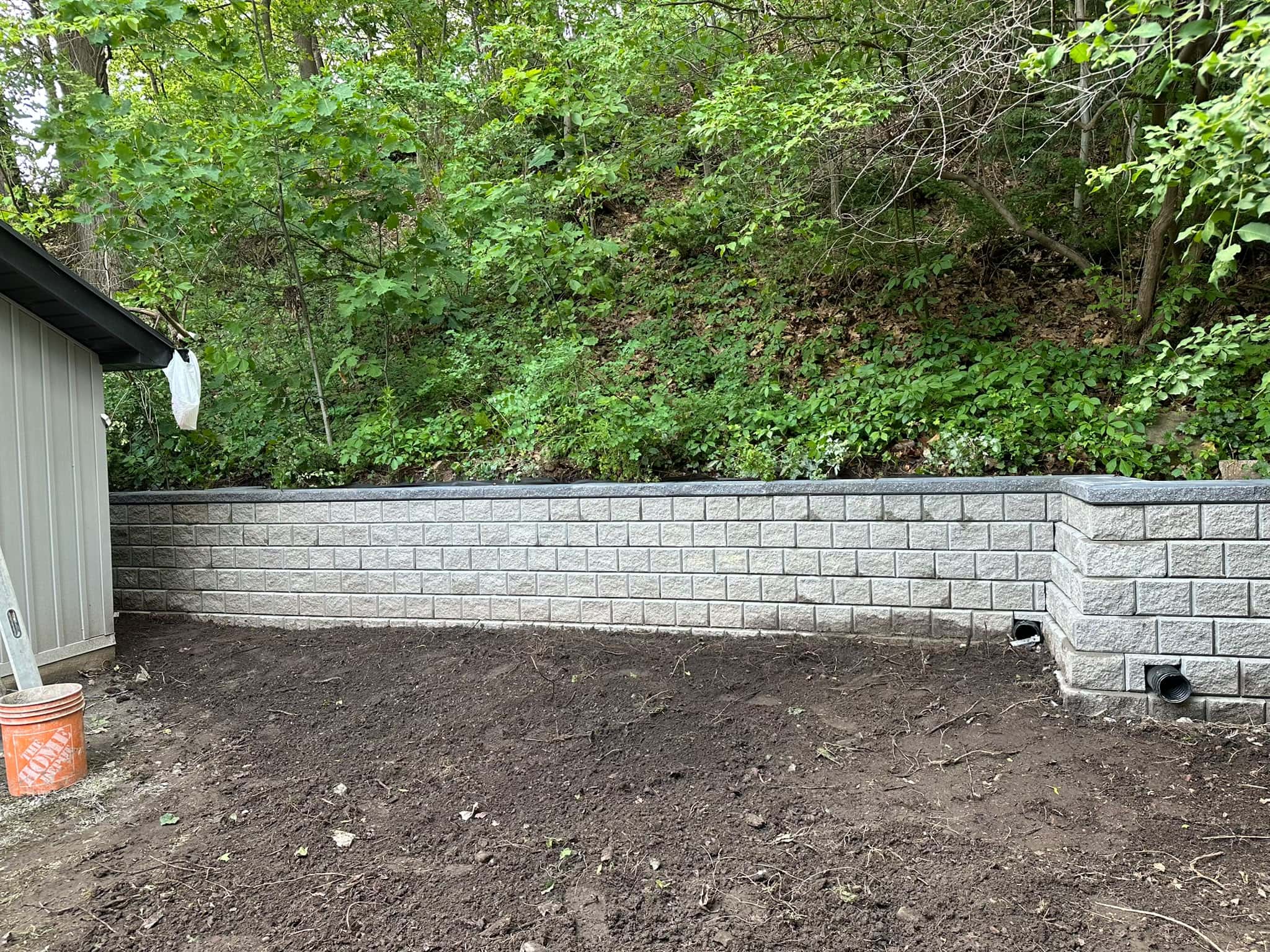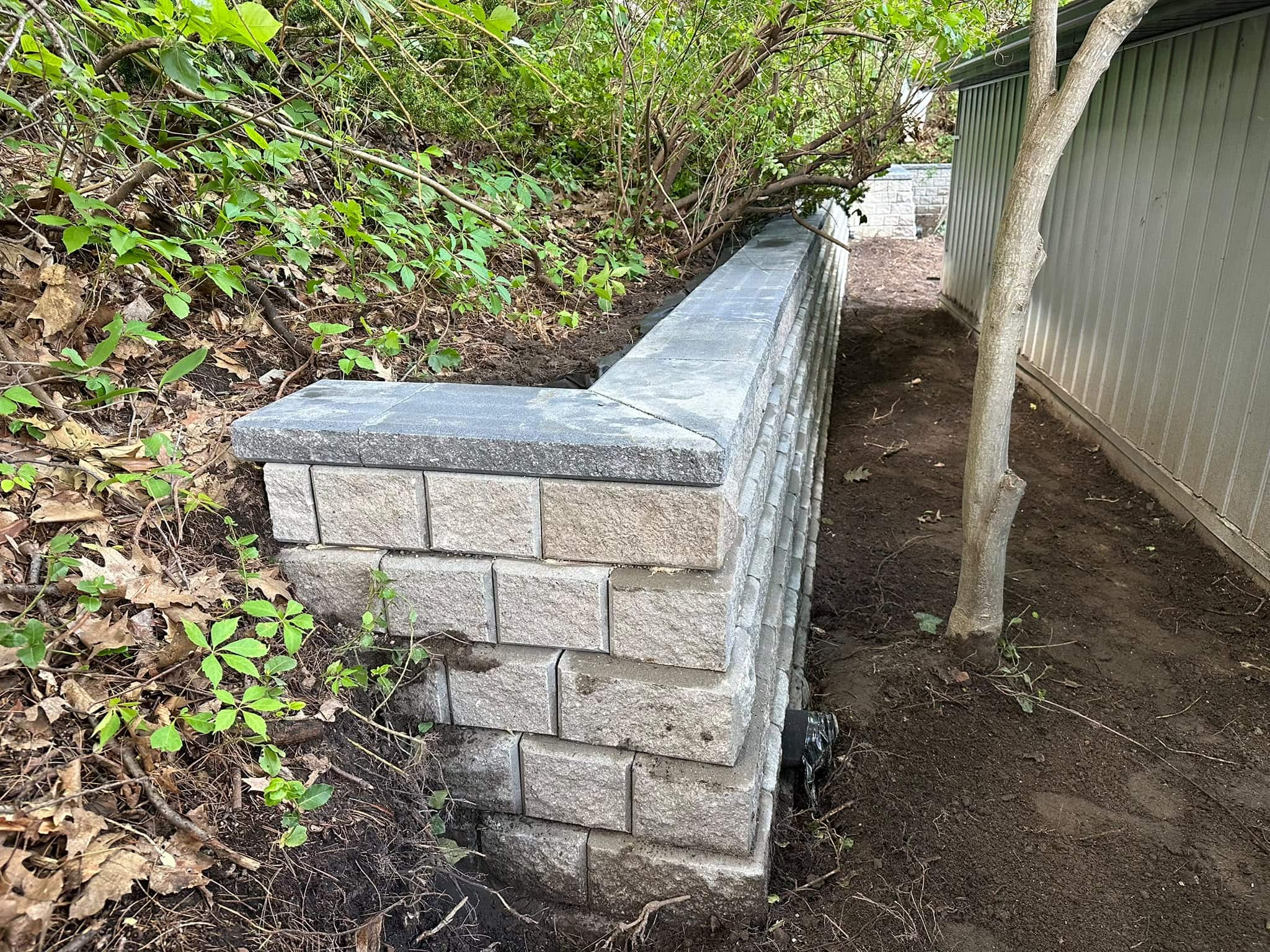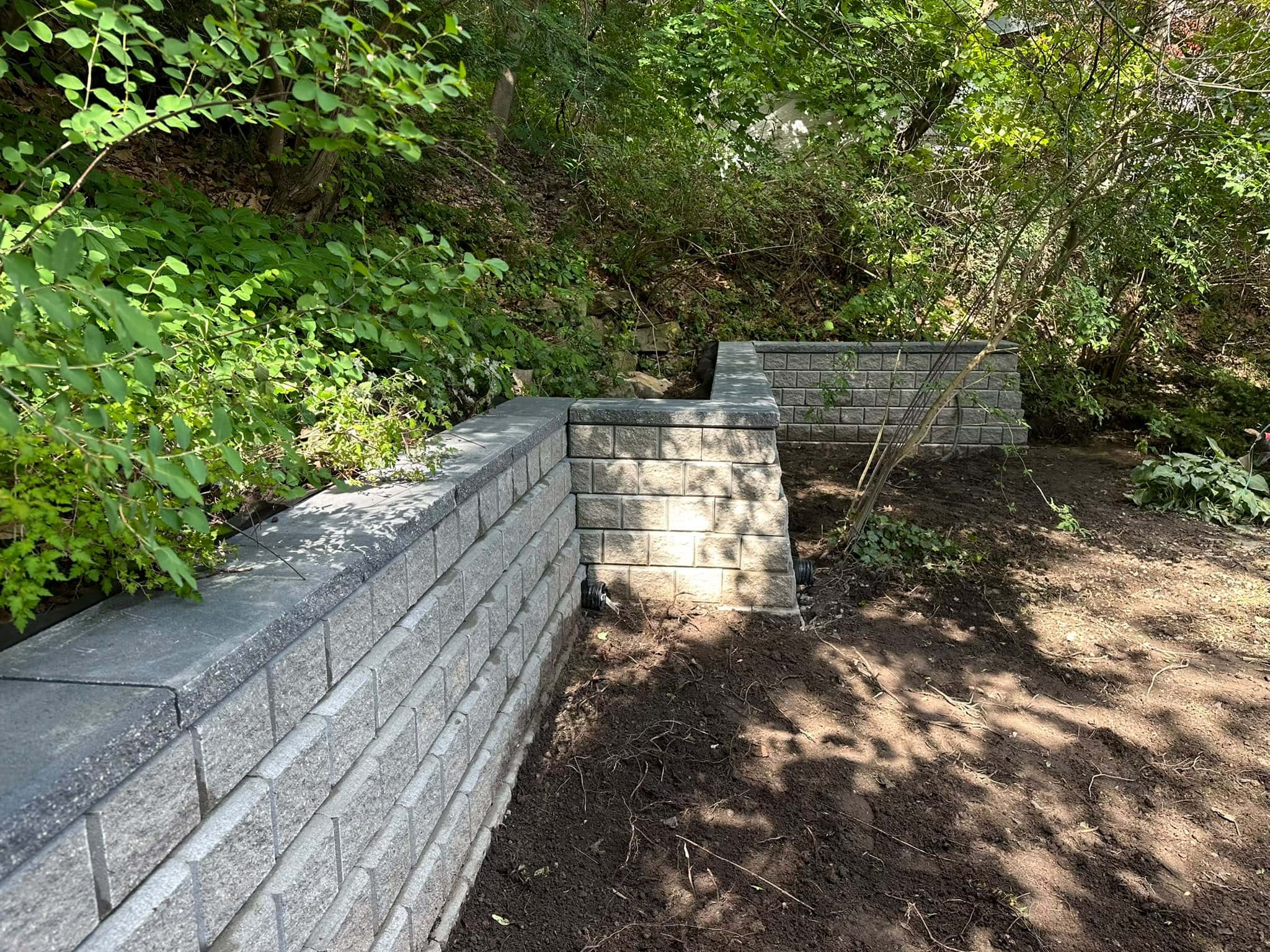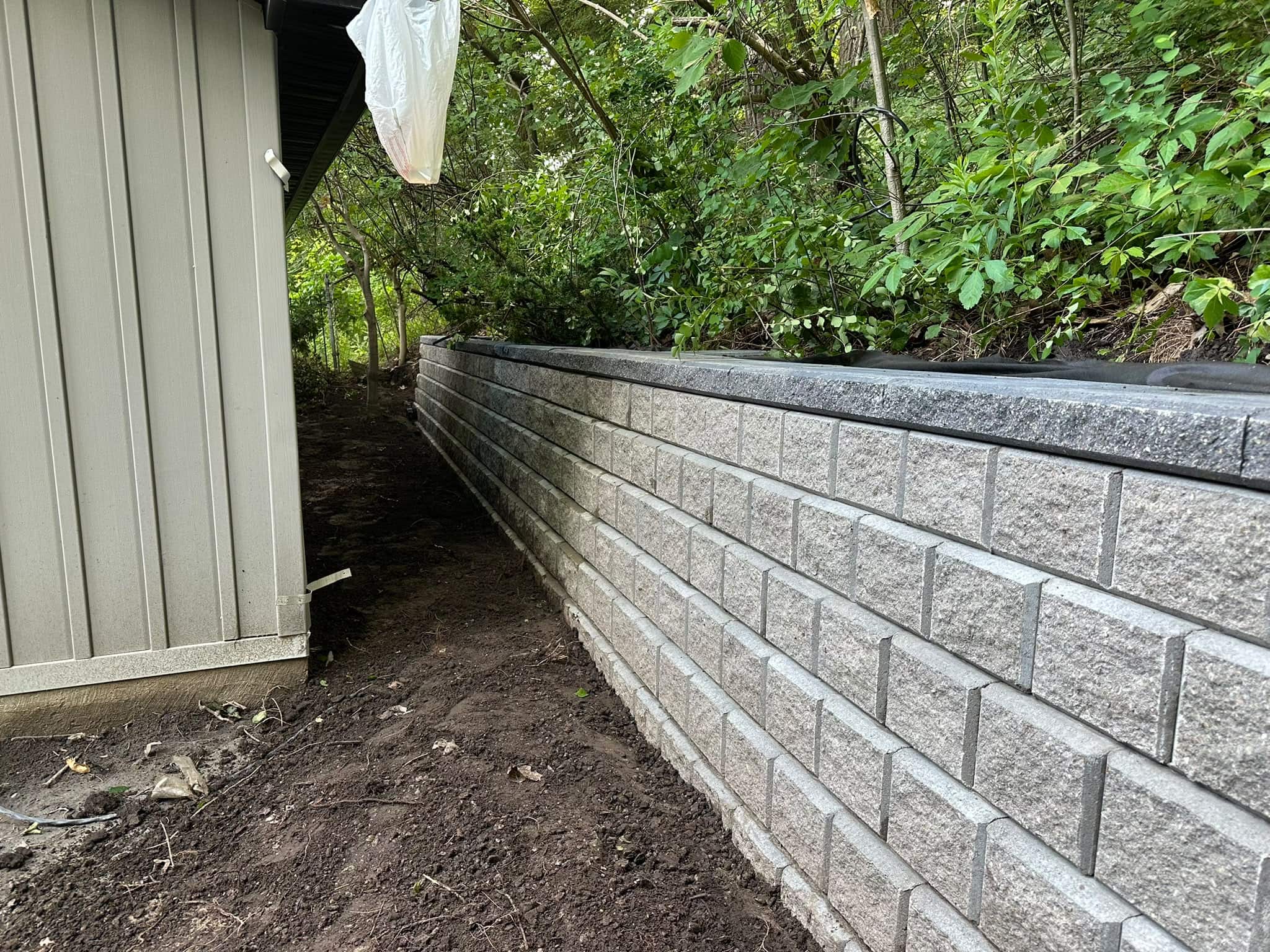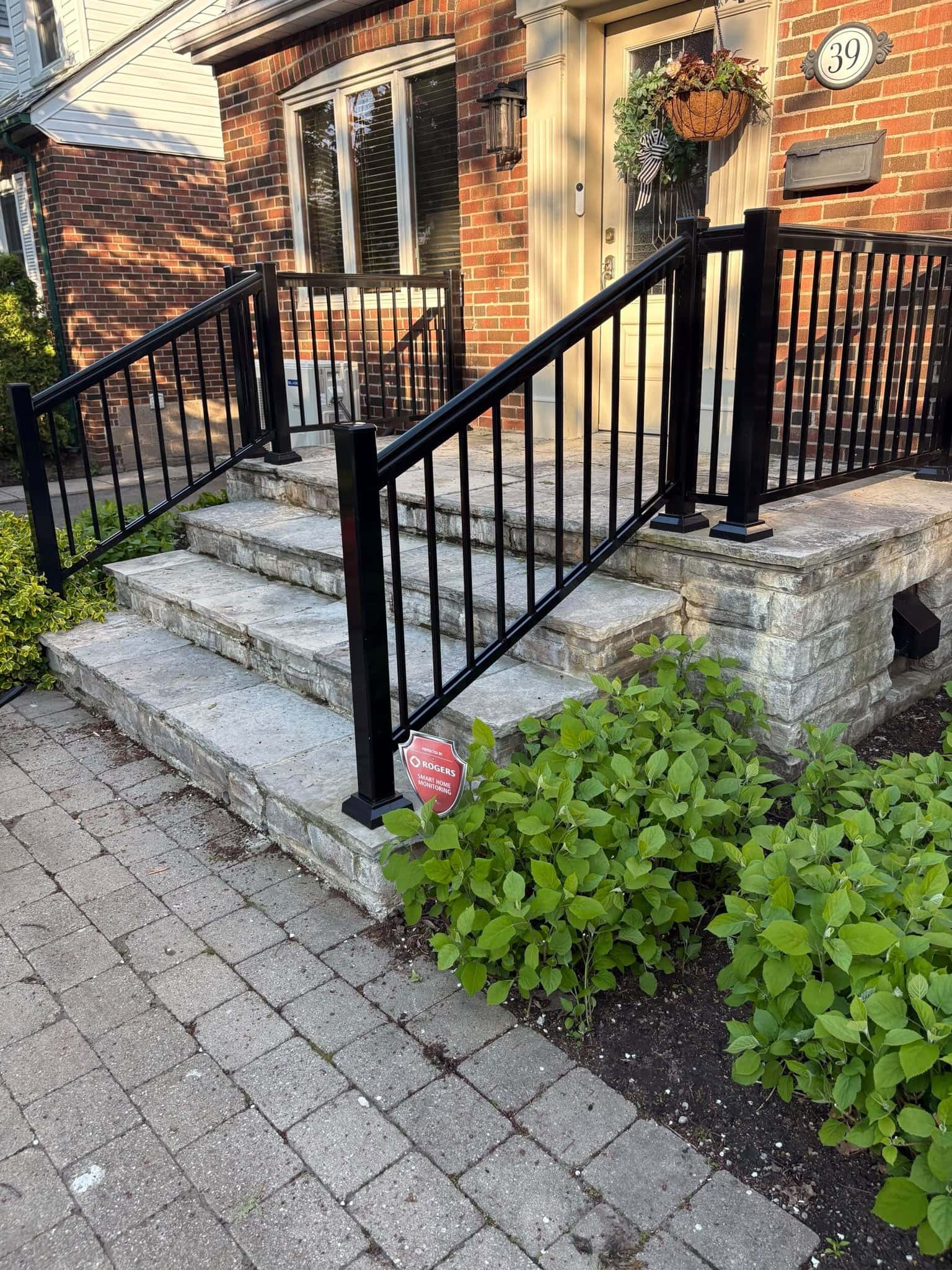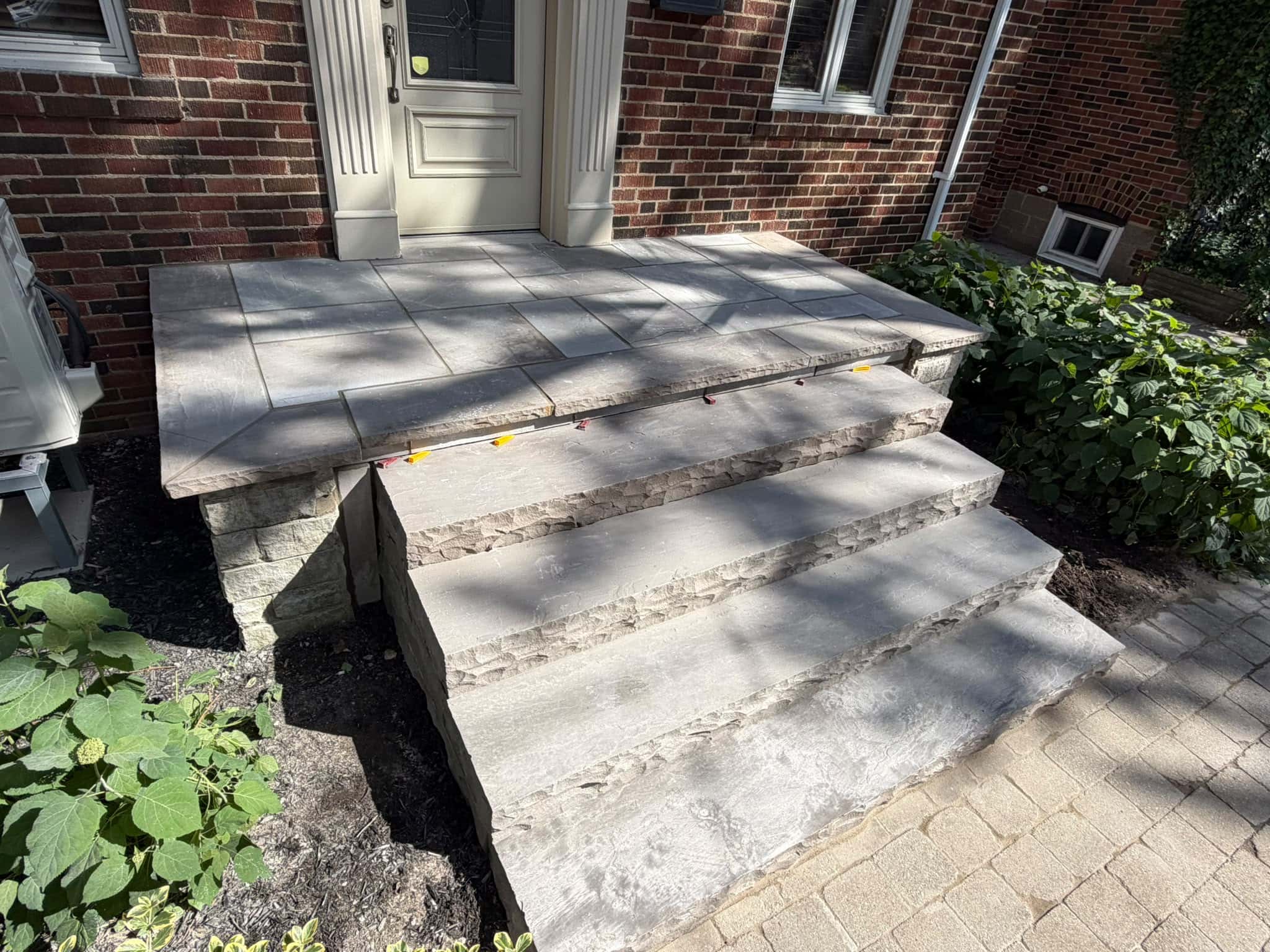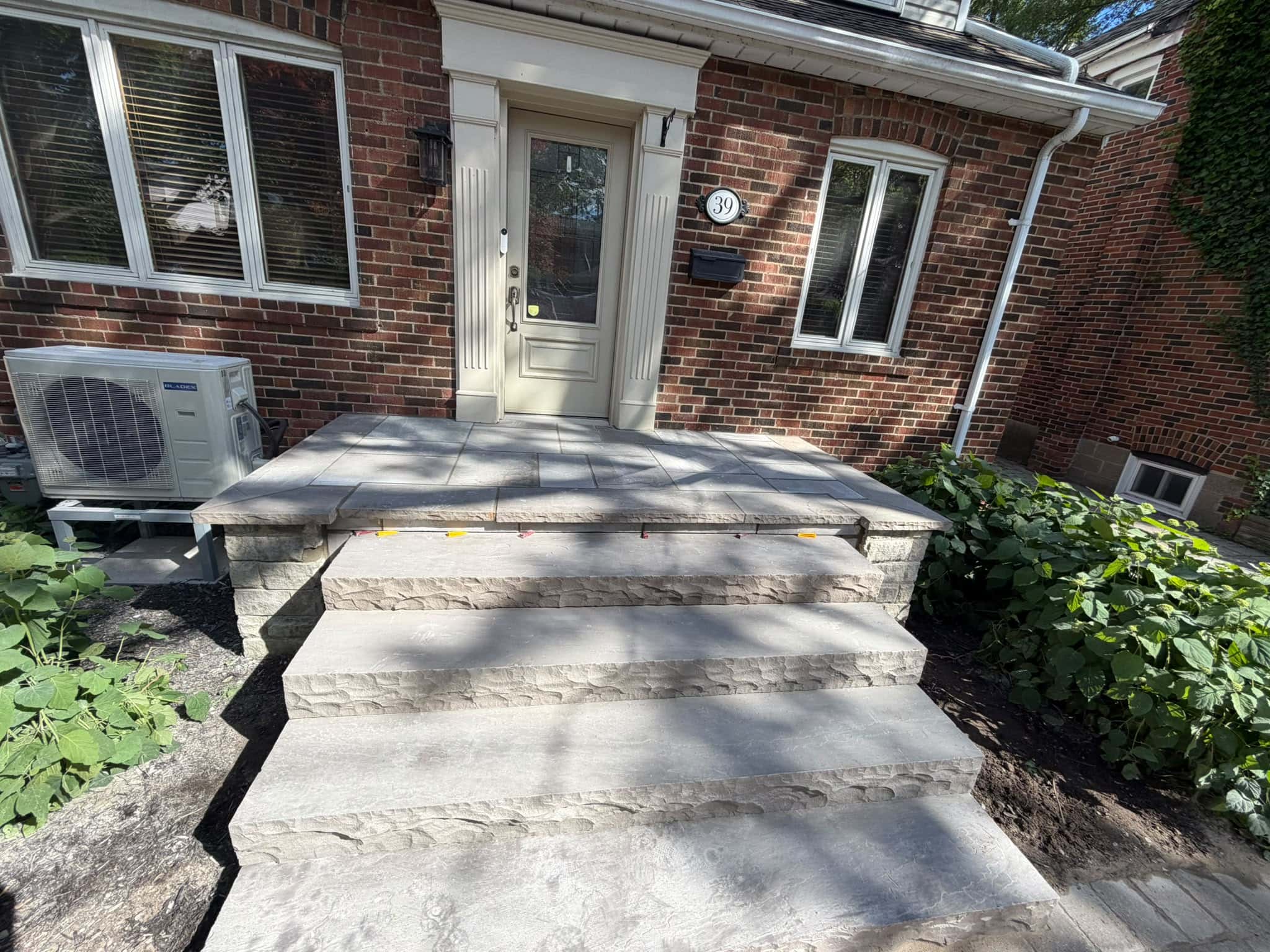
Brick repair and brick replacement solve different problems. If the bricks themselves are still sound but the mortar joints are deteriorating, repointing or another localized repair may be enough. If individual bricks are cracked, spalling, crumbling, loose, or badly damaged, you may need to remove and replace those units.
For Toronto homeowners, making that distinction before winter matters. Water can enter damaged brick and mortar during fall rain, then freeze when temperatures drop. Repeated freezing and thawing can enlarge cracks, loosen brick faces, and turn a small repair area into a larger problem.
The goal is not to replace as much masonry as possible. Good repair work preserves sound material and replaces only what can no longer perform properly. This guide explains how to tell the difference, what warning signs matter most, and what Toronto homeowners should consider before choosing brick repair or brick replacement.
What Is the Difference Between Brick Repair and Brick Replacement?
Brick repair is the broader process of correcting problems in a brick wall, while brick replacement specifically means removing damaged brick units and installing suitable replacements.
A brick wall is a system made up of bricks, mortar joints, openings, flashing, drainage details, and structural components. Damage to one part does not automatically mean the bricks need replacing.
For example, a wall with sound bricks but deeply eroded mortar may primarily need repointing. A wall with five badly spalled bricks surrounded by healthy masonry may need selective brick replacement. A wall that is bulging or cracking around a rusting lintel may require investigation beyond either simple option.
The correct repair starts by identifying what has actually failed.
When Brick Repair Is Usually Enough
Brick repair is often enough when the masonry units remain solid, and the problem is limited to mortar, small cracks, localized movement, staining, or another repairable condition.
Common situations include:
- Mortar joints that are cracked, recessed, loose, or turning sandy.
- Small areas where previous mortar repairs have failed.
- Minor cracks that do not pass through badly damaged brick units.
- Water entry related primarily to deteriorated joints.
- Sound brickwork that needs localized repointing.
When mortar is the main problem, tuckpointing and repointing in Toronto may restore the joints without removing otherwise serviceable bricks.
This is important because unnecessary brick replacement can disturb good surrounding masonry. If the existing brick is still structurally sound and compatible with the wall, preserving it is often the better choice.
When Individual Bricks Should Be Replaced
Replace individual bricks when deterioration has progressed enough that the brick can no longer provide a durable exterior surface.
Watch for:
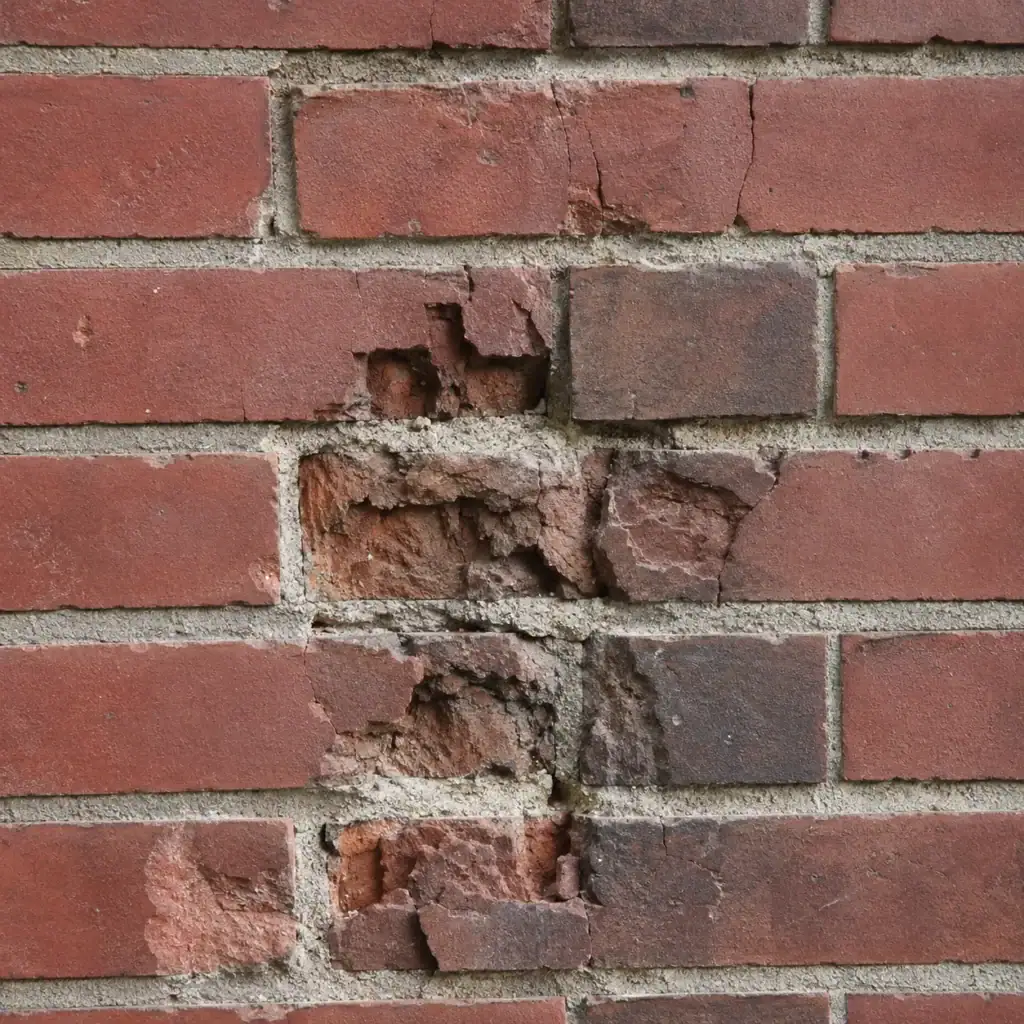
- Brick faces breaking or flaking away.
- Deep cracks running through individual bricks.
- Bricks that are visibly crumbling.
- Loose or shifting units.
- Pieces missing from the face or corners.
- Severe frost damage.
- Previous patches that repeatedly fail.
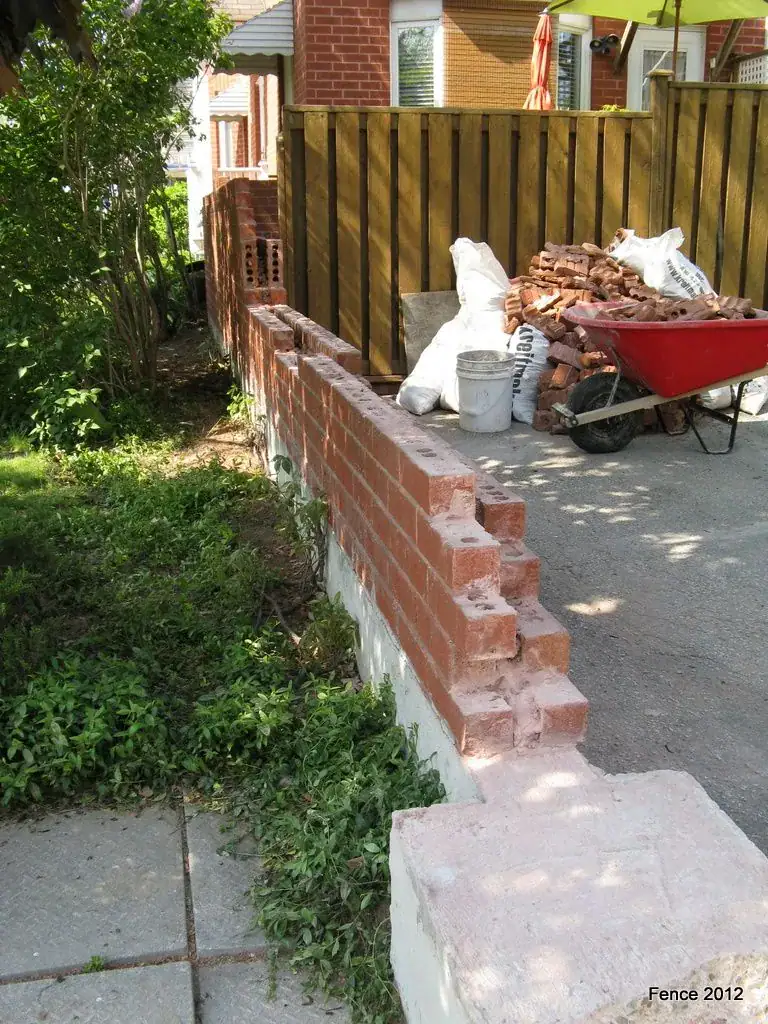
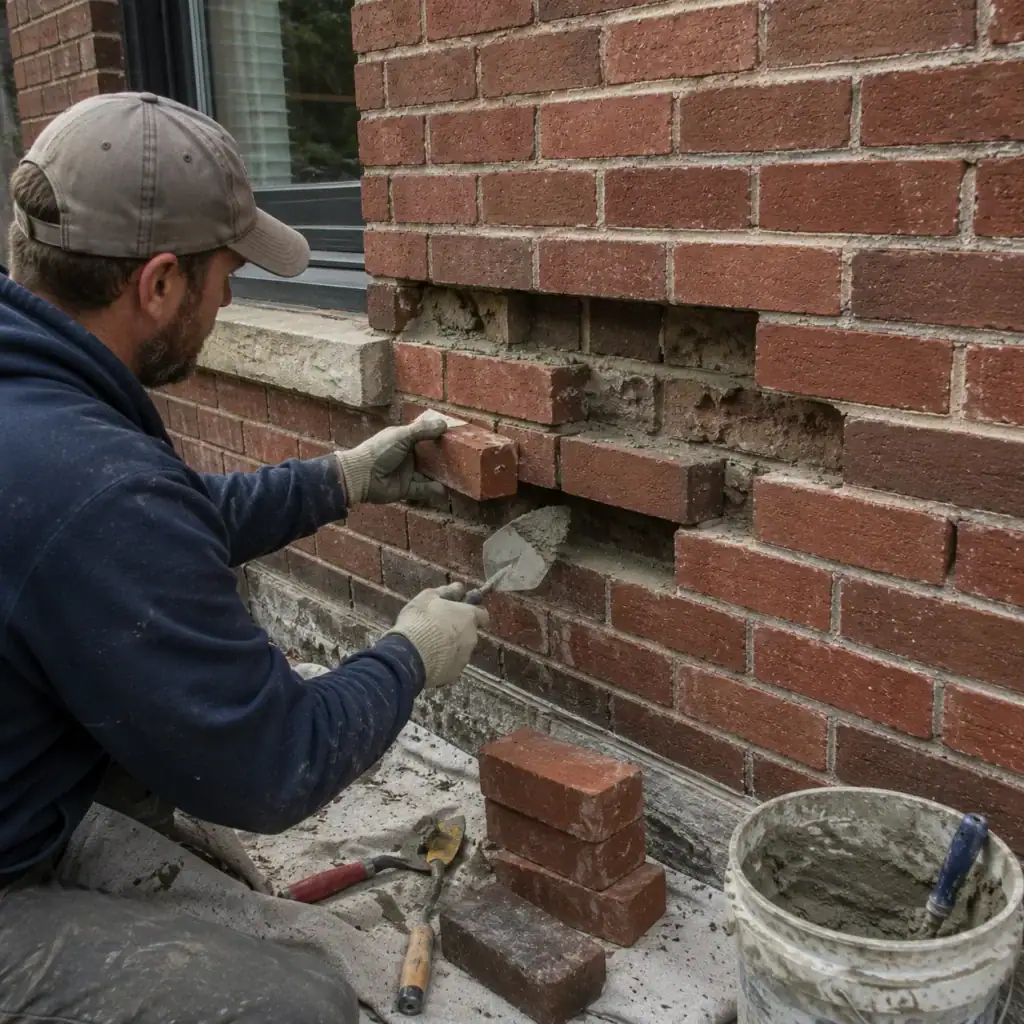
Selective replacement means removing the failed units while preserving the sound masonry around them. A compatible replacement brick is then installed with mortar suited to the surrounding wall.
A&A Masonry’s brick repair and restoration in Toronto service includes selective brick replacement for damaged or spalled masonry.
Spalling Is One of the Clearest Replacement Signs
Spalling occurs when the face of a brick flakes, chips, pops off, or crumbles. Once enough of the protective exterior face has been lost, simply filling the damaged surface is rarely a good long-term solution.
Moisture is often involved. Water can enter the masonry and freeze in cold weather. Expansion inside a saturated or weakened brick can break the face away.
Toronto’s seasonal temperature changes make this especially important. A damaged brick that continues absorbing moisture through fall may deteriorate further during winter.
Not every small chip means immediate replacement. Consider the depth of damage, the hardness of the remaining brick, the moisture source, exposure, and surrounding masonry.
If several nearby bricks are spalling, ask why. Replacing the bricks without correcting the moisture source can allow the same problem to return.
Do Not Confuse Mortar Failure With Brick Failure
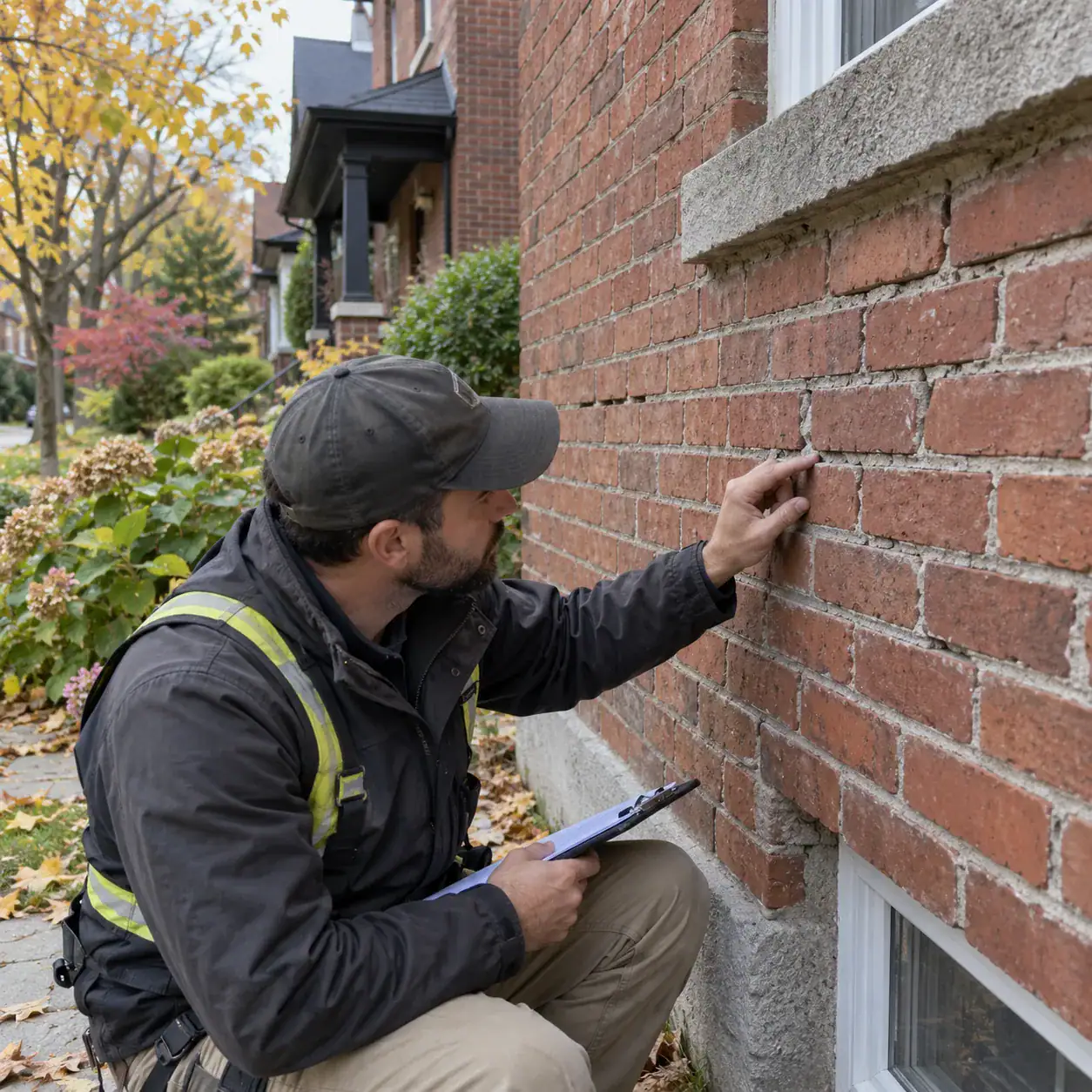
Mortar failure and brick failure can look similar from a distance, but they require different repairs.
If mortar is missing between otherwise solid bricks, you may need to repoint the joints. If the brick faces are breaking apart, you may need to replace them.
This distinction becomes especially important on older Toronto homes. Historic and older masonry can contain softer bricks and mortar systems that behave differently from modern materials.
Using mortar that doesn’t match the original wall can contribute to future deterioration. The City of Toronto’s heritage masonry guidance recommends examining original mortar for its texture, colour, jointing, and composition, then matching those qualities as closely as possible during repair.
For homeowners trying to understand why joints deteriorate, A&A Masonry’s guide to what causes mortar joint failure explains how water, weather, age, movement, salt, and incompatible repair materials can contribute.
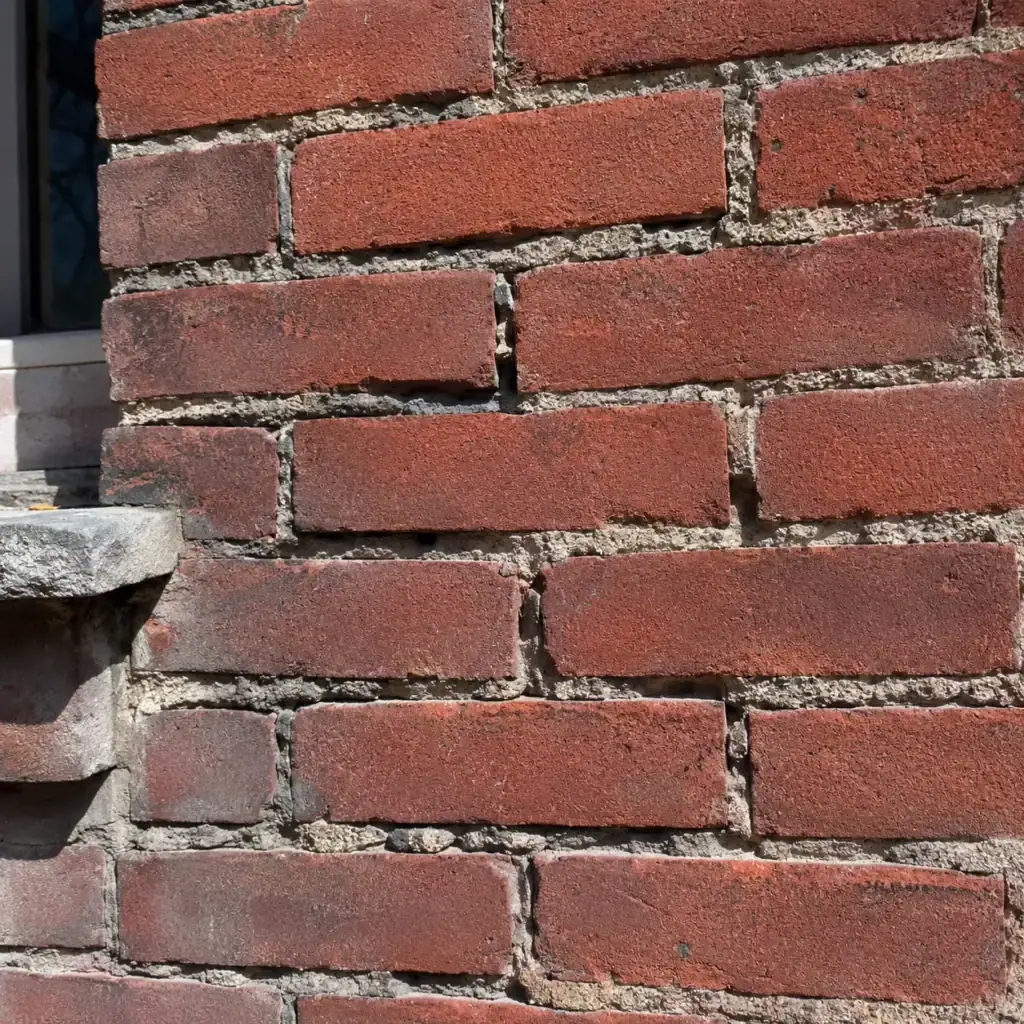
Repair or Replace? Check the Brick With the Worst Damage
A practical way to assess a wall is to start with its most damaged areas rather than judging the entire elevation from a distance.
Look closely at:
- Chimneys.
- Areas below windows.
- Brick above doors and windows.
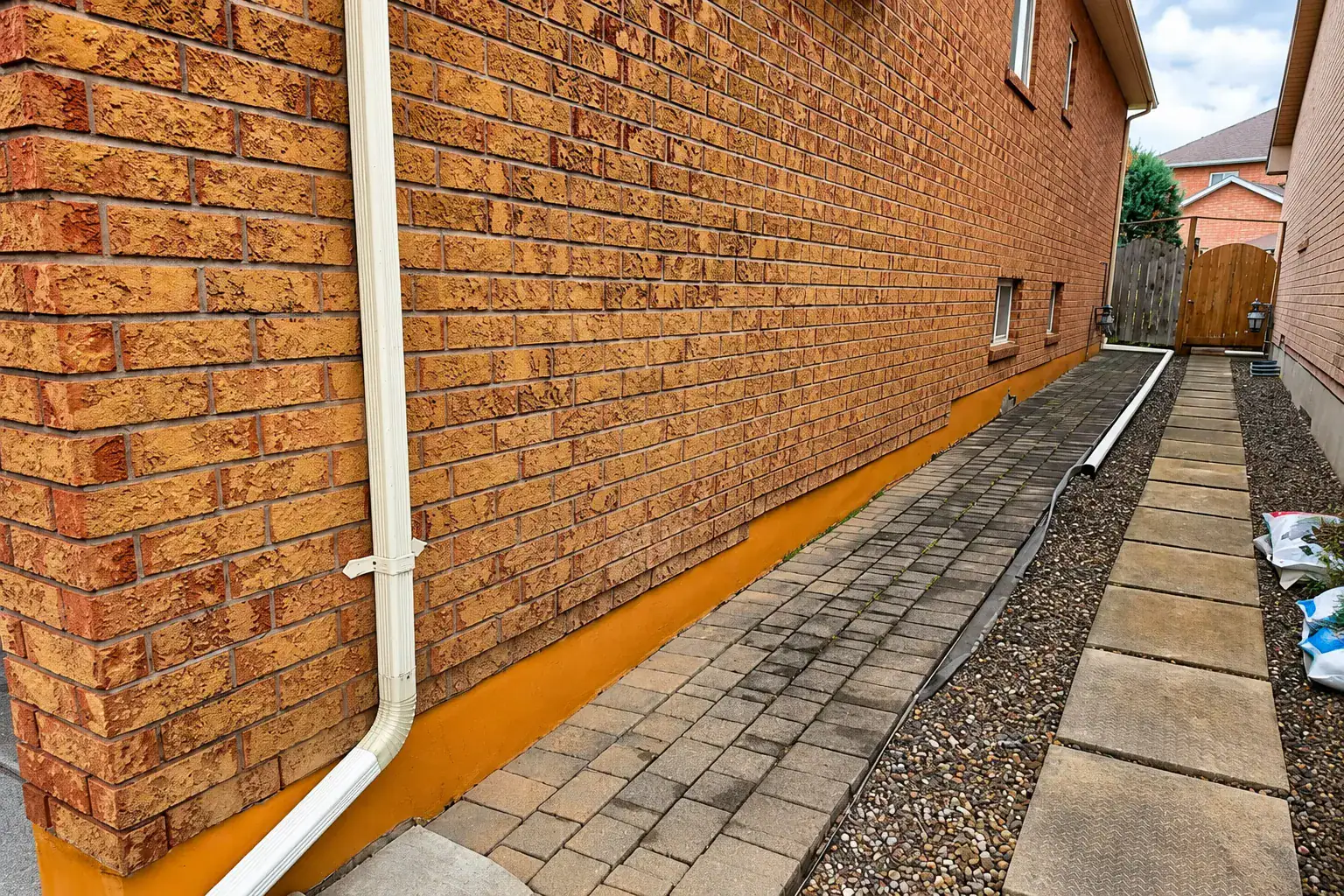
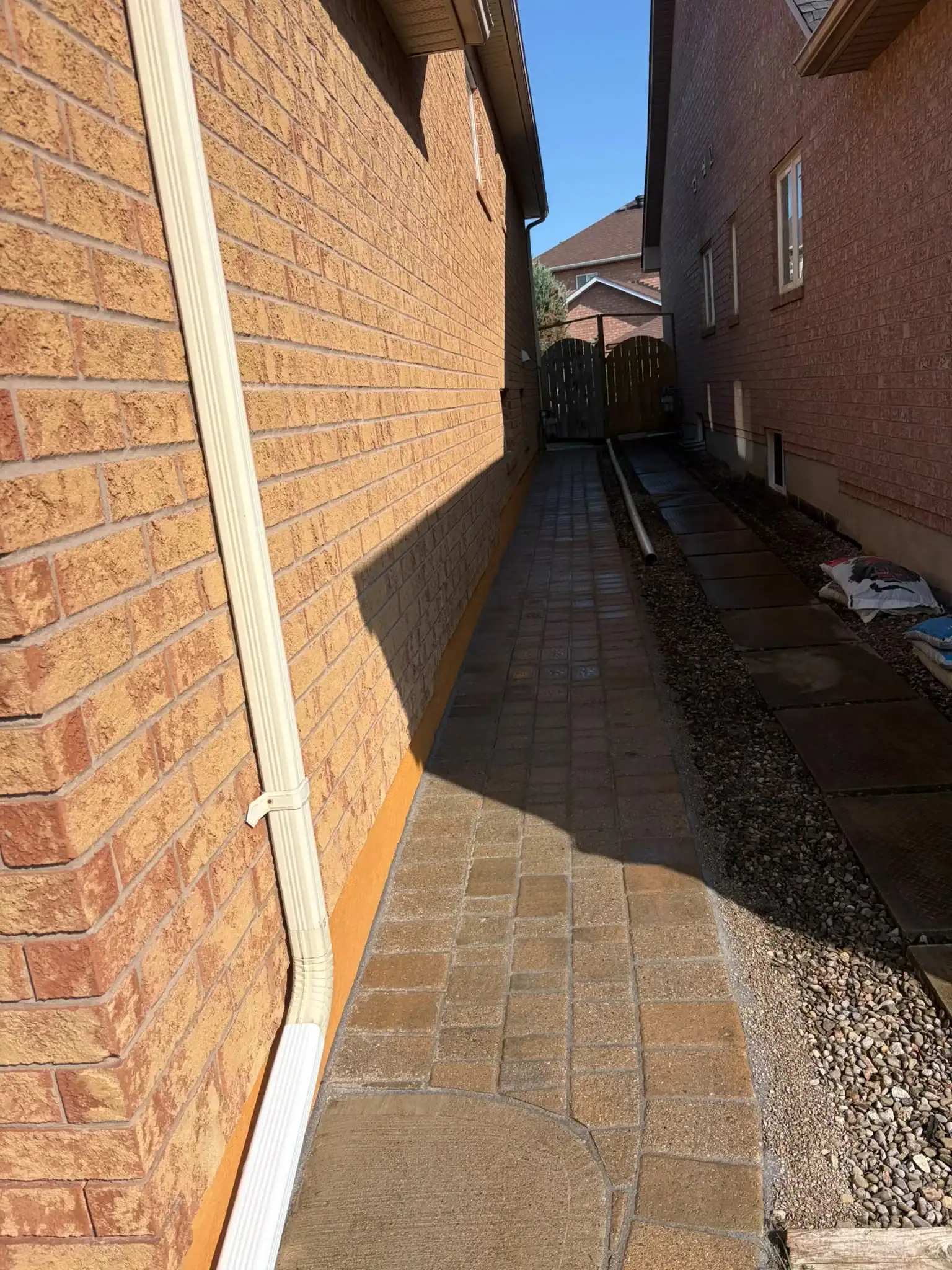
- Lower walls near driveways and walkways.
- Areas beside downspouts.
- Porch columns.
- Brick near roof-to-wall junctions.
- Walls that stay shaded or damp.
If damage is limited to a handful of units, selective replacement may be practical. If large sections are deteriorating, a broader assessment is needed before assuming that replacing individual bricks will solve the problem.
What If the Wall Is Cracking?
Assess the cause of a cracked brick wall before replacing individual bricks. Cracks may come from normal movement, settlement, thermal changes, failed mortar, lintel corrosion, water damage, or structural movement.
Replacing a cracked brick without understanding why it cracked may only hide the symptom.
Pay more attention when cracks:
- Continue through several courses.
- Follow a stair-step pattern.
- Are getting wider.
- Appear above windows or doors.
- Occur with bulging or displaced brick.
- Reappear after previous repair.
These patterns do not automatically mean the wall is structurally unsafe, but they justify a closer assessment before repair begins.
Why Damage Above Windows and Doors Needs Extra Attention
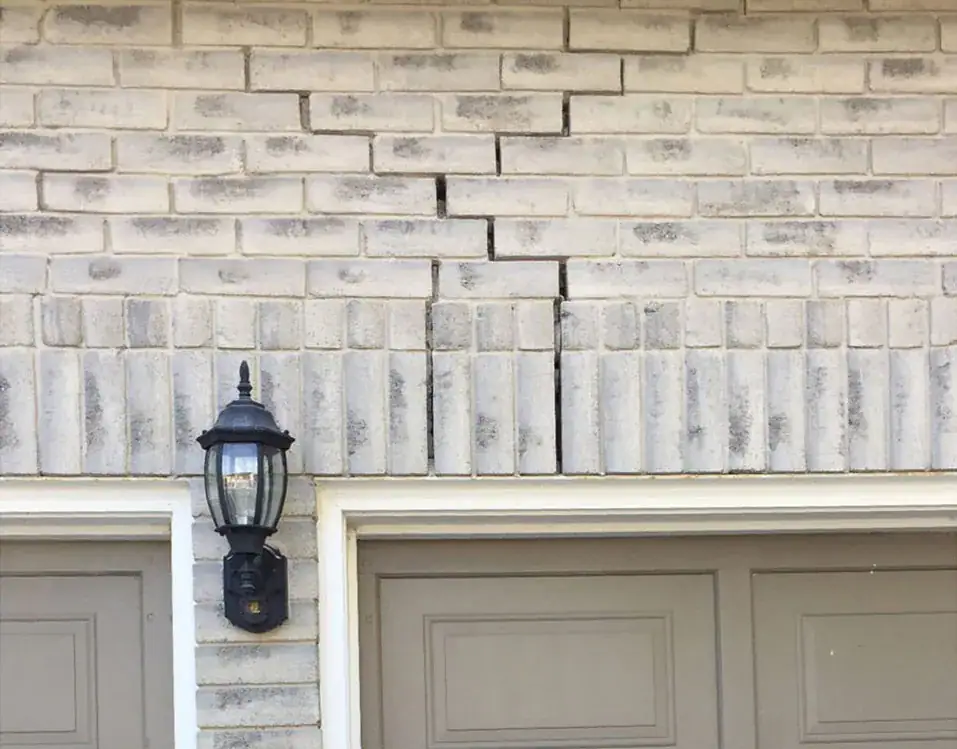
Cracking or displaced brick above an opening may involve more than damaged masonry units. Many brick walls rely on lintels or other support details above windows and doors.
When steel components corrode, expansion can push against surrounding masonry. Homeowners may notice horizontal cracks, stair-step cracks, lifted brick, rust staining, or separation around the opening.
Replacing only the visible cracked bricks may not solve the problem if the support underneath is deteriorating.
This is a good example of why diagnosis should come before material replacement.
Why Matching Replacement Brick Matters
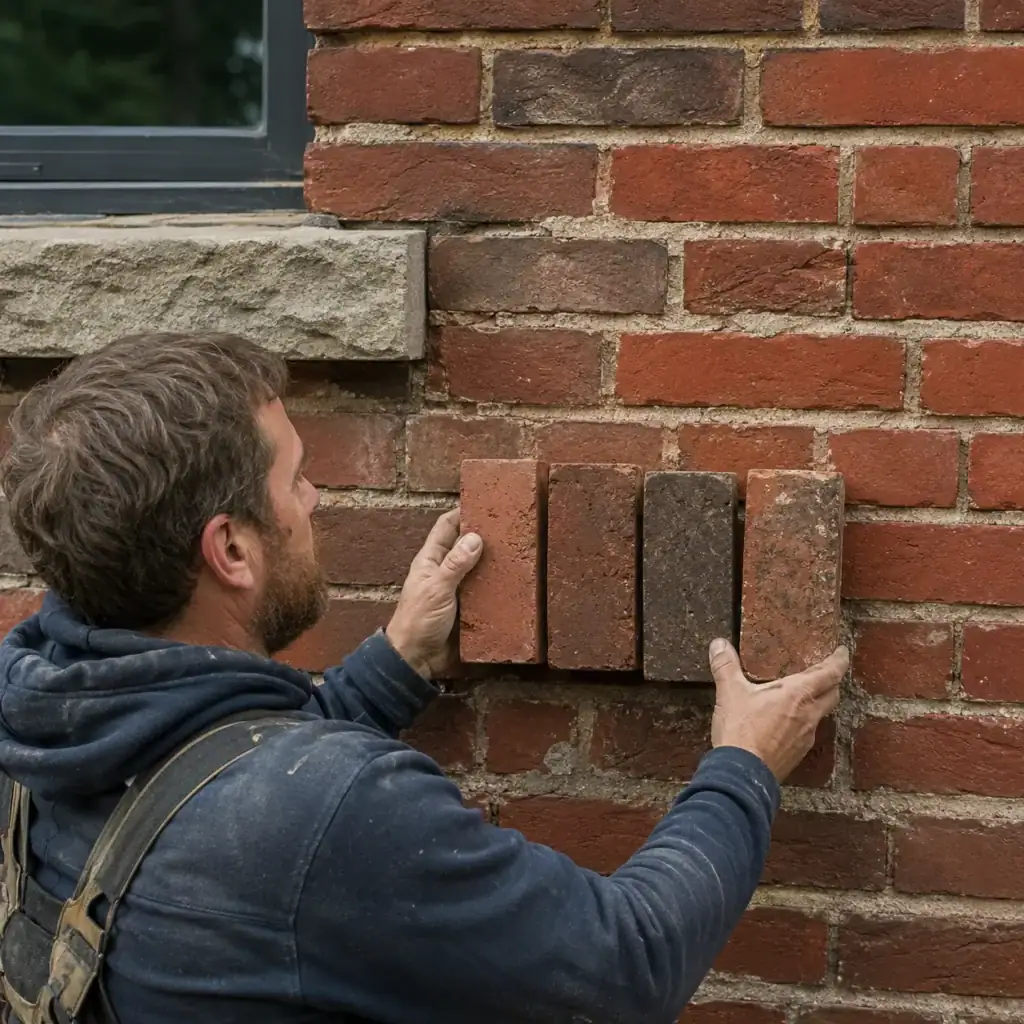
Replacement brick should match the existing wall in more than colour. Size, texture, absorption, strength, and weathering characteristics also matter.
A close colour match can still perform poorly if the new brick behaves very differently from the surrounding masonry.
On older Toronto homes, matching can be more difficult because the original brick may no longer be manufactured. Contractors may need to compare available brick carefully or, when suitable, source compatible reclaimed material.
The City of Toronto’s heritage guidance recommends selecting replacement brick based on similarities in type, unit size, colour, texture, and composition. It also advises preserving decorative brick elements during replacement work.
This is especially important for character homes where a poorly matched repair can stand out across an otherwise consistent facade.
Heritage Homes Need a More Careful Approach
Heritage and older homes may need additional care because original masonry is part of the building’s character and may use materials that differ from modern construction.
Before changing masonry on a designated property, homeowners should check whether heritage approvals apply. The City of Toronto Heritage Grant Program specifically recognizes masonry as an eligible heritage conservation area for qualifying designated properties.
The City’s guidance also points property owners toward accepted conservation standards when heritage work is planned.
For non-designated older homes, formal heritage approval may not apply, but compatible brick and mortar still matter if the goal is to preserve the original wall’s appearance and performance.
When Repointing and Brick Replacement Should Be Done Together
Brick replacement and repointing are often best handled together when both the units and surrounding joints have deteriorated.
Imagine a wall with ten spalled bricks surrounded by deep, weathered mortar joints. Replacing only those ten bricks leaves the water-entry paths around them untouched. Repointing the joints but leaving severely damaged bricks in place creates the opposite problem.
A combined repair may involve:
- Removing failed brick units.
- Installing compatible replacements.
- Removing deteriorated mortar to an appropriate depth.
- Repointing surrounding joints.
- Addressing nearby water or drainage problems.
The repair scope should follow the actual pattern of deterioration rather than forcing the entire wall into one repair category.
Why Water Must Be Addressed Before Winter
Water is one of the most important factors in deciding how urgent brick damage is before winter.
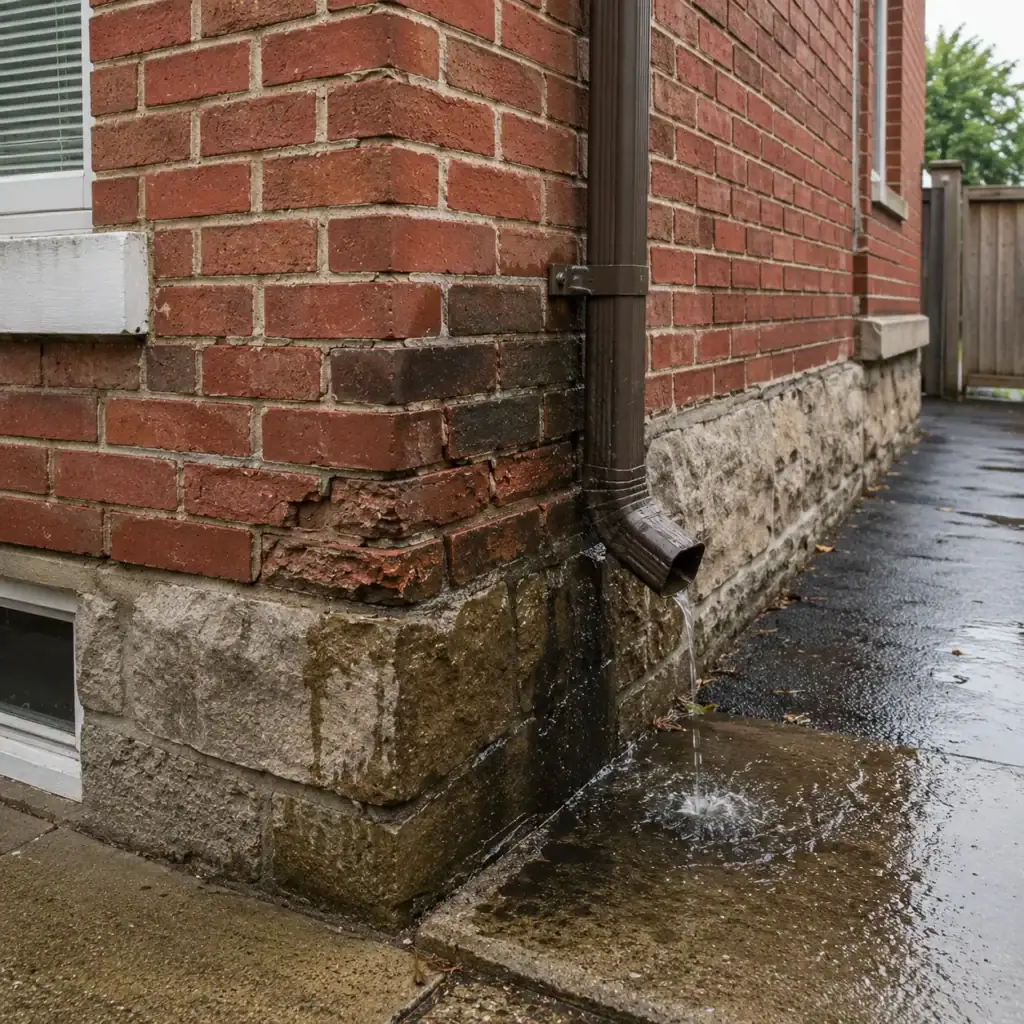
A cracked brick under a protected porch may experience less exposure than a similarly cracked brick directly below a leaking downspout. Location changes the risk.
Before winter, check gutters, downspouts, grading, window sills, chimney crowns, roof edges, and areas where water repeatedly splashes against walls.
The City of Toronto’s guidance on managing rain and melted snow provides useful information on reducing runoff and managing water around residential properties.
If a repair is completed but the wall remains repeatedly saturated, the underlying cause has not been fully addressed.
Can Damaged Brick Simply Be Patched?
Minor surface defects can sometimes be repaired, but patching is not a substitute for replacing a badly deteriorated brick.
A cosmetic patch over a deeply spalled or crumbling unit may hide damage temporarily without restoring the brick’s original performance.
Patches are also more likely to fail if the brick continues absorbing water or if the repair material has very different properties from the original masonry.
Choose a patch only when the remaining brick is sound, and the repair method fits the specific defect. Choose replacement when deterioration has significantly reduced the brick’s integrity.
Should an Entire Wall Ever Be Rebuilt?
Most localized brick problems do not require rebuilding an entire wall. However, widespread displacement, severe deterioration, structural instability, major support failure, or extensive previous damage can change the repair scope.
Signs that a larger repair may need investigation include:
- Large areas of bulging masonry.
- Many loose or displaced bricks.
- Widespread cracking combined with movement.
- Large sections with severe deterioration.
- Repeated failure after previous repairs.
- Support problems around major openings.
Don’t recommend a larger scope just because replacing everything is easier. Preserve sound masonry where practical.
What Homeowners Can Check Themselves
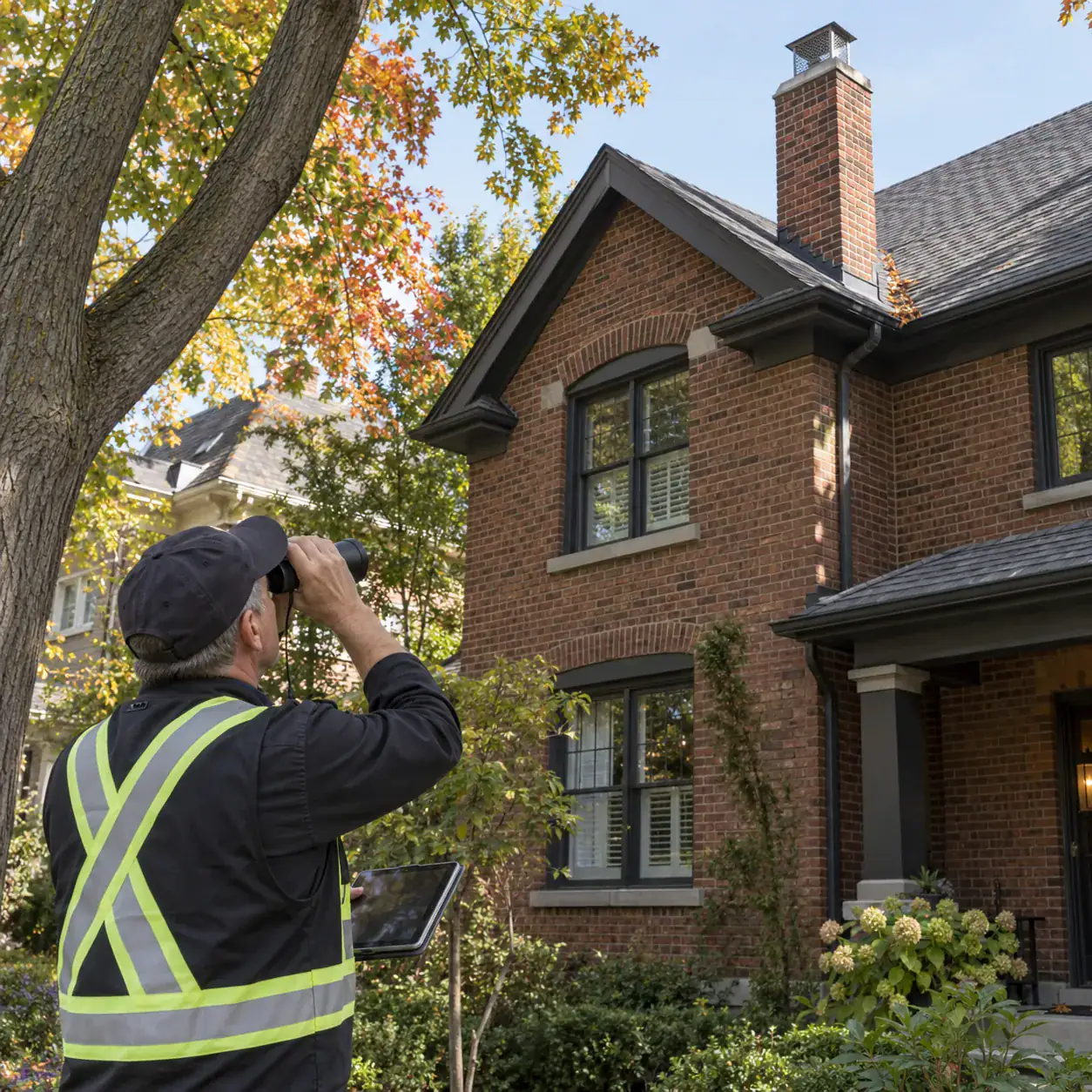
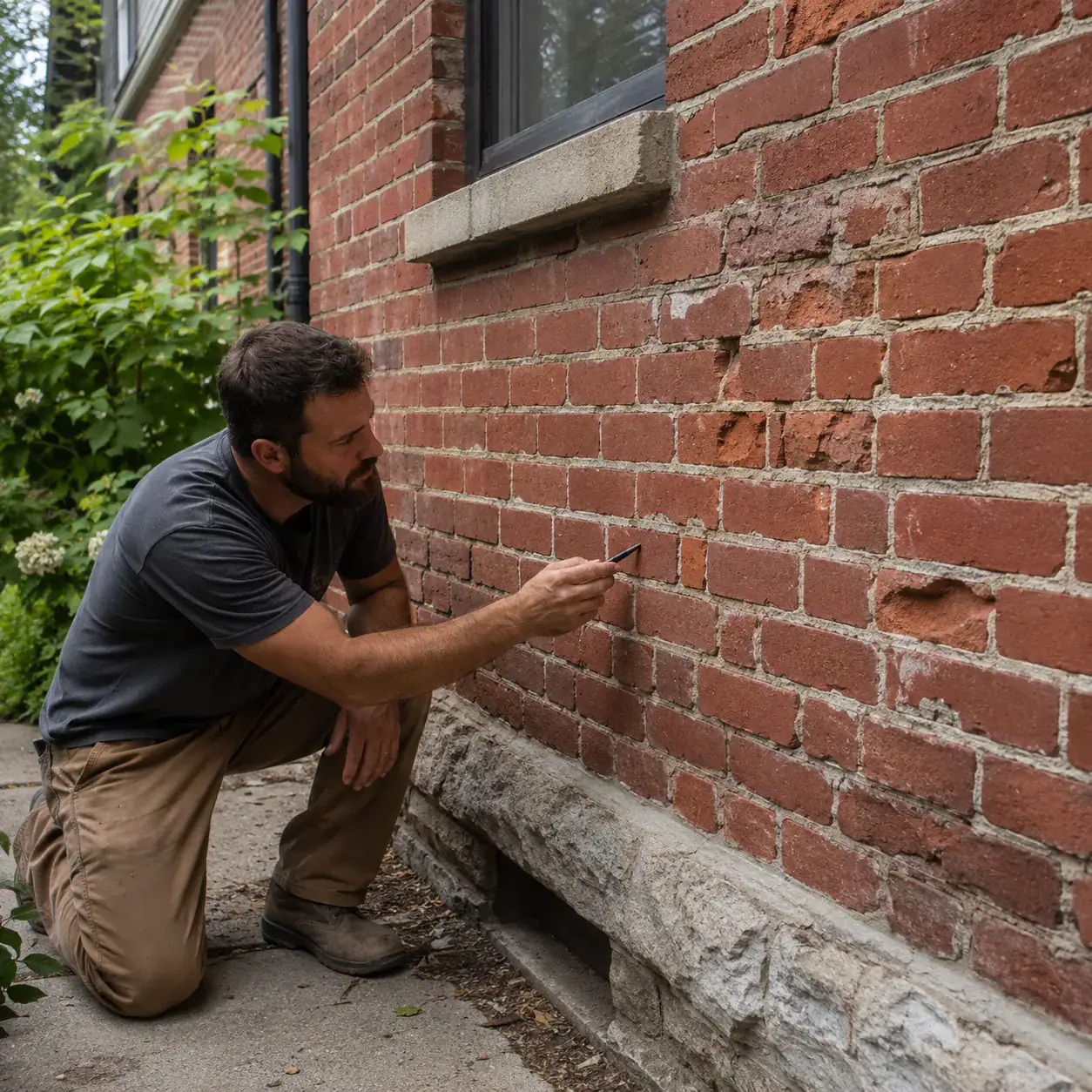
Homeowners can perform a useful visual inspection from ground level before calling a contractor.
- Look for brick faces that have started flaking.
- Check whether cracks pass through mortar only or through the brick itself.
- Look for missing or sandy mortar.
- Check for rust stains above windows and doors.
- Look for bulging or uneven sections of wall.
- Check whether damaged areas stay wet after rain.
- Look at downspout discharge points.
- Compare current damage with older photographs if available.
Do not pull loose bricks from upper walls or chimneys, grind mortar joints, or climb onto unsafe roofs to inspect masonry.
Why Late Summer and Early Fall Are Useful Times to Assess Brick
Late summer and early fall are good times to assess brick because damage is easier to see before snow and ice arrive, and conditions may still be suitable for planned masonry work.
It also gives homeowners time to address water problems before repeated freezing begins.
A&A Masonry’s masonry repairs before fall and winter guide covers brick, mortar, chimneys, concrete, drainage, parging, and other areas worth checking before colder weather.
Waiting until the first major freeze can turn a planned maintenance decision into a winter emergency.
Brick Repair vs Brick Replacement: Quick Decision Guide
The simplest way to decide is to identify which part of the masonry has failed.
- Mortar is failing, but brick is solid: Repointing may be the main repair.
- A few bricks are badly spalled: Selective brick replacement may be appropriate.
- Brick is cracked but stable: Determine why it cracked before choosing the repair.
- Brick above a window is cracking or lifting: Check the lintel or support condition.
- Many bricks are deteriorating in one wet area: Investigate the moisture source and the bricks.
- Wall is bulging or moving: Get a professional assessment before cosmetic repairs.
- Older or heritage masonry is involved: Prioritize compatible brick and mortar.
The best repair is usually the smallest scope that fully corrects the cause and removes material that can no longer perform properly.
When Professional Assessment Makes More Sense
Professional assessment makes more sense when the damage involves several bricks, upper-storey masonry, chimneys, wall movement, cracks around openings, recurring water entry, heritage masonry, or failed previous repairs.
A masonry assessment should answer more than “Can this brick be replaced?” It should determine why the damage developed, whether neighbouring material is sound, what brick and mortar are compatible, and whether water or structural movement needs attention.
For broader repair and restoration options, A&A Masonry’s masonry services in Toronto include brickwork, tuckpointing, concrete repair, stone masonry, chimney repair, waterproofing, parging, and related exterior work.
Final Thoughts on Brick Repair vs Brick Replacement
Choosing between brick repair and brick replacement starts with understanding what has failed. Sound bricks surrounded by deteriorated mortar may need repointing. Severely spalled, cracked, loose, or crumbling bricks are stronger candidates for selective replacement. Walls showing movement, widespread cracking, or damage around structural openings need a deeper assessment.
For Toronto homeowners, moisture and winter exposure make timing important. Damage that lets water into brickwork can worsen through freeze-thaw cycles, so late summer and early fall are good times to inspect walls and plan repairs.
Don’t replace good masonry unnecessarily, but don’t keep deteriorated brick badly in place just because patching looks cheaper. Preserve what is sound, replace what has failed, use compatible materials, and address the cause of the damage at the same time.