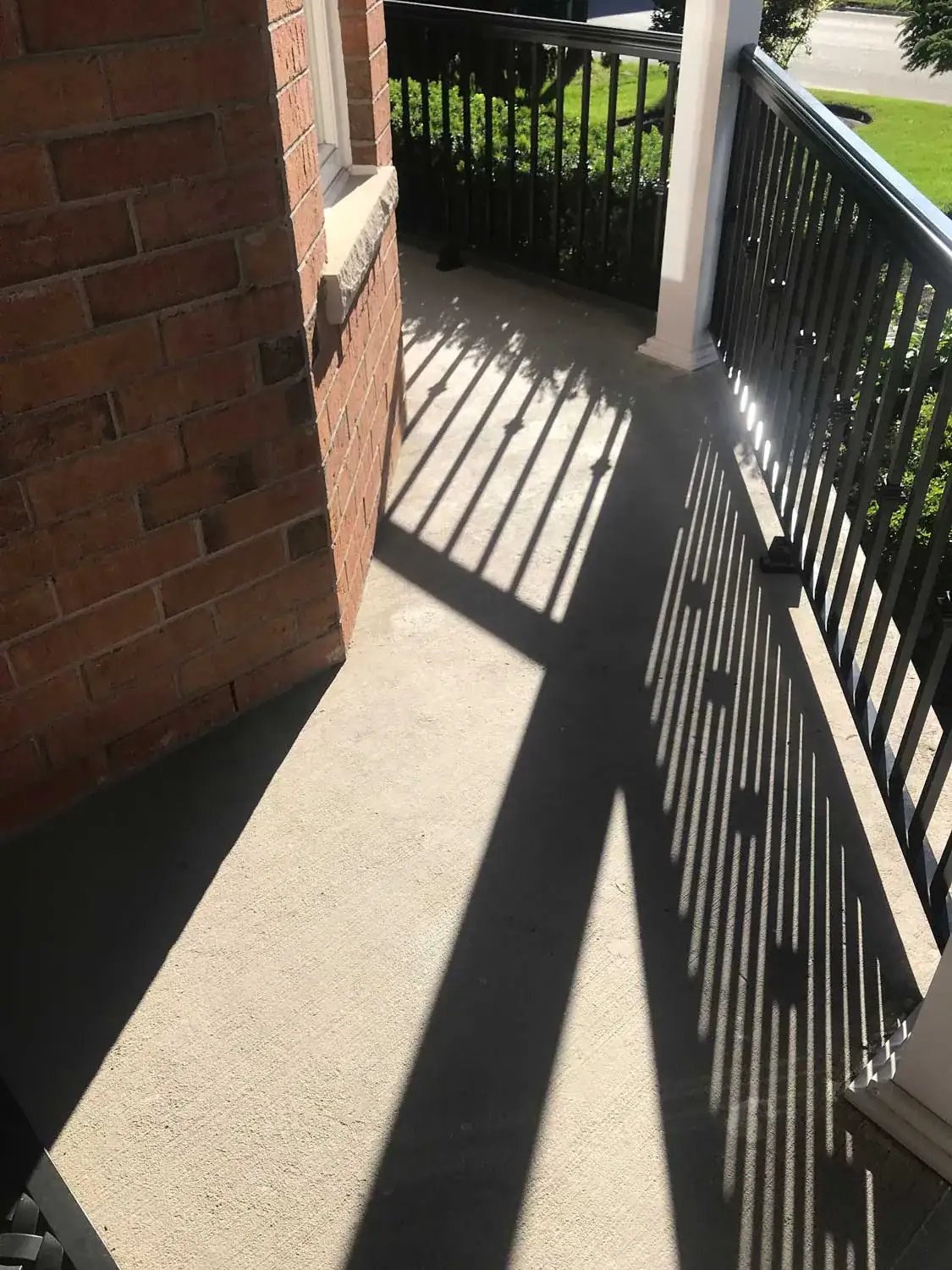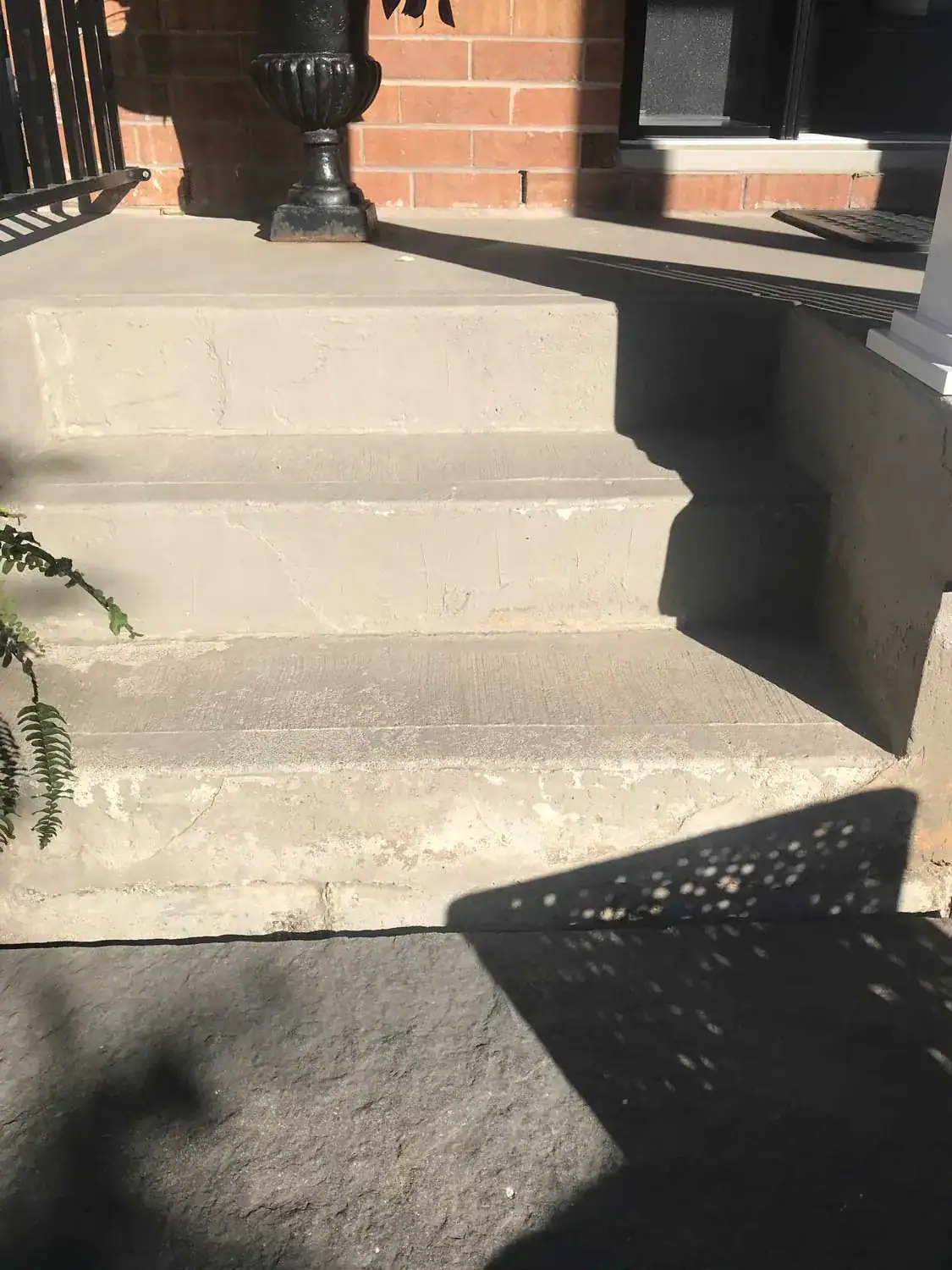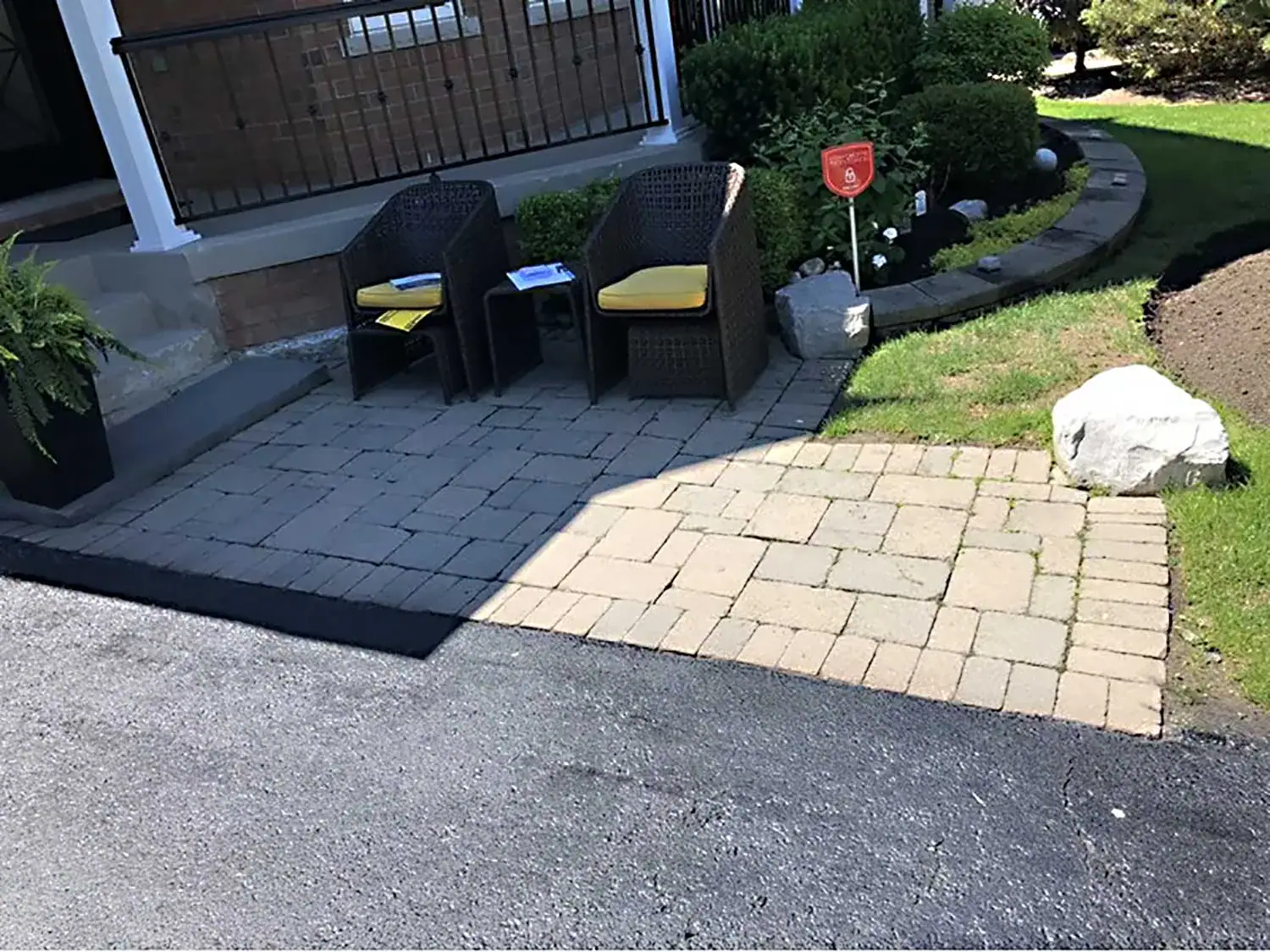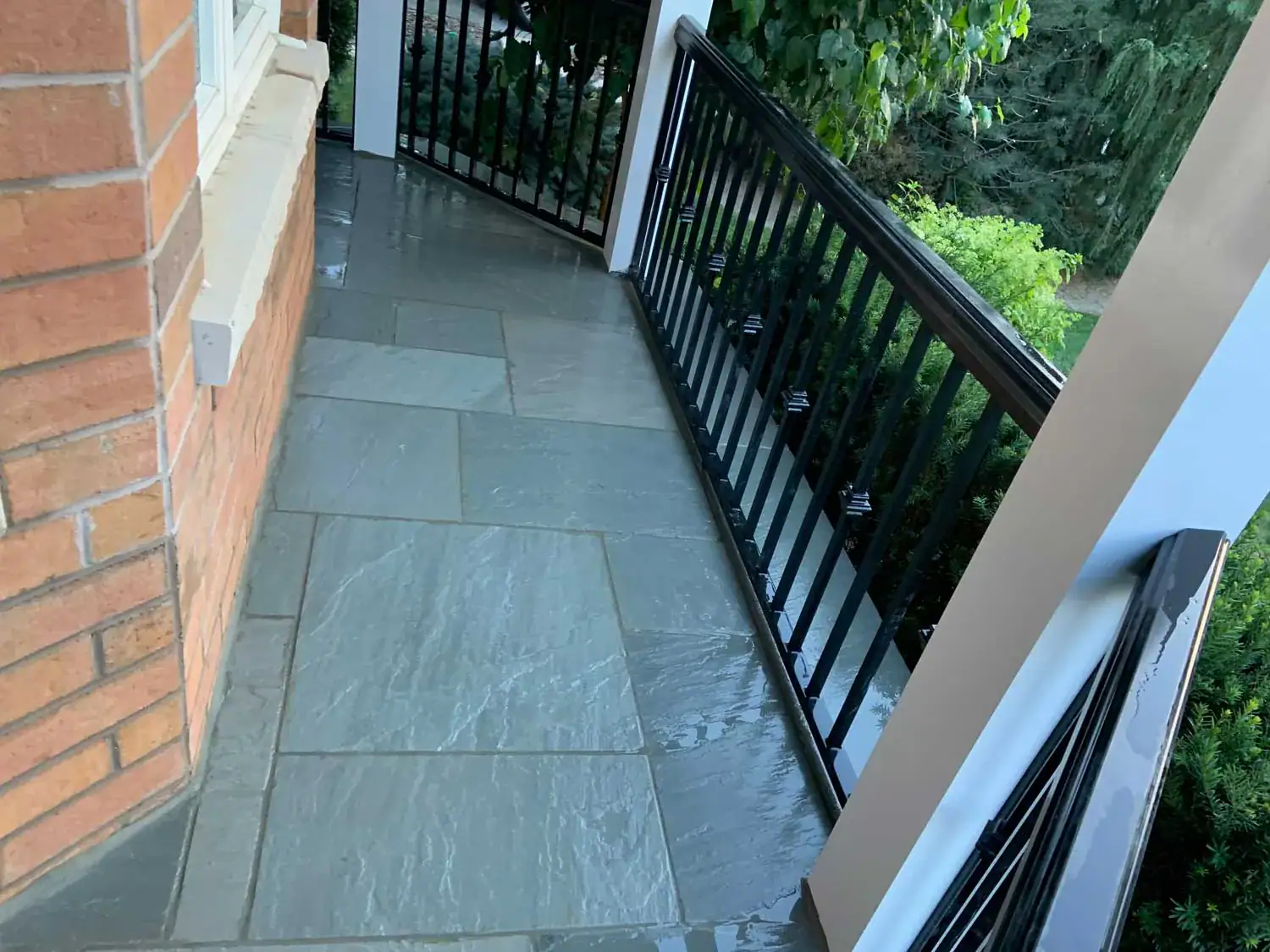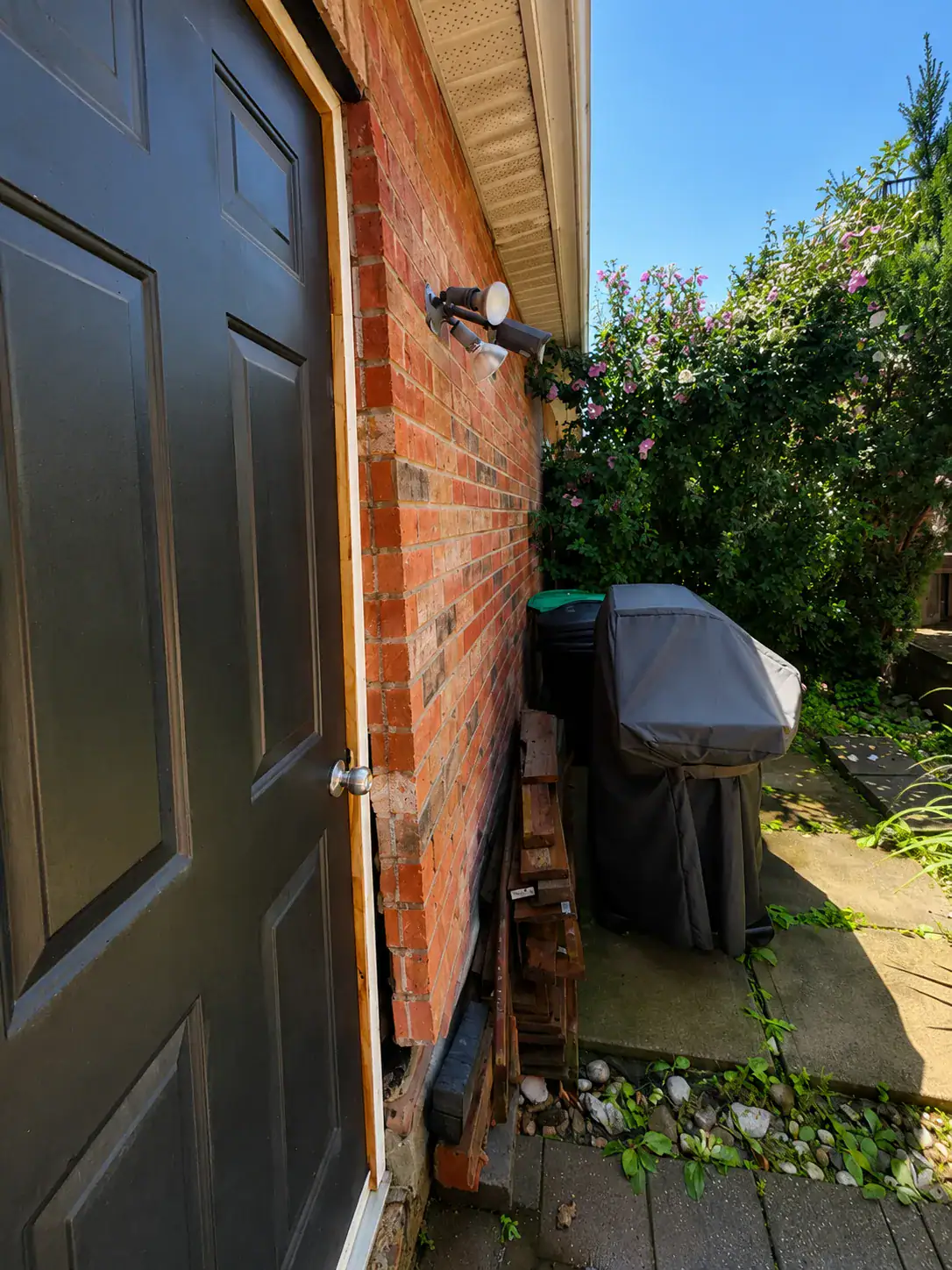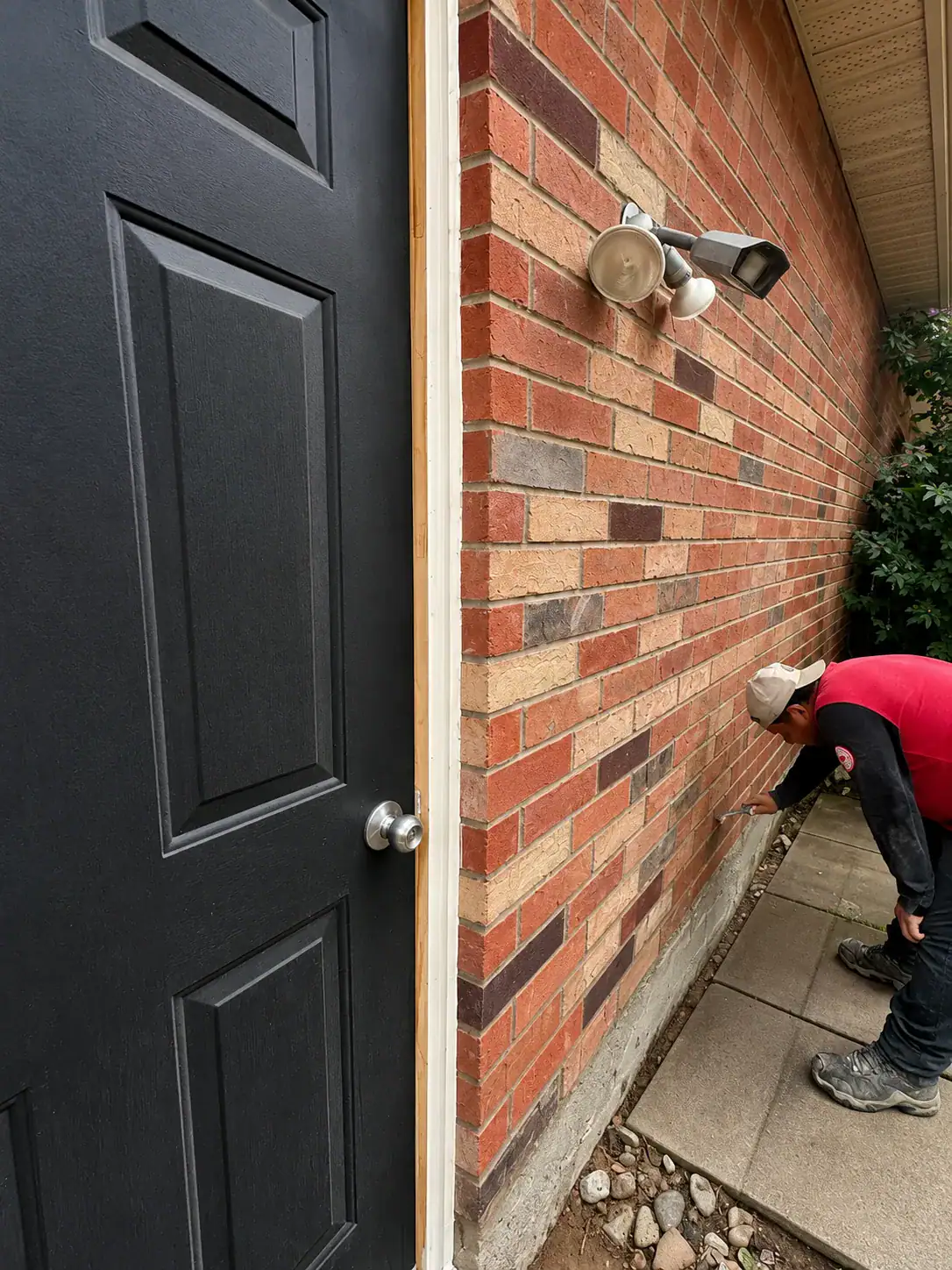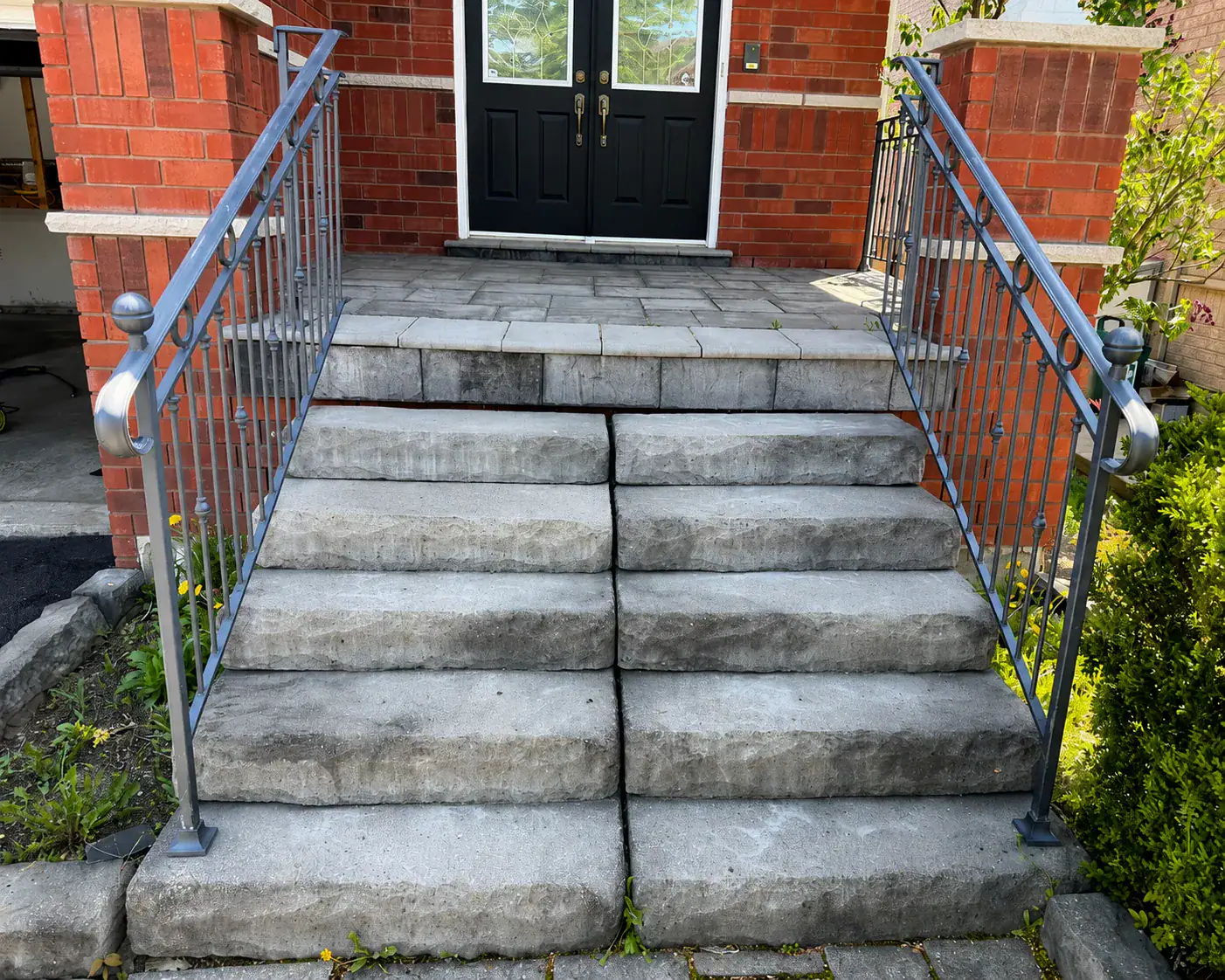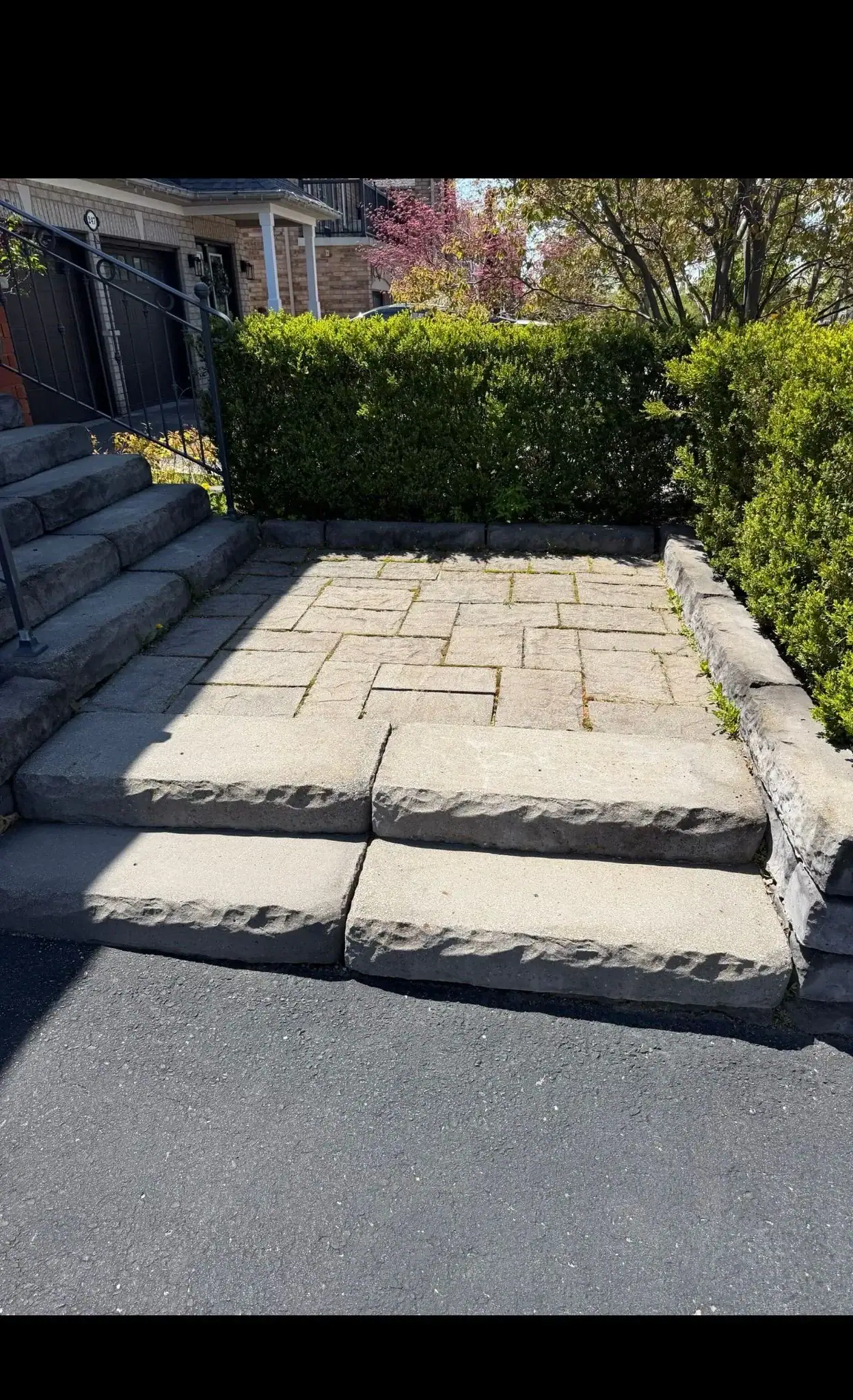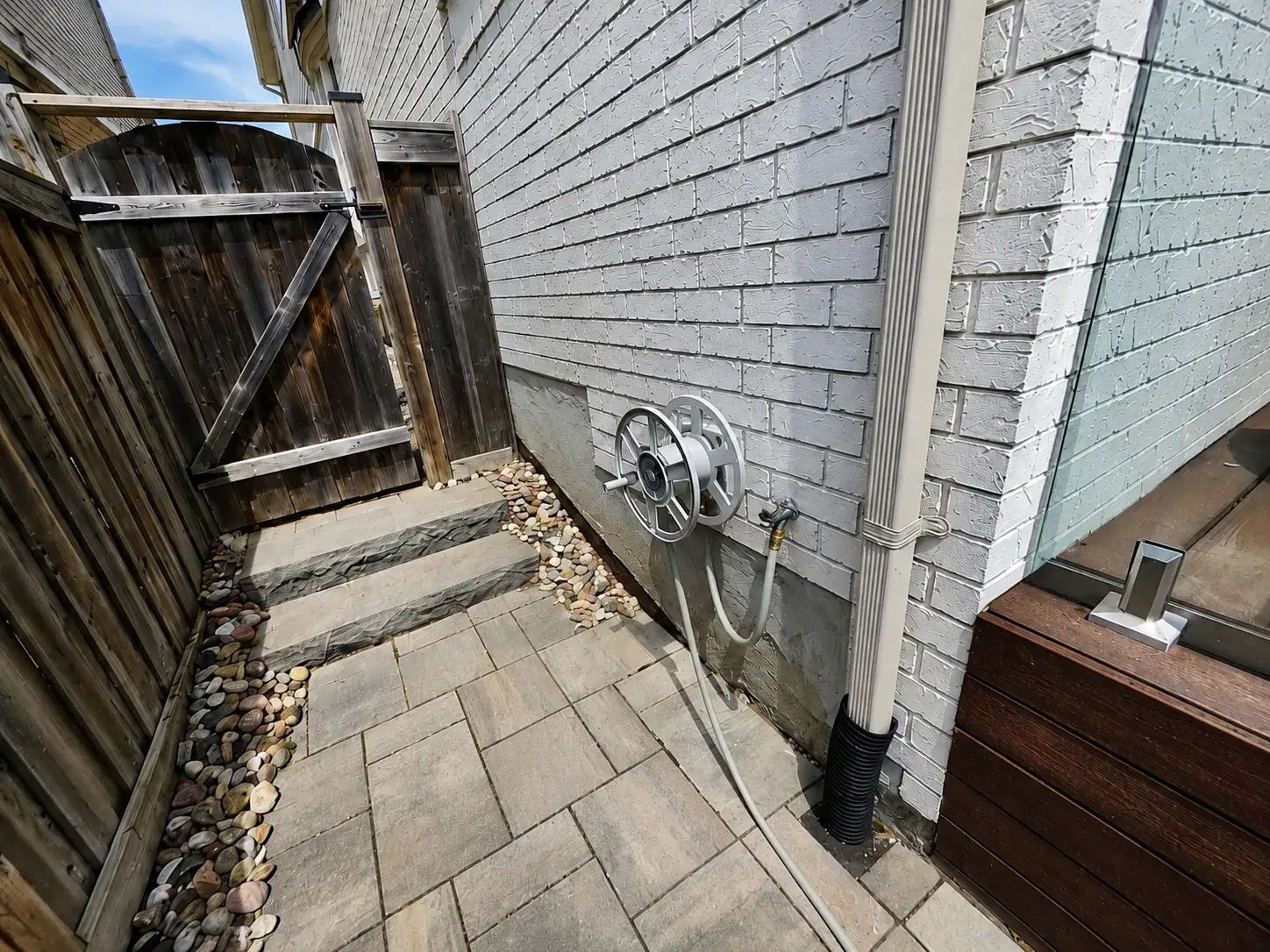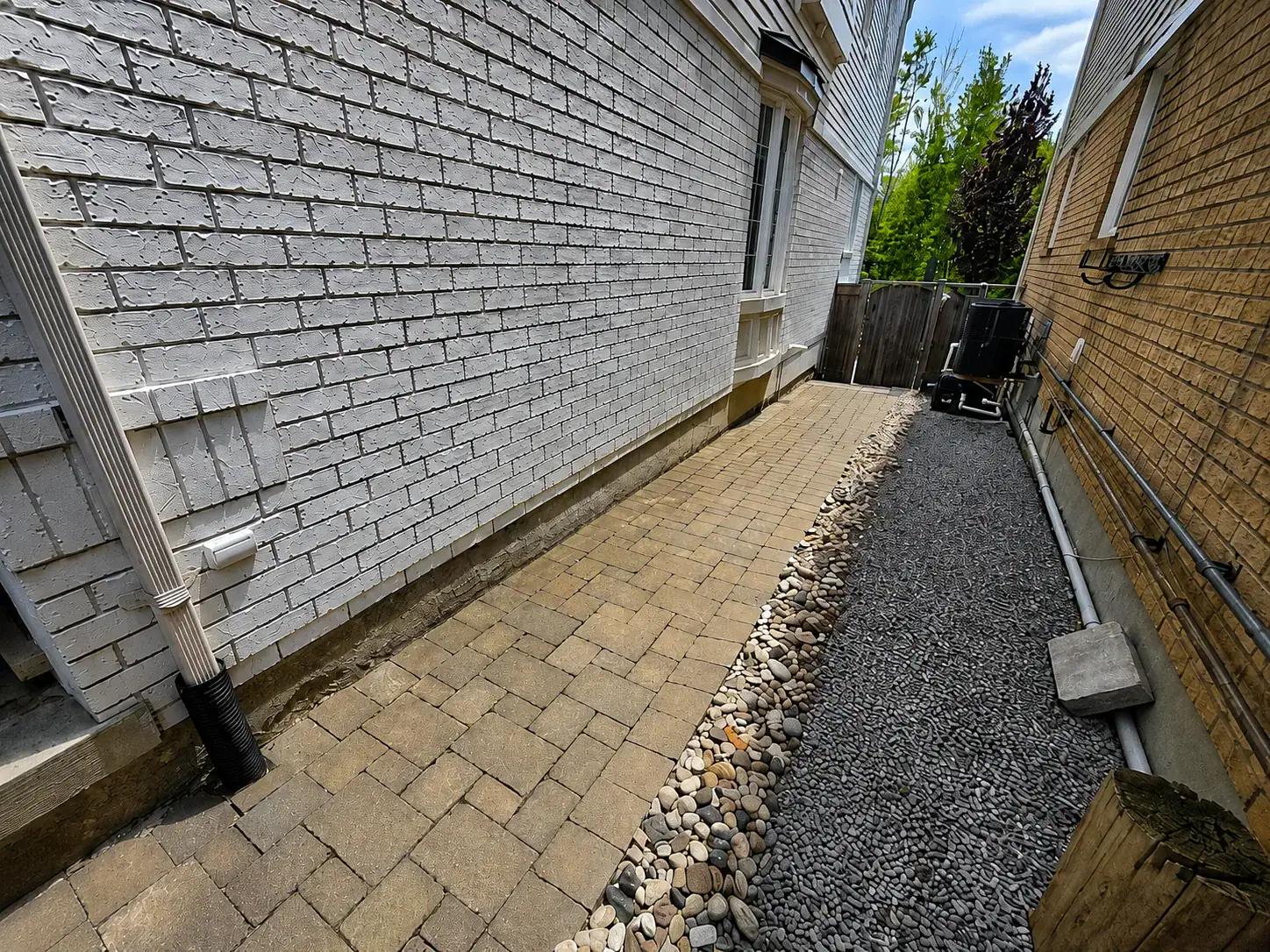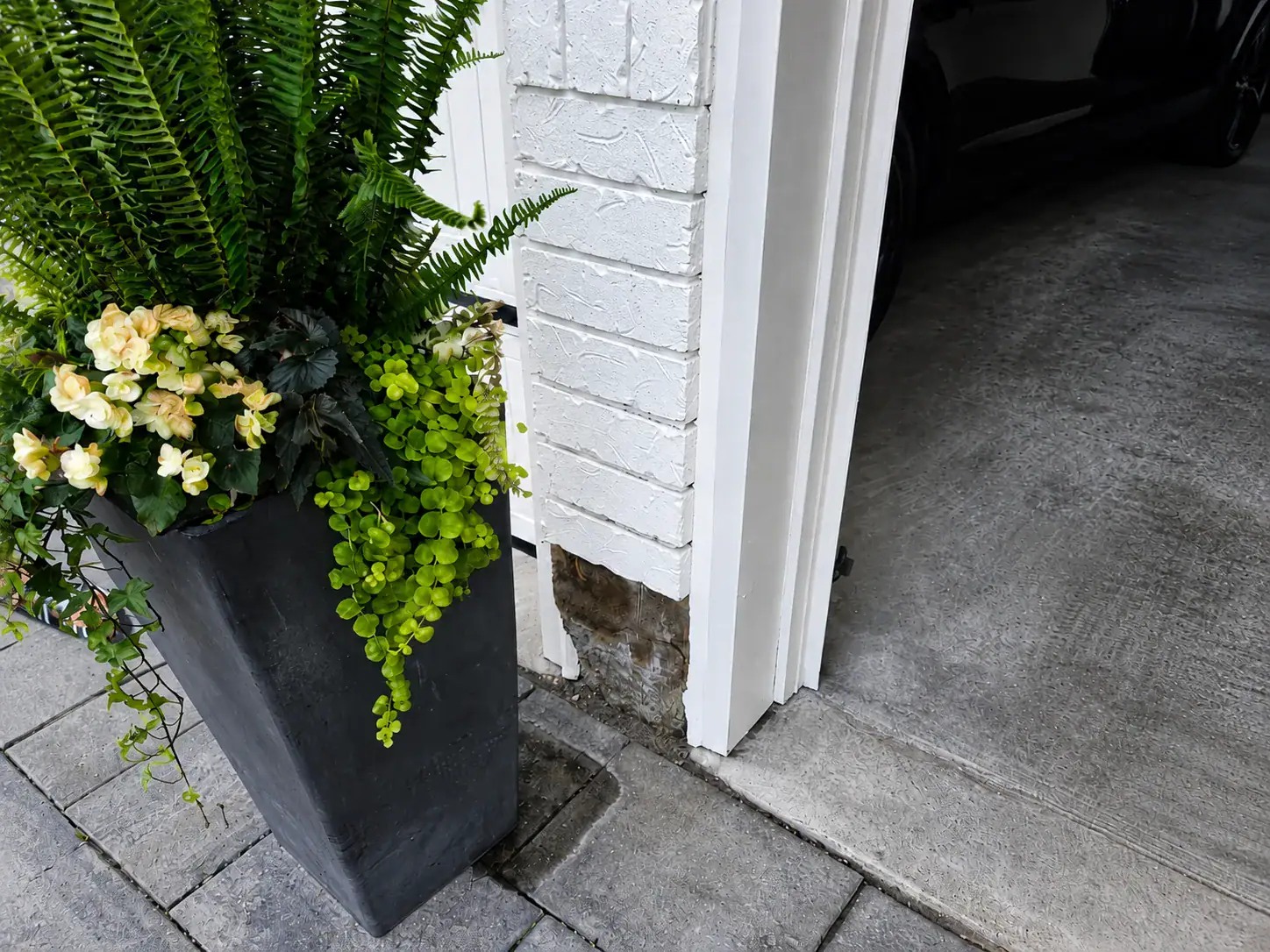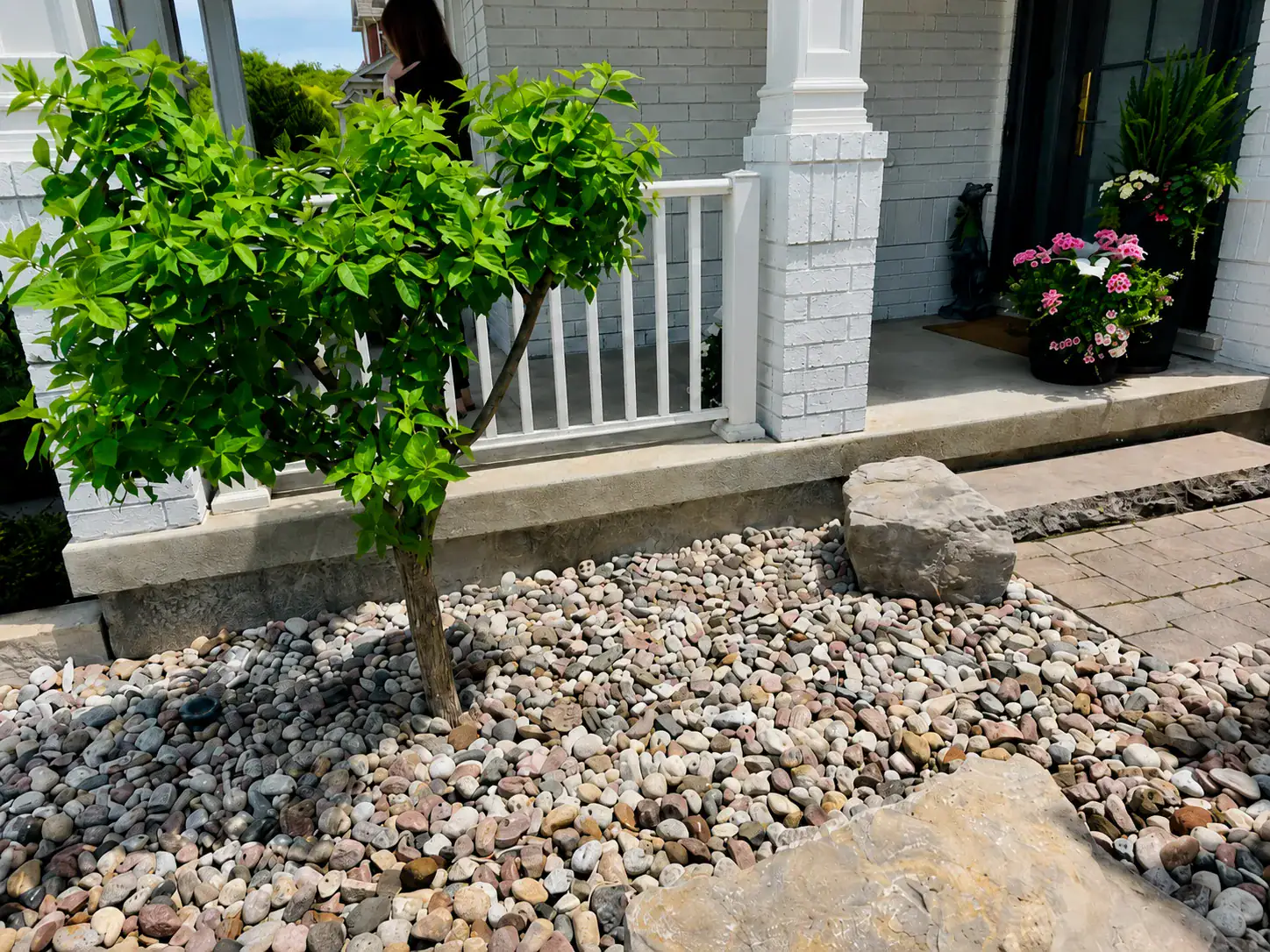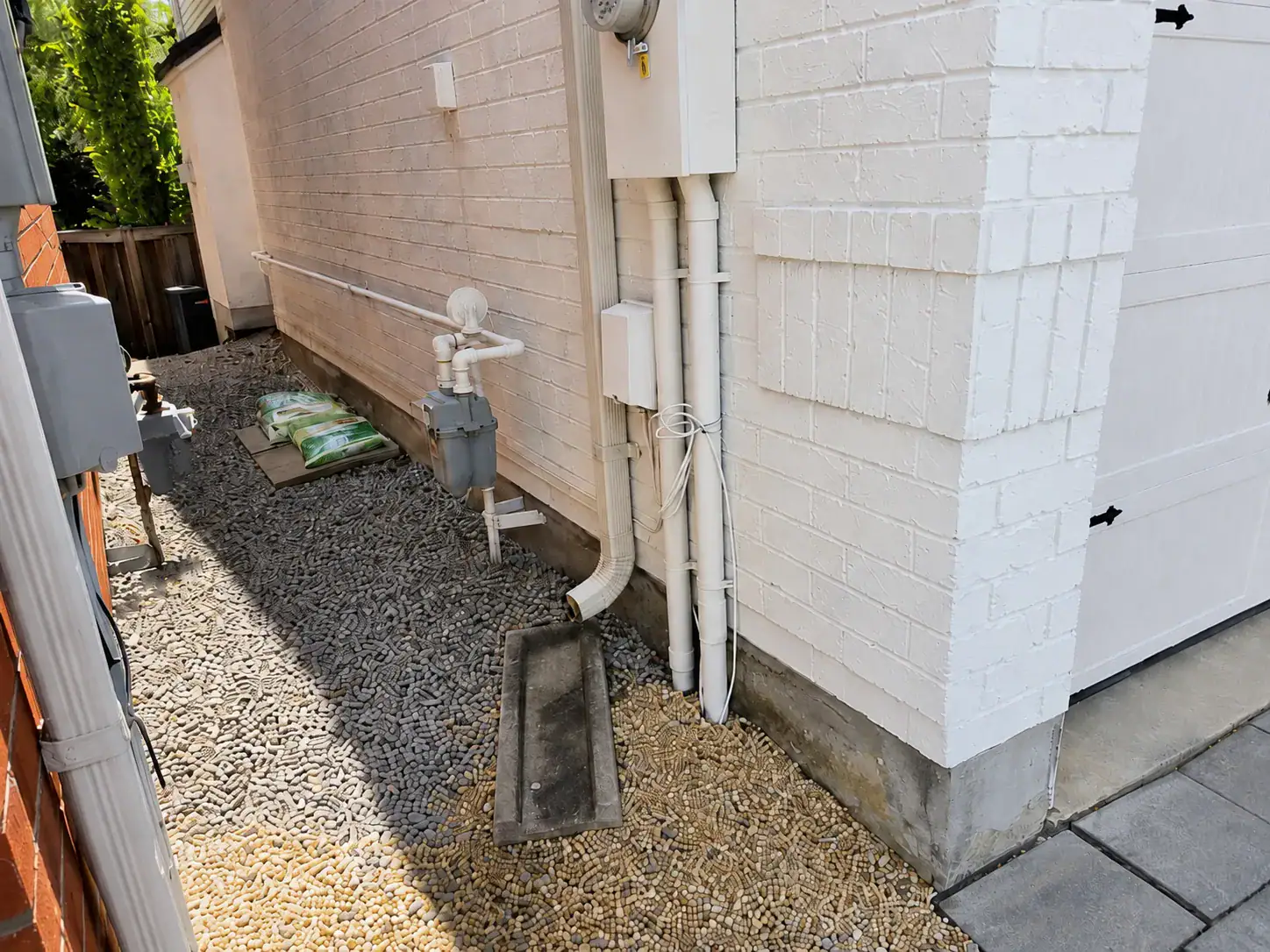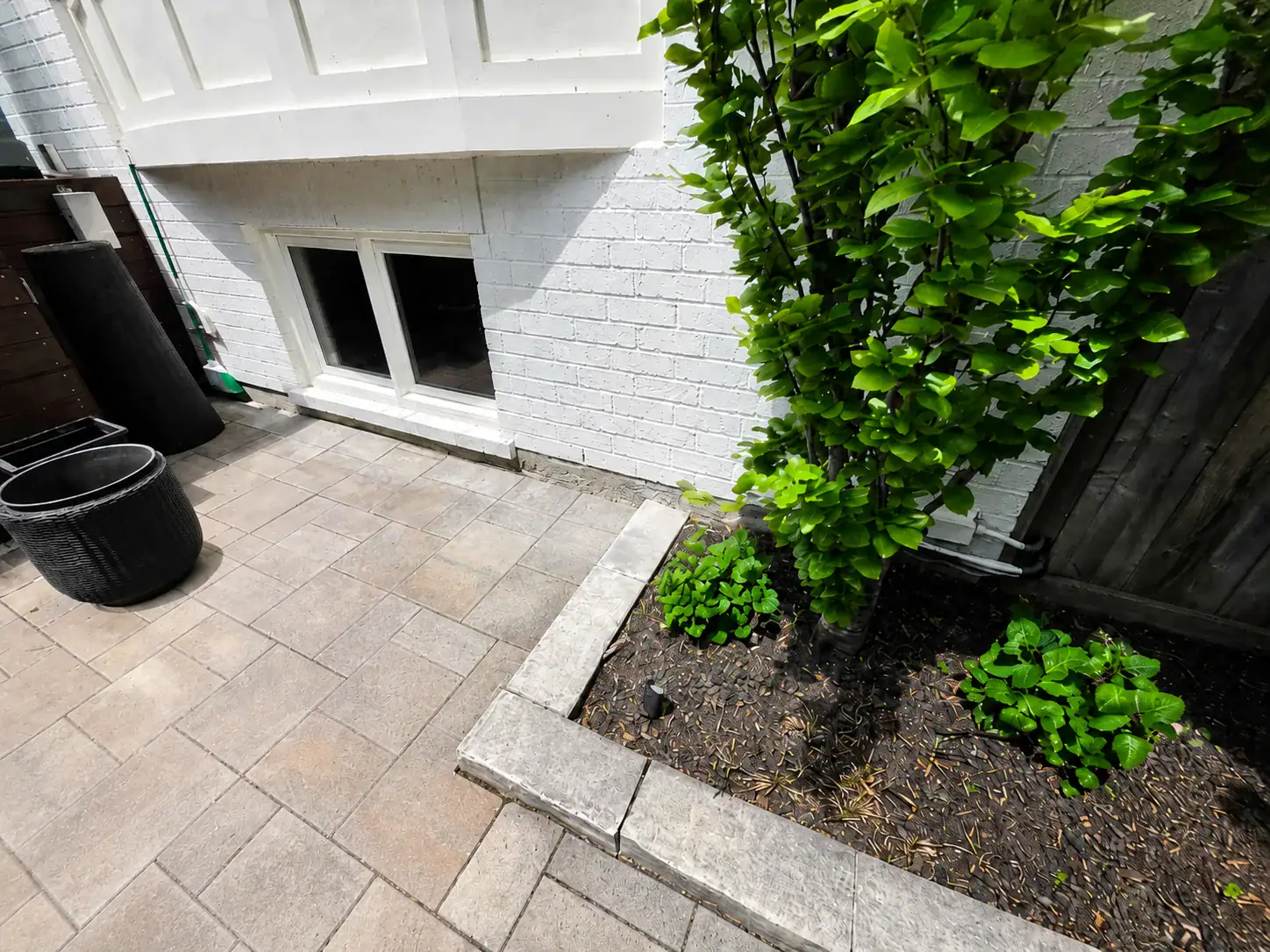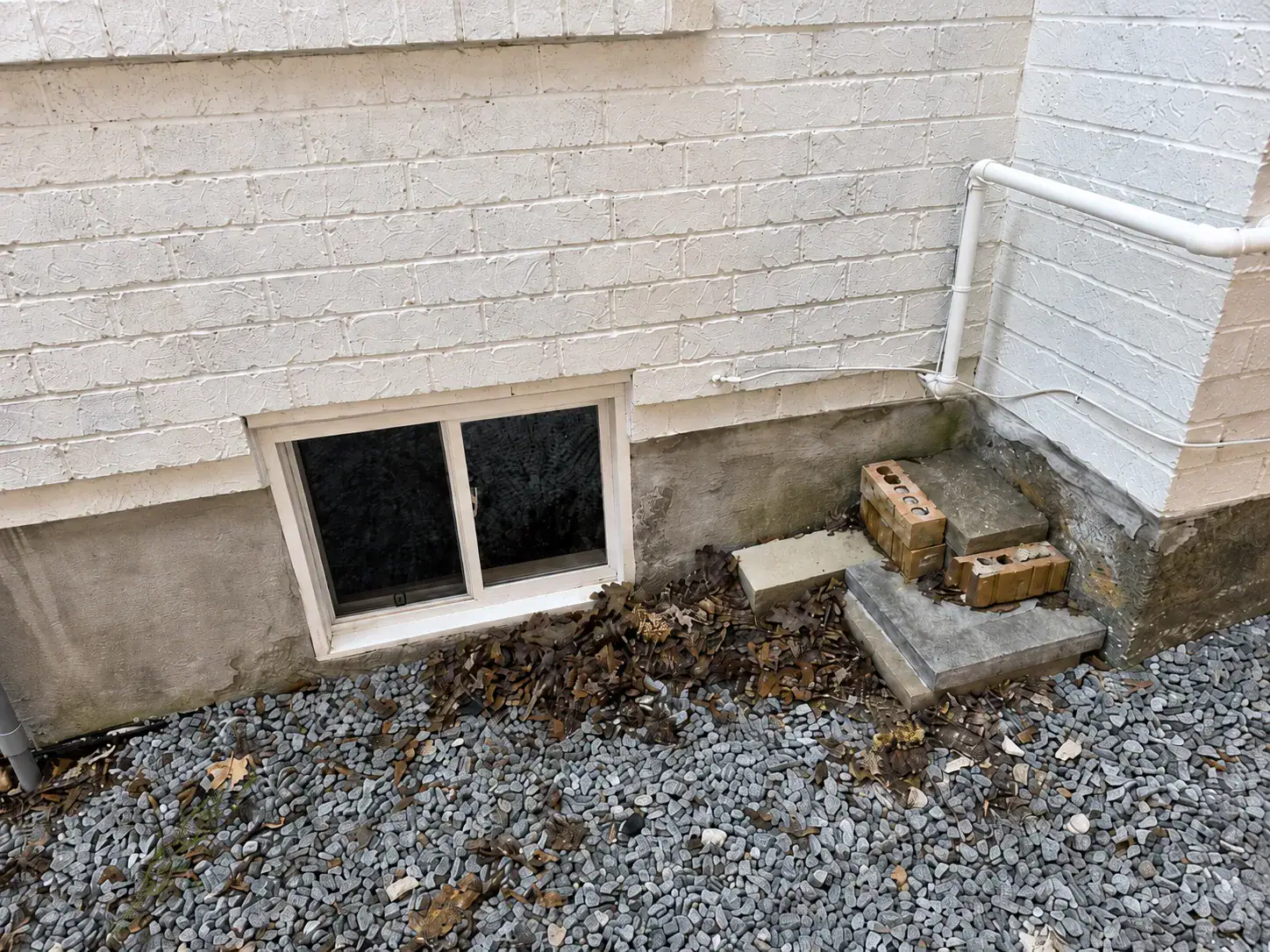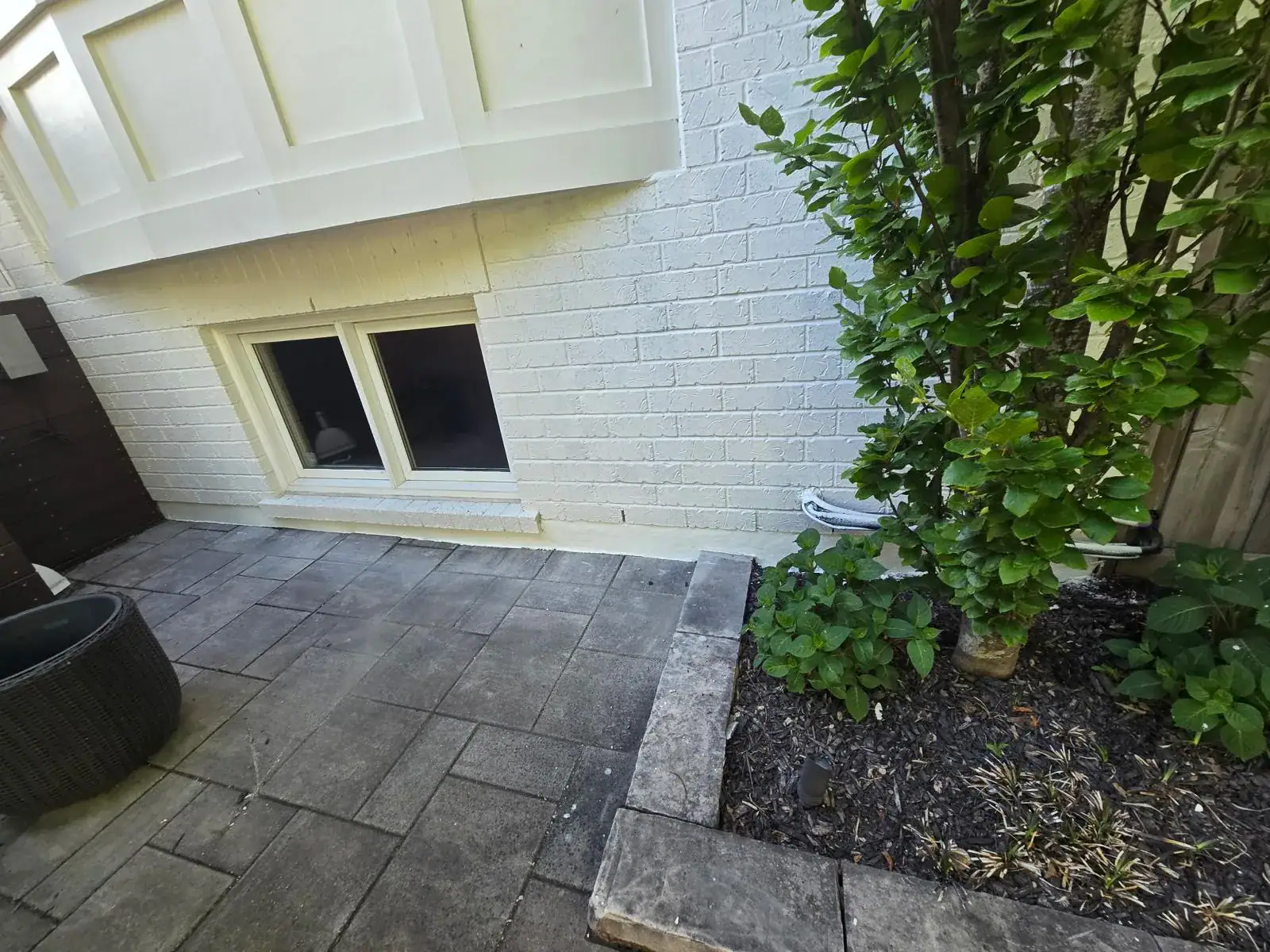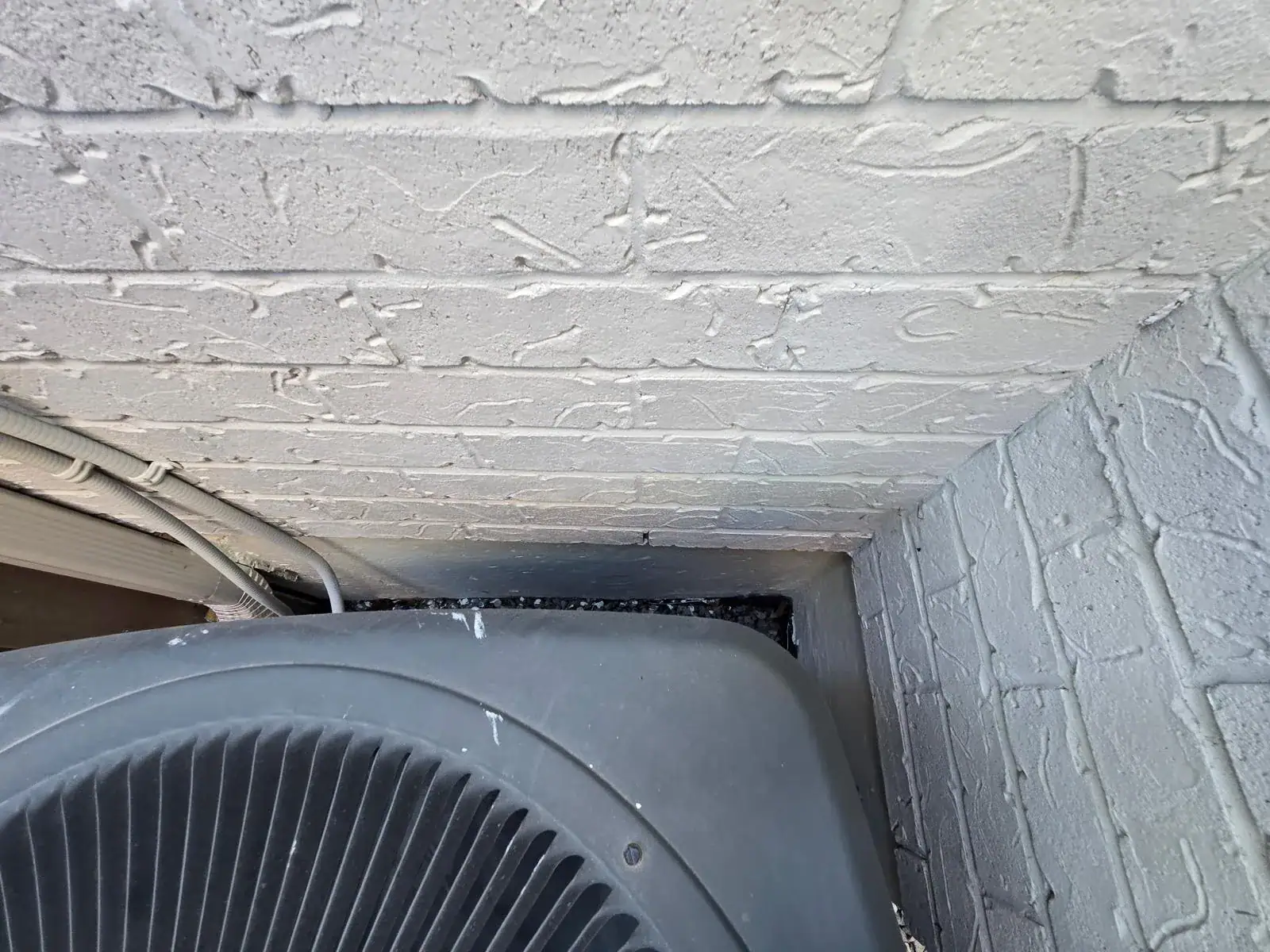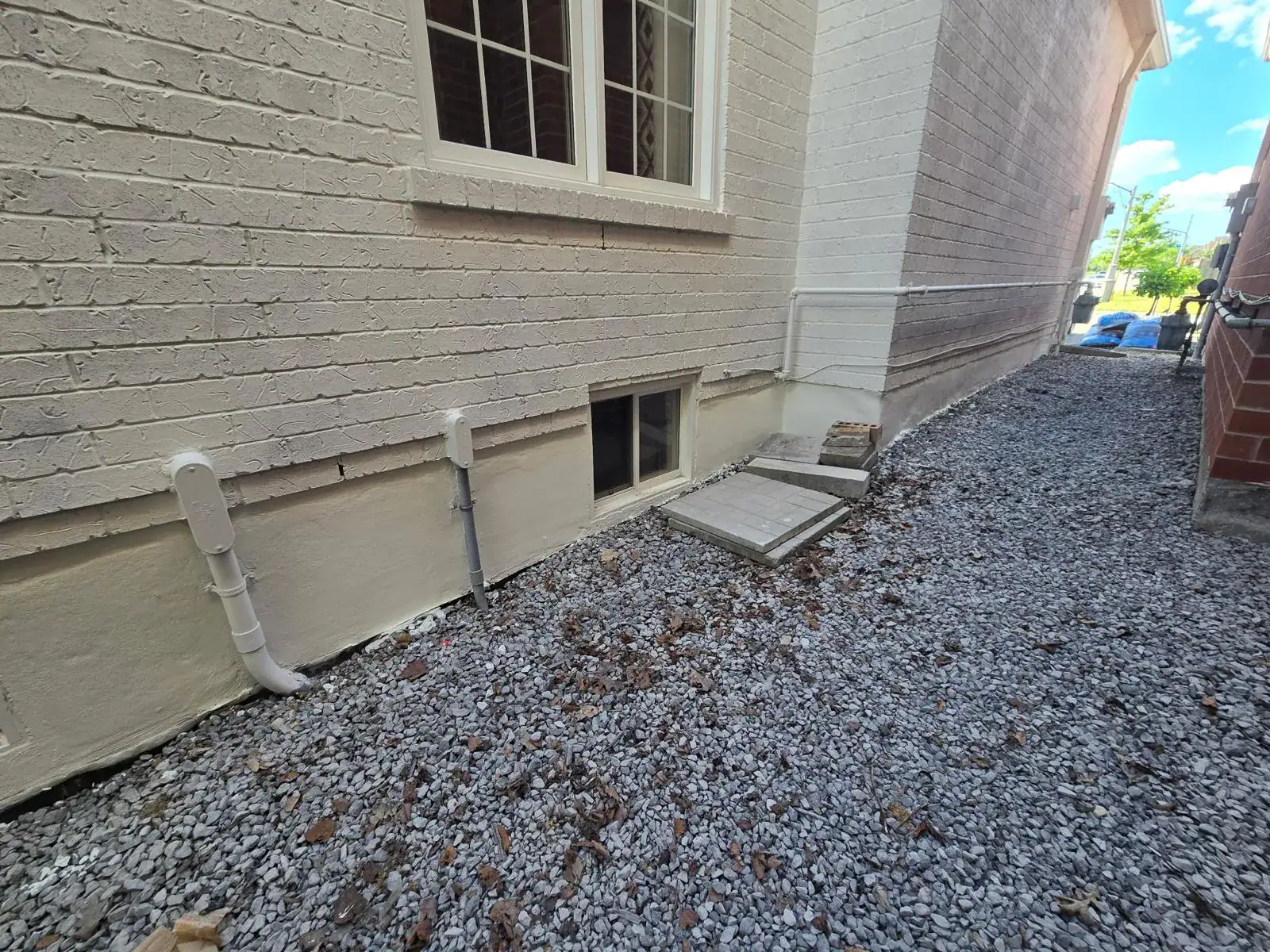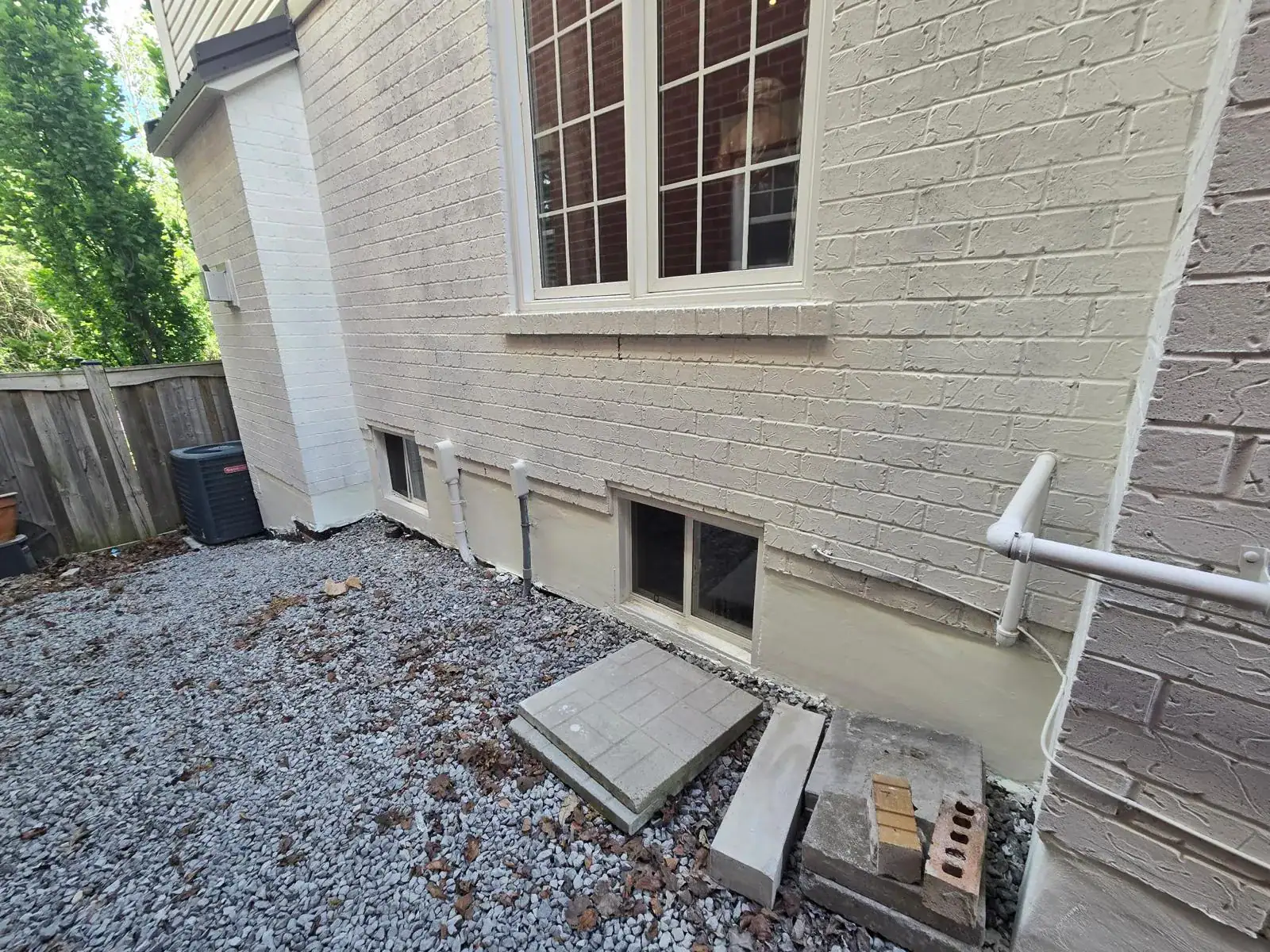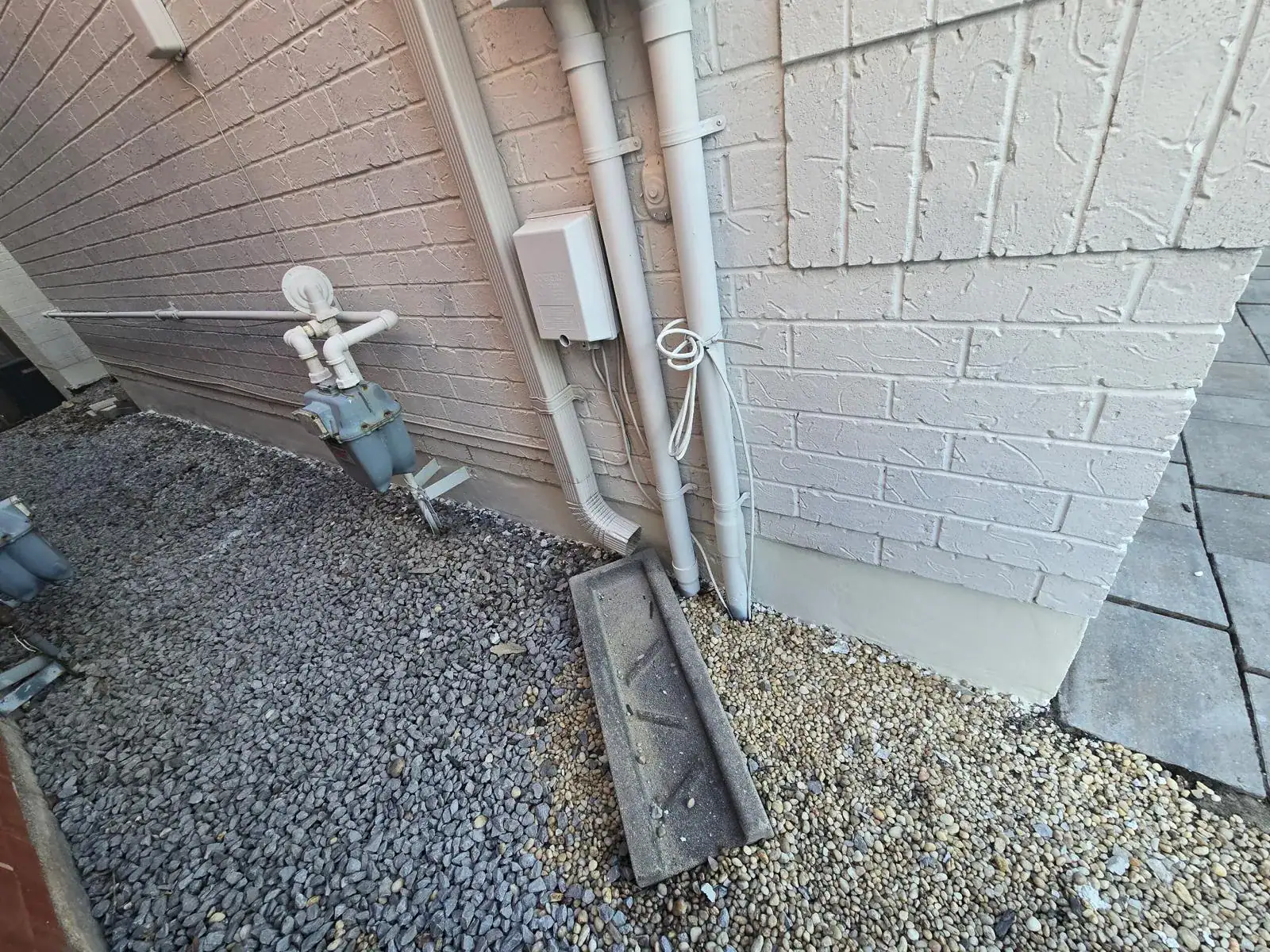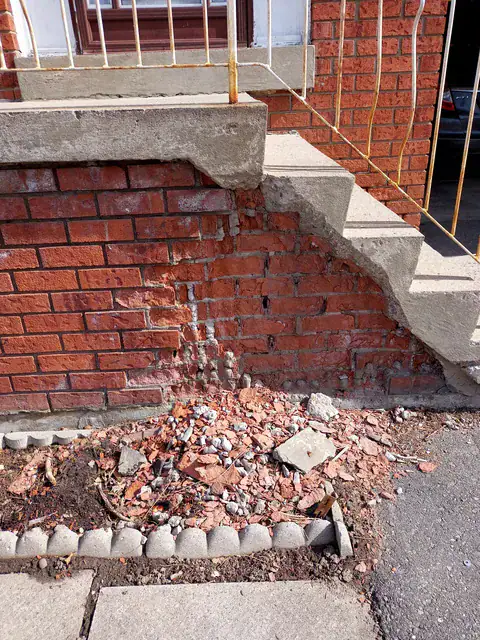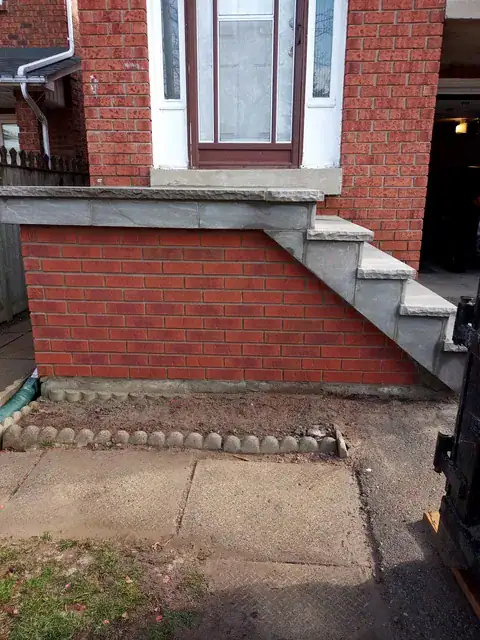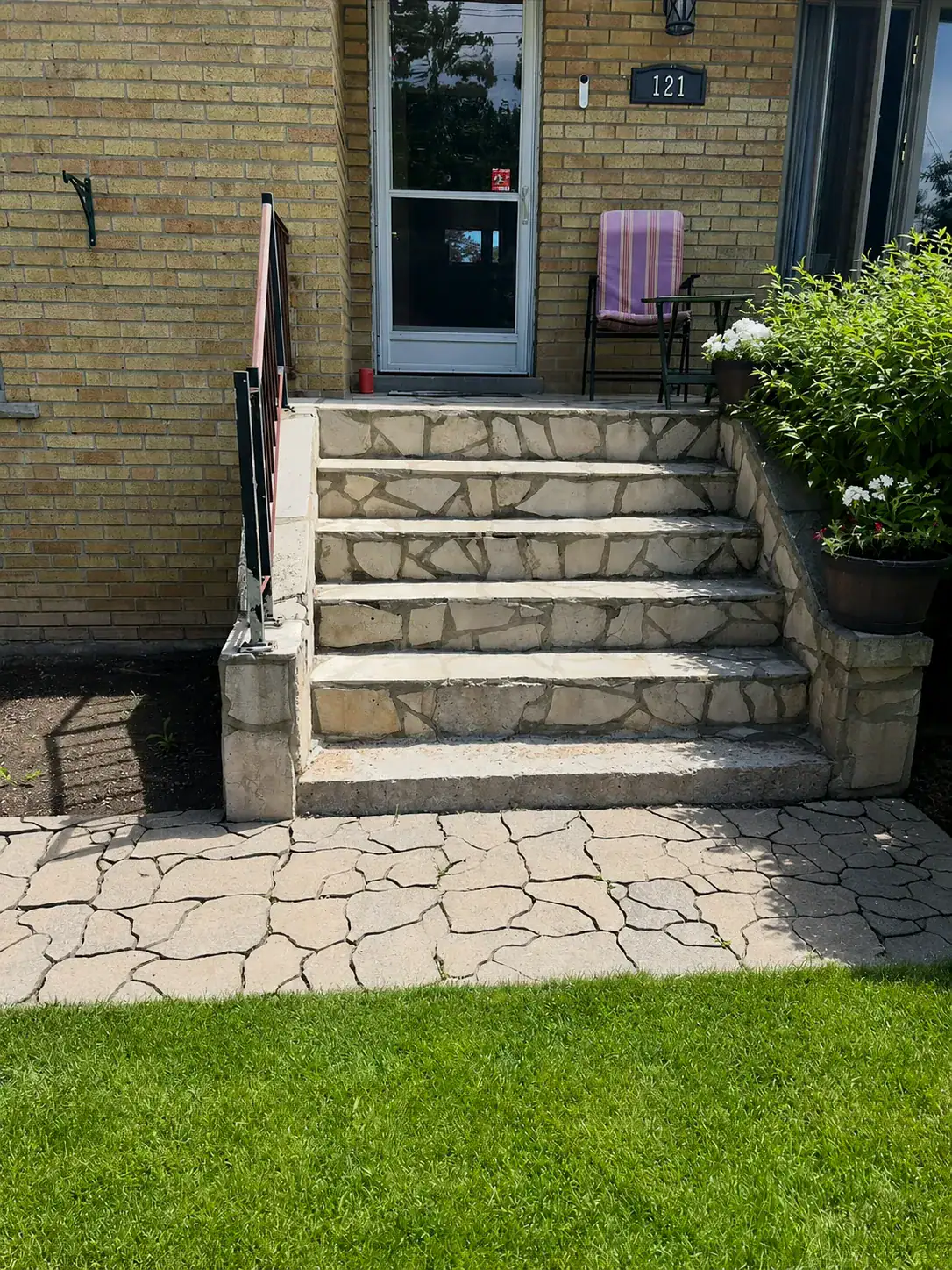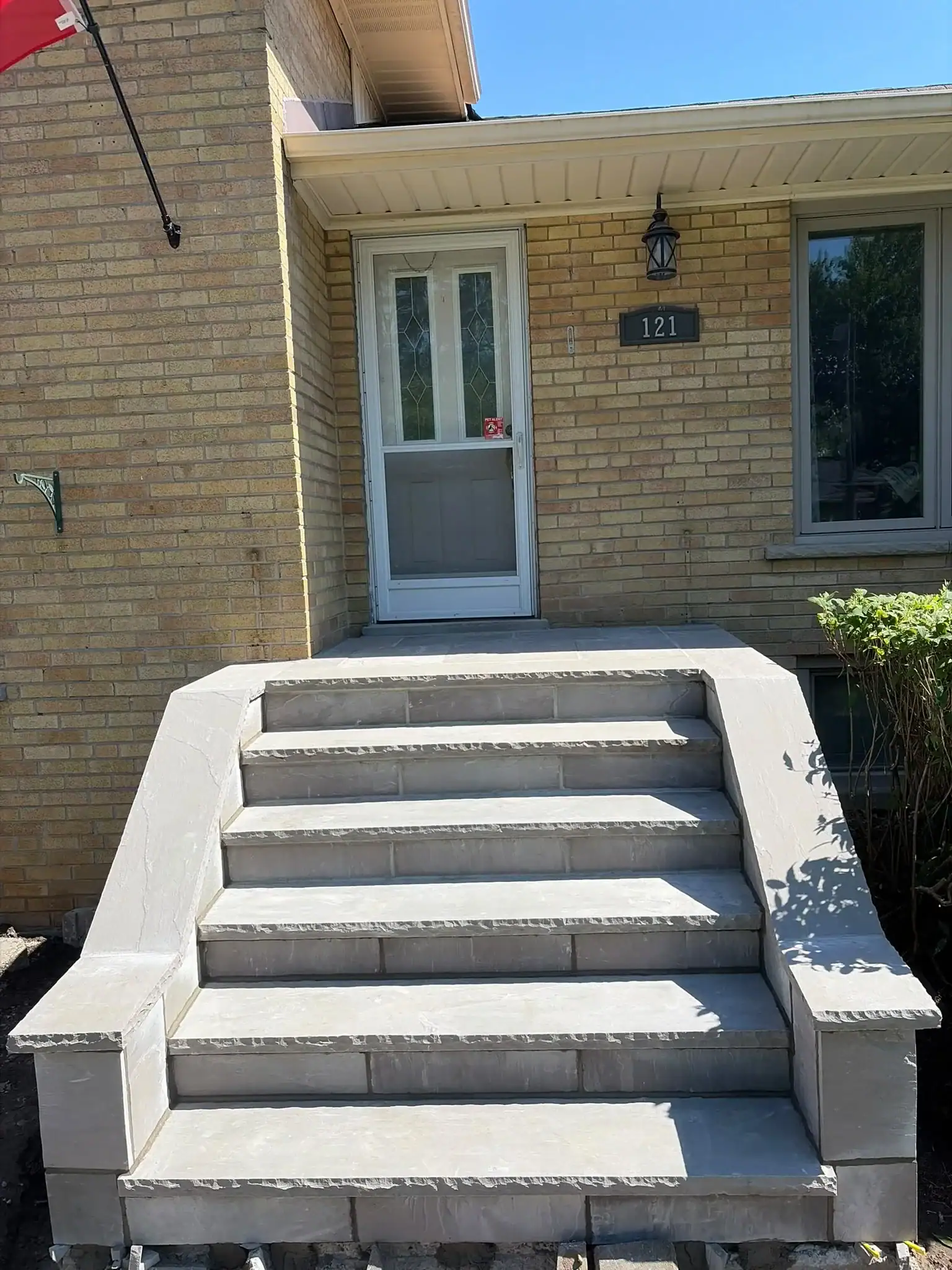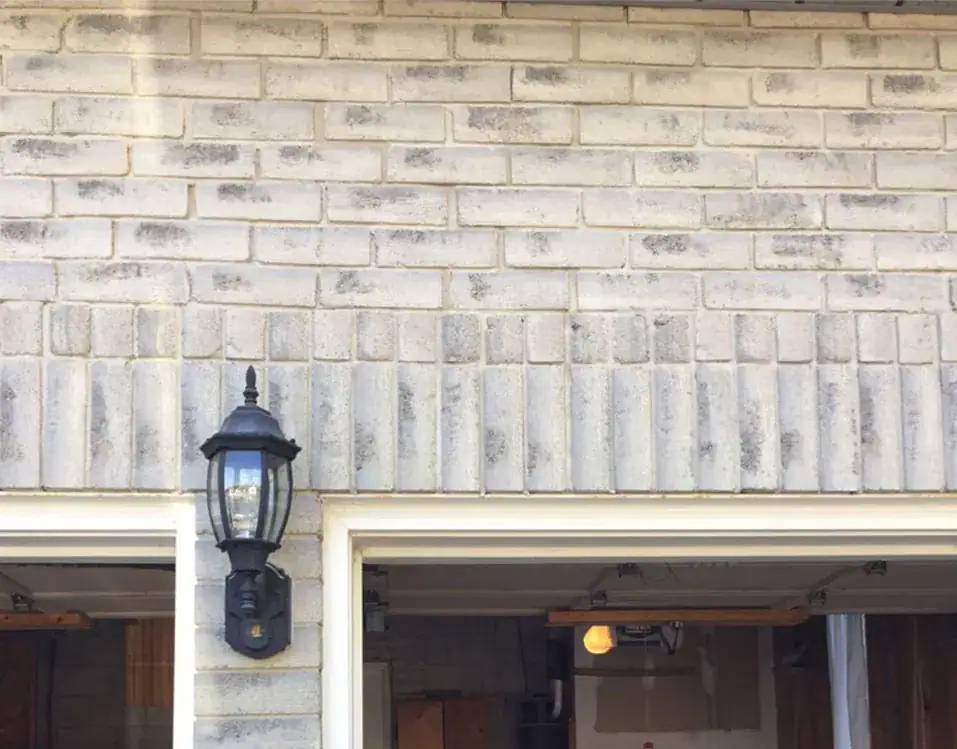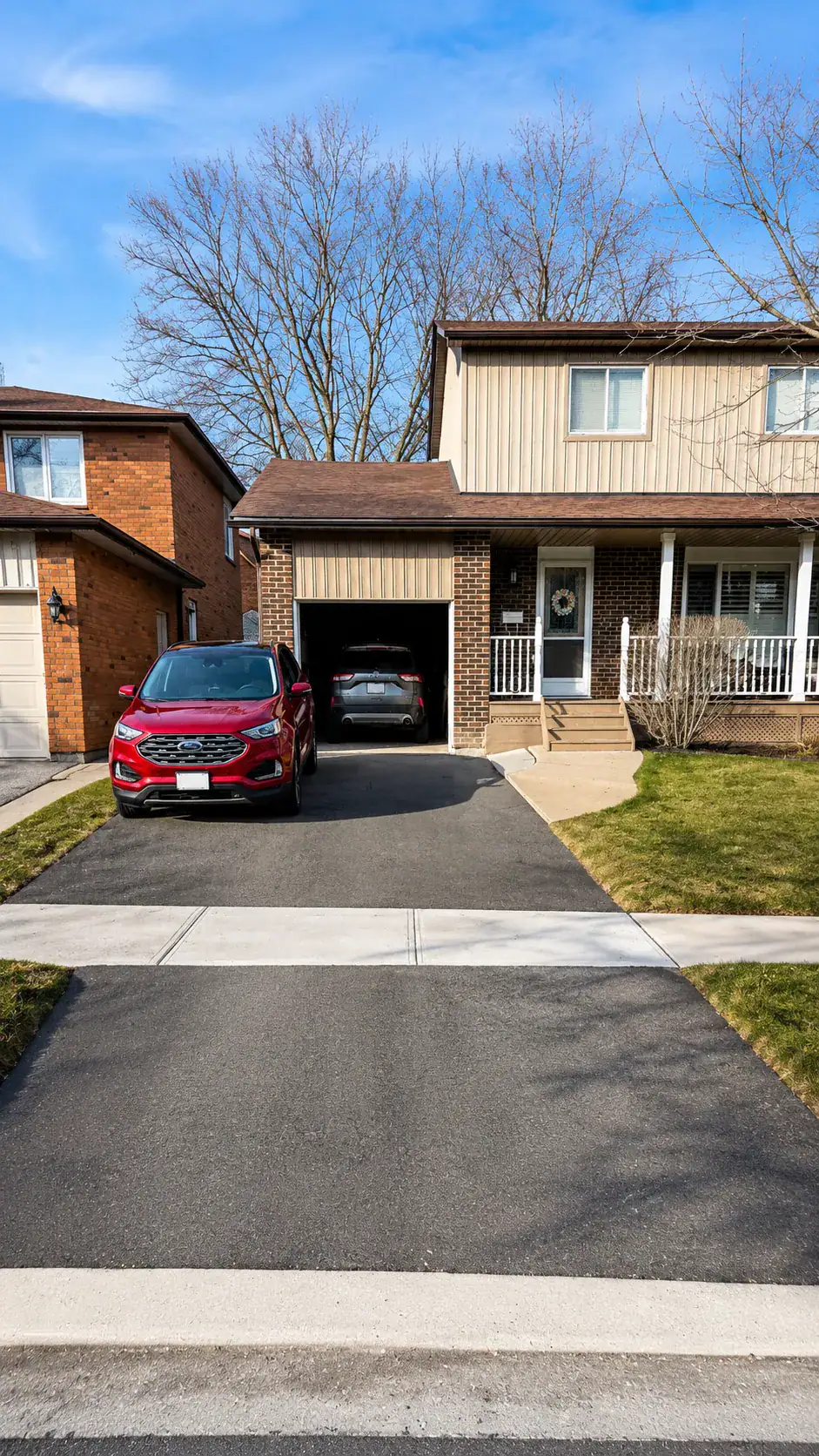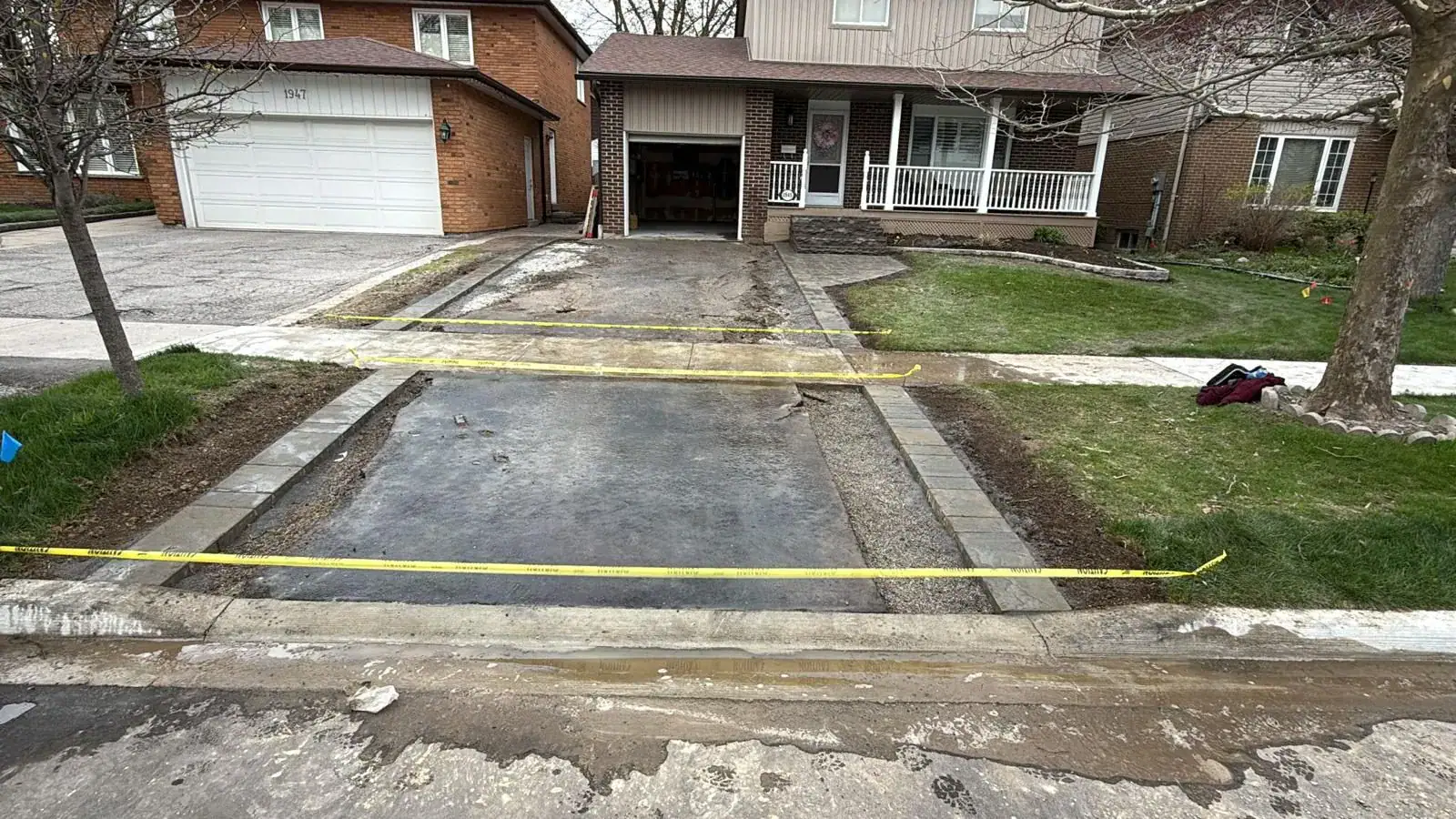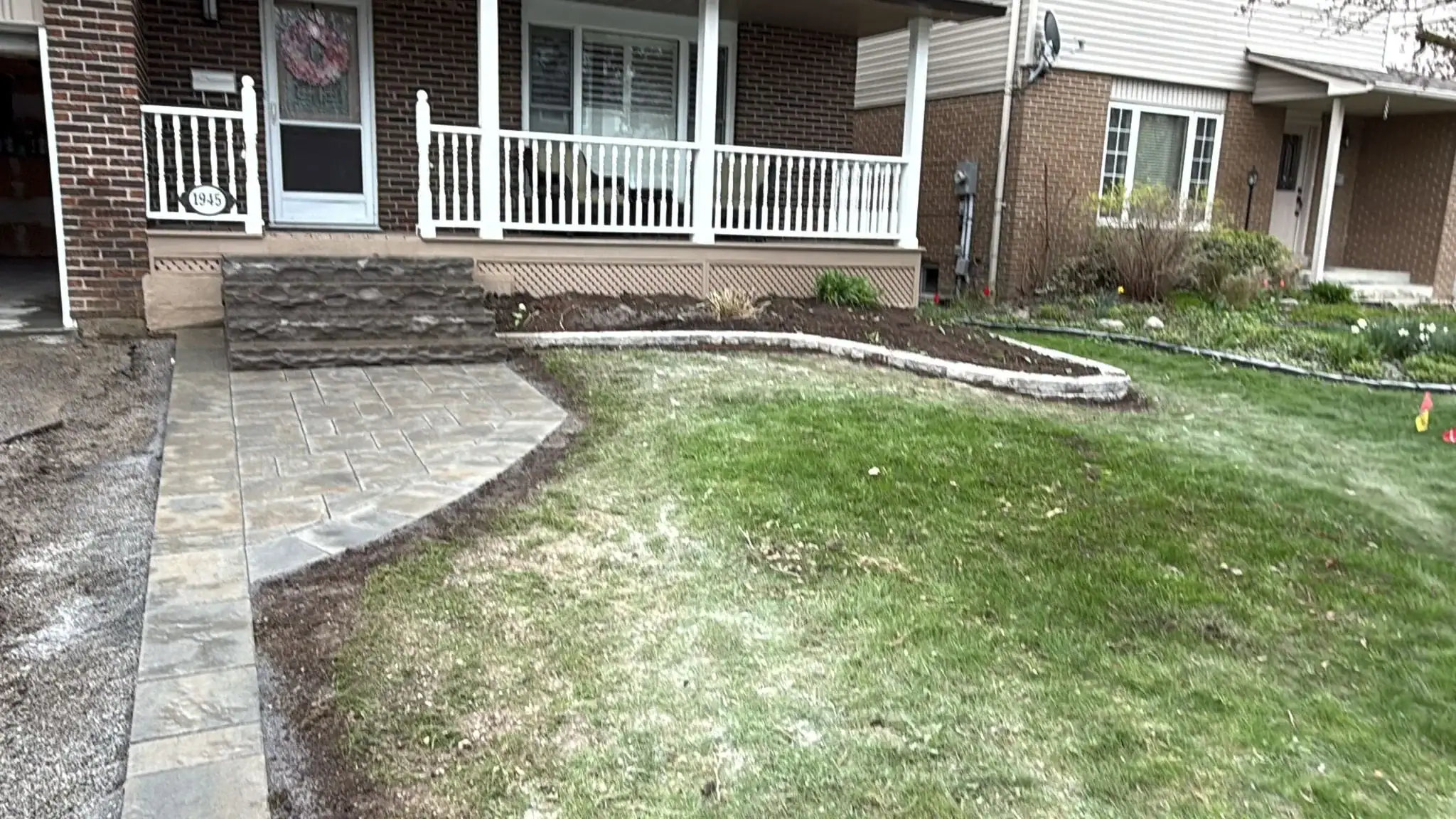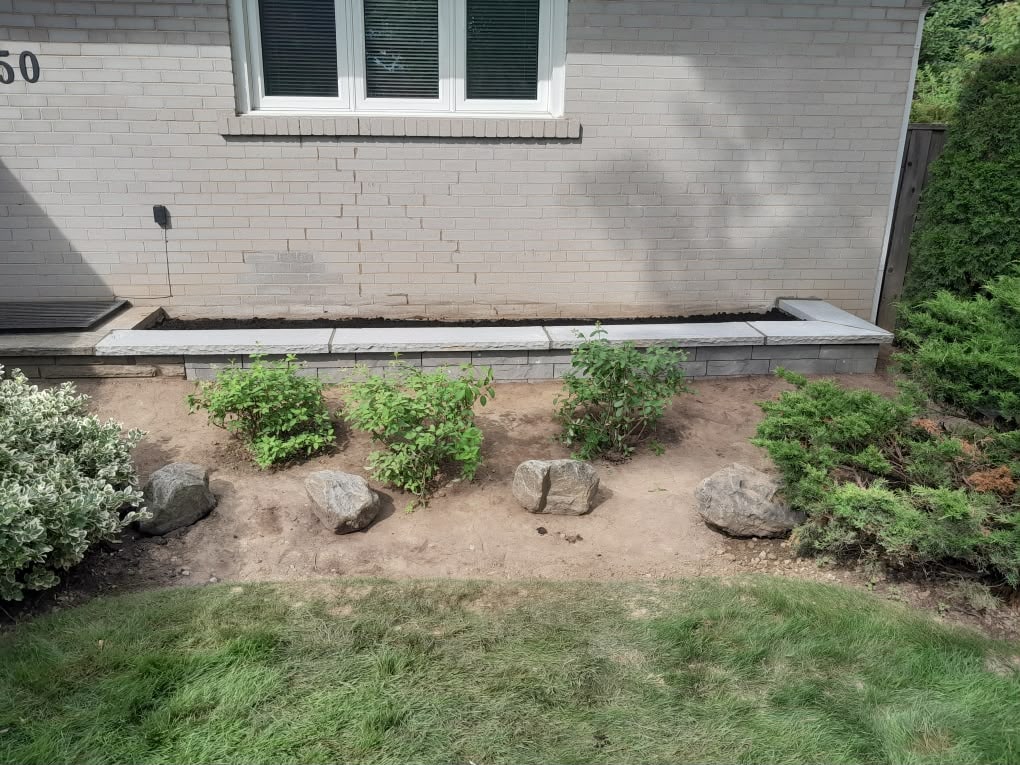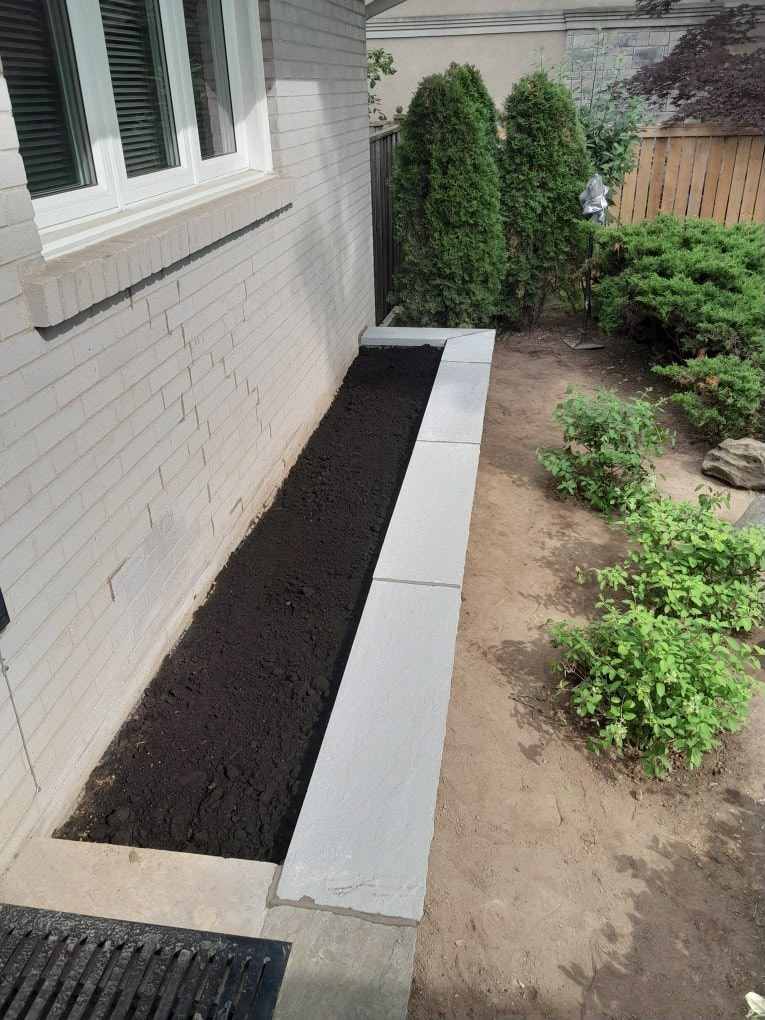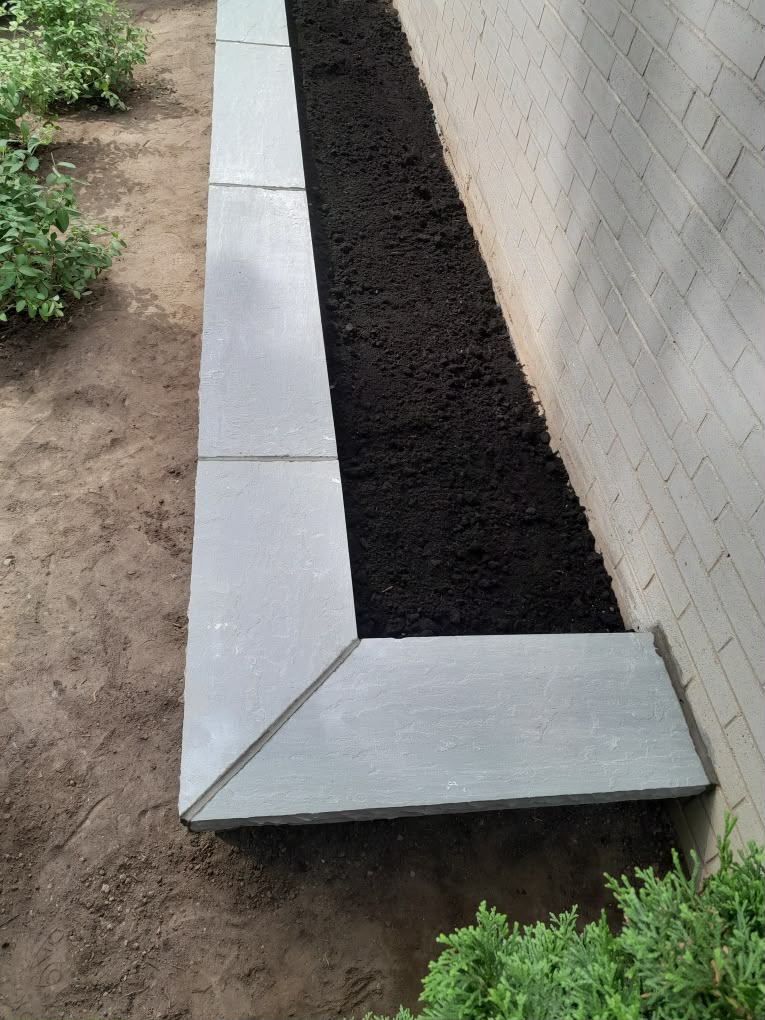

Spring is one of the best times to plan masonry work because it is the season when homeowners can finally see what winter did to the outside of the property. Cracked mortar, worn steps, uneven walkways, damp lower walls, and tired patio areas are easier to notice once snow, ice, and salt are gone. It is also the time when many homeowners start thinking about curb appeal, backyard use, and how to improve outdoor spaces before summer arrives.
That is what makes spring a strong season for masonry projects. It gives you a chance to move from repair-minded thinking into improvement-minded planning. Some homes need maintenance first. Others are ready for patio upgrades, walkway redesigns, retaining walls, or more decorative masonry features. In many cases, the best spring project is the one that improves the property’s appearance while also correcting a problem that winter made more obvious.
For Toronto and GTA homeowners, this matters because masonry needs to look good, not just for a few warm months. It needs to perform through rain, summer heat, autumn moisture, and another freeze-thaw cycle. In this guide, you will learn which spring masonry projects make the most sense for homeowners, how to tell whether a project should be repair-first or design-first, what practical factors to think about before building, and how to choose projects that improve the home without creating avoidable maintenance problems later.
Why Spring Is Such a Good Time for Masonry Projects
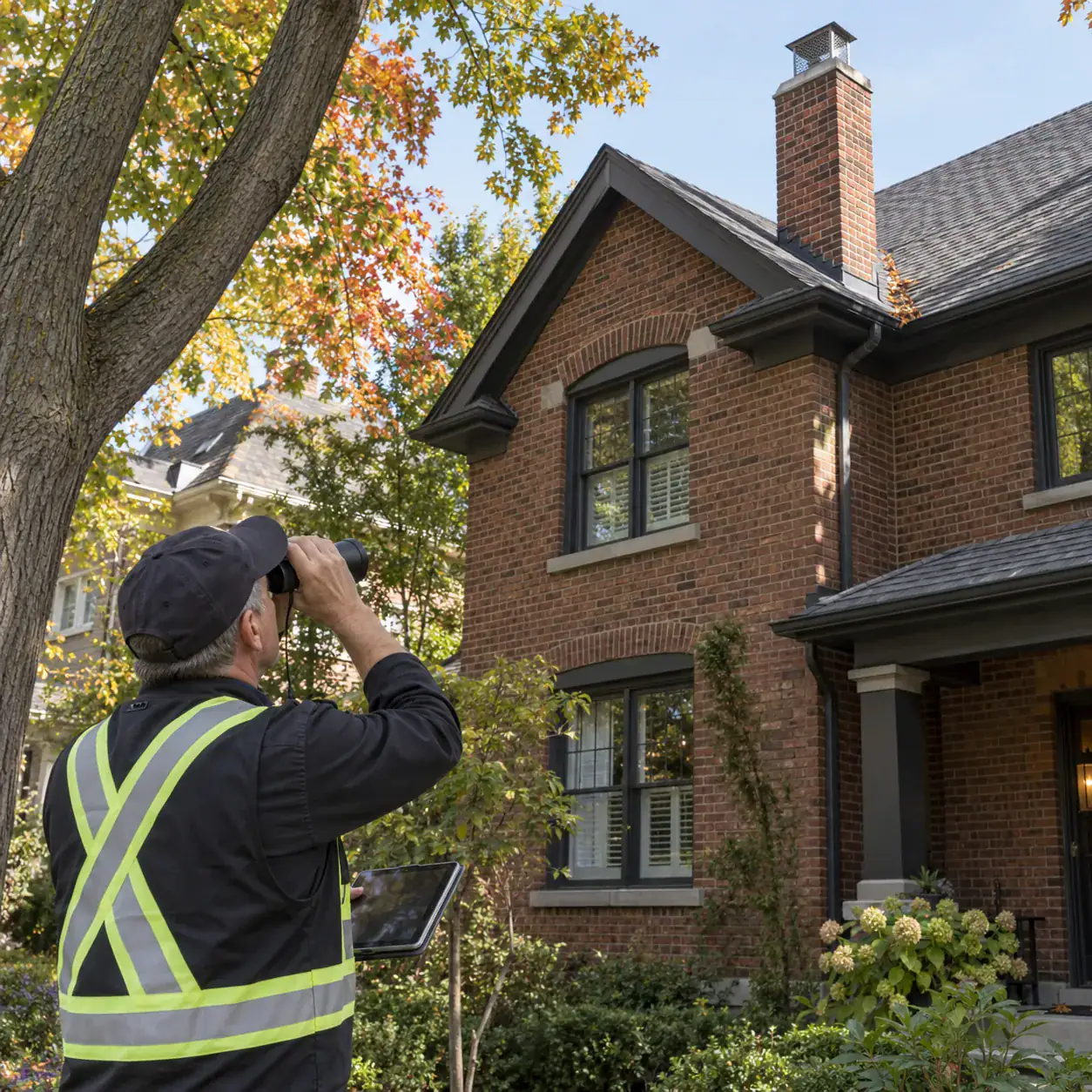
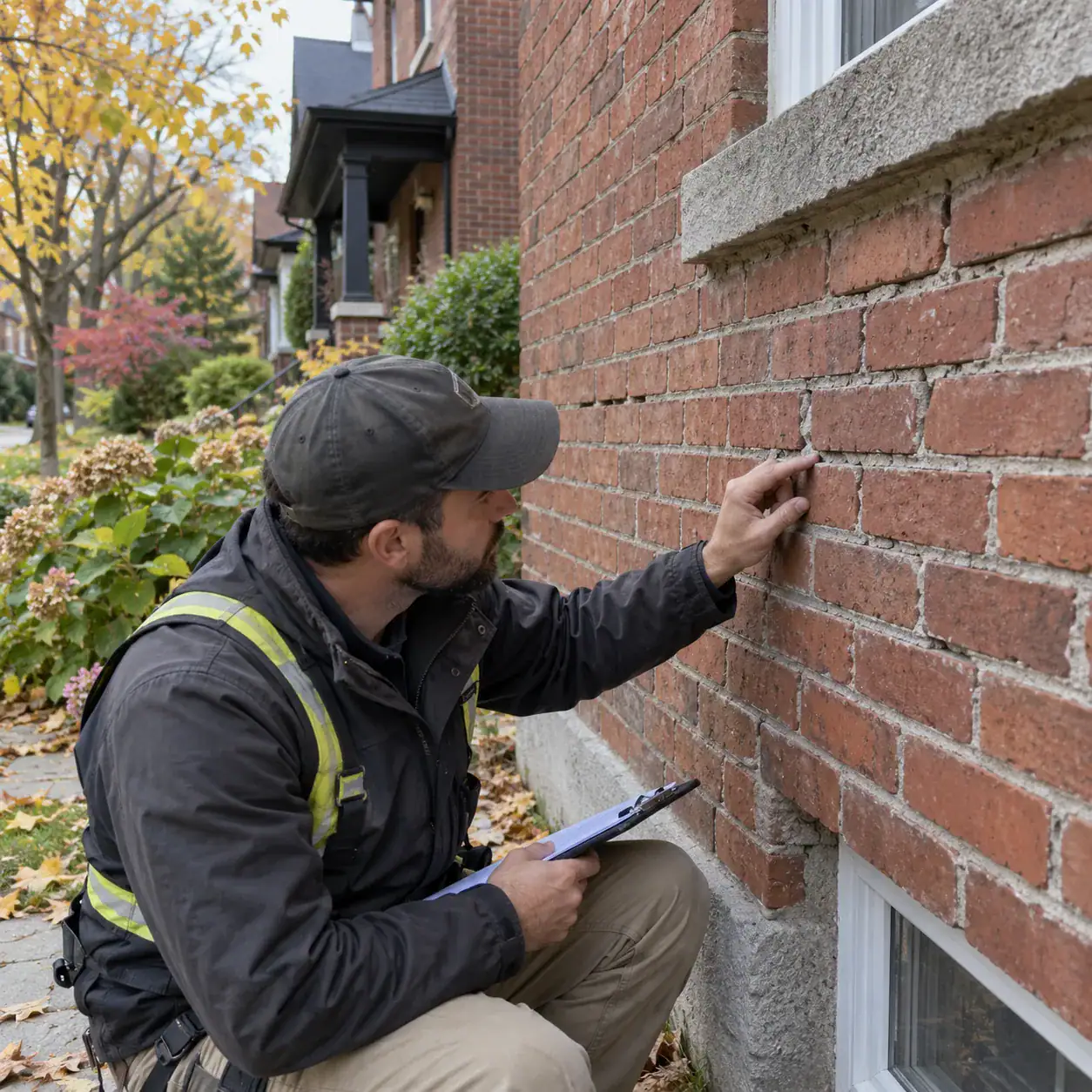
Spring gives homeowners something valuable that winter does not: visibility. Once the snow is gone and the ground begins to dry, it becomes much easier to see which masonry areas held up well and which ones need attention. Problems with steps, patios, lower brick walls, retaining features, and drainage paths tend to become more apparent at this time of year.
It is also the point in the year when outdoor projects still have room to influence how the property is used for the months ahead. A spring masonry project is not only about repair. It can shape how the front entry feels, how the backyard functions, and how well the property handles water and foot traffic through the rest of the season.
If winter wear is part of what put the project on your radar, our related blog on spring cleaning and masonry touch-ups is a good companion read, as it helps distinguish light seasonal maintenance from work that is already moving toward real repair or redesign.
Start With Repair or Start With Design?
This is one of the most useful questions a homeowner can ask before spending money. Some spring masonry projects should begin with repair because the existing structure is already showing wear or movement. Others can begin with design because the current surfaces are still sound, and the goal is mainly improvement.
Start with repair first if:
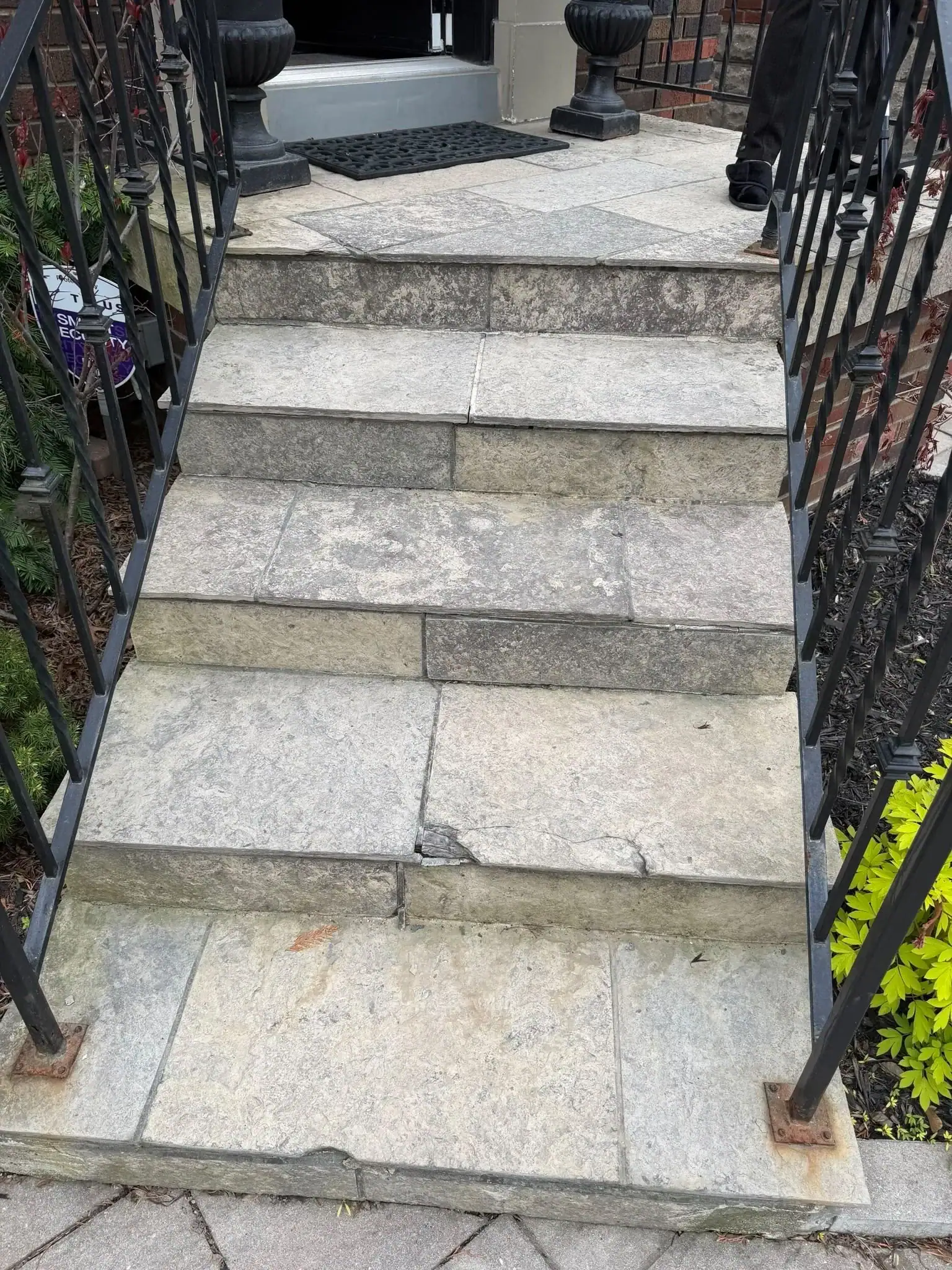
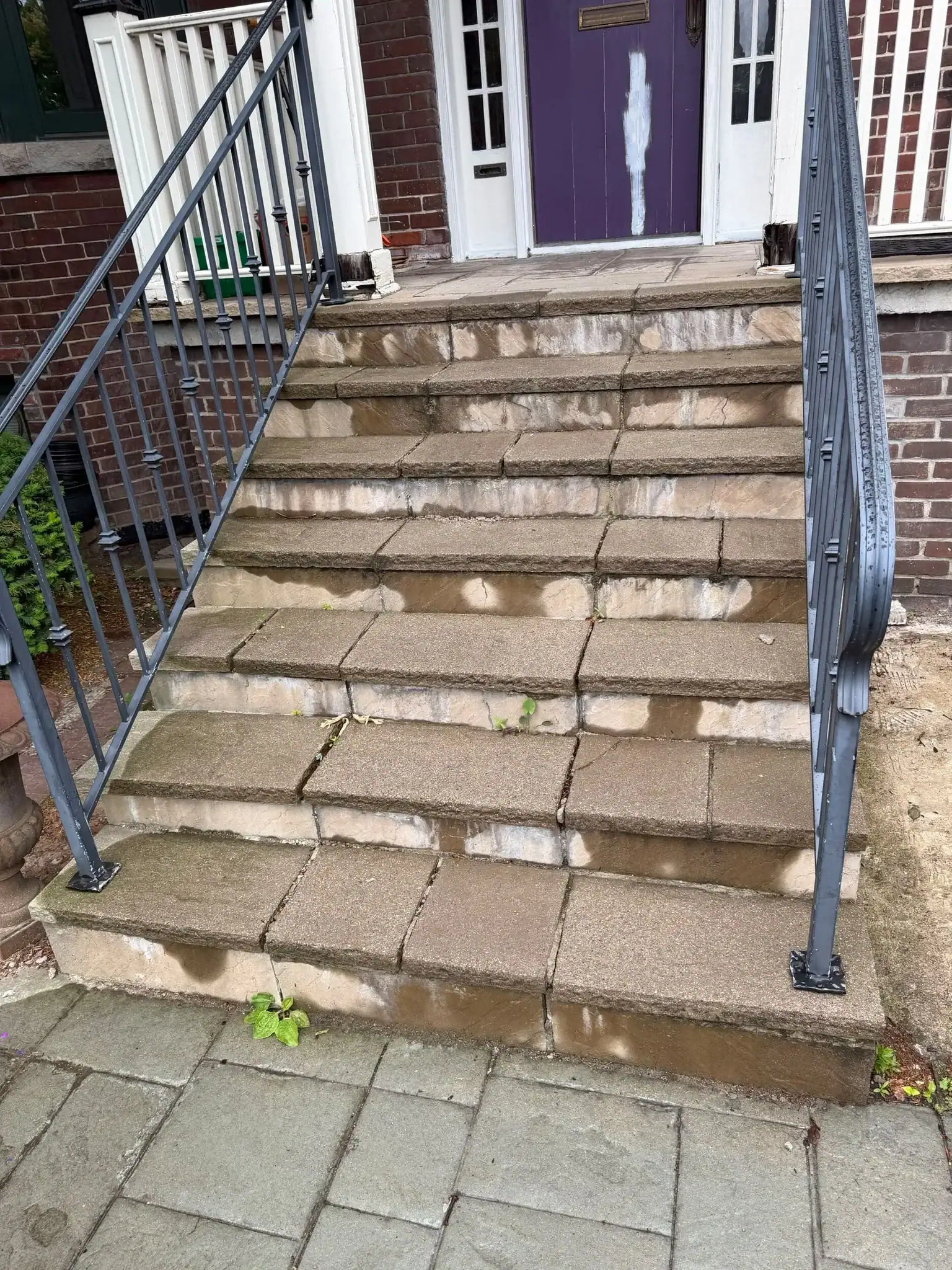
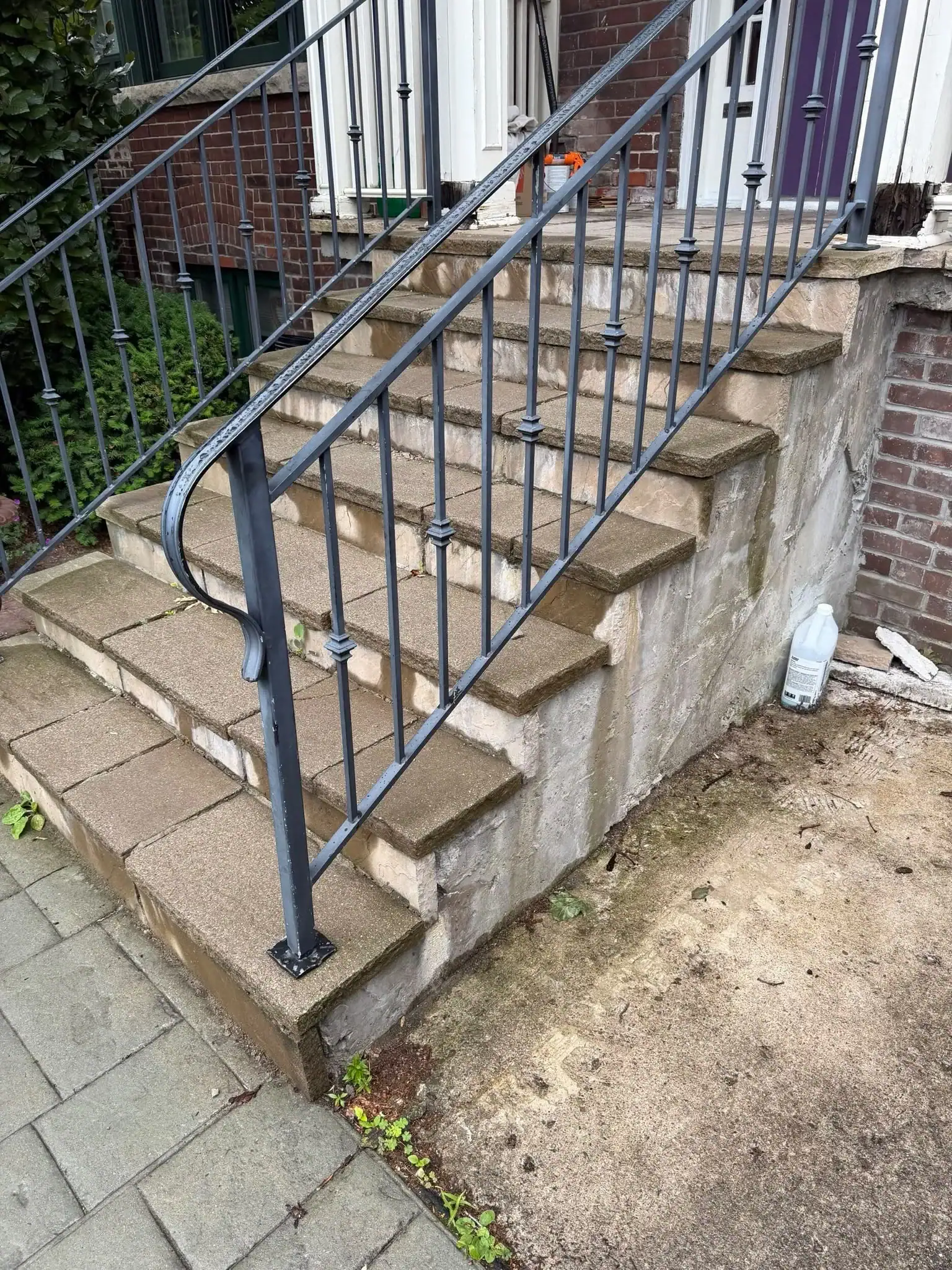
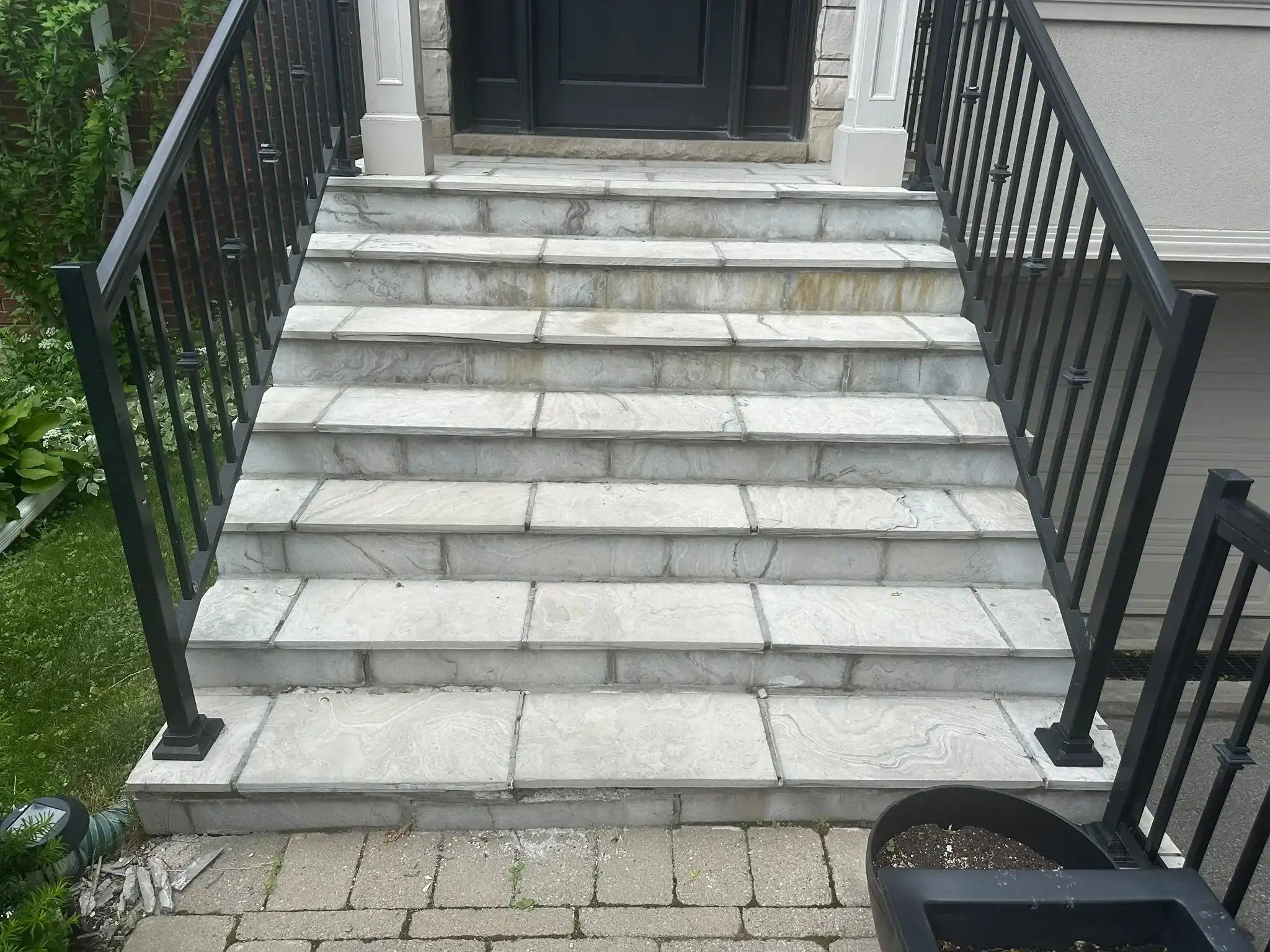
- steps are shifting or cracking
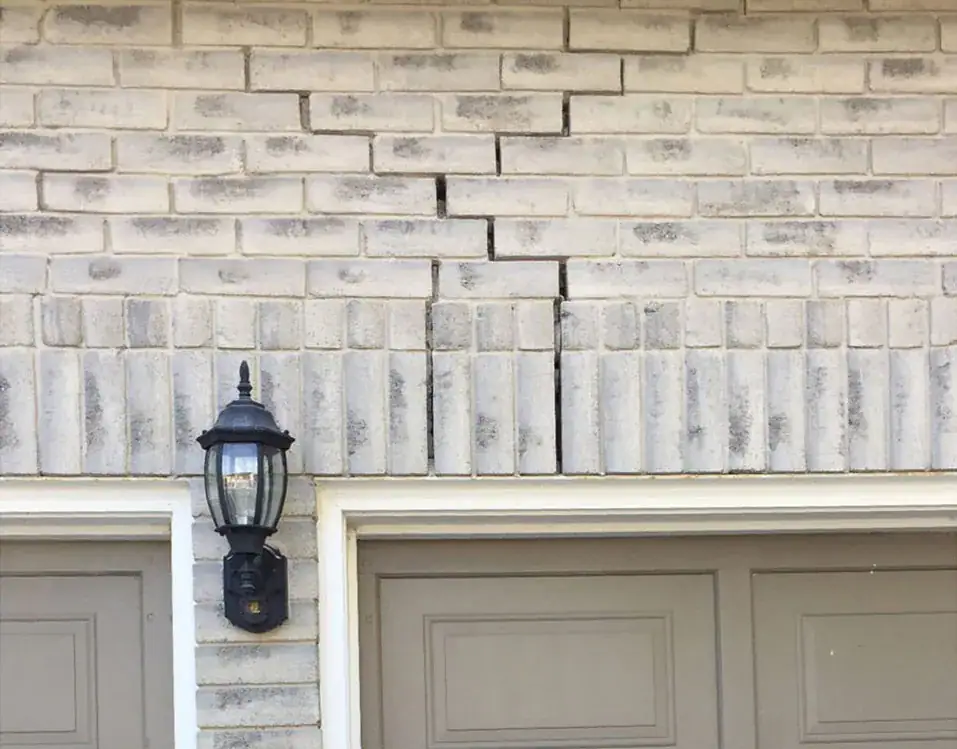
- mortar joints are open or deteriorating
- brick faces are flaking or spalling
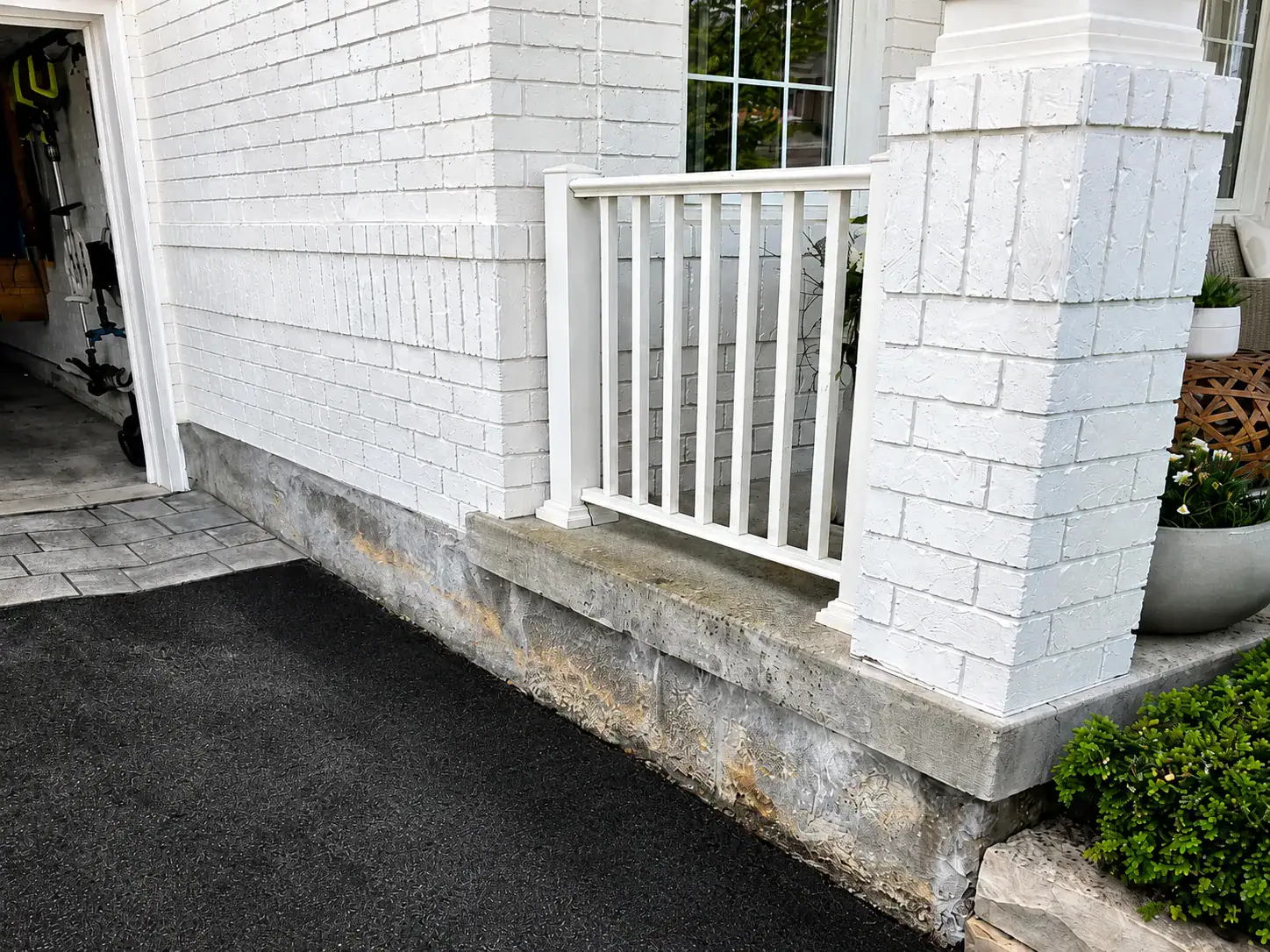
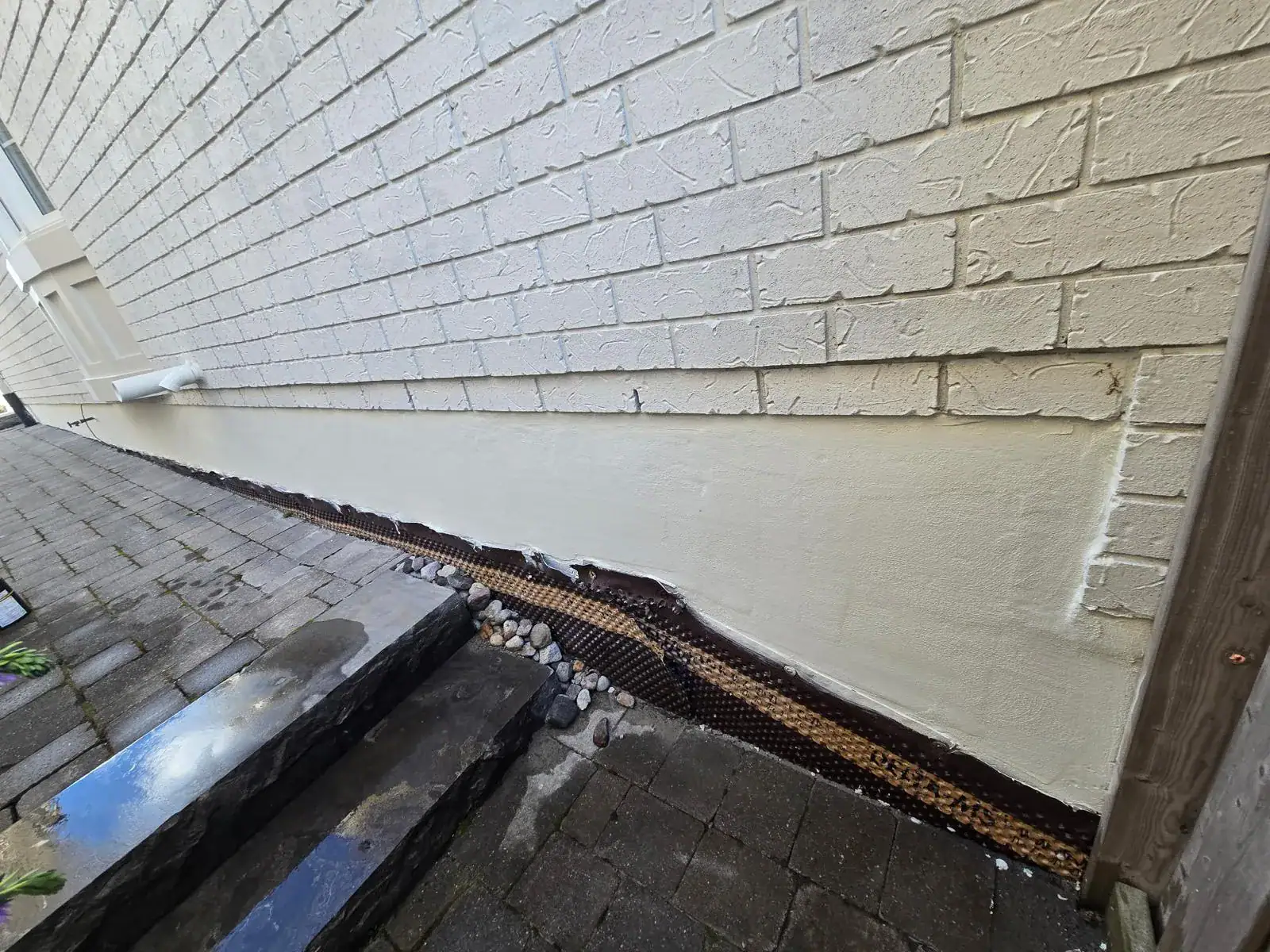
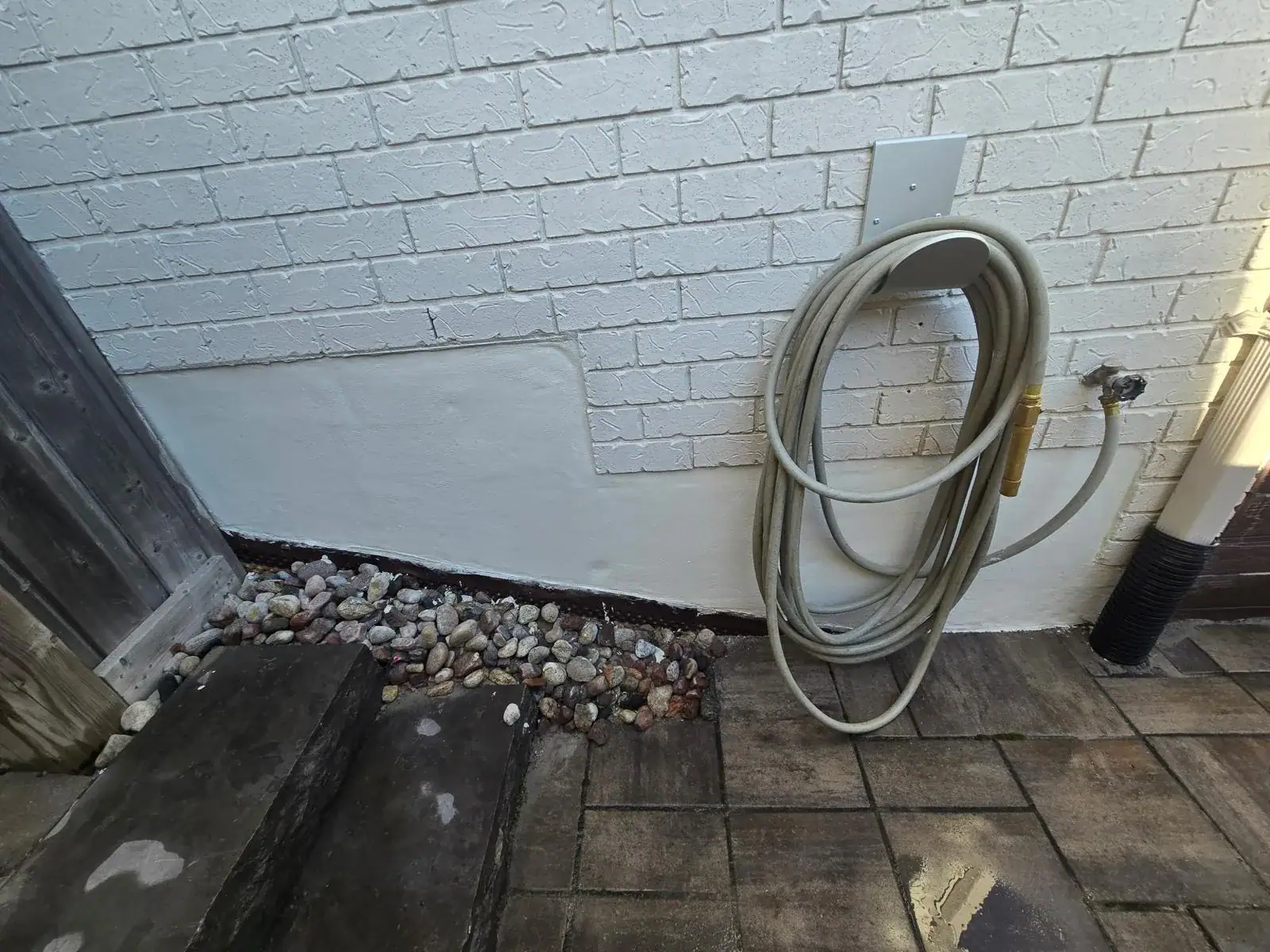
- the lower wall shows recurring moisture or efflorescence
- retaining walls are leaning, bulging, or staining repeatedly
Start with design first if:
- the existing surfaces are structurally sound
- the goal is better curb appeal or backyard use
- you want to improve the layout, materials, or the way outdoor zones connect
- the issue is more about style and function than deterioration
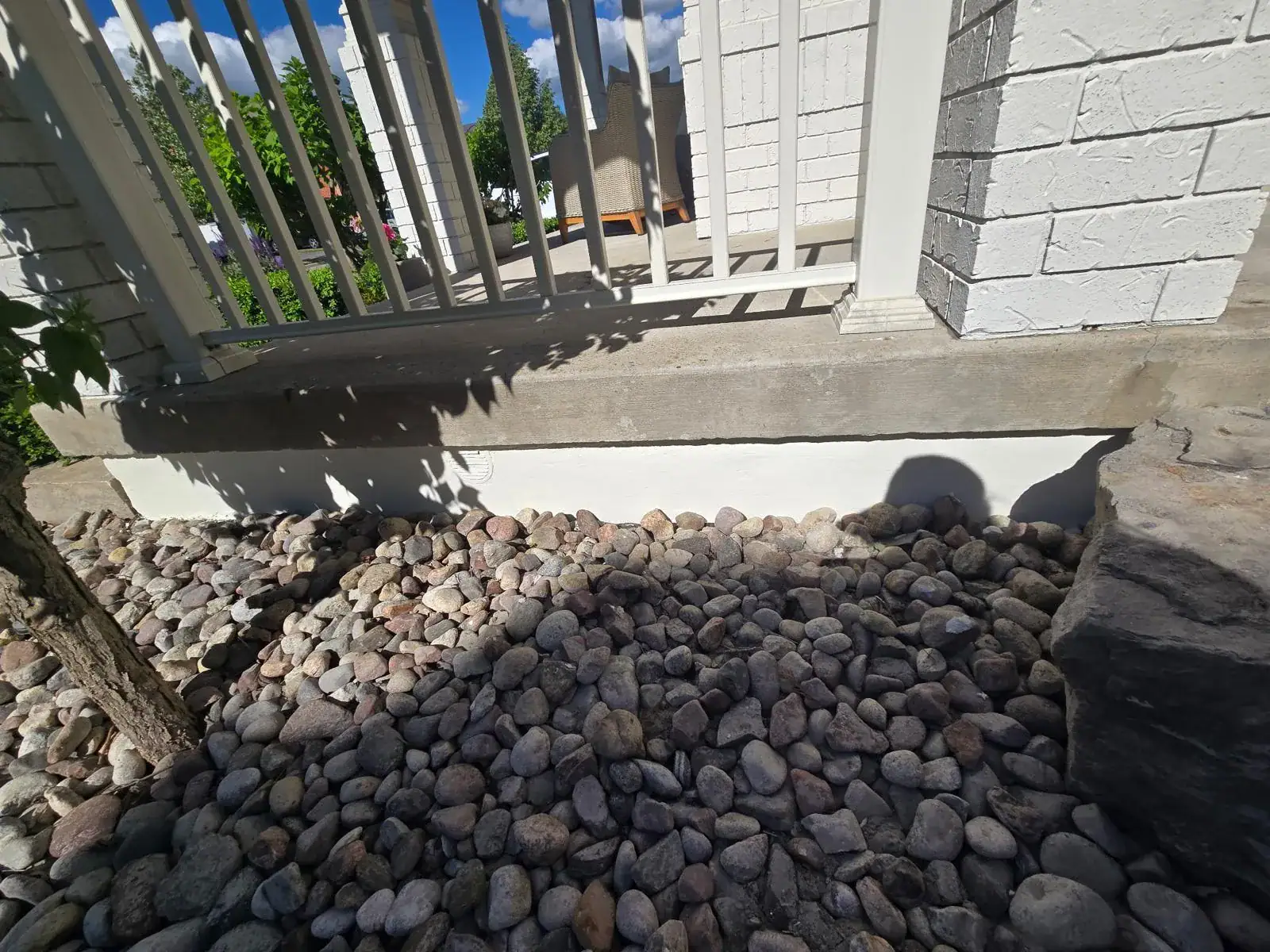
This distinction matters because many homeowners try to beautify an area that still has an unresolved moisture or movement problem underneath. The result may look good briefly, but the old issue usually returns. If water is part of the story, our blog on the importance of proper drainage around masonry is an important supporting read before any upgrade is planned.
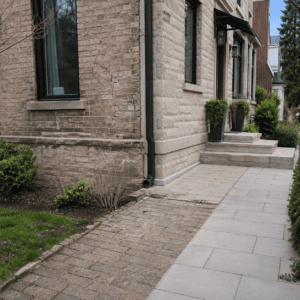
Spring Project Idea 1: Refresh the Front Entry
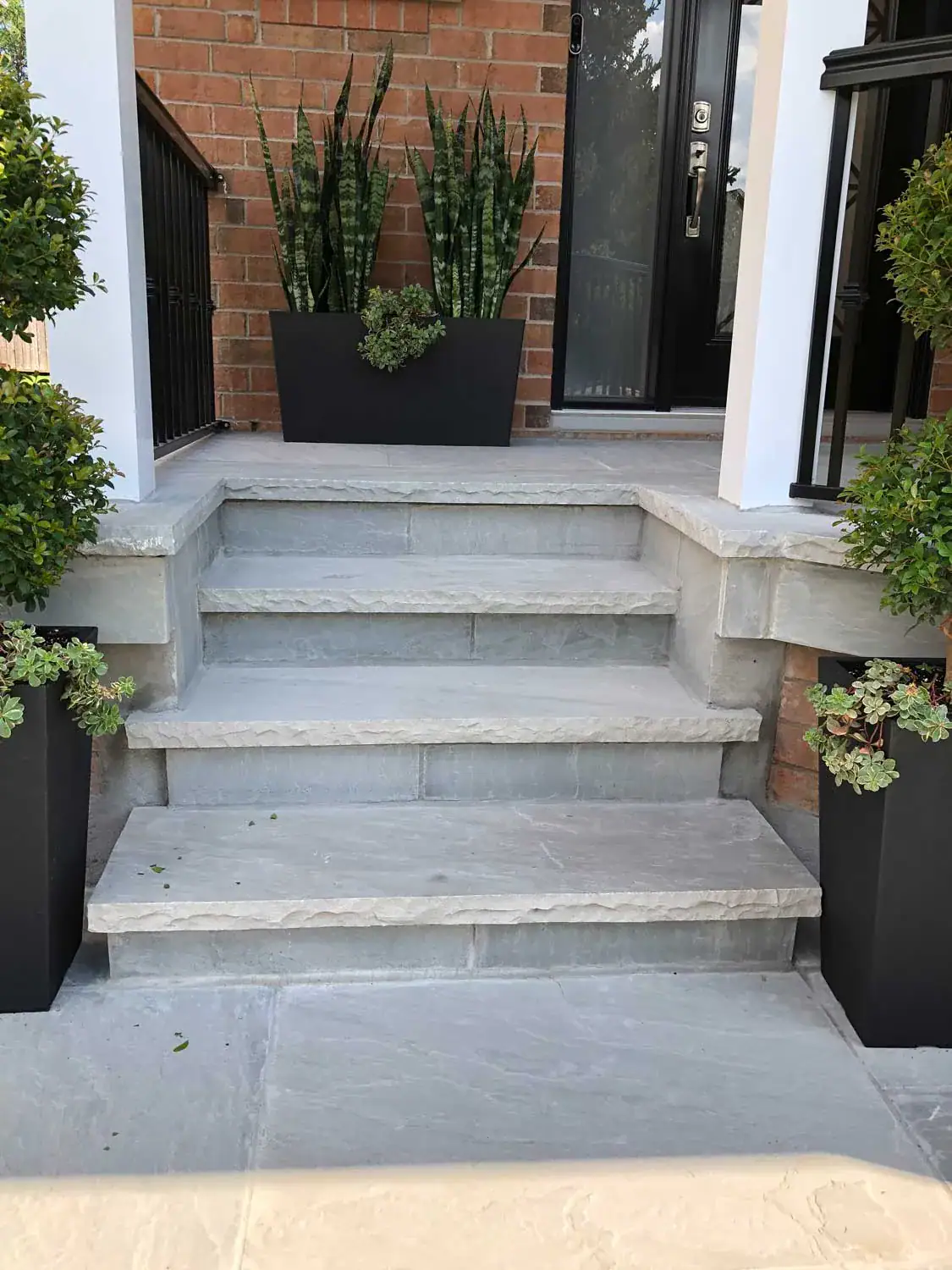
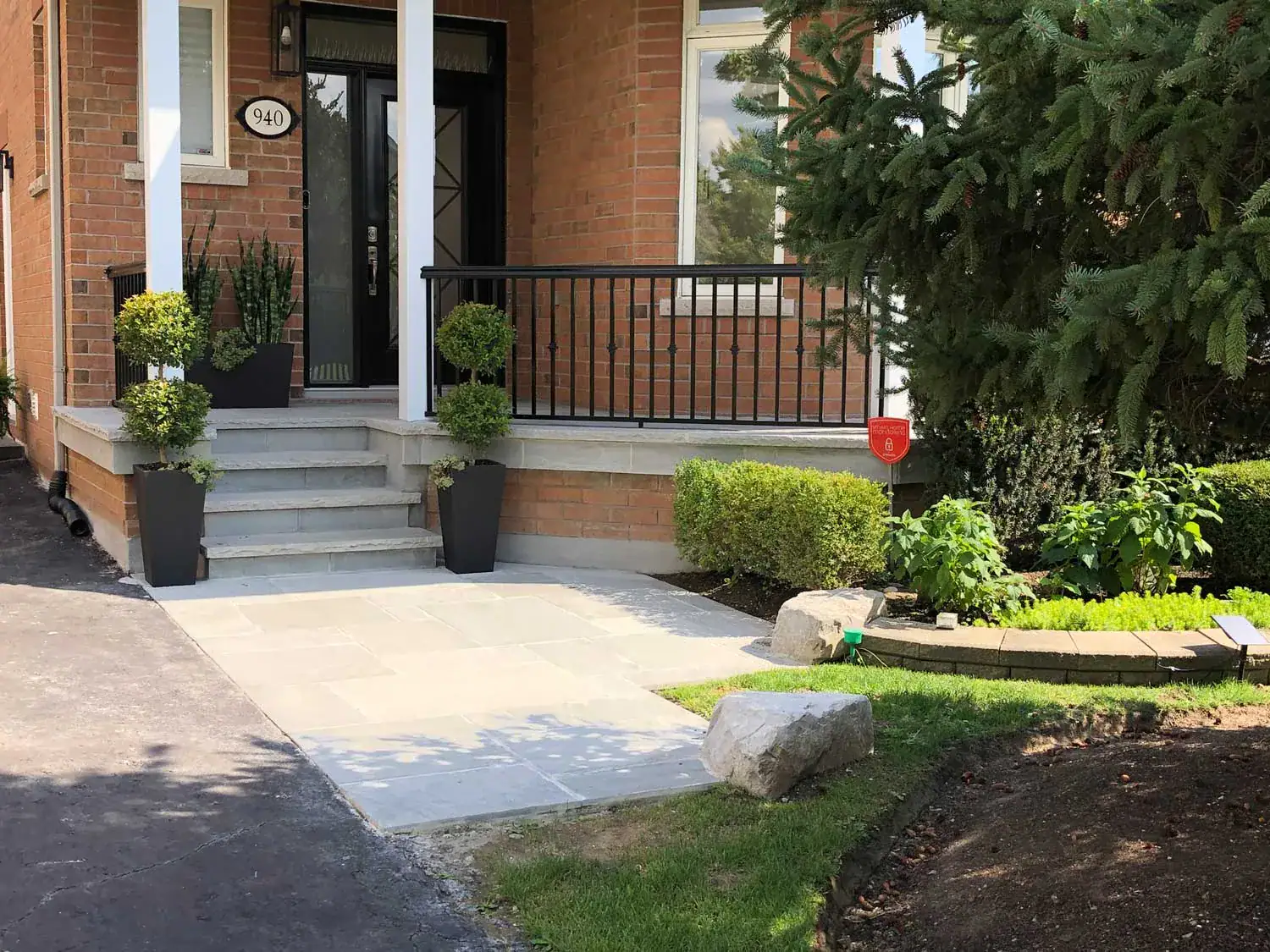
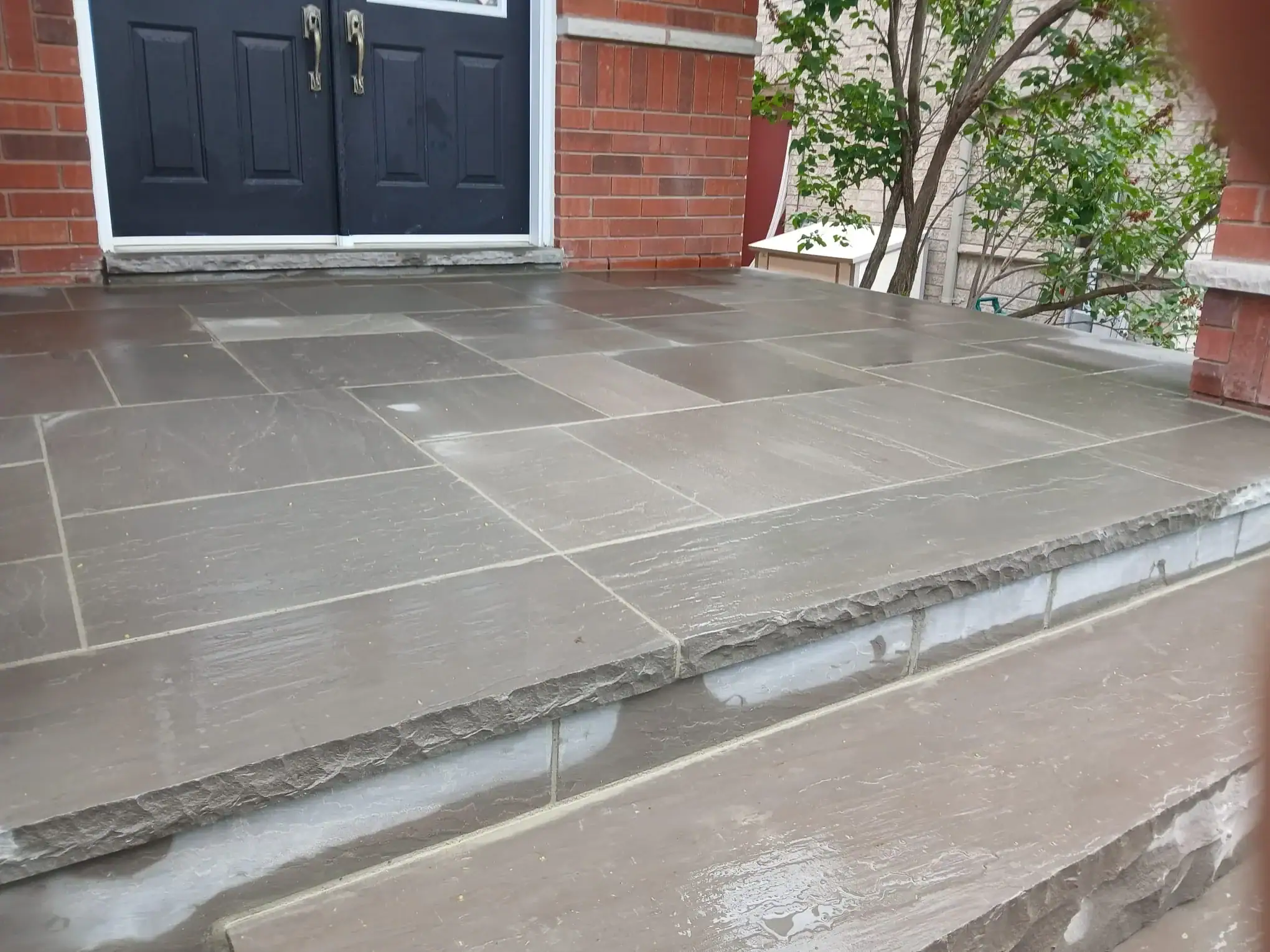
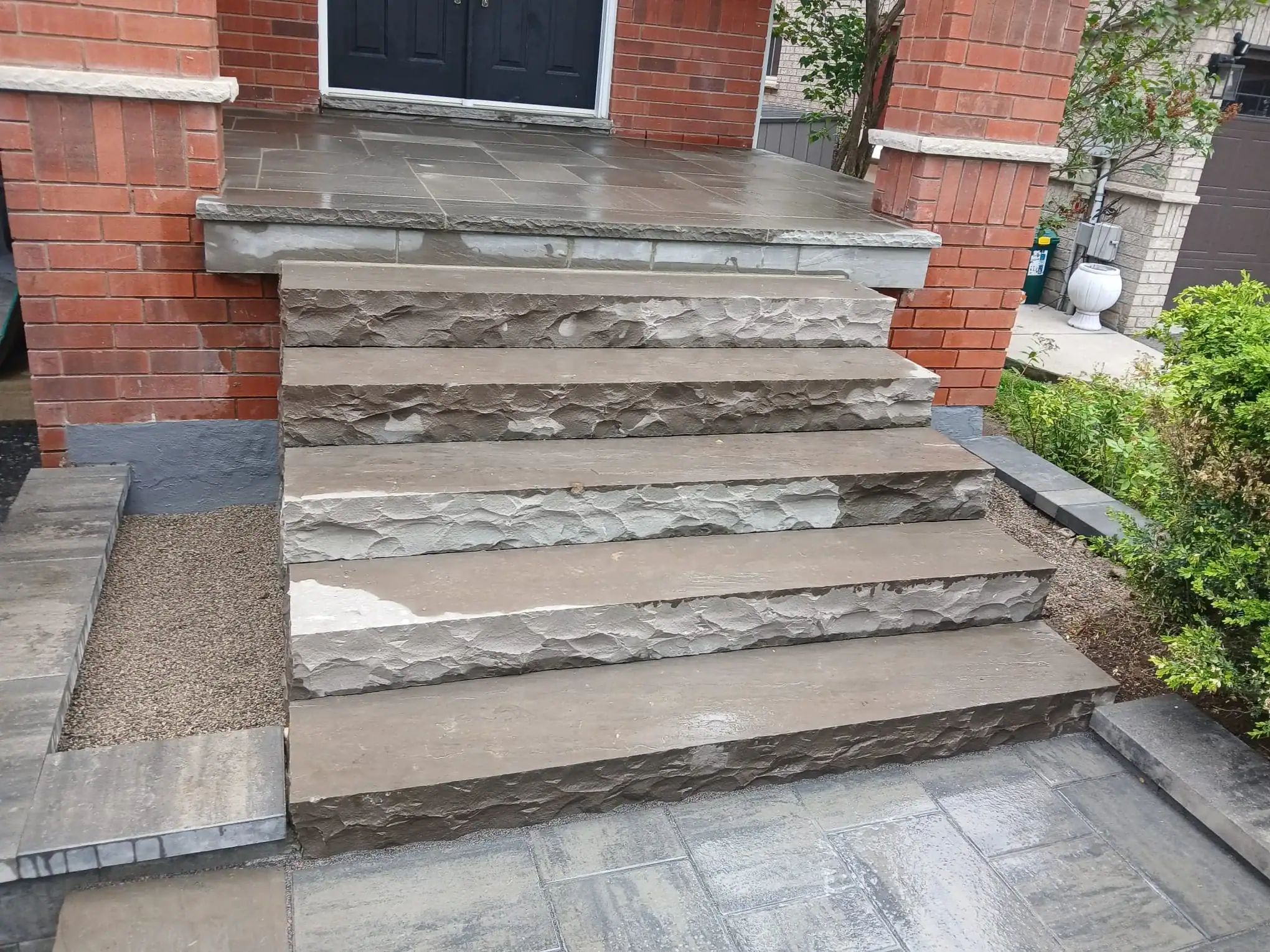
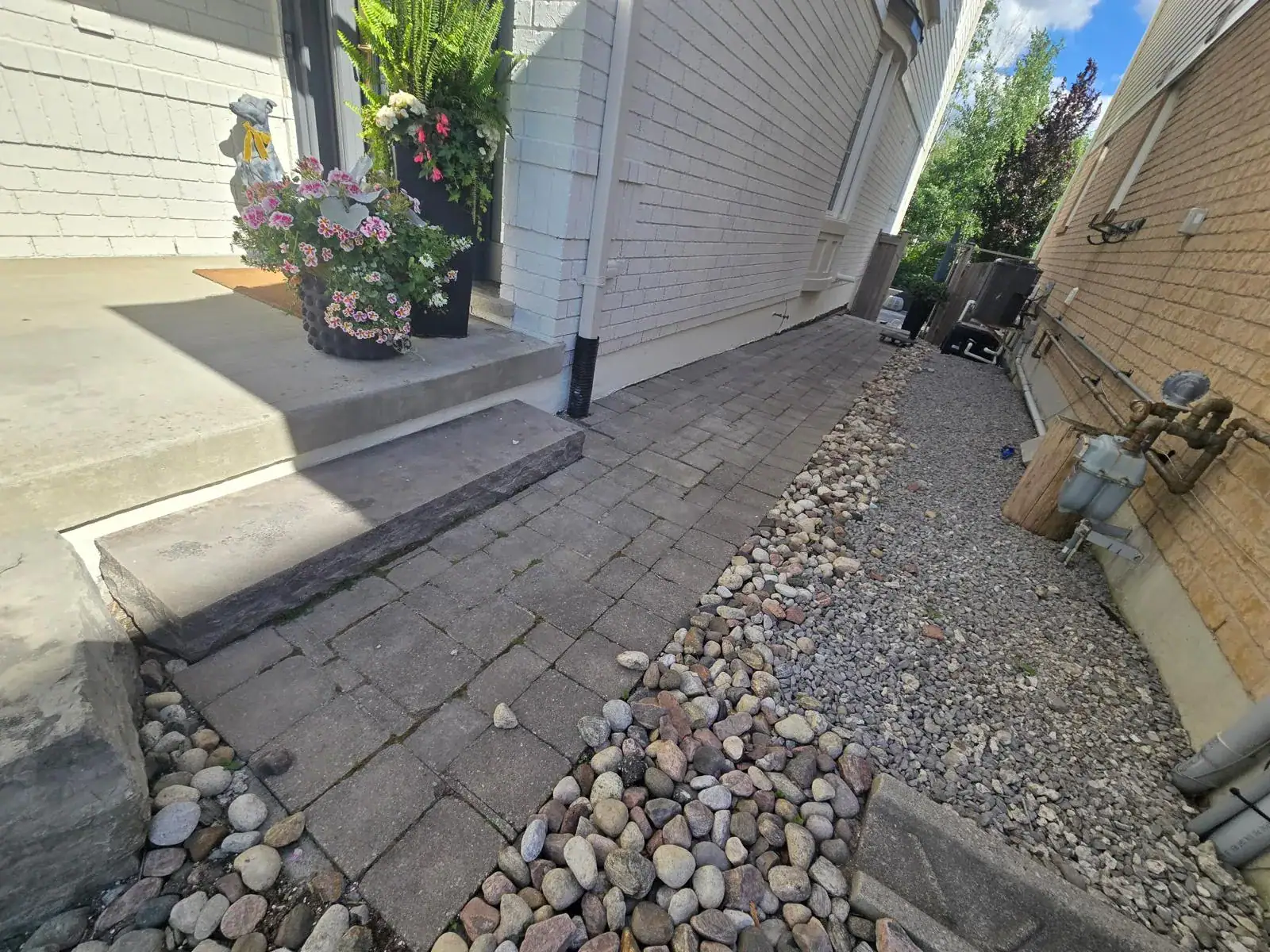
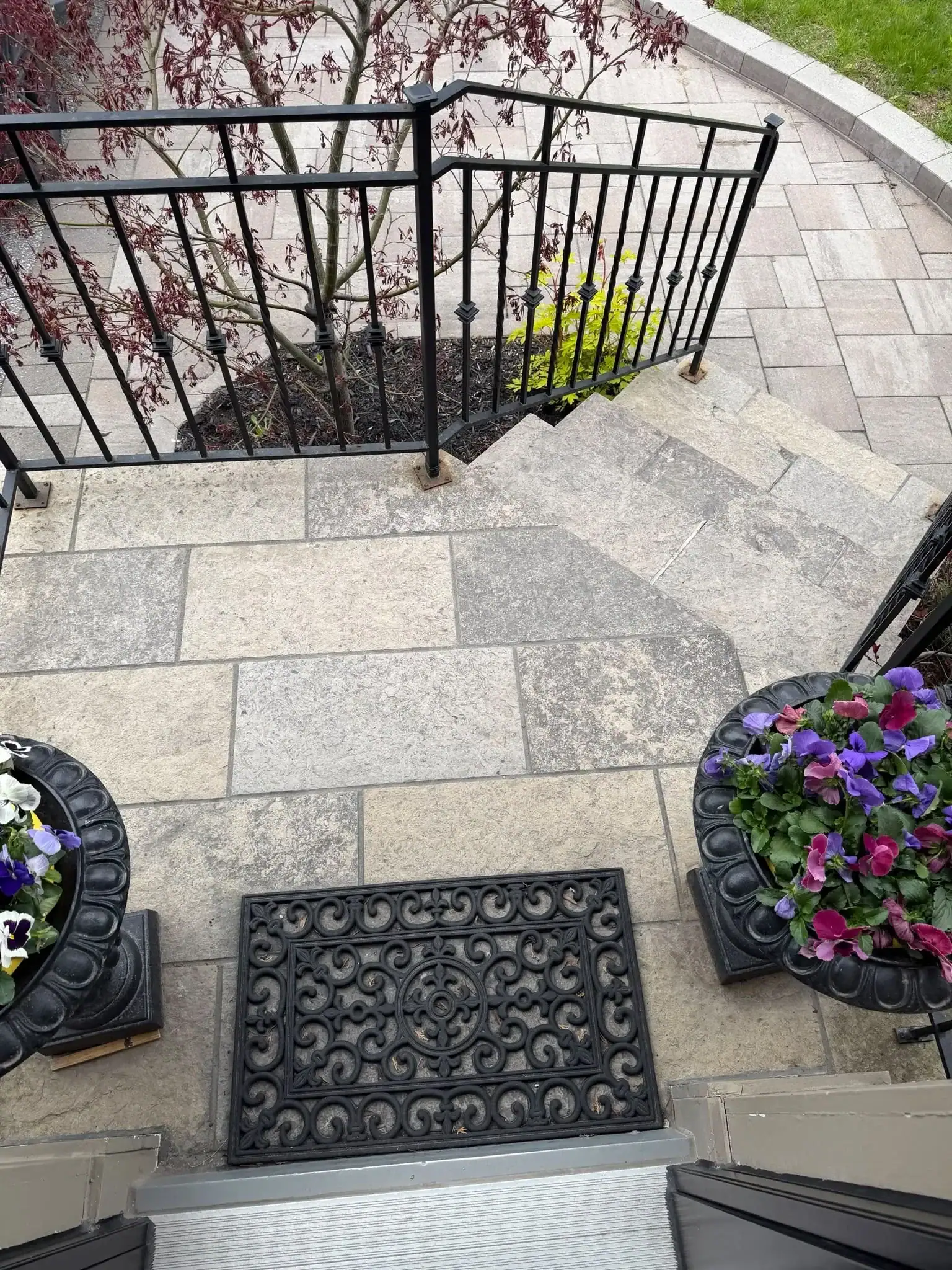
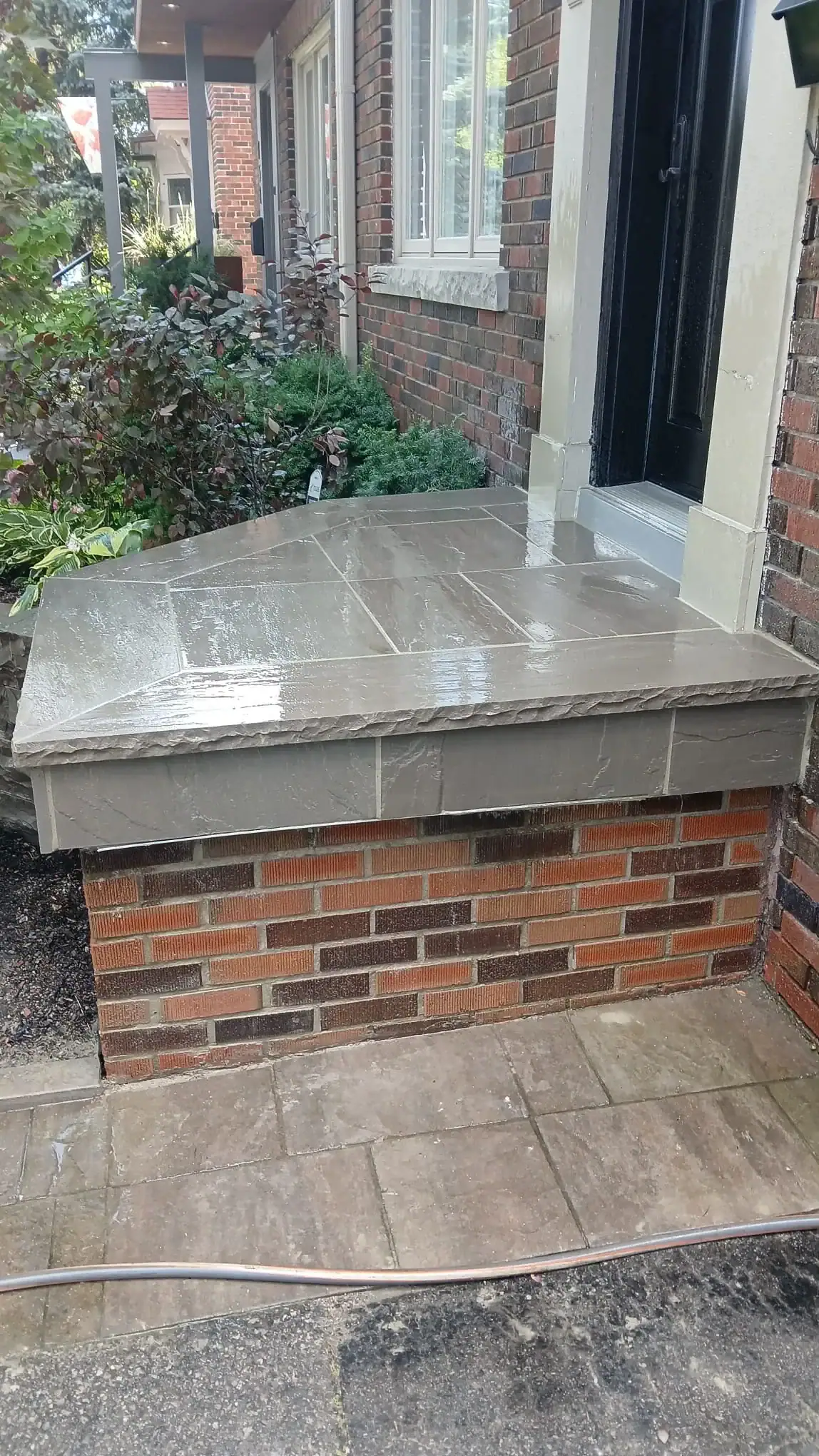
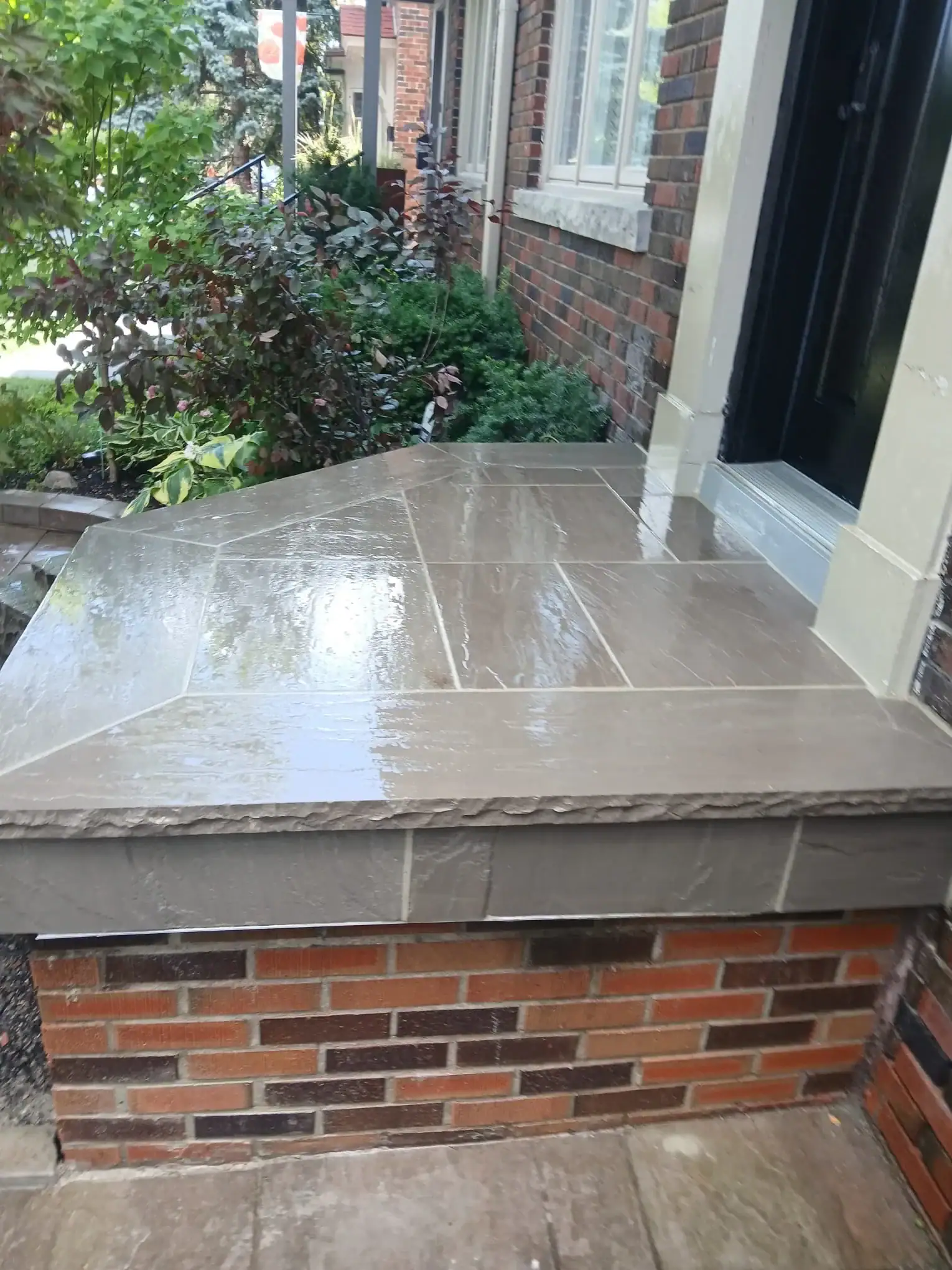
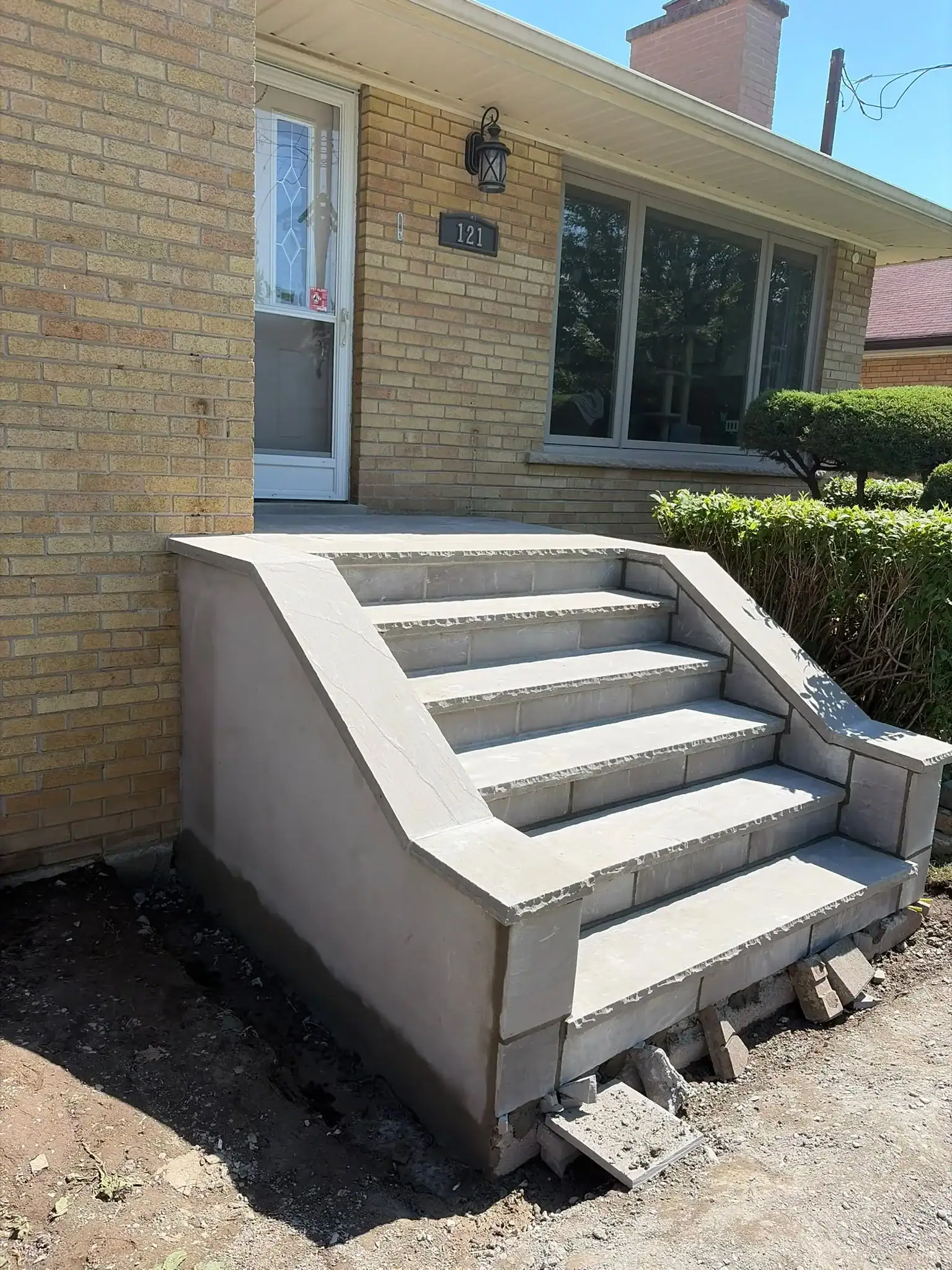
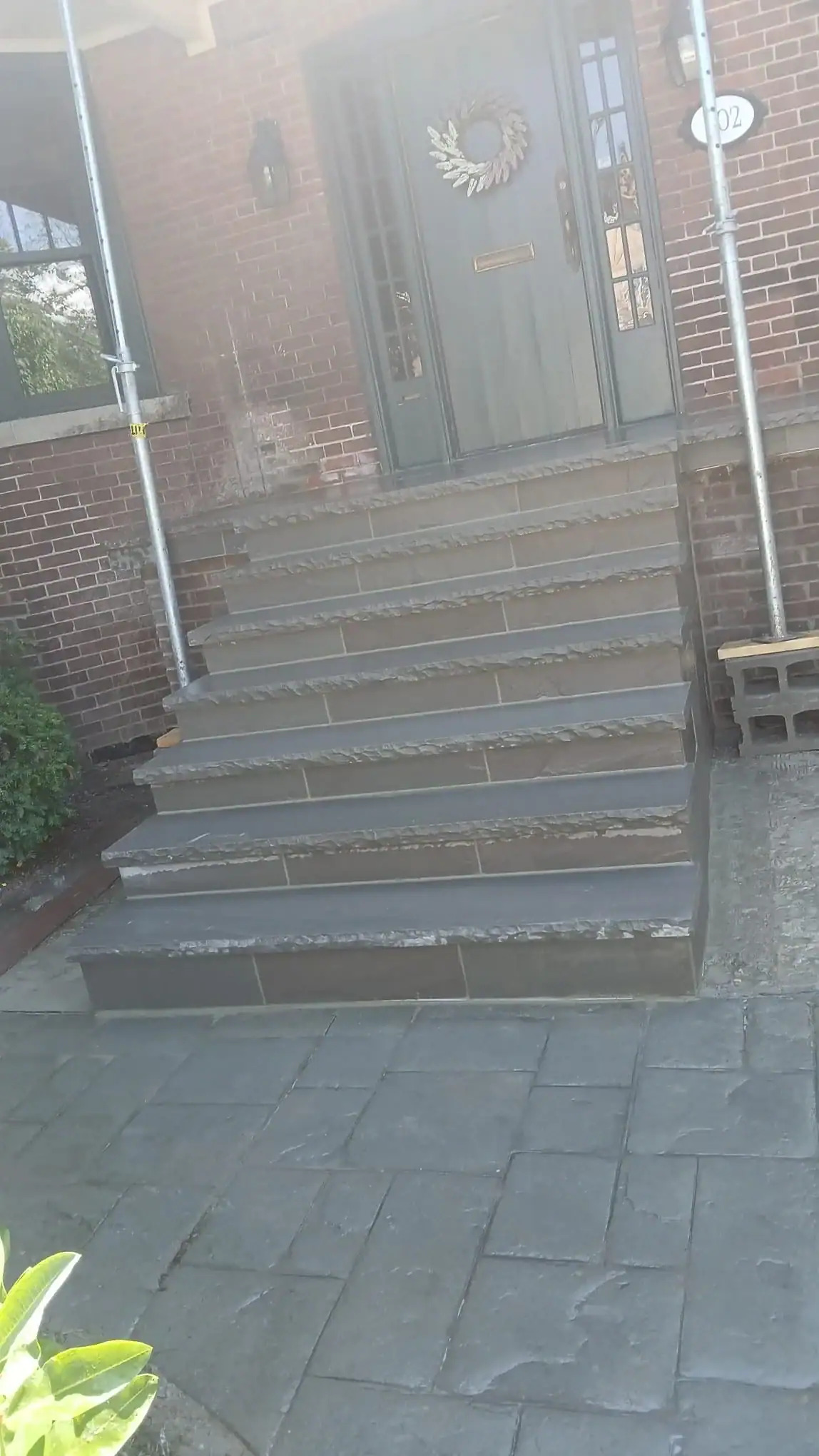
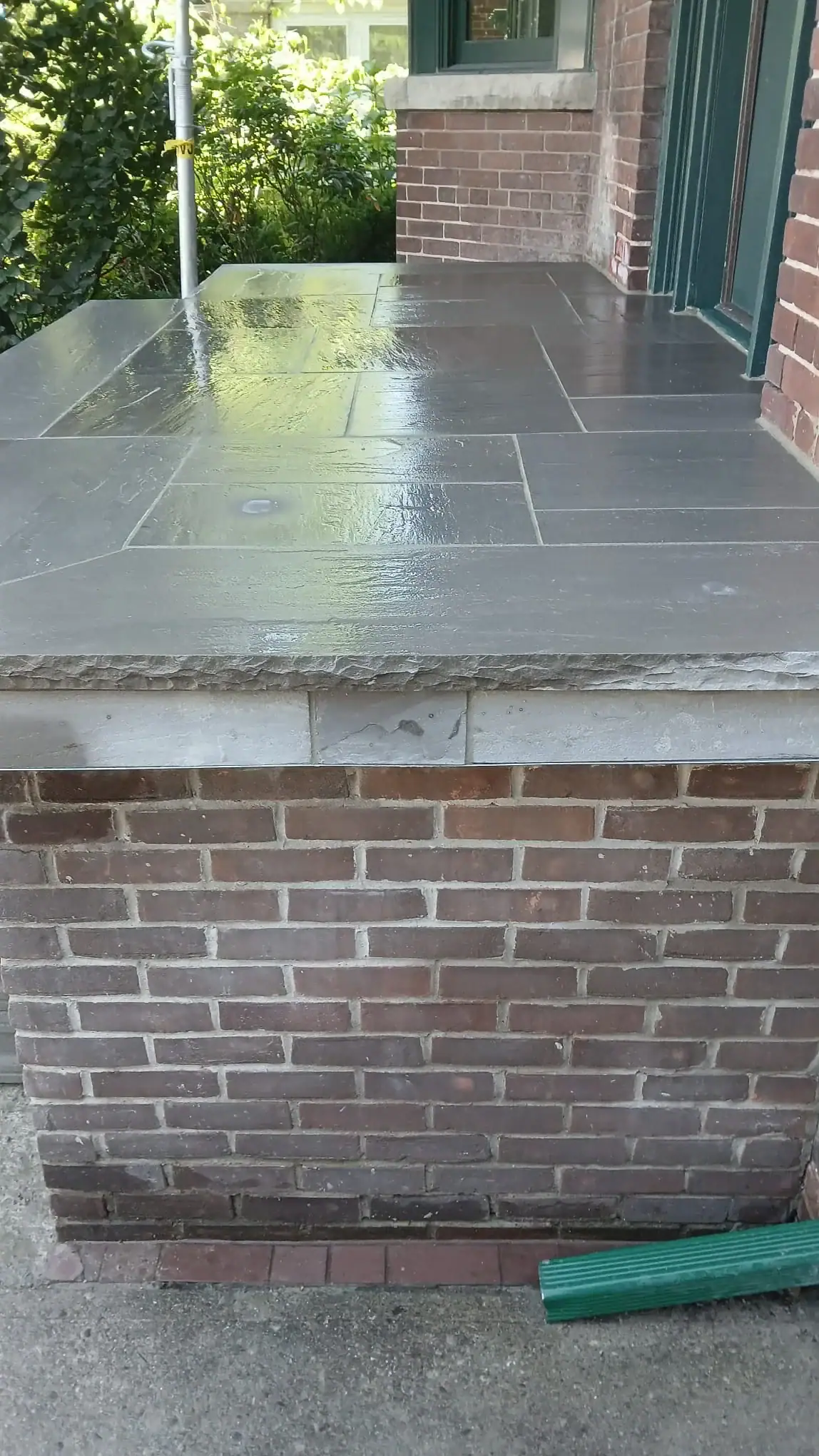
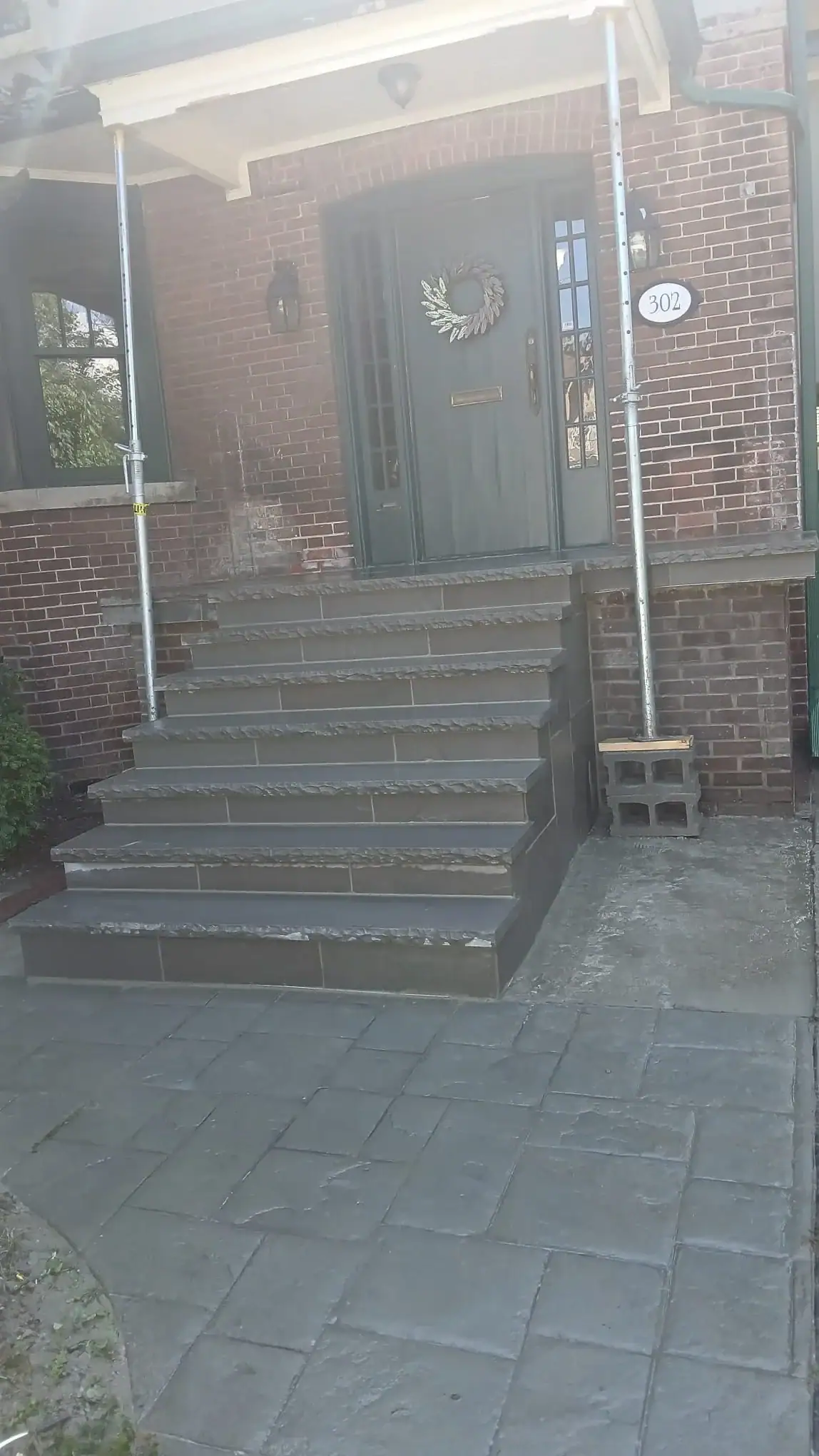
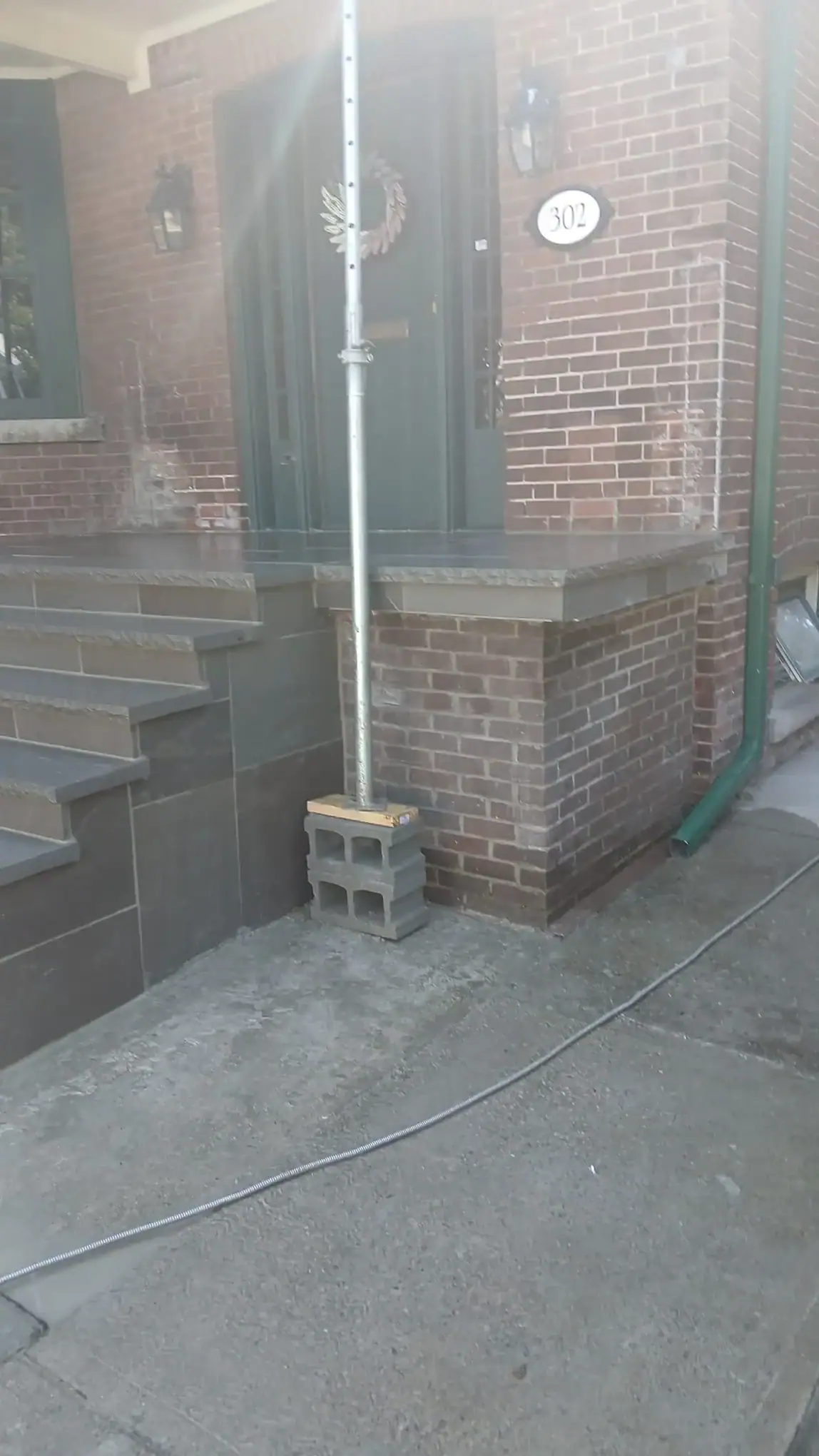
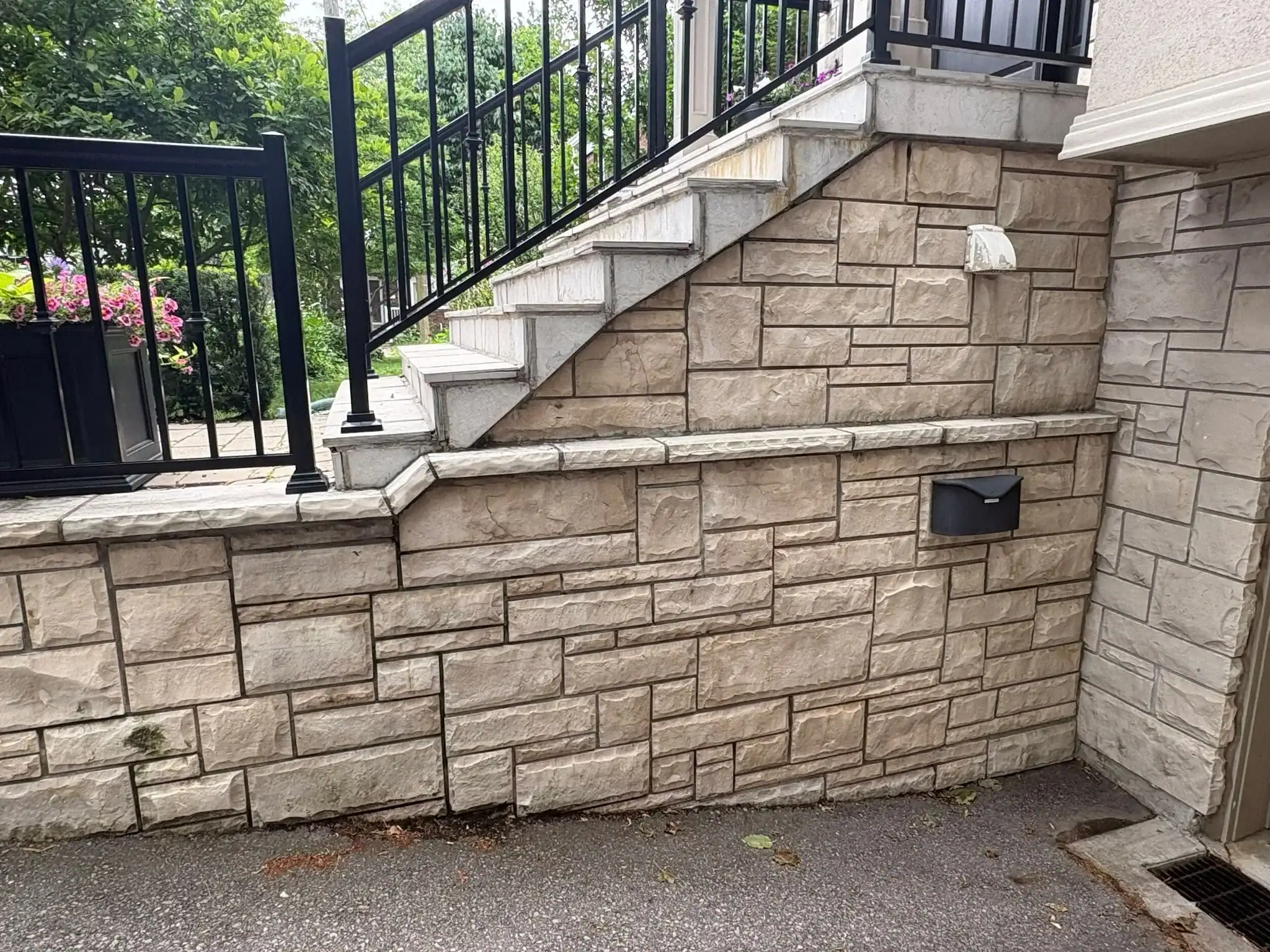
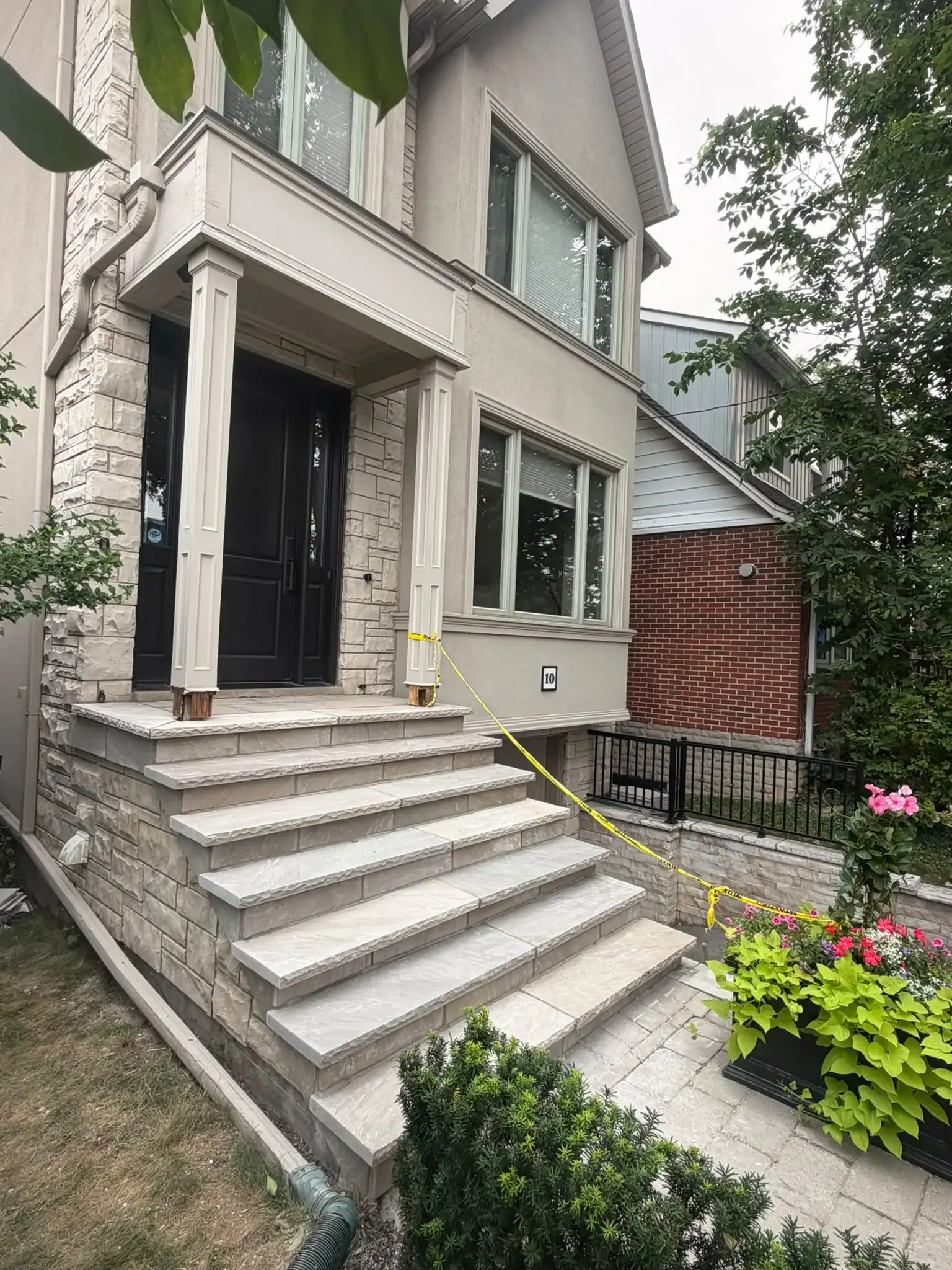
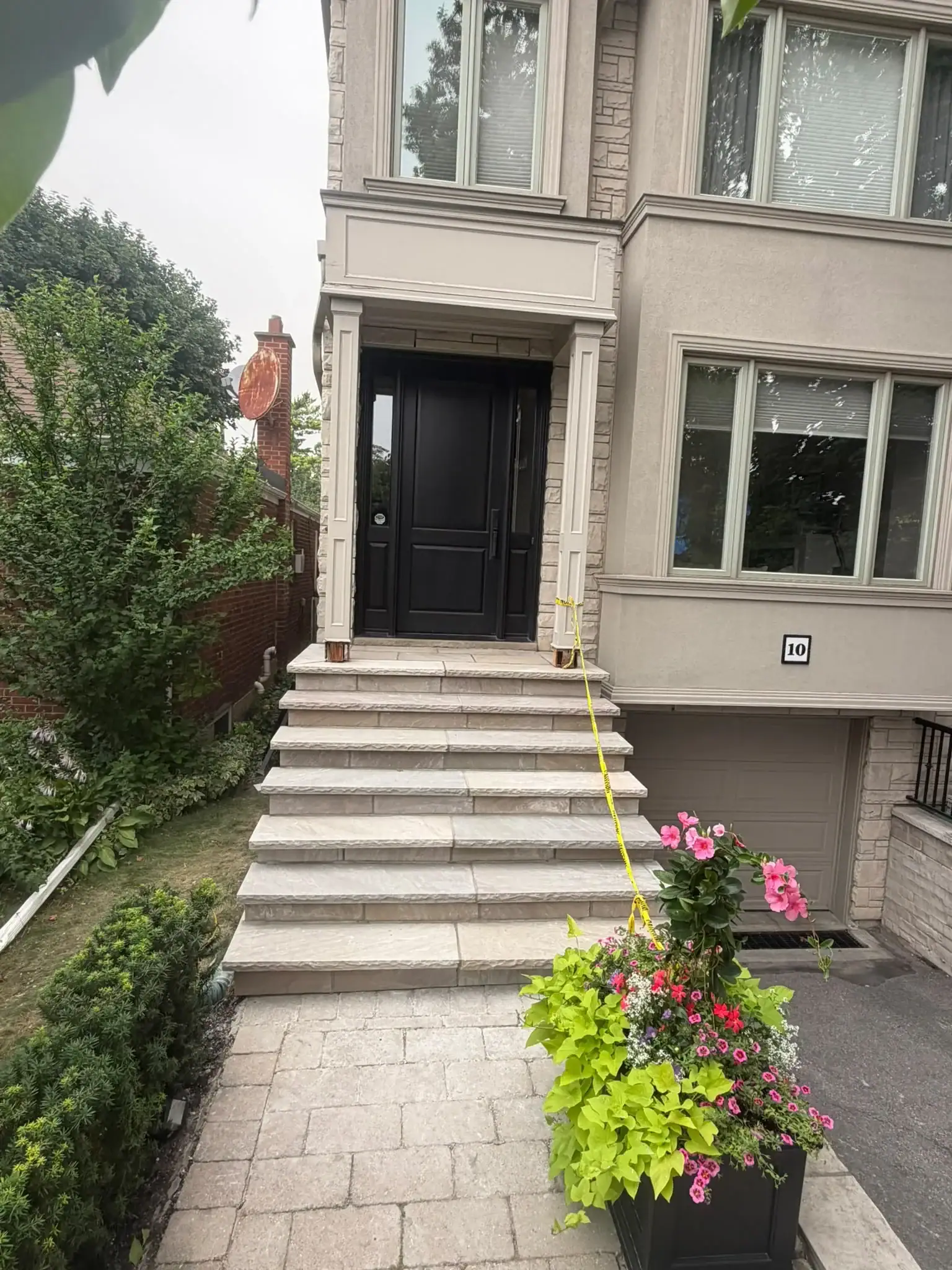
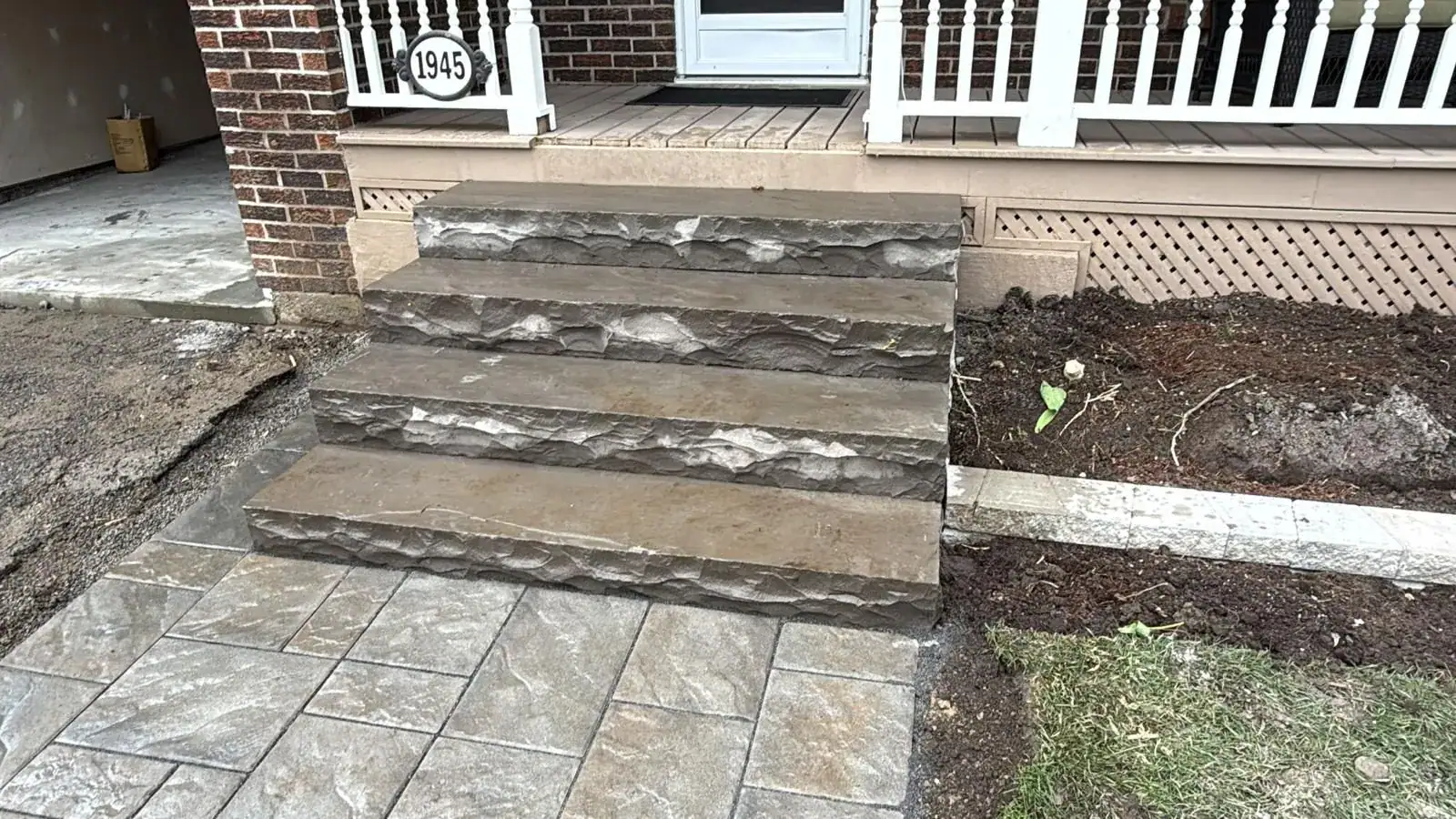
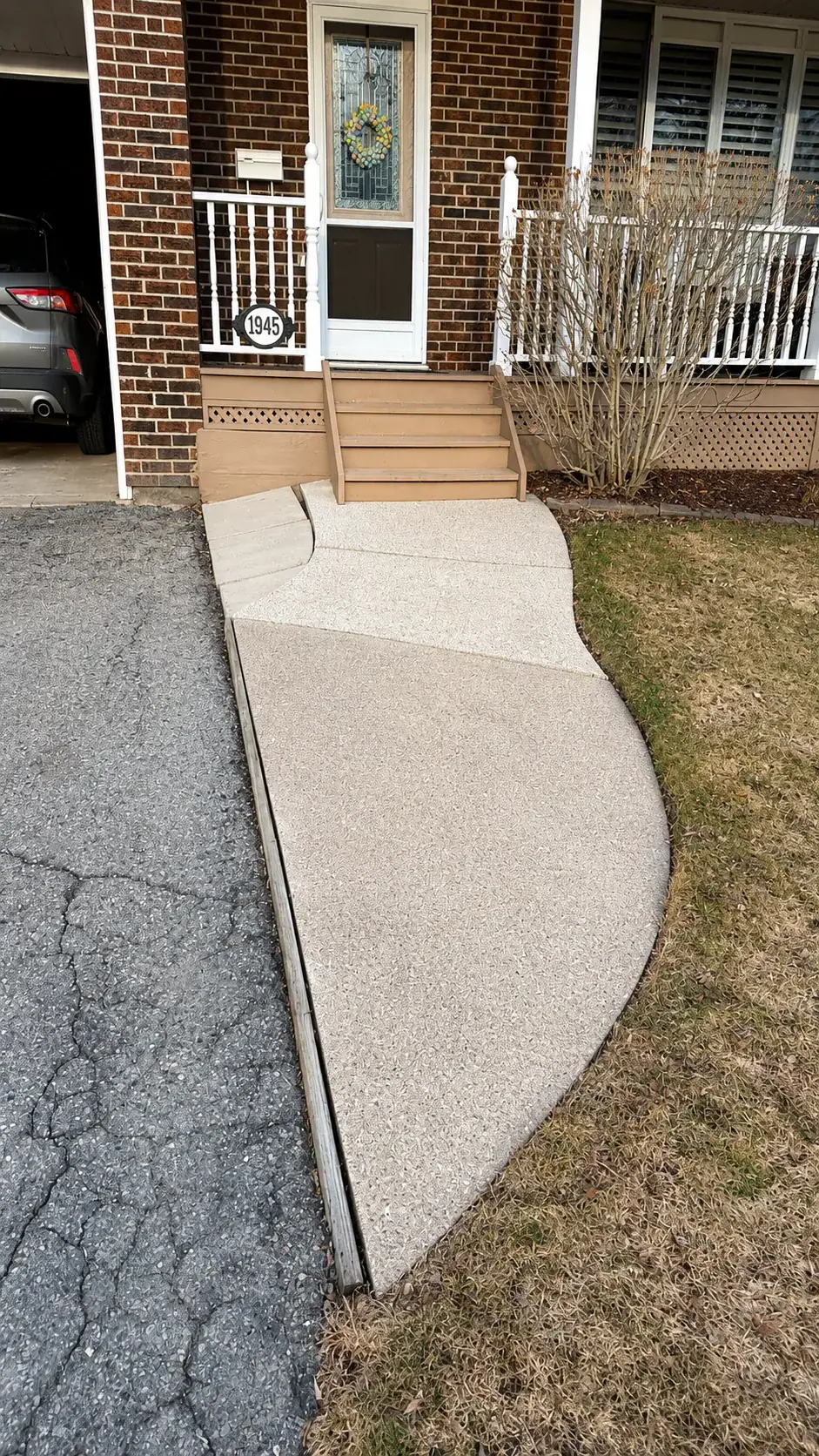
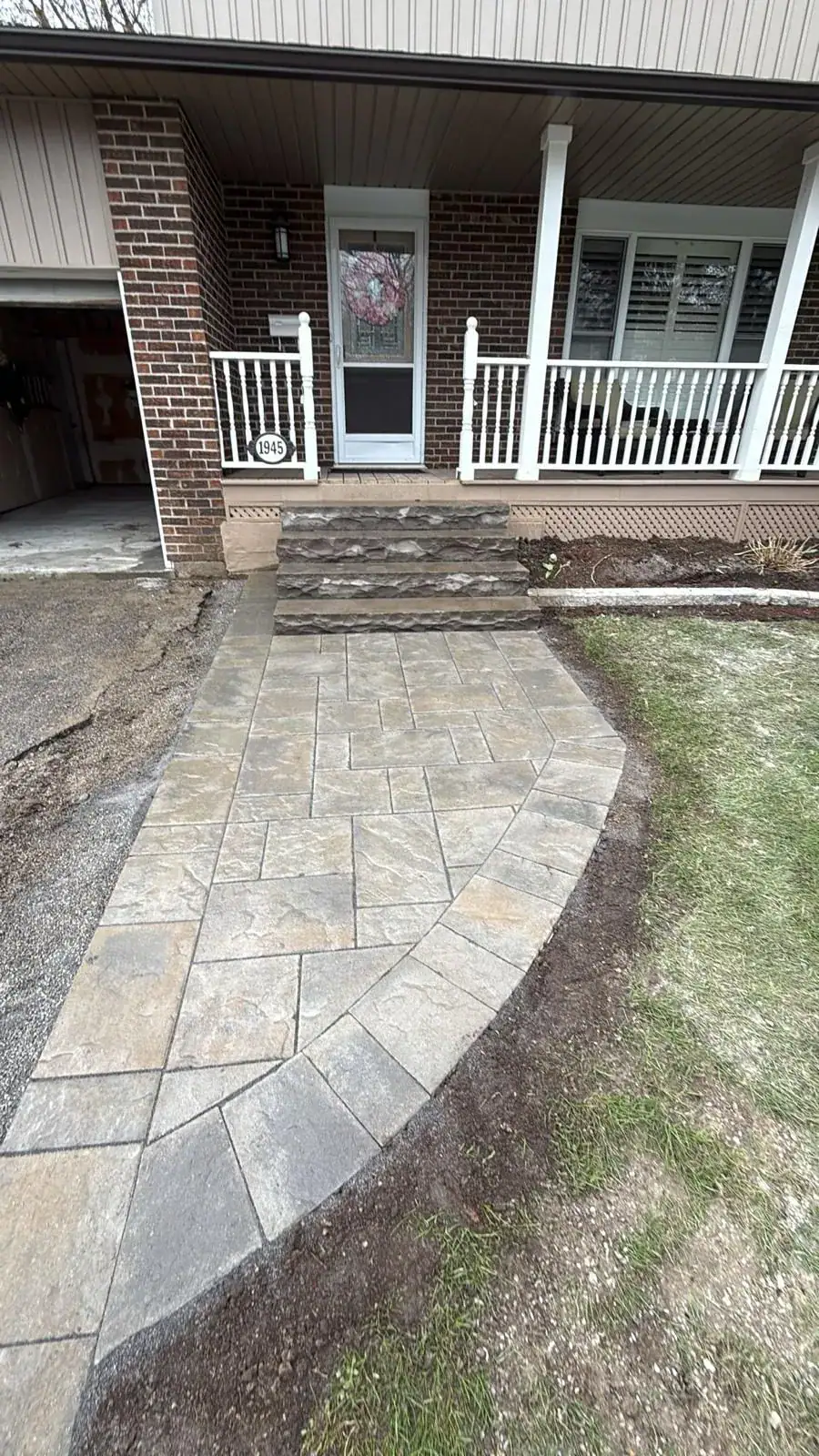
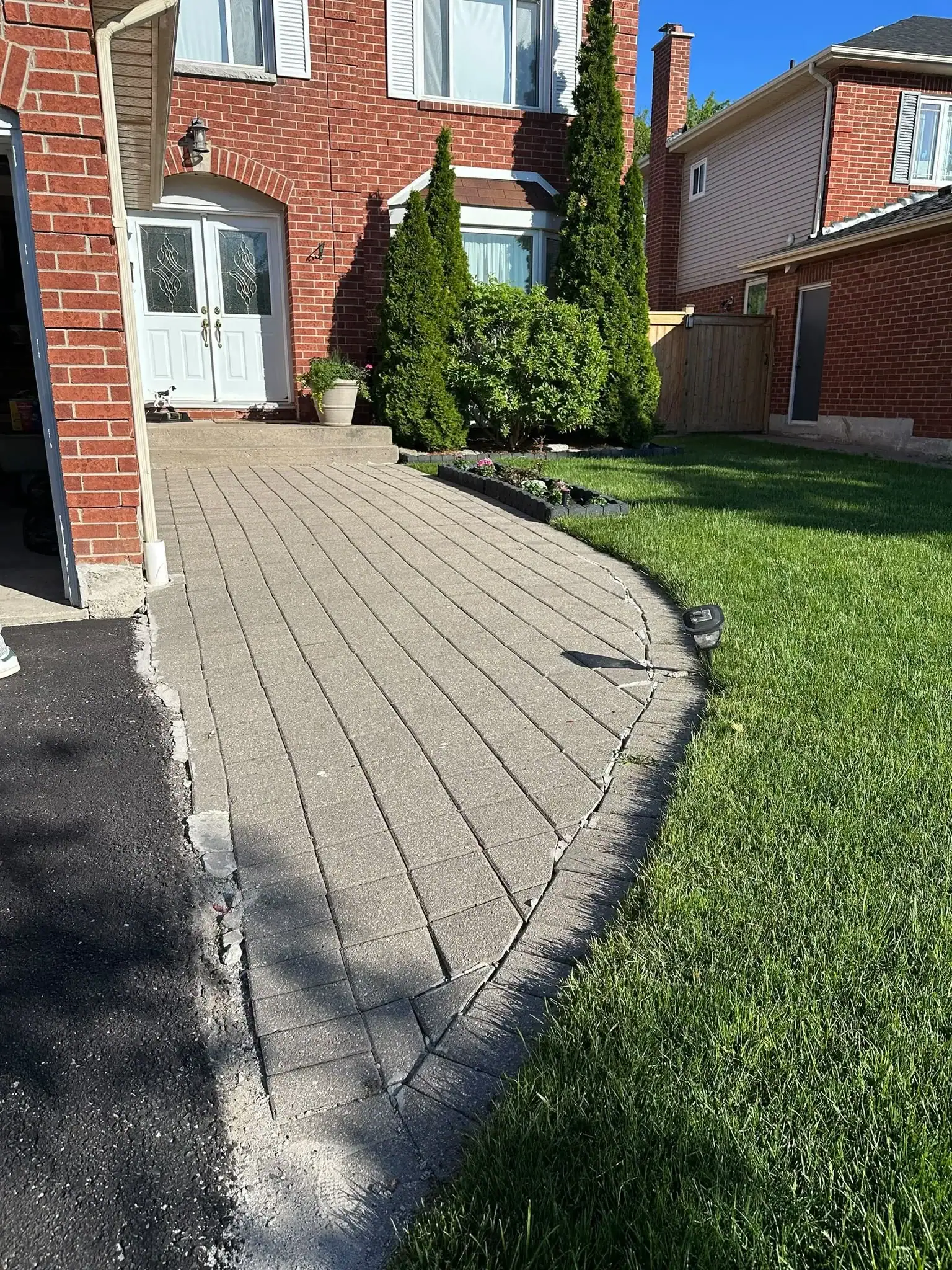
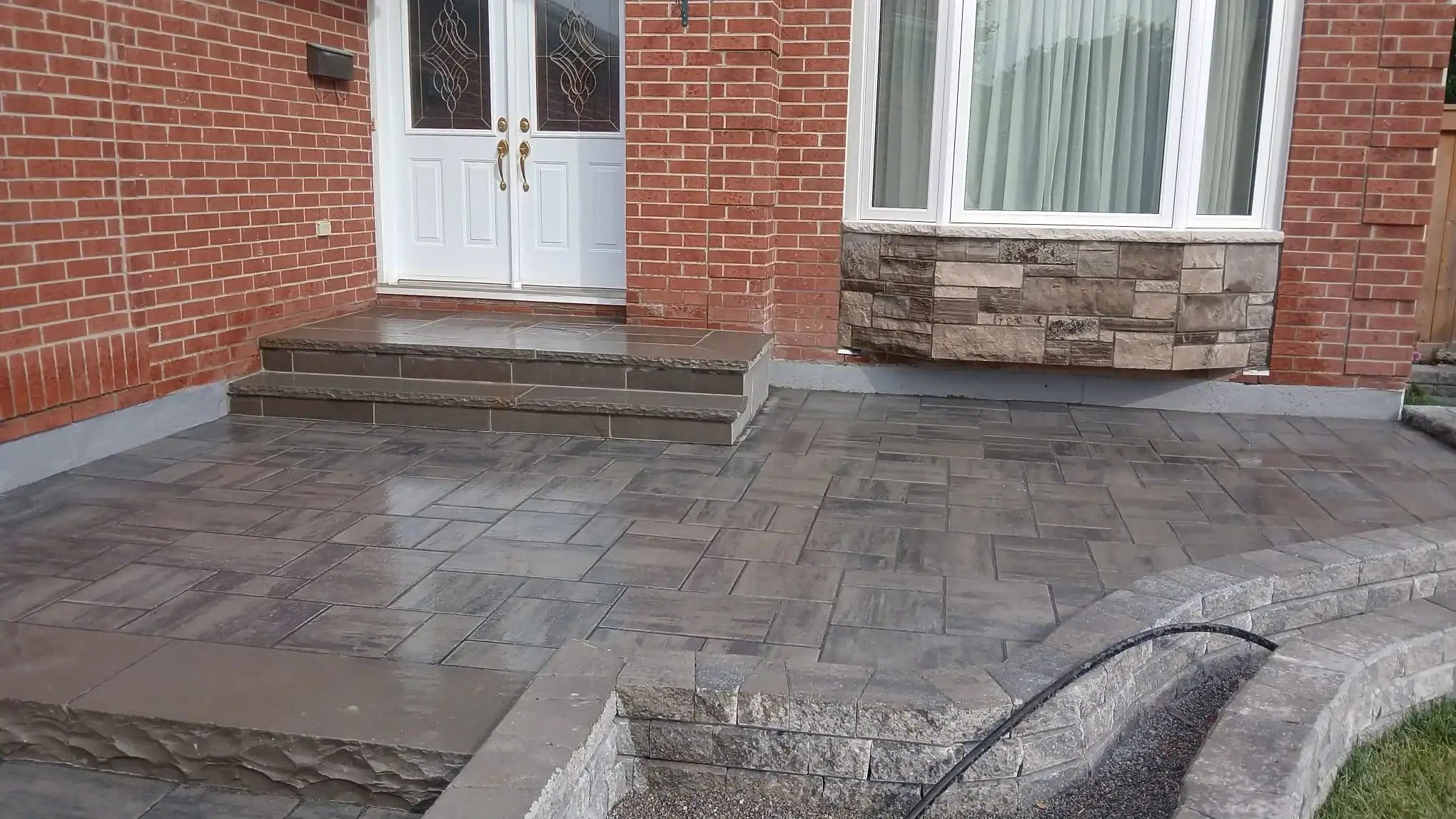
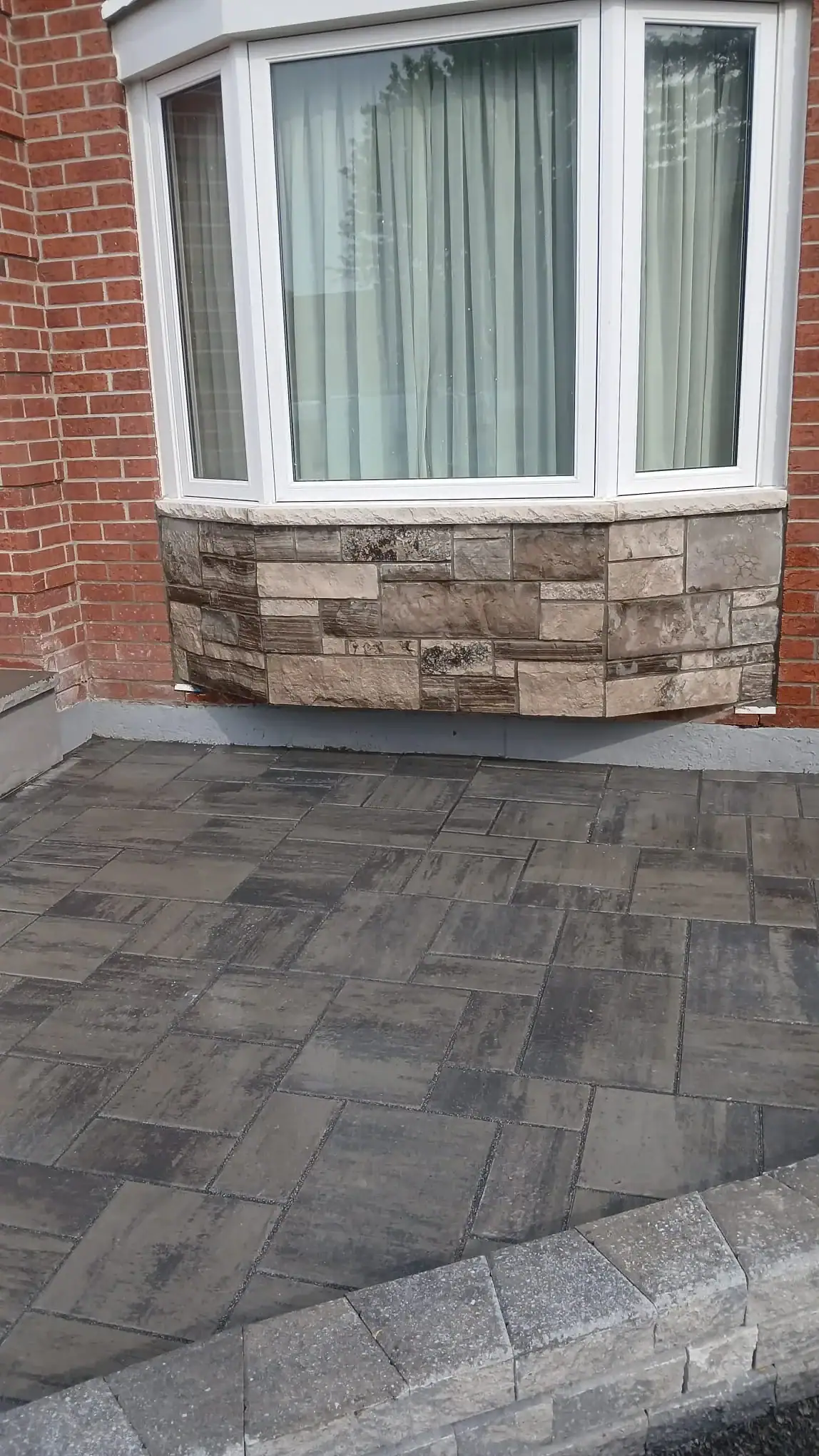
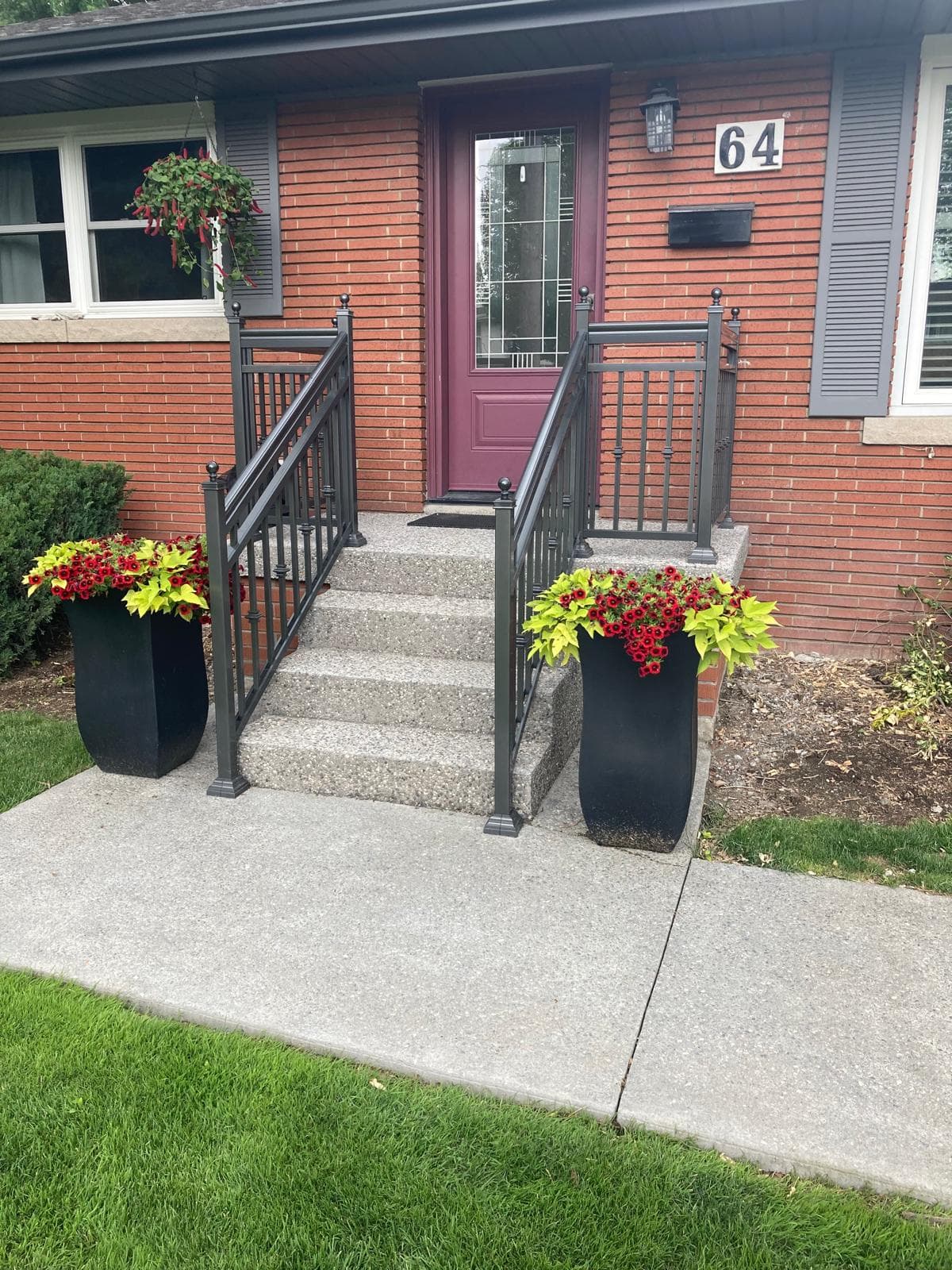
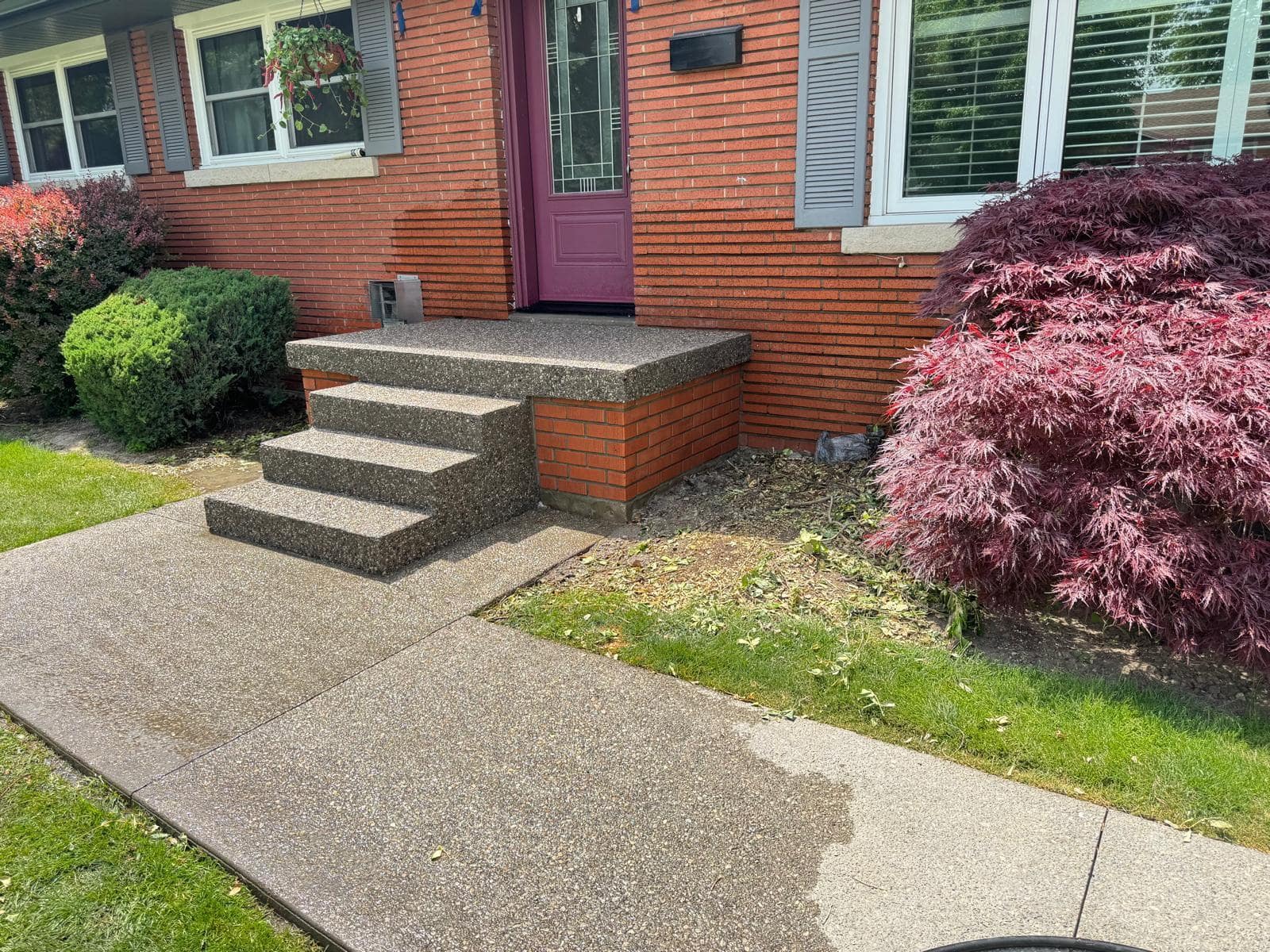
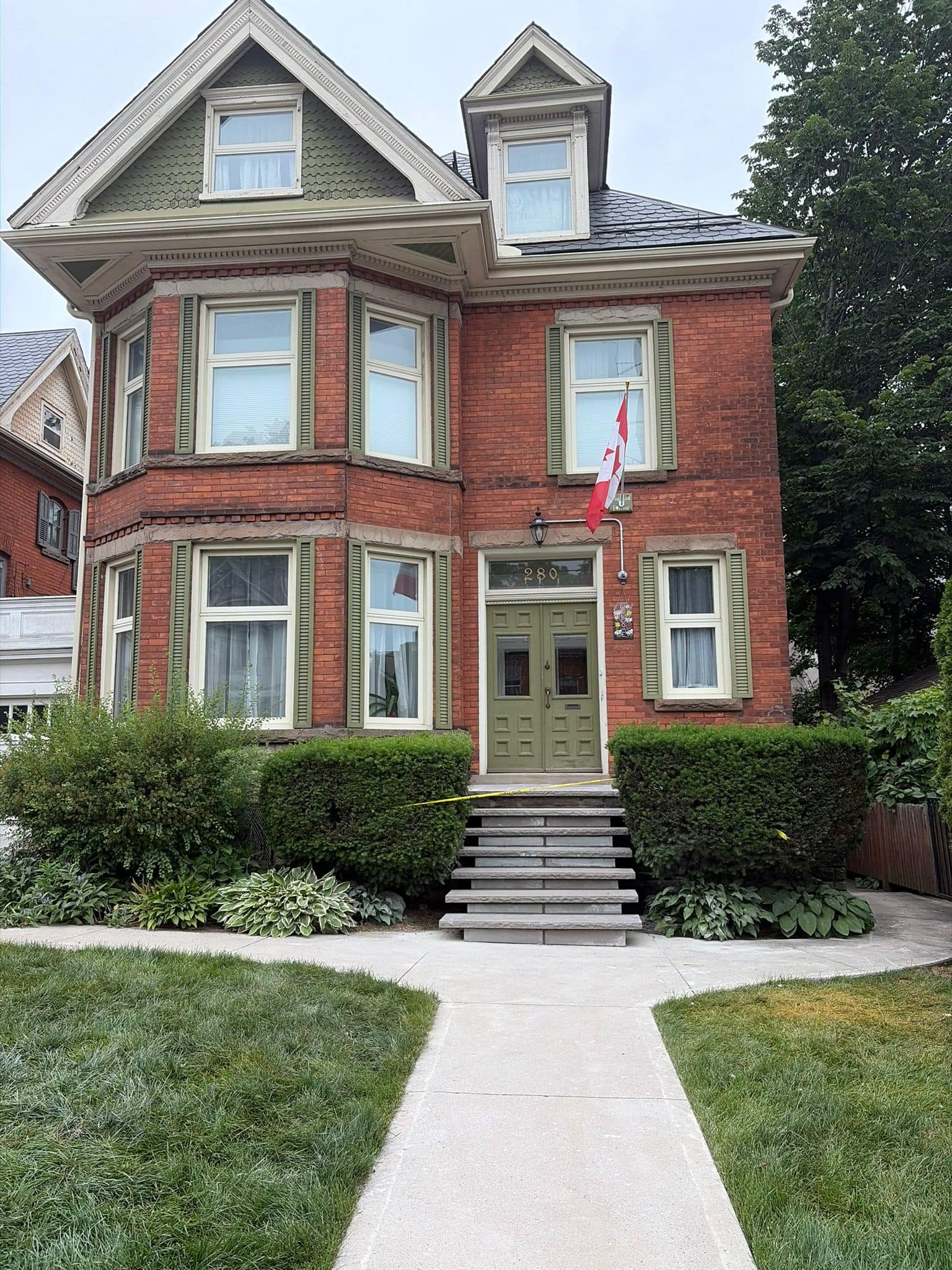
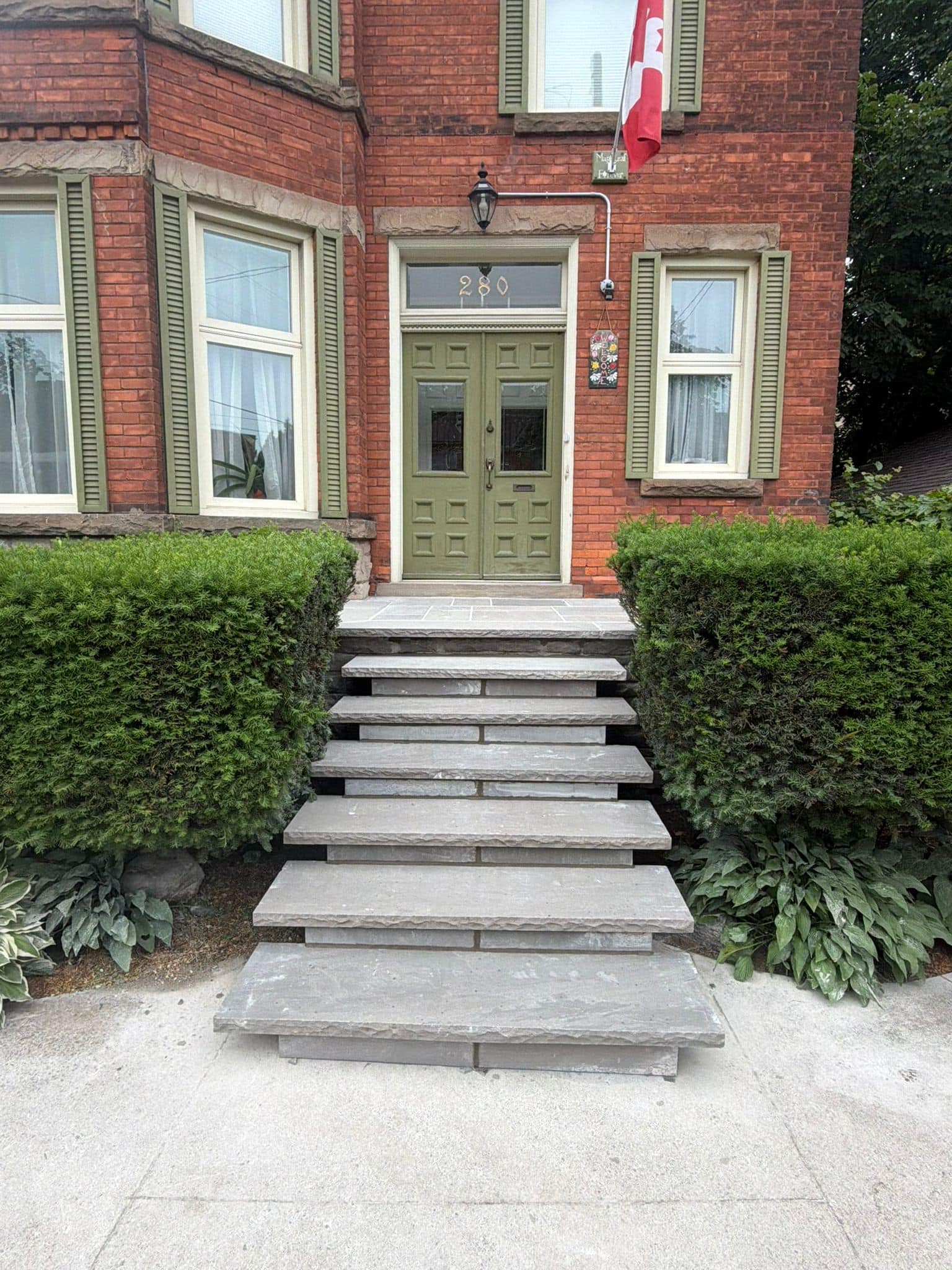
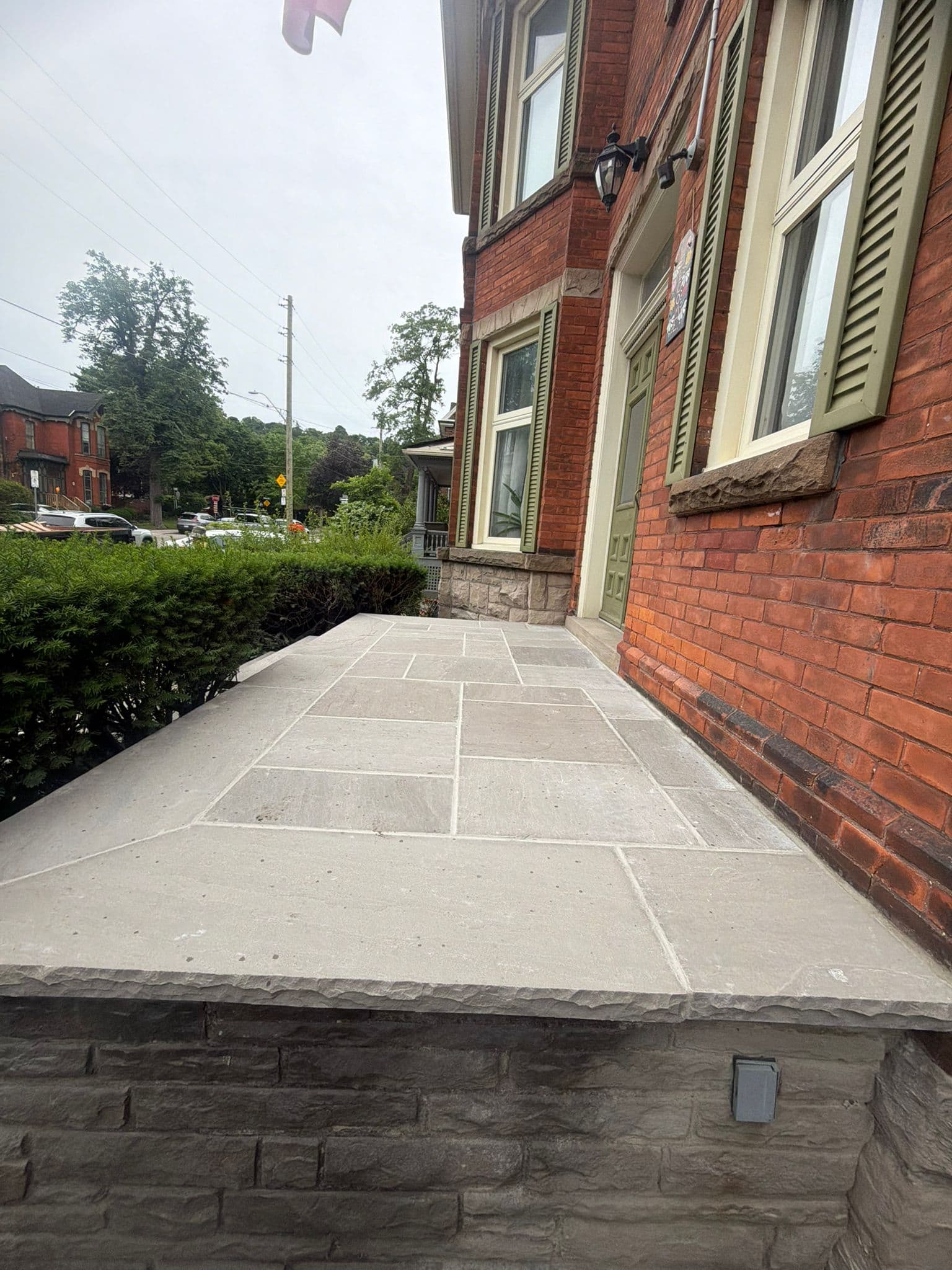
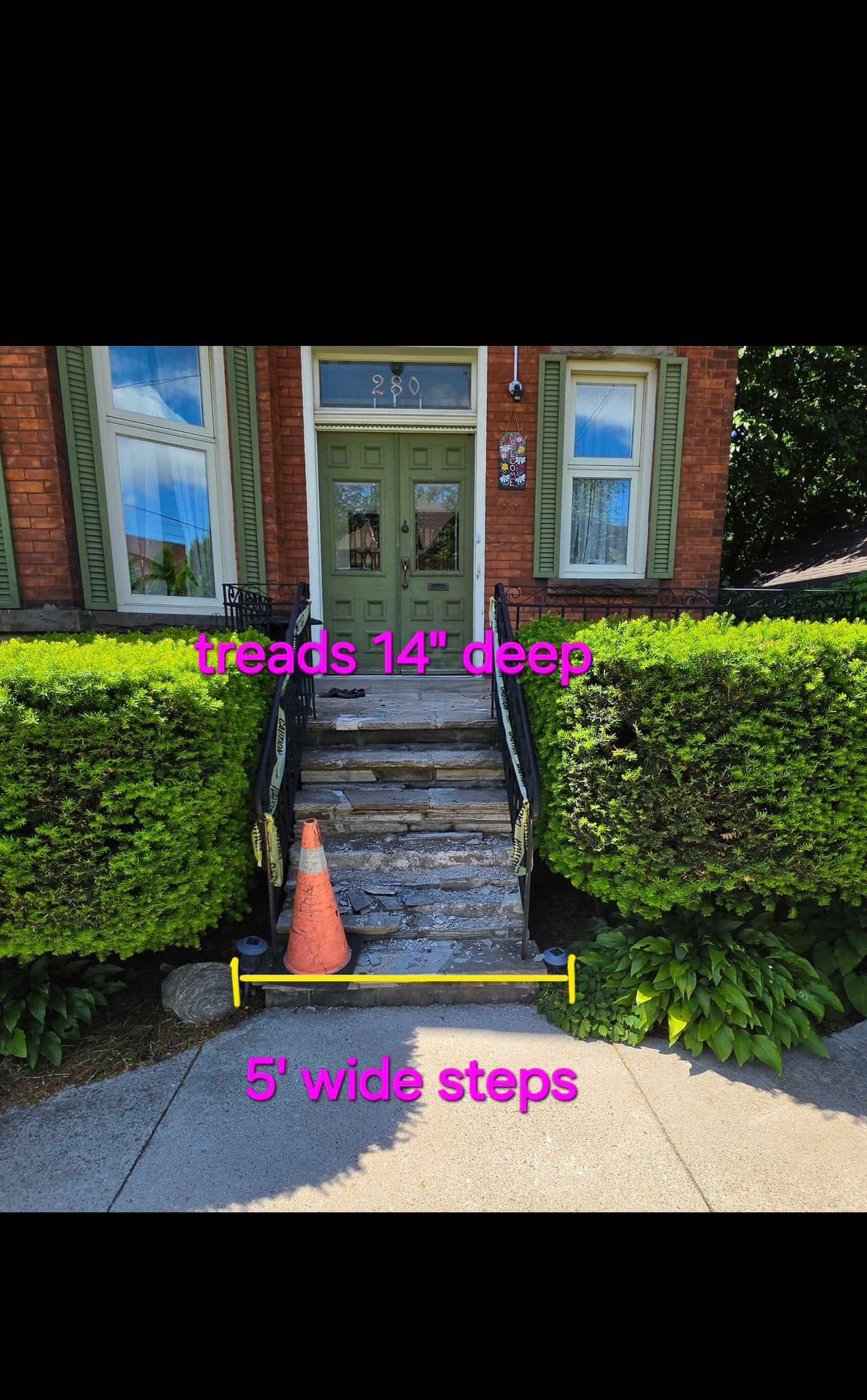
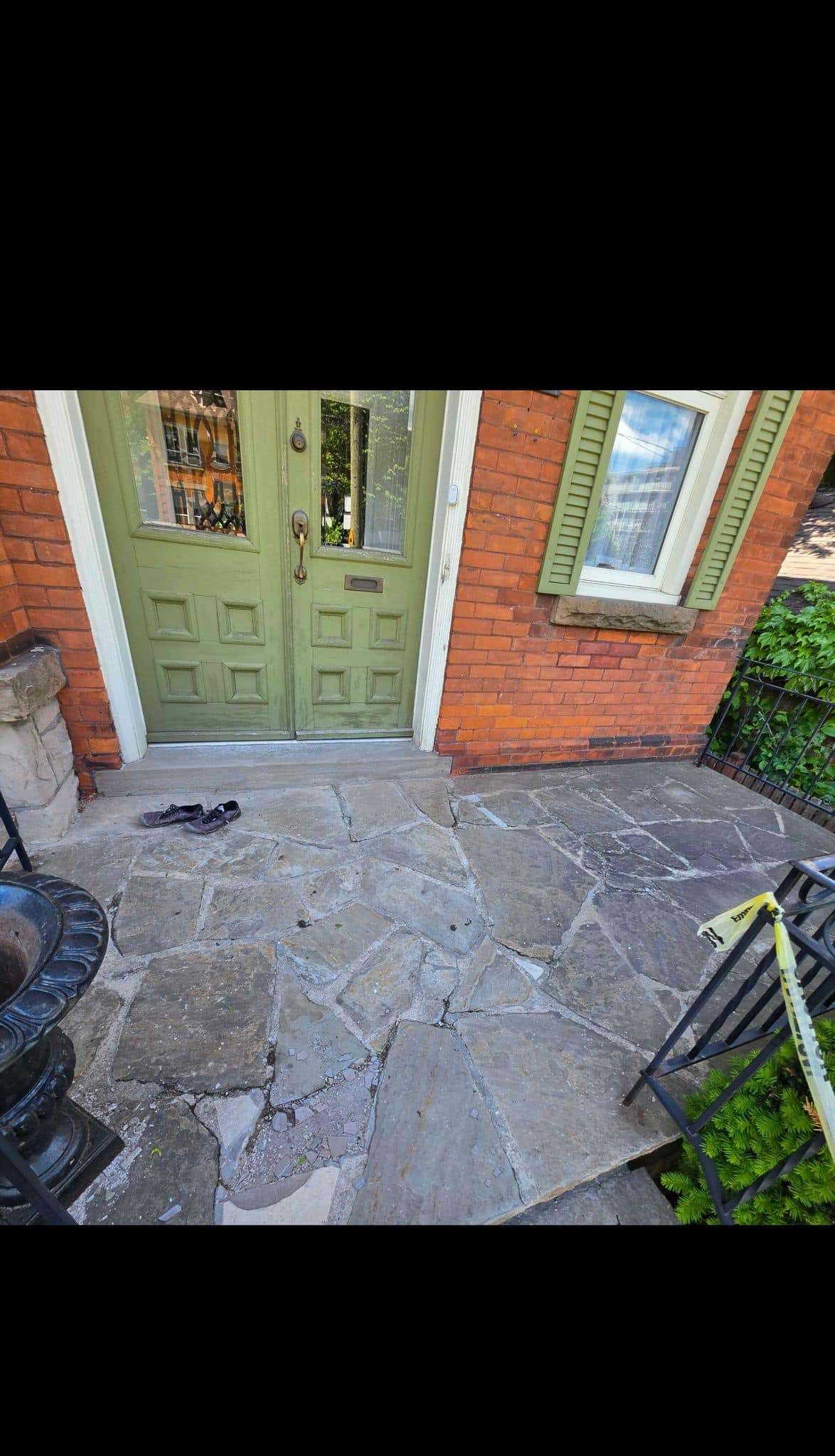
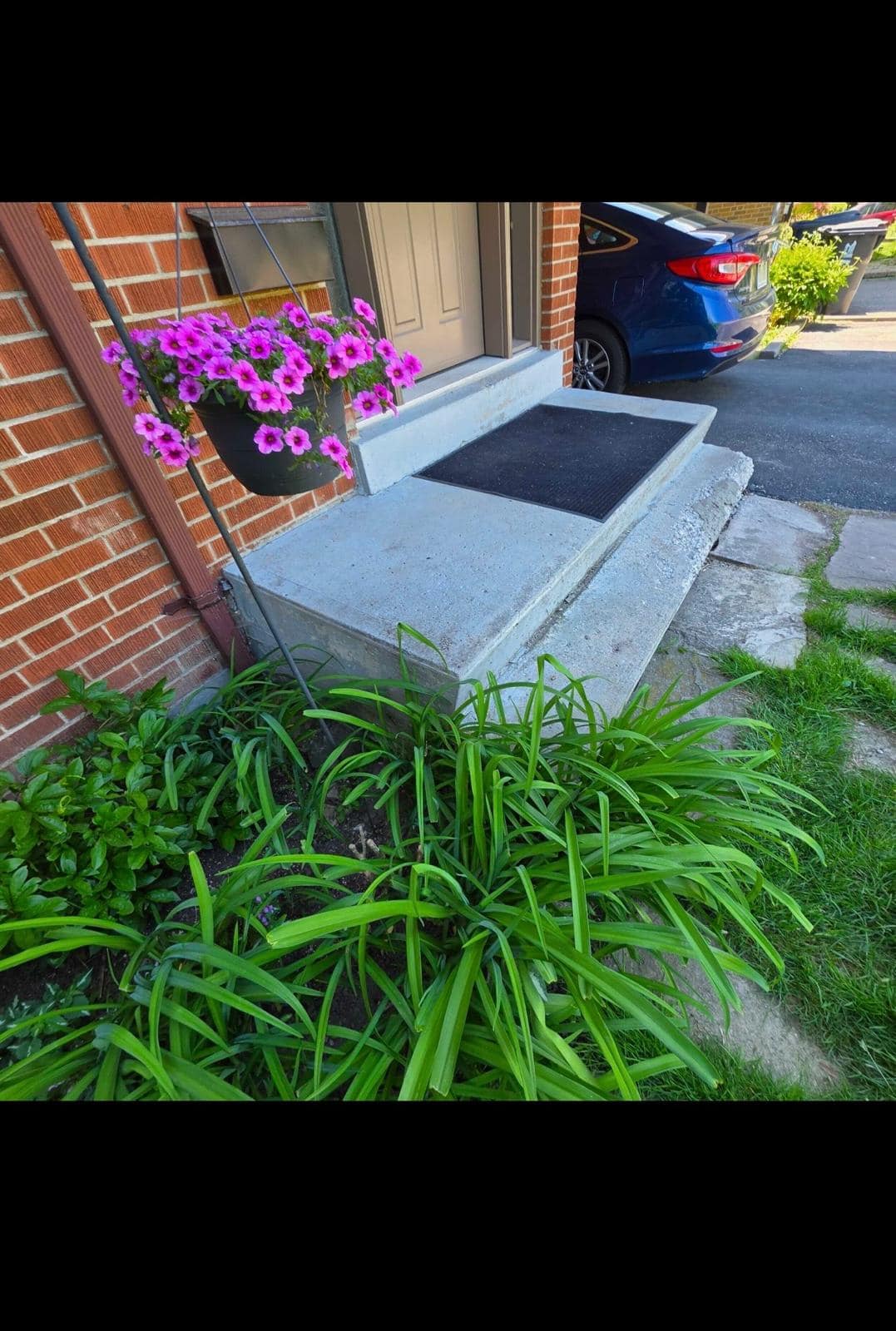
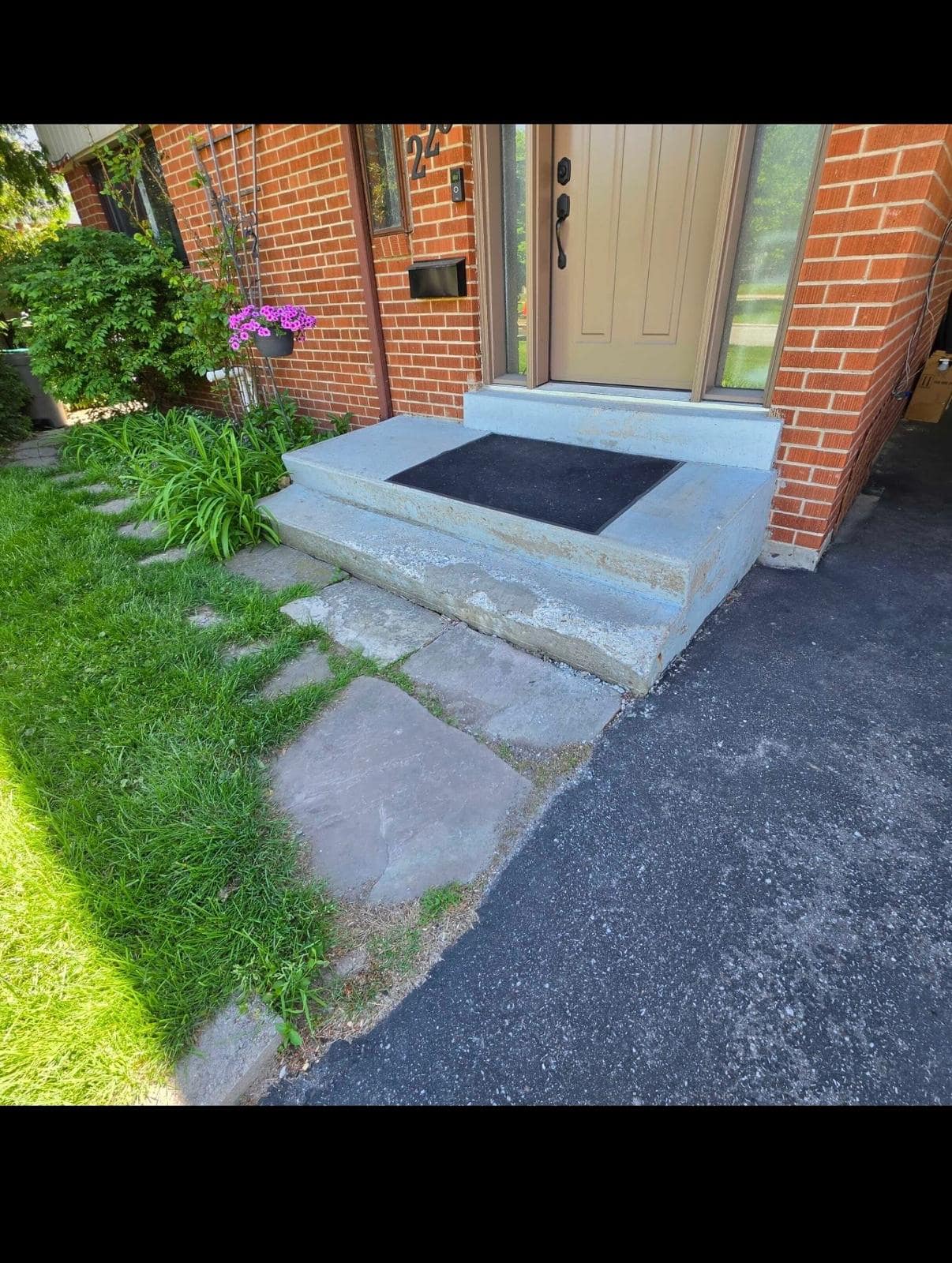
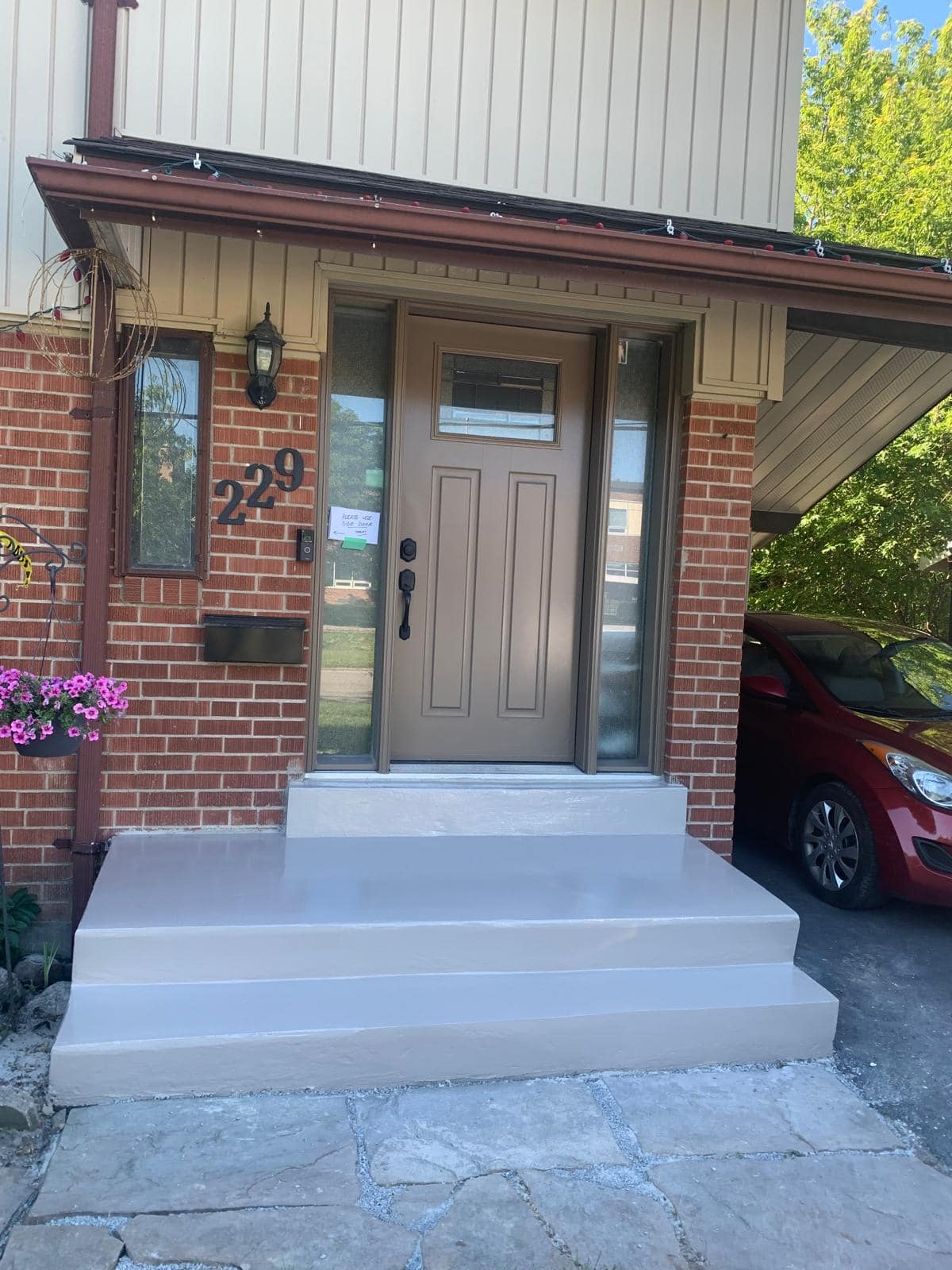
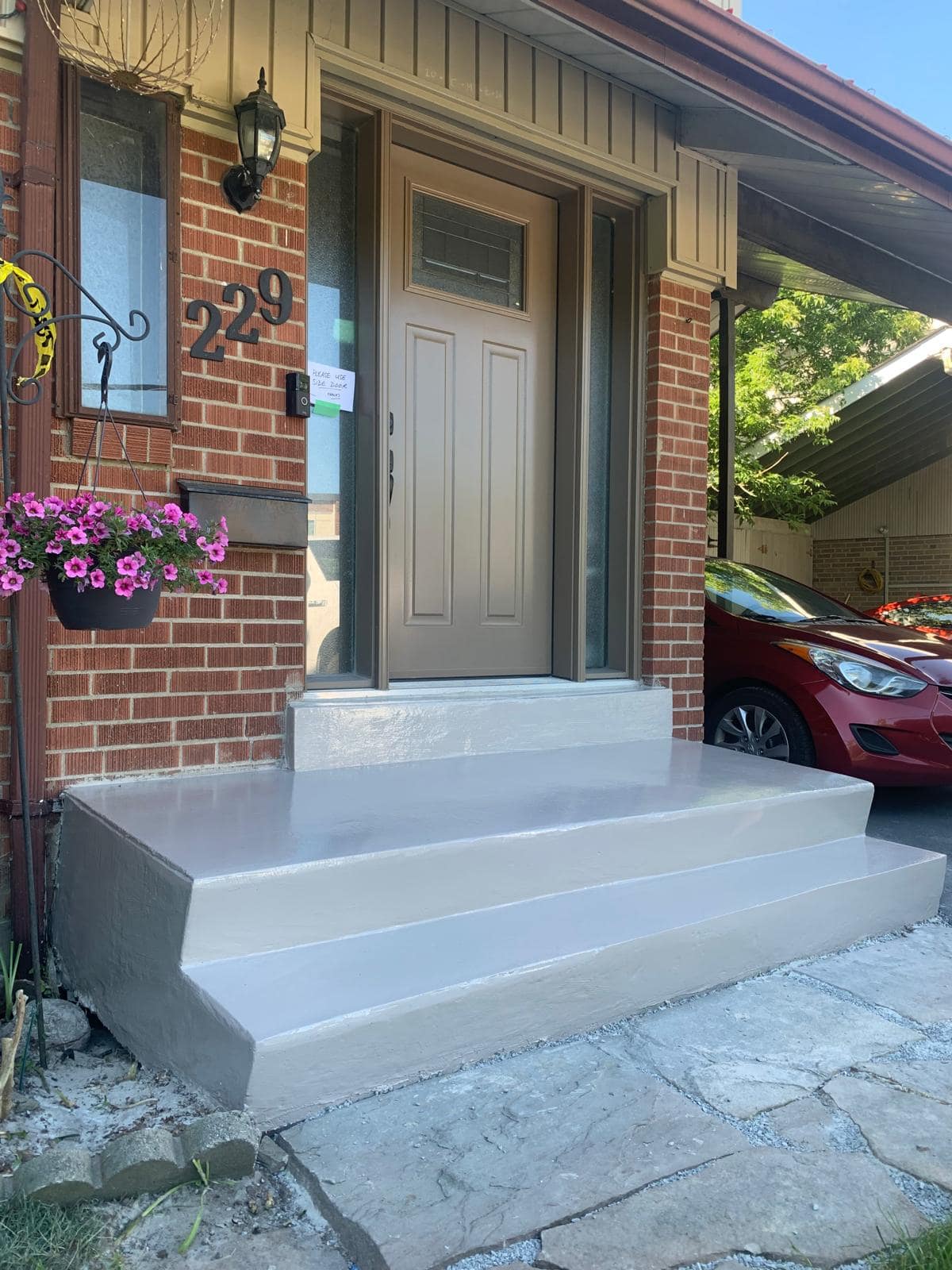
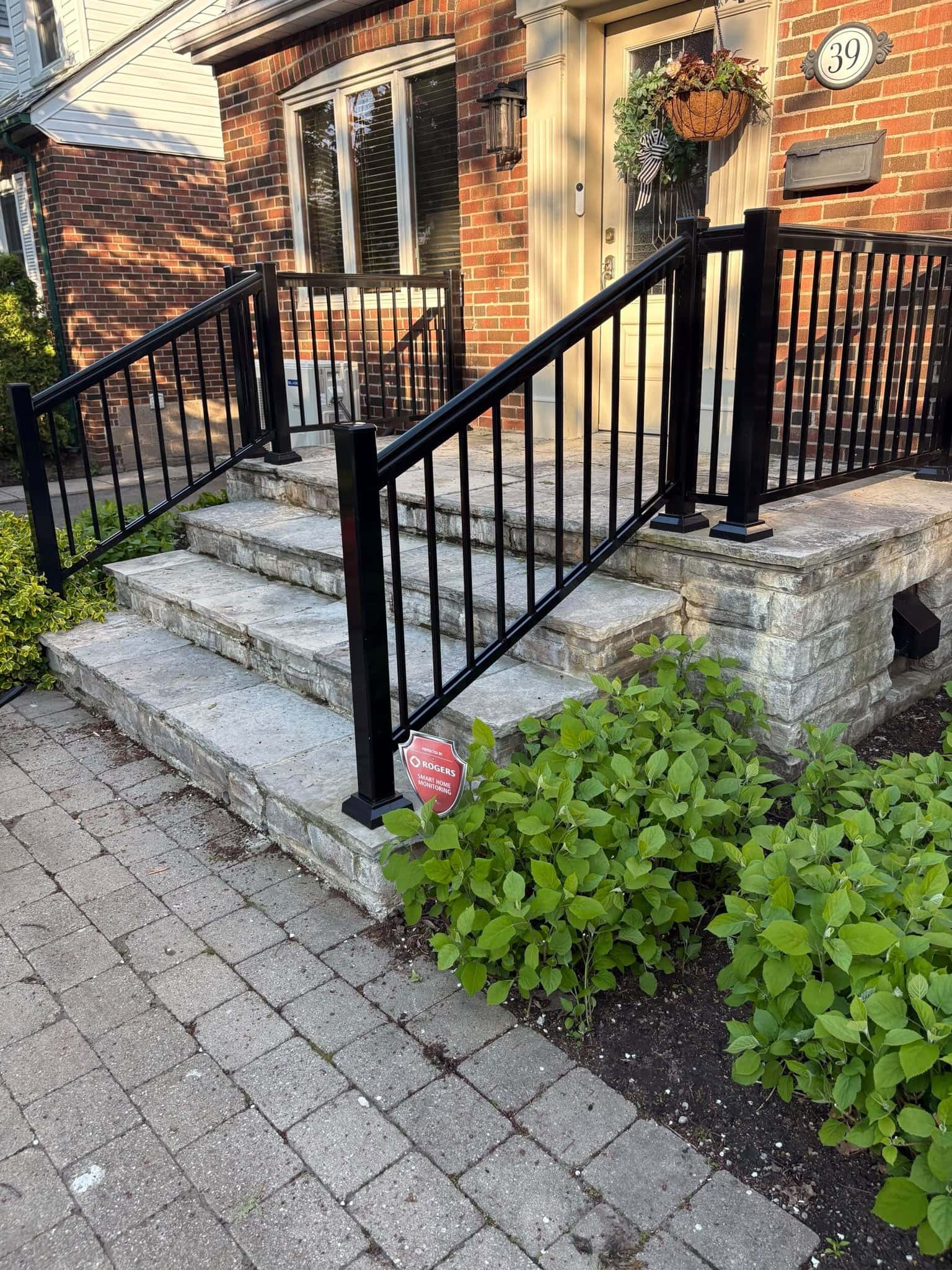
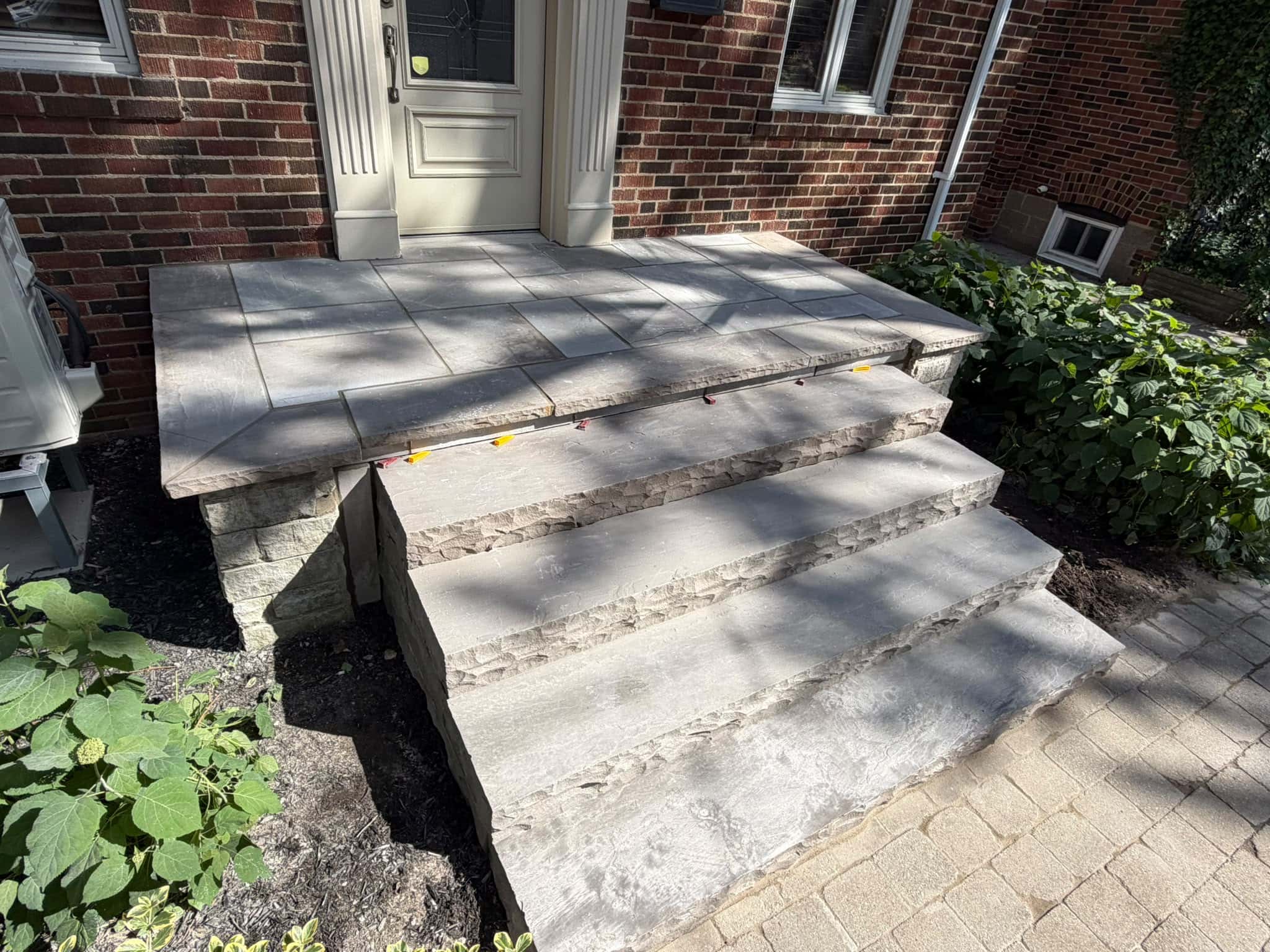
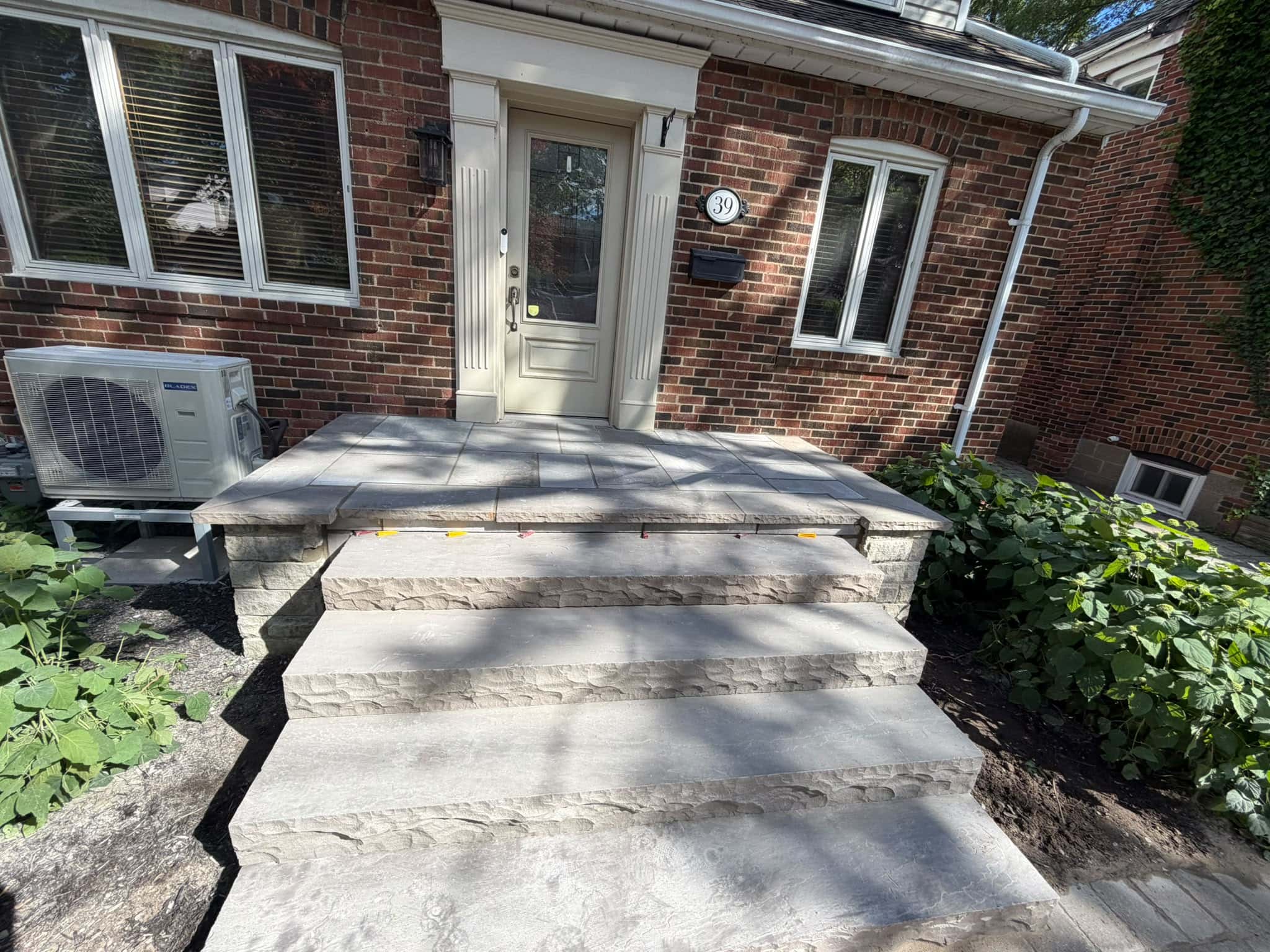
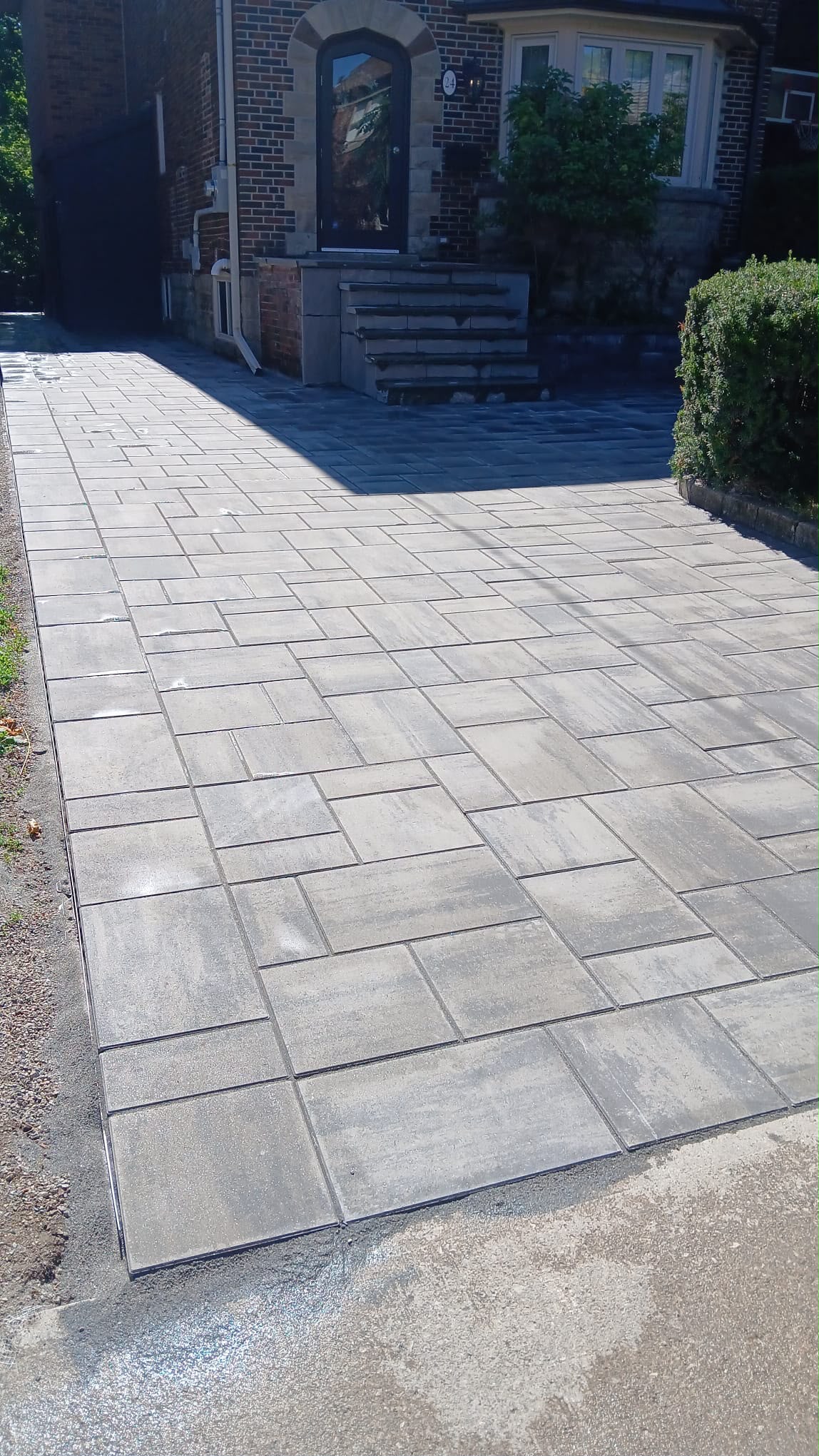
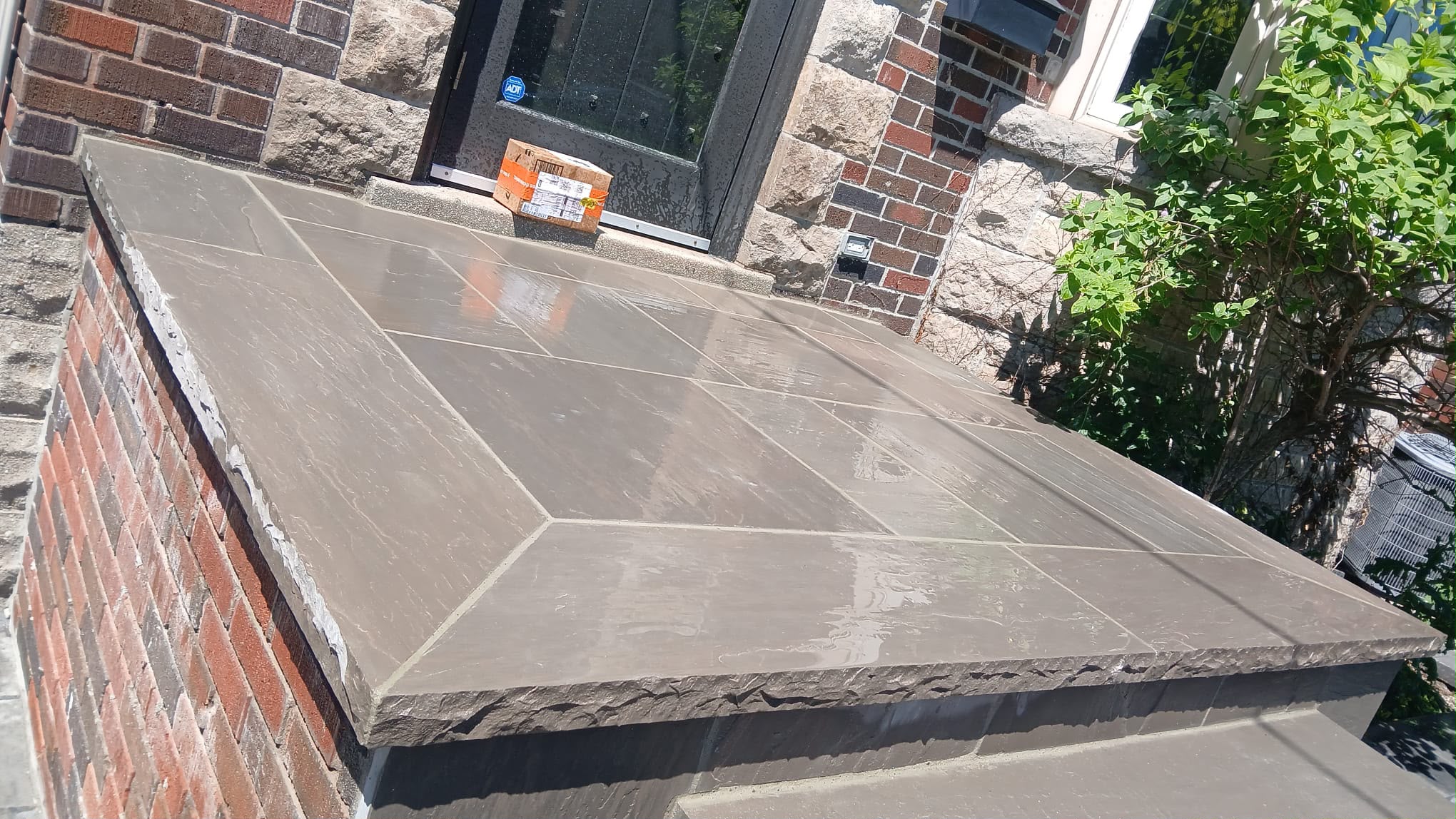
The front entry is one of the best places to start because it affects both curb appeal and daily use. A refreshed front step, walkway, or small landing can make the whole home feel more maintained without requiring a full exterior overhaul.
Good spring front-entry projects may include:
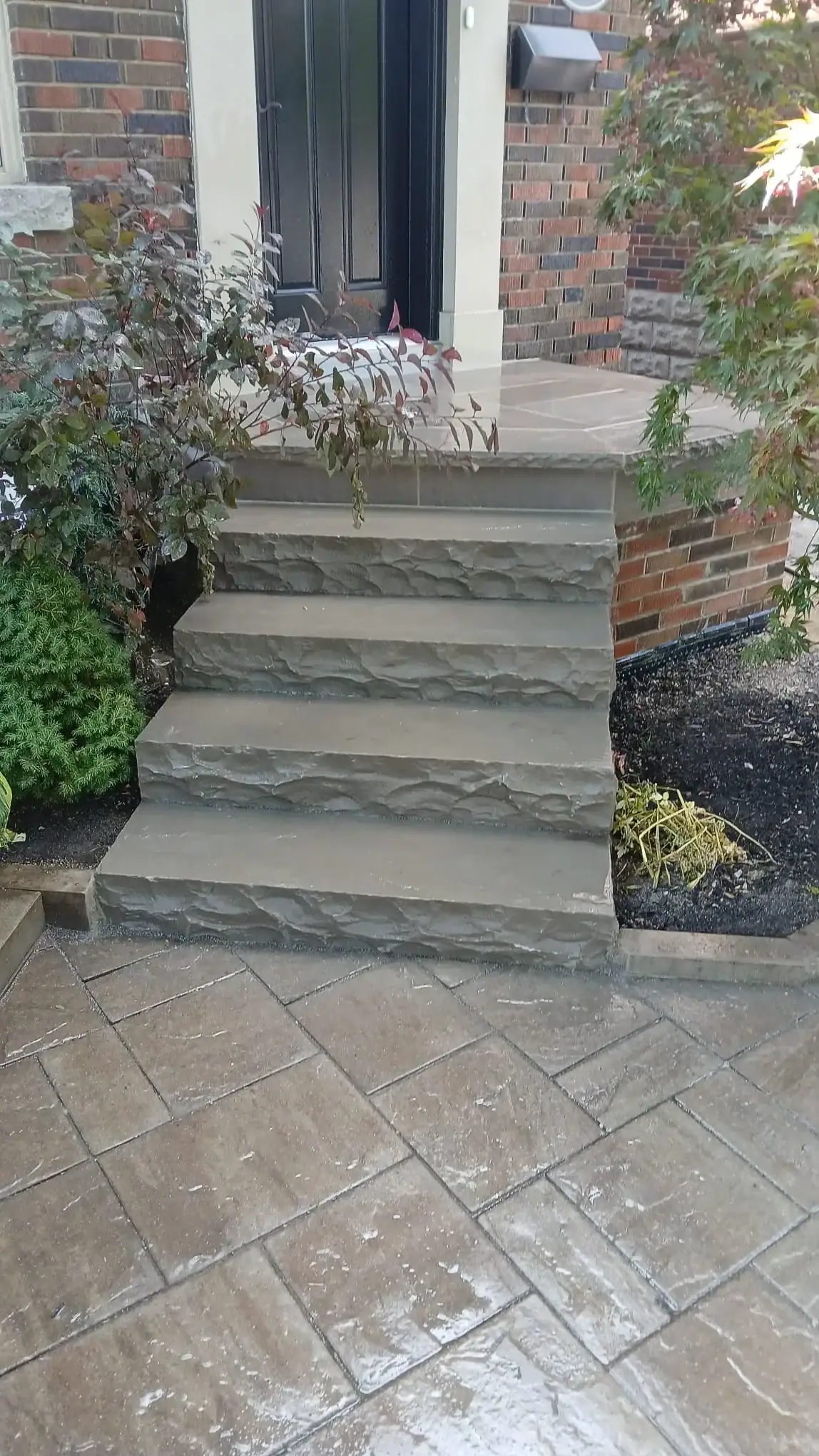
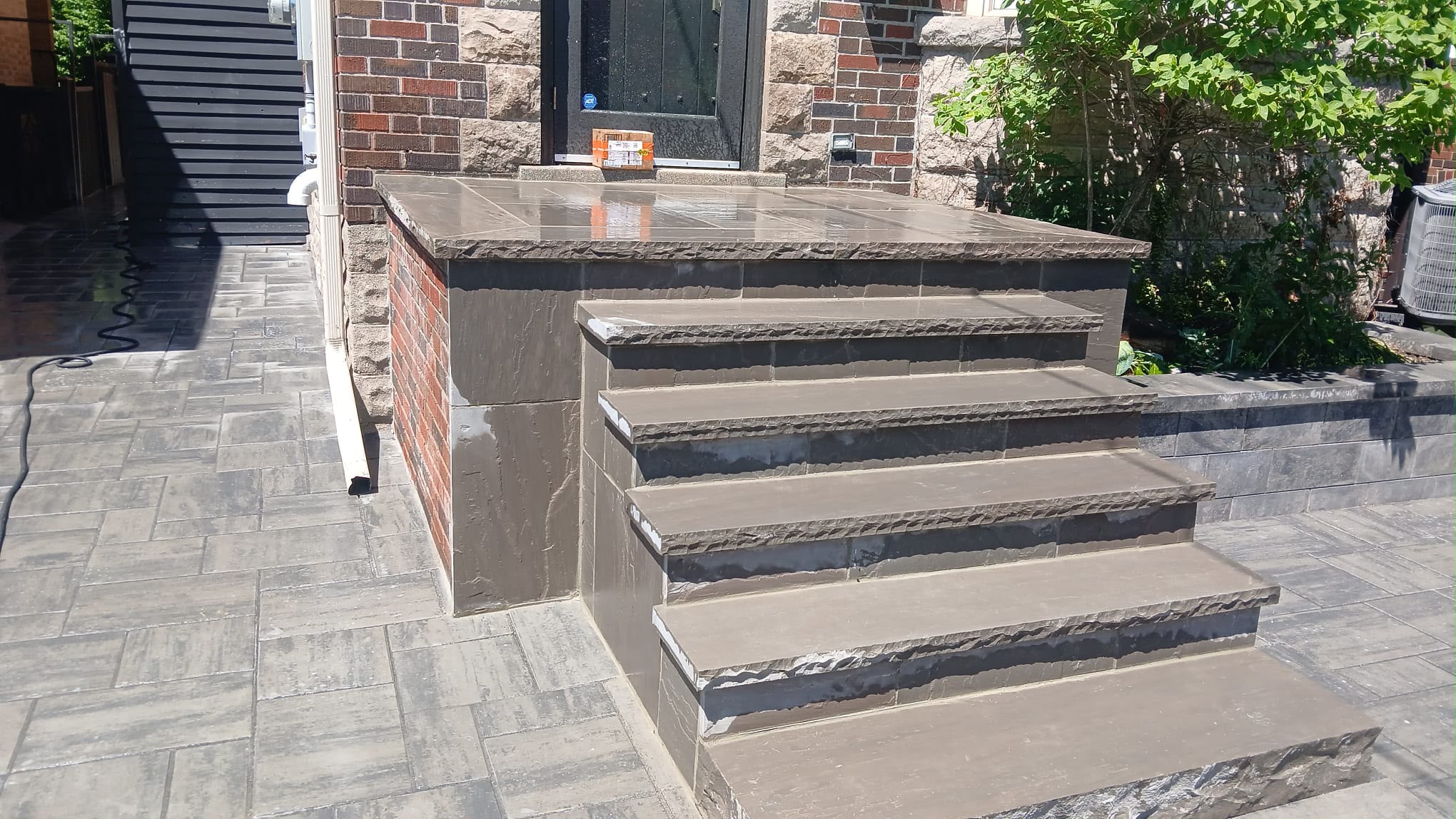
- rebuilding worn or unstable front steps
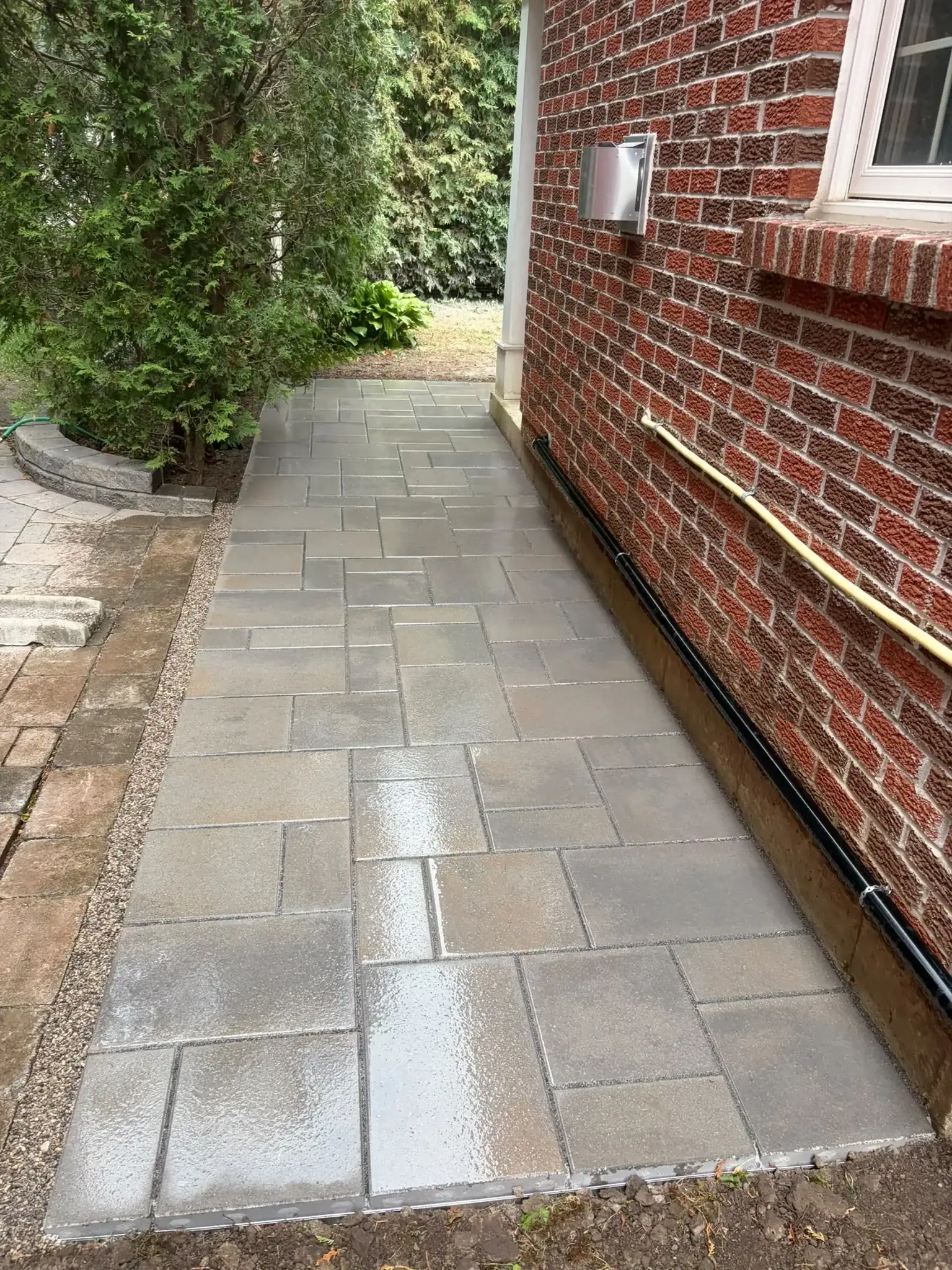
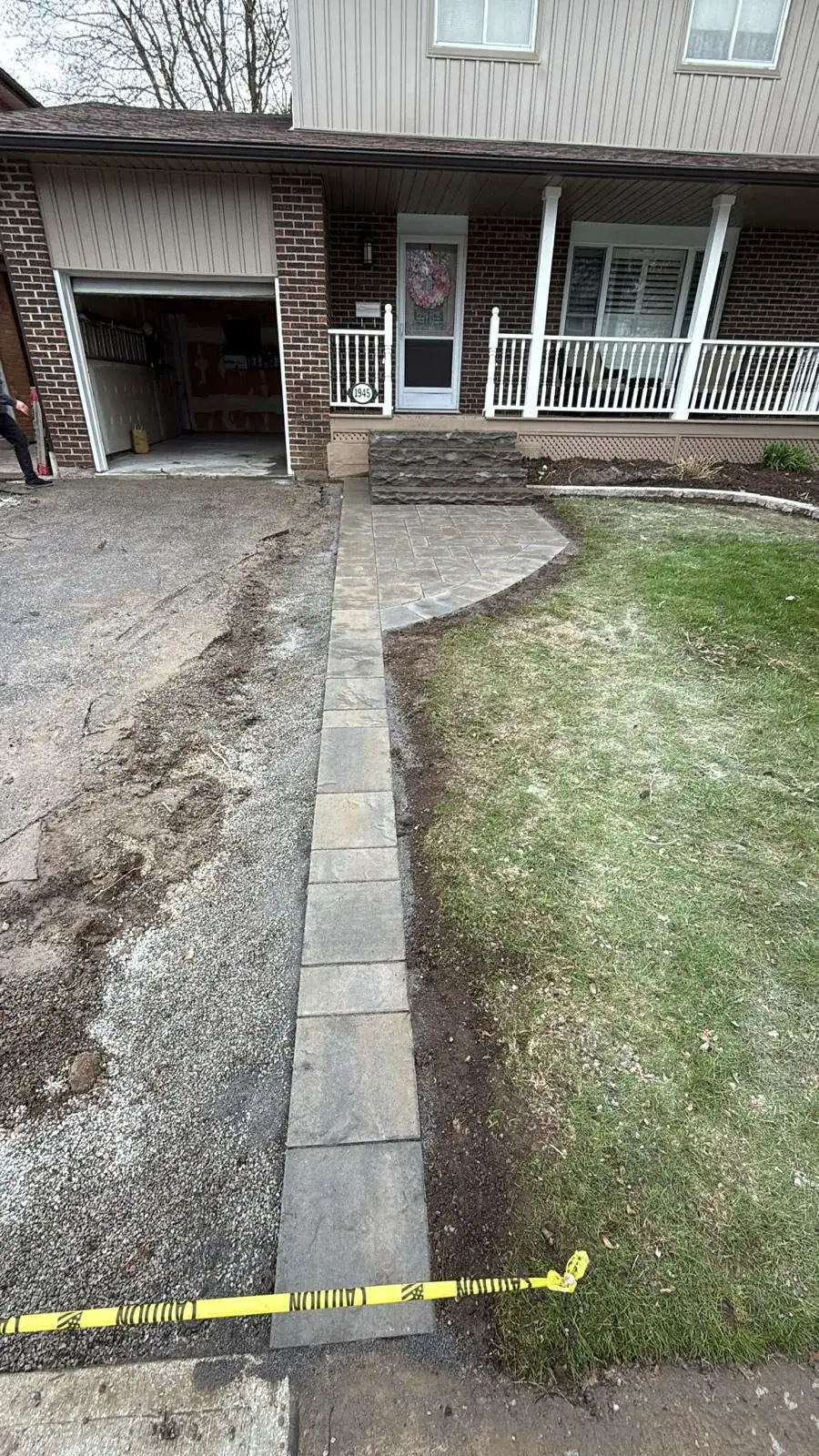
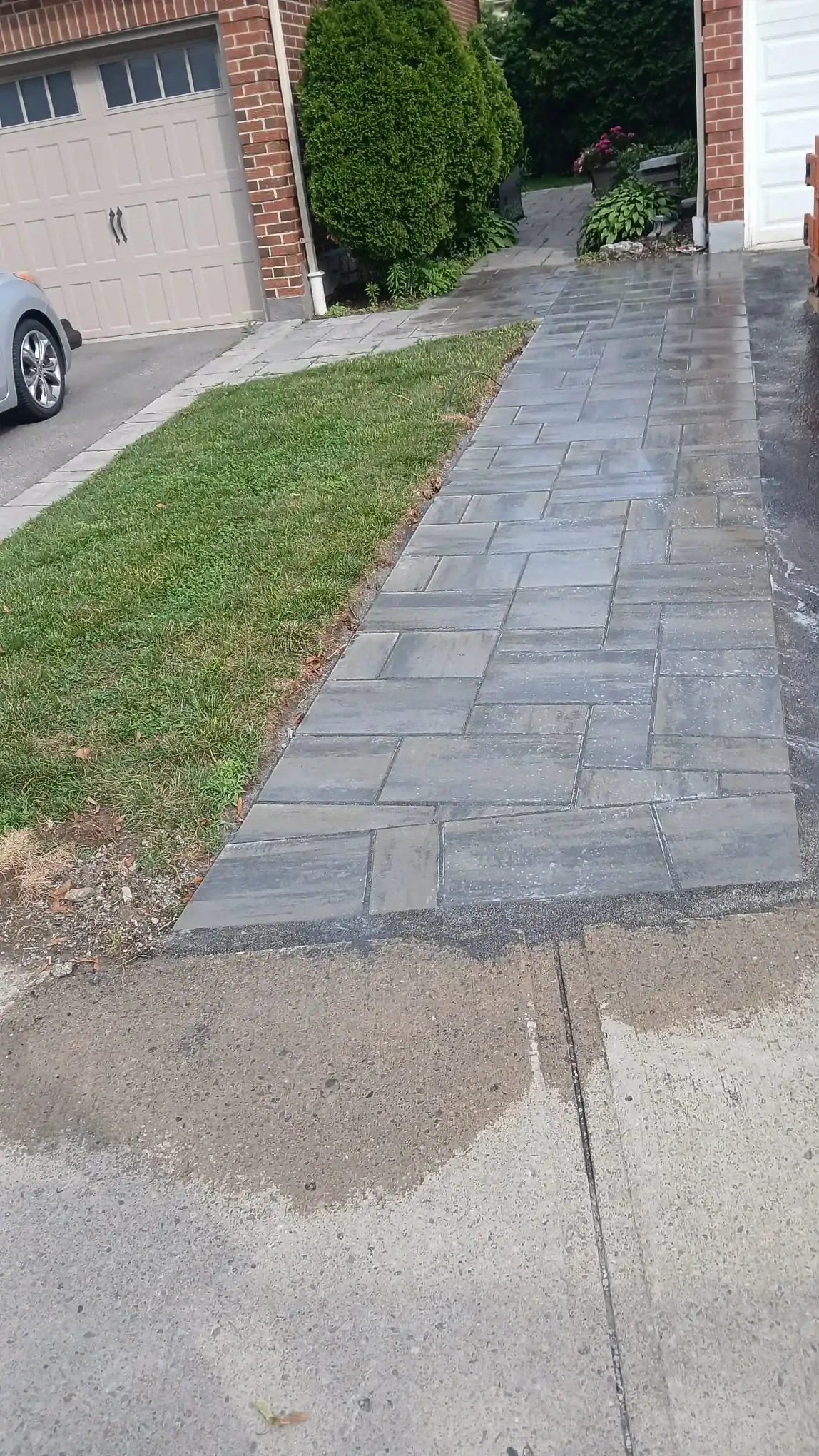
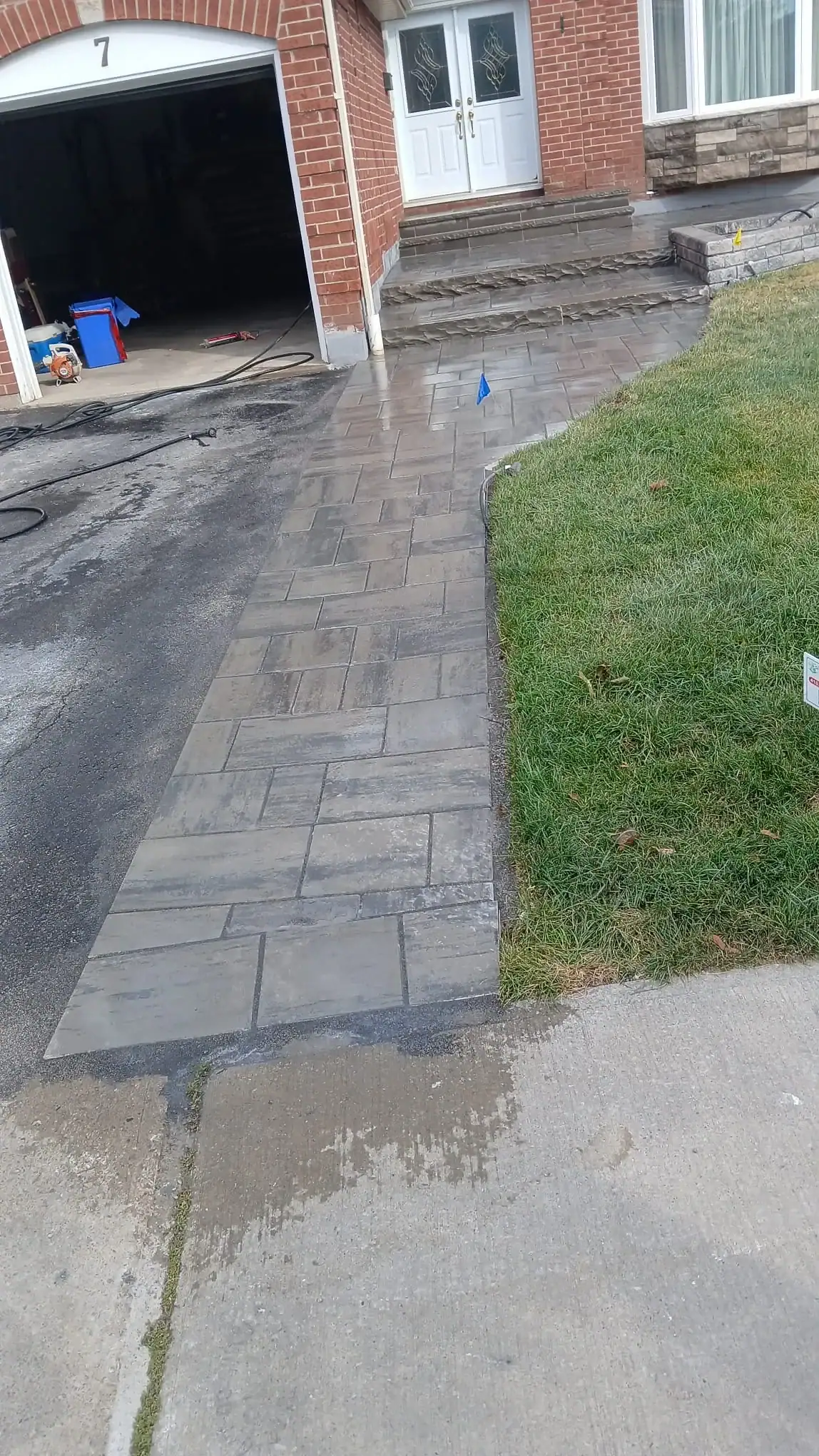
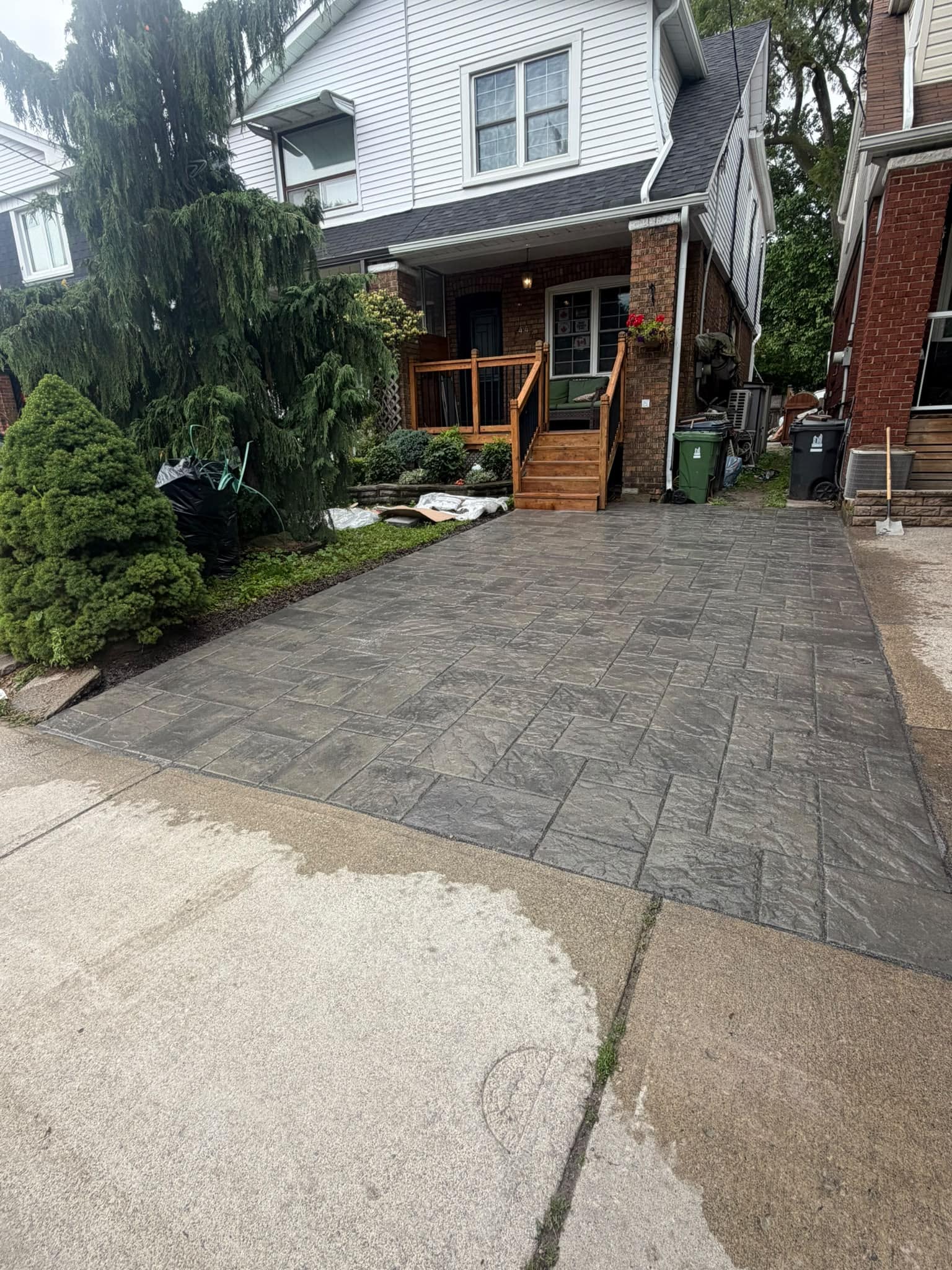
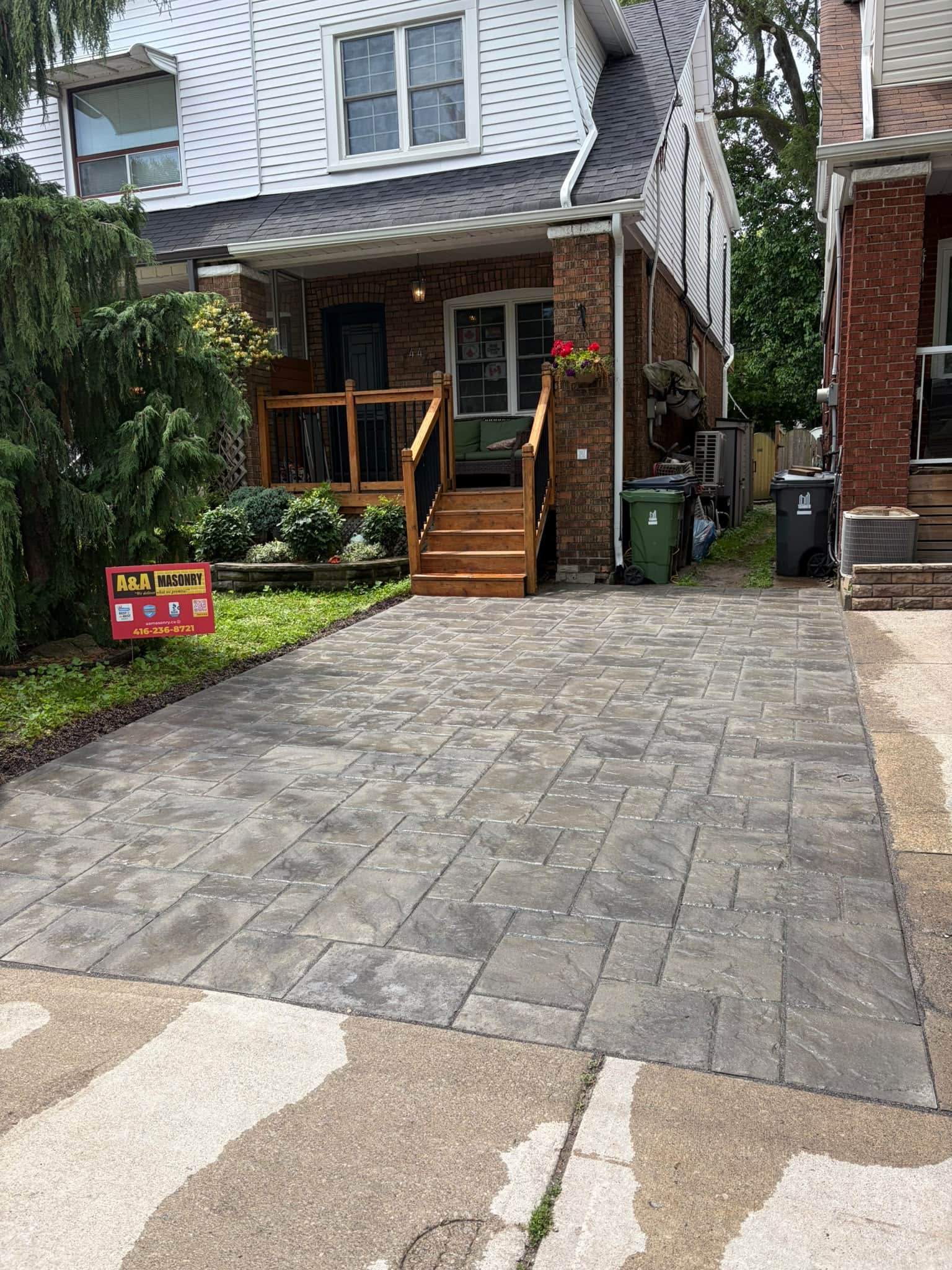
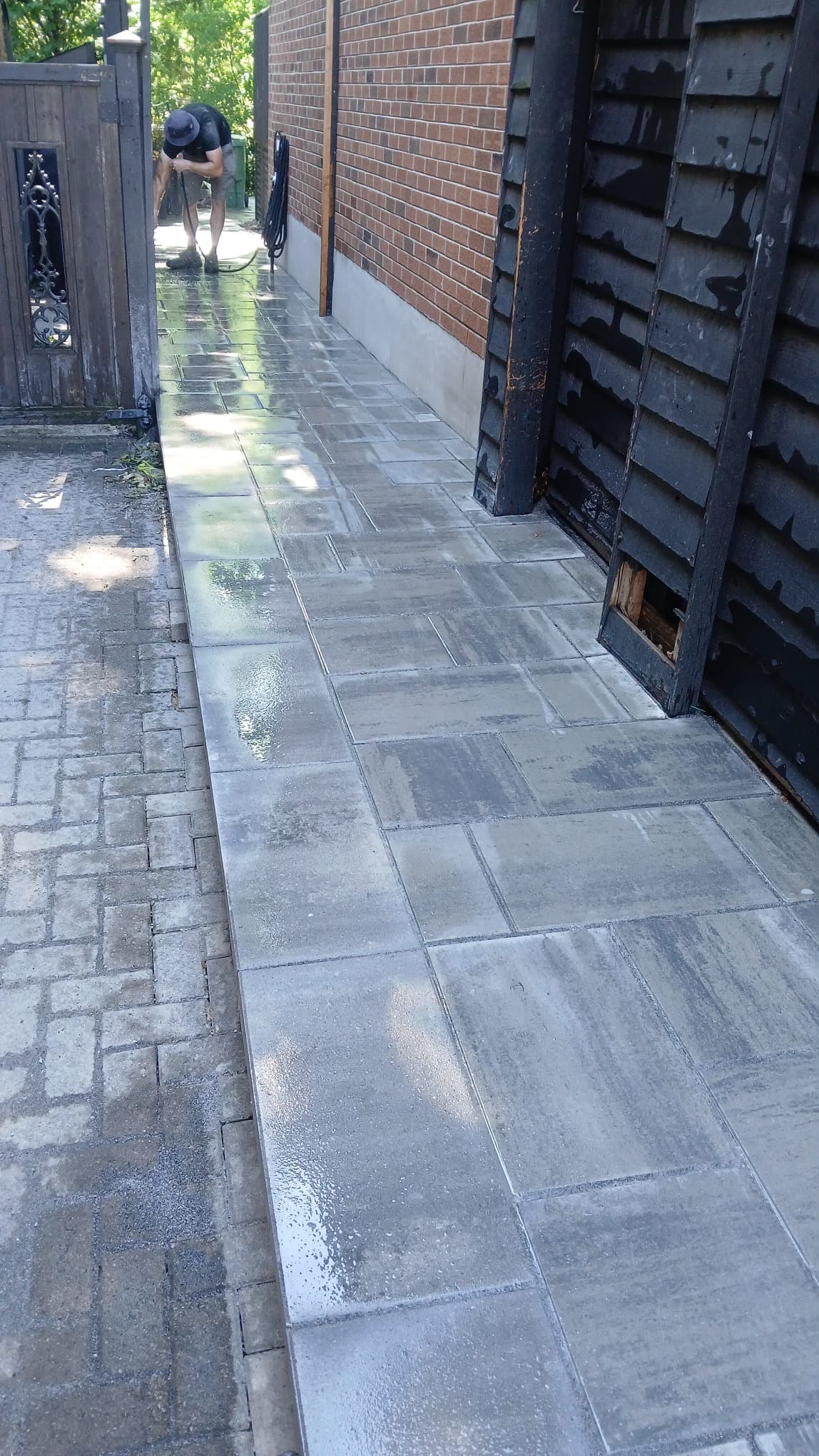
- adding or improving interlocking walkways
- reworking a landing that drains poorly
- adding more defined masonry edges or borders
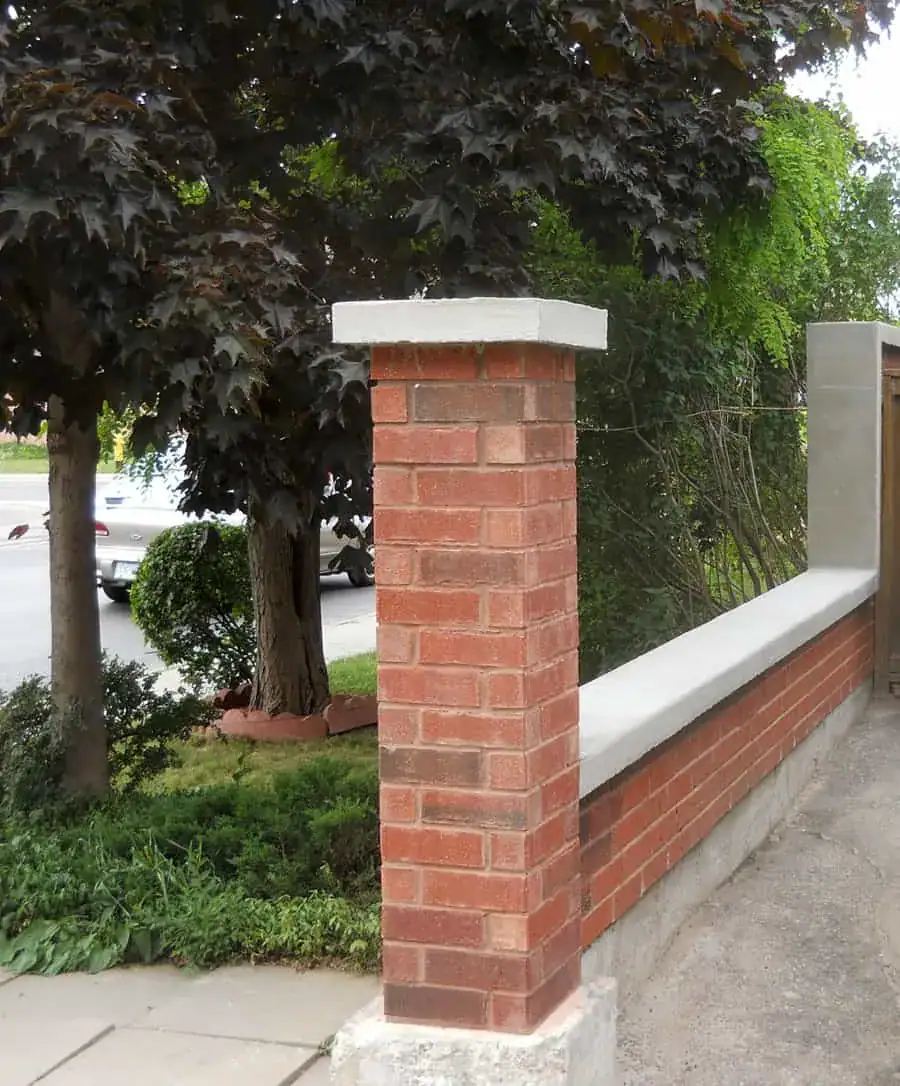
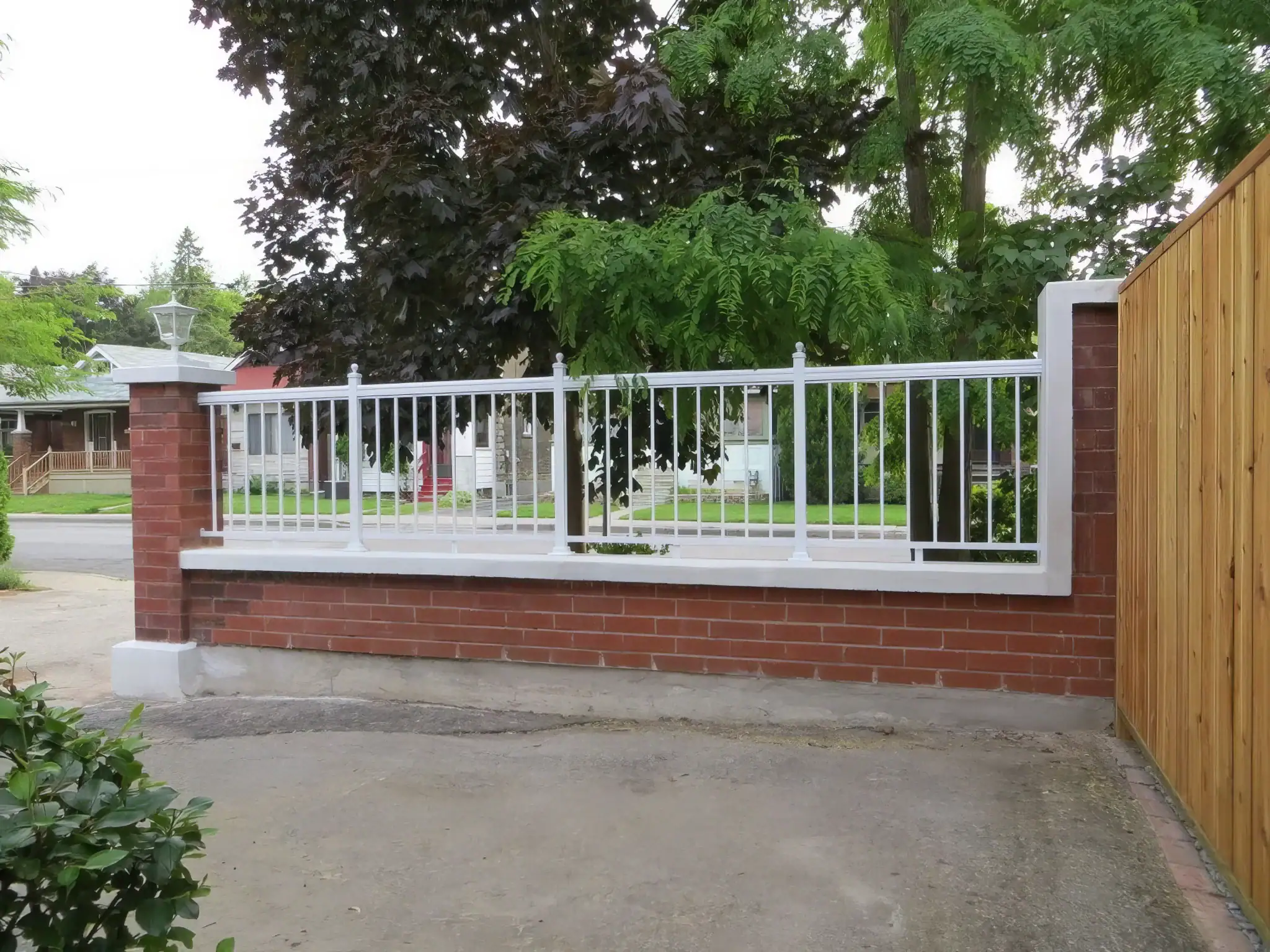
- updating an entry area so it better suits the home’s style
If the goal is to improve approach and flow, paver walkway interlocking Toronto and interlocking steps Toronto are two of the most relevant supporting service pages. If the issue is more about the masonry condition of the house itself near the entrance, brick repair Toronto may be the better place to start.
Spring Project Idea 2: Upgrade the Patio Before Summer
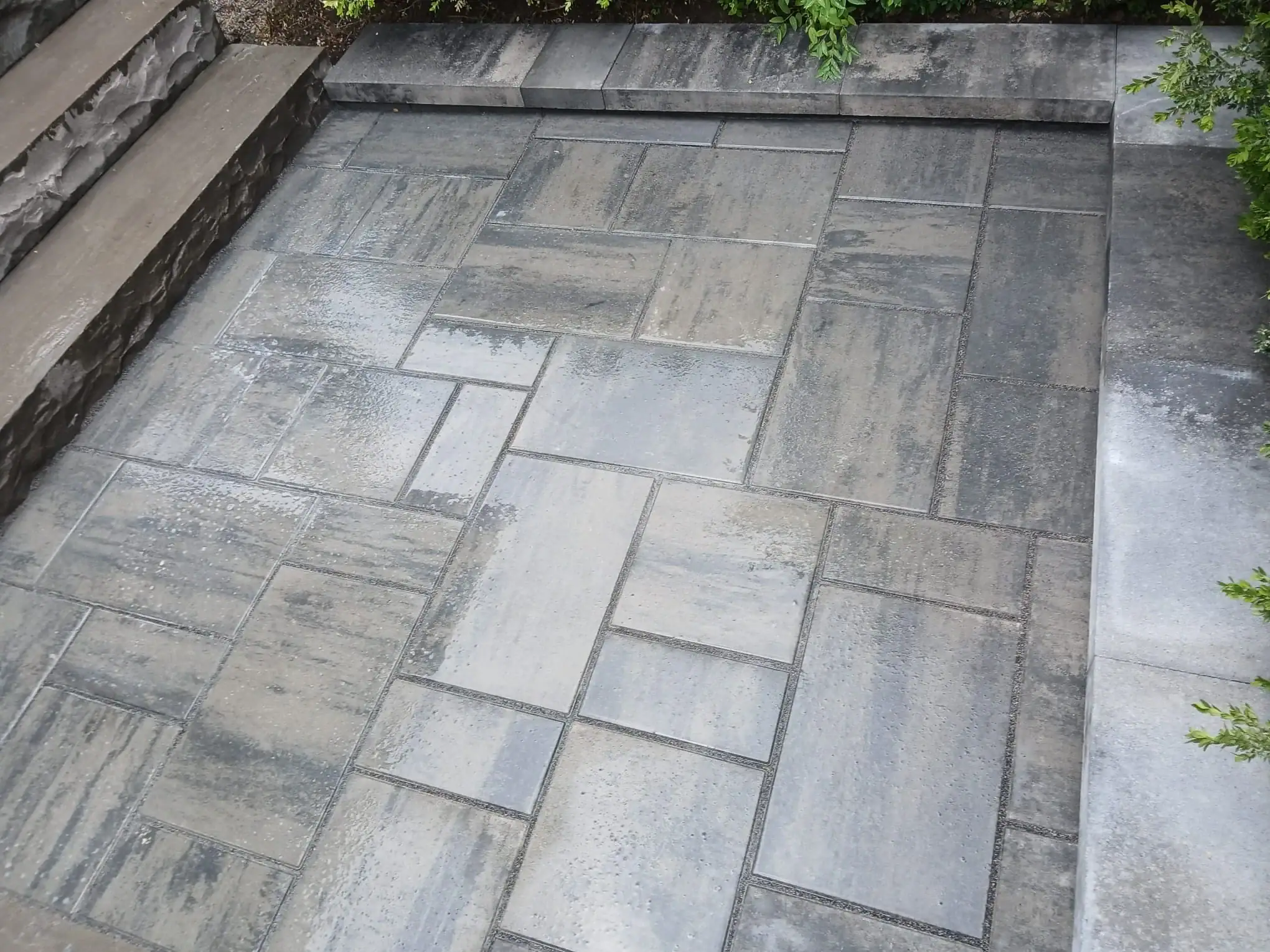
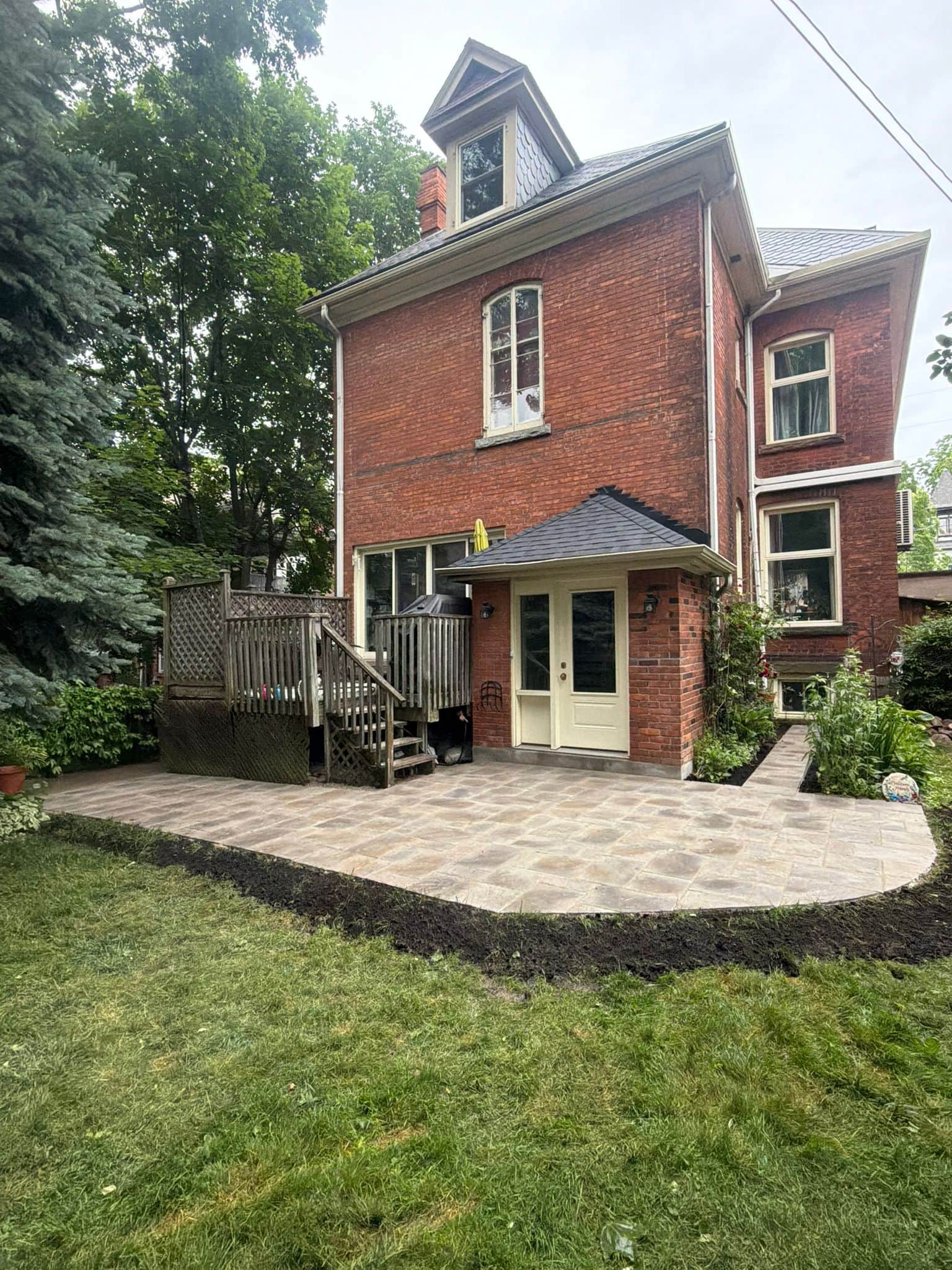
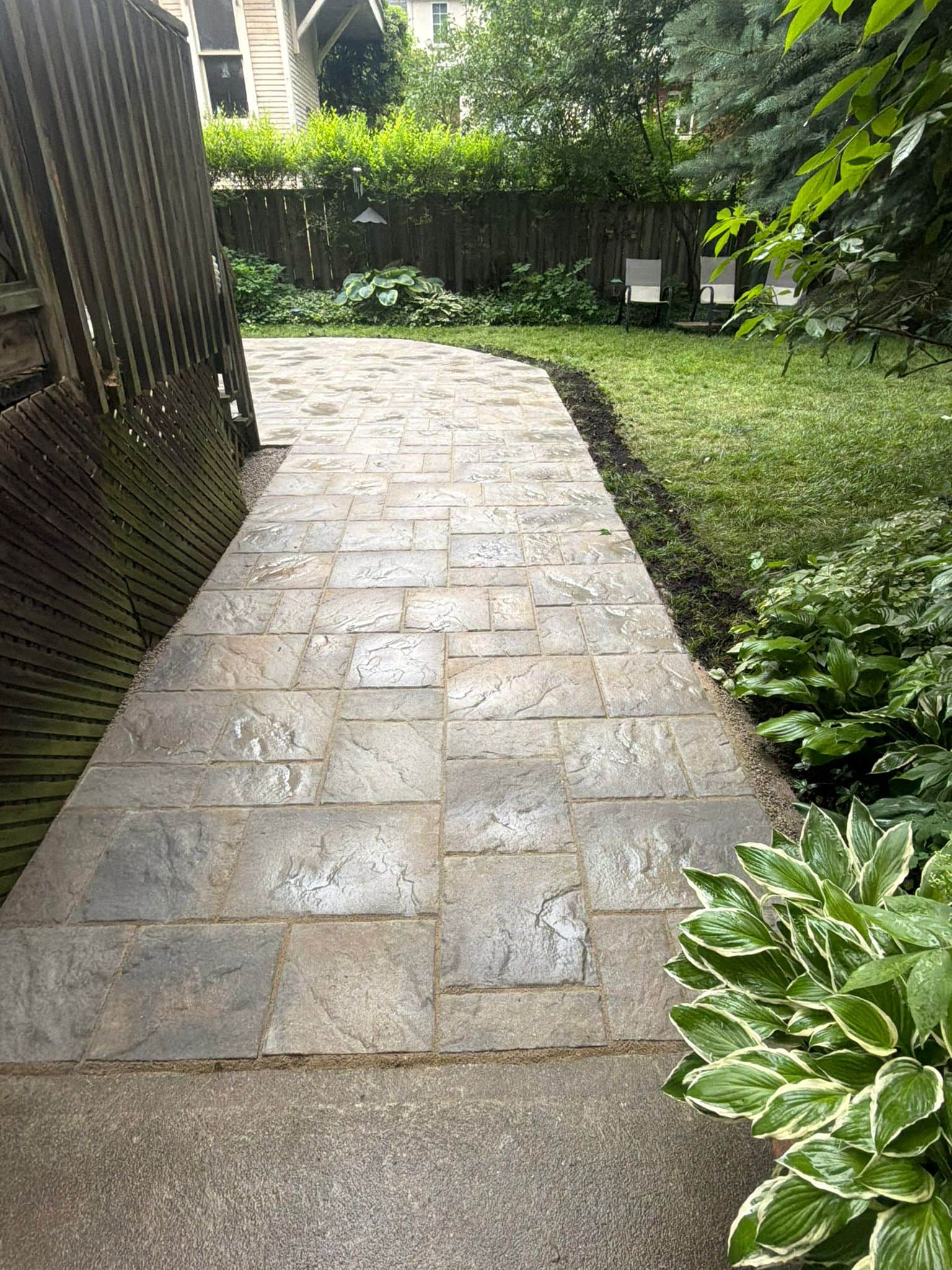
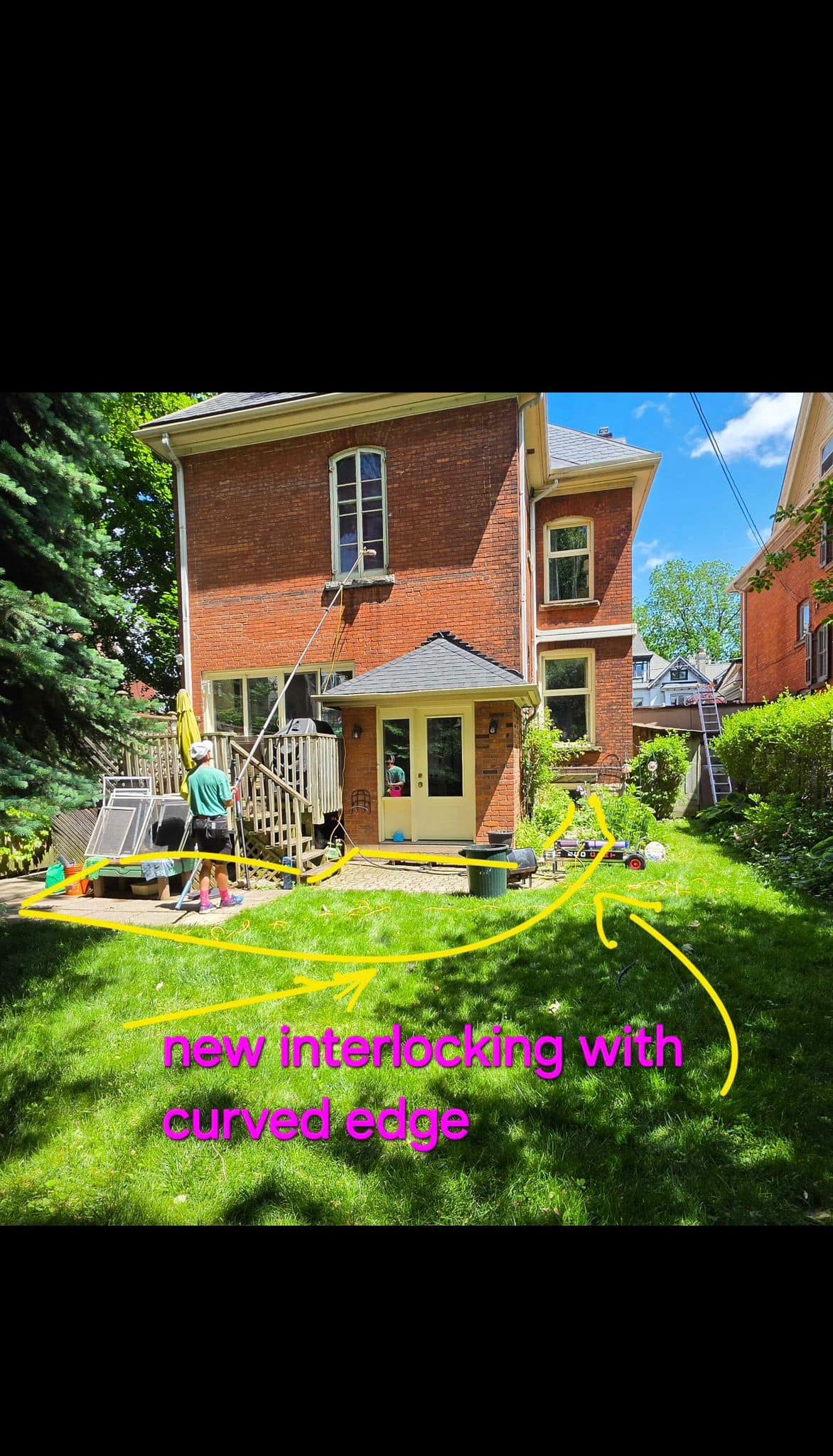
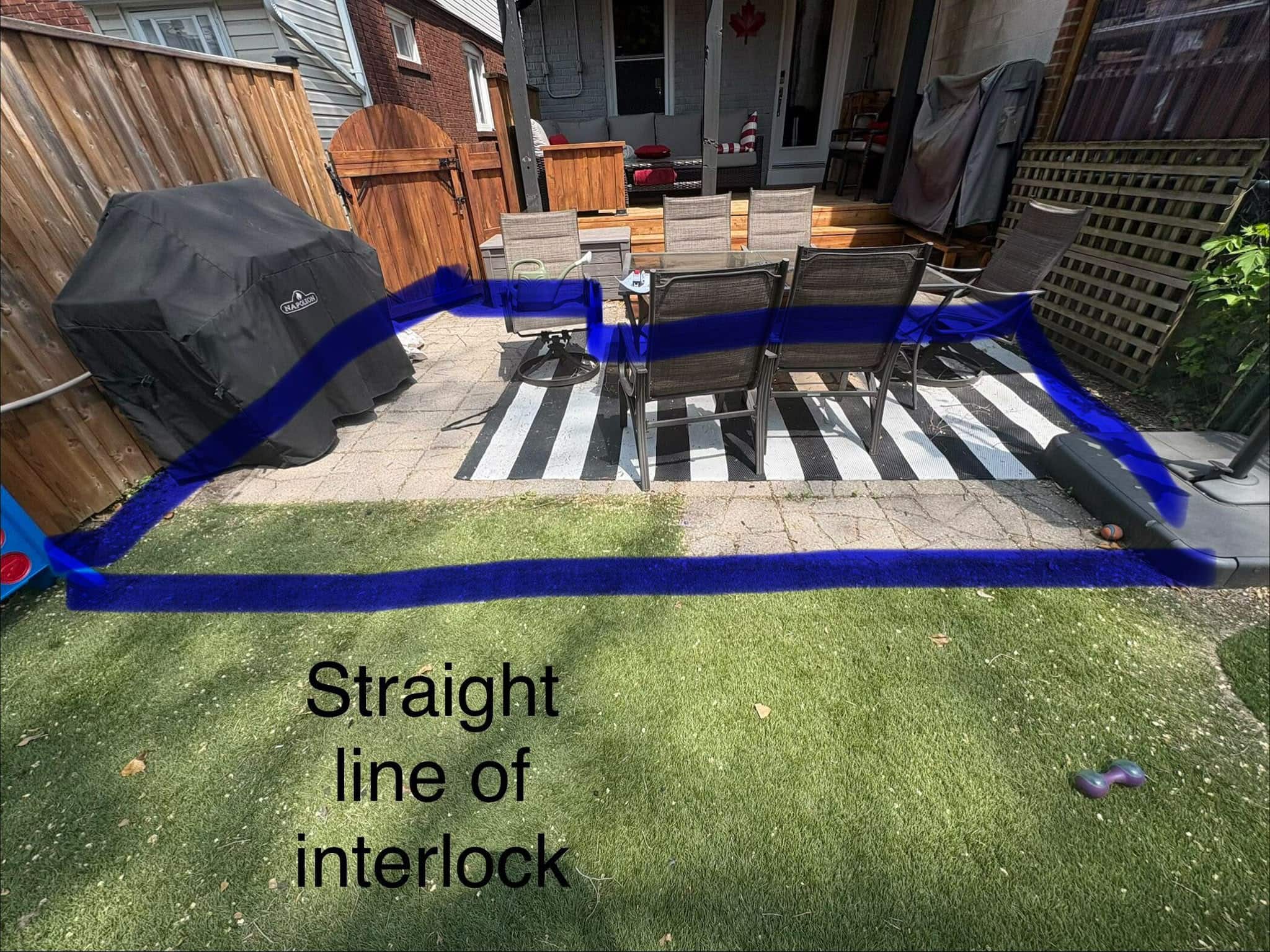
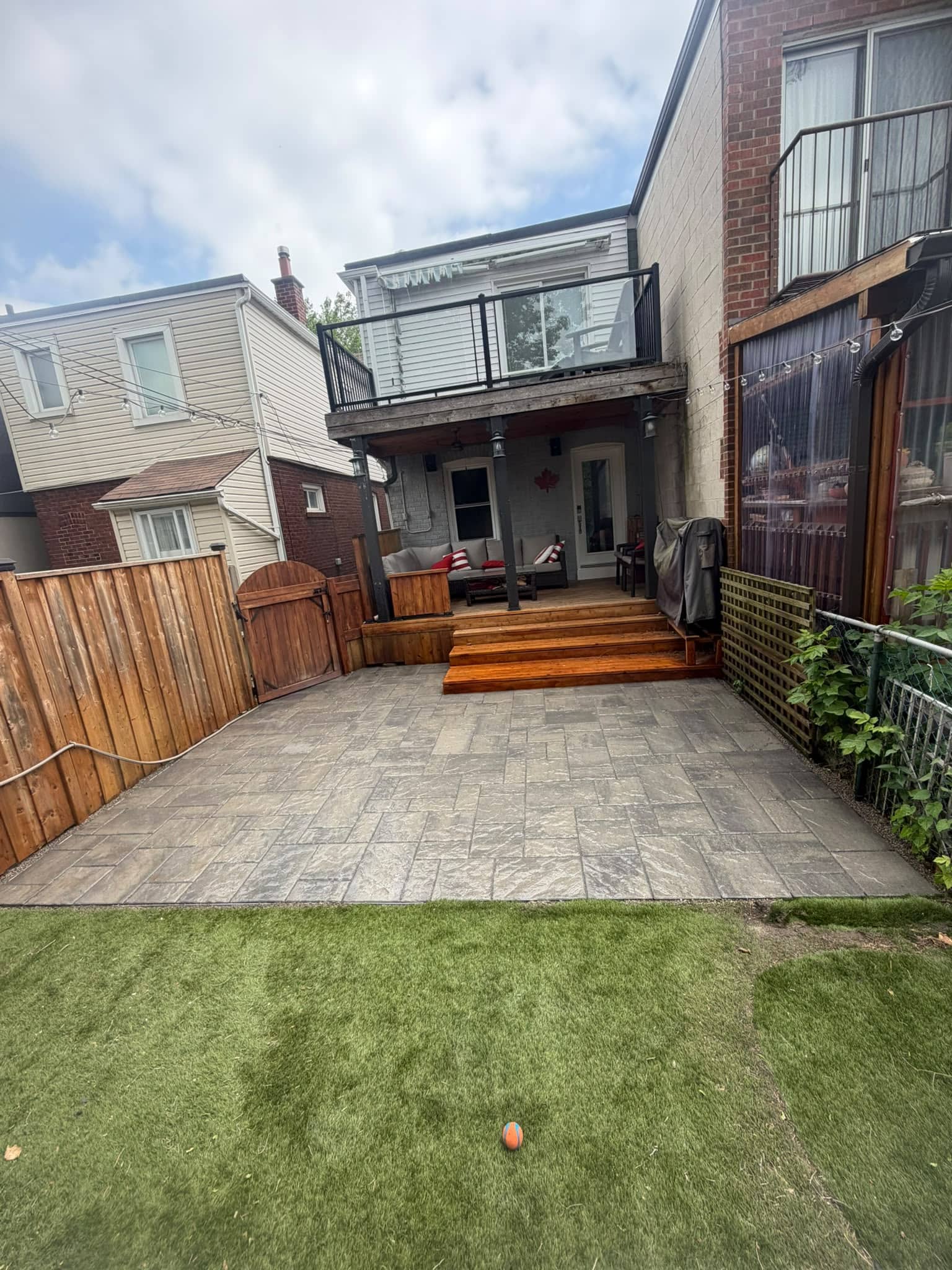
Patio work is one of the most practical spring masonry projects because it affects how the backyard will function through the rest of the warmer months. A better patio can improve seating, circulation, entertaining, and the overall feeling of the yard.
That does not always mean building a huge new patio. In some homes, the better move is to resize a patio that never felt proportional, replace a worn surface with a better material, or integrate the patio more naturally with steps, pathways, planting beds, or a grill area.
For homeowners comparing material direction, our published blog on brick vs concrete pavers: best uses is useful because it helps frame when each type tends to work best. If the patio itself is the likely project, interlocking patio Toronto is the most relevant service reference.
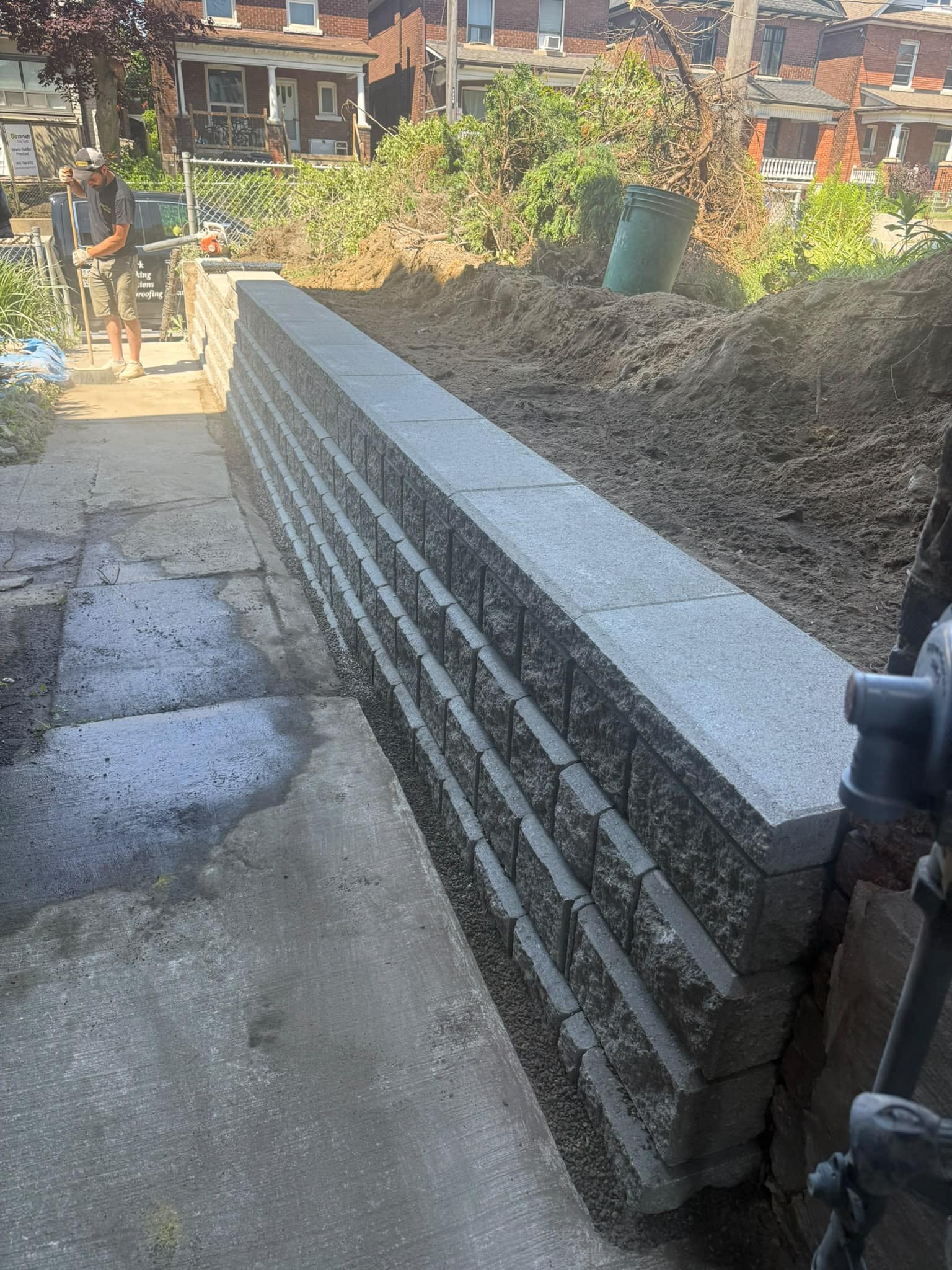
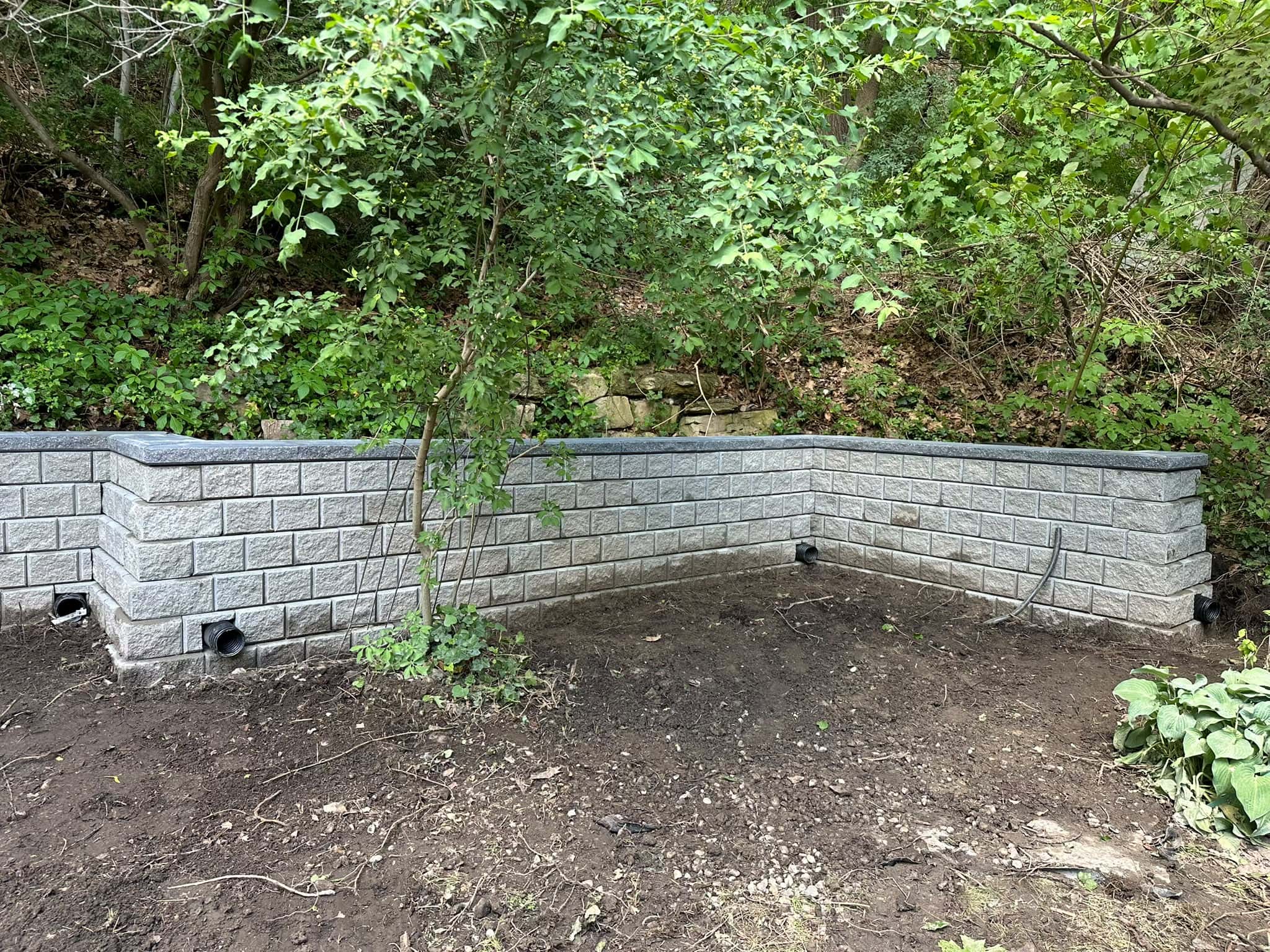
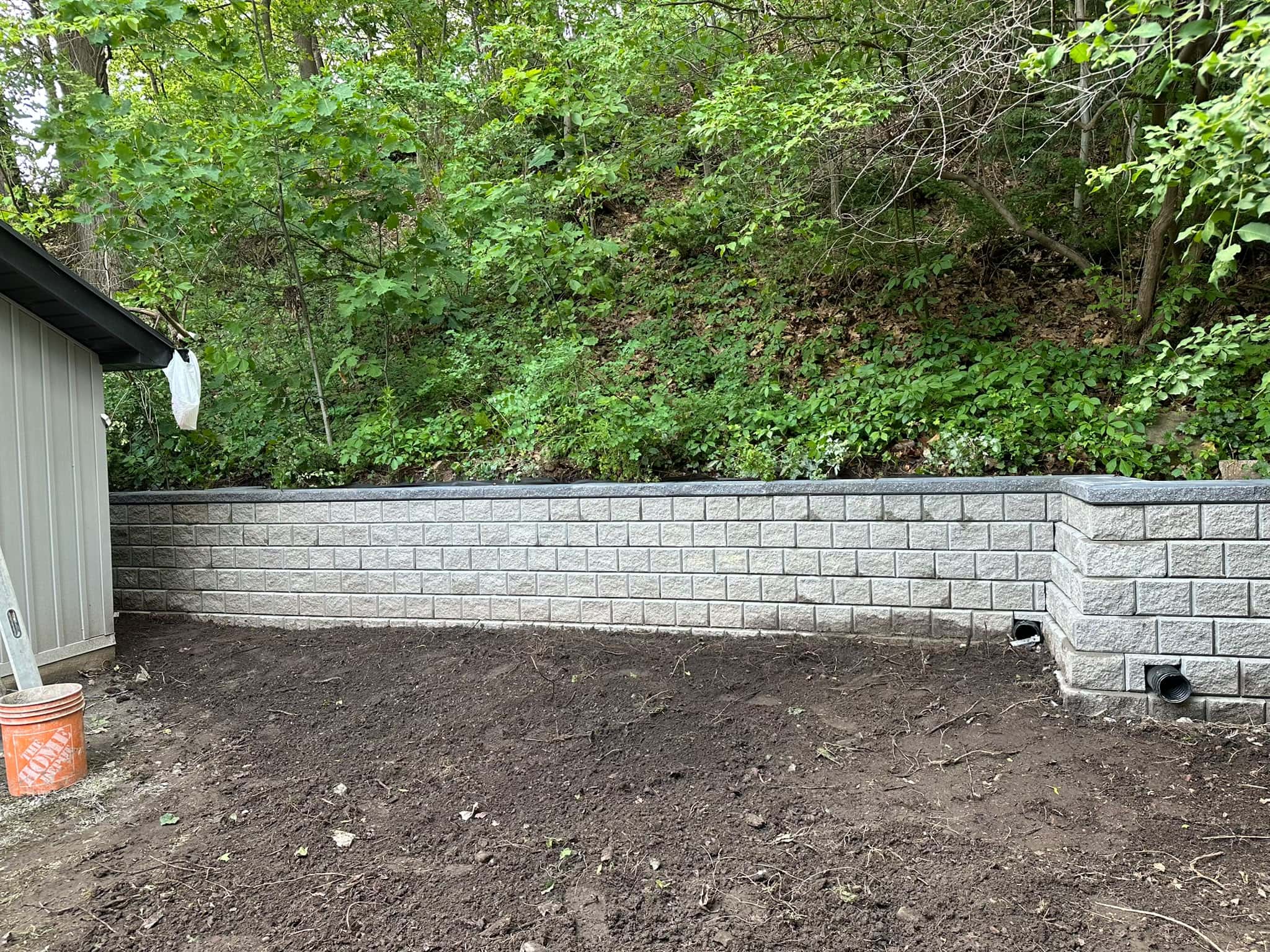
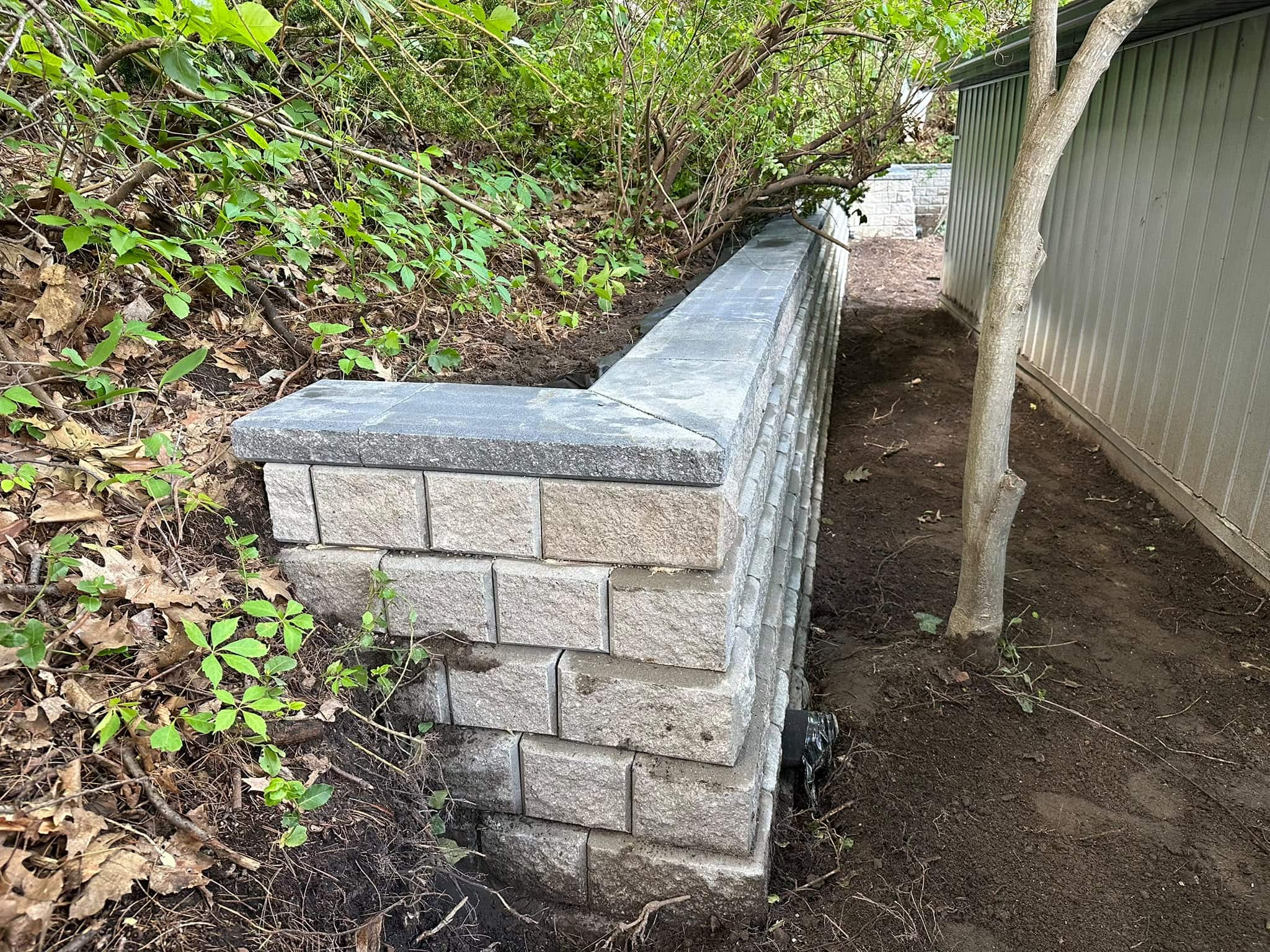
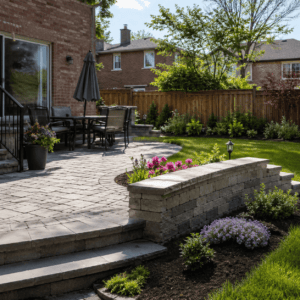
Spring Project Idea 3: Add or Improve Retaining Walls
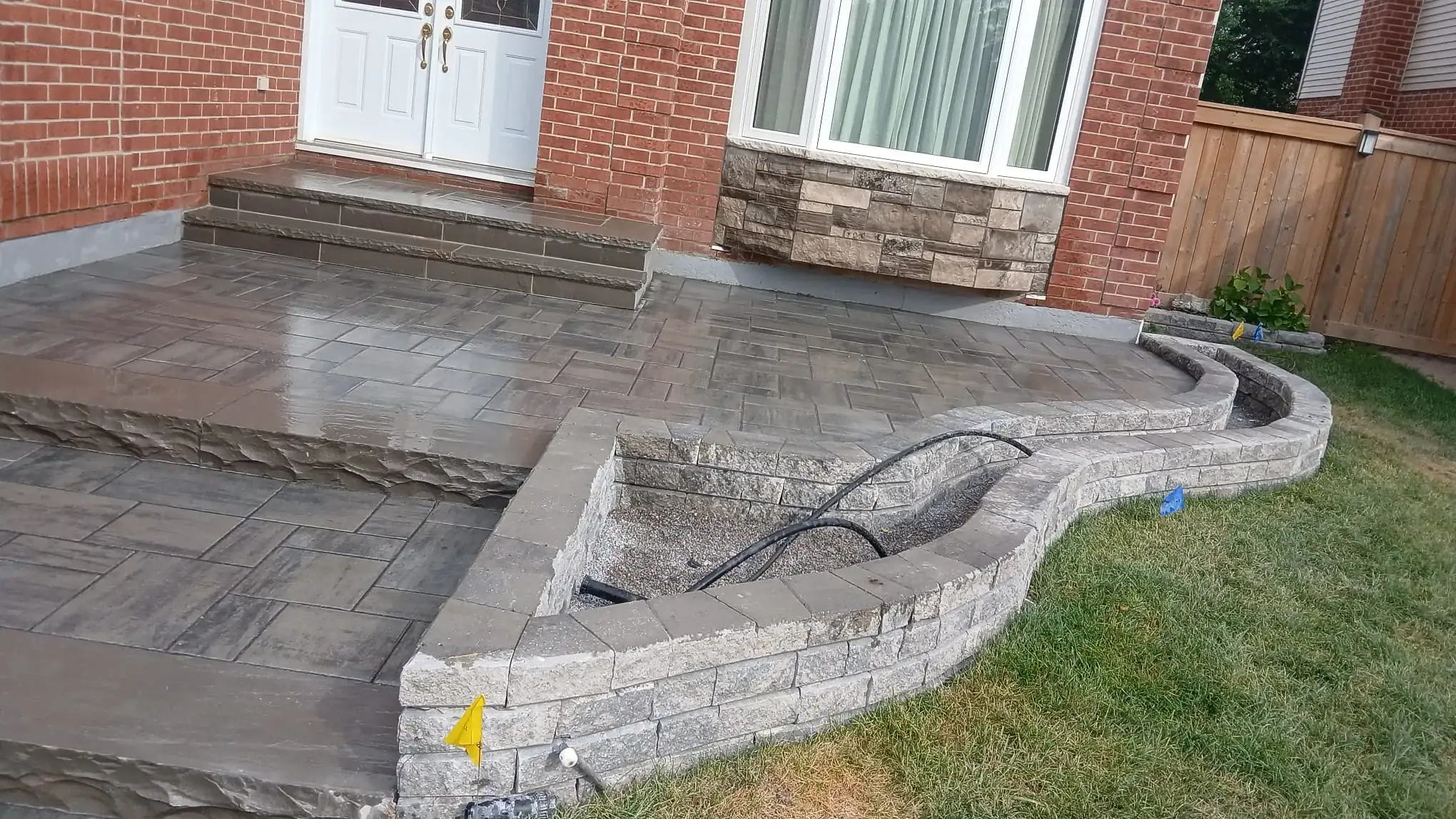
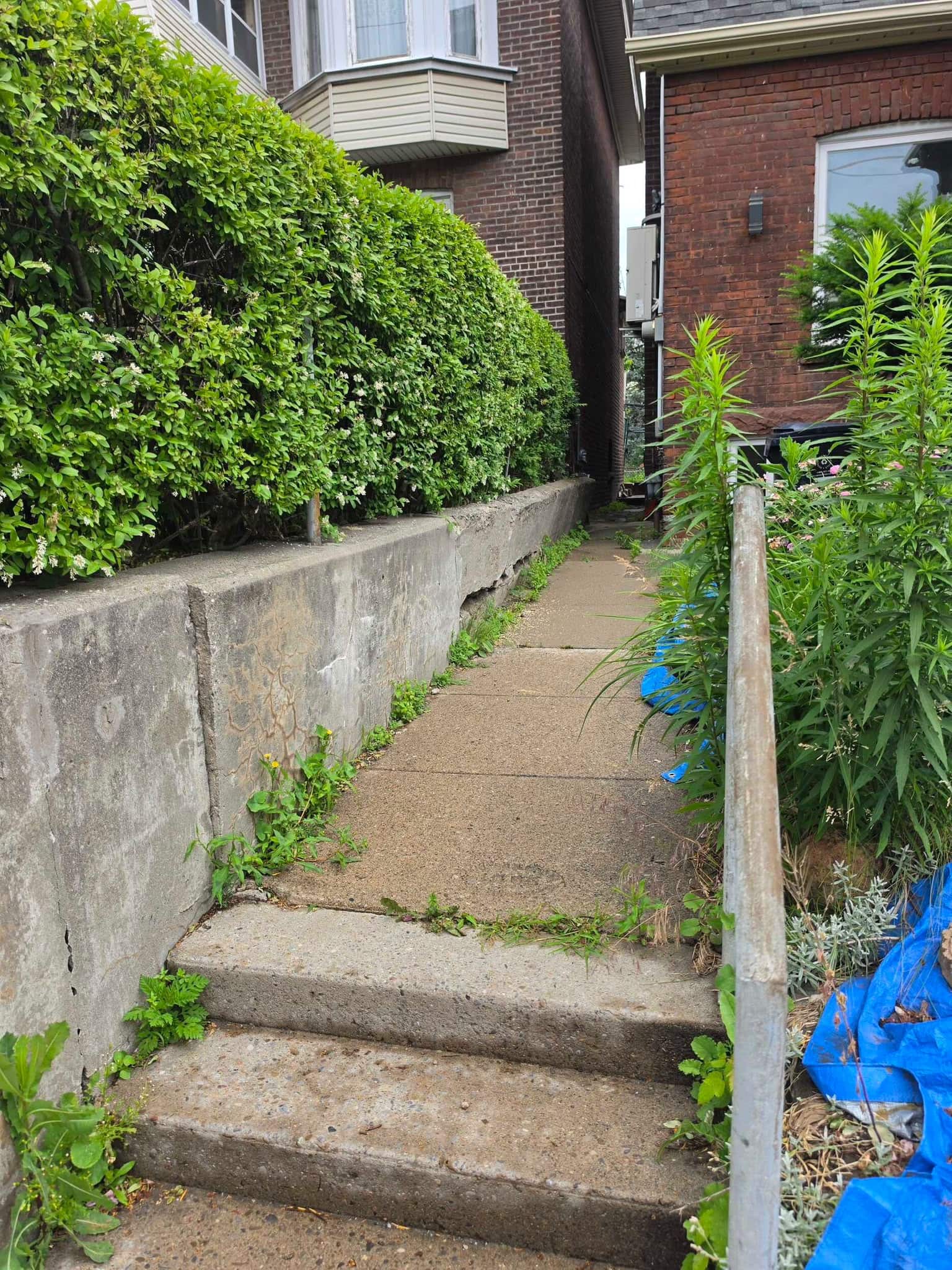
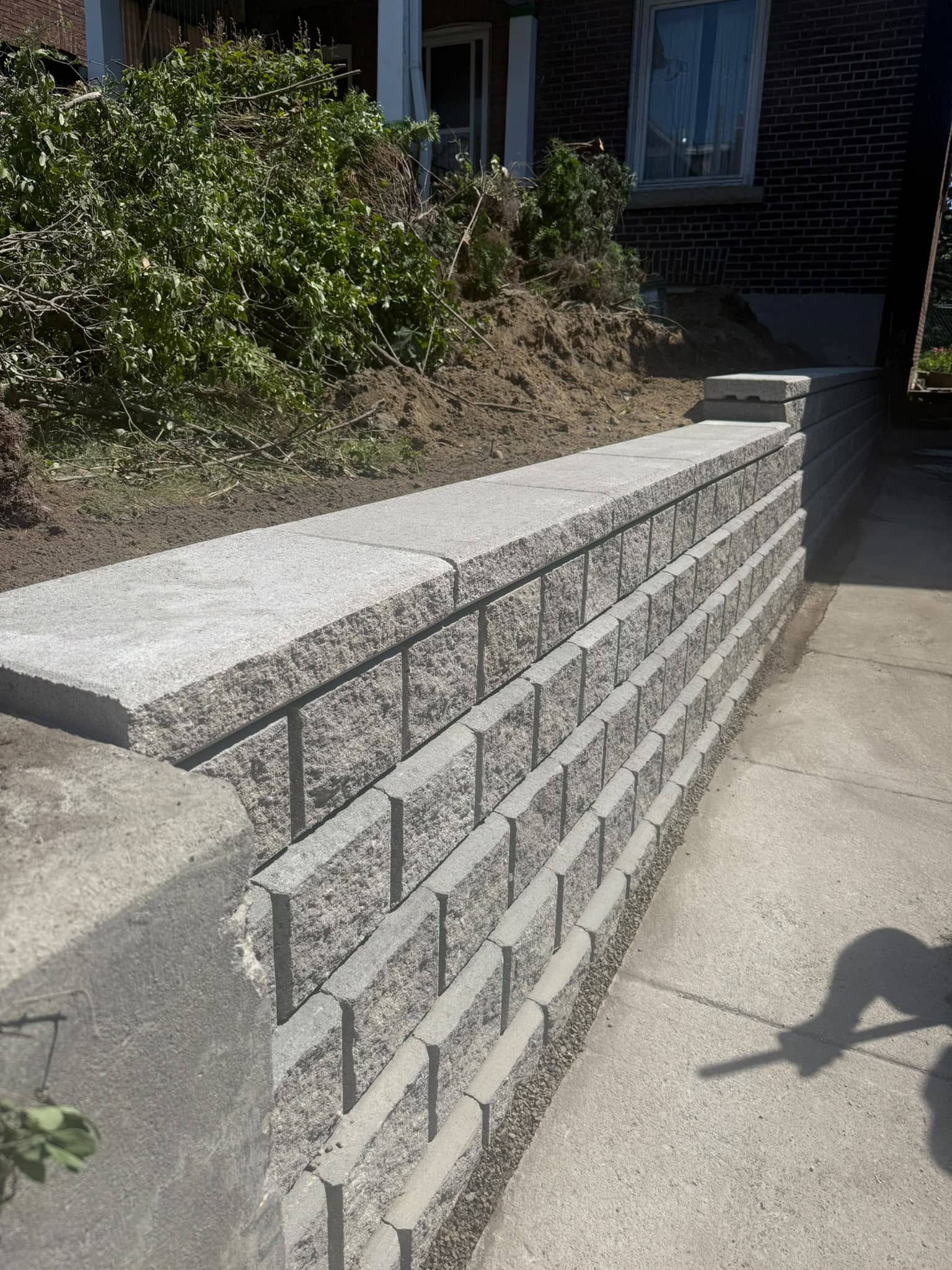
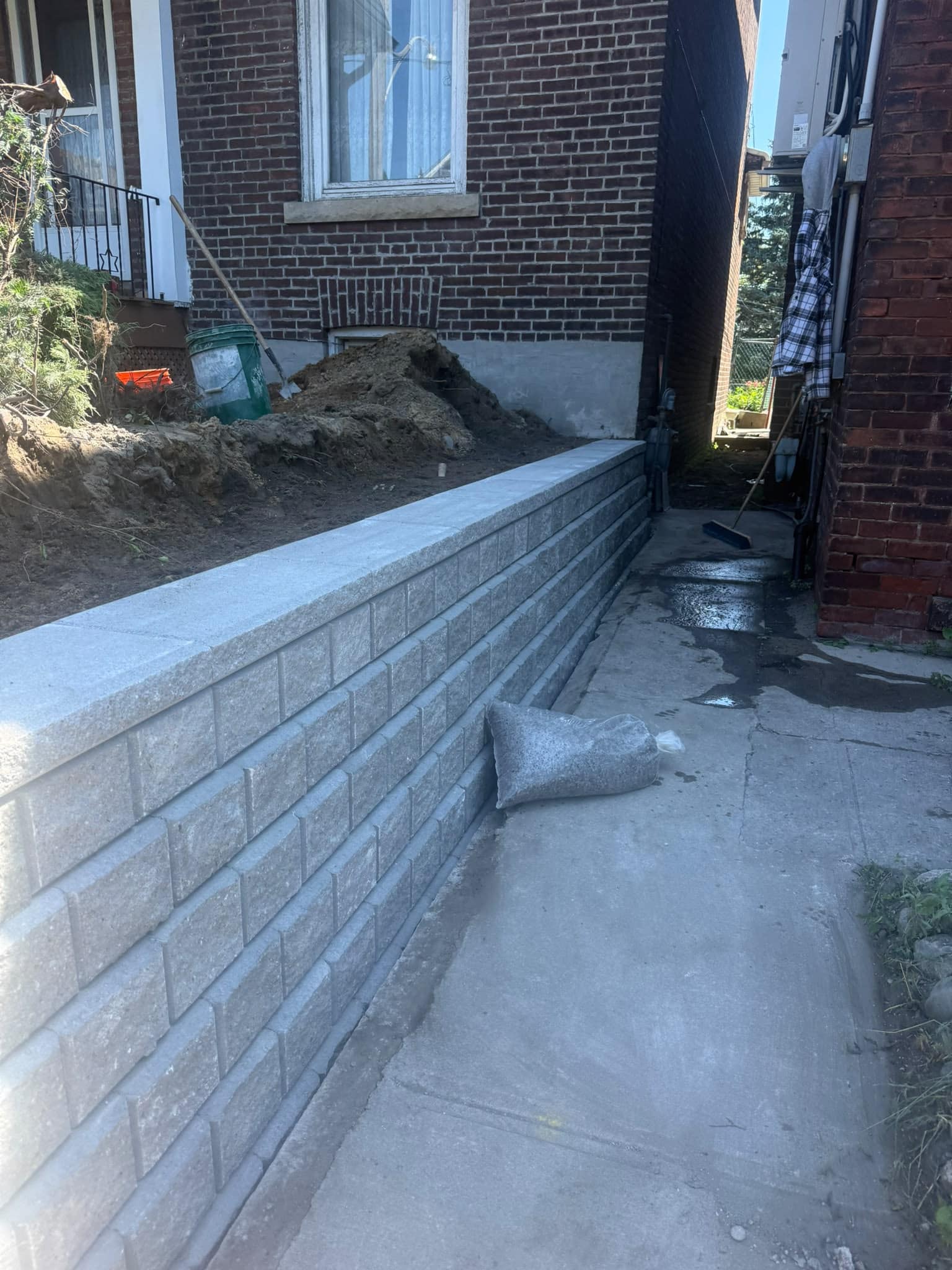
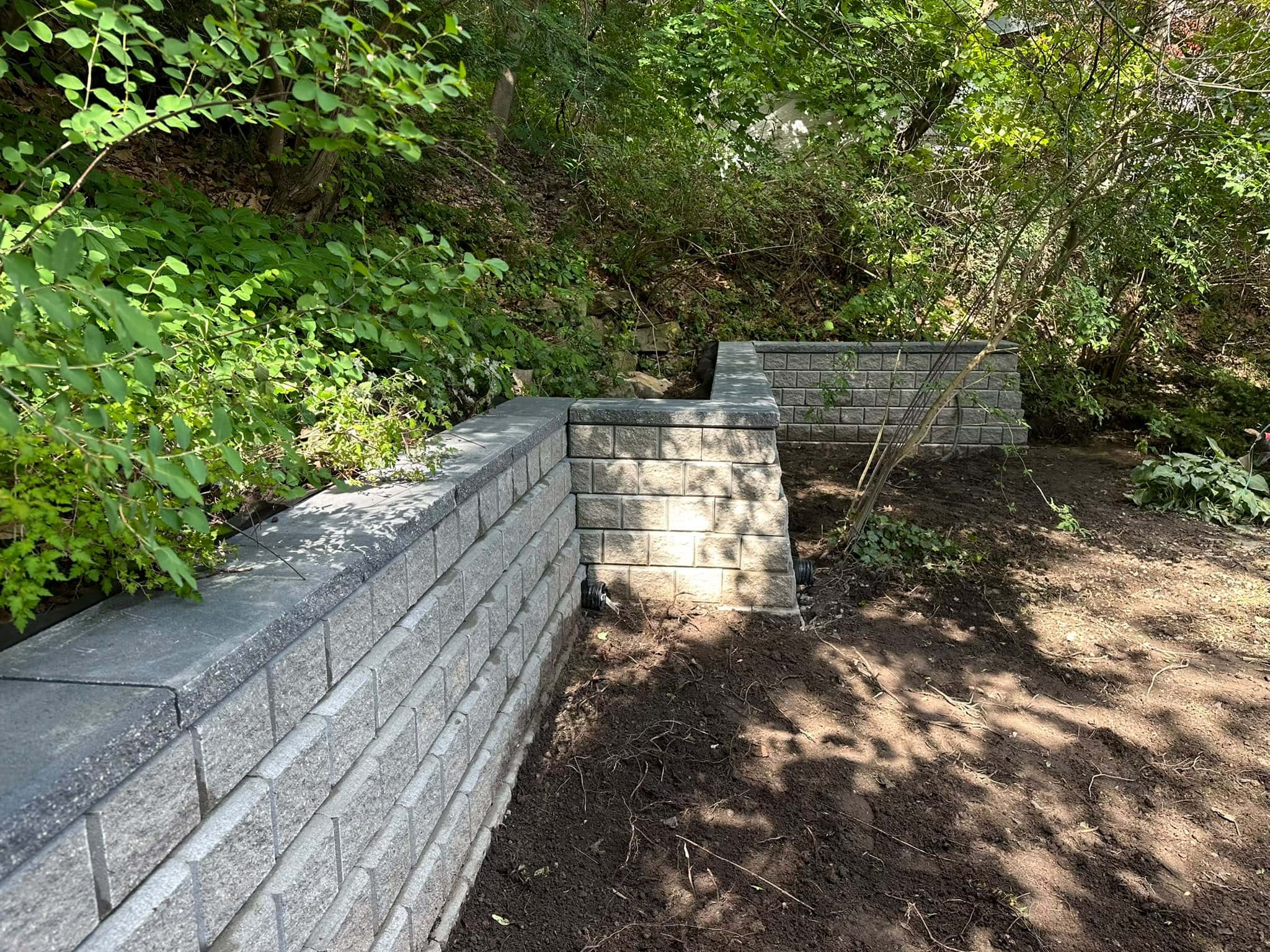
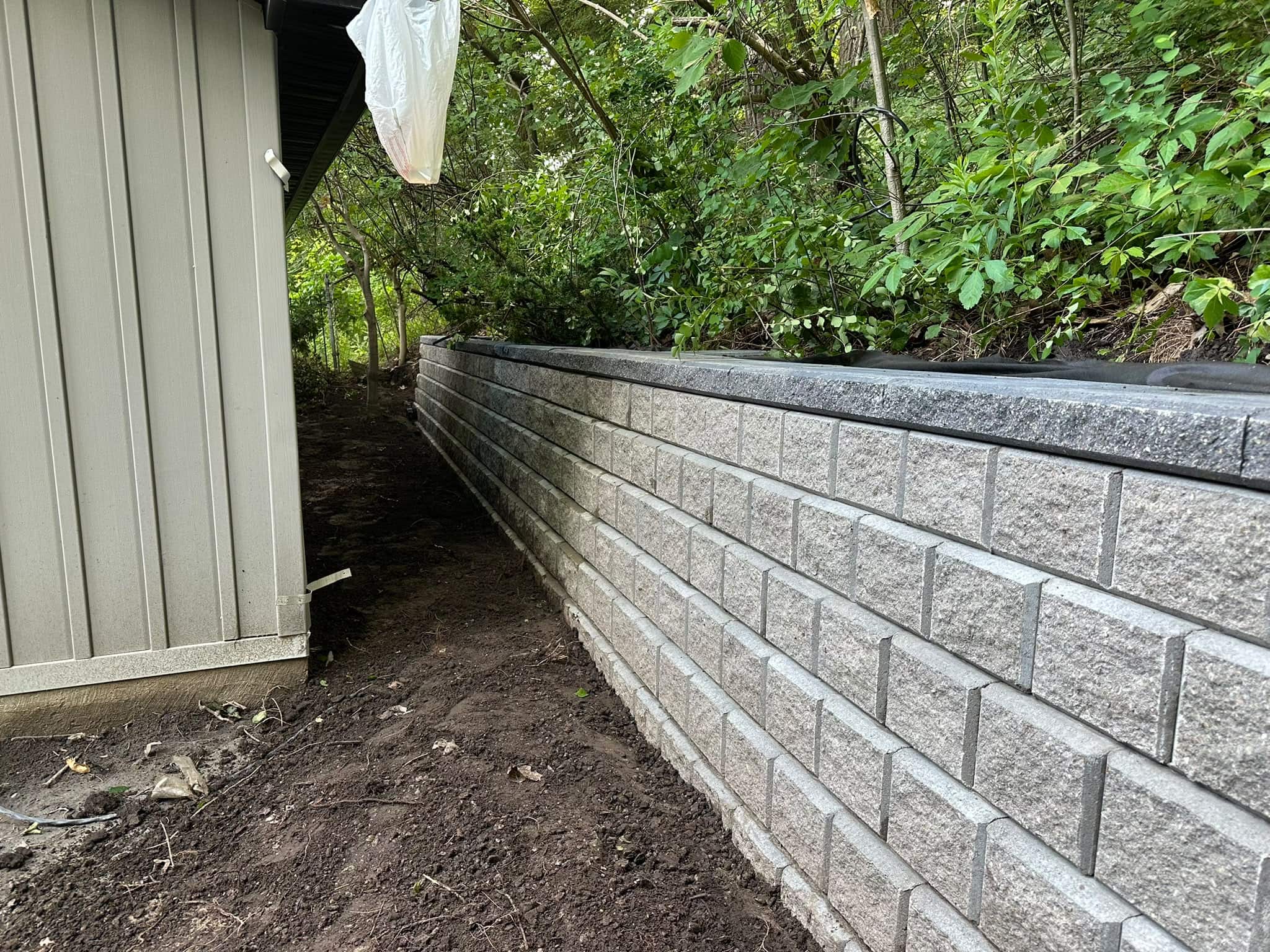
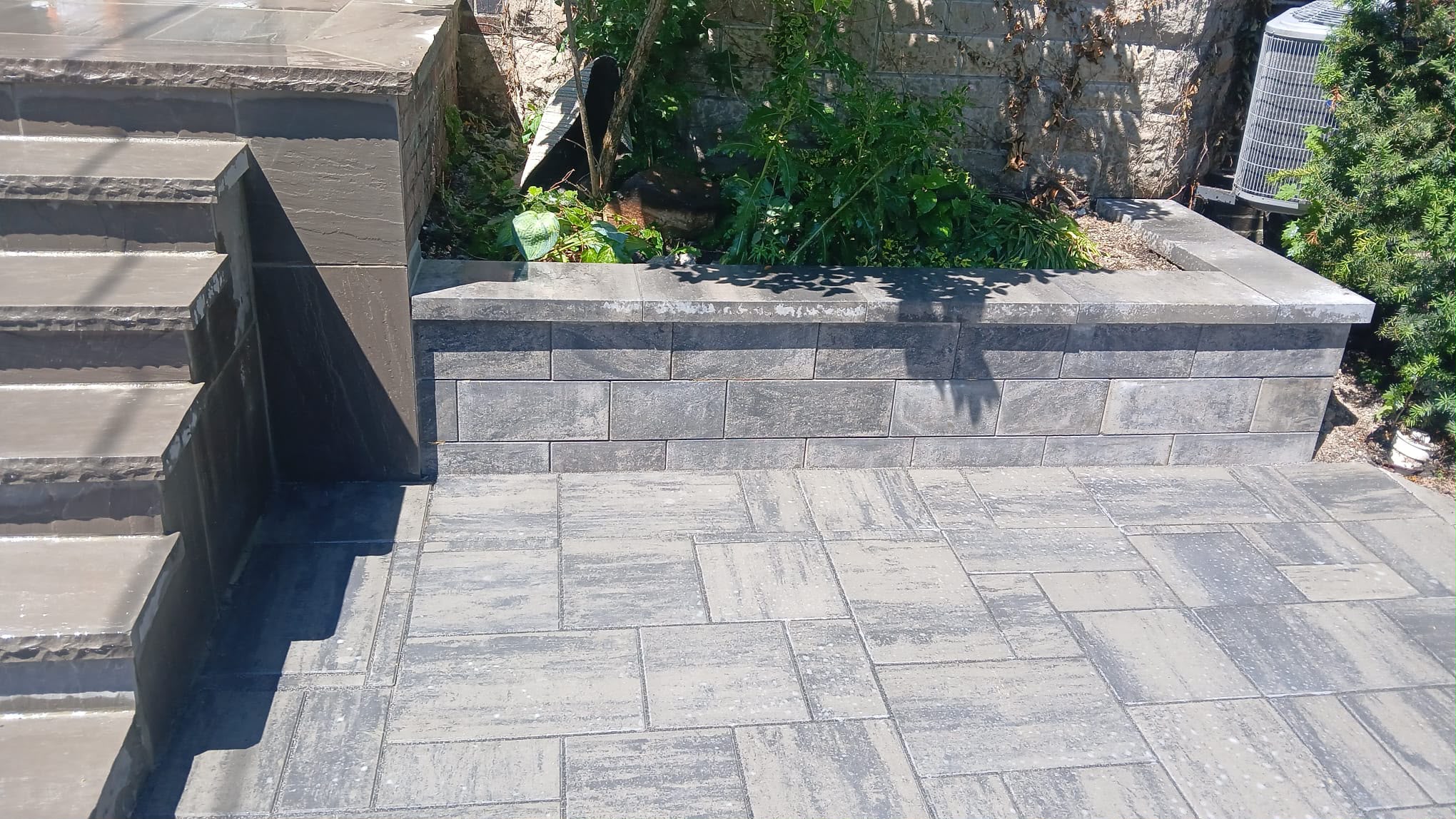
Retaining walls make strong spring projects because they can improve both the look and the function of a yard. They help define grade changes, improve usable space, and bring more structure to sloped or awkward outdoor areas.
This is especially relevant on properties where spring rain reveals erosion, soil movement, or drainage pressure. In these cases, the wall is not only decorative. It is helping shape how the yard works.
Spring retaining wall projects make sense when:
- the property slopes in a way that limits usable space
- there is visible erosion or runoff stress
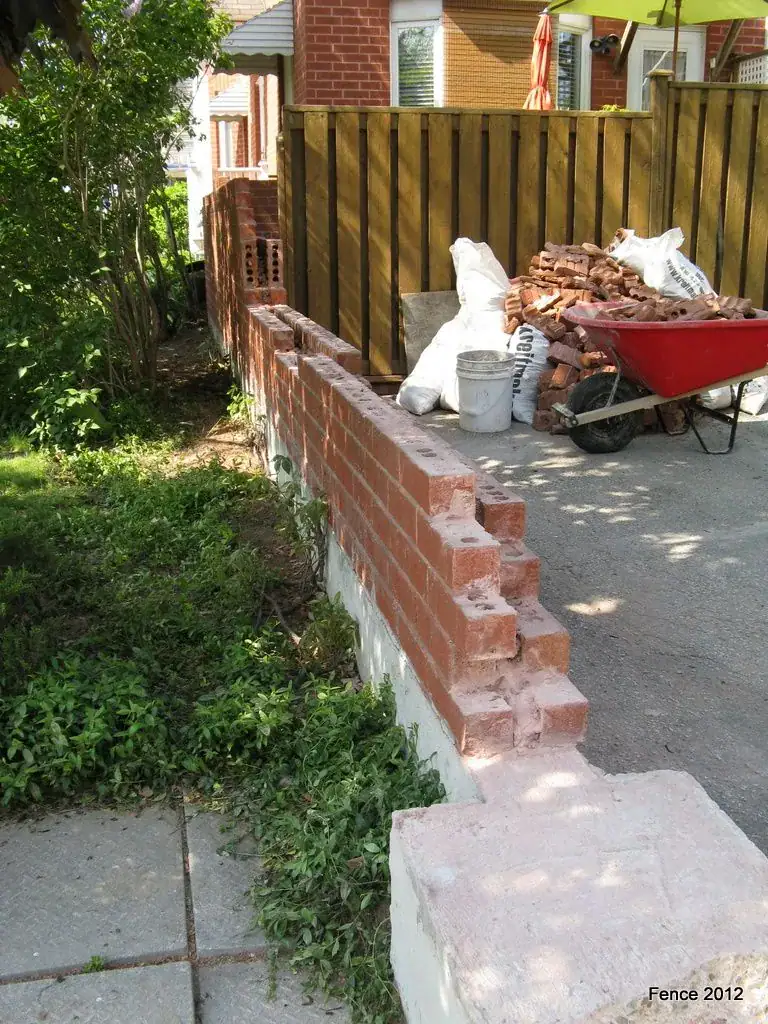
- existing walls are aging or failing
- the homeowner wants a more structured garden or patio layout
If this is the direction, retaining wall design Toronto and segmental retaining walls Toronto are the strongest supporting pages.
Spring Project Idea 4: Correct Drainage Trouble Before It Gets Worse
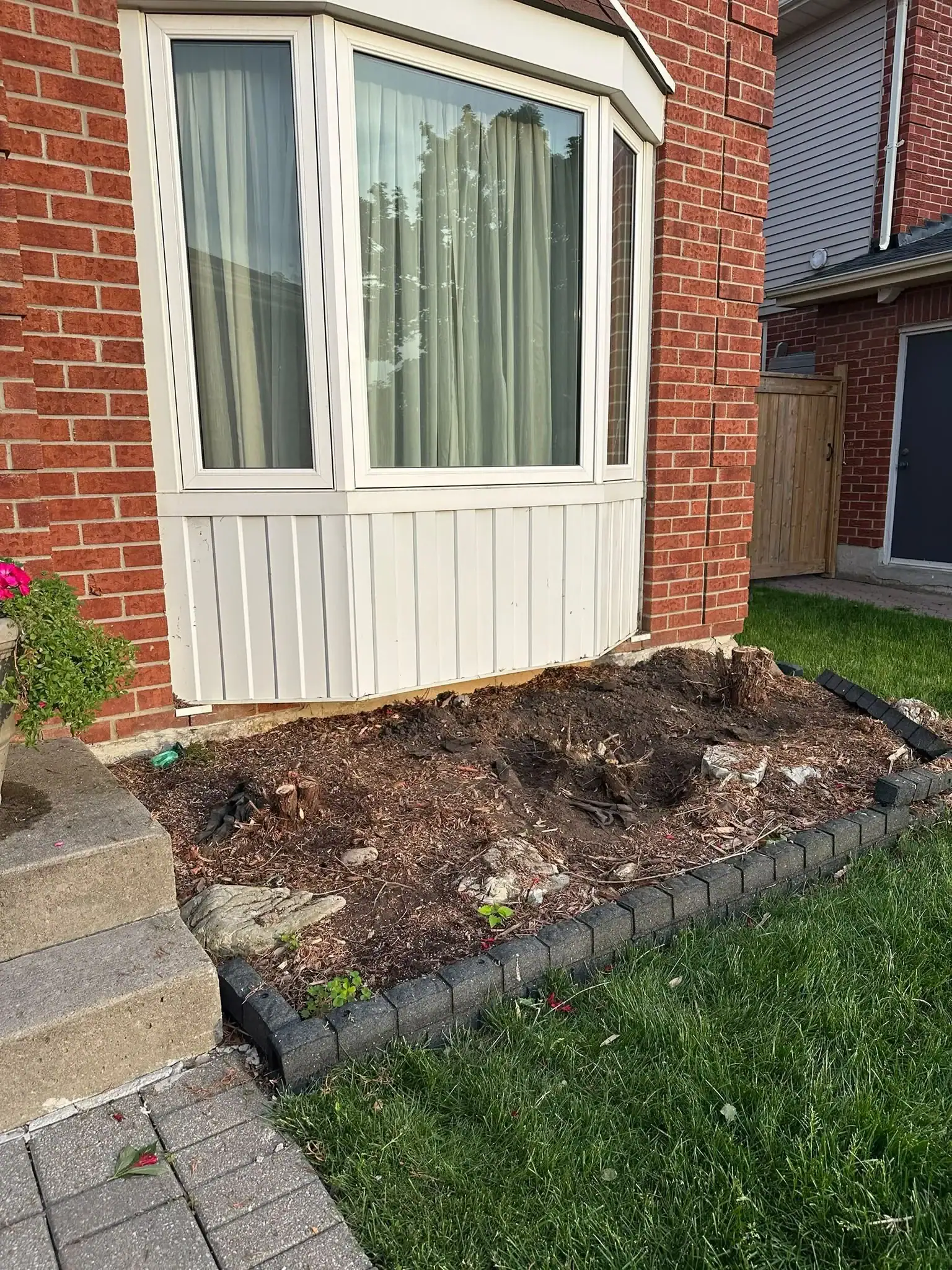
Not every spring masonry project should begin with a visible feature. Sometimes the smartest spring project is the one that deals with water before another season of moisture and movement makes the masonry worse.
Toronto’s homeowner guidance on managing water around the house stresses keeping water on-site where possible, ensuring grading slopes away from the home, and managing runoff so it does not collect near foundations. Toronto also has a specific foundation drainage policy that emphasizes managing foundation drainage on-site rather than discharging it into the City sewer system.
That makes drainage correction one of the most practical spring masonry project ideas, especially if winter reveals:
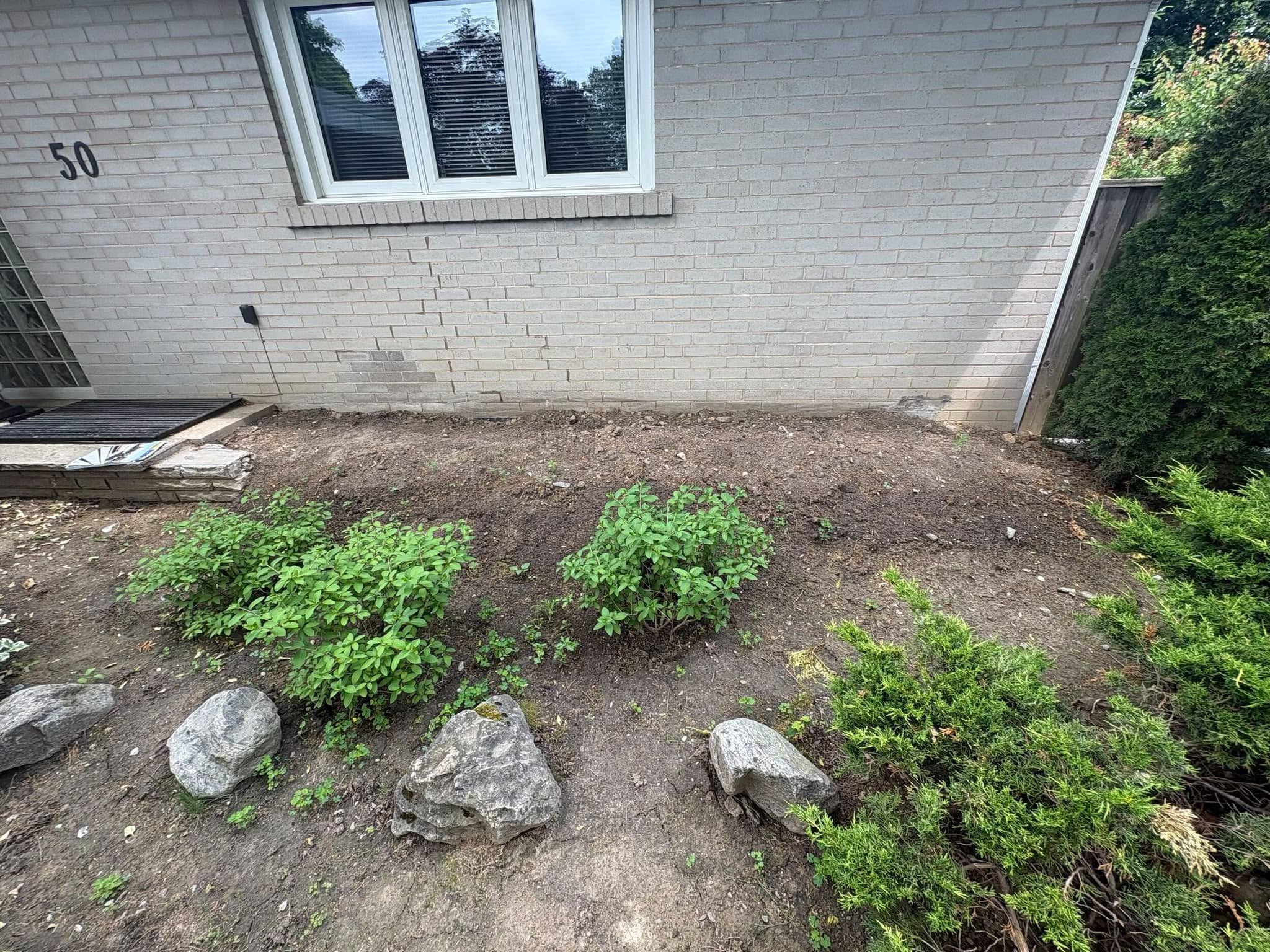
- efflorescence on the lower wall
- persistent damp marks
- pooling near patios or steps
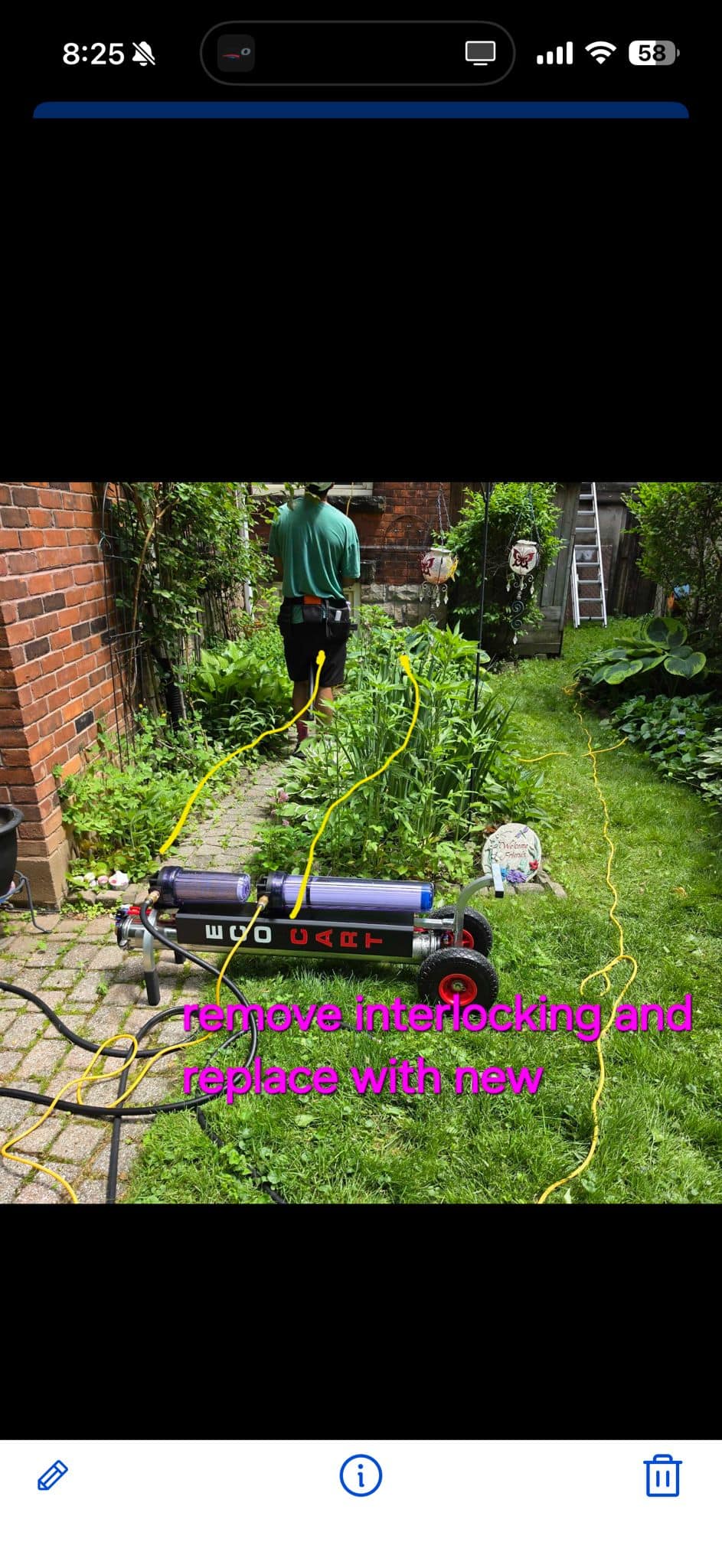
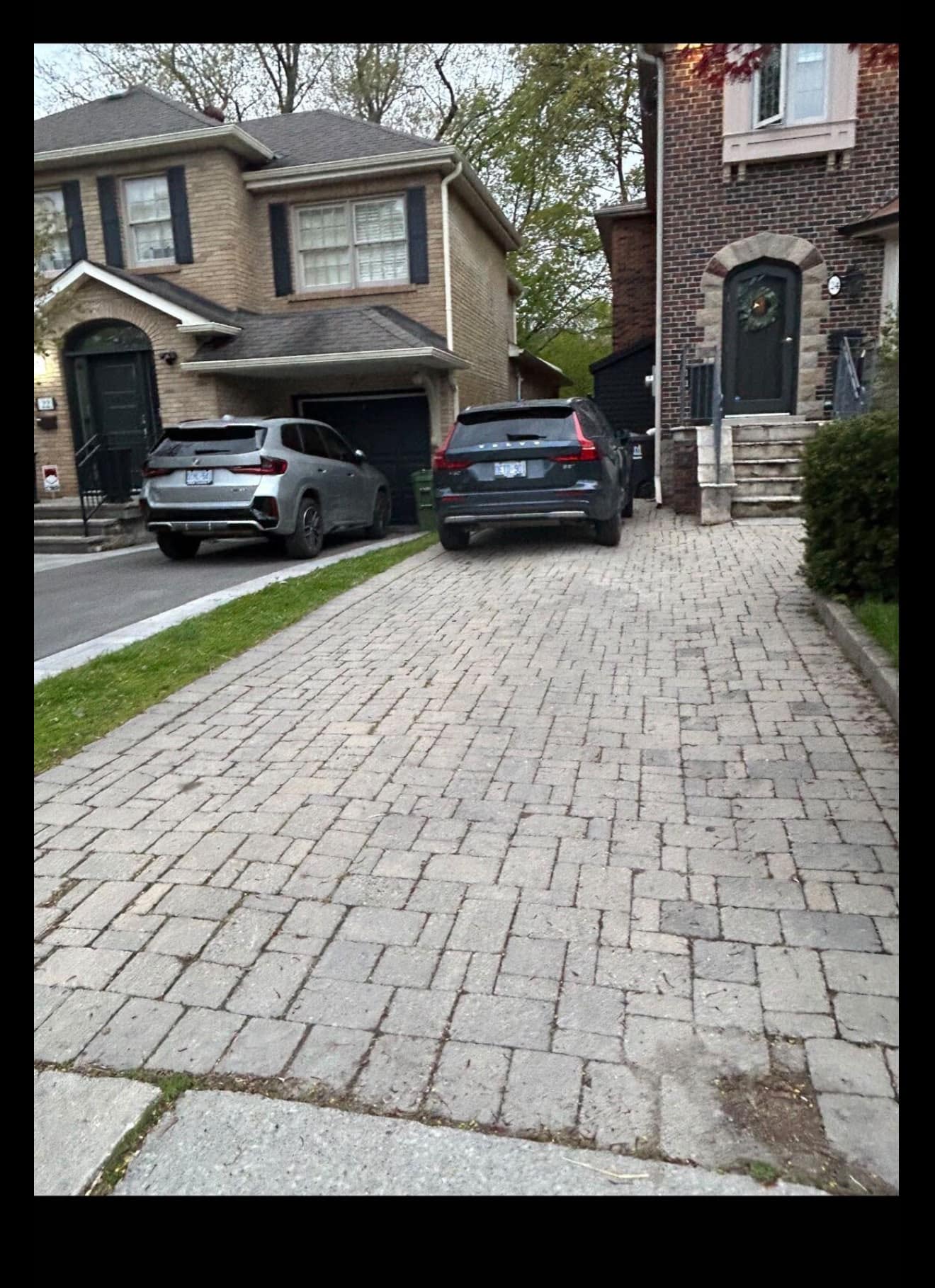
- movement in interlocking
- wet foundation-adjacent areas
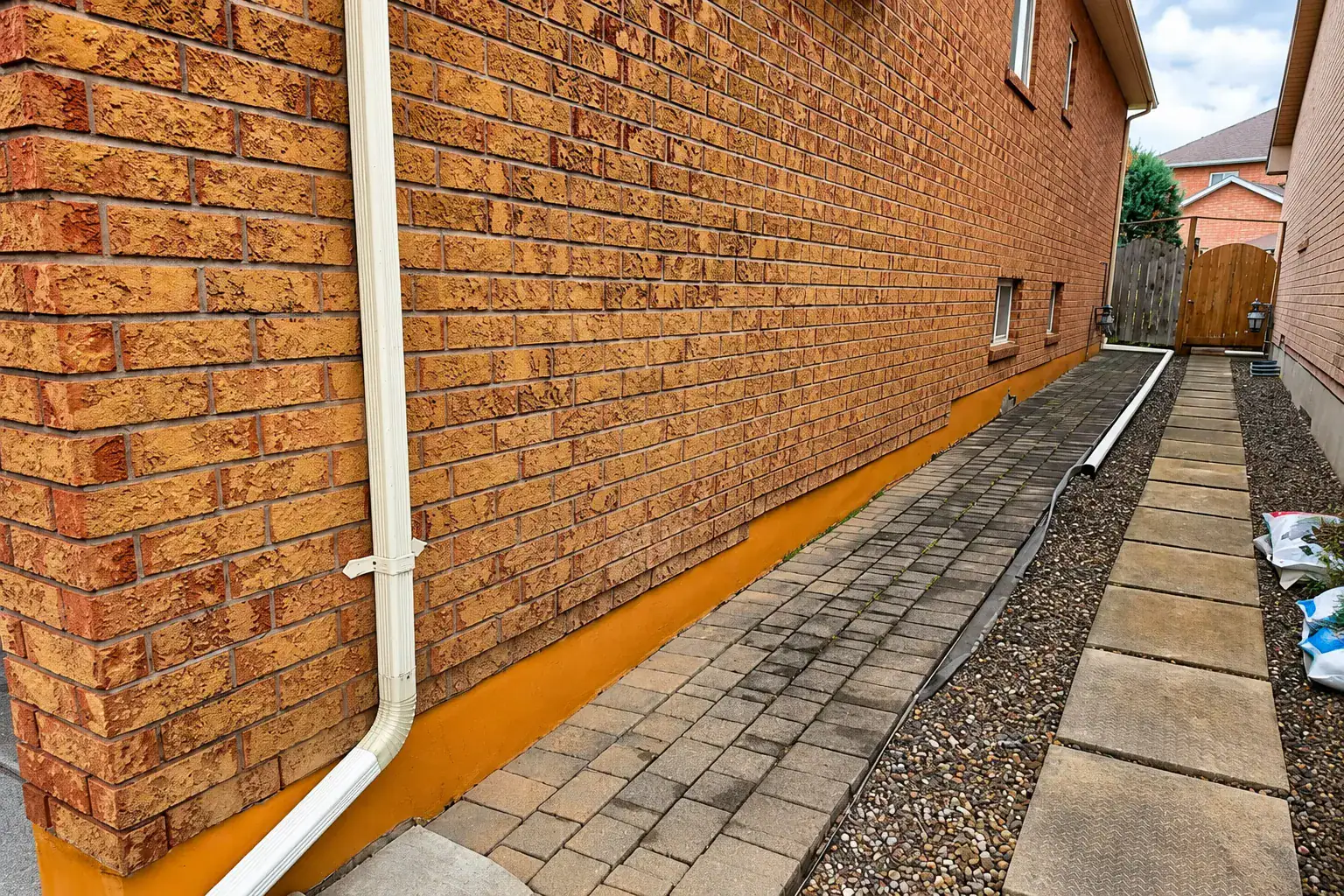
If the main issue is lower-wall moisture, grading, or runoff, the Waterproofing Toronto service page may be the most relevant to review before planning decorative upgrades.
Spring Project Idea 5: Add a Fireplace, Fire Feature, or Feature Wall
Spring is also a good time to add a masonry focal feature that changes how the yard is used rather than simply refreshing what is already there. Fireplaces, fire feature walls, or strong masonry backdrops can help create a more intentional outdoor gathering space.
This kind of project works best when the backyard already has a clear patio or seating zone, and the homeowner wants to strengthen the space rather than clutter it. That is why scale matters so much. A feature wall or fireplace should support the patio, not overpower it.
If this is the type of project you are considering, related supporting pages include fireplace installation Toronto and fireplace stone veneers. If the idea is still being compared at a more conceptual level, our published post on stone veneer fireplaces that work may help clarify how visual scale and practicality should work together.
Spring Project Idea 6: Improve Walkway and Border Design
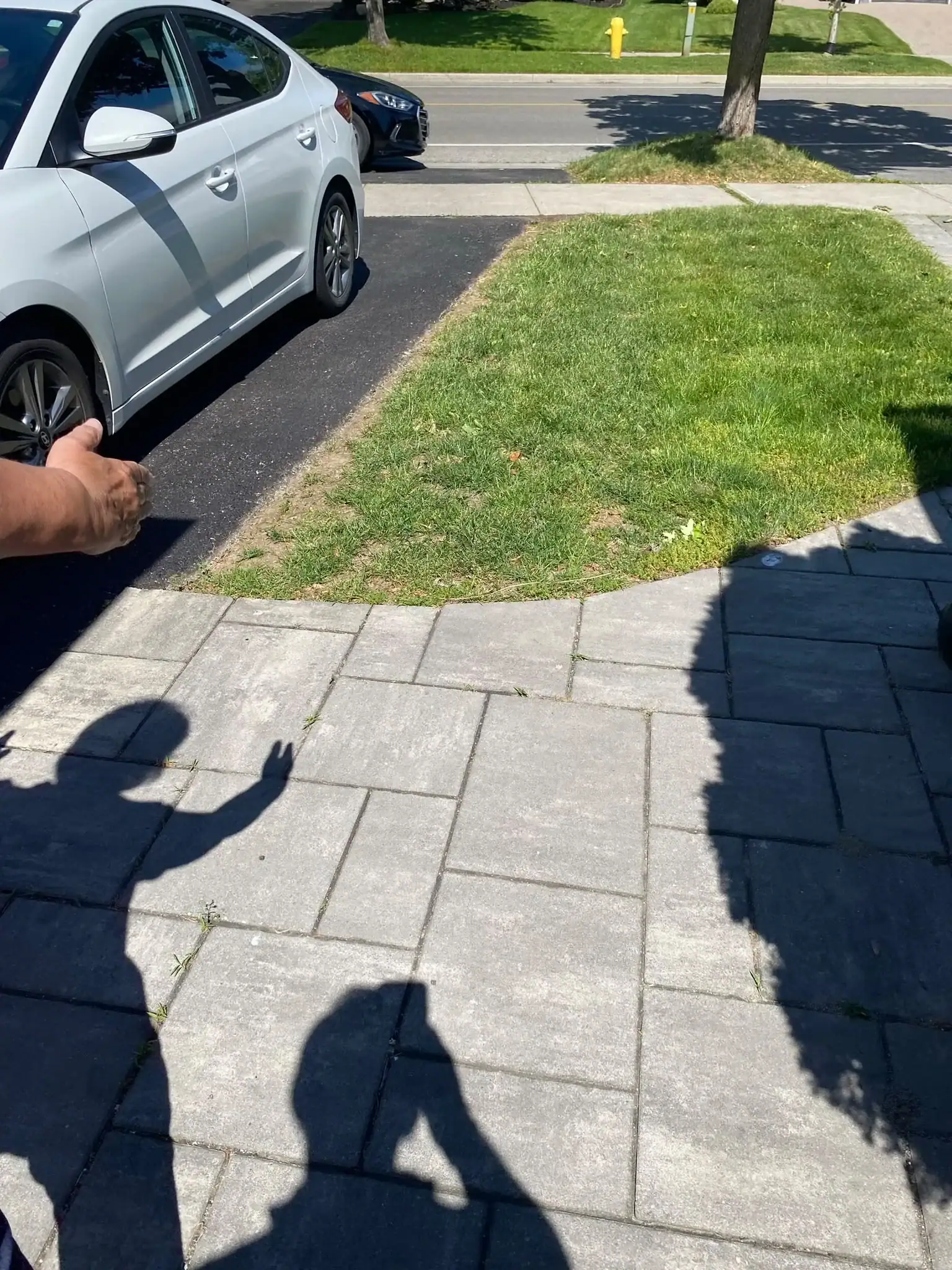
Some of the best spring projects are not the largest ones. Sometimes a home looks better simply because the edges are cleaner, the path makes more sense, and the layout feels deliberate.
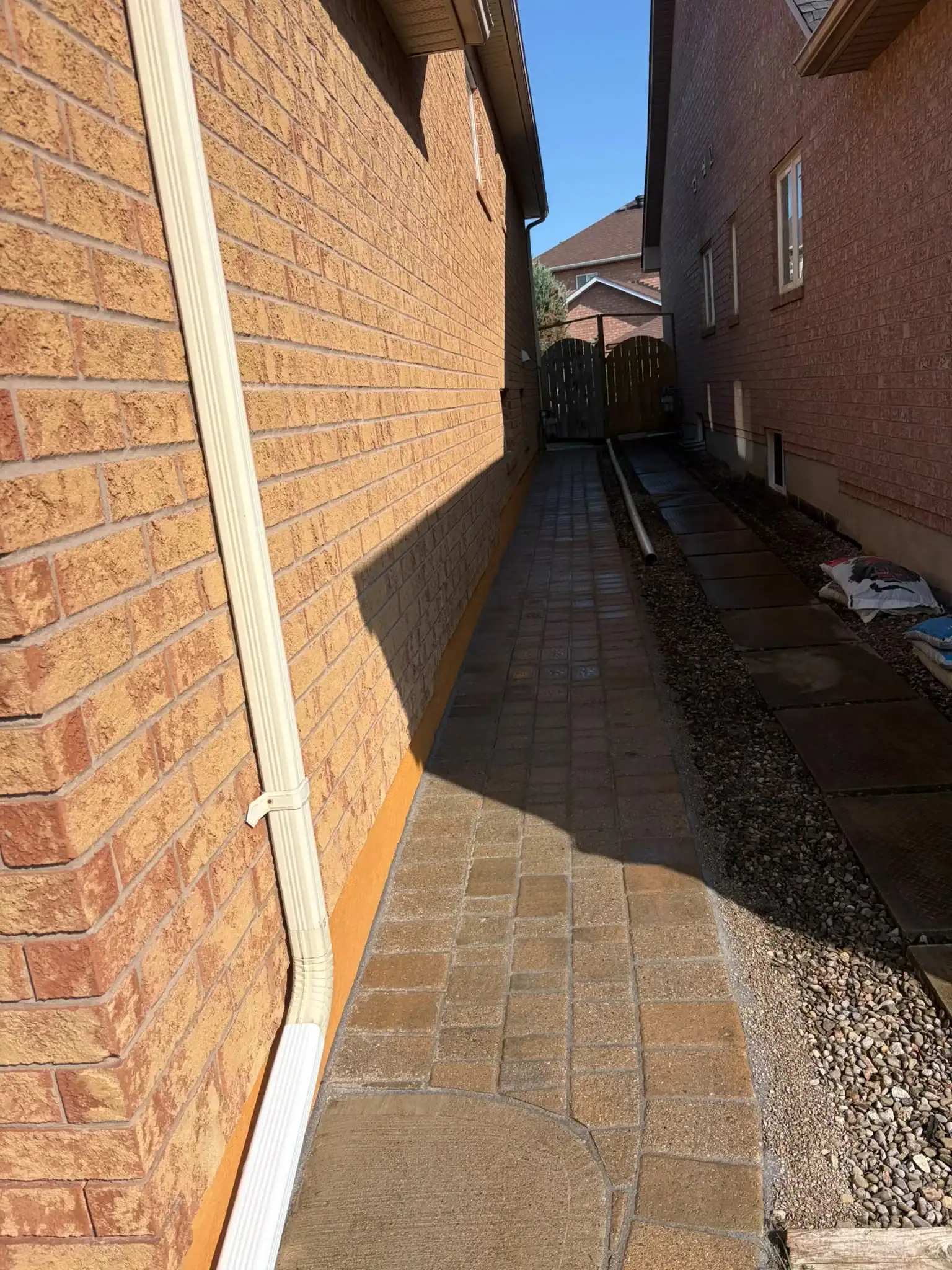
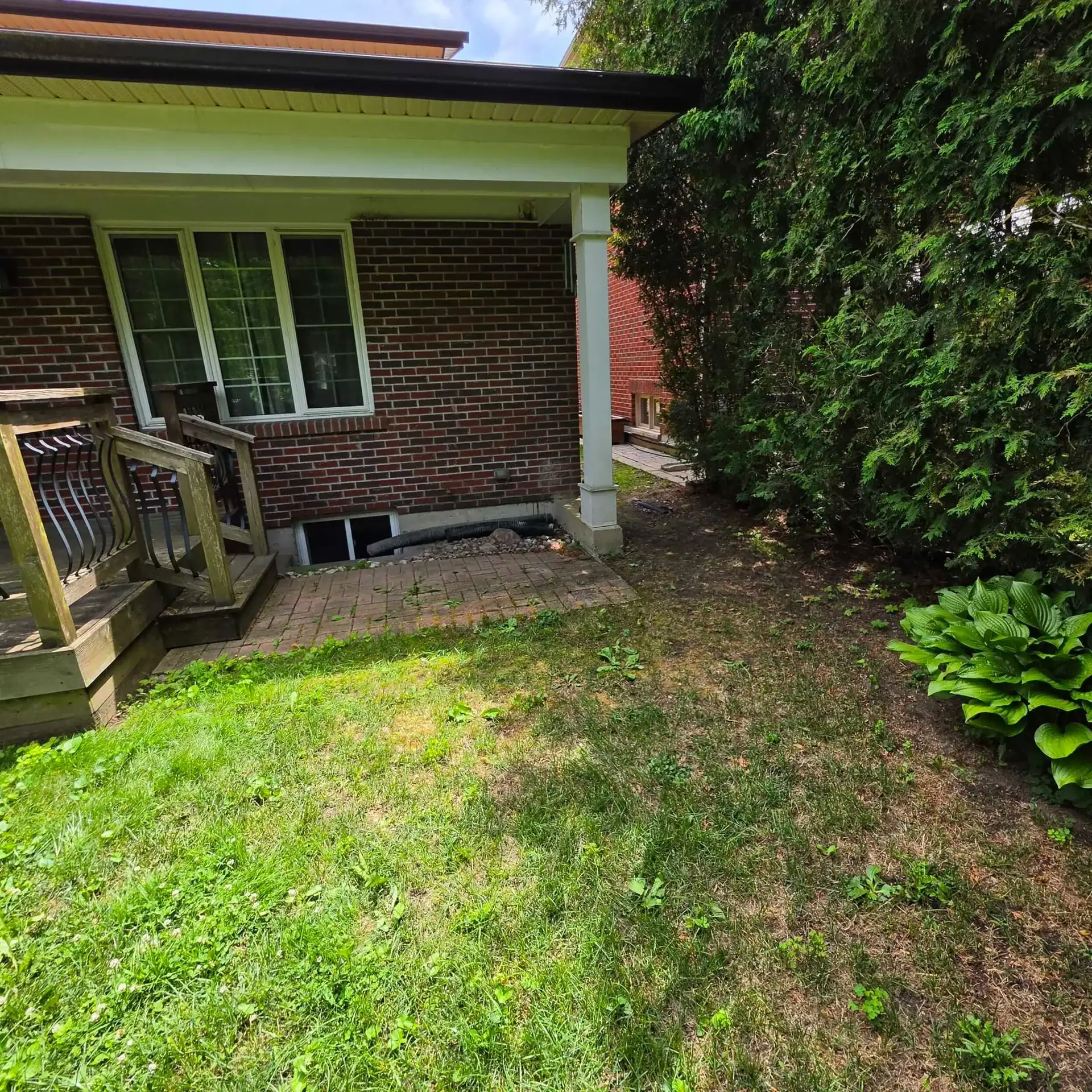
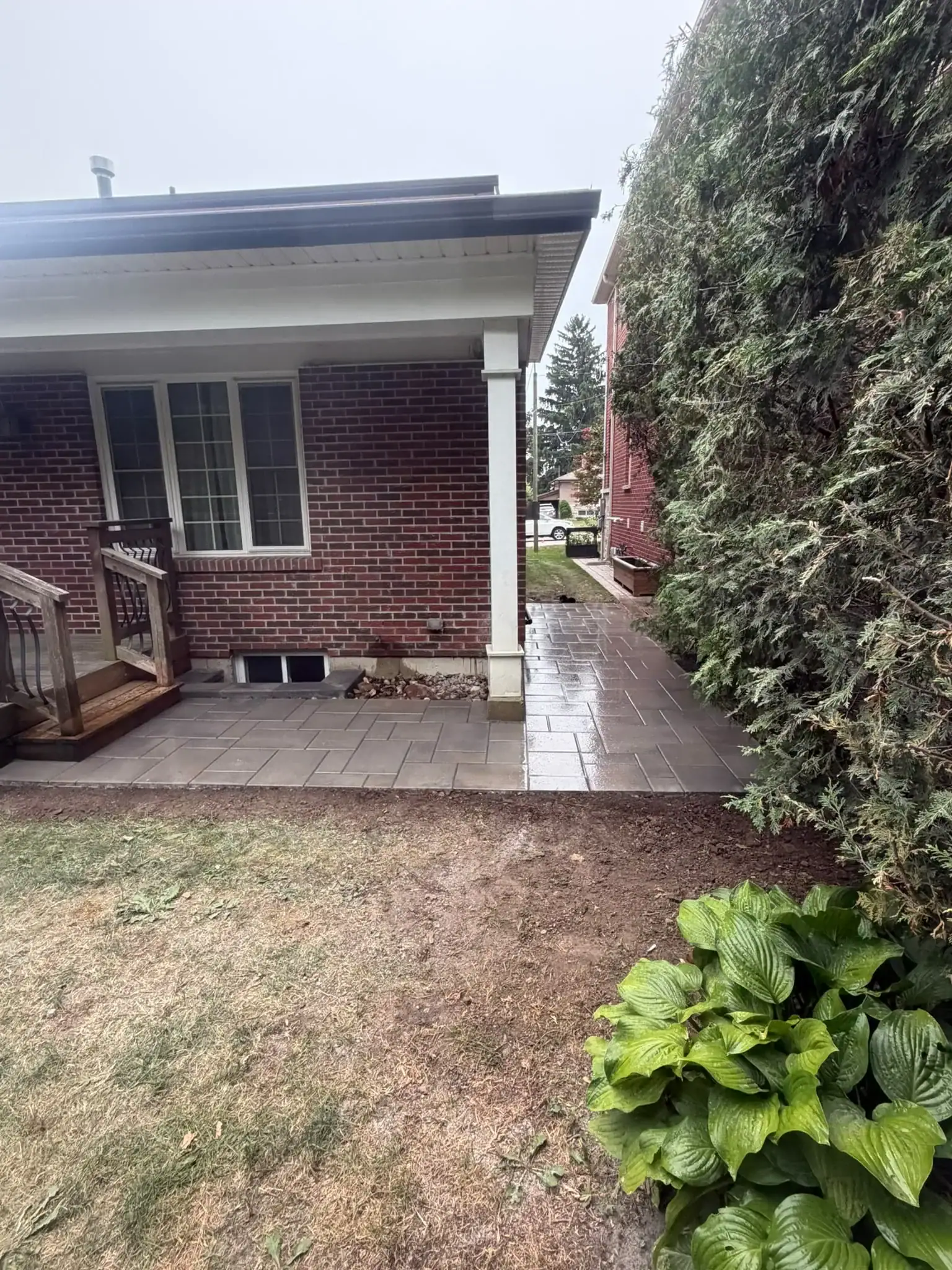
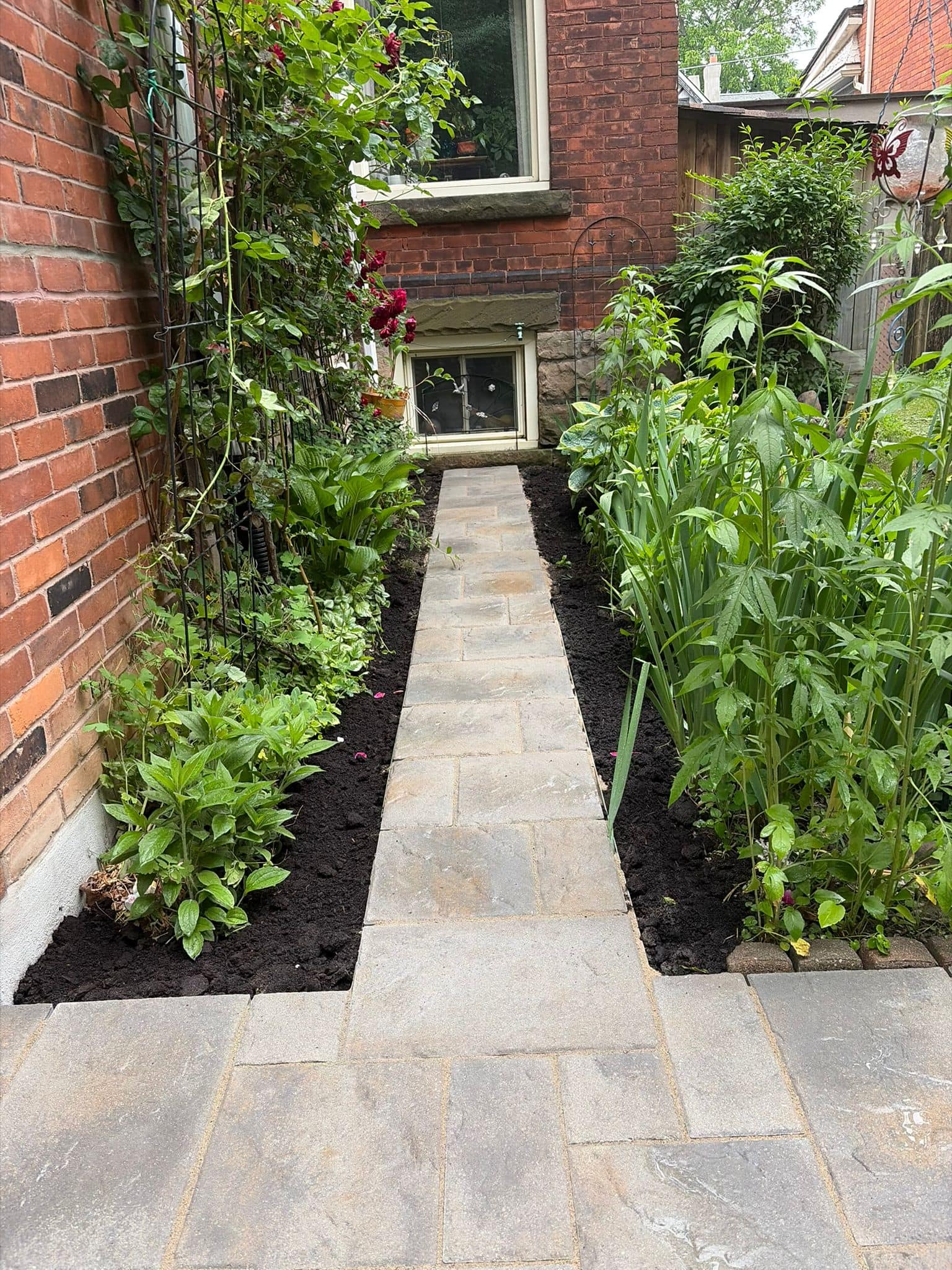
Walkway redesigns, interlocking borders, and cleaner transitions between paved and planted areas can make a big visual difference without requiring a total backyard rebuild. That is especially true in front yards and side passages where people experience the hardscape at close range.
Our blog on interlocking borders and design tips is especially useful here because it focuses on how smaller design details shape the finished result.
What Homeowners Should Think About Before Starting
Spring is a good season for masonry planning, but not every idea should move straight from inspiration to construction. A few questions help homeowners avoid the most common mistakes:
- Is this area actually ready for an upgrade, or does it need repair first?
- Will the project improve how the property functions, or only how it looks?
- Does the project respect drainage, slope, and winter performance?
- Does it fit the scale of the house and yard?
- Is this one isolated project or part of a larger outdoor plan?
Toronto’s building permit guidance notes that permits are required for new buildings, additions, structural or material alterations, certain retaining walls, and some accessory structures, depending on size and use. Accessory structures larger than 10 square metres generally require a permit, and attached or plumbed structures require a permit regardless of size.
That does not mean every spring masonry project needs a permit. It does mean homeowners should not assume that built-in outdoor structures, larger walls, or more involved backyard projects are purely decorative and exempt from review.

When Professional Help Makes More Sense
Homeowners can usually decide which type of project feels most appealing, but professional guidance is especially useful when the work involves structural elements, grade changes, drainage, utility coordination, or major layout changes.
That usually includes cases where:
- steps or walls are already moving
- drainage problems affect the lower masonry
- the patio or walkway needs resloping
- retaining walls are part of the plan
- the project includes a fireplace, outdoor kitchen, or accessory structure
- multiple masonry elements need to be coordinated into one design
If the spring project idea starts turning into a broader backyard build, it often makes more sense to think in terms of a complete hardscape plan rather than separate, isolated upgrades. That is where pages like backyard hardscape design ideas and interlocking contractor Toronto become more useful than any single product or feature page alone.
Quick Decision Guide: Which Spring Masonry Project Makes the Most Sense?
Choose a repair-first project if:
- winter damage is obvious
- the masonry is already deteriorating
- drainage or movement is part of the issue
Choose a curb-appeal project if:
- the structure is sound, but the front entry or approach feels dated
- walkways, borders, or steps need visual improvement
- you want a more polished exterior without a full rebuild
Choose a backyard-use project if:
- you want the yard to function better through spring and summer
- the patio, retaining walls, or feature elements will change how the space is used
- you are ready to treat the project as part of a larger outdoor plan
If you are unsure, the safest starting point is to fix what winter revealed first. A good spring design usually lasts longer when built on sound masonry conditions rather than covering up unresolved problems.
Final Thoughts
Spring masonry project ideas work best when they solve the right problem. For some homeowners, that means correcting drainage, steps, or worn mortar before anything decorative begins. For others, it means taking advantage of the season to improve patios, walkways, retaining walls, or focal features before summer arrives.
For Toronto homeowners, the smartest spring projects are usually the ones that improve both appearance and performance. A project should make the home look better, but it should also work better through real weather, real use, and another winter cycle.
If there is one clear takeaway, it is this: the best spring masonry project is not always the biggest one. It is the one that improves the property where winter showed you it mattered most.